Horticulture’s Weedy Introductions in a Changing Climate

In case I need a reminder that the horticulture industry has a history of introducing weedy plants to natural areas, I get one each time I bike to work. Riding along the Boise River Greenbelt, a trail that for much of its length is flanked by cultivated landscapes on one side and a highly modified but largely naturalized river bank on the other, I see a mixture of both native and introduced plants. Of the introduced plants, many are horticultural species that have escaped cultivation and established themselves on the bank of the river. There are catalpa and black locust trees brought in from the other side of the country, St. John’s wort and chicory from Eurasia, honeysuckles primarily from Asia, and a few different cherry species and hybrids with varied provenances. And this is just a small sample of what can be found along my three and a half mile bike ride.

St. John’s wort (Hypericum perforatum) on the banks of the Boise River

This is certainly not a new concern. We have been aware of the role that horticulture plays in introducing invasive species for quite some time now. Several years back, while doing a deep dive into the topic of invasive species, I wrote about this issue right here on this very blog. According to a study published in Frontiers in Ecology and the Environment (2021), out of 1285 plant species identified as invasive, 61% are currently sold in nurseries. If that’s not concern enough, an additional factor to consider is climate change. Plants that were less likely to escape cultivation and head for the wild, may take the opportunity to do so in a changing climate. Plus, horticultural plants that are already problems in certain areas could expand their range as climates become more favorable in new locations, especially if these plants continue to be sold in nearby nurseries.

These concerns and more are the topic of a paper published in BioScience (2023). Evelyn M. Beaury, et al. looked at nurseries across the United States and the plants they sell in order to determine where invasive plants are still being sold in regions where they are invasive. Additionally, they looked at plants known to be invasive but that are not currently invasive in the regions they are being sold. Using climate models, they predicted whether or not these plants could become invasive under changing climates.

Plants are being moved around with a lot more ease than they once were, and the sales of problematic plants are increasingly difficult to regulate. For one thing, plants prohibited for sale in one state can be purchased at nurseries in neighboring states and brought back to be planted in regions where those plants are invasive. And while mail order has existed for a long time, online ordering makes the process even simpler; and many online plant vendors are not liscensed nurseries, making them much more difficult to regulate. But even regulation is typically a response to something that has already become a problem, rather than a proactive measure to prevent plants from escaping into natural areas.

Beaury, et al. identified 672 nurseries across the United States, both online and traditional retailers. Each of these nurseries were selling one or more of the 89 plant species that became the focus of their research. These are plant species that are either on federal or state noxious weed lists or that have been identified as invasive by Invasive Plant Atlas. The reach of each nursery was determined by using customer reviews to compute distances that plants might travel after being purchased at nurseries or from online stores. Obviously, not every customer that purchases a plant leaves a review, but this is a good way to get a general idea how far away customers are from nurseries without having access to more detailed records. These geotagged reviews can also be cross-referenced with known distributions of invasive plants. Using climate models and environmental predictor variables, the researchers determined areas of current and potential invasion for each of the 89 plants.

tansy (Tanacetum vulgare) – one of the 89 plant species looked at in the study

The first question was about proximity to current records of plant invasions. Results showed that “49 of the 89 ornamental invasives were sold within 21 kilometers (13 miles) of an observed record of invasion.” When invasive plants are sold and planted near locations where they are already known to be invasive, it gives them the opportunity to add new plants to existing or developing invasions. In ecology, this is known as propagule pressure. When it comes to current and future climate, most species in the study are being sold by nurseries where the climate is either currently favorable for range expansion or may eventually become favorable. Specifically for future climate, 40 of the 89 plants are being sold in regions that are currently suitable for invasion and will continue to be suitable as the climate changes, and 25 of the 89 plants are being sold in regions where the climate is currently unsuitable but will become suitable as temperatures warm.

Particularly for plants being sold in areas that are not yet suitable for invasion, there is time to educate both the nursery industry and the general public and to look for alternatives to these plants. However, as the researchers point out, their analysis “only examined about 10% of the larger pool of U.S. ornamental plants known to be invasive,” and they “sampled only a subset of the nurseries that could be selling invasive species in the United States.” It is highly likely that the results of this study are an underestimation of the problem. Clearly the work of education and finding alternatives to problematic plants is monumental. The hope is that studies like this can help with education and can assist with working out ways to regulate sales of invasive plants.

coltsfoot (Tussilago farfara) – another one of the 89 plant species looked at in the study

Regulating the sale of plants is beyond most of our control, and how much regulation we should be enforcing on nurseries in the first place is a debate we should be having. Outside of those questions, there is a responsibility that we should take as gardeners and as residents of the planet. If we choose to grow plants, it is crucial that we get to know them. We should be taking the time to observe the degree to which they spread and how they are being dispersed. When they do move around our yards, where are they going, and are they able to grow outside of our care? Are they leaving our properties and coming up elsewhere? If we choose to plant non-native species, we should be mindful of how they might affect nearby, wild landscapes if they were to escape our yards and establish themselves in these locations. We should also be aware of where we live in the city. If our gardens are in the middle of a dense urban landscape, perhaps there is less concern that our plants will move beyond the borders of our gardens. But if we garden near natural areas, we should be significantly more selective about the things we plant, and we ought to be more observant as to what those plants are up to.

Nurseries generally sell the plants that gardeners want to buy, which means we can choose not to buy problematic plants and instead demand alternatives to these plants. Seeking out nurseries that sell the types of plants that are better suited for our regions and do not exhibit invasive behaviors can send a message to other growers that they should phase out certain plants and start growing the plants that gardeners are asking for. This may be a simplistic take, and as with most things, it’s complicated. While one of the goals of this research is to help influence regulators, another goal is simply to “[share] information about high-risk ornamental invaders across states and regions, and [work] with horticulture and community members to reduce the escape of ornamental species into natural areas.” This is precisely the area where gardeners can make a difference.

On that note, I will be starting a new series of posts to discuss some of the ornamental species that have gone weedy. By getting to know the plants that find themselves in this predicament, we can be better situated to make informed decisions about what to do about them.

Another Year of Pollination: Viscin Threads

While we’re on the subject of pollen-gluing mechanisms, there is another material apart from pollenkitt that a limited number of flowering plant families use to link their pollen grains together. It functions, much like pollenkitt, by aiding in the attachment of pollen to visiting animals. However, unlike pollenkitt, it isn’t sticky, oily, or viscous, and is instead more like a series of threads. Viscin threads to be exact.

One of the major differences between pollenkitt and viscin threads is their composition. The lipid-rich coating that surrounds pollen grains, which we call pollenkitt, is derived from breakdown materials of an inner layer of the anther. It is added to pollen grains after they are formed and before the anther dehisces. Viscin threads are made up of sporopollenin, the same biopolymer that exine (the outer wall of a pollen grain) is composed of. Viscin threads have points of attachment on an outer layer of the exine called the ektexine. Unlike pollenkitt, viscin threads don’t add new color to pollen grains, nor do they contain scent compounds. Their thickness, length, abundance, and texture are dependent on the species of plant they are found on, much like pollenkitt varies in form and composition depending on species.

pollen strands of tufted evening primrose (Oenothera caespitosa)

Viscin threads evolved independently in three distantly related plant families. These include Onagraceae (the evening primrose family), Ericaceae (the heath family), and a subfamily in the pea family known as Caesalpinioideae (the peacock flower subfamily). Viscin threads are found in many, but not all, of the species in these three families. Some species in other plant families have what appear to be viscin threads but are actually ropy strands of pollenkitt, as they are composed of pollenkitt and not sporopollenin. Because they are made up of the same durable material as exine, viscin threads can be preserved in the fossil record. A paper published in Grana (1996) looked at the morphology of pollen grains with viscin threads from the Tertiary Period and concluded that “this advanced pollination syndrome using viscin threads as a pollen connecting agent” dates back to at least the Eocene and perhaps much earlier.

While pollenkitt’s stickiness adheres pollen grains together, viscin threads are more of a tangling device. Single pollen grains or pollen grain groupings called tetrads become tangled up together and then become entangled with a visiting insect, bird, or bat and carried away to a nearby flower. Disentanglement from the pollinator ideally happens when the threads are brushed against the sticky surface of a stigma. The viscin threads themselves vary by species and family. Micheal Hesse, in a paper published in Grana (1981), describes the threads in Onagraceae as “long, numerous, thin, and sculptured” with “knobs, furrows, etc.,” while those in Ericaceae are thin and smooth and those in Caesalpinioideae are thick and smooth.

smooth azalea, pink form (Rhododendron arborescens)

The length and size of tangled pollen masses also differ by species and can offer clues as to which pollinators visit which flowers. Research published in New Phytologist (2019) looked at the size of pollen thread tangles (PTT) in 13 different species of Rhododendron. They also noted which pollinators visited each species and how often they visited. The researchers found that species presenting pollen in small but abundant PTT were visited by bees, and those with large but few PTT were visited by birds and Lepidoptera (butterflies and moths). Bees also visited the flowers more frequently than birds and Lepidoptera. Bees collect and consume pollen. Between visits to anthers, they spend time grooming themselves, removing pollen clusters from their bodies and packing them into corbiculae (i.e. pollen baskets) for later*. Birds and Lepidoptera don’t groom pollen from their bodies and don’t collect it. In the authors terms, this “suggests pollinator-mediated selection on pollen packaging strategies.” Since flowers pollinated by bees lose much of their pollen in the process, they present it in smaller packages, and since flowers pollinated by birds and Lepidoptera are visited less frequently, their pollen packages are larger.

This is an example of the pollen presentation theory, and is something we will revisit as the Year of Pollination continues.

*This applies specifically to bee species that have corbiculae, and many bee species do not.

Another Year of Pollination: Pollenkitt

Pollination in flowering plants is the process of moving pollen grains, which carry sperm cells, from the anthers to the stigmas of either the same flower or a separate flower. If things go well from there, sperm cells will be transported via pollen tubes into the ovaries where fertilization with egg cells can take place and seeds can form. Pollen grain development occurs within the anthers, and by the time the anthers dehisce – or split open – they are ready for transport.

In order to protect the enclosed sperm cells and aid in their movement, pollen grains consist of a series of layers that, among other things, help ensure safe travel. Two major layers are an internal layer called intine, composed largely of cellulose, and an external layer called exine, composed mainly of sporopollenin (a highly durable and complex biopolymer). In many flowering plants, especially those that rely on animals to help carry their pollen, an additional outer layer called pollenkitt is added to the pollen grains before anthers dehisce.

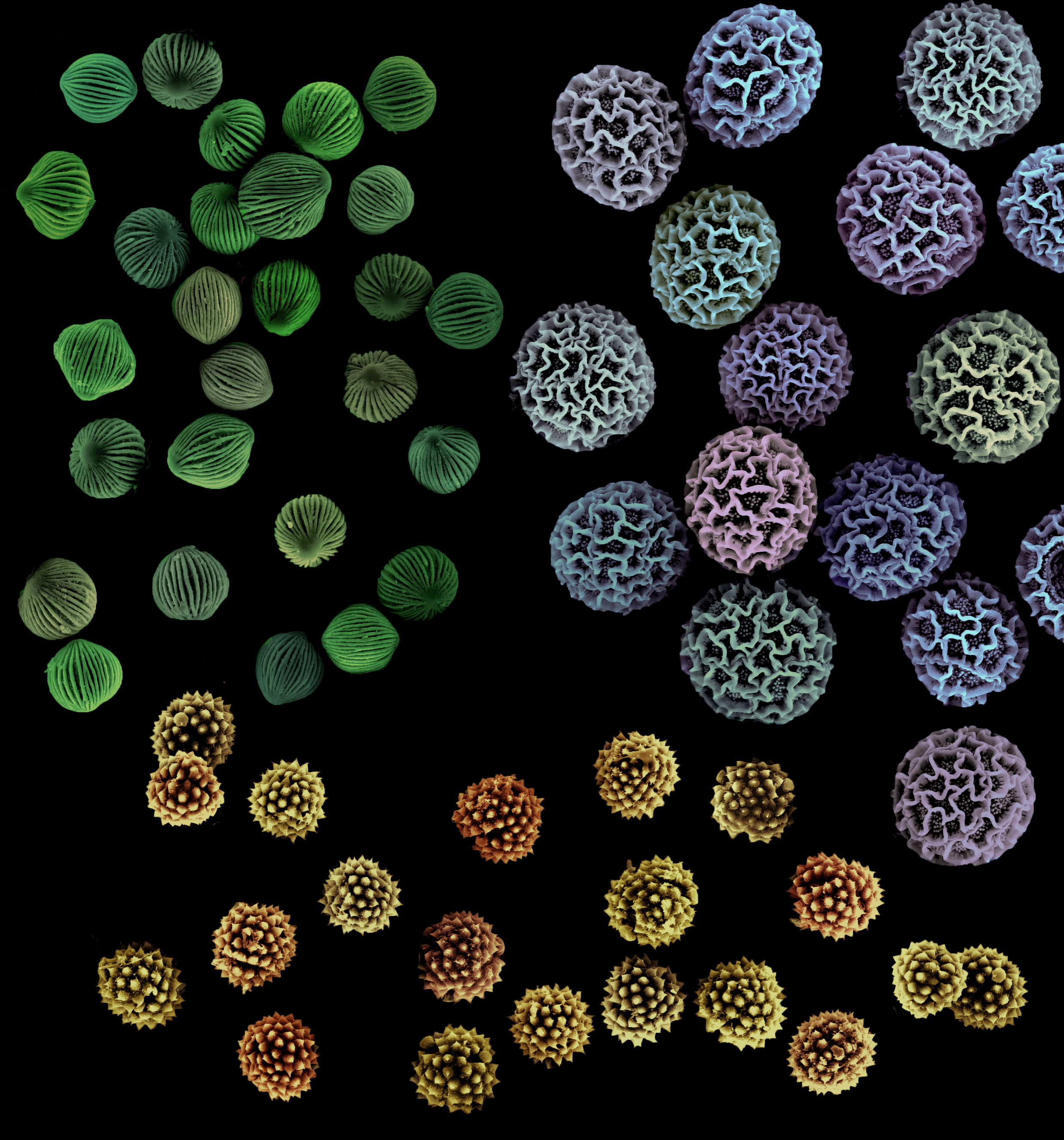
three different pollen grains (image credit: wikimedia commons/Asja Radja)

Pollenkitt is an oily, viscous, hydrophobic layer composed of lipids, carotenoids, flavonoids, proteins, and carbohydrates derived from the breakdown of an internal layer of the anther called the tapetum. Pollenkitt forms a sticky layer around the pollen grains and can add color to the pollen other than the typical yellow. The thickness of the pollenkitt and its composition is species specific. In fact, the look, size, and shape of pollen grains themselves are unique to each species and can even be used to help identify plants. Pollenkitt is found in almost all families of flowering plants and is particularly prevalent in species that are animal-pollinated. One exception is the mustard family (Brassicaceae), whose pollen grains are coated in a substance known as tryphine, which functions similar to pollenkitt but whose formation and composition differ enough to be considered separately.

dandelion pollen (image credit: wikimedia commons/Captainpixel)

The sticky nature of pollenkitt has numerous functions. For one, it helps pollen grains remain on anthers until an animal comes along to remove them. It also holds pollen grains together in clumps, helps pollen grains stick to insect (and other animal) pollinators during transport, and helps adhere them to stigmas when deposited. A paper published in Flora (2005) lists twenty possible functions for pollenkitt, many of which have been confirmed in certain species and some of which are hypothetical. In addition to functions having to do with pollen movement and placement, pollenkitt may also provide protection from water loss, UV radiation, and fungal and bacterial invasions. In species where pollen is offered as food to pollinating insects, pollenkitt is a more easily digestible food source than the pollen grain itself. Thanks to carotenoids, pollenkitt can make pollen more colorful, which may help attract pollinating insects, or, depending on the color, can also hide pollen from insect visitors.

Another important function of pollenkitt is to give pollen a scent. Odors can help encourage insect visitors or deter them, so depending on the situation, scented pollenkitt may be attracting pollinators or discouraging pollen consumers. In a study published in American Journal of Botany (1988), Heidi Dobson analyzed the chemical composition of 69 different species of flowering plants. She isolated numerous scent compounds in pollenkitt and suggested that “some of the chemicals in pollenkitt may … serve as identification cues to pollen-foraging bees.” Most of the species she analyzed were pollinated by bees (which consume pollen), but the few that were mainly pollinated by hummingbirds and butterflies tended to have fewer scent compounds. Since birds and butterflies are there for the nectar and not the pollen, it would make sense that the pollen of these plant species wouldn’t need to carry a scent.

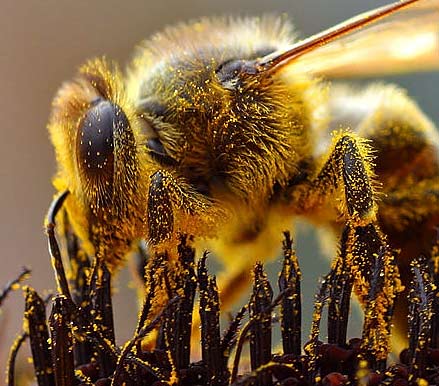
bee collecting pollen (image credit: wikimedia commons)

In flowers that are wind-pollinated, the pollenkitt layer is either very thin or absent altogether. In this case, pollen grains need to be easily released from the anther and are better off when they aren’t sticking to other pollen grains. That way, they are free to be carried off in the breeze to nearby flowers. Some plant species are amphiphilous, meaning they can be both animal-pollinated and wind-pollinated, and according to the authors of the paper published in Flora (2005), pollenkitt layers in these species exhibit intermediate characteristics of both types of pollen grains, generally with thinner, less-sticky pollenkitt and more pollenkitt found within the cavities of the exine.

It’s clear that this unique pollen-glueing substance plays a critical role in the pollination process for many plant species. Considering that each species of plant has its own story to tell, there is still more to learn about the forms and functions that pollenkitt takes.

———–

This is the first in a series of posts in 2024 in which, once again, I am exploring the world of pollinators and pollination. You can read more about this effort in last month’s Year in Review post.

Highlights from the Western Society of Weed Science Annual Meeting 2023

As soon as I learned that the Western Society of Weed Science‘s annual meeting was going to be held in Boise in 2023, I began making plans to attend. I had attended the annual meeting in 2018 when it was held in Garden Grove, California and had been thinking about it ever since. It’s not every year that a meeting like this comes to your hometown, so it was an opportunity I knew I couldn’t miss. The meeting was combined with the Western Aquatic Plant Managment Society‘s annual meeting, so consider that a bonus.

The first meeting of the week was the general session where introductions are made and various updates are given. There were two keynote addresses as well. One highlight for me was learning about Women of Aquatics, which is a support group for women that work in aquatic sciences. Because this and so many other scientific fields tend to be male dominated, it’s good to see organizations offering support and creating community to help address some of the challenges women face when working in fields where they are underrepresented. Another highlight was Matt Germino‘s talk about fire ecology in the sagebrush steppe. Due to decades of overgrazing and the introduction of a suite of invasive annual grasses (among other factors), fire has become far more common in our region than it once was. The sagebrush steppe is not adapted to frequent fire, which is part of what makes restoration work so difficult. In 2015, a megafire (referred to as the Soda Megafire) occurred in the Owyhee Mountains, burning around 279,000 acres of sagebrush steppe. Restoration efforts after the fire have been well researched, and such efforts continue to this day. Research opportunities like this are helping us improve the way we address this issue in the West, and I hope to spend future posts elaborating further on this topic.

After the general ssession, I attended a few of the talks that were happening in the various breakout sessions. One was about climate change trends in the western U.S. No surprise, temperatures are on the rise, and along with that will come changes in the way we receive our preciptation (which has already been documented). Our region is expected to see more rain and less snow, and rain events are expected to be of shorter duration but with heavier rainfall. Snowpack is expected to continue to decrease, and drought is expected to become more extreme, which ultimately leads to more fire weather days. None of this is great news, but it’s important to understand what we are in for. I also attended a talk about non-target impacts that can arise from certain herbicde treatments used to control bird cherry (Prunus padus) in Alaska, which brought me back to my time attending the Alaska Invasive Species Workshop in Anchorage.

Posters!

The following day, the breakout sessions continued, and dozens of talks were given throughout the day. It’s impossible to attend them all, and unfortunately a few of the talks that I really wanted to hear were cancelled. One interesting talk that I’m glad I got to see was about liquid-applied cellulosic mulches used to replace polyethylene sheet mulches (black plastic) in strawberries and other crops. The results seen so far seem promising, and I’m eager to follow this topic to see where it goes and hopefully even try it out myself one day.

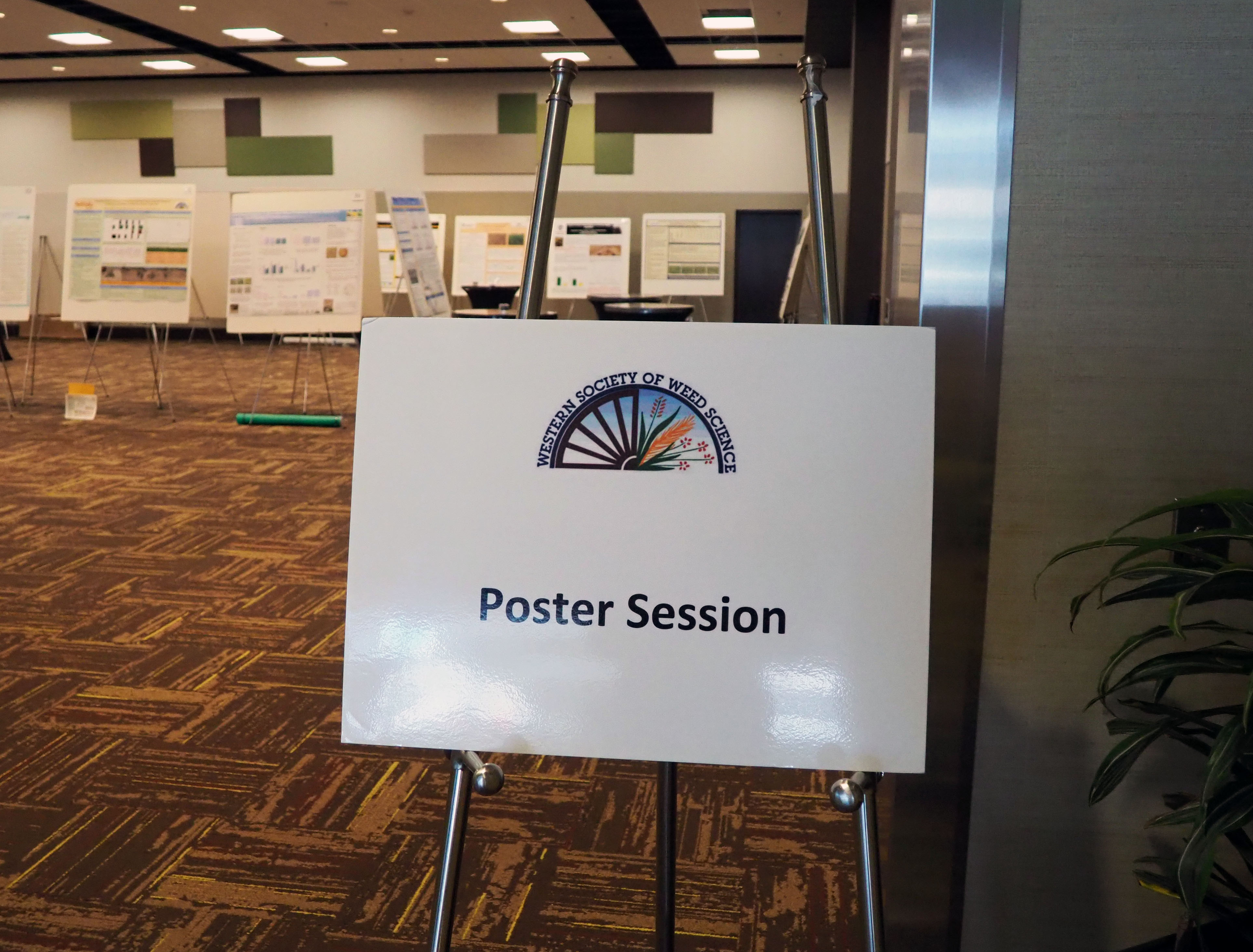
During the meeting, there were also a series of posters on display that summarized research being doing by some of the attendees. I didn’t get a chance to read them all, but a few standouts included posters about using prescriptive grazing to help control tall oatgrass (Arrhenatherum elatius) populations in Colorado, using an electrical current to help manage weeds in blueberry farms, and weed seed predation by ground beetles in diversified wheat production cropping systems. If a poster is about some form of novel or underused method of weed management, I’m definitely going to read it.

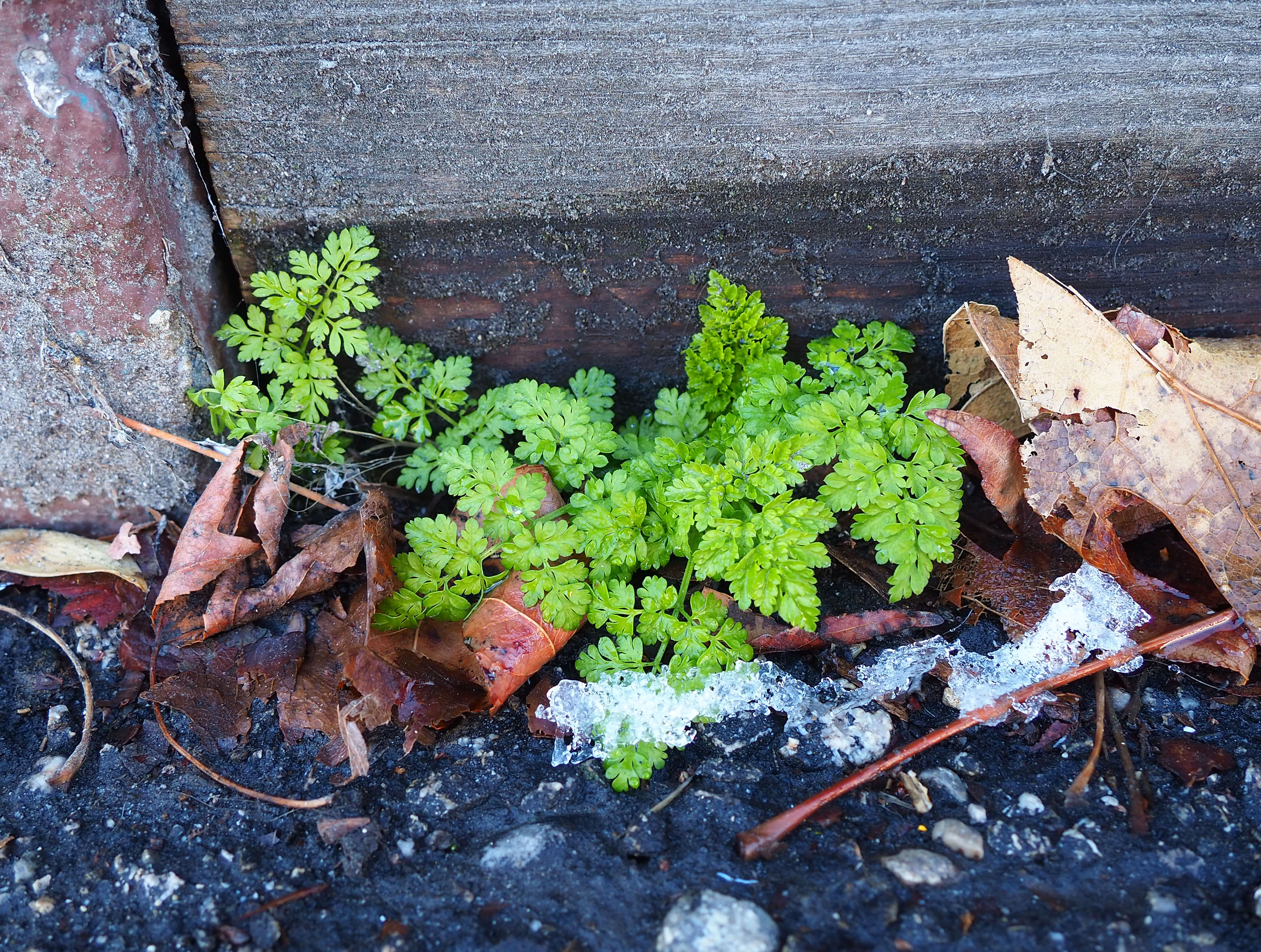
bur chervil (Anthriscus caucalis) in downtown Boise

It might seem a little odd for me to be attending meetings like this, especially since I don’t work as a weed scientist or in weed management, and much of what is discussed, namely presentations about all the various herbicide treatments used in rangelands, turfgrass, and large-scale agriculture, don’t concern me (nor do they really interest me). Talks like this are what you would expect to hear at a weed science conference, so despite not being my thing, I appreciate that such talks often include discussions about herbicide resistance and the responsible use of herbicides, climate change, drought and responsible water use, and adaptive management approaches to weed control. I’m not sure when I’ll get a chance to attend this meeting again – it may be another 5 years or more – but whenever the opportunity presents itself, I’ll be there.

Next Up: Botany 2023 is coming to Boise in July. I’ll see you there!

Eating Weeds: Cleavers Coffee

One of the world’s most beloved beverages comes from a species of plant found in the fourth largest family of flowering plants. Rubiaceae, also known as the coffee or bedstraw family, consists of around 13,500 species, placing it behind just Asteraceae, Orchidaceae, and Fabaceae for the most number of species. Coffea arabica, and other species in the genus Coffea, are grown for their fruits which are used to make coffee. This makes Rubiaceae one of the most economically important plant families. A family this size is bound to be home to a weed or two, and in fact, one of the most widespread and obnoxious weeds is also a member of Rubiaceae.

Galium aparine, known commonly by a slew of names including cleavers, occurs naturally across large portions of Europe, Asia, North Africa, and possibly even parts of North America. It has been introduced as a weed in many locations across North America, South America, Australia, New Zealand, Japan, and parts of Africa. It is of particular concern in agricultural settings where its lengthy, sprawling branches and sticky leaves get tangled up in harvesting equipment, while its tiny, prickly fruits get mixed in with seeds of similar size like canola.

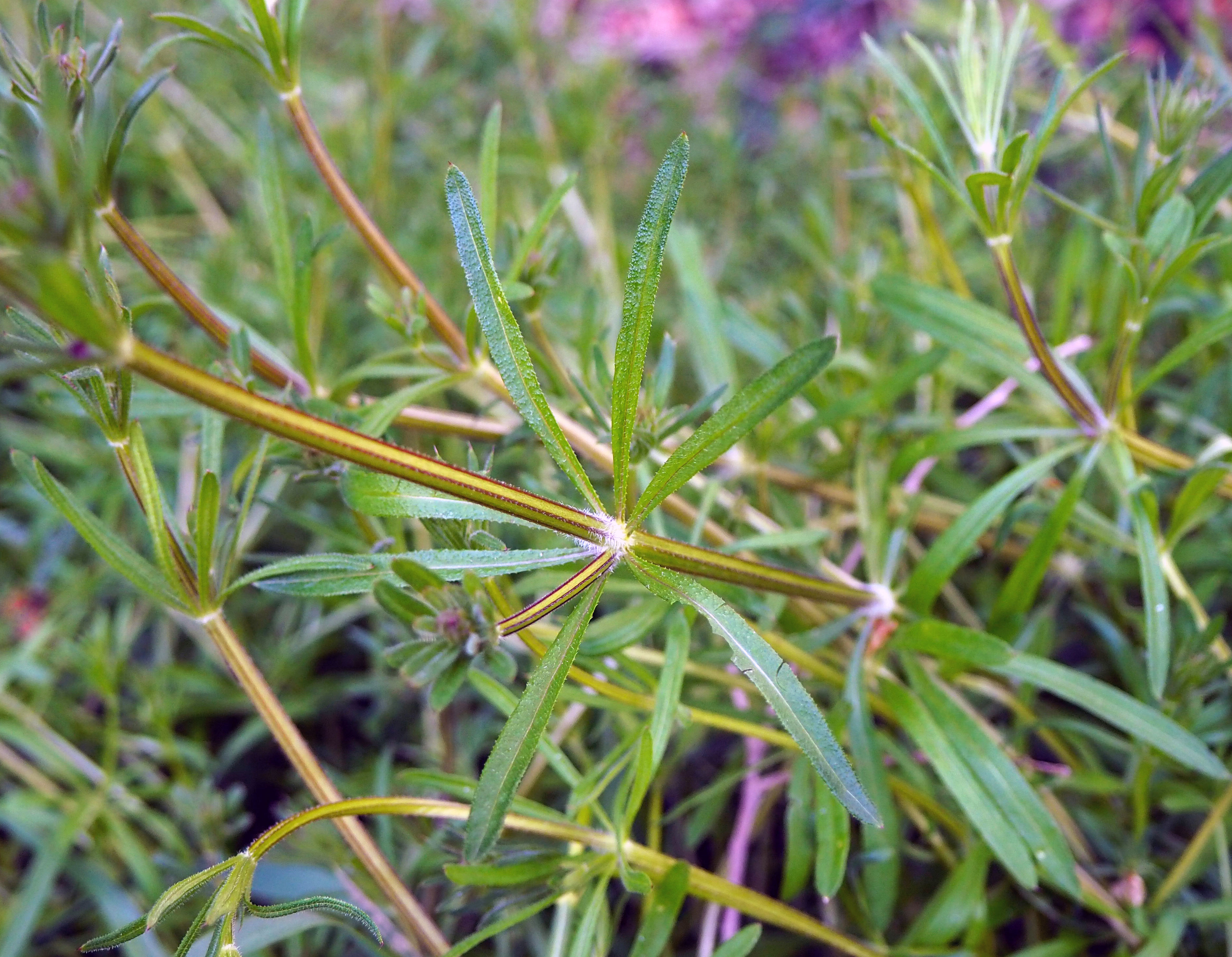
Galium aparine

Sticky willy, as it is also known, is an annual plant that, in some cases, can have two generations per year – one in the spring (having germinated the previous fall) and one in the summer. Its stems are square, though not as sharply square as plants in the mint family, and can grow to around six feet long. They are weak, brittle, and don’t stand upright on their own; instead they are found scrambling across the ground or, when given the opportunity, climbing up the lengths of other plants in order to reach the sunlight. Leaves occur in whorls of six to eight and are simple and slender with entire margins. Flowers are produced at leaf axils along the lengths of the branches and are tiny, four-petaled, star-shaped, and greenish white. Fruits are borne in pairs and are round, single-seeded, indehiscent nutlets. The stems, leaves, and fruits are covered in stiff, hooked hairs or trichomes, earning it other names like catchweed bedstraw, grip grass, stickyweed, and velcro plant.

flowers and immature fruit on Galium aparine

Galium aparine is a climbing plant, but unlike other climbing plants, it doesn’t twine up things or produce structures like tendrils to hold itself up. Instead, its ability to climb is made possible by its abundant bristly hairs. A paper published in Proceedings of the Royal Society B (2011) investigates the way G. aparine climbs up other plants using the hairs on its leaves. A close inspection of the leaves reveals that the trichomes on the top of the leaf (the adaxial leaf surface) differ significantly from those found on the bottom of the leaf (the abaxial leaf surface). Adaxial trichomes curve towards the tip of the leaf, are hardened mainly at the tip, and are evenly distributed across the leaf surface. Abaxial trichomes curve towards the leaf base, are hardened throughout, and are found only on the midrib and leaf margins.

Having different types of hairs on their upper and lower leaf surfaces gives cleavers an advantage when it comes to climbing up neighboring plants. The authors of the paper describe the technique as a “ratchet mechanism.” When the upper surface of their leaf makes contact with the lower surface of another plant’s leaf, the flexible, outwardly hooked trichomes inhibit it from slipping further below the leaf and allow it to easily slide out from underneath it. When the lower surface of their leaf makes contact with the upper surface of another plant’s leaf, the stiff, inwardly hooked trichomes keep it attached to the leaf even if the other leaf starts to slip away and allows it to advance further across the leaf for better attachment and coverage. Using this ratchet mechanism, cleavers climb up the leaves of other plants, keeping their leaves above the other plant’s leaves, which gives them better access to sunlight. The basal stems of cleavers are highly flexible, which keeps them from breaking as the plant sways in the wind, tightly attached to their “host” plant.

fruits of Galium aparine

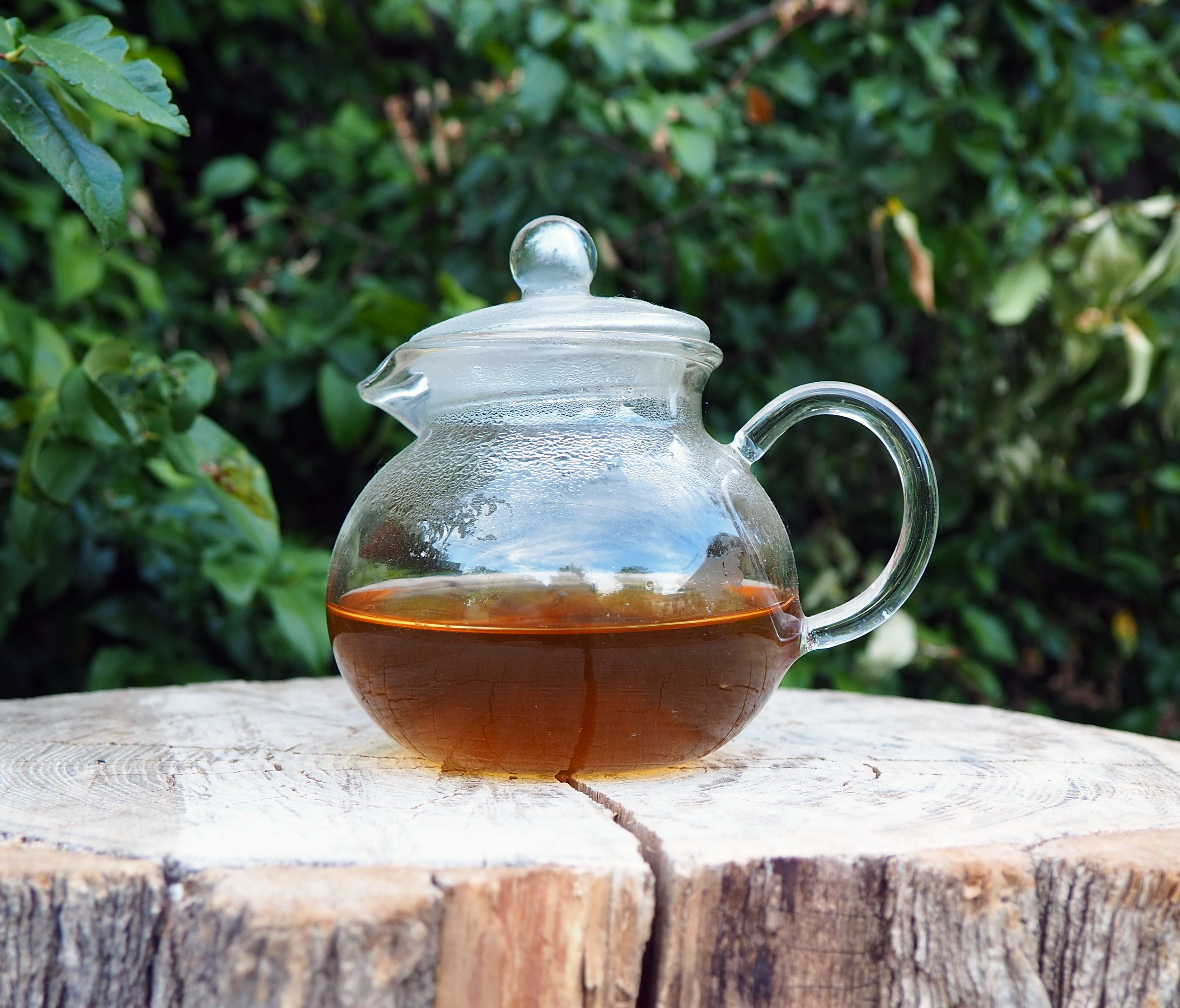
The hooked trichomes on the tiny fruits of cleavers readily attach to the fur and clothing of passing animals. The nutlets easily break free from the plants and can be transported long distances. They can also be harvested and made into a lightly caffeinated tea. Harvesting the fruit takes time and patience. I spent at least 20 minutes trying to harvest enough fruits for one small cup of cleavers coffee. The fruits don’t ripen evenly, and while I tried to pick mostly ripe fruits, I ended up with a selection of fruits in various stages of ripeness.

To make cleavers coffee, first toast the seeds for a few minutes in a pan heated to medium high, stirring them frequently. Next, grind them with a mortar and pestle and place the grinds in a strainer. Proceed as you would if you were making tea from loose leaf tea.

The toasted fruits and resulting tea should smell similar to coffee. The smell must not be strong, because my poor sense of smell didn’t really pick up on it. The taste is coffee-like, but I thought it was more similar to black tea. Sierra tried it and called it “a tea version of coffee.” If the fruits were easier to collect, I could see myself making this more often, but who has the time?

The leaves and stems of Galium aparine are also edible, and the plant is said to be a particular favorite of geese and chickens, bringing about yet another common name, goosegrass. In the book Weeds, Gareth Richards discusses the plant’s edibility: “It’s edible for humans but not that pleasant to eat; most culinary and medicinal uses center around infusing the plant in liquids.” Cooking with the leaves or turning them into some sort of spring tonic is something I’ll consider for a future post about eating cleavers.

More Eating Weeds Posts on Awkward Botany

Apriums and Plumcots and Pluots, Oh My!

I was once a teenage paper carrier in small town Idaho. One of my stops was an apartment complex, and for much of the year, this was an uneventful stop. But for a few weeks in the summer, the purple-leaved plum trees out front had ripe fruit on them, and each time I was there, I would stop and take a few. In general, I don’t get that excited about fruit, but I enjoyed eating these plums. This variety of plum is typically planted for its looks rather than its fruit, and it may even be the tree that recently received a pitifully low score on an episode of Completely Arbortrary. Ornamental plum or not – and low cone score or not – I thought the fruit was good.

Many of the things we eat are a result of crosses between two related species, and plums are a great example of this. Species are species because they are reproductively isolated. A species does not typically mate with a member of another species and create viable offspring, except this happens all the time both naturally and artificially. In many cases, the offspring isn’t actually viable, but there is offspring nonetheless, and in the case of plants, that offspring can then reproduce asexually – by leaf, stem, or root cuttings or by some other means – and the resulting hybrid can exist indefinitely. One species mating with another species (specifically two species that are members of the same genus) is called interspecific hybridization, and there is a good chance that you’ve eaten something recently that is a result of this.

One of the most widely grown species of plum, Prunus domestica (commonly known as European plum), is a result of interspecific hybridization that occurred many centuries ago. A paper published in Horticulture Research (2019) confirmed that P. domestica originated as a cross between Prunus cerasifera and Prunus spinosa, the latter of which may have also been a result of interspecific hybridization. There are over 400 species in the genus Prunus that are distributed across temperate regions in the northern hemisphere. Within this genus is the subgenus Prunus (or Prunophora), a group that includes dozens of familiar species such as the plums, apricots, peaches, and almonds. Due to their close relationship, both natural and artificial hybridization among members of this subgenus is common, which explains the origin of Prunus domestica, as well as the majority of the plums we grow today.

Current commercial production of plums in North America is largely thanks to work done by Luther Burbank in the late 19th to early 20th centuries. Burbank was obsessed with plant breeding and released hundreds of new varieties of all kinds of different plants during his decades long career. He seemed particularly interested in plums, developing 113 different cultivars, which account for more than half of all his fruit releases. Probably his most well known plum variety is ‘Santa Rosa,’ which thanks to modern day genetics has been determined to be a cross between at least four different species of plum.

apriums

Early colonizers to the American continent were mainly growing varieties of the European plum they had brought over from Europe. North America is also home to several species of plums, which are used by indigenous populations. Shortly before Burbank began working with plums on his farm in California in 1881, Asian plum species were imported to the U.S., and breeders began using them in crosses with both European and North American plum species. Burbank became particularly engulfed in these efforts. In an article published in HortScience (2015), David Karp writes, “In the history of horticulture it is rare to find an individual who almost single-handedly created a new commercial industry based on a novel fruit type as Luther Burbank did for Asian-type plums in the United States.” Most Asian-type plums sold in stores today are hybrids of several different plum species due to the numerous complex crosses that Burbank made.

Burbank is also said to be the first to cross plums and apricots, creating the first of many cultivars of the plumcot. Plum and apricot crosses didn’t really catch on for a few more decades, and when they did, it was thanks to the work of Floyd Zaiger of Zaiger Genetics who developed and released numerous varieties. Apriums and Pluots are Zaiger Genetics trademarks, along with a few other unlikely crosses with plums and their related counterparts.

plumcots

A plumcot is the simplest cross. It is said to be 50% Asian plum (Prunus salicina) and 50% apricot (Prunus armeniaca). However, due to all the breeding of Asian plums carried out by Burbank and others, the Asian plum involved in the cross is typically a hybrid with other plum species, as discussed in a recent paper published in Plants (2022). An aprium is the result of a cross between a plumcot and an apricot, making it 75% apricot and 25% plum, while a pluot is a cross between a plumcot and a plum, making it 75% plum and 25% apricot. There is typically much more that goes into making these crosses, but that’s the general idea. If you’re lucky, you can find all three of these intraspecific crosses in a produce section near you, but it may not be clear what cultivar you’re purchasing. Myriad cultivars have been released of each of these hybrids – each one varying in color, size, flavor, disease resistance, etc. – and unfortunately most grocery stores don’t include cultivar names on their products, so it’s difficult to know what you’re getting.

At Awkward Botany Headquarters, there is a plum tree growing in our front yard. We didn’t plant it, so at this point I have no idea what species or cultivar it is. The plums are delicious though, and the leaves aren’t purple like the plums I used to eat on my paper route. Considering all of the intraspecific crossing that has gone on with plums, it’s quite likely that it is a combination of different species, which isn’t going to make it easy to figure out. But I’ll do my best.


Check out the linktree for various ways to follow and support Awkward Botany.

The Serotinous Cones of Lodgepole Pine

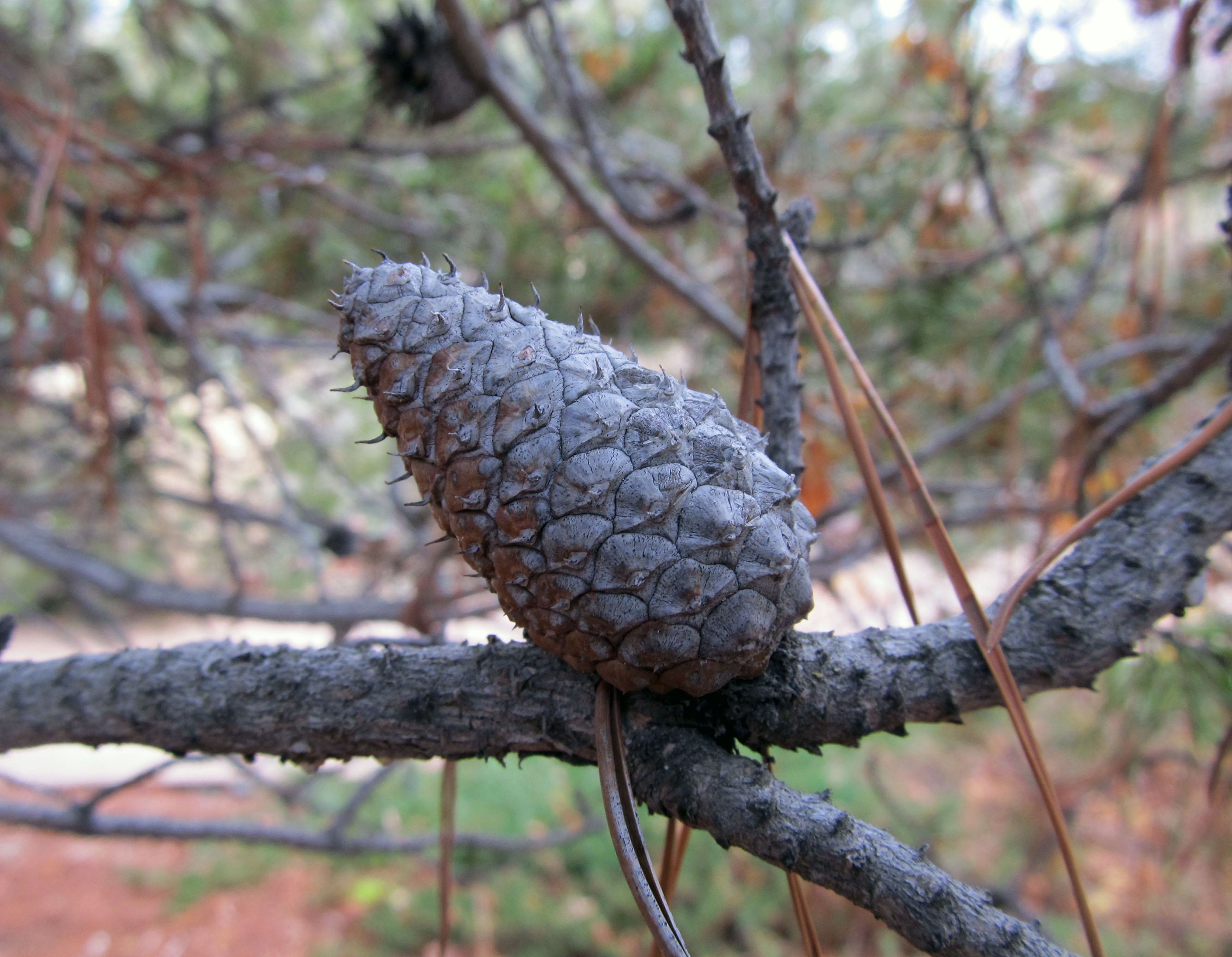
Behind the scales of a pine cone lie the seeds that promise future generations of pine trees. Even though the seeds are not housed within fruits as they are in angiosperms (i.e. flowering plants), the tough scales of pine cones help protect the developing seeds and keep them secure until the time comes for dispersal. In some species, scales open on their own as the cone matures, at which point winged seeds fall from the tree, taking flight towards their new homes. In other species, the scales must be pried open by an animal in order to free the seed. A third group of species have what are called serotinous cones, the scales of which are sealed shut with resin. High temperatures are required to soften the resin and expose the seeds.

Serotinous cones are a common trait of pine species located in regions where wildfire naturally and regularly occurs. One such species is lodgepole pine (Pinus contorta), which is found in abundance in forests across much of western North America. Lodgepole pine is a thin-barked tree species that burns easily and is often one of the first plants to recolonize after a stand-replacing wildfire. There are 3 or 4 subspecies of lodgepole pine. The one with the largest distribution and the one that most commonly exhibits serotinous cones is P. contorta subsp. latifolia, which occurs throughout the Rocky Mountains, north into the Yukon, and just west of the Cascade Range.

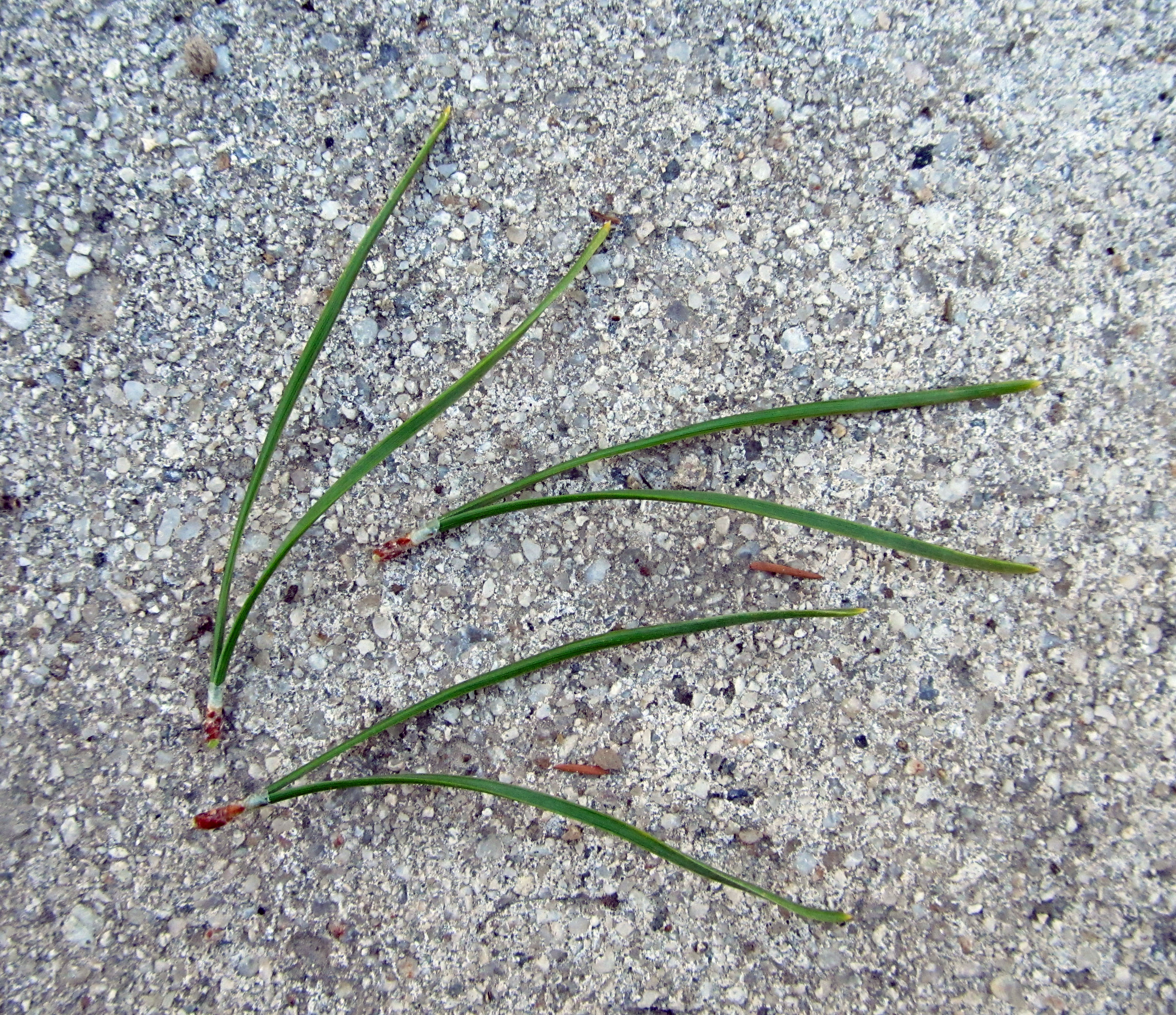
needles of lodgpole pine (Pinus contorta)

Lodgepole pine grows tall and straight, generally maxing out at around 80 feet tall. Its needles are about two and a half inches long, are borne in bundles of two, and tend to twist away from each other, which is one explanation for the specific epithet, contorta. Its cones are egg-shaped with asymmetrical bases, measuring less than two inches long with prickly tips at the ends of each scale. The seeds of lodgepole pine are tiny with little, papery wings that aid in dispersal. The cones can remain attached to the tree for 15-20 years (sometimes much longer), and the seeds remain viable for decades. In non-serotinous cones, the scales start opening on their own in early autumn. Serotinous cones require temperatures of 45-50°C (113-122°F), to release the resin bond between the scales. Some cones that happen to fall from the tree can open when exposed to particularly warm temperatures on the ground. Otherwise, it takes fire to free the seeds.

Serotinous cones aren’t a guarantee, and the percentage of trees with serotinous cones compared to those with non-serotinous cones varies widely across the range of lodgepole pine, both in space and in time. One reason for this is that trees with serotinous cones don’t develop them until they reach a certain age, generally around 20-30 years old, or perhaps as old as 50 or 60. The cones of young trees are all non-serotinous. But some trees never develop serotinous cones at all. Serotiny is a genetic trait, and there are various factors that either select for or against it. A number of factors are at play simultaneously over the life of a tree and across a population of trees, so it is difficult to determine exactly why the percentage of serotinous cones is so variable across the range of the species. What follows are a few potential explanations for this phenomenon.

closed cone of lodgepole pine (Pinus contorta)

As a fire-adapted, pioneer species, lodgepole pine has evolved to live in environments where fire is predictably common. Serotinous cones help ensure that a population won’t be wiped out when a massive wildfire comes through. After the fire has passed and the seeds are released, lodgepole pine can quickly repopulate the barren ground. As long as fire occurs within the lifespan of a population of similarly aged trees, it is advantageous for the majority of individuals to maintain their serotinous trait. If the population is located in an area that historically does not see much fire, serotinous cones may be a disadvantage and can have adverse effects on the longevity of that population.

A study published in Ecology in 2003 looked at the influence that the frequency of fire has on lodgepole pine stands found at low and high elevations in Yellowstone National Park. At lower elevations, where summer temperatures are warmer and precipitation is relatively minimal, fires occur more frequently compared to higher elevations, which tend to be cooler and wetter. The researchers found that at lower elevations when fires occurred at short intervals (less than 100 years between each fire), lodgepole pine was slower to repopulate compared to longer intervals. This suggests that the percentage of serotiny found in stands that experienced short fire intervals was low, and that stands with long fire intervals exhibit a higher percentage of serotiny. After all, as mentioned above, lodgepole pines don’t start developing serotinous cones until later in life.

At higher elevations, where fire occurs less frequently, lodgepole pines were found to have a low percentage of serotinous cones regardless of the age of the stand. Because the trees at high elevations are more likely to die of old age rather than fire, maintaining serotinous cones would be a disadvantage. Open cones are preferred. Thus, at least in this study, a greater percentage of serotinous cones was found in lodgepole pines at lower elevations compared to those at higher elevations. Latitude, elevation, mountain pine beetle attacks, and other environmental factors have all been used to explain differences in serotiny. However, the factor that seems to have the greatest influence is the frequency of fire. As James Lotan writes in a 1976 report: “A high degree of cone serotiny would be expected where repeated, high-intensity fires occur. Where forest canopies are disrupted by factors other than fire, open cones annually supply [seed] for restocking disturbances such as windfalls.”

That being said, one other factor does appear to play a critical role in whether or not lodgepole pines produce serotinous cones, and that is seed predation by squirrels. In a paper published in Ecology in 2004, researchers wondered why the percentage of serotinous cones wasn’t even higher in populations where fire reliably occurred during the lifetime of the stand. To help answer this question they looked at the activities of pine squirrels, which are the main seed predator of lodgepole pine seeds. Pine squirrels visit the canopy of lodgepole pines and consume the seeds found in serotinous cones. Because non-serotinous cones quickly shed their seeds, serotinous cones are a more reliable and accessible food source, and because pine squirrels are so effective at harvesting the seeds of serotinous cones, the researchers concluded that, “in the presence of pine squirrels, the frequency of serotiny is lower and more variable, presumably reflecting,” among a variety of other factors, “the strength of selection exerted by pine squirrels.”

A study published in PNAS in 2014 added evidence to this conclusion. While acknowledging that fire plays a major role in the frequency of serotinous cones, the researchers asserted that “squirrels select against serotiny and that the strength of selection increases with increasing squirrel density.” However, despite making it easier for squirrels to access their seeds, lodgepole pines maintain a degree of serotinous cones, since clearly their main advantage is retaining a canopy-level seed bank from which seeds are released after a fire and by which a new generation of lodgepole pines is born.

open cones of lodgepole pine (Pinus contorta)

Further Reading and Viewing:

The Flight of the Dandelion

The common dandelion (Taraxacum officinale) comes with a collection of traits that make it a very successful weed. Nearly everything about it screams success, from its asexually produced seeds to its ability to resprout from a root fragment. Evolution has been kind to this plant, and up until the recent chemical warfare we’ve subjected it to, humans have treated it pretty well too (both intentionally and unintentionally).

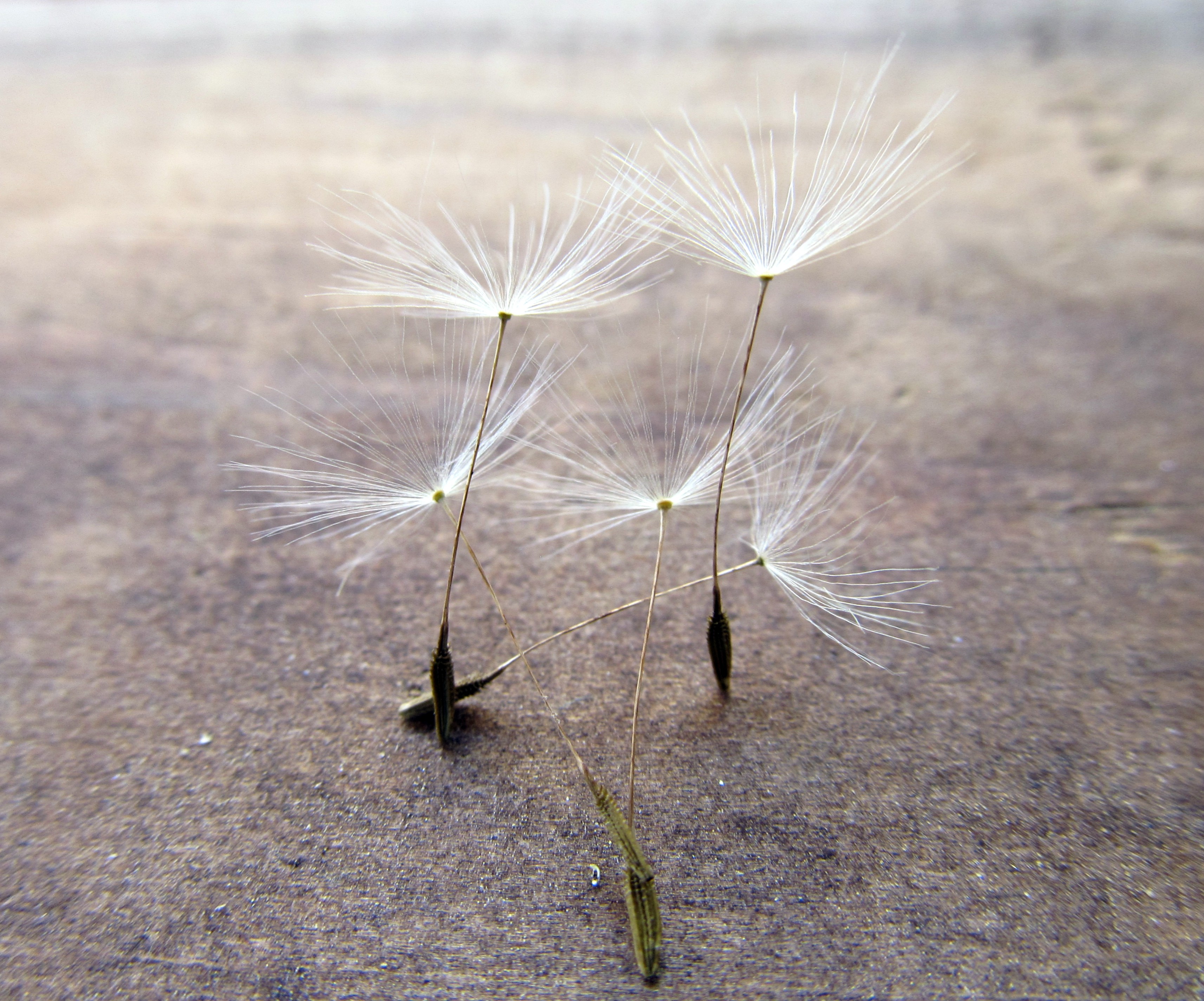
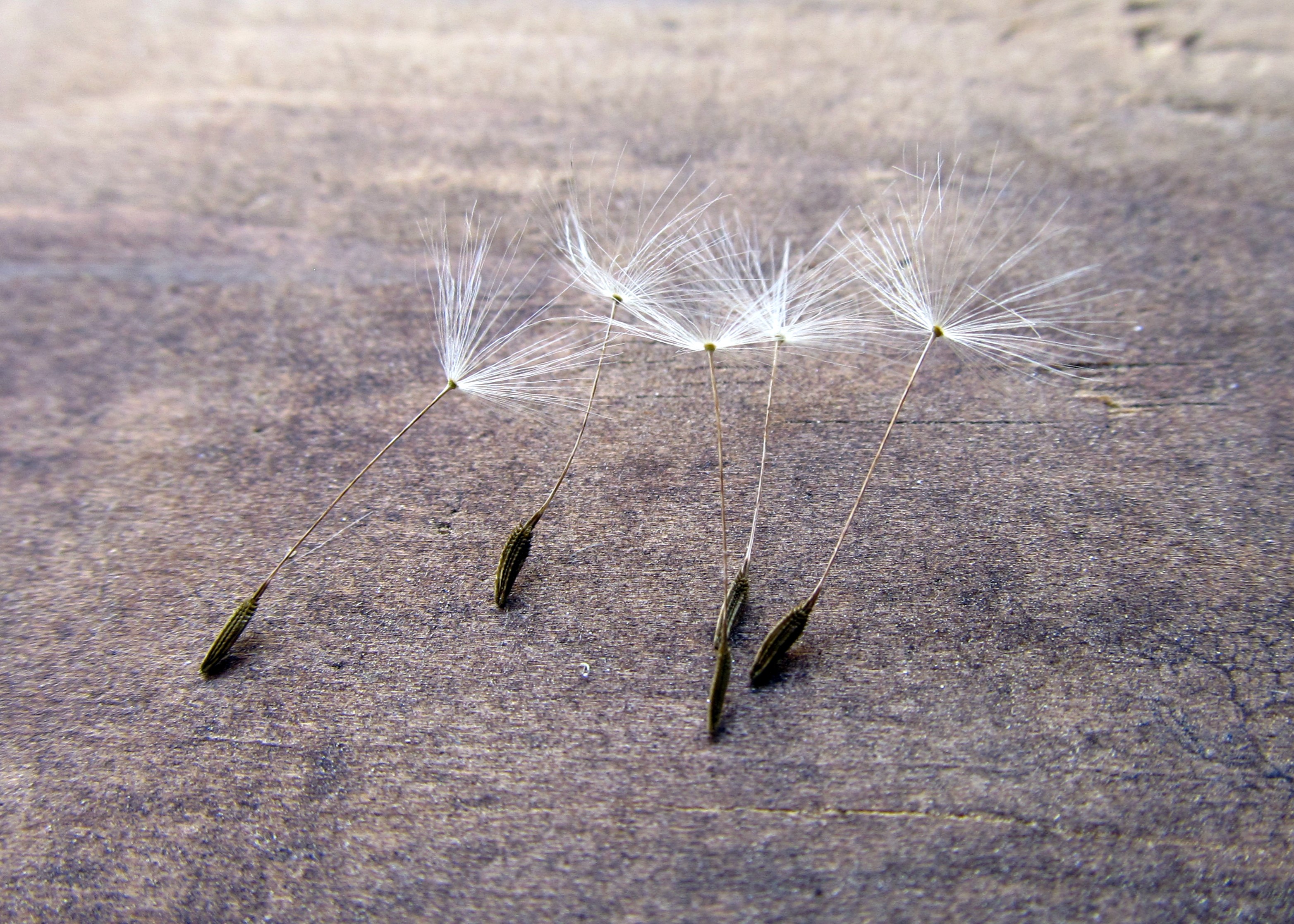
One feature that has served the dandelion particularly well is its wind-dispersed seeds. Dandelions have a highly-evolved pappus – a parachute-like bristle of hairs attached to its fruit by a thin stalk. The slightest breath or puff of wind will send this apparatus flying. Once airborne, a dandelion’s seed can travel up to a kilometer or more away from its mother plant, thereby expanding its territory with ease.

Such a low-growing plant achieving this kind of distance is impressive. Even more impressive is that it manages to do this with a pappus that is 90% empty space. Would you leap from a plane with only 10% of a parachute?

Dandelion flight was investigated by researchers at the University of Edinburgh, who used a wind tunnel along with long-exposure photography and high-speed imaging to observe the floating pappus. Their research was presented in a letter published in an issue of Nature in October 2018. Upon close examination, they observed a stable air bubble floating above the pappus as it flew. This ring-shaped air bubble – or vortex – which is unattached to the pappus is known as a separated vortex ring. While this type of vortex ring had been considered theoretically, this marked the first time one had been observed in nature.

Seeing this type of air bubble associated with the dandelion’s pappus intrigued the researchers. About a 100 filaments make up the parachute portion of the pappus. They are arranged around the stalk, leaving heaps of blank space in between. The air bubble observed was not what was expected for such a porous object. However, the researchers found that the filaments were interacting with each other in flight, reducing the porosity of the pappus. In their words, “Neighboring filaments interact strongly with one another because of the thick boundary layer around each filament, which causes a considerable reduction in air flow through the pappus.”

The pappus acts as a circular disk even though it is not one, and its limited porosity allows just enough air movement through the filaments that it maintains this unique vortex. “This suggests,” the researchers write, “that evolution has tuned the pappus porosity to eliminate vortex shedding as the seed flies.” Fine-tuned porosity and the resultant unattached air bubble stabilizes the floating fruit “into an equilibrium orientation that minimizes [its] terminal velocity, allowing [it] to make maximal use of updrafts.” The result is stable, long distance flight.

Wind-dispersed seeds come in two main forms: winged and plumed. Winged seeds are common in trees and large shrubs. They benefit from the height of the tree which allows them to attain stable flight. While such seeds have the ability to travel long distances, their success is limited on shorter plants. In this case, plumed seeds, like those of the dandelion, are the way to go. As the researchers demonstrated, successful flight can be achieved by bristles in place of wings. The tiny seeds of dandelions seen floating by on a summer breeze are not tumbling through the air haphazardly; rather, they are flying steadily, on their way to spoil the dreams of a perfect lawn.

Further Reading (and Watching):

Investigating the Soil Seed Bank

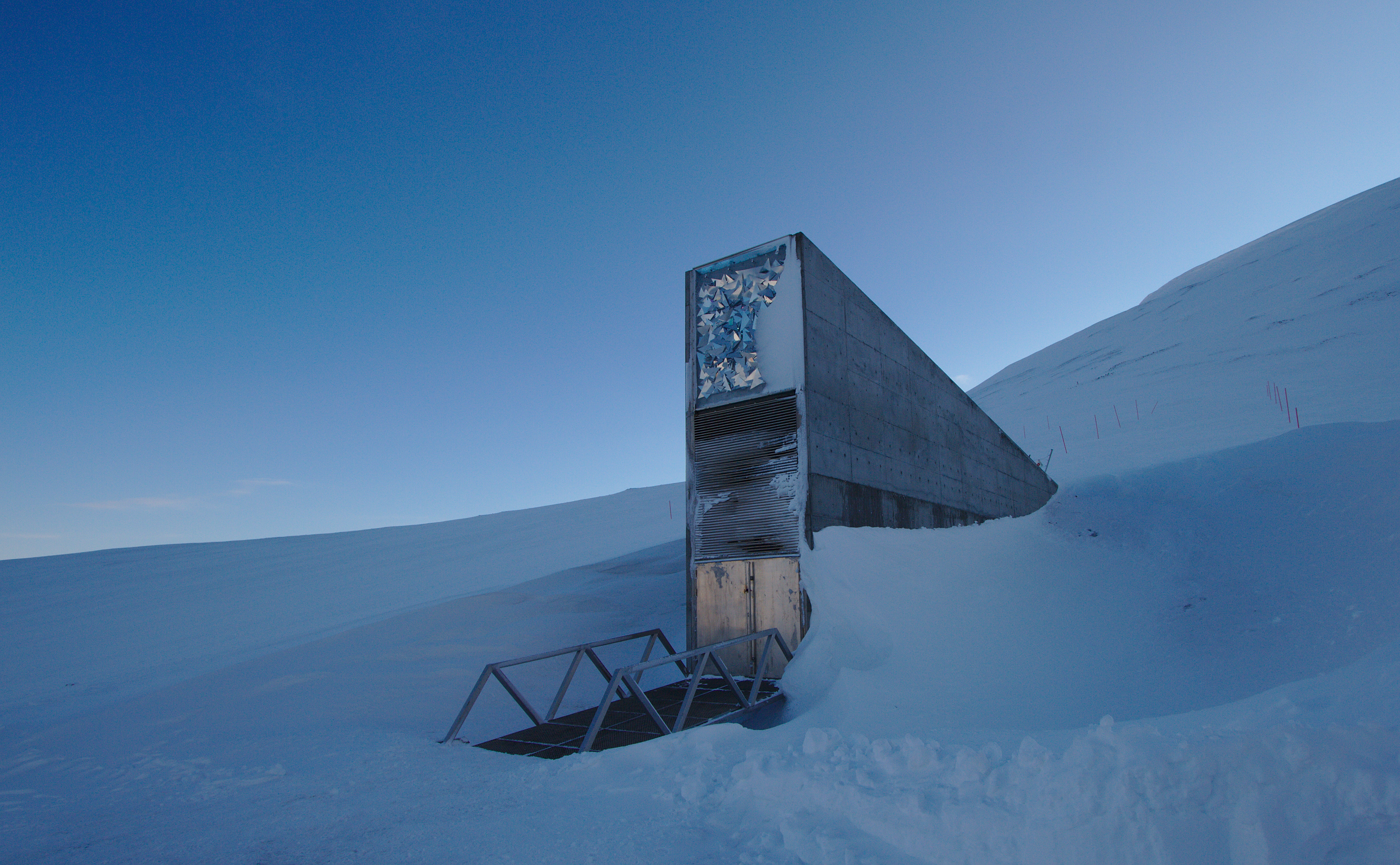
Near the top of the world, deep inside a snow-covered mountain located on a Norwegian island, a vault houses nearly a million packets of seeds sent in from around the world. The purpose of the Svalbard Global Seed Vault is to maintain collections of crop seeds to ensure that these important species and varieties are not lost to neglect or catastrophe. In this way, our food supply is made more secure, buffered against the unpredictability of the future. Seed banks like this can be found around the world and are essential resources for plant conservation. While some, like Svalbard, are in the business of preserving crop species, others, like the Millennium Seed Bank, are focused on preserving seeds of plants found in the wild.

Svalbard Global Seed Vault via wikimedida commons

Outside of human-built seed banks, many plants maintain their own seed banks in the soil where they grow. This is the soil seed bank, a term that refers to either a collection of seeds from numerous plant species or, simply, the seeds of a single species. All seed bearing plants pass through a period as a seed waiting for the chance to germinate. Some do this quickly, as soon as the opportunity arises, while others wait, sometimes for many years, before germinating. Plants whose seeds germinate quickly, generally do not maintain a seed bank. However, seeds that don’t germinate right away and become incorporated in the soil make up what is known as a persistent soil seed bank.

A seed is a tiny plant encased in a protective layer. Germination is not the birth of a plant; rather, the plant was born when the seed was formed. The dispersal of seeds is both a spatial and temporal phenomenon. First the seed gets to where it’s going via wind, water, gravity, animal assistance, or some other means. Then it waits for a good opportunity to sprout. A seed lying in wait in the soil seed bank is an example of dispersal through time. Years can pass before the seed germinates, and when it does, the plant joins the above ground plant community.

Because seeds are living plants, seeds found in the soil seed bank are members of a plant community, even though they are virtually invisible and hard to account for. Often, the above ground plant community does not represent the population of seeds found in the soil below. Conversely, seeds in a seed bank may not be representative of the plants growing above them. This is because, as mentioned earlier, not all plant species maintain soil seed banks, and those that do have differences in how long their seeds remain viable. Depending on which stage of ecological succession the plant community is in, the collection of seeds below and the plants growing above can look quite different.

Soil seed banks are difficult to study. The only way to know what is truly there is to dig up the soil and either extract all the seeds or encourage them to germinate. Thanks to ecologists like Ken Thompson, who have studied seed banks extensively for many years, there is still a lot we can say about them. First, for the seeds of a plant to persist in the soil, they must become incorporated. Few seeds can bury themselves, so those with traits that make it easy for them to slip down through the soil will have a greater chance of being buried. Thompson’s studies have shown that “persistent seeds tend to be small and compact, while short-lived seeds are normally larger and either flattened or elongate.” Persistent seeds generally weigh less than 3 milligrams and tend to lack appendages like awns that can prevent them from working their way into the soil.
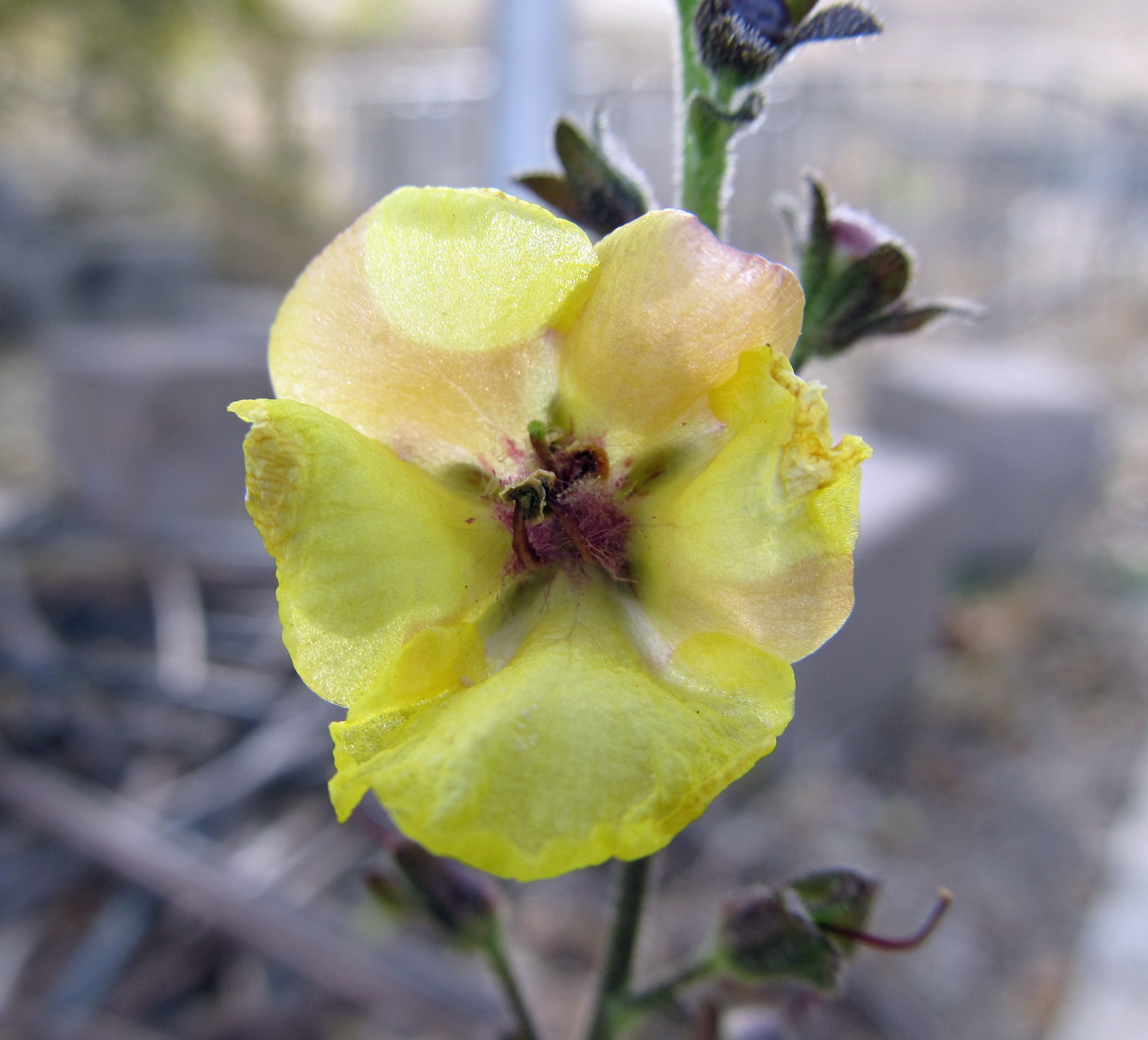
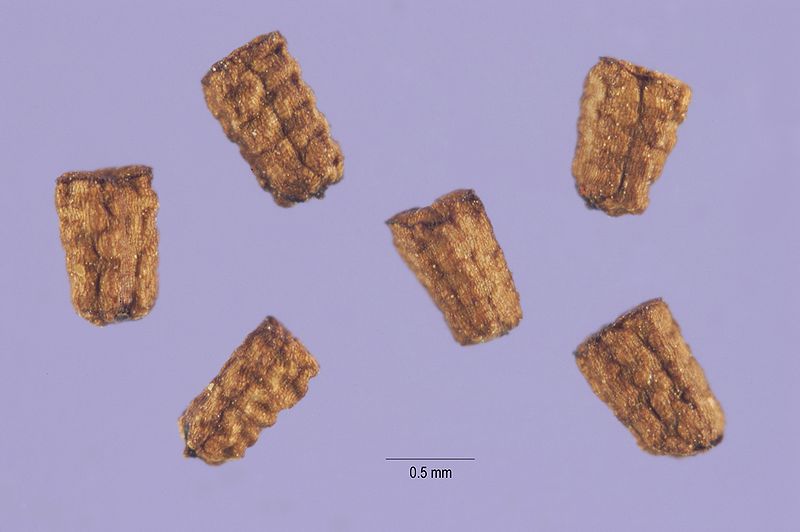
The seeds of moth mullein (Verbascum blattaria) are tiny and compact and known to persist in the soil for decades as revealed in Dr. Beal’s seed viability experiment. (photo credit: wikimedia commons)

Slipping into cracks in the soil is a major way seeds move through the soil profile, but it isn’t the only way. In a study published in New Phytologist, Thompson suggests that “the association between small seeds and possession of a seed bank owes much to the activities of earthworms,” who ingest seeds at the surface and deposit them underground. Later, they may even bring them back up the same way. Ants also play a role in seed burial, as well as humans and their various activities. Some seeds, like those of Avena fatua and Erodium spp., have specialized appendages that actually help work the seeds into the soil.

Not remaining on the soil surface keeps seeds from either germinating, being eaten, or being transported away to another site. Avoiding these things, they become part of the soil seed bank. But burial is only part of the story. In an article published in Functional Ecology, Thompson et al. state that burial is “an essential prelude to persistence,” but other factors like “germination requirements, dormancy mechanisms, and resistance to pathogens also contribute to persistence.” If a buried seed rots away or germinates too early, its days as a member of the soil seed bank are cut short.

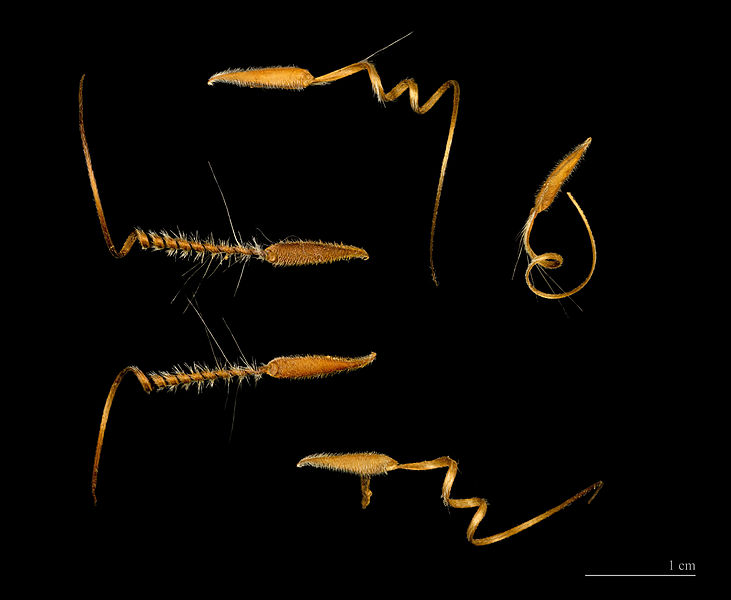
The seeds of redstem filare (Erodium circutarium) have long awns that start out straight, then coil up, straighten out, and coil up again with changes in humidity. This action helps drill the seeds into the soil. (photo credit: wikimedia commons)

Soil seed banks can be found wherever plants are found – from natural areas to agricultural fields, and even in our own backyards. Thompson and others carried out a study of the soil seed banks of backyard gardens in Sheffield, UK. They collected 6 soil cores each (down to 10 centimeters deep) from 56 different gardens, and grew out the seeds found in each core to identify them. Most of the seeds recovered were from species known to have persistent seed banks, and to no surprise, the seed banks were dominated by short-lived, weedy species. The seeds were also found to be fairly evenly distributed throughout the soil cores. On this note, Thompson et al. remarked that due to “the highly disturbed nature of most gardens, regular cultivation probably ensures that seeds rapidly become distributed throughout the top 10 centimeters of soil.”

Like the seed banks we build to preserve plant species for the future, soil seed banks are an essential long-term survival strategy for many plant species. They are also an important consideration when it comes to managing weeds, which is something we will get into in a future post.

Dr. Beal’s Seed Viability Experiment

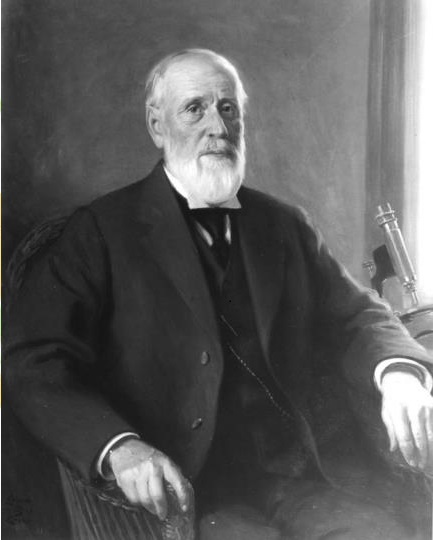
In 1879, Dr. William J. Beal buried 20 jars full of sand and seeds on the grounds of Michigan State University. He was hoping to answer questions about seed dormancy and long-term seed viability. Farmers and gardeners have often wondered: “How many years would one have to spend weeding until there are no more weeds left to pull?” Seeds only remain viable for so long, so if weeds were removed before having a chance to make more seeds, the seed bank could, theoretically, be depleted over time. This ignores, of course, the consistent and persistent introduction of weed seeds from elsewhere, but that’s beside the point. The question is still worth asking, and the study still worth doing.

When Dr. Beal set up the experiment, he expected it would last about 100 years, as one jar would be tested every 5 years. However, things changed, and Dr. Beal’s study is now in its 140th year, making it the longest-running scientific experiment to date. If things go as planned, the study will continue until at least 2100. That’s because 40 years into the study, a jar had to be extracted in the spring instead of the fall, as had been done previously, and at that point it was decided to test the remaining jars at 10 year intervals. In 1990, things changed again when the period was extended to 20 years between jars. The 15th jar was tested in 2000, which means the next test will occur in the spring of next year.

In preparing the study, Dr. Beal filled each of the 20 narrow-necked pint jars with a mixture of moist sand and 50 seeds each of 21 plant species. All but one of the species (Thuja occidentalis) were common weeds. He buried the jars upside down – “so that water would not accumulate about the seeds” – about 20 inches below ground. Near each bottle he also buried seeds of red oak and black walnut, but they all rotted away early in the study.

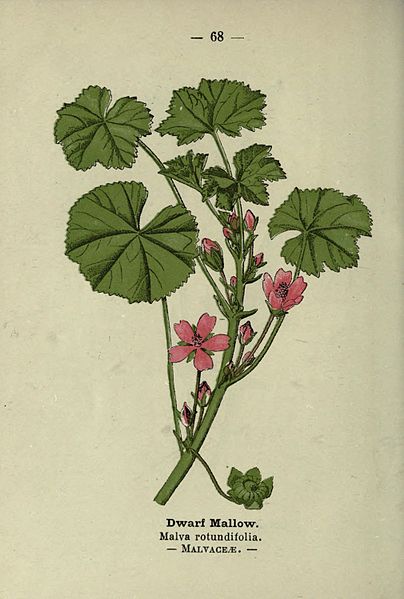
After the retrieval of each bottle, the sand and seed mixture is dumped into trays and exposed to conditions suitable for germination. The number of germinates are then counted and recorded. Over the years, the majority of the seeds have lost their viability. In 2000, only three species germinated  – Verbascum blattaria, a Verbascum hybrid, and Malva rotundifolia. There were only two individuals of the Verbascum hybrid, and only one Malva rotundifolia. The seeds of Verbascum blattaria, however, produced 23 individuals, suggesting that even after 120 years, the seeds of this species could potentially remain viable long into the future.

moth mullein (Verbascum blattaria)

In the 2000 test, the single seedling of Malva rotundifolia germinated after a cold treatment. Had the cold treatment not been tried, germination may not have occurred, which begs the question, how many seeds in previous studies would have germinated if subjected to additional treatments? Dr. Beal himself had wondered this, expressing that the results he had seen were “indefinite and far from satisfactory.” He admitted that he had “never felt certain that [he] had induced all sound seeds to germinate.”

There are also some questions about the seeds themselves. For example, the authors of the 2000 report speculate that poor germination seen in Malva rotundifolia over most of the study period could be “the result of poor seed set rather than loss of long-term viability.” The presence of a Verbascum hybrid also calls into question the original source of those particular seeds. A report published in 1922 questions whether or not the seeds of Thuja occidentalis were ever actually added to the jars, and also expresses uncertainty about the identify of a couple other species in the study.

Despite these minor issues, Dr. Beal’s study has shed a great deal of light on questions of seed dormancy and long-term seed viability and has inspired numerous related studies. While questions about weeds were the inspiration for the study, the things we have been able to learn about seed banks has implications beyond agriculture. Seed bank dynamics are particularly important in conservation and restoration. If plants that have disappeared due to human activity have maintained a seed bank in the soil, there is potential for the original population to be restored.

In future posts we will dive deeper into seed banks, seed dormancy, and germination. In the meantime, you can read more about Dr. Beal’s seed viability study by visiting the following links: