Concluding the Summer of Weeds

“Most weeds suffer from a bad rap. Quite a few of the weeds in your garden are probably edible or even medicinal. Some invasive plants, including horsetail and nettle, are rich in minerals and can be harvested and used as fertilizer teas. Weeds with deep taproots, such as dandelions, cultivate the soil and pull minerals up to the surface. … Weeds are nature’s way to cover bare soil. After all, weeds prevent erosion by holding soil and minerals in place. Get to know the weeds in your area so you can put them to use for rather than against you.” — Gayla Trail, You Grow Girl

Great Piece of Turf by Albrecht Dürer (photo credit: wikimedia commons)

With summer drawing to a close, it is time to conclude the Summer of Weeds. That does not mean that my interest in weeds has waned, or that posts about weeds will cease. Quite the opposite, actually. I am just as fascinated, if not more so, with the topic of weeds as I was when this whole thing started. So, for better or worse, I will much have more to say on the subject.

In fact, I am writing a book. It is something I have been considering doing for a long time now. With so many of my thoughts focused on weeds lately, it is becoming easier to envision just what a book about weeds might look like. I want to tell the story of weeds from many different angles, highlighting both their positive and negative aspects. There is much we can learn from weeds, and not just how best to eliminate them. Regardless of how you feel about weeds, I hope that by learning their story we can all become better connected with the natural world, and perhaps more appreciative of things we casually dismiss as useless, less quick to jump to conclusions or render harsh judgments about things we don’t fully understand, and more inclined to investigate more deeply the stories about nature near and far.

Of course, I can’t do this all by myself. I will need your help. If you or someone you know works for or against weeds in any capacity, please put us in touch. I am interested in talking to weed scientists, invasive species biologists, agriculturists and horticulturists, edible weed enthusiasts, plant taxonomists, natural historians, urban ecologists, gardeners of all skill levels, and anyone else who has a strong opinion about or history of working with weeds. Please get in touch with me in one of several ways: contact page, Facebook, Twitter, Tumblr, or by commenting below.

Another way you can help is by answering the following poll. If there is more than one topic you feel particularly passionate about, feel free to answer the poll as many times as you would like; just wait 24 hours between each response. Thank you for your help! And I hope you have enjoyed the Summer of Weeds.
Quick Guide to the Summer of Weeds:

Summer of Weeds: Willowherbs and Fireweed

Last week we discussed a plant that was introduced as an ornamental and has become a widespread weed. This week we discuss some native plants that have become weedy in places dominated by humans. Similar to pineapple weed, species in the genus Epilobium have moved from natural areas into agricultural fields, garden beds, and other sites that experience regular human disturbance. Some species in this genus have been deliberately introduced for their ornamental value, but others have come in on their own. In all cases the story is similar, humans make room and opportunistic plants take advantage of the space.

Epilobium species number in the dozens and are distributed across the globe. North America is rich with them. They are commonly known as willowherbs and are members of the evening primrose family (Onagraceae). They are herbaceous flowering plants with either annual or perennial life cycles and are commonly found in recently disturbed sites, making them early successional or pioneer species. Many are adapted to wet soils and are common in wetlands and along streambanks; others are adapted to dry, open sites. Hybridization occurs frequently among species in the Epilobium genus, and individual species can be highly variable, which may make identifying them difficult.

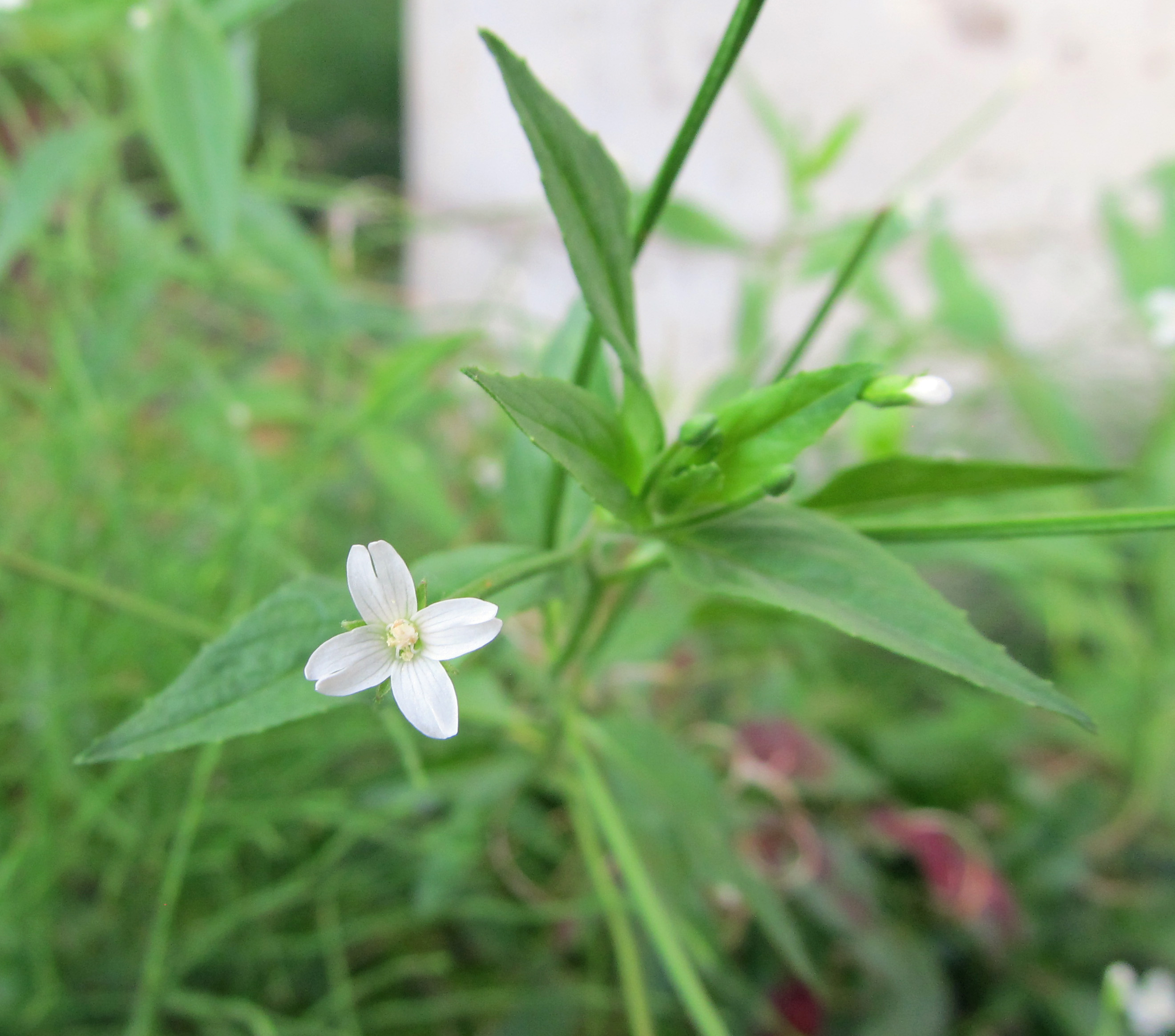
northern willowherb (Epilobium ciliatum)

At least two North American species are commonly weedy: E. ciliatum (northern willowherb) and E. brachycarpum (panicled willowherb). Regarding these two species, the IPM website of University of California states: “Willowherbs are native broadleaf plants but usually require a disturbance to establish. Although considered desirable members of natural habitats, they can be weedy in managed urban and agricultural sites.” The field guide, Weeds of the West, refers to E. brachycarpum as a “highly variable species found mostly on non-cultivated sites, and especially on dry soils and open areas.” E. ciliatum is notorious for being a troublesome weed in greenhouses and nurseries, as discussed on this Oregon State University page.

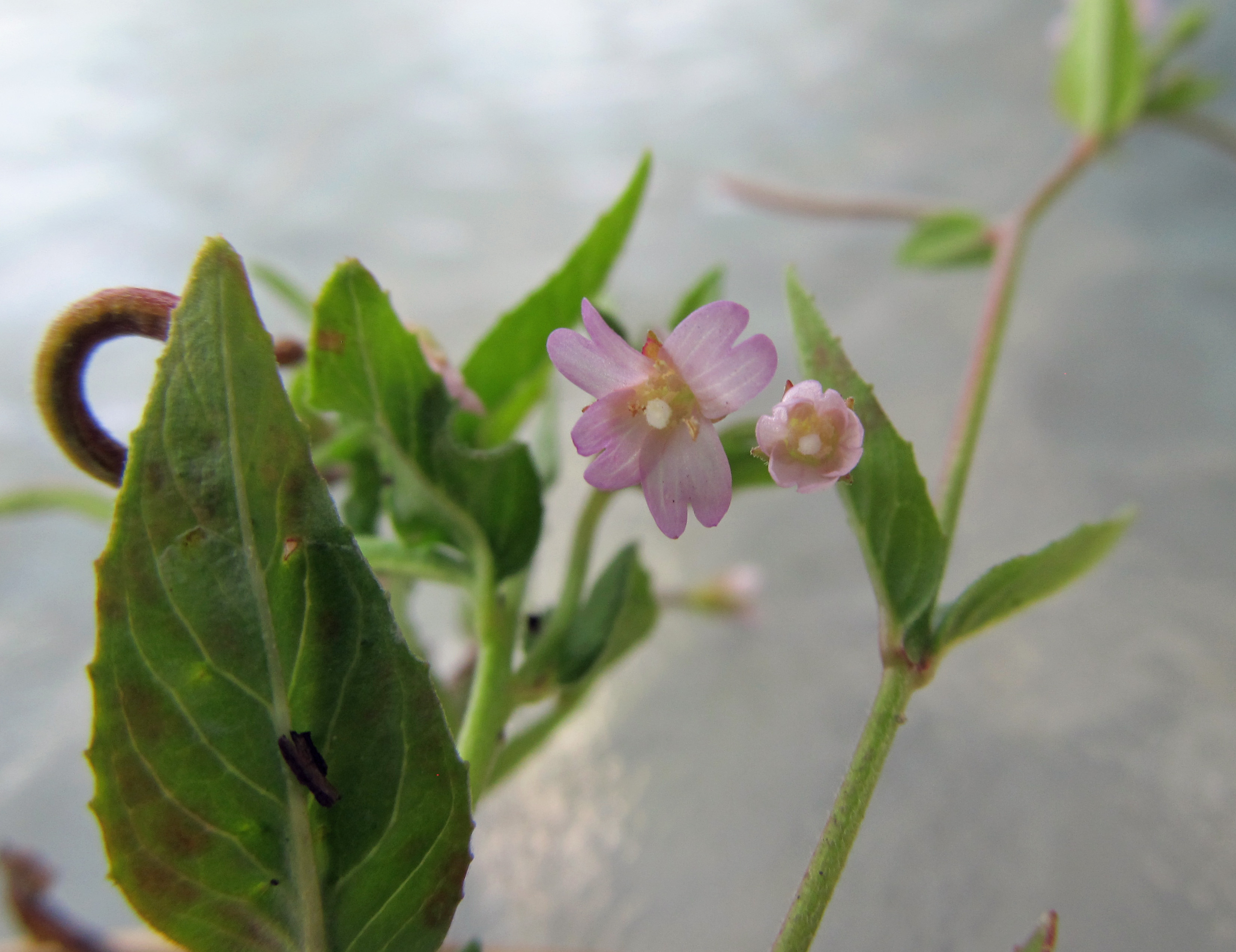
E. ciliatum is a perennial that reproduces via both rhizomes and seeds. It reaches up to five feet tall and has oppositely arranged, lance-shaped leaves with toothed margins that are often directly attached to the stems. Its flowers are tiny – around a quarter of an inch wide – and white, pink, or purple with four petals that are notched at the tip. They sit atop a skinny stalk that is a few centimeters long, which later becomes the fruit. When dry, the fruit (or capsule) splits open at the top to reveal several tiny seeds with tufts of fine hairs.

northern willowherb (Epilobium ciliatum)

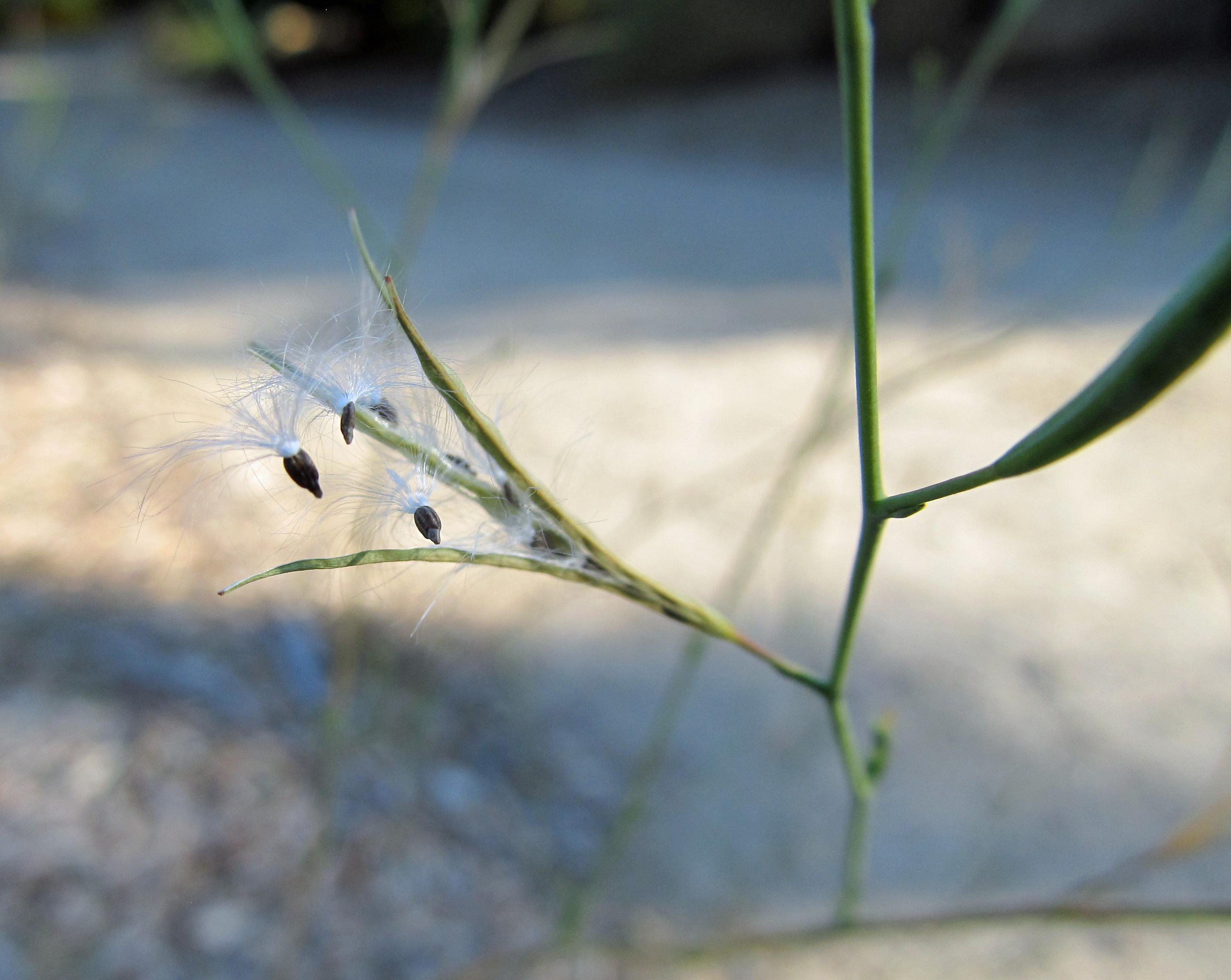
E. brachycarpum is an annual that reaches up to three feet tall and is highly branched. Its leaves are short and narrow and mostly alternately arranged. Its flowers and seed pods are similar to E. ciliatum. At first glance it can appear as one of many weeds in the mustard family; however, the tuft of hairs on its seeds distinguishes it as a willowherb.

Seeds and seed pods of panicled willowherb (Epilobium brachycarpum)

Weeds of North America by Richard Dickinson and France Royer describes one weedy species of willowherb that was introduced to North America from Europe – E. hirsutum. It is commonly referred to as great hairy willowherb, but some of its colloquial names are worth mentioning: fiddle grass, codlins and cream, apple-pie, cherry-pie, blood vine, and purple rocket. Introduced as an ornamental in the mid 1800’s, it is a semiaquatic perennial that can reach as tall as eight feet. It has small, rose-purple flowers and is frequently found growing in wetlands along with purple loosestrife (Lythrum salicaria).

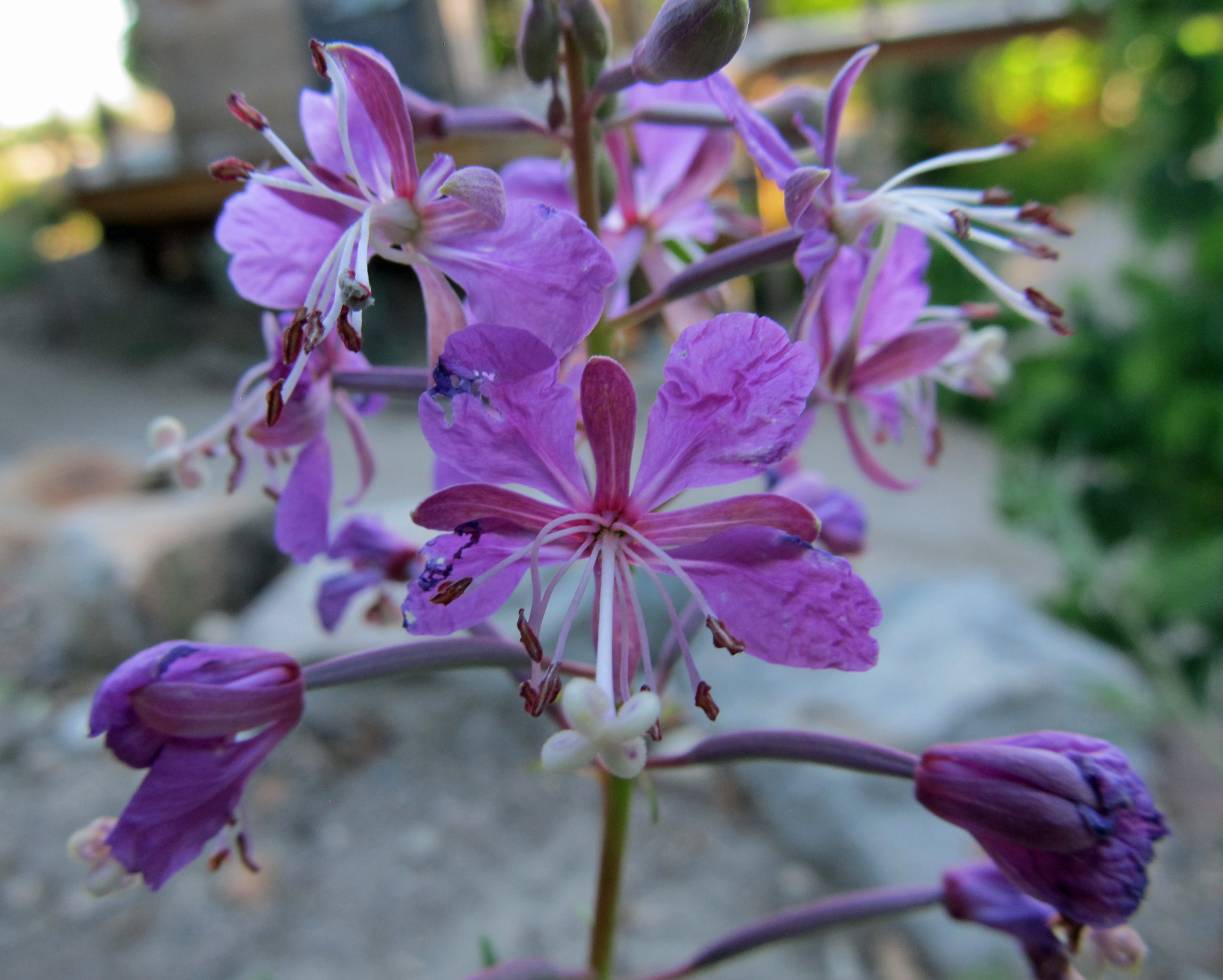
Chamerion angustifolium – which is synonymously known as Epilobium angustifolium and commonly called fireweed – is distributed throughout temperate regions of the Northern Hemisphere. It is a rhizomatously spreading perennial that grows to nine feet tall; has lance-shaped, stalkless leaves; and spikes of eye-catching, rose to purple flowers. It is a true pioneer species, found in disturbed sites like clear-cuts, abandoned agricultural fields, avalanche scars, and along roadsides. It gets its common name for its reputation of being one of the first plants to appear after a fire, as John Eastman describes in The Book of Field and Roadside: “A spring fire may result in a profusion of growth as soon as 3 months afterward, testifying to fireweed’s ample seed bank in many wilderness areas.” Eastman goes on to write, “fireweed’s flush of abundance following fire may rapidly diminish after only a year or two of postburn plant growth.” This “flush of abundance” is what gives it its weedy reputation in gardens. With that in mind, it is otherwise a welcome guest thanks to its beauty and its benefit to pollinators.

fireweed (Chamerion angustifolium)

Additional Resources:

Quote of the Week:

From the book Food Not Lawns by H.C Flores

Sometimes [weeding] feels like playing God – deciding who lives and who dies is no small matter – and sometimes it feels like war. … Take a moment to ponder the relationship of these plants to other living things around, now and in the future. Your weeds provide forage and habitat for insects, birds, and animals, as well as shelter for the seedlings of other plants. They cover the bare soil and bring moisture and soil life closer to the surface, where they can do their good work. Weeds should be respected for their tenacity, persistence, and versatility and looked upon more as volunteers than as invaders.

Summer of Weeds: Flower of an Hour

Hibiscus trionum is a great example of an ornamental plant becoming a widespread weed. Its common name, flower of an hour, refers to its short-lived blooms. Other common names include Venice mallow, bladder hibiscus, bladderweed, modesty, and shoofly. Native to southern Europe and tropical to subtropical parts of Asia and Africa, it was introduced to America as an attractive addition to annual flower beds. It is now naturalized in many states across the country.

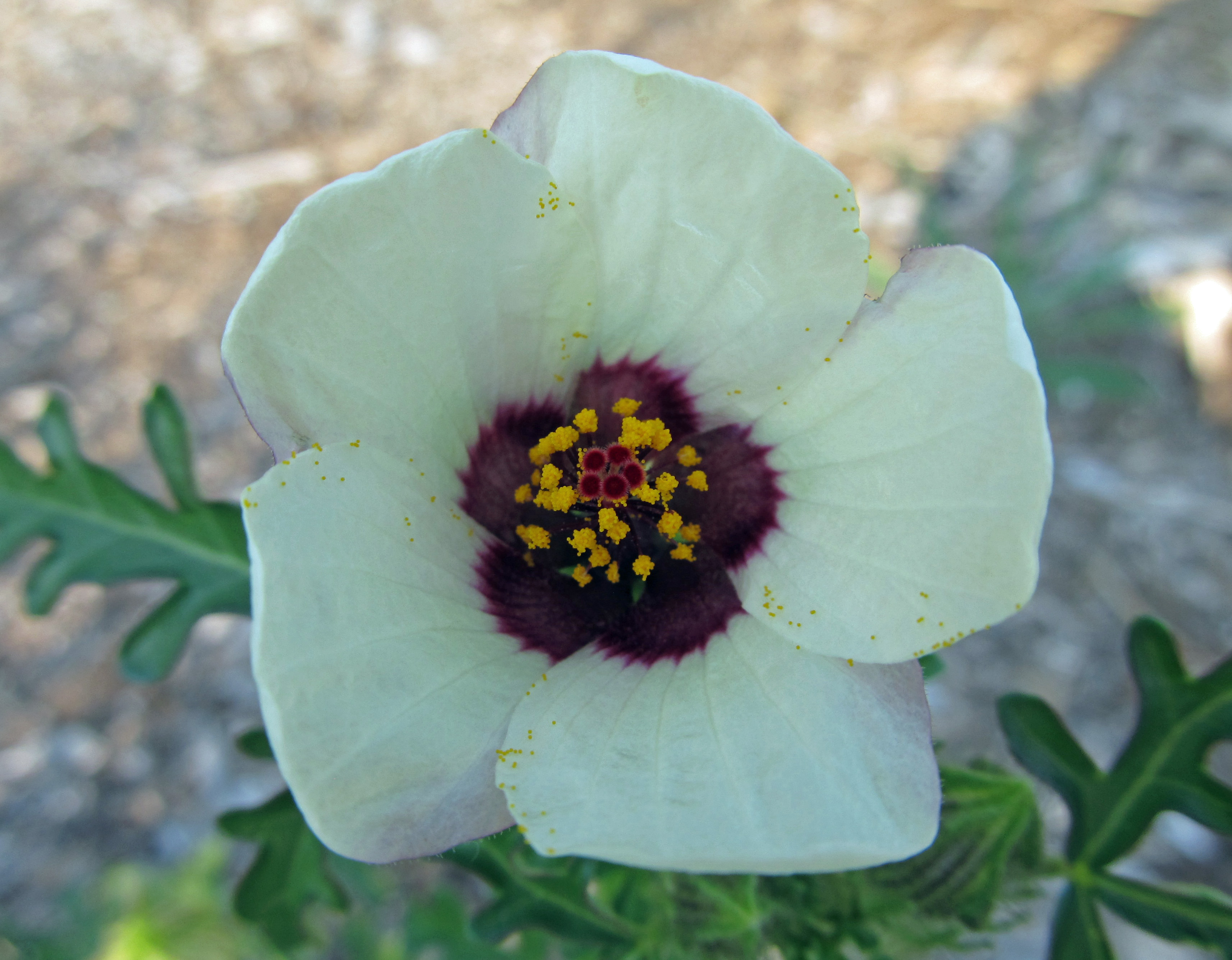
Hibiscus is a huge genus in the family Malvaceae, consisting of species found throughout warmer parts of the world. H. trionum is a warm season annual that grows to around two feet tall and has the habit of a sprawling, decumbent vine; an upright, many-branched mound; or something in-between. Its leaves are alternately arranged and three-lobed with coarsely toothed margins. The flowers are solitary and borne in the axils of leaves. They are creamy white to pale yellow with a purple-brown center, and are both cross- and self-pollinated.

flower of an hour (Hibiscus trionum)

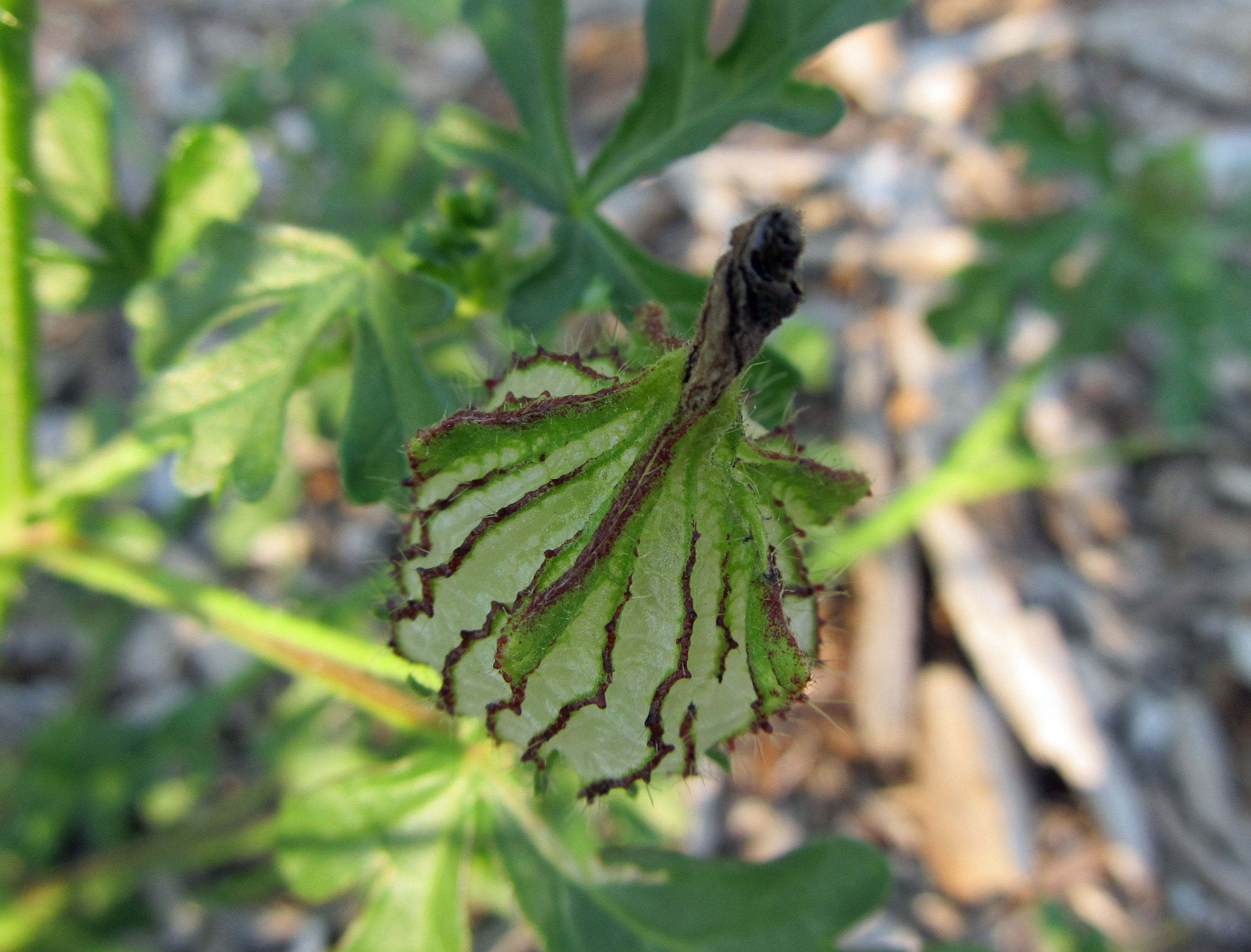
Flowering occurs on sunny days throughout the summer. The ephemeral flowers promptly produce a balloon-shaped seed capsule that is hairy and papery with prominent purple veins. Once mature, the capsules split open at the top to reveal five compartments lined with brown to black, kidney- or heart-shaped seeds. Every part of this plant is attractive and interesting to look at, which is why it is no surprise that it is welcome in many flower beds.

Seed capsule of flower of an hour (Hibiscus trionum)

Sites that are in full sun with fertile soil and regular moisture are sought after by flower of an hour. Less fertile soils are still prone to invasion. As with many weeds, disturbance is key, so it is often found in agricultural fields, rangelands, along roadsides, and in vacant lots and construction sites. Its presence in natural areas is a result of escaping from garden beds, agricultural fields, etc.

When we choose to grow plants that have a history of escaping into natural areas, we should be aware of both our proximity to natural areas and the dispersal mechanisms of the plants. Exotic plants that reproduce reliably and prolifically by seed, such as flower of an hour, should be considered unsuitable for gardens that are adjacent to natural areas.

This is because many popular ornamental plants have become invasive in the wild. Plants that are perfectly welcome in our gardens manage to find suitable habitat in natural areas, potentially threatening the livelihood of native plants and/or altering ecological processes such as fire regimes. An example of this where I live is bachelor’s buttons (Centaurea cyanus), which has escaped from gardens and invaded the Boise Foothills. While the impact of this invasion is not well-studied, the speed at which this plant has spread is disconcerting. Even more disconcerting is the fact that seeds of this and other European and Asian species are commonly found in “wildflower” seed mixes distributed throughout North America.

While I am sympathetic towards weeds, I also see them as one of the best reminders of the impacts that humans can have on the planet. They are clear indicators that every step we take has consequences. We should be mindful of this, and we should continue to have the tough conversations that issues like weeds and their impacts encourage us to have. There are no easy answers, but the dialogue must go on. Because all of us – gardeners and non-gardeners/ecologists and non-ecologists alike – generally have an opinion about weeds, they seem like a pretty good place to start.

Additional Resources:

Quote of the Week:

From the book Invasive Plant Medicine by Timothy Lee Scott

The nature of a weed is opportunistic, and we, as humans, have created enormous holes of opportunity for these plants to fill. They have adapted to be at our side, waiting for those favorable times to cover the exposed soils that we continually create. With ever-changing genetics of form, function, and transmutation, weeds have evolved to withstand the punishments that humans unleash upon them.

Summer of Weeds: Stinking Lovegrass

There are so many weedy grasses that we would be remiss if we let the Summer of Weeds go by without discussing at least one of them. As obnoxious and ecologically harmful as some of these grasses can be, they are easy to ignore, simply because they are not as showy and eye-catching as other weeds. They can also be difficult to identify, particularly when they are not flowering. To the untrained and unappreciative eye, all grasses appear alike and most are fairly uninteresting.

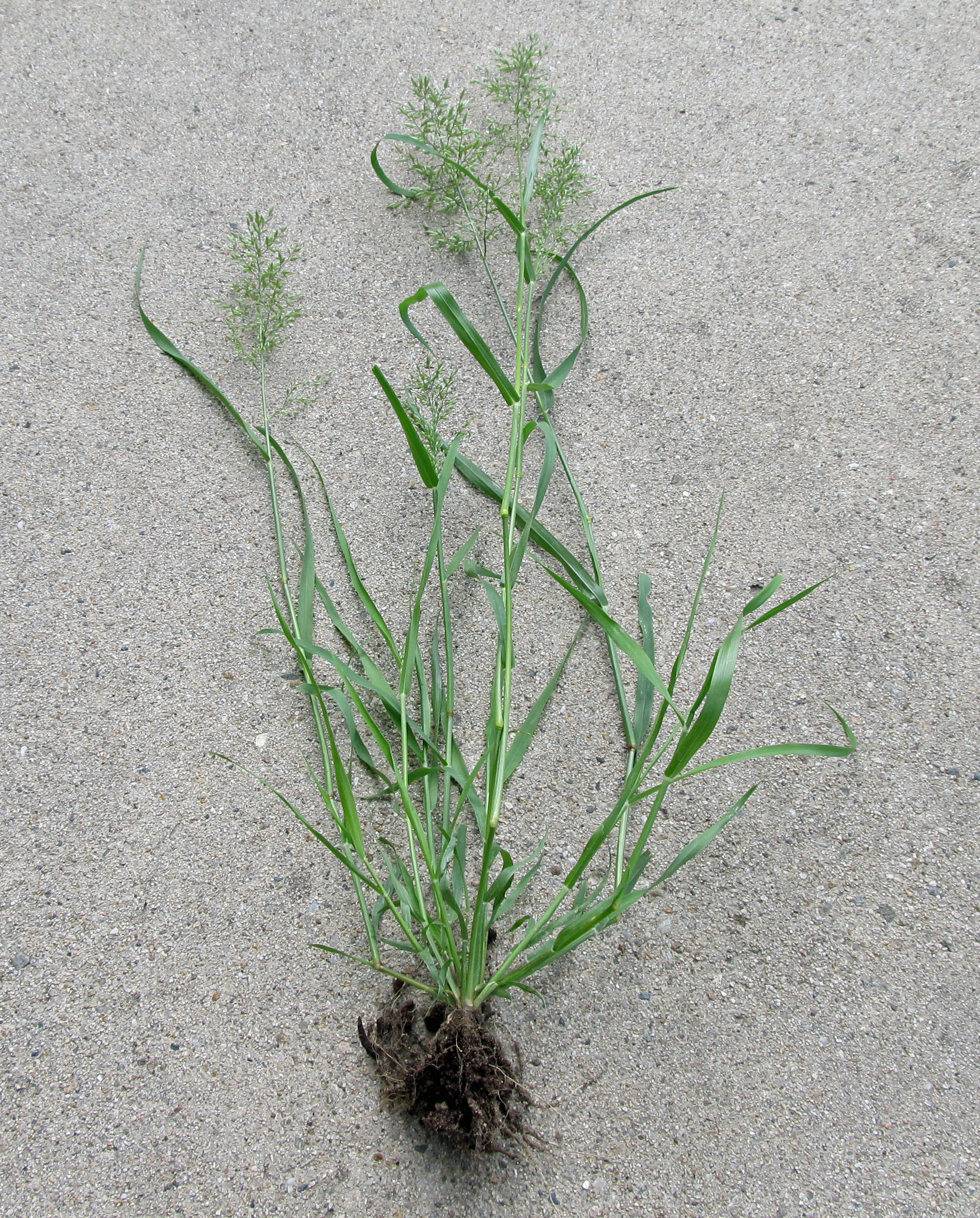
But some of them have great common names, like Eragrostis cilianensis, commonly known as stinking lovegrass, candygrass, or stinkgrass. This plant earns the name “stink” on account of the unpleasant odor that is released through tiny glands in its foilage and flower head. Probably due to my poor sense of smell, my nose doesn’t pick it up very well, but from what I can tell it has a funky or, as Sierra put it, “musky” smell. I imagine if you were to come across a large patch of stinking lovegrass blowing in the breeze, the smell would be detectable.
stinking lovegrass (Eragrostis cilianensis)

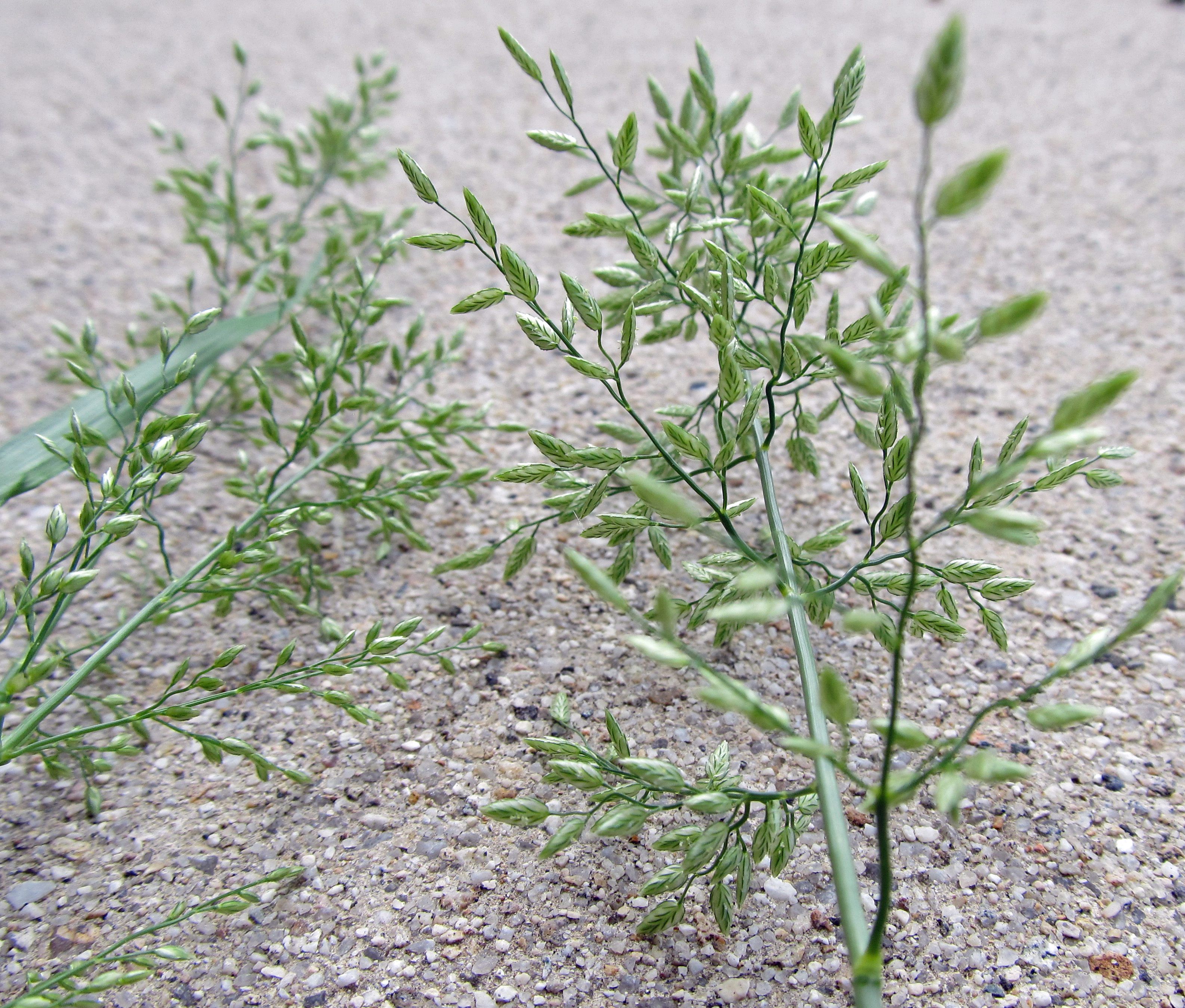
Eragrostis cilianensis is a short (up to two feet tall) annual grass from Eurasia and Africa. It is naturalized across much of North America. It has hollow and jointed stems with flat or folded leaves. Where the leaf blade wraps around the stem (an area called the ligule) there is a tuft of fine hairs. The inflorescence is highly branched, and the branches are lined with several compact, flat florets. The appearance of the flower head is highly variable, from tight and compact to spread out and open.

Inflorescences of stinking lovegrass (Eragrostis cilianensis)

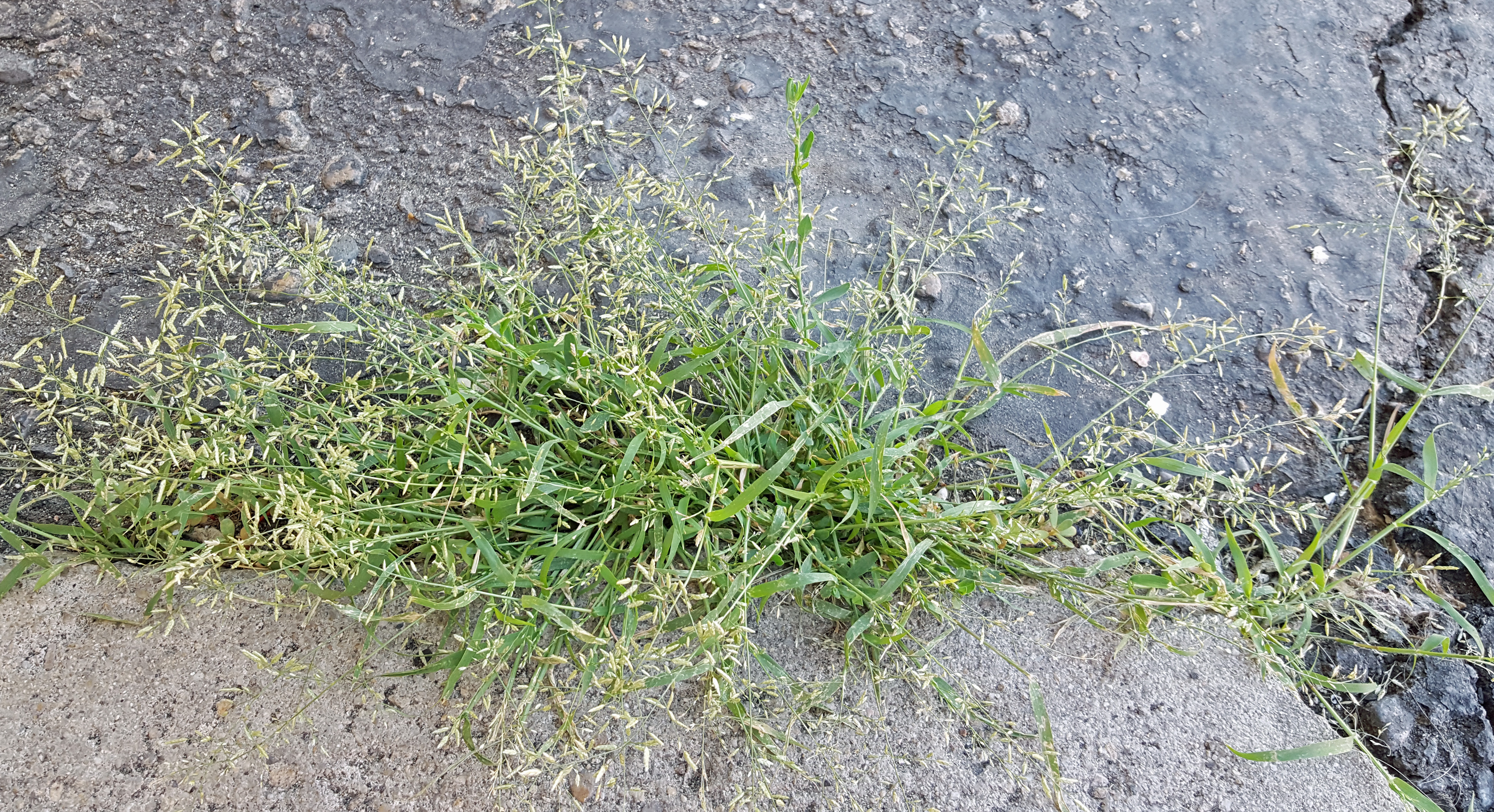
Stinking lovegrass likes sandy or gravelly, dry soils in open, regularly disturbed areas with full sun. It is very drought tolerant and thrives in hot temperatures, which is why it is unfazed growing in the cracks of sidewalks and pavement. It can grow in rich, fertile soil as well, and so it often makes an appearance in vegetable gardens, agricultural fields, and ornamental garden beds.

Stinking lovegrass growing in a crack between the pavement and the sidewalk

There are dozens of species in the genus Eragrostis, with representatives around the world. A few are native to North America, and a few others have been introduced. Provenance aside, all have the potential to be weedy. Eragrostis curvula, weeping lovegrass, is an aggresive invader in some regions. Eragrostis minor, lesser lovegrass, is similar to stinking lovegrass, not only in appearance but also in its provenance and status as a weed in North America. In Wild Urban Plants of the Northeast, Peter Del Tredici mentions two North American natives that can be weedy along roadsides and in vacant lots, sidewalk cracks, garden beds, and elsewhere: E. pectinacea (Carolina lovegrass) and E. spectabilis (purple lovegrass). Last but not least, Eragrostris tef (aslo known as teff) is a commonly cultivated cereal crop in Ethiopia and surrounding countries, the seeds of which are harvested to make injera.

Additional Resources:

Video of the Week:

The Idaho Weed Awareness Campaign has some fun educational materials, including a few puppets, to help teach children about noxious weeds. Mortie Milfoil is a puppet who helps spread the word about the aquatic invasive, Eurasian watermilfoil (Myriophyllum spicatum). Hannah teaches kids about poison hemlock (Conium maculatum). See Hannah’s video below:

Summer of Weeds: Lambsquarters

Since we seem to be on the topic of edible weeds we may as well discuss lambsquarters, another frequently present and commonly eaten, nutritious and versitile weed. Botanically known as Chenopodium album, it is a member of the family Amaranthaceae and therefore related to several common (and uncommon) agricultural crops, including spinach (Spinacia oleracea), beets (Beta vulgaris), Swiss chard (also Beta vulgaris), amaranth (Amaranthus spp.), and red orach (Atriplex hortensis). Chenopodium, a genus consisting of 100 plus species, is also cultivated in various parts of the world for its edible leaves, stems, and seeds. Chenopodium quinoa, commonly known as quinoa, is now a popular “grain” in North America after being grown for millenia by Andean cultures.

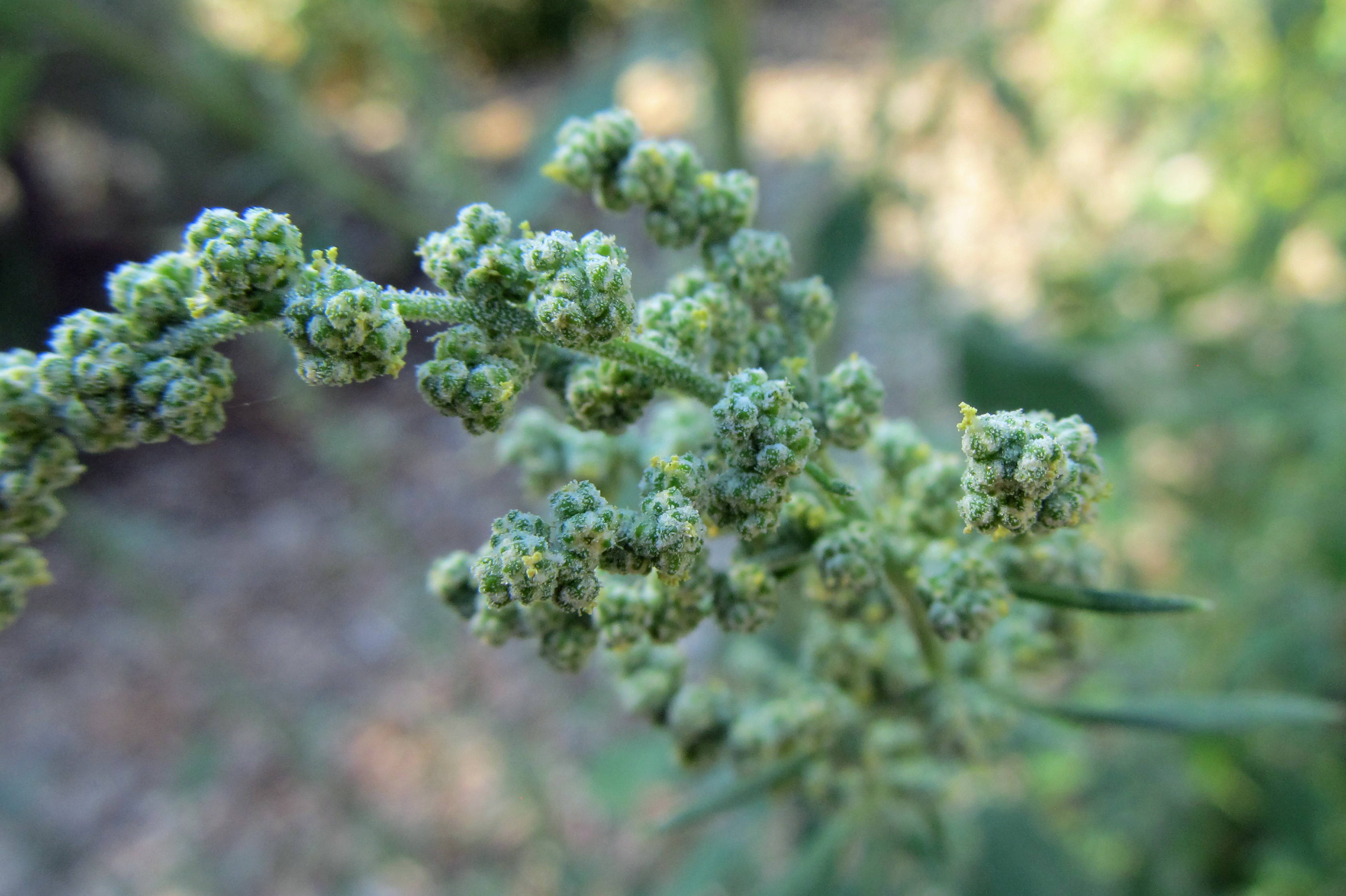
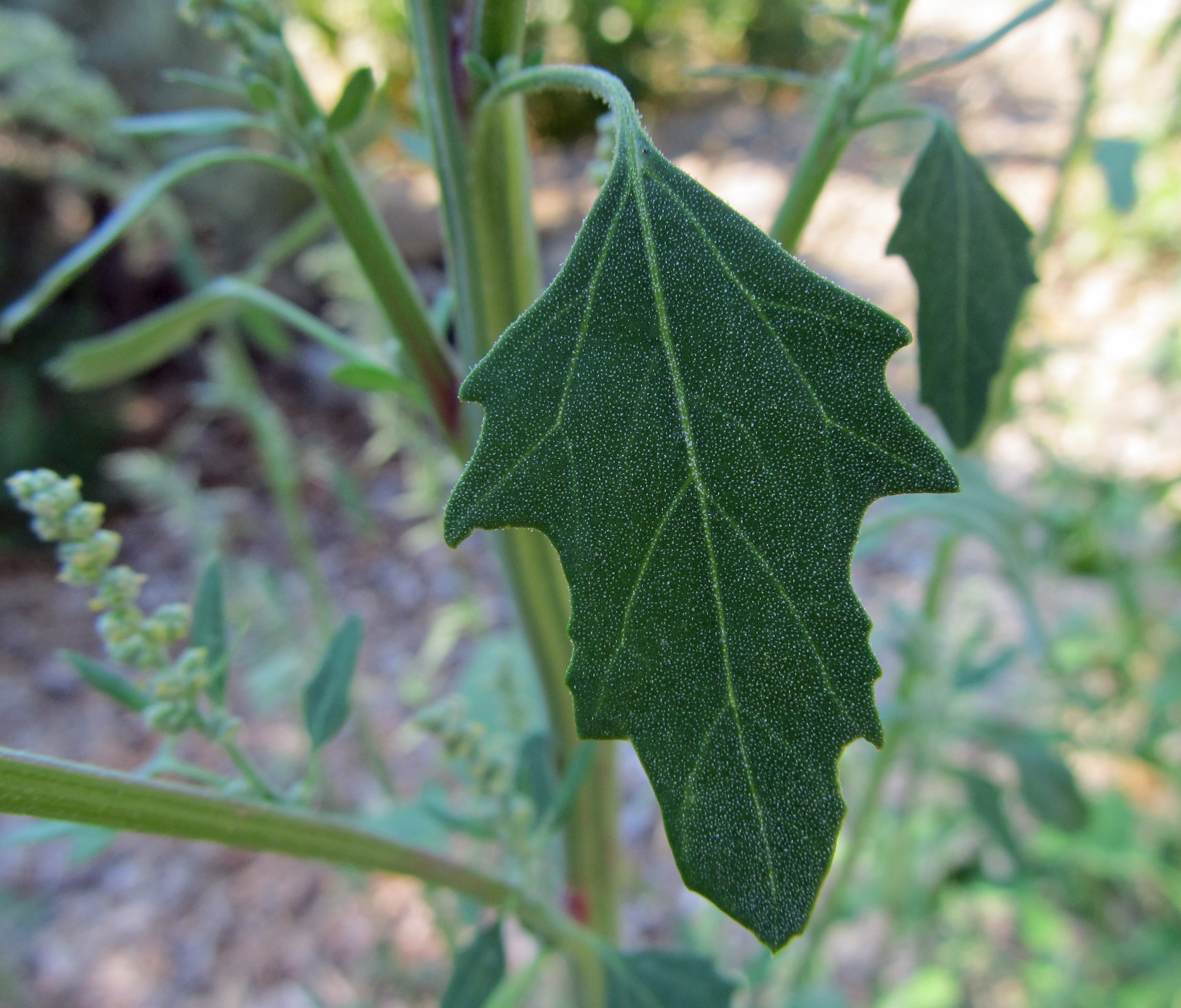
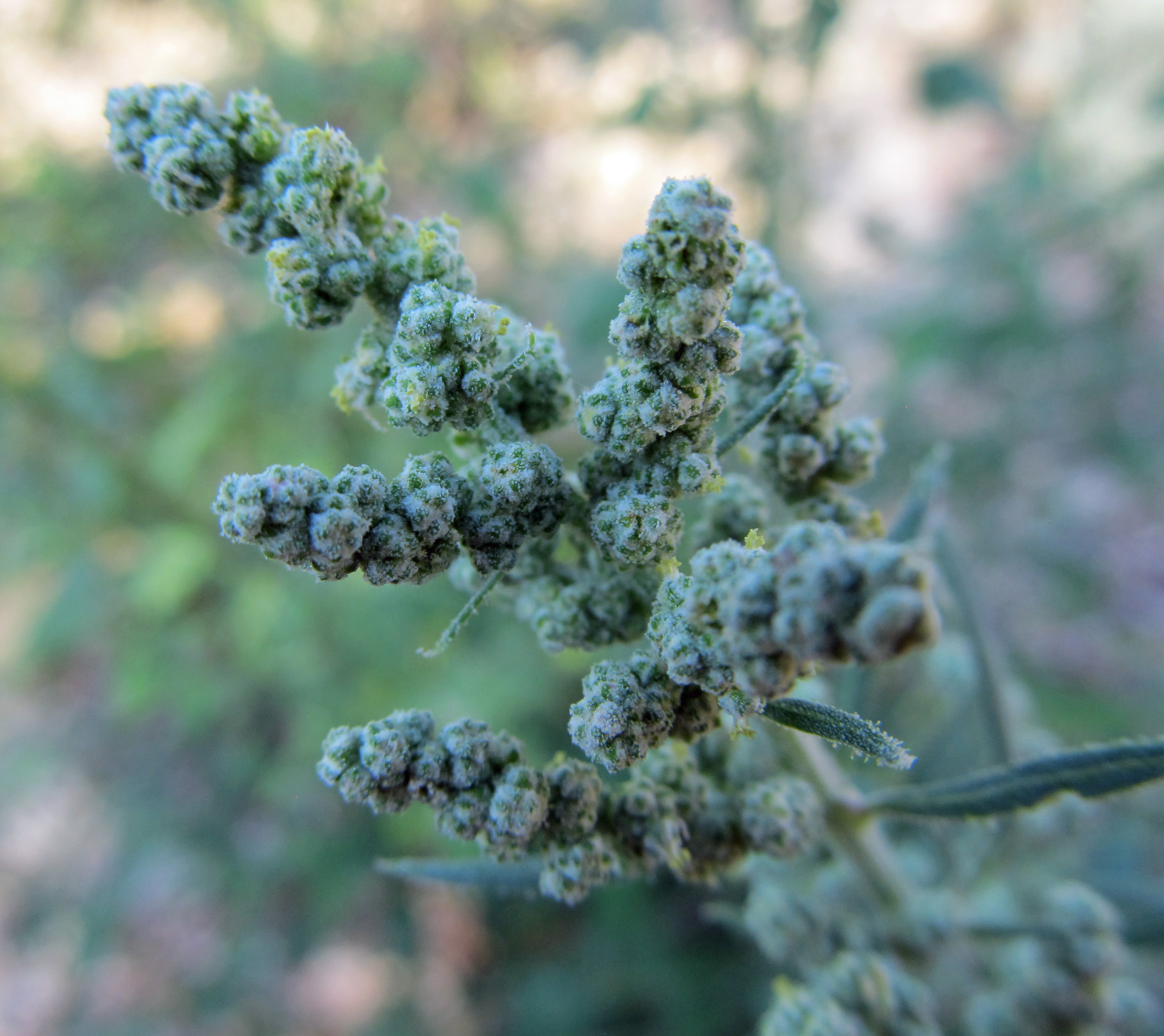
Chenopodium album is a summer annual that reaches up to 6 feet tall with sturdy, angular stems and triangular, diamond-shaped, or lance-shaped leaves with irregularly toothed margins. The leaves are green on top and mealy gray-white on bottom. The flowers are tiny, petal-less, and organized in tight clusters at the ends of branches. In Botany In a Day, Thomas Elpel describes the flowers as “little green ‘globs’ forming along an upright stalk, sometimes colored with specks of yellow.” They are generally wind-pollinated, but are occassionally visited by pollinating insects. Each plant can produce tens of thousands of seeds, which are potentially viable for up to 40 years.

Inflorescence of lambsquarters (Chenopodium album)

Lambsquartes is one of many common names for C. album (others include goosefoot, fat hen, baconweed, mealweed, frostblite, and wild spinach), and is a name with several proposed origins. Is it because the plant is commonly found growing in the manure-rich soils of barnyards? Or is it because the fuzzy undersides of the leaves are reminiscent of sheep’s wool? Perhaps it is because per weight, the harvested plants and a quarter of lamb contain roughly the same amount of protein? Who knows? Despite all this talk of sheep, however, large quantities of lambsquarters are reported to be poisonous to both sheep and pigs.

Though lambsquarters prefers nutrient-rich soils, it tolerates a wide variety of soil types, including dry, compacted, urban soil. It is drawn to all sorts of disturbed sites and is particularly abundant in gardens, agricultuaral fields, and roadsides. It readily hybridizes with other Chenopodium species, including the North American native C. berlandieri. In The Book of Field and Roadside, John Eastman calls it “one of the wold’s most abundant and noxious weeds,” because “it competes with some 40 crops [and] is especially invasive in tomato, potato, sugar beet, soybean, and corn fields.”

Eastman goes on to hint at lambsquarters’ potential for phytoremediation: “The plant accumulates high levels of nitrates and pesticides in addition to its oxalic acid content.” It also takes up heavy metals, including zinc, copper, and lead. This phenomenon is worth a future post, so stay tuned.

Leaf of lambsquarters (Chenopodium album)

That being said, when harvested from a non-polluted site, lambsquarters is a very nutritious spinach-like green both raw and cooked. Younger leaves and plants are preferred because older ones tend to be higher in oxalic acid. The seeds are also edible and, like quinoa, can be used in a similar manner as common grain and cereal crops. Harvester ants and various bird species also collect and consume the seeds. The roots of lambsquarters are high in saponin and can be used to make soap.

There are many reasons to be impressed with Chenopodium album, including its ability to tolerate drougt and frost, its adaptability to all types of soil, its highly nutritious plant parts (but also potentially toxic due to accumalation of pollutants and oxalic acid), and its competitive and persistent nature. Ehrenfried Pfeiffer, author of Weeds and What They Tell, was in awe of this “most enduring annual weed” and its goosefoot family relatives, writing: “We have the feeling that the goosefoot was destined to play a better role than to become an obnoxious weed. They follow closely man’s steps, showing their inclination to be domesticated. Probably future plant breeders may develop new cultivated varieties out of this family long after our present cultivated plants have degenerated, for it is their extreme vitality and preserverence to grow that makes the goosefoot family so interesting.”

Pfeiffer’s predictions haven’t quite come to pass, but time will tell.

More lambsquarters flowers

———————

According to an article posted on LiveScience, lambsquarters is one of “The Five Healthiest Backyard Weeds.” The list includes two other weeds we have covered during the Summer of Weeds: Purslane and Plantain.

Summer of Weeds: Plantains

This is a revised version of two ethnobotany posts that appeared previously on Awkward Botany: White Man’s Foot, part one and part two. Plantains have a long history of ethnobotonical uses, as well as a bad reputation of being pesky, hard-to-eliminate weeds. The two most common introduced plantain species in North America are broadleaf plantain (Plantago major) and lanceleaf plantain (Plantago lanceolata). Wherever our daily travels take us, chances are there is a plantain growing nearby.

———————

Plantago major is in the plantain family (Plantaginaceae) a family that consists of at least 90 genera, including common ornamental plants like Veronica (speedwells), Digitalis (foxgloves), and Antirrhinum (snapdragons). The genus Plantago, commonly known as plantains, consists of around 200 species distributed throughout the world in diverse habitats. Most of them are herbaceous perennials with similar growth habits.

Originating in Eurasia, P. major now has a cosmopolitan distribution. It has joined humans as they have traveled and migrated from continent to continent and is now considered naturalized throughout most temperate and some tropical regions. P. major has a plethora of common names – common plantain being the one that the USDA prefers. Other names include broadleaf plantain, greater plantain, thickleaf plantain, ribgrass, ribwort, ripplegrass, and waybread. Depending on the source, there are various versions of the name white man’s foot. Along the same line, a common name for P. major in South Africa is cart-track plant.

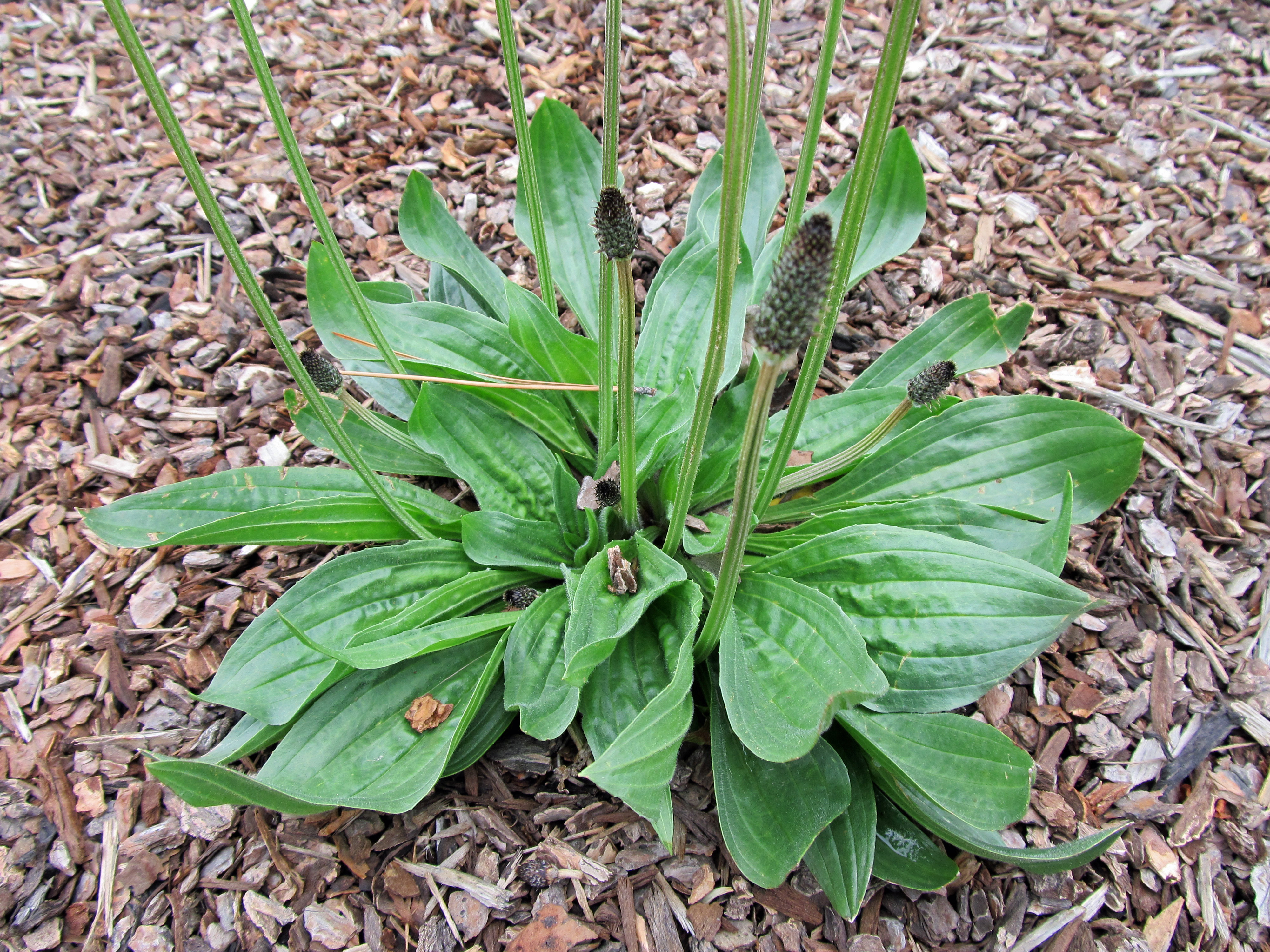
common plantain (Plantago major)

Common plantain starts by forming a rosette of broad leaves usually oriented flat against the ground. The leaves are egg-shaped with parallel veins; occasionally, leaf margins are faintly toothed. The inflorescence is a leafless spike up to 20 centimeters tall or taller with several tiny flowers that are a dull yellow-green-brown color. The flowers are wind pollinated and highly prone to self-pollination. The fruits are capsules that can contain as many as 30 seeds; an entire plant can produce as many as 15,000 seeds. The seeds are small, brown, sticky, and easily transported by wind or by adhering to shoes, clothing, animals, and machinery. They require light to germinate and can remain viable for up to 60 years.

Common plantain prefers sunny sites but can also thrive in part shade. It adapts to a variety of soil types but performs best in moist, clay-loam soils. It is often found in compacted soils and is very tolerant of trampling. This trait, along with its low-growing leaves that easily evade mower blades, explains why it is so common in turf grass. It is highly adaptable to a variety of habitats and is particularly common on recently disturbed sites (both natural and human caused). It is an abundant urban and agricultural weed.

Illustration of three Plantago species from Selected Weeds of the United States (Agriculture Handbook No. 366) circa 1970

Even though it is wind pollinated, its flowers are visited by syrphid flies and various bee species which feed on its pollen. Several other insects feed on its foliage, along with a number of mammalian herbivores. Cardinals and other bird species feed on its seeds.

Humans also eat plantain leaves, which contain vitamins A, C, and K. Young, tender leaves can be eaten raw, while older leaves need to be cooked as they become tough and stringy with age. The medicinal properties of  P. major have been known and appreciated at least as far back as the Anglo-Saxons, who likely used a poultice made from the leaves externally to treat wounds, burns, sores, bites, stings, and other irritations. It has also been used to stop cuts from bleeding and to treat rattlesnake bites. Apart from external uses, the plant was used internally as a pain killer and to treat ulcers, diarrhea, and other gastrointestinal issues.

P. major has been shown to have antibacterial, anti-inflammatory, antioxidant, and other biological properties; several chemical compounds have been isolated from the plant and deemed responsible for these properties. It is for this reason that P. major and other Plantago species have been used to treat such a diverse number of ailments. The claims are extensive and worth exploring. You can start by visiting the following sites:

Excerpts about plantains from The Book of Field and Roadside by John Eastman

Concerning their cosmopolitan nature: “Although both plantains [P. major and P. lanceolata] are Eurasian natives, they have long been thoroughly naturalized global residents; the designation ‘alien’ applies to them in the same sense that all white and black Americans are alien residents.”

In which I learned a new term: “Both species are anthropophilic (associate with humans); they frequent roadsides, parking areas, driveways, and vacant lots, occurring almost everywhere in disturbed ground. Where one species grows, the other can often be found nearby.”

Illustration by Amelia Hansen from The Book of Field and Roadside by John Eastman

Medicinal and culinary uses according to Eastman: “Plantains have versatile curative as well as culinary properties; nobody need go hungry or untreated for sores where plantains grow. These plants contain an abundance of beta carotene, calcium, potassium, and ascorbic acid. Cure-all claims for common plantain’s beneficial medical uses include a leaf tea for coughs, diarrhea, dysentery, lung and stomach disorders, and the root tea as a mouthwash for toothache. … Their most frequent and demonstrably effective use as a modern herb remedy, however, is as a leaf poultice for insect bites and stings plus other skin irritations. The leaf’s antimicrobial properties reduce inflammation, and its astringent chemistry relieves itching, swelling, and soreness.”

Even the seeds are “therapeutic”: “The gelatinous mucilage surrounding seeds can be readily separated, has been used as a substitute for linseed oil. Its widest usage is in laxative products for providing bulk and soluble fiber called psyllium, mainly derived from the plantain species P. ovata and leafy-stemmed plantain (P. psyllium), both Mediterranean natives.”

An excerpt from Weeds: In Defense of Nature’s Most Unloved Plants by Richard Mabey

“Plantain, ‘the mother of worts,’ is present in almost all the early prescriptions of magical herbs, back as far as the earliest Celtic fire ceremonies. It isn’t clear why such a drab plant – a plain rosette of grey-green leaves topped by a flower spike like a rat’s-tail – should have had pre-eminent status. But its weediness, in the sense of its willingness to tolerate human company, may have had a lot to do with it. The Anglo-Saxon names ‘Waybroad’ or ‘Waybread’ simply mean ‘a broad-leaved herb which grows by the wayside.’ This is plantain’s defining habit and habitat. It thrives on roadways, field-paths, church steps. In the most literal sense it dogs human footsteps. Its tough, elastic leaves, growing flush with the ground, are resilient to treading. You can walk on them, scuff them, even drive over them, and they go on living. They seem to actively prosper from stamping, as more delicate plants around them are crushed. The principles of sympathetic magic, therefore, indicated that plantain would be effective for crushing and tearing injuries. (And so it is, to a certain extent. The leaves contain a high proportion of tannins, which help to close wounds and halt bleeding.)”

Field Trip: Hoyt Arboretum and Leach Botanical Garden

Thanks to Sierra having a work-related conference to attend, I got the chance to tag along on a mid-July trip to Oregon. My mission while she was busy with her conference was to visit some gardens in Portland. What follows is a mini photo diary of my visits to Hoyt Arboretum and Leach Botanical Garden. Both are places I had never been to before. My visits may have been brief, but they were long enough to earn big thumbs up and a strong recommendation to pay them a visit.

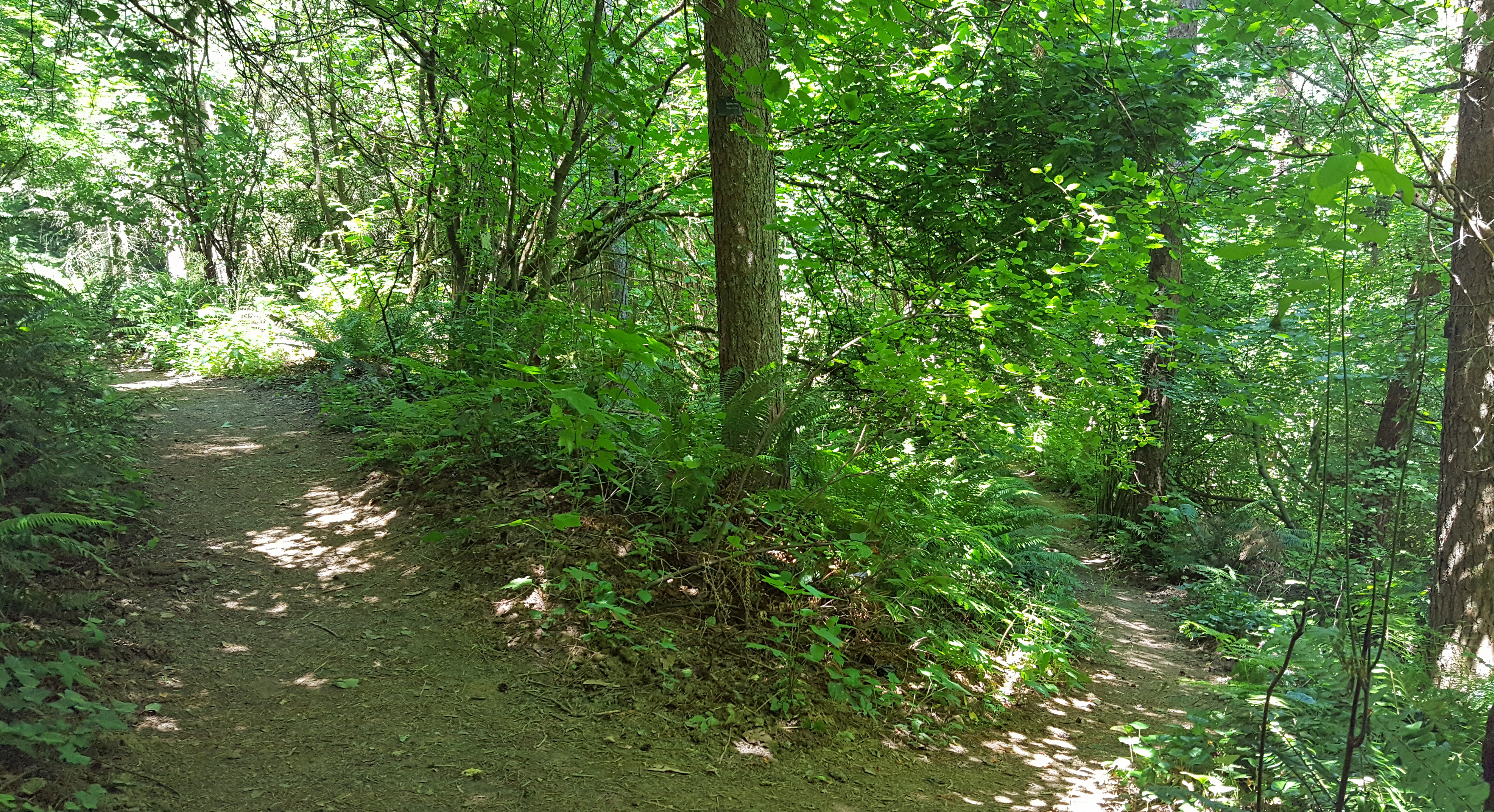
Much of the Hoyt Arboretum is like walking through a dense forest. Here a Scots pine (Pinus sylvestris) marks a fork in the road. To the right is the White Pine Trail, and to the left is the Bristlecone Pine Trail.

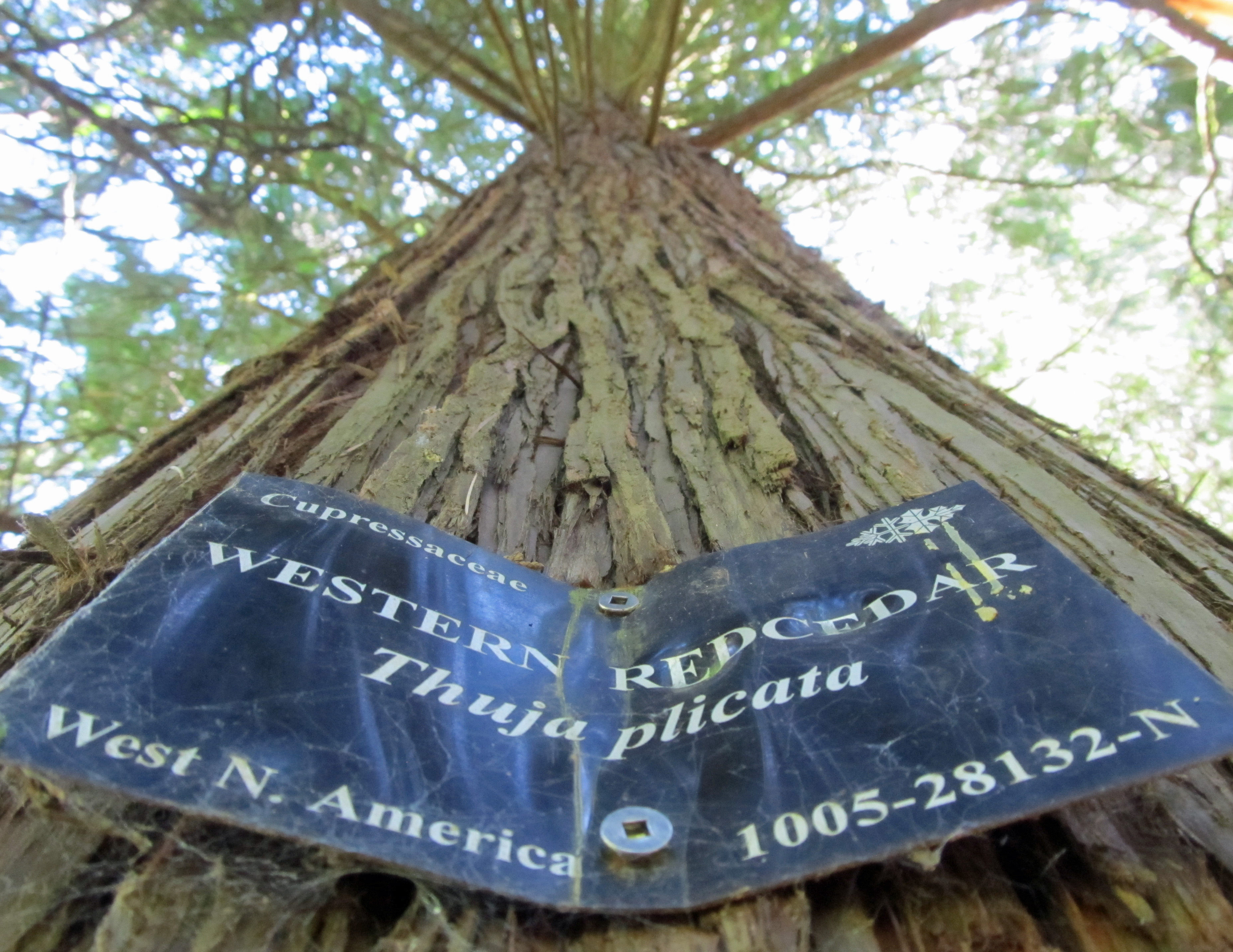
Some of the trees are enormous. This western redcedar (Thuja plicata) is getting up there.

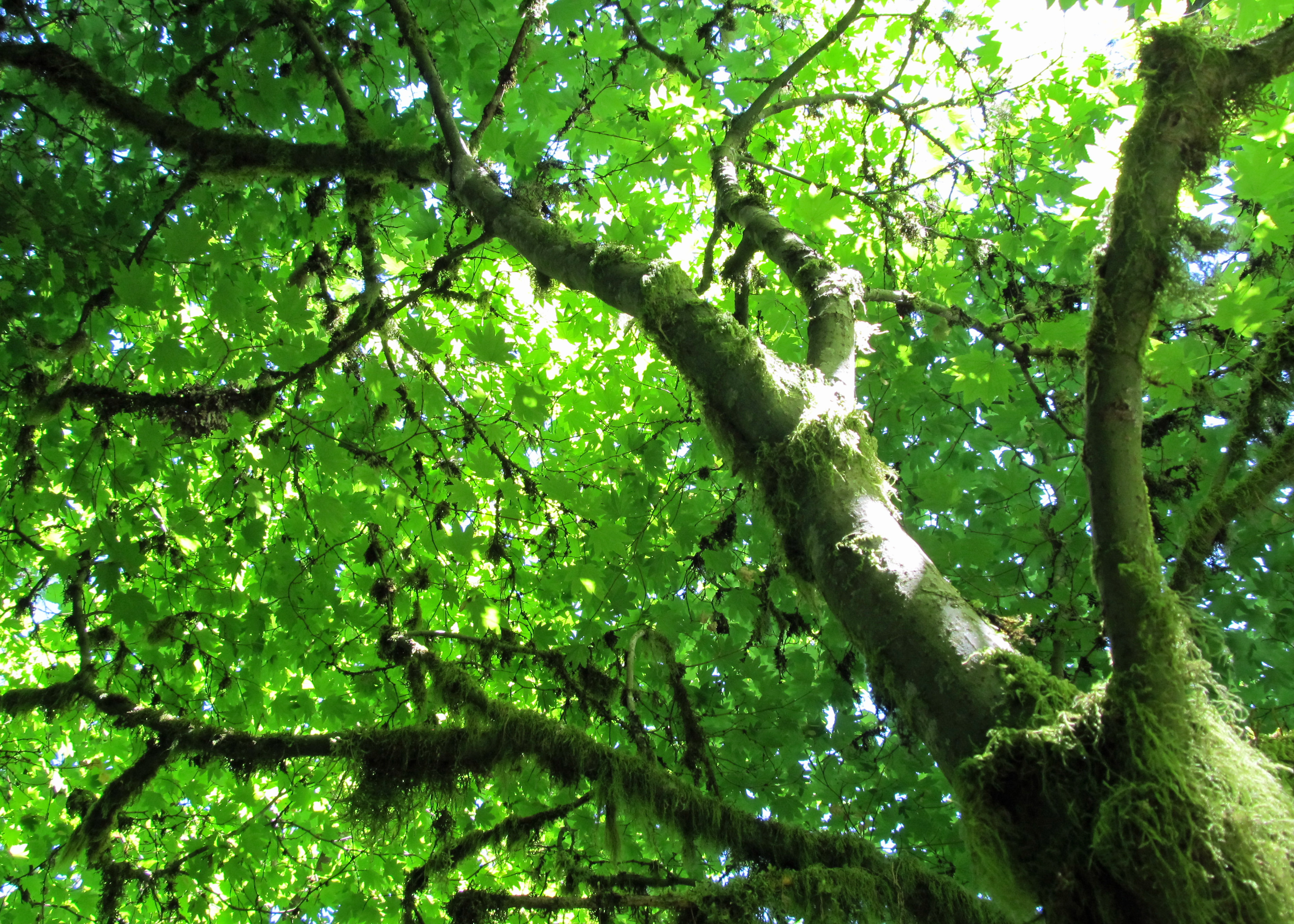
Looking up to admire the canopy was one of my favorite parts. Here I am below the canopy of a vine maple (Acer circinatum).

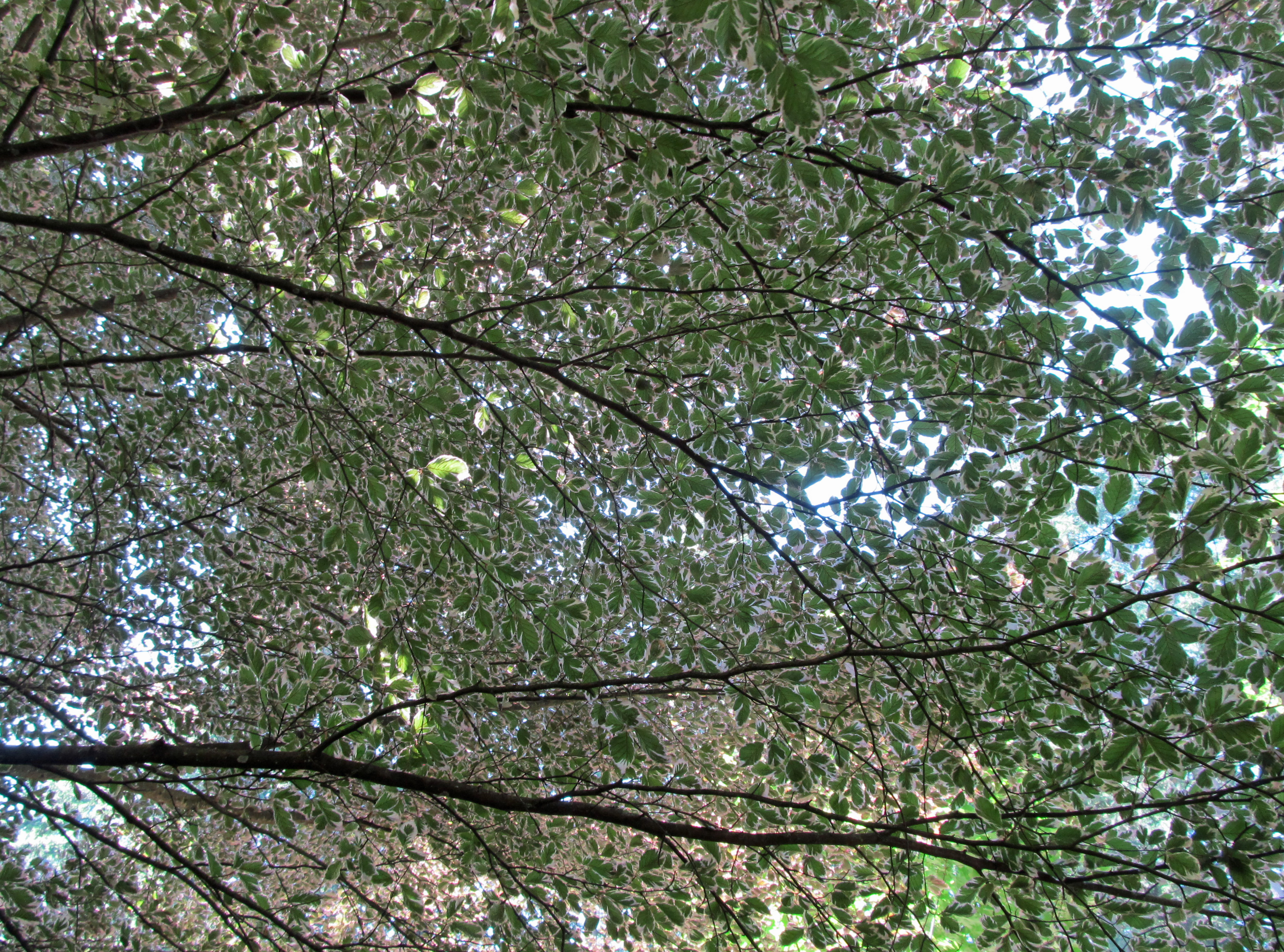
And now I am below the canopy of a tricolor beech (Fagus sylvatica ‘Tricolor’).

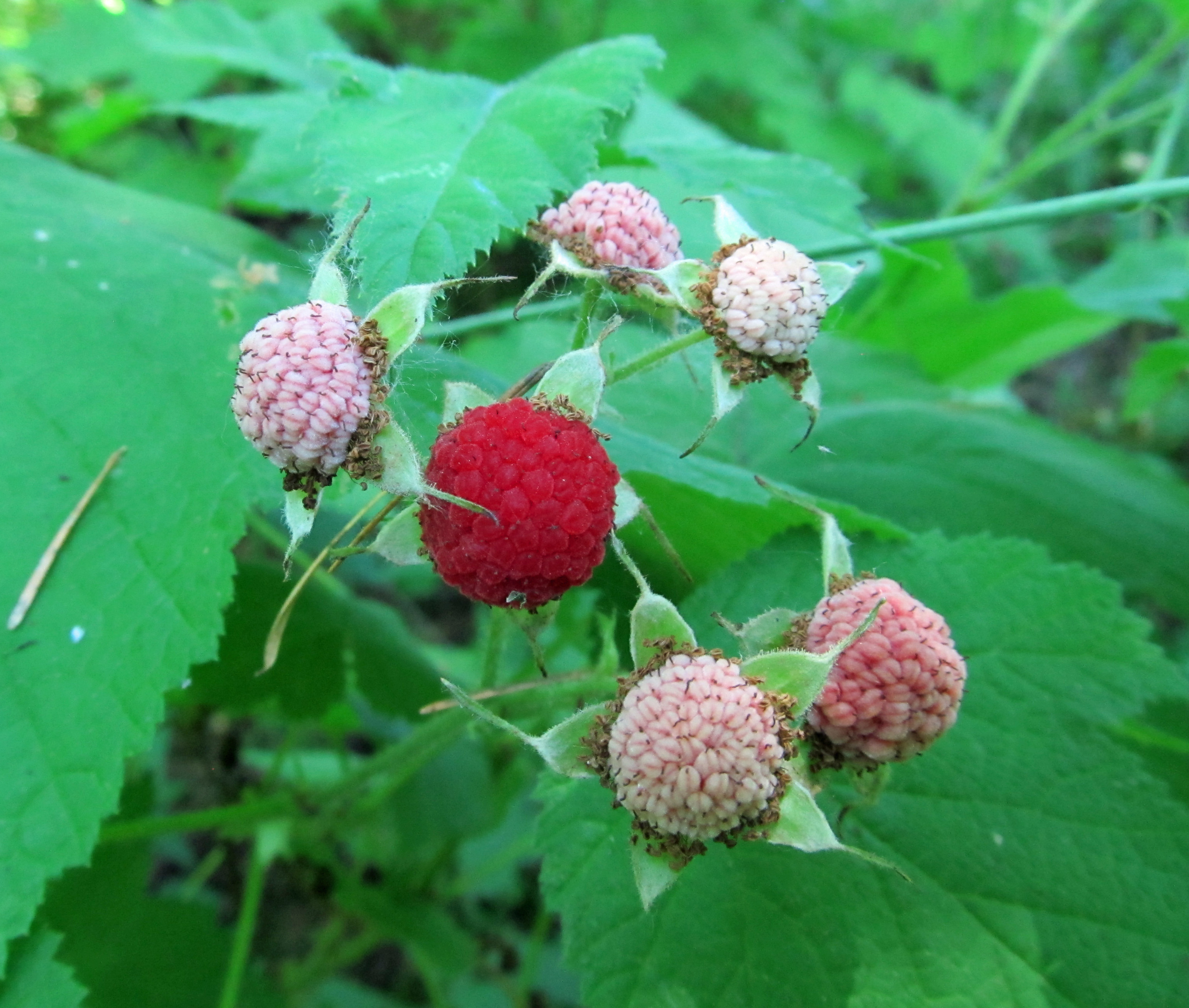
Thimbleberry (Rubus parviflorus) was abundant, and the fruits were at various stages of maturity.

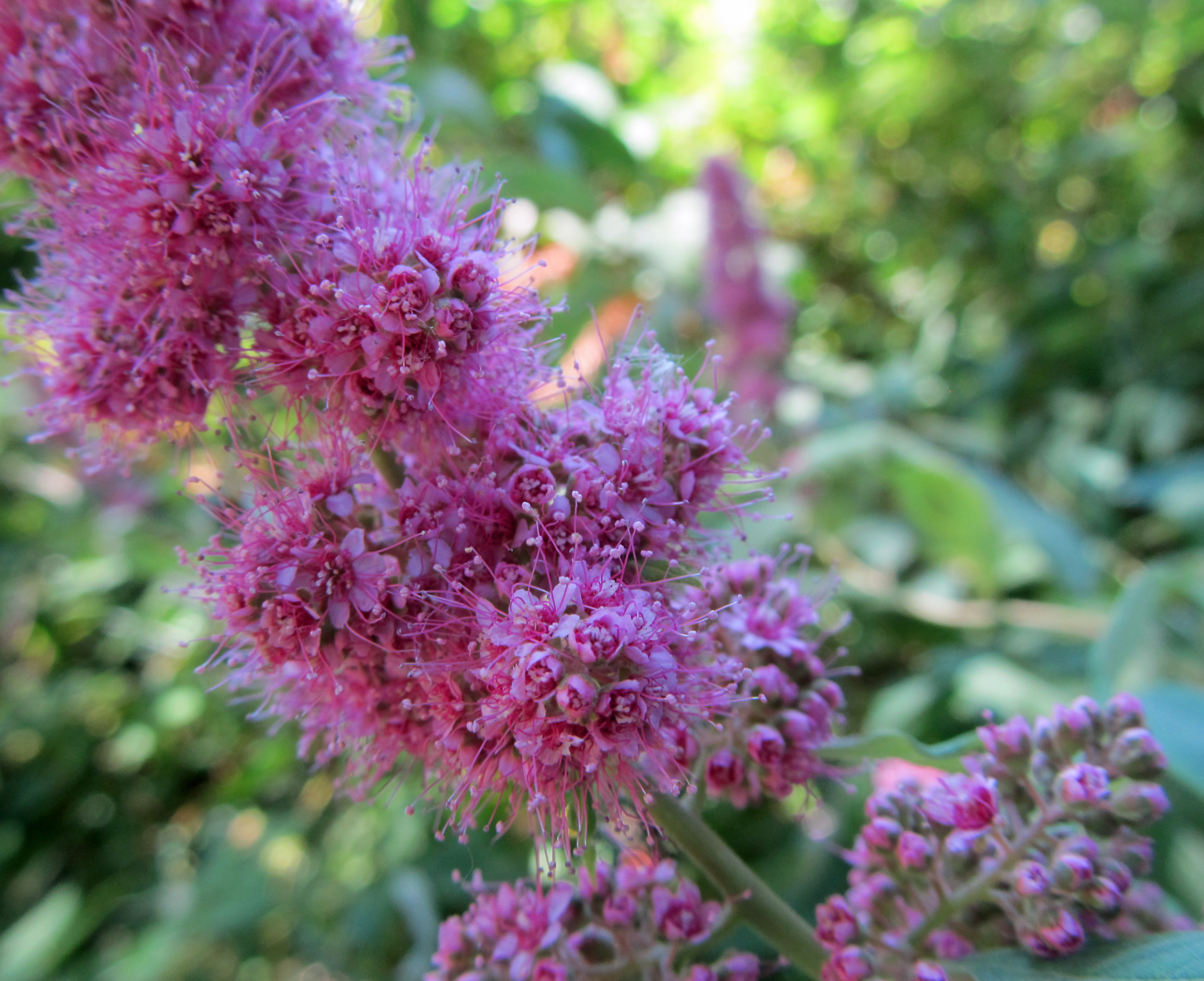
There were a few flowers to look at as well. Bumblebees were all over this Douglas spirea (Spiraea douglasii). 

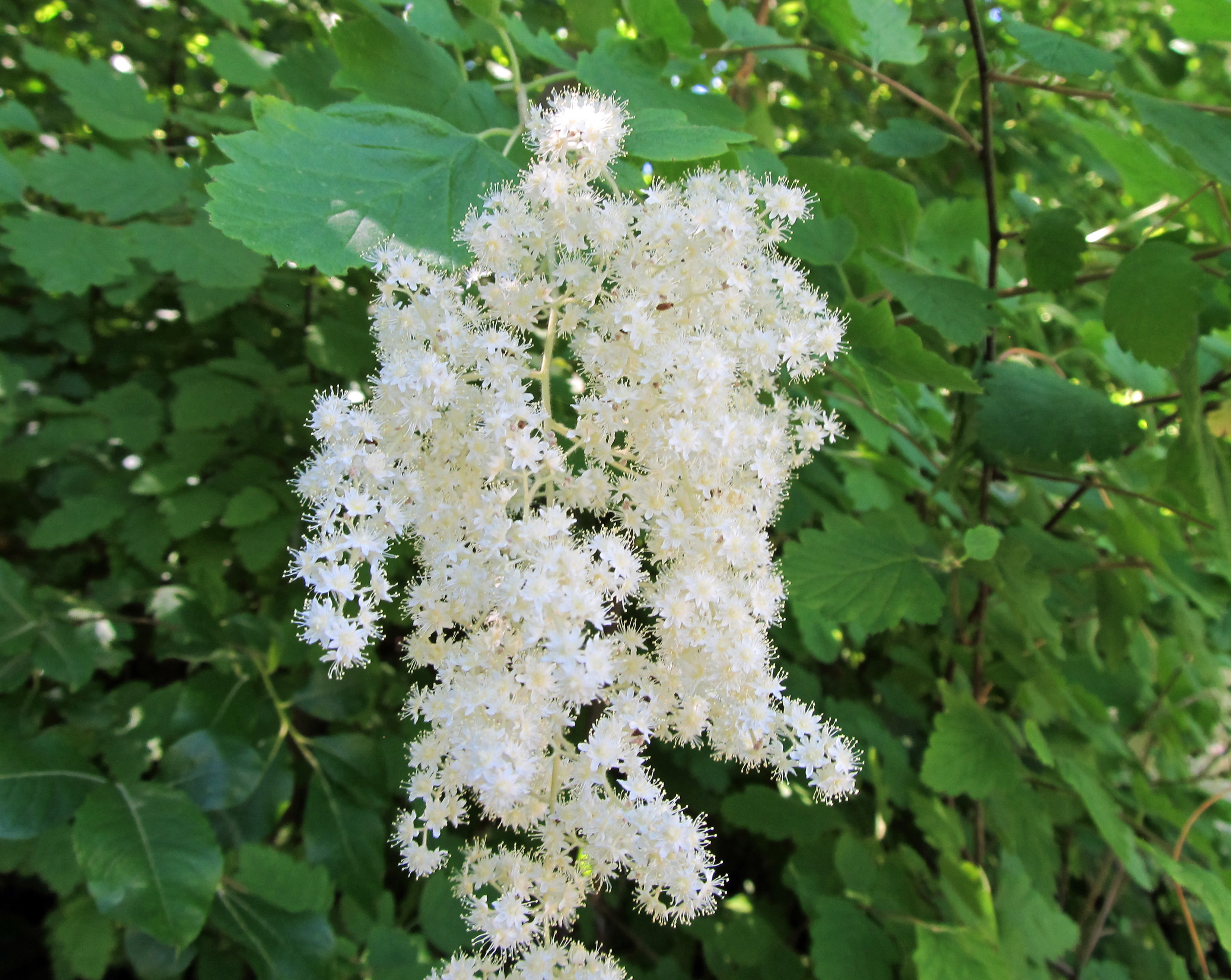
Ocean spray (Holodiscus discolor) was in its prime.

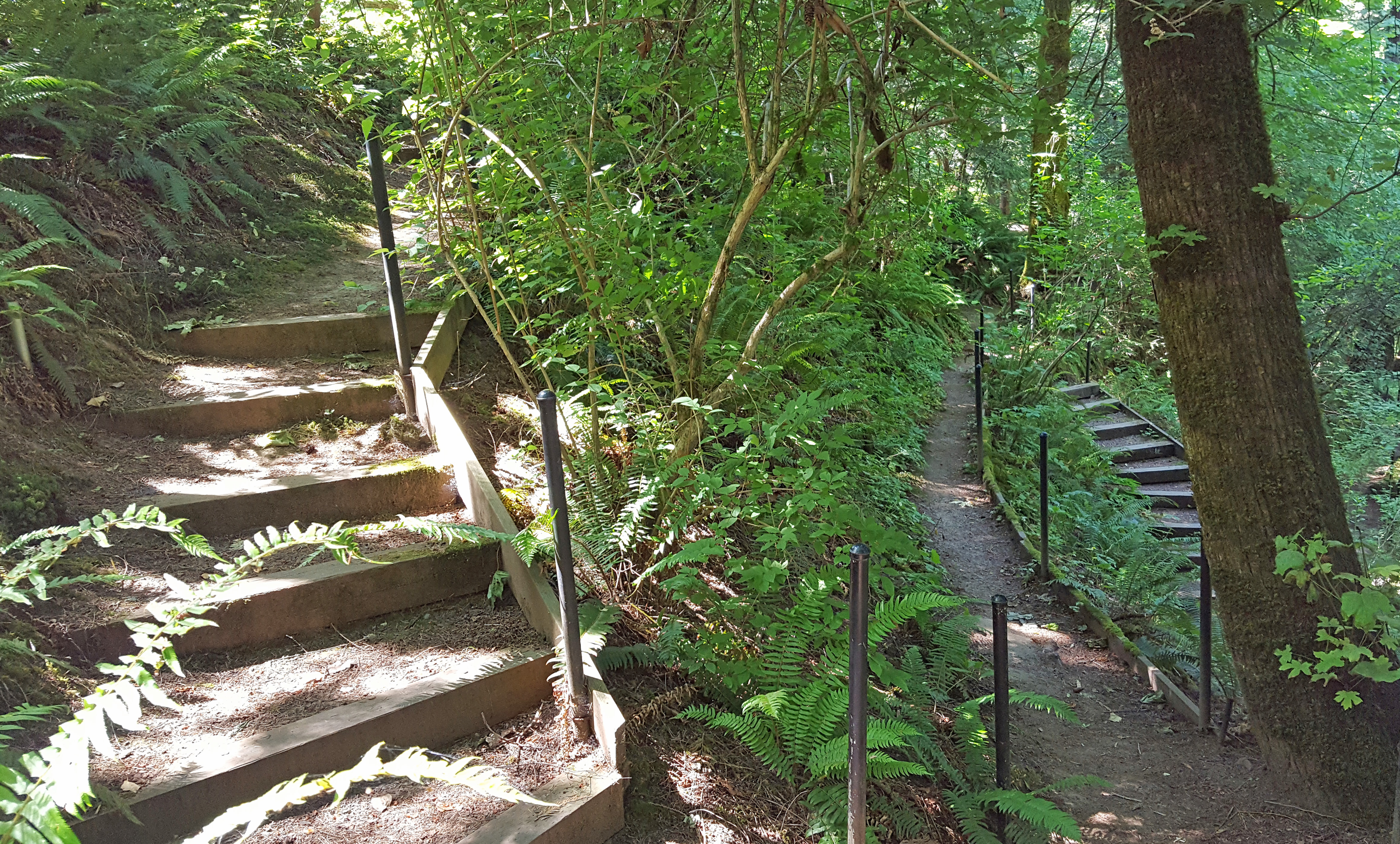
Leach Botanical Garden is considerably smaller than Hoyt Arboretum but is similarly wooded. There is a creek that runs through a small ravine with pathways winding up both sides and gardens to explore throughout.

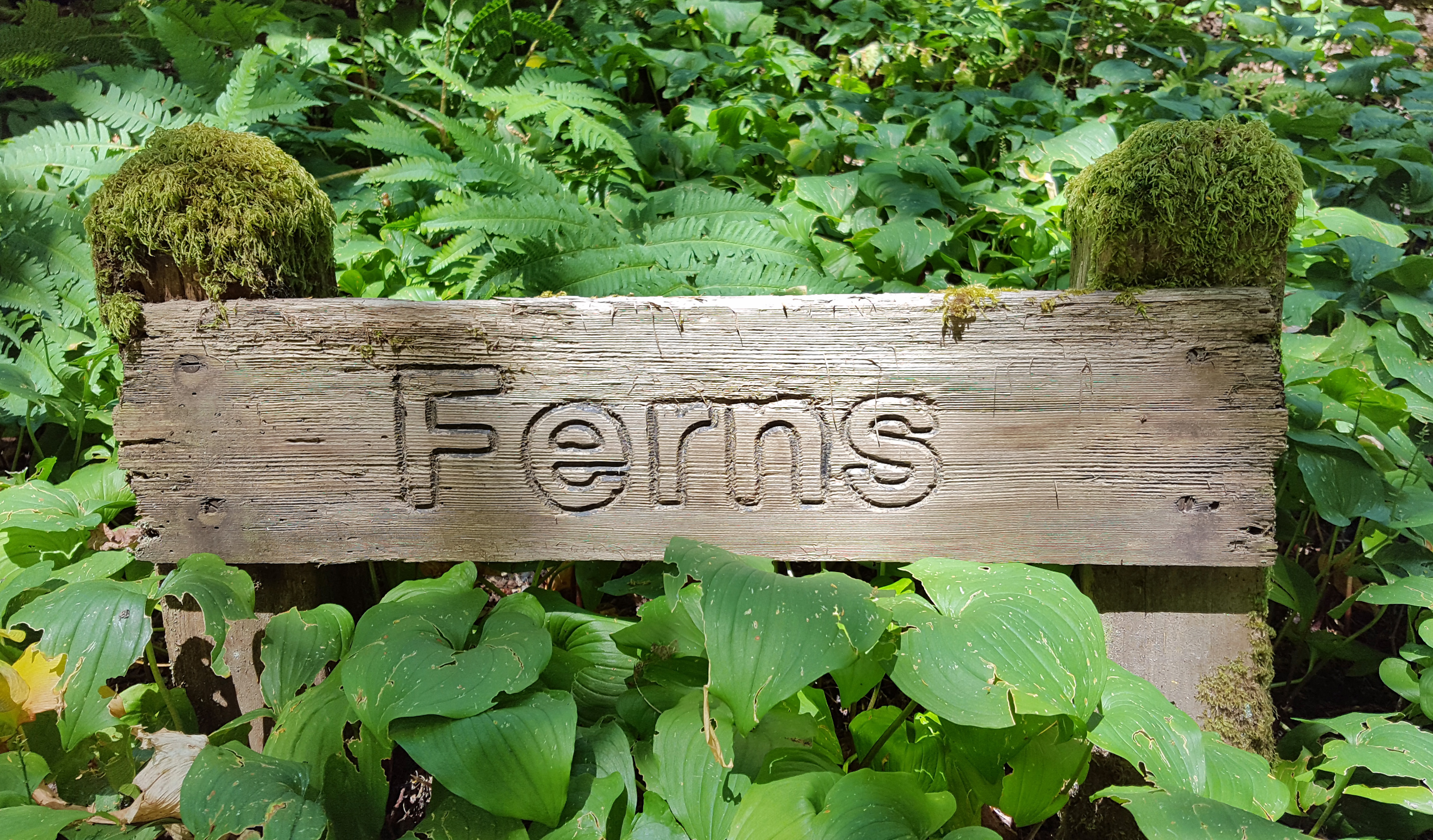
In wooded areas like this, there are guaranteed to be ferns (and, of course, moss growing over the fern sign).

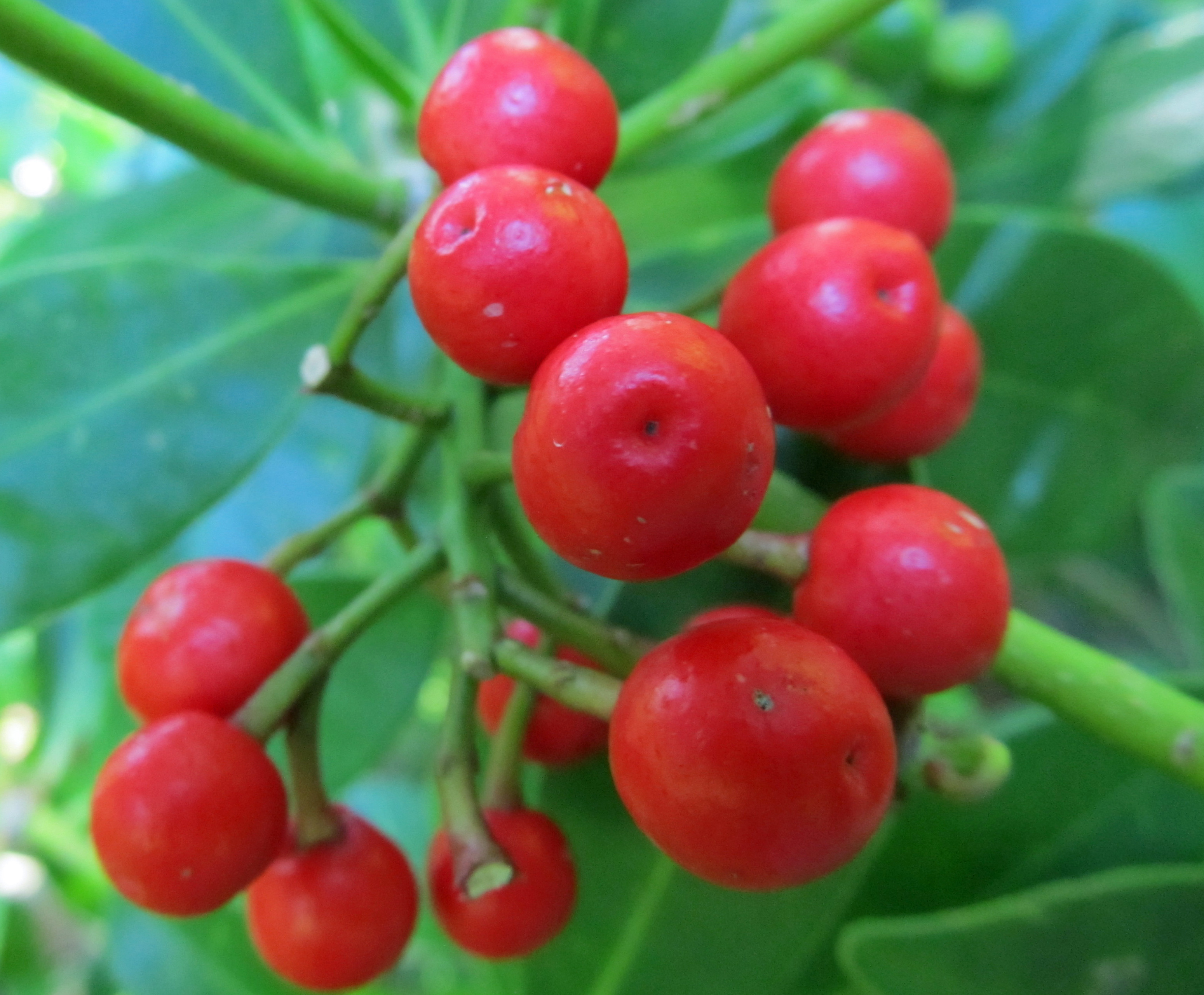
There were several fruiting shrubs, like this Japanese skimmia (Skimmia japonica).

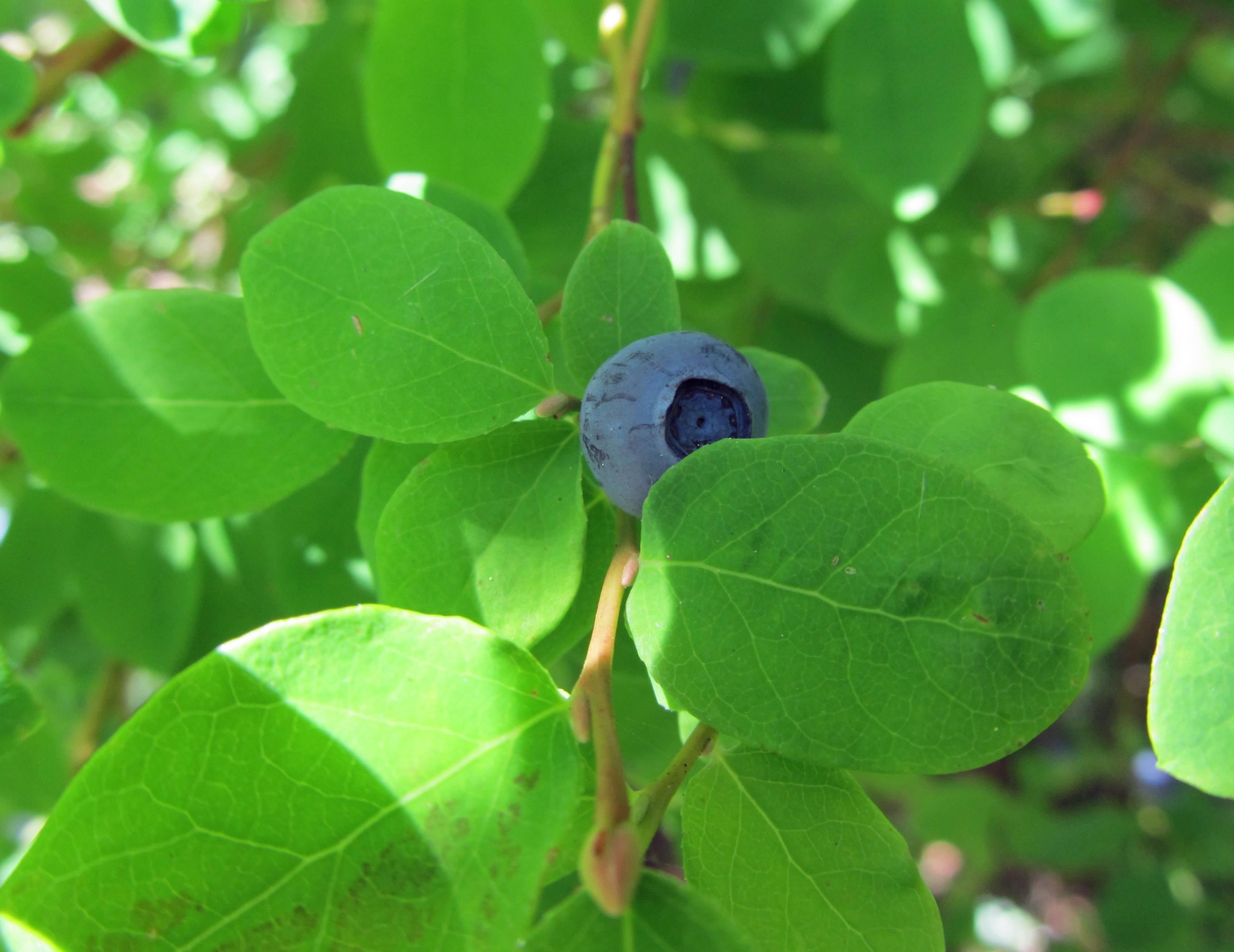
And this Alaskan blueberry (Vaccininium ovalifolium, syn. V. alaskaense).

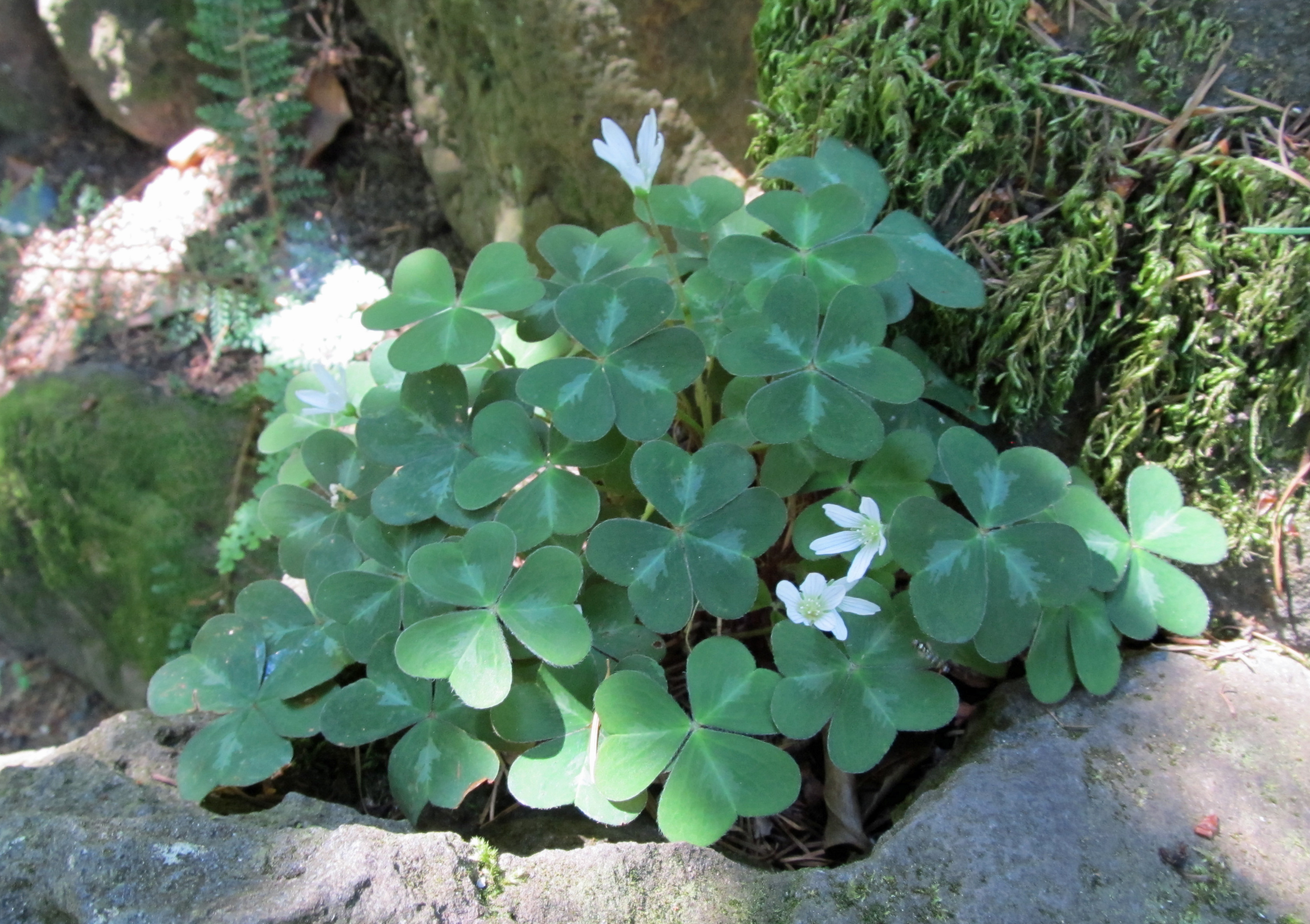
Wood sorrel (Oxalis spp.) was abundant and often attractively displayed.

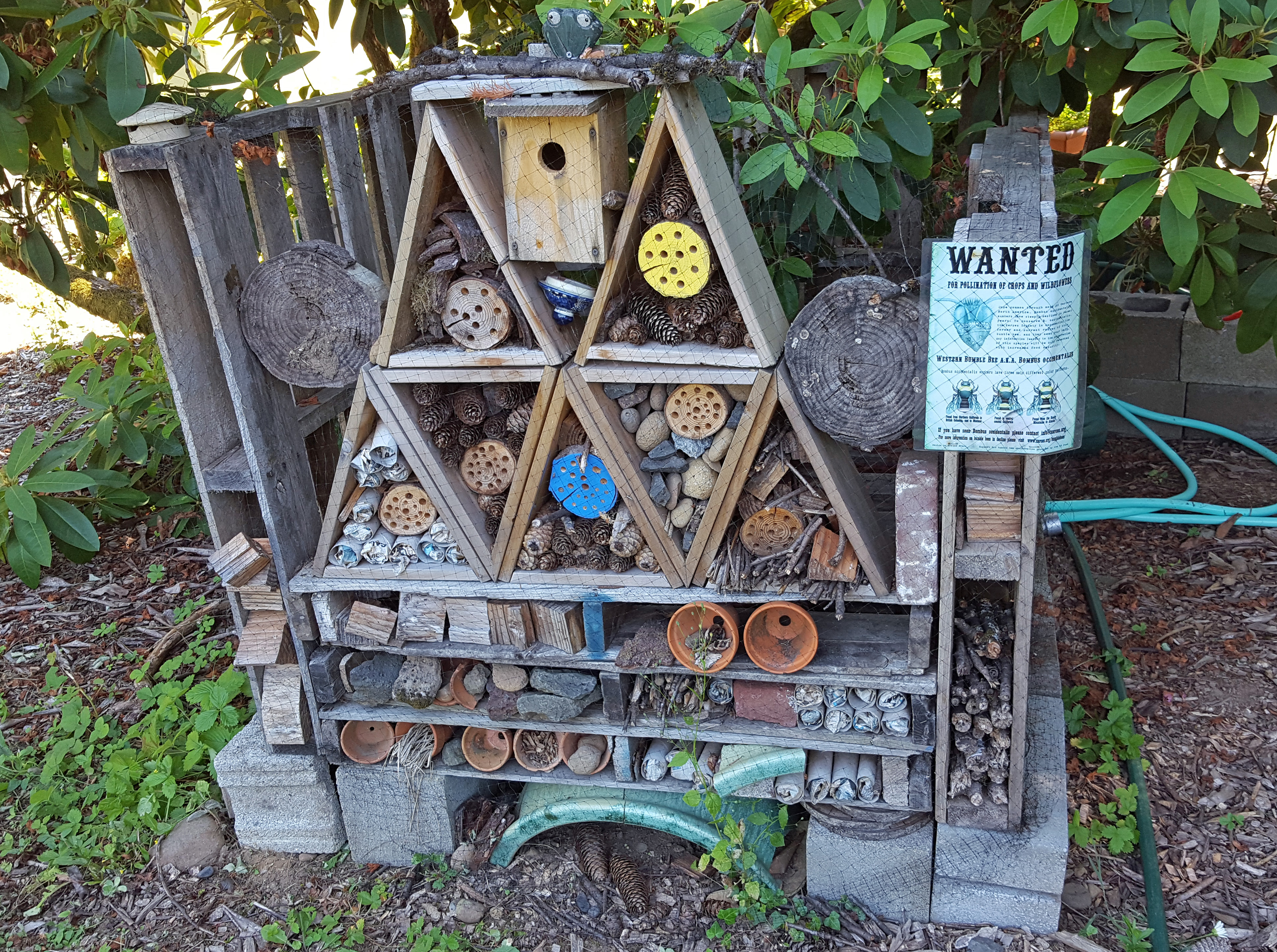
I found this insect hotel in the upper section of the garden. Apparently some major developments are planned for this area. Learn more here.

———————

Have you visited any public gardens this summer? Leave your story and/or recommendation in the comment section below.

Summer of Weeds: Eating Purslane

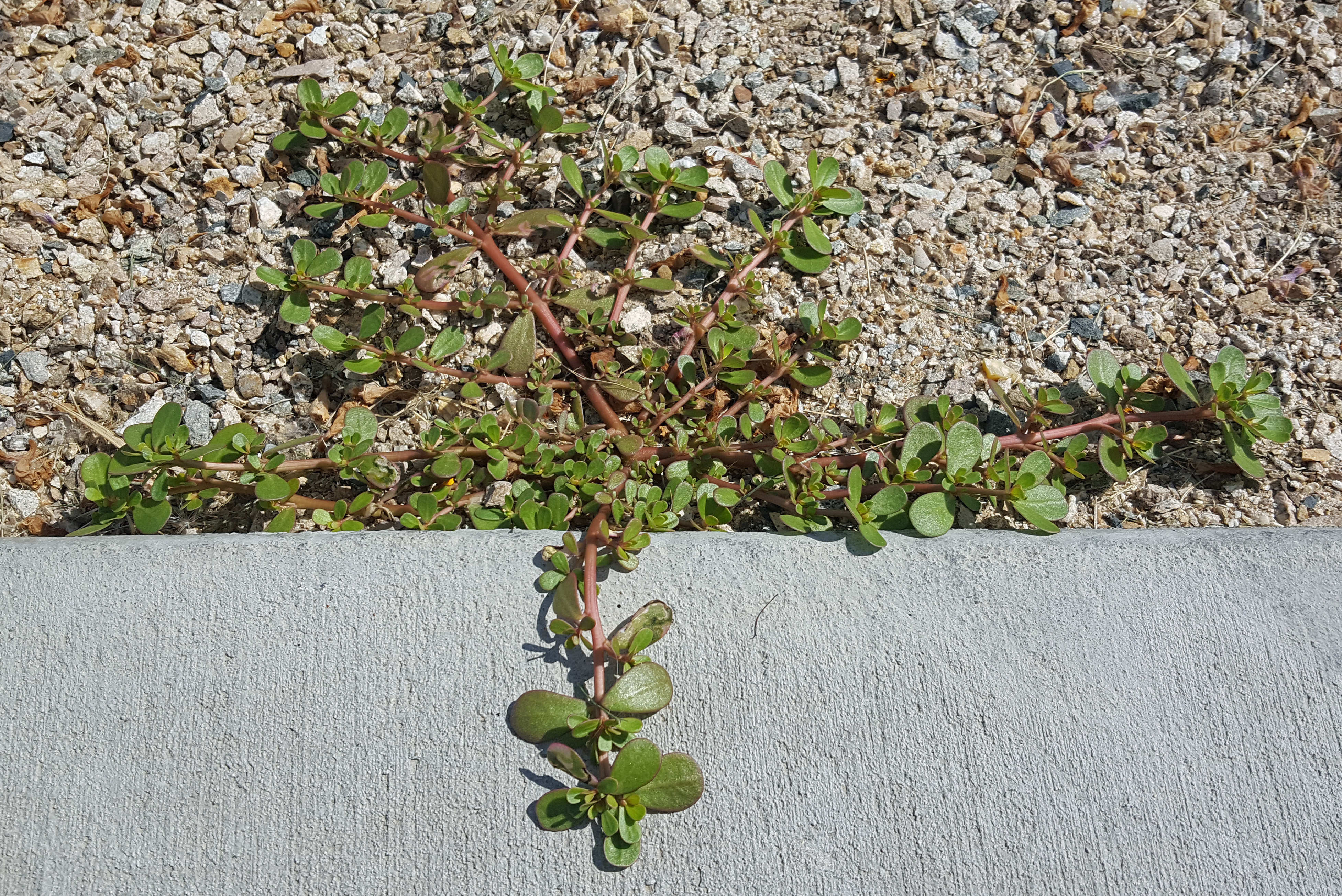
If it wasn’t so prolific and persistent, purslane would probably be a welcome guest in our vegetable gardens and edible landscapes. Easily among the most nutritious and versatile of the edible weeds, Portulaca oleracea is an annoyingly abundant annual that has inserted itself into garden beds and croplands in temperate climates across the globe. Thought to have originated in India or somewhere in Eurasia, purslane invaded North America long before Europeans did and has been naturalized across much of the continent for hundreds of years.

common purslane (Portulaca oleracea)

There are over 100 known species in the genus Portulaca, the only genus in the family Portulacaceae (otherwise known as the purslane family). Common purslane is a succulent plant with paddle- or teardrop-shaped leaves that generally grows low to the ground, forming a thick mat. It reaches for the sky when grown in shade or when competing with other plants for space. It produces little, yellow flowers that only open in bright sun and are typically self-pollinated. A small capsule containing dozens of tiny, black seeds quickly follows each flower. Each plant can produce tens of thousands of seeds, which remain viable for around 40 years.

Attempts to remove purslane by cultivation may only aid its survival. Broken pieces of the plant can take root in the soil, and uprooted plants can re-root if they are in contact with soil. Stirring up the ground brings to the surface seeds from purslane’s extensive seed bank. These freshly exposed seeds can then germinate, taking advantage of disturbance and open space. For all these reasons and more, John Eastman writes in The Book of Field and Roadside: “Purslane knows how to live and linger.”

The ever-urban and ever-common purslane.

The seeds of purslane germinate in late spring and throughout the summer when the soil has reached at least 75 – 80° Fahrenheit. It is adapted to high heat and dry soils. In order to conserve water, it switches to CAM photosynthesis when conditions are particularly hot and dry. In this photosynthetic pathway, carbon dioxide is stored as malic acid during the night and then converted back during the day. This means that, when it comes to eating purslane, the flavor changes depending on when the plant is harvested. In The Wild Wisdom of Weeds, Katrina Blair discusses this phenomenon: “In the morning purslane leaves contain as much as ten times more malic acid, making them very sour tasting. If you prefer a milder tasting purslane, harvest your greens in late afternoon and if you want more zing to your recipes, gather the leaves at dawn.”

Speaking of eating purslane, if all the claims are to be trusted, there may not be a more nutritious weed. In A Feast of Weeds, Luigi Ballerina calls it “a health bomb” because “it contains more omega-3 fatty acids than almost any other green, not to mention vitamins A, B, and C and beta carotene.” Blair calls it “one of the most nutritious plants on Earth,” and goes on to sing praises about its richness in dietary fiber, vitamins, minerals, protein, etc. Funnily enough, in describing the health benefits of purslane, Ballerina also quotes ancient sources claiming that “purslane calms sexual excitement.” Apparently it not only “eliminate[s] sensual dreams, but if used too much, it often extinguishes all ardor and even the capacity to procreate.”

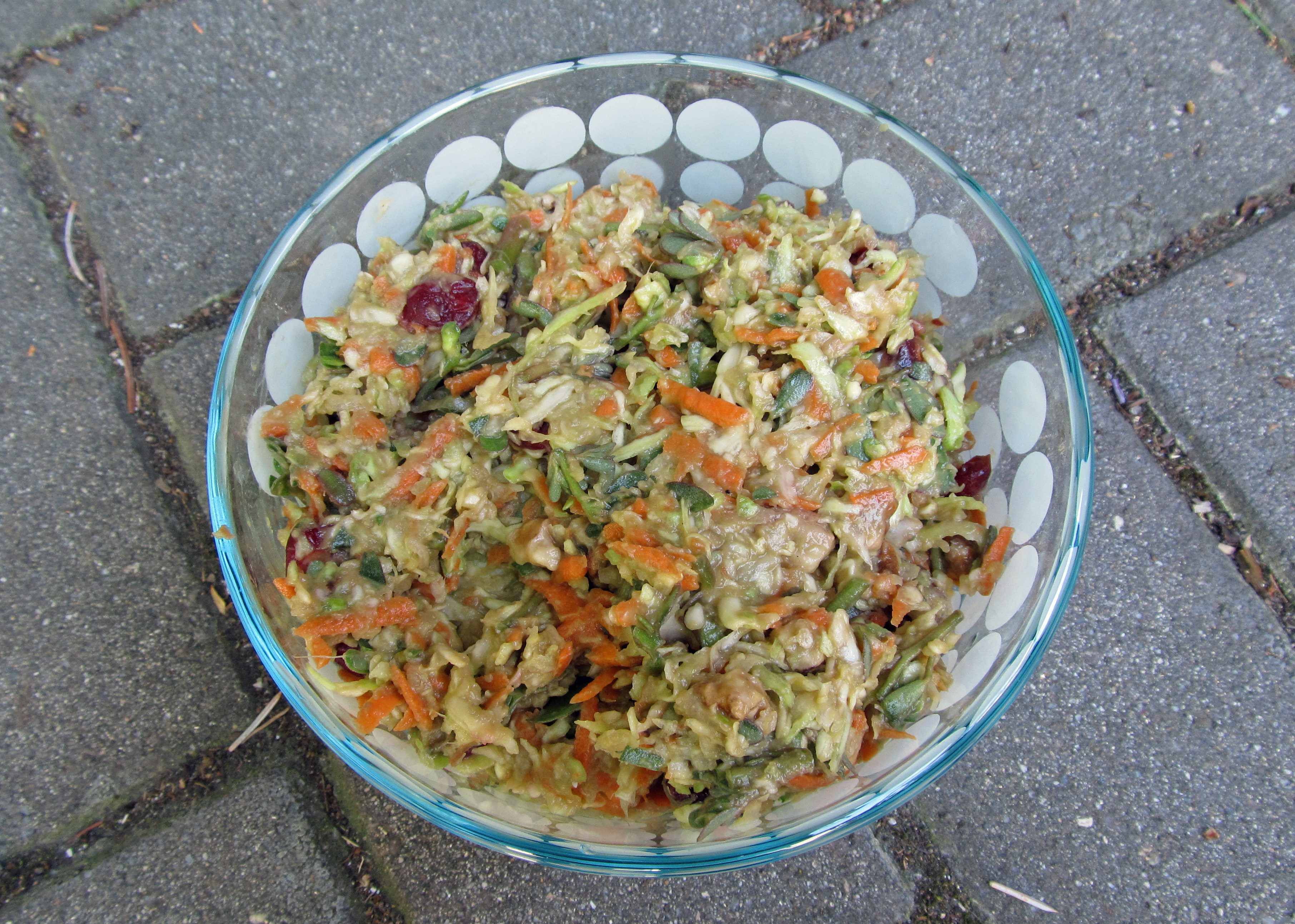
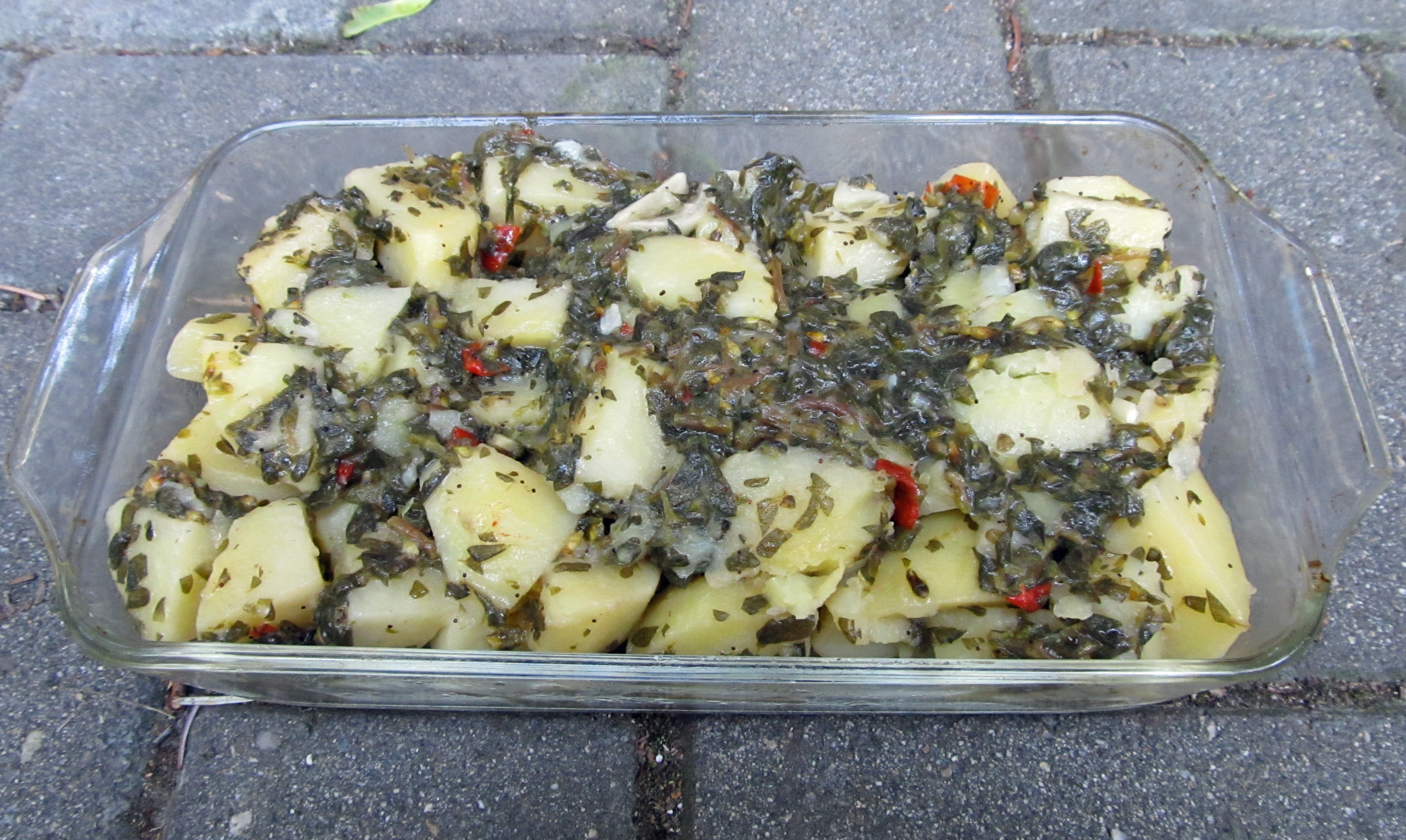
With that caveat in mind, I tried it anyway. I had eaten it before, but nothing more than a leaf here and there and once in a green salad. I picked two recipes to try: Walnut Purslane Coleslaw from The Wild Wisdom of Weeds and Potatoes and Purslane from A Feast of Weeds. I’m generally a big fan of coleslaw, but for whatever reason I found this recipe to be a little bland. It was missing something, but I couldn’t put my finger on it. The purslane seemed to add a vague slimy-ness to it, which it will do on account of its mucilaginous nature.

Walnut Purslane Coleslaw

The Potatoes and Purslane recipe involved cooking the purslane. I enjoyed the finished product both hot and cold. The purslane added a sort of lemon-y spinach flavor. Those who tried it with me also liked it. The potato recipe was made with purslane that had been harvested in the morning, which may explain the strong lemon-y flavor. The coleslaw was made with purslane harvested in late afternoon, which may explain its blandness. I will have to try it the other way around for comparison. Purslane recipes abound in books and on the internet; browsing through them, I am intrigued enough to consider trying others. I think I’ll start with pickled purslane, purslane pesto, and perhaps, purslane sauerkraut.

Potatoes and Purslane

More Resources:

———————

Do you have a favorite purslane recipe? Share it in the comment section below.

Summer of Weeds: Common Mullein

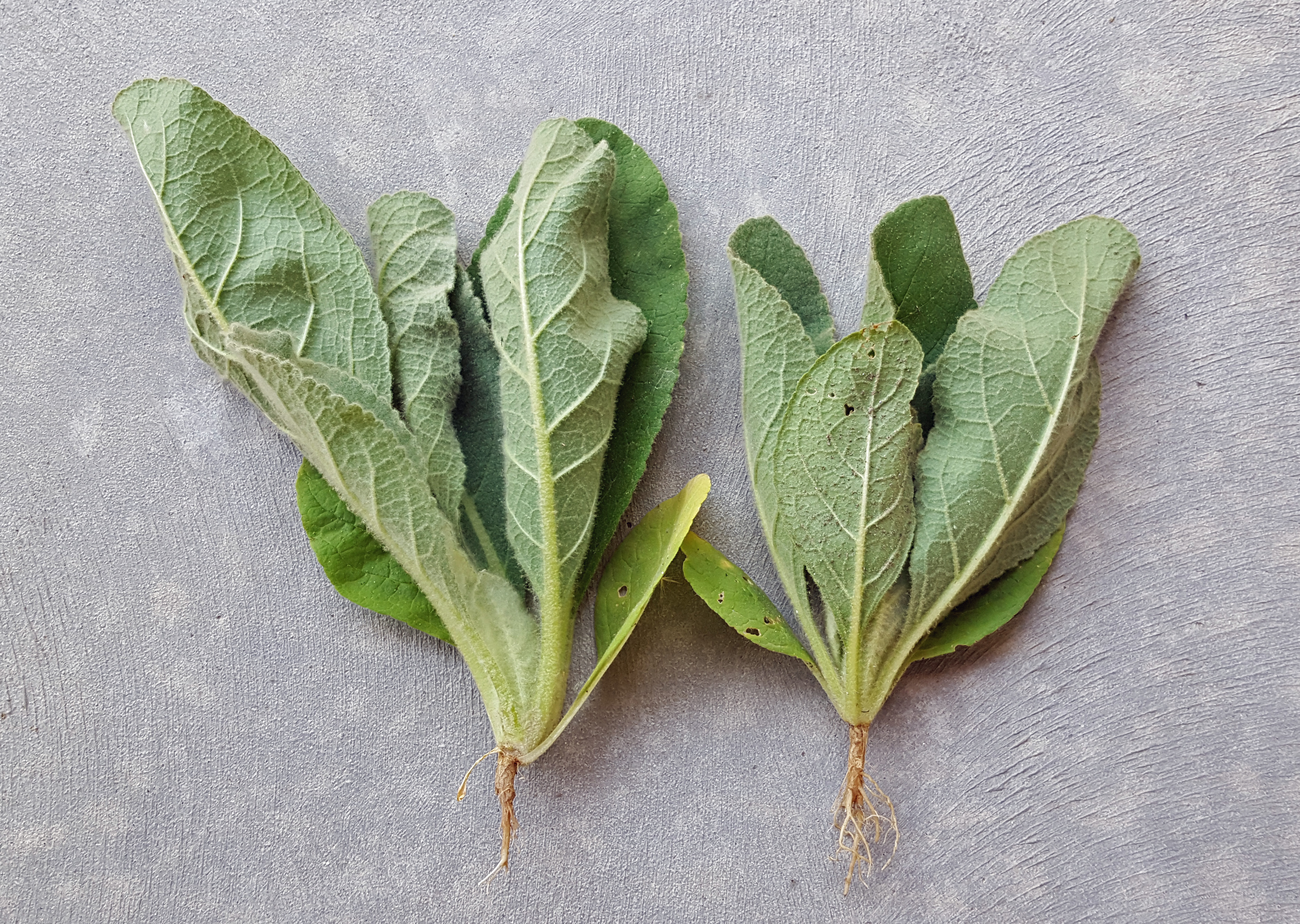
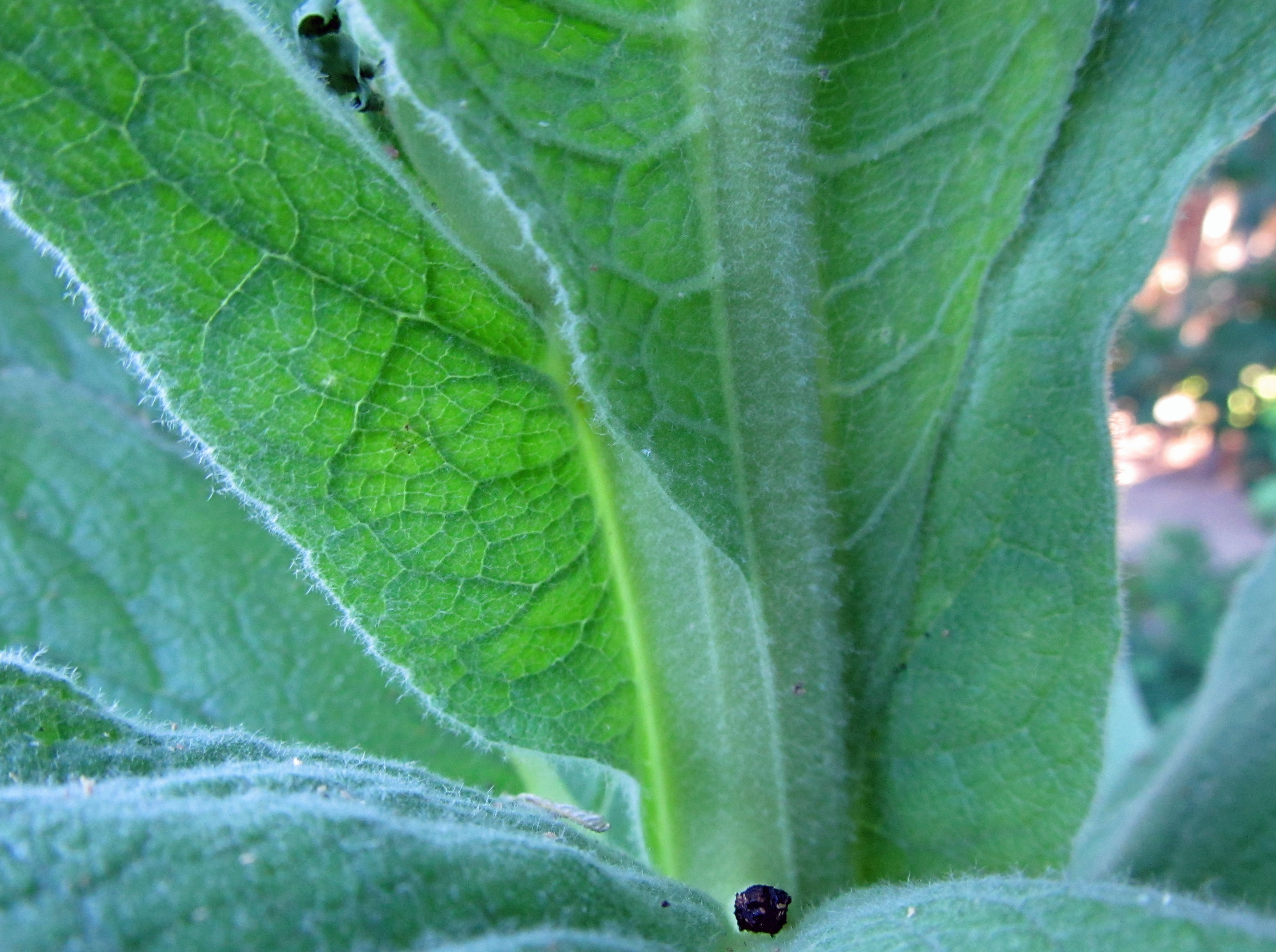
The fuzzy, gray-green leaves of common mullein are familiar and friendly enough that it can be hard to think of this plant as a weed. Verbascum thapsus is a member of the figwort family and is known by dozens of common names, including great mullein, Aaron’s rod, candlewick, velvet dock, blanket leaf, feltwort, and flannel plant. Its woolly leaves are warm and inviting and have a history of being used as added padding and insulation, tucked inside of clothing and shoes. In Wild Edible and Useful Plants of Idaho, Ray Vizgirdas writes, “the dried stalks are ideal for use as hand-drills to start fires; the flowers and leaves produce yellow dye; as a toilet paper substitute, the large fresh leaves are choice.”

Common mullein is a biennial that was introduced to eastern North America from Eurasia in the 1700’s as a medicinal plant and fish poison. By the late 1800’s it had reached the other side of the continent. In its first year it forms a rosette of woolly, oblong and/or lance-shaped leaves. After overwintering it produces a single flower stalk up to 6 feet tall. The woolly leaves continue along the flower stalk, gradually getting smaller in size until they reach the inflorescence, which is a long, dense, cylindrical spike. Sometimes the stalk branches out to form multiple inflorescences.

First year seedlings of common mullein (Verbascum thapsus)

The inflorescence doesn’t flower all at once; instead, a handful of flowers open at a time starting at the bottom of the spike and moving up in an irregular pattern. The process takes several weeks to complete. The flowers are about an inch wide and sulfur yellow with five petals. They have both female and male sex parts but are protogynous, meaning the female organs mature before the male organs. This encourages cross-pollination by insects. However, if pollination isn’t successful by the end of the day, the flowers self-pollinate as the petals close. Each flower produces a capsule full of a few hundred seeds, and each plant can produce up to 180,000 seeds. The seeds can remain viable for over 100 years, sitting in the soil waiting for just the right moment to sprout.

Common mullein is a friend of bare, recently disturbed soil. It is rare to see this plant growing in thickly vegetated areas. As an early successional plant, its populations can be abundant immediately after a disturbance, but they do not persist once other plants have filled in the gaps. Instead they wait in seed form for the next disturbance that will give them the opportunity to rise again. They can be a pest in gardens and farm fields due to regular soil disturbance, and are often abundant in pastures and rangelands because livestock avoid eating their hairy leaves. Because of its ephemeral nature, it is generally not considered a major weed; however, it is on Colorado’s noxious weed list.

Several features make common mullein a great example of a drought-adapted plant. Its fleshy, branching taproot can reach deep into the soil to find moisture, the thick hairs on the leaves help reduce water loss via transpiration, and the way the leaves are arranged and angled on the stalk can help direct rain water down toward the roots.

Common mullein has an extensive history of ethnobotanical uses. Medicinally it has been used internally to treat coughs, colds, asthma, bronchitis, and kidney infections; and as a poultice to treat warts, slivers, and swelling. The dried flower stalks have been used to make torches, and the fuzzy leaves have been used as tinder for fire-making and wicks in lamps.

The hairy leafscape of common mullein (Verbascum thapsus)

More Resources:

Quote of the Week:

From Gaia’s Garden by Toby Hemenway

Here’s why opportunistic plants are so successful. When we clear land or carve a forest into fragments, we’re creating lots of open niches. All that sunny space and bare soil is just crying out to be colongized by light- and fertlity-absorbing green matter. Nature will quickly conjure up as much biomass as possible to capture the bounty, by seeding low-growing ‘weeds’ into a clearing or, better yet, sprouting a tall thicket stretching into all three dimensions to more effectively absorb light and develop deep roots. … When humans make a clearing, nature leaps in, working furiously to rebuild an intact humus and fungal layer, harvest energy, and reconstruct all the cycles and connections that have been severed. A thicket of fast-growing pioneer plants, packing a lot of biomass into a small space, is a very effective way to do this. … And [nature] doesn’t care if a nitrogen fixer or a soil-stabilizing plant arrived via continental drift or a bulldozer’s treads, as long as it can quickly stitch a functioning ecosystem together.

Summer of Weeds: Salsify

Picking a favorite weed is challenging. If we dismiss entirely the idea that a person is not supposed to like weeds, the challenge is not that “favorite weeds” is an oxymoron; it is, instead, that it is impossibile to pick one weed among hundreds of weeds that is the most attractive, the most impressive, the most useful, the most forgiving, whatever. For me, salsify is a top contender.

Salsify and goatsbeard are two of several common names for plants in the genus Tragopogon. At least three species in this genus have been introduced to North America from Europe and Asia. All are now common weeds, widespread across the continent. All have, at some point, been cultivated intentionally for their edible roots and leaves, but Tragopogon porrifolius – commonly known as oyster plant or purple salsify – may be the only one that is intentionally grown in gardens today. Its purple flowers make it easy to determine between the other two species, which have yellow flowers.

As it turns out, I am not familiar with purple salsify. I don’t think it is as common in western North America as it is in other parts of the continent. In fact, the most common of the three in my corner of the world appears to be Tragopogon dubius, commonly known as western salsify. Tragopogon pratensis (meadow salsify) makes an appearance, but perhaps not as frequently. To complicate matters, hybridization is common in the genus, so it may be difficult to tell exactly what you are looking at.

western salsify (Tragopogon dubius)

Regardless, salsify is a fairly easy weed to identify. It is a biennial (sometimes annual, sometimes perennial) plant that starts out as a rosette of gray-green leaves that are grass-like in appearance. Eventually a flower stalk emerges, adorned with more grass-like leaves, branching out to form around a half dozen flower heads. Salsify is in the aster family, in which flower heads typically consist of a tight grouping of disc and ray florets. In this case, only ray florets are produced. The florets are yellow or lemon-yellow, and each flower head sits atop a series of pointed bracts which encase the flower (and the forming seed head) when closed. Examining the length of the bracts is one way to tell T. dubius (bracts extend beyond the petals) from T. pratensis (bracts and petals are equal in length).

Illustration of Tragopogon dubius by Amelia Hansen from The Book of Field and Roadside by John Eastman

The flowers of salsify open early in the morning and face the rising sun. By noon, they have usually closed. This phenomenon is the reason behind other common names like noonflower and Jack-go-to-bed-at-noon. Salsify’s timely flowering makes an appearance in Elizabeth Gilbert’s novel, The Signature of All Things: “Alma learned to tell time by the opening and closing of flowers. At five 0’clock in the morning, she noticed, the goatsbeard petals always unfolded. … At noon, the goatsbeard closed.”

The seed heads of salsify look like over-sized dandelions. Each seed (a.k.a. achene) is equipped with a formidable pappus, and with the help of a gust of wind, seeds can be dispersed hundreds of feet from the parent plant. The seeds don’t remain viable for very long, but with each plant producing a few hundred seeds and dispersing them far and wide, it is not hard to see why salsify has staying power.

Open, sunny areas are preferred by salsify, but it can grow in a variety of conditions. In The Book of Field and Roadside, John Eastman writes, “goatsbeards can establish themselves in bare soil, amid grasses and old-field vegetation, and in heavy ground litter; such adaptability permits them to thrive across a range of early plant successional stages.” Wild Urban Plants of the Northeast lists the following sites as “habitat prefrences” of meadow salsify: “abandoned grasslands, urban meadows, vacant lots, rubble dumps, and at the base of rock outcrops and stone walls.” While generally not considered a noxious weed, Tragopogon species are commonly encountered and widely naturalized. Last summer on a field trip to Mud Springs Ridge near Hells Canyon, salsify was one of only a small handful of introduced plants I observed looking right at home with the native flora.

Seed heads of western salsify (Tragopogon dubius) before opening

All that being said, why is salsify one of my favorite weeds? Its simple and elegant form appeals to me. Its gray- or blue-green stems and leaves together with its unique, yellow flowers are particularly attractive to me. And its giant, globe-shaped seed heads, which seem to glisten in the sun, captivate me. Its not a difficult weed to get rid off. It generally pulls out pretty easily, and it’s a satisfying feeling when you can get it by the root. It’s a sneaky weed, popping up full grown inside of another plant and towering above it, making you wonder how you could have missed such an intrusion. The roots are said to be the most palatable before the plant flowers, so if you can spot the young rosette – disguised as grass and also edible – consider yourself lucky. I haven’t tried them yet, but I will. [Editor’s note: Sierra tells me that I have eaten them in a salad she made, but at the time I didn’t know they were in there so I don’t remember what they tasted like.] If they are any good, that will be one more reason why salsify is one of my favorite weeds.

Bonus excerpt from Emma Cooper’s book, Jade Pearls and Alien Eyeballs, regarding Tragopogon porrifolius:

Salsify is often called the vegetable oyster, because its roots are supposed to have an oyster-like flavor although I suspect nobody would be fooled. The long roots are pale and a bit like carrots – they are mild and sweet and when young can be eaten raw. Mature roots are better cooked. Traditionally a winter food, any roots left in the ground in spring will produce a flush of edible foliage.