Field Trip: Sawtooth Botanical Garden

columbine

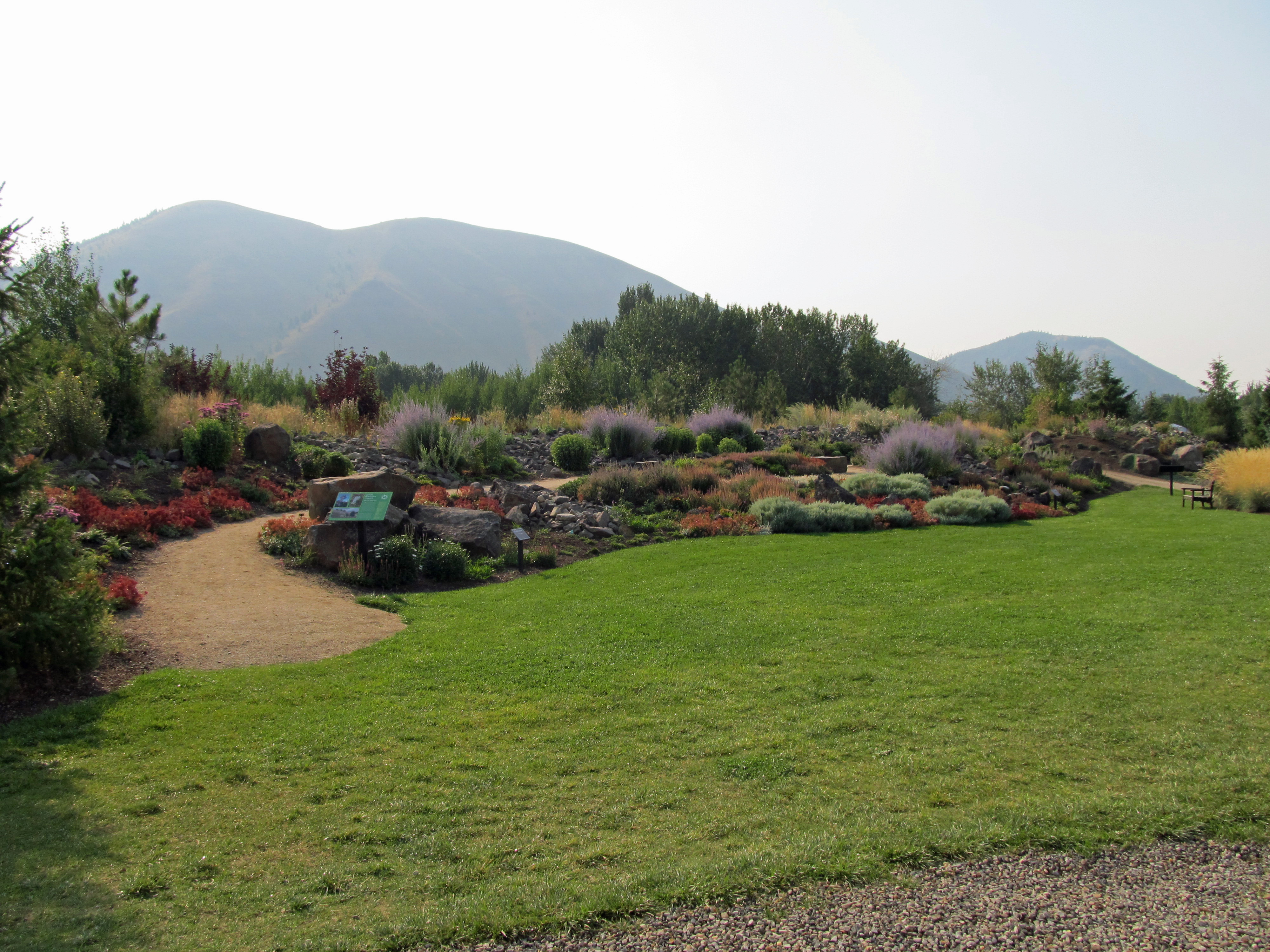
It may only be a two and a half hour drive from my house, but until last week I had never visited Sawtooth Botanical Garden in Ketchum, Idaho. The garden is probably not in its prime in the middle of August, but I happened to be in the area so I had to check it out. It’s a small garden – about 5 acres – but I found the space to be well used and full of interesting plants and features. Walking through meandering pathways and around a series of berms, it is easy to get the impression that the garden is larger than it actually is. There were a few areas in obvious need of attention, but as an employee of a non-profit public garden myself, I understand the challenges of maintaining a garden with limited resources. So putting minor issues aside, I thought the garden looked beautiful and I greatly enjoyed my wander through it.

Sawtooth Botanical Garden is in its 11th year. Its mission is to “showcase native and cultivated plants that flourish at high altitude” and to “foster environmental stewardship” of the “region’s unique beauty” by offering “education, events, displays, and plant collections.” Read more about its mission and history here. Brief descriptions of the areas within the garden can also be found on the garden’s website. The interpretive signage describing each area in the garden was well done and one of the highlights of my visit. I didn’t stay long, but I definitely plan on visiting again in the near future. If you ever find yourself in the Wood River Valley, I highly recommend stopping by.

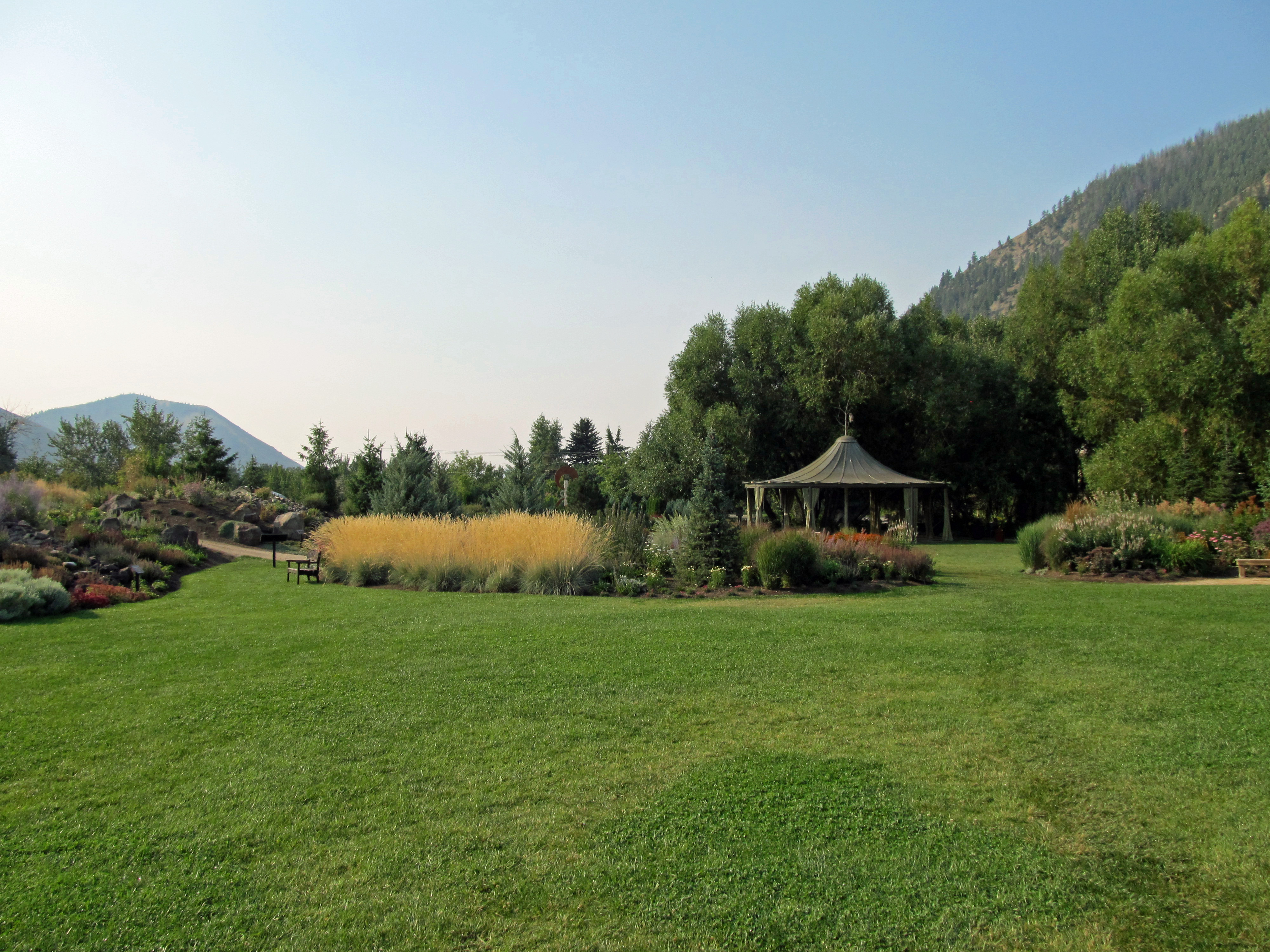
Central area of the garden featuring perennial beds and the Ellen Long Garden Pavillion

Central area of the garden featuring the perennial beds and the Ellen Long Garden Pavillion

Berms in the Alpine Garden with pathway passing through

Berms in the Alpine Garden with pathway passing through

Water feature in the Garden of Infinite Compassion, built in honor of the Dali Lama's visit to the Wood River Valley

Water feature in the Garden of Infinite Compassion, built in honor of the Dalai Lama’s visit to the Wood River Valley several years ago

Alpine strawberry (Fragaria sp.)

Alpine strawberry (Fragaria sp.)

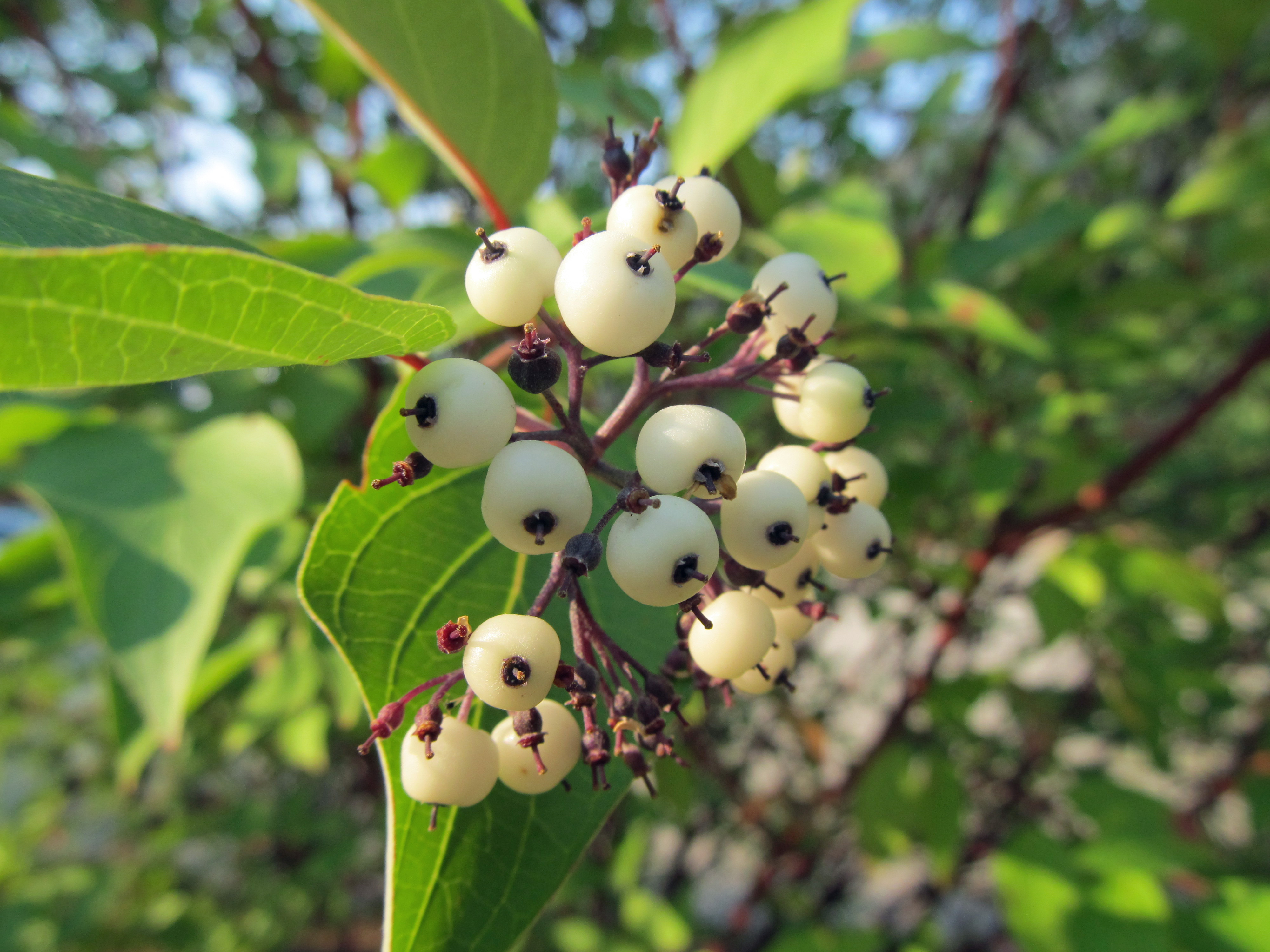
Redtwig dogwood (Cornus stolonifera 'Baileyi')

The fruits of red twig dogwood (Cornus sericea ‘Baileyi’)

cinquefoil

Spring cinquefoil (Potentilla neumanniana)

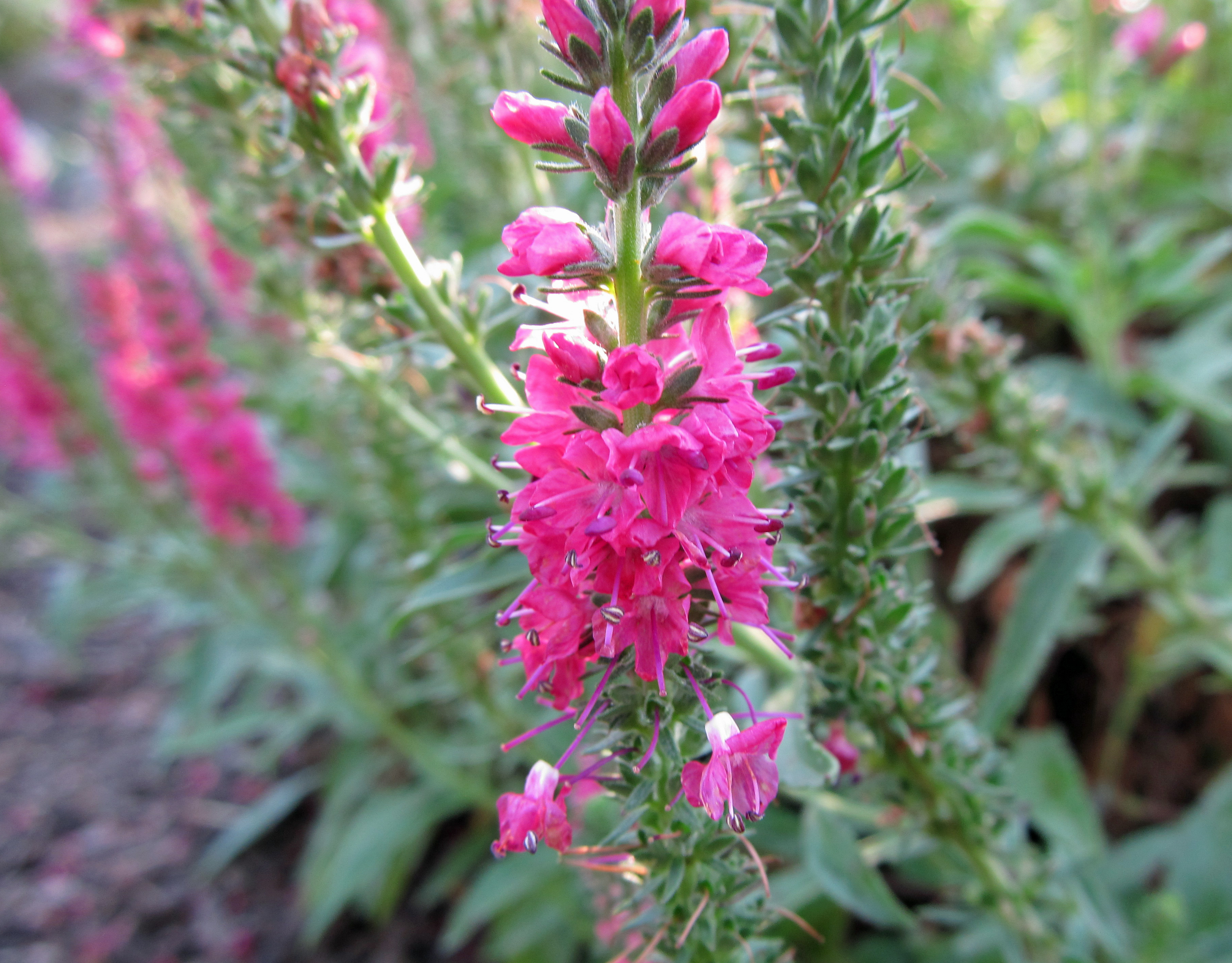
Spiked speedwell (Veronica spicata 'Red Fox')

Spiked speedwell (Veronica spicata ‘Red Fox’)

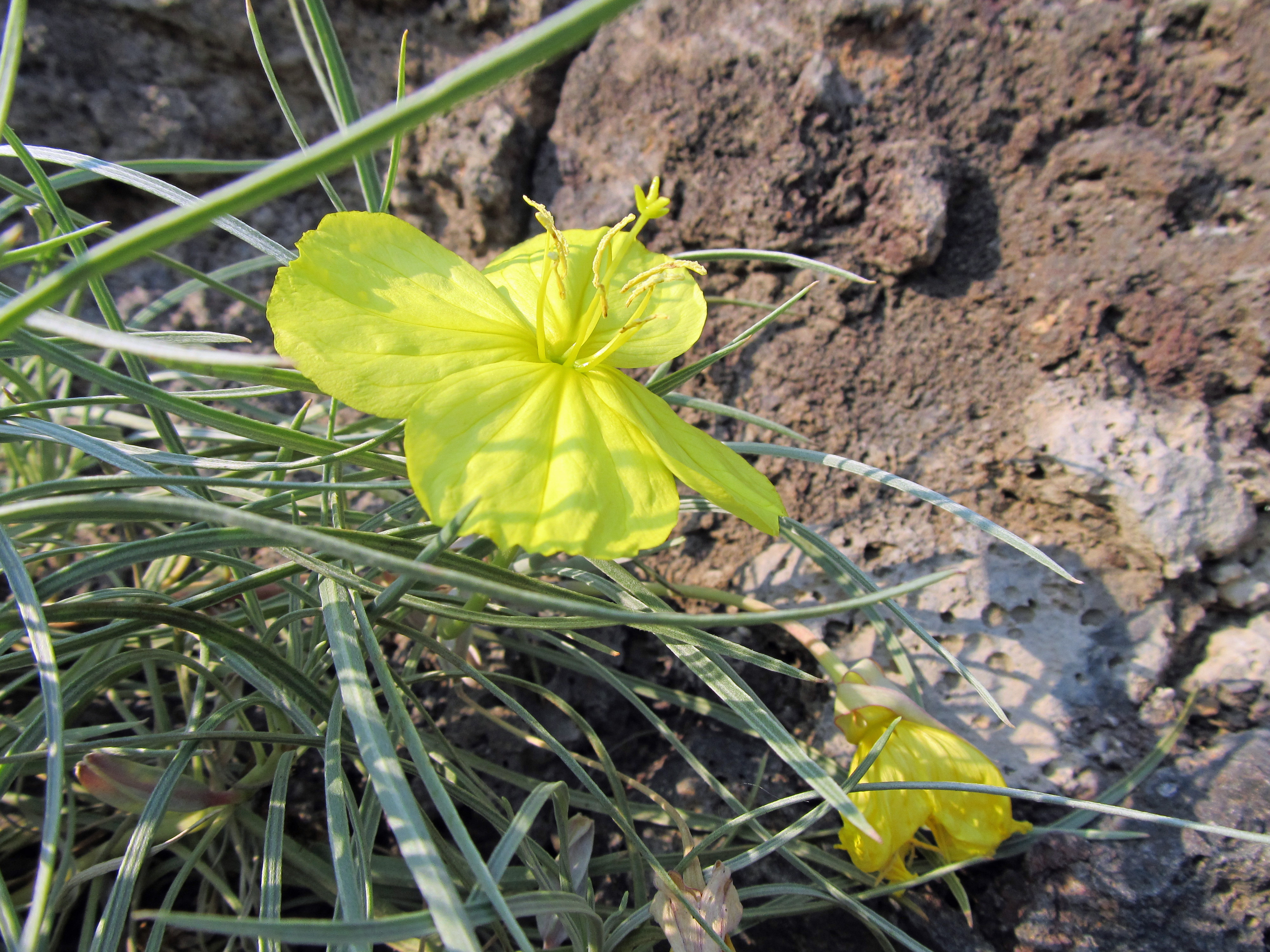
Evening primrose (Oenothera sp.)

Evening primrose (Oenothera sp.)


Poisonous Plants: Castor Bean

A series of posts about poisonous plants should not get too far along without discussing what may be the most poisonous plant in the world – one involved in high and low profile murders and attempted murders, used in suicides and attempted suicides, a cause of numerous accidental deaths and near deaths, developed for use in biological warfare by a number of countries (including the United States), and used in bioterrorism attacks (both historically and presently). Certainly, a plant with a reputation like that is under tight control, right? Not so. Rather, it is widely cultivated and distributed far beyond its native range – grown intentionally and used in the production of a plethora of products. In fact, products derived from this plant may be sitting on a shelf in your house right now.

Ricinus communis, known commonly as castor bean or castor oil plant, is a perennial shrub or small tree in the spurge family (Euphorbiaceae) and the only species in its genus. It is native to eastern Africa and parts of western Asia but has since been spread throughout the world. It has naturalized in tropical and subtropical areas such as Hawaii, southern California, Texas, Florida, and the Atlantic Coast. It is not cold hardy, but is commonly grown as an ornamental annual in cold climates. It is also grown agriculturally in many countries, with India, China, and Mozambique among the top producers.

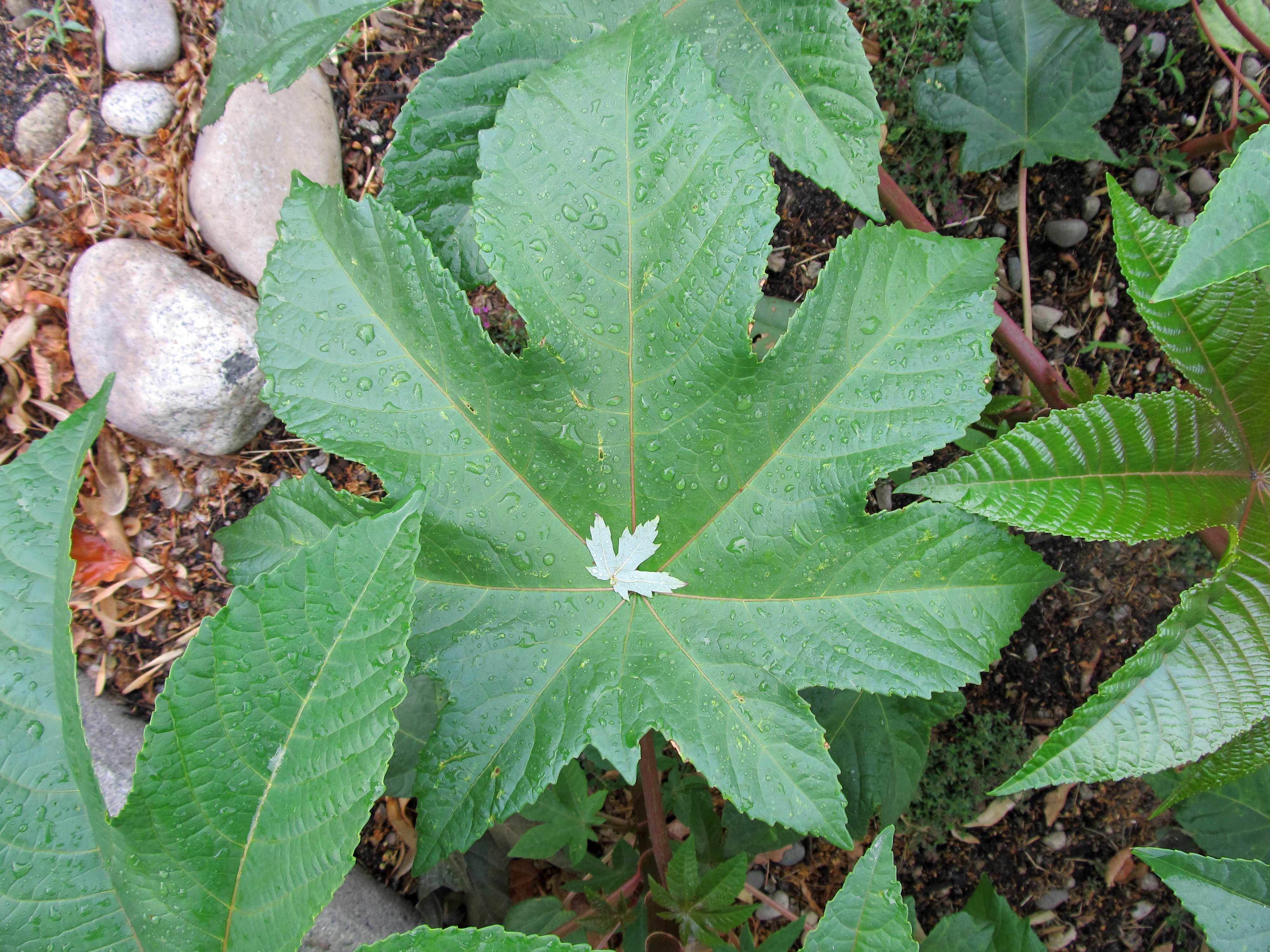
Silver maple leaf nestled in the center of a castor bean leaf.

Silver maple leaf nestled in the center of a castor bean leaf.

Castor bean has large palmately lobed leaves with margins that are sharply toothed. Leaves are deep green (sometimes tinged with reds or purples) with a red or purple petiole and can reach up to 80 centimeters (more than 30 inches) across. Castor bean can reach a height of 4 meters (more than 12 feet) in a year; in areas where it is a perennial, it can get much taller. Flowers appear in clusters on a large, terminal spike, with male flowers at the bottom and female flowers at the top. All flowers are without petals. Male flowers are yellow-green with cream-colored or yellow stamens. Female flowers have dark red styles and stigmas. The flowers are primarily wind pollinated and occasionally insect pollinated. The fruits are round, spiky capsules that start out green often with a red-purple tinge and mature to a brown color, at which point they dehisce and eject three seeds each. The seeds are large, glossy, bean-like, and black, brown, white, or often a mottled mixture. They have the appearance of an engorged tick. There is a small bump called a caruncle at one end of the seed that attracts ants, recruiting them to aid in seed dispersal.

Female flowers and fruits forming on castor bean.

Female flowers and fruits forming on castor bean.

All parts of the plant are toxic, but the highest concentration of toxic compounds is found in the seeds. The main toxin is ricin, a carbohydrate-binding protein that inhibits protein synthesis. The seeds need to be chewed or crushed in order to release the toxin, so swallowing a seed whole is not likely to result in poisoning. However, if seeds are chewed and consumed, 1-3 of them can kill a child and 2-6 of them can kill an adult. It takes several hours (perhaps several days) before symptoms begin to occur. Symptoms include nausea, vomiting, severe stomach pain, diarrhea, headaches, dizziness, thirst, impaired vision, lethargy, and convulsions, among other things. Symptoms can go on for several days, with death due to kidney failure (or multisystem organ failure) occurring as few as 3 and as many as 12 days later. Death isn’t imminent though, and many people recover after a few days. Taking activated charcoal can help if the ingestion is recent. In any case, consult a doctor or the Poison Control Center for information about treatments.

The seeds of castor bean are occasionally used to make jewelry. This is not recommended. In The North American Guide to Common Poisonous Plants and Mushrooms, the authors warn that “drilling holes in the seeds makes them much more deadly because it exposes the toxin.” Wearing such jewelry can result in skin irritation and worse. The authors go on to say that “more than one parent has allowed their baby to suck on a necklace of castor beans.” I doubt such parents were pleased with the outcome.

castor bean seeds

Castor beans are grown agriculturally for the oil that can be extracted from their seeds. Due to the way its processed, castor oil does not contain ricin. The leftover meal can be fed to animals after it has been detoxified. Castor oil has been used for thousands of years, dating as far back as 5000 BC when Egyptians were using it as a fuel for lamps and a body ointment, among other things. Over the centuries it has had many uses – medicinal, industrial, and otherwise. It makes an excellent lubricant, is used in cosmetics and in the production of biofuel, and has even been used to make ink for typewriters. One of its more popular and conventional uses is as a laxative, and in her book, Wicked Plants, Amy Stewart describes how this trait has been used as a form of torture: “In the 1920’s, Mussolini’s thugs used to round up dissidents and pour castor oil down their throats, inflicting a nasty case of diarrhea on them.”

A couple of years ago, I grew a small stand of castor beans outside my front door. I was impressed by their rapid growth and gigantic leaves. I also enjoyed watching the fruits form. By the end of the summer, they were easily taller than me (> 6 feet). I collected all of the seeds and still have them today. I knew they were poisonous at the time, but after doing the research for this post, I’m a little wary. With a great collection of castor bean seeds comes great responsibility.

The castor beans that once grew outside my front door.

The castor beans that once grew outside my front door.

There is quite a bit of information out there about castor beans and ricin. If you are interested in exploring this topic further, I recommend this free PubMed article, this Wikipedia page about incidents involving ricin, this article in Nature, and this entry in the Global Invasive Species Database. Also check out Chapter 11 (“Death by Umbrella”) in Thor Hanson’s book, The Triumph of Seeds.

Year of Pollination: Mosquitoes as Pollinators

It is difficult to have positive feelings about mosquitoes, especially during summer months when they are out in droves and our exposed skin – soft, supple, and largely hair-free – is irresistible to them. We are viewed as walking blood meals by female mosquitoes who are simply trying to produce young – to perpetuate their species just like any other species endeavors to do. Unfortunately, we are left with small, annoying bumps in our skin – red, itchy, and painful – risking the possibility that the mosquitoes that just drew our blood may have passed along any number of mosquito-borne diseases, some (such as malaria) that potentially kill millions of people every year. For this, it is okay to hate mosquitoes and to long for the day of their complete eradication from the planet. However, their ecological roles (and yes, they do have some) are also worth considering.

There are more than 3,500 species of mosquito. Luckily, only 200 or so consume human blood. Mosquitoes go back at least 100 million years and have co-evolved with species of plants and animals found in diverse habitats around the world. Adult mosquitoes and their larvae (which live in standing water) provide food for a wide variety of creatures including birds, bats, insects, spiders, fish, frogs, lizards, and salamanders. Mosquito larvae also help break down organic matter in the bodies of water they inhabit. They even play an important role in the food webs found inside the pitchers of northern pitcher plants (Sarracenia spp.). Interestingly enough, Arctic mosquitoes influence the migration patterns of caribou. They emerge in swarms so big and so voracious that they have been said to kill caribou through either blood loss or asphyxiation.

However, blood is not the main food source of mosquitoes; flower nectar is. Males don’t consume blood at all, and females only consume it when they are producing eggs. Any insect that visits flowers for nectar has the potential to unwittingly collect pollen and transfer it to a nearby flower, thereby aiding in pollination. Mosquitoes are no exception. They have been observed acting as pollinators for a handful of species, and could be acting as pollinators for many more.

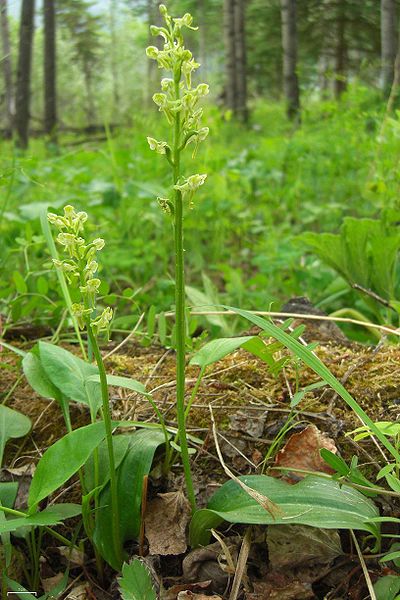
Bluntleaved orchid (Platanthera obtusata) is pollinated by mosquitoes. phot credit: wikimedia commons

Bluntleaved orchid (Platanthera obtusata) is pollinated by mosquitoes. photo credit: wikimedia commons

The scientific literature describes the pollination by mosquitoes of at least two plant species: Platanthera obtusata (syn. Habenaria obtusata) and Silene otites. P. obtusata – bluntleaved orchid – is found in cold, wet regions in North America and northern Eurasia. It is pollinated by mosquitoes from multiple genera including several species in the genus Aedes. Mosquitoes visit the flowers to feed on the nectar and, subsequently, pollinia (clusters of pollen) become attached to their eyes and are moved from flower to flower. This scenario likely plays out in other species of Arctic orchids as well*.

S. otites – Spanish catchfly – is a European species that is pollinated by mosquitoes and moths. Researches have been studying the floral odors of S. otites that attract mosquitoes, suggesting that determining the compounds involved in these odors “might lead to the development of new means of pest control and mosquito attractants and repellents.”

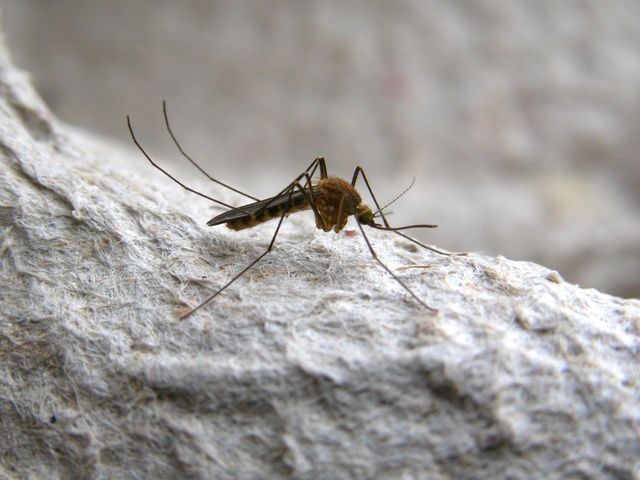
Northern House Mosquito (Culex pipiens) - one of the species of mosquitoes that has been observed pollinating Silene otitis. photo credit: www.eol.org

Northern House Mosquito (Culex pipiens) – one of the species of mosquitoes that has been observed pollinating Silene otites. photo credit: www.eol.org

Despite the list of functions that mosquitoes serve in their varied habitats, an article that appeared in Nature back in 2010 argues for wiping mosquitoes off the Earth, stating that “the ecological scar left by a missing mosquito would heal quickly as the niche was filled by other organisms.” And even though “thousands of plant species would lose a group of pollinators,” mosquitoes are not important pollinators of the “crops on which humans depend,” nor do they appear to be the sole pollinator of any single plant species [the species mentioned above are pollinated by other insects as well]. Eliminating mosquitoes, however, is more of a pipe dream than a realistic possibility as our “best efforts can’t seriously threaten an insect with few redeeming features.”

*Speaking of orchids and pollination, endless posts could be written about this incredibly fascinating and diverse group of plants and their equally fascinating and complex mechanisms surrounding pollination. There will be more to come on such topics. Meanwhile, it should be noted that orchids are also a notoriously threatened group of plants. To learn more about orchids and orchid conservation in North America, visit North American Orchid Conservation Center.

Read more about mosquito pollination here.

And now for your listening pleasure:

Weeds and Wildflowers of the Boise Foothills: June 2015

Boise, Idaho is a beautiful city for many reasons. One feature that makes it particularly attractive are the foothills that flank the city from the southeast to the northwest. The foothills are a transition zone to the mountains that lie to the northeast. Large sections of the foothills have been converted to housing, but much of the area remains as wide open space. There are around 150 miles of trails winding through the foothills that can be accessed from the Boise area. These trails are used frequently by hikers, mountain bikers, dog walkers, bird watchers, trail runners, and horseback riders. The foothills, along with so many other nearby attractions, explains why Boise is such an excellent city for those who love outdoor recreation.

boise foothills trail

I feel embarrassed to say that I had not yet made it into the foothills this year until about a couple weeks ago. I had intended to go for more frequent hikes this year, but life has been in the way. What I was especially curious to see was how the plant life in the foothills changes throughout the year. Because Boise is located in a high desert and receives very little precipitation (especially during the summer months), many of the local wildflowers show themselves in the spring when there is moisture in the soil, after which they wither up and go dormant for the rest of the year.

But there is still lots to see in June. However, it should be noted that when you are hiking in the foothills you must develop an appreciation for weeds, as many of the plants you will see are not native to this area and, in many cases, are in much greater abundance than the plants that are. Species brought in from Europe and Asia have become well established in the Boise Foothills, significantly altering the area’s ecology. One of the major changes has been wildfire frequency. Before weeds like cheatgrass – an annual, shallow-rooted grass imported from Europe – became so prolific in the area, fires were rare, slow moving, and isolated. The continuous, quick burning fuel source provided by dead cheatgrass heightens the risk of more frequent, faster moving, widespread fires, especially in the hot, dry summer months. This threatens plant species that are not adapted to frequent fires.

But this post isn’t about the ecology of the foothills. We can save that for another time. For now, I just wanted to share some of the plants I saw – both native and non-native – on my short walk through a very tiny corner of the Boise Foothills earlier this month.

The trail that I hiked is one of several trails in an area of the Boise Foothills called Hulls Gulch Reserve.

The trail that I hiked is one of several trails in an area of the Boise Foothills called Hulls Gulch Reserve.


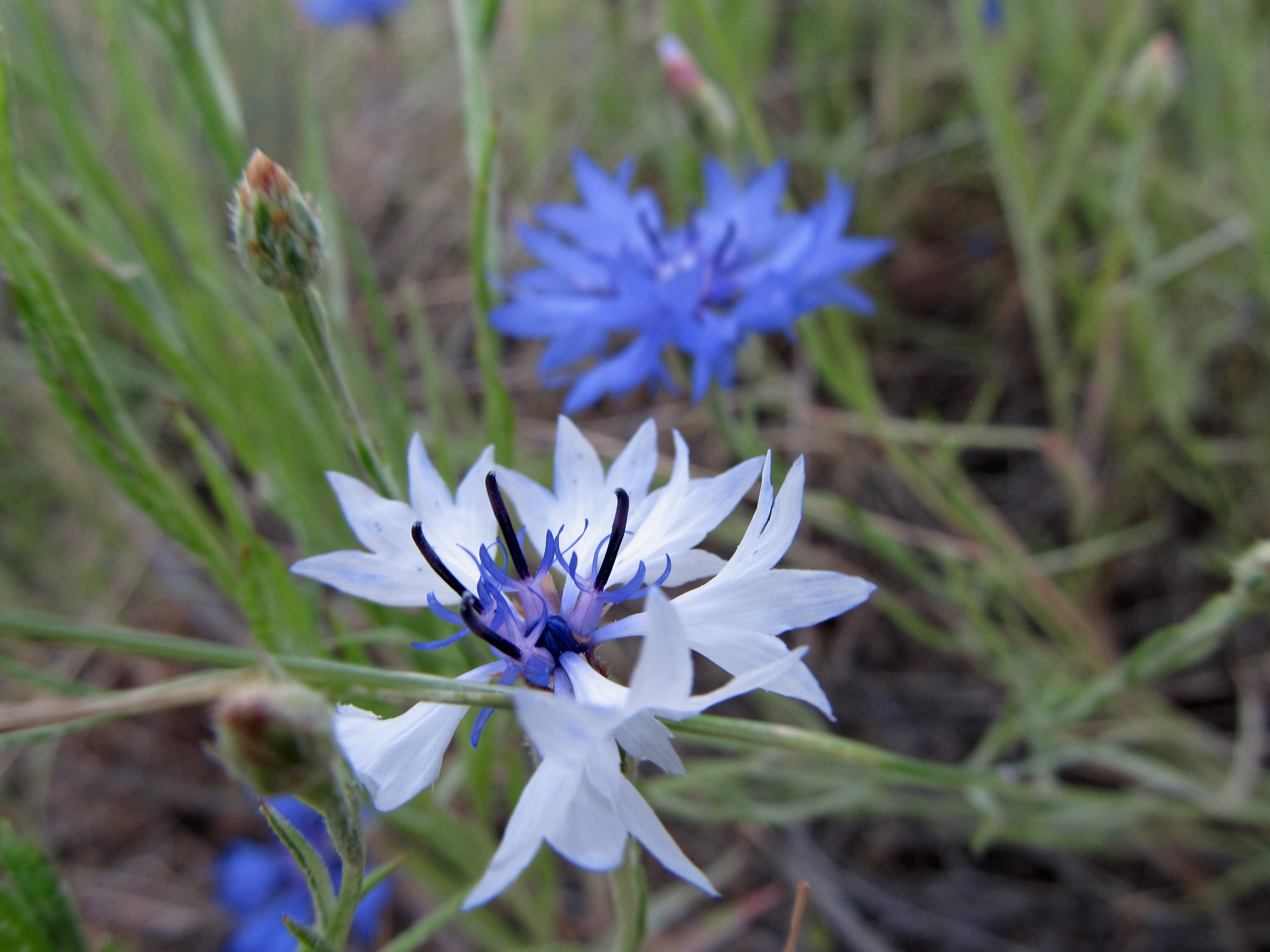
Bachelor's Buttons (Centaurea cyanus) are native to Europe. They are a common cultivated flower and have escaped from yards into the foothills. They are quite attractive and popular among pollinators. Their flowers and stems are edible so perhaps we should all take to eating them.

Bachelor’s buttons (Centaurea cyanus) are native to Europe. They are a common cultivated flower and have escaped from yards into the foothills. They are quite attractive and popular among pollinators. Their flowers and stems are edible, so perhaps we should all take to eating them.


Silverleaf phacelia (Phacelia hastate) - a foothills native that is also a pollinator favorite.

Silverleaf phacelia (Phacelia hastata) – a foothills native and a pollinator favorite.


Pale evening primrose (Oenothera pallida) - a foothills native pollinated by nocturnal moths.

Pale evening primrose (Oenothera pallida) – a foothills native pollinated by nocturnal moths.


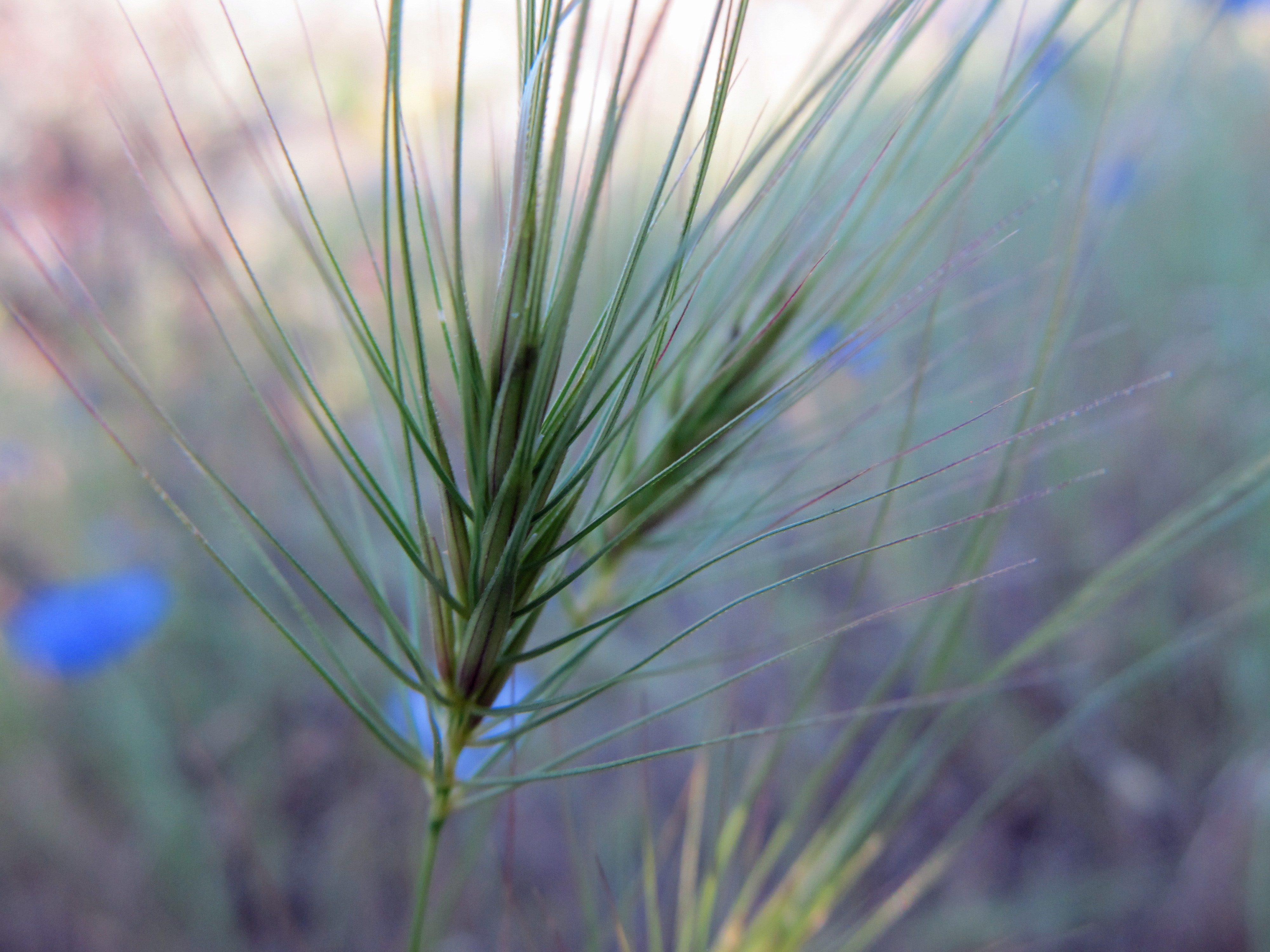
Medusahead (Taeniatherum caput-medusa) is an invasive annual grass from Eurasia. It has an ecological impact similar to cheatgrass (Bromus tectorum).

Medusahead (Taeniatherum caput-medusae) is an invasive annual grass from Eurasia. It has an ecological impact similar to cheatgrass (Bromus tectorum).


The fruits of nineleaf biscuitroot (Lomatium triternatum), a spring flowering plant in the carrot family (Apiaceae).

The fruits of nineleaf biscuitroot (Lomatium triternatum), a native spring wildflower in the carrot family (Apiaceae).


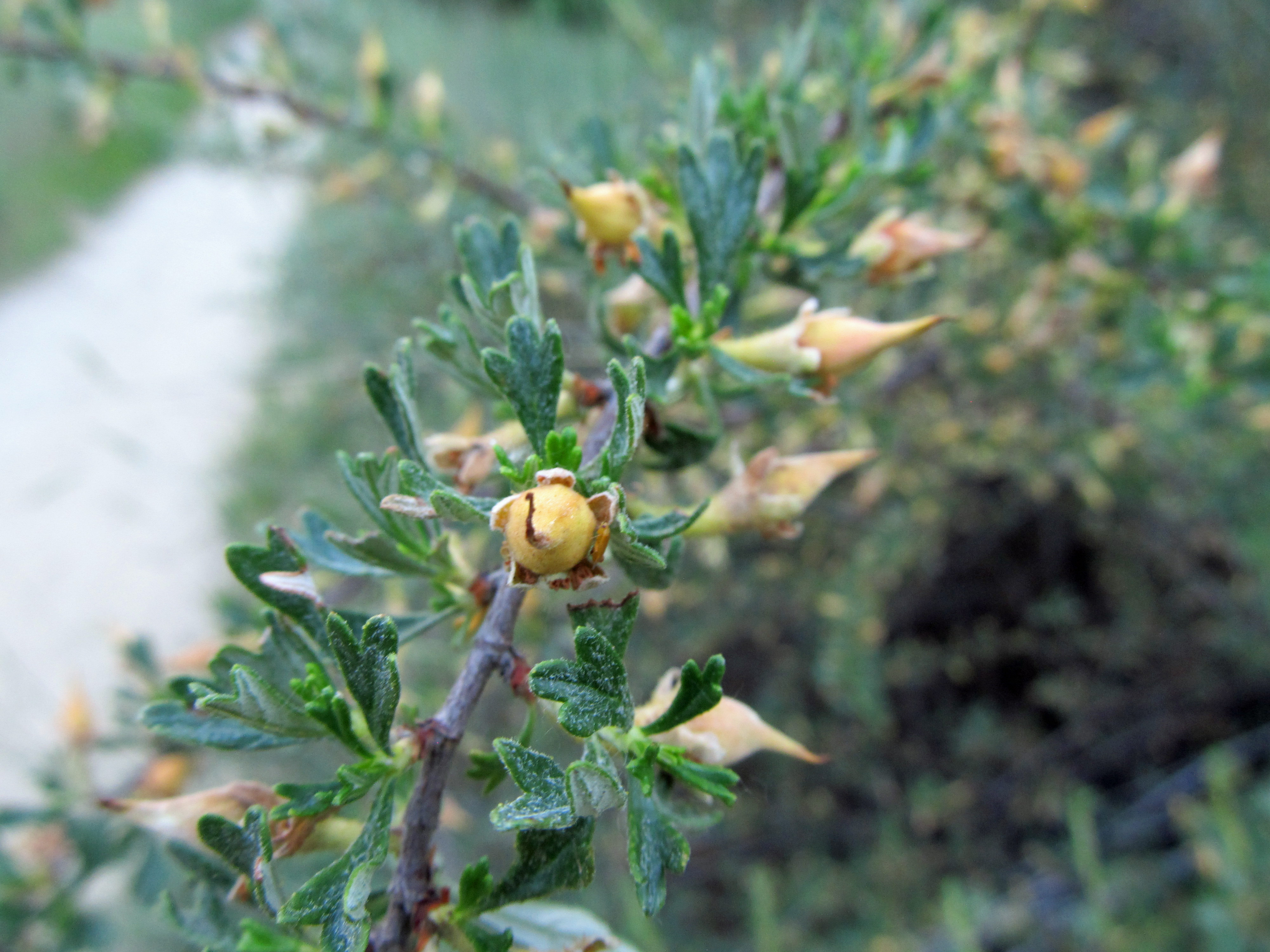
Fruits forming on antelope bitterbrush (Purshia tridentata), one of several shrubs native to the Boise Foothills.

Fruits forming on antelope bitterbrush (Purshia tridentata), one of several shrubs native to the Boise Foothills.


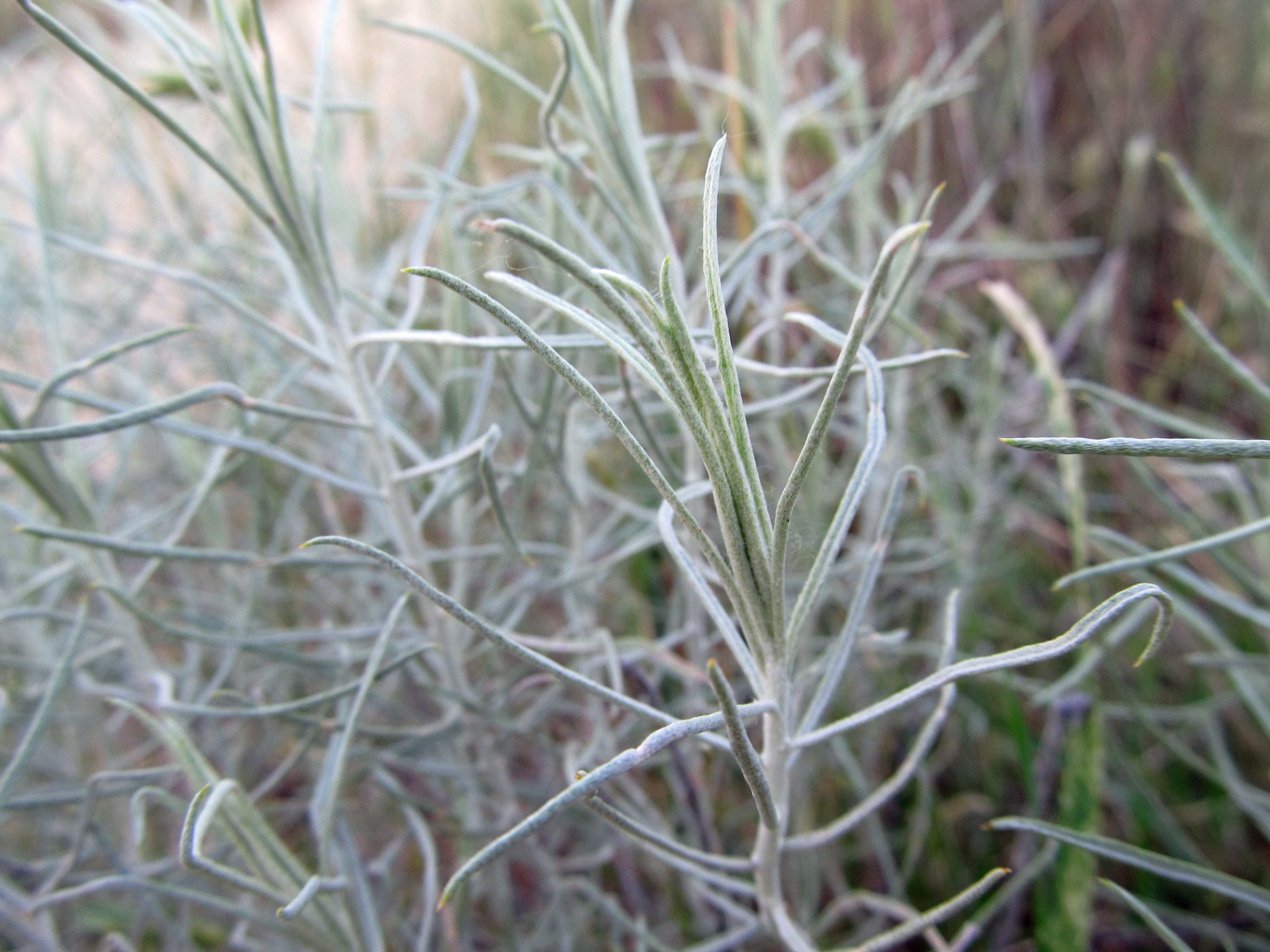
Rubber rabbitbrush (Ericameria nauseosa), a native shrub that flowers in late summer.

Rubber rabbitbrush (Ericameria nauseosa), a native shrub that flowers in late summer.


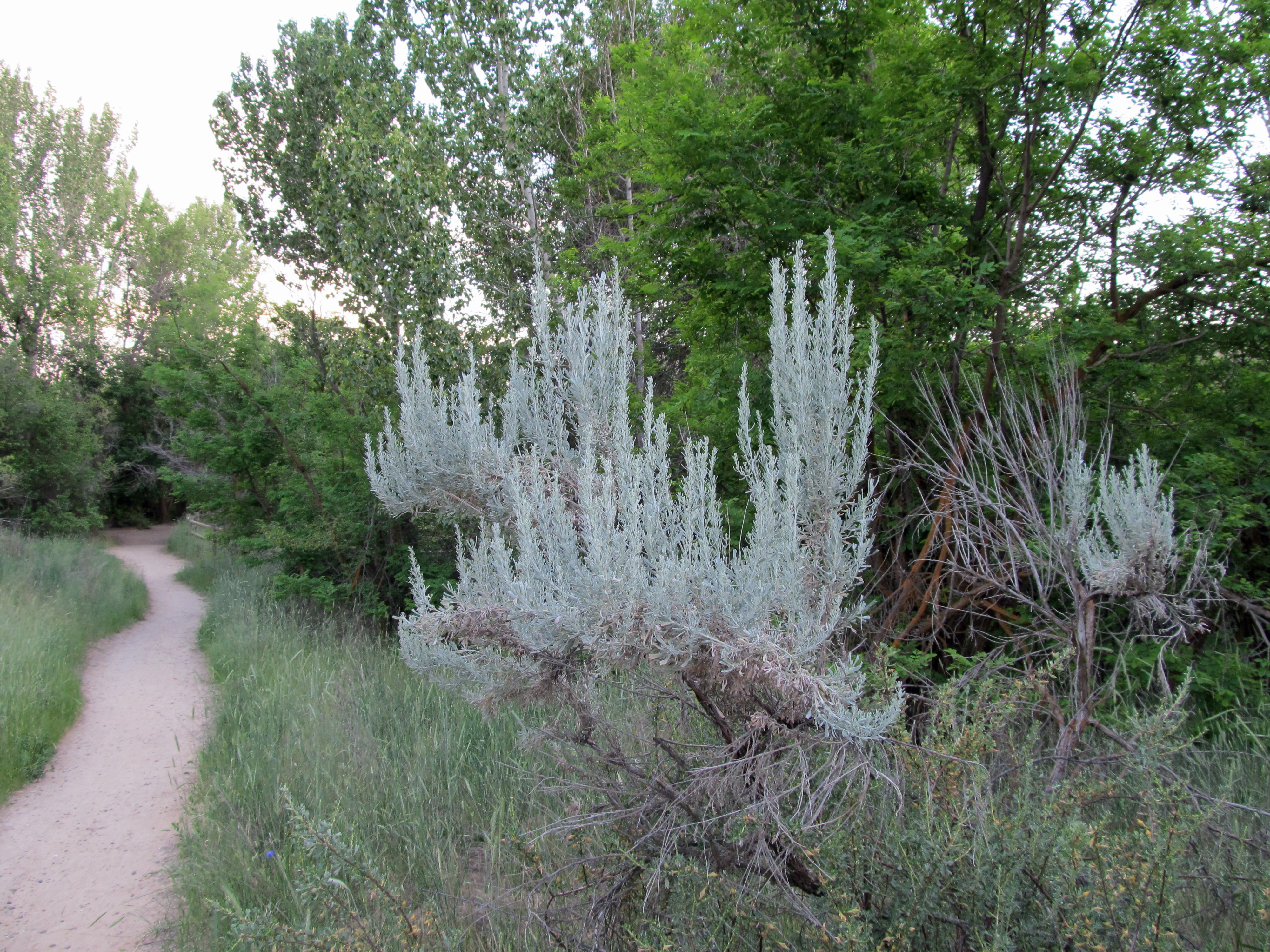
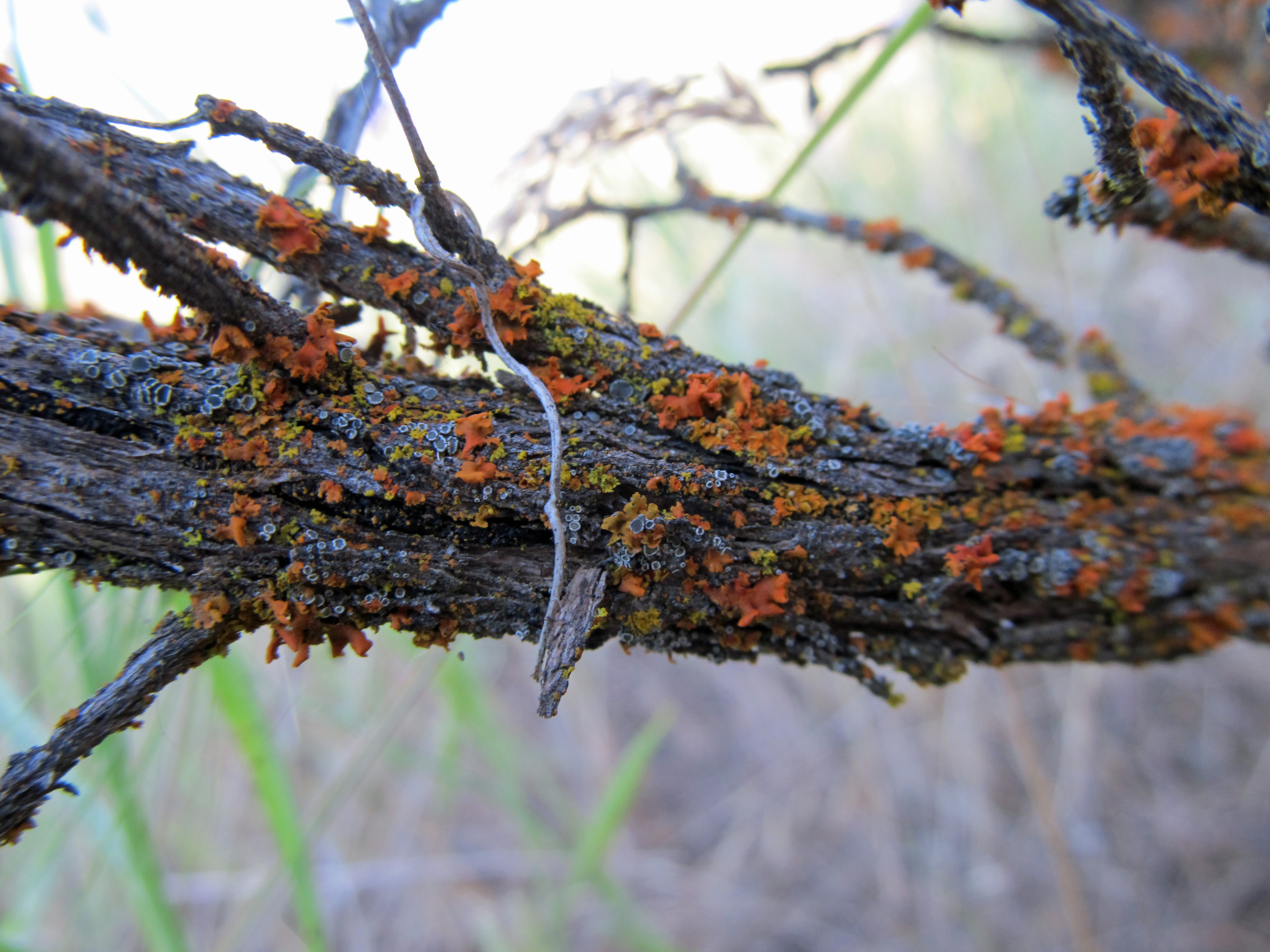
Lichens on the branch of basin big sagebrush (Artemisia tirdentata sbsp. tridentata) another common native shrub.

Lichens on the branches of basin big sagebrush (Artemisia tridentata subsp. tridentata), another common native shrub.


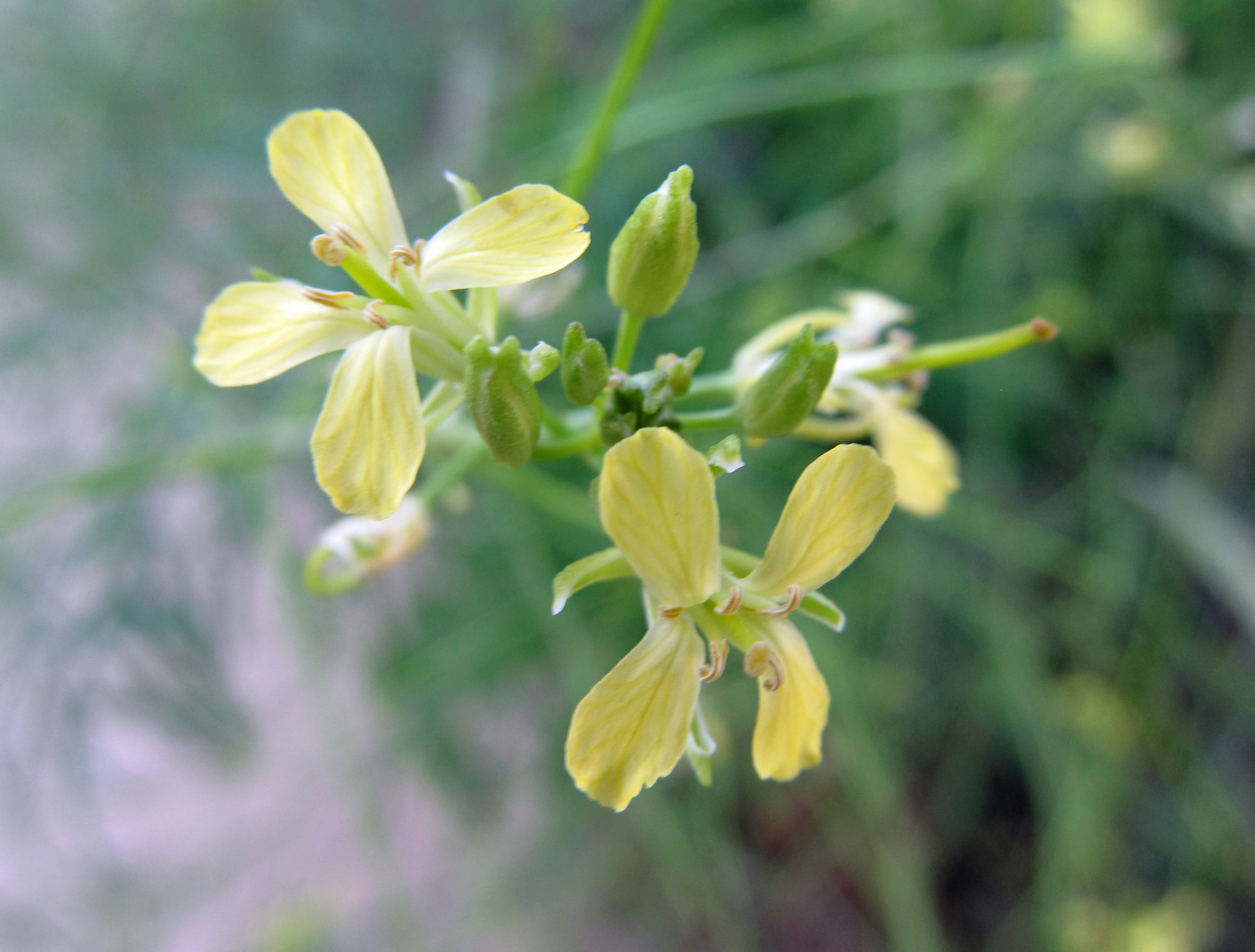
Tall tumblemustard (Sisymbrium altissimum) an introduced species and one of many tumbleweed species in the western states.

Tall tumblemustard (Sisymbrium altissimum) – an introduced species and one of many tumbleweed species in the western states.


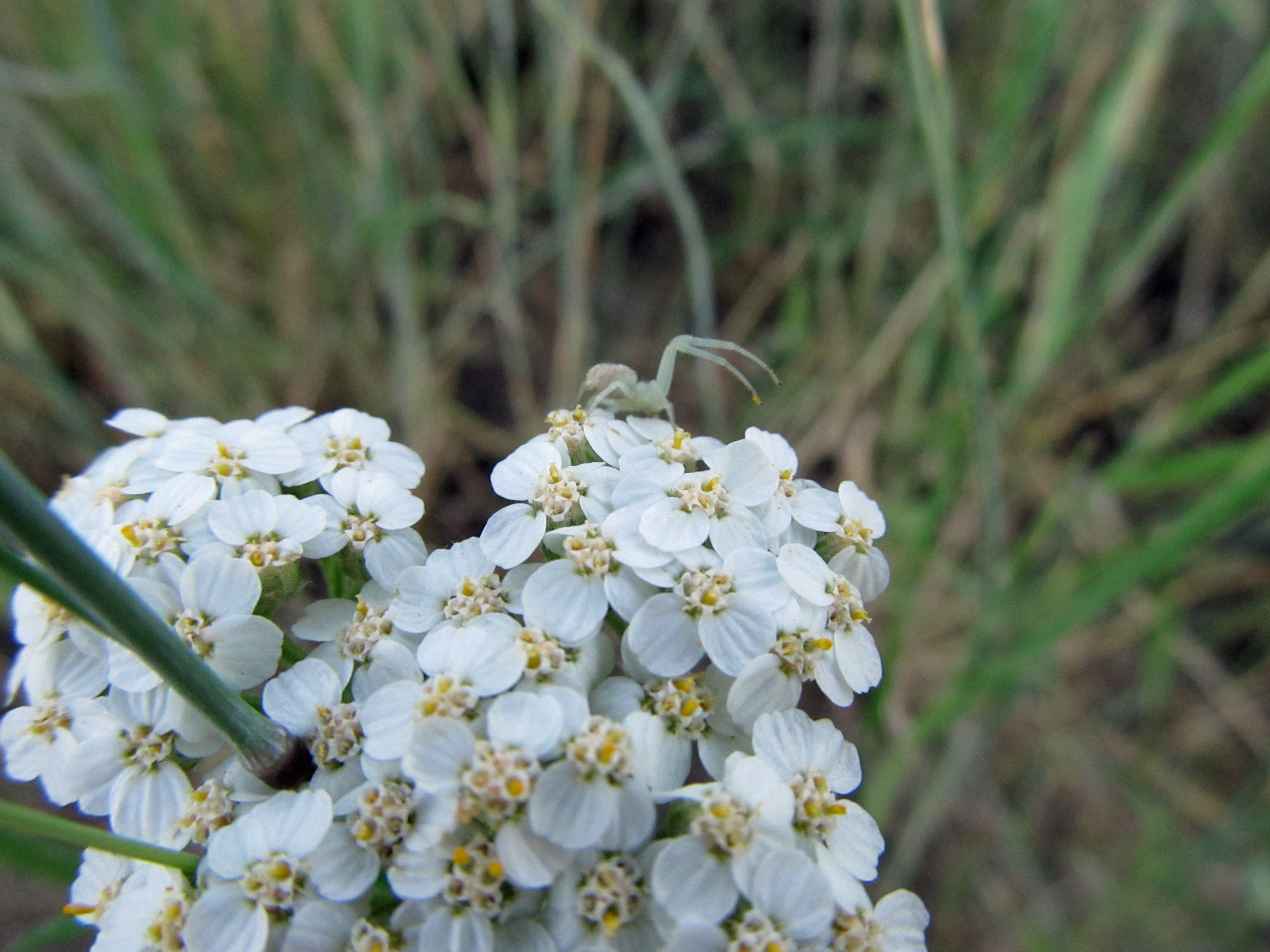
Little spider atop the flowers of western yarrow (Achilea millefolium), a foothills native.

A little spider atop flowers of western yarrow (Achilea millefolium var. occidentalis), a foothills native.

Learn more about the Boise Foothills here and here.

Where have you been hiking lately?

Year of Pollination: Stamen Movement in the Flowers of Prickly Pears

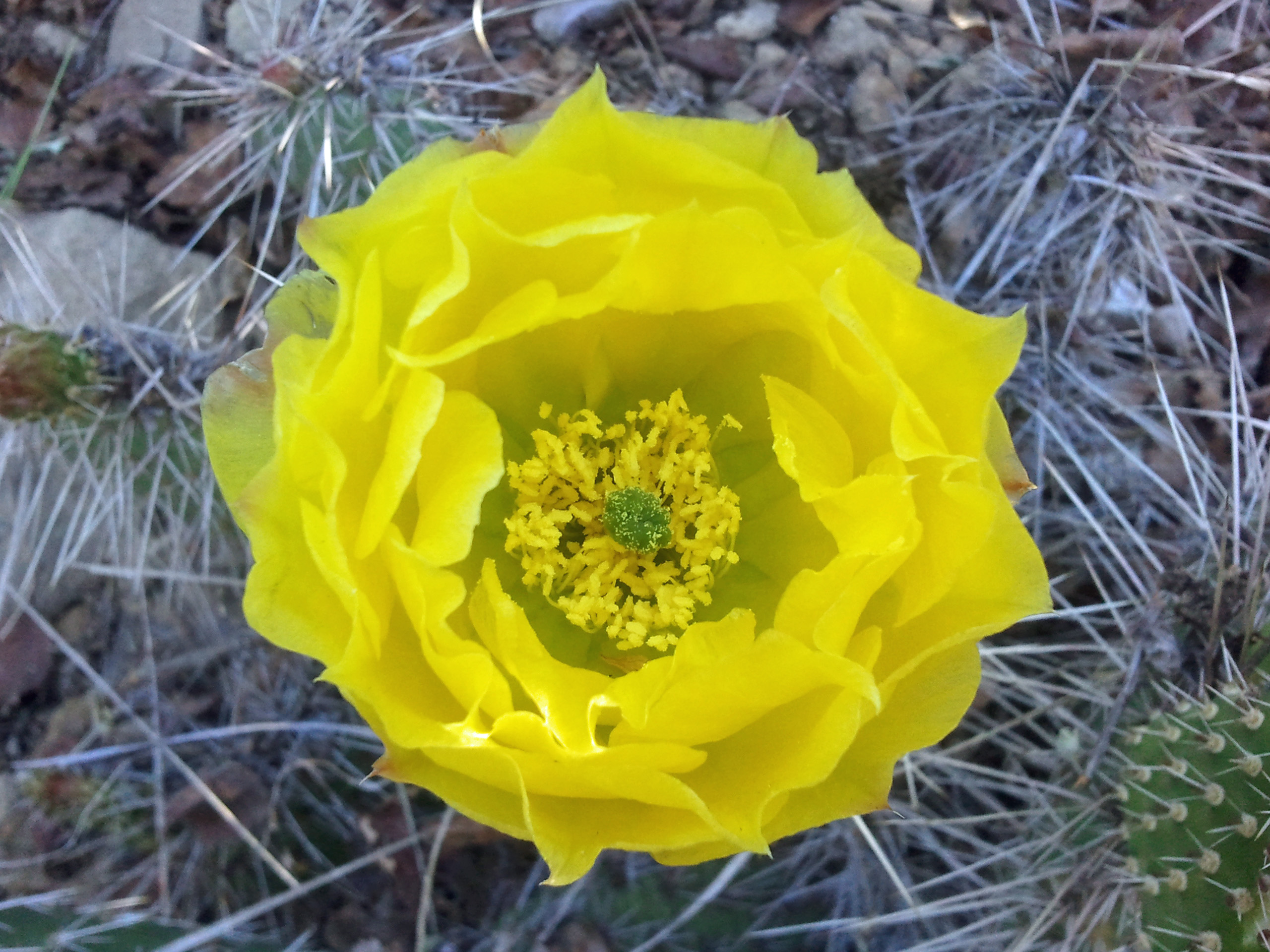
Last week I made an effort to convince you to add a prickly pear or two to your water-wise gardens. One standout reason to do this is their strikingly beautiful flowers. Apart from being lovely to look at, many prickly pear flowers have a distinct feature that makes them quite fascinating. A demonstration of this feature can be seen in the following video.


Stamen movement in response to touch is a characteristic of many species in the genus Opuntia. It isn’t exclusive to Opuntia, however, and can also be seen in Berberis vulgaris, Portulaca grandiflora, Talinum patens, among others. Knowing this makes me want to touch the stamens of any flower I can find just to see what will happen.

The response of stamens to touch has been known for at least a few centuries, but recent research is helping us gain a better understanding of how and why this phenomenon occurs. In general, this movement is thought to assist in the process of cross-pollination. In some cases it may also aid in self-pollination. Additionally, it can have the effect of protecting pollen and nectar from “robbers” (insects that visit flowers to consume these resources but that do not provide a pollination service). Quite a bit of research has been done on this topic, so to simplify things I will be focusing on a paper published in a 2013 issue of the journal, Flora.

In their paper entitled, Intriguing thigmonastic (sensitive) stamens in the plains prickly pear, Cota-Sanchez, et al. studied the flowers of numerous Opuntia polyacantha individuals found in three populations south of Saskatoon, Saskatchewan, Canada. Their objective was to “build basic knowledge about this rather unique staminal movement in plants and its putative role in pollination.” They did this by conducting two separate studies. The first involved observing flower phenology and flower visitors and determining whether the staminal movement is a nasty (movement in a set direction independent of the external stimulus) or a tropism (movement in the direction of the external stimulus). The second involved using high-powered microscopes to analyze the morphology of the stamens to determine any anatomical traits involved in this movement. While the results of the second study are interesting, for the purposes of this post I have chosen to focus only on the findings of the first study.

An important note about the flowers of O. polyacantha is that they are generally protandrous, meaning that the anthers of a single flower release pollen before the stigmas of that same flower are receptive. This encourages cross-pollination. An individual flower is only in bloom for about 12 hours (sometimes as long as 30 hours), however flowering doesn’t occur all at once. The plants in this study flowered for several weeks (from the second week of June to the middle of July).

To determine whether the staminal movement is a nasty or a tropism, the researchers observed insects visiting the flowers. They also manually stimulated the stamens with various objects including small twigs, pencils, and fingers, touching either the inner sides of the filaments (facing the style) or the outer sides (facing the petals). In every observation, the stamens moved in the same direction, “inwards and towards the central part of the flower.” This “consistent unidirectional movement, independent of the area stimulated” led the researchers to categorize the staminal movement of O. polyacantha as thigmonastic. They also observed that staminal movement slowed as the blooming period of an individual flower was coming to an end – “and finally when all the anthers had dehisced, the anthers rested in a clustered position, marking the end of anthesis.” Furthermore, it was observed that “filaments move relatively faster in sunny, warm conditions as opposed to cloudy, cold and rainy days.”

The researchers went on to discuss unique features of the stamens of O. polyacantha. Specifically, the lower anthers contain significantly more pollen than the upper anthers. When the stamens are stimulated, their movement towards the center of the flower results in the lower anthers becoming hidden below the upper anthers. They also noted that small insects less than 5 millimeters in size did not trigger stamen movement. Further observations of the insect vistors helped explain these phenomena.

SAMSUNG

A “broad diversity of insects” was observed visiting the flowers, from a variety of bees (bumblebees, honeybees, sweat bees, and mining bees) to bee flies, beetles, and ants. The large bees  were determined to be the effective pollinators of this species of prickly pear. Their large weight and size allows them to push down through the upper anthers to the more pollen-abundant anthers below. After feeding on pollen and nectar, they climb out from the stamens and up to the stigma where they take off, leaving the flower and depositing pollen as they go. Because the bees are visiting numerous flowers in a single flight and the flowers they visit are protandrous, pollen can be transferred from one flower to another and self-pollination can be avoided.

Beetles were observed to be the most common visitors to the flowers; however, they were not seen making contact with the stigma and instead simply fed on pollen and left. Ants also commonly visit the flowers but largely remain outside of the petals, feeding from “extranuptial nectaries.” In short, beetles and ants are not recognized as reliable pollinators of this plant.

Similar results involving two other Opuntia species were found by Clemens Schlindwein and Dieter Wittmann. You can read about their study here.

There are lots of flower anatomy terms in this post. Refresh your memory by visiting another Awkward Botany post: 14 Botanical Terms for Flower Anatomy.

Recently I received a note from a reader requesting that I include a link to subscribe to this blog’s RSS Feed. I have now made that available, and it can be found at the top of the sidebar.

Drought Tolerant Plants: Prickly Pears

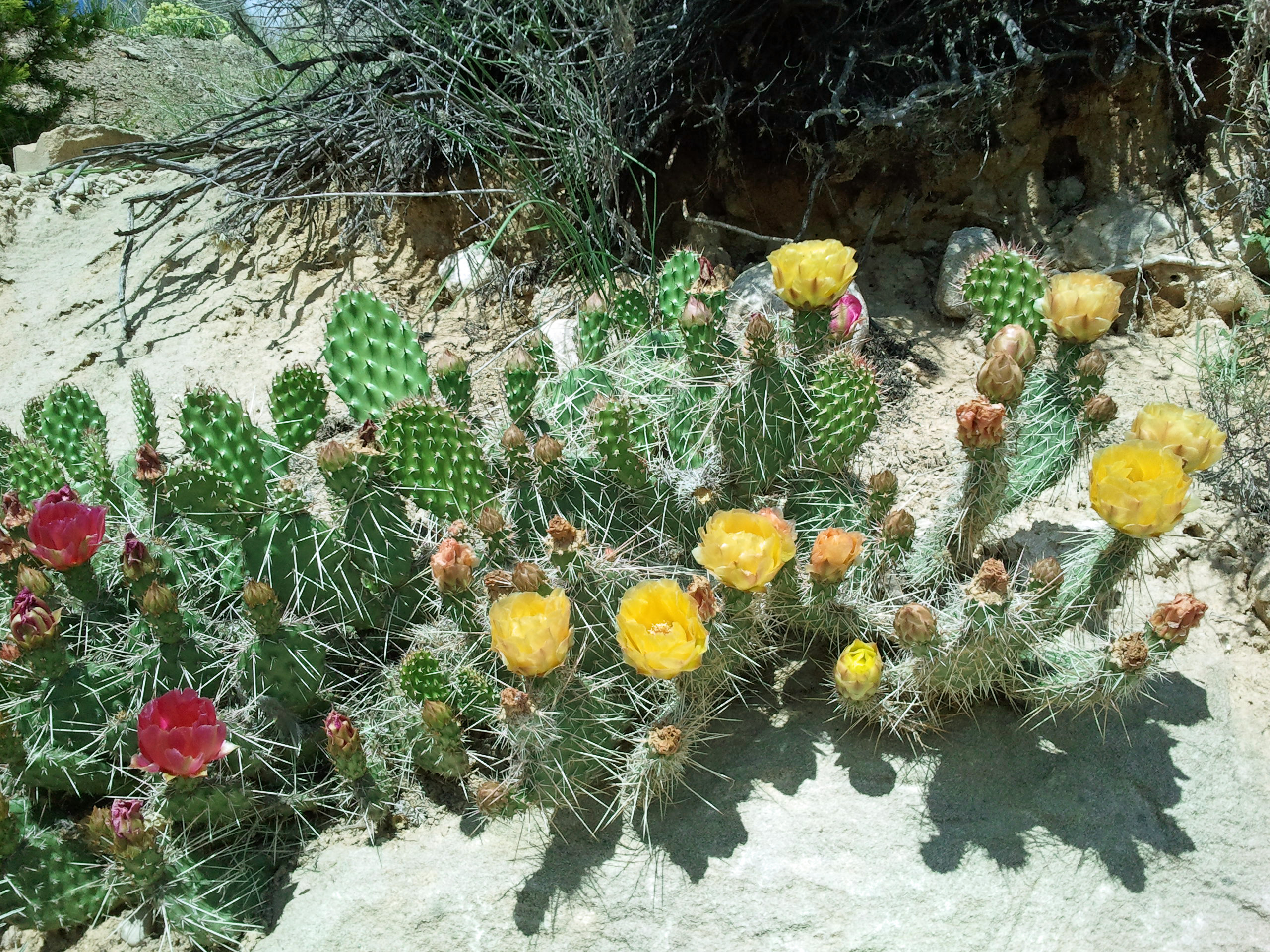
In the introduction to this series about drought tolerant plants, I defended water efficient gardens by claiming they don’t have to be the “cacti-centric” gardens that many visualize upon hearing terms like “xeriscape,” “water-wise,” and “drought tolerant.” And this is absolutely true. However, that won’t stop me from suggesting that such landscapes include a cactus or two. Despite their menacing and potentially dangerous spines, they are actually quite beautiful, and a cactus in bloom is really a sight to behold. Together with a variety of grasses, herbaceous flowering plants, and shrubs, cactus can add unique forms, textures, and focal points that will enhance the look and function of a water-wise garden. This is why I recommend considering cactus, particularly (as far as this post is concerned) one of the many varieties of prickly pears.

The cactus family (Cactaceae) has a native range that is limited to the Americas. Within that range it is expansive, and cactus species can be found in diverse regions from Canada down to Patagonia. The genus Opuntia (the prickly pears) is the most widespread of any genus in the cactus family consisting of at least 300 species found throughout the Americas. Even a brief investigation into Opuntia will reveal that there is considerable controversy as to how many species there actually are and what to call them. This is partly due to the large ranges that species in this genus can have and the diverse habitats they can be found in within those ranges, resulting in a single species having many forms, varieties, and/or subspecies. Hybridization is also common in this genus where ranges overlap, augmenting the challenge of identification.

Generally, prickly pears have flattened stems with spines and glochids emerging from small bumps called areoles. Their flowers are large, showy and a shade of either yellow, orange, or pink and sometimes white. They form fruits that are either fleshy and juicy with a red or purple hue or hard, dry and a shade of brown or tan. The flattened stems are called pads or cladodes and can be quite large in some species, while diminutive and sometimes rounded in others. Some species are without spines, but all have glochids – tiny, barbed, hair-like structures found in clusters on the stems and fruits. While the spines can be painful when they penetrate skin, the glochids are far more irritating as they easily detach themselves from the plant and work their way into the skin of their victims. The fleshy fruits, called tunas, can be eaten after first taking care to remove the glochid-infested outer layer. The young stems of many species can also be eaten – they are referred to as nopales and are common in Mexican cuisine.

Flowers of Opuntia sp. with bee inside flower on the left

Flowers of Opuntia sp. with bee inside flower on the left

Again speaking generally, prickly pears are very easy to propagate and cultivate. Their two main preferences are full sun and well-drained soil. If you are worried that the soil you are planting them in is going to stay too wet for too long, amend it with some gravel. This is especially important if you live in a climate that receives lots of precipitation or that has cold, wet winters. Once established, prickly pears will move around the garden. If that becomes a problem, expanding plants are easily pruned and traveling plants are easily removed.

I live in a climate that requires the selection of cold hardy prickly pears, so I am taking my specific recommendations from two books: Cacti and Succulents for Cold Climates by Leo J. Chance and Hardy Succulents by Gwen Moore Kelaidis. If you live in a warmer climate, your options will be greater. Still, the options for cold regions are pretty numerous, so for the sake of space I am narrowing my list down to a handful that stand out to me at this particular moment.

Three eastern United States species of prickly pears (O. compressa, O. macrorhiza, and O. humifusa) are, according to Chance, “more capable of dealing with wet and cold conditions than almost any other members of the cactus family.” They still require well-drained soil though. An appealing trait is their large, juicy, red fruits that can add garden interest in late summer and fall. Opuntia engelmannii is another species with the potential to tolerate cold, wet conditions. Its size is appealing to me, with pads that reach a foot wide and plants that grow several feet tall. Chance advises finding “a clone that is known to be cold tolerant” and making some space for it, “as it becomes huge in time.” The most cold tolerant prickly pear may be Opuntia fragilis. It is a diminutive plant with a large native range and a variety of forms, some with rounded pads “shaped like marbles.”
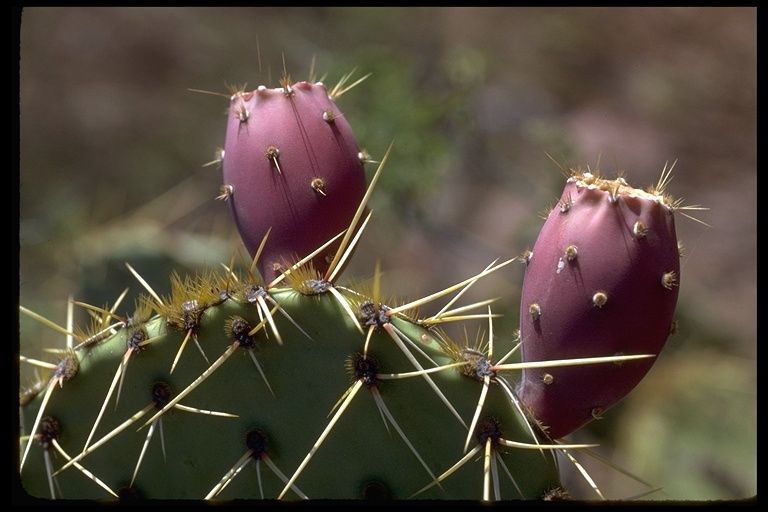
Fruits ("tunas") of Opuntia engelmannii - photo credit: www.eol.org

Fruits (“tunas”) of Opuntia engelmannii – photo credit: www.eol.org

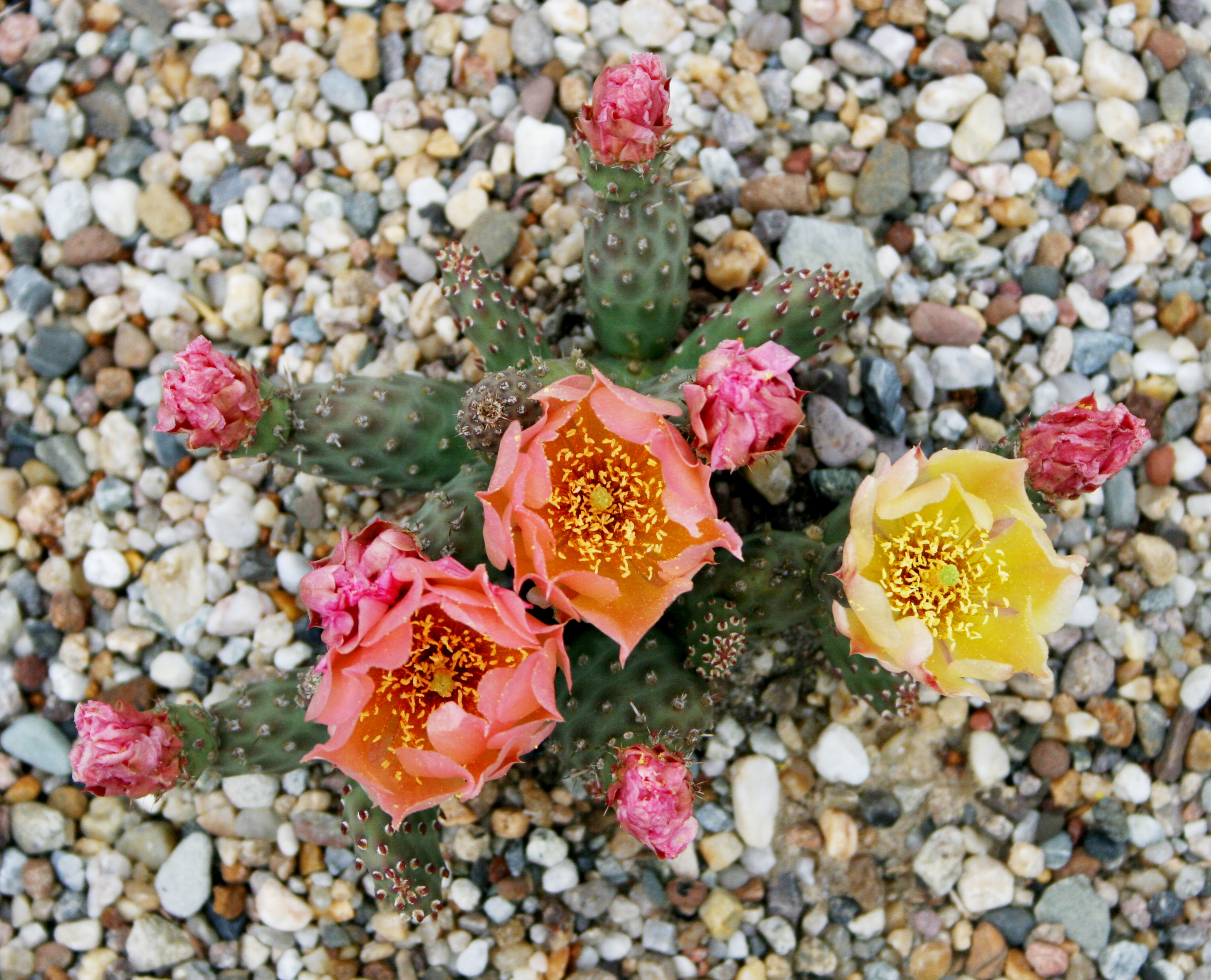
Opuntia fragilis 'Frankfurt' - photo credit: wikimedia commons

Opuntia fragilis ‘Frankfurt’ – photo credit: wikimedia commons

Opuntia polyacantha is a prickly pear native to my home state, Idaho. It is found at high elevations throughout the Intermountain West and is also found on the Great Plains. It has many forms and varieties, and its flowers are various shades of pink or yellow. It is a fast growing species and spreads around easily. Other cold hardy species include Opuntia macrocentra (which has a very attractive yellow flower with a red-orange center), Opuntia erinacea (commonly known as hedgehog prickly pear for its abundant, long spines that can obscure the pads), and Opuntia microdisca (a tiny Argentinian prickly pear with pads that barely reach an inch across but, as Chance says, “works very well in a dry rock garden with other miniatures”).

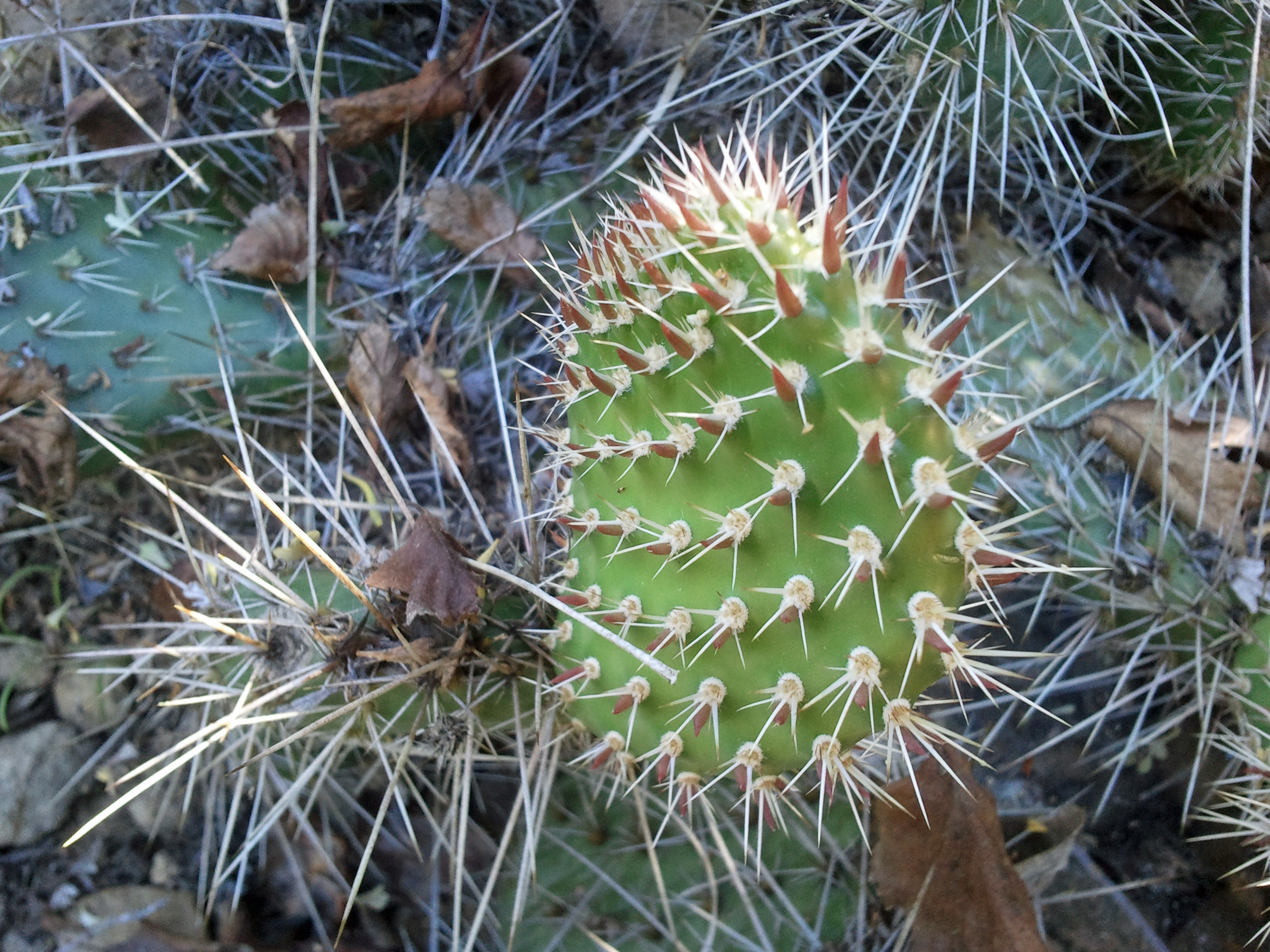
Pads of Opuntia polyacantha

Pads and spines of Opuntia polyacantha

A post about Opuntia could go on indefinitely due to the sheer number of species and their diverse forms and attributes. This is meant merely to pique your interest. The flowers, if nothing else, should certainly interest you. In her book, Kelaidis calls them “improbably beautiful,” and goes on to say that they are “often papery, always glistening and showy.” Chance likens them to “any fancy rose” because they are “extraordinarily large, brightly colored, [and] eye catching.” Next week, as part of Awkward Botany’s Year of Pollination, I will present another reason to be fascinated with the flowers of Opuntia. For now, I will leave you to ponder this word, “thigmonasty.”

Want to learn more about prickly pears? Check out Opuntia Web.

Year of Pollination: An Argentinian Cactus and Its Unlikely Pollinator

A few weeks ago I wrote about pollination syndromes – sets of floral triats that are said to attract specific groups of pollinators. In that post I discussed how pollination syndromes have largely fallen out of favor as a reliable method of predicting the pollinators that will visit particular flowers. In this post I review a recent study involving a species of cactus in Argentina that, as the authors state in their abstract, “adds another example to the growing body of mismatches between floral syndrome and observed pollinator.”

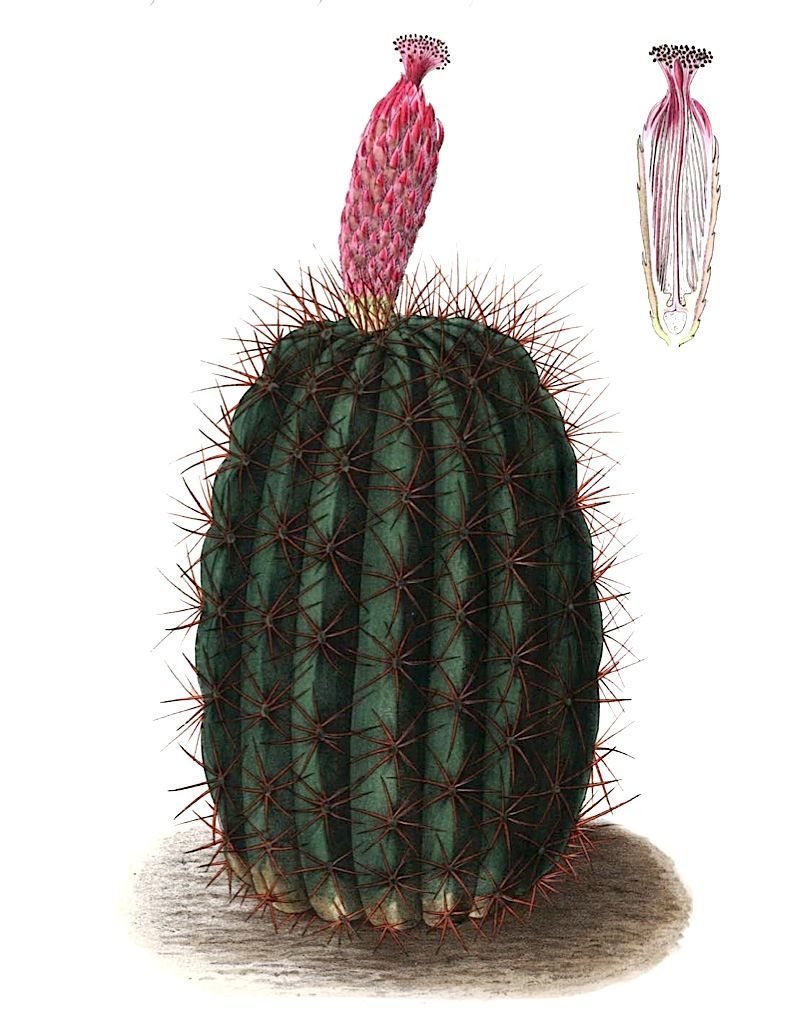
Denmoza rhodacantha is one of many species of cacti found in Argentina. It is the only species in its genus, and it is widely distributed across the east slopes and foothills of the Andes. It is a slow growing cactus, maintaining a globulous (globe-shaped) form through its juvenile phase and developing a columnar form as it reaches maturity. D. rhodacantha can reach up to 4 meters tall and can live beyond 100 years of age. Individual plants can begin flowering in their juvenile stage. Flowers are red, nectar rich, scentless, and tubular. The stigma is lobed and is surrounded by a dense grouping of stamens. Both male and female reproductive organs are extended above the corolla. The flowers have been described by multiple sources as being hummingbird pollinated, not based on direct observation of hummingbirds visiting the flowers, but rather due to the floral traits of the species.

Denmoza rhodacantha illustration - image credit: www.eol.org

Denmoza rhodacantha illustration  (image credit: www.eol.org)

In a paper entitled, Flowering phenology and observations on the pollination biology of South American cacti – Denmoza rhodacantha, which was published in volume 20 of Haseltonia (the yearbook of the Cactus and Succulent Society of America), Urs Eggli and Mario Giorgetta discuss their findings after making detailed observations of a population of D. rhodacantha in early 2013 and late 2013 – early 2014. The population consisted of about 30 individuals (both juveniles and adults) located in the Calchaqui Valley near the village of Angastaco, Argentina. At least three other species with “hummingbird-syndrome flowers” were noted in the area, and three species of hummingbirds were observed during the study periods. Over 100 observation hours were logged, and during that time “the studied plants, their flowering phenology, and flower and fruit visitors were documented by means of photographs and video.”

The flowers of D. rhodacantha only persist for a few short days, and in that time their sexual organs are only receptive for about 24 hours. The flowers are self-sterile and so require a pollinator to cross pollinate them. Despite their red, tubular shape and abundant nectar, no hummingbirds were observed visiting the flowers. One individual hummingbird approached but quickly turned away. Hummingbirds were, however, observed visiting the flowers of an associated species, Tecoma fulva ssp. garrocha. Instead, a species of halictid bee (possibly in the genus Dialictus) was regularly observed visiting the flowers of D. rhodacantha. The bees collected pollen on their hind legs and abdomen and were seen crawling across the lobes of the stigma. None of them were found feeding on the nectar. In one observation, a flower was visited by a bee that was “already heavily loaded with the typical violet-coloured pollen of Denmoza,” suggesting that this particular bee species was seeking out these flowers for their pollen. Small, unidentified beetles and ants were seen entering the flowers to consume nectar, however they didn’t appear to be capable of offering a pollination service.

D. rhodacantha populations have been observed in many cases to produce few fruits, suggesting that pollination success is minimal. The authors witnessed “very low fruit set” in the population that they were studying, which was “in marked contrast to the almost 100% fruit set rates of the sympatric cactus species at the study site.” This observation wasn’t of great concern to the authors though, because juvenile plants are present in observed populations, so recruitment appears to be occurring. In this study, dehisced fruits were “rapidly visited by several unidentified species of ants of different sizes.” The “scant pulp” was harvested by smaller ants, and larger ants carried away the seeds after “cleaning them from adhering pulp.”

The authors propose at least two reasons why hummingbirds avoid the flowers of D. rhodacantha. The first being that the native hummingbirds have bills that are too short to reach the nectar inside the long tubular flowers, and often the flowers barely extend beyond the spines of the cactus which may deter the hummingbirds from approaching. The second reason is that other plants in the area flower during the same period and have nectar that is easier to gather. The authors acknowledge that this is just speculation, but it could help explain why the flowers are pollinated instead by an insect (the opportunist, generalist halictid bee species) for whom the flowers “could be considered to be ill adapted.” The authors go on to say, “it should be kept in mind, however, that adaptions do not have to be perfect, as long as they work sufficiently well.”

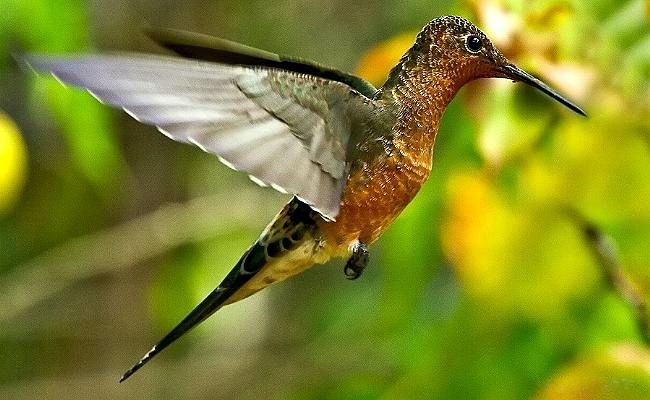
Patagona gigas (giant hummingbird) was observed approaching the flower of a Denmoza rhodacantha but quickly turned away (photo credit: www.eol.org)

Patagona gigas (giant hummingbird) was observed approaching the flower of a Denmoza rhodacantha but quickly turned away (photo credit: www.eol.org)

More Year of Pollination posts on Awkward Botany:

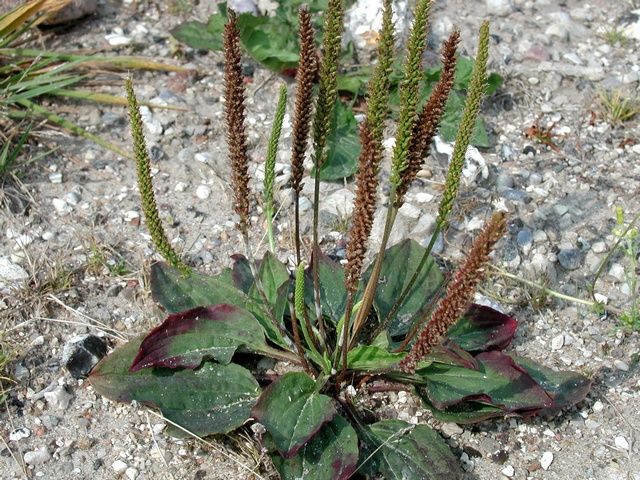
Ethnobotany: White Man’s Foot, part one

“Plantains – Plantago major – seem to have arrived with the very first white settlers and were such a reliable sign of their presence that the Native Americans referred to them as ‘white men’s footsteps.'” – Elizabeth Kolbert (The Sixth Extinction)

“Our people have a name for this round-leafed plant: White Man’s Footstep. Just a low circle of leaves, pressed close to the ground with no stem to speak of, it arrived with the first settlers and followed them everywhere they went. It trotted along paths through the woods, along wagon roads and railroads, like a faithful dog so as to be near them.” – Robin Wall Kimmerer (Braiding Sweetgrass)

photo credits: wikimedia commons

photo credit: wikimedia commons

Plantago major is in the family Plantaginaceae – the plantain family – a family that consists of at least 90 genera, several of which include common species of ornamental plants such as Veronica (speedwells), Digitalis (foxgloves), and Antirrhinum (snapdragons). The genus Plantago consists of around 200 species commonly known as plantains. They are distributed throughout the world in diverse habitats. Most of them are herbaceous perennials with similar growth habits, and many have ethnobotanical uses comparable to P. major.

Originating in Eurasia, P. major now has a cosmopolitan distribution. It has joined humans as they have traveled and migrated from continent to continent and is now considered naturalized throughout most temperate and some tropical regions. In North America, P. major and P. lanceolata are the two most common introduced species in the Plantago genus. P. major has a plethora of common names – common plantain being the one that the USDA prefers. Other names include broadleaf plantain, greater plantain, thickleaf plantain, ribgrass, ribwort, ripplegrass, and waybread. Depending on the source, there are various versions of the name white man’s foot, and along the same line, a common name for P. major in South Africa is cart-track plant.

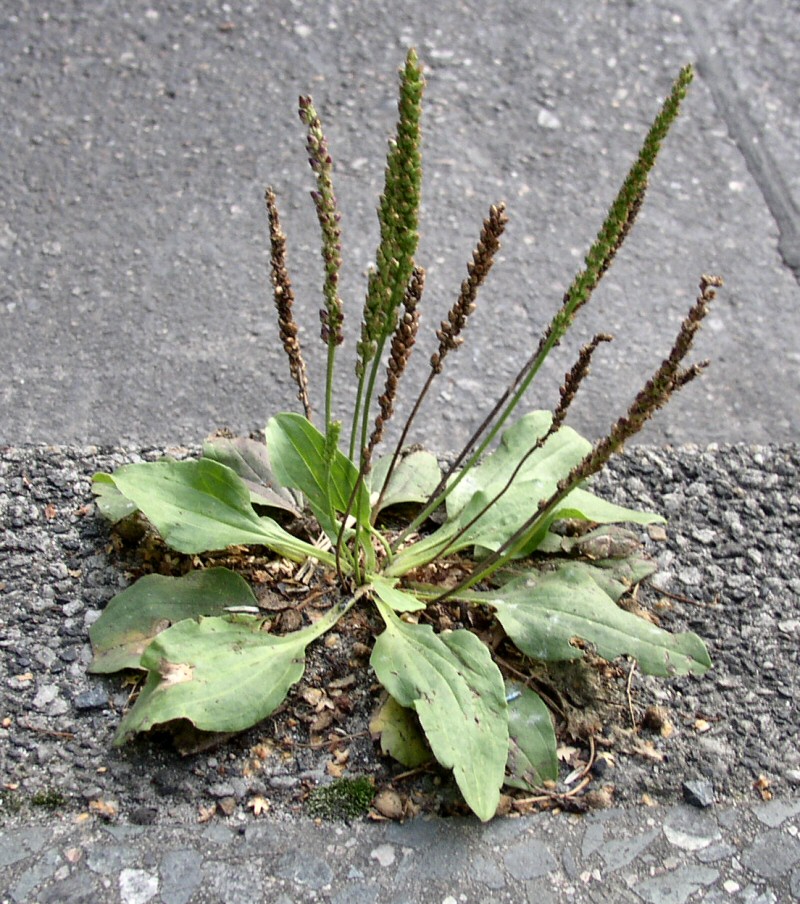
P. major is a perennial – albeit sometimes annual or biennial – herbaceous plant. Its leaves form a rosette that is usually oriented flat against the ground and reaches up to 30 cm wide. Each leaf is egg-shaped with parallel veins and leaf margins that are sometimes faintly toothed. The inflorescence is a leafless spike up to 20 cm tall (sometimes taller) with several tiny flowers that are a dull yellow-green-brown color. The flowers are wind pollinated, and the plants are highly prone to self-pollination. The fruits are capsules that can contain as many as 30 seeds – an entire plant can produce as many as 14,000 – 15,000 seeds at once. The seeds are small, brown, sticky, and easily transported by wind or by adhering to shoes, clothing, animals, and machinery. They require light to germinate and can remain viable for up to 60 years.

An illustration of three Plantago species found in Selected Weeds of the United States - Agriculture Handbook No. 366 circa 1970

An illustration of three Plantago species found in Selected Weeds of the United States – Agriculture Handbook No. 366 circa 1970

P. major prefers sunny sites but can also thrive in part shade. It adapts to a variety of soil types but performs best in moist, clay-loam soils. It is often found in compacted soils and is very tolerant of trampling. This trait, along with its low-growing leaves that easily evade mower blades, explains why it is so commonly seen in turf grass. It is highly adaptable to a variety of habitats and is particularly common on recently disturbed sites (natural or human caused) and is an abundant urban and agricultural weed.

Even though it is wind pollinated, its flowers are visited by syrphid flies and various bee species which feed on its pollen. Several other insects feed on its foliage, along with a number of mammalian herbivores. Cardinals and other bird species feed on its seeds.

Humans also eat plantain leaves, which contain vitamins A, C, and K. Young, tender leaves can be eaten raw, while older leaves need to be cooked as they become tough and stringy with age. The medicinal properties of  P. major have been known and appreciated at least as far back as the Anglo-Saxons, who likely used a poultice made from the leaves externally to treat wounds, burns, sores, bites, stings, and other irritations. Native Americans, after seeing the plant arrive with European settlers, quickly learned to use the plant as food and medicine. It could be used to stop cuts from bleeding and to treat rattlesnake bites. Apart from external uses, the plant was used internally as a pain killer and to treat ulcers, diarrhea, and other gastrointestinal issues.

P. major has been shown to have antibacterial, anti-inflammatory, antioxidant, and other biological properties; several chemical compounds have been isolated from the plant and deemed responsible for these properties. For this reason, P. major and other species of Plantago have been used to treat a number of ailments. The claims are so numerous and diverse that it is worth exploring if you are interested. You can start by visiting the following sites:

"White man's footstep, generous and healing, grows with its leaves so close to the ground that each step is a greeting to Mother Earth." - Robin Wall Kimmerer, Braiding Sweetgrass (photo credit: www.eol.org)

“White man’s footstep, generous and healing, grows with its leaves so close to the ground that each step is a greeting to Mother Earth.” – Robin Wall Kimmerer, Braiding Sweetgrass (photo credit: www.eol.org)

Other Ethnobotany Posts on Awkward Botany:

A Rare Hawaiian Plant – Newly Discovered and Critically Endangered

Hawaii is home to scores of plant species that are found nowhere else in the world. But how did those plants get there? In geological time, Hawaii is a relatively young cluster of islands. Formed by volcanic activity occurring deep within the ocean, they only just began to emerge above water around 10 million years ago. At that point the islands would have been nearly devoid of life, and considering that they had never been connected to any other body of land and are about 2,500 miles away from the nearest continent, becoming populated with flora and fauna took patience and luck.

As far as plant life is concerned, seeds and spores had to either be brought in by the wind, carried across the ocean by its currents, or flown in attached to the feathers of birds. When humans colonized the islands, they brought seeds with them too; however, its estimated that humans didn’t begin arriving on the islands until about 1,700 years ago. The islands they encountered were no longer barren landscapes, but instead were filled with a great diversity of plant and animal life. A chance seed arriving on the islands once in a blue moon does not fully explain such diversity.

This is where an evolutionary process called adaptive radiation comes in. A single species has the potential to diverge rapidly into many new species. This typically happens in new habitats where little or no competition exists and there are few environmental stresses. Over time, as genetic diversity builds up in the population, individuals begin to adapt to specific physical factors in the environment, such as soil type, soil moisture, sun exposure, and climate. As individuals separate out into these ecological niches, they can become reproductively isolated from other individuals in their species and eventually become entirely new species.

This is the primary process that led to the great floral diversity we now see on the Hawaiian Islands. Adaptive radiations resulted in more than 1000 plant species diverging from around 300 seed introductions. Before western colonization, there were more than 1,700 documented native plant species. Much of this diversity is explained by the rich diversity of habitats present on the volcanic islands, which lead to many species becoming adapted to very specific sites and having very limited distributions.

A small population size and a narrow endemic range is precisely the reason why Cyanea konahuanuiensis escaped detection until recently. In September 2012, researchers on the island Oahu arrived at a drainage below the summit of Konahua-nui (the tallest of the Ko’olau Mountains). They were surveying for Cyanea humboldtiana, a federally listed endangered species that is endemic to the Ko’olau Mountains. In the drainage they encountered several plants with traits that differed from C. humboldtiana, including hairy leaves, smooth stems, and long, hairy calyx lobes. They took pictures and collected a fallen leaf  for further investigation.

Ko'olau Mountains of O'ahu (photo credit: wikimedia commons)

Ko’olau Mountains of O’ahu (photo credit: wikimedia commons)

Initial research suggested that this was a species unknown to science. More information was required, so additional trips were made, a few more individuals were found, and in June 2013, a game camera was installed in the area. The camera sent back three photos a day via cellular phone service and allowed the team of researchers to plan their next trip when they were sure that the flowers would be fully mature. Collections were kept to a minimum due to the small population size; however, using the material they could collect, further analyses and comparisons with other species in the Cyanea genus and related genera demonstrated that it was in fact a unique species, and so they gave it the specific epithet konahuanuiensis after the mountain on which it was found. It was also given a common Hawaiian name, Haha mili’ohu, which means “the Cyanea that is caressed by the mist.”

The hairy flowers and leaves of Cyanea konahuanuiensis. Purple flowers appear June-August. (photo credit: www.eol.org)

The hairy flowers and leaves of Cyanea konahuanuiensis. Purple flowers appear June-August. (photo credit: www.eol.org)

The total population of Cyanea konahuanuiensis consists of around 20 mature plants and a couple dozen younger plants. It is considered “critically imperiled” and must overcome some steep conservation challenges in order to persist. To start with, the native birds that pollinate its flowers and disperse its seeds may no longer be present. Also, it is likely being eaten by rats, slugs, and feral pigs. Add to that, several invasive plant species are found in the area and are becoming increasingly more common. While the researchers did find some seedlings in the area, all of the fruits that they observed aborted before they had reached maturity. Lastly, the population size is so small that the researchers say a landslide, hurricane, or flash flood “could obliterate the majority or all of the currently known plants with a single event.”

Seeds collected from immature fruits from two plants were sown on an agar medium at the University of Hawaii Harold L. Lyon Arboretum. The seeds germinated, and so the researchers plan to continue to collect seeds “in order to secure genetic representations from all reproductively mature individuals in ex situ collections.”

Single stem of Cyanea konahuanuiensis (photo credit: www.eol.org)

Single stem of Cyanea konahuanuiensis (photo credit: www.eol.org)

C. konahuanuiensis is not only part of the largest botanical radiation event in Hawaii, but also the largest on any group of islands. At some point in the distant past, a single plant species arrived on a Hawaiian island and has since diverged into at least 128 taxa represented in six genera, Brighamia, Clermontia, Cyanea, Delissea, Lobelia, and Trematolobelia, all of which are in the family Campanulaceae – the bellflower family. Collectively these plants are referred to as the Hawaiian Lobelioids. Cyanea is by far the most abundant genus in this group consisting of at least 79 species. Many of the lobelioids have narrow distributions and most are restricted to a single island.

Sources

Poisonous Plants: Baneberry

For all the benefits that plants offer humanity – the distillation being that Earth would be uninhabitable without them – there is still reason to be wary of them. In a world lousy with herbivores, plant species that are unpalatable have a greater chance of survival. Inflicting serious injury or death upon being ingested – or even by coming in contact with an unsuspecting visitor – offers even greater assurance that a plant will survive long enough to reproduce, passing along to its progeny any traits that led to its superior fitness. The traits in this case are chemical compounds that can be toxic when delivered at the right dose to the right organism. This is the nature of poisonous plants, and the reason why from a young age we were all likely warned not to eat every tasty looking berry we come across and not to go tromping carelessly through an area where certain plants might be present. Plants aren’t out to get us per se, but some do have the potential to cause us great harm. Informing ourselves and taking precautions is advised.

This is the first in a series of posts about poisonous plants. The list of poisonous plants is long, so it’s going to take a while to get through them all. There are some plants that are not generally considered poisonous but can cause illness or death to those who are allergic to them – like peanuts. I don’t plan to include such plants, but there may be some exceptions along the way. The popular author Amy Stewart wrote a book about poisonous and other nefarious plants entitled, Wicked Plants: The Weed that Killed Lincoln’s Mother and other Botanical Atrocities. Below is an excerpt from her introduction to that book that I thought would be worth including here:

Do not experiment with unfamiliar plants or take a plant’s power lightly. Wear gloves in the garden; think twice before swallowing a berry on the trail or throwing a root into a stew pot. If you have small children, teach them not to put plants in their mouths. If you have pets, remove the temptation of poisonous plants from their environment. The nursery industry is woefully lax about identifying poisonous plants; let your garden center know that you’d like to see sensible, accurate labeling of plants that could harm you. Use reliable sources to identify poisonous, medicinal, and edible plants. (A great deal of misinformation circulates on the Internet, with tragic consequences.)

Baneberry (Actaea spp.)

“Bane” is defined as deadly poison or a person or thing that causes death, destruction, misery, distress, or ruin. The word seems fitting as a common name to describe a plant with a berry that when ingested is said to have an almost immediate sedative effect on the heart and can ultimately lead to cardiac arrest. Baneberry is a name given to several plants in the genus Actaea, two of which are the main focus of this post – red baneberry (Actaea rubra) and white baneberry (Actaea pachypoda).

Actaea is in the family Ranunculaceae – the buttercup family – a family that consists of several common ornamental plants including those in the genera Ranunculus, Delphinium, and Clematis. A. rubra and A. pachypoda are commonly found in the understory of wooded areas in North America – A. rubra is the most widespread of the two species, occurring throughout North America except Mexico and the southeastern U.S. states; A. pachypoda occurs in eastern Canada and most eastern and Midwestern U.S. states.

The flowers of red baneberry, Actaea rubra (photo credit: wikimedia commons)

The flowers of red baneberry, Actaea rubra (photo credit: wikimedia commons)

Red baneberry is an herbaceous perennial that emerges in the spring from a basal stem structure called a caudex or from a rhizome, dying back to the ground again in the fall. One or several branching stems reach from 1 to 3 feet high, each with compound leaves consisting of 2-3 leaflets. The leaflets are deeply lobed and coarsely toothed. Several small, white flowers appear in spring to early summer clustered together in an inflorescence called a raceme. The petals are inconspicuous, but the stamens are large and showy. The flowers are said to have a rose-like scent. A variety of insects pollinate the flowers, after which green berries form, turning red or occasionally white by mid to late summer.

The berries of red baneberry, Actaea rubra (photo credit: www.eol.org)

The berries of red baneberry, Actaea rubra (photo credit: www.eol.org)

Red baneberry occurs on diverse soil types and in diverse ecosystems across its expansive native range. It seems to prefer, moist, shady, nutrient rich, acidic sites, and is considered an indicator of such places. It can be found in deciduous, coniferous, and mixed forested areas. Its preference for moist sites means that it can also be found in swamps, along stream banks, and in other riparian areas.

White baneberry has a relatively smaller native range and is found in very similar environments. It also has many of the same features and habits as red baneberry, with the main distinction being its striking white berries formed on prominent, stout, bright red axes and peduncles (the “stems” and “branches” of the racemes). The stigmas are persistent on the berries, forming large black dots on each berry and giving it another common name, doll’s eyes. This is a feature of red baneberry as well, but is much more striking on the white berries.

Baneberry is occasionally browsed by livestock and wildlife including deer, elk, and small mammals. However, it has a low degree of palatability and isn’t very nutritious. Birds, unaffected by their poisonous qualities, eat the berries and are the main seed dispersers of baneberry.

The berries of white baneberry or doll's eyes Actaea pachypoda (photo credit: www.eol.org)

The berries of white baneberry or doll’s eyes, Actaea pachypoda (photo credit: www.eol.org)

The roots and berries are the most poisonous parts of baneberry, however all parts are toxic. The berries are quite bitter, so it is not likely that one would eat enough of them to receive a severe reaction. If ingested, symptoms include stomach cramps, dizziness, vomiting, diarrhea, delirium, and circulatory failure. Eating six or more berries can result in respiratory distress and cardiac arrest. The toxin in the plant has yet to be clearly identified. Protoanemonin is present, as it is in all plants in the buttercup family, but the real toxicity of the plant is probably due to an essential oil or a poisonous glycoside. There have been no reported deaths due to the consumption of red or white baneberry, but a European species of baneberry (A. spicata) has been linked to the death of several children.

Native Americans were aware of baneberry’s toxicity, so rather than use it as a food source, they used it medicinally. Among other things, the root was used as a treatment for menstrual cramps, postpartum pain, and issues related to menopause, and the berry was used to induce vomiting and diarrhea and as a treatment for snakebites. Leaves were chewed and applied to boils and wounds. Two websites I visited claimed that arrowheads were dipped in the juice of the berries to make poison arrows. Neither cited a reference, and in the section on arrow poisons in Wicked Plants, Stewart doesn’t mention baneberry. However, that doesn’t mean it didn’t happen.

What do you fear the most? Batman villian, Bane, or baneberry? (photo credit: Comic Vine)

What do you fear the most? Batman villian, Bane, or baneberry? (photo credit: Comic Vine)

References