Drought Tolerant Plants: Ice Plants

Among the various strategies plants have for tolerating drought, succulence is easily one of the most common and most successful. A recent article in the new open source journal, Plants People Planet, explores the world of succulent plants, commenting on, among other things, their evolution and extent. At least 83 plant families contain succulent species, and as many as 3-5% of flowering plants are considered succulents.

Succulence involves the storage of water in the cells of one or more plant organs (i.e. roots, stems, or leaves) as a mechanism for surviving drought. One way that succulent species differ is the location and nature of this storage. Some succulents are all cell succulents, meaning that the cells involved in storing water are also involved in carrying out photosynthesis. Other succulents are storage succulents. They have specific cells called hydrenchyma designed for storing water. These cells are non-photosynthetic.

Plants in the family Aizoaceae are storage succulents. Commonly known as the ice plant or carpet weed family, this family consists of hundreds of species and is mainly distributed throughout a region of South Africa known as Succulent Karoo. Species in this family earn the name ice plant thanks to numerous bladder-like cells or hairs that cover their leaves and stems causing them to sparkle or glimmer in the light. Aizoaceae diversity is incredible, and while this post focuses mainly on a few select species, it’s worth browsing through the profiles listed on World of Succulents to appreciate the breadth of forms these plants can take.
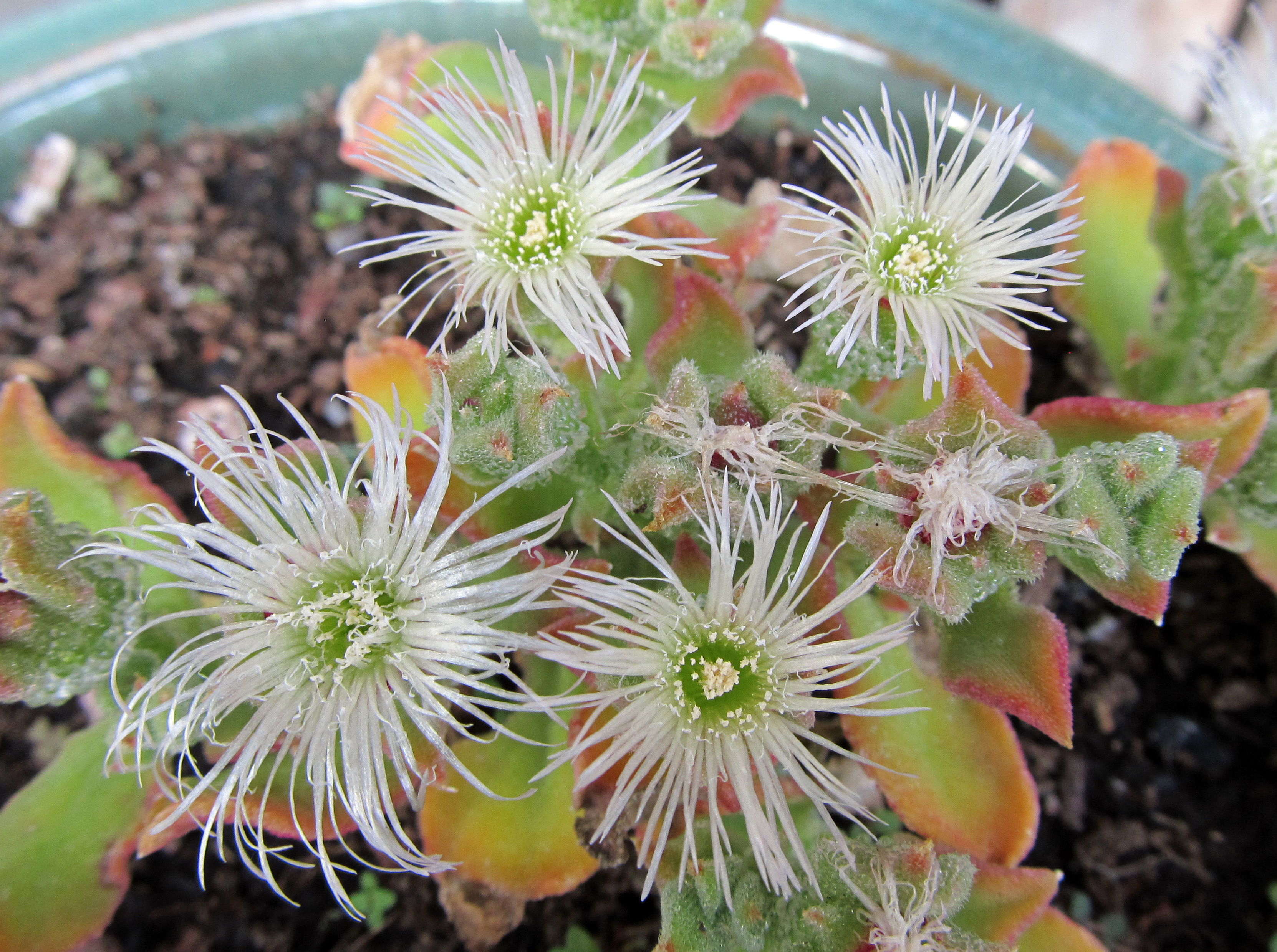
common ice plant (Mesembryanthemum crystallinum)

Among many interesting features that plants in this family possess, one particularly fun thing to note is that their flowers, which are unapologetically showy, lack true petals. Instead, what appear as a series of flat, thin petals encircling the center of the flower are actually modified stamens. They act as petals – drawing in pollinators with their bright colors – so calling them petals is acceptable, just not entirely accurate. Another fun fact is that seed pods of plants in Aizoaceae are often hygrochastic – upon getting wet they burst open and expel their seeds.

The photosynthetic pathway in succulents is generally different compared to other plants. Instead of the common C3 pathway, succulents use a pathway called CAM, or Crassulacean Acid Metabolism. CAM photosynthesis is similar to C4 photosynthesis – another photosynthetic pathway common among drought tolerant plants – in that it uses PEP carboxylase instead of rubisco to fix carbon and then sends it to a separate cell to be converted into sugars. In C4 photosynthesis, this whole process happens during the day. CAM photosynthesis differs in that it fixes carbon during the night and then sends it to another cell to be converted into sugars during the day. Fixing carbon at night is a way to avoid the water loss that occurs when collecting carbon dioxide during the daytime.

In discussing Aizoaceae, this is an important consideration because, unlike many other succulents, plants in this family don’t rely solely on CAM photosynthesis, but can instead switch back and forth between C3 and CAM. The ability to do this is likely because they are storage succulents rather than all cell succulents, and because they can do this, they are very efficient carbon fixers.

flowers fading on purple ice plant (Delosperma cooperi)

I live in a region where winter temperatures can dip into the single digits (°F) and sometimes lower,  so my familiarity with ice plants is with cold hardy species and cultivars of the genus Delosperma. If you are familiar with this group of plants, it is most likely thanks to the Plant Select program based in Colorado, particularly the work of Mr. Delosperma himself, Panayoti Kelaidis. Several Delosperma species are cold hardy in the Intermountain West. Thanks to their promiscuous nature, numerous crosses have occurred between species and varieties, resulting in a wide array of flower colors. And speaking of their flowers, the glistening leaves of Delosperma have nothing on their shimmering flowers, some of which may have the ability to temporarily blind you if you’re not careful. Sun is essential though, as they usually close up when shaded.

The cold hardy ice plants of the Delosperma genus are all groundcovers, maintaining a low and creeping profile. Some creep further than others. They are generally not fond of heavy clay soils, and instead prefer soil with good drainage. During the hot, dry days of summer, they appreciate a little water now and then, but watering should be cut off at the end of summer so that they aren’t sitting in saturated soils as winter approaches. They love the sun and will generally flower from late spring throughout the summer. Of course, thanks to their interesting foliage, they catch the eye and provide interest in the garden even when they aren’t flowering.
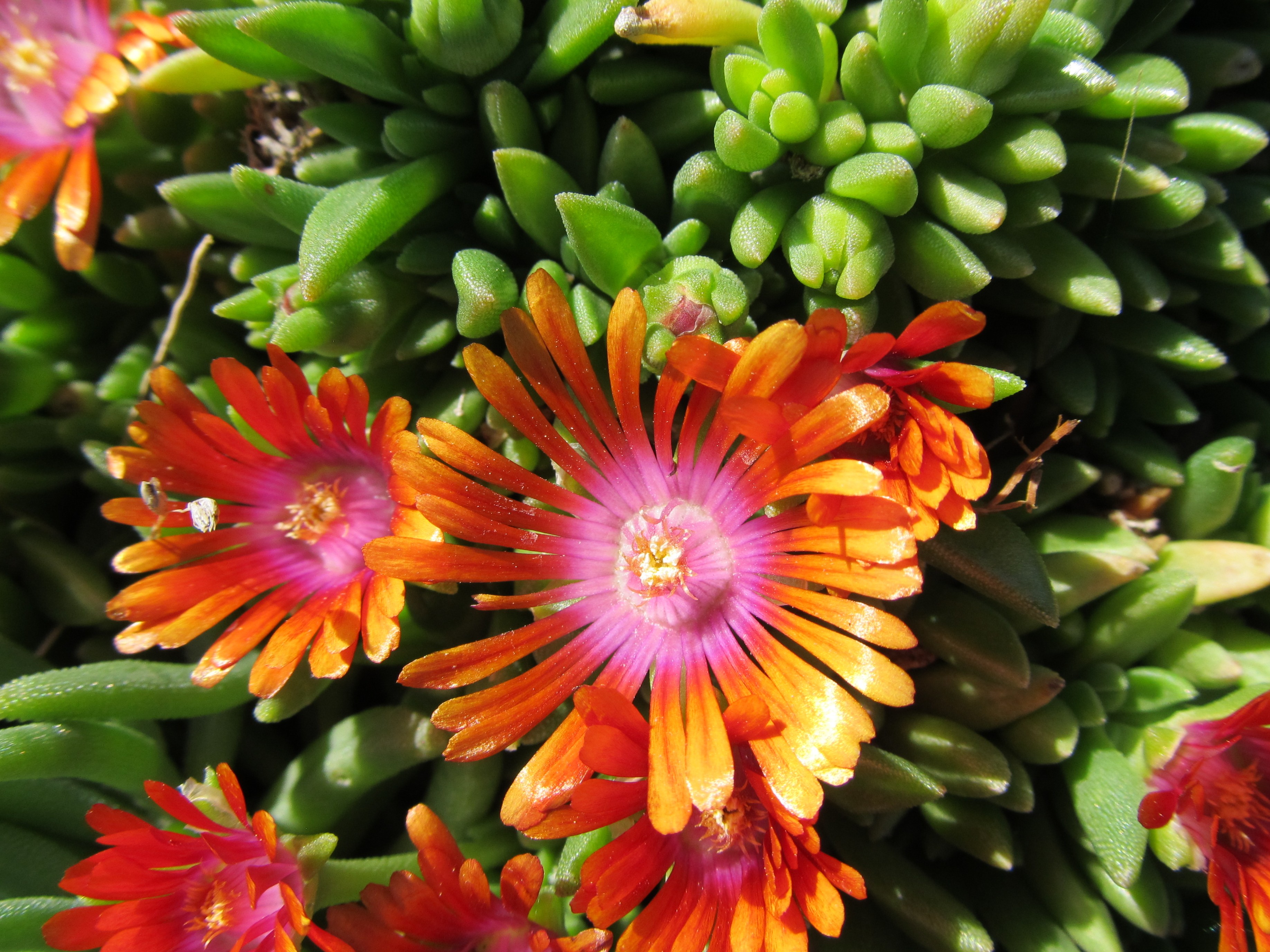
Fire Spinner® ice plant (Delosperma ‘P001S’)

Within Aizoaceae there are several species that go by the name ice plant that are not so cold hardy. Some are grown as house plants, while others are common in gardens. Still others, like Carpobrotus edulis, were once employed by land managers in California to help control erosion. However, like a number of species introduced for this purpose, C. edulis (commonly known as highway ice plant or hottentot fig) has made itself at home in areas where it wasn’t invited. It has become particularly problematic in coastal ecosystems, spreading quickly across sandy soils and outcompeting native plants. Despite being brought in to control erosion, it actually causes erosion in steep, sandy areas when its carpet-like growth becomes heavy with water and begins sliding down the hill.
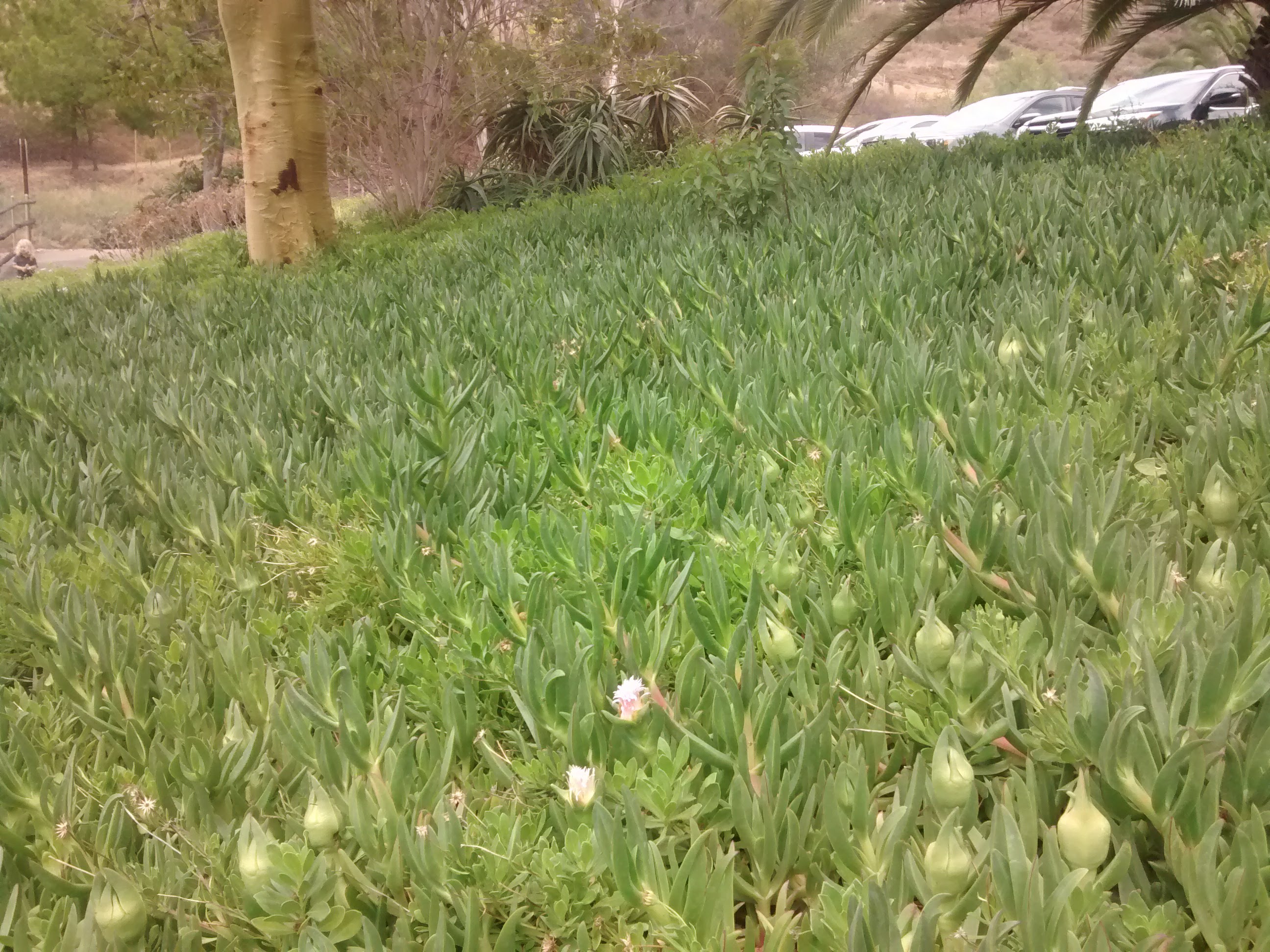
highway ice plant (Carpbrotus edulis) carpeting a slope near San Diego – photo credit: Sierra Laverty

Introducing plants to our gardens that come to us from the other side of the globe should be done with caution and care. We don’t want to be responsible for the next invasive species. Since ice plant species have become problematic in California, should we be concerned about cold hardy delospermas? In trialing their plants, invasive qualities are among those that the Plant Select program watches out for, and delospermas seem pretty safe. However, as Kelaidis observes in a blog post from 2014, we should remain vigilant.

Select Resources:

Eating Weeds: Blue Mustard

Spring is here, and it’s time to start eating weeds again. One of the earliest edible weeds to emerge in the spring is Chorispora tenella, commonly known by many names including blue mustard, crossflower, and musk mustard. Introduced to North America from Russia and southwestern Asia, this annual mustard has become commonplace in disturbed areas, and is particularly fond of sunny, dry spots with poor soil. It can become problematic in agricultural areas, but to those who enjoy eating it, seeing it in large quantities isn’t necessarily viewed as a problem.

rosettes of blue mustard (Chorispora tenella)

The plant starts off as a rosette. Identifying it can be challenging because the shape of the leaves and leaf margins can be so variable. Leaves can either be lance-shaped with a rounded tip or more of an egg shape. Leaf margins are usually wavy and can be deeply lobed to mildly lobed or not lobed at all. Leaves are semi-succulent and usually covered sparsely in sticky hairs, a condition that botanists refer to as glandular.

A leafy flower stalk rises from the rosette and reaches between 6 and 18 inches tall. Like all plants in the mustard family, the flowers are four-petaled and cross-shaped. They are about a half inch across and pale purple to blue in color. Soon they turn into long, slender seed pods that break apart into several two-seeded sections. Splitting apart crosswise like a pill capsule rather than lengthwise is an unusual trait for a plant in the mustard family.

blue mustard (Chorispora tenella)

Multiple sources comment on the smell of the plant. Weeds of North America calls it “ill-scented.” Its Wikipedia entry refers to it as having “a strong scent which is generally considered unpleasant.” The blog Hunger and Thirst comments on its “wet dish rag” smell, and Southwest Colorado Wildflowers claims that its “peculiar odor” is akin to warm, melting crayons. Weeds of the West says it has a “disagreeable odor,” and warns of the funny tasting milk that results when cows eat it. All this to say that the plant is notorious for smelling bad; however, I have yet to detect the smell. My sense of smell isn’t my greatest strength, which probably explains why I’m not picking up the scent. It could also be because I haven’t encountered it growing in large enough quantities in a single location. Maybe I’m just not getting a strong enough whiff.

Regardless of its smell, for those of us inclined to eat weeds, the scent doesn’t seem to turn us away. The entire plant is edible, but the leaves are probably the part most commonly consumed. The leaves are thick and have a mushroom-like taste to them. They also have a radish or horseradish spiciness akin to arugula, a fellow member of the mustard family. I haven’t found them to be particularly spicy, but I think the spiciness depends on what stage the plant is in when the leaves are harvested. I have only eaten the leaves of very young plants.

The leaves are great in salads and sandwiches, and can also be sauteed, steamed, or fried. I borrowed Backyard Forager’s idea and tried them in finger sandwiches, because who can resist tiny sandwiches? I added cucumber to mine and thought they were delicious. If you’re new to eating weeds, blue mustard is a pretty safe bet to start with – a gateway weed, if you will.

blue mustard and cucumber finger sandwiches

For more information about blue mustard, go here.

Eating Weeds 2018:

Tiny Plants: Idahoa

This is a post I wrote three years ago as a guest writer for a blog called Closet Botanist. That blog has since dissolved, hence the re-post.

This year, we returned to the location in the Boise Foothills where I encountered the plant that inspired this post. I found what might be seedlings of the tiny plant. If that’s the case, the phenology is a bit delayed compared to three years ago. I’ll check again in a week or so. Until then, meet Idahoa.

———————

I have taken a real liking to tiny plants. So many of the plants we regularly interact with are relatively big. Large trees loom above us. Tall shrubs greet us at eye level. Flowering perennials come up around our knees or higher. But how often do we get down low and observe the plants that hug the ground or that reach just a few centimeters above it? Turf grass is ubiquitous and groundcovers are common, but among such low growing plants (or plants kept low), even more diminutive species lurk.

It was a hunt for a tiny plant that sent me down a certain trail in the Boise Foothills earlier this spring. Listening to a talk by a local botanist at an Idaho Native Plant Society meeting, I learned about Idahoa scapigera. A genus named after Idaho!? I was immediately intrigued. Polecat Gulch was the place to see it, so off I went.

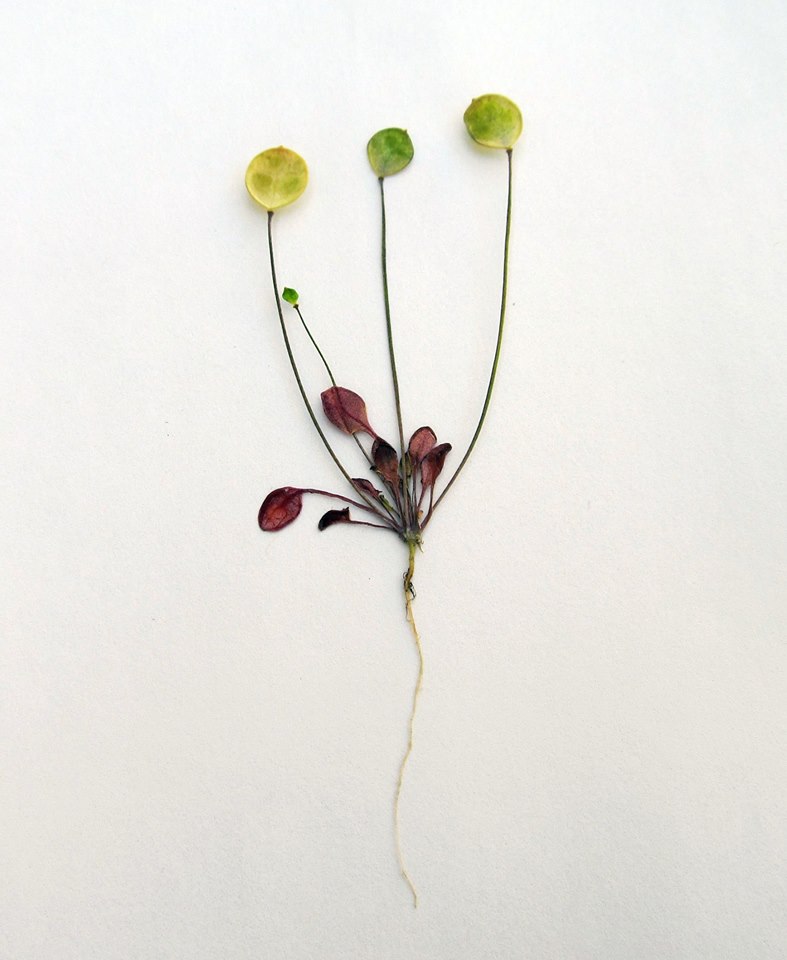
Commonly known as oldstem idahoa, flatpod, or Scapose scalepod, Idahoa scapigera is the only species in its genus. It is an annual plant in the mustard family, which means it is related to other small, annual mustard species like Draba verna. It is native to far western North America and is distributed from British Columbia down to California and east into Montana. It occurs in a variety of habitat types found in meadows, mountains, and foothills.

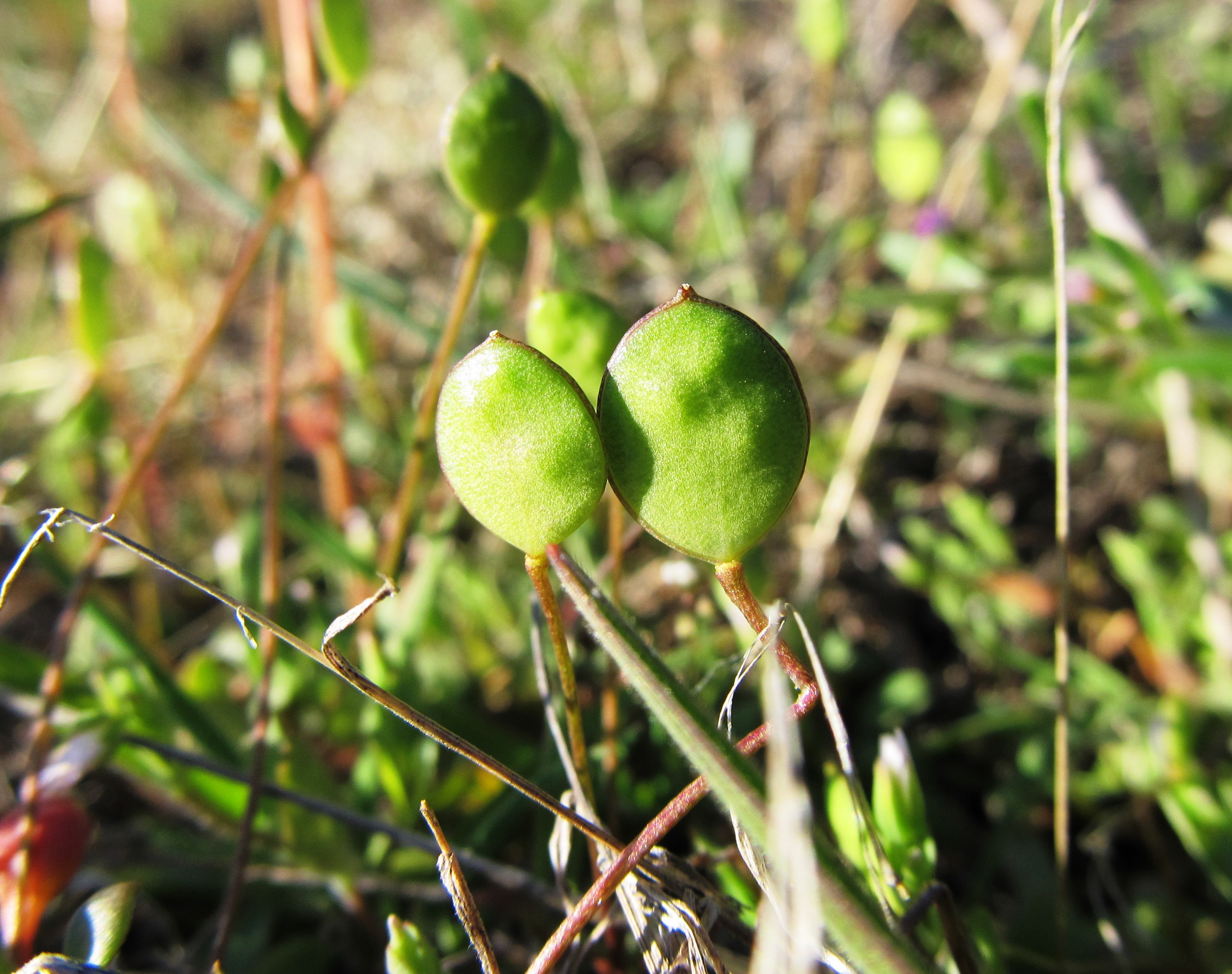
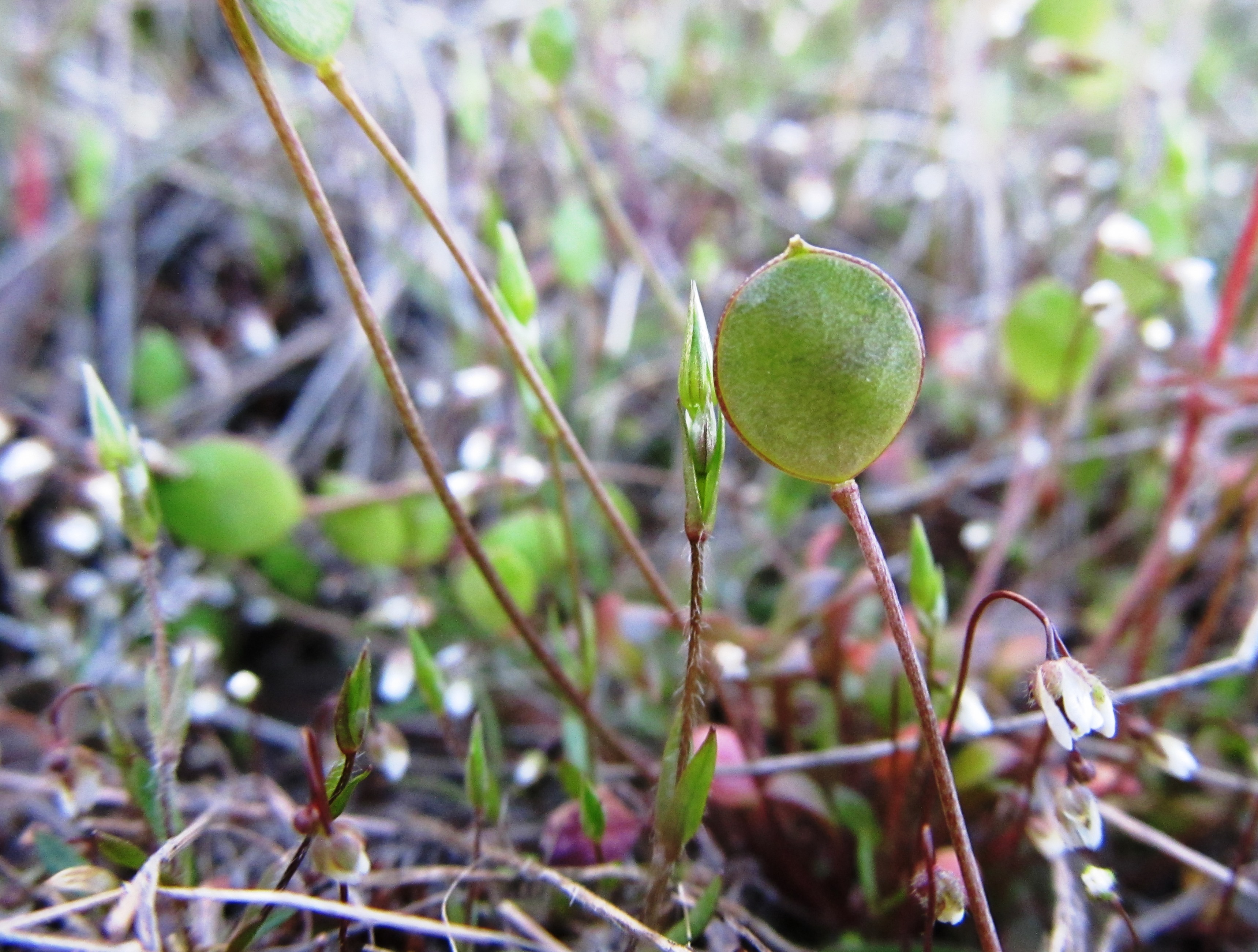
Idahoa scapigera is truly tiny. Before it flowers, it forms a basal rosette of leaves that max out at about 3 centimeters long. Next it sends up several skinny flower stalks that reach maybe 10 centimeters high (some are much shorter). One single flower is born atop each stalk. Its petite petals are white and are cupped by red to purple sepals. Its fruit is a flat round or oblong disk held vertically as though it is ready to give neighboring fruits a high five. Happening upon a patch of these plants in fruit is a real joy.

Which brings me to my hunt. It was the morning of March 20th (the first day of Spring) when I headed down the Polecat Gulch trail in search of Idahoa, among other things. The trail forms a loop around the gulch and is about 6 miles long with options for shortening the loop by taking trails that cut through the middle. I have yet to make it all the way around. Stopping every 10 yards to look at plants, insects, and other things makes for slow hiking.

I was about a half mile – 1 hour or more – into the hike when Idahoa entered my view. A group of them were growing on the upslope side of the trail, greeting me just below waist level. Many of them had already finished flowering and had fresh green fruits topping their thin stalks. At this location they are a late winter/early spring ephemeral. I made a mental note of the site and decided to return when the fruits had matured. Next year, I will head out earlier in hopes of catching more of them in flower.

On the way to Idahoa, I noted numerous other small, green things growing in the sandy soil. It turns out there are countless other tiny plants to see and explore. It got me thinking about all the small things that go unnoticed right underneath our feet or outside of our view. I resolved to move slower and get down lower to observe the wonders I’ve been overlooking all this time.

Further Reading:

Introducing Herbology Hunt

This is a guest post by Jane Wilson.

———————

Many people are “plant blind”. They walk through areas of fantastic wildlife or just down their street without noticing what grows there. Even plants growing in the gutter have an interesting backstory.

The term “Plant Blindness” was first put forth by Wandersee and Schlusser in 1998. Without an appreciation of plants in the ecosystem, people will be less likely to support plant research and conservation.

Herbology Hunt was born out of a love of plants and wild places and a determination to get kids outdoors and really looking at their environment. One of the founders started Wildflower Hour on Twitter – a place for people to share photos of wildflowers found in Britain and Ireland – and from this was stemmed a children’s version, which became Herbology Hunt. The Herbology Hunt team put together spotter sheets for each month of the year. Each sheet includes five plants that can be found throughout the month. They were made available as a free download, so schools and individuals can print them for use on a plant hunt.

By the end of 2018, we had created a year’s worth of spotter sheets. We are now looking to promote their use throughout Great Britain. Eventually we want to reward children who find 50 of the plants with a free T-shirt, and we will be looking for sponsors to support this. We have been supported by the Botanical Society of Britain and Ireland and the Wild Flower Society who have made the monthly spotter sheets available. They can be downloaded here or here.

Herbology Hunt Spotter Sheet for January

The Wild Flower Society has a great offer for Juniors interested in plants – it costs £3 to join and you get a diary to record your finds.

Going outdoors and noticing wildlife has been shown in some scientific studies to improve cardio-vascular health and mental health. A herbology hunt must surely be a good thing to do with children to help them get into a better lifestyle that will benefit their future health. We hope that many families and schools will use our spotter sheets as a way to help children become more passionate about the environment and enjoy the benefits of being outdoors.

Check out the Wildflower Hour website for more information about Herbology Hunt, along with instructions on how to get involved in #wildflowerhour, plus links to social media accounts and the Wild Flower (Half) Hour podcast.

———————

Also: Check out Jane Wilson’s website – Practical Science Teaching – for more botany-themed educational activities.

Field Trip: Bergius Botanic Garden and Copenhagen Botanical Garden

There are very few downsides to working at a botanical garden, but one of them is that the growing season can be so busy that taking time off to visit other botanical gardens when they are at their peak is challenging. Case in point, my visit to Alaska Botanical Garden last October. Another case in point, this December’s visit to a couple of gardens in Scandinavia.

That’s right, Sierra and I took a long (and much needed) break from work and headed to the other side of the world for some fun in the occasional sun of Denmark and Sweden. While we were there we visited two botanical gardens, one in Stockholm and the other in Copenhagen. Considering we were there in December, we were impressed by how many things we found all around that were still blooming. We were also impressed by how much winter interest there was in the form of seed heads, spent flower stalks, and other plant parts left in place, as opposed to everything being chopped down to the ground as soon as fall arrives (which is often the case in our part of the world). We may not have been there in the warmest or sunniest time of year, but there was still plenty of natural beauty to capture our attention.

Bergius Botanic Garden

The first of the two gardens we visited was Bergius Botanic Garden (a.k.a. Bergianska trädgården) in Stockholm, Sweden. It is located near Stockholm University and the Swedish Museum of Natural History. It was founded in 1791 and moved to its current location in 1885. It was immediately obvious that the gardens were thoughtfully planned out, particularly the systematic beds in which the plants were organized according to their evolutionary relationship to each other. The extensive rock garden, which was a collection of small “mountains” with a series of paths winding throughout, was also impressive. Since we arrived just as the sun was beginning to set, we were happy to find that the Edvard Anderson Conservatory was open where we could explore a whole other world of plants, many more of which were flowering at the time.

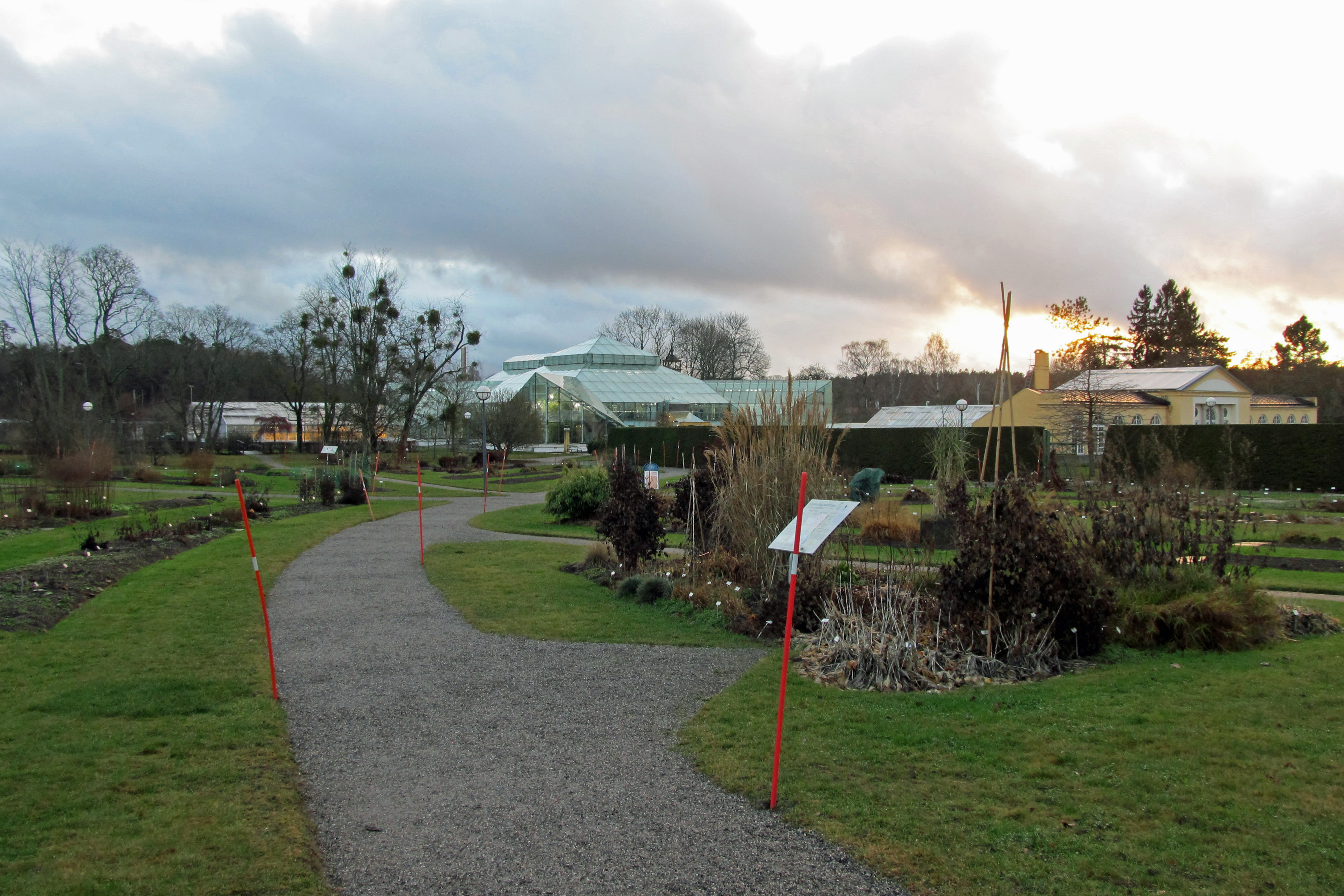
Walking into Bergius Botanic Garden with the Edvard Anderson Conservatory in the distance.

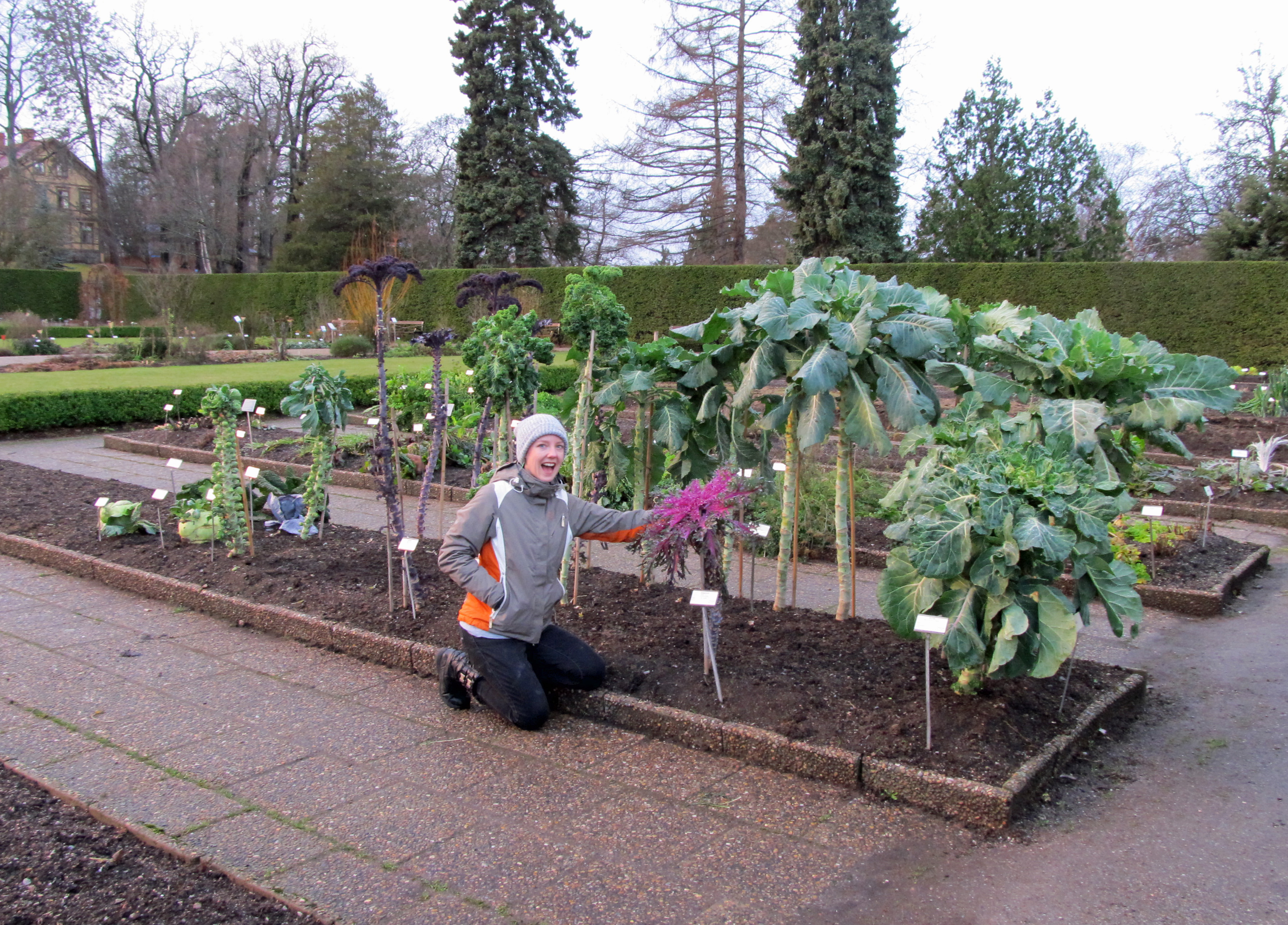
Sierra poses with kale, collard, and Brussels sprout trees in the Vegetable Garden.

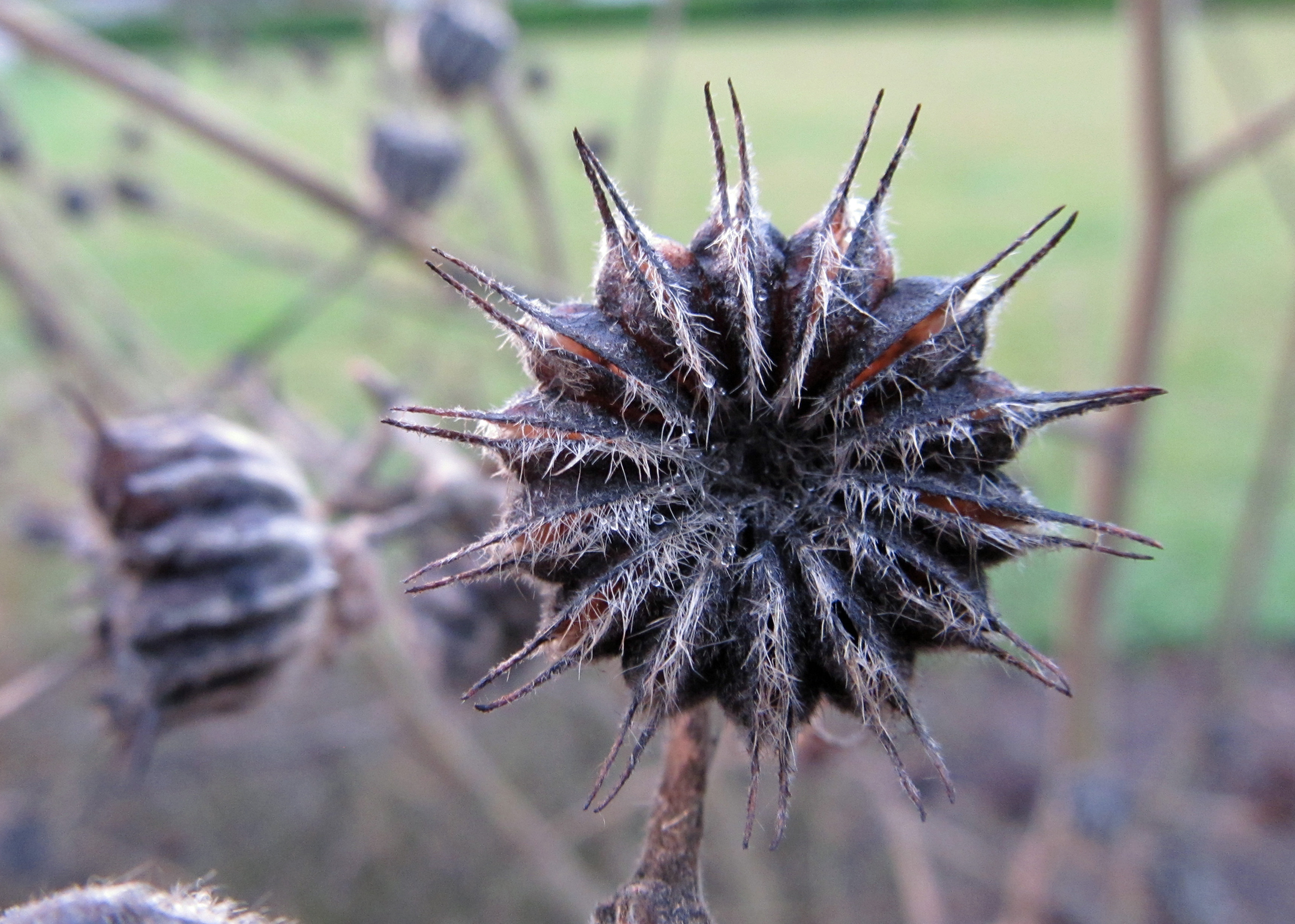
seed heads of velvetleaf (Abutilon theophrasti)

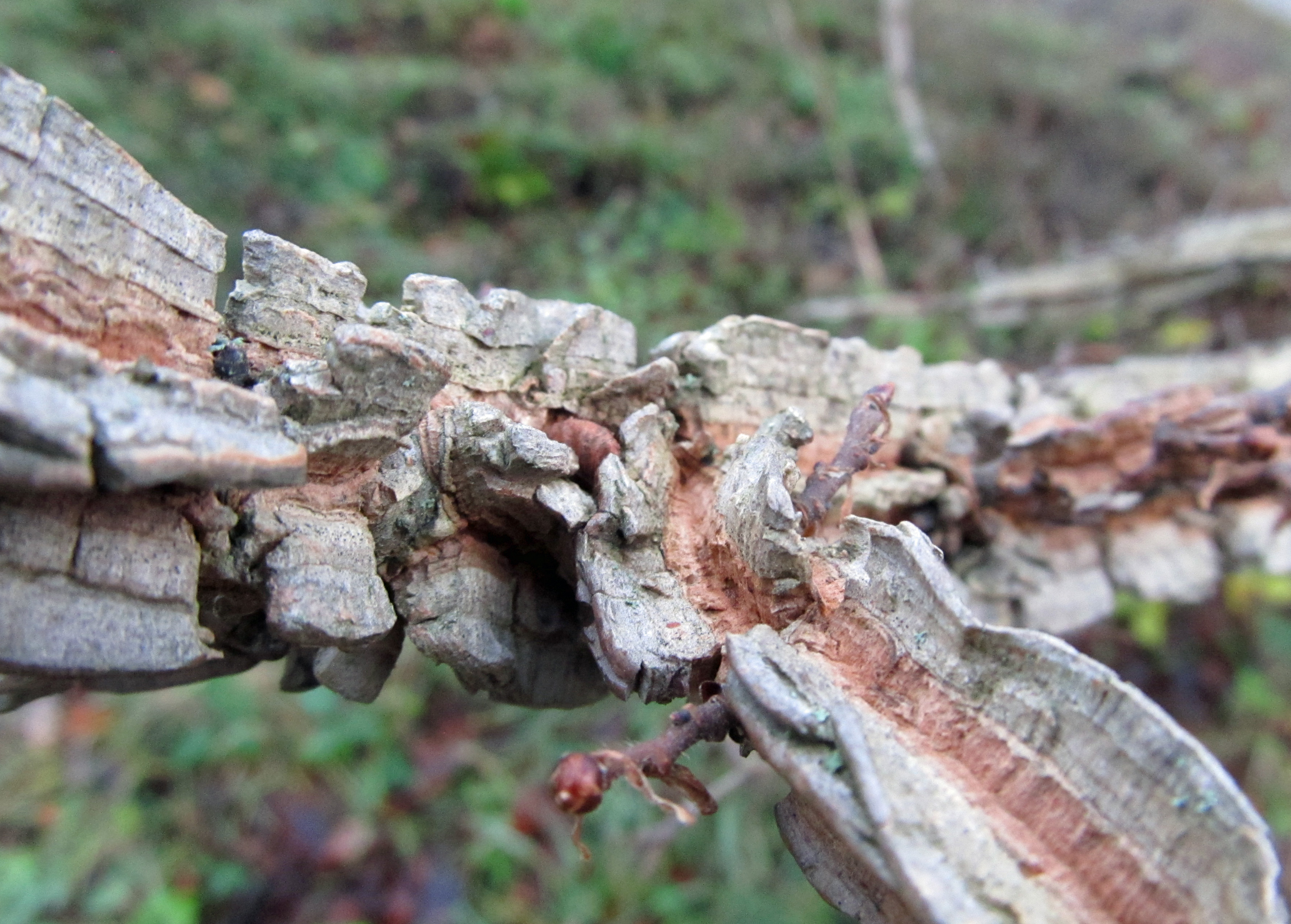
corky bark of cork-barked elm (Ulmus minor ‘Suberosa’)

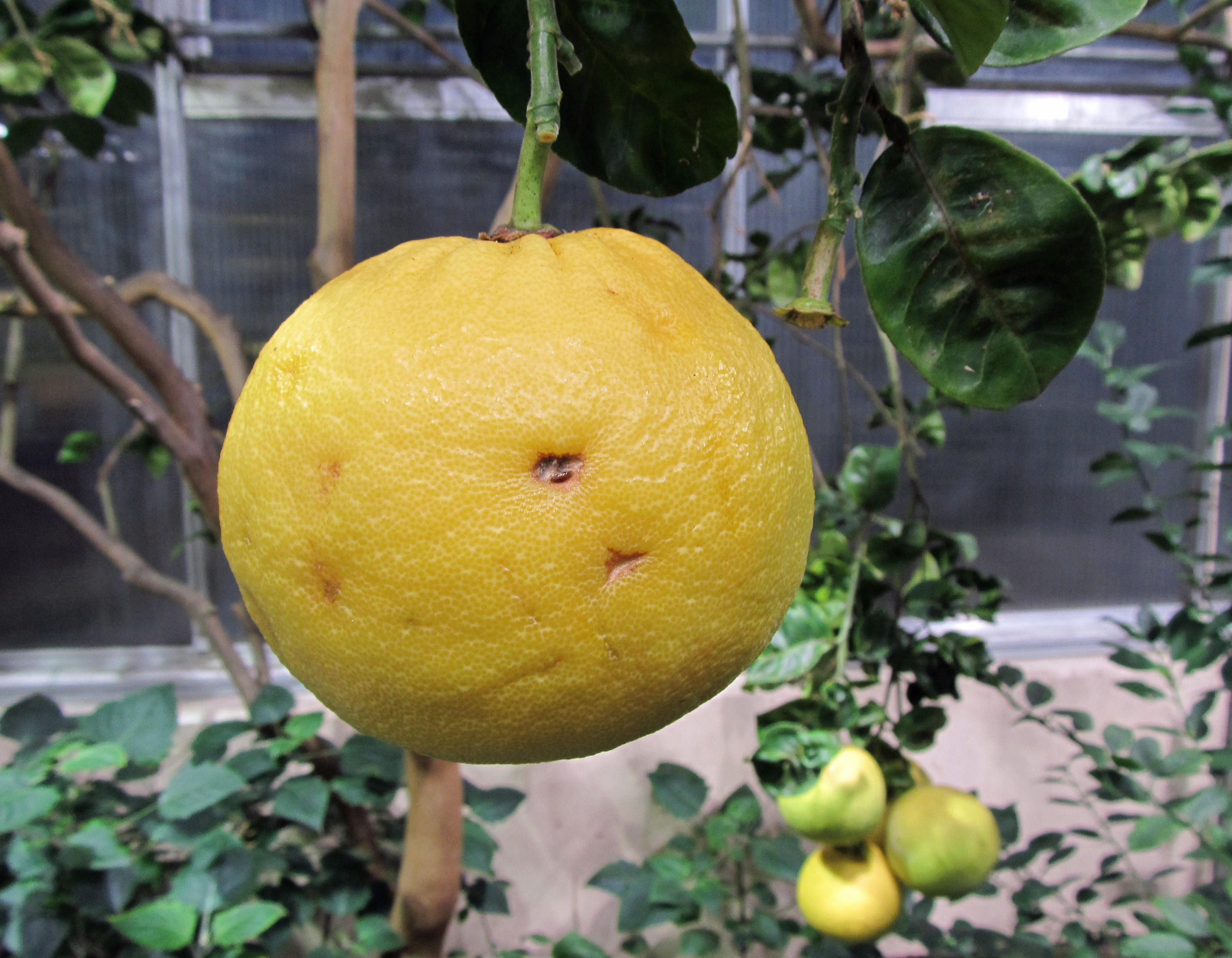
pomelo (Citrus maxima) in the Edvard Anderson Conservatory

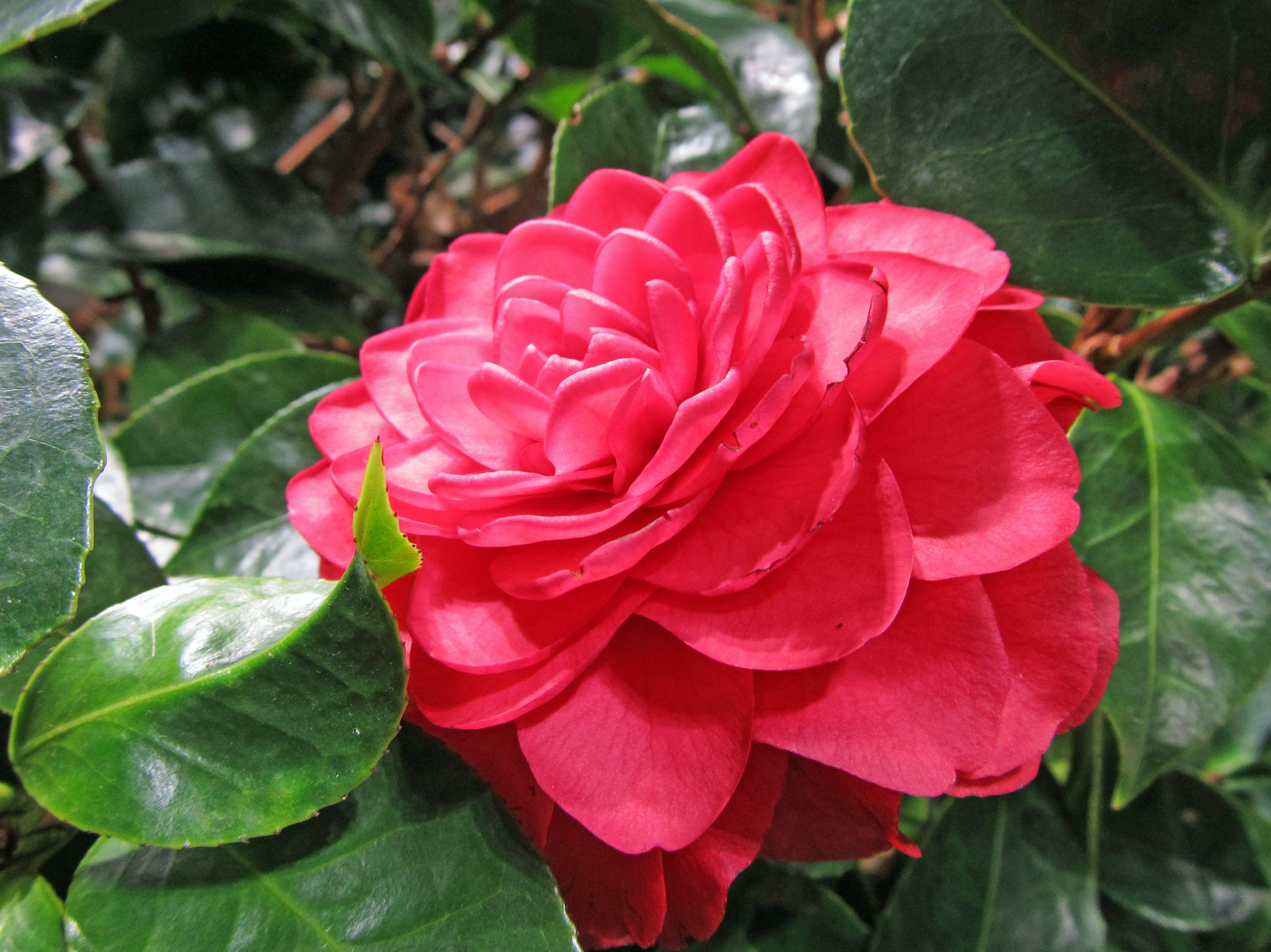
Camellia japonica ‘Roger Hall’ in the Edvard Anderson Conservatory

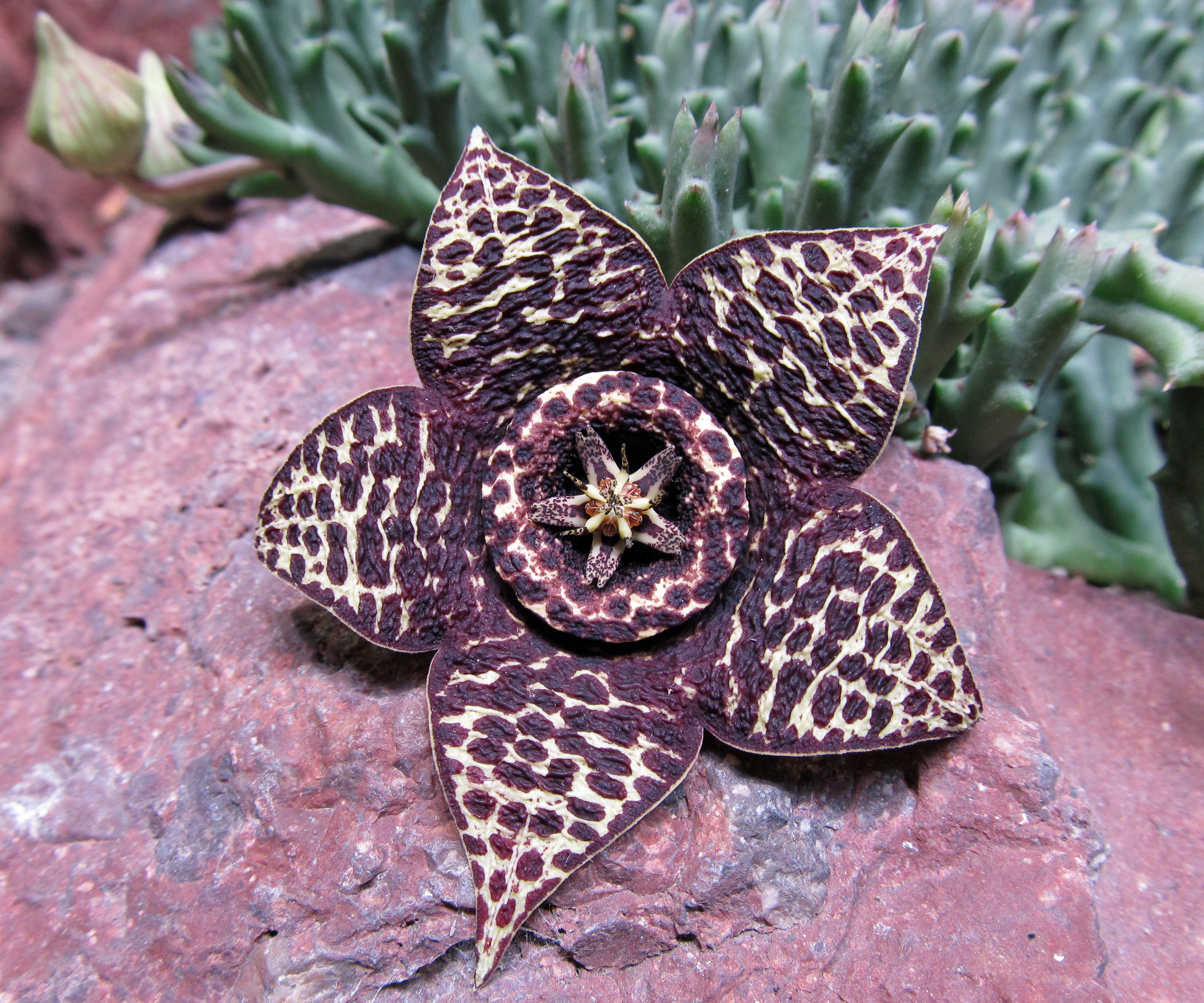
carrion-flower (Orbea variegata) in the Edvard Anderson Conservatory

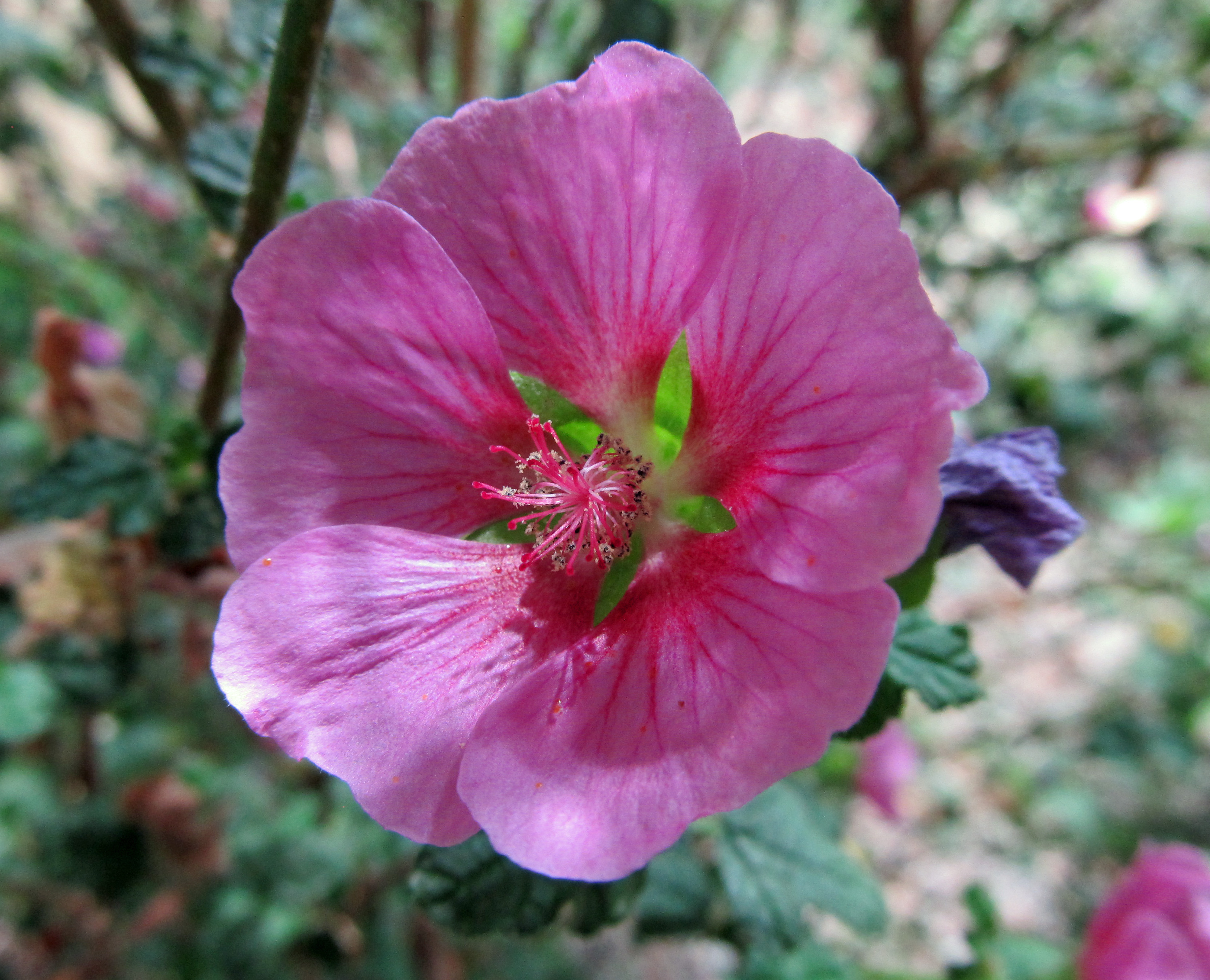
Cape African-queen (Anisodontea capensis) in the Edvard Anderson Conservatory

Copenhgen Botanical Garden

The Copenhagen Botanical Garden (a.k.a. Botanisk have) is a 10 hectare garden that was founded in 1600 and moved to its current location in 1870. It is part of the University of Copenhagen and is located among a series of glasshouses built in 1874, a natural history museum, and a geological museum. Unfortunately, the glasshouses and museums were closed the day we visited, but we still enjoyed walking through the grounds and exploring the various gardens.

A large rock garden, similar to the one at Bergius, was a prominent feature. We learned from talking to a gardener working there that since Denmark is not known for its rich supply of large rocks, most of the rocks in the garden came from Norway. However, a section of the rock garden was built using fossilized coral found in Denmark that dates back to the time that the region was underwater.

Another great feature was the Nordic Beer Garden, a meticulously organized collection of plants used in beer recipes from the time of the Vikings to the Nordic brewers of today. Even though the majority of the plants in this garden were dormant, the interpretive signage and fastidious layout was memorable.

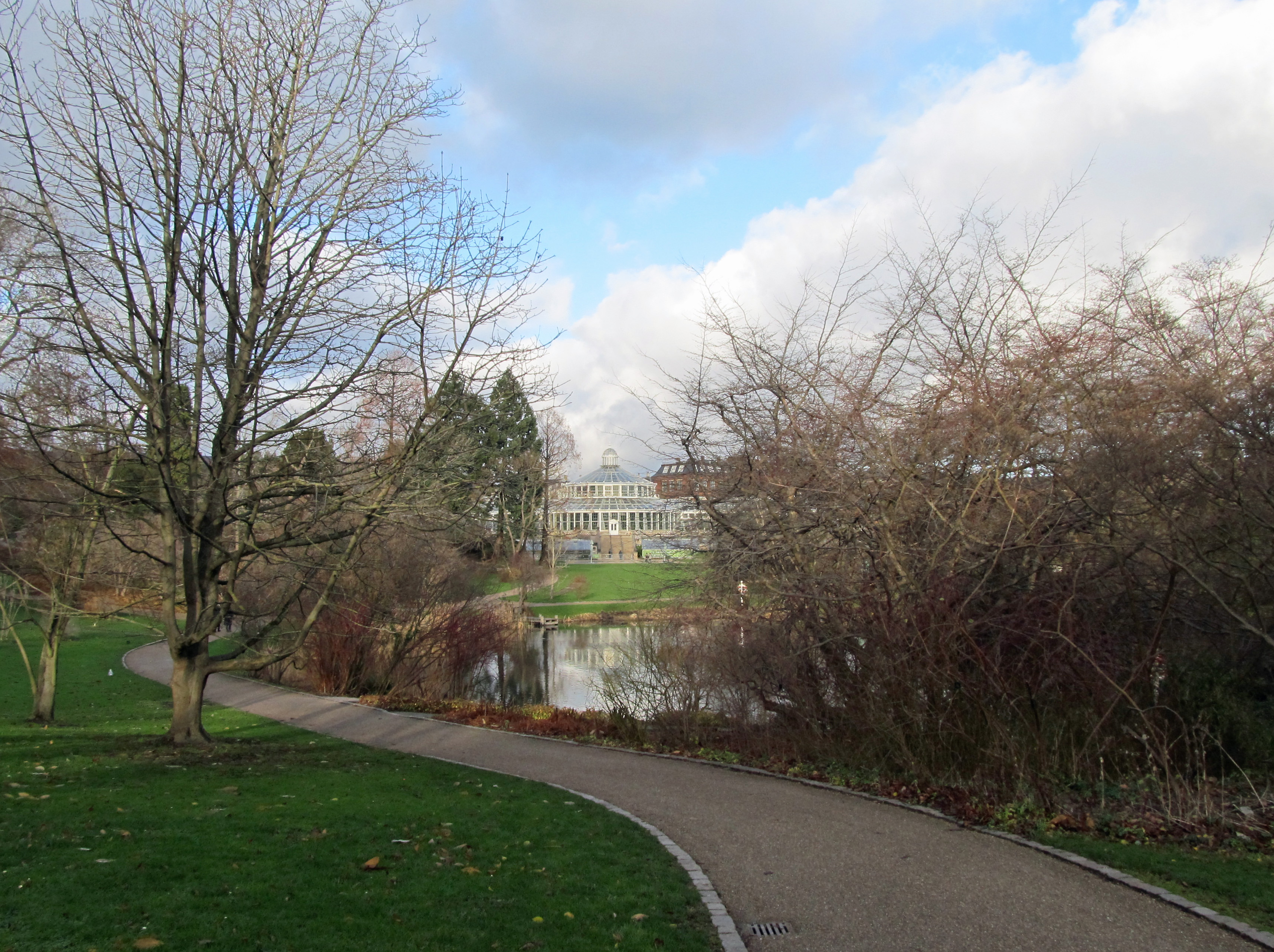
Walking into Copenhagen Botanical Garden with the Palm House in the distance.

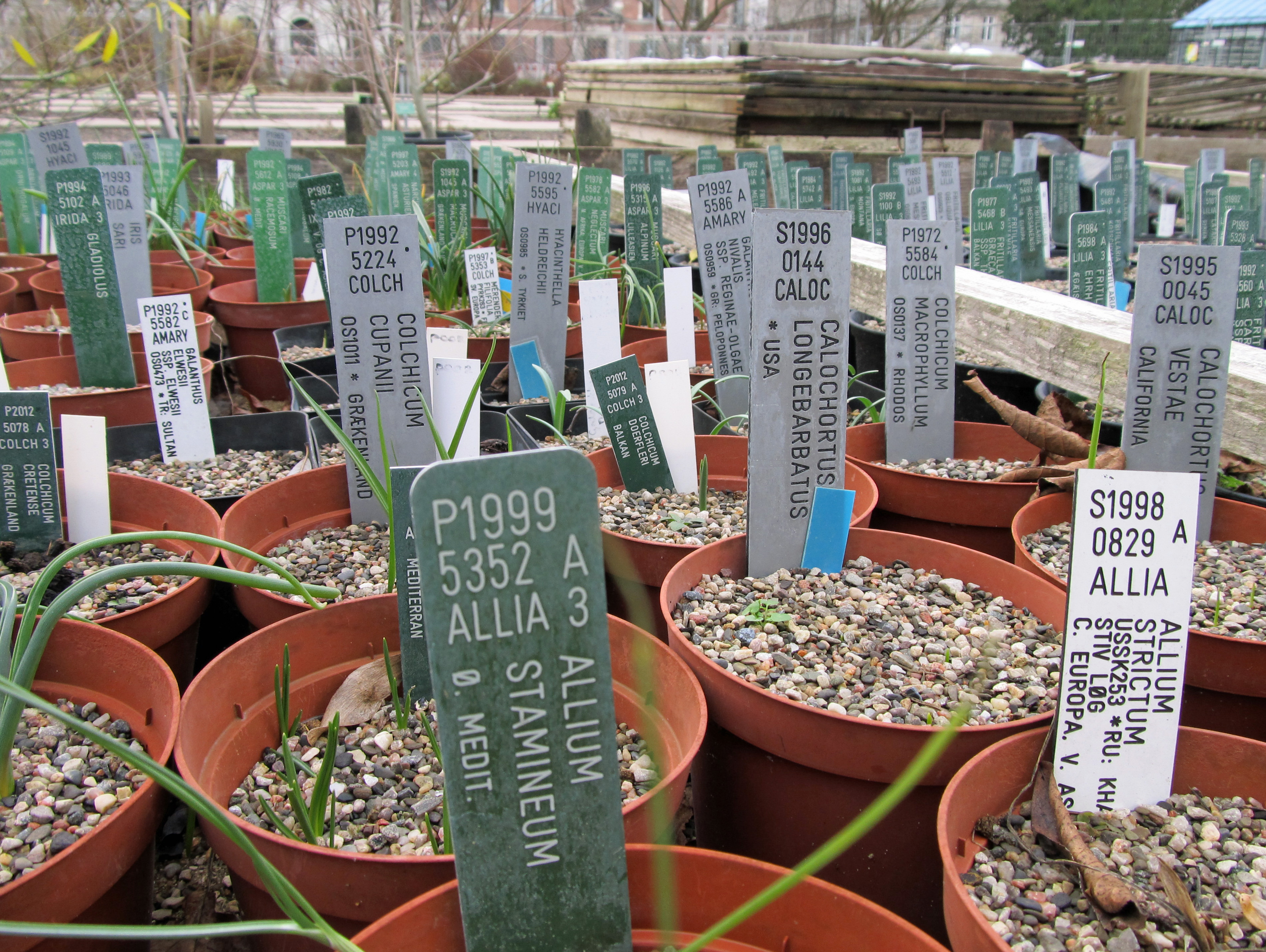
lots of little pots of dormant bulbs

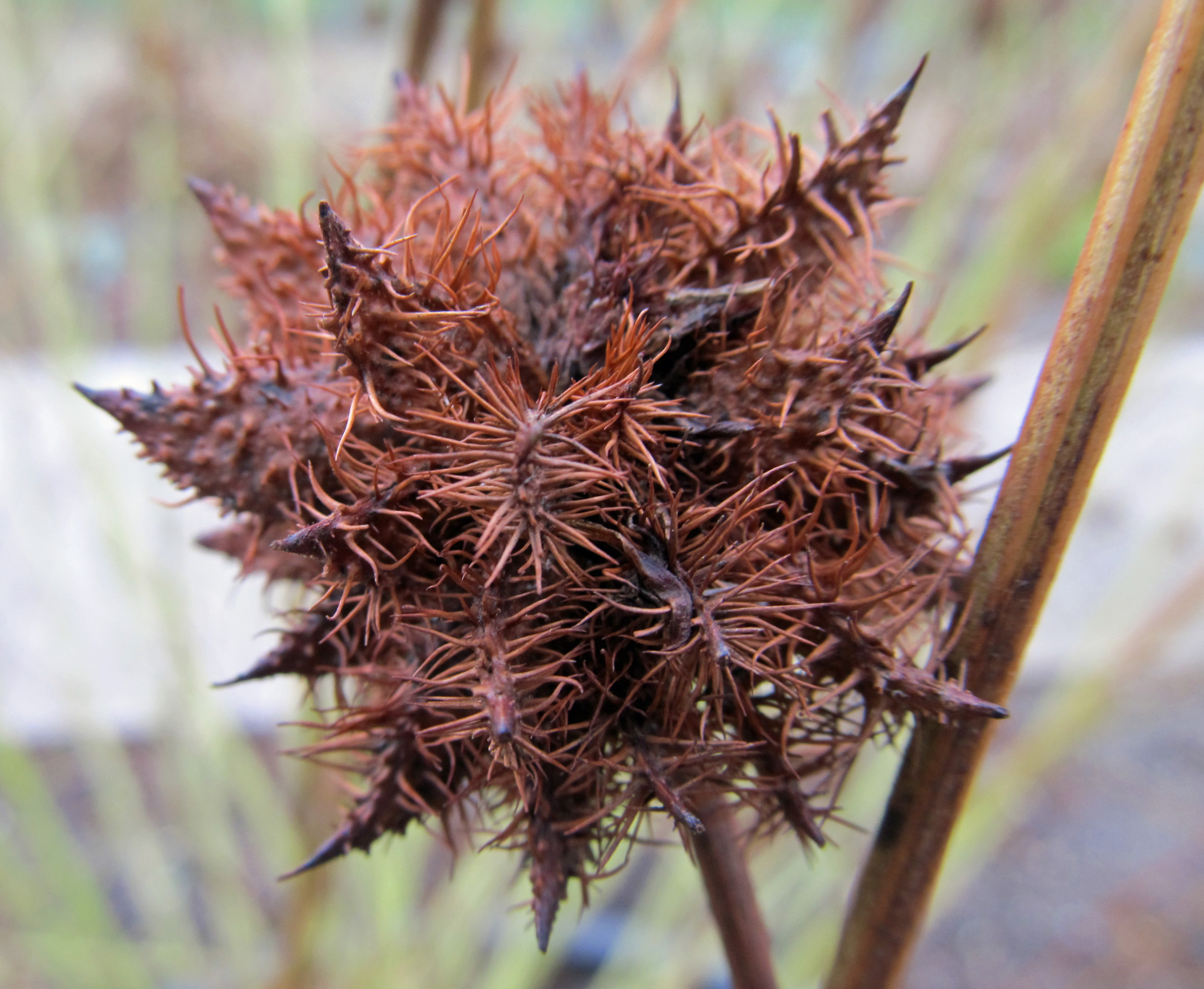
seed head of Chinese licorice (Glycyrrhiza echinata)

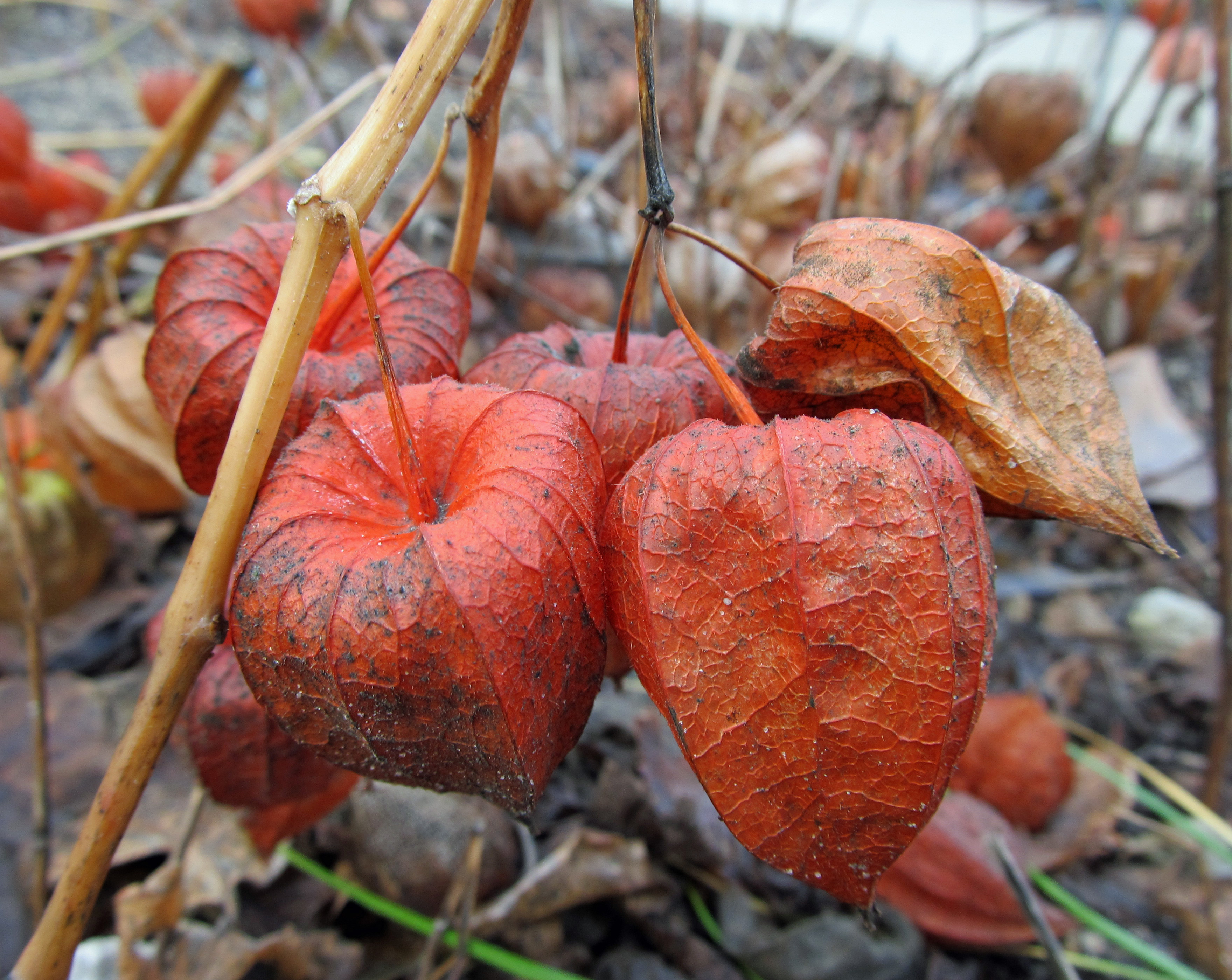
fruits of Chinese lantern (Physalis alkekengi)

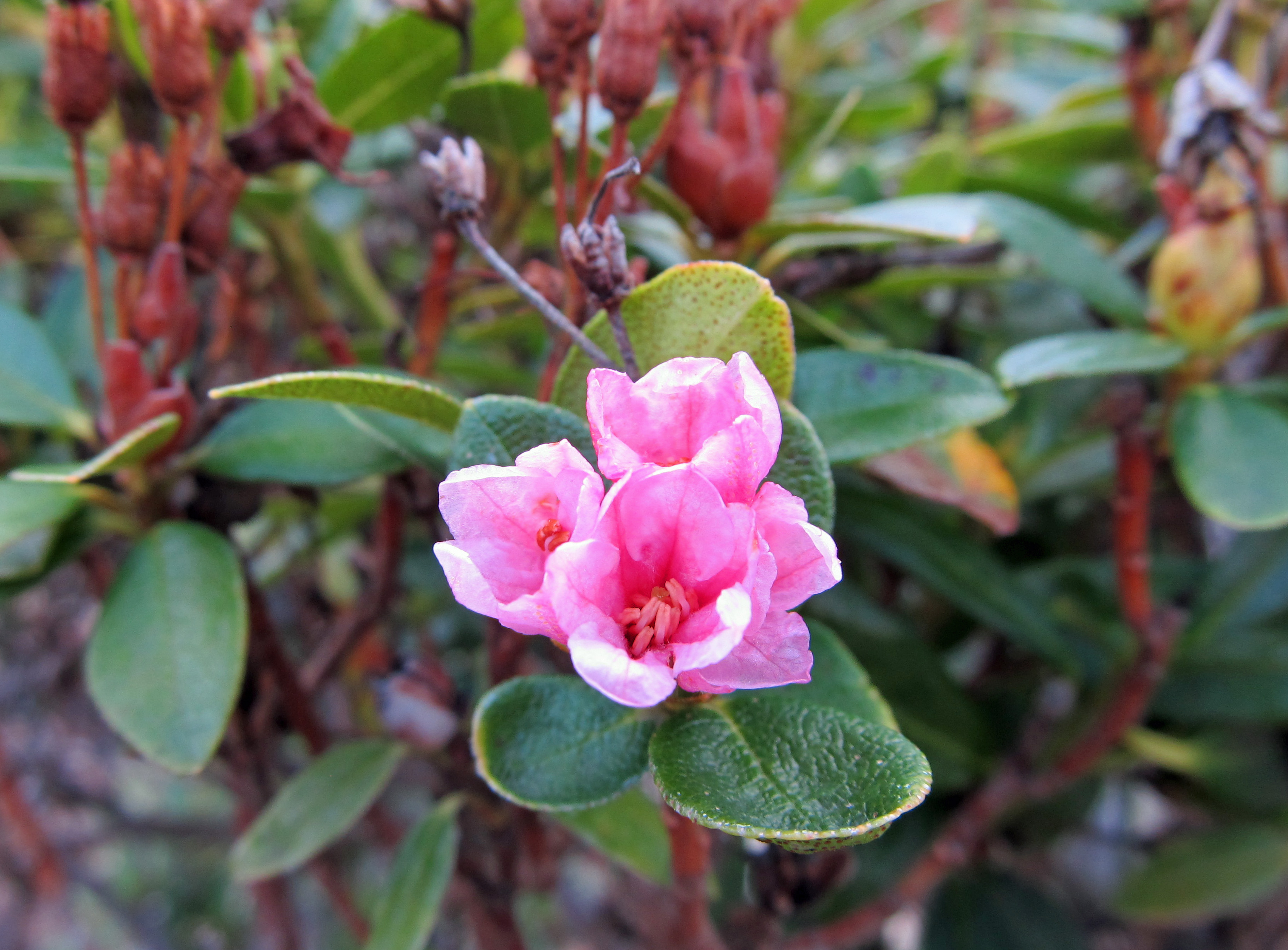
alpine rose (Rhododendron ferrugineum)

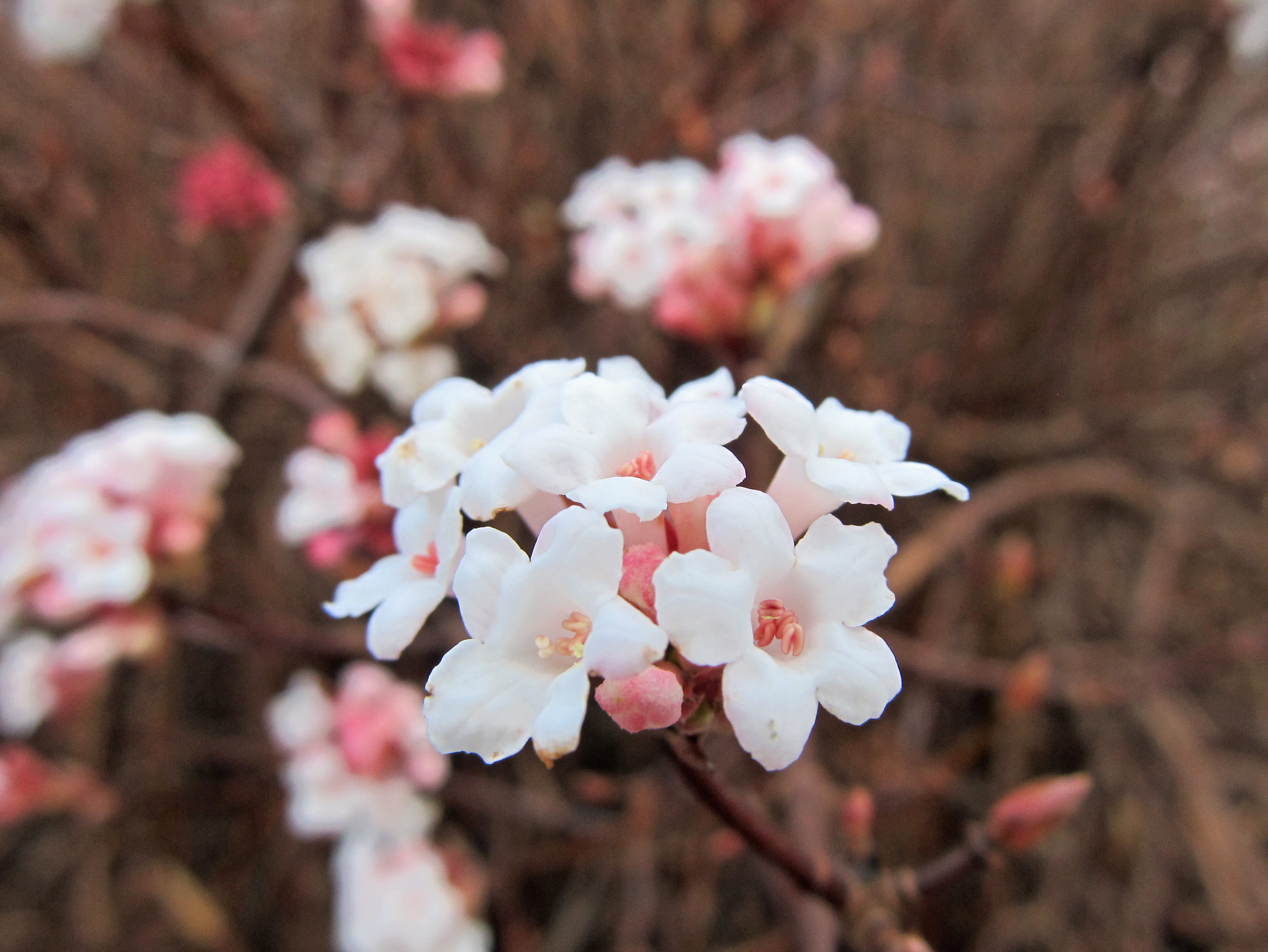
Viburnum farreri ‘Nanum’

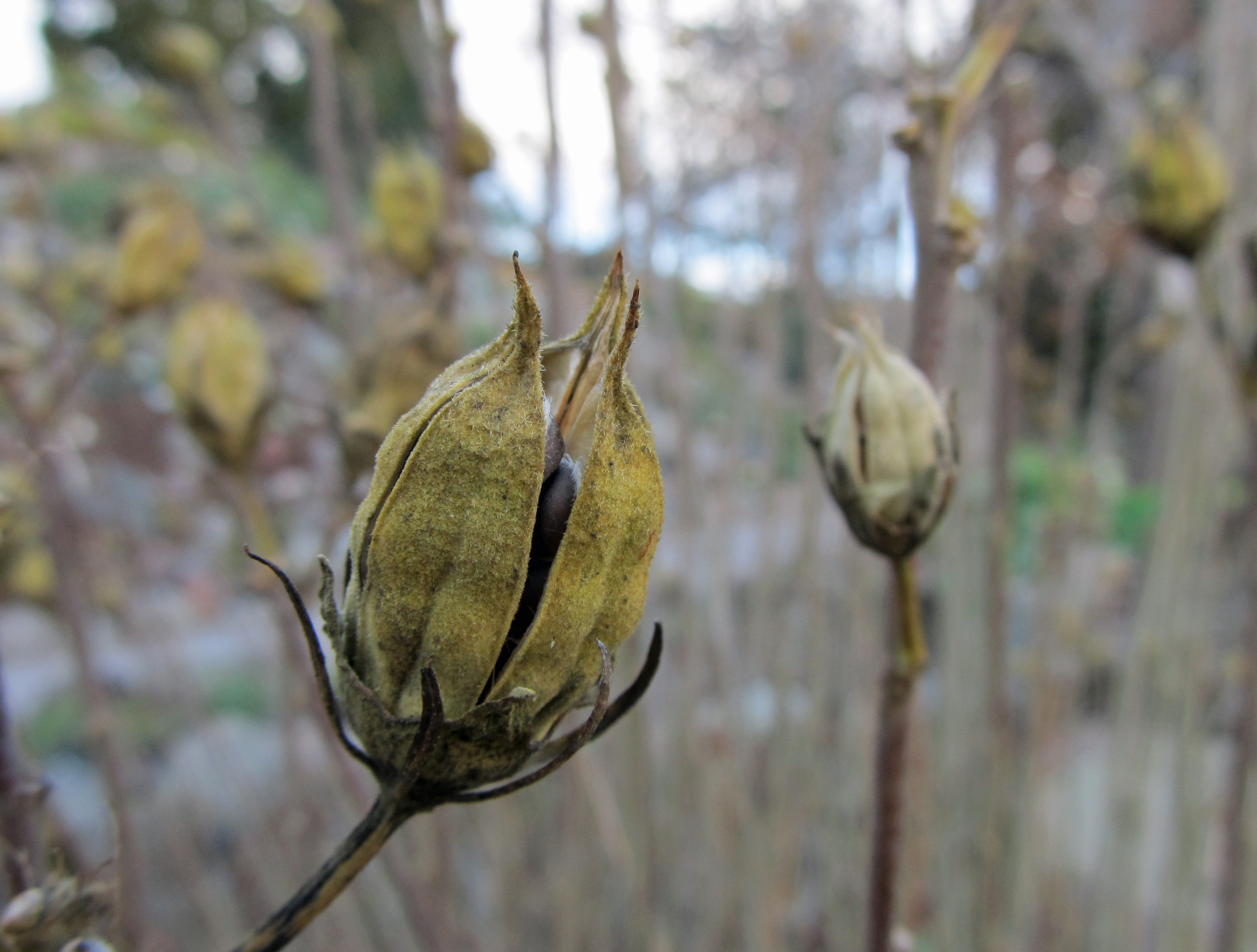
seed head of rose of Sharon (Hibiscus syriacus)

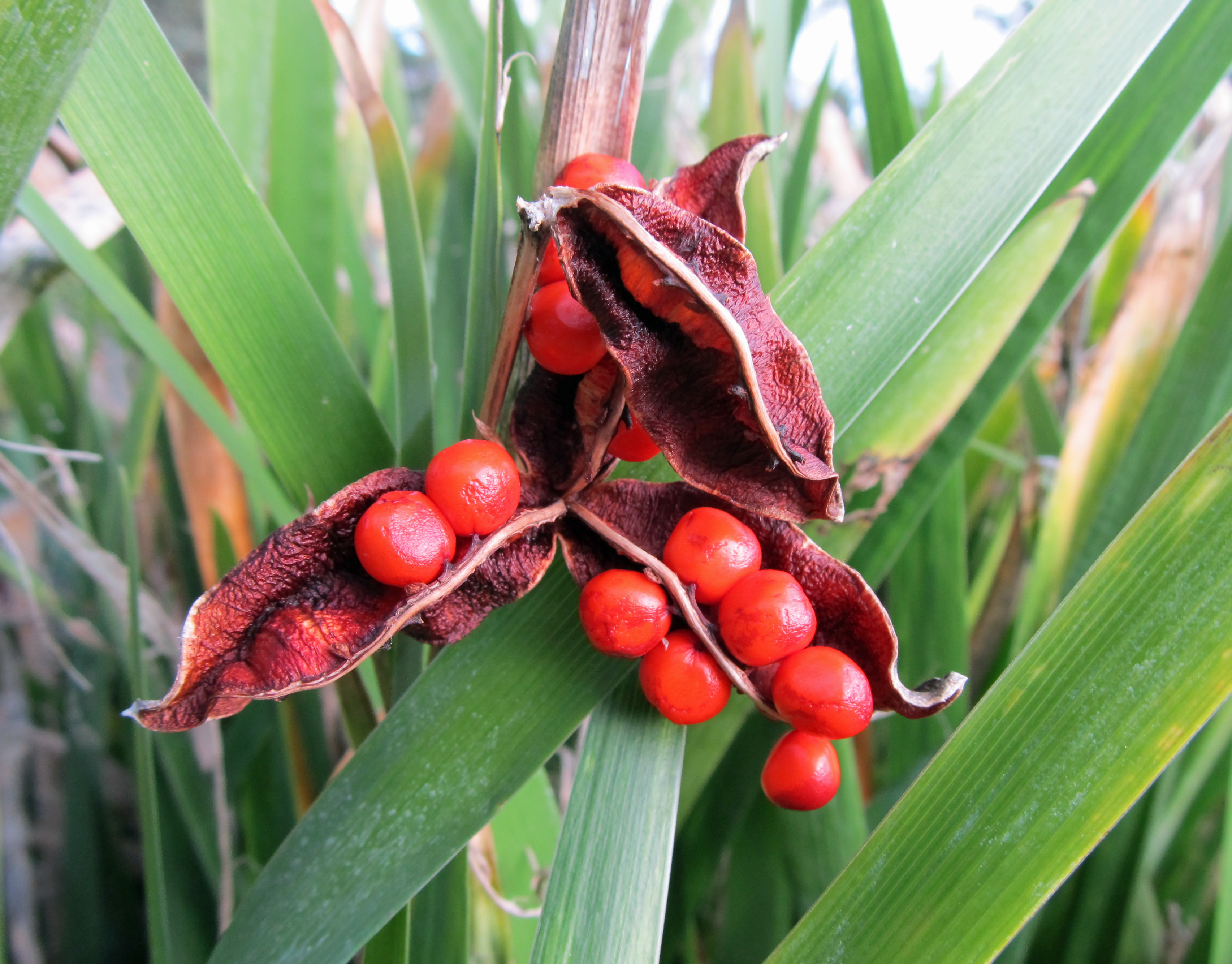
pods exposing the seeds of stinking iris (Iris foetidissima)

Field Trip: UBC Botanical Garden and VanDusen Botanical Garden

Last week, we found ourselves in Vancouver, British Columbia for a work-related conference put on by American Public Gardens Association. In addition to learning heaps about plant collections and (among other things) the record keeping involved in maintaining such collections, we got a chance to visit two Vancouver botanical gardens. Both gardens were pretty big, so covering the entire area in the pace we generally like to go in the time that was allotted was simply not possible. Still, we were smitten by what we were able to see and would happily return given the chance. What follows are a few photos from each of the gardens.
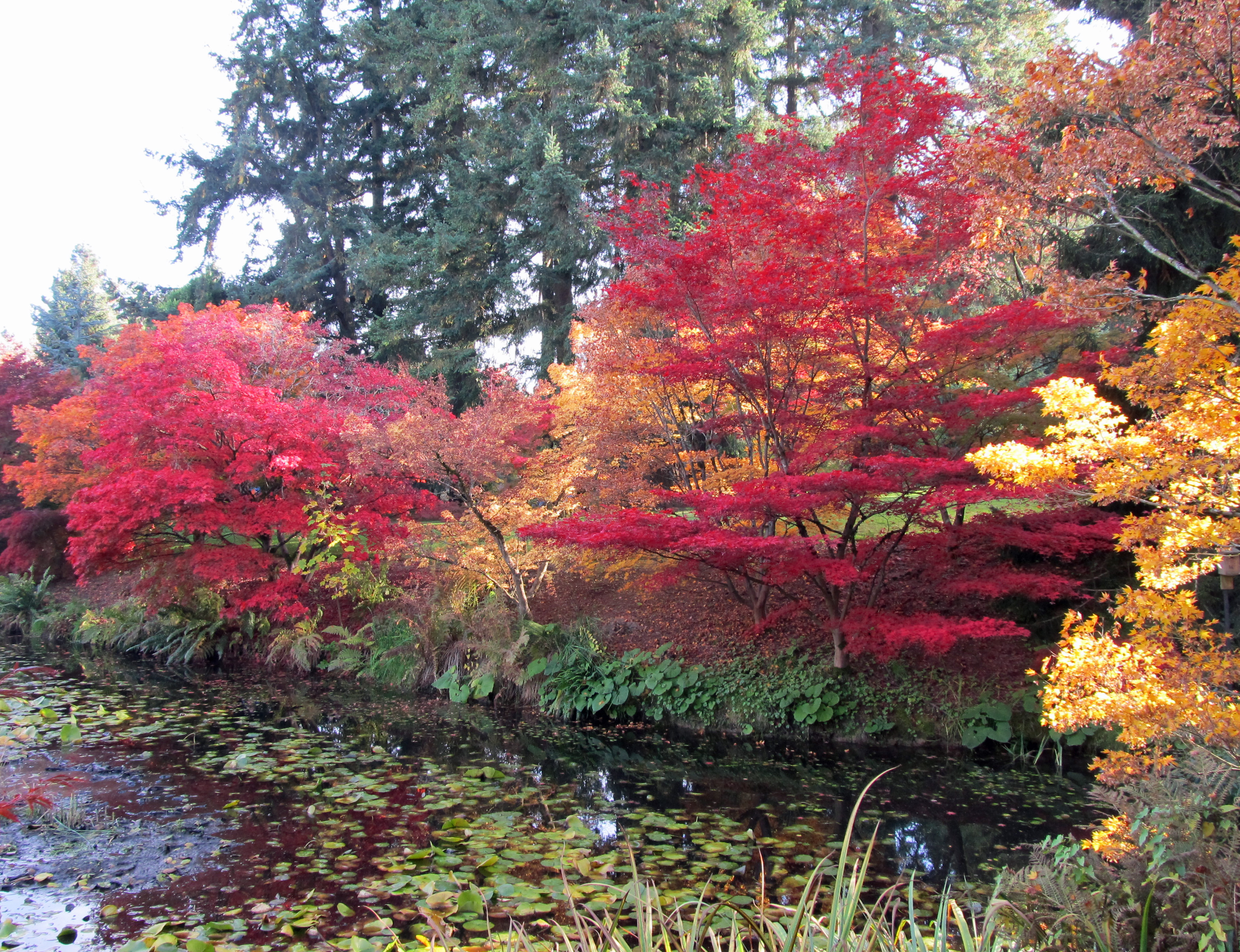
UBC Botanical Garden

UBC Botanical Garden is located at the University of British Columbia. Established in 1916, it is Canada’s oldest university botanical garden. We saw a small fraction of the Asian Garden, which is expansive, and instead spent most of our time in other areas, including the Alpine Garden, the Carolinian Forest Garden, the Food Garden, and one of my favorite spots, the BC Rainforest Garden. The Rainforest Garden is a collection of plants native to British Columbia, which was the original focus of UBC Botanical Garden’s first director, John Davidson.

fall foliage of redvein enkianthus (Enkianthus campanulatus)

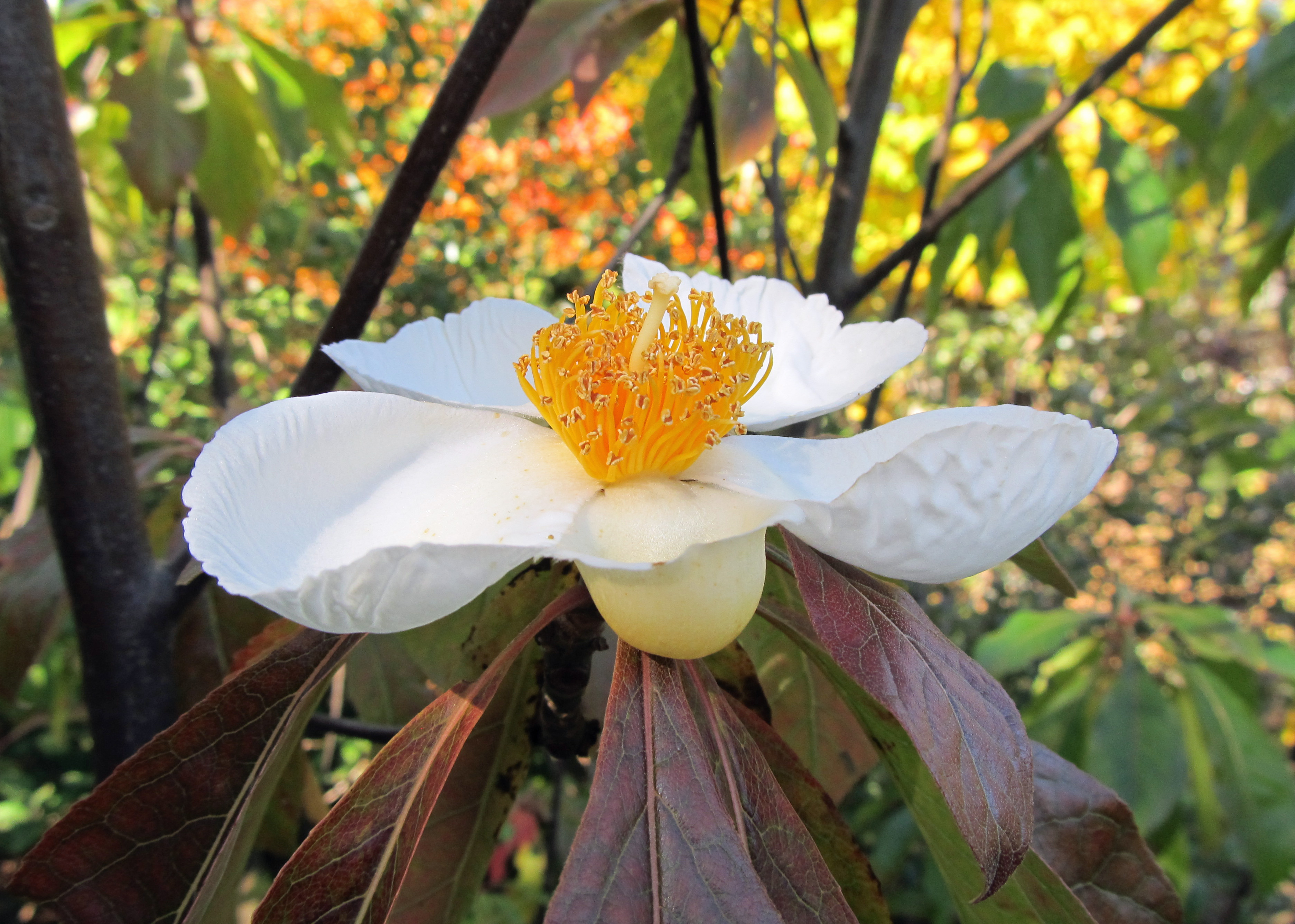
Franklin tree in bloom (Franklinia alatamaha) in the Carolinian Forest Garden

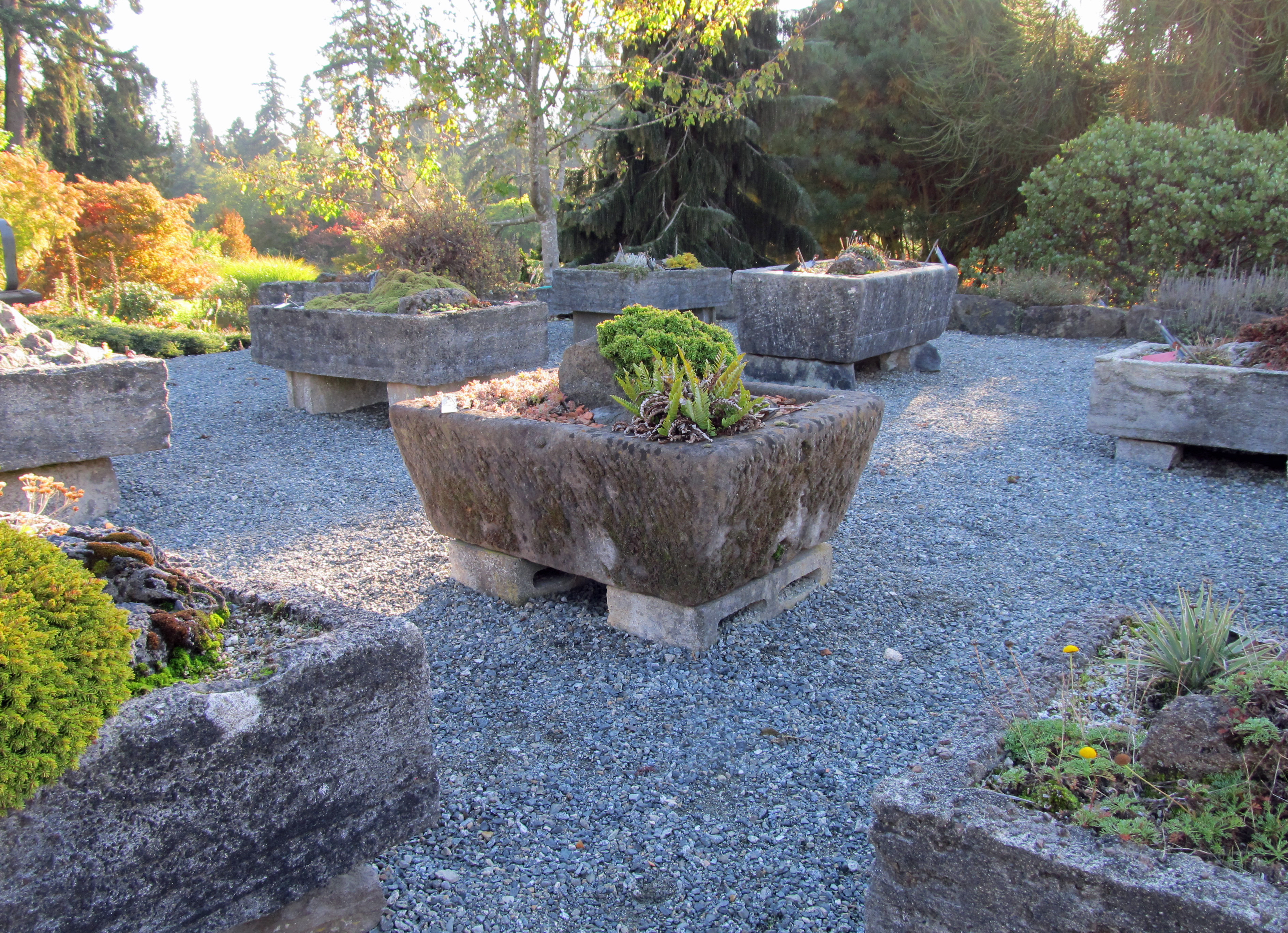
alpine troughs

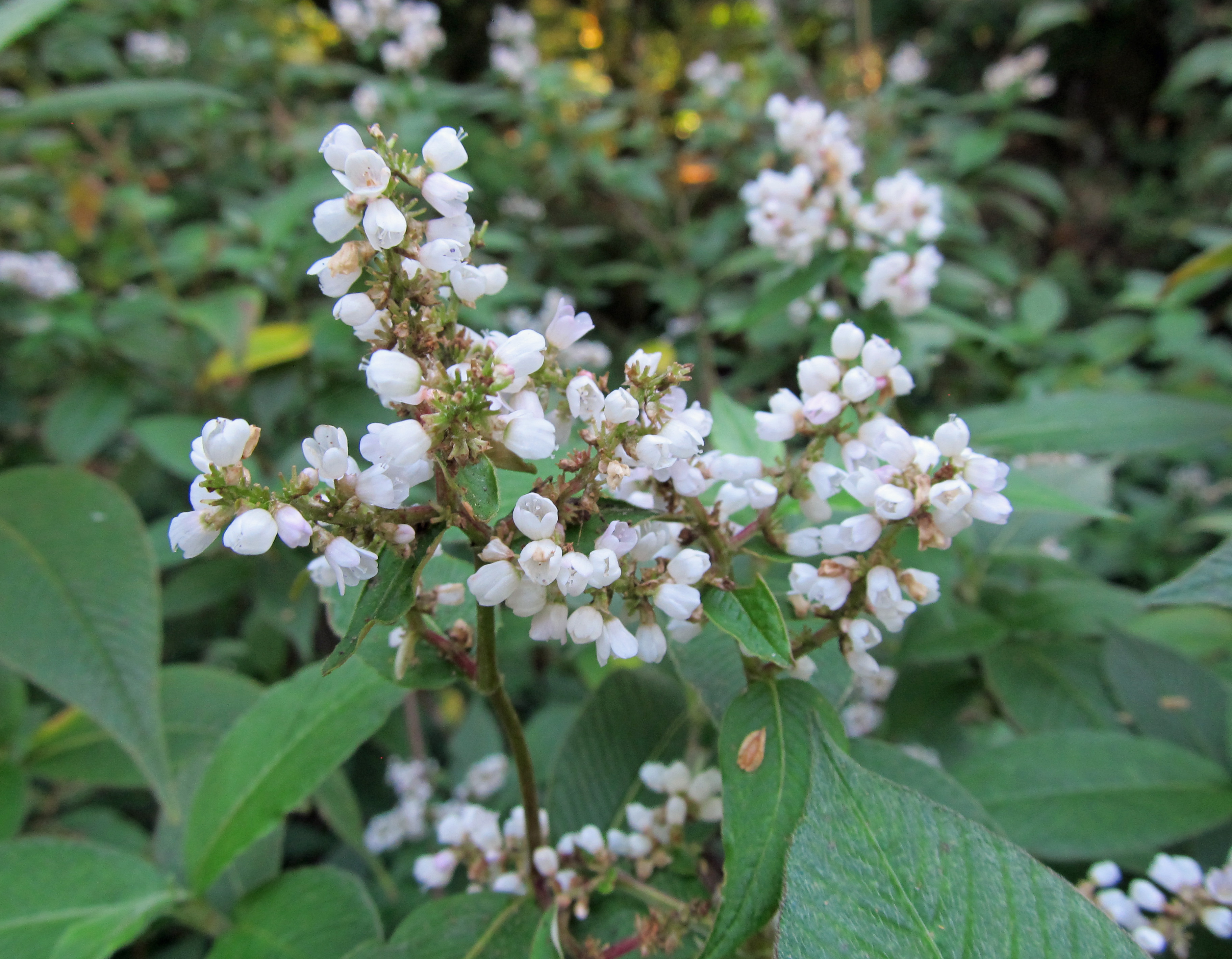
bellflower smartweed (Aconogonon campanulatum)

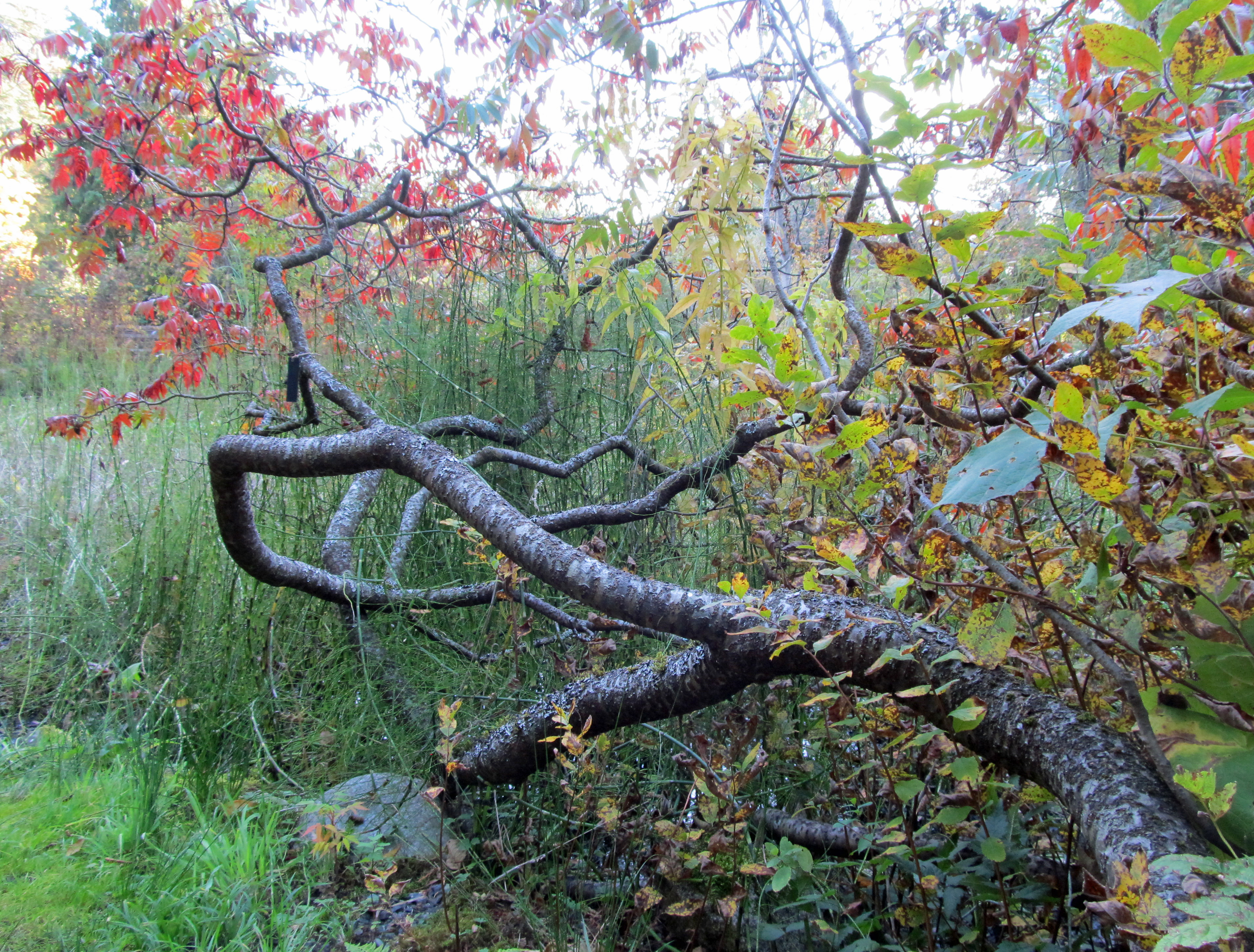
cutleaf smooth sumac (Rhus glabra ‘Laciniata’) in the BC Rainforest Garden

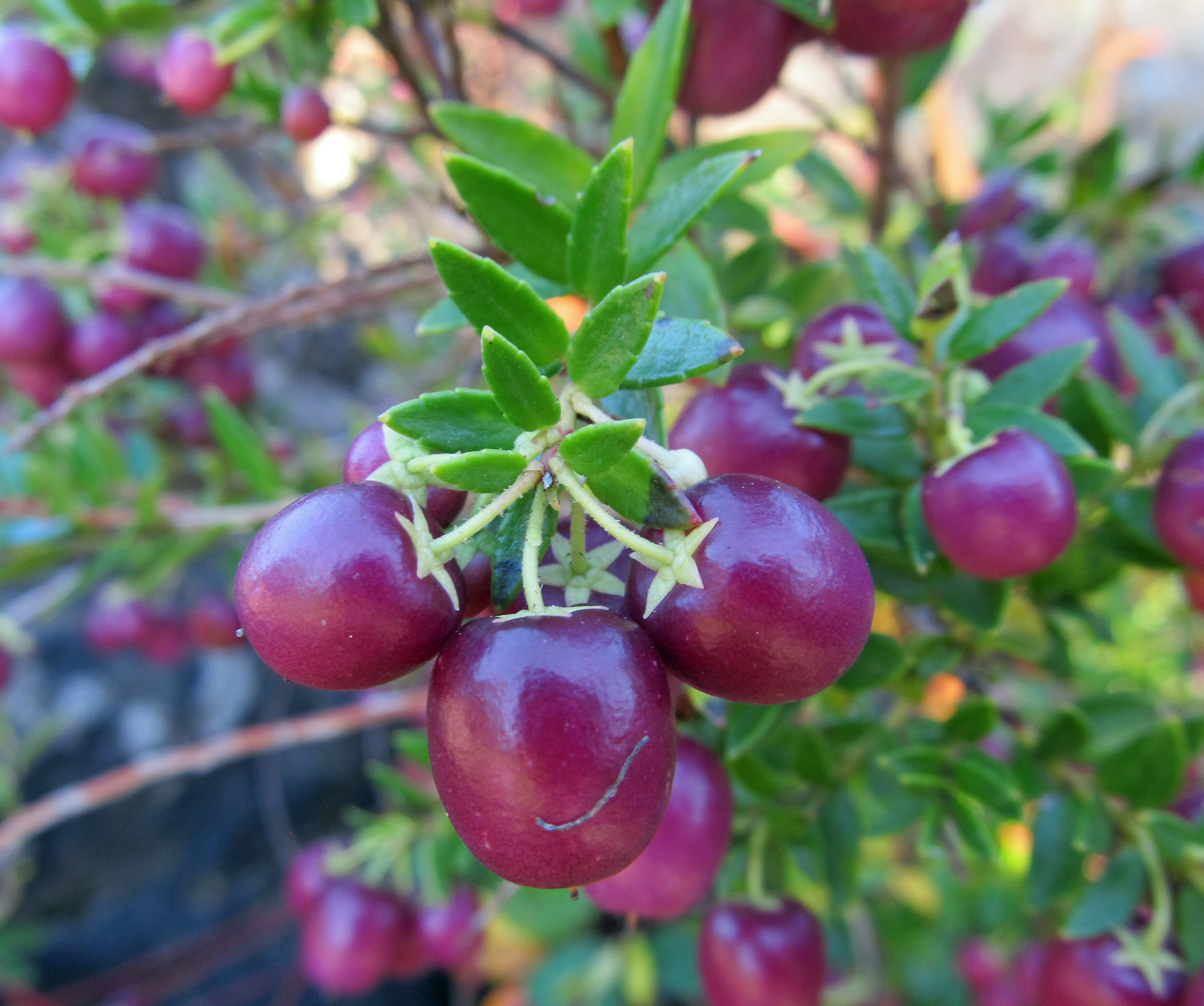
the fruits of Gaultheria pumila in the E.H. Lohbrunner Alpine Garden

Himalayan blueberry (Vaccinium moupinense) in the E.H. Lohbrunner Alpine Garden

VanDusen Botanical Garden

VanDusen Botanical Garden is a 55 acre garden that opened in 1975 and is located on land that was once a golf course. It features an extensive collection of plants from around the world accompanied by a series of lakes and ponds as well as lots of other interesting features (like a Scottish Shelter, a Korean Pavilion, an Elizabethan Maze, and more). Our time there was far too brief. The whirlwind tour we joined, led by the education director, was a lot of fun, and if the threat of missing our bus wasn’t looming, we would have been happy to stay much longer.

Japanese anemone (Anemone x hybrida ‘Whirlwind’)

fall color on the shore of Heron Lake

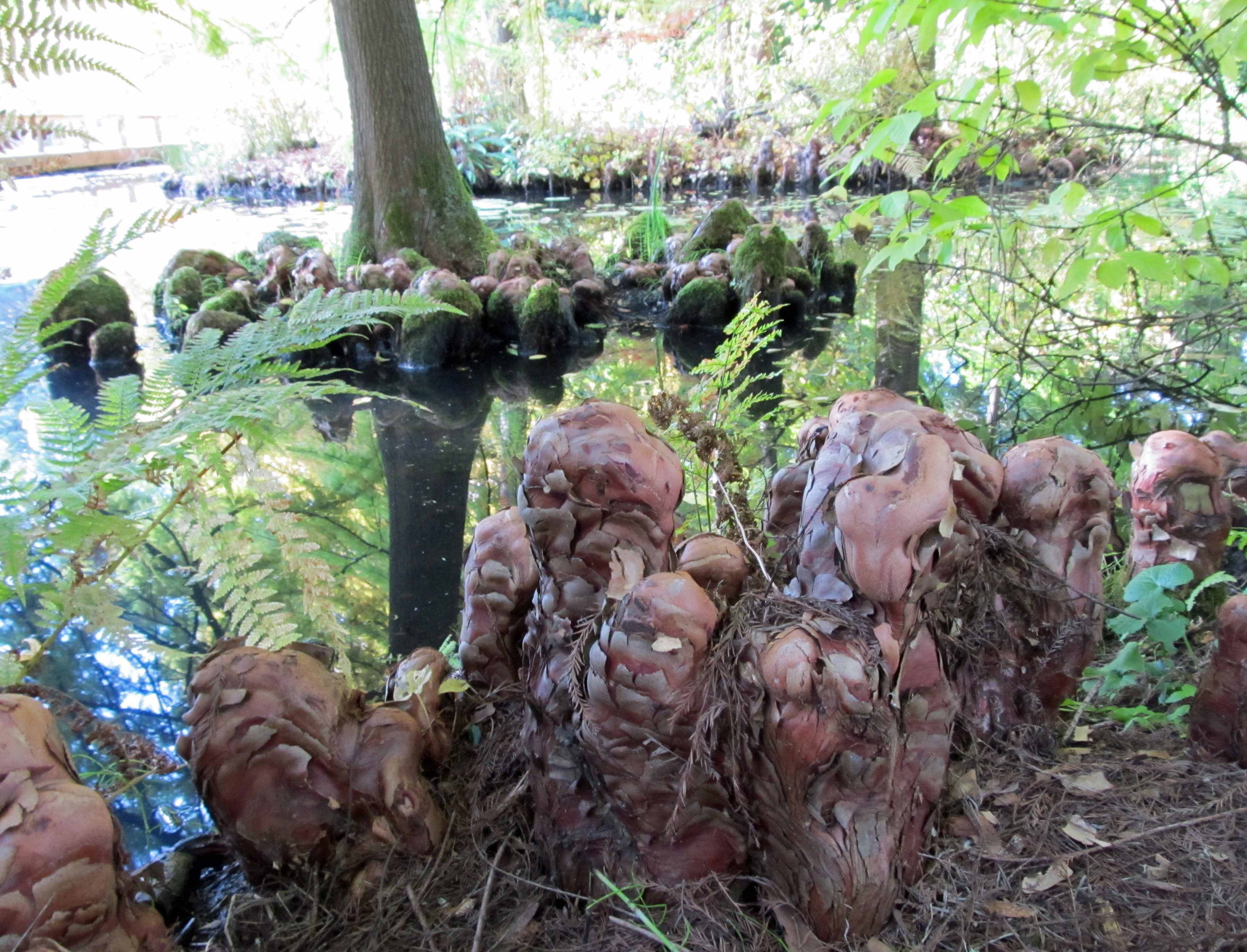
knees of bald cypress (Taxodium distichum) in R. Roy Forster Cypress Pond

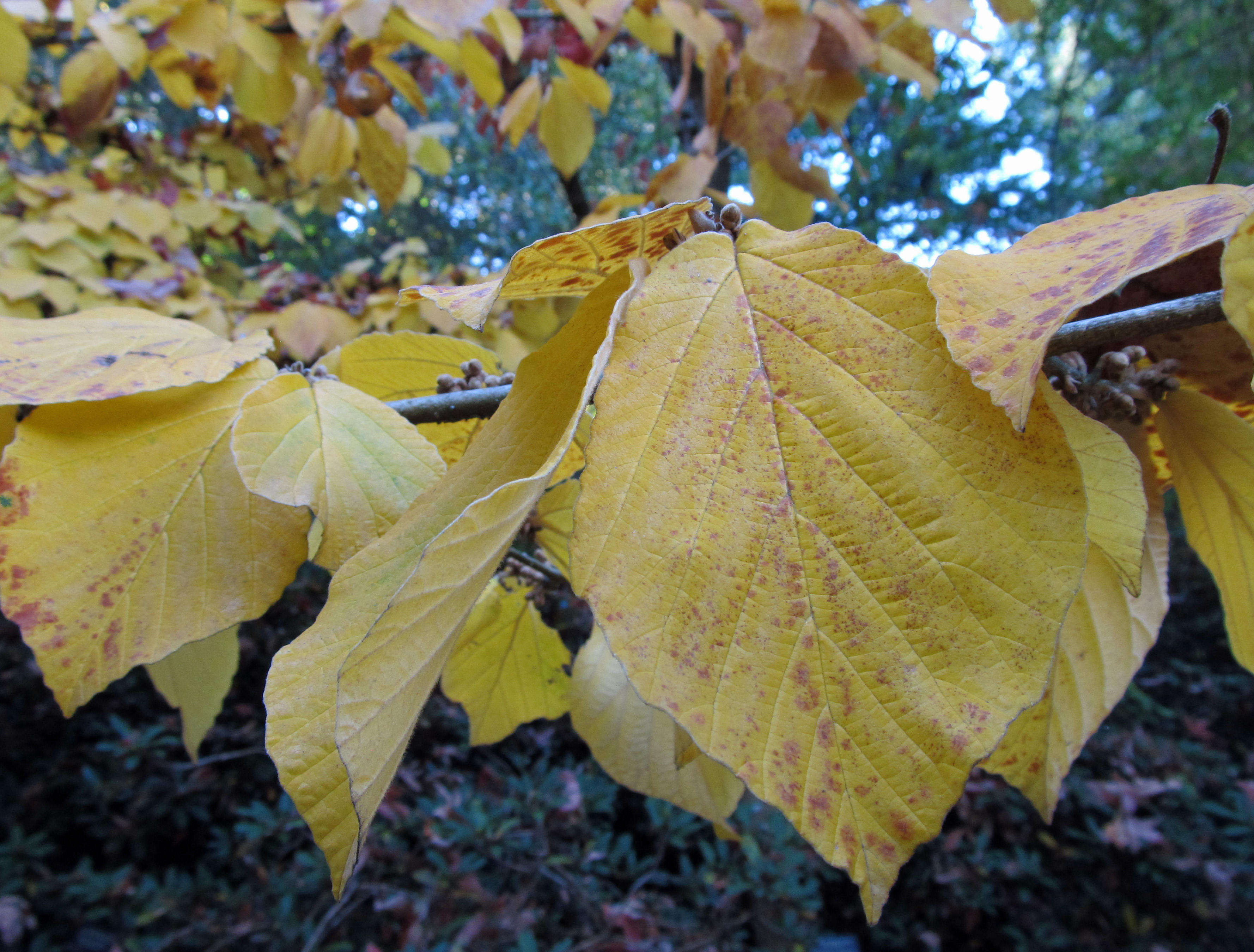
witch hazel (Hamamelis x intermedia ‘Pallida’)

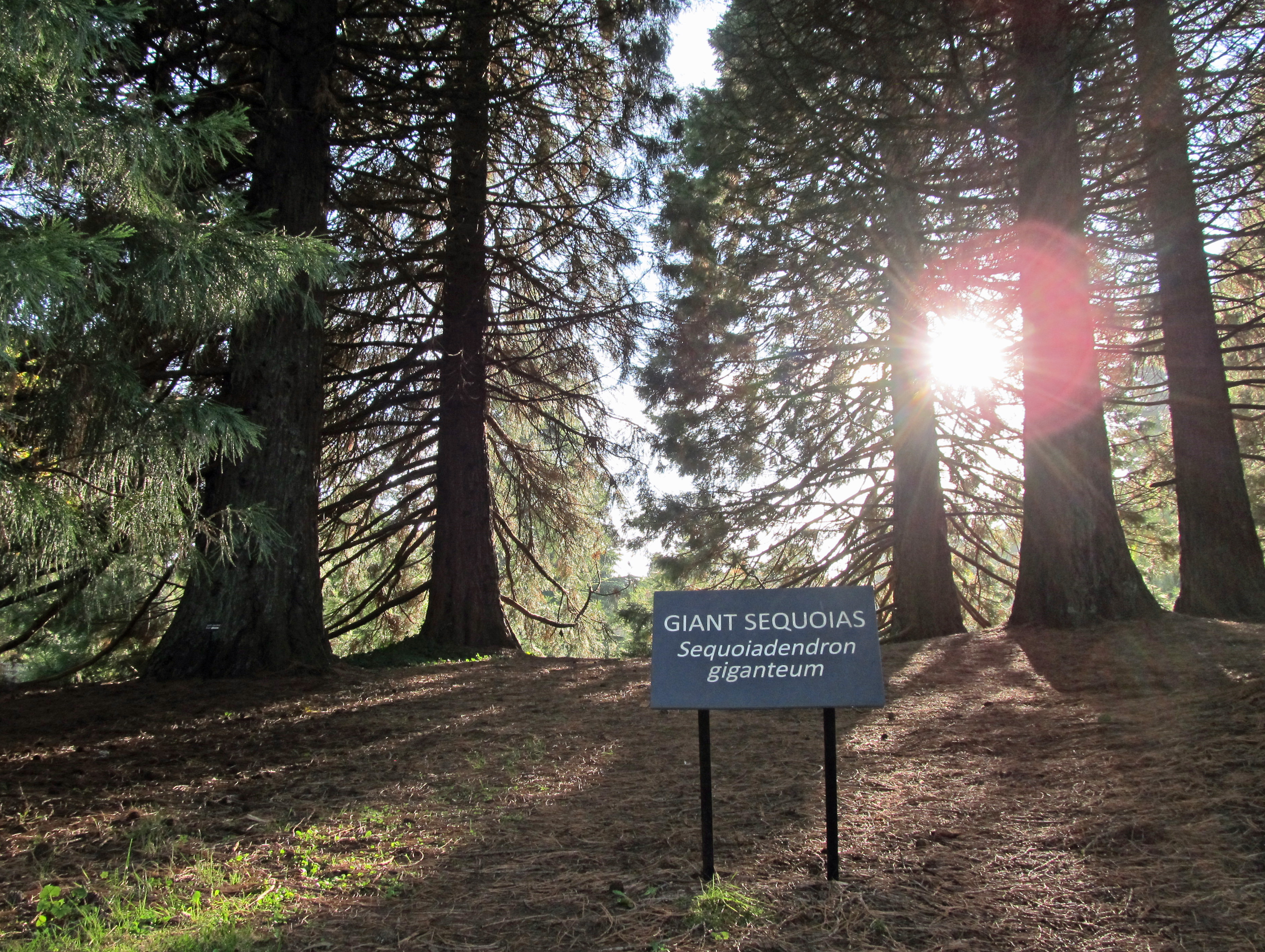
a grove of giant redwoods (Sequoiadendron giganteum)

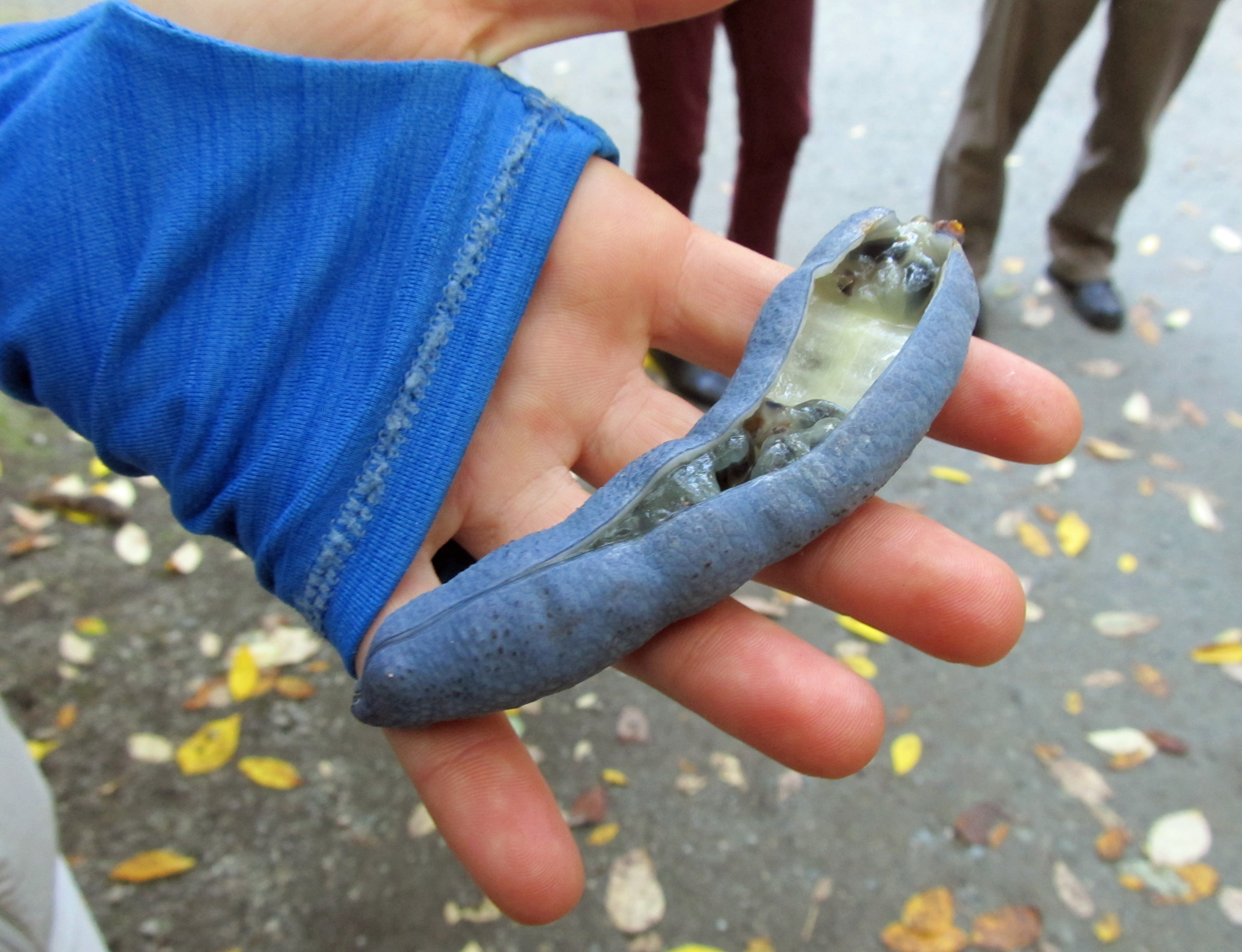
We tried the fruit of dead man’s fingers (Decaisnea insignis). It tastes a bit like watermelon.

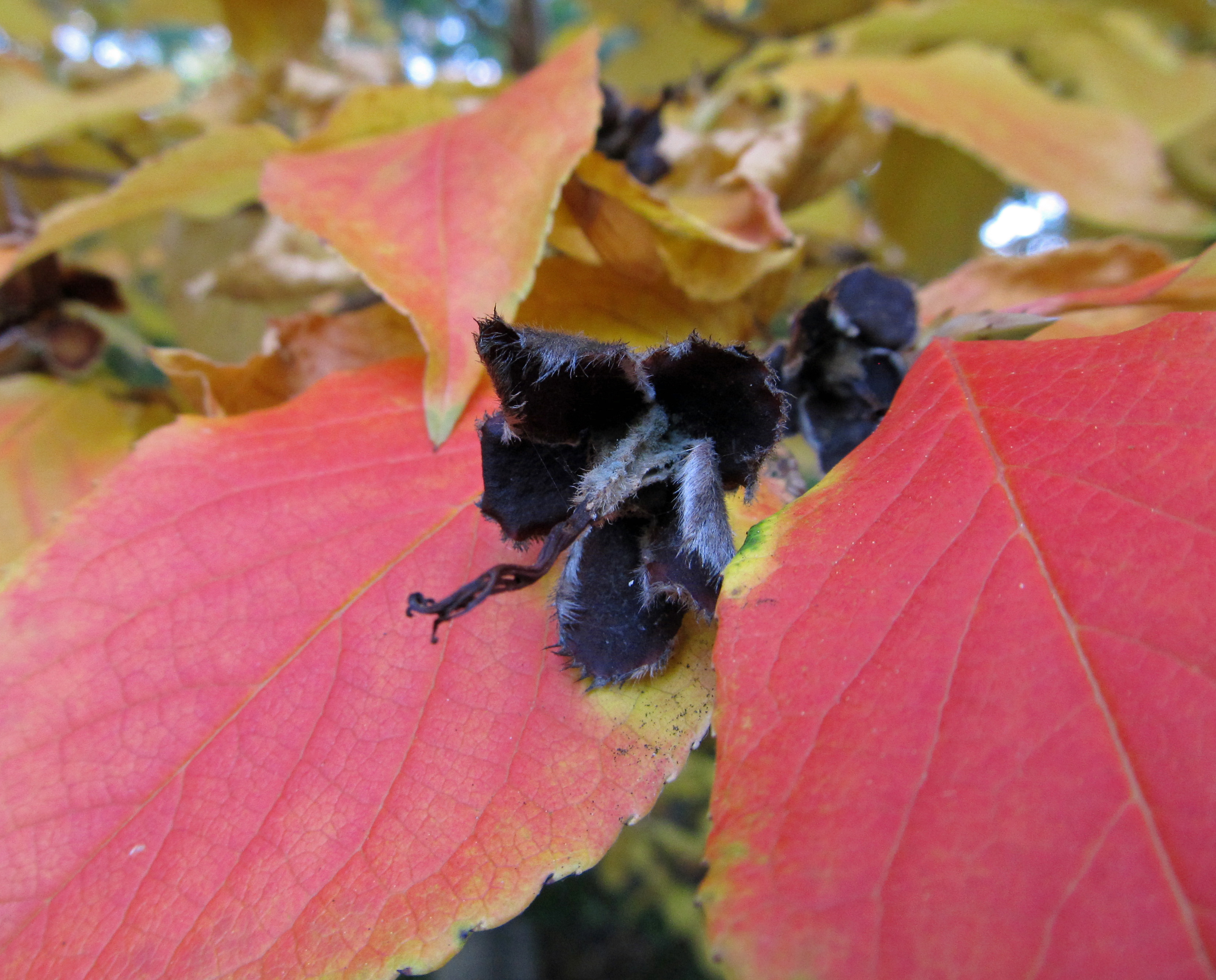
Japanese stewartia (Stewartia pseudocamellia)

More Awkward Botany Field Trips:

Botany in Popular Culture: The Tan Hua Flowers in Crazy Rich Asians

When a flower blooms, a celebration is in order. Flowers abound for much of the year, which means parties are called for pretty much non-stop (something Andrew W.K. would surely endorse). Since we can’t possibly celebrate every bloom, there are certain plants we have decided to pay more attention to – plants whose flowers aren’t so prolific, predictable, or long-lived; or plants whose flowers come infrequently or at odd times of the day (or night).

This is the case with the flowers of the night blooming cactus, Epiphyllum oxypetalum, which goes by many names including Dutchman’s pipe cactus, queen of the night, orchid cactus, night blooming cereus, and tan hua. Tan hua is the Chinese name for the plant, and this is how it is referred to in the book, Crazy Rich Asians by Kevin Kwan.

In the book, Nick Young brings his American girlfriend, Rachel Chu, to meet his ridiculously wealthy family in Singapore. Before the trip, Rachel was in the dark about the Young’s wealth. She first meets the family and their gargantuan mansion when Nick’s grandma, seeing that her tan hua flowers are about to bloom, throws an impromptu (and lavish) party. Nick refers to the flowers as “very rare,” blooming “extremely infrequently,” and “quite something to witness.”

In a seperate conversation, Nick’s cousin, Astrid, tries to convince her husband to attend the party by claiming, “it’s awfully good luck to see the flowers bloom.” Later, another one of Nick’s cousins tells Rachel, “it’s considered to be very auspicious to witness tan huas blooming.”

Tan hua (Epiphyllum oxypetalum) via wikimedia commons

Native to Mexico and Guatemala, E. oxypetalum was first brought to China in the 1600’s. Its beauty and intrigue along with its relative ease of cultivation helped it become popular and widespread across Asia and other parts of the world. Watching it bloom is considered a sacred experience by many, including in India, where it is said to bring luck and prosperity to households who are fortunate enough to see theirs bloom.

Epiphyllums are epiphytic, meaning they grow non-parasitically on the surfaces of other plants, such as in the crevices of bark or the crotches of branches. Like other cacti, they are essentially leafless, but their stems are broad, flat, and leaf-like in appearance. Showy, fragrant flowers are born along the margins of stems. The flowers of tan hua, as described in Crazy Rich Asians, appear as “pale reddish petals curled tightly like delicate fingers grasping a silken white peach.” A report (accompanied by photos) published by Sacred Heart University describes watching tan hua flowers progess from bud formation to full bloom, a process that took more than two weeks.

Tan huas are certainly not rare, as Nick described them. A number of Epiphyllum species and their hybrids are commonly cultivated; there is even an Epiphyllum Trail at San Diego Zoo’s Safari Park. Listed as “least concern” on the IUCN Red List, their popularity as ornamentals is noted but is not seen as affecting wild populations. Night blooming plants, while fascinating, aren’t all that rare either. Such plants have adapted relationships with creatures, like bats and moths, that are active during the night, employing their assistance with pollination. A paper published in Plant Systematics and Evolution describes the floral characteristics of Epiphyllum and similar genera: “The hawkmoth-flower syndrome, consisting of strongly-scented, night-blooming flowers with white or whitish perianths and long slender nectar-containing floral tubes is present in Cereus, Trichocereus, Selenicereus, Discocactus, Epiphyllum, and a number of other cactus genera.”
That being said, the specialness of a short-lived, infrequent, night blooming flower should not be understated, and really, parties being thrown in honor of any plant are something I can certainly get behind. Sitting in the courtyard late at night, the Young family and their guests watched as “the tightly rolled petals of the tan huas unfurled like a slow-motion movie to reveal a profusion of feathery white petals that kept expanding into an explosive sunburst pattern.” The look of it reminds Astrid of “a swan ruffling its wings, about to take flight.”

Later, “the tan huas began to wilt just as swiftly and mysteriously as they had bloomed, filling the night air with an intoxicating scent as they shriveled into spent lifeless petals.”

———————

Additional Resources:

———————

*Thank you Kathy for letting me borrow your Kindle so that I could write this post.

Death by Crab Spider, part two

Crab spiders that hunt in flowers prey on pollinating insects. Thus, pollinating insects tend to avoid flowers that harbor crab spiders. We established this in part one. Now we ask, what effect, if any, does this interaction have on a crab spider infested plant’s ability to reproduce? More importantly, what are the evolutionary implications of this relationship?

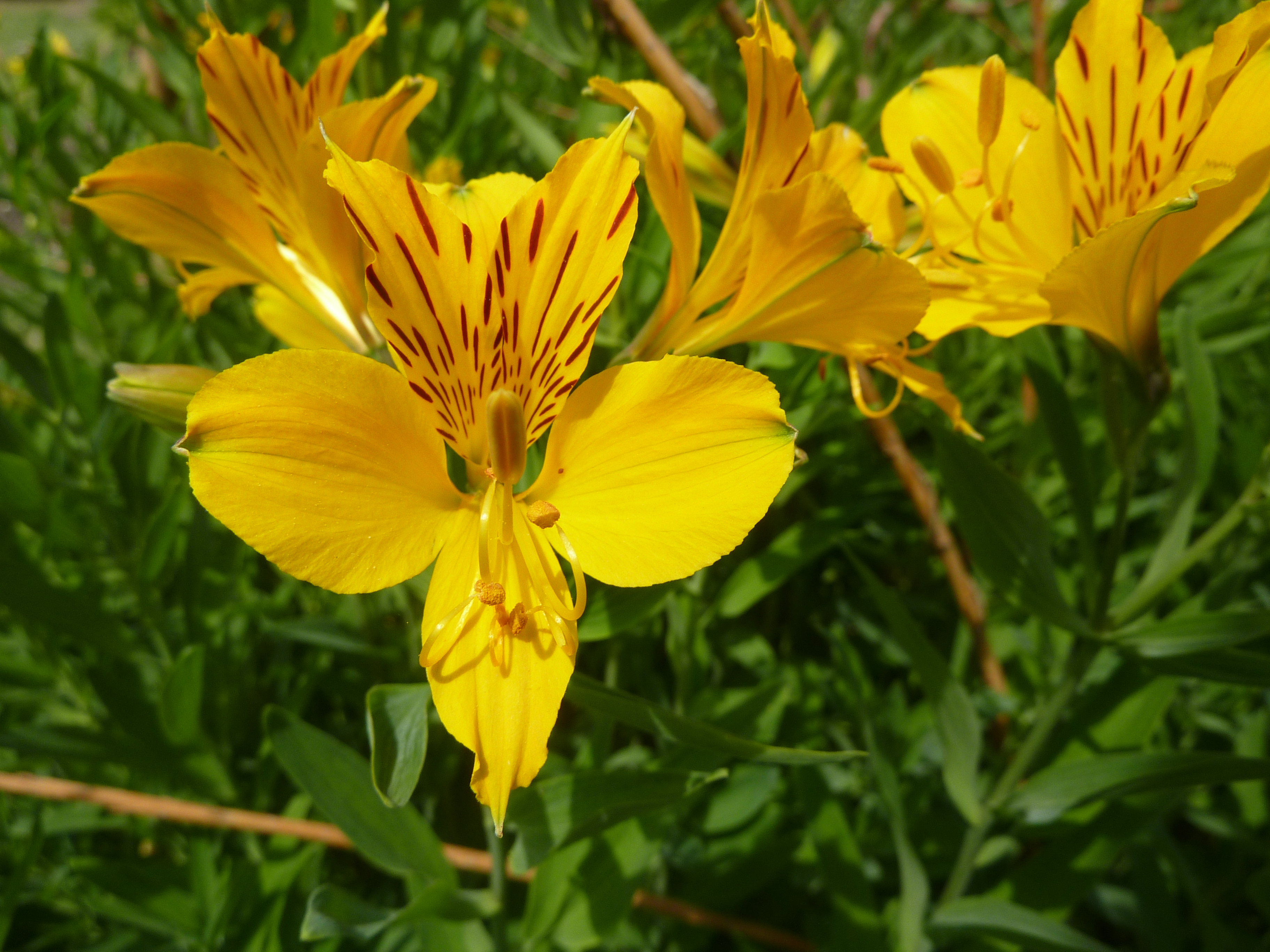
In a study published in Ecological Entomology earlier this year, Gavini, et al. found that pollinating insects avoided the flowers of Peruvian lily (Alstroemeria aurea) when artificial spiders of various colors and sizes were placed in them. Bumblebees and other bees were the most frequent visitors to the flowers and were also the group “most affected by the presence of artificial spiders, decreasing the number of flowers visited and time spent in the inflorescences.” This avoidance had a notable effect on plant reproduction, namely a 25% reduction in seed set and a 15% reduction in fruit weight. The most abundant and effective pollinator, the buff-tailed bumblebee, was deterred by the spiders, leading the researchers to conclude that, “changes in pollinator behavior may translate into changes in plant fitness when ambush predators alter the behavior of the most effective pollinators.”
Peruvian lily (Alstroemeria aurea) via wikimedia commons

But missing from this discussion is the fact that crab spiders don’t only eat pollinators. Any flower visiting insect may become a crab spider’s prey, and that includes florivores. In which case, crab spiders can benefit a plant, saving it from reproduction losses by eating insects that eat flowers.

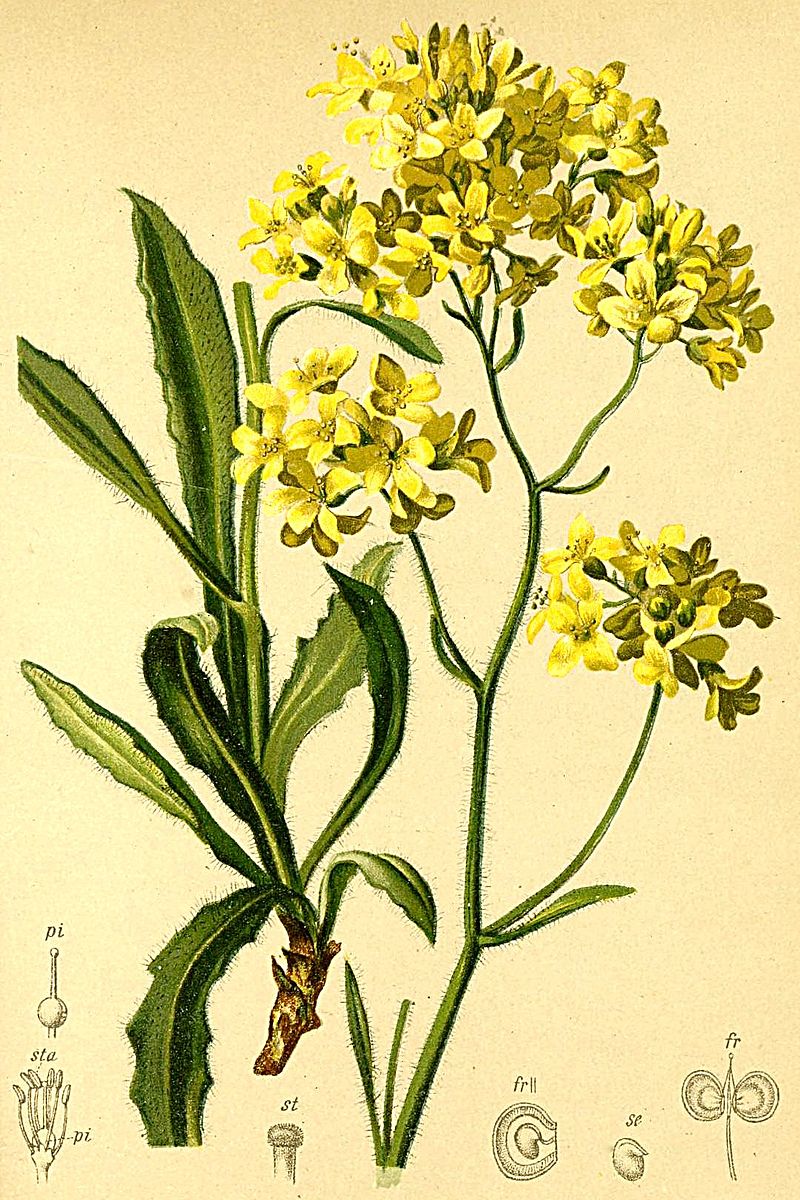
In April of this year, Nature Communications published a study by Knauer, et al. that examined the trade-off that occurs when crab spiders are preying on both pollinators and florivores. Four populations of buckler-mustard (Biscutella laevigata ssp. laevigata) were selected for this study. Bees are buckler-mustard’s main pollinator, and in concurrence with other studies, they significantly avoided flowers when crab spiders were present.  Knauer, et al. also determined that bees and crab spiders are attracted to the same floral scent compound, β-ocimene. This compound not only attracts pollinators, but is also emitted when plants experience herbivory, possibly to attract predators to come and prey on whatever is eating them.

buckler-mustard (Biscutella laevigata) via wikimedia commons

In this study, the predators called upon were crab spiders. Florivores had a notable impact on plants in this study, and the researchers found that when crab spiders were present, florivores were significantly reduced, thereby reducing their negative impact. They also noted that “crab spiders showed a significant preference for [florivore-infested] plants over control plants.”

And so it is, a plant’s floral scent compound attracts pollinators while simultaneously attracting the pollinator’s enemy, who is also called in to protect the flower from being eaten. Luckily, in this case, buckler-mustard is easily pollinated, so the loss of a few pollinators isn’t likely to have a strong negative effect on reproduction. As the authors write, “pollinators are usually abundant and the low number of ovules per flower makes a few pollen grains sufficient for a full seed set.”

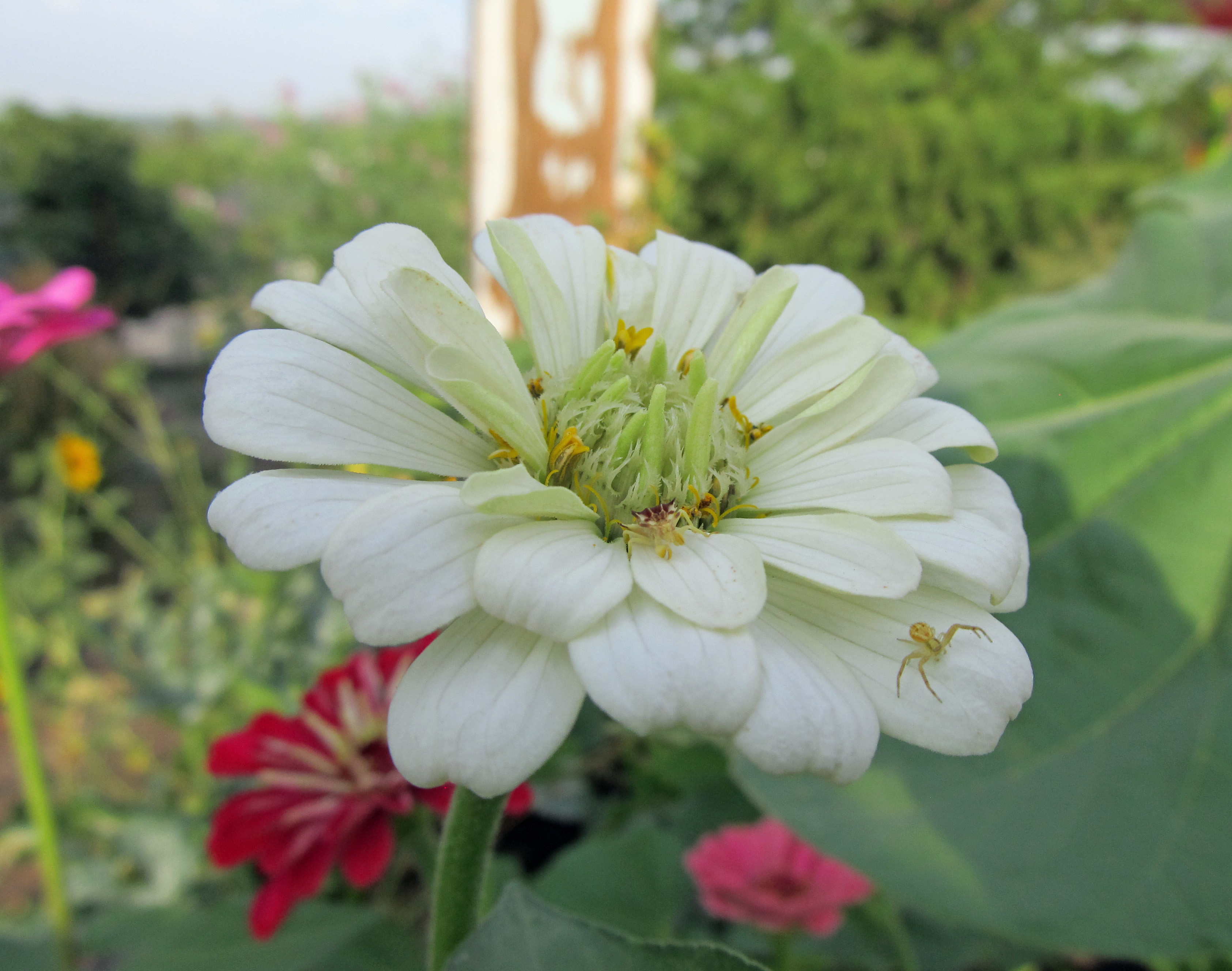
crab spider on zinnia

But none of these studies are one size fits all. Predator-pollinator-plant interactions are still not well understood, and there is much to learn through future research. A meta-analysis published in the Journal of Animal Ecology in 2011 looked at the research that had been done up to that point. Included were a range of studies involving sit-and-wait predators (like crab spiders and lizards) as well as active hunters (like birds and ants) and the effects of predation on both pollinators and plant-eating insects. They concluded that where carnivores “disrupted plant-pollinator interactions, plant fitness was reduced by 17%,” but thanks to predation of herbivores, carnivores helped increase plant fitness by 51%. This suggests that carnivores, overall, have a net positive effect on plant fitness.

Many pollinating insects have an advantage over plant-eating insects because they move quickly from flower to flower and plant to plant, unlike many herbivores which move more slowly. This protects pollinators from predation and helps explain why plant-pollinator interactions are not disrupted as easily by carnivores. Additionally, as the authors note, “plants may be buffered against loss of pollination by attracting different types of pollinators, some of which are inaccessible to carnivores.”

But again, there is still so much to discover about these complex interactions. One way to gain a better understanding is to investigate the effects of predators on both pollinators and herbivores in the same study, since many of the papers included in the meta-analysis focused on only one or the other. As far as crab spiders go, Knauer, et al. highlight their importance in such studies. There are so many different species of crab spiders, and they are commonly found on flowers around the globe, so “their impact on plant evolution may be widespread among angiosperms.”

In other words, while we still have a lot to learn, the impact these tiny but skillful hunters have should not be underestimated.

Death by Crab Spider, part one

When a bee approaches a flower, it is essentially approaching the watering hole. It comes in search of food in the form of pollen and nectar. As is this case with other animals who come to feed at the watering hole, a flower-visiting bee makes itself vulnerable to a variety of predators. Carnivores, like the crab spider, lie in wait to attack.

The flowers of many plants rely on visits from bees and other organisms to assist in transferring pollen from stamens to stigmas, which initiates reproduction; and bees and other flower visitors need floral resources to survive. Crab spiders exploit this otherwise friendly relationship and, in doing so, can leave lasting impacts on both the bees and the flowers they visit.

Species in the family Thomisidae are commonly referred to as crab spiders, a name that comes from their resemblance to crabs. Crab spiders don’t build webs to catch prey; instead they either actively hunt for prey or sit and wait for potential prey to happen by, earning them the name ambush predators. Of the hundreds of species in this family, not all of them hunt for prey in flowers; those that do – species in the genera Misumena and Thomisus, for example – are often called flower crab spiders.

white crab spider (Thomisus spectabilis) on Iris sanguinea — via wikimedia commons

Most crab spiders are tiny – mere millimeters in size – and they have a number of strategies (depending on the species) to obscure their presence from potential prey. They can camouflage themselves by choosing to hunt in a flower that is the same color as they are or, in the case of some species, they can change their color to match the flower they are on. Some species of crab spiders reflect UV light, which bees can see. In doing so, they make themselves look like part of the flower.

Using an Australian species of crab spider, researchers found that honey bees preferred marguerite daisies (Chrysanthemum frutescens) on which UV-reflecting crab spiders were present, even when the scent of the flowers was masked. The spiders’ presence was seen as nectar guides, which “bees have a pre-existing bias towards.” Members of this same research team also determined that both crab spiders and honey bees choose fragrant flowers over non-fragrant flowers, and that, ultimately, “honey bees suffer apparently from responding to the same floral characteristics as crab spiders do.”

Needless to say, crab spiders are crafty. So the question is, when killing machines like crab spiders are picking off a plant’s pollinators, does this affect its ability to reproduce? First let’s consider how pollinators react to finding crab spiders hiding in the flowers they hope to visit.

goldenrod crab spider (Misumena vatia) preying on a pollinator — via wikimedia commons

A study published in Oikos in 2003 observed patches of common milkweed (Asclepias syriaca) – one set was free of crab spiders, the other set was not – and tracked the visitations of four species of bees – the common honey bee and three species of bumble bees. They compared visitation rates between both sets of milkweed patches and found that the smallest of the three bumble bee species decreased its frequency of visitation to the crab spider infested milkweeds. Honey bees also appeared to visit the infested milkweeds less, but the results were not statistically significant. The two larger species of bumble bees continued to forage at the same rate despite the presence of crab spiders.

During the study, crab spiders were seen attacking bees numerous times. Six attacks resulted in successful kills, and of the bees that escaped, 80% left the flower and either moved to a different flower on the same plant, moved to a different plant, or left the patch altogether. These results indicate a potential for the presence of crab spiders to effect plant-pollinator interactions, whether its directly (predation) or indirectly (bees avoiding flowers with crab spiders).

Another study published in Behavioral Ecology in 2006 looked at two species of bees – the honey bee and a species of long-horned bee – and their reactions to the presence of crab spiders on the flowers of three different plant species – lavender (Lavandula stoechas), crimson spot rockrose (Cistus ladanifer), and sage-leaf rockrose (Cistus salvifolius). Honey bees were about half as likely to select inflorescences of lavender when crab spiders were present, and they avoided the crab spider infested flowers of crimson spot rockrose with a similar frequency. On the other hand, the long-horned bee visited the flowers of crimson spot rockrose to the same degree whether or not a crab spider was present.

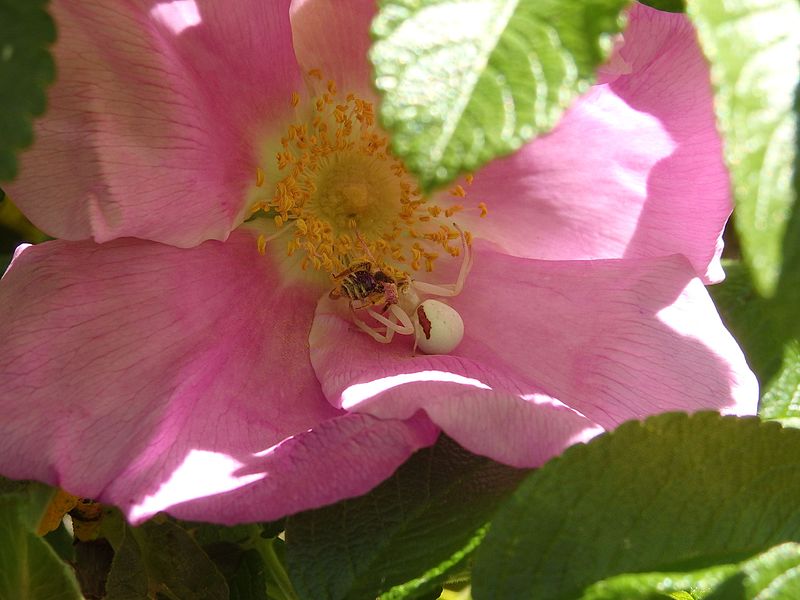
bee visiting sage-leaf rock rose (Cistus salvifolius) — via wikimedia commons

The researchers then exposed honey bees to the flowers of sage-leaf rockrose that were at the time spider-free but showed signs that crab spiders had recently visited. Some of the flowers featured the scent of crab spiders, others had spider silk attached to them, and others had the corpses of dead bees on them. They found that even when crab spiders were no longer present, the bees could still detect them. Honey bees were particularly deterred by the presence of corpses. The long-horned bees were also exposed to the flowers with corpses on them but didn’t show a significant avoidance of them.

An interesting side note about the presence of silk on flowers. As stated earlier, crab spiders do not spin webs; however, they do spin silk for other reasons, including to tether themselves to flowers while hunting. The authors recount, “on several occasions when an attempted attack was observed during this study, it was only the presence of a silk tether that prevented spiders being carried away from flowers by their much larger prey.”

So, again, if bees are avoiding flowers due to the presence of predators like crab spiders, what effect, if any, is this having on the plants? We will address this question in part two.

Eating Weeds: Dandelion Flowers

Mention weeds, and the first plant most of us think of is dandelion. It is essentially the poster child when it comes to weeds and one of the few weeds that entire books have been written about. Its notoriety partly comes from being so ubiquitous and recognizable, but it also comes from its utility. It has a long history of being used medicinally and culinarily, and, surprising to some I’m sure, is still grown agriculturally today.

Dandelion is an attractive and useful plant whose main offense is being so accomplished and proficient at staying alive, reproducing, and moving itself around. The principal thing it gets accused of is invading our lawns. With its brightly colored flowers on tall stalks and its globe of feathery seeds, it makes itself obvious, unlike other lawn invaders that tend to blend in more. Once it makes itself at home, it refuses to leave, adding to the frustration. Consider the vats of herbicide that have been applied to turf grass in an attempt to wipe out dandelions. The fact that they hang around, taunting those who care about that sort of thing, helps explain why they are so hated.

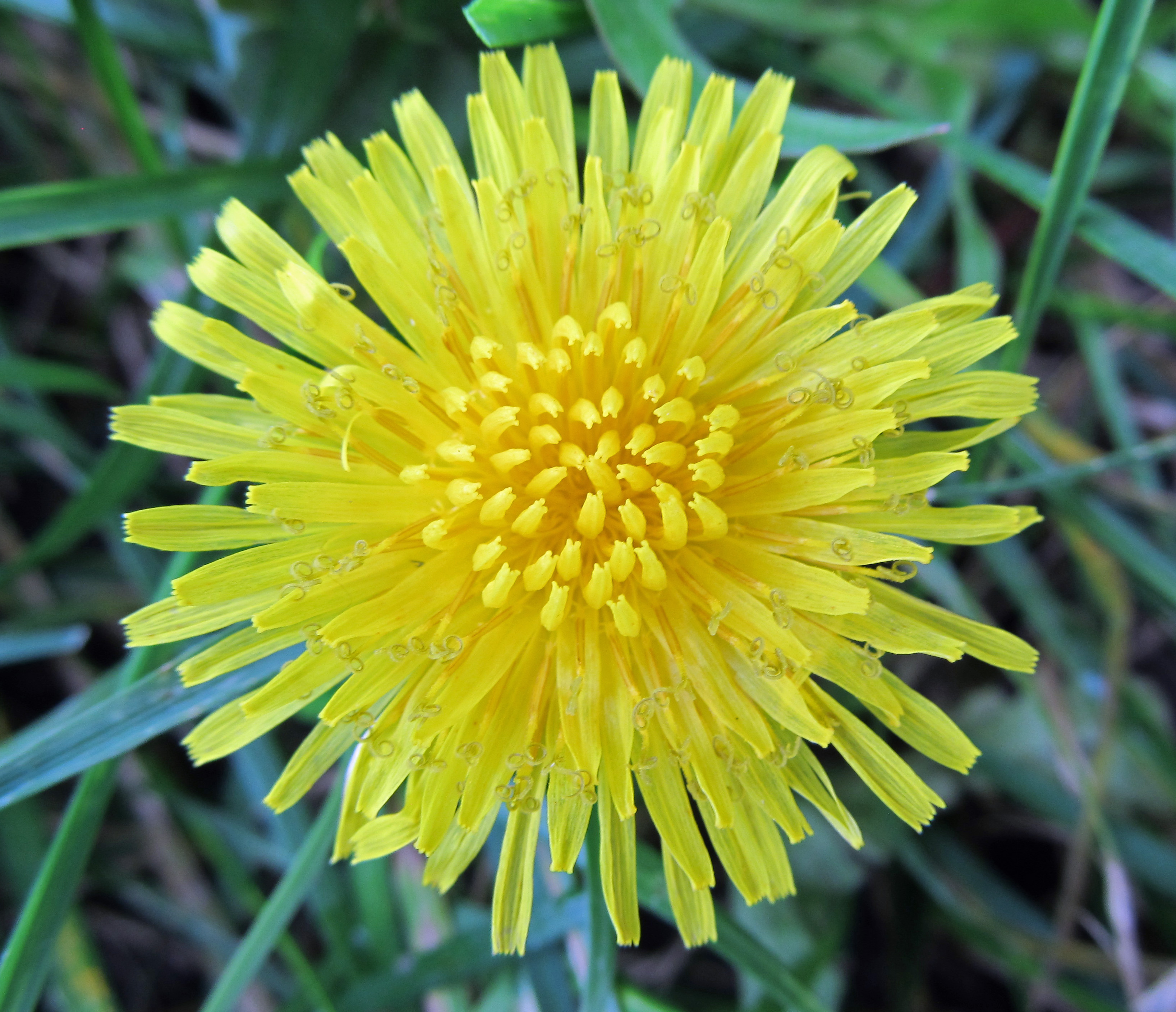
common dandelion (Taraxacum officinale)

As Ken Thompson writes in The Book of Weeds, dandelions are “too familiar to need describing,” and since there is already so much written about them, I don’t feel the need to write much myself. Below, instead, are a few excerpts from a handful of books that discuss them.

“It seems many of us possess a conscious will not to believe anything good about this remarkable harbinger of spring which, by its ubiquity and persistance, make it the most recognized and most hated of all ‘weeds.'” — The Dandelion Celebration by Peter Gail

“Dandelion heads consist entirely of overlapping ray florets. … Each floret has its own male and female organs, the (female) style surmounting the (male) stamens. Stamens are unnecessary, however, for the plant to produce seed; much, if not most dandelion seed reproduction occurs asexually (apomixis), without pollen fertilization or any genetic involvement of male cells. But insect pollination (each floret produces abundant nectar in its tubular base) and self-pollination, plus vegetative reproduction via sprouting of new plants from roots and root fragments, also occurs – so this plant has all reproductive fronts covered, surely an important reason for its wide abundance and distribution.” — The Book of Field and Roadside by John Eastman

“Wild violets are too limp and their flowers to insipidly small, too prone to damp, dark corners, as if lacking upright amour propre; in contrast, dandelions are too lush and healthy, their vigorous, indestructible roots, gaudy flowers, and too-plentiful seed heads all too easily spawned with their easygoing means of reproduction by parachute-like seeds, landing where they will, suggesting something of human sexual profligacy.” — Weeds by Nina Edwards

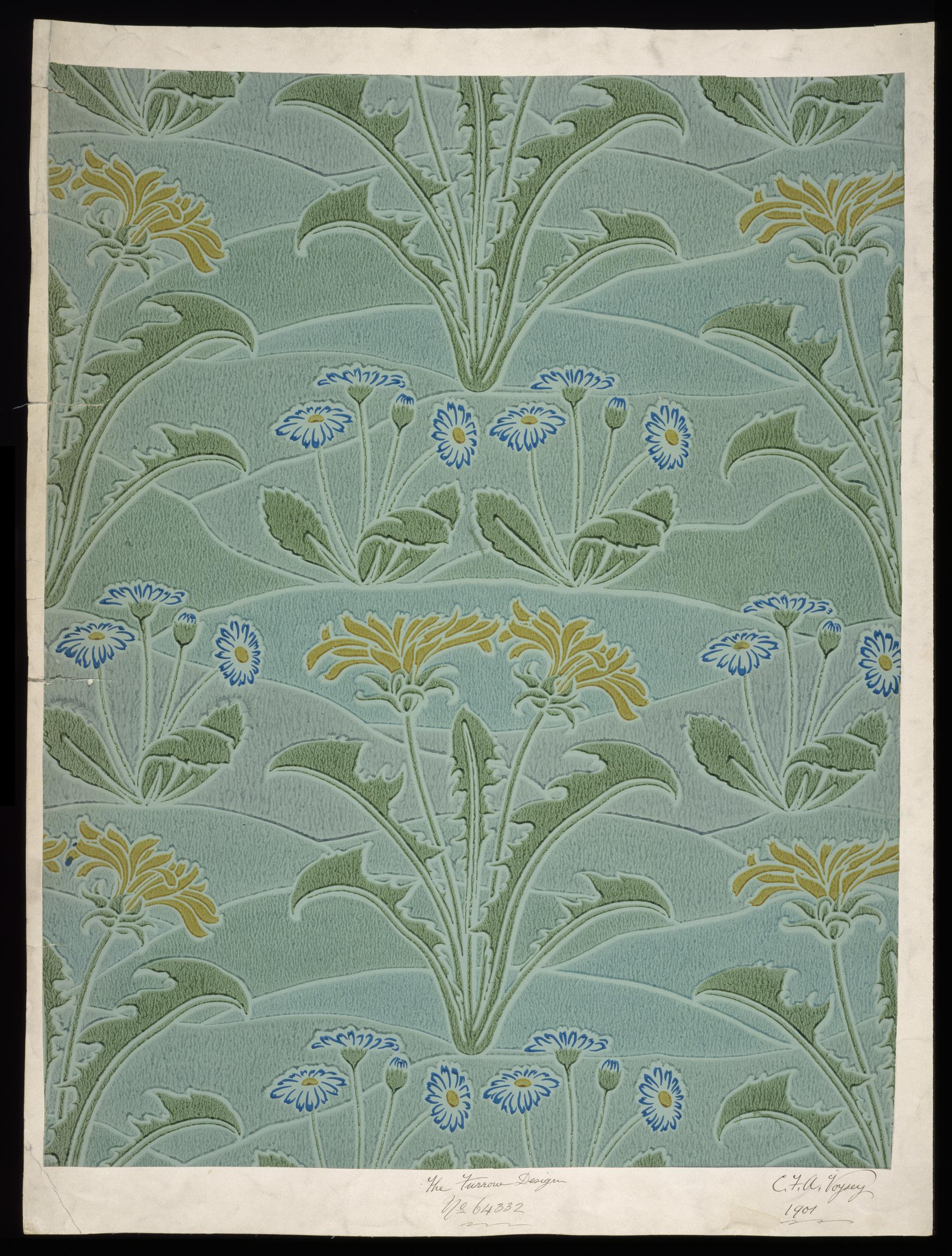
Charles Voysey “The Furrow” (© Victoria and Albert Museum, London

“Dandelions demonstrate evolution in action on suburban lawns. Over several seasons of mowing, the only dandelions that can flower are short-stemmed plants that duck the blade. Mowing thus becomes a selective factor, and in time most of the yard’s surviving dandelion flowers hug the ground.” — The Book of Field and Roadside by John Eastman

“When you stop seeing them as villains, many weeds can be considered as useful plants and certainly have been in the past. Dandelions produce fresh, green leaves nearly all year round. They make a nice addition to a salad, although most people find them too bitter to eat in any quantity. … Dandelion roots are edible too, and have been used in the past as a coffee substitute. If you can find some nice fat burdock roots to go with them, you could even make your own old-fashioned dandelion and burdock drink.” — The Alternative Kitchen Garden by Emma Cooper

“Early medieval Arabian physicians recognized the medicinal properties of dandelion, recorded in Egyptian tombs and described by Theophrastus. Its diuretic effects are mirrored in the common names of pissabed and the French pissenlit; it is recommended for the liver, kidneys, and gallbladder, and even for the treatment of diabetes. In India it is also a traditional remedy for snakebites and its milky sap is said to cure surface tumors and warts, and even unsightly moles and freckles.” — Weeds by Nina Edwards

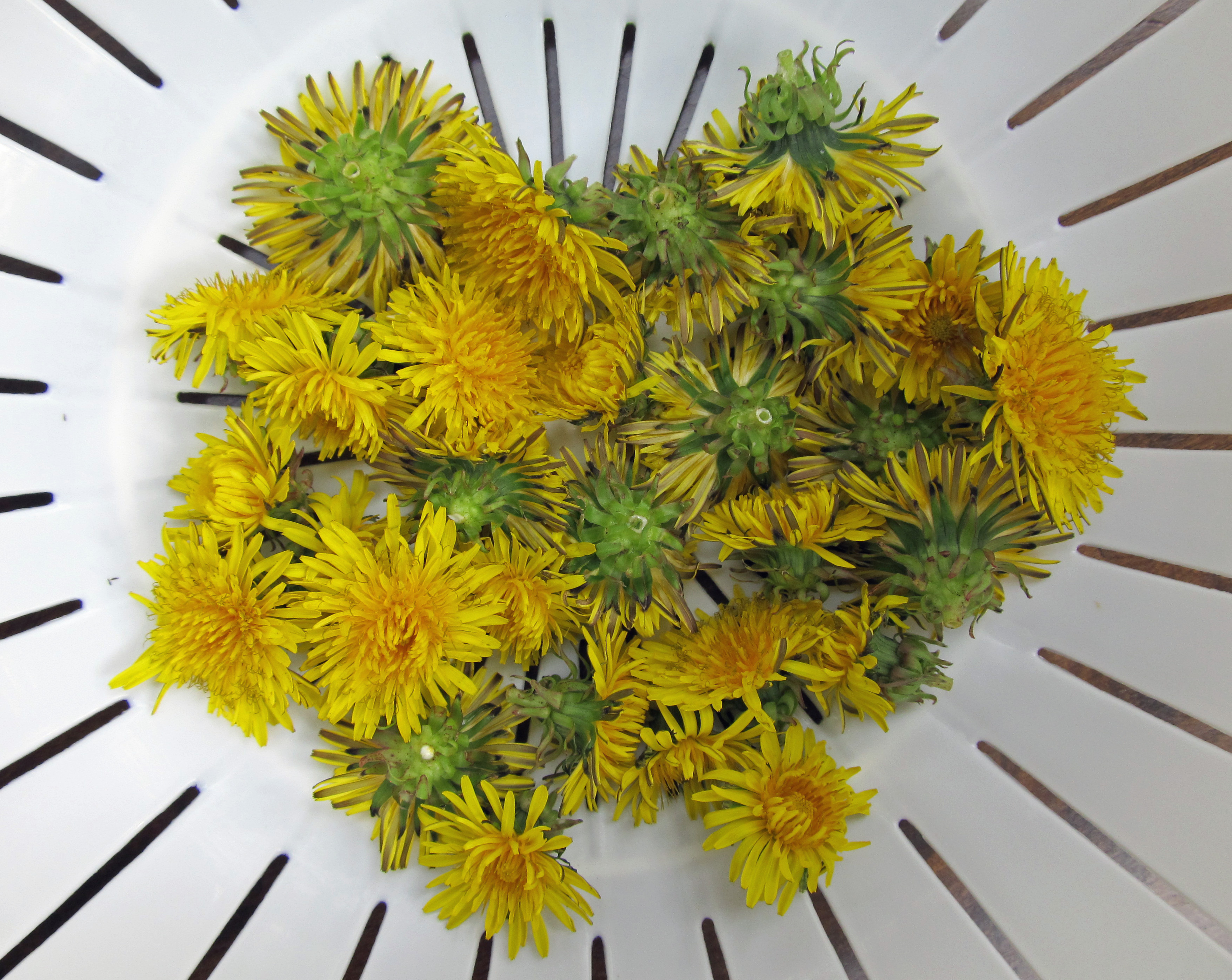
I ate dandelion flowers blended up with eggs and cooked like scrambled eggs. Its a simple recipe that I adapted from instructions found in the The Dandelion Celebration by Peter Gail. The flowers taste more or less the way they smell. They have a bitterness to them that is akin to their leaves but isn’t nearly as strong. I have eaten dandelion leaves several times and I like them, so the bitterness doesn’t really bother me. If I were to make this again I would use a higher egg to dandelion flower ratio, because even though I enjoyed the flavor, it was a little strong.