What Shall We Do About Invasive Species?

I think about invasive species a lot. This blog doesn’t really reflect that though. I have been avoiding a deep dive into the subject mainly because there is so much to say about it and I don’t really want this to become “the invasive species blog.” Admittedly, I’m also trying to avoid controversy. Some people have very strong opinions about invasive species, and I don’t always agree. But then an article entitled Taking the long view on the ecological effects of plant invasions appeared in the June 2015 issue of American Journal of Botany. Intrigued by the idea of “taking the long view,” I read the article and decided that now is as good a time as any to start exploring this topic in greater depth.

However, before getting into the article, we should define our terms. “Invasive species” is often used inappropriately to refer to any species that is found outside of its historic native range (i.e. the area in which it evolved to its present form). More appropriate terms for such species are “introduced,” “alien,” “exotic,” “non-native,” and “nonindigenous.” The legal definition of an invasive species (according to the US government) is “an alien species that does or is likely to cause economic or environmental harm or harm to human health.” Even though this definition specifically refers to “alien species,” it is possible for native species to behave invasively.

These terms refer not just to plants but to all living organisms. The term “noxious weed,” on the other hand, is specific to plants. A noxious weed is a plant species that has been designated by a Federal, State, or county government as “injurious to public health, agriculture, recreation, wildlife, or property.” A “weed” is simply a plant that, from a human perspective, is growing in the wrong place, and any plant at any point could be determined to be a weed if a human says so. (I’ll have more to say about human arrogance later in the post.)
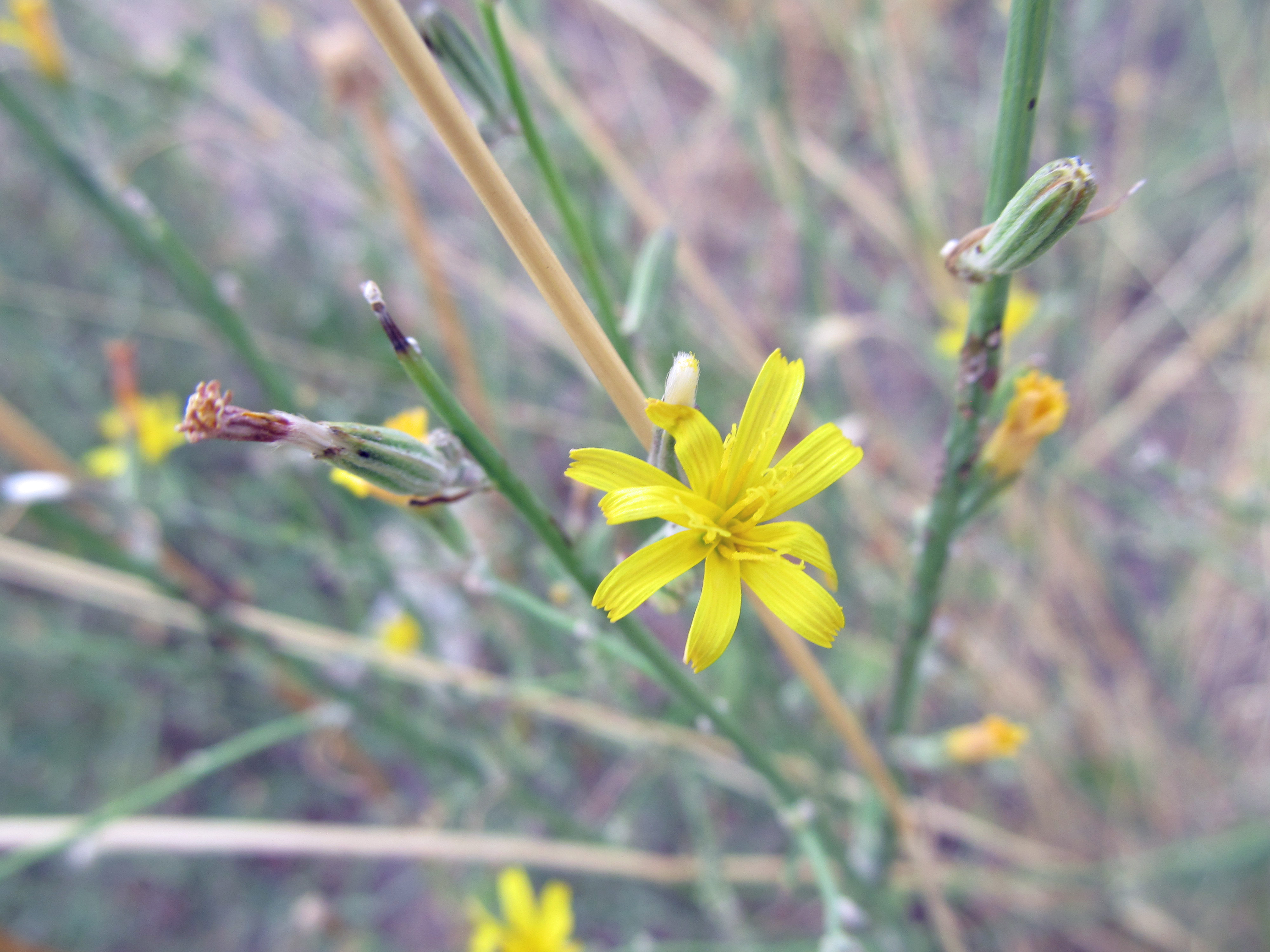
Rush skeletonweed (Chondrilla juncea) - labeled a noxious weed in Idaho

Rush skeletonweed (Chondrilla juncea) – labeled a noxious weed in Idaho

The authors of the AJB article (S. Luke Flory and Carla M. D’Antonio) begin by clarifying that “most introduced species are not problematic.” Those that are, however, can “cause significant ecological and economic damage.” This damage is well documented, and it is the reason why billions of dollars are spent every year in the battle against invasive species. But there is a dearth in our research: “less is known about how ecological effects of invasions change over time.” The effects of invasive species could “increase, decrease, or be maintained over decades,” and “multiple community and ecosystem factors” will determine this. For this reason, the authors are calling for “concentrated efforts to quantify the ecological effects of plant invasions over time and the mechanisms that underlie shifting dynamics and impacts.” Armed with this kind of information, managers can better direct their efforts towards invasive species determined to be “the most problematic.”

The authors go on to briefly explain with examples why an invasive species population may decline or be maintained over time, highlighting selected research that demonstrates these phenomena. Research must continue with the aim of improving our understanding of the long term effects of plant invasions. The authors acknowledge that this “will require carefully designed experiments,” “patient and persistent research efforts,” and significant amounts of money. However, they are convinced that through a widespread collaborative effort it can be done. They encourage researchers to deposit data obtained from their research in open source online repositories so that future meta-analyses can be conducted. The information available in these online repositories can be used to develop management plans and help predict “future problematic invasions.”

Considering the amount of time and resources currently spent on confronting invasive species, the approach proposed by the authors of this article is quite reasonable. It seems absurd to continue to battle a problematic species that will ultimately be brought down to more manageable levels by natural causes. It also seems absurd to battle against a species that is essentially here to stay.
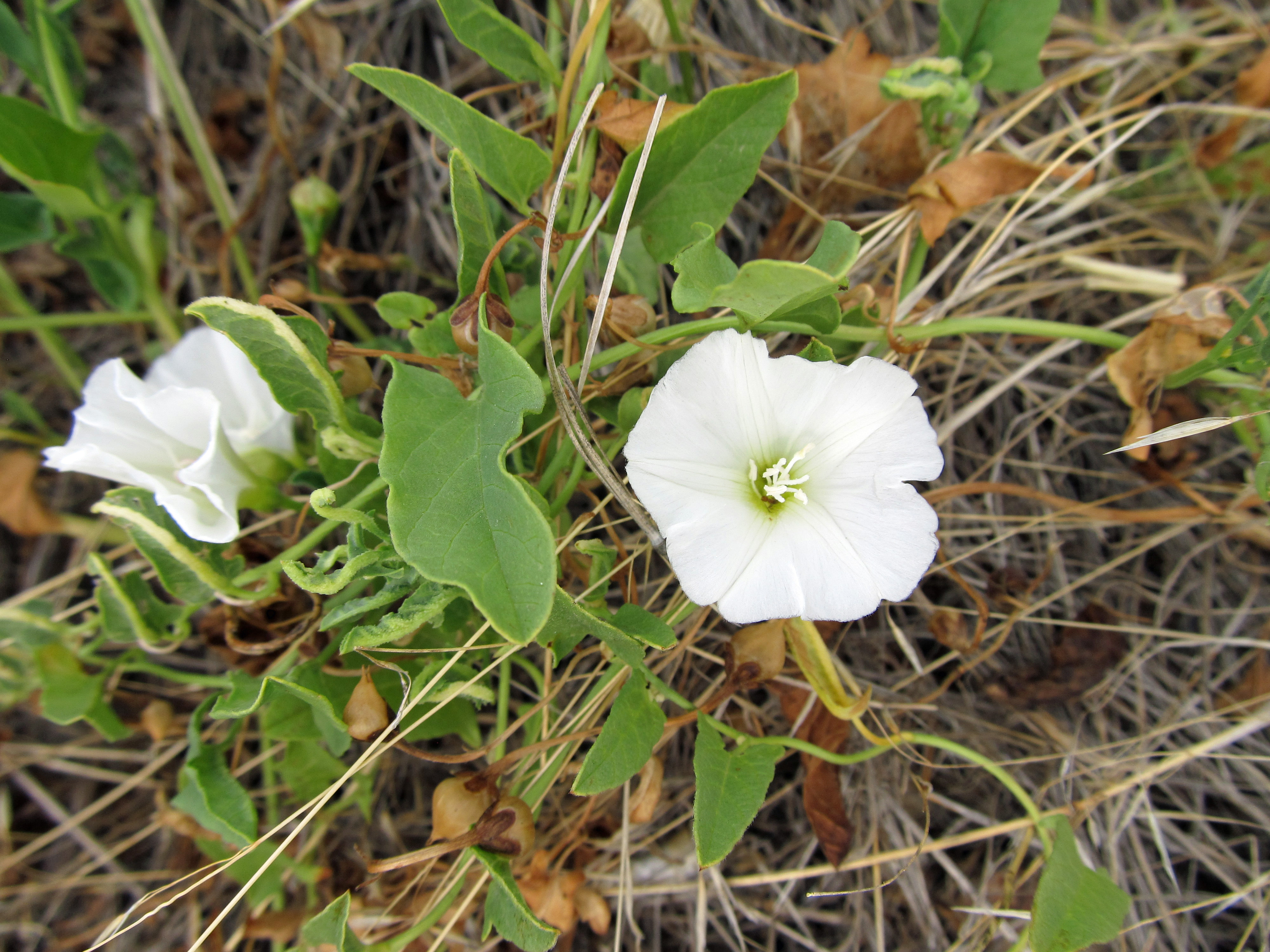
Field bindweed (Convulvulus arvensis) - labeled a noxious weed in Idaho

Field bindweed (Convulvulus arvensis) – labeled a noxious weed in Idaho

And that brings me to the point in which I make enemies. Take a look at the terms defined earlier. When we talk about introduced species, we are referring to introductions by humans, whether purposeful or accidental. An “alien” species introduced to a new location by wind, water, or animal (other than human) would be considered a natural introduction, right? If that species becomes established in its new location, it would simply be expanding its range. If a human brought it there, again whether purposefully or accidentally, it would be considered an exotic indefinitely.

Humans have been moving species around since long before we became the humans we are today in the same way that a migratory bird might move a species from one continent to another. At what point during our evolution did our act of moving species around become such a terrible thing?

I will concede that our species has become an incredibly widespread species, able to move about the planet in ways that no other species can. We also have technological advances that no other species comes close to matching. In the time that our species has become truly cosmopolitan, the amount of species introductions that we have participated in has increased exponentially. Leaving ecological destruction in our wake is kind of our modus operandi. I don’t want to make excuses for that, but I also don’t see it unfolding any other way. Give any other species the opportunities we had, and they probably would have proceeded in the same manner. Just consider any of the most notorious invasive species today – “opportunist” is their middle name.

More and more, as we are able to see what we have done, we are making efforts to “fix it.” But how de we rewind time? And if we could, when do we rewind back to? And how do we not “ruin it” again? The earth does not have a set baseline or a condition that it is supposed to be in at any given time. The earth just is. It is operating in a state of randomness, just like everything else in the universe. Any idea of how the earth must look at any given time is purely philosophical – conceived of by humans. I’m not saying that we shouldn’t try to repair the damage, but we should acknowledge that the repairs we’re trying to make are largely for the perpetuation of our own species. Yeah, we’ve developed a soft spot for other species along the way (thankfully), but ultimately we’re just trying to maintain. The earth, on the other hand, would be fine without us.

So, what shall we do about invasive species? I’m not entirely sure. The only thing I’m certain of is that I will continue to ruminate on them and potentially bore you with more blog posts in the future. Until next time…

Puncturevine (Tribulus terrestris) - labeled a noxious weed in Idaho

Puncturevine (Tribulus terrestris) – labeled a noxious weed in Idaho
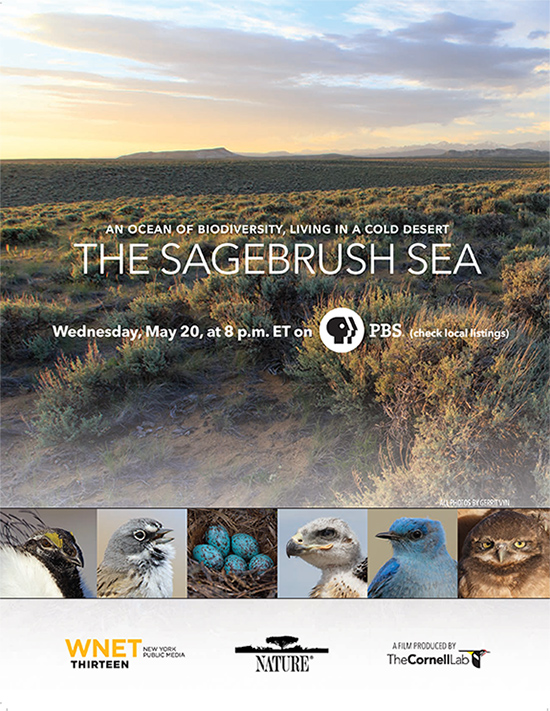
Documentary: The Sagebrush Sea

Last month I posted a few photos of some of the weeds and wildflowers of the Boise Foothills. In that post I touched briefly on the ecology of the foothills, and a few readers expressed interest in more posts about this topic. It is definitely a topic I would like to explore further, but it is not one that I know a ton about. In fact, despite spending the majority of my life residing in this high desert, sagebrush-dominated ecosystem, it has only been in the past few years that I have really gained an appreciation for it. Perhaps that’s understandable. This landscape, which initially appears drab, lifeless, and boring, is not easy to love at first…until you do a little exploring, at which point you find it teeming with life, loaded with diversity, and worthy of admiration.

That is one of the themes of a new PBS Nature documentary, The Sagebrush Sea, which debuted on PBS in May 2015. The film is an intimate view of what’s really going on in this vast, seemingly empty landscape that many of us simply ignore, passing through on our way to somewhere else. It is an introduction to a fascinating ecosystem, shaped and formed by extreme events and inhabited by plants and animals that have unique adaptations that allow them to survive the harsh conditions of the high desert. Some of these plants and animals can be found nowhere else on earth. For anyone looking to learn more about the ecology of the Boise foothills and/or the larger ecosystem of which they are a part, this is an excellent place to start.

The-Sagebrush-Sea

The sagebrush steppe is a plant community dominated by sagebrush (Artemisia tridentata and its various subspecies) and bunchgrasses. At one point it covered as many as 500,000 square miles of western North America – hence “the sagebrush sea” – but human activities have reduced it to half that size. The plants and animals in this ecosystem have been coevolving together for at least 2 million years. Sagebrush is, as the narrator of the film says, “the anchor of the high desert,” living up to 140 years old and helping to ensure that the desert doesn’t become a dust bowl. Sagebrush also provides food and shelter for a great number of species.

The Sagebrush Sea was produced by the The Cornell Lab of Ornithology, so while lots of other plant and animal life get adequate screen time, the birds of the sagebrush steppe dominate the film. One species in particular, the greater sage-grouse, is the star character, driving the film’s narrative and speaking for the protection of this threatened and underappreciated ecosystem.

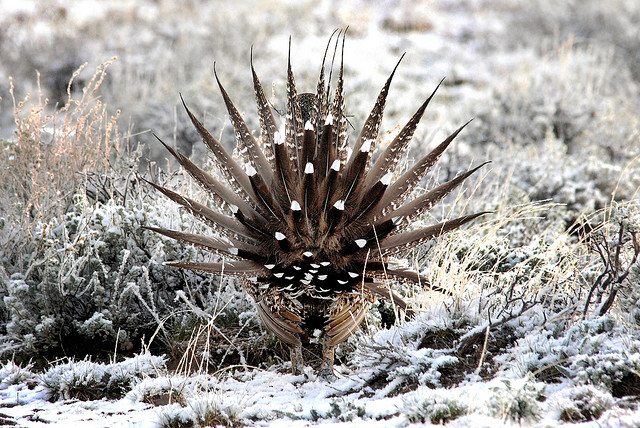
A view from behind a male greater sage-grouse (Centrocercus urophasianus ) - photo credit: wikimedia commons

A view from behind a male greater sage-grouse (Centrocercus urophasianus ) – photo credit: wikimedia commons

Sage-grouse are endemic to the sagebrush steppes of the intermountain west. They are sensitive to disturbances and are “tied to unbroken expanses of sage.” Their breeding grounds (leks) are large patches of open ground, but when they aren’t breeding (which is the majority of the year) they are taking refuge in the sagebrush and grasses. The females make nests below sagebrush, where they blend right in, camouflaged from predators. Sage-grouse consume various plants and insects throughout the year, but their diet consists mainly of the evergreen leaves of sagebrush. Just 200 years ago there were up to 16 million sage-grouse in the sagebrush sea, today that number has been reduced to around 200,000. Due to such a steep decline, they may soon be added to the endangered species list.

Because sage-grouse are so reliant on healthy, intact, widespread sections of sagebrush-steppe, they are considered an umbrella species. Taking measures to protect them will simultaneously spare and even improve the lives of numerous other species with similar requirements. To begin with, there are a handful of other bird species that nest nowhere else except in sagebrush, specificallly the sagebrush sparrow, the sage thrasher, and the brewer’s sparrow. Other animals feed on sagebrush and rely on it to make it through the winter, such as pronghorn and mule deer. Sagebrush is also considered a nurse plant, providing shade and moisture for grass and forb seedlings growing below it.

The sagebrush steppe is threatened by the usual cast of characters: habitat fragmentation, urban and agricultural development, invasive species, climate change, etc.  Some specific activities like cattle ranching and oil and gas drilling also come into play. While The Sagebrush Sea briefly introduces some of the major threats to this ecosystem, it does not dwell on any single issue or point fingers in any one particular direction. For one, it is hard to place blame when there are so many factors involved; but more importantly, the filmmakers wanted the film to be accessible to everyone in order to foster a greater appreciation for the sagebrush sea and a consequent desire to protect it. The debates regarding this part of the world are heated enough, and those directly involved are already well aware of the issues.

This is a beautiful film. The images it captures are captivating and at times breathtaking. Apart from the sage-grouse, various animal families are introduced throughout, each one stealing your heart. My only complaint is that, at only 53 minutes, the film is too short. Luckily, the world they depicted is right outside my door, and I am now even more inspired to explore it.

To learn more about sage-grouse conservation, visit Sage Grouse Initiative.

Year of Pollination: Mosquitoes as Pollinators

It is difficult to have positive feelings about mosquitoes, especially during summer months when they are out in droves and our exposed skin – soft, supple, and largely hair-free – is irresistible to them. We are viewed as walking blood meals by female mosquitoes who are simply trying to produce young – to perpetuate their species just like any other species endeavors to do. Unfortunately, we are left with small, annoying bumps in our skin – red, itchy, and painful – risking the possibility that the mosquitoes that just drew our blood may have passed along any number of mosquito-borne diseases, some (such as malaria) that potentially kill millions of people every year. For this, it is okay to hate mosquitoes and to long for the day of their complete eradication from the planet. However, their ecological roles (and yes, they do have some) are also worth considering.

There are more than 3,500 species of mosquito. Luckily, only 200 or so consume human blood. Mosquitoes go back at least 100 million years and have co-evolved with species of plants and animals found in diverse habitats around the world. Adult mosquitoes and their larvae (which live in standing water) provide food for a wide variety of creatures including birds, bats, insects, spiders, fish, frogs, lizards, and salamanders. Mosquito larvae also help break down organic matter in the bodies of water they inhabit. They even play an important role in the food webs found inside the pitchers of northern pitcher plants (Sarracenia spp.). Interestingly enough, Arctic mosquitoes influence the migration patterns of caribou. They emerge in swarms so big and so voracious that they have been said to kill caribou through either blood loss or asphyxiation.

However, blood is not the main food source of mosquitoes; flower nectar is. Males don’t consume blood at all, and females only consume it when they are producing eggs. Any insect that visits flowers for nectar has the potential to unwittingly collect pollen and transfer it to a nearby flower, thereby aiding in pollination. Mosquitoes are no exception. They have been observed acting as pollinators for a handful of species, and could be acting as pollinators for many more.

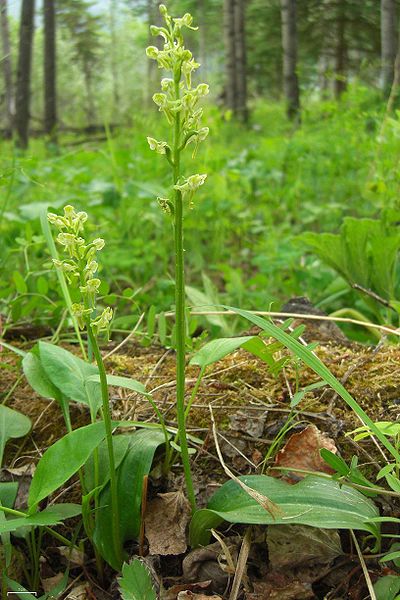
Bluntleaved orchid (Platanthera obtusata) is pollinated by mosquitoes. phot credit: wikimedia commons

Bluntleaved orchid (Platanthera obtusata) is pollinated by mosquitoes. photo credit: wikimedia commons

The scientific literature describes the pollination by mosquitoes of at least two plant species: Platanthera obtusata (syn. Habenaria obtusata) and Silene otites. P. obtusata – bluntleaved orchid – is found in cold, wet regions in North America and northern Eurasia. It is pollinated by mosquitoes from multiple genera including several species in the genus Aedes. Mosquitoes visit the flowers to feed on the nectar and, subsequently, pollinia (clusters of pollen) become attached to their eyes and are moved from flower to flower. This scenario likely plays out in other species of Arctic orchids as well*.

S. otites – Spanish catchfly – is a European species that is pollinated by mosquitoes and moths. Researches have been studying the floral odors of S. otites that attract mosquitoes, suggesting that determining the compounds involved in these odors “might lead to the development of new means of pest control and mosquito attractants and repellents.”

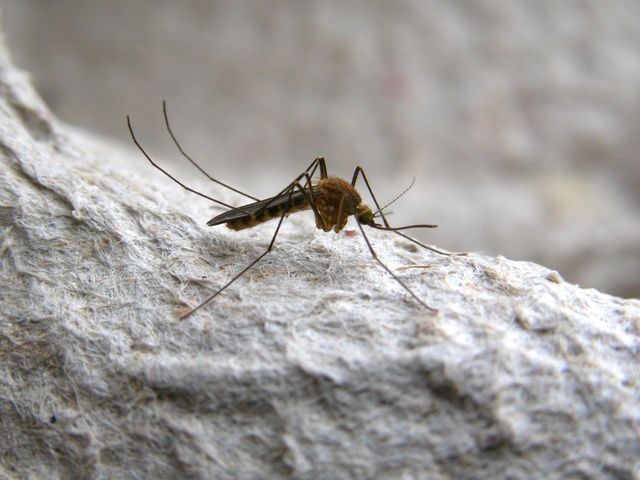
Northern House Mosquito (Culex pipiens) - one of the species of mosquitoes that has been observed pollinating Silene otitis. photo credit: www.eol.org

Northern House Mosquito (Culex pipiens) – one of the species of mosquitoes that has been observed pollinating Silene otites. photo credit: www.eol.org

Despite the list of functions that mosquitoes serve in their varied habitats, an article that appeared in Nature back in 2010 argues for wiping mosquitoes off the Earth, stating that “the ecological scar left by a missing mosquito would heal quickly as the niche was filled by other organisms.” And even though “thousands of plant species would lose a group of pollinators,” mosquitoes are not important pollinators of the “crops on which humans depend,” nor do they appear to be the sole pollinator of any single plant species [the species mentioned above are pollinated by other insects as well]. Eliminating mosquitoes, however, is more of a pipe dream than a realistic possibility as our “best efforts can’t seriously threaten an insect with few redeeming features.”

*Speaking of orchids and pollination, endless posts could be written about this incredibly fascinating and diverse group of plants and their equally fascinating and complex mechanisms surrounding pollination. There will be more to come on such topics. Meanwhile, it should be noted that orchids are also a notoriously threatened group of plants. To learn more about orchids and orchid conservation in North America, visit North American Orchid Conservation Center.

Read more about mosquito pollination here.

And now for your listening pleasure:

How to Make Petrified Wood

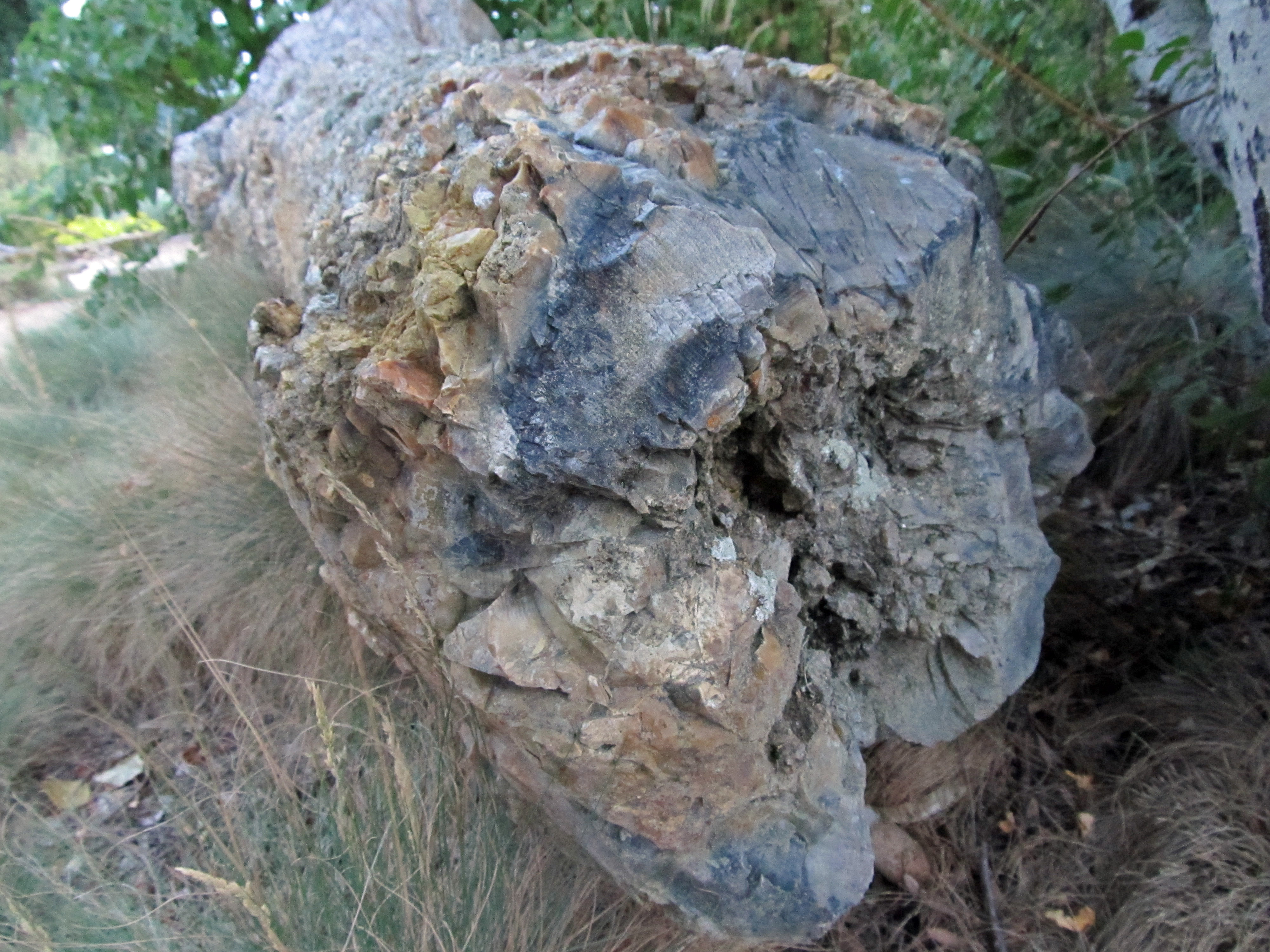
petrified log 2

So, you want to petrify some wood, eh? Here is a list of the basic ingredients that you will need:

  • A log (or some other chunk of wood)
  • Sediment, mud, volcanic ash, lava, or some type of inorganic material in which to bury the log and create an oxygen-free environment
  • Groundwater rich in silica (or other mineral commonly found in rocks)
  • Additional minerals including iron, copper, and manganese for coloring
  • Time and patience (because this is going to take a while – millions of years perhaps)

petrified log 8

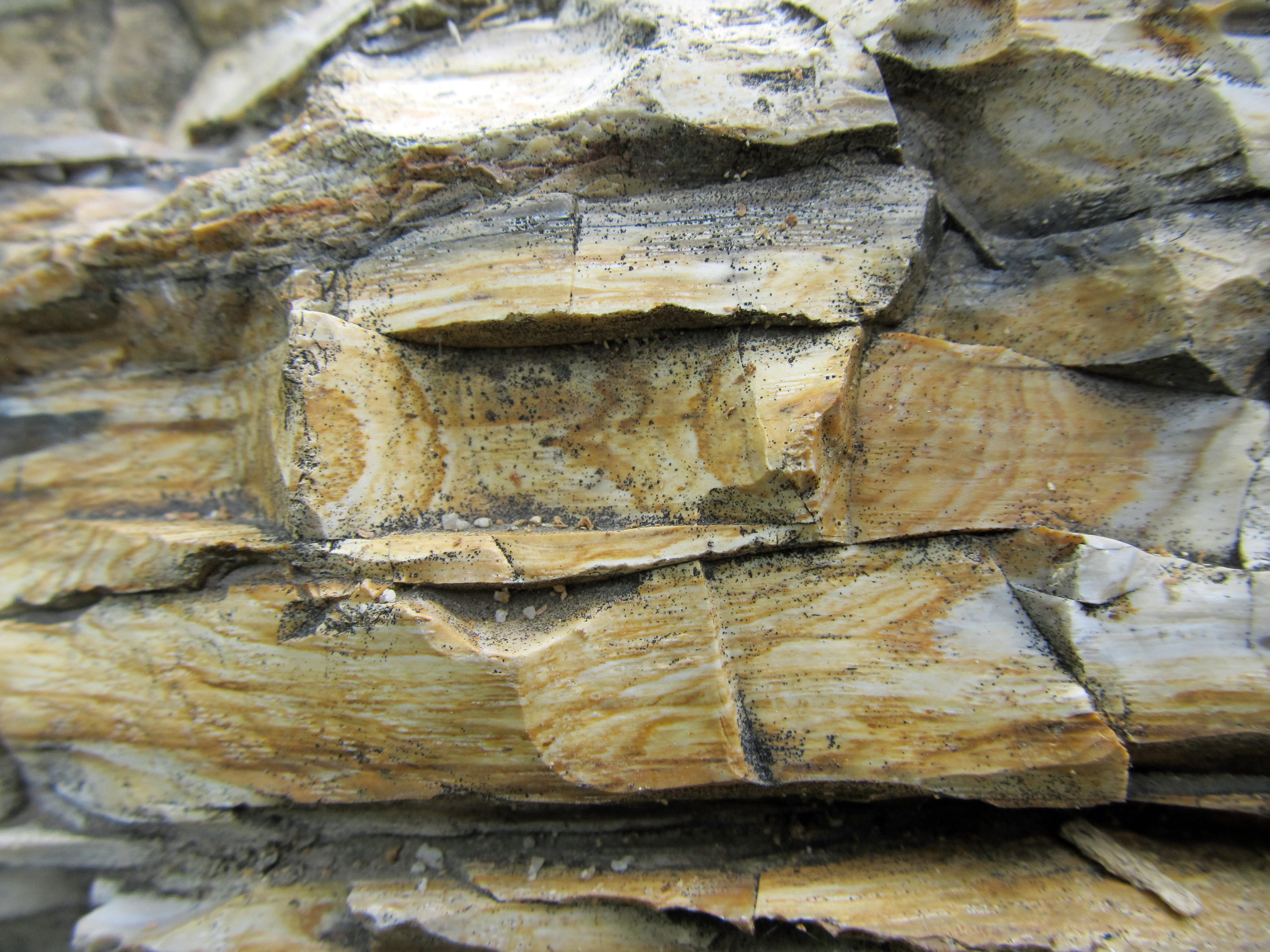
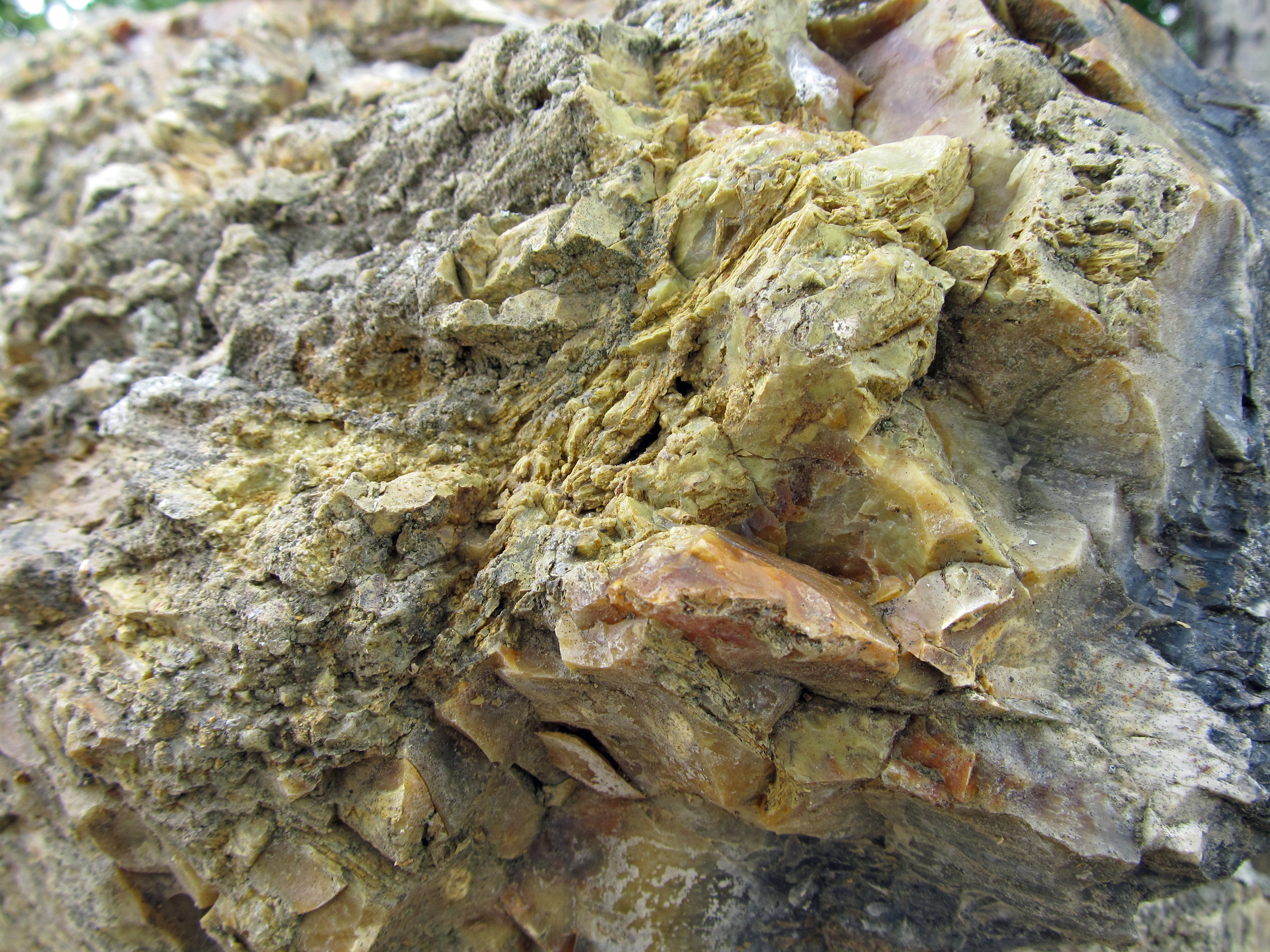
Petrification refers to organic material being converted entirely into stone through two main processes: permineralization and replacement. First, the log you intend to petrify must be buried completely, cutting off the oxygen supply and thereby slowing the decay process considerably. Over time, groundwater rich in silica and other minerals will deposit the minerals in the pore spaces between the cells of the log. Later, the mineral rich water will slowly dissolve the cells and replace them with the minerals as well. The slower the better, assuring that the textures of the bark and wood and details such as the tree rings will remain visible. After enough million years have passed, the log may find itself exposed, pushed out of the ground by an earthquake or landslide or some other act of nature. What entered the ground as a living or recently dead tree, is now 100% inorganic material. And it is much heavier.

The colors in your petrified log will vary depending on the presence and concentrations of minerals in the groundwater. Cobalt, copper, and chromium will create greens and blues. Iron oxides will give the log hues of red, orange and yellow. Manganese adds pink and orange. During the petrification process, various circumstances can cause the silica to form a variety of crystal structures and other formations within the log. These formations can include amethyst, agate, jasper, opal, citrine, and many others. When all is said and done, your petrified log will be a true work of art.

petrified log 1

Petrification is a fossilization process. Thus, a section of petrified wood is a fossil, and it can be used to help paint a picture of what a particular region was like back when the tree was alive. It can also help us gain a better understanding of how life has evolved on this planet. Areas with large concentrations of petrified wood are located throughout the world, each with its own unique story to tell about the tree species once found in the area and the circumstances that led to their petrification. One such location is Petrified Forest National Park in Arizona. The petrified wood found there came from trees living in the area over 200 million years ago.

petrified log 5

Is a few million years too long to wait? Scientists have developed ways to petrify wood in the laboratory in as little as four or five days. One such process was developed at Pacific Northwest National Laboratory about a decade ago. It involves soaking a section of wood in hydrochloric acid for two days and then in either a silica or titanium solution for another two days. After air-drying, the wood is placed in an argon gas filled furnace and slowly heated to 1400° Celsius over a period of two hours. It is then left to cool to room temperature in the argon gas. What results is a block of ceramic silicon carbide or titanium carbide. Probably not as beautiful and interesting to look at as the one that took millions of years to form, but cool nonetheless.

petrified log 6

Read more about petrified wood here and here.

The photos in this post were taken at Idaho Botanical Garden in Boise, Idaho. If you find yourself in the area, stop by and check out their petrified log which was found in the Owyhee Mountains.

Book Review: Rambunctious Garden

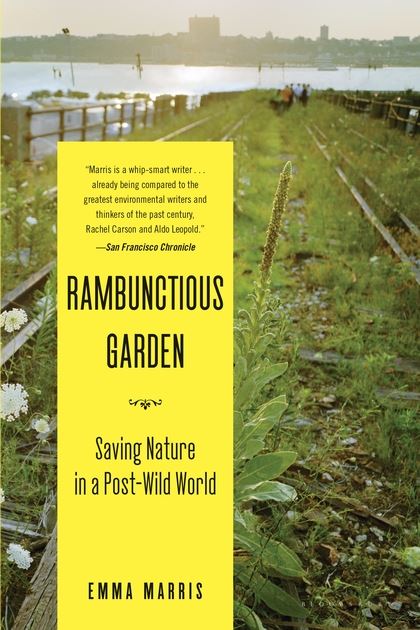
Last month in a post entitled Making the Case for Saving Species, I reviewed an article written by Emma Marris about doing all we can to prevent species from going extinct, even when the approach is not a popular one – like introducing rust resistant genes into native whitebark pine populations. Intrigued by Marris’ words, I decided to finally read her book, Rambunctious Garden: Saving Nature in a Post-Wild Word, which had been sitting on my bookshelf for several months and had been on my list of books to read for at least a couple of years before that. At only 171 pages, Marris’ book is a quick read and comes across as an introduction to some sort of revolution. Its brevity demands future volumes, which are hopefully on their way.

rambunctious garden

The general topic that Marris addresses is how to do conservation work in a world that is riddled with human fingerprints, especially coming from a perspective that human influence is and has been largely negative. What should our goals be? The traditional approach has been to restore natural areas to a historical baseline. In North America, that baseline is usually pre-European colonization. So, we remove introduced species and we use whatever records we have and data we can gather to make natural areas look and function as they did several hundred years ago.

But there are some concerns with this approach. Rewinding time requires massive amounts of money, labor, and time, and if that historical baseline is ever achieved, it will require great effort to keep it there. Also, a number of species have gone extinct and there is no way of replacing them (unless we introduce similar species as proxies), and some species require large areas to roam that even our most spacious parks cannot accommodate. And then there is the challenge of continual change. Anthropogenic climate change aside (which complicates conservation and restoration efforts in serious ways), the earth’s ecosystems are in a constant state of flux, so holding a site to a pre-determined baseline makes little sense when viewed from a geological timescale.

There is another issue – which is in part a semantic one – and that is, we seem to have a distorted view of nature. We like to think of it as being apart from us, away from us, somewhere wild and pristine. Marris writes: “We imagine a place, somewhere distant, wild and free, a place with no people and no roads and no fences and no power lines, untouched by humanity’s great grubby hands, unchanging except for the season’s turn. This dream of pristine wilderness haunts us. It blinds us.”

We are blinded because “pristine” is a myth. Every inch of the globe has been altered in some way by humans – some areas more than others – and disconnecting ourselves from nature in a way that makes it unattainable deters us from the perception that nature can be all around us. Nature is not found only in national parks, nature preserves, and other protected areas, but in our backyards, on our rooftops, along roadsides, in the cracks of concrete, and in farm fields. Nature is everywhere. And if nature is everywhere, then conservation can happen everywhere.

After a brief overview of how we (Americans specifically) arrived at our current approach to conservation and restoration, Marris dives into some new approaches, visiting sites around the world and talking with biologists and ecologists about their work.  She explores rewilding (Pleistocene rewilding even), assisted migration, embracing exotic species, novel ecosystems, and designer ecosystems. The subject matter of each chapter in Marris’ book is worthy of a post or two of its own, but I’ll spare you that and suggest that you read the book. The controversy that surrounds these novel approaches is also worth noting. A few searches and clicks on the internet will lead you to some fairly heated debates about the ideas that Marris puts forth in her book, as well as some criticisms of Marris herself.

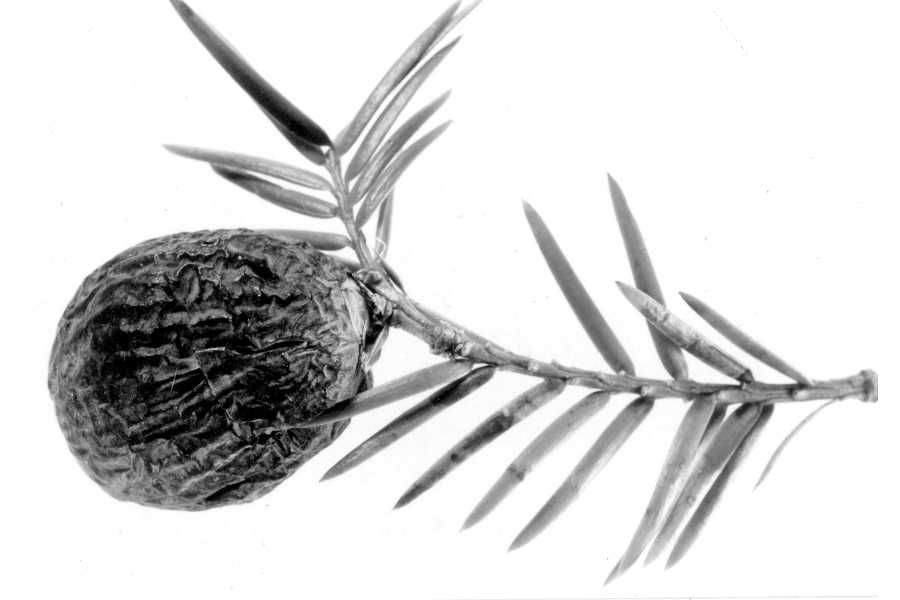
Florida torreya (Torreya taxifolia) - a critically endangered tree species native to a tiny corner in the southeastern United States that is not likely to survive the coming decades in the wild without assisted migration.

Florida torreya (Torreya taxifolia) – a critically endangered tree species native to a tiny corner in the southeastern United States that is not likely to survive the coming decades in the wild without assisted migration. (photo credit: www.eol.org)

My view as an outsider – that is, one without a high level degree in ecology and lacking years of experience working in the field – is that the tools and methods outlined in Marris’ book are worth exploring further. Certainly, each natural area must be approached differently depending on the conditions of the site and the goals of the managers. [Marris offers a great overview of some goals to consider in her last chapter.] Ultimately it is up to people much smarter and more experienced than I to sort it all out. But I heartily encourage thinking outside of the box…for whatever it’s worth.

And that brings me to what I loved most about the book. Controversy aside, Marris’ clarion call for a paradigm shift is a welcome one. Nature is all around us, and regardless of what land managers and the powers that be decide to do with large tracts of land “out there,” every individual can find purpose and beauty in the nature that surrounds them, whether it be the street trees that line our neighborhoods or the vacant lot growing wild with weeds down the street. We can decide to let our yards go a little feral, to plant some native plants, to encourage wildlife in urban areas, and to even do a little assisted migration of our own by planting things from nearby regions just to see how they will do in our changing climate. In short, we can garden a bit more rambunctiously. And we should.

This is how Marris puts it:

If we fight to preserve only things that look like pristine wilderness, such as those places currently enclosed in national parks and similar refuges, our best efforts can only retard their destruction and delay the day we lose. If we fight to preserve and enhance nature as we have newly defined it, as the living background to human lives, we may be able to win. We may be able to grow nature larger than it currently is. This will not only require a change in our values but a change in our very aesthetics, as we learn to accept both nature that looks a little more lived-in than we are used to and working spaces that look a little more wild than we are used to.

Read a short interview with Marris about her book here, and listen to a discussion with her on a recent episode of Out There podcast.

Weeds and Wildflowers of the Boise Foothills: June 2015

Boise, Idaho is a beautiful city for many reasons. One feature that makes it particularly attractive are the foothills that flank the city from the southeast to the northwest. The foothills are a transition zone to the mountains that lie to the northeast. Large sections of the foothills have been converted to housing, but much of the area remains as wide open space. There are around 150 miles of trails winding through the foothills that can be accessed from the Boise area. These trails are used frequently by hikers, mountain bikers, dog walkers, bird watchers, trail runners, and horseback riders. The foothills, along with so many other nearby attractions, explains why Boise is such an excellent city for those who love outdoor recreation.

boise foothills trail

I feel embarrassed to say that I had not yet made it into the foothills this year until about a couple weeks ago. I had intended to go for more frequent hikes this year, but life has been in the way. What I was especially curious to see was how the plant life in the foothills changes throughout the year. Because Boise is located in a high desert and receives very little precipitation (especially during the summer months), many of the local wildflowers show themselves in the spring when there is moisture in the soil, after which they wither up and go dormant for the rest of the year.

But there is still lots to see in June. However, it should be noted that when you are hiking in the foothills you must develop an appreciation for weeds, as many of the plants you will see are not native to this area and, in many cases, are in much greater abundance than the plants that are. Species brought in from Europe and Asia have become well established in the Boise Foothills, significantly altering the area’s ecology. One of the major changes has been wildfire frequency. Before weeds like cheatgrass – an annual, shallow-rooted grass imported from Europe – became so prolific in the area, fires were rare, slow moving, and isolated. The continuous, quick burning fuel source provided by dead cheatgrass heightens the risk of more frequent, faster moving, widespread fires, especially in the hot, dry summer months. This threatens plant species that are not adapted to frequent fires.

But this post isn’t about the ecology of the foothills. We can save that for another time. For now, I just wanted to share some of the plants I saw – both native and non-native – on my short walk through a very tiny corner of the Boise Foothills earlier this month.

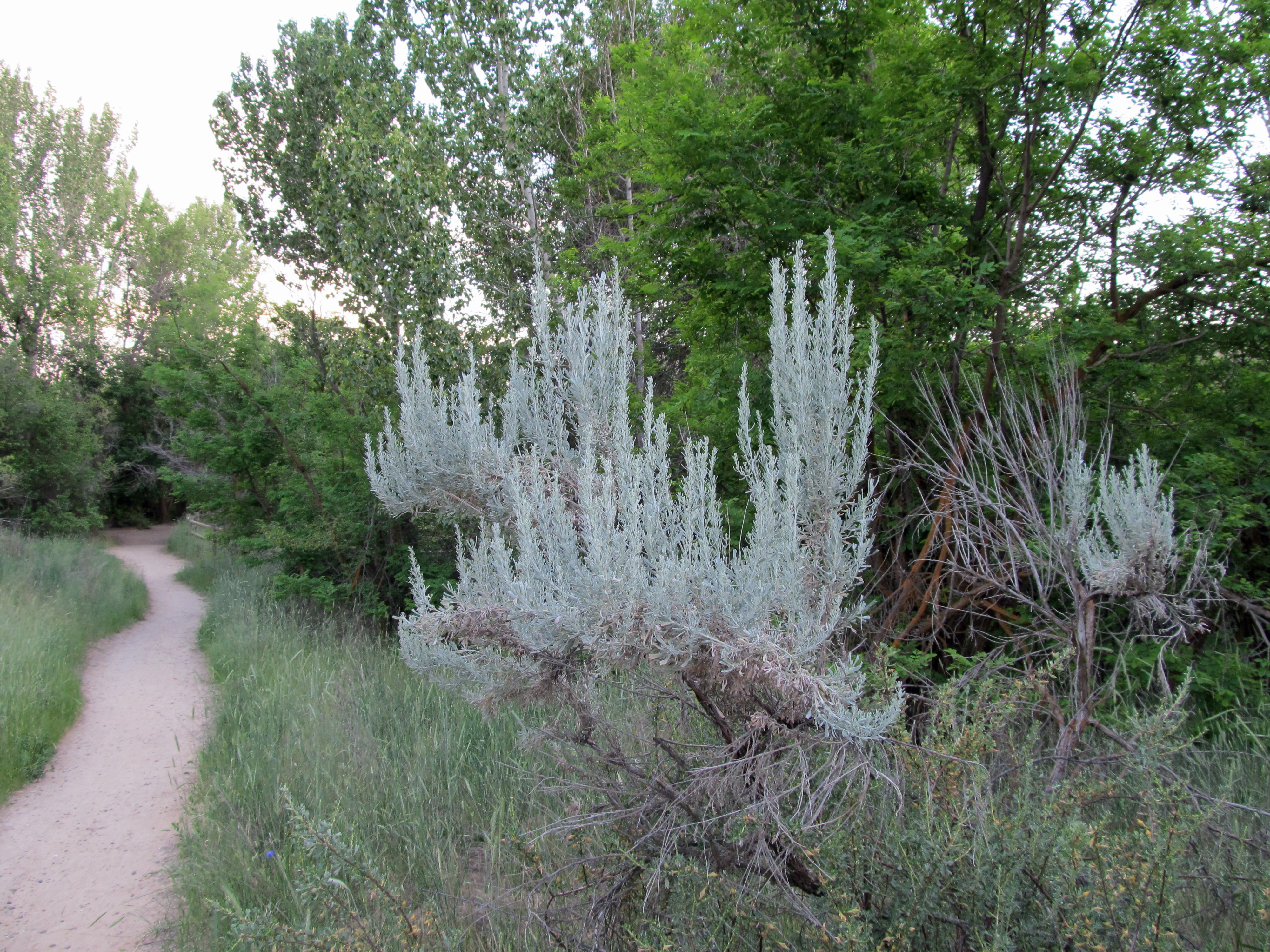
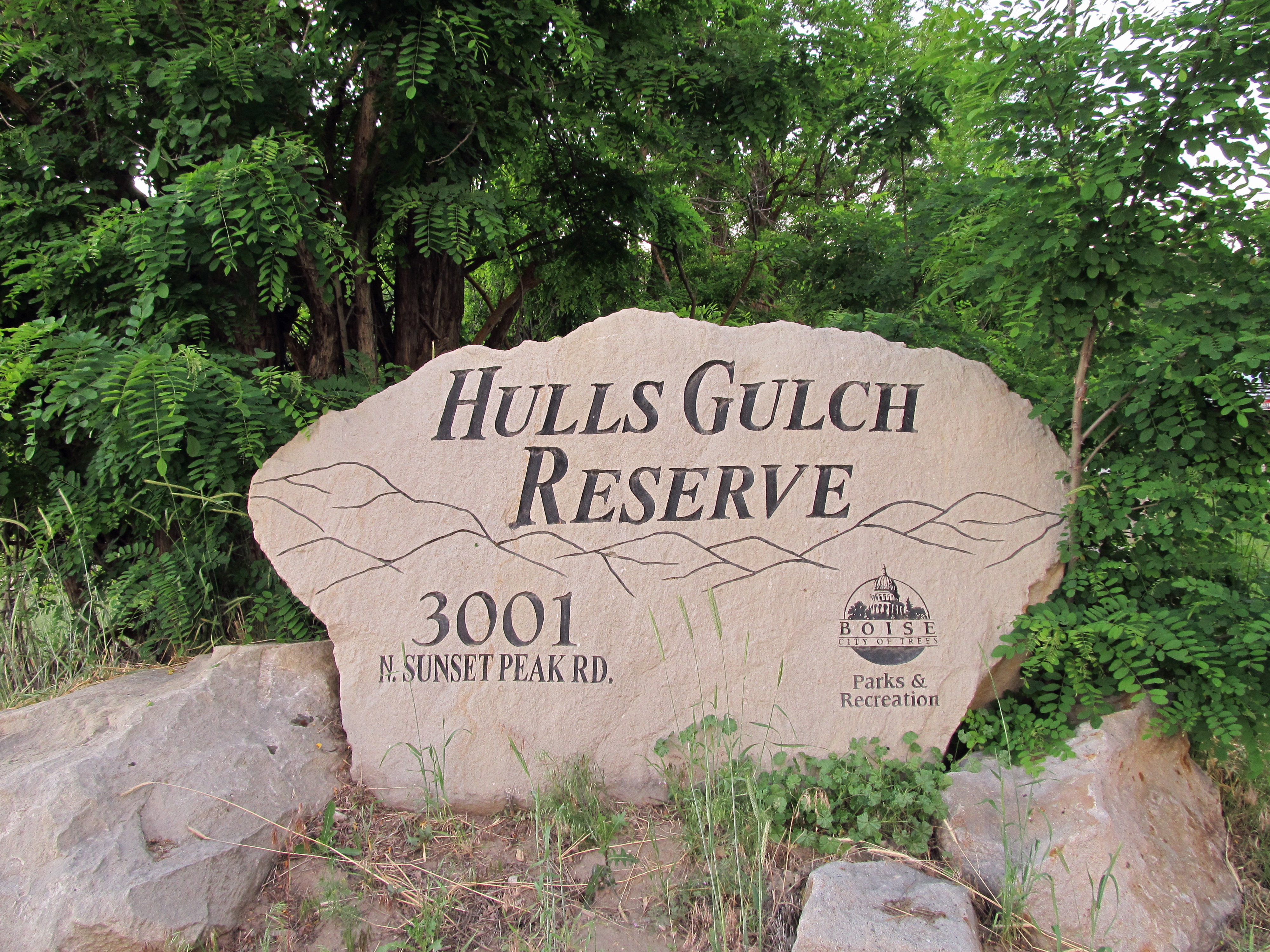
The trail that I hiked is one of several trails in an area of the Boise Foothills called Hulls Gulch Reserve.

The trail that I hiked is one of several trails in an area of the Boise Foothills called Hulls Gulch Reserve.


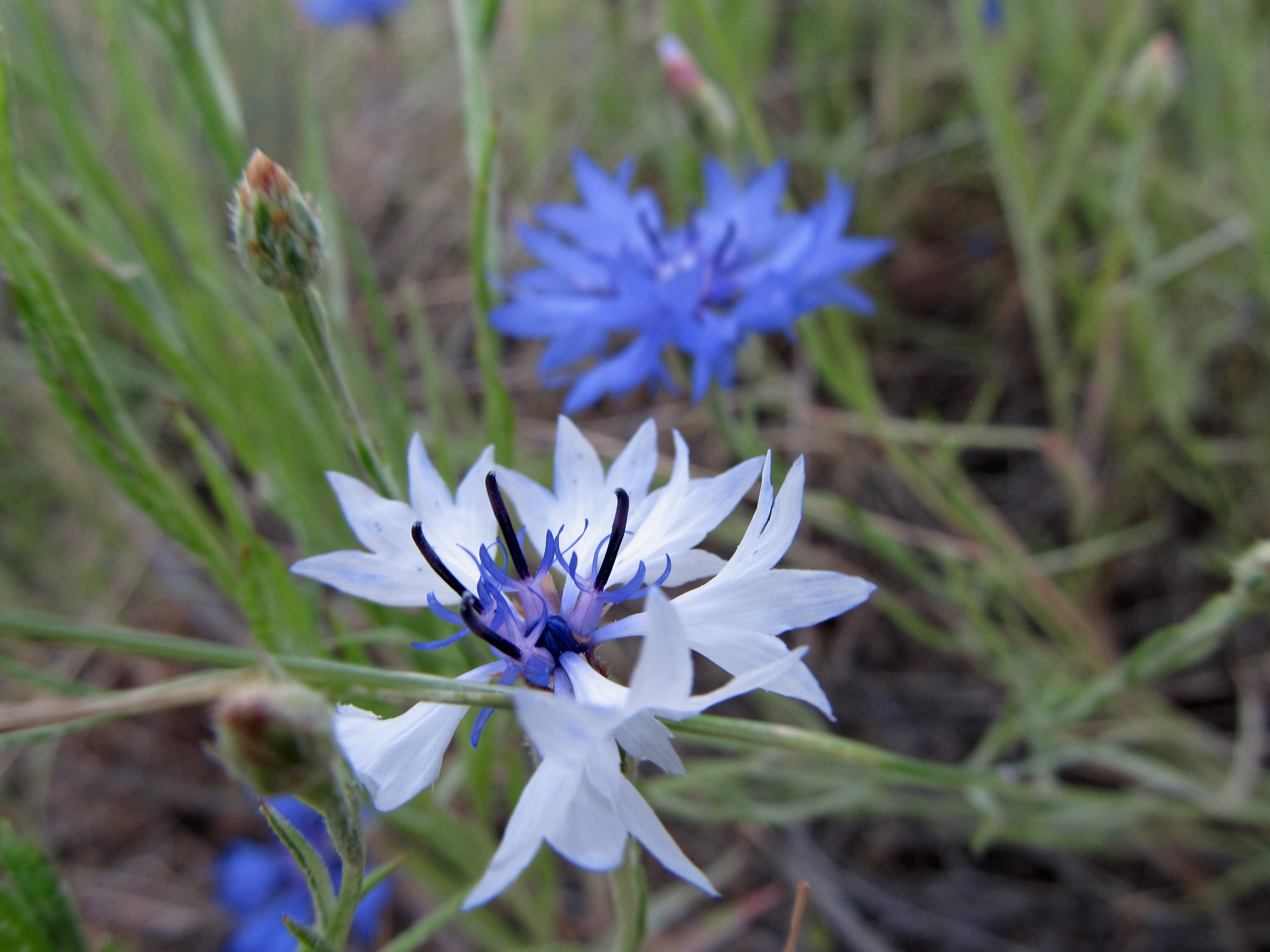
Bachelor's Buttons (Centaurea cyanus) are native to Europe. They are a common cultivated flower and have escaped from yards into the foothills. They are quite attractive and popular among pollinators. Their flowers and stems are edible so perhaps we should all take to eating them.

Bachelor’s buttons (Centaurea cyanus) are native to Europe. They are a common cultivated flower and have escaped from yards into the foothills. They are quite attractive and popular among pollinators. Their flowers and stems are edible, so perhaps we should all take to eating them.


Silverleaf phacelia (Phacelia hastate) - a foothills native that is also a pollinator favorite.

Silverleaf phacelia (Phacelia hastata) – a foothills native and a pollinator favorite.


Pale evening primrose (Oenothera pallida) - a foothills native pollinated by nocturnal moths.

Pale evening primrose (Oenothera pallida) – a foothills native pollinated by nocturnal moths.


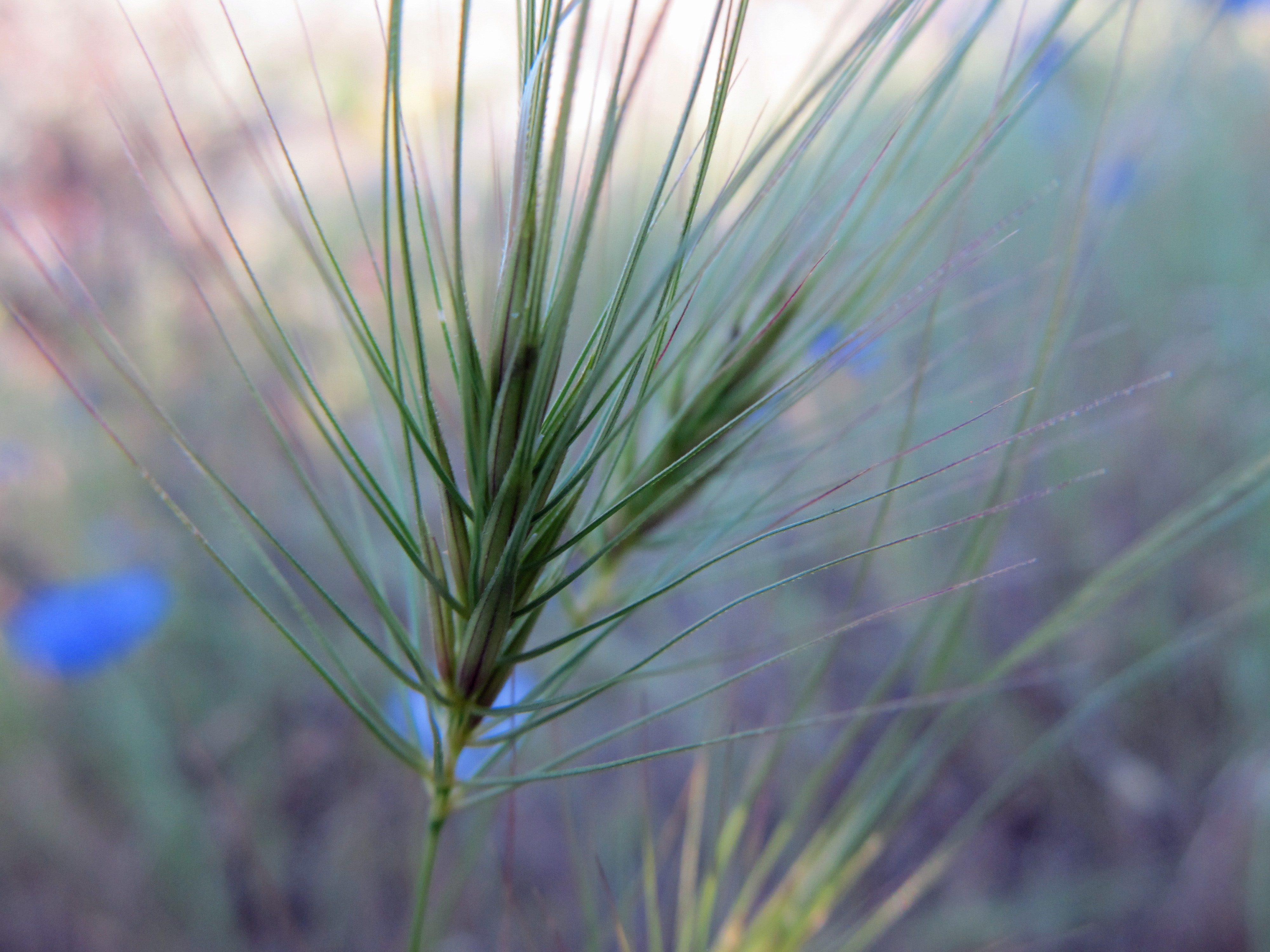
Medusahead (Taeniatherum caput-medusa) is an invasive annual grass from Eurasia. It has an ecological impact similar to cheatgrass (Bromus tectorum).

Medusahead (Taeniatherum caput-medusae) is an invasive annual grass from Eurasia. It has an ecological impact similar to cheatgrass (Bromus tectorum).


The fruits of nineleaf biscuitroot (Lomatium triternatum), a spring flowering plant in the carrot family (Apiaceae).

The fruits of nineleaf biscuitroot (Lomatium triternatum), a native spring wildflower in the carrot family (Apiaceae).


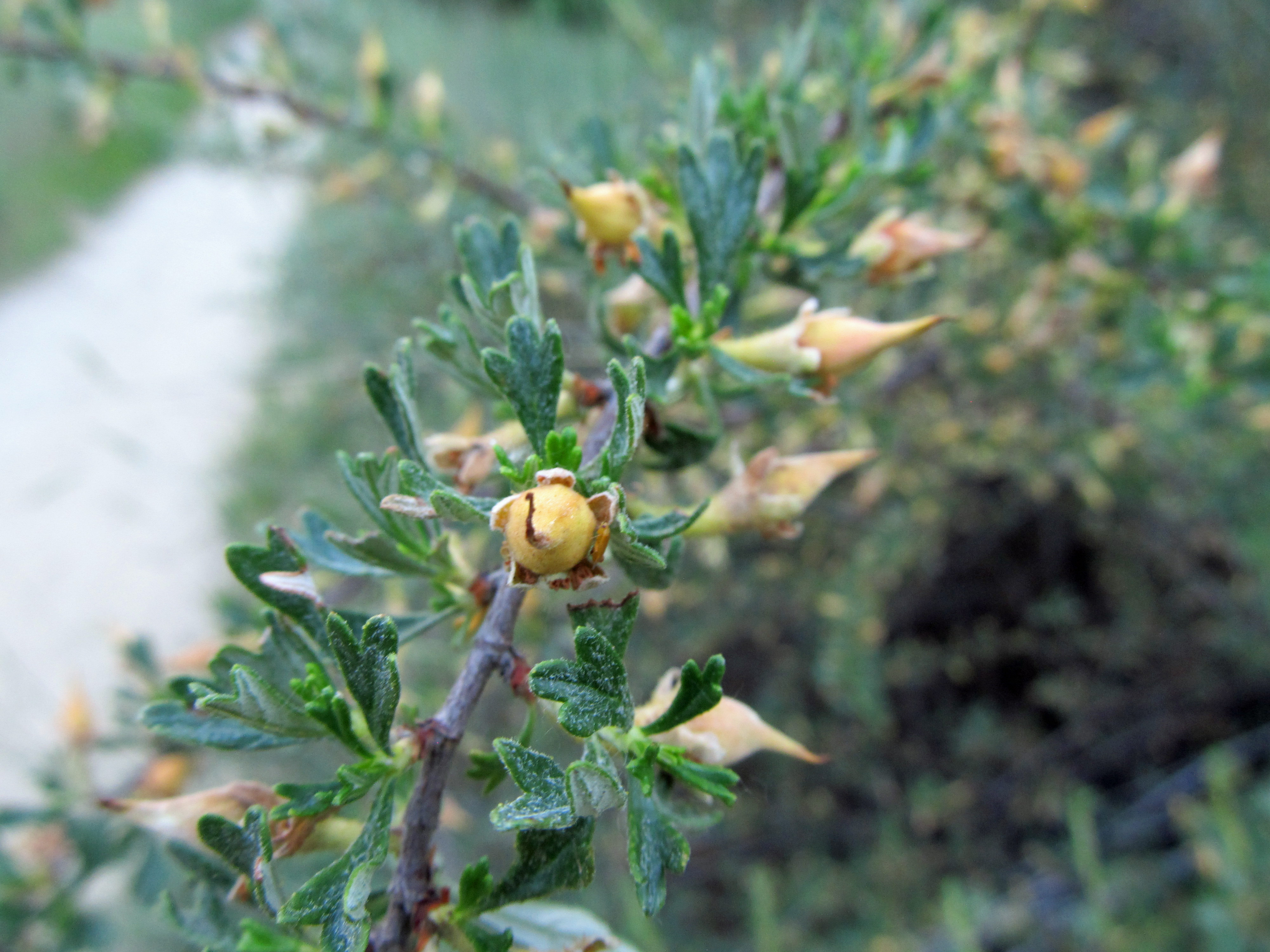
Fruits forming on antelope bitterbrush (Purshia tridentata), one of several shrubs native to the Boise Foothills.

Fruits forming on antelope bitterbrush (Purshia tridentata), one of several shrubs native to the Boise Foothills.


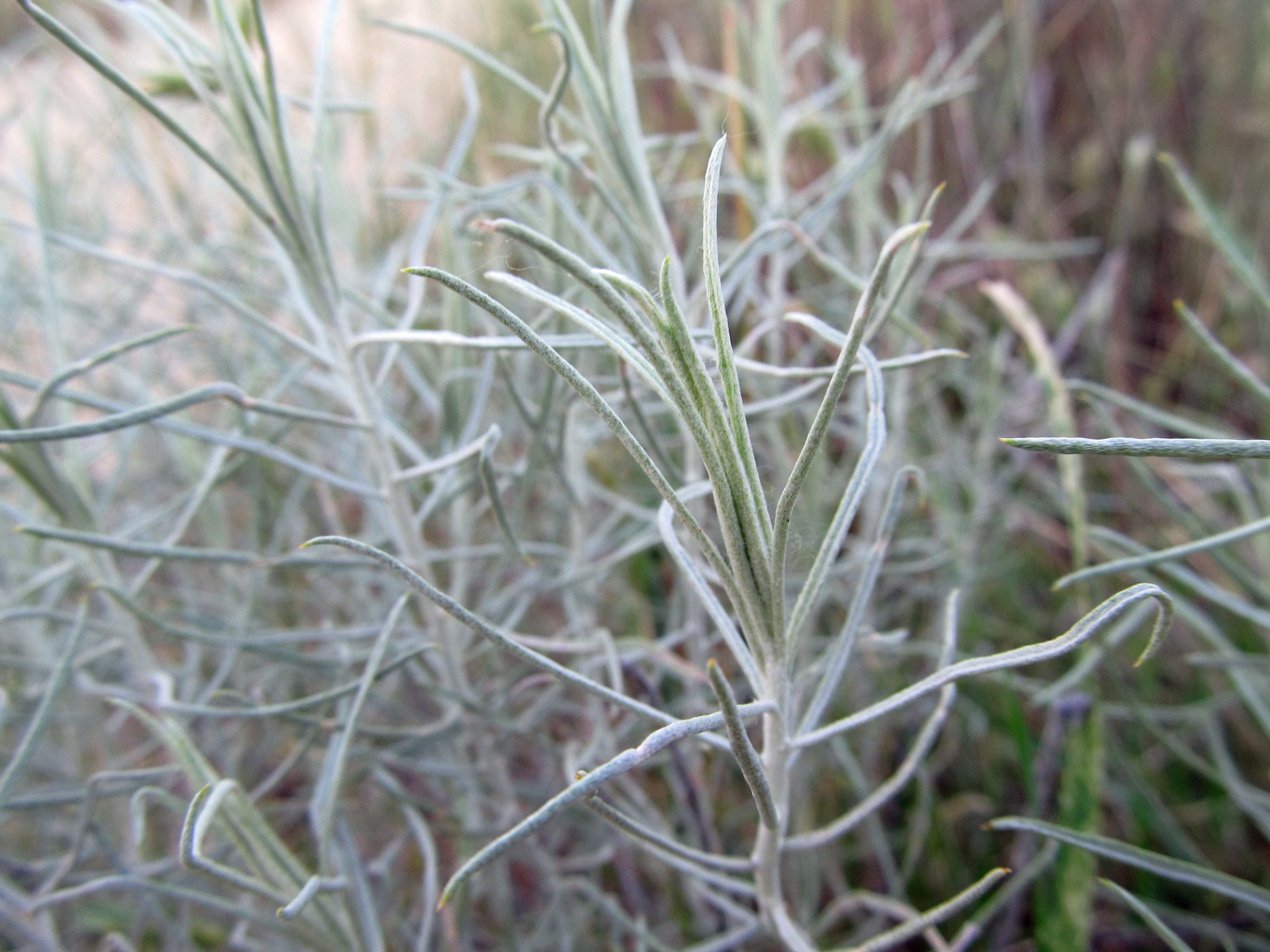
Rubber rabbitbrush (Ericameria nauseosa), a native shrub that flowers in late summer.

Rubber rabbitbrush (Ericameria nauseosa), a native shrub that flowers in late summer.


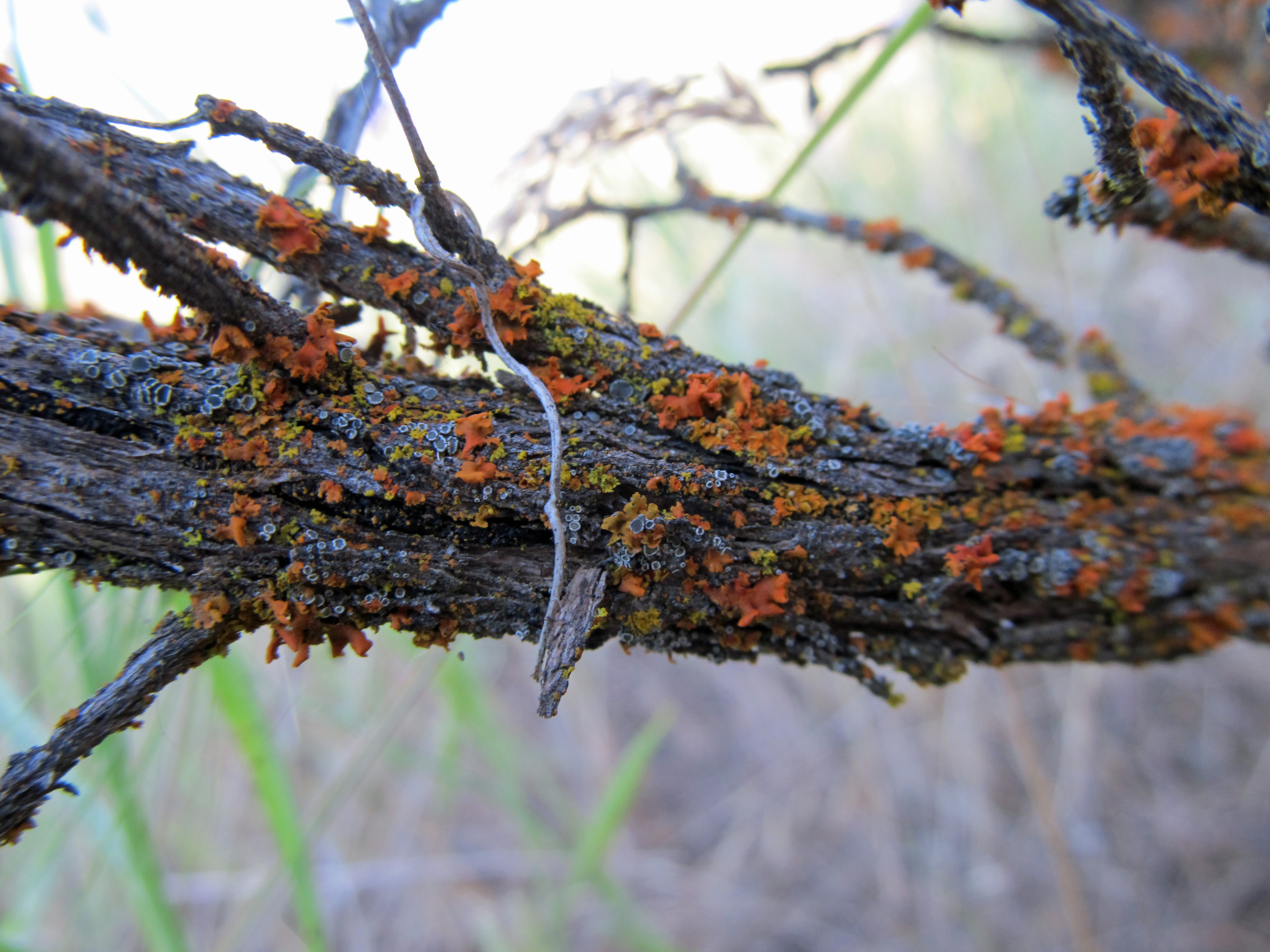
Lichens on the branch of basin big sagebrush (Artemisia tirdentata sbsp. tridentata) another common native shrub.

Lichens on the branches of basin big sagebrush (Artemisia tridentata subsp. tridentata), another common native shrub.


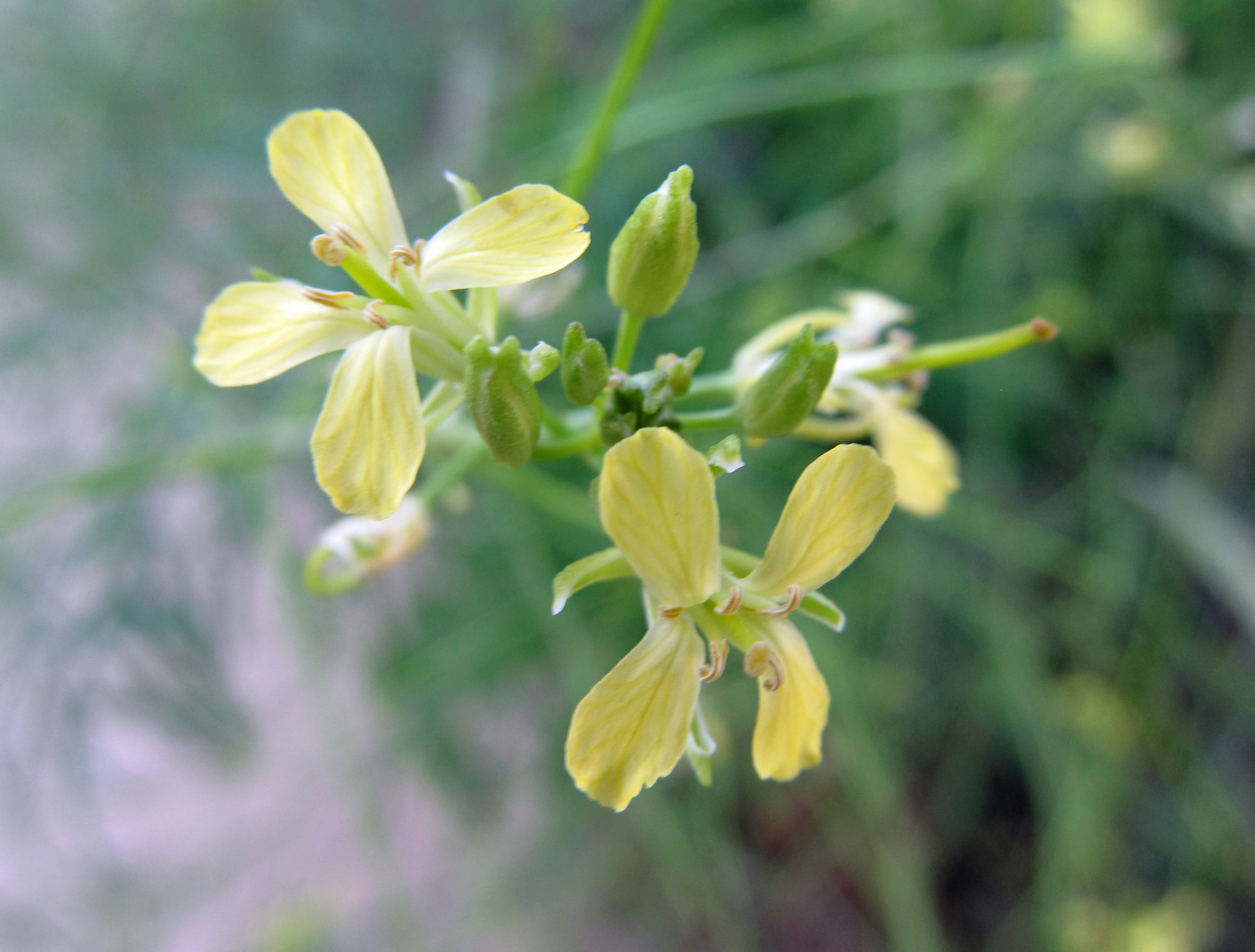
Tall tumblemustard (Sisymbrium altissimum) an introduced species and one of many tumbleweed species in the western states.

Tall tumblemustard (Sisymbrium altissimum) – an introduced species and one of many tumbleweed species in the western states.


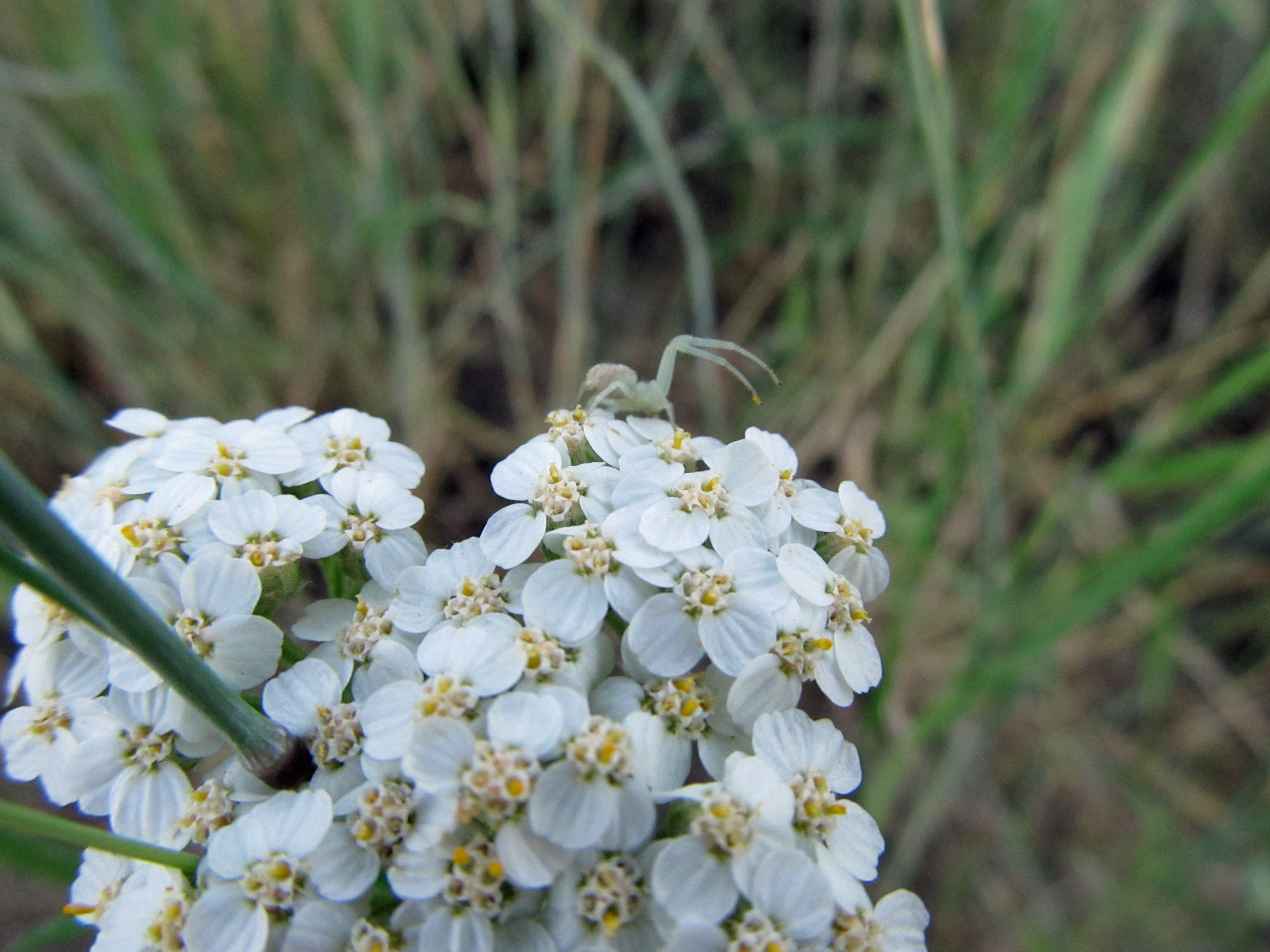
Little spider atop the flowers of western yarrow (Achilea millefolium), a foothills native.

A little spider atop flowers of western yarrow (Achilea millefolium var. occidentalis), a foothills native.

Learn more about the Boise Foothills here and here.

Where have you been hiking lately?

Year of Pollination: Stamen Movement in the Flowers of Prickly Pears

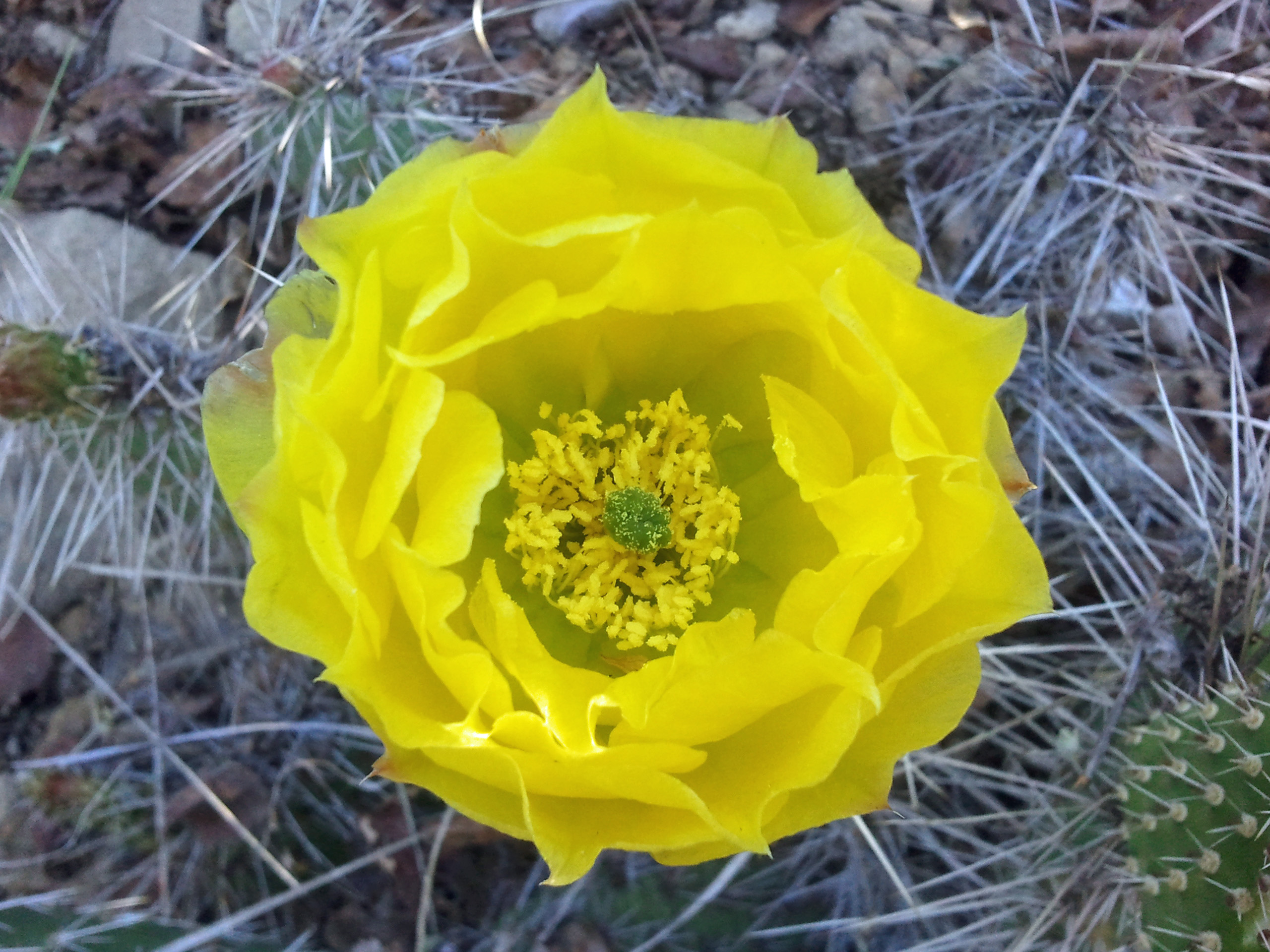
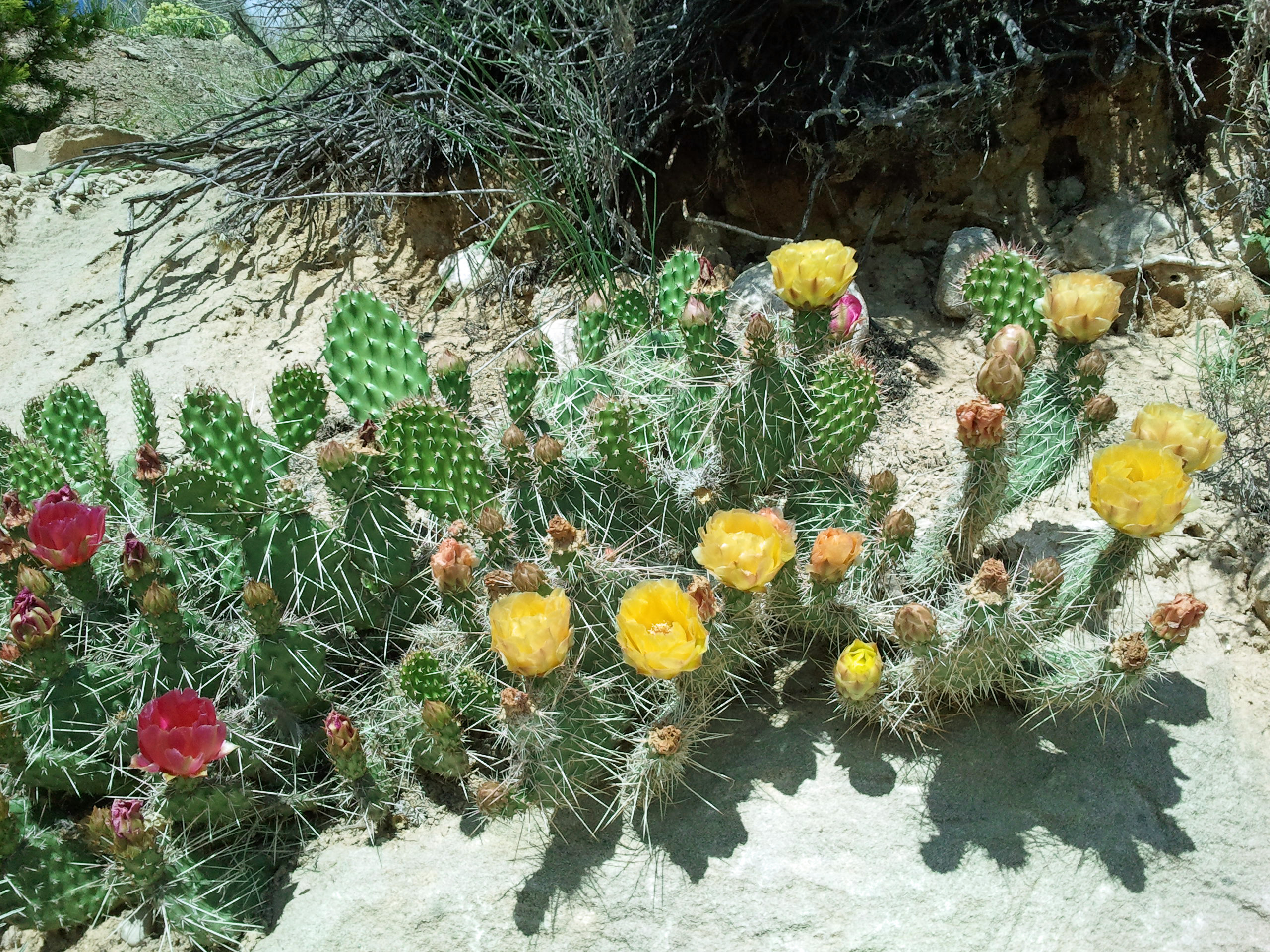
Last week I made an effort to convince you to add a prickly pear or two to your water-wise gardens. One standout reason to do this is their strikingly beautiful flowers. Apart from being lovely to look at, many prickly pear flowers have a distinct feature that makes them quite fascinating. A demonstration of this feature can be seen in the following video.


Stamen movement in response to touch is a characteristic of many species in the genus Opuntia. It isn’t exclusive to Opuntia, however, and can also be seen in Berberis vulgaris, Portulaca grandiflora, Talinum patens, among others. Knowing this makes me want to touch the stamens of any flower I can find just to see what will happen.

The response of stamens to touch has been known for at least a few centuries, but recent research is helping us gain a better understanding of how and why this phenomenon occurs. In general, this movement is thought to assist in the process of cross-pollination. In some cases it may also aid in self-pollination. Additionally, it can have the effect of protecting pollen and nectar from “robbers” (insects that visit flowers to consume these resources but that do not provide a pollination service). Quite a bit of research has been done on this topic, so to simplify things I will be focusing on a paper published in a 2013 issue of the journal, Flora.

In their paper entitled, Intriguing thigmonastic (sensitive) stamens in the plains prickly pear, Cota-Sanchez, et al. studied the flowers of numerous Opuntia polyacantha individuals found in three populations south of Saskatoon, Saskatchewan, Canada. Their objective was to “build basic knowledge about this rather unique staminal movement in plants and its putative role in pollination.” They did this by conducting two separate studies. The first involved observing flower phenology and flower visitors and determining whether the staminal movement is a nasty (movement in a set direction independent of the external stimulus) or a tropism (movement in the direction of the external stimulus). The second involved using high-powered microscopes to analyze the morphology of the stamens to determine any anatomical traits involved in this movement. While the results of the second study are interesting, for the purposes of this post I have chosen to focus only on the findings of the first study.

An important note about the flowers of O. polyacantha is that they are generally protandrous, meaning that the anthers of a single flower release pollen before the stigmas of that same flower are receptive. This encourages cross-pollination. An individual flower is only in bloom for about 12 hours (sometimes as long as 30 hours), however flowering doesn’t occur all at once. The plants in this study flowered for several weeks (from the second week of June to the middle of July).

To determine whether the staminal movement is a nasty or a tropism, the researchers observed insects visiting the flowers. They also manually stimulated the stamens with various objects including small twigs, pencils, and fingers, touching either the inner sides of the filaments (facing the style) or the outer sides (facing the petals). In every observation, the stamens moved in the same direction, “inwards and towards the central part of the flower.” This “consistent unidirectional movement, independent of the area stimulated” led the researchers to categorize the staminal movement of O. polyacantha as thigmonastic. They also observed that staminal movement slowed as the blooming period of an individual flower was coming to an end – “and finally when all the anthers had dehisced, the anthers rested in a clustered position, marking the end of anthesis.” Furthermore, it was observed that “filaments move relatively faster in sunny, warm conditions as opposed to cloudy, cold and rainy days.”

The researchers went on to discuss unique features of the stamens of O. polyacantha. Specifically, the lower anthers contain significantly more pollen than the upper anthers. When the stamens are stimulated, their movement towards the center of the flower results in the lower anthers becoming hidden below the upper anthers. They also noted that small insects less than 5 millimeters in size did not trigger stamen movement. Further observations of the insect vistors helped explain these phenomena.

SAMSUNG

A “broad diversity of insects” was observed visiting the flowers, from a variety of bees (bumblebees, honeybees, sweat bees, and mining bees) to bee flies, beetles, and ants. The large bees  were determined to be the effective pollinators of this species of prickly pear. Their large weight and size allows them to push down through the upper anthers to the more pollen-abundant anthers below. After feeding on pollen and nectar, they climb out from the stamens and up to the stigma where they take off, leaving the flower and depositing pollen as they go. Because the bees are visiting numerous flowers in a single flight and the flowers they visit are protandrous, pollen can be transferred from one flower to another and self-pollination can be avoided.

Beetles were observed to be the most common visitors to the flowers; however, they were not seen making contact with the stigma and instead simply fed on pollen and left. Ants also commonly visit the flowers but largely remain outside of the petals, feeding from “extranuptial nectaries.” In short, beetles and ants are not recognized as reliable pollinators of this plant.

Similar results involving two other Opuntia species were found by Clemens Schlindwein and Dieter Wittmann. You can read about their study here.

There are lots of flower anatomy terms in this post. Refresh your memory by visiting another Awkward Botany post: 14 Botanical Terms for Flower Anatomy.

Recently I received a note from a reader requesting that I include a link to subscribe to this blog’s RSS Feed. I have now made that available, and it can be found at the top of the sidebar.

Year of Pollination: An Argentinian Cactus and Its Unlikely Pollinator

A few weeks ago I wrote about pollination syndromes – sets of floral triats that are said to attract specific groups of pollinators. In that post I discussed how pollination syndromes have largely fallen out of favor as a reliable method of predicting the pollinators that will visit particular flowers. In this post I review a recent study involving a species of cactus in Argentina that, as the authors state in their abstract, “adds another example to the growing body of mismatches between floral syndrome and observed pollinator.”

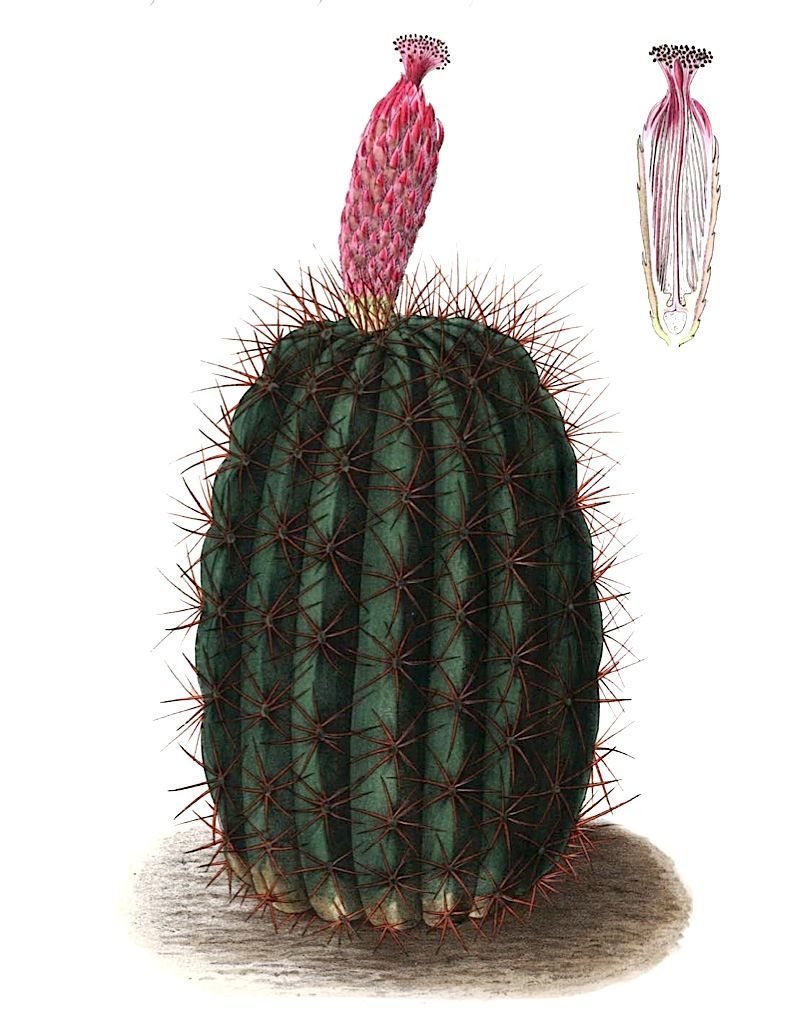
Denmoza rhodacantha is one of many species of cacti found in Argentina. It is the only species in its genus, and it is widely distributed across the east slopes and foothills of the Andes. It is a slow growing cactus, maintaining a globulous (globe-shaped) form through its juvenile phase and developing a columnar form as it reaches maturity. D. rhodacantha can reach up to 4 meters tall and can live beyond 100 years of age. Individual plants can begin flowering in their juvenile stage. Flowers are red, nectar rich, scentless, and tubular. The stigma is lobed and is surrounded by a dense grouping of stamens. Both male and female reproductive organs are extended above the corolla. The flowers have been described by multiple sources as being hummingbird pollinated, not based on direct observation of hummingbirds visiting the flowers, but rather due to the floral traits of the species.

Denmoza rhodacantha illustration - image credit: www.eol.org

Denmoza rhodacantha illustration  (image credit: www.eol.org)

In a paper entitled, Flowering phenology and observations on the pollination biology of South American cacti – Denmoza rhodacantha, which was published in volume 20 of Haseltonia (the yearbook of the Cactus and Succulent Society of America), Urs Eggli and Mario Giorgetta discuss their findings after making detailed observations of a population of D. rhodacantha in early 2013 and late 2013 – early 2014. The population consisted of about 30 individuals (both juveniles and adults) located in the Calchaqui Valley near the village of Angastaco, Argentina. At least three other species with “hummingbird-syndrome flowers” were noted in the area, and three species of hummingbirds were observed during the study periods. Over 100 observation hours were logged, and during that time “the studied plants, their flowering phenology, and flower and fruit visitors were documented by means of photographs and video.”

The flowers of D. rhodacantha only persist for a few short days, and in that time their sexual organs are only receptive for about 24 hours. The flowers are self-sterile and so require a pollinator to cross pollinate them. Despite their red, tubular shape and abundant nectar, no hummingbirds were observed visiting the flowers. One individual hummingbird approached but quickly turned away. Hummingbirds were, however, observed visiting the flowers of an associated species, Tecoma fulva ssp. garrocha. Instead, a species of halictid bee (possibly in the genus Dialictus) was regularly observed visiting the flowers of D. rhodacantha. The bees collected pollen on their hind legs and abdomen and were seen crawling across the lobes of the stigma. None of them were found feeding on the nectar. In one observation, a flower was visited by a bee that was “already heavily loaded with the typical violet-coloured pollen of Denmoza,” suggesting that this particular bee species was seeking out these flowers for their pollen. Small, unidentified beetles and ants were seen entering the flowers to consume nectar, however they didn’t appear to be capable of offering a pollination service.

D. rhodacantha populations have been observed in many cases to produce few fruits, suggesting that pollination success is minimal. The authors witnessed “very low fruit set” in the population that they were studying, which was “in marked contrast to the almost 100% fruit set rates of the sympatric cactus species at the study site.” This observation wasn’t of great concern to the authors though, because juvenile plants are present in observed populations, so recruitment appears to be occurring. In this study, dehisced fruits were “rapidly visited by several unidentified species of ants of different sizes.” The “scant pulp” was harvested by smaller ants, and larger ants carried away the seeds after “cleaning them from adhering pulp.”

The authors propose at least two reasons why hummingbirds avoid the flowers of D. rhodacantha. The first being that the native hummingbirds have bills that are too short to reach the nectar inside the long tubular flowers, and often the flowers barely extend beyond the spines of the cactus which may deter the hummingbirds from approaching. The second reason is that other plants in the area flower during the same period and have nectar that is easier to gather. The authors acknowledge that this is just speculation, but it could help explain why the flowers are pollinated instead by an insect (the opportunist, generalist halictid bee species) for whom the flowers “could be considered to be ill adapted.” The authors go on to say, “it should be kept in mind, however, that adaptions do not have to be perfect, as long as they work sufficiently well.”

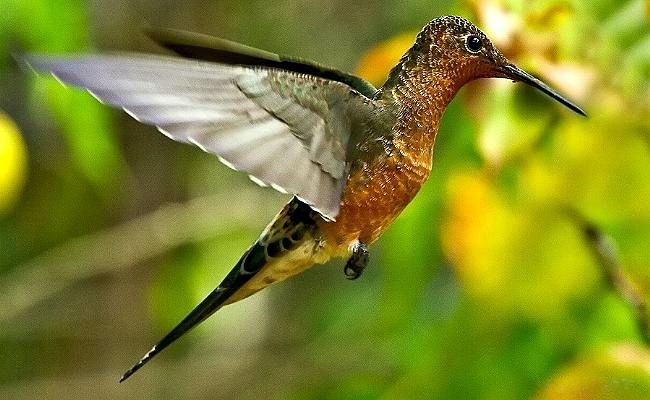
Patagona gigas (giant hummingbird) was observed approaching the flower of a Denmoza rhodacantha but quickly turned away (photo credit: www.eol.org)

Patagona gigas (giant hummingbird) was observed approaching the flower of a Denmoza rhodacantha but quickly turned away (photo credit: www.eol.org)

More Year of Pollination posts on Awkward Botany:

Making the Case for Saving Species

It is no question that the human species has had a dramatic impact on the planet. As our population has grown and we have spread ourselves across the globe, our presence has altered every ecosystem we have come into contact with. Our footprints can be detected even in areas of the planet uninhabited by humans. As awareness of our impact has increased, we have made efforts to reduce it. However, much of the damage we have caused is irreversible – we can’t bring species back from extinction and we can’t replace mountaintops. Furthermore, for better or for worse our continued existence – despite efforts to minimize our negative influence – will continue to be impactful. This is the nature of being human. It is the nature of all living things, really. As John Muir said, “when we try to pick out anything by itself, we find it hitched to everything else in the Universe.” That we are cognizant of that fact puts us at a crossroads – do we make a concerted effort to protect and save other species from the negative aspects of our presence or do we simply go on with our lives and let come what may?

The quandary isn’t that black and white, obviously. For one thing, cleaning up polluted air, water, and soil is beneficial to humans and has the side benefit of improving the lives of other species. Protecting biodiversity is also in our best interest, because who knows what medicine, food, fiber, or other resource is out there in some living thing yet to be discovered that might be useful to us. On the other hand, putting our own interests aside, what about protecting other species and habitats just to protect them? Purely altruistically. That seems to be the question at the crux of an article by Emma Marris in the May/June 2015 issue of Orion entitled, “Handle with Care: The Case for Doing All We Can to Save Threatened Species.” [Listen to a brief discussion with Marris about the article here.]

The main character in Marris’ article is the whitebark pine (Pinus albicaulis), a species whose native habitat is high in mountain ranges of western United States and Canada. Whitebark pines thrive in areas few other trees can, living to ages greater than 1,000 years. Here is how Marris describes them:

Whitebark pine’s ecological niche is the edge of existence. The trees are found on the highest, driest, coldest, rockiest, and windiest slopes. While lodgepole and ponderosa pine grow in vast stands of tall, healthy-looking trees, slow-growing whitebarks are tortured by extremes into individualized, flayed forms, swollen with massive boles from frost damage. Their suffering makes them beautiful.

photo credit: www.eol.org

photo credit: www.eol.org

But in recent years they have been suffering more than usual. White pine blister rust, an introduced pathogen, is killing the trees. The native mountain pine beetle is also taking them out. Additional threats include climate change and an increased number, extent, and intensity of wildfires. Combined, these threats have been impactful enough that the species is listed as endangered on the IUCN Red List where it is described as “experiencing serious decline.”

So people are taking action. In Oregon’s Crater Lake National Park, botanist Jen Beck is part of an effort to select blister rust resistant trees and plant them in their native habitats within the park. Hundreds have been planted, and more are on their way. Great effort is taken to minimize human impact and to plant the trees as nature would, with the vision being that blister rust resistant trees will replace those that are dying and that trees with rust resistant genes will dominate the population.

But Beck faces opposition, and not just from challenges like seedlings being trampled by visitors or a warming climate inviting mountain hemlocks and other trees into whitebark pine’s native range, but by people who argue that the trees shouldn’t be planted there in the first place – that what is “wild” should be left alone. Marris specifically calls out a group called Wilderness Watch. They and other groups like them profess a “leave-it alone ethic.” Rather than be arrogant enough to assume that we can “control or fix disrupted nature,” we should respect the “self-willed spirit of the wild world.” Proponents of nonintervention criticize what they call “new environmentalism” and its efforts to engineer or manage landscapes, fearing that these actions are “morally empty” and that “rearranging bits of the natural world” lacks soul and will ultimately serve to benefit humans.

In her article, Marris argues against this approach. First off, the human footprint is too large, and for natural areas to “continue to look and function the way they did hundreds of years ago” will require “lots of human help.” Additionally, nonintervention environmentalism “perpetuates a false premise that humans don’t belong in nature,” and if we decide not to work to protect, save, or restore species and habitats that have been negatively affected by our actions simply because we are “in thrall to wildness”, we will be withdrawing with “blood on our hands.” Marris sums up her position succinctly in the following statement:

We have to do whatever it takes to keep ecosystems robust and species from extinction in the face of things like climate change. And if that means that some ecosystems aren’t going to be as pretty to our eyes, or as wild, or won’t hew to some historical baseline that seems important to us, then so be it. We should put the continued existence of other species before our ideas of where or how they should live.

Marris acknowledges that there are risks to this approach. “Our meddling” may save species, but it could also backfire. But that doesn’t mean the effort wasn’t worth it. We can learn from our mistakes and we can make improvements to our methods. Some sites can even be cordoned off as areas of nonintervention simply so that we can learn from them. The ultimate goal, however, should be to save as many species and to keep as much of their habitat intact as possible. Putting “other species first, and our relationship with them second” is what Marris considers to be a “truly humble” stance in our role as part of nature.

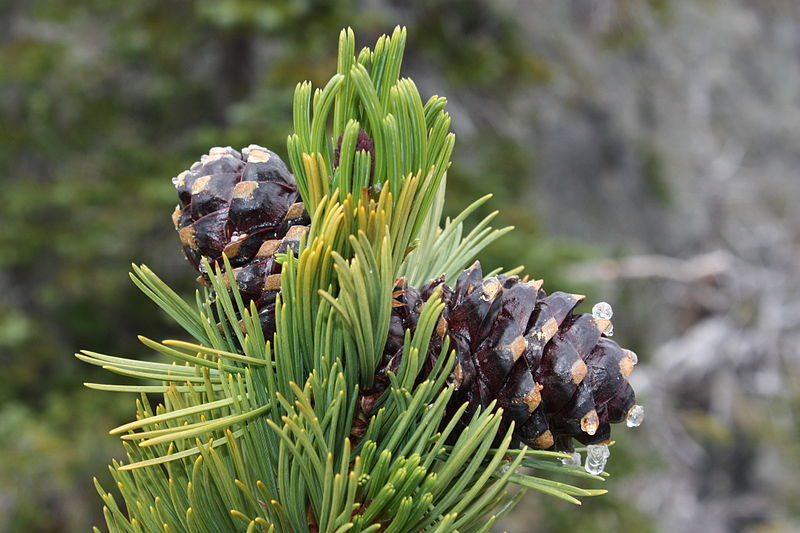
Cones of whitebark pine, Pinus albicaulis (photo credit: wikimedia commons)

Cones of whitebark pine, Pinus albicaulis (photo credit: wikimedia commons)

The dichotomy presented in this article is a tough one, and one that will be debated (in my mind particularly) long into the future. If you would like to share your thoughts with me about this issue, do so in the comment section below or by sending me a private message through the contact page.

Other article reviews on Awkward Botany

Ethnobotany: White Man’s Foot, part one

“Plantains – Plantago major – seem to have arrived with the very first white settlers and were such a reliable sign of their presence that the Native Americans referred to them as ‘white men’s footsteps.'” – Elizabeth Kolbert (The Sixth Extinction)

“Our people have a name for this round-leafed plant: White Man’s Footstep. Just a low circle of leaves, pressed close to the ground with no stem to speak of, it arrived with the first settlers and followed them everywhere they went. It trotted along paths through the woods, along wagon roads and railroads, like a faithful dog so as to be near them.” – Robin Wall Kimmerer (Braiding Sweetgrass)

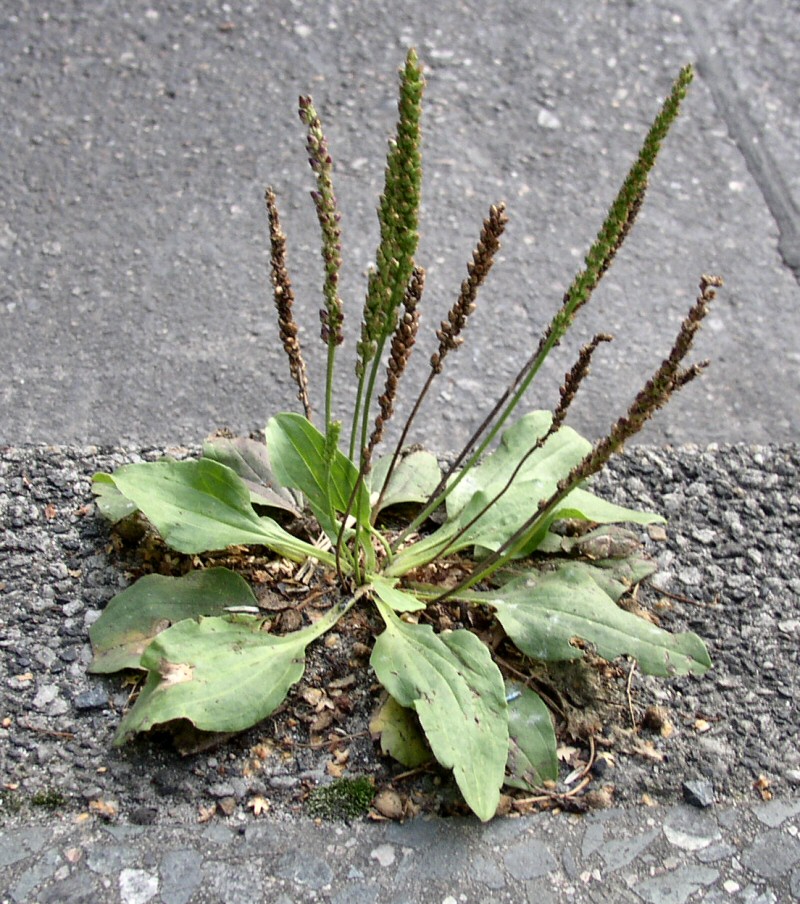
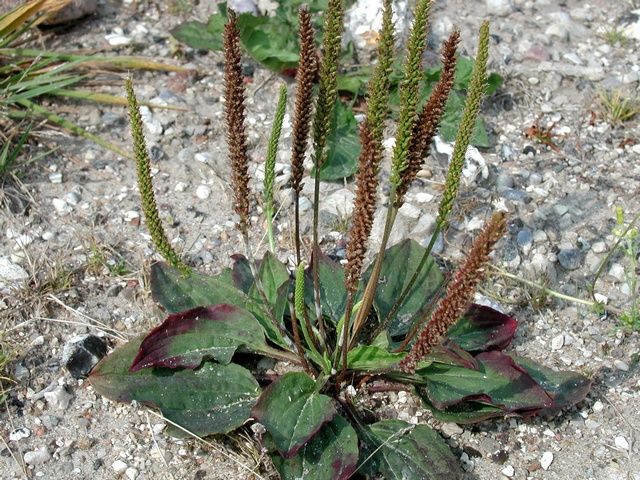
photo credits: wikimedia commons

photo credit: wikimedia commons

Plantago major is in the family Plantaginaceae – the plantain family – a family that consists of at least 90 genera, several of which include common species of ornamental plants such as Veronica (speedwells), Digitalis (foxgloves), and Antirrhinum (snapdragons). The genus Plantago consists of around 200 species commonly known as plantains. They are distributed throughout the world in diverse habitats. Most of them are herbaceous perennials with similar growth habits, and many have ethnobotanical uses comparable to P. major.

Originating in Eurasia, P. major now has a cosmopolitan distribution. It has joined humans as they have traveled and migrated from continent to continent and is now considered naturalized throughout most temperate and some tropical regions. In North America, P. major and P. lanceolata are the two most common introduced species in the Plantago genus. P. major has a plethora of common names – common plantain being the one that the USDA prefers. Other names include broadleaf plantain, greater plantain, thickleaf plantain, ribgrass, ribwort, ripplegrass, and waybread. Depending on the source, there are various versions of the name white man’s foot, and along the same line, a common name for P. major in South Africa is cart-track plant.

P. major is a perennial – albeit sometimes annual or biennial – herbaceous plant. Its leaves form a rosette that is usually oriented flat against the ground and reaches up to 30 cm wide. Each leaf is egg-shaped with parallel veins and leaf margins that are sometimes faintly toothed. The inflorescence is a leafless spike up to 20 cm tall (sometimes taller) with several tiny flowers that are a dull yellow-green-brown color. The flowers are wind pollinated, and the plants are highly prone to self-pollination. The fruits are capsules that can contain as many as 30 seeds – an entire plant can produce as many as 14,000 – 15,000 seeds at once. The seeds are small, brown, sticky, and easily transported by wind or by adhering to shoes, clothing, animals, and machinery. They require light to germinate and can remain viable for up to 60 years.

An illustration of three Plantago species found in Selected Weeds of the United States - Agriculture Handbook No. 366 circa 1970

An illustration of three Plantago species found in Selected Weeds of the United States – Agriculture Handbook No. 366 circa 1970

P. major prefers sunny sites but can also thrive in part shade. It adapts to a variety of soil types but performs best in moist, clay-loam soils. It is often found in compacted soils and is very tolerant of trampling. This trait, along with its low-growing leaves that easily evade mower blades, explains why it is so commonly seen in turf grass. It is highly adaptable to a variety of habitats and is particularly common on recently disturbed sites (natural or human caused) and is an abundant urban and agricultural weed.

Even though it is wind pollinated, its flowers are visited by syrphid flies and various bee species which feed on its pollen. Several other insects feed on its foliage, along with a number of mammalian herbivores. Cardinals and other bird species feed on its seeds.

Humans also eat plantain leaves, which contain vitamins A, C, and K. Young, tender leaves can be eaten raw, while older leaves need to be cooked as they become tough and stringy with age. The medicinal properties of  P. major have been known and appreciated at least as far back as the Anglo-Saxons, who likely used a poultice made from the leaves externally to treat wounds, burns, sores, bites, stings, and other irritations. Native Americans, after seeing the plant arrive with European settlers, quickly learned to use the plant as food and medicine. It could be used to stop cuts from bleeding and to treat rattlesnake bites. Apart from external uses, the plant was used internally as a pain killer and to treat ulcers, diarrhea, and other gastrointestinal issues.

P. major has been shown to have antibacterial, anti-inflammatory, antioxidant, and other biological properties; several chemical compounds have been isolated from the plant and deemed responsible for these properties. For this reason, P. major and other species of Plantago have been used to treat a number of ailments. The claims are so numerous and diverse that it is worth exploring if you are interested. You can start by visiting the following sites:

"White man's footstep, generous and healing, grows with its leaves so close to the ground that each step is a greeting to Mother Earth." - Robin Wall Kimmerer, Braiding Sweetgrass (photo credit: www.eol.org)

“White man’s footstep, generous and healing, grows with its leaves so close to the ground that each step is a greeting to Mother Earth.” – Robin Wall Kimmerer, Braiding Sweetgrass (photo credit: www.eol.org)

Other Ethnobotany Posts on Awkward Botany: