Eating Weeds: Chicory

Over the course of human history, plant species once esteemed or considered useful have been recategorized into something less desirable. For one reason or another, plants fall out of favor or wear out their welcome, and, in come cases, are found to be downright obnoxious, ultimately losing their place in our yards and gardens. The particularly troublesome ones are branded as weeds, and put on our “do not plant” lists. These plants are not only unfavored, they’re despised. But being distinguished as a weed doesn’t necessary negate a plant’s usefulness. It’s likely that the plant still has some redeeming characteristics. We’ve just chosen instead to pay more attention its less redeeming ones.

Chicory is a good example of a plant like this. At one point in time, Cichorium intybus had a more prominent place in our gardens, right alongside dandelions in fact. European colonizers first introduced chicory to North America in the late 1700’s. Its leaves were harvested for use as a salad green and its roots were used to make a coffee additive or substitute. Before that, cultivation of chicory for these and other purposes had been going on across Europe for thousands of years, and it still goes on today to a certain extent. Along with other chicory varieties, a red-leafed form known as radicchio and a close cousin known as endive (Chicorium endivia) are grown as specialty crops, occassionally finding their way into our fanciest of salads.

Radicchio di Chioggia (Cichorium intybus var. foliosum) is a cultivated variety of chicory. (via wikimedia commons)

Chicory’s tough, adaptable nature and proclivity to escape cultivation have helped it become widespread, making itself at home in natural areas as well as urban and rural settings. Its perennial life history helps make it a fixture in the landscape. It sends down a long, sturdy taproot and settles in for the long haul. It tolerates dry, compacted soils with poor fertility and doesn’t shy away from roadside soils frequently scoured with salts. It’s as though it was designed to be a city weed.

Unlike many other perennial weeds, chicory doesn’t spread vegetatively. It starts its life as a seed, blown in from a nearby plant. After sprouting, it forms a dandelion-esque rosette of leaves during its first year. Wiry, branched stems rise up from the rosette in following years, reaching heights of anywhere from about a foot to 5 or 6 feet. When broken, leaves, stems, and roots ooze a milky sap. Abundant flowers form along the gangly stems. Like other plants in the aster family, each flower head is composed of multiple flowers. Chicory flower heads are all ray flowers, lacking the disc flowers found in the center of other plants in this family. The petals are a brilliant blue – sometimes pink or white. Individual flowers last less than a day and are largely pollinated by bees. The fruits lack the large pappus found on dandelions and other close relatives, but the seeds are still dispersed readily with the help of wind, animals, and human activity.

chicory (Cichorium intybus) via wikimedia commons

The most commonly consumed portions of chicory are its leaves and roots. Its flowers and flower buds are also edible. Young leaves and blanched leaves are favored because they are the least bitter. Excluding the leaves from light by burying or covering them up keeps them pale and reduces their bitter flavor. This is standard practice in the commercial production of certain chicory varieties. The taproots of chicory are dried, roasted, and ground for use as a coffee substitute. They are also harvested commercially for use as a natural sweetener due to their high concentration of inulin.
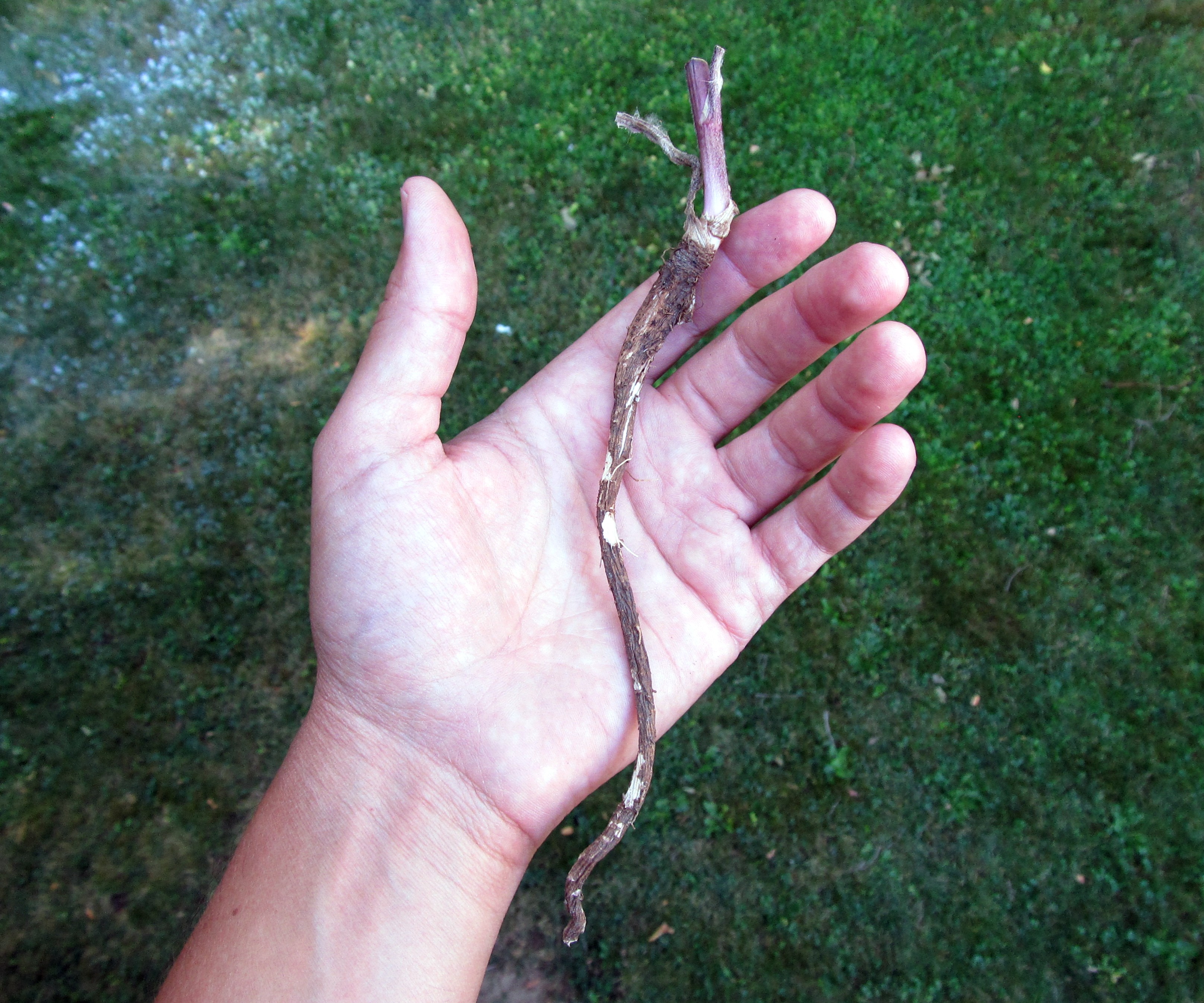
my puny chicory root

I harvested a single puny chicory root in order to make tea. On my bike ride to work there is a small, sad patch of chicory growing in the shade of large trees along the bike path. I was only able to pull one plant up by the roots. The others snapped off at the base. So, I took my tiny root, dried and roasted it in the oven, and ground it up in a coffee grinder. I followed instructions for roasting found on this website, but there are many other sources out there. I had just enough to make one small cup of tea, which reminded me of dandelion root teas I have had. Sierra found it to be very bitter, and I agreed but still enjoyed it. I figure that wild plants, especially those growing in stressful conditions like mine was, are likely to be more bitter and strong tasting compared to coddled, cultivated ones found in a garden.

roasted chicory root

roasted and ground chicory root

When I find a larger patch of feral chicory, I hope to try one of several recipes included in Luigi Ballerini’s book, A Feast of Weeds, as well as other recipes out there. I’ll be sure to let you know how it goes.

Are you curious to know how chicory became such a successful weed in North America? Check out this report in Ecology and Evolution to learn about the genetic explanation behind chicory’s success.

Seed Dispersal by Way of Tree Climbing Goats

Goats are surprisingly good climbers. Given the opportunity, they’ll climb just about anything, including each other. So what’s stopping them from climbing a tree, especially if there is something up there they can eat? And so they do. Tree climbing goats are such a fascinating sight, they even have their own calendar. But the story doesn’t end there. The goats find food in the trees, entertaining humans as they go; meanwhile, the trees have a reliable partner in the goats, who inadvertently help disperse the tree’s seeds.

In general, goats don’t need to climb trees to find food. Goats aren’t known to be picky eaters, and there is usually plenty for them to eat at ground level. However, in arid climates where food can become limited, ascending trees to eat foliage and fruits is a matter of survival. This is the case in southwestern Morocco, where goats can be found in the tops of argan trees every autumn gorging on the fruits of this desert tree.

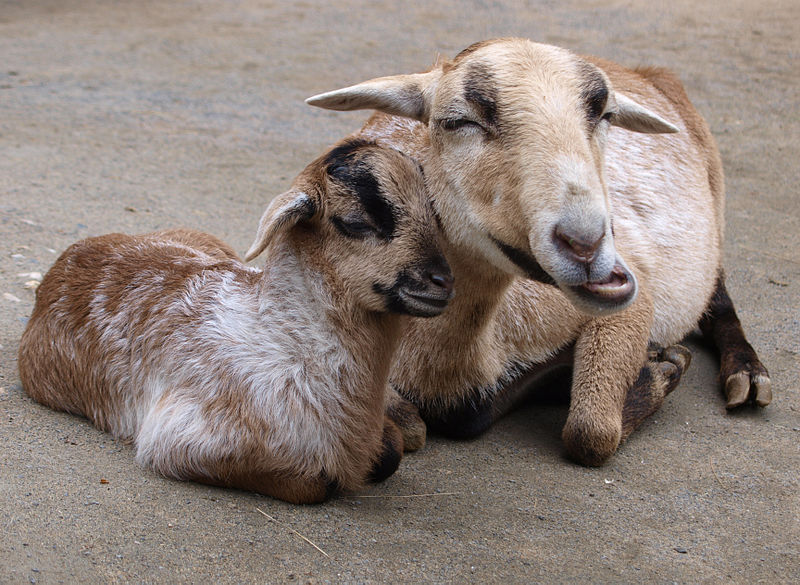
goats in Argania spinosa via wikimedia commons

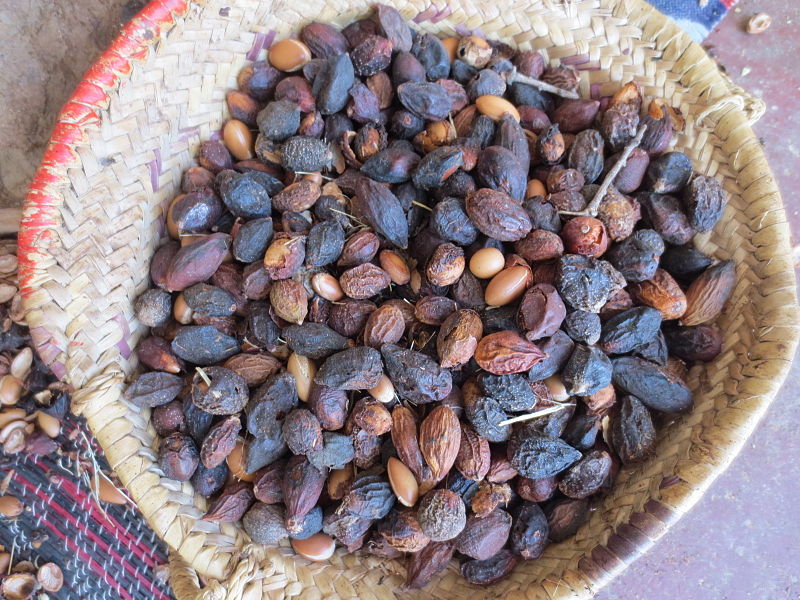
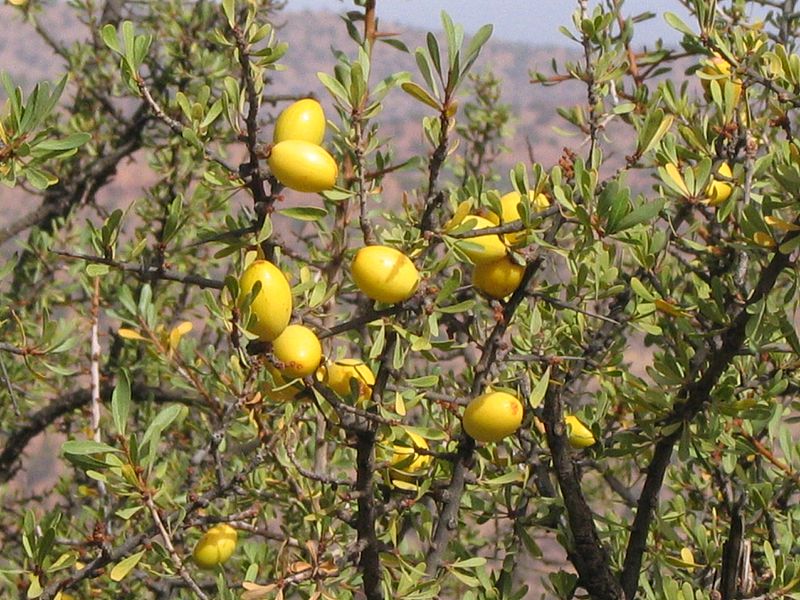
Argan (Argania spinosa) is a relatively short tree with a sprawling canopy and thorny branches. It is the only species in its genus and is endemic to parts of Morocco and neighboring Algeria. The tree is economically important to the area due to the oil-rich seeds found within its bitter fruits. Argan oil has a variety of culinary uses and is also used medicinally and in cosmetics. To get to the oil, goats are often employed in harvesting the fruits. The goats retrieve the fruits from the tops of the trees and consume their fleshy outer layer. The hard, seed-containing pits are expelled, collected, and cracked open to get to the seeds.

This is where a team of researchers from Europe come in. There has been some confusion as to how the pits are expelled, with some reports claiming that they pass through the goats digestive track and are deposited in their manure. This is a common way for the seeds of many other plant species to be dispersed, and is carried out not only by goats and other ruminants, but also by a wide variety of mammals, as well as birds and even reptiles. However, considering the average size of the pits (22 mm long x 15 mm wide), the researchers thought this to be unlikely.

fruits of Argania spinosa via wikimedia commons

Others reported that the seeds were spat out in the goats’ cud while they ruminated. Goats, like other ruminants, have stomachs composed of multiple compartments, the first of which being the rumen. Partially digested food, known as cud, is sent back into the mouth from the rumen for further chewing and may be spat out or swallowed again. Goats are known to ruminate in the same location that they defecate, which results in confusion as to when and how certain seeds, like those of the argan tree, are deposited.

By feeding various fruits to a group of goats, the researchers were able to test the hypothesis that seeds could be regurgitated and spat from the cud and that this is a viable method of seed dispersal. The researchers reported that larger seeds were more commonly spat out than smaller seeds, but that “almost any seed could be ejected during, mastication, spat from the cud, digested, or defecated.” The viability of spat out seeds was tested, and over 70% of them were found to be viable.

pits and seeds of Argania spinosa via wikimedia commons

This discovery suggests that seed dispersal via spitting by ruminants could be a common occurrence – possibly far more common than previously considered. The researchers postulate that studies that have only considered seeds dispersed in manure “may have underestimated an important fraction of the total number of dispersed seeds” and that the seeds spat from the cud likely represent different species from those commonly dispersed in dung. In addition, the seeds of some species don’t survive the digestive tract of ruminants, so “spitting from the cud may represent their only, or at least their main, dispersal mechanism.”

This study surrounding the argan trees was followed up by the same group of researchers with a literature review that was published last month. The review looked into all available studies that mentioned seed dispersal via regurgitation by ruminants. While they considered over 1000 papers, only 40 published studies were found to be relevant for the review. From these studies, they determined that the seeds of 48 plant species (representing 21 different families) are dispersed by being spat from a ruminant’s cud, and that most of these plant species are trees and shrubs whose fruits contain large seeds. Also of note is that ruminants across the globe are doing this – representatives from 18 different genera were mentioned in the studies.

ruminating goat via wikimedia commons

The researchers conclude that this is a “neglected” mechanism of seed dispersal. It’s difficult to observe, and in many cases it hasn’t even been considered. Like so many other animals, ruminants can disperse seeds in a variety of ways. Seeds can attach to their fur and be transported wherever they go. They can pass through their digestive track and end up in their dung, potentially far from where they were first consumed. And, as presented here, they can be spat out during rumination. Investigations involving all of these mechanisms and the different plant species involved will allow us to see, in a much clearer way, the role that ruminants play in the dispersal of seeds.

Using Weeds: Soapwort

Over the past year or so I have written about several edible weeds in an effort to highlight useful weeds. However, weeds don’t have to be edible to be useful. In fact, many weeds are most certainly not edible, but that doesn’t mean they are of no use to humans. Soapwort, for example, is poisonous, and while it does have a history of being used internally as medicine, ingesting it is not advised and should only be done under the direction of a doctor. A much less risky activity would be to make soap out of it.

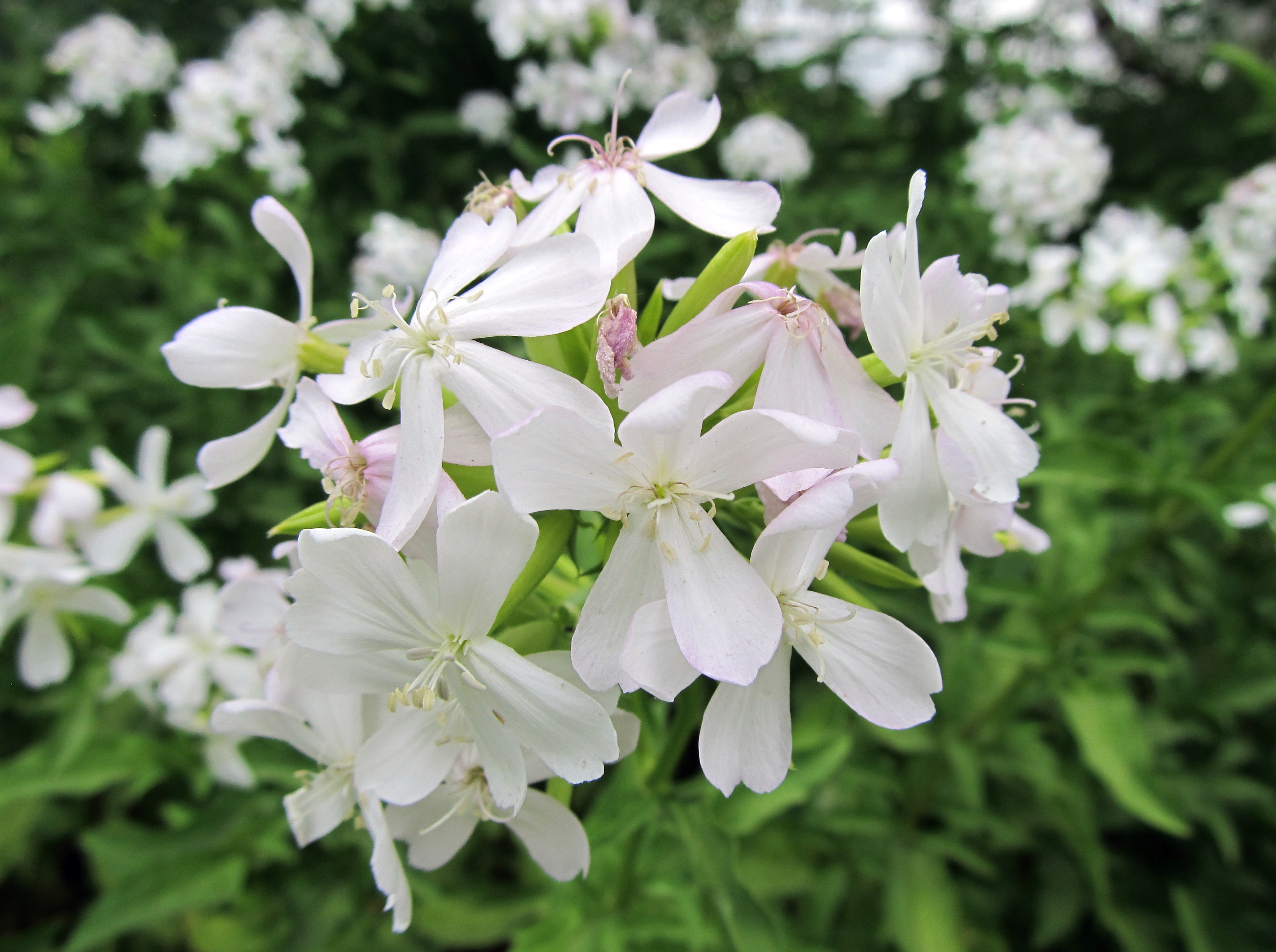
soapwort (Saponaria officinalis)

Saponaria officinalis, commonly known as bouncing bet, hedge pink, fuller’s herb, scourwort, and soapweed or soapwort, is an herbaceous perennial native to Europe. It has been planted widely in flower beds and herb gardens outside of its native range, desired both for its beauty and utility. Capitalizing on our appreciation for it, soapwort has expanded beyond our garden borders and into natural areas, as well as vacant lots, roadsides, and other neglected spaces. Even in a garden setting it can be a bit of a bully, especially if ignored for a season or two.

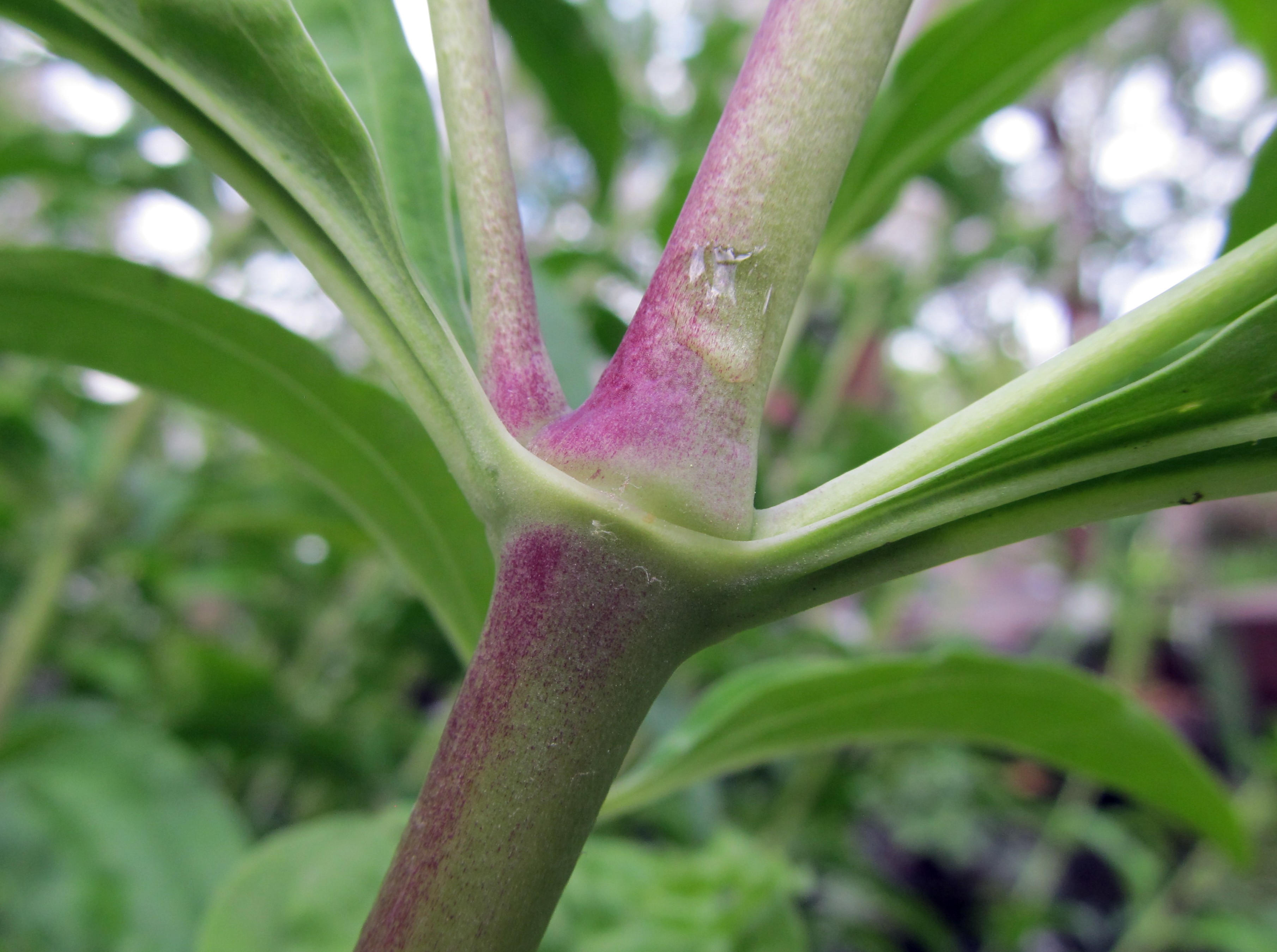
The stems of soapwort grow to about two feet tall, are unbranched, and sometimes tinged with pink, purple, or red. The leaves are oblong and oppositely-arranged, and their bases form prominent collars around the stems. Showy clusters of flowers are found atop the stems throughout the summer. Like other flowers in the pink family (Caryophyllaceae), they are cigar-shaped at the base and opened wide at the end, showing off 5 distinct petals with notches at their tips. The petals of soapwort flowers bend backwards, with their sex parts protruding outwards. In his description of the flowers, John Eastman remarks in The Book of Field and Roadside that “the reflexed petals surrounding the sexual organs give the impression of flagrant thrust; this is a gaudy, unshy flower.”

collared stem of soapwort (Saponaria officinalis)

The fragrant flowers are pink to white in color. They open in the evening and remain open for a few short days. In an individual flower, pollen matures and is mostly shed before the stigma is ready to accept it. This helps reduce the chance of self-pollination. Cross pollination occurs with the assistance of moths who visit the flowers at night, as well as bees and other flower-visiting insects that come along during the daytime. Soapwort fruits are oval capsules containing as many as 500 kidney-shaped seeds. Seeds aren’t essential to the plants spread though, as much of its colonization occurs via vigorous rhizomes.

In fact, vegetative reproduction is the means by which soapwort forms such expansive, thick patches. It also helps that it’s poisonous. The saponins – its soap making compounds – that it produces in its roots, shoots, and leaves deter most insects and other animals from eating it. It has a reputation for poisoning horses, cows, and other livestock, and so is unwelcome in pastures and rangelands. Saponins are also poisonous to fish, so growing soapwort near fish ponds is not advised.

soapwort (Saponaria officinalis)

Soapwort occurs in a variety of soils including sandy, dry, and rocky sites and is surprisingly drough-tolerant, fine qualities to have when colonizing neglected sites. While most other organisms ignore soapwort, it has a friend in humans. Eastman sums this up well: “Soapwort’s most important associate – as is true of most plants we label weeds – is undoubtedly humankind, without whose helpful interventions the plant would surely be much rarer than it is.”

I made a soapy liquid out of soapwort by following a recipe that can be found on various blogs and websites by searching “saponaria soap recipe.” Basically it’s a cup of fresh leaves and stems along with a cup of dried leaves and stems added to a quart of distilled water brought to a boil. After simmering for 15 minutes and then allowing it to cool, strain the mixture through cheese cloth, and it’s ready to go.

This gentle but effective soap can be used for cleaning countertops and other surfaces, as well as dishes, fabrics, and skin. Several sources say it is particularly useful for cleaning delicate fabrics. Sierra and I both found it to have a cooked cabbage or spinach scent to it. This can be masked by adding a few drops of essential oil. Despite its odd aroma, both Sierra and I were impressed by its cleansing power and plan to use it more often.

dried leaves of soapwort

soapwort soap

The Flight of the Dandelion

The common dandelion (Taraxacum officinale) comes with a collection of traits that make it a very successful weed. Nearly everything about it screams success, from its asexually produced seeds to its ability to resprout from a root fragment. Evolution has been kind to this plant, and up until the recent chemical warfare we’ve subjected it to, humans have treated it pretty well too (both intentionally and unintentionally).

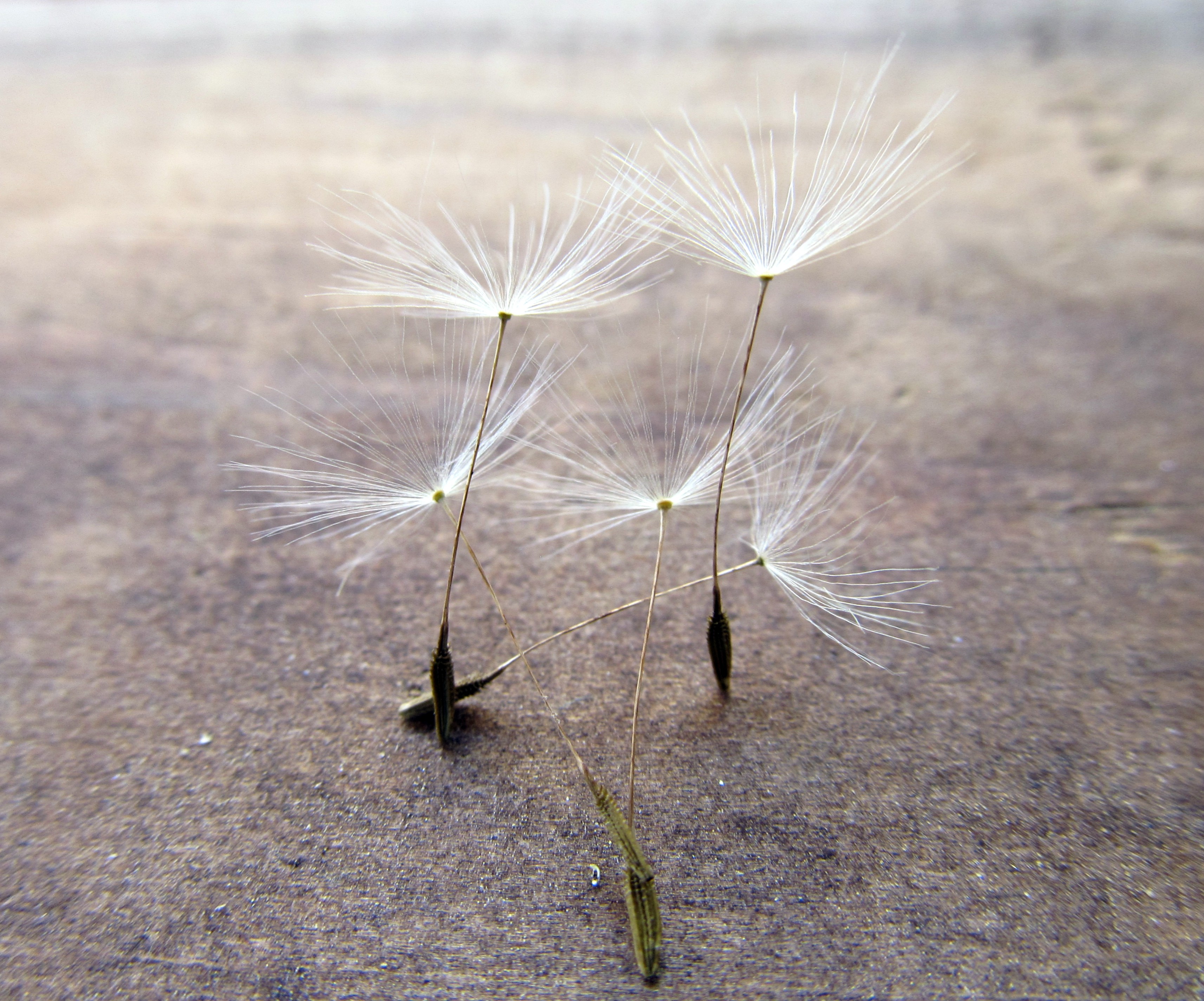
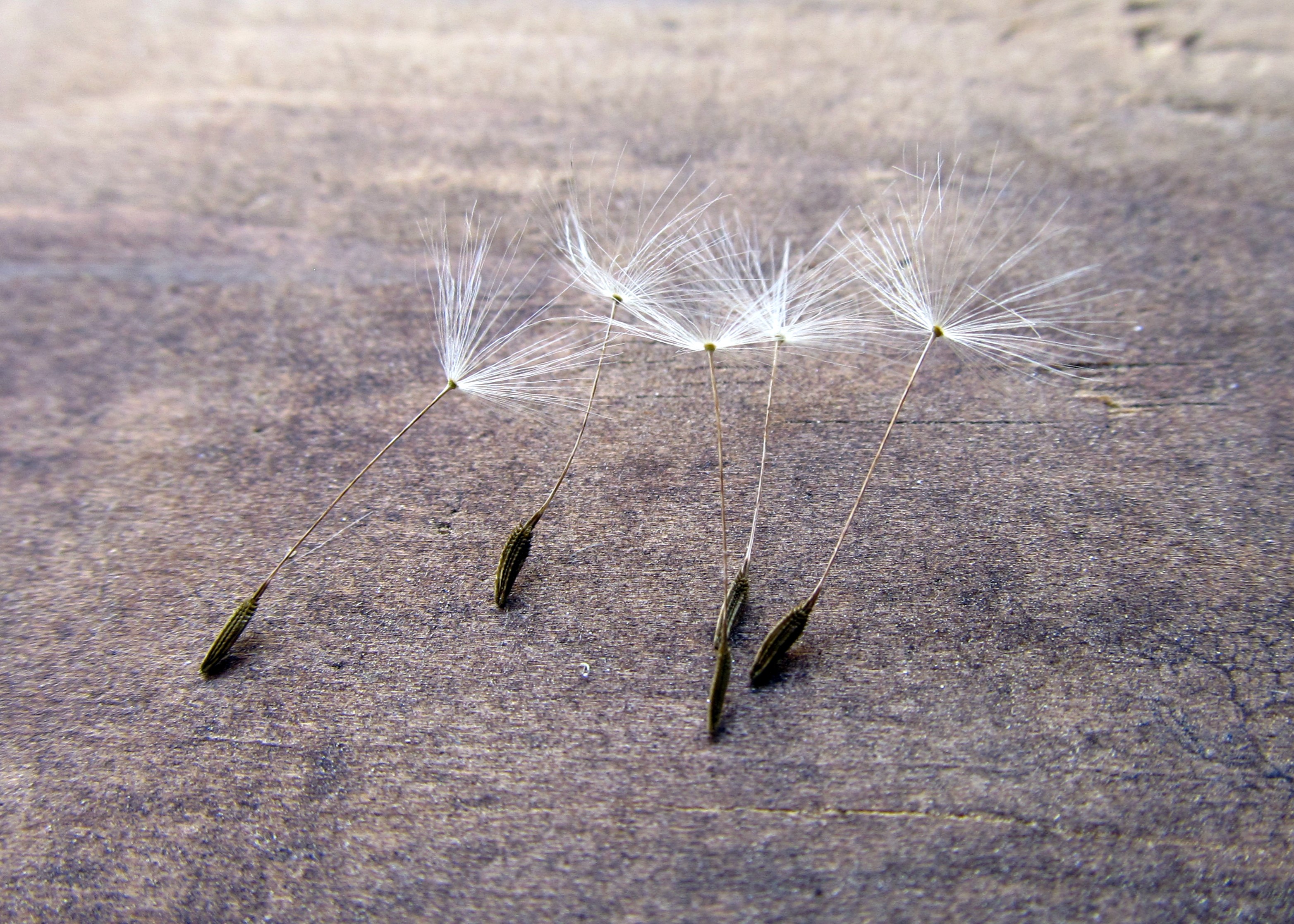
One feature that has served the dandelion particularly well is its wind-dispersed seeds. Dandelions have a highly-evolved pappus – a parachute-like bristle of hairs attached to its fruit by a thin stalk. The slightest breath or puff of wind will send this apparatus flying. Once airborne, a dandelion’s seed can travel up to a kilometer or more away from its mother plant, thereby expanding its territory with ease.

Such a low-growing plant achieving this kind of distance is impressive. Even more impressive is that it manages to do this with a pappus that is 90% empty space. Would you leap from a plane with only 10% of a parachute?

Dandelion flight was investigated by researchers at the University of Edinburgh, who used a wind tunnel along with long-exposure photography and high-speed imaging to observe the floating pappus. Their research was presented in a letter published in an issue of Nature in October 2018. Upon close examination, they observed a stable air bubble floating above the pappus as it flew. This ring-shaped air bubble – or vortex – which is unattached to the pappus is known as a separated vortex ring. While this type of vortex ring had been considered theoretically, this marked the first time one had been observed in nature.

Seeing this type of air bubble associated with the dandelion’s pappus intrigued the researchers. About a 100 filaments make up the parachute portion of the pappus. They are arranged around the stalk, leaving heaps of blank space in between. The air bubble observed was not what was expected for such a porous object. However, the researchers found that the filaments were interacting with each other in flight, reducing the porosity of the pappus. In their words, “Neighboring filaments interact strongly with one another because of the thick boundary layer around each filament, which causes a considerable reduction in air flow through the pappus.”

The pappus acts as a circular disk even though it is not one, and its limited porosity allows just enough air movement through the filaments that it maintains this unique vortex. “This suggests,” the researchers write, “that evolution has tuned the pappus porosity to eliminate vortex shedding as the seed flies.” Fine-tuned porosity and the resultant unattached air bubble stabilizes the floating fruit “into an equilibrium orientation that minimizes [its] terminal velocity, allowing [it] to make maximal use of updrafts.” The result is stable, long distance flight.

Wind-dispersed seeds come in two main forms: winged and plumed. Winged seeds are common in trees and large shrubs. They benefit from the height of the tree which allows them to attain stable flight. While such seeds have the ability to travel long distances, their success is limited on shorter plants. In this case, plumed seeds, like those of the dandelion, are the way to go. As the researchers demonstrated, successful flight can be achieved by bristles in place of wings. The tiny seeds of dandelions seen floating by on a summer breeze are not tumbling through the air haphazardly; rather, they are flying steadily, on their way to spoil the dreams of a perfect lawn.

Further Reading (and Watching):

Investigating the Soil Seed Bank

Near the top of the world, deep inside a snow-covered mountain located on a Norwegian island, a vault houses nearly a million packets of seeds sent in from around the world. The purpose of the Svalbard Global Seed Vault is to maintain collections of crop seeds to ensure that these important species and varieties are not lost to neglect or catastrophe. In this way, our food supply is made more secure, buffered against the unpredictability of the future. Seed banks like this can be found around the world and are essential resources for plant conservation. While some, like Svalbard, are in the business of preserving crop species, others, like the Millennium Seed Bank, are focused on preserving seeds of plants found in the wild.

Svalbard Global Seed Vault via wikimedida commons

Outside of human-built seed banks, many plants maintain their own seed banks in the soil where they grow. This is the soil seed bank, a term that refers to either a collection of seeds from numerous plant species or, simply, the seeds of a single species. All seed bearing plants pass through a period as a seed waiting for the chance to germinate. Some do this quickly, as soon as the opportunity arises, while others wait, sometimes for many years, before germinating. Plants whose seeds germinate quickly, generally do not maintain a seed bank. However, seeds that don’t germinate right away and become incorporated in the soil make up what is known as a persistent soil seed bank.

A seed is a tiny plant encased in a protective layer. Germination is not the birth of a plant; rather, the plant was born when the seed was formed. The dispersal of seeds is both a spatial and temporal phenomenon. First the seed gets to where it’s going via wind, water, gravity, animal assistance, or some other means. Then it waits for a good opportunity to sprout. A seed lying in wait in the soil seed bank is an example of dispersal through time. Years can pass before the seed germinates, and when it does, the plant joins the above ground plant community.

Because seeds are living plants, seeds found in the soil seed bank are members of a plant community, even though they are virtually invisible and hard to account for. Often, the above ground plant community does not represent the population of seeds found in the soil below. Conversely, seeds in a seed bank may not be representative of the plants growing above them. This is because, as mentioned earlier, not all plant species maintain soil seed banks, and those that do have differences in how long their seeds remain viable. Depending on which stage of ecological succession the plant community is in, the collection of seeds below and the plants growing above can look quite different.

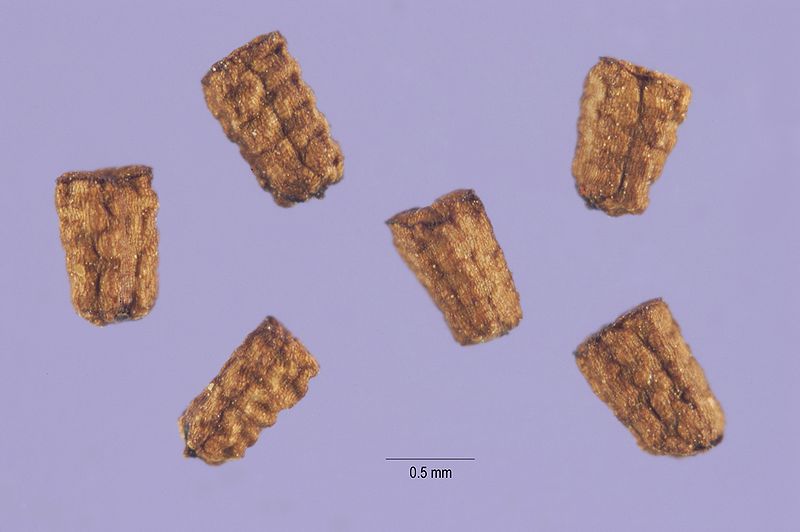
Soil seed banks are difficult to study. The only way to know what is truly there is to dig up the soil and either extract all the seeds or encourage them to germinate. Thanks to ecologists like Ken Thompson, who have studied seed banks extensively for many years, there is still a lot we can say about them. First, for the seeds of a plant to persist in the soil, they must become incorporated. Few seeds can bury themselves, so those with traits that make it easy for them to slip down through the soil will have a greater chance of being buried. Thompson’s studies have shown that “persistent seeds tend to be small and compact, while short-lived seeds are normally larger and either flattened or elongate.” Persistent seeds generally weigh less than 3 milligrams and tend to lack appendages like awns that can prevent them from working their way into the soil.

The seeds of moth mullein (Verbascum blattaria) are tiny and compact and known to persist in the soil for decades as revealed in Dr. Beal’s seed viability experiment. (photo credit: wikimedia commons)

Slipping into cracks in the soil is a major way seeds move through the soil profile, but it isn’t the only way. In a study published in New Phytologist, Thompson suggests that “the association between small seeds and possession of a seed bank owes much to the activities of earthworms,” who ingest seeds at the surface and deposit them underground. Later, they may even bring them back up the same way. Ants also play a role in seed burial, as well as humans and their various activities. Some seeds, like those of Avena fatua and Erodium spp., have specialized appendages that actually help work the seeds into the soil.

Not remaining on the soil surface keeps seeds from either germinating, being eaten, or being transported away to another site. Avoiding these things, they become part of the soil seed bank. But burial is only part of the story. In an article published in Functional Ecology, Thompson et al. state that burial is “an essential prelude to persistence,” but other factors like “germination requirements, dormancy mechanisms, and resistance to pathogens also contribute to persistence.” If a buried seed rots away or germinates too early, its days as a member of the soil seed bank are cut short.

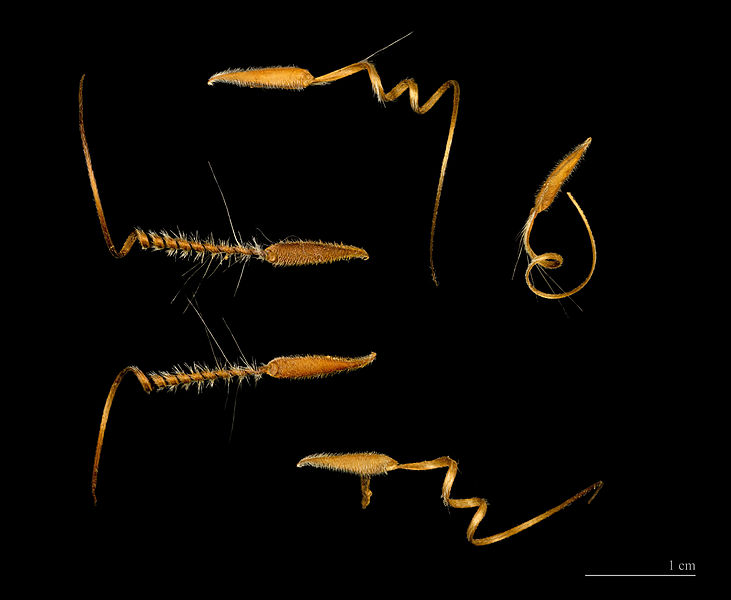
The seeds of redstem filare (Erodium circutarium) have long awns that start out straight, then coil up, straighten out, and coil up again with changes in humidity. This action helps drill the seeds into the soil. (photo credit: wikimedia commons)

Soil seed banks can be found wherever plants are found – from natural areas to agricultural fields, and even in our own backyards. Thompson and others carried out a study of the soil seed banks of backyard gardens in Sheffield, UK. They collected 6 soil cores each (down to 10 centimeters deep) from 56 different gardens, and grew out the seeds found in each core to identify them. Most of the seeds recovered were from species known to have persistent seed banks, and to no surprise, the seed banks were dominated by short-lived, weedy species. The seeds were also found to be fairly evenly distributed throughout the soil cores. On this note, Thompson et al. remarked that due to “the highly disturbed nature of most gardens, regular cultivation probably ensures that seeds rapidly become distributed throughout the top 10 centimeters of soil.”

Like the seed banks we build to preserve plant species for the future, soil seed banks are an essential long-term survival strategy for many plant species. They are also an important consideration when it comes to managing weeds, which is something we will get into in a future post.

Tiny Plants: Idahoa

This is a post I wrote three years ago as a guest writer for a blog called Closet Botanist. That blog has since dissolved, hence the re-post.

This year, we returned to the location in the Boise Foothills where I encountered the plant that inspired this post. I found what might be seedlings of the tiny plant. If that’s the case, the phenology is a bit delayed compared to three years ago. I’ll check again in a week or so. Until then, meet Idahoa.

———————

I have taken a real liking to tiny plants. So many of the plants we regularly interact with are relatively big. Large trees loom above us. Tall shrubs greet us at eye level. Flowering perennials come up around our knees or higher. But how often do we get down low and observe the plants that hug the ground or that reach just a few centimeters above it? Turf grass is ubiquitous and groundcovers are common, but among such low growing plants (or plants kept low), even more diminutive species lurk.

It was a hunt for a tiny plant that sent me down a certain trail in the Boise Foothills earlier this spring. Listening to a talk by a local botanist at an Idaho Native Plant Society meeting, I learned about Idahoa scapigera. A genus named after Idaho!? I was immediately intrigued. Polecat Gulch was the place to see it, so off I went.

Commonly known as oldstem idahoa, flatpod, or Scapose scalepod, Idahoa scapigera is the only species in its genus. It is an annual plant in the mustard family, which means it is related to other small, annual mustard species like Draba verna. It is native to far western North America and is distributed from British Columbia down to California and east into Montana. It occurs in a variety of habitat types found in meadows, mountains, and foothills.

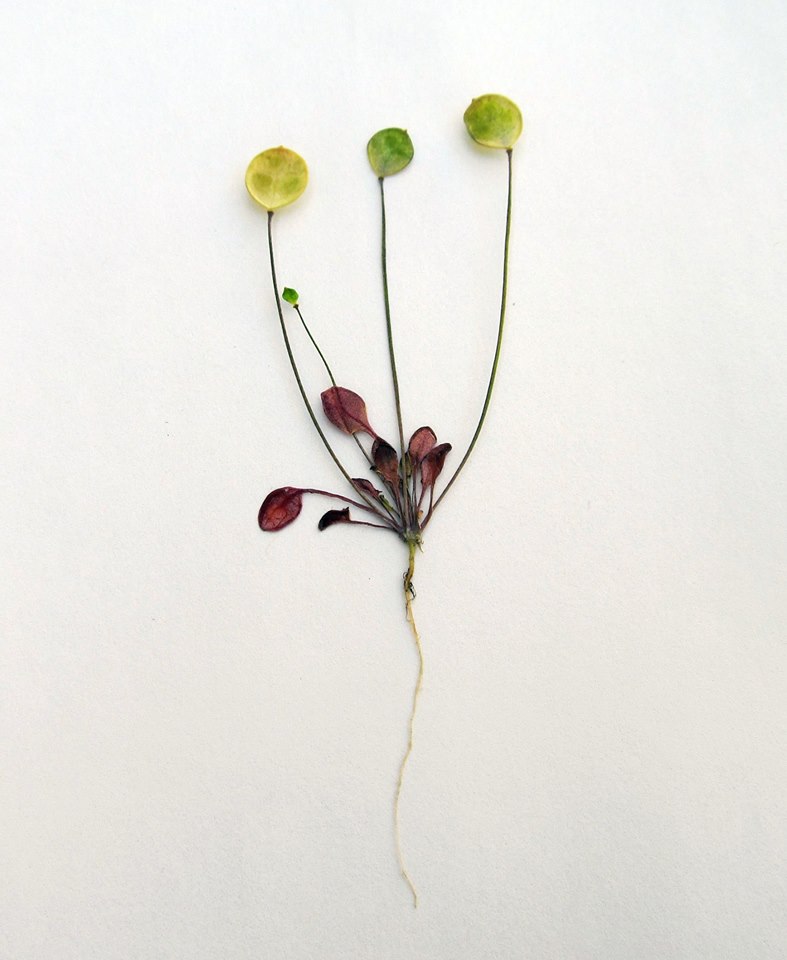
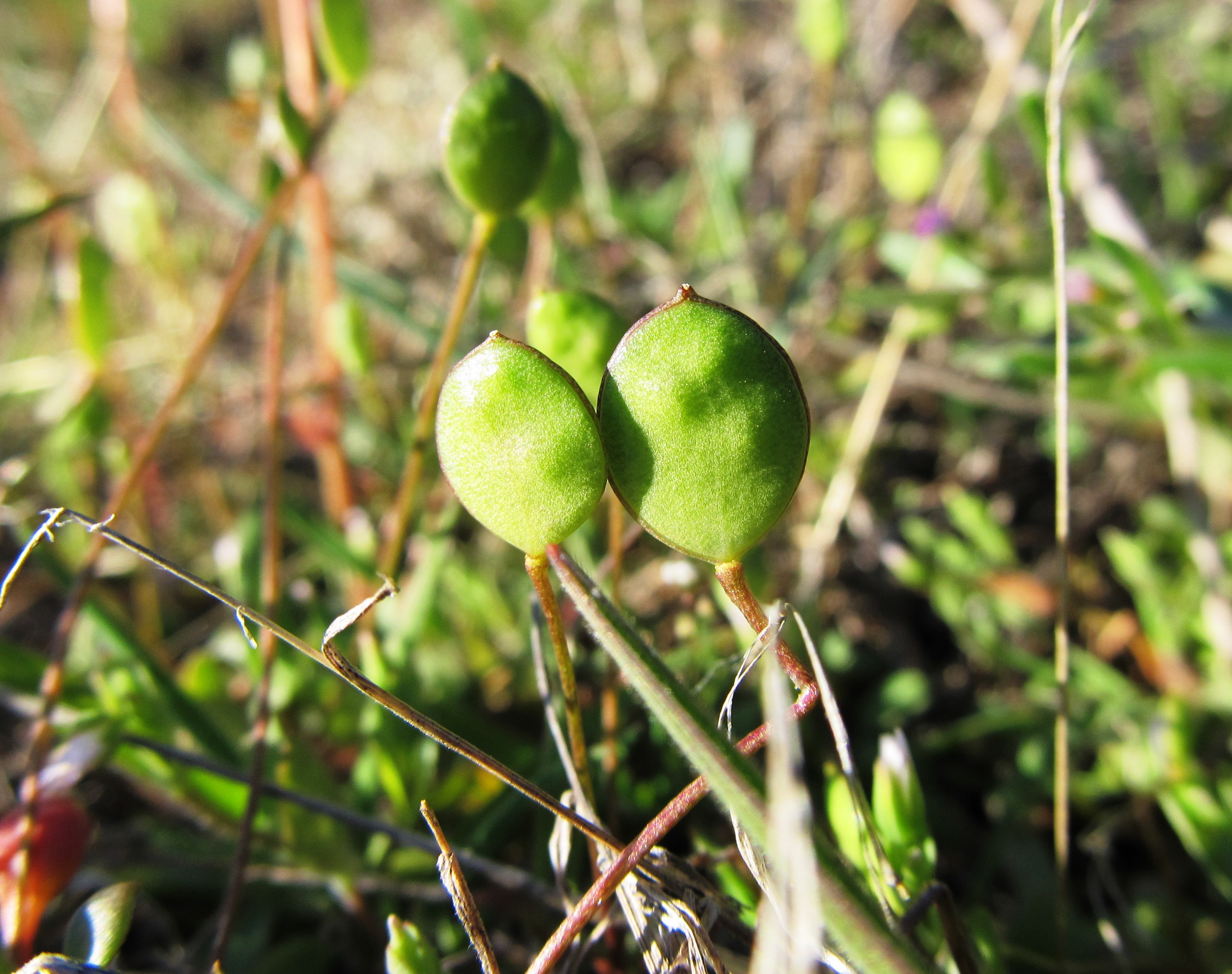
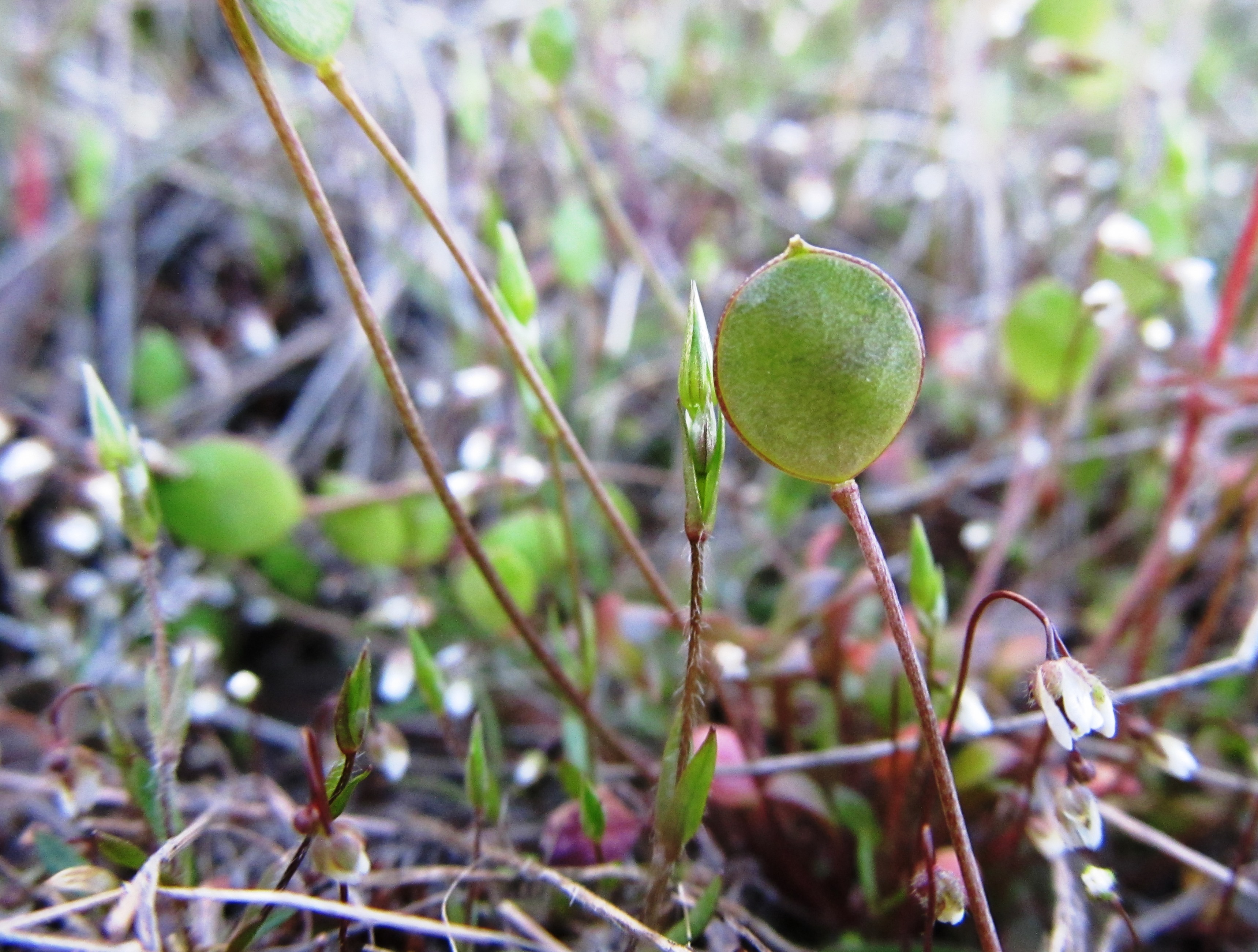
Idahoa scapigera is truly tiny. Before it flowers, it forms a basal rosette of leaves that max out at about 3 centimeters long. Next it sends up several skinny flower stalks that reach maybe 10 centimeters high (some are much shorter). One single flower is born atop each stalk. Its petite petals are white and are cupped by red to purple sepals. Its fruit is a flat round or oblong disk held vertically as though it is ready to give neighboring fruits a high five. Happening upon a patch of these plants in fruit is a real joy.

Which brings me to my hunt. It was the morning of March 20th (the first day of Spring) when I headed down the Polecat Gulch trail in search of Idahoa, among other things. The trail forms a loop around the gulch and is about 6 miles long with options for shortening the loop by taking trails that cut through the middle. I have yet to make it all the way around. Stopping every 10 yards to look at plants, insects, and other things makes for slow hiking.

I was about a half mile – 1 hour or more – into the hike when Idahoa entered my view. A group of them were growing on the upslope side of the trail, greeting me just below waist level. Many of them had already finished flowering and had fresh green fruits topping their thin stalks. At this location they are a late winter/early spring ephemeral. I made a mental note of the site and decided to return when the fruits had matured. Next year, I will head out earlier in hopes of catching more of them in flower.

On the way to Idahoa, I noted numerous other small, green things growing in the sandy soil. It turns out there are countless other tiny plants to see and explore. It got me thinking about all the small things that go unnoticed right underneath our feet or outside of our view. I resolved to move slower and get down lower to observe the wonders I’ve been overlooking all this time.

Further Reading:

Seed Oddities: Vivipary

Seeds house and protect infant plants. When released from their parent plant, they commence a journey that, if successful, will bring them to a suitable location where they can take up residence (upon germination) and carry out a life similar to that of their parents. Their seed coats (and often – in the case of angiosperms – the fruits they were born in) help direct them and protect them in this journey. Physical and chemical factors inhibit them from germinating prematurely – a phenomenon known as dormancy. Agents of dispersal and mechanisms of dormancy allow seeds to travel through time and space — promises of new plants yet to be realized.

There is rarely a need for a seed to germinate immediately upon reaching maturity. In many cases, such as in temperate climates or in times of drought or low light, germinating too soon could be detrimental. The most vulnerable time in a plant’s life comes when it is a young seedling. Thus, finding the right time and space to get a good start is imperative.

The fruits (and accompanying seeds) of doubleclaw (Proboscidea parviflora) are well equipped for long distance dispersal. (via wikimedia commons)

In rare instances, dispersal via seeds offers little advantage; instead, dispersal of live seedlings or propagules is preferable. For this select group of plants, vivipary is part of the reproductive strategy. In vivipary, seeds lack dormancy. Rather than waiting to be dispersed before germinating, viviparous seeds germinate inside of fruits that are still attached to their parent plants.

Occasionally, seeds are observed germinating inside tomatoes, citrus, squash, and other fruits; however, these fruits are usually overripe and often detached from the plant. In these instances, what is referred to as “vivipary” is not a genetic predisposition or part of the reproductive strategy. It’s just happenstance – a fun anomaly. The type of vivipary discussed in this post is actually quite rare, occurring in only a handful of species and prevalent in a select number of environments.

There are three main types of vivipary: true vivipary, cryptovivipary, and pseudovivipary. In true vivipary, a seed germinates inside the fruit and pushes through the fruit wall before the fruit is released. In cryptovivipary, a seed germinates inside the fruit but remains inside until after the fruit drops or splits open. Pseudovivipary is the production of bulbils or plantlets in the flower head. It does not involve seeds and is, instead, a form of asexual reproduction that will be discussed in a future post.

True vivipary is commonly seen among plant communities located in shallow, marine habitats in tropical or subtropical regions, such as mangroves or seagrasses. The term mangrove is used generally to describe a community of plants found in coastal areas growing in saline or brackish water. It also refers more specifically to the small trees and shrubs found in such environments. While not all mangrove species are viviparous, many of them are.

Seedlings of viviparous mangrove species emerge from the fruit and drop from the plant into the salty water below. From there they have the potential to float long or short distances before taking root. They may land in the soil upright, but often, as the tide recedes, they find themselves lying horizontally on the soil. Luckily, they have the remarkable ability to take root and quickly stand themselves up. Doing this allows young plants to keep their “heads” above water as the tides return. It also helps protect the shoot tips from herbivory.

Viviparous seedlings emerging from the fruits of red mangrove (Rhizophora mangle) via wikimedia commons

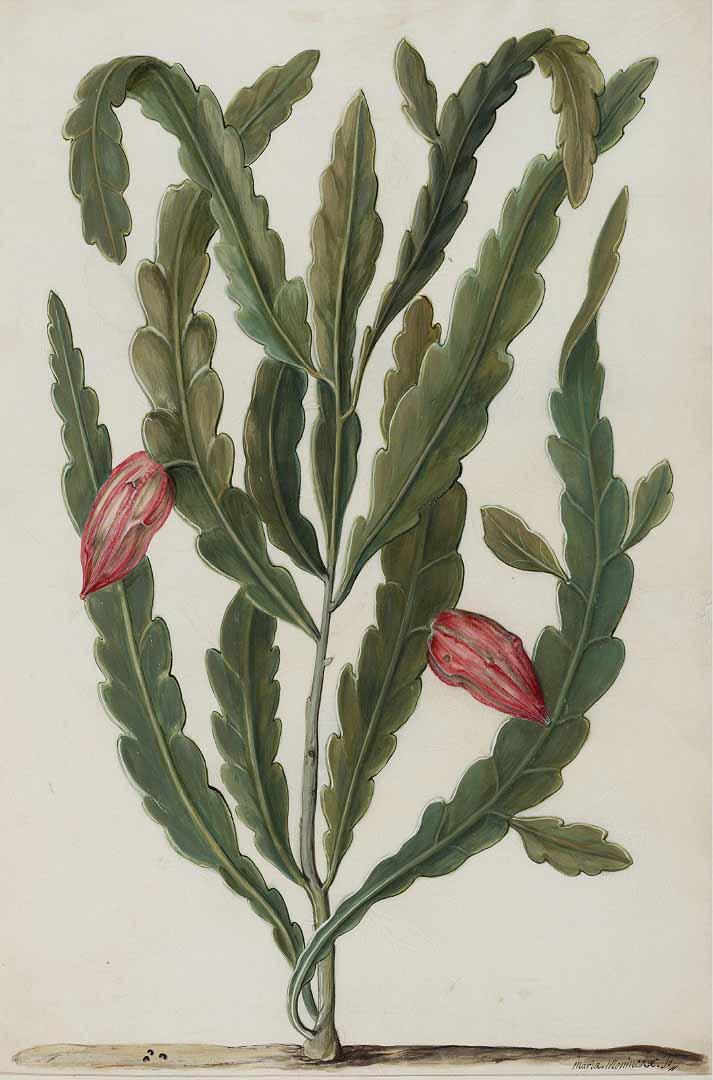
Another example of vivipary is found in the epiphytic cactus (and close relative of tan hua), Epiphyllum phyllanthus. Commonly known as climbing cactus, this species was studied by researchers in Brazil who harvested fruits at various stages to observe the development of the viviparous seedlings. They then planted the seedlings on three different substrates to evaluate their survival and establishment.

Epiphyllum phyllanthus is cryptoviviparous, so the germinated seeds don’t leave the fruit until after it splits open. In a sense, the mother plant is caring for her offspring before sending them out into the world. The researchers see this as “a form of parental care with subsequent conspecific [belonging to the same species] nursing.” Since the plant is epiphytic – meaning that it grows on the surface of another plant rather than in the soil – local dispersal is important, since there is no guarantee that seeds or propagules dispersed away from the host plant will find another suitable site. That being said, the researchers believe that “vivipary involves adaptation to local dispersal,” since “the greater the dispersal distance is, the higher the risk and the lower the probability of optimal dispersion.”

Epiphyllum phyllanthus via Useful Tropical Plants

While some viviparous seedlings of mangroves can travel long distances from their parent plant and don’t always root into the ground immediately, they maintain their advantage over seeds because they can root in quickly upon reaching a suitable site and lift themselves up above rising tide waters. As the authors of the Epiphyllum study put it, vivipary is “a reproductive advantage that, in addition to allowing propagules to root and grow almost immediately, favors quick establishment whenever seedlings land on suitable substrates.”

There is still much to learn about this unusual and rare botanical feature. The research that does exist is relatively scant, so it will be interesting to see what more we can discover. For now, check out the following resources:

Also, check out this You Tube video of :

Attempts to Avenge the Acts of Cirsium arvense – A Biocontrol Story

Some weeds are so noxious, their crimes so heinous, and their control so challenging that desperation leads us to introduce other non-native organisms to contain them. Alien vs. alien duking it out in a novel environment. It seems counterintuitive – if an introduced species has reached the status of invasive, is it worth the risk of bringing in yet another foreign species in attempt to defeat it? We all know what happened to the old lady who swallowed the spider to catch the fly, yet for decades now we have been doing just this. It’s something we call classical biological control – introducing pathogens, insects, or other organisms to help control the spread of problematic ones.

Such attempts mostly fail, but we keep trying. The attempts made on Cirsium arvense exemplify this. The trouble is that even when such efforts fail, they aren’t always benign, as we shall see.

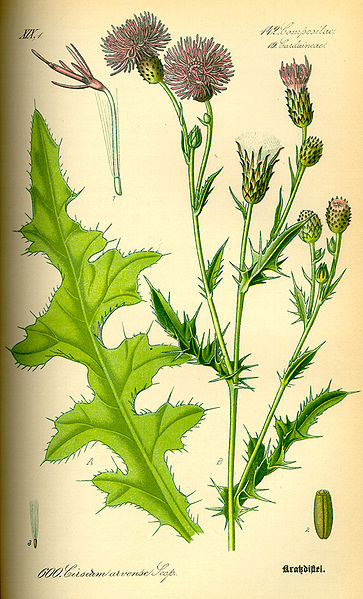
Canada thistle, a misnomer for Cirsium arvense, is a European native that has been acting in the role of noxious weed for centuries, even in its native land. First introduced accidentally to eastern North America sometime in the 1600’s, it has made its way across the continent and has since become one of our worst weeds in both natural and agricultural settings, as well as in our yards and gardens. Its seeds get around, carried by wind and water, attached to animals or deposited in their dung, stowing away as contaminants in crop seed or passengers in the ballast water of ships. But casual dispersal by seed isn’t quite as troubling as what it does once it takes root.

Several related species of thistle are also pesky weeds, but unlike Cirsium arvense, they are mostly annuals or biennials, spreading only by seed. Cirsium arvense is a perennial plant with roots that spread deep and wide. New shoots form readily along the spreading roots, forming a veritable thicket of stems that can be dozens of feet wide and giving the plant a more appropriate common name, creeping thistle.

The stems of creeping thistle can grow more than four feet tall and are adorned with alternately arranged, prickly, lobed leaves. Groups of small, urn-shaped flowerheads are born at the tops of stems. Flowers are pink to purple, sweet smelling, and favored by pollinators. Individual plants either produce all male flowers or all female flowers, and since individual plants are actually large colonies, an adjacent colony of the opposite sex is necessary in order for the production of viable seeds. Like other plants in the aster family, the seeds come with a feathery pappus, suggesting wind dispersal. However, the pappus is often weakly attached, sloughing off without seeds in tow, leaving them to the fate of gravity.

flowers of creeping thistle (Cirsium arvense) via eol

It comes as no surprise that when plants readily spread by root, stolon, or rhizome, they are well suited to become some of our most bothersome weeds. Eliminating their seed heads does little to reduce their spread. Pulling them out of the ground is futile; you will never get all the roots. Tilling them under only aids in their dispersal since chopped up roots and stems now have the chance to produce new plants. Herbicide treatments can set them back, but they must be repeated on a long-term and exacting schedule in order to thoroughly kill the roots. Considering what we’re up against when it comes to plants like creeping thistle, it makes sense why we would introduce foreign fighters to do our bidding, especially if such fighters are enemies of the plant in their native land.

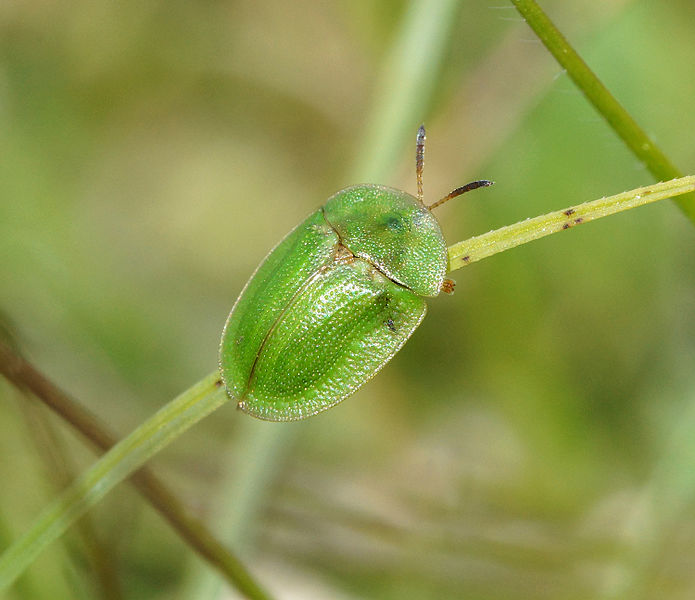
The list of insects that have been employed (or at least considered) in the fight against creeping thistle is extensive. It includes thistle tortoise beetle (Cassida rubiginosa), seedhead weevil (Rhinocyllus conicus), thistle crown weevil (Trichosirocalus horridus), thistle gall fly (Urophora cardui), thistle stem weevil (Ceutorhynchus litura), thistle bud weevil (Larinus planus), seedhead fly (Orellia ruficauda), thistle flea beetle (Altica carduorum), thistle leaf beetle (Lema cyanella), painted lady (Vanessa cardui), and sluggish weevil (Cleonus piger). Unfortunately, and perhaps not surprisingly, as Bugwood reports, “biocontrol currently provides little or no control of Canada thistle populations, although some agents weaken and kill individual plants.” Despite the fact that there are well over 100 known organisms that consume or attack Cirsium arvense, nothing manages to do long-term damage.

thistle tortoise beetle (Cassida rubiginosa) – a common biocontrol agent of invasive thistle species (via wikimedia commons)

The status of creeping thistle biocontrol efforts on two South Dakota wildlife refuges was reported on in a 2006 issue of Natural Areas Journal. Multiple introductions of at least half a dozen different insect species had occurred beginning in 1986. Nearly 20 years later, they were not found to have had a significant effect on creeping thistle populations. The authors concluded stating they “do not advocate further releases or distribution in the northern Great Plains of the agents” examined in their study. They also advised that “effectiveness be a primary consideration” of any new biocontrol agents and expressed concern that some introduced insects have the potential to attack native thistles.

North America is home to quite a few native thistles, several of which are rare or threatened. A USDA guide to managing creeping thistle in the Southwest highlights the importance of protecting native thistles – “especially rare or endangered species” – from biocontrol agents and gives two examples of endangered thistles in New Mexico that are at risk of such agents.

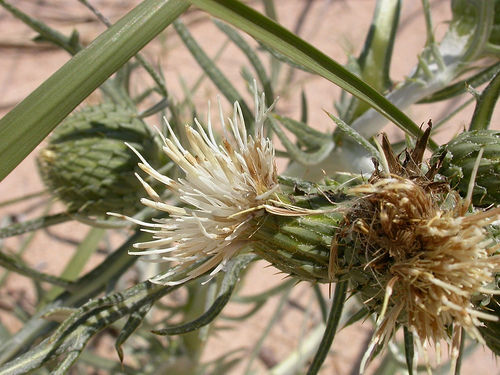
The federally threatened species, Pitcher’s thistle (Cirsium pitcheri), which is restricted to sand dune shorelines along the upper Great Lakes, has quite a bit working against it. An added blow came a few years ago when it was discovered that the flowerheads of Pitcher’s thistle were being damaged by the thistle bud weevil (Larinus planus), a biocontrol agent employed against creeping thistle in the area. A paper published in Biological Conservation in 2012 examining the extent of weevil damage on the rare thistle cautioned that, “although some biological control agents may benefit some rare plant taxa, the negative impacts of both native insects and introduced herbivores are well documented.”

Pitcher’s thistle (Cirsium pitcheri) via eol

Classical biological control, if and when it works, can be quite valuable, especially if it reduces the need for other management inputs like herbicides and cultivation. Unfortunately, it is rarely successful and can have unintended consequences. Goldson et al. report in a 2014 issue of Biological Conservation that the success rate is only around 10% and that even that 10% is at risk of failing at some point. In his book, Where Do Camels Belong?, ecologist Ken Thompson cites that “only about one in three species introduced as biological controls establish at all, and only half of those that do establish (i.e. about 16% of total attempts) control the intended enemy,” adding that “biological control is just another invasion, albeit one we are trying to encourage rather than prevent, and its frequent failure is another example of how poorly we understand the effects of adding new species to ecosystems.”

Still, while some warn against being too optimistic, others argue that it is an essential tool in the war against invasive species and, while acknowledging that a few introductions have gone awry, assert that “significant non-target impacts” are rare. Clearly, this is a rich topic ripe for healthy debate and one that I will continue to explore. If you have thoughts or resources you’d like to share, please do so in the comment section below.

———————

This post was inspired in part by episode six of The Shape of the World podcast. I highly recommend listening to the entire series.

Death by Crab Spider, part two

Crab spiders that hunt in flowers prey on pollinating insects. Thus, pollinating insects tend to avoid flowers that harbor crab spiders. We established this in part one. Now we ask, what effect, if any, does this interaction have on a crab spider infested plant’s ability to reproduce? More importantly, what are the evolutionary implications of this relationship?

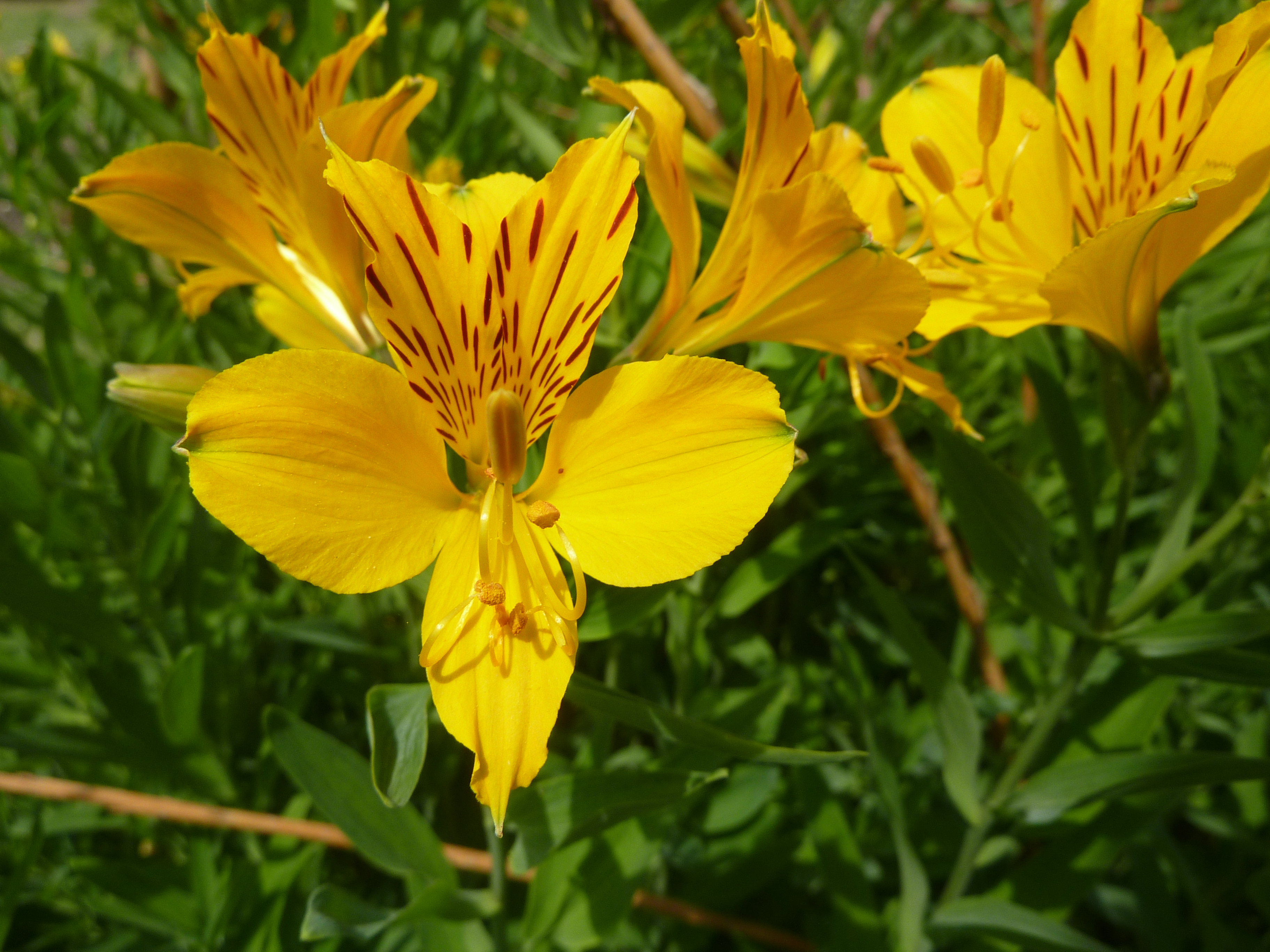
In a study published in Ecological Entomology earlier this year, Gavini, et al. found that pollinating insects avoided the flowers of Peruvian lily (Alstroemeria aurea) when artificial spiders of various colors and sizes were placed in them. Bumblebees and other bees were the most frequent visitors to the flowers and were also the group “most affected by the presence of artificial spiders, decreasing the number of flowers visited and time spent in the inflorescences.” This avoidance had a notable effect on plant reproduction, namely a 25% reduction in seed set and a 15% reduction in fruit weight. The most abundant and effective pollinator, the buff-tailed bumblebee, was deterred by the spiders, leading the researchers to conclude that, “changes in pollinator behavior may translate into changes in plant fitness when ambush predators alter the behavior of the most effective pollinators.”

Peruvian lily (Alstroemeria aurea) via wikimedia commons

But missing from this discussion is the fact that crab spiders don’t only eat pollinators. Any flower visiting insect may become a crab spider’s prey, and that includes florivores. In which case, crab spiders can benefit a plant, saving it from reproduction losses by eating insects that eat flowers.

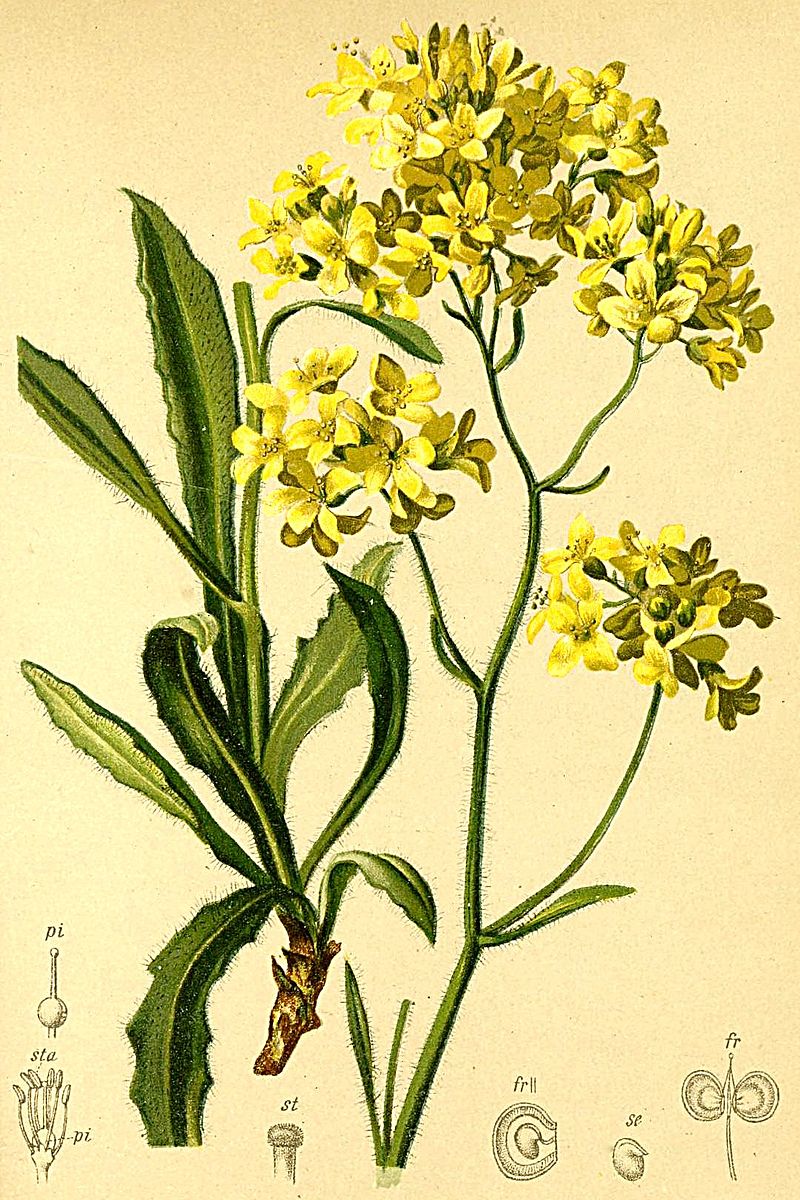
In April of this year, Nature Communications published a study by Knauer, et al. that examined the trade-off that occurs when crab spiders are preying on both pollinators and florivores. Four populations of buckler-mustard (Biscutella laevigata ssp. laevigata) were selected for this study. Bees are buckler-mustard’s main pollinator, and in concurrence with other studies, they significantly avoided flowers when crab spiders were present.  Knauer, et al. also determined that bees and crab spiders are attracted to the same floral scent compound, β-ocimene. This compound not only attracts pollinators, but is also emitted when plants experience herbivory, possibly to attract predators to come and prey on whatever is eating them.

buckler-mustard (Biscutella laevigata) via wikimedia commons

In this study, the predators called upon were crab spiders. Florivores had a notable impact on plants in this study, and the researchers found that when crab spiders were present, florivores were significantly reduced, thereby reducing their negative impact. They also noted that “crab spiders showed a significant preference for [florivore-infested] plants over control plants.”

And so it is, a plant’s floral scent compound attracts pollinators while simultaneously attracting the pollinator’s enemy, who is also called in to protect the flower from being eaten. Luckily, in this case, buckler-mustard is easily pollinated, so the loss of a few pollinators isn’t likely to have a strong negative effect on reproduction. As the authors write, “pollinators are usually abundant and the low number of ovules per flower makes a few pollen grains sufficient for a full seed set.”

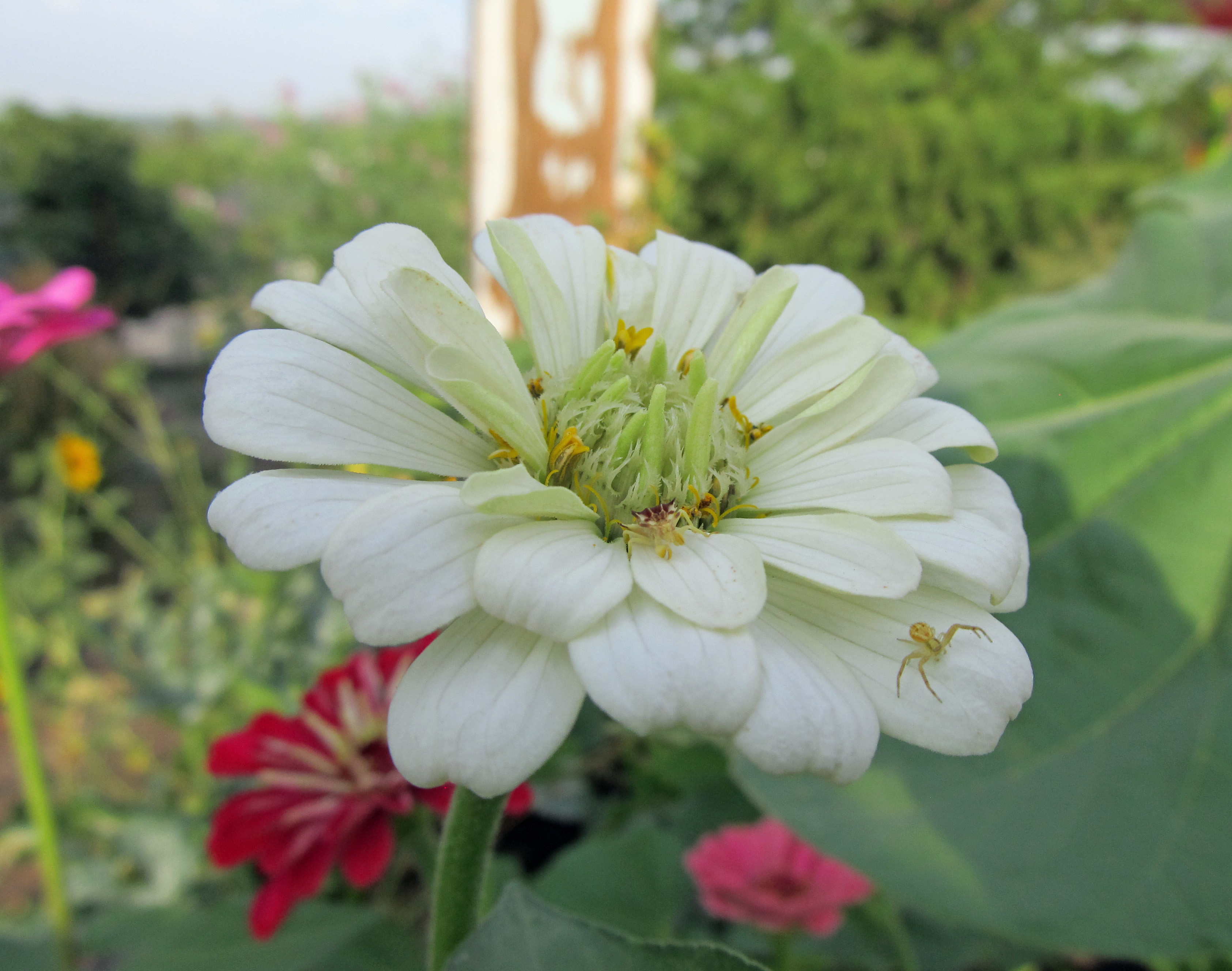
crab spider on zinnia

But none of these studies are one size fits all. Predator-pollinator-plant interactions are still not well understood, and there is much to learn through future research. A meta-analysis published in the Journal of Animal Ecology in 2011 looked at the research that had been done up to that point. Included were a range of studies involving sit-and-wait predators (like crab spiders and lizards) as well as active hunters (like birds and ants) and the effects of predation on both pollinators and plant-eating insects. They concluded that where carnivores “disrupted plant-pollinator interactions, plant fitness was reduced by 17%,” but thanks to predation of herbivores, carnivores helped increase plant fitness by 51%. This suggests that carnivores, overall, have a net positive effect on plant fitness.

Many pollinating insects have an advantage over plant-eating insects because they move quickly from flower to flower and plant to plant, unlike many herbivores which move more slowly. This protects pollinators from predation and helps explain why plant-pollinator interactions are not disrupted as easily by carnivores. Additionally, as the authors note, “plants may be buffered against loss of pollination by attracting different types of pollinators, some of which are inaccessible to carnivores.”

But again, there is still so much to discover about these complex interactions. One way to gain a better understanding is to investigate the effects of predators on both pollinators and herbivores in the same study, since many of the papers included in the meta-analysis focused on only one or the other. As far as crab spiders go, Knauer, et al. highlight their importance in such studies. There are so many different species of crab spiders, and they are commonly found on flowers around the globe, so “their impact on plant evolution may be widespread among angiosperms.”

In other words, while we still have a lot to learn, the impact these tiny but skillful hunters have should not be underestimated.

Death by Crab Spider, part one

When a bee approaches a flower, it is essentially approaching the watering hole. It comes in search of food in the form of pollen and nectar. As is this case with other animals who come to feed at the watering hole, a flower-visiting bee makes itself vulnerable to a variety of predators. Carnivores, like the crab spider, lie in wait to attack.

The flowers of many plants rely on visits from bees and other organisms to assist in transferring pollen from stamens to stigmas, which initiates reproduction; and bees and other flower visitors need floral resources to survive. Crab spiders exploit this otherwise friendly relationship and, in doing so, can leave lasting impacts on both the bees and the flowers they visit.

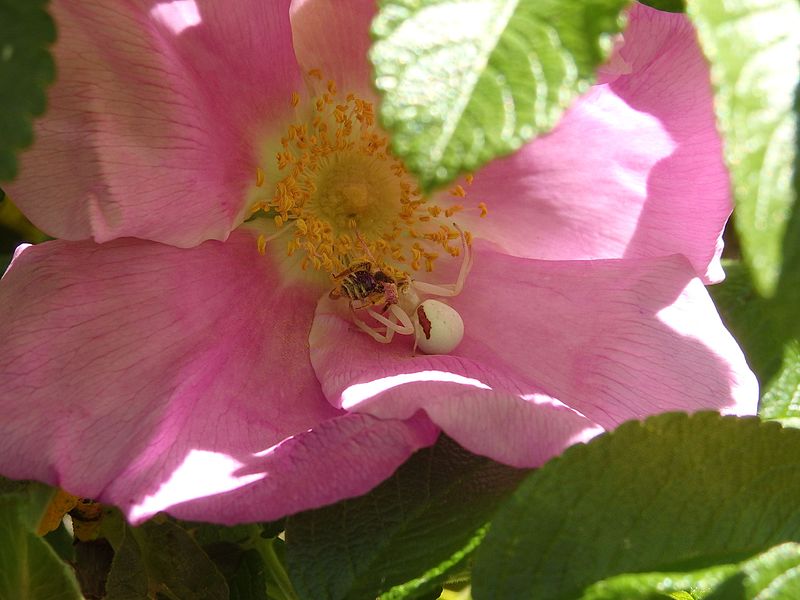
Species in the family Thomisidae are commonly referred to as crab spiders, a name that comes from their resemblance to crabs. Crab spiders don’t build webs to catch prey; instead they either actively hunt for prey or sit and wait for potential prey to happen by, earning them the name ambush predators. Of the hundreds of species in this family, not all of them hunt for prey in flowers; those that do – species in the genera Misumena and Thomisus, for example – are often called flower crab spiders.

white crab spider (Thomisus spectabilis) on Iris sanguinea — via wikimedia commons

Most crab spiders are tiny – mere millimeters in size – and they have a number of strategies (depending on the species) to obscure their presence from potential prey. They can camouflage themselves by choosing to hunt in a flower that is the same color as they are or, in the case of some species, they can change their color to match the flower they are on. Some species of crab spiders reflect UV light, which bees can see. In doing so, they make themselves look like part of the flower.

Using an Australian species of crab spider, researchers found that honey bees preferred marguerite daisies (Chrysanthemum frutescens) on which UV-reflecting crab spiders were present, even when the scent of the flowers was masked. The spiders’ presence was seen as nectar guides, which “bees have a pre-existing bias towards.” Members of this same research team also determined that both crab spiders and honey bees choose fragrant flowers over non-fragrant flowers, and that, ultimately, “honey bees suffer apparently from responding to the same floral characteristics as crab spiders do.”

Needless to say, crab spiders are crafty. So the question is, when killing machines like crab spiders are picking off a plant’s pollinators, does this affect its ability to reproduce? First let’s consider how pollinators react to finding crab spiders hiding in the flowers they hope to visit.

goldenrod crab spider (Misumena vatia) preying on a pollinator — via wikimedia commons

A study published in Oikos in 2003 observed patches of common milkweed (Asclepias syriaca) – one set was free of crab spiders, the other set was not – and tracked the visitations of four species of bees – the common honey bee and three species of bumble bees. They compared visitation rates between both sets of milkweed patches and found that the smallest of the three bumble bee species decreased its frequency of visitation to the crab spider infested milkweeds. Honey bees also appeared to visit the infested milkweeds less, but the results were not statistically significant. The two larger species of bumble bees continued to forage at the same rate despite the presence of crab spiders.

During the study, crab spiders were seen attacking bees numerous times. Six attacks resulted in successful kills, and of the bees that escaped, 80% left the flower and either moved to a different flower on the same plant, moved to a different plant, or left the patch altogether. These results indicate a potential for the presence of crab spiders to effect plant-pollinator interactions, whether its directly (predation) or indirectly (bees avoiding flowers with crab spiders).

Another study published in Behavioral Ecology in 2006 looked at two species of bees – the honey bee and a species of long-horned bee – and their reactions to the presence of crab spiders on the flowers of three different plant species – lavender (Lavandula stoechas), crimson spot rockrose (Cistus ladanifer), and sage-leaf rockrose (Cistus salvifolius). Honey bees were about half as likely to select inflorescences of lavender when crab spiders were present, and they avoided the crab spider infested flowers of crimson spot rockrose with a similar frequency. On the other hand, the long-horned bee visited the flowers of crimson spot rockrose to the same degree whether or not a crab spider was present.

bee visiting sage-leaf rock rose (Cistus salvifolius) — via wikimedia commons

The researchers then exposed honey bees to the flowers of sage-leaf rockrose that were at the time spider-free but showed signs that crab spiders had recently visited. Some of the flowers featured the scent of crab spiders, others had spider silk attached to them, and others had the corpses of dead bees on them. They found that even when crab spiders were no longer present, the bees could still detect them. Honey bees were particularly deterred by the presence of corpses. The long-horned bees were also exposed to the flowers with corpses on them but didn’t show a significant avoidance of them.

An interesting side note about the presence of silk on flowers. As stated earlier, crab spiders do not spin webs; however, they do spin silk for other reasons, including to tether themselves to flowers while hunting. The authors recount, “on several occasions when an attempted attack was observed during this study, it was only the presence of a silk tether that prevented spiders being carried away from flowers by their much larger prey.”

So, again, if bees are avoiding flowers due to the presence of predators like crab spiders, what effect, if any, is this having on the plants? We will address this question in part two.