Getting to Know a Grass – Basic Anatomy and Identification

Have you ever tried to identify a grass? Most of us who like to look at plants and learn their names will probably admit that we often give up on grasses pretty quickly, or just ignore them entirely. They aren’t the easiest plants to identify to species, and there are so many of them. Without close inspection, they can all look pretty similar. Their flowers aren’t particularly showy, and their fruits are fairly forgettable. They are strands or clumps of green that create a backdrop for more intriguing forms of vegetation. Yet, they are among the most ecologically and economically important groups of plants on the planet. And actually, if you can ascend the hurdles that come with getting to know them, they are beautiful organisms and really quite amazing.

Kōura in the Grass

The grass family – Poaceae – consists of nearly 8oo genera and about 12,000 species. Grasses occur in a wide range of habitats across the globe. Wherever you are on land, a grass is likely nearby. Grasses play vital roles in their ecosystems and, from a human perspective, are critical to life as we know it. We grow them for food, use them for building materials and fuel, plant them as ornamentals, and rely on them for erosion control, storm water management, and other ecosystem services. We may not acknowledge their presence most of the time, but we very likely wouldn’t be here without them.

The sheer number of grass species is one thing that makes them so difficult to identify. Key identifying features of grasses and grass-like plants (also known as graminoids) tend to be very small and highly modified compared to similar features on other flowering plants. This requires using a hand lens and learning a whole new vocabulary in order to begin to understand a grass’s anatomy. It’s a time commitment that goes beyond a lot of other basic plant identification, and it’s a learning curve that few dare to follow. However, once you learn the basic features, it becomes clear that grasses are relatively simple organisms, and once you start identifying them, it can actually be an exciting and rewarding experience.

Quackgrass (Elymus repens) and Its Rhizome

Depending on the species, grasses can be annuals – completing their life cycle within a single year – or perennials – coming back year after year for two or more years. Most grasses have a fibrous root system; some are quite shallow and simple while others are extremely deep and extensive. Some species of perennial grasses spread by either rhizomes (underground stems), stolons (horizontal, above ground stems), or both. Some grasses also produce tillers, which are essentially daughter plants that form at the base of the plant. The area where roots, rhizomes, stolons, and tillers meet the shoots and leaves of a grass plant is called the crown. This is an important region of the plant, because it allows for regrowth even after the plant has been browsed by a grazing animal or mown down by a lawn mower.

The stem or shoot of a grass is called a culm. Leaves are formed along the lengths of culms, and culms terminate in inflorescences. Leaves originate at swollen sections of the culm called nodes. They start by wrapping around the culm and forming what is called a leaf sheath. Leaves of grasses are generally long and narrow with parallel venation – a trait typical of monocotyledons. The part of the leaf that extends away from the culm is called the leaf blade or lamina. Leaves are alternatively arranged along the length of the stem and are two-ranked, meaning they form two distinct rows opposite of each other along the stem.

The area where the leaf blade meets the leaf sheath on the culm is called the collar. This collar region is important for identifying grasses. With the help of a hand lens, a closer look reveals the way in which the leaf wraps around the culm (is it open or closed?), whether or not there are hairs present and what they are like, if there are auricles (small flaps of leaf tissue at the top of the collar), and what the ligule is like. The ligule is a thin membrane (sometimes a row of hairs) that forms around the culm where the leaf blade and leaf sheath intersect. The size of the ligule and what its margin is like can be very helpful in identifying grasses.

The last leaf on the culm before the inflorescence is called the flag leaf, and the section of the culm between the flag leaf and the inflorescence is called a peduncle. Like the collar, the flower head of a grass is where you’ll find some of the most important features for identification. Grass flowers are tiny and arranged in small groupings called spikelets. In general, several dozen or hundreds of spikelets make up an inflorescence. They can be non-branching and grouped tightly together at the top of the culm, an inflorescence referred to as a spike, or they can extend from the tip of the culm (or rachis) on small branches called pedicels, an inflorescence referred to as a raceme. They can also be multi-branched, which is the most common form of grass inflorescence and is called a panicle.

Either way, you will want to take an even closer look at the individual spikelets. Two small bracts, called glumes, form the base of the spikelet. Above the glumes are a series of florets, which are enclosed in even smaller bracts – the outer bract being the lemma and the inner bract being the palea. Certain features of the glumes, lemmas, and paleas are specific to a species of grass. This includes the way they are shaped, the presence of hairs, their venation, whether or not awns are present and what the awns are like, etc. If the grass species is cleistogamous – like cheatgrass – and the florets never open, you will not get a look at the grass’s sex parts. However, a close inspection of an open floret is always a delight. A group of stamens protrude from their surrounding bracts bearing pollen, while feathery stigmas reach out to collect the pollen that is carried on the wind. Depending on the species, an individual grass floret can have either only stamens, only pistils (the stigma bearing organs), or both. Fertilized florets form fruits. The fruit of a grass is called a caryopsis (with a few exceptions) and is indistinguishable from the seed. This is because the seed coat is fused to the wall of the ovary, unlike other fruit types in which the two are separate and distinct.

If all this doesn’t make you want to run outside and take a close look at some grasses, I don’t know what will. What grasses can you identify in your part of the world? Let me know in the comment section below or check out the linktree and get in touch by the means that suits you best.

What Is Cheatgrass and Why Should I Care?

To understand the current state of rangeland wildfires in the Intermountain West, you must first familiarize yourself with a plant commonly referred to as cheatgrass. This annual grass moved into the region over a century ago, and its spread has had a massive impact on the environment, as well as the economy and our way of life. Just the very mention of cheatgrass in the West will get some people’s blood boiling. It’s a menace, a scourge, a pest, and yet it’s here to stay. It’s a result of us being here, yet somehow it’s the invader. Its success is largely due to the way we’ve chosen to operate in this region, yet it’s the one to blame for our troubles. When you really start to learn about this plant, it’s hard not to develop an appreciation for it, despite the tragic ways in which it has shaped our region for the worse. It’s not a plant that is showy or grandiose in any significant way. Everything about its appearance screams for it to be dismissed and overlooked, yet it’s story – at least here in the American West – is larger than life.

cheatgrass (Bromus tectorum) – illustration credit: Selected Weeds of the United States, Agriculture Handbook No. 366 (ARS/USDA)

Bromus tectorum goes by more than a dozen common names, but the ones you tend to hear most often are downy brome and cheatgrass. Downy because of how fuzzy its leaf blades can be and cheat because its presence on wheat farms cheats farmers of their yield. It is distributed widely across Europe, eastern Asia, and northern Africa where it originates, and was introduced to North America in the mid-19th century. How and why it got here isn’t totally clear. It likely had multiple introductions, both as a contaminant in seeds and attached to fur, clothing, packaging materials, etc., as well as intentionally as a forage crop for livestock. Regardless, it managed to establish readily in the east and then quickly spread across the country, spanning the continent by the early 20th century. It found the Great Basin particularly habitable due to its hot, dry summers and cold, wet winters and largely treeless landscape.

Apart from the climate, a significant factor behind cheatgrass’s establishment in the Intermountain West are all the cows. For a number of reasons, the Great Basin isn’t really suitable for largescale farming operations, but livestock grazing is another story. Many of the animals native to the region are grazing animals after all, so why not graze cattle and sheep? But there is a limit. Too many animals stuck in one spot for too long leads to overgrazing, and overgrazed sites take time for the native vegetation to recover. Cheatgrass exploits this opportunity by establishing itself quickly in disturbed and overgrazed locations and begins the process of outcompeting nearby plants for limited water and nutrients. Once it begins to dominate these sites, it has another trick up its sleeve.

Cheatgrass actually makes good forage for livestock early in the spring when it’s green and tender, but that quickly changes as the plants start to dry out and go to seed. By early summer, cheatgrass has completed its lifecycle and what’s left is a dried-up plant that, due to the silica in its cells, does not break down readily. Where cheatgrass is abundant, this means large swaths of standing brown grass as far as the eye can see. What’s more, this dead vegetation is highly flammable, and the slightest spark can set off a roaring blaze that moves quickly across the landscape, igniting everything in its path. In a region where fires once occurred decades apart, they now occur on a nearly annual basis. And because fire had been historically infrequent, the native vegetation is not adapted to regular fire and can take years to recover, whereas cheatgrass bounces right back, again exploiting the void left by the decimation of native plants and is flowering again the following spring. It’s a self-perpetuating cycle, and cheatgrass excels at it.

cheatgrass on fire

Cheatgrass is a winter annual, meaning that it germinates in the fall as soon as moisture becomes available. It then lies mostly dormant, its shallow, fibrous roots still growing as long as the ground isn’t frozen. Employing this strategy means cheatgrass is ready to resume growth at a quick pace as soon as the weather warms in the spring. Its roots spread horizontally in the soil and essentially rob water from nearby, more deeply rooted native vegetation. Its deep green, hairy leaves form a little tuft or rosette and provide early spring forage for livestock, gamebirds, and other grazing animals. As the spring progresses flower stalks form and the plants reach heights of around 2 feet (60 centimeters). Their inflorescence is a prominently drooping, open panicle and each spikelet has between 4-8 florets, each with a single, straight awn. The flowers of cheatgrass are cleistogamous, which means they don’t ever open. Self-pollination occurs inside the closed floret, and viable seeds soon develop. As the plant matures, it takes on a purple-reddish hue, after which it turns crispy and light brown as the seeds disperse.

The stiff awns remain on the seeds and aid in dispersal. They also cause injury to animals that dare consume them, poking into the soft tissues of their mouths. Passing animals are also injured when the awns work their way into their feet, ears, and other vulnerable body parts. The ability of the awns to attach so easily to fur and clothing is one of the reasons why cheatgrass spreads so readily. Wind also helps distribute the seed. A single plant can produce hundreds, if not thousands, of seeds, which are ready to germinate upon dispersal. They remain viable in the soil for only a few short years, but since they germinate so easily and are produced so abundantly, their short lifespan isn’t much of a downside.

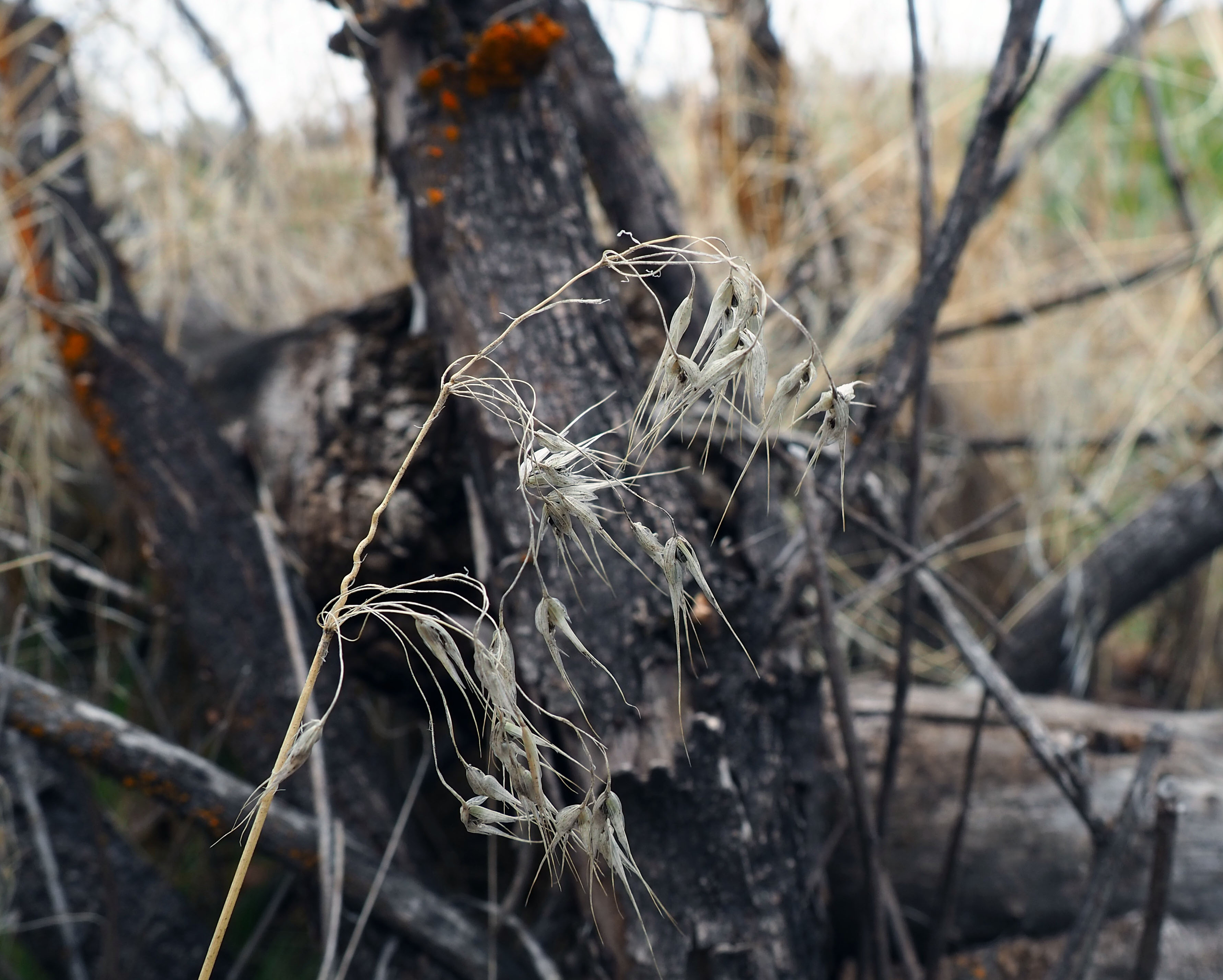
dried inflorescence of cheatgrass (Bromus tectorum)

In many ways, cheatgrass is the perfect weed. It is able to grow under a broad range of conditions. Its seeds germinate readily, and the plant grows during a time when most other plants have gone dormant. It excels at capturing water and nutrients. It self-pollinates and produces abundant viable seed, which are reliably and readily dispersed thanks to persistent awns. Disturbed areas are ripe for a plant like cheatgrass, but even nearby undisturbed areas can be invaded as seeds are dispersed there. With the help of fire, cheatgrass also creates its own disturbance, which it capitalizes on by then growing even thicker, more abundant stands with now even less competition from native vegetation. And because it is available so early in the season and is readily consumed by livestock and gamebirds, what motivation is there for humans to totally replace it with something else? As James Young and Charlie Clements ask in their book, Cheatgrass, “How can we come to grips with the ecological and economic consequences of this invasive alien species that can adapt to such a vast range of environmental conditions?” In another section they lament, “cheatgrass represents a stage in transition toward an environment dominated by exotic weeds growing on eroded landscapes.”

The topic of cheatgrass and other introduced annual grasses, as well as the even broader topic of rangeland wildfires, is monstrous, but it is one that I hope to continue to cover in a series of posts over the coming months and years. It’s not an easy (or necessarily fun) thing to tackle, but it’s an important one, especially for those of us who call the cheatgrass sea our home.


Check out the linktree for various ways to follow and support Awkward Botany.

Dispersal by Bulbils – A Bulbous Bluegrass Story

The main way that a plant gets from place to place is in the form of a seed. As seeds, plants have the ability to travel miles from home, especially with the assistance of outside forces like wind, water, and animals. They could also simply drop to the ground at the base of their parent plant and stay there. The possibilities are endless, really.

But what about plants that don’t even bother making seeds? How do they get around? In the case of bulbous bluegrass, miniature bulbs produced in place of flowers function exactly like seeds. They are formed in the same location as seeds, reach maturity and drop from the plant just like seed-bearing fruits, and are then dispersed in the same ways that seeds are. They even experience a period of dormancy similar to seeds, in that they lie in wait for months or years until the right environmental conditions “tell” them to sprout. And so, bulbils are basically seeds, but different.

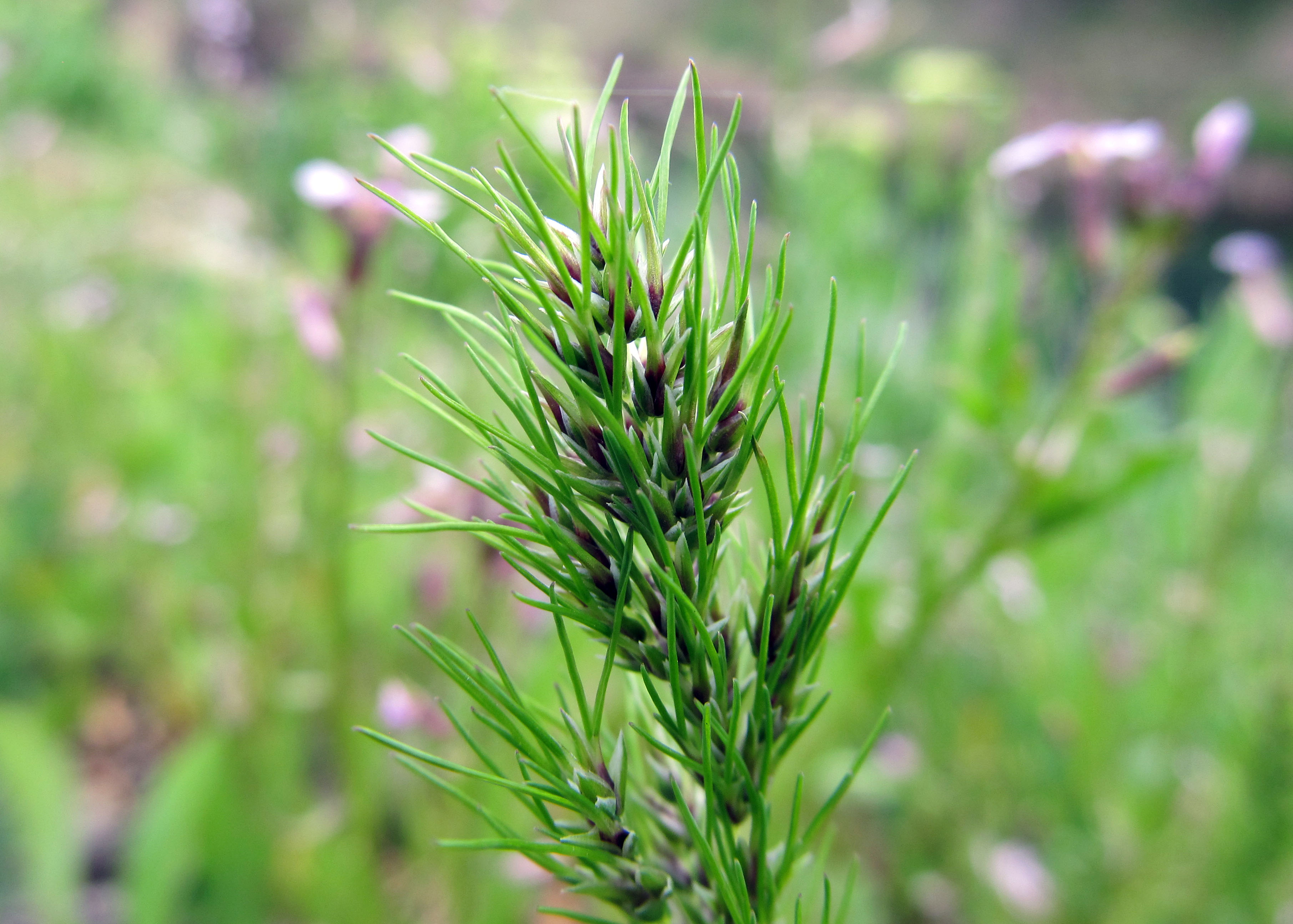
bulbous bluegrass (Poa bulbosa)

Bulbous bluegrass (Poa bulbosa) is a Eurasian native but is widely distributed outside of its native range having been repeatedly spread around by humans both intentionally and accidentally. It’s a short-lived, perennial grass that can reach up to 2 feet tall but is often considerably shorter. Its leaves are similar to other bluegrasses – narrow, flat or slightly rolled, with boat-shaped tips and membranous ligules – yet the plants are easy to distinguish thanks to their bulbous bases and the bulbils that form in their flower heads. Their bulbous bases are actually true bulbs, and bulbous bluegrass is said to be the only grass species that has this trait. Just like other bulb-producing plants, the production of these basal bulbs is one way that bulbous bluegrass propagates itself.

basal bulbs of bulbous bluegrass

Bulbous bluegrass is also propagated by seeds and bulbils. Seeds form, like any other plant species, in the ovary of a pollinated flower. But sometimes bulbous bluegrass doesn’t make flowers, and instead modifies its flower parts to form bulbils in their place. Bulbils are essentially tiny, immature plants that, once separated from their parent plant, can form roots and grow into a full size plant. The drawback is that, unlike with most seeds, no sexual recombination has occurred, and so bulbils are essentially clones of a single parent.

The bulbils of bulbous bluegrass sit atop the glumes (bracts) of a spikelet, which would otherwise consist of multiple florets. They have dark purple bases and long, slender, grass-like tips. Bulbils are a type of pseudovivipary, in that they are little plantlets attached to a parent plant. True vivipary occurs when a seed germinates inside of a fruit while still attached to its parent.

Like seeds, bulbils are small packets of starch and fat, and so they are sought ought by small mammals and birds as a source of food. Ants and small rodents are said to collect and cache the bulbils, which is one way they get dispersed. Otherwise, the bulbils rely mostly on wind to get around. They then lie dormant for as long as 2 or 3 years, awaiting the ideal time to take root.

bulbils of bulbous bluegrass

Bulbous bluegrass was accidentally brought to North America as a contaminant in alfalfa and clover seed. It was also intentionally planted as early as 1907 and has been evaluated repeatedly by the USDA and other organizations for use as a forage crop or turfgrass. It has been used in restoration to stabilize soils and reduce erosion. Despite numerous trials, it has consistently underperformed mainly due to its short growth cycle and long dormancy period. It is one of the first grasses to green up in the spring, but by the start of summer it has often gone completely dormant, limiting its value as forage and making for a pretty pathetic turfgrass. Otherwise, it’s pretty good at propagating itself and persisting in locations where it hasn’t been invited and is now mostly considered a weed – a noxious one at that according to some states. Due to its preference for dry climates, it is found most commonly in western North America.

In its native range, bulbous bluegrass frequently reproduces sexually. In North America, however, sexual reproduction is rare, and bulbils are the most common method of reproduction. Prolific asexual reproduction suggests that bulbous bluegress populations in North America should have low genetic diversity. Researchers set out to examine this by comparing populations found in Washington, Oregon, and Idaho. Their results, published in Northwest Science (1997), showed a surprising amount of genetic variation within and among populations. They concluded that multiple introductions, some sexual reproduction, and the autopolyploidy nature of the species help explain this high level of diversity.

———————

Interested in learning more about how plants get around? Check out the first issue of our new zine Dispersal Stories.

Weeds of Boise: Abandoned Pizza Hut on Ann Morrison Park Drive

There is an old Pizza Hut on the corner of Ann Morrison Park Drive and Lusk Street. I’m not sure how long it’s been closed (if someone knows for sure, please let me know), but it has to be well over a year – probably several years. It’s clear that the landscaping has not been maintained for a while. The turf grass in the hellstrips is now mostly weeds, the Callery pears and crabapples are in need of some serious pruning, and the mugo pines and horizontal junipers are slowly dying off. On the other hand, the Oregon grapes and barberries look just fine. They never really needed our help anyway.

I like checking out lots with recently abandoned buildings because you can see in real time just how quickly weeds take over once humans stop their meddling. As the months and years pass, and as the plants that humans intentionally placed there decline, it becomes increasingly obvious that weeds truly are the wild flora of our cities.

My first few visits to this site were on March 21st, 25th and 28th of 2020. During those visits, I made a list of all the weeds that I could easily identify and noted a few individuals that I will need to come back to. What follows are photos of a few of the weeds I came across, along with a list of the weeds I was able to identify.

Every lot needs a dandelion (Taraxacum officinale).

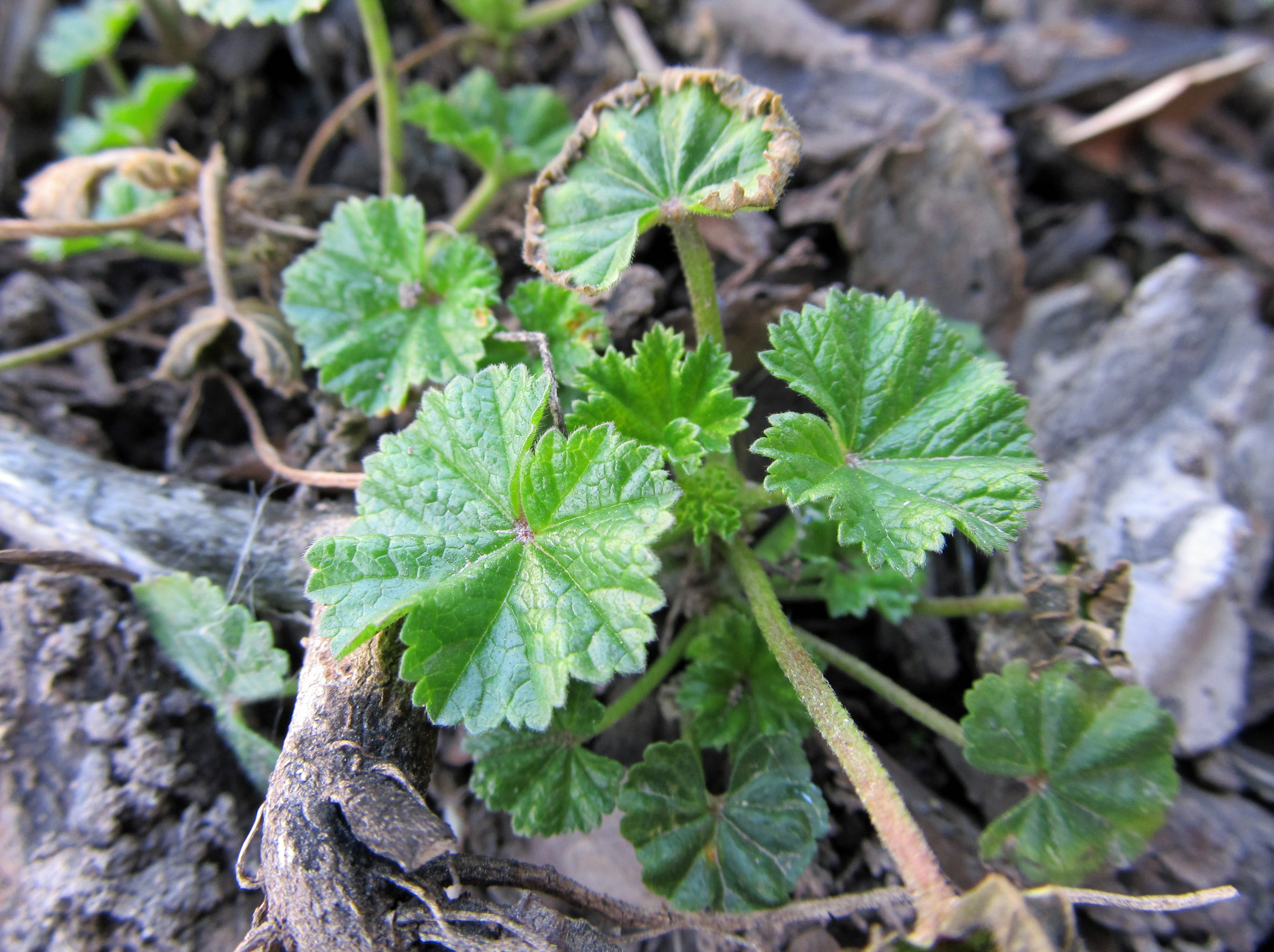
Common mallow (Malva neglecta) in mulch.

The turf grass in the hellstrips has been replaced by several different weeds including tiny, early spring favorites like bur buttercup (Ceratocephala testiculata) pictured here and spring draba (Draba verna).

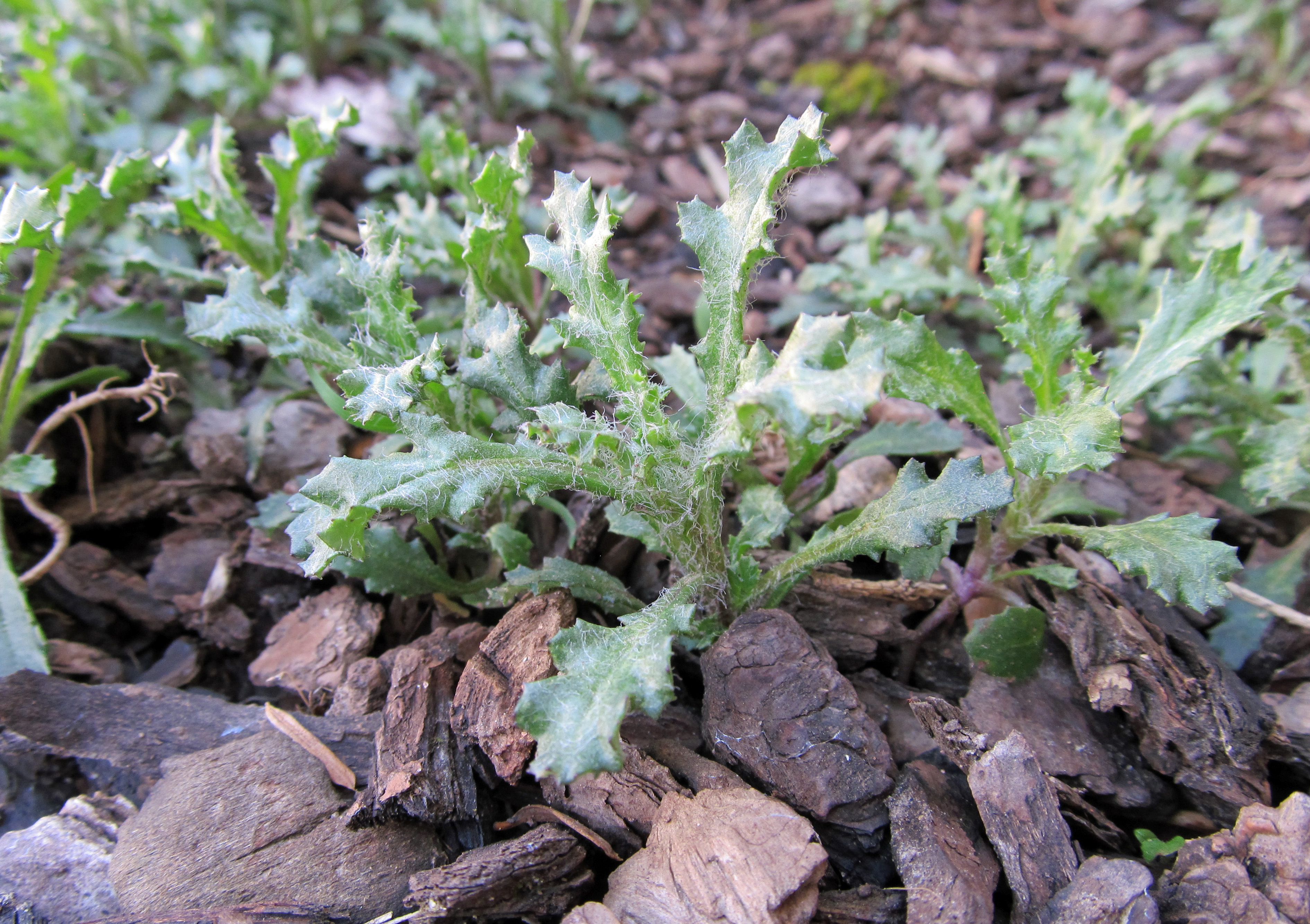
Common groundsel (Senecio vulgaris) is prolific in a bed on the north side of the building. On the east side, this plant had already flowered and gone to seed by mid-March.

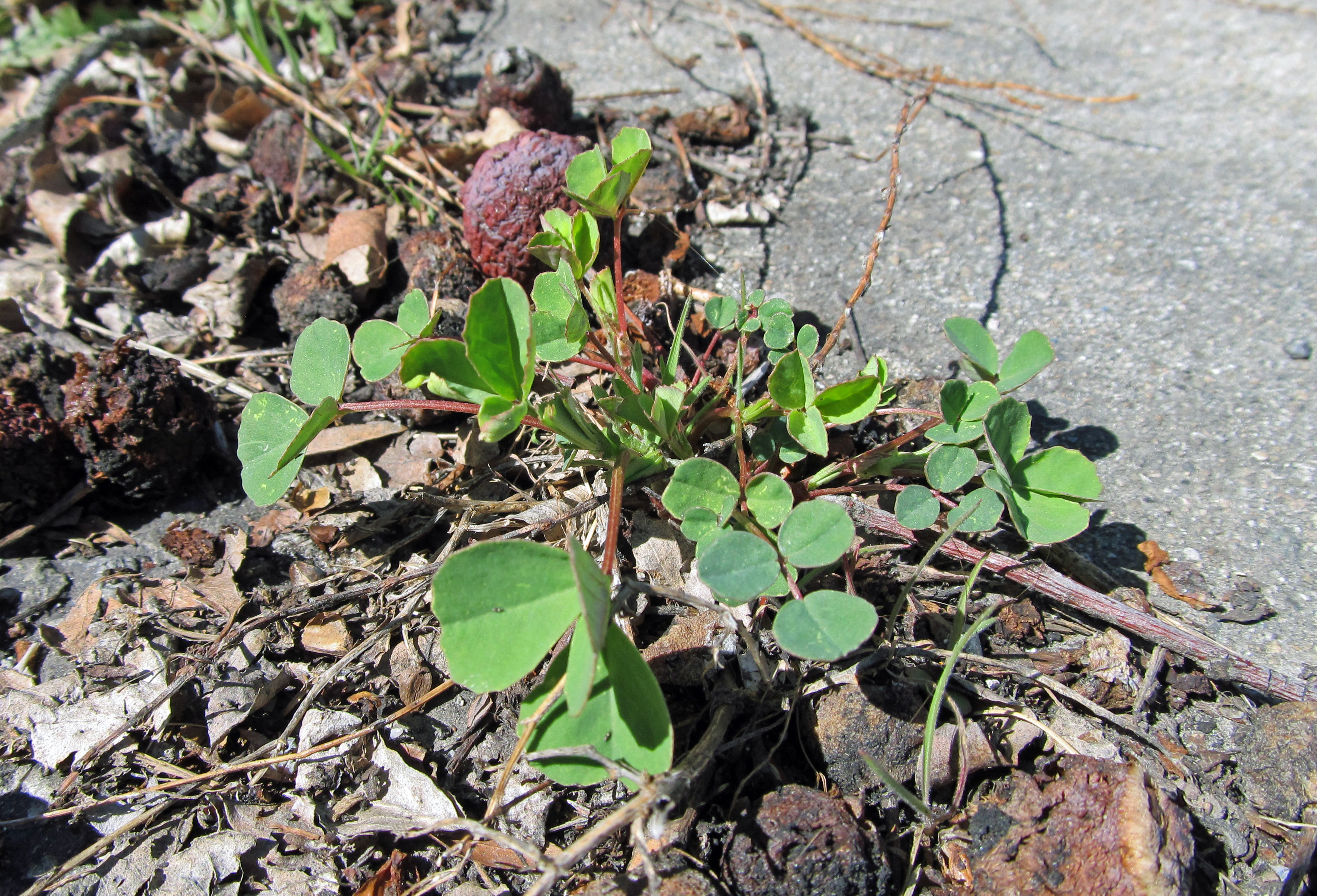
The tough taproot of alfalfa (Medicago sativa) easily works its way into cracks in pavement and concrete.

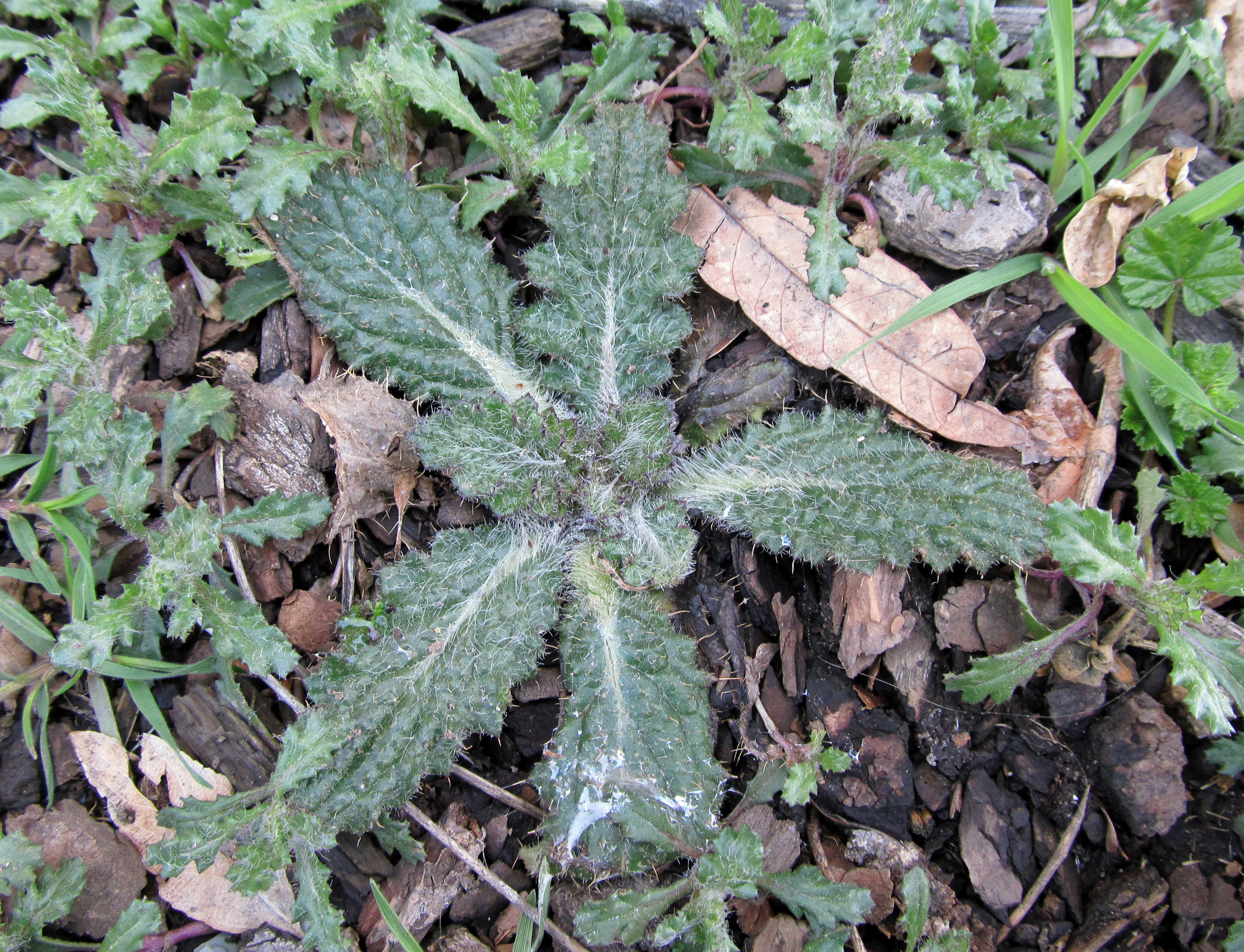
A bull thistle rosette (Cirsium vulgaris) perhaps?

Cheatgrass (Bromus tectorum) was common on the site, including (perhaps not surprisingly) in this parking block.

horseweed seedling (Conyza canadensis)

Weeds found at the abandoned Pizza Hut on Ann Morrison Park Drive:

  • Bromus tectorum (cheatgrass)
  • Ceratocephala testiculata (bur buttercup)
  • Cirsium vulgare (bull thistle)
  • Conyza canadensis (horseweed)
  • Draba verna (spring draba)
  • Hordeum murinum ssp. glaucum (smooth barley)
  • Lactuca serriola (prickly lettuce)
  • Malva neglecta (common mallow)
  • Medicago sativa (alfalfa)
  • Poa bulbosa (bulbous bluegrass)
  • Rumex crispus (curly dock)
  • Senecio vulgaris (common groundsel)
  • Taraxacum officinale (dandelion)
  • Ulmus pumila (Siberian elm)

This post will be updated as I identify more of the weeds and capture more photos. I also anticipate that this lot will not be abandoned for that much longer. It’s located near Boise State University in an area that has seen a lot of development in the past few years. I can’t imagine prime real estate like this will stay feral indefinitely. Until something is done with it, I’ll keep checking in.

Field Trip: Hyatt Hidden Lakes Reserve

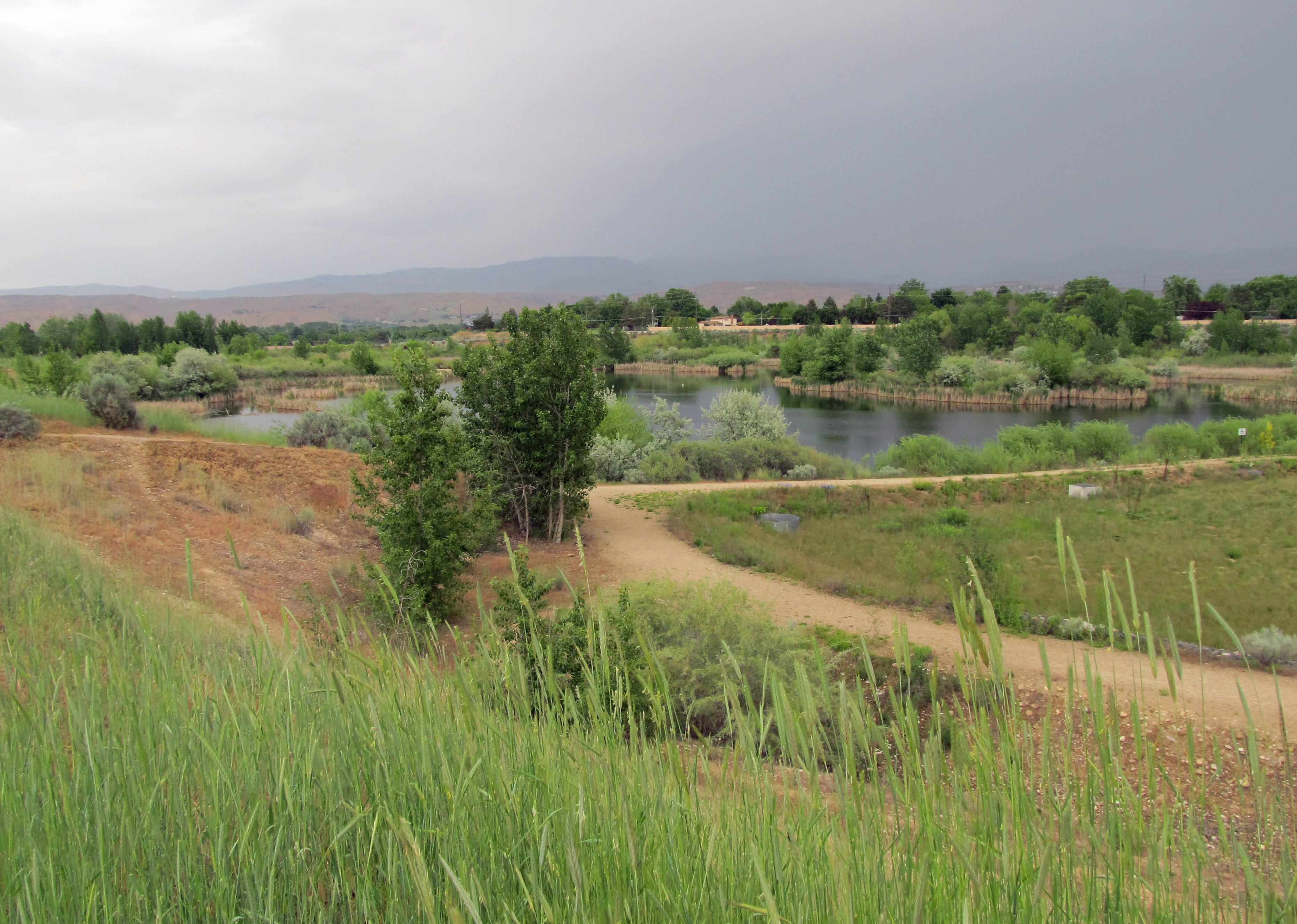
May is American Wetlands Month, which I have written about a few times here. The way we like to celebrate is to find a wetland nearby and spend a couple hours exploring and learning about the area. Luckily there is a wetland a few miles from our house. Hyatt Hidden Lakes Reserve is a 54 acre, city-owned wetland and nature reserve that is open to the public. It features a series of trails designed for nature viewing and recreation. Along the way there is a series of interpretative signs with lots of information about wetlands and the flora and fauna that call them home.

One cloudy Sunday morning, Sierra and I ventured out to our neighborhood wetland. What follows is a photo diary of a few of the things we saw while we were there.

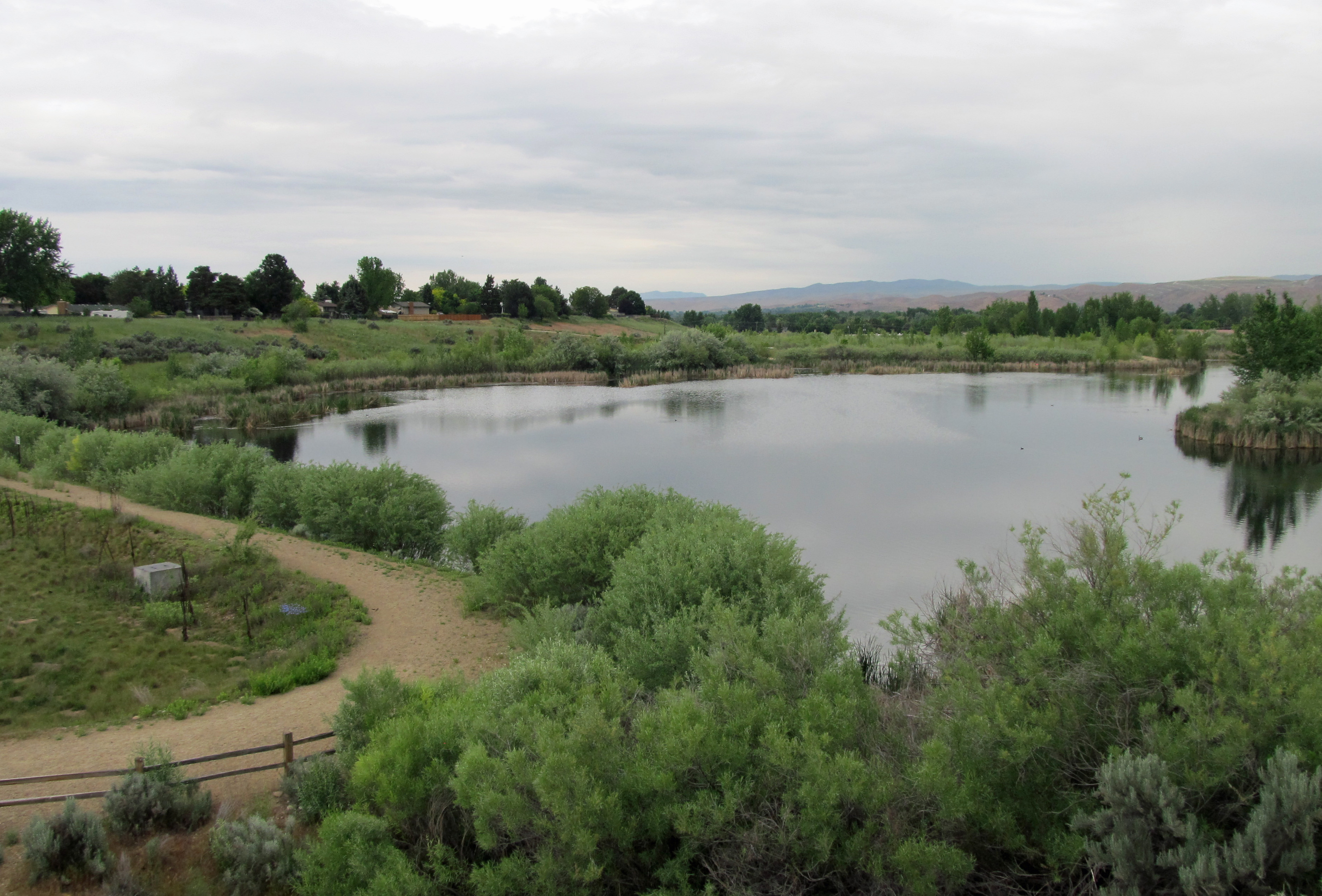
The southwest corner of Hyatt Hidden Lakes Reserve

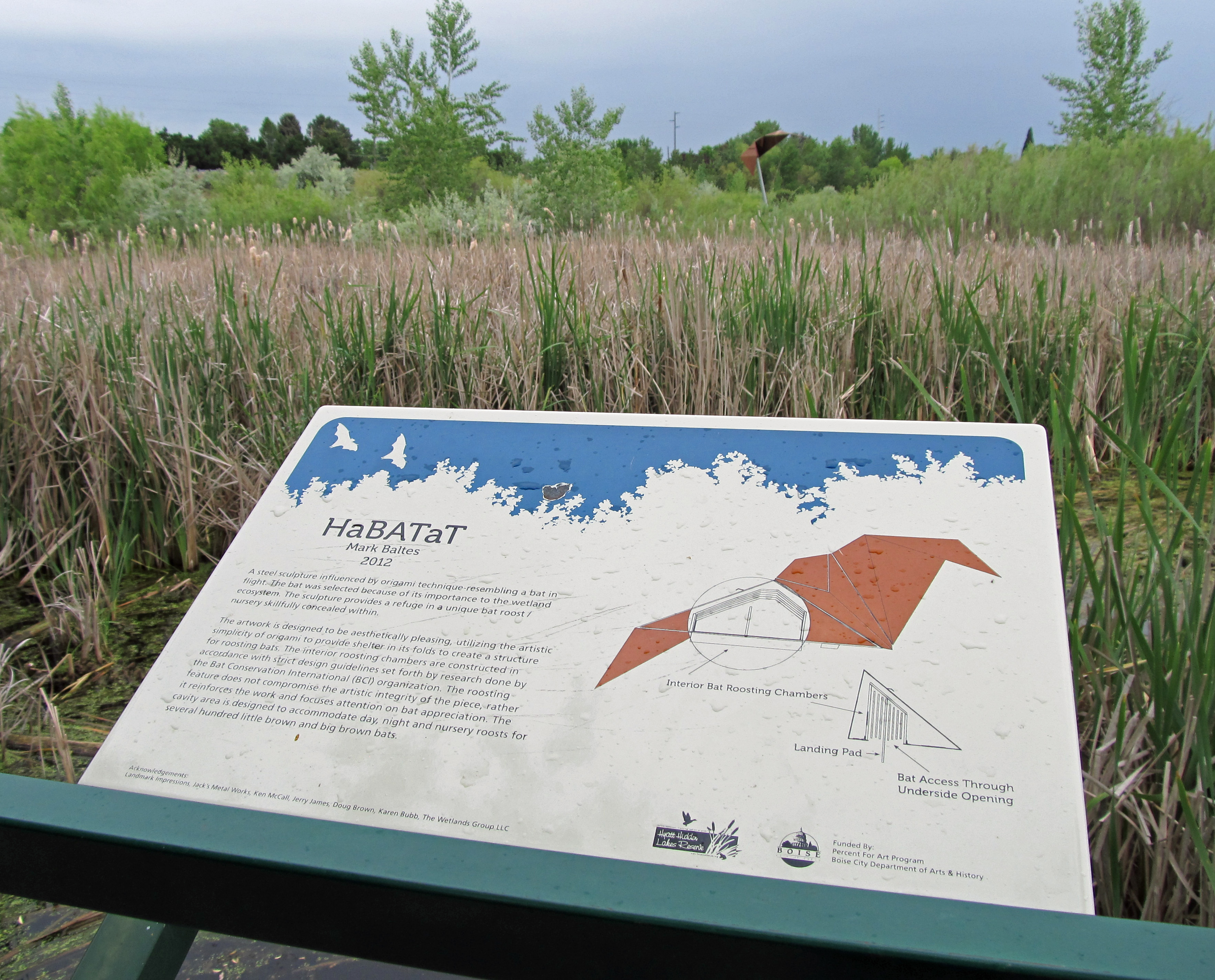
One of the coolest features of the reserve is this bat house called HaBATat.

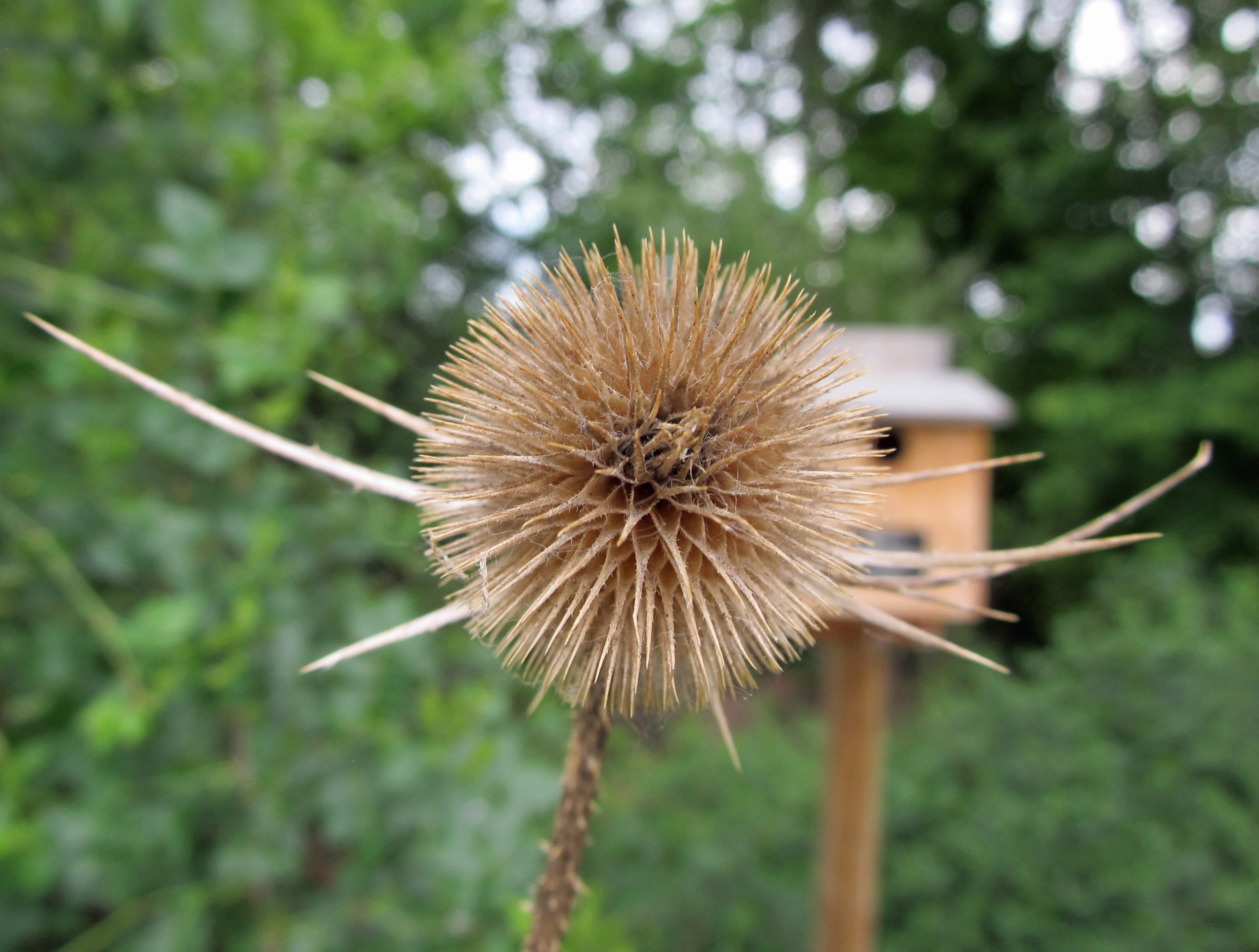
Seed head of teasel (Dipsacus fullonum); behind it are a series of bird nests designed for various species of cavity nesters.

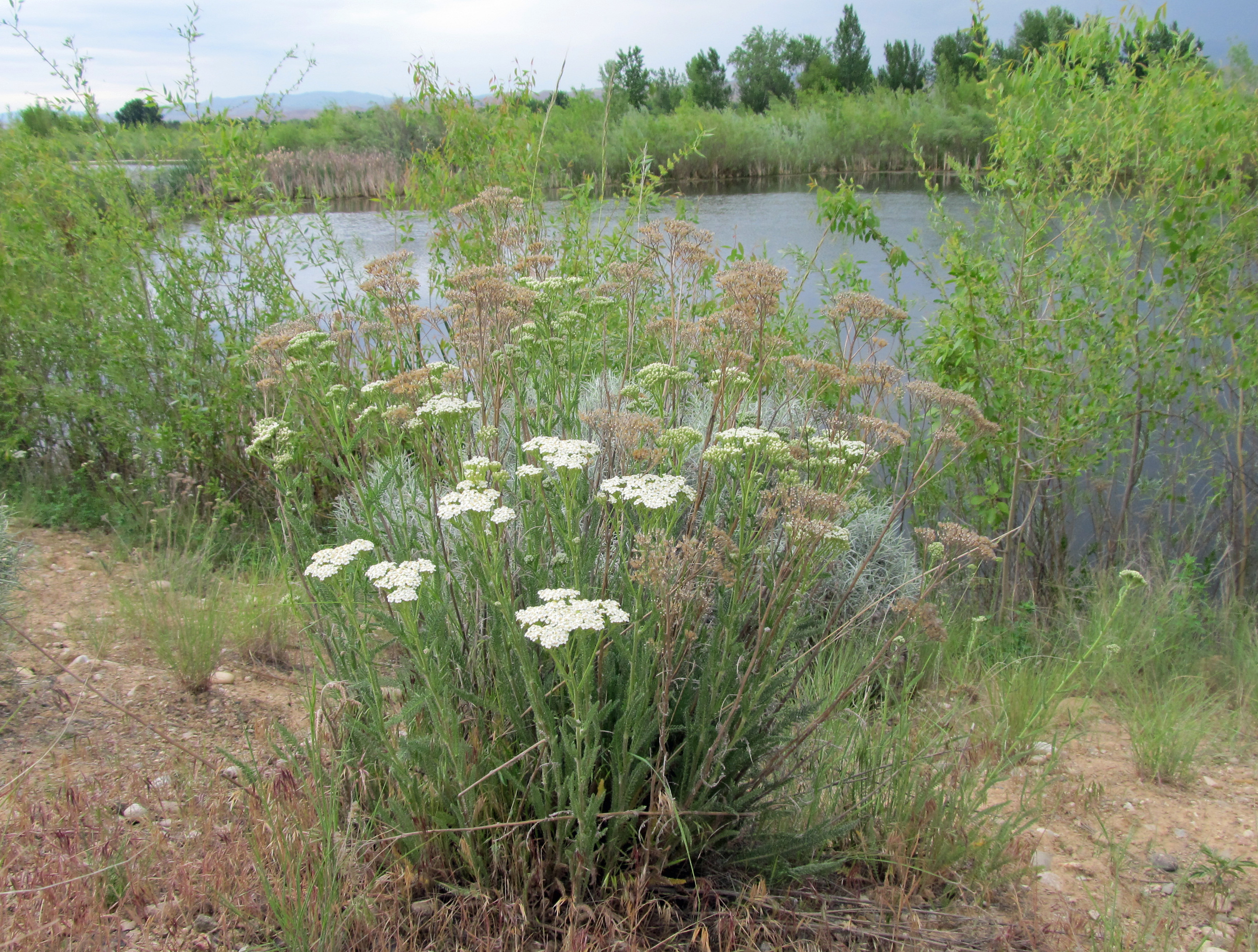
Common yarrow (Achillea millefolium) with a view of one of the ponds behind it.

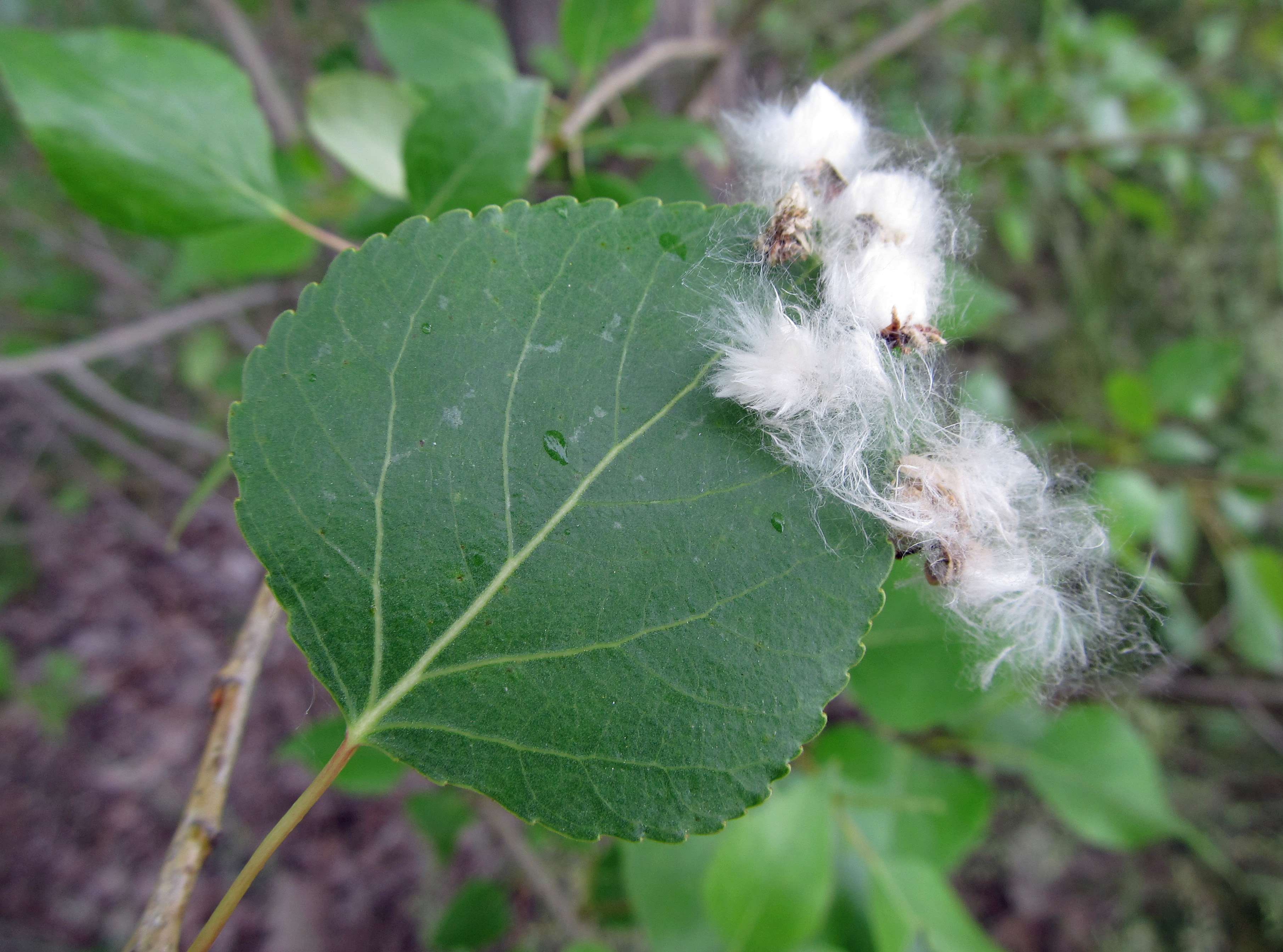
We visited shortly after the cottonwoods (Populus spp.) had dropped their fluffy seeds.

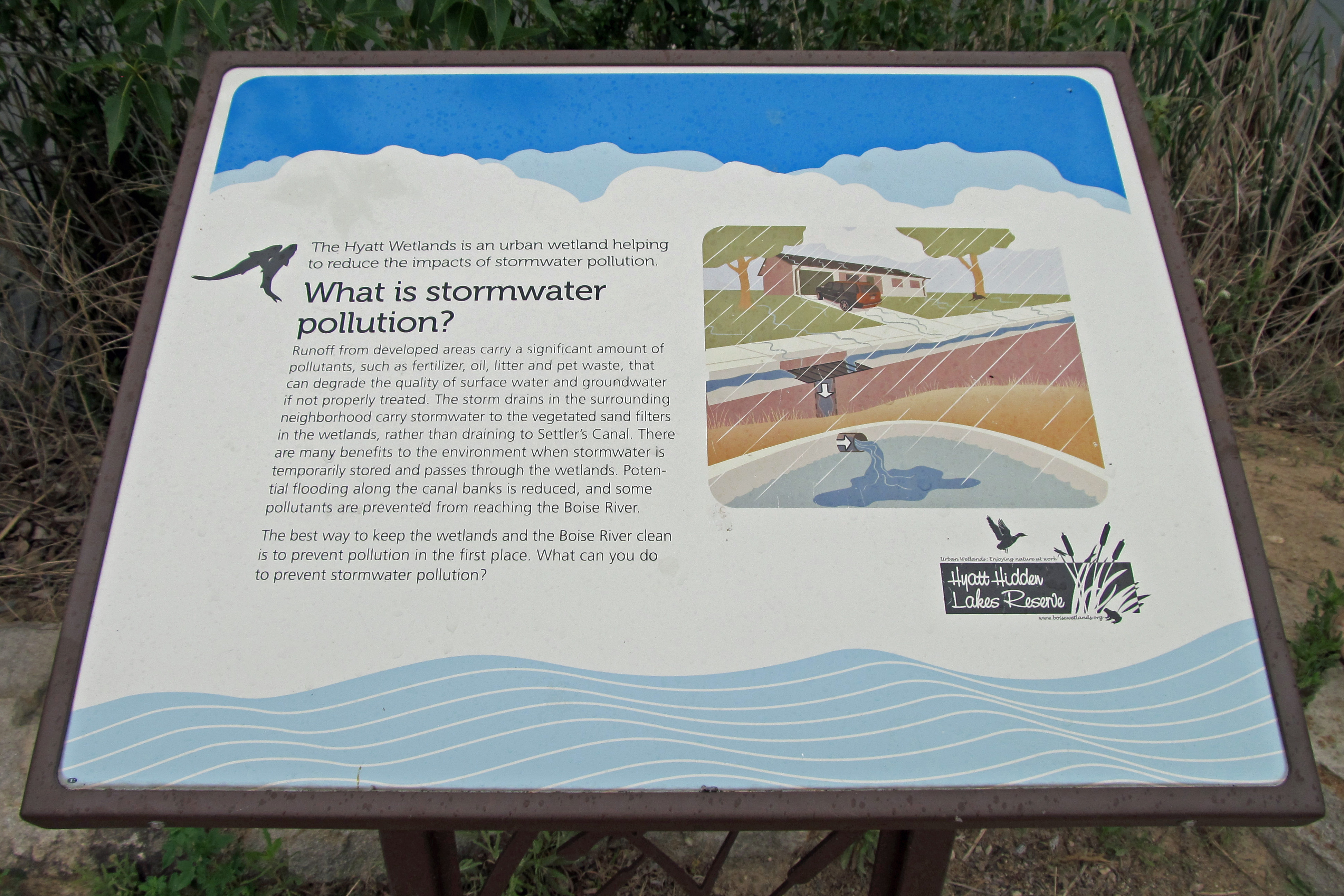
Interpretive signage like this teach visitors about the various features and benefits of wetlands.

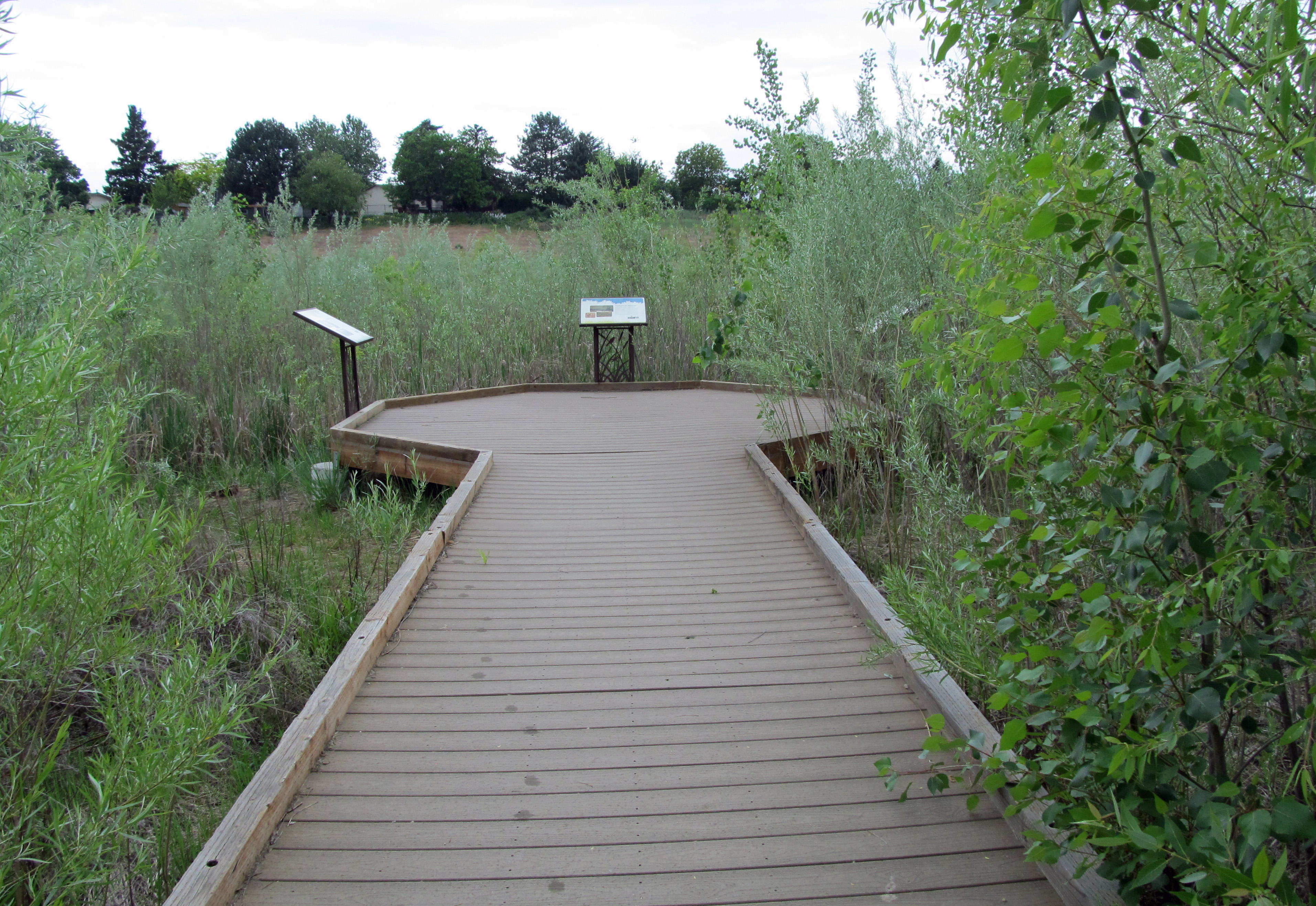
Walkways like this one allow for a closer view of the wetlands and feature additional interpretive signage.

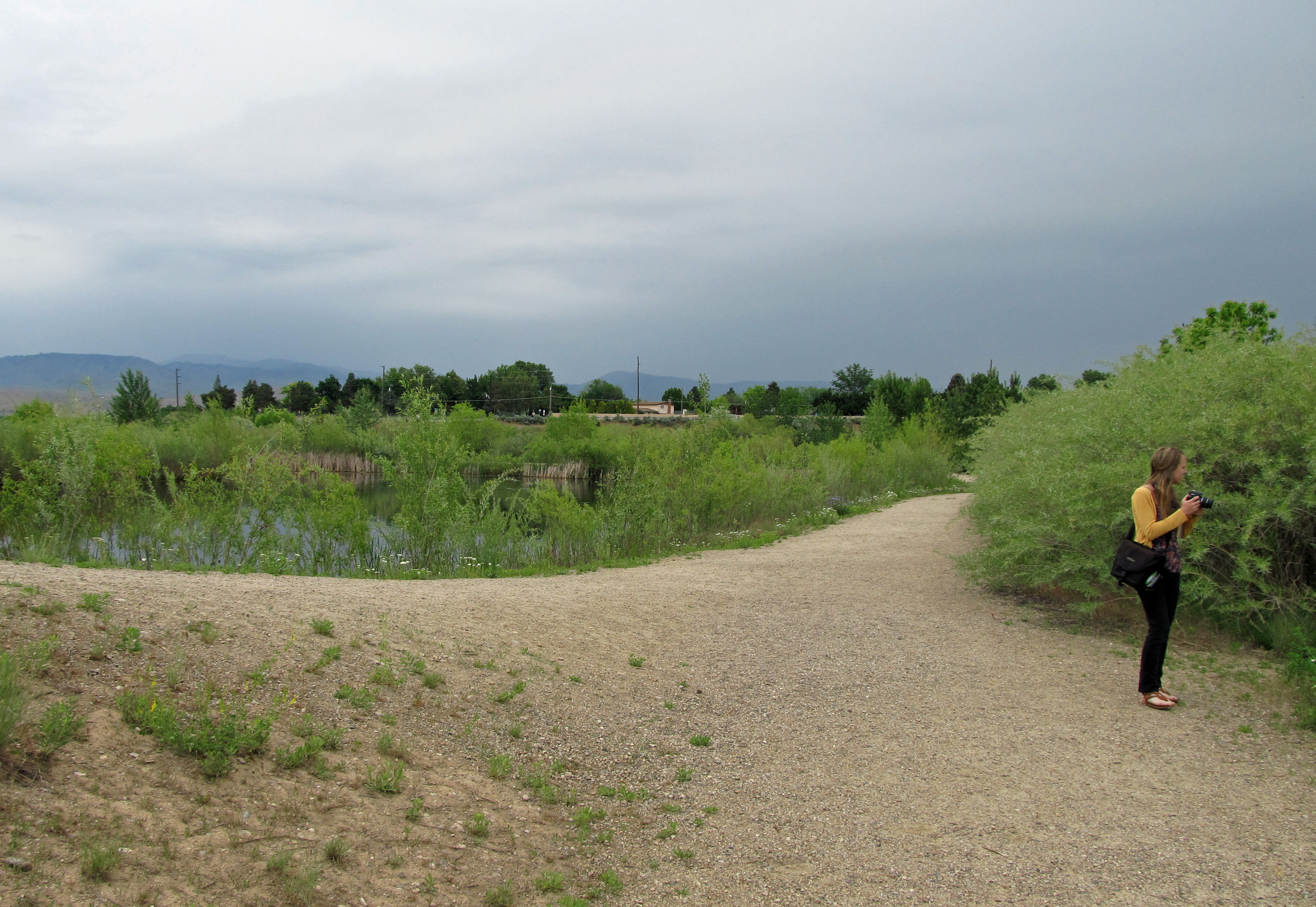
Sierra spots something in the shrubbery.

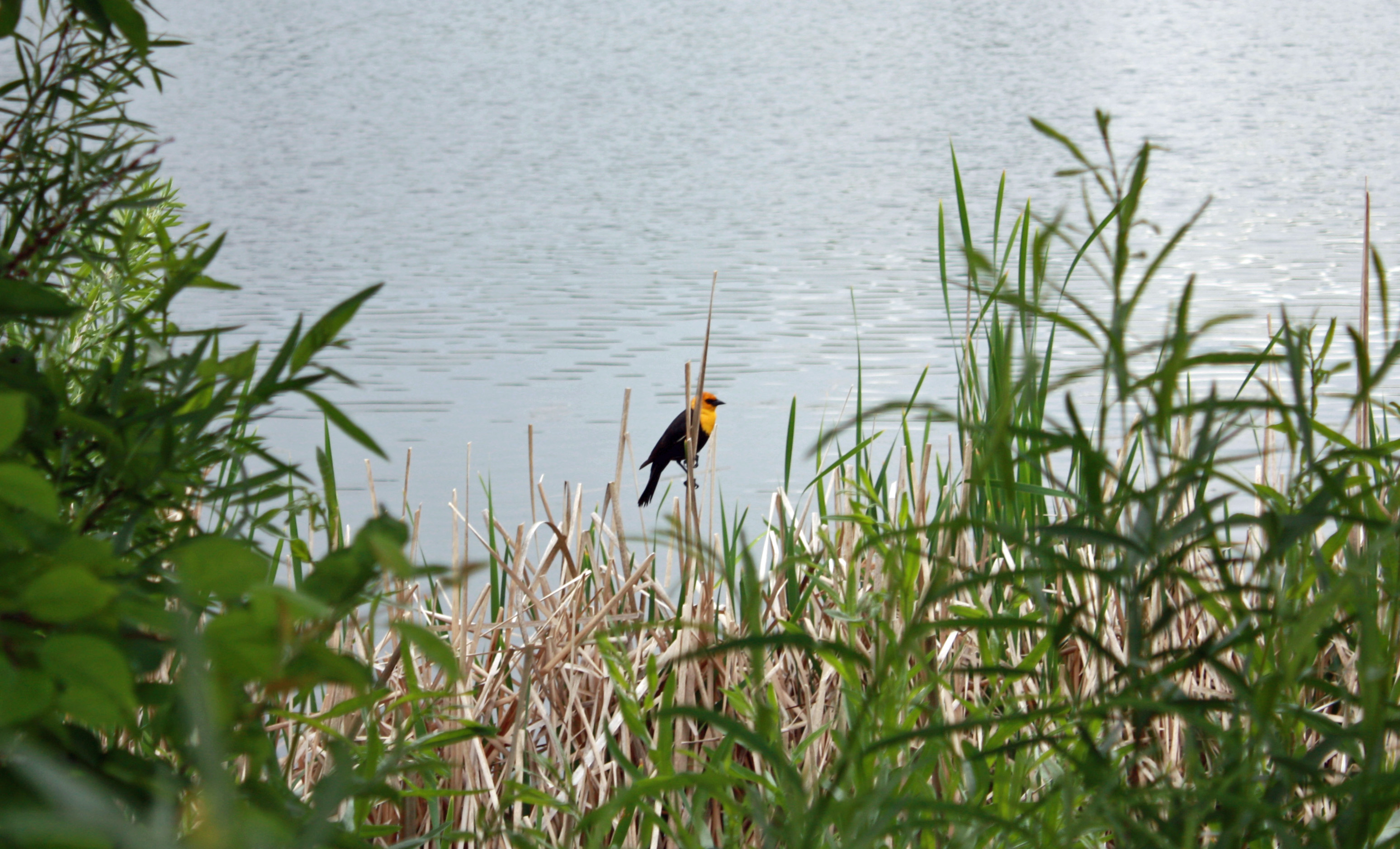
Perhaps it was this yellow-headed blackbird.

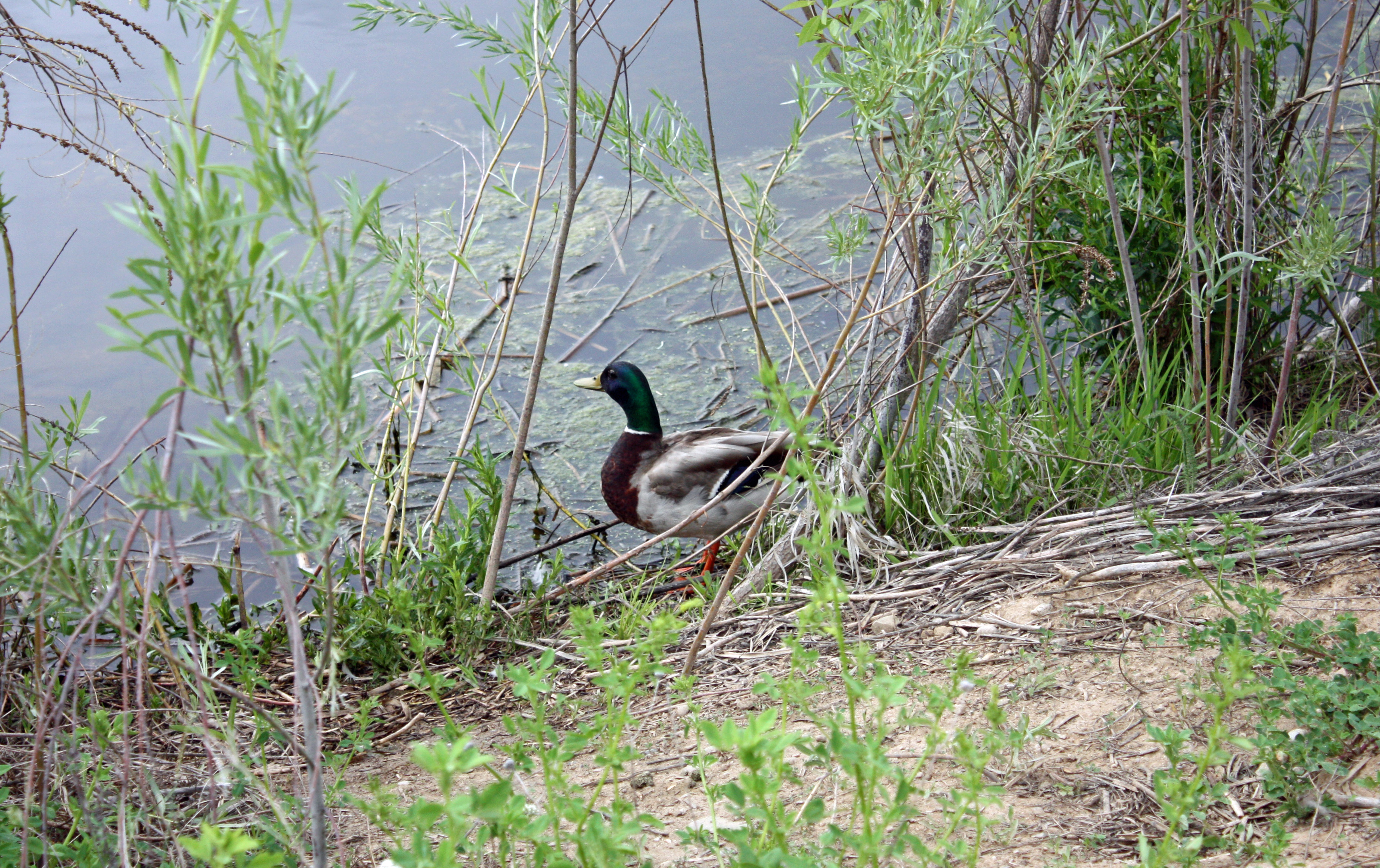
Or maybe this male mallard.

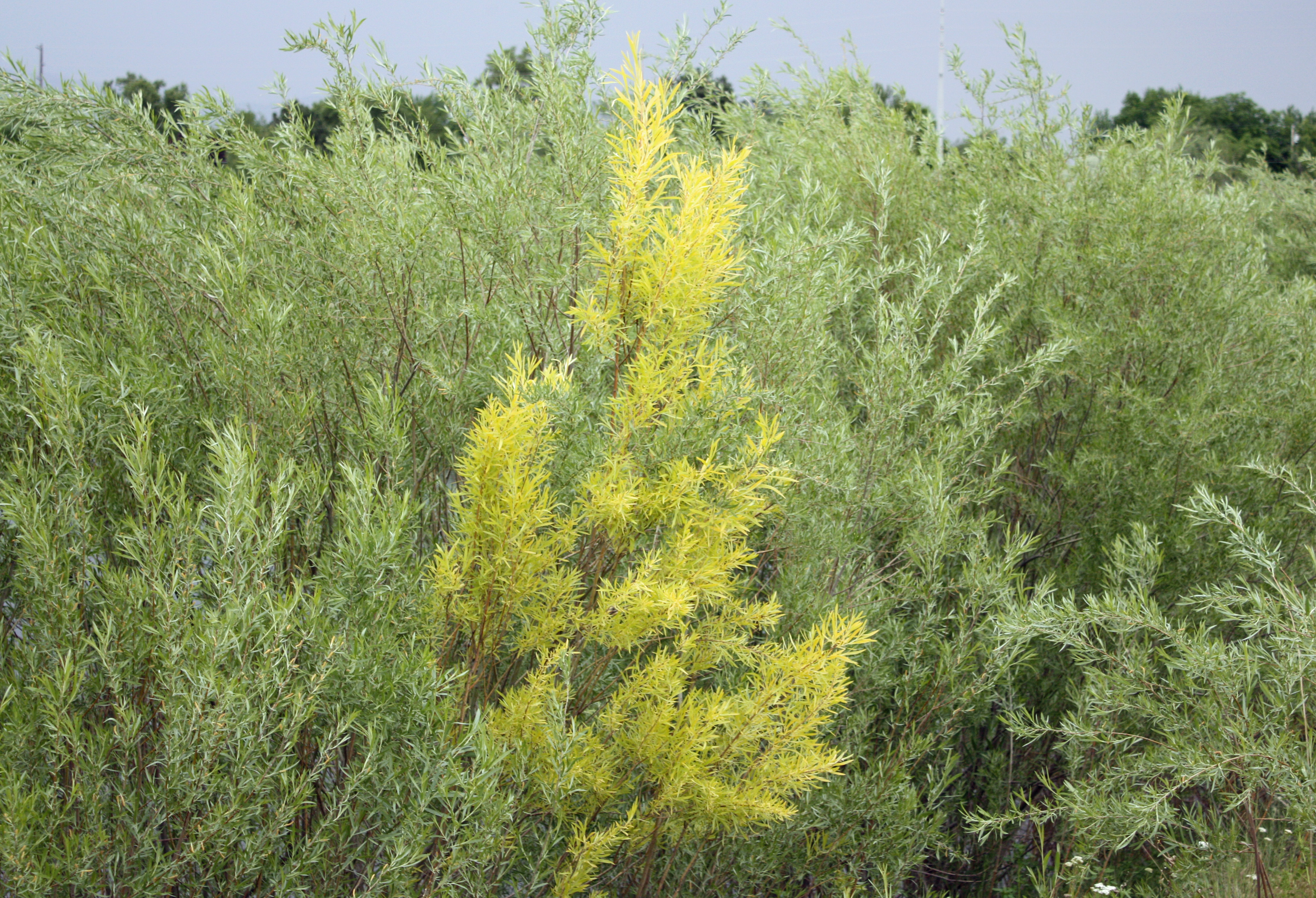
One strange-looking, yellow-leaved branch among the willows (Salix sp.); Sierra and I wondered why.

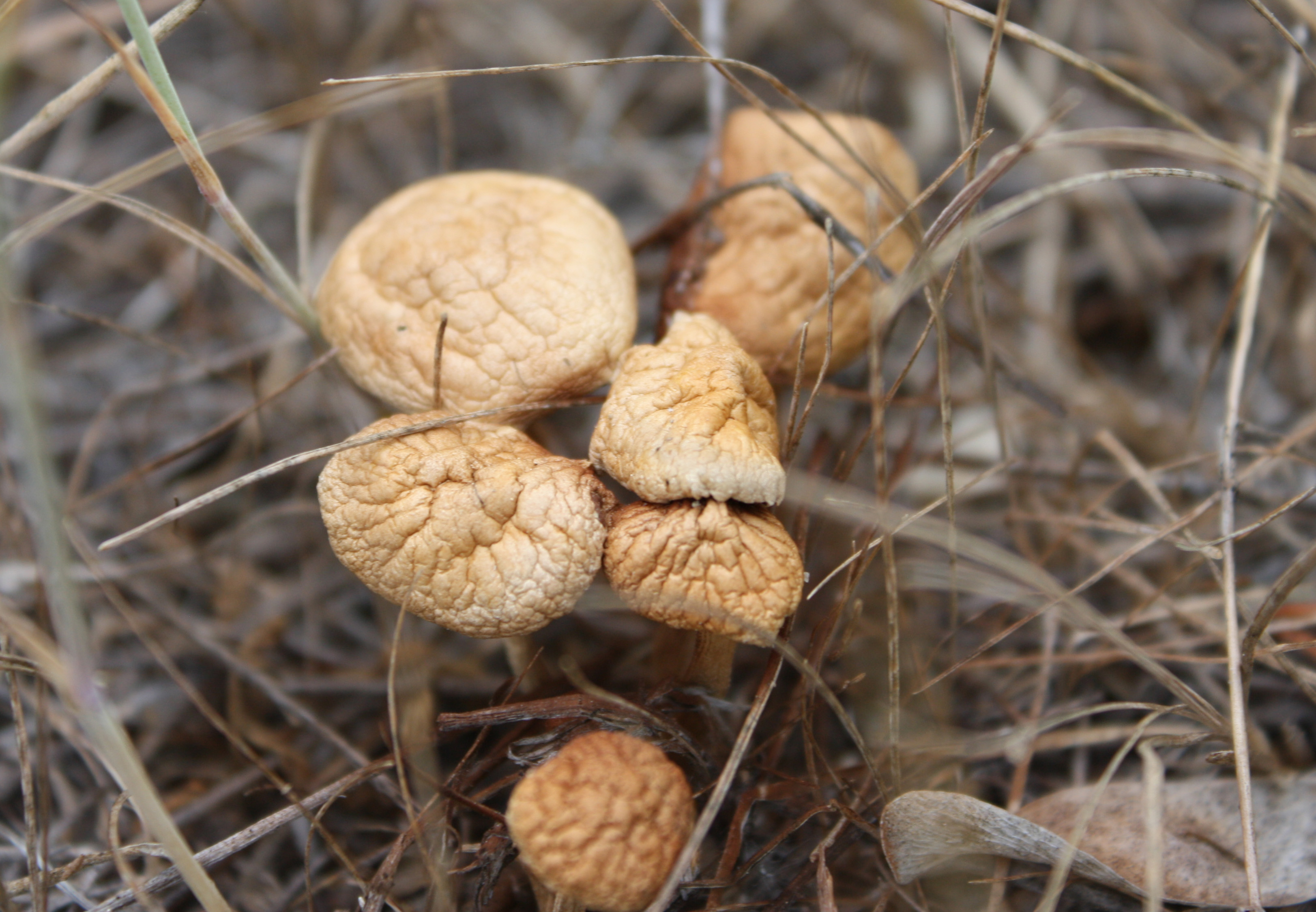
Some wrinkly mushrooms that Sierra discovered.

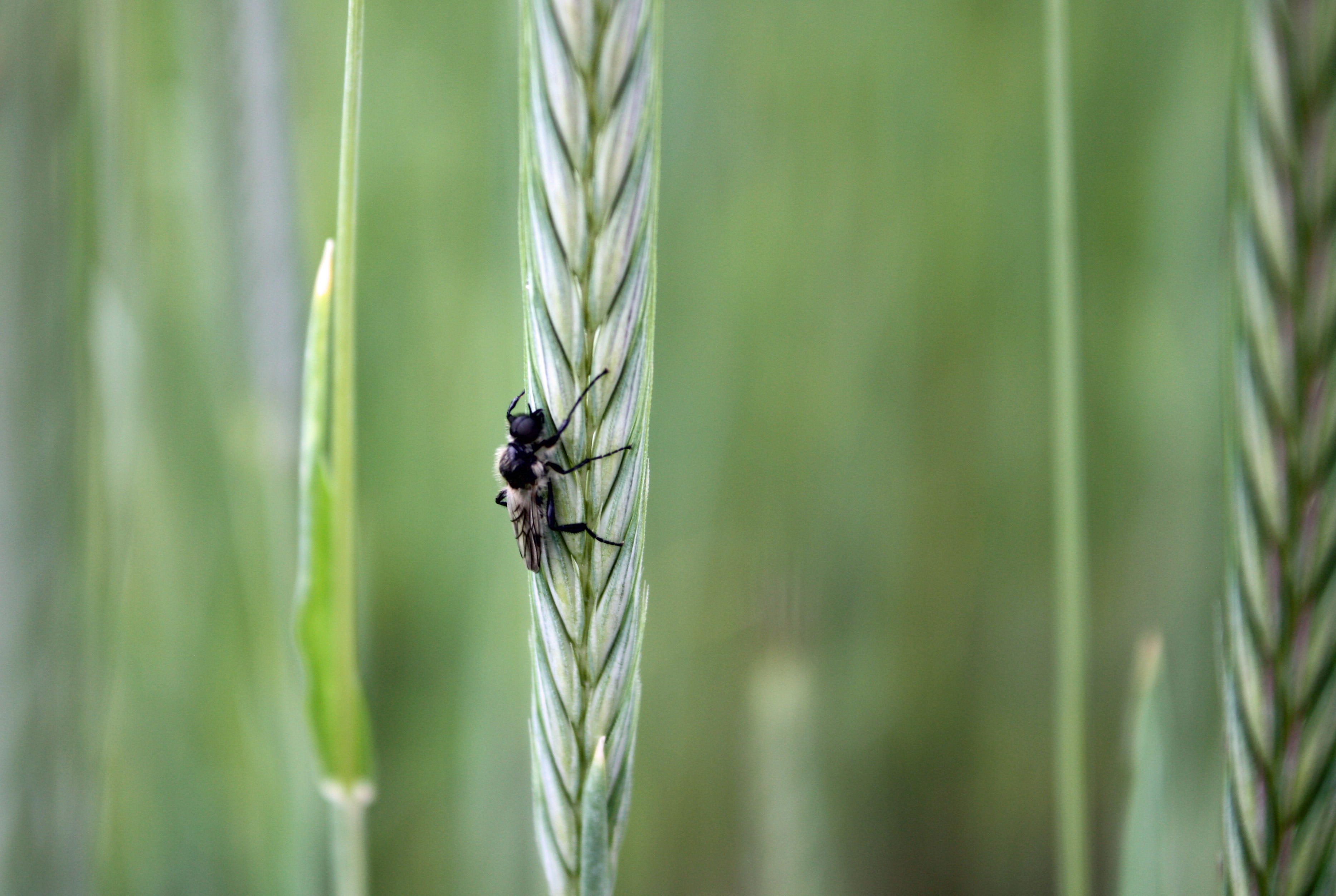
We kept seeing this interesting insect on the flower heads of the grasses.

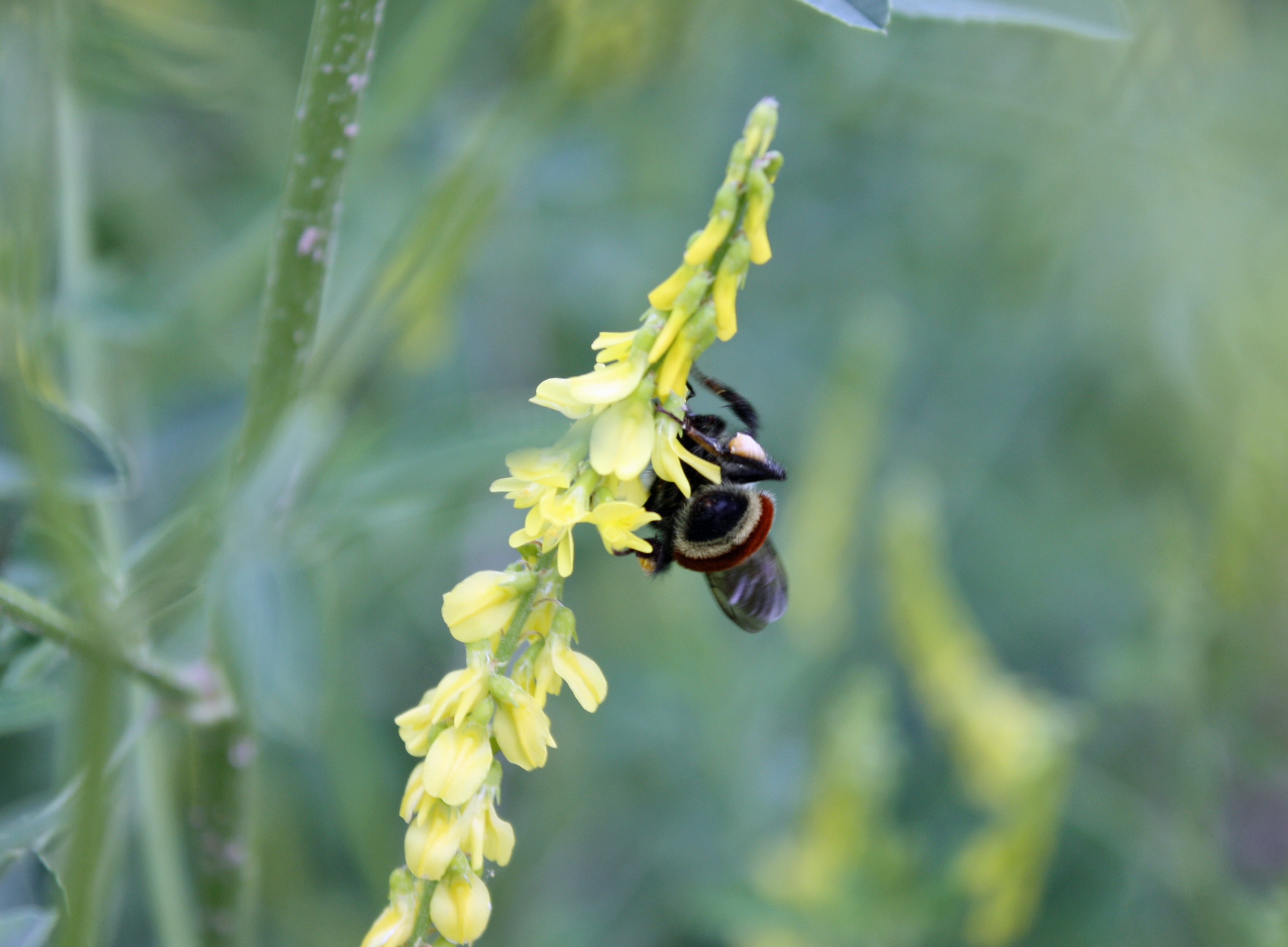
The butt of a bumblebee on the flowers of yellow sweet clover (Melilotus officinalis), captured by Sierra.

What wetlands did you visit this May? Let us know in the comment section below.

See Also: Field Trip: Bruneau Dunes State Park

Year of Pollination: Botanical Terms for Pollination, part one

When I began this series of posts, I didn’t have a clear vision of what it would be. I had a budding interest in pollination biology and was anxious to learn all that I could. I figured that calling 2015 the “Year of Pollination” and writing a bunch of pollination-themed posts would help me do that. And it has. However, now that the year is coming to a close, I realize that I neglected to start at the beginning. Typical me.

What is pollination? Why does it matter? The answers to these questions seemed pretty obvious; so obvious, in fact, that I didn’t even think to ask them. That being said, for these last two “Year of Pollination” posts (and the final posts of the year), I am going back to the basics by defining pollination and exploring some of the terms associated with it. One thing is certain, there is still much to be discovered in the field of pollination biology. Making those discoveries starts with a solid understanding of the basics.

Pollination simply defined is the transfer of pollen from an anther to a stigma or – in gymnosperms – from a male cone to a female cone. Essentially, it is one aspect of plant sex, albeit a very important one. Sexual reproduction is one way that plants multiply. Many plants can also reproduce asexually. Asexual reproduction typically requires less energy and resources – no need for flowers, pollen, nectar, seeds, fruit, etc. – and can be accomplished by a single individual without any outside help; however, there is no gene mixing (asexually reproduced offspring are clones) and dispersal is limited (consider the “runners” on a strawberry plant producing plantlets adjacent to the mother plant).

To simplify things, we will consider only pollination that occurs among angiosperms (flowering plants); pollination/plant sex in gymnosperms will be discussed at another time. Despite angiosperms being the youngest group of plants evolutionarily speaking, it is the largest group and thus the type we encounter most.

A flower is a modified shoot and the reproductive structure of a flowering plant. Flowers are made up of a number of parts, the two most important being the reproductive organs. The androecium is a collective term for the stamens (what we consider the male sex organs). A stamen is composed of a filament (or stalk) topped with an anther – where pollen (plant sperm) is produced. The gynoecium is the collective term for the pistil (what we consider the female sex organ). This organ is also referred to as a carpel or carpels; this quick guide helps sort that out. A pistil consists of the ovary (which contains the ovules), and a style (or stalk) topped with a stigma – where pollen is deposited. In some cases, flowers have both male and female reproductive organs. In other cases, they have one or the other.

photo credit: wikimedia commons

photo credit: wikimedia commons

When pollen is moved from an anther of one plant to a stigma of another plant, cross-pollination has occurred. When pollen is moved from an anther of one plant to a stigma of the same plant, self-pollination has occurred. Cross-pollination allows for gene transfer, and thus novel genotypes. Self-pollination is akin to asexual production in that offspring are practically identical to the parent. However, where pollinators are limited or where plant populations are small and there is little chance for cross-pollination, self-pollination enables reproduction.

Many species of plants are unable to self-pollinate. In fact, plants have evolved strategies to ensure cross-pollination. In some cases, the stamens and pistils mature at different times so that when pollen is released the stigmas are not ready to receive it or, conversely, the stigmas are receptive before the pollen has been released. In other cases, stigmas are able to recognize their own pollen and will reject it or inhibit it from germinating. Other strategies include producing flowers with stamens and pistils that differ dramatically in size so as to discourage pollen transfer, producing separate male and female flowers on the same plant (monoecy), and producing separate male and female flowers on different plants (dioecy).

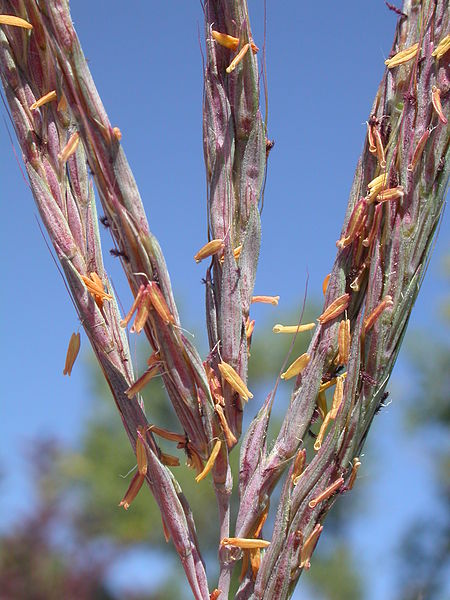
As stated earlier, the essence of pollination is getting the pollen from the anthers to the stigmas. Reproduction is an expensive process, so ensuring that this sex act takes place is vital. This is the reason why flowers are often showy, colorful, and fragrant. However, many plants rely on the wind to aid them in pollination (anemophily), and so their flowers are small, inconspicuous, and lack certain parts. They produce massive amounts of tiny, light-weight pollen grains, many of which never reach their intended destination. Grasses, rushes, sedges, and reeds are pollinated this way, as well as many trees (elms, oaks, birches, etc.) Some aquatic plants transport their pollen from anther to stigma via water (hydrophily), and their flowers are also simple, diminutive, and produce loads of pollen.

Inforescence of big bluestem (Andropogon gerardii), a wind pollinated plant - pohto credit: wikimedia commons

Inflorescence of big bluestem (Andropogon gerardii), a wind pollinated plant – photo credit: wikimedia commons

Plants that employ animals as pollinators tend to have flowers that we find the most attractive and interesting. They come in all shapes, sizes, and colors and are anywhere from odorless to highly fragrant. Odors vary from sweet to bitter to foul. Many flowers offer nectar as a reward for a pollinator’s service. The nectar is produced in special glands called nectaries deep within the flowers, inviting pollinators to enter the flower where they can be dusted with pollen. The reward is often advertised using nectar guides – patterns of darker colors inside the corolla that direct pollinators towards the nectar. Some of these nectar guides are composed of pigments that reflect the sun’s ultraviolet light – they are invisible to humans but are a sight to behold for many insects.

In part two, we will learn what happens once the pollen has reached the stigma – post-pollination, in other words. But first, a little more about pollen. The term pollen actually refers to a collection of pollen grains. Here is how Michael Allaby defines “pollen grain” in his book The Dictionary of Science for Gardeners: “In seed plants, a structure produced in a microsporangium that contains one tube nucleus and two sperm nuclei, all of them haploid, enclosed by an inner wall rich in cellulose and a very tough outer wall made mainly from sporopollenin. A pollen grain is a gametophyte.”

A pollen grain’s tough outer wall is called exine, and this is what Allaby has to say about that: “It resists decay, and the overall shape of the grain and its surface markings are characteristic for a plant family, sometimes for a genus or even a species. Study of pollen grains preserved in sedimentary deposits, called palynology or pollen analysis, makes it possible to reconstruct past plant communities and, therefore, environments.”

Scanning electron microscope image of pollen grains from narrowleaf evening primrose (Oenothera fruticosa) - photo credit: wikimedia commons

Scanning electron microscope image of pollen grains from narrowleaf evening primrose (Oenothera fruticosa) – photo credit: wikimedia commons

The Nonshattering Trait in Cereal Crops

This is the tenth in a series of posts reviewing the 17 articles found in the October 2014 Special Issue of American Journal of Botany, Speaking of Food: Connecting Basic and Applied Science.

Morphological Diversity and Genetic Regulation of Inflorescence Abscission Zones in Grasses by Andrew N. Doust, Margarita Mauro-Herrera, Amie D. Francis, and Laura C. Shand

Seed dispersal is a key aspect of reproduction in plants. Producing seeds requires large amounts of energy and resources, and if the seeds don’t find their way to a suitable environment where they can germinate and grow, then it may be all for naught. There are several modes of seed dispersal (wind, gravity, water, animals, ballistics), and each plant species has its own story to tell in this regard. However, one commonality that most all seed dispersal stories share is “disarticulation [separation] of the seed or fruit from the body of the plant via means of the formation of an abscission zone.”

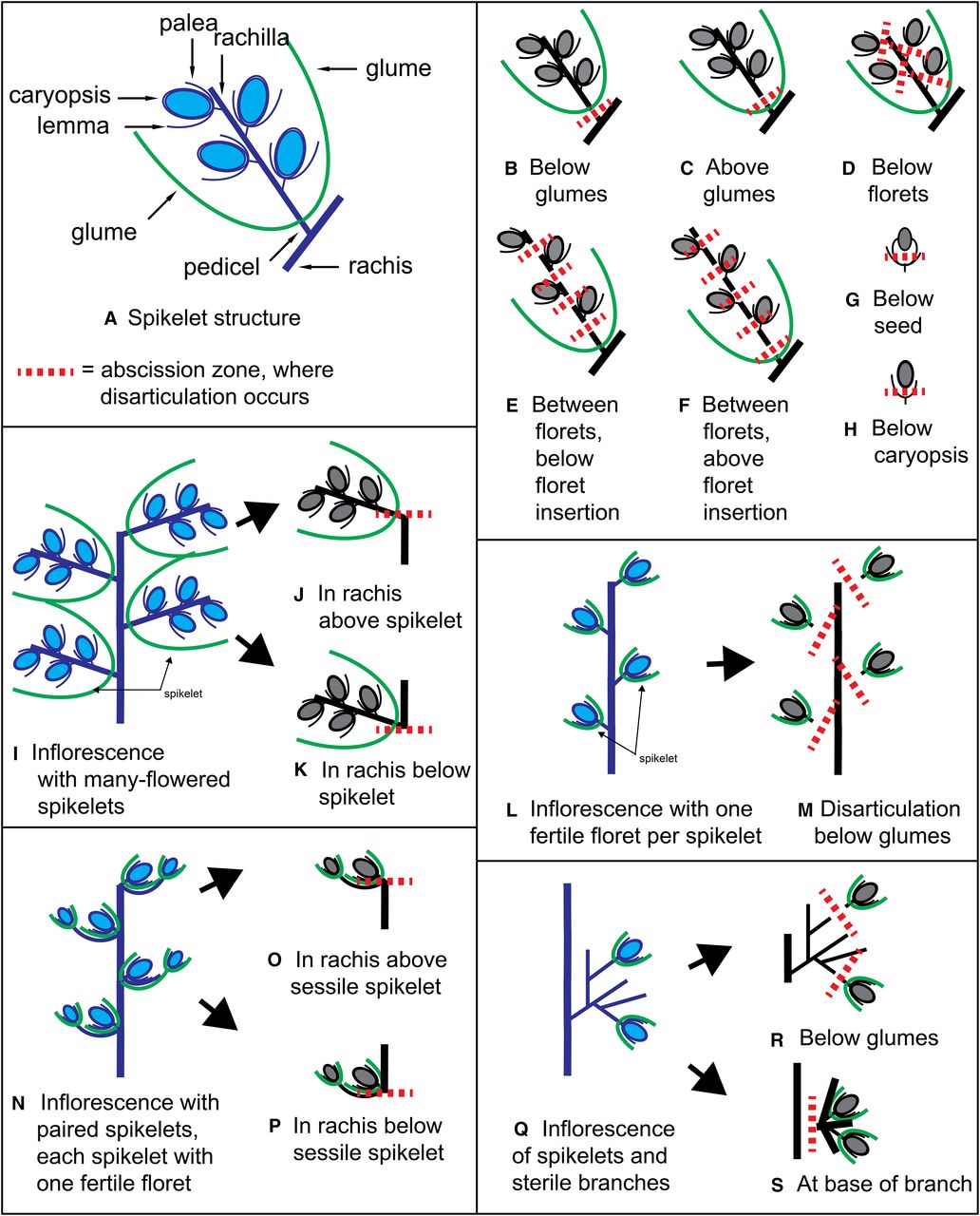
Seeds are typically dispersed inside fruits, and attached to the fruits may be other plant structures (such as parts of the inflorescence or, in the case of tumbleweeds, the whole plant). The entire dispersal unit (seed, fruit, etc.) is known as a diaspore. In the grass family, a fruit is called a caryopsis. It is a unique fruit because the fruit wall is fused to the seed, making it difficult to distinguish between the two. Methods of disarticulation in grasses are diverse, with diaspores varying greatly in their sizes and the plant parts they contain. Below is a figure from this article showing this diversity. Abscission zones are depicted using red dotted lines.

Domesticated crop plants do not exhibit the same levels of disarticulation that their wild relatives do. This is because “nonshattering forms” were selected during early stages of domestication due to their ease of harvest. Today, all domesticated cereal crops are nonshattering, and all began by selecting “a nonshattering phenotype where the grain [did] not fall easily from the inflorescence.”  However, the wild relatives of cereal crops, “as well as grasses as a whole, differ widely in their manner of disarticulation [as indicated in the figure above].” A mutation in the genes that control abscission is what leads to nonshattering phenotypes. Because all domesticated cereal crops began as nonshattering mutants, the authors of this study were interested in investigating whether or not there is a common genetic pathway across all cereal crops and their wild grass relatives that controls the abscission trait.

The “genetic control of loss of shattering” is important to those interested in domestication, thus it “has been studied in all major crops.” Some of these studies suggest that there is a common genetic pathway that controls abscission in cereal crops, while others suggest there may not be. The authors of this study suspect that “there is potential for considerable genetic complexity” in this pathway, and so before we can determine “the extent to which there are elements of a common genetic pathway,” we must first develop “a better understanding of both diversity of disarticulation patterns and genetic evidence for shared pathways across the grasses.”

In an effort to begin to answer this question, the authors used herbaria vouchers to analyze “morphological data on abscission zones for over 10,000 species of grasses.” They also reviewed published scientific studies concerning the genetics of disarticulation in grasses and cereal crops. They determined that “the evidence for a common genetic pathway is tantalizing but incomplete,” and that their results could be used to inform a “research plan that could test the common genetic pathway model more thoroughly.” Further studies can also “provide new targets for control and fine-tuning of the shattering response” in crop plants, which could result in “reducing harvest losses and providing opportunities for selection in emerging domesticated crops.”

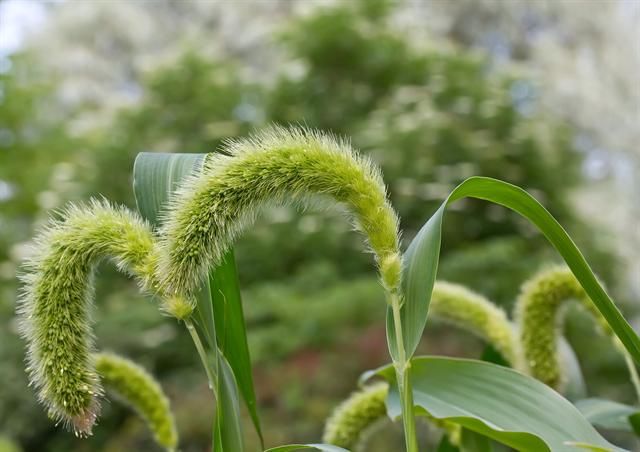
Foxtail millet, Setaria italic (photo credit: www.eol.org)

Foxtail millet (Setaria italica), a widely cultivated species of millet, has “shattering genes” similar to those found in sorghum and rice (photo credit: www.eol.org)


Wildflower Walk: June 2014

I spent last weekend in a cabin outside of Garden Valley, Idaho. I was there for a wedding and so most of my time was occupied with that. However, anxious to explore, I found a brief moment to step out and observe the surrounding plant life. The cabin and an adjacent campground were located in an area that, before the economic downturn in 2008, was to become a major housing development. Because of this (and possibly other things), the area showed lots of signs of human disturbance, particularly the large number of introduced plant species. Fortunately, despite feeling like I was walking through a weedy field, I did come across a few patches of native plants. I may have to return sometime to get a better look at things because I wasn’t able to identify everything that I saw and I’m still not exactly sure what species of lupine and buckwheat I was looking at. Either way, the plants in the following pictures are a few of the things I found.

Aristida purpurea (purple threeawn)

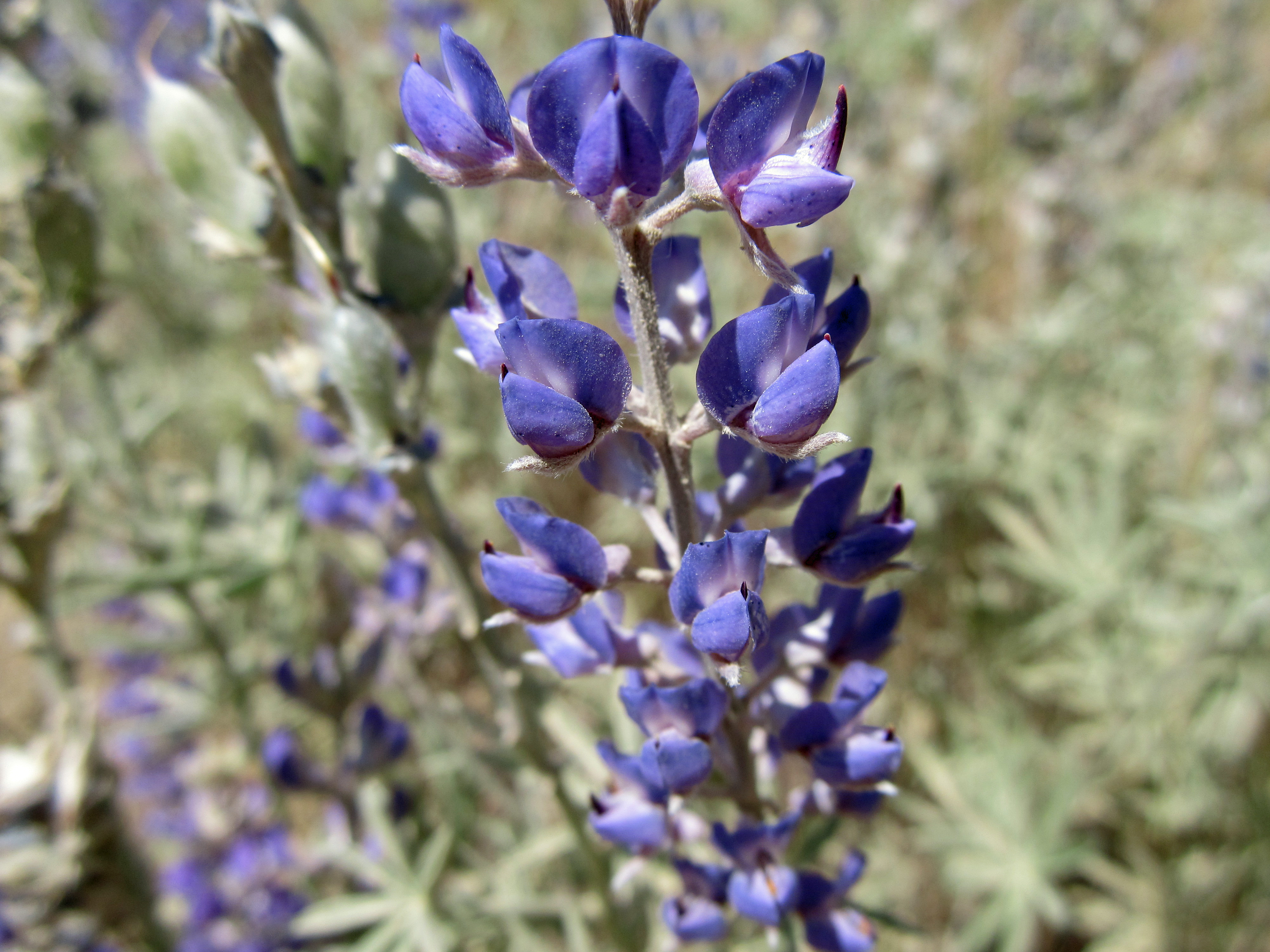
lupinus

Lupinus sp. (lupine)

eriogonum

Eriogonum sp. (wild buckwheat)

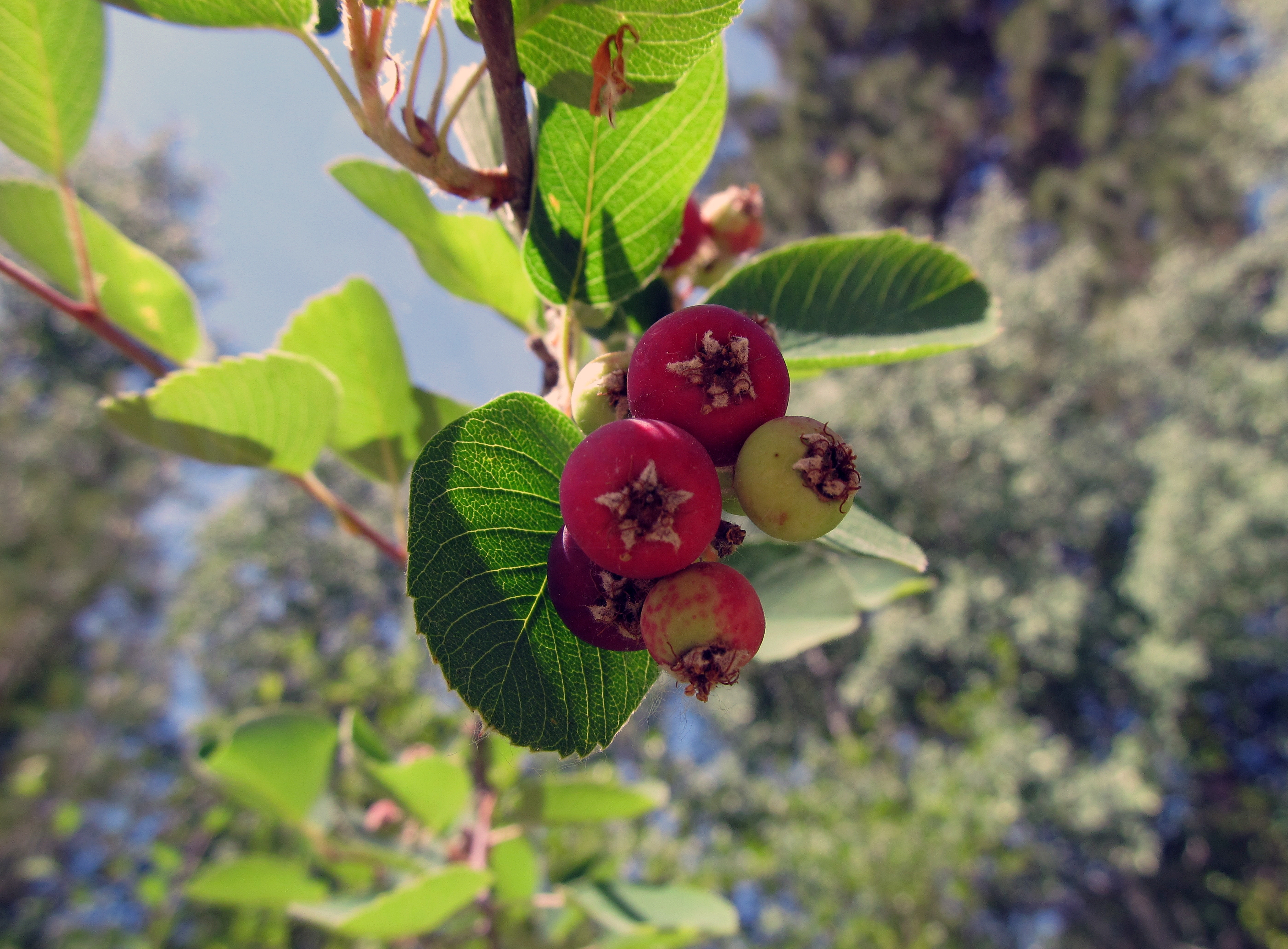
amelancier alnifolia

Amelanchier alnifolia (Saskatoon serviceberry)

Don’t let my walk through a weedy field dissuade you. Garden Valley is an incredibly beautiful location. It sits adjacent to the South Fork of the Payette River and near the western edge of the Boise National Forest. It is an area worthy of exploring, which is why I plan on visiting again soon. I recommend you do too.
Previous Wildflower Walks:

Spring 2013

June 2013

American Penstemon Society Field Trip

September 2013