The Agents That Shape the Floral Traits of Sunflowers

Flowers come in a wide array of shapes, sizes, colors, and scents. Their diversity is downright astounding. Each individual species of flowering plant has its own lengthy story to tell detailing how it came to look and act the way it does. This is its evolutionary history. Unraveling this history is a nearly insurmountable task, but one that scientists continue to chip away at piece by piece.

In the case of floral traits – particularly for flowers that rely on pollinators to produce seeds – it is safe to say that millennia of interactions with floral visitors have helped shape not only the way the flower looks, but also the nature of its nectar and pollen. However, flowers are “expensive” to make and maintain, so even though they are necessary for reproduction, plants must find a balance between that and allocating resources for defense – against both herbivory and disease – and growth. This balance can differ depending on a plant’s life history – whether it is annual or perennial. An annual plant has one shot at reproduction, so it can afford to funnel much of its energy there. If a perennial is unsuccessful at reproduction one year, there is always next year, as long as it has allocated sufficient resources towards staying alive.
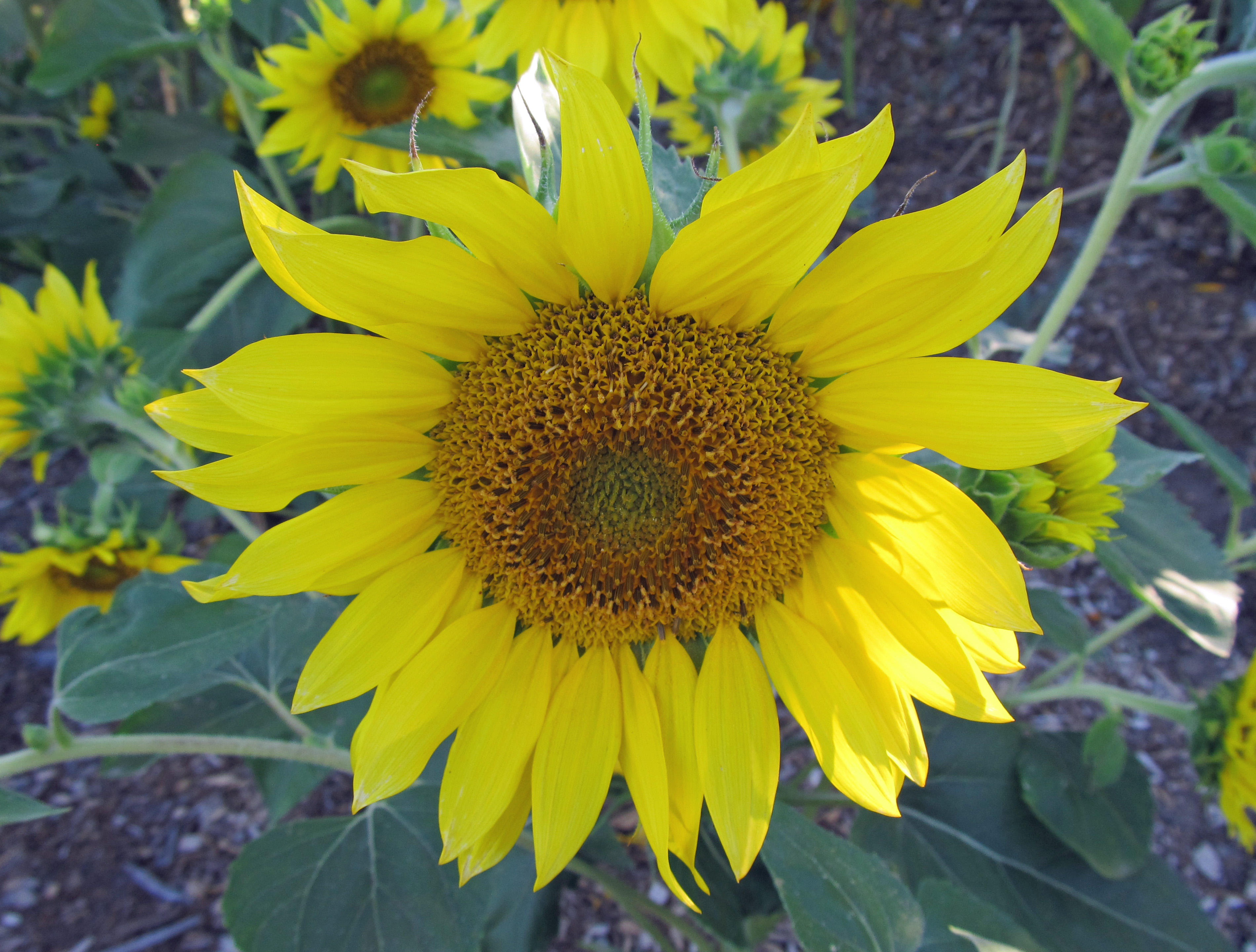
Where a plant exists in the world also influences how it looks. Abiotic factors like temperature, soil type, nutrient availability, sun exposure, and precipitation patterns help shape, through natural selection, many aspects of a plant’s anatomy and physiology, including the structure and composition of its flowers. Additional biotic agents like nectar robbersflorivores, and pathogens can also influence certain floral traits.

This is the background that researchers from the University of Central Florida and University of Georgia drew from when they set out to investigate the reasons for the diverse floral morphologies in the genus Helianthus. Commonly known as sunflowers, Helianthus is a familiar genus consisting of more than 50 species, most of which are found across North America. The genus includes both annuals and perennials, and all but one species rely on cross-pollination to produce viable seeds. Pollination is mainly carried out by generalist bees.

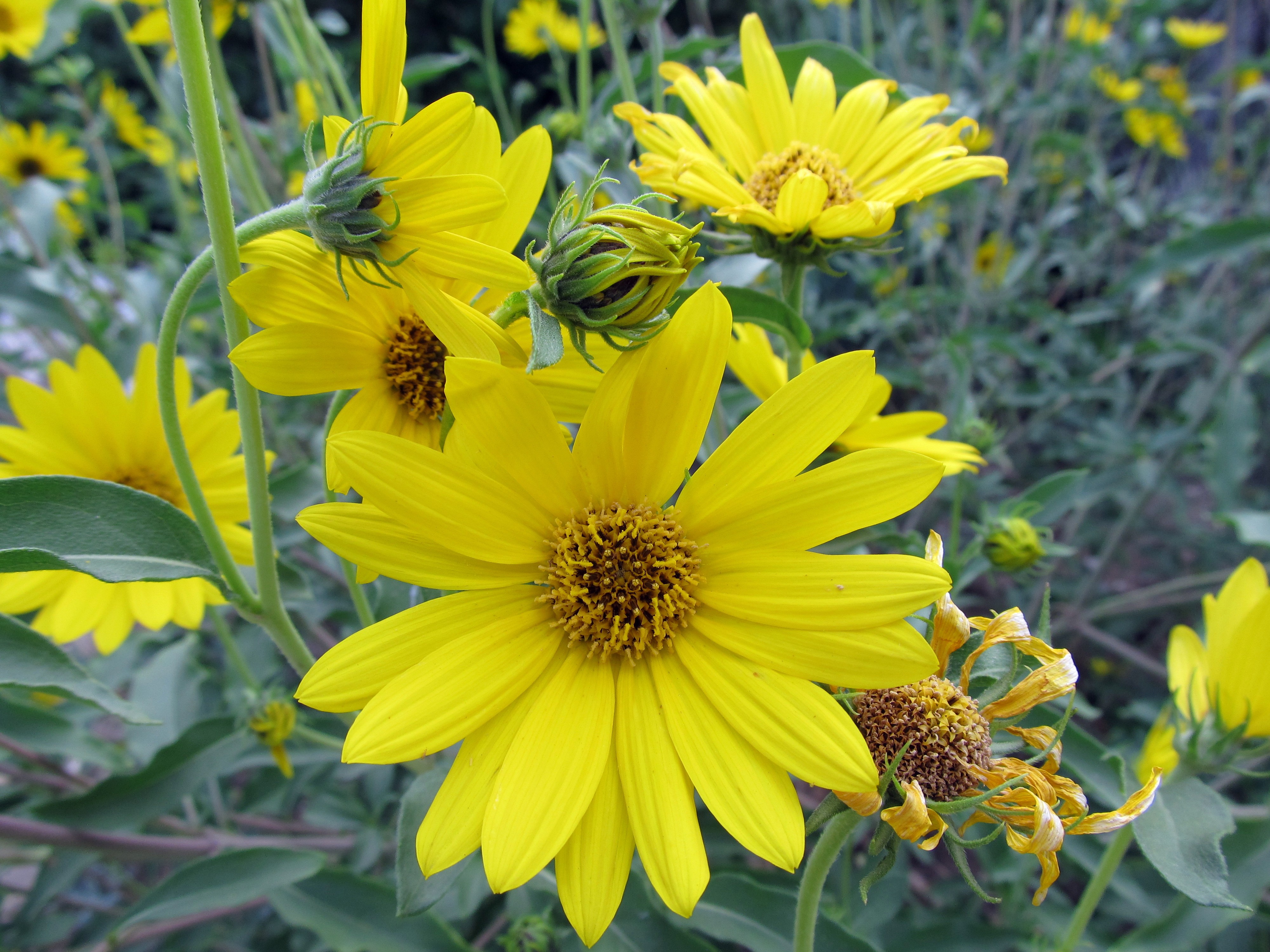
Maximilian sunflower (Helianthus maximiliani)

Helianthus species are found in diverse habitats, including deserts, wetlands, prairies, rock outcrops, and sand dunes. Their inflorescences – characteristic of plants in the family Asteraceae – consist of a collection of small disc florets surrounded by a series of ray florets, which as a unit are casually referred to as a single flower. In Helianthus, ray florets are completely sterile and serve only to attract pollinators. Producing large and numerous ray florets takes resources away from the production of fertile disc florets, and sunflower species vary in the amount of resources they allocate for each floret form.

In a paper published in the July 2017 issue of Plant Ecology and Evolution, researchers selected 27 Helianthus species and one Phoebanthus species (a closely related genus) to investigate “the evolution of floral trait variation” by examining “the role of environmental variation, plant life history, and flowering phenology.” Seeds from multiple populations of each species were obtained, with populations being carefully selected so that there would be representations of each species from across their geographic ranges. The seeds were then grown out in a controlled environment, and a series of morphological and physiological data were recorded for the flowers of each plant. Climate data and soil characteristics were obtained for each of the population sites, and flowering period for each species was collected from various sources.

The researchers found “all floral traits” of the sunflower species to be “highly evolutionarily labile.” Flower size was found to be larger in regions with greater soil fertility, consistent with the resource-cost hypothesis which “predicts that larger and more conspicuous flowers should be selected against in resource-poor environments.” However, larger flower size had also repeatedly evolved in drier environments, which goes against this prediction. Apart from producing smaller flowers in dry habitats, flowering plants have other strategies to conserve water such as opening their flowers at night or flowering for a short period of time. Sunflowers do neither of these things. As the researchers state, “this inconsistency warrants consideration.”

The researchers speculate that “the evolution of larger flowers in drier environments” may be a result of fewer pollinators in these habitats “strongly favoring larger display sizes in self-incompatible species.” The flowers are big because they have to attract a limited number of pollinating insects. Conversely, flowers may be smaller in wetter environments because there is greater risk of pests and diseases. This is supported by the enemy-escape hypothesis – smaller flowers are predicted in places where there is increased potential for florivory and pathogens. Researchers found that lower disc water content had also evolved in wetter environments, which supports the idea that the plants may be defending themselves against flower-eating pests.

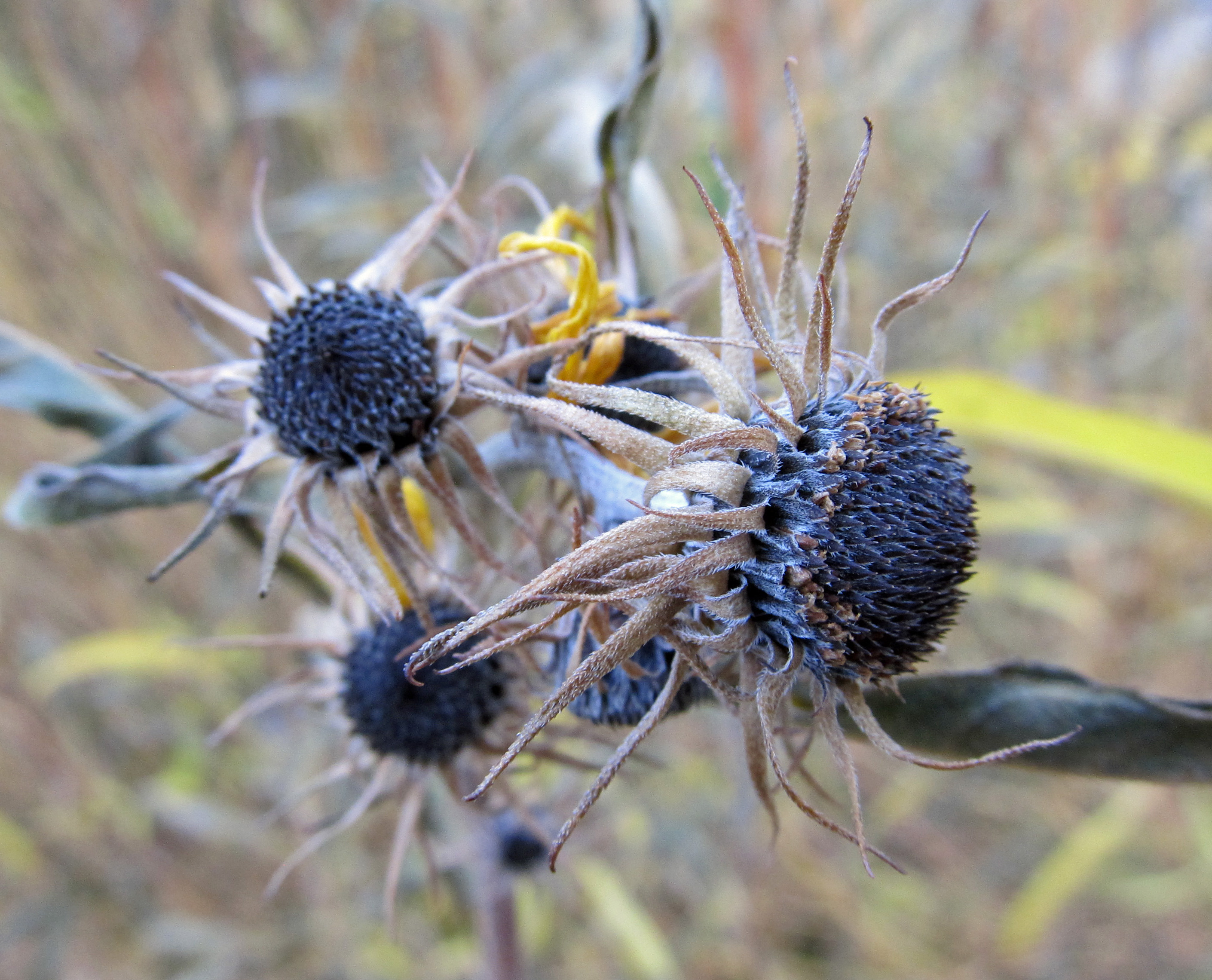
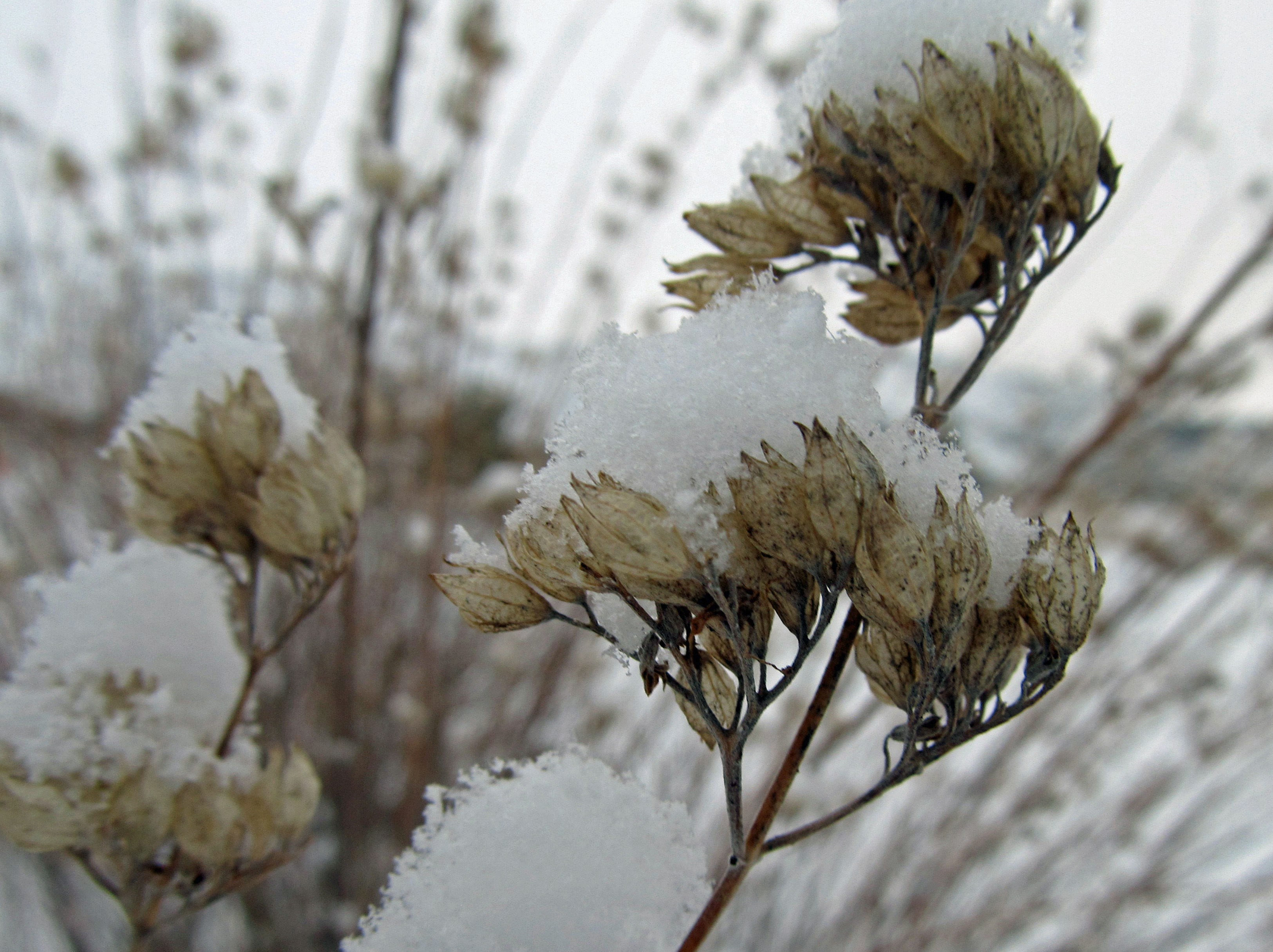
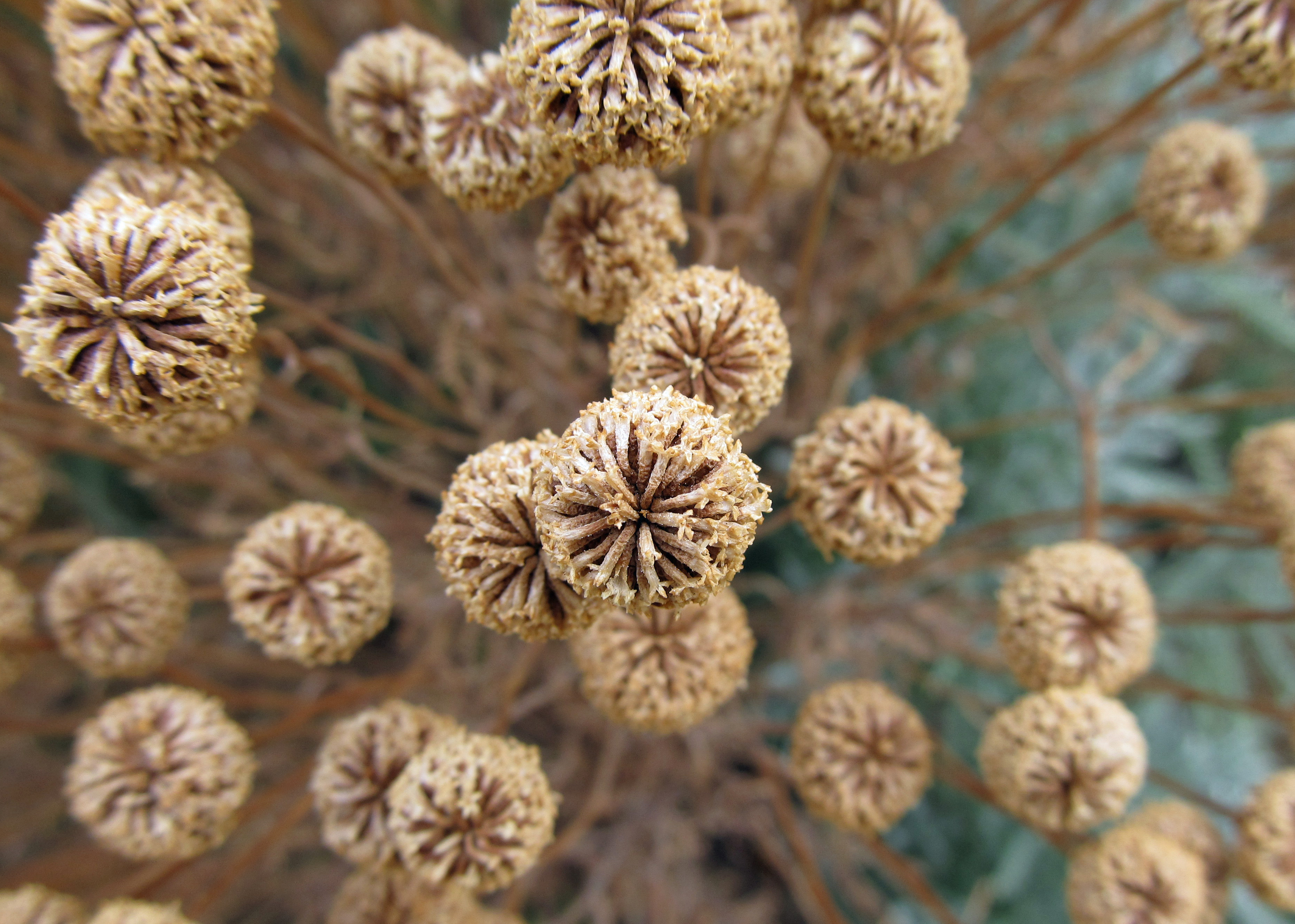
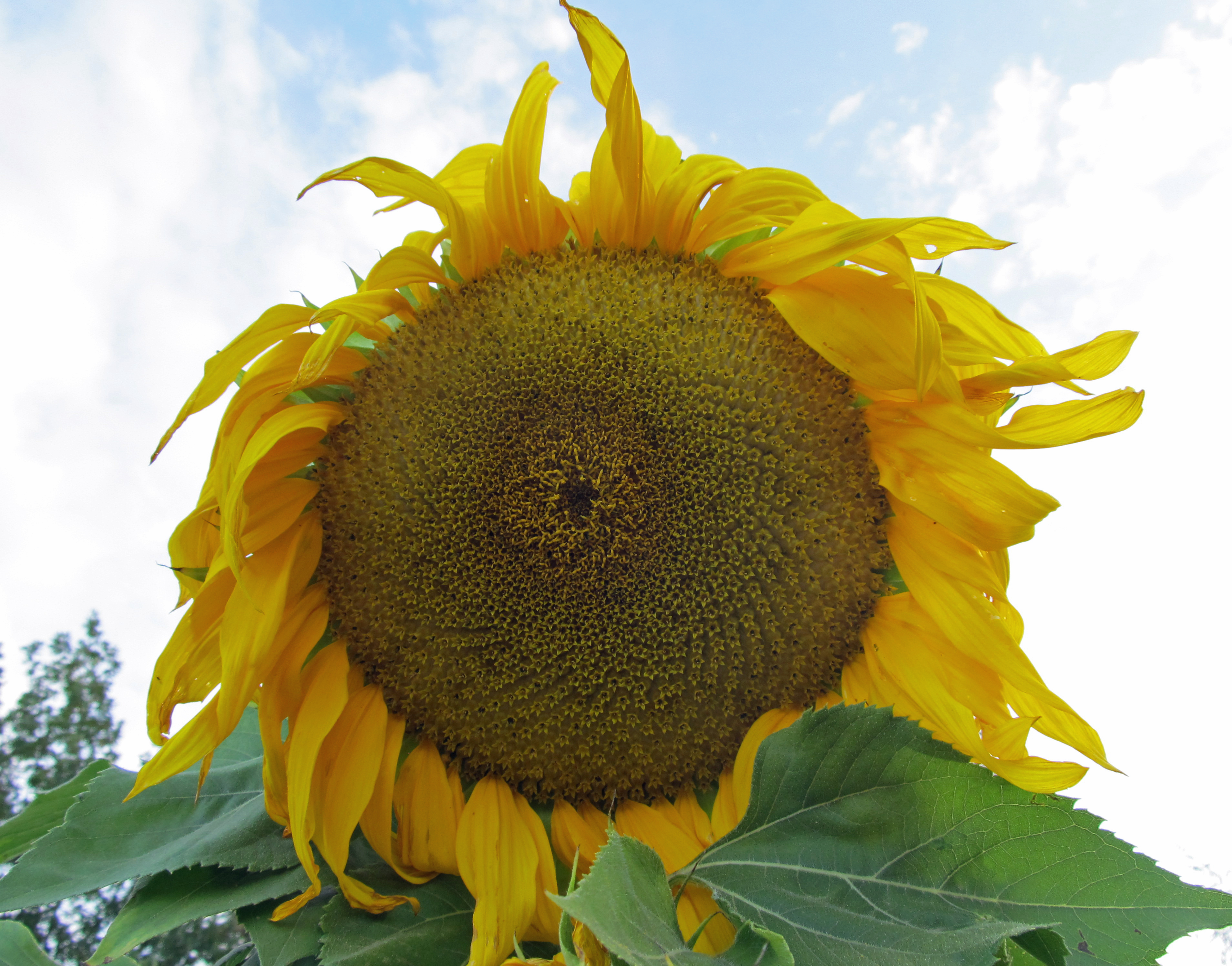
Seed heads of Maximilian sunflower (Helianthus maximiliani)

Another interesting finding is that, unlike other genera, annual and perennial sunflower species allocate a similar amount of resources towards reproduction. On average, flower size was not found to be different between annual and perennial species. Perhaps annuals instead produce more flowers compared to perennials, or maybe they flower for longer periods. This is something the researchers did not investigate.

Finally, abiotic factors were not found to have any influence on the relative investment of ray to disc florets or the color of disc florets. Variations in these traits may be influenced instead by pollinators, the “biotic factor” that is considered “the classic driver of floral evolution.” This is something that will require further investigation. As the researchers conclude, “determining the exact drivers of floral trait evolution is a complex endeavor;” however, their study found “reasonable support for the role of aridity and soil fertility in the evolution of floral size and water content.” Yet another important piece to the puzzle as we learn to tell the evolutionary history of sunflowers.

On the Genus Euphorbia

This is a guest post. Words and photos by Jeremiah Sandler.

———————

Suspicion

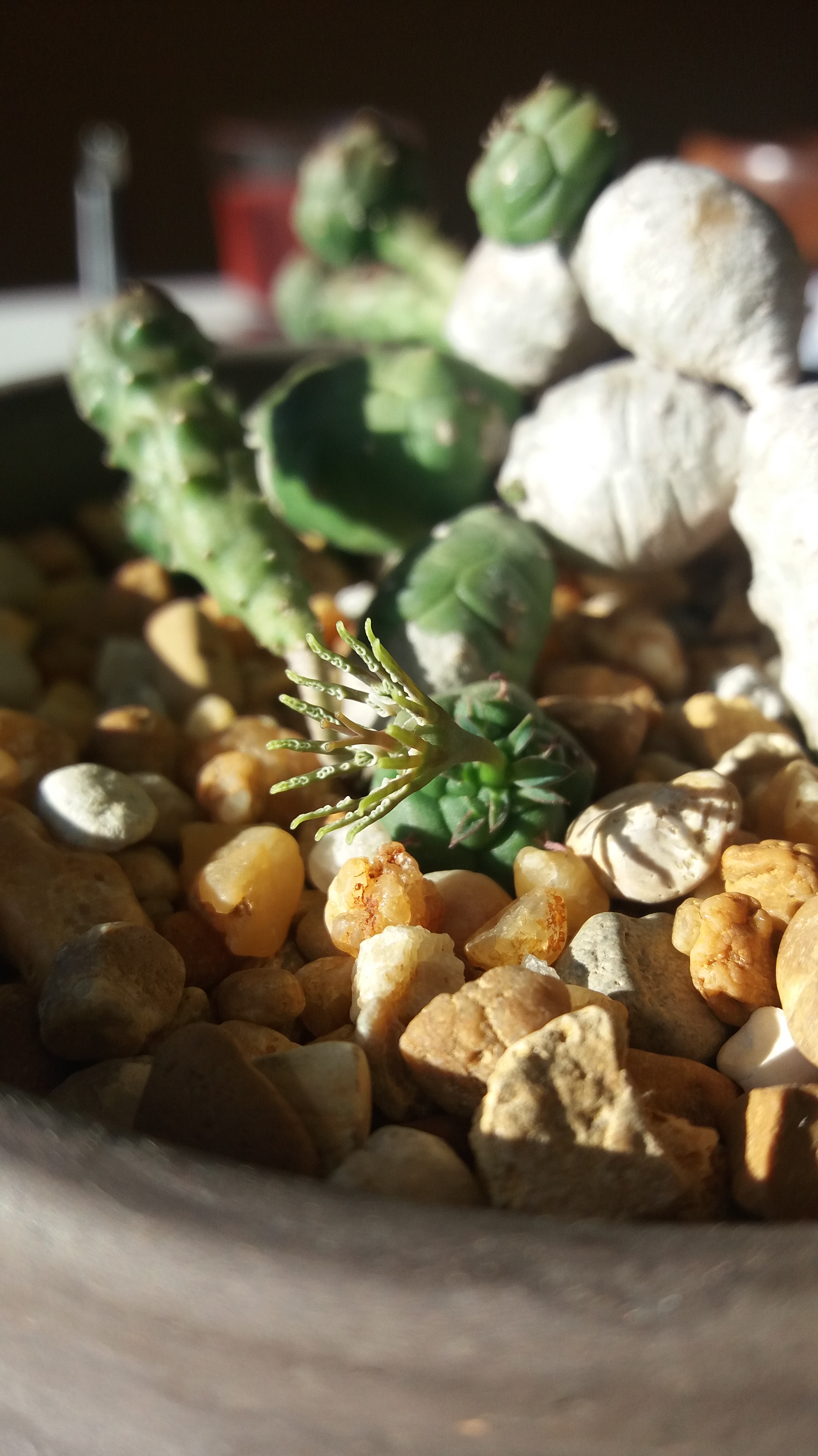
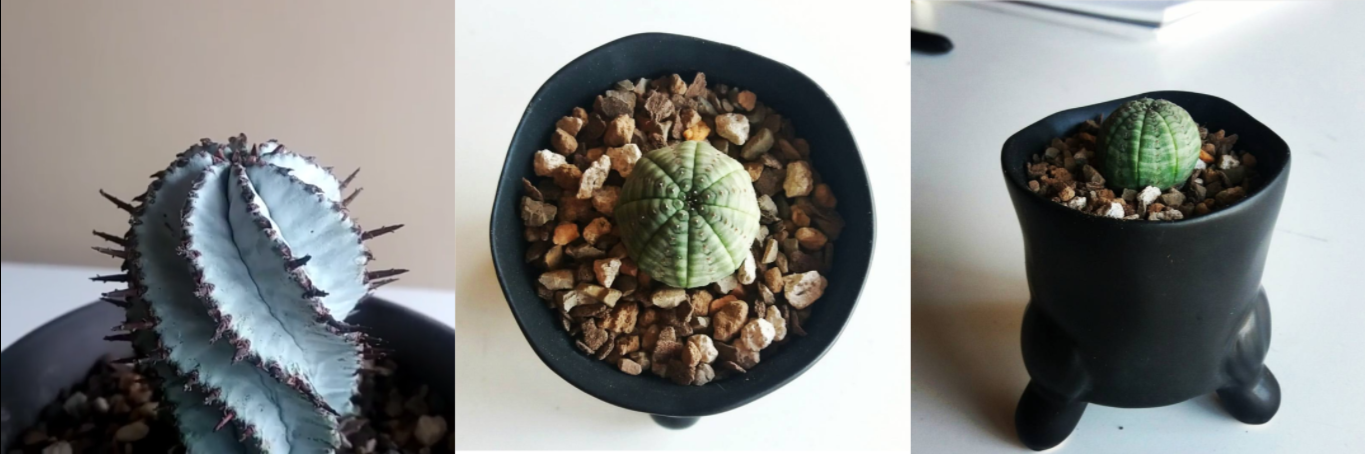
I collect cacti and succulents. The more I collect plants, the more and more I become interested in taxonomic and phylogenetic relationships between them. Not just my own plants – all of them. Most recently, the genus Euphorbia has been on my mind. My favorite species are E. meloformis var. valida and E. horrida.

I’m mostly familiar with the succulent and cacti-looking euphorbia (they are not true cacti) and a few ornamental annuals. Sometimes I would come across a species that I could determine was a euphorbia; but in trying to identify exactly which species, I found countless possibilities within the genus. It seemed odd to me that a single genus could contain so many different forms.

Turns out, Euphorbia consists of over 1800 separate species. What?! That is an insanely high number! Only about 20 genera of plants contain over 1000 separate species. Euphorbia is the fourth most populated genus among all genera of plants.

That staggering number got me thinking: how can a single genus have so many different species? How has the classification worked that out? Has the genus been phylogenetically examined? There’s no way a genus can be so huge. You know what breeders and collectors can do with that much genetic material in a single genus? The man-made hybrids seem endless.

Euphorbia globosa in bloom

Taxonomy

In older taxonomic practices, morphological similarities were the primary method of grouping individuals together. While that is still a common practice today, phylogenetic testing is now an accessible tool for organizing species into related groups.

Organizations such as the Angiosperm Phylogeny Group (APG) have been doing this advanced scientific research – analyzing DNA, doing detailed dissection, etc. Ultimately, they organize plant taxonomy and systematics with greater detail, and examine plant relationships genetically – phylogenetics.

Analyzing genomes is much more expensive and time consuming than observing morphologies. Now, a mix of methods is used, but DNA sequencing has definitely changed the systematics game in a big way. As a result of the APG’s incorporation of widespread phylogenetic DNA analyses, their taxonomical classifications are quickly becoming the generally accepted classifications among plant taxonomists.

Since the inclusion of genetic testing, many plant orders, families, and genera have been reorganized, renamed, expanded, or shrunk.

Euphorbia

One of the identifying features of euphorbias are their very unique flowers. All species in the genus have a cyathium, an inflorescence exclusively produced by euphorbias. Lacking in true petals, sepals, or nectaries, monoecious euphorbia flowers possess only the most essential parts of reproduction. However, bracts, extra-floral nectaries, and other structures surrounding the reproductive parts of the flowers make them appear superficially different.

It would be very time consuming to sequence the DNA of every member of this genus to see where they all fit. Approximately 10% of the euphorbias have been phylogenetically examined, and they confirm the traditional morphological placement. How about that?

Interestingly, of the species genetically analyzed, some were subsequently placed into the genus Euphorbia after historically being considered members of other genera.

Euphorbia horrida and Euphorbia obesa

So? What’s that mean?

Species within the same genus when crossed can (but not always) produce viable offspring. Sometimes they don’t because of differences in pollinators, flowering times, or geographic location, which prevents hybridization. Clades within plant genera also can affect intra-genus reproduction. For example, hard maples won’t naturally hybridize with soft maples, despite both being in the genus Acer. Perhaps the case is similar between the groups within Euphorbia.

As a plant collector and cacti and succulent enthusiast, imagining the endless amounts of hybrids within a massive genus is a fancy idea to me. The APG’s confirming of the initial classifications of Euphorbia into a massive genus makes the idea of endless hybrids all the more real.

Additional guest posts by Jeremiah Sandler:

———————

Jeremiah Sandler lives in southeast Michigan, has a degree in horticultural sciences, and is an ISA certified arborist. Follow him on Instagram: @j.deepsea

Highlights from the Alaska Invasive Species Workshop

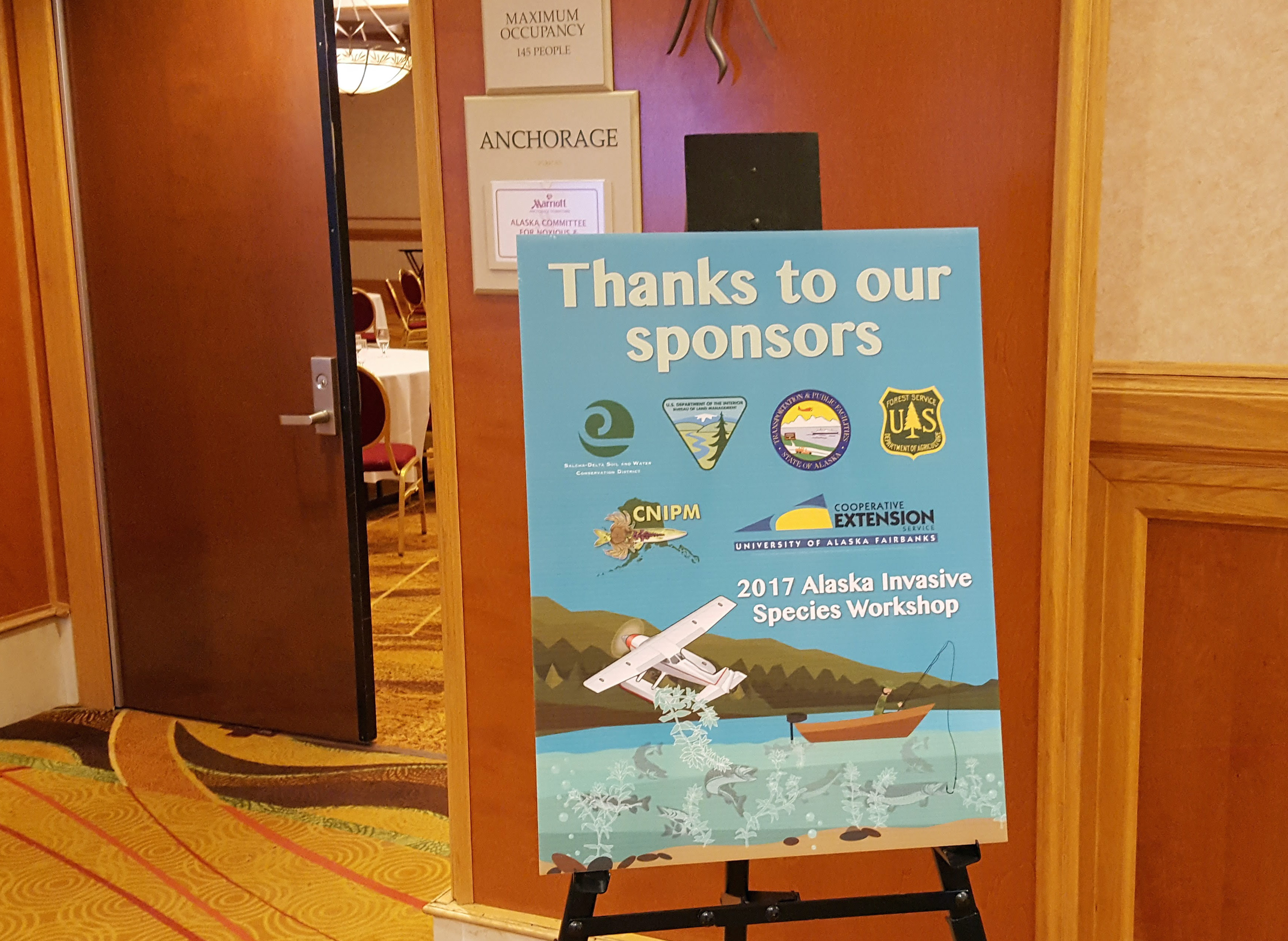
This October 24-26th I was in Anchorage, Alaska for the 18th annual Alaska Invasive Species Workshop. The workshop is organized by the Committee for Noxious and Invasive Pests Management and University of Alaska Fairbanks Cooperative Extension. It is a chance for people involved in invasive species management in Alaska – or just interested in the topic – to learn about the latest science, policies, and management efforts within the state and beyond. I am not an Alaska resident – nor had I ever been there until this trip – but my sister lives there, and I was planning a trip to visit her and her family, so why not stop in to see what’s happening with invasive species while I’m at it?

What follows are a few highlights from each of the three days.

Day One

The theme of the workshop was “The Legacy of Biological Invasions.” Ecosystems are shaped by biotic and abiotic events that occurred in the past, both recent and distant. This is their legacy. Events that take place in the present can alter ecosystem legacies. Invasive species, as one speaker said in the introduction, can “break the legacy locks of an ecosystem,” changing population dynamics of native species and altering ecosystem functions for the foreseeable future. Alaska is one of the few places on earth that is relatively pristine, with comparably little human disturbance and few introduced species. Since they are at an early stage in the invasion curve for most things, Alaska is in a unique position to eradicate or contain many invasive species and prevent future introductions. Coming together to address invasive species issues and protect ecosystem legacies will be part of the human legacy in Alaska.

The keynote address was delivered by Jamie Reaser, Executive Director of the National Invasive Species Council and author of several books. She spoke about the Arctic and its vulnerability to invasive species due to increased human activity, climate change, and scant research. To address this and other issues in the Arctic, the Arctic Council put together the Arctic Biodiversity Assessment, and out of that came the Arctic Invasive Alien Species Strategy and Action Plan. Reaser shared some thoughts about how government agencies and conservation groups can come together to share information and how they can work with commercial industries to address the threat of invasive species. She stressed that Alaska can and should play a leadership role in these efforts.

Later, Reaser gave a presentation about the National Invasive Species Council, including its formation and some of the work that it is currently doing. She emphasized that invasive species are a “people issue” – in that the actions and decisions we make both create the problem and address the problem – and by working together “we can do this.”

Day Two

Most of the morning was spent discussing Elodea, Alaska’s first invasive, submerged, freshwater, aquatic plant. While it has likely been in the state for a while, it was only recognized as a problem within the last decade. It is a popular aquarium plant that has been carelessly dumped into lakes and streams. It grows quickly and tolerates very cold temperatures, photosynthesizing under ice and snow. It propagates vegetatively and is spread to new sites by attaching itself to boats and float planes. Its dense growth can crowd out native vegetation and threaten fish habitat, as well as make navigating by boat difficult and landing float planes dangerous. Detailed reports were given about how organizations across the state have been monitoring and managing Elodea populations, including updates on how treatments have worked so far and what is being planned for the future. A bioeconomic risk analysis conducted by Tobias Schwörer was a featured topic of discussion.

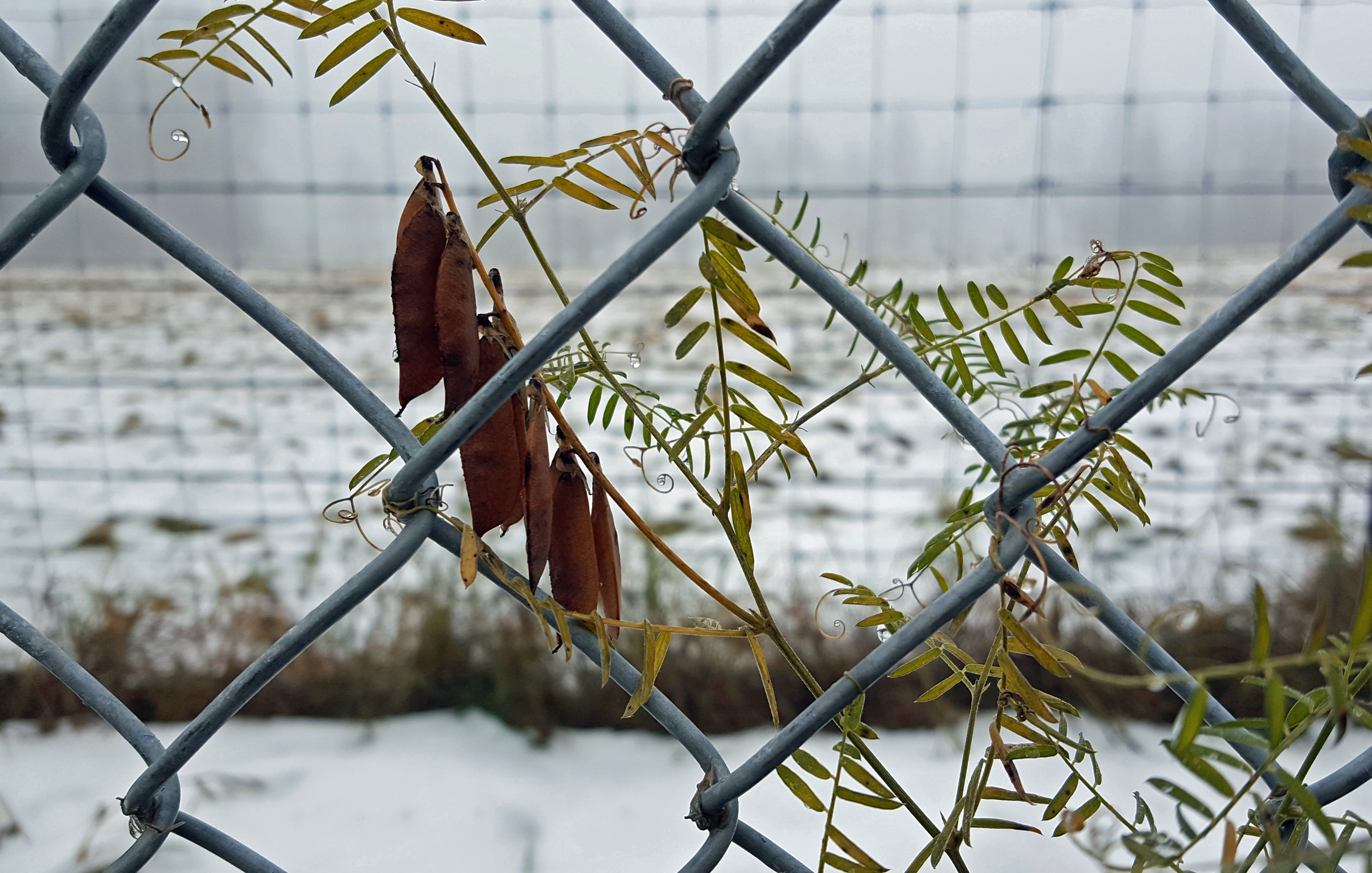
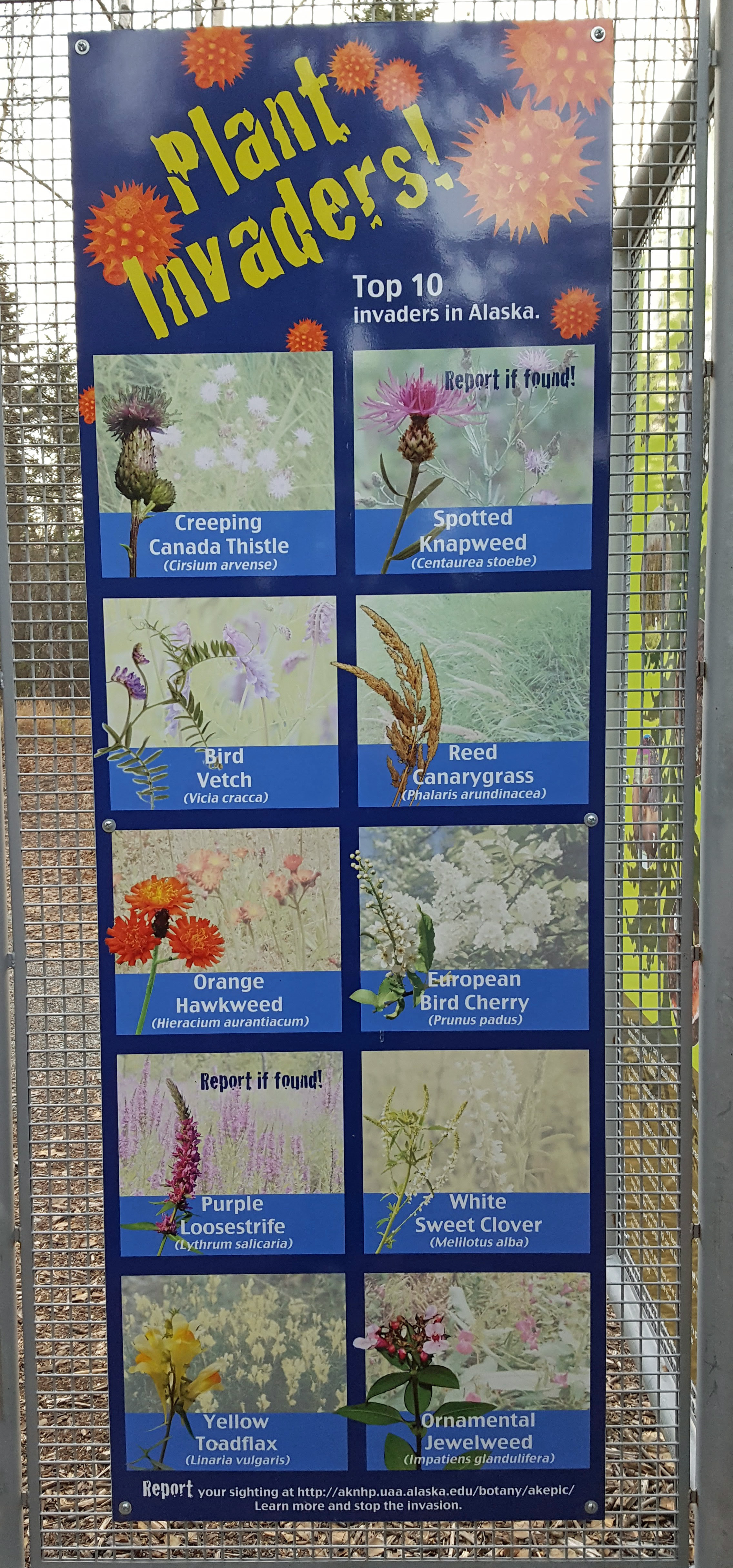
After lunch I took a short break from the conference to walk around downtown Anchorage, so I missed a series of talks about environmental DNA. I returned in time to hear an interesting talk about bird vetch (Vicia cracca). Introduced to Alaska as a forage crop, bird vetch has become a problematic weed on farms, orchards, and gardens as well as in natural areas. It is a perennial vine that grows quickly, produces copious seeds, and spreads rhizomatously. Researchers at University of Alaska Fairbanks found that compared to five native legume species, bird vetch produced twice the amount of biomass in the presence of both native and non-native soil microbes, suggesting that bird vetch is superior when it comes to nitrogen fixation. Further investigation found that, using only native nitrogen-fixing bacteria, bird vetch produced significantly more root nodules than a native legume species, indicating that it is highly effective at forming relationships with native soil microbes. Additional studies found that the ability of bird vetch to climb up other plants, thereby gaining access to more sunlight and smothering host plants, contributed to its success as an invasive plant.

 Seed pods of bird vetch (Vicia cracca) in Fairbanks, Alaska

Day Three

The final day of the workshop was a veritable cornucopia of topics, including risk assessments for invasive species, profiles of new invasive species, updates on invasive species control projects, discussions about early detection and rapid response (EDRR), and talks about citizen science and community involvement. My head was swimming with impressions and questions. Clearly there are no easy answers when it comes to invasive species, and like other complex, global issues (made more challenging as more players are involved), the increasingly deep well of issues and concerns to resolve is not likely to ever run dry.

Future posts will dig further into some of the discussions that were had on day three. For now, here are a few resources that I gathered throughout the workshop:

Interpretive sign at Alaska Botanical Garden in Anchorage, Alaska

Drought Tolerant Plants: Water Conservation Landscape at Idaho Botanical Garden

Demonstration gardens are one of the best places to learn about drought tolerant plants that are appropriate for your region. Such gardens not only help you decide which species you should plant, but also show you what the plants look like at maturity, what they are doing at any given time of year, and how to organize them (or how not to organize them, depending on the quality of the garden) in an aesthetically pleasing way. A couple of years ago, I explored the Water Efficient Garden at the Idaho State Capitol Building. This year I visited the Water Conservation Landscape at Idaho Botanical Garden in Boise, Idaho.

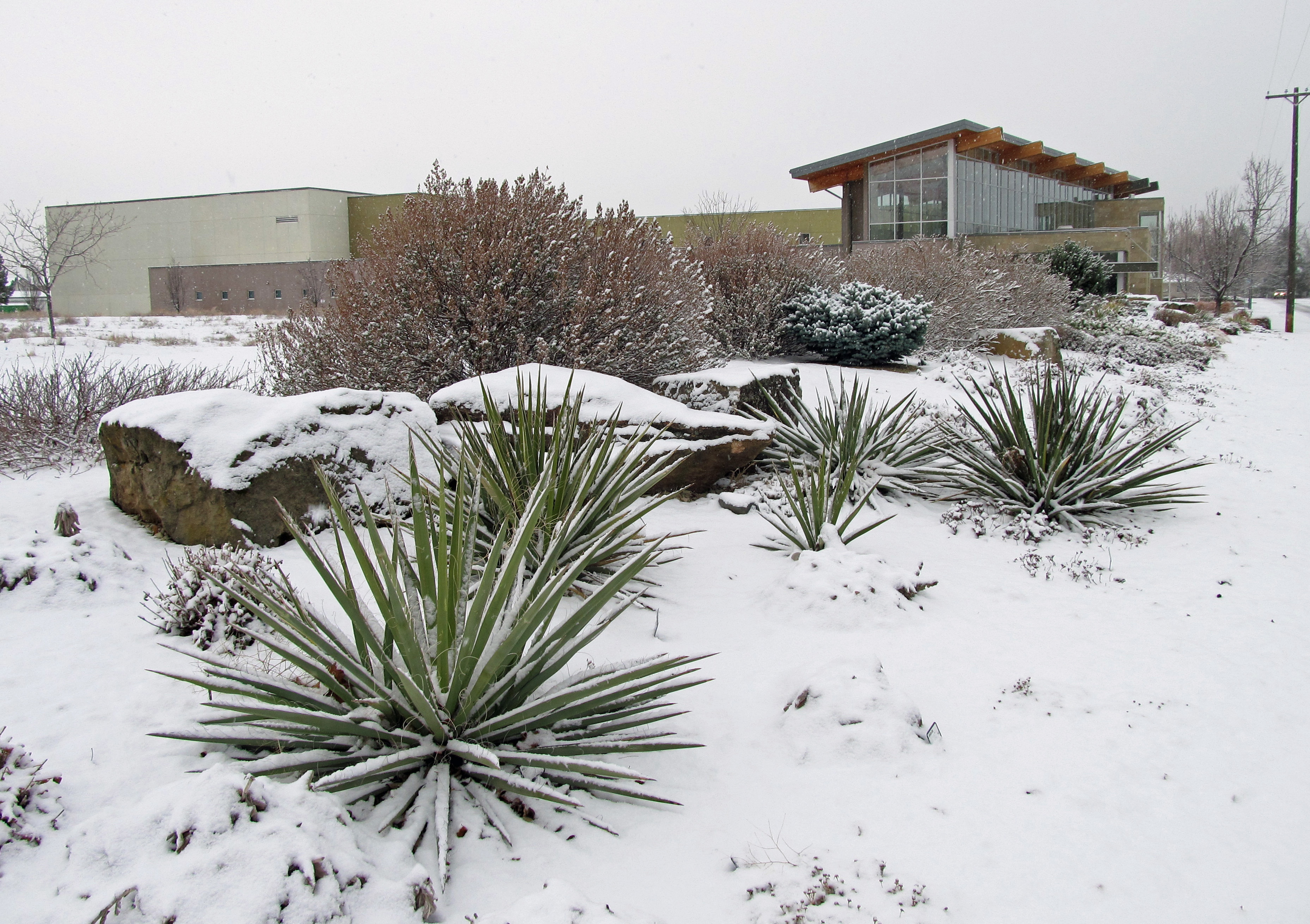
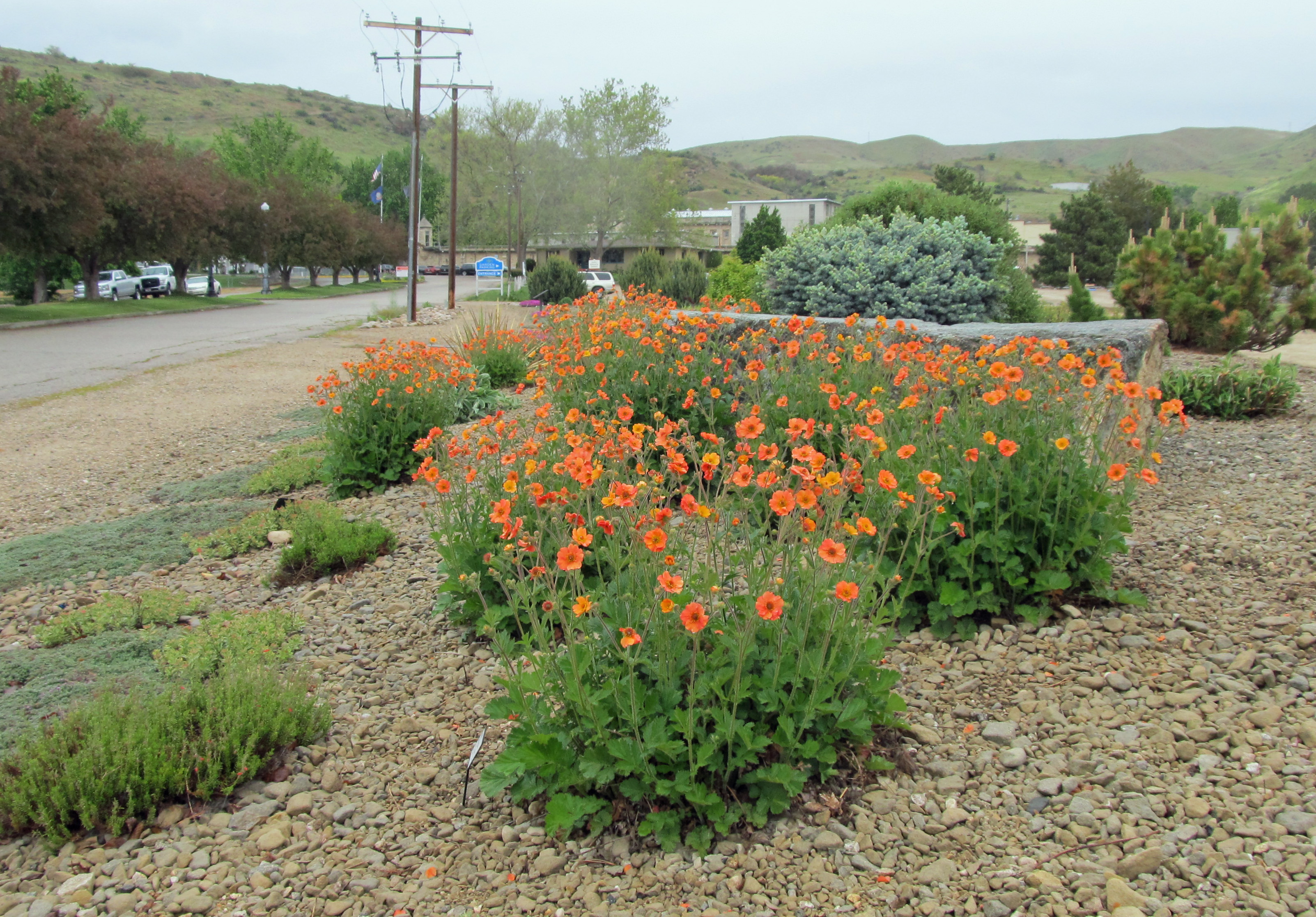
The Water Conservation Landscape is planted on a large L-shaped berm on the edge of Idaho Botanical Garden’s property. It is the first thing that visitors to the garden see, before they reach the parking area and the front gate. It is nearly a decade old, so the majority of the plants are well established and in their prime. Because the garden is so visible, year-round interest is important. This imperative has been achieved thanks to thoughtful plant selection and design.

This demonstration garden came about thanks to a partnership between Idaho Botanical Garden and several other organizations, including the water company, sprinkler supply companies, and a landscape designer. An interpretive sign is installed at one end of the garden describing the benefits of using regionally appropriate plants to create beautiful drought tolerant landscapes. If you ever find yourself in the Boise area, this is a garden well worth your visit. In the meantime, here are a few photos as it appeared in 2017.

February 2017

bluebeard (Caryopteris incana ‘Jason’) – February 2017

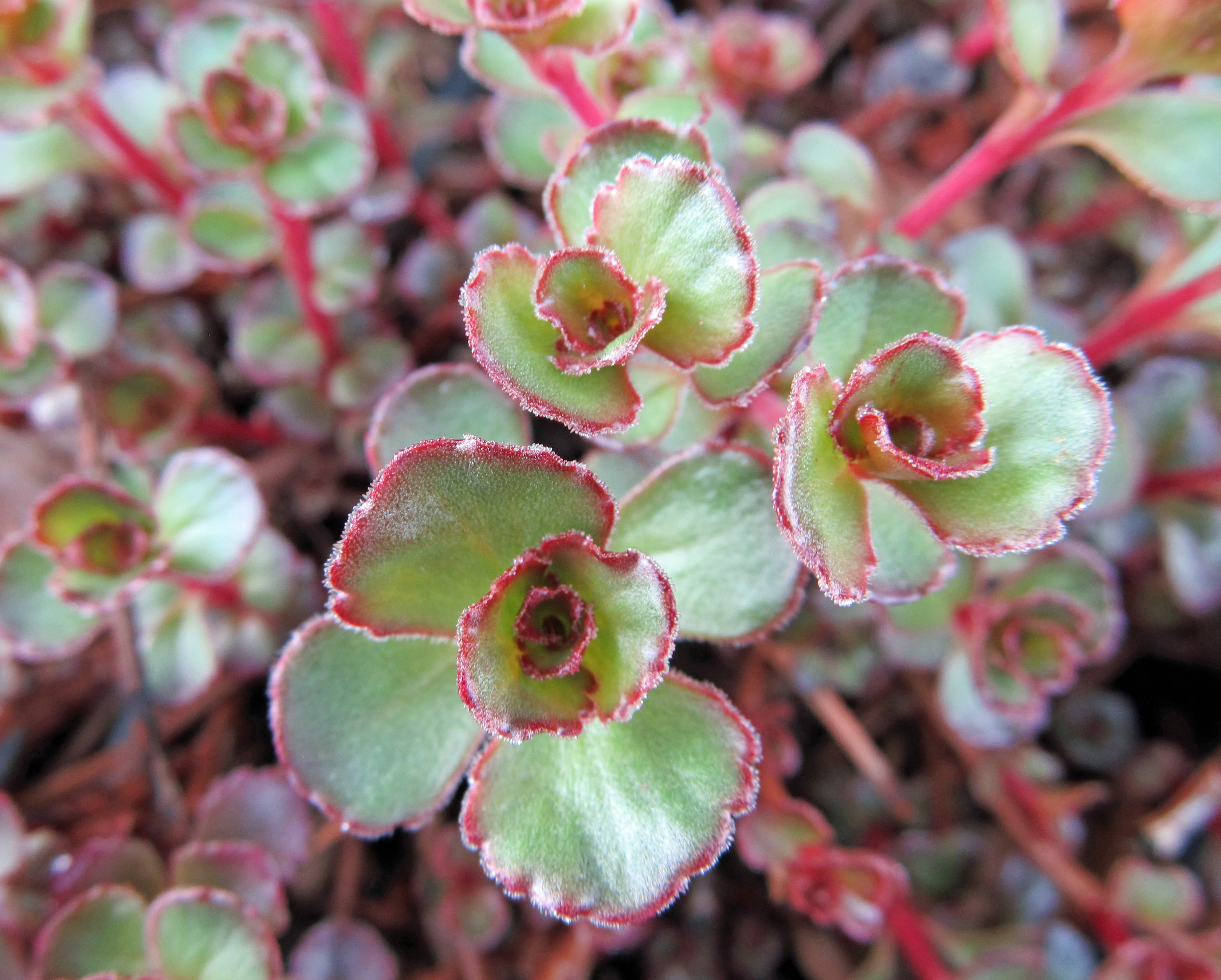
Sedum spurium ‘Dragon’s Blood – March 2017

winter heath (Erica x darleyensis ‘Kramer’s Red’) – March 2017

May 2017

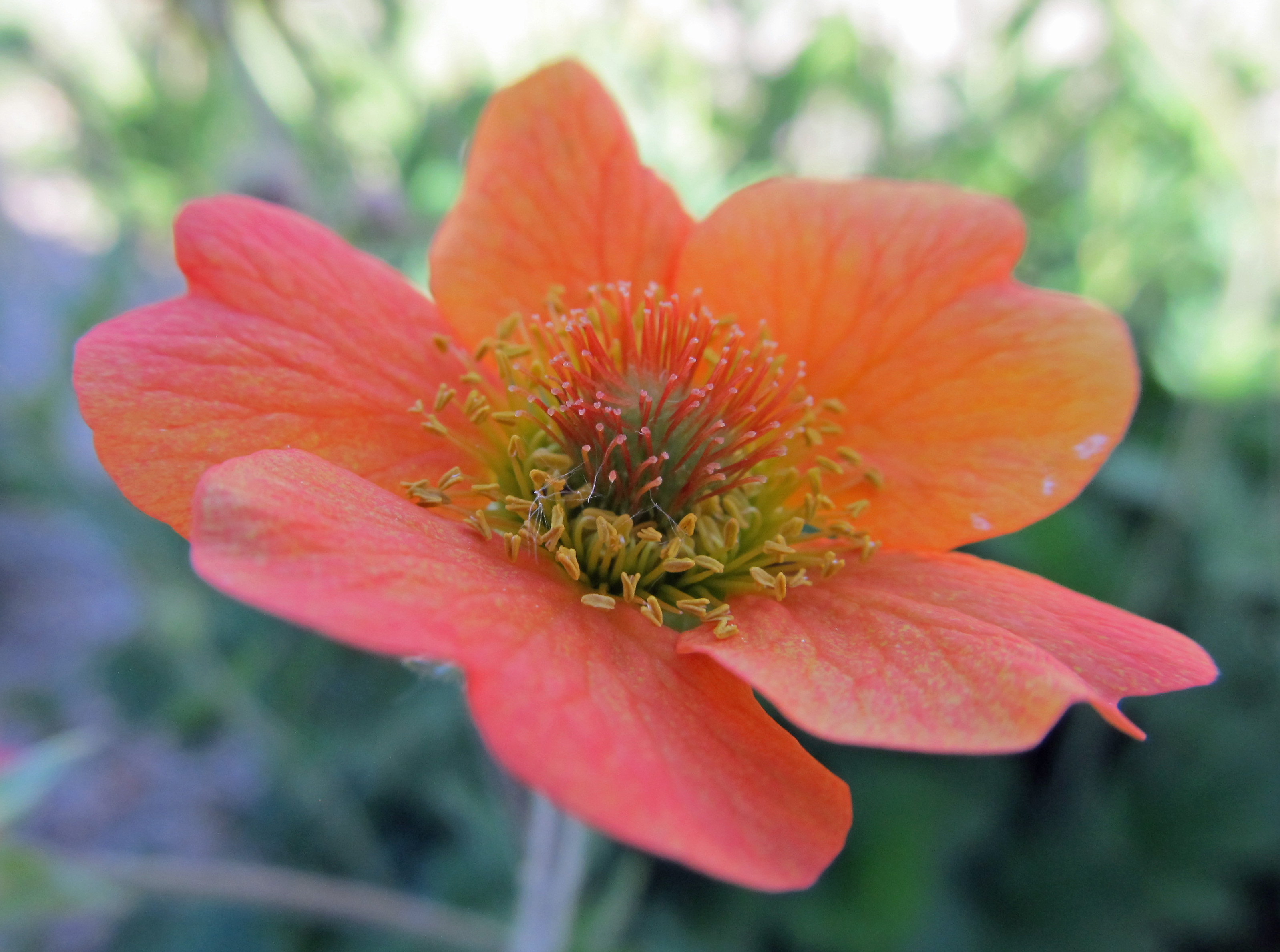
avens (Geum x hybrida ‘Totally Tangerine’) – May 2017

July 2017

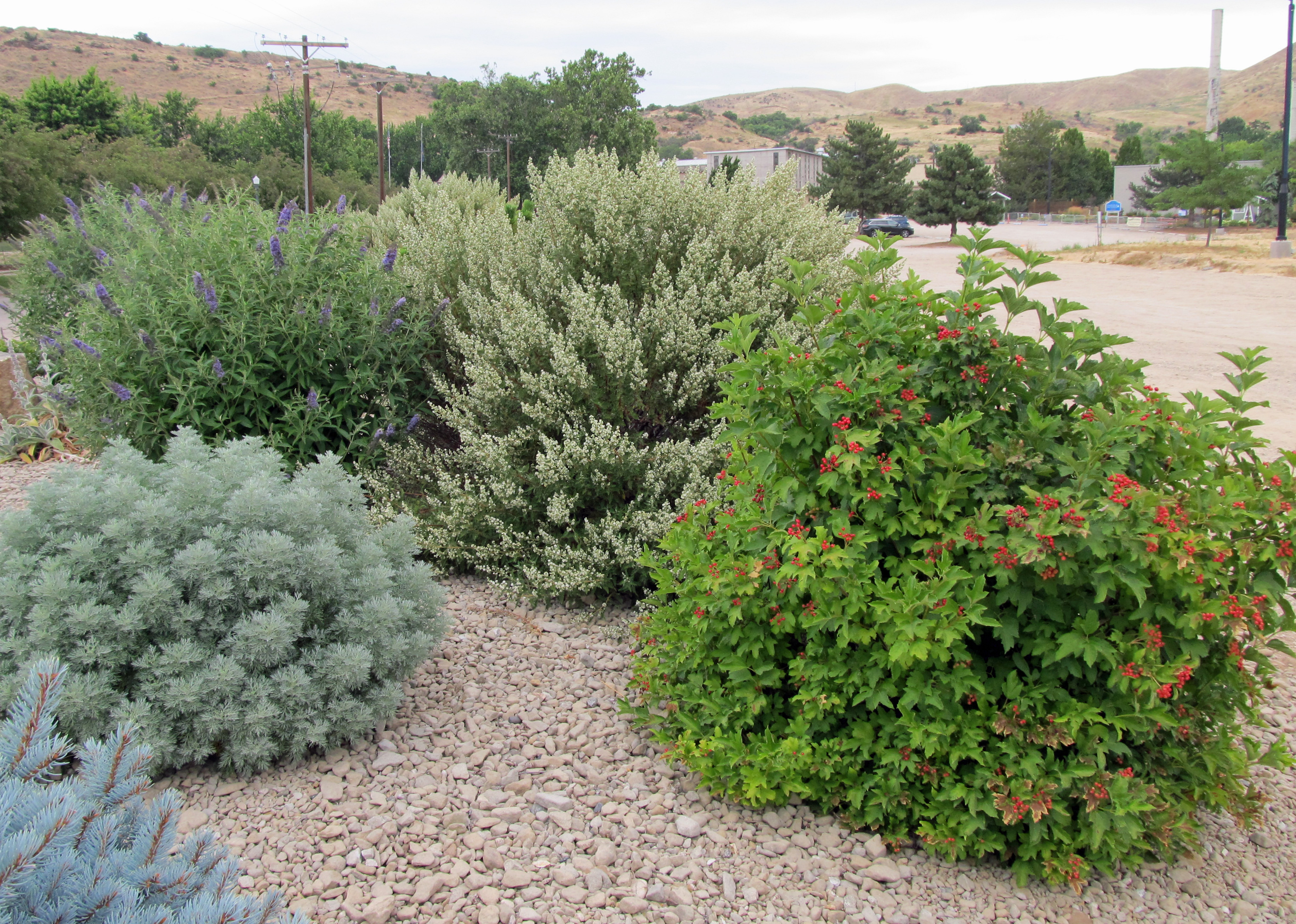
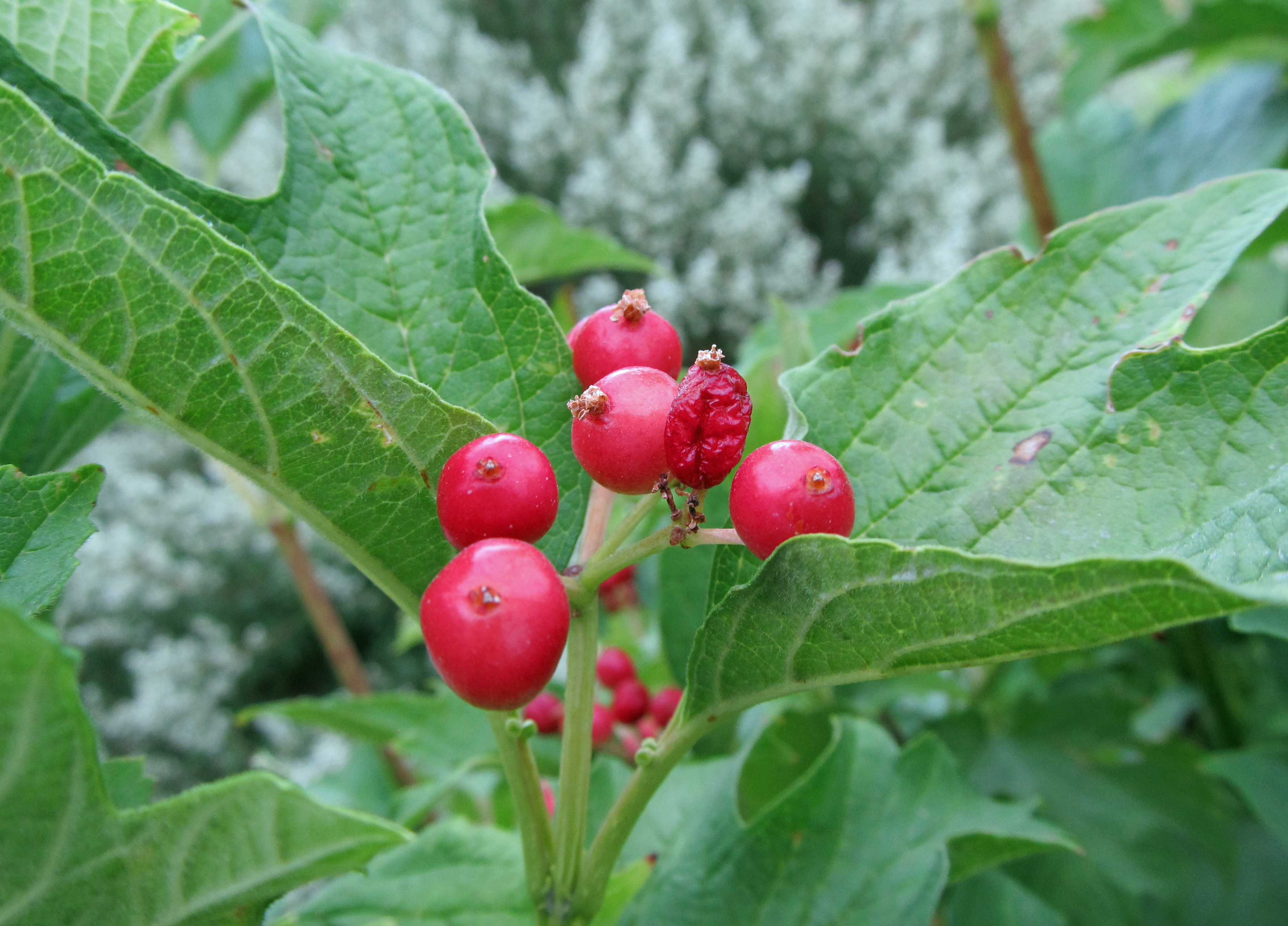
American cranberrybush (Viburnum opulus var. americanum ‘Wentworth’) – July 2017

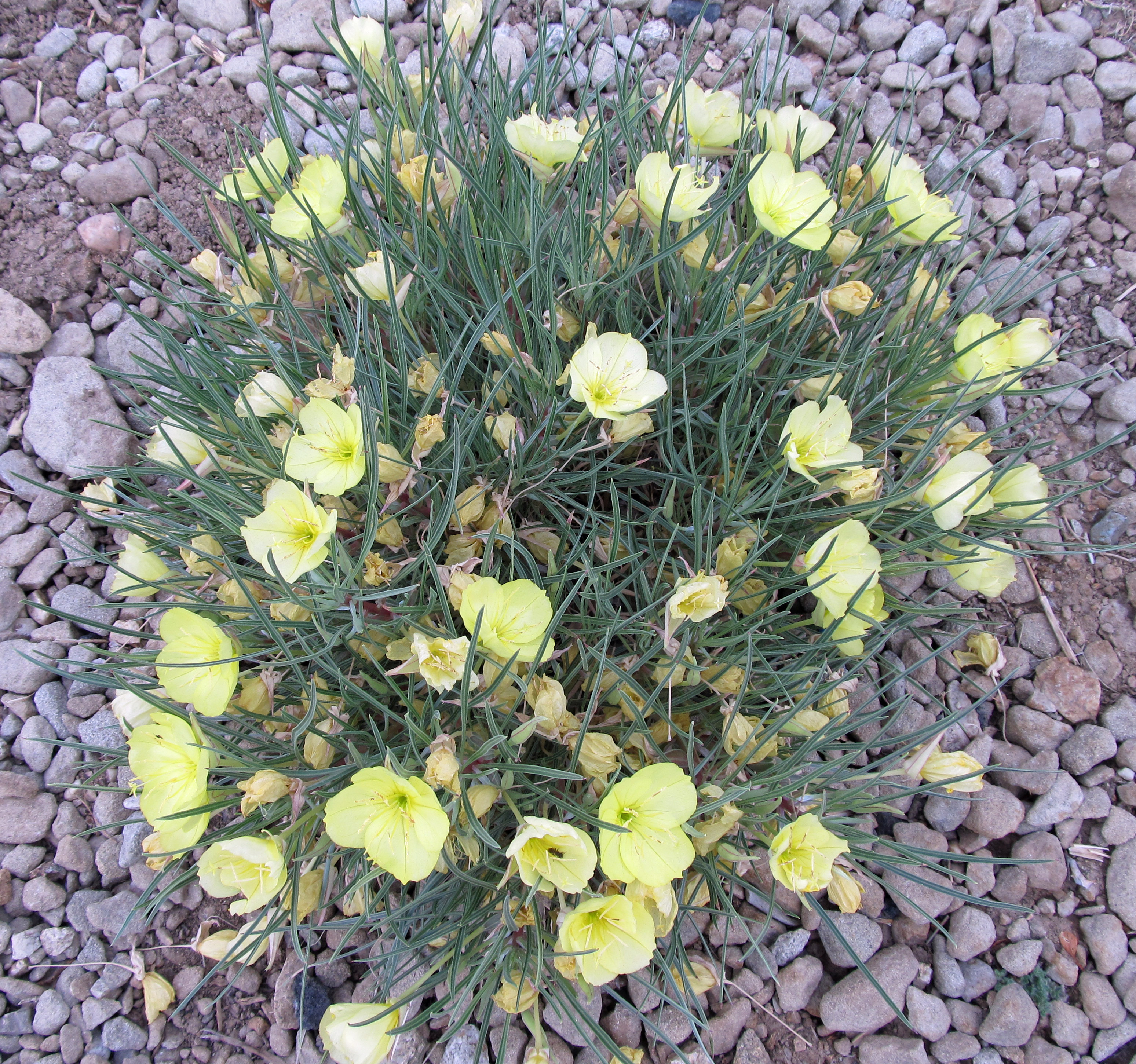
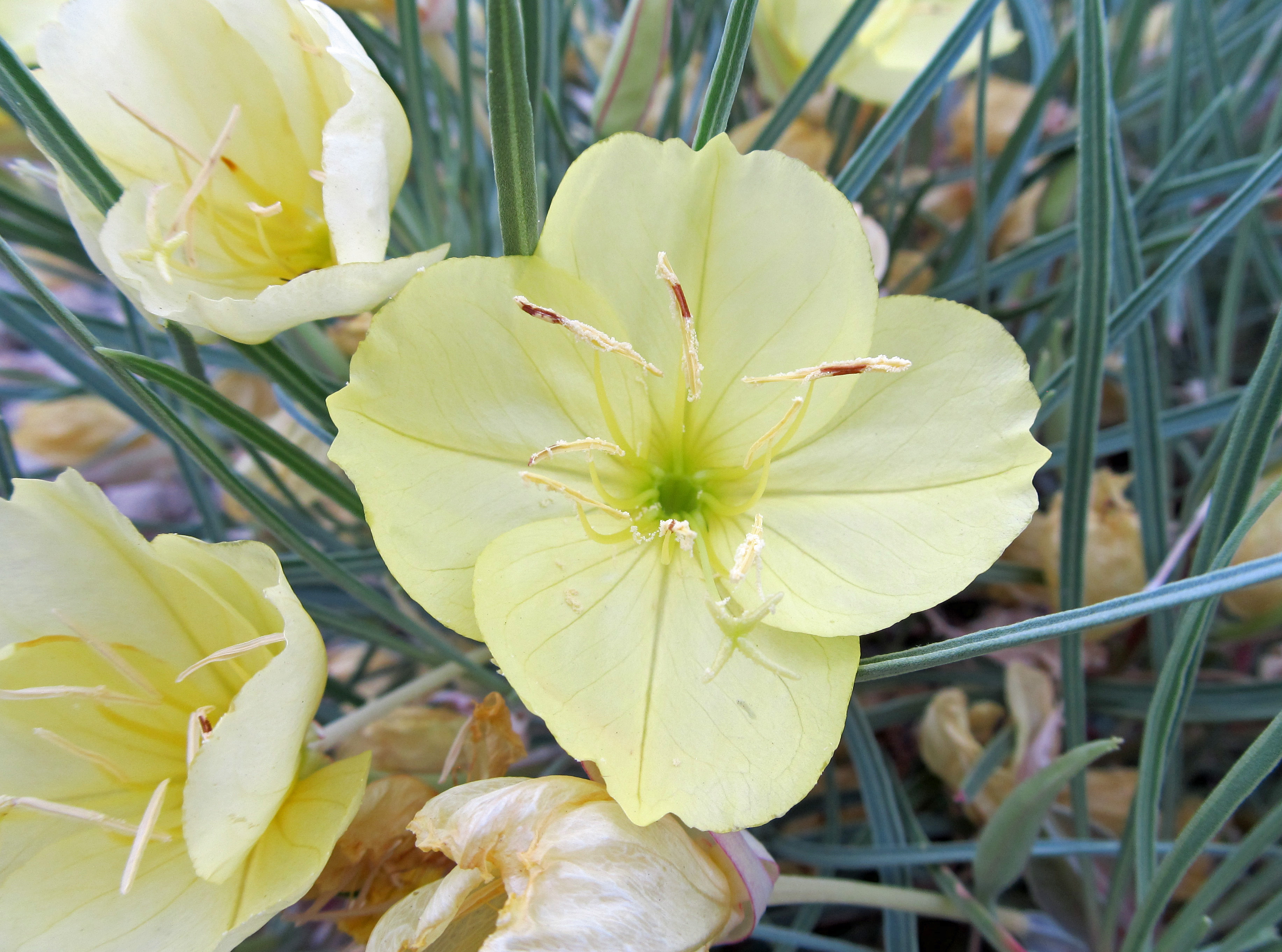
Fremont’s evening primrose (Oenothera macrocarpa ssp. fremontii ‘Shimmer’) – July 2017

Fremont’s evening primrose (Oenothera macrocarpa ssp. fremontii ‘Shimmer’) – July 2017

August 2017

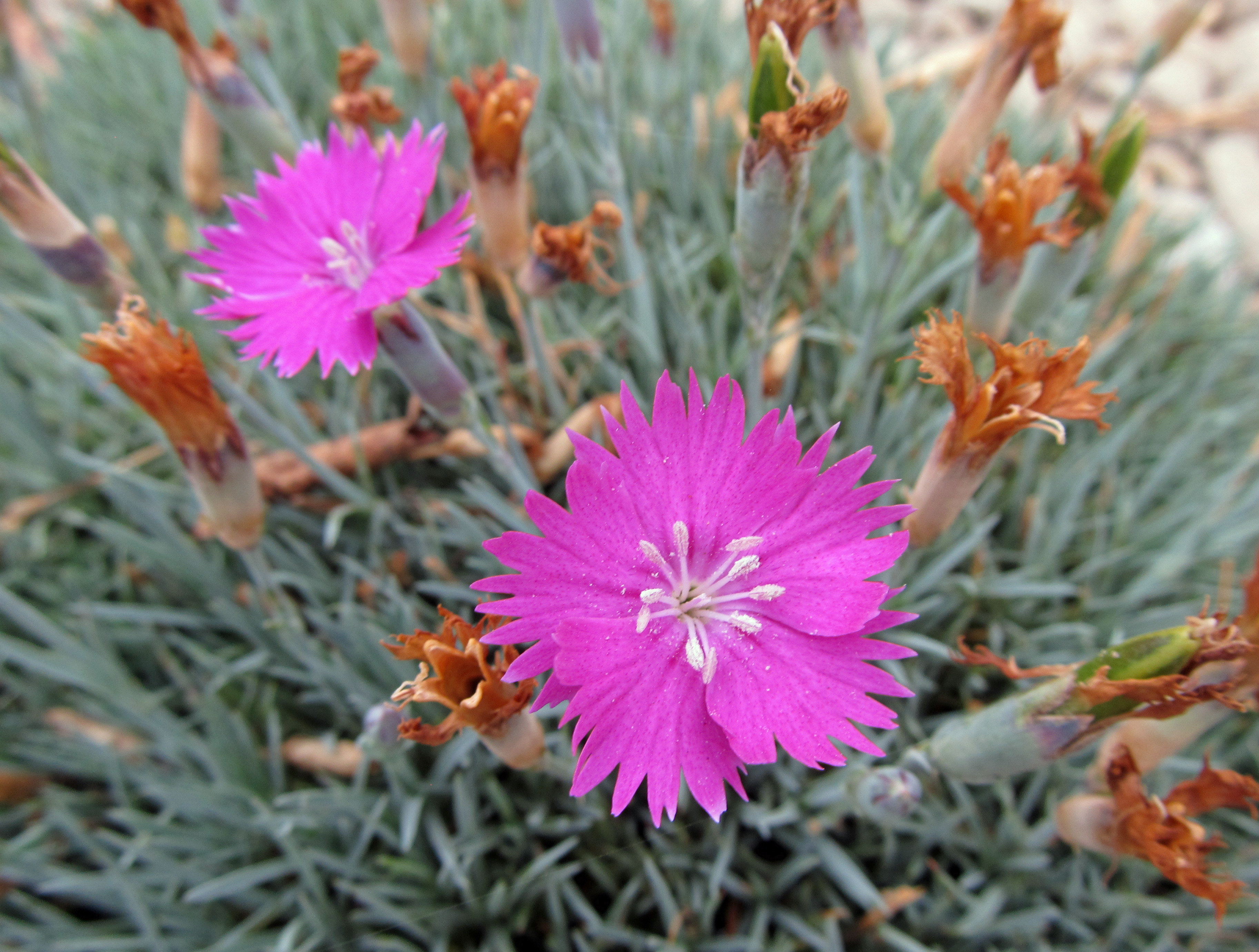
cheddar pink (Dianthus gratianopolitanus ‘Firewitch’) – August 2017

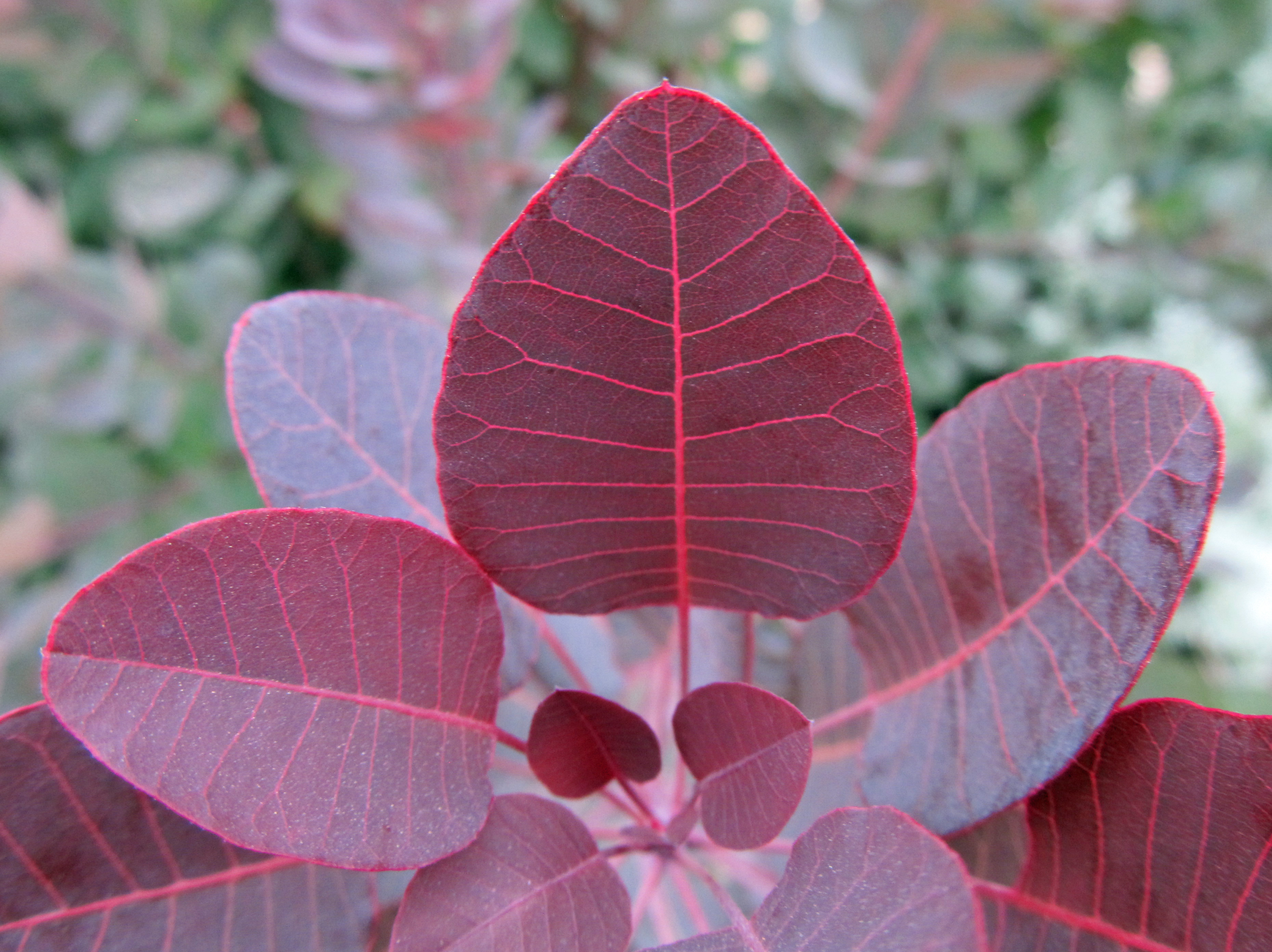
smoketree (Cotinus coggyria ‘Royal Purple’) – August 2017

gray lavender cotton (Santolina chamaecyparissus) – September 2017

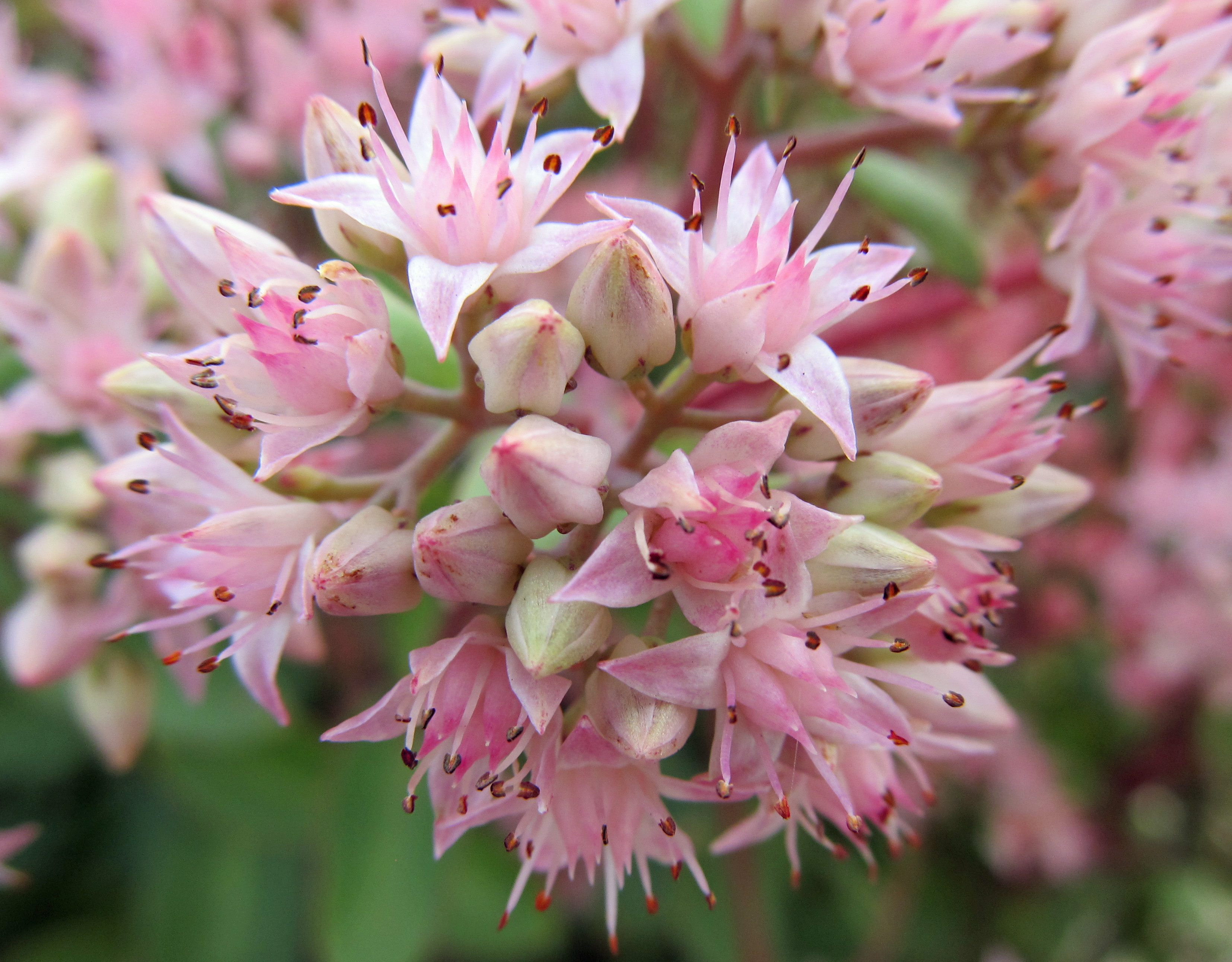
showy stonecrop (Hylotelephium telephium ‘Matrona’) – September 2017

showy stonecrop (Hylotelephium telephium ‘Matrona’) – September 2017

Adam’s needle (Yucca filamentosa ‘Color Guard’) – October 2017

fragrant sumac (Rhus aromatica ‘Gro-Low’) – October 2017

More Drought Tolerant Plant Posts:

Is There a Place for Weeds in Urban Ecosystems?

Highly urbanized areas have a long history of disturbance. They are a far cry from the natural areas they once displaced, bearing little resemblance to what was there before. In this sense, they are a brand new thing. During the urbanization process, virtually everything is altered – temperatures, soils, soil life, wind patterns, hydrology, carbon dioxide levels, humidity, light availability, nutrients. Add to that a changing climate and increased levels of a variety of  pollutants, and the hope of ever seeing such a site return to its original state – whatever that might mean – is crushed.

What then should we consider the natural flora of an ecosystem like this? Certainly it is not simply the native flora that once stood on the site before it was developed; virtually none of the conditions are the same anymore. If we define “natural” as existing with minimal human intervention, then the natural urban flora would be whatever grows wild outside of our manicured landscapes and managed, remnant natural areas. It would be a cosmopolitan mixture of plants that have joined us in our migrations with and without our permission, along with a collection of species that are either extant to the site or have been brought in by wildlife. In many ways it would mirror the human populations of our modern cities – an assortment of residents from around the globe with diverse backgrounds and cultural histories.

In Wild Urban Plants of the Northeast, Peter Del Tredici classifies urban land into three general categories based on their ecological functions: native, remnant landscapes; managed, constructed landscapes; and ruderal, adaptive landscapes. Native, remnant landscapes are generally small areas within city limits that have never been developed. They contain a portion of the native plants that once populated the area, and they require vigilant and regular maintenance to keep non-native plants from invading and to control those that already have. Managed, constructed landscapes include all of the parks and gardens that have been designed and intentionally planted. They require regular maintenance of varying intensity in order to keep them looking the way they are intended to look. Ruderal, adaptive landscapes are abandoned or neglected sites that are populated by plants that have arrived on their own and that maintain themselves with virtually no human intervention. This is where the true, wild urban flora resides.

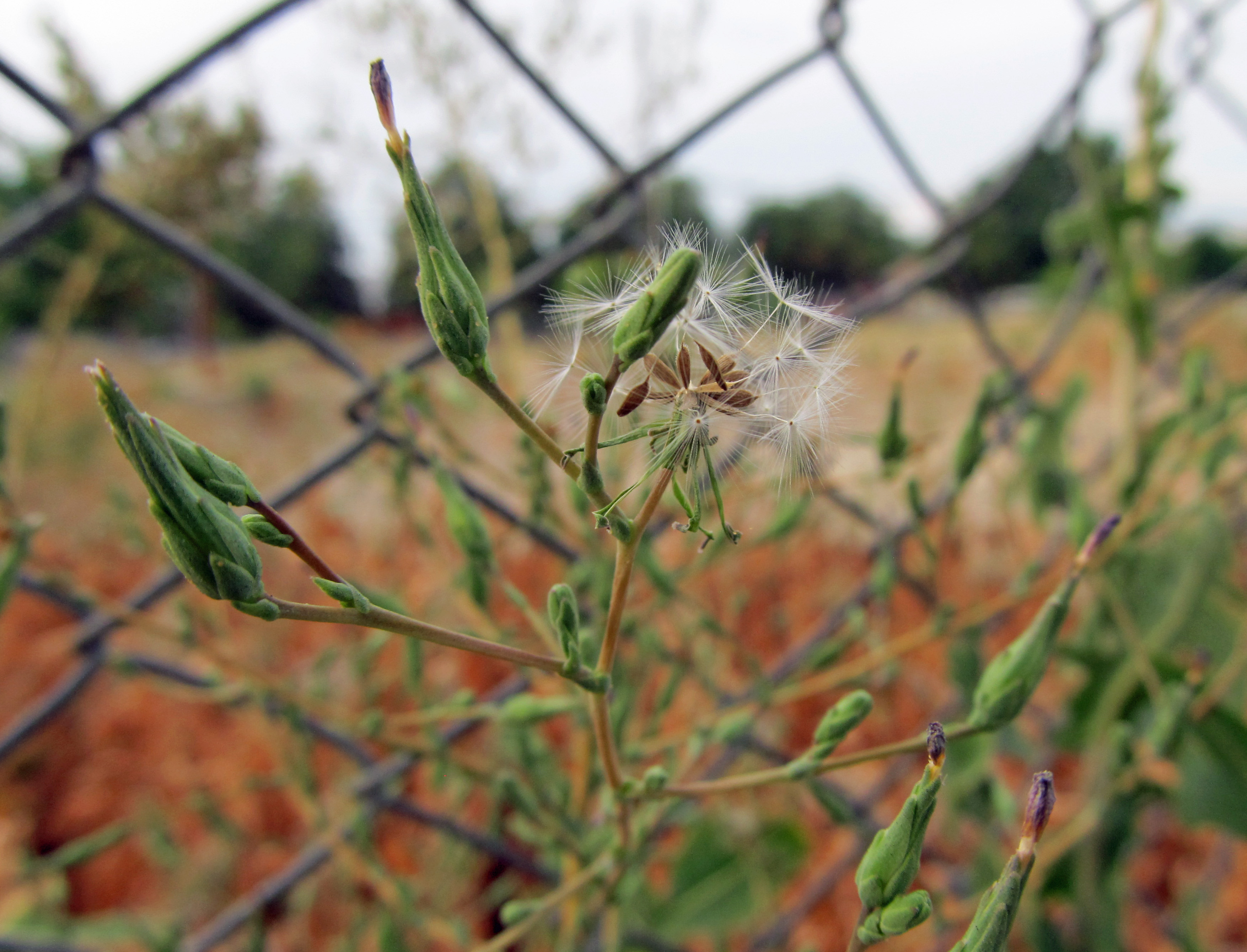
Prickly lettuce (Lactuca serriola) growing in an abandoned lot.

Many of the plants that make up our wild urban flora are what we commonly refer to as weeds. These weedy plants appear in landscapes throughout our cities, but efforts are generally made to remove or control them in all landscapes except the abandoned ones. It is in these neglected sites that weeds have the greatest potential to provide vital ecosystem services, performing ecological functions that are beneficial to urban life.

Not all plants are suited for this role. Spontaneous urban vegetation is particularly suited due to its ability to thrive in highly modified, urban environments without external management. Regardless of provenance, this suite of plants, as Del Tredici writes, seem to be “preadapted” to urban conditions and “are among the toughest on the planet.” A long list of traits has been identified for plants in this category, ranging from seed dispersal and viability to speed of growth and reproduction to tolerance of harsh conditions. In Del Tredici’s words, “a successful urban plant needs to be flexible in all aspects of its life history from seed germination through flowering and fruiting, opportunistic in its ability to take advantage of locally abundant resources that may be available for only a short time, and tolerant of the stressful growing conditions caused by an abundance of pavement and a paucity of soil.”

Abandoned lots flush with weeds, overgrown roadsides and railways, and neglected alleyways colonized by enterprising plants are generally seen as ugly, unsightly eyesores – products of neglect and decline. Some of the plants found in such locations are valued in a garden setting or prized as part of the native landscape in a natural area, but growing wildly among trash and decaying urban infrastructure they, too, are refuse. As Richard Mabey has written: “If plants sprout through garbage they become a kind of litter themselves. Vegetable trash.”

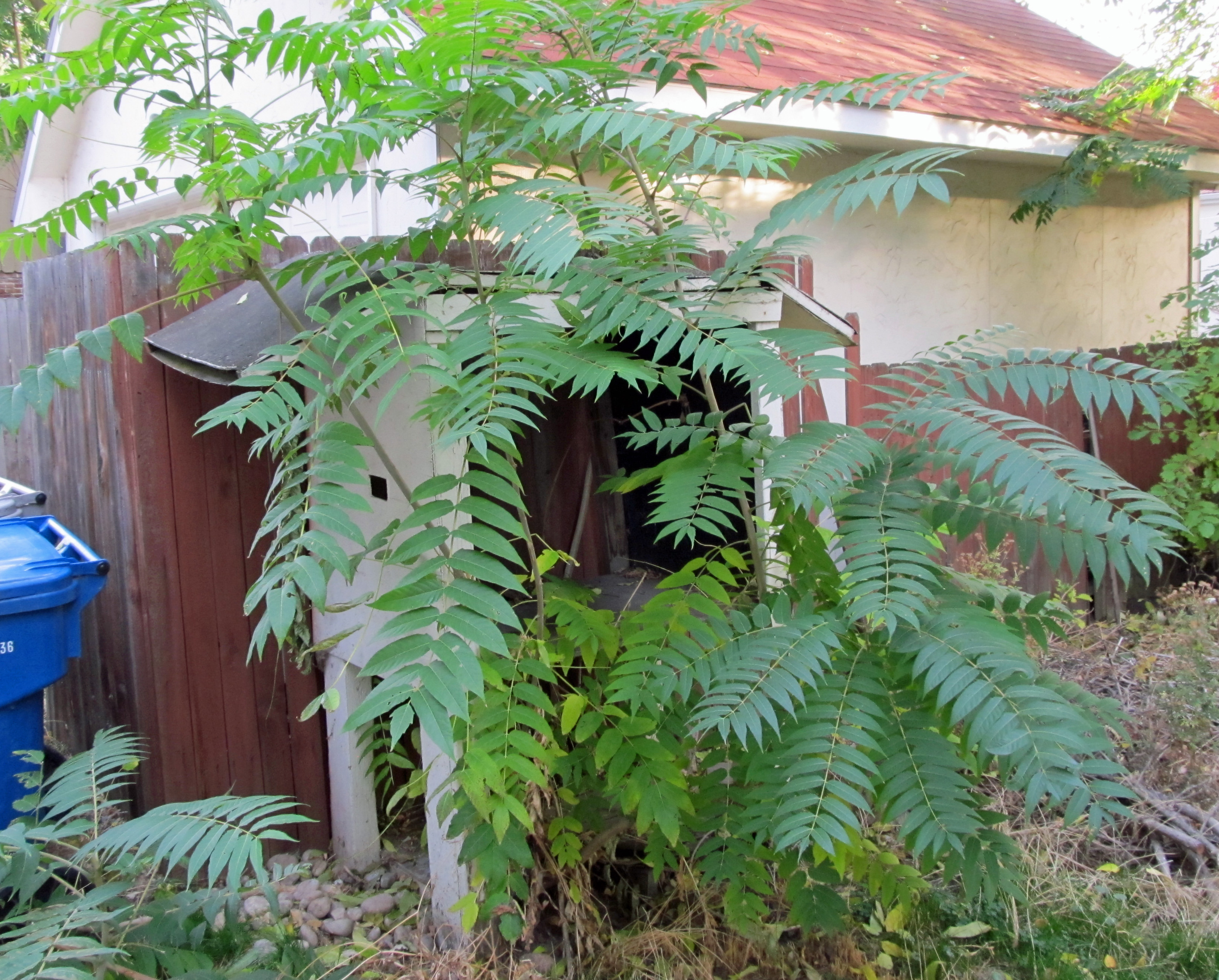
Abandoned chicken coop overtaken by tree of heaven saplings (Ailanthus altissima).

Despite how we feel about these plants or the aesthetics of the locations they find themselves in, they are performing valuable services. Along with increasing biodiversity, producing oxygen, and sequestering carbon – services that virtually all plants offer – they may be preventing soil erosion, stabilizing waterways, absorbing excess nutrients, reducing the urban heat island effect, mitigating pollution, building soil, and/or providing food and habitat for urban wildlife. While cultivated and managed landscapes can achieve similar things, these neglected sites are doing so without resource or labor inputs. They are sustainable in the sense that their ability to provide these services is ongoing without reliance on outside maintenance.

Sites like these should be further investigated to determine the full extent of the services that they may or may not be offering, and in the event that they are doing more good than harm, they should be conserved and encouraged. One service that is receiving more attention, as Del Tredici writes, is phytoremediation – “the ability of some plants to clean up contaminated sites by selectively absorbing and storing high concentrations of heavy metals such as cadmium, lead, copper, zinc, chromium, and nickel in their tissues.” Weed species with this ability include prickly lettuce (Lactuca serriola), lambsquarters (Chenopodium album), and mugwort (Artemisia vulgaris). In an article in Places Journal, Del Tredici gives the example of the often despised, introduced plant, common reed (Phragmites australis) cleaning up the New Jersey Meadowlands by “absorbing abundant excess nitrogen and phosphorous throughout this highly contaminated site.”

In the book, Weeds: In Defense of Nature’s Most Unloved Plants, Richard Mabey writes: “As we survey our long love-hate relationship with [weeds], it may be revealing to ponder where weeds belong in the ecological scheme of things. They seem, even from the most cursory of looks, to have evolved to grow in unsettled earth and damaged landscapes, and that may be a less malign role than we give them credit for.” Perhaps seeing them in this worthy role will temper our knee-jerk inclination to demonize them at every turn.

———————

See Also: Our Urban Planet and Wild Urban Plants of Boise.

What Is a Water Chestnut?

This question came up on a recent episode of Every Little Thing, and while I have eaten water chestnuts on numerous occasions, I realized that I have never really considered what they were or where they came from. Thanks to the folks at ELT, I am better informed. So, why not spread the wealth?

Chinese water chestnut (not to be confused with Trapa natans, which is also commonly known as water chestnut) is in the family Cyperaceae – the sedge family. Known botanically as Eleocharis dulcis, it is a member of a sizable genus collectively referred to as the spikerushes or spikesedges. Its distribution is quite expansive, spanning sections of Australia, tropical Africa, several countries in Asia, as well as islands in the Pacific and Indian oceans. It is commonly cultivated in regions outside of its native range, including in North America as a novelty crop.

Eleocharis dulcis is a perennial, aquatic plant that grows in marshes, bogs, and the margins of other wetland and riparian areas in tropical and subtropical climates. Individual plants are clumps of tall, stiff, upright, leafless stems that can grow to over one meter tall. An infloresence is borne at the tops of stems and is a short, cylindrical cluster of small, yellow-brown florets. Clumps of stems are connected via rhizomes, and in this manner dense colonies can be formed. Rhizomes also terminate in corms, which are the edible portion of E. dulcis and the part of the plant that we refer to as water chestnuts.

Chinese water chestnut (Eleocharis dulcis) growing in a bog garden – photo credit: flickr/techieoldfox

Corms are underground storage organs. They are the bases of stems that have become thick and swollen with starch. They are often covered in papery scales – which are the remnants of leaves – that help protect the corm from being damaged or drying out. Buds on the top of the corm form shoots; adventitious roots form on the bottom of the corm. Tubers, which are also modified stems and underground storage organs, differ from corms in that they have growing points at various locations along their surface rather than a single growing point at the top.

Common misconceptions are that water chestnuts are nuts or roots. They are neither. They are corms, or in other words, they are modified stem bases. Apart from that, they are vegetables. Curiously, they are vegetables from a plant family that does not produce much in the way of food for humans. Consider that the next time you eat them. You are eating a sedge.

Corm of Chinese water chestnut (Eleocharis dulcis), the edible portion of the plant – photo credit: flickr/sclereid0309

Chinese water chestnuts can be prepared in many ways, both raw and cooked. I have only had them in stir fries, but they can also be used in salads and soups or ground into flour to make water chestnut cakes. Interestingly, even when they are cooked they remain crisp. This has something to due with the special properties of their cell walls.

As an agricultural crop they are often grown in paddies in rotation with rice. With a few preparations they can also be grown at home alongside your other vegetables. Further information and instruction can be found at various locations online including Permaculture Research Institute, Missouri Botanical Garden, and Plants for a Future.

Having only eaten water chestnuts from a can, I am anxious to try fresh, raw water chestnuts. Apparently they are available at certain Asian markets. When I get my hands on some, I will let you know what I think. Follow me on Twitter or Facebook for further updates.

———————

What are your favorite ways to eat Chinese water chestnuts? Let us know in the comment section below.

Seagrass Meadows and Their Role in Healthy Marine Ecosystems

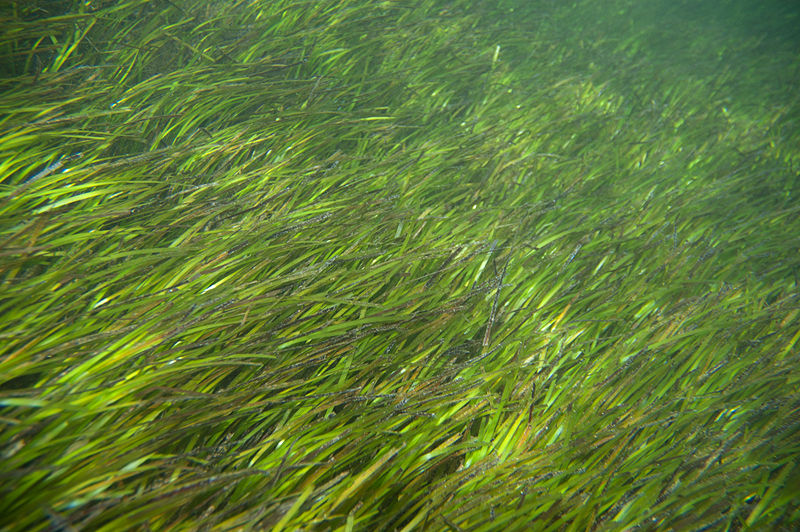
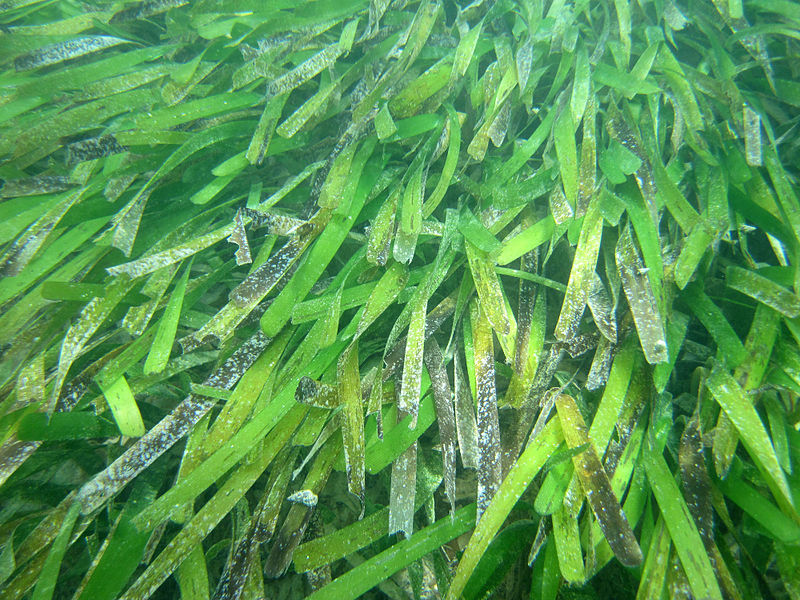
Seagrass meadows are found along soft-bottomed, shallow, marine coastlines of every continent except Antartica. Their abundance and the important roles they play earn them the title of third most valuable ecosystem on the planet after estuaries and wetlands. These extensive meadows are made up of a group of flowering plants that are unique in their ability to thrive submerged in salty seawater. Tossed about by the tides, they feed and harbor an incredibly diverse world of marine life and help protect neighboring ecosystems by stabilizing sediments and mitigating pollution.

Seagrasses are often confused with seaweed, but they are very different organisms. Seaweed is algae. Seagrasses are plants that at one point in their evolutionary history lived on land but then retreated back into the waters of their ancient ancestors. They are rooted in the sediment of the sea floor and, depending on the species, can reproduce both sexually (submerged flowers are pollinated with the help of moving water) and/or asexually (via rhizomes). Although many of them have a grass-like appearance, none of them are in the grass family (Poaceae); instead, the approximately 72 different species belong to one of four families (Posidoniaceae, Zosteraceae, Hydrocharitaceae, or Cymodoceaceae).

Seagrass meadow in Wakaya, Fiji (photo credit: wikimedia commons)

Seagrass meadows can be composed of a single seagrass species or multiple species, with some meadows consisting of a dozen species or more. Seagrasses depend on light for photosynthesis, so they generally occur in shallow areas. How far seagrass meadows extend out into the ocean depends on light availability and the shade tolerance of the seagrass species. Their presence at the shoreline is limited naturally by how exposed they become at low tide, the frequency and strength of waves and associated turbidity, and low salinity from incoming fresh water.

Seagrass meadows benefit life on earth in many ways. As ecosystem engineers they create habitat and produce food for countless species, sequester a remarkable amount of carbon, and help maintain the health of neighboring estuaries, mangroves, coral reefs, and other ecosystems. They are home to commercial fisheries, which provide food for billions of people. Like many ecosystems on the planet, they are threatened by human activity. Pollution, development, recreation, and climate change jeopardize the health and existence of seagrass meadows. Thus, it is imperative that we learn as much as we can about them so that we are better equipped to protect them.

Turtle grass (Thalassia testudinum) growing in an estuary on the coast of San Salvador Island, Bahamas (photo credit: wikimedia commons)

In a report published in a February 2017 issue of Science, researchers examined the ability of seagrass meadows in Indonesia to remove microbial pathogens deposited into the sea via wastewater. When levels of the bacterial pathogen Enterococcus were compared between seagrass meadows and control sites, a three-fold difference was detected, with the seagrass meadows harboring the lowest levels. When other potential disease-causing bacteria were considered, the researchers found that “the relative abundance of bacterial pathogens in seawater” was 50% lower in both the intertidal flat and the coral reefs found within and adjacent to the seagrass meadows compared to control sites.

This has implications for the health of both humans and coral reefs, the latter of which face many threats including bacterial diseases. Two important coral reef diseases, white syndrome and black band disease, as well as signs of mortality associated with bleaching and sediment deposition “were significantly less on reefs adjacent to seagrass meadows compared to paired reefs,” according to the report.

Cushion sea star in seagrass meadow (photo credit: wikimedia commons)

The researchers note that “seagrasses are valued for nutrient cycling, sediment stabilization, reducing the effects of carbon dioxide elevation, and providing nursery habitat for fisheries.” The results of this study demonstrate the potential for seagrass meadows to “significantly reduce bacterial loads,” benefiting “both humans and other organisms in the environment.” Yet another reason to care about and conserve this vital ecosystem.

Additional Resources on Seagrass and Seagrass Conservation:

And if that’s not enough, check out this fun YouTube video:

When Sunflowers Follow the Sun

Tropisms are widely studied biological phenomena that involve the growth of an organism in response to environmental stimuli. Phototropism is the growth and development of plants in response to light. Heliotropism, a specific form of phototropism, describes growth in response to the sun. Discussions of heliotropism frequently include sunflowers and their ability to “track the sun.” This conjures up images of a field of sunflowers in full bloom following the sun across the sky. However cool this might sound, it simply doesn’t happen. Young sunflowers, before they bloom, track the sun. At maturity and in bloom, the plants hold still.

What is happening in these plants is still pretty cool though, and a report published in an August 2016 issue of Science sheds some light on the heliotropic movements of young sunflowers. They begin the morning facing east. As the sun progresses across the sky, the plants follow, ending the evening facing west. Over night, they reorient themselves to face east again. As they reach maturity, this movement slows, and most of the flowers bloom facing east. Over a series of experiments, researchers were able to determine the cellular and genetic mechanisms involved in this spectacular instance of solar tracking.

Helianthus annuus (common sunflower) is a native of North America, sharing this distinction with dozens of other members of this recognizable genus. It is commonly cultivated for its edible seeds (and the oil produced from them) as well as for its ornamental value. It is a highly variable species and hybridizes readily. Wild populations often cross with cultivated ones, and in many instances the common sunflower is considered a pesky weed. Whether crop, wildflower, or weed, its phototropic movements are easy to detect, making it an excellent subject of study.

Researchers began by tying plants to stakes so that they couldn’t move. Other plants were grown in pots and turned to face west in the morning. The growth of these plants was significantly stunted compared to plants that were not manipulated in these ways, suggesting that solar tracking promotes growth.

The researchers wondered if a circadian system was involved in the movements, and so they took sunflowers that had been growing in pots in a field and placed them indoors beneath a fixed overhead light source. For several days, the plants continued their east to west and back again movements. Over time, the movements became less detectable. This and other experiments led the researchers to conclude that a “circadian clock guides solar tracking in sunflowers.”

Another series of experiments helped the researchers determine what was happening at a cellular level that was causing the eastern side of the stem to grow during the day and the western side to grow during the night. Gene expression and growth hormone levels differed on either side of the stem depending on what time of day it was. In an online article published by University of California Berkeley, Andy Fell summarizes the findings: “[T]here appear to be two growth mechanisms at work in the sunflower stem. The first sets a basic rate of growth for the plant, based on available light. The second, controlled by the circadian clock and influenced by the direction of light, causes the stem to grow more on one side than another, and therefore sway east to west during the day.”

The researchers observed that as the plants reach maturity, they move towards the west less and less. This results in most of the flowers opening in an eastward facing direction. This led them to ask if this behavior offers any sort of ecological advantage. Because flowers are warmer when they are facing the sun, they wondered if they might see an increase in pollinator visits during morning hours on flowers facing east versus those facing west. Indeed, they did: “pollinators visited east-facing heads fivefold more often than west-facing heads.” When west-facing flowers where warmed with a heater in the morning, they received more pollinator visits than west-facing flowers that were not artificially warmed, “albeit [still] fewer than east-facing flowers.” However, increased pollinator visits may be only part of the story, so further investigations are necessary.

———————

I’m writing a book about weeds, and you can help. For more information, check out my Weeds Poll.

Summer of Weeds: Willowherbs and Fireweed

Last week we discussed a plant that was introduced as an ornamental and has become a widespread weed. This week we discuss some native plants that have become weedy in places dominated by humans. Similar to pineapple weed, species in the genus Epilobium have moved from natural areas into agricultural fields, garden beds, and other sites that experience regular human disturbance. Some species in this genus have been deliberately introduced for their ornamental value, but others have come in on their own. In all cases the story is similar, humans make room and opportunistic plants take advantage of the space.

Epilobium species number in the dozens and are distributed across the globe. North America is rich with them. They are commonly known as willowherbs and are members of the evening primrose family (Onagraceae). They are herbaceous flowering plants with either annual or perennial life cycles and are commonly found in recently disturbed sites, making them early successional or pioneer species. Many are adapted to wet soils and are common in wetlands and along streambanks; others are adapted to dry, open sites. Hybridization occurs frequently among species in the Epilobium genus, and individual species can be highly variable, which may make identifying them difficult.

northern willowherb (Epilobium ciliatum)

At least two North American species are commonly weedy: E. ciliatum (northern willowherb) and E. brachycarpum (panicled willowherb). Regarding these two species, the IPM website of University of California states: “Willowherbs are native broadleaf plants but usually require a disturbance to establish. Although considered desirable members of natural habitats, they can be weedy in managed urban and agricultural sites.” The field guide, Weeds of the West, refers to E. brachycarpum as a “highly variable species found mostly on non-cultivated sites, and especially on dry soils and open areas.” E. ciliatum is notorious for being a troublesome weed in greenhouses and nurseries, as discussed on this Oregon State University page.

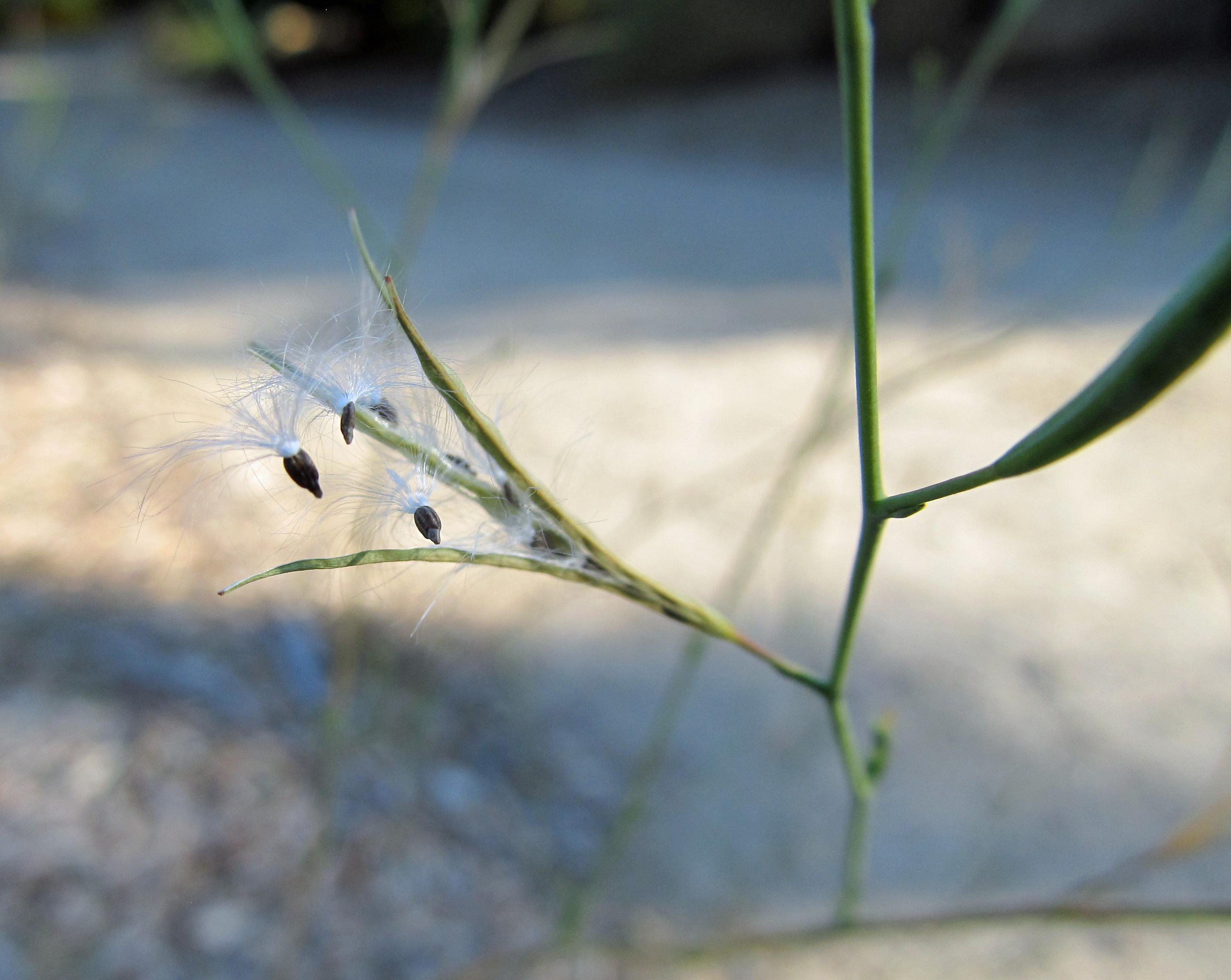
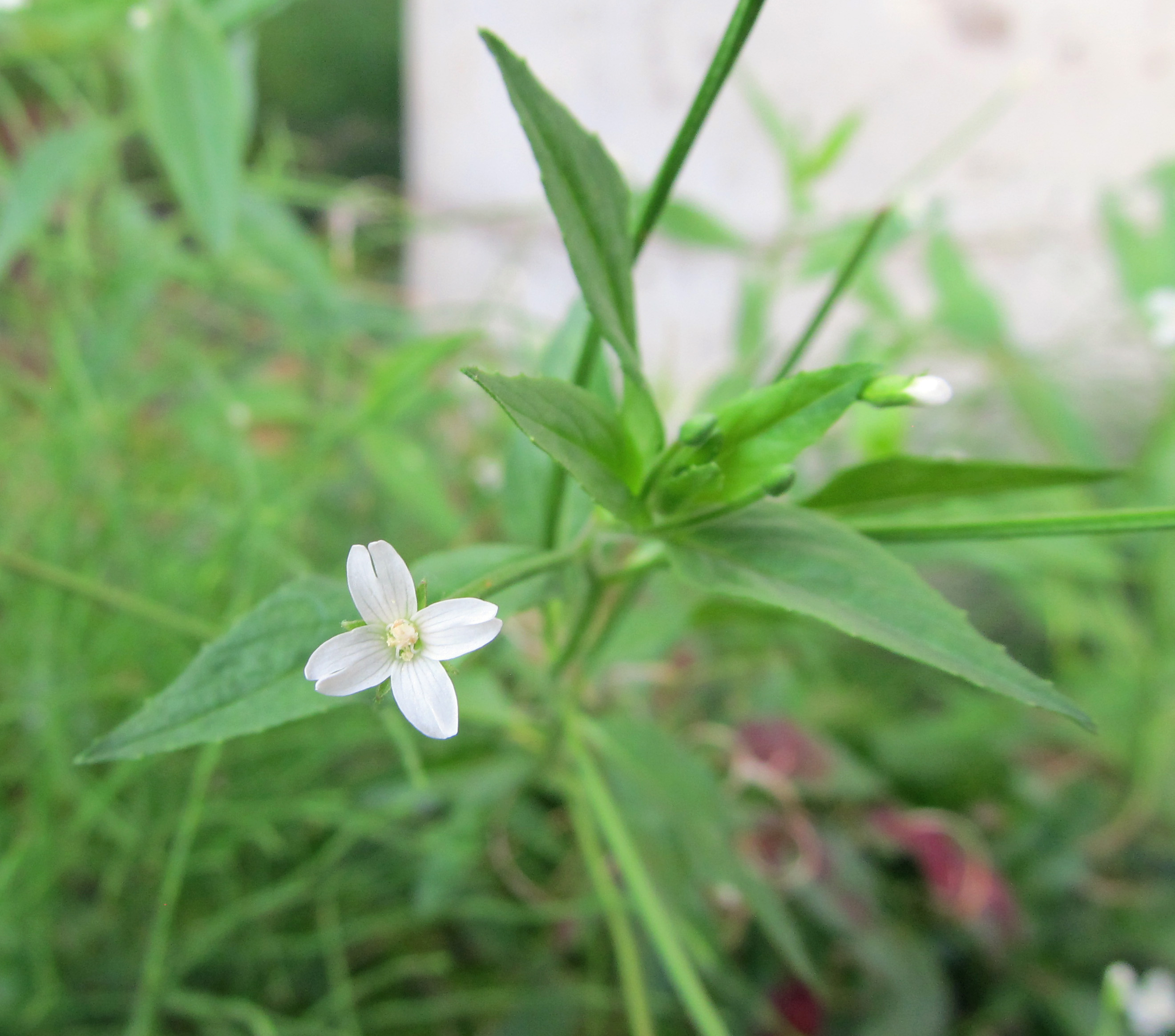
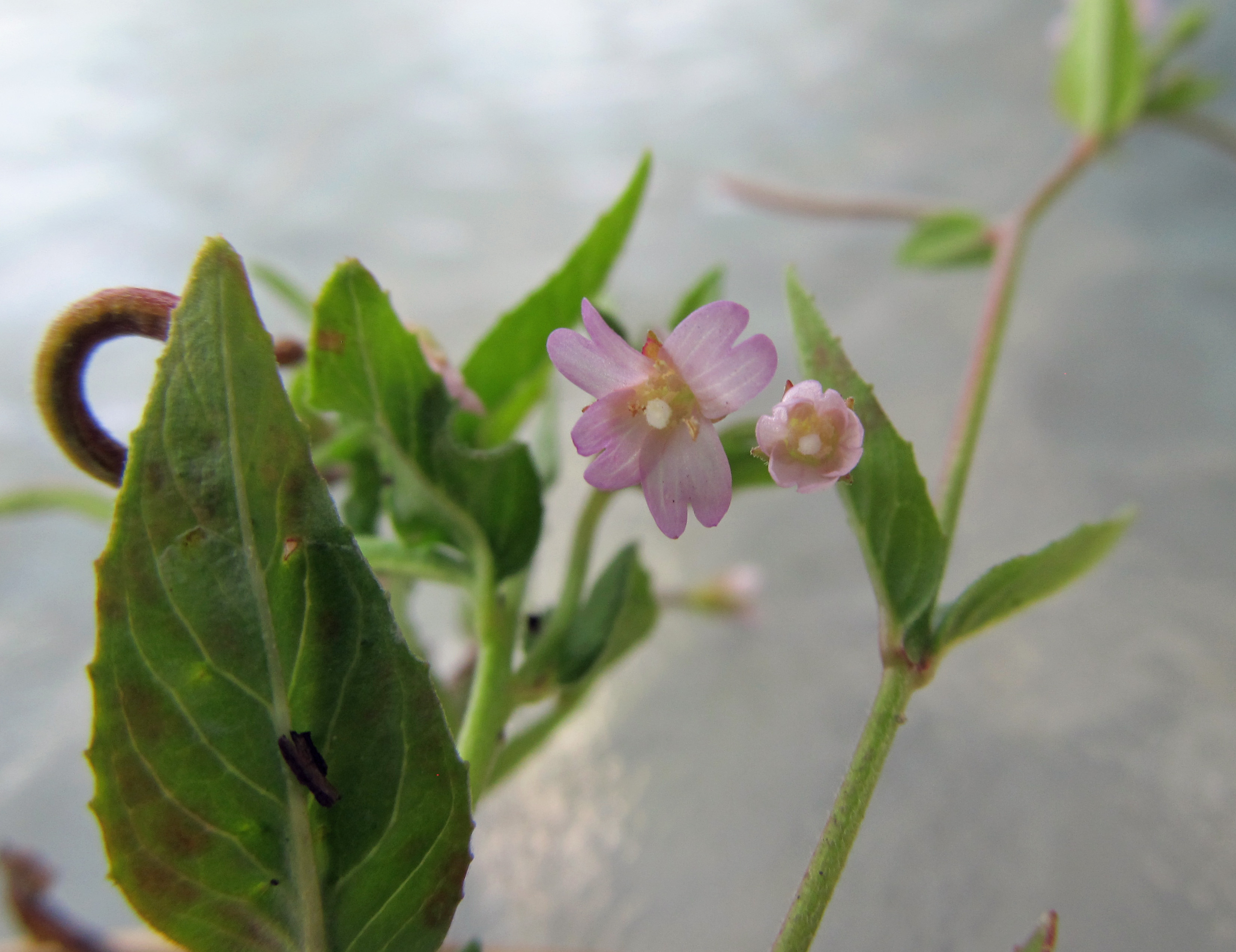
E. ciliatum is a perennial that reproduces via both rhizomes and seeds. It reaches up to five feet tall and has oppositely arranged, lance-shaped leaves with toothed margins that are often directly attached to the stems. Its flowers are tiny – around a quarter of an inch wide – and white, pink, or purple with four petals that are notched at the tip. They sit atop a skinny stalk that is a few centimeters long, which later becomes the fruit. When dry, the fruit (or capsule) splits open at the top to reveal several tiny seeds with tufts of fine hairs.

northern willowherb (Epilobium ciliatum)

E. brachycarpum is an annual that reaches up to three feet tall and is highly branched. Its leaves are short and narrow and mostly alternately arranged. Its flowers and seed pods are similar to E. ciliatum. At first glance it can appear as one of many weeds in the mustard family; however, the tuft of hairs on its seeds distinguishes it as a willowherb.

Seeds and seed pods of panicled willowherb (Epilobium brachycarpum)

Weeds of North America by Richard Dickinson and France Royer describes one weedy species of willowherb that was introduced to North America from Europe – E. hirsutum. It is commonly referred to as great hairy willowherb, but some of its colloquial names are worth mentioning: fiddle grass, codlins and cream, apple-pie, cherry-pie, blood vine, and purple rocket. Introduced as an ornamental in the mid 1800’s, it is a semiaquatic perennial that can reach as tall as eight feet. It has small, rose-purple flowers and is frequently found growing in wetlands along with purple loosestrife (Lythrum salicaria).

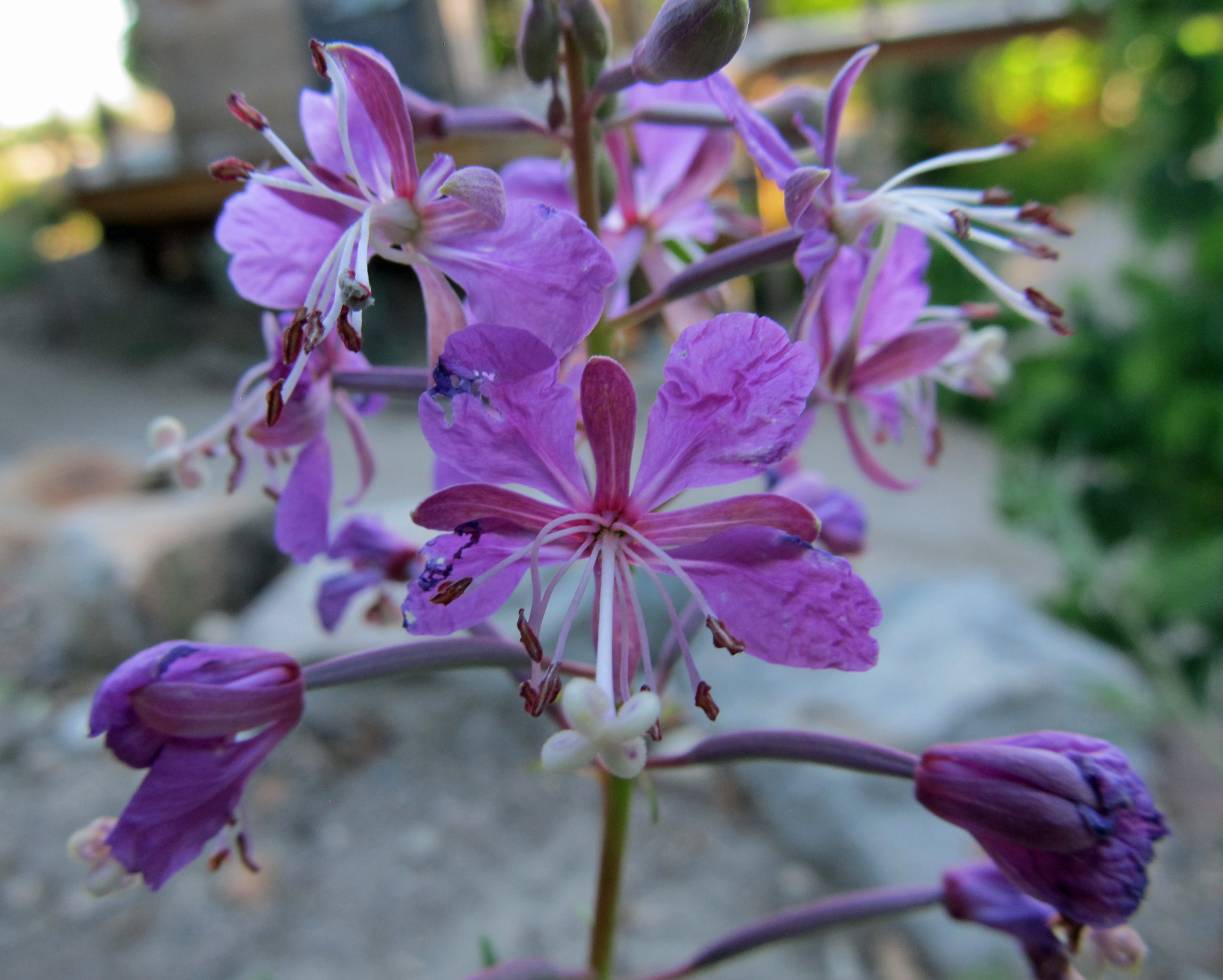
Chamerion angustifolium – which is synonymously known as Epilobium angustifolium and commonly called fireweed – is distributed throughout temperate regions of the Northern Hemisphere. It is a rhizomatously spreading perennial that grows to nine feet tall; has lance-shaped, stalkless leaves; and spikes of eye-catching, rose to purple flowers. It is a true pioneer species, found in disturbed sites like clear-cuts, abandoned agricultural fields, avalanche scars, and along roadsides. It gets its common name for its reputation of being one of the first plants to appear after a fire, as John Eastman describes in The Book of Field and Roadside: “A spring fire may result in a profusion of growth as soon as 3 months afterward, testifying to fireweed’s ample seed bank in many wilderness areas.” Eastman goes on to write, “fireweed’s flush of abundance following fire may rapidly diminish after only a year or two of postburn plant growth.” This “flush of abundance” is what gives it its weedy reputation in gardens. With that in mind, it is otherwise a welcome guest thanks to its beauty and its benefit to pollinators.

fireweed (Chamerion angustifolium)

Additional Resources:

Quote of the Week:

From the book Food Not Lawns by H.C Flores

Sometimes [weeding] feels like playing God – deciding who lives and who dies is no small matter – and sometimes it feels like war. … Take a moment to ponder the relationship of these plants to other living things around, now and in the future. Your weeds provide forage and habitat for insects, birds, and animals, as well as shelter for the seedlings of other plants. They cover the bare soil and bring moisture and soil life closer to the surface, where they can do their good work. Weeds should be respected for their tenacity, persistence, and versatility and looked upon more as volunteers than as invaders.
Summer of Weeds: Flower of an Hour

Hibiscus trionum is a great example of an ornamental plant becoming a widespread weed. Its common name, flower of an hour, refers to its short-lived blooms. Other common names include Venice mallow, bladder hibiscus, bladderweed, modesty, and shoofly. Native to southern Europe and tropical to subtropical parts of Asia and Africa, it was introduced to America as an attractive addition to annual flower beds. It is now naturalized in many states across the country.

Hibiscus is a huge genus in the family Malvaceae, consisting of species found throughout warmer parts of the world. H. trionum is a warm season annual that grows to around two feet tall and has the habit of a sprawling, decumbent vine; an upright, many-branched mound; or something in-between. Its leaves are alternately arranged and three-lobed with coarsely toothed margins. The flowers are solitary and borne in the axils of leaves. They are creamy white to pale yellow with a purple-brown center, and are both cross- and self-pollinated.

flower of an hour (Hibiscus trionum)

Flowering occurs on sunny days throughout the summer. The ephemeral flowers promptly produce a balloon-shaped seed capsule that is hairy and papery with prominent purple veins. Once mature, the capsules split open at the top to reveal five compartments lined with brown to black, kidney- or heart-shaped seeds. Every part of this plant is attractive and interesting to look at, which is why it is no surprise that it is welcome in many flower beds.

Seed capsule of flower of an hour (Hibiscus trionum)

Sites that are in full sun with fertile soil and regular moisture are sought after by flower of an hour. Less fertile soils are still prone to invasion. As with many weeds, disturbance is key, so it is often found in agricultural fields, rangelands, along roadsides, and in vacant lots and construction sites. Its presence in natural areas is a result of escaping from garden beds, agricultural fields, etc.

When we choose to grow plants that have a history of escaping into natural areas, we should be aware of both our proximity to natural areas and the dispersal mechanisms of the plants. Exotic plants that reproduce reliably and prolifically by seed, such as flower of an hour, should be considered unsuitable for gardens that are adjacent to natural areas.

This is because many popular ornamental plants have become invasive in the wild. Plants that are perfectly welcome in our gardens manage to find suitable habitat in natural areas, potentially threatening the livelihood of native plants and/or altering ecological processes such as fire regimes. An example of this where I live is bachelor’s buttons (Centaurea cyanus), which has escaped from gardens and invaded the Boise Foothills. While the impact of this invasion is not well-studied, the speed at which this plant has spread is disconcerting. Even more disconcerting is the fact that seeds of this and other European and Asian species are commonly found in “wildflower” seed mixes distributed throughout North America.

While I am sympathetic towards weeds, I also see them as one of the best reminders of the impacts that humans can have on the planet. They are clear indicators that every step we take has consequences. We should be mindful of this, and we should continue to have the tough conversations that issues like weeds and their impacts encourage us to have. There are no easy answers, but the dialogue must go on. Because all of us – gardeners and non-gardeners/ecologists and non-ecologists alike – generally have an opinion about weeds, they seem like a pretty good place to start.
Additional Resources:

Quote of the Week:

From the book Invasive Plant Medicine by Timothy Lee Scott

The nature of a weed is opportunistic, and we, as humans, have created enormous holes of opportunity for these plants to fill. They have adapted to be at our side, waiting for those favorable times to cover the exposed soils that we continually create. With ever-changing genetics of form, function, and transmutation, weeds have evolved to withstand the punishments that humans unleash upon them.