Drought Tolerant Plants: Desert Willow

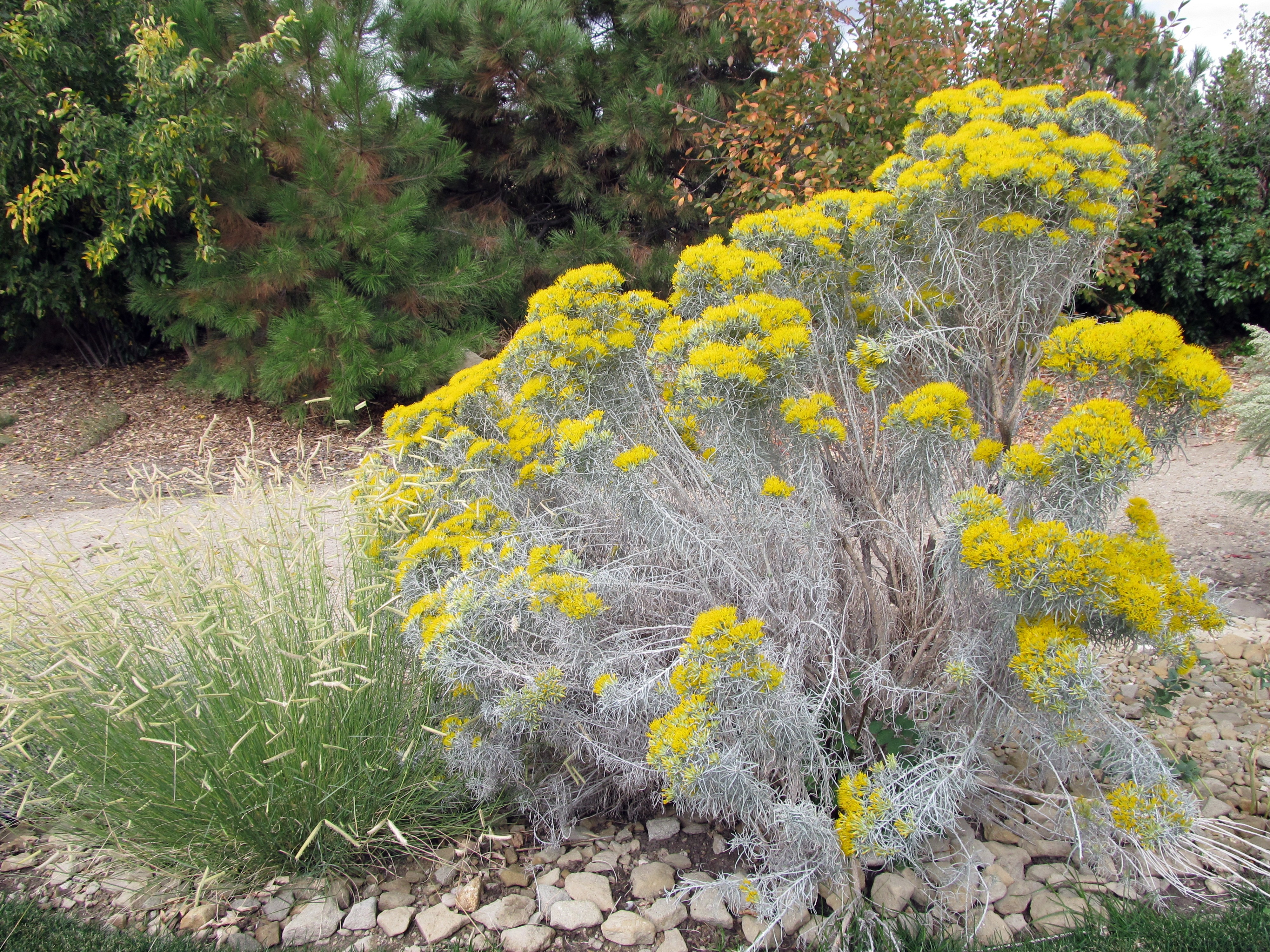
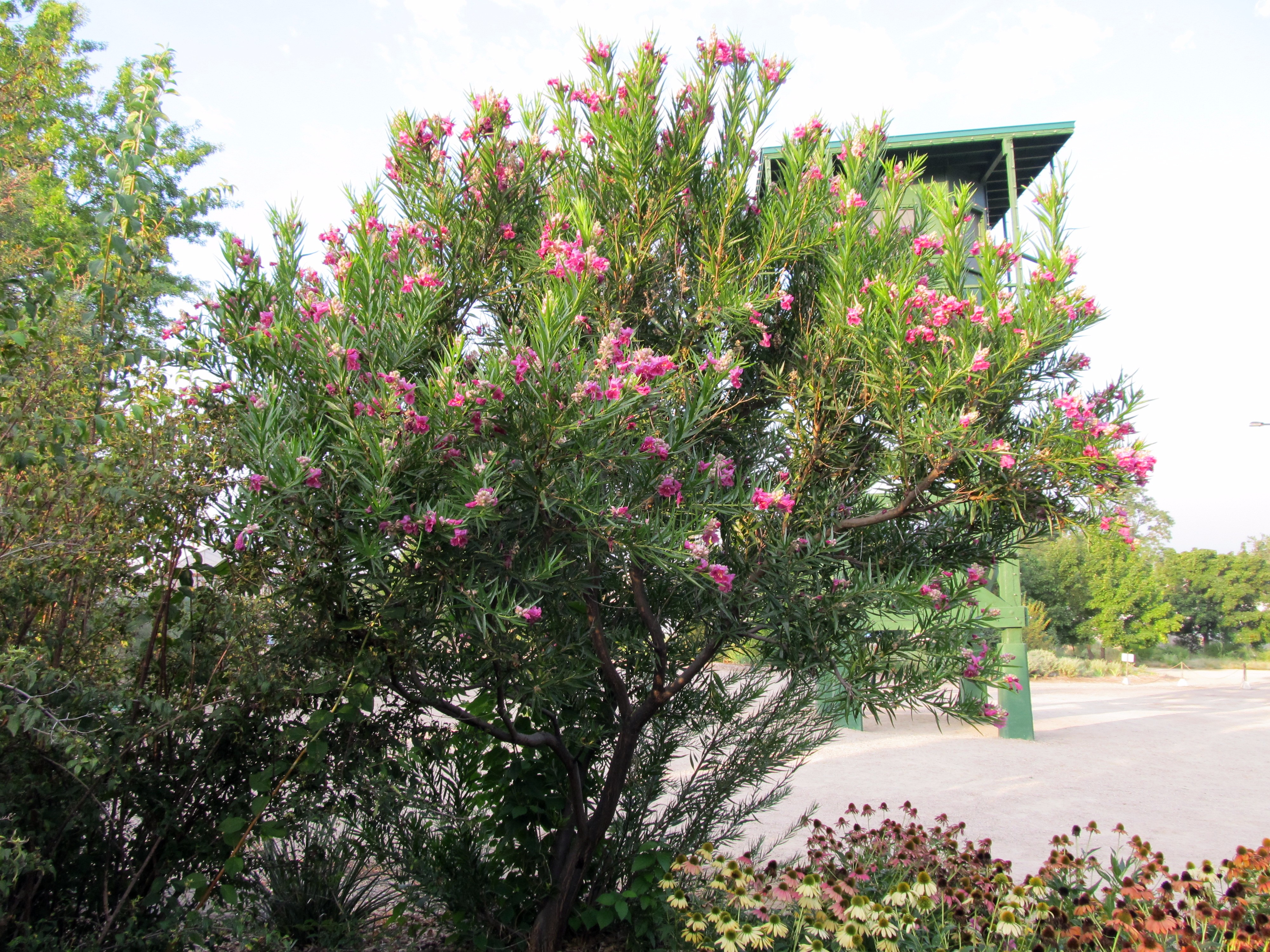
Hailing from dry washes and riverbanks of the desert southwestern United States and northern Mexico, desert willow is a tough tree or large shrub with delicate, showy flowers and wispy foliage. Its beauty and its ruggedness has made it a popular plant for dry gardens. It requires little attention maintenance-wise, yet attracts all kinds of attention otherwise. If you live in a desert climate that generally stays above 0 degrees Fahrenheit during the winter, this plant belongs in your garden.

Desert Willow - Chilopsis linearis

Desert Willow – Chilopsis linearis

A member of the family Bignoniaceae – a family that consists of at least 8o genera including catalpa (Catalpa spp.) and trumpet vine (Campsis spp.) – Chilopsis linearis is the sole member of its genus. The common name, desert willow, refers to its habitat and its long, slender, oppositely and alternately arranged leaves that resemble those of many willows (Salix spp.). Other common names include flowering willow, willowleaf catalpa, desert catalpa, and false-willow. There are two recognized subspecies – linearis and arcuata.

Desert willow is found most commonly in areas where seasonal flooding occurs. Known as desert dry washes – or simply dry washes or desert washes –  these are areas in the desert where runoff from heavy rains accumulates resulting in saturated soils followed by a prolonged dry period. Groundwater often remains accessible year-round to the deep roots of plants in this type of habitat. Desert willow shares this habitat with several other large shrubs and small trees including mesquite (Prosopis spp.), palo verde (Parkinsoinia spp.), and smoketree (Psorothamnus spinosus). Desert willow occurs along stream banks and river banks as well, where seasonal flooding also occurs.

Desert willow generally reaches a width of 10 to 15 feet and a height of at least 15 feet, although it has the potential to grow taller than 30 feet. It often has an open and sprawling or leaning habit, but it can be pruned to look more tree-like. Pruning can also result in more flowering, since flowers appear on new growth and pruning encourages growth. Watering this plant during the dry season can also lead to a flush of growth and more flowering. This is something to keep in mind, as it is the flowers that are the star of the show.

Persisting from late spring through midsummer (and sometimes longer), the 1 to 2 inch, trumpet-shaped, pink to rose to purple blossoms are hard to miss. They occur singularly or in clusters at the tips of branches. The ruffled-edges of the petals and the prominent streaks of color within the corolla tube add to the attraction. Hummingbirds, butterflies, and bumblebees are common visitors to these fragrant flowers. Summer rains or occasional watering can encourage flowering throughout the summer. Overwatering, on the other hand, can be detrimental.

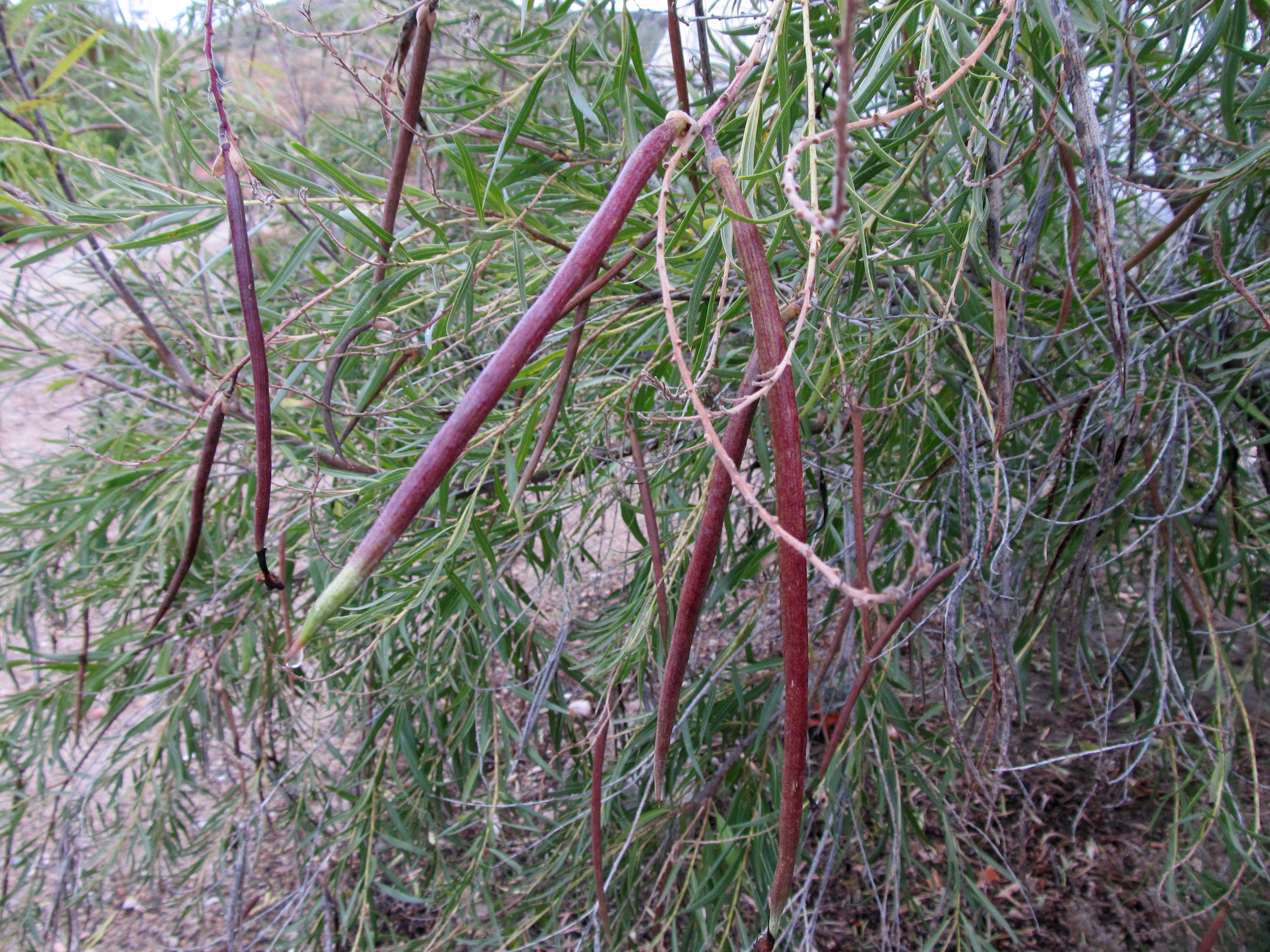
The flowers eventually form long slender seed pods called capsules that reach up to 10 inches long. Inside the capsules are a series of hairy seeds. The hairs form small wings on the sides of the seeds. The seeds are eaten by a variety of bird species. Various species of birds can also be seen nesting in desert willow, and a variety of other animals use desert willow for browsing and/or for cover.

The fruits of Chilopsis linearis.

The fruits of Chilopsis linearis

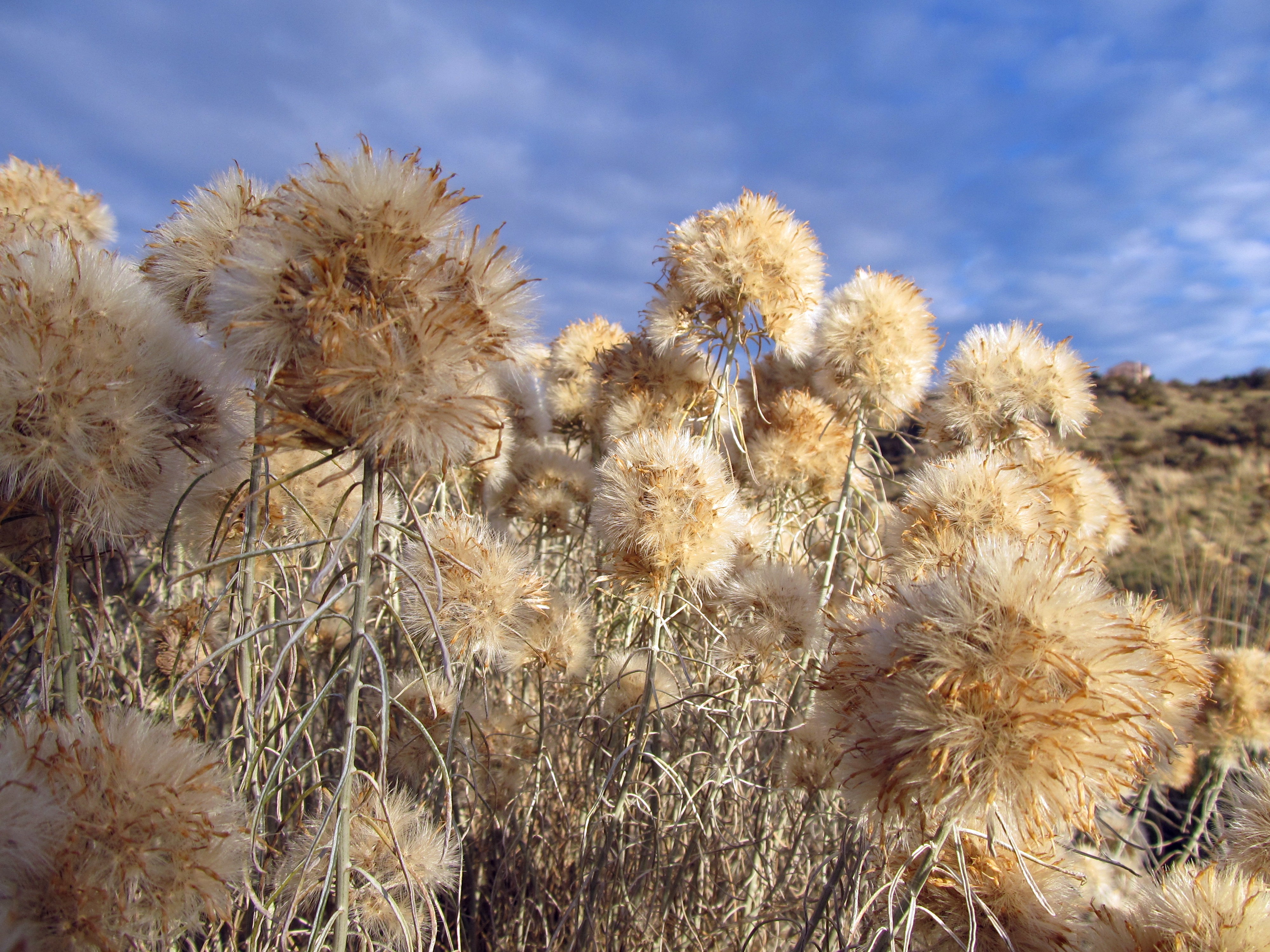
The hairy, winged seeds of Chilopsis linearis

The hairy, winged seeds of Chilopsis linearis

Desert willow prefers sunny, southwest facing sites and tolerates most soil types. It performs best in soils that are well drained, low in organic content, and have a pH that is neutral to alkaline. The soil can be saturated at times, but should be given a chance to dry out – just like in its natural habitat. Avoid the impulse to add fertilizer.

Desert willow is said to be easy to propagate from cuttings or from seeds. It is commercially available, and several cultivars have been developed offering diverse flower colors and other special traits. It’s easy to grow, requires little attention, and provides an eye-catching floral show – all excellent reason to add this plant to your water-efficient landscape.

One tip from my experience seeing it survive the winters of southwestern Idaho: the deciduous leaves of Chilopsis linearis don’t reappear until very late in the spring – so late, in fact, that one might start to worry that the plant has perished. Don’t fret though; some winter kill is possible if sub-zero temperatures were experienced, but most likely it is still alive.

More information about desert willow:

Encyclopedia of Life

USDA Plant Guide

Native Plant Information Network 

The photos in this post were taken at Idaho Botanical Garden in Boise, Idaho.
Year of Pollination: Hand Pollinating Cucurbits

Because of their large, open, unisexual flowers, plants in the gourd family are perfect for practicing hand pollination. There are several species in this family that are commonly grown in gardens, and all can be hand pollinated. Hand pollination of cucurbits is most often done when there are problems with pollination (lack of pollinators, etc.) or for seed saving purposes (i.e. to ensure that a variety breeds true). It can also be done just for fun, and that’s mostly what this post is about.

But first, if your goal is to save seeds and maintain the integrity of the varieties you are growing, there are a few things to keep in mind. Cucumbers, melons, and watermelons are all different species (Cucumis sativus, Cucumis melo, and Citrullus lanatus respectively), so you won’t have to worry about crosses between these crops. You will, however, have to worry about crosses between different varieties within individual species. So, for example, if you are growing multiple varieties of cucumbers – or if your close neighbors are also growing cucumbers – you should hand pollinate. Summer squash, winter squash, pumpkins, and some gourds are members of at least four species in the genus Cucurbita (C. pepo, C. maxima, C. mixta, and C. moschata). There is a possibility of hybridization between some of these species as well as between varieties within the same species, so precautions should definitely be taken when saving seeds for these crops. This can mean, along with hand pollination, placing bags over flowers so that bees are unable to bring in pollen from “the wrong” plants.

There are plenty of great resources about saving seeds that offer much more detail than I have gone into here, one of which is a book by Marc Rogers called Saving Seeds. Consult such resources if you would like to try your hand at seed saving. It’s easier than you might think, and it’s very rewarding.

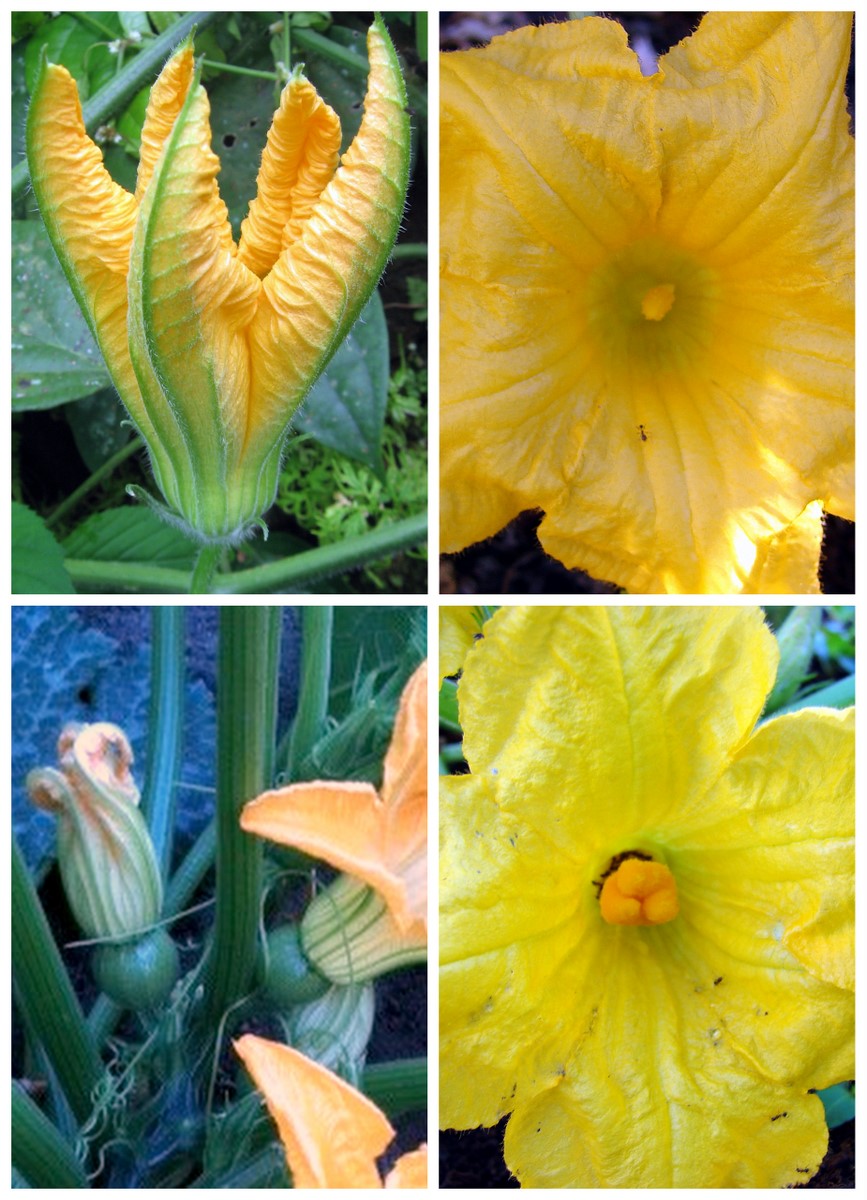
Regardless why you are hand pollinating your cucurbits, the first step in the process is differentiating a male flower from a female flower. This is simple. Female flowers in the family Cucurbitaceae have inferior ovaries, meaning that the ovary sits below the area where the petals and other flower parts are attached. The ovaries are quite pronounced and resemble a miniature fruit. The male flowers lack ovaries, so instead are simply attached to a slender stem. You can also observe the sex organs themselves – male flowers have stamens, female flowers have carpels. Male and female flowers may also be located on different areas of the plant and may open at different times of the day. All that being said, the most obvious indication is the “mini-fruit” at the base of the flower or lack thereof.

Cucurbit flowers: male (top) and female (bottom) - photo credit: wikimedia commons

Cucurbit flowers: male (top two photos) and female (bottom two photos) – image credit: wikimedia commons

Once you have identified your flowers, you have a limited amount of time to hand pollinate them. It’s best to find flowers that are just starting to open, as the female flowers may only be receptive for as little as 24 hours. You can use a cotton swab to gather pollen from the male flower, or you can simply pluck the flower from the plant, remove the petals, and touch the pollen-loaded anthers to the stigmas of a female flower. Either way, you must get the pollen from the male parts of a flower to the female parts of a flower as that is the essence of pollination. Simply put, it’s plant sex. Play some soft jazz while you do it if you want to.

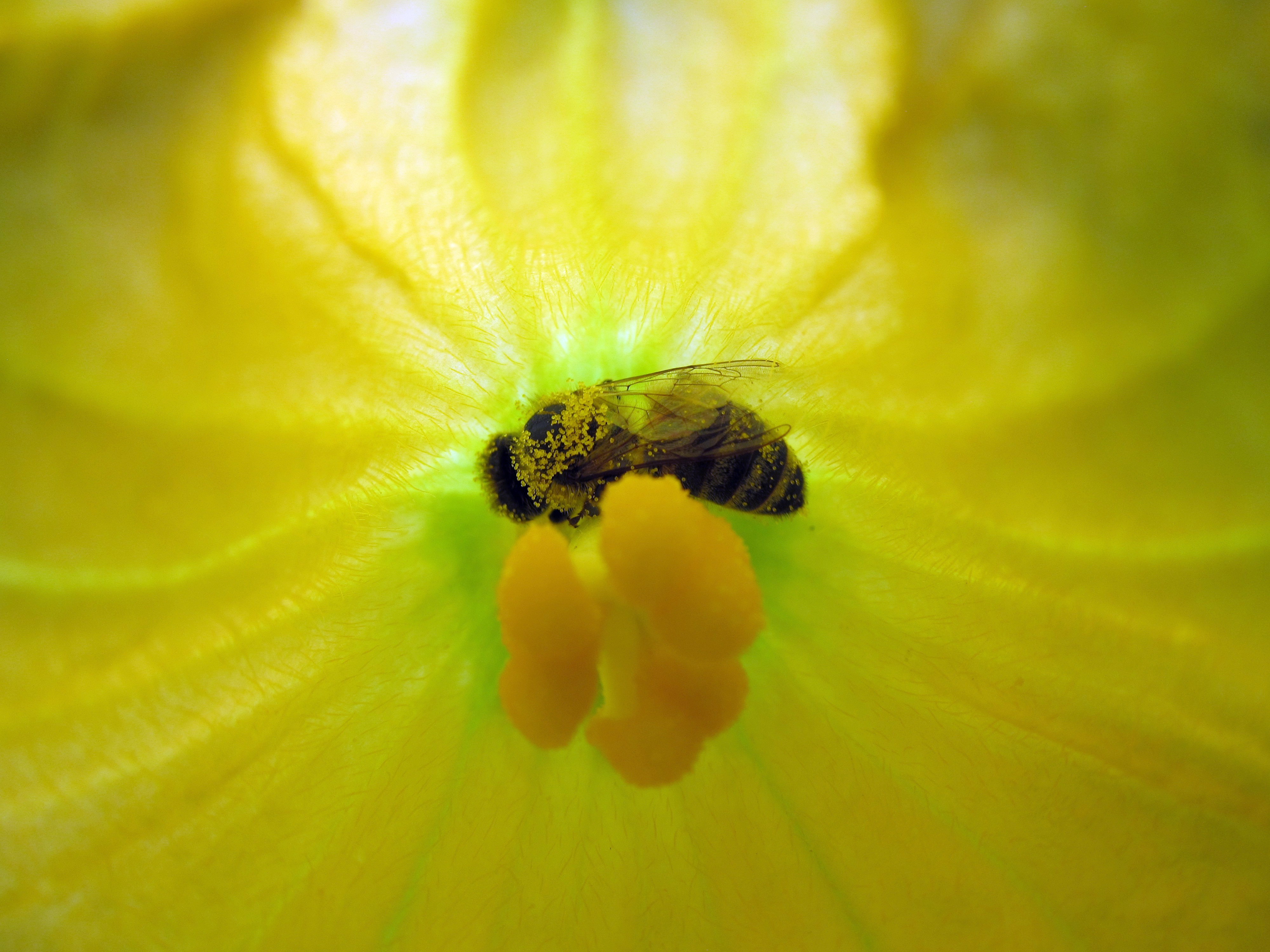
A honeybee in a squash flower

A female squash flower with honeybee inside

A honeybee covered in pollen drinking the nectar of a female squash flower

Honeybee covered in pollen drinking the nectar of a female squash flower

As with saving seeds, there are a lot of resources out there explaining the details of hand pollinating cucurbit flowers, including this guide from Missouri Botanical Garden and the following You Tube Video.


While we are on the subject of cucurbit flowers, it should be noted that squash flowers are edible and can be prepared in a variety of ways, as described in this post at The Kitchn. Just another reason to be impressed by this amazing group of plants.

The Gourd Family

Pumpkins are practically synonymous with fall. Outside of every supermarket, bins overflow with pumpkins and other winter squash; inside, shelves are stocked with pumpkin flavored, pumpkin spiced, and pumpkin shaped everything. It’s the season of the almighty gourd – a family of plants that not only shares a long history with humans but also features some of the most diverse and unique-looking fruits on the planet. They are a symbol of the harvest season, a staple of the Halloween holiday, and a family of plants that is certainly worth celebrating.

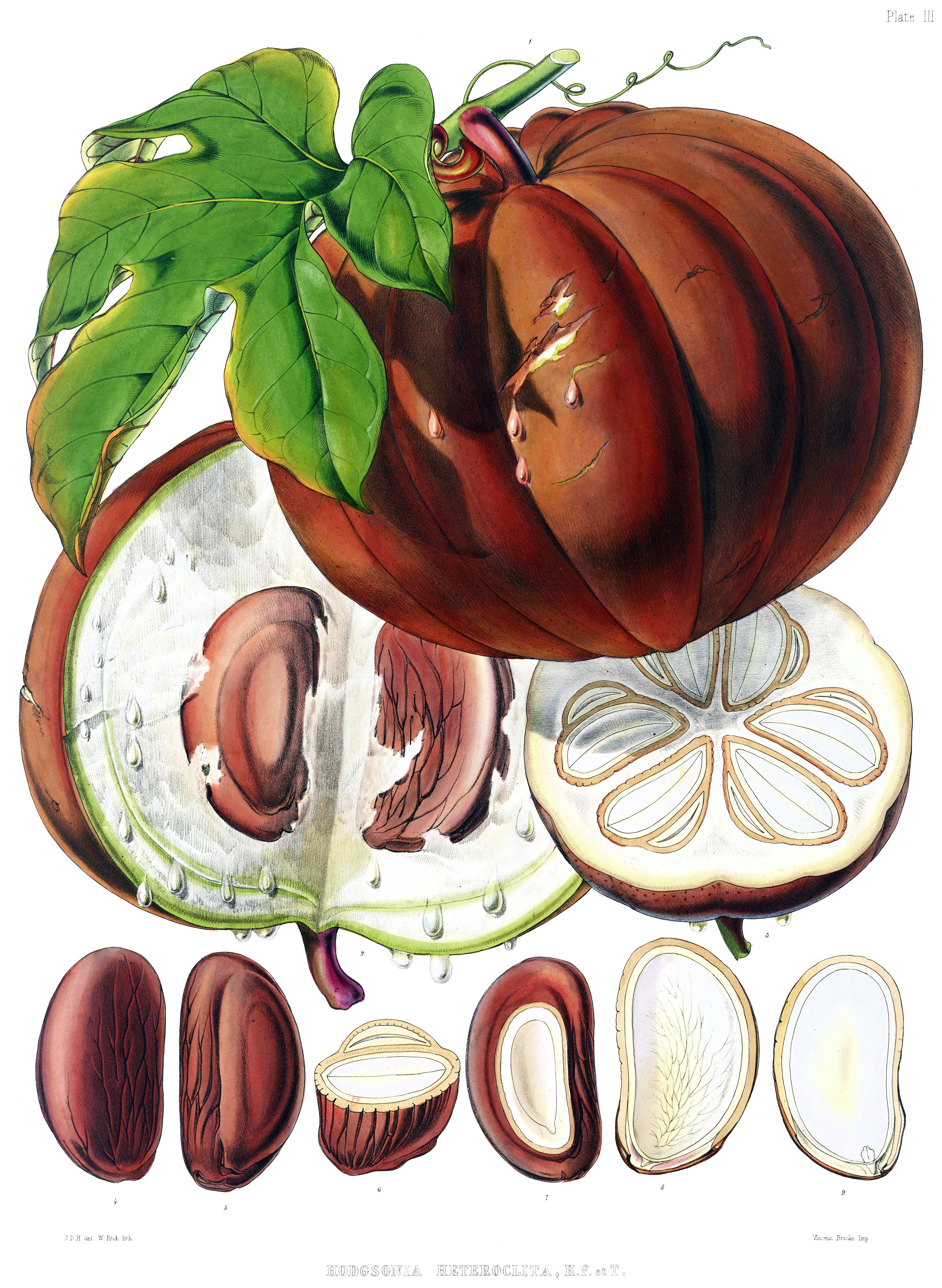
Chinese lardplant (Hodgsonia heteroclita) - photo credit: wikimedia commons

Chinese lardplant (Hodgsonia heteroclita) – photo credit: wikimedia commons

The gourd family – Cucurbitaceae – includes at least 125 genera and around 975 species. It is a plant family confined mainly to tropical/subtropical regions, with a few species occurring in mild temperate areas. Most species are vining annuals. A few are shrubs or woody lianas. One species, Dendrosicyos socotranus, is a small tree commonly known as cucumber tree. Plants in this family have leaves that are alternately arranged and often palmately lobed. Climbing species are equipped with tendrils. Flowers are unisexual and are typically yellow, orange, or white and funnel shaped. They are generally composed of 5 petals that are fused together. Male flowers have 5 (sometimes 3) stamens; female flowers have 3 (sometimes 4) fused carpels. Depending on the species, male and female flowers can be found on the same plant (monoecious) or on different plants (dioecious). Pollination is most often carried out by bees or beetles.

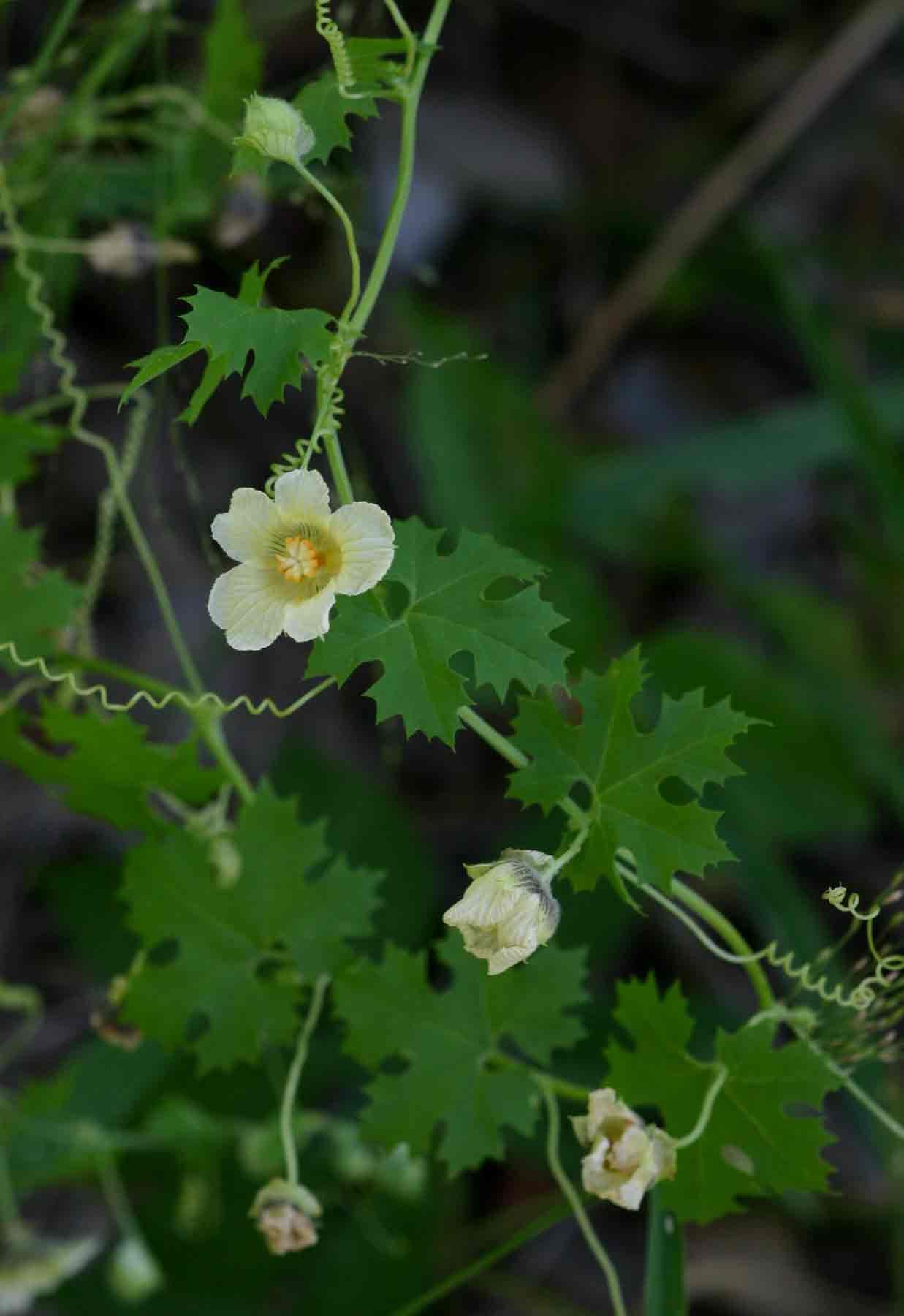
The flowers of balsam apple (Momordica balsamina) - photo credit: eol.org

Balsam apple (Momordica balsamina) – photo credit: eol.org

Vining habits and diverse shapes and sizes of leaves and flowers make plants in this family interesting; however, it is the fruits born by this group of plants that truly make it stand out. Known botanically as pepos – berries with hard or thick rinds –  their variability is impressive. Imagine just about any color, shape, size, or texture, and there is probably a cucurbit fruit that fits that description. Even the flesh of these fruits can be incredibly diverse. Some fruits are small and perfectly round; others are long, twisting, and snake-like or have curving neck-like structures. Some are striped, variegated, or mottled; others are warty, ribbed, or spiky. What’s more, the cultivated pumpkin holds the record for the biggest fruit in the world.

The spiky fruits of wild cucumber (Echinocystus lobata) - photo credit: wikimedia commons

The spiky fruits of wild cucumber (Echinocystus lobata) – photo credit: wikimedia commons

Having such unique fruits is probably what drew early humans to these plants. Bottle gourds (Lagenaria siceraria) were one of the first species of any plant family to be domesticated (more than 10,000 years ago). This occurred in several regions across the Old World and the New World even before agriculture was developed (more about that here). Today, numerous species in this family are cultivated either for their edible fruits and seeds or for seed oil and fiber production. Others are grown as ornamentals.

The genus Cucurbita is probably the most cultivated of any of the genera in the family Cucurbitaceae. Summer squash, winter squash, pumpkins  – all are members of various species in this genus. Cucumbers and melons are members of the genus Cucumis. Watermelon is Citrullus lanatus. Gourds are members of Cucurbita and Lagenaria. Luffa aegyptiaca and Luffa acutangula are grown as vegetable crops (the young fruit) and for making scrubbing sponges (the mature fruit). Chayote (Sechium edule) and bitter melon (Momordica charantia) are commonly cultivated in latin and asian countries respectively. And the list goes on…

Considering that there are so many edible species in this family, it is important to note that some are quite poisonous. The genus Bryonia is particularly toxic. Consumption can result in dizziness, vomiting, diarrhea, and ultimately, death. As Thomas Elpel states in his book Botany in a Day, “this plant is not for amateurs.”

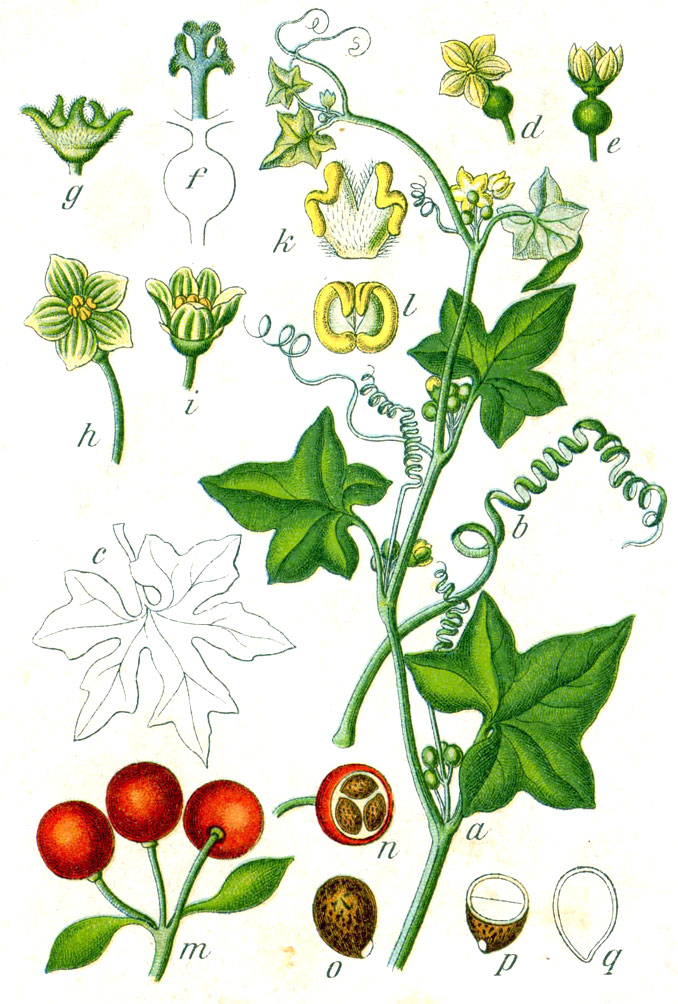
White bryony (Bryonia dioica) - photo credit: wikimedia commons

white bryony (Bryonia dioica) – photo credit: wikimedia commons

Researching this family has been fun, and this post barely scratches the surface of this remarkable group of plants. One species in particular that stands out to me is Alsomitra macrocarpa, a liana from the tropical forests of Asia. Commonly known as Javan cucumber, this plant produces football-sized fruits packed with numerous seeds that are equipped with expansive, paper-thin “wings” that assist the seed in traveling many yards away from its parent plant in hopes of finding room to grow free from competition. Here is a video demonstrating this resourceful seed:

Year of Pollination: Bumblebees and Climate Change

Bumblebees, generally speaking, are having a rough time. In a world increasingly dominated by humans, some bumblebee species continue to thrive while many others are seriously struggling. Several are nearing extinction. A recent study involving 67 species of European and North American bumblebees concluded that climate change is having a major impact. Bumblebees do not appear to be migrating north in response to warming climates – a hesitation that could spell disaster.

There are over 250 species of bumblebees worldwide (46 are found in North America north of Mexico). Unlike other bees, whose diversity is greatest in Mediterranean climates, bumblebee diversity is highest in cool, temperate climates and montane regions. The majority of bumblebee species are native to the Northern Hemisphere; a few species are native to South America, and a handful of species from Europe have been introduced to New Zealand and Tasmania. Some species of bumblebees, such as the polar bumble bee (Bombus polaris) and the forest bumble bee (Bombus sylvicola), can be found in extreme cold climates and are among a select group of pollinators found in such areas.

The field guide, Bumble Bees of North America, by Paul Williams, et al. provides this description:

“Bumble bees are very hairy bees with combinations of contrasting bright colors, mostly black and yellow, sometimes with various combinations of red or white. They have two pairs of wings that are usually folded back over the abdomen while they are foraging on flowers, or hooked together as a single unit when in flight. Bumble bees also have slender elbowed antennae, and females of the pollen-collecting species have the hind tibia expanded, slightly concave, and fringed with long hairs to form a pollen basket or corbicula.”

Most bee species are solitary insects; bumblebees, like honeybees, are social insects. Unlike honeybees, bumblebee colonies begin with a new queen each year. New queens, after mating in late summer, overwinter in a protected area and emerge in the spring. They then search for food and a nesting site. Suitable nests include abandoned rodent dens,  the bases of bunchgrasses, hollow logs, and human-made structures. They build up a colony of workers which maintain the nest and forage for food and other resources. As the season comes to a close, the queen produces males and new queens. The new queens mate, go into hibernation, and the rest of the bumblebee colony dies off.

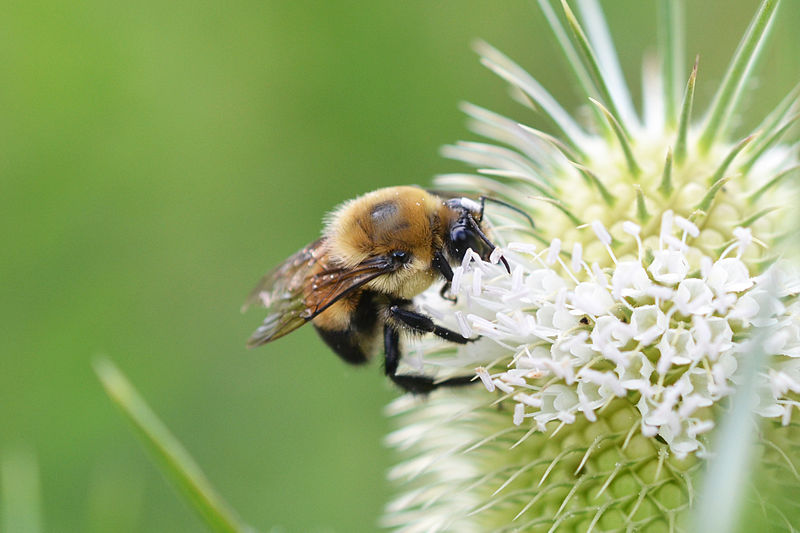
Brown-belted Bumblebee (Bombus griseocollis) - photo credit: wikimedia commons

Brown-belted Bumblebee (Bombus griseocollis) – photo credit: wikimedia commons

Bumblebees face numerous threats, both natural and human-caused. Despite their defensive sting, they are regularly eaten or attacked by various mammals, birds, and invertebrates. They are also host to a variety of pests, parasites, and pathogens, some of which have been introduced or exacerbated by human activities. The commercial bee industry is particularly at fault for the spread of certain maladies. Other major threats include loss of habitat and excessive and/or poorly timed use of insecticides. One looming threat that new research suggests is especially concerning is climate change.

A group of researchers from various institutions looked at the historical ranges of 67 species of bumblebees in Europe and North America over a 110 year period. They “measured differences in species’ northern and southern range limits, the warmest or coolest temperatures occupied, and their mean elevations in three periods relative to a baseline period.” They found that on both continents bumblebees are not tracking climate change by expanding their northern range limits and that their southern range limits are shrinking. They also observed that within the southern range limits, some bumblebee species have retreated to higher elevations. They investigated land use changes and pesticide applications (in the US only) to determine the effect they had on the results. While these things certainly affect populations on an individual level, climate change was determined to be the most important factor that lead to nearly universal range contractions of the bumblebees in this study.

The question then is why are they not tracking changing climates the same way that many other species of plants and animals have already been observed doing? Bumblebees evolved in cooler climates, so shrinking southern range limits is not as surprising as the bumblebees’ delay in moving north. Many factors may be contributing to this phenomenon including lack of specialized habitats beyond their historical ranges, daylength differences, and population dynamics. The researchers call for further investigation in order to better evaluate this observed “range compression.” They also suggest experimenting with assisted migration of certain bumblebee colonies, which in general is a controversial topic among conservation biologists. (Read more about this study here.)

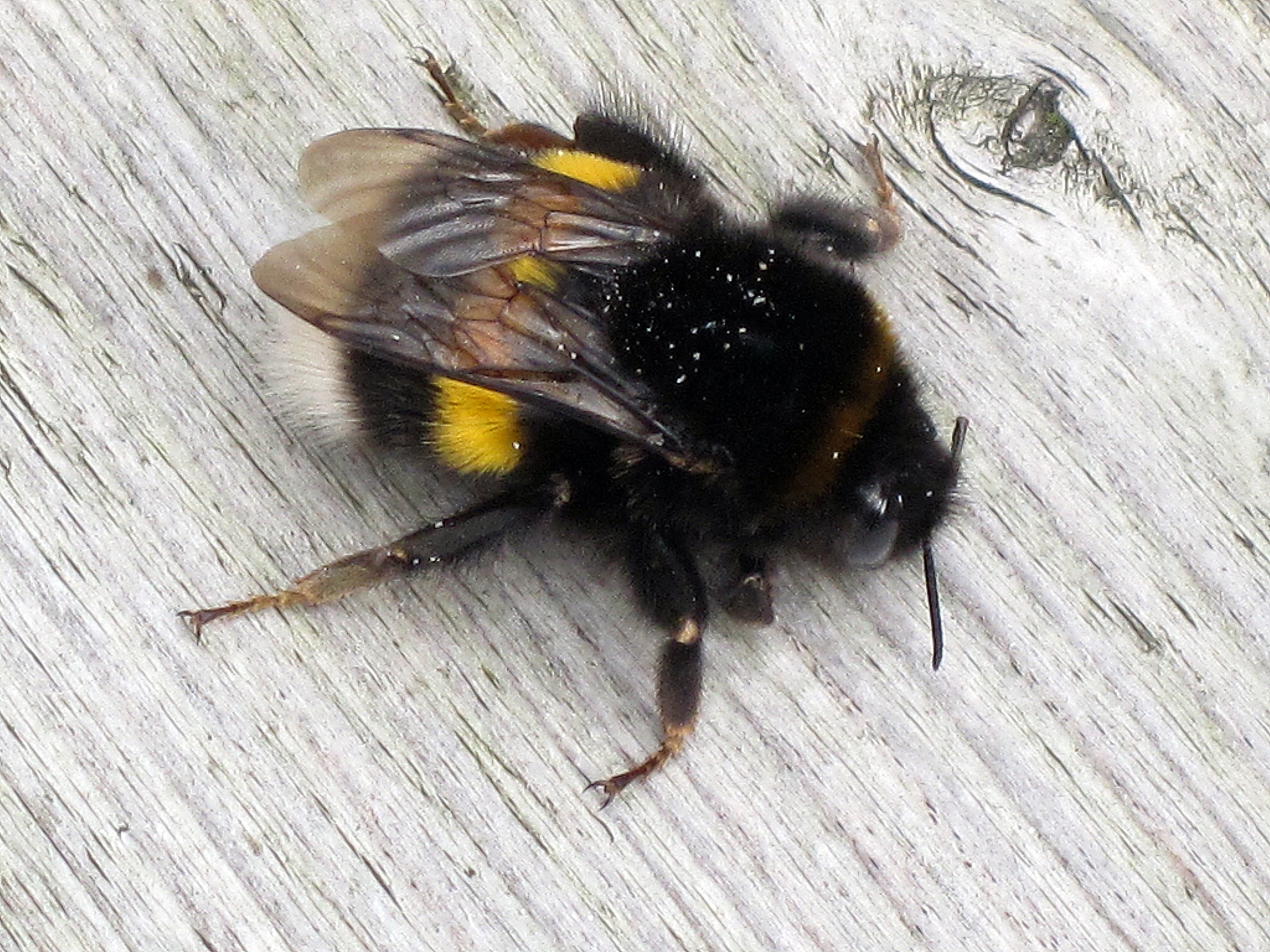
Buff-tailed Bumblebee (Bombus terrestris) - photo credit: wikimedia commons

Buff-tailed Bumblebee (Bombus terrestris) – photo credit: wikimedia commons

The loss of bumblebees is concerning because they play a prominent role in the various ecosystems in which they live. They are prolific and highly effective pollinators of both agricultural crops and native plants, and they are also a major component in the food web. Some species of plants “prefer” the pollination services of bumblebees, such as those in the family Solanaceae. Many plants in this family benefit greatly from buzz pollination – a process in which a bumblebee (or occasionally bees of other species) grabs hold of the flower and vibrates its body, dislodging the pollen.

Participating in bumblebee conservation is simple. It’s similar to any other kind of pollinator conservation. Just learning about the pollinators in your region and being mindful of them can make a big difference. If you own or rent property and have space for a garden (even if its just a few containters on a patio), choose plants that provide food for bumblebees, including spring and summer bloomers. If you live in North America, this Xerces Society publication and the field guide mentioned above are great resources that can help you determine which plants are best for your region. Additionally, if you are working in your yard and happen upon a hibernating queen or a bumblebee nest, do your best not to disturb it. It may disrupt your gardening plans for a season, but the bumblebee sightings and the pollination service they provide will be worth it.

One family of plants in particular that you should consider representing in your yard is the legume family (Fabaceae). Bumblebees are commonly seen pollinating plants in this family, and because these plants have the ability to convert nitrogen in the air into fertilizer, their pollen is especially rich in protein. In his book, A Sting in the Tale, Dave Goulson describes the relationship between bumblebees and legumes:

“From a bumblebee’s perspective, legumes are among the most vital components of a wildflower meadow. Plants of this family include clovers, trefoils and vetches, as well as garden vegetables such as peas and beans, and they have an unusual trick that allows them to thrive in low-fertility soils. Their roots have nodules, small lumps inside which live Rhizobium, bacteria that can trap nitrogen from the air and turn it into a form usable by plants. … This relationship gave legumes a huge advantage in the days before artificial fertilizers were widely deployed. Ancient hay meadows are full of clovers, trefoils, vetches, meddicks and melilots, able to outcompete grasses because they alone have access to plentiful nutrients. Most of these plants are pollinated by bumblebees.”

More information about bumblebees and bumblebee conservation:

Bumblebee Conservation Trust

Bumble Bee Watch

BugGuide (Bombus)

The Xerces Society – Project Bumble Bee

In Defense of Weeds – A Book Review

Weeds have been with us since the beginning of human civilization. We created them, really. We settled down, started growing food, urbanized, and in doing so we invited opportunistic plant species to join us – we created spaces for them to flourish and provided room for them to spread out and settle in. During our history together, our attitudes about weeds have swung dramatically from simply living with and accepting them, recognizing their usefulness, incorporating them into our religious myths and cultural traditions, to developing feelings of disgust and disdain and ultimately declaring outright war against them. In a sense, weeds are simultaneously as wild and as domestic as a thing can be. They remind us of ourselves perhaps, and so our feelings are mixed.

Considering our combined history and the fact that weeds have stuck with us all along, perhaps it’s time we give them a little respect. This seems to be the objective of Richard Mabey’s book, Weeds: In Defense of Nature’s Most Unloved Plants. In Mabey’s own words, “this book is a case for the defense, an argued suggestion that we look more dispassionately at these outlaw plants, at what they are, how they grow, and the reasons we regard them as trouble.” Additionally, we should recognize that we wrote the definition for weeds: “plants become weeds because people label them as such.” We introduce them, create conditions in which they can thrive, and then turn around and despise them for doing what they do best. “In a radical shift of perspective we now blame the weeds, rather than ourselves;” however, as Mabey ultimately concludes, “we get the weeds we deserve.”

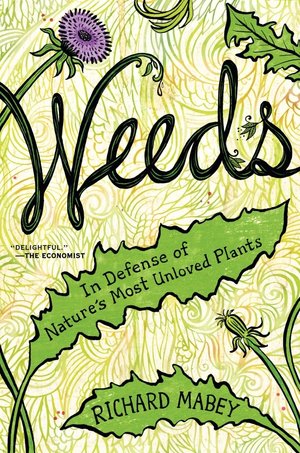
weeds book

But before he arrives at that conclusion – and certainly Mabey has more to say than that pithy remark – Mabey takes readers on a remarkable journey. Starting with the origins of agriculture – and the origins of weeds – he recounts the story of how weeds followed civilization as it spread across the globe. He describes our diverse reactions to weeds, how we have dealt with them, and how they have infiltrated our myths, art, cultures, food, medicine, rituals, philosophies, and stories. Along the way, certain weeds are profiled using Mabey’s unique prose. Each weed has a story to tell – some more sordid than others.

Mabey is a British author, and so the book has a strong Anglocentric slant. But this seems fitting considering that the explorations and migrations of early Europeans are probably responsible for moving more plant species around than any other group in history – at least up until the modern era. Mabey describes the myriad ways these plants were introduced: “Some simply rode piggy-back on crop and garden plants…others were welcomed as food plants or glamorous ornaments, but escaped or were thrown out and became weeds as a consequence of unforeseen bad behavior.” The seeds of many species hitched rides with numerous agricultural and industrial products, while others attached themselves to clothing, shoes, and animal fur. Everywhere humans traveled, weeds followed.

Weeds are one of the great legacies Europeans brought with them as they settled the American continent. A veritable wave of new plant species entered the Americas as the Europeans trickled in, some were purposeful introductions and some accidental. Ever the opportunists, Europe’s weeds traversed across the continent as settlers tilled and altered the land. Mabey details the introduction of “invasive European weeds” to the western United States, claiming that “by the twentieth century two-thirds of the vegetation of the western grasslands was composed of introduced species, mostly European.

One of these European species in particular has been wholeheartedly embraced by American culture; it was even given an American name. Kentucky bluegrass, Poa pratensis, “is a common, widespread but unexceptional species of grassy places in Europe…but in uncontested new grazing lands of North America it could color whole sweeps of grassland.” It has since become a preferred turfgrass species, and it’s innate ability to thrive here makes it partly responsible for Americans’ obsession with the perfect lawn. Oddly, other European invaders infiltrating a pristine, green lawn are unwelcome and derided as “weeds.” In actuality, considering its relentless, expansive, and spreading nature and its reliance on humans to perpetuate its behavior, turfgrass is much more fit for the label “weed” than any other species that invades it. As Mabey asserts, “a lawn dictates its own standards…the demands made by its singular, unblemished identity, its mute insistence that if you do not help it to continue along the velvet path you have established for it, you are guilty of a kind of betrayal.”

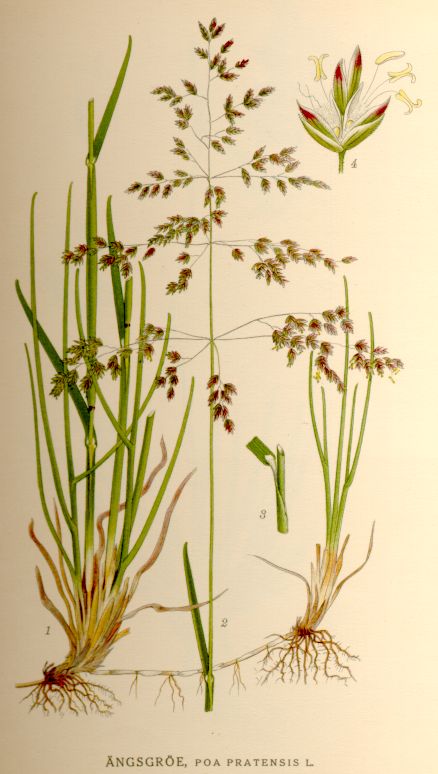
Kentucky bluegrass (Poa pratensis) also known as smooth meadow-grass - photo credit: wikimedia commons

Kentucky bluegrass (Poa pratensis), also known as smooth meadow-grass – photo credit: wikimedia commons

Reading along it becomes clear that Mabey is infatuated with weeds. You can see it in sentences like, “the outlandish enterprise of weeds – such sharp and fast indices of change – can truly lift your heart.” This doesn’t mean that in his own garden he doesn’t “hoick them up when they get in [his] way.” It just means that his “capricious assault” is “tinged with respect and often deflected by a romantic mood.” Does Mabey wish his readers to swoon the way he does over these enterprising and opportunistic aliens? Perhaps. More than that he seems to want to instill an awe and admiration for what they can do. In many cases they serve important ecological functions, including being a sort of “first responder” after a disturbance due to their fast acting and ephemeral nature. In this way, weeds “give something back” by “holding the bruised parts of the planet from falling apart.” They also “insinuate the idea of wild nature into places otherwise quite shorn of it,” and so despite their dependence on human activities, they could be considered “the very essence of wildness.”

For all the love Mabey has for weeds, he remains convinced that some absolutely need to be kept in check. He calls out Japanese knotweed specifically – an “invader with which a truly serious reckoning has to be made.” In speaking of naturalized plant species – introduced species that propagate themselves and “spread without deliberate human assistance” – he makes the comparison to humans becoming naturalized citizens in countries where they were not born. In this sense he argues for more acceptance of such species, while simultaneously warning that “there are invasive species that ought never to get their naturalization papers.”

Japanese knotweed (Fallopia japonica) is listed as one the 100 Worst Invasive Species - photo credit: wikimedia commons

Japanese knotweed (Fallopia japonica) is listed as one the 100 Worst Invasive Species – photo credit: wikimedia commons

This is an engrossing read, and regardless of how you feel about weeds going in, Mabey will – if nothing else – instill in you a sort of reverence for them. You may still want to reach for the hoe or the herbicide at the sight of them – and you may be justified in doing that – but perhaps you’ll do so with a little more understanding. After all, humans and weeds are kindred species.

As a type they are mobile, prolific, genetically diverse. They are unfussy about where they live, adapt quickly to environmental stress, use multiple strategies for getting their own way. It’s curious that it took so long to realize that the species they most resemble is us.

Listen to Mabey talk about his book and his interest in weeds on these past episodes of Science Friday and All Things Considered.

Drought Tolerant Plants: Water Efficient Garden at Idaho State Capitol Building

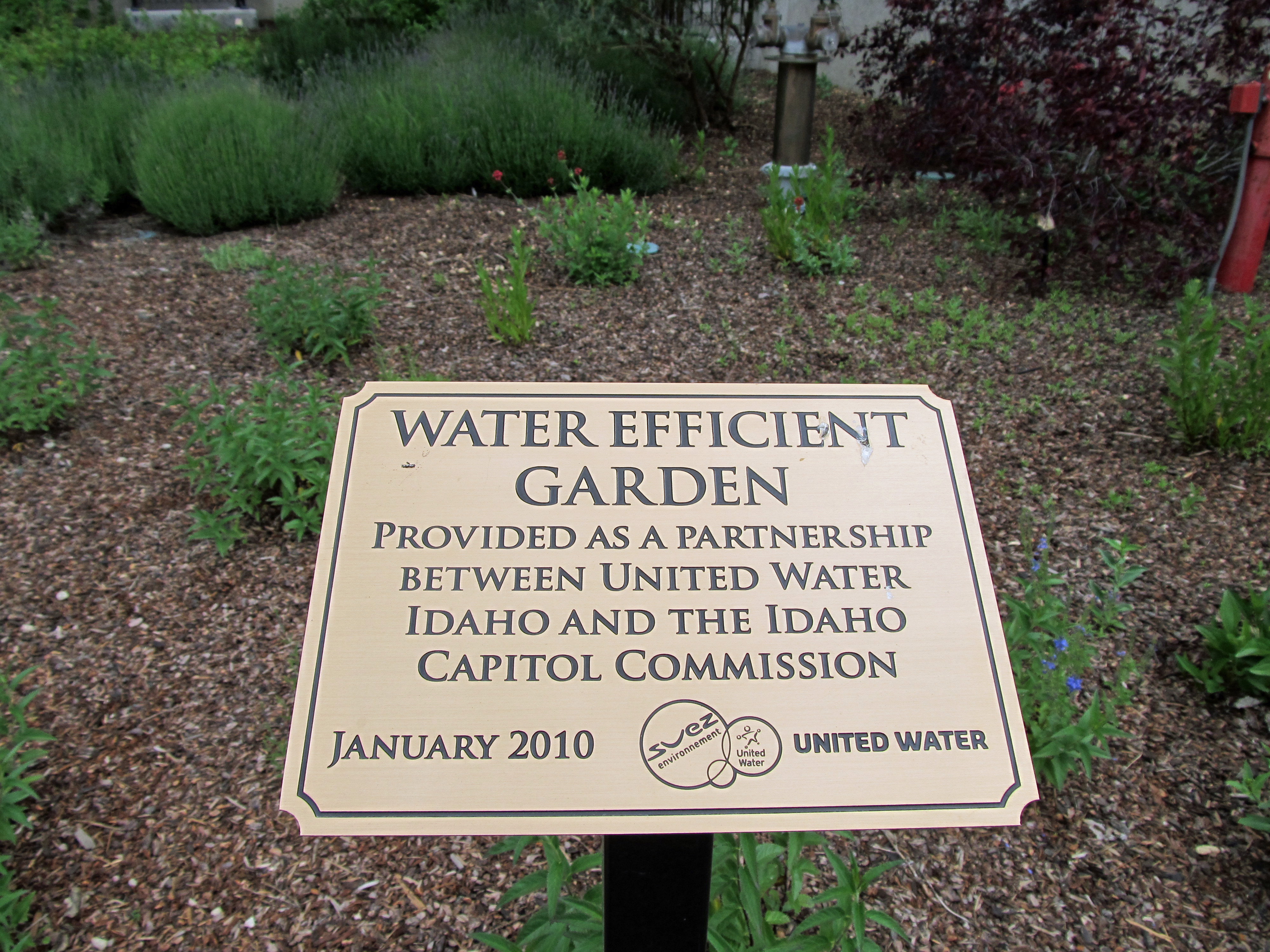
water efficient garden sign

As drought and threats of drought continue in the western half of the United States, as well as in many other parts of the world, people are increasingly looking for ways to use less water in their landscapes. For many it is a change they are reluctant to make, worried that they will have to sacrifice lush and colorful yards and gardens for drab, dry, gray, and seemingly lifeless ones. Not so, though. The palette of plants that can survive in low water environments is actually quite diverse and contains numerous plants that are just as lush and colorful as some water hogging ones. If planned, planted, and maintained well, a water efficient garden can be incredibly attractive and can even consist of some plants that are comparatively more heavy water users. So, for those who are apprehensive about getting down with brown, don’t fret – there is a better way.

How does one go about creating such a garden? The answer to that is a book on its own – much too long for a single blog post. It also depends who is asking the question, or more specifically, where they are asking it from. Luckily, demonstrations of water-wise gardens are becoming more common. These gardens, planted with regionally appropriate plants and showcasing various water-saving techniques, are great places to start when looking for ideas and motivation. Such gardens can be found at public parks, city and state government buildings, botanical gardens, nurseries and nursery centers, and water company offices. If you are looking to transform your landscape into a more water efficient one, seek out a demonstration garden in your area. It’s a great place to start.

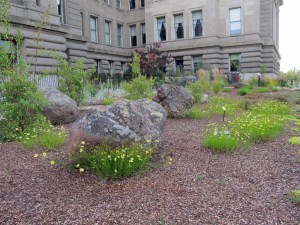
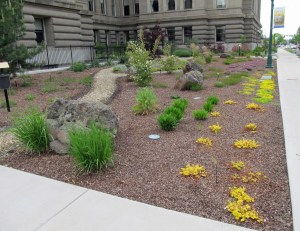
There are several such gardens where I live, one of which is the Water Efficient Garden at the Idaho State Capitol Building in Boise, Idaho. This garden began in 2010 as a partnership between United Water Idaho and the Idaho Capitol Commission. Its mission is to introduce visitors to “low-water native and adaptive plants that thrive in Idaho’s climate.” The plants that were selected for the garden are commonly found at local garden centers and nurseries – an important objective when introducing people to water-wise gardening. The ultimate goal of this garden is to “show homeowners that they can maintain attractive landscaping while conserving water.”

I have my criticisms of this garden regarding plant selection, design, etc., but I’ll spare you those details. I also don’t know the specifics about how this garden is maintained or how often it is watered. All that aside, I am just happy that it exists, and I encourage you to seek out similar gardens in your area. There are numerous approaches to designing and constructing water efficient gardens – again, a book on its own – but demonstration gardens like this are an excellent place to get ideas and learn what other people in your area are doing to conserve water and create landscapes that better reflect the ecology of your region.

United Water Idaho offers a brief introduction to low water gardening here, as well as a list of plants that are in the capitol building garden here.

Blanket Flower (Gaillardia x grandiflora 'Goblin') Plants in the garden are accompanied by a sign with a number on it. The sign corresponds to the plant list that is provided at the entrances to the garden.

Blanket flower (Gaillardia x grandiflora ‘Goblin’). Plants in the garden are accompanied by a sign with a number on it. The sign corresponds to a plant list that is provided at the entrances to the garden.

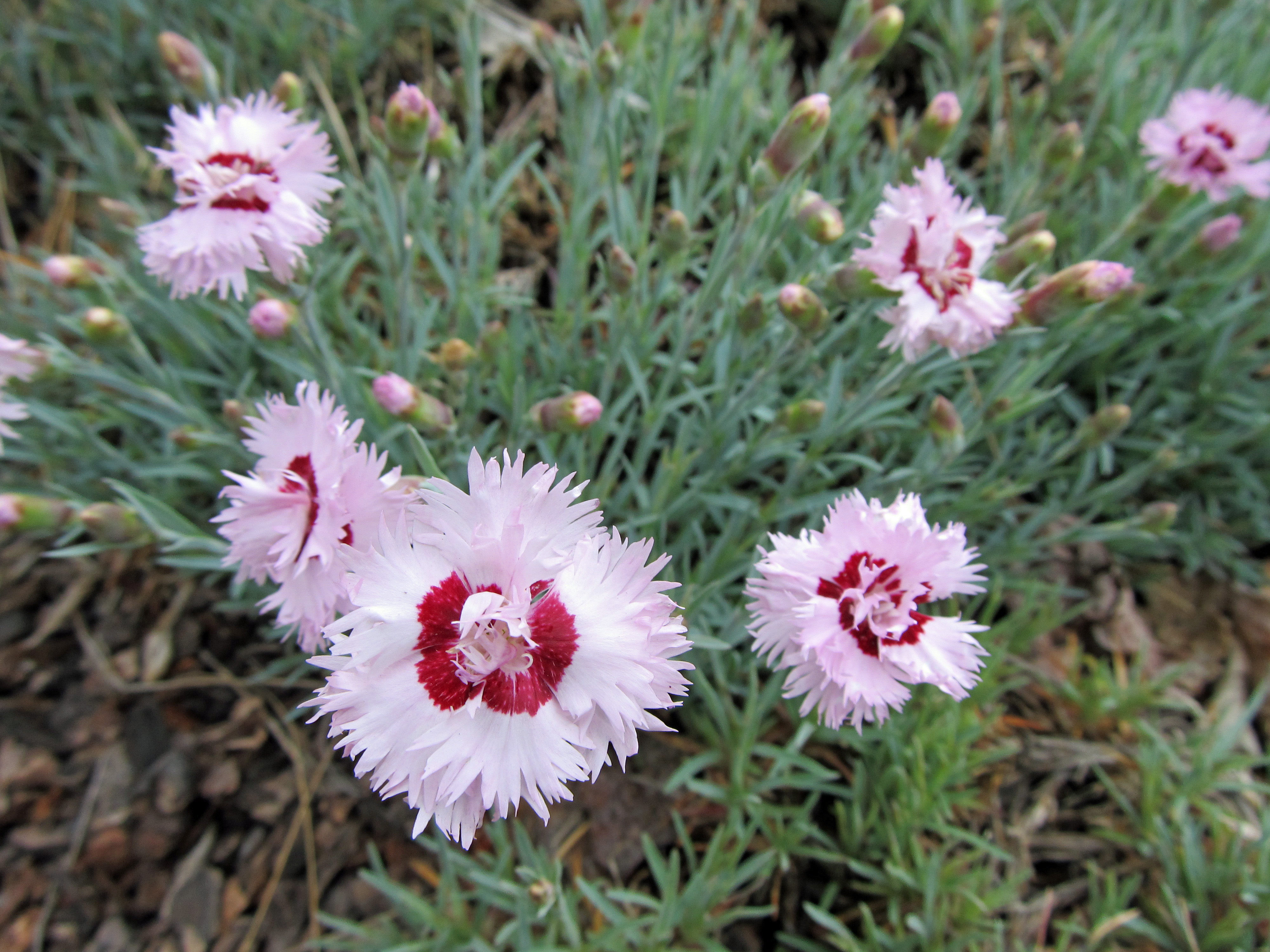
Dianthus sp.

Dianthus sp.

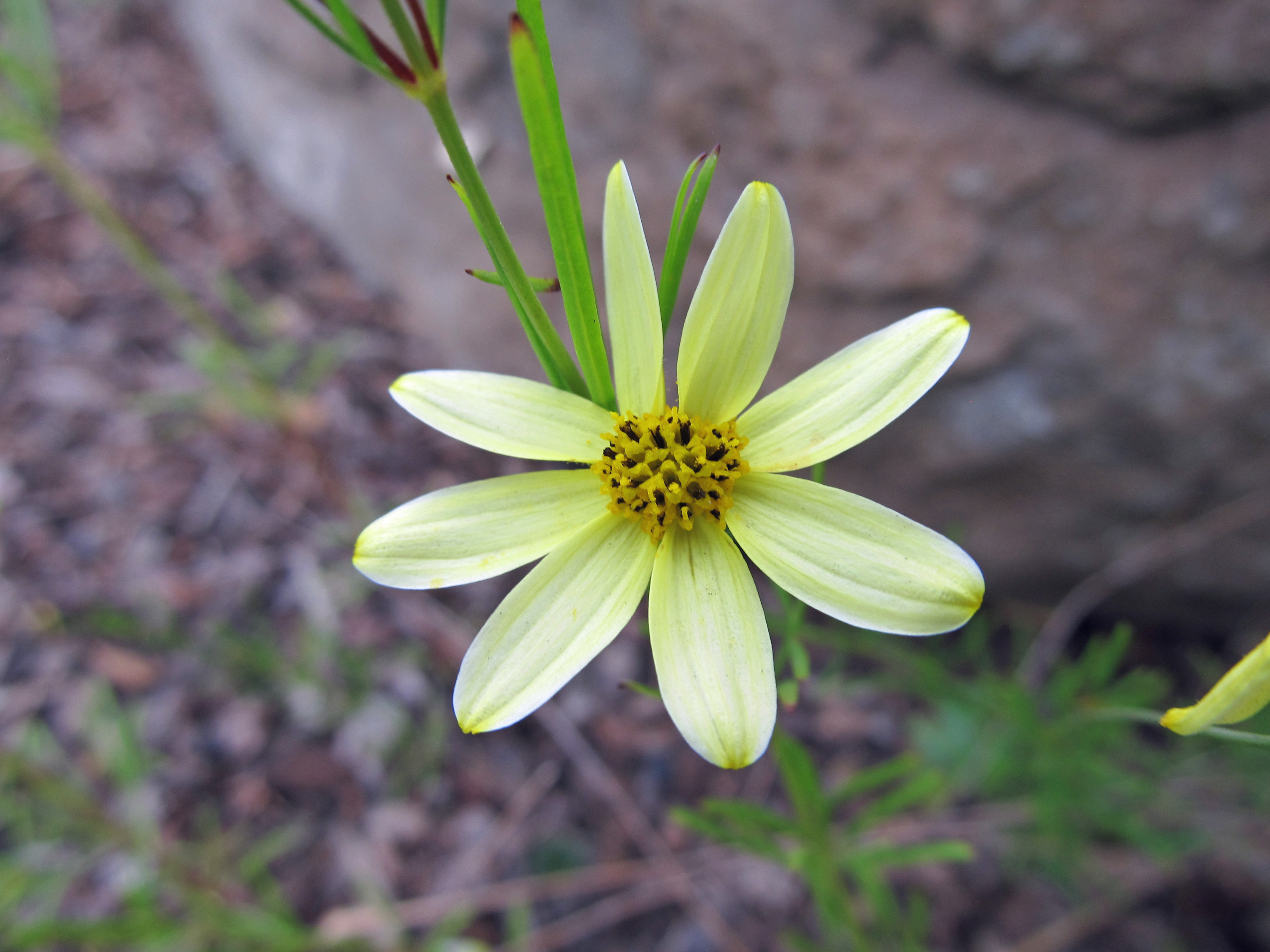
Coreopsis sp.

Coreopsis sp.

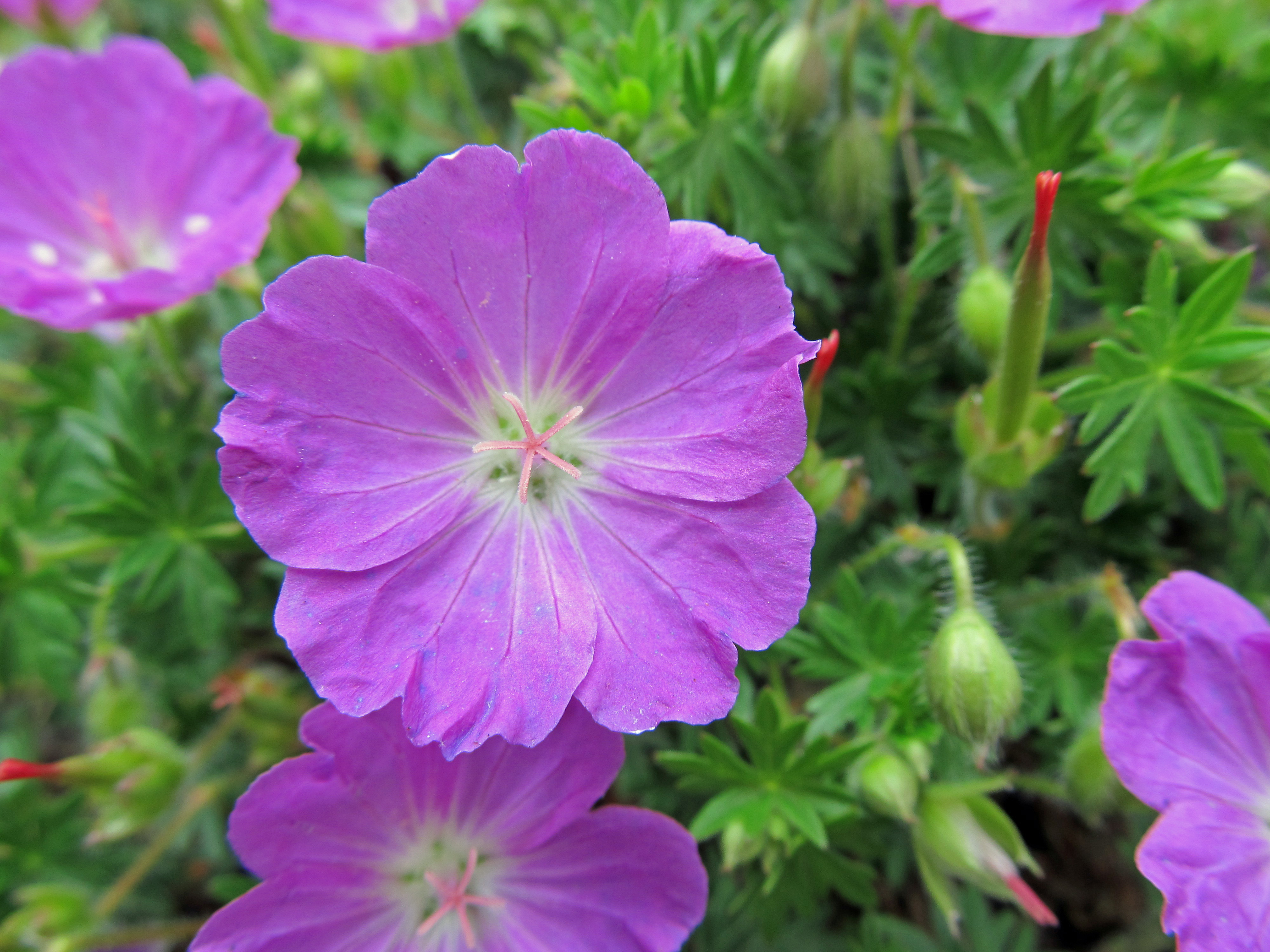
Geranium sp.

Geranium sp.

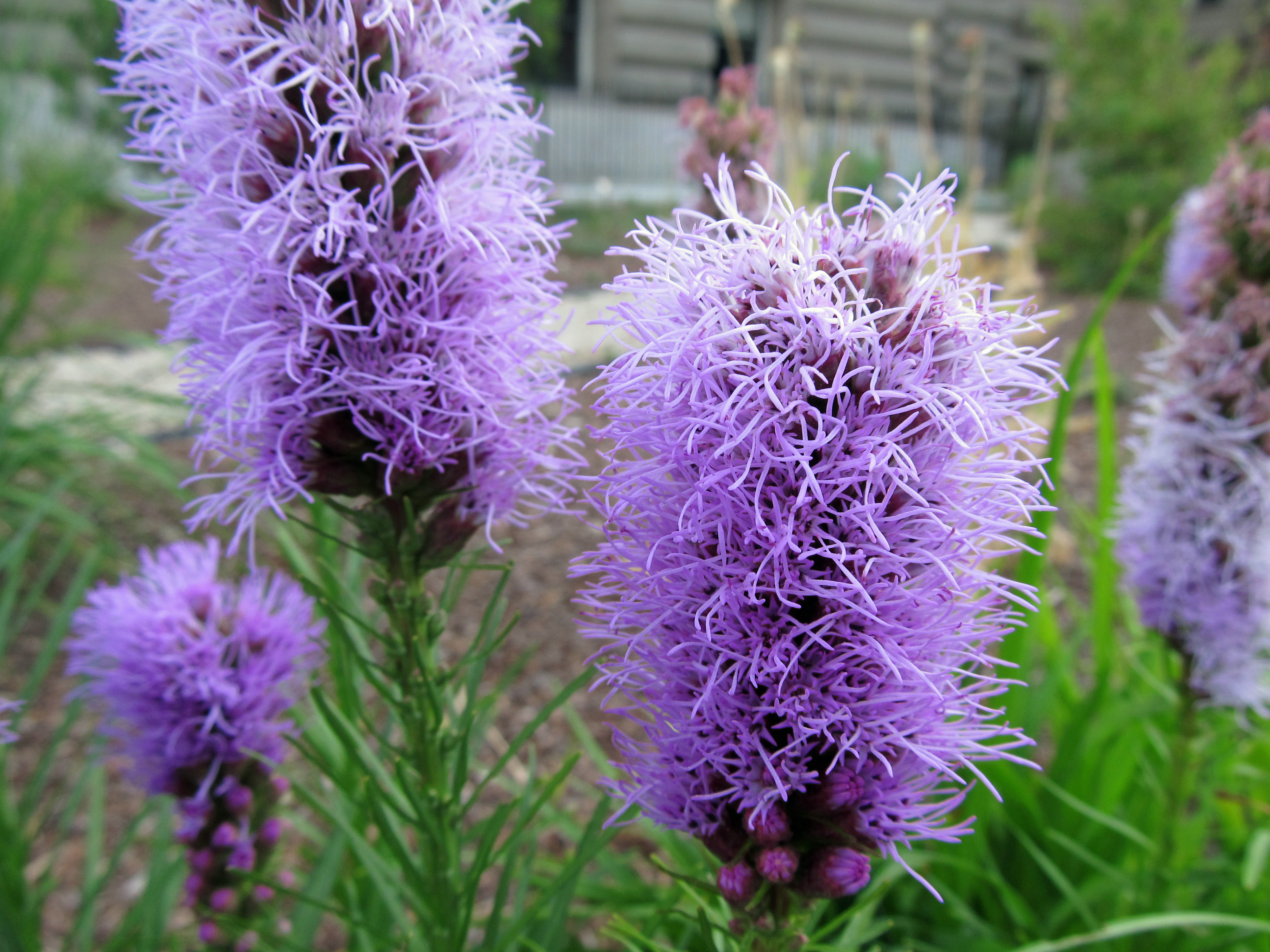
Liatris sp.

Liatris sp.

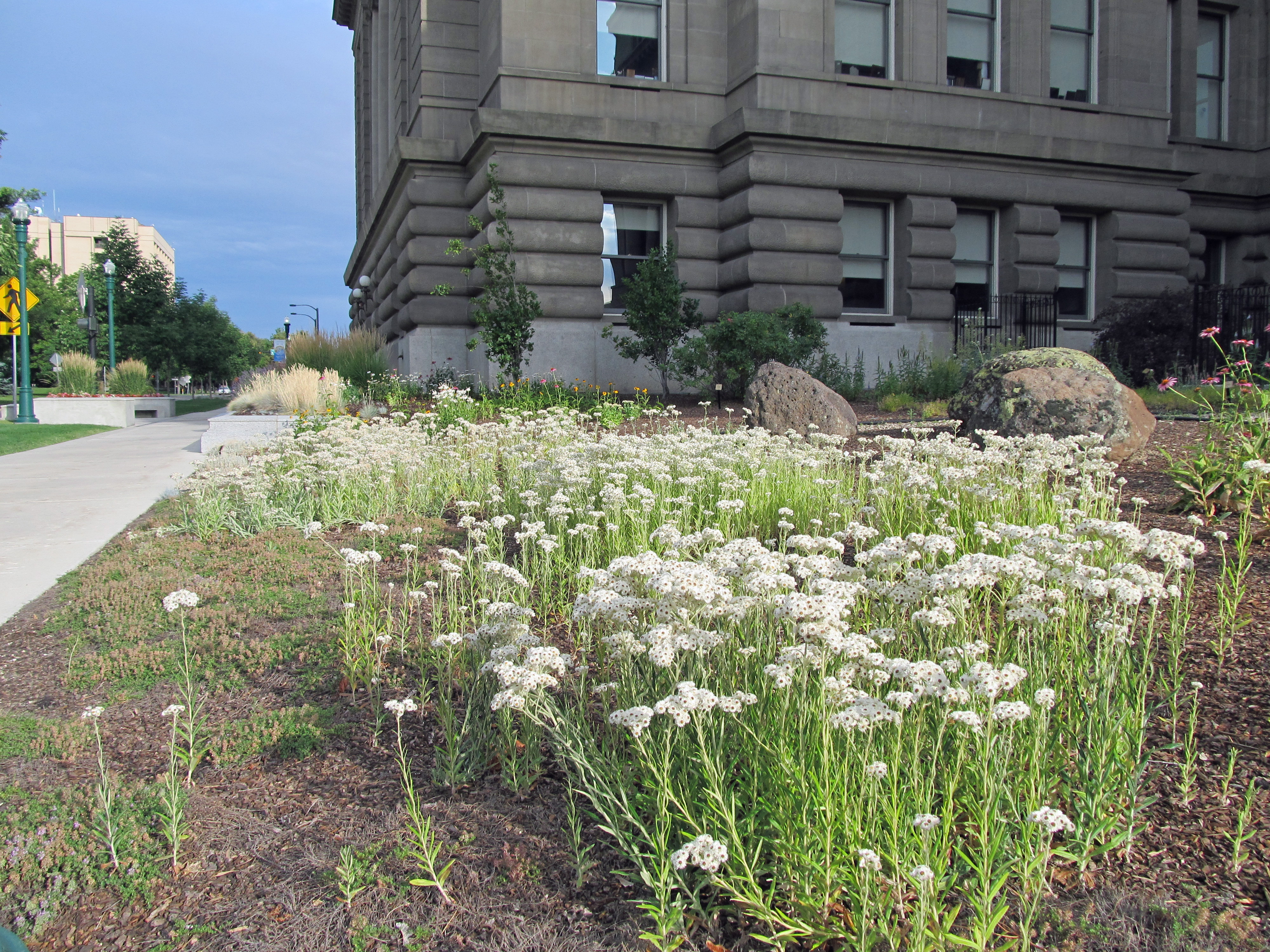
A drift of pearly everlasting (Anaphalis margaritacea)

A drift of pearly everlasting (Anaphalis margaritacea)

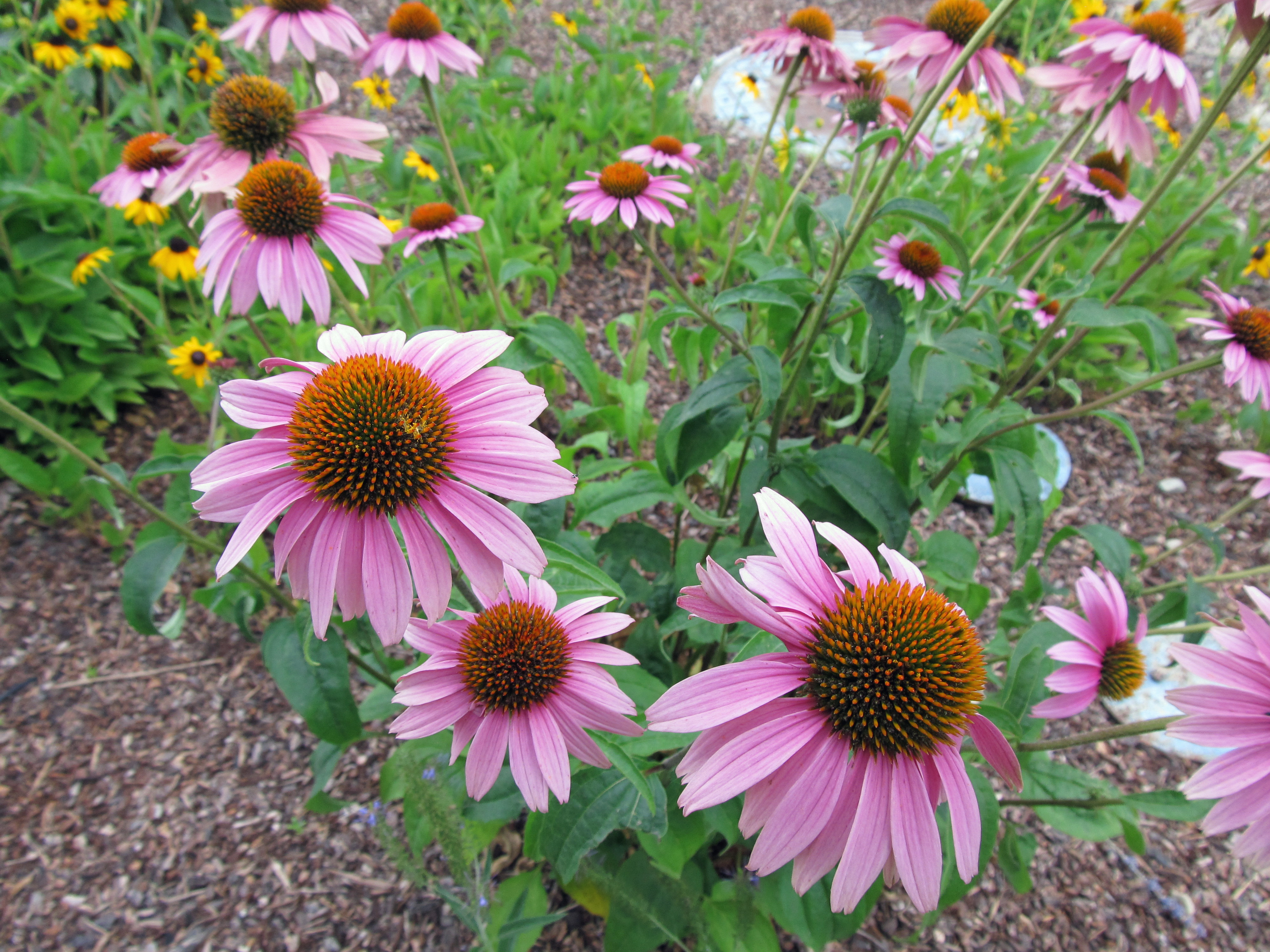
Purple coneflower (Echinacea purpurea)

Purple coneflower (Echinacea purpurea)

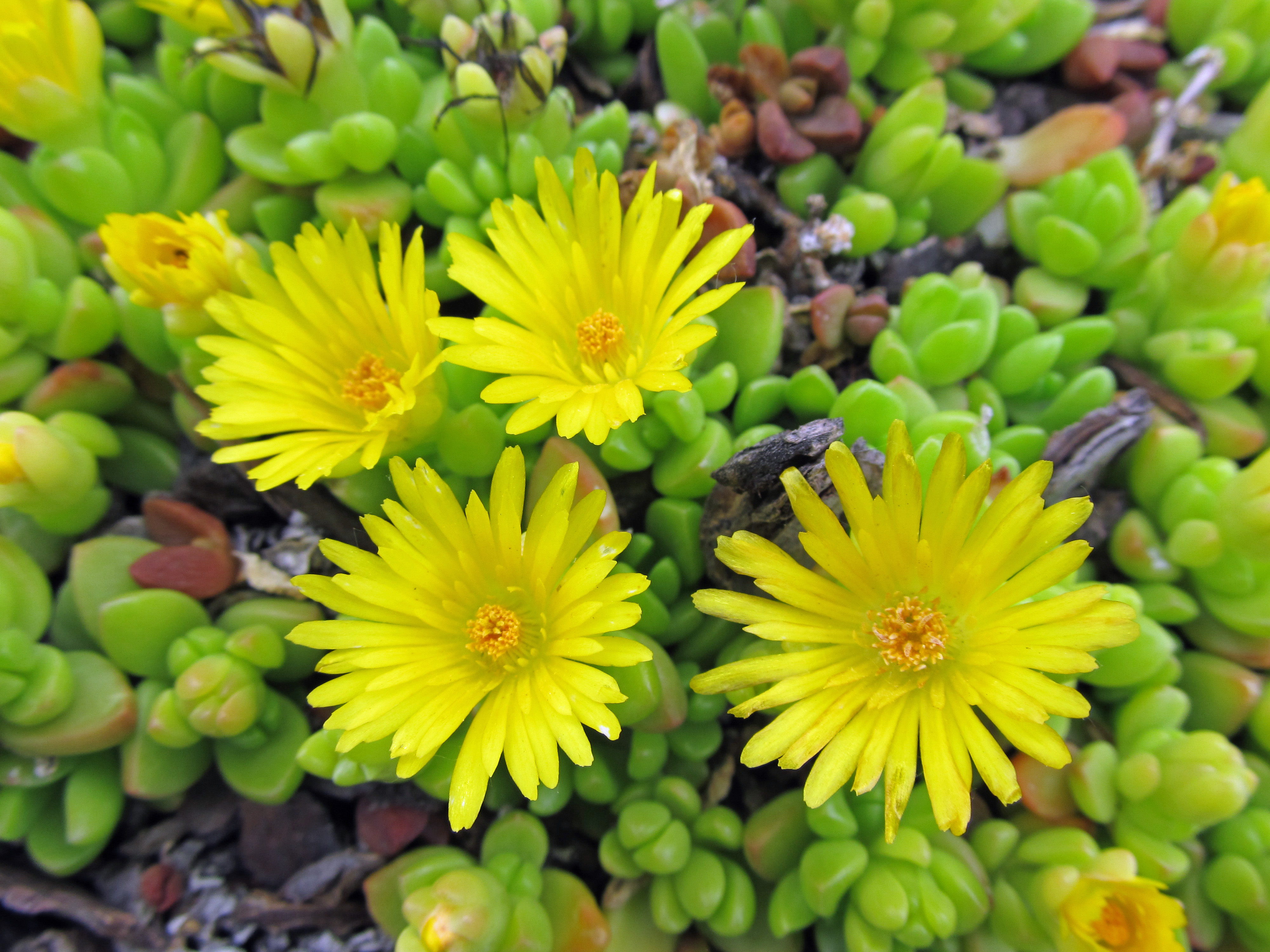
Yellow ice plant (Delosperma nubiginum)

Yellow ice plant (Delosperma nubiginum)

Other “Drought Tolerant Plants” Posts on Awkward Botany:

Growing and Eating Lettuce in Space

Journeying outside of low-earth orbit and setting up long-term or permanent colonies on other planets or moons is fraught with challenges. One obvious challenge is food production. Regular deliveries from Earth are costly and risky, and freshness isn’t always an option. So, perhaps food can be grown on site? NASA is currently exploring this question by carrying out a series of experiments using an aptly named piece of hardware called Veggie, which was delivered and installed on the International Space Station in the spring of 2014. Experiments began shortly thereafter, and last month NASA astronauts finally got to taste the leaves of their labor for the first time.

Veggie is a plant growth chamber that was developed by Orbital Technologies Corporation. It provides environmental conditions – such as light, temperature, and airflow – that are suitable for plant growth. Accompanying the delivery of Veggie were three sets of planting pillows – specially designed pouches that contain growing media, fertilizer, and seeds. The pillows are placed on rooting mats inside Veggie and watered using a wicking system . Light is delivered by red, blue, and green LEDs. The red and blue wavelengths are necessary for plant growth, and the green wavelength helps the plants look more appealing to the astronauts.

Veggie: an expandable plant growth facility designed for the International Space Station - photo credit: NASA/Bryan Onate

Veggie: an expandable plant growth facility designed for growing plants on the International Space Station – photo credit: NASA/Bryan Onate

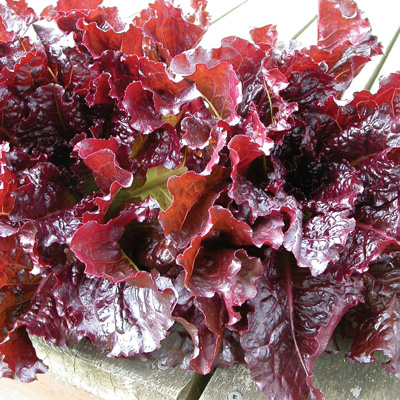
Two sets of pillows were seeded with a variety of red romaine lettuce called ‘Outredgeous.’ This particular plant was chosen because it is easy to grow, tastes good, and has high nutritional value. The first lettuce harvest was sent back to earth last October for a food safety analysis. Once it was deemed free of harmful bacteria and safe to eat, the astronauts were cleared to start the second round of red romaine, which they did in early July 2015. The third set of planting pillows contain zinnia seeds, and according to statements made by astronaut Scott Kelly on Twitter, it doesn’t sound like those have been grown yet.

After caring for the second round of lettuce plants for 33 days, it was finally time to taste them. The astronauts first cleaned each leaf with citric acid based sanitizing wipes and then sampled the leaves plain. Next they tried them with a little olive oil and balsamic vinegar. They shared their experience in real time via Twitter, which is documented in this New York Times article. They saved a few leaves for their Russian friends who were out on a spacewalk, and then packaged the rest up to be frozen and sent back to Earth for analysis.

Outredgeous Territorial Seed Company

Lactuca sativa ‘Outredgeous’ – the variety of red romaine lettuce grown and eaten by NASA astronauts on the International Space Station (photo credit: Territorial Seed Company)

This isn’t the first time plants have been grown and eaten in space. Russian cosmonauts grew and consumed mizuna (Japanese mustard) back in 2002 using a plant growth chamber developed in collaboration with a lab at Utah State University. They have also used the growth chamber to grow peas, radishes, and other plants. Read more about these experiments here.

Growing plants in space, apart from providing fresh food, offers psychological benefits. In an otherwise sterile and metallic environment, having something green (or red, in the case of the lettuce) to look at and care for has the potential to lift the moods of crew members aboard the space station. NASA scientist, Dr. Gioia Massa, who is overseeing the project sums it up nicely, “The farther and longer humans go away from Earth, the greater the need to grow plants for food, atmosphere recycling, and psychological benefits. I think that plant systems will become important components of any long-duration exploration scenario.”

Want to learn more? Read about the project here, here, and here. Also watch this video about growing plants in space.


Just for fun, there is a great children’s fiction book involving plants in space called June 29, 1999 by David Wiesner which is definitely worth a look.

More “Plants in Space” Posts on Awkward Botany:

Growing Plants on the Moon

Growing Plants in Outer Space

Field Trip: Sawtooth Botanical Garden

columbine

It may only be a two and a half hour drive from my house, but until last week I had never visited Sawtooth Botanical Garden in Ketchum, Idaho. The garden is probably not in its prime in the middle of August, but I happened to be in the area so I had to check it out. It’s a small garden – about 5 acres – but I found the space to be well used and full of interesting plants and features. Walking through meandering pathways and around a series of berms, it is easy to get the impression that the garden is larger than it actually is. There were a few areas in obvious need of attention, but as an employee of a non-profit public garden myself, I understand the challenges of maintaining a garden with limited resources. So putting minor issues aside, I thought the garden looked beautiful and I greatly enjoyed my wander through it.

Sawtooth Botanical Garden is in its 11th year. Its mission is to “showcase native and cultivated plants that flourish at high altitude” and to “foster environmental stewardship” of the “region’s unique beauty” by offering “education, events, displays, and plant collections.” Read more about its mission and history here. Brief descriptions of the areas within the garden can also be found on the garden’s website. The interpretive signage describing each area in the garden was well done and one of the highlights of my visit. I didn’t stay long, but I definitely plan on visiting again in the near future. If you ever find yourself in the Wood River Valley, I highly recommend stopping by.

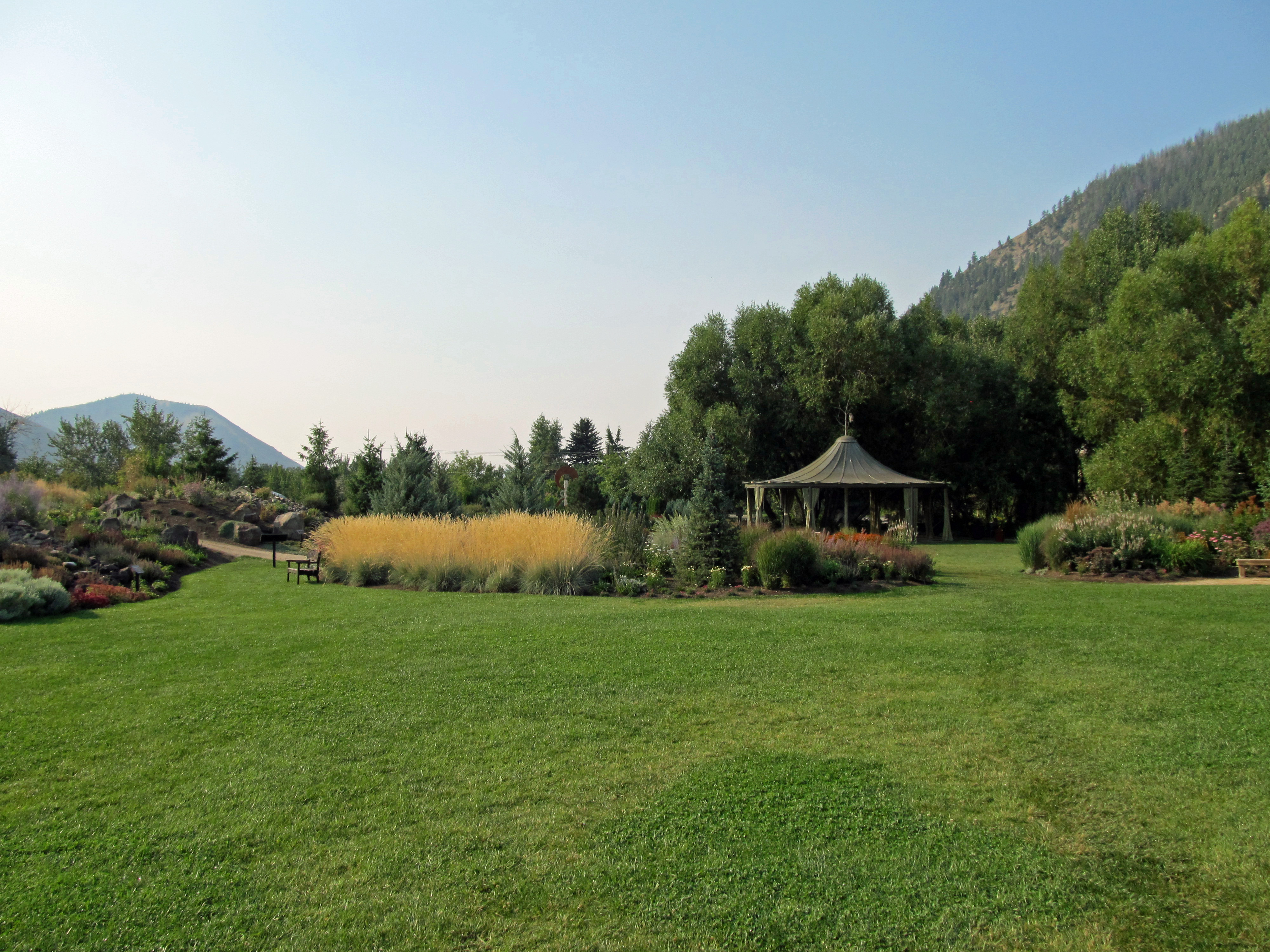
Central area of the garden featuring perennial beds and the Ellen Long Garden Pavillion

Central area of the garden featuring the perennial beds and the Ellen Long Garden Pavillion

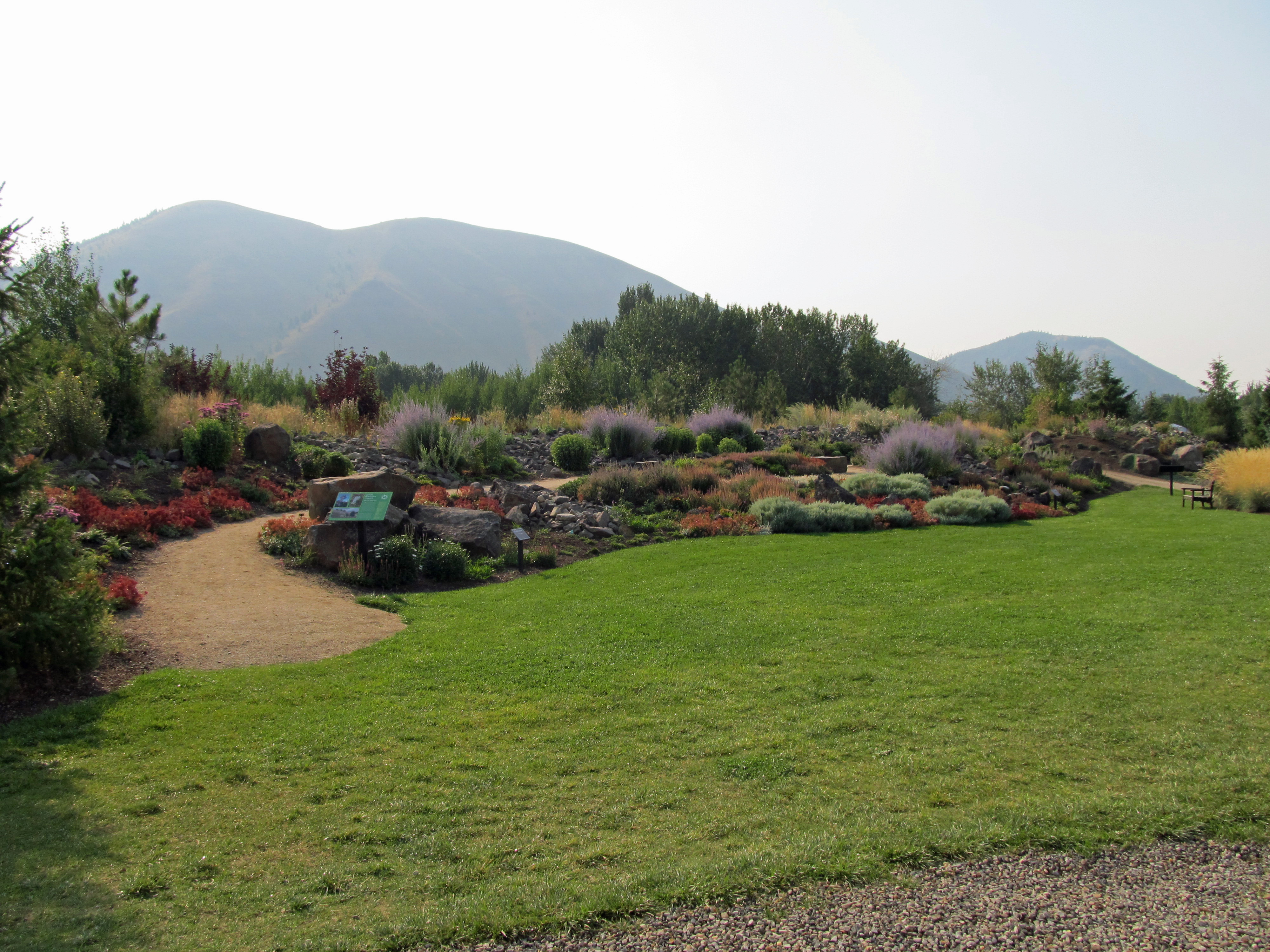
Berms in the Alpine Garden with pathway passing through

Berms in the Alpine Garden with pathway passing through

Water feature in the Garden of Infinite Compassion, built in honor of the Dali Lama's visit to the Wood River Valley

Water feature in the Garden of Infinite Compassion, built in honor of the Dalai Lama’s visit to the Wood River Valley several years ago

Alpine strawberry (Fragaria sp.)

Alpine strawberry (Fragaria sp.)

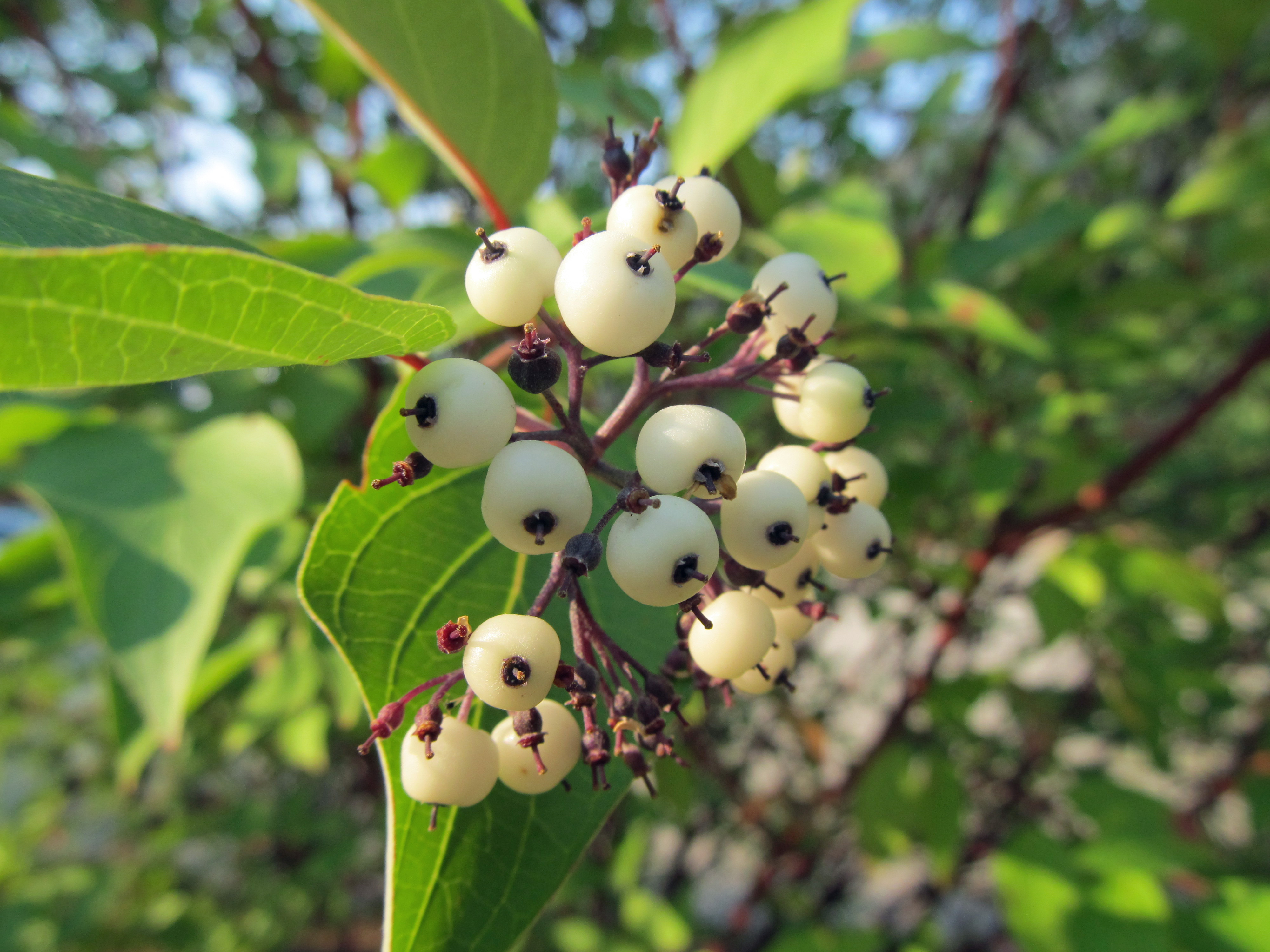
Redtwig dogwood (Cornus stolonifera 'Baileyi')

The fruits of red twig dogwood (Cornus sericea ‘Baileyi’)

cinquefoil

Spring cinquefoil (Potentilla neumanniana)

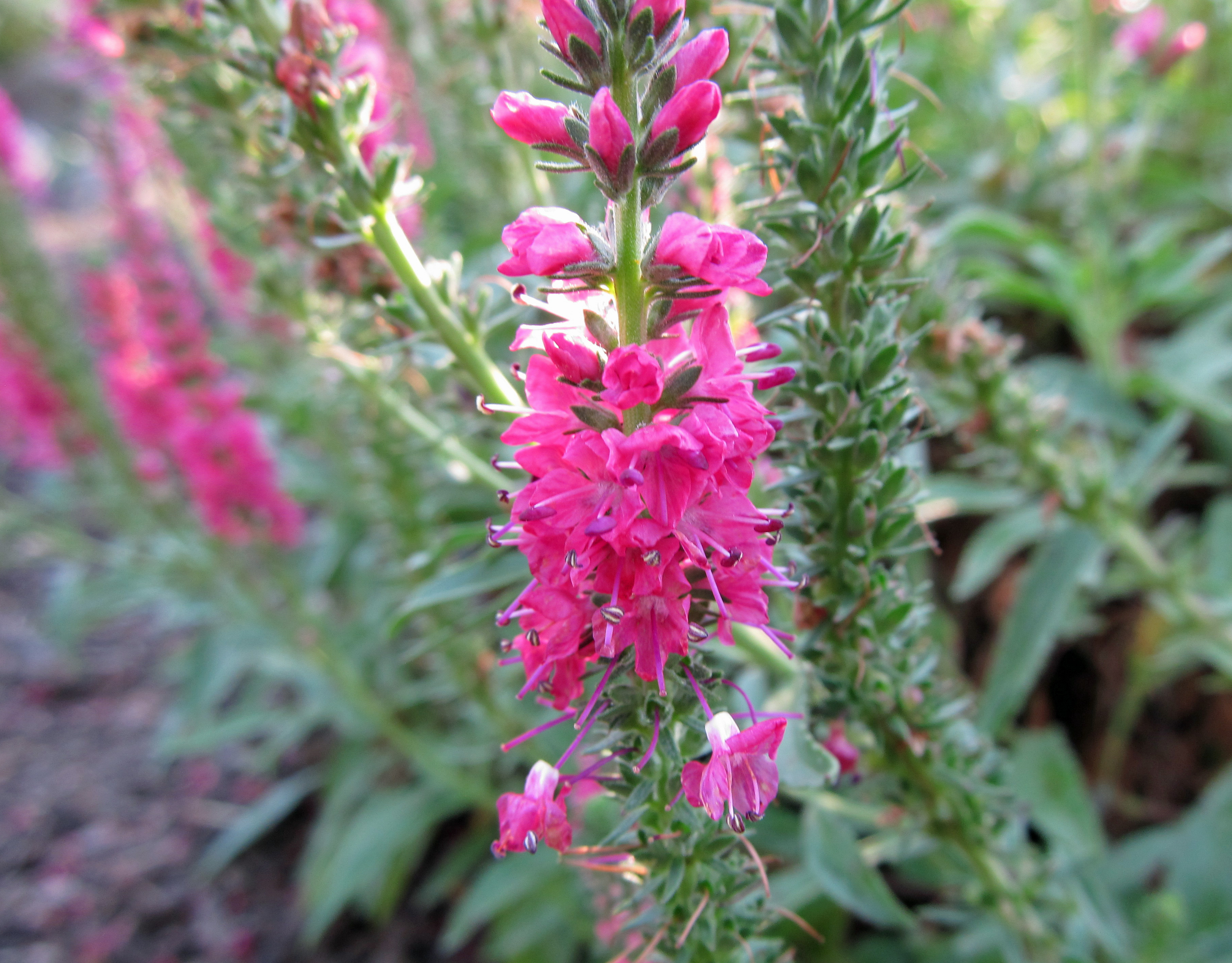
Spiked speedwell (Veronica spicata 'Red Fox')

Spiked speedwell (Veronica spicata ‘Red Fox’)

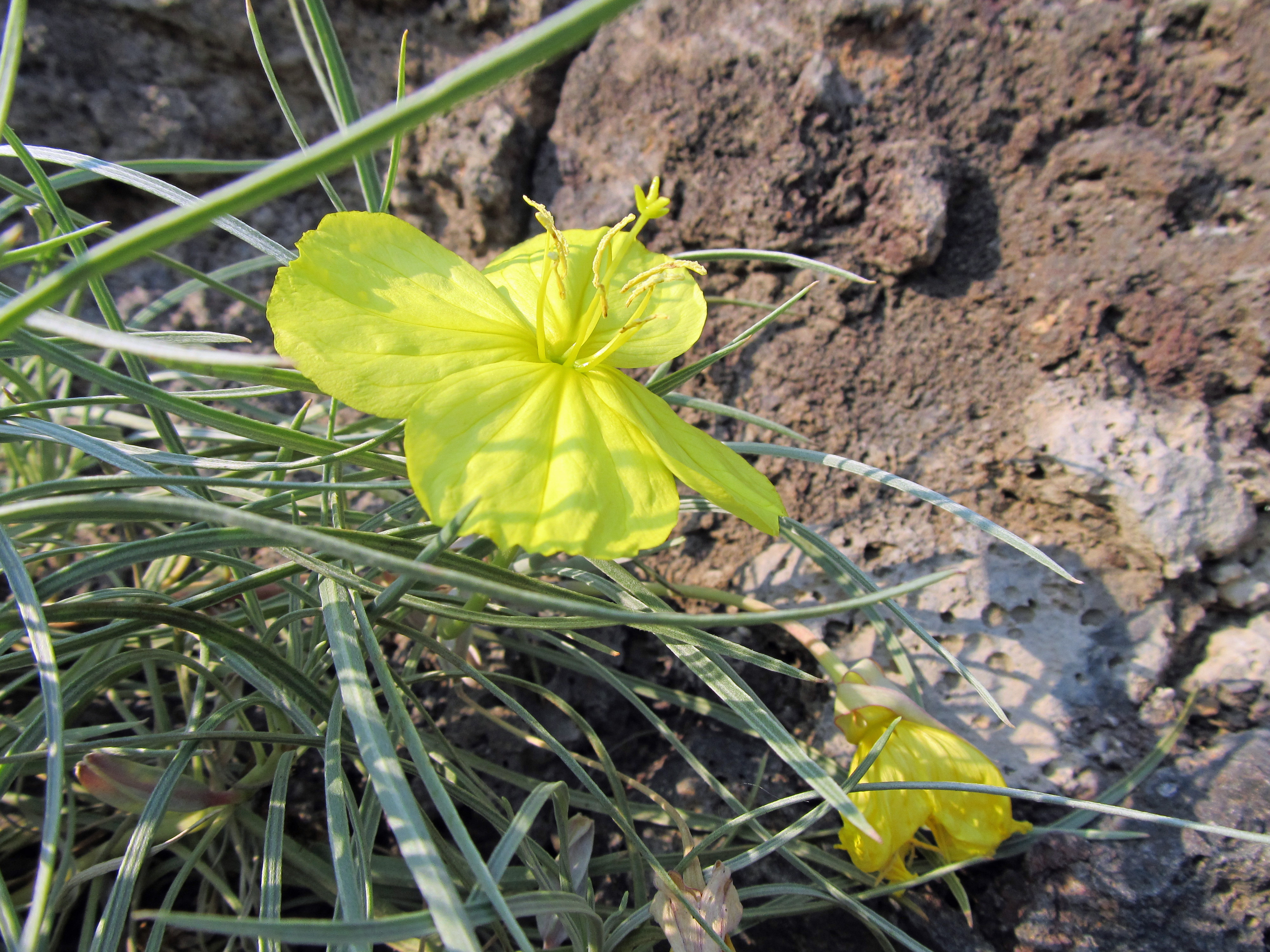
Evening primrose (Oenothera sp.)

Evening primrose (Oenothera sp.)


Poisonous Plants: Castor Bean

A series of posts about poisonous plants should not get too far along without discussing what may be the most poisonous plant in the world – one involved in high and low profile murders and attempted murders, used in suicides and attempted suicides, a cause of numerous accidental deaths and near deaths, developed for use in biological warfare by a number of countries (including the United States), and used in bioterrorism attacks (both historically and presently). Certainly, a plant with a reputation like that is under tight control, right? Not so. Rather, it is widely cultivated and distributed far beyond its native range – grown intentionally and used in the production of a plethora of products. In fact, products derived from this plant may be sitting on a shelf in your house right now.

Ricinus communis, known commonly as castor bean or castor oil plant, is a perennial shrub or small tree in the spurge family (Euphorbiaceae) and the only species in its genus. It is native to eastern Africa and parts of western Asia but has since been spread throughout the world. It has naturalized in tropical and subtropical areas such as Hawaii, southern California, Texas, Florida, and the Atlantic Coast. It is not cold hardy, but is commonly grown as an ornamental annual in cold climates. It is also grown agriculturally in many countries, with India, China, and Mozambique among the top producers.

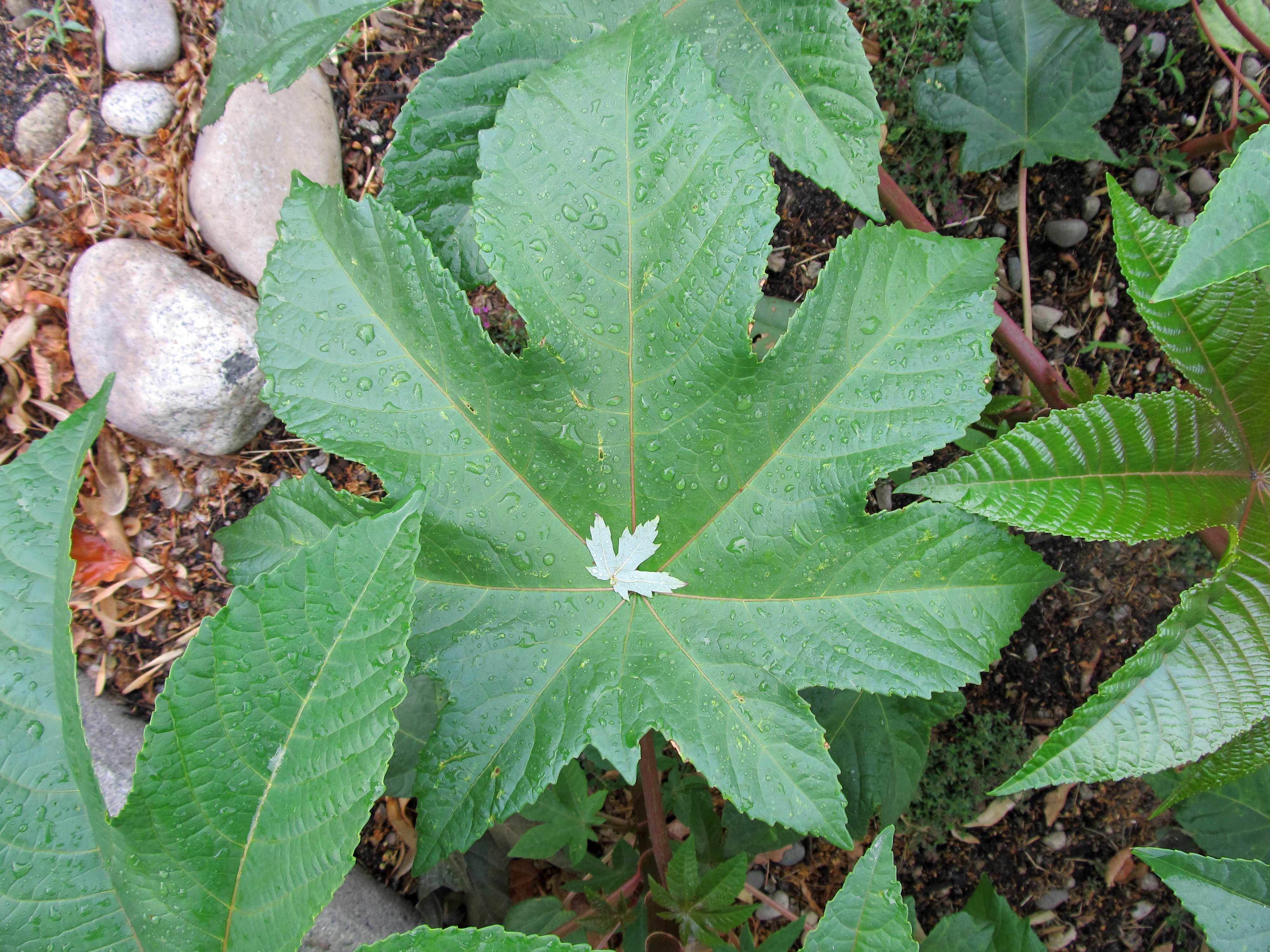
Silver maple leaf nestled in the center of a castor bean leaf.

Silver maple leaf nestled in the center of a castor bean leaf.

Castor bean has large palmately lobed leaves with margins that are sharply toothed. Leaves are deep green (sometimes tinged with reds or purples) with a red or purple petiole and can reach up to 80 centimeters (more than 30 inches) across. Castor bean can reach a height of 4 meters (more than 12 feet) in a year; in areas where it is a perennial, it can get much taller. Flowers appear in clusters on a large, terminal spike, with male flowers at the bottom and female flowers at the top. All flowers are without petals. Male flowers are yellow-green with cream-colored or yellow stamens. Female flowers have dark red styles and stigmas. The flowers are primarily wind pollinated and occasionally insect pollinated. The fruits are round, spiky capsules that start out green often with a red-purple tinge and mature to a brown color, at which point they dehisce and eject three seeds each. The seeds are large, glossy, bean-like, and black, brown, white, or often a mottled mixture. They have the appearance of an engorged tick. There is a small bump called a caruncle at one end of the seed that attracts ants, recruiting them to aid in seed dispersal.

Female flowers and fruits forming on castor bean.

Female flowers and fruits forming on castor bean.

All parts of the plant are toxic, but the highest concentration of toxic compounds is found in the seeds. The main toxin is ricin, a carbohydrate-binding protein that inhibits protein synthesis. The seeds need to be chewed or crushed in order to release the toxin, so swallowing a seed whole is not likely to result in poisoning. However, if seeds are chewed and consumed, 1-3 of them can kill a child and 2-6 of them can kill an adult. It takes several hours (perhaps several days) before symptoms begin to occur. Symptoms include nausea, vomiting, severe stomach pain, diarrhea, headaches, dizziness, thirst, impaired vision, lethargy, and convulsions, among other things. Symptoms can go on for several days, with death due to kidney failure (or multisystem organ failure) occurring as few as 3 and as many as 12 days later. Death isn’t imminent though, and many people recover after a few days. Taking activated charcoal can help if the ingestion is recent. In any case, consult a doctor or the Poison Control Center for information about treatments.

The seeds of castor bean are occasionally used to make jewelry. This is not recommended. In The North American Guide to Common Poisonous Plants and Mushrooms, the authors warn that “drilling holes in the seeds makes them much more deadly because it exposes the toxin.” Wearing such jewelry can result in skin irritation and worse. The authors go on to say that “more than one parent has allowed their baby to suck on a necklace of castor beans.” I doubt such parents were pleased with the outcome.

castor bean seeds

Castor beans are grown agriculturally for the oil that can be extracted from their seeds. Due to the way its processed, castor oil does not contain ricin. The leftover meal can be fed to animals after it has been detoxified. Castor oil has been used for thousands of years, dating as far back as 5000 BC when Egyptians were using it as a fuel for lamps and a body ointment, among other things. Over the centuries it has had many uses – medicinal, industrial, and otherwise. It makes an excellent lubricant, is used in cosmetics and in the production of biofuel, and has even been used to make ink for typewriters. One of its more popular and conventional uses is as a laxative, and in her book, Wicked Plants, Amy Stewart describes how this trait has been used as a form of torture: “In the 1920’s, Mussolini’s thugs used to round up dissidents and pour castor oil down their throats, inflicting a nasty case of diarrhea on them.”

A couple of years ago, I grew a small stand of castor beans outside my front door. I was impressed by their rapid growth and gigantic leaves. I also enjoyed watching the fruits form. By the end of the summer, they were easily taller than me (> 6 feet). I collected all of the seeds and still have them today. I knew they were poisonous at the time, but after doing the research for this post, I’m a little wary. With a great collection of castor bean seeds comes great responsibility.

The castor beans that once grew outside my front door.

The castor beans that once grew outside my front door.

There is quite a bit of information out there about castor beans and ricin. If you are interested in exploring this topic further, I recommend this free PubMed article, this Wikipedia page about incidents involving ricin, this article in Nature, and this entry in the Global Invasive Species Database. Also check out Chapter 11 (“Death by Umbrella”) in Thor Hanson’s book, The Triumph of Seeds.

Year of Pollination: Pollinator Walk at Earthly Delights Farm

Last week I had the privilege of attending a pollinator walk with a local entomologist at Earthly Delights Farm, a small, urban farm in Boise, Idaho. The entomologist was Dr. Karen Strickler, an adjunct instructor at College of Western Idaho and the owner of Pollinator Paradise. A small group of us spent a couple of hours wandering through the farm looking for pollinators and discussing whatever pollinator or non-pollinator related topic that arose. Earthly Delights Farm, along with growing and selling produce using a subscription-based model, is a seed producing farm (and part of a larger seed growing operation called Snake River Seed Cooperative), so there were several crops flowering on the farm that would typically be removed at other farms before reaching that stage, such as lettuce and carrots. The farm also shares property with Draggin’ Wing High Desert Nursery, a nursery specializing in water efficient plants for the Intermountain West, which has a large demonstration area full of flowering plants. Thus, pollinators were present in abundance.
A series of isolation tents over various crops to help prevent cross pollination between varieties.

A series of isolation tents placed over various crops to help prevent cross pollination between varieties – an important component of seed saving.

While many groups of pollinators were discussed, including leafcutter bees, bumblebees, honeybees, sweat bees, hummingbirds, and beetles, much of our conversation and search was focused on syrphid flies. Flies are an often underappreciated and overlooked group of pollinators. While not all of the 120,000 species of flies in the world are pollinators, many of them are. The book Attracting Native Pollinators by the Xerces Society has this to say about flies: “With their reputation as generalist foragers, no nests to provision, and sometimes sparsely haired bodies, flies don’t get much credit as significant pollinators. Despite this reputation, they are often important pollinators in natural ecosystems for specific plants, and occasionally for human food plants.” They are especially important pollinators in the Arctic and in alpine regions, because unlike bees, they do not maintain nests, which means they use less energy and require less nectar, making them more fit for colder climates.

One food crop that flies are particularly efficient at pollinating is carrots. According the Xerces Society, carrot flowers are “not a favorite of managed honeybees.” Most flies do not have long tubular, sucking mouthparts, so they search for nectar in small, shallow flowers that appear in clusters, such as plants in the mint, carrot, and brassica families. Flower-visiting flies come in search of nectar and sometimes pollen for energy and reproduction. While acquiring these meals they can at times inadvertently collect pollen on their bodies and transfer it to adjacent flowers. They are generally not as efficient at moving pollen as other pollinators are, but they can get the job done.

Blister beetle on carrot flowers (a preferred food source of flies). Beetles can be important pollinators, even despite chewing on the flowers as they proceed.

Blister beetle on carrot flowers (a preferred food source of flies). Beetles can be effective pollinators as well, even despite chewing on the flowers as they proceed.

During the pollinator walk, we were specifically observing flies in the family Syrphidae, which are commonly known as flower flies, hoverflies, or syrphid flies. Many flies in this family mimic the coloring of bees and wasps, and thus are easily confused as such. Appearing as a bee or wasp is a form of protection from predators, who typically steer clear from these insects to avoid being stung. The larvae of syrphid flies often feed on insects, a trait that can be an added benefit for farmers and gardeners, particularly when their prey includes pest insects like aphids. Other families of flies that are important pollinators include Bombyliidae (bee flies), Acroceridae (small-headed flies), Muscidae (house flies), and Tachinidae (tachinid flies).

Common banded hoverfly (Syrphus ribesii) - one species of hundreds in the syrphid fly family, a common and diverse family of flower visiting flies (photo credit: www.eol.org)

Common banded hoverfly (Syrphus ribesii) – one species of thousands in the syrphid fly family, a common and diverse family of flower-visiting flies (photo credit: www.eol.org)

Because many species of flies visit flowers and because those flies commonly mimic the appearance of bees and wasps, it can be difficult to tell these insects apart. Observing the following features will help you determine what you are looking at.

  • Wings – flies have two; bees have four (look closely though because the forewings and hindwings of bees are attached with a series of hooks called hamuli making them appear as one)
  • Hairs – flies are generally less hairy than bees
  • Eyes – the eyes of flies are usually quite large and in the front of their heads; the eyes of bees are more towards the sides of their heads
  • Antennae – flies have shorter, stubbier antennae compared to bees; the antennae of flies also have bristles at the tips
  • Bees, unlike flies, have features on their legs and abdomens designed for collecting pollen; however, some flies have mimics of these features
Bumblebee on Echinacea sp.

Bumblebee visiting Echinacea sp.

Another interesting topic that Dr. Strickler addressed was the growing popularity of insect hotels – structures big and small that are fashioned out of a variety of natural materials and intended to house a variety of insects including pollinators. There is a concern that many insect hotels, while functioning nicely as a piece of garden artwork, often offer little in the way of habitat for beneficial insects and instead house pest insects such as earwigs. Also, insect hotels that are inhabited by bees and other pollinators may actually become breeding grounds for pests and diseases that harm these insects. It is advised that these houses be cleaned or replaced regularly to avoid the build up of such issues. Learn more about the proper construction and maintenance of insect hotels in this article from Pacific Horticulture.

A row of onions setting seed at Earthly Delights Farm. Onions are another crop that is commonly pollinated by flies.

A row of onions setting seed at Earthly Delights Farm. Onions are another crop that is commonly pollinated by flies.