Drought Tolerant Plants: Pearly Everlasting

Despite being such a widely distributed and commonly occurring plant, Anaphalis margaritacea is, in many other ways, an uncommon species. Its native range spans North America from coast to coast, reaching up into Canada and down into parts of Mexico. It is found in nearly every state in the United States, and it even occurs throughout northeast Asia. Apart from that, it is cultivated in many other parts of the world and is “weedy” in Europe. Its cosmopolitan nature is due in part to its preference for sunny, dry, well-drained sites, making it a common inhabitant of open fields, roadsides, sandy dunes, rocky slopes, disturbed sites, and waste places.

Its common name, pearly everlasting, refers to its unique inflorescence. Clusters of small, rounded flower heads occur in a corymb. “Pearly” refers to the collection of white bracts, or involucre, that surround each flower head. Inside the bracts are groupings of yellow to brown disc florets. The florets are unisexual, which is unusual for plants in the aster family. Plants either produce all male flowers or all female flowers (although some female plants occasionally produce florets with male parts). Due to the persistent bracts, the inflorescences remain intact even after the plant has produced seed. This quality has made them a popular feature in floral arrangements and explains the other half of the common name, “everlasting.” In fact, even in full bloom, the inflorescences can have a dried look to them.
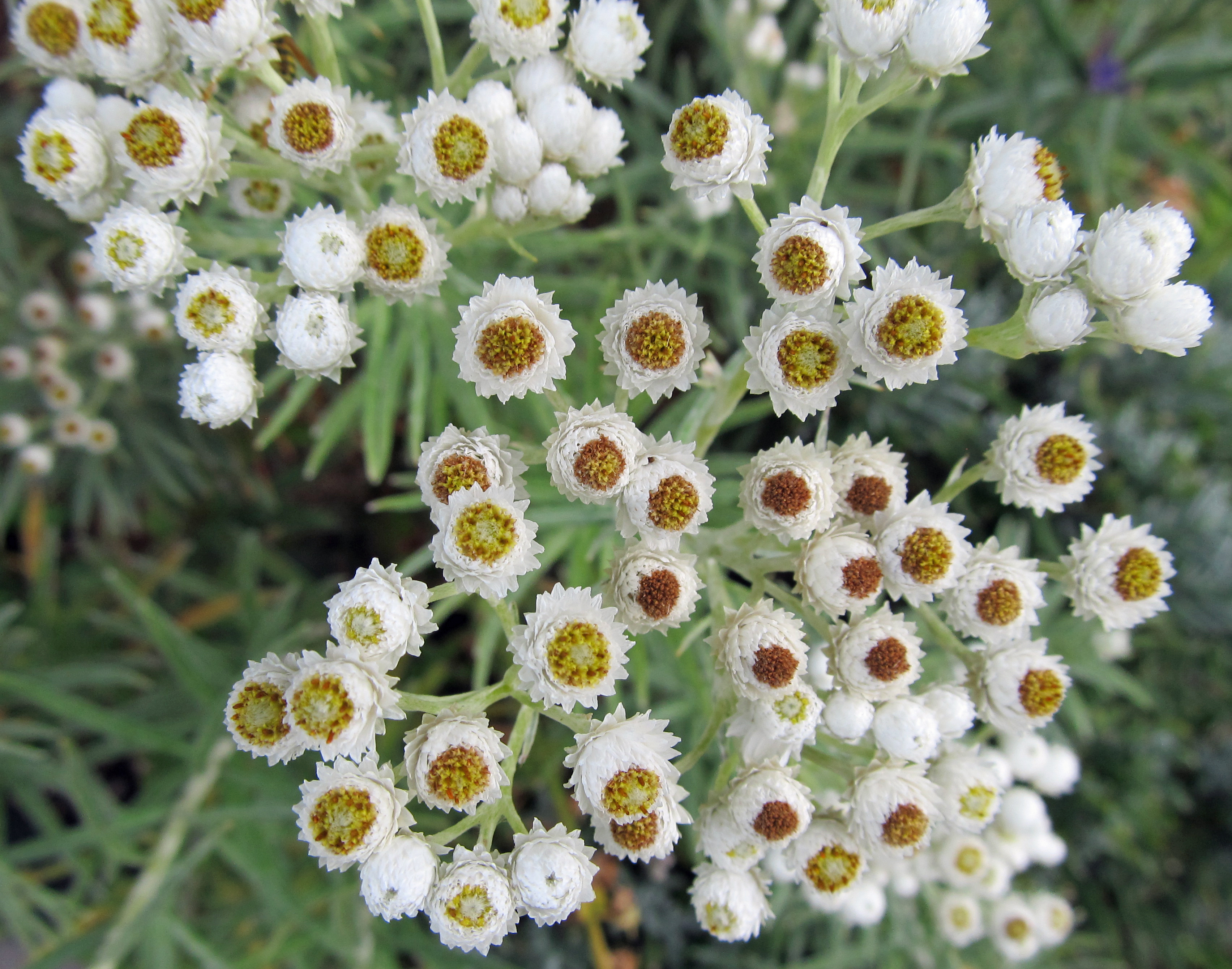
pearly-everlasting-6

Pearly everlasting grows from 1 to 3 feet tall. Flowers are borne on top of straight stems that are adorned with narrow, alternately arranged, lance-shaped leaves. Stems and leaves are gray-green to white. Stems and undersides of leaves are thickly covered in very small hairs. Apart from contributing to its drought tolerance, this woolly covering deters insects and other animals from consuming its foliage. In The Book of Field and Roadside, John Eastman writes, “Insect foliage feeders are not numerous on this plant, owing to its protective downy ‘gloss.’ … The plant’s defensive coat seems to prevent spittlebug feeding on stem and underleaves. The tomentum also discourages ant climbers and nectar robbers.”
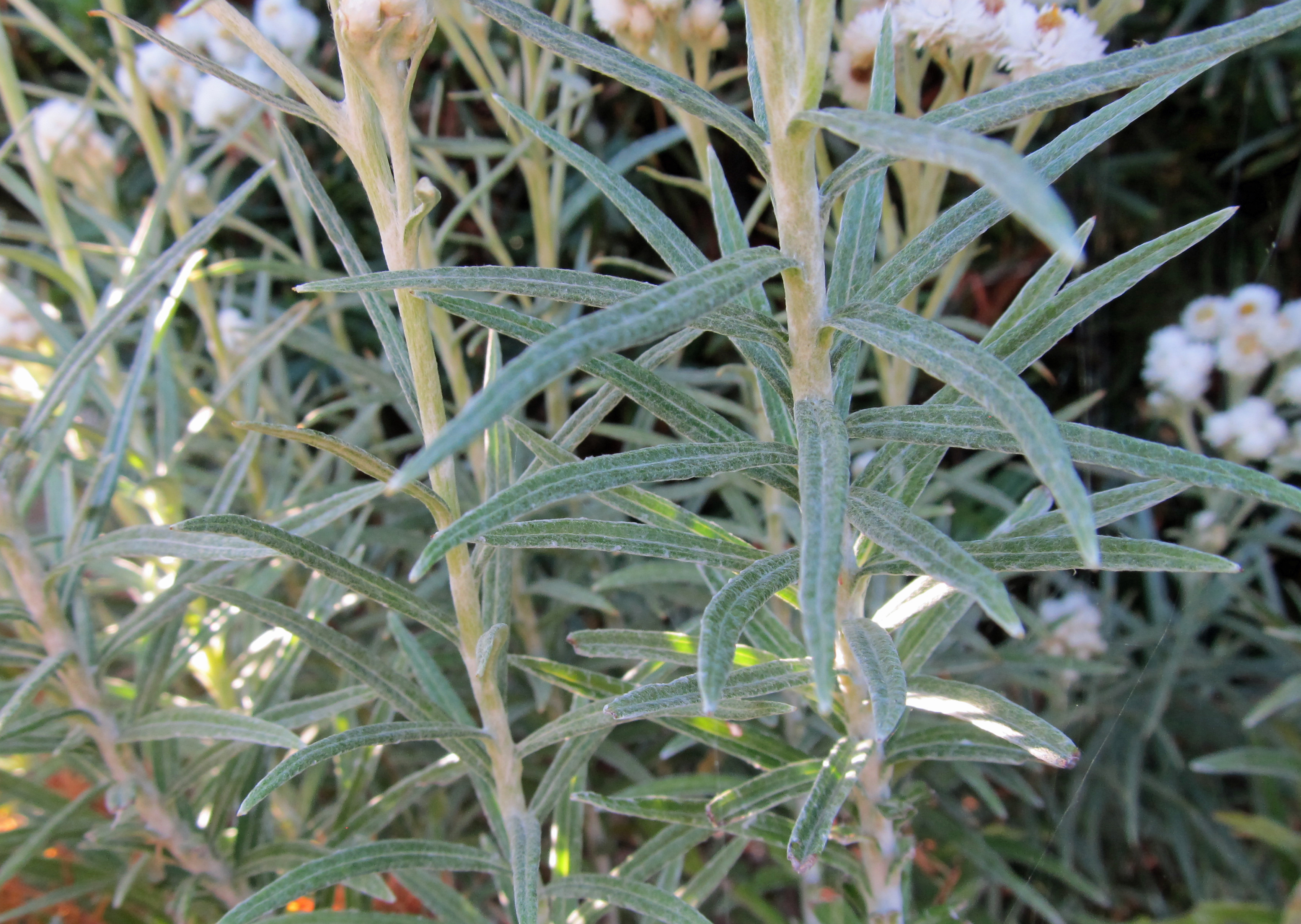
pearly-everlasting-5

Not all insects are thwarted however, as Anaphalis is a host to the caterpillars of at least two species of painted lady butterflies (Vanessa virginiensis and V. cardui). Its flowers, which occur throughout the summer and into the fall. are visited by a spectrum of butterflies, moths, bees, and flies.

Because the plants produce either male or female flowers, cross-pollination between plants is necessary for seed development. However, plants also reproduce asexually via rhizomes. Extensive patches of pearly everlasting can be formed this way. Over time, sections of the clonal patch can become isolated from the mother plant, allowing the plant to expand its range even in times when pollinators are lacking.

The attractive foliage and unique flowers are reason enough to include this plant in your dry garden. The flowers have been said to look like eye balls, fried eggs, or even, as Eastman writes, “white nests with a central yellow clutch of eggs spilling out.” However you decide to describe it, this is a tough and beautiful plant deserving of a place in the landscape.
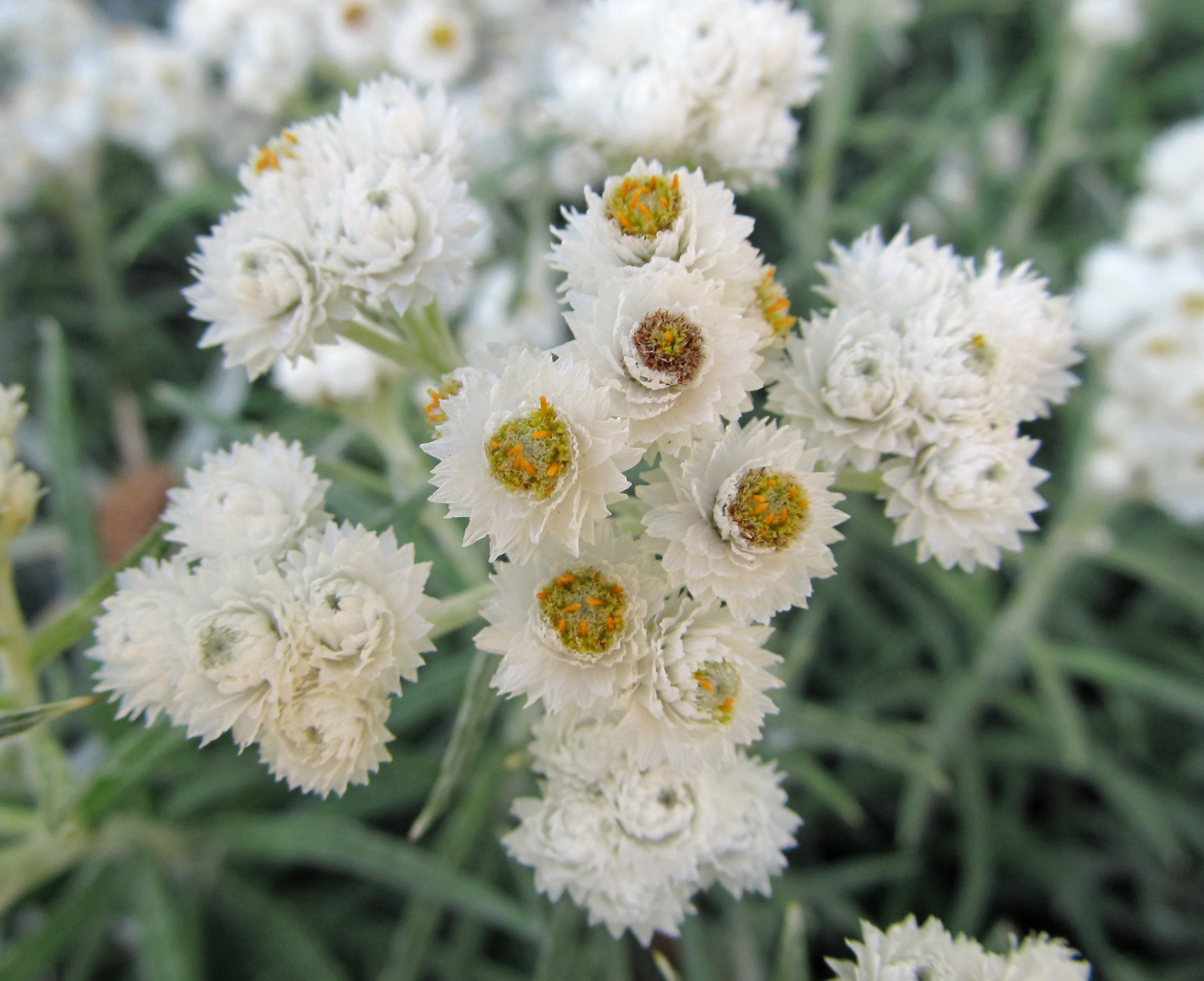
pearly-everlasting-4

Read more:

Photos in this post are of Anaphalis margaritacea ‘Neuschnee’ and were taken at Idaho Botanical Garden in Boise, Idaho.

The Problem with ‘Yes’ Landscapes

This is a guest post by Jeremiah Sandler. Follow Jeremiah on Instagram @j.deepsea

———————

I don’t work for a landscape company, nor have I ever worked for one. The company I do work for contracts with these companies to do health care on their landscapes. For example, we scout for insects and diseases, spray pesticides when necessary, make recommendations of proper cultural practices, and fertilize.

Something has been bothering me for the past two years about the landscapes in metropolitan southeast Michigan. Both commercial and residential landscapes have at least two things in common: the same plants, and the same poor management of these plants. The clients have no idea they’re being ripped off.

The landscape companies I have experience with seem to think the homeowner is always right.

The ‘Yes’ Conversation

You want a Colorado blue spruce in humid Michigan? Sure, no problem. Let’s put six trees within 15 square feet. Don’t bother removing the cage and burlap. We also won’t tell you the massive expense you’ll pay in the future to spray fungicides on your spruce to keep it alive. If one dies, we’ll just replace it with the same plant.

You want a green hedge? Boxwoods or yews. They’ll be sheared multiple times a year by our crew of expert (and underpaid and exhausted) workers. At the first sign of new growth, we’ll be there mutilating your plants to ensure that they stay at right angles. You see all of those ripped apart, discolored leaves on your shrubs? Ignore that; plants are meant to be tamed into perfect geometry. Oh, that’ll be an extra charge to spray insecticides and fungicides.

Here’s a list of plants you can get to add to the monotony in your neighborhood: crabapple, hawthorn, cherry, honeylocust, blue spruce, oak, red maple, Japanese maple, pear, white pine, boxwood, yew, hydrangea, arborvitae, burning bush, and wax begonias.

Why is your hemlock tree neon yellow? We don’t know, let’s just replace it. Why is your Norway maple declining? Well, when we planted it, we kept the cage on its root ball, despite this tree having notorious girdling roots. Let’s get you a new one. Why are some of your shrubs rotting out? We left the soaker hoses on them for years and kept them running regularly. Yes we can spray all of your plants. We can kill everything before it’s a problem.

We’re the best landscapers in town! Our services are top of the line, and we guarantee your landscape will look exactly the same as your neighbor’s.

That’s a very sardonic, hypothetical conversation between a homeowner and a landscape company. A sensible company knows you don’t know best. As a homeowner, it is wise to heed the advice of a company’s horticulturist. Cost is always a consideration for the homeowner. However, the more expensive company is not always the highest quality. Here’s why.

So, you want a Colorado blue spruce?

A responsible company won’t let you plant a blue spruce in a place with wet springs and humid summers. They will tell you why it is not a good idea, and they will suggest alternatives. For example, a concolor fir (Abies concolor) looks similar to a blue spruce. They are resistant to needle cast diseases and cytospora canker, and they can tolerate southeast Michigan’s alkaline soils. In the long run, it is much cheaper to get the right plant in the right place.

You will pay more for your blue spruce because, not only are you paying for installation, you are paying to spray fungicides year after year to avoid having a skeleton in your yard. Companies know there is a likelihood of replacing your newly planted blue spruces, so you are charged for it.

We love boxwoods and so do you

Maybe you do like the classic, formal look of hedges. And maybe you do like the texture offered by a boxwood or yew. That’s fine. This is the problem I see literally every single day: over-shearing.

An appropriate cultivar selection is the answer. Cultivars and hybrids exist which only grow to x-amount tall and x-amount wide. Simply read the tag from the nursery. If your landscape company planted the proper plants the first time, they wouldn’t be able to charge you as much as they do to “maintain” them. The right plants in the right places need very little maintenance. I will concede, a few plants can tolerate being sheared. Once in a great while is acceptable; not three times a year.

Excessive shearing stresses out a plant. In fact, certain chemicals released by the open wounds of the leaves attract insects. Wet, exposed tissue serves as a breeding ground for fungi. Some of the problems your shrubs face are directly caused by the shearing itself.

PlantAmnesty, a website dedicated to stopping bad pruning practices states:

Any pruning book will explain that one prunes to open up the center of the plant, allowing air and light penetration to make the plant healthy. Shearing, on the other hand, creates a twiggy outer shell that gets ever denser and collects more deadwood and dead leaves every year, the opposite of a healthy condition. The results create the perfect protected place for pests and diseases, akin to locking up the house so the garbage can’t be removed. After many years, this treatment can lead to disease and general bad health without actually being a disease itself. If plants have mites and blights, bugs and mildews galore, how they were pruned may be the root of the problem.

Not to mention, the plant is spending all of its energy regrowing those leaves you continually cut off. There are correct ways to prune plants, and none of them include the excessive use of motorized shears. A plant grows to reach an equilibrium with its environment. If the environment is adequate, the plant will grow. If the environment is unfavorable, the plant will decline. In other words, if it is growing, let it grow!

What’s a monoculture?

There seems to be only 15 plants which are acceptable to the landscaper. The plant selection is predictable. Certainly there are more than 15 different species of plants you can have on your property. Sure, some redundant species are okay: white pines, oaks, maples (except that damned Norway maple). I don’t want to discourage people from exploring new options, though.

Native plants offer easy beauty. They have evolved in your region for millennia and are therefore adapted to your environmental conditions. These plants often tolerate both biological and environmental stressors better than non-native plants. Expenses are saved when you don’t have to pay for disease control. You wouldn’t buy a vehicle, for example, that you know would break down and require fixing all the time.

There are dozens of other shrub options for texture, winter interest, privacy walls, etc., that you don’t have to hire a crew to shear every month. Surprisingly, some large yucca species are hardy in colder zones, which offer a different texture. Red-twig dogwoods provide colorful winter interest; there are red, green, and yellow-stemmed cultivars. Coyote willow is native to southeast Michigan. It is a thin-leafed, rhizomatous Salix species which forms beautiful yellow walls in the fall. An entire, separate article can be written on the subject of alternatives. Just know there are plenty of species to choose from no matter where you live.

Ask, and you shall receive

This request comes from homeowners and is often fulfilled by companies: “Can’t you just spray it?” Granting this request is entirely wrong. One cannot, by law and by principle, go around as a pesticide desperado. You live in that environment. Why would you want pesticides in excess? Chemicals are used as a last resort and strictly on an as needed basis.

Appropriate timing, safety precautions, and proper insect identification are all legally required before insecticides can be applied. Some of the ‘yes’-type companies will comply with all uneducated (and sometimes unsafe) requests.

Some of the appointments I have with customers address very rudimentary horticultural problems. The homeowner’s concerns are legitimate. Most problems they are having, though, can be avoided with an ounce of foresight. Issues include planting hemlock trees in full sun, or replacing a Japanese maple killed by verticillium wilt with another Japanese maple. The list goes on…

Saying ‘No’

There’s a myriad of things that can go wrong in a landscape. It is an artificial environment containing plants which evolved continents apart. Plants often don’t have the capacity to combat pathogens that they are not exposed to in their native habitats, but certain issues are impossible to predict. There is a base knowledge one should have before making these kinds of decisions. The “customer is always right” philosophy doesn’t apply in this domain. You should have some creative influence on your landscape; it’s yours, after all. Spend the time in the nursery looking for interesting plants, make a list, and run it by your landscaper. If they say ‘yes’ to all of your choices, fire them. The people you hire cannot be too timid to tell you ‘no’ sometimes.

“Right plant, right place” is the mantra among plant health care technicians. We are the people who have to clean up the messes made by your landscapers. If your landscaper did their job with longevity in mind, I probably wouldn’t have much to do.

Grasshoppers – More Friend Than Foe?

Major outbreaks of grasshoppers can be devastating. A plague of locusts of biblical proportions can decimate crop fields and rangelands in short order. Clouds of grasshoppers moving in and devouring every plant in sight makes it easy to see why these insects are often seen as pests. Even small groups of them can do significant damage to a garden or farm. Yet, grasshoppers and their relatives have great ecological value and are important parts of healthy ecosystems. Love them or hate them, they are an essential piece of a bigger picture.

Grasshoppers are in the order Orthoptera, an order that includes katydids, crickets, wetas, and a few other familiar and not so familiar insects. Worldwide, there are more than 27,000 species of orthopterans. These insects mostly feed on plants; many are omnivorous while others are exclusively herbivorous. They are most commonly found in open, sunny, dry habitats like pastures, meadows, disturbed sites, open woods, prairies, and crop fields. Most insects in this order are fairly large, making them easy to identify; yet they don’t seem to receive the same level of human attention that charismatic insects like bees and butterflies do. In Field Guide to Grasshoppers, Katydids, and Crickets of the United States, the authors defend this diverse group of arthropods: “Grasshoppers often are thought of as modest-looking brown or green insects, but many species in this family are brightly colored, and some of the most dull-colored species rival butterflies in beauty when they spread their wings in flight.”

photo credit: wikimedia commons

photo credit: wikimedia commons

The voracious appetite of grasshoppers and their preference for plants can influence ecosystems in many ways. Certain plants may be favored over others, which affects the diversity and distribution of plant communities. Grasses are a particular favorite, despite being high in hard to digest compounds like lignin, cellulose, and silica. As grasshoppers consume vegetation – up to their body weight per day – digested materials return to the soil where soil dwelling organisms continue to break them down. In this way, grasshoppers and their relatives are major contributors to nutrient cycling. Returning nutrients to the soil results in increased nutrient availability for future plant growth. In fact, one grassland study found that despite short-term losses via grasshopper herbivory, plant growth was enhanced in the long-term due in part to accelerated nutrient cycling.

Because grasshoppers are such prolific consumers, their robust bodies are loaded with nutritious proteins and fats, making them a preferred food source for higher animals. Reptiles, raccoons, skunks, foxes, mice, and numerous species of birds regularly consume grasshoppers and related species. While many adult birds feed mostly on seeds and fruits, they seek out insects and worms to feed their young. Nutrient-packed grasshoppers are an excellent food source for developing birds. Humans in many parts of the world also find grasshoppers and crickets to be a tasty part of their diet.

Grasshoppers provide food for other invertebrates as well. The aforementioned field guide refers to the fate of grasshoppers and certain species of blister beetles as being “intimately linked,” because the larvae of these blister beetles feed exclusively on grasshopper eggs. Several species of flies and other insects, as well as spiders, also feed on grasshoppers and other orthopterans.

grasshopper on blade of grass

In short, grasshoppers play prominent roles in plant community composition, soil nutrient cycling, and the food chain. When grasshopper populations reach plague proportions, their impact is felt in other ways. From a human perspective, the damage is largely economic. However, their ability to thoroughly remove vegetation across large areas can be environmentally devastating as well, particularly when it comes to soil erosion and storm water runoff. The USDA’s Agricultural Research Service considers grasshoppers “among the most economically important pests” and cites research estimating that they are responsible for destroying as much as 23% of available range forage in the western United States annually. A paper published in the journal, Psyche, references a period between 2003-2005 in Africa where locusts were responsible for farmers losing as much as 80 to 100% of their crops.

This level of devastation is relatively rare. In Garden Insects of North America, Whitney Cranshaw states that of the more than 550 species of grasshoppers that occur in North America, “only a small number regularly damage gardens…almost all of these are in the genus Melanoplus.” Like most large, diverse groups of organisms, many grasshopper species are abundant and thriving while others are rare and threatened. Human activity has benefited certain species of grasshoppers while jeopardizing others. In general, grasshopper populations vary wildly from year to year depending on a slew of environmental factors.

Differential grasshopper (Melanoplus differentialis) - one of the four grasshoppers that Whitney Cranshaw lists as "particularly injurious" in his book Garden Insects of North America. (photo credit: www.eol.org)

Differential grasshopper (Melanoplus differentialis) – one of the four grasshoppers that Whitney Cranshaw lists as “particularly injurious” in his book Garden Insects of North America. (photo credit: www.eol.org)

A plague or outbreak of grasshoppers is a poorly understood phenomenon. It seems there are too many factors at play to pin such an occasion on any one thing. Warm, sunny, dry weather seems to favor grasshopper growth and reproduction, so drought conditions over a period of years can result in a dramatic increase in grasshopper populations. But drought can also limit plant growth, reducing the grasshoppers’ food supply. Natural enemies – which grasshoppers have many – also come into play. It seems that just the right conditions have to be met for an outbreak to occur – a seemingly unlikely scenario, but one that occurs frequently enough to cause concern.

Grasshoppers and fellow orthopterans are fascinating insects, and their place in the world is worth further consideration. For an example of just how compelling such insects can be, here is a story about crickets from Doug Tallamy’s book, Bringing Nature Home:

“Male tree crickets in the genus Oecanthus attempt to lure females to them by making chirping songs with their wings. The loudest male attracts the most females, so males often cheat a bit by positioning themselves within a cup-shaped leaf that amplifies the song beyond what the male can make without acoustical help. Each male chews a hole in the center of his cupped leaf that is just large enough to accommodate his raised wings during chirping. This ensures that the sound projects directly from the center of the parabolic leaf for maximum amplification.

Related Awkward Botany Posts:

Drought Tolerant Plants: The Yarrows

Few plants are as ubiquitous and widespread as the common yarrow, Achillea millefolium. A suite of strategies have made this plant highly successful in a wide variety of habitats, and it is a paragon in terms of reproduction. Its unique look, simple beauty, and tolerance of tough spots have made it a staple in many gardens; however, its hardiness, profuseness, and bullish behavior have also earned it the title, “weed.” Excess water encourages this plant to spread, but in a dry garden it tends to stay put (or at least remain manageable), which is why it and several of its cousins are often included in or recommended for water efficient landscapes.

Achillea millefolium - common yarrow

Achillea millefolium – common yarrow

Common yarrow is in the aster family (Asteraceae) and is one of around 85 species in the genus Achillea. It is distributed throughout North America, Europe, and Asia. European plants have long been introduced to North America, and hybridization has occurred many times among the two genotypes.

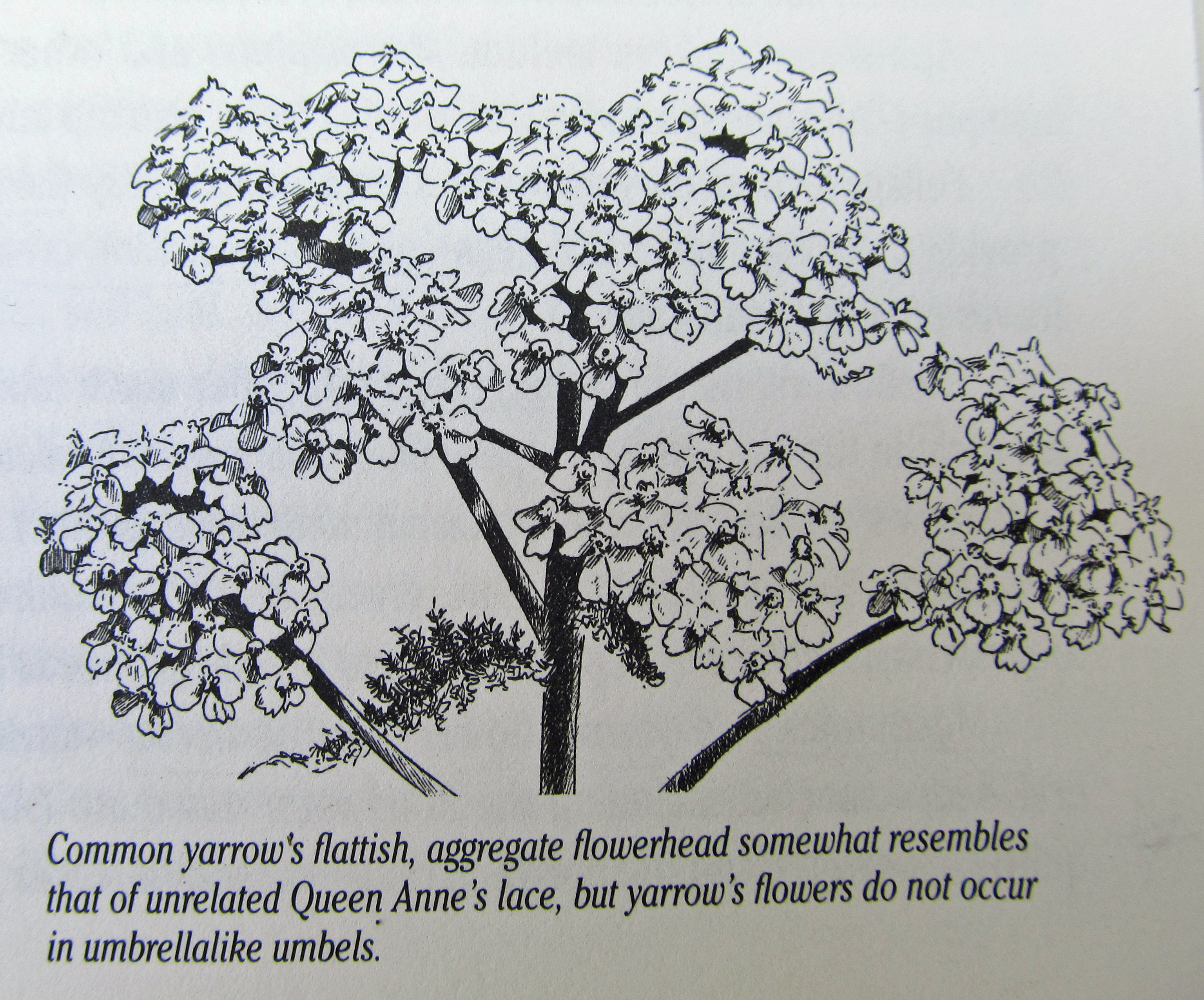
Yarrow begins as a small rosette of very finely dissected leaves that are feathery or fern-like in appearance. These characteristic leaves explain its specific epithet, millefolium, and common names like thousand-leaf. Slightly hairy stems with alternately arranged leaves arise from the rosettes and are capped with a wide, flat-topped cluster of tightly-packed flowers. The flower stalks can be less than one foot to more than three feet tall. The flowers are tiny, numerous, and consist of both ray and disc florets. Flowers are usually white but sometimes pink.

The plants produce several hundred to several thousand seeds each. The seeds are enclosed in tiny achene-like fruits which are spread by wind and gravity. Yarrow also spreads and reproduces rhizomatously. Its roots are shallow but fibrous and abundant, and they easily spread horizontally through the soil. If moisture, sun, and space are available, yarrow will quickly expand its territory. Its extensive root system and highly divided leaves, which help reduce transpiration rates, are partly what gives yarrow the ability to tolerate dry conditions.

john eastman

Illustration of Achillea millifolium by Amelia Hansen from The Book of Field and Roadside by John Eastman, which has an excellent entry about yarrow.

Common yarrow has significant wildlife value. While its pungent leaves are generally avoided by most herbivorous insects, its flowers are rich in nectar and attract bees, butterflies, beetles, flies, and even mosquitoes. Various insects feed on the flowers, and other insects visit yarrow to feed on the insects that are feeding on the plant. Despite its bitterness, the foliage is browsed by a variety of birds, small mammals, and deer. Some birds use the foliage in constructing their nests. Humans have also used yarrow as a medicinal herb for thousands of years to treat a seemingly endless list of ailments.

Yarrow’s popularity as an ornamental plant has resulted in the development of numerous cultivars that have a variety of flower colors including shades of pink, red, purple, yellow, and gold. While Achillea millefolium may be the most widely available species in its genus, there are several other drought-tolerant yarrows that are also commercially available and worth considering for a dry garden.

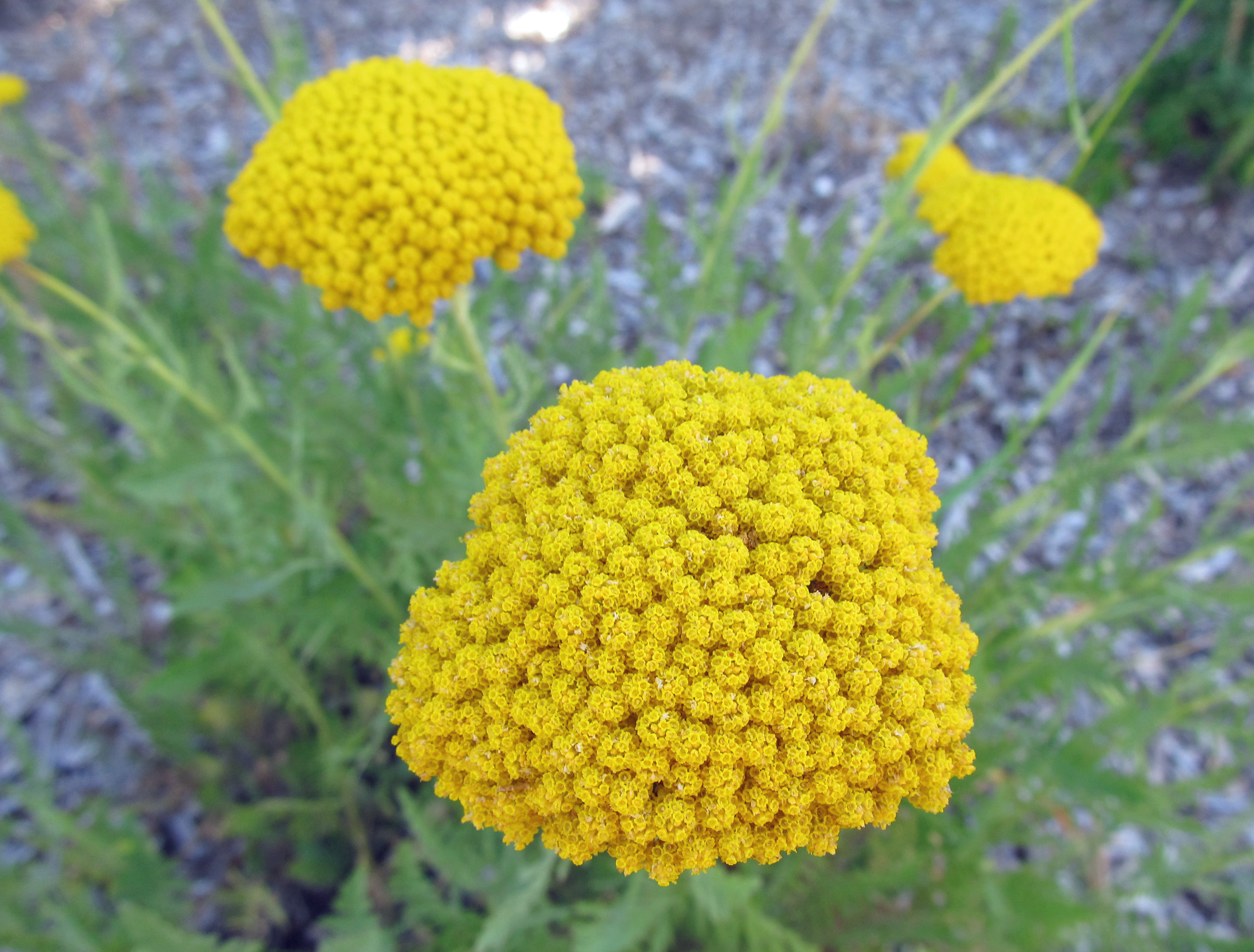
Achillea filipendulina, fern-leaf yarrow, is native to central and southwest Asia. It forms large, dense clusters of yellow-gold flowers on stalks that reach four feet high. Its leaves are similar in appearance to A. millefolium. Various cultivars are available, most of which have flowers that are varying shades of yellow or gold.

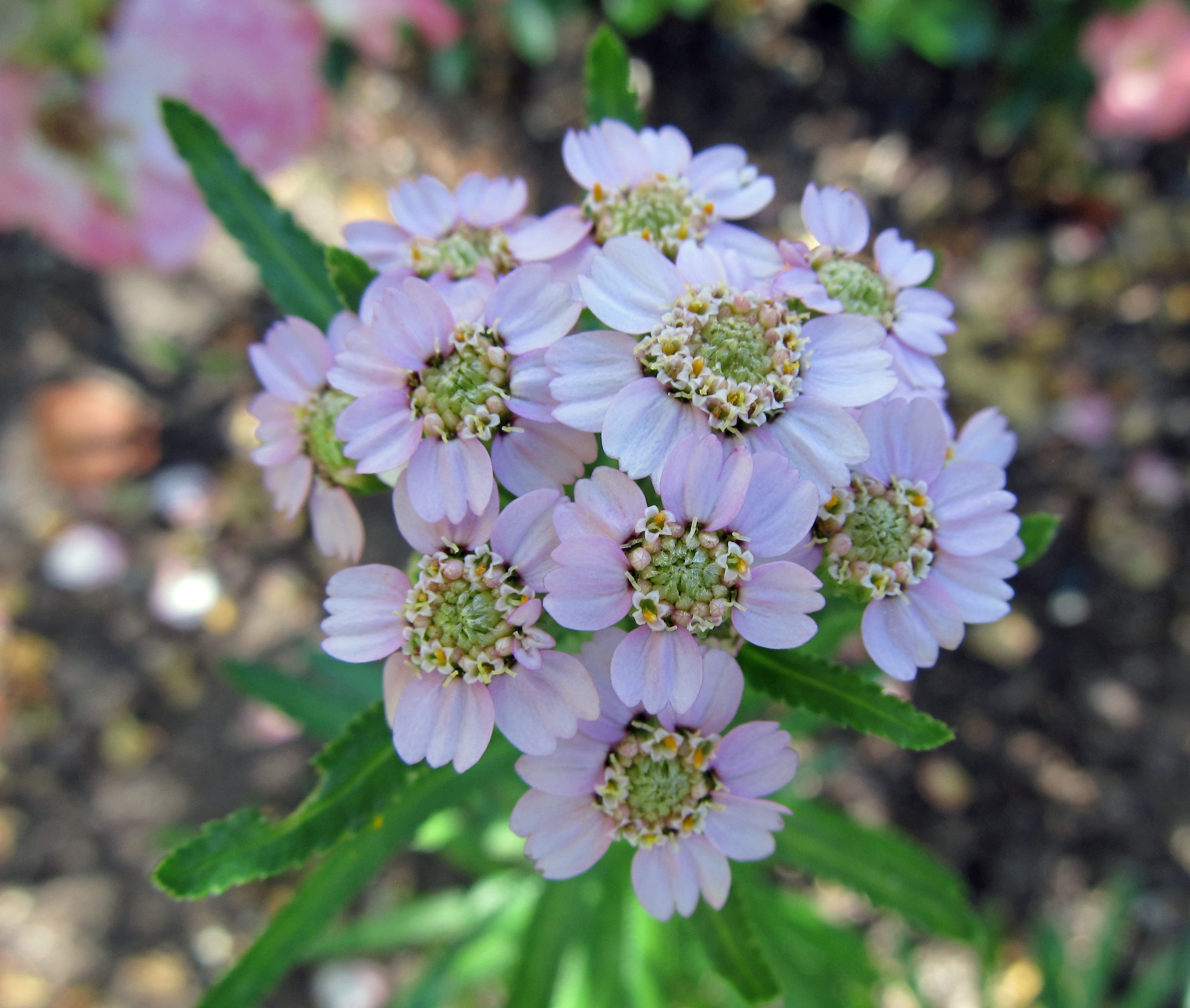
Achillea alpina, Siberian yarrow, only gets about half as tall as A. filipendulina. It occurs in Siberia, parts of Russia, China, Japan, and several other Asian countries. It also occurs in Canada. Unlike most other species in the genus, its leaves have a glossy appearance and are thick and somewhat leathery. Its flowers are white to pale violet. A. alpina is synonymous with A. sibirica, and ‘Love Parade’ is a popular cultivar derived from the subspecies camschatica.

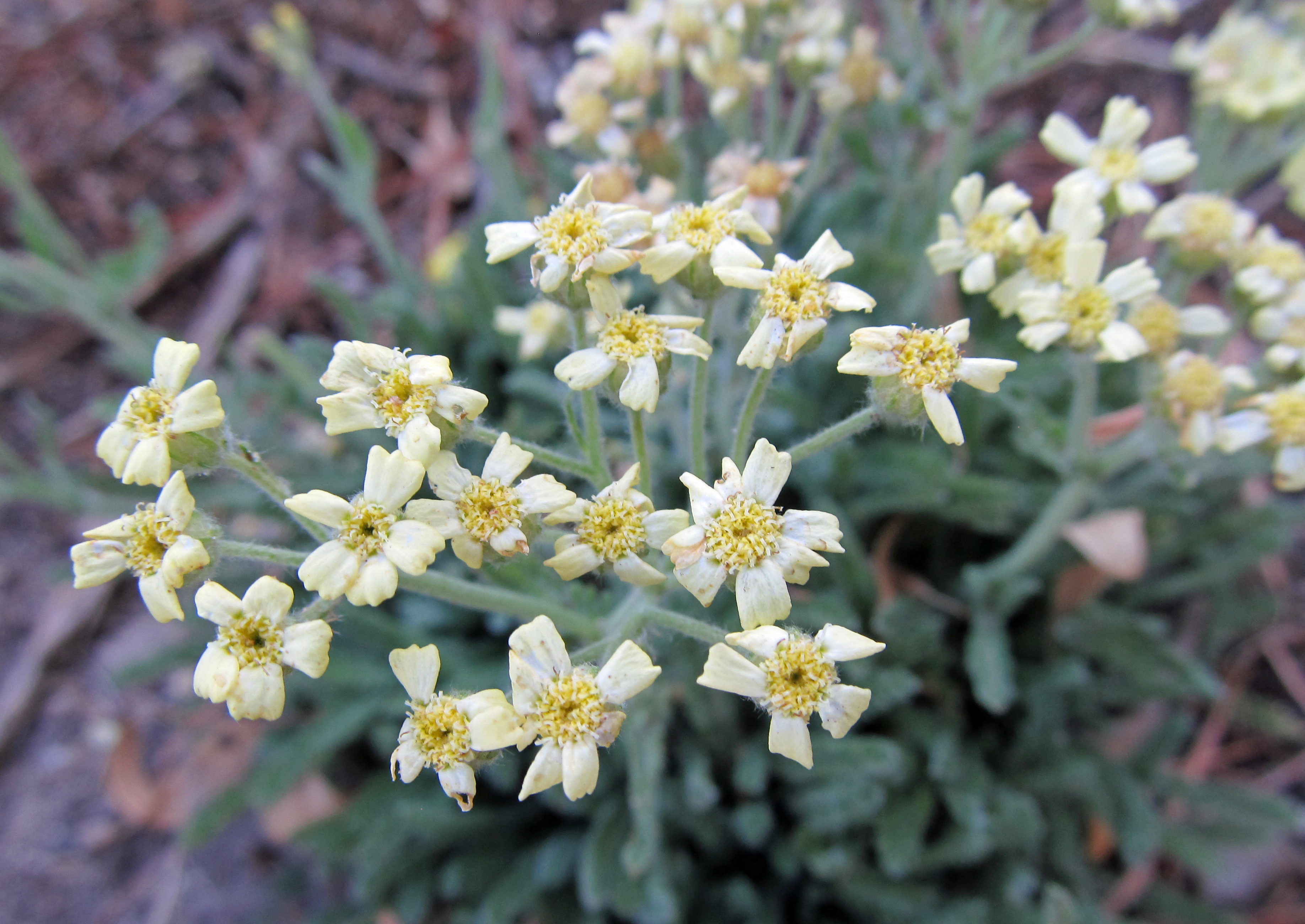
Achillea x lewisii ‘King Edward,’ a hybrid between A. tomentosa (woolly yarrow) and A. clavennae (silvery yarrow), stays below six inches tall and forms a dense mat of soft leaves that have a dull silver-gray-green appearance. Its compact clusters of flowers are pale yellow to cream colored. Cultivars of A. tomentosa are also available.

Achillea ptarmica, a European native with bright white flowers, and A. ageritafolia, a native of Greece and Bulgaria that is low growing with silvery foliage and abundant white flowers can also be found in the horticulture trade along with a handful of others. Whatever your preferences are, there is a yarrow out there for you. Invasiveness and potential for escape into natural areas should always be a concern when selecting plants for your garden, especially when considering a plant as robust and successful as yarrow. That in mind, yarrow should make a great addition to nearly any drought-tolerant, wildlife friendly garden.

More Drought Tolerant Plants Posts:

Podcast Review: Native Plant Podcast

Always on the lookout for more podcasts to listen to, I somehow stumbled upon Native Plant Podcast. I wish I could remember the rabbit hole I went down that brought me to this masterpiece, but I can’t. What I do remember is being hesitant at first. I am all for calling things what they are. A restaurant called “Restaurant?” Why not? A podcast about native plants called “Native Plant Podcast?” Sure. It’s not the most creative name, but it works. What I was worried about, though, was that a podcast calling itself after native plants was going to be preachy, pushy…or just dull.

Yet I work with native plants every day(!), and I love them – so my initial judgement must say more about myself than anything else. Despite my hesitation – and my inclination to judge a podcast by its cover – I gave it a shot. I’m so glad that I did, because what I found was a highly informative show that is simultaneously delightful, fun, goofy, and entertaining. It’s a podcast that doesn’t take itself too seriously. The hosts and their guests share an important message about the benefits of native plant gardening, and they do so with passion and a sense of urgency while remaining lighthearted and approachable.

native plant podcast logo and sign

Native Plant Podcast is young. The first episode came out in January 2016. It is run by three individuals that met at the Cullowhee Native Plant Conference in North Carolina (a conference that is often mentioned on the podcast). Mike Berkeley and John Magee are the regular hosts; Jesse Turner mainly operates behind the scenes but makes appearances on a few episodes. They each have their own nursery and/or landscaping businesses that deal largely with native plants. Together they have decades of experience working with native plants. In an episode with Neil Diboll of Prairie Nursery, Mike makes the comment that they “were into native plants before it got cool.” Several of the guests that have been on the podcast so far can say the same thing.

One such guest is Miriam Goldberger, owner of Wildflower Farm and author of Taming Wildflowers, who appears on two episodes (part 1 and part 2). Other notable guests include Thomas Rainer, co-outhor of Planting in a Post-Wild World, and David Mizejewski, a naturalist for the National Wildlife Federation. So far all of the guests have been great, and since the the podcast has only been around for a few months, it is easy to catch up on past episodes.

As someone who enjoys sitting around talking about plants, this podcast is perfect since much of the “airtime” is taken up by such discussions. The episodes about winter interest and spring gardening are particularly great for this sort of thing. Two other standout episodes are the introductory episode, in which Mike and John discuss how they got started working with native plants, and the episode about defining native plants, in which Mike, John, and Jesse all take a crack at coming up with a definition. A topic that comes up often on the podcast is native plant cultivars (John understandably cringes each time he hears the portmanteau of “native” and “cultivar”), which seems to be a controversial topic in the native plant world.

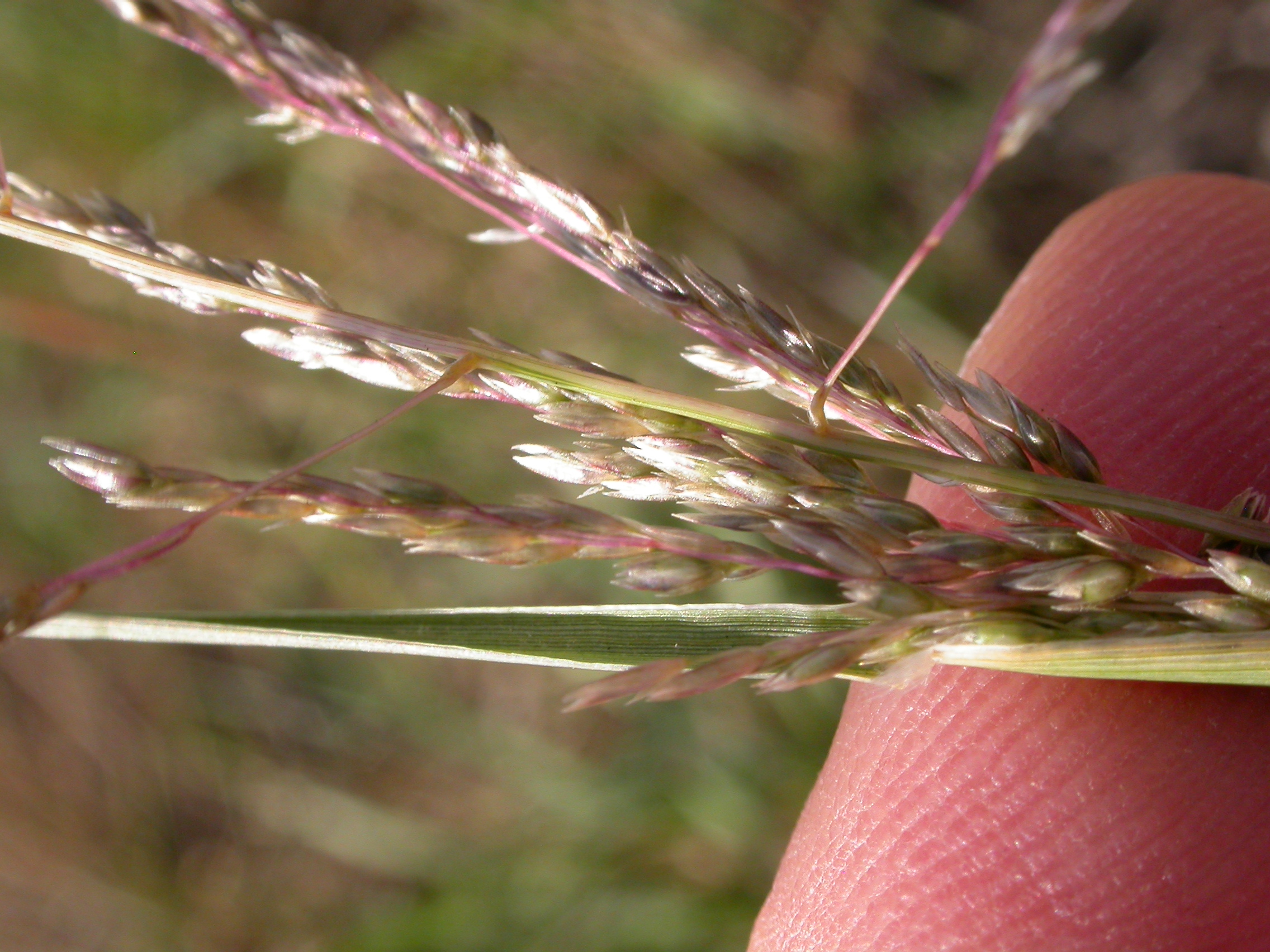
Prairie dropseed (Sporobolus cryptandrus) - one of Mike and John's favorite grasses and a plant that comes up frequently on the podcast. (photo credit: wikimedia commons)

Prairie dropseed (Sporobolus cryptandrus) – one of Mike and John’s favorite grasses and a plant that comes up frequently on the podcast. (photo credit: wikimedia commons)

In each episode of the podcast there is an interview/discussion followed by three short segments: listener questions, stories about dogs or other pets (the hosts really love their dogs), and a toast (in which the hosts pop open their beers in front of the microphone for all to hear). The twitter bio for the Native Plant Podcast sums it up well: “A podcast started by a group of goofballs to highlight the beauty and functionality of native plants in the landscape.” These goofballs really know their stuff, and I highly recommend listening to their show.

Bonus quote from the episode with Neil Diboll:

Everybody says they love Mother Nature, but if you look at people’s yards, very few people actually invite her over. Most people have lawns that are mown to within an inch or two of their lives, and the typical American garden is like a big pile of mulch with a few perennials stuck in it or maybe a few shrubs stuck in it. These are really non-functional gardens from a standpoint of an ecological approach, so bringing your landscaping to life is creating ecological gardens that are not just for the owner of the property, but for all life that you can attract to the land for which you are the steward.

Field Trip: Utah State University Botanical Center

usu bc sign

Last month I was in Utah visiting family, so I took the opportunity to check out the Utah State University Botanical Center in Kaysville. Located along Interstate 15, it’s hard to miss, and yet I had never visited despite having driven past it numerous times. Of course, March is not the ideal time to visit a botanical garden in Utah. Spring was in the air, but the garden still had a lot of waking up to do. Regardless it was fun to check the place out and imagine what it might have to offer in its prime.

The vision of the USU Botanical Center is “to guide the conservation and wise use of plant, water, and energy resources through research-based educational experiences, demonstrations, and technologies.” Some of the demonstration gardens are located alongside a series of ponds that are stocked with fish and are home to wetland bird species and other wildlife.  Next door to the ponds is the Utah House, a demonstration house modeling energy efficient design and construction along with other sustainable practices. The landscaping surrounding the Utah House, apart from the vegetable garden, consists mainly of drought-tolerant plants.

Utah State University has recently acquired some neighboring land and is in the process of expanding their demonstration gardens and arboretum. I enjoyed my brief visit (particularly the time I spent watching the ducks) and will make it a point to stop again, both during a warmer time of year and as the gardens continue to expand.

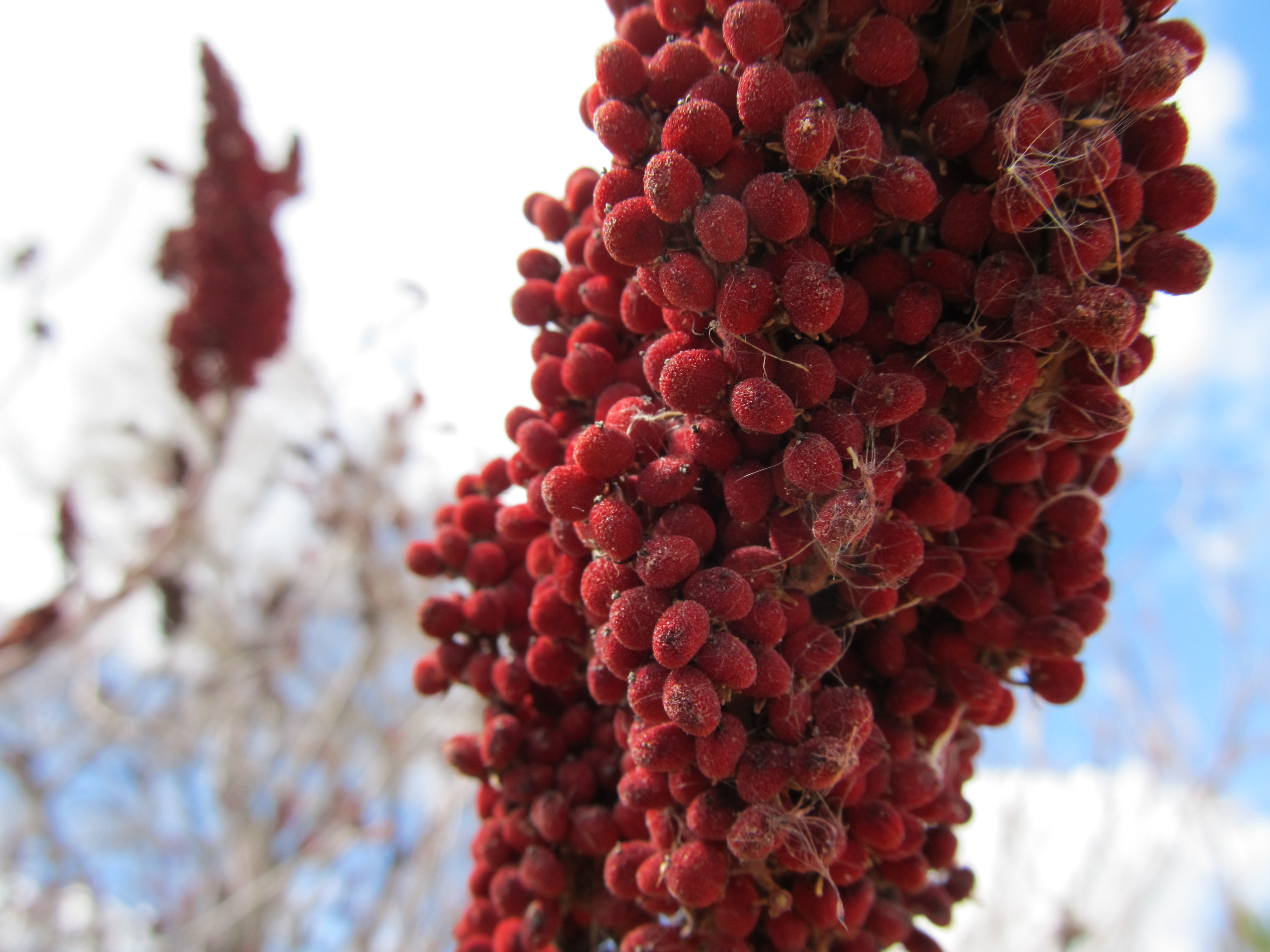
Sumac

The fruits of smooth sumac (Rhus glabra)

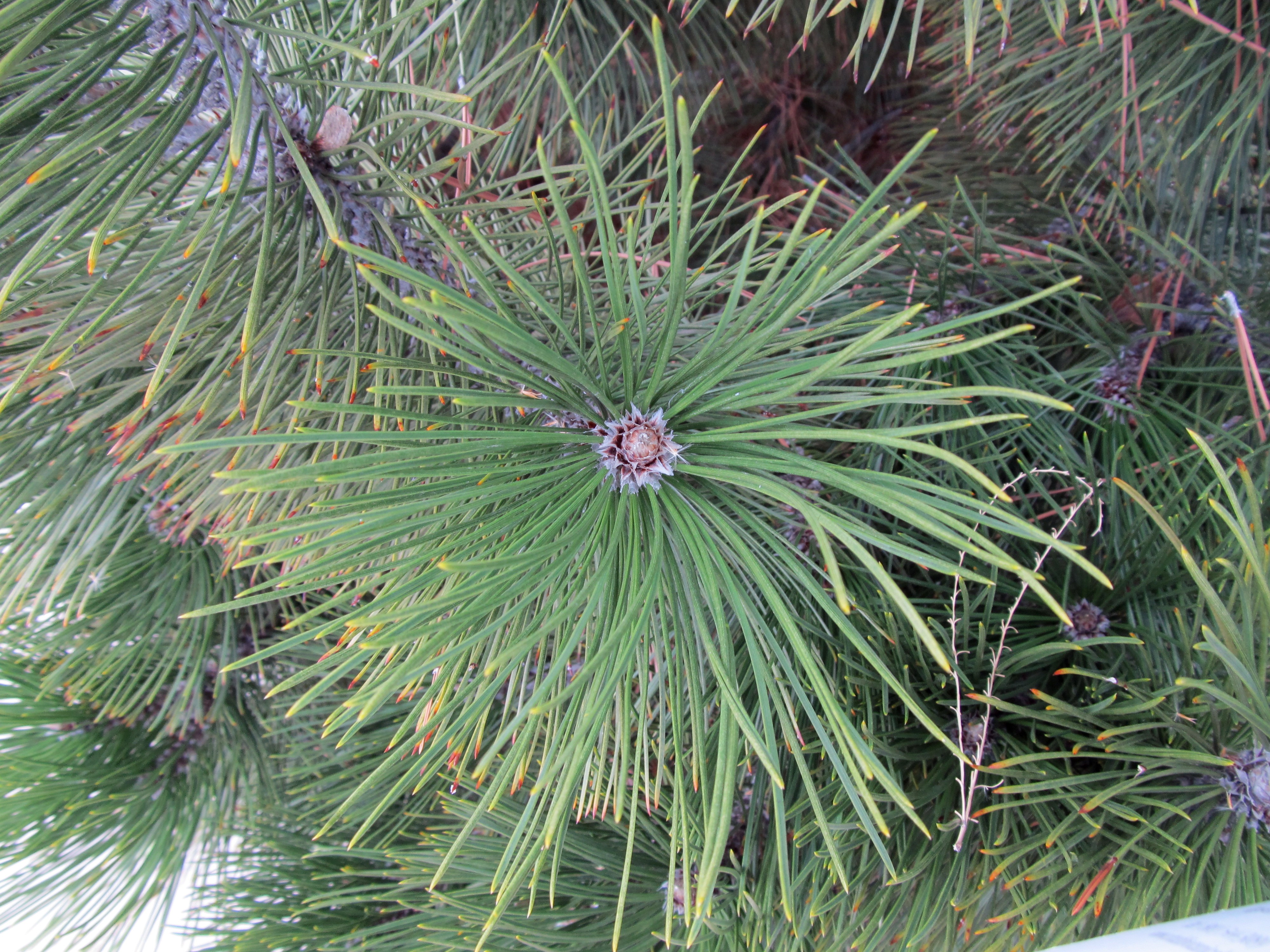
Pinus heldreichii 'green bun'

Dwarf Bosnian Pine (Pinus heldreichii ‘Green Bun’)

Daphne x burkwoodii 'carol mackie'

Carol Mackie Daphne (Daphne x burkwoodii ‘Carol Mackie’)

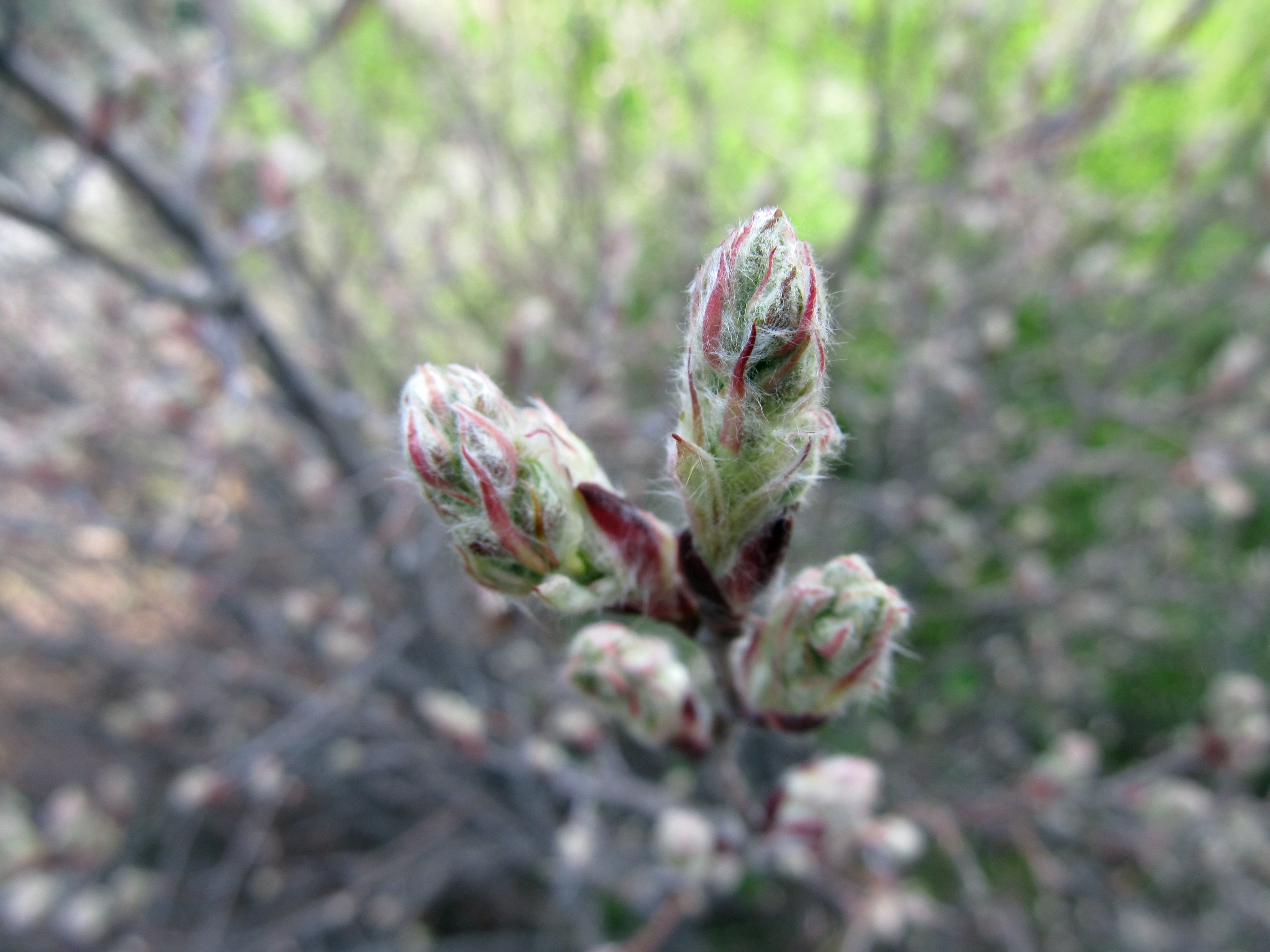
Amelanchier alnifolia leafing out

Saskatoon serviceberry leafing out (Amelanchier alnifolia)

Physocarpus opulifolius 'Dart's Gold'

Dart’s Gold Ninebark (Physocarpus opulifolius ‘Dart’s Gold’)

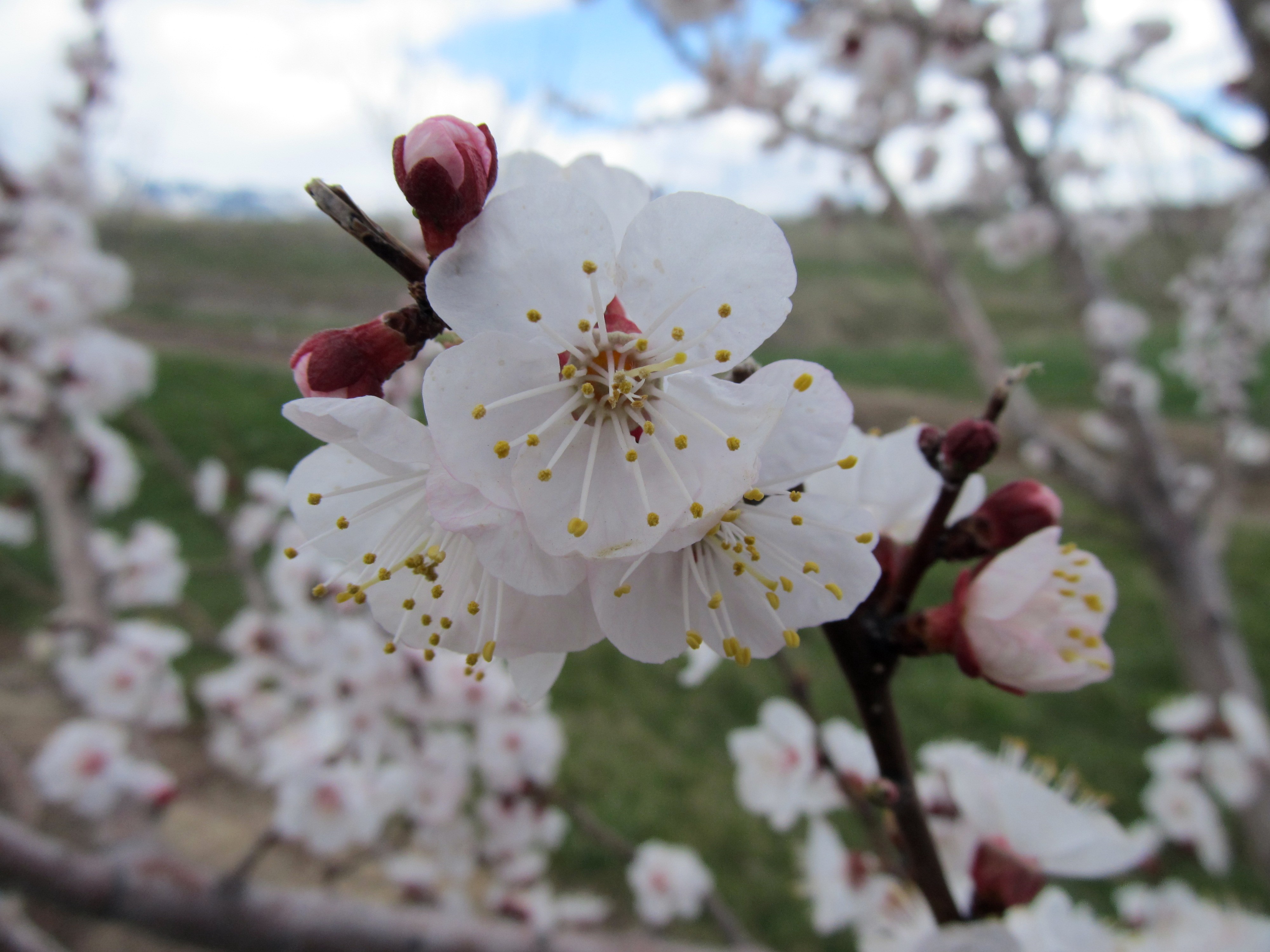
Aprium blossoms

Aprium blossoms – 75% apricot, 25% plum

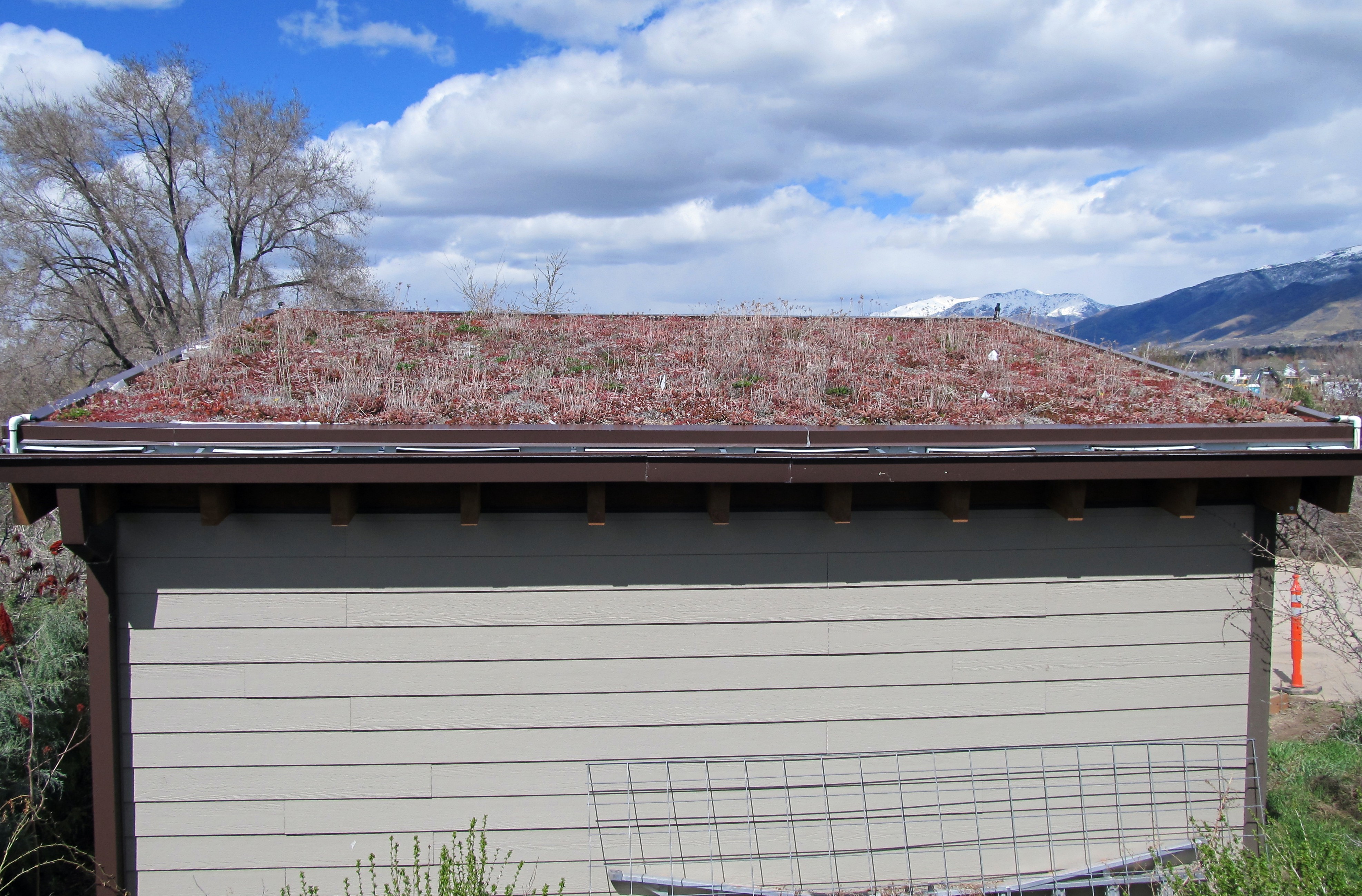
green roof

Green roof on a shed near the Utah House

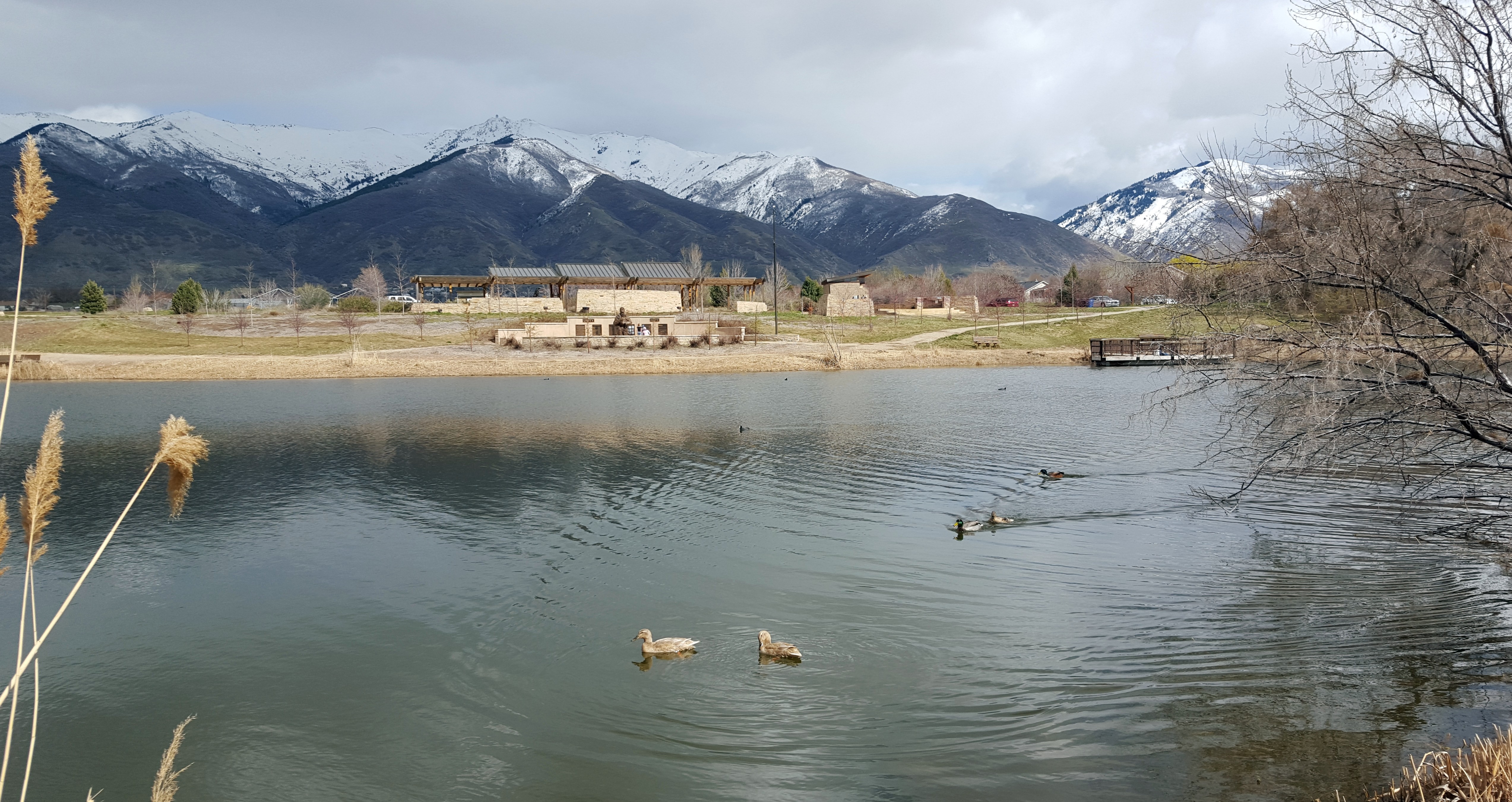
ducks!

The wetlands at USU Botanical Center offer a great opportunity to teach the public about the importance of wetland habitat and wetland conservation. Signage informs visitors that despite the fact that wetlands and riparian areas only make up 1% of Utah, 80% of Utah’s wildlife use such areas at some point during their life. Learn more here.

What botanical gardens are you visiting this spring? Leave your travelogues and recommendations in the comments section below.

Biodiversity Dips When Japanese Rice Paddies Go Fallow

Large-scale farms that generally grow a single crop at a time and are managed conventionally are, by design, lacking in biodiversity. Abandoning such farms and allowing nature to take its course should, not surprisingly, result in a dramatic uptick in biodiversity. Plant colonization of abandoned farmland (also referred to as old field succession) is well studied and is regularly used as an example of secondary succession in ecology textbooks. The scenario seems obvious: cease agriculture operations, relinquish the land back to nature, and given enough time it will be transformed into a thriving natural community replete with diverse forms of plants and animals. This is an oversimplification, of course, and results will vary with each abandoned piece of land depending on the circumstances, but it generally seems to be the story. So what about when it isn’t?

Rice farming in Japan began at least 2400 years ago. Rice had been domesticated in China long before that, and when it eventually arrived in Japan it shaped the culture dramatically. For hundreds of years rice was farmed in small, terraced paddies in the mountains of Japan. Dennis Normile writes about these traditional, rice paddies in a recent issue of Science. He describes how they were found in villages “nestled in a forested valley” accompanied by vegetable plots, orchards, and pasture. Today, farms like these are “endangered,” and as they have become increasingly abandoned, plants, insects, and other wildlife that have historically thrived there are suffering.

Since the 1960’s, a combination of factors has resulted in the decline of traditional rice farming in Japan. For one, large scale farming has led to the consolidation of paddies, which are farmed more intensively. Diets in Japan have also shifted, resulting in a preference for bread and pasta over rice. Additionally, Japan’s population is shrinking, and residents of rural areas are migrating to cities. Traditional rice farmers are aging, and younger generations are showing little interest in pursuing this career.

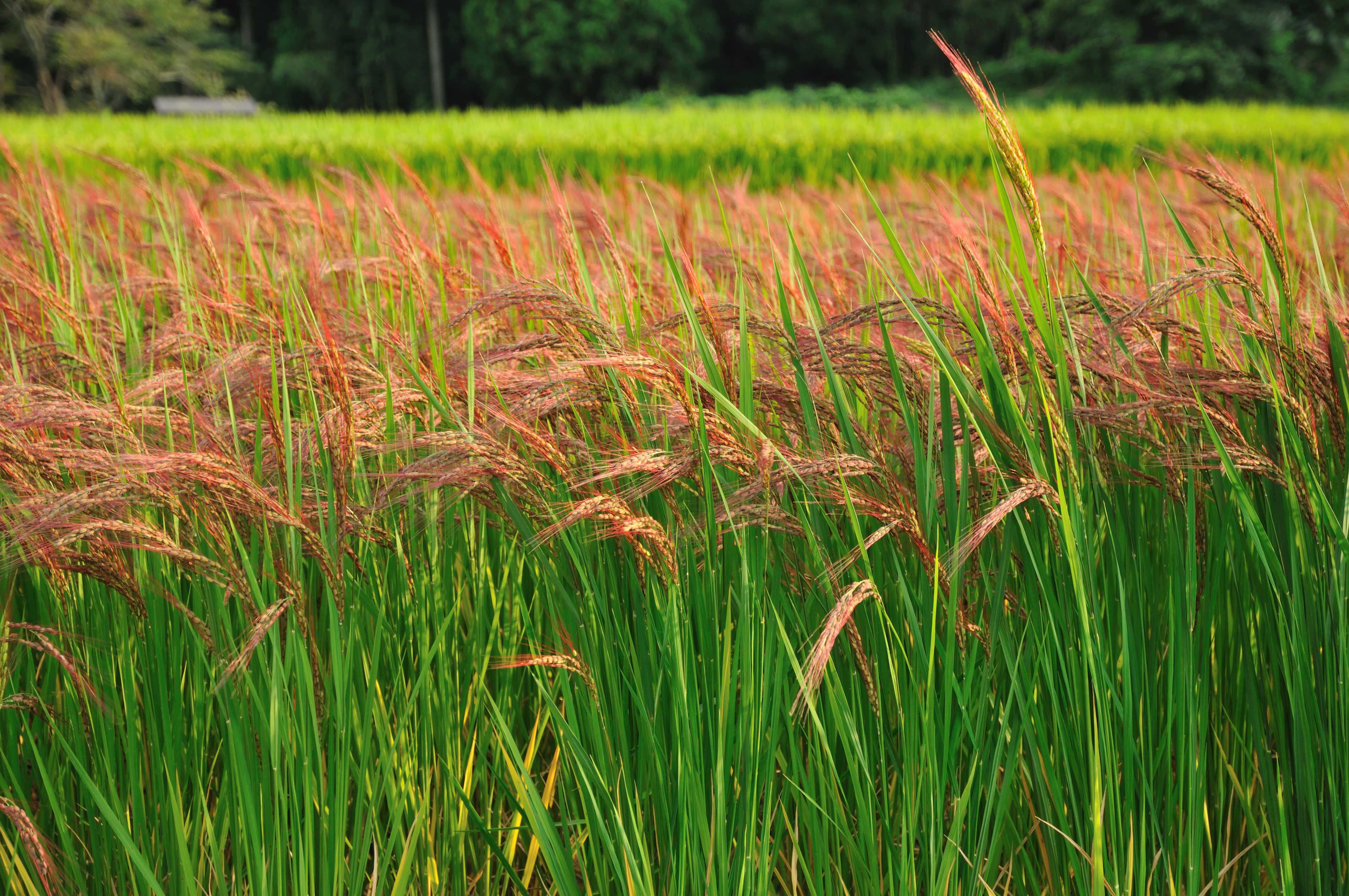
Red rice paddy in Japan - photo credit: wikimedia commons

Red rice paddy in Japan – photo credit: wikimedia commons

Demographic and dietary concerns aside, why in this case is the abandonment of agriculture imperiling species? The answer appears to be in both the way that the rice paddies have been historically managed and the length of time that they have been managed that way. Agriculture, by its very nature, creates novel ecosystems, and if the practice continues long enough, surrounding flora and fauna could theoretically coevolve along with the practice. When the practice is discontinued, species that have come to rely on it become threatened.

Traditional rice paddies are, as Normile describes, “rimmed by banks so that they can be flooded and drained.” Farmers “encouraged wild grassland plants to grow on the banks because the roots stabilize the soil.” The banks are mowed at least twice a year, which helps keep woody shrubs and trees from establishing on the banks. In some areas, rice farming began where primitive people of Japan were burning frequently to encourage grassland habitat. Maintaining grassland species around rice paddies perpetuated the grassland habitat engineered by primitive cultures.

As rice paddies are abandoned and the surrounding grasslands are no longer maintained, invasive species like kudzu and a North American species of goldenrod have been moving in and dominating the landscape resulting in the decline of native plants and insects. Normile reports that the abandoned grasslands are not expected to return to native forests either since “surrounding forests…are a shadow of their old selves.”

Additionally, like most other parts of the world, Japan has lost much of its natural wetland habitat to development. Rice paddies provide habitat for wetland bird species. On paddies that have been abandoned or consolidated, researchers are finding fewer wetland bird species compared to paddies that are managed traditionally.

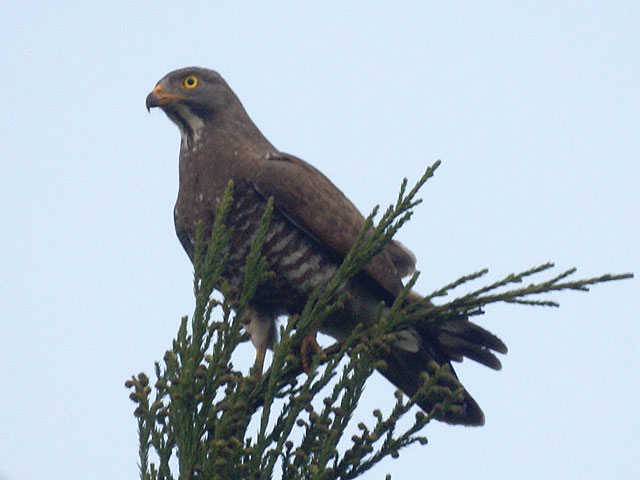
The gray-faced buzzard (Butastur indicus) is listed as vulnerable in Japan. It nests in forests and preys on insects, frogs, and other animals found in grasslands and rice paddies. It's decline has been linked to the abandonment and development of traditionally farmed rice paddies. (photo credit: wikimedia commons)

The gray-faced buzzard (Butastur indicus) is listed as vulnerable in Japan. It nests in forests and preys on insects, frogs, and other animals found in grasslands and rice paddies. Its decline has been linked to the abandonment and development of traditionally farmed rice paddies. (photo credit: wikimedia commons)

All of this adds fodder to an ongoing debate: “whether allowing farmland to revert to nature is a boon to biodiversity or actually harms it.” Where agriculture is a relatively new practice or where conventional practices dominate, abandoning agriculture would be expected to preserve and promote biodiversity. However, where certain agricultural practices have persisted for millenia, abandoning agriculture or converting  to modern day practices could result in endangerment and even extinction of some species. In the latter case, “rewilding” would require thoughtful consideration.

The thing that fascinates me the most about this report is just how intertwined humans are in the ecology of this planet. In many ways humans have done great harm to our environment and to the myriad other species that share it. We are a force to be reckoned with. Yet, the popular view that we are separate, above, apart, or even dominant over nature is an absurd one. For someone who cares deeply about the environment, this view has too often been accompanied by a sort of self-flagellation, cursing myself and my species for what we have done and continue to do to our home planet. Stories like this, however, offer an alternative perspective.

Humans are components of the natural world. We evolved just like every other living thing here, and so our actions as well as the actions of other species have helped shape the way the world looks. If our species had met its demise early in its evolutionary trajectory, the world would look very different. But we persisted, and as it turns out, despite the destruction we have caused and the species we have eliminated, we have simultaneously played a role in the evolution and persistence of many other species as well. We must learn to tread lightly – for the sake of our own species as well as others – but we should also quit considering ourselves “other than” nature, and we should stop beating ourselves up for our collective “mistakes.” It seems that when we come to recognize how connected we are to nature we will have greater motivation to protect it.

Additional Resources:

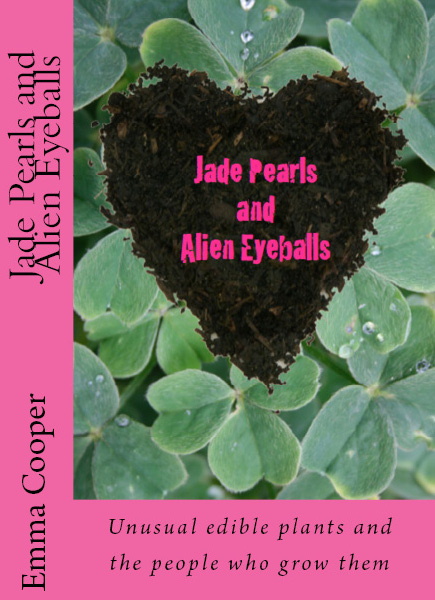
Book Review: Jade Pearls and Alien Eyeballs

The spring season for plant-obsessed gardeners is a time to prepare to grow something new and different – something you’ve never tried growing before. Sure, standards and favorites will make an appearance, but when you love plants for plant’s sake you’ve got to try them all, especially the rare and unusual ones – the ones no one else is growing. Even if it ultimately turns out to be a disaster or a dud, at least you tried and can say you did.

That seems to be the spirit behind Jade Pearls and Alien Eyeballs by Emma Cooper. Subtitled, “Unusual Edible Plants and the People Who Grow Them,” Cooper’s book is all about trying new plants, both in the garden and on your plate. While its focus is on the rare and unusual, it is not a comprehensive guide to such plants – a book like that would require several volumes – rather it is a treatise about trying something different along with a few recommendations to get you started.

jadepearls_cover

Cooper starts out by explaining what she means by “unusual edible” – “exotic, old-fashioned, wild, or just plain weird.” Her definition includes plants that may be commonly grown agriculturally but may not make regular appearances in home gardens. She goes on to give a brief overview of plant exploration throughout history, highlighting the interest that humans have had for centuries – millennia even – in seeking out new plants to grow. She acknowledges that, in modern times, plant explorations have shifted from simply finding exotic species to bring home and exploit to cataloging species and advocating for their conservation in the wild. Of course, many of these explorations are still interested in finding species that are useful to humans or finding crop wild relatives that have something to offer genetically.

Cooper then includes more than 2o short interviews of people who are growers and promoters of lesser known edible plants. The people interviewed have much to offer in the way of plant suggestions and resource recommendations; however, this part of the book was a bit dull. Cooper includes several pages of resources at the end of the book, and many of the interviewees suggest the same plants and resources, so this section seemed redundant. That being said, there are some great responses to Cooper’s questions, including Owen Smith’s argument for “citizen-led research and breeding projects” and James Wong’s advise to seek out edible houseplants.

The remainder of the book is essentially a list of the plants that Cooper suggests trying. Again, it is not a comprehensive list of the unusual plants one could try, nor it is a full list of the plants that Cooper would recommend, but it is a good starting point. Cooper offers a description of each plant and an explanation for why it is included. The list is separated into seven categories: Heritage and Heirloom Plant Varieties, Forgotten Vegetables, The Lost Crops of the Incas, Oriental Vegetables, Perennial Pleasures, Unusual Herbs, and Weeds and Wildings.

This is the portion of the book that plant geeks are likely to find the most compelling. It is also where the reader learns where the title of the book comes from – “jade pearls” is another common name for Chinese artichoke (Stachys affinis), and “alien eyeballs” is Cooper’s name for toothache plant (Acmella oleracea). I have tried a few of the plants that Cooper includes, and I was intrigued by many others, but for whatever reason the two that stood out to me as the ones I should try this year were Hamburg parsley (Petroselinum crispum var. tuberosum) and oca (Oxalis tuberosa).

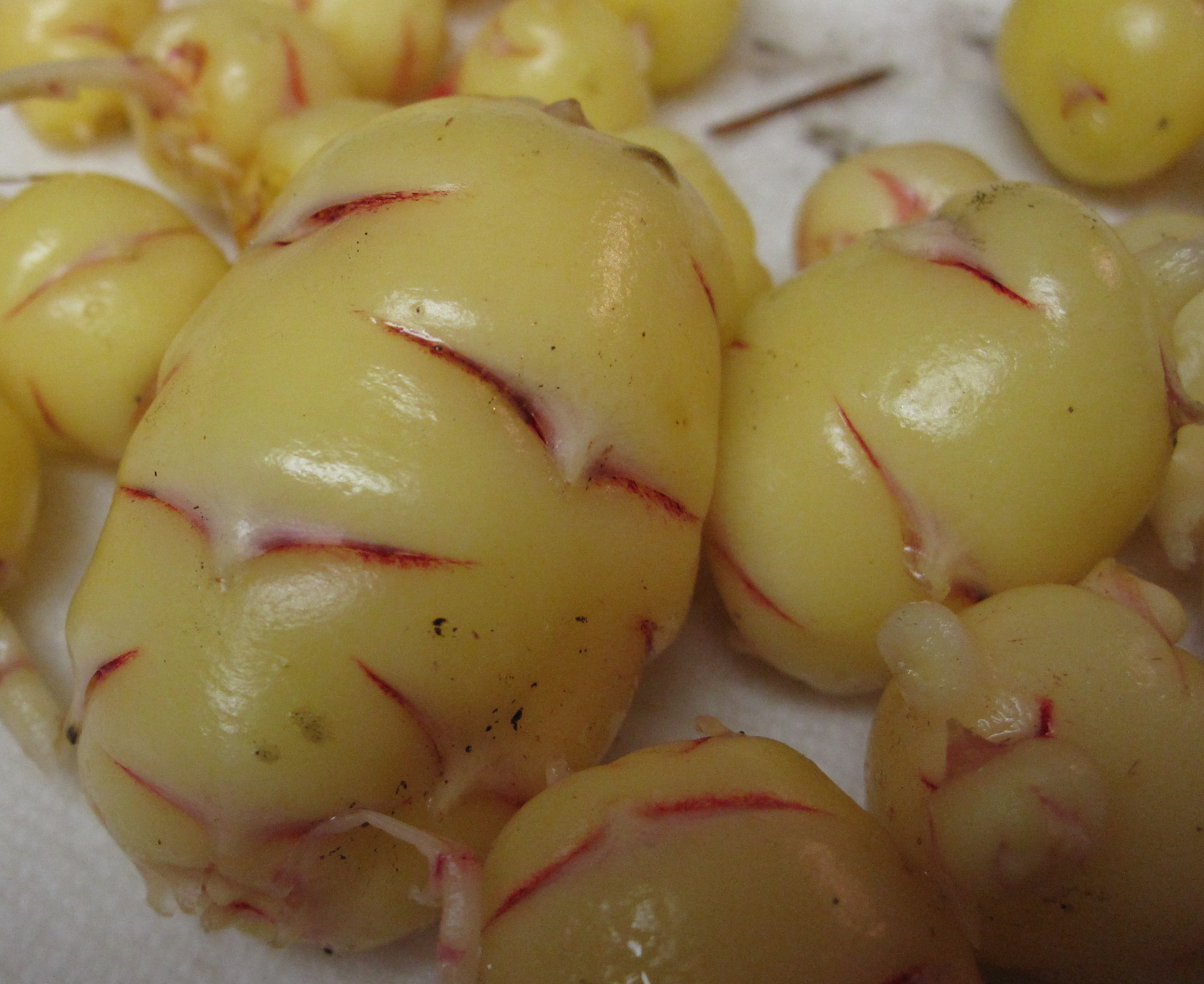
Tubers of oca (Oxalis tuberosa) - photo credit: wikimedia commons

Tubers of oca (Oxalis tuberosa) – photo credit: wikimedia commons

In the final chapter, Cooper offers – among other things – warnings about invasive species (“our responsibility is to ensure that the plants we encourage in our gardens stay in our gardens and are not allowed to escape into our local environment”), import restrictions (“be a good citizen and know what is allowed in your country [and I would add state/province], what isn’t, and why”), and wild harvesting (“act sustainably when foraging”). She then includes several pages of books and websites regarding unusual edibles and a long list of suppliers where seeds and plants can be acquired. Cooper is based in the U.K., so her list of suppliers is centered in that region, but a little bit of searching on the internet and asking around in various social media, etc. should help you develop a decent list for your region. International trades or purchases are an option, but as Cooper advises, follow the rules that are in place for moving plant material around.

Bottom line: find some interesting things to grow this year, experiment with things you’ve never tried – even things that aren’t said to grow well in your area – and if you’re having trouble deciding what to try or you just want to learn more about some interesting plants, check out Emma Cooper’s book.

Also, check out Emma Cooper’s blog and now defunct podcast (the last few episodes of which explore the content of this book).

Are you interested in writing a book review for Awkward Botany or helping out in some other way? If so, go here.

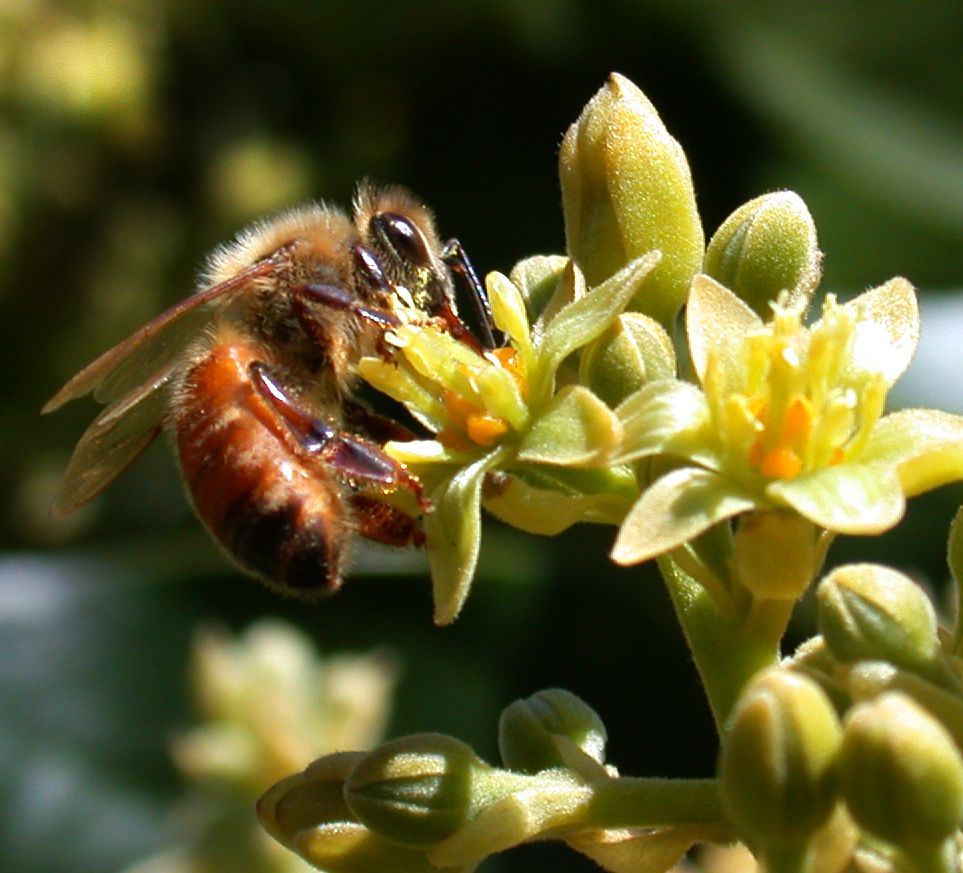
Attract Pollinators, Grow More Food

It seems obvious to say that on farms that rely on insect pollinators for crops to set fruit, having more pollinators around can lead to higher yields. Beyond that, there are questions to consider. How many pollinators and which ones? To what extent can yields be increased? How does the size and location of the farm come into play? Etc. Thanks to a recent study, one that Science News appropriately referred to as “massive,” some of these questions are being addressed, offering compelling evidence that yields grow dramatically simply by increasing and diversifying pollinator populations.

It is also stating the obvious to say that some farms are more productive than others. The difference between a high yield farm and a low yield farm in a given crop system is referred to as a yield gap. Yield gaps are the result of a combination of factors, including soil health, climate, water availability, and management. For crops that depend on insects for pollination, reduced numbers of pollinators can contribute to yield gaps. This five year study by Lucas A. Garibaldi, et al., pubished in a January 2016 issue of Science, involving 344 fields and 33 different crops on farms located in Africa, Asia, and Latin America demonstrates the importance of managing for pollinator abundance and diversity.

The study locations, which ranged from 0.1 hectare to 327.2 hecatares, were separated into large and small farms. Small farms were considered 2 ha and under. In the developing world, more than 2 billion people rely on farms of this size, and many of these farms have low yields. In this study, low yielding farms on average had yields that were a mere 47% of high yielding farms. Researchers wanted to know to what degree enhancing pollinator density and diversity could help increase yields and close this yield gap.

By performing coordinated experiments for five years on farms all over the world and by using a standardized sampling protocol, the researchers were able to determine that higher pollinator densities could close the yield gap on small farms by 24%. For larger farms, such yield increases were seen only when there was both higher pollinator density and diversity. Honeybees were found to be the dominant pollinator in larger fields, and having additional pollinator species present helped to enhance yields.

These results suggest that, as the authors state, “there are large opportunities to increase flower-visitor densities and yields” on low yielding farms to better match the levels of “the best farms.” Poor performing farms can be improved simply by managing for increased pollinator populations. The authors advise that such farms employ “a combination of practices,” such as “sowing flower strips and planting hedgerows, providing nesting resources, [practicing] more targeted use of pesticides, and/or [restoring] semi-natural and natural areas adjacent to crops.” The authors conclude that this case study offers evidence that “ecological intensification [improving agriculture by enhancing ecological functions and biodiversity] can create mutually beneficial scenarios between biodiversity and crop yields worldwide.”

photo credit: wikimedia commons

photo credit: wikimedia commons

A study like this, while aimed at improving crop yields in developing nations, should be viewed as evidence for the importance of protecting and strengthening pollinator populations throughout the world. Modern, industrial farms that plant monocultures from one edge of the field to the other and that include little or no natural area – or weedy, overgrown area for that matter – are helping to place pollinator populations in peril. In this study, after considering numerous covariables, the authors concluded that, “among all the variables we tested, flower-visitor density was the most important predictor of crop yield.”

Back to stating the obvious, if pollinators aren’t present yields decline, and as far as I’m aware, we don’t have a suitable replacement for what nature does best.

This study is available to read free of charge at ResearchGate. If you are interested in improving pollinator habitat in your neighborhood, check out these past Awkward Botany posts: Planting for Pollinators, Ground Nesting Bees in the Garden, and Hellstrip Pollinator Garden.

Growing Potatoes on Mars

“My best bet for making calories is potatoes. They grow prolifically and have a reasonable calorie count. … I can’t just live off the land forever. But I can extend my life. The potatoes will last me 76 days.” – The Martian by Andy Weir

The Atacama Desert is a strip of land in northern Chile that reaches into portions of Bolivia, Peru, and Argentina. Within it lies a region 10,000 feet in elevation that, thanks to a double rain shadow, is so intensely dry that nothing, not even microbial life, can survive. Rain falls in this region perhaps once every 10 years, and even then precipitation is paltry. This area is so desolate and devoid of life that NASA scientists consider it Mars-like and have used the area to test equipment that is bound for Mars. Studies have found that the soil in this region is similar to Martian soil – so similar, in fact, that it is now being used to test the feasibility of growing potatoes on Mars.

The study is being carried out by NASA in collaboration with Centro Internacional de la Papa (CIP), an agriculture research institution based in Lima, Peru. The efforts consist of an initial series of three experiments. Apart from investigating methods for growing potatoes in a Martian environment, researchers hope to develop ways to improve potato production on marginal land here on Earth in order to increase yields and provide a sustainable source of food in parts of the world that so desperately need it.

The wild crop relative of the cultivated potato (Solanum tuberosum) is native to the Andes. It was originally domesticated by the indigenous people of Peru at least 8,000 years ago. Spanish explorers brought potatoes back to Europe around 1570, and over the next several hundred years cultivation of potatoes spread throughout the world. It is now one of the world’s top 5 food crops and is a staple food source in many regions. So why not Mars?

potatoes-on-mars-nasa-and-cip

The first phase of experiments is currently under way. A selection of potato cultivars that have attributes such as quick maturity, virus resistance, tolerance to high temperatures, and resistance to drought are being grown in soil taken from the Mars-like region of the Atacama Desert. The second phase will consider the transportation of the potatoes from Earth to Mars, a nine month journey. The harvest from the first experiment will be frozen, thawed, and then planted to determine if the propagules remain viable after making the journey through space. The final phase of the experiments will entail growing the potatoes inside of CubeSat modules in which a Mars-like environment can be simulated. The specifics of these studies vary across multiple reports, so this may be a slight misrepresentation of the actual research program. As official reports emerge, the exact methods will be more clear.

According to this post on the CIP website, this collaboration is “a major step towards building a controlled dome on Mars capable of farming the invaluable crop in order to demonstrate that potatoes can be grown in the most inhospitable environments.” The post goes on to laud the nutrient benefits of the potato and its potential to address issues of food security, poverty, and malnutrition. As NASA seeks for ways to sustain an eventual human mission to Mars, CIP looks to address global hunger. Together they see potential in the potato.

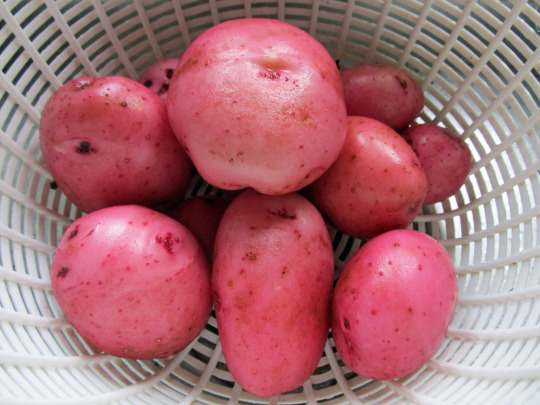
red potatoes

Space programs, even those that seem overly ambitious, offer benefits that can extend into all aspects of our lives. That is why I remain intrigued by experiments such as these that involve growing plants in space or on other planets. We may never find ourselves mass producing food for human populations outside of Earth (or maybe we will), but what we can learn in the process of simply seeing what is possible has great potential to increase our botanical knowledge and improve agricultural efforts here on our home planet.

Selected Resources:

———————

Thanks to Franz Anthony, Awkward Botany now has an official logo. Franz is a graphic designer, artist, and illustrator based in Sydney, Australia. Check out his website and his Tumblr, and follow him on Twitter and Instagram. Also, stay tuned for more of Franz’s graphic design and illustration work here on Awkward Botany. 

AB_Logo_Brown1