Cultivated Sunflowers and Their Wild Relatives

This is the ninth in a series of posts reviewing the 17 articles found in the October 2014 Special Issue of American Journal of Botany, Speaking of Food: Connecting Basic and Applied Science.

Transistions in Photoperiodic Flowering Are Common And Involve Few Loci in Wild Sunflowers (Helianthus; Asteraceae) by Lucas P. Henry, Ray H. B. Watson, and Benjamin K. Blackman

The seasonal timing of flowering is an important trait to consider in crop plants, because it dictates where geographically a particular crop can be grown and also plays a role in fitness and yield. Flowering time is determined by a combination of genetics and environmental factors. One of the major environmental factors is day length, a phenomenon known as photoperiod response (or photoperiodism).  There are three main types of photoperiod response: short-day (plants flower when “grown in day lengths below a critical maximum threshold”), long-day (plants flower when “grown in day lengths above a critical minimum threshold”) and day-neutral (“plants flower at the same time under all day length conditions”). A plant’s response to day length can be obligate – restricted to a particular response – or facultative – capable but not restricted. Understanding the genetics of photoperiod response is important for breeding efforts, and can help in the development of crop varieties that have improved yields and that can be either grown in broader geographic areas or that are specifically selected for local regions.

Agricultural breeding programs often investigate wild relatives of crop plants for potential traits that could lead to improvements. There is “renewed interest” in these investigations “because genome-enabled methods [of identifying desirable genes] and international investment in germplasm resources have dramatically reduced the associated labor, time, and risk.” The authors of this study, recognizing extensive variation in flowering time in both common sunflower (Helianthus annuus) and its wild relatives, examined the genetic basis for this variation in an effort to support sunflower breeding programs.
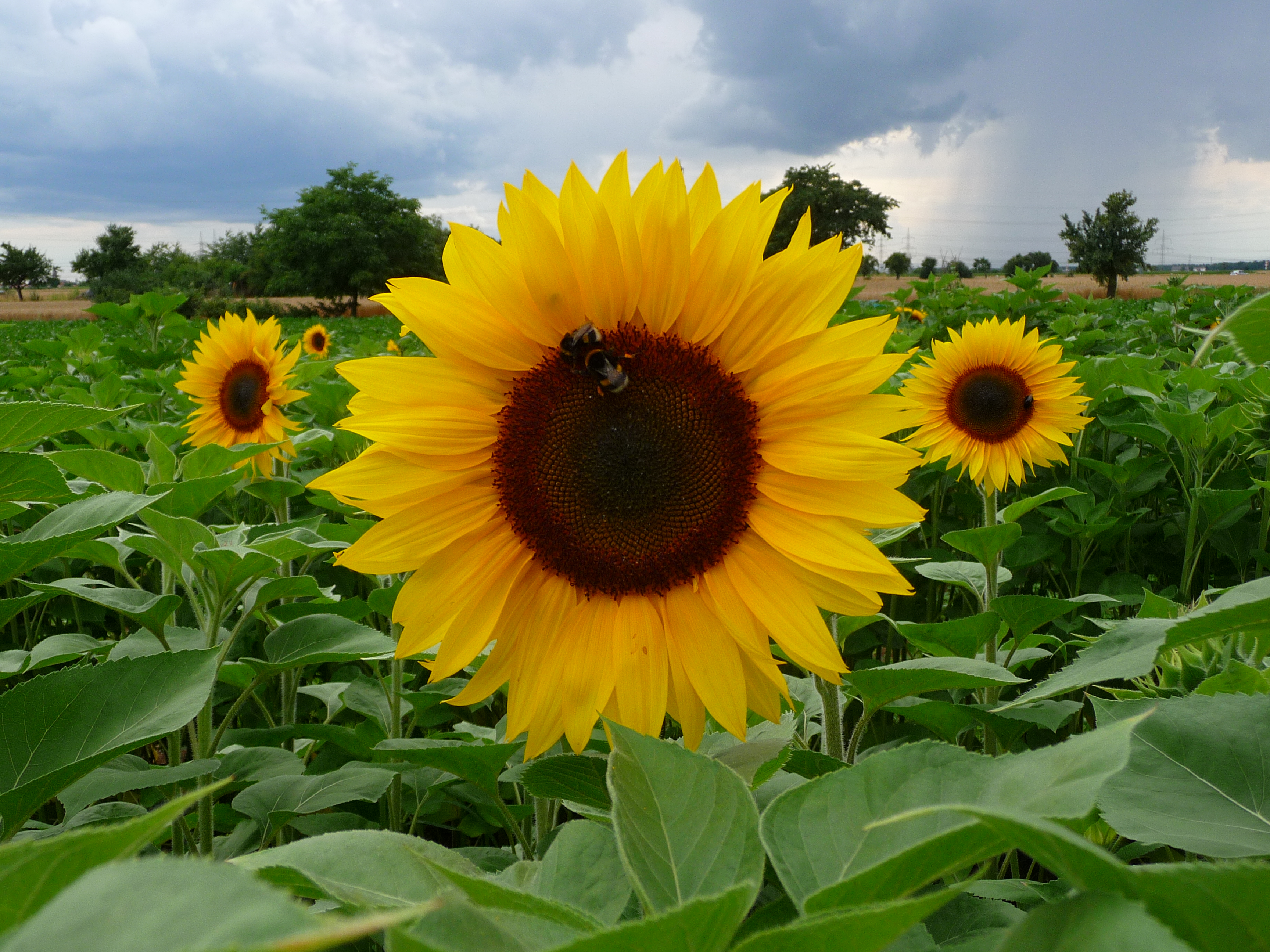
Common Sunflower, Helianthus annuus (photo credit: Wikimedia commons)

Common Sunflower, Helianthus annuus (photo credit: wikimedia commons)

Helianthus is a genus consisting of around 70 species, most of which are native to North America (a few occur in South America). Several species in this genus are cultivated as food crops and/or as ornamental plants. H. annuus is the most commonly cultivated species, valued for its edible seeds and the oil they produce as well as for various other things. Wild relatives of H. annuus have “been a frequent source of genetic raw material for agricultural innovation,” aided by the fact that “barriers to interspecies crosses are incomplete or can be overcome through embryo culture or chromosomal doubling.” Helianthus is a diverse genus, including generalist species occurring in “diverse environments over broad geographic regions” and specialist species occurring in “habitats characterized by high temperature, water, or salt stress.” For this reason, “wild sunflowers are prime sources to mine for alleles that confer higher yield in new or marginal” agricultural settings.

A relatively small subset of Helianthus species were involved in this study; however, the subset represented a “phylogenetically dispersed sample.” One interesting finding was that the evolution of an obligate short-day requirement for flowering has occurred in several species, “particularly those with ranges restricted to the southern United States.” The authors suggest that a reason for this finding could be that “long, hot, and humid summers” in this region “may be unfavorable for growth or reproduction.” Thus, while populations of H. annuus “likely escape these conditions by flowering in the long days of late spring,” other Helianthus species put off “flowering until the arrival of cooler, less humid falls.” Flowering during cooler times is beneficial because pollen fertility decreases and seed maturation slows at high temperatures. The risk of fungal pathogens attacking flowers and dispersed seeds is also reduced during periods of lower humidity.

Another important finding was that the diversity in photoperiod response in Helianthus appears to have a “relatively simple genetic architecture.” If this is the case, it could “greatly facilitate rapid crop improvement by marker-assisted selection.” Further studies are necessary, specifically those involving “intra- and interspecific crosses segregating for variation in photoperiod response,” in order to confirm the authors’ findings and justify “broader investment of resources into these applied efforts.”
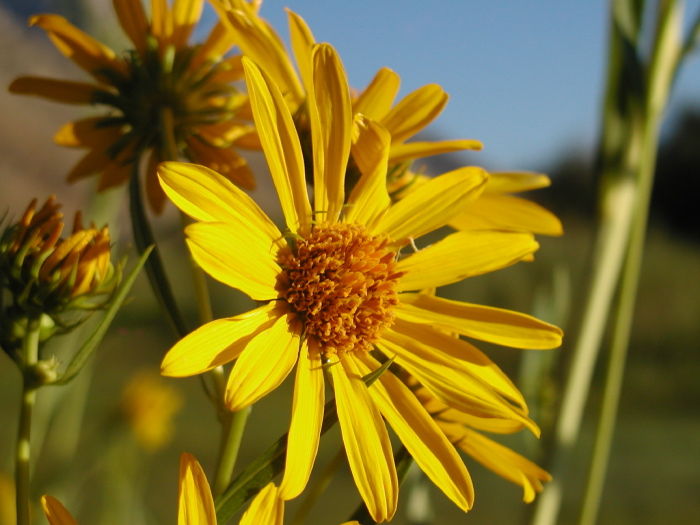
Nuttall's Sunflower (Helianthus nuttallii), one of Common Sunflower's wild relatives (photo credit: www.eol.org)

Nuttall’s Sunflower (Helianthus nuttallii), one of Common Sunflower’s wild relatives (photo credit: www.eol.org)

While much was learned from this study, the authors acknowledge the need for “future investigations with greater taxonomic and environmental sampling.” Researchers recently produced a “draft genome” for sunflower. This additional resource will greatly aid breeding programs and further inform studies, like this one, that are interested in the “mechanistic factors and ecological agents that have promoted the emergence of the great diversity and lability in photoperiod response observed in wild sunflowers.”
On the Origins of Agriculture

This is the first in a series of posts reviewing the 17 articles found in the October 2014 Special Issue of American Journal of Botany, Speaking of Food: Connecting Basic and Applied Science.

Agricultural Origins from the Ground Up: Archaeological Approaches to Plant Domestication by BrieAnna S. Langlie, Natalie G. Mueller, Robert N. Spengler, and Gayle J. Fritz

Concern about food and the environment has been on the rise for a while now. Interest in healthy food grown and produced in a responsible manner has prompted people to investigate where their food is coming from. Archaeologists studying plant domestication and the rise of agriculture are also concerned with where our food came from; however, their research efforts are more focused on prehistoric events rather than on what is being stocked on today’s grocery store shelves.

The authors of this paper, all archaeologists specializing in paleoethnobotany or archaeobotany, offer a broad overview of the study of plant domestication and the emergence of agricultural economies. In their studies the authors “treat domestication as a process that originally preceded the formation of agricultural economies” and they define domestication as “genetic and morphological changes [in] a plant population in response to selective pressures imposed by cultivation.”

The first section of the paper explains why certain theoretical approaches to thinking about early plant domestication should be revised. These approaches include a centric view of plant domestication, single domestication trajectories, rapid pace plant domestication, and domestication being coupled with the development of agricultural economies.

The concept of centers of origin refers to specific regions in the world where the majority of crop domestication is thought to have occurred. Often these are regions where a high number of wild relatives of crops are found and where large civilizations emerged. But research has revealed numerous locations in various parts of the world where crop domestication occurred independently from traditional centers of origin leading archaeologists to further explore a noncentric view of domestication.

Related to the centers of origin debate is the single vs. multiple domestications debate. Single site domestication refers to a plant being domesticated in one location and then spread to other locations. Multiple site domestication refers to the same plant being domesticated in multiple sites independently. With the aid of genetic research, crops that were once thought to have been domesticated in a single region and then disseminated to other regions are now being shown to have multiple domestication sites. For example, it has been suggested that barley was domesticated independently in various locations, including the western Mediterranean region, Ethiopia, Morocco, and Tibet, as well as various parts of Southwest Asia.

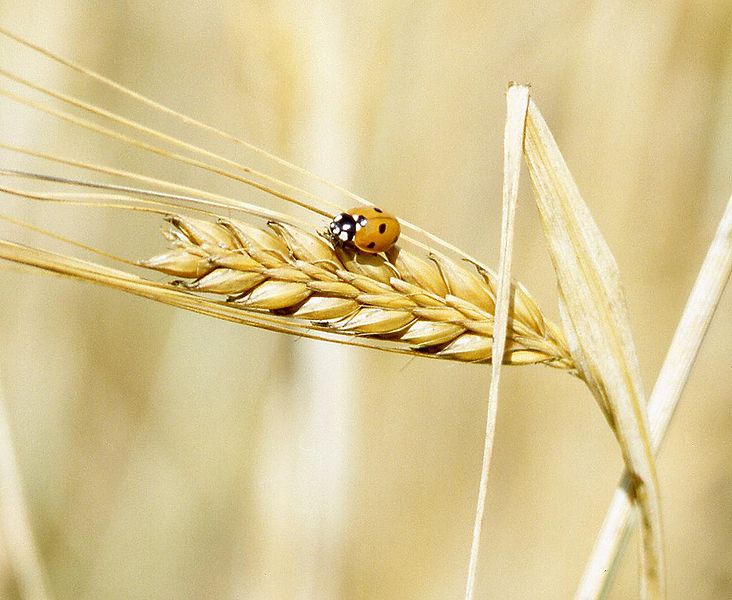
Barley - Hordeum vulgare (photo credit: Wikimedia commons)

Barley – Hordeum vulgare (photo credit: wikimedia commons)

Concerning the pace of crop domestication, “many scholars have presented evidence that domestication was slower and more gradual than previously envisioned” probably because the first domesticated crop plants were not “developed by plant breeders with clear end products in mind.” On this point, the authors conclude that debates over timelines are “likely to continue for some time,” and that “close communication between geneticists and archaeologists, including those with archaeobotanical expertise” will be necessary to tell the full story.

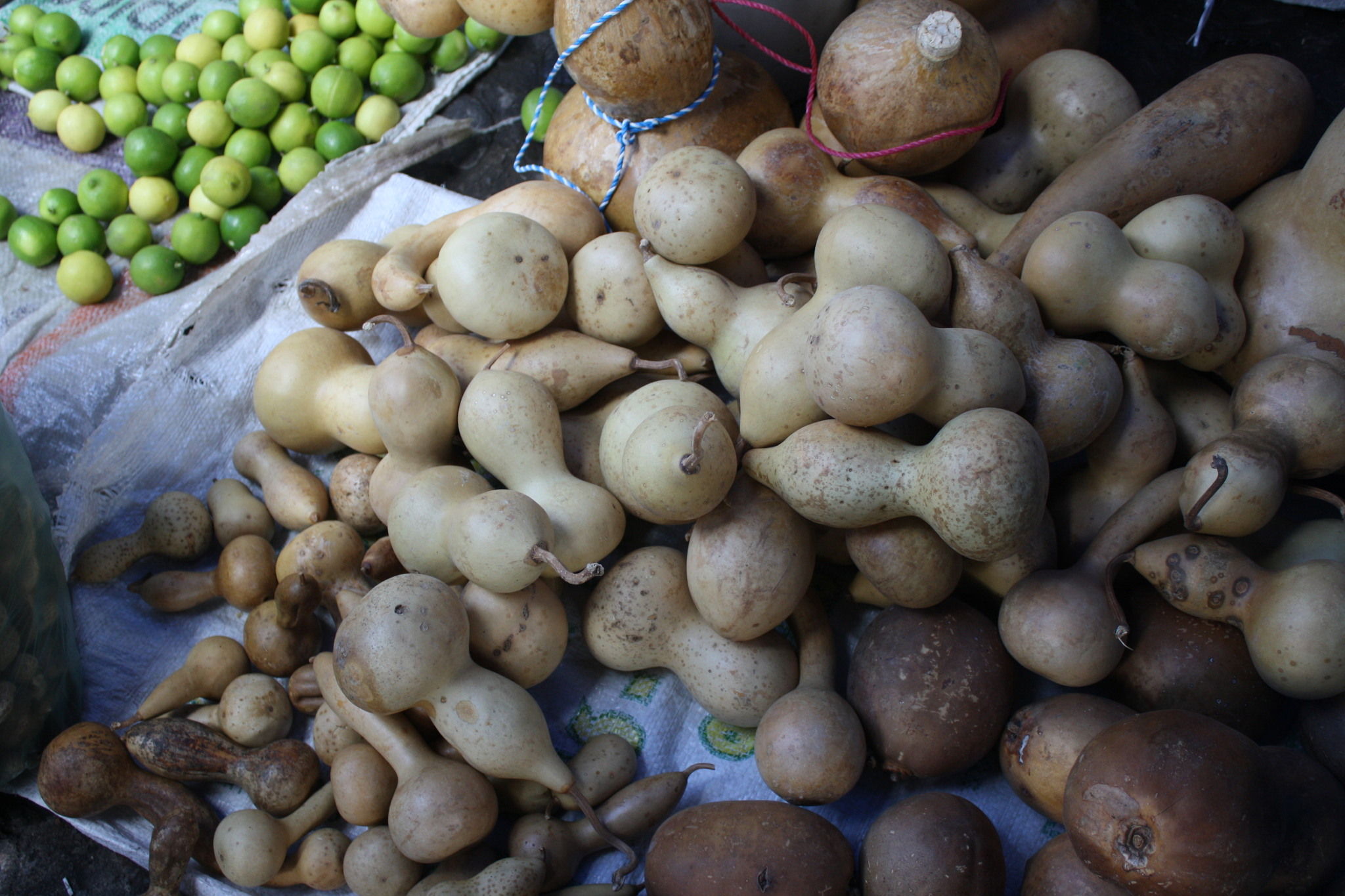
Domestication is typically viewed as a precursor to agriculture. But the authors point out that domestication occurred first and that agriculture did not immediately follow. To illustrate this point, they tell the story of the bottle gourd (Lagenaria siceraria), possibly the oldest domesticated plant. Native to Africa, the gourds likely floated across the Atlantic Ocean to the Americas (they also made their way to East Asia and other places) where they were domesticated multiple times by various groups of people at least 10,000 years ago. The gourds had numerous potential uses including containers, rattles, net floats, and even food (the young, immature fruits are edible). Large gourds with thick rinds were preferred by early humans, and the seeds of these were planted. The plants needed little attention, so caring for them did not mean having to adopt a sedentary lifestyle. The authors conclude that “although this example might seem peripheral to the development of serious food-producing economies or social complexity, it highlights early, intimate plant-people relationships and the abilities of people to modify their environments to enhance availability of desirable resources.”

Bottle gourds (Lagenaria sicericia) were possibly the earliest domesticated plant species (photo credit: eol.org)

Bottle gourds (Lagenaria siceraria) were possibly the earliest domesticated plant species (photo credit: www.eol.org)

In the next section of the paper, the authors discuss new and improved methods being used today to “address questions about the timing, scale, and causes of domestication.” Narrowing down the dates that plants were first domesticated is a major interest of archaeologists, and advances in radiocarbon dating have assisted in this quest. When DNA is being extracted, it is important to know the age of the material being analyzed in order to better reveal its history. Combining several methods for analyzing the data – especially as these methods are improved and new methods are developed – is  crucial.

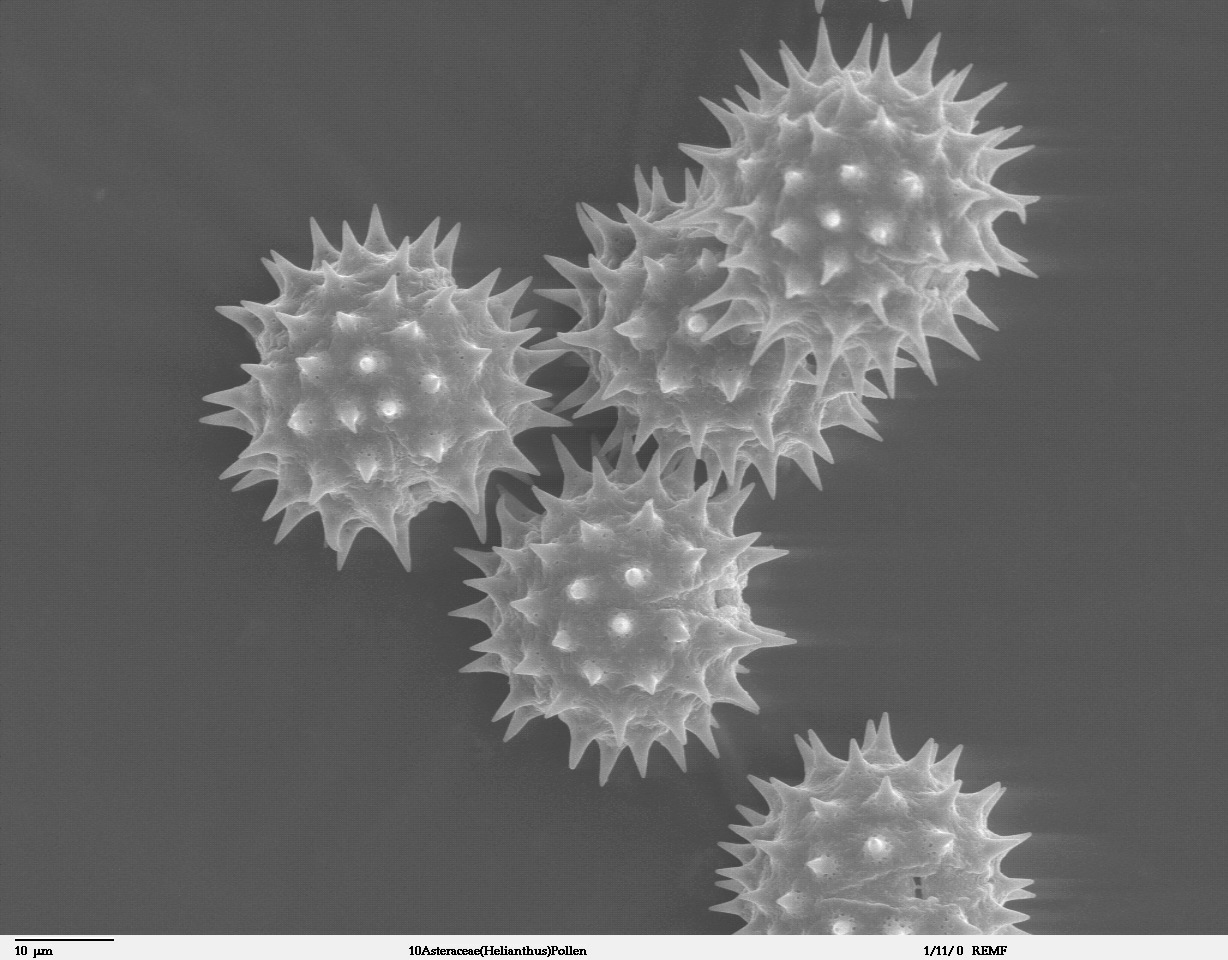
Advances in microscopy have helped to better analyze morphological changes in plants over time as well as to examine microfossils, like starch granules, pollen, and phytoliths (silica particles left behind after a plant decays). Observing phenotypic changes in fruits, seeds, and other plant parts and determining the presence of things like starch granules and pollen helps us to understand the pace and scope of domestication as well as to determine when certain domesticated plants were introduced to areas outside of their perceived center of origin. Advances in the science of taphonomy – “the study of decay processes following the death of an organism until it is fossilized or exhumed” – also aid researchers in better understanding the stories behind plant domestication.

Scanning electron microscope (SEM) image of pollen grains from common sunflower - Helianthus annuus (photo credit: Wikimedia commons)

Scanning electron microscope (SEM) image of pollen grains from common sunflower – Helianthus annuus (photo credit: wikimedia commons)

Working with experts in other areas of archaeology will also lead to greater understanding of plant domestication and the emergence of agricultural economies. The authors give examples of how studying human and animal bones can provide information about plant domestication and state that “other classes of archaeological data, such as household structure and storage features, agricultural and culinary tools, and soil morphology” will aid in better understanding “how and why domestication occurred as an historical and evolutionary process.”

Next the authors discuss anthropological views on the causes of plant domestication. One of the main debates among anthropologists when discussing agriculture is whether or not early humans were “pushed” or “pulled” into agricultural economies. Did increasing populations and/or decreasing availability of resources compel people to produce more of their own food or did human populations cultivate and domesticate plants in areas where resources were readily available, allowing them to live sedentary and stable existences? The authors conclude that “it is not necessary for one of these scenarios to explain all transitions to agriculture” as agriculture emerged independently in multiple locations around the globe, each time under its own specific set of circumstances.

The final section of the paper is a short discussion on the relatively under-researched topic of the diet and cuisine of ancient humans. Surely, a desire for particular foods and beverages lead to cultivation and domestication. The authors assert that “cuisines provide people with social identities, nationalism, spirituality, and a package of cognitive tools for coping with their environment. Without a doubt, culturally constructed food preferences played a role in the origins and spread of agriculture.”

This is a brief summary of a well-researched and detailed article concerning the fascinating topic of early plant domestication. Honestly, my synopsis hardly does it justice, so I urge you to read it for yourself if this topic interests you. I particularly appreciated the emphasis that the authors placed on using multiple methods and tools to collect and interpret data and how our perspectives should be revised as new and updated data emerge. The call for multiple disciplines to come together in collaboration to better understand the history of domestication and agriculture is also encouraging. In summation the authors state that “archaeological evidence indicates that every case of transition form hunter-gatherers to agricultural economies was unique … Identifying the specific nature of when, where, and how domestication occurred will undoubtedly elucidate how agriculture transformed the trajectory of human societies.”

Speaking of Food: A Special Issue of American Journal of Botany

“At the center of discussions about agriculture and the future of food in a changing climate are the plants that we grow for food, fiber, and fuels and the science that is required to understand, improve, and conserve them.”

That is a line from the opening paragraph of the introduction to the October 2014 issue of American Journal of Botany, Speaking of Food: Connecting Basic and Applied Plant Science. In this Special Issue, the American Journal of Botany – inspired by Elizabeth Kellogg’s 2012 presidential address to the Botanical Society of America – endeavors to demonstrate ways in which basic plant biology research can benefit the applied science of agriculture, and how this “use-inspired” research can help address the challenges of feeding a growing population in a changing climate.

speaking of food_ajb

In its 100 year history, the American Journal of Botany, has published hundreds of papers that serve to advance agricultural and horticultural sciences. However, this connection has not always been made explicit. With this special issue, they are hoping to change that by “illustrat[ing] that ‘basic’ and ‘applied’ are not two discrete categories, nor are they even extremes of a linear continuum.” “Basic” research can be used to answer questions and solve “human-centered problems,” and “applied” research can “illuminate general biological principles.” When both approaches to scientific inquiry come together, everyone benefits.

I originally chose to study horticulture because I was interested in growing food in a sustainable and responsible manner. During my studies, I gained a greater interest in the broader field of horticulture as well as an interest in botany. After receiving a degree in horticultural and crop sciences, I decided to pursue a Master’s Degree. I wanted to study green roof technology, an applied science that incorporated my interests in both horticulture and sustainability. The school that I ended up going to did not have a horticulture program, so I enrolled in a biological sciences program. It was there, while doing applied science research on green roofs and taking mostly botany related science courses, that I deepened my love for science and began to see how basic science had applications, not just in horticulture and agriculture, but in all aspects of life.

That explains my great interest in this recent issue of American Journal of Botany, and why I was so excited when I heard about it. Using science to understand and address the challenges that we face today (challenges that, many of which, are a result of human activity) is intriguing to me. Based on my interest in horticulture, food production, and sustainability, establishing and advancing science-based sustainable agriculture is incredibly important to me. And so I have decided that, over the next several posts, I will provide reviews of each of the 17 articles in AJB’s Special Issue. Each post will offer a brief overview of one or more articles, outlining the basic premises and findings of each study. If your interest is peaked, and I hope it will be, you can go on to read more about each of the studies. The Introduction to this issue gives an excellent overview of the articles, so I won’t include that here. I’ll just dive right in. If you feel inclined, read ahead, otherwise stay tuned and I will preview you it all for you over the next several weeks.

22 + Botanical Terms for Fruits

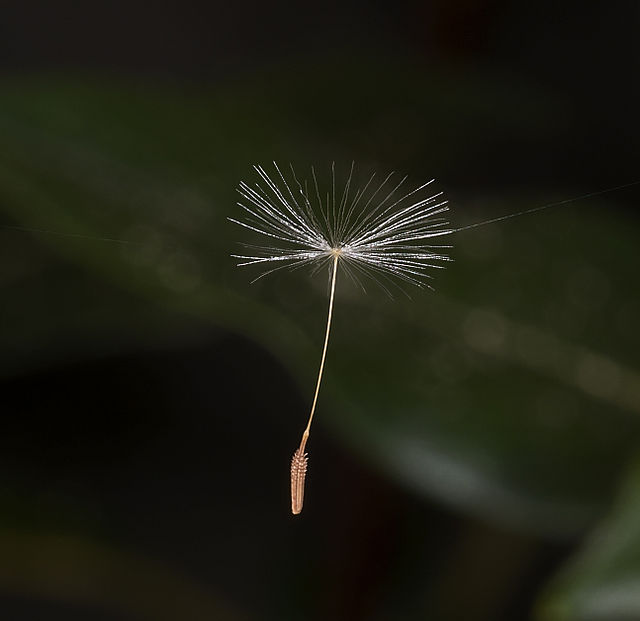
First off, let’s get one thing straight – tomatoes are fruits. Now that that is settled, guess what is also a fruit? This:

(photo credit: wikimedia commons)

(photo credit: wikimedia commons)

Yep. It’s a dandelion fluff. More accurately, it is a dandelion fruit with a pappus attached to it. Botanically speaking, a fruit is the seed-bearing, ripened ovary of a flowering plant. Other parts of the plant may be incorporated into the fruit, but the important distinction between fruits and other parts of a plant is that a seed or seeds are present. In fact, the purpose of fruits is to protect and distribute seeds. Which explains why tomatoes are fruits, right? (And, for that matter, the dandelion fluff as well.) So why the tired argument over whether or not a tomato is a fruit or a vegetable? This article may help explain that.

Before going into types of fruits, it may be important to understand some basic fruit anatomy. Pericarp is a term used to describe the tissues of a fruit surrounding the seed(s). It mainly refers to the wall of a ripened ovary, but it has also been used in reference to fruit tissues that are derived from other parts of the flower. Pericarps consist of three layers (although not all fruits have all layers): endocarp, mesocarp, and exocarp (also known as epicarp). The pericarps of true fruits consist of only ovarian tissue, while the pericarps of accessory fruits consist of other flower parts such as sepals, petals, receptacles, etc.

Fruits can be either fleshy or dry. Tomatoes are fleshy fruits, and dandelion fluffs are dry fruits. Dry fruits can be further broken down into dehiscent fruits and indehiscent fruits. Dehiscent fruits – like milkweeds and poppies – break open as they reach maturity, releasing the seeds. Indehiscent fruits – like sunflowers and maples – remain closed at maturity, and seeds remain contained until the outer tissues rot or are removed by some other agent.

Most fruits are simple fruits, fruits formed from a single ovary or fused ovaries. Compound fruits are formed in one of two ways. Separate carpels in a single flower can fuse to form a fruit, which is called an aggregate fruit; or all fruits in an inflorescence can fuse to form a single fruit, which is called a multiple fruit. A raspberry is an example of an aggregate fruit, and a pineapple is an example of a multiple fruit.

Additional terms used to describe fruit types:

Berry – A familiar term, berries are fleshy fruits with soft pericarp layers. Grapes, tomatoes, blueberries, and cranberries are examples of berries.

Pome – Pomes are similar to berries but have a leathery endocarp. Apples, pears, and quinces are examples of pomes. When you are eating an apple and you reach the “core,” you have reached the endocarp. Most – if not all – pomes are accessory fruits because they consist of parts of flowers in addition to the ovarian wall, such as – in the case of apples and pears – the receptacle.

Drupe – Drupes are also similar to berries but have hardened endocarps. Peaches, plums, cherries, and apricots are examples of drupes. A “pit” consists of a hardened endocarp and its enclosed seed.

Pepo – Pepos are also berry-like but have tough exocarps referred to as rinds. Pumpkins, melons, and cucumbers are examples of pepos.

Pumpkins are pepos.

Pumpkins are pepos.

Hesperidium – Another berry-like fruit but with a leathery exocarp. Oranges, lemons, and tangerines are examples of this type of fruit.

Caryopsis – An indehiscent fruit in which the seed coat fuses with the fruit wall and becomes nearly indistinguishable. Corn, oats, and wheat are examples of this type of fruit.

Achene – An indehiscent fruit in which the seed and the fruit wall do not fuse and remain distinguishable. Sunflowers and dandelions are examples of achenes.

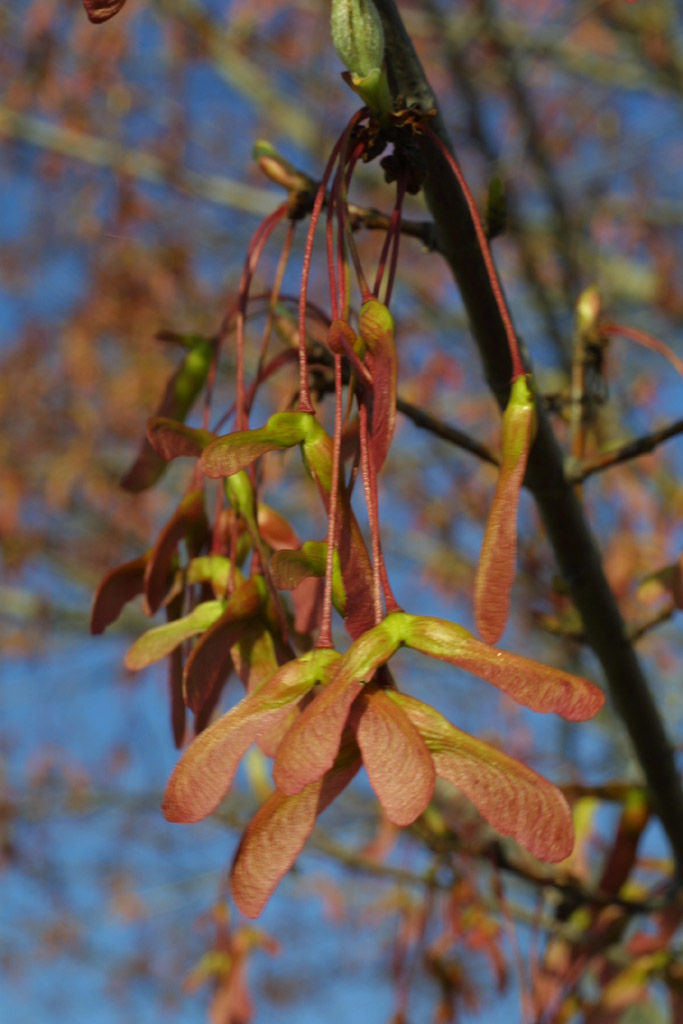
Samara – An achene with wings attached. Maples, elms, and ashes all produce samaras. Remember as a kid finding maple fruits on the ground, throwing them into the air, and calling them “helicopters.” Those were samaras.

The fruits of red maple, Acer rubrum (photo credit: eol.org)

The fruits of red maple, Acer rubrum (photo credit: eol.org)

Nut – An indehiscent fruit in which the pericarp becomes hard at maturity. Hazelnuts, chestnuts, and acorns are examples of nuts.

Follicle – Dehiscent fruits that break apart on a single side. Milkweeds, peonies, and columbines are examples of follicles.

Legume – Dehiscent fruits that break apart on multiple sides. Beans and peas are examples of legumes.

Capsule – This term describes a number of dehiscent fruits. It differs from follicle and legume in that it is derived from multiple carpels. Capsules open in several ways, including along lines of fusion, between lines of fusion, into top and bottom halves, etc. The fruits of iris, poppy, and primrose are examples of capsules.

Poppy flower and fruit. Poppy fruits are called capsules.

Poppy flower and fruit. Poppy fruits are called capsules.

Flowers and fruits are key to identifying plants. Learning to recognize these structures will help you immensely when you want to know what you are looking at. And now that it is harvest season, you can impress your friends by calling fruits by their proper names. Pepo pie, anyone?

My Carrion Flowers

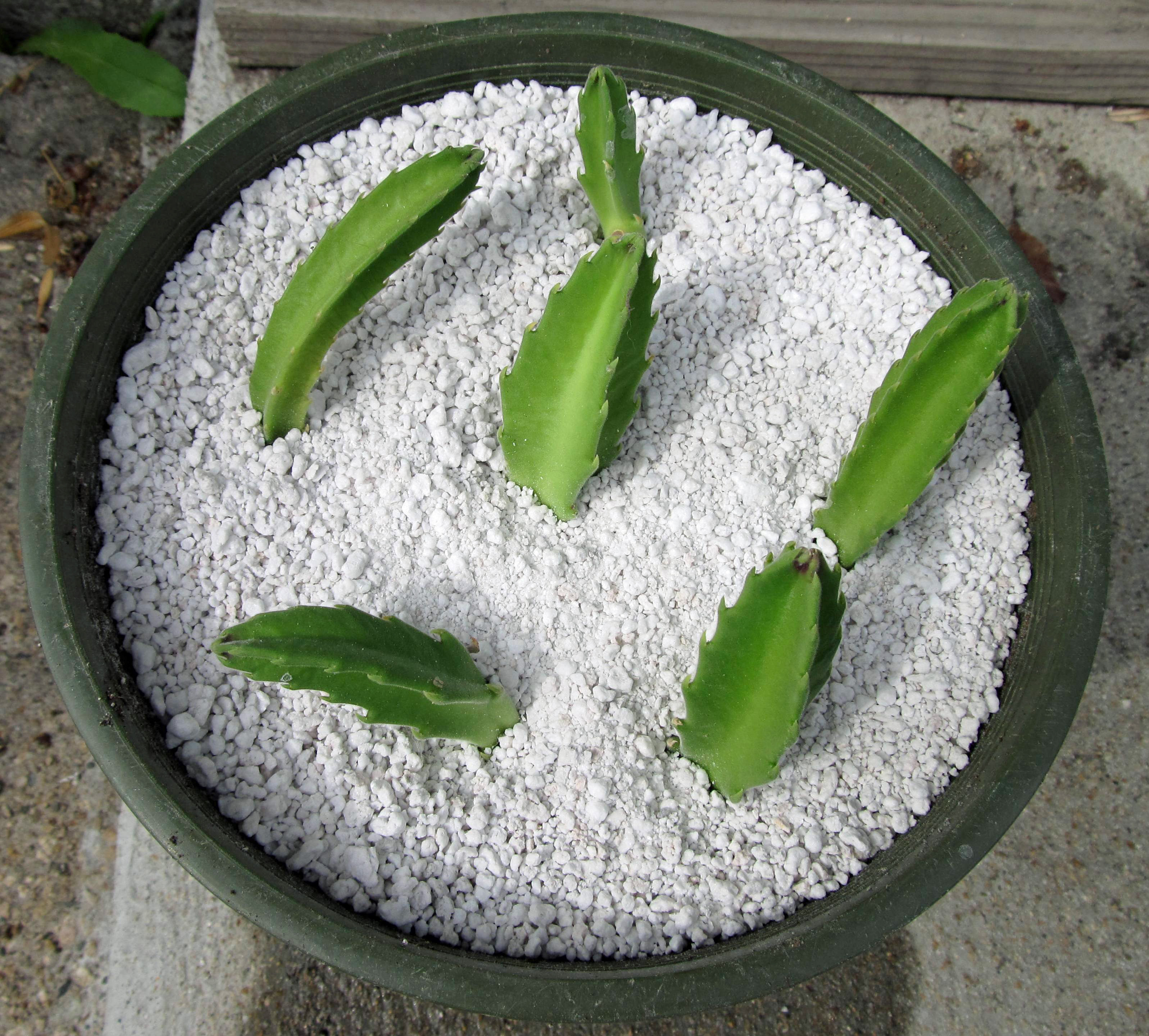
In April of last year, a box of stem cuttings arrived in my mailbox. They were sent to me by a friend in Colorado called Sandra (you may know her from one of her many ventures: Greenwoman Magazine, Greenwoman Publishing, Flora’s Forum, etc.). Sandra’s carrion flower had bloomed that spring, a stinky but delightful occasion. In her excitement, she asked if I would be interested in growing some carrion flowers of my own. Not one to turn down the chance to try my hand at cultivating something unusual, I gladly accepted her offer of a few cuttings sent via Priority Mail. Six cuttings arrived shortly thereafter, and upon reading through some instructions on the internet, I nestled them into their new home and hoped they would put down roots and stay a while.

carrion flower cuttings

There are several species of plants that are referred to commonly as carrion flower. The plant parts I received from Sandra are in the genus Stapelia (family: Apocynaceae or dogbane family), also known commonly as African starfish flower. There are around 100 species in the genus Stapelia, and they all originate from tropical and southern Africa, mostly in arid regions.

Stapelias are short-lived, low-growing, perennial succulents. Their stems typically stand erect and are produced along stolons (above ground runners), creating a tight clump of stems that appear cactus-like. Each stem has 4-6 flattened vertical flanks, giving it a cross or star shape when looking down from the top. On the outside edges of the flanks are a series of rudimentary leaves protruding from tubercles (wart-like growths), giving the stems a spiny appearance. The stems are usually green but can also be red or mottled with red or purple.

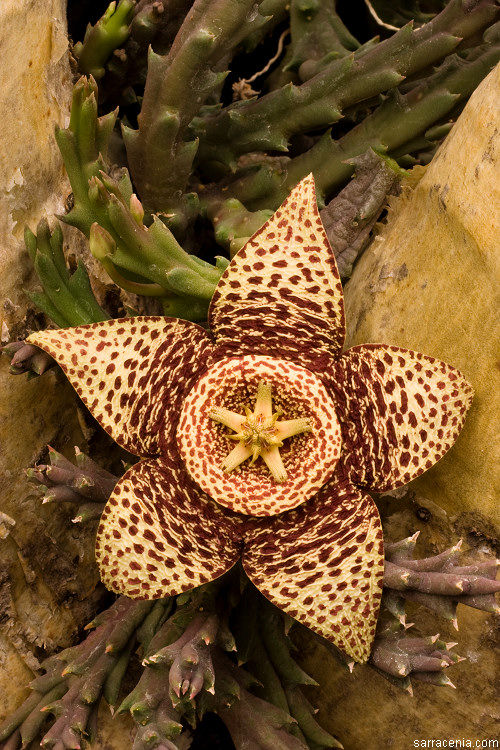
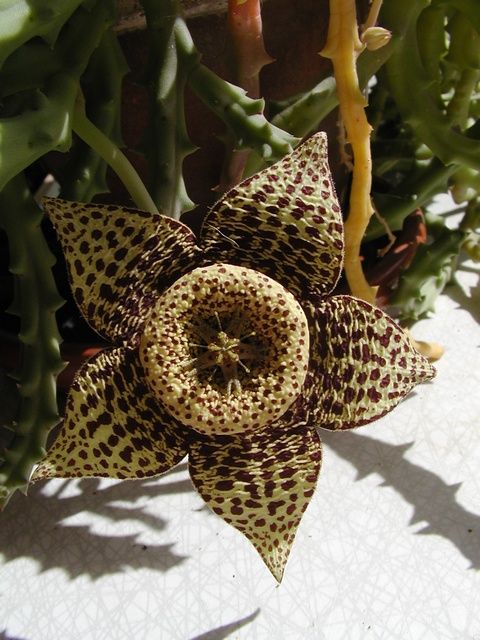
The flowers of Stapelia are the real show. They are produced at or near the base of the stem and have a star-shaped corolla with five fused petals that come to sharp points. The corolla has a wrinkly look and is often hairy, especially along the margins. Flowers can be variations of red, brown, yellow, and purple. In some species they can reach up to 18 inches wide. It is a unique looking flower, but even more unique is its scent. Because Stapelia flowers are pollinated by flies, they emit the scent of rotting animal flesh, an odor that flies can truly appreciate. In fact, flies can be so deceived by the appearance and scent of the flowers that they occasionally lay their eggs on or near them, expecting them to be a food source for their emerging larva.

Stapelia variegate (photo credit: eol.org)

Stapelia variegata (photo credit: eol.org)

Stapelia is easily propagated, especially by stem cuttings. Allow cuttings to dry in a cool, shady location for 48 hours and then stick them in a well-drained potting soil mix. Water moderately (preferably from below by placing the container in a tray and then filling the tray with water). Cuttings should root easily. All six of mine did.

Keep Stapelia in a sunny or mostly sunny location. If you live in USDA hardiness zone 9 or above, you can grow Stapelia outdoors. Otherwise, keep it indoors near a window that gets lots of sun. The main thing you will have to worry about is stem rot due to over watering. Grow Stapelia in a well-drained soil mix, water from below, and allow soil to dry out between waterings in order to avoid this.

Stapelia variegata (photo credit: eol.org)

Stapelia variegata (photo credit: eol.org)

As for me and my carrion flowers, like I said earlier, all six cuttings rooted. I transplanted one of them. Of the five left in the original pot, one rotted a couple weeks ago and another rotted during the writing of this post. The remaining ones still look healthy, but none of them have grown much since they rooted. The main problem I am having is that my house does not let in much sunlight. What appears relatively bright to me is probably cave-like to my carrion flowers. Until I remedy that situation, they may not grow much, they could continue to rot, and they probably won’t flower any time soon. However, if anything changes and I do get a flower out of them, I will make it a point to let you know. And Sandra will be proud.

stapelia today_edit


14 Botanical Terms for Flower Anatomy

I like to know the names of things. Certainly I don’t have to know what everything is called in order to appreciate it for what it is, but that appreciation deepens when I understand it better. Scientific exploration helps us discover the workings of the world around us, and through that exploration comes the naming and describing of things. The names are largely arbitrary apart from the fact that they help us keep track of the descriptions associated with the discoveries. Calling things by name and knowing how to describe them not only increases our awareness of the natural world but can also give us greater appreciation for the larger picture and our place in it all. With that I introduce a new series of posts concerning botanical terms.

It’s mid-summer now (at least in the northern hemisphere) and flowers abound, so this first Botanical Terms post will help us become better familiar with flower anatomy. [I’m also releasing this post while the Botanical Society of America convenes for its annual conference in my current hometown – Boise, Idaho – so it seems fitting]. Of course, as soon as I began looking into the subject of flower anatomy, I realized very quickly that, like so many other things, it is incredibly complex. First of all, in the larger world of plants, not all produce flowers. Non-vascular plants don’t. And within the category of vascular plants, non-seed producing plants don’t make flowers either. Within the category of seed producing plants, there are two groups: gymnosperms and angiosperms. Angiosperms produce flowers; gymnosperms don’t. Even though that narrows it down quite a bit, we are still dealing with a very large group of plants.

The complexity doesn’t stop there, of course. Memorizing the names of flower structures and recognizing them on each flowering plant would be easy if every flowering plant had all of the same structures and if all structures existed on each flower. However, this is not the case. Depending on the flower you are looking at, some structures may be absent and some may have additional structures that are not common ones. Also, some plants have inflorescences that appear as a single flower but are actually a collection of many smaller flowers (or florets), like plants in the sunflower family (Asteraceae) for example. Regardless, we are going to start with basic terms, as there are a large number of flowering plants that do exhibit  all or most of the following basic structures in their flowers.

flower anatomy

Pedicel and Peduncle: These terms refer to the stem or stalk of the flower. Each individual flower has a pedicel. When flowers appear in groups (also known as an inflorescence), the stalk leading up to the group of flowers is called a peduncle.

Sepal and Calyx: Sepals are the first of the four floral appendages. They are modified leaves at the base of the flower that protect the flower bud. They are typically green but can be other colors as well. In some cases they may be very small or absent altogether. The sepals are known collectively as the calyx.

Petal and Corolla: Petals are colorful leaf-like appendages and the most familiar part of a flower. They come in myriad sizes, shapes, and colors and are often multi-colored. Their purpose is to attract pollinators. Many plants are pollinated by specific pollinators, and so their petals are designed to attract those pollinators. The petals are known collectively as the corolla.  

Stamen, Anther, and Filament: Pollen is produced in a structure called an anther which sits atop a filament. Collectively this is known as a stamen. Stamens are considered the male portion of the flower because they produce the pollen grains that fertilize the egg to form a seed. Flowers often have several stamens, and on flowers that have both male and female structures, the stamens are found surrounding the female portion.

Pistil, Carpel, Stigma, Style, and Ovary: The female portion of a flower consists of a stigma (where pollen grains are collected), a style (which raises the stigma up to catch the pollen), and an ovary (where pollen is introduced to the ovules for fertilization). Together this is known as a carpel. A collection of carpels fused together is called a pistil. Just like with stamens, flowers can have multiple pistils.

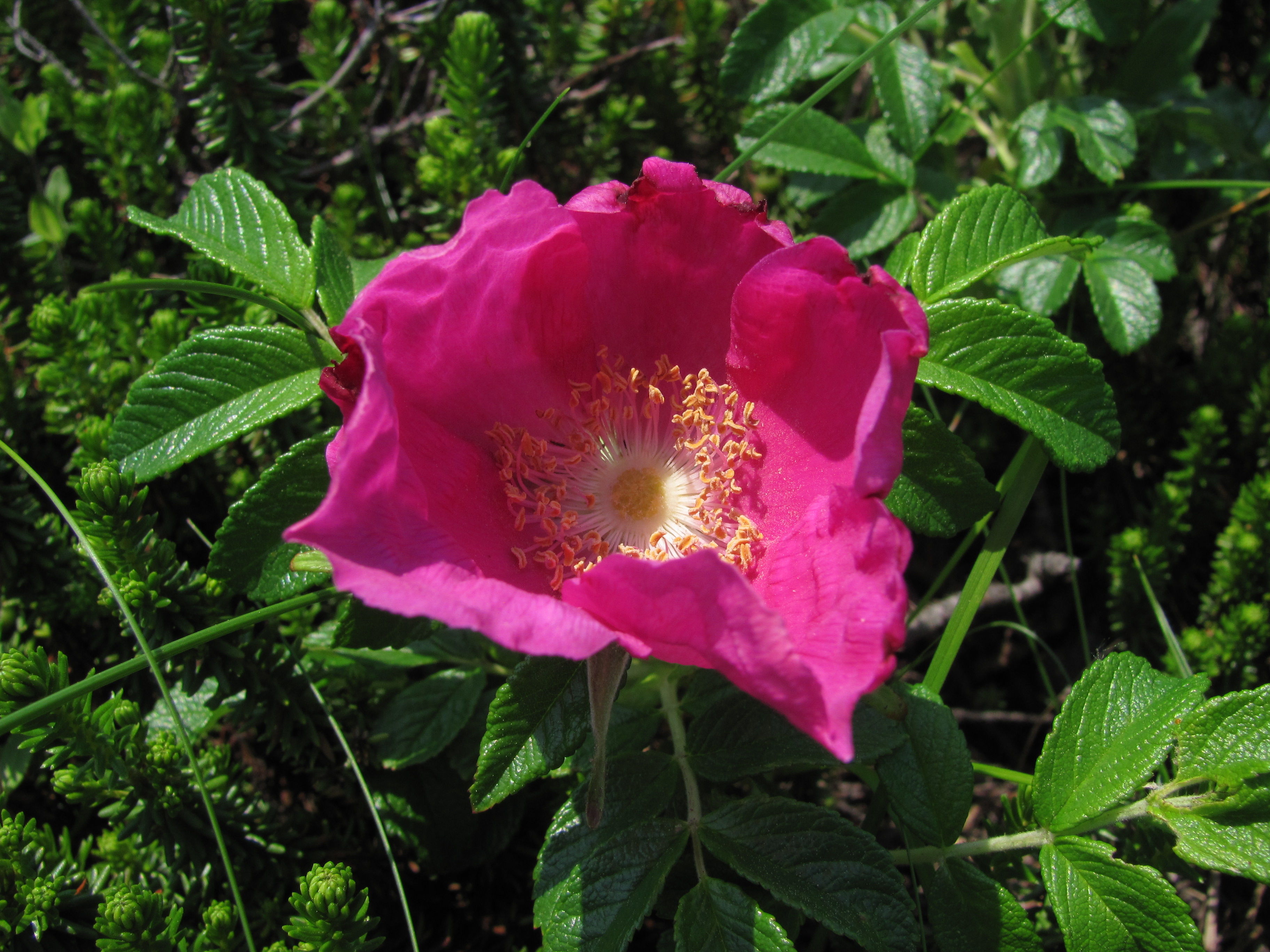
Start learning to identify floral structures on flowers like rugosa rose (Rosa rugosa). (photo credit: eol.org)

Start learning floral anatomy on flowers with easily recognizable structures like the flowers of rugosa rose (Rosa rugosa). (photo credit: eol.org)

Flowers are small art pieces worthy of admiration in their own right. However, recognizing and exploring the different floral structures can be just as enthralling. The structures vary considerably from species to species, each its own piece of nature’s artwork. So, I encourage you to find a hand lens (or better yet a dissecting microscope) and explore the intimate parts of the flowers around you.

Corpse Flower Blooms Again

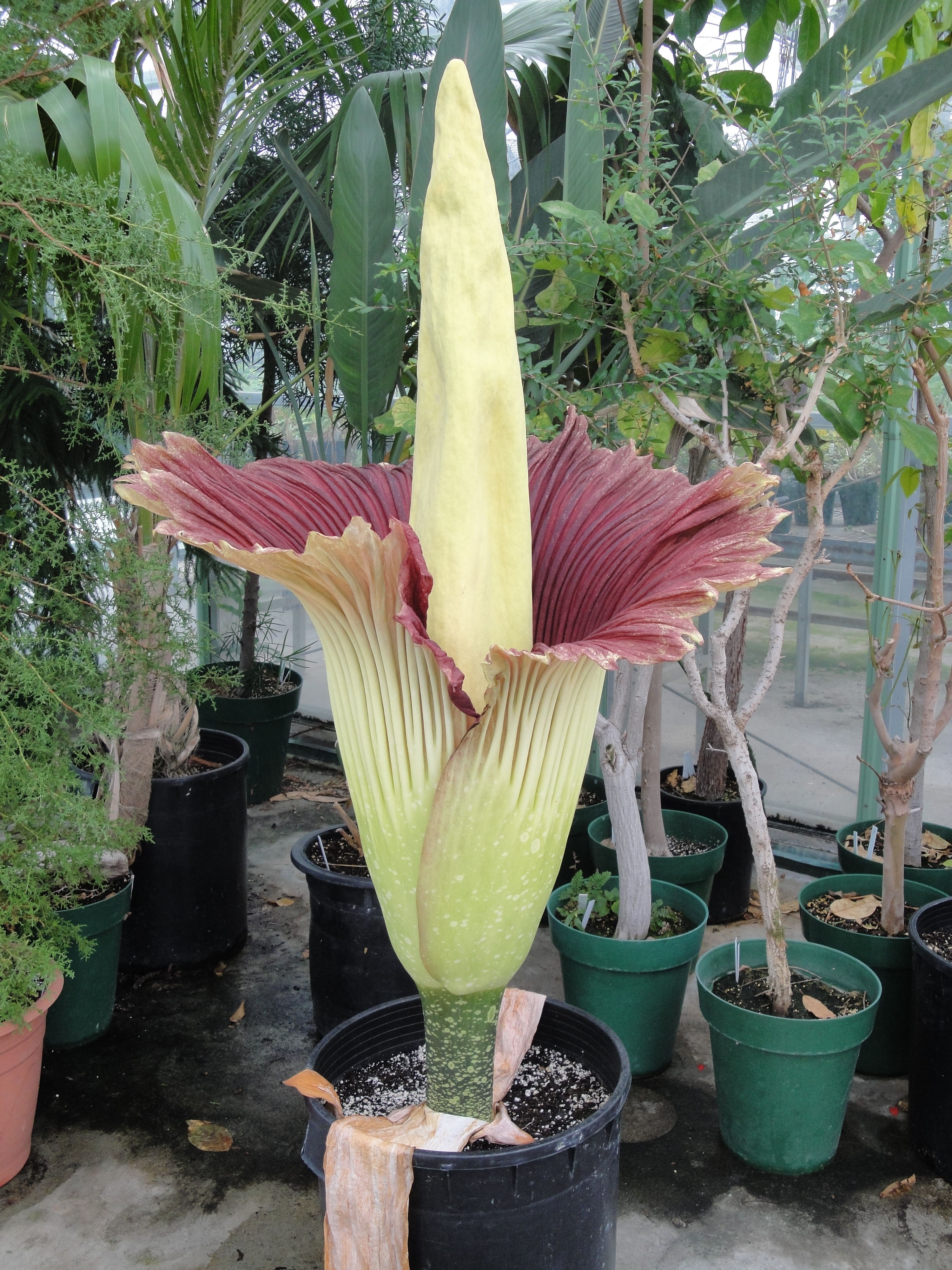
It is not often that a plant in bloom makes headlines, but that is precisely what happened last week when another corpse flower bloomed at Missouri Botanical Garden. Amorphophallus titanum, commonly known as titan arum or corpse flower, is a rare species, both in cultivation and in the wild. It also rarely flowers, and when it does, the bloom only lasts for a few short days. It has the largest known unbranched inflorescence, and its flowers give off the scent of rotting flesh. For all these reasons, it is understandable why a blooming corpse flower might make the news.

Titan arums naturally occur in the western portion of an Indonesian island called Sumatra. Their future is threatened because they occur in rainforests that are currently being deforested for timber and palm oil production. Deforestation is also threatening the survival of the rhinoceros hornbill, a bird that is an important seed distributor of titan arums. Today there are a few hundred titan arums in cultivation in botanical gardens throughout the world. They are a difficult species to cultivate, but their presence in botanical gardens is important in order to learn more about them and to help educate the public about conservation efforts.

Amorphophaulls titanium, titan arum (photo credit: eol.org)

(photo credit: eol.org)

Titan arums are in the arum family (Araceae), a family that consists of around 107 genera including Caladium (elephant ears), Arisaema (jack-in-the-pulpits), and Wolffia (duckweeds), a genus that wins the records for smallest flowering plant and smallest fruit. Titan arums are famous for their giant inflorescence, which can reach more than 10 feet tall. The flowering stalk is known botanically as a spadix, a fleshy stem in the shape of a spike that is covered with small flowers. The spadix of titan arums are wrapped with a leaf-like sheath called a spathe. Upon blooming, the temperature inside the spathe rises and the flowers begin to release a very foul odor, similar to the smell of rotting flesh. This attracts pollinating insects such as carrion beetles, sweat bees, and flesh flies, which get trapped inside the sheath and covered with pollen. After a few hours the top of the spadix begins to wither, allowing the insects to escape, off to pollinate a neighboring corpse flower [the spadix includes male and female flowers, which mature at different times in order to prevent self-pollination]. Once pollinated, the flowers begin to form small red fruits which are eaten by birds. The seeds are then dispersed in their droppings.

The large, stinky inflorescence is not the only structure that gives titan arums their fame. They are also known for their massive single leaf, which can reach up to 20 feet tall and 15 feet wide, the size of a large shrub or small tree. All of this growth is produced from an enormous underground storage organ called a corm. The corms of mature titan arums typically weigh more than 100 pounds, with some known to weigh more than 200 pounds. Titan arums bloom only after the corms have reached a mature size, which takes from seven to ten years. After that they bloom about once a year or once every other year, depending on when the corm has accumulated enough nutrients to support the giant flowering structure.

Below are two time lapse videos of titan arums in bloom. The first is from Missouri Botanical Garden, and the second is from United States Botanic Garden.


Do you like what you see here? If so, please share Awkward Botany with your friends. Use any form of social media you favor. Or just tell someone in person…the old fashioned way. However you do it, please help me spread the word. Awkward Botany: for the phyto-curiosity in all of us.

Ethnobotany: Holy Basil

Every year I try to grow a few things in my garden that I have never grown before. This year one of those things is holy basil. Not to be confused with the common culinary basil (Ocimum basilicum) – of which there are numerous horticultural varieties – holy basil (Ocimum tenuiflorum) while closely related is a completely different species. Both species are native to South Asia. One of the main differences between the two is that O. basilicum is an annual and O. tenuiflorum is a short-lived perennial.

ocimum tenuiflorum

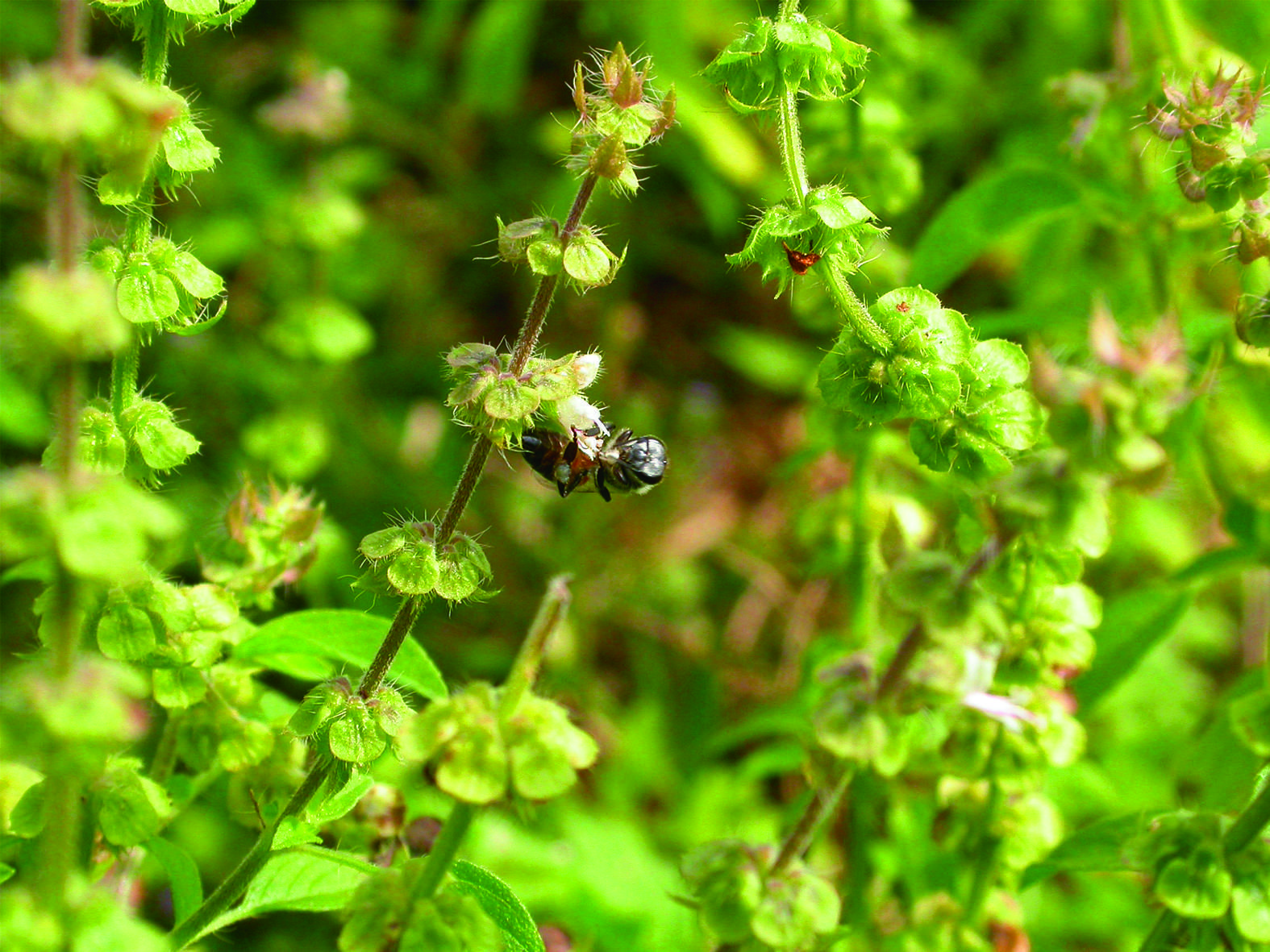
 Holy Basil, Ocimum tenuiflorum (photo credit: www.eol.org)

Holy basil is a member of the mint family (Lamiaceae), which means that it has square stems and oppositely arranged leaves and branches. It is a highly aromatic subshrub that reaches about 3 feet tall and has hairy stems and green and purple leaves. The flowers of holy basil are white/purple and tightly arranged in a long raceme. While it is a perennial in its native range, it is not hardy in more temperate climates. Holy basil is a common ingredient in Thai food and has many medicinal uses. In India, it is often prescribed by Ayurvedic practitioners as a treatment for many things, including stress, fever, influenza, headaches, insomnia, and upset stomach. The leaves of this plant are used as a mosquito repellent, and oil derived from the seeds is being researched for it’s potential use in treating cancer. However, probably the most interesting thing about holy basil is its place in Hindu culture.

Holy basil is considered by Hindus to be the earthly incarnation of the goddess Tulsi who is a companion of the god Vishnu. Thus, tulsi is a common name for this plant in Asia. Tulsi is the most sacred of all plants in Hinduism, which is why it is commonly seen growing in special pots in the courtyards of Hindu homes. During ritualistic worship, tulsi leaves are offered to Vishnu and his avatars. Vaishnavas (followers of Vaishnavism, a major branch of Hinduism) make prayer beads from the stems and roots of tulsi plants. Wearing these prayer beads (called Tulsi malas) is said to connect one with the gods and bring their protection. Because tulsi is considered to be a manifestation of deity on earth, it is seen as a connection point to heaven, and so tulsi leaves are placed in the mouths of people who are dying in order to ensure a safe journey into celestial realms.

Hindus not only regularly use holy basil in ritualistic worship, they also regularly worship the plant itself. Daily worship of the tulsi plant is traditionally done by women. Worship can involve praying to the plant, chanting mantras, watering the plant, cleaning around the plant with water and cow dung, and offering it things like food, flowers, and water from the Ganges river. Even when not worshiping tulsi, simply caring for it daily is said to bring blessings from Vishnu.

holy basil

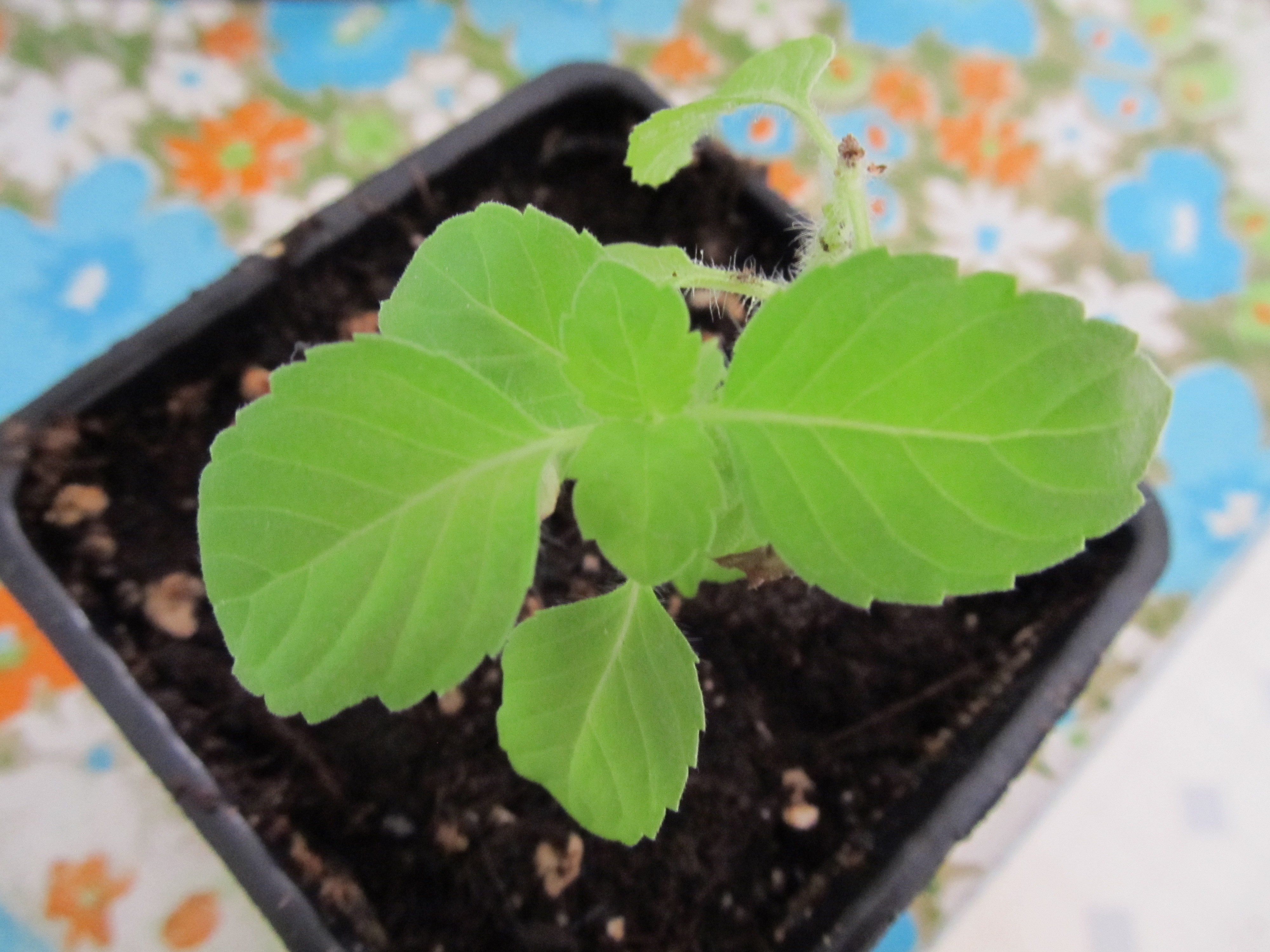
My holy basil. It doesn’t look like much now, but it has potential.

Learn more about holy basil and its ethnobotanical uses by visiting Kew and HinduNet.

Overwintering Lettuce

I overwintered some lettuce, and so can you. Below freezing temperatures usually mean the end of the growing season for most things, but certainly not for everything.  The truth is that salad greens (lettuce, spinach, kale, etc.) can be overwintered, especially if you grow them under a cold frame or hoop house or in an otherwise protected location. Some can even be harvested throughout the winter if the conditions are right.

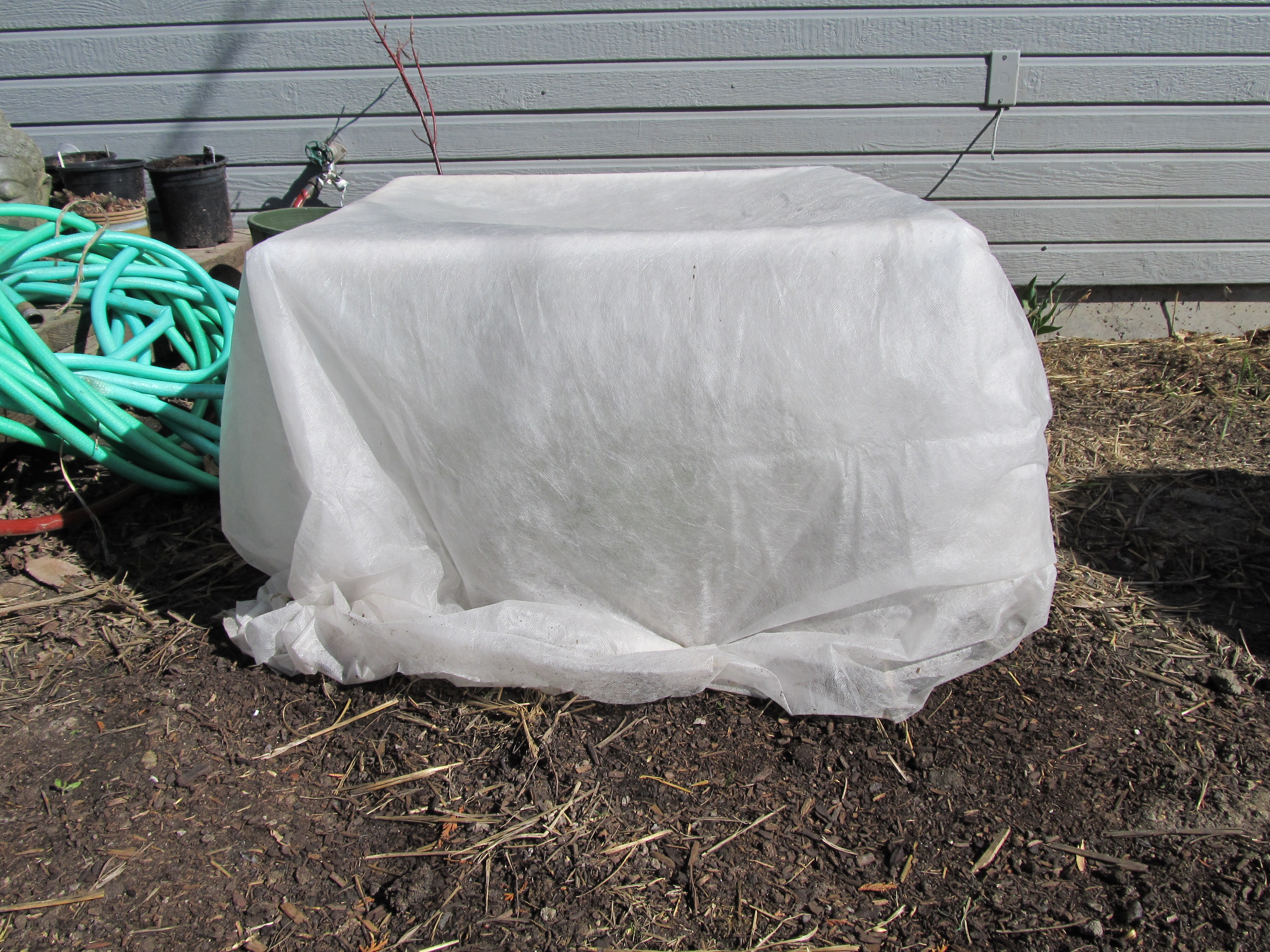
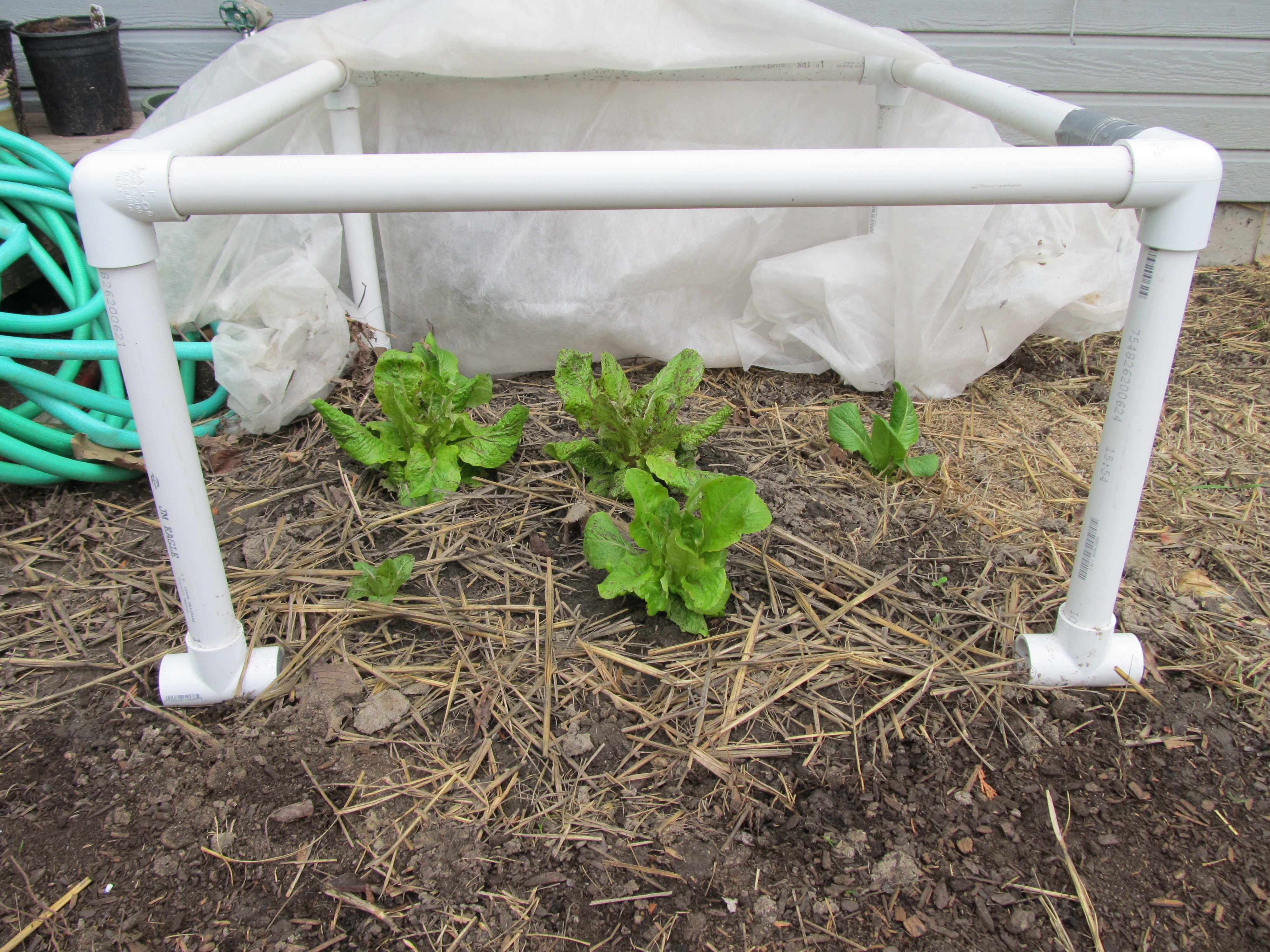
Last fall I had nine lettuce seedlings that I had started indoors. I transplanted them outside in either late October or early November (memory isn’t serving me right now). I placed some straw mulch around them, and then covered them with a makeshift cold frame made out of PVC pipe and floating row cover. There they remained all winter long.

IMG_0740

I live in Boise, Idaho. The winters here are relatively mild (compared to the rest of Idaho), but we still have plenty of days with below freezing temperatures. Our frost-free growing season is about 160 days long. The average low temperature from December through February is around 25° F. This past winter, our lowest temperature (according to Weather Underground) was -7° F, and we had at least 30 days in which the low temperature reached 20° F or lower. Needless to say, it was a chilly winter.

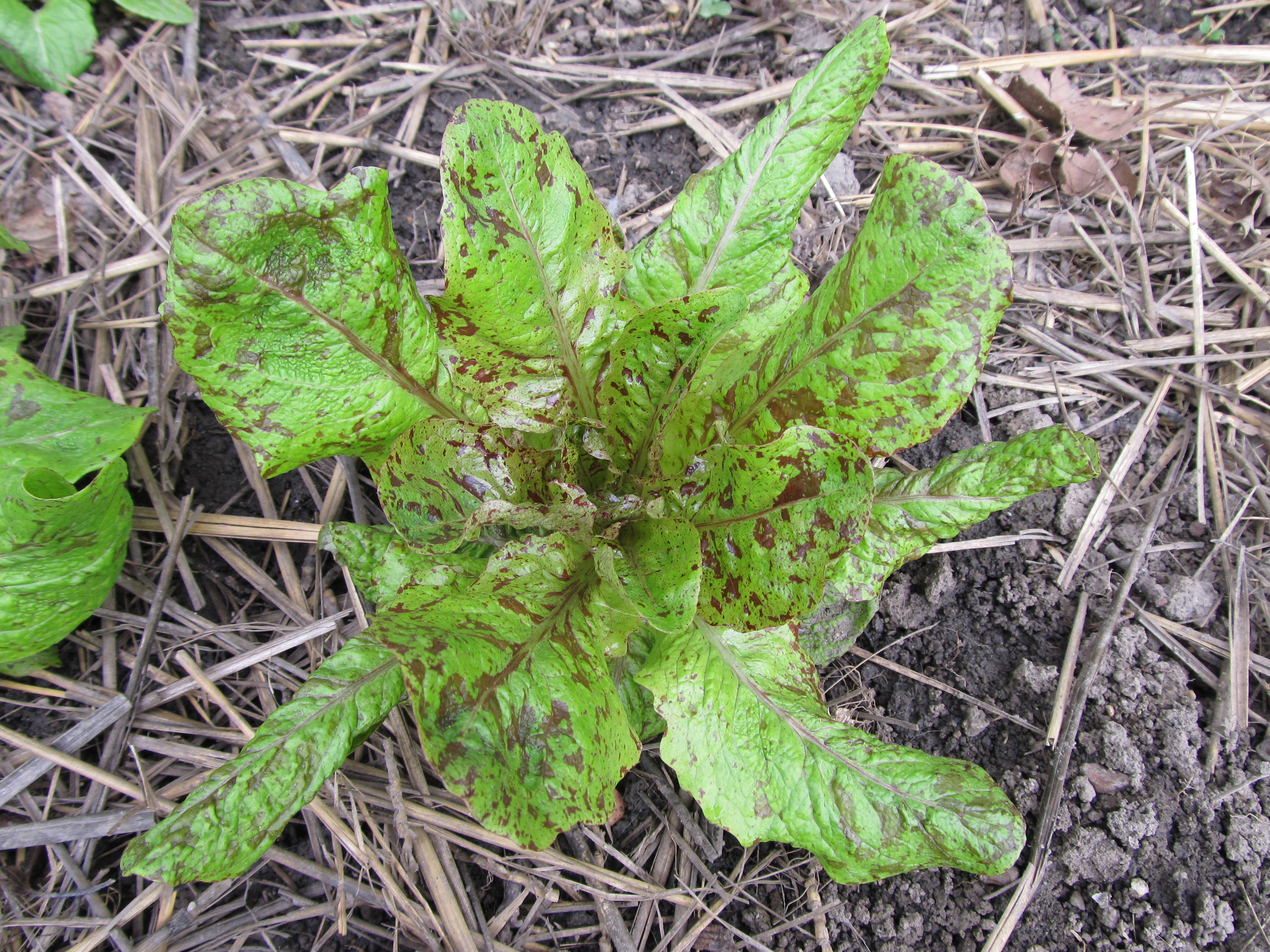
But my lettuces held on…at least most of them. When I uncovered my cold frame in early March, I found that six of my nine lettuce seedlings had survived. It didn’t surprise me that a few had perished – some of the seedlings that I had transplanted were quite small, and I had serious doubts that they would make it. I was satisfied to see that the majority of them were still alive. Two-thirds ain’t all that bad.

IMG_0743

The varieties that I planted were “Freckles” and “Winter Density.” I chose these because the descriptions I read gave me the impression that they were ideal for overwintering. But descriptions be damned. I suggest seeing for yourself. Take any variety of lettuce or other salad green and experiment in your own garden. See what you can get to overwinter with or without protection. Seeds are fairly inexpensive, and it is worth seeing what you can get to survive through the winter. Differing climates – both macro and micro – will produce varied results, and every year things will be a little different. This is one of the many joys of gardening. Weather and climate will always be factors, but they can also be markers to help us see what we can get away with. And if one of the things you get away with is getting lettuce to survive a harsh winter, it means you will be eating garden fresh lettuce long before your neighbor.

IMG_0745

Field Trip: University of California Botanical Garden at Berkeley

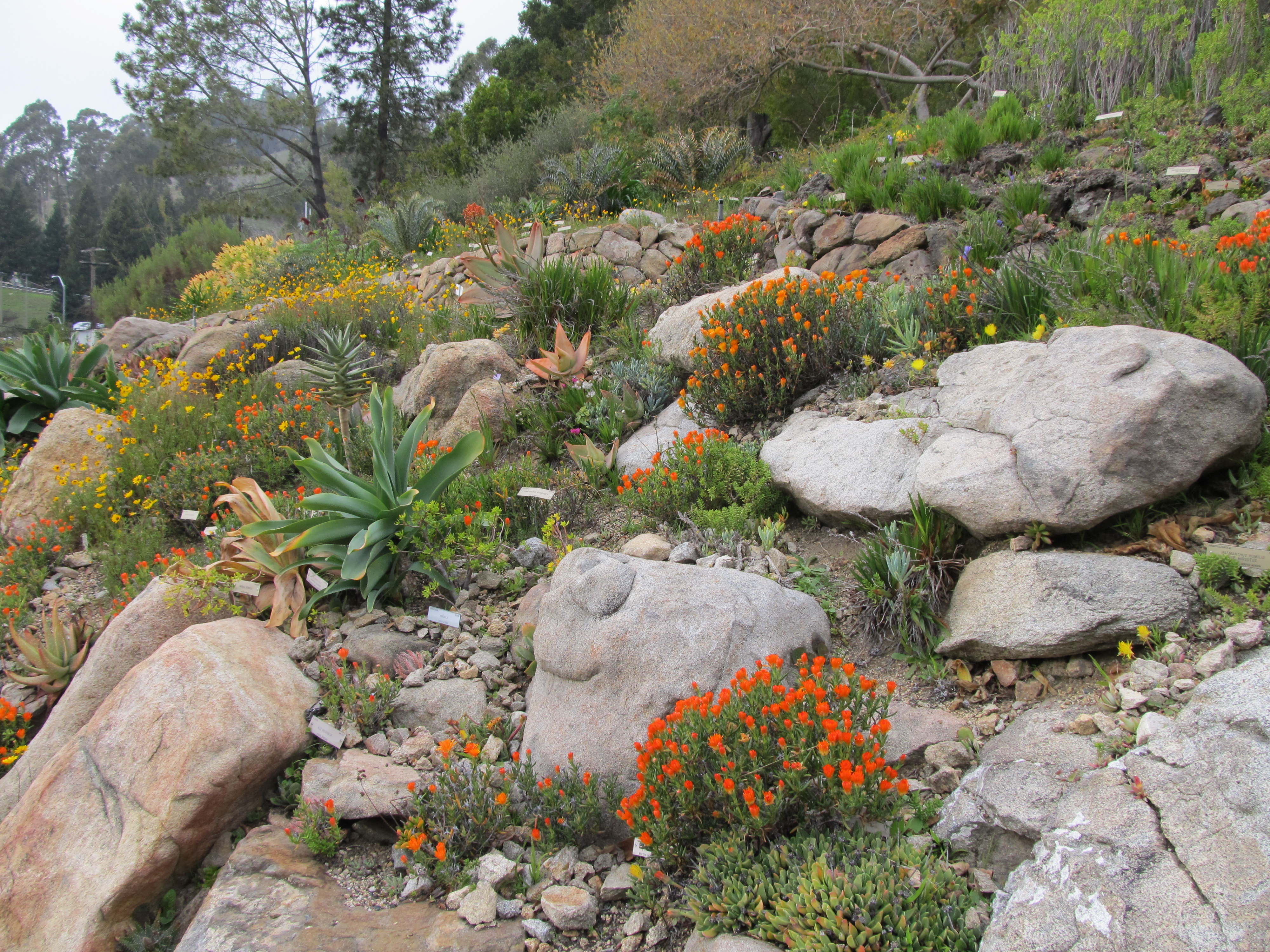
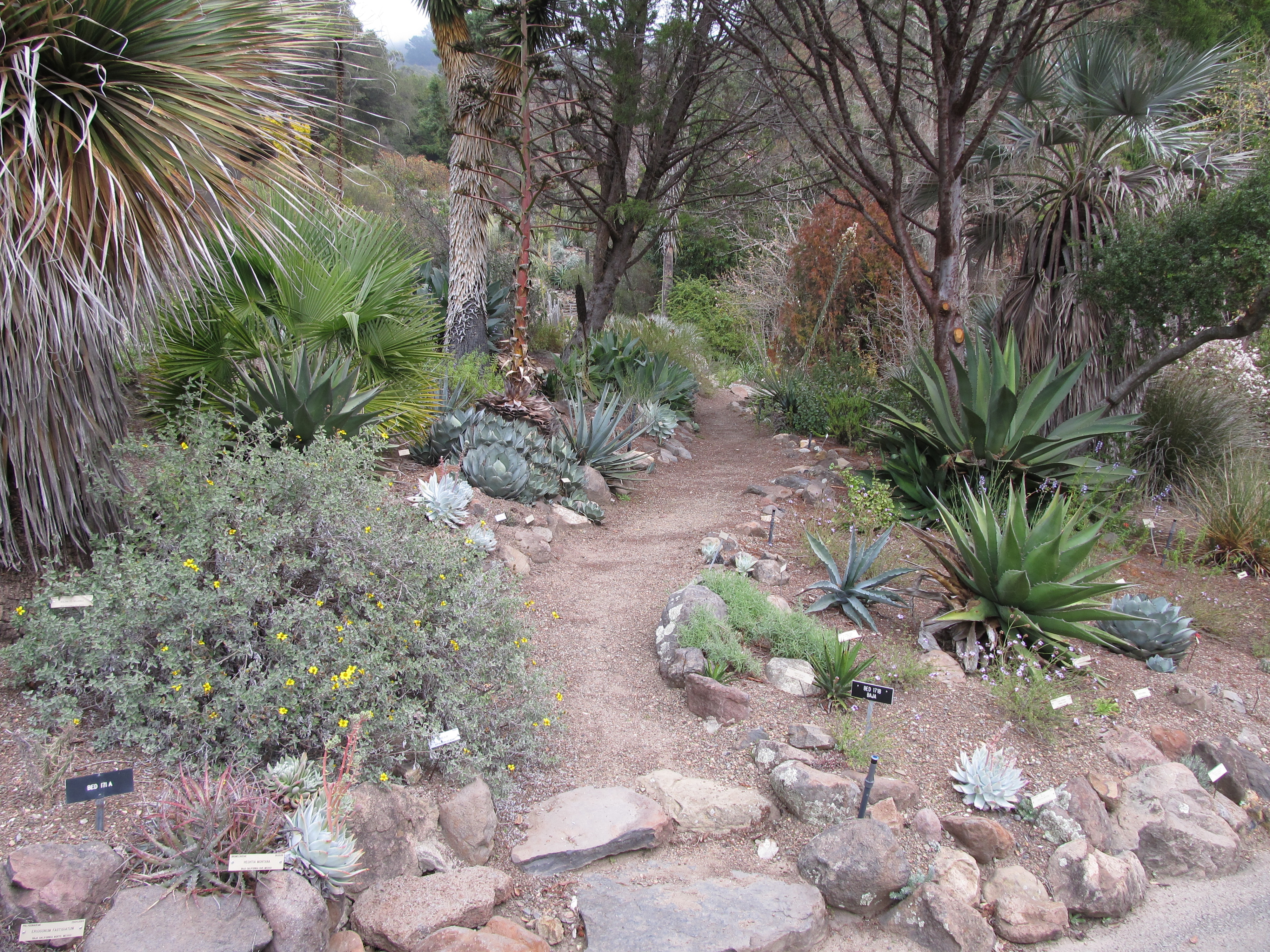
Last week I attended a workshop at the University of California Botanical Garden at Berkeley. Apart from receiving valuable training on how to monitor for and report plant pests and diseases in a public garden setting, I also had a chance to explore the garden. UC Berkeley’s botanical garden is located in Strawberry Canyon in the Berkeley Hills. It covers 34 acres and features plant collections from around the world, including South Africa, Asia, Australia, New Zealand, the Mediterranean, and the Americas. Most of the plants were collected from the wild or cultivated from wild collected plants, and a large number of them are rare or endangered species. I was very impressed with how beautifully designed the various gardens are, each display loaded with hundreds of different plant species all meticulously labeled. Because the garden is located in a canyon, the majority of the beds are on slopes, so there has been lots of great rock work and terracing done to create them, and there are numerous side paths that take you off the main path and up into the gardens, giving you the feeling that you are exploring a natural area. Also impressive is the garden’s focus on plant conservation. If you ever find yourself in the San Francisco Bay area, I highly recommend spending some time at this garden. With any luck, I’ll make it back there again someday. The limited time I had to spend there certainly wasn’t enough to explore it fully.

southern africa

Southern African Collection

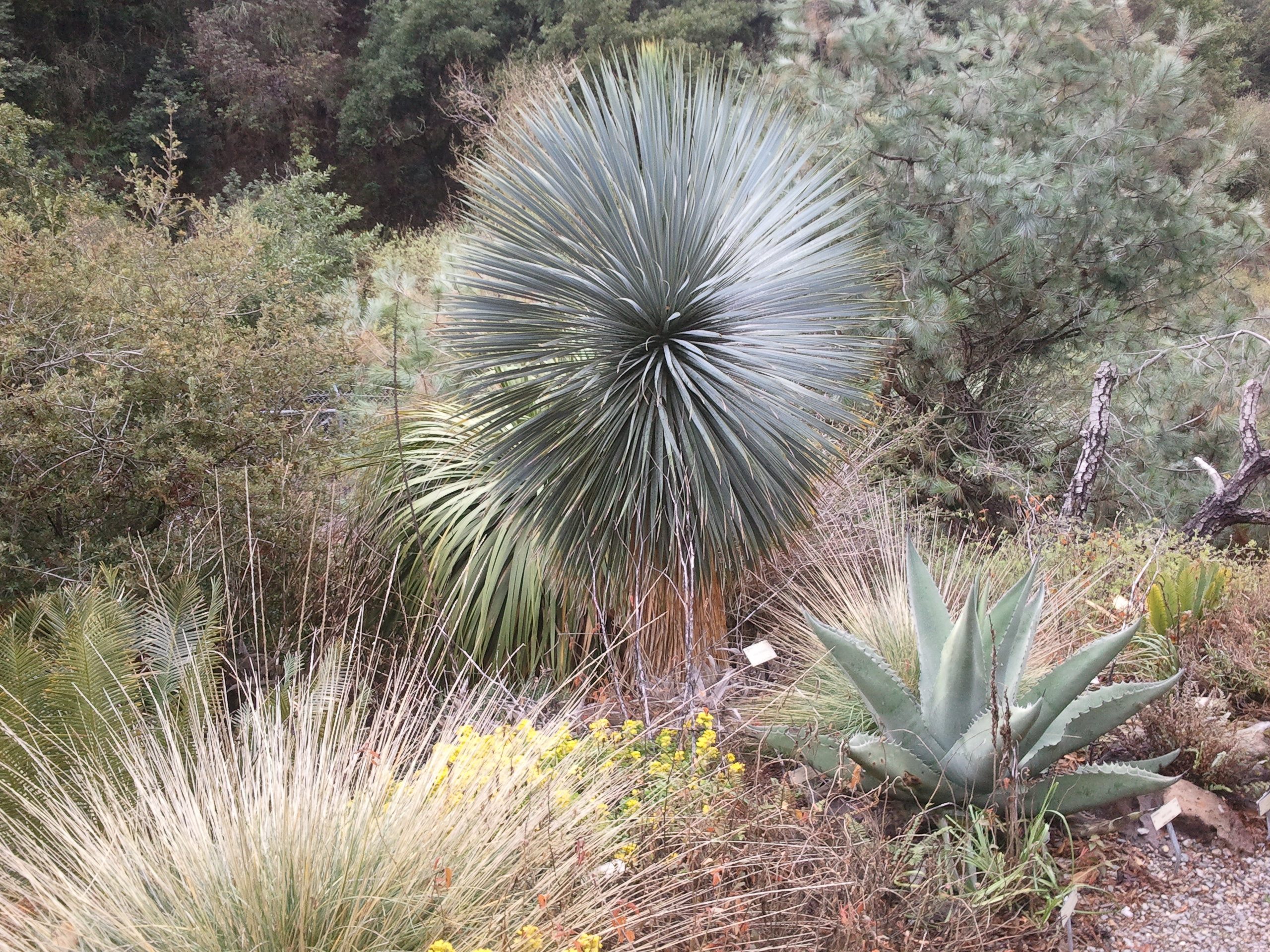
new world desert

New World Desert Collection

SAMSUNG

Mexico/Central America Collection

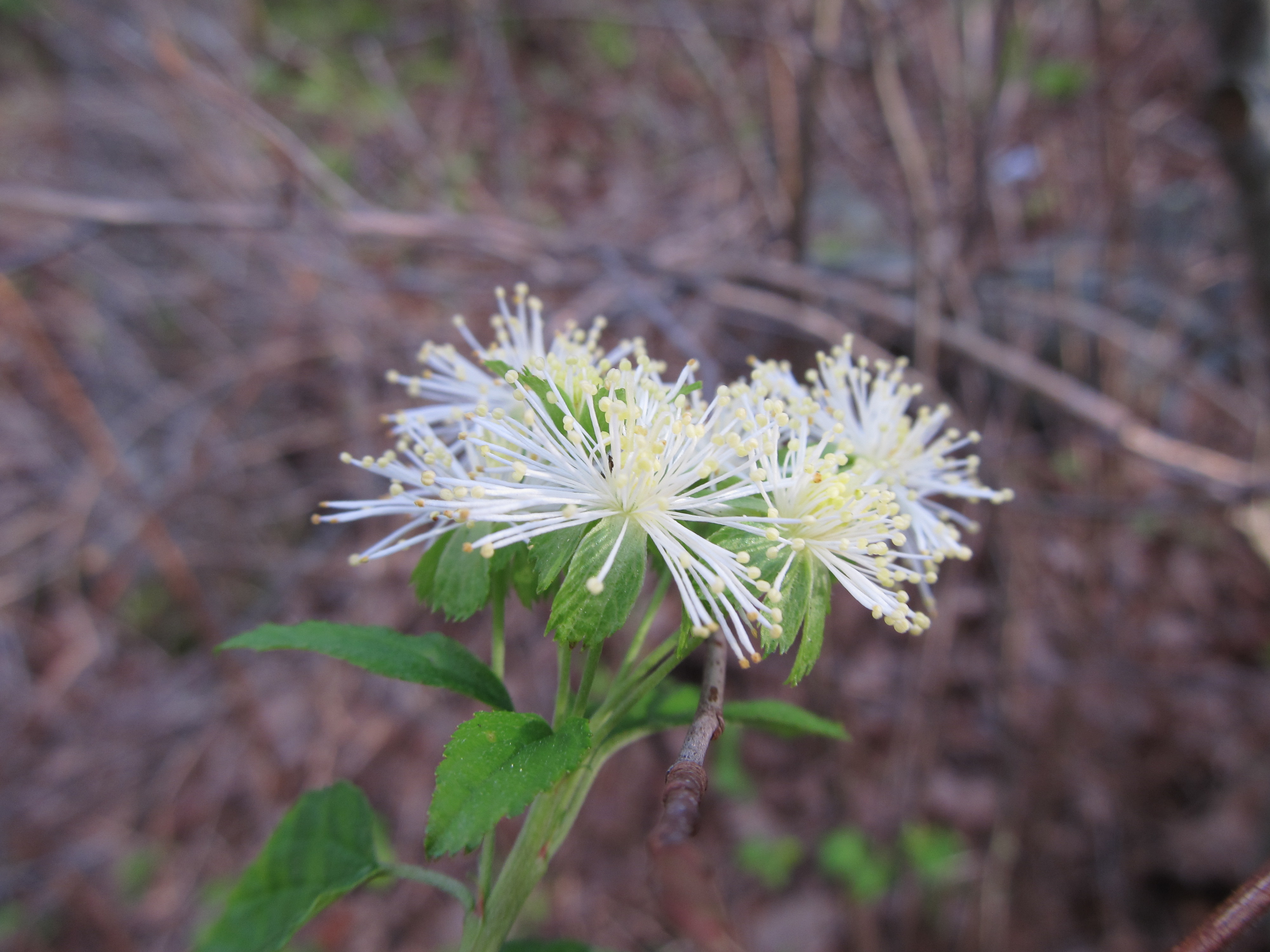
alabama snow wreath

Alabama Snow-Wreath (Neviusia alabamensis) from Alabama, USA

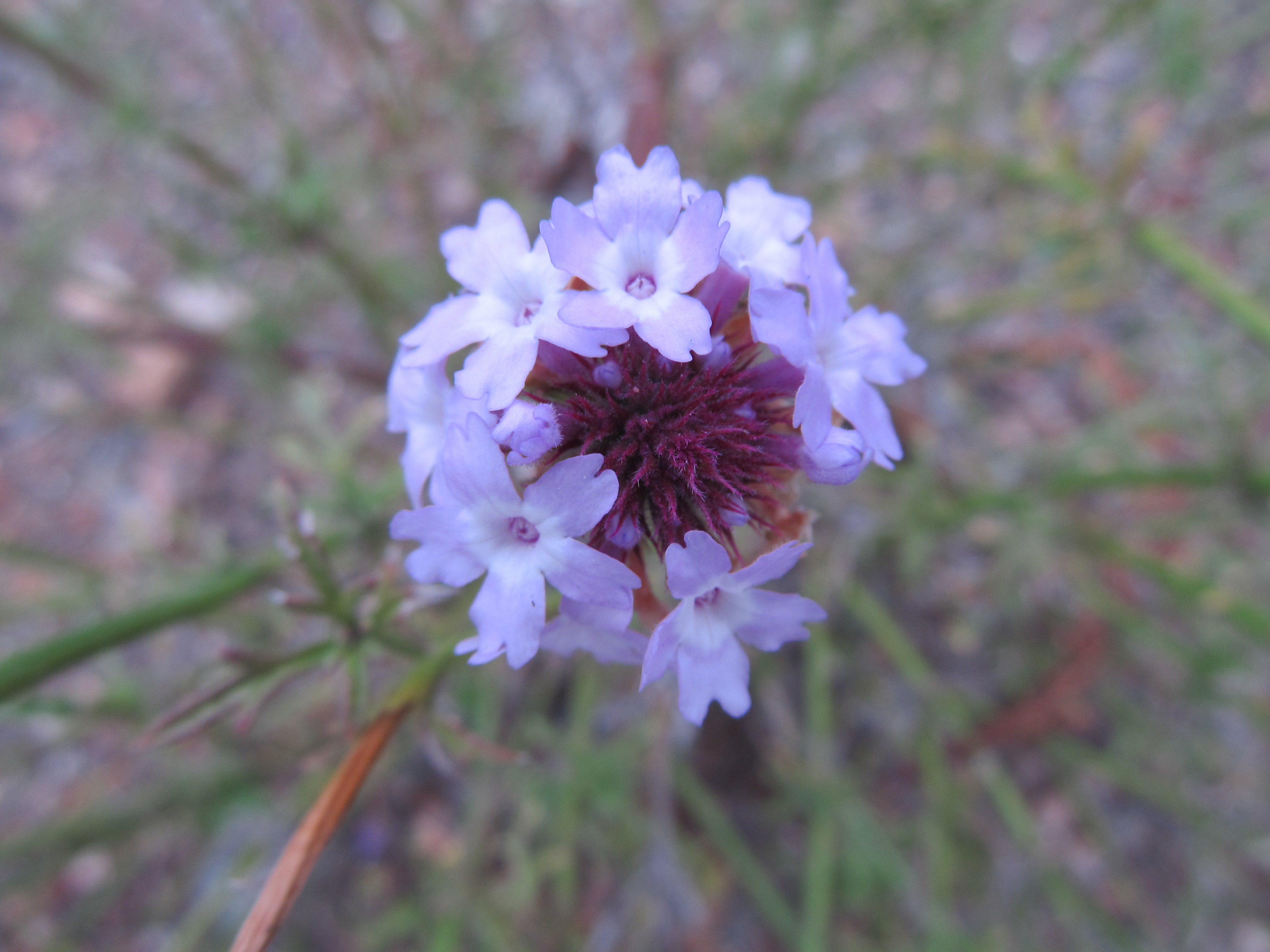
lilac verbena_verbena lilacina

Lilac Verbena (Verbena lilacina) from Mexico

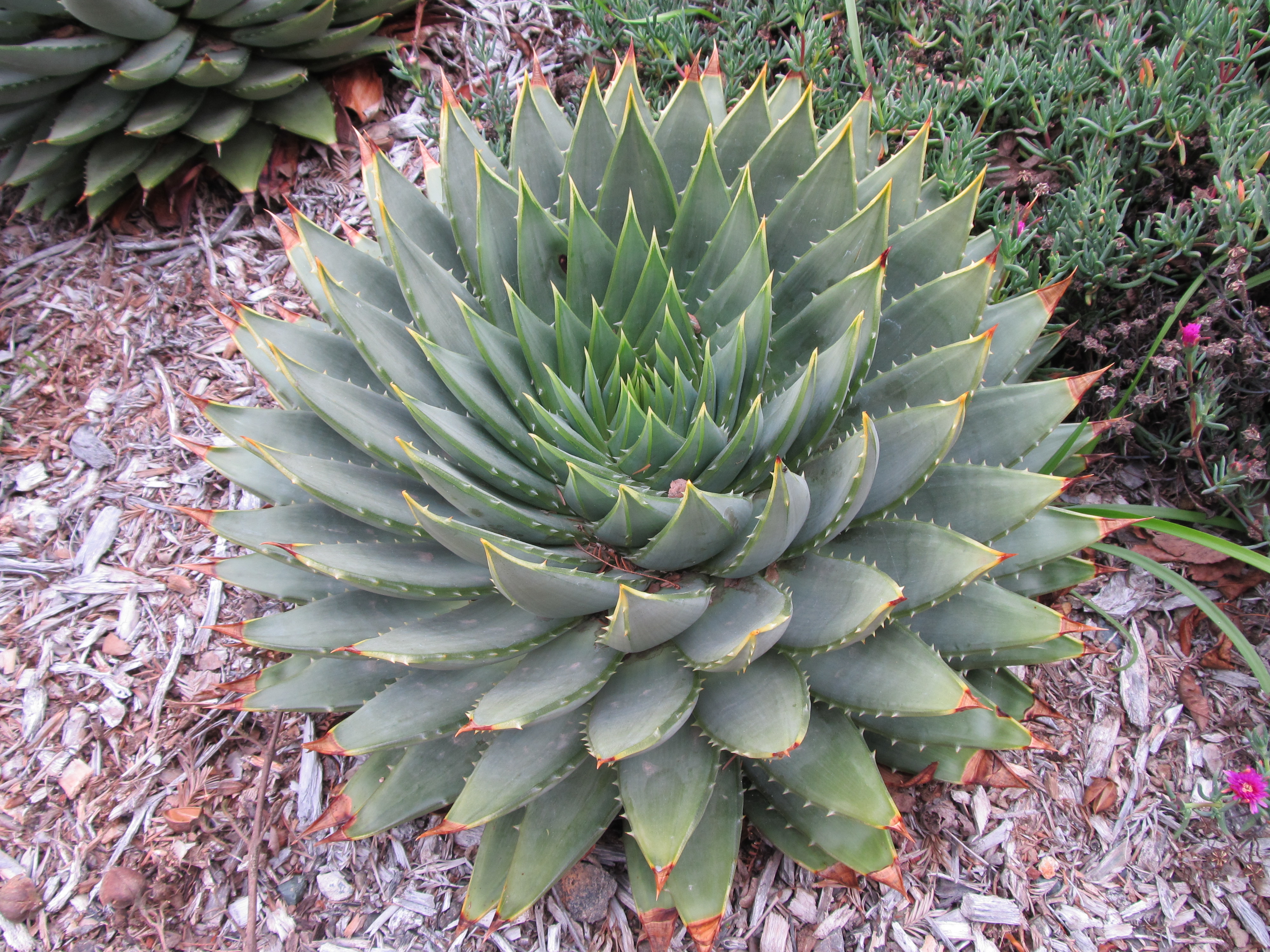
spiral aloe

Spiral Aloe (Aloe polyphylla) from South Africa

SAMSUNG

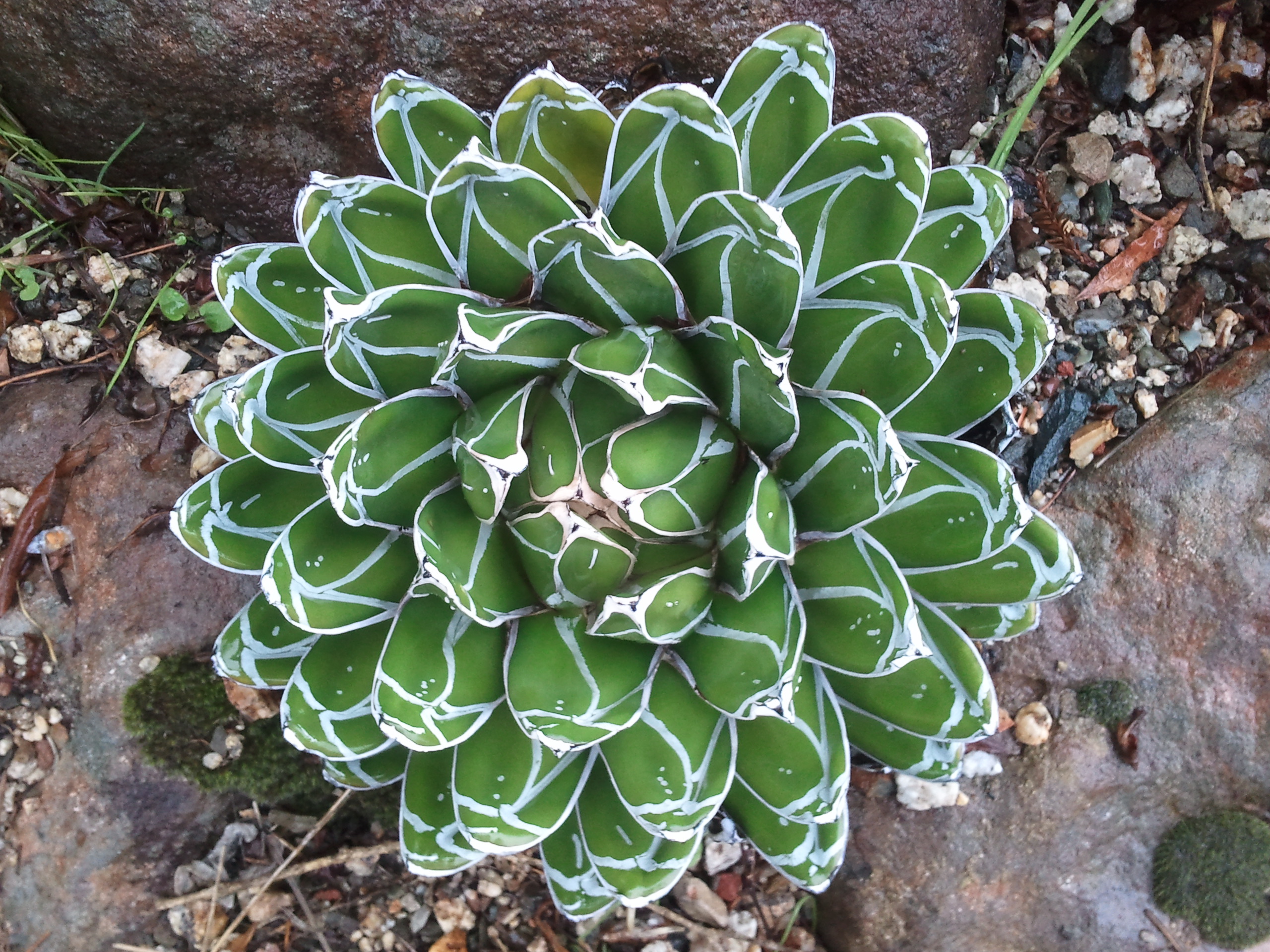
Agave victoriae-reginae from Mexico