Podcast Review: Native Plant Podcast

Always on the lookout for more podcasts to listen to, I somehow stumbled upon Native Plant Podcast. I wish I could remember the rabbit hole I went down that brought me to this masterpiece, but I can’t. What I do remember is being hesitant at first. I am all for calling things what they are. A restaurant called “Restaurant?” Why not? A podcast about native plants called “Native Plant Podcast?” Sure. It’s not the most creative name, but it works. What I was worried about, though, was that a podcast calling itself after native plants was going to be preachy, pushy…or just dull.

Yet I work with native plants every day(!), and I love them – so my initial judgement must say more about myself than anything else. Despite my hesitation – and my inclination to judge a podcast by its cover – I gave it a shot. I’m so glad that I did, because what I found was a highly informative show that is simultaneously delightful, fun, goofy, and entertaining. It’s a podcast that doesn’t take itself too seriously. The hosts and their guests share an important message about the benefits of native plant gardening, and they do so with passion and a sense of urgency while remaining lighthearted and approachable.

native plant podcast logo and sign

Native Plant Podcast is young. The first episode came out in January 2016. It is run by three individuals that met at the Cullowhee Native Plant Conference in North Carolina (a conference that is often mentioned on the podcast). Mike Berkeley and John Magee are the regular hosts; Jesse Turner mainly operates behind the scenes but makes appearances on a few episodes. They each have their own nursery and/or landscaping businesses that deal largely with native plants. Together they have decades of experience working with native plants. In an episode with Neil Diboll of Prairie Nursery, Mike makes the comment that they “were into native plants before it got cool.” Several of the guests that have been on the podcast so far can say the same thing.

One such guest is Miriam Goldberger, owner of Wildflower Farm and author of Taming Wildflowers, who appears on two episodes (part 1 and part 2). Other notable guests include Thomas Rainer, co-outhor of Planting in a Post-Wild World, and David Mizejewski, a naturalist for the National Wildlife Federation. So far all of the guests have been great, and since the the podcast has only been around for a few months, it is easy to catch up on past episodes.

As someone who enjoys sitting around talking about plants, this podcast is perfect since much of the “airtime” is taken up by such discussions. The episodes about winter interest and spring gardening are particularly great for this sort of thing. Two other standout episodes are the introductory episode, in which Mike and John discuss how they got started working with native plants, and the episode about defining native plants, in which Mike, John, and Jesse all take a crack at coming up with a definition. A topic that comes up often on the podcast is native plant cultivars (John understandably cringes each time he hears the portmanteau of “native” and “cultivar”), which seems to be a controversial topic in the native plant world.

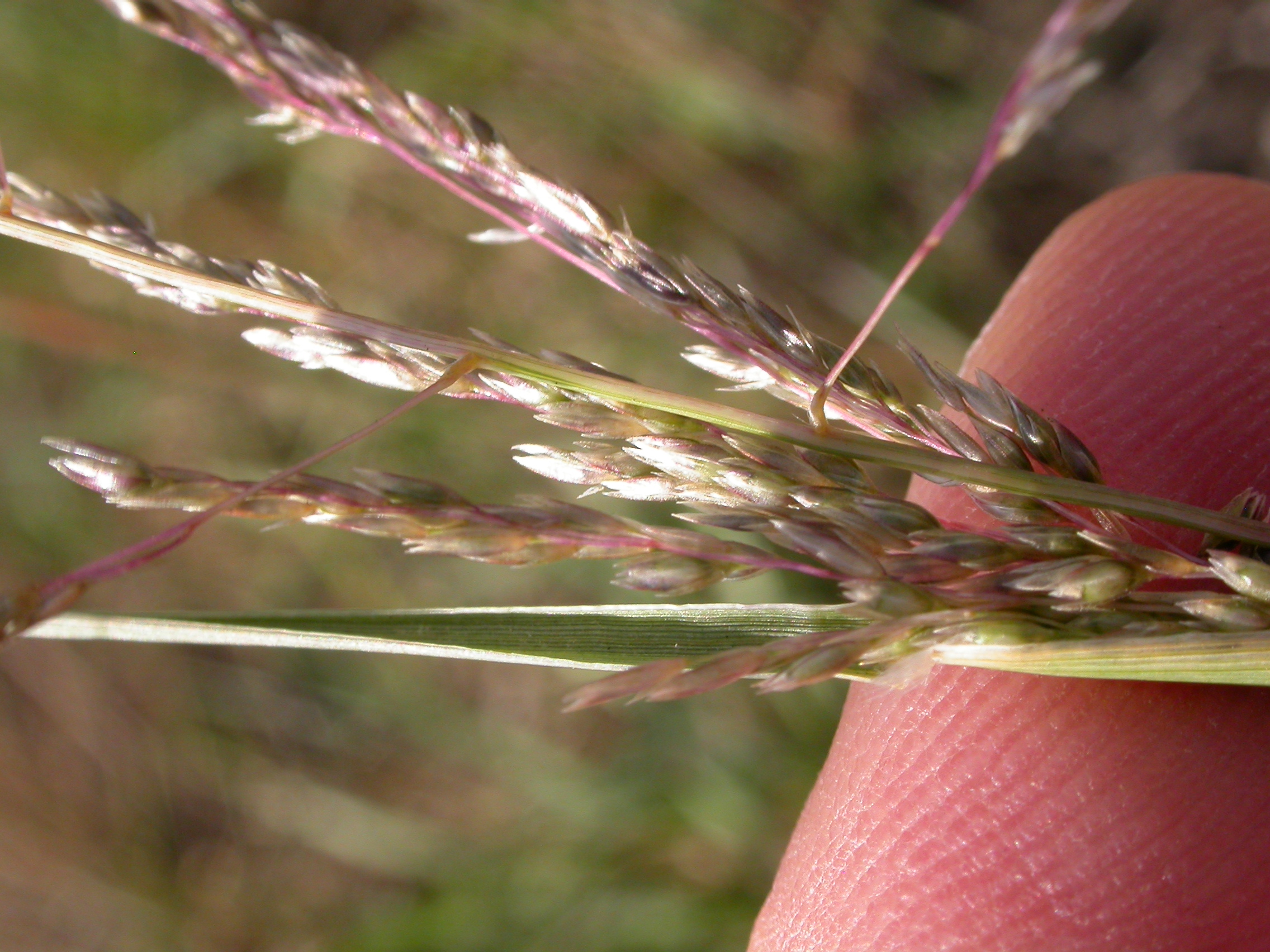
Prairie dropseed (Sporobolus cryptandrus) - one of Mike and John's favorite grasses and a plant that comes up frequently on the podcast. (photo credit: wikimedia commons)

Prairie dropseed (Sporobolus cryptandrus) – one of Mike and John’s favorite grasses and a plant that comes up frequently on the podcast. (photo credit: wikimedia commons)

In each episode of the podcast there is an interview/discussion followed by three short segments: listener questions, stories about dogs or other pets (the hosts really love their dogs), and a toast (in which the hosts pop open their beers in front of the microphone for all to hear). The twitter bio for the Native Plant Podcast sums it up well: “A podcast started by a group of goofballs to highlight the beauty and functionality of native plants in the landscape.” These goofballs really know their stuff, and I highly recommend listening to their show.

Bonus quote from the episode with Neil Diboll:

Everybody says they love Mother Nature, but if you look at people’s yards, very few people actually invite her over. Most people have lawns that are mown to within an inch or two of their lives, and the typical American garden is like a big pile of mulch with a few perennials stuck in it or maybe a few shrubs stuck in it. These are really non-functional gardens from a standpoint of an ecological approach, so bringing your landscaping to life is creating ecological gardens that are not just for the owner of the property, but for all life that you can attract to the land for which you are the steward.

Field Trip: Utah State University Botanical Center

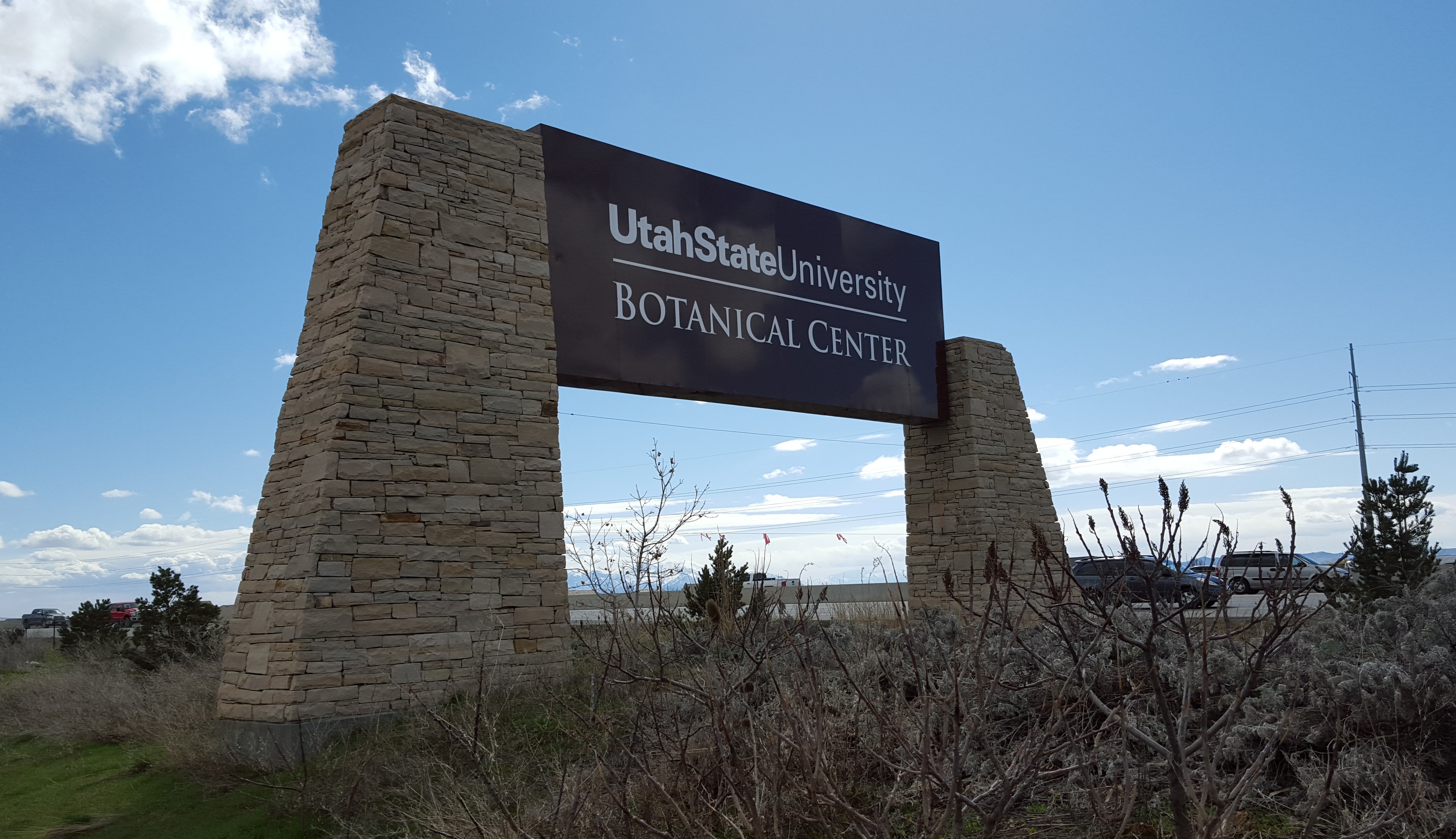
usu bc sign

Last month I was in Utah visiting family, so I took the opportunity to check out the Utah State University Botanical Center in Kaysville. Located along Interstate 15, it’s hard to miss, and yet I had never visited despite having driven past it numerous times. Of course, March is not the ideal time to visit a botanical garden in Utah. Spring was in the air, but the garden still had a lot of waking up to do. Regardless it was fun to check the place out and imagine what it might have to offer in its prime.

The vision of the USU Botanical Center is “to guide the conservation and wise use of plant, water, and energy resources through research-based educational experiences, demonstrations, and technologies.” Some of the demonstration gardens are located alongside a series of ponds that are stocked with fish and are home to wetland bird species and other wildlife.  Next door to the ponds is the Utah House, a demonstration house modeling energy efficient design and construction along with other sustainable practices. The landscaping surrounding the Utah House, apart from the vegetable garden, consists mainly of drought-tolerant plants.

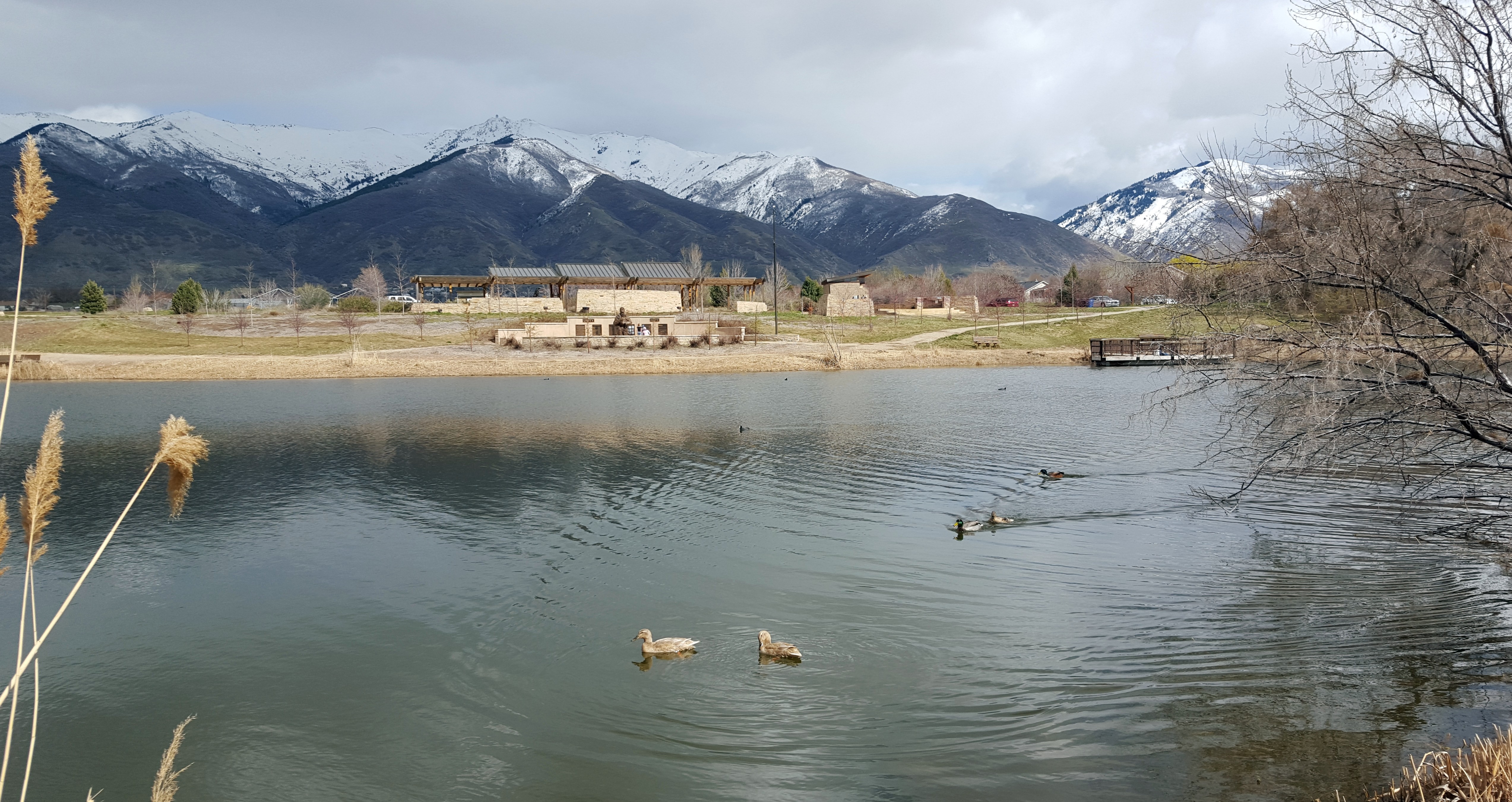
Utah State University has recently acquired some neighboring land and is in the process of expanding their demonstration gardens and arboretum. I enjoyed my brief visit (particularly the time I spent watching the ducks) and will make it a point to stop again, both during a warmer time of year and as the gardens continue to expand.

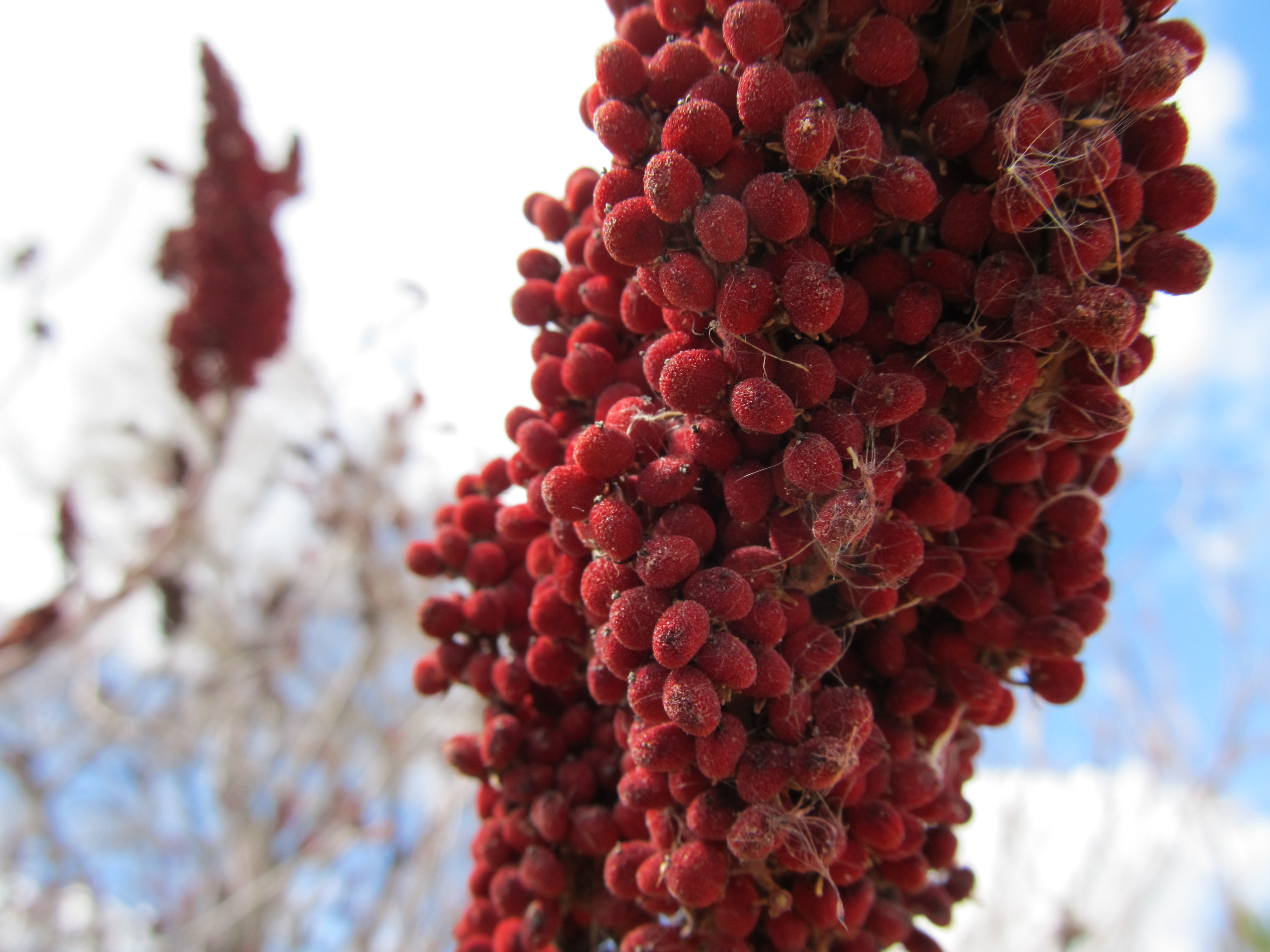
Sumac

The fruits of smooth sumac (Rhus glabra)

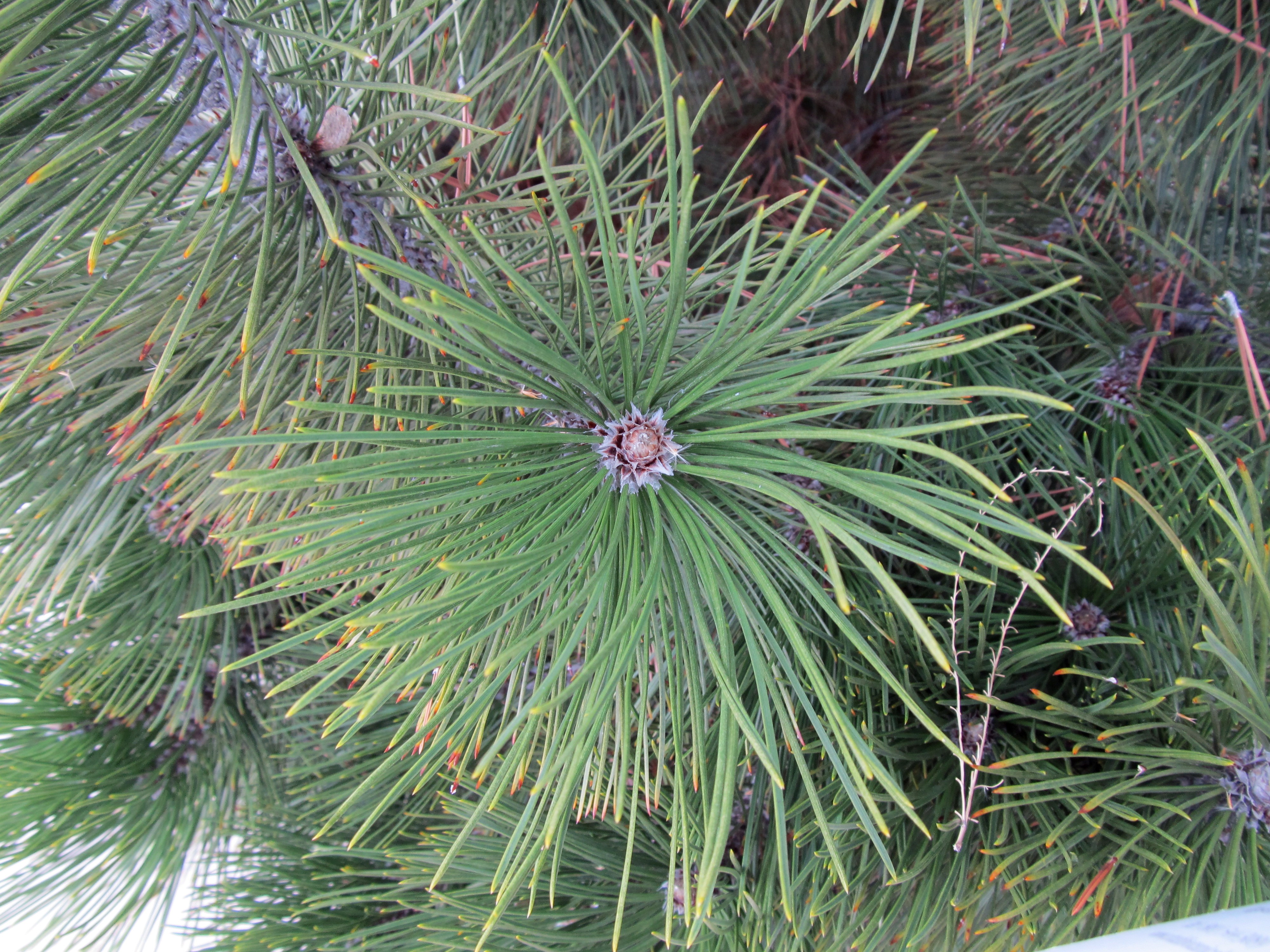
Pinus heldreichii 'green bun'

Dwarf Bosnian Pine (Pinus heldreichii ‘Green Bun’)

Daphne x burkwoodii 'carol mackie'

Carol Mackie Daphne (Daphne x burkwoodii ‘Carol Mackie’)

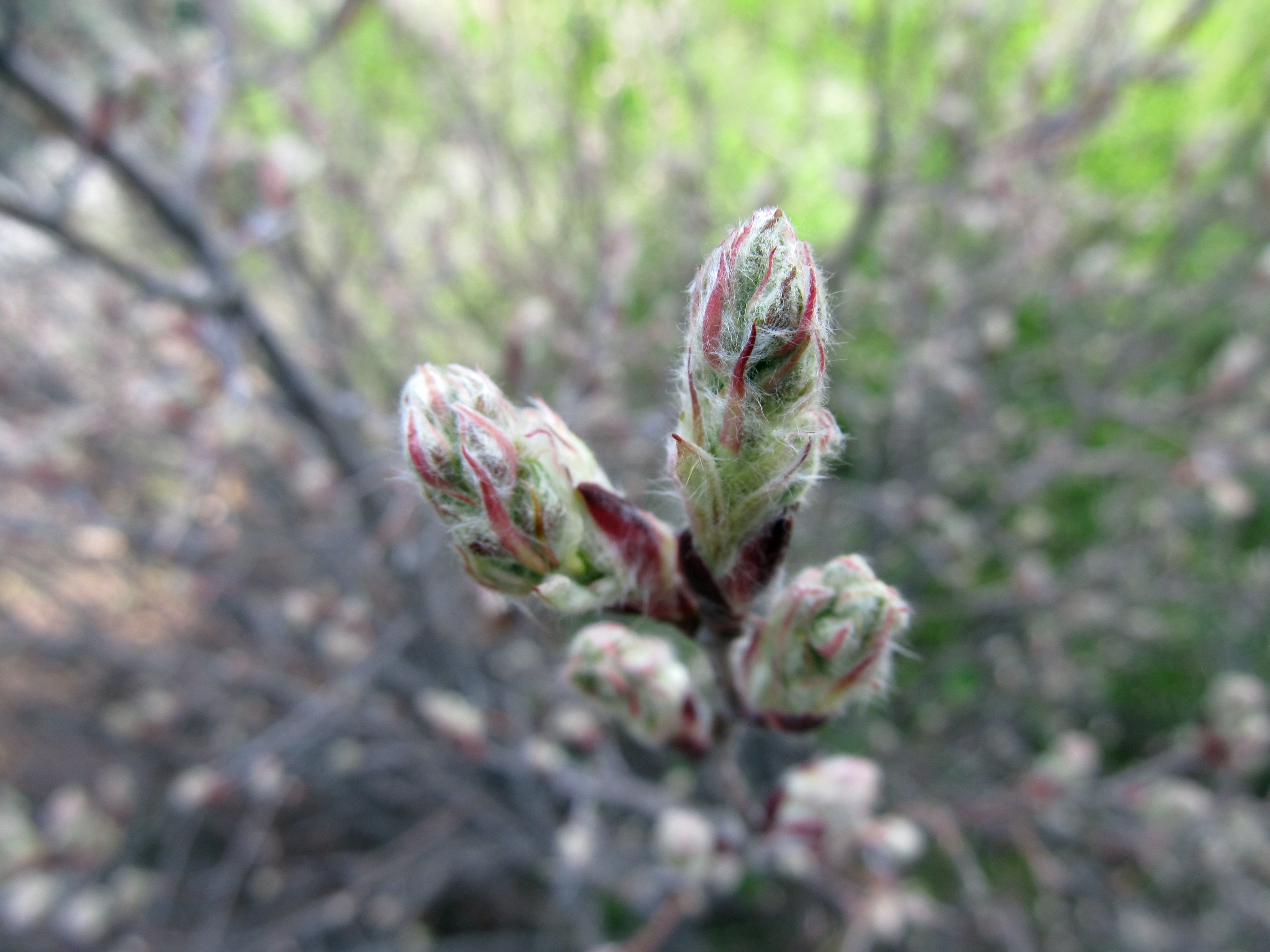
Amelanchier alnifolia leafing out

Saskatoon serviceberry leafing out (Amelanchier alnifolia)

Physocarpus opulifolius 'Dart's Gold'

Dart’s Gold Ninebark (Physocarpus opulifolius ‘Dart’s Gold’)

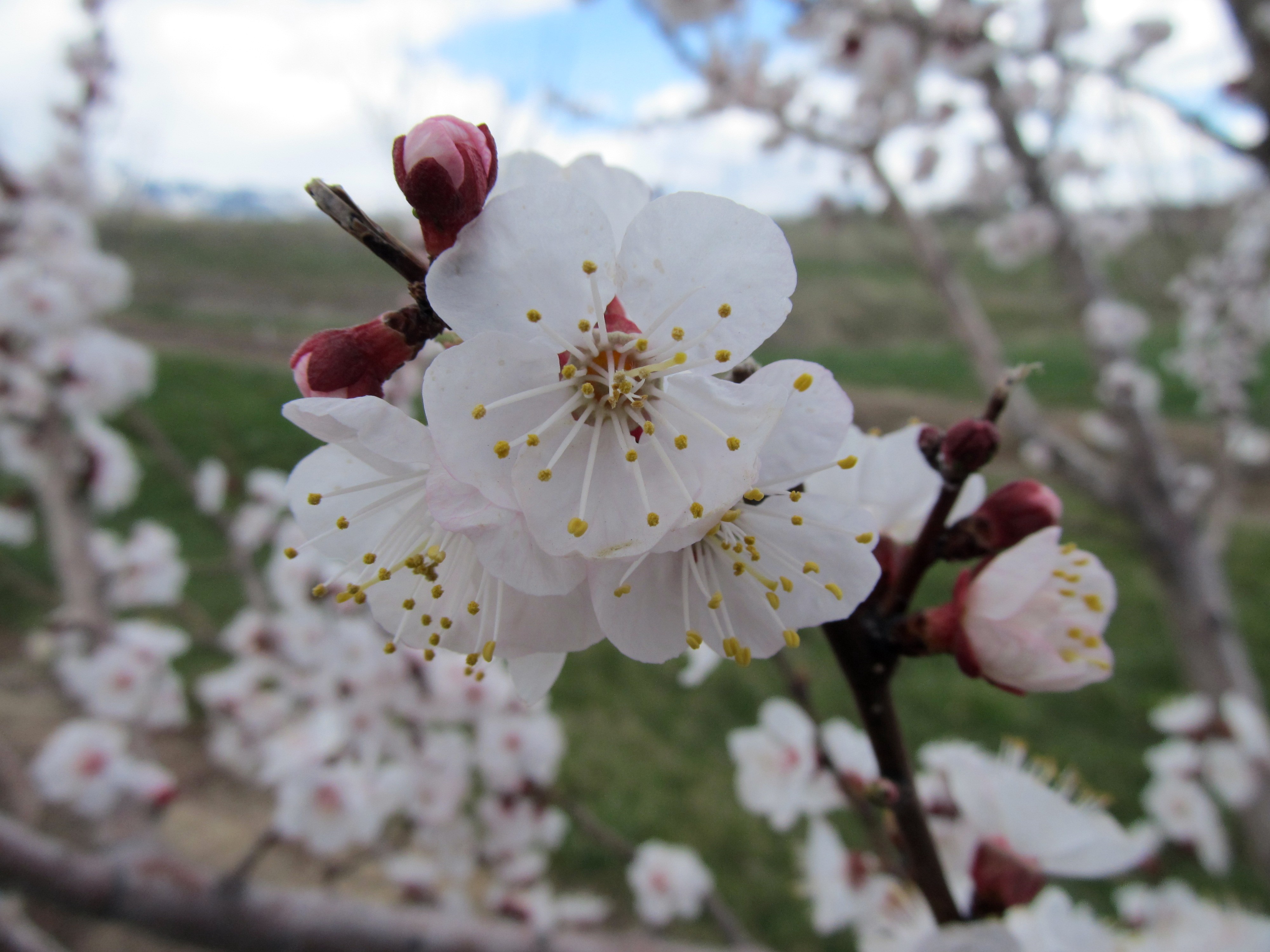
Aprium blossoms

Aprium blossoms – 75% apricot, 25% plum

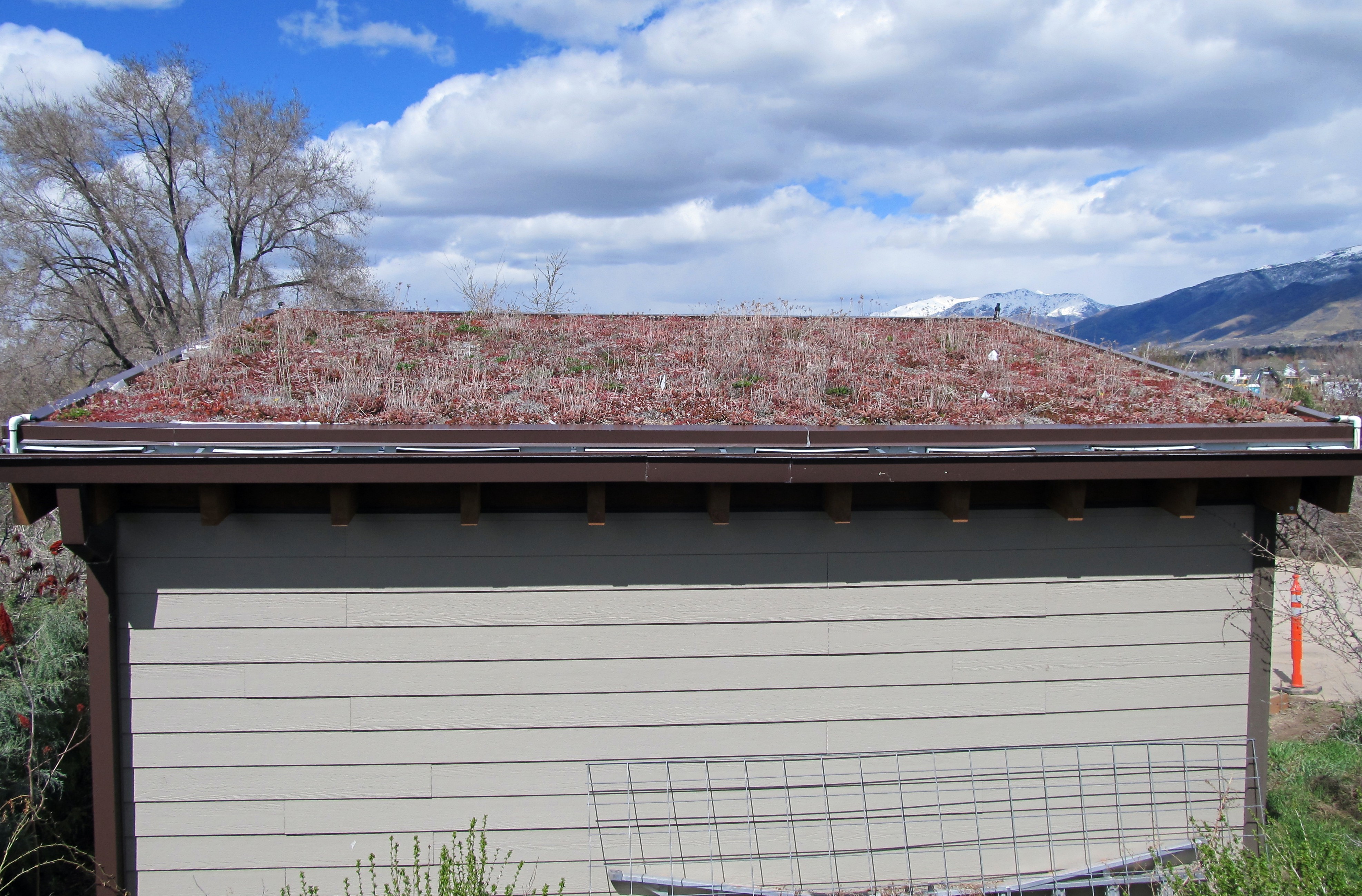
green roof

Green roof on a shed near the Utah House

ducks!

The wetlands at USU Botanical Center offer a great opportunity to teach the public about the importance of wetland habitat and wetland conservation. Signage informs visitors that despite the fact that wetlands and riparian areas only make up 1% of Utah, 80% of Utah’s wildlife use such areas at some point during their life. Learn more here.

What botanical gardens are you visiting this spring? Leave your travelogues and recommendations in the comments section below.

Biodiversity Dips When Japanese Rice Paddies Go Fallow

Large-scale farms that generally grow a single crop at a time and are managed conventionally are, by design, lacking in biodiversity. Abandoning such farms and allowing nature to take its course should, not surprisingly, result in a dramatic uptick in biodiversity. Plant colonization of abandoned farmland (also referred to as old field succession) is well studied and is regularly used as an example of secondary succession in ecology textbooks. The scenario seems obvious: cease agriculture operations, relinquish the land back to nature, and given enough time it will be transformed into a thriving natural community replete with diverse forms of plants and animals. This is an oversimplification, of course, and results will vary with each abandoned piece of land depending on the circumstances, but it generally seems to be the story. So what about when it isn’t?

Rice farming in Japan began at least 2400 years ago. Rice had been domesticated in China long before that, and when it eventually arrived in Japan it shaped the culture dramatically. For hundreds of years rice was farmed in small, terraced paddies in the mountains of Japan. Dennis Normile writes about these traditional, rice paddies in a recent issue of Science. He describes how they were found in villages “nestled in a forested valley” accompanied by vegetable plots, orchards, and pasture. Today, farms like these are “endangered,” and as they have become increasingly abandoned, plants, insects, and other wildlife that have historically thrived there are suffering.

Since the 1960’s, a combination of factors has resulted in the decline of traditional rice farming in Japan. For one, large scale farming has led to the consolidation of paddies, which are farmed more intensively. Diets in Japan have also shifted, resulting in a preference for bread and pasta over rice. Additionally, Japan’s population is shrinking, and residents of rural areas are migrating to cities. Traditional rice farmers are aging, and younger generations are showing little interest in pursuing this career.

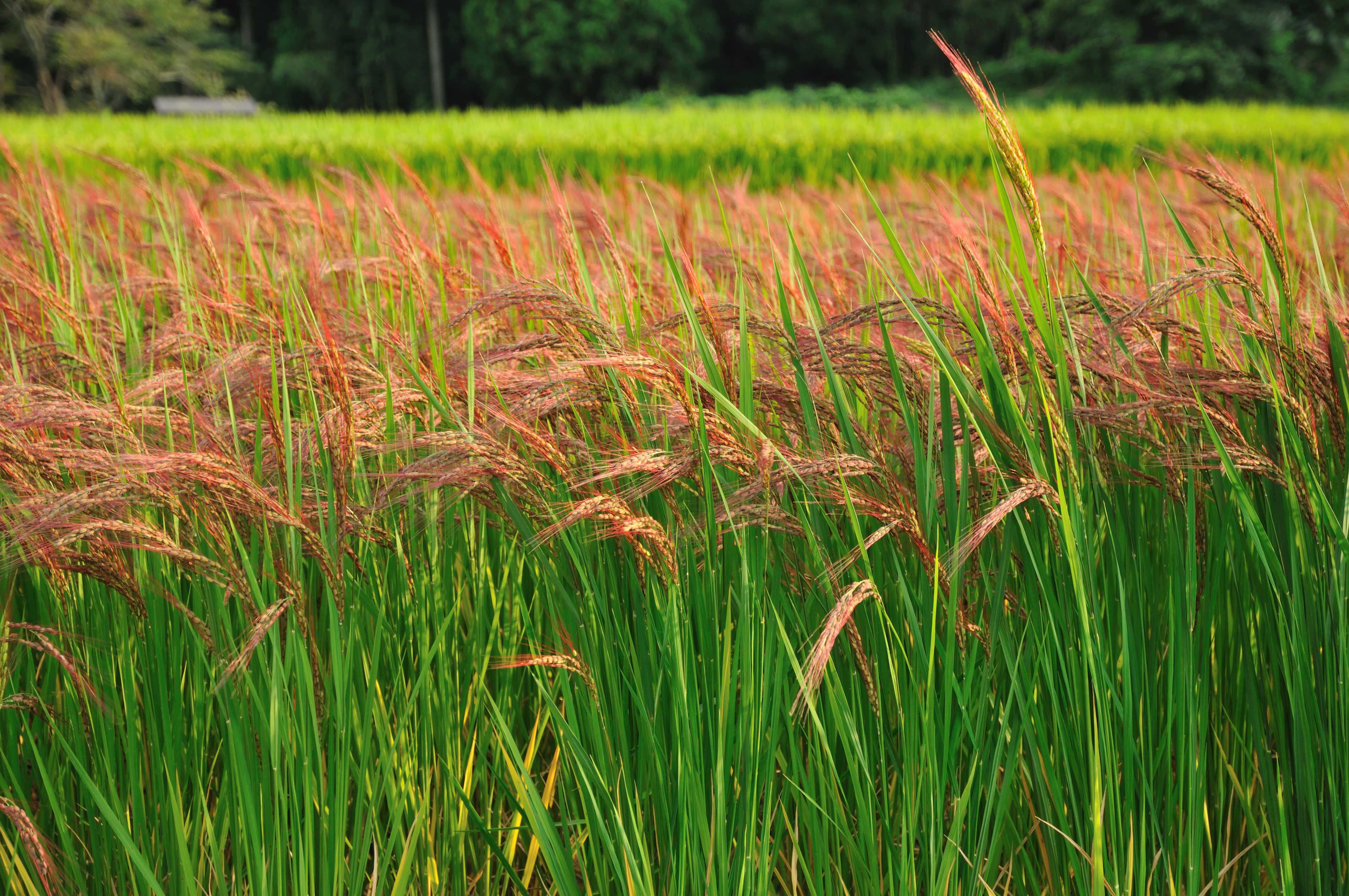
Red rice paddy in Japan - photo credit: wikimedia commons

Red rice paddy in Japan – photo credit: wikimedia commons

Demographic and dietary concerns aside, why in this case is the abandonment of agriculture imperiling species? The answer appears to be in both the way that the rice paddies have been historically managed and the length of time that they have been managed that way. Agriculture, by its very nature, creates novel ecosystems, and if the practice continues long enough, surrounding flora and fauna could theoretically coevolve along with the practice. When the practice is discontinued, species that have come to rely on it become threatened.

Traditional rice paddies are, as Normile describes, “rimmed by banks so that they can be flooded and drained.” Farmers “encouraged wild grassland plants to grow on the banks because the roots stabilize the soil.” The banks are mowed at least twice a year, which helps keep woody shrubs and trees from establishing on the banks. In some areas, rice farming began where primitive people of Japan were burning frequently to encourage grassland habitat. Maintaining grassland species around rice paddies perpetuated the grassland habitat engineered by primitive cultures.

As rice paddies are abandoned and the surrounding grasslands are no longer maintained, invasive species like kudzu and a North American species of goldenrod have been moving in and dominating the landscape resulting in the decline of native plants and insects. Normile reports that the abandoned grasslands are not expected to return to native forests either since “surrounding forests…are a shadow of their old selves.”

Additionally, like most other parts of the world, Japan has lost much of its natural wetland habitat to development. Rice paddies provide habitat for wetland bird species. On paddies that have been abandoned or consolidated, researchers are finding fewer wetland bird species compared to paddies that are managed traditionally.

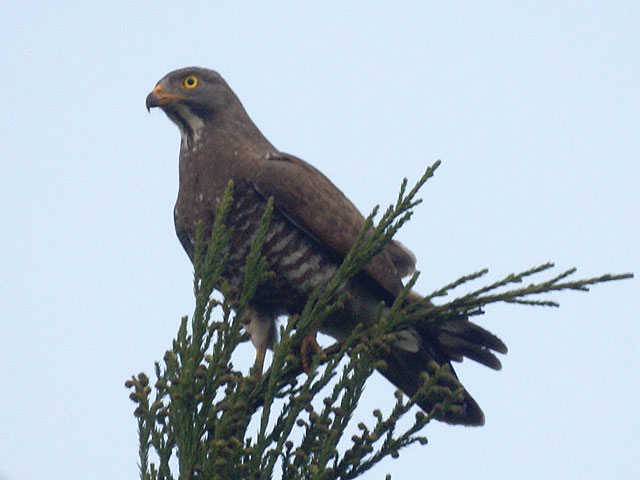
The gray-faced buzzard (Butastur indicus) is listed as vulnerable in Japan. It nests in forests and preys on insects, frogs, and other animals found in grasslands and rice paddies. It's decline has been linked to the abandonment and development of traditionally farmed rice paddies. (photo credit: wikimedia commons)

The gray-faced buzzard (Butastur indicus) is listed as vulnerable in Japan. It nests in forests and preys on insects, frogs, and other animals found in grasslands and rice paddies. Its decline has been linked to the abandonment and development of traditionally farmed rice paddies. (photo credit: wikimedia commons)

All of this adds fodder to an ongoing debate: “whether allowing farmland to revert to nature is a boon to biodiversity or actually harms it.” Where agriculture is a relatively new practice or where conventional practices dominate, abandoning agriculture would be expected to preserve and promote biodiversity. However, where certain agricultural practices have persisted for millenia, abandoning agriculture or converting  to modern day practices could result in endangerment and even extinction of some species. In the latter case, “rewilding” would require thoughtful consideration.

The thing that fascinates me the most about this report is just how intertwined humans are in the ecology of this planet. In many ways humans have done great harm to our environment and to the myriad other species that share it. We are a force to be reckoned with. Yet, the popular view that we are separate, above, apart, or even dominant over nature is an absurd one. For someone who cares deeply about the environment, this view has too often been accompanied by a sort of self-flagellation, cursing myself and my species for what we have done and continue to do to our home planet. Stories like this, however, offer an alternative perspective.

Humans are components of the natural world. We evolved just like every other living thing here, and so our actions as well as the actions of other species have helped shape the way the world looks. If our species had met its demise early in its evolutionary trajectory, the world would look very different. But we persisted, and as it turns out, despite the destruction we have caused and the species we have eliminated, we have simultaneously played a role in the evolution and persistence of many other species as well. We must learn to tread lightly – for the sake of our own species as well as others – but we should also quit considering ourselves “other than” nature, and we should stop beating ourselves up for our collective “mistakes.” It seems that when we come to recognize how connected we are to nature we will have greater motivation to protect it.

Additional Resources:

Book Review: Jade Pearls and Alien Eyeballs

The spring season for plant-obsessed gardeners is a time to prepare to grow something new and different – something you’ve never tried growing before. Sure, standards and favorites will make an appearance, but when you love plants for plant’s sake you’ve got to try them all, especially the rare and unusual ones – the ones no one else is growing. Even if it ultimately turns out to be a disaster or a dud, at least you tried and can say you did.

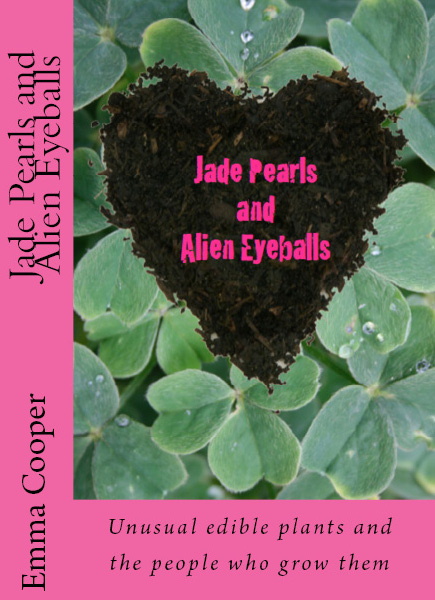
That seems to be the spirit behind Jade Pearls and Alien Eyeballs by Emma Cooper. Subtitled, “Unusual Edible Plants and the People Who Grow Them,” Cooper’s book is all about trying new plants, both in the garden and on your plate. While its focus is on the rare and unusual, it is not a comprehensive guide to such plants – a book like that would require several volumes – rather it is a treatise about trying something different along with a few recommendations to get you started.

jadepearls_cover

Cooper starts out by explaining what she means by “unusual edible” – “exotic, old-fashioned, wild, or just plain weird.” Her definition includes plants that may be commonly grown agriculturally but may not make regular appearances in home gardens. She goes on to give a brief overview of plant exploration throughout history, highlighting the interest that humans have had for centuries – millennia even – in seeking out new plants to grow. She acknowledges that, in modern times, plant explorations have shifted from simply finding exotic species to bring home and exploit to cataloging species and advocating for their conservation in the wild. Of course, many of these explorations are still interested in finding species that are useful to humans or finding crop wild relatives that have something to offer genetically.

Cooper then includes more than 2o short interviews of people who are growers and promoters of lesser known edible plants. The people interviewed have much to offer in the way of plant suggestions and resource recommendations; however, this part of the book was a bit dull. Cooper includes several pages of resources at the end of the book, and many of the interviewees suggest the same plants and resources, so this section seemed redundant. That being said, there are some great responses to Cooper’s questions, including Owen Smith’s argument for “citizen-led research and breeding projects” and James Wong’s advise to seek out edible houseplants.

The remainder of the book is essentially a list of the plants that Cooper suggests trying. Again, it is not a comprehensive list of the unusual plants one could try, nor it is a full list of the plants that Cooper would recommend, but it is a good starting point. Cooper offers a description of each plant and an explanation for why it is included. The list is separated into seven categories: Heritage and Heirloom Plant Varieties, Forgotten Vegetables, The Lost Crops of the Incas, Oriental Vegetables, Perennial Pleasures, Unusual Herbs, and Weeds and Wildings.

This is the portion of the book that plant geeks are likely to find the most compelling. It is also where the reader learns where the title of the book comes from – “jade pearls” is another common name for Chinese artichoke (Stachys affinis), and “alien eyeballs” is Cooper’s name for toothache plant (Acmella oleracea). I have tried a few of the plants that Cooper includes, and I was intrigued by many others, but for whatever reason the two that stood out to me as the ones I should try this year were Hamburg parsley (Petroselinum crispum var. tuberosum) and oca (Oxalis tuberosa).

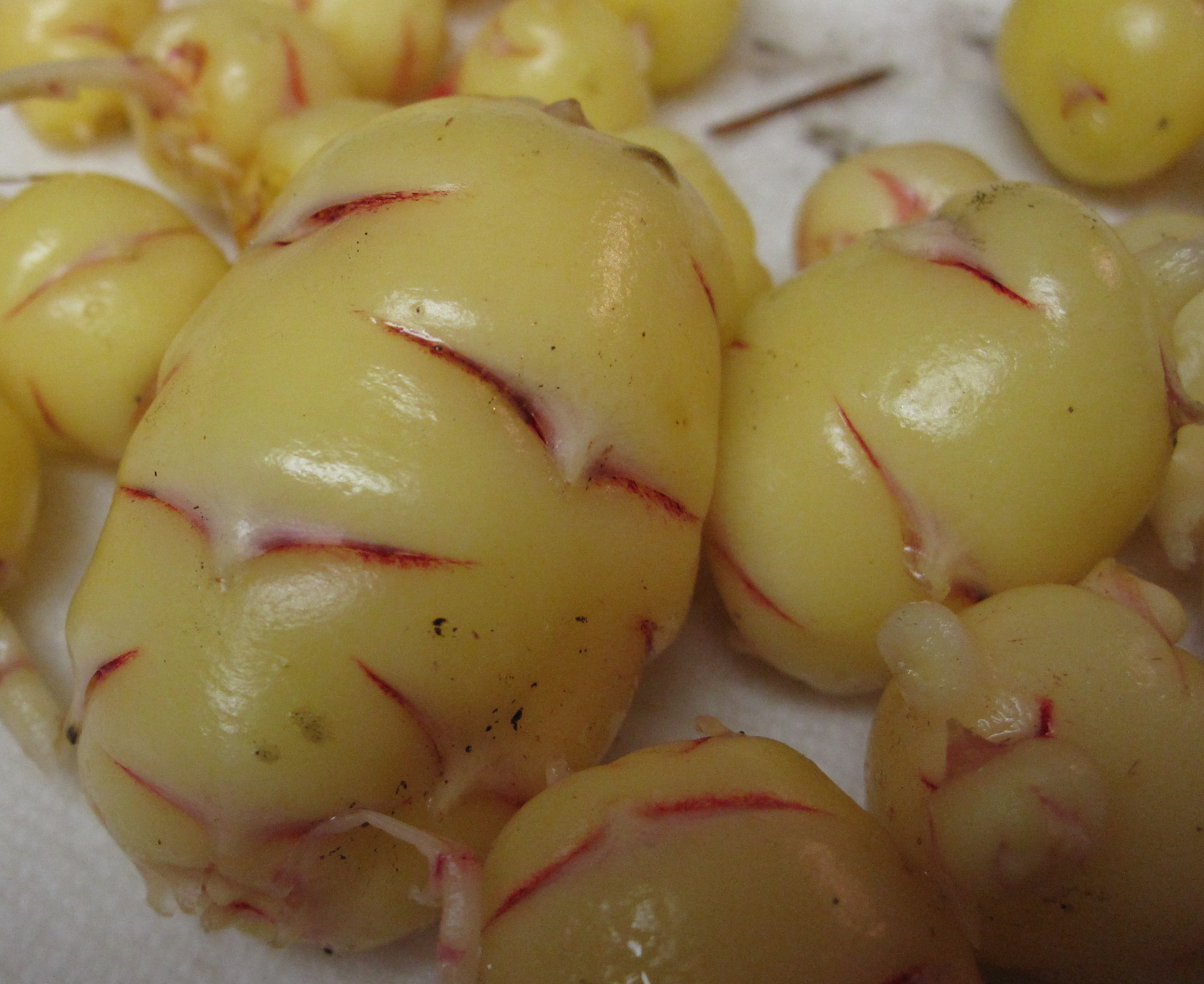
Tubers of oca (Oxalis tuberosa) - photo credit: wikimedia commons

Tubers of oca (Oxalis tuberosa) – photo credit: wikimedia commons

In the final chapter, Cooper offers – among other things – warnings about invasive species (“our responsibility is to ensure that the plants we encourage in our gardens stay in our gardens and are not allowed to escape into our local environment”), import restrictions (“be a good citizen and know what is allowed in your country [and I would add state/province], what isn’t, and why”), and wild harvesting (“act sustainably when foraging”). She then includes several pages of books and websites regarding unusual edibles and a long list of suppliers where seeds and plants can be acquired. Cooper is based in the U.K., so her list of suppliers is centered in that region, but a little bit of searching on the internet and asking around in various social media, etc. should help you develop a decent list for your region. International trades or purchases are an option, but as Cooper advises, follow the rules that are in place for moving plant material around.

Bottom line: find some interesting things to grow this year, experiment with things you’ve never tried – even things that aren’t said to grow well in your area – and if you’re having trouble deciding what to try or you just want to learn more about some interesting plants, check out Emma Cooper’s book.

Also, check out Emma Cooper’s blog and now defunct podcast (the last few episodes of which explore the content of this book).

Are you interested in writing a book review for Awkward Botany or helping out in some other way? If so, go here.

Attract Pollinators, Grow More Food

It seems obvious to say that on farms that rely on insect pollinators for crops to set fruit, having more pollinators around can lead to higher yields. Beyond that, there are questions to consider. How many pollinators and which ones? To what extent can yields be increased? How does the size and location of the farm come into play? Etc. Thanks to a recent study, one that Science News appropriately referred to as “massive,” some of these questions are being addressed, offering compelling evidence that yields grow dramatically simply by increasing and diversifying pollinator populations.

It is also stating the obvious to say that some farms are more productive than others. The difference between a high yield farm and a low yield farm in a given crop system is referred to as a yield gap. Yield gaps are the result of a combination of factors, including soil health, climate, water availability, and management. For crops that depend on insects for pollination, reduced numbers of pollinators can contribute to yield gaps. This five year study by Lucas A. Garibaldi, et al., pubished in a January 2016 issue of Science, involving 344 fields and 33 different crops on farms located in Africa, Asia, and Latin America demonstrates the importance of managing for pollinator abundance and diversity.

The study locations, which ranged from 0.1 hectare to 327.2 hecatares, were separated into large and small farms. Small farms were considered 2 ha and under. In the developing world, more than 2 billion people rely on farms of this size, and many of these farms have low yields. In this study, low yielding farms on average had yields that were a mere 47% of high yielding farms. Researchers wanted to know to what degree enhancing pollinator density and diversity could help increase yields and close this yield gap.

By performing coordinated experiments for five years on farms all over the world and by using a standardized sampling protocol, the researchers were able to determine that higher pollinator densities could close the yield gap on small farms by 24%. For larger farms, such yield increases were seen only when there was both higher pollinator density and diversity. Honeybees were found to be the dominant pollinator in larger fields, and having additional pollinator species present helped to enhance yields.

These results suggest that, as the authors state, “there are large opportunities to increase flower-visitor densities and yields” on low yielding farms to better match the levels of “the best farms.” Poor performing farms can be improved simply by managing for increased pollinator populations. The authors advise that such farms employ “a combination of practices,” such as “sowing flower strips and planting hedgerows, providing nesting resources, [practicing] more targeted use of pesticides, and/or [restoring] semi-natural and natural areas adjacent to crops.” The authors conclude that this case study offers evidence that “ecological intensification [improving agriculture by enhancing ecological functions and biodiversity] can create mutually beneficial scenarios between biodiversity and crop yields worldwide.”

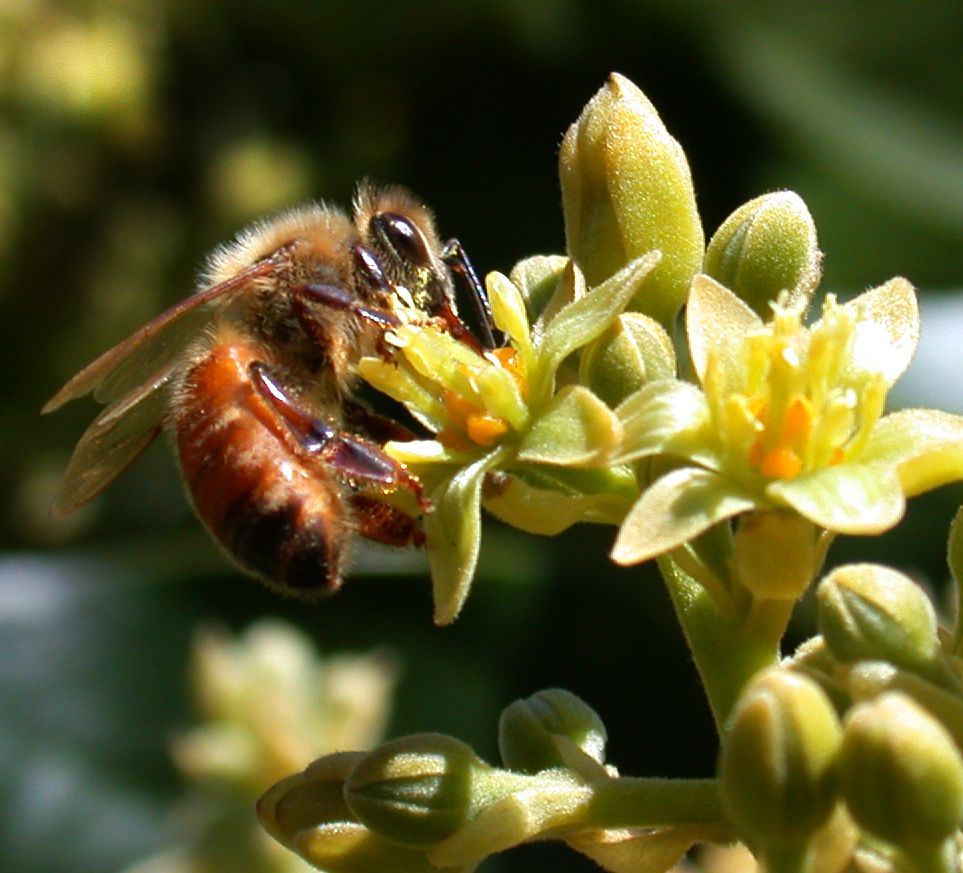
photo credit: wikimedia commons

photo credit: wikimedia commons

A study like this, while aimed at improving crop yields in developing nations, should be viewed as evidence for the importance of protecting and strengthening pollinator populations throughout the world. Modern, industrial farms that plant monocultures from one edge of the field to the other and that include little or no natural area – or weedy, overgrown area for that matter – are helping to place pollinator populations in peril. In this study, after considering numerous covariables, the authors concluded that, “among all the variables we tested, flower-visitor density was the most important predictor of crop yield.”

Back to stating the obvious, if pollinators aren’t present yields decline, and as far as I’m aware, we don’t have a suitable replacement for what nature does best.

This study is available to read free of charge at ResearchGate. If you are interested in improving pollinator habitat in your neighborhood, check out these past Awkward Botany posts: Planting for Pollinators, Ground Nesting Bees in the Garden, and Hellstrip Pollinator Garden.

Growing Potatoes on Mars

“My best bet for making calories is potatoes. They grow prolifically and have a reasonable calorie count. … I can’t just live off the land forever. But I can extend my life. The potatoes will last me 76 days.” – The Martian by Andy Weir

The Atacama Desert is a strip of land in northern Chile that reaches into portions of Bolivia, Peru, and Argentina. Within it lies a region 10,000 feet in elevation that, thanks to a double rain shadow, is so intensely dry that nothing, not even microbial life, can survive. Rain falls in this region perhaps once every 10 years, and even then precipitation is paltry. This area is so desolate and devoid of life that NASA scientists consider it Mars-like and have used the area to test equipment that is bound for Mars. Studies have found that the soil in this region is similar to Martian soil – so similar, in fact, that it is now being used to test the feasibility of growing potatoes on Mars.

The study is being carried out by NASA in collaboration with Centro Internacional de la Papa (CIP), an agriculture research institution based in Lima, Peru. The efforts consist of an initial series of three experiments. Apart from investigating methods for growing potatoes in a Martian environment, researchers hope to develop ways to improve potato production on marginal land here on Earth in order to increase yields and provide a sustainable source of food in parts of the world that so desperately need it.

The wild crop relative of the cultivated potato (Solanum tuberosum) is native to the Andes. It was originally domesticated by the indigenous people of Peru at least 8,000 years ago. Spanish explorers brought potatoes back to Europe around 1570, and over the next several hundred years cultivation of potatoes spread throughout the world. It is now one of the world’s top 5 food crops and is a staple food source in many regions. So why not Mars?

potatoes-on-mars-nasa-and-cip

The first phase of experiments is currently under way. A selection of potato cultivars that have attributes such as quick maturity, virus resistance, tolerance to high temperatures, and resistance to drought are being grown in soil taken from the Mars-like region of the Atacama Desert. The second phase will consider the transportation of the potatoes from Earth to Mars, a nine month journey. The harvest from the first experiment will be frozen, thawed, and then planted to determine if the propagules remain viable after making the journey through space. The final phase of the experiments will entail growing the potatoes inside of CubeSat modules in which a Mars-like environment can be simulated. The specifics of these studies vary across multiple reports, so this may be a slight misrepresentation of the actual research program. As official reports emerge, the exact methods will be more clear.

According to this post on the CIP website, this collaboration is “a major step towards building a controlled dome on Mars capable of farming the invaluable crop in order to demonstrate that potatoes can be grown in the most inhospitable environments.” The post goes on to laud the nutrient benefits of the potato and its potential to address issues of food security, poverty, and malnutrition. As NASA seeks for ways to sustain an eventual human mission to Mars, CIP looks to address global hunger. Together they see potential in the potato.

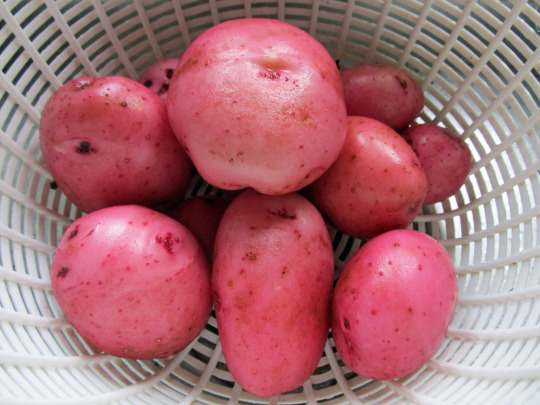
red potatoes

Space programs, even those that seem overly ambitious, offer benefits that can extend into all aspects of our lives. That is why I remain intrigued by experiments such as these that involve growing plants in space or on other planets. We may never find ourselves mass producing food for human populations outside of Earth (or maybe we will), but what we can learn in the process of simply seeing what is possible has great potential to increase our botanical knowledge and improve agricultural efforts here on our home planet.

Selected Resources:

———————

Thanks to Franz Anthony, Awkward Botany now has an official logo. Franz is a graphic designer, artist, and illustrator based in Sydney, Australia. Check out his website and his Tumblr, and follow him on Twitter and Instagram. Also, stay tuned for more of Franz’s graphic design and illustration work here on Awkward Botany. 

AB_Logo_Brown1

Drought Tolerant Plants: The Junipers

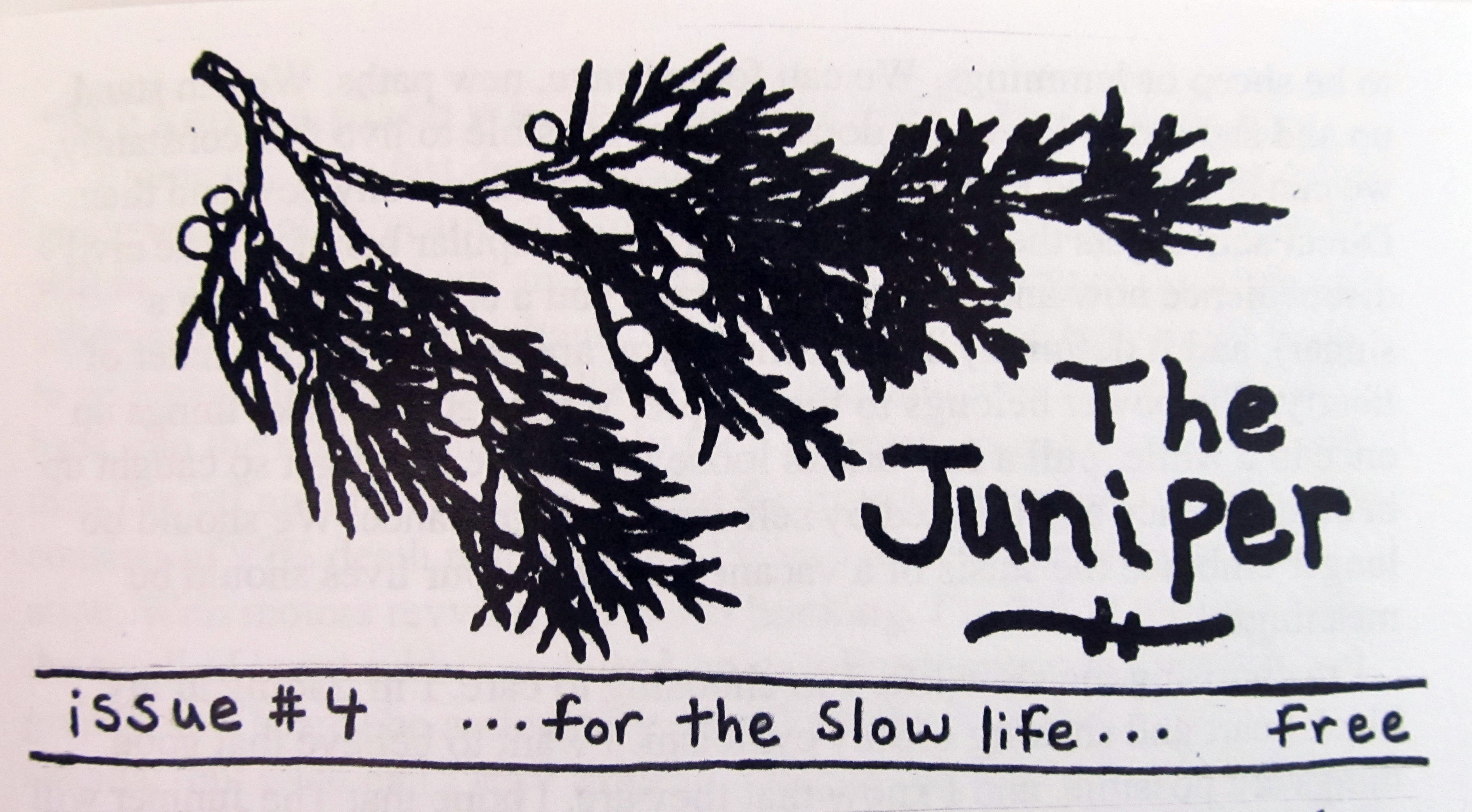
When I first developed a real interest in plants, I was in the heyday of my zine writing career. As my interest in gardening grew, writing a zine about it became inevitable. Initially I envisioned the zine as a journal of sorts – the journal of a budding horticulturist (pun intentional). Since I was new to gardening – and plants in general – the zine was meant to follow my journey as I explored this new world.

A zine needs a name though, so what would I call it? It didn’t take long for me to land on, The Juniper. I was familiar with a common disdain for the unsightly, overgrown, neglected, evergreen shrub full of spiders and cobwebs that for whatever reason was at one point planted right outside just about every house in America (a fire hazard, by the way). I was aware that many people were resorting to tearing them out, cursing as they battled the pokey, dirty, half dead things.

That was basically all I knew about junipers – they were common landscape plants that were just as commonly despised. My affection for freaks, geeks, outsiders, and rejects led me to name my zine after a shrub that everyone hated. I guess I just felt like we had something in common, and that despite being the bane of people’s existence, it deserved some recognition.

the juniper zine

And it does. Junipers are an important species in their natural habitats. In some areas they are dominant features to the point where entire plant communities are named after them. Consider the piñon-juniper woodlands of western North America – prominent steppe habitats that occur throughout high desert regions and support diverse forms of wildlife unique to this part of the world. Dan Johnson writes in the book, Steppes, “the piñon-juniper zone dominates huge expanses of the West in varying stages of  health, providing a wealth of habitats and resources to the wildlife and the people who call it home.”

Johnson goes on to describe some of these habitats:

In the Colorado Plateau this zone is dominated by Pinus edulis and Juniperus osteosperma, with J. scopulorum occupying drainages with more moisture. In the Great Basin, P. edulis is replaced by P. monophylla as the dominant piñon pine, still mixing with J. osteosperma, yet as one moves west, this juniper is increasingly replaced by J. occidentalis. Move farther north, and J. occidentalis dominates completely, with neither piñon pine making an appearance.

The genus Juniperus is in the cypress family (Cupressaceae) and includes up to 67 species, at least 13 of which are native to North America. They are long-lived plants that range from prostrate, sprawling groundcovers to expansive, bushy shrubs to tall, narrow trees. Their foliage is evergreen and can be either needle-like or scale-like. Most juniper species have needle-like foliage in their seedling and juvenile stages and then scale-like foliage at maturity. Some species, like J. communis, never develop scale-like foliage. Junipers are gymnosperms, so their reproductive structures are housed in cones. However, their cones are fleshy and so are commonly (and mistakenly) referred to as berries or fruits. Juniper cones are most often blue or gray-blue, but in some species they have a red, brown, or orange hue.

In general, junipers are quite drought tolerant, particularly those species that are adapted to hot, dry climates. Again referring to piñon-juniper steppes, Johnson writes, “in prolonged periods of drought, the piñon pines seem to suffer long before the junipers; whole hillsides of pine may go brown, leaving islands of olive-green juniper relatively unscathed.” In the book, Shrubs of the Great Basin, Hugh Mozingo attributes this drought toughness to the scale-like leaves: “Because they are smaller and so closely appressed to the twigs, these scale-like leaves are a superior adaptation to the frequently very dry conditions in piñon-juniper communities.” This herculean ability to survive on little water makes them a great addition to a dry garden.

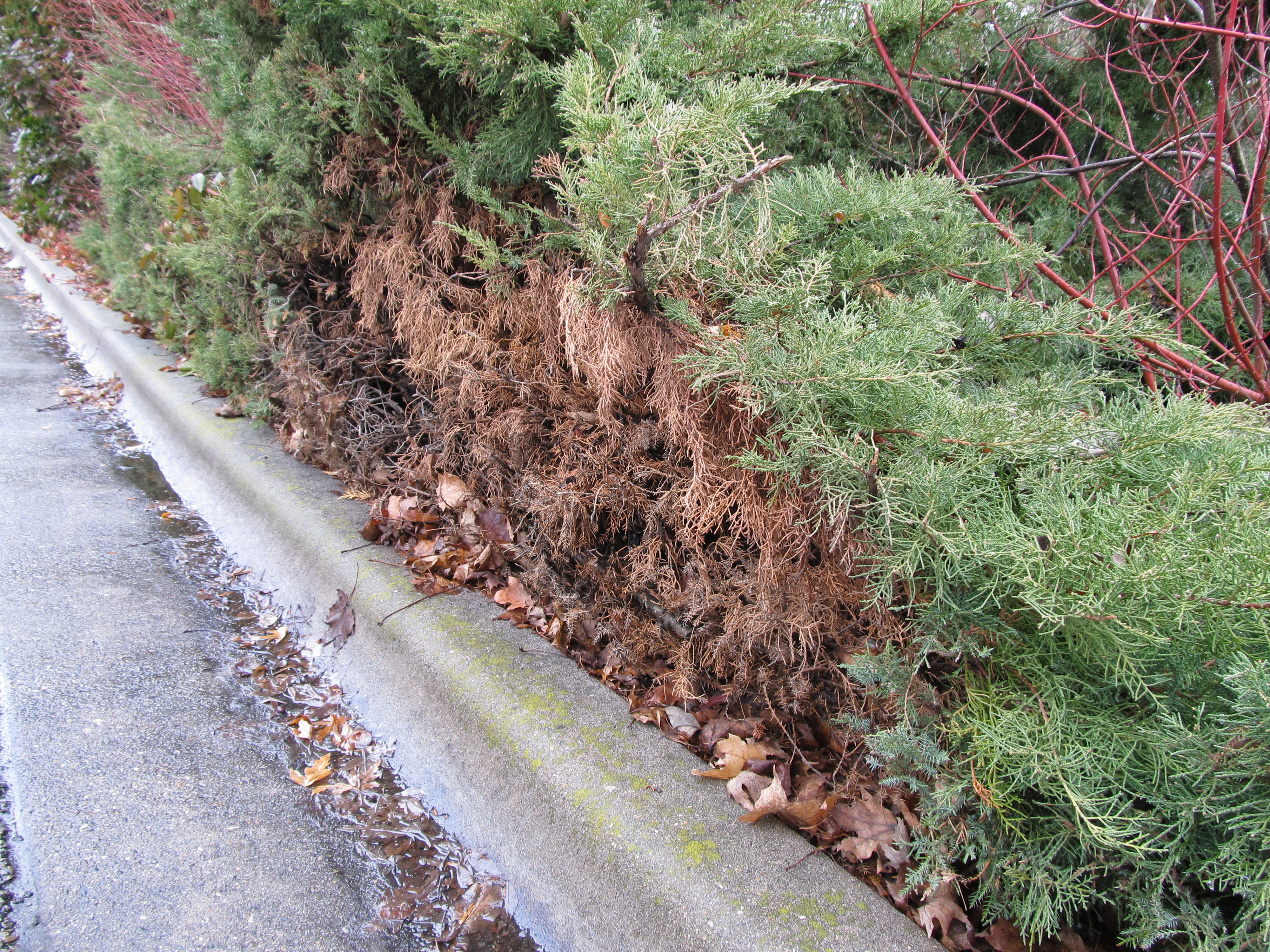
But we may first have to get over our disdain for them. As this post on Chicago Botanic Garden’s website puts it: “Junipers have suffered from overuse and underimagination.” (This article also examines our hatred of juniper bushes). Probably a bigger problem is that, like so many other plants used in a landscape, mature height and width often isn’t taken into consideration, and rather than removing a plant when it gets too big for the site, sheers or a hedge trimmer are regularly deployed. I’m not a huge fan of the sheered look. I much prefer a more natural form to the boxes and globes that are so common in commercial and residential plantings. I’m even less of a fan of the misguided inclination to force a plant to fit in a space that it isn’t meant to be (unless you’re a bonsai artist, I guess). This treatment is what leads to exposing the ugly, brown insides of a juniper shrub – an unsightly look that only makes people hate them more.

Brown insides of juniper shrub exposed after years of forcing the plant to fit in a site that is too small for its britches.

Brown insides of juniper shrub exposed after years of forcing the plant to fit in an improper site.

There are numerous commercially available cultivars of juniper species, offering a plethora of sizes, shapes, and forms as well as various colors of foliage. For small or narrow areas, select dwarf varieties or columnar forms that won’t need to be kept in check, and in all cases let the plant express its authentic self, controlling the urge to sheer and shape it against its will.

As if their natural beauty and low water requirement wasn’t enough, junipers are also great for supporting wildlife. Birds and other animals use them for cover and for nesting sites. The fleshy cones are edible, the shredding bark is used for nesting material, and the evergreen foliage provides much needed protection during winter months. Oh and, among many other benefits that junipers offer humans, their aromatic, fleshy cones have culinary value and are used to flavor gin.

I don’t want to leave the impression that I am opposed to pruning and shaping shrubs. For aesthetic reasons, I think it should be done. However, my opinion is that unnatural shapes should be avoided. Sure, boxed hedge rows have their place in certain types of gardens, but my preference is towards more natural shapes. The following video by University of Illinois Extension provides a brief tutorial on how to achieve that.   

Poisonous Plants: Lima Beans

I don’t recall being a picky eater as a child, but one food I could barely stomach was lima beans. The smell, the texture, the taste, even the look of them, really didn’t sit well with me. I know I’m not alone in this sentiment. Lima beans are a popular thing to hate, and I have avoided them ever since I was old enough to decide what was allowed on my plate. To be fair, the only lima beans I remember trying were the ones included in the familiar bag of frozen mixed vegetables, which might explain why I didn’t like them. But little did I know there is another reason to avoid them – lima beans are poisonous.

That’s a strong statement. In case you’ve eaten lima beans recently or are about to, I should ease your concerns by telling you that you have little to worry about. Commonly cultivated lima beans are perfectly safe to eat as long as they are cooked properly, and even if they are eaten raw in small doses, they are not likely to hurt you. But again, why are you eating lima beans? They’re gross.

lima beans in cans

Phaseolus lunatus – commonly known as lima bean as well as a number of other common names – is in the legume family (Fabaceae) and is native to tropical America. It is a perennial, twining vine that reaches up to 5 meters. It has trifoliate leaves that are alternately arranged, and its flowers are typically white, pink, or purple and similar in appearance to pea flowers and other flowers in the legume family. The fruits are hairy, flat, 5 – 10 cm long, and often in the shape of a half moon. The seeds are usually smooth and flat, but are highly variable in color, appearing in white, off-white, olive, brown, red, black, and mottled.

P. lunatus experienced at least two major domestication events – one in the Andes around 4ooo years ago and the other in Central America more than 1000 years ago. Studies have found that the first event yielded large seeded varieties, and the second event produced medium to small seeded varieties. Wild types of P. lunatus have been given the variety name sylvester, and cultivated types are known as variety lunatus; however, these don’t appear to be accepted names by plant taxonomists and perhaps are just a way of distinguishing cultivated plants from plants growing in the wild, especially in places where P. lunatus has become naturalized such as Madagascar.

Distinguishing wild types from cultivated types is important though, because wild types are potentially more poisonous. Lima bean, like several other plants we eat, contains compounds in its tissues that produce cyanide. These cyanide producing compounds are called cyanogenic glucosides and are present in many species of plants as a form of defense against herbivores. The predominant cyanogenic glucoside in lima beans is called linamarin, which is also present in cassava and flax.

Fruits of lima bean (Phaseolus lunatus) - photo credit: wikimedia commons

Fruits of lima bean (Phaseolus lunatus) – photo credit: wikimedia commons

In order for lima beans to poison you, they must be chewed. Chewing brings linamarin and the enzymes that react with it together. Both compounds are present in the cells of lima beans, but they reside in different areas. Once they are brought together, a reaction ensues and hydrogen cyanide is produced. Because cyanide isn’t produced until after the plant is consumed, the symptoms of cyanide poisoning can take a little while to occur – often several hours.

Cyanide poisoning is not a pretty thing. First comes sweating, abdominal pain, vomiting, and lethargy. If the poisoning is severe, coma, convulsions, and cardiovascular collapse can occur. There are treatments for cyanide poisoning, but if treatment comes too late or if the dose is large enough, death results.

Cassava (Manihot esculenta) is particularly well known for its history of cyanide poisonings. It is a staple crop of people living in tropical areas of Africa and South America. Humans can readily metabolize small amounts of cyanide, and processes like crushing and rinsing, cooking, boiling, blanching, and fermenting render cassava safe to eat. However, consuming cassava that isn’t prepared properly on a consistent basis can result in chronic illnesses, such as konzo, which is a major concern among cultures in which cassava is an important food source.

I guess I should reiterate at this point that most cultivated lima beans contain low (read “safe”) levels of cyanogenic glucosides and, particularly when cooked, are perfectly safe to eat. I’m still not totally convinced that I should eat them though. While researching this article I came across numerous sites claiming that lima beans are delicious while offering various recipes to prove it. I even came across this story in which a self-proclaimed “lima bean loather” was converted to the side of the lima bean lovers. I don’t fancy myself much of a cook, so I’m hesitant to attempt a lima bean laden recipe for fear that it will only make me hate them more. If anyone out there thinks they can convince me otherwise with their tasty creation, be my guest.

And now a haiku:

You are lima beans
I despised you as a child
Perhaps unfairly?

Follow these links to learn more about cyanide producing crops and lima beans:

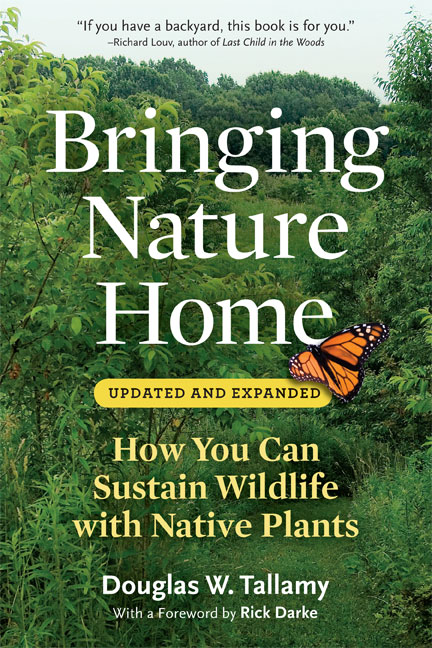
Book Review: Bringing Nature Home

Since Bringing Nature Home by Douglas Tallamy was first published in 2007, it has quickly become somewhat of a “classic” to proponents of native plant gardening. As such a proponent, I figured I ought to put in my two cents. Full disclosure: this is less of a review and more of an outright endorsement. I’m fawning, really, and I’m not ashamed to admit it.

9780881929928l

The subtitle pretty much sums it up: “How You Can Sustain Wildlife with Native Plants.” Ninety three pages into the book, Tallamy elaborates further: “By favoring native plants over aliens in the suburban landscape, gardeners can do much to sustain the biodiversity that has been one of this country’s richest assets.” And one of every country’s richest assets, as far as I’m concerned. “But isn’t that why we have nature preserves?” one might ask. “We can no longer rely on natural areas alone to provide food and shelter for biodiversity,” Tallamy asserts in the Q & A portion of his book. Humans have altered every landscape – urban, suburban, rural, and beyond – leaving species of all kinds threatened everywhere. This means that efforts to protect biodiversity must occur everywhere. This is where the You comes in. Each one of us can play a part, no matter how small. In closing, Tallamy claims, “We can each make a difference almost immediately by planting a native nearby.”

A plant is considered native to an area if it shares a historical evolutionary relationship with the other organisms in that area. This evolutionary relationship is important because the interactions among organisms that developed over thousands, even millions, of years are what define a natural community. Thus, as Tallamy argues, “a plant can only function as a true ‘native’ while it is interacting with the community that historically helped shape it.” A garden designed to benefit wildlife and preserve biodiversity is most effective when it includes a high percentage of native plants because other species native to the area are already adapted to using them.

Plants (and algae) are at the base of every food chain – the first trophic level – because they produce their own food using the sun’s energy. Organisms that are primarily herbivores are at the second trophic level, organisms that primarily consume herbivores are at the third trophic level, and so on. As plants have evolved they have developed numerous defenses to keep from being eaten. Herbivores that evolved along with those plants have evolved the ability to overcome those defenses. This is important because if herbivores can’t eat the plants then they can’t survive, and if they don’t survive then there will be little food for organisms at higher trophic levels.

The most important herbivores are insects simply because they are so abundant and diverse and, thus, are a major food source for species at higher trophic levels. The problem is that, as Tallamy learned, “most insect herbivores can only eat plants with which they share an evolutionary history.” Insects are specialized as to which plants they can eat because they have adapted ways to overcome the defenses that said plants have developed to keep things from eating them. Healthy, abundant, and diverse insect populations support biodiversity at higher trophic levels, but such insect populations won’t exist without a diverse community of native plants with which the insects share an evolutionary history.

That is essentially the thesis of Tallamy’s book. In a chapter entitled “Why Can’t Insects Eat Alien Plants?” Tallamy expounds on the specialized relationships between plants and insects that have developed over millennia. Plants introduced from other areas have not formed such relationships and are thus used to a much lesser degree than their native counterparts. Research concerning this topic was scarce at the time this book was published, but among other studies, Tallamy cites preliminary data from a study he carried out on his property. The study compared the insect herbivore biomass and diversity found on four common native plants vs. five common invasive plants. The native plants produced 4 times more herbivore biomass and supported 3.2 times as many herbivore species compared to the invasive plants. He also determined that the insects using the alien plants were generalists, and when he eliminated specialists from the study he still found that natives supported twice as much generalist biomass.

Apart from native plants and insects, Tallamy frames much of his argument around birds. Birds have been greatly impacted by humans. Their populations are shrinking at an alarming rate, and many species are threatened with extinction. Tallamy asserts, “We know most about the effects of habitat loss from studies of birds.” We have destroyed their homes and taken away their food and “filled their world with dangerous obstacles.” Efforts to improve habitat for birds will simultaneously improve habitat for other organisms. Most bird species rely on insects during reproduction in order to feed themselves and their young. Reducing insect populations by filling our landscapes largely with alien plant species threatens the survival of many bird species.

In the chapters “What Should I Plant?” and “What Does Bird Food Look Like?,” Tallamy first profiles 20 groups of native trees and shrubs that excel at supporting populations of native arthropods and then describes a whole host of arthropods and arthropod predators that birds love to eat. Tallamy’s fascinating descriptions of the insects, their life cycles, and their behaviors alone make this book worth reading. Other chapters that are well worth a look are “Who Cares about Biodiversity?” in which Tallamy explains why biodiversity is so essential for life on Earth, and “The Cost of Using Alien Ornamentals” in which Tallamy outlines a number of ways that our obsession with exotic plants has caused problems for us and for natural areas.

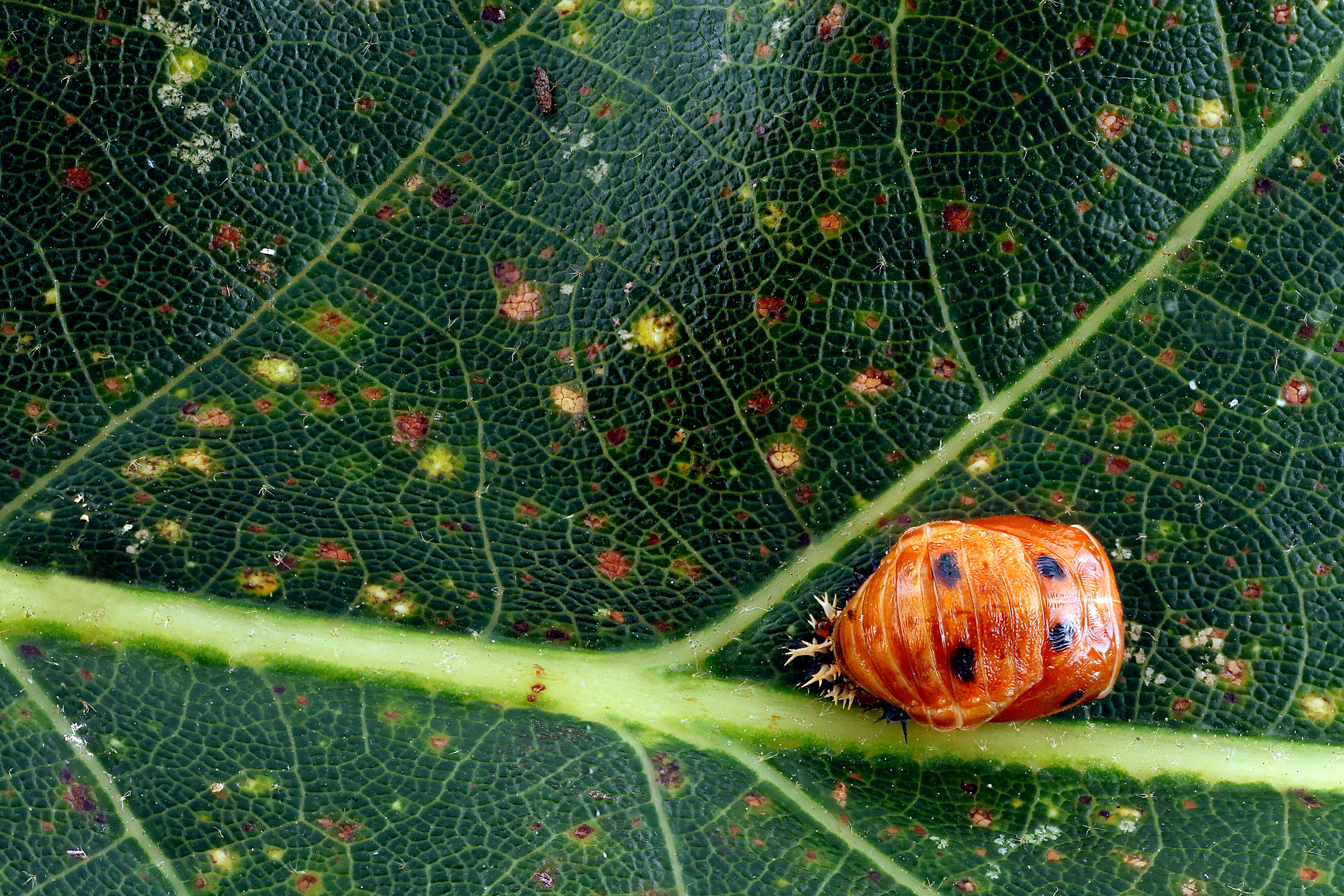
Pupa of ladybird beetle on white oak leaf (photo credit: wikimedia commons)

Pupa of a ladybird beetle on a white oak leaf. “The value of oaks for supporting both vertebrate and invertebrate wildlife cannot be overstated.” – Doug Tallamy (photo credit: wikimedia commons)

Convincing people to switch to using native plants isn’t always easy, especially if your argument involves providing habitat for larger and more diverse populations of insects. For those who are not fans of insects, Tallamy explains that “a mere 1%” of the 4 million insect species on Earth “interact with humans in negative ways.” The majority are not pests. It is also important to understand that even humans “need healthy insect populations to ensure our own survival.” Tallamy also offers some suggestions on how to design and manage an appealing garden using native plants. A more recent book Tallamy co-authored with fellow native plant gardening advocate Rick Darke called The Living Landscape expands on this theme, although neither book claims to be a how to guide.

———————

Interested in writing a book review for Awkward Botany? Or helping out in another way? Find out how.

Drought Tolerant Plants: Rabbitbrush

Gardener seeking shrub. Must be drought tolerant. Must have year-round interest. Must be easy to grow and maintain. Preferably flowers in late summer or early fall. Must be attractive – not just to humans, but to wildlife as well. Serious inquiries only.

My answer to a solicitation such as this would be rabbitbrush. While there may be other perfectly acceptable plants that fit this description, I think rabbitbrush deserves major consideration. It’s easy to grow and can be kept looking attractive throughout the year. When it is flush with vibrant, golden-yellow flowers at the close of summer, it not only becomes the star of the garden visually, but also a savior to pollinators readying themselves for winter. Plus, it requires little to no supplemental water, making it a true dry garden plant.

There are many species that go by the common name rabbitbrush. The two that I am most familiar with are Ericameria nauseosa (rubber or gray rabbitbrush) and Chrysothamnus viscidiflorus (green or yellow rabbitbrush). Both of these species are native to western North America, and both have a number of naturally occurring varieties and subspecies.

Rubber rabbitbrush - Ericameria nauseosa

Rubber rabbitbrush – Ericameria nauseosa

Rubber rabbitbrush is a densely branched shrub that reaches an average height of 3 feet. Its leaves are slender and numerous, and its stems and leaves are covered in short, white, felt-like hairs giving the plant a light gray appearance. Native Americans used the flexible branches of this plant to weave baskets. They also made a tea from the stems to treat coughs, colds, chest pains, and toothaches. Bundles of branches were burned to smoke animal hides. The stems and roots contain a latex sap, and certain Native American tribes are said to have used this sap as chewing gum, possibly to relieve hunger or thirst. A rubber shortage during World War II led to investigations into extracting the latex from rabbitbrush. This idea was soon abandoned once it was determined that even if every rabbitbrush in the West were to be harvested, the resulting increase in rubber would be modest compared to other sources.

Green rabbitbrush is typically smaller than rubber rabbitbrush, reaching a maximum height of about 3 feet. Its stems and leaves appear similar to rubber rabbitbrush except they lack the dense, white hairs and are brown and green respectively. Also, the stems and leaves of green rabbitbrush have a stickiness to them, and the leaves are often twisted or curled.

Rabbitbrush is a member of the sunflower family (Asteraceae). Plants in this family generally have inflorescences that are a combination of ray and disk flowers (or florets) clustered tightly together and arranged in such a way that the inflorescence appears as a single flower. Consider sunflowers, for example. What appear to be petals around the outside of a large flower are actually a series of individual ray flowers, and in the center are dozens of disk flowers. Both rubber and green rabbitbrush lack ray flowers, and instead their inflorescences are clusters of 5 or so disk flowers that are borne at the tips of each branch creating a sheet of yellow-gold flowers that covers the shrub. Native Americans used these flowers to make dyes.

The fruits of rabbitbrush are achenes with small tufts of hairs attached. Each achene contains one seed. The tuft of hair (or pappus) helps disseminate the seed by way of the wind. Many of the fruits remain attached to the plant throughout the winter, providing winter interest and food for birds.

As rabbitbrush ages it can become gangly, floppy, or simply too large for the site. This can be avoided easily by cutting the plant back by a third or more each fall or spring, which will result in a more manageable form. It can also be cut back nearly to the ground if it is getting too big.

Seed heads of rubber rabbit brush (Ericameria nauseosa)

Seed heads of rubber rabbit brush (Ericameria nauseosa)

The leaves, flowers, stems, and seeds provide food for a variety of animals including birds, deer, and small mammals. The plant itself can also provide cover for small mammals and birds. Oh, and did I mention that it’s a pollinator magnet. It has wildlife value, it’s drought tolerant, it’s easy to maintain, and overall, it’s a beautiful plant. What more could you ask for in a shrub?

More Drought Tolerant Plant posts at Awkward Botany:

Fernbush

Blue Sage

Prickly Pears

Water Efficient Landscape at Idaho State Capitol Building

Desert Willow

The photos in this post were taken at Idaho Botanical Garden in Boise, Idaho.