Bat Pollinated Flowers of a Mexican Columnar Cactus

Pollination syndromes – suites of floral traits used to determine potential pollinators and routes of pollination – have been informative in studying plant-pollinator interactions, but are generally too simplistic to tell the full story. Most flowering plants are generalists when it comes to pollinators, whereas pollination syndromes imply specialization. Not all pollinators are created equal though, and some may be more effective at pollinating particular plants than others. In fact, occasionally pollination syndromes ring true and a predicted plant-pollinator combination turns out to be the most effective and reliable interaction.

According to a study published in American Journal of Botany by Ibarra-Cerdeña, et al., Stenocereus queretaroensis, a species of columnar cactus endemic to western Mexico, adheres to this scenario. Stenocereus is a genus in a group of columnar and tree-like cacti called the Pachycereeae tribe. Cactus in this group are generally bat pollinated; however, their flowers are typically visited by various species of birds and insects as well, and in some cases, bats are not the primary pollinator. In their introduction, the authors note that specialization appears to be more common in tropical latitudes, and chiropterophilic (bat pollinated) columnar cacti that occur in temperate regions can be comparatively more generalized. This is because “extratropical chiropterophilic cacti appear to be faced with unpredictable seasonal year-to-year variation in pollinators,” while “cacti in tropical regions” experience “highly reliable seasonal availability of nectar-feeding bats, thereby leading to a temporally stable pollination system.”

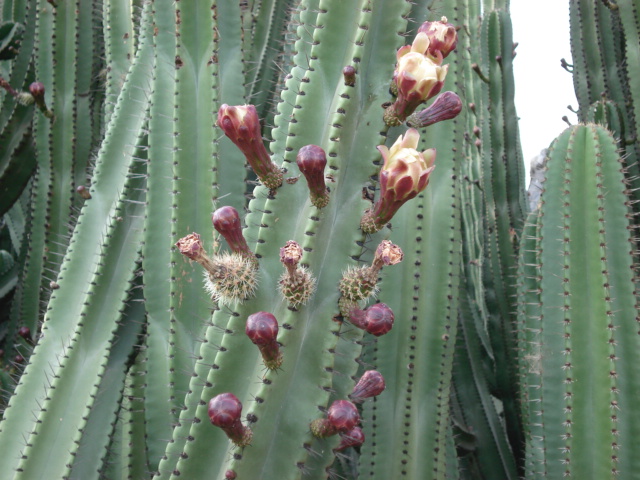
Stenocereus queretaroensis is a massive cactus, reaching up to ten meters tall. Several vertical stems rise from a short, stocky, central trunk. Each stem has up to eight distinctive ribs and averages around 15 centimeters in diameter. Groupings of white to grey spines up to four centimeters long appear along the ribs. Flowers are light-colored, around 10 to 14 centimeters in length, and occur along the upper half of the stems, extended well beyond the spines. Flowers open at night – producing abundant nectar – and close by the afternoon the following day. Floral characteristics led the authors of this study to predict bats to be the main pollinator, and they set up a series of experiments to test this.

Stenocereus queretaroensis - photo credit: wikimedia commons

Stenocereus queretaroensis – photo credit: wikimedia commons

Part of their experiment consisted of five treatments involving 130 flowers on 75 plants. One group of flowers was bagged and allowed to self-pollinate naturally, while another group was bagged and self-pollinated manually. A third group was left exposed during the night but bagged in the morning, while a fourth group was bagged during the night and exposed during the daytime. The final group was left alone. For each of these five treatments, aborted flowers and mature fruits were counted and seed set was determined. Nectar samples were taken from a separate group of flowers at two hour intervals from 8:00 PM to 8:00 AM, after which no nectar was produced. A camera was also used to document floral visits. Visits were deemed “legitimate” when the “visitor’s body came in contact with anthers and/or stigma” and “illegitimate” when “no contact with anthers or stigma” was made.

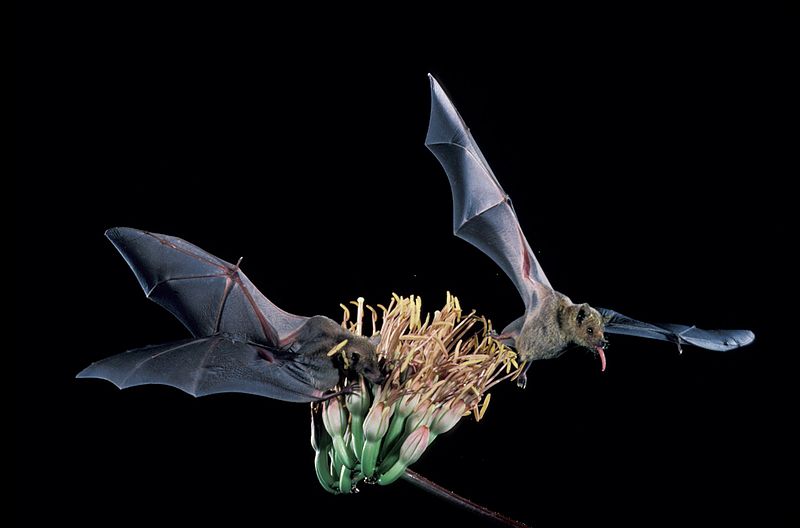
The researchers found S. queretaroensis to be “incapable of self-pollination,” as no fruit set occurred for the first two treatments. The control group and the nocturnally exposed group had nearly identical results, producing significantly more fruits with greater seed set compared to the nocturnally bagged group. During the day, flowers were visited by four species of birds (two hummingbirds, a woodpecker, and an oriole) and several species of bees (mainly honey bees). During the night, apart from illegitimate visits from a nectar robbing hawkmoth, one species of bat was the dominant floral visitor, and the majority (93.8%) of the visits were legitimate. This bat species was Leptonycteris curasoae, the southern long-nosed bat.

Leptonycteris curasoae - photo credit: wikimedia commons

Leptonycteris curasoae – photo credit: wikimedia commons

The abundance of nectar-feeding bats was monitored in the study area over a four year period, and L. curasoae was by far the most abundant species throughout the study period. Nectar produced in the flowers of S. queretaroensis was at its maximum around midnight, which seemed to correlate with observations of bat visits. Even though daytime visitors appeared to contribute to fruit and seed set, the nocturnal treatment produced significantly more fruit with significantly higher seed set, suggesting that bats are the more efficient pollinator. Insects visiting during the daytime, when nectar was decreasingly available, were most likely robbing pollen.

The authors acknowledge that for most plant species, “a wide array of taxonomically diverse fauna such as insects, birds, and mammals usually serve as potential pollinators,” and that “generalized pollination systems are more frequent than specialized ones.” However, in this case, “a close association between L. curasoae and S. queretaroensis [suggests] that the chiropterophilic syndrome is still a useful model.”

Related Posts:

Bats As Pollinators – An Introduction to Chiropterophily

Most plants that rely on animals to assist in pollination look to insects. In general, insects are abundant, easy to please, and efficient at transferring pollen. Because insect pollination is such a common scenario, it is easy to overlook pollination that is carried out by vertebrates. Birds are the most prominent pollinator among vertebrates, but mammals participate, too. The most common mammal pollinator is the bat.

About a fifth of all mammal species on the planet are bats, with species estimates numbering in the 1200-1300 range. Bats are the only mammals that can truly fly. They are not blind, nor are they flying rodents, and they are not going to suck your blood (except in very rare cases!). Most bats eat insects, but a small, significant group of them are nectarivorous. Their main food source is the nectar produced within flowers. In the process of feeding, these bats pollinate plants.

Out of 18 families in the order Chiroptera, only two include species with morphologies that set them apart as nectar-feeders. The family Pteropodidae, known commonly as Old World fruit bats or flying foxes, occurs in tropical and subtropical regions of Africa, Asia, Australia, Papa New Guinea, and the Pacific Islands. The family Phyllostomidae, known commonly as American leaf-nosed bats, occurs in tropical and subtropical regions of the Americas. For simplicity’s sake, the former are referred to as Old World bats, and the latter as New World bats. While both groups are similar in that they consist of species that feed on nectar, they are only distantly related, and thus the nectar feeding species in these families have distinct behavioral and morphological differences.

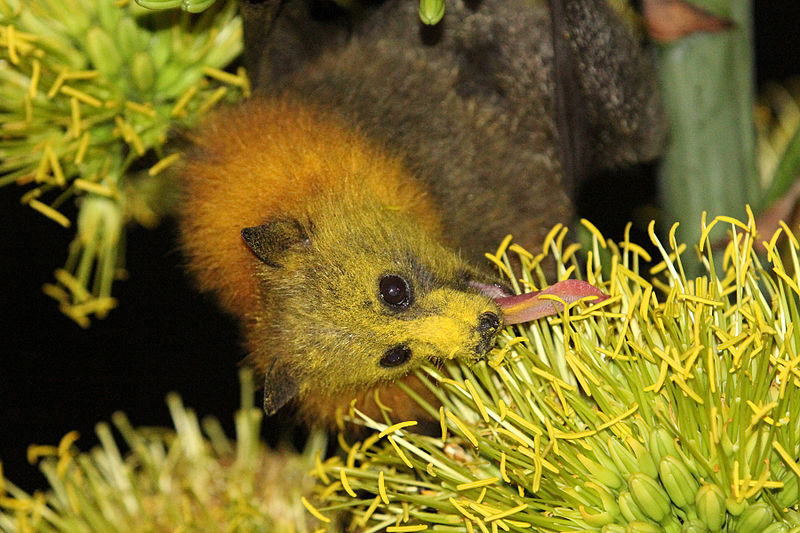
Grey headed flying fox photo credit: wikimedia commons

Grey headed flying fox (Pteropus poliocephalus), a floral visiting bat from Australia (photo credit: wikimedia commons)

More than 500 species of plants, spanning 67 plant families, are pollinated by bats. This pollination syndrome is known as chiropterophily. In general, flowers that use this approach tend to be white or dull in color, open at night, rich with nectar, and musty or rotten smelling. They are generally tubular, cup shaped, or otherwise radially symmetrical and are often suspended atop tall stalks or prominently located on branches or trunks. In a review published in Annals of Botany, Theodore Fleming, et al. state “flower placement away from foliage and nocturnal anthesis [blooming] are the unifying features of the bat pollination syndrome,” while all other characteristics are highly variable among species. The family Fabaceae contains the highest number of bat-pollinated genera. Cactaceae, Malvaceae, and Bignoniaceae follow closely behind.

The characteristics of bat pollinated flowers vary widely partly because the bats that visit them are so diverse. Between the two bat families there are similarities in their nectar-feeding species, including an elongated rostrum, teeth that are smaller in number and size, and a long tongue with hair-like projections on the tip. Apart from that, New World bats are much smaller than Old World bats, and their rostrums and tongues are much longer relative to the size of their bodies. New World bats have the ability to hover in front of flowers, while Old World bats land on flowers to feed. Old World bats do not have the ability to use echolocation to spot flowers, while New World bats do. Fleming, et al. conclude, “because of these differences, we might expect plants visited by specialized nectar-feeding [New World bats] to produce smaller flowers with smaller nectar volumes per flower than those visited by their [Old World bat] counterparts.”

Pollination by bats is a relatively new phenomenon, evolutionarily speaking. Flowers that are currently pollinated by bats most likely evolved from flowers that were once pollinated by insects. Some may have evolved from flowers that were previously bird pollinated. The question is, why adopt this strategy? Flowers that are bat pollinated are “expensive” to make. They are typically much bigger than insect pollinated flowers, and they contain large amounts of pollen and abundant, nutrient-rich nectar. Due to resource constraints, many plants are restricted from developing such flowers, but those that do may find themselves at an advantage with bats as their pollinator. For one, hairy bat bodies collect profuse numbers of pollen grains, which are widely distributed as they visit numerous flowers throughout the night. In this way, bats can be excellent outcrossers. They also travel long distances, which means they can move pollen from one population of plants to an otherwise isolated neighboring population. This serves to maintain healthy genetic diversity among populations, something that is increasingly important as plant populations become fragmented due to human activity.

Pollinating bats are also economically important to humans, as several plants that are harvested for their fruits, fibers, or timber rely on bats for pollination. For example, bat pollinated Eucalyptus species are felled for timber in Australia, and the fruits of Durio zibethinus in Southeast Asia form after flowers are first pollinated by bats. Also, the wild relatives of bananas (Musa spp.) are bat pollinated, as is the plant used for making tequila (Agave tequilana).

Durio sp. (photo credit: wikimedia commons)

The flowers of durian (Durio sp.), trees native to Southeast Asia, are pollinated by bats (photo credit: wikimedia commons)

There is still much to learn about nectarivorous bats and the flowers they visit. It is clear that hundreds of species are using bats to move their pollen, but the process of adopting this strategy and the advantages of doing so remain ripe for discovery. Each bat-plant relationship has its own story to tell. For now, here is a fun video about the bat that pollinates Agave tequilana:

Beavers and Water Lilies – An Introduction to Zoochory

Beavers are classic examples of ecosystem engineers. It is difficult to think of an animal – apart from humans – whose day-to-day activities have more impact on the landscape than beavers. Their dam building activities create wetlands that are used by numerous other species, and their selective harvesting of preferred trees affects species composition in riparian areas. And that’s just the start. Their extensive evolutionary history and once widespread distribution has made them major players in the landscape for millions of years.

Today, the beaver family (Castoridae) consists of just two extant species: Castor fiber (native to Eurasia) and Castor canadensis (native to North America). Both species were hunted by humans to the brink of extinction but, thanks to conservation efforts, enjoy stable populations despite having been eliminated from much of their historical ranges. Before the arrival of Europeans, North American beavers are estimated to have been anywhere from 60 million to 400 million strong. Extensive trapping reduced the population to less than half a million. Today, 10 million or more make their homes in rivers, streams, and wetlands across the continent.

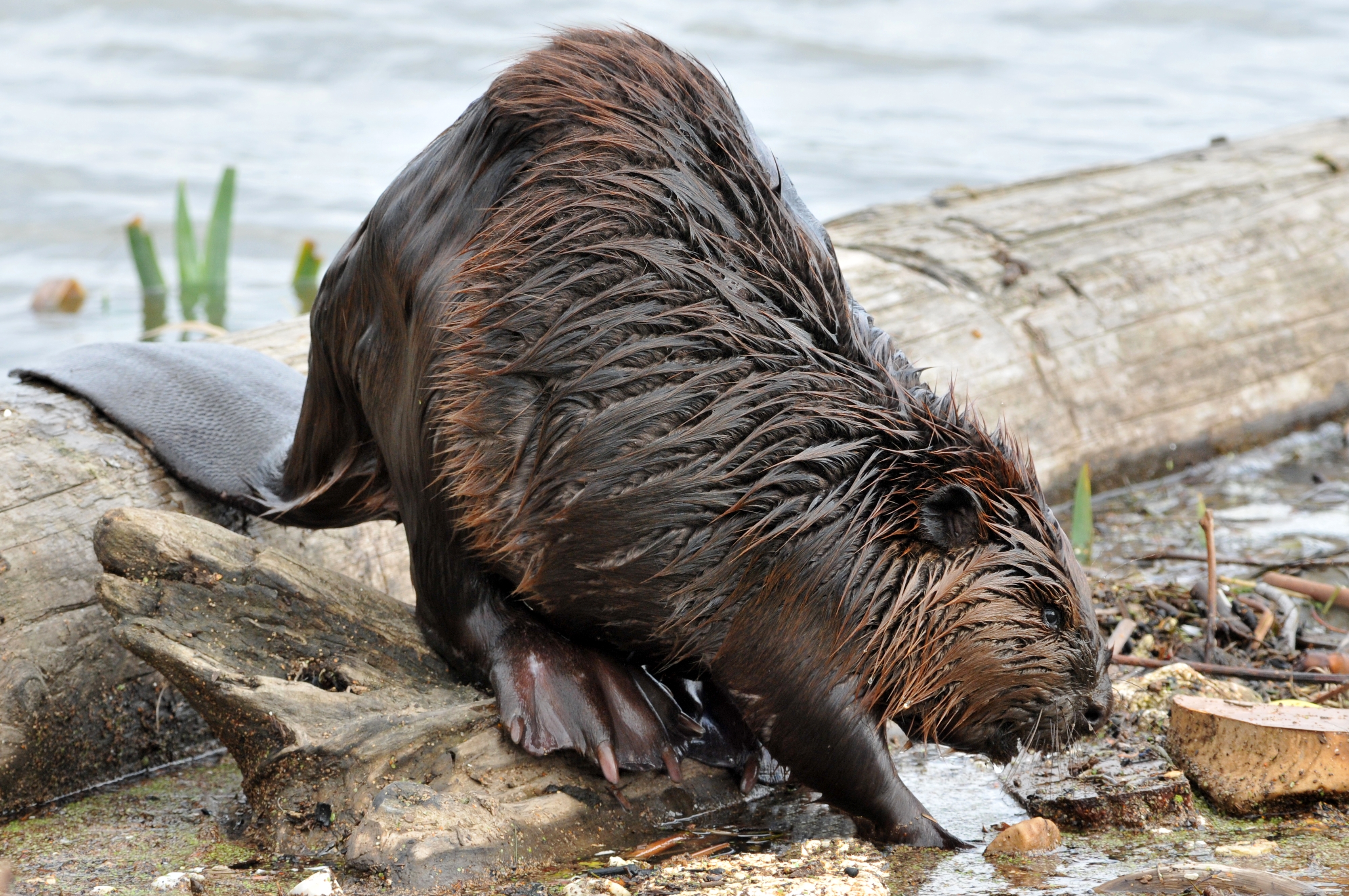
North American beaver (Castor canadensis) - photo credit: wikimedia commons

North American beaver (Castor canadensis) – photo credit: wikimedia commons

Beavers are herbivores, and they harvest trees and shrubs to build dams and lodges. Their interactions with plants are legion, and so what better way to introduce the concept of animal-mediated seed dispersal than beavers. Plants have several strategies for moving their seeds around. Wind and gravity are popular approaches, and water is commonly used by plants both aquatic and terrestrial. Partnering with animals, however, is by far the most compelling method. This strategy is called zoochory.

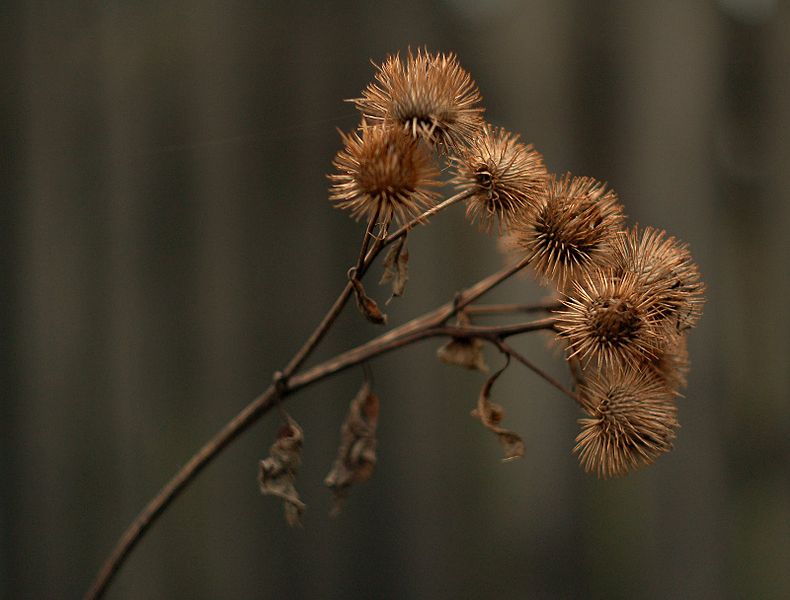
Zoochory has many facets. Two major distinctions are epizoochory and endozoochory. In epizoochory, seeds become attached in some form or fashion to the outside of an animal. The animal unwittingly picks up, transports, and deposits the seeds. The fruits of such seeds are equipped with hooks, spines, barbs, or stiff hairs that help facilitate attachment to an animal’s fur, feathers, or skin. A well known example of this is the genus Arctium. Commonly known as burdock, the fruits in this genus are called burs – essentially small, round balls covered in a series of hooks. Anyone who has walked through – or has had a pet walk through – a patch of burdocks with mature seed heads knows what a nuisance these plants can be. But their strategy is effective.

The burs of Arctium - photo credit: wikimedia commons

The burs of Arctium – photo credit: wikimedia commons

Endozoochory is less passive. Seeds that are dispersed this way are usually surrounded by fleshy, nutritious fruits desired by animals. The fruits are consumed, and the undigested seeds exit out the other end of the animal with a bit of fertilizer. Certain seeds require passage through an animal’s gut in order to germinate, relying on chemicals produced during the digestion process to help break dormancy. Other seeds contain mild laxatives in their seed coats, resulting in an unscathed passage through the animal and a quick deposit. Some plants have developed mutualistic relationships with specific groups of animals regarding seed dispersal by frugivory. When these animal species disappear, the plants are left without the means to disperse their seeds, which threatens their future survival.

Beavers rely on woody vegetation to get them through the winter, but in warmer months, when herbaceous aquatic vegetation is abundant, such plants become their preferred food source. Water lilies are one of their favorite foods, and through both consumption of the water lilies and construction of wetland habitats, beavers help support water lily populations. This is how John Eastman puts it in The Book of Swamp and Bog: “Beavers relish [water lilies], sometimes storing the rhizomes. Their damming activities create water lily habitat, and they widely disperse the plants by dropping rhizome fragments hither and yon.”

Fragrant water lily (Nympaea odorata) - photo credit: wikimedia commons

Fragrant water lily (Nymphaea odorata) – photo credit: wikimedia commons

The seeds of water lilies (plants in the family Nymphaceae) are generally dispersed by water. Most species (except those in the genera Nuphar and Barclaya) have a fleshy growth around their seeds called an aril that helps them float. Over time the aril becomes waterlogged and begins to disintegrate. At that point, the seed sinks to the bottom of the lake or pond where it germinates in the sediment. The seeds are also eaten by birds and aquatic animals, including beavers. The aril is digestible, but the seed is not.

In her book, Once They Were Hats, Frances Backhouse writes about the relationship between beavers and water lilies. She visits a lake where beavers had long been absent, but were later reintroduced. She noted changes in the vegetation due to beaver activity – water lilies being only one of many plant species impacted.

Every year in late summer, the beavers devoured the seed capsules [of water lilies], digested their soft outer rinds and excreted the ripe undamaged seeds into the lake. Meanwhile, as they dredged mud from the botom of the lake for their construction projects, they were unintentionally preparing the seed bed. Seeing the lilies reminded me that beavers also inadvertantly propagate willows and certain other woody plants. When beavers imbed uneaten sticks into dams or lodges or leave them lying on moist soil, the cuttings sometimes sprout roots and grow.

Other facets of zoochory include animals hoarding fruits and seeds to be eaten later and then not getting back to them, or seeds producing fleshy growths that ants love called elaiosomes, resulting in seed dispersal by ants. Animals and plants are constantly interacting in so many ways. Zoochory is just one way plants use animals and animals use plants, passively or otherwise. These relationships have a long history, and each one of them is worth exploring and celebrating.

Drought Tolerant Plants: Pearly Everlasting

Despite being such a widely distributed and commonly occurring plant, Anaphalis margaritacea is, in many other ways, an uncommon species. Its native range spans North America from coast to coast, reaching up into Canada and down into parts of Mexico. It is found in nearly every state in the United States, and it even occurs throughout northeast Asia. Apart from that, it is cultivated in many other parts of the world and is “weedy” in Europe. Its cosmopolitan nature is due in part to its preference for sunny, dry, well-drained sites, making it a common inhabitant of open fields, roadsides, sandy dunes, rocky slopes, disturbed sites, and waste places.

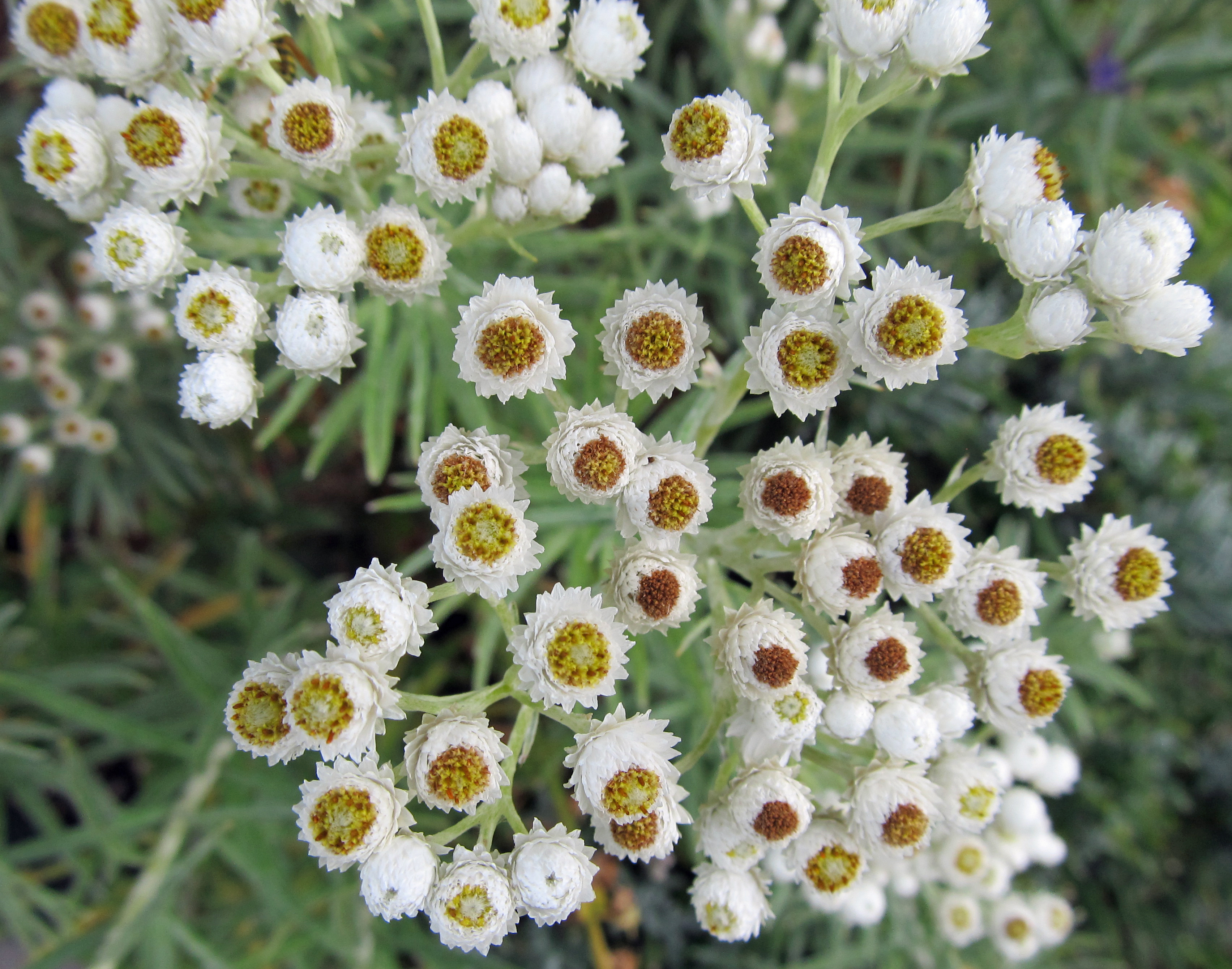
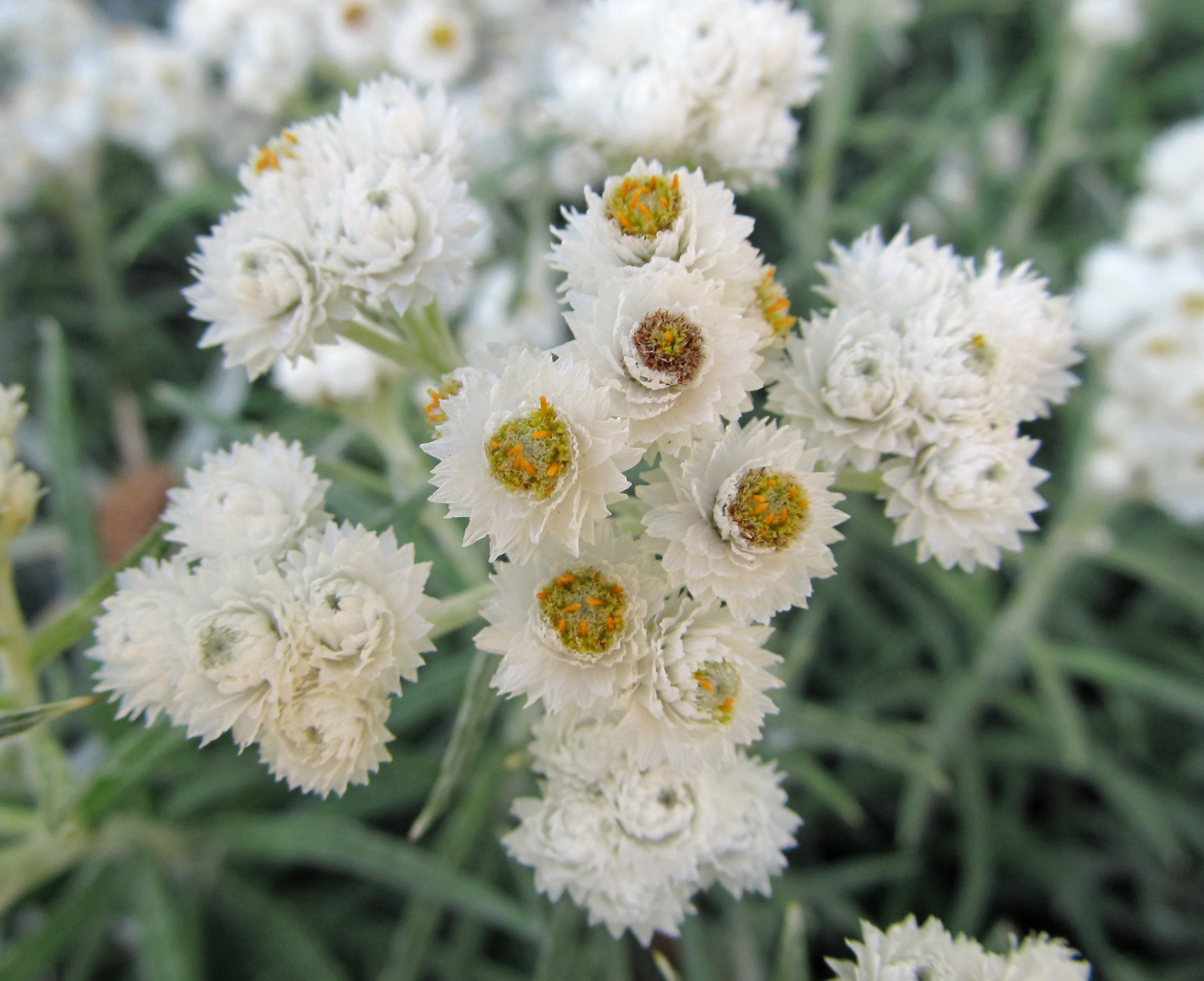
Its common name, pearly everlasting, refers to its unique inflorescence. Clusters of small, rounded flower heads occur in a corymb. “Pearly” refers to the collection of white bracts, or involucre, that surround each flower head. Inside the bracts are groupings of yellow to brown disc florets. The florets are unisexual, which is unusual for plants in the aster family. Plants either produce all male flowers or all female flowers (although some female plants occasionally produce florets with male parts). Due to the persistent bracts, the inflorescences remain intact even after the plant has produced seed. This quality has made them a popular feature in floral arrangements and explains the other half of the common name, “everlasting.” In fact, even in full bloom, the inflorescences can have a dried look to them.

pearly-everlasting-6

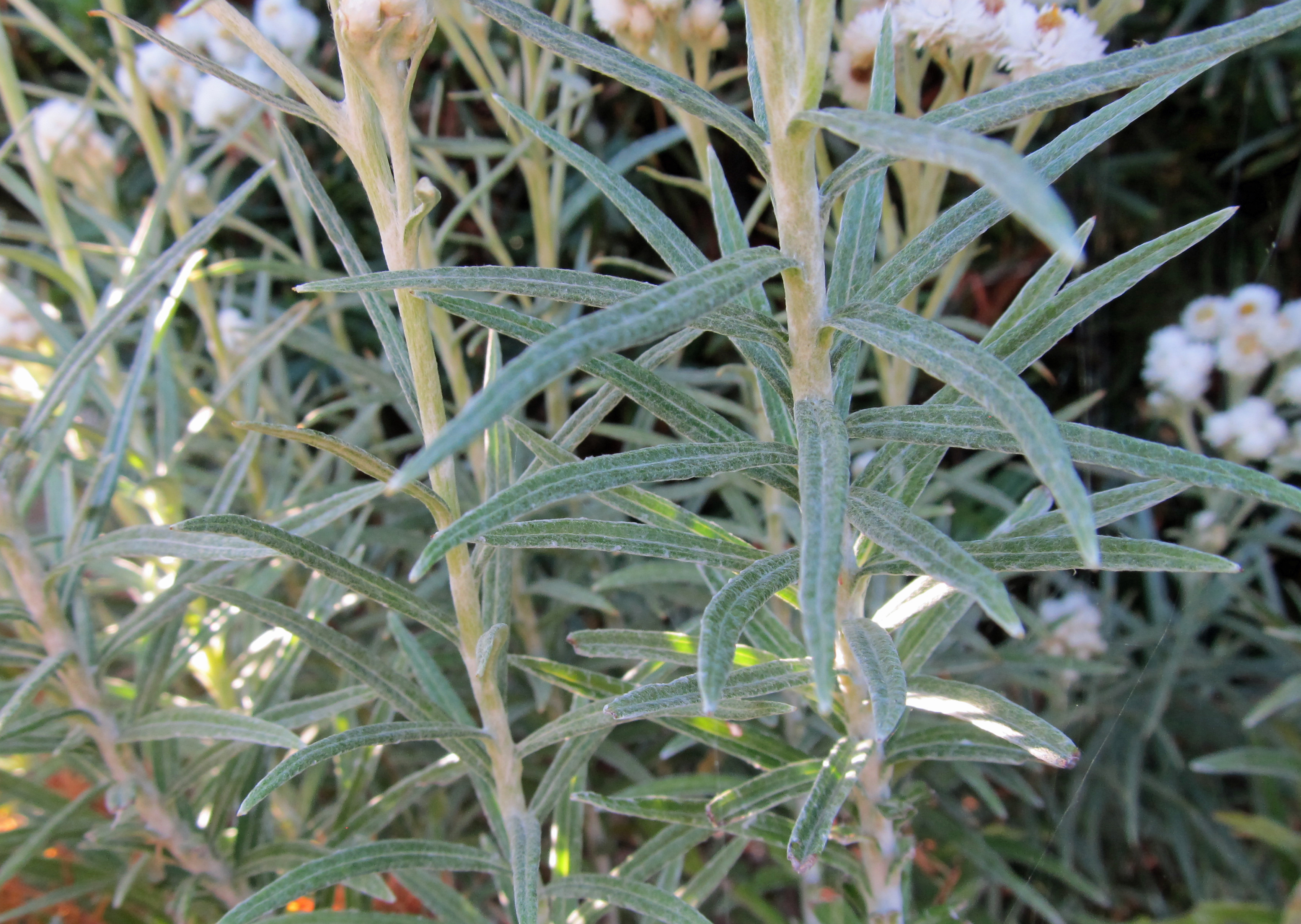
Pearly everlasting grows from 1 to 3 feet tall. Flowers are borne on top of straight stems that are adorned with narrow, alternately arranged, lance-shaped leaves. Stems and leaves are gray-green to white. Stems and undersides of leaves are thickly covered in very small hairs. Apart from contributing to its drought tolerance, this woolly covering deters insects and other animals from consuming its foliage. In The Book of Field and Roadside, John Eastman writes, “Insect foliage feeders are not numerous on this plant, owing to its protective downy ‘gloss.’ … The plant’s defensive coat seems to prevent spittlebug feeding on stem and underleaves. The tomentum also discourages ant climbers and nectar robbers.”

pearly-everlasting-5

Not all insects are thwarted however, as Anaphalis is a host to the caterpillars of at least two species of painted lady butterflies (Vanessa virginiensis and V. cardui). Its flowers, which occur throughout the summer and into the fall. are visited by a spectrum of butterflies, moths, bees, and flies.

Because the plants produce either male or female flowers, cross-pollination between plants is necessary for seed development. However, plants also reproduce asexually via rhizomes. Extensive patches of pearly everlasting can be formed this way. Over time, sections of the clonal patch can become isolated from the mother plant, allowing the plant to expand its range even in times when pollinators are lacking.

The attractive foliage and unique flowers are reason enough to include this plant in your dry garden. The flowers have been said to look like eye balls, fried eggs, or even, as Eastman writes, “white nests with a central yellow clutch of eggs spilling out.” However you decide to describe it, this is a tough and beautiful plant deserving of a place in the landscape.

pearly-everlasting-4

Read more:

Photos in this post are of Anaphalis margaritacea ‘Neuschnee’ and were taken at Idaho Botanical Garden in Boise, Idaho.

Poisonous Plants: Heartbreak Grass

An Asian vine known to be deadly poisonous has been in the news lately. Alexander Perepilichny, a Russian banker turned whistleblower who provided information on tax fraud committed by the Russian state and the Russian Mafia, mysteriously died while jogging back in November 2012. Last year, a botanist at Royal Botanic Gardens, Kew was called in to help with the ongoing investigation. Analyses revealed traces of a compound found in Gelsemium elegans, suggesting that Perepilichny had been poisoned and calling into question the orignal claim that there was no foul play in his death.

Gelsemium is a genus in the family Gelsemiaceae. It is composed of three species, two of which are native to North America (G. rankinii and G. sempervirens). Gelsemium elegans is native to China and Southeast Asia. All species are poisonous due to a number of alkaloids found in virtually all parts of the plant and particularly concentrated in the roots and leaves. The most toxic and abundant compound is gelsemine, an alkaloid related to strychnine.

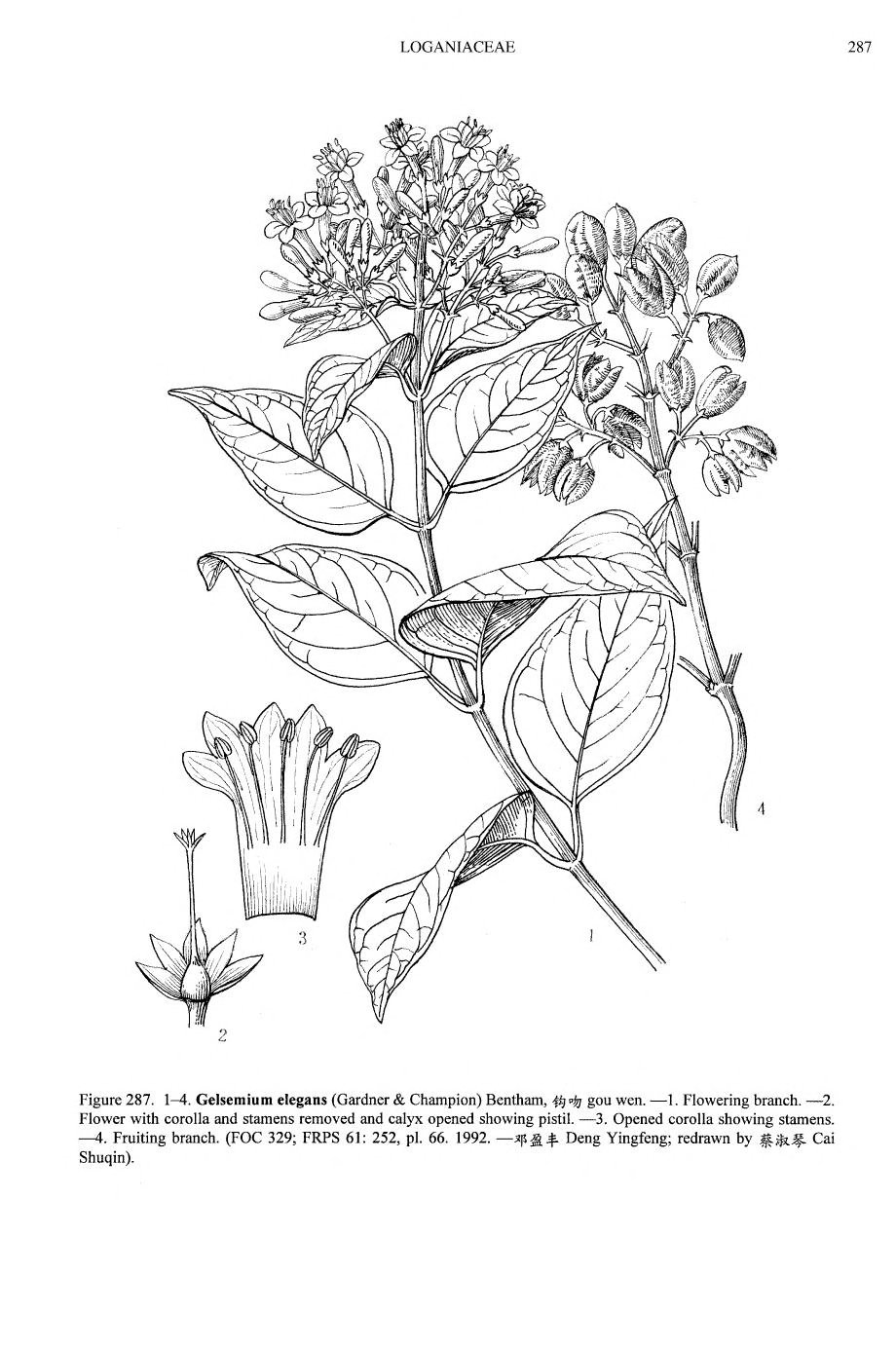
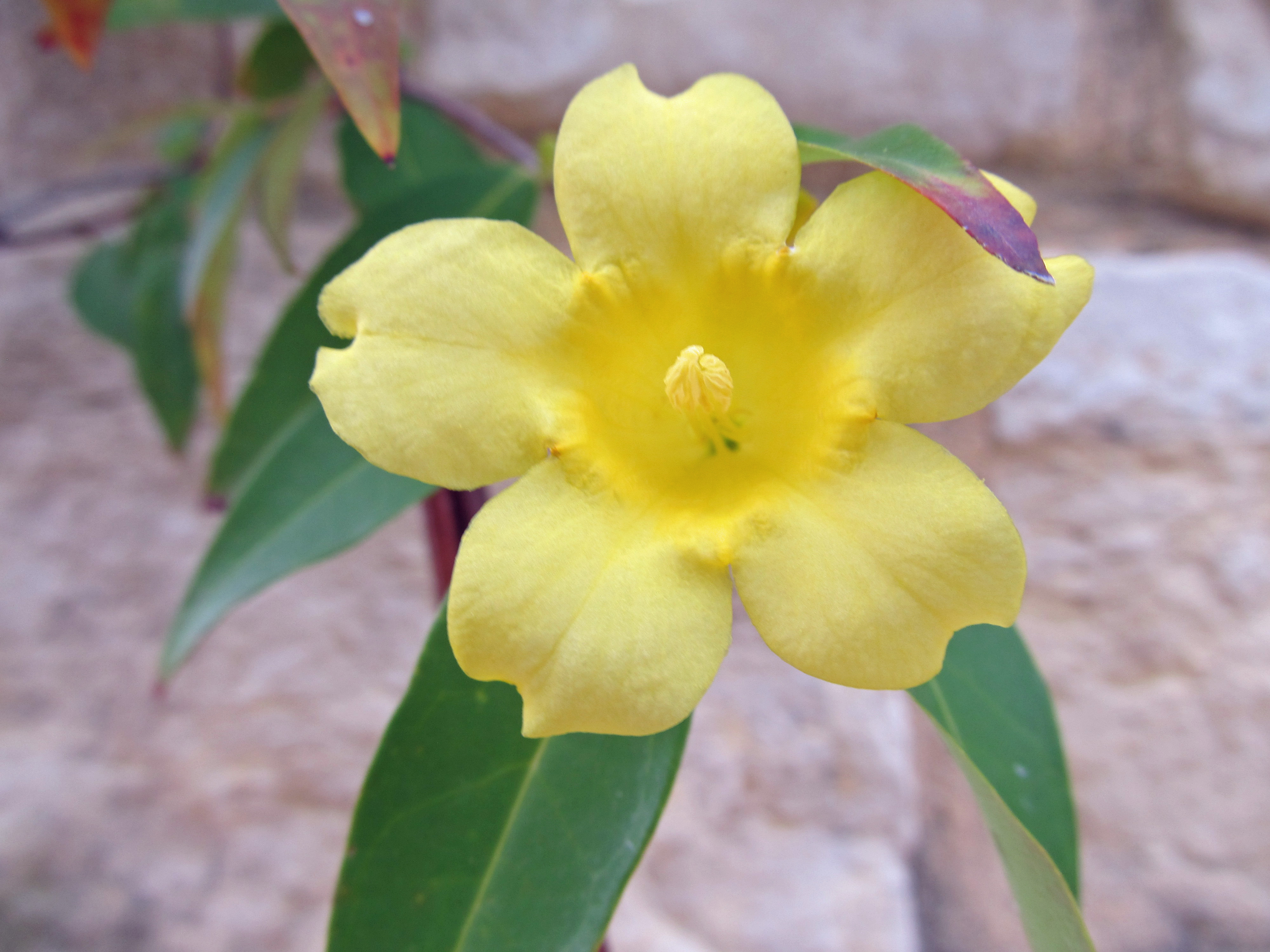
Gelsemium elegans, commonly known as heartbreak grass, is a twining vine with oppositely arranged, narrowly ovate leaves and yellow to orange flowers with five petals that are fused near the base. It occurs in thickets and scrubby forests. According to news reports (NPR and ABC News), it has a history of being used in assassinations by Chinese and Russian contract killers. Finding traces of it in Perepilichny’s body understandably raises questions about his death. The investigation continues, and the Kew botanist is now a “star witness.” 

Gelsemium elegans (image credit: Flora of China)

Gelsemium elegans (image credit: Flora of China)

Poisoning by heartbreak grass is not a pleasant experience. Its affects can be felt soon after ingestion and, depending on the amount ingested and the time that lapses between ingestion and treatment, death – usually by asphyxiation – can be imminent. The Hong Kong Journal of Emergency Medicine reported on two cases of Gelsemium elegans poisoning, in which a husband and wife consumed the plant after mistaking it for the medicinal herb, Mussaenda pubescens. The 65 year old woman became dizzy, weak, and nauseous thirty minutes after consuming the plant. Then she went unconscious. Quick medical attention saved her life. She was released from the hospital eight days later, after spending time in intensive care and undergoing various treatments. Her 69 year old husband experienced similar dizziness and weakness, but promptly vomited and called for an ambulance.

The report states that “ingestion of G. elegans is highly poisonous regarding its neurological and respiratory depressive effects,” and that “early and active respiratory support is the key to successful resuscitation.” The report also wisely warns: “People should best avoid eating any wild plants because of the similar external appearance of certain poisonous and non-poisonous species.” Proper and skilled identification is paramount, especially where plants are growing so closely together that they intertwine, “leading to inadvertent ingestion.”

All Gelsemium species have been used medicinally to treat a variety of ailments. If used properly, they may provide effective treatments; however, in their book, The North American Guide to Common Poisonous Plants and Mushrooms, Nancy Turner and Patrick von Aderkas state – regarding the medicinal use of G. sempervirens – that the “plant [is] considered very dangerous for herbal use.” They also list the plant as a skin and eye irritant and claim that the flower’s nectar produces poisonous honey.

gelsemium sempervirens 1

Gelsemium sempervirens

Commonly known as Carolina jasmine and yellow jessamine, G. sempervirens is a woodland plant found in west Texas and throughout the southeastern United States. It is an attractive, evergreen, perennial vine with yellow, fragrant, funnel-shaped flowers and is grown as an ornamental in its native region and beyond. Most poisonings occur when the stems and leaves are consumed, usually as some kind of “herbal preparation;” however, the Handbook of Poisonous and Injurious Plants claims that “there are cases of children who were poisoned after sucking on the flowers.” Headaches, dizziness, blurred visions, dry mouth, and difficulty speaking and talking are a few of the initial symptoms experienced after ingesting this plant. When cases are severe, muscles in the body experience weakness, spasms, and contractions. Symptoms, in other words, are akin to strychnine poisoning, and barring prompt and proper medical care, results can be similarly deadly.

More Poisonous Plants Posts:

What Is a Plant, and Why Should I Care? part three

“If it wasn’t for the plants, and if it wasn’t for the invertebrates, our ancestors’ invasion of land could never have happened. There would have been no food on land. There would have been no ecosystems for them to populate. So really the whole ecosystem that Tiktaalik and its cousins were moving into back in the Devonian was a new ecosystem. … This didn’t exist a hundred million years before – shallow fresh water streams with soils that are stabilized by roots. Why? Because it took plants to do that – to make the [habitats] in the first place. So really plants, and the invertebrates that followed them, made the habitats that allowed our distant relatives to make the transition from life on water to life on land.” – Neil Shubin, author of Your Inner Fish, in an interview with Cara Santa Maria on episode 107 of her podcast, Talk Nerdy To Me

Plants were not the first living beings to colonize land – microorganisms have been terrestrial for what could be as long as 3.5 billion years, and lichens first formed on rocks somewhere between 550 and 635 million years ago – however, following in the footsteps of these other organisms, land plants paved the way for all other forms of terrestrial life as they migrated out of the waters and onto dry land.

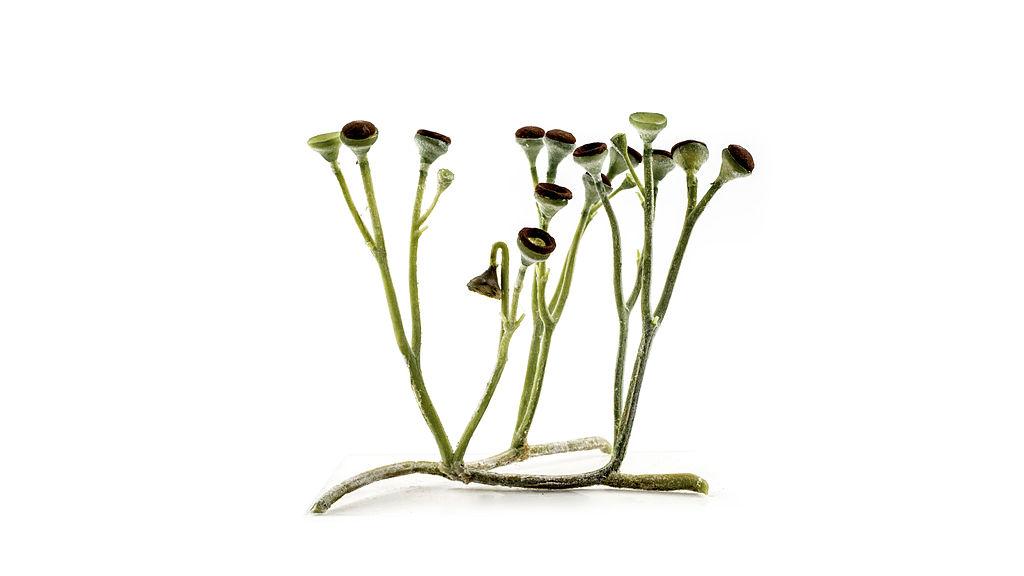
The botanical invasion of land was a few billion years in the making and is worth a post of its own. What’s important to note at this point, is that the world was a much different place back then. For one, there was very little free oxygen. Today’s atmosphere is 21% oxygen; the first land plants emerged around 470 million years ago to an atmosphere that was composed of a mere 4% oxygen. Comparatively, the atmosphere back then was very carbon rich. Early plants radiated into numerous forms and spread across the land and, through processes like photosynthesis and carbon sequestration, helped to dramatically increase oxygen levels. A recent study found that early bryophytes played a major role in this process. The authors of this study state, “the progressive oxygenation of the Earth’s atmosphere was pivotal to the evolution of life.”

A recreation of a Cooksonia species - one of many early land plants. (photo credit: wikimedia commons)

A recreation of a Cooksonia species – one of many early land plants (photo credit: wikimedia commons)

The first land plants looked very different compared to the plants we are used to seeing today. Over the next few hundred million years plants developed new features as they adapted to life on land and to ever-changing conditions. Roots provided stability and access to water and nutrients. Vascular tissues helped transport water and nutrients to various plant parts. Woody stems helped plants reach new heights. Seeds offered an alternative means of preserving and disseminating progeny. Flowers – by partnering with animal life – provided a means of producing seeds without having to rely on wind, water, or gravity. And that’s just scratching the surface. Rooted in place and barely moving, if at all, plants appear inanimate and inactive, but it turns out they have a lot going on.

But what is a plant again? In part one and two, we listed three major features all plants have in common – multicellularity, cell walls composed of cellulose, and the ability to photosynthesize – and we discussed how being an autotroph (self-feeder/producer) sets plants apart from heterotrophs (consumers). Joseph Armstrong writes in his book, How the Earth Turned Green, “photosynthetic producers occupy the bottom rung of communities.” In other words, “all modern ecosystems rely upon autotrophic producers to capture energy and form the first step of a food chain because heterotrophs require pre-made organic molecules for energy and raw materials.”

So, why should we care about plants? Because if it wasn’t for them, there wouldn’t be much life on this planet to speak of, including ourselves.

Plants don’t just provide food though. They provide habitat as well. Plus they play major roles in the cycling of many different “nutrients,” including nitrogen, phosphorous, carbon, sulfur, etc. They are also a major feature in the water cycle. It is nearly impossible to list the countless, specific ways in which plants help support life on this planet, and so I offer two examples: moss and dead trees.

The diminutive stature of mosses may give one the impression that they are inconsequential and of little use. Not so. In her book, Gathering Moss, Robin Wall Kimmerer describes how mosses support diverse life forms:

There is a positive feedback loop created between mosses and humidity. The more mosses there are, the greater the humidity. More humidity leads inexorably to more mosses. The continual exhalation of mosses gives the temperate rain forest much of its essential character, from bird song to banana slugs. … Without mosses, there would be fewer insects and stepwise up the food chain, a deficit of thrushes.

Mosses are home to numerous invertebrate species. For many insects, mosses are a place to deposit their eggs and, consequentially, a place for their larvae to mature into adults. Banana slugs traverse the moss feeding on “the many inhabitants of a moss turf, and on the moss itself.” In the process they help to disperse the moss.

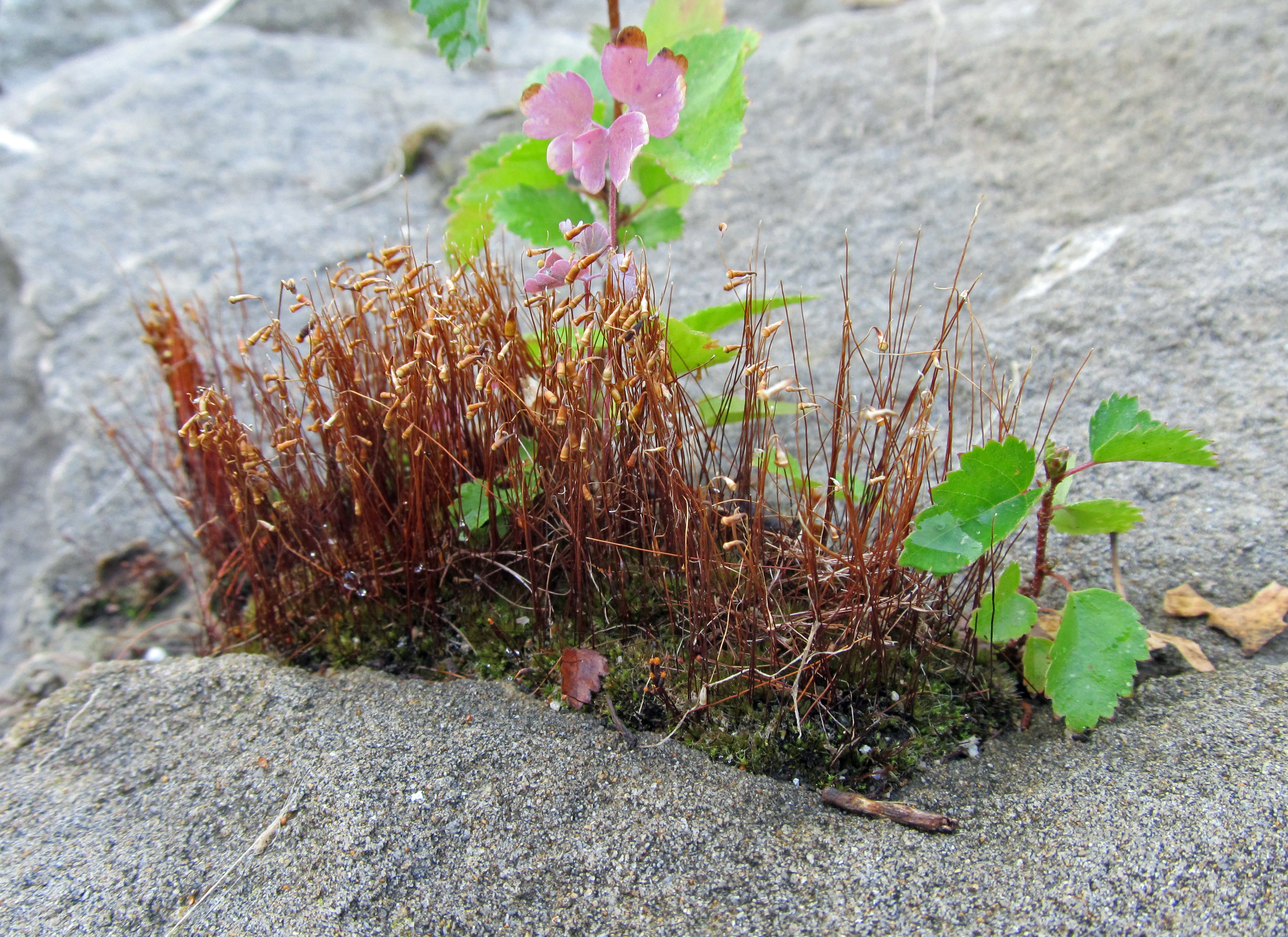
Moss is used as a nesting material by various species of birds, as well as squirrels, chipmunks, voles, bears, and other animals. Patches of moss can also function as “nurseries for infant trees.” In some instances, mosses inhibit seed germination, but they can also help protect seeds from drying out or being eaten. Kimmerer writes, “a seed falling on a bed of moss finds itself safely nestled among leafy shoots which can hold water longer than the bare soil and give it a head start on life.”

moss as nurse plant

Virtually all plants, from the tiniest tufts of grass to the tallest, towering trees have similar stories to tell about their interactions with other living things. Some have many more interactions than others, but all are “used” in some way. And even after they die, plants continue to interact with other organisms, as is the case with standing dead trees (a.k.a. snags).

In his book, Welcome to Subirdia, John Marzluff explains that when “hole creators” use dead and dying trees, they benefit a host of “hole users:”

Woodpeckers are natural engineers whose abandoned nest and roost cavities facilitate a great diversity of life, including birds, mammals, invertebrates, and many fungi, moss, and lichens. Without woodpeckers, birds such as chickadees and tits, swallows and martins, bluebirds, some flycatchers, nuthatches, wood ducks, hooded mergansers, and small owls would be homeless.

As plants die, they continue to provide food and habitat to a variety of other organisms. Eventually they are broken down to their most rudimentary components, and their nutrients are taken up and used by “new life.” Marzluff elaborates on this process:

Much of the ecological web exists out of sight – underground and in rotting wood. There, molds, bacteria, fungi, and a world of invertebrates convert the last molecules of sun-derived plant sugar to new life. These organisms are technically ‘decomposers,’ but functionally they are among the greatest of creators. Their bodies and chemical waste products provide us with an essential ecological service: soil, the foundation of terrestrial life.

Around 470 million years ago, plants found their way to land. Since then life of all kinds have made land their home. Plants helped lead the way. Today, plants continue their long tradition of supporting the living, both in life and in death.

Dung Moss (Revisited)

This is a revised version of a post that was originally published on January 14th, 2015. It includes excerpts from a chapter entitled, “Portrait of Splachnum,” in the book, Gathering Moss, by Robin Wall Kimmerer.

Certain plants, like corpse flowers and carrion flowers, emit foul odors when they bloom. The scent is akin to the smell of rotting flesh, hence their common names. The purpose of this repugnant act is to attract a specific group of pollinators: flies, carrion beetles, and other insects that are attracted to gross things. Though this particular strategy is rare, these aren’t the only plants that employ stinky smells to recruit such insects to aid in reproduction and dissemination. Consider dung mosses.

No moss is more fastidious in its choice of habitats than Splachnum. Absent from the usual mossy haunts, Splachnum is found only in bogs. Not among the commoners like Sphagnum that build the peaty hummocks, not along the margins of the blackwater pools. Splachnum ampullaceum occurs in one, and only one, place in the bog. On deer droppings. On white-tailed deer droppings. On white-tailed deer droppings which have lain on the peat for four weeks. In July.

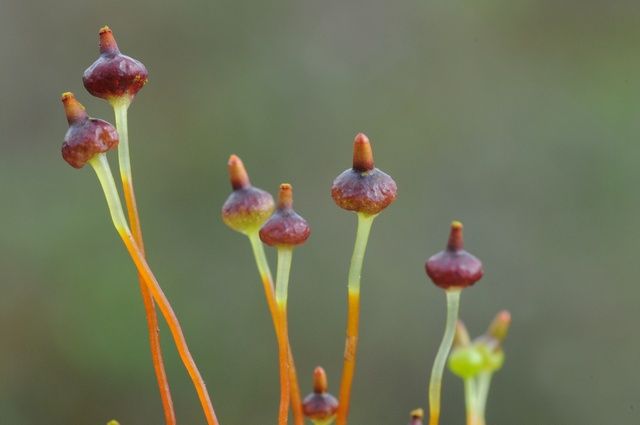
At least three genera (SplachnumTetraplodon, and Tayloria) in the family Splachnaceae include species that go by the common name, dung moss. All Splachnum and Tetraplodon species and many species in the genus Tayloria are entomophilous. Entomophily is a pollination strategy in which pollen or spores are distributed by insects. Compare this to anemophily, or wind pollination, which is the common way that moss spores are distributed. In fact, dung mosses are the only mosses known to exhibit entomophily.

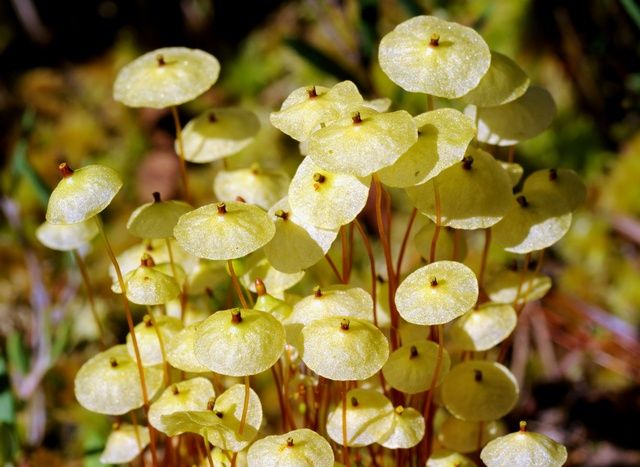
Dung Moss (photo credit: wikimedia commons)

Dung Moss (photo credit: wikimedia commons)

Before we go too much further, it’s important to understand how mosses differ from other plants. Mosses are in a group of non-vascular and non-flowering plants called bryophytes. Vascular tissues are the means by which water and nutrients are transported to and from plant parts. Lacking vascular tissues, water and nutrients are simply absorbed through the leaves and stems of mosses, which is why mosses are typically petite and prefer moist environments. Mosses also lack true roots and instead have rhizoids – threadlike structures that anchor the plants to their substrate of choice (such as dung).

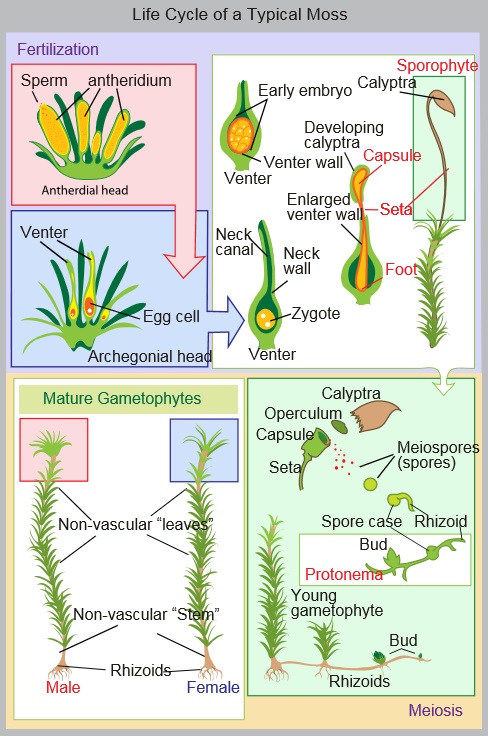
Another major distinction between bryophytes and other plants is that bryophytes spend most of their life cycle as a haploid gametophyte rather than a diploid sporophyte. In most plants, the haploid gametophytes are the sperm (pollen) and egg cells; the sporophyte is everything else. In mosses, the familiar green, leafy structure is actually the gametophyte. The gametophyte houses sperm and egg cells, and when the egg is fertilized by sperm it forms a zygote that develops into the sporophyte structure which extends above the leafy gametophyte. A capsule at the top of the sporophyte contains spores which are eventually released and, upon finding themselves on a suitable substrate in a hospitable environment, germinate to produce new plants. The spore then is comparable to a seed in vascular, seed-bearing plants.

photo credit: wikimedia commons

photo credit: wikimedia commons

As stated earlier, the spores of most mosses are distributed by wind. Dung mosses, on the other hand, employ flies in the distribution of their spores. They attract the flies by emitting scents that only flies can love from an area on the capsule of the sporophyte called the apophysis. This area is often enlarged and brightly colored in yellow, magenta, or red, giving it a flower-like appearance which acts as a visual attractant. The smells emitted vary depending on the type of substrate a particular species of dung moss inhabits. Some dung mosses grow on the dung of herbivores and others on the dung of carnivores. Some even prefer the dung of a particular group of animals; for example, a population of Tetraplodon fuegiensis was found to be restricted to the feces and remains of foxes. However, dung is not the only material that dung mosses call home. Certain species grow on rotting flesh, skeletal remains, or antlers.

Splachnum ampullaceum inhabits the droppings of white-tailed deer. Had a wolf or coyote followed the scent of the deer into the bog, its droppings would been colonized by S. luteum. The chemistry of carnivore dung is sufficiently distinct from that of herbivores to support a different species. … Moose droppings have their own loyal follower. The family to which Splachnum belongs includes several other mosses with an affinity for animal nitrogen. Tetraplodon and Tayloria can be found on humus, but primarily inhabit animal remains such as bones and owl pellets. I once found an elk skull lying beneath a stand of pines, with the jawbone tufted with Tetraplodon.

Yellow Moosedung Moss (Splachnum luteum) has one of the largest and showiest sporophytes. (photo credit: www.eol.org)

Yellow moosedung moss (Splachnum luteum) has one of the largest and showiest sporophytes. (photo credit: www.eol.org)

The set of circumstances that converge to bring Splachnum into the world is highly improbable. Ripening cranberries draw the doe to the bog. She stands and grazes with ears alert, flirting with the risk of coyotes. Minutes after she has paused, the droppings continue to steam. … The droppings send out an invitation written in wafting molecules of ammonia and butyric acid. Beetles and bees are oblivious to this signal, and go on about their work. But all over the bog, flies give up their meandering flights and antennae quiver in recognition. Flies cluster on the fresh droppings and lap up the salty fluids that are beginning to crystallize on the surface of the pellets. Gravid females probe the dung and insert glistening white eggs down into the warmth. Their bristles leave behind traces from their earlier foraging trips among the day’s dung, delivering spores of Splachnum on their footprints.

The spores of dung mosses are small and sticky. When a fly visits these plants, the spores adhere to its body in clumps. The fly then moves on to its substrate of choice to lay its eggs, and the spores are deposited where they can germinate and grow into new moss plants. Flies that visit dung mosses receive nothing in return for doing so, but instead are simply “tricked” into disseminating the propagules. The story is similar with corpse flowers and carrion flowers; flies are drawn in by the smells and recruited to transmit pollen while receiving no nectar reward for their work.

There are 73 species in the Splachnaceae family, and nearly half of these species are dung mosses. Most are found in temperate habitats in both the northern and southern hemispheres, with a few species occurring in the mountains of subtropical regions. They can be found in both wet and relatively dry habitats. Dung mosses are generally fast growing but short lived, with some lasting only about 2 years. It isn’t entirely clear how and why mosses in this family evolved to become entomophilous, but one major benefit of being this way is that their spores are reliably deposited on suitable habitat.

Since Splachnum can grow only on droppings, and nowhere else, the wind cannot be trusted with dispersal. Escape of the spores is successful only if they have both a means of travel and a reserved ticket for a particular destination. In the monotonous green of the bog, flies are attracted to the cotton candy colors of Splachnum, mistaking them for flowers. Rooting about in the moss for non-existent nectar the flies become coated with the sticky spores. When the scent of fresh deer droppings arrives on the breeze, the flies seek it out and leave Splachnum-coated footprints in the steaming dung.

Sporophytes of Splachnum vasculosum (photo credit: www.eol.org)

Sporophytes of Splachnum vasculosum (photo credit: www.eol.org)

References

Koponen, A. 2009. Entomophily in the Splachnaceae. Botanical Journal of the Linnean Society 104: 115-127.

Marino, P., R. Raguso, and B. Goffinet. 2009. The ecology and evolution of fly dispersed dung mosses (Family Splachnaceae): Manipulating insect behavior through odour and visual cues. Symbiosis 47: 61-76.

What’s in a Packet of Wildflower Seeds? – An Introduction

Occasionally I receive packets of wildflower seeds from companies that are not in the business of growing plants. They are promotional items – encouraging people to plant flowers while simultaneously marketing their wares. Often the seed packet lacks a list of the seeds included in the mix, and so it remains unclear what “wildflowers” are actually in there. My guess is that most seed packets like this go unplanted, and those that do get planted, may go uncared for. After all, the company that supplied them isn’t all that concerned about what gets done with them anyway.

As it is, generic packets of wildflower seeds like this may not actually contain any wildflower seeds. The term wildflower generally refers to a flowering plant that grows in the wild and was not intentionally planted by humans. It is synonymous with native plant, but it can also refer to non-native plants that have become naturalized. By this definition, a packet of wildflower seeds should only include seeds of native or naturalized plants and should not include horticultural selections, hybrids, or cultivated varieties. Ideally, the seed mix would be specific to a particular region, as each region throughout the world has its own suite of native wildflowers.

With that in my mind, I was immediately curious about an unlabeled packet of wildflower seeds I recently received as a promotional item from a company that has nothing to do with plants. This is a company that ships items nationwide and around the world, which leads me to believe that hundreds of people received similar packets of seeds around the same time I did. The seed packet is not labeled for a particular region, so all of us likely received a similar mix of seeds. “Wildflowers” then, at least in this case, means a random assortment of flowering plants with questionable provenance and no sense of geographic location.

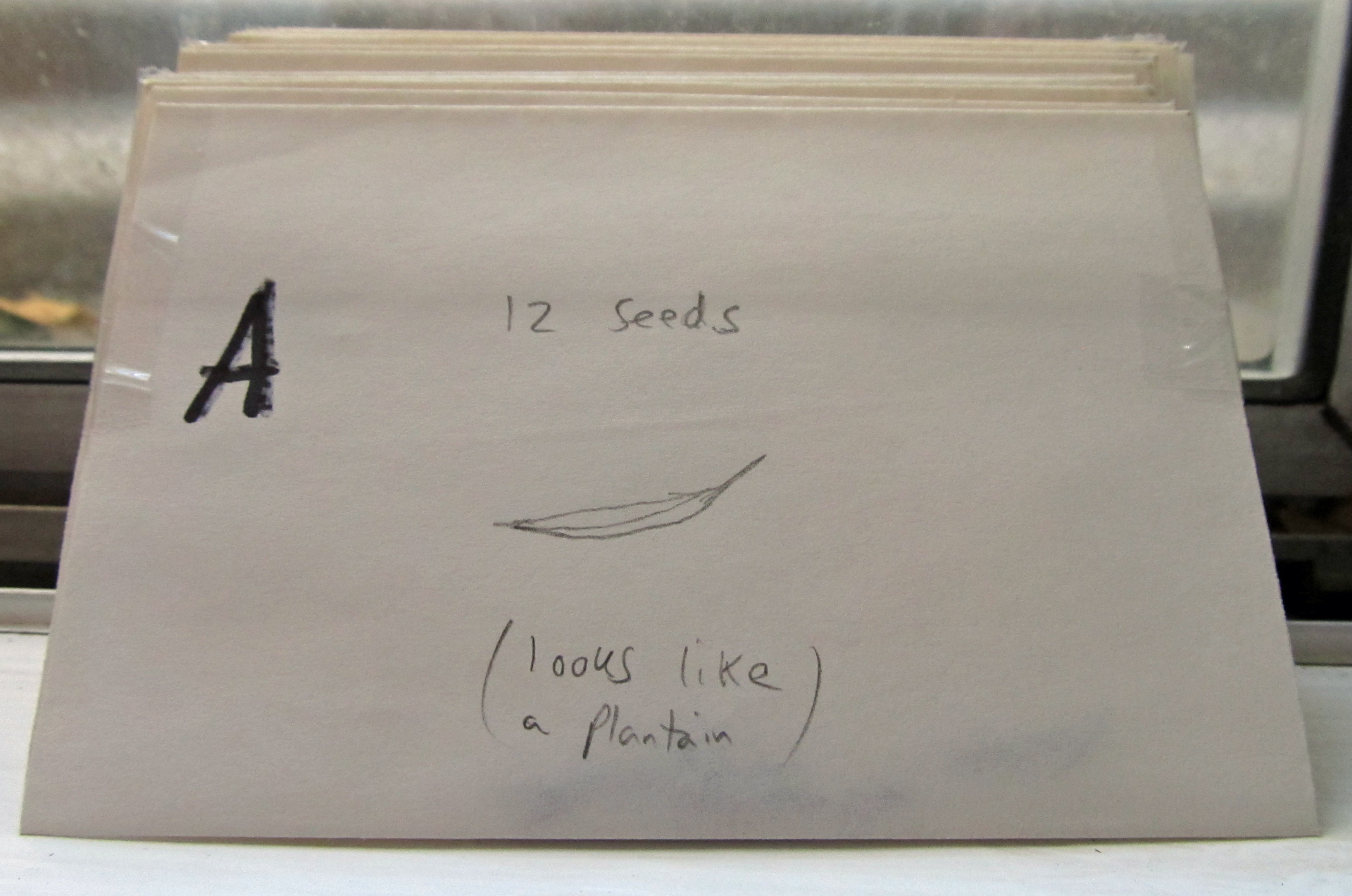
The seed packet in question.

The seed packet in question.

Curiousity is killing me; so I am determined to find out what is in this mysterious packet of seeds. Using a pair of magnifying glasses, I seperated the seeds into 26 groups. Each group, from as best as I can tell, should be a unique species (or at least from the same genus). The next step will be to grow the seeds out and see what they actually are. I have limited space and time, so this is going to take a while. Since “wildflower” is not an exact term, I have decided that in order to be considered a wildflower the plant will have to be native to North America. (I should probably say western North America or Intermountain West, since that is where I am located, but that’s pushing it.)

The amount of seeds that each of the 26 groups consists of varies greatly, from a single seed to 52 seeds. Some of the seeds may not be viable, and some of the seedlings are sure to perish along the way. Despite losses, it should be clear in the end what this packet of seeds mainly consists of and whether or not it is indeed a wildflower seed mix. If I were skilled at identifying species simply by observing their seeds, I might be able to avoid growing them out, but I am not confident enough to do that. However, one group of seeds is almost certainly calendula. Calendula is a genus native to parts of Asia, Europe, and North Africa that has been introduced to North America. So, we’re already off to a bad start.

seed packets_experiment

To be clear, I have no intention of disclosing or calling out the company that sent the seeds. This is all in good fun. No hard feelings. I’m satisfying my own curiosity, and perhaps yours, too. Until the next update (which could be a while), go run through a field of wildflowers. Enjoy yourself.

Drought Tolerant Plants: The Yarrows

Few plants are as ubiquitous and widespread as the common yarrow, Achillea millefolium. A suite of strategies have made this plant highly successful in a wide variety of habitats, and it is a paragon in terms of reproduction. Its unique look, simple beauty, and tolerance of tough spots have made it a staple in many gardens; however, its hardiness, profuseness, and bullish behavior have also earned it the title, “weed.” Excess water encourages this plant to spread, but in a dry garden it tends to stay put (or at least remain manageable), which is why it and several of its cousins are often included in or recommended for water efficient landscapes.

Achillea millefolium - common yarrow

Achillea millefolium – common yarrow

Common yarrow is in the aster family (Asteraceae) and is one of around 85 species in the genus Achillea. It is distributed throughout North America, Europe, and Asia. European plants have long been introduced to North America, and hybridization has occurred many times among the two genotypes.

Yarrow begins as a small rosette of very finely dissected leaves that are feathery or fern-like in appearance. These characteristic leaves explain its specific epithet, millefolium, and common names like thousand-leaf. Slightly hairy stems with alternately arranged leaves arise from the rosettes and are capped with a wide, flat-topped cluster of tightly-packed flowers. The flower stalks can be less than one foot to more than three feet tall. The flowers are tiny, numerous, and consist of both ray and disc florets. Flowers are usually white but sometimes pink.

The plants produce several hundred to several thousand seeds each. The seeds are enclosed in tiny achene-like fruits which are spread by wind and gravity. Yarrow also spreads and reproduces rhizomatously. Its roots are shallow but fibrous and abundant, and they easily spread horizontally through the soil. If moisture, sun, and space are available, yarrow will quickly expand its territory. Its extensive root system and highly divided leaves, which help reduce transpiration rates, are partly what gives yarrow the ability to tolerate dry conditions.

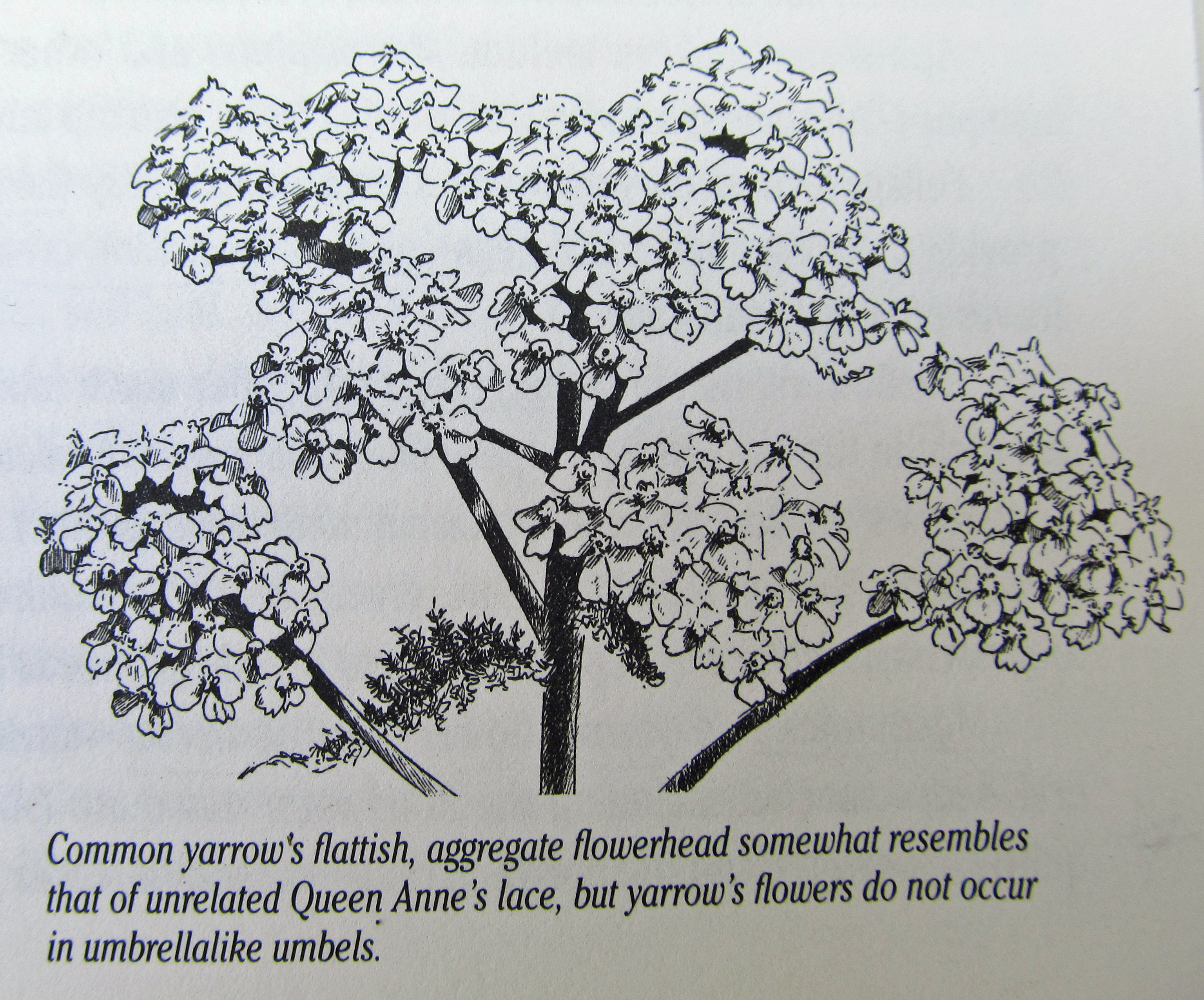
john eastman

Illustration of Achillea millifolium by Amelia Hansen from The Book of Field and Roadside by John Eastman, which has an excellent entry about yarrow.

Common yarrow has significant wildlife value. While its pungent leaves are generally avoided by most herbivorous insects, its flowers are rich in nectar and attract bees, butterflies, beetles, flies, and even mosquitoes. Various insects feed on the flowers, and other insects visit yarrow to feed on the insects that are feeding on the plant. Despite its bitterness, the foliage is browsed by a variety of birds, small mammals, and deer. Some birds use the foliage in constructing their nests. Humans have also used yarrow as a medicinal herb for thousands of years to treat a seemingly endless list of ailments.

Yarrow’s popularity as an ornamental plant has resulted in the development of numerous cultivars that have a variety of flower colors including shades of pink, red, purple, yellow, and gold. While Achillea millefolium may be the most widely available species in its genus, there are several other drought-tolerant yarrows that are also commercially available and worth considering for a dry garden.

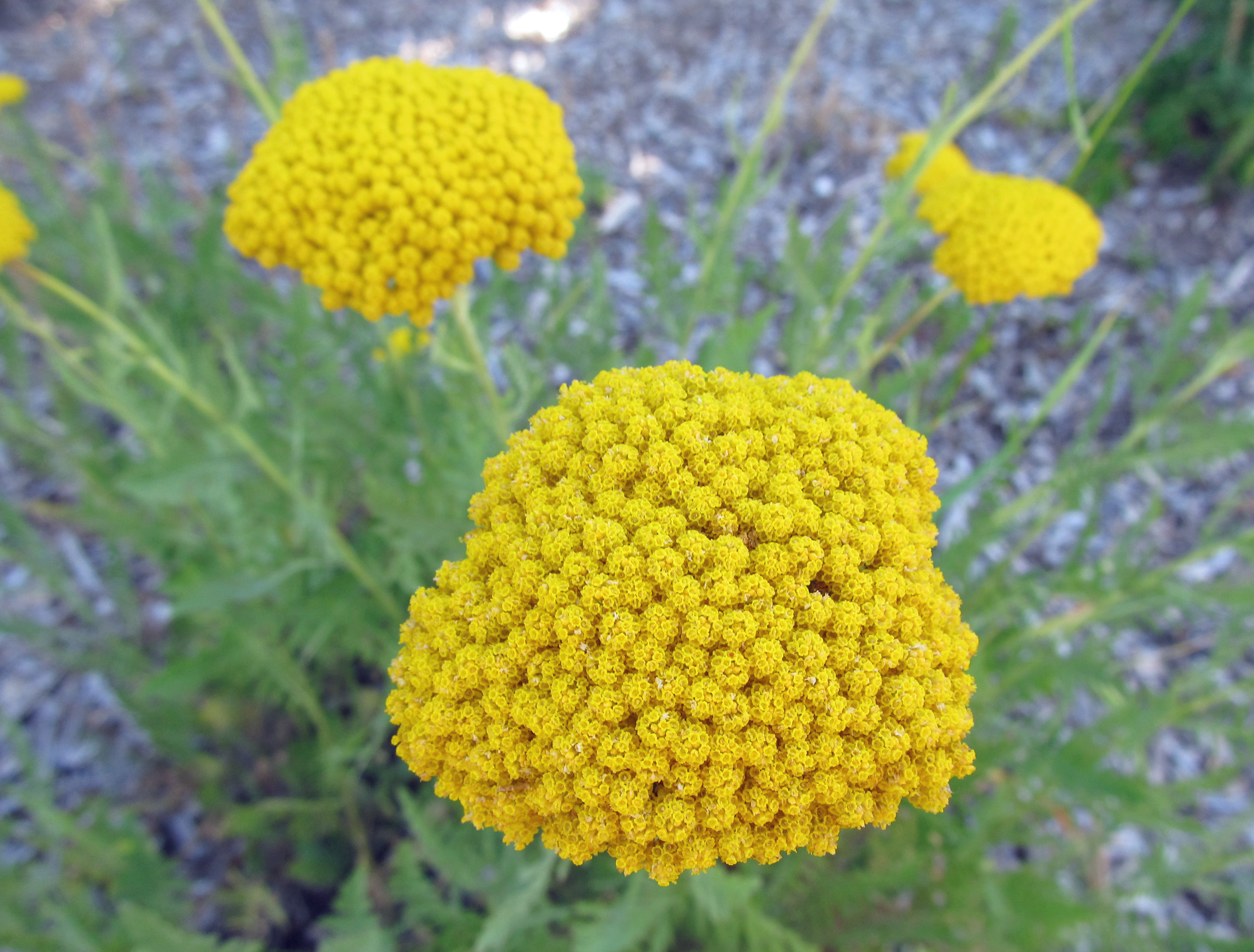
Achillea filipendulina, fern-leaf yarrow, is native to central and southwest Asia. It forms large, dense clusters of yellow-gold flowers on stalks that reach four feet high. Its leaves are similar in appearance to A. millefolium. Various cultivars are available, most of which have flowers that are varying shades of yellow or gold.

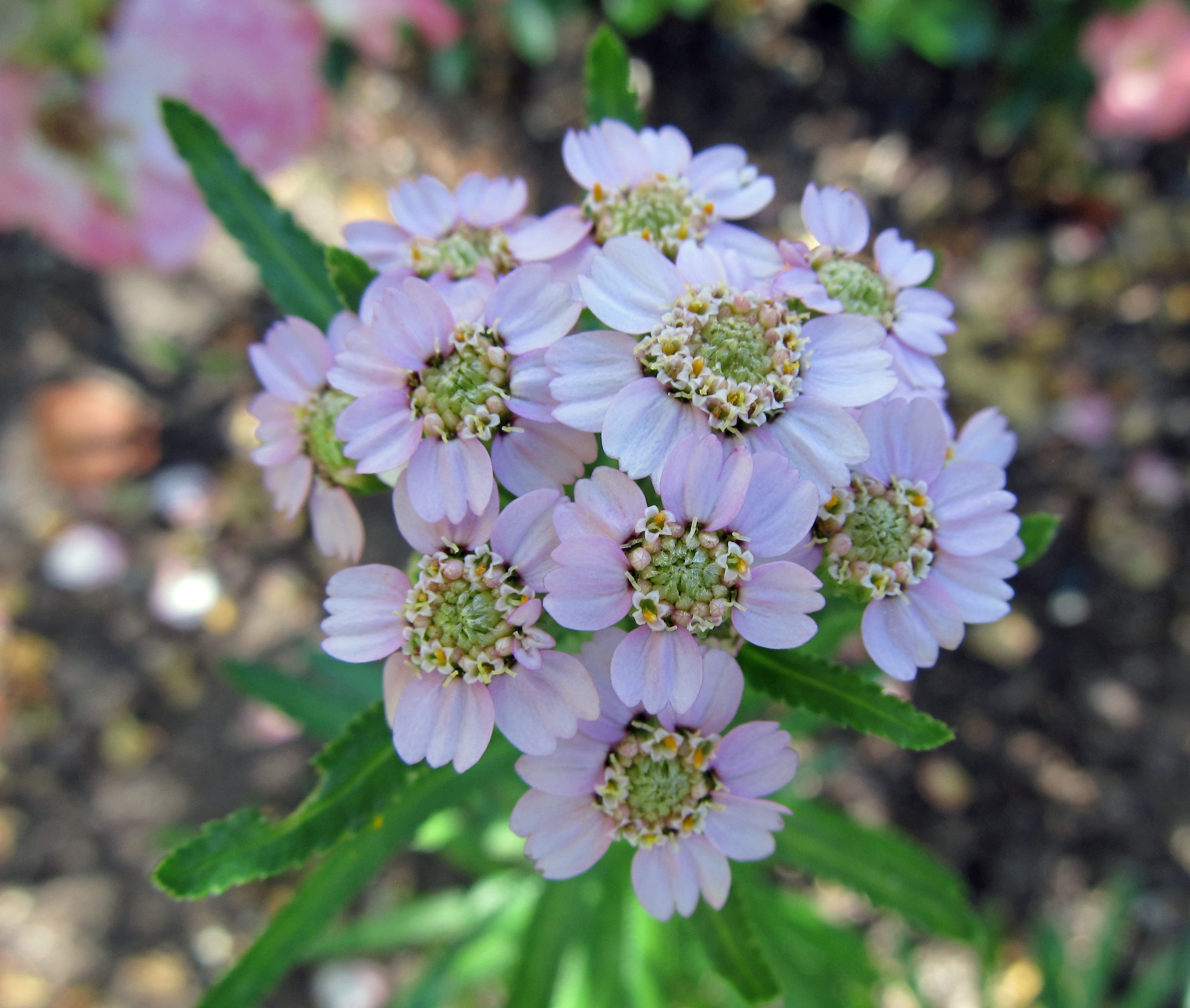
Achillea alpina, Siberian yarrow, only gets about half as tall as A. filipendulina. It occurs in Siberia, parts of Russia, China, Japan, and several other Asian countries. It also occurs in Canada. Unlike most other species in the genus, its leaves have a glossy appearance and are thick and somewhat leathery. Its flowers are white to pale violet. A. alpina is synonymous with A. sibirica, and ‘Love Parade’ is a popular cultivar derived from the subspecies camschatica.

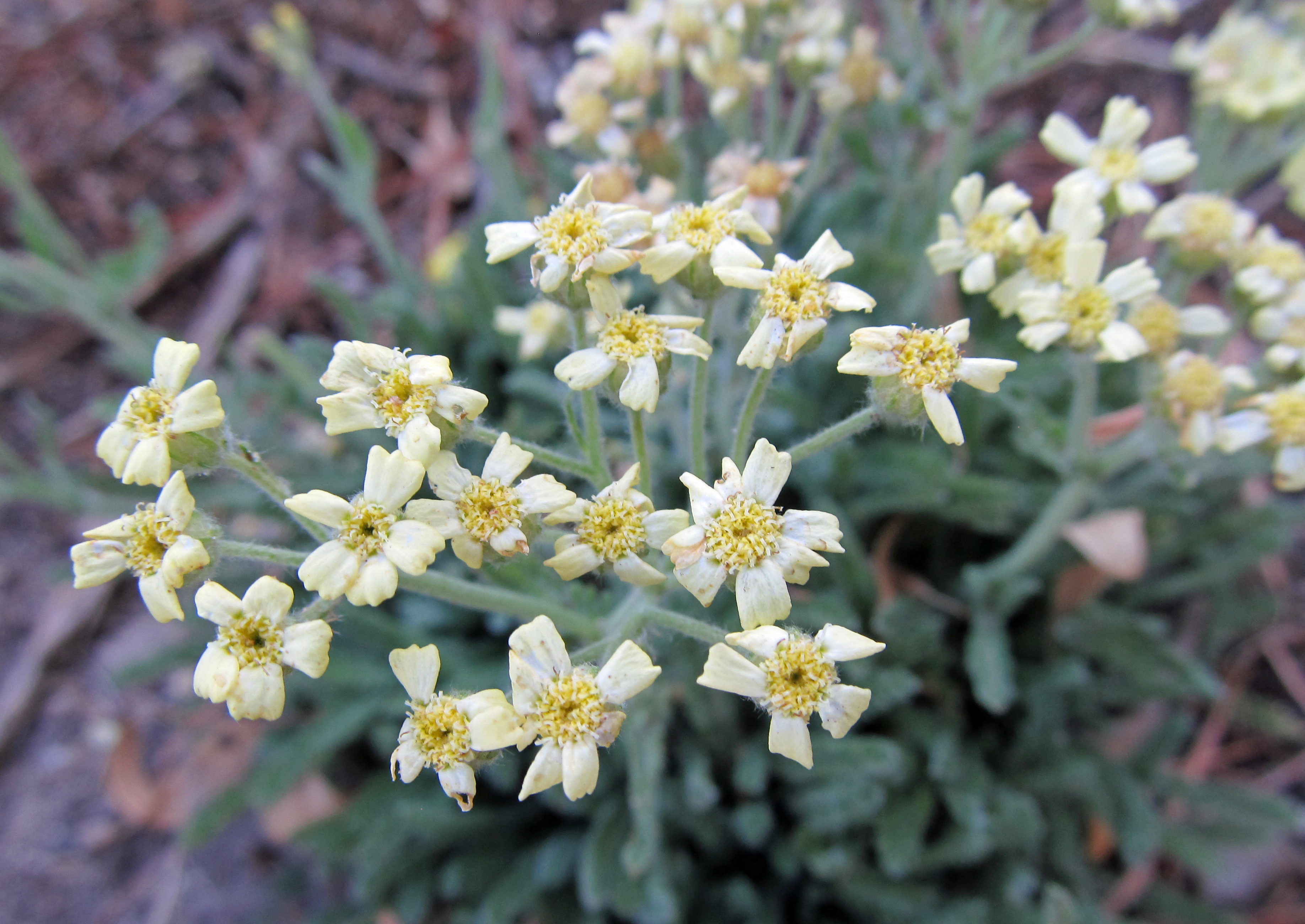
Achillea x lewisii ‘King Edward,’ a hybrid between A. tomentosa (woolly yarrow) and A. clavennae (silvery yarrow), stays below six inches tall and forms a dense mat of soft leaves that have a dull silver-gray-green appearance. Its compact clusters of flowers are pale yellow to cream colored. Cultivars of A. tomentosa are also available.

Achillea ptarmica, a European native with bright white flowers, and A. ageritafolia, a native of Greece and Bulgaria that is low growing with silvery foliage and abundant white flowers can also be found in the horticulture trade along with a handful of others. Whatever your preferences are, there is a yarrow out there for you. Invasiveness and potential for escape into natural areas should always be a concern when selecting plants for your garden, especially when considering a plant as robust and successful as yarrow. That in mind, yarrow should make a great addition to nearly any drought-tolerant, wildlife friendly garden.

More Drought Tolerant Plants Posts:

Rare and Endangered Plants: Texas Wild Rice

Some plants have native ranges that are so condensed that a single major disturbance has the potential to wipe them out of existence completely. They are significantly more vulnerable to change than neighboring plant species, and for this reason they often find themselves on endangered species lists. Zizania texana is one of those plants. Its range was never large to begin with, and due to increased human activity it now finds itself on the brink of extinction.

Zizania texana is one of three species of wild rice found in North America. The other two, Z. palustris and Z. aquatica, enjoy much broader ranges. Both of these species were once commonly harvested and eaten by humans. Today, Z. palustris is the most commercially available of the two. Commonly known as Texas wild rice, Z. texana, was not recognized as distinct from the other two Zizania species until 1932.

Herbarium voucher of Texas wild rice (Zizania texana) - photo credit: University of Texas Herbarium

Herbarium voucher of Texas wild rice (Zizania texana) – photo credit: University of Texas Herbarium

Texas wild rice is restricted to the headwaters of the San Marcos River in Central Texas. The river originates from a spring that rises from the Edwards Aquifer. It is a mere 75 miles long, but is home to copious amounts of wildlife, including several rare and endangered species. Before the 1960’s, Texas wild rice was an abundant species found along several miles of the San Marcos River. Its population and range has since been greatly reduced, and the native population is now limited to about 1200 square meters within the first two miles of the river.

Texas wild rice is an aquatic grass with long, broad leaves that remains submerged in the clear, flowing, spring-fed water of the river until it is ready to flower. Flower heads rise above the water, and each flower spike consists of either male or female flowers. The flowers are wind pollinated, but research has revealed that the pollen does not travel far and does not remain viable for very long. If a male flower is further than about 30 inches away from a female flower, the pollen generally fails to reach the stigma. The plants also reproduce asexually by tillering, but plants produced this way are genetically identical to the parent plant.

As people settled in the area around San Marcos Springs and began altering the river for their own use, Texas wild rice had to put up with a series of assaults and dramatic changes, including increased sediment and nutrient loads, variations in water depth and speed, trampling, and mechanical and chemical removal of the plant itself. Sexual reproduction became more difficult. In his book, Enduring Seeds, Gary Paul Nabhan describes one scenario: “streamflow had been increased to the extent that the seedheads, which were formerly raised a yard above the water, [were] now constantly being pummeled by the current so that they [remained] submerged, incapable of sexual reproduction.”

San Marcos, Texas – where the headwaters of the San Marcos River is located and where Texas wild rice has long called its home – is the location of Texas State University and is part of the Greater Austin metropolitan area. Thus, Zizania texana now finds itself confined to a highly urbanized location. The San Marcos Springs and River are regularly used for recreation, which leads to increased sediments, pollution, and trampling. Introduced plant species compete with Texas wild rice, and introduced waterfowl and aquatic rodents consume it. In this new reality, sexual reproduction will remain a major challenge, and a return to its original population size seems veritably impossible.

Texas wild rice (Zizania texana) and its urbanized habitat - photo credit: The Edwards Aquifer

Texas wild rice (Zizania texana) and its urbanized habitat – photo credit: The Edwards Aquifer

Attempts have and are being made to maintain the species in cultivation and to reintroduce it to its original locations, but its habitat has been so drastically altered that it will need constant management and attention for such efforts to be successful. As Nabham puts it, it is a species that has “little left of [its] former self in the wild – it is a surviving species in name more than in behavior…The wildness has been squeezed out of Texas rice.”

What if humans had stayed out of it? Would a plant with such a limited range and such difficulty reproducing sexually persist for any great length of time? It’s hard to say. If it disappears completely, what consequences will there be? It is known to provide habitat for the fountain darter, an endangered species of fish, as well as several other organisms; however, the full extent of its ecological role remains unclear. It will be nursed along by humans for the foreseeable future, but it may never regain its full glory. It is a species teetering on the edge of extinction, simultaneously threatened and cared for by humans – a story shared by so many other species around the world.

Additional Resources: