Dung Moss (Revisited)

This is a revised version of a post that was originally published on January 14th, 2015. It includes excerpts from a chapter entitled, “Portrait of Splachnum,” in the book, Gathering Moss, by Robin Wall Kimmerer.

Certain plants, like corpse flowers and carrion flowers, emit foul odors when they bloom. The scent is akin to the smell of rotting flesh, hence their common names. The purpose of this repugnant act is to attract a specific group of pollinators: flies, carrion beetles, and other insects that are attracted to gross things. Though this particular strategy is rare, these aren’t the only plants that employ stinky smells to recruit such insects to aid in reproduction and dissemination. Consider dung mosses.

No moss is more fastidious in its choice of habitats than Splachnum. Absent from the usual mossy haunts, Splachnum is found only in bogs. Not among the commoners like Sphagnum that build the peaty hummocks, not along the margins of the blackwater pools. Splachnum ampullaceum occurs in one, and only one, place in the bog. On deer droppings. On white-tailed deer droppings. On white-tailed deer droppings which have lain on the peat for four weeks. In July.

At least three genera (Splachnum, Tetraplodon, and Tayloria) in the family Splachnaceae include species that go by the common name, dung moss. All Splachnum and Tetraplodon species and many species in the genus Tayloria are entomophilous. Entomophily is a pollination strategy in which pollen or spores are distributed by insects. Compare this to anemophily, or wind pollination, which is the common way that moss spores are distributed. In fact, dung mosses are the only mosses known to exhibit entomophily.

Dung Moss (photo credit: wikimedia commons)

Dung Moss (photo credit: wikimedia commons)

Before we go too much further, it’s important to understand how mosses differ from other plants. Mosses are in a group of non-vascular and non-flowering plants called bryophytes. Vascular tissues are the means by which water and nutrients are transported to and from plant parts. Lacking vascular tissues, water and nutrients are simply absorbed through the leaves and stems of mosses, which is why mosses are typically petite and prefer moist environments. Mosses also lack true roots and instead have rhizoids – threadlike structures that anchor the plants to their substrate of choice (such as dung).

Another major distinction between bryophytes and other plants is that bryophytes spend most of their life cycle as a haploid gametophyte rather than a diploid sporophyte. In most plants, the haploid gametophytes are the sperm (pollen) and egg cells; the sporophyte is everything else. In mosses, the familiar green, leafy structure is actually the gametophyte. The gametophyte houses sperm and egg cells, and when the egg is fertilized by sperm it forms a zygote that develops into the sporophyte structure which extends above the leafy gametophyte. A capsule at the top of the sporophyte contains spores which are eventually released and, upon finding themselves on a suitable substrate in a hospitable environment, germinate to produce new plants. The spore then is comparable to a seed in vascular, seed-bearing plants.
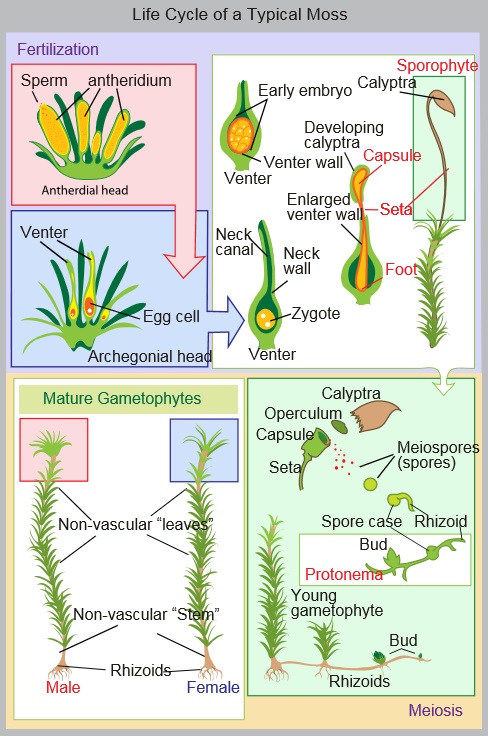
photo credit: wikimedia commons

photo credit: wikimedia commons

As stated earlier, the spores of most mosses are distributed by wind. Dung mosses, on the other hand, employ flies in the distribution of their spores. They attract the flies by emitting scents that only flies can love from an area on the capsule of the sporophyte called the apophysis. This area is often enlarged and brightly colored in yellow, magenta, or red, giving it a flower-like appearance which acts as a visual attractant. The smells emitted vary depending on the type of substrate a particular species of dung moss inhabits. Some dung mosses grow on the dung of herbivores and others on the dung of carnivores. Some even prefer the dung of a particular group of animals; for example, a population of Tetraplodon fuegiensis was found to be restricted to the feces and remains of foxes. However, dung is not the only material that dung mosses call home. Certain species grow on rotting flesh, skeletal remains, or antlers.

Splachnum ampullaceum inhabits the droppings of white-tailed deer. Had a wolf or coyote followed the scent of the deer into the bog, its droppings would been colonized by S. luteum. The chemistry of carnivore dung is sufficiently distinct from that of herbivores to support a different species. … Moose droppings have their own loyal follower. The family to which Splachnum belongs includes several other mosses with an affinity for animal nitrogen. Tetraplodon and Tayloria can be found on humus, but primarily inhabit animal remains such as bones and owl pellets. I once found an elk skull lying beneath a stand of pines, with the jawbone tufted with Tetraplodon.
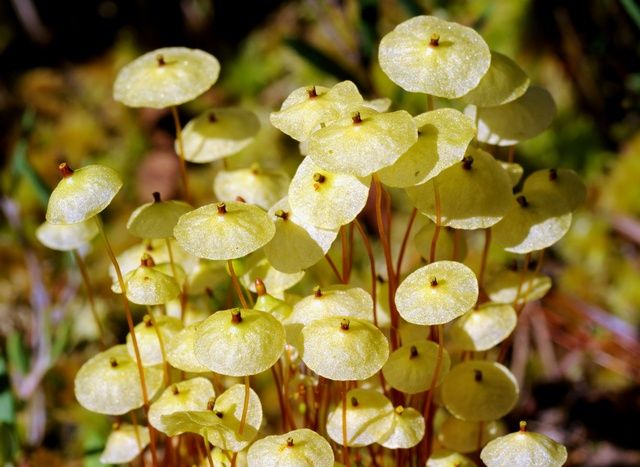
Yellow Moosedung Moss (Splachnum luteum) has one of the largest and showiest sporophytes. (photo credit: www.eol.org)

Yellow moosedung moss (Splachnum luteum) has one of the largest and showiest sporophytes. (photo credit: www.eol.org)

The set of circumstances that converge to bring Splachnum into the world is highly improbable. Ripening cranberries draw the doe to the bog. She stands and grazes with ears alert, flirting with the risk of coyotes. Minutes after she has paused, the droppings continue to steam. … The droppings send out an invitation written in wafting molecules of ammonia and butyric acid. Beetles and bees are oblivious to this signal, and go on about their work. But all over the bog, flies give up their meandering flights and antennae quiver in recognition. Flies cluster on the fresh droppings and lap up the salty fluids that are beginning to crystallize on the surface of the pellets. Gravid females probe the dung and insert glistening white eggs down into the warmth. Their bristles leave behind traces from their earlier foraging trips among the day’s dung, delivering spores of Splachnum on their footprints.

The spores of dung mosses are small and sticky. When a fly visits these plants, the spores adhere to its body in clumps. The fly then moves on to its substrate of choice to lay its eggs, and the spores are deposited where they can germinate and grow into new moss plants. Flies that visit dung mosses receive nothing in return for doing so, but instead are simply “tricked” into disseminating the propagules. The story is similar with corpse flowers and carrion flowers; flies are drawn in by the smells and recruited to transmit pollen while receiving no nectar reward for their work.

There are 73 species in the Splachnaceae family, and nearly half of these species are dung mosses. Most are found in temperate habitats in both the northern and southern hemispheres, with a few species occurring in the mountains of subtropical regions. They can be found in both wet and relatively dry habitats. Dung mosses are generally fast growing but short lived, with some lasting only about 2 years. It isn’t entirely clear how and why mosses in this family evolved to become entomophilous, but one major benefit of being this way is that their spores are reliably deposited on suitable habitat.

Since Splachnum can grow only on droppings, and nowhere else, the wind cannot be trusted with dispersal. Escape of the spores is successful only if they have both a means of travel and a reserved ticket for a particular destination. In the monotonous green of the bog, flies are attracted to the cotton candy colors of Splachnum, mistaking them for flowers. Rooting about in the moss for non-existent nectar the flies become coated with the sticky spores. When the scent of fresh deer droppings arrives on the breeze, the flies seek it out and leave Splachnum-coated footprints in the steaming dung.
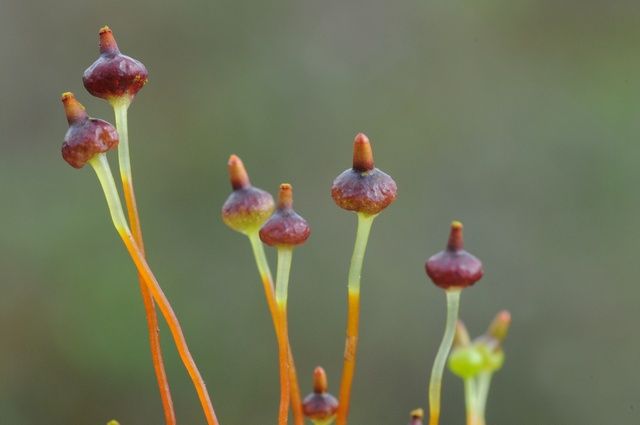
Sporophytes of Splachnum vasculosum (photo credit: www.eol.org)

Sporophytes of Splachnum vasculosum (photo credit: www.eol.org)

References

Koponen, A. 2009. Entomophily in the Splachnaceae. Botanical Journal of the Linnean Society 104: 115-127.

Marino, P., R. Raguso, and B. Goffinet. 2009. The ecology and evolution of fly dispersed dung mosses (Family Splachnaceae): Manipulating insect behavior through odour and visual cues. Symbiosis 47: 61-76.


What’s in a Packet of Wildflower Seeds? – An Introduction

Occasionally I receive packets of wildflower seeds from companies that are not in the business of growing plants. They are promotional items – encouraging people to plant flowers while simultaneously marketing their wares. Often the seed packet lacks a list of the seeds included in the mix, and so it remains unclear what “wildflowers” are actually in there. My guess is that most seed packets like this go unplanted, and those that do get planted, may go uncared for. After all, the company that supplied them isn’t all that concerned about what gets done with them anyway.

As it is, generic packets of wildflower seeds like this may not actually contain any wildflower seeds. The term wildflower generally refers to a flowering plant that grows in the wild and was not intentionally planted by humans. It is synonymous with native plant, but it can also refer to non-native plants that have become naturalized. By this definition, a packet of wildflower seeds should only include seeds of native or naturalized plants and should not include horticultural selections, hybrids, or cultivated varieties. Ideally, the seed mix would be specific to a particular region, as each region throughout the world has its own suite of native wildflowers.

With that in my mind, I was immediately curious about an unlabeled packet of wildflower seeds I recently received as a promotional item from a company that has nothing to do with plants. This is a company that ships items nationwide and around the world, which leads me to believe that hundreds of people received similar packets of seeds around the same time I did. The seed packet is not labeled for a particular region, so all of us likely received a similar mix of seeds. “Wildflowers” then, at least in this case, means a random assortment of flowering plants with questionable provenance and no sense of geographic location.

The seed packet in question.

The seed packet in question.

Curiousity is killing me; so I am determined to find out what is in this mysterious packet of seeds. Using a pair of magnifying glasses, I seperated the seeds into 26 groups. Each group, from as best as I can tell, should be a unique species (or at least from the same genus). The next step will be to grow the seeds out and see what they actually are. I have limited space and time, so this is going to take a while. Since “wildflower” is not an exact term, I have decided that in order to be considered a wildflower the plant will have to be native to North America. (I should probably say western North America or Intermountain West, since that is where I am located, but that’s pushing it.)

The amount of seeds that each of the 26 groups consists of varies greatly, from a single seed to 52 seeds. Some of the seeds may not be viable, and some of the seedlings are sure to perish along the way. Despite losses, it should be clear in the end what this packet of seeds mainly consists of and whether or not it is indeed a wildflower seed mix. If I were skilled at identifying species simply by observing their seeds, I might be able to avoid growing them out, but I am not confident enough to do that. However, one group of seeds is almost certainly calendula. Calendula is a genus native to parts of Asia, Europe, and North Africa that has been introduced to North America. So, we’re already off to a bad start.

seed packets_experiment

To be clear, I have no intention of disclosing or calling out the company that sent the seeds. This is all in good fun. No hard feelings. I’m satisfying my own curiosity, and perhaps yours, too. Until the next update (which could be a while), go run through a field of wildflowers. Enjoy yourself.

Drought Tolerant Plants: The Yarrows

Few plants are as ubiquitous and widespread as the common yarrow, Achillea millefolium. A suite of strategies have made this plant highly successful in a wide variety of habitats, and it is a paragon in terms of reproduction. Its unique look, simple beauty, and tolerance of tough spots have made it a staple in many gardens; however, its hardiness, profuseness, and bullish behavior have also earned it the title, “weed.” Excess water encourages this plant to spread, but in a dry garden it tends to stay put (or at least remain manageable), which is why it and several of its cousins are often included in or recommended for water efficient landscapes.

Achillea millefolium - common yarrow

Achillea millefolium – common yarrow

Common yarrow is in the aster family (Asteraceae) and is one of around 85 species in the genus Achillea. It is distributed throughout North America, Europe, and Asia. European plants have long been introduced to North America, and hybridization has occurred many times among the two genotypes.

Yarrow begins as a small rosette of very finely dissected leaves that are feathery or fern-like in appearance. These characteristic leaves explain its specific epithet, millefolium, and common names like thousand-leaf. Slightly hairy stems with alternately arranged leaves arise from the rosettes and are capped with a wide, flat-topped cluster of tightly-packed flowers. The flower stalks can be less than one foot to more than three feet tall. The flowers are tiny, numerous, and consist of both ray and disc florets. Flowers are usually white but sometimes pink.

The plants produce several hundred to several thousand seeds each. The seeds are enclosed in tiny achene-like fruits which are spread by wind and gravity. Yarrow also spreads and reproduces rhizomatously. Its roots are shallow but fibrous and abundant, and they easily spread horizontally through the soil. If moisture, sun, and space are available, yarrow will quickly expand its territory. Its extensive root system and highly divided leaves, which help reduce transpiration rates, are partly what gives yarrow the ability to tolerate dry conditions.

john eastman

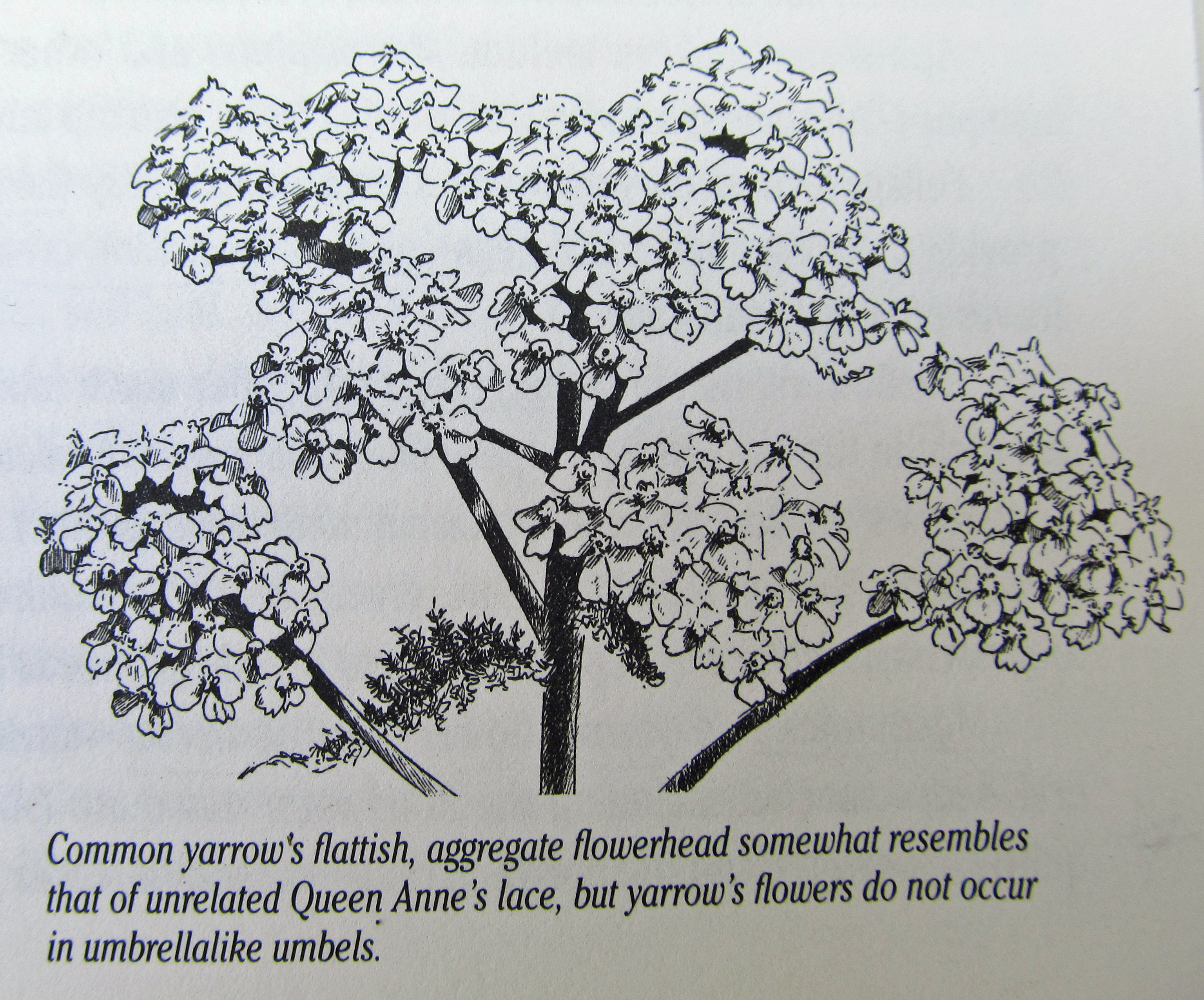
Illustration of Achillea millifolium by Amelia Hansen from The Book of Field and Roadside by John Eastman, which has an excellent entry about yarrow.

Common yarrow has significant wildlife value. While its pungent leaves are generally avoided by most herbivorous insects, its flowers are rich in nectar and attract bees, butterflies, beetles, flies, and even mosquitoes. Various insects feed on the flowers, and other insects visit yarrow to feed on the insects that are feeding on the plant. Despite its bitterness, the foliage is browsed by a variety of birds, small mammals, and deer. Some birds use the foliage in constructing their nests. Humans have also used yarrow as a medicinal herb for thousands of years to treat a seemingly endless list of ailments.

Yarrow’s popularity as an ornamental plant has resulted in the development of numerous cultivars that have a variety of flower colors including shades of pink, red, purple, yellow, and gold. While Achillea millefolium may be the most widely available species in its genus, there are several other drought-tolerant yarrows that are also commercially available and worth considering for a dry garden.

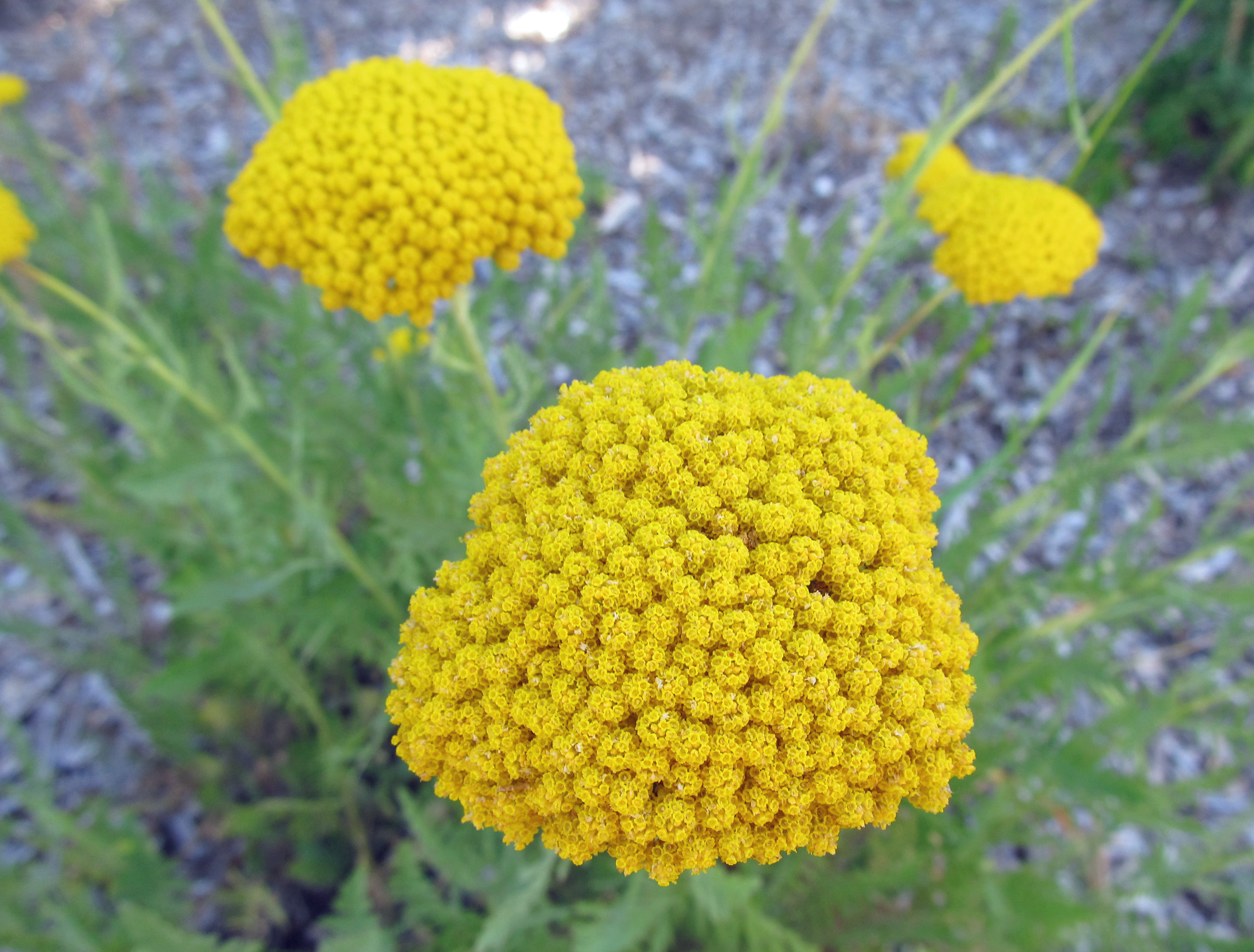
Achillea filipendulina, fern-leaf yarrow, is native to central and southwest Asia. It forms large, dense clusters of yellow-gold flowers on stalks that reach four feet high. Its leaves are similar in appearance to A. millefolium. Various cultivars are available, most of which have flowers that are varying shades of yellow or gold.

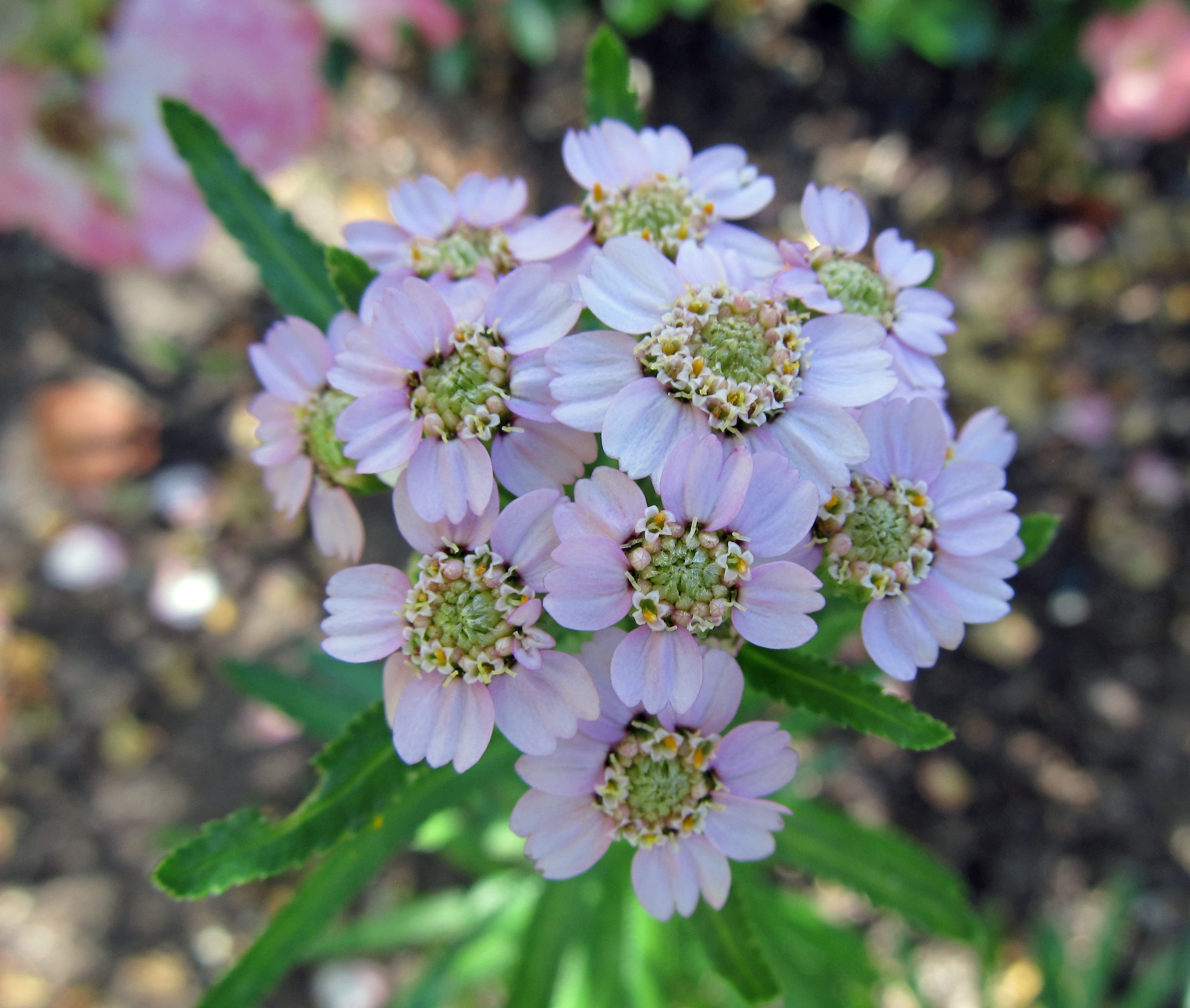
Achillea alpina, Siberian yarrow, only gets about half as tall as A. filipendulina. It occurs in Siberia, parts of Russia, China, Japan, and several other Asian countries. It also occurs in Canada. Unlike most other species in the genus, its leaves have a glossy appearance and are thick and somewhat leathery. Its flowers are white to pale violet. A. alpina is synonymous with A. sibirica, and ‘Love Parade’ is a popular cultivar derived from the subspecies camschatica.

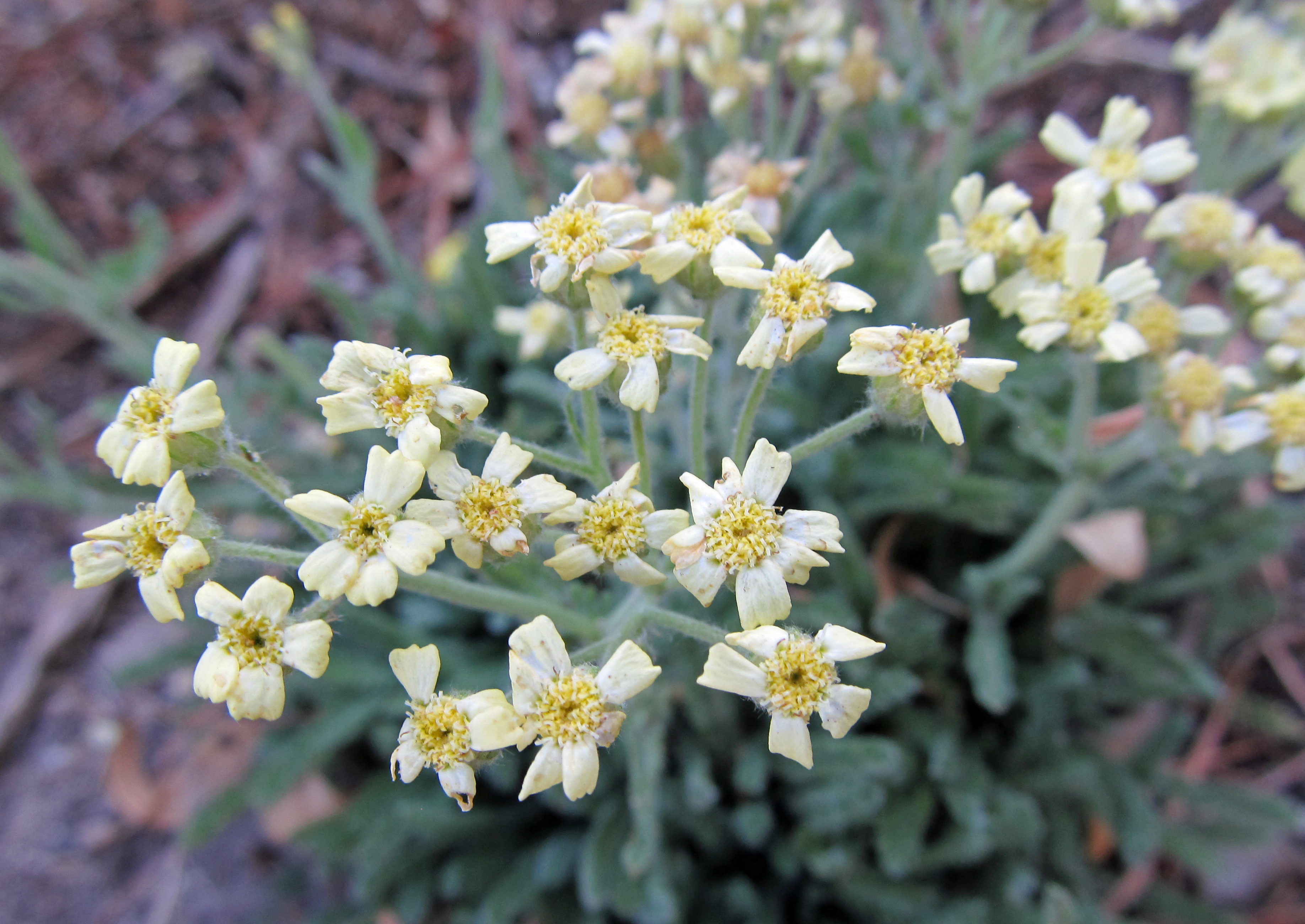
Achillea x lewisii ‘King Edward,’ a hybrid between A. tomentosa (woolly yarrow) and A. clavennae (silvery yarrow), stays below six inches tall and forms a dense mat of soft leaves that have a dull silver-gray-green appearance. Its compact clusters of flowers are pale yellow to cream colored. Cultivars of A. tomentosa are also available.

Achillea ptarmica, a European native with bright white flowers, and A. ageritafolia, a native of Greece and Bulgaria that is low growing with silvery foliage and abundant white flowers can also be found in the horticulture trade along with a handful of others. Whatever your preferences are, there is a yarrow out there for you. Invasiveness and potential for escape into natural areas should always be a concern when selecting plants for your garden, especially when considering a plant as robust and successful as yarrow. That in mind, yarrow should make a great addition to nearly any drought-tolerant, wildlife friendly garden.

More Drought Tolerant Plants Posts:

Rare and Endangered Plants: Texas Wild Rice

Some plants have native ranges that are so condensed that a single major disturbance has the potential to wipe them out of existence completely. They are significantly more vulnerable to change than neighboring plant species, and for this reason they often find themselves on endangered species lists. Zizania texana is one of those plants. Its range was never large to begin with, and due to increased human activity it now finds itself on the brink of extinction.

Zizania texana is one of three species of wild rice found in North America. The other two, Z. palustris and Z. aquatica, enjoy much broader ranges. Both of these species were once commonly harvested and eaten by humans. Today, Z. palustris is the most commercially available of the two. Commonly known as Texas wild rice, Z. texana, was not recognized as distinct from the other two Zizania species until 1932.

Herbarium voucher of Texas wild rice (Zizania texana) - photo credit: University of Texas Herbarium

Herbarium voucher of Texas wild rice (Zizania texana) – photo credit: University of Texas Herbarium

Texas wild rice is restricted to the headwaters of the San Marcos River in Central Texas. The river originates from a spring that rises from the Edwards Aquifer. It is a mere 75 miles long, but is home to copious amounts of wildlife, including several rare and endangered species. Before the 1960’s, Texas wild rice was an abundant species found along several miles of the San Marcos River. Its population and range has since been greatly reduced, and the native population is now limited to about 1200 square meters within the first two miles of the river.

Texas wild rice is an aquatic grass with long, broad leaves that remains submerged in the clear, flowing, spring-fed water of the river until it is ready to flower. Flower heads rise above the water, and each flower spike consists of either male or female flowers. The flowers are wind pollinated, but research has revealed that the pollen does not travel far and does not remain viable for very long. If a male flower is further than about 30 inches away from a female flower, the pollen generally fails to reach the stigma. The plants also reproduce asexually by tillering, but plants produced this way are genetically identical to the parent plant.

As people settled in the area around San Marcos Springs and began altering the river for their own use, Texas wild rice had to put up with a series of assaults and dramatic changes, including increased sediment and nutrient loads, variations in water depth and speed, trampling, and mechanical and chemical removal of the plant itself. Sexual reproduction became more difficult. In his book, Enduring Seeds, Gary Paul Nabhan describes one scenario: “streamflow had been increased to the extent that the seedheads, which were formerly raised a yard above the water, [were] now constantly being pummeled by the current so that they [remained] submerged, incapable of sexual reproduction.”

San Marcos, Texas – where the headwaters of the San Marcos River is located and where Texas wild rice has long called its home – is the location of Texas State University and is part of the Greater Austin metropolitan area. Thus, Zizania texana now finds itself confined to a highly urbanized location. The San Marcos Springs and River are regularly used for recreation, which leads to increased sediments, pollution, and trampling. Introduced plant species compete with Texas wild rice, and introduced waterfowl and aquatic rodents consume it. In this new reality, sexual reproduction will remain a major challenge, and a return to its original population size seems veritably impossible.

Texas wild rice (Zizania texana) and its urbanized habitat - photo credit: The Edwards Aquifer

Texas wild rice (Zizania texana) and its urbanized habitat – photo credit: The Edwards Aquifer

Attempts have and are being made to maintain the species in cultivation and to reintroduce it to its original locations, but its habitat has been so drastically altered that it will need constant management and attention for such efforts to be successful. As Nabham puts it, it is a species that has “little left of [its] former self in the wild – it is a surviving species in name more than in behavior…The wildness has been squeezed out of Texas rice.”

What if humans had stayed out of it? Would a plant with such a limited range and such difficulty reproducing sexually persist for any great length of time? It’s hard to say. If it disappears completely, what consequences will there be? It is known to provide habitat for the fountain darter, an endangered species of fish, as well as several other organisms; however, the full extent of its ecological role remains unclear. It will be nursed along by humans for the foreseeable future, but it may never regain its full glory. It is a species teetering on the edge of extinction, simultaneously threatened and cared for by humans – a story shared by so many other species around the world.

Additional Resources:

Thoughts on Equisetum Phylogenesis

This a guest post. Words and photos by Jeremiah Sandler.

These notes do not discuss either anatomy or medicinal uses of Equisetum. Both topics are worthy of their own discourse.

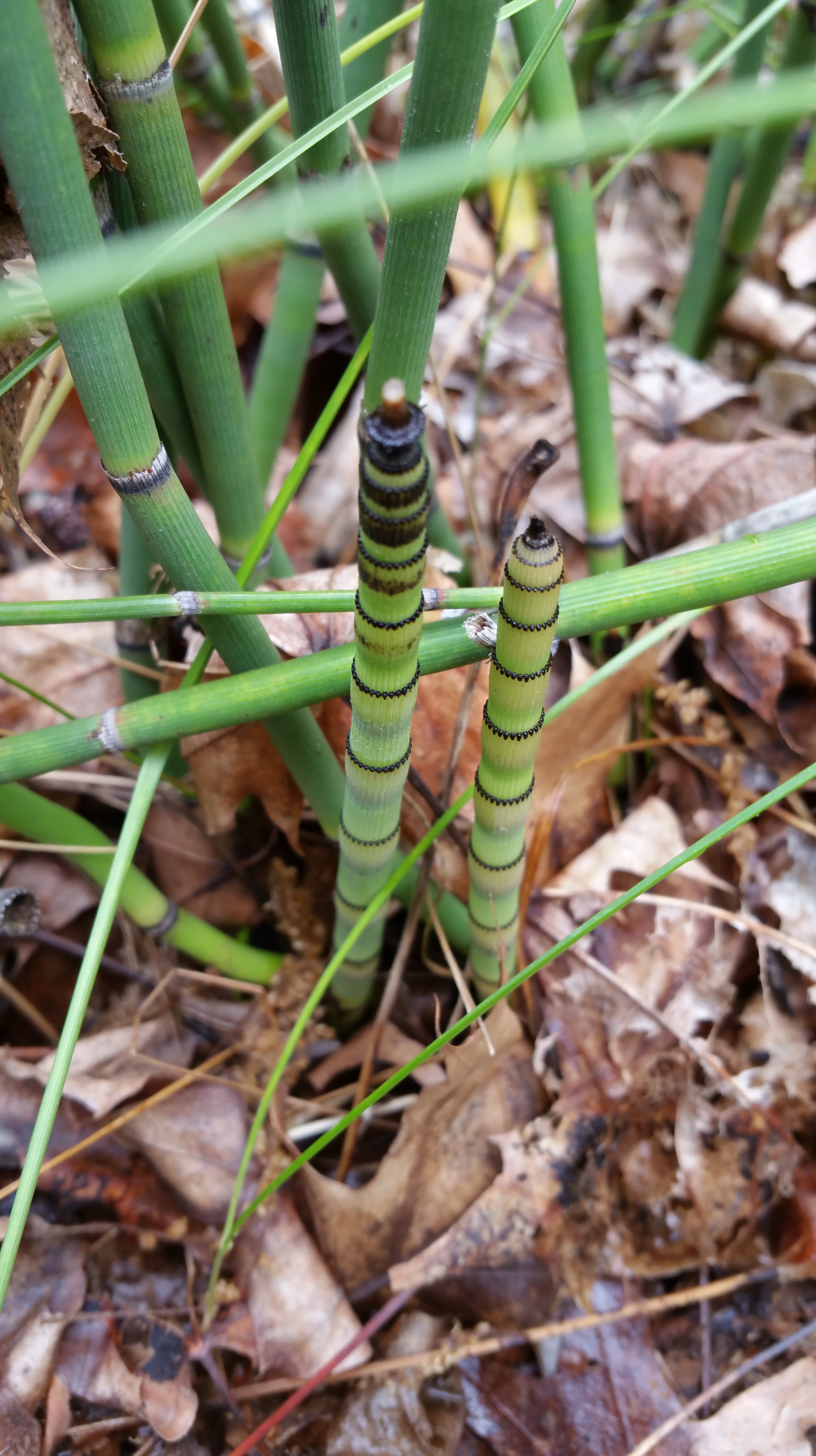
Plants in the genus Equisetum can be found on each continent of our planet, except for Antarctica. The plants are collectively referred to as scouring rush or horsetail.  Equisetum is in the division of plants called Pteridophytes, which contains all of the ferns and fern-allies (lycopods, whisk ferns, etc.) Pteridophytes are characterized by having a vascular system and by reproducing with spores, rather than seeds. Equisetum is the only living genus within the entire class Equisetopsida.  Within this single genus, there are a mere 20 species.

Picture 1

Equisetums can live pretty much anywhere. They can tolerate lots of shade, lots of sun, and virtually any soil condition (including submerged soil). Rhizomatous stems make it difficult for either disease or insects to kill an entire population. They do not require pollinators because they reproduce with spores.  Sounds like a recipe for reproductive and evolutionary success. Yet with all of these traits working in their favor, there is only a single genus left.  

Where’d they all go?

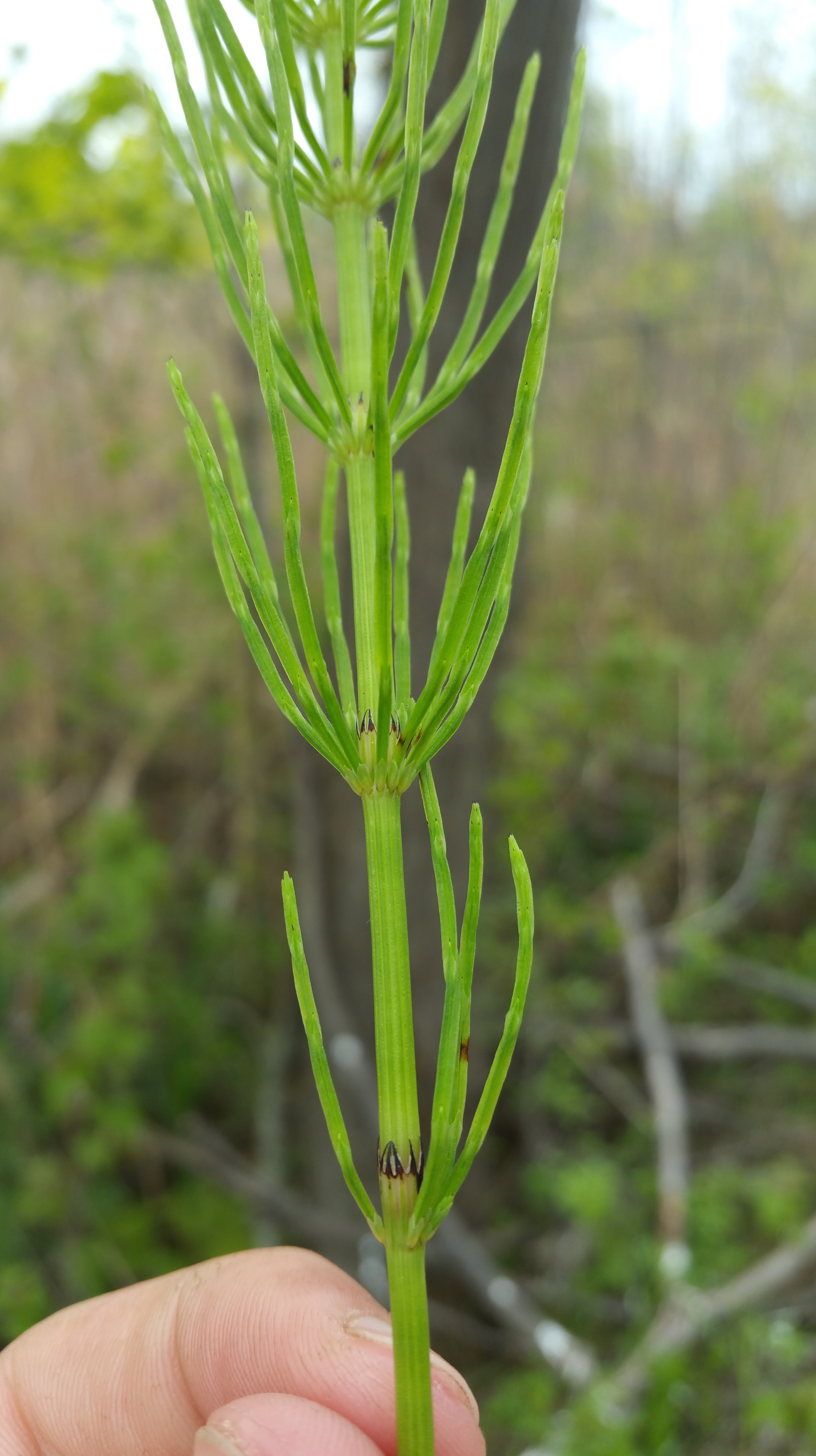
Picture 2

Let’s briefly consider the origin of these plants first. In the late Paleozoic Era, during the end of the Cambrian Period, these plants began their takeover. Shortly thereafter (about 70 million years later), in the Devonian Period, land plants began to develop a tree-like habit, also called “arborescence.” Tree-sized ferns and fern-allies ruled the planet. They formed the ancient forests.

The elements required for photosynthesis were plentiful. The planet was warm. Competition from the Cambrian Explosion of flora and fauna drove plants upwards towards the sky. Larger plants can both shade their competition and remain out of reach of herbivores. None of the Equisetum species alive today are near their ancestors’ height.  

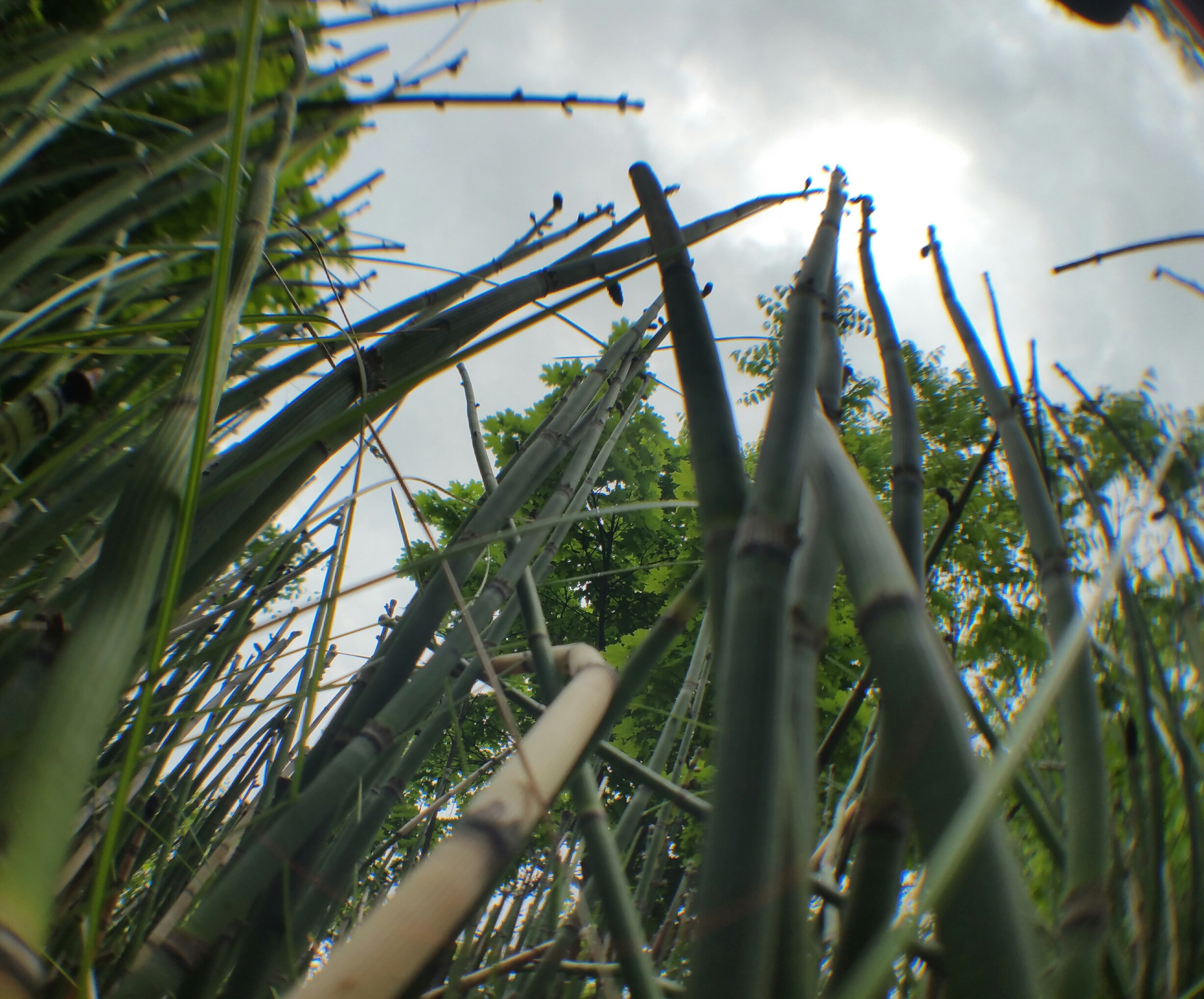
picture 3

It is rather obvious why we don’t see as many Equisetum species, and why they are not as large: The planet now is not the same planet it once was. Oxygen levels back in those times were about 15% higher than today’s levels. Seed plants can diversify much faster than non-seed-bearing plants; Equisetum cannot compete with the rate of diversification of seed-bearing plants.

The most interesting predicament comes when Equisetum is compared with other Pteridophytes. Some ancient Pteridophytes still do have diversity of genera. True Ferns, as they’re called, are broad-leaved ferns. In the class Filicopsida, there are 4 orders of True Ferns containing about 100 genera combined. Equisetum has 1 order and 1 genera.

What’s the primary difference between these two classes of Pteridophytes?  Broad leaves.

Most pteridophytes tolerate some shade; most other plants can’t tolerate as deep of shade as ferns. More specifically, the amount of shade the plants create could be a deciding factor in this question. True ferns have all of the traits equisetums have, with one additional physical trait that has pulled them ahead: Broad leaves allow true ferns to actively shade out local competition while creating more habitat for themselves. Equisetums don’t have this aggressive capacity.

Of course there are other biological and evolutionary pressures affecting equisetums beside their lack of broad leaves. The structure they do possess has benefited them at a time when it was advantageous to have it.  Otherwise why would it exist? Equisetums remind me of the dynamic nature of a planet. I don’t anticipate equisetums coming back. 

Although, I find it entertaining to humor the idea that they might return to their former glory. The planet’s climate could change toward any direction (I’m not a climatologist, though). Maybe equisetums are adequately prepared to adapt to whatever changes come – or maybe we are observing the gradual decline of an old branch on the tree of life.  

Resources:

The Nippleworts of Camassia Natural Area

This is a guest post. Words and illustration by Mesquite Cervino.

At the end of a residential neighborhood that is barely off the 205 in the hills of West Linn, Oregon is a small, 26 acre preserve called the Camassia Natural Area. The defining features of the landscape were caused by the Missoula Floods (aka the Spokane or Bretz floods) at the end of the last ice age (12 to 19 thousand years ago) which swept away the already established soil and in their place deposited glacial erratics from other far-away places, some even coming all the way from Canada. The flood reached eastern Oregon and the Willamette via the Columbia River Gorge and created the green and rocky plateau that is now Camassia.

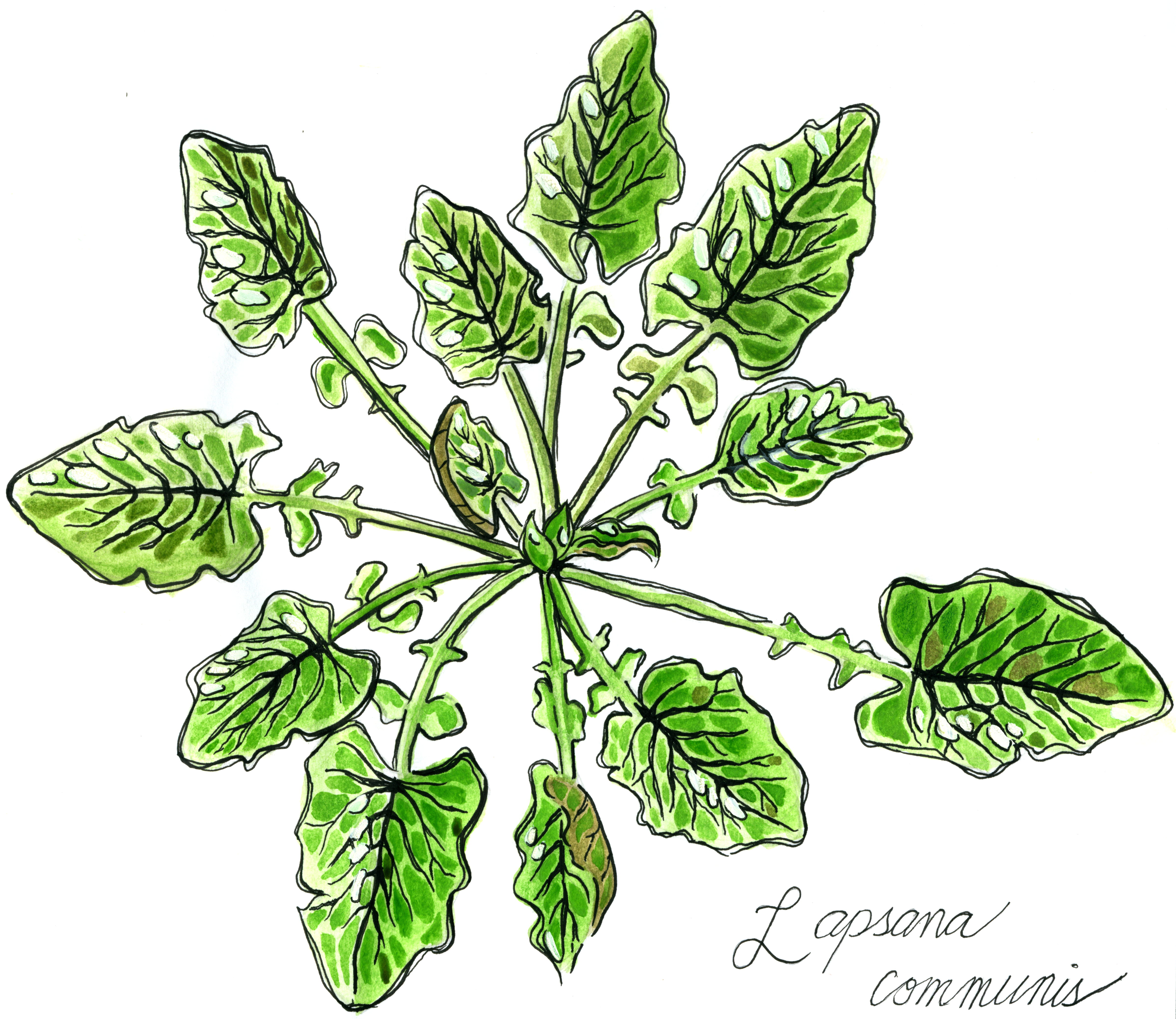
While the reserve is named after a widespread plant in the park, which is a common camas (Camassia quamash) that blooms in April and early May, the park has over 300 different species overall. However, one species in particular has kicked in the door and far overstayed its welcome in the park, becoming a highly invasive weed in the area. This plant is known as Lapsana communis or nipplewort. It is an annual dicot that is native to Europe and Asia, but is considered invasive in Canada and the United States. In the U.S., the weed is most common west of the Cascades in the Pacific Northwest. It is in the Asteraceae family (aka the aster, daisy, or sunflower family), and like dandelions or common groundsel, nipplewort is part of the weedy side of the family.

nicole illustration_cropped

The name itself has an interesting history that originated around 350 years ago when an Englishman by the name of John Parkinson named the plant after he heard that it was useful for topical treatment of ulcers for women on certain areas of their bodies. It was also an herbal treatment for nursing mothers, and was used to aid cows and goats that were having trouble being milked. Another source of the name is said to have come from the shape of the basal lobes and their resembling features. Because nipplewort is edible, its leaves can be cooked like spinach or served raw in only the most hipster of salads.

In terms of its anatomy, nipplewort is about one to three and a half inches in height, has alternate, ovular, lobed, rich green leaves, and composite yellow flowers with about 13 petals – similar in resemblance to a dandelion. They flower from June to September and are pollinated by various insects. Seed set occurs in July to October. The plant then spreads through reseeding, and one plant can produce 400 to 1,000 seeds that put out shoots in fall and spring.

Consult a fellow botanist to find out more about Lapsana communis, especially if you are curious to know if it has invaded your territory. If it has, consider entertaining dinner guests with this unusual plant.

Additional Resources:

Field Trip: Mud Springs Ridge and Cow Creek Saddle

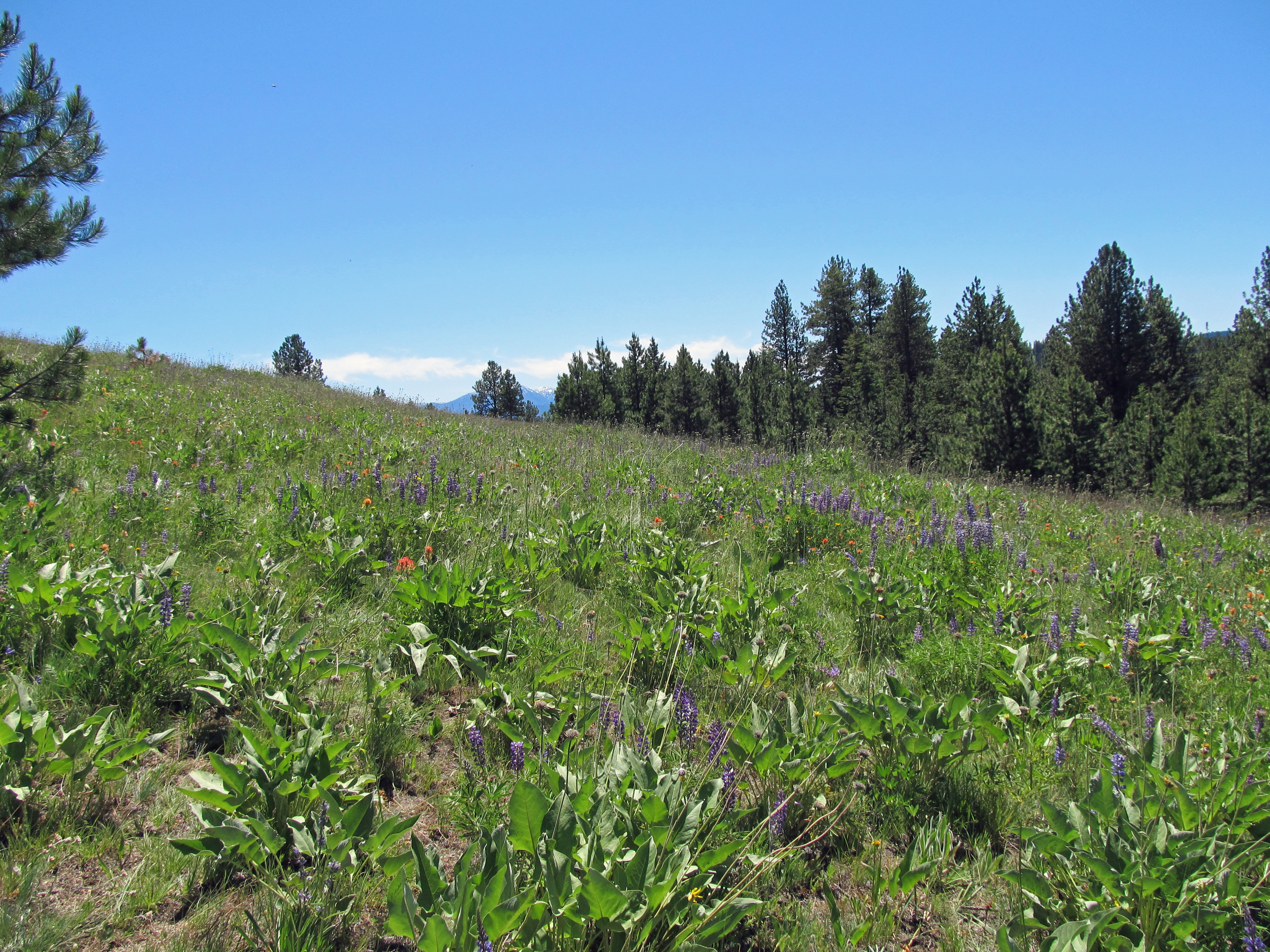
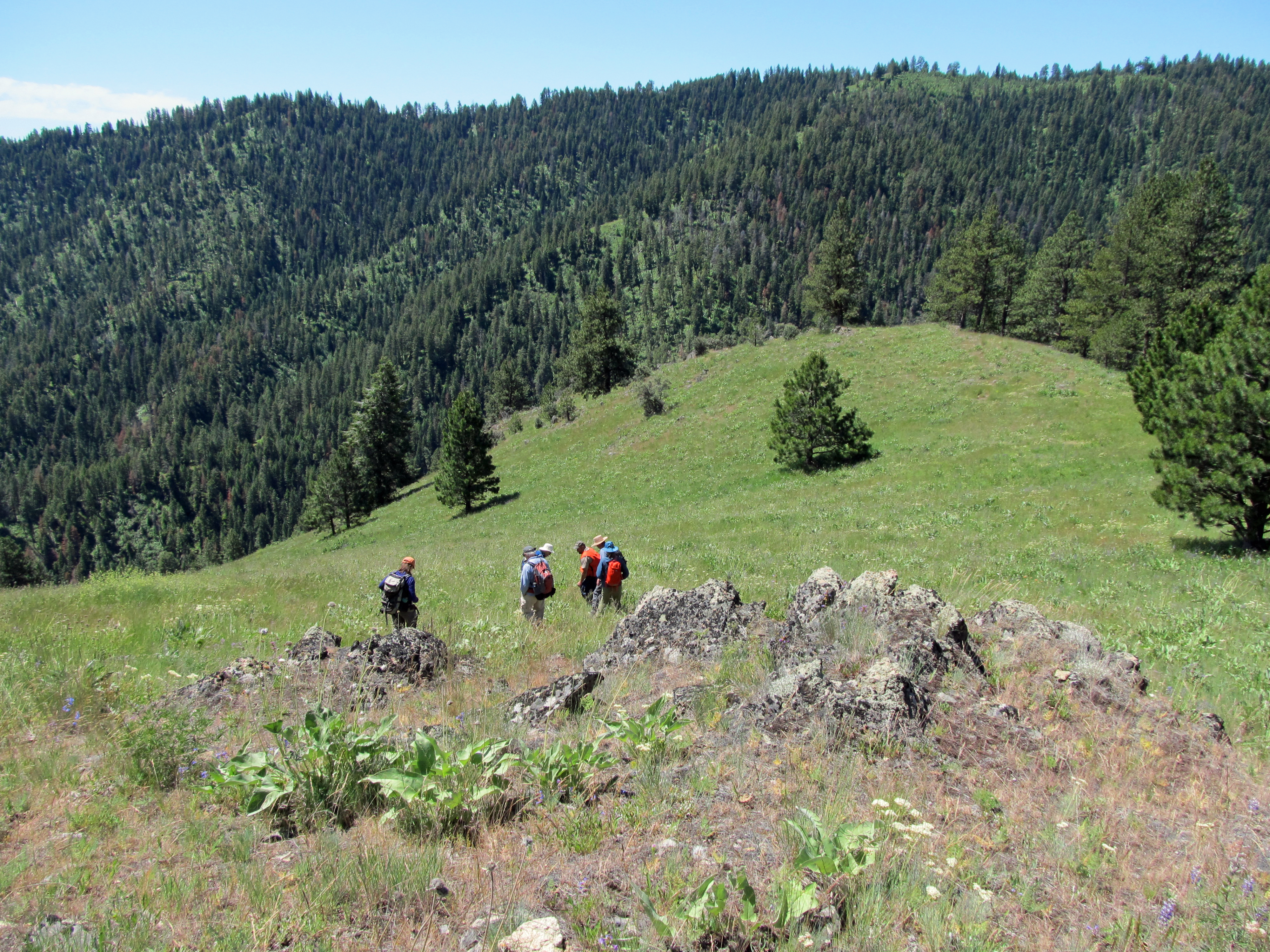
Last weekend I went on two all day field trips that were part of Idaho Native Plant Society‘s annual meeting. The second field trip was in a location with a climate considerably warmer and drier than the first field trip. The flora was much more familiar to me since it was similar to what I generally see in southern Idaho. We visited two sites: Mud Springs Ridge and Cow Creek Saddle. Both are high on a mountain ridge (around 5300 feet in elevation) flanked by the Salmon River canyon on the east and the Snake River canyon on the west. The tiny town of Lucile, Idaho was just below us to the east, and if we would have continued down the other side of the mountain, we would have arrived at Hells Canyon National Recreation Area. These sites are high elevation grasslands, and there was a huge diversity of grasses and forbs to explore.

Taking decent photos of the plants was a challenge as the sun was shining brightly and there was a constant breeze. Photographs don’t quite cut it anyway. The views were incredible. Standing on a ridge top peering across a meadow full of wildflowers with more mountains in the distance. Mass amounts of lupines and paintbrushes mixed with grasses and other plants being tossed about in the breeze. Little rock gardens randomly dispersed across the hillsides. You kind of had to be there.

A view across the meadow at Mud Springs Ridge

A view across the meadow at Mud Springs Ridge

Searching for Silene spaldingii - an Idaho endemic - on the mountainside

Fellow botany geeks searching for Silene spaldingii (Spalding’s catchfly) – a rare, imperiled plant species

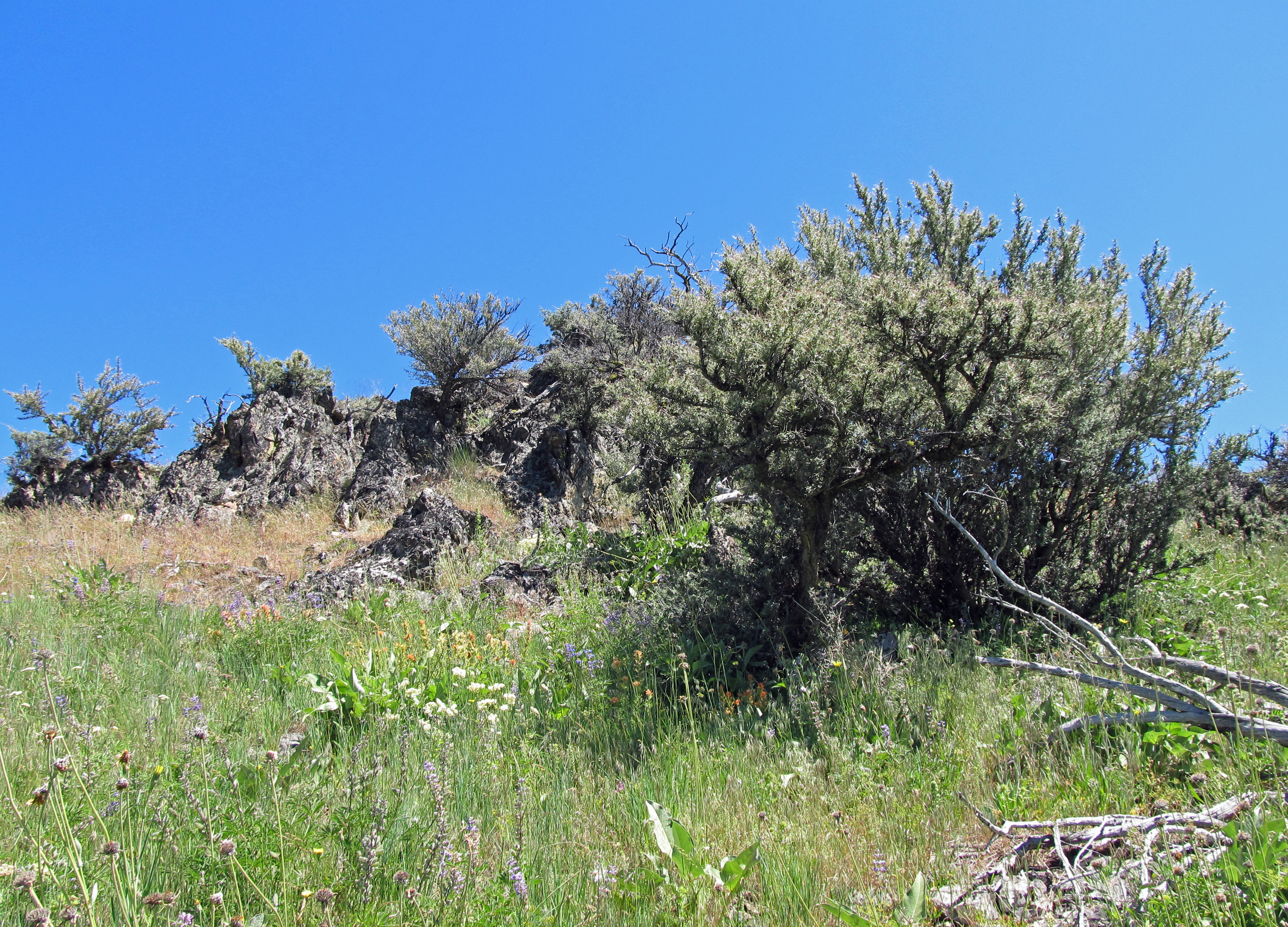
Gnarly, old curl-leaf mountain mahogany (Cercocarpus ledifolius) growing out of a rock outcrop

Gnarly, old Cercocapus ledifolius (curl-leaf mountain mahogany) growing out of a rock outcrop

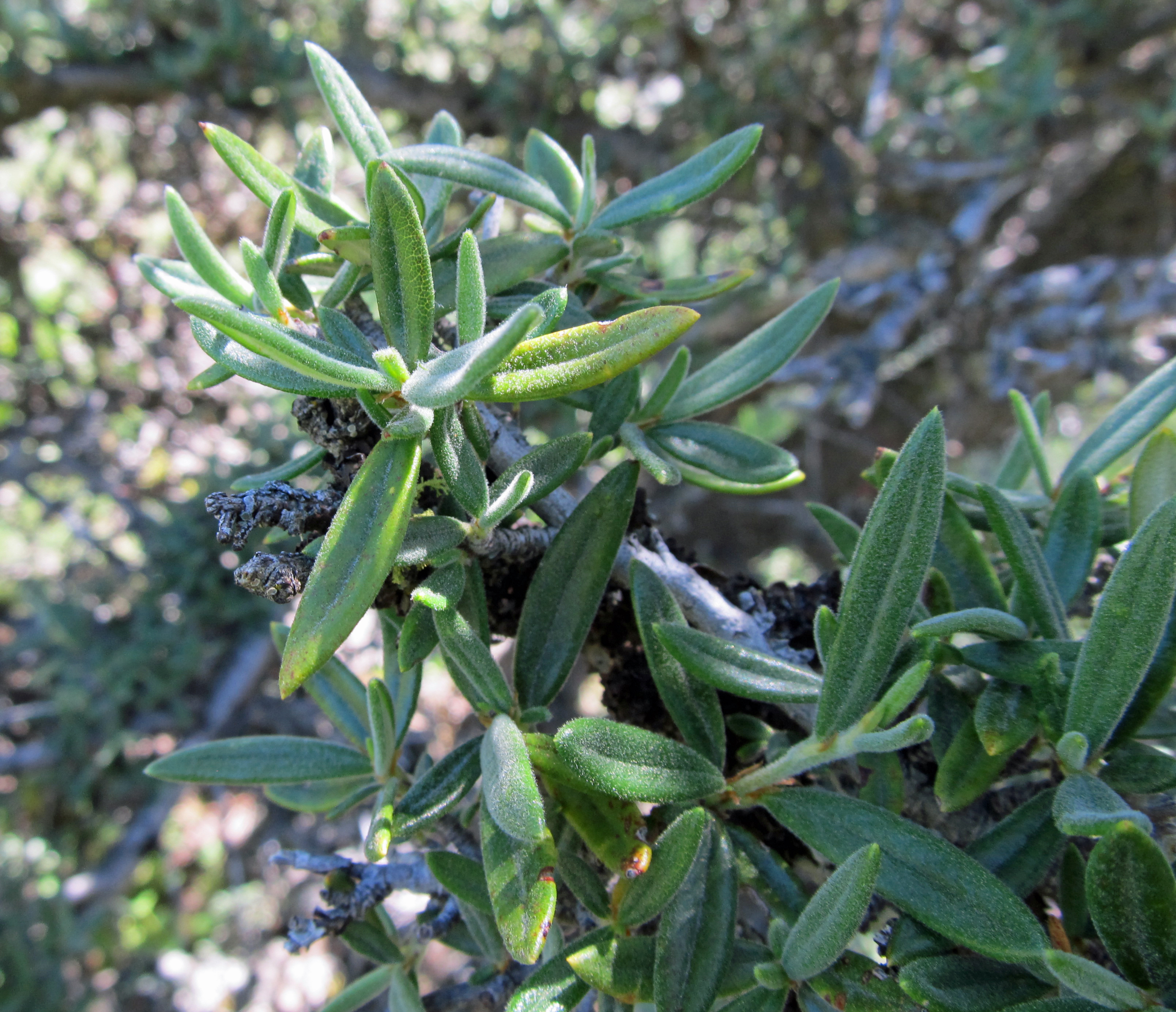
Close up of Cercocarpus ledifolius

Cercocarpus ledifolius (curl-leaf mountain mahogany)

Orthocarpus tenuifolius (owl's clover)

Orthocarpus tenuifolius (thin-leaved owl’s clover)

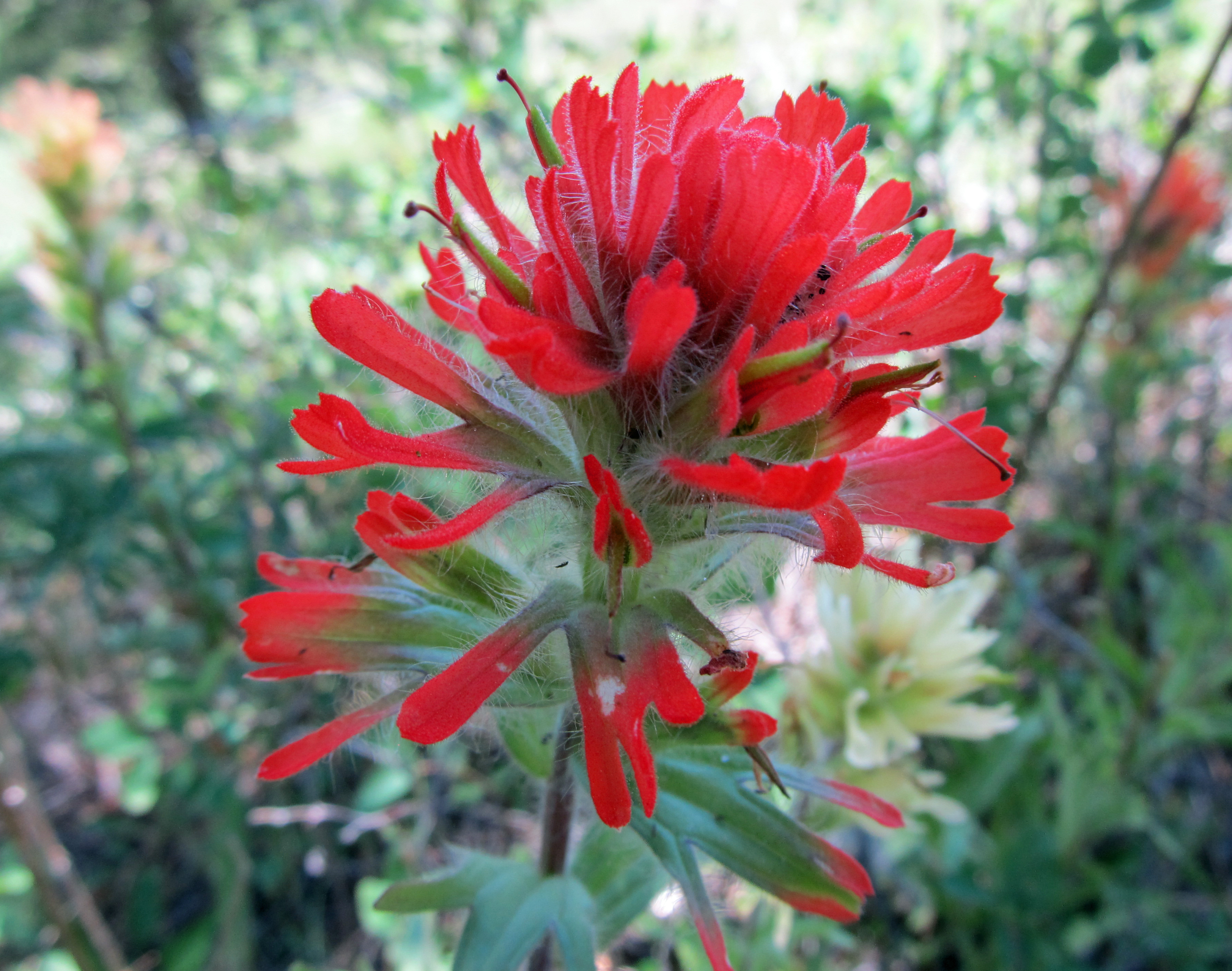
Castilleja (indian paintbrush)

Castilleja hispida (harsh paintbrush)

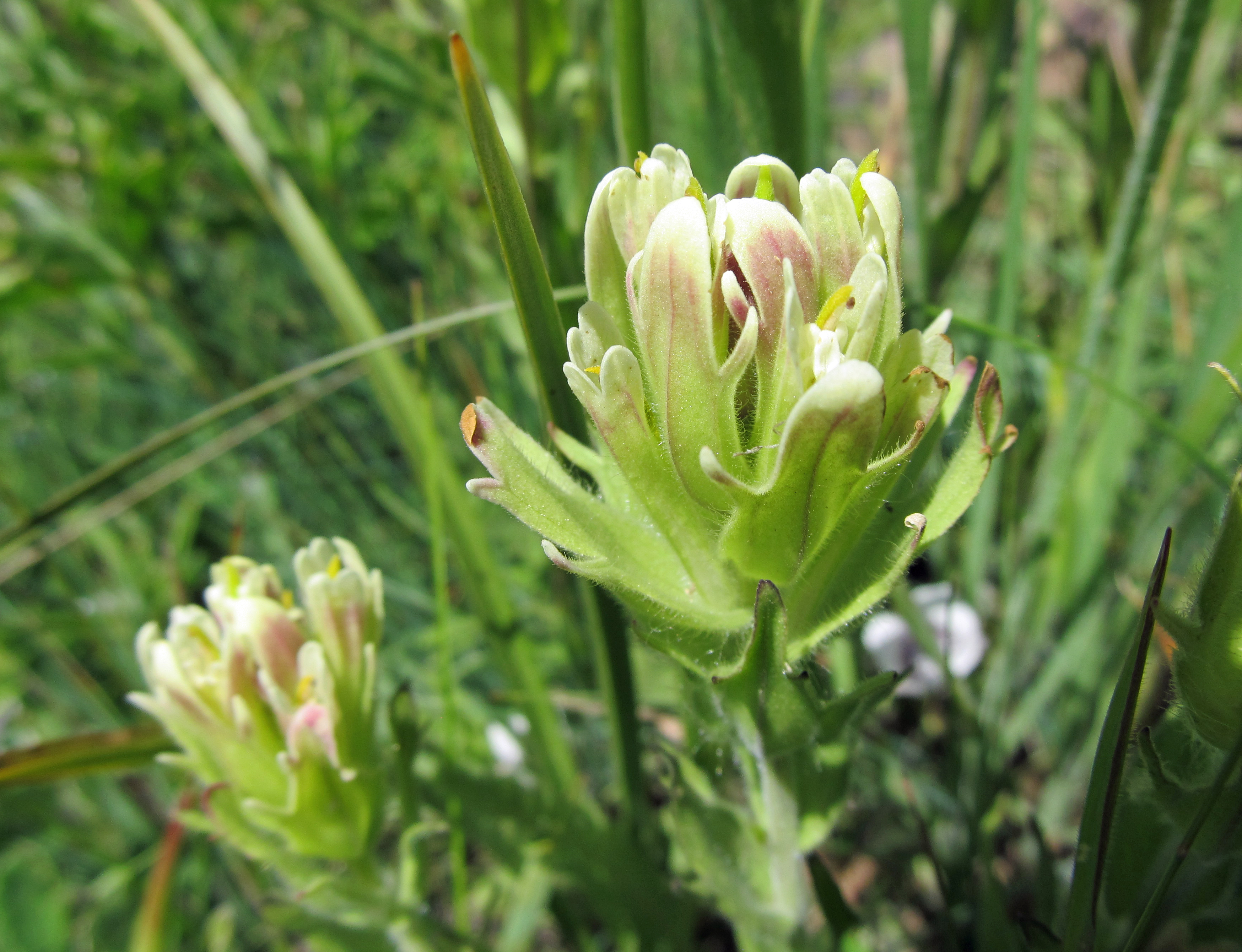
Castilleja cusickii (Cusick's paintbrush)

Castilleja cusickii (Cusick’s paintbrush)

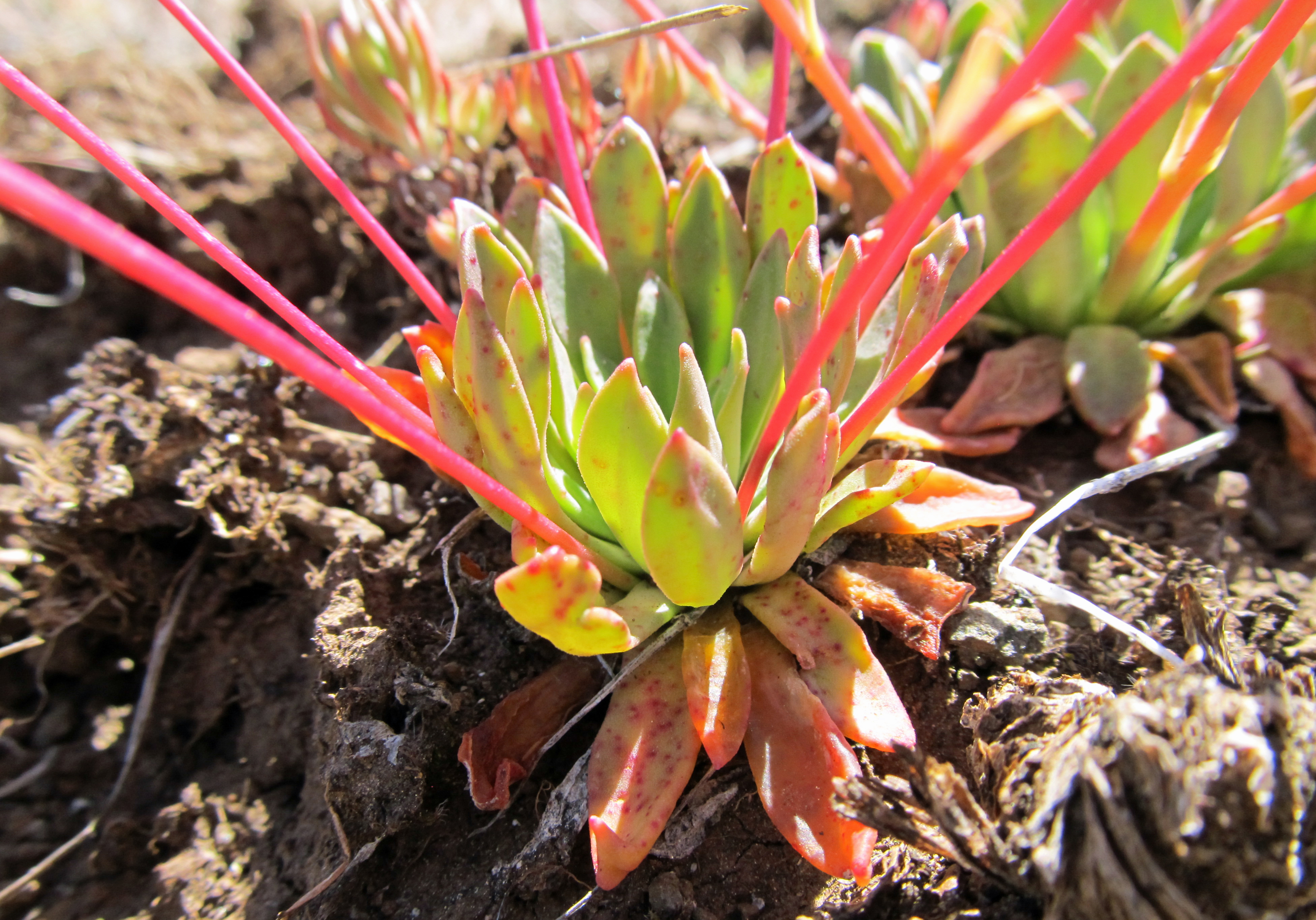
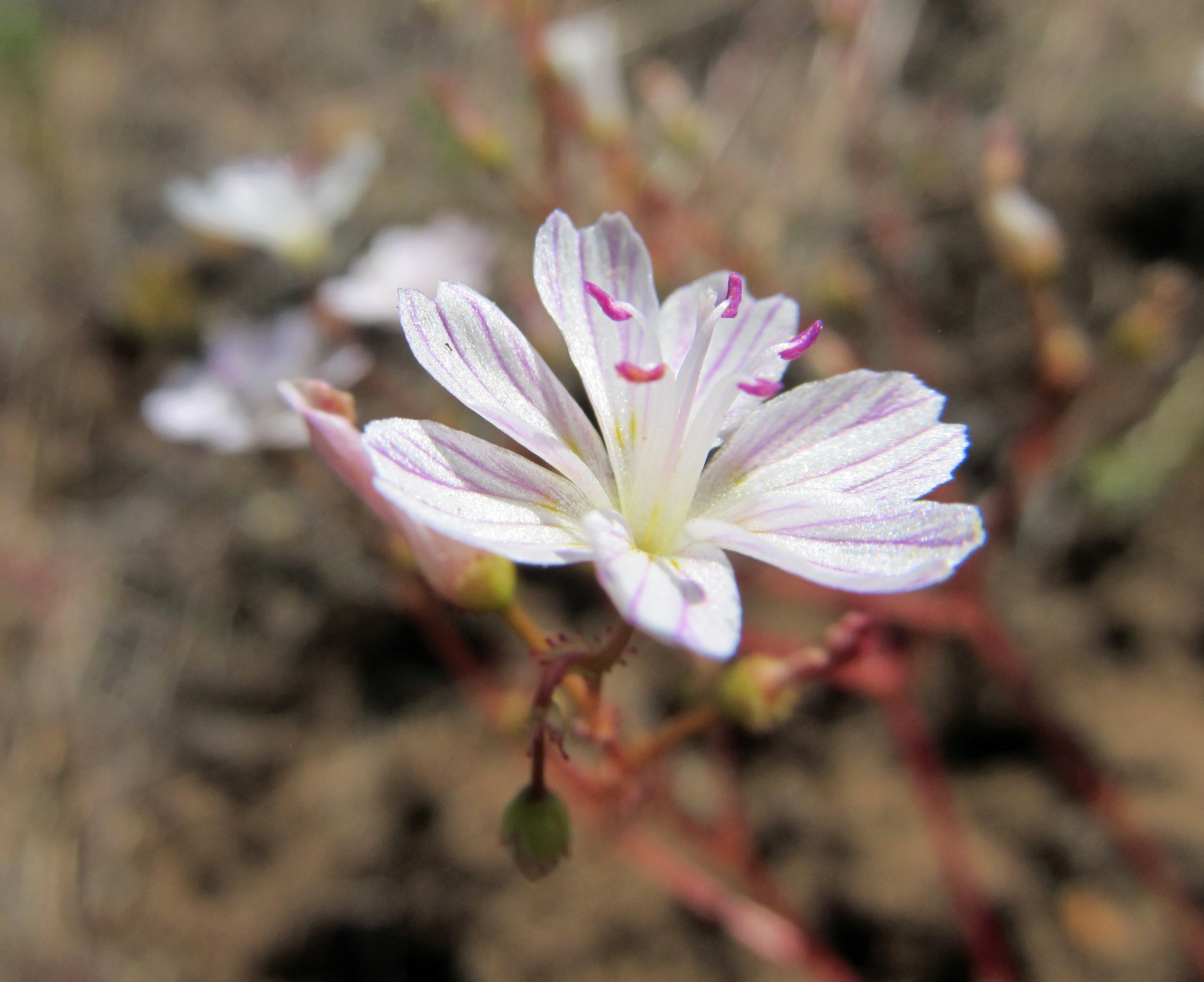
Lewissia columbiana v. wallowaensis

Lewisia columbiana var. wallowensis (Wallowa lewisia)

Lewissia columbiana v. wallowaensis

Lewisia columbiana var. wallowensis (Wallowa lewisia)

Erigeron

Erigeron davisii (Davis’ fleabane)

On cow creek saddle looking towards Salmon River canyon

On Cow Creek Saddle looking towards Salmon River canyon

On cow creek saddle looking towards Snake River canyon

On Cow Creek Saddle looking towards Snake River canyon

The field trips were incredible, and the annual meeting in general was a lot of fun. If you have a native plant society in your neck of the woods and you are not already a member, I highly recommend checking it out. Now, where to next?

Field Trip: Coolwater Ridge Lookout

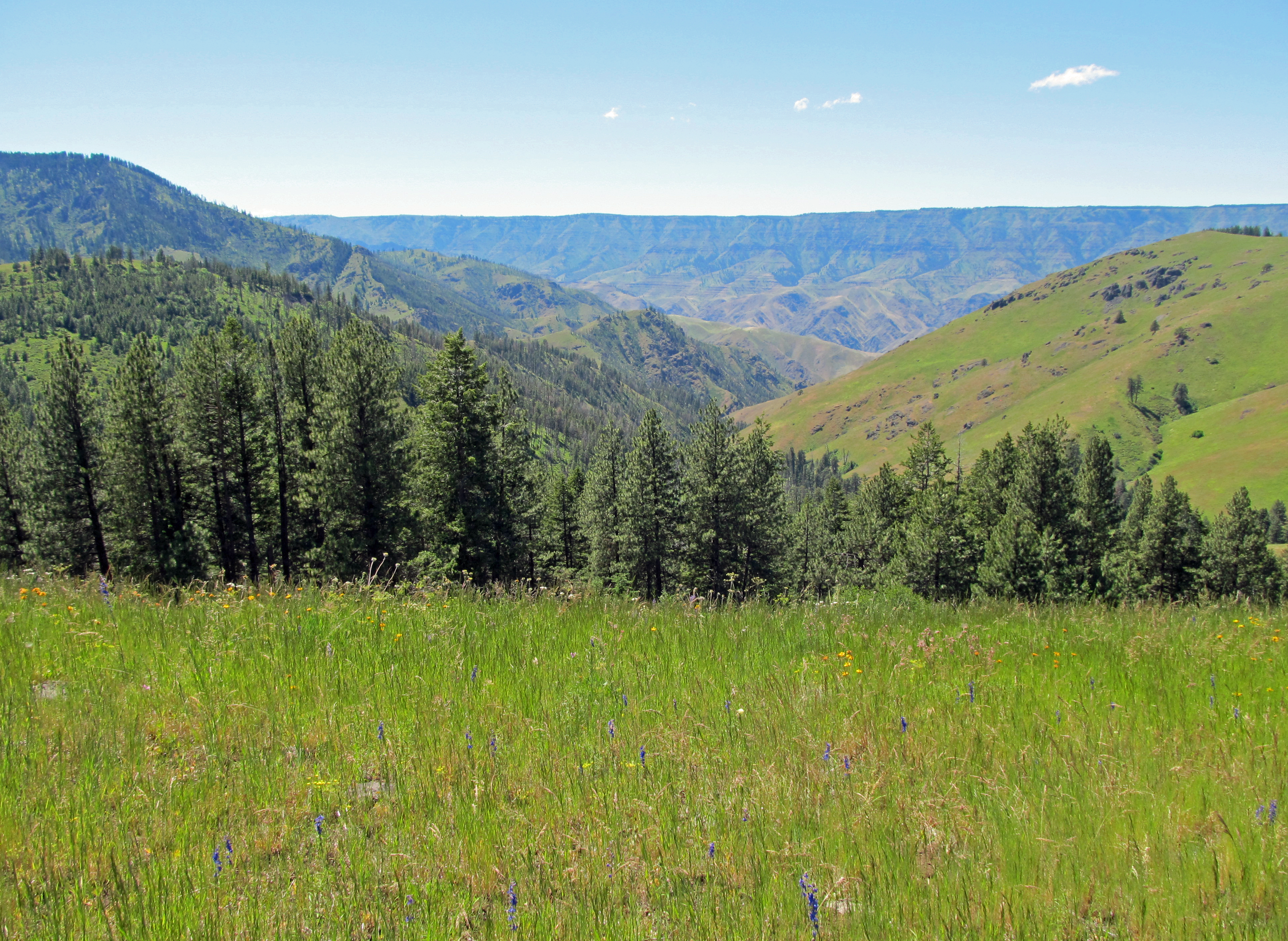
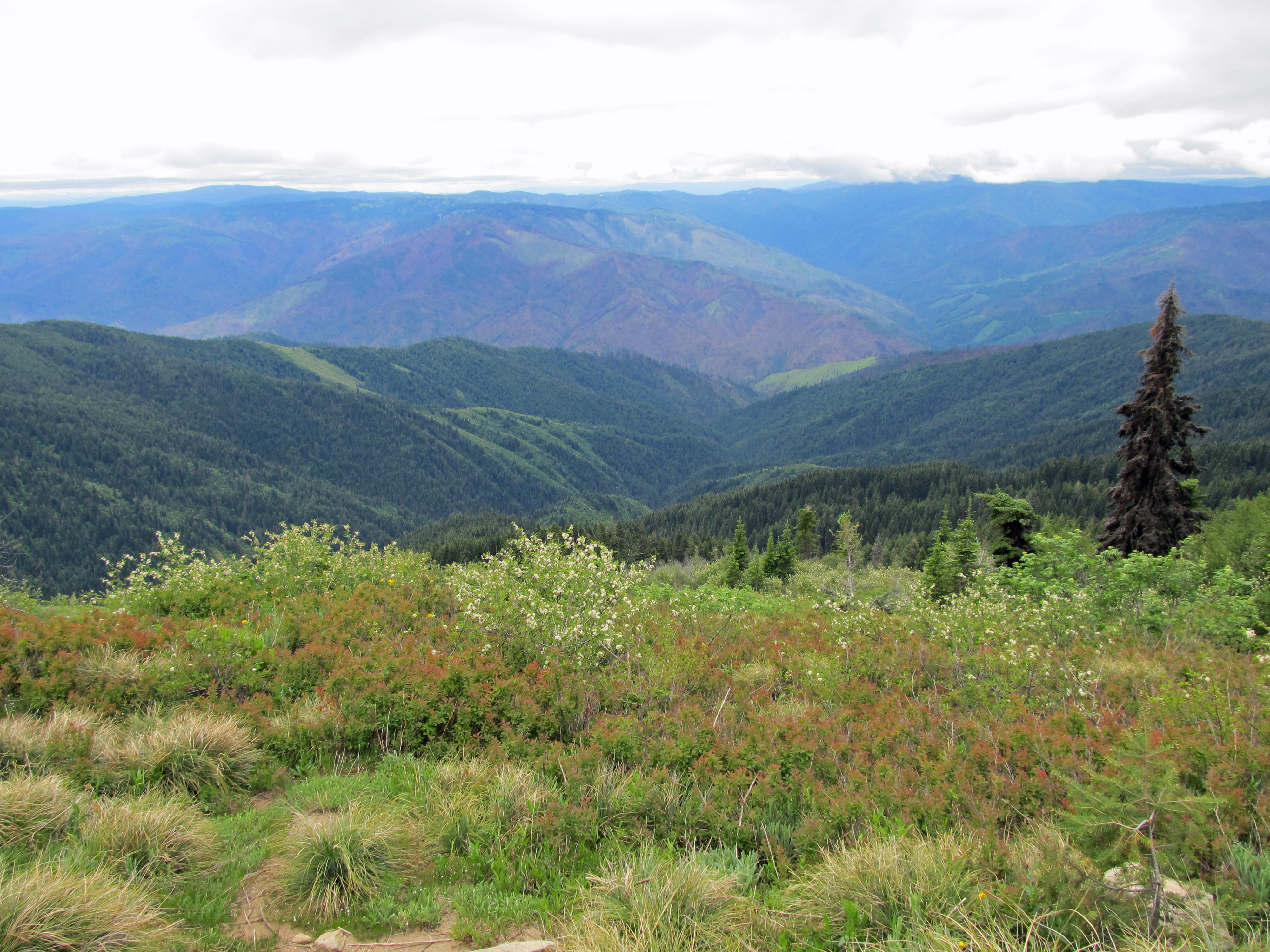
I spent this past weekend camping with friends near Grangeville, Idaho. I was attending the annual meeting of the Idaho Native Plant Society. Meetings in the boring sense of the word occurred, but they were brief. The bulk of the weekend consisted of long hikes on guided field trips. This post is a pictorial tour of a small fraction of the plants I saw on the Coolwater Ridge Lookout trail which is located in the Bitterroot Mountains  – my first of two all-day field trips. From where we were hiking we could look down at the canyon where the Selway River was fixing to meet the Lochsa River to form the middle fork of the Clearwater River. This is a part of Idaho that is basically too beautiful for words. At some point I will have more to say about this particular location, but for now here are a handful of semi-decent photos I took while on the hike.

A view from Coolwater Ridge Lookout trail. Looking down at the Selway River Canyon.

A view from Coolwater Ridge. Looking down at the Selway River canyon.

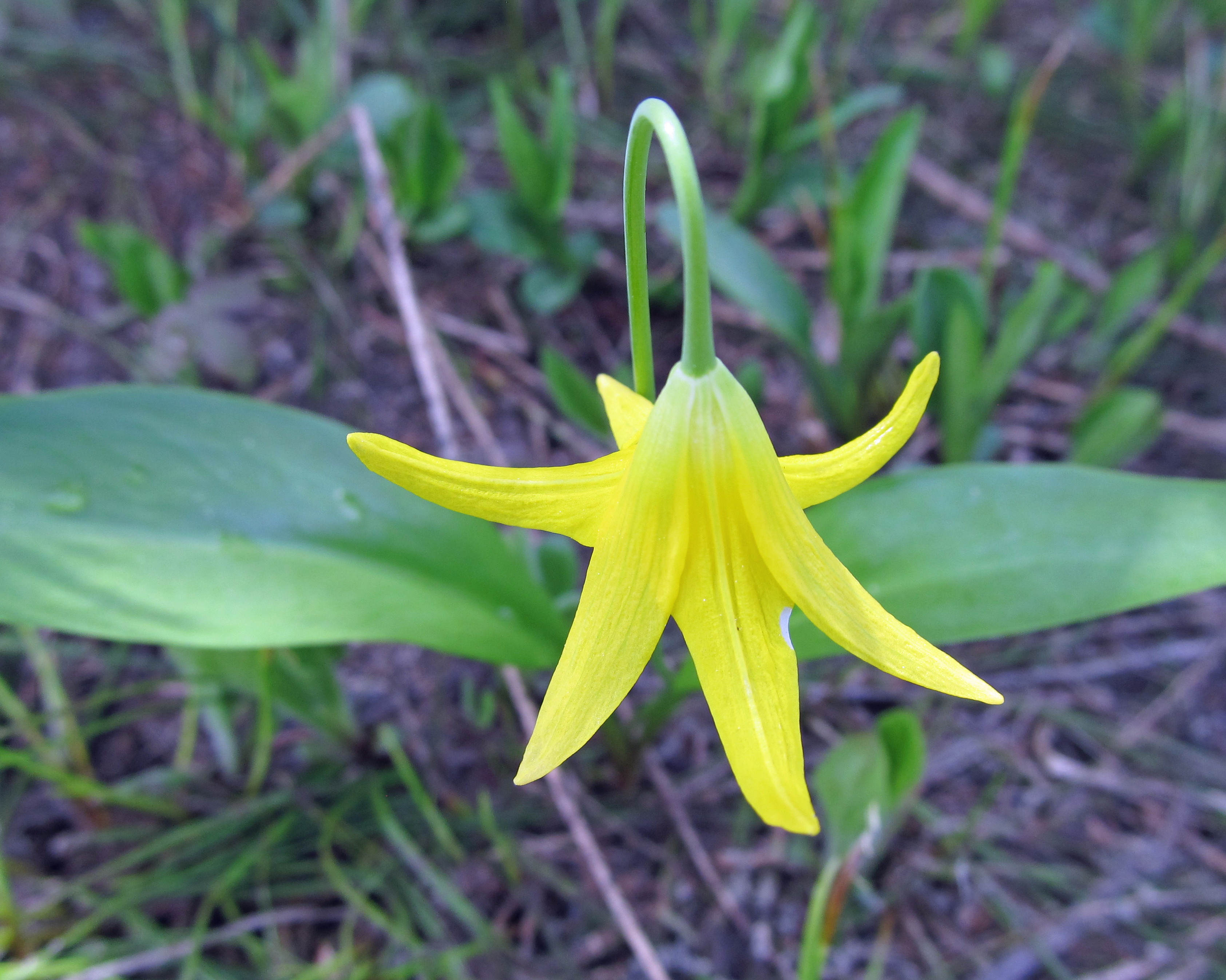
Erythronium grandiflorum - yellow glacier lily

Erythronium grandiflorum – yellow glacier lily

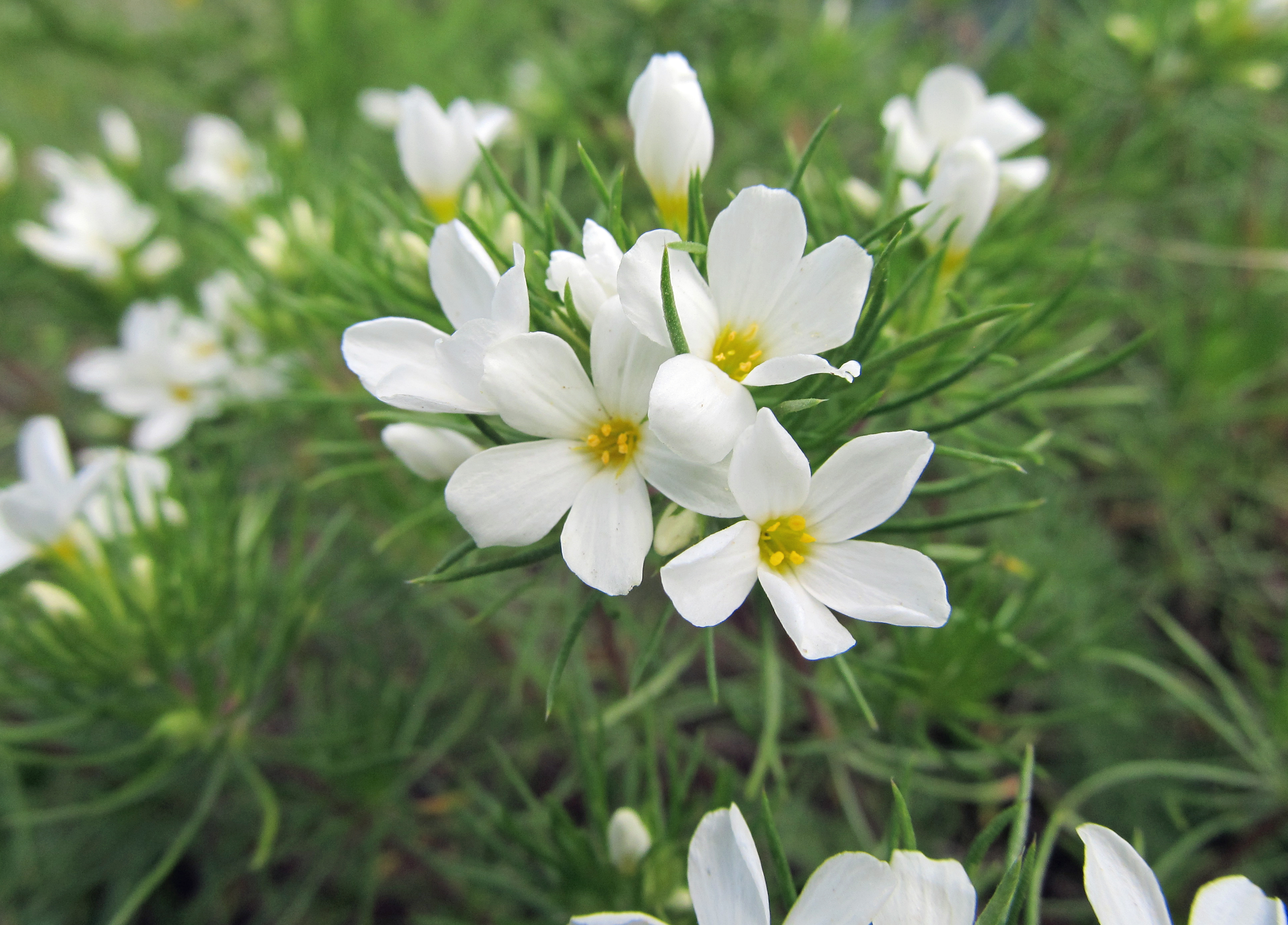
Leptosiphon nuttallii - Nuttall's linanthus

Leptosiphon nuttallii – Nuttall’s linanthus

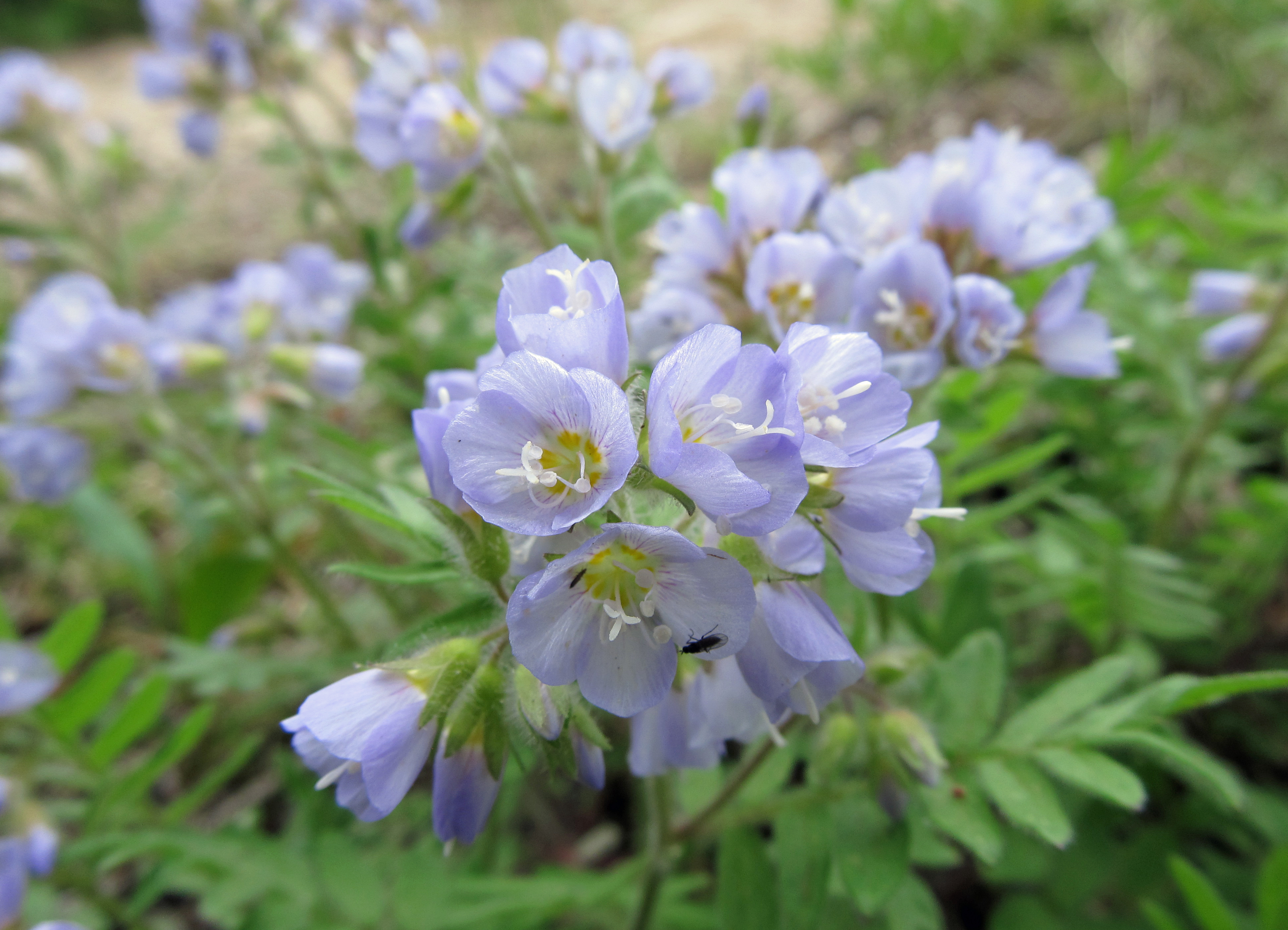
Polemonium pulcherrimum - Jacob's-ladder

Polemonium pulcherrimum – Jacob’s-ladder

A view from the ridge. Looking down at the Selway River Canyon.

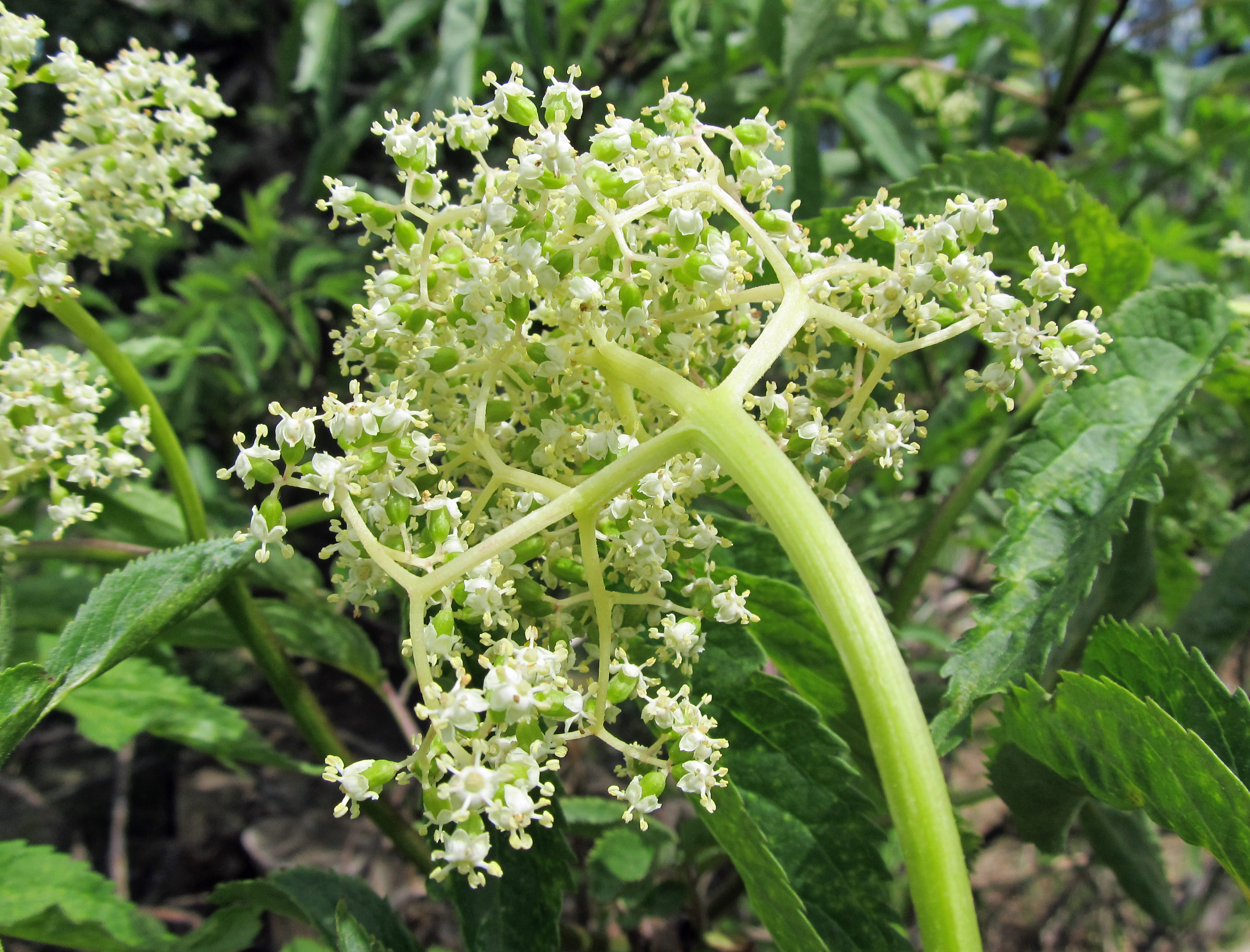
Sambucus racemosa – red elderberry

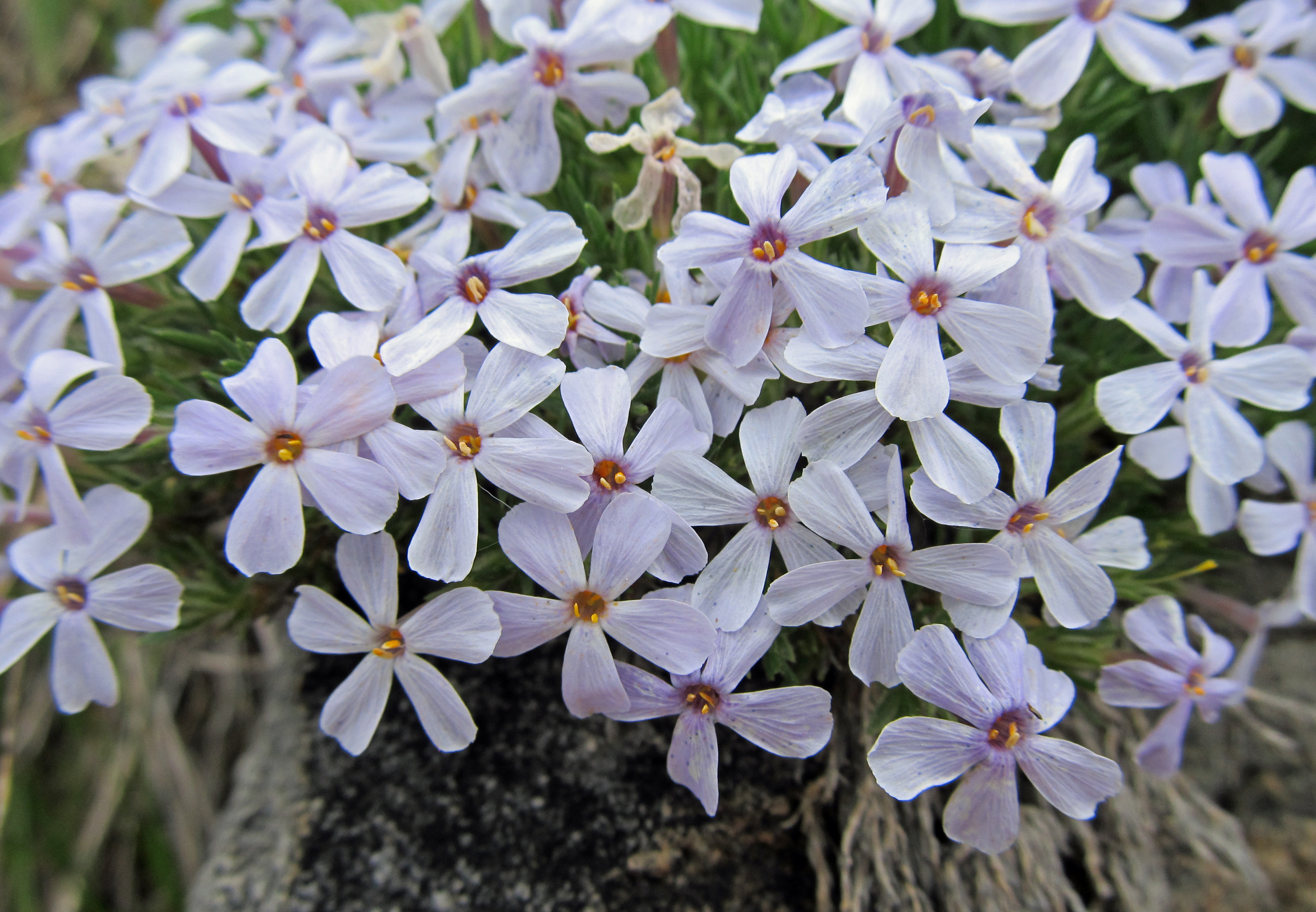
Phlox diffua - spreading phlox

Phlox diffusa – spreading phlox

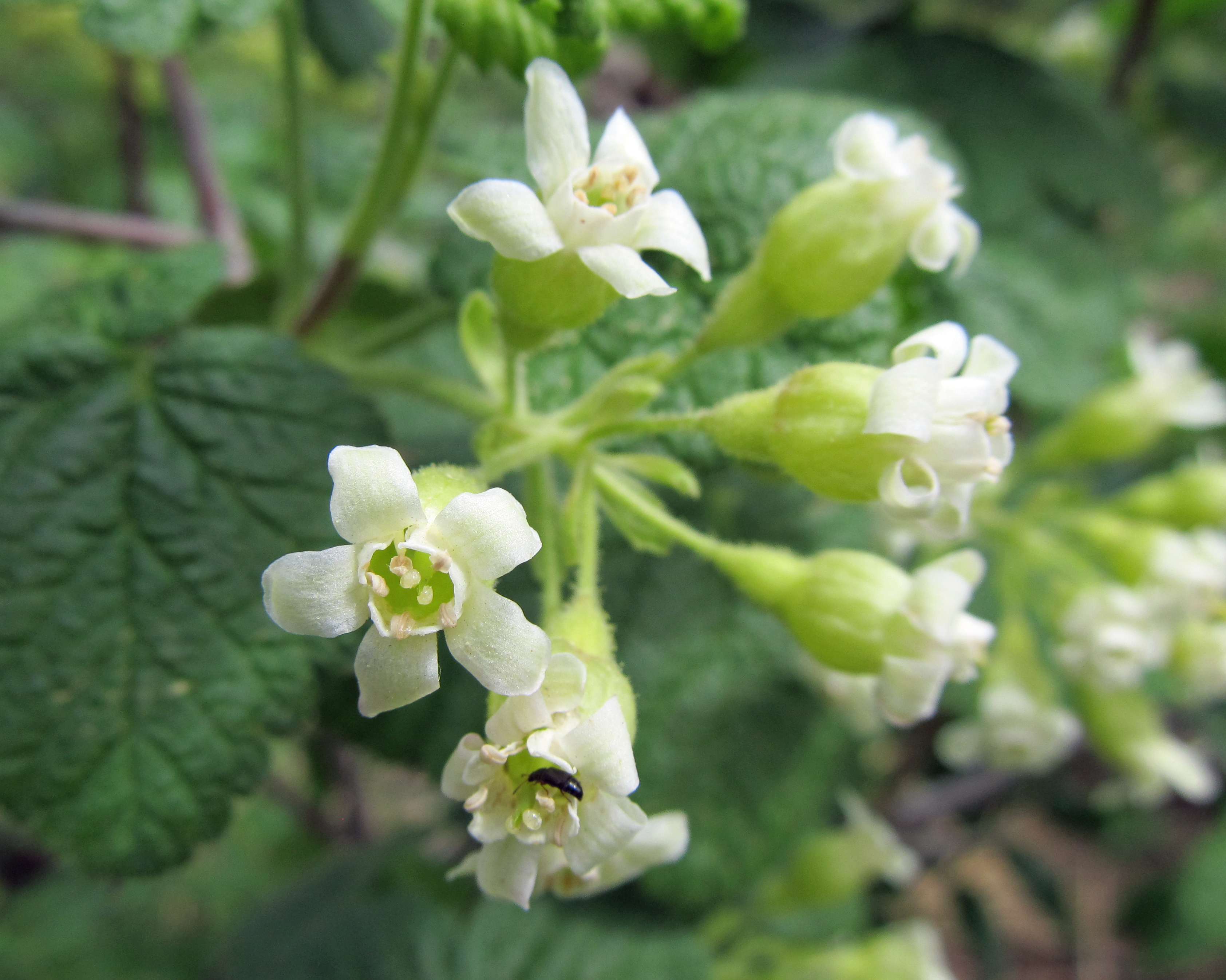
Ribes viscosissimum - sticky currant

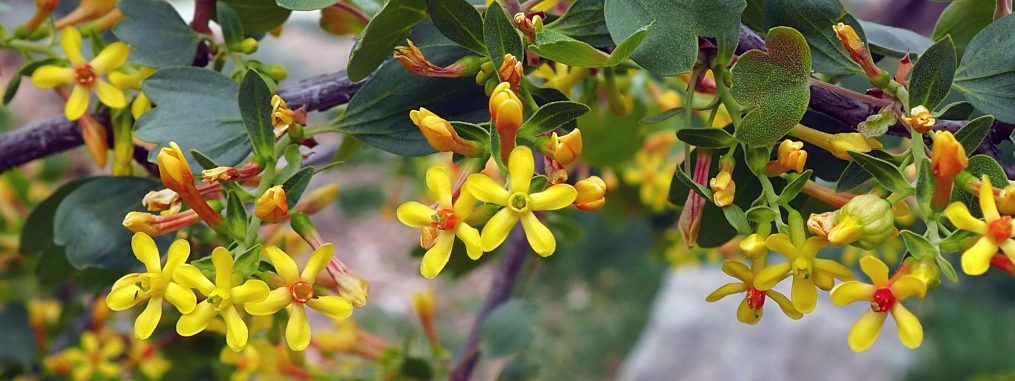
Ribes viscosissimum – sticky currant

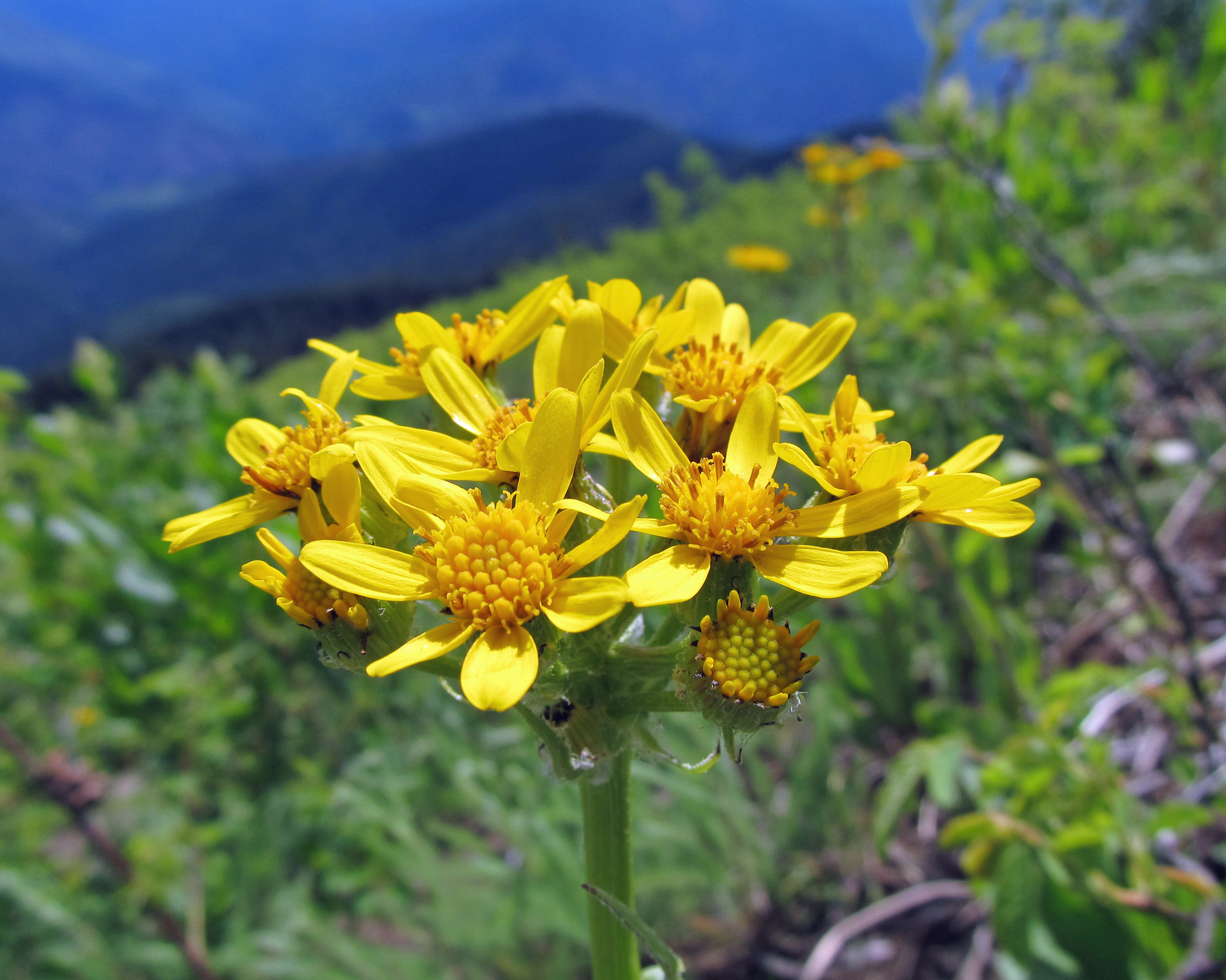
Senecio integerrimus var. exaltatutus - Columbia groundsel

Senecio integerrimus var. exaltatutus – Columbia groundsel

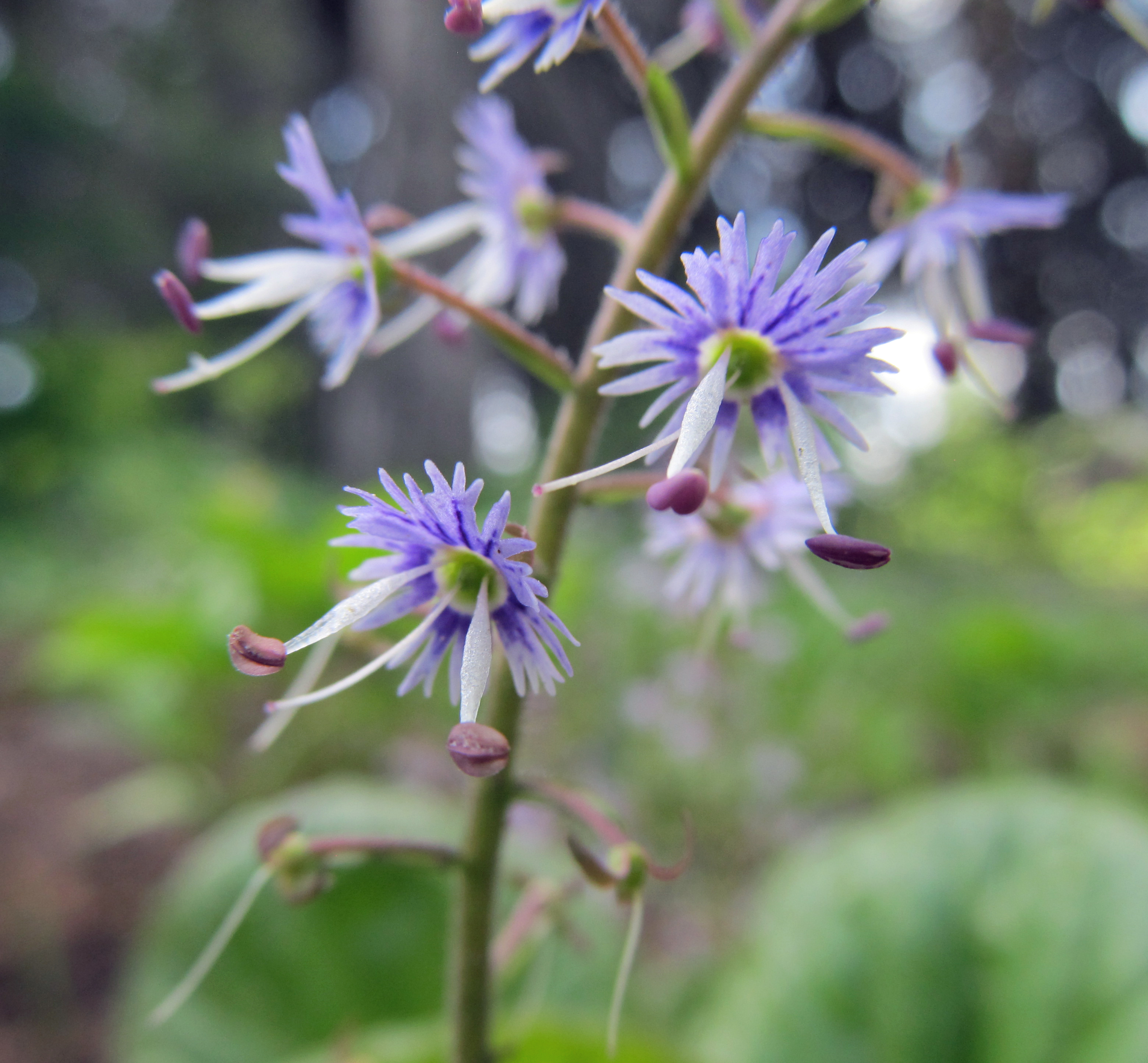
Synthyris platycarpa - kittentails

Synthyris platycarpa – Idaho kittentails

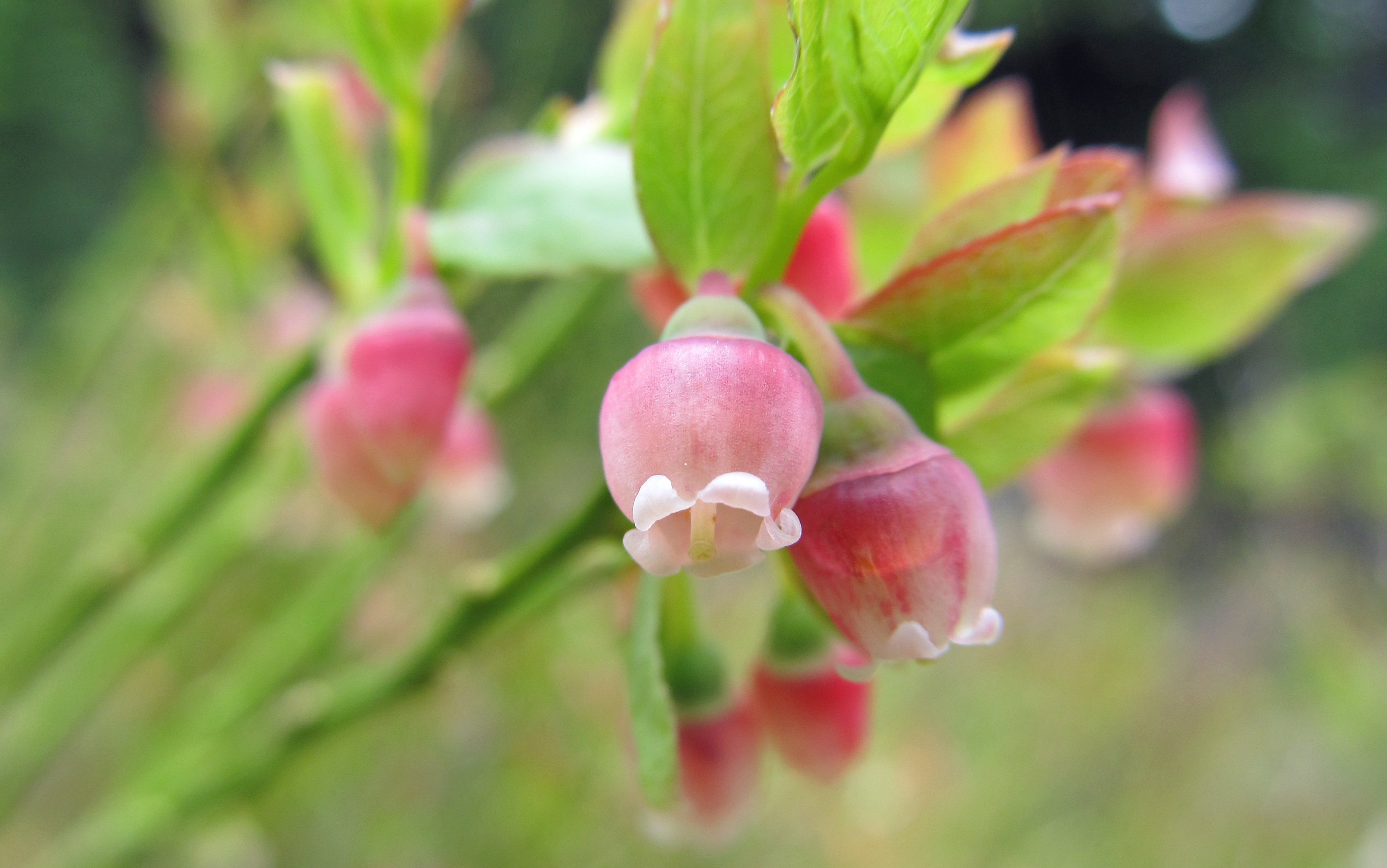
Vaccinium scoparium - whortleberry

Vaccinium scoparium – grouse whortleberry

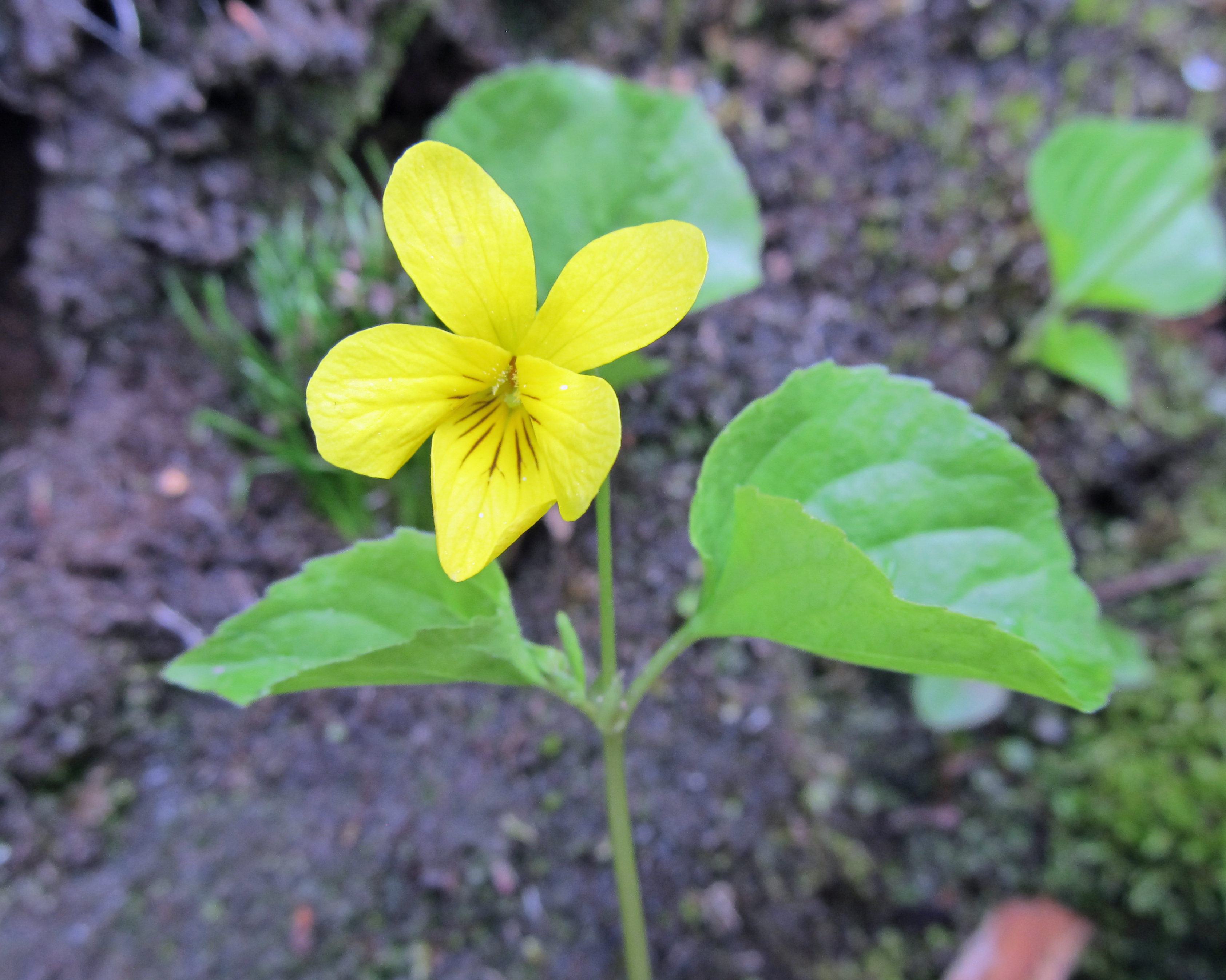
Viola glabella - pioneer violet

Viola glabella – pioneer violet

Cheilanthes feei - Fee's lipfern

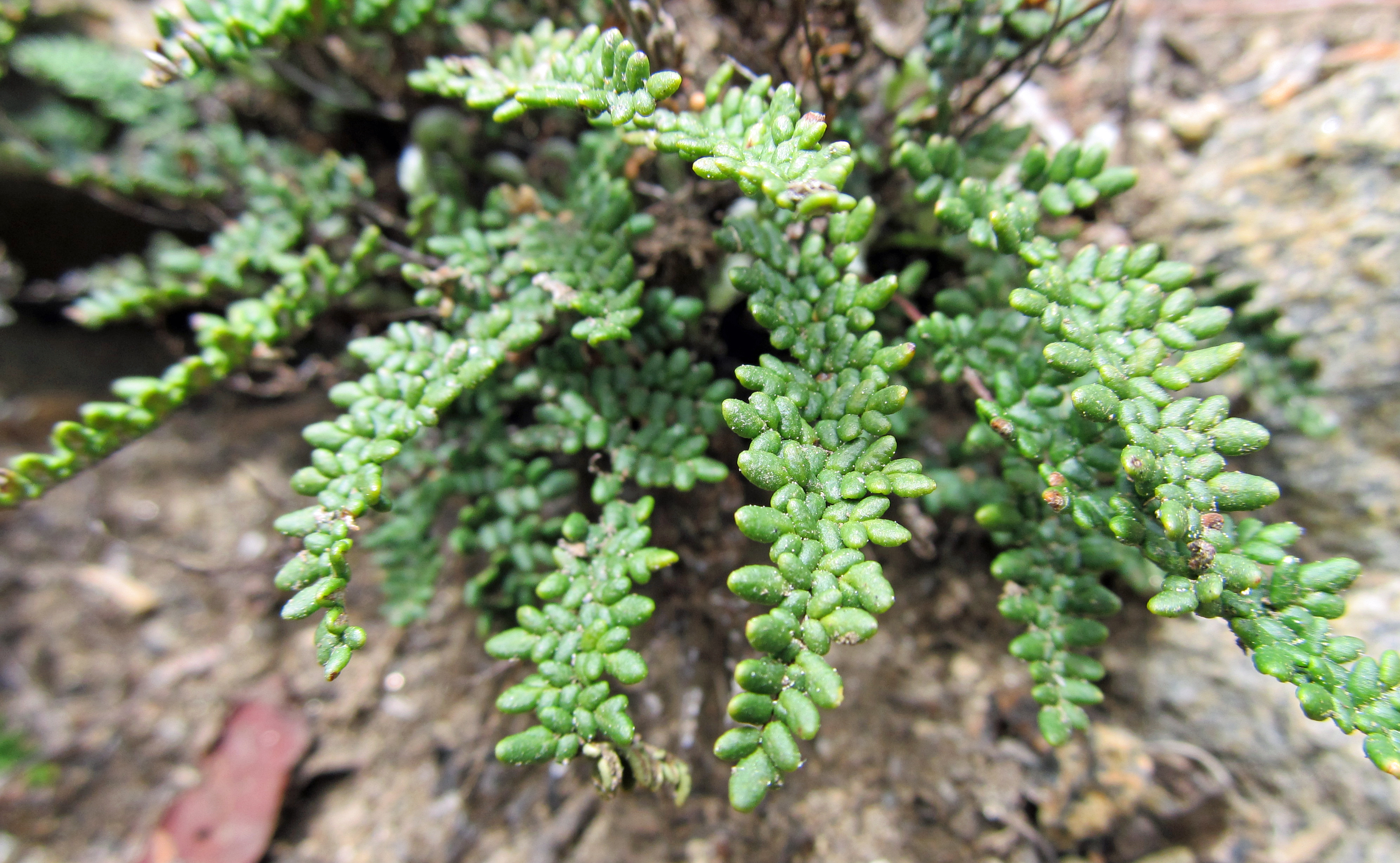
Cheilanthes feei – Fee’s lipfern

Stay tuned for photos from the second of two field trips. In the meantime, go outside and see some nature.

Diospyrobezoars, or Persimmons Are Trying to Kill You

Plants that are otherwise perfectly edible can still find a way to kill you. That seems to be the lesson behind phytobezoars. A bezoar is a mass of organic or inorganic material found trapped in the gastrointestinal tract of animals. Bezoars are categorized according to the material they are composed of, so one composed of indigestible plant material is known as a phytobezoar. After learning about bezoars of all kinds on a recent episode of Sawbones, I decided a post about them was in order.

I was particularly intrigued by a very specific type of bezoar known as a diospyrobezoar, a subtype of phytobezoars that can result from eating large quantities of persimmons. The skins of persimmons (Diospyros spp.) are high in tannins. When the tannins mix with stomach acids, a glue-like substance forms and can lead to the creation of a diospyrobezoar.

Fruits of Japanese persimmon (Diospyros kaki) - photo credit: wikimedia commons

Fruits of Japanese persimmon (Diospyros kaki) – photo credit: wikimedia commons

Phytobezoars are the most common type of bezoar and are generally composed of indigestible fibers, such as cellulose, hemicellulose, lignin, and tannins that are found in the skins of fruits and other plant parts. In general, phytobezoars are a rare phenomenon. The risk of obtaining them is higher in people who engage in certain activities (like consuming excessive amounts of high fiber foods or not chewing food properly) or who have certain medical conditions/have undergone certain medical treatments.

A study published in 2012 in Case Reports in Gastroenterology describes a specific incident involving the diagnosis and treatment of a diospyrobezoar. [It also includes a great overview of bezoars and phytobezoars if you feel like navigating through the sea of medical jargon]. The patient was a diabetic man in his 60’s that reported 5 days of abdominal pain after “massive ingestion of persimmons,” although it is not made clear what is meant by “massive” or “excessive” persimmon ingestion. Fourteen years prior, the patient had “undergone hemigastrectomy and associated truncal vagotomy to treat a chronic duodenal ulcer.” After a series of tests and observations, doctors determined that a large bezoar was lodged in the man’s intestines. Surgery was required to remove it. The recovered diospyrobezoar measured 12 cm x 5 cm and weighed 40 grams. Photos are included in the report if you must see them.

The authors of this study cite previous gastric surgery as being commonly associated with diospyrobezoar formation. They also cite previous abdominal surgery and absence of teeth as “predisposing factors.” They list major symptoms of bezoars, which include abdominal pain, bloating, vomiting and nausea, and small bowel obstruction. Phytobezoars most commonly form in the stomach where they can “generate gastric ulcers.” As you might imagine, the situation worsens if the phytobezoar enters the small intestine. Read the study for a more colorful description regarding that.

Surgery was necessary in this case, but not in all cases. The authors describe various medical and endoscopic treatments as alternatives to surgery. One approach is to try dissolving the bezoar using certain enzymes or Coca-Cola. The authors state that “there are several publications describing the successful use of Coca-Cola in treating bezoars.” [Here is a link to one such study.] The phosphoric acid and the carbon dioxide bubbles are suspected to be the active agents in breaking down the intruding masses. The authors warn, though, that “partial dissolution of bezoars located in the stomach can cause them to migrate to the small bowel, resulting in intestinal obstruction.”

Diospyrobezoars aside, persimmons are beautiful trees with lovely fruit. They are not out to get you any more than any other living organism out there, but their fruit should be consumed with caution. As with anything, the dose makes the poison. In the Sawbones episode, Sydnee McElroy specifically advises listeners to avoid unripe persimmons. That being said, the moral of the story is: if you like persimmons, eat them sparingly and make sure they’re ripe.

Want to learn more about persimmons and bezoars? Visit persimmonpudding.com for an excellent summary and lots of additional resources.

Common Persimmon (Diospyros virginiana), native to North America - photo credit: eol.org

Common Persimmon (Diospyros virginiana)  is native to North America. According to the U.S. Forest Service it is “distributed from southern Connecticut and Long Island, New York to southern Florida. Inland it occurs in central Pennsylvania, southern Ohio, southern Indiana, and central Illinois to southeastern Iowa; and southeastern Kansas and Oklahoma to the Valley of the Colorado River in Texas.”   – photo credit: eol.org


Tiny Plants: Duckweeds

Obviously, a series about tiny plants must begin with duckweeds – a group of aquatic plants that holds records in a number of categories including smallest flowering plants, smallest vascular plants, and smallest fruits. They are so small, in fact, that they don’t even have true stems or leaves, but rather are composed of undifferentiated vegetative tissue known as a thallus. Some species have one or a few tiny rootlets; others form no roots at all. However, what they lack in their hyper-diminutive size, they make up for in their ability to form massive colonies, creating dense mats that can take up serious square footage in a pond or lake. Depending on the species present, a single square yard of a duckweed colony can contain hundreds of thousands of individual plants.

Five genera make up the duckweed subfamily (Lemnoideae): Spirodela, Lemna, Landoltia, Wolffia, and Wolffiella. This group used to be considered the family Lemnaceae, but has since been placed in Araceae – the arum family. While they are considered flowering plants, not all species of duckweeds produce flowers, and those that do, do so only rarely. They mainly reproduce asexually through a process called budding, in which growth occurs at the base of the thallus (or frond) and eventually splits off from the parent plant. This process happens fairly quickly, which is why duckweeds are able to create substantial colonies.


Duckweed mats form atop the still waters of lakes and ponds, but can also form in very slow moving rivers and streams. Their presence is an indicator of high levels of minerals and nutrients, which is why they are commonly seen in agricultural and industrial wastewater ponds. Nutrients are absorbed through the underside of the thallus, so the rootlets of duckweeds likely function more for stabilization than for nutrient uptake. As duckweed mats expand and grow dense, they shade the environments below them. John Eastman writes about this phenomenon in The Book of Swamp and Bog: “Thick blankets of duckweed can shade pond bottoms, preventing adequate photosynthesis and making life difficult or impossible for submersed plants and animals…however, this is often a problem of only intermittent duration.” One potential benefit of such dense mats is that they can kill off mosquito larvae. Eastman points out that for this to be the case, the duckweed may need to be accompanied by other surface dwelling plants in order to create dense enough shade.

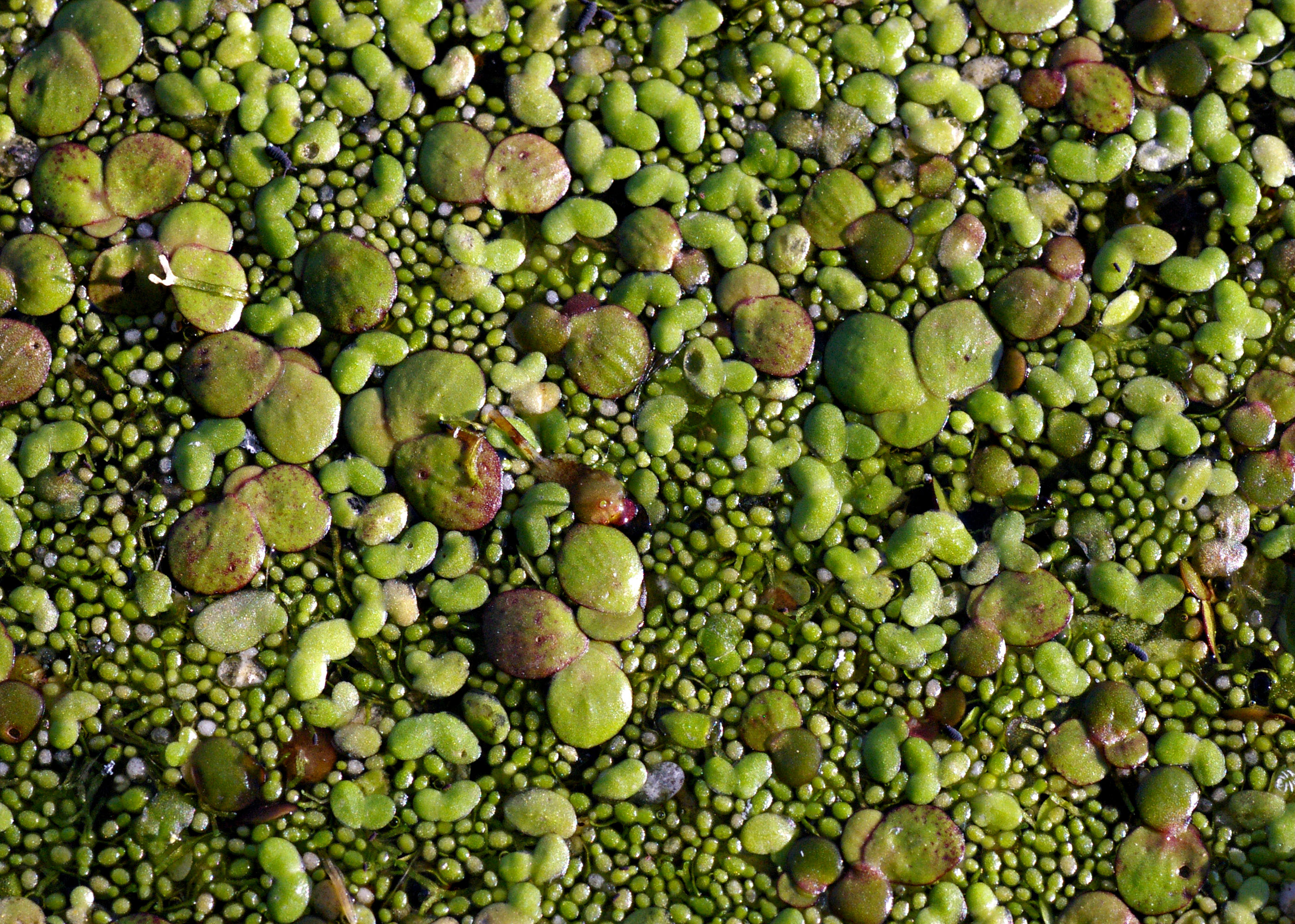
duckweed 1

Duckweeds overwinter by forming turions, small buds that act as storage organs. Eastman explains the process:

These tiny, kidney-shaped buds detach and immediately sink to the bottom, where they remain all winter. In the spring, each turion expels a gas bubble, which causes it to rise to the surface, where it rapidly develops into a new duckweed thallus. Turion formation requires a combination of bright sunlight and high water temperature.

Duckweeds colonize new areas either by moving downstream (if they have that option) or by finding themselves attached to the fur, feathers, or feet of animals that unwittingly transport them. The common name, duckweed, is likely derived from the fact that it is a major source of food for waterfowl. It is high in protein and rich in nutrients, especially when you factor in all the tiny critters growing on and among it. Muskrats and beavers occasionally eat duckweeds as well. Despite losses from herbivory by these creatures, being made mobile by their moving bodies is a major boon.

A collection of various duckweed species - photo credit: wikimedia commons

A collection of various duckweed species – photo credit: wikimedia commons

Duckweeds are also consumed by various species of fish, which is why they are commonly used as a food source in aquaculture. Frogs and other amphibians as well as various aquatic insects and microinvertebrates also consume duckweeds. The diversity of small animals and protists that use duckweeds and the environments they help create is incredible. Eastman writes:

Duckweed mats host a large variety of small fauna that feed, lay eggs, or shelter amid the plants. Many of them secure themselves to the thallus rootlets or undersides, where they snare and capture passing food organisms or particles. Protozoans, rotifers, insect larvae, and crustaceans are often abundant.

Humans have also been known to eat duckweeds. Duckweed farming is not a simple procedure, but a highly nutritious food source is the result when it can be done. A simpler alternative is to use the harvest as animal feed. Duckweeds are also used in bioremediation and are being considered as a source of biofuel.

Depending on the species, an individual duckweed can vary in width from 10 millimeters to less than 1 millimeter. They truly are tiny wonders of the plant world, and it is worth getting down to their level for a closer look (hand lens recommended).

Additional Resources