Alien Plant Invasions and the Extinction Trajectory

One of the concerns about introduced species becoming invasive is that they threaten to reduce the biodiversity of the ecosystems they have invaded. They do this by spreading rampantly, using up resources and space, altering ecosystem functions, and ultimately pushing other species out. In the case of certain invasive animals, species may be eliminated via predation; but plants don’t eat each other (generally), so if one plant species is to snuff out another plant species it must use other means. Presently, we have no evidence that a native plant species has been rendered extinct solely as a result of an invasive plant species. That does not mean, however, that invasive plants are not doing harm.

In a paper published in AoB Plants in August 2016, Paul O. Downey and David M. Richardson argue that, when it comes to plants, focusing our attention on extinctions masks the real impact that invasive species can have. In general, plants go extinct more slowly than animals, and it is difficult to determine that a plant species has truly gone extinct. Some plants are very long-lived, so the march towards extinction can extend across centuries. But the real challenge – after determining that there are no above-ground signs of life – is determining that no viable seeds remain in the soil (i.e. seed bank). Depending on the species, seeds can remain viable for dozens (even hundreds) of years, so when conditions are right, a species thought to be extinct can emerge once again. (Consider the story of the Kankakee mallow.)

On the other hand, there is plenty of evidence that invasive plant species have had significant impacts on certain native plant populations and have placed such species on, what Downey and Richardson call, an extinction trajectory. It is this trajectory that deserves our attention if our goal is to save native plant species from extinction. As described in the paper, the extinction trajectory has six steps – or thresholds – which are defined in the infographic below:
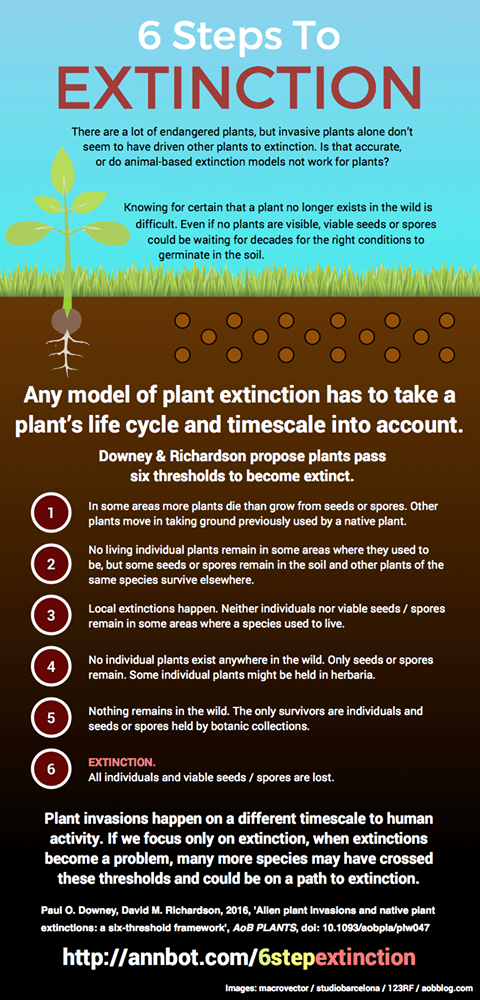
6-threshold-extinction-trajectory

Downey and Richardson spend a portion of the paper summarizing research that demonstrates how invasive plants have driven native plants into thresholds 1-3, thereby placing them on an extinction trajectory. In New Zealand, Lantana camara (introduced from the American tropics) creates dense thickets, outcompeting native plants. Researchers found that species richness of native plants declined once L. camara achieved 75% cover in the test sites. In the U.S., researchers found reduced seed set in three native perennial herbs as a result of sharing space with Lonicera mackii (introduced from Asia), suggesting that the alien species is likely to have a negative impact on the long-term survivability of these native plants. Citing such research, Downy and Richardson conclude that “it is the direction of change that is fundamentally important – the extinction trajectory and the thresholds that have been breached – not whether a native plant species has actually been documented as going extinct due to an alien plant species based on a snapshot view.”
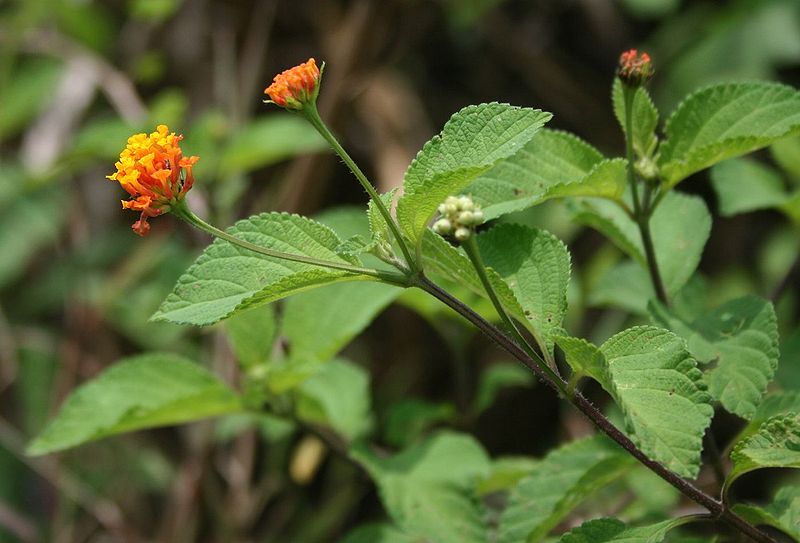
Introduced to New Zealand from the American tropics, largeleaf lantana (Lantana camara) forms dense thickets that can outcompete native plant species. (photo credit: wikimedia commons)

Introduced to New Zealand from the American tropics, largeleaf lantana (Lantana camara) forms dense thickets that can outcompete native plant species. (photo credit: wikimedia commons)

In support of their argument, they also address problems with the way some research is done (“in many instances appropriate data are not collected over sufficiently long periods,” etc.), and they highlight the dearth of data and research (“impacts associated with most invasive alien plants have not been studied or are poorly understood or documented”). With those things in mind, they make recommendations for improving research and they encourage long-term studies and collaboration in order to address the current “lack of meta analyses or global datasets.” A similar recommendation was made in American Journal of Botany in June 2015.

The language in this report makes it clear that the authors are responding to a certain group of people that have questioned whether or not the threat of invasive plants has been overstated and if the measures we are taking to control invasive plants are justified. The following cartoon that appeared along with a summary of the article way oversimplifies the debate:

04_figure2

Boy: There are no studies that show weeds cause native plants to go extinct, thus we should not control them. Plant: If we wait until then, we’ll all be gone!!! Girl: Just because no one has demonstrated it does not mean that extinctions do not occur. The problem is not overstated!

It seems to me that a big part of why we have not linked an invasive plant species to a native plant species extinction (apart from the difficulty of determining with certainty that a plant has gone extinct) is that extinctions are often the result of a number of factors. The authors do eventually say that: “it is rare that one threatening process in isolation leads to the extinction of a species.” So, as much as it is important to fully understand the impacts that invasive plant species are having, it is also important to look at the larger picture. What else is going on that may be contributing to population declines?

Observing invaded plant populations over a long period seems like our best bet in determining the real effects that invasive species are having. In some cases, as Downey and Richardson admit, “decreased effects over time” have been documented, and so “the effects [of invasive species] are dynamic, not static.” And speaking of things that are dynamic, extinction is a dynamic process and one that we generally consider to be wholly negative. But why? What if that isn’t always the case? Extinctions have been a part of life on earth as long as life has been around. Is there anything “good” that can come out of them?
Introducing Invasive Species

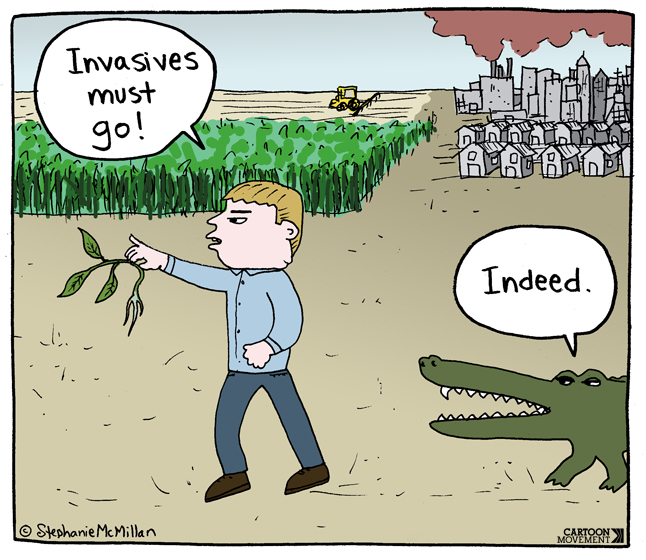
The terms “invasive” or “invasive species” get thrown around a lot. They are frequently used to describe anything that is “misbehaving,” or acting in a way that doesn’t fit our idealized vision for how a landscape should look and function. Oftentimes a species that is introduced (by humans) or is not native to an area automatically gets labeled invasive, even if it isn’t acting aggressively or having any sort of dramatic impact on the ecosystem. It is an alien species in an alien environment; it has invaded, therefore it is invasive.

image credit: cartoon movement

image credit: cartoon movement

Determining what is actually invasive in what location and at what time is much more complex than that. We do our best to understand the natural features and functions of ecosystems, and we single out any species, whether introduced or not, that is acting to upset things. That species is considered invasive and, if the goal is to restore the natural balance, it must be controlled. To what degree a species should be controlled depends on the degree that it is upsetting things. Ultimately, it comes down to human judgement. Hopefully that judgement is based on the best available evidence, but that isn’t always the case.

But we are getting ahead of ourselves. What I mostly want to accomplish with this post is to introduce the concept of invasive species and point you to a selection of resources to learn more about them. I defined invasive species in a post I wrote back in August 2015, so I will repeat myself here:

“Invasive species” is often used inappropriately to refer to any species that is found outside of its historic native range (i.e. the area in which it evolved to its present form). More appropriate terms for such species are “introduced,” “alien,” “exotic,” “non-native,” and “non-indigenous.” The legal definition of an invasive species (according to the US government) is “an alien species that does or is likely to cause economic or environmental harm or harm to human health.” Even though this definition specifically refers to “alien species,” it is possible for native species to behave invasively.

These terms refer not just to plants but to all living organisms. The term “noxious weed,” on the other hand, is specific to plants. A noxious weed is a plant species that has been designated by a Federal, State, or county government as “injurious to public health, agriculture, recreation, wildlife, or property.” A “weed” is simply a plant that, from a human perspective, is growing in the wrong place, and any plant at any point could be determined to be a weed if a human says so.

Invasive species are easily one of the most popular ecological and environmental topics, and resources about them abound – some more credible than others. Here is a list of places to start:

That should get you started. There are, of course, numerous books on the subject, as well as a number of peer-reviewed journals dedicated to biological invasions. You should also be aware that IUCN maintains a list of the Top 100 World’s Worst Invasive Species and that there is a National Invasive Species Awareness Week, which is quickly approaching. This episode of Native Plant Podcast with Jamie Reaser (executive director of National Invasive Species Council) offers an informative discussion about invasive species, and a search for “invasive species” on You Tube brings up dozens of results including this brief, animated video:


I want to believe that we are doing the right thing when we make concerted efforts to remove invasive species and restore natural areas, but I’m skeptical. The reason why I have chosen to spend an indefinite amount of time exploring the topic of invasive species is because I truly want us to get it right. Yet I don’t even know that there is a “right.” It seems to me that there are endless trajectories – each one of them addressing different objectives and producing different outcomes. In a way we are playing God, regardless of which approach we take. We are making decisions for nature as if we know what’s best for it or that there even is a “best.”

Humans have had major impacts on virtually every square inch of the planet and have been placing our fingerprints on every ecosystem we touch since long before we became the humans we are today, and so it is difficult for me to envision a planet sans humans. It is also difficult for me to buy into the idea that our planet should look as though humans haven’t touched it (i.e. pristine). Because we have been touching it – for hundreds of thousands of years. Efforts to rewind time to before introductions occurred or to hold an ecosystem in stasis, securing life for only those species that “belong” there, seem noble yet fanciful at best and misguided, arrogant, and fruitless at worst.

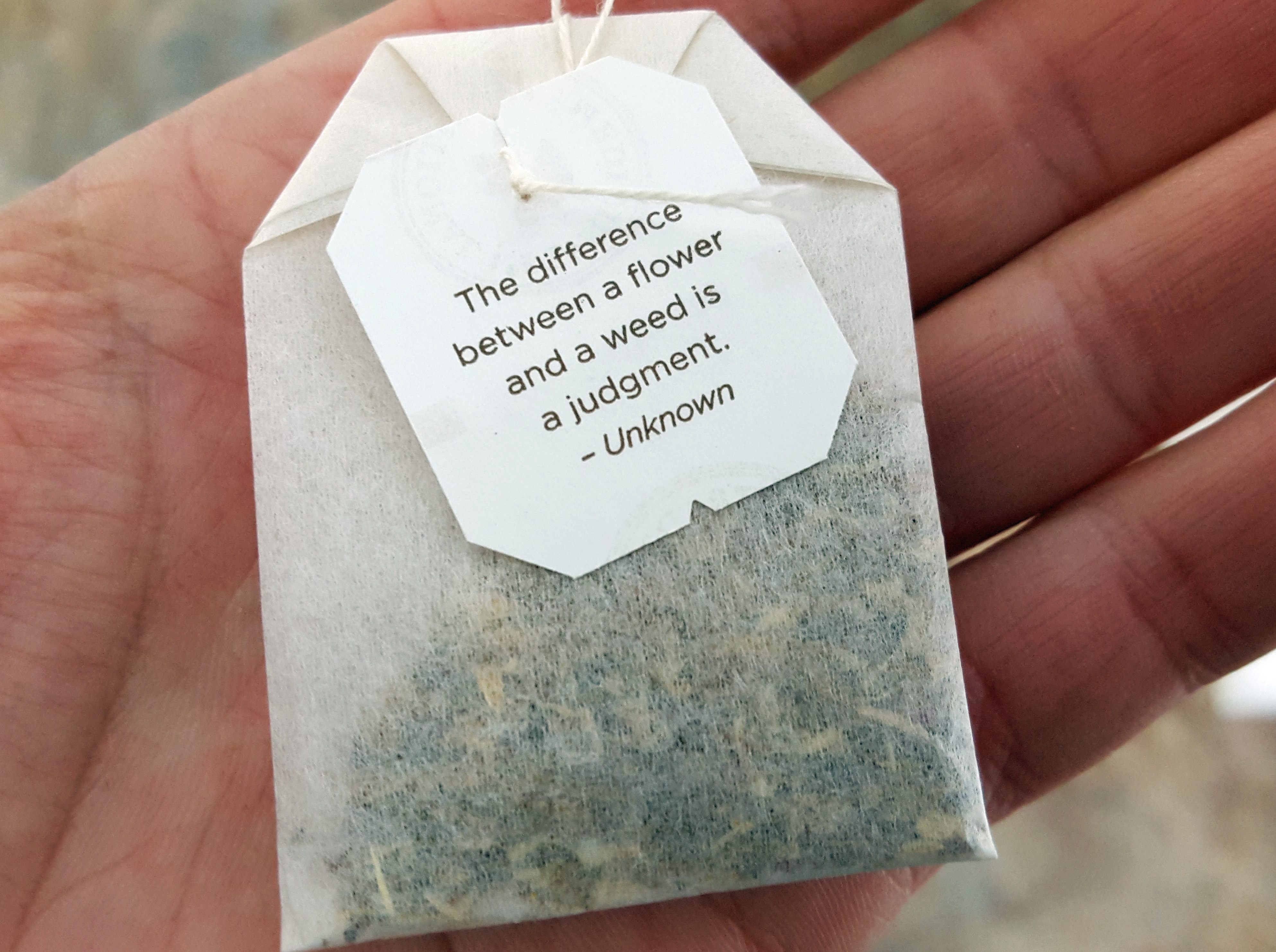
To be the best conservationists we can be, we probably need to find a middle ground regarding invasive species – not a deter and eliminate at all costs approach, but also not a complete surrender/all are welcome and all can stay stance. Somewhere in between seems reasonable, acknowledging that the strategy taken will be different every time based on the location, the species in question, and our objectives. Of course, none of my beliefs or opinions on this topic (or any topic for that matter) are fully formed. I am trying to do my best to maintain an open mind, seeking out the best information available and following the evidence where it takes me. A topic as complex as invasion biology, however, is never going to be easy to finalize one’s opinions on, and so this journey will be boundless. I hope you will join me.

tea-bag

Last but not least, here are two articles that discuss updating our approach to dealing with invasive species:


2016: Year in Review

2016 was another busy year at Awkward Botany headquarters. A major highlight was the response I received from the Help Wanted announcement that I posted early last year. Several people expressed interest in writing guest posts, while several others volunteered to help out in other ways (contributing images, illustrations, logos, etc.). The offer still stands, so please be in touch if you would like to contribute in any way.

Speaking of being in touch, the comments I’ve received and the connections I’ve made through social media and beyond really add to the experience of doing this blog. Not only does it make this more of a conversation, but it is greatly motivating to know that people find this to be a valuable and entertaining resource. Thank you to all who have reached out. And thanks to silent observers as well. Let’s stay in touch.

As I have done in the past, I am including a list of some of the posts from this past year, mainly those that are part of ongoing series. Many posts don’t fall within these categories, so all others can be found in the ‘Archives’ widget on the right side of the screen.

Book Reviews:

Poisonous Plants:

Famous Botanists in History:

Drought Tolerant Plants:

Field Trips:

Ethnobotany:

Botany in Popular Culture:

Tiny Plants:

Rare and Endangered Plants

Podcast Review:

Guest Posts:

What Is a Plant, and Why Should I Care? part one, part two, part three, part four
Along with the great guest posts, I also received Awkward Botany logos from three incredible artists/graphic designers. I loved them all, and I am very thankful for the time and talent that was spent creating them. The logos are featured below. In order of appearance they were created by Franz Anthony, Mesquite Cervino, and Mara McCall. If you have an idea for an Awkward Botany logo, please let me know. I would love to see it.

ab_logo_brown2

ablogo_cropped-with-black-border-2

awkward-botany-logo_ny

And now a heads up…

In the coming months I plan to focus most of my posts on “weeds” and invasive species. These are topics that I have found increasingly intriguing, so I am hoping that writing a long series of posts about them will help satisfy my curiosity. This may or may not be your thing, but I hope you will stick around regardless. I plan to continue to include some guest posts, which will hopefully help break up the monotony. Also, I know I said this last year and it didn’t actually happen, but I will most likely be taking some breaks from my weekly publishing schedule in order to work on some other projects. Those projects and more will be revealed at some point in time, along with other ideas I have rolling around in my head. If the thought of me taking breaks from posting here bothers you, I invite you to join me on twitter and tumblr, where I will continue to post random things regularly.

Until then, I wish you all a splendid 2017. It should be an interesting one, so buckle up.

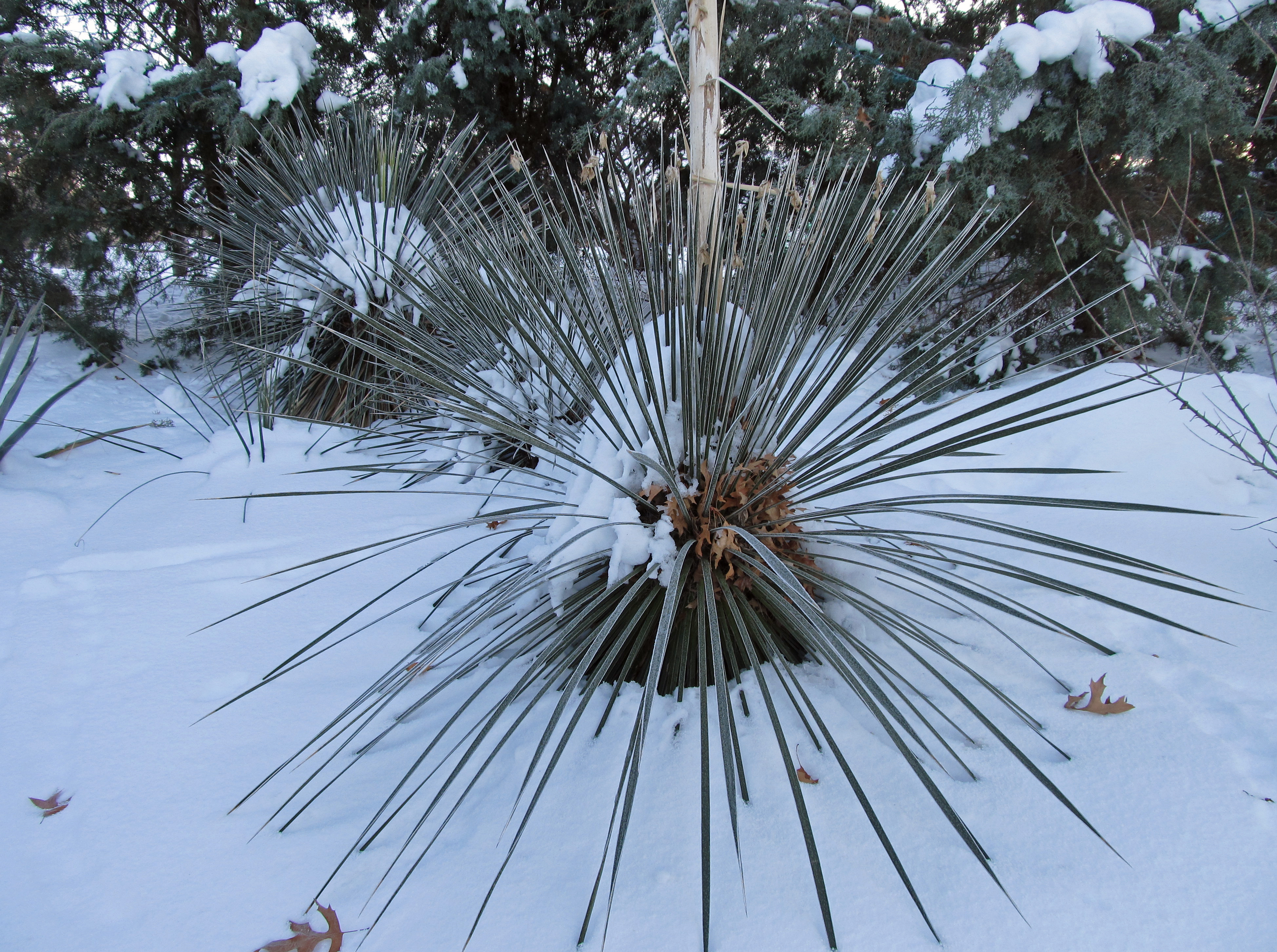
Yucca in the snow at Idaho Botanical Garden in Boise, Idaho

Yucca in the snow at Idaho Botanical Garden in Boise, Idaho

Children’s Books About Evolution

Evolution is a difficult subject to learn, let alone teach. Because evolution is generally such a slow process, it involves a timeline that is challenging for us to comprehend. Evolution is also commonly misunderstood, so misconceptions abound, be they purposeful misrepresentations, gaps in understanding, or otherwise. Wrapping one’s brain around even the basic tenets of evolution can take years of study, yet it is one of the most fundamental concepts of biology; failing to understand it stifles one’s knowledge of and appreciation for the study of life on Earth. On the flipside, gaining an understanding of the workings of evolution can inspire a greater appreciation for our place in the universe and can instill in oneself the urgency of conservation.

Despite being a tough subject to grasp, there is no reason why children should be exempt from learning about it. However, because it is such a complex topic, adults can struggle to find ways to explain it. Luckily, there are some great children’s books about evolution that introduce the subject in basic ways. These books are good starting points and can help cultivate a desire to explore the topic further. Understanding evolution and the science surrounding our world and the broader universe is a lifelong pursuit. Children will benefit from a head start.

What follows are reviews of a handful of books that may be useful in teaching kids about the theory of evolution.

I Used to Be a Fish by Tom Sullivan

i-used-to-be-a-fish

This book is an excellent place to start. It is a quick and easy read, and it introduces – in a very simple way – the evolutionary lineage of humans. It doubles as a lesson on evolution and, as Sullivan puts it, “a tribute to every child’s power to transform their lives and to dream big,” which is achieved by highlighting the imagination of the main character and defining evolution as the gradual development over a lifetime towards achieving goals and aspirations.

In the Author’s Note, Sullivan briefly explains some important aspects of evolution: it is “a very slow process” that “occurs over generations to entire populations of creatures,” it doesn’t occur in a straight line like the book implies but instead looks “more like a tree with many complicated branches,” and “it doesn’t happen because a creature wants it to.”

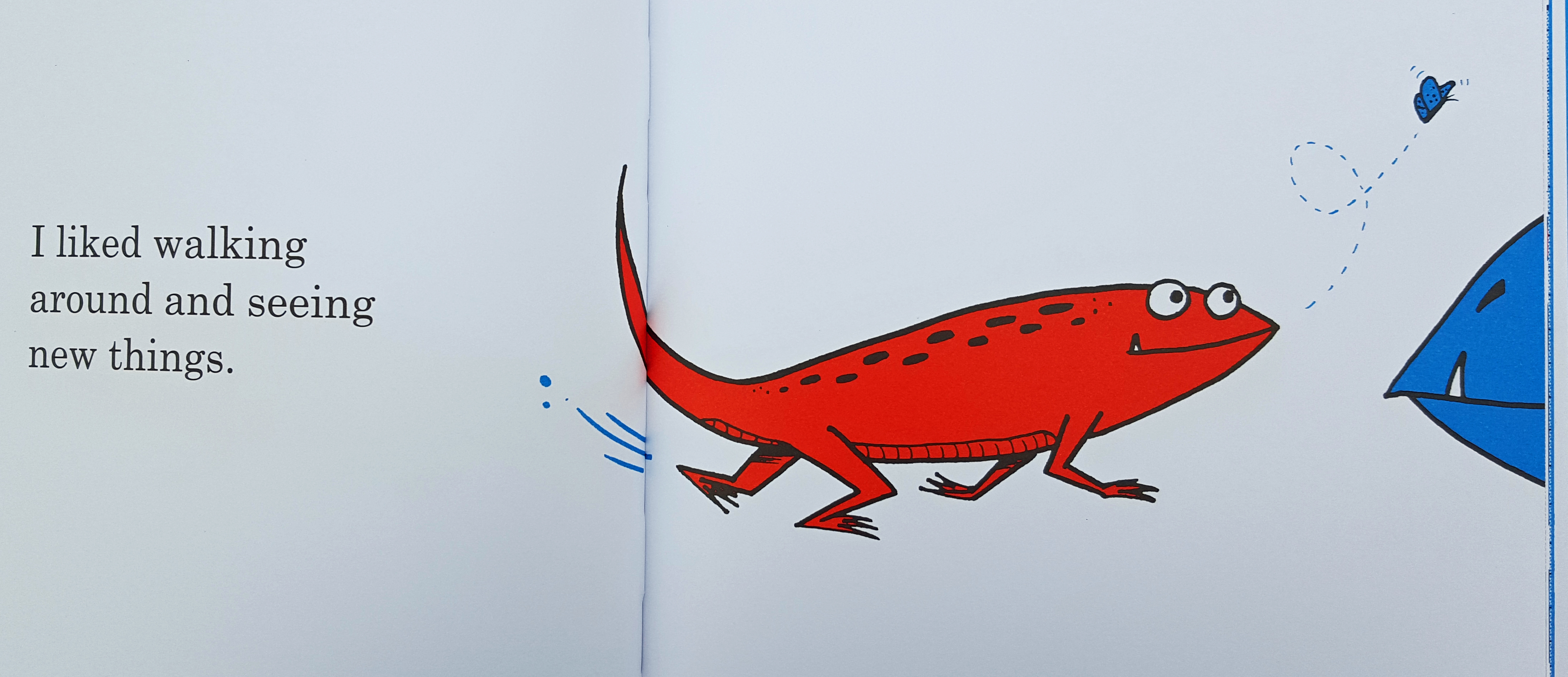
One step in our evolutionary lineage as depicted in I Used to Be a Fish by Tom Sullivan

One step in our evolutionary lineage as depicted in I Used to Be a Fish by Tom Sullivan

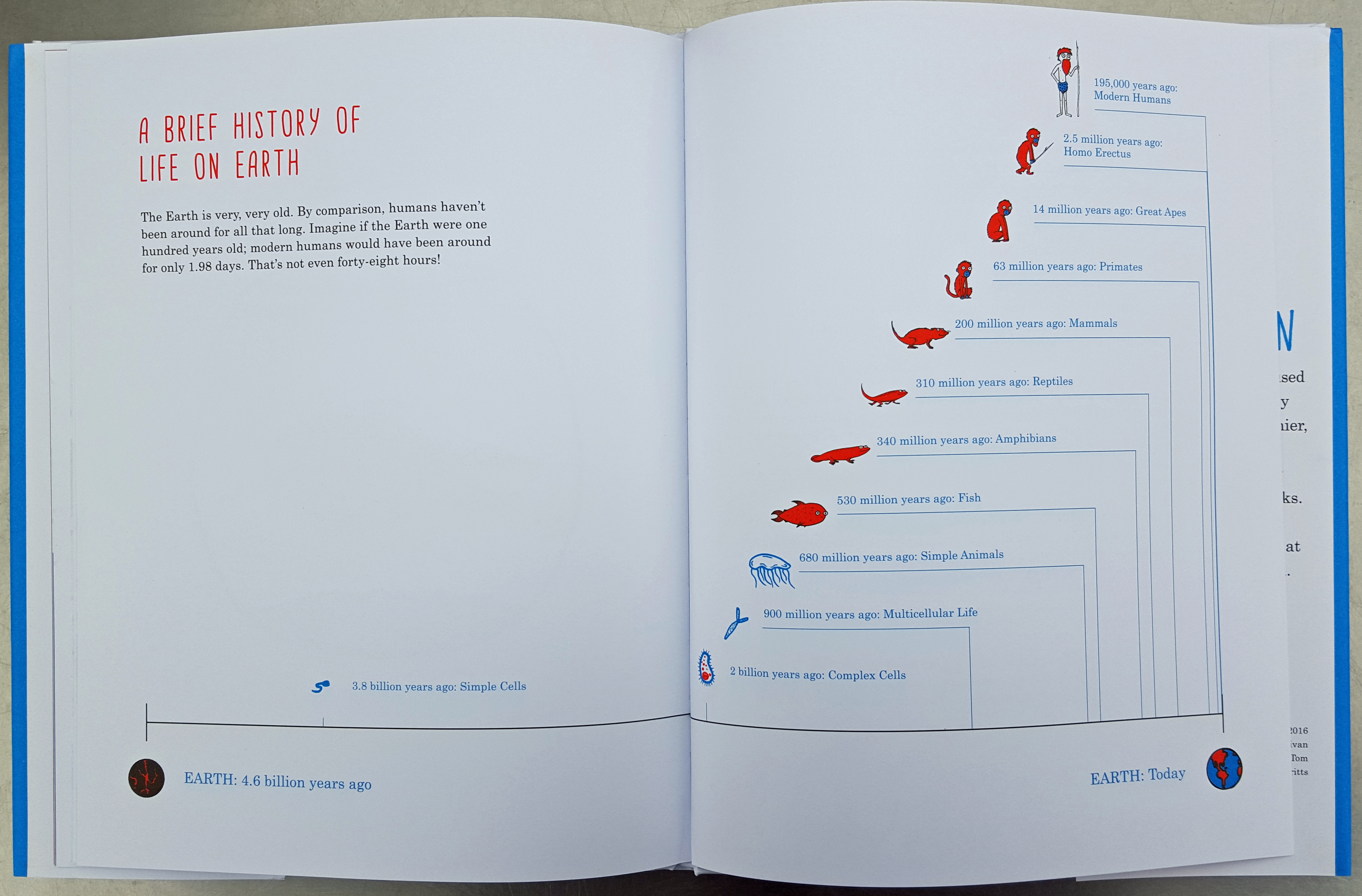
Life history

Timeline from I Used to Be a Fish by Tom Sullivan. Look how far we’ve come!

Grandmother Fish by Jonathan Tweet; illustrated by Karen Lewis

grandmother-fish

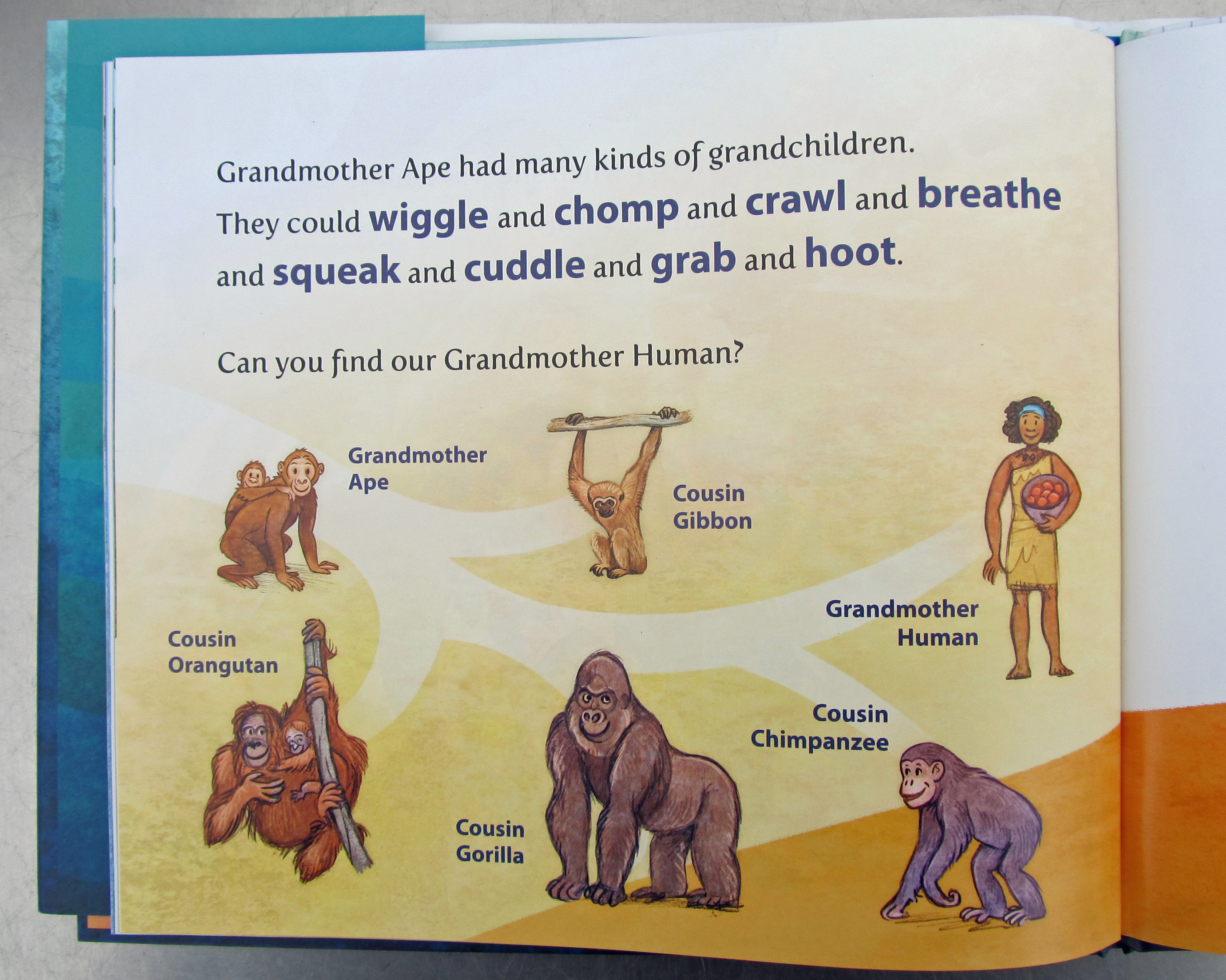
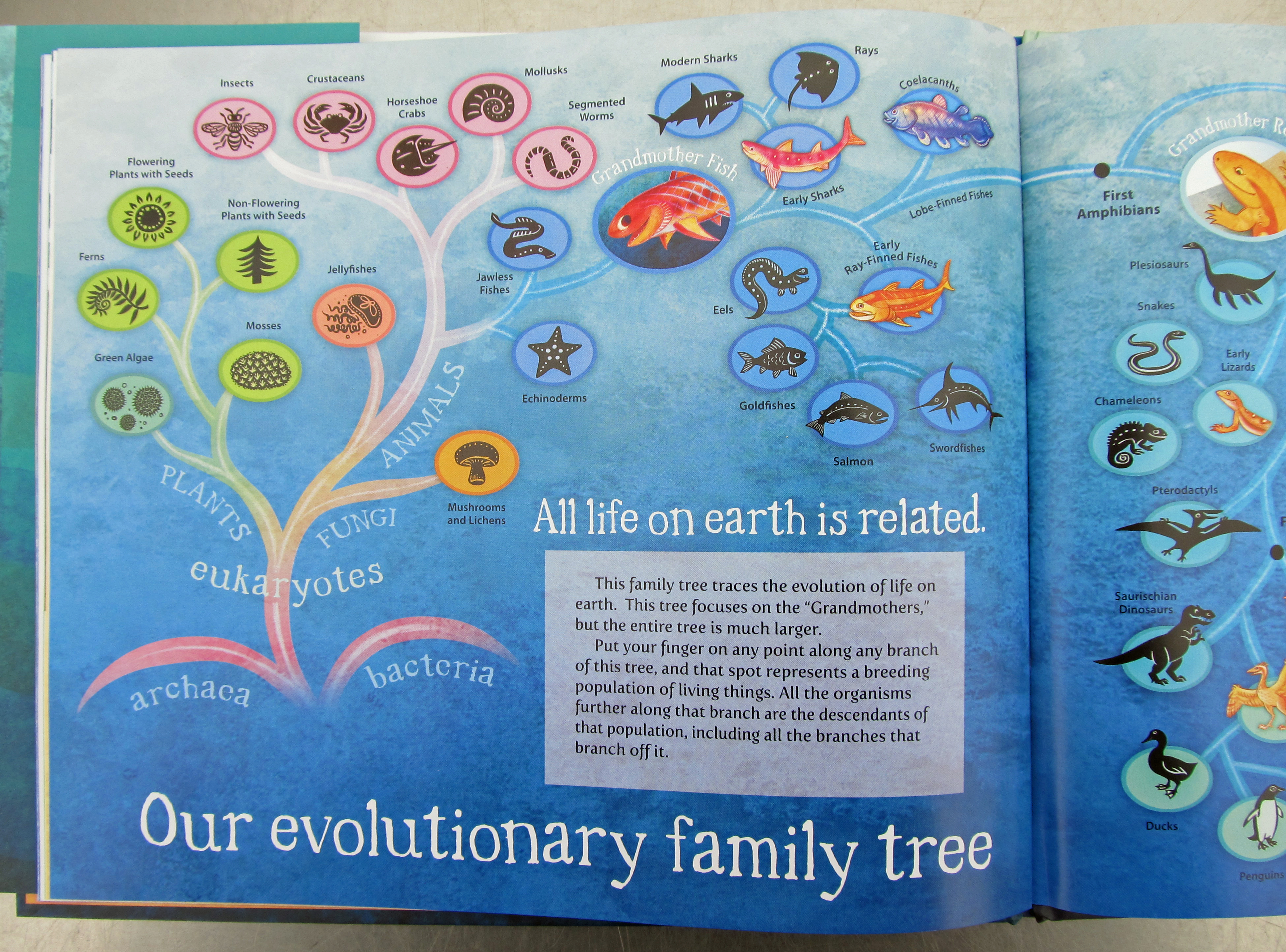
This book is similar to Sullivan’s book, but it adds a little more detail to the story and invites interaction from its audience. As major periods in our evolutionary lineage are reached, readers are asked to “wiggle” like our Grandmother Fish, “crawl” like our Grandmother Reptile, “squeak” like our Grandmother Mammal, “hoot” like our Grandmother Ape, and so on. As the story transitions from one main character to another, simplified versions of evolutionary trees are shown (like the one below).

grandmother-fish-2

A larger version of “Our Evolutionary Family Tree” is featured at the end of the story followed by several pages of additional information that adults can use to further explain evolution to children, including discussions on three major concepts of evolution (descent with modification, artificial selection, and natural selection), more details on the main characters in the book, and a guide to correcting common errors about evolution.

grandmother-fish-3

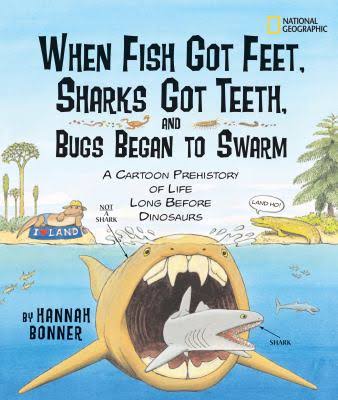
When Fish Got Feet, Sharks Got Teeth, and Bugs Began to Swarm by Hannah Bonner

when-fish-got-feet

This book is much more text heavy than the first two, but is still very approachable. The illustrations are both humorous and informative, and Bonner excels at explaining complex topics in a way that makes them easy to digest. Rather than covering hundreds of millions of years of evolution like the first two books, this book focuses mainly on events that occurred during the Silurian and Devonian periods – between 360 and 444 million years ago. It was during this time that plants were making their way to land and diverging into many different forms. Arthropods were doing the same. During this period, the earth’s atmosphere became more oxygen rich and soil began to accumulate largely due to the growth and expansion of land plants.

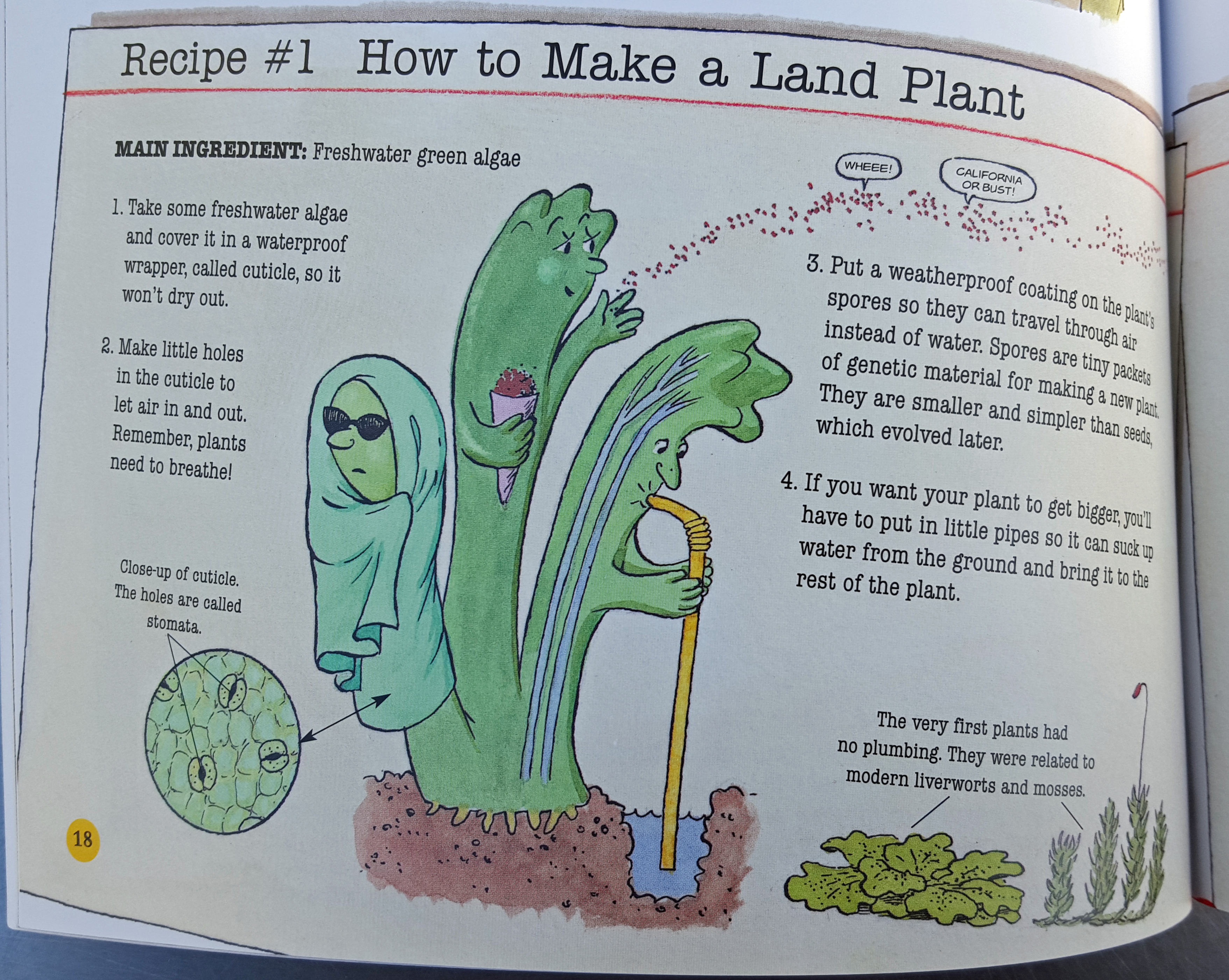
Recipe for a land plant from When Fish Got Feet by Hannah Bonner

Recipe for a land plant from When Fish Got Feet by Hannah Bonner

This was also a period of great diversification in the fish world. Jaws were becoming more common and skeletons made of bone (as opposed to cartilage) were developing.  The first tetrapods (fish with legs) emerged from the oceans and onto land in the Devonian period. These tetrapods were our early ancestors, and Bonner explains how some of the skeletal features that fish developed during this time period were precursors to our current skeleton.

Unlike the first two books, the evolution of plants receives some attention in Bonner’s book. It is during the Devonian period that the first trees and seed-bearing plants appear. As in the other books, there are additional resources at the end, including this important warning by Bonner: “Please remember that anyone can set up a Web site, so not everything you will encounter will be good science.”

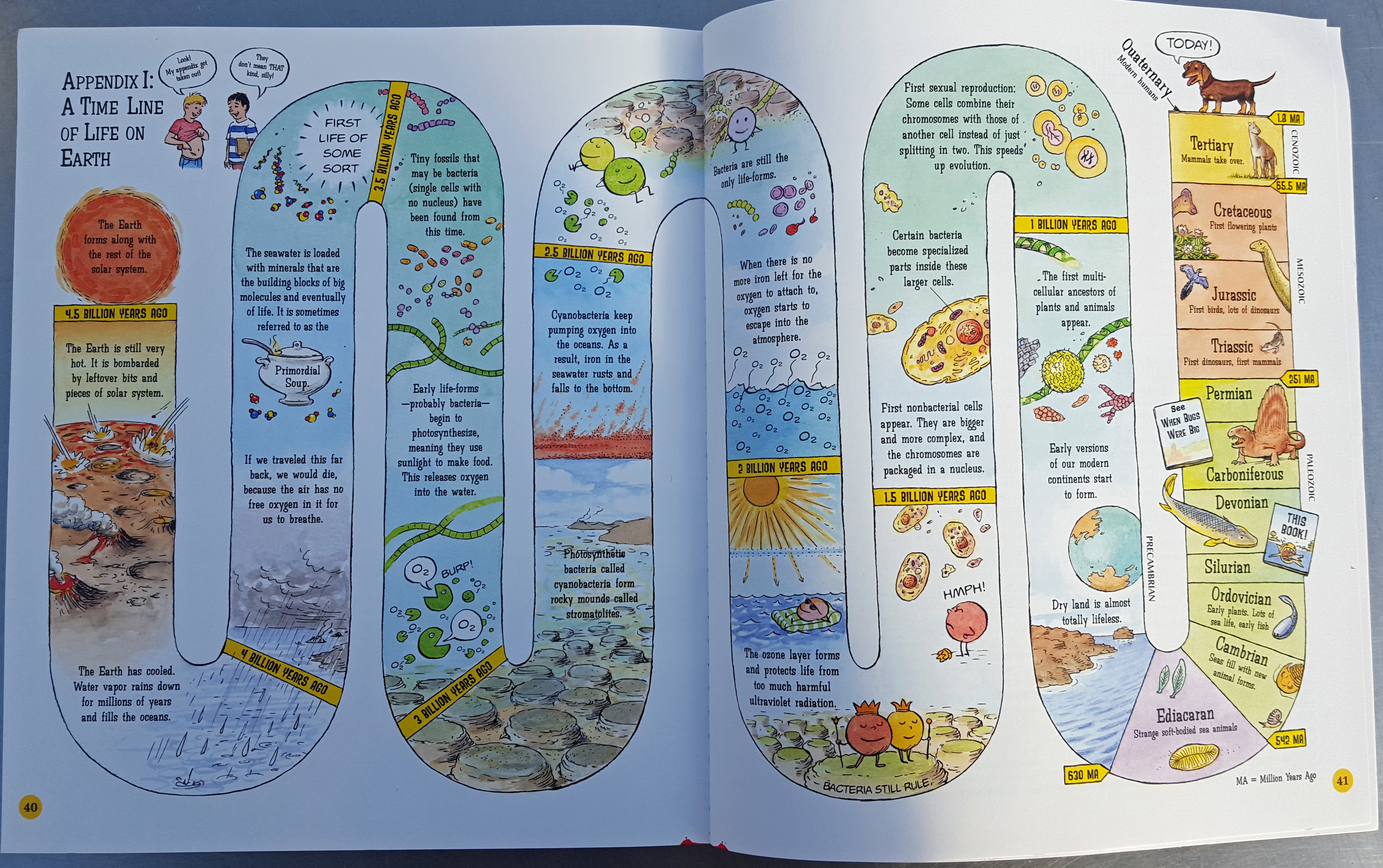
A time line of life on earth from When Fish Got Feet by Hannah Bonner

A timeline of life on earth from When Fish Got Feet by Hannah Bonner

Key to helping children understand evolution is understanding it ourselves, and there are, of course, endless resources out there to help with this. I will suggest just two additional books. In keeping with the spirit of children’s books, there is a great illustrated biography of Charles Darwin (who is considered the Father of Evolution) called Darwin For Beginners by Jonathan Miller and Borin Van Loon. It’s basically Darwin’s life told in graphic novel form. And keeping with the fish theme, you can’t go wrong with Neil Shubin’s, Your Inner Fish, a fascinating look into the origins of many of the parts, pieces, and other features of the human body.

Do you have a favorite book, children’s or otherwise, about evolution? Please share it in the comment section below.

Ethnobotany: The Henna Tree

A hair dye used in pre-dynastic Egypt is still used today. This enduring plant-based dye has found its way into a great number of cultures going back as long as 6000 years. Its popularity is thanks in part to the broad distribution of the plant itself, but is largely a result of the diverse religious traditions that have incorporated the dye into their rituals. The plant’s use in such traditions continues, while its current popularity extends well beyond that.

Lawsonia inermis is the only species in its genus. It is a member of the plant family, Lythraceae, a family that includes crepe myrtles (Lagerstroemia), cigar plants (Cuphea), and pomegranates (Punica). L. inermis has many common names, including mignonette tree and Egyptian privet. It is most commonly known as, henna, a term that refers to the plant itself, the dye derived from the plant, and the body art made using the dye.

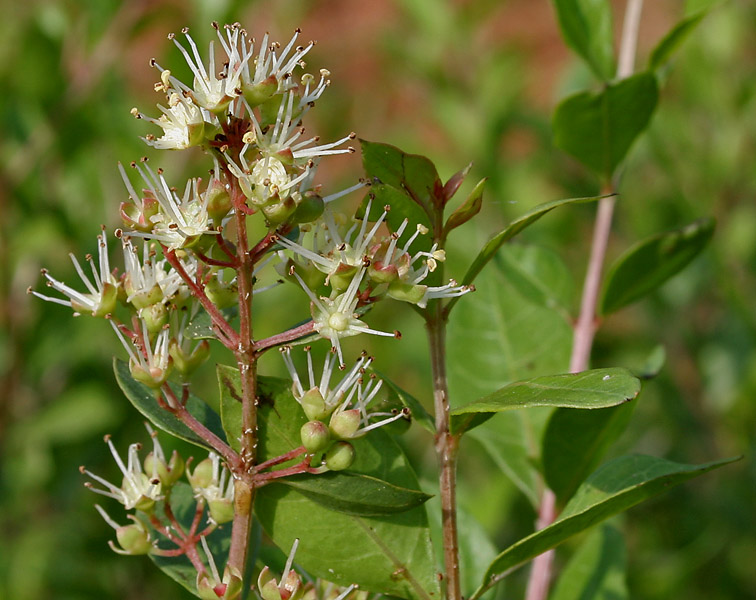
Henna is a shrub or small tree that reaches a height of about 6 meters. The leaves are smooth, elliptically-shaped, and oppositely-arranged on branches that are spine-tipped. Inflorescences are many-branched with numerous small, fragrant flowers. The most prominent features of the flowers are four sepals forming a bowl shape and several white to red stamens reaching towards the sky. The fruits are small, round, brown capsules full of tiny seeds. Henna thrives in dry environments with poor soil; however, it does not tolerate frost. It occurs in tropical and subtropical regions of Africa, western and southern Asia, and northern Australasia. Cultivation by humans has broadened its distribution well beyond its original boundaries.

Lawsonia inermis - photo credit: wikimedia commons

Lawsonia inermis – photo credit: wikimedia commons

Henna has been used to dye the skin, nails, and hair of women and men in many cultures and religions across its area of natural distribution and beyond. Its use has been especially common among women as part of fertility and marriage celebrations. The plant’s dye may have been first discovered around the mouths of browsing livestock – the persistent red-orange color having the appearance of blood. Henna plants are drought-deciduous, but they burst back to life when rain returns, producing abundant new branches, leaves, and flowers. This period of growth coincides with celebrations of marriage and fertility and may explain why it found common use in such traditions.

Dyes are made by crushing dried leaves into a fine powder and then mixing it into a paste using water, lemon juice, tea, or other liquids. A soap or shampoo is produced when henna is mixed with plant extracts containing saponin, and the addition of certain essential oils can enhance the performance of the dye. The compound in the leaves that produces the red-orange dye is called lawsone and is found in varying concentrations depending on the conditions in which the plant was grown. High heat and low soil moisture is said to produce the highest levels of lawsone. More than just a dye, lawsone also has antifungal properties and strongly absorbs UV light, thus its application is beyond cosmetic as it has proven useful against fungal diseases like athlete’s foot and as a sunscreen. And that’s just the beginning.

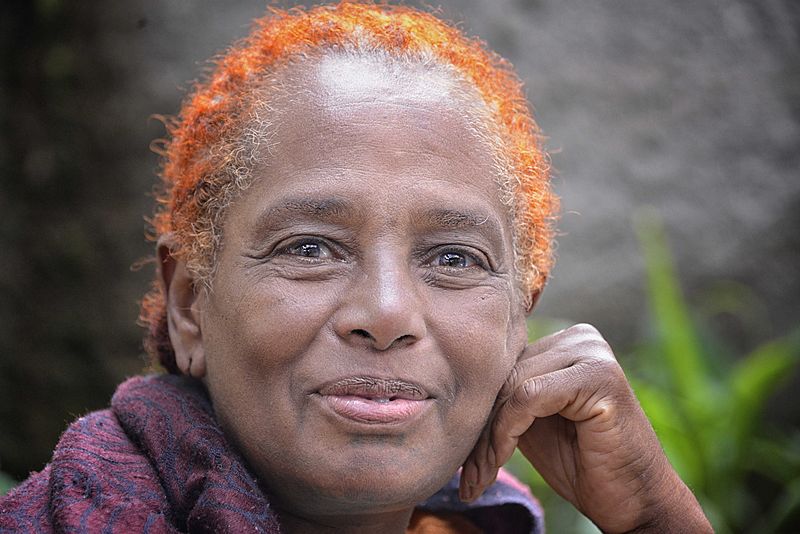
Henna applied to hair - photo credit: wikimedia commons

Henna applied to hair – photo credit: wikimedia commons

A study published in the Journal of Ethnopharmacology by Semwal, et al. reveals that nearly a hundred phytoconstituents (or “biologically active compounds”) have been isolated from all parts of the henna plant. Henna has long been used medicinally to treat a wide range of ailments, and while it may not be an effective treatment for all that it has been historically used for, it has been found effective for certain things and has great potential for further use.

In the paper, the authors review dozens of studies exploring the many “biological activities” that henna is claimed to have, which include “antifungal, antibacterial, virucidal, antiparasitic, anti-inflammatory, analgesic, and anticancer properties,” etc. Research into these properties is limited and has been “complicated and hampered” by the widespread practice of adding other ingredients (some of them harmful) to henna products. In order for henna’s “therapeutic potential” to be properly explored, the authors advise identifying and standardizing the plant’s active components.

Henna continues to be used in cultures across the world and is particularly prominent in Hinduism and Muslim practices. It is most commonly used to dye hair and create temporary body art (also known as mehndi). Henna art is often applied to the hands and feet, where the skin is thick and absorbs more of the lawsone. It is applied as a paste and either squeezed through a plastic cone or syringe or painted on with a stick or brush. The longer the paste is left on, the darker the stain will be. After a week or so the henna begins to fade as old skin cells slough off.

photo credit: wikimedia commons

photo credit: wikimedia commons

In ancient cultures, henna was thought to ward off the Evil Eye as well as bring good luck and blessings, a trait known as baraka. This belief is part of the reason why henna was incorporated into marriage ceremonies and other religious rituals. Because of henna’s antifungal, analgesic, and anti-inflammatory properties, etc., real benefits are seen when henna is applied to various parts of the body. Semwal, et al. argue that a scientific understanding was not necessary for “recognition of benefit.” Today however, “scientific investigation and quantification of henna’s ‘baraka’ should expand and optimize these traditional qualitative understandings.”

Because of henna’s widespread use and long history, it is not feasible to fit henna’s entire story into a single blog post. Henna is worth exploring on your own. Here are a few more interesting tidbits for now. In Semwal, et al.’s summary there is a mention of henna twigs being “rubbed over the teeth for effective dental self-care” – something to keep in mind in case you find yourself without a toothbrush, and a henna plant happens to be nearby. A paper published in a 1993 issue of Thaiszia – Journal of Botany discusses the historical use of henna in the Balkans. Slavs in the area reportedly treated typhoid fever using a mixture of henna and “the juice of twenty heads of garlic” heated in water. Finally, henna has been used to dye many things, including leather, cloth, and animal fur. Persians have long used henna to dye the manes, tales, and hooves of their horses and other animals. A practice that continues today.

More Ethnobotany Posts:

What Is a Plant, and Why Should I Care? part four

What Is a Plant?

Part one and two of this series have hopefully answered that.

Why should you care?

Part three offered a pretty convincing answer: “if it wasn’t for [plants], there wouldn’t be much life on this planet to speak of.”

Plants are at the bottom of the food chain and are a principle component of most habitats. They play major roles in nutrient cycling, soil formation, the water cycle, air and water quality, and climate and weather patterns. The examples used in part three of this series to explain the diverse ways that plants provide habitat and food for other organisms apply to humans as well. However, humans have found numerous other uses for plants that are mostly unique to our species – some of which will be discussed here.

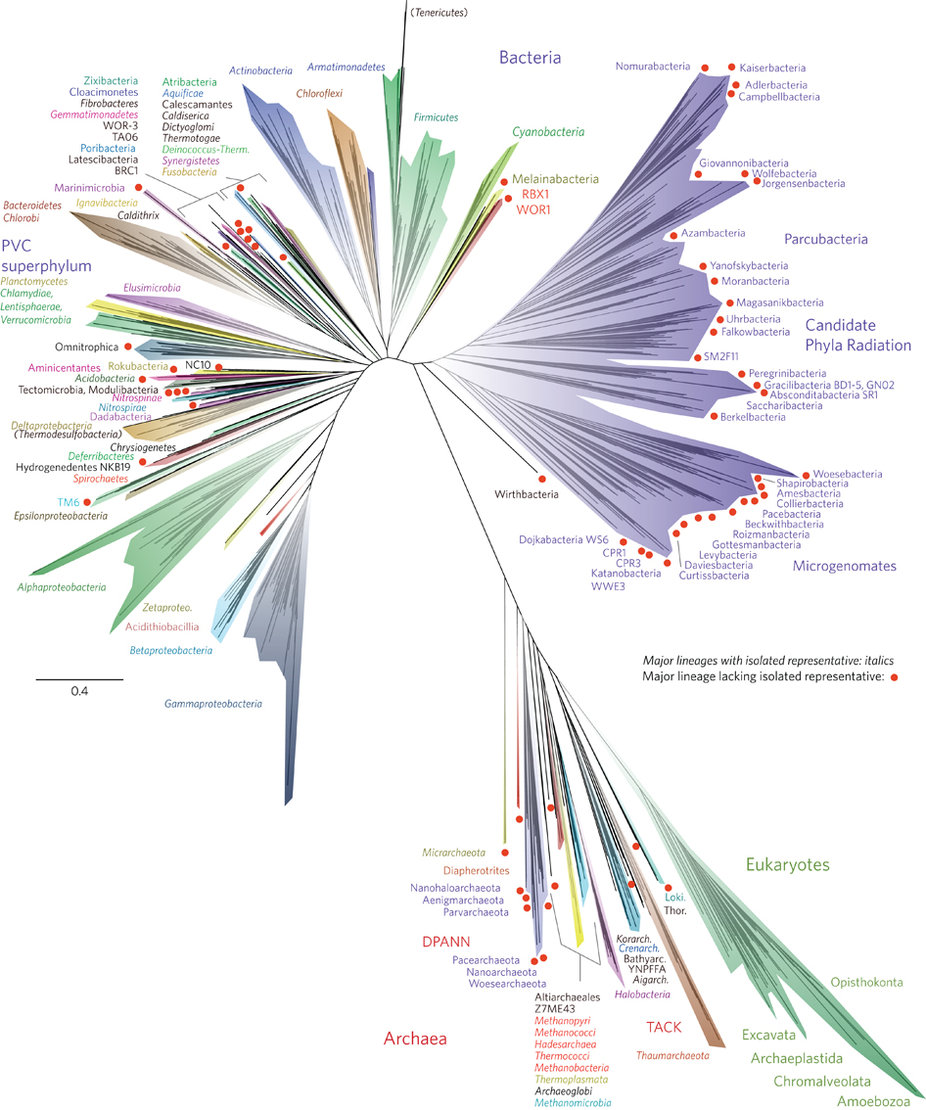
But first, some additional thoughts on photosynthesis. Plants photosynthesize thanks to the work accomplished by very early photoautotrophic bacteria that were confined to aquatic environments. These bacteria developed the metabolic processes and cellular components that were later co-opted (via symbiogensis) by early plants. Plants later colonized land, bringing with them the phenomena of photosynthesis and transforming life on earth as we know it. Single-celled organisms started this whole thing, and they continue to rule. That’s just something to keep in mind, since our focus tends to be on large, multi-cellular beings, overlooking all the tiny, less visible beings at work all around us making life possible.

Current representation of the tree of life. Microorganisms clearly dominate. (image credit: nature microbiology)

Current representation of the tree of life. Microorganisms clearly dominate. (image credit: nature microbiology)

Food is likely the first thing that comes to mind when considering what use plants are to humans. The domestication of plants and the development of agriculture are easily among the most important events in human history. Agricultural innovations continue today and are necessary in order to both feed a growing population and reduce our environmental impact. This is why efforts to discover and conserve crop wild relatives are so essential.

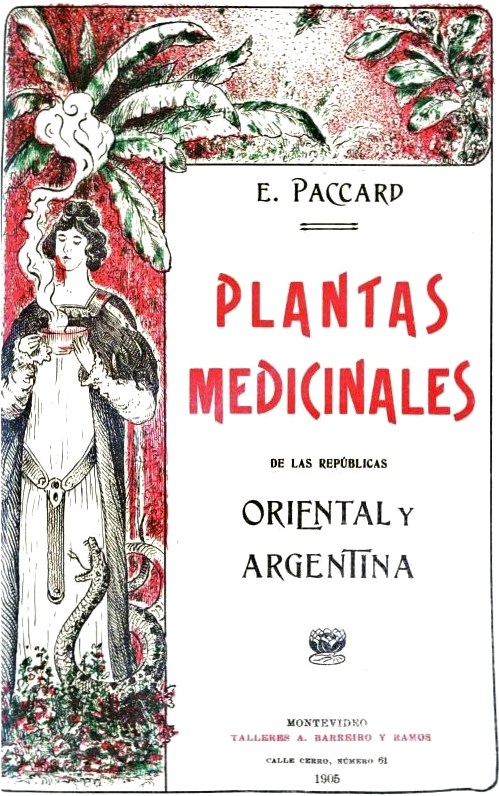
Plants don’t just feed us though. They house us, clothe us, medicate us, transport us, supply us, teach us, inspire us, and entertain us. Enumerating the untold ways that plants factor in to our daily lives is a monumental task. Rather than tackling that task here, I’ll suggest a few starting points: this Wikipedia page, this BGCI article, this Encylopedia of Life article, and this book by Anna Lewington. Learning about the countless uses humans have found for plants over millennia should inspire admiration for these green organisms. If that admiration leads to conservation, all the better. After all, if the plants go, so do we.

Humans have a long tradition of using plants as medicine. Despite all that we have discovered regarding the medicinal properties of plants, there remains much to be discovered. This one of the many reasons why plant conservation is so important. (photo credit: wikimedia commons)

Humans have a long tradition of using plants as medicine. Despite all that we have discovered regarding the medicinal properties of plants, there remains much to be discovered. This is one of the many reasons why plant conservation is imperative. (photo credit: wikimedia commons)

Gaining an appreciation for the things that plants do for us is increasingly important as our species becomes more urban. Our dense populations tend to push plants and other organisms out, yet we still rely on their “services” for survival. Many of the functions that plants serve out in the wild can be beneficial when incorporated into urban environments. Plants improve air quality, reduce noise pollution, mitigate urban heat islands, help manage storm water runoff, create habitat for urban wildlife, act as a windbreak, reduce soil erosion, and help save energy spent on cooling and heating. Taking advantage of these “ecosystem services” can help our cities become more liveable and sustainable. As the environmental, social, and economic benefits of “urban greening” are better understood, groups like San Francisco’s Friends of the Urban Forest are convening to help cities across the world go green.

The importance of plants as food, medicine, fuel, fiber, housing, habitat, and other resources is clear. Less obvious is the importance of plants in our psychological well being. Numerous studies have demonstrated that simply having plants nearby can offer benefits to one’s mental and physical health. Yet, urbanization and advancements in technology have resulted in humans spending more and more time indoors and living largely sedentary lives. Because of this shift, author Richard Louv and others warn about nature deficit disorder, a term not recognized as an actual condition by the medical community but meant to describe our disconnect with the natural world. A recent article in BBC News adds “nature knowledge deficit” to these warnings – collectively our knowledge about nature is slipping away because we don’t spend enough time in it.

The mounting evidence for the benefits of having nature nearby should be enough for us to want to protect it. However, recognizing that we are a part of that nature rather than apart from it should also be emphasized. The process that plants went through over hundreds of millions of years to move from water to land and then to become what they are today is parallel with the process that we went through. At no point in time did we become separate from this process. We are as natural as the plants. We may need them a bit more than they need us, but we are all part of a bigger picture. Perhaps coming to grips with this reality can help us develop greater compassion for ourselves as well as for the living world around us.

Cedar Confusion

This is a guest post by Jeremiah Sandler. Words by Jeremiah. Photos by Daniel Murphy (except where noted).

———————

What makes a cedar a cedar?

I recently asked this question to a professor of mine because I kept hearing individuals in the field refer to many different species as “cedars”. It was puzzling to me because, being the taxonomy-nerd that I am, most of these plants are in entirely different plant families but still called the same thing. Yes, sometimes common names overlap with one another regionally; avoiding that mix up is the purpose of binomial nomenclature in the first place! So, what gives?! Why are 50+ different species all called cedars?

This professor is a forester, not a botanist. He told me the word “cedar” describes the wood. Turns out, after some research and conversation, that’s all there was to it. As defined by Google, a cedar is:

Any of a number of conifers that typically yield fragrant, durable timber, in particular.

Cedar wood is a natural repellent of moths, is resistant to termites, and is rot resistant. A good choice of outdoor lumber.

I was hoping to find either a phylogenetic or taxonomic answer to what makes a cedar a cedar. I didn’t. Taxonomic relationships between organisms are one of the most exciting parts of biology. Thankfully, some solace was found in the research:

There are true cedars and false cedars.

True cedars are in the family Pinaceae and in the genus Cedrus. Their leaves are short, evergreen needles in clusters. The female cones are upright and fat, between 3 – 4 inches long. Their wood possesses cedar quality, and they are native to the Mediterranean region and the Himalayas.

False cedars are in the family Cupressaceae, mostly in the following genera: Calocedrus, Chamaecyparis, Juniperus, and Thuja. Their leaves are scale-y, fan-like sprays. Female cones are very small, about half an inch long, and remain on the tree long after seed dispersal. The bark is often both reddish and stringy or peely. Their wood possesses cedar quality. It is easy to separate them from true cedars, but less obvious to tell them from one another. These false cedars are native to East Asia and northern North America.

I couldn’t do away with the umbrella term “cedar.” Every naturalist can agree that one of the most pleasurable things while outdoors looking at plants is identifying them. I have set a new objective to correctly identify and differentiate between all of the cedars and false cedars, rather than simply calling them cedars. I guess I’m just fussy like that.

What Do Desert Tortoises Eat?

Desert conditions are not intuitively conducive to life. In many regards they are extreme. Blistering, bleak, dry, and barren. The desert is a place unsuited for the faint of heart and the ill-equipped. Broadly speaking, life in the desert is reliant on one of two things: technology or evolutionary adaptation. Like many species native to desert environments, the desert tortoise employs the latter. It is at home in the desert because it evolved there. That is not to say that life is always easy for the desert tortoise and species like it, but it is possible, thanks to hundreds of thousands of years of making it work. As John Alcock puts it in, Sonoran Desert Spring, “the tortoise will deal with its environment through evolved design rather than seek to deny the desert its due.”

Perhaps it is because the desert is such a harsh environment, requiring finely tuned adaptations for survival, that sweeping changes can put resident species in peril – threatening their long-term existence. The desert tortoise is an example of this. Since 1990, Gopherus agassizii has found itself listed as threatened under the U.S. Endangered Species Act [it is categorized as vulnerable by the IUCN] due to significant population declines and loss of habitat. Getting there did not happen overnight, and it is impossible to pinpoint a sole cause of the tortoise’s decline. Instead, a suite of things have conspired against it, making it difficult to decide on the best route towards conservation.

In an October 2012 issue of BioScience, Averill-Murray, et al. enumerate some of the human-medaited threats that act both simultaneously and synergistically against desert tortoise populations:

Habitat conversion occurs as a result of urban development, mining, waste disposal, energy development, and road construction. Habitat modification is caused by military training, off-highway vehicle use, utility corridors, livestock grazing, and the proliferation of invasive plants. … Direct losses of tortoises also occur through predation, disease, collection from the wild, and recreational killing.

Apart from climate change, which is projected to substantially reduce the historical range of the desert tortoise in the coming years, the proliferation of introduced grasses is particularly disconcerting. Such grasses tend to increase wildfire frequency in areas where wildfire is historically rare and the native flora is ill-adapted to frequent fire. This can alter plant communities in a way that favors introduced plants over plants native to the region.

Desert Tortoise (Gopherus agassizii) - photo credit: wikimedia commons

Desert Tortoise (Gopherus agassizii) – photo credit: wikimedia commons

The desert tortoise is the largest terrestrial turtle in the United States, measuring up to 15 inches long and weighing up to 15 pounds. Their carapaces are generally dull brown or gray, although those of young tortoises may have orange markings. Their limbs are stocky and elephantine, and their front legs are shovel-like and equipped with claws for digging. They reach sexual maturity between ages 15-20, generally living for at least 35 years and as many as 50-100 years.

Desert tortoises are distributed throughout the Mohave and Sonoran Deserts of southeastern United States and into the Sonaron Desert and Sinaloan foothills of northwestern Mexico. Their habitat varies widely across their range. In general, tortoises prefer sites where the soil is loamy and easy to dig as they spend much of their time in underground dens; however, they also occur in rocky foothills where shelter can be found among the rocks. In the Mohave Desert, they are commonly found in plant communities that are dominated by creosote bush (Larrea tridentata), which they use for shade and an occasional food source.

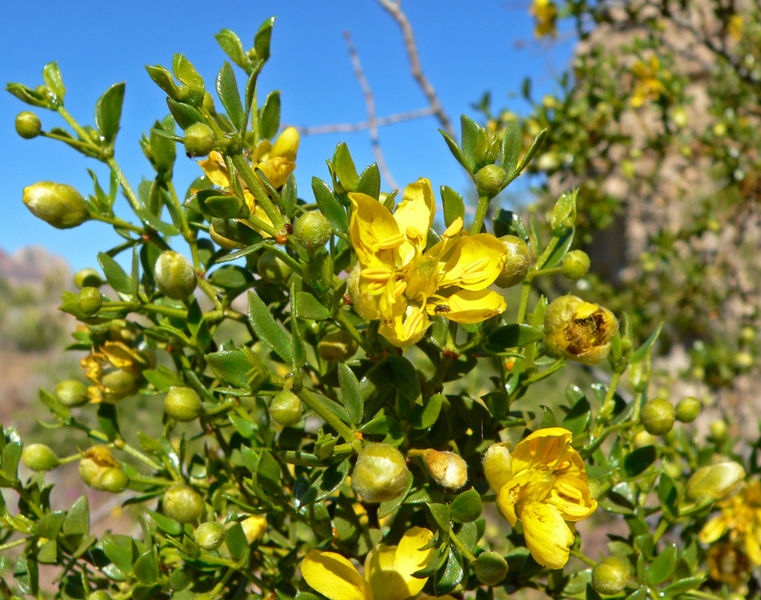
Creasote Bush (Larrea tridentata) - photo credit: wikimedia commons

Creosote Bush (Larrea tridentata) – photo credit: wikimedia commons

Recently the species known as Gopherus agassizii was determined to consist of at least two (possibly four) distinct species. Desert tortoises that occur north and west of the Colorado River have retained the scientific name G. agassizii and are commonly referred to as Agassiz’s desert tortoise. Desert tortoises occurring east of the Colorado river have been given the name G. morafkai, commonly known as Morafka’s desert tortoise. In light of this, G. agassizii may find itself uplisted to endangered, as its range has been reduced to about 30% of its former self and its southern cousins can no longer be considered a genetic reservoir.

Seeing that desert tortoises have plenty of the right foods to eat ensures their immediate survival and holds them back from the precipice of extinction. The question, “What does a desert tortoise eat?,” was what peaked my curiosity in this subject to begin with. I knew they were herbivores (for the most part), so I assumed they must have a favorite food – something that composed the majority of their diet. Finding an answer to this question led me down a rabbit hole [or should I say a tortoise hole? Some tortoise dens can extend 30 feet or more into the banks of desert dry washes.] that led me to discover the complexity of these creatures. It turns out, there is no easy answer to my initial question. What a desert tortoise eats depends on where in its expansive range it resides, what time of year it is, what plants are available in a particular year, whether or not it’s a drought year, etc.

The desert tortoise is “one of the most studied reptiles in the world,” so hundreds of observations have been made, leading to dozens of reports and studies that examine the diet of the desert tortoise; however, the results are highly variable. Due to such variability, this fact sheet from the San Diego Zoo states matter-of-factly, “an ‘average’ tortoise diet [is] hard to characterize.” But let’s try.

The desert tortoise emerges from its winter den in early spring. At the same time, annual wildflowers are also emerging, taking advantage of warming temperatures and rare soil moisture accumulated during winter precipitation. This is the desert tortoise’s preferred banquet. Because there will be little water available the rest of the year, desert tortoises hydrate themselves mainly through the plants they eat. The lush stems, leaves, and flowers of annual wildflowers provide both nutrients and the water necessary to sustain themselves throughout much of the year and aid in their growth and reproduction.

As spring turns to summer, the tortoises switch to eating herbaceous perennials and grasses. By this point, both introduced annual grasses and native perennial bunchgrasses are drying up, but tortoises are still able to extract some nutrients and moisture by eating their dry stems and leaves. Cactus pads and fruits (particularly those in the genus Opuntia) as well as young leaves of shrubs also help tortoises subsist through the long, hot summers, which are mostly spent deep in their dens away from predators and the blistering heat.

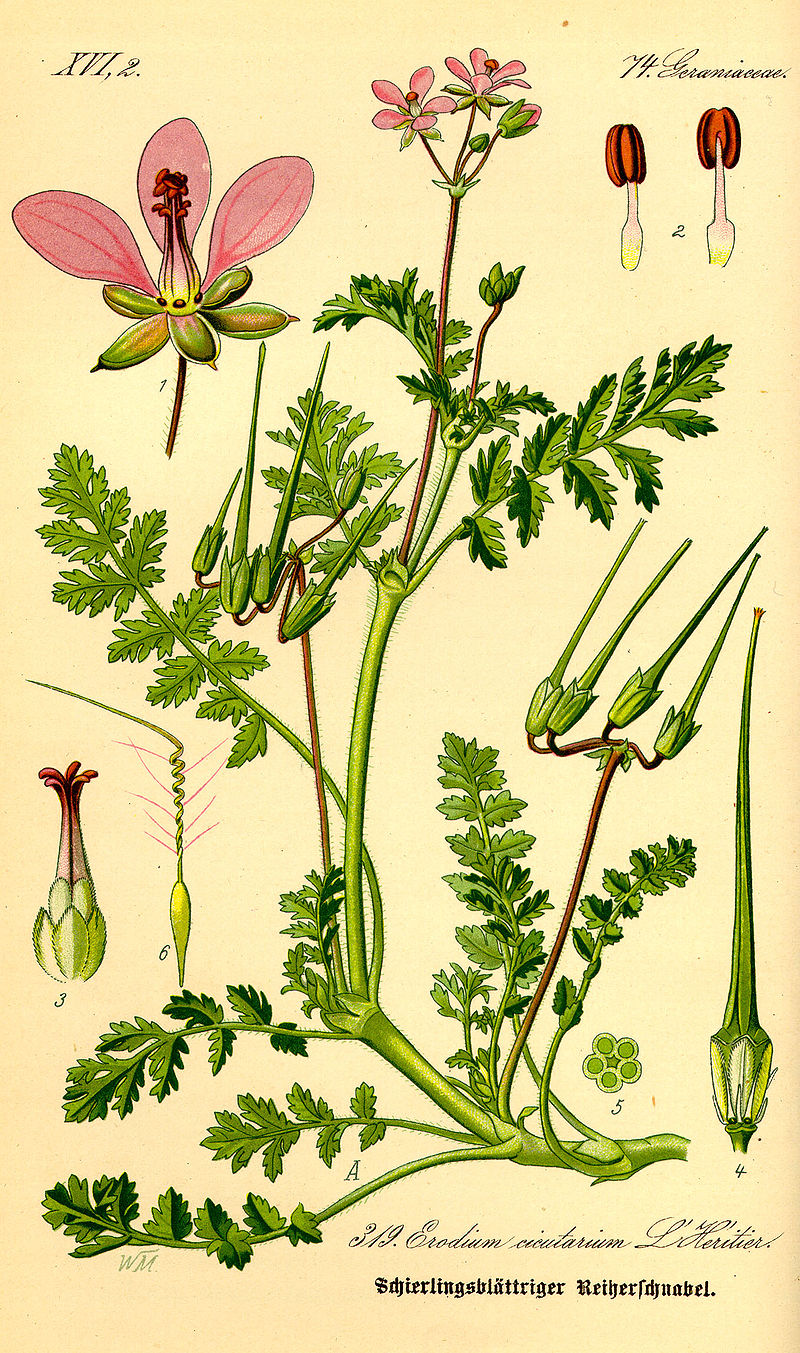
A paper published in a March 1986 issue of Herpetologica follows a group of tortoises over the period of a year and makes a number of lifestyle observations, including their diet. The authors noted that much of their diet consisted of two annual wildflowers (Camissonia munzii and Langloisia setosissima), a perennial bunchgrass (Achnatherum hymenoides), and a non-native annual grass (Bromus rubens). A paper published in a 2010 issue of Journal of Herpetology compared the nutritional quality of four plant species commonly consumed by desert tortoises: a native and non-native grass (Achnatherum hymenoides and Schismus barbatus) and a native and non-native annual forb (Malacothrix glabrata and Erodium cicutarium). They found little difference between the native and non-native species in either catagory, but determined that the forbs were significantly more nutritious than the grasses, which lead them to recommend managament practices that would increase the availability of forbs (regardless of provenance) in tortoise habitat. Numerous studies have documented the frequent consumption of introduced plant species by desert tortoises.

Redstem stork's bill (Erodium cicutarium) is an introduced species commonly consumed by desert tortoises - image credit: wikimedia commons

Redstem stork’s bill (Erodium cicutarium) is an introduced species commonly consumed by desert tortoises – image credit: wikimedia commons

For me, one of the most interesting things to learn was the variety of “non-food” items that tortoises may consume. Tortoises are often observed eating soil and rocks, and are also known to eat bones, arthropods, feces, feathers, hair, and egg shells. The rocks are thought to act as a gastrolith, aiding in digestion. The other items may help supplement minerals and nutrients the tortoises are lacking in their plant-based diet, particularly calcium which is greatly needed for growth and reproduction. Shockingly, a report that appeared in a 2007 issue of The Southern Naturalist details incidences of tortoises eating the skeletal remains of other tortoises.

Desert tortoises are an engrossing subject of study, and so much more could be said about them. For now, I leave you with this passage from Alcock’s book:

To see a tortoise with wrinkled neck and solemn eyes, moving like an animated rock, is an essential part of the experience of the desert. The removal of even a single adult extinguishes a presence that was meant to persist for years to come and snuffs out a prehistoric spark of life in a spartan environment where life, so hard-won, should be celebrated.

Additional Resources:

Urban Botanical Art

We live on a green planet, so it is no surprise that plants frequently find their way into our artwork. They make excellent subjects after all; and arguably, botanical art can be a close second (if not a tie) to seeing the real thing.

No place is plant-themed art needed more than in urban areas. Despite trying to cram plants in wherever we can find room, our cities remain dominated by concrete, asphalt, and steel. Plants help soften the hard edges we create, and they reintroduce nature to something that otherwise seems unnatural. But there isn’t always space for plants. Botanical art is the next best thing.

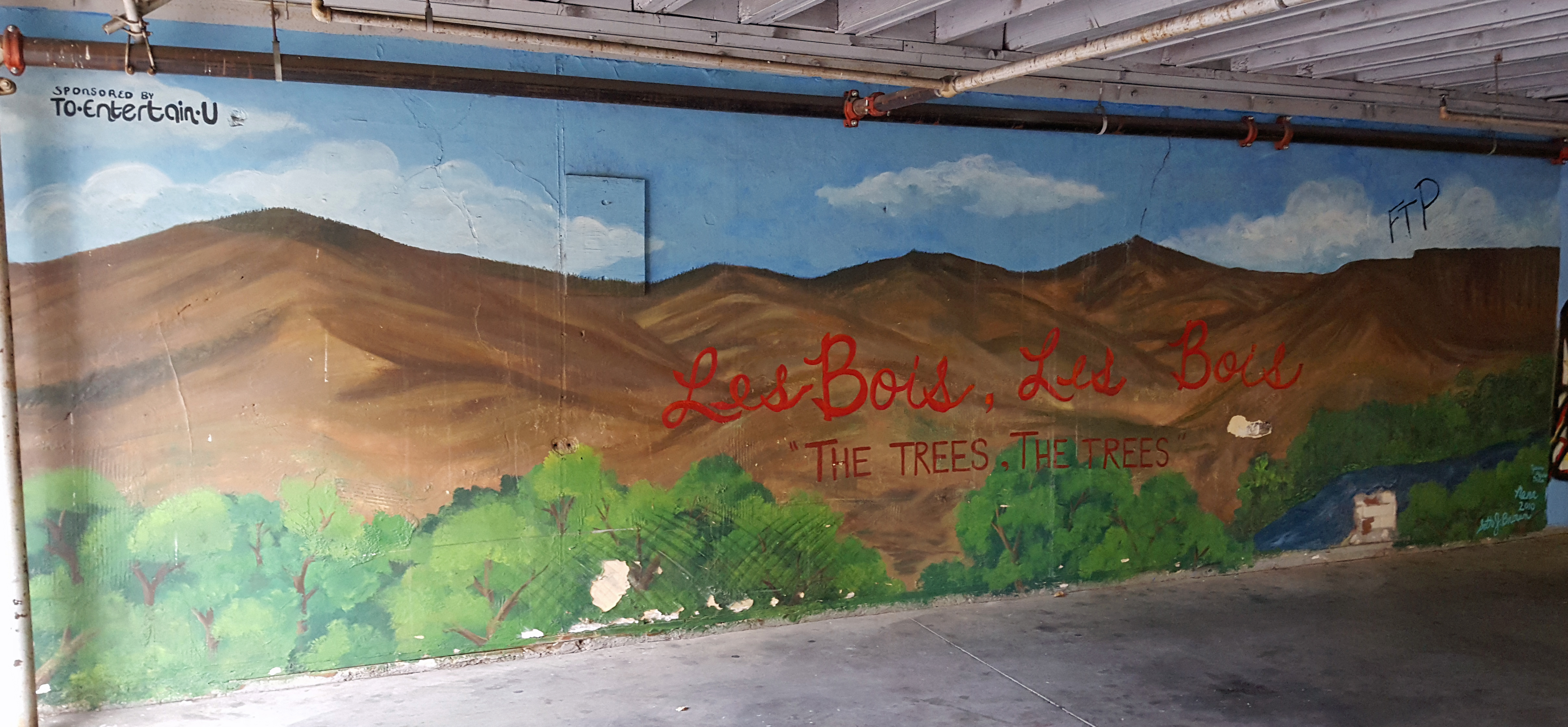
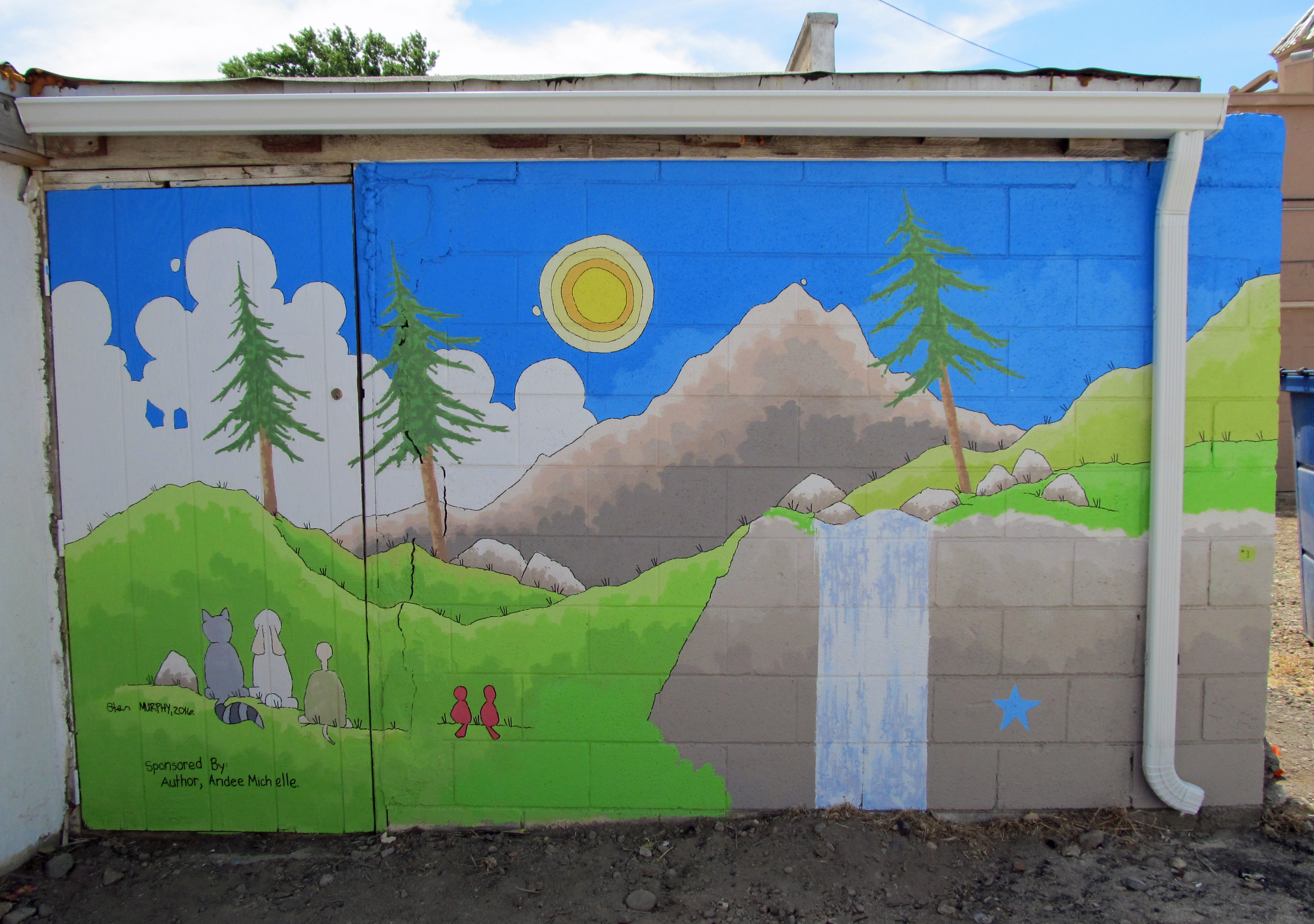
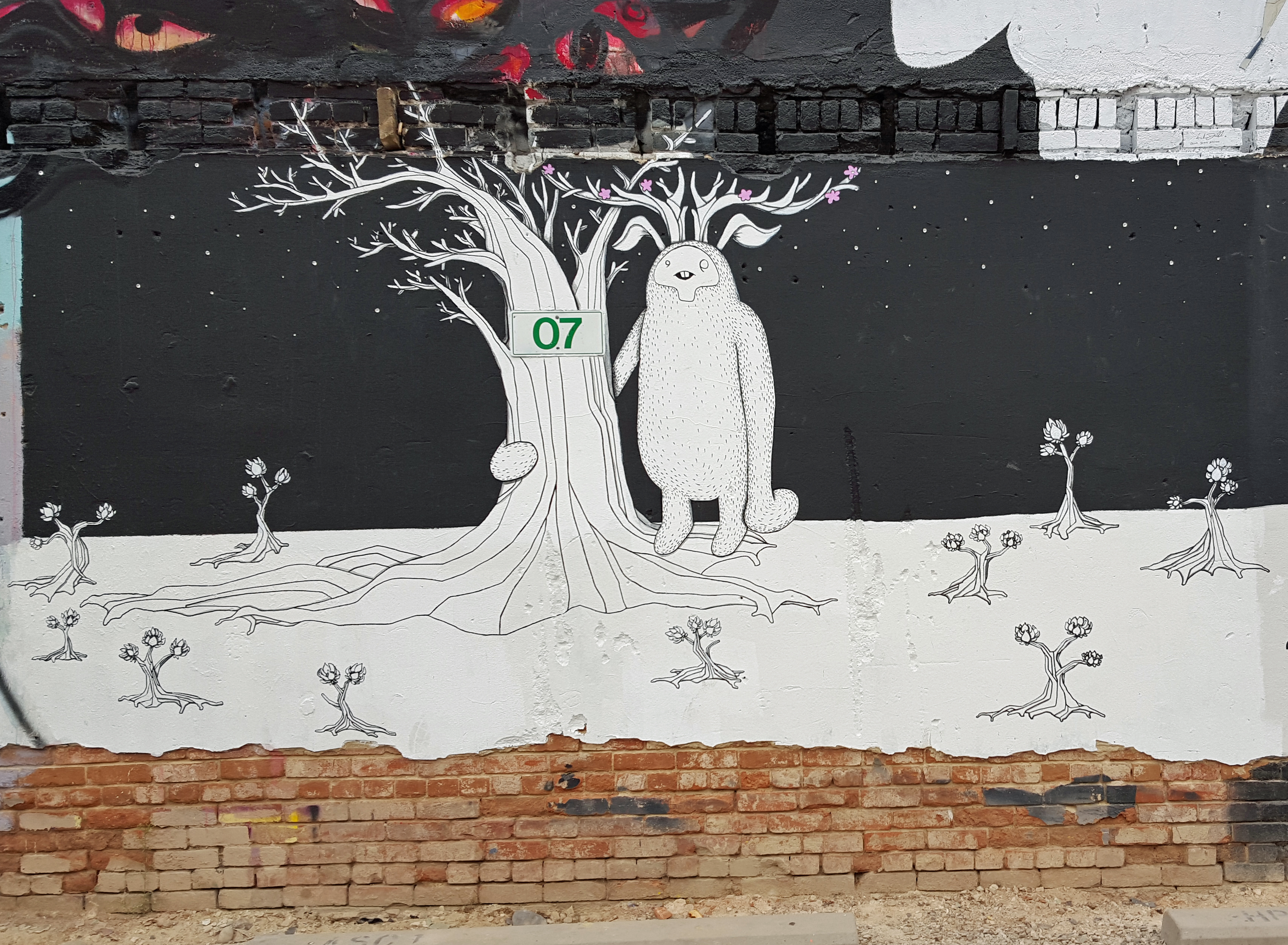
When I’m not looking out for plants, I’m looking out for plant art. What follows are a few of my discoveries this past year in my hometown of Boise, Idaho and beyond. In future travels, I hope to find more botanical art in other urban areas. Meanwhile, please feel free to share with me the botanical art in your neighborhood, either through twitter, tumblr, or some other means.

Parking garage in downtown Boise, Idaho

Parking garage in downtown Boise, Idaho

My dad's mural in downtown Mountain Home, Idaho

Mural by Stephen Murphy (my dad!) in downtown Mountain Home, Idaho

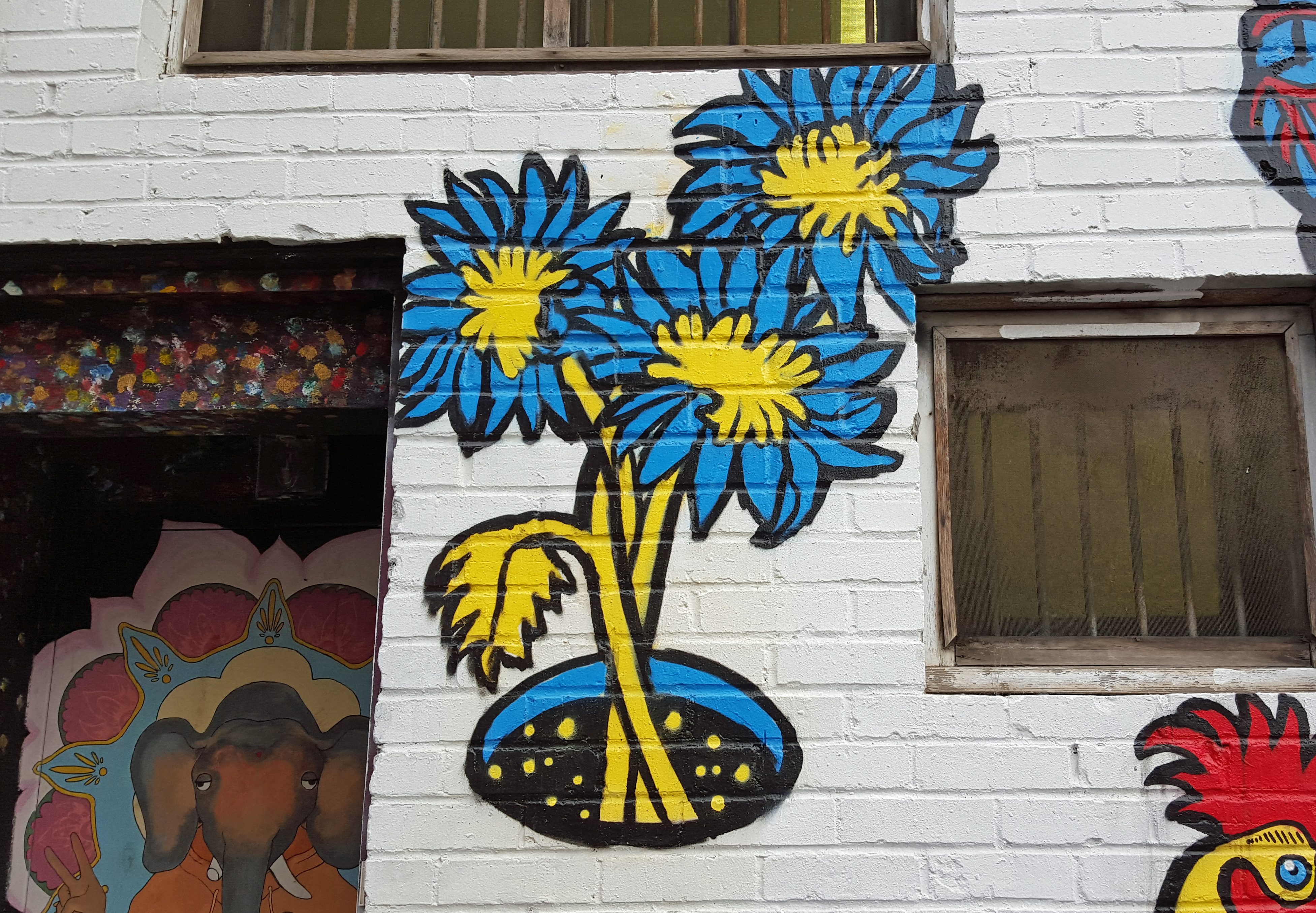
Mural in Freak Alley in downtown Boise, Idaho

Freak Alley Gallery in downtown Boise, Idaho

Mural in Freak Alley in downtown Boise, Idaho

Freak Alley Gallery in downtown Boise, Idaho

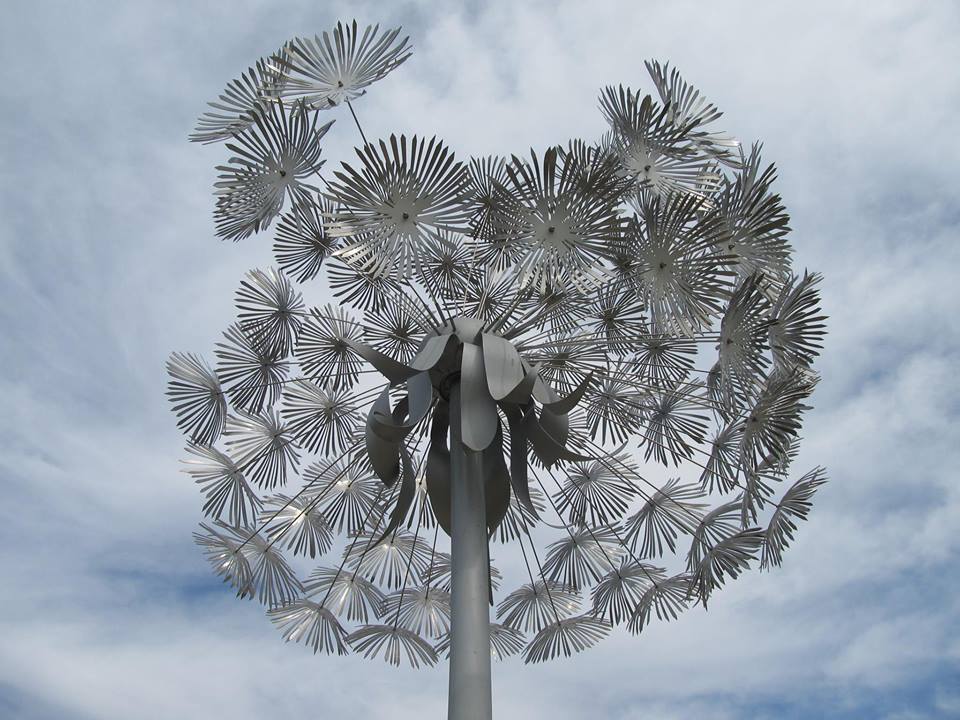
Agoseris sculpture at Foothills Learning Center in Boise, Idaho

Aero Agoseris sculpture (Agoseris glauca) at Foothills Learning Center in Boise, Idaho

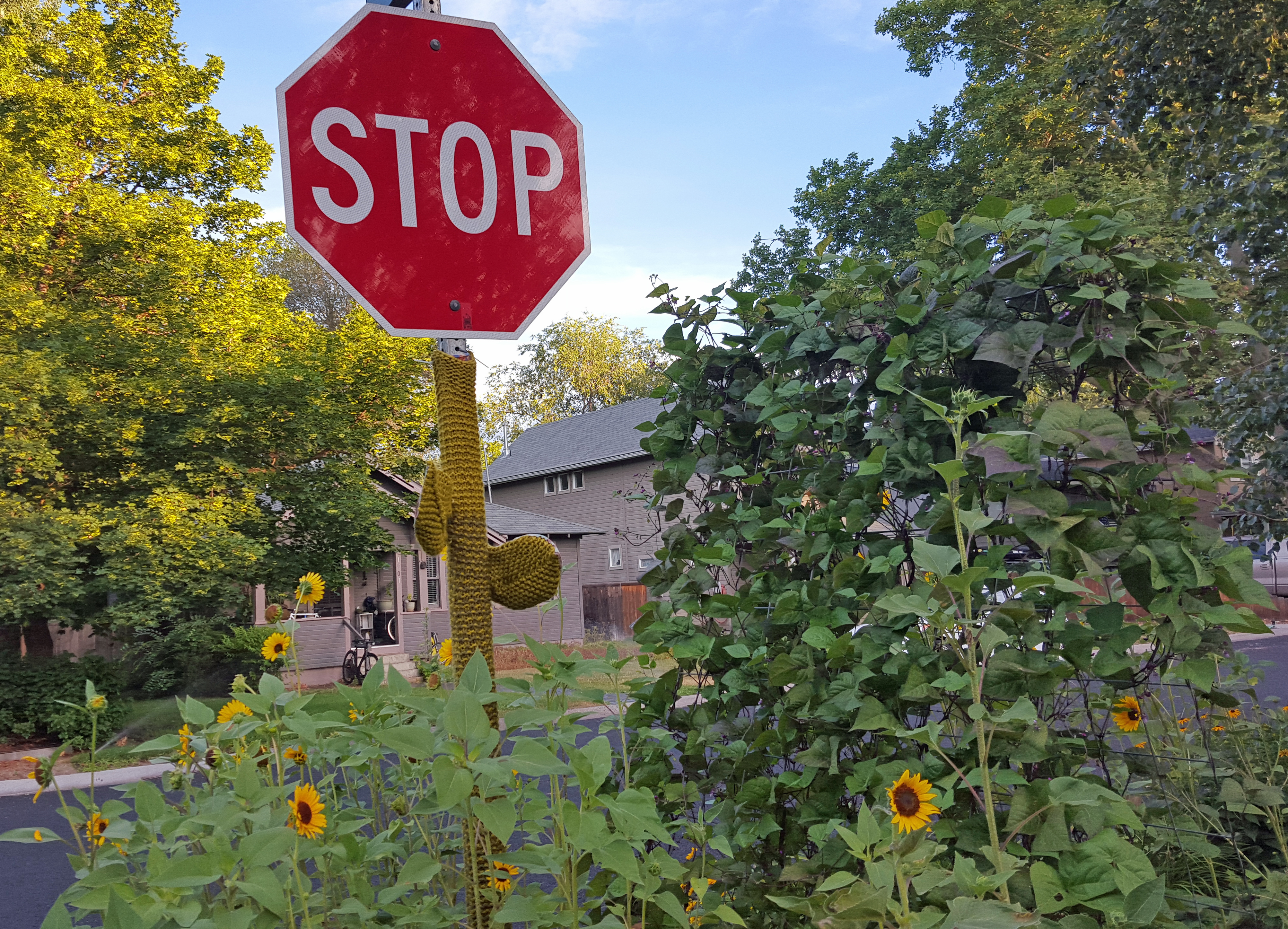
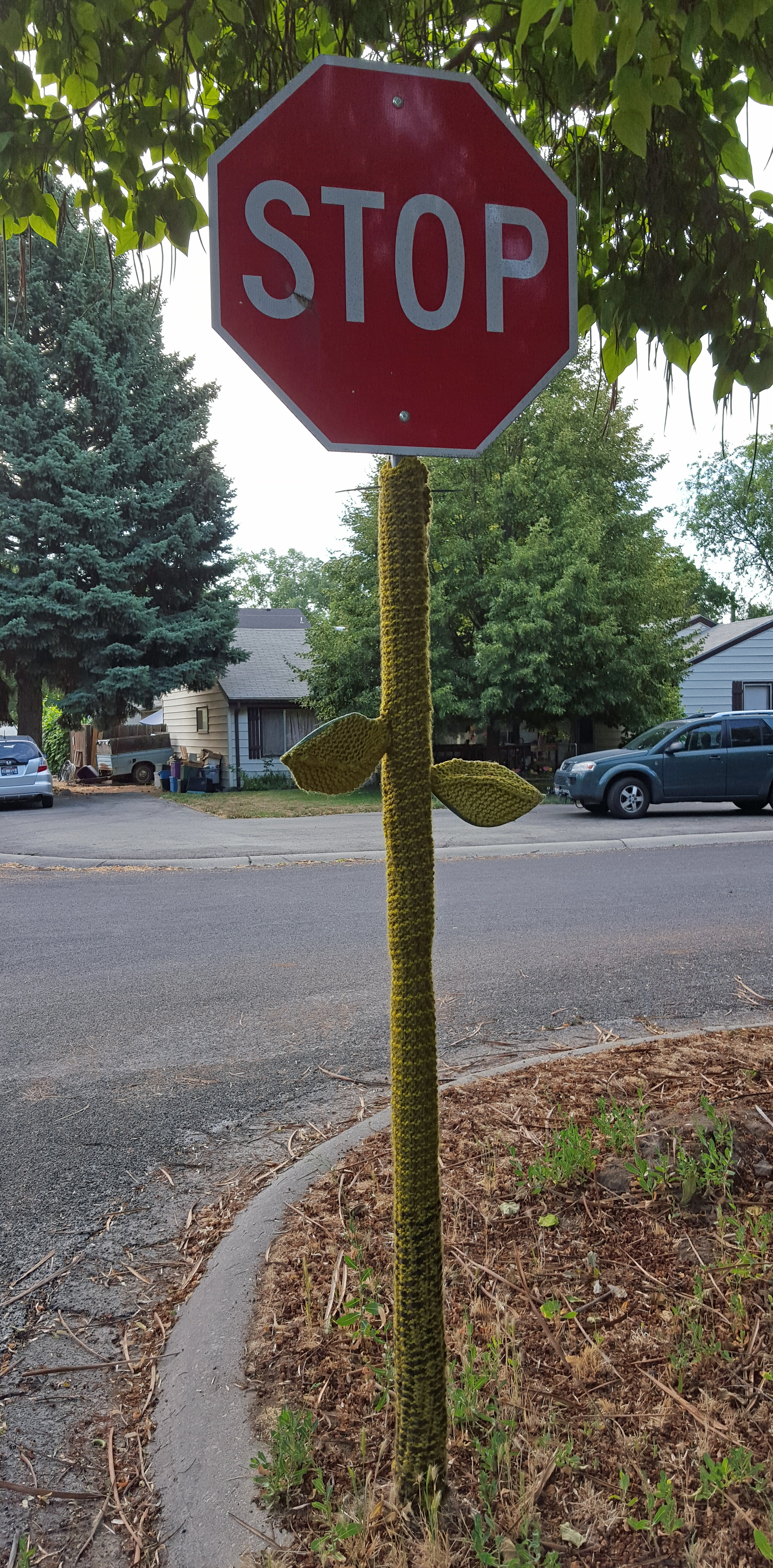
Stop sign in Sunset Neighborhood in Boise, Idaho

Stop sign in Boise’s Sunset Neighborhood

Stop sign in Sunset Neighborhood in Boise, Idaho

Stop sign in Boise’s Sunset Neighborhood

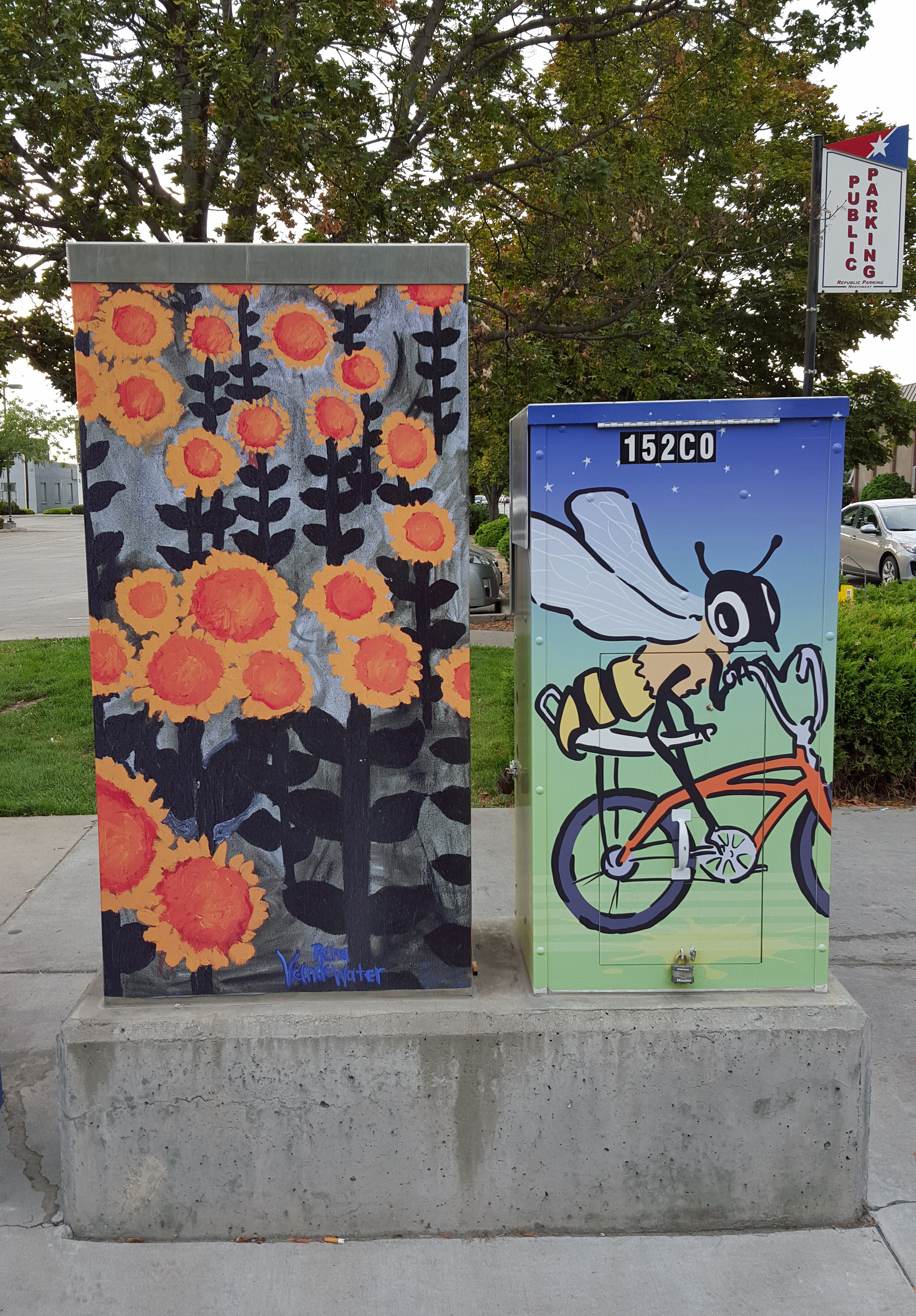
Utility boxes in downtown Boise, Idaho

Utility boxes in downtown Boise, Idaho

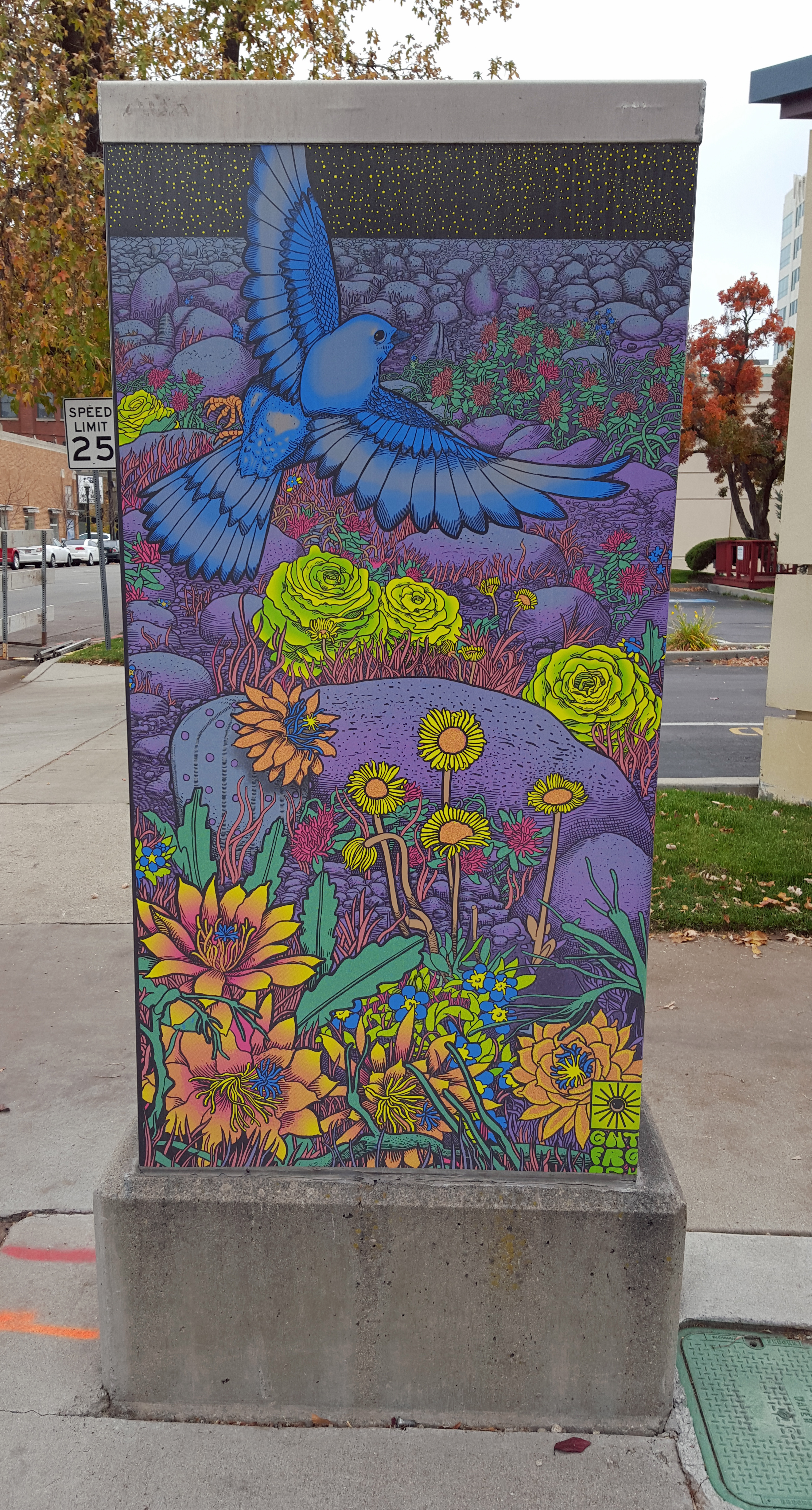
Utility box in Boise, Idaho

Utility box in downtown Boise, Idaho

Influence of a Passion

This is a guest post by Samuel Malley.

———————

One of the most fascinating parts of plant interest is learning about those who have contributed to it as a whole. It has inspired great men and women who made it what it is today – from the Greek Theophrastrus, regarded as the father of botany through to Margaret Rebecca Dickinson who would bring these plants to life through illustrations. To learn about their lives is an absolute joy, knowing your passion has birthed these amazing people.

Take Carl Linnaeus, for example, a man who invented a method to name plants according to their genus, species, and so forth. We use this commonly today as it has become his legacy that impacts every botanist, gardener, and horticulturist as well as many others in the world. As the Roman naturalist Pliny the Elder would say “fortune favours the brave.” This quote would certainly apply to many. The dream to travel to new far away lands and discover new plant species would indeed inspire those willing to be brave and be rewarded in return. Even now in this day and age people are still imagining and travelling to see what else is out there. And who knows, a plant could be discovered soon that pushes the boundaries of what we think and know.

One of the first botanists I came across just as my obsession was starting was Luca Ghini. Born in 1490, he created the first botanical garden in Pisa, Italy. Ghini also created a technique of drying and pressing plants, eventually being recorded with having the first herbarium. This supposedly contained around three hundred specimens.

To me Luca is one of my personal heroes – someone who’s genius shaped the modern plant world. What a privilege it must have been to be the first to have stepped into the Pisa Garden or to be in the company of Luca as he added a new leaf to his collection. He passed away in 1556, and like every great botanist he left a legacy. Ghini is still here, alive through his garden and his drying technique. To the man himself, if I could go back in time, the two words that I would say to him would be, “Thank you.”

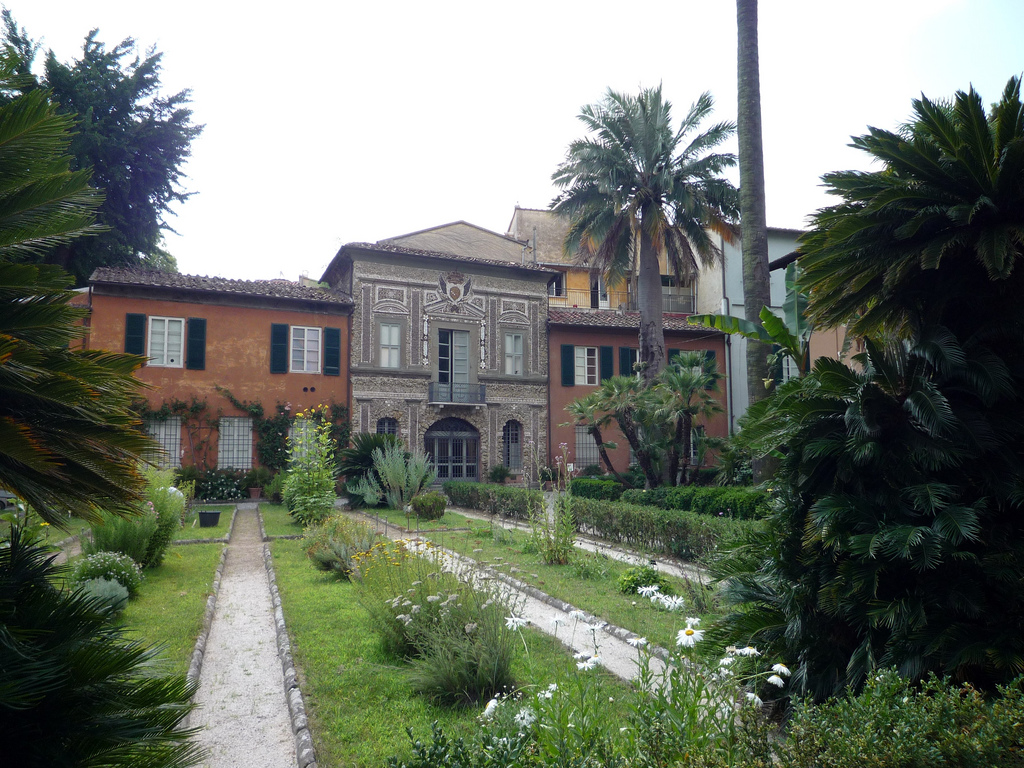
Pisa Botanical Garden - photo credit: Chris / flickr

Pisa Botanical Garden – photo credit: Chris/Flickr

The future ahead in plant interest is a very bright one, awaiting more great people to add to the rich, fascinating history it has to offer full of eye opening men and women.

———————

Samuel Malley is a horticulture student in the United Kingdom. He is an aspiring botanist and is also interested in creating unique garden sculptures.