Book Review: Weeds Find a Way

At what age do we become aware that there are profound differences among the plants we see around us? That some are considered good and others evil. Or that one plant belongs here and another doesn’t. Most young children (unless an adult has taught them) are unaware that there is a difference between a weed and a desirable plant. If it has attractive features or something fun to interact with – like the seed heads of dandelions or the sticky leaves of bedstraw – they are all the same. At some point in our trajectory we learn that some plants must be rooted out, while others can stay. Some plants are uninvited guests – despite how pretty they might be – while others are welcome and encouraged.

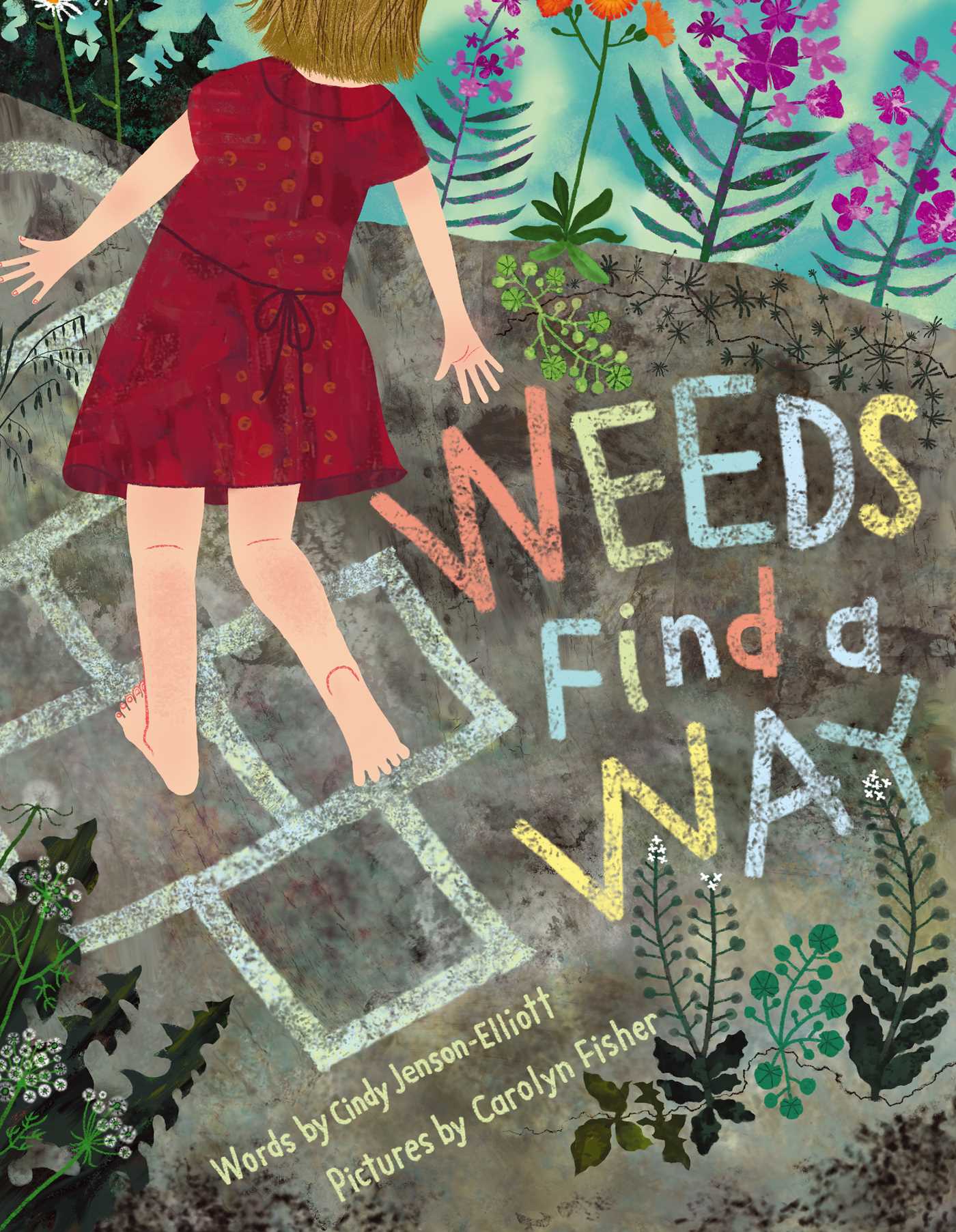
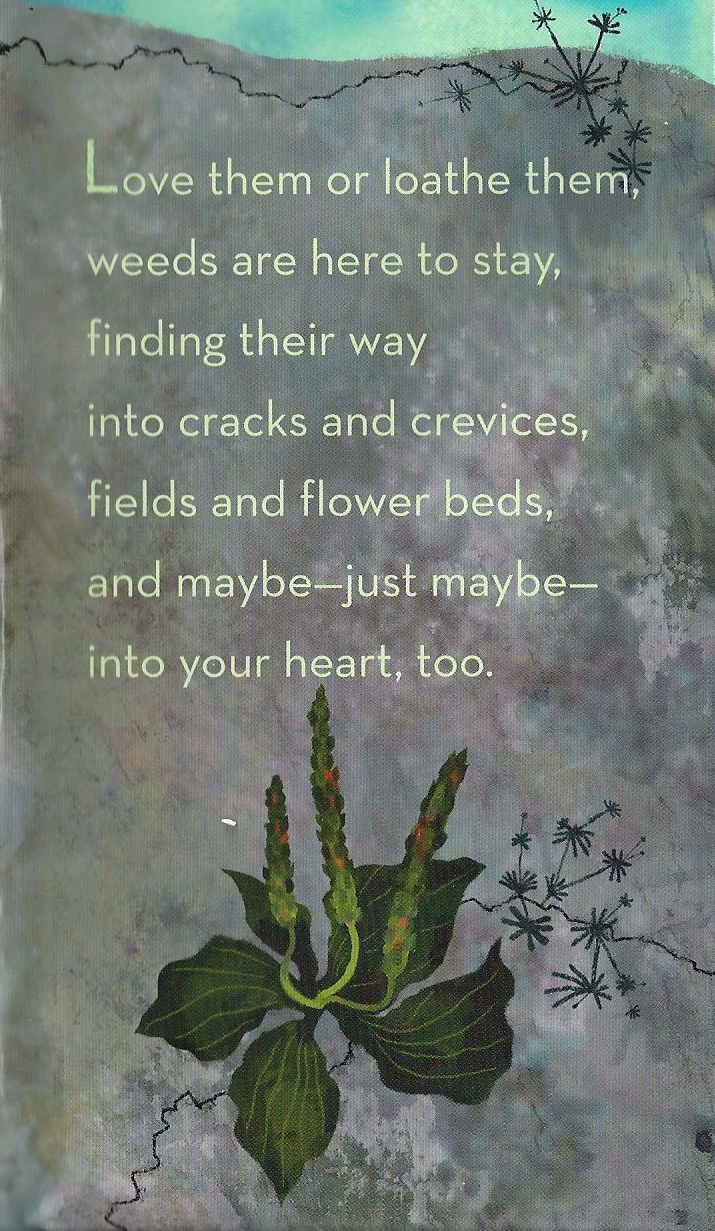
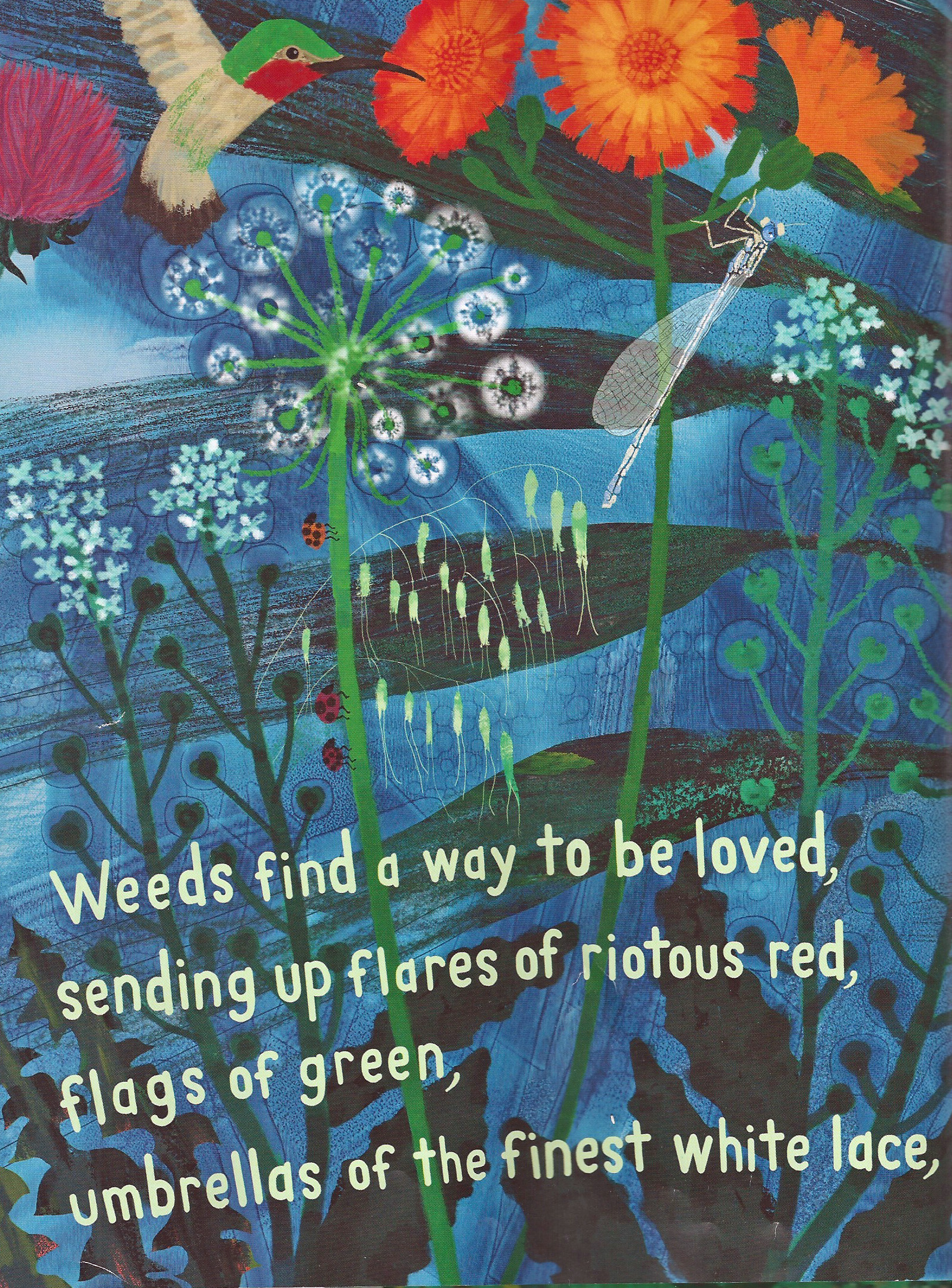
But weeds are resilient, and so they remain. Weeds Find a Way, written by Cindy Jenson-Elliot and illustrated by Carolyn Fisher, is a celebration of weeds for their resiliency as well as for their beauty and usefulness. This book introduces the idea of weeds to children, focusing mainly on their tenacity, resourcefulness, and positive attributes rather than their darker side. “Weeds are here to stay,” so perhaps there is a place for them.

The book begins by listing some of the “wondrous ways” that weed seeds disperse themselves: “floating away on the wind,” attaching themselves to “socks and fur,” shot “like confetti from a popped balloon.” And then they wait – under snow and ice or on top of hot sidewalks – until they find themselves in a time and place where they can sprout. Eventually, “weeds find a way to grow.”

Weeds also “find a way to stay.” We can pull them up, but their roots are often left behind to “sprout again.” Pieces and parts break off and take root in the soil. Animals may swoop in to devour them, but weeds drive them away with their thorns, prickles, and toxic chemicals. In these ways they are a nuisance, but they can be beautiful and beneficial, too.

This illustrated story of weeds is followed by some additional information, as well as a list of common weeds with brief descriptions. Weeds are defined as plants “thought to be of no value that grow in places where people do not want them to grow,” adding that even “misunderstood and underappreciated plants that are native to a region and have multiple uses” can be labeled weeds.

The concept of weeds as invasive species is also addressed; some introduced plants move into natural areas and can “crowd out native vegetation, block streams, and drive away wild animals.” That being said, weeds also provide us with “endless opportunities to study one of nature’s most wonderful tools: adaptation.” Weeds are problematic as much as they are useful, it’s simply a matter of perspective.

A criticism of this book might be that it doesn’t focus enough on the negative aspects of weeds. There is plenty of that elsewhere. The aim of this book is to connect us with nature, and as Jensen-Elliot writes, “you don’t need a garden to know that nature is at work.” When there is a weed nearby, nature is nearby. Weeds “adapt and grow in tough times and desolate places,” and they make the world beautiful “one blossom at a time.”

Summer of Weeds: Salsify

Picking a favorite weed is challenging. If we dismiss entirely the idea that a person is not supposed to like weeds, the challenge is not that “favorite weeds” is an oxymoron; it is, instead, that it is impossibile to pick one weed among hundreds of weeds that is the most attractive, the most impressive, the most useful, the most forgiving, whatever. For me, salsify is a top contender.

Salsify and goatsbeard are two of several common names for plants in the genus Tragopogon. At least three species in this genus have been introduced to North America from Europe and Asia. All are now common weeds, widespread across the continent. All have, at some point, been cultivated intentionally for their edible roots and leaves, but Tragopogon porrifolius – commonly known as oyster plant or purple salsify – may be the only one that is intentionally grown in gardens today. Its purple flowers make it easy to determine between the other two species, which have yellow flowers.

As it turns out, I am not familiar with purple salsify. I don’t think it is as common in western North America as it is in other parts of the continent. In fact, the most common of the three in my corner of the world appears to be Tragopogon dubius, commonly known as western salsify. Tragopogon pratensis (meadow salsify) makes an appearance, but perhaps not as frequently. To complicate matters, hybridization is common in the genus, so it may be difficult to tell exactly what you are looking at.

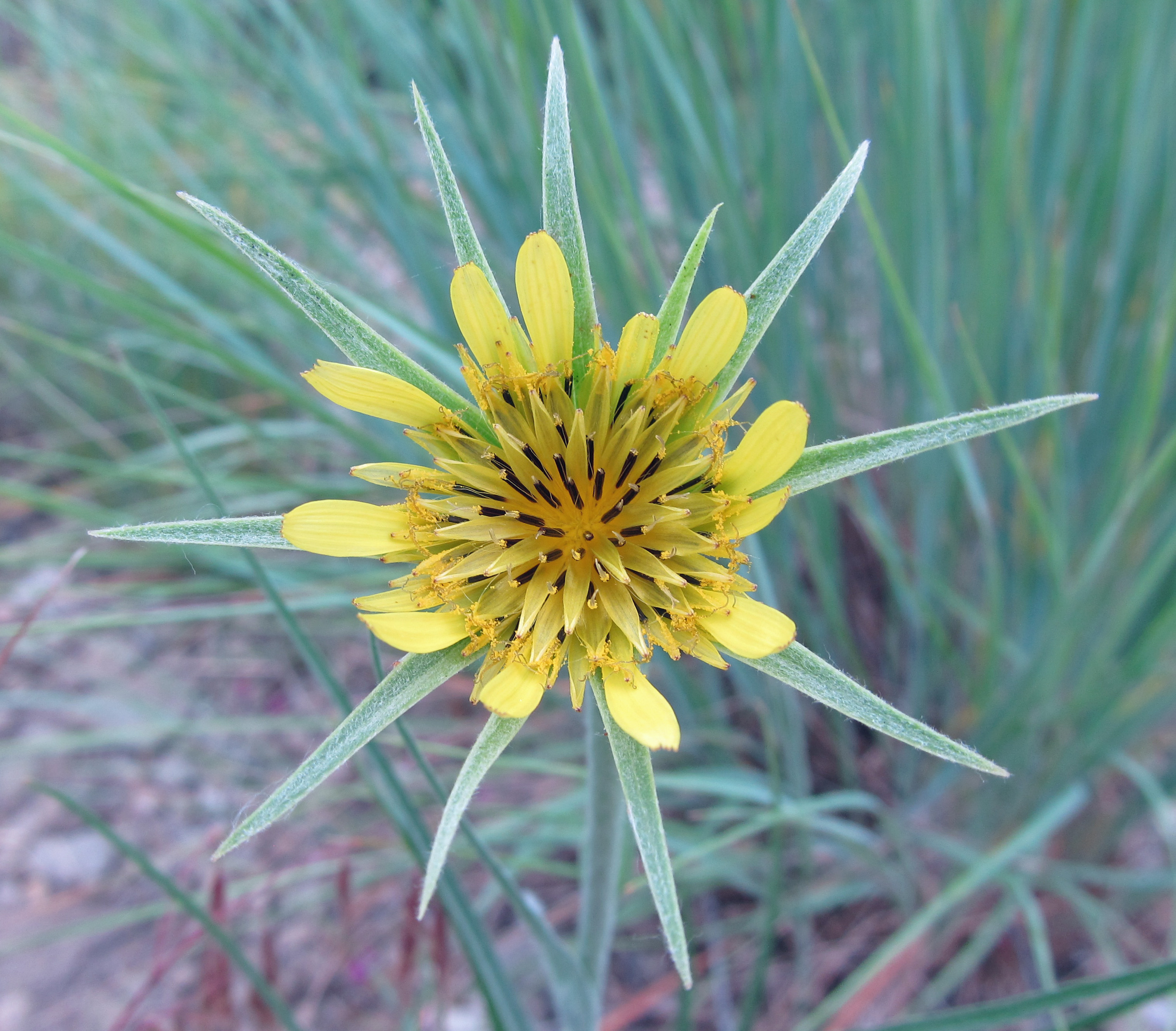
western salsify (Tragopogon dubius)

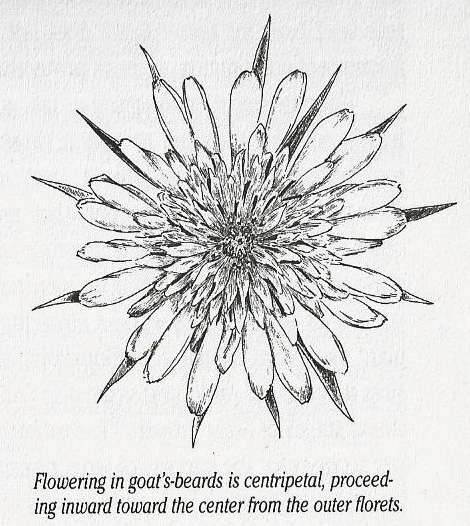
Regardless, salsify is a fairly easy weed to identify. It is a biennial (sometimes annual, sometimes perennial) plant that starts out as a rosette of gray-green leaves that are grass-like in appearance. Eventually a flower stalk emerges, adorned with more grass-like leaves, branching out to form around a half dozen flower heads. Salsify is in the aster family, in which flower heads typically consist of a tight grouping of disc and ray florets. In this case, only ray florets are produced. The florets are yellow or lemon-yellow, and each flower head sits atop a series of pointed bracts which encase the flower (and the forming seed head) when closed. Examining the length of the bracts is one way to tell T. dubius (bracts extend beyond the petals) from T. pratensis (bracts and petals are equal in length).

Illustration of Tragopogon dubius by Amelia Hansen from The Book of Field and Roadside by John Eastman

The flowers of salsify open early in the morning and face the rising sun. By noon, they have usually closed. This phenomenon is the reason behind other common names like noonflower and Jack-go-to-bed-at-noon. Salsify’s timely flowering makes an appearance in Elizabeth Gilbert’s novel, The Signature of All Things: “Alma learned to tell time by the opening and closing of flowers. At five 0’clock in the morning, she noticed, the goatsbeard petals always unfolded. … At noon, the goatsbeard closed.”

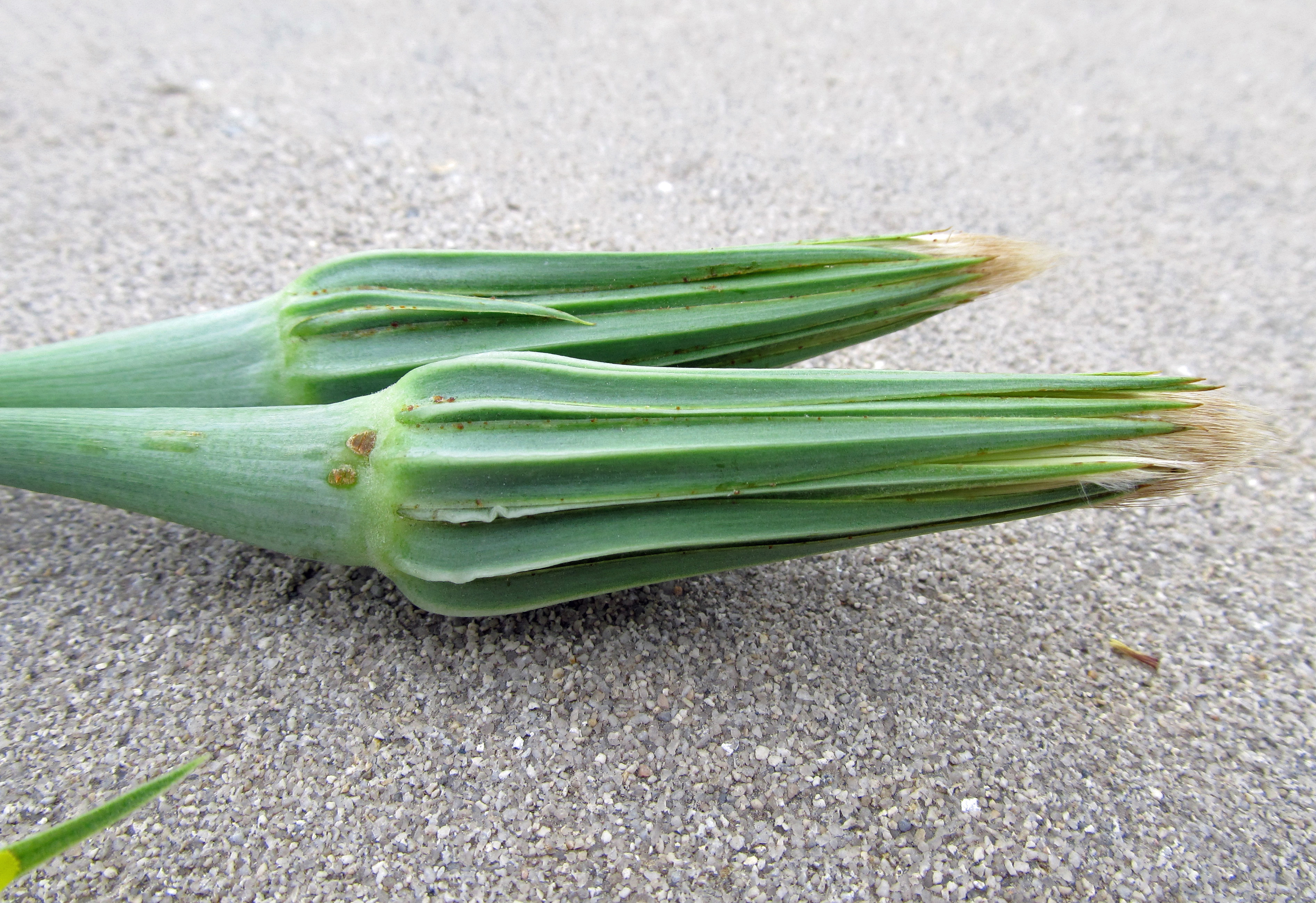
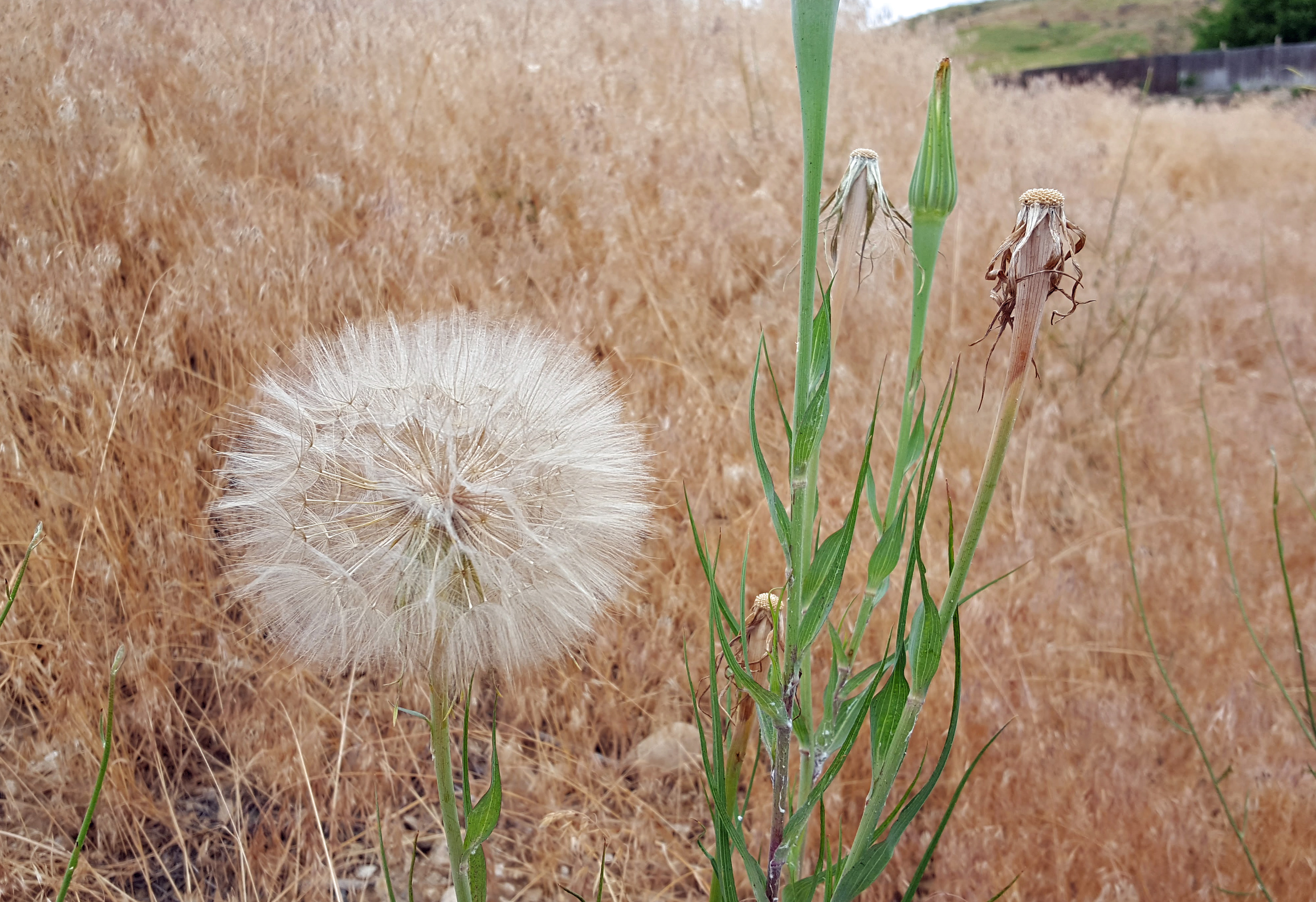
The seed heads of salsify look like over-sized dandelions. Each seed (a.k.a. achene) is equipped with a formidable pappus, and with the help of a gust of wind, seeds can be dispersed hundreds of feet from the parent plant. The seeds don’t remain viable for very long, but with each plant producing a few hundred seeds and dispersing them far and wide, it is not hard to see why salsify has staying power.

Open, sunny areas are preferred by salsify, but it can grow in a variety of conditions. In The Book of Field and Roadside, John Eastman writes, “goatsbeards can establish themselves in bare soil, amid grasses and old-field vegetation, and in heavy ground litter; such adaptability permits them to thrive across a range of early plant successional stages.” Wild Urban Plants of the Northeast lists the following sites as “habitat prefrences” of meadow salsify: “abandoned grasslands, urban meadows, vacant lots, rubble dumps, and at the base of rock outcrops and stone walls.” While generally not considered a noxious weed, Tragopogon species are commonly encountered and widely naturalized. Last summer on a field trip to Mud Springs Ridge near Hells Canyon, salsify was one of only a small handful of introduced plants I observed looking right at home with the native flora.

Seed heads of western salsify (Tragopogon dubius) before opening

All that being said, why is salsify one of my favorite weeds? Its simple and elegant form appeals to me. Its gray- or blue-green stems and leaves together with its unique, yellow flowers are particularly attractive to me. And its giant, globe-shaped seed heads, which seem to glisten in the sun, captivate me. Its not a difficult weed to get rid off. It generally pulls out pretty easily, and it’s a satisfying feeling when you can get it by the root. It’s a sneaky weed, popping up full grown inside of another plant and towering above it, making you wonder how you could have missed such an intrusion. The roots are said to be the most palatable before the plant flowers, so if you can spot the young rosette – disguised as grass and also edible – consider yourself lucky. I haven’t tried them yet, but I will. [Editor’s note: Sierra tells me that I have eaten them in a salad she made, but at the time I didn’t know they were in there so I don’t remember what they tasted like.] If they are any good, that will be one more reason why salsify is one of my favorite weeds.

Bonus excerpt from Emma Cooper’s book, Jade Pearls and Alien Eyeballs, regarding Tragopogon porrifolius:

Salsify is often called the vegetable oyster, because its roots are supposed to have an oyster-like flavor although I suspect nobody would be fooled. The long roots are pale and a bit like carrots – they are mild and sweet and when young can be eaten raw. Mature roots are better cooked. Traditionally a winter food, any roots left in the ground in spring will produce a flush of edible foliage.

Summer of Weeds: Pineapple Weed

“The spread of the fruitily perfumed pineapple weed, which arrived in Britain from Oregon in 1871, exactly tracked the adoption of the treaded motor tyre, to which its ribbed seeds clung as if they were the soles of small climbing boots.” – Richard Mabey, Weeds: In Defense of Nature’s Most Unloved Plants

Can a plant that is native to North America be considered a weed in North America? Sure. If it is acting “weedy” according to whatever definition we decide to assign to the word, then why not? Can “weeds” from North America invade Europe the same way that so many “weeds” from there have invaded here? Of course! Pineapple weed is just one such example.

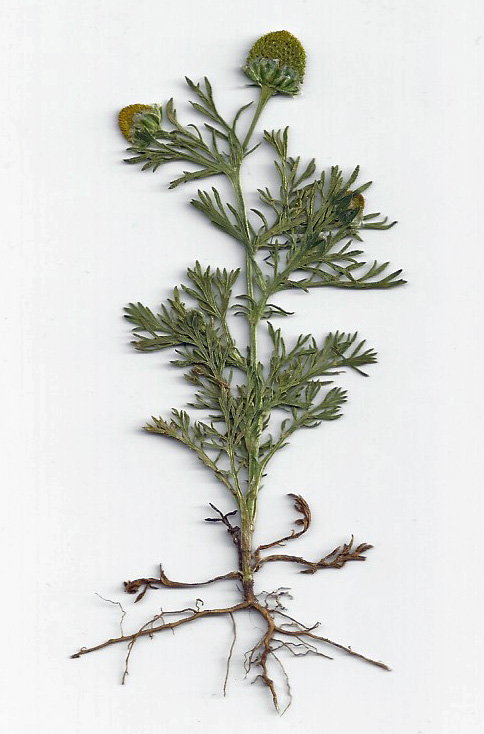
Native to western North America and northeastern Asia, this diminutive but tough annual plant in the aster family can now be found around the globe. Matricaria discoidea gets its common name from the distinctive fruity scent it gives off when its leaves and flowers are crushed. Its scent is not deceptive, as it is yet another edible weed (see Eat the Weeds). Teas made from its leaves have historically been used to treat upset stomachs, colds, fevers, and other ailments.

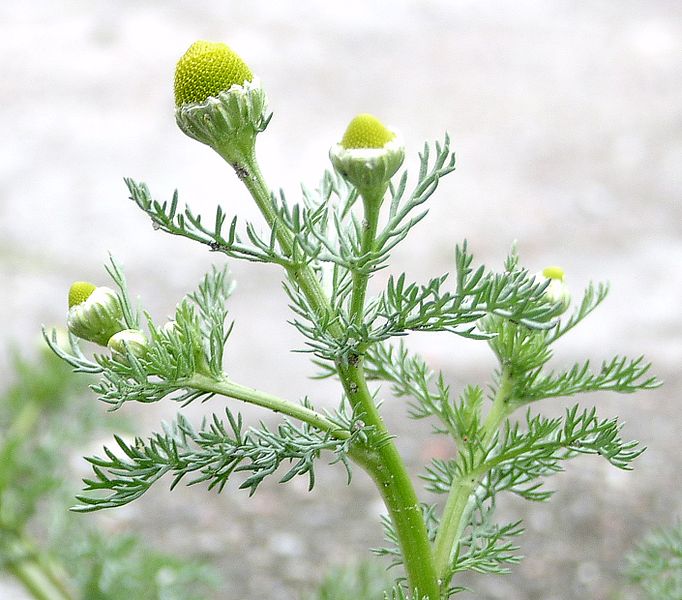
pineapple weed (Matricaria discoidea)

Pineapple weed reaches as few as a couple centimeters to a little over a foot tall. Its leaves are finely divided and fern-like in appearance. Its flower heads are cone or egg-shaped, yellow-green, and cupped in light-colored, papery bracts. The flower heads lack ray florets and are composed purely of tightly packed disc florets. The fruits (i.e. seeds) are tiny, ribbed achenes that lack a pappus.

Compacted soils are no match for pineapple weed. It is often seen growing in hard-packed roadways and through small cracks in pavement, and it is undeterred by regular trampling. It is a master of disturbed sites and is commonly found in home gardens and agriculture fields. It flowers throughout the summer and is often confused with mayweed (Anthemis cotula); the telltale difference is that mayweed gives off a foul odor when crushed.

Meriwether Lewis collected pineapple weed along the Clearwater River during the Lewis and Clark Expedition. In their book, Lewis and Clark’s Green World, Scott Earle and James Reveal write, “There is nothing in the expedition’s journals about the plant, but it would seem that there was little reason for Lewis to collect the two specimens that he brought back other than for its ‘agreeable sweet scent.’ It is otherwise an unremarkable, rayless member of the aster family.” The authors continue their mild ribbing with this statement: “The pineapple weed deserves its appellation, for it is a common weed – although a relatively innocuous one – that grows in disturbed places, along roadsides, and as an unwanted garden guest.”

pineapple weed (Matricaria discoidea) – photo credit: wikimedia commons

More Resources:

Quote of the Week:

From Weeds and What They Tell (ed. 1970) by Ehrenfried Pfeiffer

“Weeds are WEEDS only from our human egotistical point of view, because they grow where we do not want them. In Nature, however, they play an important and interesting role. They resist conditions which cultivated plants cannot resist, such as drought, acidity of soil, lack of humus, mineral deficiencies, as well as a one-sidedness of minerals, etc. They are witness of [humanity’s] failure to master the soil, and they grow abundantly wherever [humans] have ‘missed the train’ – they only indicate our errors and Nature’s corrections. Weeds want to tell a story – they are natures way of teaching [us] – and their story is interesting. If we would only listen to it we could apprehend a great deal of the finer forces through which Nature helps and heals and balances and, sometimes, also has fun with us.”

Summer of Weeds: Henbit and Purple Deadnettle

There are weeds for every season. Now that we are heading into the hot days of summer, spring weeds (if they haven’t already) are fading. There is a parallel between them and the spring wildflowers we love. They start early, greening up and flowering even before there are leaves on the trees. They exploit the sun made available before deciduous trees and shrubs can hog it all, and they take advantage of the moisture in the soil brought by winter snowfall and spring rain. They thrive in cool temperatures, and their flowers provide early pollen and nectar for emerging pollinators. One major difference between spring ephemeral weeds and spring ephemeral wildflowers is that, despite having similar strategies and providing similar services, the spring weeds aren’t from here; and so we look down on them.

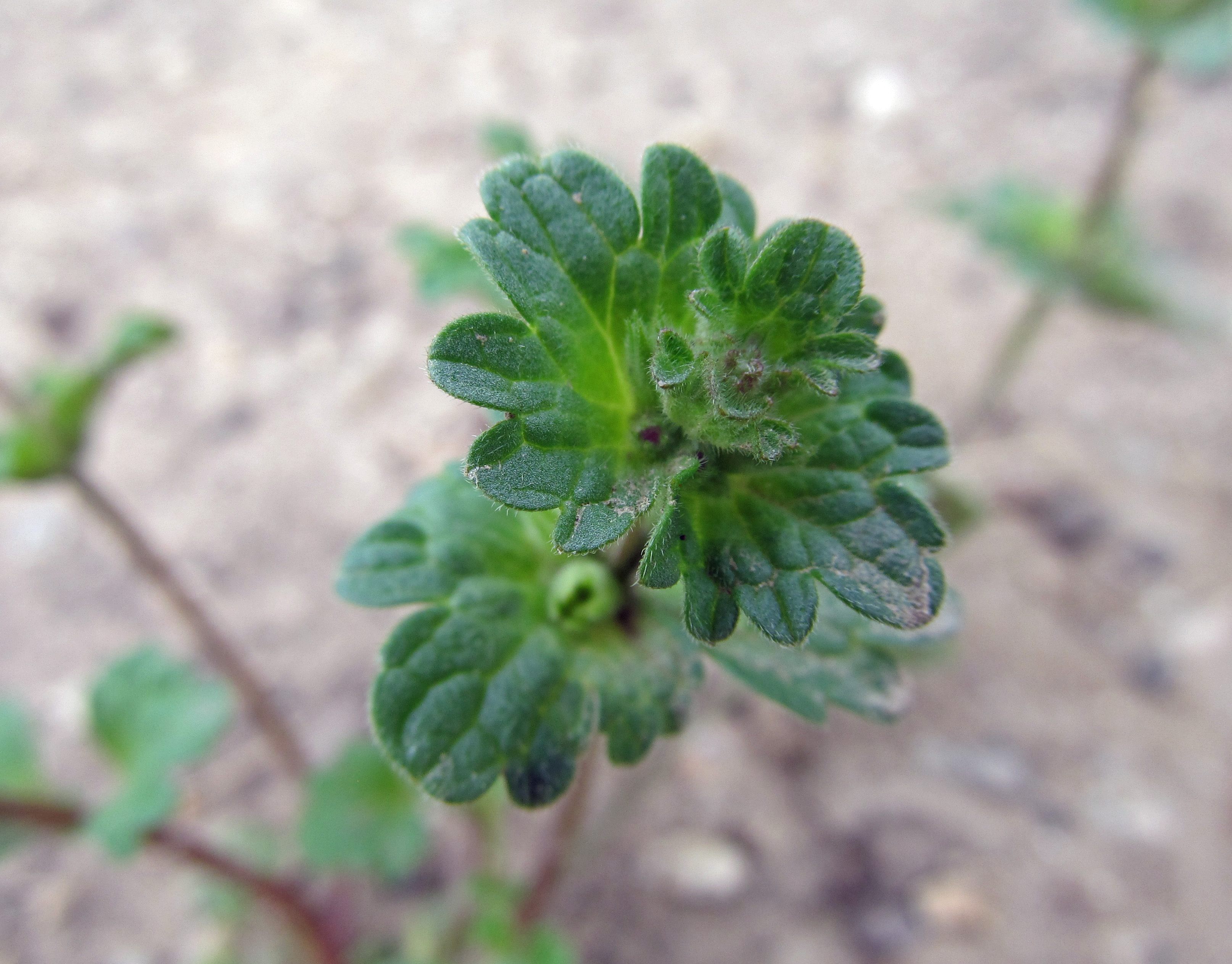
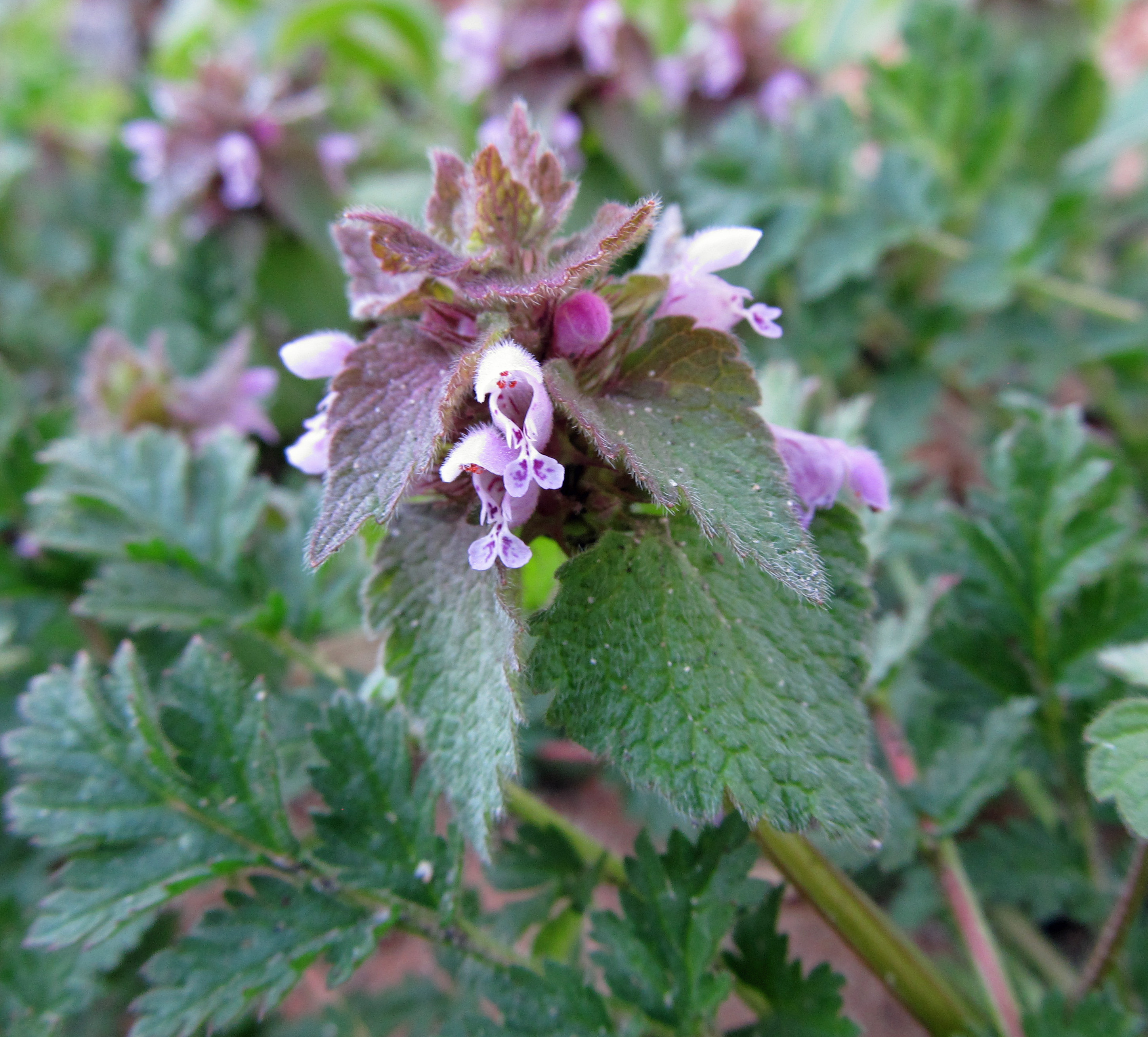
Two common, annual, spring weeds that are easily recognizable – but often mistaken for one another – are henbit and purple deadnettle. Both are in the genus Lamium and the family Lamiaceae (the mint family) and both arrived from Europe. Looking closely at the leaves is the best way to tell these two apart. The upper leaves of henbit (Lamium amplexicaule) lack petioles and are round or oval with rounded teeth. The upper leaves of purple deadnettle (Lamium purpureum) are crowded around the stem, have short petioles, sharper teeth, and are more spade-shaped, coming to a point at the tip. The uppermost leaves of purple deadnettle are a distinct reddish-purple. Identify That Plant offers a great tutorial to help tell these and groundy ivy (another spring-occurring, annual weed in the mint family) apart.

henbit (Lamium amplexicaule)

Henbit prefers full sun and moist, rich soils. It can have either a prostrate or an erect growth habit. In urban environments it is commonly found in lawns, garden beds, and drainage ditches. It is common in agricultural crops and fallow fields as well. According to Weeds of North America, “henbit is poisonous to livestock, especially sheep, causing the animal to stagger;” it is also a host for aster yellows, tobacco etch, and tobacco mosaic viruses. Purple deadnettle inhabits similar sites, often forming a dense groundcover. While henbit and purple deadnettle are highly attractive to bees, they do not always require insect pollination and can self-pollinate instead. Each plant can produce dozens of seeds, and seeds remain viable in the soil for as long as 25 years.

Plants in the genus Lamium are commonly referred to as dead-nettles because they resemble stinging nettle (Urtica dioica) and other plants in the genus Urtica. Lamiums do not posses the stinging quality, and so they are “dead.”  The young leaves, shoots, and flowers of henbit and purple deadnettle are edible and can be eaten raw or cooked. Check out Eat the Weeds for more details.

Illustration of henbit (Lamium amplexicaule) from Selected Weeds of the United States (Agriculture Handbook No. 366) circa 1970

More Resources:

purple deadnettle (Lamium purpureum)

Quote of the Week:

From Wild Urban Plants of the Northeast by Peter Del Tredici

From a utilitarian perspective, a weed is any plant that grows by itself in a place where people do not want it to grow. The term is a value judgment that humans apply to plants we do not like, not a biological characteristic. Calling a plant a weed gives us license to eradicate it. In a similar vein, calling a plant invasive allows us to blame it for ruining the environment when really it is humans who are actually to blame. From the biological perspective, weeds are plants that are adapted to disturbance in all its myriad forms, from bulldozers to acid rain. Their pervasiveness in the urban environment is simply a reflection of the continual disruption that characterizes this habitat. Weeds are the symptoms of environmental degradation, not its cause, and as such they are poised to become increasingly abundant within our lifetimes.

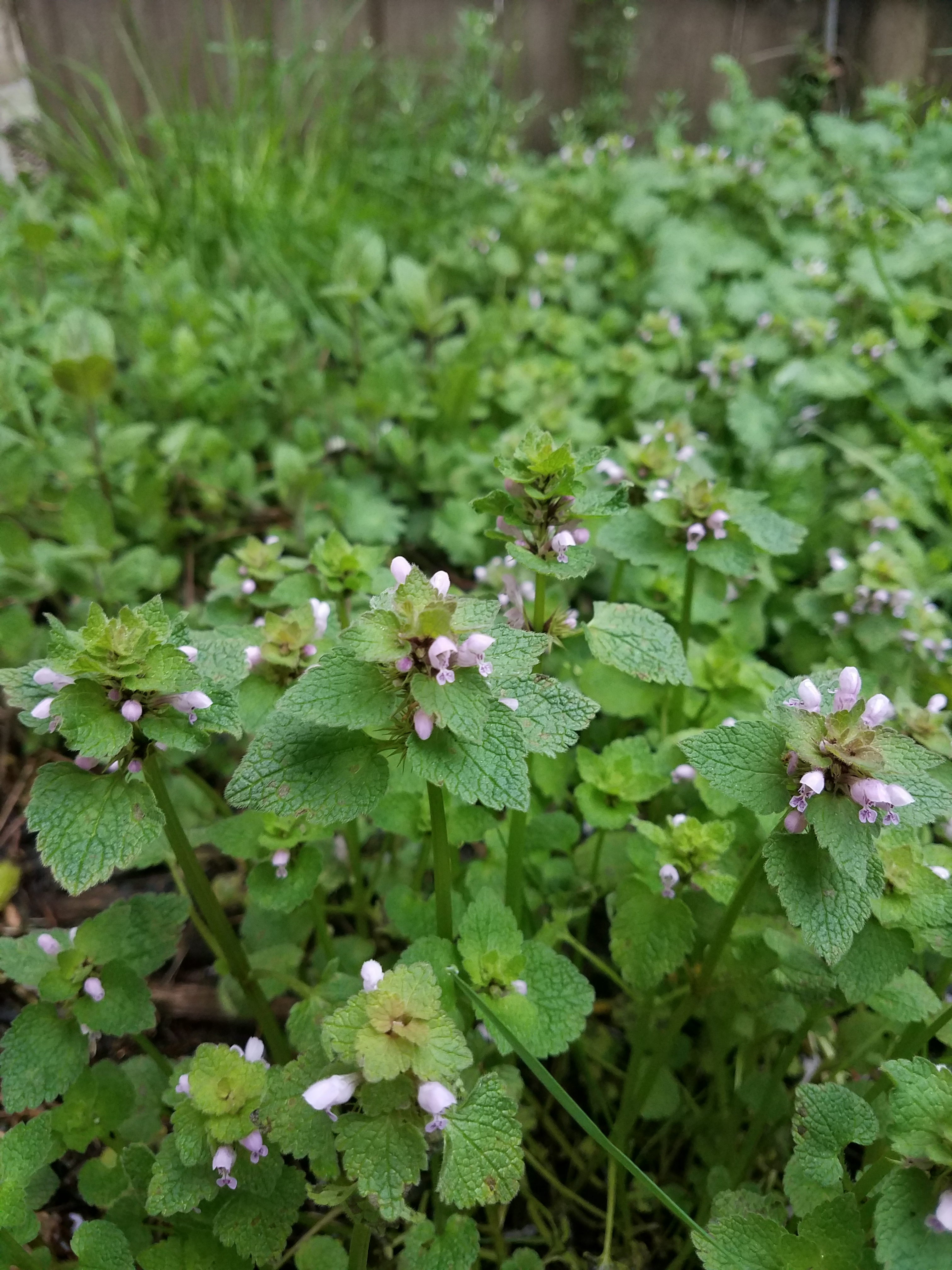
A patch of dead-nettle (Lamium sp.) – photo credit: Amy Trampush (Thank you, Amy!)

Poisonous Plants: Buttercups

Hold a buttercup flower under your chin. If your chin glows yellow, you love butter. That is according to a classic childhood game anyway. Recent research explored the cellular structure of buttercup petals and revealed the anatomical reason behind their yellow glow. Apart from helping to warm the flower’s sex organs, this glow is thought to draw in pollinating insects to ensure proper pollination.

Now take the fresh green leaves of buttercups, crush them up, and rub them against your skin. On second thought, DON’T DO THAT! This is not a childhood game and should absolutely be avoided…unless, of course, you derive some sort of pleasure from painful blisters.

Buttercups, also commonly known as crowfoots, are in the genus Ranunculus and the family Ranunculaceae. Ranunculus consists of a few hundred species and is a common group of annual and perennial herbaceous plants with alternately arranged, palmately veined leaves that are either entire, lobed, or finely divided. Buttercup flowers are usually yellow (sometimes white) with 5 petals (sometimes 3 or 7) that are either borne singly or in loose clusters. The flowers are complete, having both male and female reproductive structures that are easily identifiable. Flowering usually occurs in the spring.

bulbous buttercup (Ranunculus bulbosus) – photo credit: wikimedia commons

Ranunculus species are found throughout the world. Common habitats include moist woods, meadows, open fields, wetlands and other riparian areas, as well as drier sites like roadsides and neglected, urban lots. Several species are commonly grown as ornamentals, and others are common weeds in natural areas, urban landscapes, and agricultural fields.

All buttercups contain a compound called ranunculin. When the leaves are crushed or bruised, ranunculin breaks down to form an acrid, toxic oil called protoanemonin. Contact with this oil causes dermatitis. Symptoms occur within an hour of contact and include burning and itching along with rashes and blisters. When the leaves are chewed, blisters can form on the lips and face. If swallowed, severe gastrointestinal irritation can follow, accompanied by dizziness, spasms, and paralysis. The toxic oil is also irritating to the eyes.

Ranunculus species vary in their levels of this toxic compound, and individual plants are said to be more toxic in the spring when they are actively growing and flowering. Protoanemonin breaks down further into an innocuous compound called anemonin, so dead and dried out plants are generally safe. Commonly encountered (and particularly toxic) species in North America include tall buttercup (R. acris), cursed buttercup (R. sceleratus), creeping buttercup (R. repens), littleleaf buttercup (R. arbortivus), and sagebrush buttercup (R. glaberrimus). Bulbous buttercup (R. bulbosus) has bulbous roots that are toxic when fresh but are said to be edible after they are well boiled or completely dried.

cursed buttercup (Ranunculus sceleratus)

The toxicity of Ranunculus species seems to be more of an issue for livestock than for humans. Grazing animals tend to avoid it since it tastes so bad. Those that do eat it exhibit responses similar to humans – blistering around the mouth, gastrointestinal issues, etc. In The Book of Field and Roadside, John Eastman writes about Ranunculus acris: “Cattle usually avoid the plant – its acrid juices can blister their mouths – though they can also develop something like an addiction to it, consuming it until it kills them.” Buttercups becoming dominant in pastures and rangelands is often a sign of overgrazing.

Despite – and likely due to – their toxicity, buttercups have a long history of medicinal uses. Civilizations in many parts of the world have used the leaves and roots of the plant to treat numerous ailments including rheumatism, arthritis, cuts, bruises, and even hemorrhoids. A report published in 2011 describes three patients in Turkey that had applied poultices of corn buttercup (R. arvensis) to parts of their body to treat rheumatism. The patients were treated for chemical burns caused by the applications. The report concludes by advising against treatments “whose therapeutic effects have not been proven yet by scientific studies.”

In The North American Guide to Common Poisonous Plants and Mushrooms, buttercups are listed among plant species that are skin and eye irritants, honey poisons, and milk poisons (see Appendices 3, 4, and 5). Other genera in the buttercup family may also contain high levels of protoanemonin, including popular ornamentals like Clematis, Helleborus, Anemone, and Pulsatilla. Thus, the moral of this story: handle these plants with care.

sagebrush buttercup (Ranunculus glaberrimus)

More Poisonous Plant Posts on Awkward Botany:

Love and Hate – The Story of Purple Loosestrife

In the early 1800’s, seeds of purple loosestrife found their way to North America. They arrived from Europe several times by various means – accidentally embedded in the ballast of ships, inadvertently tucked in sheep’s wool, and purposely carried in the hands of humans. Native to much of Europe and parts of Asia and commonly found growing in wetlands and other riparian areas, purple loosestrife’s appealing spikes of magenta flowers, sturdy, upright growth habit, and ease of propagation made it a prized ornamental; its abundant nectar made it a favorite of beekeepers.

During its first 150 years or so in North America, purple loosestrife became naturalized in ditches, wet meadows, and the banks of streams, rivers, lakes, and ponds while also enjoying a place in our gardens. Concern about its spread was raised in the first half of the twentieth century, but it wasn’t until the 1980’s after an extensive survey was done and a special report was issued by the U.S. Fish and Wildlife Service that attitudes about purple loosestrife shifted dramatically. At that point, it was no longer a benign invader and welcome garden companion. It was, instead, a biological menace that needed to be destroyed.

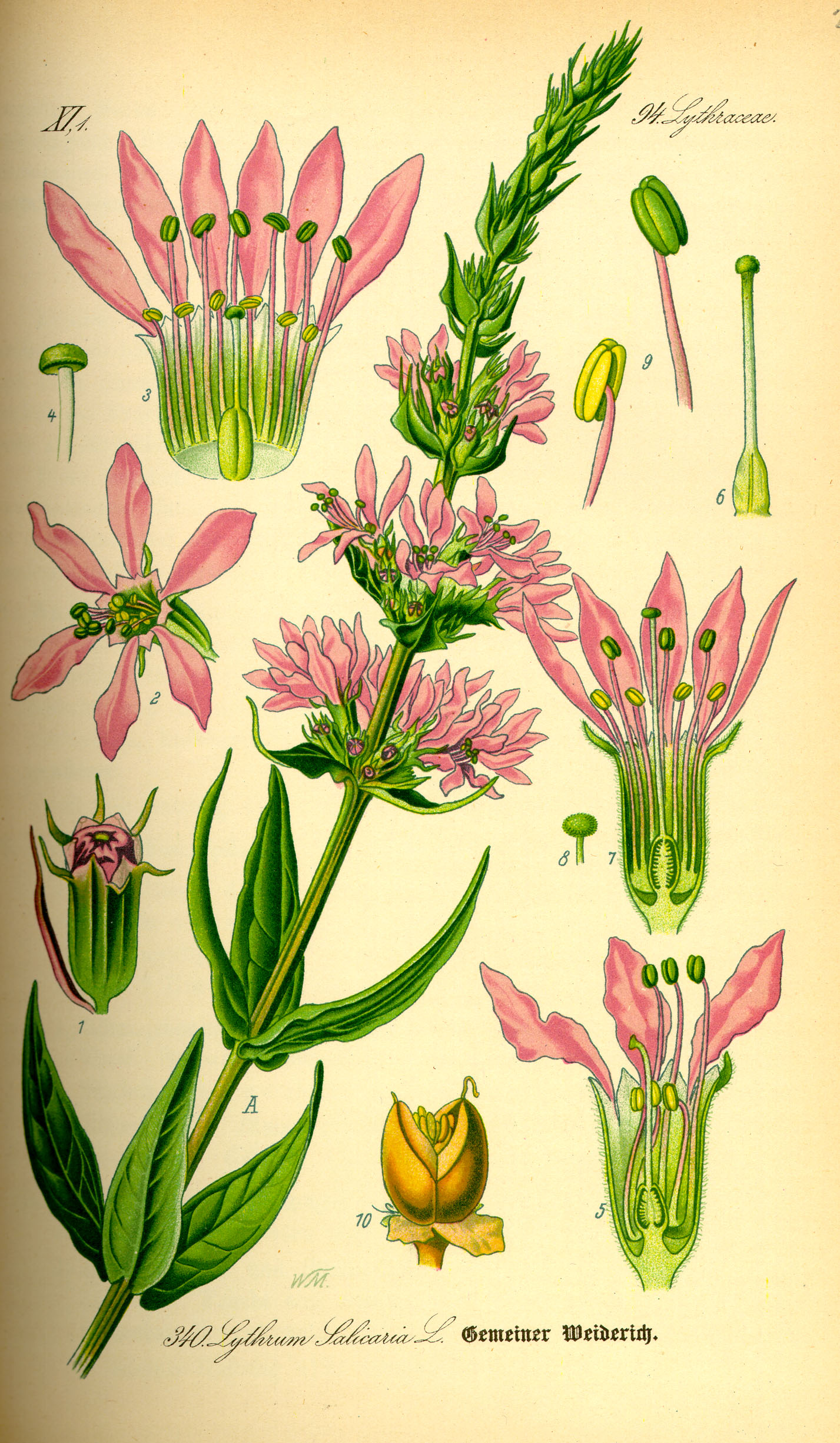
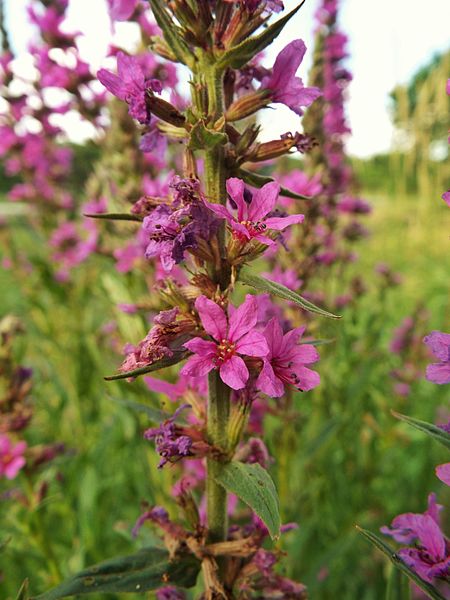
Lytrhrum salicaria – commonly known as purple loosestrife, spiked willow-herb, long purples, rainbow weed, etc. – is an herbaceous perennial in the family Lythraceae. It reaches up to two meters tall; has square or angular stems with lance-shaped, stalkless leaves up to ten centimeters long; and ends in dense, towering spikes of pink-purple, 5-7 petaled flowers. The flowers attract a wide variety of pollinating insects – mostly bees – and afterwards produce small capsules full of tiny, red-brown seeds. Charles Darwin thoroughly studied the flowers of purple loosestrife; he was intrigued by the plant for many reasons, including its heterostyly (a topic for another post).

Lythrum salicaria (purple loosestrife) – image credit: wikimedia commons

Purple loosestrife seeds remain viable for up to 20 years and are transported by wind, water, and in mud stuck to the feet of birds. Apart from seeds, populations expand clonally as root crowns grow larger each year and produce increasingly more stems. Broken stem pieces also take root in mud, creating new plants. Purple loosestrife’s ability to form expansive populations in a quick manner, pushing other plants aside and forming what appears to be a dense monoculture, is part of the reason it has earned itself a place among the International Union for Conservation of Nature’s list of 100 World’s Worst Invasive Alien Species.

But is this ranking justified? In a paper published in Biological Invasions in 2010, Claude Lavoie compares news reports about purple loosestrife around the turn of the century with data presented in scientific papers and finds that the reports largely exaggerate the evidence. Purple loosestrife was being accused of all manner of crimes against nature and was being condemned before there was sound evidence to justify such actions.

It began with the U.S. Fish and Wildlife Service’s special report published in 1987. According to Lavoie, “a long list of the impacts of the species on wetland flora and fauna [was] presented,” but the claims were not supported by observational or experimental data – “the impacts [were] only suspected.” Regardless, wetland managers began campaigns against purple loosestrife in order to convince the public that it was a Beautiful Killer. News outlets were quick to spread the word about this “killer” plant. When biological control programs began in the 1990’s, news outlets reported on their success. Little empirical evidence had been published on either topic, and debates about purple loosestrife’s impacts remained unsettled in the scientific community.

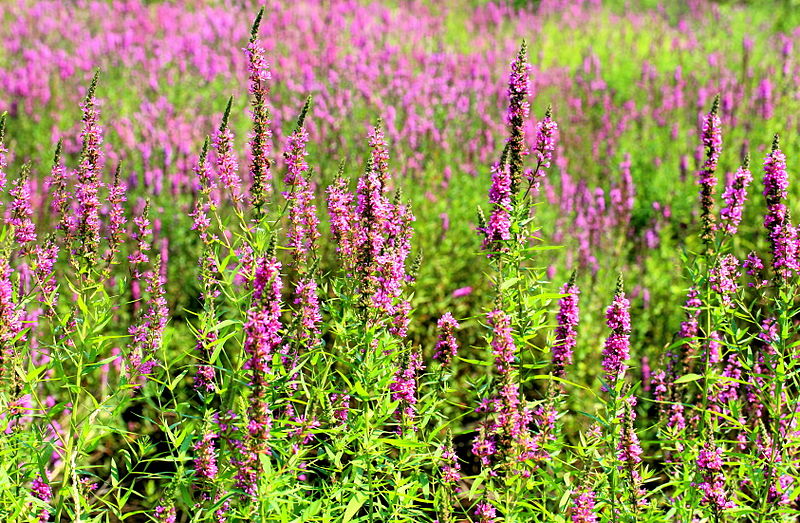
The flowers of purple loosestrife (Lythrum salicaria) – photo credit: wikimedia commons

Around this time, five reviews were published examining the evidence against purple loosestrife. Lavoie reports that all but one of them “rely on a relatively high number of sources that have not been published in peer-reviewed journals.” After examining the reviews, Lavoie concludes: “although each review provided valuable information on purple loosestrife, most were somewhat biased and relied on a substantial amount of information that was anecdotal or not screened by reviewers during a formal evaluation process. Only one review was impartial, and this one painted an inconclusive picture of the species.”

Research has continued regarding the impacts of purple loosestrife, and so Lavoie examined 34 studies that were published during the 2000’s in search of conclusive evidence that the plant is as destructive to wetlands and wildlife as has been claimed. Upon examination he concludes that “stating that this plant has ‘large negative impacts’ on wetlands is probably exaggerated.” The most common accusation – that purple loosestrife crowds out native plants and forms a monoculture – “is controversial and has not been observed in nature (with maybe one exception).” Lavoie finds that there is “certainly no evidence that purple loosestrife ‘kills wetlands’ or ‘creates biological deserts,'” and “there are no published studies [in peer-reviewed journals] demonstrating that purple loosestrife has an impact on waterfowl or fishes.” All other negative claims against purple loosestrife “have not been the object of a study,” except for its impact on amphibians, which had at that time only been tested on two species, one “reacting negatively.” Certain claims – such as purple loosestrife’s impact on wetland hydrology – should be studied more in depth “considering the apparent public consensus on the detrimental effects of purple loosestrife” on wetland ecosystems.

Lavoie agrees that it is reasonable to control purple loosestrife when the intention is to reduce additional pressures on an ecosystem that is already highly threatened. However, he warns that “focusing on purple loosestrife instead of on other invasive species or on wetland losses to agriculture or urban sprawl could divert the attention of environmental managers from more urgent protection needs.” There is mounting evidence that purple loosestrife invasions are disturbance-dependent and are “an indicator of anthropogenic disturbances.” In order to protect our wetlands, we must first protect them against undue disturbance. Lavoie supports using the Precautionary Principle when dealing with introduced species; however, he finds the approach “much more valuable for newcomers than for invaders coexisting with native species for more than a century.”

A field of purple loosestrife in Massachusetts – photo credit: wikimedia commons

Purple loosestrife has found its way to nearly every state in America and most of the Canadian provinces. Peter Del Tredici writes in Wild Urban Plants of the Northeast, “Conservationists despise purple loosestrife, despite its beauty, and it is listed as an invasive species in most of the states where it grows.” By listing a plant as a noxious weed, landowners are obligated to remove it. Care must be taken though, as removal of purple loosestrife can result in a secondary invasion by noxious weeds with an even worse track record, such as common reed or reed canary grass. “Hardly a gain from the biodiversity point of view,” quips Lavoie.

Claude Lavoie’s paper and the papers he references are definitely worth reading. It is important that we continue to study purple loosestrife and species like it in order to fully understand the impact that introduced species are having on natural areas, especially since it is unlikely that we will ever completely eliminate them. On that note, I’ll leave you with this passage from The Book of Swamp and Bog by John Eastman:

The situation is easy for environmentalists to deplore. This plant, like few others, stirs our alien prejudice. Our native cattails, for example, are almost as rudely aggressive and competitive in many wetland areas as purple loosestrife. Yet, because cattails obvioulsy ‘belong here,’ they seldom evoke the same outraged feelings against their existence. … With the spread of purple loosestrife, we have new opportunities to witness the phases of an ever-recurring ecological process. We can watch it affect, change, adapt, and refit both its own elements and those of invaded communities into new arrangements of energy efficiency. The point is that we might as well study this process rather than simply deplore it; we have few alternatives.

Field Trip: Chico Hot Springs and Yellowstone National Park

Thanks to an invitation from my girlfriend Sierra and her family, I spent the first weekend in May exploring Yellowstone National Park by way of Chico Hot Springs in Pray, Montana. The weather was perfect, and there were more plants in bloom than I had expected. During our hikes, my eyes were practically glued to the ground looking for both familiar and unfamiliar plant life. Most of the plants in bloom were short and easily overlooked. Many were non-native. Regardless, the amateur botanist in me was thrilled to be able to spend time with each one, whether I was able to identify it or not. I tried to remind myself to look up as often as I was looking down. Both views were remarkable.

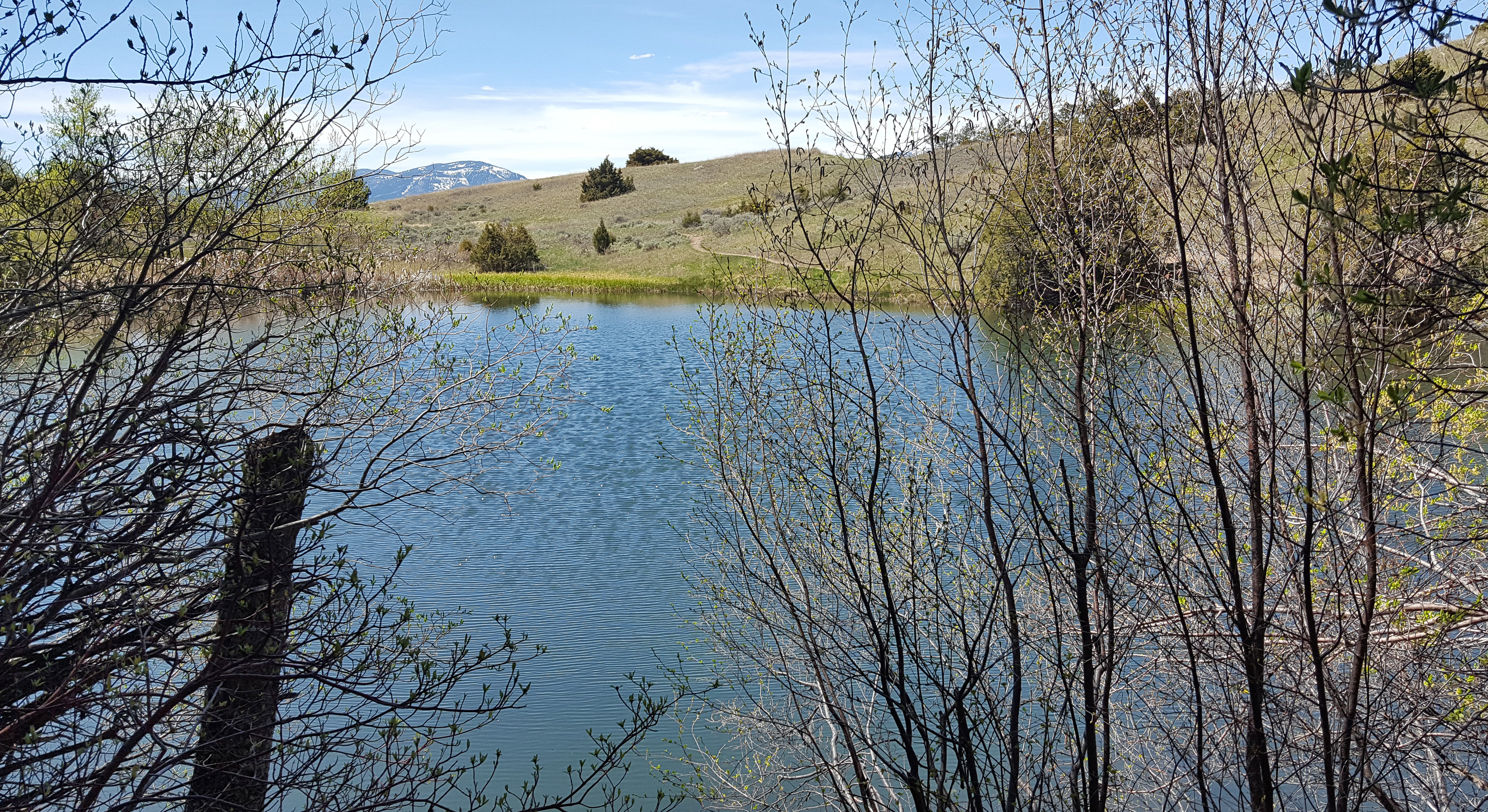
On our first day there, we hiked in the hills above Chico Hot Springs. The trail brought us to a place called Trout Pond. There were lots of little plants to see along the way.

Trout Pond (a.k.a. Chico Pond) near Chico Hot Springs in Pray, Montana

mountain bluebells (Mertensia longifolia)

shooting star (Dodecantheon pulchellum)

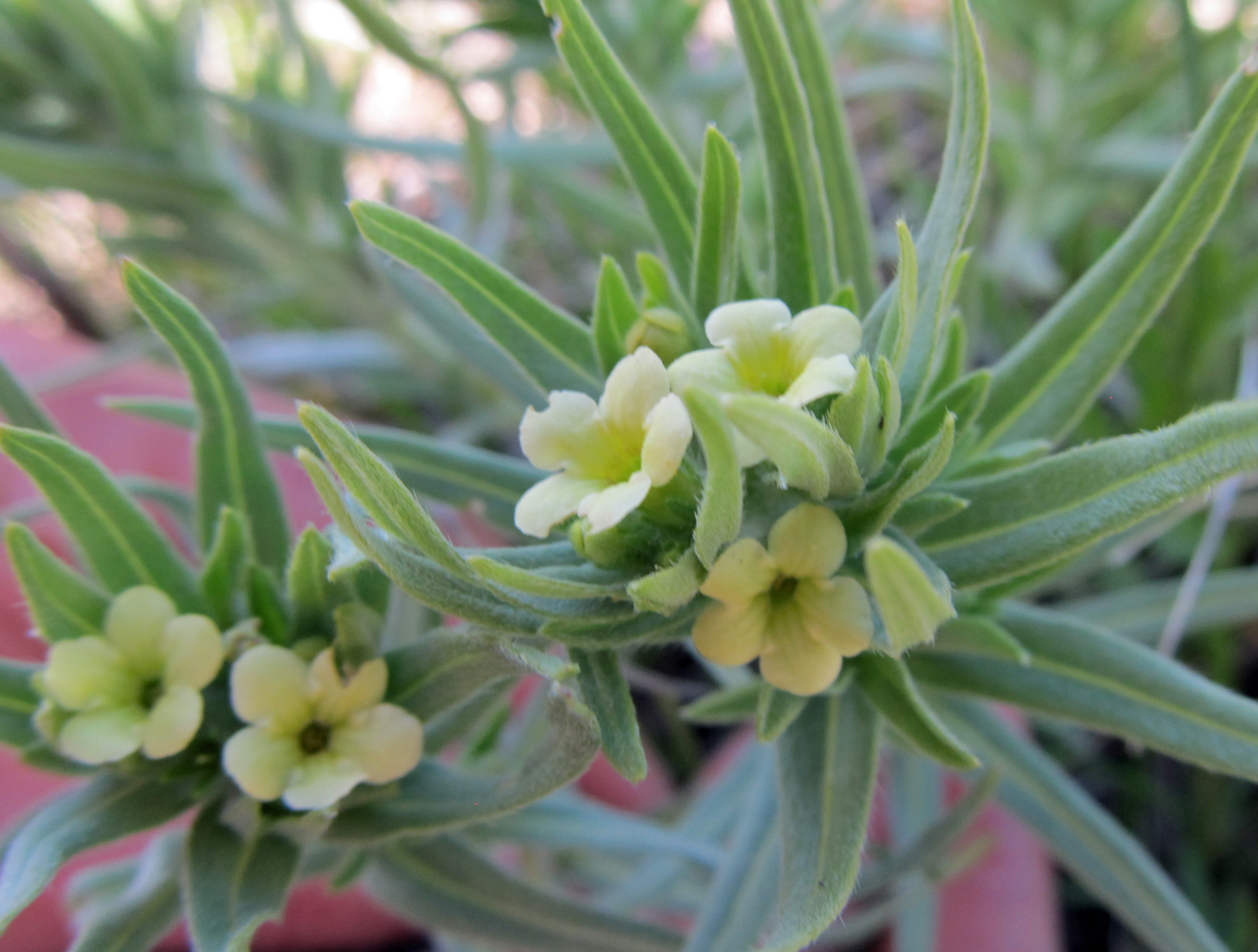
western stoneseed (Lithospermum ruderale)

western wallflower (Erysimum capitatum)

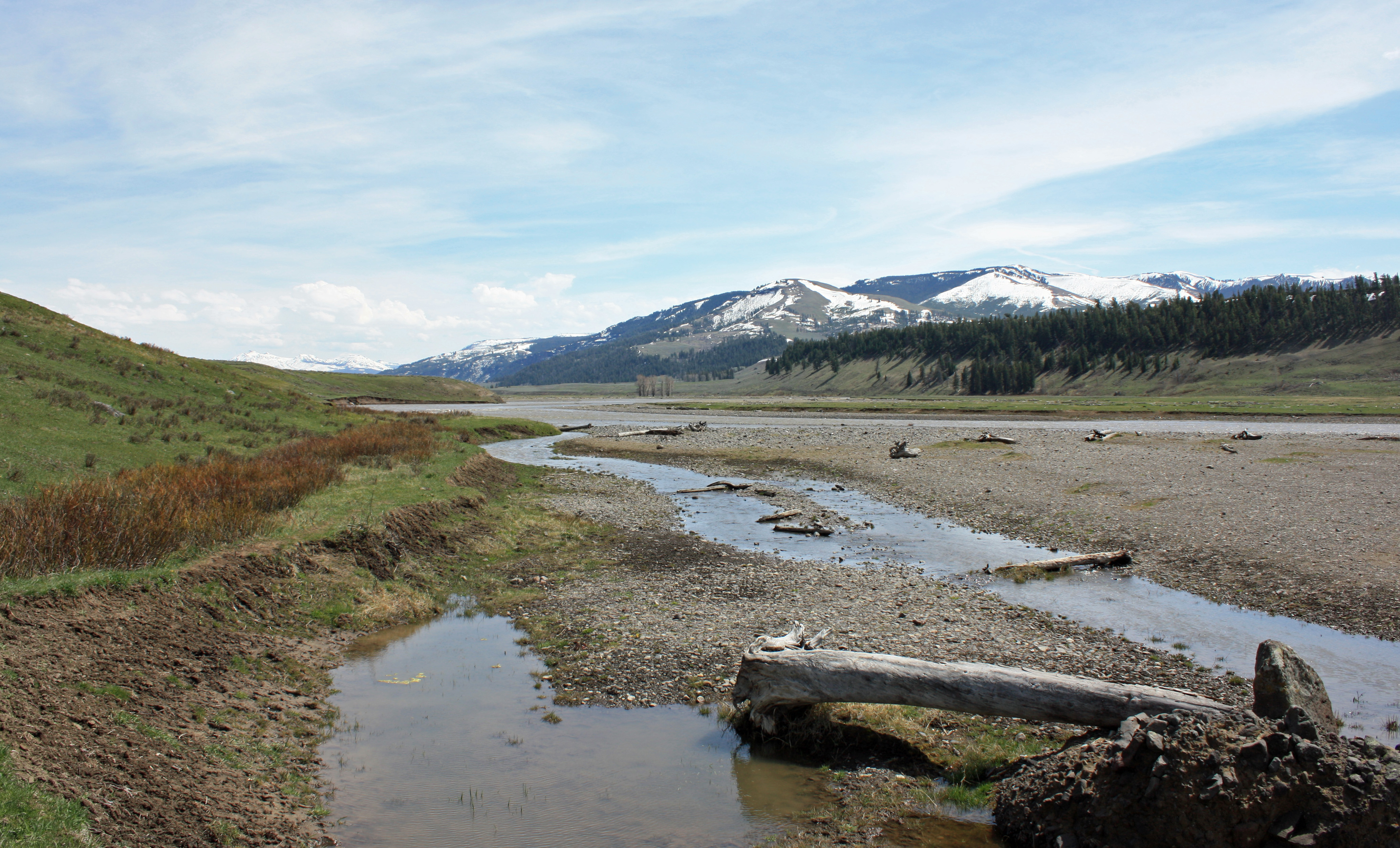
The next day we drove into Yellowstone. From the north entrance we headed east towards Lamar Valley. Wildlife viewing was plentiful. Elk, bison, bighorn sheep, pronghorn, black bears, red foxes, and even – if you can believe it – Canada geese.

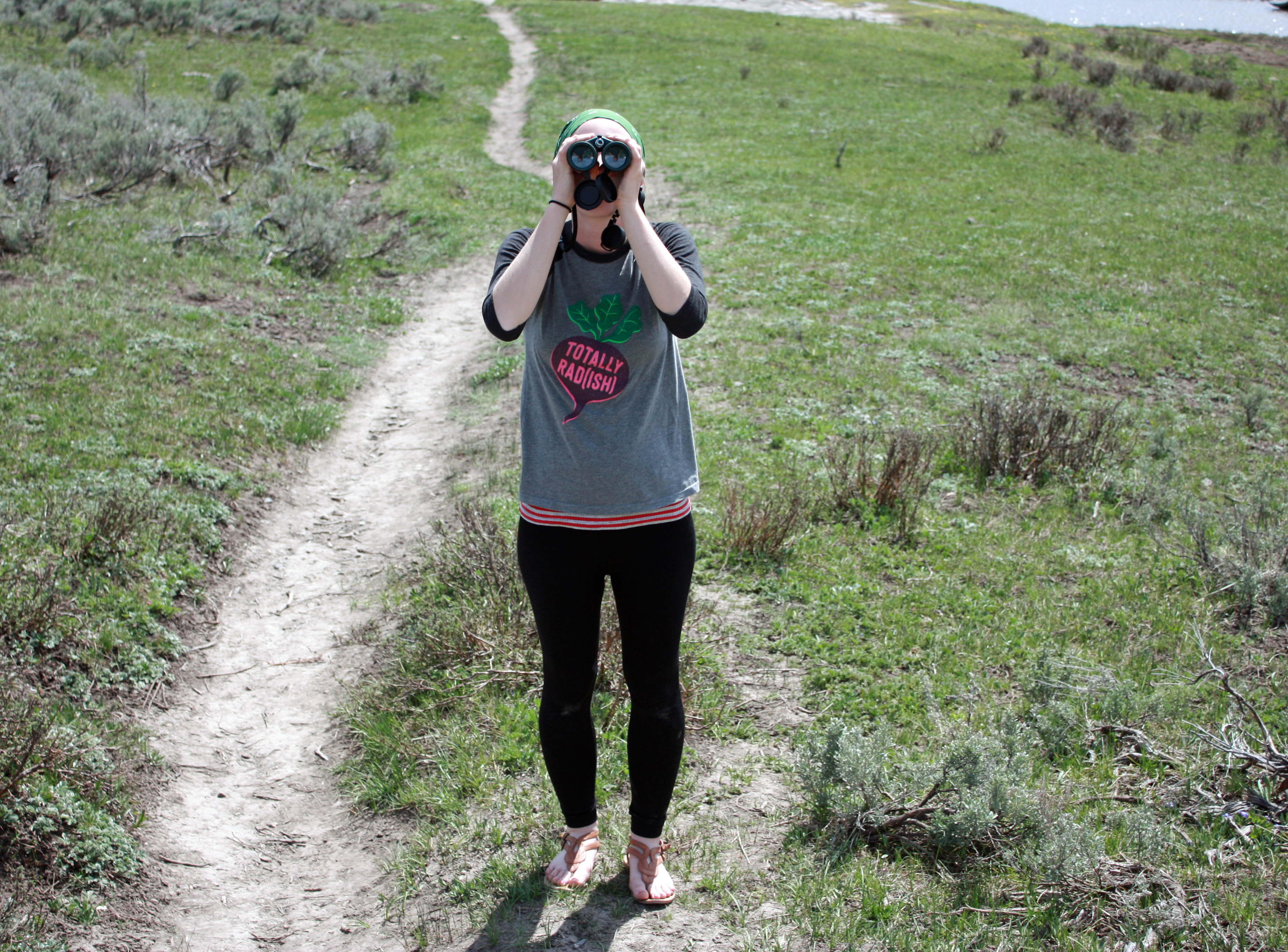
Sierra looks through the binoculars.

Perhaps she was looking for this red-tailed hawk.

Daniel looks at a tiny plant growing in the rocks.

Still not sure what this tiny plant is…

On our third day there, we headed south to see some geysers. We made it to the Norris Geyser Basin and then decided to head east to see the Grand Canyon of the Yellowstone. This was our geology leg of the tour. But that doesn’t mean we didn’t stop to look at a plant or two along the way.

Nuttall’s violet (Viola nuttallii) near the petrified tree in Yellowstone National Park

Wild strawberry (Fragaria sp.) at Norris Geyser Basin in Yellowstone National Park

———————

Photos of Lamar Valley, red-tailed hawk, Daniel looking at a tiny plant, mystery plant, and Grand Canyon of the Yellowstone were taken by Sierra Laverty. The rest were taken by Daniel Murphy.

Speaking of Sierra, she is the founder and keeper of Awkward Botany’s Facebook page and Instagram account. Please check them out and like, follow, etc. for Awkward Botany extras.

Screening for Invasive Plants at Botanical Gardens and Arboreta

As discussed in last week’s post, many of the invasive species that we find in our natural areas were first introduced to North America via the horticulture trade. As awareness of this phenomenon grows, steps are being taken by the horticulture industry to address this issue. The concluding remarks by Sarah Reichard and Peter White in their 2001 article in BioScience describe some recommended actions. One of them involves the leadership role that botanical gardens can play by both stopping the introduction and spread of invasive species and by presenting or promoting public education programs.

Reichard and White offer North Carolina Botanical Garden as an example, citing their “Chapel Hill Challenge,” which urges botanical gardens to “do no harm to plant diversity and natural areas.” Reichard and White also encourage botanical gardens and nurseries to adopt a code of conservation ethics addressing invasive species and other conservation issues. Codes of conduct for invasive species have since been developed for the botanical garden community and are endorsed by the American Public Gardens Association.


Botanical gardens that adopt this code have a number of responsibilities, one of which is to “establish an invasive plant assessment procedure,” preferably one that predicts the risks of plant species that are new to the gardens. In other words, botanical gardens are encouraged to screen the plants that are currently in their collections, as well as plants that are being added, to determine whether these plants currently exhibit invasive behavior or have the potential to become invasive. Many botanical gardens now have such programs in place, and while they may not be able to predict all invasions, they are a step in the right direction.

In an article published in Weed Technology (2004), staff members at Chicago Botanic Garden (CBG) describe the process they went through to determine a screening process that would work for them. CBG has an active plant exploration program, collecting plants in Asia, Europe, and other parts of North America. Apart from adding plants to their collection, one of the goals of this program is to find plants with horticulture potential and, through their Ornamental Plant Development department, prepare these plants to be introduced to the nursery industry in the Chicago region. As their concern about invasive species has grown, CBG (guided by a robust Invasive Plant Policy) has expanded and strengthened its screening process.

In order to do this, CBG first evaluated three common weed risk assessment models. The models were modified slightly in order to adapt them to the Chicago region. Forty exotic species (20 known invasives and 20 known non-invasives) were selected for testing. Each invasive was matched with a noninvasive from the same genus, family, or growth form in order to “minimize ‘noise’ associated with phylogenetic differences.” The selected species also included an even distribution of forbs, vines, shrubs, and trees.

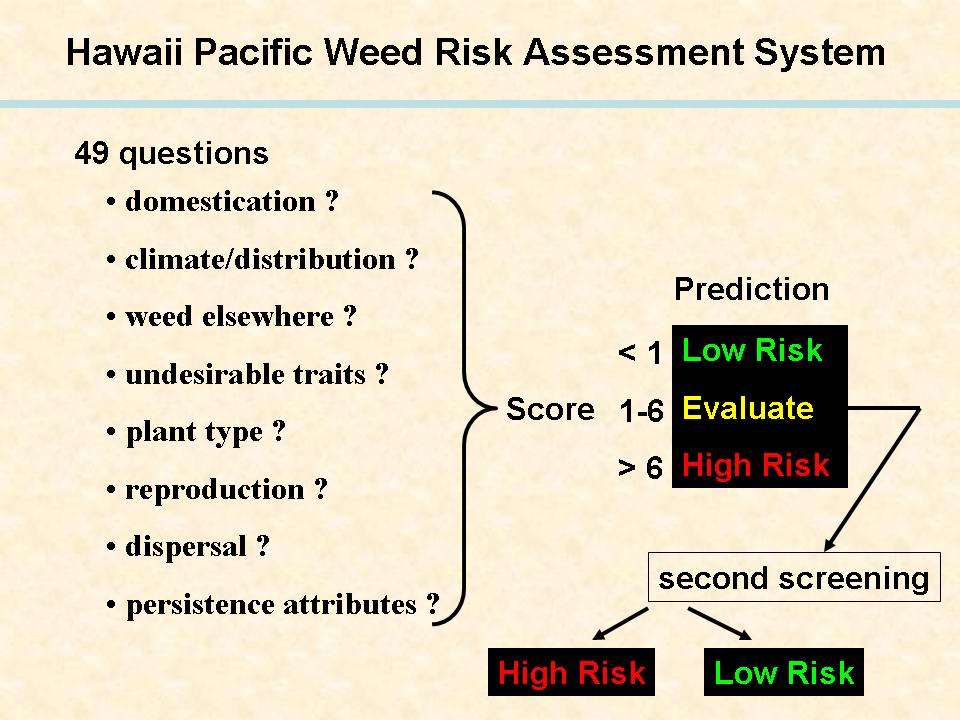
Weed risk assessment models are used to quickly determine the potential of a plant species to become invasive by asking a series of questions about the plant’s attributes and life history traits, as well as its native climate and geography. A plant species can be accepted, rejected, or require further evaluation depending on how the questions are answered. For example, if a plant is known to be invasive elsewhere and/or if it displays traits commonly found in other invasive species, it receives a high score and is either rejected or evaluated further. Such models offer a quick and affordable way to weed out incoming invasives; however, they are not likely to spot every potential invasive species, and they may also lead to the rejection of species that ultimately would not have become invasive.

After testing the three models, CBG settled on the IOWA-modified Reichard and Hamilton model “because it was extensively tested in a climatic zone reasonably analogous to … Illinois,” and because it is easy to use and limits the possibility of a plant being falsely accepted or rejected. The selected model was then tested on 208 plants that were collected in the Republic of Georgia. Because few details were known about some of the plants, many of the questions posed by the model could not be answered. This lead CBG to modify their model to allow for such plants to be grown out in quarantined garden plots. This way pertinent information can be gathered, such as “duration to maturity; self-compatibility; fruit type and potential methods of seed or fruit dispersal; seed production, viability, and longevity in the field; and vegetative spread.” CBG believes that evaluations such as this will help them modify their model over time and give them more confidence in their screening efforts.

More about botanical gardens and invasive species: Botanic Gardens Conservation International – Invasive Alien Species

More about weed risk assessment models: Weed Risk Assessment – A way forward or a waste of time? by Philip E. Hulme

Horticulture’s Role in the Spread of Invasive Plants

I live in the city of Boise – a bustling metropolis by Idaho’s standards. It is located in the high desert of the Intermountain Northwest in a region called the sagebrush steppe. Our summers are hot and dry, and our native flora reflects this.

When I leave my apartment I am greeted by a flowering quince (Chaenomeles sp.). At this time of year it is in full bloom and looking amazing. It originated in East Asia. To my left I see a tree of heaven (Ailanthus altissima), a common urban tree that came to America from China via Europe. To my right there is a row of Norway maples (Acer platanoides), another popular urban tree. As its common name suggests, it is a European species that is distributed across large portions of eastern and central Europe. None of these plants are native to the sagebrush steppe, nor would they survive the harsh conditions without supplemental irrigation. All are horticultural introductions.

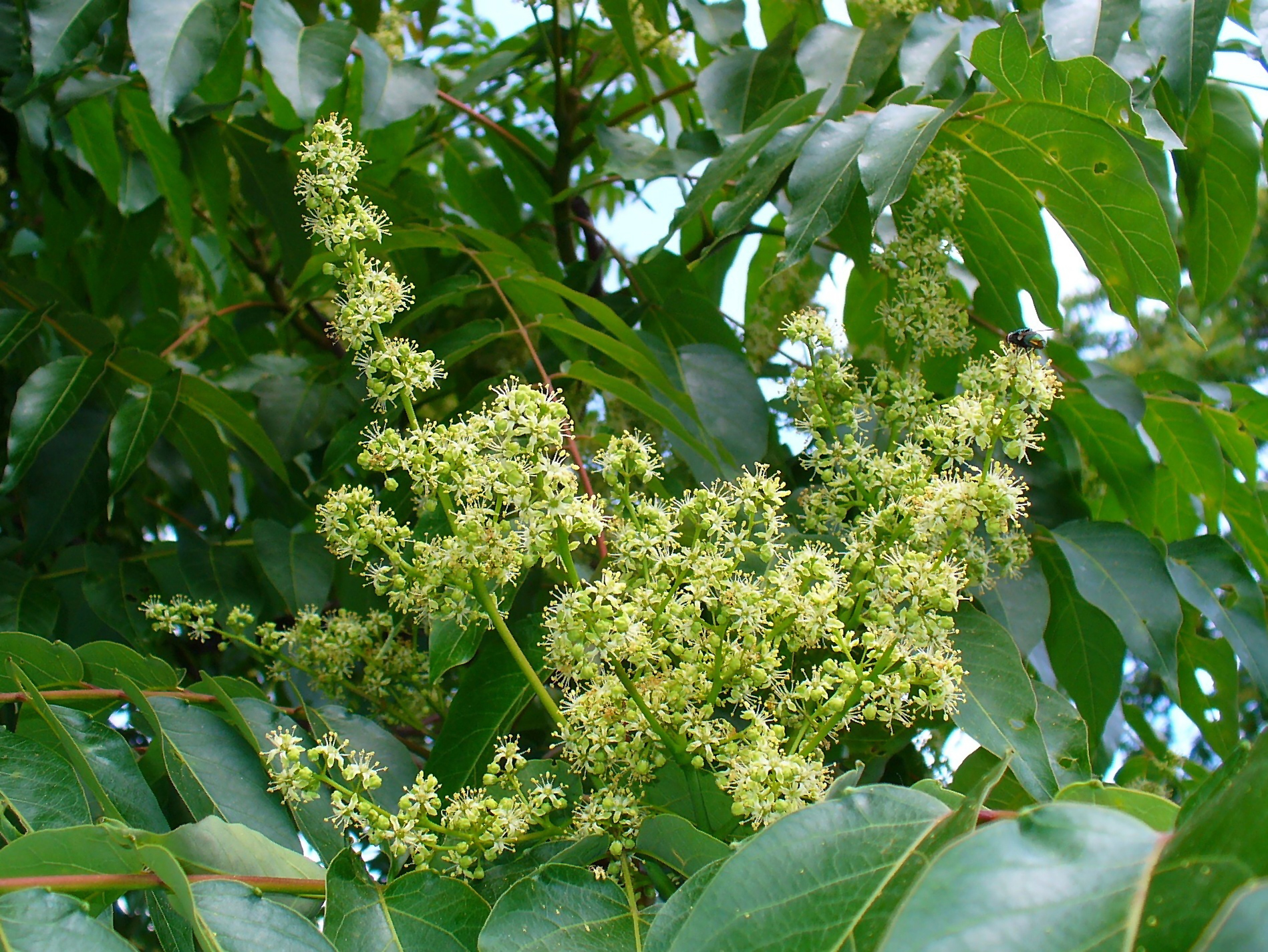
Tree of Heaven (Ailanthus altissima) – photo credit: wikimedia commons

But there is another thing that at least two of these species have in common. Tree of heaven and Norway maple are considered invasive species in North America due to their propensity to spread into natural areas and disrupt native ecosystems. They also have a reputation of being pesky urban weeds.

My experience isn’t unique. Yards across North America are planted largely with species that are not native to this continent, and while most species stay where we plant them, a significant portion of them have leaped out of our tidy landscapes and disseminated themselves across natural areas, earning them the title invasive species.

In a paper published in BioScience (2001), Sarah Hayden Reichard and Peter White discuss the role that horticulture has played in introducing invasive species to the United States. Humans have a long history of moving plants from one part of the world to another for food, fuel, and fiber. However, collecting plants from around the world and organizing them into gardens for aesthetic purposes is, by comparison, a more recent thing. Species used for ornamental horticulture are what Reichard and White are concerned about.

As an introduction, Reichard and White offer a quick history of the beginnings of ornamental horticulture in the United States. This period is summed up well in an article by Richard Mack and Mark Lonsdale in the same issue of BioScience:

As colonists became more secure in their new environments, they began to import ornamental species from their homelands and elsewhere, in simultaneous quests for both familiar and unfamiliar plants. These plant importations sprang from deep-seated or primal aspects of human behavior shared by people in former colonies and homelands alike. … Many needed to be reassured with familiar plants from home, and they also had seemingly antithetical desires to experience novel, exotic ornamental plants.

Today, plant explorations continue throughout the world, often with the goal of introducing new plant species to the horticulture trade, and avid gardeners remain eager to find something new and interesting to add to their yards. There is nothing inherently wrong with this. Nor is there anything inherently wrong with filling our yards with exotic plants. The trouble comes when these plants escape cultivation and cause problems in neighboring ecosystems. Bringing awareness to this darker side of ornamental horticulture is what Reichard and White endeavor to do.

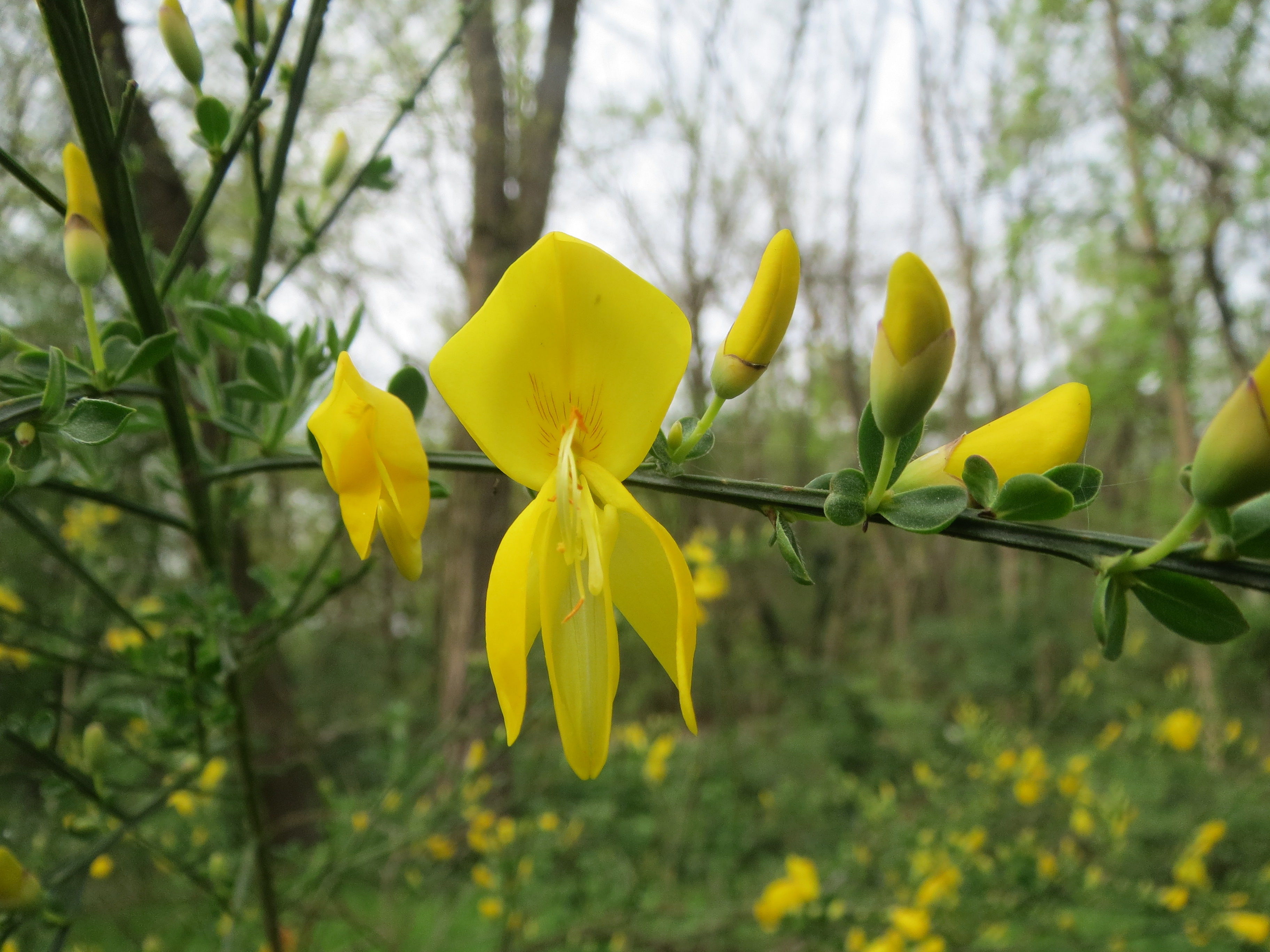
“Thomas Jefferson, an avid horticulturist, also introduced several species. He may have been the first person to introduce Cytisus scoparius (Scotch broom) as an ornamental species; that plant is now an invasive species in many parts of North America.” — Reichard and White (2001) [photo credit: www.eol.org]

Major players involved in the global movement of horticultural specimens include botanical gardens and arboreta, nurseries, garden clubs and horticultural societies, and the seed trade industry. The motives for transporting species vary among the groups, as do their roles in addressing the invasive species issue. Many botanical gardens have extensive plant exploration programs, which today are often more conservation focused than they were in the past; however, some of the species acquired during these explorations are released to the public, often without certainty that they won’t spread.

Even though most nurseries don’t have active plant exploration programs, they may acquire plants from nurseries or other institutions that do. For business reasons, plants may be sold before they have been properly screened for invasive-ness. Some retail nurseries make an effort to not sell plants that are known invasives in their regions. However, there are plenty of mail order nurseries that may not be aware of or may simply ignore the fact that they are shipping plants to regions where they are invasive. Seed exchanges between garden clubs and botanical societies, as well as the seed trade industry, are also responsible for shipping species to areas where they are currently or may become invasive.

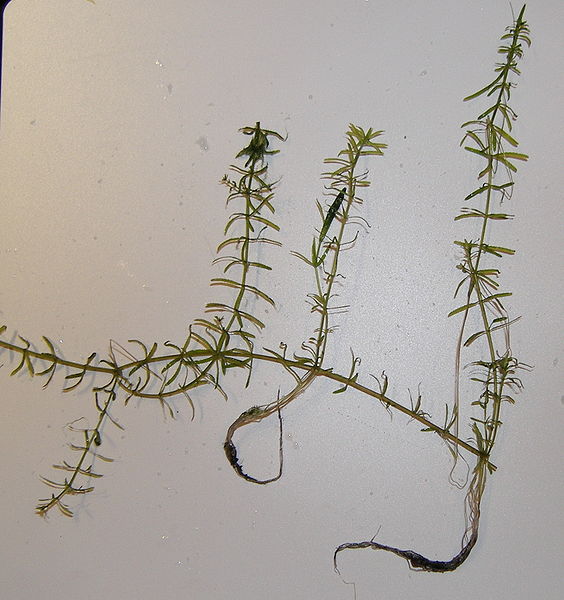
“Uninformed people sometimes dump their aquarium water and plants into local water sources, and many of the aquarium plants survive and multiply. Hydrilla verticillata, a very aggressive aquatic weed in the South, was probably introduced to provide a domestic source of this plant for the aquarium trade.” — Reichard and White (2001) [photo credit: wikimedia commons]

Plant exploration will continue, and many new plants will be introduced to the public through the horticulture trade. Rules and regulations help restrict some plant movement, but in a capitalist society such restrictions will ultimately be, as Reichard and White write, “a compromise between ideal invasive plant exclusion and trade facilitation.” Plants can be screened for invasivibility, but it is difficult to know if, when, and where a species may become invasive. Furthermore, given enough time, a species that appeared to stay put can suddenly start to spread (or could have been spreading all along unnoticed).

Reichard and White acknowledge that “the burden of finding a solution to the problems posed by invasive plants does not necessarily fall on the shoulders of [the horticulture] industry.” Various groups from broad disciplines will have to come to together to work towards a solution. Reichard and White offer some suggestions for working together. For example, invasive species biologists can share their research with the horticulture industry which can, in turn, communicate this information to the public through garden writers and speakers. Botanical gardens can take a leadership role by vowing to “first do no harm to plant diversity and natural areas” and by providing public education about the issue.
Efforts can be made to ban the sale of problematic plants and to encourage proper screening of new introductions, but public demand for certain plants may remain. So, “better communication from ecologists to the public about which species are causing problems will discourage people from buying them.” Involving the public in eradication efforts can also help raise awareness, as people can see first hand that plants in their yards have invaded the wild.

When Alien Plants Invade – The Four Stages of Invasion, part two

In a review published in New Phytologist (2007), Kathleen Theoharides and Jeffrey Dukes examine four stages of invasion as they relate to alien (i.e. introduced or non-indigenous) plant species. In part one we discussed transport and colonization, in which species must survive being transported long distances and then take root and reach maturity in an unfamiliar location. Alien plant species don’t become invasive until they have reached the last two stages: establishment and landscape spread. Removal of the species upon reaching these stages is no easy task. Luckily, introduced species have a few barriers to overcome before this point.

An established population is one that is self-sustaining and expanding. Environmental conditions may be a limiting factor, as they were during colonization, but the main constraints at this stage are “biotic filters.” Theoharides and Dukes define these as “barriers to invasion created by the actions or presence of living organisms.” Through competition for various resources, as well as herbivory and disease, neighboring organisms affect the survival, growth, and reproduction of introduced plant species. Thus, “traits that enhance competitive performance, reduce niche overlap between [introduced species] and natives, or increase enemy resistance may be most important during establishment… Other advantageous traits include secondary chemical compounds that deter herbivores, ‘novel weapons’ such as root exudates that negatively impact other plants, fast growth, and high fecundity.”

Plants compete for light, moisture, and soil nutrients, as well as for pollinators and seed dispersers. Competition inhibits the establishment of invaders when neighboring plants consume available resources more efficiently. Introduced plants risk being outcompeted by plants that are of the same functional type (plants that are “morphologically, phenologically, and physiologically similar”). They also risk competition by a single dominant species (or group of similar species) or by “an assemblage of species with different traits.” As a general rule, plant communities with greater diversity are more resistant to invasion.

“In forests of the northeastern USA, Alliaria petiolata, an herbaceous mustard species, contains a type of phytotoxic glucosinolate that appears to disrupt the mutualism between arbuscular mycorrhizal fungi and hardwood canopy trees.” – – Theoharides and Dukes (2007) [photo credit: eol.org]

Two hypotheses postulate the success of some plant invaders in establishing themselves: the enemy release hypothesis and the evolution of increased competitive ability hypothesis. In the first hypothesis, plant species – having been removed from their native habitat – are freed from their natural enemies and are thus able to allocate more resources to growth and reproduction. The second hypothesis states that, in light of “reduced enemy pressure,” introduced species quickly evolve to allocate resources “from enemy defense to faster growth.” Escape from herbivory and diseases, however, is likely not the only factor in the success of invaders, and much still depends on the competitiveness of the plant and the availability of key resources.

After introduced plants become established, a lag phase generally occurs before landscape spread. This can be a result of a lack of genetic variation, a dearth of suitable habitat, unfavorable environmental conditions, or some combination of the three. New introductions may occur, and the population may continue to adapt and expand. Suitable habitat may be made available, and environmental conditions may shift. In time, landscape spread becomes a possibility.

Landscape spread occurs when multiple populations of a species are connected via long-distance dispersal. At this “metacommunity scale,” populations of an introduced plant species interact across a large area, with each population in a different stage of colonization and establishment. This means that transport, colonization, and establishment are all at play during the landscape spread stage.

Abutilon theophrasti (velvetleaf) was originally introduced before 1700 in the USA. This species has only recently become an aggressive invader as a result of the evolution of different life-history strategies based on the nature of competition in its new environment.” — Theoharides and Dukes (2007) [photo credit: wikimedia commons]

Dispersal ability and habitat connectivity are key factors in determining the success of an introduced plant species during landscape spread. Long-distance dispersal can occur via wind, water, or animals. Species that depend on animals to spread their seeds rely on specific animals to be present. The seeds of Prunus serotina (black cherry), for example, are dispersed by birds. So, landscape spread is reliant on birds and “roosting trees” where the birds can perch and defacate the seeds. In many cases, “humans also play a large role in intraregional dispersal.”

Habitats vary across the landscape due to a combination of numerous geological and biological processes. The disturbance regime – “the frequency, spatial extent, severity, and intensity of killing events over time” – also helps determine landscape patterns. Natural disturbances, such as fire, weather, and natural disasters, are differentiated from disturbances caused by human activity. Large scale development and disturbance of natural areas by humans disrupts the natural disturbance regime and alters historical landscape patterns. As the authors write, “alterations of the disturbance regime that increase resource availability or change landscape patterns can promote non-indigenous plant species spread by creating favorable patches for colonization and establishment.”

Fragmented landscapes consisting of small patches of natural areas dispersed among large areas of human development are particularly prone to invasion by introduced plant species for many reasons, including increased influx of propagules and a high degree of edge effects (habitat edges have environmental conditions that are generally more prone to invasion than habitat interiors).

Habitat patches can be connected via corridors. It is through these corridors that dispersal can occur between populations in a metacommunity. Corridors connect populations of both introduced and native plant species. However, “native plants often require wide undisturbed corridors of intact habitat, while [introduced plant species] may disperse best through strips of human-disturbed habitat or ‘disturbance corridors.'” The environmental conditions in disturbance corridors and the presence of dispersal agents (including humans and domesticated animals) help facilitate the connectivity of populations of introduced plant species and promote the colonization and establishment of new populations.

In their abstract, Theoharides and Dukes write, “both research and management programs may benefit from employing multiscale and stage approaches to studying and controlling invasion.” With their conclusion they provide a list of potential management strategies for each stage, and they advise employing “natural filters in order to prevent invasion succees.” Examples include reducing habitat fragmentation and edge effects, promoting intact native communities, reducing human disturbances, promoting natural disturbance regimes, and minimizing disturbance corridors.

More Posts about Invasive Species: