Attempts to Avenge the Acts of Cirsium arvense – A Biocontrol Story

Some weeds are so noxious, their crimes so heinous, and their control so challenging that desperation leads us to introduce other non-native organisms to contain them. Alien vs. alien duking it out in a novel environment. It seems counterintuitive – if an introduced species has reached the status of invasive, is it worth the risk of bringing in yet another foreign species in attempt to defeat it? We all know what happened to the old lady who swallowed the spider to catch the fly, yet for decades now we have been doing just this. It’s something we call classical biological control – introducing pathogens, insects, or other organisms to help control the spread of problematic ones.

Such attempts mostly fail, but we keep trying. The attempts made on Cirsium arvense exemplify this. The trouble is that even when such efforts fail, they aren’t always benign, as we shall see.

Canada thistle, a misnomer for Cirsium arvense, is a European native that has been acting in the role of noxious weed for centuries, even in its native land. First introduced accidentally to eastern North America sometime in the 1600’s, it has made its way across the continent and has since become one of our worst weeds in both natural and agricultural settings, as well as in our yards and gardens. Its seeds get around, carried by wind and water, attached to animals or deposited in their dung, stowing away as contaminants in crop seed or passengers in the ballast water of ships. But casual dispersal by seed isn’t quite as troubling as what it does once it takes root.

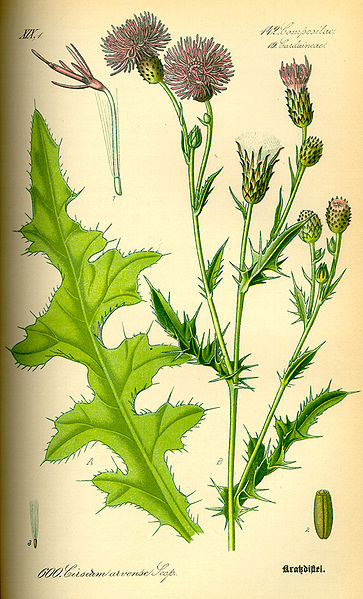
Several related species of thistle are also pesky weeds, but unlike Cirsium arvense, they are mostly annuals or biennials, spreading only by seed. Cirsium arvense is a perennial plant with roots that spread deep and wide. New shoots form readily along the spreading roots, forming a veritable thicket of stems that can be dozens of feet wide and giving the plant a more appropriate common name, creeping thistle.

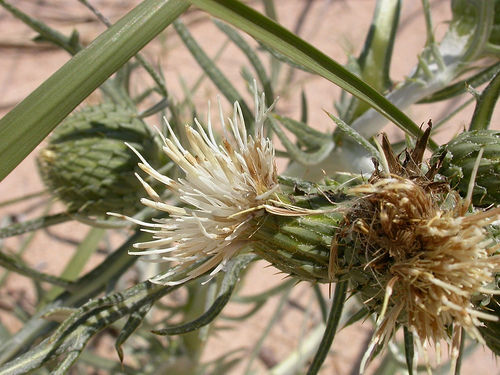
The stems of creeping thistle can grow more than four feet tall and are adorned with alternately arranged, prickly, lobed leaves. Groups of small, urn-shaped flowerheads are born at the tops of stems. Flowers are pink to purple, sweet smelling, and favored by pollinators. Individual plants either produce all male flowers or all female flowers, and since individual plants are actually large colonies, an adjacent colony of the opposite sex is necessary in order for the production of viable seeds. Like other plants in the aster family, the seeds come with a feathery pappus, suggesting wind dispersal. However, the pappus is often weakly attached, sloughing off without seeds in tow, leaving them to the fate of gravity.

flowers of creeping thistle (Cirsium arvense) via eol

It comes as no surprise that when plants readily spread by root, stolon, or rhizome, they are well suited to become some of our most bothersome weeds. Eliminating their seed heads does little to reduce their spread. Pulling them out of the ground is futile; you will never get all the roots. Tilling them under only aids in their dispersal since chopped up roots and stems now have the chance to produce new plants. Herbicide treatments can set them back, but they must be repeated on a long-term and exacting schedule in order to thoroughly kill the roots. Considering what we’re up against when it comes to plants like creeping thistle, it makes sense why we would introduce foreign fighters to do our bidding, especially if such fighters are enemies of the plant in their native land.

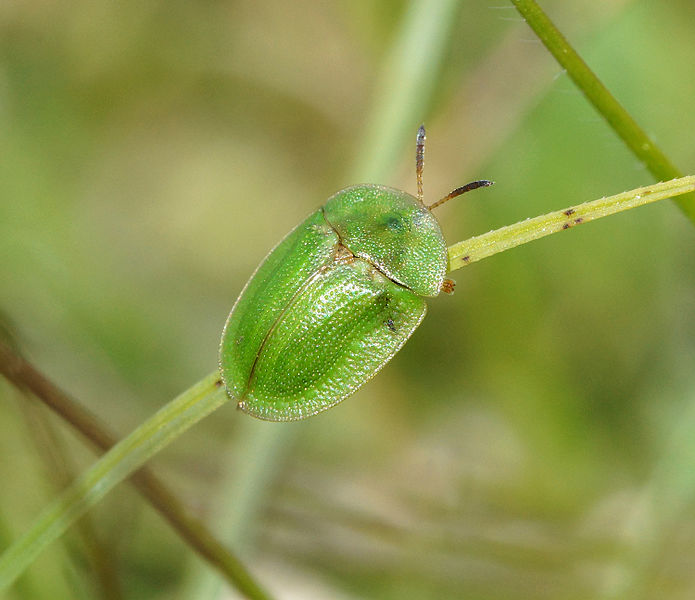
The list of insects that have been employed (or at least considered) in the fight against creeping thistle is extensive. It includes thistle tortoise beetle (Cassida rubiginosa), seedhead weevil (Rhinocyllus conicus), thistle crown weevil (Trichosirocalus horridus), thistle gall fly (Urophora cardui), thistle stem weevil (Ceutorhynchus litura), thistle bud weevil (Larinus planus), seedhead fly (Orellia ruficauda), thistle flea beetle (Altica carduorum), thistle leaf beetle (Lema cyanella), painted lady (Vanessa cardui), and sluggish weevil (Cleonus piger). Unfortunately, and perhaps not surprisingly, as Bugwood reports, “biocontrol currently provides little or no control of Canada thistle populations, although some agents weaken and kill individual plants.” Despite the fact that there are well over 100 known organisms that consume or attack Cirsium arvense, nothing manages to do long-term damage.

thistle tortoise beetle (Cassida rubiginosa) – a common biocontrol agent of invasive thistle species (via wikimedia commons)

The status of creeping thistle biocontrol efforts on two South Dakota wildlife refuges was reported on in a 2006 issue of Natural Areas Journal. Multiple introductions of at least half a dozen different insect species had occurred beginning in 1986. Nearly 20 years later, they were not found to have had a significant effect on creeping thistle populations. The authors concluded stating they “do not advocate further releases or distribution in the northern Great Plains of the agents” examined in their study. They also advised that “effectiveness be a primary consideration” of any new biocontrol agents and expressed concern that some introduced insects have the potential to attack native thistles.

North America is home to quite a few native thistles, several of which are rare or threatened. A USDA guide to managing creeping thistle in the Southwest highlights the importance of protecting native thistles – “especially rare or endangered species” – from biocontrol agents and gives two examples of endangered thistles in New Mexico that are at risk of such agents.

The federally threatened species, Pitcher’s thistle (Cirsium pitcheri), which is restricted to sand dune shorelines along the upper Great Lakes, has quite a bit working against it. An added blow came a few years ago when it was discovered that the flowerheads of Pitcher’s thistle were being damaged by the thistle bud weevil (Larinus planus), a biocontrol agent employed against creeping thistle in the area. A paper published in Biological Conservation in 2012 examining the extent of weevil damage on the rare thistle cautioned that, “although some biological control agents may benefit some rare plant taxa, the negative impacts of both native insects and introduced herbivores are well documented.”

Pitcher’s thistle (Cirsium pitcheri) via eol

Classical biological control, if and when it works, can be quite valuable, especially if it reduces the need for other management inputs like herbicides and cultivation. Unfortunately, it is rarely successful and can have unintended consequences. Goldson et al. report in a 2014 issue of Biological Conservation that the success rate is only around 10% and that even that 10% is at risk of failing at some point. In his book, Where Do Camels Belong?, ecologist Ken Thompson cites that “only about one in three species introduced as biological controls establish at all, and only half of those that do establish (i.e. about 16% of total attempts) control the intended enemy,” adding that “biological control is just another invasion, albeit one we are trying to encourage rather than prevent, and its frequent failure is another example of how poorly we understand the effects of adding new species to ecosystems.”

Still, while some warn against being too optimistic, others argue that it is an essential tool in the war against invasive species and, while acknowledging that a few introductions have gone awry, assert that “significant non-target impacts” are rare. Clearly, this is a rich topic ripe for healthy debate and one that I will continue to explore. If you have thoughts or resources you’d like to share, please do so in the comment section below.

———————

This post was inspired in part by episode six of The Shape of the World podcast. I highly recommend listening to the entire series.

Field Trip: UBC Botanical Garden and VanDusen Botanical Garden

Last week, we found ourselves in Vancouver, British Columbia for a work-related conference put on by American Public Gardens Association. In addition to learning heaps about plant collections and (among other things) the record keeping involved in maintaining such collections, we got a chance to visit two Vancouver botanical gardens. Both gardens were pretty big, so covering the entire area in the pace we generally like to go in the time that was allotted was simply not possible. Still, we were smitten by what we were able to see and would happily return given the chance. What follows are a few photos from each of the gardens.

UBC Botanical Garden

UBC Botanical Garden is located at the University of British Columbia. Established in 1916, it is Canada’s oldest university botanical garden. We saw a small fraction of the Asian Garden, which is expansive, and instead spent most of our time in other areas, including the Alpine Garden, the Carolinian Forest Garden, the Food Garden, and one of my favorite spots, the BC Rainforest Garden. The Rainforest Garden is a collection of plants native to British Columbia, which was the original focus of UBC Botanical Garden’s first director, John Davidson.

fall foliage of redvein enkianthus (Enkianthus campanulatus)

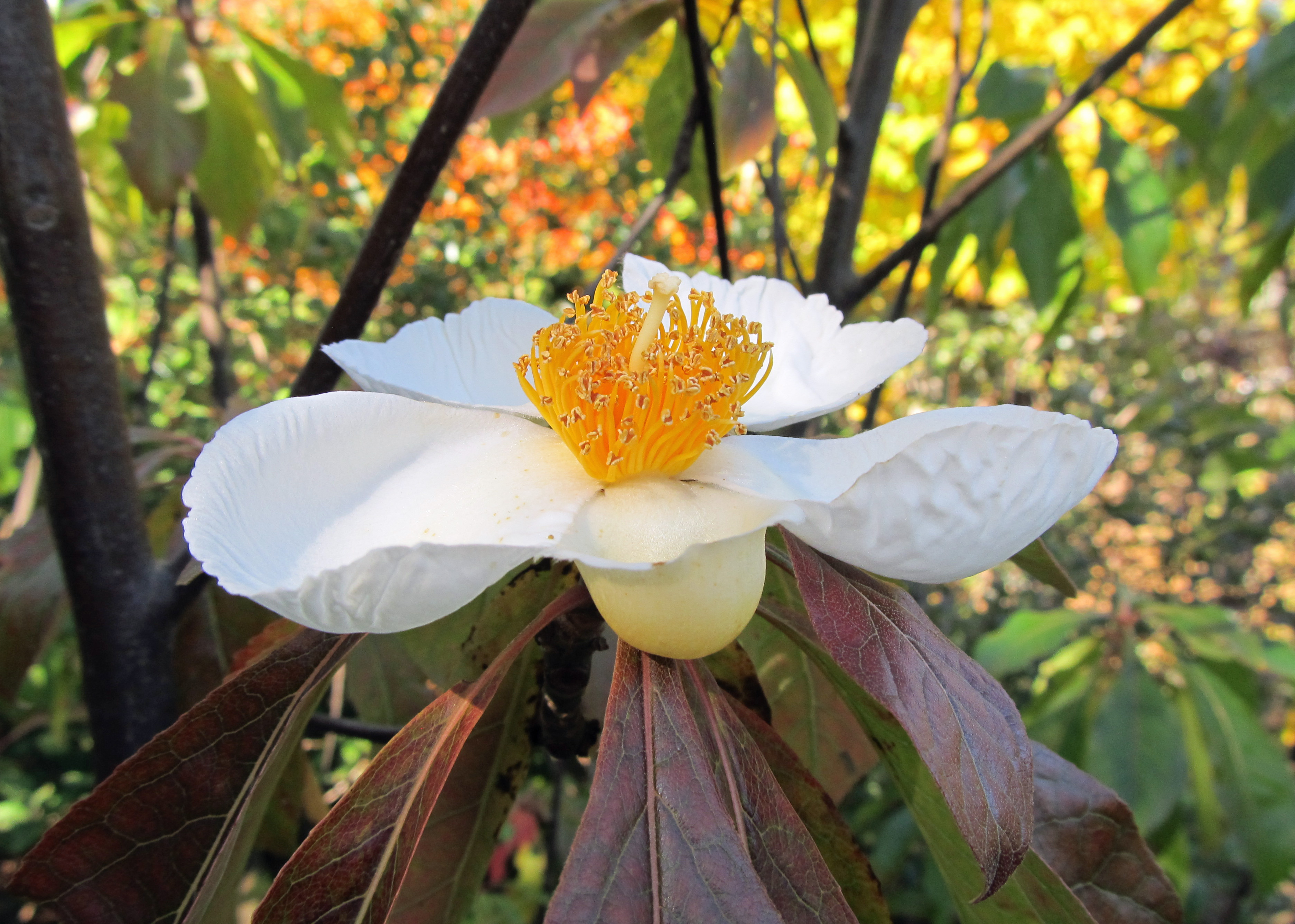
Franklin tree in bloom (Franklinia alatamaha) in the Carolinian Forest Garden

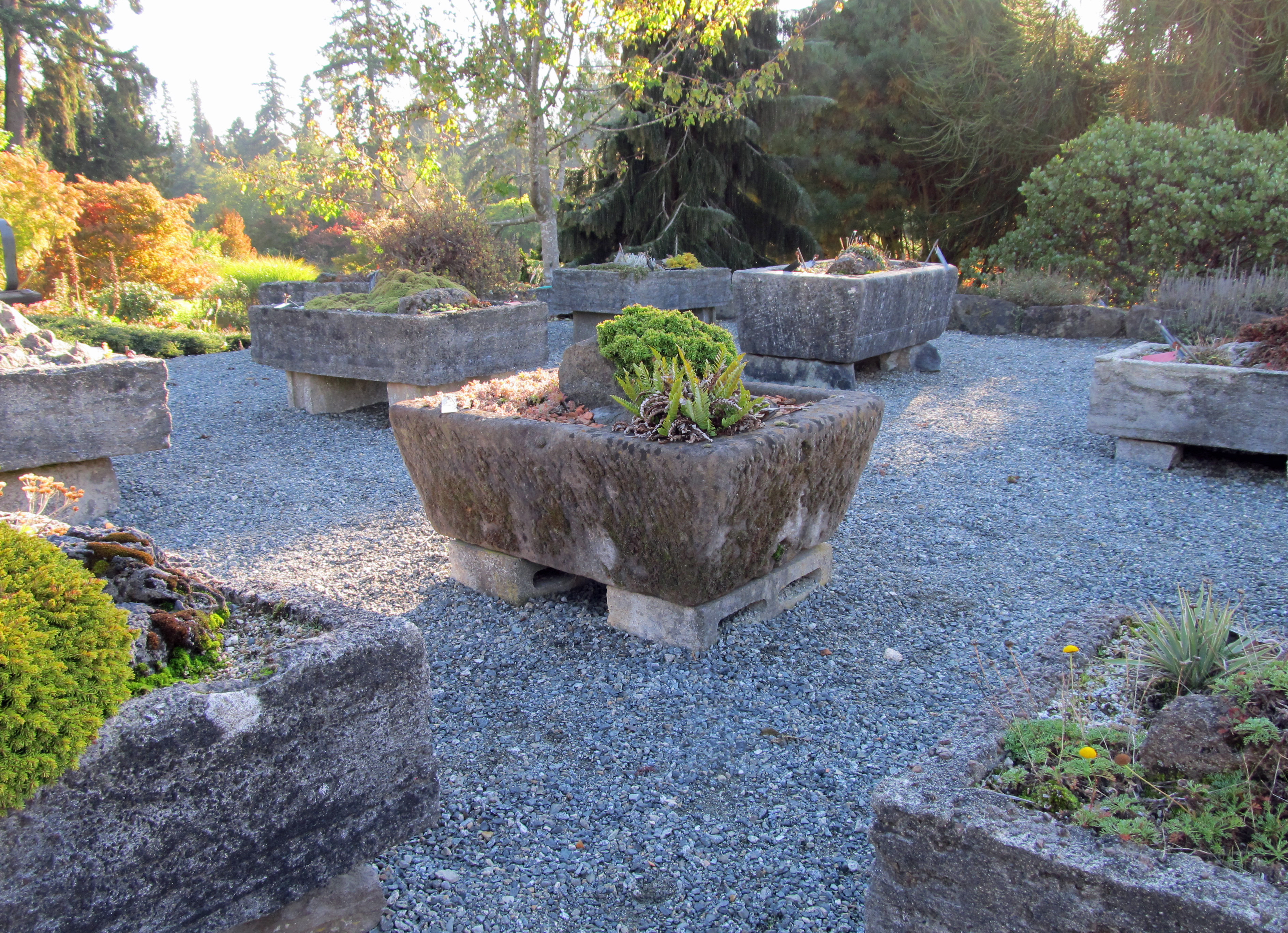
alpine troughs

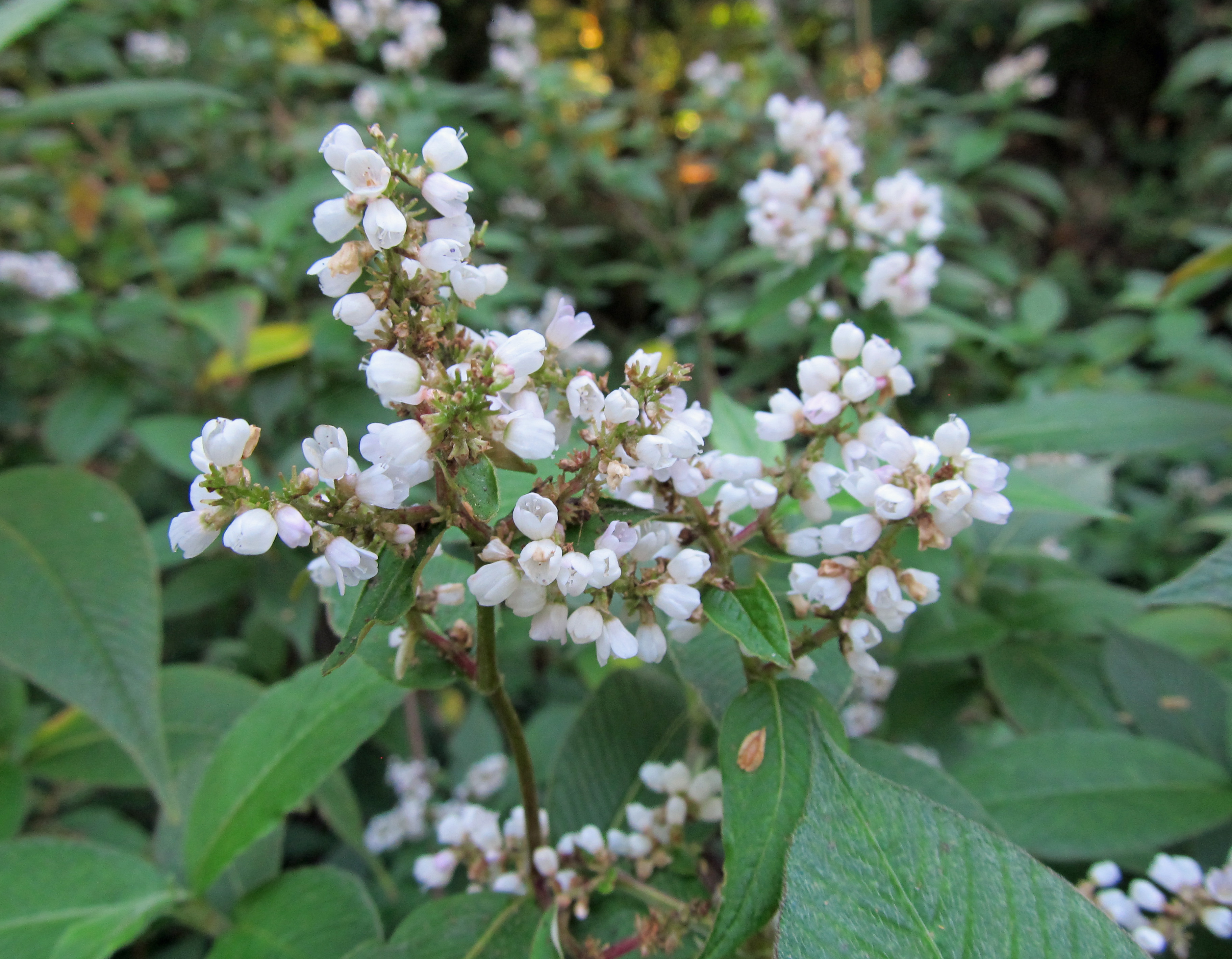
bellflower smartweed (Aconogonon campanulatum)

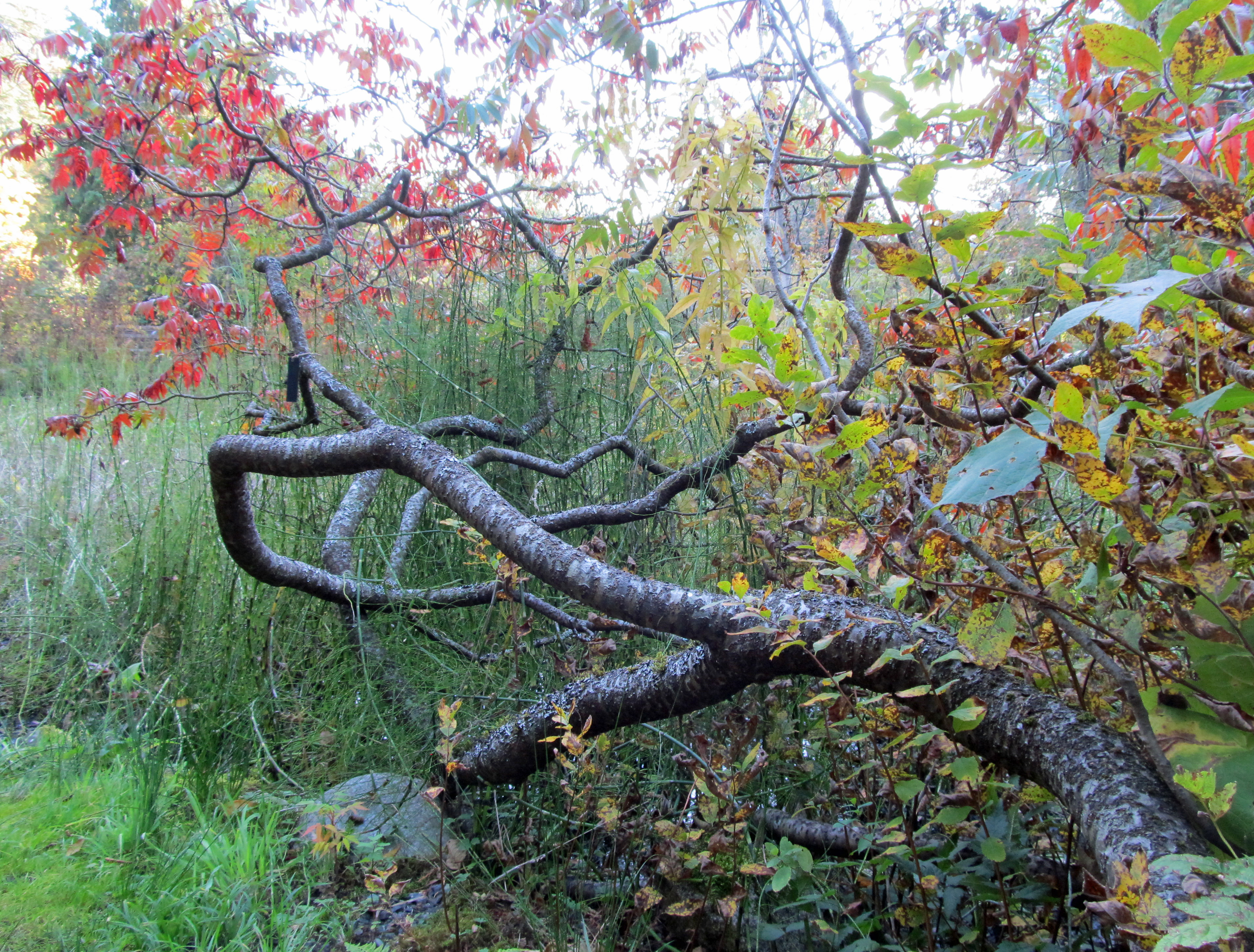
cutleaf smooth sumac (Rhus glabra ‘Laciniata’) in the BC Rainforest Garden

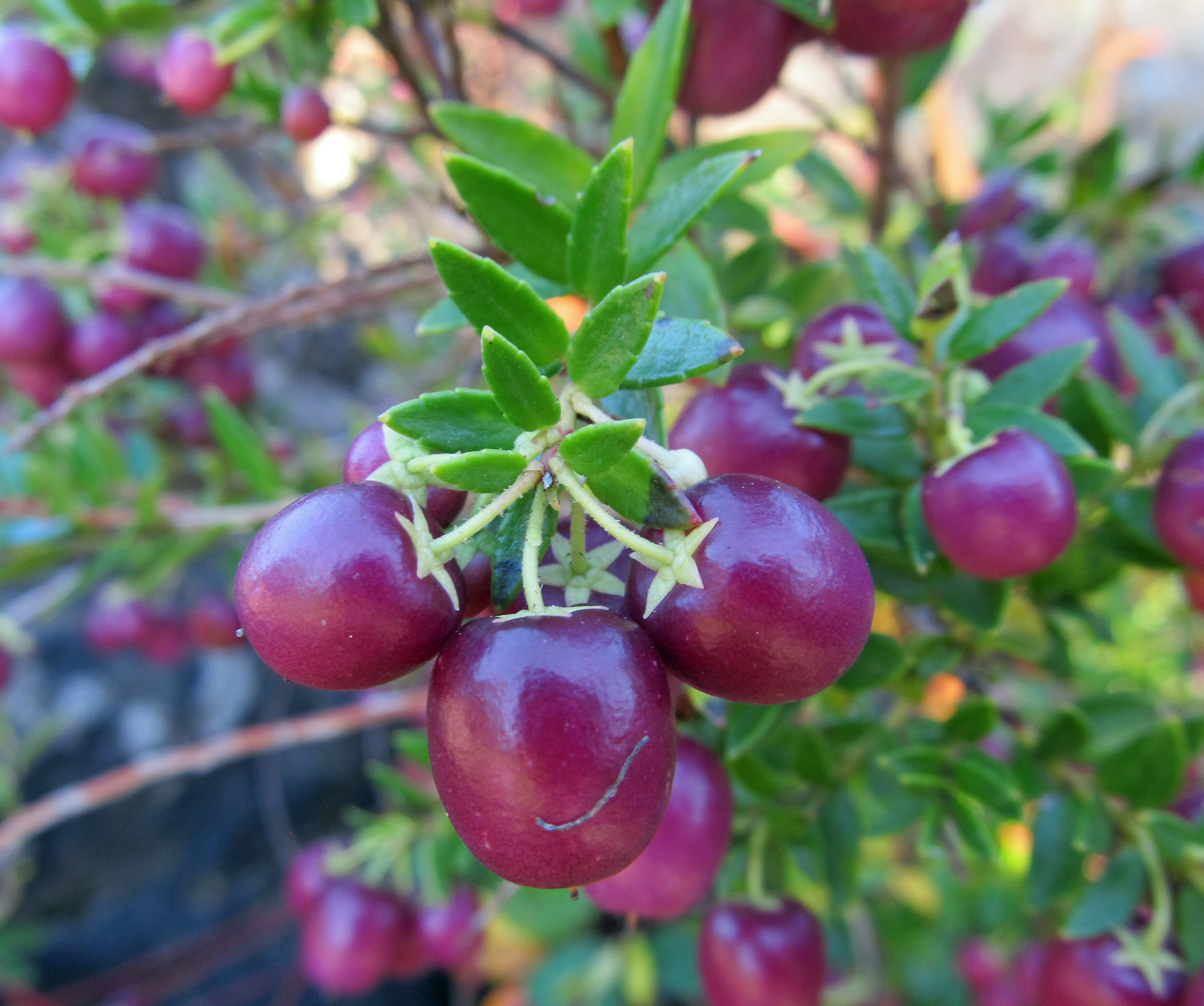
the fruits of Gaultheria pumila in the E.H. Lohbrunner Alpine Garden

Himalayan blueberry (Vaccinium moupinense) in the E.H. Lohbrunner Alpine Garden

VanDusen Botanical Garden

VanDusen Botanical Garden is a 55 acre garden that opened in 1975 and is located on land that was once a golf course. It features an extensive collection of plants from around the world accompanied by a series of lakes and ponds as well as lots of other interesting features (like a Scottish Shelter, a Korean Pavilion, an Elizabethan Maze, and more). Our time there was far too brief. The whirlwind tour we joined, led by the education director, was a lot of fun, and if the threat of missing our bus wasn’t looming, we would have been happy to stay much longer.

Japanese anemone (Anemone x hybrida ‘Whirlwind’)

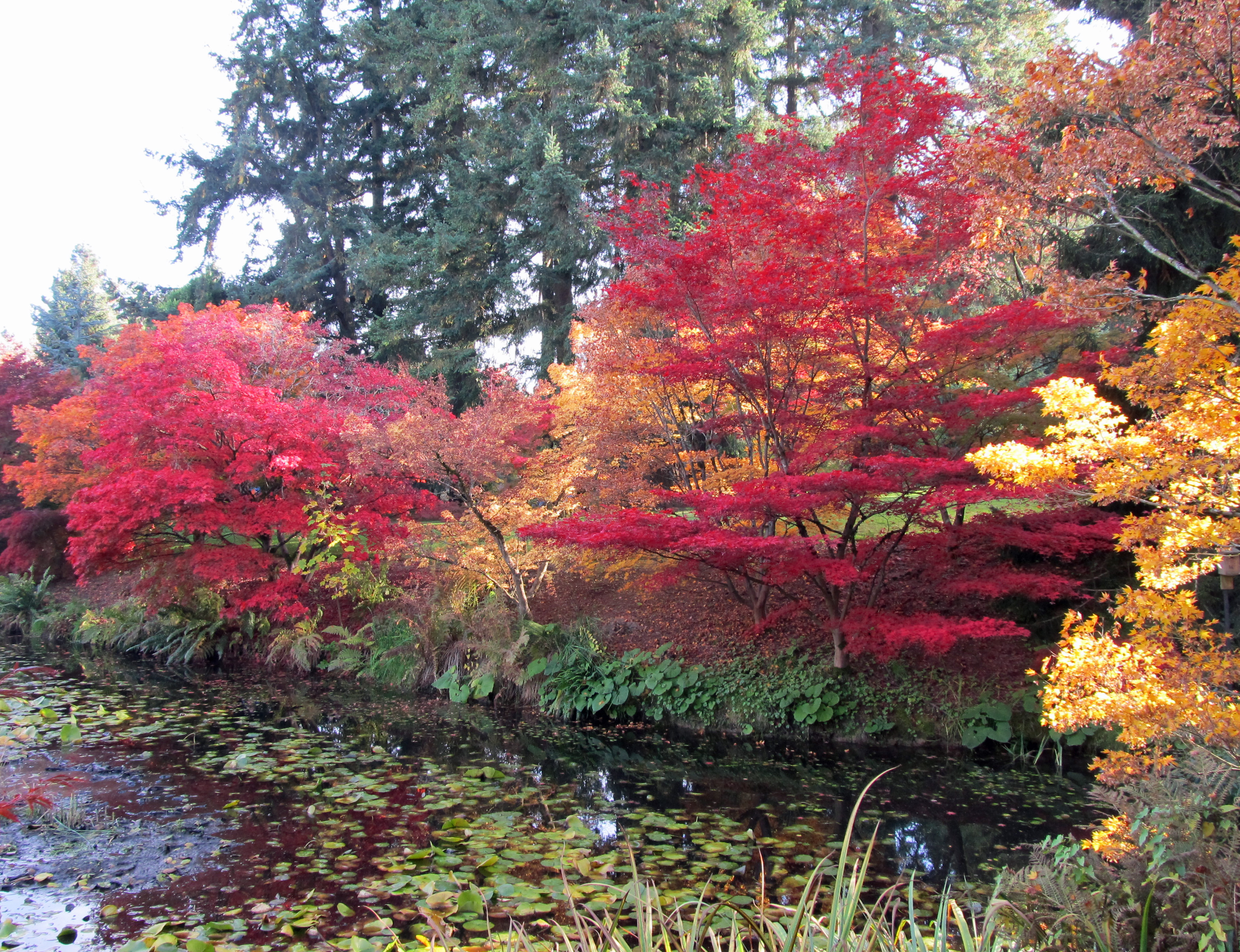
fall color on the shore of Heron Lake

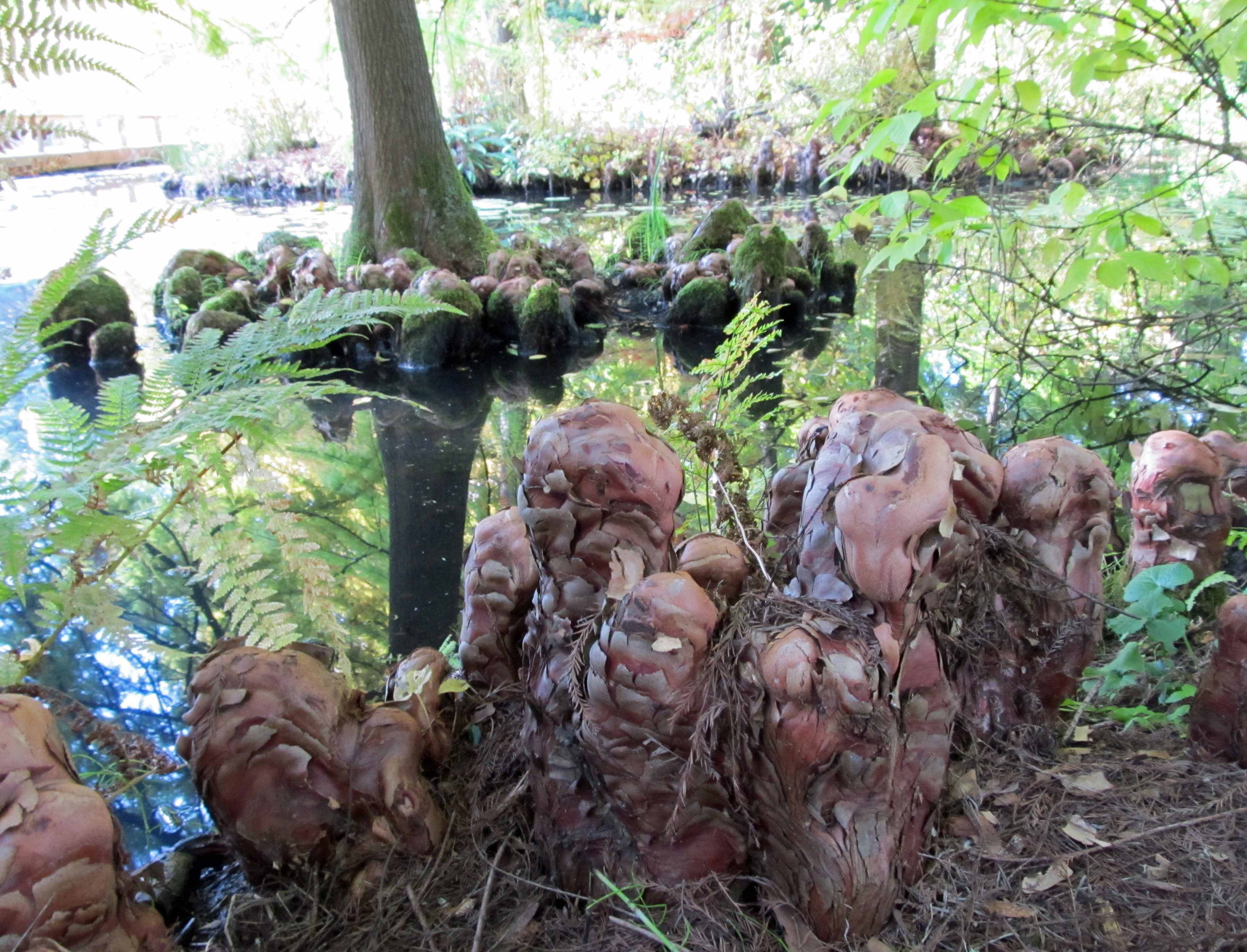
knees of bald cypress (Taxodium distichum) in R. Roy Forster Cypress Pond

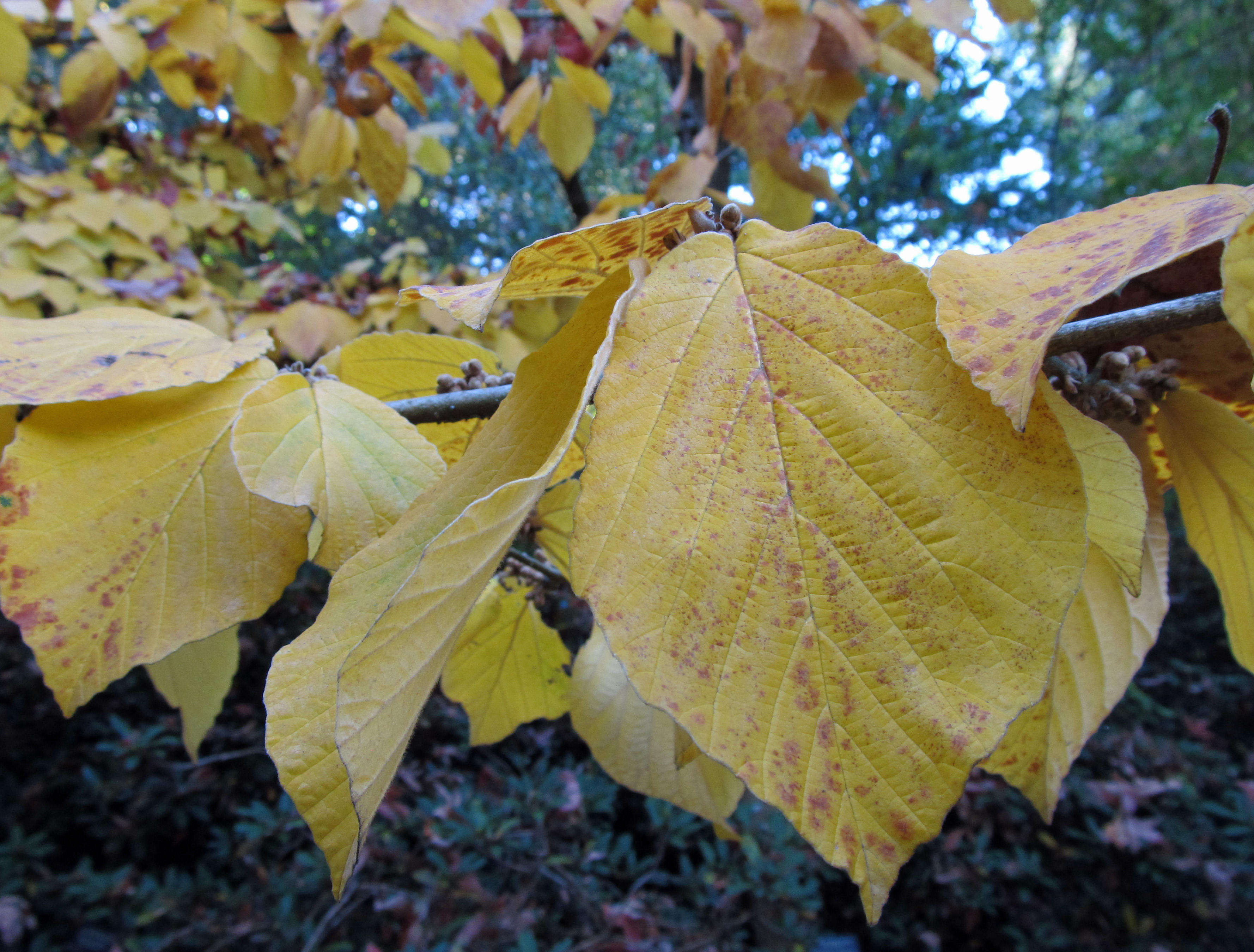
witch hazel (Hamamelis x intermedia ‘Pallida’)

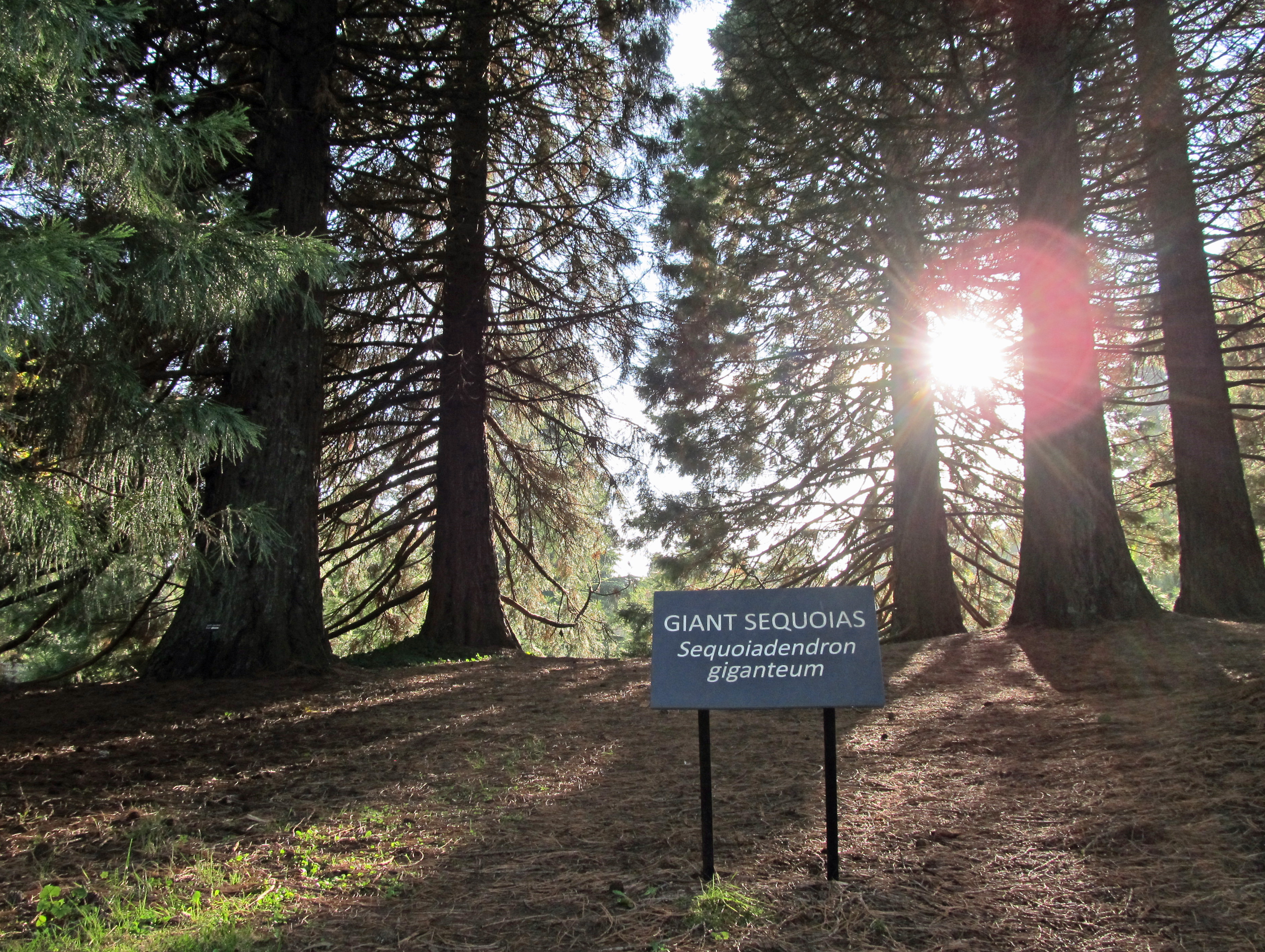
a grove of giant redwoods (Sequoiadendron giganteum)

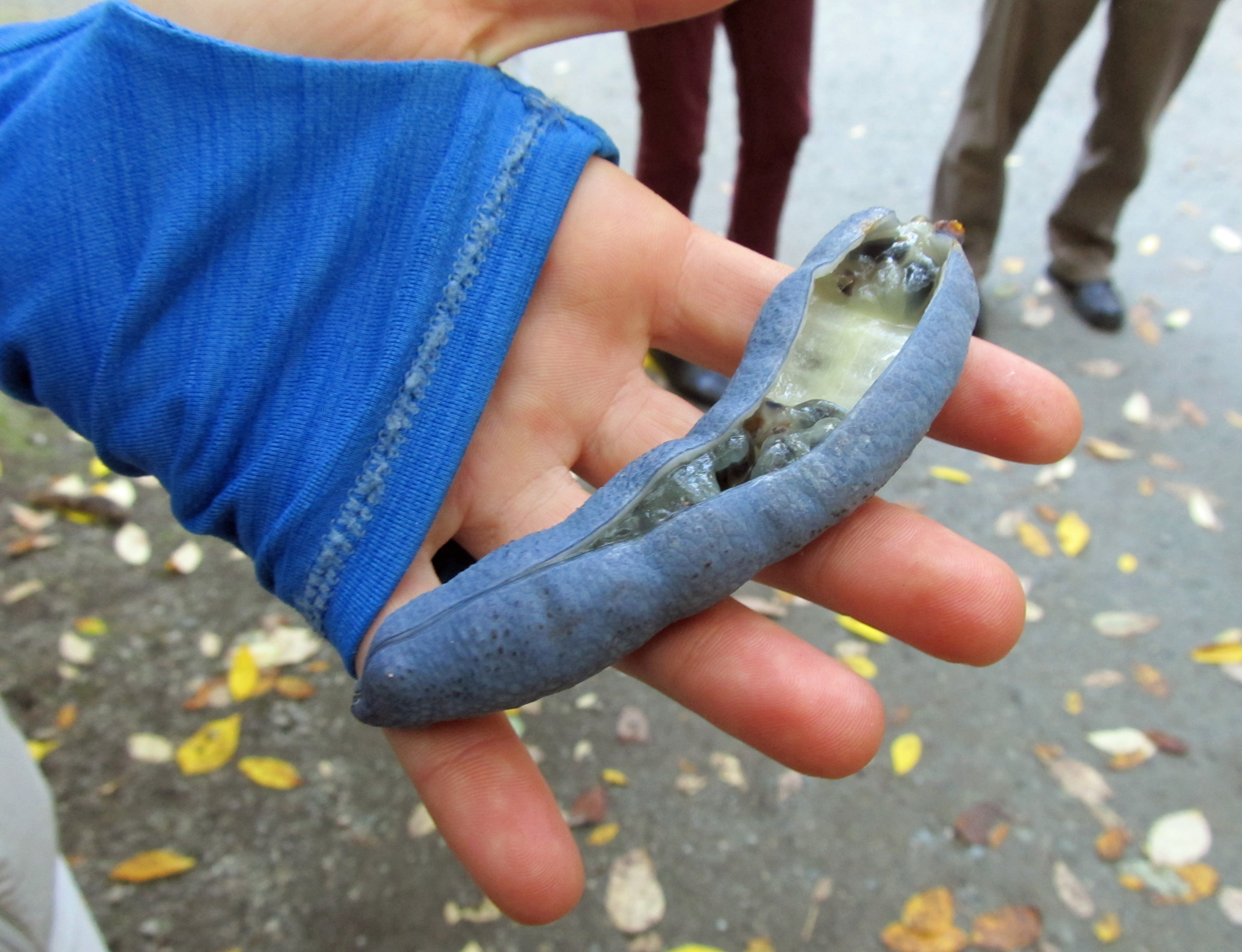
We tried the fruit of dead man’s fingers (Decaisnea insignis). It tastes a bit like watermelon.

Japanese stewartia (Stewartia pseudocamellia)

More Awkward Botany Field Trips:

Botany in Popular Culture: The Tan Hua Flowers in Crazy Rich Asians

When a flower blooms, a celebration is in order. Flowers abound for much of the year, which means parties are called for pretty much non-stop (something Andrew W.K. would surely endorse). Since we can’t possibly celebrate every bloom, there are certain plants we have decided to pay more attention to – plants whose flowers aren’t so prolific, predictable, or long-lived; or plants whose flowers come infrequently or at odd times of the day (or night).

This is the case with the flowers of the night blooming cactus, Epiphyllum oxypetalum, which goes by many names including Dutchman’s pipe cactus, queen of the night, orchid cactus, night blooming cereus, and tan hua. Tan hua is the Chinese name for the plant, and this is how it is referred to in the book, Crazy Rich Asians by Kevin Kwan.

In the book, Nick Young brings his American girlfriend, Rachel Chu, to meet his ridiculously wealthy family in Singapore. Before the trip, Rachel was in the dark about the Young’s wealth. She first meets the family and their gargantuan mansion when Nick’s grandma, seeing that her tan hua flowers are about to bloom, throws an impromptu (and lavish) party. Nick refers to the flowers as “very rare,” blooming “extremely infrequently,” and “quite something to witness.”

In a seperate conversation, Nick’s cousin, Astrid, tries to convince her husband to attend the party by claiming, “it’s awfully good luck to see the flowers bloom.” Later, another one of Nick’s cousins tells Rachel, “it’s considered to be very auspicious to witness tan huas blooming.”

Tan hua (Epiphyllum oxypetalum) via wikimedia commons

Native to Mexico and Guatemala, E. oxypetalum was first brought to China in the 1600’s. Its beauty and intrigue along with its relative ease of cultivation helped it become popular and widespread across Asia and other parts of the world. Watching it bloom is considered a sacred experience by many, including in India, where it is said to bring luck and prosperity to households who are fortunate enough to see theirs bloom.
Epiphyllums are epiphytic, meaning they grow non-parasitically on the surfaces of other plants, such as in the crevices of bark or the crotches of branches. Like other cacti, they are essentially leafless, but their stems are broad, flat, and leaf-like in appearance. Showy, fragrant flowers are born along the margins of stems. The flowers of tan hua, as described in Crazy Rich Asians, appear as “pale reddish petals curled tightly like delicate fingers grasping a silken white peach.” A report (accompanied by photos) published by Sacred Heart University describes watching tan hua flowers progess from bud formation to full bloom, a process that took more than two weeks.

Tan huas are certainly not rare, as Nick described them. A number of Epiphyllum species and their hybrids are commonly cultivated; there is even an Epiphyllum Trail at San Diego Zoo’s Safari Park. Listed as “least concern” on the IUCN Red List, their popularity as ornamentals is noted but is not seen as affecting wild populations. Night blooming plants, while fascinating, aren’t all that rare either. Such plants have adapted relationships with creatures, like bats and moths, that are active during the night, employing their assistance with pollination. A paper published in Plant Systematics and Evolution describes the floral characteristics of Epiphyllum and similar genera: “The hawkmoth-flower syndrome, consisting of strongly-scented, night-blooming flowers with white or whitish perianths and long slender nectar-containing floral tubes is present in Cereus, Trichocereus, Selenicereus, Discocactus, Epiphyllum, and a number of other cactus genera.”
That being said, the specialness of a short-lived, infrequent, night blooming flower should not be understated, and really, parties being thrown in honor of any plant are something I can certainly get behind. Sitting in the courtyard late at night, the Young family and their guests watched as “the tightly rolled petals of the tan huas unfurled like a slow-motion movie to reveal a profusion of feathery white petals that kept expanding into an explosive sunburst pattern.” The look of it reminds Astrid of “a swan ruffling its wings, about to take flight.”

Later, “the tan huas began to wilt just as swiftly and mysteriously as they had bloomed, filling the night air with an intoxicating scent as they shriveled into spent lifeless petals.”

———————

Additional Resources:

———————

*Thank you Kathy for letting me borrow your Kindle so that I could write this post.

Awkward Botanical Sketches #2: The Dear Data Edition

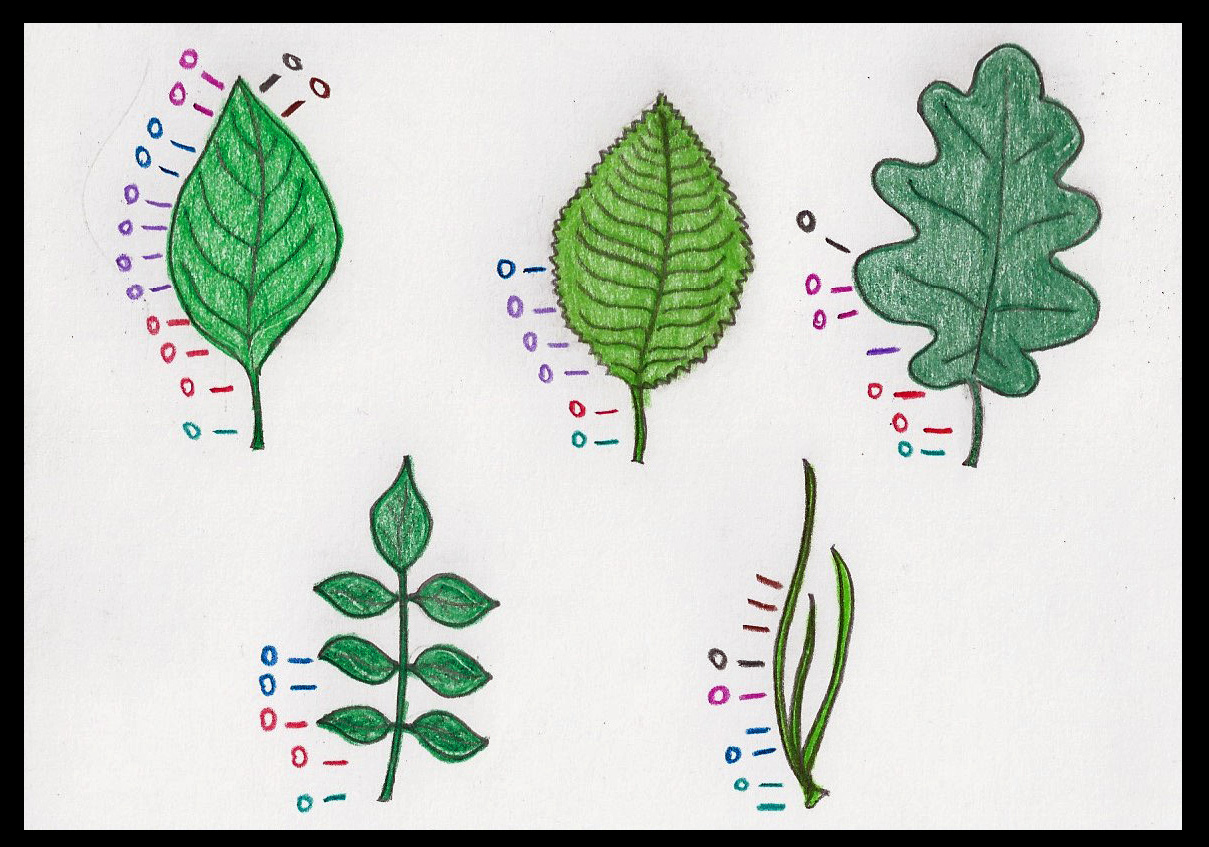
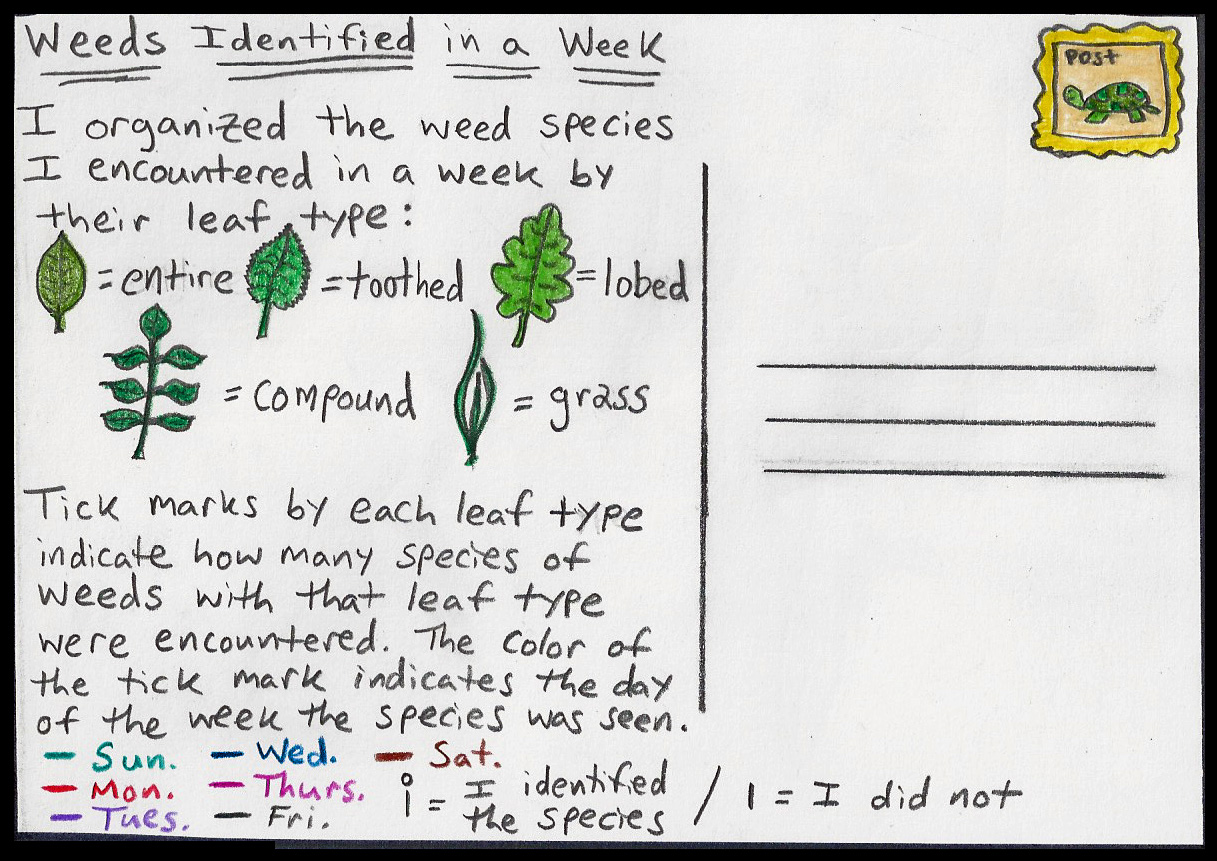
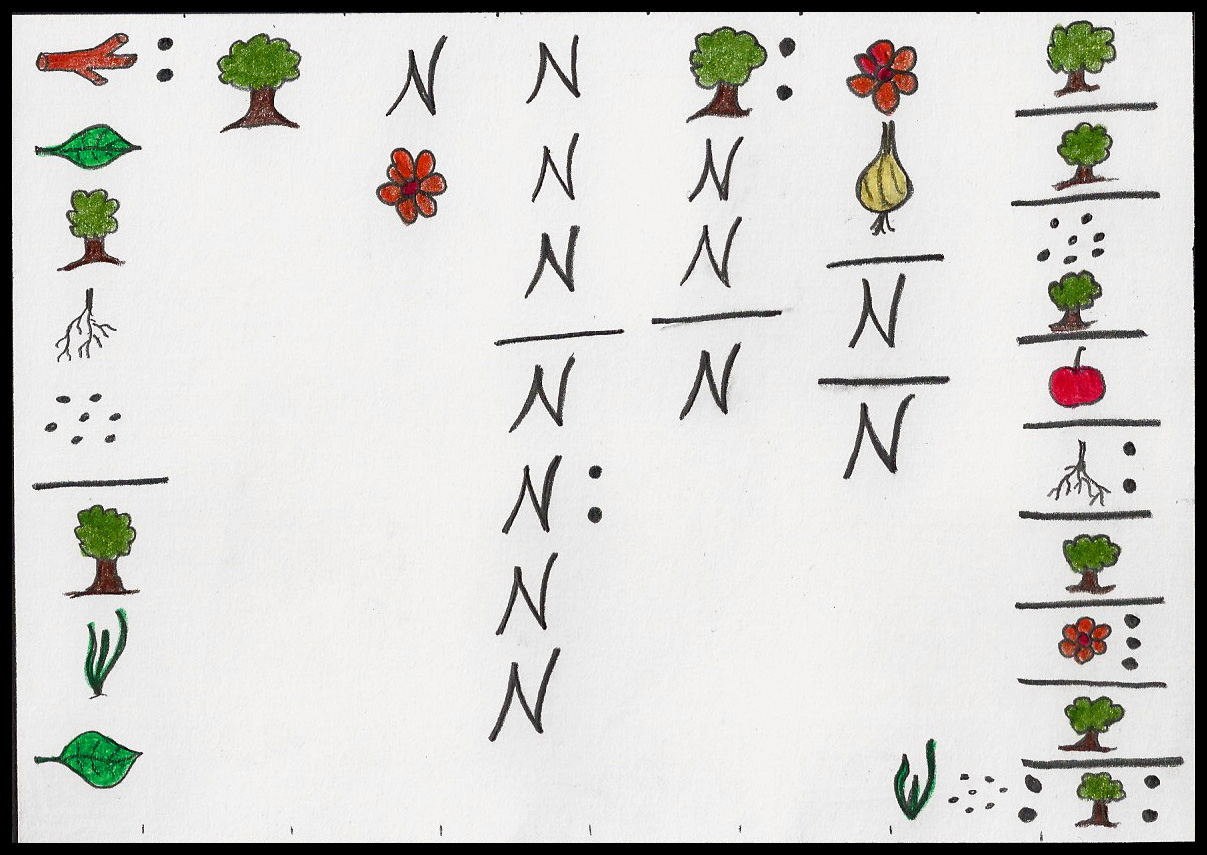
In this special edition of Awkward Botanical Sketches, I took some inspiration from a book called Dear Data by Giorgia Lupi and Stefanie Posavec. In this book, two friends separated by an ocean chose something about their lives to collect data on every week for a year, then they exchanged the data they collected via weekly postcards. They did this by drawing out a representation of their data on the front of the postcard, along with a key to the drawing on the back. It seemed like a fun thing to do, so I decided to try it. Rather than mailing my postcards to someone across the sea, I am sharing them here.

My ability to creatively present the data I collected pales in comparison to Lupi and Posavec, but I had fun giving it a shot. Most importantly, it satisfied my quest to draw more. This first postcard is all about the weeds I came across in a week.

Weeds Identified in a Week, front side

Weeds Identified in a Week, back side

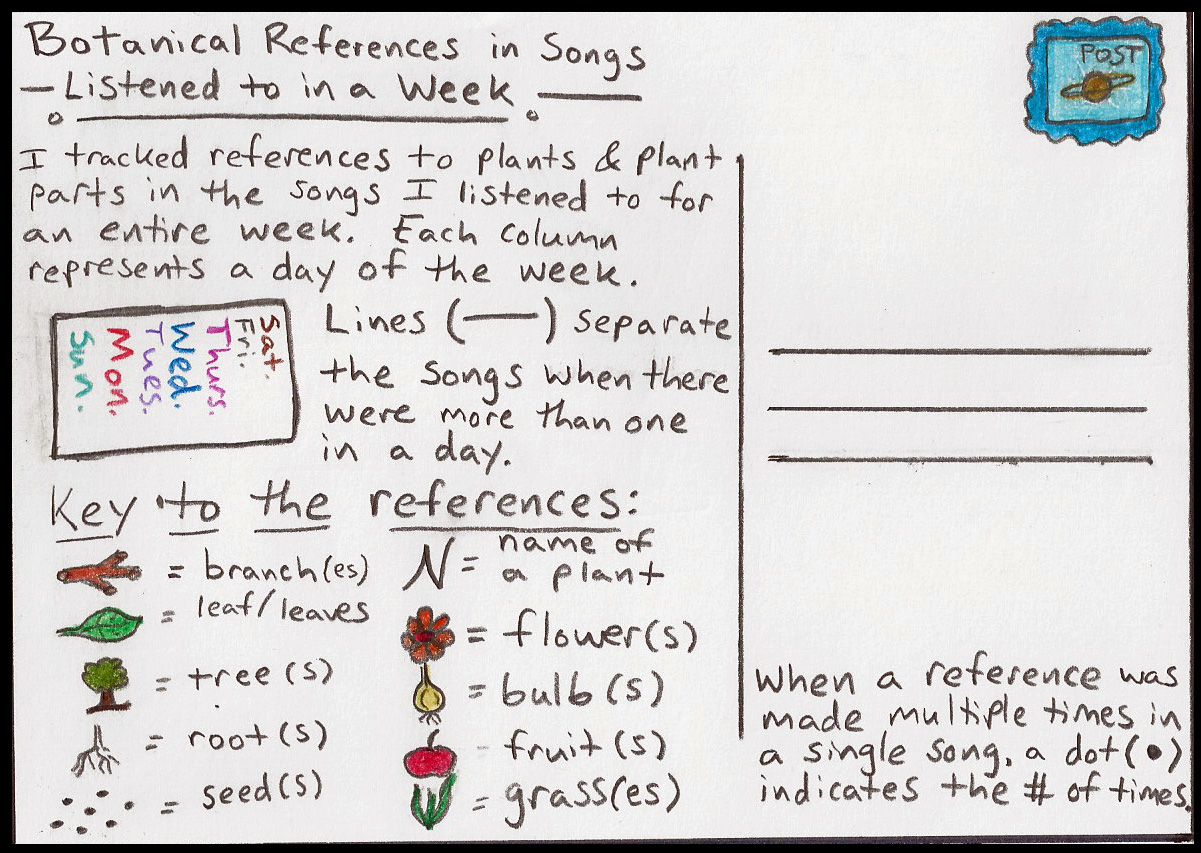
Whenever I listen to music I make a mental note of any botanical references made in the lyrics. I generally don’t do anything with these mental notes – unless, of course, I’m writing something about them (see this Botany in Popular Culture post, for example) – but this time I did. Saturday was a particularly busy day because I was listening to a lot of Ghost Mice.

Botanical References in Songs, front side

Botanical References in Songs, back side

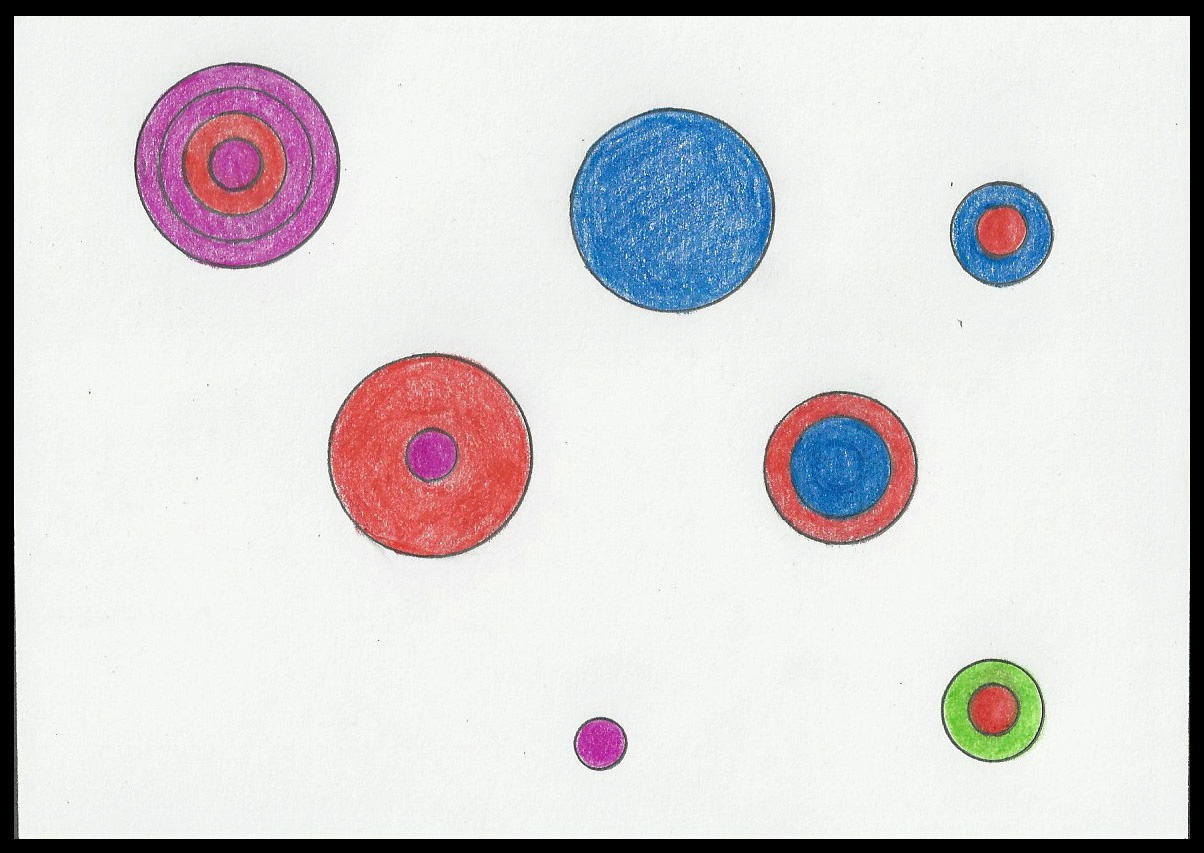
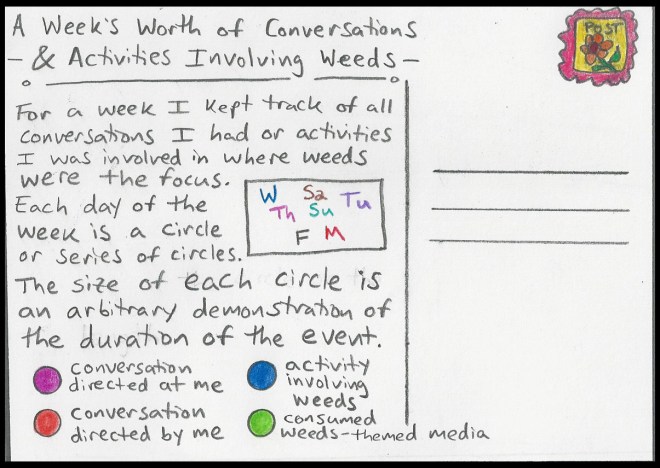
My obvious obssesion with weeds and my intention to write a weeds-themed book someday – plus my career as a horticulturist – means that I frequently find myself involved in activities and conversations involving weeds. I wasn’t exactly sure how to track that, so this is my lousy attempt at doing so. In case you’re wondering what I was up to on Saturday (the big, blue circle), this tweet and Instagram post should help explain things.

Weeds in Conversations and Activities, front side

Weeds in Conversations and Activities, back side

———————

Further Reading: Review of Dear Data in The Guardian

Death by Crab Spider, part two

Crab spiders that hunt in flowers prey on pollinating insects. Thus, pollinating insects tend to avoid flowers that harbor crab spiders. We established this in part one. Now we ask, what effect, if any, does this interaction have on a crab spider infested plant’s ability to reproduce? More importantly, what are the evolutionary implications of this relationship?

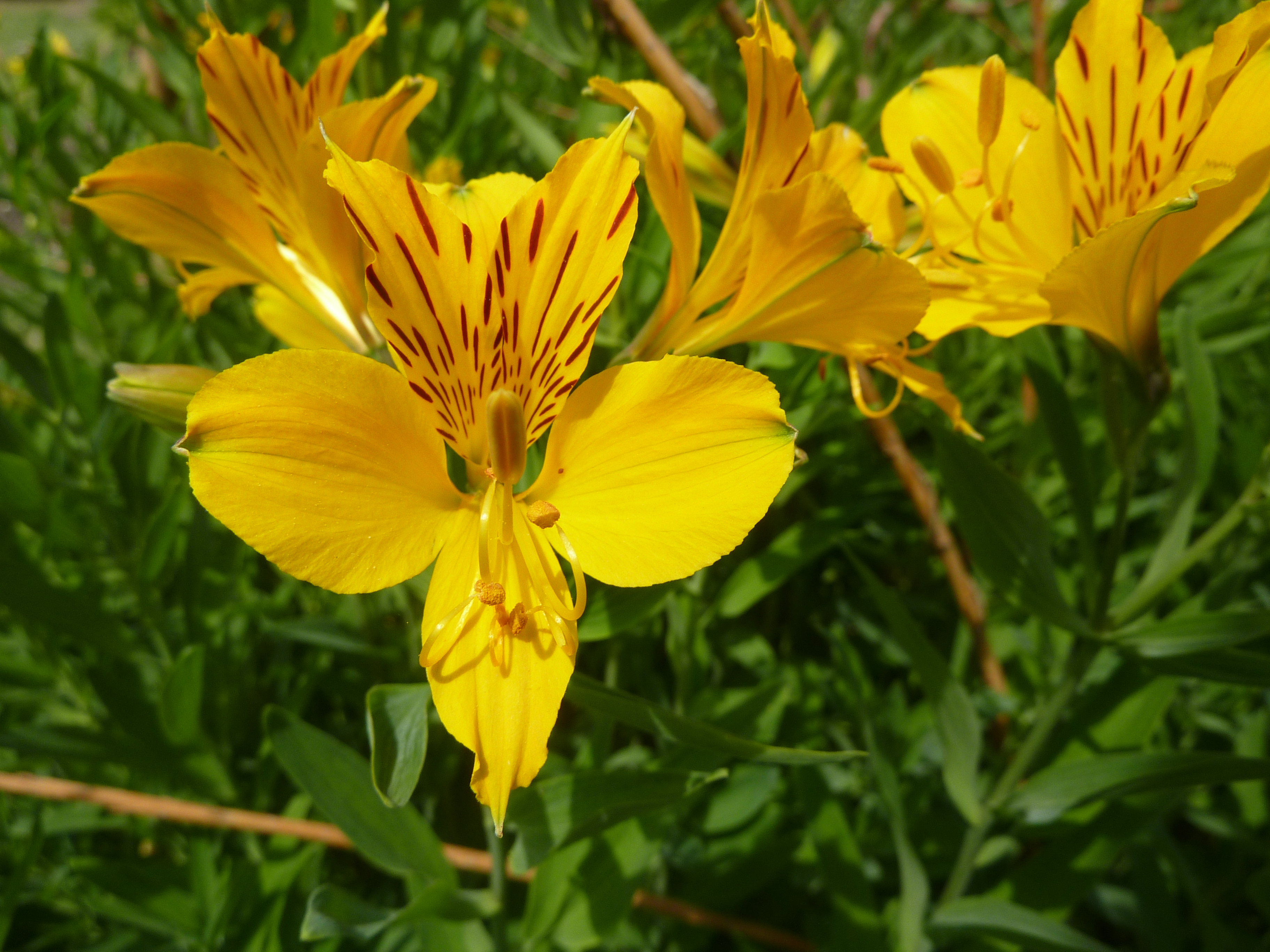
In a study published in Ecological Entomology earlier this year, Gavini, et al. found that pollinating insects avoided the flowers of Peruvian lily (Alstroemeria aurea) when artificial spiders of various colors and sizes were placed in them. Bumblebees and other bees were the most frequent visitors to the flowers and were also the group “most affected by the presence of artificial spiders, decreasing the number of flowers visited and time spent in the inflorescences.” This avoidance had a notable effect on plant reproduction, namely a 25% reduction in seed set and a 15% reduction in fruit weight. The most abundant and effective pollinator, the buff-tailed bumblebee, was deterred by the spiders, leading the researchers to conclude that, “changes in pollinator behavior may translate into changes in plant fitness when ambush predators alter the behavior of the most effective pollinators.”

Peruvian lily (Alstroemeria aurea) via wikimedia commons

But missing from this discussion is the fact that crab spiders don’t only eat pollinators. Any flower visiting insect may become a crab spider’s prey, and that includes florivores. In which case, crab spiders can benefit a plant, saving it from reproduction losses by eating insects that eat flowers.

In April of this year, Nature Communications published a study by Knauer, et al. that examined the trade-off that occurs when crab spiders are preying on both pollinators and florivores. Four populations of buckler-mustard (Biscutella laevigata ssp. laevigata) were selected for this study. Bees are buckler-mustard’s main pollinator, and in concurrence with other studies, they significantly avoided flowers when crab spiders were present.  Knauer, et al. also determined that bees and crab spiders are attracted to the same floral scent compound, β-ocimene. This compound not only attracts pollinators, but is also emitted when plants experience herbivory, possibly to attract predators to come and prey on whatever is eating them.

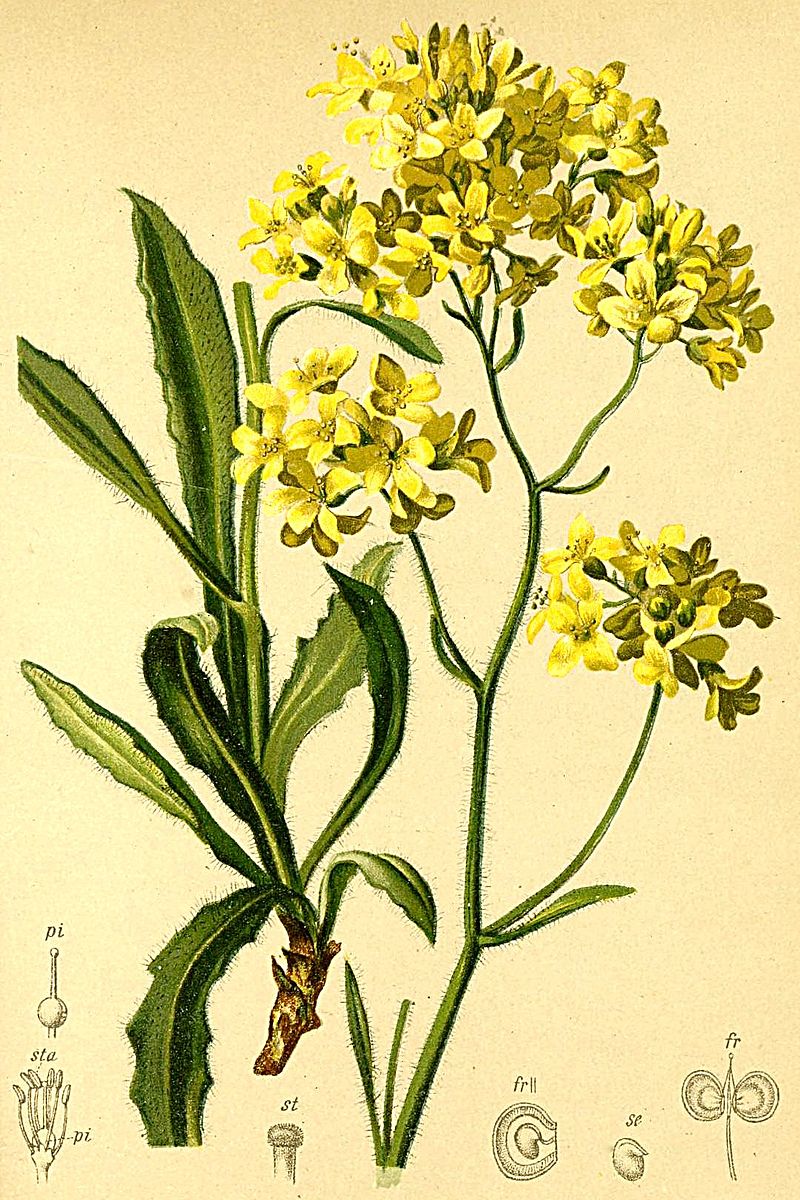
buckler-mustard (Biscutella laevigata) via wikimedia commons

In this study, the predators called upon were crab spiders. Florivores had a notable impact on plants in this study, and the researchers found that when crab spiders were present, florivores were significantly reduced, thereby reducing their negative impact. They also noted that “crab spiders showed a significant preference for [florivore-infested] plants over control plants.”

And so it is, a plant’s floral scent compound attracts pollinators while simultaneously attracting the pollinator’s enemy, who is also called in to protect the flower from being eaten. Luckily, in this case, buckler-mustard is easily pollinated, so the loss of a few pollinators isn’t likely to have a strong negative effect on reproduction. As the authors write, “pollinators are usually abundant and the low number of ovules per flower makes a few pollen grains sufficient for a full seed set.”

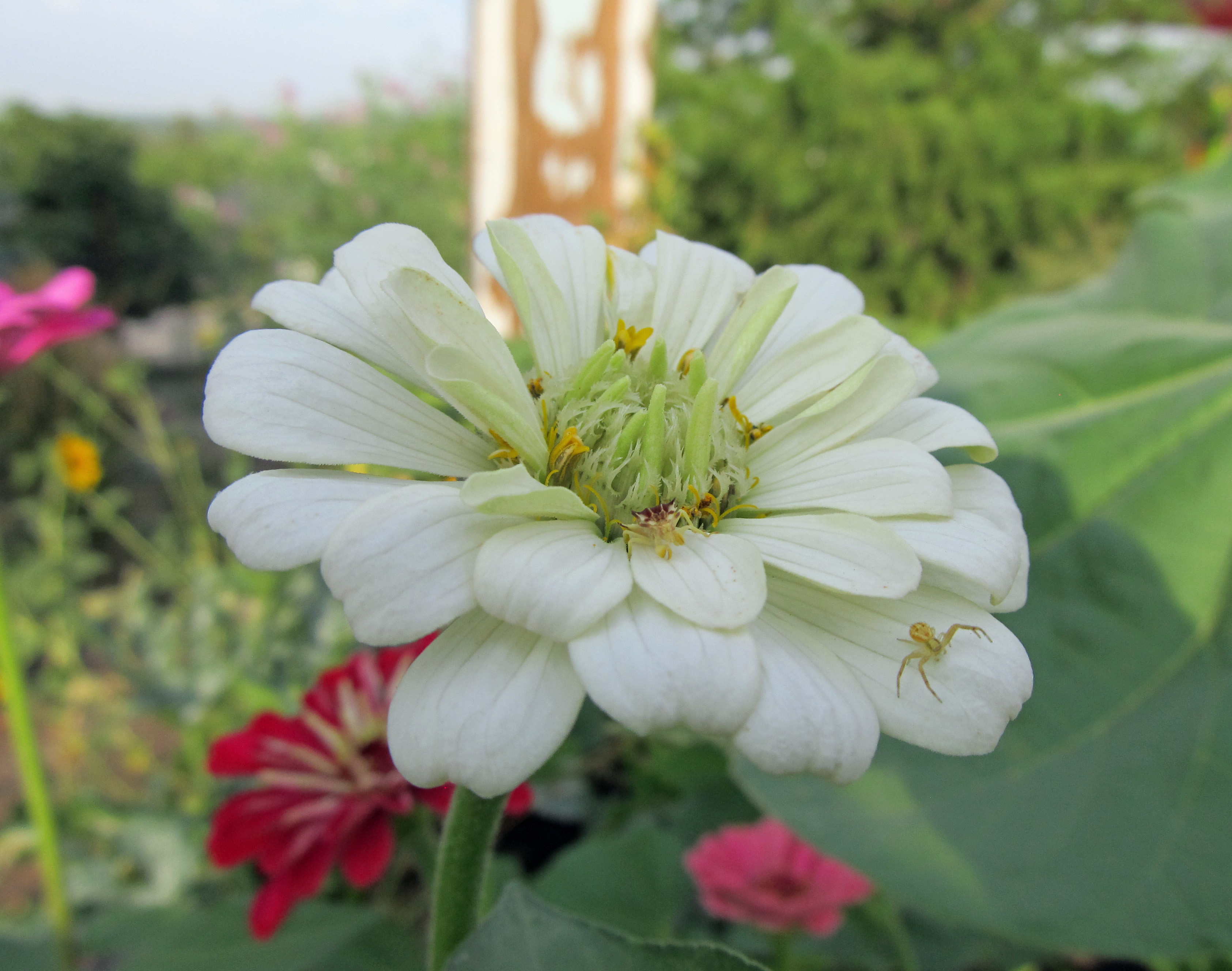
crab spider on zinnia

But none of these studies are one size fits all. Predator-pollinator-plant interactions are still not well understood, and there is much to learn through future research. A meta-analysis published in the Journal of Animal Ecology in 2011 looked at the research that had been done up to that point. Included were a range of studies involving sit-and-wait predators (like crab spiders and lizards) as well as active hunters (like birds and ants) and the effects of predation on both pollinators and plant-eating insects. They concluded that where carnivores “disrupted plant-pollinator interactions, plant fitness was reduced by 17%,” but thanks to predation of herbivores, carnivores helped increase plant fitness by 51%. This suggests that carnivores, overall, have a net positive effect on plant fitness.

Many pollinating insects have an advantage over plant-eating insects because they move quickly from flower to flower and plant to plant, unlike many herbivores which move more slowly. This protects pollinators from predation and helps explain why plant-pollinator interactions are not disrupted as easily by carnivores. Additionally, as the authors note, “plants may be buffered against loss of pollination by attracting different types of pollinators, some of which are inaccessible to carnivores.”

But again, there is still so much to discover about these complex interactions. One way to gain a better understanding is to investigate the effects of predators on both pollinators and herbivores in the same study, since many of the papers included in the meta-analysis focused on only one or the other. As far as crab spiders go, Knauer, et al. highlight their importance in such studies. There are so many different species of crab spiders, and they are commonly found on flowers around the globe, so “their impact on plant evolution may be widespread among angiosperms.”

In other words, while we still have a lot to learn, the impact these tiny but skillful hunters have should not be underestimated.

Death by Crab Spider, part one

When a bee approaches a flower, it is essentially approaching the watering hole. It comes in search of food in the form of pollen and nectar. As is this case with other animals who come to feed at the watering hole, a flower-visiting bee makes itself vulnerable to a variety of predators. Carnivores, like the crab spider, lie in wait to attack.

The flowers of many plants rely on visits from bees and other organisms to assist in transferring pollen from stamens to stigmas, which initiates reproduction; and bees and other flower visitors need floral resources to survive. Crab spiders exploit this otherwise friendly relationship and, in doing so, can leave lasting impacts on both the bees and the flowers they visit.

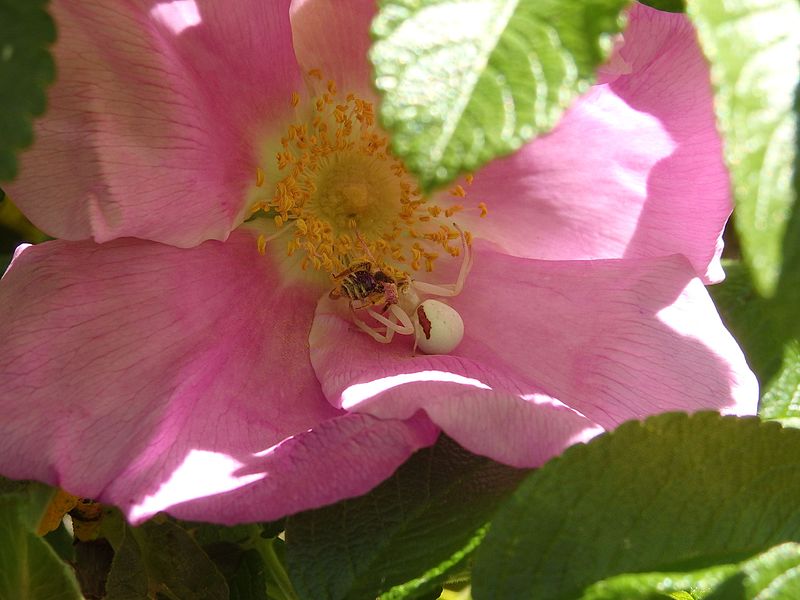
Species in the family Thomisidae are commonly referred to as crab spiders, a name that comes from their resemblance to crabs. Crab spiders don’t build webs to catch prey; instead they either actively hunt for prey or sit and wait for potential prey to happen by, earning them the name ambush predators. Of the hundreds of species in this family, not all of them hunt for prey in flowers; those that do – species in the genera Misumena and Thomisus, for example – are often called flower crab spiders.

white crab spider (Thomisus spectabilis) on Iris sanguinea — via wikimedia commons

Most crab spiders are tiny – mere millimeters in size – and they have a number of strategies (depending on the species) to obscure their presence from potential prey. They can camouflage themselves by choosing to hunt in a flower that is the same color as they are or, in the case of some species, they can change their color to match the flower they are on. Some species of crab spiders reflect UV light, which bees can see. In doing so, they make themselves look like part of the flower.

Using an Australian species of crab spider, researchers found that honey bees preferred marguerite daisies (Chrysanthemum frutescens) on which UV-reflecting crab spiders were present, even when the scent of the flowers was masked. The spiders’ presence was seen as nectar guides, which “bees have a pre-existing bias towards.” Members of this same research team also determined that both crab spiders and honey bees choose fragrant flowers over non-fragrant flowers, and that, ultimately, “honey bees suffer apparently from responding to the same floral characteristics as crab spiders do.”

Needless to say, crab spiders are crafty. So the question is, when killing machines like crab spiders are picking off a plant’s pollinators, does this affect its ability to reproduce? First let’s consider how pollinators react to finding crab spiders hiding in the flowers they hope to visit.

goldenrod crab spider (Misumena vatia) preying on a pollinator — via wikimedia commons

A study published in Oikos in 2003 observed patches of common milkweed (Asclepias syriaca) – one set was free of crab spiders, the other set was not – and tracked the visitations of four species of bees – the common honey bee and three species of bumble bees. They compared visitation rates between both sets of milkweed patches and found that the smallest of the three bumble bee species decreased its frequency of visitation to the crab spider infested milkweeds. Honey bees also appeared to visit the infested milkweeds less, but the results were not statistically significant. The two larger species of bumble bees continued to forage at the same rate despite the presence of crab spiders.

During the study, crab spiders were seen attacking bees numerous times. Six attacks resulted in successful kills, and of the bees that escaped, 80% left the flower and either moved to a different flower on the same plant, moved to a different plant, or left the patch altogether. These results indicate a potential for the presence of crab spiders to effect plant-pollinator interactions, whether its directly (predation) or indirectly (bees avoiding flowers with crab spiders).

Another study published in Behavioral Ecology in 2006 looked at two species of bees – the honey bee and a species of long-horned bee – and their reactions to the presence of crab spiders on the flowers of three different plant species – lavender (Lavandula stoechas), crimson spot rockrose (Cistus ladanifer), and sage-leaf rockrose (Cistus salvifolius). Honey bees were about half as likely to select inflorescences of lavender when crab spiders were present, and they avoided the crab spider infested flowers of crimson spot rockrose with a similar frequency. On the other hand, the long-horned bee visited the flowers of crimson spot rockrose to the same degree whether or not a crab spider was present.

bee visiting sage-leaf rock rose (Cistus salvifolius) — via wikimedia commons

The researchers then exposed honey bees to the flowers of sage-leaf rockrose that were at the time spider-free but showed signs that crab spiders had recently visited. Some of the flowers featured the scent of crab spiders, others had spider silk attached to them, and others had the corpses of dead bees on them. They found that even when crab spiders were no longer present, the bees could still detect them. Honey bees were particularly deterred by the presence of corpses. The long-horned bees were also exposed to the flowers with corpses on them but didn’t show a significant avoidance of them.

An interesting side note about the presence of silk on flowers. As stated earlier, crab spiders do not spin webs; however, they do spin silk for other reasons, including to tether themselves to flowers while hunting. The authors recount, “on several occasions when an attempted attack was observed during this study, it was only the presence of a silk tether that prevented spiders being carried away from flowers by their much larger prey.”

So, again, if bees are avoiding flowers due to the presence of predators like crab spiders, what effect, if any, is this having on the plants? We will address this question in part two.

Eating Weeds: Dandelion Flowers

Mention weeds, and the first plant most of us think of is dandelion. It is essentially the poster child when it comes to weeds and one of the few weeds that entire books have been written about. Its notoriety partly comes from being so ubiquitous and recognizable, but it also comes from its utility. It has a long history of being used medicinally and culinarily, and, surprising to some I’m sure, is still grown agriculturally today.

Dandelion is an attractive and useful plant whose main offense is being so accomplished and proficient at staying alive, reproducing, and moving itself around. The principal thing it gets accused of is invading our lawns. With its brightly colored flowers on tall stalks and its globe of feathery seeds, it makes itself obvious, unlike other lawn invaders that tend to blend in more. Once it makes itself at home, it refuses to leave, adding to the frustration. Consider the vats of herbicide that have been applied to turf grass in an attempt to wipe out dandelions. The fact that they hang around, taunting those who care about that sort of thing, helps explain why they are so hated.

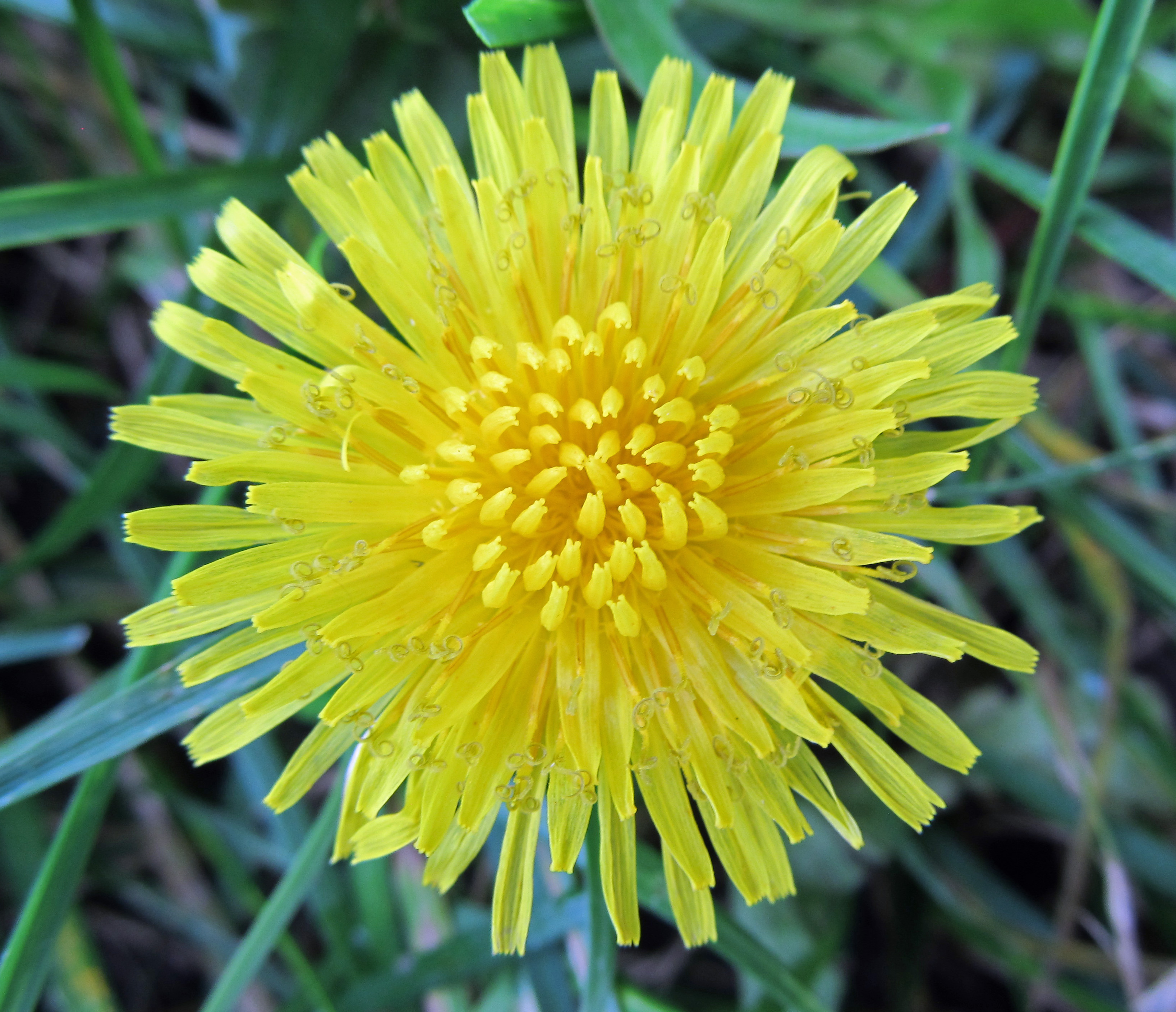
common dandelion (Taraxacum officinale)

As Ken Thompson writes in The Book of Weeds, dandelions are “too familiar to need describing,” and since there is already so much written about them, I don’t feel the need to write much myself. Below, instead, are a few excerpts from a handful of books that discuss them.

“It seems many of us possess a conscious will not to believe anything good about this remarkable harbinger of spring which, by its ubiquity and persistance, make it the most recognized and most hated of all ‘weeds.'” — The Dandelion Celebration by Peter Gail

“Dandelion heads consist entirely of overlapping ray florets. … Each floret has its own male and female organs, the (female) style surmounting the (male) stamens. Stamens are unnecessary, however, for the plant to produce seed; much, if not most dandelion seed reproduction occurs asexually (apomixis), without pollen fertilization or any genetic involvement of male cells. But insect pollination (each floret produces abundant nectar in its tubular base) and self-pollination, plus vegetative reproduction via sprouting of new plants from roots and root fragments, also occurs – so this plant has all reproductive fronts covered, surely an important reason for its wide abundance and distribution.” — The Book of Field and Roadside by John Eastman

“Wild violets are too limp and their flowers to insipidly small, too prone to damp, dark corners, as if lacking upright amour propre; in contrast, dandelions are too lush and healthy, their vigorous, indestructible roots, gaudy flowers, and too-plentiful seed heads all too easily spawned with their easygoing means of reproduction by parachute-like seeds, landing where they will, suggesting something of human sexual profligacy.” — Weeds by Nina Edwards

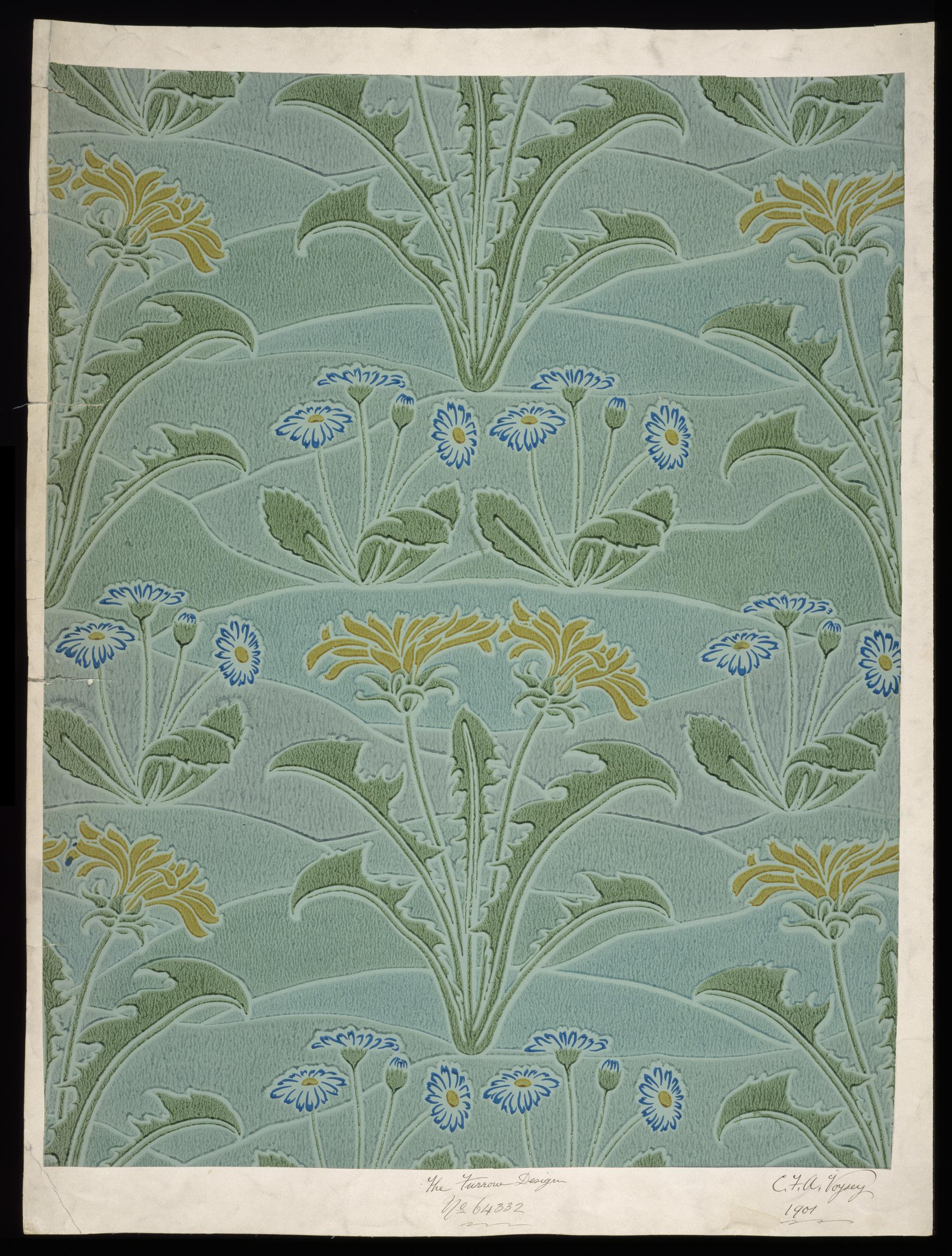
Charles Voysey “The Furrow” (© Victoria and Albert Museum, London

“Dandelions demonstrate evolution in action on suburban lawns. Over several seasons of mowing, the only dandelions that can flower are short-stemmed plants that duck the blade. Mowing thus becomes a selective factor, and in time most of the yard’s surviving dandelion flowers hug the ground.” — The Book of Field and Roadside by John Eastman

“When you stop seeing them as villains, many weeds can be considered as useful plants and certainly have been in the past. Dandelions produce fresh, green leaves nearly all year round. They make a nice addition to a salad, although most people find them too bitter to eat in any quantity. … Dandelion roots are edible too, and have been used in the past as a coffee substitute. If you can find some nice fat burdock roots to go with them, you could even make your own old-fashioned dandelion and burdock drink.” — The Alternative Kitchen Garden by Emma Cooper

“Early medieval Arabian physicians recognized the medicinal properties of dandelion, recorded in Egyptian tombs and described by Theophrastus. Its diuretic effects are mirrored in the common names of pissabed and the French pissenlit; it is recommended for the liver, kidneys, and gallbladder, and even for the treatment of diabetes. In India it is also a traditional remedy for snakebites and its milky sap is said to cure surface tumors and warts, and even unsightly moles and freckles.” — Weeds by Nina Edwards

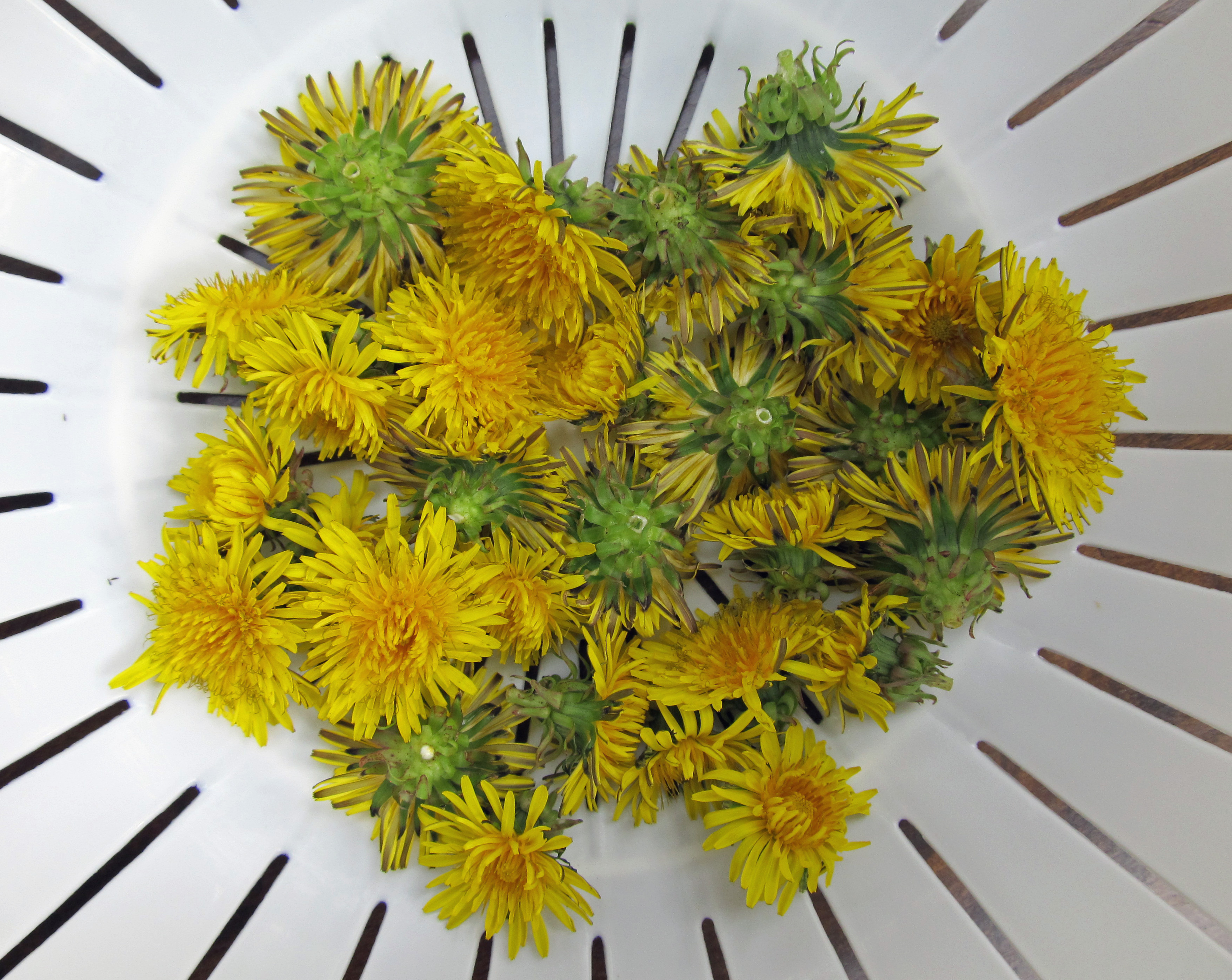
I ate dandelion flowers blended up with eggs and cooked like scrambled eggs. Its a simple recipe that I adapted from instructions found in the The Dandelion Celebration by Peter Gail. The flowers taste more or less the way they smell. They have a bitterness to them that is akin to their leaves but isn’t nearly as strong. I have eaten dandelion leaves several times and I like them, so the bitterness doesn’t really bother me. If I were to make this again I would use a higher egg to dandelion flower ratio, because even though I enjoyed the flavor, it was a little strong.

Eating Weeds: Clovers

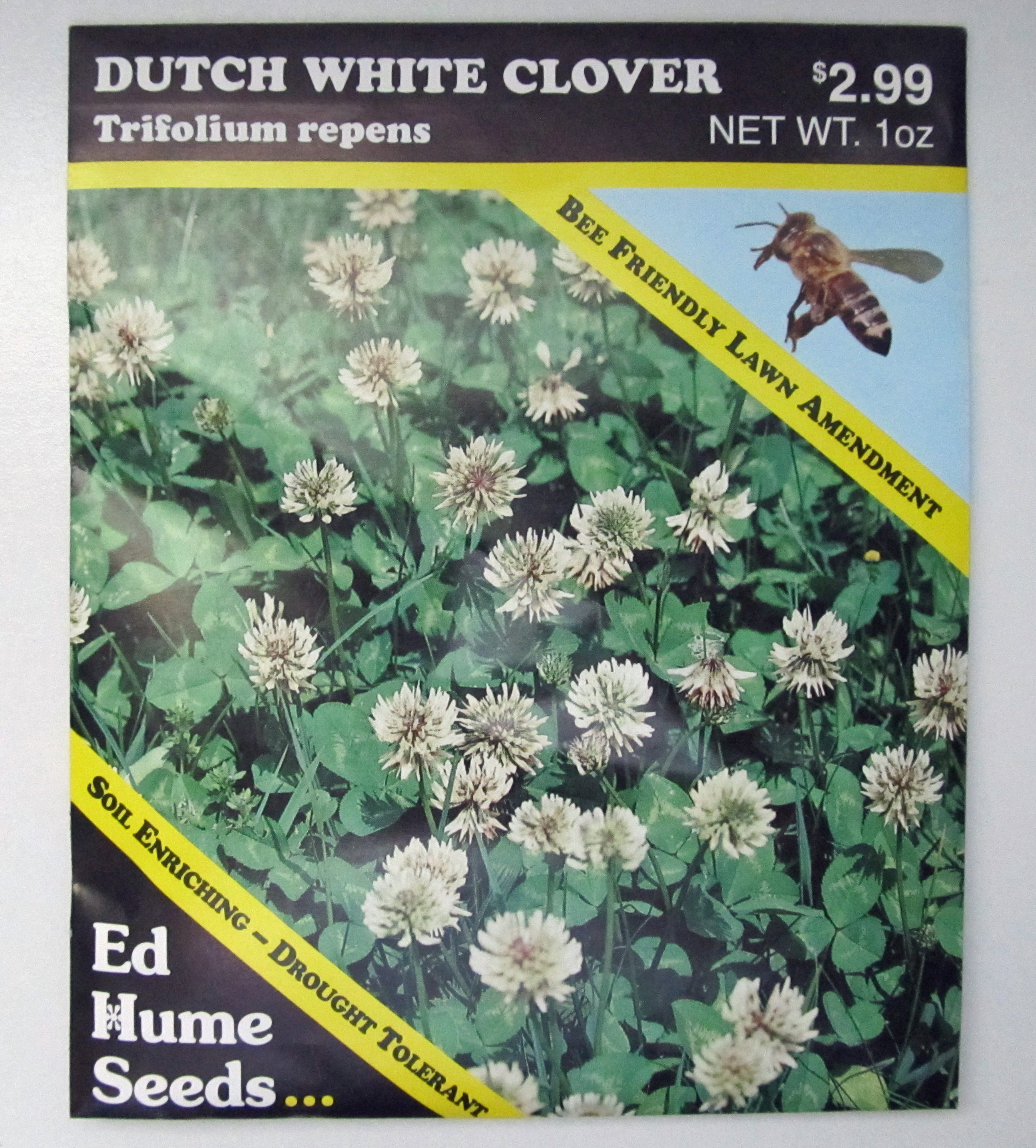
If you ever spent time hunting for four-leaf clovers in the lawn as a kid, in all likelihood you were seeking out the leaves of Trifolium repens or one of its close relatives. Commonly known as white clover, the seeds of T. repens once came standard in turfgrass seed mixes and was a welcome component of a healthy lawn thanks to its ability to fix atmospheric nitrogen and provide free fertilizer. But around the middle of the 20th century, when synthetic fertilizers and herbicides became all the rage, clover’s reputation shifted from acceptable to disreputable. Elizabeth Kolbert, in an article in The New Yorker about American lawns, recounts the introduction of the broadleaf herbicide 2,4-D: “Regrettably, 2,4-D killed not only dandelions but also plants that were beneficial to lawns, like nitrogen-fixing clover. To cover up this loss, any plant that the chemical eradicated was redefined as an enemy.”

white clover (Trifolium repens) in turf grass

This particular enemy originated in Europe but can now be found around the globe. It has been introduced both intentionally and accidentally. Commonly cultivated as a forage crop for livestock, its seeds can be found hitchhiking to new locations in hay and manure. Clover honey is highly favored, and so clover fields are maintained for honey production as well. Its usefulness, however, doesn’t protect it from being designated as a weed. In Weeds of North America, white clover is accused of being “a serious weed in lawns, waste areas, and abandoned fields.”

White clover is a low-growing, perennial plant that spreads vegetatively as well as by seed. It sends out horizontal shoots called stolons that form roots at various points along their length, creating a dense groundcover. Its compound leaves are made up of three, oval leaflets, and its flower heads are globe-shaped and composed of up to 100 white to (sometimes) pink florets. Rich in nectar, the flowers of white clover draw in throngs of bees which assist in pollination. Closely related and similar looking strawberry clover, Trifolium fragiferum, is distinguished by its pink flowers and its fuzzy, rounded seed heads that resemble strawberries or raspberries. Red clover, T. pratense, grows more upright and taller than white and strawberry clovers and has red to purple flowers.

leaves and seed heads of strawberry clover (Trifolium fragiferum)

Clovers are tough plants, tolerating heat, cold, drought, and trampling. Lawns deprived of water go brown fairly quickly, revealing green islands of interlopers, like clover, able to hang in there throughout dry spells. These days, many of us are reconsidering our need for a lawn. Lawns are water hogs that require a fair amount of inputs to keep them green and free of weeds, pests, and diseases. The excessive amounts of fertilizers and pesticides dumped on them from year to year is particularly troubling.

Along with our reconsideration of the lawn has come clover’s return to popularity, and turfgrass seed mixes featuring clover are making a comeback. To keep clover around, herbicde use must be curbed, and so lawns may become havens for weeds once more. Luckily, many of those weeds, including clover, are edible, so urban foragers need only to step out their front door to find ingredients for their next meal.

The leaves and flowers of clover can be eaten cooked or raw. Fresh, new leaves are better raw than older leaves. That being said, clover is not likely to be anyone’s favorite green. Green Deane refers to it as a “survival or famine food” adding that “only the blossoms are truly pleasant to human tastes,” while “the leaves are an acquired or tolerated taste.” In The Book of Field and Roadside, John Eastman remarks: “As humanly edible herbs, clovers do not rank as choice. Yet they are high in protein and vitamins and can be eaten as a salad or cooked greens and in flower head teas. Flower heads and leaves are much more easily digested after boiling.”

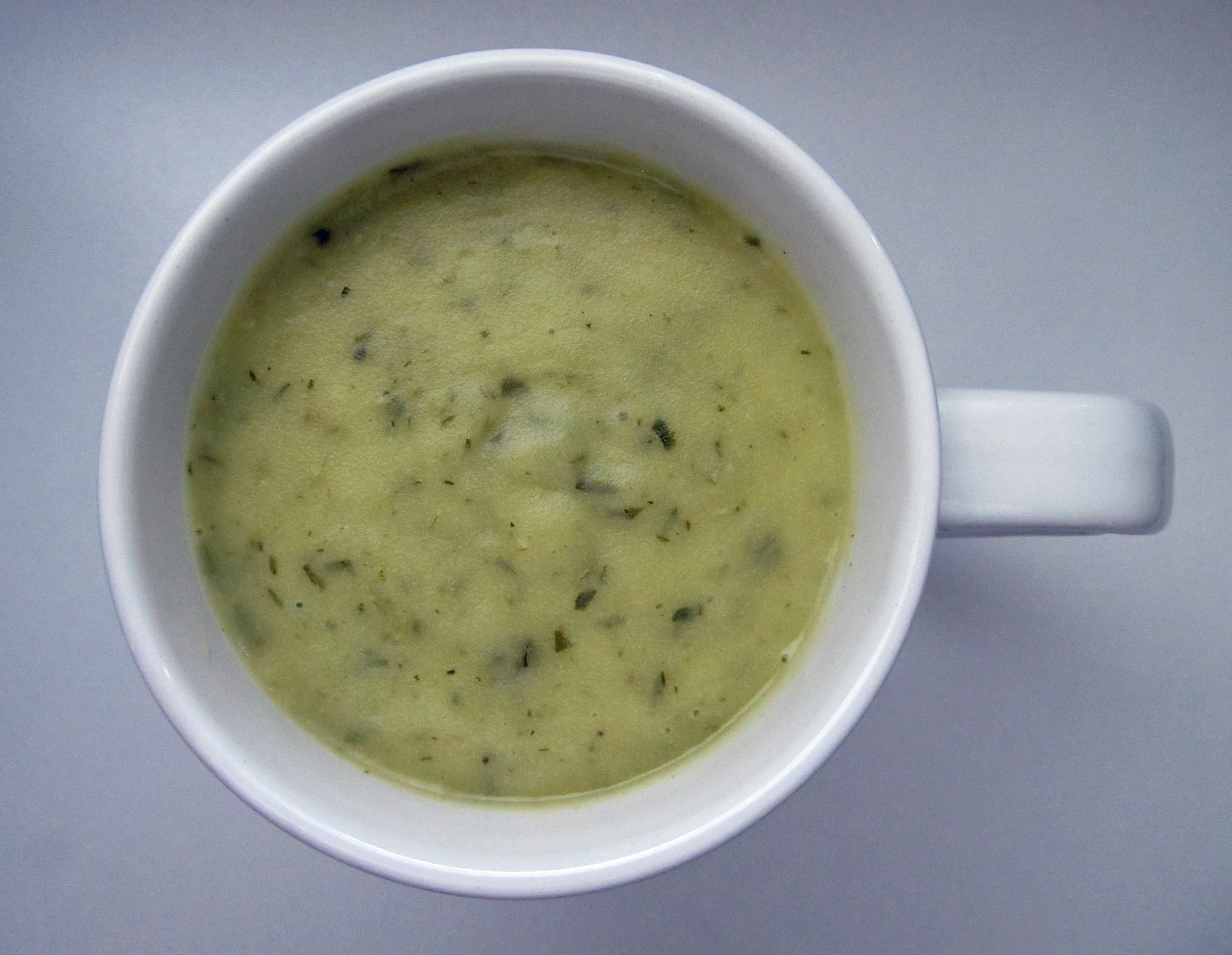
I tried strawberry clover leaves and flower heads in a soup made from a recipe found in the The Front Yard Forager by Melany Vorass Herrara. Around two cups of clover chopped, cooked, and blended with potatoes, scallions, and garlic in vegetable or chicken broth is a fine way to enjoy this plant. I don’t anticipate eating clover with great frequency, partly because it is included in a list of wild edible plants with toxic compounds in The North American Guide to Common Poisonous Plants and Mushrooms and also because I have to agree with the opinions of the authors quoted above – there are better tasting green things. Either way, it’s worth trying at least once.

clover soup

More Eating Weeds Posts on Awkward Botany:

Party Time for Puncture Vine at Boise Goathead Fest

When the Goathead Monster revealed itself before the big bike parade at the first annual Boise Goathead Fest, it was worried that the thousands of people it saw gathered before it were there out of hatred. After all, “rides have been ruined, tires have been trashed, and punctures have permeated” the “pedal-powered lives” of pretty much everyone in attendance, and the Goathead Monster was to blame. For that reason, hundreds (perhaps thousands) of pounds of puncture vine had been pulled around Boise throughout the month of July, all in preparation for this inaugural event.

Certainly, those of us who ride bikes regularly have a sore spot for this problematic plant. Yet, we weren’t there in anger. We were there to celebrate bicycles, community, friendship, and summer, and even if it took a villain like the Goathead Monster to bring us all together, how could we be mad?

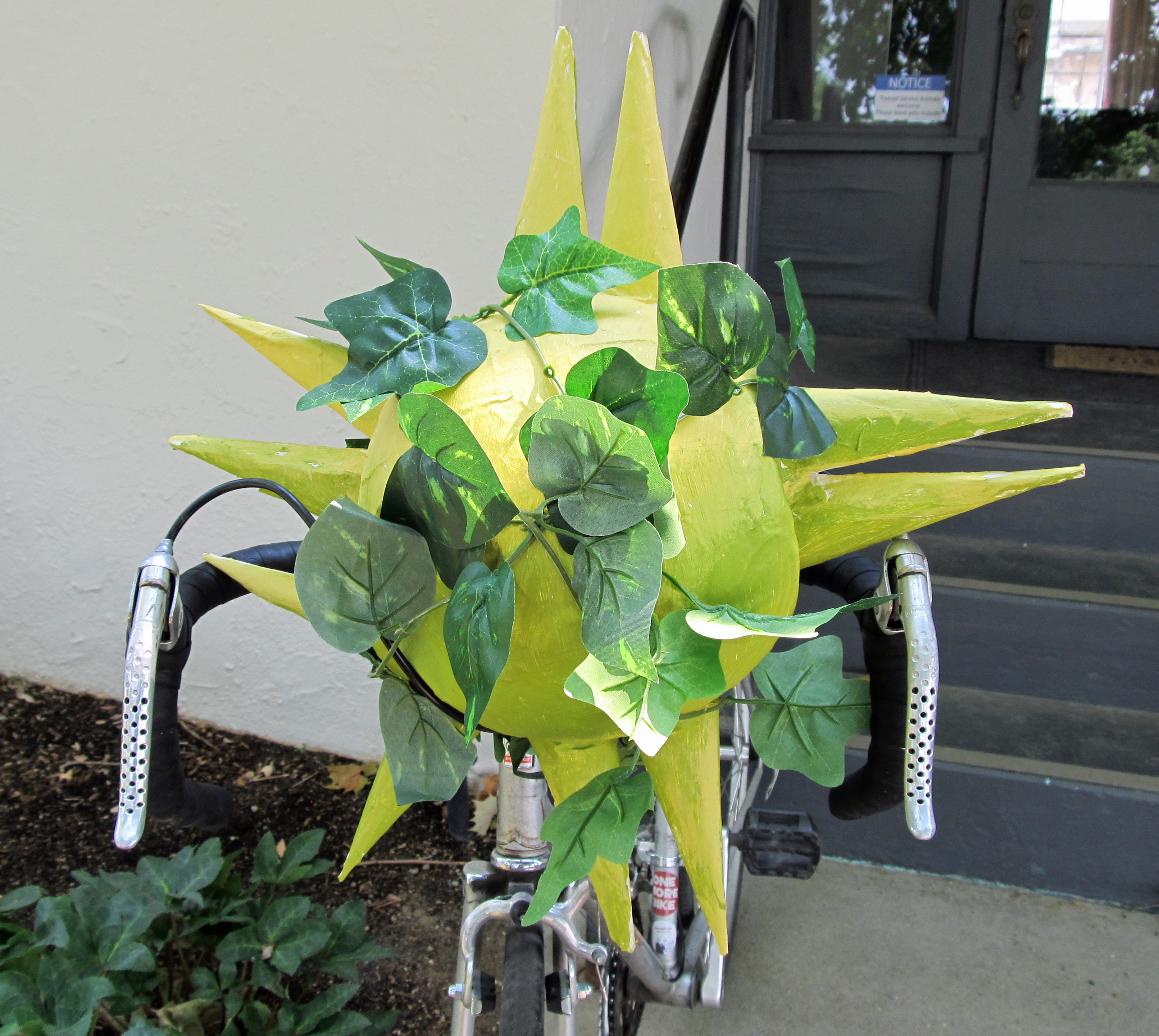
My bike decorated with a papiermâchée goathead.

Bicycle events like this one have been a feature of summers in Boise, Idaho for years now. For over a decade, Tour de Fat was the main event, but after dropping Boise from its tour schedule starting this year, Boise (with New Belgium Brewing‘s continued support) was left to create its own thing. Boise Bicycle Project, along with the help of several other bike-centric and bike-friendly organizations, put together Boise Goathead Fest. The trappings are similar to Tour de Fat – a bike parade, along with music, food, drinks, costumes, games, and weirdness. The main difference is that this event is “bona fide Boise” … and goathead themed.

As a bicycle enthusiast, this is already my kind of event. As a plant nerd – and even more so, as a weeds-obsessed plant nerd – a noxious weed-themed festival is about as on the nose as you can get. Where else are you going to see people dressing up their bikes and themselves like a noxious weed? And where else are you going to find people who, despite their disdain for this plant (or perhaps because of it), decide to come together and celebrate? In a way, it makes me wish we could throw a party for all vilified plants, each one getting a chance to tell its story, and each one getting some time under the spotlight, in spite of the negative feelings we may have towards them.

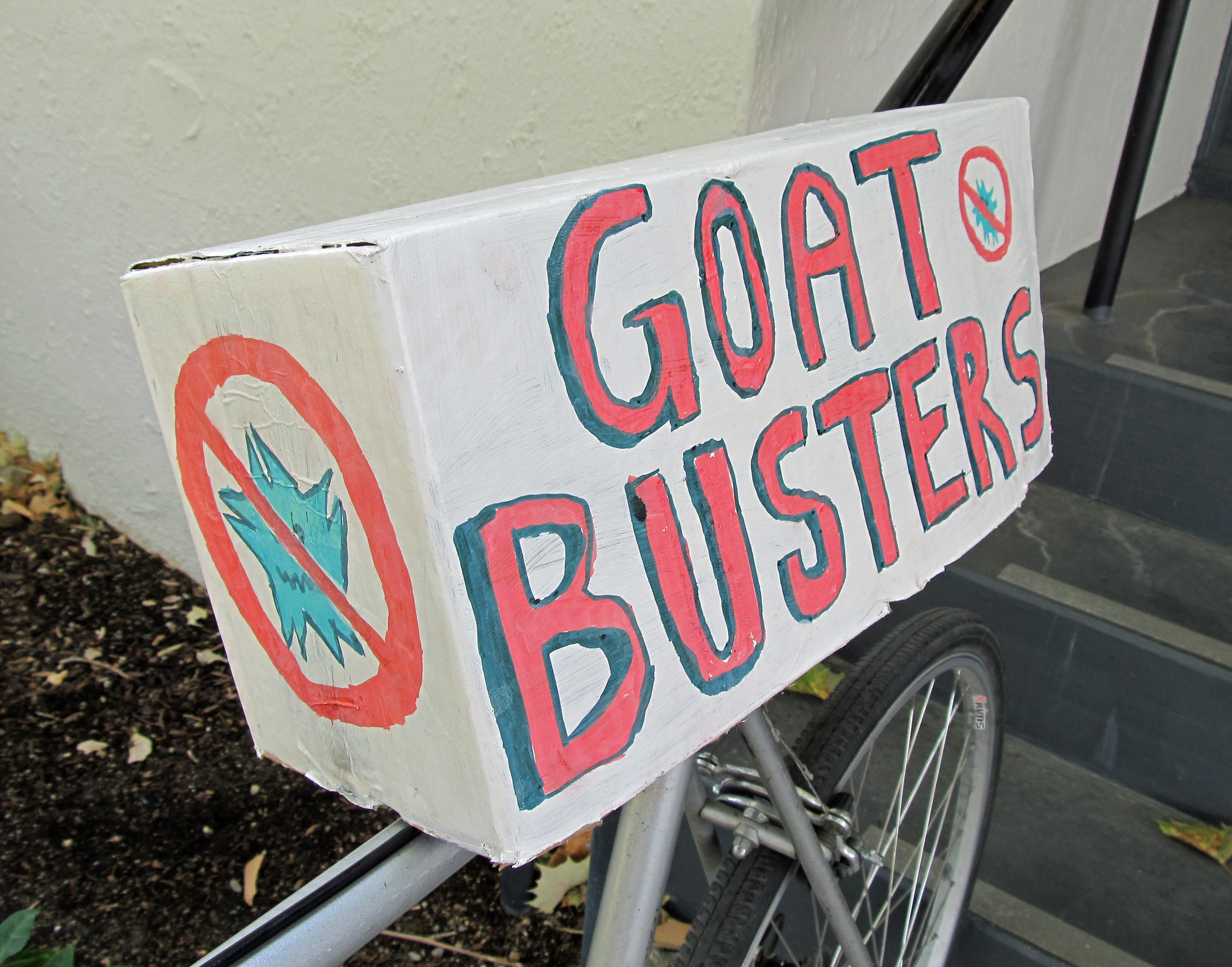
Sierra rode in the parade dressed up as a Goat Buster.

Goathead is an easy plant to rally around. As executive director of Boise Bicycle Project said on Idaho Matters, goatheads are a “bane of bicycling, and they don’t discriminate. It doesn’t matter who you are, where you’re from, what sort of bicycle you’re riding … you’re going to get a flat tire from these things.” Perhaps other noxious weeds don’t quite have the charisma that puncture vine does – the ability to “unify everyone together” – but that’s okay. I’ll just have to find a way to celebrate each of them some other way. As it is, we now have Boise Goathead Fest, and if that means that every summer for years to come people will be donning goathead costumes and coming together to party in a positive way, what more can we ask for?

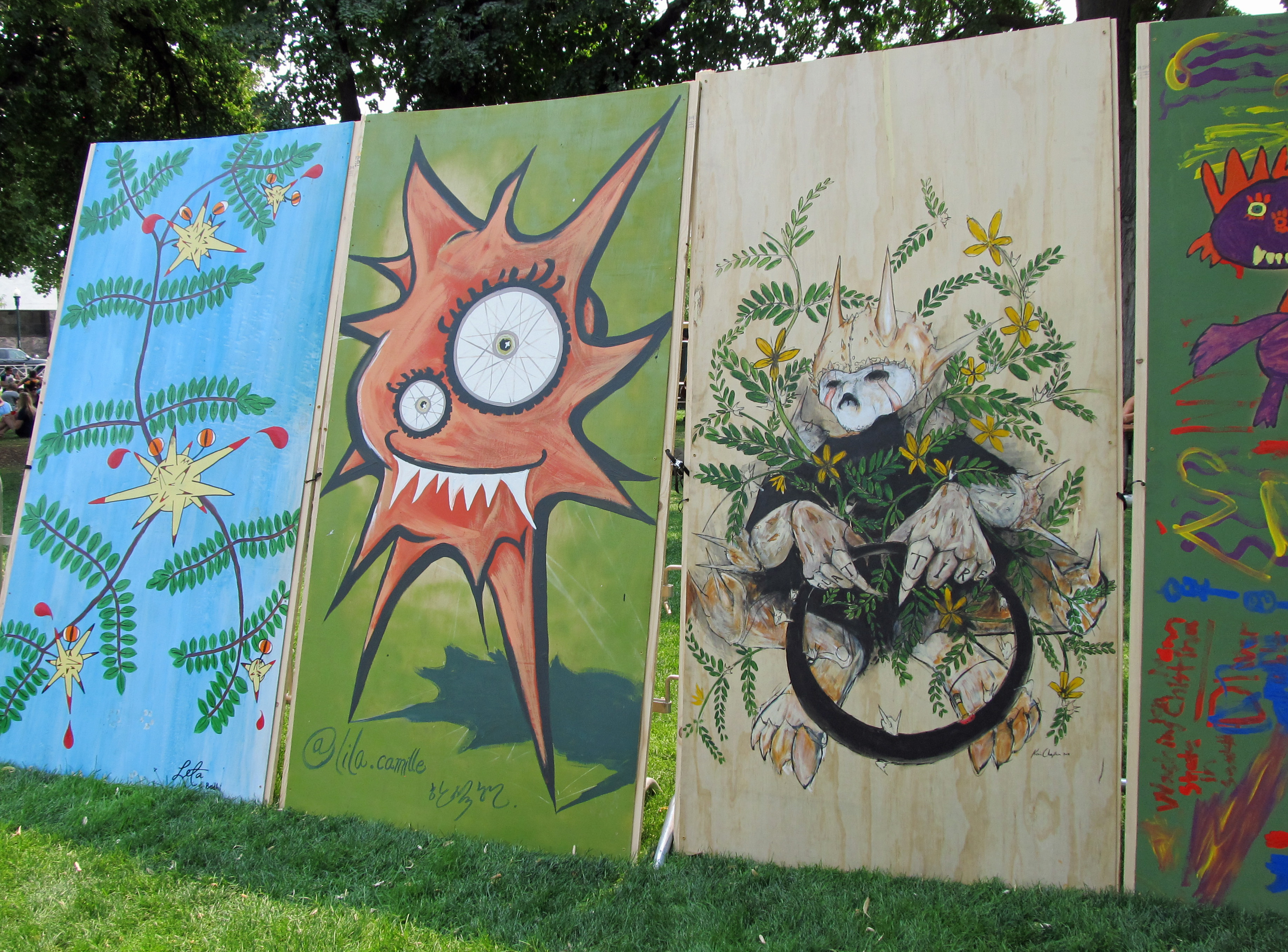
goathead art

more goathead art

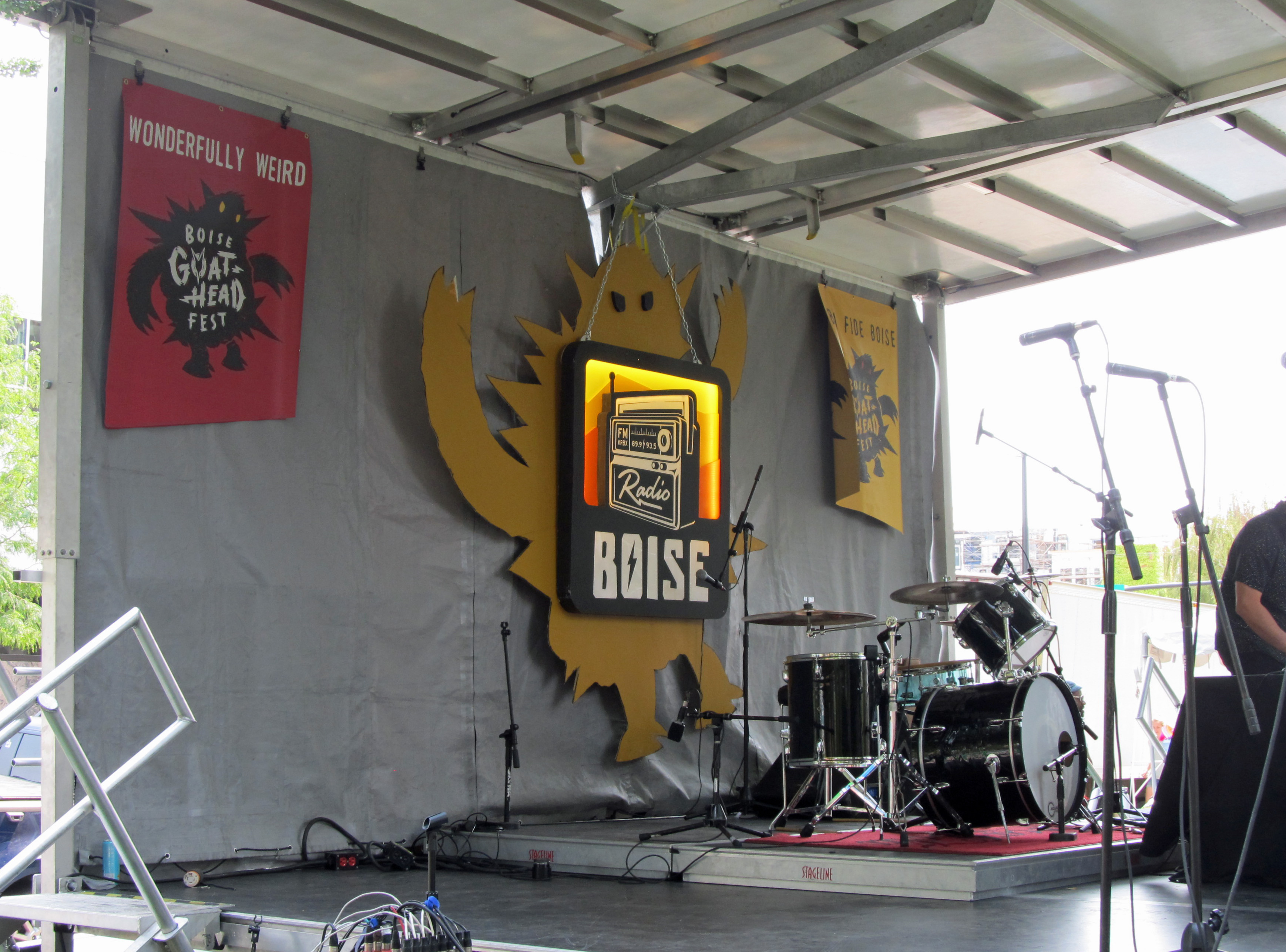
The goathead monster is center stage.

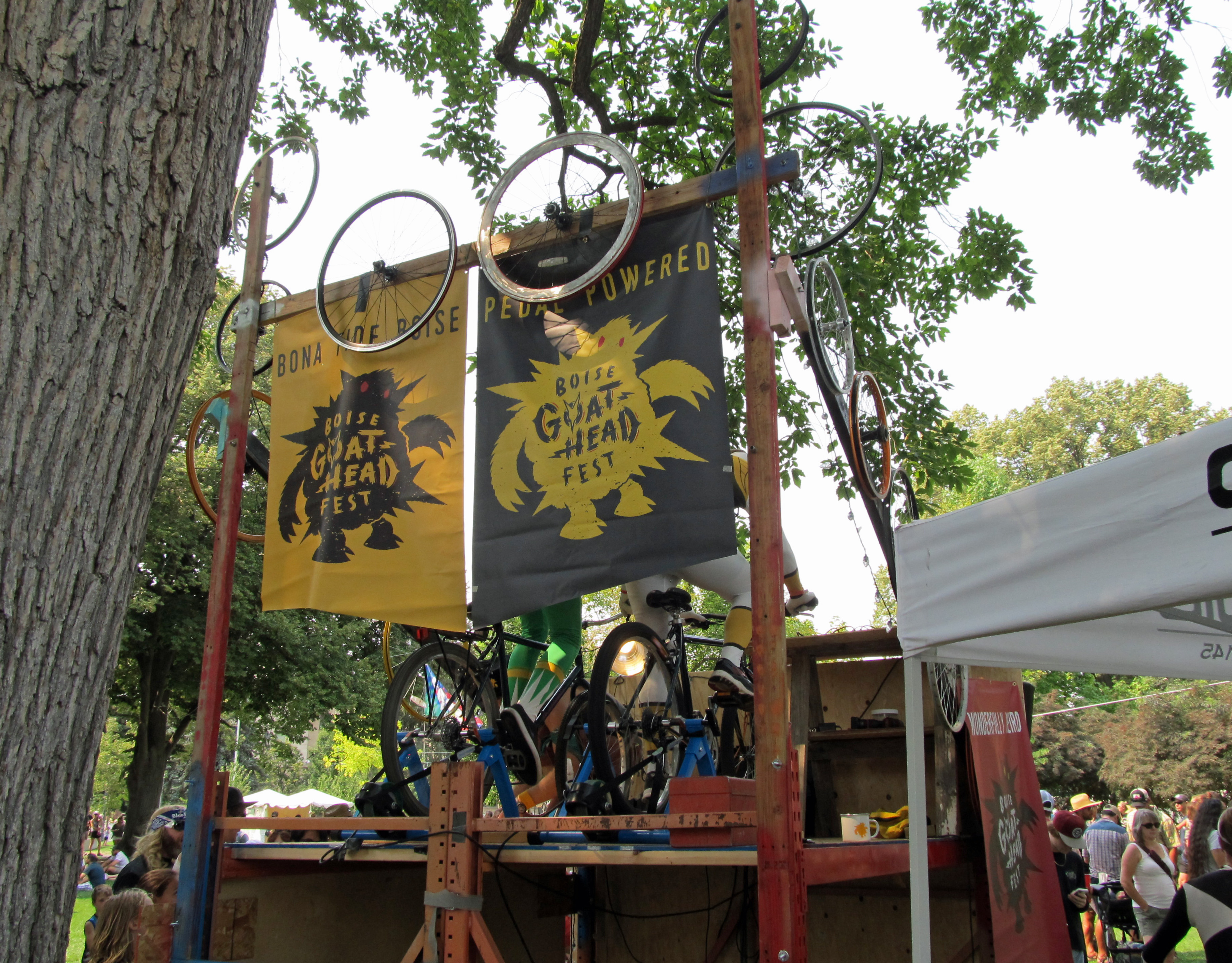
bicycle-powered stage

See Also: How to Identify Puncture Vine (a.k.a. the Goathead Monster)

Phylogenetic Arts and Crafts

This is a guest post by Rachel Rodman.

———————

The foods we eat – namely fruits, vegetables, and grains – are all products of their own evolutionary stories. Some of the most well-known chapters in these stories are the most recent ones – dramatic changes in size and shape mediated by human selection.

One especially striking example is that of Brassica oleracea –the source of broccoli, cauliflower, kale, Brussels sprouts, kohlrabi, and cabbage. Each of these diverse vegetables belongs to the same species, and each is the product of a different kind of selection, exerted on different descendants of a common ancestor.

Corn is another famous chapter. The derivation of corn – with its thick cobs and juicy kernels developed from the ancestral grain teosinte, which it barely resembles – has been described as “arguably man’s first, and perhaps his greatest, feat of genetic engineering.”

But these, again, are recent chapters. Relatively. They unfolded over the course of consecutive human lifetimes –hundreds of years or thousands at the outset (sometimes much less). They are the final flourishes (for the moment) on a much older story — a story that significantly precedes agriculture as well as humans.

It is this older story that lies at the heart of truly deep differences, like those at play in the idiom “apples and oranges.” The contrast between these two fruits can be mapped according to many measures: taste, smell, texture, visual appearance, and so on. When used colloquially, the phrase serves as a proxy for unmanageable difference — to describe categories that differ along so many axes that they can no longer be meaningfully compared.

However, in evolutionary terms, the difference between apples and oranges is not ineffable. It is not a folksy aphorism or a Zen puzzle at which to throw up one’s hands. To the contrary, it can be temporalized and quantified; or at least estimated. In fact, in evolutionary terms, that difference comes down to about 100 million years. That is, at least, the date (give or take) when the last common ancestor of apples and oranges lived — a flowering plant from the mid-Cretaceous.

The best way to represent these deep stories is with a diagram called a phylogenetic tree. In a phylogenetic tree, each species is assigned its own line, and each of these lines is called a branch. Points at which two branches intersect represent the common ancestor of the species assigned to these branches.

Phylogenetic trees can serve many purposes. Their classical function is to communicate a hypothesis – a pattern of familial relationships supported by a particular set of data based on DNA sequence, fossils, or the physical characteristics of living organisms.

But here are two alternate reasons to build trees:

  • To inspire wonder
  • Or (my favorite) just because

To reflect these additional motivations – this conviction that trees are for everyone and for all occasions and that an evolutionary tree belongs on every street corner – when I build trees, I often avail myself of a range of non-traditional materials. I’ve written previously about creating edible trees using cake frosting and fruit, as well as building trees out of state symbols and popular songs. Now here are two additional building materials, which are arguably even more fun.

First: Stickers. This one is titled: “Like Apples and Oranges…and Bananas.”

Bananas split ways with the common ancestor of apples and oranges about 150 million years ago, 50 million years before the split between apples and oranges. On this tree, these relationships are represented like so: the banana branch diverges from the apple branch at a deeper position on the trunk, and the orange branch diverges from the apple branch at a shallower position. 

All of the data required to build this tree  (and essentially any tree) is available at TimeTree.orgOn TimeTree, select “Get Divergence Time For a Pair of Taxa” at the top of the page. This is where one can obtain a divergence time estimate for most pairs of species. The divergence time is an approximate date, millions of years ago, at which the organisms’ last common ancestors may have lived. For more heavy duty assistance, there is the “Load a List of Species” option at the bottom of the page. Here, one can upload a list of species names (.txt), and TimeTree will generate a complete tree – a schematic that can serve as a guide in patterning one’s own phylogenetic artwork.

Here, by way of additional illustration, are three more sticker trees, equally charming and equally mouthwatering:

Carrot, watermelon, broccoli, strawberry, and pear.

Onion, asparagus, tomato, cucumber, and cherry.

Raspberry, apricot, pea, grape, and green pepper.

Sticker trees are festive takes on traditional trees. They are brighter, livelier, and more lovely. But, like traditional trees, they are also 2D, restricted to a flat sheet of paper. To extend one’s phylogenetic art projects into three dimensions, one must modify the choice of materials. There are many options. The following 3D tree, for example, employs 13 pieces of plastic toy food, the accouterments of a typical play kitchen. Segments of yarn serve as branches.

Trees like these, made of stickers or toys, constitute playful takes on deep questions. In pencil and yarn, they sketch a network of primeval relationships. They tell the history of our foods, a narrative whose origins profoundly precede us, as well as our intention to selectively breed them. To the Way-Before, to the Way-Way-Way-Before, these projects give shape and color. If and where they succeed, it is because they manage to do two things at once: To communicate a vast biological saga extending across many millions of years, and to be completely cute. Perhaps best of all – and let it not go unmentioned – anyone can make them.

———————

Bio: Rachel Rodman has a Ph.D. in Arabidopsis genetics and presently aspires to recast all of art, literature, and popular culture in the form of a phylogenetic tree.