22 + Botanical Terms for Fruits

First off, let’s get one thing straight – tomatoes are fruits. Now that that is settled, guess what is also a fruit? This:
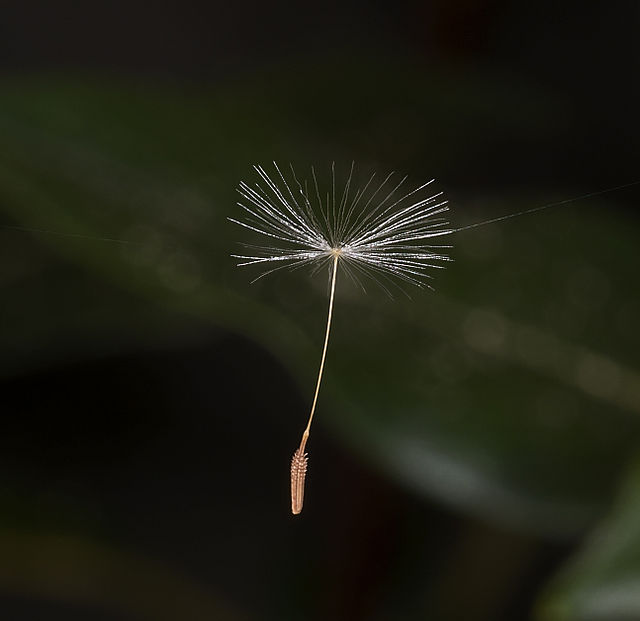
(photo credit: wikimedia commons)

(photo credit: wikimedia commons)

Yep. It’s a dandelion fluff. More accurately, it is a dandelion fruit with a pappus attached to it. Botanically speaking, a fruit is the seed-bearing, ripened ovary of a flowering plant. Other parts of the plant may be incorporated into the fruit, but the important distinction between fruits and other parts of a plant is that a seed or seeds are present. In fact, the purpose of fruits is to protect and distribute seeds. Which explains why tomatoes are fruits, right? (And, for that matter, the dandelion fluff as well.) So why the tired argument over whether or not a tomato is a fruit or a vegetable? This article may help explain that.

Before going into types of fruits, it may be important to understand some basic fruit anatomy. Pericarp is a term used to describe the tissues of a fruit surrounding the seed(s). It mainly refers to the wall of a ripened ovary, but it has also been used in reference to fruit tissues that are derived from other parts of the flower. Pericarps consist of three layers (although not all fruits have all layers): endocarp, mesocarp, and exocarp (also known as epicarp). The pericarps of true fruits consist of only ovarian tissue, while the pericarps of accessory fruits consist of other flower parts such as sepals, petals, receptacles, etc.

Fruits can be either fleshy or dry. Tomatoes are fleshy fruits, and dandelion fluffs are dry fruits. Dry fruits can be further broken down into dehiscent fruits and indehiscent fruits. Dehiscent fruits – like milkweeds and poppies – break open as they reach maturity, releasing the seeds. Indehiscent fruits – like sunflowers and maples – remain closed at maturity, and seeds remain contained until the outer tissues rot or are removed by some other agent.

Most fruits are simple fruits, fruits formed from a single ovary or fused ovaries. Compound fruits are formed in one of two ways. Separate carpels in a single flower can fuse to form a fruit, which is called an aggregate fruit; or all fruits in an inflorescence can fuse to form a single fruit, which is called a multiple fruit. A raspberry is an example of an aggregate fruit, and a pineapple is an example of a multiple fruit.

Additional terms used to describe fruit types:

Berry – A familiar term, berries are fleshy fruits with soft pericarp layers. Grapes, tomatoes, blueberries, and cranberries are examples of berries.

Pome – Pomes are similar to berries but have a leathery endocarp. Apples, pears, and quinces are examples of pomes. When you are eating an apple and you reach the “core,” you have reached the endocarp. Most – if not all – pomes are accessory fruits because they consist of parts of flowers in addition to the ovarian wall, such as – in the case of apples and pears – the receptacle.

Drupe – Drupes are also similar to berries but have hardened endocarps. Peaches, plums, cherries, and apricots are examples of drupes. A “pit” consists of a hardened endocarp and its enclosed seed.

Pepo – Pepos are also berry-like but have tough exocarps referred to as rinds. Pumpkins, melons, and cucumbers are examples of pepos.

Pumpkins are pepos.

Pumpkins are pepos.

Hesperidium – Another berry-like fruit but with a leathery exocarp. Oranges, lemons, and tangerines are examples of this type of fruit.

Caryopsis – An indehiscent fruit in which the seed coat fuses with the fruit wall and becomes nearly indistinguishable. Corn, oats, and wheat are examples of this type of fruit.

Achene – An indehiscent fruit in which the seed and the fruit wall do not fuse and remain distinguishable. Sunflowers and dandelions are examples of achenes.

Samara – An achene with wings attached. Maples, elms, and ashes all produce samaras. Remember as a kid finding maple fruits on the ground, throwing them into the air, and calling them “helicopters.” Those were samaras.
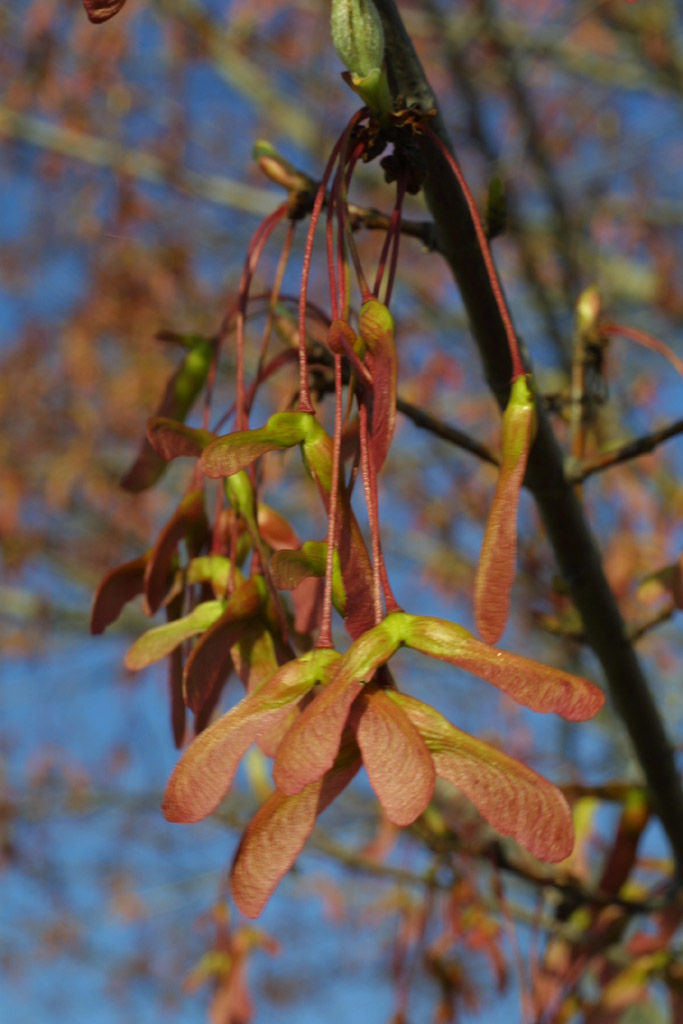
The fruits of red maple, Acer rubrum (photo credit: eol.org)

The fruits of red maple, Acer rubrum (photo credit: eol.org)

Nut – An indehiscent fruit in which the pericarp becomes hard at maturity. Hazelnuts, chestnuts, and acorns are examples of nuts.

Follicle – Dehiscent fruits that break apart on a single side. Milkweeds, peonies, and columbines are examples of follicles.

Legume – Dehiscent fruits that break apart on multiple sides. Beans and peas are examples of legumes.

Capsule – This term describes a number of dehiscent fruits. It differs from follicle and legume in that it is derived from multiple carpels. Capsules open in several ways, including along lines of fusion, between lines of fusion, into top and bottom halves, etc. The fruits of iris, poppy, and primrose are examples of capsules.

Poppy flower and fruit. Poppy fruits are called capsules.

Poppy flower and fruit. Poppy fruits are called capsules.

Flowers and fruits are key to identifying plants. Learning to recognize these structures will help you immensely when you want to know what you are looking at. And now that it is harvest season, you can impress your friends by calling fruits by their proper names. Pepo pie, anyone?

Ethnobotany: Cinchona, Quinine, and Malaria

Most folks these days who enjoy a gin and tonic on a warm summer day probably aren’t stricken or threatened with malaria, but the first partakers of this popular cocktail were. Their drinks, however, had a much larger helping of one particular ingredient, quinine. SAMSUNG In the early 1600’s while exploring Peru, Jesuit missionaries from Spain were introduced to a tree, the bark of which could treat malaria. That tree was the cinchona tree. At that time malaria was a major issue in Europe, and so the Jesuits brought some cinchona bark back to Spain in hopes of saving some lives. The cinnamon-colored bark was administered by grinding it into a powder and serving it in sweetened water. This treatment became a big success and eventually spread throughout the continent. Exports of cinchona bark increased, much of which were coming from forests in the border region of Ecuador and Peru. Over time the cinchona bark (also called Jesuit’s bark and Peruvian bark) became less available, either due to overharvesting or because the Peruvians began to highly regulate its exportation. In order to fill the demand and ensure a steady supply, Dutch and British explorers established cinchona plantations in Southeast Asia.

Bark of Cinchona officinalis (photo credit: wikimedia commons)

Bark of Cinchona officinalis (photo credit: wikimedia commons)

Malaria is caused by protozoan parasites in the genus Plasmodium. Humans become infected with the parasites when they are bitten by infected mosquitos (Anopheles spp.). The parasites enter the bloodstream and liver and begin to reproduce. People with malaria experience flu-like symptoms and, if not treated quickly and properly, risk death. While early Europeans did not know it at the time, the cinchona bark treatment worked because it contained quinine, an antimalarial compound, which suppresses and destroys malarial parasites.

Quinine is an alkaloid (a class of nitrogen-containing organic compounds) that cinchona trees produce as a defense against insect herbivory. Many plants produce alkaloids for this reason, and these alkaloids, when discovered and isolated by humans, have proven to be quite useful. Caffeine, nicotine, morphine, and strychnine are all examples of alkaloids. Quinine was isolated from cinchona bark in the 1820’s and eventually produced synthetically in the 1940’s. It is still used today to treat malaria, although other antimalarial drugs are now favored due to greater effectiveness and fewer side effects. Today, products containing quinine are available for the treatment of leg cramps; however, the United States Food and Drug Administration has stated that they have not approved quinine for this use and advise consumers to avoid such products.

Cinchona is a genus of evergreen trees and shrubs in the family Rubiaceae (the coffee family) that includes around 23 species. It is native to the Andes of South America and mountains in the southern portion of Central America and often occurs in cloud forests, forests that are characterized by regular, canopy-level cloud cover. Cinchona flowers are tubular, pollinated largely by butterflies and hummingbirds, and come in white, pink, and purple. The fruits of Cinchona are dry, woody capsules containing small, flat, papery seeds that are wind dispersed. C. pubescens, C. calisaya, and C. officinalis are the main species that have been cultivated for quinine production.

The flowers of Cinchona pubescens (photo credit: wikimedia commons)

The flowers of Cinchona pubescens (photo credit: wikimedia commons)

In the 19th century when Europeans were busy colonizing places like India and Africa, having a readily available source of cinchona bark was vital to their success. They may have had the guns and ammunition necessary for conquest, but even so, they would not have been able to withstand the plague of malaria parasites without regular doses of quinine. But quinine is bitter stuff. Served in sweetened soda water helped it go down. Add a ration of gin, even better. Imperialism was secured. Just something to think about the next time you’re mixing yourself a gin and tonic on a mid-September day.

Resources:

Encyclopedia of Life: Cinchona

University of Minnesota James Ford Bell Library: Cinchona Bark

McGraw-Hill Education: Using Bark to Cure the Bite

Wikipedia: Cinchona, Quinine, Jesuit’s Bark

Slate: The Imperial Cocktail

One Species at a Time Podcast: Quinine Tree

Kudzu Ate the South…Now Looks North

In 1876, an Asian vine was introduced to the people of the United States at a centennial celebration in Philadelphia, Pennsylvania. It was a fairly benign looking vine, with its leaves of three and its cluster of sweet pea like flowers, but its exotic appeal must have been quite enticing, because it took off…and not just in popularity.

The plant that caught the eye of these early Americans was called kudzu (or kuzu in Japanese). It is a plant in the genus Pueraria in the family Fabaceae (the pea family). The plants first introduced to the U.S. were likely to have consisted of more than a single species such as P. montana, P. lobata, P. edulis, and others, or were hybrids of these species. They were initially lauded for their ornamental value but soon after were recognized for their potential as animal feed. By the 1930’s, when soil erosion had become a major issue, kudzu was deployed by the U.S. government to combat it. At least 85 million government-funded kudzu seedlings later, and the southeastern portion of the United States had secured a future dominated by this relentless and unforgiving vine.

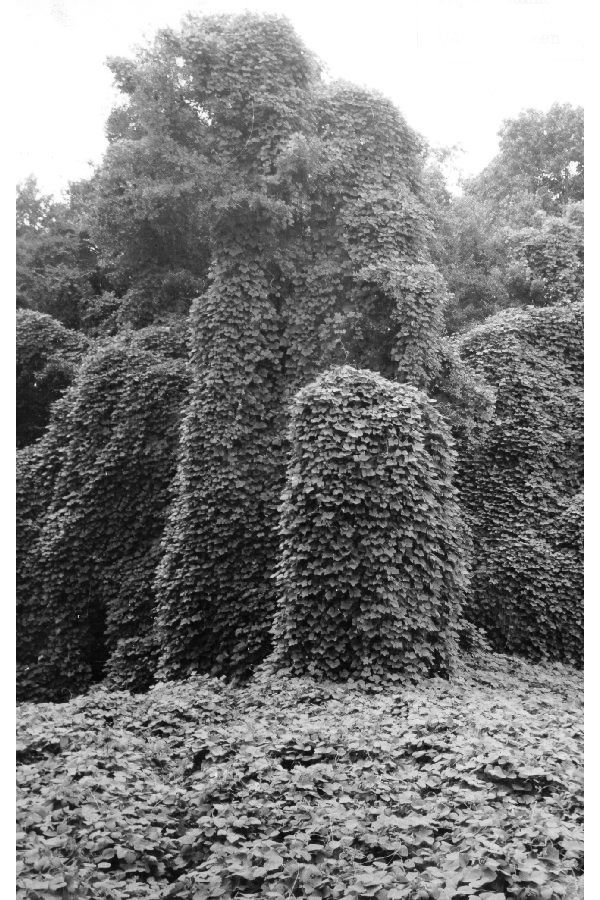
Innocent and harmless is how kudzu must have first appeared, especially to those looking for a fast growing, large-leaved, vining plant to provide quick shade for porches, offering relief from the sun during those sweltering southern summers. Little did they know, however, if left unchecked, that prized vine could engulf homes and outbuildings, cover and pull down trees and utility poles, and choke out crops and pastures in the matter of a single growing season.

(photo credit: eol.org)

(photo credit: eol.org)

Kudzu was added to the Federal Noxious Weed List in 1997, long after it had established itself throughout the southeastern U.S. It now covers more than 3 million hectares, spreading at a pace of about 50,000 hectares (120,000 acres) per year. It is said that a kudzu vine can grow up to a foot in a single day or about 60 feet in a growing season. It is a twining vine, wrapping itself around any upright structure it can access and relying on that support in order to advance upwards. This gives it the advantage of using more resources for growth and expansion of both roots and shoots rather than on the resource demanding task of producing woody stems. Like other members of the pea family, it gets much of its nitrogen from the atmosphere through a process called nitrogen fixation. Because of this, kudzu can thrive in nutrient poor soils. Kudzu is also drought-tolerant, has leaves that follow the sun throughout the day in order to maximize photosynthesis, reproduces clonally by layering (stems in contact with the ground grow roots and detach from the parent plant), and (in North America) is free from the pests and diseases commonly associated with it in its native habitat. For these reasons and others, kudzu has become one of the most notorious, pervasive, and ecologically harmful weeds in the U.S., costing hundreds of millions of dollars in damages every year.

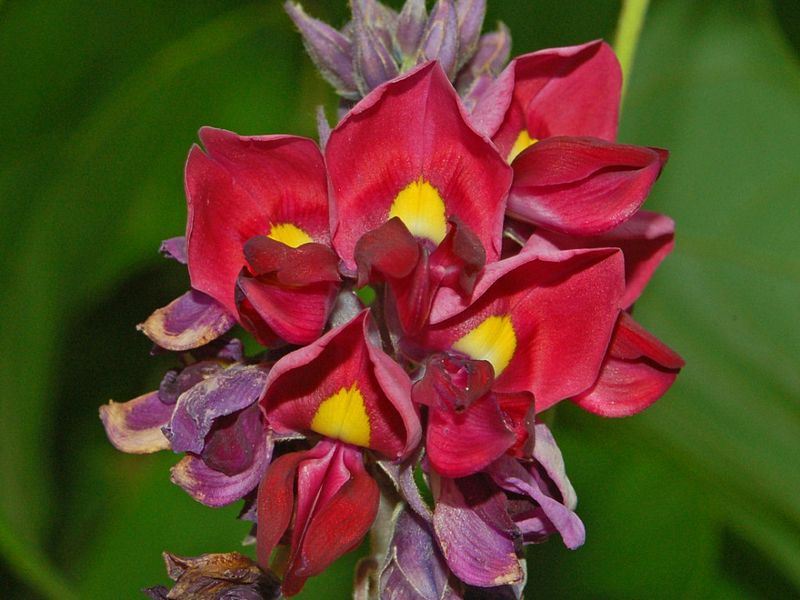
A close-up of kudzu flowers (photo credit: wikimedia commons)

A close-up of kudzu flowers (photo credit: wikimedia commons)

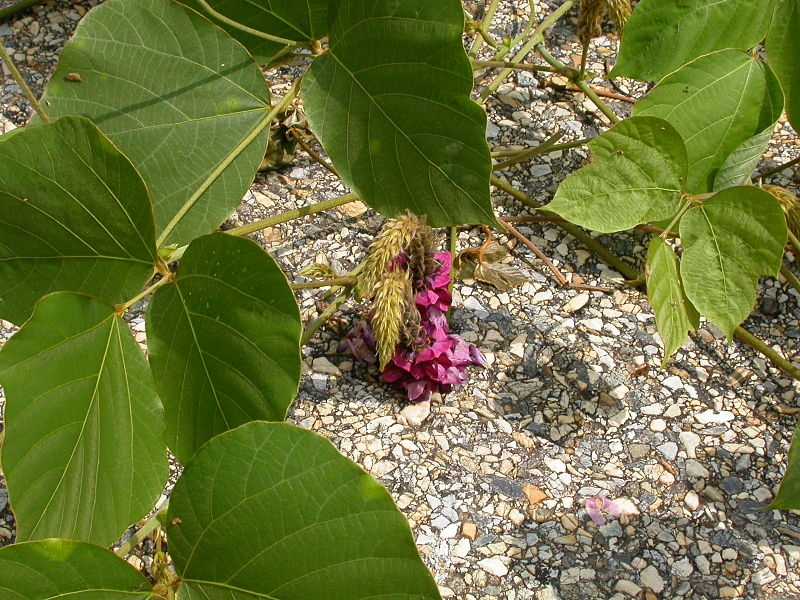
kudzu foliage and flowers

Foliage and flowers of kudzu (photo credit: wikimedia commons)

One glance at what kudzu has done in the southeastern states, and it is obvious that it is some kind of superweed. I saw firsthand just how overwhelming it can be as I drove through Mississippi several years ago. I didn’t even have to stop the car to investigate. It was easily apparent that it was the dominant species, enveloping every tree for miles alongside the highway. Currently, kudzu can be found in every county in Georgia, Alabama, and Mississippi. But kudzu has a limitation; it doesn’t care much for freezing temperatures. Even though it has been present in parts of northern states – like Ohio, New Jersey, and Delaware – for a while now, it has generally been limited to milder locations, and it certainly doesn’t thrive in the same way that it does in the subtropical climates of the southern states. But that is changing, because the climate is changing.

Average global temperatures increased by about 1.53° F between 1880 and 2012, and this gradual increase is expected to continue for the foreseeable future. Biologists and ecologists are monitoring changes in climate closely in order to observe and predict changes in the biology and ecology of our planet. Invasive species are high on the list of concerns, as climate is often a major limitation to their spread. Now that kudzu has been found in Marblehead, Massachusetts and Ontario, Canada, the fear of kudzu climbing north is becoming a reality.

Kudzu is incredibly difficult to control. It does not respond to many herbicides, and the herbicides that do affect it must be applied repeatedly over a long time period. It is an excellent forage plant, so utilizing grazing animals to keep it in check can be effective. Those who have succumbed to kudzu, acknowledging that it is here to stay, have found uses for it, including making baskets, paper, biofuel, and various food items. A compound extracted from the kudzu root is also being studied as a possible treatment for alcoholism. Kudzu has long been valued for its culinary and medicinal uses in Asia, so it is no surprise that uses would be found for it in North America. However, North Americans who embrace kudzu are taking a defeatist approach. That is, “if we can’t get rid of it, we may as well find a use for it.” This, however, should not negate nor distract from the damage it has caused and continues to cause local ecosystems and the ecological threat that it poses to areas where it is just now being introduced or may soon be introduced due to our warming climate.

Millions of dollars are spent every year to address the effects kudzu has on utility poles (phot credi: eol.org)

Millions of dollars are spent every year to remove kudzu from utility poles and replace poles pulled down by kudzu (photo credit: eol.org)

References:

Encyclopedia of Life: Pueraria Montana

Wikipedia: Kudzu in the United States

Max Shores: The Amazing Story of Kudzu

U.S. Fish and Wildlife Service: Conservation in a Changing Climate

NASA Earth Observatory: How Much More Will the Earth Warm?

Bloomberg: Kudzu That Ate U.S. South Heads North as Climate Changes

My Carrion Flowers

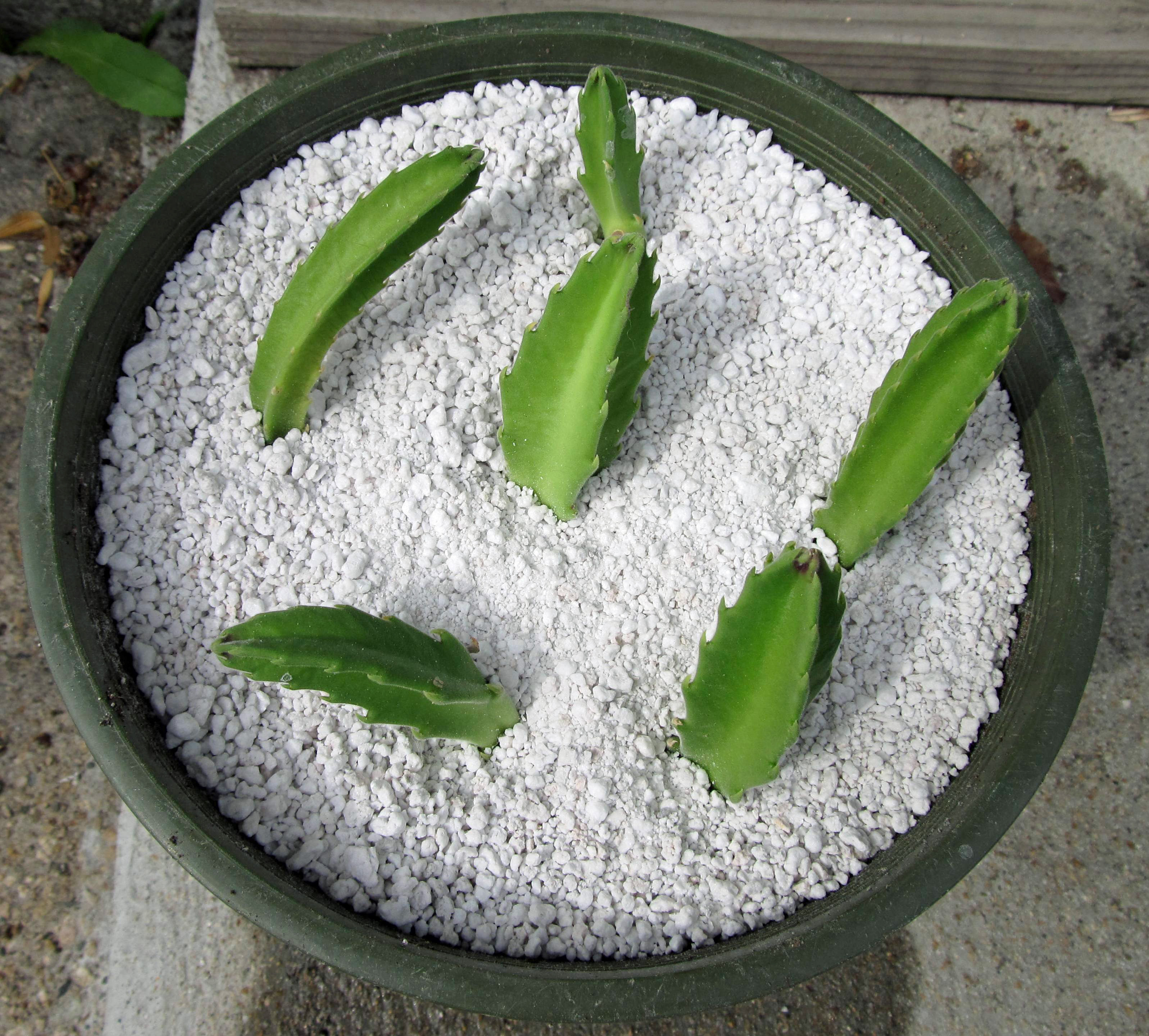
In April of last year, a box of stem cuttings arrived in my mailbox. They were sent to me by a friend in Colorado called Sandra (you may know her from one of her many ventures: Greenwoman Magazine, Greenwoman Publishing, Flora’s Forum, etc.). Sandra’s carrion flower had bloomed that spring, a stinky but delightful occasion. In her excitement, she asked if I would be interested in growing some carrion flowers of my own. Not one to turn down the chance to try my hand at cultivating something unusual, I gladly accepted her offer of a few cuttings sent via Priority Mail. Six cuttings arrived shortly thereafter, and upon reading through some instructions on the internet, I nestled them into their new home and hoped they would put down roots and stay a while.

carrion flower cuttings

There are several species of plants that are referred to commonly as carrion flower. The plant parts I received from Sandra are in the genus Stapelia (family: Apocynaceae or dogbane family), also known commonly as African starfish flower. There are around 100 species in the genus Stapelia, and they all originate from tropical and southern Africa, mostly in arid regions.

Stapelias are short-lived, low-growing, perennial succulents. Their stems typically stand erect and are produced along stolons (above ground runners), creating a tight clump of stems that appear cactus-like. Each stem has 4-6 flattened vertical flanks, giving it a cross or star shape when looking down from the top. On the outside edges of the flanks are a series of rudimentary leaves protruding from tubercles (wart-like growths), giving the stems a spiny appearance. The stems are usually green but can also be red or mottled with red or purple.

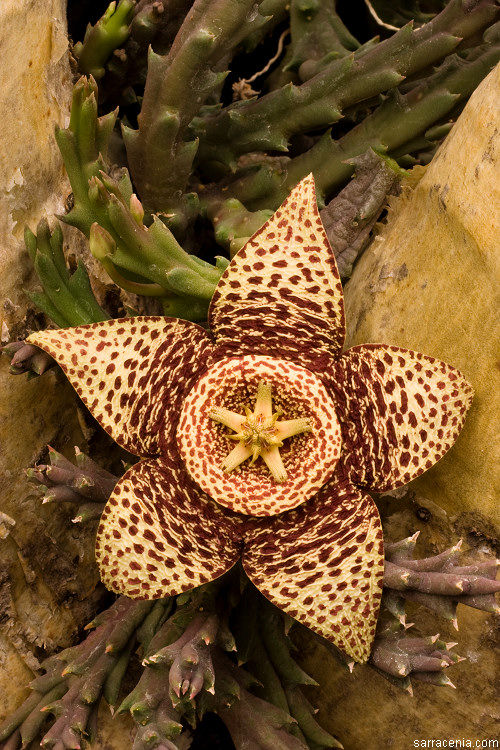
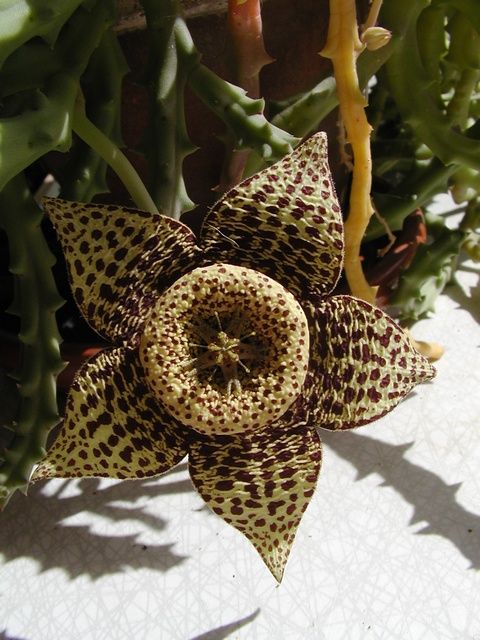
The flowers of Stapelia are the real show. They are produced at or near the base of the stem and have a star-shaped corolla with five fused petals that come to sharp points. The corolla has a wrinkly look and is often hairy, especially along the margins. Flowers can be variations of red, brown, yellow, and purple. In some species they can reach up to 18 inches wide. It is a unique looking flower, but even more unique is its scent. Because Stapelia flowers are pollinated by flies, they emit the scent of rotting animal flesh, an odor that flies can truly appreciate. In fact, flies can be so deceived by the appearance and scent of the flowers that they occasionally lay their eggs on or near them, expecting them to be a food source for their emerging larva.

Stapelia variegate (photo credit: eol.org)

Stapelia variegata (photo credit: eol.org)

Stapelia is easily propagated, especially by stem cuttings. Allow cuttings to dry in a cool, shady location for 48 hours and then stick them in a well-drained potting soil mix. Water moderately (preferably from below by placing the container in a tray and then filling the tray with water). Cuttings should root easily. All six of mine did.

Keep Stapelia in a sunny or mostly sunny location. If you live in USDA hardiness zone 9 or above, you can grow Stapelia outdoors. Otherwise, keep it indoors near a window that gets lots of sun. The main thing you will have to worry about is stem rot due to over watering. Grow Stapelia in a well-drained soil mix, water from below, and allow soil to dry out between waterings in order to avoid this.

Stapelia variegata (photo credit: eol.org)

Stapelia variegata (photo credit: eol.org)

As for me and my carrion flowers, like I said earlier, all six cuttings rooted. I transplanted one of them. Of the five left in the original pot, one rotted a couple weeks ago and another rotted during the writing of this post. The remaining ones still look healthy, but none of them have grown much since they rooted. The main problem I am having is that my house does not let in much sunlight. What appears relatively bright to me is probably cave-like to my carrion flowers. Until I remedy that situation, they may not grow much, they could continue to rot, and they probably won’t flower any time soon. However, if anything changes and I do get a flower out of them, I will make it a point to let you know. And Sandra will be proud.

stapelia today_edit


14 Botanical Terms for Flower Anatomy

I like to know the names of things. Certainly I don’t have to know what everything is called in order to appreciate it for what it is, but that appreciation deepens when I understand it better. Scientific exploration helps us discover the workings of the world around us, and through that exploration comes the naming and describing of things. The names are largely arbitrary apart from the fact that they help us keep track of the descriptions associated with the discoveries. Calling things by name and knowing how to describe them not only increases our awareness of the natural world but can also give us greater appreciation for the larger picture and our place in it all. With that I introduce a new series of posts concerning botanical terms.

It’s mid-summer now (at least in the northern hemisphere) and flowers abound, so this first Botanical Terms post will help us become better familiar with flower anatomy. [I’m also releasing this post while the Botanical Society of America convenes for its annual conference in my current hometown – Boise, Idaho – so it seems fitting]. Of course, as soon as I began looking into the subject of flower anatomy, I realized very quickly that, like so many other things, it is incredibly complex. First of all, in the larger world of plants, not all produce flowers. Non-vascular plants don’t. And within the category of vascular plants, non-seed producing plants don’t make flowers either. Within the category of seed producing plants, there are two groups: gymnosperms and angiosperms. Angiosperms produce flowers; gymnosperms don’t. Even though that narrows it down quite a bit, we are still dealing with a very large group of plants.

The complexity doesn’t stop there, of course. Memorizing the names of flower structures and recognizing them on each flowering plant would be easy if every flowering plant had all of the same structures and if all structures existed on each flower. However, this is not the case. Depending on the flower you are looking at, some structures may be absent and some may have additional structures that are not common ones. Also, some plants have inflorescences that appear as a single flower but are actually a collection of many smaller flowers (or florets), like plants in the sunflower family (Asteraceae) for example. Regardless, we are going to start with basic terms, as there are a large number of flowering plants that do exhibit  all or most of the following basic structures in their flowers.

flower anatomy

Pedicel and Peduncle: These terms refer to the stem or stalk of the flower. Each individual flower has a pedicel. When flowers appear in groups (also known as an inflorescence), the stalk leading up to the group of flowers is called a peduncle.

Sepal and Calyx: Sepals are the first of the four floral appendages. They are modified leaves at the base of the flower that protect the flower bud. They are typically green but can be other colors as well. In some cases they may be very small or absent altogether. The sepals are known collectively as the calyx.

Petal and Corolla: Petals are colorful leaf-like appendages and the most familiar part of a flower. They come in myriad sizes, shapes, and colors and are often multi-colored. Their purpose is to attract pollinators. Many plants are pollinated by specific pollinators, and so their petals are designed to attract those pollinators. The petals are known collectively as the corolla.  

Stamen, Anther, and Filament: Pollen is produced in a structure called an anther which sits atop a filament. Collectively this is known as a stamen. Stamens are considered the male portion of the flower because they produce the pollen grains that fertilize the egg to form a seed. Flowers often have several stamens, and on flowers that have both male and female structures, the stamens are found surrounding the female portion.

Pistil, Carpel, Stigma, Style, and Ovary: The female portion of a flower consists of a stigma (where pollen grains are collected), a style (which raises the stigma up to catch the pollen), and an ovary (where pollen is introduced to the ovules for fertilization). Together this is known as a carpel. A collection of carpels fused together is called a pistil. Just like with stamens, flowers can have multiple pistils.

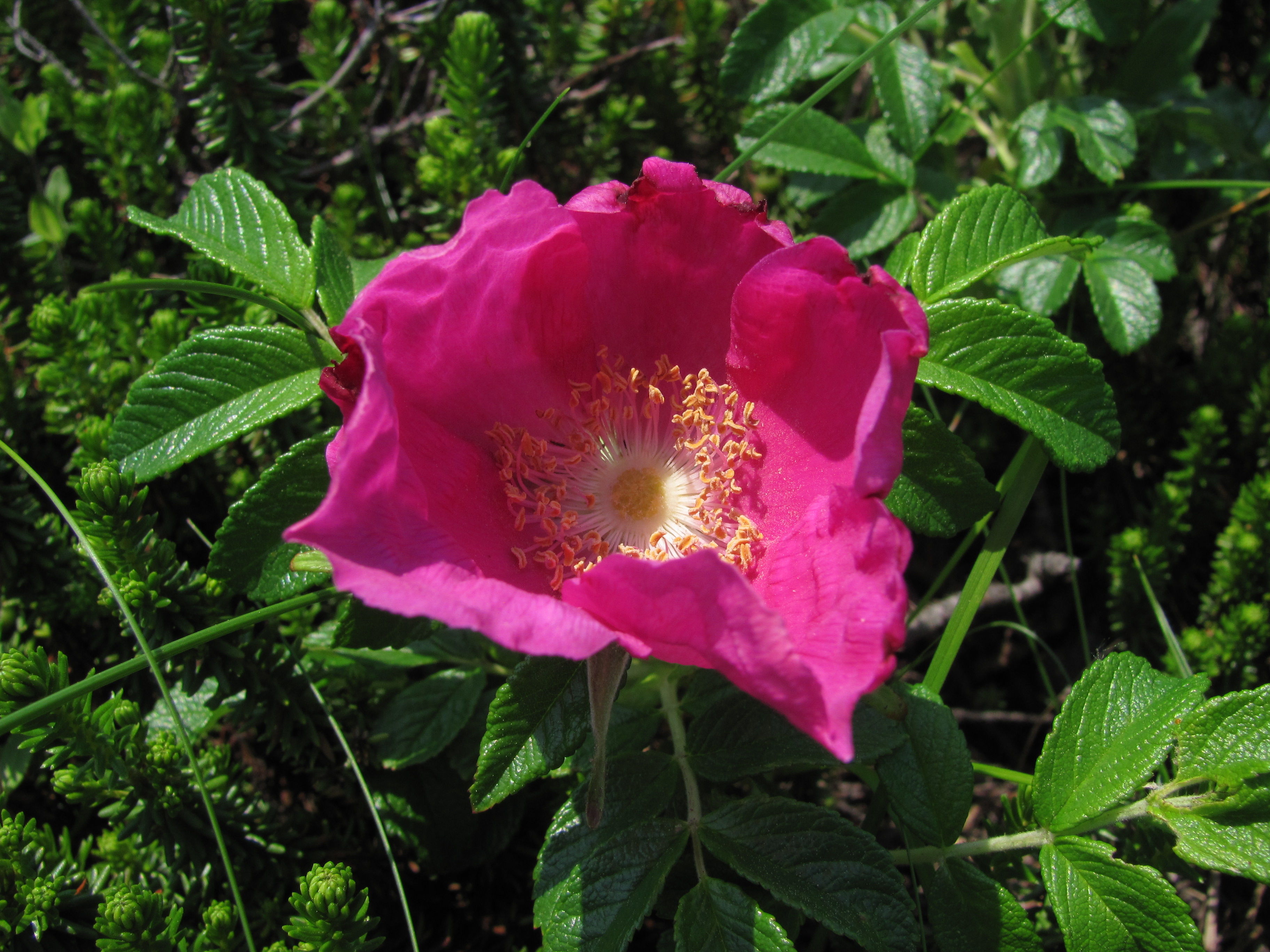
Start learning to identify floral structures on flowers like rugosa rose (Rosa rugosa). (photo credit: eol.org)

Start learning floral anatomy on flowers with easily recognizable structures like the flowers of rugosa rose (Rosa rugosa). (photo credit: eol.org)

Flowers are small art pieces worthy of admiration in their own right. However, recognizing and exploring the different floral structures can be just as enthralling. The structures vary considerably from species to species, each its own piece of nature’s artwork. So, I encourage you to find a hand lens (or better yet a dissecting microscope) and explore the intimate parts of the flowers around you.

Hundreds of Japanese Plants Threatened with Extinction

Life has existed on earth for at least 3.5 billion years, and during that time there have been five mass extinctions. Currently, we are in the middle of a sixth one. The major difference between the current extinction event and others is that this one is largely human caused, which is pretty upsetting. However, knowing that detail has its upside: if humans are the drivers of this phenomenon, we can also be the ones to put on the brakes.

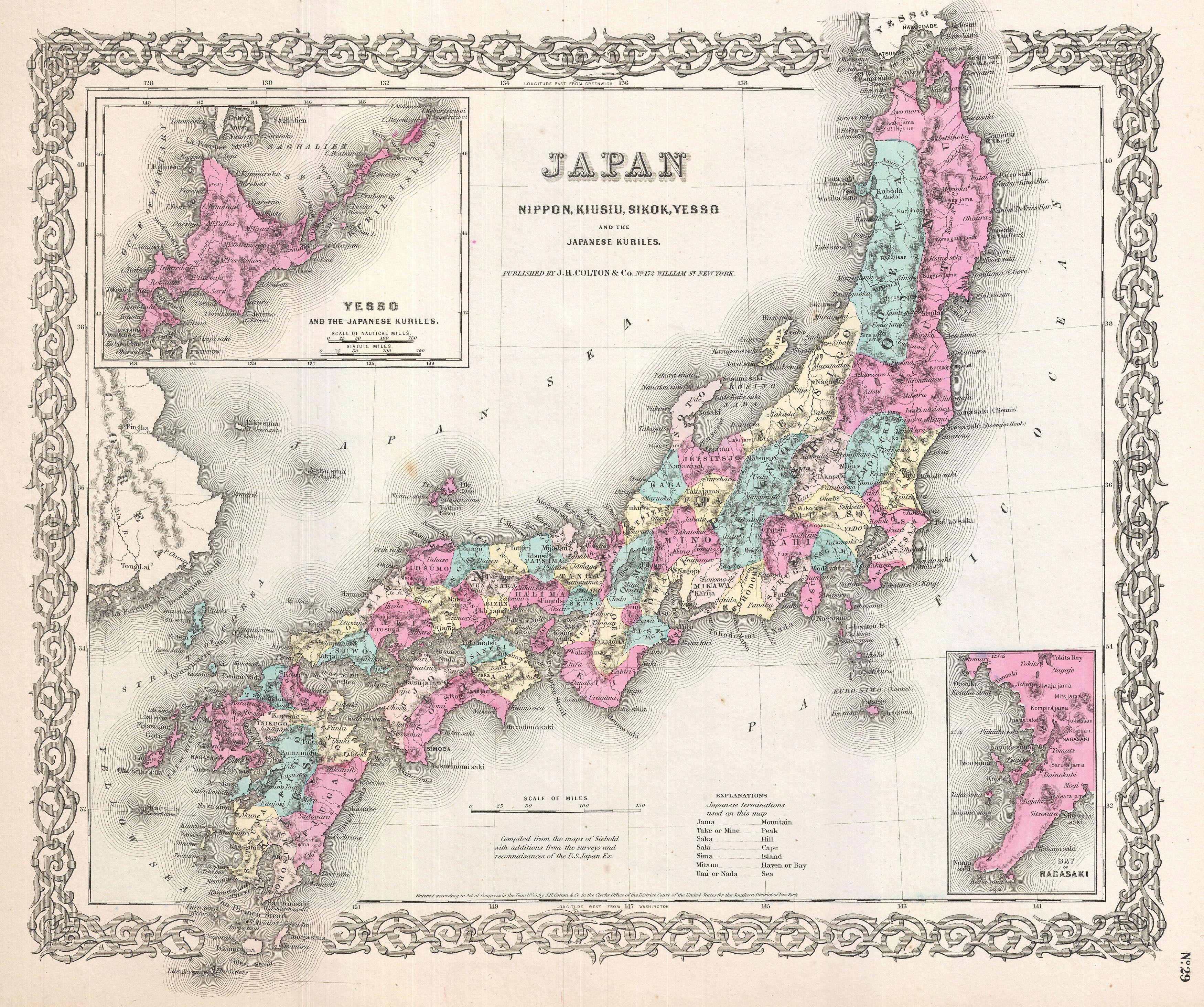
Biologists have spent the last several decades tracking the current mass extinction, endeavoring to come up with a list of species that have the greatest risks of extinction, as well as lists of species that are at less of a risk, etc. The problem is that factors leading up to extinctions are diverse, and available data for making predictions is lacking, especially temporal data. Recognizing this information gap, researchers in Japan set out to better determine the extinction risk of Japanese flora. Using data from surveys done by lay botanists in 1994-95 and 2003-04, they were able to calculate a trend which indicated that, under current circumstances, between 370 and 561 plant species in Japan will go extinct within the next 100 years.

photo credit: wikimedia commons

photo credit: wikimedia commons

The methods for this study, as described in the findings which appeared last month in PLOS ONE, involved dividing Japan into 3574 sections measuring around 100 square kilometers each and covering about 80% of the country. More than 500 lay botanists tallied the numbers of species that were found in each section during the two time periods. 1735 taxa were recorded, and out of those, 1618 were considered quantifiable and used in the analysis.

Japan is home to a recorded 7087 vascular plant taxa. Historically, the extinction rate of plant taxa in Japan has been around 0.01% per year. According to this study, over the next 100 years the extinction rate will rise to between 0.05 and 0.08% per year. Researchers are organizing a third census in the near future in order to monitor the actual extinction rate and better determine the accuracy of this prediction.

Data collected in these censuses was also used to evaluate the effectiveness of protected areas and determine the need for improvements and expansions. Natural parks cover 14.3% of Japan, but only about half of that area is regulated for biodiversity conservation. The researchers found that protected areas do help to reduce the risk of extinctions, but that their effectiveness is far from optimum and that even expanding protected areas to cover at least 17% of the nation (a target set at the recent Convention on Biological Diversity) would not effectively gaurd threatened plant species from extinction.

In their conclusion, the researchers advise not only to expand protected areas but to improve the “conservation effectiveness” of them, and “to improve the effectiveness of them, we need to know the types of pressures causing population decline in the areas.” They go on to list a few of these pressures, including land development and recreational overuse, and suggest that management schemes should be developed to focus on specific pressures.

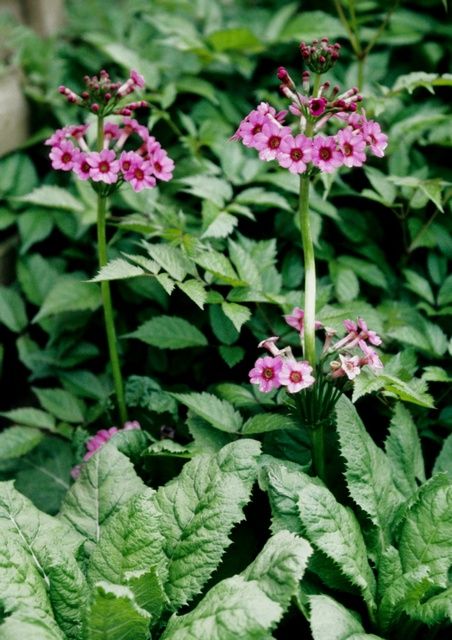
Japanese Primrose, Primula japonica (photo credit: eol.org)

Japanese Primrose, Primula japonica (photo credit: eol.org)

One thing I found very interesting and encouraging about this study was the recruitment of lay botanists in collecting data. As stated in the findings, “Monitoring data collected by the public can play an essential role in assessing biodiversity.” I am excited by the growing citizen science movement and hope to see it continue to expand as more and more people become interested in science and eager to add to this body of knowledge. In fact, I consider the term “awkward botany” to be synonymous with citizen, lay, and amateur botany. That is precisely why I chose it as the title for my blog. So, in short, expect more posts involving citizen science in the future.

You can read more about this study on John Platt’s blog Extinction Countdown at Scientific American.


Wildflower Walk: June 2014

I spent last weekend in a cabin outside of Garden Valley, Idaho. I was there for a wedding and so most of my time was occupied with that. However, anxious to explore, I found a brief moment to step out and observe the surrounding plant life. The cabin and an adjacent campground were located in an area that, before the economic downturn in 2008, was to become a major housing development. Because of this (and possibly other things), the area showed lots of signs of human disturbance, particularly the large number of introduced plant species. Fortunately, despite feeling like I was walking through a weedy field, I did come across a few patches of native plants. I may have to return sometime to get a better look at things because I wasn’t able to identify everything that I saw and I’m still not exactly sure what species of lupine and buckwheat I was looking at. Either way, the plants in the following pictures are a few of the things I found.

Aristida purpurea (purple threeawn)

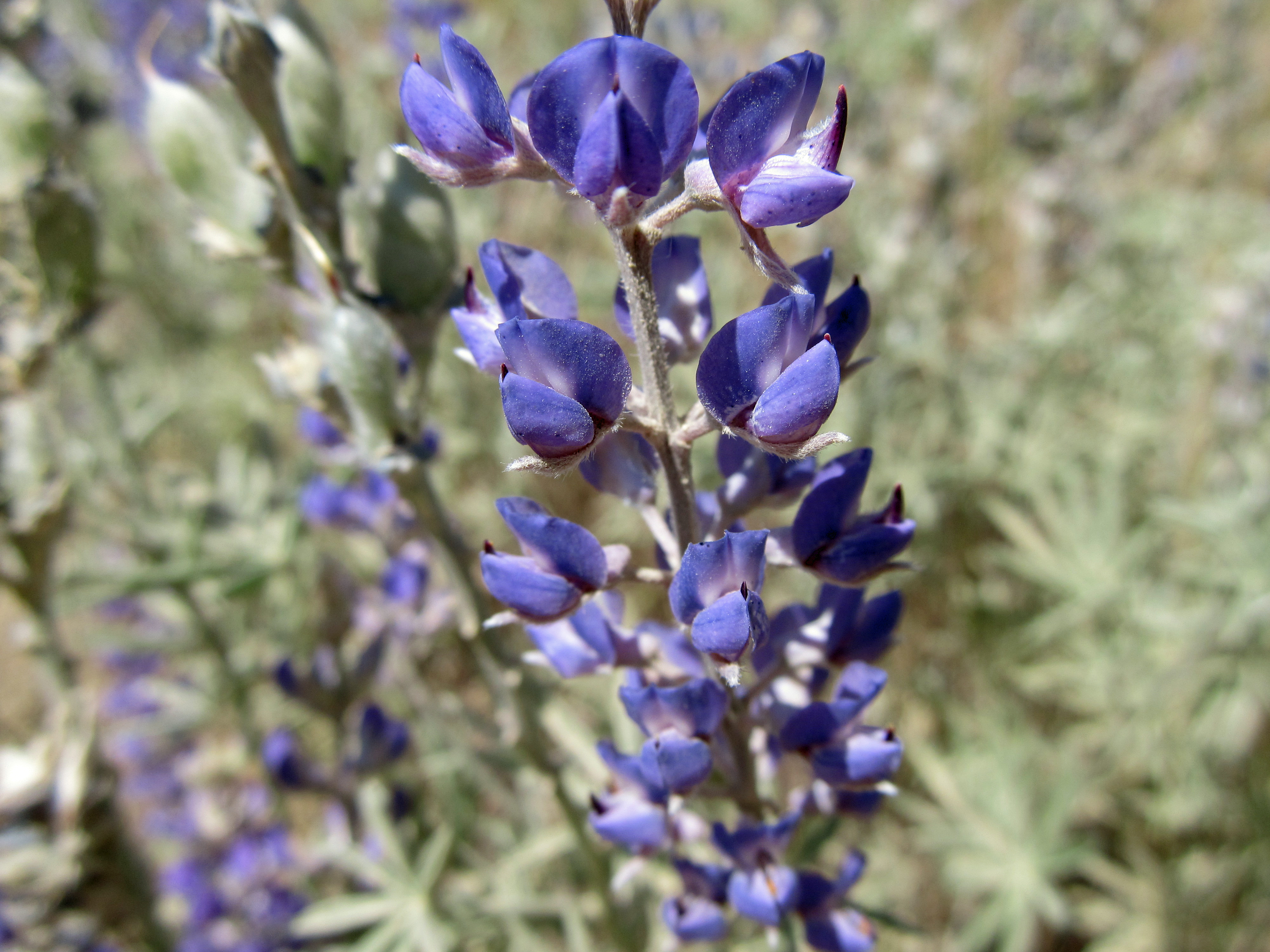
lupinus

Lupinus sp. (lupine)

eriogonum

Eriogonum sp. (wild buckwheat)

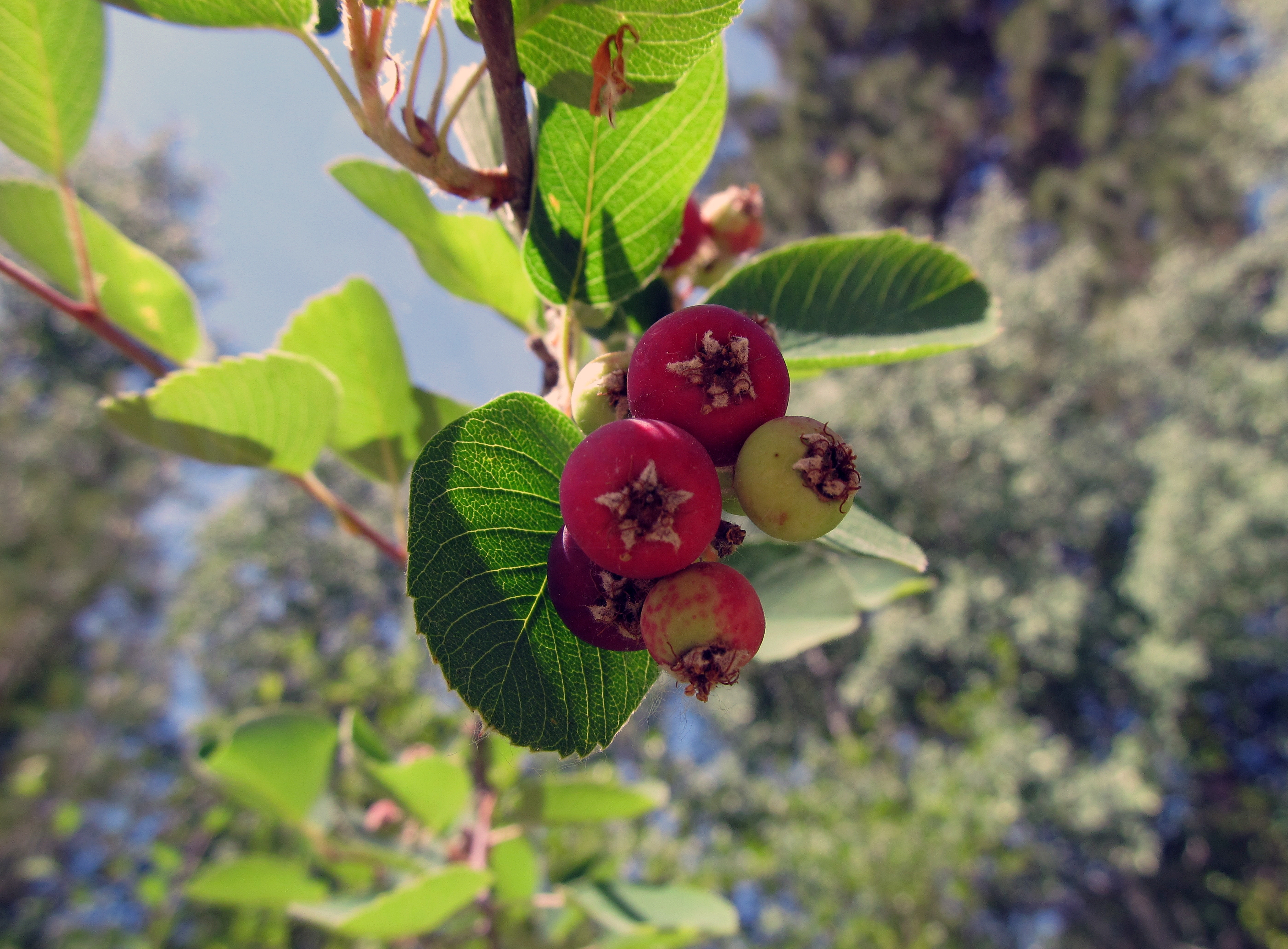
amelancier alnifolia

Amelanchier alnifolia (Saskatoon serviceberry)

Don’t let my walk through a weedy field dissuade you. Garden Valley is an incredibly beautiful location. It sits adjacent to the South Fork of the Payette River and near the western edge of the Boise National Forest. It is an area worthy of exploring, which is why I plan on visiting again soon. I recommend you do too.

Previous Wildflower Walks:

Spring 2013

June 2013

American Penstemon Society Field Trip

September 2013

Ethnobotany: Marigolds

Marigolds are easily one of the most commonly grown annual flowers. They are so common and pervasive, in fact, that they are often overlooked and underappreciated. I, for one, had discounted marigolds long ago, seeking instead for plants considered to be more rare, unconventional, and unusual to place in my garden. But then I started looking into this commonplace plant and, to my surprise, discovered that marigolds have great cultural significance in countries all around the world, both currently and historically. Suddenly, marigolds don’t seem quite so ordinary.

Marigold is a common name for plants found in several genera, but in this case I am referring to plants in the genus, Tagetes, which is in the family, Asteraceae (also known as the sunflower family). Tagetes is a genus composed of at least 42 species, all of which are native to North and South America. Plants in this genus range in height from a few inches to as tall as 6 feet or more. Like most other species in the sunflower family, their flowers appear to be single blooms but are actually clusters of two different types of smaller flowers: ray florets and disc florets. The flowers can be orange, yellow, golden, white, and, in some cases, maroon or with maroon accents. The leaves are usually finely divided and either oppositely or alternately arranged, and the leaves, stems, and flowers are highly aromatic. Marigolds grow in a variety of soil types, even those with minimal fertility. In gardens, they will perform best if they are grown in well-drained soil in full sun and are watered and deadheaded regularly.

Aztec Marigold (Tagetes erecta)

Aztec Marigold (Tagetes erecta)

Even before marigolds gained worldwide popularity, they were commonly used among the people in their native range. They were of particular interest to the Aztecs, who considered marigolds a sacred plant and used them in religious ceremonies. Marigolds became known as the flower of the dead and are still used today during the Day of the Dead to adorn altars and graves. Marigolds were also an important medicinal plant for the Aztecs, especiallly T. lucida, which they used to treat fevers, stiffness, blisters, and various other ailments.

Spanish and Portugeuse explorers were introduced to marigolds by the Aztec people. The explorers brought marigolds back to their homelands and quickly spread them throughout Europe and into Africa and Asia. It was in Europe that they were given their common name, Mary’s gold, referring to the Virgin Mary and the color of the flowers.  At the beginning of the 16th century, Portuguese explorers established a colony in India. The marigolds they brought with them have become a huge part of Indian culture and other cultures in that region. Today there are many large marigold farms in various parts of India, and marigolds are used widely to make garlands and other decorations for weddings, festivals, and religious ceremonies, as well as in foods and dyes.

Marigold Garlands (photo credit: wikimedia commons)

Marigold Garlands (photo credit: wikimedia commons)

The flowers and leaves of marigolds are edible and have culinary and medicinal uses in many countries, especially those in South America. T. lucida and T. minuta are particularly popular for these uses. Marigold flowers have a citrus-like flavor, and T. tenufolia ‘Lemon Gem’ is said to be the best tasting marigold (although, having never eaten marigold flowers myself, I have no personal experience to back that up). The essential oil of T. minuta is frequently used in the fragrance industry and as a medicinal oil. However, T. minuta has also become naturalized in many parts of the world, including Africa, Asia, and North America, and is considered an invasive weed species in these areas.

Marigolds are often planted in vegetable gardens because they are assumed to repel pest insects and/or attract beneficial insects. Little research has been done to back up these claims. The one thing that I was able to confirm is that they have been found to reduce populations of nematodes in the soil. However, just interplanting marigolds among vegetable plants is not enough; instead, a large number of marigolds would need to be planted and then tilled into the soil in order to have the desired effect. Surely marigolds attract pollinating insects, but do they repel pests (apart from nematodes) or attract other beneficial insects?  If you have an answer to this, comment below.

Tagetes minuta (photo credit: eol.org)

Tagetes minuta (photo credit: eol.org)

I have marigolds in my garden this year, partly due to my newfound appreciation of them. If you’d like to see pictures of my marigolds, along with pictures of other things I’m growing, seeing, and doing, subscribe to my tumblr and/or follow me on twitter.

Drought Tolerant Plants: Fernbush

The first of many plants to be profiled in this series on drought tolerant plants is Chamaebatiaria millefolium, known commonly as fernbush or desert sweet. Fernbush is a shrub that is found in most western U.S. states, generally in locations that are dry and rocky with sandy or gravelly soils.  However, it also occurs in sights with loam or clay loam soils, making it a plant that is not too finicky about soil types. It is found at a wide range of elevations (from 3,000 feet up to 11,000 feet) and in a wide variety of plant communities, including lodgepole pine subalpine forests, juniper-pinyon pine woodlands, mountain mahogany-oak scrublands, and sagebrush steppes. It is occasionally browsed by certain animals, but not enough to be considered an important food source. Instead, its major wildlife value is providing cover for birds, small mammals, and antelope.

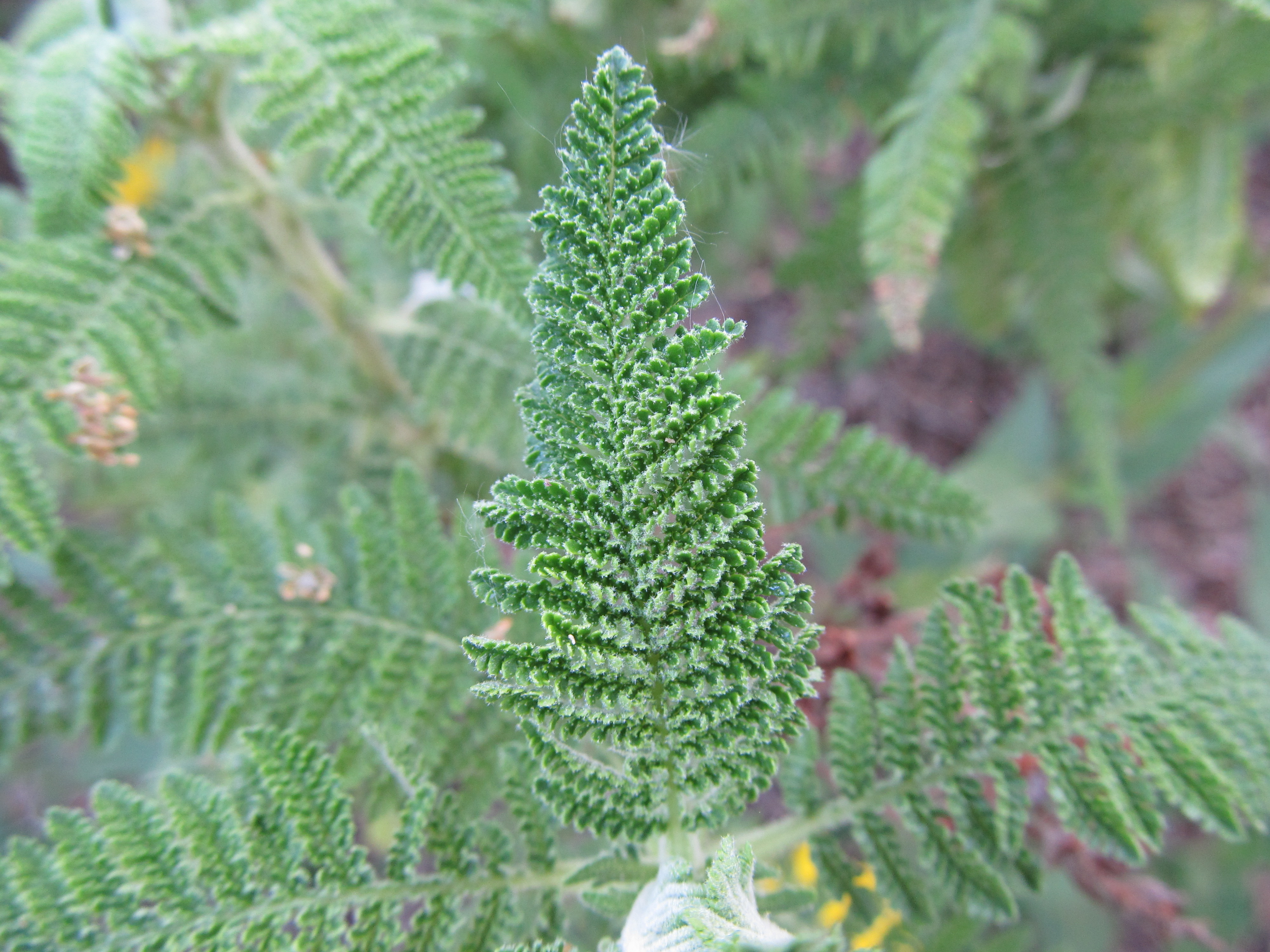
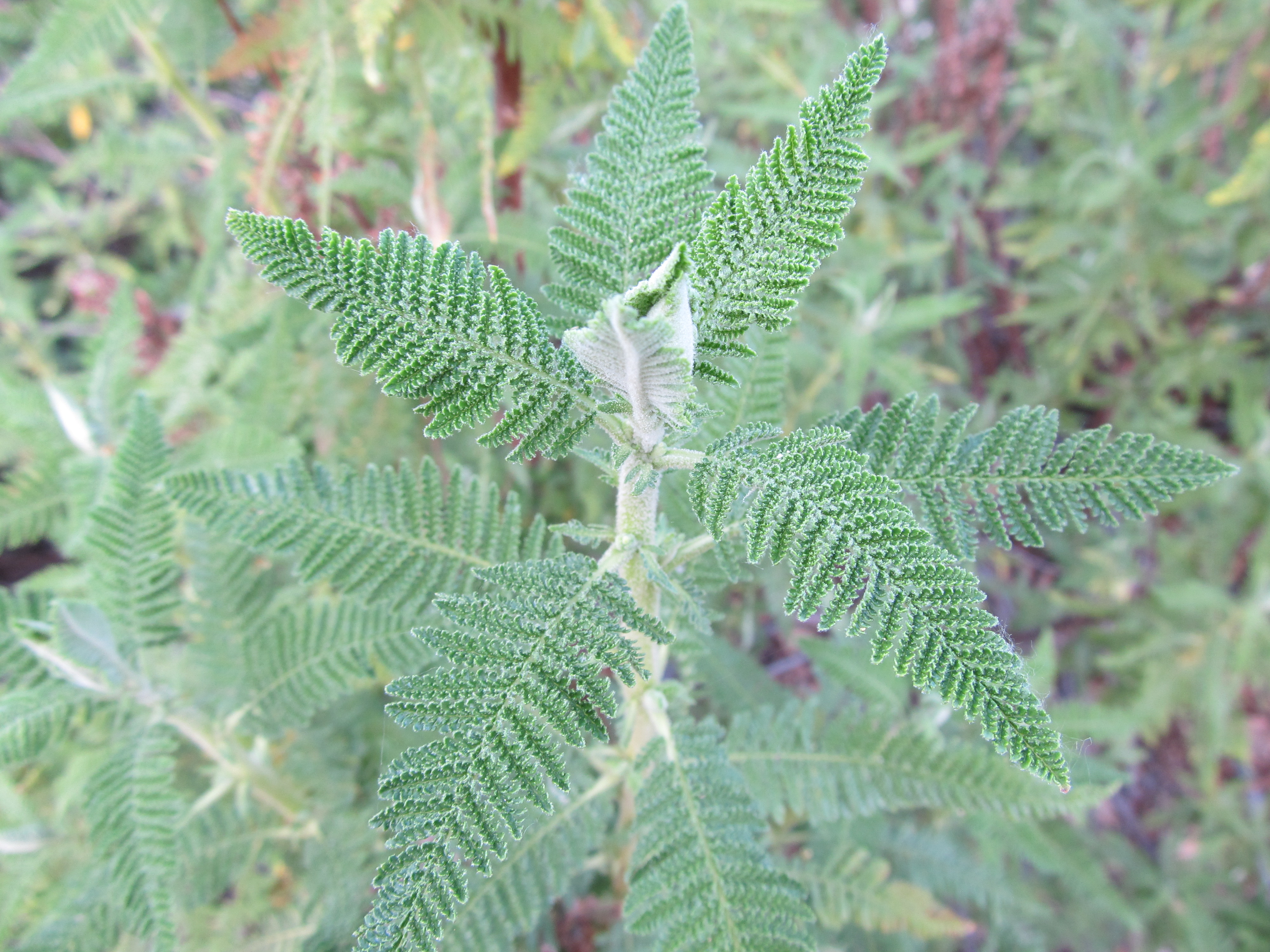
Fernbush is by far one of my favorite shrubs. Its the leaves that make it so interesting. As the common name suggests, the leaves look just like little fern fronds, and considering that ferns tend to be associated with shady, moist environments, it seems strange to see a fern-like bush growing in full sun in a dry, rocky site. Alas, fernbush is not a fern, but instead a shrub with very cool leaves.

IMG_0838

IMG_0837

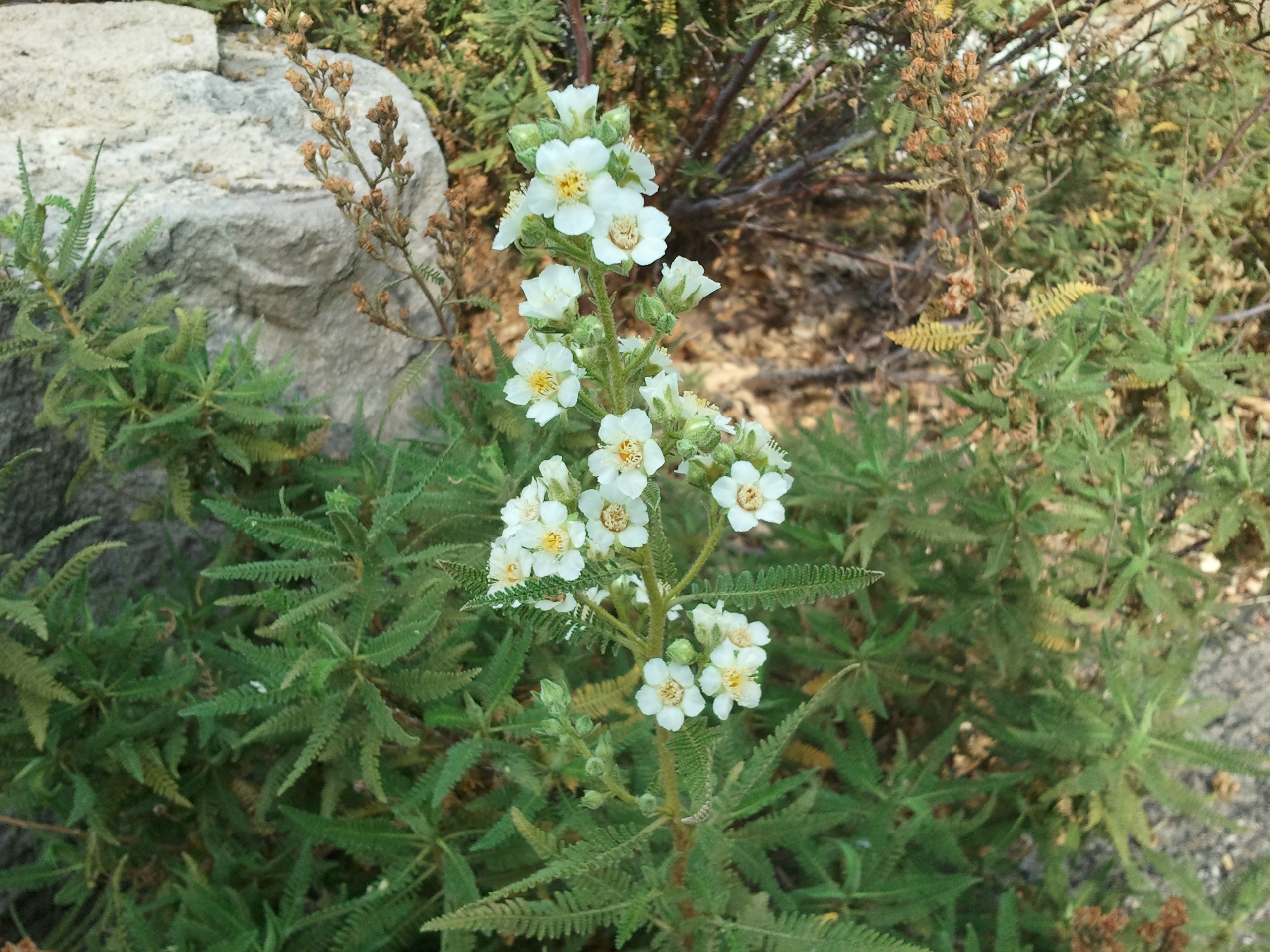
Fernbush grows to about as wide as it does high (between 1-3 meters), and depending on where it is growing it is evergreen or semi-evergreen, dropping the older leaves from the lower portions of its branches during the winter. Its bark is smooth and russet or cinnamon-colored. Flowers appear in clusters at the tips of branches in mid to late summer and are small, white or cream colored, and rose-like with five petals.

SAMSUNG

The fruit of fernbush is called a follicle and contains very small seeds, mere millimeters in size. The spent flower stalks are attractive in their own right and provide great winter interest. They can be pruned off in the spring in preparation for new flower stalks and to keep the plants looking good.

IMG_0834

Fernbush is very drought tolerant. Once its established, it needs very little (if any) supplemental water. It is likely that the leaves of fernbush give it this trait. They are small and finely divided, as well as being hairy and resinous. Physical adaptations such as these reduce water loss through transpiration, which helps the plant use available water more efficiently. Though not very commercially available, fernbush, with its unique appearance and late summer blooms, is a great addition to waterwise gardens and landscapes.

Fun Fact: Chamaebatiaria is a monotypic genus, meaning that it is a genus consisting of only one species. In this regard, Chamaebatiaria millefolium is a true rarity.

Drought Tolerant Plants: An Introduction

Water is a precious natural resource and an essential element for life on earth. Demand for water increases dramatically as human population grows and fresh water sources become polluted. Awareness of our reliance on water is especially heightened during times of drought, like the one that California residents are currently experiencing. Some regions of the planet are inherently dry. The region where I live (Boise, Idaho) receives on average about 12 inches of precipitation annually. Compare that to a place like Pensacola, Florida which receives around 65 inches annually, or El Paso, Texas which is lucky to get around 8 inches of rain a year. So whether it is out of necessity (enduring a drought or living in a dry climate) or simply the desire to be a responsible citizen of planet earth, many people are choosing to incorporate more drought tolerant plants in their landscapes in an effort to conserve water.

In the early 1980’s, landscaping with drought tolerant plants was given the name xeriscaping by the Denver, Colorado water department. These days terms like water-wise gardening and water efficient landscaping seem to be more popular. The initial vision that many people may have of a landscape planted with water efficient plants is one filled with desert plants like cacti, yuccas, and other succulents along with drab shrubs like sagebrush. While landscapes like these can actually be quite attractive (see Plantasia Cactus Gardens), modern water-wise gardens do not have to be so cacti-centric. As interest in water efficient plants has grown in recent years, the horticulture industry has been busy introducing a wide variety of plants that are not only drought tolerant but are lush, green, and full of color.

Plantasia Cactus Gardens -Twin Falls, Idaho

Plantasia Cactus Gardens – Twin Falls, Idaho

Plants that live in regions with frequent or extended droughts are called xerophytes. They have developed a variety of mechanisms that allow them to survive and even thrive in these regions. Ecologists call these mechanisms strategies, or sets of coordinated adaptive traits. In future posts I intend to profile specific drought tolerant plants so that we can get to know them on a more individual basis. For now I will provide a brief overview of the strategies plants use to cope with low water environments.

-Alternate Photosynthetic Pathways: Conventional photosynthesis is inherently inefficient when temperatures are high and water availability is low. Plants that evolved in hot and/or dry environments have developed alternate photosynthetic pathways in order to overcome these inefficiencies. These alternate pathways involve utilizing a different protein to fix carbon, splitting the photosynthetic process into two separate cells, and collecting carbon dioxide at night then converting it to sugars during the day. Learn more about the different photosynthetic pathways here.

-Drought Avoidance: Many desert plants live most of their lives as seeds hanging out on the desert floor waiting for rain. These are seeds of short-lived annual plants that sprout and grow when the rainy season comes around. They flower and set seed and are gone by the time the dry season returns. Birdcage evening primrose (Oenothera deltoides) and desert sand verbena (Abronia villosa) are examples of these desert ephemerals.

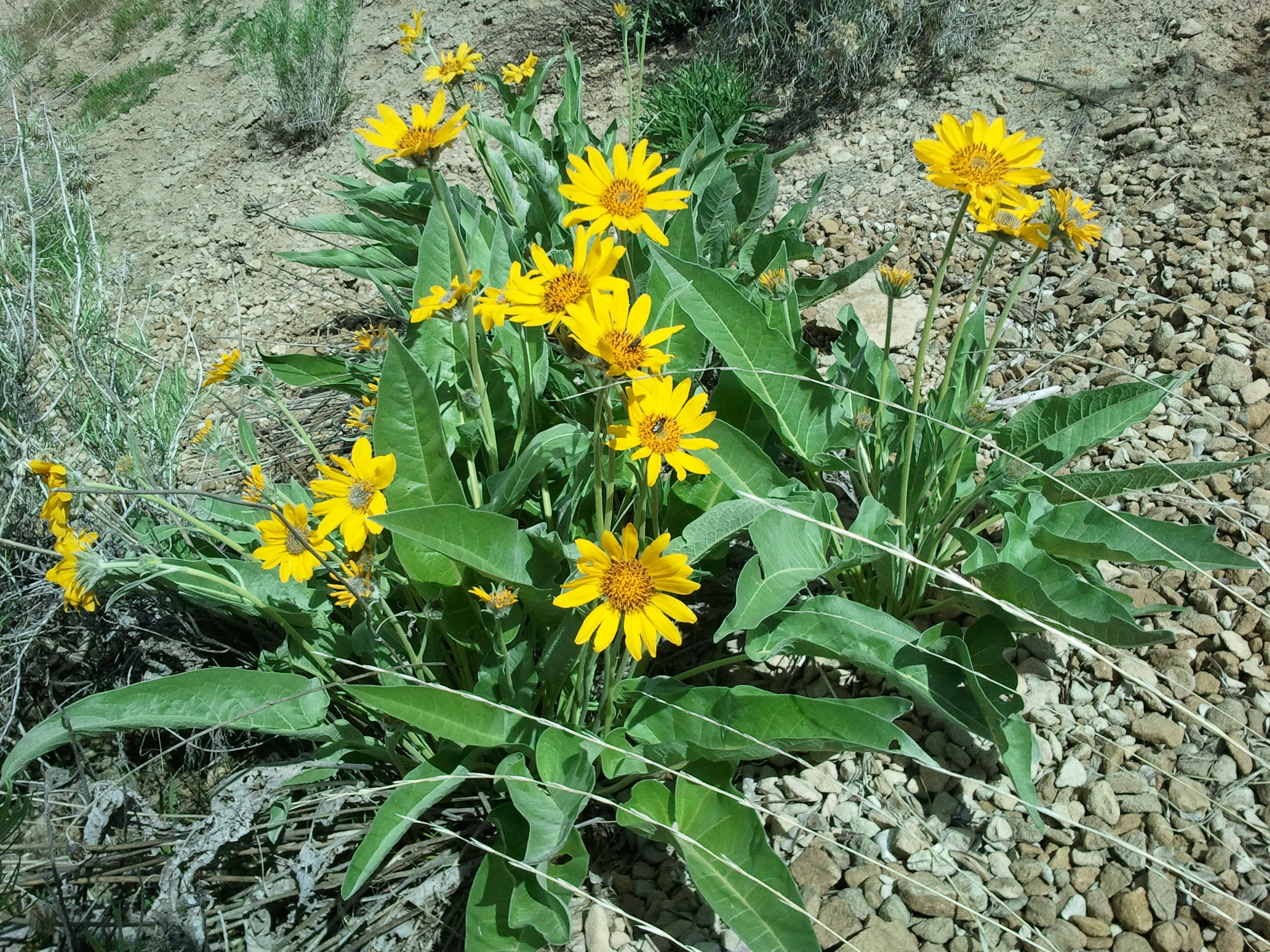
-Drought Dormancy: Some desert trees and shrubs shed their leaves during dry periods, and then put out new leaves when rains return. This is called drought deciduous. Other desert plants live out the dry season as fleshy roots or underground stems, putting out foliage only when conditions are favorable. Arrowleaf balsamroot (Balsamorhiza sagitatta) is a good example of this; it spends much of the year as a taproot with little or no sign of its existence above ground.

Arrowleaf Balsamroot - Balsamorhiza sagittata

Arrowleaf Balsamroot – Balsamorhiza sagittata

-Physical Adaptations: Desert plants have many physical adaptations that allow them to survive in hot, dry climates. The thick, fleshy leaves of cacti and other succulents store water for future use. The roots of some desert plants are shallow but horizontally extensive in order to capture water more effectively when rains come. The roots of other desert plants extend deep into the ground, some (like the roots of mesquite, Prosopis spp.) even reach as deep as the water table. Palo verdes (Parkinsonia spp.) are drought deciduous trees or shrubs that have photosynthetic bark that can keep photosynthesizing even when leaves are not present. Other adaptations include small leaves, hairy leaves, dull colored leaves, and waxy leaves all of which help to reduce water loss and improve the efficiency of photosynthesis.

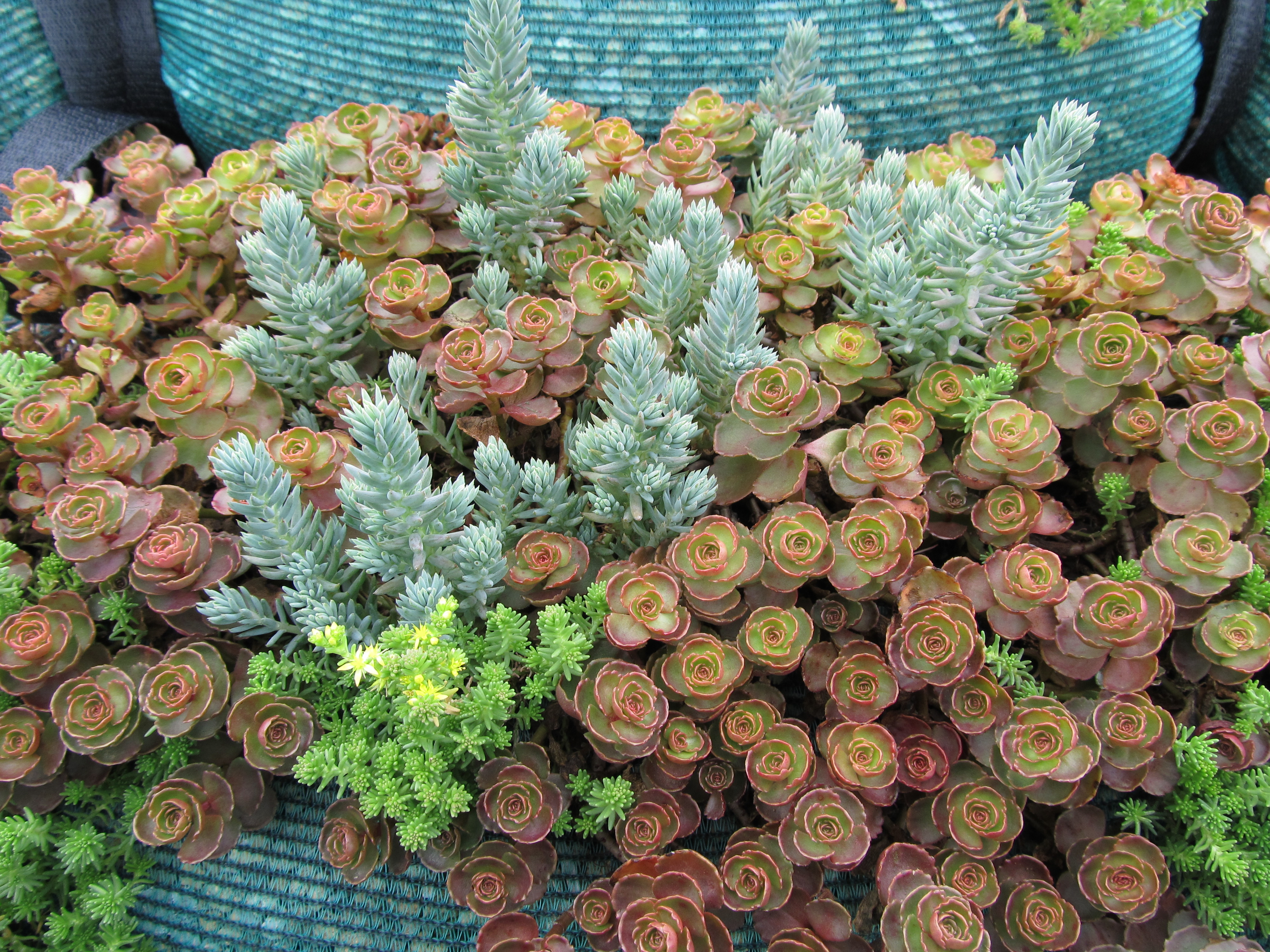
Drought tolerant sedums (Sedum spp.) with their shallow roots and succulent leaves are ideal for use on green roofs where temperatures are often high and water is limited.

Drought tolerant sedums (Sedum spp.) with their shallow roots and succulent leaves are ideal for use on green roofs where temperatures are often high and water is limited.

Learn more about how plants cope in low water environments from Arizona-Sonora Desert Museum.