Highlights from the Western Society of Weed Science Annual Meeting

Earlier this month, I went to Garden Grove, California to attend the 71st annual meeting of the Western Society of Weed Science. My trip was funded by an Education and Enrichment Award presented by the Pahove Chapter of the Idaho Native Plant Society. It was a great opportunity for a weeds-obsessed plant geek like myself to hang out with a bunch of weed scientists and learn about their latest research. What follows are a few highlights and takeaways from the meeting.

General Session

Apart from opening remarks and news/business-y stuff, the general session featured two invited speakers: soil ecologist Lydia Jennings and historian David Marley. Lydia’s talk was titled “Land Acknowledgement and Indigenous Knowledge in Science.” She started by sharing a website called Native Land, which features an image of the Earth overlayed with known “borders” of indigenous territories. By entering your address, you can see a list of the tribes that historically used the land you now inhabit. It is important for us to consider the history of the land we currently live and work on. Lydia then compared aspects of western science and indigenous science, pointing out ways they differ as well as ways they can be used in tandem. By collaborating with tribal nations, weed scientists can benefit from traditional ecological knowledge. Such knowledge, which has historically gone largely unrecognized in the scientific community, should receive more attention and acknowledgement.

David Marley was the comic relief. Well-versed in the history of Disneyland, he humorously presented a series of stories involving its creation. Little of what he had to say related to weed science, which he openly admitted along the way; however, one weeds related story stood out. Due to a lack of funds, the early years of Tomorrowland featured few landscape plants. To make up for that, Walt Disney had signs with fake Latin names created for some of the weeds.

Weeds of Range and Natural Areas

I spent the last half of the first day in the “Weeds of Range and Natural Areas” session where I learned about herbicide ballistic technology (i.e. killing plants from a helicopter with a paintball gun loaded with herbicide). This is one of the ways that Miconia calvescens invasions in Hawaii are being addressed. I also learned about research involving plant debris left over after logging. When heavy amounts of debris are left in place, scotch broom (Cytisus scoparius) infestations are thwarted. There was also a talk about controlling escaped garden loosestrife (Lysimachia punctata) populations in the Seattle area, as well as a few talks about efforts to control annual grasses like cheatgrass (Bromus tectorum) in sagebrush steppes. Clearly there are lots of weed issues in natural areas, as that only covers about half the talks.
Basic Biology and Ecology

On the morning of the second day, the “Basic Biology and Ecology” session held a discussion about weeds and climate change. As climate changes, weeds will adapt and find new locations to invade. Perhaps some weeds won’t be as problematic in certain areas, but other species are sure to take their place. Understanding the changes that are afoot and the ways that weeds will respond to them is paramount to successful weed management. This means documenting the traits of every weed species, including variations between and among populations of each species, so that predictions can be made about their behavior. It also means anticipating new weed species and determining ways in which weeds might exploit new conditions.

No doubt there is much to learn in order to adequately manage weeds in a changing climate. An idea brought up during the discussion that I was particularly intrigued by was using citizen scientists to help gather data about weeds. Similar to other organizations that collect phenological data from the public on a variety of species, a website could be set up for citizen scientists to report information about weeds in their area, perhaps something like this project in New Zealand. Of course, there are already a series of apps available in North America for citizen scientists to report invasive species sightings, so it seems this is already happening to some degree.

Teaching and Technology Transfer

A highlight of the afternoon’s “Teaching and Technology Transfer” session was learning about the Wyoming Restoration Challenge hosted by University of Wyoming Extension. This was a three year long contest in which thirteen teams were given a quarter-acre plot dominated by cheatgrass with the challenge to restore the plant community to a more productive and diverse state. Each team developed and carried out their own strategy and in the end were judged on a series of criteria including cheatgrass and other weed control, plant diversity, forage production, education and outreach, and scalability. Preliminary results can be seen here; read more about the challenge here and here.
And so much more…

Because multiple sessions were held simultaneously, I was unable to attend every talk. I also had to leave early on the third day, so I missed those talks as well. However, I did get a chance to sit in on a discussion about an increasingly troubling topic, herbicide-resistant weeds, which included a summary of regional listening sessions that have been taking place in order to bring more attention to the subject and establish a dialog with those most affected by it.

One final highlight was getting to meet up with Heather Olsen and talk to her briefly about her work in updating the Noxious Weed Field Guide for Utah. This work was aided by the Invasive Plant Inventory and Early Detection Prioritization Tool, which is something I hope to explore further.

If you are at all interested in weeds of the western states, the Western Society of Weed Science is a group you should meet. They are fun and friendly people who really know their weeds.
See Also: Highlights from the Alaska Invasive Species Workshop 

Lettuce Gone Wild, part two

The lettuce we eat is a close relative to the lettuce we weed out of our gardens. Last week we discussed the potential that wild relatives may have for improving cultivated lettuce. But if wild lettuce can be crossed with cultivated lettuce to create new cultivars, can cultivated lettuce cross with wild lettuce to make it more weedy?

Because so many of our crops are closely related to some of the weeds found along with them or the plants growing in nearby natural areas, the creation of crop-wild hybrids has long been a concern. This concern is heightened in the age of transgenic crops (also known as GMOs), for fear that hybrids between weeds and such crops could create super weeds – fast spreading or highly adapted weeds resistant to traditional control methods such as certain herbicides. To reduce this risk, extensive research is necessary before such crops are released for commercial use.

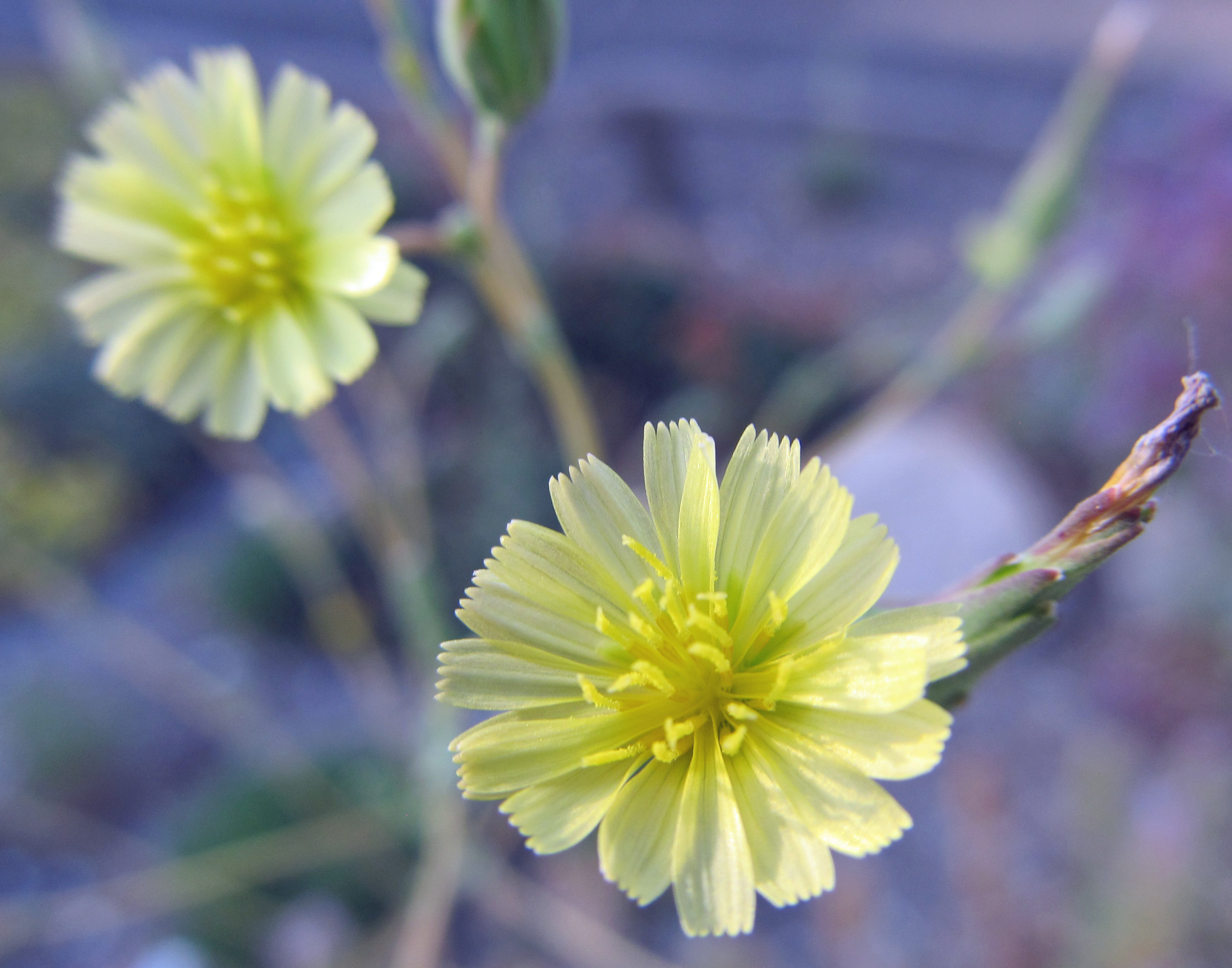
flowers of prickly lettuce (Lactuca serriola)

There are no commercially available, genetically modified varieties of cultivated lettuce, so this is not a concern when it comes to crop-wild hybrids; however, due to how prevalent weedy species like prickly lettuce (Lactuca serriola) are, hybridization with cultivated lettuce is still a concern. So, it is important to understand what the consequences might be when hybridization occurs.

In a paper published in Journal of Applied Ecology in 2005, Hooftman et al. examined a group of second-generation hybrids (L. sativa x L. serriola), and found that the hybrids behaved and appeared very similarly to non-hybrid prickly lettuce. They also found that the seeds produced by the hybrids had a significantly higher germination rate than non-hybrid plants. This is an example of hybrid vigor. Thus, “if hybridization does occur, this could lead to better performing and thus potentially more invasive (hybrid) genotypes.” However, the authors cautioned that “better performing genotypes do not automatically result in higher invasiveness,” and that much depends on the conditions they are found in, the level of human disturbance, etc.

Another thing to consider is that hybrids are not stable. In an article published in Nature Reviews Genetics in 2003, Stewart et al. adress the “misunderstanding that can arise through the confusion of hybridization and … introgression.” It is wrong to assume that hybrids between crops and wild relatives will automatically lead to super weeds. For this to occur, repeated crosses with parental lines (also known as backcrossing) must occur, and “backcross generations to the wild relative must progress to the point at which the transgene [or other gene(s) in question] is incorporated into the genome of the wild relative.” That is what is meant by “introgression.” This may happen quickly or over many generations or it may never happen at all. Each case is different.
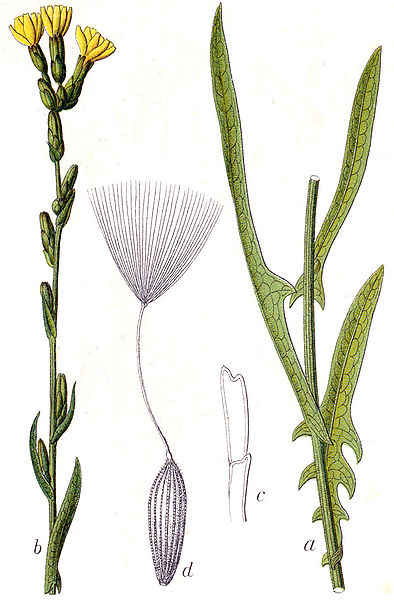
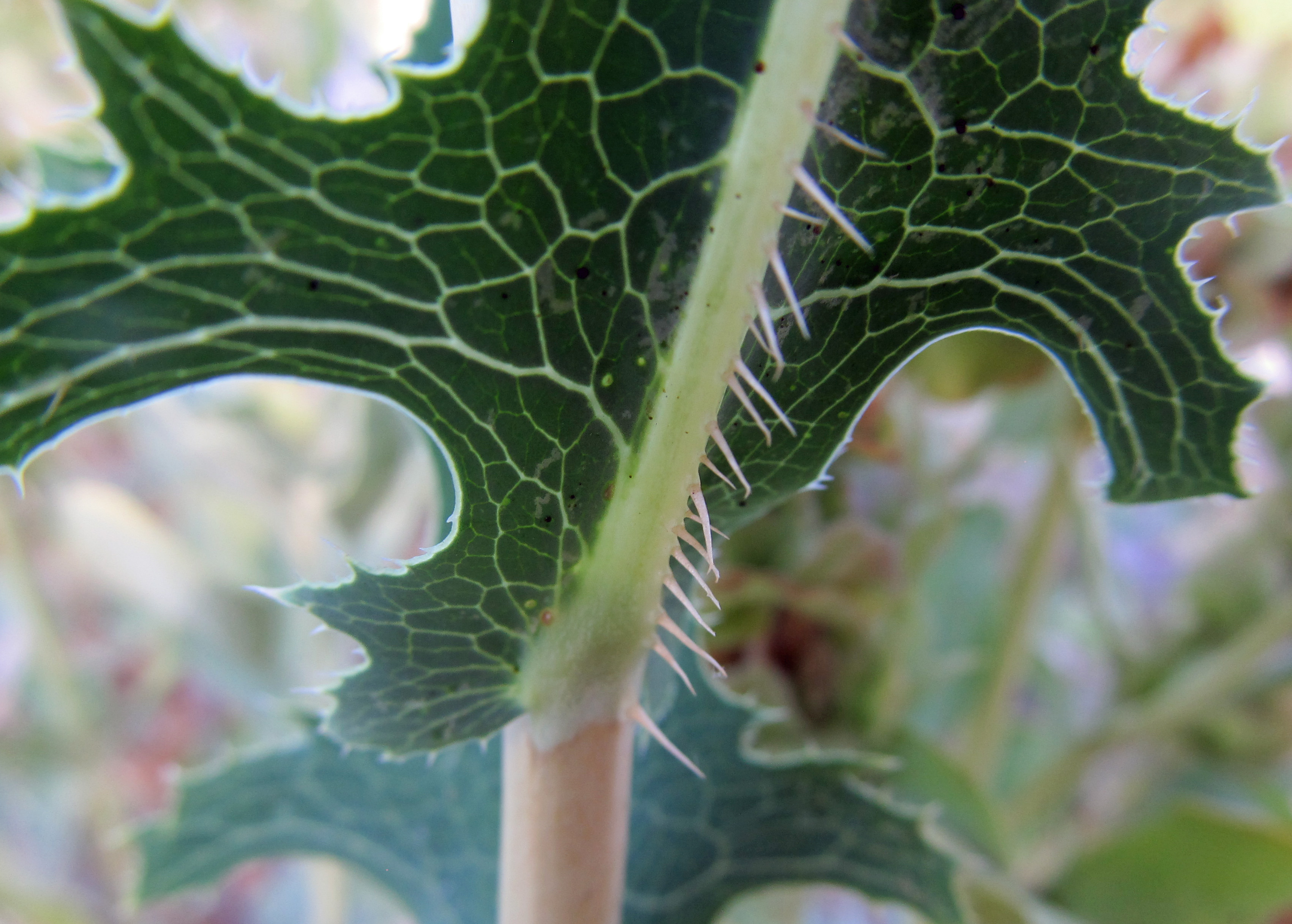
prickly leaf of prickly lettuce (Lactuca serriola)

In a paper published in Journal of Applied Ecology in 2007, Hooftman et al. observe the breakdown of crop-wild lettuce hybrids. They note that “fitness surplus through [hybrid vigor] will often be reduced over few generations,” which is what was seen in the hybrids they observed. One possible reason why this occurs is that lettuce is predominantly a self-crossing species; outcrossing is rare, occurring 1 – 5% of the time thanks to pollinating insects. But that doesn’t mean that a stable, aggressive genotype could never develop. Again, much depends on environmental conditions, as well as rates of outcrossing and other factors relating to population dynamics.

A significant expansion of prickly lettuce across parts of Europe led some to hypothesize that crop-wild hybrids were partly to blame. In a paper published in Molecular Ecology in 2012 Uwimana et al. ran population genetic analyses on extensive data sets to determine the role that hybridization had in the expansion. They concluded that, at a level of only 7% in wild habitats, crop-wild hybrids were not having a significant impact. They observed greater fitness in the hybrids, as has been observed in other studies (including the one above), but they acknowledged the instability of hybrids, especially in self-pollinating annuals like lettuce.

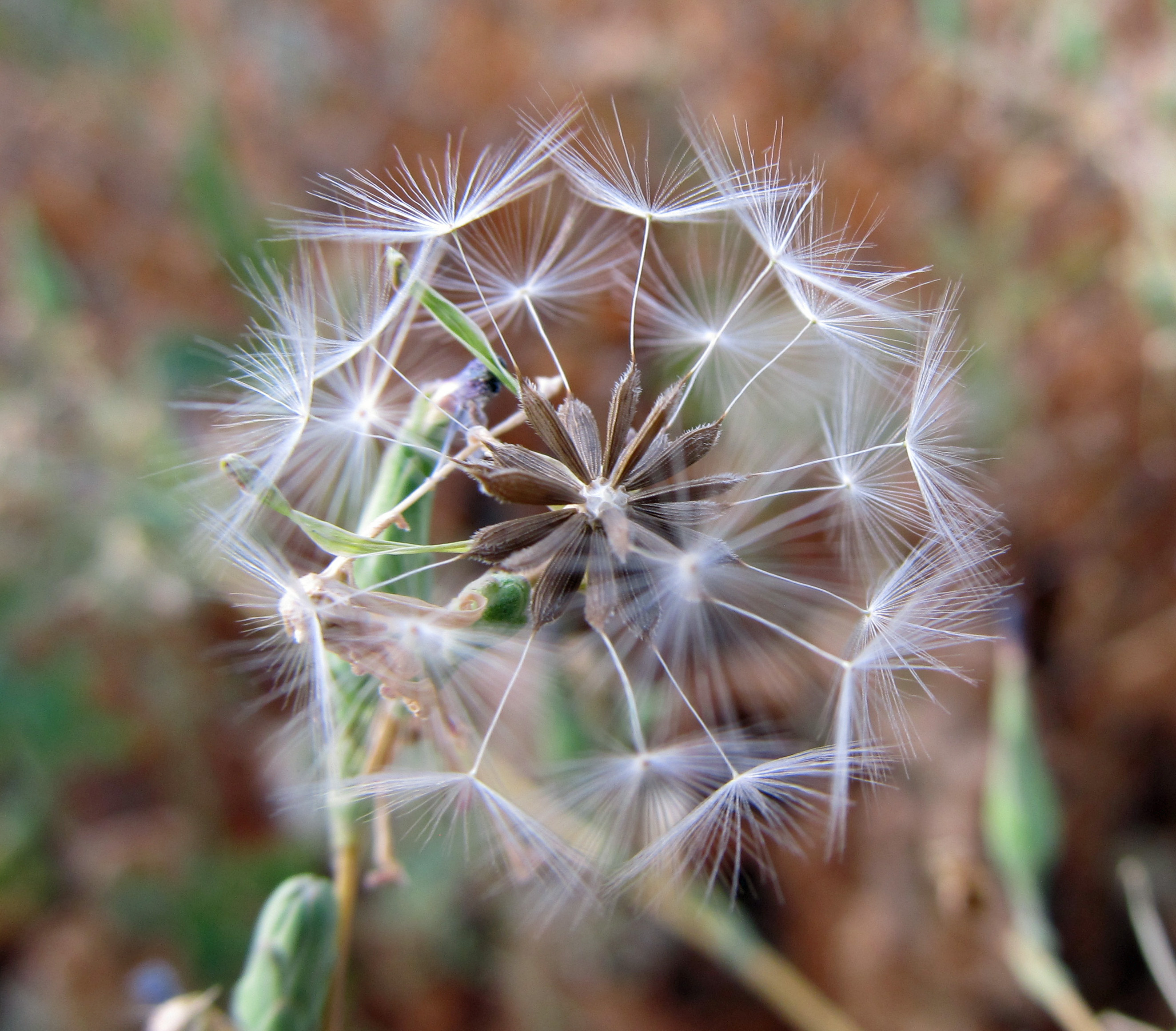
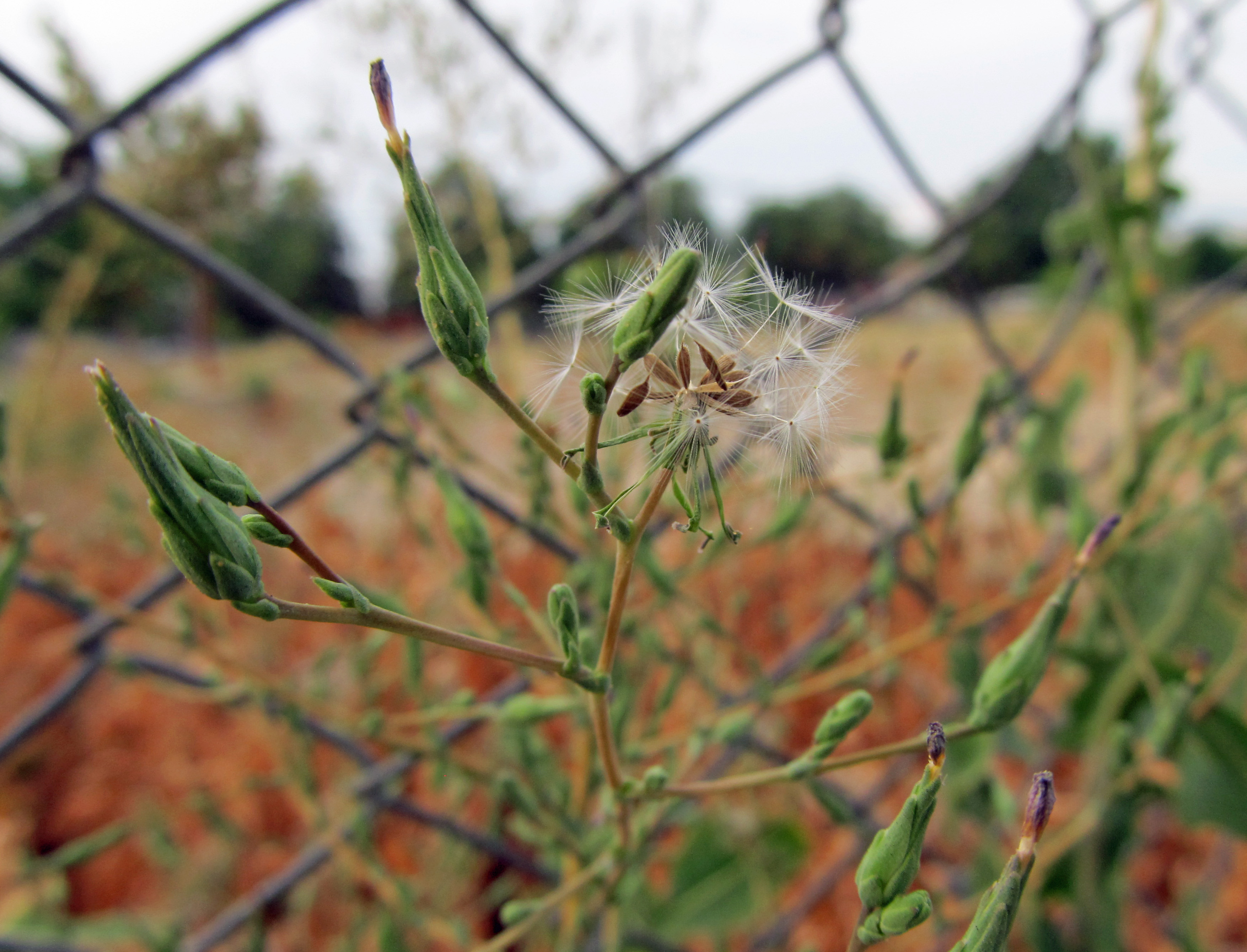
seed head of prickly lettuce (Lactuca serriola)

It is more likely that the expansion of prickly lettuce in Europe is due to “the expansion of favorable habitat as a result of climate warming and anthropogenic habitat disturbance and to seed dispersal because of transportation of goods.” Uwimana et al. did warn, however, that “the occurrence of 7% crop-wild hybrids among natural L. serriola populations is relatively high [for a predominantly self-pollinating species] and reveals a potential [for] transgene movement from crop to wild relatives [in] self-pollinating crops.”

Lettuce Gone Wild, part one

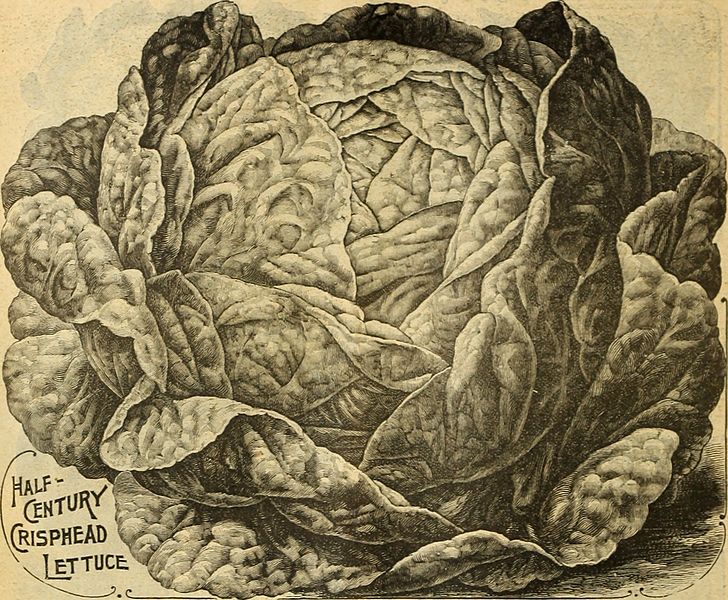
Lettuce, domesticated about six thousand years ago in a region referred to as the Fertile Crescent, bears little resemblance to its wild ancestors. Hundreds of years of cultivation and artificial selection eliminated spines from the leaves, reduced the latex content and bitter flavor, shortened stem internodes for a more compact, leafy plant, and increased seed size, among several other things. The resulting plant even has a different name, Lactuca sativa (in Latin, sativa means cultivated). However, cultivated lettuce remains closely related to its progenitors, with whom it can cross to produce wild-domestic hybrids. For this reason, there is great interest in the wild relatives of lettuce and the beneficial traits they offer.

image credit: wikimedia commons

Crop wild relatives are a hot topic these days. That’s because feeding a growing population in an increasingly globalized world with the threat of climate change looming requires creative strategies. Utilizing wild relatives of crops in breeding programs is a potential way to improve yields and address issues like pests and diseases, drought, and climate change. While this isn’t necessarily a new strategy, it is increasingly important as the loss of biodiversity around the globe threatens many crop wild relatives. Securing them now is imperative.

There are about 100 species in the genus Lactuca. Most of them are found in Asia and Africa, with the greatest diversity distributed across Southwest Asia and the Mediterranean Basin. The genus consists of annual, biennial, and perennial species, a few of which are shrubs or vines. Prickly lettuce (L. serriola), willowleaf lettuce (L. saligna), and bitter lettuce (L. virosa) are weedy species with a wide distribution outside of their native range. Prickly lettuce is particularly common in North America, occurring in the diverse habitats of urban areas, natural areas, and agricultural fields. It is also the species considered to be the main ancestor of today’s cultivated lettuce.

In a paper published in European Journal of Plant Pathology in 2014. Lebeda et al. discuss using wild relatives in lettuce breeding and list some of the known cultivars derived from crosses with wild species. They write that in the last thirty years, “significant progress has been made in germplasm enhancement and the introduction of novel traits in cultivated lettuce.” Traditionally, Lactuca serriola has been the primary source for novel traits, but breeders are increasingly looking to other species of wild lettuce.

bitter lettuce (Lactuca virosa) – image credit: wikimedia commons

Resistance to disease is one of the main aims of lettuce breeders. Resistance genes can be found among populations of cultivated lettuce, but as “extensive screening” for such genes leads to “diminishing returns in terms of new resistance,” breeders look to wild lettuce species as “sources of new beneficial alleles.” The problem is that there are large gaps in our knowledge when it comes to wild lettuce species and their interactions with pests and pathogens. Finding the genes we are looking for will require “screening large collections of well defined wild Lactuca germplasm.” But first we must develop such collections.

In a separate paper (published in Euphytica in 2009), Lebeda et al. discuss just how large the gaps in our understanding of the genus Lactuca are. Beginning with our present collections they found “serious taxonomic discrepancies” as well as significant redundancy and unnecessary duplicates in and among gene banks. They also pointed out that “over 90% of wild collections are represented by only three species” [the three weedy species named above], and they urged gene banks to “rapidly [acquire] lettuce progenitors and wild relatives from the probable center of origin of lettuce and from those areas with the highest genetic diversity of Lactuca species” as their potential for improving cultivated lettuce is too important to neglect.

Lactuca is a highly variable genus; species can differ substantially in their growth and phenology from individual to individual. Lebeda et al. write, “developmental stages of plants, as influenced through selective processes under the eco-geographic conditions where they evolved, can persist when plants are cultivated under common environmental conditions and may be fixed genetically.” For this reason it is important to collect numerous individuals of each species from across their entire range in order to obtain the broadest possible suite of traits to select from.

One such trait is root development and the related ability to access water and nutrients and tolerate drought. Through selection, cultivated lettuce has become a very shallow-rooted plant, reliant on regular irrigation and fertilizer applications. In an issue of Theoretical and Applied Genetics published in 2000, Johnson et al. demonstrate the potential that Lactuca serriola, with its deep taproot and ability to tolerate drought, has for developing lettuce cultivars that are more drought tolerant and more efficient at using soil nutrients.

willowleaf lettuce (Lactuca saligna) – image credit: wikimedia commons

Clearly we have long way to go in developing improved lettuce cultivars using wild relatives, but the potential is there. As Lebeda et al. write in the European Journal of Plant Pathology, “Lettuce is one of the main horticultural crops where a strategy of wild related germplasm exploitation and utilization in breeding programs is most commonly used with very high practical impact.”

Coming Up in Part Two: Can cultivated lettuce cross with wild lettuce to create super weeds?

Book Review: Good Weed Bad Weed

Distinguishing weeds from desirable plants is a skill that takes years of experience. If you’re not an avid gardener or a practiced naturalist, the distinction between the two groups may be blurry. There are weed identification guides aplenty, but even those aren’t always the most user-friendly and can often leave a person with more questions than answers. One of those questions may be, “Why is this plant considered a weed and not that one?” Through her book, Good Weed Bad Weed, Nancy Gift attempts to answer that question, offering much needed nuance to a regularly vilified group of plants.

In the introduction, Gift acknowledges that the term “good weed” sounds like an oxymoron. A weed, by definition, is an unwanted plant, an interloper and a troublemaker, without value or merit. What could be good about that? Gift, on the other hand, asserts that “it is a weakness of the English language that weeds are universally unwanted.” We need a word that describes plants that may have weedy characteristics but some redeeming qualities as well. For now, Gift uses “volunteer” – “a plant that comes up without being planted or encouraged” – suspending judgement until its performance can be fairly assessed.

Good Weed Bad Weed is a weed identification guide designed for beginners, for those wondering if their yard is “infested or blessed.” It is specifically concerned with weeds commonly found in lawns and garden beds, and “not meant to apply to farm fields or any other landscape.” It sets itself apart from other identification guides by organizing weeds into three categories: Bad Weeds, Not-So-Bad Weeds, and Good Weeds. Each plant profile includes a description, notes about benefits as well as problems, and some recommendations for control. Assigning good/bad designations to these plants is bound to cause some heated debate and outright disagreement, and Gift acknowledges that; however, we all have our “unique judgement” about the plants we encounter in our landscapes, so as “weed-lovers-in-training,” Gift hopes that we can “make a few new friends in the plant kingdom” and, perhaps, a few less enemies.

For the ten plants that make the Bad Weeds list, the reasoning is pretty clear. They are highly competitive and difficult to control [foxtail (Setaria spp.), garlic mustard (Alliaria petiolata), and Canada thistle (Cirsium arvense)], they are poisonous to humans despite being beneficial to wildlife [poison ivy (Toxicodendron radicans ) and poison hemlock (Conium maculatum)], they are known allergens and otherwise unattractive [common ragweed (Ambrosia artemisiifolia)], or, like Japanese knotweed (Fallopia japonica), they are on the list of top 100 worst invasive species.

The other two categories are where more personal judgement comes into play. The twelve plants considered Not-So-Bad Weeds are said to have “admirable qualities despite some negatives.” Prostrate knotweed (Polygonum aviculare) provides excellent erosion control. Orange hawkweed (Hieracium aurantiacum), bull thistle (Cirsium vulgare), and musk thistle (Carduus nutans) are quite beautiful and highly beneficial to pollinators and other wildlife. Nutsedge (Cyperus spp.) is edible and easy to keep in check if you stay on top of it. Bindweeds (Convolvulus arvensis and Calystegia sepium) avoid the Bad Weeds list because their flowers are so appealing. Aesthetics really matter to Gift, which is made clear with the entry for common fleabane (Erigeron philadelphicus), which could have made the Good Weeds list were it not for its disappointing and forgettable floral display.

field bindweed (Convolvulus arvensis)

As for the Goods Weeds list, more plant species find themselves in this category than the other two categories combined. That being said, those who have strong, negative opinions about weeds should probably avoid this section of the book, lest they experience an unsafe rise in blood pressure upon reading it. But be advised that making the Good Weeds list doesn’t mean that there are no negatives associated with having these plants in your yard; it’s just that the positive qualities tend to overshadow the negatives.

Positive qualities include edible, medicinal, low growing, slow growing, easy to control, beneficial to wildlife, not a bully, hardly noticeable, uncommon, and soil building. Certain weeds are desirable in lawns because they are soft to walk on, like ground ivy (Glechoma hederacea), yarrow (Achillea millefolium), and moss. Other weeds, like self-heal (Prunella vulgaris), stay green year-round and don’t leave ugly, brown patches when they die or go dormant. Still others, like bird’s-foot trefoil (Lotus corniculatus), black medic (Medicago lupulina), and clovers (Trifolium spp.) fix nitrogen, providing free fertilizer. Gift notes that, for those who keep chickens, weeds like common sorrel (Rumex acetosa) and cuckooflower (Cardamine pratensis) are great chicken feed.

Speaking of eating weeds, Gift concludes her book with four pages of recipes. The “Weedy Foxtail Tabouli” is particularly intriguing to me. Reading this book definitely requires an open mind, and some people simply won’t agree that any weed should ever be called “good.” Gift seems okay with that. She calls herself a “heretical weed scientist,” insisting that “a weed is in the eye of the beholder.” As “beholders,” I hope we can all be a little more like Nancy Gift.

A weedy lawn (photo credit: wikimedia commons)

More Book Reviews on Awkward Botany:

2017: Year in Review

Awkward Botany turns 5 years old this month! 

In the five years since I first introduced myself I have had the pleasure of sharing my writing and photos with thousands of people. Together we have formed a tiny community of nature lovers, botany nerds, and phytocurious folks. It has been fun seeing the audience grow and our interactions increase. The World Wide Web is a crowded and chaotic place, and you can never be sure what will come of the pieces of you that you throw at it. Luckily, my little project has not gone completely unnoticed. The crowd that enjoys it may be small, but it is composed of a solid group of people. Thank you for being one of those people.

If you were following along in 2017, you are well aware that weeds and invasive species have been regular themes. Both of these topics are still obsessions of mine, so while I don’t have plans to continue to saturate the blog with such posts, I will still be writing about them. I’m actually working on a larger project involving weeds, which you can read more about here.

Speaking of which, I have threatened a couple of times now to interrupt my weekly posting schedule in order to make time for other projects. So far that hasn’t really happened, but this year I am fairly certain that it will. It’s the only way that I am going to be able get around to working on things I have been meaning to work on for years. There are also some new things in the works. I think these things will interest you, and I am excited to share them with you as they develop. Once you see them for yourself, I’m sure you’ll forgive the reduced posting schedule.

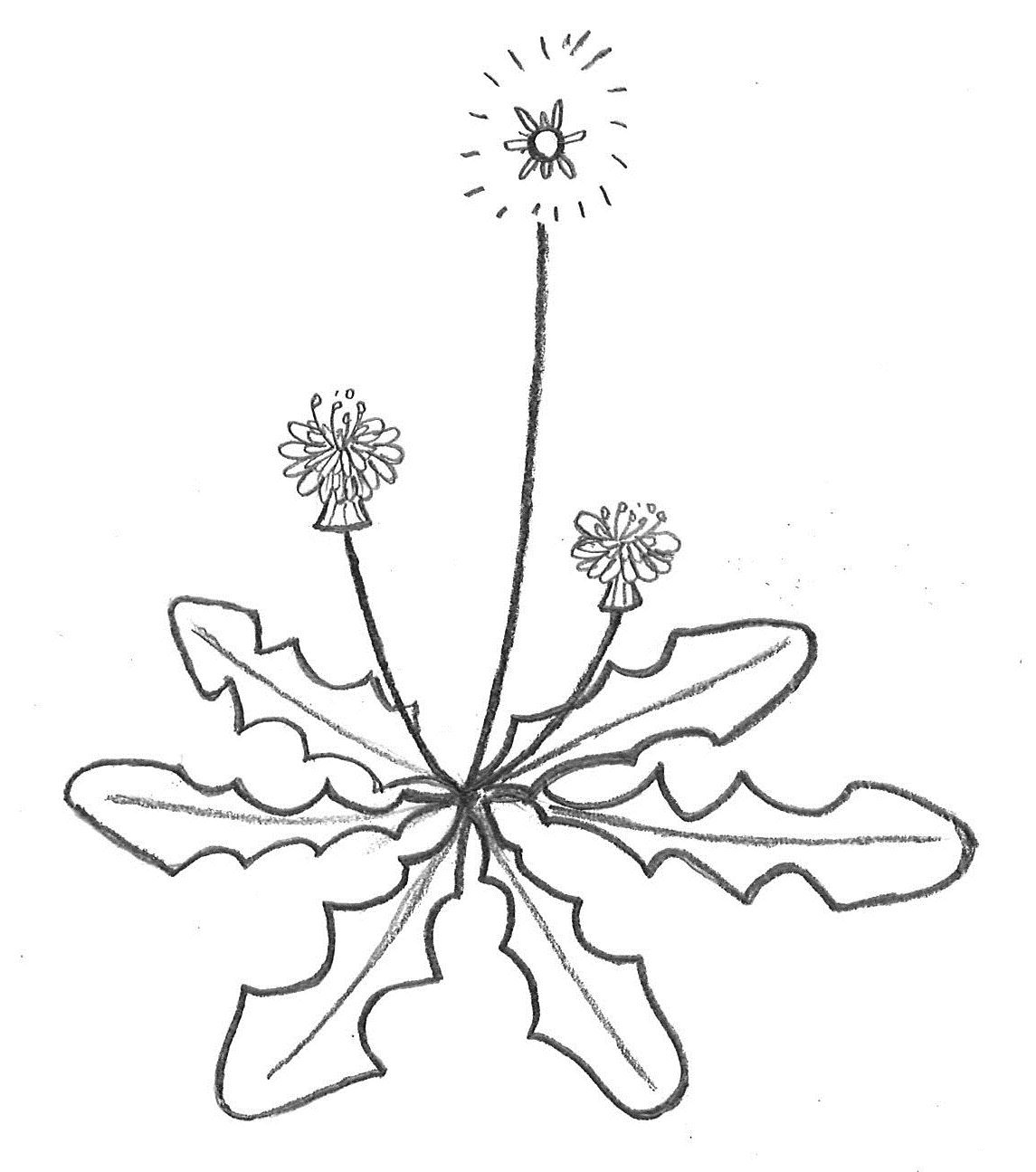
One thing I have resolved to do this year is learn to draw. I love botanical illustrations, and I have always been envious of the artistic abilities of others. My drawing skills are seriously lacking, but a little practice might help improve that. While it is bound to be a source of embarrassment for me, I have decided to post my progress along the way. So even if you have less to read here, you will at least get to check out some of my dumb drawings. Like this one:

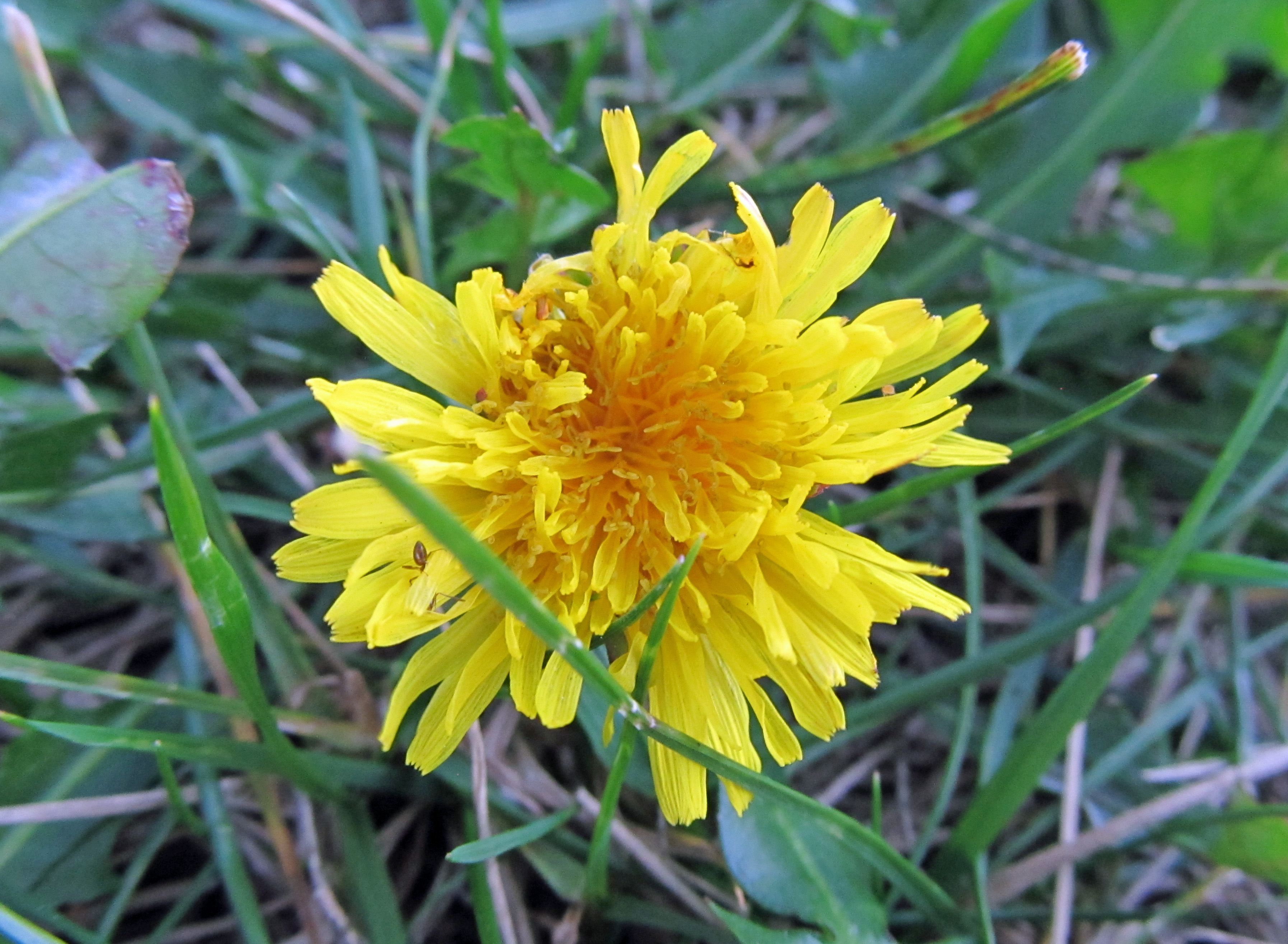
Drawing of a dandelion with help from Illustration School: Let’s Draw Plants and Small Creatures by Sachiko Umoto

One of my favorite things this year has been Awkward Botany’s new Facebook page. With Sierra’s help, we have finally joined that world. Sierra has been managing the page and is the author of most of the posts, and she is doing an incredible job. So if you haven’t visited, liked, and followed, please do. And of course, the invitation still stands for the twitter and tumblr pages, as well.

Lastly, as I have done in the past I am including links to posts from 2017 that were part of ongoing series. These and all other posts can be found in the Archives widget on the right side of the screen. During the summer I did a long series about weeds called Summer of Weeds, the conclusion of which has a list of all the posts that were part of that series. Thank you again for reading and following along. Happy botanizing and nature walking in 2018. I hope you all have a plant filled year.

Book Reviews:

Podcast Review:

Poisonous Plants: 

Drought Tolerant Plants:

Field Trips:

Guest Posts:

Weeds and Winter Interest

In climates where winter sucks the garden inside itself and into quiet dormancy, it is often dead stalks and seed heads that provide the most visual interest. They also become, in some respects, a reminder of a garden that once was and what will be again.” — Gayla Trail, Grow Curious

If, like me, it is during the growing season that you really thrive, winters can be brutal. Color has practically been stripped from the landscape. Death and slumber abound. Nights are long and days are cold. It’s a lengthy wait until spring returns. Yet, my love of plants does not rest. And so, I look for beauty in a frozen landscape.

In evergreens, it is obvious. They maintain their color year-round. Large bunchgrasses, shrubs and trees with interesting bark or branching habits, dried fruits and unique seed heads – all of these things are easy to spot and visually interesting.

Beyond that, there are things that we are not accustomed to finding beauty in. Such things require a keen eye, close observation, and the cultivation of greater understanding and appreciation. For most people, weeds fall into this category. What is there to love or find beautiful?

I am of the opinion that there is plenty there to intrigue us. From their spent flowers to their seed heads and dried-up leaves, they can be just as interesting as the plants we deem more desirable. The winter-long green of winter annuals alone is evidence enough. So, here is my attempt to redeem some of these plants by nominating them as candidates for winter interest.

common mallow (Malva neglecta)

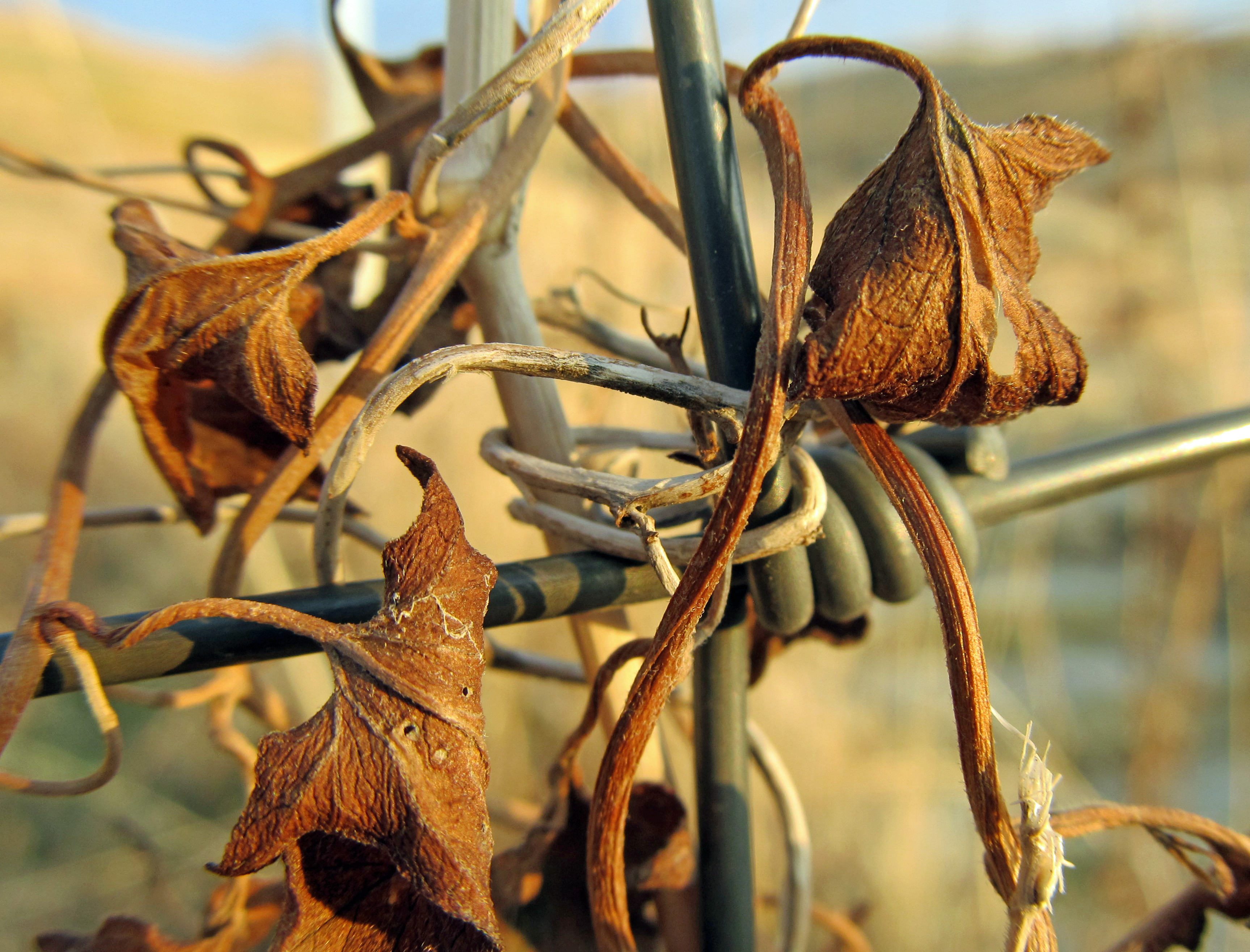
field bindweed (Convolvulus arvensis)

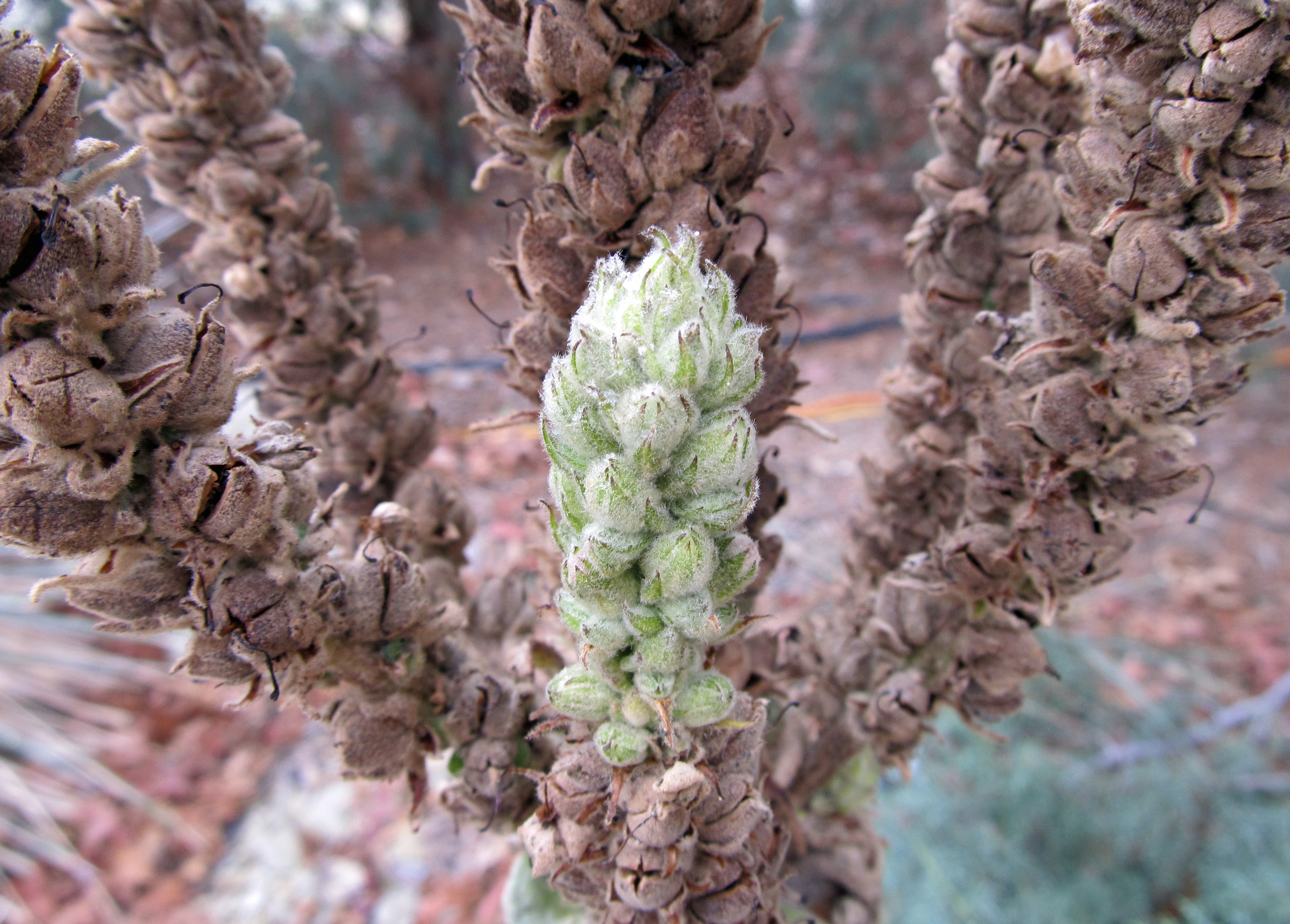
common mullein (Verbascum thapsus)

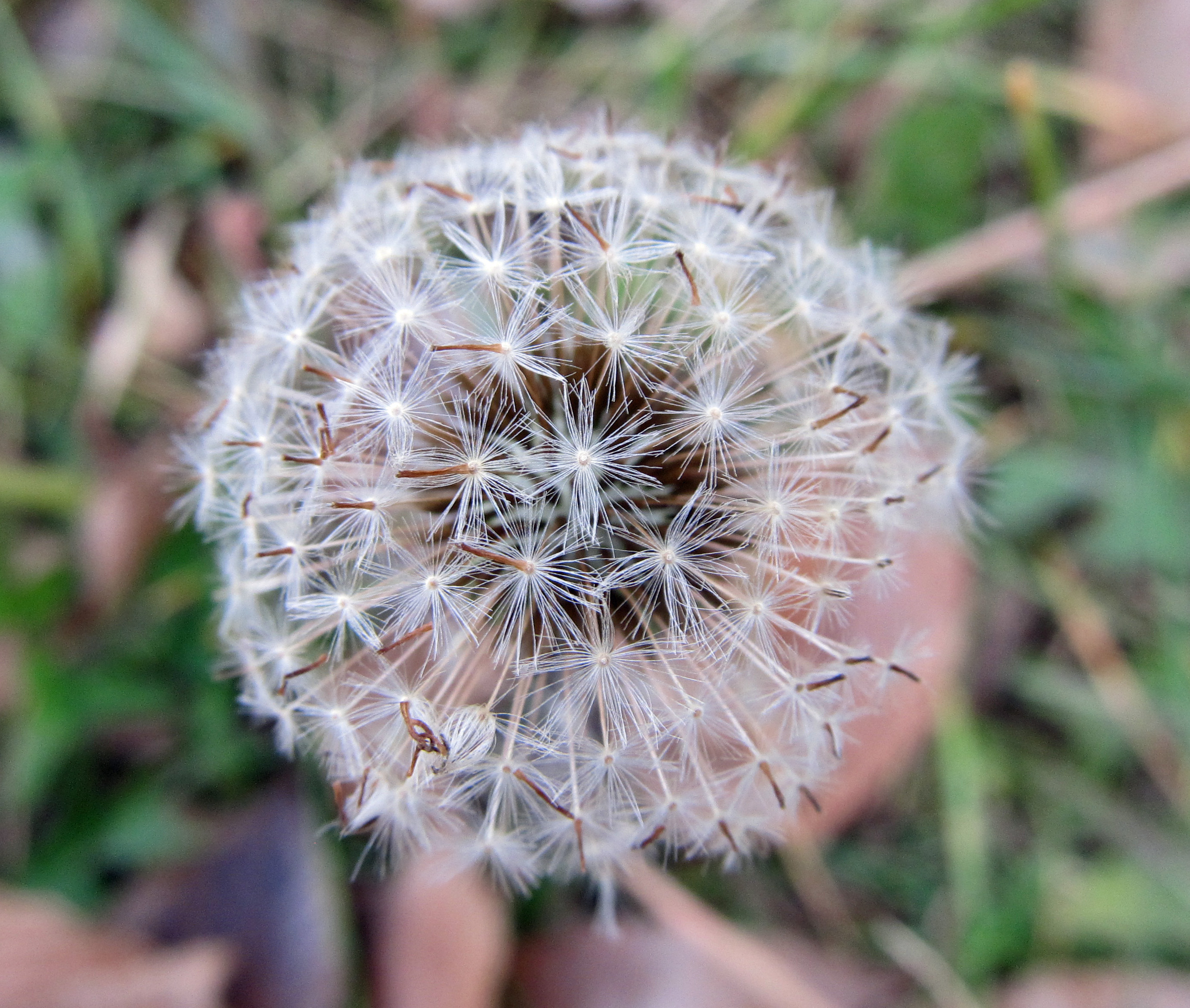
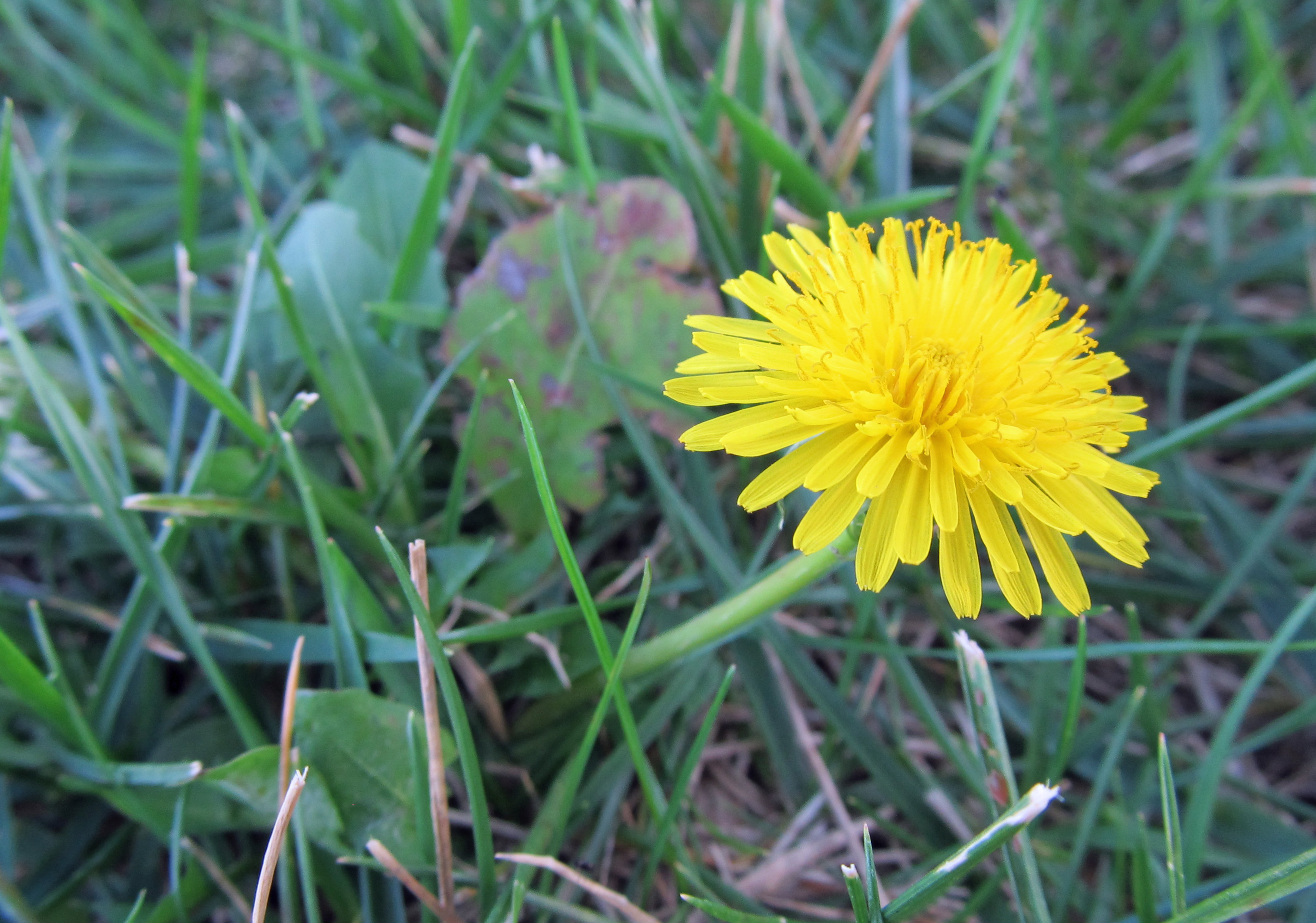
common dandelion (Taraxacum officinale)

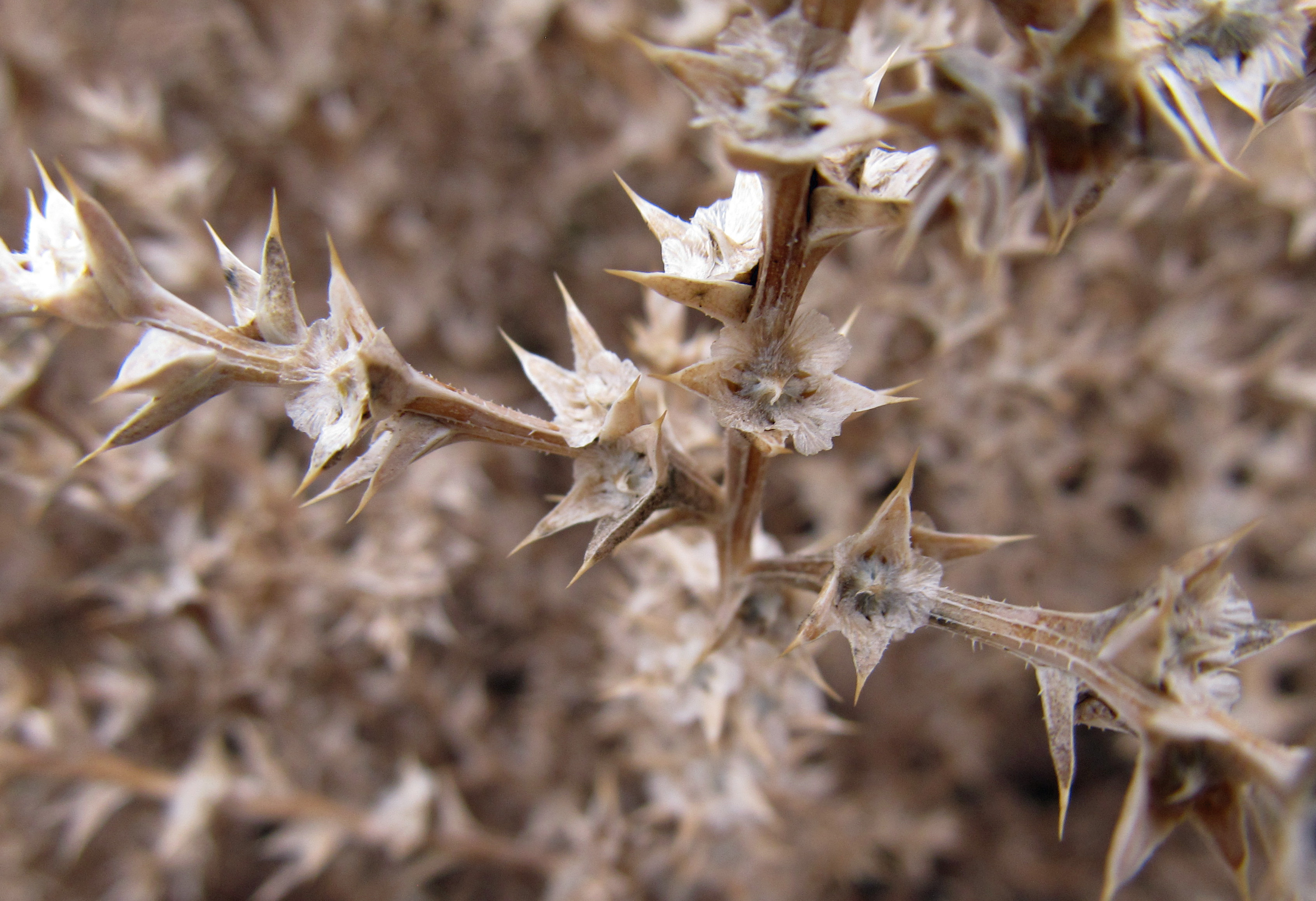
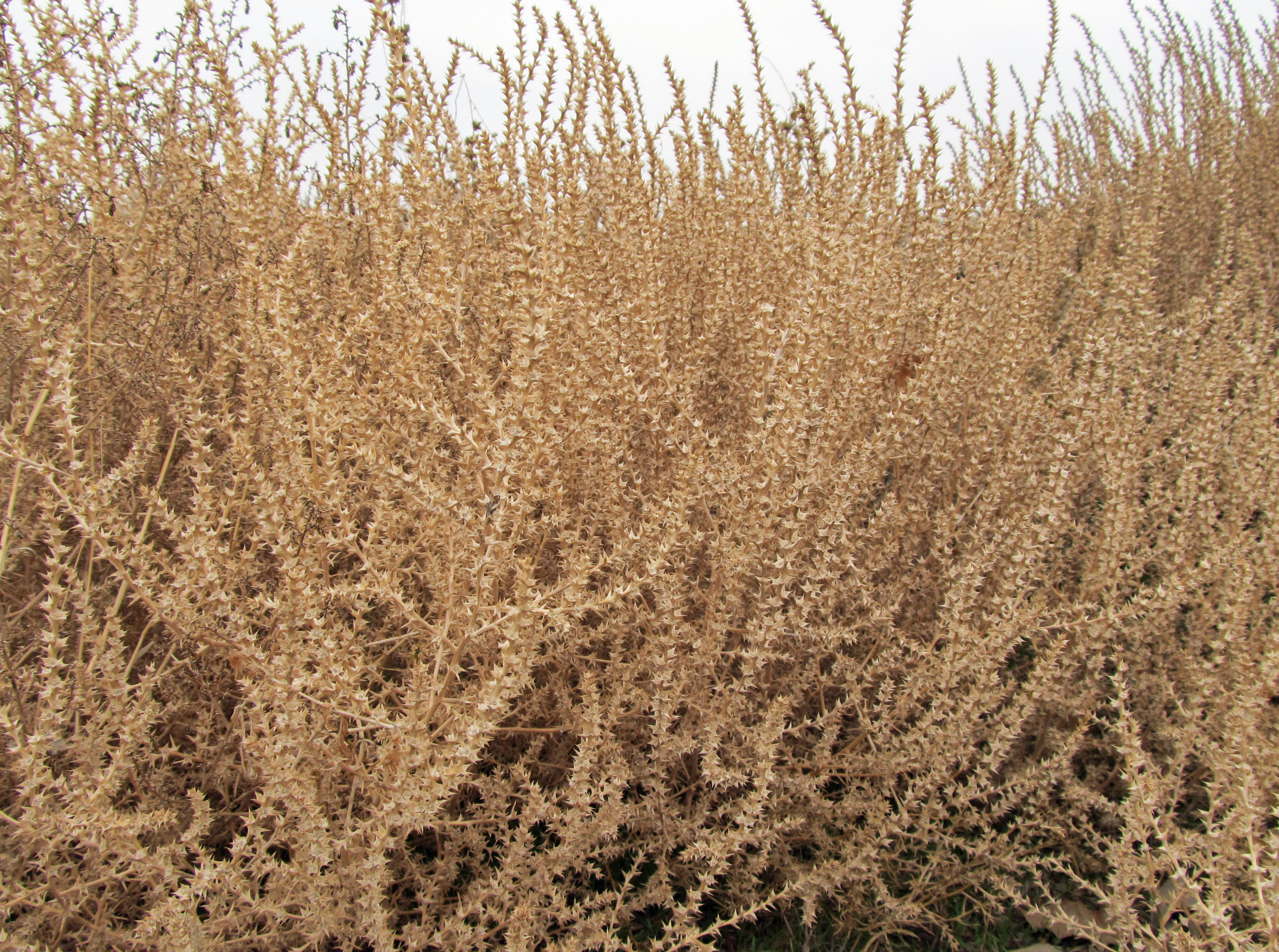
Russian thistle (Kali tragus, syn. Salsola tragus)

Russian thistle (Kali tragus, syn. Salsola tragus)

redstem filaree (Erodium cicutarium)

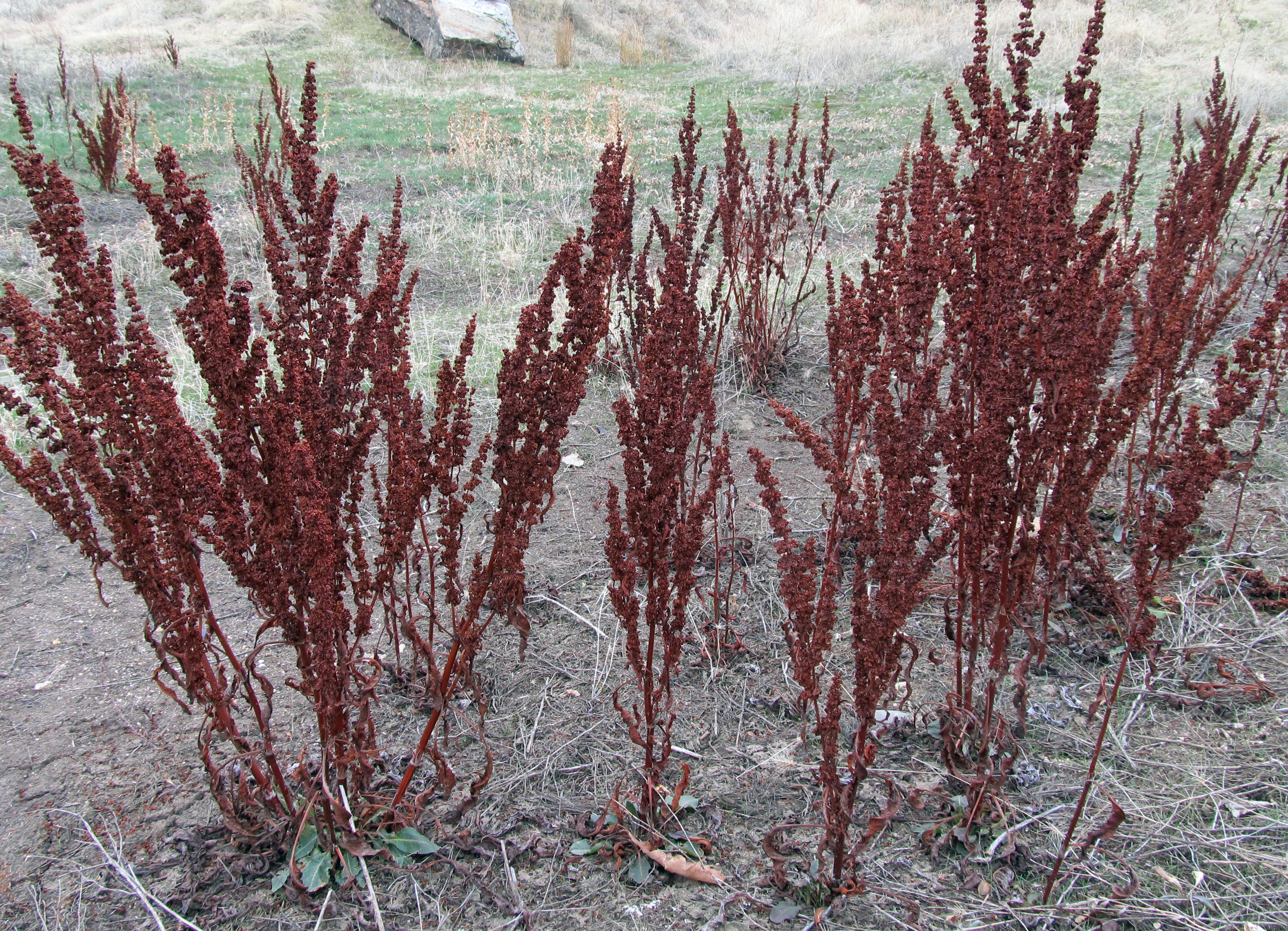
curly dock (Rumex crispus)

curly dock (Rumex crispus)

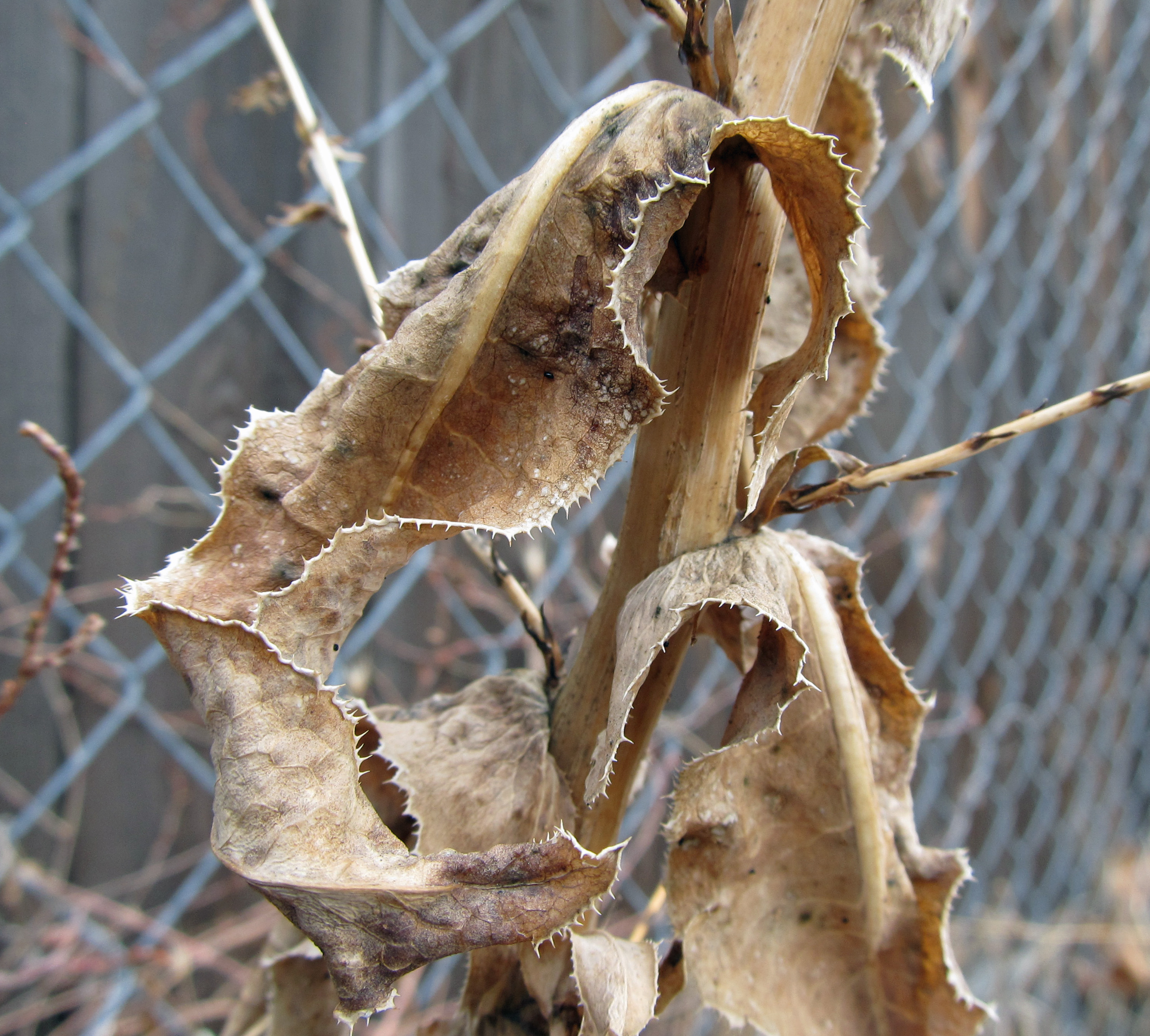
prickly lettuce (Lactuca serriola)

salsify (Tragopogon dubius)

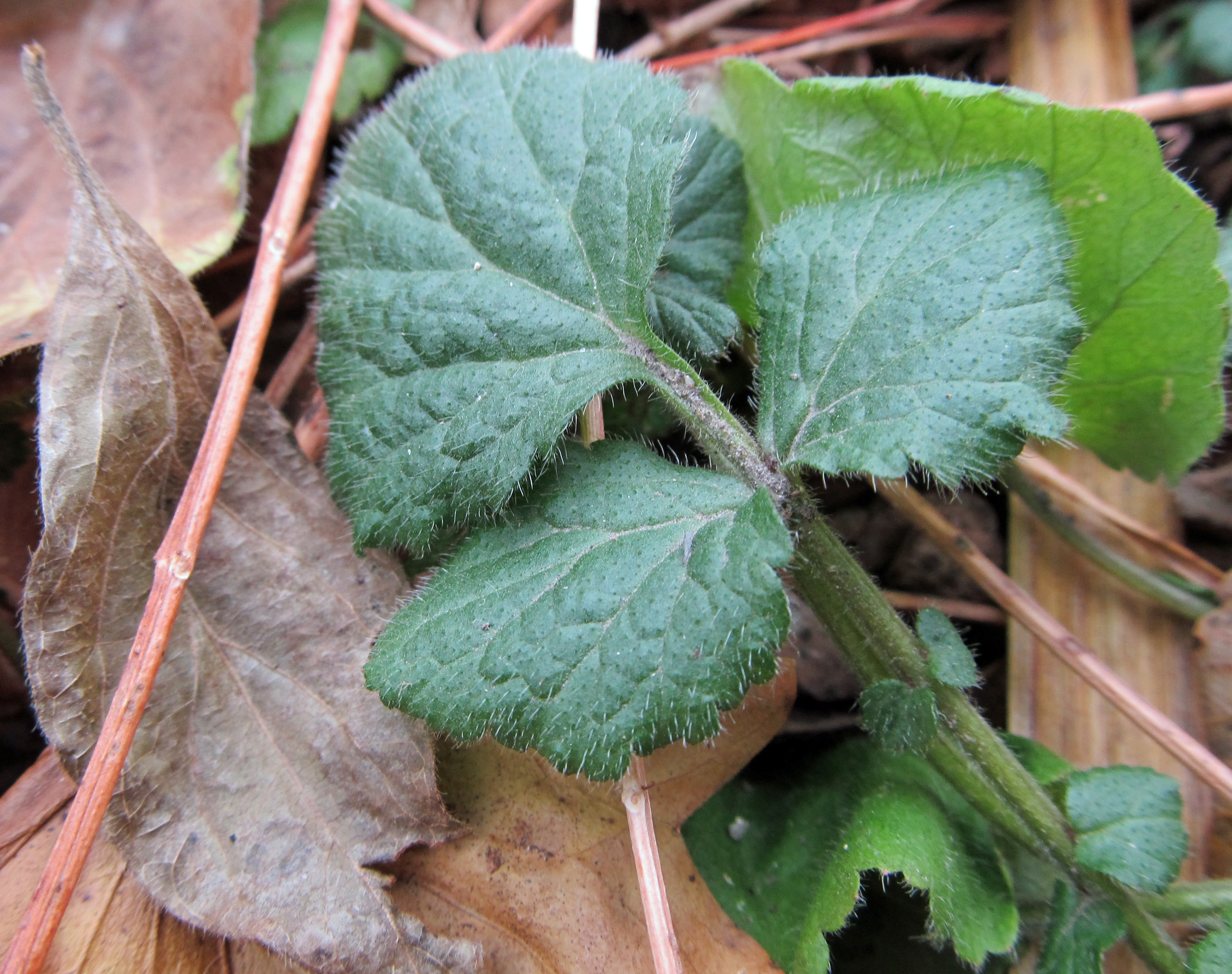
wood avens (Geum urbanum)

yellow evening primrose (Oenothera biennis)

annual honesty, a.k.a. money plant (Lunaria annua)

white clover (Trifolium repens)

———————

A friendly reminder: Refrain from being overly ambitious with your fall cleanup and, instead, leave certain plants in place. This not only provides winter interest but can also be beneficial to the wild creatures we share space with.


Highlights from the Alaska Invasive Species Workshop

This October 24-26th I was in Anchorage, Alaska for the 18th annual Alaska Invasive Species Workshop. The workshop is organized by the Committee for Noxious and Invasive Pests Management and University of Alaska Fairbanks Cooperative Extension. It is a chance for people involved in invasive species management in Alaska – or just interested in the topic – to learn about the latest science, policies, and management efforts within the state and beyond. I am not an Alaska resident – nor had I ever been there until this trip – but my sister lives there, and I was planning a trip to visit her and her family, so why not stop in to see what’s happening with invasive species while I’m at it?

What follows are a few highlights from each of the three days.

Day One

The theme of the workshop was “The Legacy of Biological Invasions.” Ecosystems are shaped by biotic and abiotic events that occurred in the past, both recent and distant. This is their legacy. Events that take place in the present can alter ecosystem legacies. Invasive species, as one speaker said in the introduction, can “break the legacy locks of an ecosystem,” changing population dynamics of native species and altering ecosystem functions for the foreseeable future. Alaska is one of the few places on earth that is relatively pristine, with comparably little human disturbance and few introduced species. Since they are at an early stage in the invasion curve for most things, Alaska is in a unique position to eradicate or contain many invasive species and prevent future introductions. Coming together to address invasive species issues and protect ecosystem legacies will be part of the human legacy in Alaska.

The keynote address was delivered by Jamie Reaser, Executive Director of the National Invasive Species Council and author of several books. She spoke about the Arctic and its vulnerability to invasive species due to increased human activity, climate change, and scant research. To address this and other issues in the Arctic, the Arctic Council put together the Arctic Biodiversity Assessment, and out of that came the Arctic Invasive Alien Species Strategy and Action Plan. Reaser shared some thoughts about how government agencies and conservation groups can come together to share information and how they can work with commercial industries to address the threat of invasive species. She stressed that Alaska can and should play a leadership role in these efforts.

Later, Reaser gave a presentation about the National Invasive Species Council, including its formation and some of the work that it is currently doing. She emphasized that invasive species are a “people issue” – in that the actions and decisions we make both create the problem and address the problem – and by working together “we can do this.”

Day Two

Most of the morning was spent discussing Elodea, Alaska’s first invasive, submerged, freshwater, aquatic plant. While it has likely been in the state for a while, it was only recognized as a problem within the last decade. It is a popular aquarium plant that has been carelessly dumped into lakes and streams. It grows quickly and tolerates very cold temperatures, photosynthesizing under ice and snow. It propagates vegetatively and is spread to new sites by attaching itself to boats and float planes. Its dense growth can crowd out native vegetation and threaten fish habitat, as well as make navigating by boat difficult and landing float planes dangerous. Detailed reports were given about how organizations across the state have been monitoring and managing Elodea populations, including updates on how treatments have worked so far and what is being planned for the future. A bioeconomic risk analysis conducted by Tobias Schwörer was a featured topic of discussion.

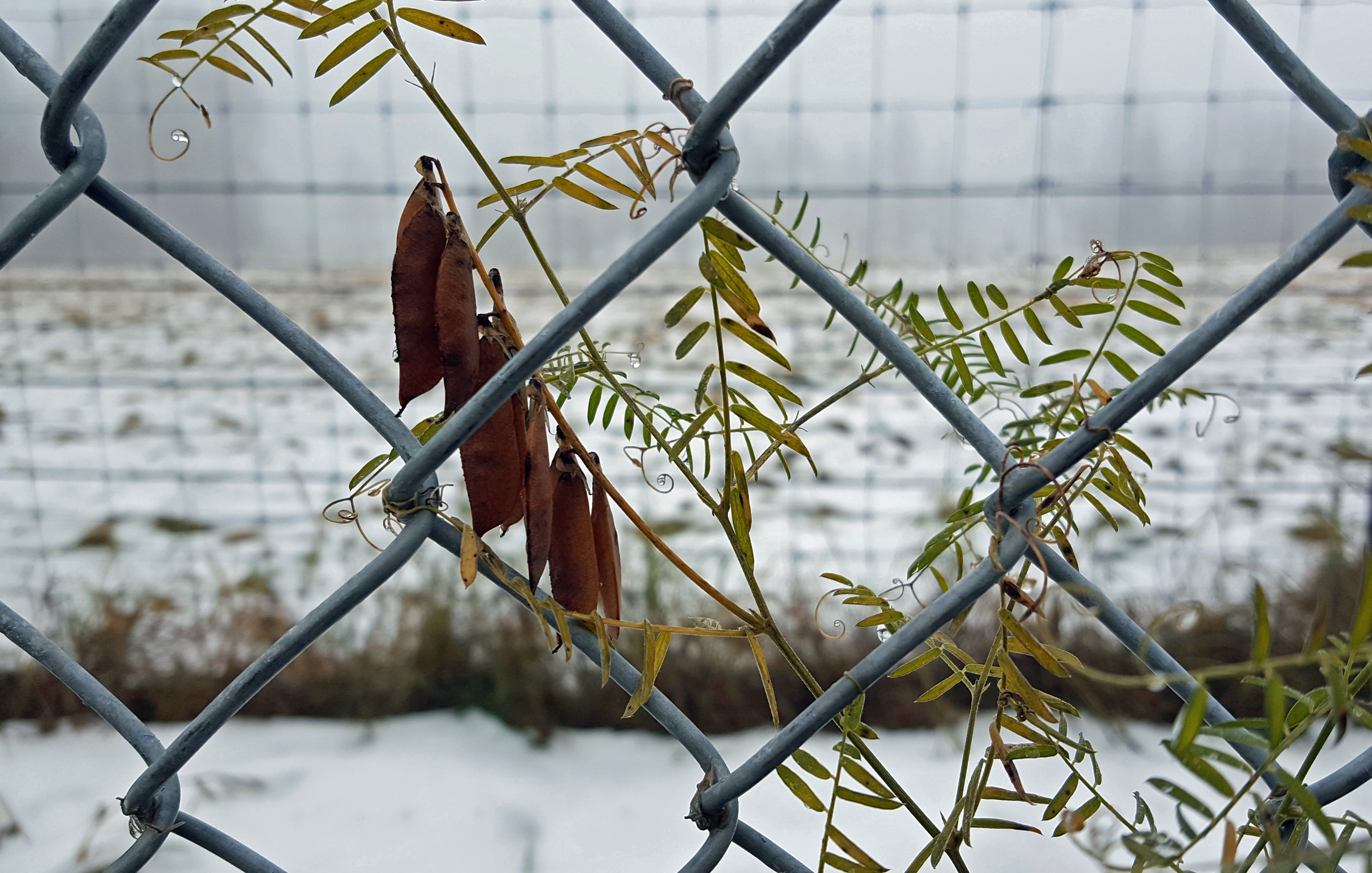
After lunch I took a short break from the conference to walk around downtown Anchorage, so I missed a series of talks about environmental DNA. I returned in time to hear an interesting talk about bird vetch (Vicia cracca). Introduced to Alaska as a forage crop, bird vetch has become a problematic weed on farms, orchards, and gardens as well as in natural areas. It is a perennial vine that grows quickly, produces copious seeds, and spreads rhizomatously. Researchers at University of Alaska Fairbanks found that compared to five native legume species, bird vetch produced twice the amount of biomass in the presence of both native and non-native soil microbes, suggesting that bird vetch is superior when it comes to nitrogen fixation. Further investigation found that, using only native nitrogen-fixing bacteria, bird vetch produced significantly more root nodules than a native legume species, indicating that it is highly effective at forming relationships with native soil microbes. Additional studies found that the ability of bird vetch to climb up other plants, thereby gaining access to more sunlight and smothering host plants, contributed to its success as an invasive plant.

 Seed pods of bird vetch (Vicia cracca) in Fairbanks, Alaska

Day Three

The final day of the workshop was a veritable cornucopia of topics, including risk assessments for invasive species, profiles of new invasive species, updates on invasive species control projects, discussions about early detection and rapid response (EDRR), and talks about citizen science and community involvement. My head was swimming with impressions and questions. Clearly there are no easy answers when it comes to invasive species, and like other complex, global issues (made more challenging as more players are involved), the increasingly deep well of issues and concerns to resolve is not likely to ever run dry.

Future posts will dig further into some of the discussions that were had on day three. For now, here are a few resources that I gathered throughout the workshop:

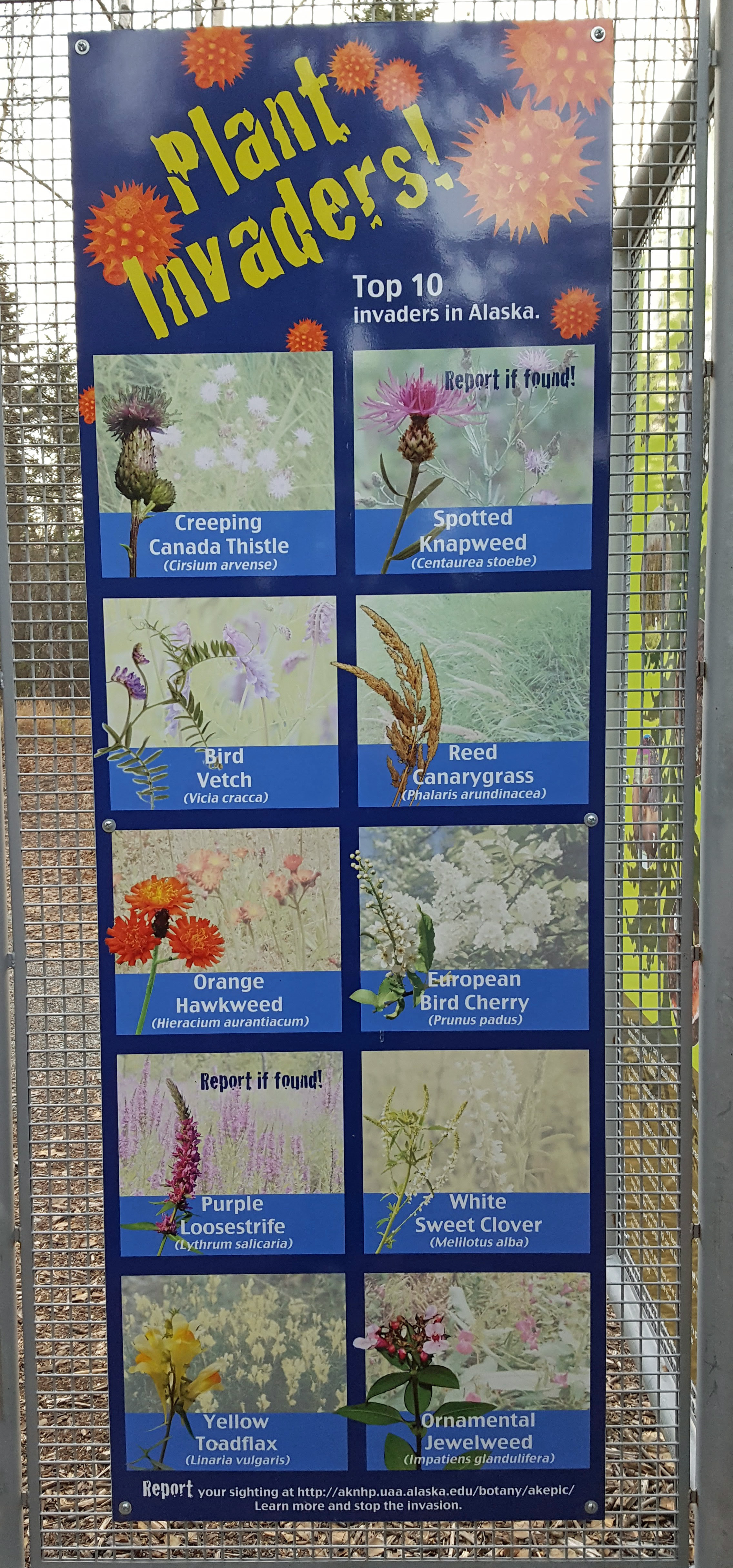
Interpretive sign at Alaska Botanical Garden in Anchorage, Alaska

Managing Spontaneous Urban Plants for Improved Aesthetics

As discussed last week, our wild, urban flora is a cosmopolitan mixture of plants that were either native to the area before it was developed, introduced from all corners of the world on purpose or by accident, or brought in by migrating wildlife. These are plants capable of establishing and sustaining themselves outside of human cultivation and management, and are found in abundance beyond the borders of our tidy gardens and manicured landscapes. They vegetate sectors of our city that have been abandoned, overlooked, or routinely neglected. Given enough time – and prolonged lack of intervention – such vegetation will proceed along the process of ecological succession in the same way that plant communities in natural areas do. And just like other plant communities within their respective ecosystems, these wild, urban plant communities provide a suite of ecological services vital to the health of our urban ecosystems.

Peter Del Tredici writes in Wild Urban Plants of the Northeast, “landscapes that include spontaneous vegetation fit the technical definition of sustainable in the sense that they are adapted to the site, require minimal maintenance, and are ecologically functional.” In an interview with Scenario Journal, Del Tredici goes on to define sustainability as “the value of the services provided by the ecosystem divided by the cost required to maintain that ecosystem.” Spontaneous urban landscapes offer “substantial ecological services at relatively low cost, or in some cases no cost,” and thus, by Del Tredici’s definition, they are “highly sustainable.”

There is one unfortunate downside – “weedy” landscapes like this are, by popular opinion, thoroughly unattractive and a sign of urban decay. This belief is held in spite of the fact that many of the plants found therein would be cherished or admired in other settings. Among deteriorating infrastructure, litter, and less attractive plants, some of our favorite plants are rendered guilty by association.

Despite their ecological benefits, abandoned areas vegetated with wild, urban plants are not favored by the public. So, to appease our aesthetic standards, sites like this can be enhanced through minimal intervention to be more attractive while retaining their ecological functions. In a paper published in a 2006 issue of Journal of Landscape Architecture, Norbert Kühn asserts that “to use spontaneous vegetation for ornamental purposes, a kind of enhancement or design work is necessary.” Species can be added and removed, and simple, infrequent maintenance measures can be implemented. Examples include extending the flowering season with spring flowering bulbs and mowing the area once or twice annually to maintain and improve the composition of the stand.

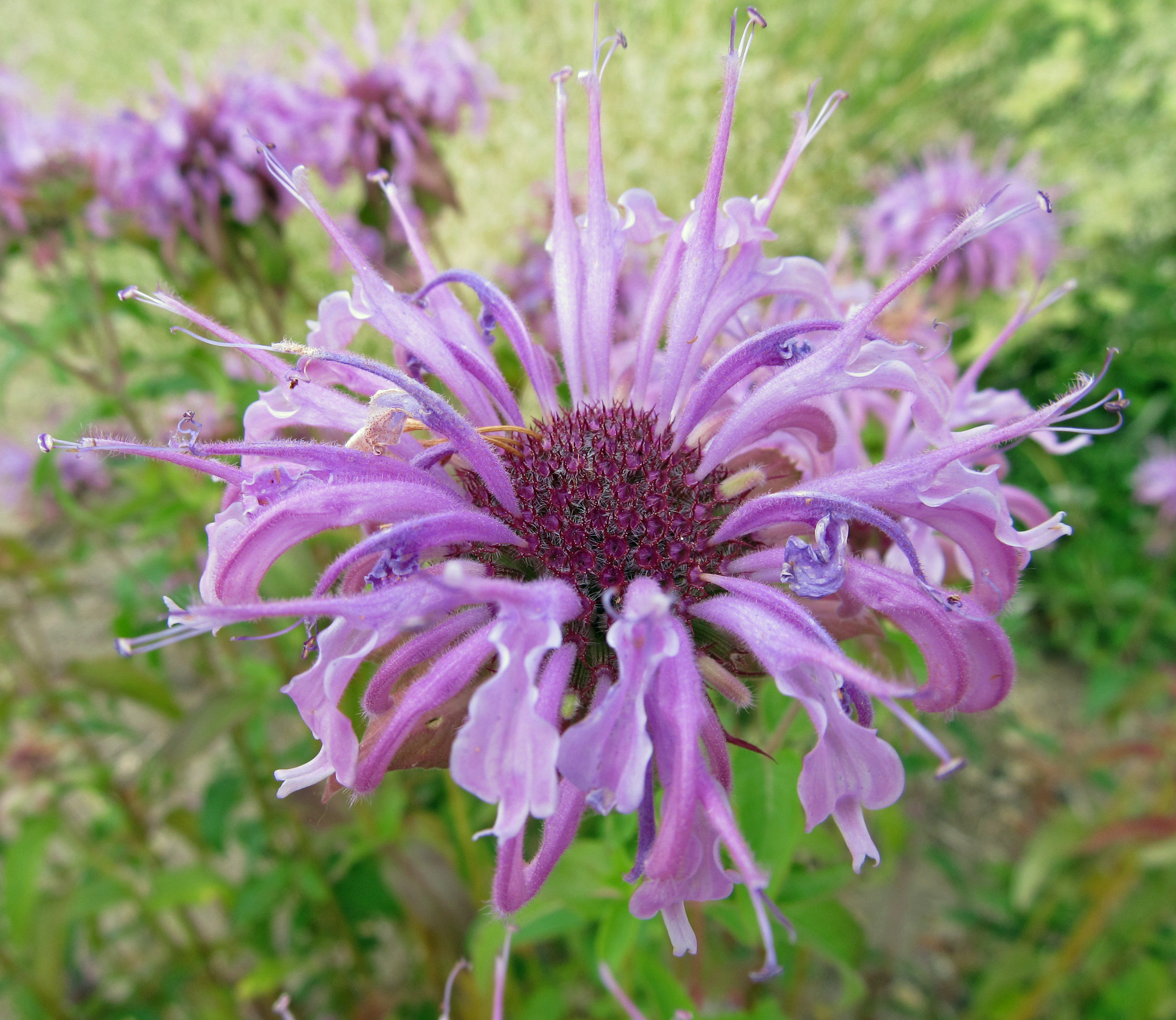
Wild bergamot (Monarda fistulosa) – one of the plants that Norbert Kühn included in his study as a candidate for improving the aesthetics of spontaneous, urban plant communities.

Favoring attractive weeds over less attractive ones and using minimal maintenance to improve aesthetics and function are the principles behind Del Tredici’s “cosmopolitan urban meadow.” In his book, he lists some criteria for plants that would be suitable for “this novel landscape form,” including: erosion control (long-lived; vegetatively spreading), stress tolerance (full sun; drought; compacted and polluted soil), aesthetic value (ornamental characteristics; not “weedy” looking), wildlife friendly (attractive to pollinators; edible seeds), and commercially available.

In an article in Harvard Design Magazine, Del Tredici and Michael Luegering describe the cosmopolitan urban meadow as “a stable assemblage of stress-tolerant, low-maintenance herbaceous perennial plants that are preadapted to harsh urban conditions and that will provide an attractive vegetation cover on vacant land.” Whether it is a “long-term landscape feature” or a placeholder until future development, it will have “the capacity to increase the aesthetic and ecological value of vacant land without the investment of large sums of money typically required for the installation and maintenance of traditional managed landscapes.”

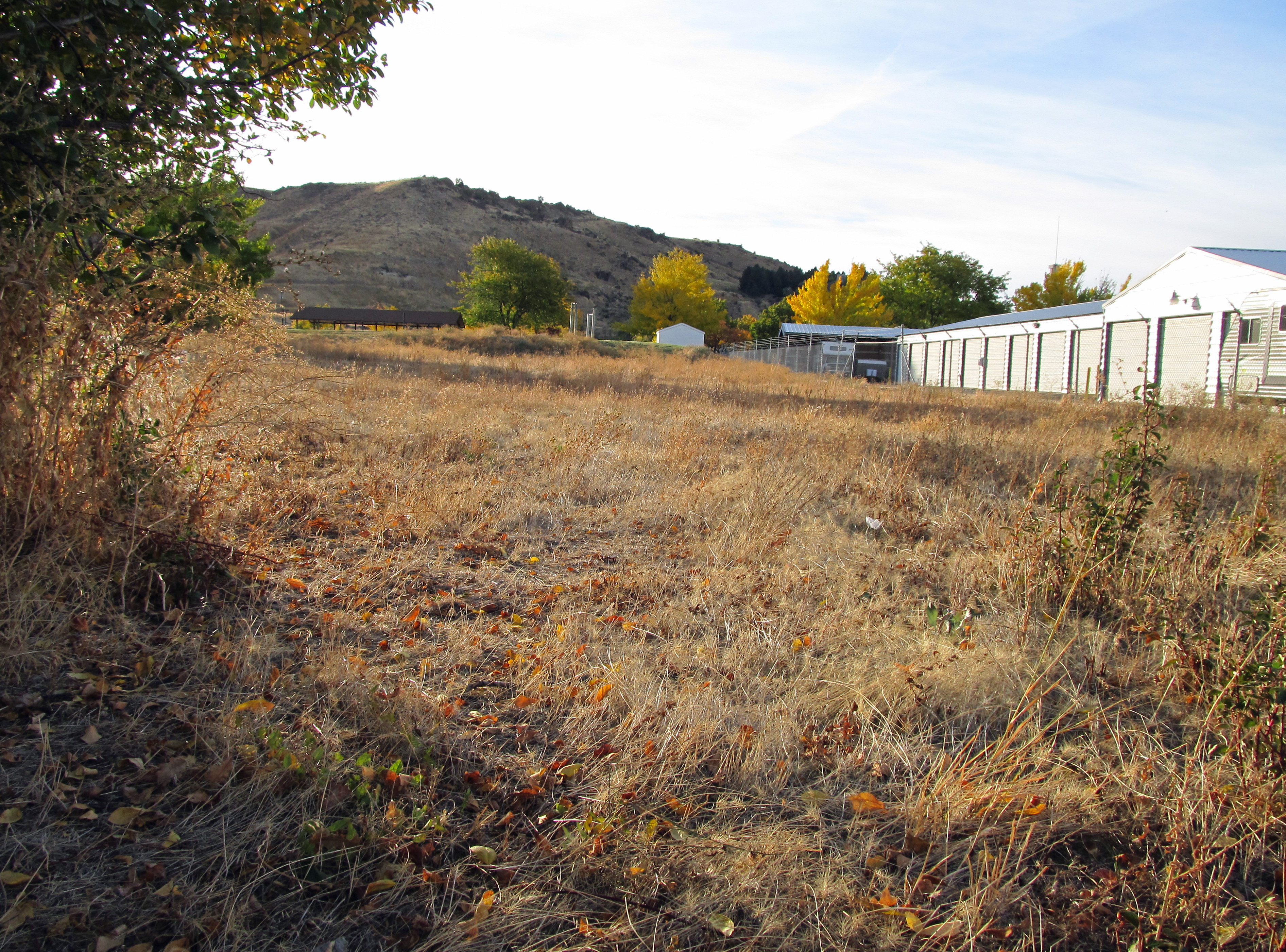
Abandoned or undeveloped, urban lots like this one are ideal sites for “cosmopolitan urban meadows.”

In an urban context, some plant species are particularly noxious and may need to be removed from urban meadows, such as ragweed (Ambrosia spp.) for its allergens and poison ivy (Toxicodendron radicans) for its Urushiol-induced contact dermatitis. Species with a history of being invasive should also be avoided and contained, particularly in sites that are adjacent to or within a short distance from natural areas. Despite this and other minor concerns, spontaneous vegetation has great potential. In Kühn’s words it is “authentic” and a “reminder of the history of the site,” it is part of “the natural dynamic” with potential to bring us “closer to nature,” and finally, “it can be maintained for a long time [with] less care and low costs.”

Finding beauty in these urban, wild landscapes might even cause a shift in what we find appropriate for cultivated landscapes. In her book, Grow Curious, Gayla Trail reminds us that, despite all of our efforts, wildness persists even in our most earnest attempts to subdue it. Perhaps we should embrace it:

‘Wild’ and ‘cultivated’ are social constructs that we place in opposition to each other, when in reality there is a knotty labyrinth between them. We subjugate our cities and our gardens with chemicals and artifice because we are unable to see that wild and cultivated can be entwined, can be all at once tended, lyrical, surprising, domesticated, irrational, functional, and free.

———————

See Also: Arnold Arboretum’s Cosmopolitan Meadow at Weld Hill

Is There a Place for Weeds in Urban Ecosystems?

Highly urbanized areas have a long history of disturbance. They are a far cry from the natural areas they once displaced, bearing little resemblance to what was there before. In this sense, they are a brand new thing. During the urbanization process, virtually everything is altered – temperatures, soils, soil life, wind patterns, hydrology, carbon dioxide levels, humidity, light availability, nutrients. Add to that a changing climate and increased levels of a variety of  pollutants, and the hope of ever seeing such a site return to its original state – whatever that might mean – is crushed.

What then should we consider the natural flora of an ecosystem like this? Certainly it is not simply the native flora that once stood on the site before it was developed; virtually none of the conditions are the same anymore. If we define “natural” as existing with minimal human intervention, then the natural urban flora would be whatever grows wild outside of our manicured landscapes and managed, remnant natural areas. It would be a cosmopolitan mixture of plants that have joined us in our migrations with and without our permission, along with a collection of species that are either extant to the site or have been brought in by wildlife. In many ways it would mirror the human populations of our modern cities – an assortment of residents from around the globe with diverse backgrounds and cultural histories.

In Wild Urban Plants of the Northeast, Peter Del Tredici classifies urban land into three general categories based on their ecological functions: native, remnant landscapes; managed, constructed landscapes; and ruderal, adaptive landscapes. Native, remnant landscapes are generally small areas within city limits that have never been developed. They contain a portion of the native plants that once populated the area, and they require vigilant and regular maintenance to keep non-native plants from invading and to control those that already have. Managed, constructed landscapes include all of the parks and gardens that have been designed and intentionally planted. They require regular maintenance of varying intensity in order to keep them looking the way they are intended to look. Ruderal, adaptive landscapes are abandoned or neglected sites that are populated by plants that have arrived on their own and that maintain themselves with virtually no human intervention. This is where the true, wild urban flora resides.

Prickly lettuce (Lactuca serriola) growing in an abandoned lot.

Many of the plants that make up our wild urban flora are what we commonly refer to as weeds. These weedy plants appear in landscapes throughout our cities, but efforts are generally made to remove or control them in all landscapes except the abandoned ones. It is in these neglected sites that weeds have the greatest potential to provide vital ecosystem services, performing ecological functions that are beneficial to urban life.
Not all plants are suited for this role. Spontaneous urban vegetation is particularly suited due to its ability to thrive in highly modified, urban environments without external management. Regardless of provenance, this suite of plants, as Del Tredici writes, seem to be “preadapted” to urban conditions and “are among the toughest on the planet.” A long list of traits has been identified for plants in this category, ranging from seed dispersal and viability to speed of growth and reproduction to tolerance of harsh conditions. In Del Tredici’s words, “a successful urban plant needs to be flexible in all aspects of its life history from seed germination through flowering and fruiting, opportunistic in its ability to take advantage of locally abundant resources that may be available for only a short time, and tolerant of the stressful growing conditions caused by an abundance of pavement and a paucity of soil.”

Abandoned lots flush with weeds, overgrown roadsides and railways, and neglected alleyways colonized by enterprising plants are generally seen as ugly, unsightly eyesores – products of neglect and decline. Some of the plants found in such locations are valued in a garden setting or prized as part of the native landscape in a natural area, but growing wildly among trash and decaying urban infrastructure they, too, are refuse. As Richard Mabey has written: “If plants sprout through garbage they become a kind of litter themselves. Vegetable trash.”

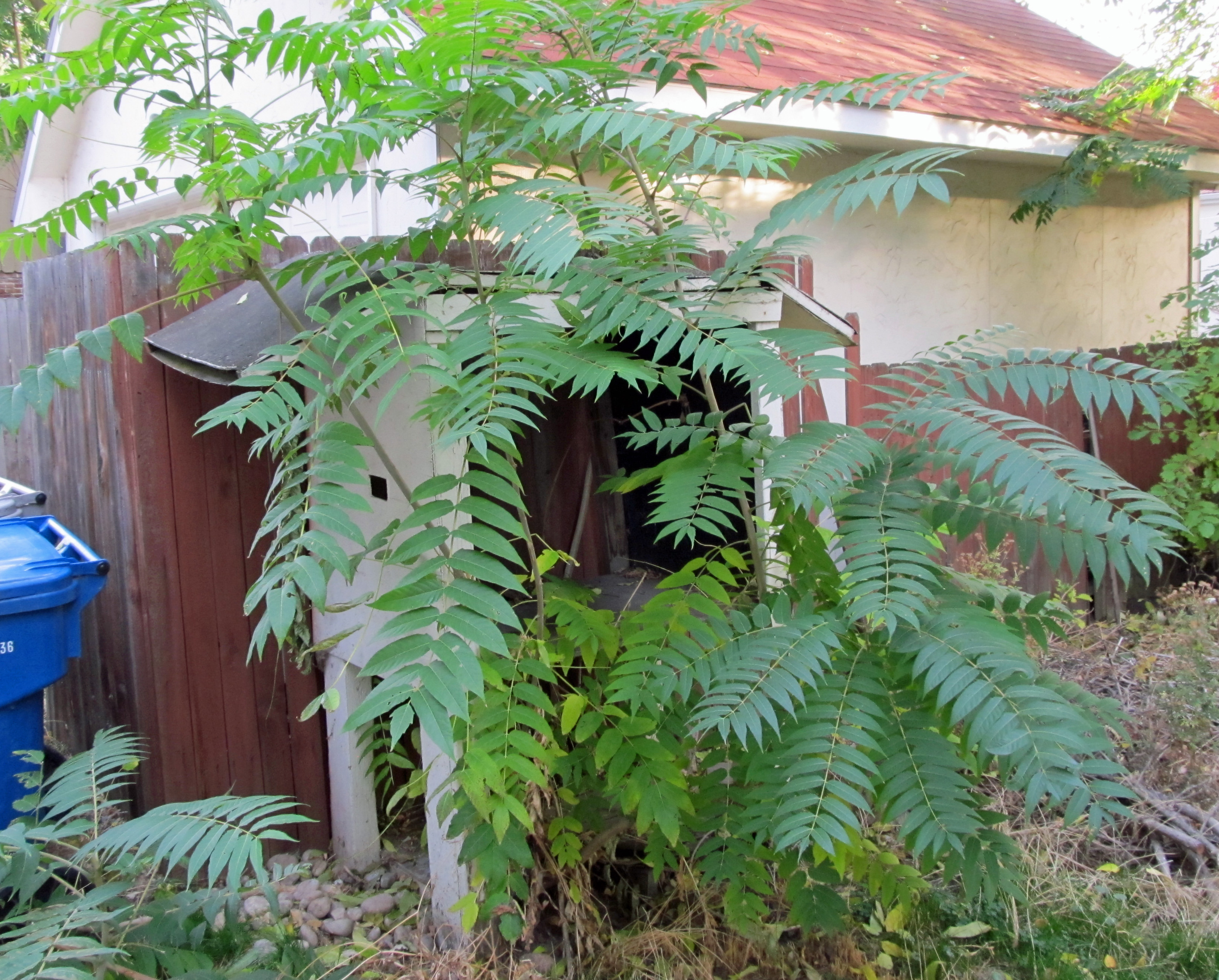
Abandoned chicken coop overtaken by tree of heaven saplings (Ailanthus altissima).

Despite how we feel about these plants or the aesthetics of the locations they find themselves in, they are performing valuable services. Along with increasing biodiversity, producing oxygen, and sequestering carbon – services that virtually all plants offer – they may be preventing soil erosion, stabilizing waterways, absorbing excess nutrients, reducing the urban heat island effect, mitigating pollution, building soil, and/or providing food and habitat for urban wildlife. While cultivated and managed landscapes can achieve similar things, these neglected sites are doing so without resource or labor inputs. They are sustainable in the sense that their ability to provide these services is ongoing without reliance on outside maintenance.

Sites like these should be further investigated to determine the full extent of the services that they may or may not be offering, and in the event that they are doing more good than harm, they should be conserved and encouraged. One service that is receiving more attention, as Del Tredici writes, is phytoremediation – “the ability of some plants to clean up contaminated sites by selectively absorbing and storing high concentrations of heavy metals such as cadmium, lead, copper, zinc, chromium, and nickel in their tissues.” Weed species with this ability include prickly lettuce (Lactuca serriola), lambsquarters (Chenopodium album), and mugwort (Artemisia vulgaris). In an article in Places Journal, Del Tredici gives the example of the often despised, introduced plant, common reed (Phragmites australis) cleaning up the New Jersey Meadowlands by “absorbing abundant excess nitrogen and phosphorous throughout this highly contaminated site.”

In the book, Weeds: In Defense of Nature’s Most Unloved Plants, Richard Mabey writes: “As we survey our long love-hate relationship with [weeds], it may be revealing to ponder where weeds belong in the ecological scheme of things. They seem, even from the most cursory of looks, to have evolved to grow in unsettled earth and damaged landscapes, and that may be a less malign role than we give them credit for.” Perhaps seeing them in this worthy role will temper our knee-jerk inclination to demonize them at every turn.

———————

See Also: Our Urban Planet and Wild Urban Plants of Boise.

Concluding the Summer of Weeds

“Most weeds suffer from a bad rap. Quite a few of the weeds in your garden are probably edible or even medicinal. Some invasive plants, including horsetail and nettle, are rich in minerals and can be harvested and used as fertilizer teas. Weeds with deep taproots, such as dandelions, cultivate the soil and pull minerals up to the surface. … Weeds are nature’s way to cover bare soil. After all, weeds prevent erosion by holding soil and minerals in place. Get to know the weeds in your area so you can put them to use for rather than against you.” — Gayla Trail, You Grow Girl

Great Piece of Turf by Albrecht Dürer (photo credit: wikimedia commons)

With summer drawing to a close, it is time to conclude the Summer of Weeds. That does not mean that my interest in weeds has waned, or that posts about weeds will cease. Quite the opposite, actually. I am just as fascinated, if not more so, with the topic of weeds as I was when this whole thing started. So, for better or worse, I will much have more to say on the subject.

In fact, I am writing a book. It is something I have been considering doing for a long time now. With so many of my thoughts focused on weeds lately, it is becoming easier to envision just what a book about weeds might look like. I want to tell the story of weeds from many different angles, highlighting both their positive and negative aspects. There is much we can learn from weeds, and not just how best to eliminate them. Regardless of how you feel about weeds, I hope that by learning their story we can all become better connected with the natural world, and perhaps more appreciative of things we casually dismiss as useless, less quick to jump to conclusions or render harsh judgments about things we don’t fully understand, and more inclined to investigate more deeply the stories about nature near and far.

Of course, I can’t do this all by myself. I will need your help. If you or someone you know works for or against weeds in any capacity, please put us in touch. I am interested in talking to weed scientists, invasive species biologists, agriculturists and horticulturists, edible weed enthusiasts, plant taxonomists, natural historians, urban ecologists, gardeners of all skill levels, and anyone else who has a strong opinion about or history of working with weeds. Please get in touch with me in one of several ways: contact page, Facebook, Twitter, Tumblr, or by commenting below.

Another way you can help is by answering the following poll. If there is more than one topic you feel particularly passionate about, feel free to answer the poll as many times as you would like; just wait 24 hours between each response. Thank you for your help! And I hope you have enjoyed the Summer of Weeds.

Quick Guide to the Summer of Weeds: