Why has this blog been so quiet lately? There are plenty of excuses for that. It doesn’t really matter either way, but since we’re on the subject, one thing that has kept me occupied recently is being back in school. I’m working on a certificate in GIS, and I’m hoping to make some cool maps. More on that later perhaps.
For now, I thought I’d share one of my final projects. I figured it was a good excuse to use something I’ve already been working on – namely, Weeds of Boise – and apply it to one of my GIS classes. If you’ve been following Weeds of Boise, not much here will be new. Except the interactive maps!
Using observations from iNaturalist, I created three different maps of weeds found around Boise. I published them, using ArcGIS StoryMaps, alongside more of my usual pontificating about weeds and urban areas, etc. The maps aren’t perfect, but they opened up some interesting possibilities for what Weeds of Boise might become. Something to explore further in the future.
Boise’s summers are decidedly hot and dry. Months can pass without any measurable precipitation, meanwhile temperatures regularly peak in the 90’s. In the heat of the summer, multiple days in a row above 100 degrees Fahrenheit is not unheard of. Under these conditions, irrigation is a must if you intend to keep plants alive, particularly plants not adapted to our climate. Skipping out on watering or having something go awry with the irrigation system quickly becomes noticeable as the soil goes bone dry and plants begin to wither away. If this goes on for too long, many plants will not recover, including established trees and shrubs. However, the toughest plants among us, particularly the weeds, will move in to take their place.
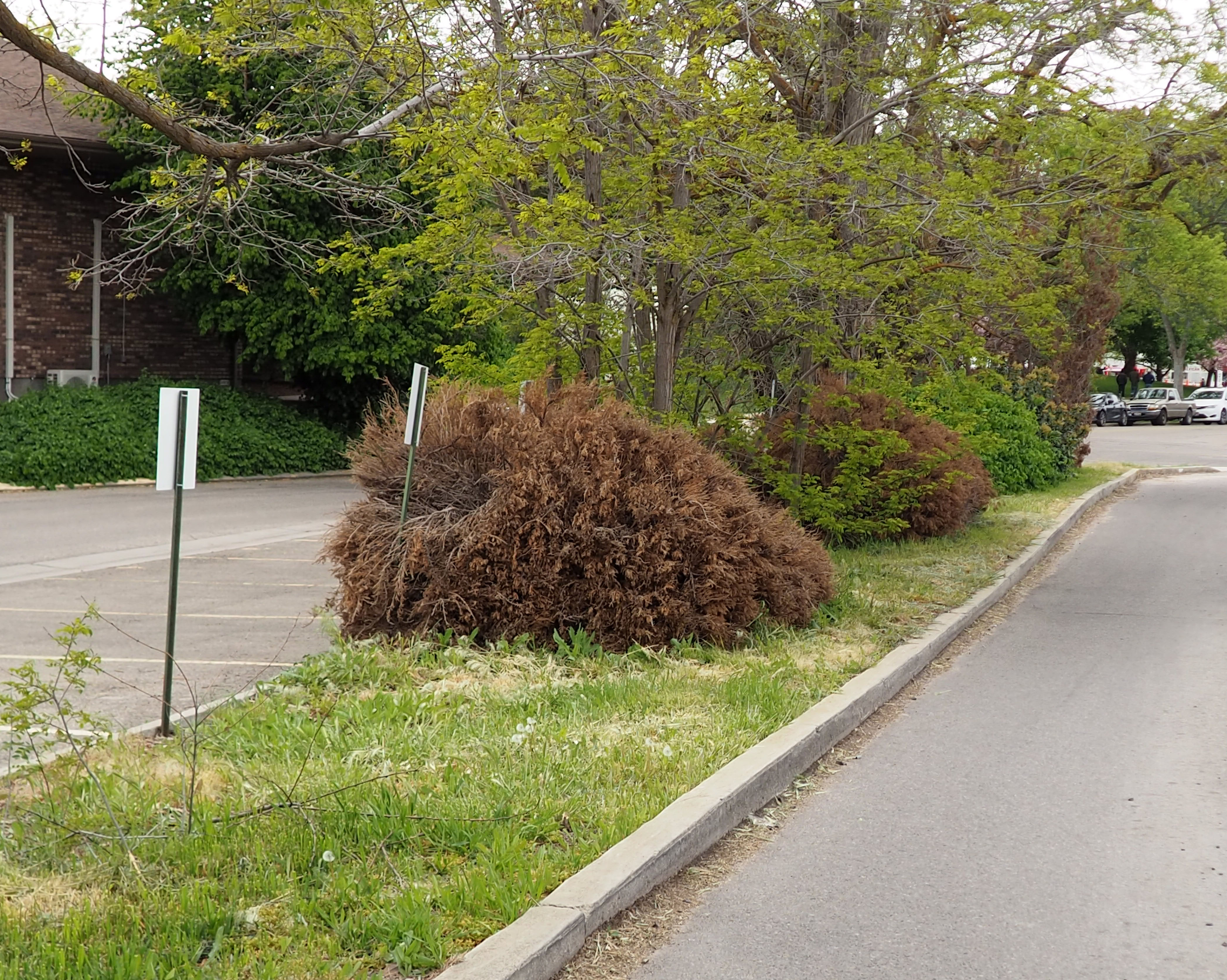
You can see an example of this at the United States Postal Service building at 13th Street and Shoreline Lane in Boise, Idaho. The islands in the parking lot are not being watered, which has clearly been the case for quite some time because even the trees and shrubs are dying off. Apart from occasional mowing, very little maintenance is occurring, and our wild urban flora is about all that remains.
parking lot island at the corner of 13 Street and Shoreline Lane
Parking lots are not ideal locations for growing plants. Asphalt and cement dominate – two major contributors to the urban heat island effect – and automobile pollution is concentrated on account of all the cars coming and going on a regular basis. Many parking lots include islands where plants (often poorly maintained), along with other features like signs and lights, are placed. In general, these islands are far too small for trees, but trees are planted nonetheless in a desperate attempt to shade these formidable environments. In locations where snow is common, the snow from parking lots is often piled up on these islands to clear room for cars, while road salts and other ice melts are heavily applied in order to keep people and cars from sliding around. Parking lot plants have to endure all this and more, so it’s no surprise that they usually look pretty rough.
The stresses of added heat, pollution, trampling, and poor care are enough for plants to put up with. Cut off their irrigation supply, and parking lot plants are sure to give up the ghost. A situation like this is an excellent place to familiarize yourself with your wild urban flora. Many weeds seemingly have no problem tolerating these conditions. To demonstrate this, I inventoried the weeds found in neglected parking lot islands at the post office on 13th Street and Shoreline Lane. What follows are a few photos and a list of the weeds I’ve identified so far. Like all posts in the Weeds of Boise series, this list may be updated as I continue to check back in on this location.
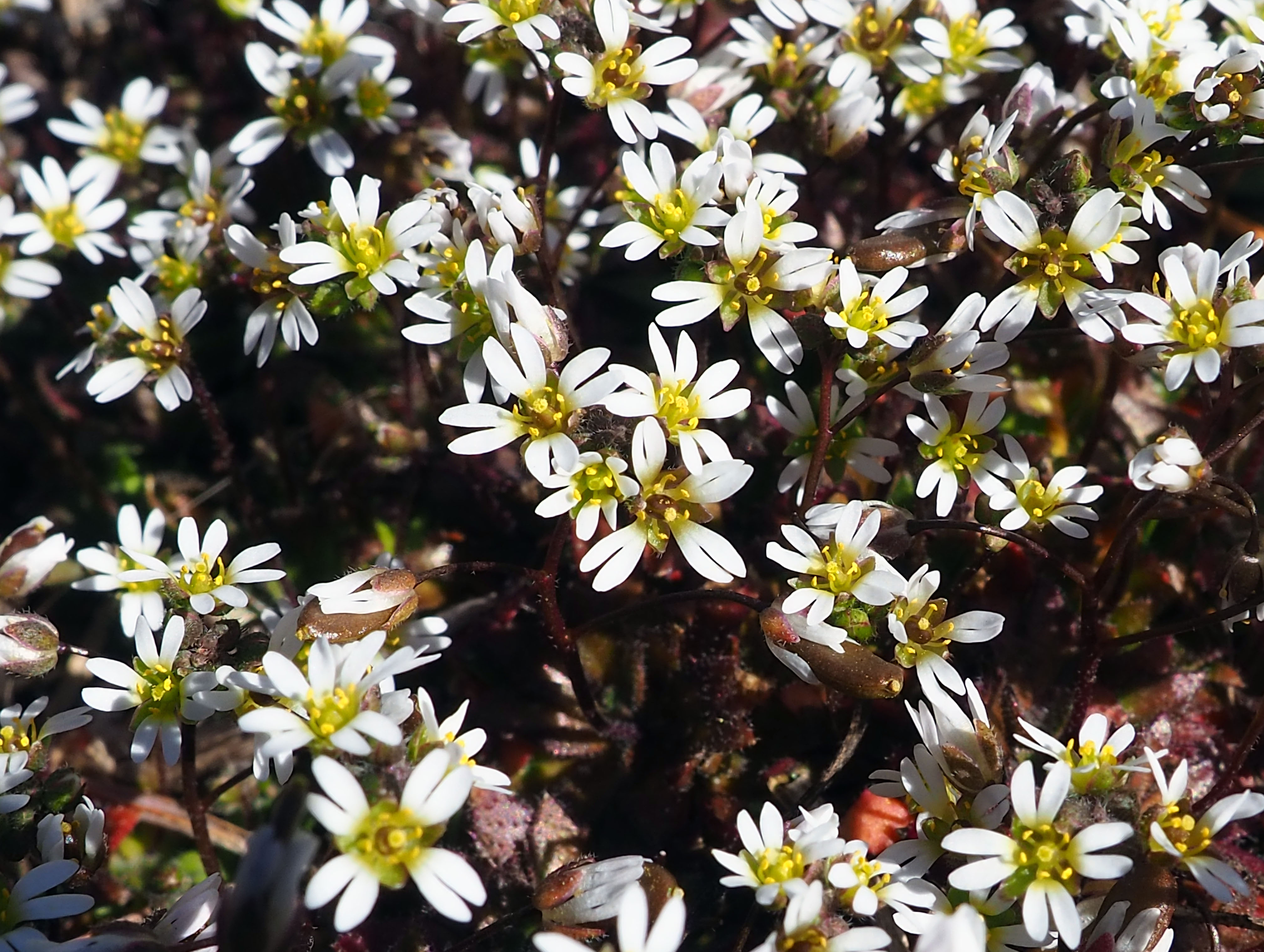
spring draba (Draba verna)
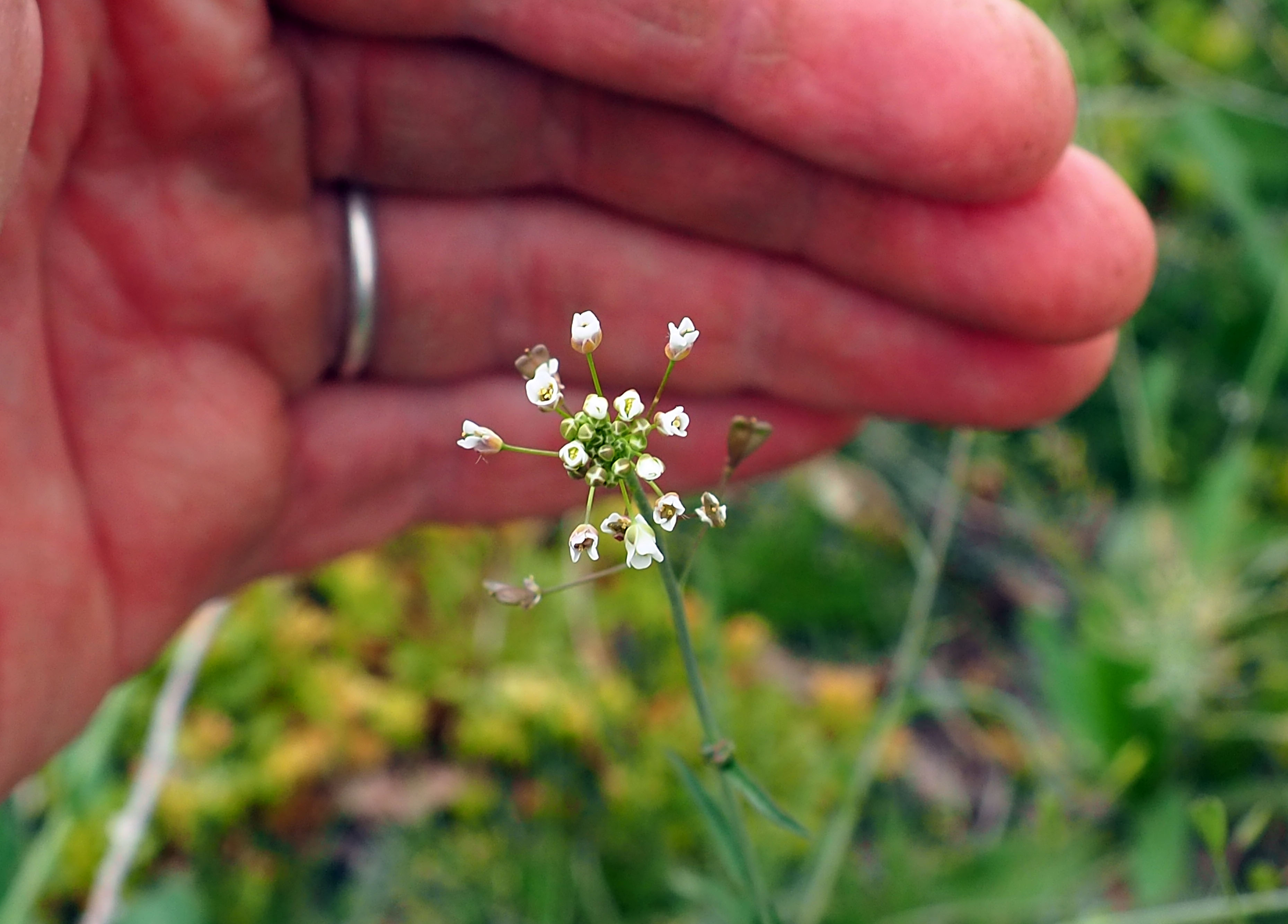
shepherd’s purse(Capsella bursa-pastoris)
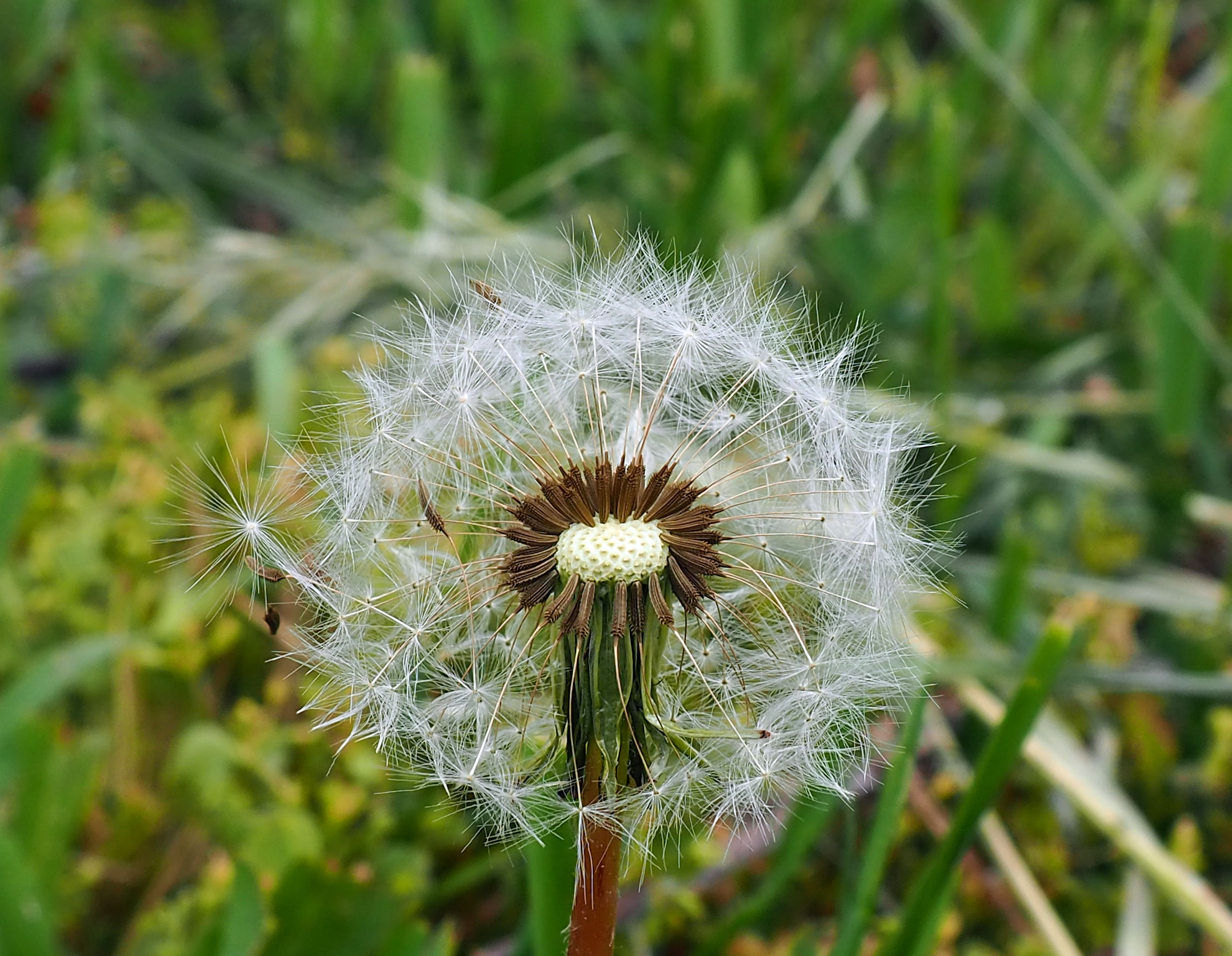
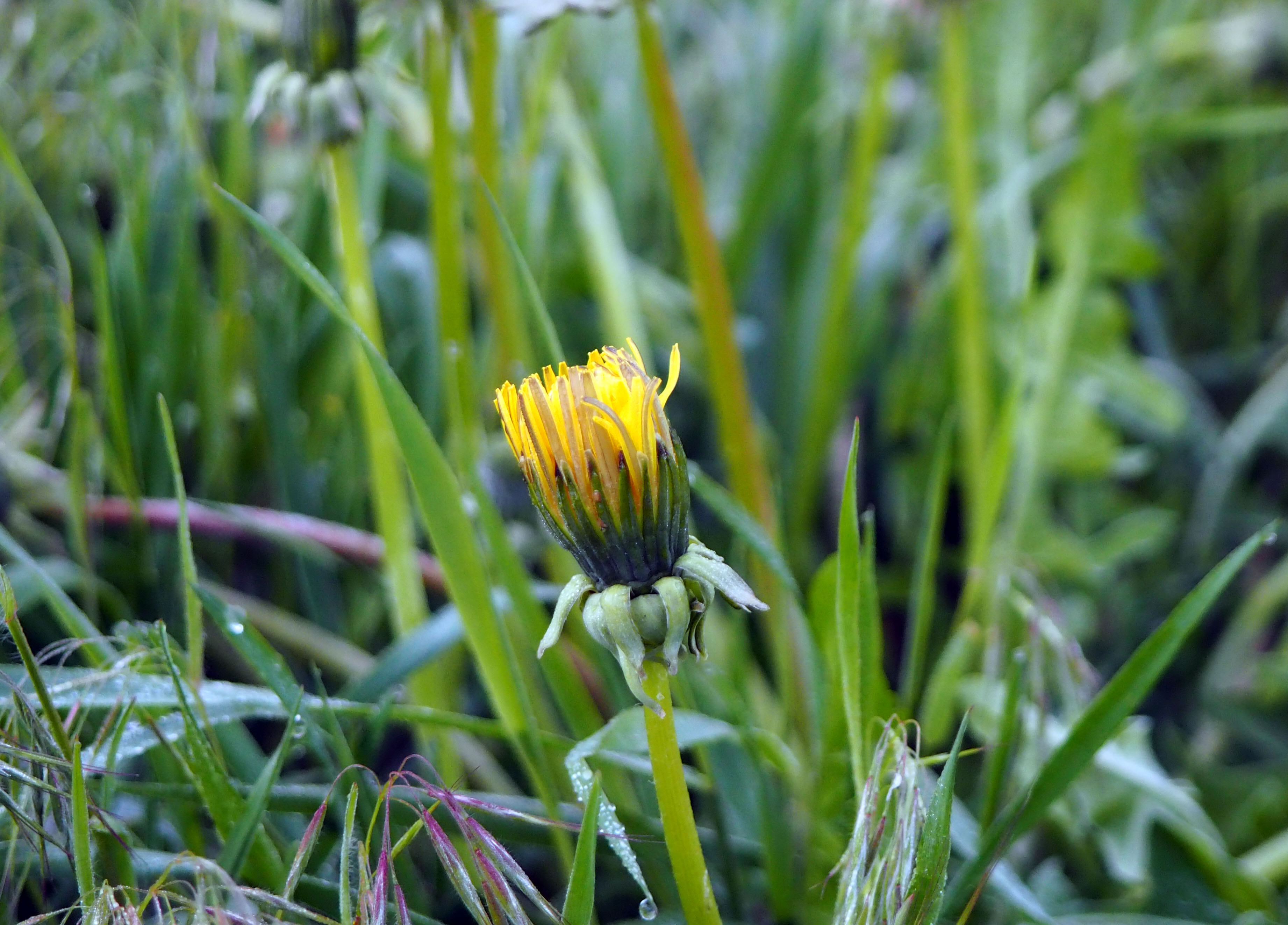
dandelion(Taraxacum officinale)
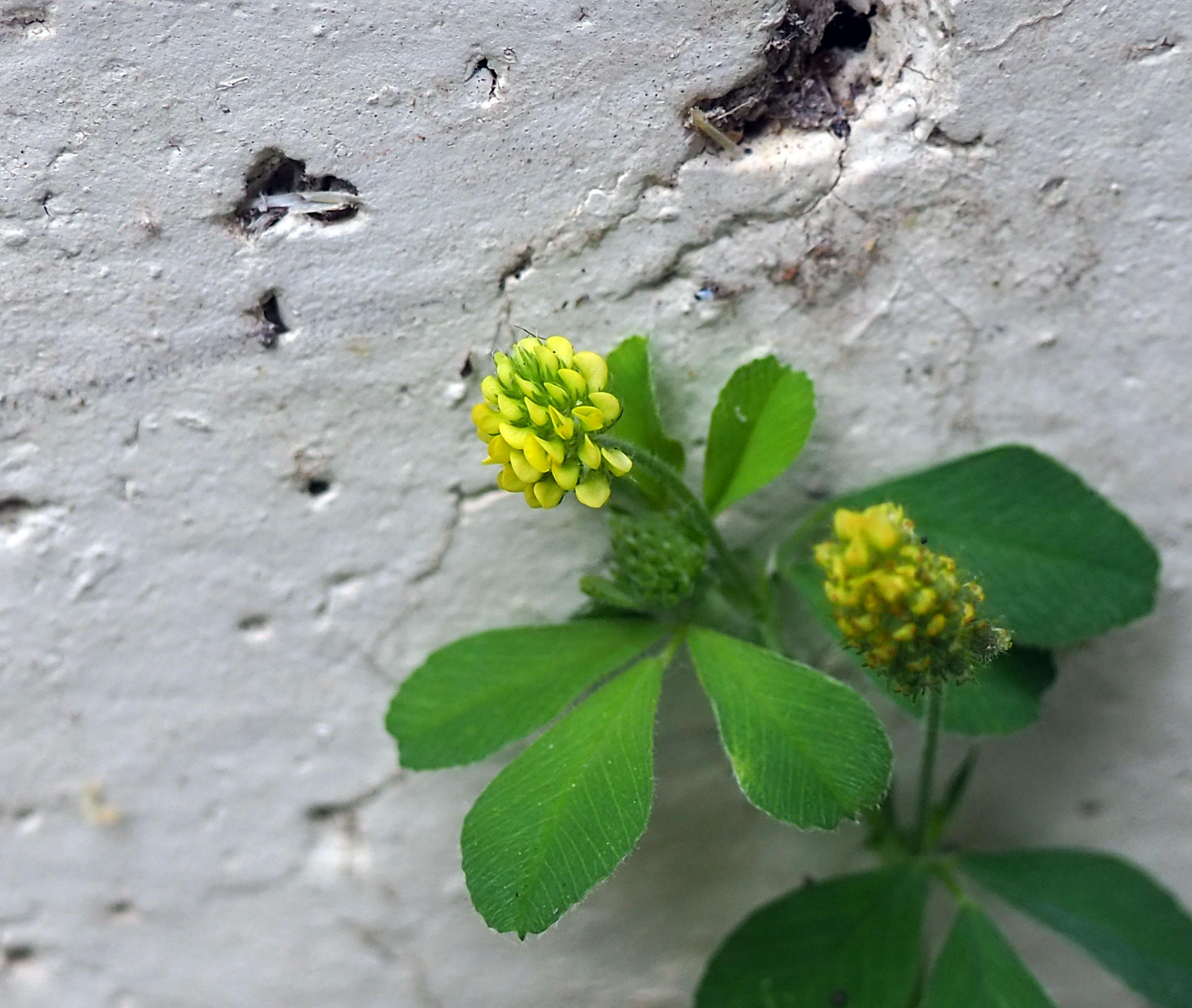
black medic(Medicago lupulina)
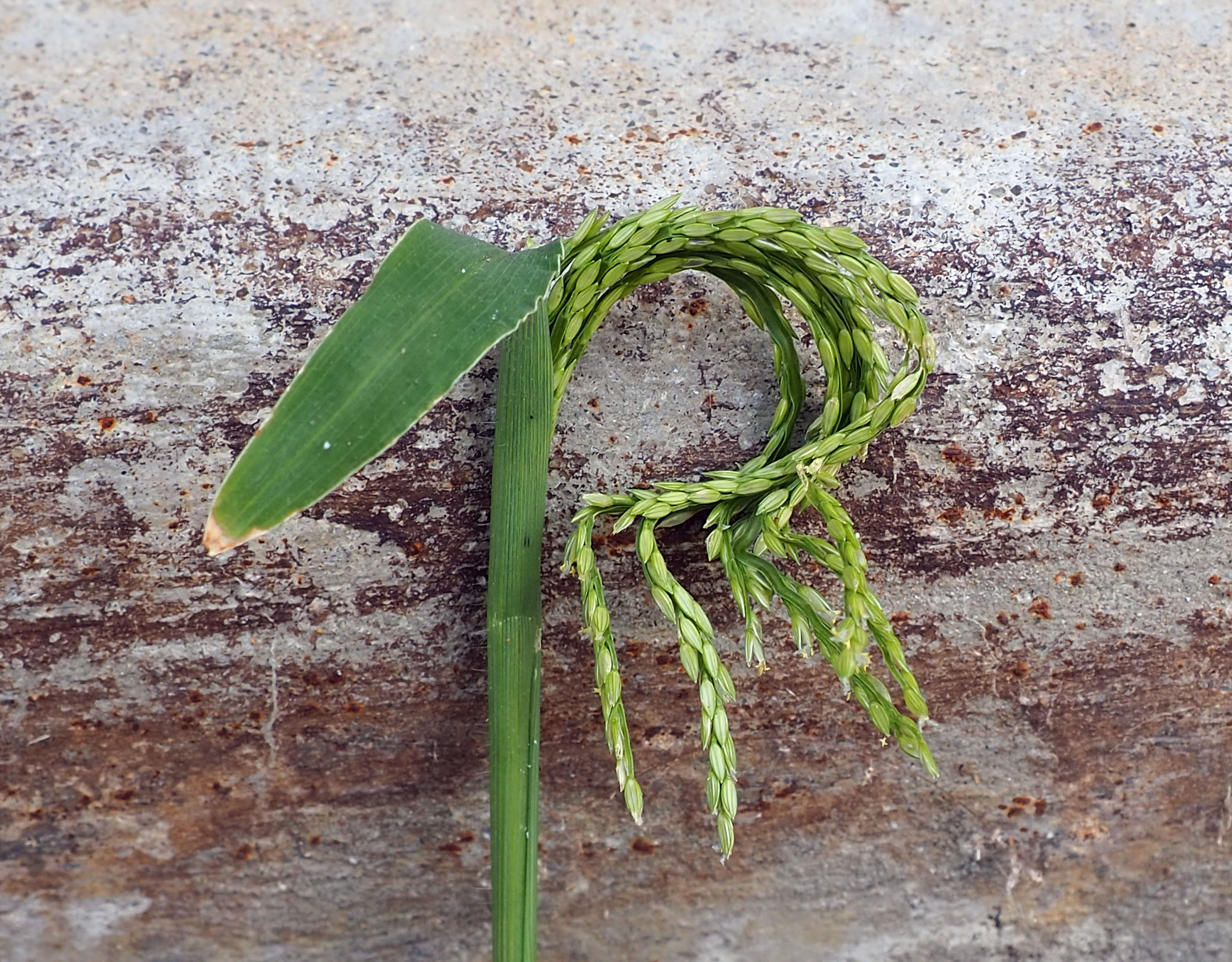
crabgrass(Digitaria sanguinalis)
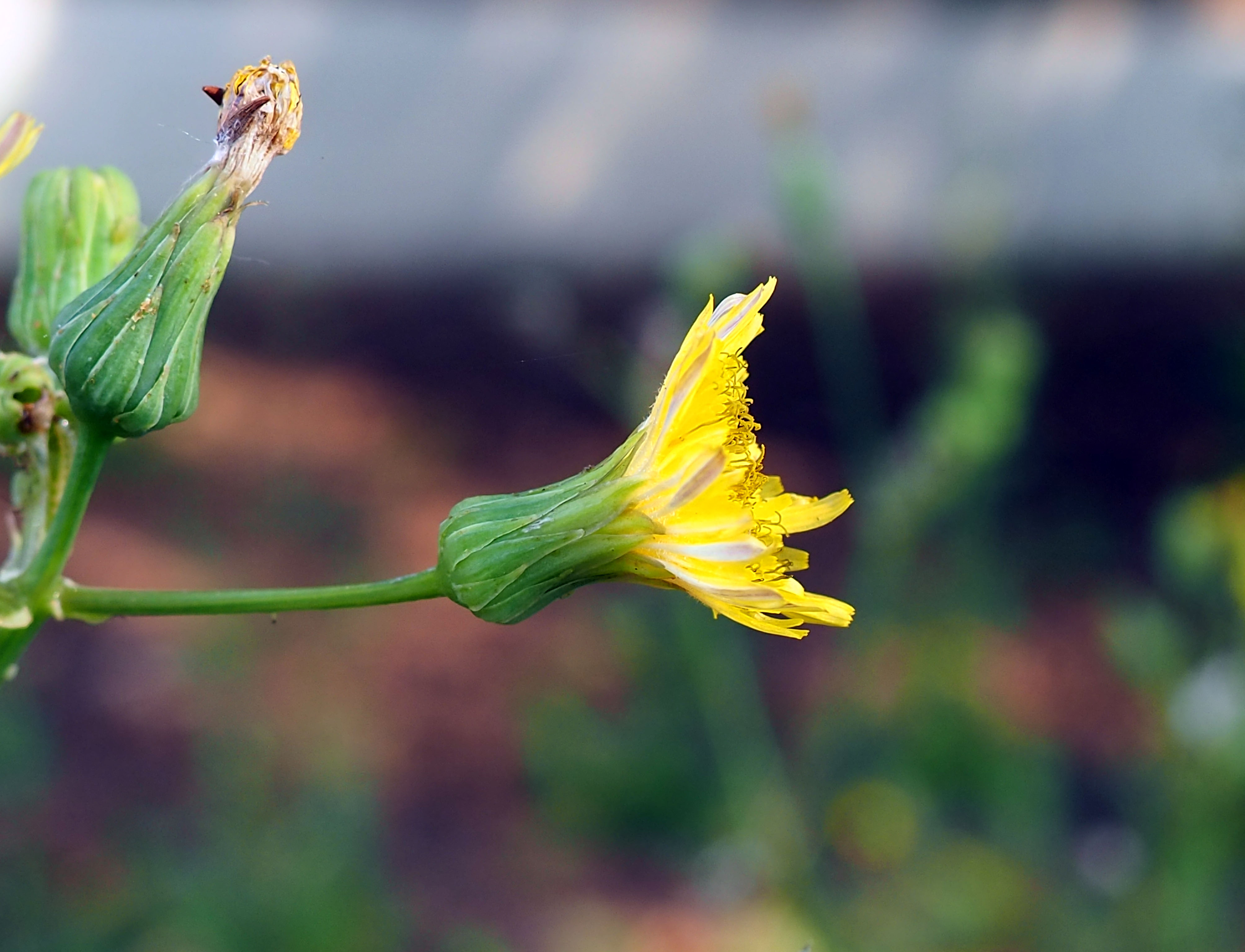
annual sow thistle (Sonchus oleraceus)
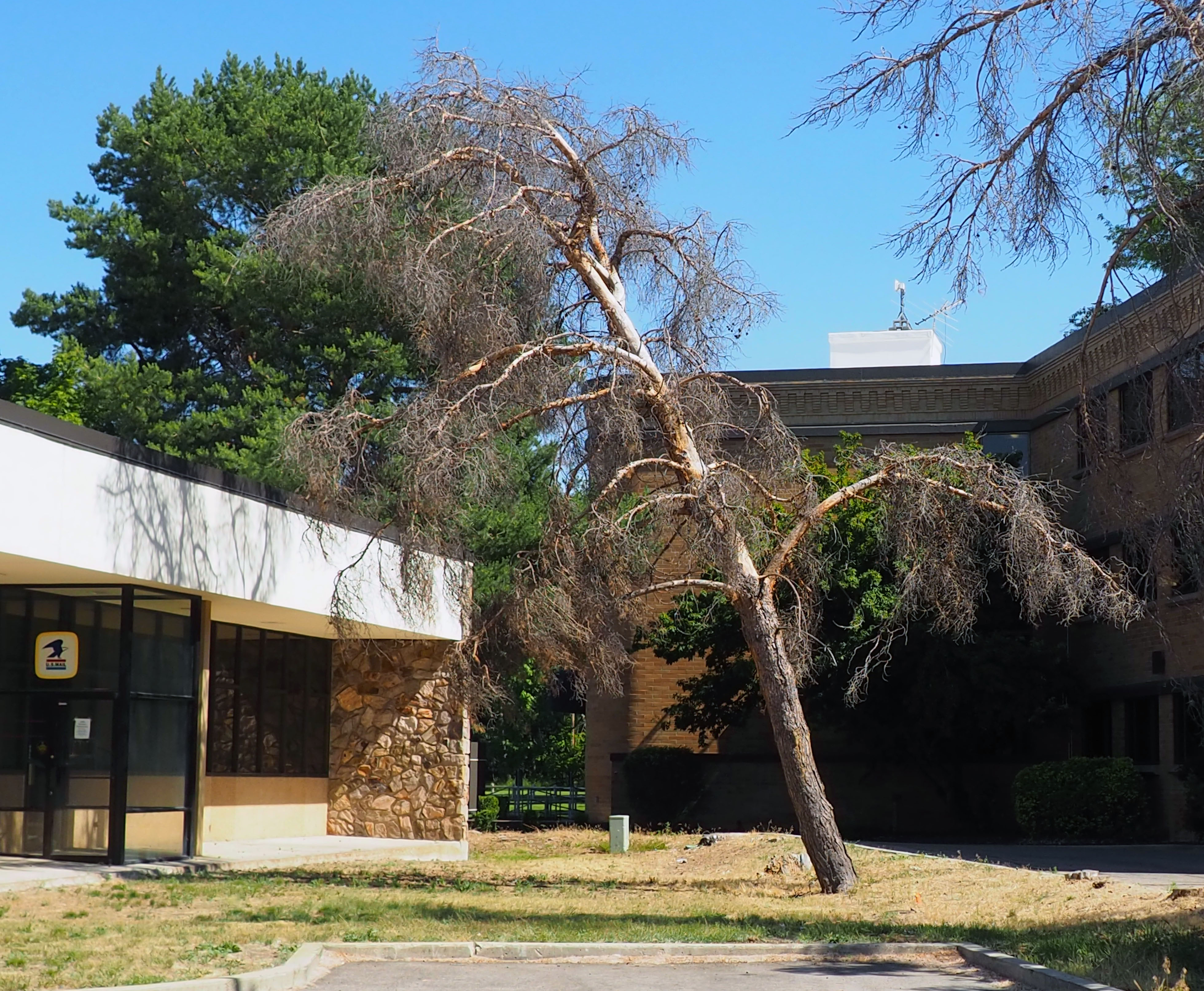
snag (aka standing dead tree) at post office on 13th Street
Anthriscus caucalis (bur chervil)
Bromus tectorum (cheatgrass)
Capsella bursa-pastoris (shepherd’s purse)
Ceratocephala testiculata (bur buttercup)
Chondrilla juncea (rush skeletonweed)
Claytonia perfoliata (miner’s lettuce)
Convolvulus arvensis (field bindweed)
Conyza canadensis (horseweed)
Digitaria sanguinalis (crabgrass)
Draba verna (spring draba)
Elymus repens (quackgrass)
Epilobium ciliatum (willowherb)
Erodium cicutarium (redstem filare)
Euphorbia maculata (spotted spurge)
Holosteum umbellatum (jagged chickweed)
Hordeum jubatum (foxtail barley)
Lactuca serriola (prickly lettuce)
Lamium amplexicaule (henbit)
Malva neglecta (common mallow)
Medicago lupulina (black medic)
Parthenocissus quinquefolia (Virginia creeper)
Poa annua (annual bluegrass)
Polygonum aviculare (prostrate knotweed)
Portulaca oleracea (purslane)
Senecio vulgaris (common groundsel)
Sonchusoleraceus (annual sow thistle)
Taraxacum officinale (dandelion)
Tragopogon dubius (salsify)
Tribulus terrestris (puncturevine)
Trifolium sp.(clover)
Where there are parking lot islands, there are bound to be weeds whether the islands are being maintained or not. What have you found growing in the parking lot islands in your city? Feel free to share in the comment section below.
If it isn’t clear by now from my Weeds of Boiseseries and countless other posts, I happen to be interested in the flora and fauna of urban areas. Urban ecology is a fascinating field of study, and I’m not sure that it gets the attention it deserves. Nature is not some far away place, and you shouldn’t have to leave city limits to go in search of it. Remarkably, nature exists right outside your front door, even if you live in the middle of a massive city. It may be a different sort of nature than the one you might find in a national forest or a state park, and it may be composed of species introduced from all corners of the world, but it is still a collection of living organisms interacting with each other and the surrounding environment in unique and important ways. The question is, can you grow to appreciate nearby nature and recognize that the ecological interactions that exist within the context of a city are just as valid as those you’ll find outside of our built environments?
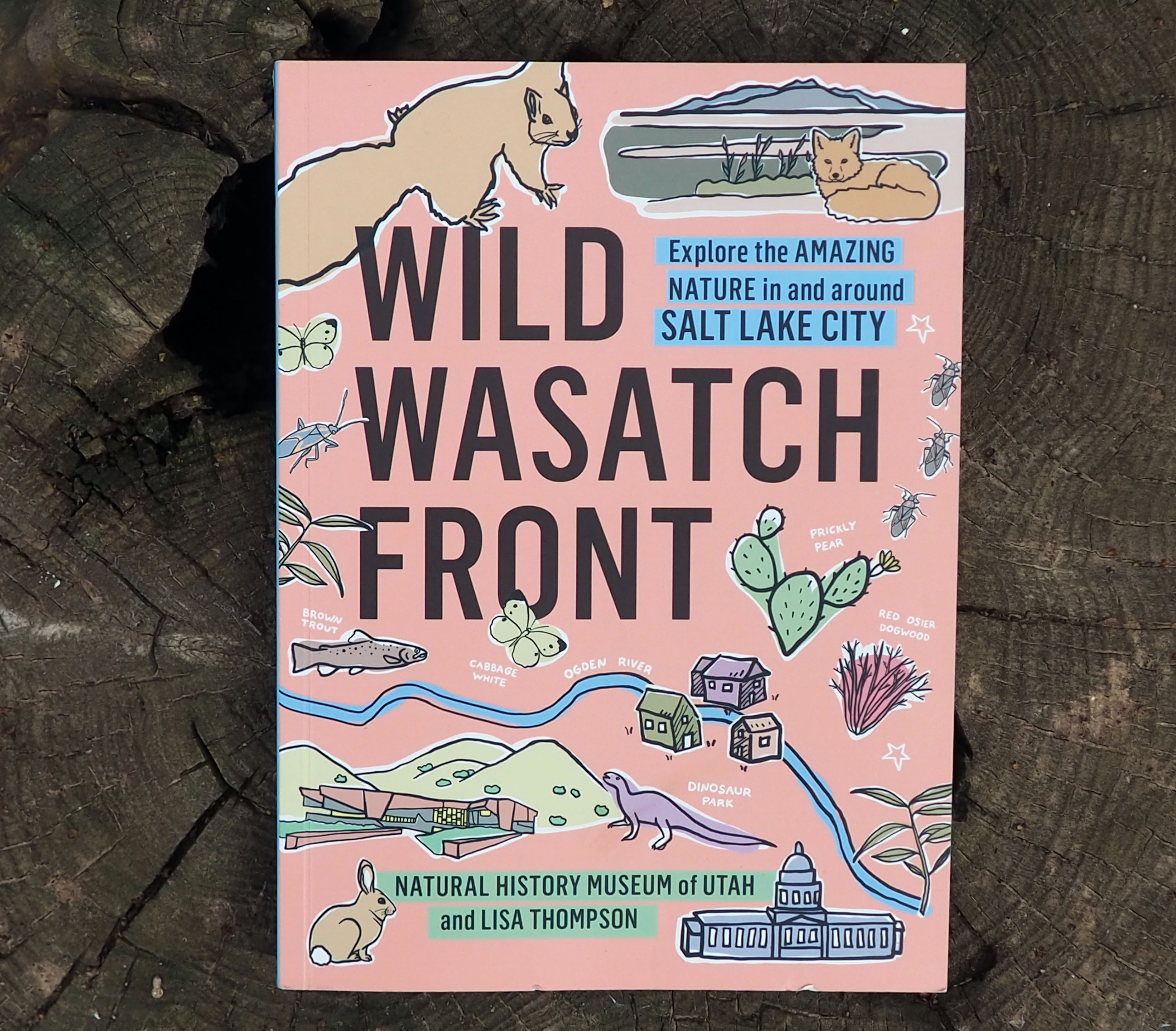
Luckily, there are resources that can help you with that, including a recent book compiled by Lisa Thompson and others at the Natural History Museum of Utah (NHMU). It’s called Wild Wasatch Front, and it’s of particular interest to me because it covers a region that’s relatively close by, and our two locations share a number of similarities. Plus, I played a small role in reviewing some of the plants (specifically the weeds) that ended up in the book (Sierra would insist that I mention this, so there you go). Similar books exist for other regions across North America and elsewhere, so I encourage you to seek out a book that applies to your hometown.
The Wasatch Front is a metropolitan region in north-central Utah that spans the western side of the Wasatch Mountains and includes a long string of cities and towns extending for many miles in all directions. Included in that list of cities is Salt Lake City, the state’s capitol and largest city in the state. The idea for a book about urban nature in the Wasatch Front was inspired by an exhibit at NHMU called “Nature All Around Us.” The exhibit and resulting book offer a new perspective for those insisting that “nature and cities cannot coexist” or that the nature found in cities is influenced by humans and therefore shouldn’t be considered “real.” Hundreds of organisms making a life for themselves within the boundaries of our cities might argue otherwise.
Wild Wasatch Front is divided into three main sections, with each section being worth the price of the book on its own. First there are a series of essays about urban nature and ecology. Names you might recognize, including Emma Marris and Riley Black, contributed to the book, as well as several other people that live and work in the western U.S. and have an interest in nature and environmental issues, especially as they relate to cities. Novel ecosystems is a reoccurring theme, not just in the essays but throughout the book. In her essay, Sarah Jack Hinners writes, “urban nature is a mixture of the intentional and the unintentional,” adding that “for every tree or rosebush or lawn that we plant and carefully nurture, there are multitudes of other plants and animals that grow and thrive uninvited and unnurtured by us.”
The largest section in the book is a field guide, profiling 127 plus species that call the Wasatch Front home, some native and some transplants. This section is divided into subsections that include birds, invertebrates, fungi and lichen, mammals, reptiles and amphibians, street trees, and wild plants. The entry for each species includes a brief description, a few interesting facts, and details on how and where to find them, accompanied by images. With the variety of creatures covered, you are sure to find something that interests you and a reason to go out looking for your favorites. You may even learn something new about a species you’ve been seeing for years, such as house finches. It turns out that the colorful patches on a male house finch are the result of the plants they eat. These patches can be red, orange, or yellow. The redder the better though, because female house finches seek out mates with this coloration.
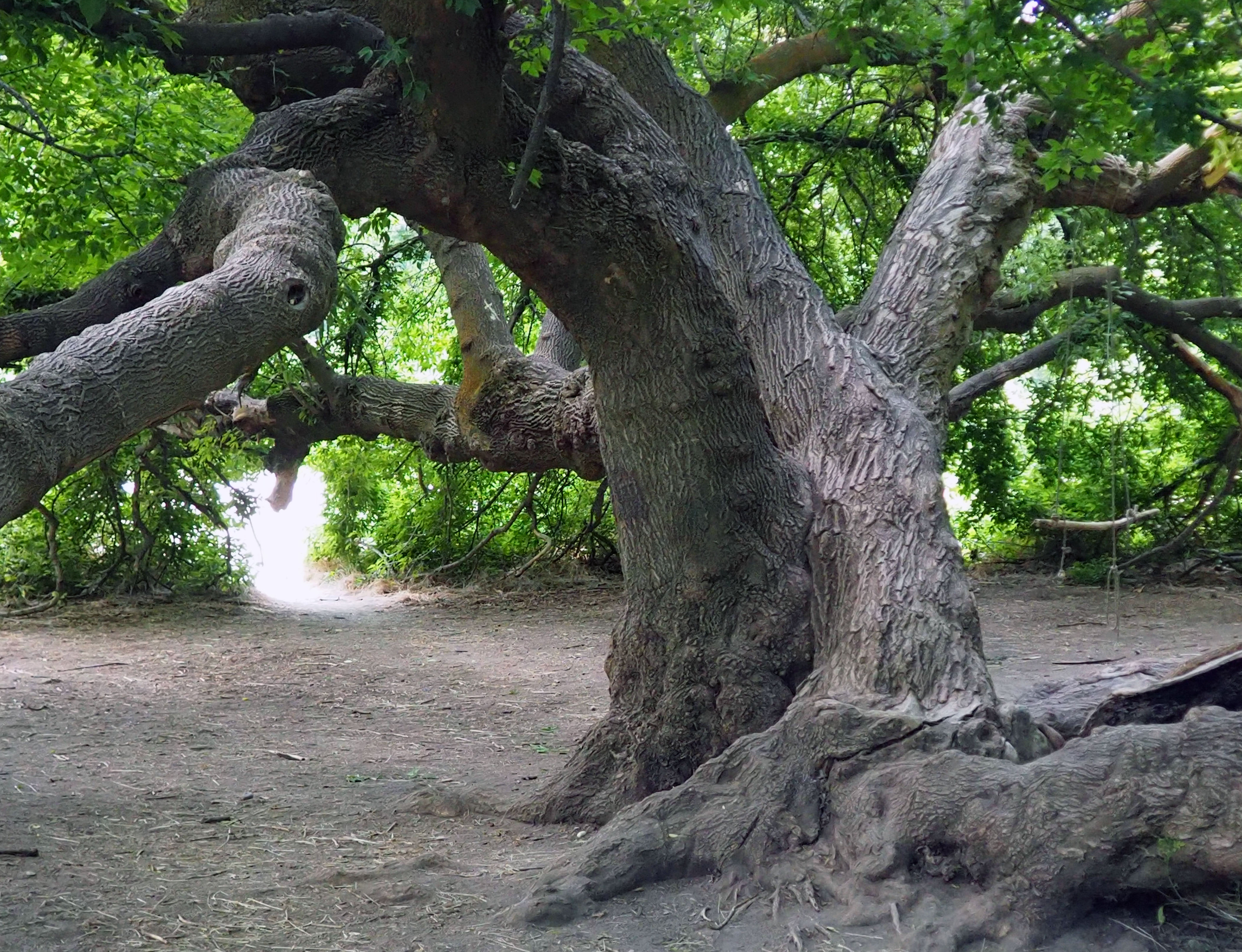
Naturally, my focus was mainly aimed at the plants covered in this section. I appreciated the mixture of native and introduced plants, even the inclusion of plants considered to be invasive. Instead of vilifying these species, there is an attempt to understand them and find value in them, even in spite of the concerns and negative opinions held about them. Box elder (Acer negundo) is an example of a plant that has both native and introduced populations. Once widely planted in yards and on farms, this tree has “fallen out of favor.” Its weak wood (a result of growing so quickly), can result in a messy, unattractive tree, making it a poor choice for a street tree. However, it propagates itself readily and shows up in vacant lots and other urban locations that receive minimal management and human attention. In the Wasatch Front, you can find box elders that are native, naturalized, and cultivated, an unlikely scenario unique to urban areas.
massive box elder (Acer negundo) in Boise, Idaho
The third and final section of the book is a guide to 21 different hikes and field trips in and around the Wasatch Front. Each field trip features a hand-drawn map and some basic notes about the hike. Details about what can be seen along the way are included in the descriptions, which are sure to entice you into visiting. Whether or not you think you’ll ever make it out to any of these spots, this section is still worth reading if only for the ongoing discussions about urban ecology. For example, in the entry for Gib’s Loop, abrupt changes in land ownership and land use (a common experience when hiking in urban areas) is addressed: “Human impacts in the foothills…don’t end at backyard fences, and many animals use resources in both habitats. It’s more interesting to think of cities and the surrounding foothills as part of an interconnected system rather than separate and distinct.”
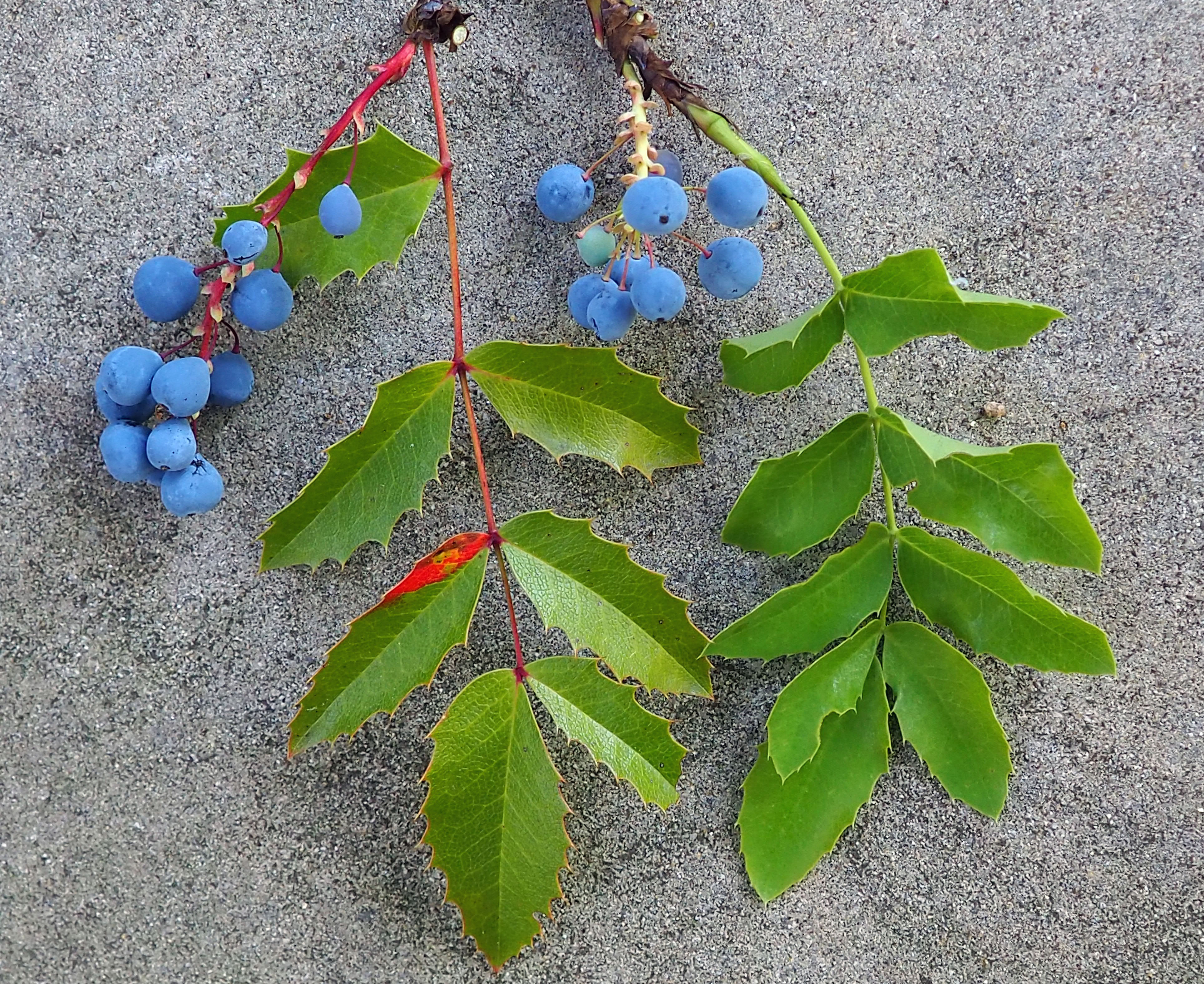
The field trip section is also used as a teaching opportunity to describe more of the species you’ll find in the Wasatch Front. In the entry for Creekside Park, learn how to identify creeping mahonia (Berberis repens), with its low growing habit and matte leaves, and compare it to Oregon grape (B. aquifolium), with its more upright habit and shinier leaves.
Berberis aquifolium (on the left) compared to Berberis repens (on the right)
Last year, in anticipation of Wild Wasatch Front, I came across another book with a similar focus. This book was put out by a group called The Urban Field Naturalist Project, headquartered in Australia. Their book, A Guide to the Creatures in Your Neighbourhood, encourages its readers to become urban naturalists and offers resources to help them get started. Just like Wild Wasatch Front, the bulk of the book is a field guide to species found in and around urban areas (in Australia, of course). In place of a guide to hikes and field trips, there are instructions on how to start nature journaling, which is a key component of becoming an urban field naturalist. Getting outside and learning to recognize nearby nature is step one, documenting what you see and sharing those observations with others is step two. Taken together, these two books will help you gain a better appreciation for urban nature and will hopefully inspire you to work to conserve what is there and make room for more.
Things were pretty quiet on the blog in 2023, and I apologize for that. I have no excuses really. It’s just life. Fewer posts doesn’t mean I’m any less committed to writing and sharing about plants since the day I started this project, it’s more about quality over quantity. I would never want this to become a half-hearted affair, so even if months go by without hearing from me, just know that there are great things in the works, which I hope will be worth the wait.
Recently, while writing an article for Wildflowermagazine, I came across this giant tome, Pollination and Floral Ecology by Pat Willmer. The previous year I had read Jeff Ollerton’s book, Pollinators and Pollination, and really got a lot out of it. These incredible resources on the science of pollination reminded me of a time early in Awkward Botany’s history in which I spent a year posting about pollination. I called it Year of Pollination, and by the time the year came to a close, I was struck by how much I still wanted to share about this topic. So now, armed with these new resources, I think it’s time for Another Year of Pollination.
In 2024, I plan on posting another series of pollinator and pollination themed posts. I may not be able to match what I accomplished in 2015, but I will aim for at least one a month. Just something to look forward to in the coming year.
If this entices you enough to continue to follow Awkward Botany (or to start), please do. Relevant links are here on my linktree. Awkward Botany can be found on a number of different social media platforms, but there are a few that I am more active on than others. With the fall of Twitter, I have moved on to other things. This is where you can find me most often at this point in time:
In part one of this two part series, I introduced you to the Boise State University campus, located in the heart of Boise, Idaho. I’ve been spending the past year walking the campus and cataloging the weeds that I find there. Boise has a fairly mild climate compared to the rest of Idaho, so weeds are generally easy to find just about any time of year. What weeds are present depends on what time of year it is. To get a complete picture of the suite of weeds that can be found on a site, it’s important to make observations throughout the year. Weeds can also come and go, with certain species becoming more abundant in some years than others, so making observations over multiple years also helps. This is why I try to update posts that are part of the Weeds of Boise series as I make return visits and encounter additional weed species.
What follows is the second half of the list of weeds I’ve documented so far at Boise State University. I’m including a photograph for each month of the year (July – December), as well as a list of what I’ve encountered up to this point. I’m also including a list of weeds that I didn’t come across but that are documented on iNaturalist.
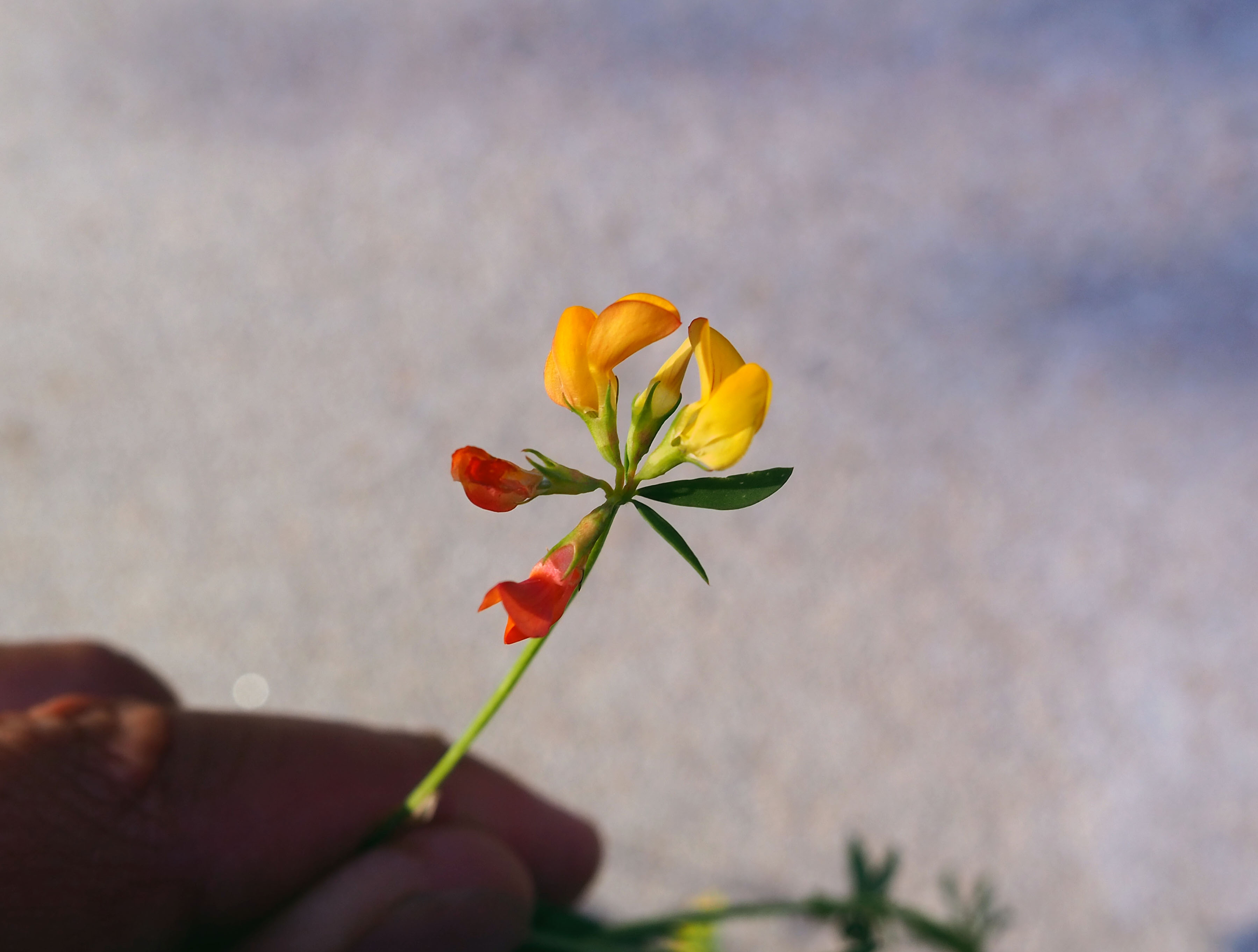
birdsfoot trefoil (Lotus corniculatus) at BSU in July 2023
yellow nutsedge (Cyperus esculentus) at BSU in August 2023
velvetleaf (Abutilon theophrasti) at BSU in September 2023
chicory (Cichorium intybus) at BSU on October 2023
puncturevine (Tribulus terrestris) at BSU in November 2023
bull thistle (Cirsium vulgare) at BSU in December 2023
Additional weeds found on the BSU campus from July – December 2023:
Abutilon theophrasti (velvetleaf)
Cichorium intybus (chicory)
Cirsium vulgare (bull thistle)
Cyperus esculentus (yellow nutsedge)
Eragrostis cilianensis (stinking lovegrass)
Lotus corniculatus (birdsfoot trefoil)
Medicago sativa (alfalfa)
Melilotus alba (white sweetclover)
Solanum nigrum (black nightshade)
Sonchus asper (prickly sowthistle)
Tribulus terrestris (puncturevine)
Additional weeds observed on the BSU campus by iNaturalist users as of December 2023:
Urban areas are increasingly being studied for their potential to help conserve biodiversity and provide habitat for numerous plants and animals. Despite the harsh conditions of the built environment, organisms of all kinds are able to survive in our cities, and as we find ways to make these spaces more hospitable for them, cities actually have great potential for species conservation, even for species that are rare, threatened, or specialized. One obvious way to accomplish this is to manage our yards, parks, and gardens as habitat, such as planting flower strips for pollinators. Another way, perhaps overlooked at times, is to manage and maintain vacant lots as habitat. Every urban area has some degree of vacant land that for one reason or another has not been developed, or that once was developed but has since been bulldozed or abandoned. Spontaneous vegetation quickly moves in to occupy these sites, and while some may see them as eyesores, their potential for providing habitat for an untold number of plants and animals is substantial.
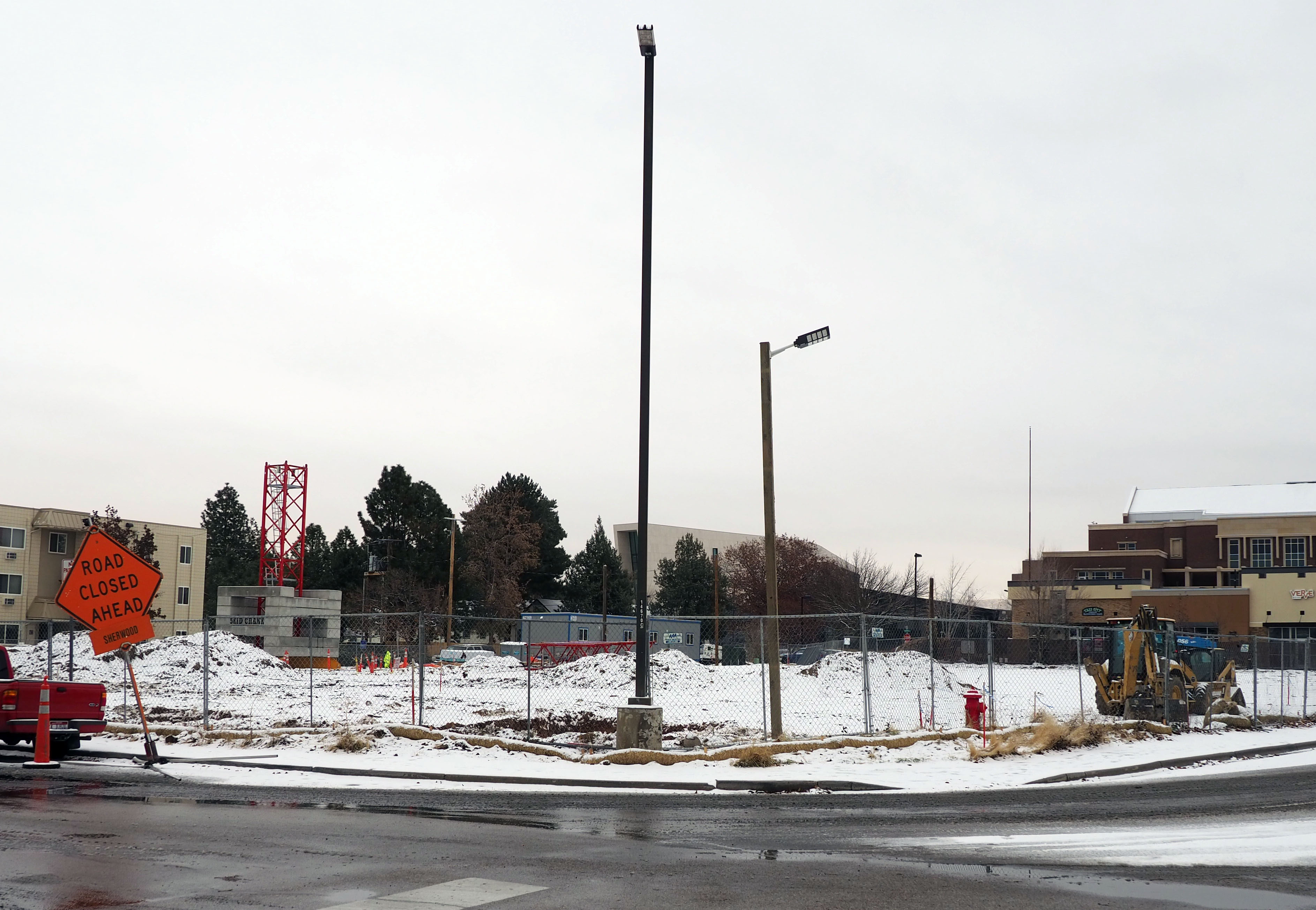
In cities that are growing – like Boise, Idaho – vacant and abandoned lots are disappearing quickly as development strives to keep up with population growth. My first Weeds of Boise post took place at an abandoned Pizza Hut, which has since been demolished and is now the future site of a large building (see photo below). This is happening all over the city – the City of Trees is looking more like the City of Cranes these days. On the other hand, cities that are shrinking due to economic downturn, loss of industry, and other factors, have an increasing number of vacant lots, which offers the opportunity not only to maintain these lots as habitat, but also to carry out research that will help us understand how these locations can be best managed for species conservation.
Abandoned Pizza Hut Lot Now Under Construction
Cleveland, Ohio is one example of a “shrinking city.” Due to significant population decline, Cleveland has a growing number of vacant lots, many of which are maintained by the City of Cleveland Land Bank. For researchers at The Ohio State University, all of this vacant land presents an opportunity to study, among other things, urban biodiversity. Hence, the Cleveland Pocket Prairie Project was born. By assigning different management treatments to groups of vacant lots and observing the differences between each treatment, researchers can help determine the best strategies for managing vacant lots, particularly when it comes to biological conservation. One of the major focuses of the Cleveland Pocket Prairie Project is to determine how vacant land can provide habitat for insects and other arthropods.
In a study published in Sustainability (2018), researchers in Cleveland compared the species richness and abundance of bees found on vacant lots to those found on urban farms. Bee collections were made three times a year over a three year period. Of the more 2733 bees collected, researchers identified 98 total species representing 5 different families. The vast majority of the species were native to the area. Significantly more bees were found in vacant lots compared to urban farms. In both vacant lots and urban farms, the total number of ground nesting bees decreased as the proportion of impervious surfaces near the study sites increased. Plants that received the most bee visits on the urban farms during the study period were common milkweed (Asclepias syriaca), chives (Allium schoenoprasum), and squash (Cucurbita pepo); while the top three plants with the most bee visits on vacant lots were red clover (Trifolium pratense), white clover (Trifolium repens), and Queen Anne’s lace (Daucus carota).
Bee communities differed between vacant lots and urban farms: 29 of the 98 total species were seen only in vacant lots, while 14 species were seen only at urban farms. Most of the bees collected in this study were ground nesting species, and researchers suspect the reason more bees were found on vacant lots compared to urban farms is that farms experience frequent soil disturbance in the form of tillage, weeding, mulching, and irrigation, while vacant lots generally do not. The researchers conclude that their study “adds to the growing body of literature advocating for the maintenance of minimally-managed vacant lot habitats as a conservation resource.” Vacant land that is “surrounded locally by high concentrations of impervious surface,” however, may not be the most suitable location to carry out conservation efforts.
In a study published in Urban Ecosystems (2020), researchers in Cleveland looked at the species richness and abundance of lady beetles in vacant lots. They were particularly interested in the potential that vacant lots may have in providing habitat for lady beetles that are native to the region. The study consisted of 32 vacant lots, each assigned one of four habitat treatments: control (seeded with turfgrass and mowed monthly), meadow (seeded with turfgrass and mowed annually), low-diversity prairie (seeded with three species of prairie grasses and four species of native prairie forbs), and high-diversity prairie (seeded with three species of prairie grasses and sixteen species of native prairie forbs). The two prairie treatments were mown annually. The majority of the nearly 3000 lady beetles captured across all of the plots over a two-year study period were exotic (introduced) species. Sixteen species total were collected: four exotic and twelve native.
The researchers predicted that the lots seeded with prairie plants native to the region would support a higher abundance of native lady beetles than those composed of turfgrass, especially those that are frequently mown. Surprisingly, a similar abundance and species richness of both native and exotic lady beetles were found across all treatments. What appeared to be important for native lady beetle abundance were vegetation features like bloom abundance, height, and biomass. The surrounding environment also matters. As the researchers put it, “vacant lots embedded in landscapes dominated by impervious surface and with a high degree of habitat isolation were less suitable habitats” – a similar conclusion to that made in the bee study.
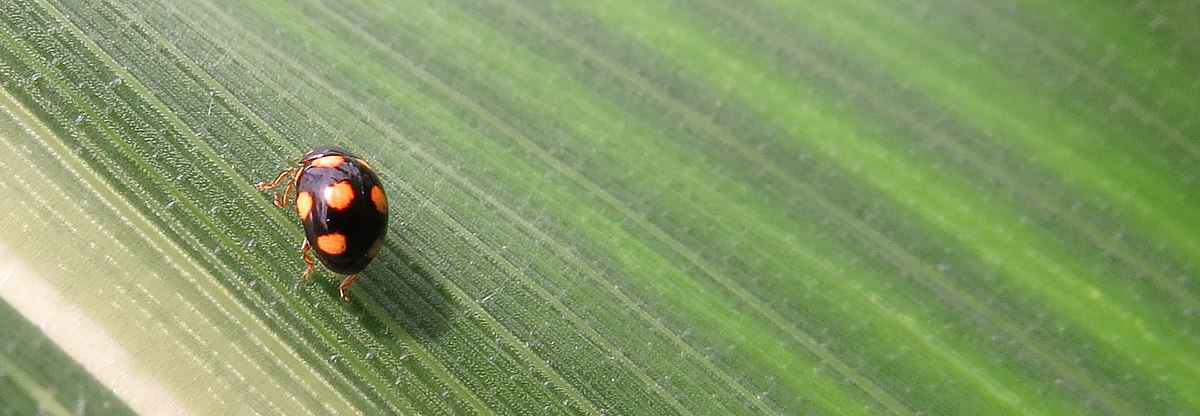
The most abundant native lady beetle collected in the study was the ursine spurleg lady beetle (Brachiacantha ursina). The larvae of this beetle “infiltrate the nests of Lasius ants,” which is “one of the most common genera of ants found in urban environments.” Researchers posit that the abundance of B. ursina reflects the habitat preferences of ants in the Lasius genus. Several species of lady beetles native to the region are experiencing significant population declines, and the researchers were disappointed to find that none of the most rare species were collected during their study period. However, it was promising to find that “pollen and nectar provided by both seeded native and naturally occurring weedy plants” appeared to be important food sources for native lady beetles.
Both studies indicate that vacant lots can be important locations for habitat conservation in urban areas, particularly when they are part of a larger collection of greenspaces. In combination with managing our yards, parks, and urban farms as quality habitat for plants and animals, conserving vacant lots that consist of diverse vegetation (both planted and spontaneous) can help support insect populations within our cities.
Growing plants in urban areas comes with a variety of challenges. Soil conditions aren’t always ideal; shade thrown by buildings and other structures can be difficult to work around; paved surfaces lead to compaction and, among other things, can increase temperatures in the immediate area; and in locations where water is limited, keeping plants hydrated is a constant concern. One location that tends to be especially difficult for gardeners is the hellstrip – the section of ground between a roadway and a sidewalk. Much can be said about gardening in hellstrips, so much that there is even a book about it called Hellstrip Gardening by Evelyn Hadden, which I spent several posts reviewing a few years back.
The difficulty of maintaining a hellstrip (and perhaps questions about who is responsible for maintaining it in the first place) can result in it being a piece of property frequently subject to neglect. In urban areas, neglected land is the perfect place for weeds to take up residence. The conditions in a hellstrip being what they are – hot, dry, frequently trampled, and often polluted – also gives weeds a chance to show what they can do. It’s a wonder that any plant can survive in such conditions, but the wild flora of our cities consists of some pretty tough plants, and a hellstrip is an excellent location to familiarize yourself with some of these plants.
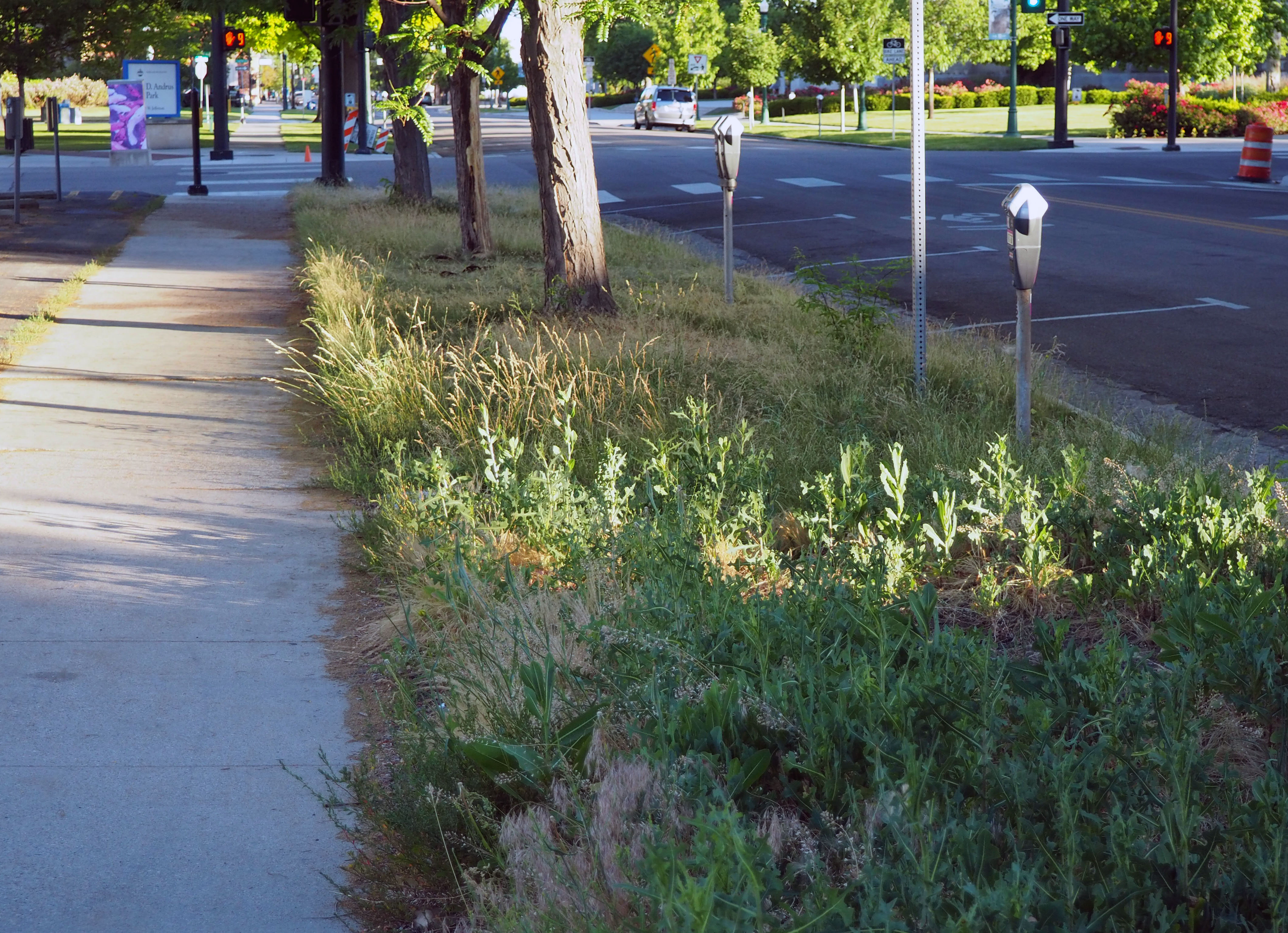
On a walk with Kōura, I came across a weedy hellstrip on Jefferson Street in downtown Boise. Many of the classic hellstrip challenges are present there – it’s surrounded by paved surfaces, there is lots of foot traffic in the area, parking is permitted on the roadside, urban infrastructure (street signs, parking meters, stoplights) is present within the strip. It’s clear that at one point the area was being maintained as irrigation is installed and there are remnants of turfgrass. Three honey locusts were also planted in the strip, one of which has clearly died. Now that maintenance seems to have ceased, weeds have become the dominant flora in this hellstrip. What follows are a few photos and a list of the weeds I’ve identified so far. Like all posts in the Weeds of Boise series, this list may be updated as I continue to check back in on this location.
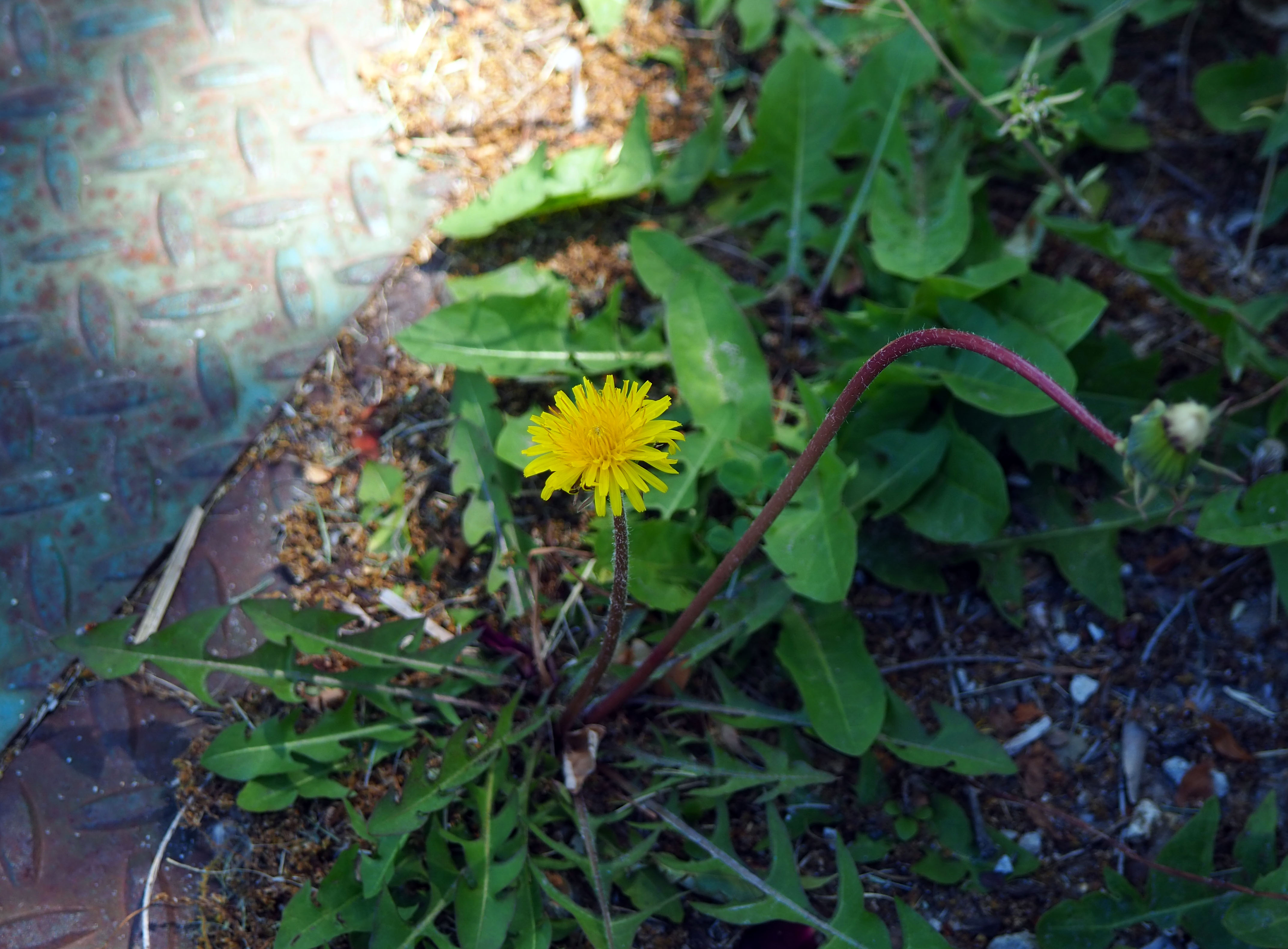
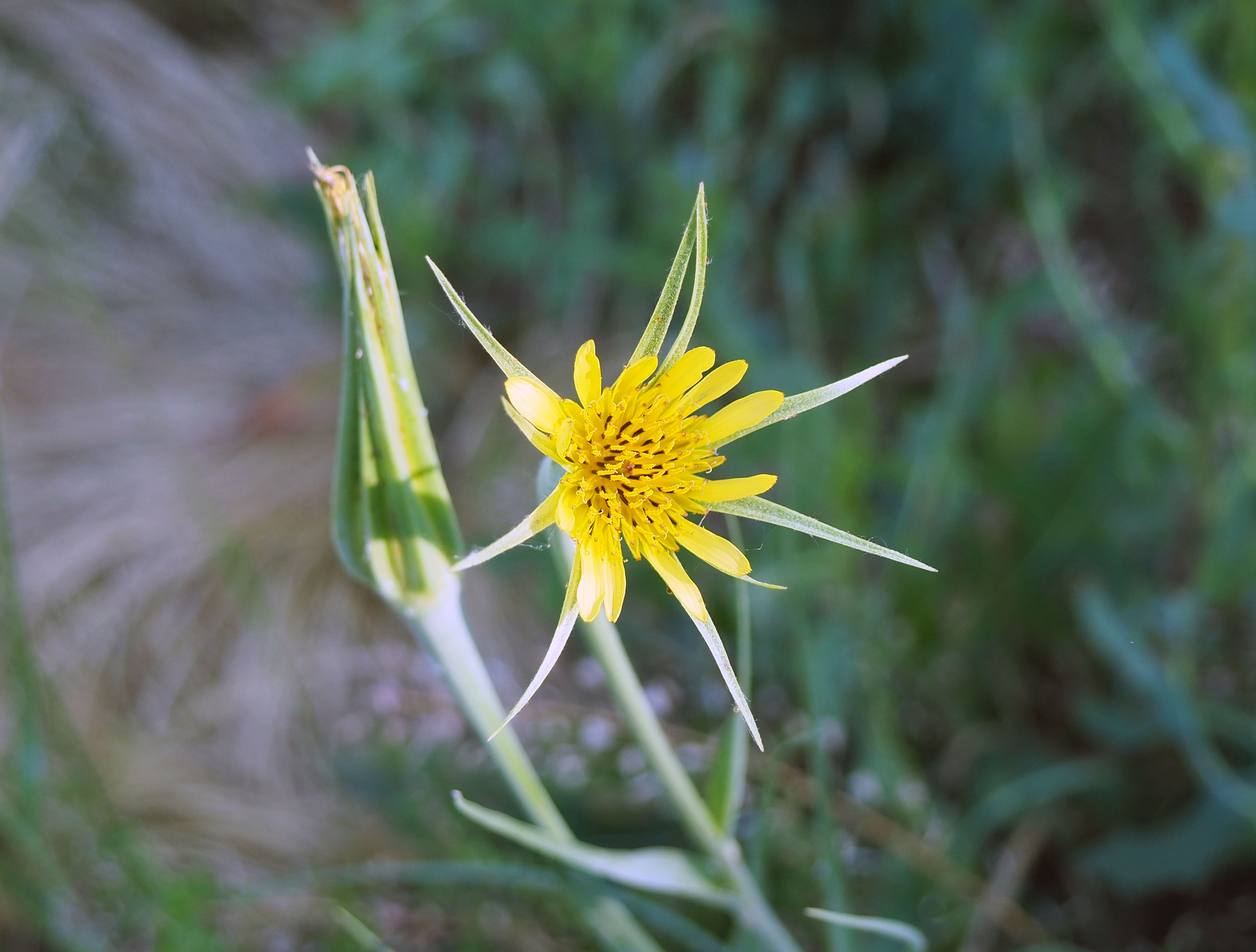
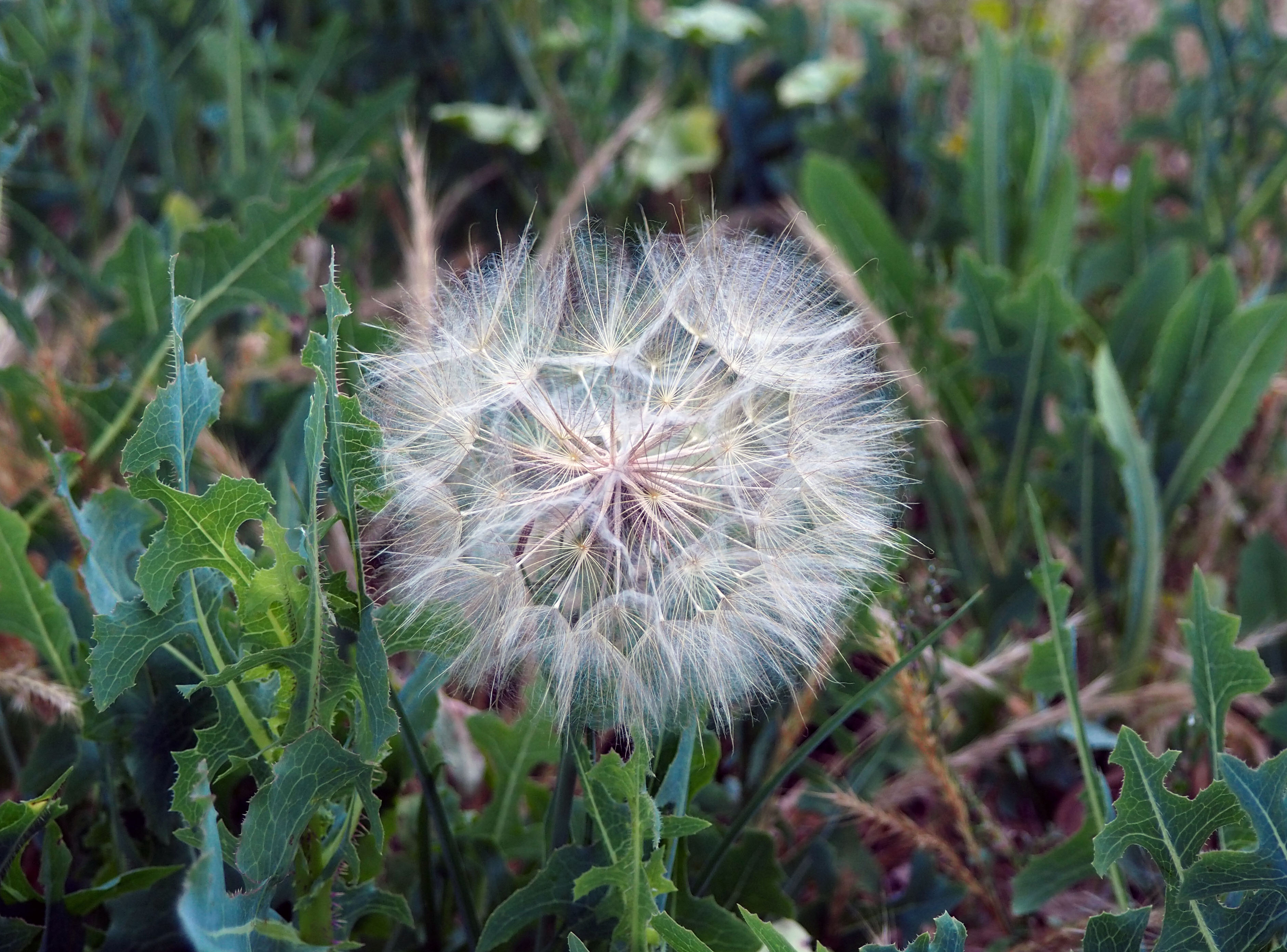
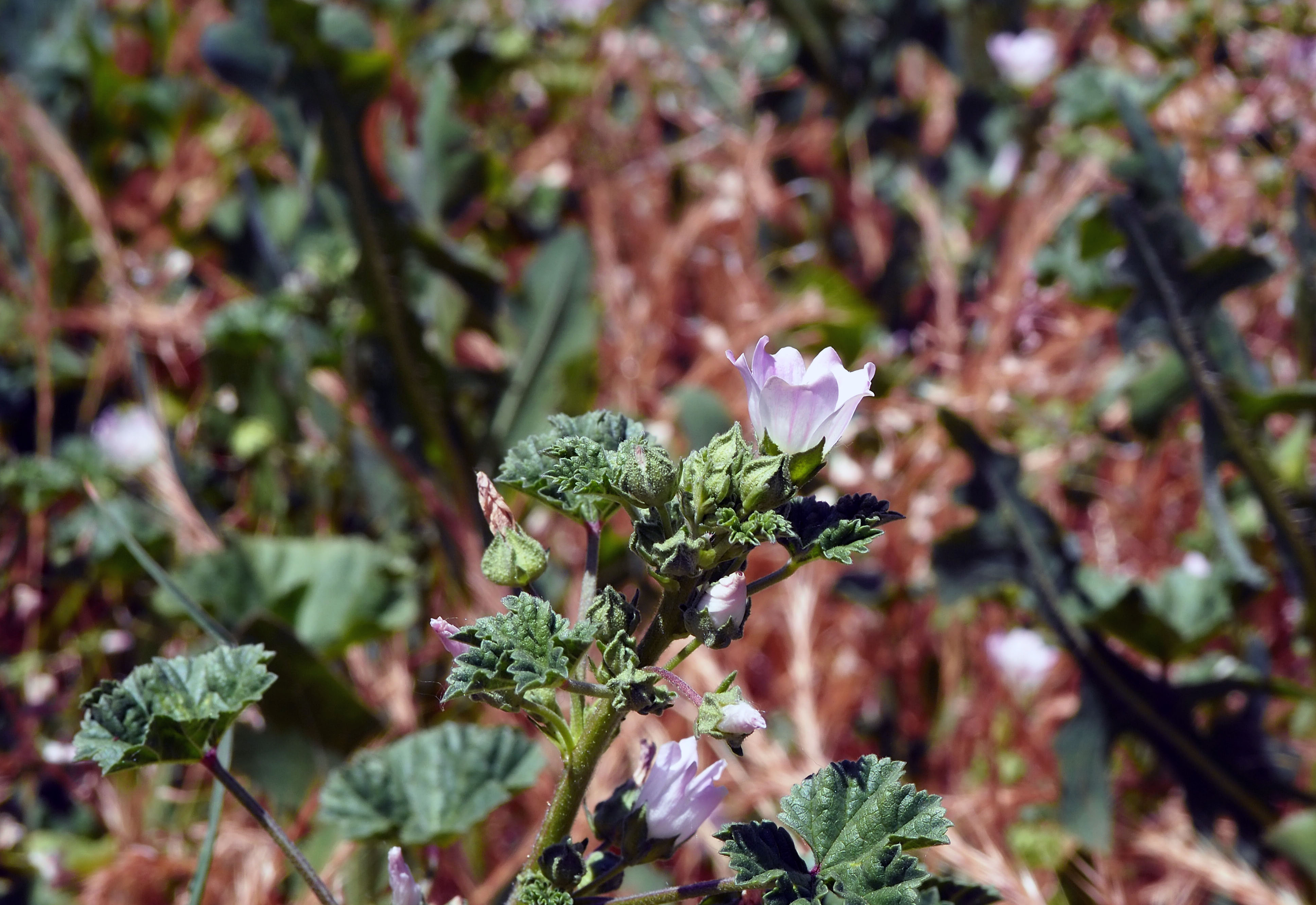
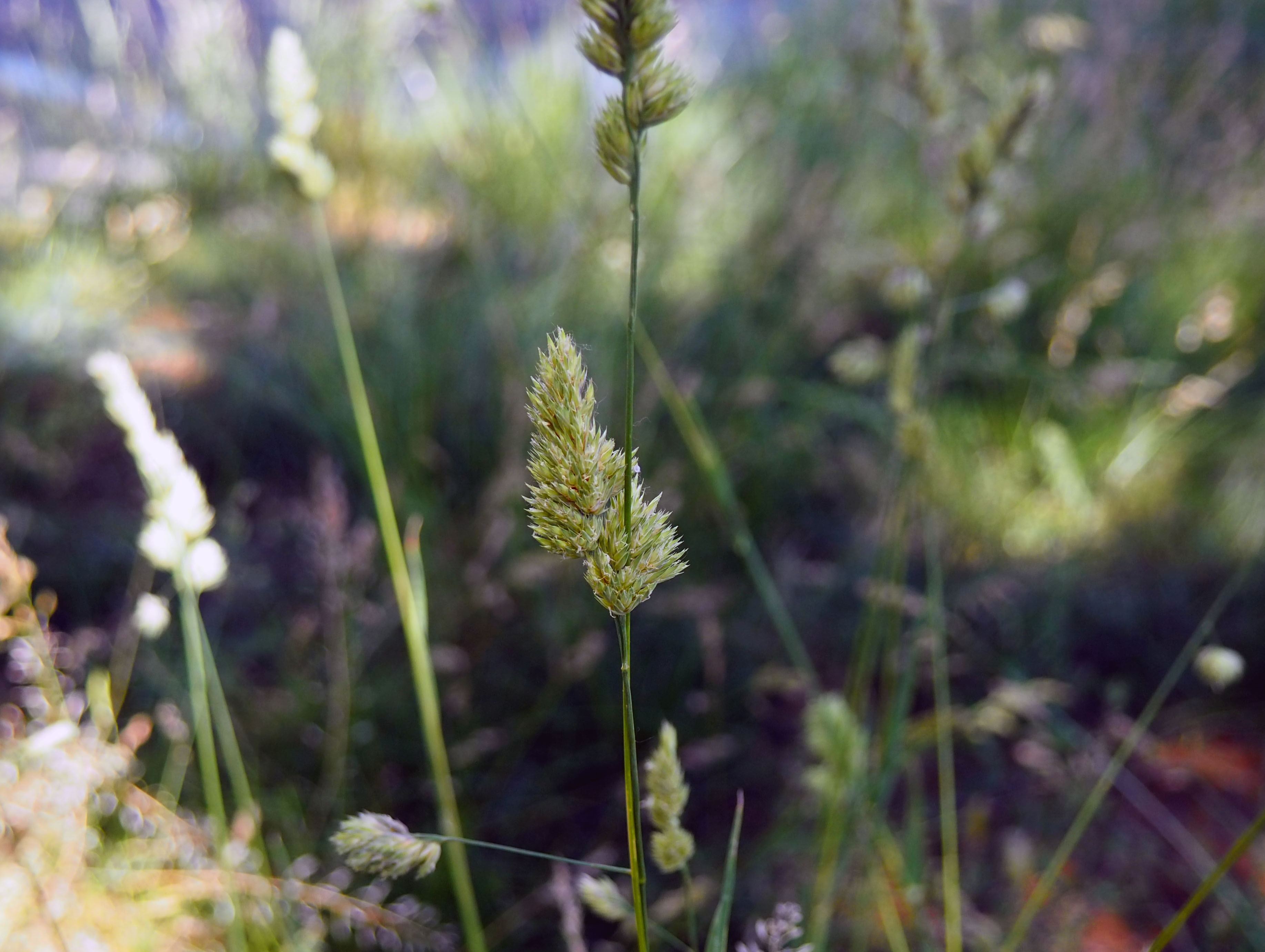
shepherd’s purse (Capsella bursa-pastoris) and prickly lettuce (Lactuca serriola)dandelion (Taraxacum officinale)salsify (Tragopogon dubius)seed head of salsifyknotweed (Poylgonum sp.)prickly lettuce (Lactuca serriola)mallow (Malva neglecta)orchard grass (Dactylis glomerata)
Bromus tectorum (cheatgrass)
Capsella bursa-pastoris (shepherd’s purse)
Dactylis glomerata (orchard grass)
Epilobiumbrachycarpum (tall willowherb)
Lactuca serriola (prickly lettuce)
Malva neglecta (dwarf mallow)
Polygonum sp. (knotweed)
Salsola sp. (Russian thistle)
Taraxacum officinale (dandelion)
Tragopogon dubius (salsify)
Trifolium repens (white clover)
Vulpia myuros (rattail fescue)
Are there unkept hellstrips in your neighborhood? If so, what weeds have you seen taking up residence there?
I spend a lot time on this blog putting weeds in the spotlight, celebrating them for their successes and the unique and interesting plants they are. It’s rare that I get to share these sentiments outside of this particular venue, but I was given such an opportunity recently when asked to talk about weeds for an episode of Outdoor Idaho, a long running show on Idaho Public Television that covers Idaho’s natural history. The theme of this particular episode is wildflowers, so I was intrigued by the idea of coming on to discuss urban weeds. For many, the term “wildflowers” may invoke native plants blooming in natural areas in places far removed from the hustle and bustle of the city. But a wildflower doesn’t have to be a native plant, nor does it have to be growing in the wild. Any plant occurring naturally on its own without the assistance of humans can be a wildflower, and that includes our wild urban flora. I appreciated the chance to share this particular thought with the viewers of Outdoor Idaho.
photo credit: Jay Krajic
Along with me waxing on about weeds, the Wildflowers episode features a host of other Idahoans sharing their thoughts, expertise, and experiences with wildflowers. The episode is brief – coming in at under 30 minutes – but the producers packed in a ton of great wildflower content, and overall I found it to be an excellent representation of the flora of Idaho and a convincing argument for why we should appreciate and elevate these plants. The flora of any region is special and important in its own right, and Idaho’s flora is no different, including its weeds.
Check out Outdoor Idaho’s Wildfowers episode here.
In other news…
If you want to see more of me on the screen (and I’m not sure why you would), Sierra (a.k.a. Idaho Plant Doctor) and I are doing monthly Q&A videos in which we answer your questions about plants, gardening, pests and diseases, insects, or any other topic you might be curious about. You can tune in to those discussions on Sierra’s instagram. If you have questions of your own that you would like us to address, please leave them in the comments section below, or send them to me via the contact page or my instagram.
Every urban area is bound to have its share of vacant lots. These are sites that for whatever reason have been left undeveloped or were at one point developed but whose structures have since been removed. The maintenance on these lots can vary depending on who has ownership of them. Some are regularly mowed and/or treated with herbicide, while others go untouched for long periods of time. Even when there is some weed management occurring, vacant lots are locations where the urban wild flora dominates. Typically no one is coming in and removing weeds in an effort to cultivate something else, and so weeds run the show.
As with any piece of land populated by a diverse suite of wild plants, vacant lots are dynamic ecosystems, which you can read all about in the book Natural History of Vacant Lots by Matthew Vessel and Herbert Wong. The impact of humans can be seen in pretty much any ecosystem, but there are few places where that impact is more apparent than in a vacant lot. In lots located in bustling urban centers, human activity is constant. As Vessel and Wong write, “numerous ecosystem interactions are affected when humans intervene by spraying herbicides or insecticides, by trampling, by physically altering the area, or by depositing garbage and waste products.” These activities “can abruptly alter the availability and types of small habitats; this will in turn affect animal as well as plant diversity and population dynamics.” The dynamic nature of these sites is a reason why vacant lots are excellent places to familiarize yourself with the wild urban flora.
Kōura relaxing in a vacant lot
On our morning walks, Kōura and I have been visiting a small vacant lot on West Kootenai Street. We have watched as early spring weeds have come and gone, summer weeds have sprouted and taken off, perennial weeds have woken up for the year, and grass (much of which appears to have been intentionally planted) has grown tall and then been mowed with some regularity. Someone besides us is looking after this vacant lot, and it’s interesting to see how the plant community is responding. As Vessel and Wong note, “attempts to control weedy plants by mowing, cultivating, or spraying often initiate the beginning of a new cycle of growth.” For plants that are adapted to regular disturbance, measly attempts by humans to keep them in check are only minor setbacks in their path to ultimate dominance.
What follows are a few photos of some of the plants we’ve seen at the vacant lot on Kootenai Street, as well as an inventory of what can be found there. This list is not exhaustive and, as with other Weeds of Boise posts, will continue to be updated as I identify more species at this location.
dandelion (Taraxacum officinale)
grape hyacinth (Muscari armeniacum)
henbit (Lamium amplexicaule)
wild barley (Hordeum murinum) backed by cheatgrass (Bromus tectorum)
narrowleaf plantain (Plantago lanceolata) and broadleaf plantain (Plantago major)
perrennial sweet pea (Lathyrus latifolius) surrounded by redstem filaree (Erodium cicutarium)
whitetop (Lepidium sp.)
white clover (Trifolium repens)
Bromus tectorum (cheatgrass)
Capsella bursa-pastoris (shepherd’s purse)
Ceratocephala testiculata (bur buttercup)
Convolvulus arvensis (field bindweed)
Descurainia sophia (flixweed)
Draba verna (spring draba)
Erodium cicutarium (redstem filaree)
Geum urbanum (wood avens)
Holosteum umbellatum (jagged chickweed)
Hordeum murinum (wild barley)
Lactuca serriola (prickly lettuce)
Lamium amplexicaule (henbit)
Lathyrus latifolius (perennial sweet pea)
Lepidium sp. (whitetop)
Malva neglecta (dwarf mallow)
Medicago lupulina (black medic)
Muscari armeniacum (grape hyacinth)
Plantago lanceolata (narrowleaf plantain)
Plantago major (broadleaf plantain)
Poa bulbosa (bulbous bluegrass)
Poa pratensis (Kentucky bluegrass)
Rumex crispus (curly dock)
Taraxacum officinale (dandelion)
Tragopogon dubius (salsify)
Trifolium repens (white clover)
Veronica sp. (speedwell)
If you live in an urban area, chances are good there is a vacant lot near you. What have you found growing in your neighborhood vacant lot? Feel free to share in the comment section below.
Last year at this time I was newly married in a new home that Sierra and I had just bought together. The year flew by, as they often do, and we’re back around to another Year in Review. Home ownership (among other things) has kept us busy. If you follow this blog, you may have noticed that posts were a bit more sparse than usual. That probably won’t change much going forward, but even if takes me some time to get around to posting, I plan to keep this blog going for the foreseeable future. There are still so many plants to investigate and botanical topics to explore. I hope you will follow along, even when posts are few and far between.
The big news of the day is that Sierra and I recently added a new member to our family. Not a human, but a dog. Her name is Kōura, and I would expect her to make an appearance from time to time both here on the blog as well as on our various social media accounts. We are excited for the many adventures we’ll be having with her in the months and years to come, and can’t wait to introduce her to the world.
Kōura in the snow on Christmas Day2021
As Awkward Botany enters its tenth year, I feel incredibly grateful for everyone who has supported it along the way. To everyone who has bothered to read a post, leave a comment, share the blog with a friend, and reach out to me by various means, I appreciate you all for participating in my silly, little, plant project. Plant people are the best. Luckily, supporting Awkward Botany is easy. Apart from reading and commenting on the blog, there are social media accounts to follow, monetary donations to make (no pressure), and books to buy from our Bookshop. All relevant links can be found on Awkward Botany’s linktree (link below). Let’s stay phytocurious in 2022!















 awkward botany