Field Trip: Lady Bird Johnson Wildflower Center, part two

This is the second in a series of two posts about my recent trip to Lady Bird Johnson Wildflower Center in Austin, Texas. You can read the first post here. Both posts are comprised of mostly pictures, as they tell a much better story about the place then my words can. However, even pictures don’t do the place justice; it’s definitely a site that you are going to have to see for yourself. I highly recommend it.

One name that kept coming up during the native plant conference was Doug Tallamy – and for good reason. Tallamy has long promoted and encouraged the use of native plants in landscapes, largely for the creation of wildlife habitat in urban and suburban areas. In 2007 he put out a book entitled, Bringing Nature Home: How You Can Sustain Wildlife with Native Plants, in which he made a strong argument for native plant gardens. His book and lectures have inspired many to seek out native plants to include in their yards. What was lacking in his book, however, was detailed information on the horticulture and design aspects of using native plants. So in 2014, together with Rick Darke, Tallamy put out The Living Landscape, an impressive tome outlining how to create beautiful and functional gardens using native plants. Both books are well worth your time.

The plant name following each photo or series of photos links to a corresponding entry in the Native Plant Database which is managed by the Wildflower Center’s Native Plant Information Network. The quotes that accompany the plant names are taken from the Native Plant Database entries.

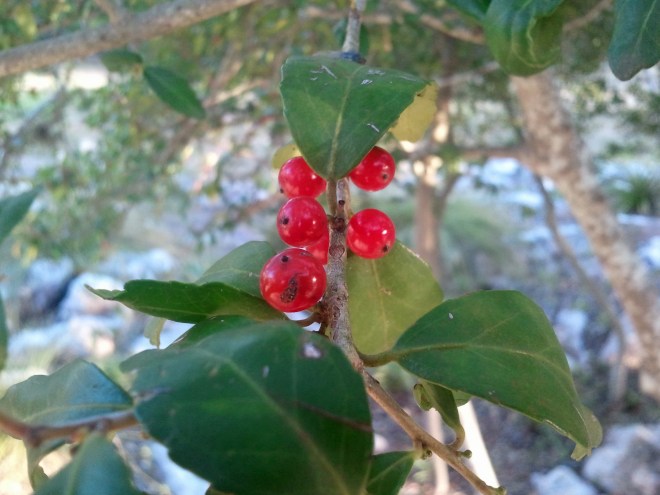
Ilex vomitoria (yaupon). “The leaves and twigs contain caffeine, and American Indians used them to prepare a tea which they drank in large quantities ceremonially and then vomited back up, lending the plant its species name, vomitoria. The vomiting was self-induced or because of other ingredients added; it doesn’t actually cause vomiting.”

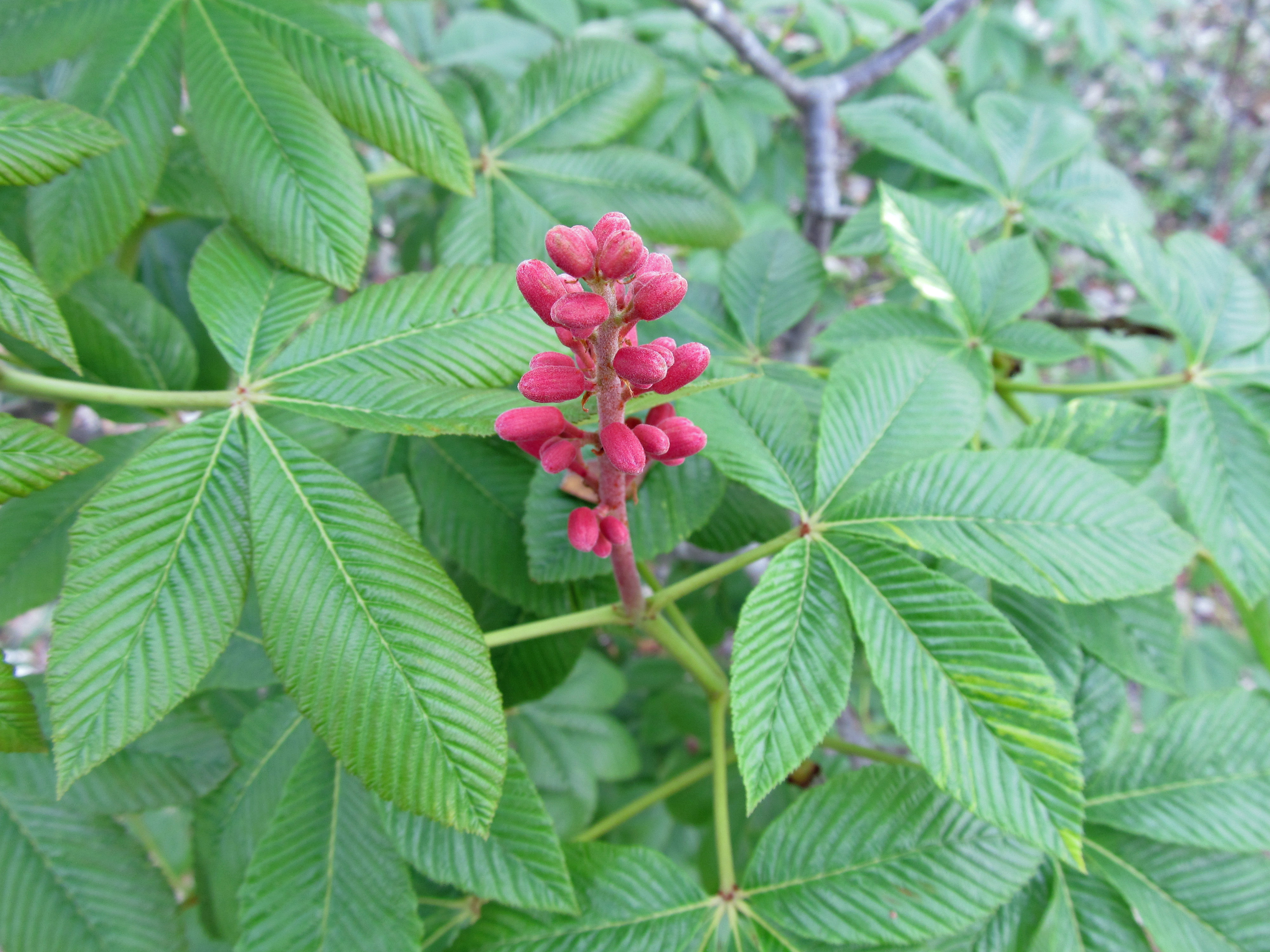
aesculus pava var pava 3

Aesculus pavia var. pavia (red buckeye). “Long popular for its brilliant, hummingbird-attracting spring flowers and rich green foliage, it is found in nature most often as a plant of woodland edges, where it can get morning sun and afternoon shade.”

tillandsia recurvata 5

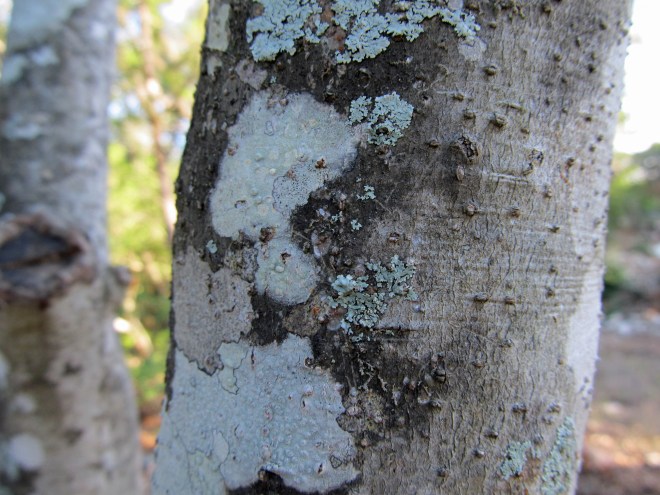
Tillandsia recurvata (ball moss). An epiphyte commonly found on trees within its range, including Quercus fusiformis (escarpment live oak) a dominant tree at the Wildflower Center. “Some have been introduced into other warm regions and cultivated for use as ornamentals or for their edible fruit.”

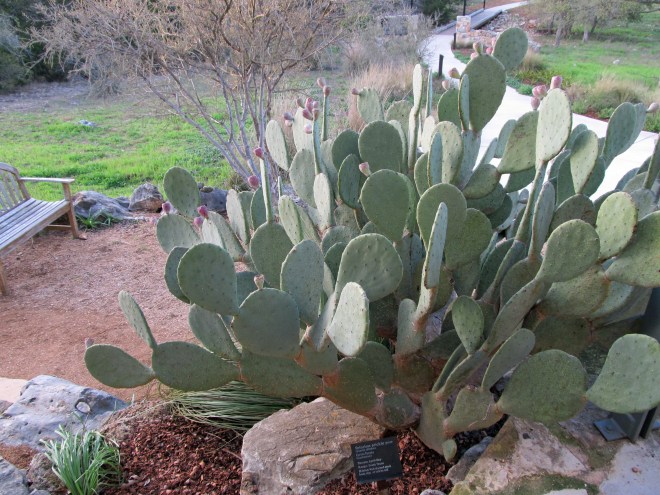
Opuntia ellisiana (spineless prickly pear). A spineless form of Opuntia cacanapa derived from cultivation. “The spineless prickly pear is a great addition to the landscape for those seeking a cactus form, showy blooms, and bright red cactus fruits (tunas). Beware, although it doesn’t have long sharp spines, the tiny glochids (slivers) are very irritating to the skin if the plant is not handled correctly.”

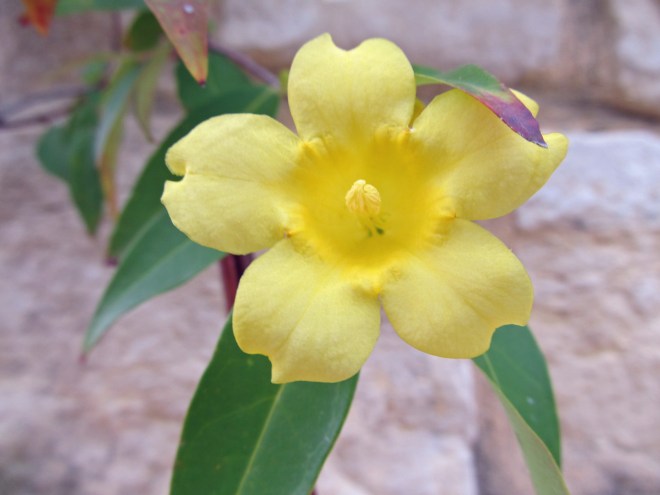
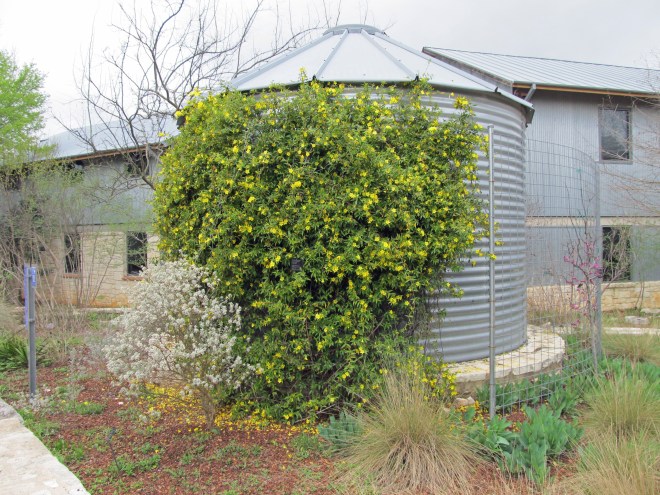
Gelsemium sempervirens (Carolina jessamine). “The flowers, leaves, and roots are poisonous and may be lethal to humans and livestock. The species nectar may also be toxic to honeybees if too much is consumed, and honey made from Carolina jessamine nectar may be toxic to humans.”

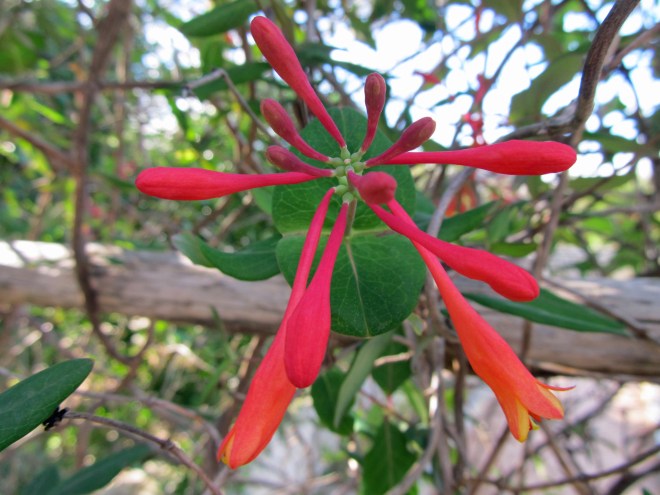
Lonicera sempervirens (coral honeysuckle). “Flowers attract hummingbirds, bees, and butterflies. Fruits attract quail, purple finch, goldfinch, hermit thrush, and American robin.”

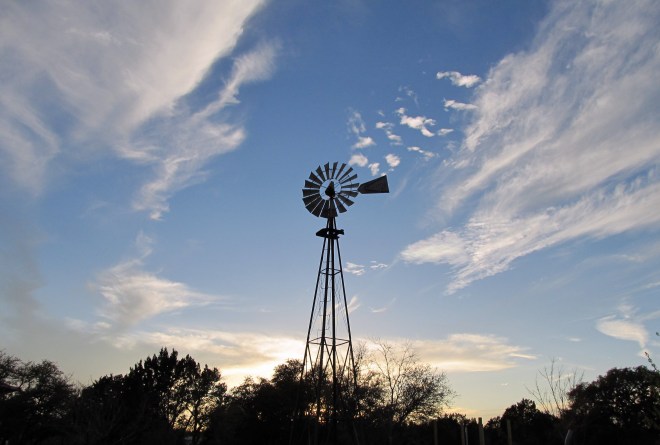
windmill

Field Trip: Lady Bird Johnson Wildflower Center, part one

Last week my place of employment sent me to Austin, Texas to spend some time at the Lady Bird Johnson Wildflower Center. I was there for a native plant conference put on by the American Public Garden Association. I had been wanting to visit the Wildflower Center for a long time, so it was great to finally get the chance. Their gardens are truly amazing. I spent three days there, but could have easily stayed much longer. The native plant conference was great, too. I learned a lot about native plant horticulture, and I left feeling inspired to put those things into practice. If you are wondering “why native plants?,” the Wildflower Center has a good answer to that on their website.

While I was there I took dozens of photos, so I am sharing some of those with you in a two part post. The plant name following each photo or series of photos links to a corresponding entry in the Native Plant Database which is managed by the Wildflower Center’s Native Plant Information Network. The quotes that accompany the plant names are taken from the Native Plant Database entries.
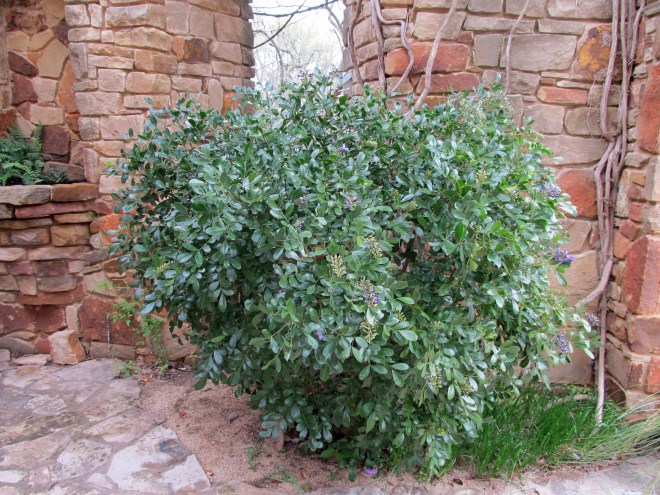
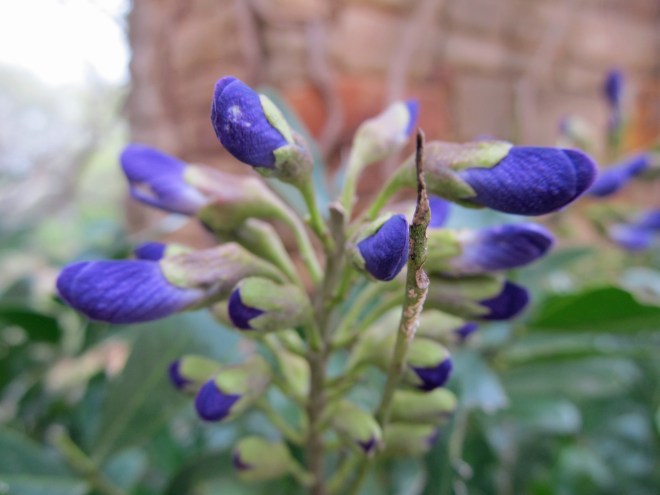
Sophora secundiflora (Texas mountain laurel). “The fragrance of Texas mountain laurel flowers is reminiscent of artificial grape products.”

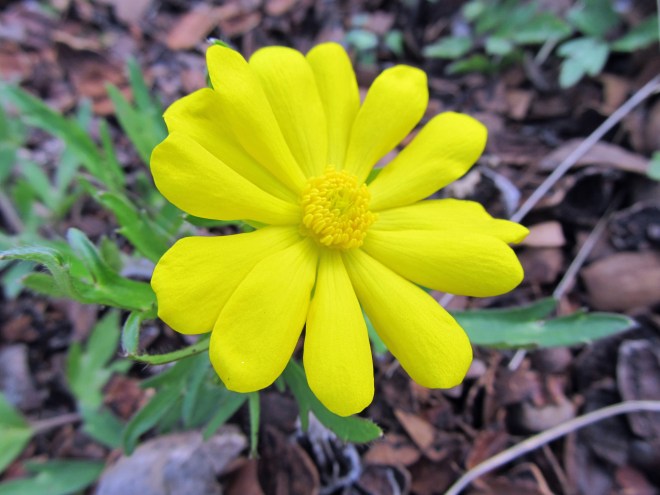
Ranunculus macranthus (large buttercup). “This is one of the largest flowered native buttercups. The large butter-yellow flowers and attractive foliage of this plant immediately attract the eye.”

echinocereus reichenbachii 3

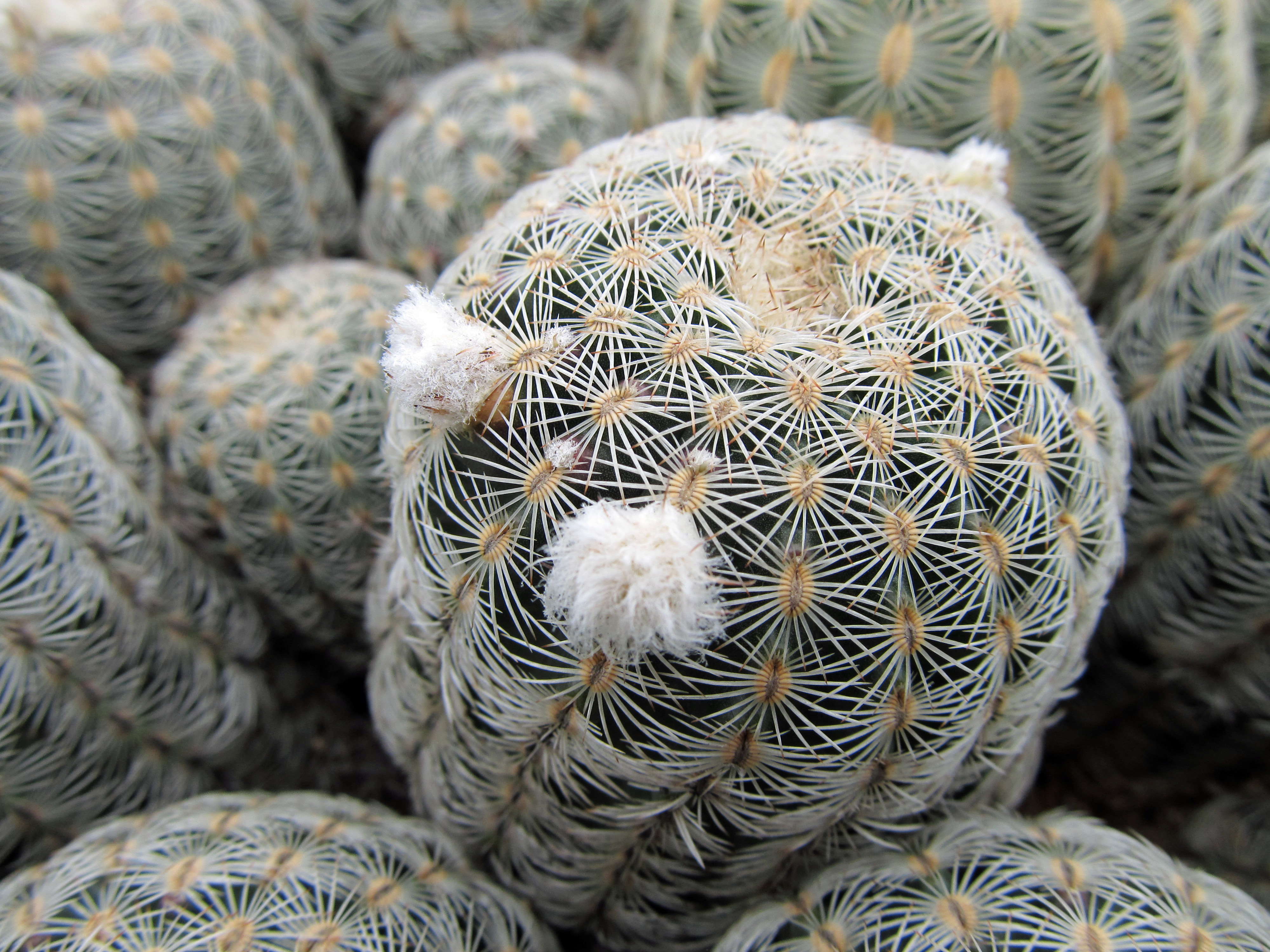
Echinocereus reichenbachii (lace cactus). “Lace cactus is unpredictable in its development, one plant forming a single stem, while its neighbor may branch out and form a dozen or more.”

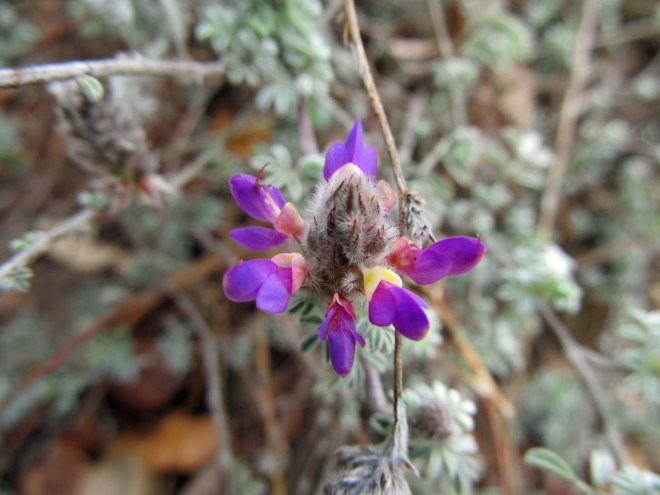
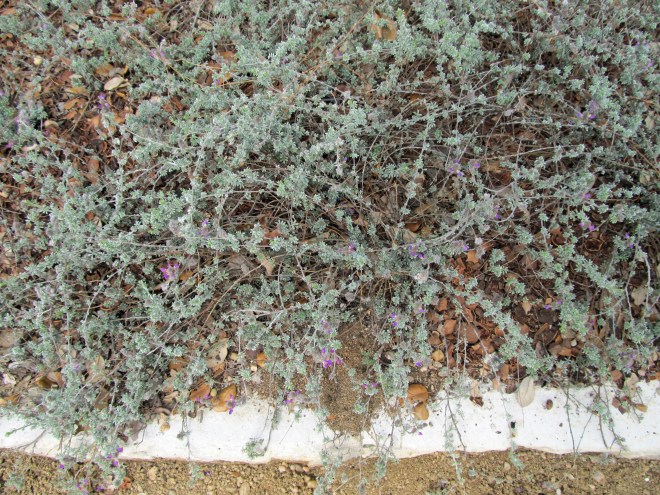
Dalea greggii (Gregg’s prairie clover). “Grown mostly for its silvery, blue-green, delicately compound leaves, the shrub is awash with clusters of tiny, pea-shaped, purple flowers in spring and early summer.” 

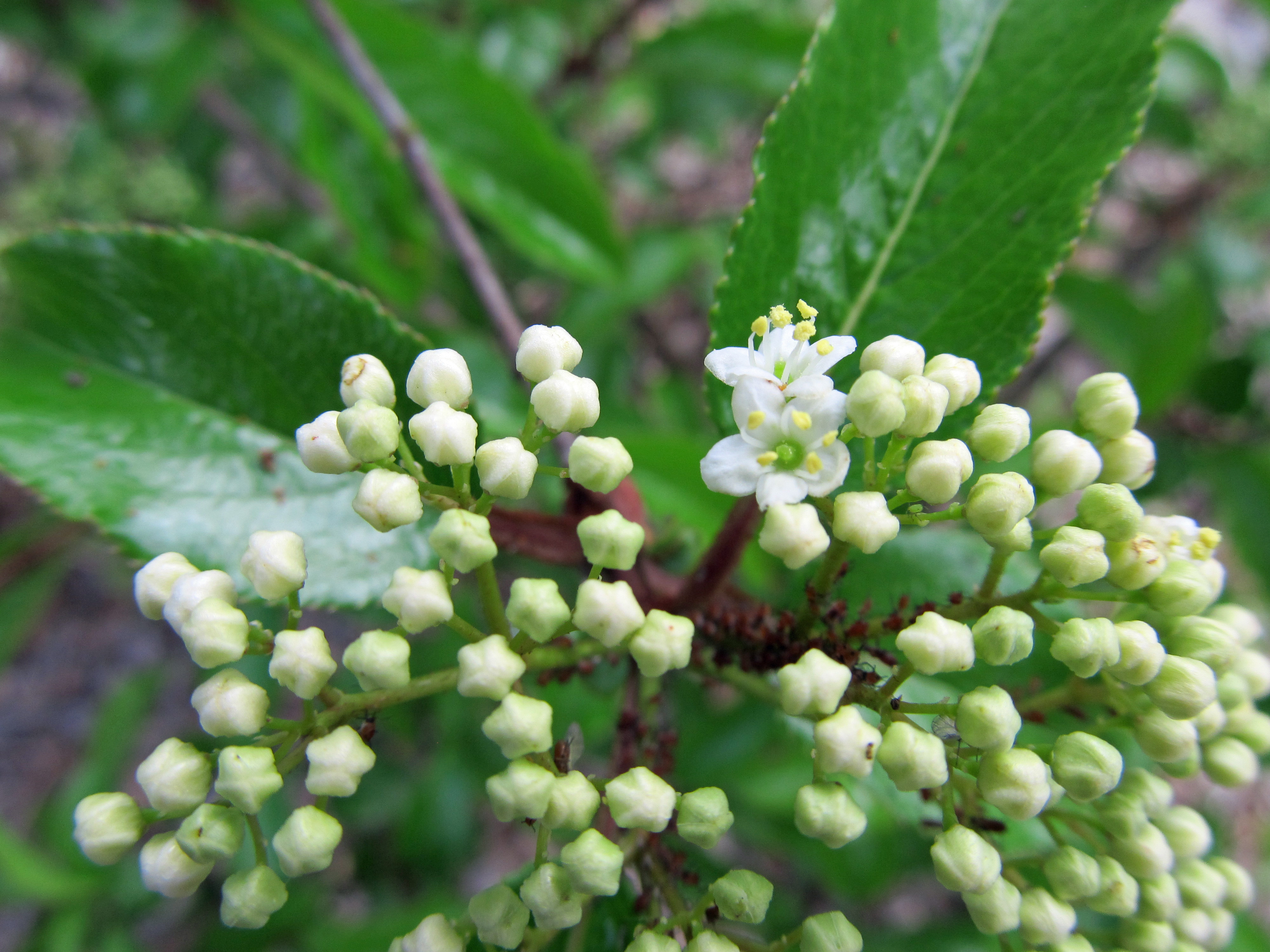
viburnum rufidulum 5

Viburnum rufidulum (southern blackhaw). “In Manual of the Vascular Plants of Texas, Correll and Johnston noted that the fruit tastes similar to raisins.”

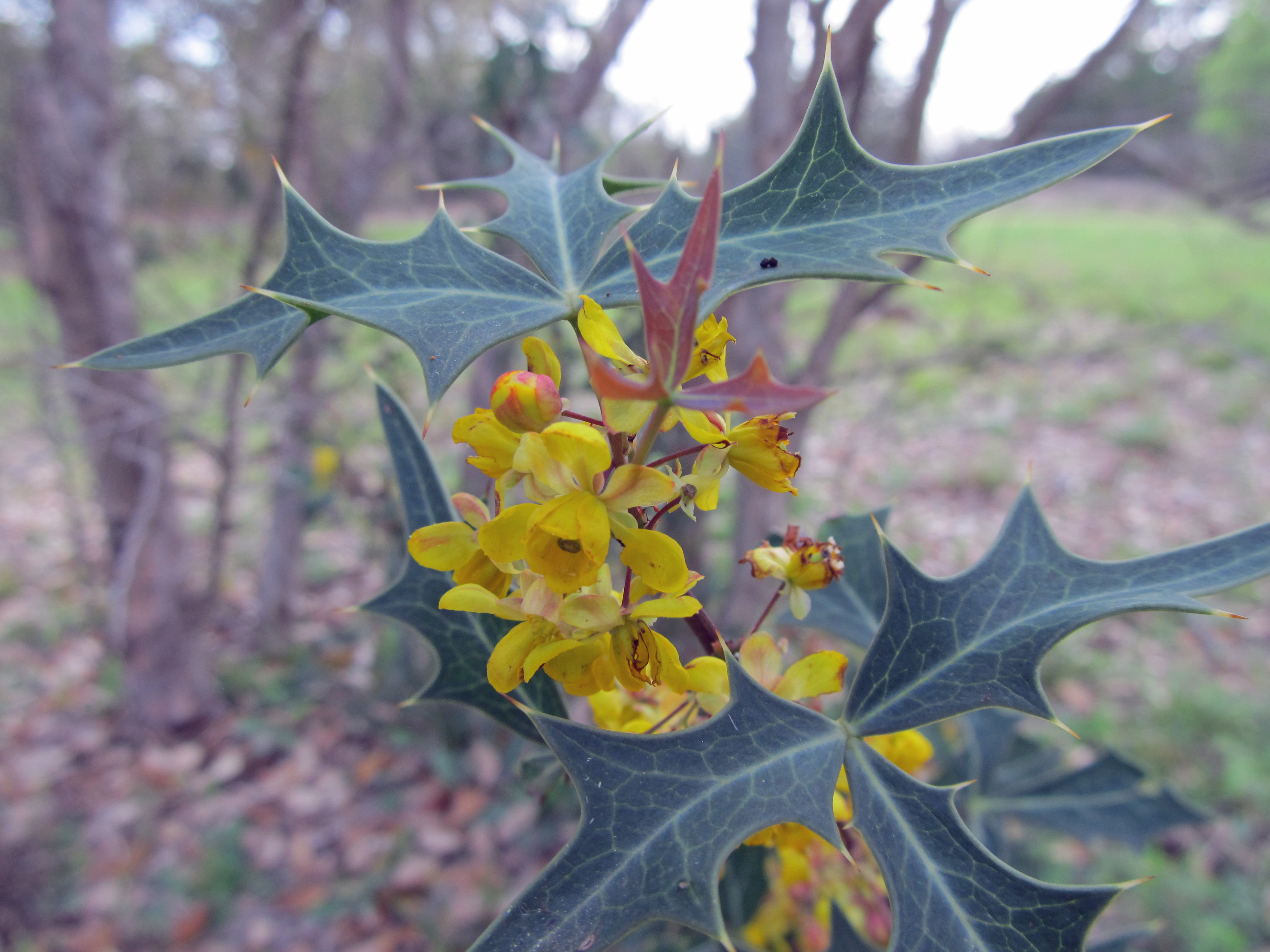
mahonia trifoliata 5

Mahonia trifoliolata (agarita). “Songbirds eat the fruits, and quail and small mammals use the plant for cover. It is considered a good honey source.”

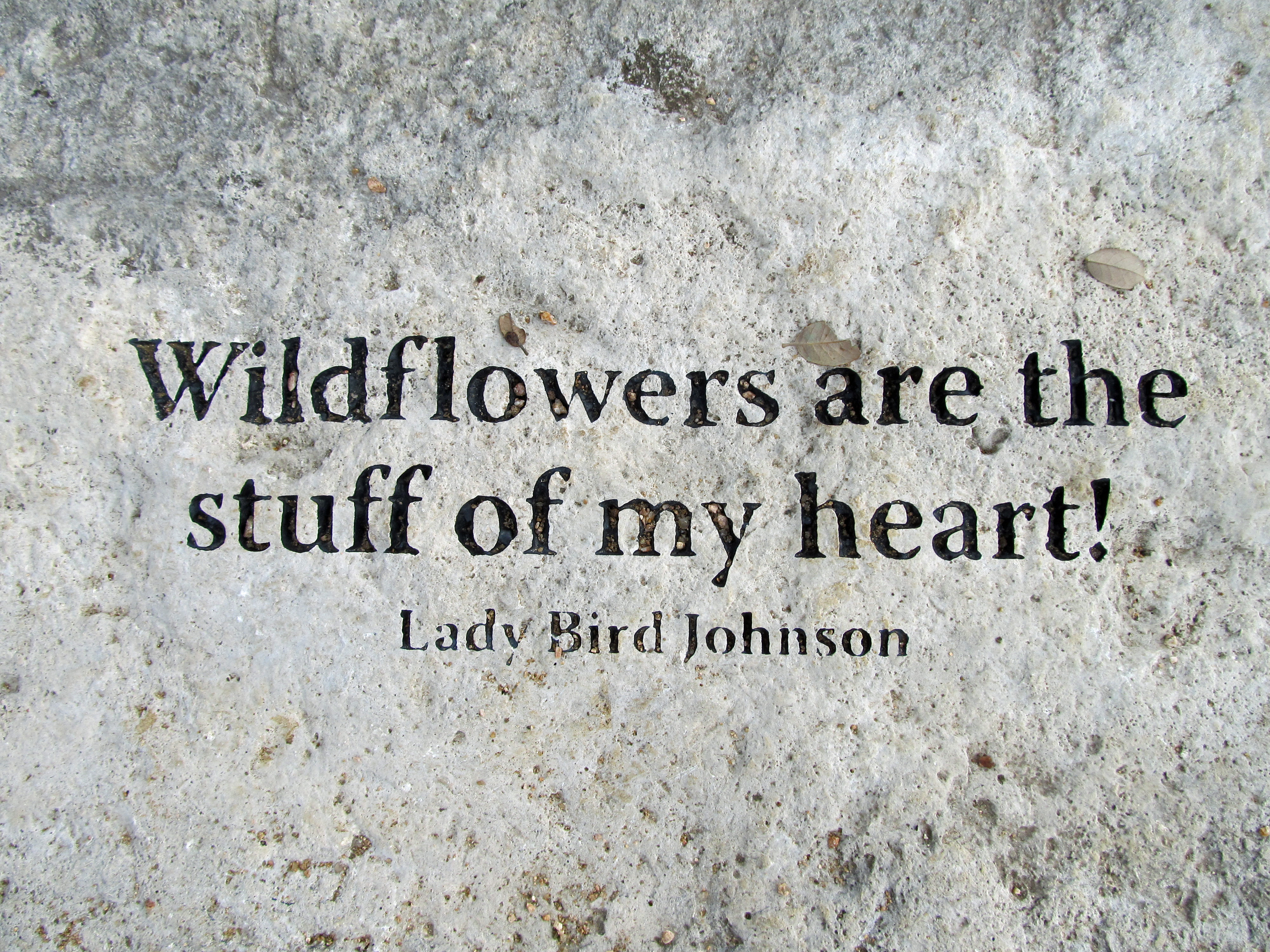
lady bird johnson quote

Year of Pollination: The Anatomy of a Bee

A greater appreciation for pollinators can be had by learning to identify them – being able to tell one from another and calling them by name. Anyone can tell a butterfly from a bee, but how about telling a sweat bee from a leafcutter bee? Or one species of sweat bee from another species of sweat bee? That takes more training. This is where knowing the parts of a bee becomes important.

I am new to learning the names of pollinators. I’ve been learning the names of plants for many years now (and I still have a long way to go), but my knowledge of insect identification is largely limited to one entomology course I took in college and the occasional reading about insects in books and magazines. So, this post is just as much for me as it is for anybody else. It also explains why it is brief and basic. It’s for beginners.

This first illustration is found in the book Pollinators of Native Plants by Heather Holm. The book starts with brief overviews of pollination, pollinators, and pollinator conservation, but then spends nearly 200 pages profiling specific plants and describing the particular species of pollinating insects that visit them. The photos of the insects are great and should be very useful in helping to identify pollinators.

bee anatomy_pollinators of native plants book

This next illustration is from the book California Bees and Blooms by Gordon W. Frankie, et al. The title is a bit deceptive because much of what is found in this book is just as applicable to people outside of California as it is to people within. There is some discussion about plants and pollinators specific to California and the western states, but there is also a lot of great information about bees, flowers, and pollination in general, including some great advice on learning to identify bees. The book includes this basic diagram, but it also provides several other more detailed illustrations that help further describe things like mouth parts, wings, and legs.

bee anatomy_california bees and blooms book

As part of their discussion on identifying bees, the authors of California Bees and Blooms offer these encouraging and helpful words to beginners like me: “Even trained taxonomists must examine most bees under a microscope to identify them to species level, but knowing the characteristics to look for can give you a pretty good idea of the major groups and families of bees that are visiting your garden. These include size, color, and features of the head, thorax, wings, and abdomen.”

If you would like to know more about the pollinators found in your region, including their names, life history, and the plants they visit, books like the aforementioned are a good start. Also, find yourself a copy of a field guide for the insects in your area and a good hand lens. Then spend some time outside closely and quietly observing the busy lives of the tiny things around you. I plan to do more of this sort of thing, and I am excited see what I might find. Let me know what you find.

Here are a few online resources for learning more about bee anatomy and bee identification:

Other “Year of Pollination” Posts:

Year of Pollination: Hellstrip Pollinator Garden

This month I have been reading and reviewing Evelyn Hadden’s book, Hellstrip Gardening, and I have arrived at the fourth and final section, “Curbside-Worthy Plants.” As the title suggests, this section is a list of plants that Hadden has deemed worthy of appearing in a curbside garden. It’s not exhaustive, of course, but with over 100 plants, it’s a great start. Photos and short descriptions accompany each plant name, and the plants are organized into four groups: showy flowers, showy foliage, culinary and medicinal use, and four-season structure.

This list is useful and fun to read through, but there isn’t much more to say about it beyond that. So I have decided to write this month’s Year of Pollination post about creating a hellstrip pollinator garden using some of the plants on Hadden’s list. Last year around this time I wrote about planting for pollinators where I listed some basic tips for creating a pollinator garden in your yard. It’s a fairly simple endeavor – choose a sunny location, plant a variety of flowering plants that bloom throughout the season, and provide nesting sites and a water source. If this sounds like something you would like to do with your hellstrip, consider planting some of the following plants.

Spring Flowers

Spring flowering plants are an important food source for pollinators as they emerge from hibernation and prepare to reproduce. There are several spring flowering trees and shrubs on Hadden’s list. Here are three of them:

  • Amelanchier laevis (Allegheny serviceberry) – A multi-trunked tree or large shrub that flowers early in the spring. Other small trees or shrubs in the genus Amelanchier may also be suitable.
  • Cercis canadensis (eastern redbud) – A small tree that is covered in tiny, vibrant, purple-pink flowers in early spring.
  • Ribes odoratum (clove currant) – A medium sized shrub that flowers in late spring. Try other species of Ribes as well, including one of my favorites, Ribes cereum (wax currant).

There aren’t many spring flowering herbaceous plants on Hadden’s list, but two that stood out to me are Amsonia hubrichtii (bluestar) and Polemonium reptans (creeping Jacob’s ladder).

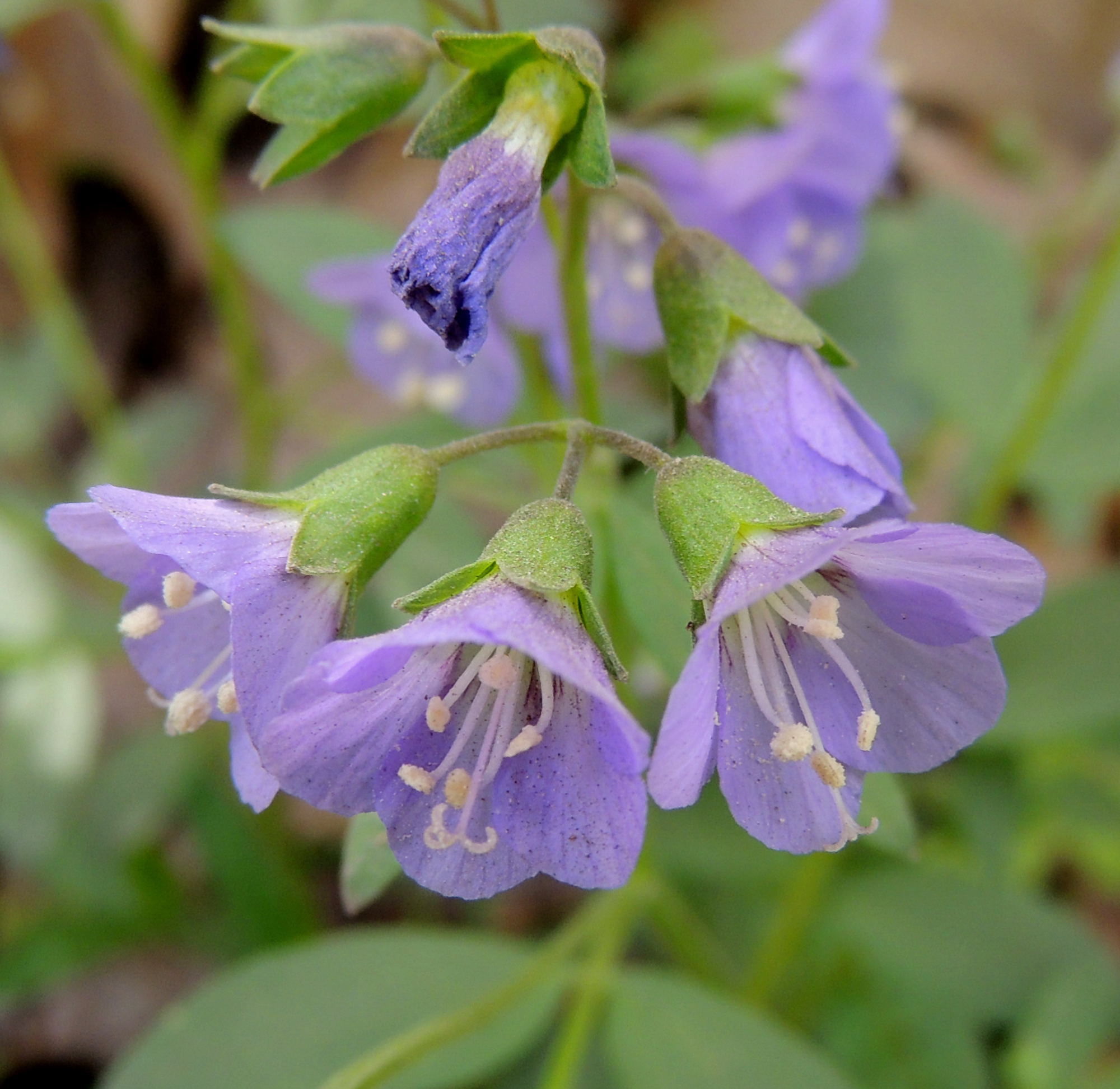
Creeping Jacob's ladder (Polemonium reptens) is native to eastern North America and attracts native bees with its mid-spring flowers. (photo credit: www.eol.org)

Creeping Jacob’s ladder (Polemonium reptens) is native to eastern North America and attracts native bees with its mid-spring flowers. (photo credit: www.eol.org)

Summer Flowers

There is no shortage of summer flowering plants, and Hadden’s list reflects that. When planting a pollinator garden, be sure to include flowers of different shapes, sizes, and colors in order to attract the greatest diversity of pollinators. Here are a few of my favorite summer flowering plants from Hadden’s list:

  • Amorpha canescens (leadplant) – A “good bee plant” and also a nitrogen fixer.
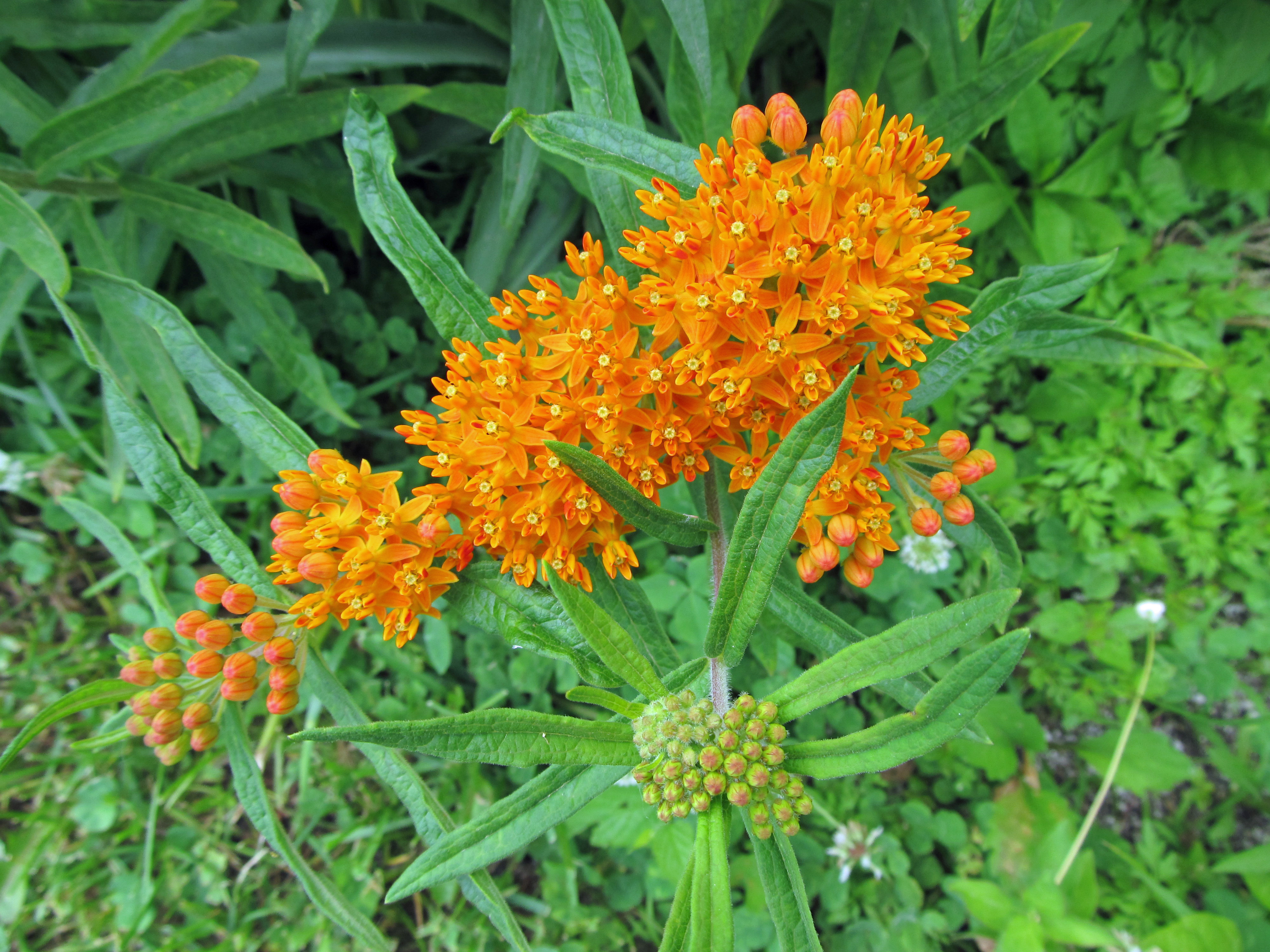
  • Asclepias tuberosa (butterfly weed) – “Valuable pollinator plant and larval host for monarch, gray hairstreak, and queen butterflies.” I love the tight clusters of deep orange flowers on this plant.
  • Coreopsis verticillata (threadleaf coreopsis) – I really like coreopsis (also known as tickseed). Try other species in the genus as well.
  • Penstemon pinifolius (pineleaf penstemon) – North America is bursting with penstemon species, especially the western states. All are great pollinator plants. Pineleaf penstemon is widely available and great for attracting hummingbirds.
  • Salvia pachyphylla (Mojave sage) – A very drought-tolerant plant with beautiful pink to purple to blue inflorescences. Salvia is another genus with lots of species to choose from.
  • Scutellaria suffratescens  (cherry skullcap) – A good ground cover plant with red-pink flowers that occur from late spring into the fall.
The flowers of butterfly weed (Asclepias tuberosa). Milkweed species (Asclepias spp.) are essential to monarch butterflies as they are the sole host plant of their larvae.

The flowers of butterfly weed (Asclepias tuberosa). Milkweed species (Asclepias spp.) are essential to the survival of monarch butterflies as they are the sole host plant of their larvae.

Fall Flowers

Fall flowering plants are essential to pollinators as they prepare to migrate and/or hibernate. Many of the plants on Hadden’s list start flowering in the summer and continue into the fall. A few are late summer/fall bloomers. Here are some of my favorites:

  • Epilobium canum (California fuchsia) – “Profuse orange-red tubular flowers late summer into fall furnish late-season nectar, fueling hummingbird migration.”
  • Liatris punctata (dotted blazing star) – Drought-tolerant plant with tall spikes of purple-pink flowers. “Nectar fuels migrating monarchs.”
  • Symphyotrichum oblongifolium (aromatic aster) – Loaded with lavender-blue flowers in the fall. It’s a spreading plant, so prune it back to keep it in check. Hadden recommends it for sloped beds.
  • Agastache rupestris (sunset hyssop) – Spikes of “small tubular flowers in sunset hues attract hummingbirds, butterflies, and bees midsummer to fall.” Try other species in the Agastache genus as well.
  • Monarda fistulosa (wild bergamot) – The unique flower heads are like magnets to a wide variety of pollinators. Also consider other Monarda species.
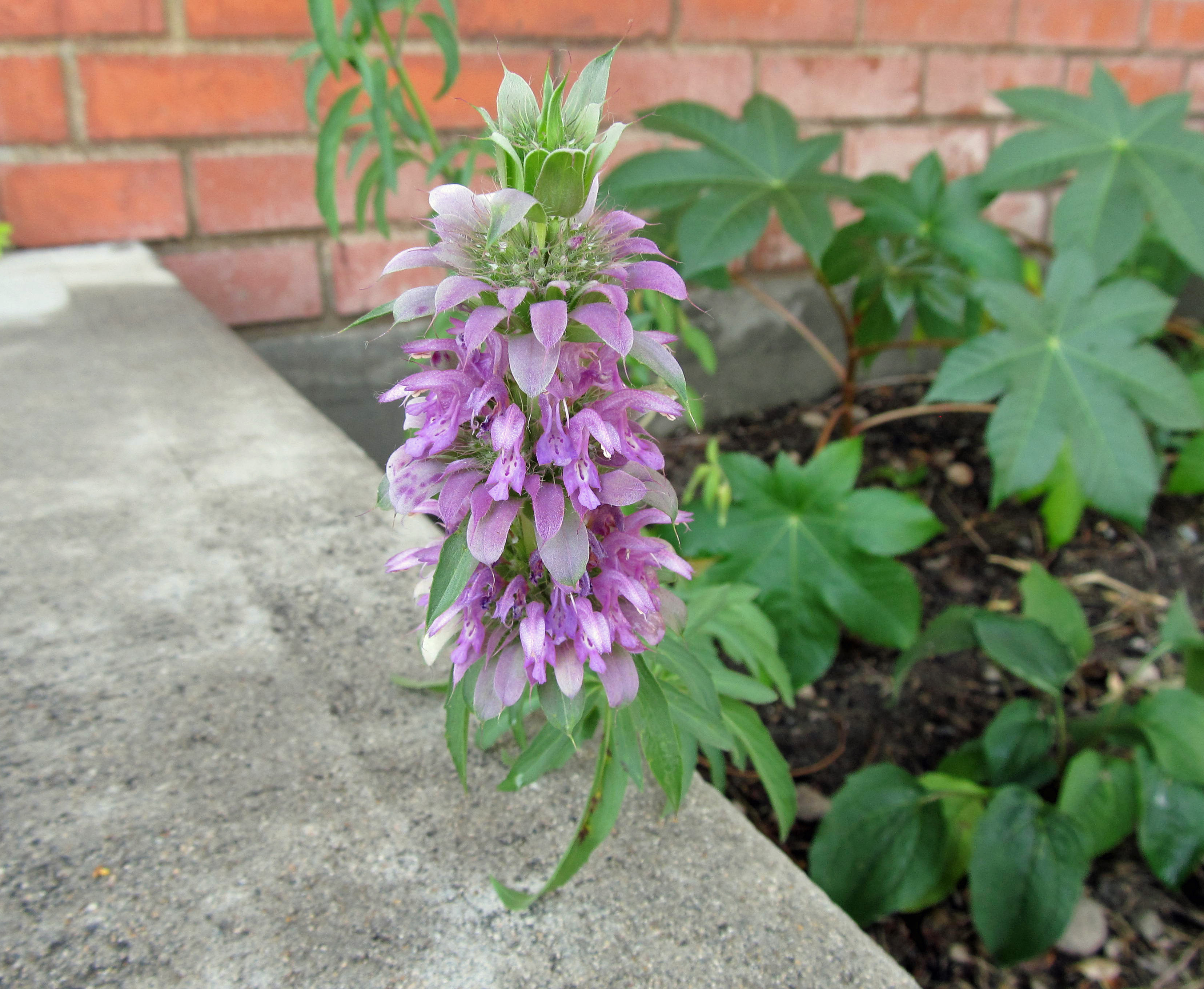
Lemon beebalm (Monarda citriodora), an annual plant that attracts an array of pollinators.

Lemon beebalm (Monarda citriodora), an annual plant that attracts an array of pollinators.

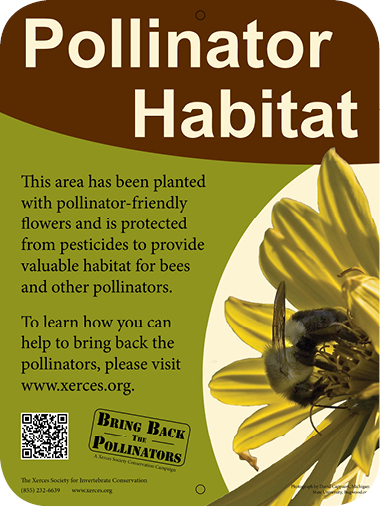
As with any other garden, your hardiness zone, soil conditions, water availability, and other environmental factors must be considered when selecting plants for your hellstrip pollinator garden. Groups like Pollinator Partnership and The Xerces Society have guides that will help you select pollinator friendly plants that are suitable for your region. Additionally, two plans for “boulevard pollinator gardens” complete with plant lists are included in the book Pollinators of Native Plants by Heather Holm – one plan is for sunny and dry spots and the other is for shady and wet spots (pgs. 268-269). Once your pollinator garden is complete, consider getting it certified as a pollinator friendly habitat. There are various organizations that do this, such as the Environmental Education Alliance of Georgia. If you are interested in such a thing, the public nature of your hellstrip garden makes it an ideal place to install a sign (like the one sold in The Xerces Society store) announcing your pollinator garden and educating passersby about the importance of pollinator conservation.

habsign

Other “Year of Pollination” Posts

Using Wild Relatives to Improve Crop Plants

This is the thirteenth in a series of posts reviewing the 17 articles found in the October 2014 Special Issue of American Journal of Botany, Speaking of Food: Connecting Basic and Applied Science.

Back to the Wilds: Tapping Evolutionary Adaptations for Resilient Crops through Systematic Hybridization with Crop Wild Relatives by Emily Warschefsky, Varma Penmetsa, Douglas R. Cook, and Eric J. B. von Wettberg

The nature of domestication involves the narrowing of genetic diversity through a series of crosses and selections that results in organisms well suited for particular environments and/or purposes. In the short term, this arrangement seems to suit our needs, that is until the climate shifts, novel pests and diseases invade, agricultural soils become degraded, or some other calamity ensues. Then we must select a new form to take the place of the old one that is no longer suitable. Additionally, the varieties currently in use may be doing well within their current parameters, but their performance may be found lacking if placed in different environments or grown in alternate systems, such as one that relies on fewer petrochemical inputs.

The wild relatives of crop plants have a long history of being used in breeding programs to provide specific traits for improving domesticated varieties. Interest in this has increased thanks to technological advancements (such as marker-assisted selection and genomic selection) and the greater availability of germplasm. Introgression (the transfer of genes from one species to another through hybridization and repeated backcrossing) using crop wild relatives has mainly been aimed at introducing traits like resistance to specific pests and diseases, tolerance of certain abiotic stresses, and greater yields. In other words, crop wild relatives are typically screened for a few main traits that might be useful in breeding programs, neglecting the possibility that the introgression of a larger suite of traits may be beneficial long-term.

This article discusses the possibility of using “crop wild relative collections that [have been] systematically built to represent the range of adaptations found in natural populations” to improve crop plants. By using these “purpose-built populations that are hybrids between crops and their wild relatives,” crop plants introgressed with “full sets of wild diversity” will be better adapted to a wide variety of environments, soils, climates, and agricultural systems. In order to “illustrate the gains that are possible,” the authors review published studies of hybridization (both naturally occurring and human mediated). They then “propose a multi-step framework for utilizing naturally occurring variation in wild relatives of crops.”

Grapefruit (Citrus x paradisi) - A hybrid between sweet orange (Citrus sinensis) and shaddock (Citrus maxima) that "occurred far beyond the region of domestication and rather recently [the 18th centruy]." (photo credit: wikimedia commons)

Grapefruit (Citrus x paradisi) – A hybrid between sweet orange (C. sinensis) and shaddock (C. maxima) that “occurred far beyond the region of domestication and rather recently [the 18th century].” (photo credit: wikimedia commons)

Hybridization can occur between two individuals of different cultivars, varieties, subspecies, species, genera, etc. The genetics of the resulting offspring is a combination of the two parents, and depending on the circumstances, a hybridization event “can have drastically different consequences.” For this reason, “hybridization is thought of as both a creative and a restrictive force in evolution.” It is, however, “the potential for the production of novelty that makes hybridization such an intriguing – and potentially useful – phenomenon.”

In their discussion of hybridization between crops and their wild relatives, the authors reveal some “obstacles that limit the use of wild relatives in breeding programs.”

  • Poor Agronomic Performance – “Crop wild relatives often lack important domestication traits.” They may have shattering pods, irregular germination timing, or phenologies that inhibit their use in certain regions.
  • Poor Representation in Germplasm Collections – “Only 2-6% of international germplasm collections are of crop wild relatives.” There are some crop wild relatives that are well-represented, but others have been “poorly collected” or “almost ignored,” and some crops still “lack well-identified wild relatives.” One reason for this disparity is that a large number of these plants “occur in geopolitically unstable areas where collection has long been complicated.”
  • Unpredictability of Phenotypes – “Phenotypes of wild individuals are often assessed in agricultural settings, a largely uninformative practice when the overall wild phenotype is specifically adapted for fitness in the wild but not cultivated settings.” This makes for an inaccurate comparison with domesticated varieties, so when “crop-wild hybrids” are formed, phenotypes are hard to predict. Backcrossing is necessary in order to recover the “essential crop phenotype” while capturing the desired traits of the wild relative.

The authors also highlight the need for conservation of crop wild relatives, as “these species are nearly universally threatened.” The catalog of threats to their survival is similar to so many other threatened species: the loss, fragmentation, and degradation of habitats, climate change, invasive species, and over-harvesting (“in the case of medicinally and pharmaceutically useful species”). One threat, perhaps ironically, is agricultural crops crossing with nearby wild relatives, especially where transgenic genes in crops are being transferred to wild populations. In order to better realize the potential that crop wild relatives have in improving domesticated varieties, they must first be protected in their natural habitats.

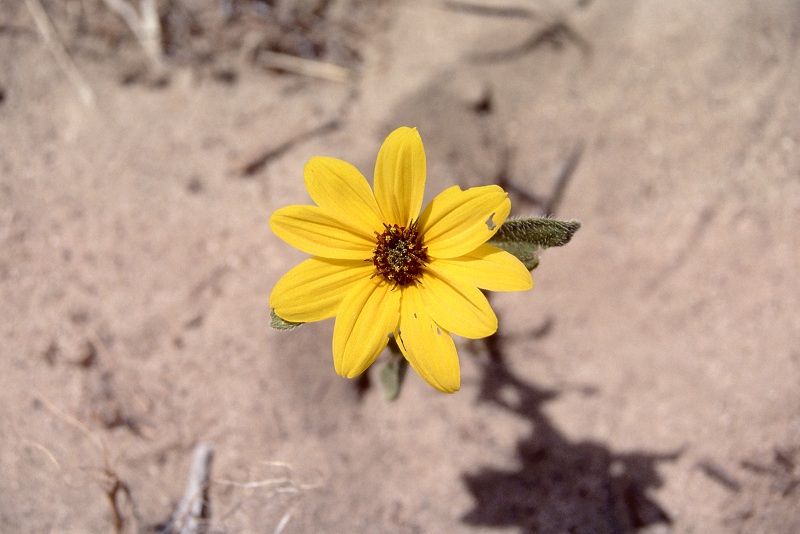
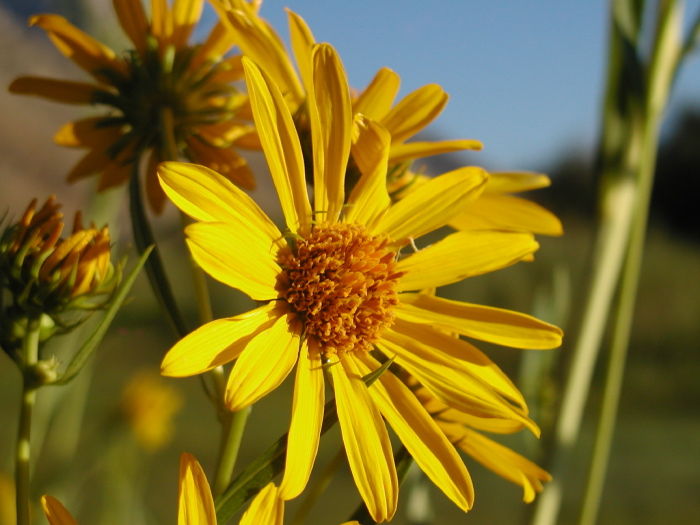
Desert sunflower (Helianthus deserticola) - One of three hybrid species born of H. annuus and H. petiolaris, "highlighting the expanded potential of hybrid species...through colonization of extreme habitats where neither parental species can survive." (photo credit: www.eol.org)

Desert sunflower (Helianthus deserticola) – One of three hybrid species born of H. annuus and H. petiolaris, “highlighting the expanded potential of hybrid species…through colonization of extreme habitats where neither parental species can survive.” (photo credit: www.eol.org)

The authors propose a 5 step plan for systematic utilization of crop wild relatives in agricultural breeding programs. The steps include building a comprehensive collection of crop wild relatives, sequencing their genomes, creating purpose-driven hybrid populations between wild relatives and crop plants, developing a predictive network of genotype-phenotype associations, and deploying identified phenotypes into crop breeding efforts. This article is one of the open access articles in this issue. If you are interested in this topic, including this 5 step plan, I encourage you to read the article to learn more. 

Cultivated Sunflowers and Their Wild Relatives

This is the ninth in a series of posts reviewing the 17 articles found in the October 2014 Special Issue of American Journal of Botany, Speaking of Food: Connecting Basic and Applied Science.

Transistions in Photoperiodic Flowering Are Common And Involve Few Loci in Wild Sunflowers (Helianthus; Asteraceae) by Lucas P. Henry, Ray H. B. Watson, and Benjamin K. Blackman

The seasonal timing of flowering is an important trait to consider in crop plants, because it dictates where geographically a particular crop can be grown and also plays a role in fitness and yield. Flowering time is determined by a combination of genetics and environmental factors. One of the major environmental factors is day length, a phenomenon known as photoperiod response (or photoperiodism).  There are three main types of photoperiod response: short-day (plants flower when “grown in day lengths below a critical maximum threshold”), long-day (plants flower when “grown in day lengths above a critical minimum threshold”) and day-neutral (“plants flower at the same time under all day length conditions”). A plant’s response to day length can be obligate – restricted to a particular response – or facultative – capable but not restricted. Understanding the genetics of photoperiod response is important for breeding efforts, and can help in the development of crop varieties that have improved yields and that can be either grown in broader geographic areas or that are specifically selected for local regions.

Agricultural breeding programs often investigate wild relatives of crop plants for potential traits that could lead to improvements. There is “renewed interest” in these investigations “because genome-enabled methods [of identifying desirable genes] and international investment in germplasm resources have dramatically reduced the associated labor, time, and risk.” The authors of this study, recognizing extensive variation in flowering time in both common sunflower (Helianthus annuus) and its wild relatives, examined the genetic basis for this variation in an effort to support sunflower breeding programs.

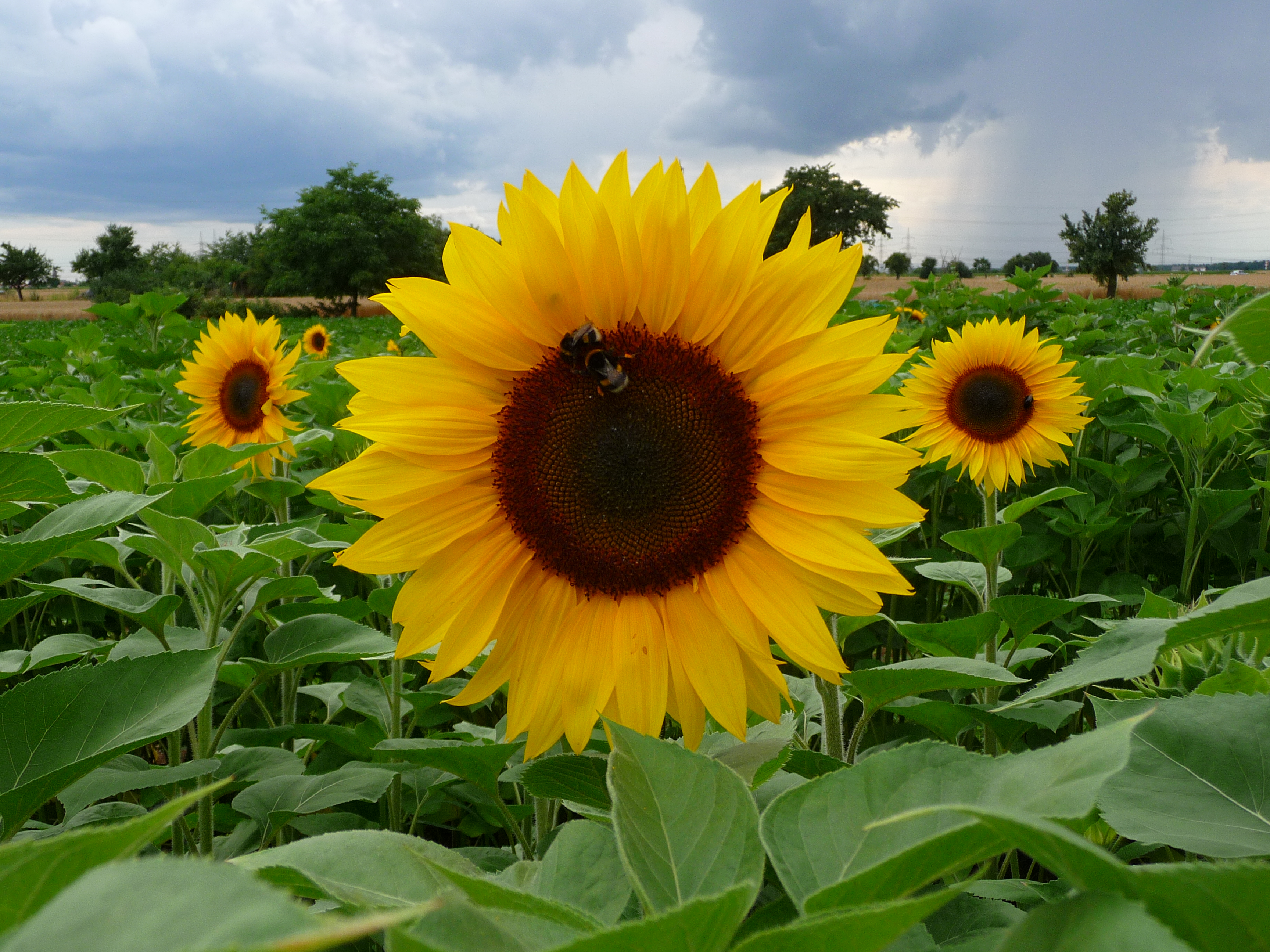
Common Sunflower, Helianthus annuus (photo credit: Wikimedia commons)

Common Sunflower, Helianthus annuus (photo credit: wikimedia commons)

Helianthus is a genus consisting of around 70 species, most of which are native to North America (a few occur in South America). Several species in this genus are cultivated as food crops and/or as ornamental plants. H. annuus is the most commonly cultivated species, valued for its edible seeds and the oil they produce as well as for various other things. Wild relatives of H. annuus have “been a frequent source of genetic raw material for agricultural innovation,” aided by the fact that “barriers to interspecies crosses are incomplete or can be overcome through embryo culture or chromosomal doubling.” Helianthus is a diverse genus, including generalist species occurring in “diverse environments over broad geographic regions” and specialist species occurring in “habitats characterized by high temperature, water, or salt stress.” For this reason, “wild sunflowers are prime sources to mine for alleles that confer higher yield in new or marginal” agricultural settings.

A relatively small subset of Helianthus species were involved in this study; however, the subset represented a “phylogenetically dispersed sample.” One interesting finding was that the evolution of an obligate short-day requirement for flowering has occurred in several species, “particularly those with ranges restricted to the southern United States.” The authors suggest that a reason for this finding could be that “long, hot, and humid summers” in this region “may be unfavorable for growth or reproduction.” Thus, while populations of H. annuus “likely escape these conditions by flowering in the long days of late spring,” other Helianthus species put off “flowering until the arrival of cooler, less humid falls.” Flowering during cooler times is beneficial because pollen fertility decreases and seed maturation slows at high temperatures. The risk of fungal pathogens attacking flowers and dispersed seeds is also reduced during periods of lower humidity.

Another important finding was that the diversity in photoperiod response in Helianthus appears to have a “relatively simple genetic architecture.” If this is the case, it could “greatly facilitate rapid crop improvement by marker-assisted selection.” Further studies are necessary, specifically those involving “intra- and interspecific crosses segregating for variation in photoperiod response,” in order to confirm the authors’ findings and justify “broader investment of resources into these applied efforts.”

Nuttall's Sunflower (Helianthus nuttallii), one of Common Sunflower's wild relatives (photo credit: www.eol.org)

Nuttall’s Sunflower (Helianthus nuttallii), one of Common Sunflower’s wild relatives (photo credit: www.eol.org)

While much was learned from this study, the authors acknowledge the need for “future investigations with greater taxonomic and environmental sampling.” Researchers recently produced a “draft genome” for sunflower. This additional resource will greatly aid breeding programs and further inform studies, like this one, that are interested in the “mechanistic factors and ecological agents that have promoted the emergence of the great diversity and lability in photoperiod response observed in wild sunflowers.”

Exploring Pollination Biology in Southwestern China

This is the sixth in a series of posts reviewing the 17 articles found in the October 2014 Special Issue of American Journal of Botany, Speaking of Food: Connecting Basic and Applied Science.

Insect Pollination and Self-Incompatibility in Edible and/or Medicinal Crops in Southwestern China, a Global Hotspot of Diversity by Zong-Xin Ren, Hong Wang, Peter Bernhardt, and De-Zhu Li

We rely on pollinators to pollinate at least 75% of our food crops, which is why any talk of pollinator decline tends to make us nervous. It is also why research involving pollinators and pollination is so important. Despite all we know, there is still so much to learn. The authors of this study, recognizing that “there are large gaps in the study of the pollination of economically important and traditionally grown species in China,” set out to help close these gaps. Their research not only has the potential to benefit agricultural communities in China, but also adds to our growing understanding of pollination biology – a science that has become increasingly important in an age of human population growth and shifting climates.

The incredibly diverse Chinese flora includes at least 31,000 plant species. Three hundred of the 1500 species of worldwide cultivated crop plants “originated and/or were domesticated and/or underwent differentiation in China.” Southwestern China has a particularly large amount of botanical diversity and is considered a biodiversity hotspot. In this study concerning agricultural pollination, researchers chose to focus on Yunnan, a province in southwestern China. They chose this region due to its high level of current and historical agriculture and because it is “one of the last refuges of the eastern Asian honeybee, Apis cerana, in China.” They narrowed their research down to 11 species that are important for their culinary and/or medicinal use, some of them having widespread use and others having more local, cultural use. Depending on the species, conclusions were drawn either from available literature, from field studies, or both.

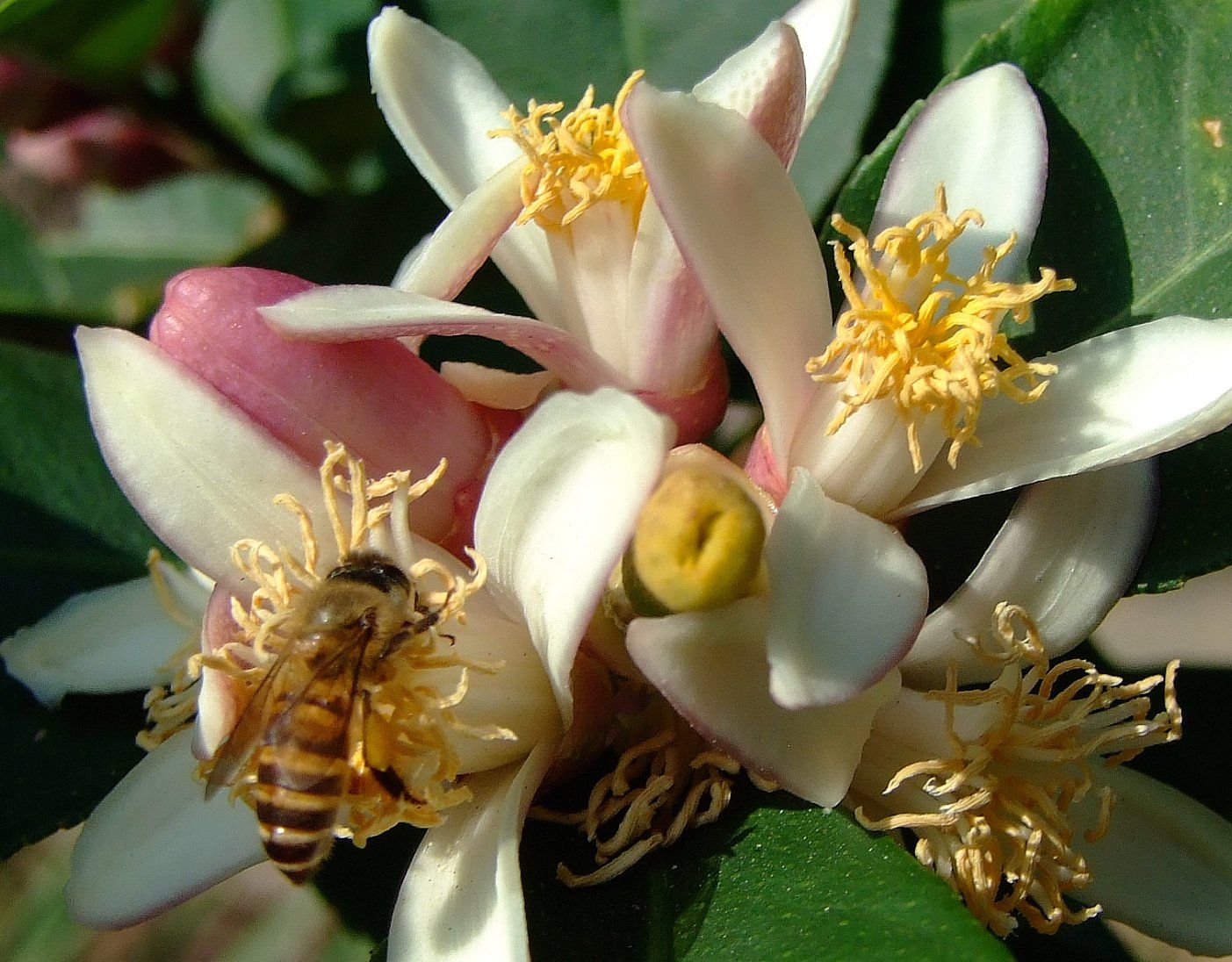
Eastern Asian Honeybee (Apis cerana) on Citrus limonia flowers (photo credit: www.eol.org)

Eastern Asian Honeybee (Apis cerana) on Citrus limonia flowers (photo credit: www.eol.org)

A review of the literature revealed information about each plant’s breeding system, the pollinators involved, ethnobotanical details, and other things. No information was available on the breeding system or pollinators of Panax notoginseng, “one of the most highly valued Chinese medicinal herbs.” Five species were found to be self-compatible (Angelica sinensis, Amomum tsao-ko, Brassica napus, B. campestris, and Gastrodia elata) and four were found to be self-incompatible (Camellia oleifera, Dendrobium catenatum, Fagopyrum esculentum, and Paris plyphylla var. yunnanensis). Codonopsis subglobosa was somewhere in the middle. The authors were intrigued by the persistent self-incompatibility in these domesticated plants (some more recently domesticated than others), noting that “both traditional and modern agricultural practices in China could not always overcome ancestral self-incompatibility mechanisms.” A running theme seemed to be that, if able to produce fruit or seed when hand-pollinated or without the aid of pollinators, the plants consistently performed better when insect pollinated. One of the most interesting findings was that Gastrodia elata, Dendrobium catenatum, and Paris plyphylla var. yunnanensis “persist in cultivation only through hand-pollination.”

Camellia oleifera, tea-oil plant, is pollinated by two native solitary bee species. It is avoided by native and introduced honeybees because its nectar contains substances that are toxic to worker bees, including caffeine, raffinose, stachyose, and galactose. Fagopyrum esculentum, common buchwheat, is native to southern China and was likely first domesticated there. It is pollinated by a variety of insects; however, its main pollinator in worldwide cultivation is the European honeybee, Apis mellifera. In China, evidence suggests that when pollinated by native pollinators, buckwheat produces higher yields and larger fruits. Codonopsis subglobosa is an undomesticated but cultivated perennial vine endemic to southwestern China, the roots of which are used as a substitute for ginseng. It can self-pollinate without a vector, but cross-pollination by wasps yields more seeds. Pollination by “hunting wasps” is rare, and C. subglobosa is not the only plant in the area pollinated by them. If the “evolution of hunting wasp pollination systems has evolved repeatedly in unrelated species native to southwestern China,” this region may be a “center for the convergent evolution of hunting wasp pollination.”

Common Buckwheat, Fagopyrum esculentum (photo credit: Wikimedia commons)

Common Buckwheat, Fagopyrum esculentum (photo credit: wikimedia commons)

Beekeeping has been a major part of agriculture in China for centuries. However, the introduction of the European honeybee has caused a significant decline in both wild and managed populations of native honeybees, despite native honeybees being “better adapted to more diffuse nectar resources” than the introduced honeybee. The decline in keeping and managing native honeybees is complicated and involves much more than just the introduction of the European honeybee. Along with the debate about what is best for agriculture in China, is the concern about what introducing non-native pollinators could mean for native flora and fauna. The authors conclude that there is “urgent need for new pollination management policies in China.”

This article ends with suggestions about how to improve and expand pollination biology research in China in order to fill gaps in knowledge, improve agricultural production, and protect and conserve native biodiversity. China is an ideal candidate for such research for several reasons: it has areas like southwestern China that are very species rich, it has a long history of agriculture, and it has numerous unique crops that are specific to Chinese culture. China also has a large and growing population, so improvements that can lead to more sustainable agricultural production will be greatly beneficial in the long run.

Drought Tolerant Plants: Blue Sage

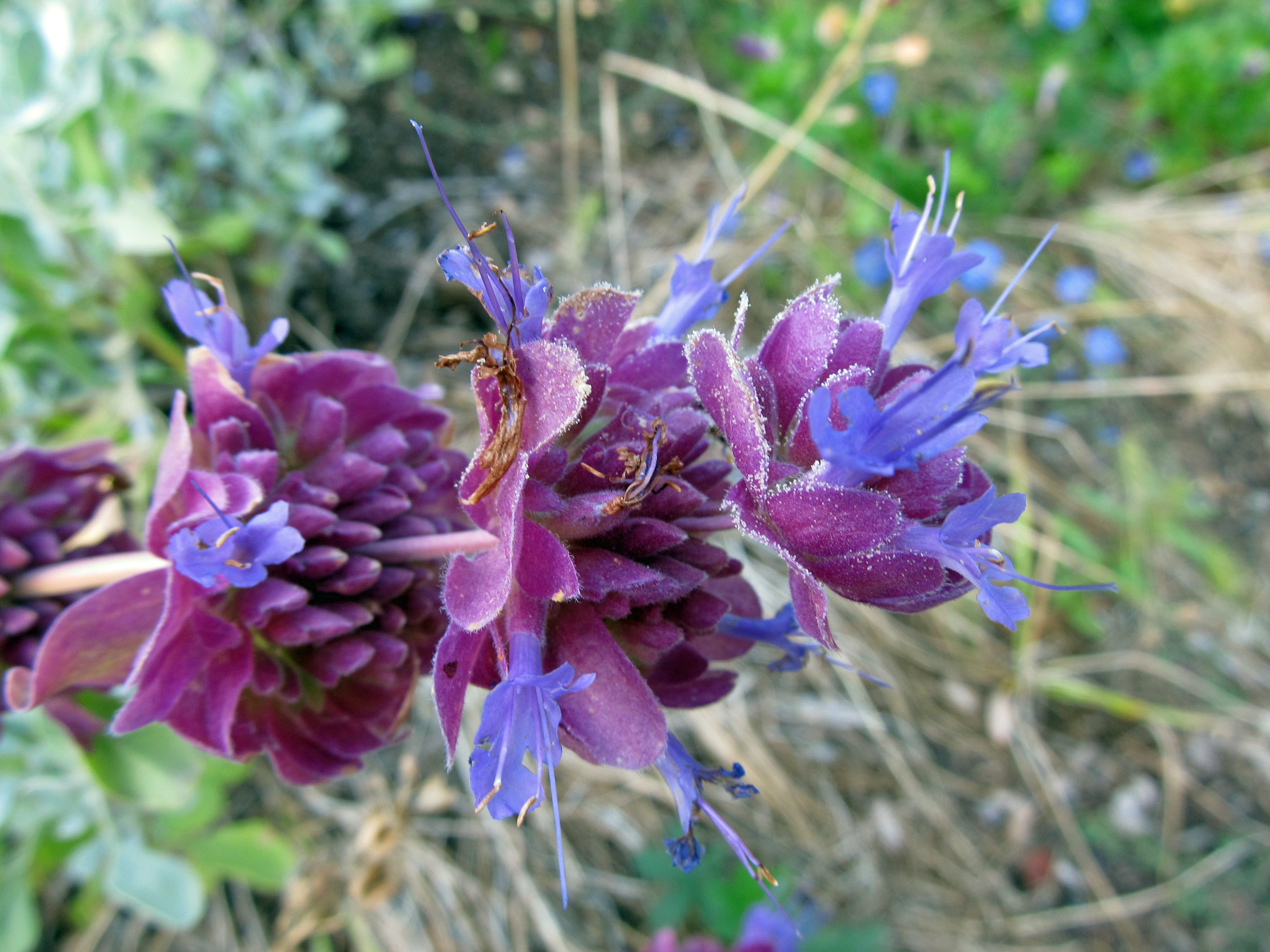
If you are considering installing a drought tolerant garden on your property or including more drought tolerant plants in your landscape, one plant that should come standard is blue sage. Its silvery-green foliage, large, abundant, purple-blue flower stalks, and attractive mounded shape, make it an excellent feature in any water-efficient garden bed.

salvia pachyphylla_edit 1

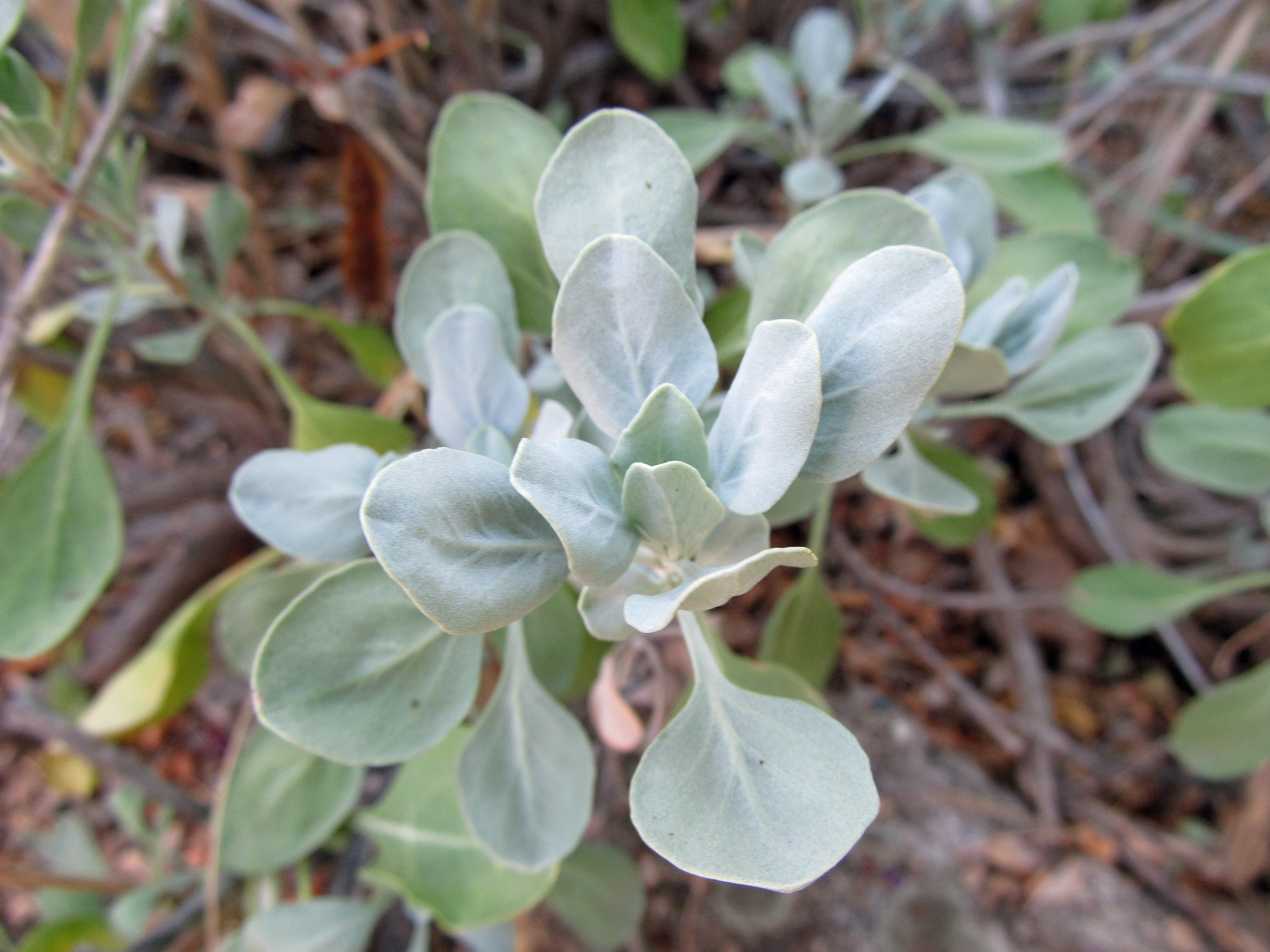
Salvia pachyphylla is in the mint family (Lamiaceae). It has several common names which it shares with several other plants: blue sage, Mojave sage, rose sage, mountain desert sage, giant-flower sage. For this post we will refer to it as blue sage; however, if you’re looking to purchase it, make sure to verify the botanical name. Blue sage is a subshrub that can grow up to 3 feet tall and 3 feet wide. It tends to remain smaller – around 1-2 feet tall – in its native habitat. It is found in the southwestern states of the United Sates on dry, rocky slopes and flats at elevations between 5,000 – 10,000 feet. The leaves are oppositely arranged and covered with fine hairs that lay tightly against the leaf surface giving the foliage its silvery appearance. Like all other sages, the leaves of blue sage are highly aromatic.

salvia pachyphylla foliage_edit

The flowers appear in compact clusters on spikes that extend upward from the branches. The inflorescences can be several inches long. They have numerous large, purple bracts that appear in a whorled pattern along the spike. The violet-blue flowers are small but prolific and appear between the bracts surrounding the stalk. Flowering occurs throughout the summer (July-September in its native range). The flowers attract droves of pollinators including bees, butterflies, and hummingbirds. Blue sage is especially beneficial to native pollinators. In fact, while taking photos for this post, I noted that the flowers were being visited by several bumblebees. Its benefit to pollinators is another great reason to include this plant in your landscape.

salvia pachyphylla_edit 2

Blue sage is a very drought tolerant plant. Once it is established it requires only occasional watering throughout the summer in order to keep it looking good. It performs well in a variety of soil types, but like most drought tolerant plants it is best placed in well drained soil. Heavy soils can be amended by mixing in things like sand, lava rock fines, and compost at planting time. It prefers full sun and is winter hardy to USDA hardiness zone 5, especially if planted in an area where the soil is relatively dry throughout the winter. Blue sage is a long lived plant and can be kept in shape by cutting back the spent flowers in the fall. The folks at Plant Select recommend planting blue sage with, among other things, penstemon, coreopsis, and creeping veronica.

Photos were taken at Idaho Botanical Garden in Boise, Idaho.

Hundreds of Japanese Plants Threatened with Extinction

Life has existed on earth for at least 3.5 billion years, and during that time there have been five mass extinctions. Currently, we are in the middle of a sixth one. The major difference between the current extinction event and others is that this one is largely human caused, which is pretty upsetting. However, knowing that detail has its upside: if humans are the drivers of this phenomenon, we can also be the ones to put on the brakes.

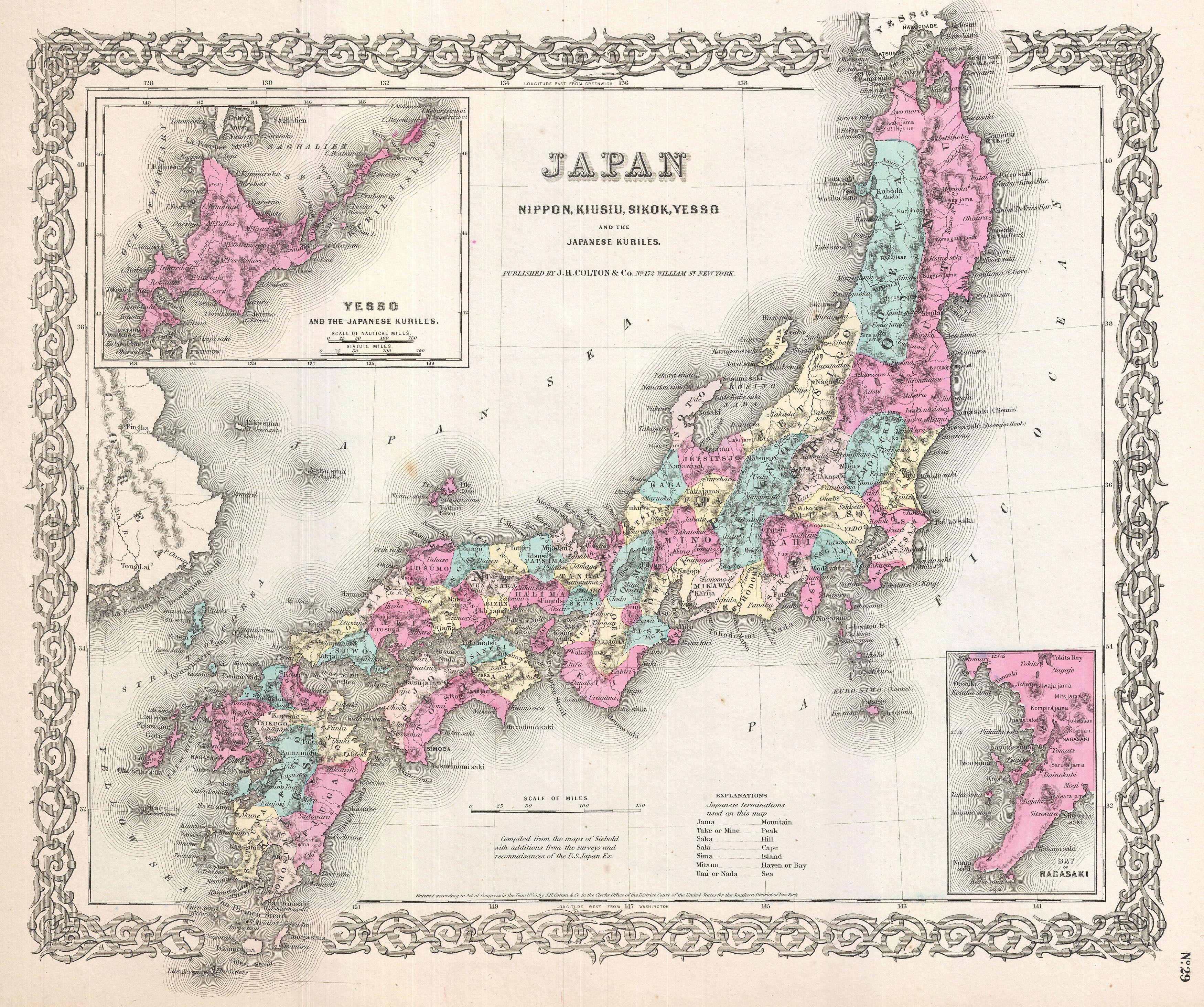
Biologists have spent the last several decades tracking the current mass extinction, endeavoring to come up with a list of species that have the greatest risks of extinction, as well as lists of species that are at less of a risk, etc. The problem is that factors leading up to extinctions are diverse, and available data for making predictions is lacking, especially temporal data. Recognizing this information gap, researchers in Japan set out to better determine the extinction risk of Japanese flora. Using data from surveys done by lay botanists in 1994-95 and 2003-04, they were able to calculate a trend which indicated that, under current circumstances, between 370 and 561 plant species in Japan will go extinct within the next 100 years.

photo credit: wikimedia commons

photo credit: wikimedia commons

The methods for this study, as described in the findings which appeared last month in PLOS ONE, involved dividing Japan into 3574 sections measuring around 100 square kilometers each and covering about 80% of the country. More than 500 lay botanists tallied the numbers of species that were found in each section during the two time periods. 1735 taxa were recorded, and out of those, 1618 were considered quantifiable and used in the analysis.

Japan is home to a recorded 7087 vascular plant taxa. Historically, the extinction rate of plant taxa in Japan has been around 0.01% per year. According to this study, over the next 100 years the extinction rate will rise to between 0.05 and 0.08% per year. Researchers are organizing a third census in the near future in order to monitor the actual extinction rate and better determine the accuracy of this prediction.

Data collected in these censuses was also used to evaluate the effectiveness of protected areas and determine the need for improvements and expansions. Natural parks cover 14.3% of Japan, but only about half of that area is regulated for biodiversity conservation. The researchers found that protected areas do help to reduce the risk of extinctions, but that their effectiveness is far from optimum and that even expanding protected areas to cover at least 17% of the nation (a target set at the recent Convention on Biological Diversity) would not effectively gaurd threatened plant species from extinction.

In their conclusion, the researchers advise not only to expand protected areas but to improve the “conservation effectiveness” of them, and “to improve the effectiveness of them, we need to know the types of pressures causing population decline in the areas.” They go on to list a few of these pressures, including land development and recreational overuse, and suggest that management schemes should be developed to focus on specific pressures.

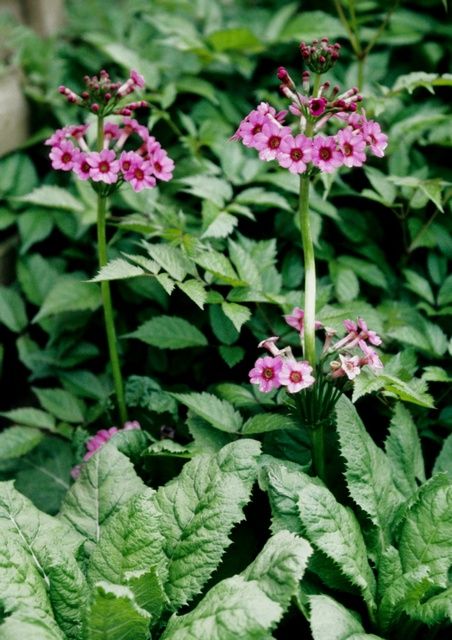
Japanese Primrose, Primula japonica (photo credit: eol.org)

Japanese Primrose, Primula japonica (photo credit: eol.org)

One thing I found very interesting and encouraging about this study was the recruitment of lay botanists in collecting data. As stated in the findings, “Monitoring data collected by the public can play an essential role in assessing biodiversity.” I am excited by the growing citizen science movement and hope to see it continue to expand as more and more people become interested in science and eager to add to this body of knowledge. In fact, I consider the term “awkward botany” to be synonymous with citizen, lay, and amateur botany. That is precisely why I chose it as the title for my blog. So, in short, expect more posts involving citizen science in the future.

You can read more about this study on John Platt’s blog Extinction Countdown at Scientific American.


Wildflower Walk: June 2014

I spent last weekend in a cabin outside of Garden Valley, Idaho. I was there for a wedding and so most of my time was occupied with that. However, anxious to explore, I found a brief moment to step out and observe the surrounding plant life. The cabin and an adjacent campground were located in an area that, before the economic downturn in 2008, was to become a major housing development. Because of this (and possibly other things), the area showed lots of signs of human disturbance, particularly the large number of introduced plant species. Fortunately, despite feeling like I was walking through a weedy field, I did come across a few patches of native plants. I may have to return sometime to get a better look at things because I wasn’t able to identify everything that I saw and I’m still not exactly sure what species of lupine and buckwheat I was looking at. Either way, the plants in the following pictures are a few of the things I found.

Aristida purpurea (purple threeawn)

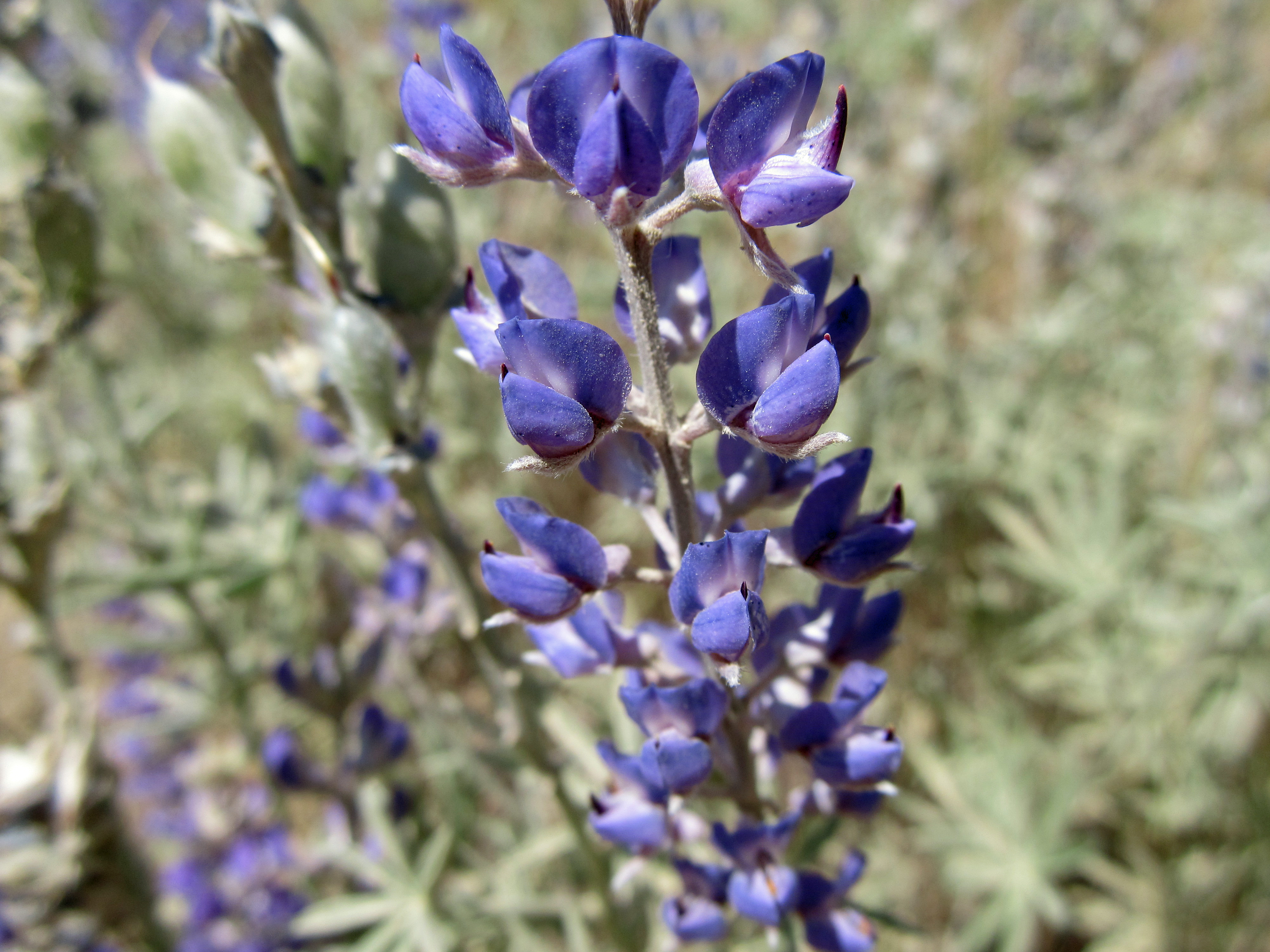
lupinus

Lupinus sp. (lupine)

eriogonum

Eriogonum sp. (wild buckwheat)

amelancier alnifolia

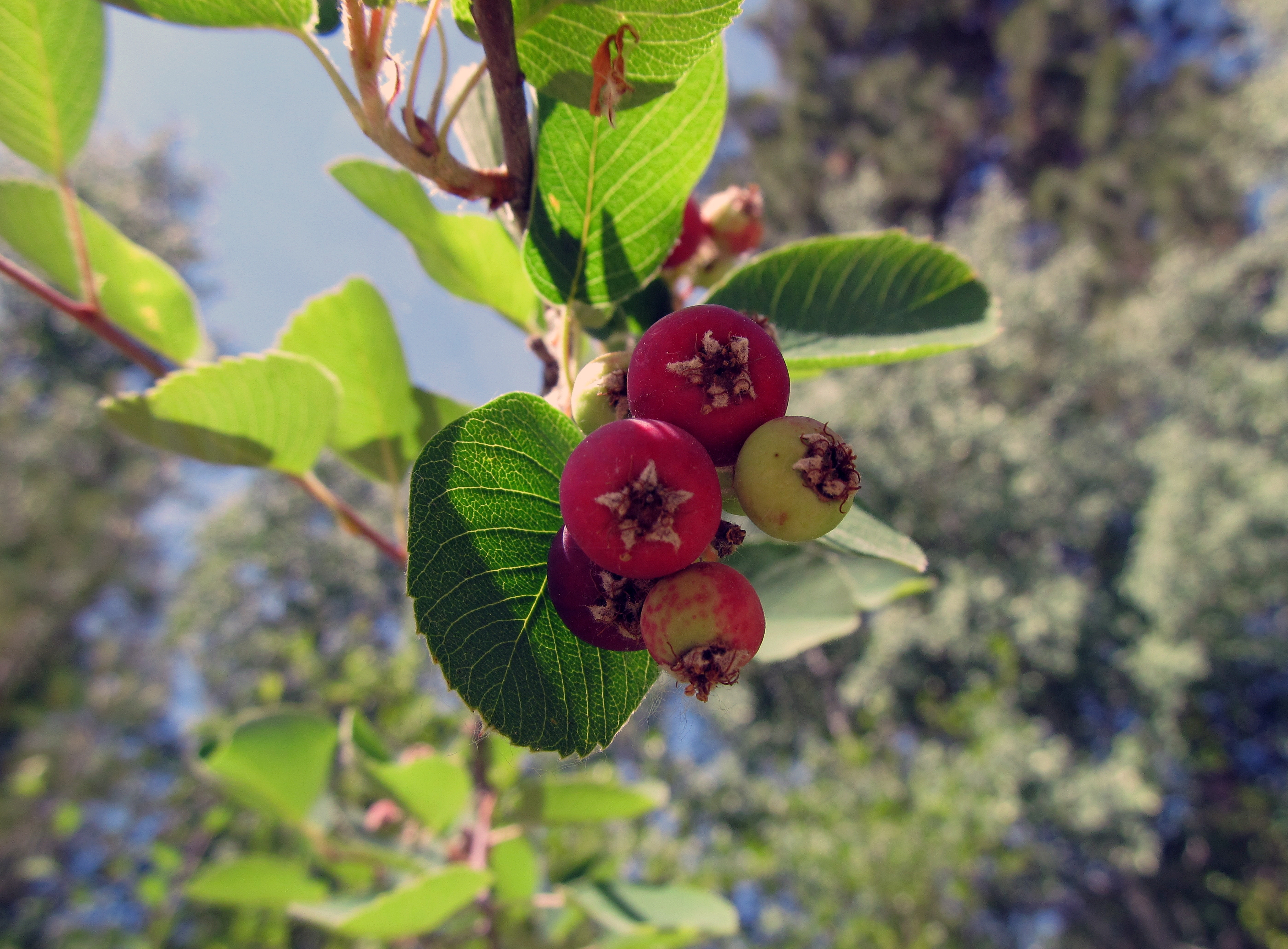
Amelanchier alnifolia (Saskatoon serviceberry)

Don’t let my walk through a weedy field dissuade you. Garden Valley is an incredibly beautiful location. It sits adjacent to the South Fork of the Payette River and near the western edge of the Boise National Forest. It is an area worthy of exploring, which is why I plan on visiting again soon. I recommend you do too.

Previous Wildflower Walks:

Spring 2013

June 2013

American Penstemon Society Field Trip

September 2013