The Making of a Kill Jar

I often hear stories from plant lovers about their initial nonchalance concerning plants. The common refrain seems to be that they were fascinated by wildlife and largely ignored plant life until they came to the realization that plants were integral in the lives of animals and play a major role in shaping the environments that support all life. Such an epiphany spawns an insatiable obsession with botany, at least for some people.

I seem to be on the opposite trajectory. It’s not like I have ever really been disinterested in animals; I’ve just been significantly more interested in plants and haven’t bothered to learn much about the animal kingdom (with the exception of entomology). My growing fascination with pollination biology (see last year’s Year of Pollination series) isn’t much of a stretch because insects have always appealed to me, and their intimate interactions with plants are hard to ignore. Ultimately, it is my interest in urban ecology and wildlife friendly gardening that is driving me to learn more about animals.

I started this year off by finally reading Doug Tallamy’s popular book, Bringing Nature Home. Tallamy wrote a lot about birds in his book, which got me thinking more about them. I then discovered Welcome to Subirdia, a book by John Marzluff that explores the diversity of birds that live among us in our urban environments. I then found myself paying more attention to birds. Many bird species rely on insects for food at some point in their lives. Plants regularly interact with insects both in defending themselves against herbivory and in attracting insects to assist in pollination. It’s all connected, and it seems I wouldn’t be much of a botanist then if I didn’t also learn about all of the players involved in these complex interactions.

So, now I’m a birdwatcher and an insect collector. Or at least I’m learning to be. Insects are hard to learn much about without capturing them. They often move quickly, making them hard to identify, or they go completely unnoticed because they are tiny and so well hidden or camouflaged. With the help of a net and a kill jar, you can get a closer look. This not only allows you to determine the species of insects that surround you, but it can also help give you an idea of their relative abundances, their life cycles, where they live and what they feed on, etc.

insect net 2_bw

As the name implies, if you’re using a kill jar, your actions will result in the death of insects. Some people will be more pleased about this than others. If killing insects bothers you, don’t worry, insect populations are typically abundant enough that a few individuals sacrificed for science will not hurt the population in a serious way.

Kill jars can be purchased or they can be made very simply with a few easy to find materials. Start with a glass jar with a metal lid. Mix up a small amount of plaster of paris. Pour the wet plaster in the jar, filling it to about one inch. Allow the plaster to dry completely. This process can be sped up by placing the jar in an oven set on warm. When the plaster is dry, “charge” the jar by soaking the plaster with either ethyl acetate, nail polish remover, or rubbing alcohol. I use nail polish remover because it is cheap and easily accessible. It doesn’t work as quickly as pure ethyl acetate, but it is less toxic. Place a paper towel or something soft and dry in the jar. This keeps the insects from getting beaten up too much as they thrash about. Once the insect is dead, it can be easily observed with a hand lens or a dissecting microscope. It can also be pinned, labeled, and added to a collection.

There are several resources online that describe the process of collecting and preserving insects, including instructions for making an inexpensive kill jar, which is why I am keeping this brief and will instead refer you to a couple of such sites. Like this one from Purdue University’s extension program. It’s directed toward youth, but it includes great information for beginners of any age. This post by Dragonfly Woman is a great tutorial for making a kill jar, and there are several other posts on her blog that are very informative for insect collectors of all experience levels.

I guess you could consider this part of my journey of becoming a naturalist. Perhaps you are on a similar journey. If so, share your thoughts and experiences in the comment section below.
Biodiversity Dips When Japanese Rice Paddies Go Fallow

Large-scale farms that generally grow a single crop at a time and are managed conventionally are, by design, lacking in biodiversity. Abandoning such farms and allowing nature to take its course should, not surprisingly, result in a dramatic uptick in biodiversity. Plant colonization of abandoned farmland (also referred to as old field succession) is well studied and is regularly used as an example of secondary succession in ecology textbooks. The scenario seems obvious: cease agriculture operations, relinquish the land back to nature, and given enough time it will be transformed into a thriving natural community replete with diverse forms of plants and animals. This is an oversimplification, of course, and results will vary with each abandoned piece of land depending on the circumstances, but it generally seems to be the story. So what about when it isn’t?

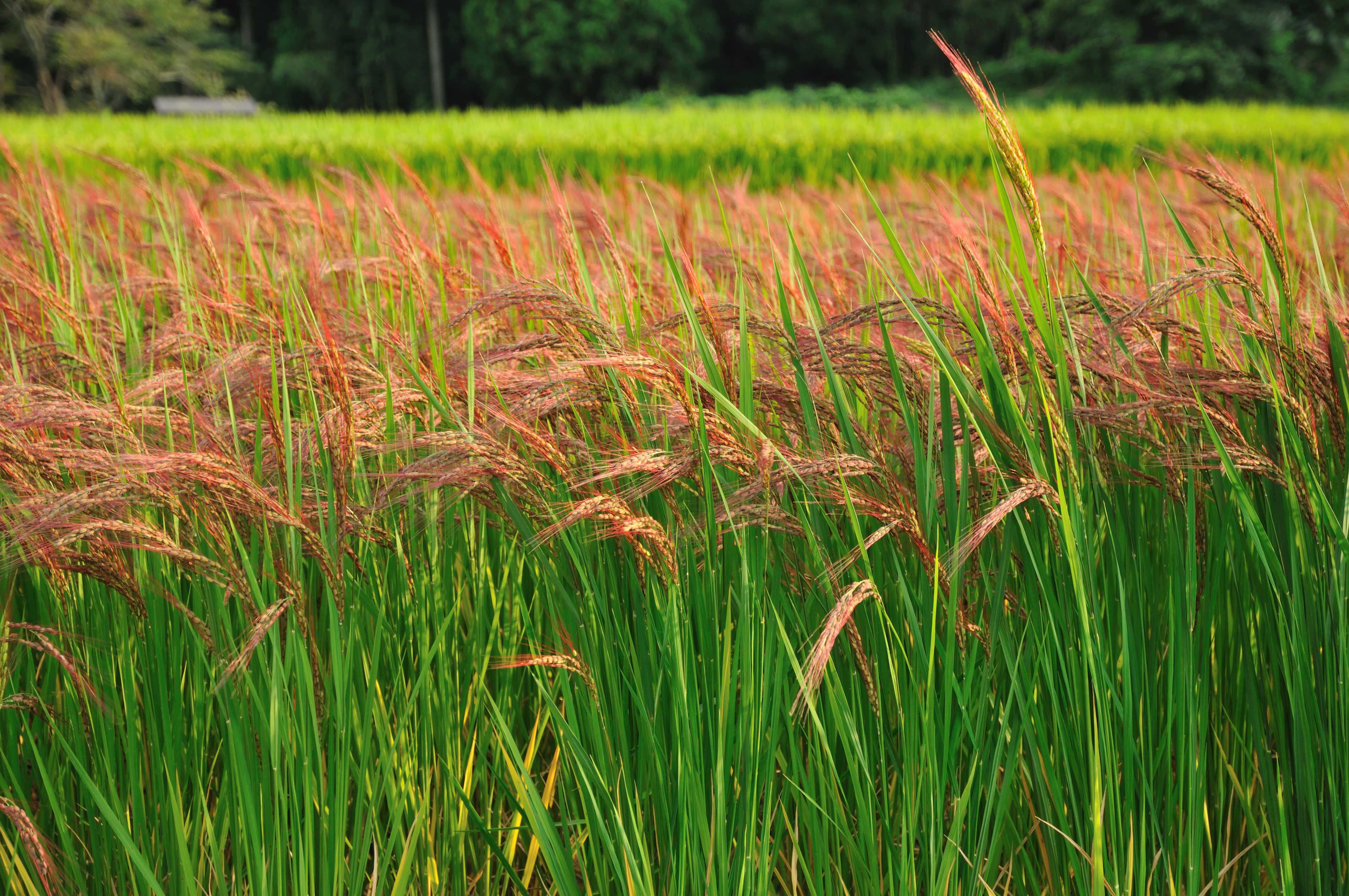
Rice farming in Japan began at least 2400 years ago. Rice had been domesticated in China long before that, and when it eventually arrived in Japan it shaped the culture dramatically. For hundreds of years rice was farmed in small, terraced paddies in the mountains of Japan. Dennis Normile writes about these traditional, rice paddies in a recent issue of Science. He describes how they were found in villages “nestled in a forested valley” accompanied by vegetable plots, orchards, and pasture. Today, farms like these are “endangered,” and as they have become increasingly abandoned, plants, insects, and other wildlife that have historically thrived there are suffering.

Since the 1960’s, a combination of factors has resulted in the decline of traditional rice farming in Japan. For one, large scale farming has led to the consolidation of paddies, which are farmed more intensively. Diets in Japan have also shifted, resulting in a preference for bread and pasta over rice. Additionally, Japan’s population is shrinking, and residents of rural areas are migrating to cities. Traditional rice farmers are aging, and younger generations are showing little interest in pursuing this career.

Red rice paddy in Japan - photo credit: wikimedia commons

Red rice paddy in Japan – photo credit: wikimedia commons

Demographic and dietary concerns aside, why in this case is the abandonment of agriculture imperiling species? The answer appears to be in both the way that the rice paddies have been historically managed and the length of time that they have been managed that way. Agriculture, by its very nature, creates novel ecosystems, and if the practice continues long enough, surrounding flora and fauna could theoretically coevolve along with the practice. When the practice is discontinued, species that have come to rely on it become threatened.

Traditional rice paddies are, as Normile describes, “rimmed by banks so that they can be flooded and drained.” Farmers “encouraged wild grassland plants to grow on the banks because the roots stabilize the soil.” The banks are mowed at least twice a year, which helps keep woody shrubs and trees from establishing on the banks. In some areas, rice farming began where primitive people of Japan were burning frequently to encourage grassland habitat. Maintaining grassland species around rice paddies perpetuated the grassland habitat engineered by primitive cultures.

As rice paddies are abandoned and the surrounding grasslands are no longer maintained, invasive species like kudzu and a North American species of goldenrod have been moving in and dominating the landscape resulting in the decline of native plants and insects. Normile reports that the abandoned grasslands are not expected to return to native forests either since “surrounding forests…are a shadow of their old selves.”

Additionally, like most other parts of the world, Japan has lost much of its natural wetland habitat to development. Rice paddies provide habitat for wetland bird species. On paddies that have been abandoned or consolidated, researchers are finding fewer wetland bird species compared to paddies that are managed traditionally.

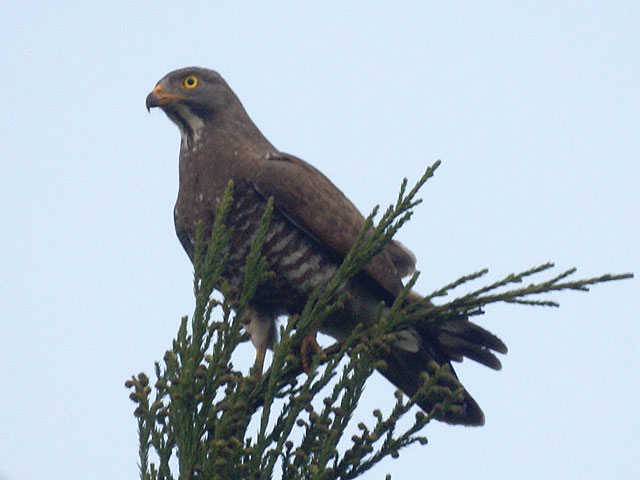
The gray-faced buzzard (Butastur indicus) is listed as vulnerable in Japan. It nests in forests and preys on insects, frogs, and other animals found in grasslands and rice paddies. It's decline has been linked to the abandonment and development of traditionally farmed rice paddies. (photo credit: wikimedia commons)

The gray-faced buzzard (Butastur indicus) is listed as vulnerable in Japan. It nests in forests and preys on insects, frogs, and other animals found in grasslands and rice paddies. Its decline has been linked to the abandonment and development of traditionally farmed rice paddies. (photo credit: wikimedia commons)

All of this adds fodder to an ongoing debate: “whether allowing farmland to revert to nature is a boon to biodiversity or actually harms it.” Where agriculture is a relatively new practice or where conventional practices dominate, abandoning agriculture would be expected to preserve and promote biodiversity. However, where certain agricultural practices have persisted for millenia, abandoning agriculture or converting  to modern day practices could result in endangerment and even extinction of some species. In the latter case, “rewilding” would require thoughtful consideration.

The thing that fascinates me the most about this report is just how intertwined humans are in the ecology of this planet. In many ways humans have done great harm to our environment and to the myriad other species that share it. We are a force to be reckoned with. Yet, the popular view that we are separate, above, apart, or even dominant over nature is an absurd one. For someone who cares deeply about the environment, this view has too often been accompanied by a sort of self-flagellation, cursing myself and my species for what we have done and continue to do to our home planet. Stories like this, however, offer an alternative perspective.

Humans are components of the natural world. We evolved just like every other living thing here, and so our actions as well as the actions of other species have helped shape the way the world looks. If our species had met its demise early in its evolutionary trajectory, the world would look very different. But we persisted, and as it turns out, despite the destruction we have caused and the species we have eliminated, we have simultaneously played a role in the evolution and persistence of many other species as well. We must learn to tread lightly – for the sake of our own species as well as others – but we should also quit considering ourselves “other than” nature, and we should stop beating ourselves up for our collective “mistakes.” It seems that when we come to recognize how connected we are to nature we will have greater motivation to protect it.

Additional Resources:

President Obama’s Lichen

It is a presidential election year in the United States of America and, as per usual, it’s a circus. Prolific coverage of the surrounding events is hard to avoid. President Barack Obama is in the final year of his second term, which means that 8 years ago he was in the same position as today’s presidential hopefuls. Ultimately Obama was elected President, but during that lively process something else was afoot.

Kerry Knudsen is the lichen curator at the University of California Riverside Herbarium. In the final weeks of the 2008 campaign season, Knudsen was making collections of a species of lichen that he had discovered a year earlier. As Obama was being elected President, and (as Knudsen terms it) “the international jubilation” surrounding the event proceeded, Knudsen was drafting a paper describing and naming the newly discovered species. The final draft was completed during President Obama’s inauguration, and so it seemed fitting to Knudsen that he name the lichen after Obama. Caloplaca obamae it was – named after the 44th President of the United States, in honor of “his support of science and scientific education.”

President Obama's lichen - Caloplaca obamae - discovered and described by Kerry Knudsen (photo credit: UCR Herbarium/J.C. Lendemer

President Obama’s lichen – Caloplaca obamae – discovered and described by Kerry Knudsen (photo credit: UCR Herbarium/J.C. Lendemer)

Caloplaca obamae is a rare find. It is endemic to Santa Rosa Island, a member of the Channel Islands off the coast of Southern California near Santa Barbara. Cattle ranching and the introduction of elk and deer nearly removed it from existence. Now that cattle ranching has ceased and elk and deer are being removed, the lichen has a chance of survival.

Lichens are unique organisms. They are the result of a symbiosis between fungi and algae and/or cyanobatcteria. In this symbiosis, a mycobiont (the fungus) is essentially farming a photobiont (the algae/cyanobacteria) in order to feed off the sugars produced when the photobiont photosynthesizes. Photobionts in turn receive protection as well as water and other nutrients collected by the mycobiont.

There are at least 17,000 species of lichens known to science. They occur throughout the world in all manner of habitats from low to high elevation, and they adhere to virtually any stable surface including glass, plastic, and rubber. Lichens are ancient organisms, having existed for as long as 300 million years, with early lichens – or protolichens – dating back at least 400 million years. They are also very slow growing and can be incredibly long-lived.

Lichens are named after the fungal component, which can cause confusion since a particular species of fungus may form lichens with more than one species of algae or cyanobacteria. One way lichens are classified is according to their growth form, which is determined by their thallus – their non-reproductive, vegetative tissues. Three common thallus forms are fruticose (shrub-like), foliose (leaf-like), and crustose (crust-like).

While unassuming and benign in appearance, lichens have great ecological importance. They are involved in soil formation, the water cycle, and nitrogen fixation. They are homes to insects and microorganisms and are used as food by some animals and nesting materials by others. Some species of lichens are even consumed by humans. Lichens have also been used to develop medicines and dyes. Lichens are sensitive to air pollution, and are used to help determine the environmental health of urban areas. If your neighborhood has a healthy lichen population, chances are your air is pretty clean.

Santa Rosa Island - home to Caloplaca obamae (photo credit: wikimedia commons)

Santa Rosa Island – home to Caloplaca obamae (photo credit: wikimedia commons)

Caloplaca obamae is an orange, crustose lichen. It is terricolous, which means that it grows on soil. It is part of a community of soil dwelling lichens and bryophytes that form a biological soil crust on the Pleistocene soils of Santa Rosa Island. This sensitive community is easily disturbed by activities like grazing, which is why removing cattle, deer, and elk (all of which were introduced by humans to the island) is important for its survival.

Lichens are great, and they deserve much more attention than they get. A lichen named after President Obama is also pretty cool. However, as I researched this story the thing that impressed me the most was Kerry Knudsen himself. Knudsen is a retired construction worker with no academic degrees. He started studying lichens on his own after a medical condition forced him into early retirement. His initial interest grew into an obsession, and he is now among the few lichen experts in the world. He has added thousands of lichens to The Lichen Herbarium at UCR and has helped describe and name dozens of new species. He currently studies and collects lichens in California and the Czech Republic. You can read more about Knudsen in this 2004 article in the Los Angeles Times.

Selected Resources:

Harvester Ants – Seed Predators and Seed Dispersers

“The abundance of ants is legendary. A worker is less than one-millionth the size of a human being, yet ants taken collectively rival people as dominant organisms on the land. …  When combined, all ants in the world taken together weigh about as much as all human beings.” – Journey to the Ants by Bert Hölldobler and Edward O. Wilson

Considering how abundant and widely distributed ants are, it is easy to imagine the profound role they might play in the ecosystems of which they are a part. In fact, in the epilogue to Hölldobler and Wilson’s popular book about ants (quoted above), they conclude that in a world without ants, “species extinction would increase even more over the present rate, and the land ecosystems would shrivel more rapidly as the considerable services provided by these insects were pulled away.” It is no doubt then that ants, through their myriad interactions with their surroundings, are key players in terrestrial ecosystems.

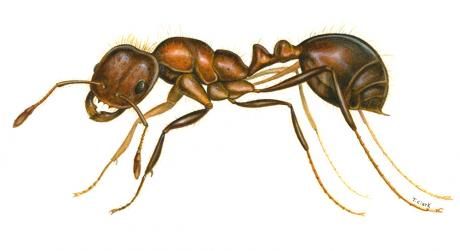
photo credit: www.eol.org

photo credit: www.eol.org

Harvester ants offer a prime example of the important roles that ants can play. In the process of collecting seeds for consumption, harvester ants can help shape the abundance and distribution of the plants in their immediate environment. They do this by selecting the types and amounts of seeds they collect, by abandoning seeds along their collection routes, and by leaving viable seeds to germinate in and around their nests. Hölldobler and Wilson have this to say about harvester ants:

[The] numerical success [of ants] has allowed them to alter not just their nest environments, but the entire habitats in which they live. Harvesting ants, species that regularly include seeds in their diet, have an especially high impact. They consume a large percentage of the seeds produced by plants of many kinds in nearly all terrestrial habitats, from dense tropical forests to deserts. Their influence is not wholly negative. The mistakes they make by losing seeds along the way also disperse plants and compensate at least in part for the damage caused by their predation.

There are more than 150 species of harvester ants, spanning at least 18 genera. They are found throughout the world (except extreme cold locales) and are particularly common in arid to semi-arid environments. Pogonomyrmex is one the largest genera of harvester ants with nearly 70 species occurring throughout North, Central, and South America. Messor is another large genus of harvester ant species that mainly occurs in Europe, Asia, and Africa. Both genera build large nests and move massive amounts of soil in the process.

Seed dispersal by harvester ants (also known as diszoochory) is a type of secondary (or Phase II) seed dispersal. It is a case of serendipity, as the dispersal occurs largely by accident. Some plants, on the other hand, have developed a mutualistic relationship with ants, enlisting them to disperse their seeds by way of an elaiosome – a fleshy, nutritious structure attached to seeds that attracts ants. Seeds with such structures are picked up by ants and brought to their nests where the elaiosome is consumed and the seed is left to germinate. This form of ant-mediated dispersal is called myrmecochory and is typically not carried out by harvester ants.

photo credit: wikimedia commons

photo credit: wikimedia commons

Harvester ant colonies have both direct and indirect influences on their surrounding environments; however, there is a dearth of research elucidating the exact details of such influences. A paper published in the Annual Review of Ecology and Systematics in 2000 by MacMahon et. al. reviewed available studies concerning harvester ants and explored our current understanding of the influences that harvester ants (particularly those in the genus Pogonomyrmex) can potentially have on community structure and ecosystem functions. Following are some of the direct influences the authors listed:

  • Removal and consumption of seeds and other materials – The relative abundance of plant species can be affected by the selective removal of seeds. Harvester ants also collect leaves, twigs, pollen, flowers, vertebrate feces, and arthropod body parts.
  • Storage and rejection of seeds – Collected seeds can be dropped during transport, rejected after arriving at the nest, or abandoned in nest granaries. All result in the transport of seeds away from the parent plant and dispersal beyond the plant’s primary dispersal mechanisms.
  • Construction and maintenance of nests – All vegetation and debris is removed from the area immediately surrounding the nest including mature and emerging plants. This area is kept clear for the duration of the life of the colony and, in some cases, can be quite extensive.

Harvester ants can also influence soil properties and soil food webs within and in the vicinity of their nests. They bring large amounts of organic matter down into the soil and redistribute vast amounts of soil particles. Their actions also influence the amount of moisture in the soil surrounding their nests.

This is a mere distillation of the influences that harvester ants might have; see the paper by MacMahon et al. to learn more.

In an effort to better understand how the seed predation and seed dispersal behaviors of harvester ants might influence plant population dynamics, a research team in Spain used data obtained from field research to build a computer model that would predict changes over time. The study site was described as “open and heterogeneous shrubland” and the vegetation was stated to be in “a very early stage in the secondary succession” after being subject to “recurring fires.” The harvester ant colonies involved in the study consisted of three species in the genus Messor. The plant species selected for the study were three native shrubs whose seeds were known to be collected by the harvester ants. Each plant species differed slightly in the amount and size of seeds it produced and in its primary seed dispersal mechanism, which is important because the researchers hypothesized that “the effect of seed predation and seed dispersal may depend on plant attributes.”

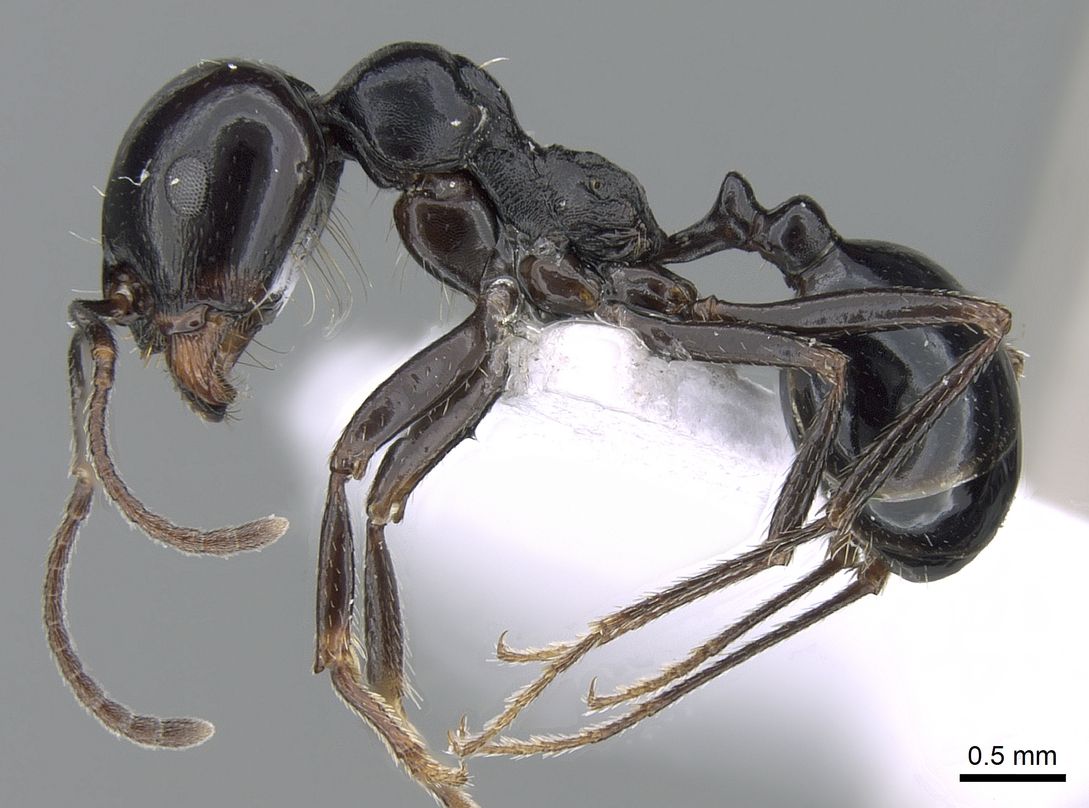
Messor bouvieri (photo credit: www.eol.org)

Messor bouvieri (photo credit: www.eol.org)

Data obtained from simulated scenarios and field observations appeared to support this hypothesis; each shrub species interacted differently with the harvester ants. Coronilla minima benefited from “accidental” seed dispersal. Comparatively, it produces a high amount of large seeds, which are primarily dispersed by gravity. Despite predation, ant-mediated dispersal was an advantage. Dorycnium pentaphyllum produced the highest amount of seeds among the three shrub species; however, seed predation was found to have negative effects on its population dynamics. Its primary seed dispersal mechanism involves ballistics (the mechanical ejection of its seeds), so ant-mediated dispersal may not offer an advantage. Finally, Fumana ericoides, despite its limited primary seed dispersal and its comparatively low production of seeds was not affected by the actions of the harvester ants. The authors concluded that “some unknown factor is driving the population dynamics of this species, more than the action of ants.”

Studies such as this, while leaving many unanswered questions, help us understand the important role that harvester ants play in our world. Harvester ants, and ants in general, are truly among Earth’s most enthralling and influential creatures. Learn more about their complex behaviors and countless interactions with flora and fauna by checking out these three documentaries recommended by ANTfinity.

Year of Pollination: Mosquitoes as Pollinators

It is difficult to have positive feelings about mosquitoes, especially during summer months when they are out in droves and our exposed skin – soft, supple, and largely hair-free – is irresistible to them. We are viewed as walking blood meals by female mosquitoes who are simply trying to produce young – to perpetuate their species just like any other species endeavors to do. Unfortunately, we are left with small, annoying bumps in our skin – red, itchy, and painful – risking the possibility that the mosquitoes that just drew our blood may have passed along any number of mosquito-borne diseases, some (such as malaria) that potentially kill millions of people every year. For this, it is okay to hate mosquitoes and to long for the day of their complete eradication from the planet. However, their ecological roles (and yes, they do have some) are also worth considering.

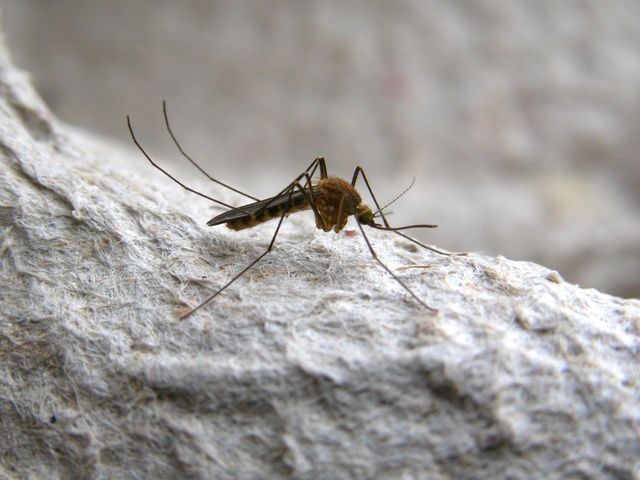
There are more than 3,500 species of mosquito. Luckily, only 200 or so consume human blood. Mosquitoes go back at least 100 million years and have co-evolved with species of plants and animals found in diverse habitats around the world. Adult mosquitoes and their larvae (which live in standing water) provide food for a wide variety of creatures including birds, bats, insects, spiders, fish, frogs, lizards, and salamanders. Mosquito larvae also help break down organic matter in the bodies of water they inhabit. They even play an important role in the food webs found inside the pitchers of northern pitcher plants (Sarracenia spp.). Interestingly enough, Arctic mosquitoes influence the migration patterns of caribou. They emerge in swarms so big and so voracious that they have been said to kill caribou through either blood loss or asphyxiation.

However, blood is not the main food source of mosquitoes; flower nectar is. Males don’t consume blood at all, and females only consume it when they are producing eggs. Any insect that visits flowers for nectar has the potential to unwittingly collect pollen and transfer it to a nearby flower, thereby aiding in pollination. Mosquitoes are no exception. They have been observed acting as pollinators for a handful of species, and could be acting as pollinators for many more.

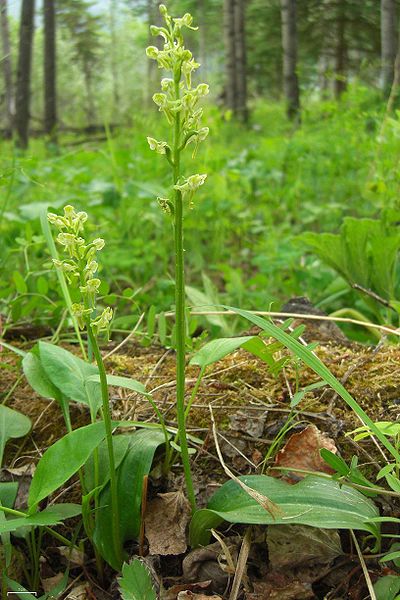
Bluntleaved orchid (Platanthera obtusata) is pollinated by mosquitoes. phot credit: wikimedia commons

Bluntleaved orchid (Platanthera obtusata) is pollinated by mosquitoes. photo credit: wikimedia commons

The scientific literature describes the pollination by mosquitoes of at least two plant species: Platanthera obtusata (syn. Habenaria obtusata) and Silene otites. P. obtusata – bluntleaved orchid – is found in cold, wet regions in North America and northern Eurasia. It is pollinated by mosquitoes from multiple genera including several species in the genus Aedes. Mosquitoes visit the flowers to feed on the nectar and, subsequently, pollinia (clusters of pollen) become attached to their eyes and are moved from flower to flower. This scenario likely plays out in other species of Arctic orchids as well*.

S. otites – Spanish catchfly – is a European species that is pollinated by mosquitoes and moths. Researches have been studying the floral odors of S. otites that attract mosquitoes, suggesting that determining the compounds involved in these odors “might lead to the development of new means of pest control and mosquito attractants and repellents.”

Northern House Mosquito (Culex pipiens) - one of the species of mosquitoes that has been observed pollinating Silene otitis. photo credit: www.eol.org

Northern House Mosquito (Culex pipiens) – one of the species of mosquitoes that has been observed pollinating Silene otites. photo credit: www.eol.org

Despite the list of functions that mosquitoes serve in their varied habitats, an article that appeared in Nature back in 2010 argues for wiping mosquitoes off the Earth, stating that “the ecological scar left by a missing mosquito would heal quickly as the niche was filled by other organisms.” And even though “thousands of plant species would lose a group of pollinators,” mosquitoes are not important pollinators of the “crops on which humans depend,” nor do they appear to be the sole pollinator of any single plant species [the species mentioned above are pollinated by other insects as well]. Eliminating mosquitoes, however, is more of a pipe dream than a realistic possibility as our “best efforts can’t seriously threaten an insect with few redeeming features.”

*Speaking of orchids and pollination, endless posts could be written about this incredibly fascinating and diverse group of plants and their equally fascinating and complex mechanisms surrounding pollination. There will be more to come on such topics. Meanwhile, it should be noted that orchids are also a notoriously threatened group of plants. To learn more about orchids and orchid conservation in North America, visit North American Orchid Conservation Center.

Read more about mosquito pollination here.

And now for your listening pleasure:

Palm Oil Production and Its Threat to Biodiversity

Improvements in cultivated varieties of oil palms could have devastating ecological effects. This is according to an article published in a recent issue of Science. Doom doesn’t have to be the story though, if – as the authors suggest – governments and conservation organizations take proper action to safeguard vulnerable land.

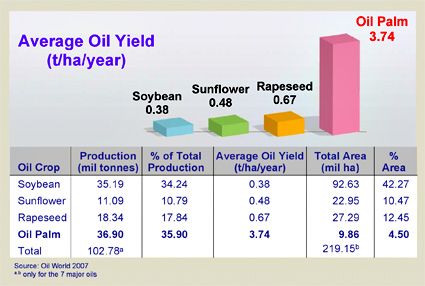
Palm oil is a versatile vegetable oil derived from the fruits of oil palms. It has myriad culinary uses and is also used in the manufacturing of cosmetics and the production of biofuel. Oil palms have high yields, easily outyielding other major oil crops like soybean, rapeseed, and sunflower. Oil palms are grown in the tropics in developing countries where land and labor are inexpensive. As human population grows, demand for palm oil increases. To meet the demand, tropical forests are converted into agricultural land. The majority of palm oil production occurs in Southeast Asian countries like Indonesia and Malaysia. However, palm oil production is expected to increase in African and Latin American countries as new varieties better suited for these particular environments become available.

oil world graph

Genome sequencing of oil palm may allow plant breeders to develop varieties that are disease resistant, drought tolerant, and able to grow in salinized soils. Already making its debut, though, is a new variety of oil palm that is boasting yields from 4 tons to as much as 10 tons per hectare. Higher yielding varieties could be the solution to preventing more tropical forests from being converted into oil palm plantations. Or could they lead to more growth? Intrigued by the development of improved varieties of oil palms and other tropical crops, the authors of this study developed computer models in order to determine what this might mean for the future.

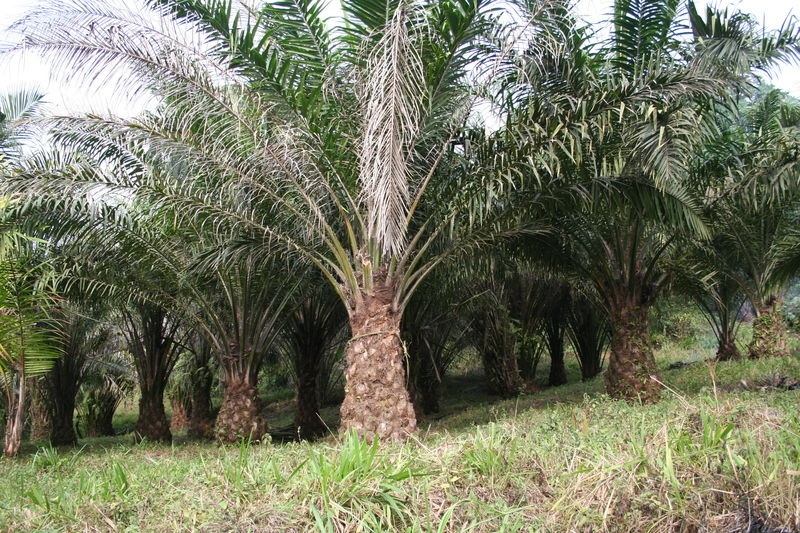
African Oil Palm (Elaeis guineensis) is the species of oil palm most commonly grown for palm oil production.

African Oil Palm (Elaeis guineensis) is the species of oil palm most commonly grown in palm oil production (photo credit: www.eol.org)

The results of simulations suggested two possible outcomes: one potentially positive and the other largely negative. On the positive side, “an assumed 56% increase in oil palm yield per tree in Malaysia and Indonesia” could result in ” around 400,000 hectares of agricultural land…taken out of production in Brazil, India, and Canada.” This is because less land will be needed to meet the demand, and the increased availability and resulting lower price of palm oil will outcompete other oil crops (like rapeseed, which is one of Canada’s main agricultural crops). However, the author’s seem to assume that agricultural land taken out of production will be restored back into natural lands. I find this argument hard to accept. Anecdotal evidence suggests that if farmers are no longer making a profit from a particular crop, they will choose to either grow something more profitable or sell their land to developers. A concerted effort would have to be made to capture this land and ensure that it remain uncultivated and undeveloped. Also, as the author’s point out, restoring land in Canada is very different from restoring or protecting tropical land. Loss of biodiversity is a much greater risk in areas where the level of biodiversity per hectare is high.

On the negative side, higher yields can encourage increased production. Tropical forest conversion may accelerate if farmers see an opportunity for growth. Additionally, improved varieties may increase palm oil production in African and Latin American countries, resulting again in more land conversion and deforestation. This effect may also become the story, not just for oil palms, but for cacao, eucalyptus, coffee, and other tropical crops as varietal improvements are achieved.

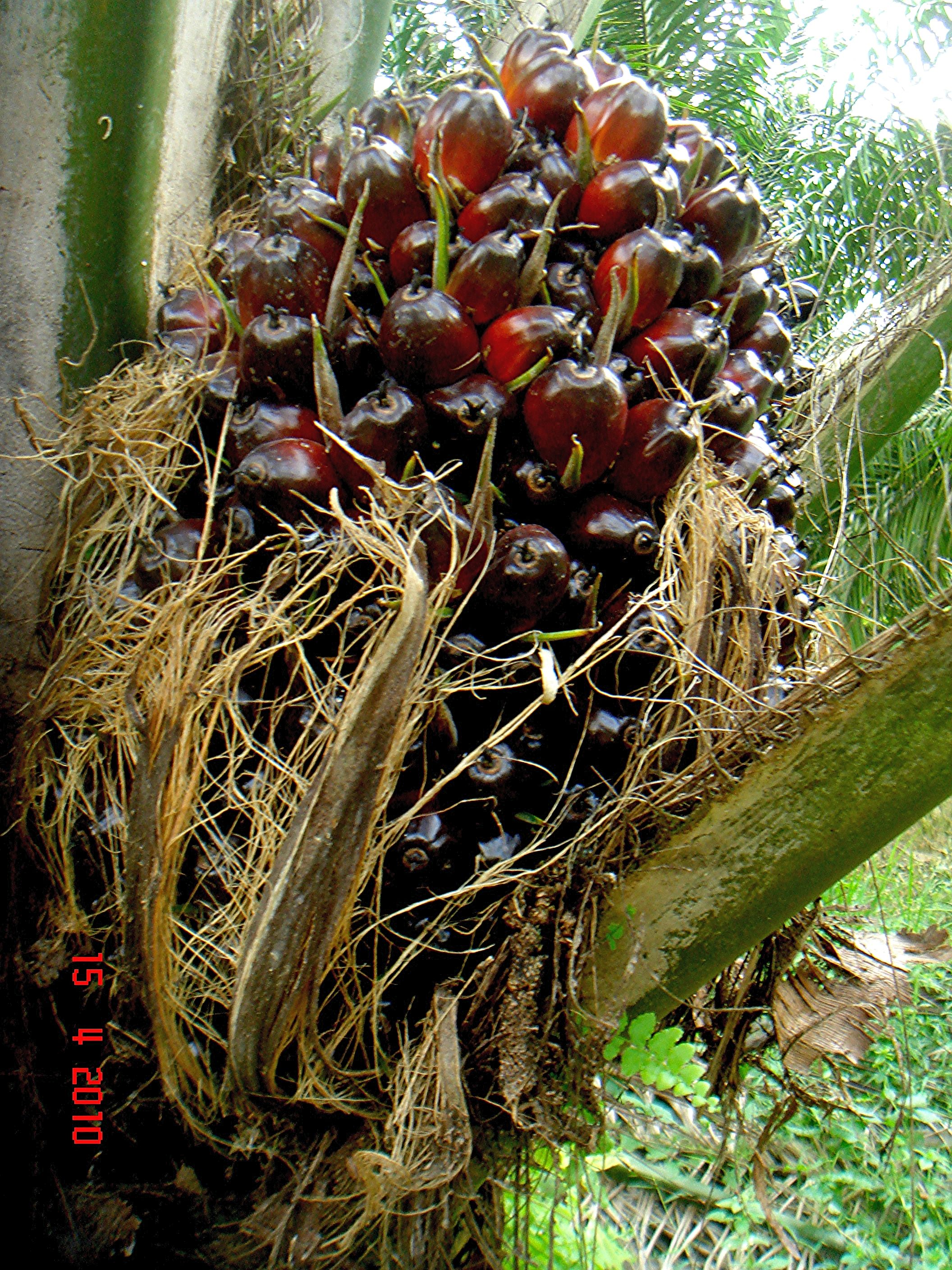
Oil Palm Friuits (photo credit: www.eol.org)

Oil Palm Friuits (photo credit: www.eol.org)

In light of this predicted consequence, the authors of this study recommend that governments, working together with conservation organizations and industry associations, regulate the conversion of agricultural lands and ensure that certain areas are specifically set aside for conservation. This means that “models of the drivers of environmental change” must be developed that “incorporate feedbacks at a range of scales” so that measures can be put into place to address “the unintended negative consequences of technical advances.”

More information on sustainable palm oil production can be found here.

Kudzu Ate the South…Now Looks North

In 1876, an Asian vine was introduced to the people of the United States at a centennial celebration in Philadelphia, Pennsylvania. It was a fairly benign looking vine, with its leaves of three and its cluster of sweet pea like flowers, but its exotic appeal must have been quite enticing, because it took off…and not just in popularity.

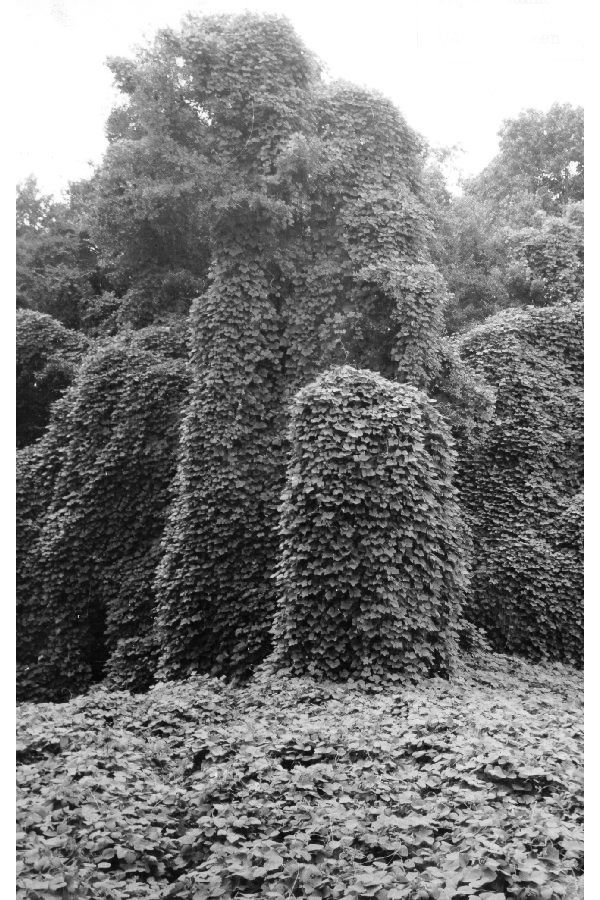
The plant that caught the eye of these early Americans was called kudzu (or kuzu in Japanese). It is a plant in the genus Pueraria in the family Fabaceae (the pea family). The plants first introduced to the U.S. were likely to have consisted of more than a single species such as P. montana, P. lobata, P. edulis, and others, or were hybrids of these species. They were initially lauded for their ornamental value but soon after were recognized for their potential as animal feed. By the 1930’s, when soil erosion had become a major issue, kudzu was deployed by the U.S. government to combat it. At least 85 million government-funded kudzu seedlings later, and the southeastern portion of the United States had secured a future dominated by this relentless and unforgiving vine.

Innocent and harmless is how kudzu must have first appeared, especially to those looking for a fast growing, large-leaved, vining plant to provide quick shade for porches, offering relief from the sun during those sweltering southern summers. Little did they know, however, if left unchecked, that prized vine could engulf homes and outbuildings, cover and pull down trees and utility poles, and choke out crops and pastures in the matter of a single growing season.

(photo credit: eol.org)

(photo credit: eol.org)

Kudzu was added to the Federal Noxious Weed List in 1997, long after it had established itself throughout the southeastern U.S. It now covers more than 3 million hectares, spreading at a pace of about 50,000 hectares (120,000 acres) per year. It is said that a kudzu vine can grow up to a foot in a single day or about 60 feet in a growing season. It is a twining vine, wrapping itself around any upright structure it can access and relying on that support in order to advance upwards. This gives it the advantage of using more resources for growth and expansion of both roots and shoots rather than on the resource demanding task of producing woody stems. Like other members of the pea family, it gets much of its nitrogen from the atmosphere through a process called nitrogen fixation. Because of this, kudzu can thrive in nutrient poor soils. Kudzu is also drought-tolerant, has leaves that follow the sun throughout the day in order to maximize photosynthesis, reproduces clonally by layering (stems in contact with the ground grow roots and detach from the parent plant), and (in North America) is free from the pests and diseases commonly associated with it in its native habitat. For these reasons and others, kudzu has become one of the most notorious, pervasive, and ecologically harmful weeds in the U.S., costing hundreds of millions of dollars in damages every year.

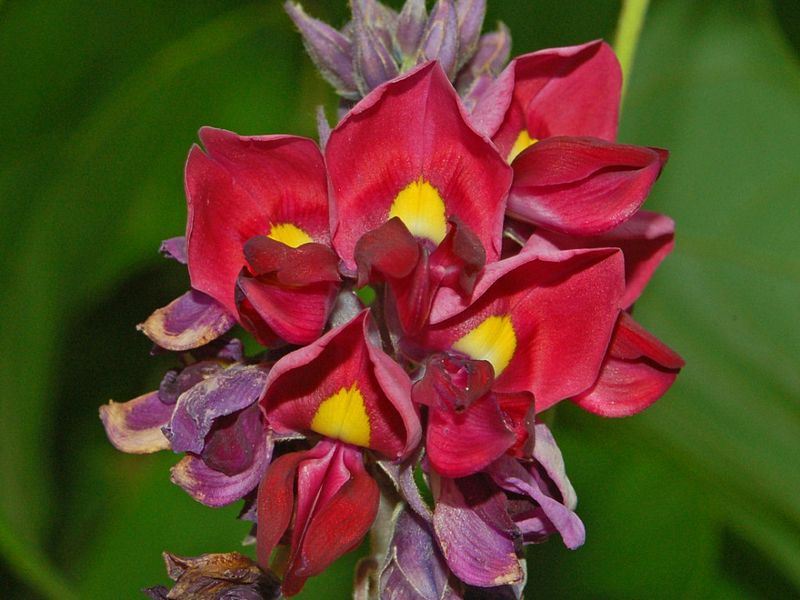
A close-up of kudzu flowers (photo credit: wikimedia commons)

A close-up of kudzu flowers (photo credit: wikimedia commons)

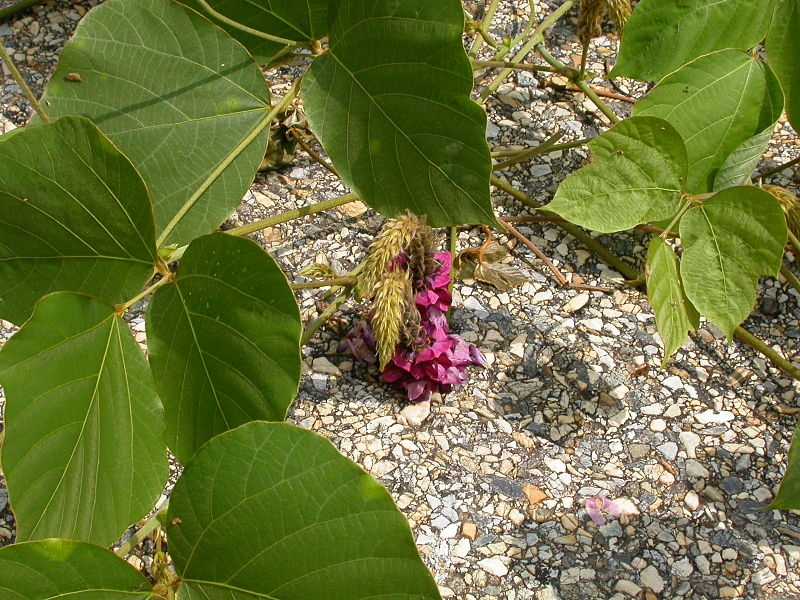
kudzu foliage and flowers

Foliage and flowers of kudzu (photo credit: wikimedia commons)

One glance at what kudzu has done in the southeastern states, and it is obvious that it is some kind of superweed. I saw firsthand just how overwhelming it can be as I drove through Mississippi several years ago. I didn’t even have to stop the car to investigate. It was easily apparent that it was the dominant species, enveloping every tree for miles alongside the highway. Currently, kudzu can be found in every county in Georgia, Alabama, and Mississippi. But kudzu has a limitation; it doesn’t care much for freezing temperatures. Even though it has been present in parts of northern states – like Ohio, New Jersey, and Delaware – for a while now, it has generally been limited to milder locations, and it certainly doesn’t thrive in the same way that it does in the subtropical climates of the southern states. But that is changing, because the climate is changing.

Average global temperatures increased by about 1.53° F between 1880 and 2012, and this gradual increase is expected to continue for the foreseeable future. Biologists and ecologists are monitoring changes in climate closely in order to observe and predict changes in the biology and ecology of our planet. Invasive species are high on the list of concerns, as climate is often a major limitation to their spread. Now that kudzu has been found in Marblehead, Massachusetts and Ontario, Canada, the fear of kudzu climbing north is becoming a reality.

Kudzu is incredibly difficult to control. It does not respond to many herbicides, and the herbicides that do affect it must be applied repeatedly over a long time period. It is an excellent forage plant, so utilizing grazing animals to keep it in check can be effective. Those who have succumbed to kudzu, acknowledging that it is here to stay, have found uses for it, including making baskets, paper, biofuel, and various food items. A compound extracted from the kudzu root is also being studied as a possible treatment for alcoholism. Kudzu has long been valued for its culinary and medicinal uses in Asia, so it is no surprise that uses would be found for it in North America. However, North Americans who embrace kudzu are taking a defeatist approach. That is, “if we can’t get rid of it, we may as well find a use for it.” This, however, should not negate nor distract from the damage it has caused and continues to cause local ecosystems and the ecological threat that it poses to areas where it is just now being introduced or may soon be introduced due to our warming climate.

Millions of dollars are spent every year to address the effects kudzu has on utility poles (phot credi: eol.org)

Millions of dollars are spent every year to remove kudzu from utility poles and replace poles pulled down by kudzu (photo credit: eol.org)

References:

Encyclopedia of Life: Pueraria Montana

Wikipedia: Kudzu in the United States

Max Shores: The Amazing Story of Kudzu

U.S. Fish and Wildlife Service: Conservation in a Changing Climate

NASA Earth Observatory: How Much More Will the Earth Warm?

Bloomberg: Kudzu That Ate U.S. South Heads North as Climate Changes

Documentary: Know Your Mushrooms

Earlier this month, the 33rd annual Telluride Mushroom Festival took place in Telluride, Colorado. This is an event that draws in hundreds (thousands, perhaps?) of fungi enthusiasts. As a budding fungi enthusiast myself, I get excited when I hear tale of gatherings such as these, and while I did not make it out this year, the Telluride Mushroom Festival is high on my list of things to attend sometime in the years to come.

My fascination with fungi started shortly before I headed to graduate school in Illinois in 2009. I had just read about mycoremediation in a book called Toolbox for Sustainable City Living, and that, along with what I had learned about soil fungi in my college soils courses, had me very curious about the world of mycology. I have yet to spend the kind of time that I would like to on this subject, but it remains of great interest to me.

A couple years ago I was writing weekly recommendations on my previous blog, the juniper bends as if it were listening. One of my weekly recommendation posts was about a documentary film called, Know Your Mushrooms. I am reposting that review  here in honor of this month’s mushroom festival in Telluride, and because I think it’s a film worth watching. No, it is not about plants per se, but it is about a kingdom of living things that regularly interacts with plants. Not only that, but it’s about a major player in the ecology of practically every ecosystem on earth. Bottom line: if you are at all interested in the natural world, you will be interested in this film.

know your mushrooms

Mushrooms freaks, fungiphiles, and myco-fanatics alike are all probably well aware of this fantastic documentary film by Ron Mann entitled, Know Your Mushrooms, but for uninitiated folks and novices like myself, this is a great introduction. This film will acquaint you with a peculiar crowd of mushroom lovers and fungus aficionados, where you will marvel in their uniqueness and their vast knowledge concerning the fascinating world of mycology. Mann bases his film around his visit to the Telluride Mushroom Festival in Colorado, where mushroom fans have gathered annually for many years now to celebrate and revel in the fungal world. Mann converses with several mushroom experts and enthusiasts, but spends most of his time with self-proclaimed guru, Larry Evans. Alongside Evans, Mann explores numerous mycological topics, including mushroom hunting, mushroom cooking, poisonous mushrooms, psychedelic mushrooms, mushroom folklore, mushroom health benefits, and the ecological and environmental benefits of fungi (mycoremediation!). This is a very well-produced and well-directed film, maintaining the interest and attention of the viewer as it transitions from one aspect of mushroom culture to another, simultaneously providing education and entertainment throughout. If your viewing experience is anything like mine, by the time this film is over, you will be wishing that you were as knowledgeable about mushrooms as the folks featured in this film. As a result of watching Mann’s documentary, I have vowed to redouble my efforts and commit myself to the study of mycology so that one day I can join fellow fungus freaks in a celebration of this magnitude. Perhaps you will join us…

Morels harvested on the forest floors of Illinois

Morels harvested on the forest floor of Illinois

Hundreds of Japanese Plants Threatened with Extinction

Life has existed on earth for at least 3.5 billion years, and during that time there have been five mass extinctions. Currently, we are in the middle of a sixth one. The major difference between the current extinction event and others is that this one is largely human caused, which is pretty upsetting. However, knowing that detail has its upside: if humans are the drivers of this phenomenon, we can also be the ones to put on the brakes.

Biologists have spent the last several decades tracking the current mass extinction, endeavoring to come up with a list of species that have the greatest risks of extinction, as well as lists of species that are at less of a risk, etc. The problem is that factors leading up to extinctions are diverse, and available data for making predictions is lacking, especially temporal data. Recognizing this information gap, researchers in Japan set out to better determine the extinction risk of Japanese flora. Using data from surveys done by lay botanists in 1994-95 and 2003-04, they were able to calculate a trend which indicated that, under current circumstances, between 370 and 561 plant species in Japan will go extinct within the next 100 years.

photo credit: wikimedia commons

photo credit: wikimedia commons

The methods for this study, as described in the findings which appeared last month in PLOS ONE, involved dividing Japan into 3574 sections measuring around 100 square kilometers each and covering about 80% of the country. More than 500 lay botanists tallied the numbers of species that were found in each section during the two time periods. 1735 taxa were recorded, and out of those, 1618 were considered quantifiable and used in the analysis.

Japan is home to a recorded 7087 vascular plant taxa. Historically, the extinction rate of plant taxa in Japan has been around 0.01% per year. According to this study, over the next 100 years the extinction rate will rise to between 0.05 and 0.08% per year. Researchers are organizing a third census in the near future in order to monitor the actual extinction rate and better determine the accuracy of this prediction.

Data collected in these censuses was also used to evaluate the effectiveness of protected areas and determine the need for improvements and expansions. Natural parks cover 14.3% of Japan, but only about half of that area is regulated for biodiversity conservation. The researchers found that protected areas do help to reduce the risk of extinctions, but that their effectiveness is far from optimum and that even expanding protected areas to cover at least 17% of the nation (a target set at the recent Convention on Biological Diversity) would not effectively gaurd threatened plant species from extinction.

In their conclusion, the researchers advise not only to expand protected areas but to improve the “conservation effectiveness” of them, and “to improve the effectiveness of them, we need to know the types of pressures causing population decline in the areas.” They go on to list a few of these pressures, including land development and recreational overuse, and suggest that management schemes should be developed to focus on specific pressures.

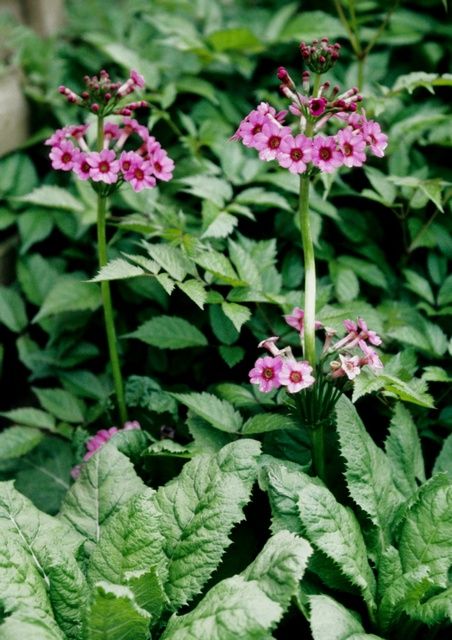
Japanese Primrose, Primula japonica (photo credit: eol.org)

Japanese Primrose, Primula japonica (photo credit: eol.org)

One thing I found very interesting and encouraging about this study was the recruitment of lay botanists in collecting data. As stated in the findings, “Monitoring data collected by the public can play an essential role in assessing biodiversity.” I am excited by the growing citizen science movement and hope to see it continue to expand as more and more people become interested in science and eager to add to this body of knowledge. In fact, I consider the term “awkward botany” to be synonymous with citizen, lay, and amateur botany. That is precisely why I chose it as the title for my blog. So, in short, expect more posts involving citizen science in the future.

You can read more about this study on John Platt’s blog Extinction Countdown at Scientific American.


Drought Tolerant Plants: Fernbush

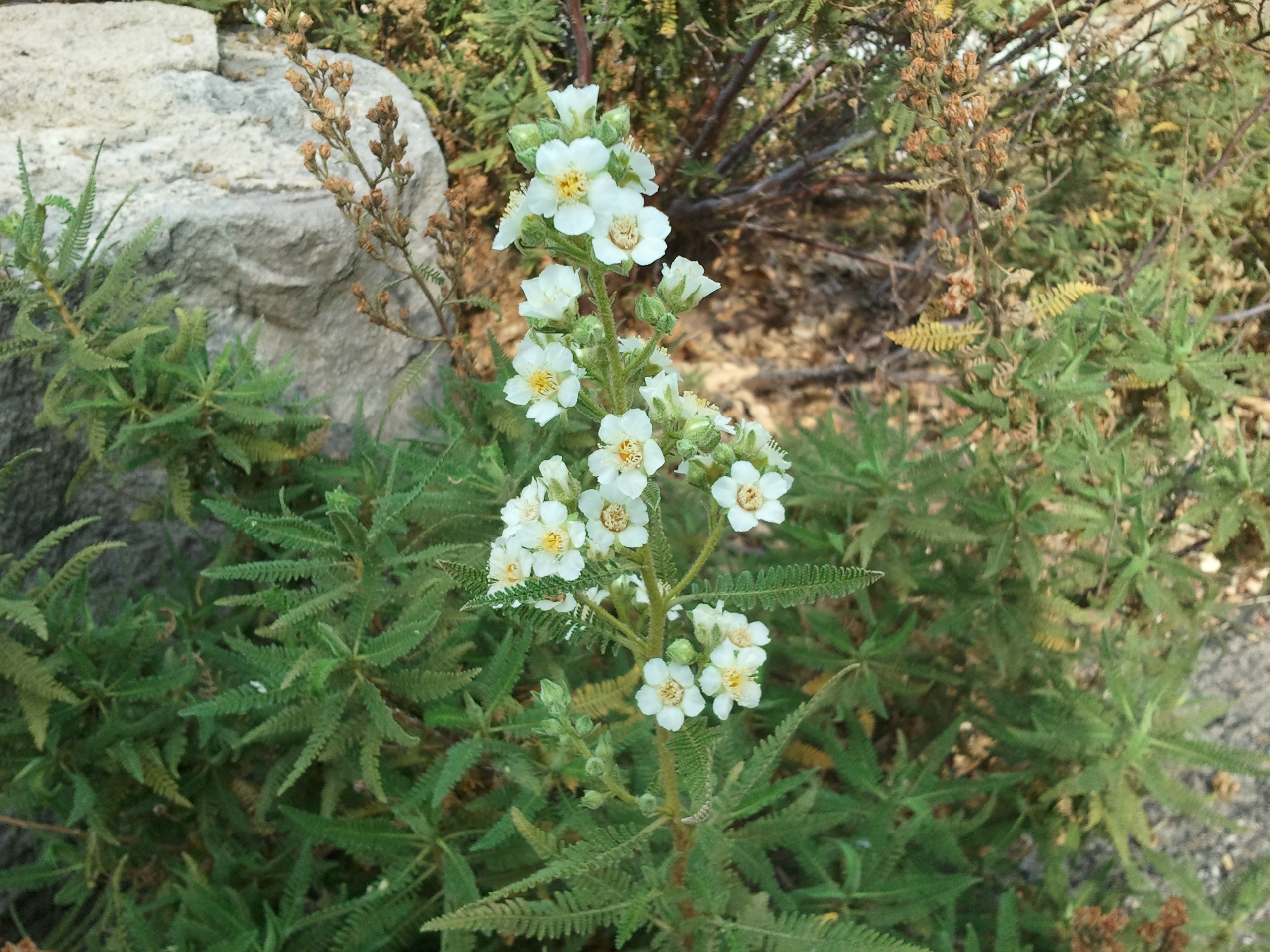
The first of many plants to be profiled in this series on drought tolerant plants is Chamaebatiaria millefolium, known commonly as fernbush or desert sweet. Fernbush is a shrub that is found in most western U.S. states, generally in locations that are dry and rocky with sandy or gravelly soils.  However, it also occurs in sights with loam or clay loam soils, making it a plant that is not too finicky about soil types. It is found at a wide range of elevations (from 3,000 feet up to 11,000 feet) and in a wide variety of plant communities, including lodgepole pine subalpine forests, juniper-pinyon pine woodlands, mountain mahogany-oak scrublands, and sagebrush steppes. It is occasionally browsed by certain animals, but not enough to be considered an important food source. Instead, its major wildlife value is providing cover for birds, small mammals, and antelope.

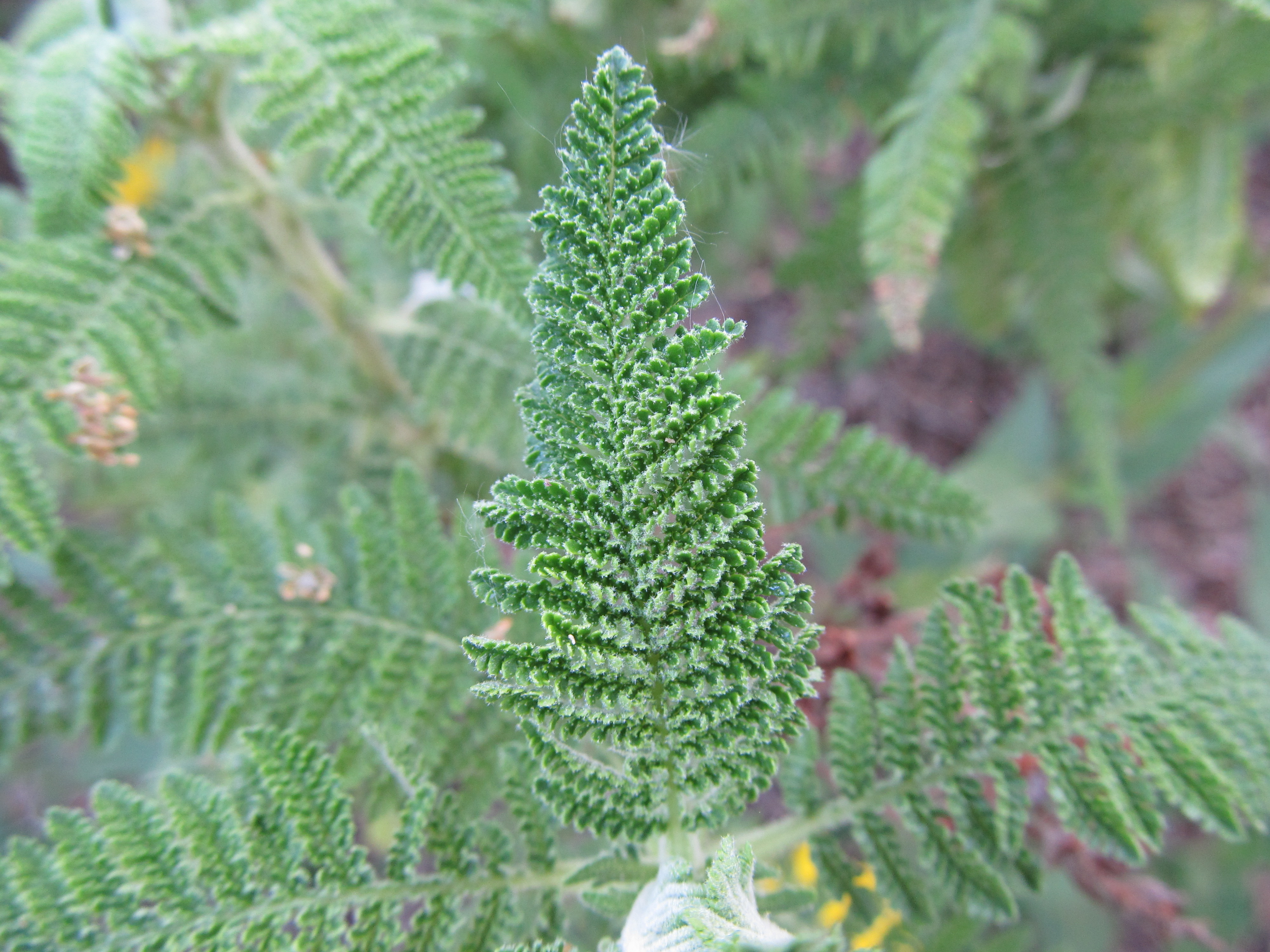
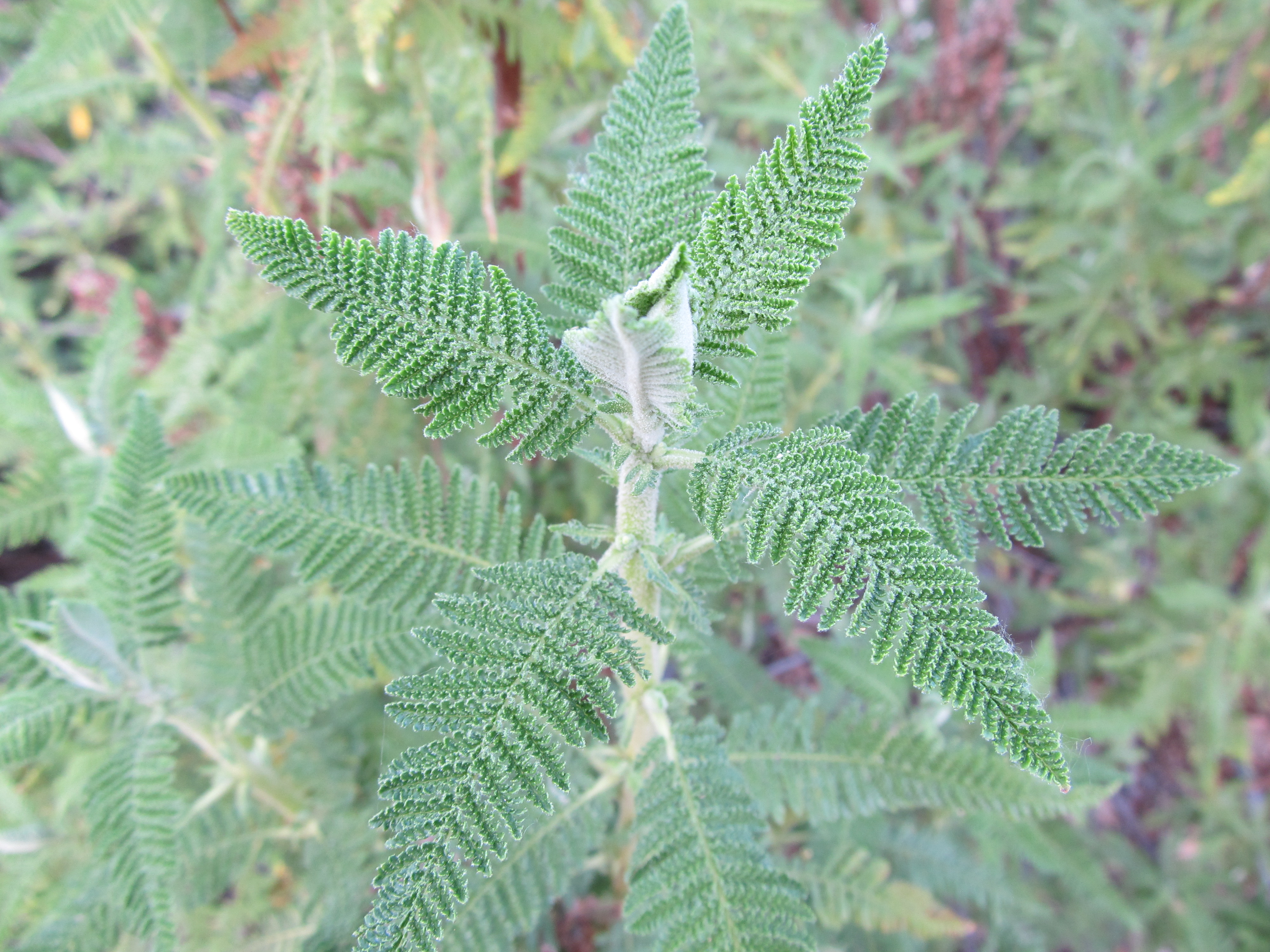
Fernbush is by far one of my favorite shrubs. Its the leaves that make it so interesting. As the common name suggests, the leaves look just like little fern fronds, and considering that ferns tend to be associated with shady, moist environments, it seems strange to see a fern-like bush growing in full sun in a dry, rocky site. Alas, fernbush is not a fern, but instead a shrub with very cool leaves.

IMG_0838

IMG_0837

Fernbush grows to about as wide as it does high (between 1-3 meters), and depending on where it is growing it is evergreen or semi-evergreen, dropping the older leaves from the lower portions of its branches during the winter. Its bark is smooth and russet or cinnamon-colored. Flowers appear in clusters at the tips of branches in mid to late summer and are small, white or cream colored, and rose-like with five petals.

SAMSUNG

The fruit of fernbush is called a follicle and contains very small seeds, mere millimeters in size. The spent flower stalks are attractive in their own right and provide great winter interest. They can be pruned off in the spring in preparation for new flower stalks and to keep the plants looking good.

IMG_0834

Fernbush is very drought tolerant. Once its established, it needs very little (if any) supplemental water. It is likely that the leaves of fernbush give it this trait. They are small and finely divided, as well as being hairy and resinous. Physical adaptations such as these reduce water loss through transpiration, which helps the plant use available water more efficiently. Though not very commercially available, fernbush, with its unique appearance and late summer blooms, is a great addition to waterwise gardens and landscapes.

Fun Fact: Chamaebatiaria is a monotypic genus, meaning that it is a genus consisting of only one species. In this regard, Chamaebatiaria millefolium is a true rarity.