In Defense of Weeds – A Book Review

Weeds have been with us since the beginning of human civilization. We created them, really. We settled down, started growing food, urbanized, and in doing so we invited opportunistic plant species to join us – we created spaces for them to flourish and provided room for them to spread out and settle in. During our history together, our attitudes about weeds have swung dramatically from simply living with and accepting them, recognizing their usefulness, incorporating them into our religious myths and cultural traditions, to developing feelings of disgust and disdain and ultimately declaring outright war against them. In a sense, weeds are simultaneously as wild and as domestic as a thing can be. They remind us of ourselves perhaps, and so our feelings are mixed.

Considering our combined history and the fact that weeds have stuck with us all along, perhaps it’s time we give them a little respect. This seems to be the objective of Richard Mabey’s book, Weeds: In Defense of Nature’s Most Unloved Plants. In Mabey’s own words, “this book is a case for the defense, an argued suggestion that we look more dispassionately at these outlaw plants, at what they are, how they grow, and the reasons we regard them as trouble.” Additionally, we should recognize that we wrote the definition for weeds: “plants become weeds because people label them as such.” We introduce them, create conditions in which they can thrive, and then turn around and despise them for doing what they do best. “In a radical shift of perspective we now blame the weeds, rather than ourselves;” however, as Mabey ultimately concludes, “we get the weeds we deserve.”
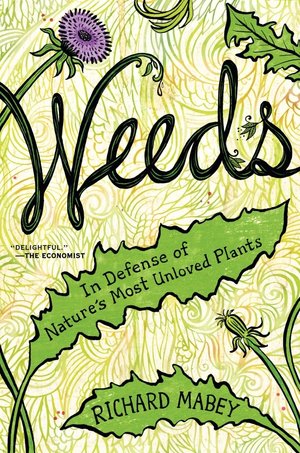
weeds book

But before he arrives at that conclusion – and certainly Mabey has more to say than that pithy remark – Mabey takes readers on a remarkable journey. Starting with the origins of agriculture – and the origins of weeds – he recounts the story of how weeds followed civilization as it spread across the globe. He describes our diverse reactions to weeds, how we have dealt with them, and how they have infiltrated our myths, art, cultures, food, medicine, rituals, philosophies, and stories. Along the way, certain weeds are profiled using Mabey’s unique prose. Each weed has a story to tell – some more sordid than others.

Mabey is a British author, and so the book has a strong Anglocentric slant. But this seems fitting considering that the explorations and migrations of early Europeans are probably responsible for moving more plant species around than any other group in history – at least up until the modern era. Mabey describes the myriad ways these plants were introduced: “Some simply rode piggy-back on crop and garden plants…others were welcomed as food plants or glamorous ornaments, but escaped or were thrown out and became weeds as a consequence of unforeseen bad behavior.” The seeds of many species hitched rides with numerous agricultural and industrial products, while others attached themselves to clothing, shoes, and animal fur. Everywhere humans traveled, weeds followed.

Weeds are one of the great legacies Europeans brought with them as they settled the American continent. A veritable wave of new plant species entered the Americas as the Europeans trickled in, some were purposeful introductions and some accidental. Ever the opportunists, Europe’s weeds traversed across the continent as settlers tilled and altered the land. Mabey details the introduction of “invasive European weeds” to the western United States, claiming that “by the twentieth century two-thirds of the vegetation of the western grasslands was composed of introduced species, mostly European.

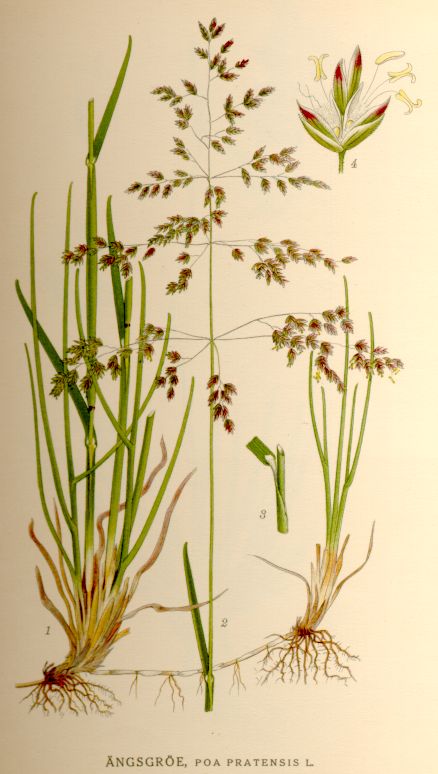
One of these European species in particular has been wholeheartedly embraced by American culture; it was even given an American name. Kentucky bluegrass, Poa pratensis, “is a common, widespread but unexceptional species of grassy places in Europe…but in uncontested new grazing lands of North America it could color whole sweeps of grassland.” It has since become a preferred turfgrass species, and it’s innate ability to thrive here makes it partly responsible for Americans’ obsession with the perfect lawn. Oddly, other European invaders infiltrating a pristine, green lawn are unwelcome and derided as “weeds.” In actuality, considering its relentless, expansive, and spreading nature and its reliance on humans to perpetuate its behavior, turfgrass is much more fit for the label “weed” than any other species that invades it. As Mabey asserts, “a lawn dictates its own standards…the demands made by its singular, unblemished identity, its mute insistence that if you do not help it to continue along the velvet path you have established for it, you are guilty of a kind of betrayal.”
Kentucky bluegrass (Poa pratensis) also known as smooth meadow-grass - photo credit: wikimedia commons

Kentucky bluegrass (Poa pratensis), also known as smooth meadow-grass – photo credit: wikimedia commons

Reading along it becomes clear that Mabey is infatuated with weeds. You can see it in sentences like, “the outlandish enterprise of weeds – such sharp and fast indices of change – can truly lift your heart.” This doesn’t mean that in his own garden he doesn’t “hoick them up when they get in [his] way.” It just means that his “capricious assault” is “tinged with respect and often deflected by a romantic mood.” Does Mabey wish his readers to swoon the way he does over these enterprising and opportunistic aliens? Perhaps. More than that he seems to want to instill an awe and admiration for what they can do. In many cases they serve important ecological functions, including being a sort of “first responder” after a disturbance due to their fast acting and ephemeral nature. In this way, weeds “give something back” by “holding the bruised parts of the planet from falling apart.” They also “insinuate the idea of wild nature into places otherwise quite shorn of it,” and so despite their dependence on human activities, they could be considered “the very essence of wildness.”

For all the love Mabey has for weeds, he remains convinced that some absolutely need to be kept in check. He calls out Japanese knotweed specifically – an “invader with which a truly serious reckoning has to be made.” In speaking of naturalized plant species – introduced species that propagate themselves and “spread without deliberate human assistance” – he makes the comparison to humans becoming naturalized citizens in countries where they were not born. In this sense he argues for more acceptance of such species, while simultaneously warning that “there are invasive species that ought never to get their naturalization papers.”
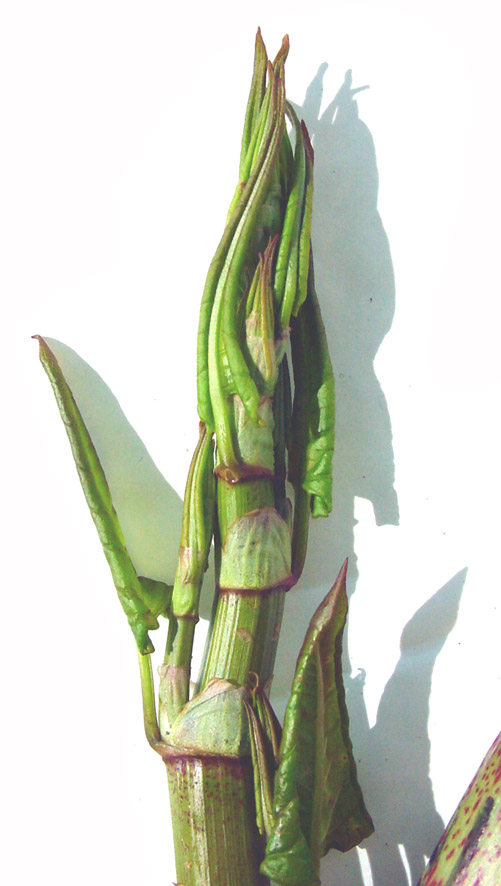
Japanese knotweed (Fallopia japonica) is listed as one the 100 Worst Invasive Species - photo credit: wikimedia commons

Japanese knotweed (Fallopia japonica) is listed as one the 100 Worst Invasive Species – photo credit: wikimedia commons

This is an engrossing read, and regardless of how you feel about weeds going in, Mabey will – if nothing else – instill in you a sort of reverence for them. You may still want to reach for the hoe or the herbicide at the sight of them – and you may be justified in doing that – but perhaps you’ll do so with a little more understanding. After all, humans and weeds are kindred species.

As a type they are mobile, prolific, genetically diverse. They are unfussy about where they live, adapt quickly to environmental stress, use multiple strategies for getting their own way. It’s curious that it took so long to realize that the species they most resemble is us.

Listen to Mabey talk about his book and his interest in weeds on these past episodes of Science Friday and All Things Considered.

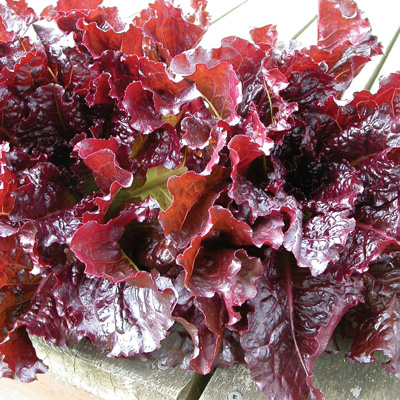
Growing and Eating Lettuce in Space

Journeying outside of low-earth orbit and setting up long-term or permanent colonies on other planets or moons is fraught with challenges. One obvious challenge is food production. Regular deliveries from Earth are costly and risky, and freshness isn’t always an option. So, perhaps food can be grown on site? NASA is currently exploring this question by carrying out a series of experiments using an aptly named piece of hardware called Veggie, which was delivered and installed on the International Space Station in the spring of 2014. Experiments began shortly thereafter, and last month NASA astronauts finally got to taste the leaves of their labor for the first time.

Veggie is a plant growth chamber that was developed by Orbital Technologies Corporation. It provides environmental conditions – such as light, temperature, and airflow – that are suitable for plant growth. Accompanying the delivery of Veggie were three sets of planting pillows – specially designed pouches that contain growing media, fertilizer, and seeds. The pillows are placed on rooting mats inside Veggie and watered using a wicking system . Light is delivered by red, blue, and green LEDs. The red and blue wavelengths are necessary for plant growth, and the green wavelength helps the plants look more appealing to the astronauts.

Veggie: an expandable plant growth facility designed for the International Space Station - photo credit: NASA/Bryan Onate

Veggie: an expandable plant growth facility designed for growing plants on the International Space Station – photo credit: NASA/Bryan Onate

Two sets of pillows were seeded with a variety of red romaine lettuce called ‘Outredgeous.’ This particular plant was chosen because it is easy to grow, tastes good, and has high nutritional value. The first lettuce harvest was sent back to earth last October for a food safety analysis. Once it was deemed free of harmful bacteria and safe to eat, the astronauts were cleared to start the second round of red romaine, which they did in early July 2015. The third set of planting pillows contain zinnia seeds, and according to statements made by astronaut Scott Kelly on Twitter, it doesn’t sound like those have been grown yet.

After caring for the second round of lettuce plants for 33 days, it was finally time to taste them. The astronauts first cleaned each leaf with citric acid based sanitizing wipes and then sampled the leaves plain. Next they tried them with a little olive oil and balsamic vinegar. They shared their experience in real time via Twitter, which is documented in this New York Times article. They saved a few leaves for their Russian friends who were out on a spacewalk, and then packaged the rest up to be frozen and sent back to Earth for analysis.

Outredgeous Territorial Seed Company

Lactuca sativa ‘Outredgeous’ – the variety of red romaine lettuce grown and eaten by NASA astronauts on the International Space Station (photo credit: Territorial Seed Company)

This isn’t the first time plants have been grown and eaten in space. Russian cosmonauts grew and consumed mizuna (Japanese mustard) back in 2002 using a plant growth chamber developed in collaboration with a lab at Utah State University. They have also used the growth chamber to grow peas, radishes, and other plants. Read more about these experiments here.

Growing plants in space, apart from providing fresh food, offers psychological benefits. In an otherwise sterile and metallic environment, having something green (or red, in the case of the lettuce) to look at and care for has the potential to lift the moods of crew members aboard the space station. NASA scientist, Dr. Gioia Massa, who is overseeing the project sums it up nicely, “The farther and longer humans go away from Earth, the greater the need to grow plants for food, atmosphere recycling, and psychological benefits. I think that plant systems will become important components of any long-duration exploration scenario.”

Want to learn more? Read about the project here, here, and here. Also watch this video about growing plants in space.


Just for fun, there is a great children’s fiction book involving plants in space called June 29, 1999 by David Wiesner which is definitely worth a look.

More “Plants in Space” Posts on Awkward Botany:

Growing Plants on the Moon

Growing Plants in Outer Space

Poisonous Plants: Castor Bean

A series of posts about poisonous plants should not get too far along without discussing what may be the most poisonous plant in the world – one involved in high and low profile murders and attempted murders, used in suicides and attempted suicides, a cause of numerous accidental deaths and near deaths, developed for use in biological warfare by a number of countries (including the United States), and used in bioterrorism attacks (both historically and presently). Certainly, a plant with a reputation like that is under tight control, right? Not so. Rather, it is widely cultivated and distributed far beyond its native range – grown intentionally and used in the production of a plethora of products. In fact, products derived from this plant may be sitting on a shelf in your house right now.

Ricinus communis, known commonly as castor bean or castor oil plant, is a perennial shrub or small tree in the spurge family (Euphorbiaceae) and the only species in its genus. It is native to eastern Africa and parts of western Asia but has since been spread throughout the world. It has naturalized in tropical and subtropical areas such as Hawaii, southern California, Texas, Florida, and the Atlantic Coast. It is not cold hardy, but is commonly grown as an ornamental annual in cold climates. It is also grown agriculturally in many countries, with India, China, and Mozambique among the top producers.

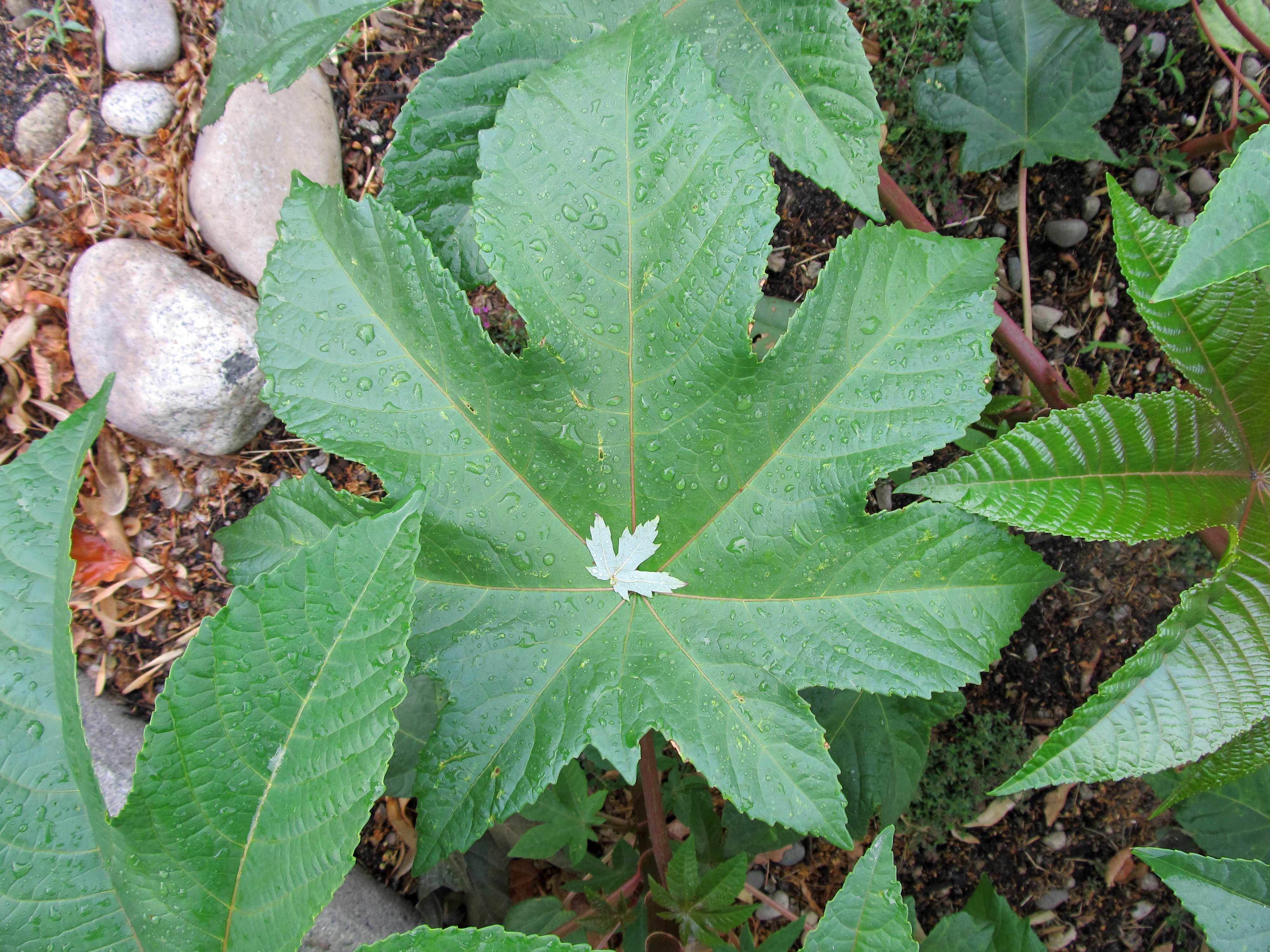
Silver maple leaf nestled in the center of a castor bean leaf.

Silver maple leaf nestled in the center of a castor bean leaf.

Castor bean has large palmately lobed leaves with margins that are sharply toothed. Leaves are deep green (sometimes tinged with reds or purples) with a red or purple petiole and can reach up to 80 centimeters (more than 30 inches) across. Castor bean can reach a height of 4 meters (more than 12 feet) in a year; in areas where it is a perennial, it can get much taller. Flowers appear in clusters on a large, terminal spike, with male flowers at the bottom and female flowers at the top. All flowers are without petals. Male flowers are yellow-green with cream-colored or yellow stamens. Female flowers have dark red styles and stigmas. The flowers are primarily wind pollinated and occasionally insect pollinated. The fruits are round, spiky capsules that start out green often with a red-purple tinge and mature to a brown color, at which point they dehisce and eject three seeds each. The seeds are large, glossy, bean-like, and black, brown, white, or often a mottled mixture. They have the appearance of an engorged tick. There is a small bump called a caruncle at one end of the seed that attracts ants, recruiting them to aid in seed dispersal.

Female flowers and fruits forming on castor bean.

Female flowers and fruits forming on castor bean.

All parts of the plant are toxic, but the highest concentration of toxic compounds is found in the seeds. The main toxin is ricin, a carbohydrate-binding protein that inhibits protein synthesis. The seeds need to be chewed or crushed in order to release the toxin, so swallowing a seed whole is not likely to result in poisoning. However, if seeds are chewed and consumed, 1-3 of them can kill a child and 2-6 of them can kill an adult. It takes several hours (perhaps several days) before symptoms begin to occur. Symptoms include nausea, vomiting, severe stomach pain, diarrhea, headaches, dizziness, thirst, impaired vision, lethargy, and convulsions, among other things. Symptoms can go on for several days, with death due to kidney failure (or multisystem organ failure) occurring as few as 3 and as many as 12 days later. Death isn’t imminent though, and many people recover after a few days. Taking activated charcoal can help if the ingestion is recent. In any case, consult a doctor or the Poison Control Center for information about treatments.

The seeds of castor bean are occasionally used to make jewelry. This is not recommended. In The North American Guide to Common Poisonous Plants and Mushrooms, the authors warn that “drilling holes in the seeds makes them much more deadly because it exposes the toxin.” Wearing such jewelry can result in skin irritation and worse. The authors go on to say that “more than one parent has allowed their baby to suck on a necklace of castor beans.” I doubt such parents were pleased with the outcome.

castor bean seeds

Castor beans are grown agriculturally for the oil that can be extracted from their seeds. Due to the way its processed, castor oil does not contain ricin. The leftover meal can be fed to animals after it has been detoxified. Castor oil has been used for thousands of years, dating as far back as 5000 BC when Egyptians were using it as a fuel for lamps and a body ointment, among other things. Over the centuries it has had many uses – medicinal, industrial, and otherwise. It makes an excellent lubricant, is used in cosmetics and in the production of biofuel, and has even been used to make ink for typewriters. One of its more popular and conventional uses is as a laxative, and in her book, Wicked Plants, Amy Stewart describes how this trait has been used as a form of torture: “In the 1920’s, Mussolini’s thugs used to round up dissidents and pour castor oil down their throats, inflicting a nasty case of diarrhea on them.”

A couple of years ago, I grew a small stand of castor beans outside my front door. I was impressed by their rapid growth and gigantic leaves. I also enjoyed watching the fruits form. By the end of the summer, they were easily taller than me (> 6 feet). I collected all of the seeds and still have them today. I knew they were poisonous at the time, but after doing the research for this post, I’m a little wary. With a great collection of castor bean seeds comes great responsibility.

The castor beans that once grew outside my front door.

The castor beans that once grew outside my front door.

There is quite a bit of information out there about castor beans and ricin. If you are interested in exploring this topic further, I recommend this free PubMed article, this Wikipedia page about incidents involving ricin, this article in Nature, and this entry in the Global Invasive Species Database. Also check out Chapter 11 (“Death by Umbrella”) in Thor Hanson’s book, The Triumph of Seeds.

Year of Pollination: More than Honey, etc.

When I decided to spend a year writing about pollinators and pollination, I specifically wanted to focus on pollinators besides the honey bee. Honey bees already get lots of attention, and there are loads of other pollinating organisms that are equally fascinating. But that’s just the thing, honey bees are incredibly fascinating. They have a strict and complex social structure, and they make honey – two things that have led humans to develop a strong relationship with them. We have been managing honey bees and exploiting their services for thousands of years, and we have spread them across the planet, bringing them with us wherever we go. In North America, honey bees are used to pollinate a significant portion of our pollinator-dependent crops, despite the fact that they are not native to this continent. In that sense, they are just another domesticated animal, artificially selected for our benefit.

It’s common knowledge that honey bees (and pollinators in general) have been having a rough time lately. Loss of habitat, urbanization, industrial farming practices, abundant pesticide use, and a variety of pests and diseases have been making life difficult for pollinators. Generally, when the plight of pollinators comes up in the news, reference is made to honey bees (or another charismatic pollinator, the monarch butterfly). News like this encourages people to take action. On the positive side, efforts made to protect honey bees can have the side benefit of protecting native pollinators since many of their needs are the same. On the negative side, evidence suggests that honey bees can compete with native pollinators for limited resources and can pass along pests and diseases. Swords are often double-edged, and there is no silver bullet.

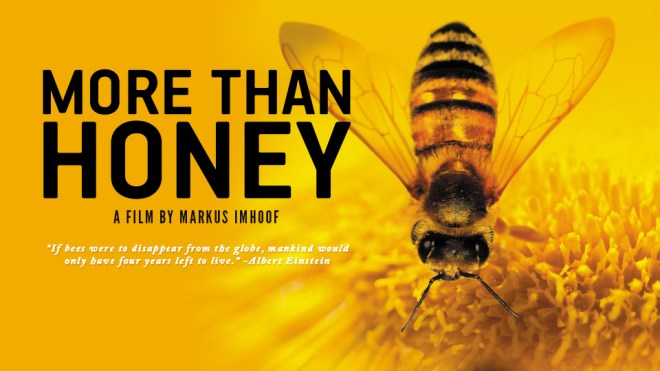
In a recent conversation with a budding beekeeper, I was recommended the documentary, More than Honey. I decided to watch it, write a post about it, and call that the honey bee portion of the Year of Pollination. Part way through the movie, another documentary, Vanishing of the Bees, was recommended to me, and so I decided to watch both. Below are some thoughts about each film.

more than honey movie

More than Honey

Written and directed by Swiss documentary filmmaker, Markus Imhoof, this beautifully shot, excellently narrated, meandering documentary thrusts viewers into incredibly intimate encounters with honey bees. Cameras follow bees on their flights and into their hives and get up close and personal footage of their daily lives, including mating flights, waggle dances, pupating larvae, flower pollination, and emerging queens. In some scenes, the high definition shots make already disturbing events even more disturbing, like bees dying after being exposed to chemicals and tiny varroa mites crawling around on the bodies of bees infecting them with diseases – wings wither away and bees become too weak to walk. This movie is worth watching for the impressive cinematography alone.

But bees aren’t the only actors. The human characters are almost as fun to watch. A Swiss beekeeper looks out over stunning views of the Alps where he keeps his bees. He follows a long tradition of beekeeping in his family and is very particular about maintaining a pure breed in his hives, going so far as flicking away the “wrong” bees from flowers on his property and crushing the head off of an unfaithful queen. A commercial beekeeper in the United States trucks thousands of beehives around the country, providing pollination services to a diverse group of farms – one of them being a massive almond grove in California. He has been witness to the loss of  hundreds of honey bee colonies and has had to become “comfortable with death on an epic scale” – the grueling corporate world grinds along, and there is no time for mourning losses.

Further into the documentary, a woman in Austria demonstrates how she manipulates a colony into raising not just one queen, but dozens. She has spent years breeding bees, and her queens are prized throughout the world. A man in Arizona captures and raises killer bees – hybrid bees resulting from crosses between African and European honey bees (also known as Africanized honey bees). Despite their highly aggressive nature, he prefers them because they are prolific honey producers and they remain healthy without the use of synthetic pesticides.

Probably the darkest moment in the film is watching workers in China hand pollinate trees in an orchard. Excessive pesticide use has decimated pollinator populations in some regions, leaving humans to do the pollinating and prompting the narrator to reflect on the question, “Who’s better at pollinating, man or bees? Science answers with a definite, ‘not man.'”

Also included in the film is an intriguing discussion about bees as a super-organism with a German neuroscientist who is studying bee brains. The narrator sums it up like this: “Without its colony the individual bee cannot survive. It must subordinate its personal freedom for the good of the colony… Could it be that individual bees are like the organs or cells of a body? Is the super-organism as a whole the actual animal?”

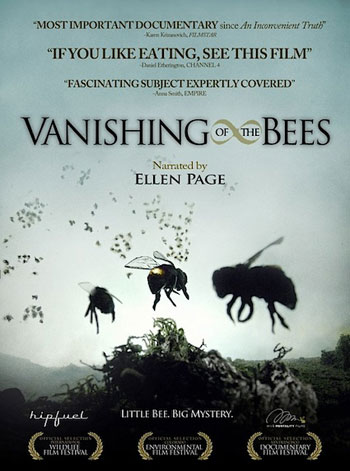
Vanishing-of-the-bees

Vanishing of the Bees

Colony collapse disorder is a sometimes veiled yet important theme throughout More than Honey, and it was certainly something that drove the creation of the film. In the case of Vanishing of the Bees, colony collapse disorder is the reason for its existence. Narrated by actor, Ellen Page, and produced in part by a film production company called Hive Mentality Films, this movie came out on the heels of the news that bee colonies were disappearing in record numbers throughout the world. It tells the story of colony collapse disorder from the time that it first appeared in the news – one of the film’s main characters is the beekeeper that purportedly first brought attention to the phenomenon – and into the years that followed as scientists began exploring potential causes.

This film contains lots of important information and much of it seems credible, but it is also the type of documentary that in general makes me wary of documentaries. Its purpose goes beyond just trying to inform and entertain; it’s also trying to get you on board with its cause. I may agree with much of what is being said, but I don’t particularly like having my emotions targeted in an effort to manipulate me to believe a certain way. It’s a good idea not to let documentaries or any other type of media form your opinions for you. Consider the claims, do some of your own research and investigation, and then come to your own conclusion. That’s my advice anyway…even though you didn’t ask for it.

That being said, colony collapse disorder is a serious concern, and so I’ll end by going back to More than Honey and leave you with this quote by its narrator:

The massive death of honey bees is no mystery. What’s killing them is not pesticides, mites, antibiotics, incest, or stress, but a combination of all these factors. They are dying as a result of our civilization’s success, as a result of man, who has turned feral bees into docile, domestic animals – wolves into delicate poodles.

Podcast Review: Gastropod

I am a voracious consumer of podcasts and have a long list that I regularly listen to. Despite being unable to get through all of them in a reasonable amount of time, I am still continually on the lookout for more. I am particularly interested in science or educational podcasts – something that I can listen to for an hour or so and learn new things about the world, whether it be breaking news or historical facts.

This year a new podcast was born – a podcast exploring the science and history of food.  It is called Gastropod, and it has quickly found its way into my regular rotation of podcast consumption. It wasn’t a difficult climb either, as the general theme of the podcast is something that fascinates me and the hosts do a top-notch job presenting the information and telling the stories.

gastropod

Gastropod is hosted by Cynthia Graber and Nicola Twilley, each of whom have impressive backgrounds in researching and reporting on science, technology, food, and other topics for a variety of outlets both large and small. Among numerous other projects, Nicola has a blog called Edible Geography and Cynthia contributes regularly to Scientific American’s 60 Second Science podcast. Gastropod just happens to be their latest endeavor, and it is a welcome one.

Full length episodes of Gastropod are released once a month, with “snack-sized interludes” called Bites released in between to tide listeners over until the next helping. Since Gastropod is in its infancy (the first episode was released in September 2014), catching up on past episodes is simple. An afternoon of binge listening will do it.

Topics covered so far in full length episodes include the history and evolution of cutlery (which involves a taste test using spoons made of various metals), a discussion with Dan Barber about his book The Third Plate, an exploration of the emerging “microbe revolution” in agriculture (which piggybacks on an article that Cynthia wrote for NOVANext and which I reviewed back in July), and the rising popularity of kelp (“the new kale”) and the growth of seaweed farms. Bite-sized episodes have discussed things like modern day domestication of wild plants, underused American seafood resources, a meal replacement drink called Soylent, the expansive yet underappreciated (and disappearing) diversity of apples, and subnatural foods (smoked pigeon, anyone?).

So far every episode has been great, but if I had to pick a favorite, the interview with Dan Barber really stands out. His discussion of “ecosystem cuisines” – which moves beyond the farm-to-table movement – was new to me but seems like an important idea and one that I would like to see play a pivotal role in the development of science-based sustainable agriculture.

Gastropod is a young but promising podcast, and I look forward to many more captivating episodes in 2015 and beyond. Learn more about Gastropod and its hosts here.

Do you have a favorite podcast, science-themed or otherwise? Share it in the comments section below.

Speaking of Food: A Recap

The theme for the past 15 posts has been the October 2014 Special Issue of American Journal of Botany, Speaking of Food: Connecting Basic and Applied Plant Science. After a brief introduction to the issue, I spent the next 14 posts (spanning a period of 5 weeks) reading and writing summaries of each of the 17 articles. If you actually read every post, you are a champion in my eyes, and I probably owe you a prize of some sort. And even if you just read one or two, thank you, and I hope you found value in what you read.

I have to admit that it was kind of a grueling process. Many of the articles, along with being lengthy, included high level discussions that were beyond my current understanding, especially concerning topics like genetics, genomics, and phylogenetics. I learned a lot while reading them, but I am still far from truly grasping many of the concepts. For that reason, I did not feel completely comfortable writing summaries of some of these discussions. I made an effort not to misrepresent or oversimplify the research, but I can’t say for sure that my attempts were always successful. I welcome any criticisms, corrections, complaints, or comments in this regard, and I am open to making edits or updates to any of the posts as necessary. I consider this blog my learning platform, as well as a place to share my phyto-curiosity. Perhaps you find it a place for learning, too?

The main purpose of this post is to provide a Table of Contents for the last 14 posts, something that will make it easier to navigate through this series without having to scroll through each post. If you are interested in reading the entire series (again, you’re a champion), you can access them all in order here by clicking on the titles. Otherwise, you can pick and choose whatever topics interest you the most.

  • On the Origins of Agriculture – A deep dive into plant domestication and the beginnings of agriculture, including the revision of theoretical approaches to thinking about the history of plant domestication and a discussion of emerging methods and tools for exploring early domestication and emerging agriculture.
  • The Legacy of a Leaky Dioecy – Does pre-Colombian management of North American persimmon trees explain why non-dioecious individuals are found in an otherwise dioecious species?
  • Dethroning Industrial Agriculture: The Rise of Agroecology – The environmentally devastating effects of industrial agriculture can and must be replaced by a more sustainable, ecologically-focused from of agriculture. This will require reforming our economic system and rethinking our “one size fits all” approach to scientific research.
  • An Underutilized Crop and the Cousins of a Popular One – Safflower, an underutilized oilseed crop, could be improved by introducing genes from wild relatives. Soybean, a very popular and valuable crop, could also be improved by introducing genes from its perennial cousins.
  • Carrots and Strawberries, Genetics and Phylogenetics – An exploration of the genetics and phylogenetics of carrots and strawberries. Better understanding of their genetics will aid in crop improvements; better understanding of their phylogenetics gives us further insight into the evolution of plants.
  • Exploring Pollination Biology in Southwestern China – A fascinating look at the pollination biology of edible and medicinal plants in southwestern China, revealing significant gaps in scientific understanding and the need for conservation and continued research.
  • Your Food Is a Polyploid – Polyploidy is more prevalent in plants than we once thought. This article examines the role of polyploidy in crop domestication and future crop improvements.
  • Tales of Weedy Waterhemp and Weedy Rice – How agriculture influenced the transition to invasiveness in two important weed species.
  • Cultivated Sunflowers and Their Wild Relatives – An investigation into the flowering times of wild sunflowers reveals potential for improvements in cultivated sunflowers.
  • The Nonshattering Trait in Cereal Crops – Is there a common genetic pathway that controls the shattering/nonshattering trait in cereal crops?
  • Apples and Genetic Bottlenecks – Domestication generally leads to a loss of genetic variation compared to wild relatives, but apples have experienced only a mild loss. That loss may increase as commercial apple production relies on fewer and fewer cultivars.
  • Improving Perennial Crops with Genomics – The nature of perennial crops can be an impediment to breeding efforts, which makes the introduction of new perennial crop varieties both time consuming and costly. Advances in genomics may help change that.
  • Using Wild Relatives to Improve Crop Plants – Crop plants can be improved through the introduction of genes from wild relatives. They could potentially experience even greater improvement through systematic hybridization with wild relatives.
  • Developing Perennial Grain Crops from the Ground Up – Some of the environmental issues resulting from agriculture could be addressed by switching from annual to perennial grain crops, but first they must be developed from wild species.
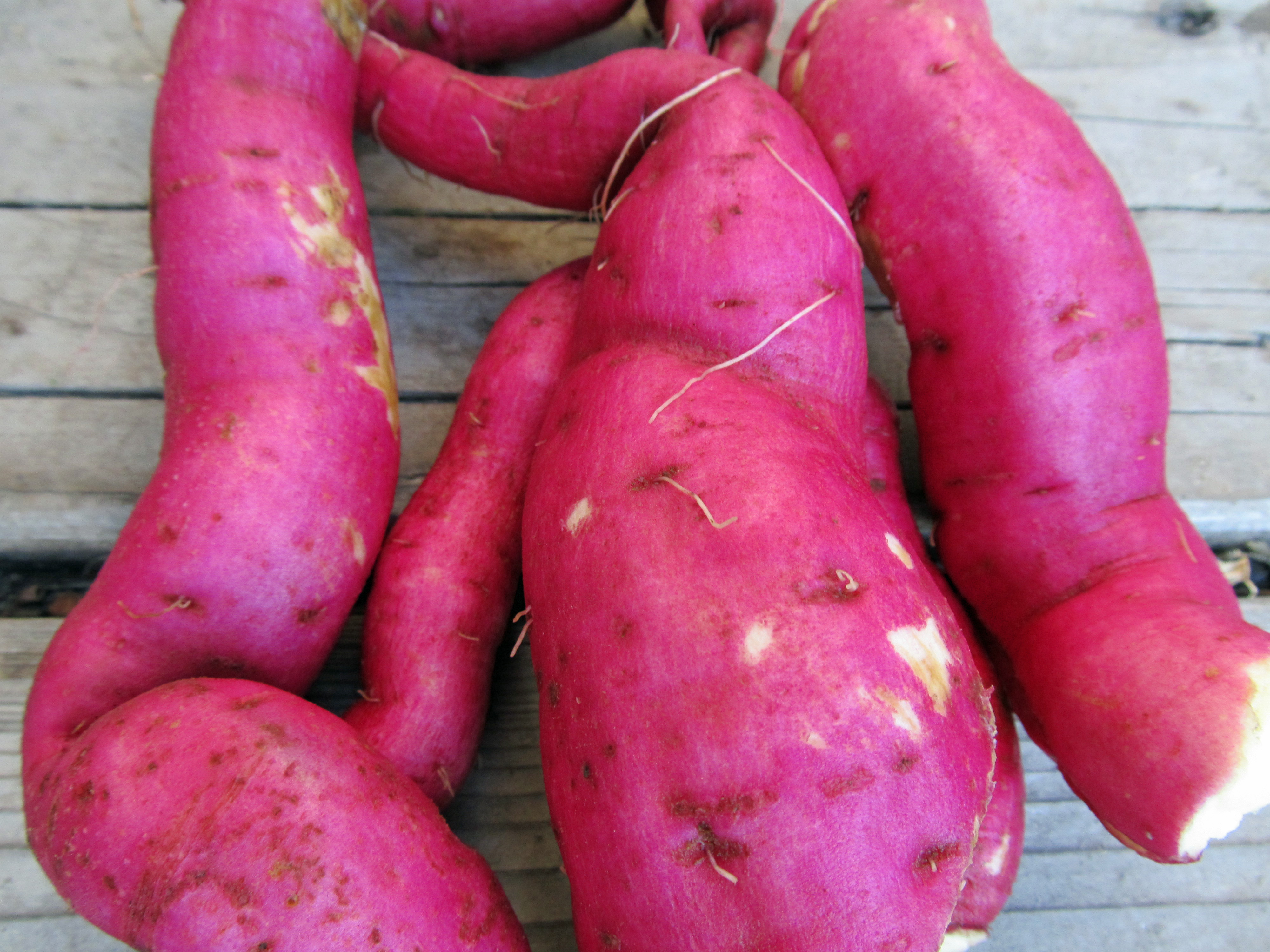
A small harvest of sweet potatoes (Ipomoea batatas ' Hong Hong') from this year's backyard mini-farm. Ipomoea batatas ' Hong Hong.'

A small harvest of sweet potatoes (Ipomoea batatas ‘ Hong Hong’) from this year’s backyard mini-farm.

If I had to pick a favorite article in this issue it would be Think Globally, Research Locally: Paradigms and Place in Agroecological Research (Reynolds et al.). I know I said it in the post, but this article really sums up the reasons why this special issue of AJB is so important. Humans are incredibly resourceful, creative, and resilient, and as we have spread ourselves across the globe and grown our population into the billions, we have found ways to produce enormous amounts of food relatively cheaply. Frankly, the fact that anyone is going hungry or dying of starvation is shameful and appalling as there is plenty of food to go around…for now. But we are doing a lot of things wrong, and the earth is suffering because of it. If the biosphere is in trouble, we are all in trouble. Thus, we are overdue for some major shifts in the way we do things, particularly agriculture as that’s what this series of posts is all about. I advocate for science-based sustainable agriculture, and I am hopeful, thanks to this issue of AJB and other signs I’ve seen recently, that we are moving more in that direction. I’ll step off my soapbox now and leave you with an excerpt from the article by Reynolds, et al.

“There is increasing recognition that the current industrial model of agricultural intensification is unsustainable on numerous grounds. Powered by finite and nonrenewable stores of fossil fuels over the last 200 years, humans have come to see themselves, their technology, and their built environments as controllers of nature rather than interdependent with it, even as our activities threaten to exceed planetary boundaries of resilience in multiple environmental dimensions, such as climate, biodiversity, ozone, and chemical pollution. … In the ‘full world’ we now live in, continuing to use high input, highly polluting methods of food production to support continued economic growth is counterproductive to achieving food security. Continued growth of population and per capita consumption on a finite planet fails to meet the basic requirement of sustainability, that of meeting needs within the regenerative and assimilative capacity of the biosphere. And prolonging the shift to a sustainable economic paradigm risks a harder landing.”

Developing Perennial Grain Crops from the Ground Up

This is the fourteenth in a series of posts reviewing the 17 articles found in the October 2014 Special Issue of American Journal of Botany, Speaking of Food: Connecting Basic and Applied Science.

Useful Insights from Evolutionary Biology for Developing Perennial Grain Crops by Lee R. DeHaan and David L. Van Tassel

The environmental impacts of modern agriculture are diverse and extensive. Our growing population needs to be fed; however, practices that have long-term negative effects on soil, water, and air quality are unsustainable. It is imperative that we find better alternatives. Developing perennial grain crops is one way that plant breeders are working to address this issue.

Moving from annual to perennial grain crops could potentially “increase water quality, reduce soil erosion, increase soil carbon, and improve habitat for wildlife.” It may also help “address the looming challenges of land degradation, food security, energy supply, and climate change.” Sounds like a major win if we can do it, right? And maybe we will, but first we must domesticate perennial grain varieties that perform on a similar level with annual ones. Most plant breeding today involves “improvement of previously domesticated species;” however, new perennial grain crops must be developed “de novo” (i.e. from wild species) in a matter of “decades rather than centuries to millennia.”

The roots of perennial grasses are considerably more extensive than annual grasses. (photo taken from an article about perennial grain crops at nationalgeographic.com)

The roots of perennial grasses are considerably more extensive than annual grasses, which helps reduce erosion and limits the need for fertilizer applications. (photo taken from an article about perennial grain crops at nationalgeographic.com)

Little has been published concerning “strategies for the wholesale remodeling of plants,” and so the authors reviewed findings in other fields, such as evolutionary biology and population genetics, in order to devise strategies for developing perennial grain crops. In this article, the authors summarize the published research they reviewed and describe how it relates to breeding perennial grains. It is a dense and lengthy article, so rather than offering a thorough review, I will briefly describe some of the main areas explored by the authors and then summarize their conclusions.

  • Trade-offs – This occurs when “resources allocated to one trait are unavailable for other traits.” Can perennial grain crops achieve yields comparable to annual varieties when faced with “trade-offs between seed and perennial organs?” Are such yields only attainable by “sacrificing longevity?” Strategies must be devised to “create herbaceous perennial crops with abundant seed production.”
  • Genetic Loads – This is simply defined as “the presence of deleterious alleles in a population.” In perennials, compared to annuals, “highly recessive deleterious alleles can arise at a rate faster than they can be efficiently eliminated.” Low seed set, among other things, may be a result of genetic load, so breeders of perennial grains must “account for and actively reduce genetic load.”
  • Bottlenecks – This refers to the loss of genetic diversity that occurs when population size is reduced. During a bottleneck, “previously rare deleterious recessive genes” can accumulate; however, some models indicate that “inbreeding and the associated bottlenecks may be useful in accelerating domestication.” If the population is isolated and introduced to a new environment simultaneously, “the newly exposed variation could now be adaptive.” Also, “if additional genetic diversity is required,” crosses can be made with wild populations.
  • Pleiotropy – This means that “a single gene [is] affecting multiple traits.” When domesticating wild species, “it would be useful to predict the prevalence of pleiotropy and whether to expect positive or negative pleiotropy to dominate.”
  • Epistatsis – This occurs when the effect of one gene is dependent on the presence of another gene or genes. This is particularly important if “large-effect genes” (pleiotropy) are dependent on a “particular genetic background to function optimally,” because “removing one critical element will severely impact the whole structure.” Perennial grain crops will have to undergo “many generations of plant breeding” in order to ensure that desired genes are found “within a genetic background where their benefits can be used without negative side effects.”
  • Cryptic Variation – Genetic variation is cryptic when “the inheritance of a particular mutated allele has no effect on phenotype and thus is hidden from natural and artificial selection.” New environments or mutations can release cryptic variation. “Ranking candidate species for their likely domesticability” may be an effective approach to cryptic variation. “The best candidates for domestication” originate from areas where conditions are highly favorable for growth and reproduction as opposed to areas that are “resource-limited,” because they have experienced periods of “selective enrichment” that make them suitable for agriculture settings.
  • Past Domestication – Domestication involves a series of “evolutionary changes that may decrease the fitness of a species in the wild but increase it under human management.” Historically this was “likely driven by unconscious selection pressures,” but currently it is “driven by conscious selection.” Studies of past domestication events reveal “somewhat predictable stages” in the process. Even though “current domestication efforts might not follow historical precedent,…the order in which traits are subjected to strong selection may be important.” Investigation into domestication also suggests that “dramatic changes” in plant morphology can be accomplished by selection for a “small number of major-effect genes,” so breeding programs are advised to “first search for useful major genes and evaluate their effects before moving on to strategies designed to accumulate genes of small effect.”
  • Selection – The authors describe “four major limits to selection.” 1.) Desired traits “may only exist in our imagination.” 2.) “The necessary genetic variation may not exist in the population,” and so waiting for or inducing mutations may be required. 3.) There may be “negative genetic correlations between characters being selected,” which will slow response to selection. This can be addressed by subdividing the population, evaluating the population in a new environment, or crossing with other populations. 4.) Conversely, “insufficient genetic correlation between traits may reduce the response to selection.” This makes “finding superior genotypes challenging,” so the authors suggest breeding plants in a “uniform environment,” and then later the plants can “accumulate genes for tolerance to specific stresses in separate populations.”
Intermediate wheatgrass (Thinopyrum intermedium) "produces much larger seeds in the greenhouse during the winter than ever seen in the field during the summer," an example of phenotypic plasticity. (photo credit: www.eol.org)

Intermediate wheatgrass (Thinopyrum intermedium) “produces much larger seeds in the greenhouse during the winter than ever seen in the field during the summer,” an example of phenotypic plasticity. (photo credit: www.eol.org)

The authors determined that the best candidates for perennial grain breeding programs are plant populations that have high diversity between and within individual plants, plastic phenotypes (i.e. adaptable to changes in the environment), and “an evolutionary history that includes adaptation to high resource environments.” They also suggest that breeders “focus more on the required functions [like nonshattering fruits] than on morphological traits” because it will increase the feasibility of evaluating “very large experimental populations.” The ideal experimental set-up would consist of very large populations of widely spaced plants that are subdivided in order to perform evaluations from various angles. Lastly, the authors encourage breeders to embrace new plant forms and breeding strategies and be open to the possibility that perennial grain crops may not “look like modern annual grains.”

Using Wild Relatives to Improve Crop Plants

This is the thirteenth in a series of posts reviewing the 17 articles found in the October 2014 Special Issue of American Journal of Botany, Speaking of Food: Connecting Basic and Applied Science.

Back to the Wilds: Tapping Evolutionary Adaptations for Resilient Crops through Systematic Hybridization with Crop Wild Relatives by Emily Warschefsky, Varma Penmetsa, Douglas R. Cook, and Eric J. B. von Wettberg

The nature of domestication involves the narrowing of genetic diversity through a series of crosses and selections that results in organisms well suited for particular environments and/or purposes. In the short term, this arrangement seems to suit our needs, that is until the climate shifts, novel pests and diseases invade, agricultural soils become degraded, or some other calamity ensues. Then we must select a new form to take the place of the old one that is no longer suitable. Additionally, the varieties currently in use may be doing well within their current parameters, but their performance may be found lacking if placed in different environments or grown in alternate systems, such as one that relies on fewer petrochemical inputs.

The wild relatives of crop plants have a long history of being used in breeding programs to provide specific traits for improving domesticated varieties. Interest in this has increased thanks to technological advancements (such as marker-assisted selection and genomic selection) and the greater availability of germplasm. Introgression (the transfer of genes from one species to another through hybridization and repeated backcrossing) using crop wild relatives has mainly been aimed at introducing traits like resistance to specific pests and diseases, tolerance of certain abiotic stresses, and greater yields. In other words, crop wild relatives are typically screened for a few main traits that might be useful in breeding programs, neglecting the possibility that the introgression of a larger suite of traits may be beneficial long-term.

This article discusses the possibility of using “crop wild relative collections that [have been] systematically built to represent the range of adaptations found in natural populations” to improve crop plants. By using these “purpose-built populations that are hybrids between crops and their wild relatives,” crop plants introgressed with “full sets of wild diversity” will be better adapted to a wide variety of environments, soils, climates, and agricultural systems. In order to “illustrate the gains that are possible,” the authors review published studies of hybridization (both naturally occurring and human mediated). They then “propose a multi-step framework for utilizing naturally occurring variation in wild relatives of crops.”

Grapefruit (Citrus x paradisi) - A hybrid between sweet orange (Citrus sinensis) and shaddock (Citrus maxima) that "occurred far beyond the region of domestication and rather recently [the 18th centruy]." (photo credit: wikimedia commons)

Grapefruit (Citrus x paradisi) – A hybrid between sweet orange (C. sinensis) and shaddock (C. maxima) that “occurred far beyond the region of domestication and rather recently [the 18th century].” (photo credit: wikimedia commons)

Hybridization can occur between two individuals of different cultivars, varieties, subspecies, species, genera, etc. The genetics of the resulting offspring is a combination of the two parents, and depending on the circumstances, a hybridization event “can have drastically different consequences.” For this reason, “hybridization is thought of as both a creative and a restrictive force in evolution.” It is, however, “the potential for the production of novelty that makes hybridization such an intriguing – and potentially useful – phenomenon.”

In their discussion of hybridization between crops and their wild relatives, the authors reveal some “obstacles that limit the use of wild relatives in breeding programs.”

  • Poor Agronomic Performance – “Crop wild relatives often lack important domestication traits.” They may have shattering pods, irregular germination timing, or phenologies that inhibit their use in certain regions.
  • Poor Representation in Germplasm Collections – “Only 2-6% of international germplasm collections are of crop wild relatives.” There are some crop wild relatives that are well-represented, but others have been “poorly collected” or “almost ignored,” and some crops still “lack well-identified wild relatives.” One reason for this disparity is that a large number of these plants “occur in geopolitically unstable areas where collection has long been complicated.”
  • Unpredictability of Phenotypes – “Phenotypes of wild individuals are often assessed in agricultural settings, a largely uninformative practice when the overall wild phenotype is specifically adapted for fitness in the wild but not cultivated settings.” This makes for an inaccurate comparison with domesticated varieties, so when “crop-wild hybrids” are formed, phenotypes are hard to predict. Backcrossing is necessary in order to recover the “essential crop phenotype” while capturing the desired traits of the wild relative.

The authors also highlight the need for conservation of crop wild relatives, as “these species are nearly universally threatened.” The catalog of threats to their survival is similar to so many other threatened species: the loss, fragmentation, and degradation of habitats, climate change, invasive species, and over-harvesting (“in the case of medicinally and pharmaceutically useful species”). One threat, perhaps ironically, is agricultural crops crossing with nearby wild relatives, especially where transgenic genes in crops are being transferred to wild populations. In order to better realize the potential that crop wild relatives have in improving domesticated varieties, they must first be protected in their natural habitats.

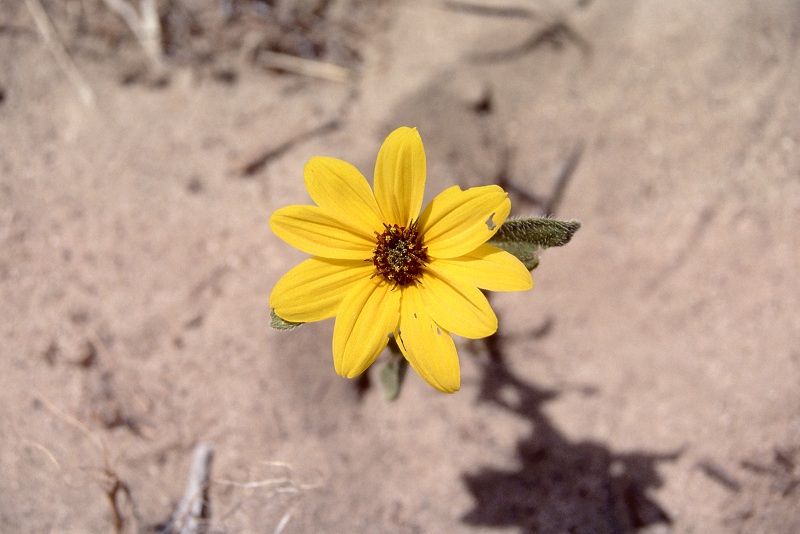
Desert sunflower (Helianthus deserticola) - One of three hybrid species born of H. annuus and H. petiolaris, "highlighting the expanded potential of hybrid species...through colonization of extreme habitats where neither parental species can survive." (photo credit: www.eol.org)

Desert sunflower (Helianthus deserticola) – One of three hybrid species born of H. annuus and H. petiolaris, “highlighting the expanded potential of hybrid species…through colonization of extreme habitats where neither parental species can survive.” (photo credit: www.eol.org)

The authors propose a 5 step plan for systematic utilization of crop wild relatives in agricultural breeding programs. The steps include building a comprehensive collection of crop wild relatives, sequencing their genomes, creating purpose-driven hybrid populations between wild relatives and crop plants, developing a predictive network of genotype-phenotype associations, and deploying identified phenotypes into crop breeding efforts. This article is one of the open access articles in this issue. If you are interested in this topic, including this 5 step plan, I encourage you to read the article to learn more. 

Improving Perennial Crops with Genomics

This is the twelfth in a series of posts reviewing the 17 articles found in the October 2014 Special Issue of American Journal of Botany, Speaking of Food: Connecting Basic and Applied Science.

Genomics: A Potential Panacea for the Perennial Problem by Kendra A. McClure, Jason Sawler, Kyle M. Gardner, Daniel Money, and Sean Myles

Compared to annuals, a small but significant portion of our food comes from perennial crop plants. “Approximately one eighth of the world’s total food-producing surface area is dedicated to perennials,” and while that may seem relatively small, there is a good chance that some of your favorite things to eat or drink are perennial crops (apples, bananas, coffee, citrus, sugar cane, coconut, avocados, olives, grapes, cherries, almonds…just to name a few). However, making improvements to and introducing new cultivars of perennial crops is considerably more challenging compared to annual crops simply due to the nature of perennials. This puts perennial crops at greater risk to threats like pests and diseases, climate change, soil degradation, and water and land shortages. Advances in genomics, “the collection and use of DNA sequence information,” could change this.

Because breeding efforts to improve perennial crops is so challenging, “only a small number of elite varieties become popular, and the amount of genetic diversity represented by commercially successful cultivars is therefore often low.” This suggests that there is incredible potential for improvement in these crops, as long as major hurdles can be overcome. Following is a list of some of those hurdles:

  • Time – Most perennial crops have “extended juvenile phases,” meaning they won’t produce fruit for as much as ten years, considerably delaying evaluation of the final product.
  • Space – Perennial crops, especially trees, are large compared to annual crops, so the area required for evaluation is extensive.
  • Infrastructure – “Many perennials require trellis systems, extensive land preparation, and substantial costs for specialized equipment and skilled horticultural labor.”
  • Complex Evaluations – Automated assessments are “either unavailable or poorly developed,” so evaluations that include “size, shape, color, firmness, texture, aroma, sugars, tannins, and acidity” require “tasting panels” to ensure that the final product “satisfies consumer demands.” This process is expensive, and it differs depending on whether the crop will be consumed fresh or processed.
  • Vegetative Propagation – “Many perennials suffer from severe inbreeding depression when selfed,” so cultivars are maintained through vegetative propagation. This is a plus, because it means that the fruits of perennial crops are reliably uniform, so growers and consumers know what to expect year after year. However, this also means that while pests and pathogens evolve, the crops do not, making them more susceptible to such threats. Additionally, the “long histories” of certain cultivars “discourages [growers] from undergoing the risk of trying recently developed cultivars.”
  • Consumer Preferences – “Consumers often exhibit an irrational reverence for ancient or heirloom varieties,” despite the fact that the development of new varieties can result in crops that are higher yielding, resistant to pests and diseases, tastier, more nutritious, more suitable for storage, and require fewer chemical inputs. This obsession with traditional varieties leaves a “tremendous amount of untapped genetic potential for the improvement of perennial crops.”
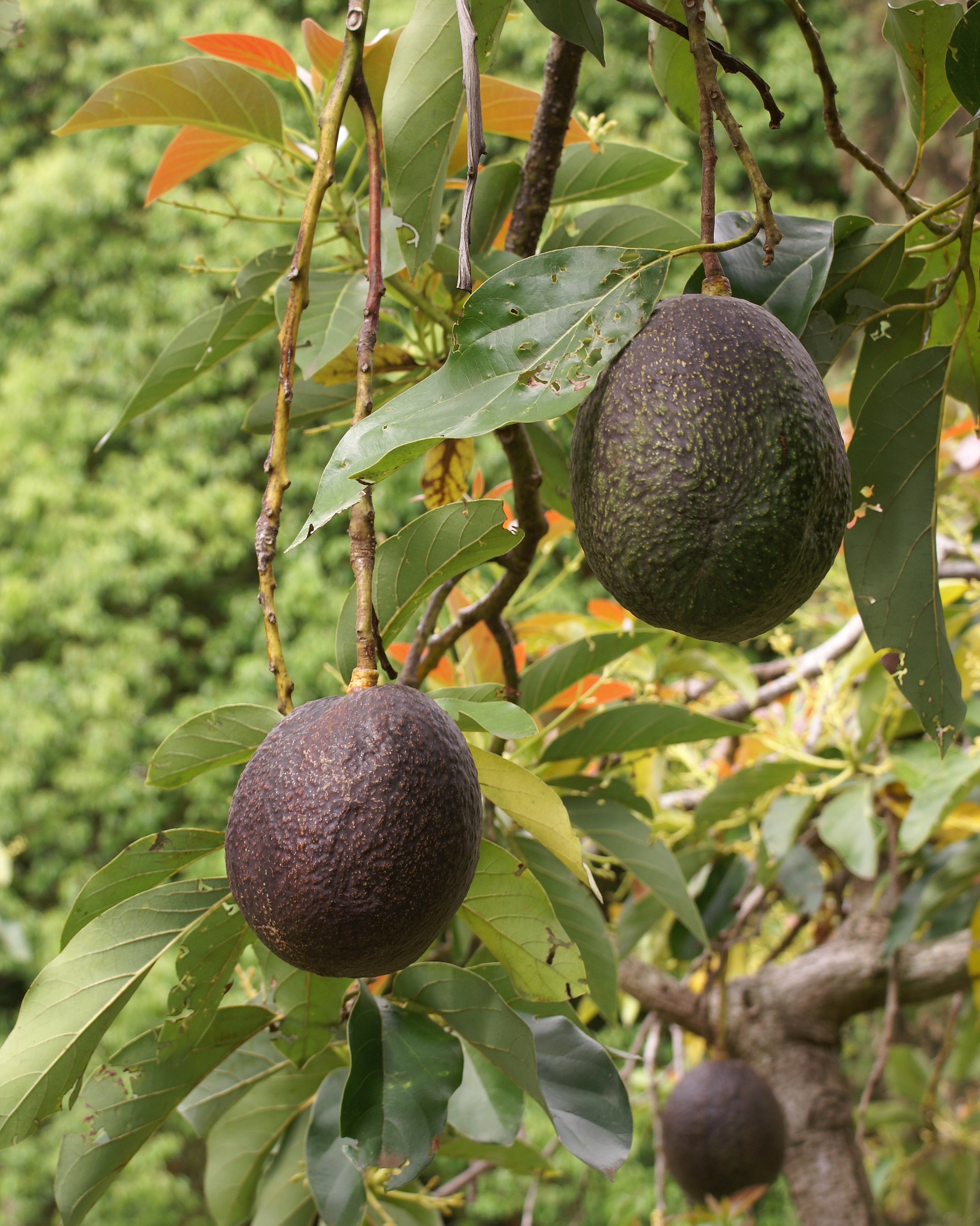
"Modern avocado breeding still depends heavily on open-pollination because of the difficulty associated with making controlled crosses." (photo credit: wikimedia commons)

“Modern avocado breeding still depends heavily on open-pollination because of the difficulty associated with making controlled crosses.” (photo credit: wikimedia commons)

Apart from issues of social and cultural preference, the challenge of breeding perennial crops comes down to time and money. Advances in genomics can help offset both of these things. Using DNA-based predictions, a plant’s phenotype can be determined at the seed or seedling stage. Genomics techniques can also be “used to reduce the generation time thereby enabling combinations of desirable traits to be combined on a timescale that is more similar to annual crops.” Below are summaries of specific areas discussed in the paper for using genomics in perennial crop breeding programs:

  • Reduction of Generation Time – This can be done using transgenic technology in ways that do not result in transgenic (GMO) cultivars. One method uses virus-induced gene silencing, in which a host plant is infected with “a virus that is genetically modified to carry a host gene;” the host plant then “attacks itself and uses its own endogenous system to silence the expression of one of its own genes.” Early flowering in apples has been induced after seedlings were inoculated with apple latent spherical virus that expresses a flowering gene derived from Arabidopsis thaliana.
  • Genetic Modification – Advances in genomics have brought us transgenic technology, and several commercial crops have been genetically modified using this technology. Most of them are annuals, but one perennial in particular, SunUp papaya, has been a major success. Its resistance to ringspot virus rescued the papaya industry from a devastating pathogen that “almost completely destroyed the industry in Hawaii.” Consumer disapproval, however, poses a major obstacle to commercial production of genetically modified organisms, and unless this changes, “their widespread use is unlikely.”
  • Marker-Assisted Selection – This is the “primary use of genomics in breeding.” The time between initial plant crosses and the introduction of a new cultivar can be dramatically shortened when genetic markers are used to determine the phenotypes of adult plants at the seedling stage. This technology is also useful when crossing domesticated plants with wild relatives, since genetic markers can be used to determine when desired traits are present in the offspring.
  • Ancestry Selection – After crosses with wild relatives, offspring may “perform poorly because wild germplasm often harbors numerous traits that negatively affect performance.” To overcome this, the offspring is crossed with cultivated plants until undesirable traits are eliminated. This is called backcrossing. Using marker-assisted selection, breeders can “select a small number of offspring in each generation that carry both the desired trait from the wild and the most cultivated ancestry.”
  • Genomic Selection – The success of marker-assisted selection is greatest when used for traits that are controlled by one or a few genes. However, many traits involve a complex set of genes. Genomic selection is a new technique that “uses dense, genome-wide marker data to predict phenotypes and screen offspring.” It is “especially useful for predicting complex traits controlled by many small-effect genes.” Genomic selection is in its infancy, so there are kinks to work out, but it is a promising technology for perennial crop breeding efforts.

The use of genomics will not replace every aspect of traditional perennial crop breeding and “should be viewed as a potential supplement…rather than a substitute.” Geneticists and plant breeders are encouraged to work together to develop and implement these technologies in a concerted effort to improve the crop plants that help feed the world.

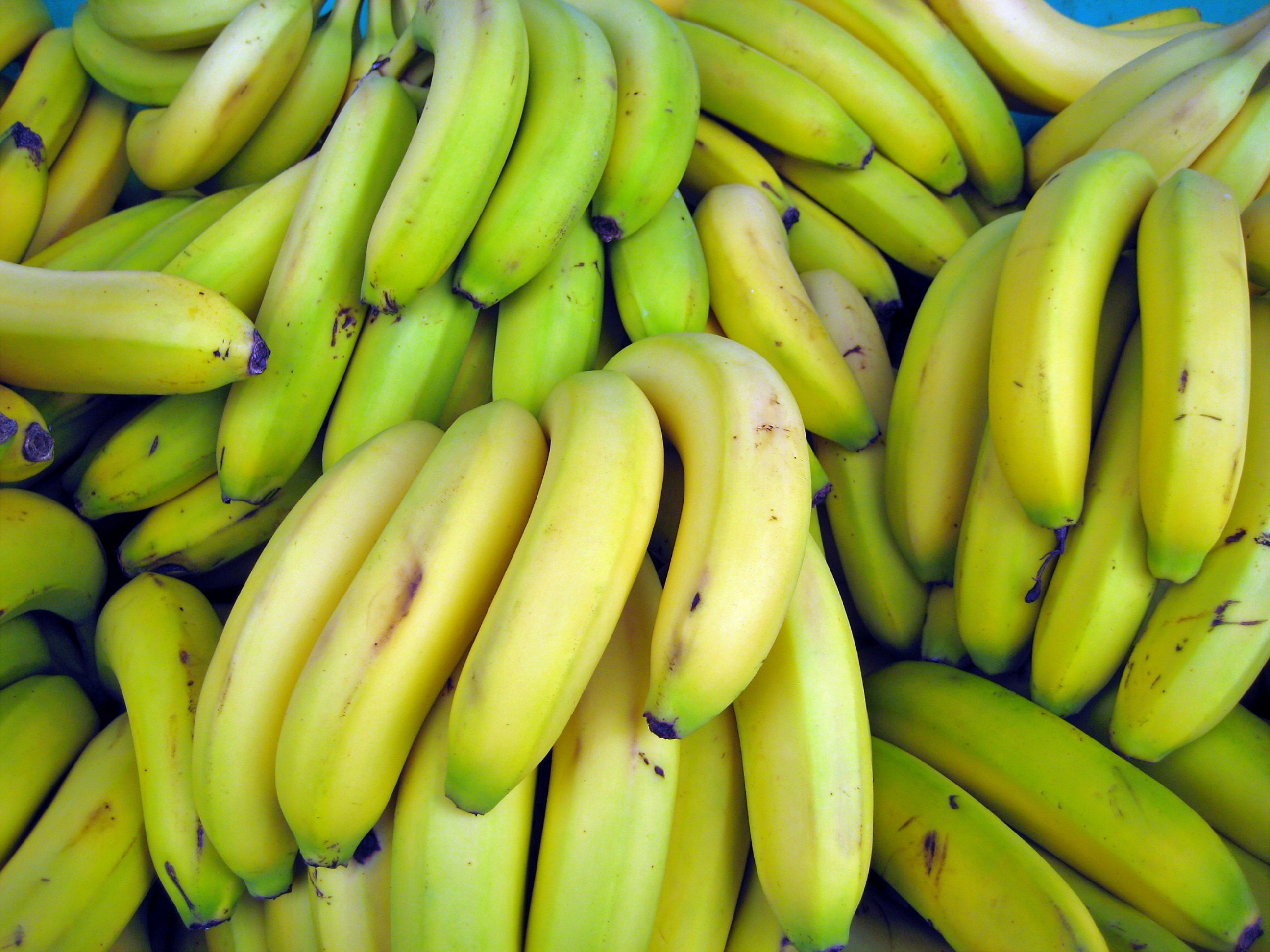
"Despite the remarkable phenotypic and genotypic diversity in bananas," the Cavendish banana is responsible for the "vast majority" of banana production. (photo credit: wikimedia commons)

“Despite the remarkable phenotypic and genotypic diversity in bananas,” the Cavendish banana is responsible for the “vast majority” of banana production. (photo credit: wikimedia commons)

Apples and Genetic Bottlenecks

This is the eleventh in a series of posts reviewing the 17 articles found in the October 2014 Special Issue of American Journal of Botany, Speaking of Food: Connecting Basic and Applied Science.

Genetic Diversity in Malus x domestica (Rosaceae) through Time in Response to Domestication by Briana L. Gross, Adam D. Henk, Christopher M. Richards, Gannara Fazio, and Gayle M. Volk

Domestication is a selection process. Plants with desirable traits are selected (consciously or unconsciously) and removed from the larger population to be grown out and selected from again. Over time, this series of selections results in a cultivated variety that differs substantially from the larger, origin population. This process, while yielding crop varieties that feed a growing population of humans, also results in a series of genetic bottlenecks, meaning they experience a reduction in genetic variation compared to their wild relatives.

There are two points were bottlenecks occur in the domestication process. The first takes place “during the initial domestication event as a subset of the wild population is brought into a cultivated setting.” This is called a “domestication bottleneck.” The second, known as an “improvement bottleneck,” happens when “modern, elite cultivars are selected from the broad variety of landraces [locally adapted varieties]” that were developed during the original domestication event. This stepwise reduction in genetic diversity “limits the options of plant breeders, even as they face the need to increase crop productivity and sustainability” in today’s changing climate.

Most of what we know about genetic bottlenecks during domestication is derived from studies of annual fruit and grain crops. However, “non-grain crops, and perennials in particular, respond to domestication or are domesticated in ways that are fundamentally different.” For this reason, the authors investigated genetic bottlenecks in apple (Malus x domestica), “one of the most widely distributed perennial fruit crops.” They then compared what they learned to other published studies of annual and perennial fruit crops in order to gain more insight into how genetic diversity is affected in these types of crops during domestication.

The common apple was domesticated in central Asia around 4,000 years ago and is a hybrid of at least three species: Malus sieversii, Malus orientalis, and Malus sylvestris. Today, apples are grown throughout the world, and there are more than 7,500 known cultivars with new cultivars being released regularly. Despite this impressive diversity, just fifteen cultivars make up 90% of apple production in the U.S. The authors of this study analyzed DNA from 11 of the 15 major cultivars as well as DNA from the three main wild progenitor species.

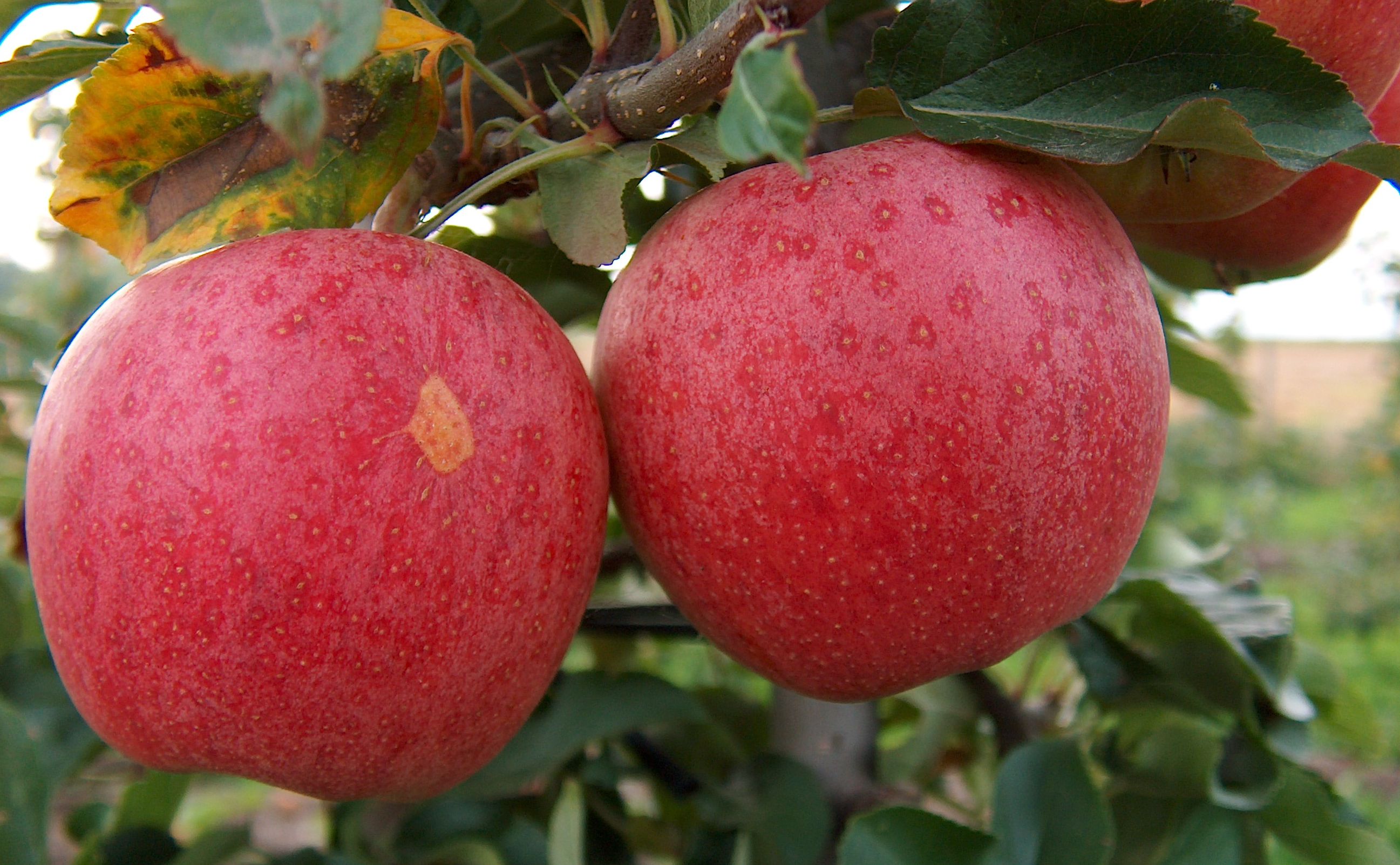
Malus x domestica 'Gala' - One of the top 15 apple varieties produced in the U.S. (photo credit: wikimedia commons)

Malus x domestica ‘Gala’ – One of the top 15 apple varieties produced in the U.S. (photo credit: wikimedia commons)

Perennial fruit crops typically experience “mild genetic bottlenecks” compared to annual fruit crops, and the authors confirmed this to be the case with domesticated apples, finding “no significant reduction in genetic diversity through time across the last eight centuries.” Because apple cultivars are maintained by clonal propagation, they can often be traced back to when they were originally developed, making bottlenecks easier to observe. The authors found that “the most recently developed or described cultivars of apples show little to no reduction in genetic diversity compared with the most ancient cultivars.” Cultivars developed since the 1950’s show increased diversity, which may partly be the result of plant breeders introducing genes from another wild species, Malus floribunda.

After a review of the literature, the authors found that apples have retained the highest amount of genetic diversity through the domestication process compared to other fruits, both annual and perennial. More studies are needed in order to confirm the accuracy and extent of these findings; however, the unique story of apple domestication may help explain why it has been “particularly prone to retaining diversity through time.” First, it was widely distributed across Eurasia during its early days of domestication. Second, it experienced “admixture with cultivars” as it expanded its range. For example, after being introduced to North America, it became naturalized, resulting in gene flow occurring between naturalized individuals and cultivated varieties. Offspring of these populations (“chance seedlings”), were then selected, cloned, and became named cultivars.

Despite the mild genetic bottleneck observed in apples, the authors warned that a “dependence on a small number of cultivars” for the majority of U.S. apple production may be resulting in some loss of genetic variation. Relying on so few cultivars may leave apple production vulnerable to pests, diseases, and climate change. “Careful management” is advised as “the continued genetic resilience of the crop is dependent on the genetic diversity of cultivars that are present in living and cryopreserved collections around the world.”

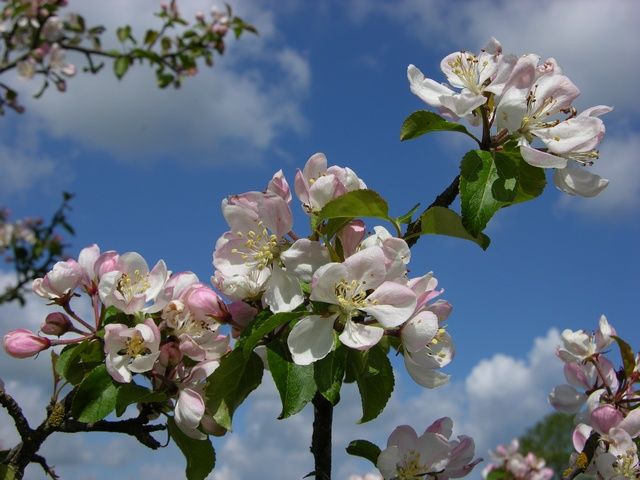
Malus sylvestris (common crabapple) - One of the three main players involved in the apple domestication story (photo credit: www.eol.org)

Blossoms of Malus sylvestris (common crabapple) – One of three main species involved in the history of apple domestication (photo credit: www.eol.org)