Ethnobotany: White Man’s Foot, part one

“Plantains – Plantago major – seem to have arrived with the very first white settlers and were such a reliable sign of their presence that the Native Americans referred to them as ‘white men’s footsteps.'” – Elizabeth Kolbert (The Sixth Extinction)

“Our people have a name for this round-leafed plant: White Man’s Footstep. Just a low circle of leaves, pressed close to the ground with no stem to speak of, it arrived with the first settlers and followed them everywhere they went. It trotted along paths through the woods, along wagon roads and railroads, like a faithful dog so as to be near them.” – Robin Wall Kimmerer (Braiding Sweetgrass)
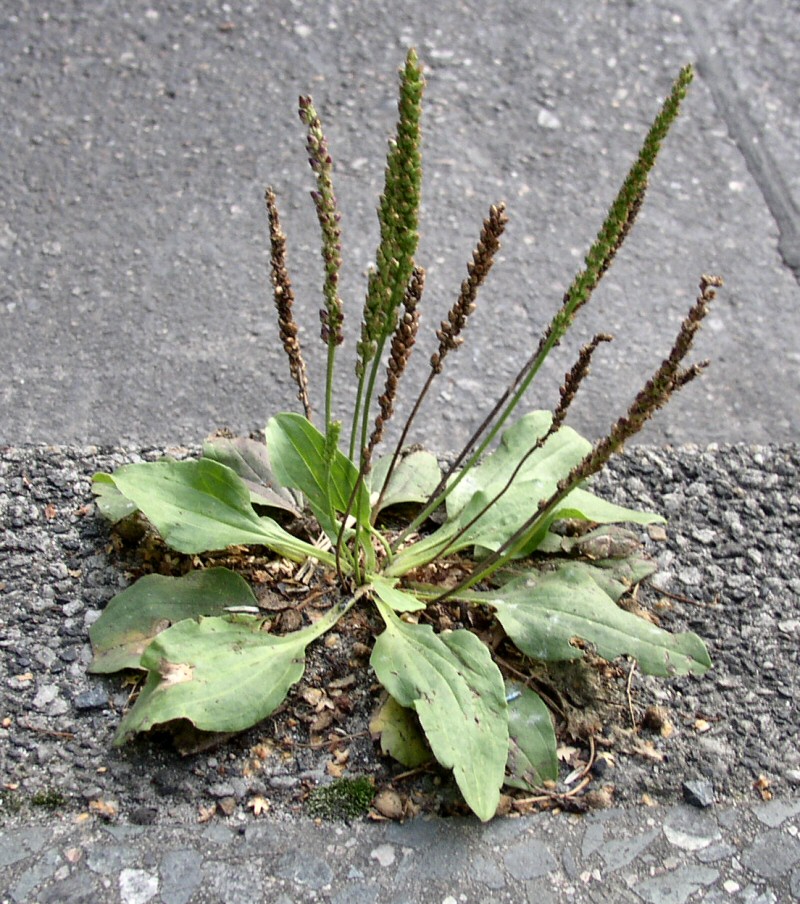
photo credits: wikimedia commons

photo credit: wikimedia commons

Plantago major is in the family Plantaginaceae – the plantain family – a family that consists of at least 90 genera, several of which include common species of ornamental plants such as Veronica (speedwells), Digitalis (foxgloves), and Antirrhinum (snapdragons). The genus Plantago consists of around 200 species commonly known as plantains. They are distributed throughout the world in diverse habitats. Most of them are herbaceous perennials with similar growth habits, and many have ethnobotanical uses comparable to P. major.

Originating in Eurasia, P. major now has a cosmopolitan distribution. It has joined humans as they have traveled and migrated from continent to continent and is now considered naturalized throughout most temperate and some tropical regions. In North America, P. major and P. lanceolata are the two most common introduced species in the Plantago genus. P. major has a plethora of common names – common plantain being the one that the USDA prefers. Other names include broadleaf plantain, greater plantain, thickleaf plantain, ribgrass, ribwort, ripplegrass, and waybread. Depending on the source, there are various versions of the name white man’s foot, and along the same line, a common name for P. major in South Africa is cart-track plant.

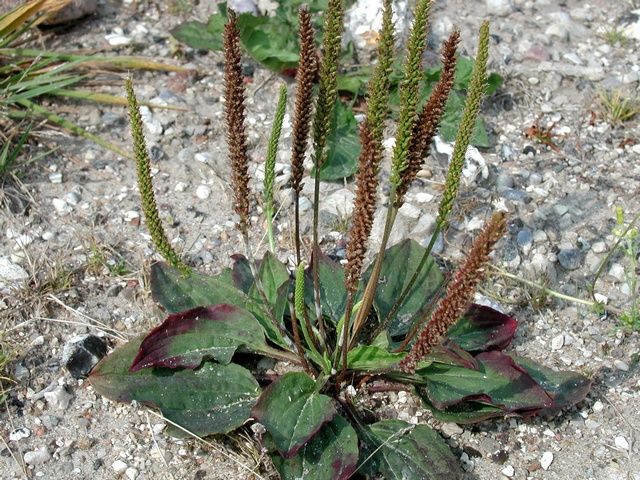
P. major is a perennial – albeit sometimes annual or biennial – herbaceous plant. Its leaves form a rosette that is usually oriented flat against the ground and reaches up to 30 cm wide. Each leaf is egg-shaped with parallel veins and leaf margins that are sometimes faintly toothed. The inflorescence is a leafless spike up to 20 cm tall (sometimes taller) with several tiny flowers that are a dull yellow-green-brown color. The flowers are wind pollinated, and the plants are highly prone to self-pollination. The fruits are capsules that can contain as many as 30 seeds – an entire plant can produce as many as 14,000 – 15,000 seeds at once. The seeds are small, brown, sticky, and easily transported by wind or by adhering to shoes, clothing, animals, and machinery. They require light to germinate and can remain viable for up to 60 years.

An illustration of three Plantago species found in Selected Weeds of the United States - Agriculture Handbook No. 366 circa 1970

An illustration of three Plantago species found in Selected Weeds of the United States – Agriculture Handbook No. 366 circa 1970

P. major prefers sunny sites but can also thrive in part shade. It adapts to a variety of soil types but performs best in moist, clay-loam soils. It is often found in compacted soils and is very tolerant of trampling. This trait, along with its low-growing leaves that easily evade mower blades, explains why it is so commonly seen in turf grass. It is highly adaptable to a variety of habitats and is particularly common on recently disturbed sites (natural or human caused) and is an abundant urban and agricultural weed.

Even though it is wind pollinated, its flowers are visited by syrphid flies and various bee species which feed on its pollen. Several other insects feed on its foliage, along with a number of mammalian herbivores. Cardinals and other bird species feed on its seeds.

Humans also eat plantain leaves, which contain vitamins A, C, and K. Young, tender leaves can be eaten raw, while older leaves need to be cooked as they become tough and stringy with age. The medicinal properties of  P. major have been known and appreciated at least as far back as the Anglo-Saxons, who likely used a poultice made from the leaves externally to treat wounds, burns, sores, bites, stings, and other irritations. Native Americans, after seeing the plant arrive with European settlers, quickly learned to use the plant as food and medicine. It could be used to stop cuts from bleeding and to treat rattlesnake bites. Apart from external uses, the plant was used internally as a pain killer and to treat ulcers, diarrhea, and other gastrointestinal issues.

P. major has been shown to have antibacterial, anti-inflammatory, antioxidant, and other biological properties; several chemical compounds have been isolated from the plant and deemed responsible for these properties. For this reason, P. major and other species of Plantago have been used to treat a number of ailments. The claims are so numerous and diverse that it is worth exploring if you are interested. You can start by visiting the following sites:

"White man's footstep, generous and healing, grows with its leaves so close to the ground that each step is a greeting to Mother Earth." - Robin Wall Kimmerer, Braiding Sweetgrass (photo credit: www.eol.org)

“White man’s footstep, generous and healing, grows with its leaves so close to the ground that each step is a greeting to Mother Earth.” – Robin Wall Kimmerer, Braiding Sweetgrass (photo credit: www.eol.org)
Other Ethnobotany Posts on Awkward Botany:

Year of Pollination: More than Honey, etc.

When I decided to spend a year writing about pollinators and pollination, I specifically wanted to focus on pollinators besides the honey bee. Honey bees already get lots of attention, and there are loads of other pollinating organisms that are equally fascinating. But that’s just the thing, honey bees are incredibly fascinating. They have a strict and complex social structure, and they make honey – two things that have led humans to develop a strong relationship with them. We have been managing honey bees and exploiting their services for thousands of years, and we have spread them across the planet, bringing them with us wherever we go. In North America, honey bees are used to pollinate a significant portion of our pollinator-dependent crops, despite the fact that they are not native to this continent. In that sense, they are just another domesticated animal, artificially selected for our benefit.

It’s common knowledge that honey bees (and pollinators in general) have been having a rough time lately. Loss of habitat, urbanization, industrial farming practices, abundant pesticide use, and a variety of pests and diseases have been making life difficult for pollinators. Generally, when the plight of pollinators comes up in the news, reference is made to honey bees (or another charismatic pollinator, the monarch butterfly). News like this encourages people to take action. On the positive side, efforts made to protect honey bees can have the side benefit of protecting native pollinators since many of their needs are the same. On the negative side, evidence suggests that honey bees can compete with native pollinators for limited resources and can pass along pests and diseases. Swords are often double-edged, and there is no silver bullet.

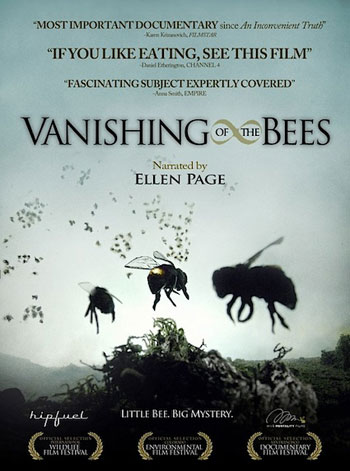
In a recent conversation with a budding beekeeper, I was recommended the documentary, More than Honey. I decided to watch it, write a post about it, and call that the honey bee portion of the Year of Pollination. Part way through the movie, another documentary, Vanishing of the Bees, was recommended to me, and so I decided to watch both. Below are some thoughts about each film.

more than honey movie

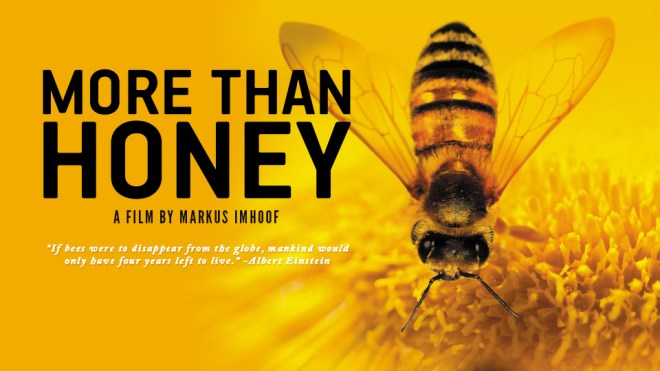
More than Honey

Written and directed by Swiss documentary filmmaker, Markus Imhoof, this beautifully shot, excellently narrated, meandering documentary thrusts viewers into incredibly intimate encounters with honey bees. Cameras follow bees on their flights and into their hives and get up close and personal footage of their daily lives, including mating flights, waggle dances, pupating larvae, flower pollination, and emerging queens. In some scenes, the high definition shots make already disturbing events even more disturbing, like bees dying after being exposed to chemicals and tiny varroa mites crawling around on the bodies of bees infecting them with diseases – wings wither away and bees become too weak to walk. This movie is worth watching for the impressive cinematography alone.

But bees aren’t the only actors. The human characters are almost as fun to watch. A Swiss beekeeper looks out over stunning views of the Alps where he keeps his bees. He follows a long tradition of beekeeping in his family and is very particular about maintaining a pure breed in his hives, going so far as flicking away the “wrong” bees from flowers on his property and crushing the head off of an unfaithful queen. A commercial beekeeper in the United States trucks thousands of beehives around the country, providing pollination services to a diverse group of farms – one of them being a massive almond grove in California. He has been witness to the loss of  hundreds of honey bee colonies and has had to become “comfortable with death on an epic scale” – the grueling corporate world grinds along, and there is no time for mourning losses.

Further into the documentary, a woman in Austria demonstrates how she manipulates a colony into raising not just one queen, but dozens. She has spent years breeding bees, and her queens are prized throughout the world. A man in Arizona captures and raises killer bees – hybrid bees resulting from crosses between African and European honey bees (also known as Africanized honey bees). Despite their highly aggressive nature, he prefers them because they are prolific honey producers and they remain healthy without the use of synthetic pesticides.

Probably the darkest moment in the film is watching workers in China hand pollinate trees in an orchard. Excessive pesticide use has decimated pollinator populations in some regions, leaving humans to do the pollinating and prompting the narrator to reflect on the question, “Who’s better at pollinating, man or bees? Science answers with a definite, ‘not man.'”

Also included in the film is an intriguing discussion about bees as a super-organism with a German neuroscientist who is studying bee brains. The narrator sums it up like this: “Without its colony the individual bee cannot survive. It must subordinate its personal freedom for the good of the colony… Could it be that individual bees are like the organs or cells of a body? Is the super-organism as a whole the actual animal?”

Vanishing-of-the-bees

Vanishing of the Bees

Colony collapse disorder is a sometimes veiled yet important theme throughout More than Honey, and it was certainly something that drove the creation of the film. In the case of Vanishing of the Bees, colony collapse disorder is the reason for its existence. Narrated by actor, Ellen Page, and produced in part by a film production company called Hive Mentality Films, this movie came out on the heels of the news that bee colonies were disappearing in record numbers throughout the world. It tells the story of colony collapse disorder from the time that it first appeared in the news – one of the film’s main characters is the beekeeper that purportedly first brought attention to the phenomenon – and into the years that followed as scientists began exploring potential causes.

This film contains lots of important information and much of it seems credible, but it is also the type of documentary that in general makes me wary of documentaries. Its purpose goes beyond just trying to inform and entertain; it’s also trying to get you on board with its cause. I may agree with much of what is being said, but I don’t particularly like having my emotions targeted in an effort to manipulate me to believe a certain way. It’s a good idea not to let documentaries or any other type of media form your opinions for you. Consider the claims, do some of your own research and investigation, and then come to your own conclusion. That’s my advice anyway…even though you didn’t ask for it.

That being said, colony collapse disorder is a serious concern, and so I’ll end by going back to More than Honey and leave you with this quote by its narrator:

The massive death of honey bees is no mystery. What’s killing them is not pesticides, mites, antibiotics, incest, or stress, but a combination of all these factors. They are dying as a result of our civilization’s success, as a result of man, who has turned feral bees into docile, domestic animals – wolves into delicate poodles.

A Rare Hawaiian Plant – Newly Discovered and Critically Endangered

Hawaii is home to scores of plant species that are found nowhere else in the world. But how did those plants get there? In geological time, Hawaii is a relatively young cluster of islands. Formed by volcanic activity occurring deep within the ocean, they only just began to emerge above water around 10 million years ago. At that point the islands would have been nearly devoid of life, and considering that they had never been connected to any other body of land and are about 2,500 miles away from the nearest continent, becoming populated with flora and fauna took patience and luck.

As far as plant life is concerned, seeds and spores had to either be brought in by the wind, carried across the ocean by its currents, or flown in attached to the feathers of birds. When humans colonized the islands, they brought seeds with them too; however, its estimated that humans didn’t begin arriving on the islands until about 1,700 years ago. The islands they encountered were no longer barren landscapes, but instead were filled with a great diversity of plant and animal life. A chance seed arriving on the islands once in a blue moon does not fully explain such diversity.

This is where an evolutionary process called adaptive radiation comes in. A single species has the potential to diverge rapidly into many new species. This typically happens in new habitats where little or no competition exists and there are few environmental stresses. Over time, as genetic diversity builds up in the population, individuals begin to adapt to specific physical factors in the environment, such as soil type, soil moisture, sun exposure, and climate. As individuals separate out into these ecological niches, they can become reproductively isolated from other individuals in their species and eventually become entirely new species.

This is the primary process that led to the great floral diversity we now see on the Hawaiian Islands. Adaptive radiations resulted in more than 1000 plant species diverging from around 300 seed introductions. Before western colonization, there were more than 1,700 documented native plant species. Much of this diversity is explained by the rich diversity of habitats present on the volcanic islands, which lead to many species becoming adapted to very specific sites and having very limited distributions.

A small population size and a narrow endemic range is precisely the reason why Cyanea konahuanuiensis escaped detection until recently. In September 2012, researchers on the island Oahu arrived at a drainage below the summit of Konahua-nui (the tallest of the Ko’olau Mountains). They were surveying for Cyanea humboldtiana, a federally listed endangered species that is endemic to the Ko’olau Mountains. In the drainage they encountered several plants with traits that differed from C. humboldtiana, including hairy leaves, smooth stems, and long, hairy calyx lobes. They took pictures and collected a fallen leaf  for further investigation.

Ko'olau Mountains of O'ahu (photo credit: wikimedia commons)

Ko’olau Mountains of O’ahu (photo credit: wikimedia commons)

Initial research suggested that this was a species unknown to science. More information was required, so additional trips were made, a few more individuals were found, and in June 2013, a game camera was installed in the area. The camera sent back three photos a day via cellular phone service and allowed the team of researchers to plan their next trip when they were sure that the flowers would be fully mature. Collections were kept to a minimum due to the small population size; however, using the material they could collect, further analyses and comparisons with other species in the Cyanea genus and related genera demonstrated that it was in fact a unique species, and so they gave it the specific epithet konahuanuiensis after the mountain on which it was found. It was also given a common Hawaiian name, Haha mili’ohu, which means “the Cyanea that is caressed by the mist.”

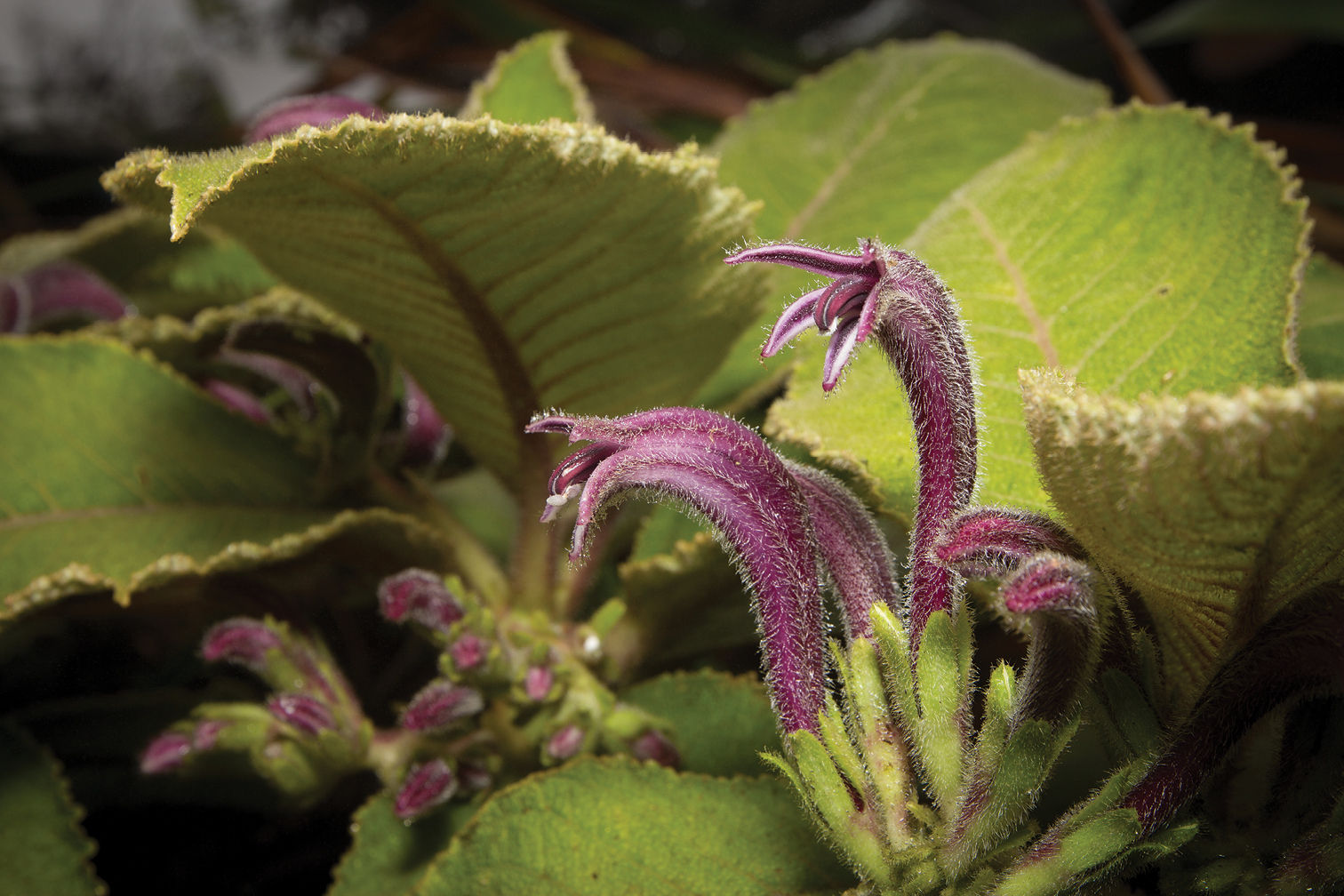
The hairy flowers and leaves of Cyanea konahuanuiensis. Purple flowers appear June-August. (photo credit: www.eol.org)

The hairy flowers and leaves of Cyanea konahuanuiensis. Purple flowers appear June-August. (photo credit: www.eol.org)

The total population of Cyanea konahuanuiensis consists of around 20 mature plants and a couple dozen younger plants. It is considered “critically imperiled” and must overcome some steep conservation challenges in order to persist. To start with, the native birds that pollinate its flowers and disperse its seeds may no longer be present. Also, it is likely being eaten by rats, slugs, and feral pigs. Add to that, several invasive plant species are found in the area and are becoming increasingly more common. While the researchers did find some seedlings in the area, all of the fruits that they observed aborted before they had reached maturity. Lastly, the population size is so small that the researchers say a landslide, hurricane, or flash flood “could obliterate the majority or all of the currently known plants with a single event.”

Seeds collected from immature fruits from two plants were sown on an agar medium at the University of Hawaii Harold L. Lyon Arboretum. The seeds germinated, and so the researchers plan to continue to collect seeds “in order to secure genetic representations from all reproductively mature individuals in ex situ collections.”

Single stem of Cyanea konahuanuiensis (photo credit: www.eol.org)
Single stem of Cyanea konahuanuiensis (photo credit: www.eol.org)
C. konahuanuiensis is not only part of the largest botanical radiation event in Hawaii, but also the largest on any group of islands. At some point in the distant past, a single plant species arrived on a Hawaiian island and has since diverged into at least 128 taxa represented in six genera, Brighamia, Clermontia, Cyanea, Delissea, Lobelia, and Trematolobelia, all of which are in the family Campanulaceae – the bellflower family. Collectively these plants are referred to as the Hawaiian Lobelioids. Cyanea is by far the most abundant genus in this group consisting of at least 79 species. Many of the lobelioids have narrow distributions and most are restricted to a single island.

Sources

Poisonous Plants: Baneberry

For all the benefits that plants offer humanity – the distillation being that Earth would be uninhabitable without them – there is still reason to be wary of them. In a world lousy with herbivores, plant species that are unpalatable have a greater chance of survival. Inflicting serious injury or death upon being ingested – or even by coming in contact with an unsuspecting visitor – offers even greater assurance that a plant will survive long enough to reproduce, passing along to its progeny any traits that led to its superior fitness. The traits in this case are chemical compounds that can be toxic when delivered at the right dose to the right organism. This is the nature of poisonous plants, and the reason why from a young age we were all likely warned not to eat every tasty looking berry we come across and not to go tromping carelessly through an area where certain plants might be present. Plants aren’t out to get us per se, but some do have the potential to cause us great harm. Informing ourselves and taking precautions is advised.

This is the first in a series of posts about poisonous plants. The list of poisonous plants is long, so it’s going to take a while to get through them all. There are some plants that are not generally considered poisonous but can cause illness or death to those who are allergic to them – like peanuts. I don’t plan to include such plants, but there may be some exceptions along the way. The popular author Amy Stewart wrote a book about poisonous and other nefarious plants entitled, Wicked Plants: The Weed that Killed Lincoln’s Mother and other Botanical Atrocities. Below is an excerpt from her introduction to that book that I thought would be worth including here:

Do not experiment with unfamiliar plants or take a plant’s power lightly. Wear gloves in the garden; think twice before swallowing a berry on the trail or throwing a root into a stew pot. If you have small children, teach them not to put plants in their mouths. If you have pets, remove the temptation of poisonous plants from their environment. The nursery industry is woefully lax about identifying poisonous plants; let your garden center know that you’d like to see sensible, accurate labeling of plants that could harm you. Use reliable sources to identify poisonous, medicinal, and edible plants. (A great deal of misinformation circulates on the Internet, with tragic consequences.)

Baneberry (Actaea spp.)

“Bane” is defined as deadly poison or a person or thing that causes death, destruction, misery, distress, or ruin. The word seems fitting as a common name to describe a plant with a berry that when ingested is said to have an almost immediate sedative effect on the heart and can ultimately lead to cardiac arrest. Baneberry is a name given to several plants in the genus Actaea, two of which are the main focus of this post – red baneberry (Actaea rubra) and white baneberry (Actaea pachypoda).

Actaea is in the family Ranunculaceae – the buttercup family – a family that consists of several common ornamental plants including those in the genera Ranunculus, Delphinium, and Clematis. A. rubra and A. pachypoda are commonly found in the understory of wooded areas in North America – A. rubra is the most widespread of the two species, occurring throughout North America except Mexico and the southeastern U.S. states; A. pachypoda occurs in eastern Canada and most eastern and Midwestern U.S. states.

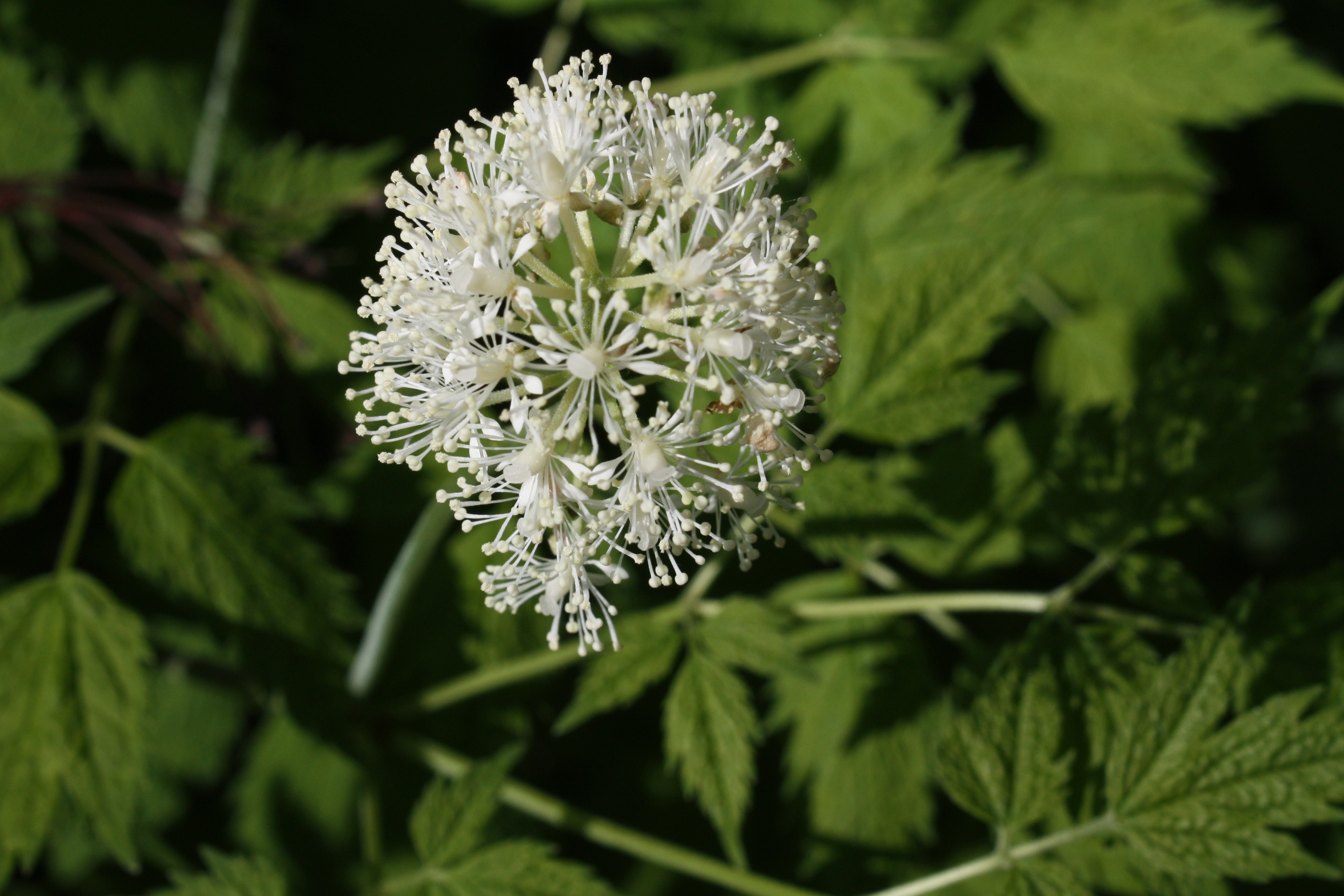
The flowers of red baneberry, Actaea rubra (photo credit: wikimedia commons)

The flowers of red baneberry, Actaea rubra (photo credit: wikimedia commons)

Red baneberry is an herbaceous perennial that emerges in the spring from a basal stem structure called a caudex or from a rhizome, dying back to the ground again in the fall. One or several branching stems reach from 1 to 3 feet high, each with compound leaves consisting of 2-3 leaflets. The leaflets are deeply lobed and coarsely toothed. Several small, white flowers appear in spring to early summer clustered together in an inflorescence called a raceme. The petals are inconspicuous, but the stamens are large and showy. The flowers are said to have a rose-like scent. A variety of insects pollinate the flowers, after which green berries form, turning red or occasionally white by mid to late summer.

The berries of red baneberry, Actaea rubra (photo credit: www.eol.org)
The berries of red baneberry, Actaea rubra (photo credit: www.eol.org)
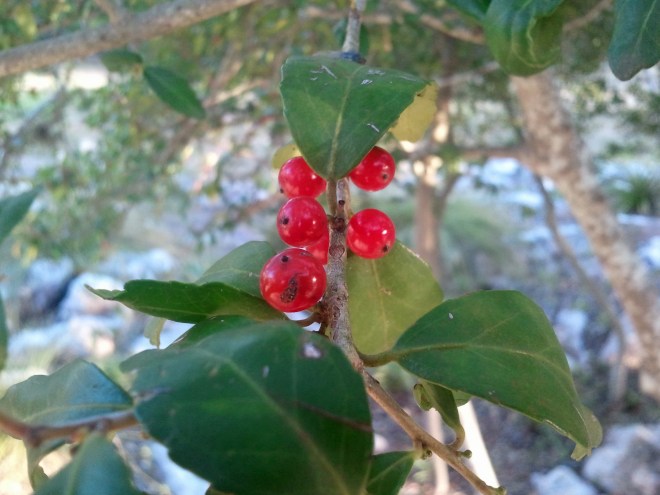
Red baneberry occurs on diverse soil types and in diverse ecosystems across its expansive native range. It seems to prefer, moist, shady, nutrient rich, acidic sites, and is considered an indicator of such places. It can be found in deciduous, coniferous, and mixed forested areas. Its preference for moist sites means that it can also be found in swamps, along stream banks, and in other riparian areas.

White baneberry has a relatively smaller native range and is found in very similar environments. It also has many of the same features and habits as red baneberry, with the main distinction being its striking white berries formed on prominent, stout, bright red axes and peduncles (the “stems” and “branches” of the racemes). The stigmas are persistent on the berries, forming large black dots on each berry and giving it another common name, doll’s eyes. This is a feature of red baneberry as well, but is much more striking on the white berries.

Baneberry is occasionally browsed by livestock and wildlife including deer, elk, and small mammals. However, it has a low degree of palatability and isn’t very nutritious. Birds, unaffected by their poisonous qualities, eat the berries and are the main seed dispersers of baneberry.

The berries of white baneberry or doll's eyes Actaea pachypoda (photo credit: www.eol.org)
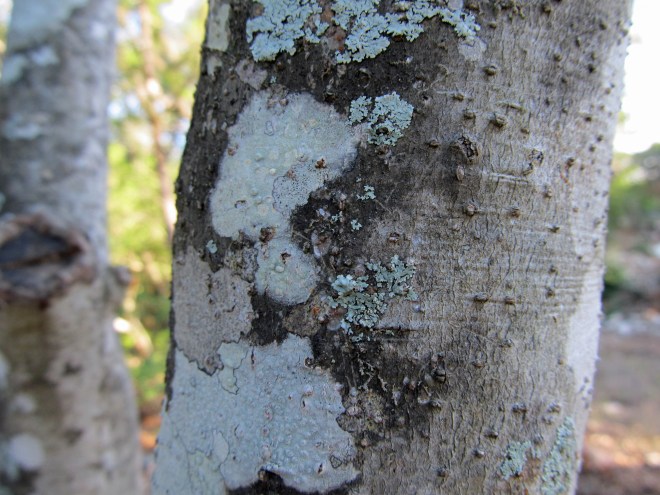
The berries of white baneberry or doll’s eyes, Actaea pachypoda (photo credit: www.eol.org)

The roots and berries are the most poisonous parts of baneberry, however all parts are toxic. The berries are quite bitter, so it is not likely that one would eat enough of them to receive a severe reaction. If ingested, symptoms include stomach cramps, dizziness, vomiting, diarrhea, delirium, and circulatory failure. Eating six or more berries can result in respiratory distress and cardiac arrest. The toxin in the plant has yet to be clearly identified. Protoanemonin is present, as it is in all plants in the buttercup family, but the real toxicity of the plant is probably due to an essential oil or a poisonous glycoside. There have been no reported deaths due to the consumption of red or white baneberry, but a European species of baneberry (A. spicata) has been linked to the death of several children.

Native Americans were aware of baneberry’s toxicity, so rather than use it as a food source, they used it medicinally. Among other things, the root was used as a treatment for menstrual cramps, postpartum pain, and issues related to menopause, and the berry was used to induce vomiting and diarrhea and as a treatment for snakebites. Leaves were chewed and applied to boils and wounds. Two websites I visited claimed that arrowheads were dipped in the juice of the berries to make poison arrows. Neither cited a reference, and in the section on arrow poisons in Wicked Plants, Stewart doesn’t mention baneberry. However, that doesn’t mean it didn’t happen.

What do you fear the most? Batman villian, Bane, or baneberry? (photo credit: Comic Vine)

What do you fear the most? Batman villian, Bane, or baneberry? (photo credit: Comic Vine)

References


Year of Pollination: Pollination Syndromes and Beyond

A discussion of pollination syndromes should begin with the caveat that they are a largely outdated way to categorize plant-pollinator interactions. Still, they are important to be aware of because they have informed so much of our understanding about pollination biology, and they continue to be an impetus for ongoing research. The concept of pollination syndromes exists in part because we are a pattern seeking species, endeavoring to place things in neat little boxes in order to make sense of them. This is relatively easy to do in a hypothetical or controlled environment where the parameters are selected and closely monitored and efforts are made to eliminate noise. However, the real world is considerably more dynamic than a controlled experiment and does not conform to black and white ways of thinking. Patterns are harder to unveil, and it takes great effort to ensure that observed patterns are genuine and not simply imposed by our pattern seeking brains.

That being said, what are pollination syndromes?  Pollination syndromes are sets of floral traits that are thought to attract specific types of pollinators. The floral traits are considered to have evolved in order to appeal to a particular group of pollinators – or in other words, selective pressures led to adaptations resulting in mutualistic relationships between plants and pollinators. Pollination syndromes are examples of convergent evolution because distantly related plant species have developed similar floral traits, presumably due to similar selection pressures. Pollination syndromes were first described by Italian botanist, Federico Delpino, in the last half of the 19th century. Over several decades his rudimentary ideas were fleshed out by other botanists, resulting in the method of categorization described (albeit briefly) below.

Honey bee on bee's friend (Phacelia tanacetifolia)

A honey bee getting friendly with bee’s friend (Phacelia tanacetifolia)

Pollination by bees (melittophily) – Flowers are blue, purple, yellow, or white and usually have nectar guides. Flowers are open and shallow with a landing platform. Some are non-symmetrical and tubular like pea flowers. Nectar is present, and flowers give off a mild (sometimes strong) sweet scent.

Pollination by butterflies (psychophily) – Flowers are pink, purple, red, blue, yellow, or white and often have nectar guides. They are typically large with a wide landing pad. Nectar is inside a long, narrow tube (or spur), and flowers have a sweet scent.

Pollination by hawkmoths and moths (sphingophily and phalaenophily) – Moth pollinated flowers open at night, have no nectar guides, and emit a strong, sweet scent. Flowers pollinated by hawkmoths are often white, cream, or dull violet and are large and tubular with lots of nectar. Those pollinated by other moths are smaller, not as nectar rich, and are white or pale shades of green, yellow, red, purple, or pink.

Pollination by flies (myophily or sapromyophily) – Flowers are shaped like a basin, saucer, or kettle and are brown, brown-red, purple, green, yellow, white, or blue.  Some have patterns of dots and stripes. If nectar is available, it is easily accessible. Their scent is usually putrid. A sapromyophile is an organism that is attracted to carcasses and dung. Flies that fall into this category visit flowers that are very foul smelling, offer no nectar reward, and essentially trick the fly into performing a pollination service.

Pollination by birds (ornithophily) –  Flowers are usually large, tubular, and red, orange, white, blue, or yellow. They are typically without nectar guides and are odorless since birds don’t respond to scent. Nectar is abundant and found at various depths within the flower.

Pollination by bats (chiropterophily) – Flowers are large, tubular or bell shaped, and white or cream colored with no nectar guides. They open at night, have abundant nectar and pollen, and have scents that vary from musty to fruity to foul.

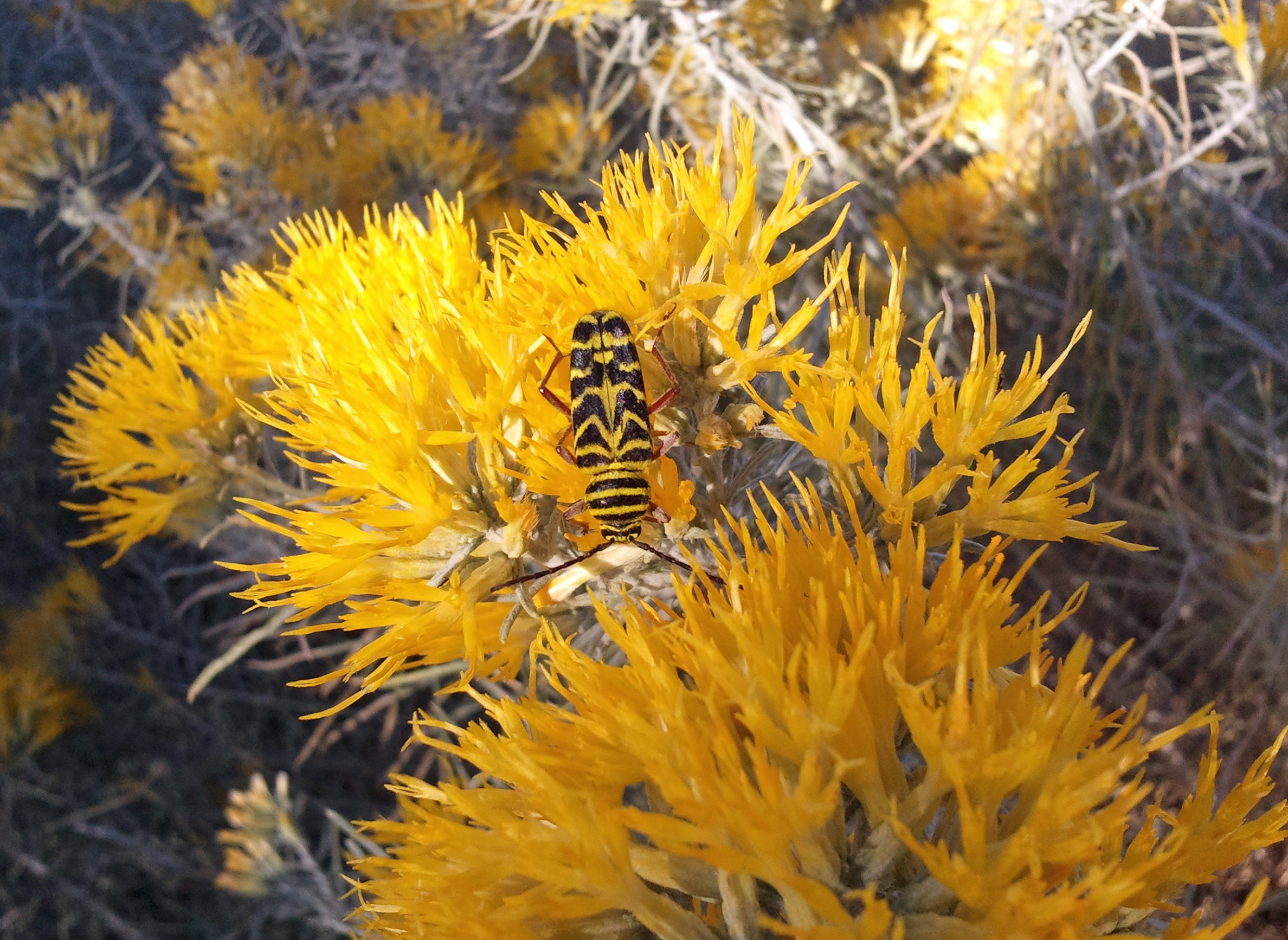
Pollination by beetles (cantharophily) – Flowers are large and bowl shaped and green or white. There are no nectar guides and usually no nectar. The scent is strong and can be fruity, spicy, or putrid. Like flies, some beetles are sapromyophiles.

Locust borer meets rubber rabbitbrush (Ericameria nauseosa)

A locust borer meets rubber rabbitbrush (Ericameria nauseosa)

In addition to biotic pollination syndromes, there are two abiotic pollination syndromes:

Pollination by wind (anemophily) – Flowers are miniscule and brown or green. They produce abundant pollen but no nectar or odor. The pollen grains are very small, and the stigmas protrude from the flower in order to capture the windborne pollen.

Pollination by water (hydrophily) –  Most aquatic plants are insect-pollinated, but some have tiny flowers that release their pollen into the water, which is picked up by the stigmas of flowers in a similar manner to plants with windborne pollen.

This is, of course, a quick look at the major pollination syndromes. More complete descriptions can be found elsewhere, and they will differ slightly depending on the source. It’s probably obvious just by reading a brief overview that there is some overlap in the floral traits and that, for example, a flower being visited by a bee could also be visited by a butterfly or a bird. Such an observation explains, in part, why this method of categorizing plant-pollinator interactions has fallen out of favor. Studies have been demonstrating that this is not a reliable method of predicting which species of pollinators will pollinate certain flowers. A close observation of floral visitors also reveals insects that visit flowers to obtain nectar, pollen, and other items, but do not assist in pollination. These are called robbers. On the other hand, a plant species may receive some floral visitors that are considerably more effective and reliable pollinators than others. What is a plant to do?

Pollination syndromes imply specialization, however field observations reveal that specialization is quite rare, and that most flowering plants are generalists, employing all available pollinators in assisting them in their reproduction efforts. This is smart, considering that populations of pollinators fluctuate from year to year, so if a plant species is relying on a particular pollinator (or taxonomic group of pollinators) to aid in its reproduction, it may find itself out of luck. Considering that a flower may receive many types of visitors on even a semi-regular basis suggests that the selective pressures on floral traits may not solely include the most efficient pollinators, but could also include all other pollinating visitors and, yes, even robbers. This is an area where much more research is needed, and questions like this are a reason why pollination biology is a vibrant and robust field of research.

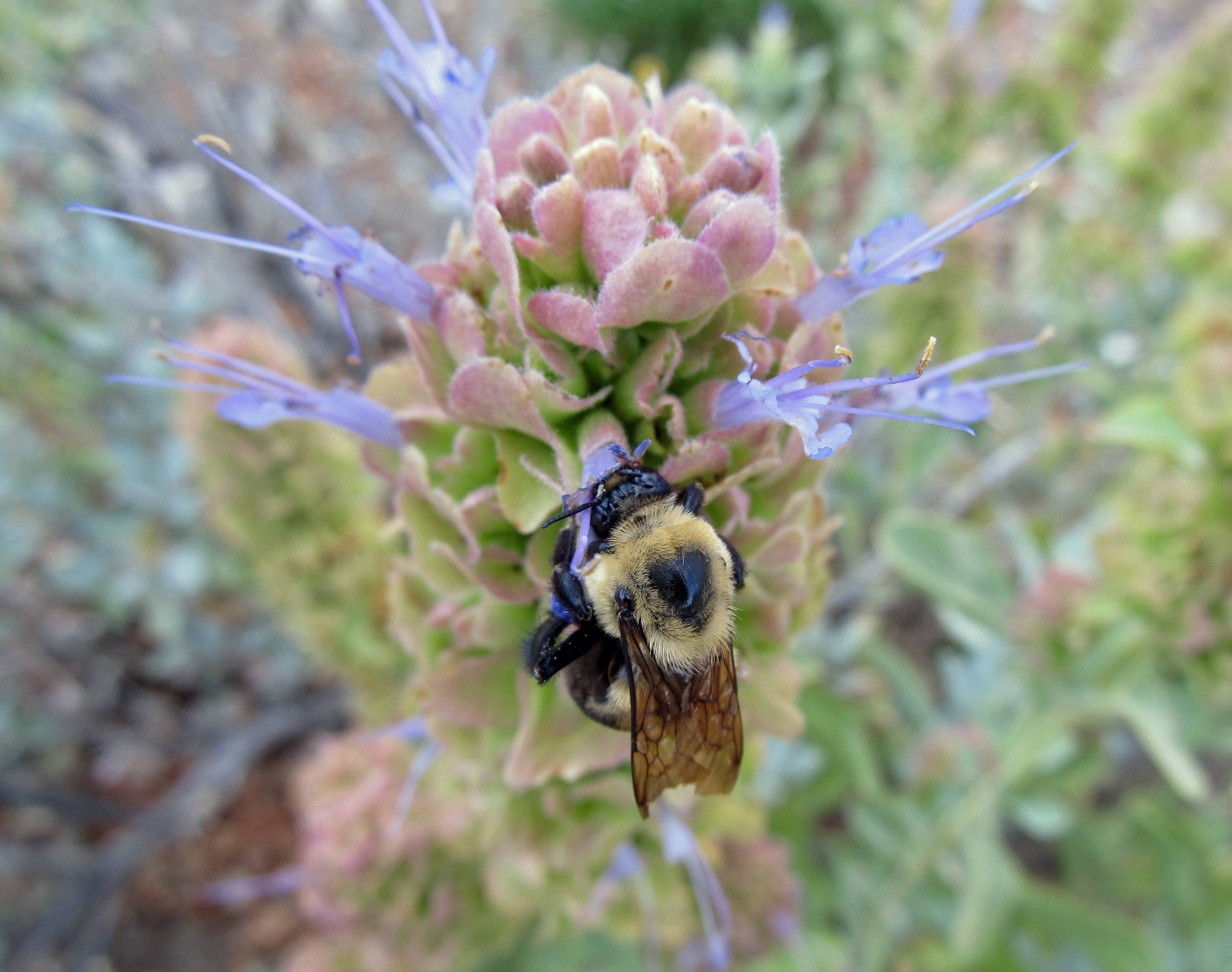
A bumble bee hugs Mojave sage (Salvia pachyphylla)

A bumble bee hugs the flower of a blue sage (Salvia pachyphylla)

Interactions between plants and pollinators is something that interests me greatly. Questions regarding specialization and generalization are an important part of these interactions. To help satiate my curiosity, I will be reading through a book put out a few years ago by the University of Chicago Press entitled, Plant-Pollinator Interactions: From Specialization to Generalization, edited by Nickolas M. Waser and Jeff Ollerton. You can expect future posts on this subject as I read through the book. To pique your interest, here is a short excerpt from Waser’s introductory chapter:

Much of pollination biology over the past few centuries logically focused on a single plant or pollinator species and its mutualistic partners, whereas a focus at the level of entire communities was uncommon. Recently we see a revival of community studies, encouraged largely by new tools borrowed from the theory of food webs that allow us to characterize and analyze the resulting patterns. For example, pollination networks show asymmetry – most specialist insects visit generalist plants, and most specialist plants are visited by generalist insects. This is a striking departure from the traditional implication of coevolved specialists!

References:

Texas State Flower

The state flower of Texas blooms in early spring. At least most of them do anyway. Some don’t bloom until late spring and others bloom in the summer. The reason for the staggered bloom times is that the state flower of Texas is not one species but six. All are affectionately referred to as bluebonnets and all are revered by Texans.

As the story goes, at the beginning of the 20th century the Texas legislature set out to determine which flower should represent their state. One suggestion was the cotton boll, since cotton was a major agricultural crop at the time. Another suggestion was a cactus flower, because cacti are common in Texas, are long-lived, and have very attractive flowers. A group of Texas women who were part of the National Society of Colonial Dames of America made their pitch for Lupinus subcarnosus, commonly known as buffalo clover or bluebonnet. Ultimately, the nomination from the women’s group won out, and bluebonnets became an official state symbol.

The debate didn’t end there though. Many people thought that the legislature had selected the wrong bluebonnet, and that the state flower should be Lupinus texensis instead. Commonly known as Texas bluebonnet, L. texensis is bigger, bolder, and more abundant than the comparatively diminutive L. subcarnosus. This debate continued for 70 years until finally the legislature decided to solve the issue by including L. texensis “and any other variety of bluebonnet not heretofore recorded” as the state flower of Texas.

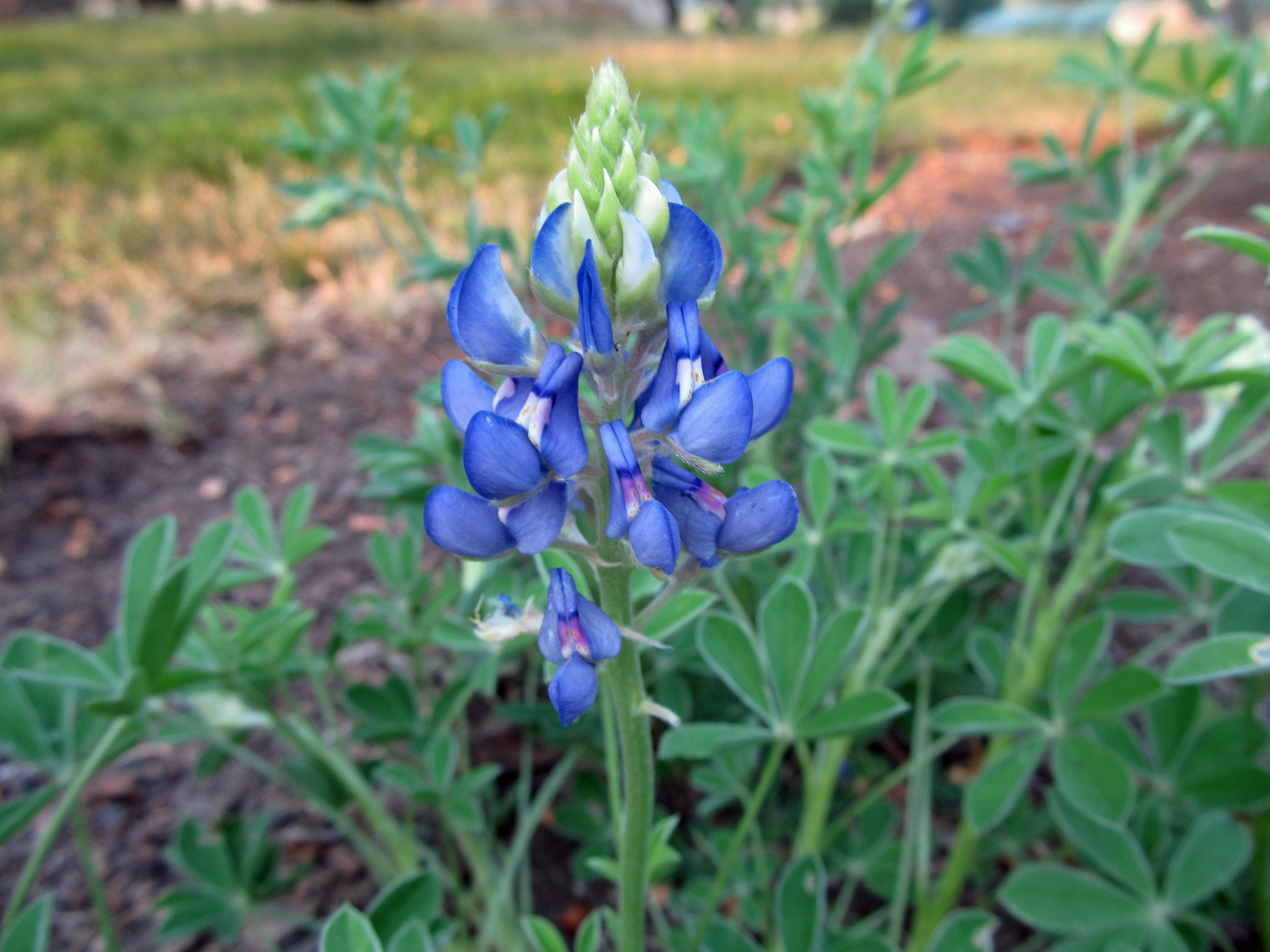
Lupinus texensis - Texas bluebonnet

Lupinus texensis (Texas bluebonnet) bravely growing in Idaho

According to Mr. Smarty Plants, the list of Texas state flowers includes (in addition to the two already mentioned)  L. perennis, L. havardii, L. plattensis, and L. concinnus. Most on this list are annuals, and all are in the family Fabaceae – the pea family. Plants in this family are known for their ability to convert atmospheric nitrogen into plant available nitrogen with the help of a soil dwelling bacteria called rhizobia. The genus Lupinus includes over 200 species, most of which are found in North and South America. Others occur in North Africa and the Mediterranean. Plants in this genus are popular in flower gardens, and there are dozens of commercially available hybrids and cultivars.

L. subcarnosus is sometimes referred to as sandy land bluebonnet and occurs mainly in sandy fields and along roadsides. L. texensis is a Texas endemic; its native range includes the prairies and open fields of north and south central Texas. It is now found throughout Texas and bordering states due to heavy roadside plantings. L. perennis is the most widespread Texas bluebonnet, occurring throughout the eastern portion of the U.S. growing in sand hills, woodland clearings, and along roadsides. L. havardii is the largest of the Texas bluebonnets. It has a narrow range, and is found in a variety of soil types.  L. plattensis is a perennial species and occurs in the sandy dunes of the Texas panhandle. L. concinnus is the smallest of the Texas bluebonnets and is found mainly in sandy, desert areas as well as some grasslands.

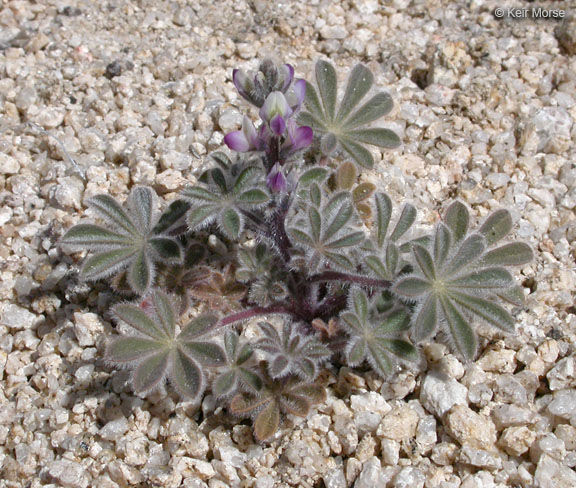
Lupinus concinnus (...) - photo credit: www.eol.org

Lupinus concinnus (Nipomo Mesa lupine) – photo credit: www.eol.org

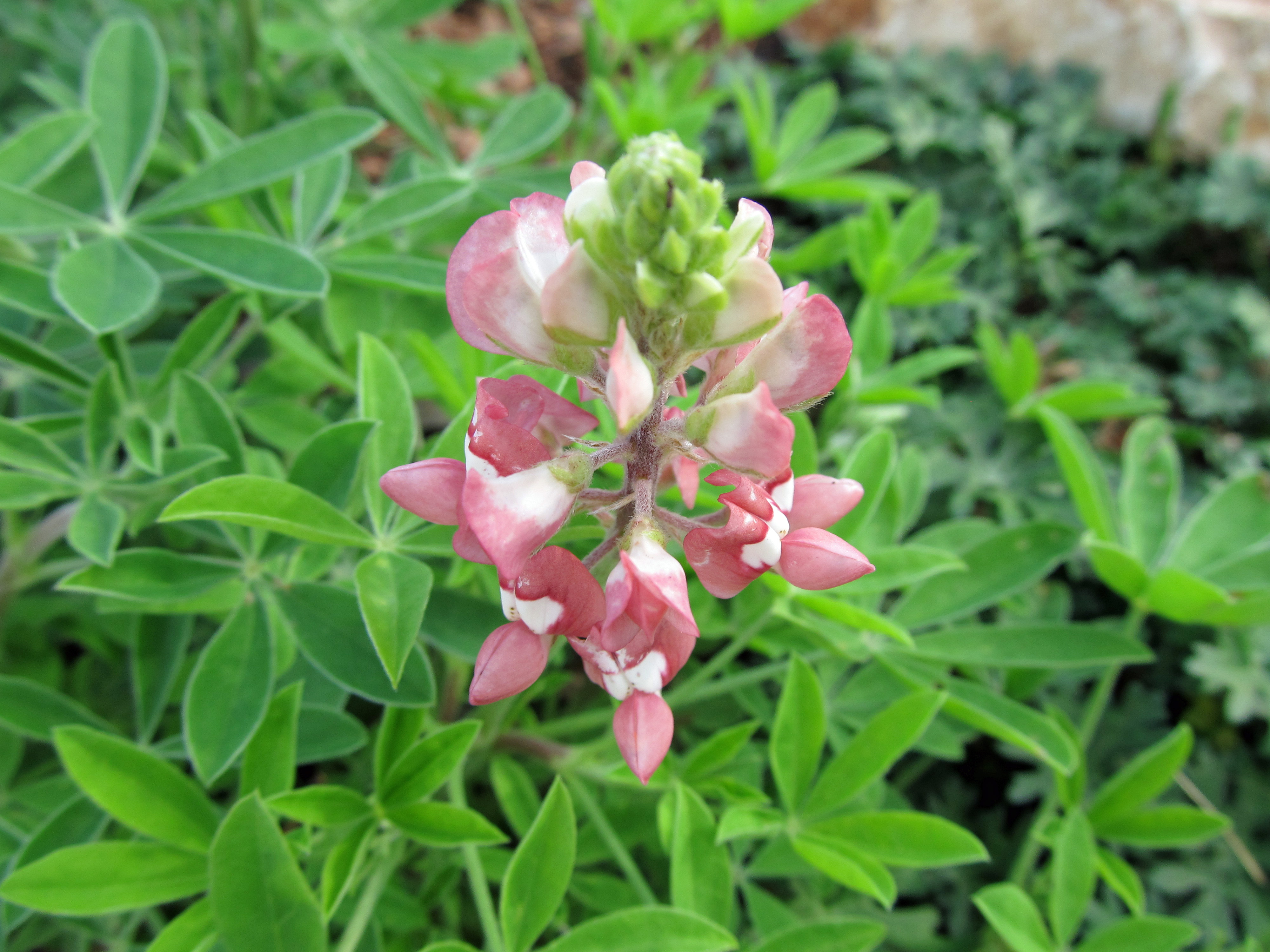
A legend surrounds the rare pink bluebonnet.

A legend surrounds the rare pink bluebonnet

Read more about Texas bluebonnets here and here.

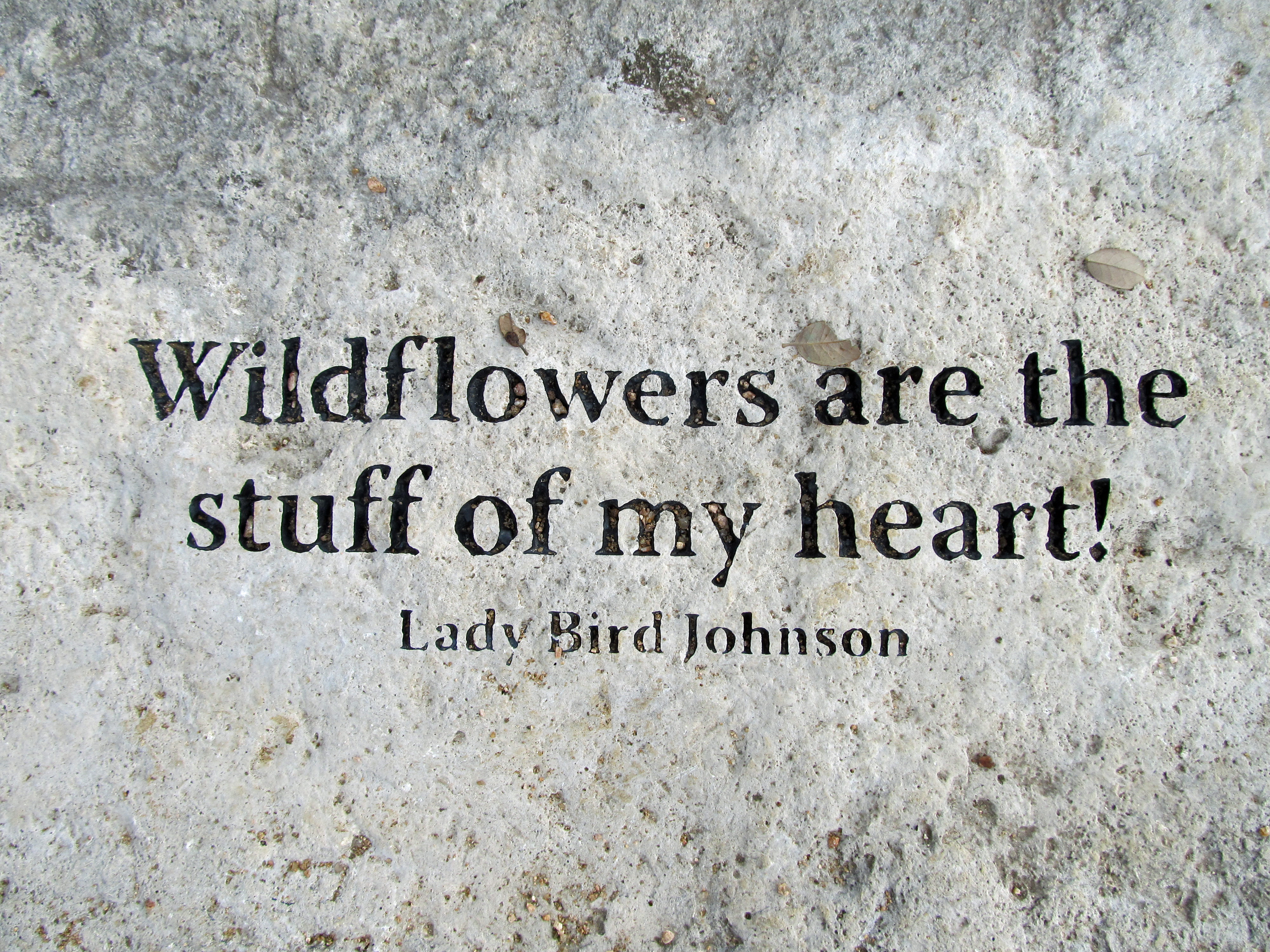
“I want us to know our world. If I lived in north Georgia on up through the Appalachians, I would be just as crazy about the mountain laurel as I am about bluebonnets.” – Lady Bird Johnson

Field Trip: Lady Bird Johnson Wildflower Center, part two

This is the second in a series of two posts about my recent trip to Lady Bird Johnson Wildflower Center in Austin, Texas. You can read the first post here. Both posts are comprised of mostly pictures, as they tell a much better story about the place then my words can. However, even pictures don’t do the place justice; it’s definitely a site that you are going to have to see for yourself. I highly recommend it.

One name that kept coming up during the native plant conference was Doug Tallamy – and for good reason. Tallamy has long promoted and encouraged the use of native plants in landscapes, largely for the creation of wildlife habitat in urban and suburban areas. In 2007 he put out a book entitled, Bringing Nature Home: How You Can Sustain Wildlife with Native Plants, in which he made a strong argument for native plant gardens. His book and lectures have inspired many to seek out native plants to include in their yards. What was lacking in his book, however, was detailed information on the horticulture and design aspects of using native plants. So in 2014, together with Rick Darke, Tallamy put out The Living Landscape, an impressive tome outlining how to create beautiful and functional gardens using native plants. Both books are well worth your time.

The plant name following each photo or series of photos links to a corresponding entry in the Native Plant Database which is managed by the Wildflower Center’s Native Plant Information Network. The quotes that accompany the plant names are taken from the Native Plant Database entries.

Ilex vomitoria (yaupon). “The leaves and twigs contain caffeine, and American Indians used them to prepare a tea which they drank in large quantities ceremonially and then vomited back up, lending the plant its species name, vomitoria. The vomiting was self-induced or because of other ingredients added; it doesn’t actually cause vomiting.”

aesculus pava var pava 3

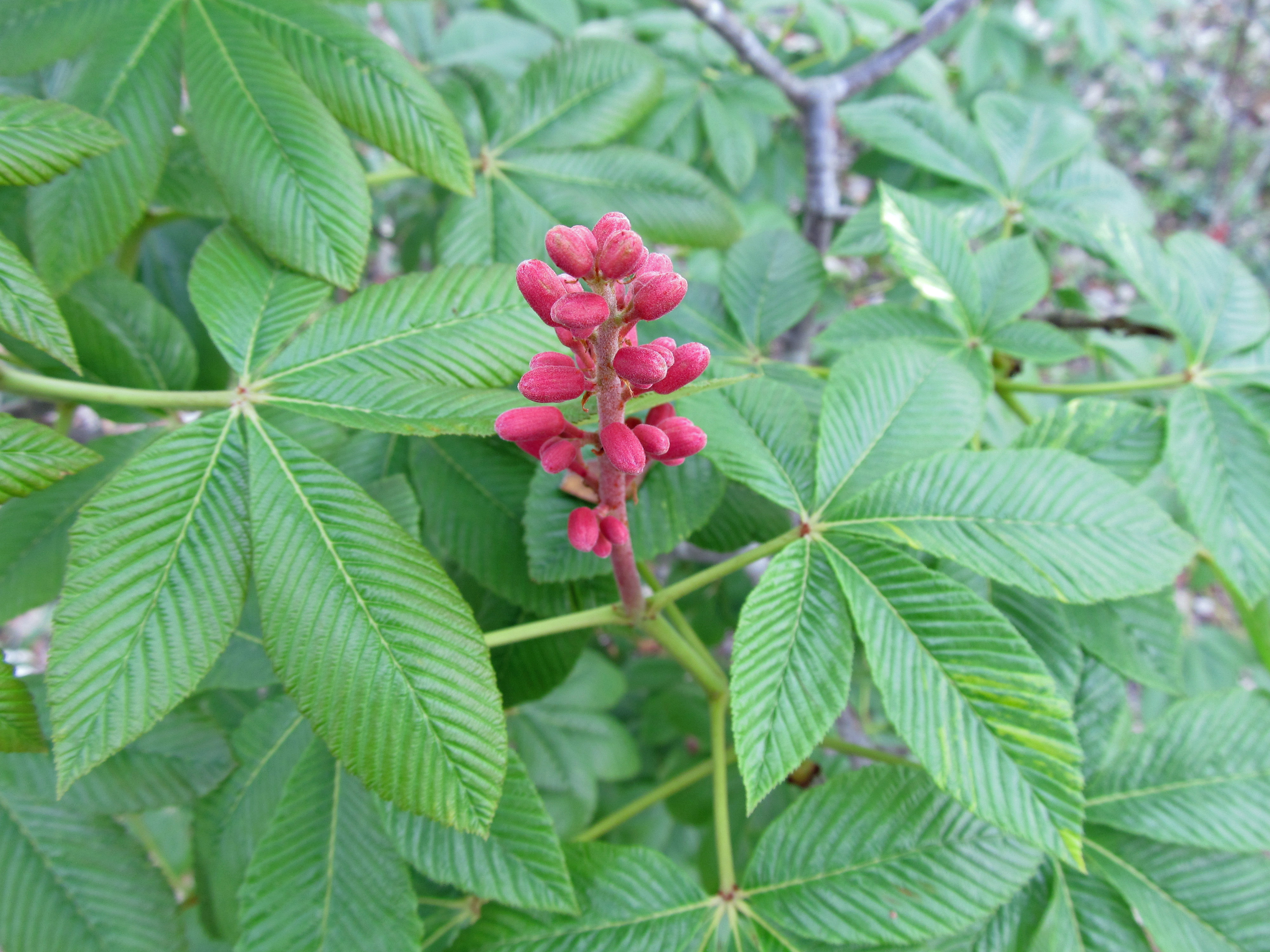
Aesculus pavia var. pavia (red buckeye). “Long popular for its brilliant, hummingbird-attracting spring flowers and rich green foliage, it is found in nature most often as a plant of woodland edges, where it can get morning sun and afternoon shade.”

tillandsia recurvata 5

Tillandsia recurvata (ball moss). An epiphyte commonly found on trees within its range, including Quercus fusiformis (escarpment live oak) a dominant tree at the Wildflower Center. “Some have been introduced into other warm regions and cultivated for use as ornamentals or for their edible fruit.”

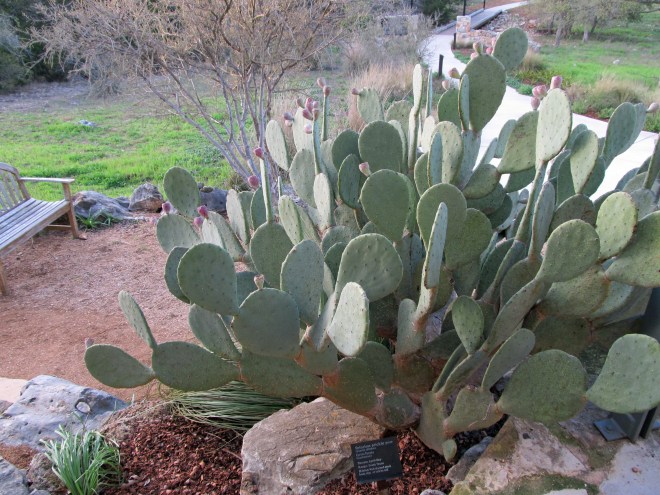
Opuntia ellisiana (spineless prickly pear). A spineless form of Opuntia cacanapa derived from cultivation. “The spineless prickly pear is a great addition to the landscape for those seeking a cactus form, showy blooms, and bright red cactus fruits (tunas). Beware, although it doesn’t have long sharp spines, the tiny glochids (slivers) are very irritating to the skin if the plant is not handled correctly.”

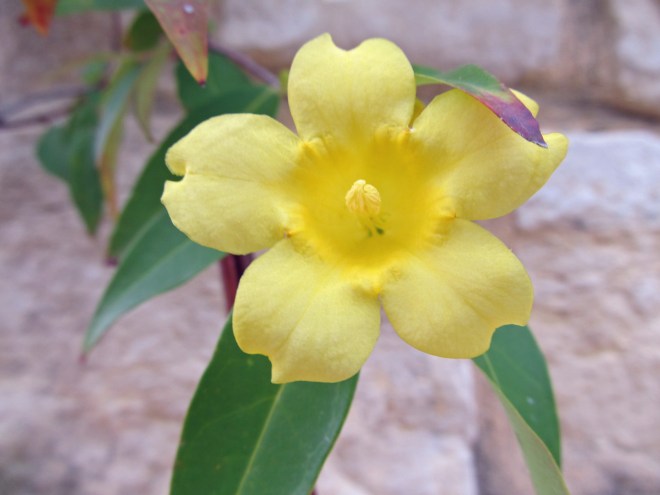
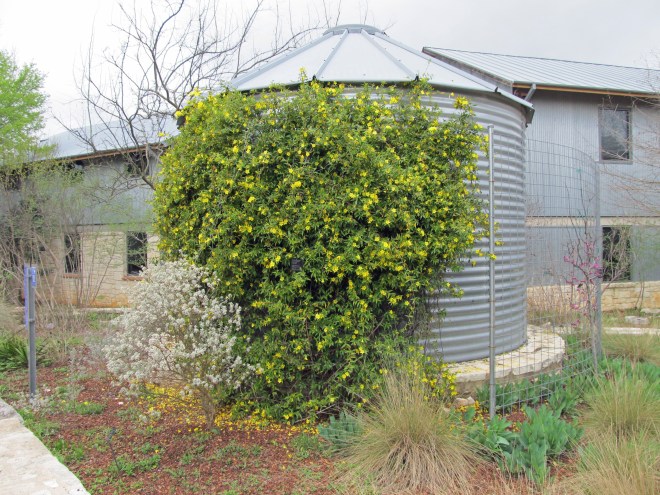
Gelsemium sempervirens (Carolina jessamine). “The flowers, leaves, and roots are poisonous and may be lethal to humans and livestock. The species nectar may also be toxic to honeybees if too much is consumed, and honey made from Carolina jessamine nectar may be toxic to humans.”

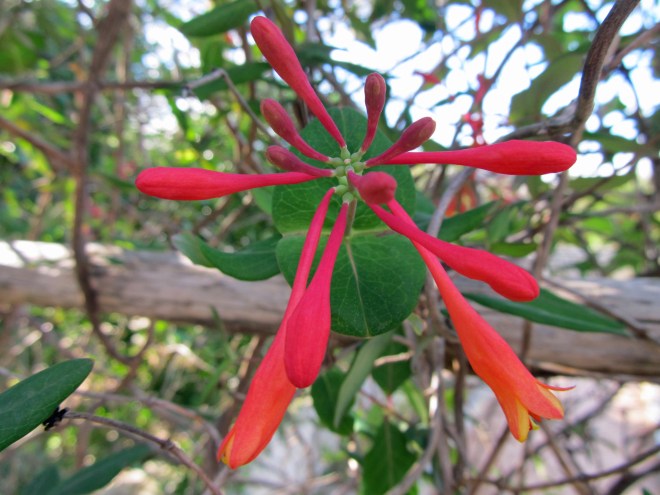
Lonicera sempervirens (coral honeysuckle). “Flowers attract hummingbirds, bees, and butterflies. Fruits attract quail, purple finch, goldfinch, hermit thrush, and American robin.”

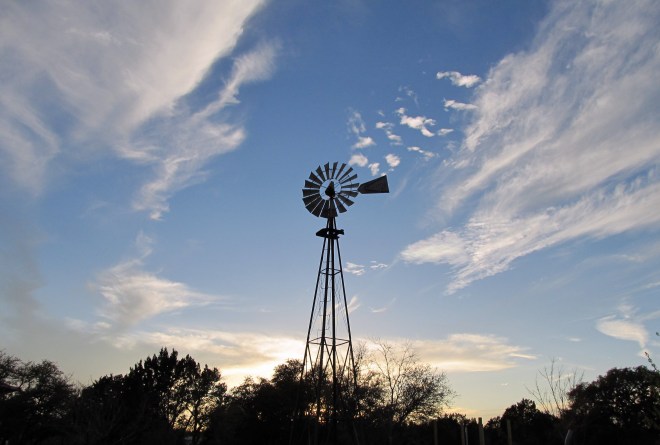
windmill

Field Trip: Lady Bird Johnson Wildflower Center, part one

Last week my place of employment sent me to Austin, Texas to spend some time at the Lady Bird Johnson Wildflower Center. I was there for a native plant conference put on by the American Public Garden Association. I had been wanting to visit the Wildflower Center for a long time, so it was great to finally get the chance. Their gardens are truly amazing. I spent three days there, but could have easily stayed much longer. The native plant conference was great, too. I learned a lot about native plant horticulture, and I left feeling inspired to put those things into practice. If you are wondering “why native plants?,” the Wildflower Center has a good answer to that on their website.

While I was there I took dozens of photos, so I am sharing some of those with you in a two part post. The plant name following each photo or series of photos links to a corresponding entry in the Native Plant Database which is managed by the Wildflower Center’s Native Plant Information Network. The quotes that accompany the plant names are taken from the Native Plant Database entries.

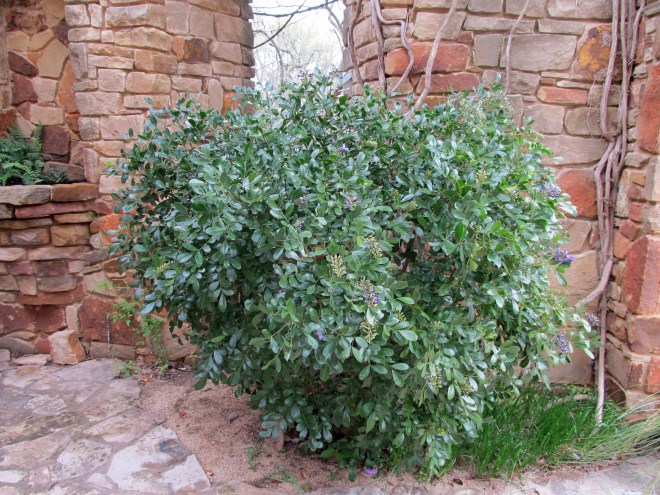
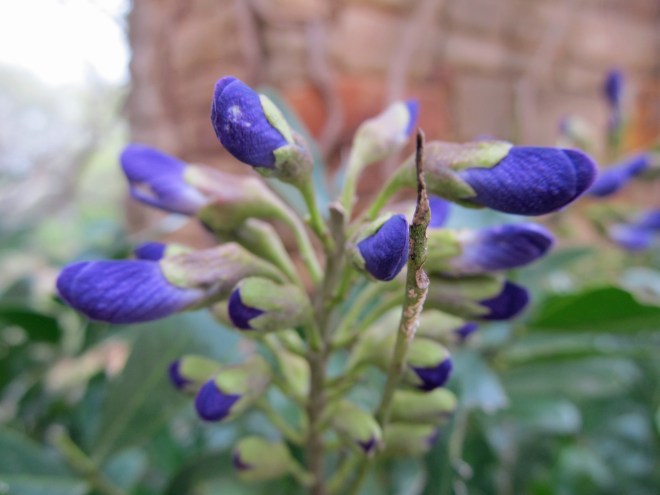
Sophora secundiflora (Texas mountain laurel). “The fragrance of Texas mountain laurel flowers is reminiscent of artificial grape products.”

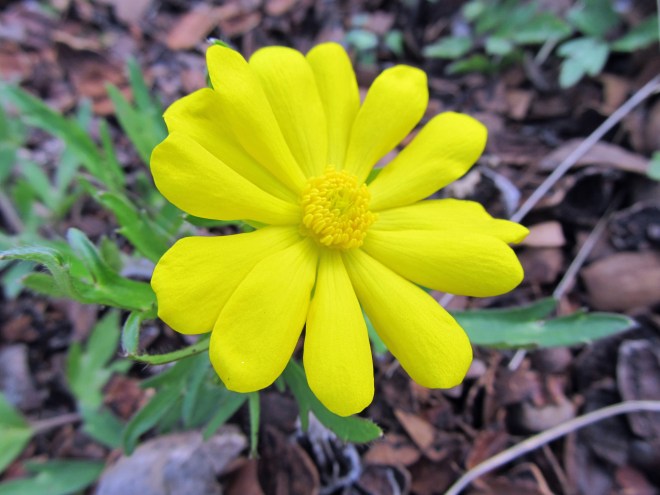
Ranunculus macranthus (large buttercup). “This is one of the largest flowered native buttercups. The large butter-yellow flowers and attractive foliage of this plant immediately attract the eye.”

echinocereus reichenbachii 3

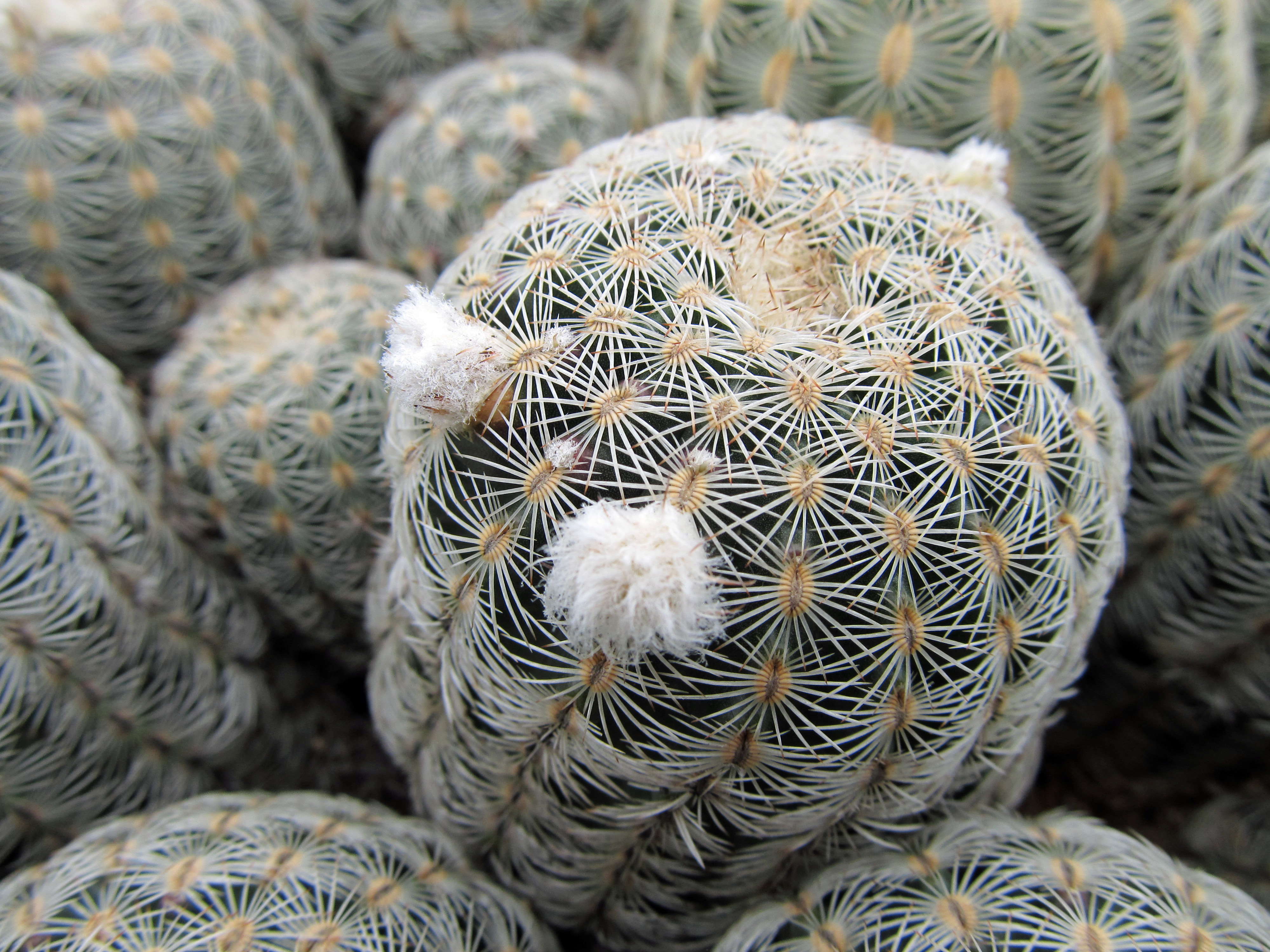
Echinocereus reichenbachii (lace cactus). “Lace cactus is unpredictable in its development, one plant forming a single stem, while its neighbor may branch out and form a dozen or more.”

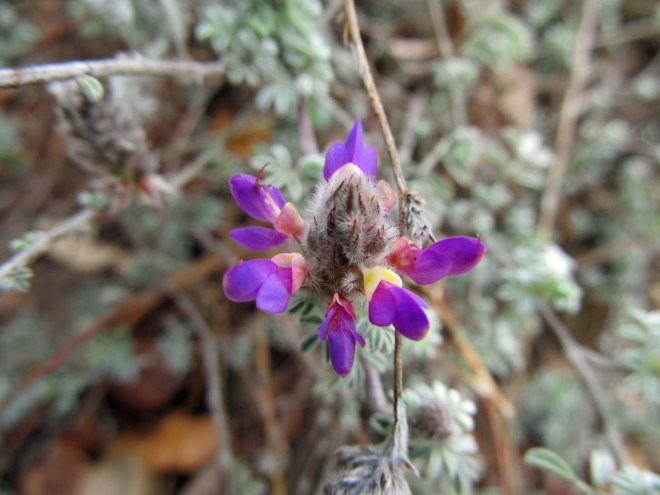
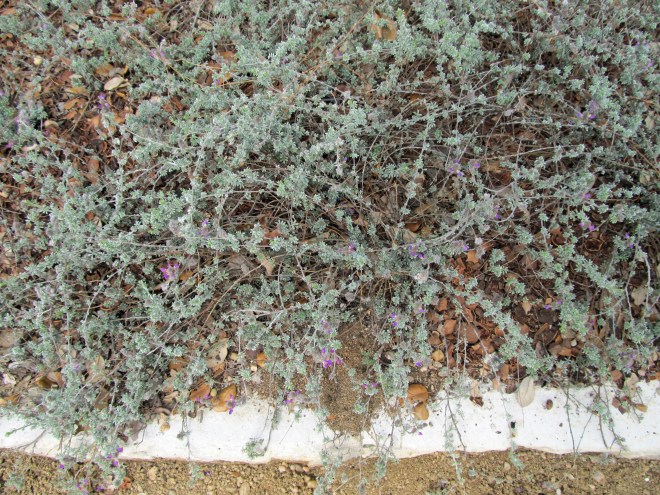
Dalea greggii (Gregg’s prairie clover). “Grown mostly for its silvery, blue-green, delicately compound leaves, the shrub is awash with clusters of tiny, pea-shaped, purple flowers in spring and early summer.” 

viburnum rufidulum 5

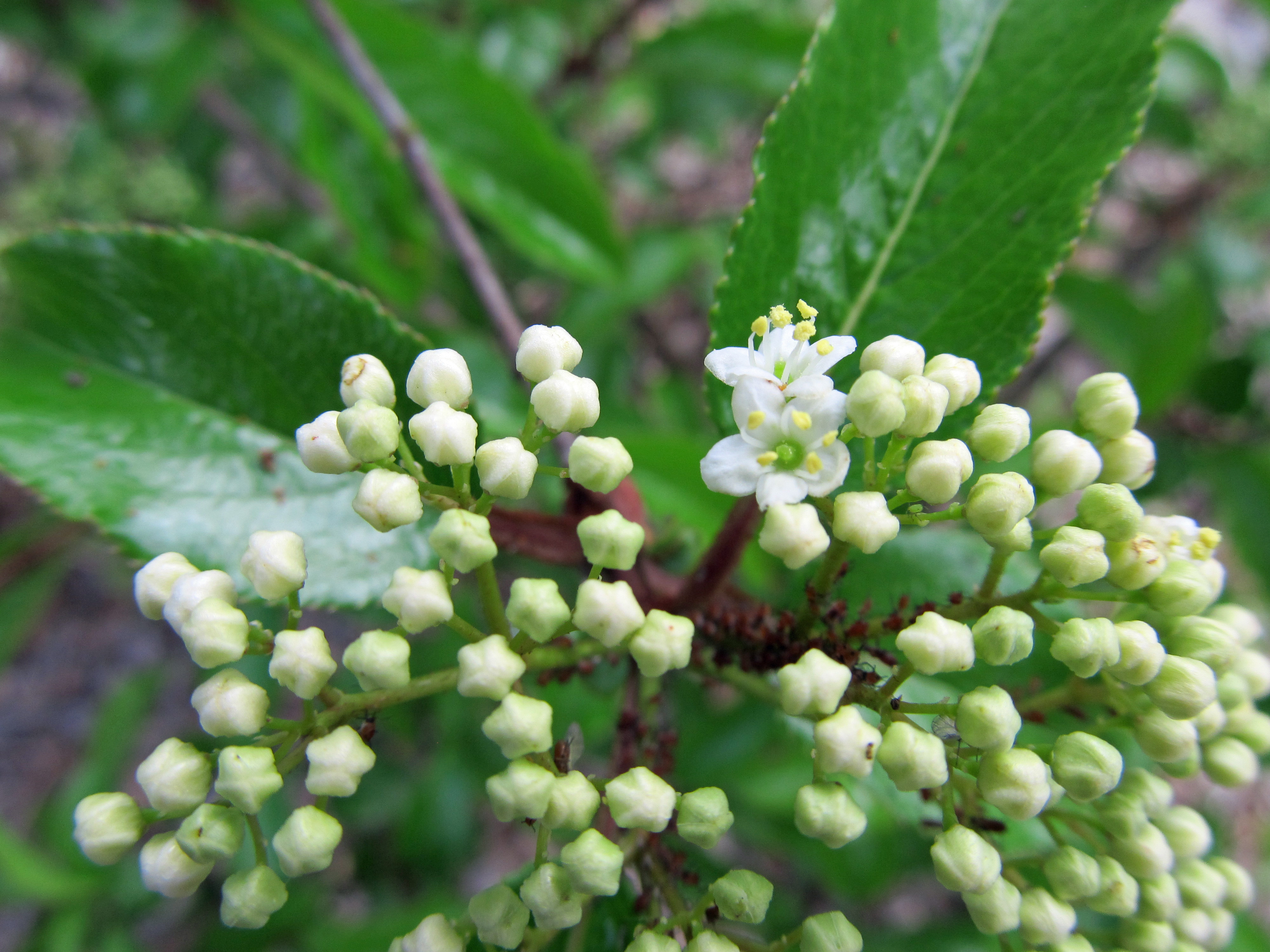
Viburnum rufidulum (southern blackhaw). “In Manual of the Vascular Plants of Texas, Correll and Johnston noted that the fruit tastes similar to raisins.”

mahonia trifoliata 5

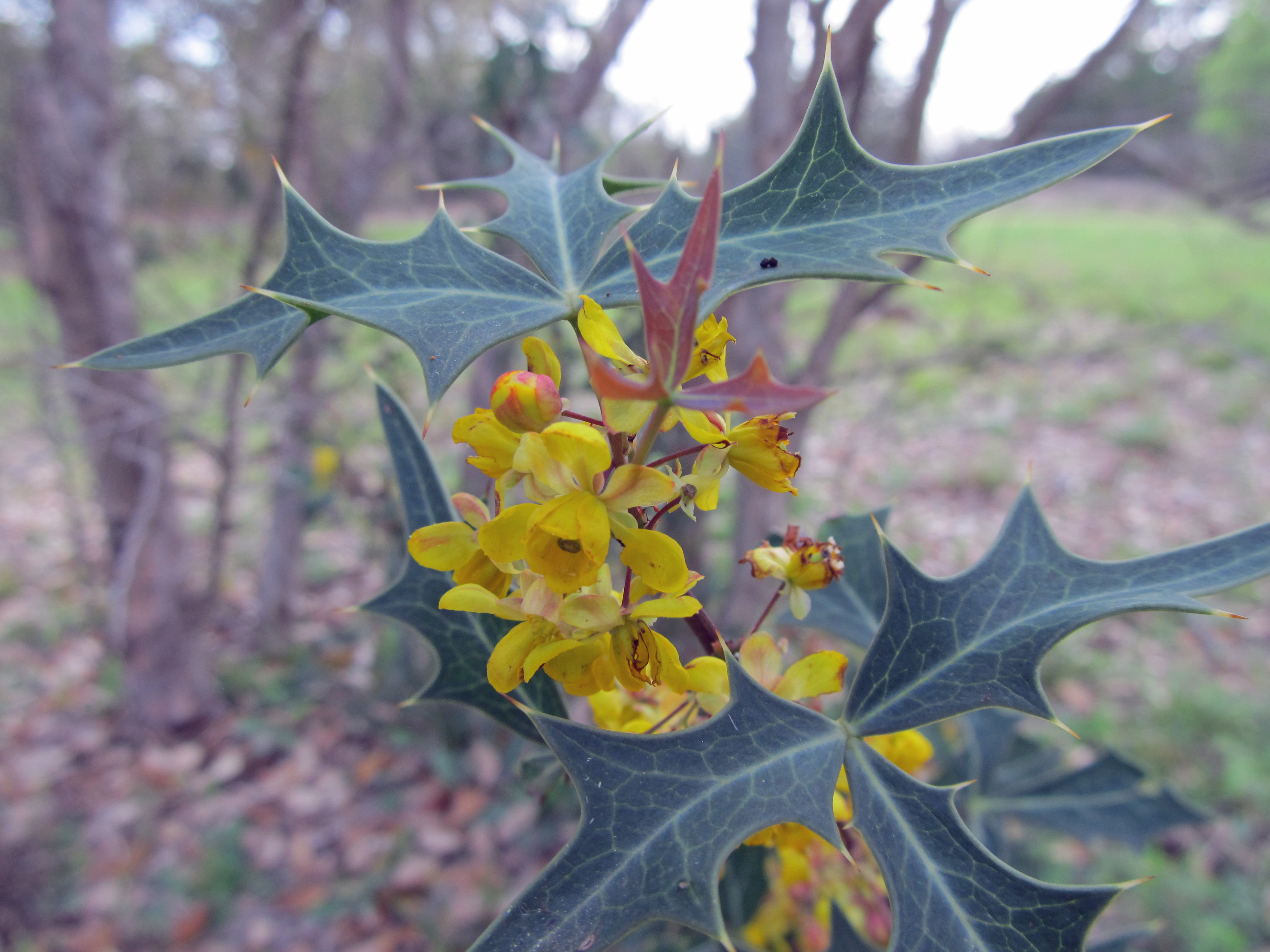
Mahonia trifoliolata (agarita). “Songbirds eat the fruits, and quail and small mammals use the plant for cover. It is considered a good honey source.”

lady bird johnson quote

How Pitcher Plants Eat Bugs (Frog Optional)

SAMSUNG

A few months ago at work I captured this photo of a frog inside of a pitcher plant. Do you see it? It is pretty well camouflaged and poking its head out just enough to intercept curious insects lured in by the promise of nectar, eating them before they can make their way into the tube. Either way, approaching insects are about to meet their fate. Whether by plant or by frog, they are destined to be consumed lest they turn away in time.

This frog was hiding inside the modified leaf of a species of Sarracenia, a carnivorous plant commonly known as a North American pitcher plant. There are at least eight species of Sarracenia, all of which naturally occur in the southeastern region of the United States. One species, Sarracenia purpurea, also occurs in the northeast, the upper Midwest, and throughout much of Canada. Sarracenia is in the family Sarraceniaceae along with two other genera of pitcher plants, Darlingtonia (the cobra plant, native to northern California and southern Oregon) and Heliamphora (the sun pitchers, native to South America). Plants in this family are not to be confused with the distantly related tropical pitcher plants which are in the genus Nepenthes (family Nepentheaceae).

The natural habitats of Sarracenia are sunny, open areas that remain permanently wet, including meadows, savannahs, fens, and swamps. The soils are acidic, nutrient poor, and typically composed of sandy peat commonly derived from sphagnum moss. In the southeast, less than 5% of the original (pre-European settlement) Sarracenia habitat remains, threatening its survival in the wild. Sarracenia oreophila (green pitcher plant) is currently listed as critically endangered on the IUCN Red List.

Flowering occurs in the spring, usually before pitchers form. Individual flowers are formed on tall stalks that rise straight up and then bend at the very top, hanging the flower upside down. Early flowering and tall flower stalks help prevent pollinating insects from being consumed by the plant. In his book The Savage Garden, Peter D’Amato describes the flowers as “showy, brilliant, and very unusual – a wonderful bonus to an already handsome class of foliage plants.” The flowers are either yellow or a shade of red and last about two weeks, after which the petals drop and a seed pod forms. Seeds are released from the fruits in the fall.

Flower of Sarracenia rubra (sweet pitcherplant) - photo credit: www.eol.org

Flower of Sarracenia rubra (sweet pitcher plant) – photo credit: www.eol.org

D’Amato writes that Sarracenia are among the “most ravenous” plants, with each leaf having the potential of trapping “thousands of nasty insects.” In some cases pitchers even flop over, heavy with the weight of bugs inside them. The specifics of capturing and killing insects varies between species of Sarracenia, but in general prey is lured to the opening of the pitcher with a combination of nectar, scent, and color. Upon entering the tube, gravity, waxy surfaces, drugs, and hairs force the captives downward where they are eventually consumed by enzymes and microbes. Digested insects provide the plant with nutrients necessary for growth – nutrients that otherwise are taken up by the roots of plants that occur in more nutrient rich soils.

Sarracenia purpurea (purple pitcher plant) is unique in that its pitchers lack a “hood” or “lid” – a standard feature of other species of Sarracenia that helps keep rain from entering the pitchers. Instead, the pitchers fill with water and insects are killed by drowning. The most brutal killer is probably Sarracenia psittacina (parrot pitcher plant) which has an additional opening inside of its pitcher. The opening is small and difficult to find again once an insect is on the wrong side of it. The inside walls of the pitcher are covered in long, sharp, downward pointing hairs, and the struggling insect is pierced repeatedly by the hairs as it makes its way to the bottom of the tube to be digested.

Hoodless pitchers of Sarracenia purpurea (photo credit: www.eol.org)
Hoodless pitchers of Sarracenia purpurea (photo credit: www.eol.org)
Hooded pitchers of Sarracenia leucophylla (photo credit: www.eol.org)
Hooded pitchers of Sarracenia leucophylla (photo credit: www.eol.org)

According to D’Amato, “the Sarracenia are one of the simplest carnivorous plants to grow, and certainly among the most fun and rewarding.” Learn more about growing North American pitcher plants by consulting D’Amato’s book and/or by visiting the website of the International Carnivorous Plant Society.

Want to learn more about Sarracenia? The Plants are Cool, Too! web series has a great video about them:

Other carnivorous plant posts:

Year of Pollination: The Anatomy of a Bee

A greater appreciation for pollinators can be had by learning to identify them – being able to tell one from another and calling them by name. Anyone can tell a butterfly from a bee, but how about telling a sweat bee from a leafcutter bee? Or one species of sweat bee from another species of sweat bee? That takes more training. This is where knowing the parts of a bee becomes important.

I am new to learning the names of pollinators. I’ve been learning the names of plants for many years now (and I still have a long way to go), but my knowledge of insect identification is largely limited to one entomology course I took in college and the occasional reading about insects in books and magazines. So, this post is just as much for me as it is for anybody else. It also explains why it is brief and basic. It’s for beginners.

This first illustration is found in the book Pollinators of Native Plants by Heather Holm. The book starts with brief overviews of pollination, pollinators, and pollinator conservation, but then spends nearly 200 pages profiling specific plants and describing the particular species of pollinating insects that visit them. The photos of the insects are great and should be very useful in helping to identify pollinators.

bee anatomy_pollinators of native plants book

This next illustration is from the book California Bees and Blooms by Gordon W. Frankie, et al. The title is a bit deceptive because much of what is found in this book is just as applicable to people outside of California as it is to people within. There is some discussion about plants and pollinators specific to California and the western states, but there is also a lot of great information about bees, flowers, and pollination in general, including some great advice on learning to identify bees. The book includes this basic diagram, but it also provides several other more detailed illustrations that help further describe things like mouth parts, wings, and legs.

bee anatomy_california bees and blooms book

As part of their discussion on identifying bees, the authors of California Bees and Blooms offer these encouraging and helpful words to beginners like me: “Even trained taxonomists must examine most bees under a microscope to identify them to species level, but knowing the characteristics to look for can give you a pretty good idea of the major groups and families of bees that are visiting your garden. These include size, color, and features of the head, thorax, wings, and abdomen.”

If you would like to know more about the pollinators found in your region, including their names, life history, and the plants they visit, books like the aforementioned are a good start. Also, find yourself a copy of a field guide for the insects in your area and a good hand lens. Then spend some time outside closely and quietly observing the busy lives of the tiny things around you. I plan to do more of this sort of thing, and I am excited see what I might find. Let me know what you find.

Here are a few online resources for learning more about bee anatomy and bee identification:

Other “Year of Pollination” Posts: