Our Backyard Farm and Garden Show: Fall 2014

I had every intention of documenting this year’s garden more thoroughly, but as things tend to go, the days got busy and the year got away from me. Now here we are in mid-October, still waiting for the first frost but accepting its imminence, watching reluctantly as another growing season comes to a close. We took several pictures but few notes, so what follows is a series of photos and a few reflections on what transpired this past year in, what Flora likes to call, Our Backyard Farm and Garden Show.
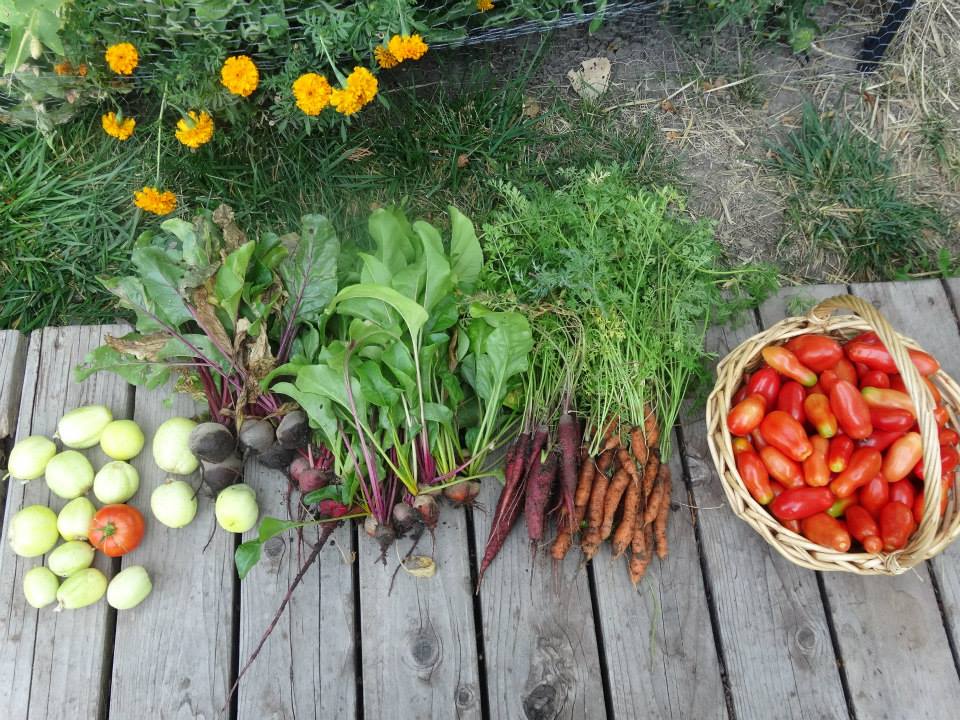
Abundance

Abundance

I guess I should start at the beginning. Last year I was living in an apartment. I was growing things in two small flower beds and a few containers on my patio. That had been my story for about a decade – growing what I could on porches and patios and in flower beds of various apartments in a few different parts of the country. At one point I was living in an apartment with no space at all to grow anything, and so I attempted to start a garden in the backyard of an abandoned, neighboring house – geurilla gardening style – but that didn’t go so well. At another location I had a plot at a community garden. The three years I spent there were fun, but definitely not as nice as stepping outside my door and into my garden.

Earlier this year, I moved in with Flora. She was renting a house with a yard, so when I joined her, I also joined her yard. Flora is a gardener, too; she had spent her first year here growing things in the existing garden spaces but wanted to expand. So we did. We enlarged three beds considerably and built four raised beds and two compost bins. We also got permission to grow things in the neighbor’s raised beds. And that’s how our growing season started – coalescence and expansion.

Then summer happened. It came and went, actually. Most days were spent just trying to keep everything alive – moving sprinklers around, warding off slugs and other bugs, and staking things up. Abundance was apparent pretty much immediately. We started harvesting greens (lettuce, kale, collards, mustards) en masse. Shortly after that, cucumbers appeared in concert with beets, turnips, basil, ground cherries, eggplants, tomatoes, carrots, peppers, etc. Even now – anticipating that first frost – the harvest continues. We are uncertain whether or not we will remain here for another growing season; regardless, we are considering the ways in which we might expand in case we do. Despite the amount of work that has gone into our garden so far, we still want to do more. Apparently, our love of gardening knows no bounds.
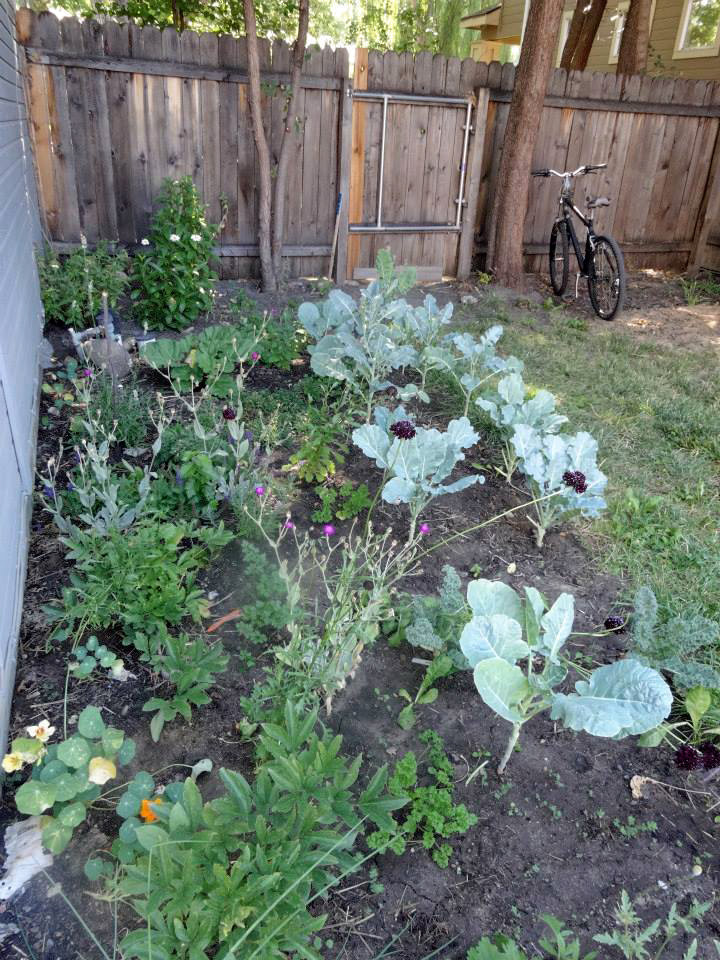
A view of our side yard. It is pretty shady in this section of the yard but we were still able to grow kale and collards along with several different flowers and herbs.

A view of our side yard. It is pretty shady in this bed but we were still able to grow kale and collards along with several different flowers and herbs.
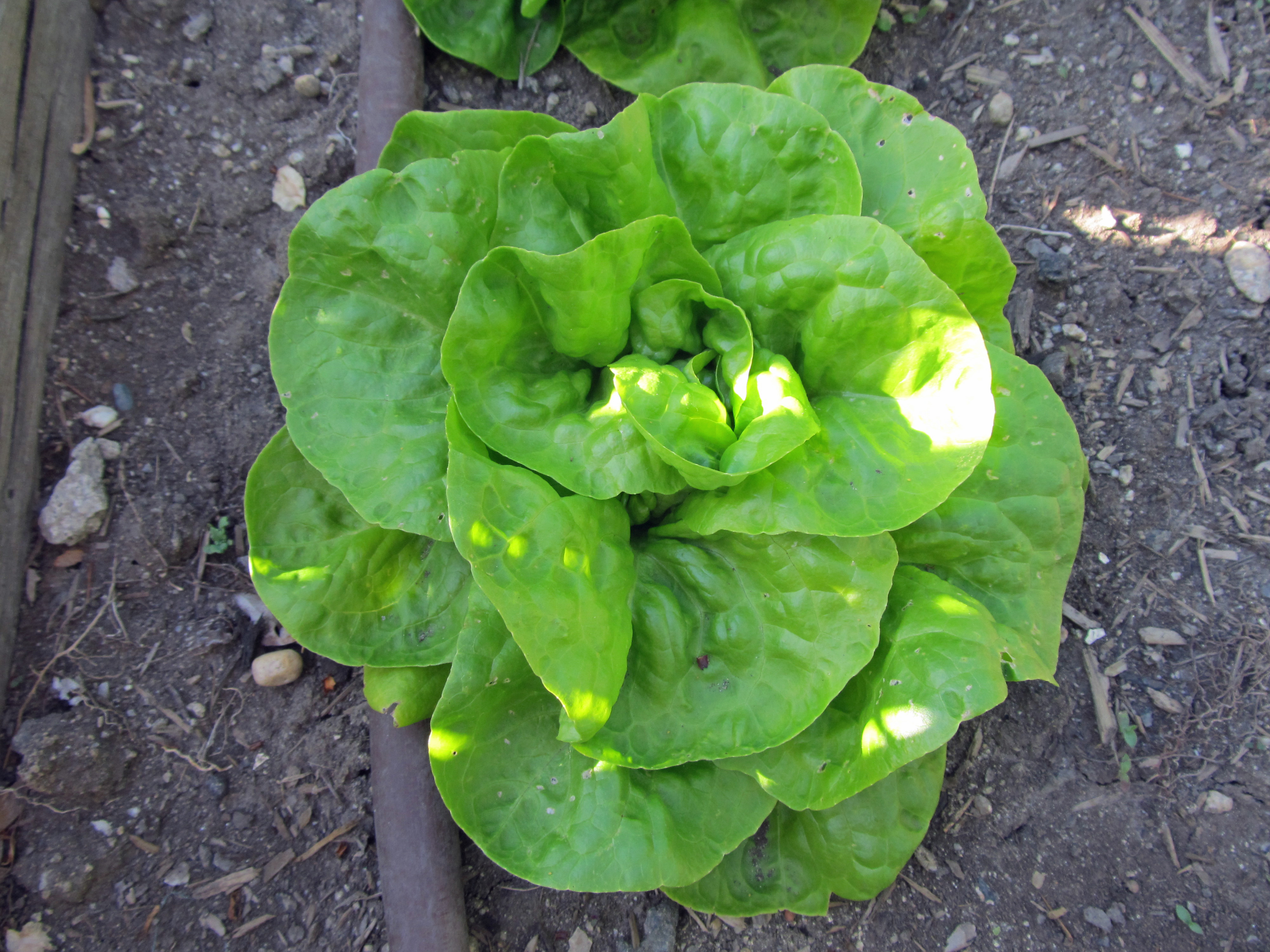
 

We grew several varieties of lettuce. This is one that I was most excited about. It's called 'Tennis Ball.' It is a miniature butterhead type that Thomas Jefferson loved and used to grow in his garden at Monticello.

We grew many varieties of lettuce. This is one that I was most excited about. It’s called ‘Tennis Ball.’ It is a miniature butterhead type that Thomas Jefferson loved and grew in his garden at Monticello.
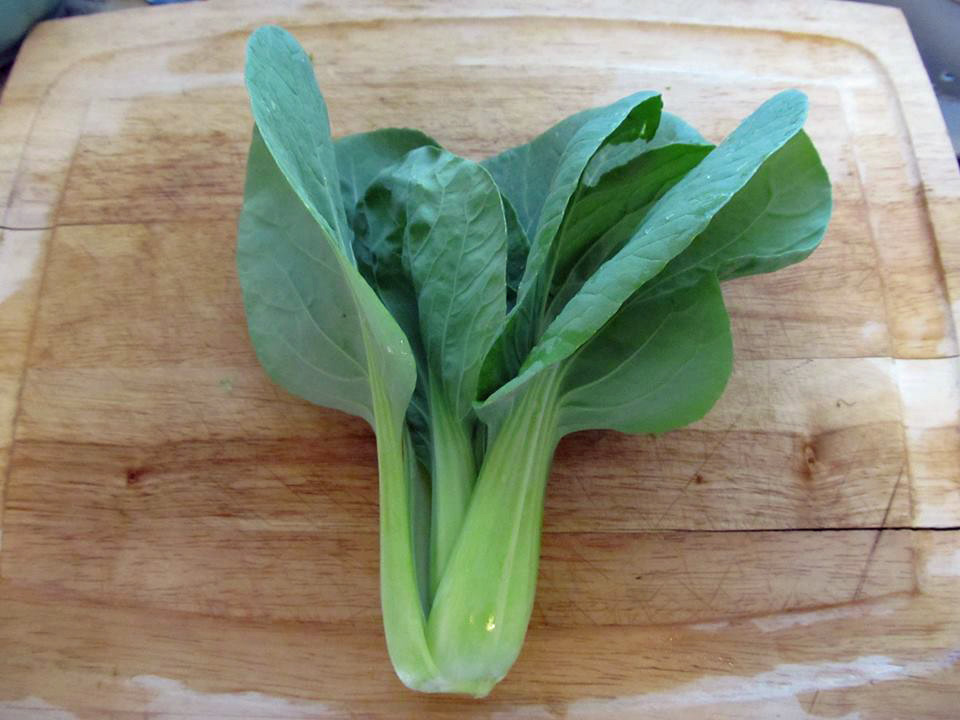
 

'Shanghai Green' Pak Choy

‘Shanghai Green’ Pak Choy


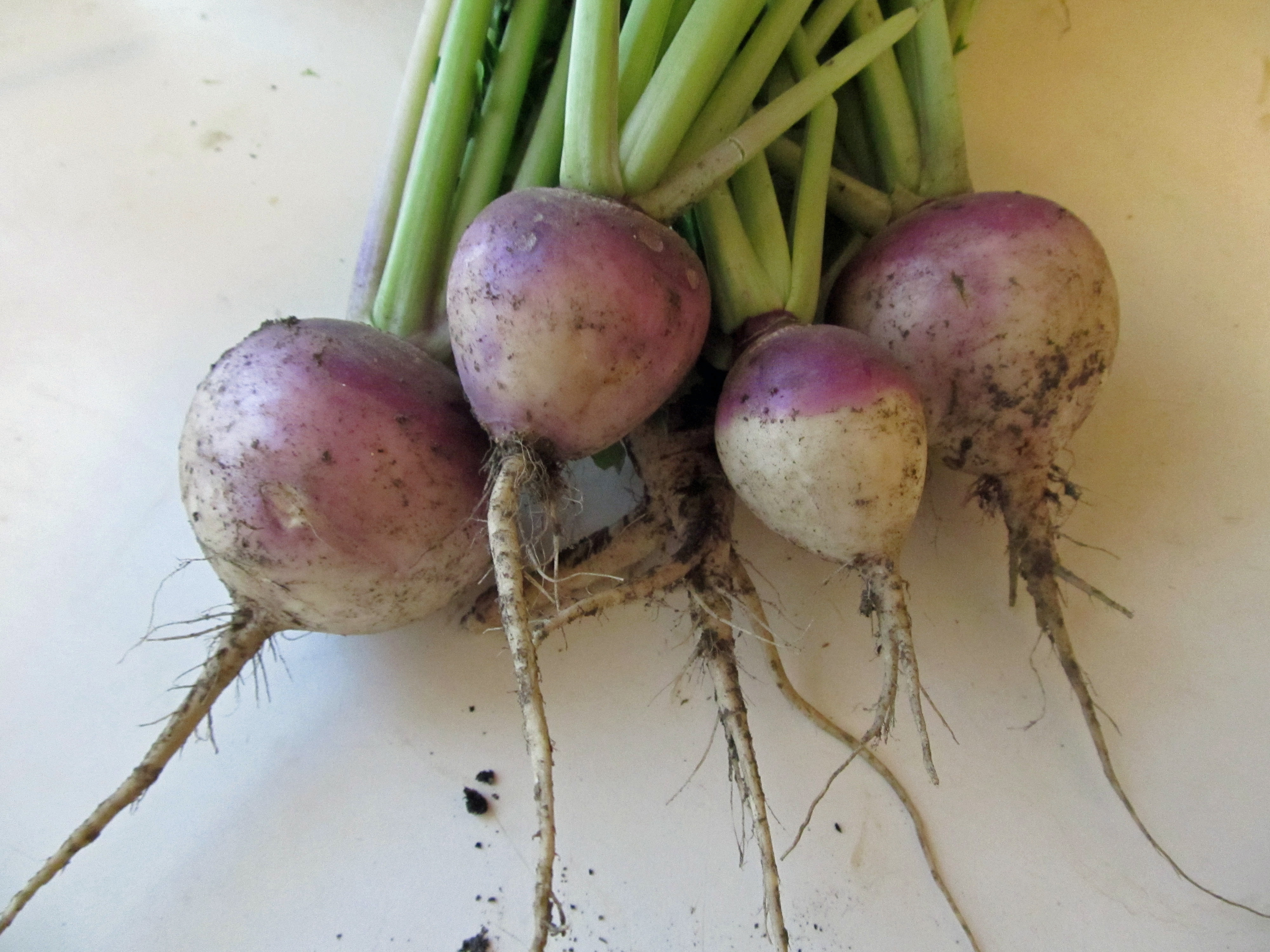
'Purple Top White Globe' Turnips

‘Purple Top White Globe’ Turnips


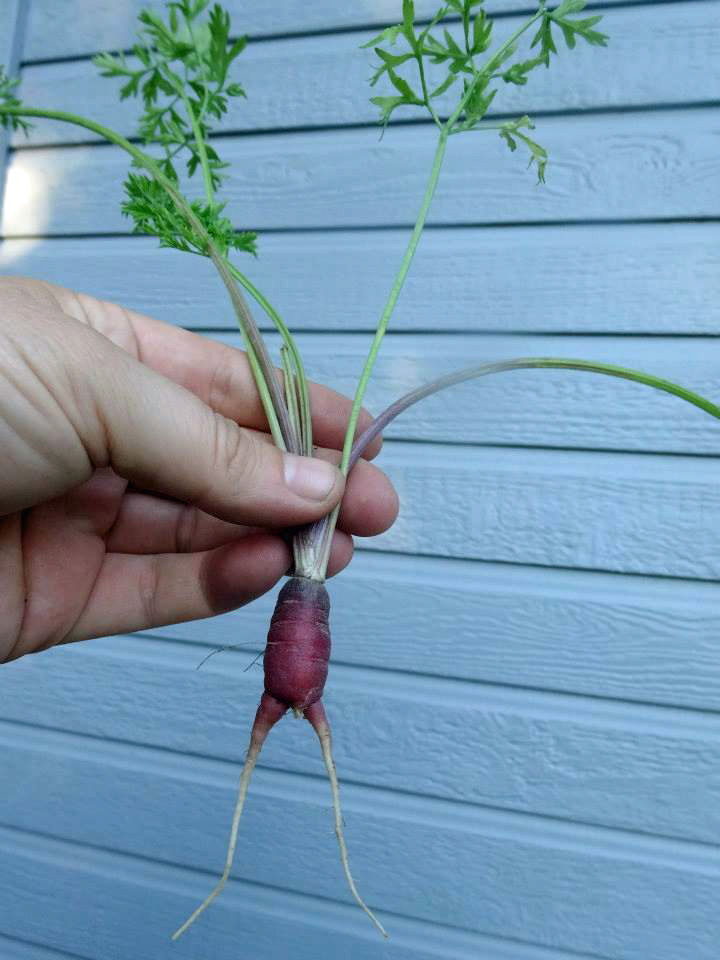
A miniature purple carrot with legs.
A miniature purple carrot with legs.


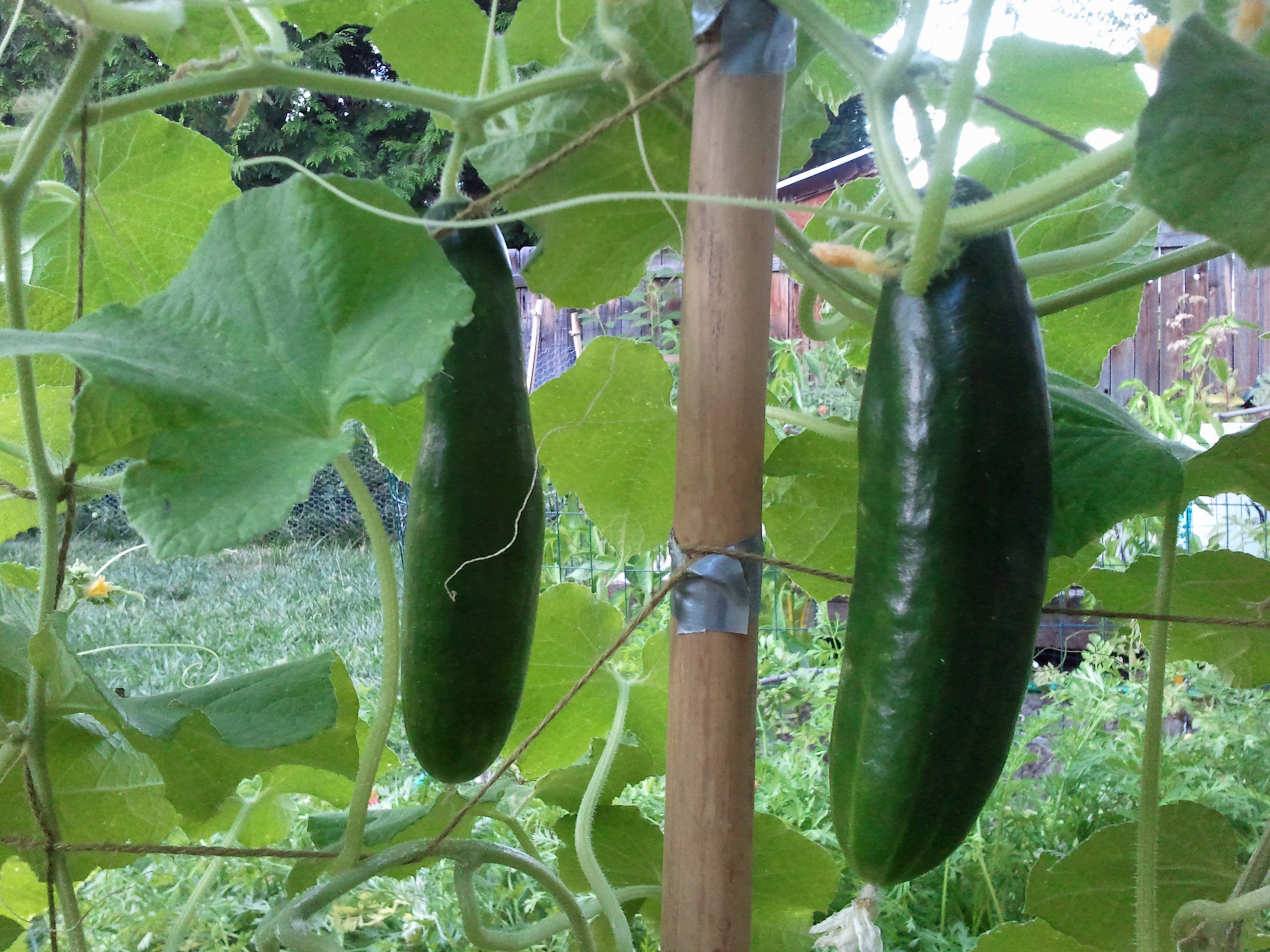
Two cucumbers hanging on a makeshift  trellis. I can't remember what variety they are. This why I need to remember to take better notes.

Two cucumbers hanging on a makeshift trellis. I can’t remember what variety they are. This why I need to remember to take better notes.
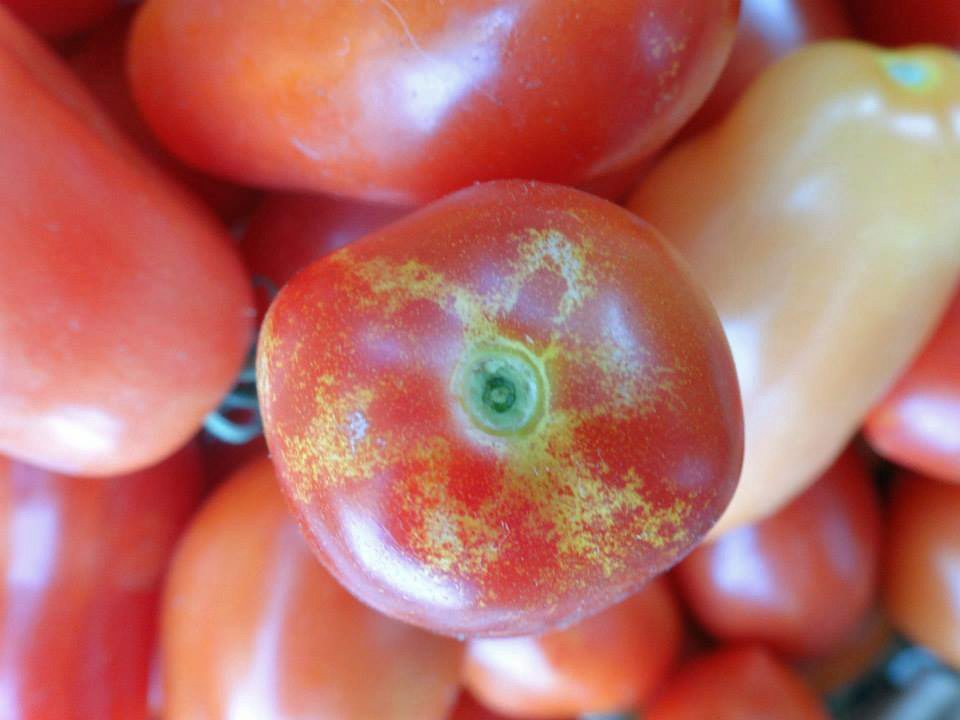
 

'San Marzano' Roma Tomato. We grew three other varieties of tomatoes along with this one.

‘San Marzano’ Roma Tomatoes. We grew three other varieties of tomatoes along with this one.


The flower of a 'Hong Hong' sweet potato. We haven't harvested these yet, so we're not sure what we're going to get. Sweet potatoes are not commonly grown in southern Idaho, so we're anxious to see how they do.

The flower of a ‘Hong Hong’ sweet potato. We have not harvested these yet, so we are not sure what we are going to get. Sweet potatoes are not commonly grown in southern Idaho, so we are anxious to see how they do.
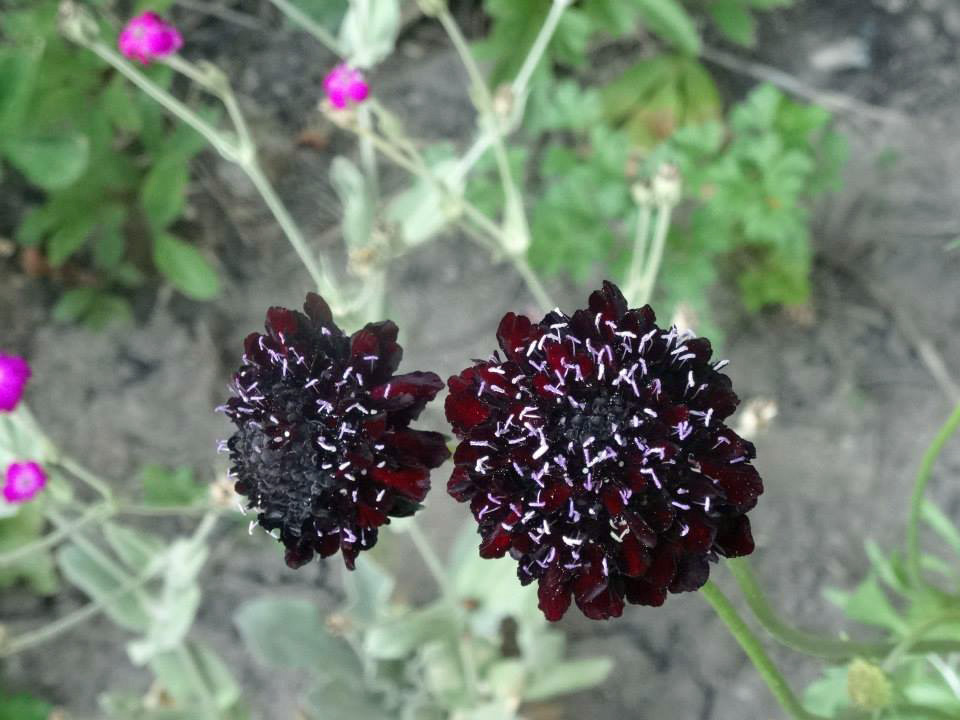
 

We grew lots of flowers, too. 'Black Knight' scabiosa (aka pincushion flower)was one of our favorites.

We grew lots of flowers, too. ‘Black Knight’ scabiosa (aka pincushion flower) was one of our favorites.
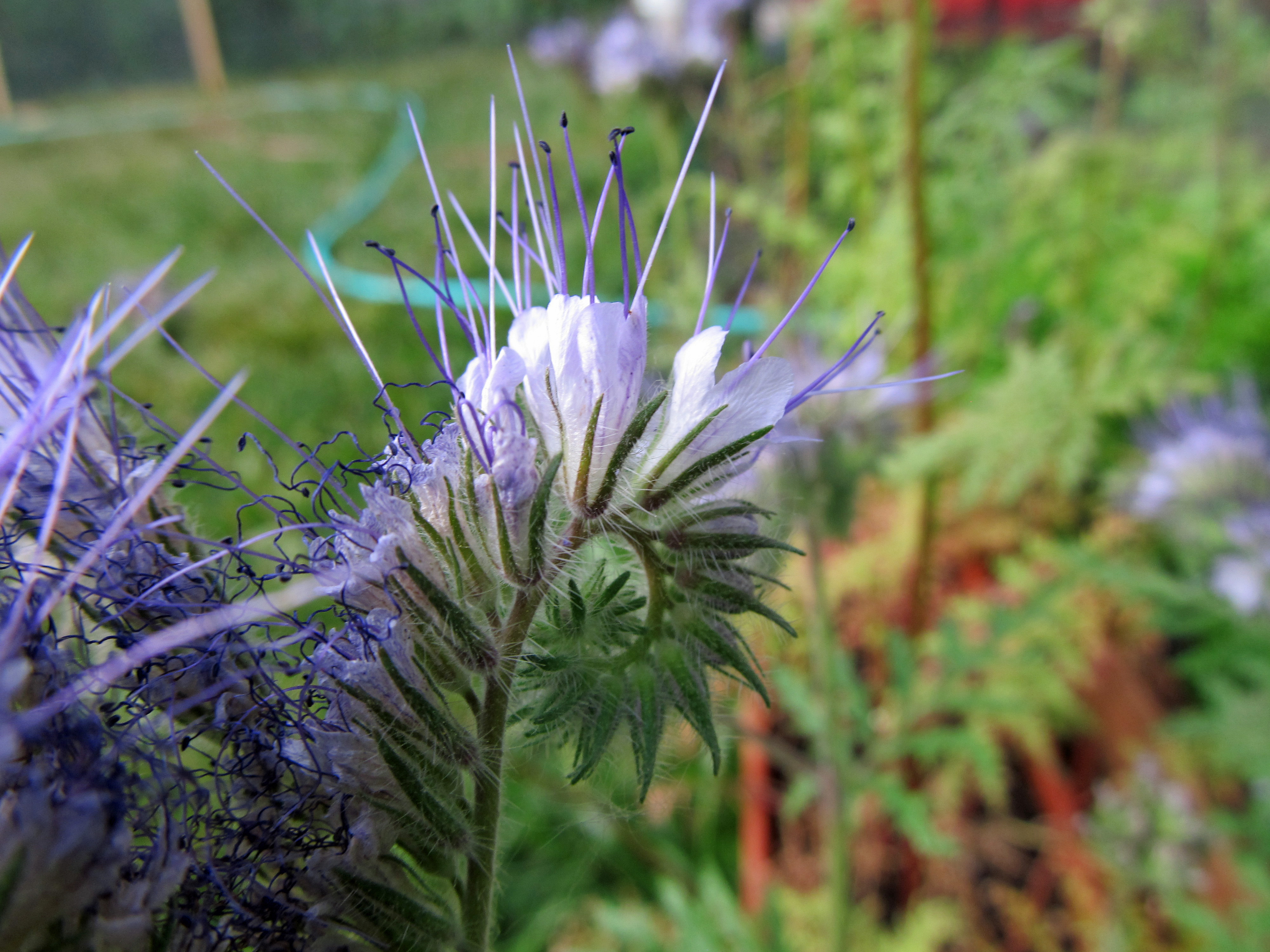
 

Some flower's we grew specifically for the bees, like this bee's friend (Phacelia hastate).

We grew some flowers specifically for the bees, like this bee’s friend (Phacelia tanacetifolia).
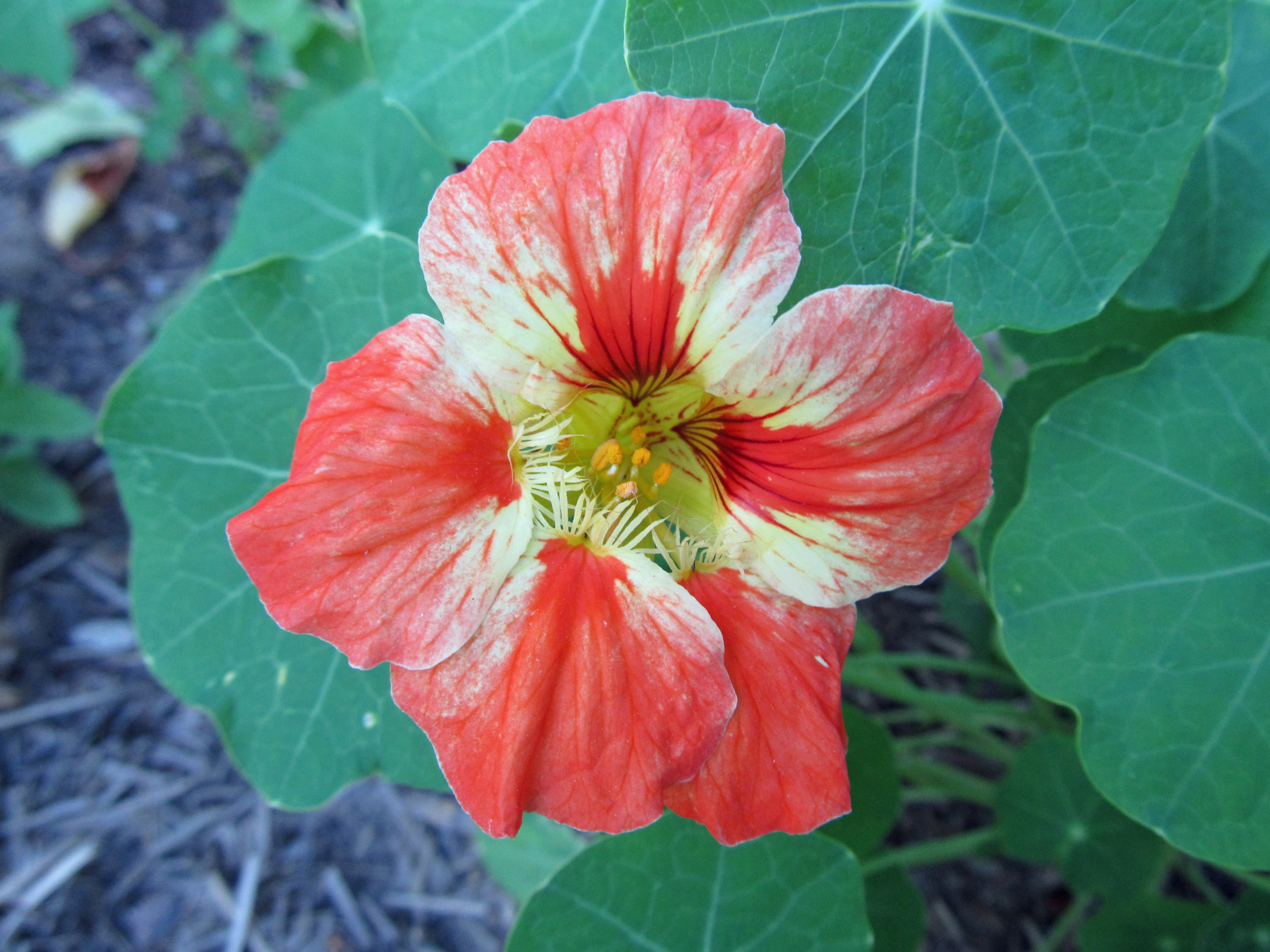
 

We grew other flowers for eating, like this nasturtium.
We grew other flowers for eating, like this nasturtium.


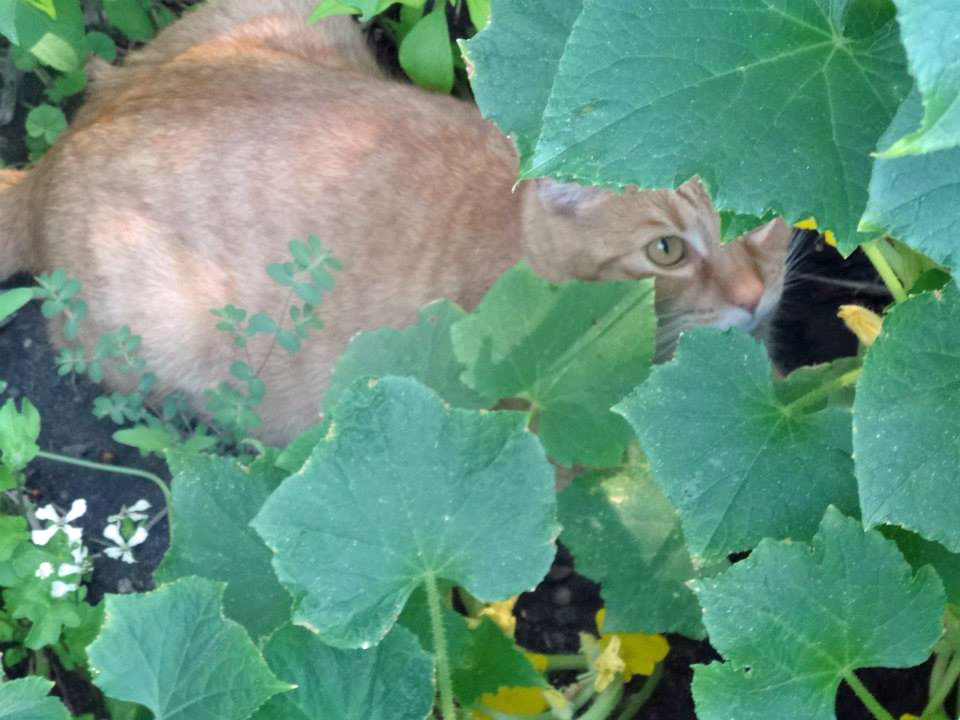
Even the cat loves being in the garden...

Even the cat loves being in the garden…

It has been an incredible year. “Abundant” is the best word that I can think of to describe it. We have learned a lot through successes and failures alike, and we are anxious to do it all again (and more) next year. Until then we are getting ready to settle in for the winter – to give ourselves and our garden a much needed rest. For more pictures and semi-regular updates on how our garden is growing, follow Awkward Botany on tumblr and twitter, and feel free to share your gardening adventures in the comments section below.
My Carrion Flowers

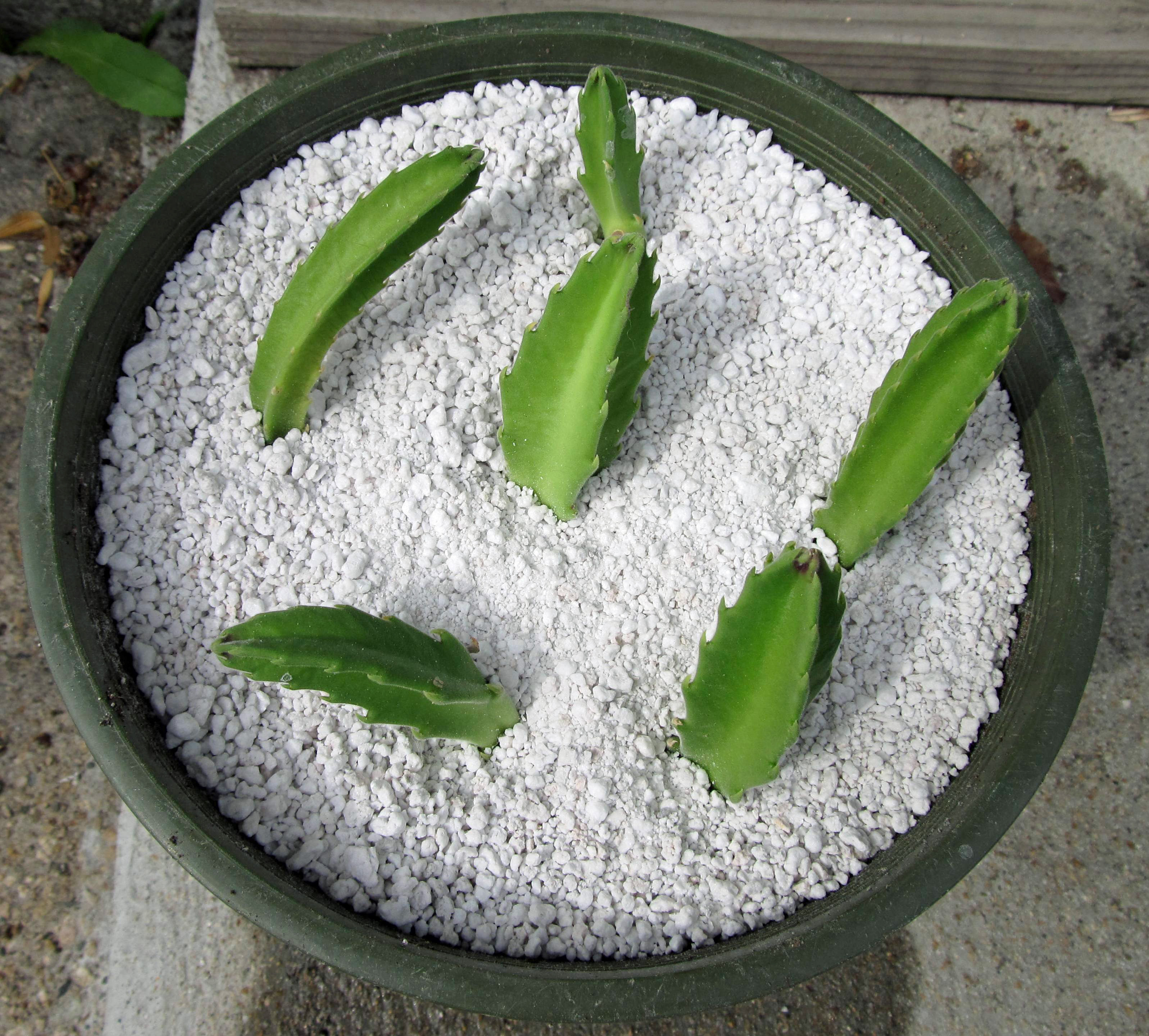
In April of last year, a box of stem cuttings arrived in my mailbox. They were sent to me by a friend in Colorado called Sandra (you may know her from one of her many ventures: Greenwoman Magazine, Greenwoman Publishing, Flora’s Forum, etc.). Sandra’s carrion flower had bloomed that spring, a stinky but delightful occasion. In her excitement, she asked if I would be interested in growing some carrion flowers of my own. Not one to turn down the chance to try my hand at cultivating something unusual, I gladly accepted her offer of a few cuttings sent via Priority Mail. Six cuttings arrived shortly thereafter, and upon reading through some instructions on the internet, I nestled them into their new home and hoped they would put down roots and stay a while.

carrion flower cuttings

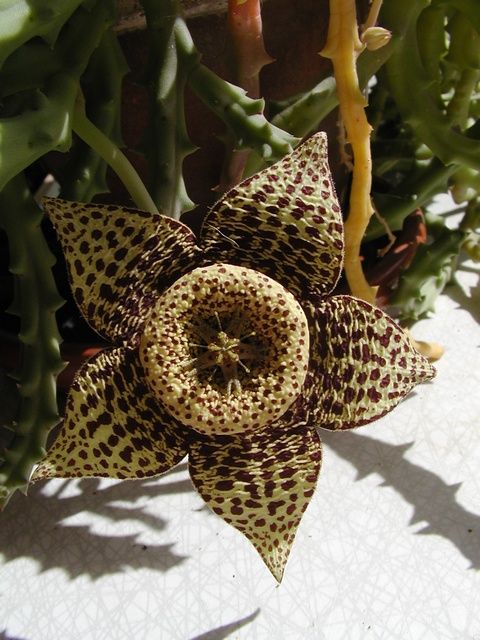
There are several species of plants that are referred to commonly as carrion flower. The plant parts I received from Sandra are in the genus Stapelia (family: Apocynaceae or dogbane family), also known commonly as African starfish flower. There are around 100 species in the genus Stapelia, and they all originate from tropical and southern Africa, mostly in arid regions.

Stapelias are short-lived, low-growing, perennial succulents. Their stems typically stand erect and are produced along stolons (above ground runners), creating a tight clump of stems that appear cactus-like. Each stem has 4-6 flattened vertical flanks, giving it a cross or star shape when looking down from the top. On the outside edges of the flanks are a series of rudimentary leaves protruding from tubercles (wart-like growths), giving the stems a spiny appearance. The stems are usually green but can also be red or mottled with red or purple.

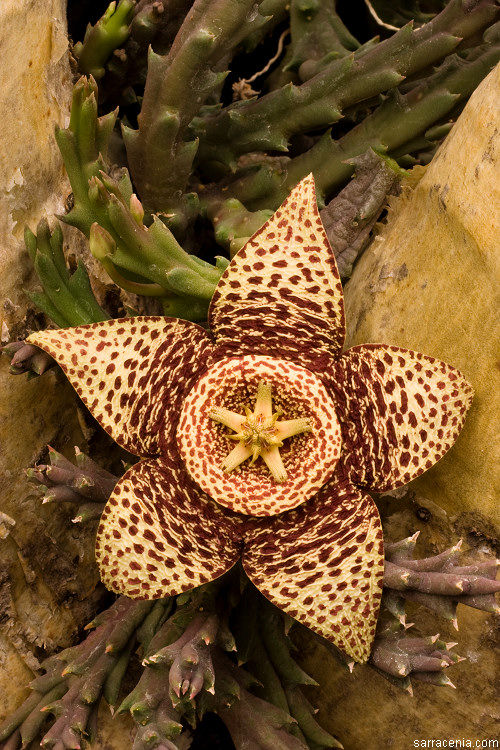
The flowers of Stapelia are the real show. They are produced at or near the base of the stem and have a star-shaped corolla with five fused petals that come to sharp points. The corolla has a wrinkly look and is often hairy, especially along the margins. Flowers can be variations of red, brown, yellow, and purple. In some species they can reach up to 18 inches wide. It is a unique looking flower, but even more unique is its scent. Because Stapelia flowers are pollinated by flies, they emit the scent of rotting animal flesh, an odor that flies can truly appreciate. In fact, flies can be so deceived by the appearance and scent of the flowers that they occasionally lay their eggs on or near them, expecting them to be a food source for their emerging larva.

Stapelia variegate (photo credit: eol.org)

Stapelia variegata (photo credit: eol.org)

Stapelia is easily propagated, especially by stem cuttings. Allow cuttings to dry in a cool, shady location for 48 hours and then stick them in a well-drained potting soil mix. Water moderately (preferably from below by placing the container in a tray and then filling the tray with water). Cuttings should root easily. All six of mine did.

Keep Stapelia in a sunny or mostly sunny location. If you live in USDA hardiness zone 9 or above, you can grow Stapelia outdoors. Otherwise, keep it indoors near a window that gets lots of sun. The main thing you will have to worry about is stem rot due to over watering. Grow Stapelia in a well-drained soil mix, water from below, and allow soil to dry out between waterings in order to avoid this.

Stapelia variegata (photo credit: eol.org)

Stapelia variegata (photo credit: eol.org)

As for me and my carrion flowers, like I said earlier, all six cuttings rooted. I transplanted one of them. Of the five left in the original pot, one rotted a couple weeks ago and another rotted during the writing of this post. The remaining ones still look healthy, but none of them have grown much since they rooted. The main problem I am having is that my house does not let in much sunlight. What appears relatively bright to me is probably cave-like to my carrion flowers. Until I remedy that situation, they may not grow much, they could continue to rot, and they probably won’t flower any time soon. However, if anything changes and I do get a flower out of them, I will make it a point to let you know. And Sandra will be proud.

stapelia today_edit


Drought Tolerant Plants: Blue Sage

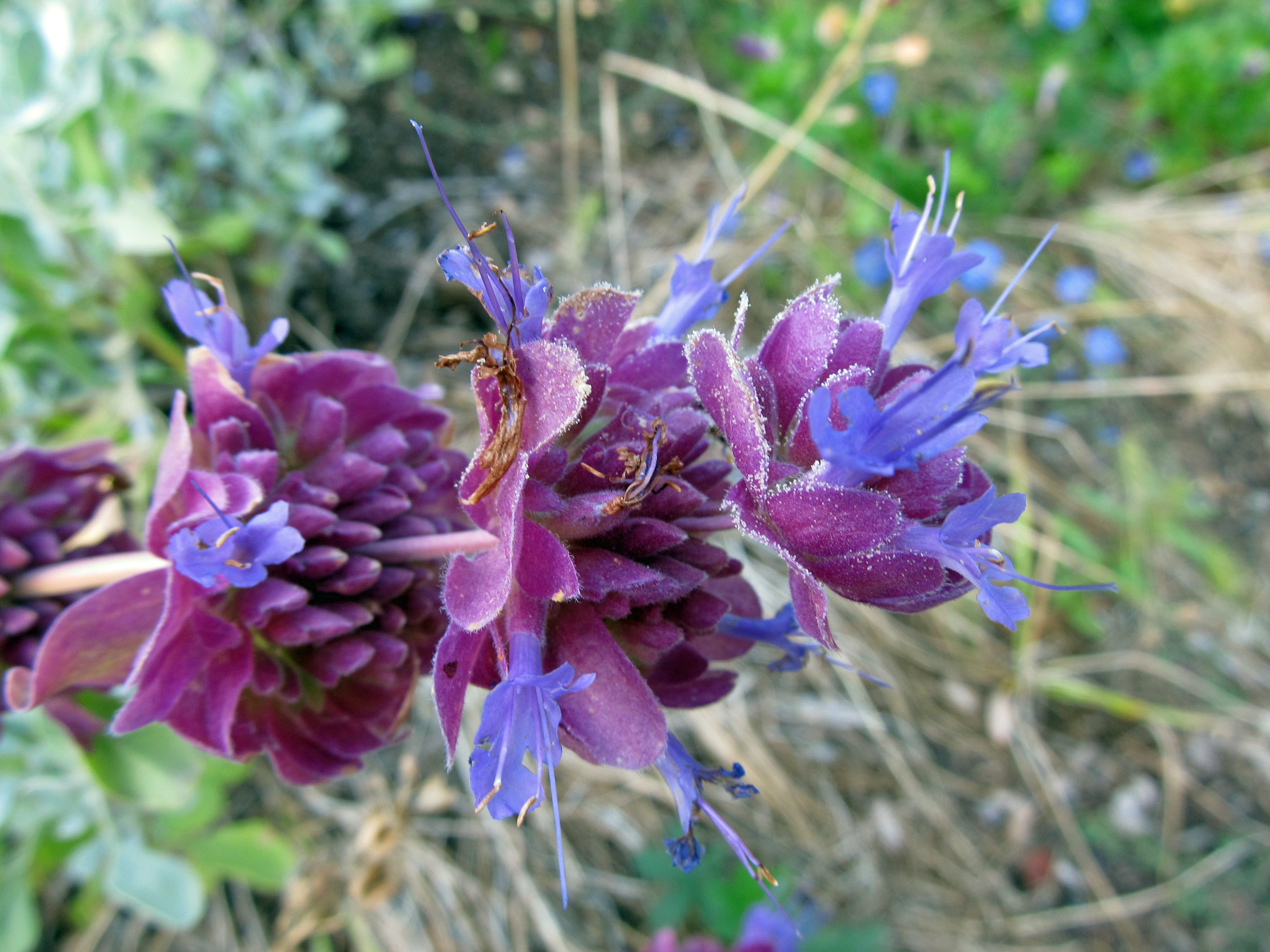
If you are considering installing a drought tolerant garden on your property or including more drought tolerant plants in your landscape, one plant that should come standard is blue sage. Its silvery-green foliage, large, abundant, purple-blue flower stalks, and attractive mounded shape, make it an excellent feature in any water-efficient garden bed.

salvia pachyphylla_edit 1

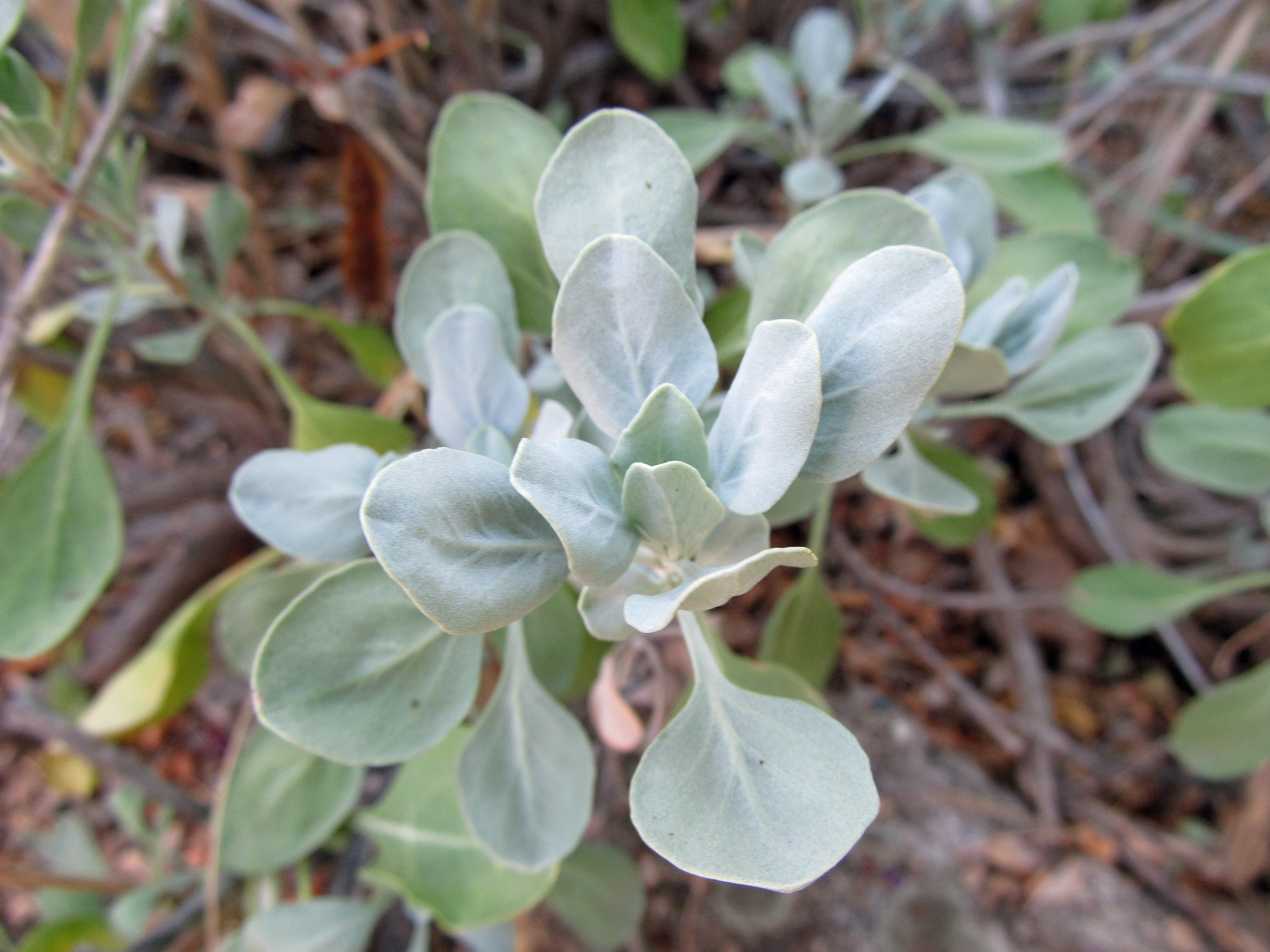
Salvia pachyphylla is in the mint family (Lamiaceae). It has several common names which it shares with several other plants: blue sage, Mojave sage, rose sage, mountain desert sage, giant-flower sage. For this post we will refer to it as blue sage; however, if you’re looking to purchase it, make sure to verify the botanical name. Blue sage is a subshrub that can grow up to 3 feet tall and 3 feet wide. It tends to remain smaller – around 1-2 feet tall – in its native habitat. It is found in the southwestern states of the United Sates on dry, rocky slopes and flats at elevations between 5,000 – 10,000 feet. The leaves are oppositely arranged and covered with fine hairs that lay tightly against the leaf surface giving the foliage its silvery appearance. Like all other sages, the leaves of blue sage are highly aromatic.

salvia pachyphylla foliage_edit

The flowers appear in compact clusters on spikes that extend upward from the branches. The inflorescences can be several inches long. They have numerous large, purple bracts that appear in a whorled pattern along the spike. The violet-blue flowers are small but prolific and appear between the bracts surrounding the stalk. Flowering occurs throughout the summer (July-September in its native range). The flowers attract droves of pollinators including bees, butterflies, and hummingbirds. Blue sage is especially beneficial to native pollinators. In fact, while taking photos for this post, I noted that the flowers were being visited by several bumblebees. Its benefit to pollinators is another great reason to include this plant in your landscape.

salvia pachyphylla_edit 2

Blue sage is a very drought tolerant plant. Once it is established it requires only occasional watering throughout the summer in order to keep it looking good. It performs well in a variety of soil types, but like most drought tolerant plants it is best placed in well drained soil. Heavy soils can be amended by mixing in things like sand, lava rock fines, and compost at planting time. It prefers full sun and is winter hardy to USDA hardiness zone 5, especially if planted in an area where the soil is relatively dry throughout the winter. Blue sage is a long lived plant and can be kept in shape by cutting back the spent flowers in the fall. The folks at Plant Select recommend planting blue sage with, among other things, penstemon, coreopsis, and creeping veronica.

Photos were taken at Idaho Botanical Garden in Boise, Idaho.

Feeding the World with Microbes

Back in the mid 1900’s, after the tragic days of the Dust Bowl in North America, new agricultural techniques and technologies were developed and distributed in the name of food security. These developments included higher yielding plant varieties, synthetic fertilizers and pesticides, and advancements in irrigation and other management practices. This period in time was termed the Green Revolution, and it truly was a remarkable time. Agricultural advancements that came out of this period have helped us feed the world and stave of starvation for millions of people. Today, issues of hunger and starvation are political problems, not necessarily agricultural ones. However, the human population continues to grow, and today’s 7 billion people is projected to reach up to 10 billion (or more) in the coming decades. The world’s best farmland is either already in use, degraded, or being used for other things. This means that we must find a way to feed a growing population with the diminishing farmland that is available. We may be producing enough food now (despite the distribution problem), but will we be able to produce enough in the future? The hunt for the Green Revolution 2.0 is on.

“According to the [UN’s Food and Agriculture Organization], most of the growth in production…has to come from increasing yields from crops. Selective breeding doesn’t seem to be offering the types of dramatic yield increases seen in the past. Meanwhile, genetic engineering has yet to lead to any significant increase in yields. Now, many scientists are saying that we’ve been looking at the wrong set of genes.”

These are the words of Cynthia Graber, author of an article that appeared last month on PBS Online’s NOVANext entitled, “The Next Green Revolution May Rely on Microbes.” In it she explores the argument that increasing future yields will depend on better understanding the soil’s microbial community and its complex interaction with the plant community. The big question: if microbes can be artificially bred – the same way virtually all agricultural plants have been – might they help us increase food production?

Microbial life in the soil is incredibly diverse. In one teaspoon of soil, there can be millions of individual microbes including bacteria, fungi, protozoa, algae, and nematodes. Our current understanding of soil life is extremely limited, akin to our understanding of outer space and the depths of the oceans. That is because, as stated in Graber’s article, “perhaps 1% of all soil microbes can be grown in a petri dish, the conventional model for such research.” This limits our ability to study soil microbes and their interactions with other living things. We do, however, acknowledge that the interactions between the roots of plants and soil microbes is incredibly important.

Fruiting Body of an Ectomycorrhizal Fungus (photo credit: eol.org)

Fruiting Body of an Ectomycorrhizal Fungus (photo credit: eol.org)

One major player in these interactions is a group of fungi called mycorrhizae. “Mycorrhizal fungi cannot survive without plants, and most plants cannot thrive without mycorrhizal fungi.” It is a symbiotic relationship, in which the fungi offer plants greater access to water and nutrients, and plants feed sugars derived from photosynthesis to fungi. Recent advancements in genetics have allowed researchers to better analyze the genes in microbes like mychorrizal fungi and determine the functions of them. Through selective breeding, microbes can be produced that will offer even greater benefits to plants, thereby increasing yields. For example, some microbes help plants tolerate heat and drought. Isolating the genes that give microbes these abilities, and then breeding these genes into other microbes might allow for a wider palette of plants to receive this kind of assistance.

In researching this article, Graber followed a Swiss researcher to Colombia where he was testing lines of mychorrhizal fungi on cassava. The fungi were specifically selected to increase a plant’s access to phosphorous. This is one of many experiments that are now under way or in the works looking at specially bred microbes in agricultural production. It’s an exciting new movement, and rather than spoil too much more of Graber’s article, I implore you to read it for yourself. Share any comments you may have in the comment section below, and expect more posts about plant and microbe interactions in the future.

Cynthia Graber appeared at the beginning of a recent episode of Inquiring Minds podcast to talk about her article. I recommend listening to that as well.

Corpse Flower Blooms Again

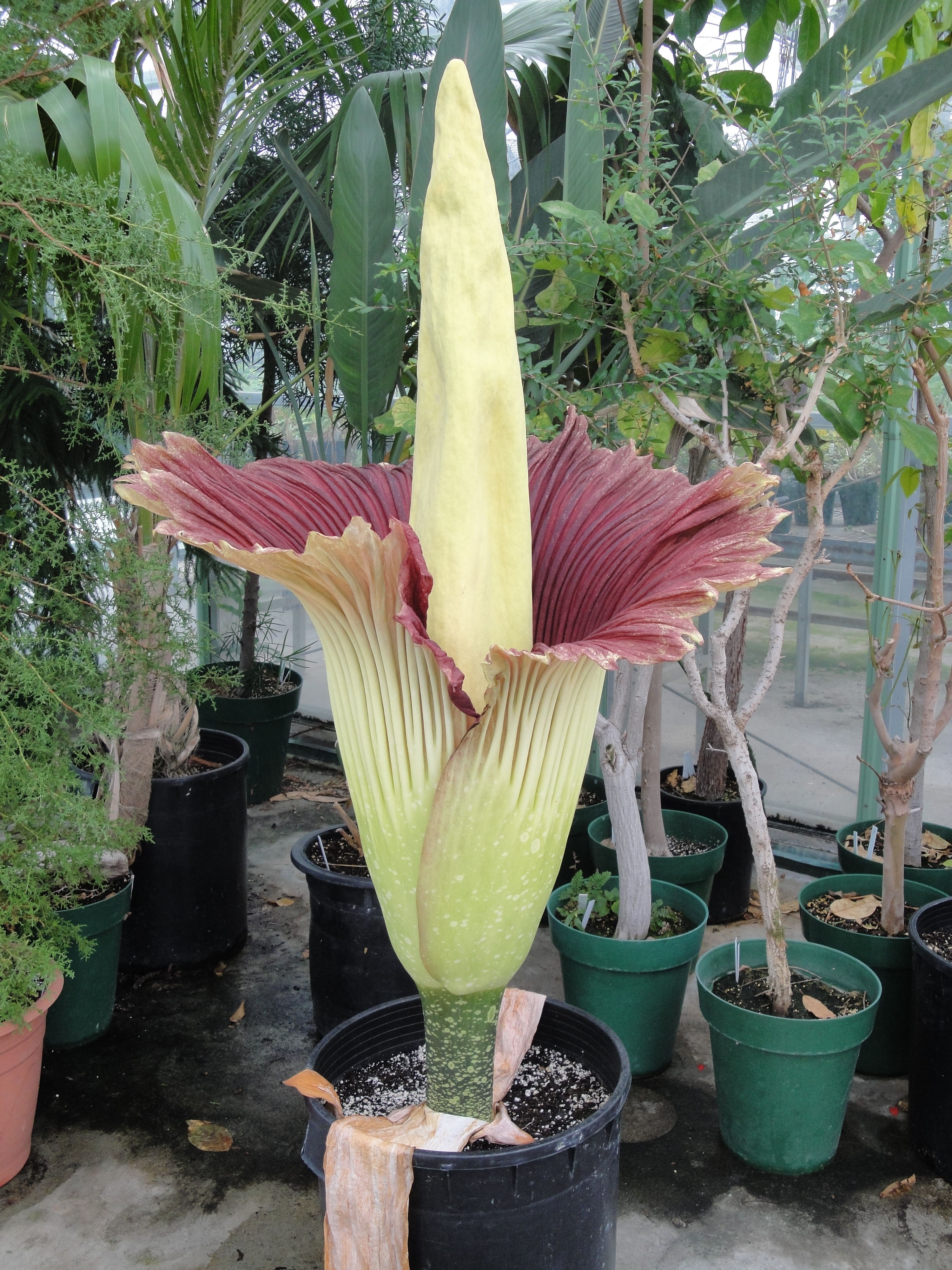
It is not often that a plant in bloom makes headlines, but that is precisely what happened last week when another corpse flower bloomed at Missouri Botanical Garden. Amorphophallus titanum, commonly known as titan arum or corpse flower, is a rare species, both in cultivation and in the wild. It also rarely flowers, and when it does, the bloom only lasts for a few short days. It has the largest known unbranched inflorescence, and its flowers give off the scent of rotting flesh. For all these reasons, it is understandable why a blooming corpse flower might make the news.

Titan arums naturally occur in the western portion of an Indonesian island called Sumatra. Their future is threatened because they occur in rainforests that are currently being deforested for timber and palm oil production. Deforestation is also threatening the survival of the rhinoceros hornbill, a bird that is an important seed distributor of titan arums. Today there are a few hundred titan arums in cultivation in botanical gardens throughout the world. They are a difficult species to cultivate, but their presence in botanical gardens is important in order to learn more about them and to help educate the public about conservation efforts.

Amorphophaulls titanium, titan arum (photo credit: eol.org)

(photo credit: eol.org)

Titan arums are in the arum family (Araceae), a family that consists of around 107 genera including Caladium (elephant ears), Arisaema (jack-in-the-pulpits), and Wolffia (duckweeds), a genus that wins the records for smallest flowering plant and smallest fruit. Titan arums are famous for their giant inflorescence, which can reach more than 10 feet tall. The flowering stalk is known botanically as a spadix, a fleshy stem in the shape of a spike that is covered with small flowers. The spadix of titan arums are wrapped with a leaf-like sheath called a spathe. Upon blooming, the temperature inside the spathe rises and the flowers begin to release a very foul odor, similar to the smell of rotting flesh. This attracts pollinating insects such as carrion beetles, sweat bees, and flesh flies, which get trapped inside the sheath and covered with pollen. After a few hours the top of the spadix begins to wither, allowing the insects to escape, off to pollinate a neighboring corpse flower [the spadix includes male and female flowers, which mature at different times in order to prevent self-pollination]. Once pollinated, the flowers begin to form small red fruits which are eaten by birds. The seeds are then dispersed in their droppings.

The large, stinky inflorescence is not the only structure that gives titan arums their fame. They are also known for their massive single leaf, which can reach up to 20 feet tall and 15 feet wide, the size of a large shrub or small tree. All of this growth is produced from an enormous underground storage organ called a corm. The corms of mature titan arums typically weigh more than 100 pounds, with some known to weigh more than 200 pounds. Titan arums bloom only after the corms have reached a mature size, which takes from seven to ten years. After that they bloom about once a year or once every other year, depending on when the corm has accumulated enough nutrients to support the giant flowering structure.

Below are two time lapse videos of titan arums in bloom. The first is from Missouri Botanical Garden, and the second is from United States Botanic Garden.


Do you like what you see here? If so, please share Awkward Botany with your friends. Use any form of social media you favor. Or just tell someone in person…the old fashioned way. However you do it, please help me spread the word. Awkward Botany: for the phyto-curiosity in all of us.

Square Foot Rooftop Gardening

Square foot gardening is a method of gardening that was described and popularized by Mel Bartholomew. The basic concept is simple: measure out your garden beds into equal squares (4 feet by 4 feet) and then plant individual crops into each square following specific spacing recommendations for each crop. The square foot method is intended to eliminate the inefficiencies of standard row planting, making vegetable crops easier to plant, maintain, and harvest. Bartholomew’s book about square foot gardening was first published in 1981. From that book came a television series on PBS, various other books and updated versions of the original book, a square foot gardening product line, and the Square Foot Gardening Foundation.

As a long time gardener, I had been familiar with Bartholomew’s book and its basic premise for a while but had never read it until recently. I found the book to be basically what I expected: a description of how to garden in squares instead of rows. I can see how this system could be very simple, attractive, and efficient while simultaneously producing decent sized yields; however I felt like Bartholomew’s description of the process made gardening into a very methodical, calculated, and meticulous task bordering on joyless. I’m sure that’s not how he sees it (nor how it really is), but then again, he’s a retired engineer [insert smiley face here].

For a long time I’ve had an interest in green roofs. I even went to graduate school to study them. So when I got to the part in Bartholomew’s book where he talks about square foot gardening on rooftops, I was intrigued. Green roofs (along with rooftop vegetable gardening) have become fairly common in urban areas in the past decade or two. And for good reason. Green roofs offer myriad benefits including mitigating storm water runoff (and the numerous sub-benefits involved with that), reducing the urban heat island effect, increasing a building’s energy efficiency, and re-introducing green space and wildlife habitat that was lost when a building was built.

Vegetable gardening on rooftops is a practical solution for residents of urban areas where space for gardens on the ground is limited. Restaurants – like Noble Rot in Portland, Oregon and Café Osage in St. Louis, Missouri – have found that they can grow some of the produce and herbs they need on their rooftops while simultaneously setting themselves apart from other restaurants. There are also a few urban farming operations on rooftops (Brooklyn Grange and Eagle Street Rooftop Farm for example). Michigan State University (an institution with one of the most prominent green roof research labs in the U.S.) has a research program dedicated to improving rooftop vegetable crop production. So with this recent trend of growing food on rooftops, I was curious to read what Bartholomew was saying about the subject more than thirty years ago, back when green roof vegetable gardening was less than mainstream.

The reality is that square foot rooftop gardening gets only a brief mention in Bartholomew’s book (at least in the first edition – perhaps he has more to say about it in more recent editions), but what he does have to say is relevant.

Rooftops are windy:

“Stay away from plants that grow tall, have delicate stems, or that might be blown over when they are mature and filled with ripening fruit…The wind can be unmerciful to a plant; it whips the leaves about and can dry out the plant in short order.”

Rooftops are hot:

“The other big consideration for rooftop growing is heat buildup…These conditions will naturally affect both the frequency and amount of watering the garden will need.”

Rooftops have weight limits:

“The soil in your rooftop garden should be as light and porous (yet still be water retentive) as possible. Mix in lots of vermiculite and peat moss.”

Each of these three considerations (wind, heat, and weight) continue to be considerations for any vegetated roof whether it includes vegetable crops or not. Yet people are figuring out how to overcome these obstacles, constructing and maintaining incredible rooftop gardens that are both productive and beneficial.

Rooftop Garden - Manhattan, New York ( photo credit: wikimedia commons)

Rooftop Garden – Manhattan, New York ( photo credit: wikimedia commons)

In future posts, I intend to elaborate more on this topic, profiling individuals, groups, and organizations that are making this sort of thing happen. Comment below and share something about your favorite rooftop garden and/or recommend a rooftop garden that should be profiled in an upcoming post.

Drought Tolerant Plants: An Introduction

Water is a precious natural resource and an essential element for life on earth. Demand for water increases dramatically as human population grows and fresh water sources become polluted. Awareness of our reliance on water is especially heightened during times of drought, like the one that California residents are currently experiencing. Some regions of the planet are inherently dry. The region where I live (Boise, Idaho) receives on average about 12 inches of precipitation annually. Compare that to a place like Pensacola, Florida which receives around 65 inches annually, or El Paso, Texas which is lucky to get around 8 inches of rain a year. So whether it is out of necessity (enduring a drought or living in a dry climate) or simply the desire to be a responsible citizen of planet earth, many people are choosing to incorporate more drought tolerant plants in their landscapes in an effort to conserve water.

In the early 1980’s, landscaping with drought tolerant plants was given the name xeriscaping by the Denver, Colorado water department. These days terms like water-wise gardening and water efficient landscaping seem to be more popular. The initial vision that many people may have of a landscape planted with water efficient plants is one filled with desert plants like cacti, yuccas, and other succulents along with drab shrubs like sagebrush. While landscapes like these can actually be quite attractive (see Plantasia Cactus Gardens), modern water-wise gardens do not have to be so cacti-centric. As interest in water efficient plants has grown in recent years, the horticulture industry has been busy introducing a wide variety of plants that are not only drought tolerant but are lush, green, and full of color.

Plantasia Cactus Gardens -Twin Falls, Idaho

Plantasia Cactus Gardens – Twin Falls, Idaho

Plants that live in regions with frequent or extended droughts are called xerophytes. They have developed a variety of mechanisms that allow them to survive and even thrive in these regions. Ecologists call these mechanisms strategies, or sets of coordinated adaptive traits. In future posts I intend to profile specific drought tolerant plants so that we can get to know them on a more individual basis. For now I will provide a brief overview of the strategies plants use to cope with low water environments.

-Alternate Photosynthetic Pathways: Conventional photosynthesis is inherently inefficient when temperatures are high and water availability is low. Plants that evolved in hot and/or dry environments have developed alternate photosynthetic pathways in order to overcome these inefficiencies. These alternate pathways involve utilizing a different protein to fix carbon, splitting the photosynthetic process into two separate cells, and collecting carbon dioxide at night then converting it to sugars during the day. Learn more about the different photosynthetic pathways here.

-Drought Avoidance: Many desert plants live most of their lives as seeds hanging out on the desert floor waiting for rain. These are seeds of short-lived annual plants that sprout and grow when the rainy season comes around. They flower and set seed and are gone by the time the dry season returns. Birdcage evening primrose (Oenothera deltoides) and desert sand verbena (Abronia villosa) are examples of these desert ephemerals.

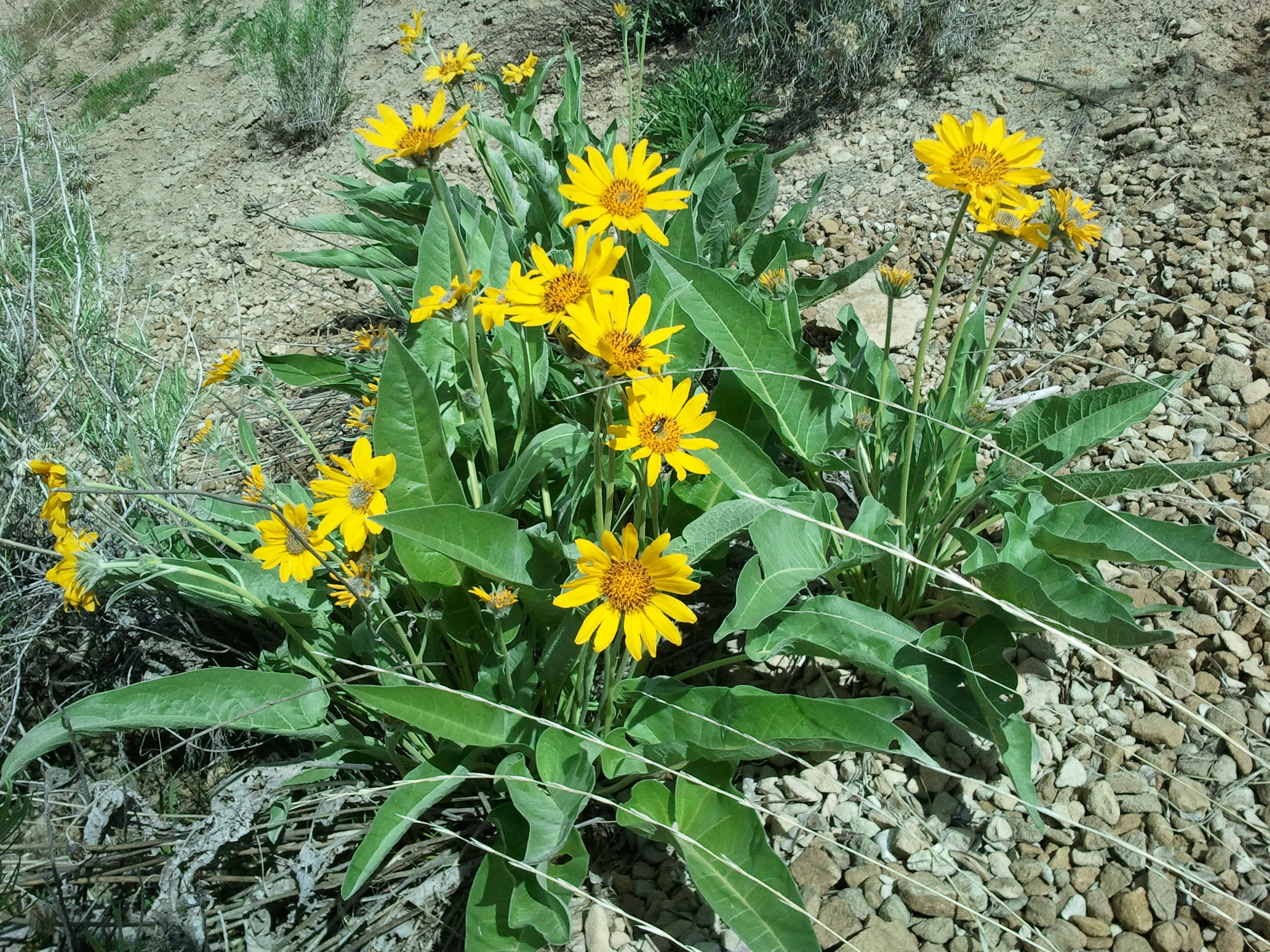
-Drought Dormancy: Some desert trees and shrubs shed their leaves during dry periods, and then put out new leaves when rains return. This is called drought deciduous. Other desert plants live out the dry season as fleshy roots or underground stems, putting out foliage only when conditions are favorable. Arrowleaf balsamroot (Balsamorhiza sagitatta) is a good example of this; it spends much of the year as a taproot with little or no sign of its existence above ground.

Arrowleaf Balsamroot - Balsamorhiza sagittata

Arrowleaf Balsamroot – Balsamorhiza sagittata

-Physical Adaptations: Desert plants have many physical adaptations that allow them to survive in hot, dry climates. The thick, fleshy leaves of cacti and other succulents store water for future use. The roots of some desert plants are shallow but horizontally extensive in order to capture water more effectively when rains come. The roots of other desert plants extend deep into the ground, some (like the roots of mesquite, Prosopis spp.) even reach as deep as the water table. Palo verdes (Parkinsonia spp.) are drought deciduous trees or shrubs that have photosynthetic bark that can keep photosynthesizing even when leaves are not present. Other adaptations include small leaves, hairy leaves, dull colored leaves, and waxy leaves all of which help to reduce water loss and improve the efficiency of photosynthesis.

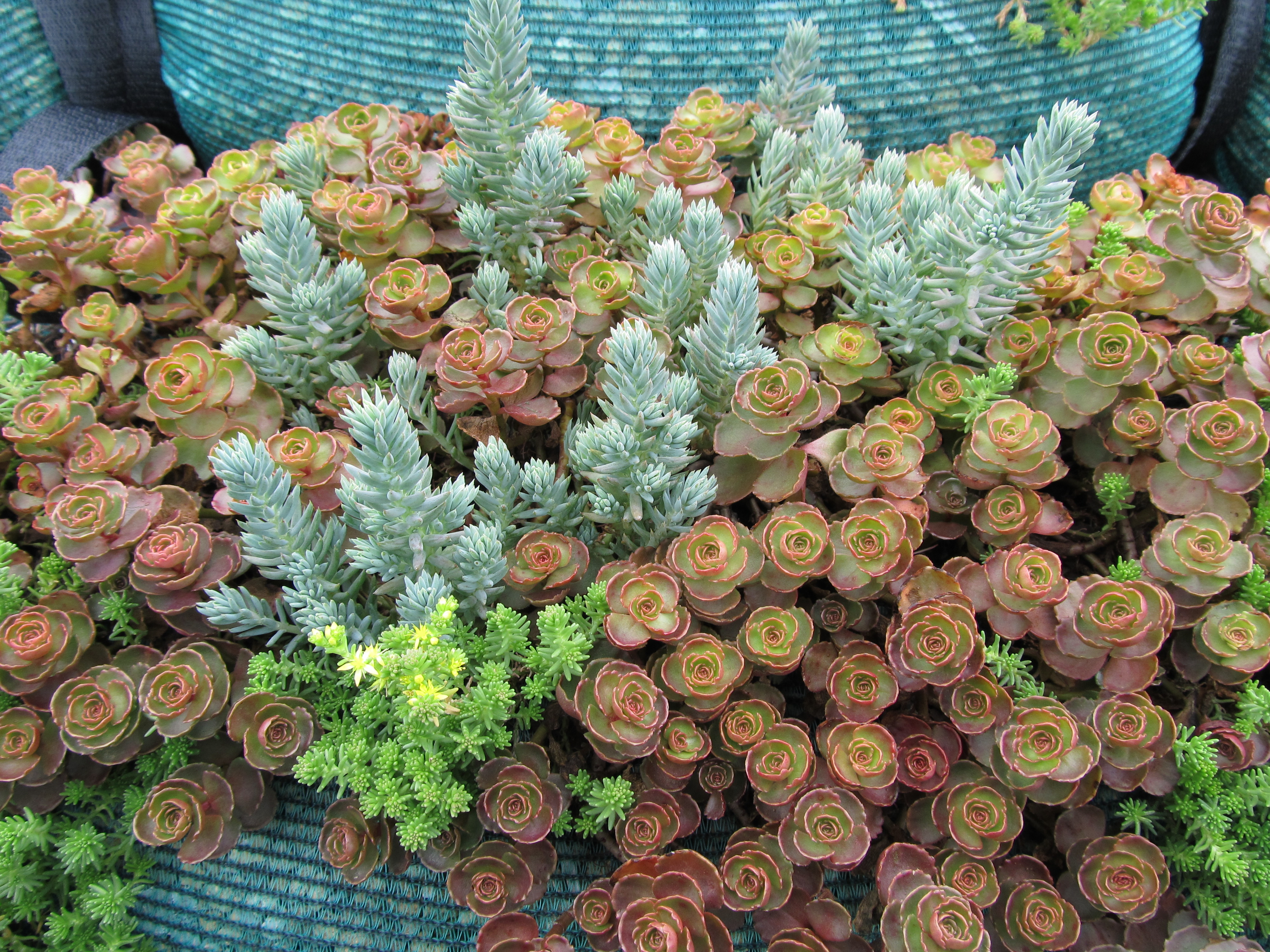
Drought tolerant sedums (Sedum spp.) with their shallow roots and succulent leaves are ideal for use on green roofs where temperatures are often high and water is limited.

Drought tolerant sedums (Sedum spp.) with their shallow roots and succulent leaves are ideal for use on green roofs where temperatures are often high and water is limited.

Learn more about how plants cope in low water environments from Arizona-Sonora Desert Museum.


Ground Nesting Bees in the Garden

Earlier this year I wrote about planting for pollinators. In that post I briefly introduced various things that people can do to encourage pollinator activity in their yards and gardens. One thing that I mentioned was the importance of providing nesting sites. Most pollinators are insects and insects are small, so the distance that they are able to travel in search of food is relatively limited. According to the Xerces Society, the smallest bees can only fly a few hundred feet from their nests. Providing nesting sites in close proximity to foraging sites is incredibly important.

Roughly 70% of native bee species in North America are ground nesting bees, so chances are pretty good that if you are providing forage for bees in your yard, a good number of the bees that visit will be ground nesting bees. In order to ensure the survival of these bees, consider providing nesting habitat for them on your property.

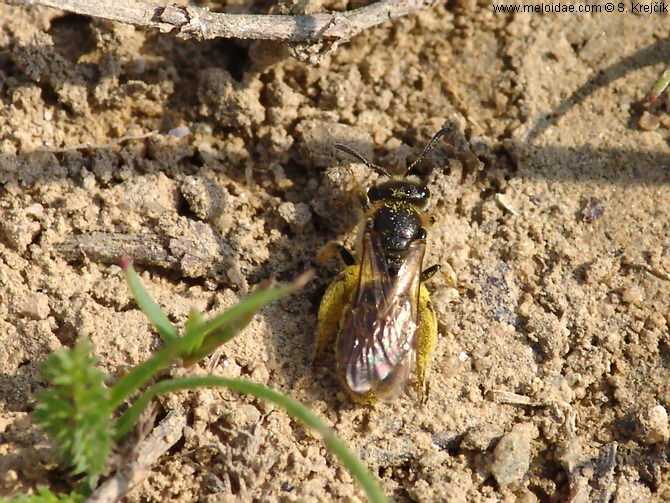
ground nesting bee_lasioglossum

Lasioglossum leucozonium – a North American ground nesting bee (also known as a sweat bee) – photo credit: www.eol.org

Here are a few things to keep in mind when developing nesting habitat for ground nesting bees:

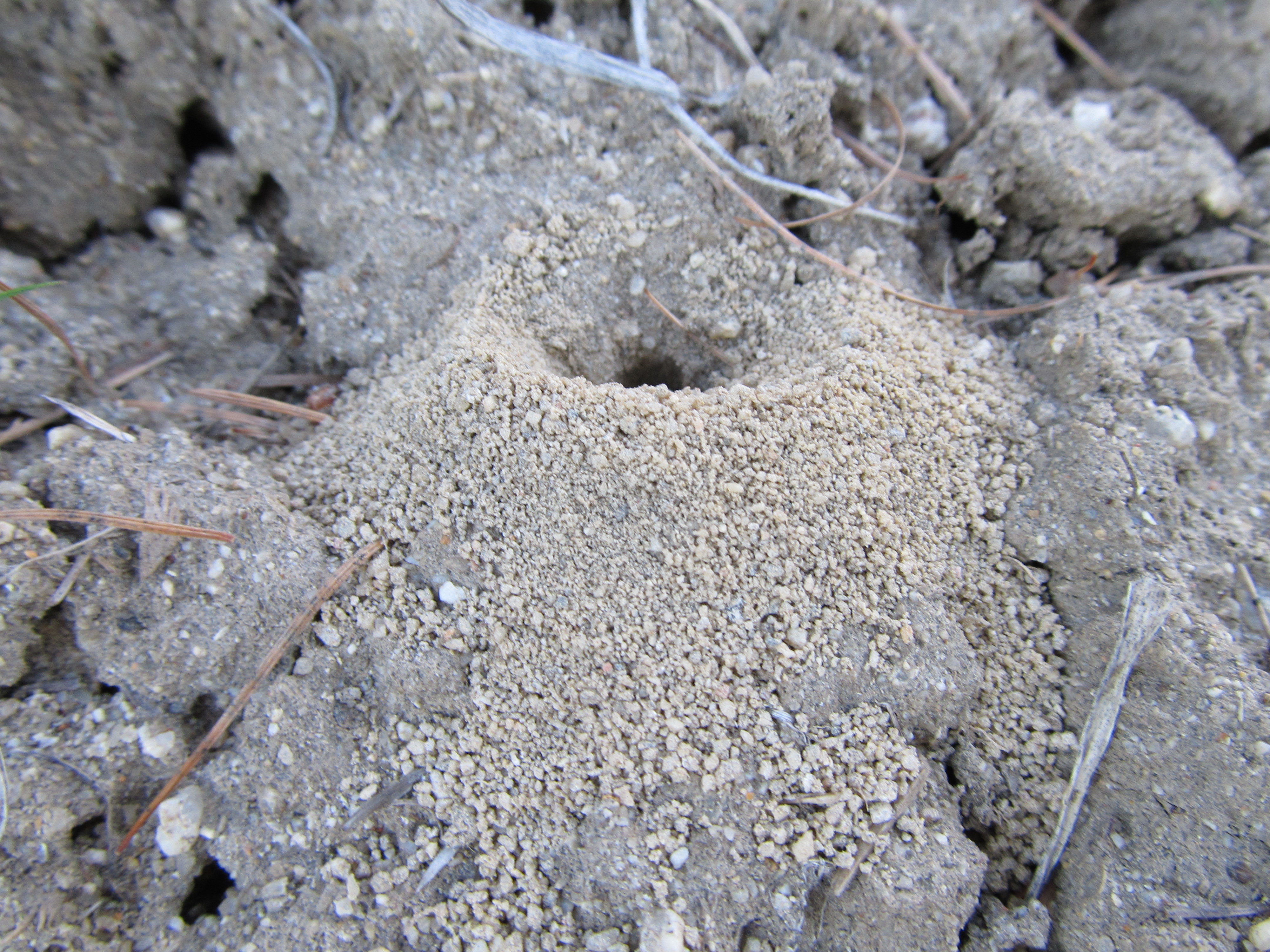
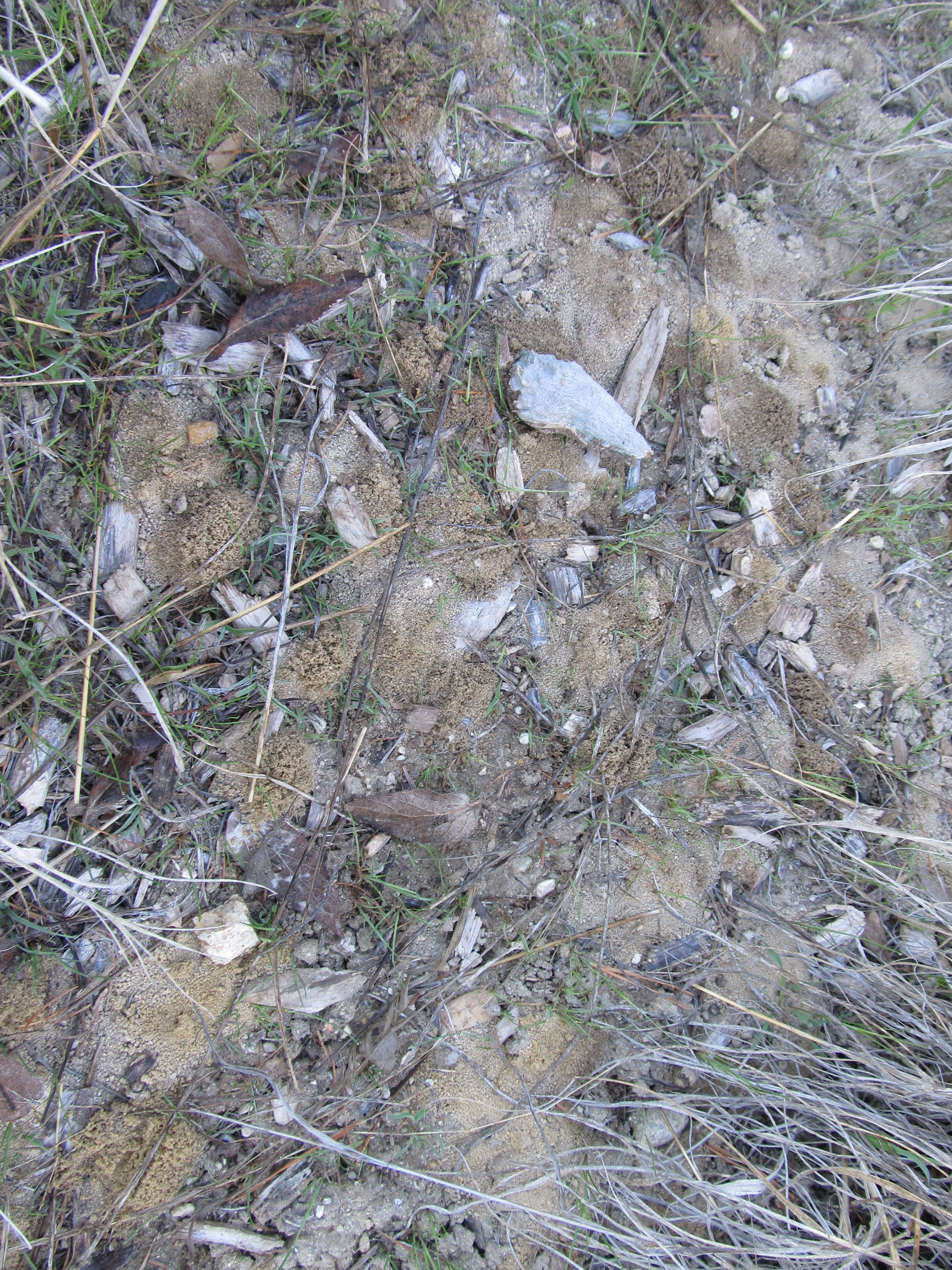
Create and Maintain Undisturbed Bare Ground: You may already have ground nesting bees living in your yard and you don’t even know it. Obvious evidence of nests is difficult to spot. If you can find tunnel entrances, they will look like small ant mounds. If you find a series of small “ant mounds”, watch for bee activity during sunny times of the day. Activity can be quite ephemeral though, so it is difficult to know if bees have just moved in or if they have moved on. Avoid tilling up soil and walking through areas where you suspect or intend for bee activity. Leave patches of bare ground unplanted and unmulched in order to encourage bees to nest there.

Sunny and South Facing: Bees are most active when the sun is shining and temperatures are warm. For this reason they tend to build their nests in warm, sunny spots. However, warm, sunny spots are also the best locations for many plants. Consider sharing these sites with ground nesting bees. Avoid putting down mulch in these areas and keep vegetation sparse and minimal.

Avoid Pesticides: When encouraging pollinator activity in your yard and garden, it is best to avoid using pesticides as much as possible. Herbicides kill potential food sources. Insecticides can kill pollinating insects along with pest insects. And soil fumigants can harm ground nesting bees.

Provide Some Accommodations: Due to the diversity of ground nesting bees, it is difficult to provide nesting habitat for all potential species. Some prefer loose, sandy soil while others prefer smooth, packed ground. Some bees will nest on level ground, while others prefer sloped ground. The habitat you are able to provide will depend on the conditions present on your property. Some modifications can be made, but this all depends on the resources available to you and how particular you want to get. Apart from maintaining a patch of undisturbed, unmulched, south facing ground, there are three additional things that you can offer ground nesting bees to make them feel more at home on your property: food (in the form of diverse flowers blooming throughout the growing season), a water source (in the form of a birdbath or something similar), and a few rocks for the bees to perch on and warm their tiny bodies.

IMG_0777

The tunnel entrance of a ground nesting bee.

IMG_0779

Tunnel entrances are often found in groups in areas of bare ground mixed with patchy vegetation.

The Real Dirt on the Hudson Valley Seed Library

Last month on Ken Druse Real Dirt podcast, Druse talked to Ken Greene, the founder of  Hudson Valley Seed Library. Greene came up with the idea for a seed library while working as a public librarian. The concept: people check out seeds from the library, they plant those seeds in their gardens, they save some of the seeds from the plants they’ve grown, and then they return the saved seeds to the library, at which point the seeds are available for someone else to check out and do the same. Greene started his seed library at the public library where he worked. He soon discovered the great need for educating the public about seed saving, and so he quit his day job and founded his own seed company. Along with carrying on Greene’s original vision of a seed library, Hudson Valley Seed Library is a producer and distributor of seeds, as well as a great resource for information concerning seed saving and other farm and garden related topics (just check out their blog to see proof of this).

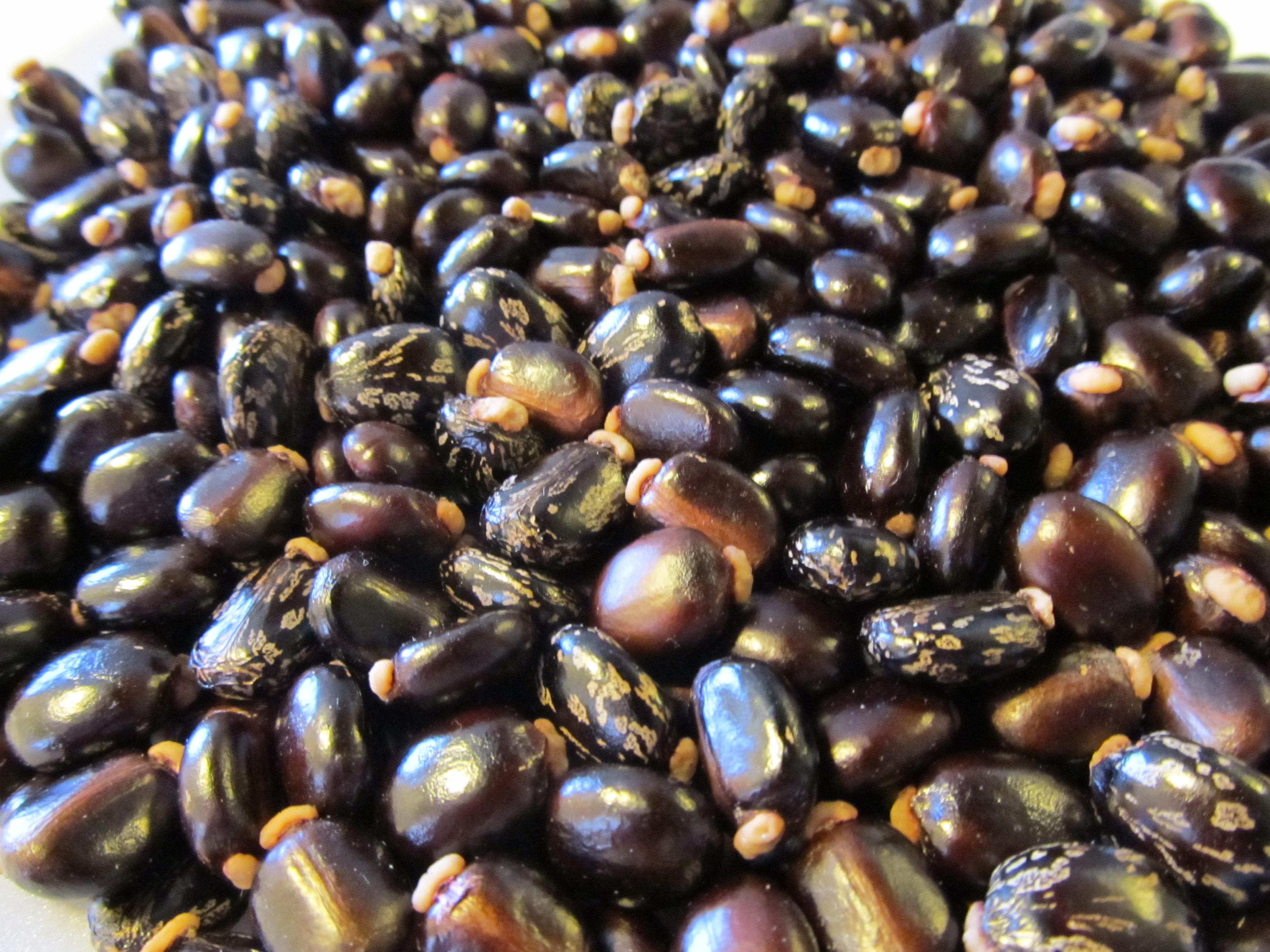
IMG_0763

Castor Bean Seeds (Ricinus communis)

When Greene first started his seed library, there were very few others. But the idea is catching on. Perhaps you have one in your region. My local seed library is called Common Wealth Seed Library. And speaking of local, in the interview with Druse, Greene talks about local seed growers. They used to be common, but many were bought up by larger companies. However, they are making a comeback. My local seed grower is called Earthly Delights Farm. Local seed growers are worth supporting because the seeds they offer have been produced in that particular region. Ideally, they are varieties that have been trialed against similar varieties and selected for their superiority. This means that the selected varieties are likely to do well in that region.

Expect more posts about seeds, seed saving, and seed banking in the future. In the meantime, share your thoughts about anything seed-wise in the comment section below. 

Overwintering Lettuce

I overwintered some lettuce, and so can you. Below freezing temperatures usually mean the end of the growing season for most things, but certainly not for everything.  The truth is that salad greens (lettuce, spinach, kale, etc.) can be overwintered, especially if you grow them under a cold frame or hoop house or in an otherwise protected location. Some can even be harvested throughout the winter if the conditions are right.

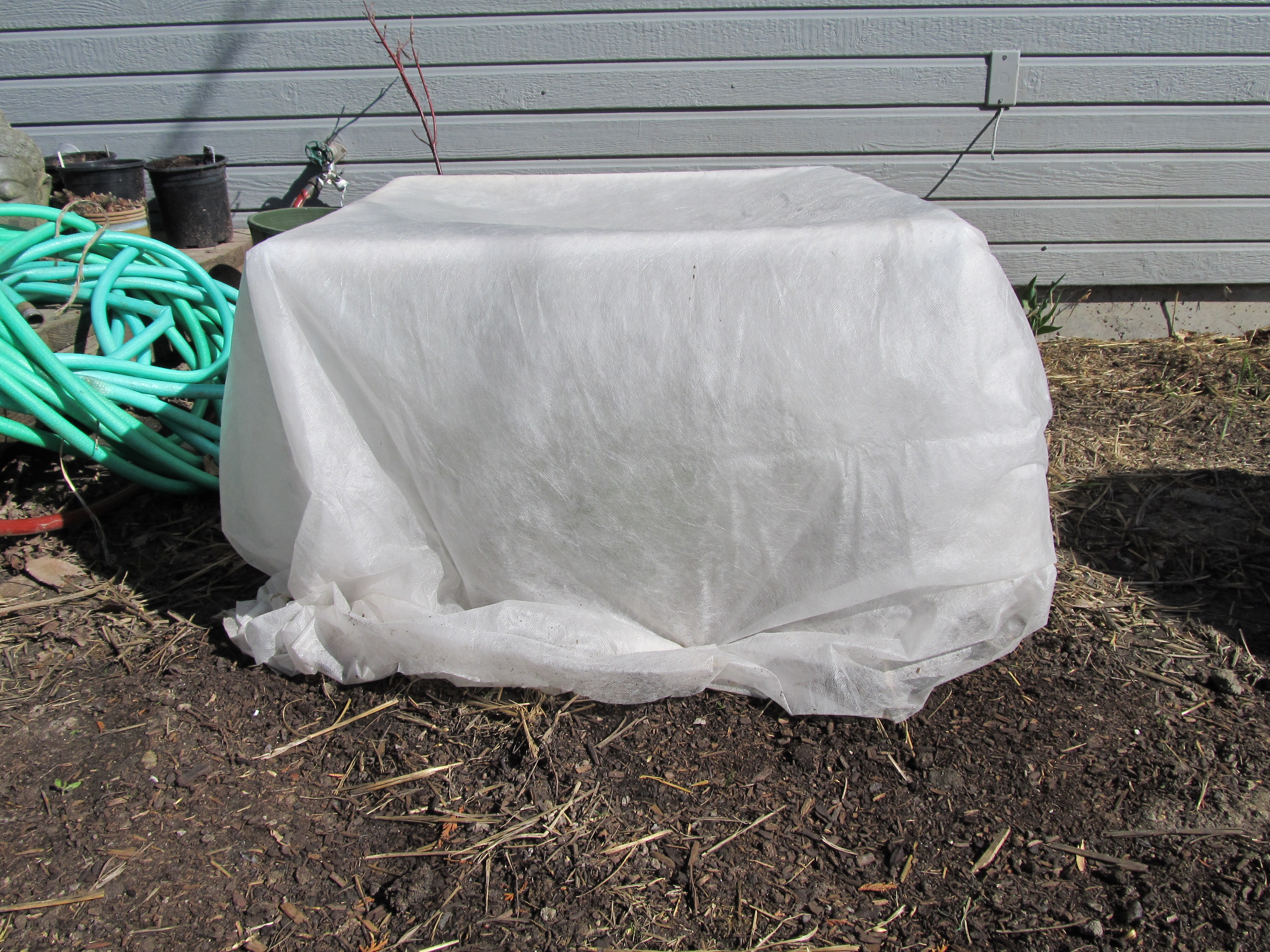
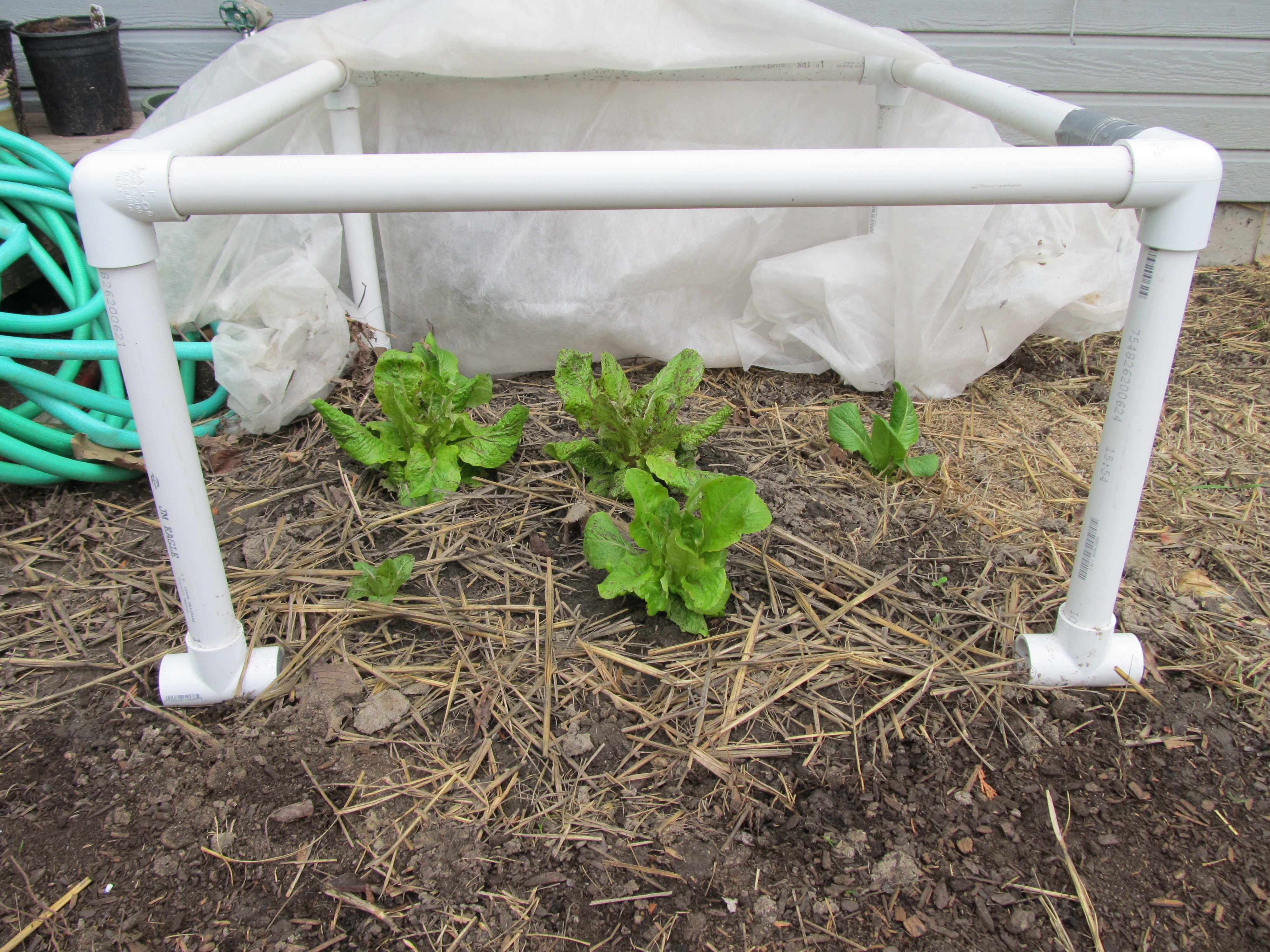
Last fall I had nine lettuce seedlings that I had started indoors. I transplanted them outside in either late October or early November (memory isn’t serving me right now). I placed some straw mulch around them, and then covered them with a makeshift cold frame made out of PVC pipe and floating row cover. There they remained all winter long.

IMG_0740

I live in Boise, Idaho. The winters here are relatively mild (compared to the rest of Idaho), but we still have plenty of days with below freezing temperatures. Our frost-free growing season is about 160 days long. The average low temperature from December through February is around 25° F. This past winter, our lowest temperature (according to Weather Underground) was -7° F, and we had at least 30 days in which the low temperature reached 20° F or lower. Needless to say, it was a chilly winter.

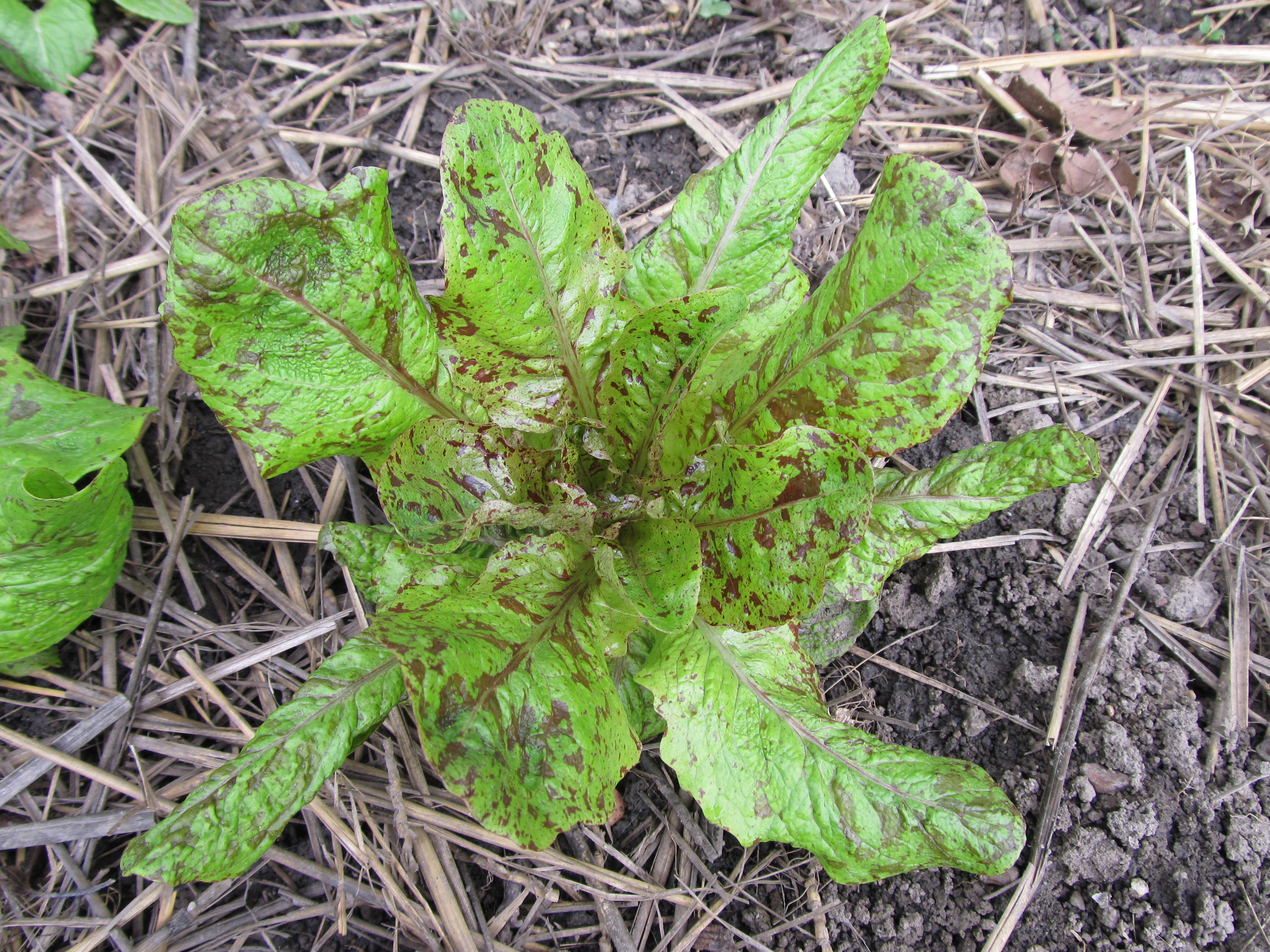
But my lettuces held on…at least most of them. When I uncovered my cold frame in early March, I found that six of my nine lettuce seedlings had survived. It didn’t surprise me that a few had perished – some of the seedlings that I had transplanted were quite small, and I had serious doubts that they would make it. I was satisfied to see that the majority of them were still alive. Two-thirds ain’t all that bad.

IMG_0743

The varieties that I planted were “Freckles” and “Winter Density.” I chose these because the descriptions I read gave me the impression that they were ideal for overwintering. But descriptions be damned. I suggest seeing for yourself. Take any variety of lettuce or other salad green and experiment in your own garden. See what you can get to overwinter with or without protection. Seeds are fairly inexpensive, and it is worth seeing what you can get to survive through the winter. Differing climates – both macro and micro – will produce varied results, and every year things will be a little different. This is one of the many joys of gardening. Weather and climate will always be factors, but they can also be markers to help us see what we can get away with. And if one of the things you get away with is getting lettuce to survive a harsh winter, it means you will be eating garden fresh lettuce long before your neighbor.

IMG_0745