Field Trip: University of California Botanical Garden at Berkeley

Last week I attended a workshop at the University of California Botanical Garden at Berkeley. Apart from receiving valuable training on how to monitor for and report plant pests and diseases in a public garden setting, I also had a chance to explore the garden. UC Berkeley’s botanical garden is located in Strawberry Canyon in the Berkeley Hills. It covers 34 acres and features plant collections from around the world, including South Africa, Asia, Australia, New Zealand, the Mediterranean, and the Americas. Most of the plants were collected from the wild or cultivated from wild collected plants, and a large number of them are rare or endangered species. I was very impressed with how beautifully designed the various gardens are, each display loaded with hundreds of different plant species all meticulously labeled. Because the garden is located in a canyon, the majority of the beds are on slopes, so there has been lots of great rock work and terracing done to create them, and there are numerous side paths that take you off the main path and up into the gardens, giving you the feeling that you are exploring a natural area. Also impressive is the garden’s focus on plant conservation. If you ever find yourself in the San Francisco Bay area, I highly recommend spending some time at this garden. With any luck, I’ll make it back there again someday. The limited time I had to spend there certainly wasn’t enough to explore it fully.

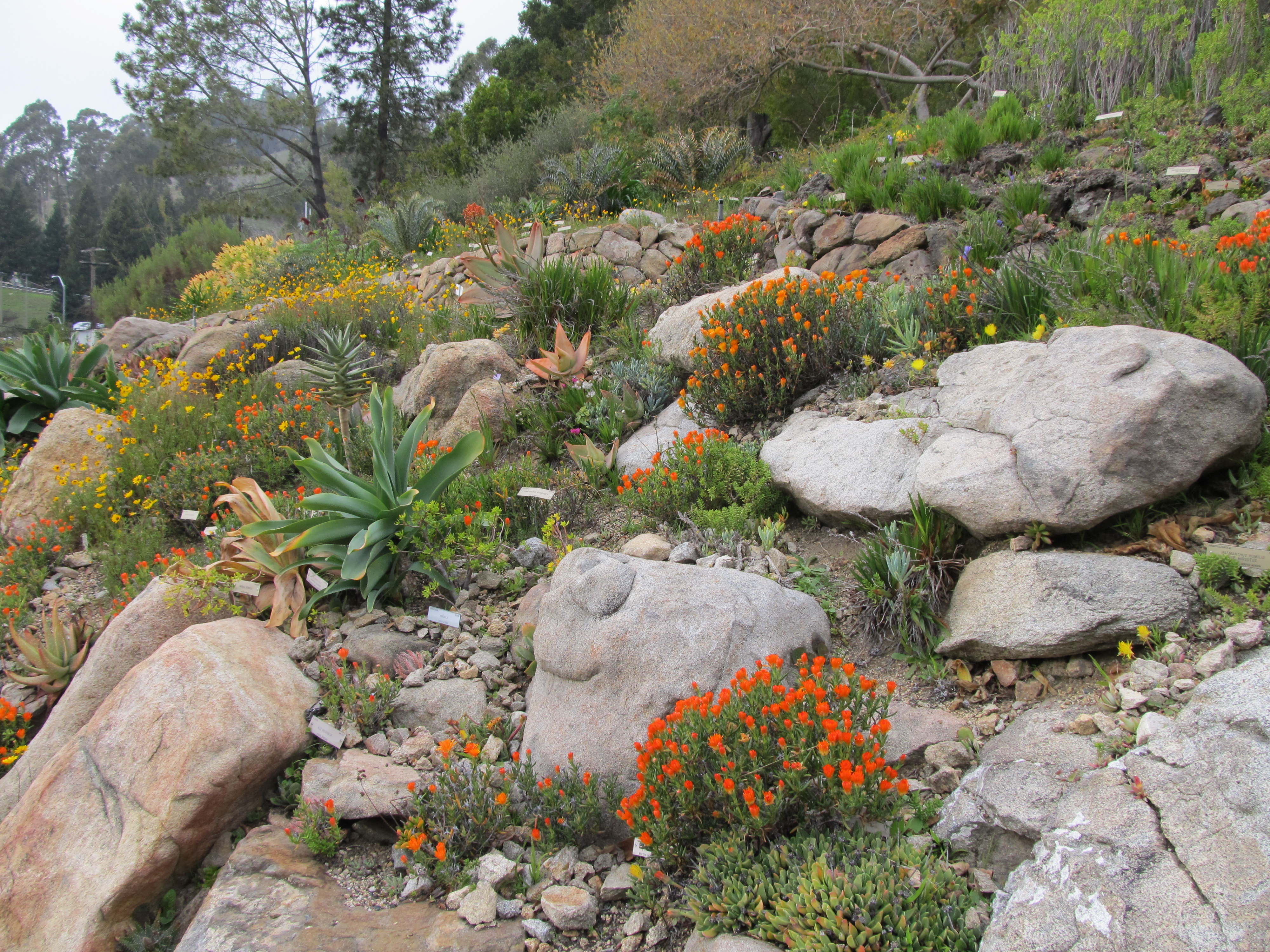
southern africa

Southern African Collection

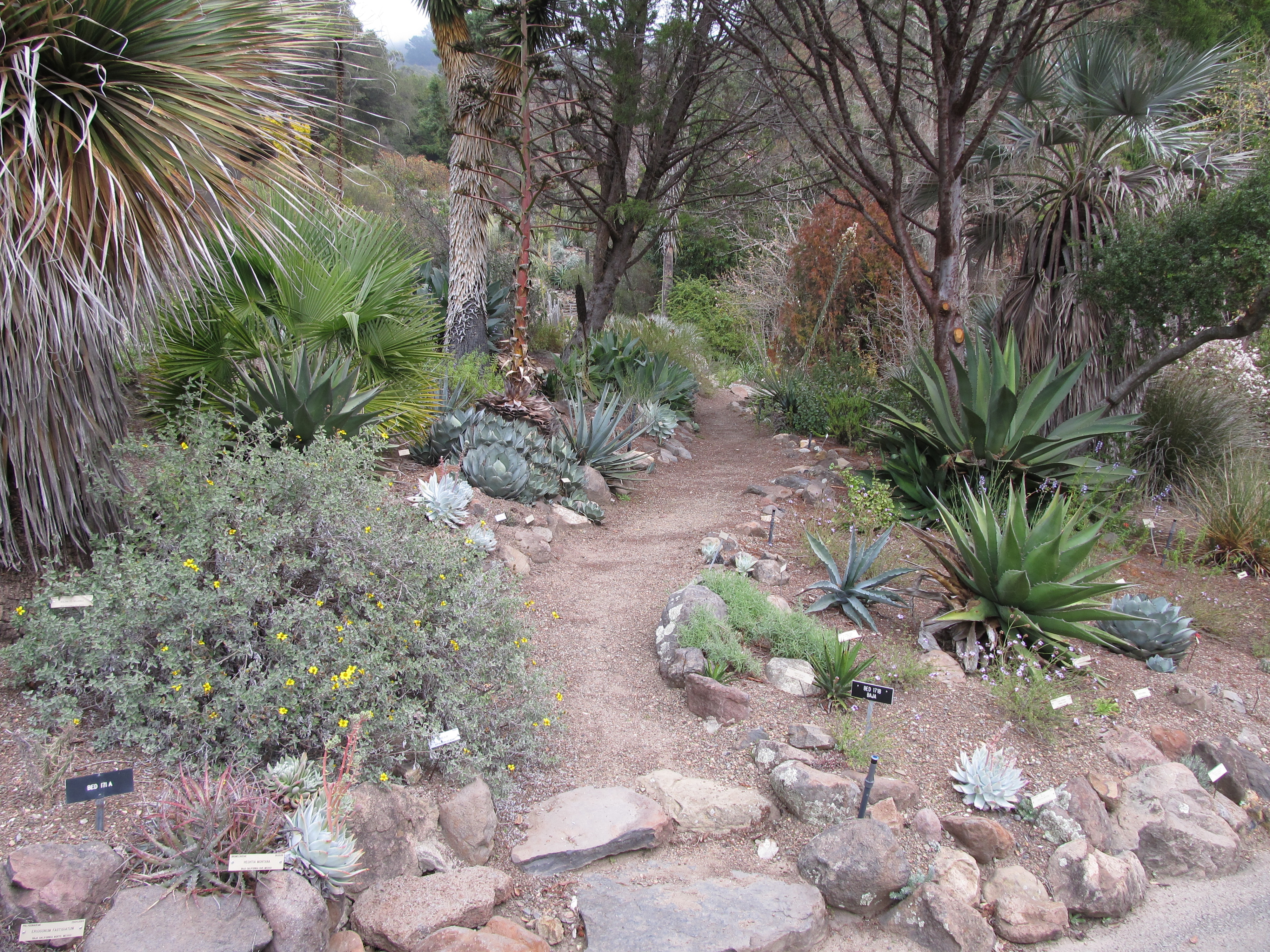
new world desert

New World Desert Collection

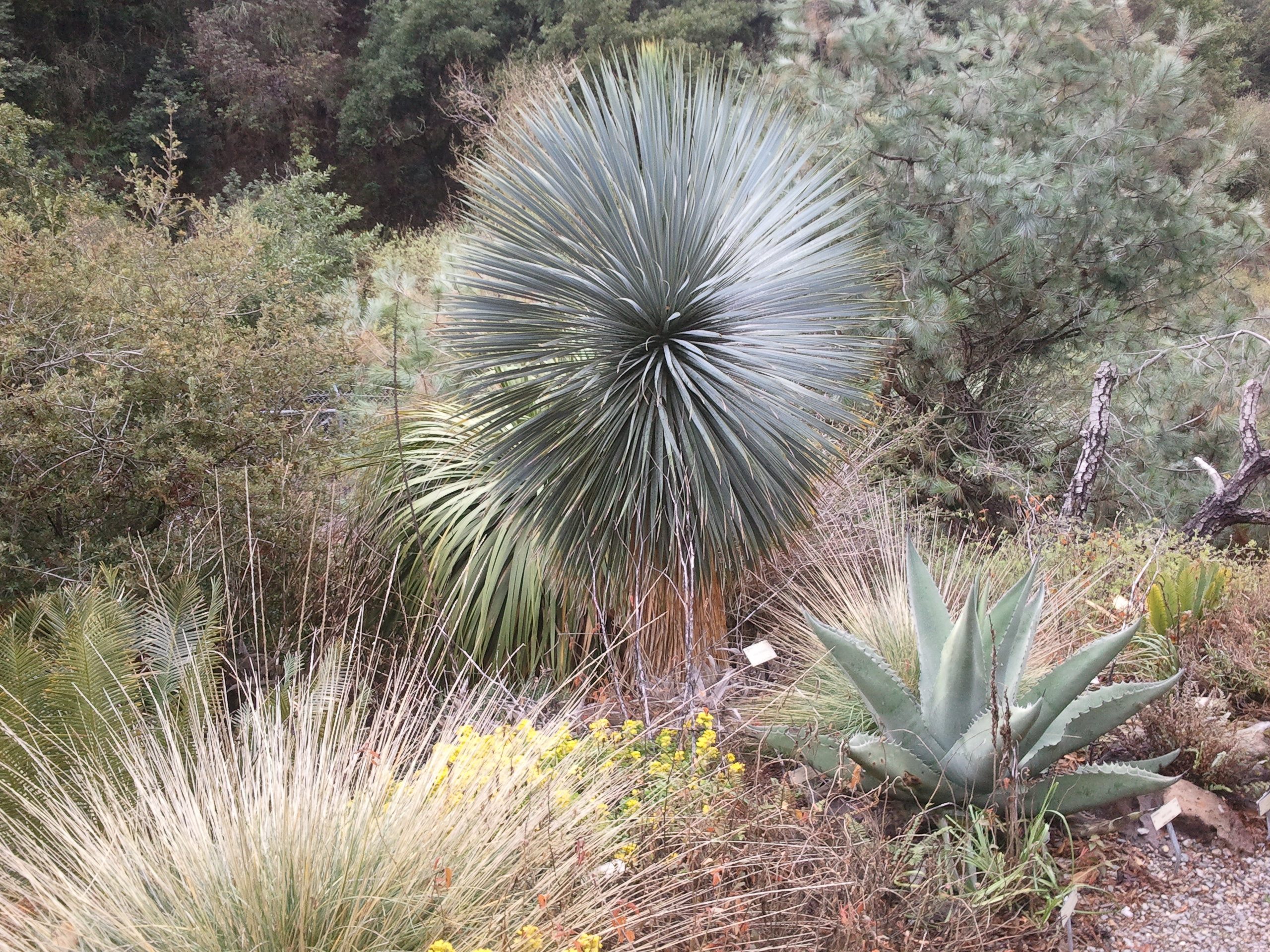
SAMSUNG

Mexico/Central America Collection

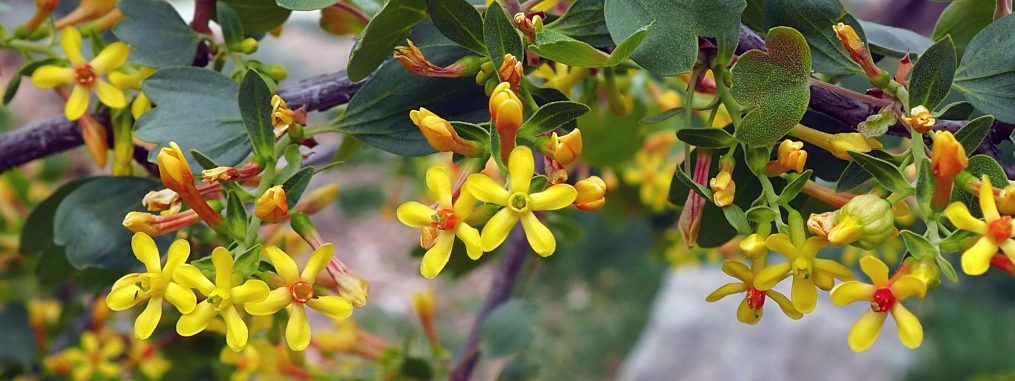
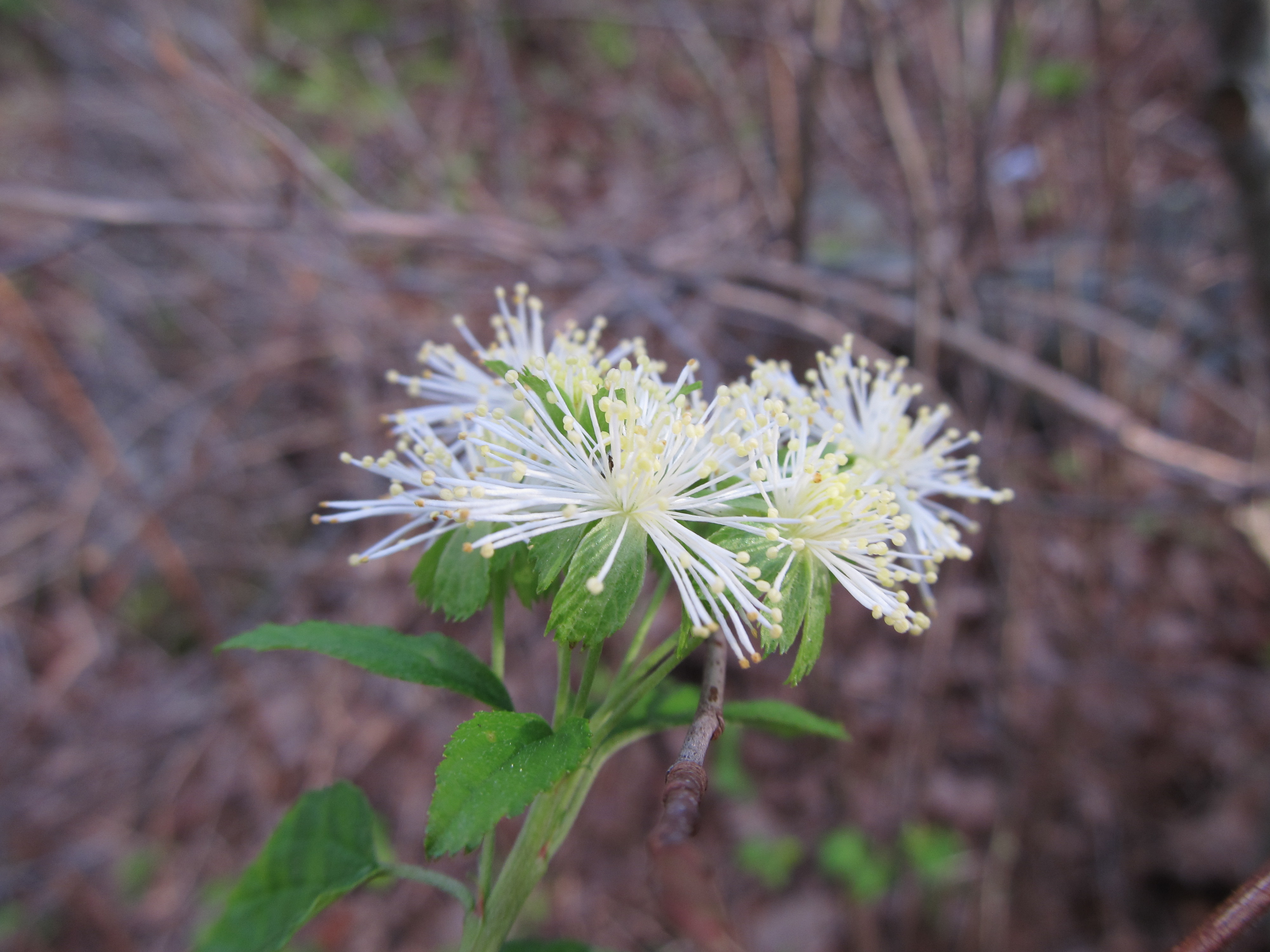
alabama snow wreath

Alabama Snow-Wreath (Neviusia alabamensis) from Alabama, USA

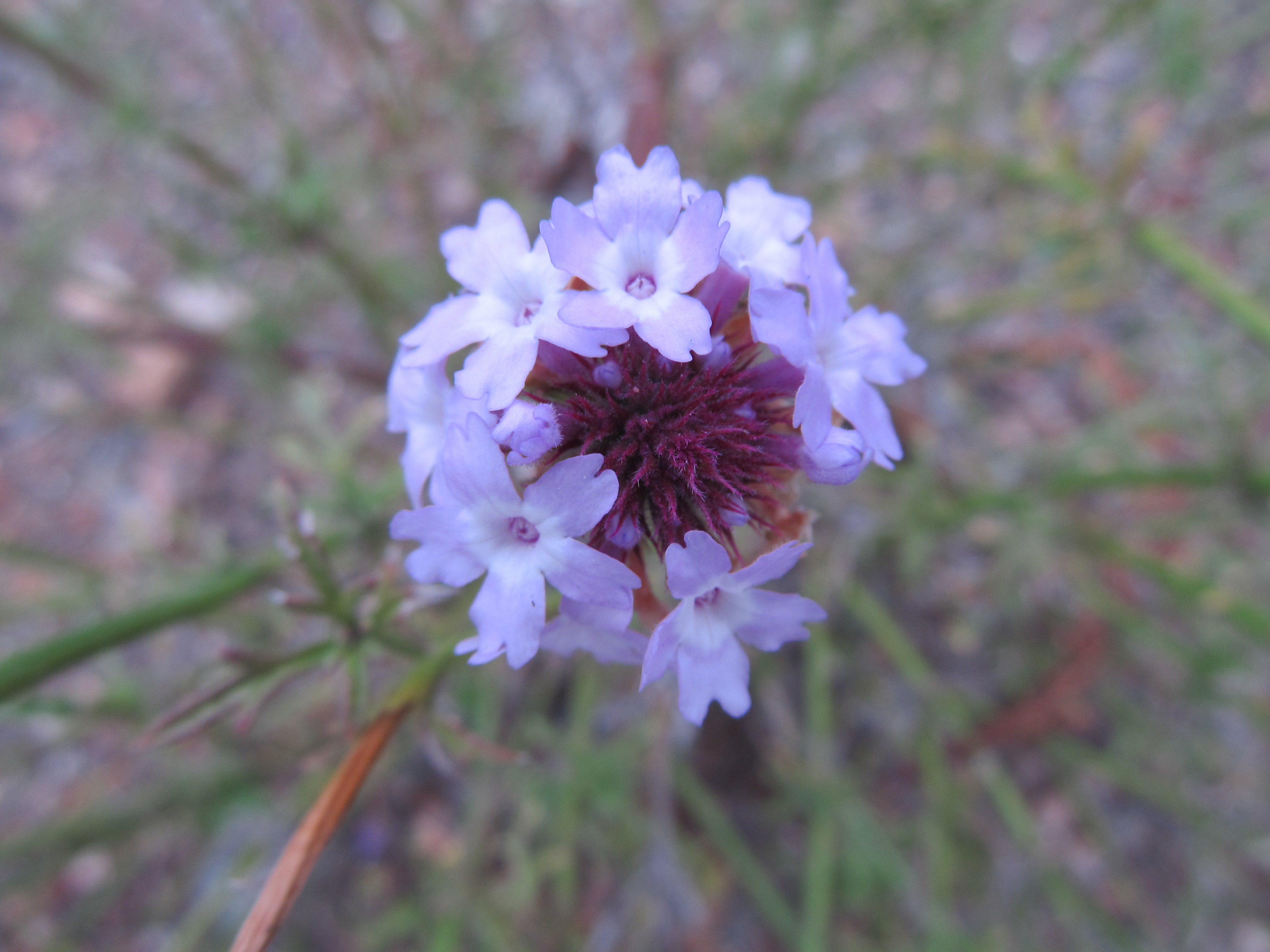
lilac verbena_verbena lilacina

Lilac Verbena (Verbena lilacina) from Mexico

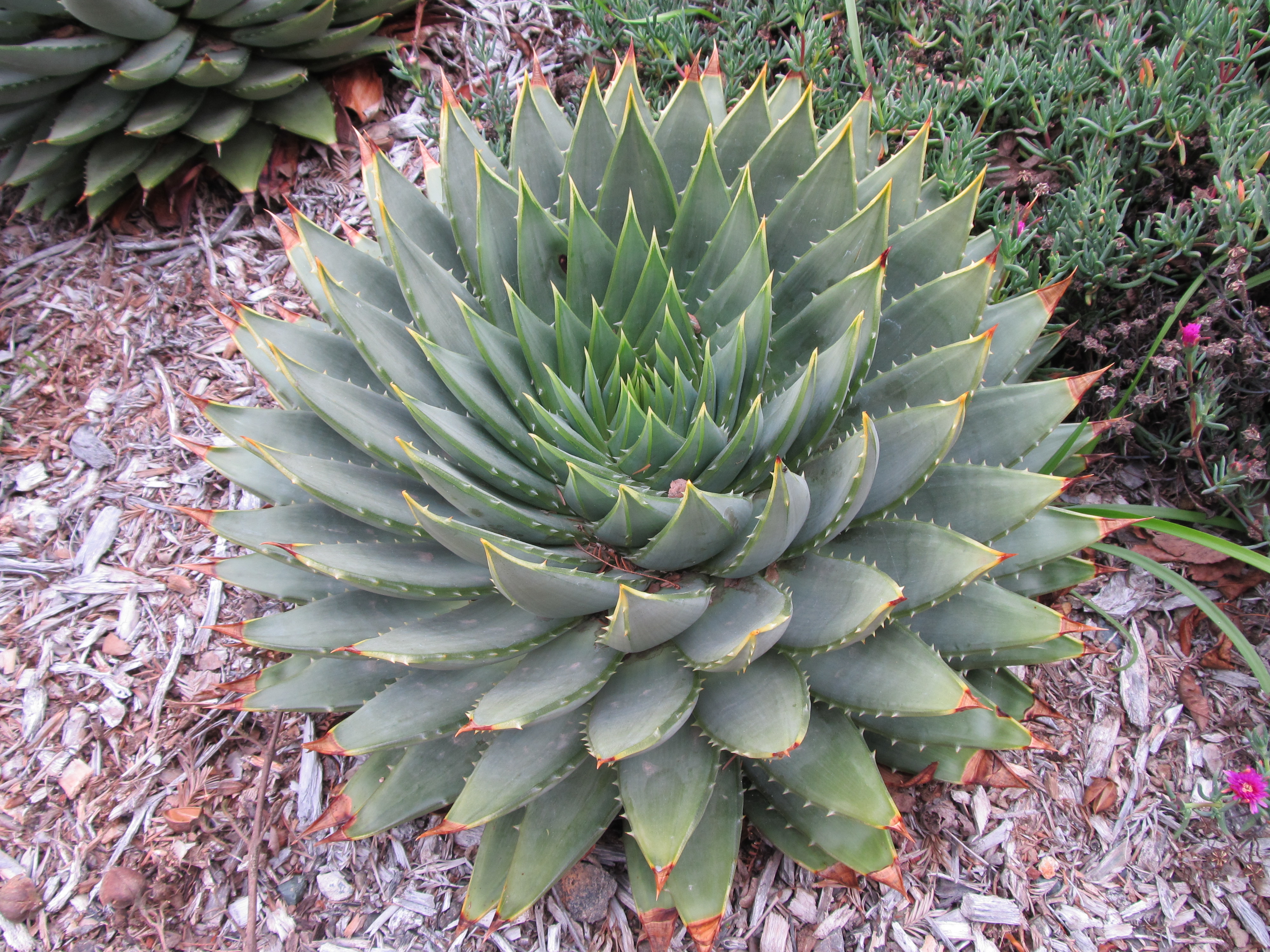
spiral aloe

Spiral Aloe (Aloe polyphylla) from South Africa

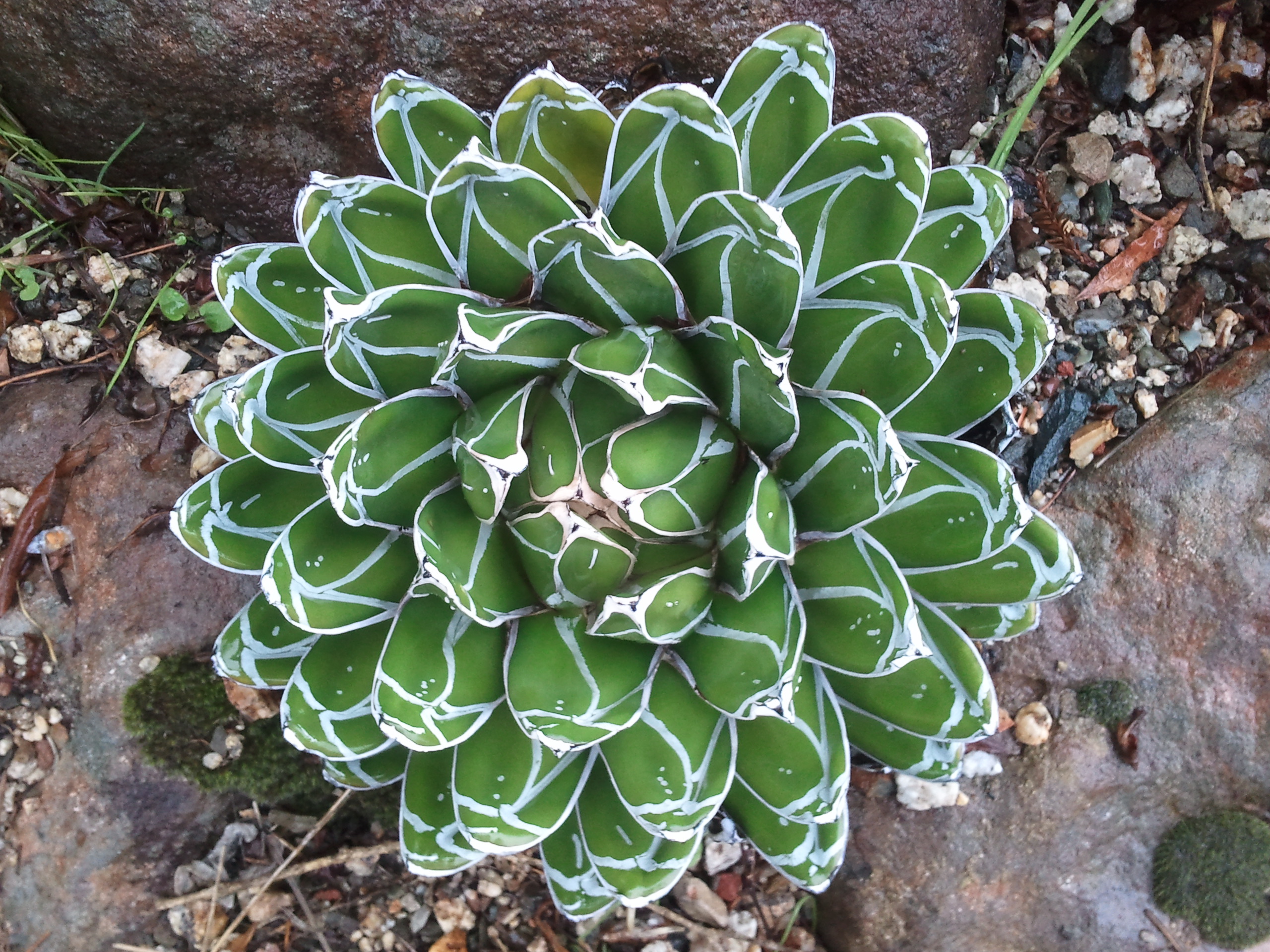
SAMSUNG

Agave victoriae-reginae from Mexico

Planting for Pollinators

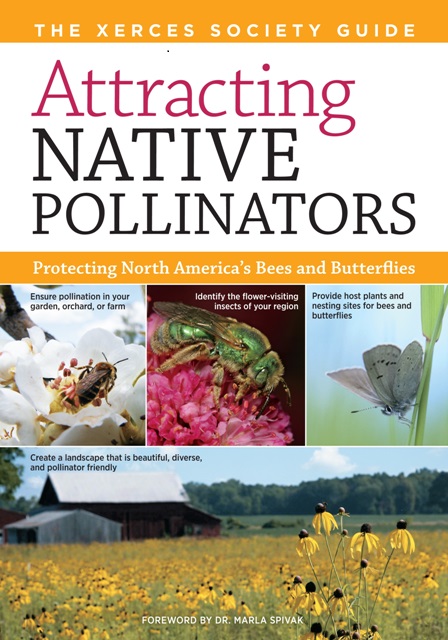
“All urban greenspaces offer potential for pollinators, and all can become important links in a chain of wildlife habitat winding through developed land. At the most basic level, healthy greenspaces mean healthy people and healthy communities. And at the core of a healthy environment are the pollinators.” –excerpt from the book, Attracting Native Pollinators by The Xerces Society

Concern for pollinators, particularly bees, is widespread. Whether you pay attention to the news or not, you are most likely aware that something is up. The bees are disappearing and no one seems to know why. Of course, most of the news concerning dying bees is in reference to honey bees, largely because they are major agricultural pollinators and producers of honey. But there are two things that many people may not be aware of: 1. Honey bees are not native to North America – they were brought over from Europe by early settlers – and 2. North America is replete with native pollinators (including numerous species of bees, butterflies, beetles, and wasps) and they, too, are threatened (partly due to non-native honey bees, but we won’t get into that here). Oh, and there is a third thing, we do know why bees and other pollinators are disappearing, and it’s not because of cell phone towers or other wacky ideas that have been proposed.

Actually, pollinator decline is due to a whole suite of things. As much as we like to seek out the silver bullet – the single cause with a single solution that will solve the problem – this issue (like so many others) does not have one. Habitat degradation and loss, the spread of pests and diseases, extensive pesticide use, and climate change all play a role in pollinator decline. Consider a modern day farm: acres and acres of a single crop planted from one edge of the field to the other, often planted with an herbicide resistant variety of crop so that all plants (both weedy and non-weedy) can be sprayed and killed leaving only the crop in question to grow competitor free. Or consider an urban landscape: patchy green space amidst miles and miles of pavement, concrete, and rooftops, and when that green space occurs, it is often a chemical green lawn free of weeds or a flower bed loaded with non-native ornamentals, bred for aesthetic appeal and often lacking in wildlife value. Our modern landscapes just aren’t fit for pollinators.

But things can change. The problem is complex, but there are small things each of us can do that when added up can make a colossal difference. Creating pollinator friendly habitats in our communities – spaces that are free from pesticides and include diverse food sources and nesting sites – can help ensure that pollinators will survive and thrive. Here are a few guidelines and resources to help you create pollinator habitat in your yard or neighborhood:

– Find a sunny location: Pollinators are most active when it is warm, so find areas that get at least 6-8 hours of full sun (just like you would if you were planning a vegetable garden).

Plant a wide variety of plants: Something should always be in bloom during the growing season, so select at least 3 plants that flower in each of the 3 blooming periods (spring, summer, and fall). Early spring bloomers and fall bloomers are especially important. Also, in order to attract a wide range of pollinators, select plants with varying heights and growth habits and that have flowers of various colors, shapes, and sizes.

– Plant in clusters: On each foraging trip, bees visit the flowers of a single plant species, so plant each species in small clumps.

-Provide nesting sites and a water source: Bumble bees nest at the bases of bunchgrasses, so include a warm season bunchgrass like little bluestem in your yard. Ground nesting bees require a section of bare ground, so lay off on the mulch. Construct and install bundles of hollow stems (like bamboo or elderberry) in order to provide nesting sites for mason bees. Also, include a birdbath or something with a ledge for pollinators to perch and drink.

There are many resources that can instruct you on providing habitat for pollinators. One standout is The Xerces Society. They are “a nonprofit organization that protects wildlife through the conservation of invertebrates and their habitat.” Their website is loaded with information: specific plant recommendations by region, instructions on how to provide habitat for certain pollinators, alternatives to pesticides, etc. You can even help them by becoming a citizen scientist. Other excellent resources include Monarch Watch and The Great Sunflower Project.
attracting-native-pollinators1

“Simple decisions about selecting plants, providing nest sites, minimizing disturbance, and reducing pesticides can make a dramatic difference between a green, manicured, but lifeless landscape, and one that teems with the color, energy, and life of buzz-pollinating bumble bees, rapidly dashing hummingbird moths, and busy nest-building leafcutter bees.” –excerpt from Attracting Native Pollinators by The Xerces Society

Stay tuned for future posts about pollinators, including pollinator conservation and specific pollinator and plant interactions. Also, comment below to share what you are doing to help pollinators in your community. 

Related Posts:

In the News: Declining Insect Populations

Figs and Fig Wasps
Book Review: Seedswap

Seedswap: The Gardener’s Guide to Saving and Swapping Seeds by Josie Jeffery

Continuing debate and concern over genetically modified crops has resulted in increased interest in heirloom and open-pollinated seed varieties. The communities and groups that have emerged from this movement are both the impetus and the target for Josie Jeffrey’s recent book, Seedswap.

Seed swaps are nothing new, of course. Humans have likely gathered in some form or another to exchange seeds since the invention of agriculture, but recent interest in saving, sharing, and trading seeds parallels the GMO debate and the rise of urban agriculture. In that regard, Jeffrey’s book is a timely resource for anyone interested in joining the seed banking, seed swapping, and seed activism movements.

While much of this book is devoted to explaining the how-to’s of seed saving (including specific information on how to grow and save seed from 49 vegetable, herb, and flower varieties), the content that really sets it apart from other seed saving guides is, unsurprisingly, the focus on seed banking and seed swapping. Jeffrey provides a brief history of seed banks, the reasons behind them, descriptions of some of the more prominent ones, and some tips for starting a seed library. For seed swap novices, Jeffrey’s advice concerning where to find them and what to expect when attending them, as well as tips and etiquette to keep in mind are incredibly useful. After spending a few moments with Seedswap, every gardener should find themselves inspired and motivated to start saving and sharing seeds.

Jeffrey’s book is beautifully designed and well put together. Apart from the fact that it jumps around a bit and could stand to be better organized, it’s a nice little reference for anyone involved or looking to be involved in the world of seeds.

seed swap book

‘Tis the season for seed swaps. Find fellow gardeners to swap seeds with here.

Related Posts

Starting Seeds Indoors: The Planning Stage

Seed Swaps

Onion Seed Viability, etc.

Horticulture Students Wanted

“Horticulture is under siege.” At least that’s the claim made in a letter and action plan penned by the top administrators of six prominent horticulture institutions based in North America. In their letter addressed to “Colleague[s] in Horticulture,” they claim that among the general public there is a “lack of horticulture awareness and poor perception of horticulture careers”. This has lead to low enrollment in high school and college horticulture programs and a dearth of qualified, young horticulturists entering the work force. Because the youth of today “appear to have little or no awareness of the importance and value of horticulture,” they are not choosing to pursue “interesting, challenging, and impactful careers” in the field.

In order to address this issue, this team of horticulture professionals has developed a plan “to increase public awareness of the positive attributes of horticulture.” Plants are essential for life on earth; humans could not exist here without them. It is the field of horticulture that supplies humanity with much of the food that it consumes, including fruits, vegetables, nuts, and herbs. Horticulture also fills our landscapes with plants that provide the backdrop to our daily lives, transforming otherwise drab and harsh urban areas into lush green spaces. And speaking of “green,” horticulture is helping us save our planet. Through teaming up with engineers and other professionals, horticulturists are helping to develop solutions to issues like climate change, water quality, storm water runoff, energy production, and biodiversity loss. Innovative and emerging strategies such as green roofs, wildlife gardens, carbon sequestration, biofuels, and sustainable agriculture require horticulture expertise in order to succeed.

These are just some of the benefits of horticulture that the authors of this plan hope to share with the general public in an effort to change public perception and attract young recruits. If they don’t succeed, the consequences may be dire – or at least that’s how they make it sound. An article on philly.com regarding the recent letter put it this way: “if something isn’t done soon…horticulture could become a lost art and a forgotten science.”

Yeah, it’s a bit dramatic sounding. It’s hard for me to believe that the situation is really that desperate. However, what I will say is that a career in horticulture is not for everyone. It certainly isn’t for anyone who dreams of being rich and/or famous one day. That’s probably not going to happen. People who choose a career in this field do so because they have a passion for plants, a love of beautiful, inviting landscapes, and perhaps a proclivity for fresh, homegrown fruits and vegetables. A career in horticulture is not glamorous by any means, but it is highly rewarding – at least from my perspective. So sure, youngsters should consider it…but they should also consider themselves warned.

And now it’s time for show and tell. I graduated with a degree in horticulture at a four year university in the intermountain northwest. After that, I ventured off to the Midwest to pursue a graduate degree researching green roof technology. Perhaps the following pictorial of some of my adventures will inspire a few of you young folks to consider a similar path. Either that or there is always that liberal arts degree you’ve been dreaming of…

100_0410

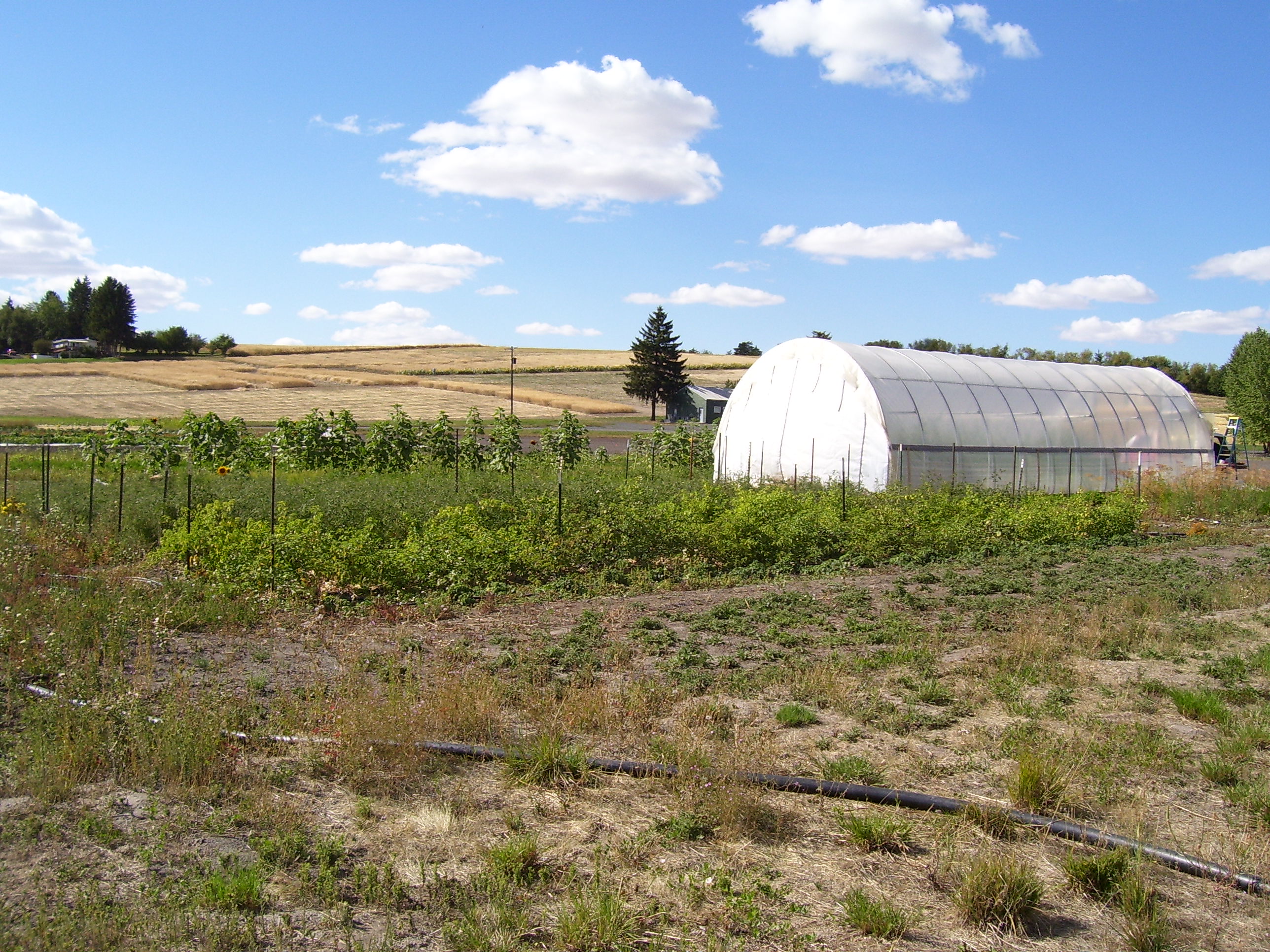
As an undergraduate, I helped manage a student-run organic farm

community garden plot

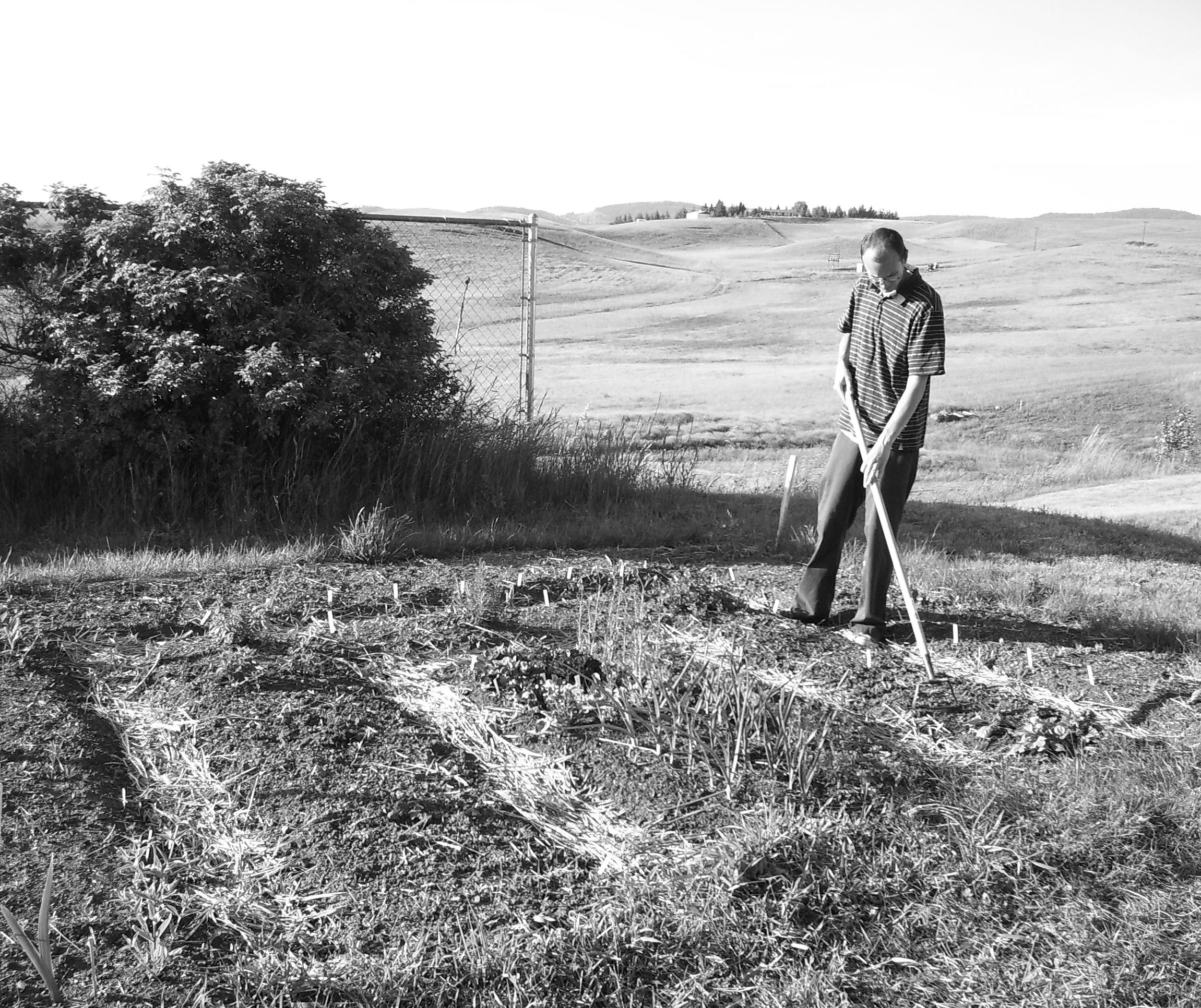
I had a community garden plot overlooking the rolling hills of the Palouse

100_0265

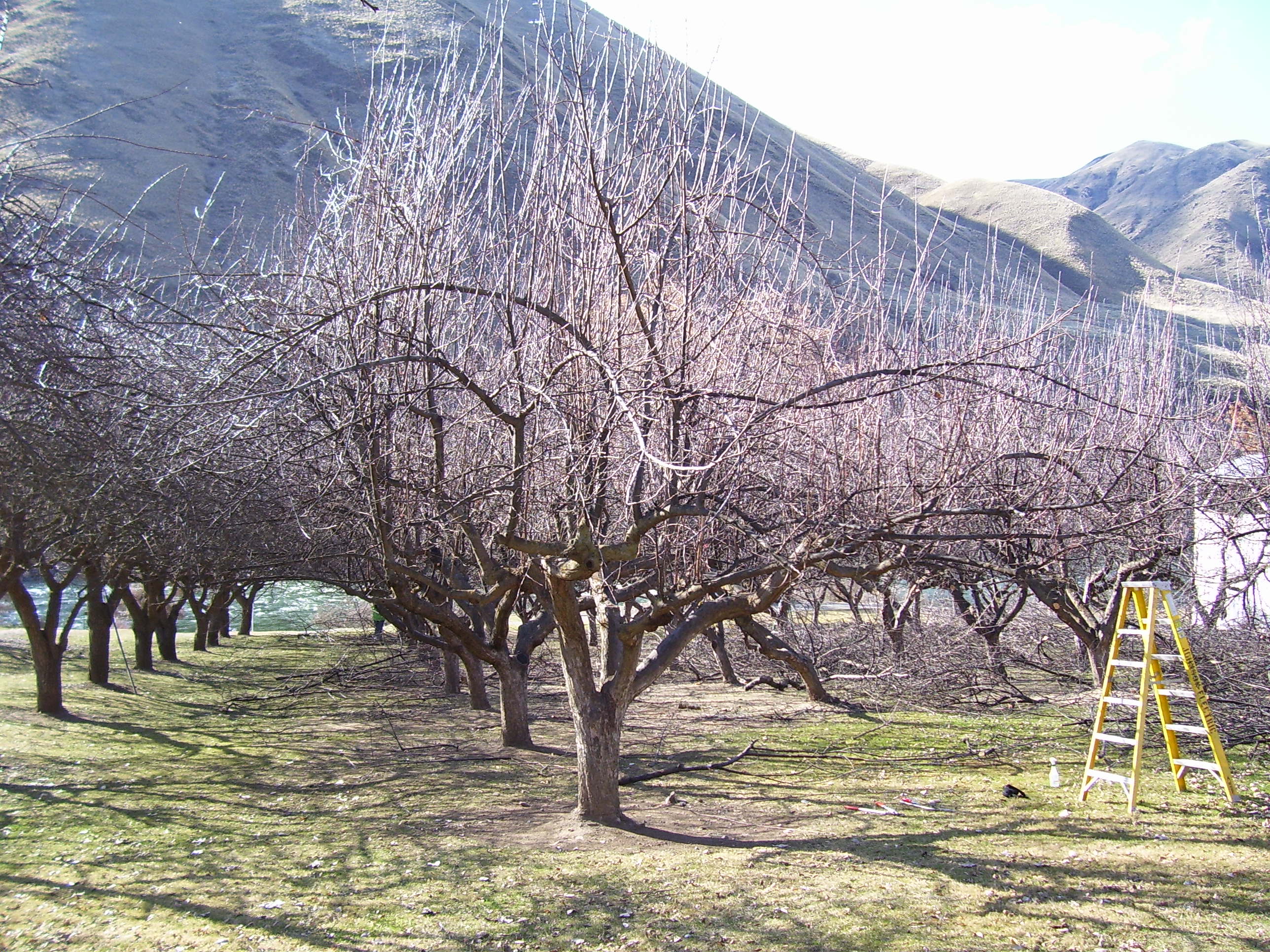
I took a jet boat trip up the Snake River to help prune an abandoned apple orchard

100_0650

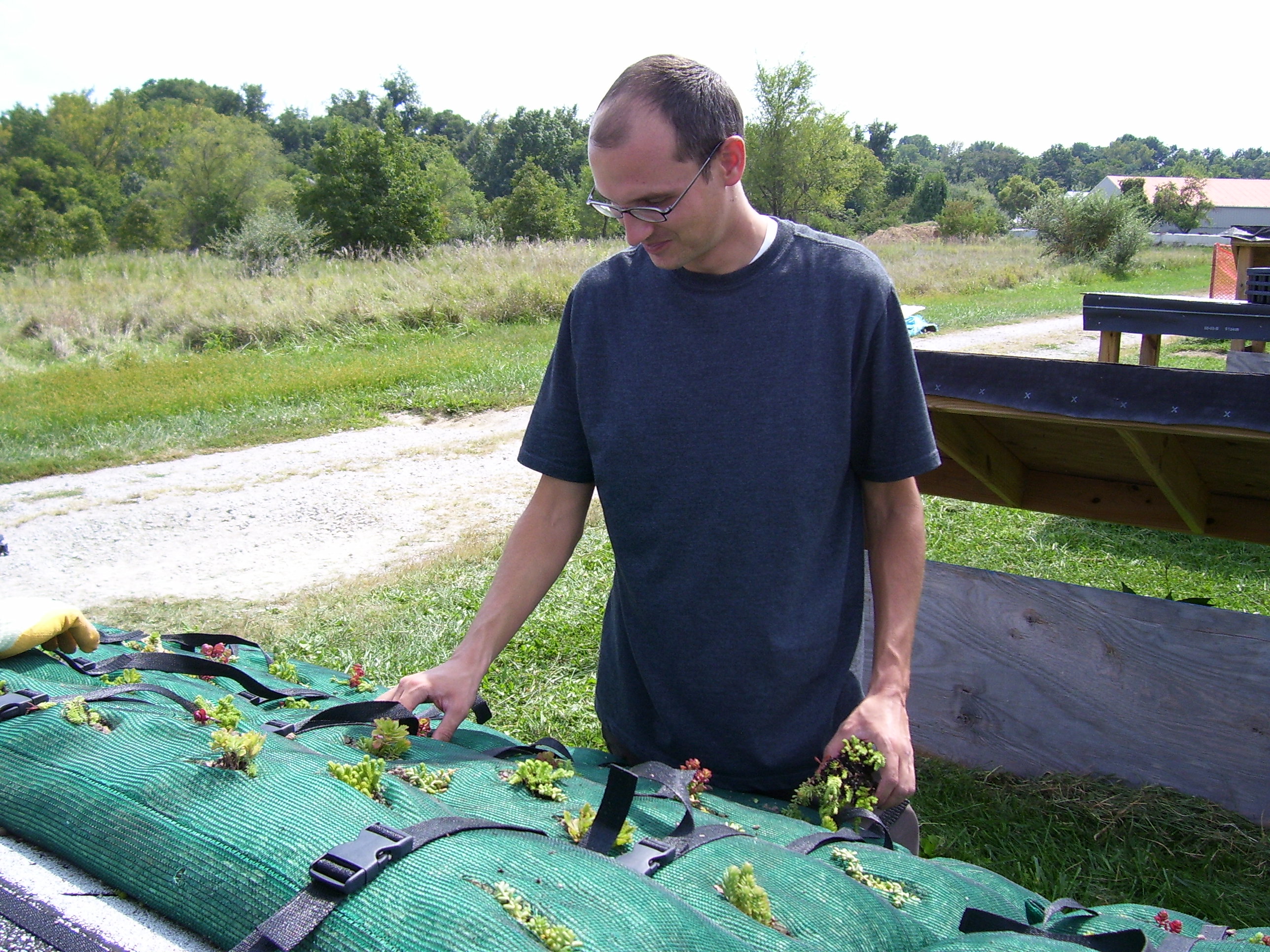
Then I went to Illinois to study green roof technology as a graduate student

???????????????????????????????

I presented my research findings at a big conference in Philadelphia

And so can you…or something like it. Comment below if you would like to put in your plug (or caveat) for pursuing a career in horticulture. The world needs you.

Rosemary Christmas Tree

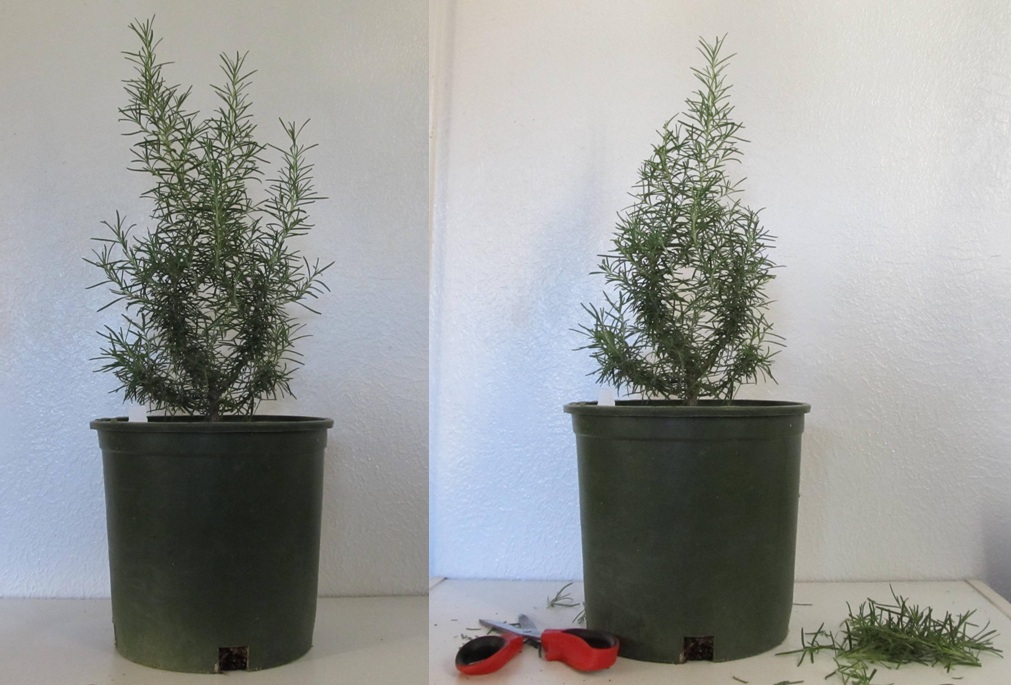
In the spirit of the holiday season, consider this fun alternative to a conventional Christmas tree. Rosemary (Rosmarinus officinalis) is an herbaceous, evergreen shrub or subshrub and is commonly found in herb gardens. Its leaves are valued for their myriad culinary and medicinal uses. Futhermore, this plant takes very kindly to pruning and shaping, which makes transforming it into a miniature Christmas tree a very simple task.

It may be too late to cultivate a “tree” for this year’s holiday season, but perhaps you’d like to try for next year. To do so, find a small rosemary plant at a local garden center or plant sale in the spring. Make a few initial pruning cuts to select a leader or leaders. After about a month or two, start giving it the shape of a Christmas tree. Floral scissors work great for making these cuts, and you don’t have to worry about where on the branches you are cutting – rosemary is very forgiving – just make sure your scissors are sharp. Wait a couple more months and then do more shaping with the pruning scissors. Do some final shaping a month or so later. At this point, you should be entering the holiday season and your rosemary Christmas tree will be ready to display. It’s that simple!

1

Initial pruning: selecting the leaders

2

Second pruning: giving it shape

3

Third pruning: keeping in shape

4

Final pruning: clean it up and present it  

One major downside to growing rosemary if you live in a cold climate is that it is only hardy to about USDA zone 7. However, if you select the right cultivar, place it in a protected location (near the south facing wall of a building perhaps), give it some mulch and maybe a blanket for the winter, you might be able to get it to survive in colder zones. Rosemary can also be difficult to overwinter indoors because the air in homes is typically dry and warm and there is little direct sunlight. If you are determined to keep one alive despite your odds, awaytogarden.com provides an excellent tutorial about overwintering rosemary both indoors and out.

Growing Plants on the Moon

You’ve heard about gardening by the moon – an ancient approach to gardening based in folklore and superstition in which planting times are scheduled according to moon phases and astrological signs. Now, how about gardening on the moon! No pseudoscience necessary here. NASA scientists are currently on a mission to determine what it will take to grow plants on the moon in anticipation of setting up a permanent lunar base. After all, if we plan on sending people to the moon to live for long periods of time, we will need to figure out how to grow some food for them up there, right?

The first phase of the study will examine seed germination in a lunar environment and will observe seedlings during the first week or so of their lives. The seeds of cress, basil, and turnip have been selected as the first to be grown on the moon. However, these seeds will experience an environment that seeds of their kind (or any other kind for that matter) have never experienced before, because, unlike the earth, the moon has no atmosphere. Gravity on the moon is one sixth of what it is on earth; solar radiation is intense and direct; and fluctuations in temperature are extreme to put it lightly (about 150°F during the day to -150°F during the night). Oh, and there is one other important limitation: moon soil is dead. To start with, it’s virtually moisture-free. It also has no organic matter content, and it is void of life (compared to a tablespoon of earth soil, which is said to harbor about 50 billion microbes, many of which help sustain plant life).

NASA scientists have considered these limitations. That is why the first seeds on the moon will be grown in a lunar plant growth chamber. This growth chamber is designed to regulate temperature and light and will contain a filter paper inoculated with plant nutrients. Water will be stored inside the growth chamber and released when the chamber reaches the moon. There will be just enough water to induce germination and allow the plants to grow for 5-10 days. Plant growth will be monitored with an onboard camera and then compared to plants grown in a similar growth chamber on earth. Scientists will be observing how well the seeds germinate and grow in a low gravity, high radiation environment.

The first lunar plant growth chamber is scheduled to head for the moon in late 2015. It will be hitching a ride with the winners of the Google Lunar X-prize competition. Based on the results of the first phase of the experiment, following phases will observe sexual reproduction in a lunar environment. If sexual reproduction occurs, what effect will high levels of radiation have on subsequent generations? Only time will tell, so this will be an exciting project to monitor for years to come.

moon

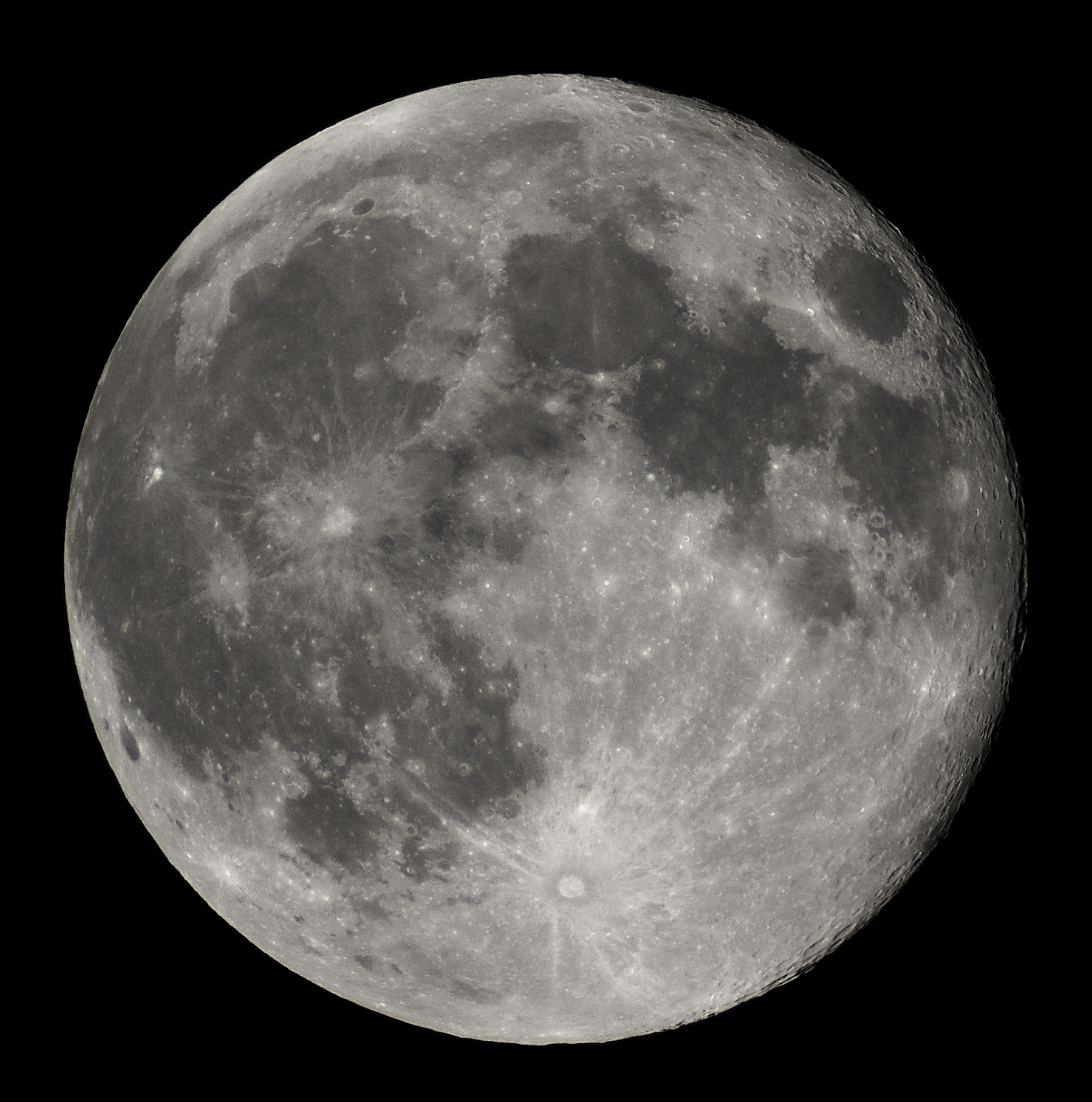
photo credit: wikimedia commons

Do you want to help design future lunar plant growth chambers? Go here.

Overwintering Carnivorous Plants

I once assumed that all carnivorous plants were tropical. I’m not sure exactly why. Perhaps it’s because they are so bizarre (both in their appearance and behavior), nothing like the plants that I was accustomed to seeing growing up in the Intermountain West. Or maybe it’s because the one carnivorous plant that I was most familiar with, the Venus flytrap, is commonly sold in the houseplant section of department stores. If it’s a houseplant, it must be tropical, right?

Eventually I learned the truth. Much to my surprise, there are numerous carnivorous plants that are native to temperate regions – in fact, carnivorous plants can be found on every continent except Antarctica. Even more surprising, Venus flytraps are temperate plants! It’s true. They are native to a small region in North Carolina, within about a 100-mile radius from Wilmington.

Plant species native to temperate regions require a dormant period. In the winter, the temperature drops, day length decreases, and, in some cases, drought ensues. During this time plants go dormant – they hibernate – and wait for the warmer, brighter days of spring to continue on with their metabolic and reproductive processes. It’s a period of rest.

Carnivorous plants native to temperate regions fall into this category – they require a period of dormancy in order to stay healthy and productive. In his book, The Savage Garden, Peter D’Amato asserts that, “Dormancy in carnivorous plants that require it must be respected and permitted to occur. Otherwise, the plant may die.” He goes on to say that a Venus flytrap grown year-round in a warm environment exposed to grow lights for the majority of the day “will eventually get sickly and die.” In short, these plants need a rest, and so it’s best to grow them outdoors where they will be exposed to the elements, thereby entering a period of dormancy as nature intended.

Venus flytraps (Dionaea spp.), North American pitcher plants (Sarracenia spp.), and serveral species of sundews (Drosera spp.) can all be grown outdoors year-round in temperate climates. In order to ensure their survival, it’s best to give them a little protection during the winter months – especially when temperatures are projected to reach below 20 degrees for several consecutive nights.

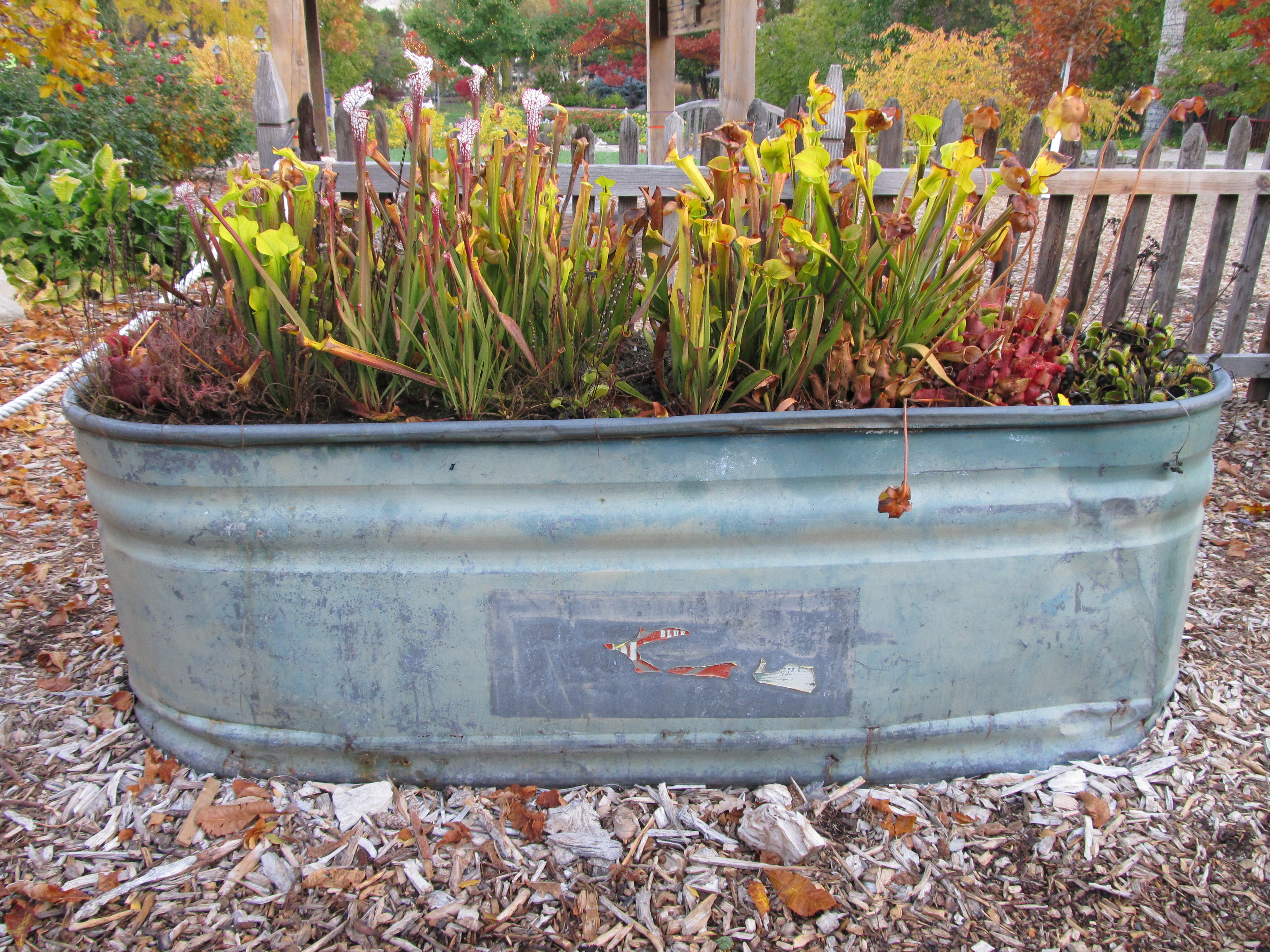
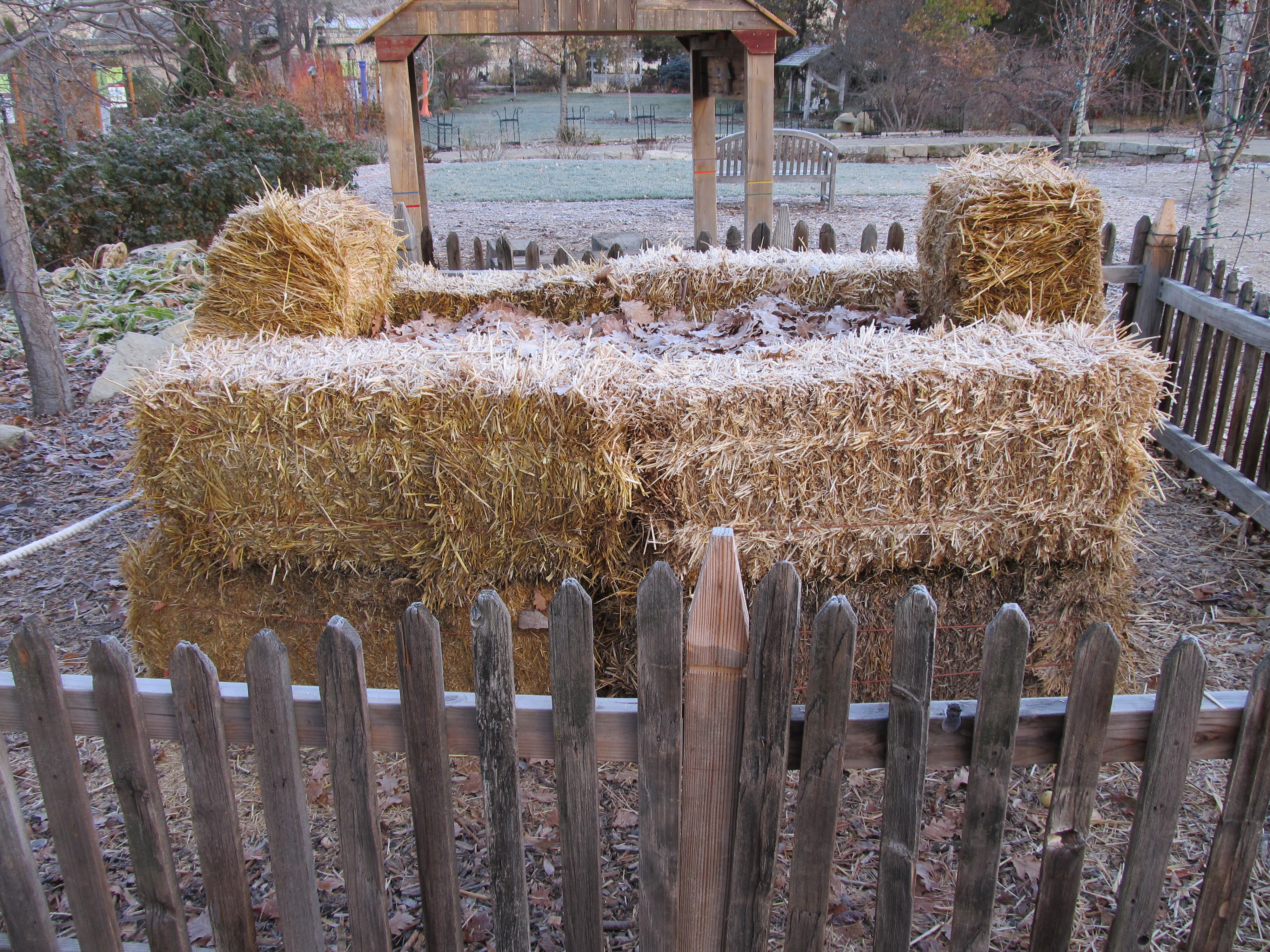
Recently, I helped put the carnivorous plant display at Idaho Botanical Garden to bed for the winter. The carnivorous plants are being grown in an old stock water trough. First we cut back the plants, reducing their size by at least a third and being especially careful to remove dead or rotting plant material. Next, we placed several straw bales around the sides of the trough. Then we covered the plants with three layers of material: black plastic, evergreen boughs, and dead leaves. Dave Nelson, of killergarden.com, suggests a similar winterizing treatment: “the plants can be placed on the ground, covered with a tarp, and then covered with six inches or so of dead leaves, pine needles, straw, or other mulch.”

After the threat of freezing temperatures has passed, the plants can be uncovered. As temperatures continue to warm, the plants will awake from their dormant state and prepare themselves for another spectacular season of devouring bugs and looking awesome.

IBG_carnivorous plants_fall

Carnivorous Plant Display at Idaho Botanical Garden

IBG_carnivorous plants_winter

Winterized Carnivorous Plant Display

A final word from Paul D’Amato: “You should never force a carnivorous plant into growth during a season when it should be resting.”

Excerpt from Amanda Thomsen Interview

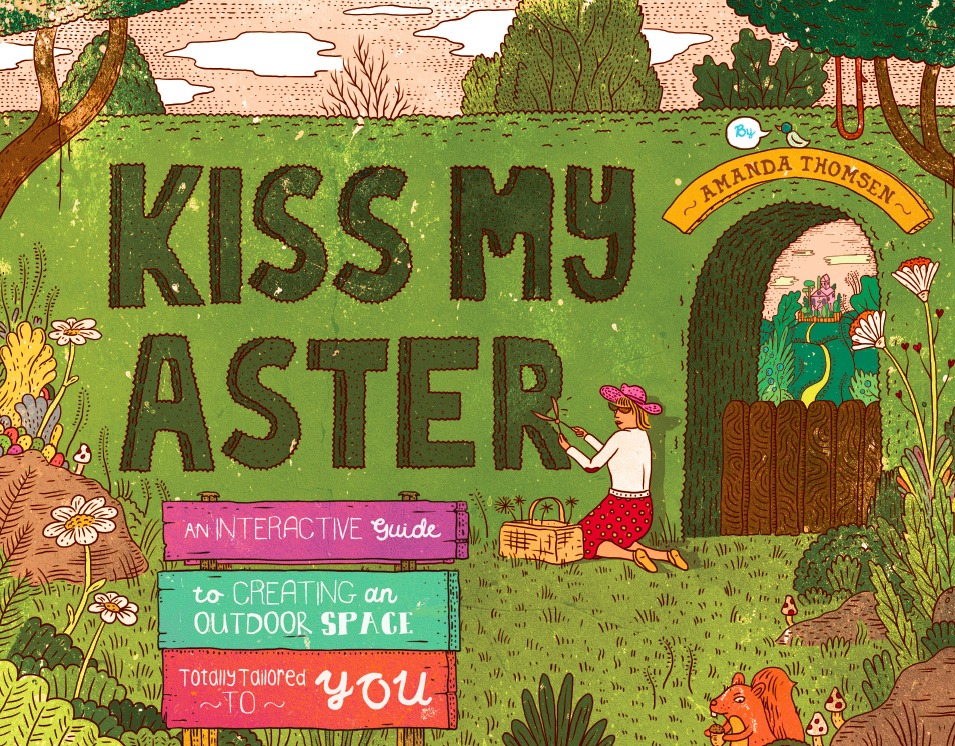
Plenty of books have been written about gardening and landscaping 101, but none are quite like Kiss My Aster by Amanda Thomsen. The title alone should clue you in that Thomsen’s approach is unique. Flipping through the pages it becomes more apparent. It’s a graphic novel. It’s a choose your own adventure book. There is a pink unicorn and a vampire reference, but there is also great information for those interested in gardening. Much of it is geared towards beginners, but seasoned gardeners will find it useful as well. This book is in a league of it’s own…so it’s certainly worth a look.

In the latest issue of Greenwoman Magazine, Sandra Knauf interviews Amanda Thomsen. It’s a lively conversation, in which Thomsen reveals how the book came about, among other things. What follows is an excerpt from that interview. Get your hands on a copy of the magazine for the full conversation.

Knauf: Who or what inspired you to become a gardener? A writer?

Thomsen: When I was little I wanted to do three things when I grew up: 1. Be a writer, 2. Recycle, and 3. Wear red lipstick. Happily, I have achieved these three goals. Although I always wanted to be a writer, I did ABSOLUTELY NOTHING to make that happen growing up. No one pointed me in the right direction. I’ve taken a few writing classes, but overall nothing that was memorable. I have always been super creative and have just looked for ways to demonstrate that!

My parents were the prototypes for yuppies. For some reason, and I think it was my dad’s Indiana upbringing, they were SUPER into Crockett’s Victory Gardening on PBS and did, literally, everything he did. We have a 30′ x 50′ victory garden each summer and I just grew up in it. They had a greenhouse added to the house, canned up everything from applesauce to giardiniera. It was a delicious way to grow up, and I didn’t realize that EVERYBODY didn’t have that until I was, like, 20. Maybe older. I didn’t realize there were jobs in gardening and horticulture.

Knauf: You have this funny, sassy, sexy, free-spirited, curse-word-strewn, delightfully naughty blog for a few years, and you’re a landscaper, and suddenly you’re blogging for Horticulture magazine’s website, and now you blog for Fine Gardening. I don’t want to disrespect these fine publications, but, well, they can be at times just a bit, shall we say, dry. How did you get together with them?

Thomsen: Horticulture asked me to join this contest they were having for a blogger. I did and I won. It was hard on me to blog exclusively for them and not on my personal blog at all – not even about personal stuff – but that was the deal. Fine Gardening has been a great, laid back home for my more horty things to say. I leave the eff-bombs at the door and get my freak on over there and I’ve loved it. AND they’ve given me a chance to write articles, which is seriously one of my happiest achievements in life…

All these magazines KNOW that if they are going to survive, they have to get new, younger readers, and I’m happy as a salami at a mustard party to help do that for them.

Knauf: How did the idea for a book come about?

Thomsen: I was dreaming about how to make books more interactive when I thought of the idea. Originally it was going to be SO comprehensive that I thought I’d need help writing it. You know, a backyard bible of sorts. Then I got this wack-a-doo idea of having a hipster gardening book that was illustrated with, you know those terrible IKEA instructions with no words and very vague symbolism? I wanted to do it like that. Carleen Madigan at Storey literally found me in a dumpster and asked me if I had ideas for books. We met up in Boston while I was there speaking, and I just LOVED her. She was totally the midwife of this book. I literally wrote the whole book for her and if I could make her laugh then I was golden. I wrote the whole book, and then they found the illustrators, which completely adds everything.  The illustrations are way better than the writing!

kissmyaster

Visit Amanda Thomsen’s blog: www.kissmyaster.co

Read the entire interview and more at Flora’s Forum.

An Emerging Botanical Garden in Louisville, Kentucky

There is a new botanical garden being constructed in Louisville, Kentucky. It’s called Waterfront Botanical Gardens, and it is being built on top of an old landfill. The landfill was in use for several decades during the mid-1900’s and officially closed in 1973 when a new landfill site was opened. Recently, there was discussion about what to do with the old landfill site. Botanica, a group of plant lovers and devoted gardeners in Louisville, was able to work out a deal with the city to secure the 23 acre site and is currently moving forward with plans to turn it into a botanical garden.

Botanica’s vision for the garden is broad, but part of that vision includes educating the public about native flora and promoting environmental stewardship. Planning and construction are still at their early stages and there is tons of work ahead, but considering that people in Louisville have been wanting to see a botanical garden in their city for at least 30 years, watching it finally start to happen must be exciting. To celebrate the emergence of Waterfront Botanical Gardens, the Founders’ Garden was constructed and planted this spring. It is located near the site of the future botanical garden and is a small token of things to come. A picture of that garden (taken from the website) can be seen below.

I am excited to watch from afar as this new botanical garden emerges, and I hope to be able to visit someday after the garden has been constructed. To learn more about this garden and to follow its progress, visit their website: www.waterfrontgardens.org

waterfront botanical_founders garden

The Founder’s Garden at Waterfront Botanical Gardens

Louisville, Kentucky

Interview with Peter D’Amato of The Savage Garden

In my last post about sundews, I referenced a book about carnivorous plants called, The Savage Garden, by Peter D’Amato. Earlier this month, a revised edition of The Savage Garden was released by Ten Speed Press. Recently, D’Amato appeared on Real Dirt, a garden podcast hosted by Ken Druse, to tell his story, promote the revised edition of his book, and talk about carnivorous plant cultivation. It’s a fascinating discussion, and I highly recommend checking it out.

real dirt

Also, check out the website for Peter D’Amato’s carnivorous plant nursery, California Carnivores.