Tales of Weedy Waterhemp and Weedy Rice

This is the eighth in a series of posts reviewing the 17 articles found in the October 2014 Special Issue of American Journal of Botany, Speaking of Food: Connecting Basic and Applied Science.

Population Genetics and Origin of the Native North American Agricultural Weed Waterhemp (Amaranthus tuberculatus; Amarantheaceae) by Katherine E. Waselkov and Kenneth M. Olsen

Weeds are “the single greatest threat to agricultural productivity worldwide, costing an estimated $33 billion per year in the United States alone.” Understanding the origins, population structures, and genetic compositions of agricultural weeds will not only help us better mitigate current weed problems but may also help prevent the development of future weed species.

In the introduction, the authors present three modes of weed origination: 1. De-domestication (“domesticated species becoming feral”) 2. Hybridization of domesticated species with related wild species 3. Expansion of wild plants into agricultural ecosystems “through plasticity, adaptation, or exaptation [a shift in function of a particular trait].” In this study, the authors focused on the third mode – the wild-to-weed pathway – claiming that it receives “less attention by evolutionary biologists, even though all weeds without close crop relatives must have followed this pathway to agricultural invasion, and even though this type of weed species is the most common.”  Due to the dearth of research, there are several questions yet to be fully addressed: Does invasion require evolutionary changes in the plant and/or changes in agricultural practices? What is more common, single or multiple wild sources? What are the morphological, physiological, and ecological traits that might “predispose a wild species to expand into agricultural habitats?”

To help answer these questions, the authors turned to waterhemp (Amaranthus tuberculatus), a weed that, since first invading agricultural land in the 1950’s, has “become a major problem for corn and soybean farmers in Missouri, Iowa, and Illinois.” Waterhemp is native to the midwestern United States, where it can be found growing along riverbanks and in floodplains. It is a small seeded, dioecious (“obligately outcrossing”), wind-pollinated, annual plant with fruits that can be either dehiscent or indehiscent. Herbicide resistance has been detected in A. tuberculatus for at least six classes of herbicides, making it a difficult weed to control.

There is evidence that A. tuberculatus was previously in the process of diverging into two species, an eastern one and a western one, geographically separated by the Mississippi River. However, “human disturbance brought the taxa back into contact, and possibly gave rise to the agriculturally invasive strain through admixture.” Using population genetic data, the authors set out to determine if the present-day species would show evidence of a past divergence in progress prior to the 20th century. They also hypothesized that “the agricultural weed originated through hybridization between the two diverged lineages.”

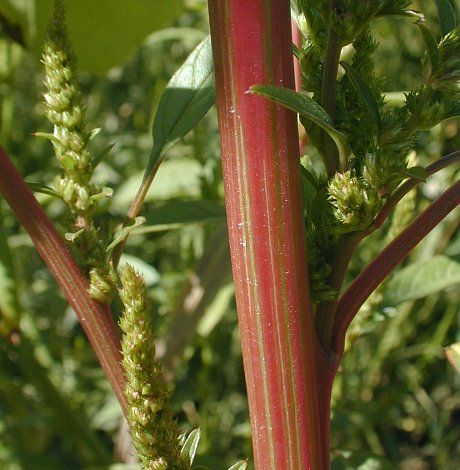
Waterhemp, Amaranthus tuberculatus (photo credit: www.eol.org)

Waterhemp, Amaranthus tuberculatus (photo credit: www.eol.org)

After genotyping 38 populations from across the species range, the authors confirmed that A. tuberculatus was indeed diverging into two species. Today, the western variety (var. rudis) has expanded eastward into the territory of the eastern variety (var. tuberculatus), extending as far as Indiana. Its expansion appears to be facilitated by becoming an agricultural weed. Data did not confirm the hypothesis that the weedy strain was a hybridized version of the two varieties, but instead mainly consists of the western variety, suggesting that “admixture is not a pre-requisite for weediness in A. tuberculatus.”

Further investigation revealed that the western variety may have already been “genetically and phenotypically suited to agricultural environments,” and thus did not require “genetic changes to be successful” as an agricultural weed. “Finer-scale geographic sampling” and deeper genetic analyses may help determine whatever genetic basis there might be for this unfortunate situation.

The Evolution of Flowering Strategies in US Weedy Rice by Carrie S. Thurber, Michael Reagon, Kenneth M. Olsen, Yulin Jia, and Ana L. Caicedo

This paper looks at an agricultural weed that originated from the de-domestication of a crop plant (one of the three modes of weed origination stated above). A weed that belongs to the same species as the crop it invades is referred to as a conspecific weed, and weedy rice is “one of the most devastating conspecific weeds in the United States.”  Oryza sativa is the main species of rice cultivated in the US, and most varieties are from the group tropical japonica. The two main varieties of weedy rice are straw hull (SH) and black-hull awned (BHA), which originated from cultivated varieties in the groups indica and aus respectively. Because weedy rice is so closely related to cultivated rice, it is incredibly difficult to manage, and there is concern that cross-pollination will result in the movement of traits between groups. For this reason, the authors of this study investigated flowering times of each group in order to assess the “extent to which flowering time differed between these groups” and to determine “whether genes affecting flowering time variation in rice could play a role in the evolution of weedy rice in the US.”

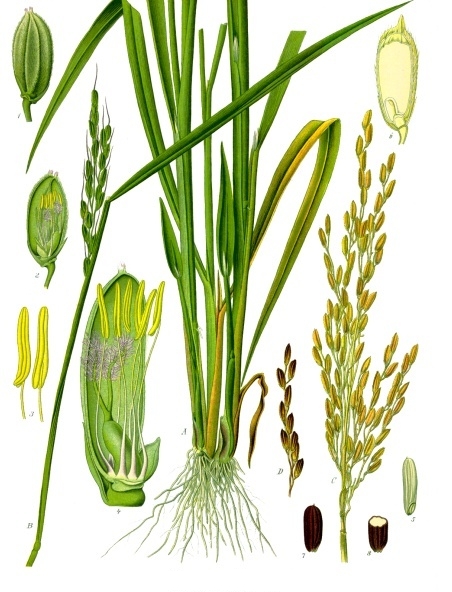
Rice, Oryza sativa (illustration credit: wikimedia commons)

Rice, Oryza sativa (illustration credit: wikimedia commons)

Crop plants have typically been selected for “uniformity in flowering time to facilitate harvesting.” The flowering time of weed species helps determine their effectiveness in competing with crop plants. Flowering earlier than crop plants results in weed seeds dispersing before harvest, “thereby escaping into the seed bank.” Flowering simultaneously with crop plants can “decrease conspicuousness, and seed may be unwittingly collected and replanted” along with crop seeds. Simultaneous flowering of weeds and crops is of special concern when the two are closely related since there is potential for gene transfer, especially when the crop varieties are herbicide resistant as can be the case with rice (“60-65% of cultivated rice in [the southern US] is reported to be herbicide resistant”).

For this study, researchers observed phenotypes and gene regions of a broad collection of Oryza, including cultivated varieties, weed species, and ancestors of weed and cultivated species. They found that “SH weeds tend to flower significantly earlier than the local tropical japonica crop, while BHA weeds tend to flower concurrently or later than the crop.” When the weeds were compared with their cultivated progenitors, it was apparent that both weed varieties had “undergone rapid evolution,” with SH weeds flowering earlier and BHA weeds flowering later than their respective relatives. These findings were consistent with analyses of gene regions which found functional Hd1 alleles in SH weeds (resulting in day length sensitivity and early flowering under short-day conditions) and non-functional Hd1 alleles in BHA weeds (“consistent with loss of day-length sensitivity and later flowering under short-day conditions”). However, the authors determined that there is more to investigate concerning the genetic basis of the evolution of flowering time in weedy rice.

In light of these results, hybridization is of little concern between cultivated rice and SH weeds. BHA weeds, on the other hand, “have a greater probability of hybridization with the crop based on flowering time and Hd1 haplotype.” The authors “predict that hybrids between weedy and cultivated rice are likely to be increasingly seen in US rice fields,” which, considering the current level of herbicide resistant rice in cultivation, is quite disconcerting.

Your Food Is a Polyploid

This is the seventh in a series of posts reviewing the 17 articles found in the October 2014 Special Issue of American Journal of Botany, Speaking of Food: Connecting Basic and Applied Science.

Doubling Down on Genomes: Polyploidy and Crop Plants by Simon Renny-Byfield and Jonathan F. Wendel

This is another fascinating but dense article about genetics. The major theme, as the title suggests, is polyploidy and its role in crop domestication and future crop improvements – a sub-theme being that by studying polyploidy in crop plants, we can gain insights into polyploidy generally as it relates to non-crop plants. Polyploidy – or whole genome duplication – is “where an organism possesses more than a diploid complement of chromosomes.” Typically, chromosomes come in sets of two, one set from each parent. Organisms with this type of an arrangement are called diploids. Polyploids are organisms with more than two sets of chromosomes. In general terms, this can occur as a result of two species hybridizing (interspecific hybridization), which is called allopolyploidy, or it can occur as a result of spontaneous genome doubling in a single species, which is called autopolyploidy. This article deals mainly with allopolyploid as polyploidy in crop plants is largely a result of hybridization.

Much of what we know about polyploidy has been discovered relatively recently during what is referred to as the “genomics era.” Traditionally, identifying polyploids was done by examining the number of chromosomes in a cell. Today, technological advances such as next generation sequencing have brought new insights into polyploidy and allowed us to identify evidence of it in organisms that cannot be observed simply by counting chromosomes. Plants that are now considered diploids went through periods of whole genome duplication in the distant past; however, due to genome downsizing and other events, they present themselves as diploids. This historical polyploidy is called paleopolyploidy. Evidence now suggests that all seed plants and flowering plants (angiosperms) are “rightly considered to have a paleopolyploidy ancestry.”

As I did with past articles that were very genetics heavy, I will use the bullet point method to list some of the main things that I learned from the article rather than offering a full review. As with any article that I review, my goal is to present the information in a digestible manner for as wide of an audience as possible without misrepresenting or oversimplifying the science and the research. This seems to be one of the main struggles faced by all who write about science for a general audience – a topic to be explored another time, perhaps.

  • The recent discovery that the genomes of all seed plants and angiosperms have “experienced multiple rounds of whole genome duplication” is “one of the most significant realizations to emerge from the genomics era.” In the past decade, “the ubiquity and scope of whole genome duplication has truly come to light,” and we no longer need to ask, “Is this species a polyploid?,” but rather “how many rounds of whole genome duplication occurred in the ancestral lineage of this taxon, and when was the most recent polyploidy?”
  • Recently formed polyploids are not stable and experience a period of “genomic shock.” They must “overcome an initial fitness cost associated with genomic [deviations].” These “large-scale perturbations [events that alter the function of a biological system] have the potential to add novel genetic material to the genome, potentially useful in the context of domestication and selection.”
  • Plants that appear to be diploids are actually paleopolyploids that have undergone a process called diploidization “in which the genome of a polyploidy is pruned, often by poorly understood mechanisms, such that it returns to a diploid-like condition.” Over time, duplicated genes are removed, DNA is eliminated, chromosome numbers decrease, etc. The organism then presents itself as a diploid, however traces of its polyploidy past remain detectable.
  • It has long been understood that hybrids can exhibit what is known as hybrid vigor (or heterosis) wherein they express traits that are superior to their parents, such as faster growth and higher yields. This is the reason plant breeders make such crosses. Debate continues concerning the “precise causes of heterosis.” Current research is focused on the epigenetic variability that is “induced by hybridization and polyploidy.” Epigenetics, which concerns variation that is not a result of alterations to DNA, is an emerging field that can be advanced through the study of polyploidy. Additionally, “the utilization of epigenetic diversity within crop species will provide a novel avenue for crop improvement in the coming years.”
  • While polyploids have great potential to increase our understanding of genomics and greatly improve “targeted breeding efforts,” they are historically difficult to study mainly due to the large size of their genomes compared to diploids. “Larger genomes are more expensive to sequence and require greater computational finesse.” To date, “only a single example of a ‘complete’ polyploidy genome exists, that of autotetraploid potato.” The authors “anticipate that these methodological challenges will soon be overcome by advances in genome sequencing technologies,” and along with “other powerful approaches,” continued insights into polyploidy will be attained.
Upland cotton (Gossypium hirsutum) is the most widely cultivated species of cotton in the United States. It is an allopolyploid that produces fibers that are "considerably longer, stronger, and whiter than are possible to obtain from any diploid." (photo credit: www.eol.org)

Upland cotton (Gossypium hirsutum) is the most widely cultivated species of cotton in the United States. It is an allopolyploid, and it produces fibers that are “considerably longer, stronger, and whiter than are possible to obtain from any diploid.” (photo credit: www.eol.org)

Exploring Pollination Biology in Southwestern China

This is the sixth in a series of posts reviewing the 17 articles found in the October 2014 Special Issue of American Journal of Botany, Speaking of Food: Connecting Basic and Applied Science.

Insect Pollination and Self-Incompatibility in Edible and/or Medicinal Crops in Southwestern China, a Global Hotspot of Diversity by Zong-Xin Ren, Hong Wang, Peter Bernhardt, and De-Zhu Li

We rely on pollinators to pollinate at least 75% of our food crops, which is why any talk of pollinator decline tends to make us nervous. It is also why research involving pollinators and pollination is so important. Despite all we know, there is still so much to learn. The authors of this study, recognizing that “there are large gaps in the study of the pollination of economically important and traditionally grown species in China,” set out to help close these gaps. Their research not only has the potential to benefit agricultural communities in China, but also adds to our growing understanding of pollination biology – a science that has become increasingly important in an age of human population growth and shifting climates.

The incredibly diverse Chinese flora includes at least 31,000 plant species. Three hundred of the 1500 species of worldwide cultivated crop plants “originated and/or were domesticated and/or underwent differentiation in China.” Southwestern China has a particularly large amount of botanical diversity and is considered a biodiversity hotspot. In this study concerning agricultural pollination, researchers chose to focus on Yunnan, a province in southwestern China. They chose this region due to its high level of current and historical agriculture and because it is “one of the last refuges of the eastern Asian honeybee, Apis cerana, in China.” They narrowed their research down to 11 species that are important for their culinary and/or medicinal use, some of them having widespread use and others having more local, cultural use. Depending on the species, conclusions were drawn either from available literature, from field studies, or both.

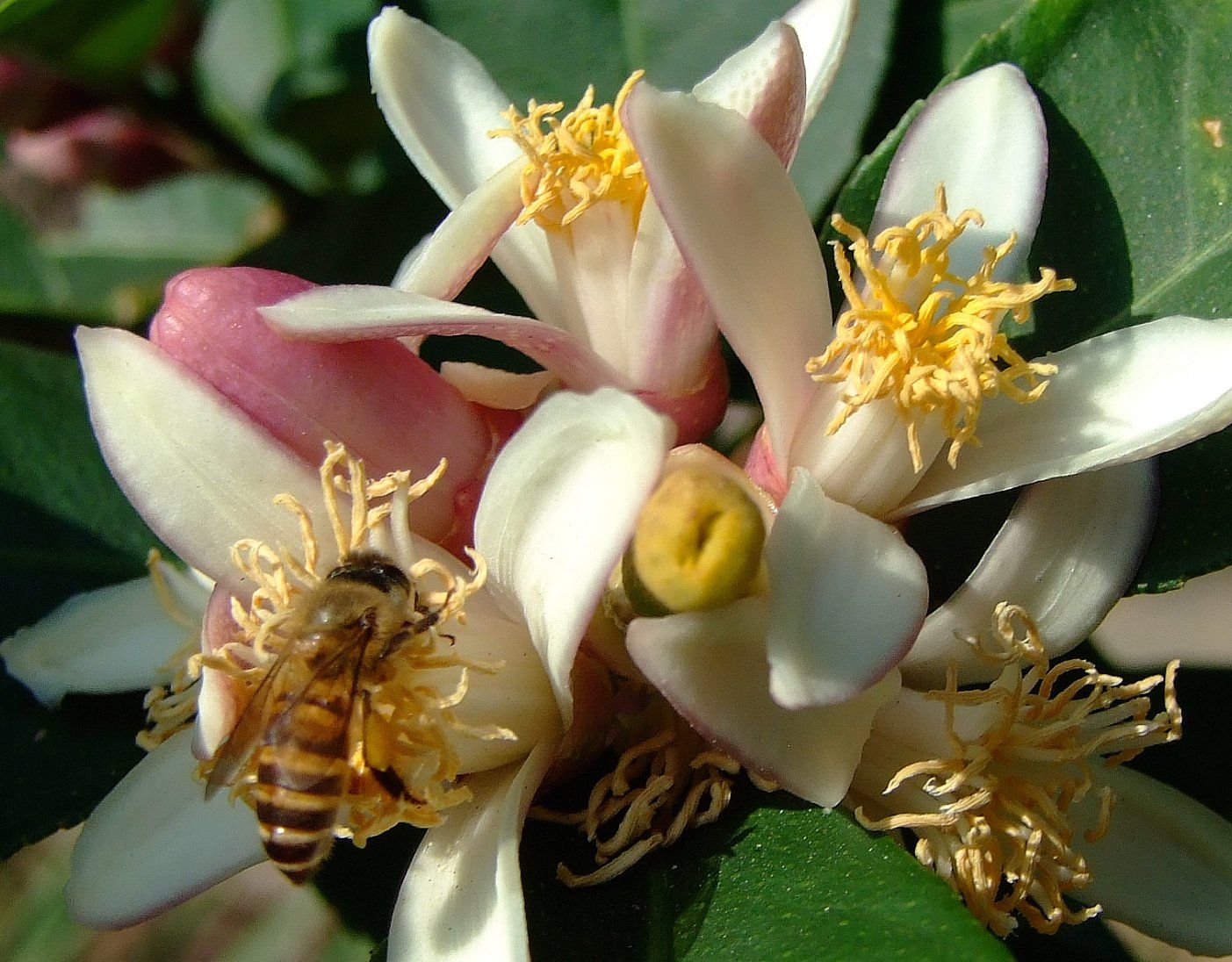
Eastern Asian Honeybee (Apis cerana) on Citrus limonia flowers (photo credit: www.eol.org)

Eastern Asian Honeybee (Apis cerana) on Citrus limonia flowers (photo credit: www.eol.org)

A review of the literature revealed information about each plant’s breeding system, the pollinators involved, ethnobotanical details, and other things. No information was available on the breeding system or pollinators of Panax notoginseng, “one of the most highly valued Chinese medicinal herbs.” Five species were found to be self-compatible (Angelica sinensis, Amomum tsao-ko, Brassica napus, B. campestris, and Gastrodia elata) and four were found to be self-incompatible (Camellia oleifera, Dendrobium catenatum, Fagopyrum esculentum, and Paris plyphylla var. yunnanensis). Codonopsis subglobosa was somewhere in the middle. The authors were intrigued by the persistent self-incompatibility in these domesticated plants (some more recently domesticated than others), noting that “both traditional and modern agricultural practices in China could not always overcome ancestral self-incompatibility mechanisms.” A running theme seemed to be that, if able to produce fruit or seed when hand-pollinated or without the aid of pollinators, the plants consistently performed better when insect pollinated. One of the most interesting findings was that Gastrodia elata, Dendrobium catenatum, and Paris plyphylla var. yunnanensis “persist in cultivation only through hand-pollination.”

Camellia oleifera, tea-oil plant, is pollinated by two native solitary bee species. It is avoided by native and introduced honeybees because its nectar contains substances that are toxic to worker bees, including caffeine, raffinose, stachyose, and galactose. Fagopyrum esculentum, common buchwheat, is native to southern China and was likely first domesticated there. It is pollinated by a variety of insects; however, its main pollinator in worldwide cultivation is the European honeybee, Apis mellifera. In China, evidence suggests that when pollinated by native pollinators, buckwheat produces higher yields and larger fruits. Codonopsis subglobosa is an undomesticated but cultivated perennial vine endemic to southwestern China, the roots of which are used as a substitute for ginseng. It can self-pollinate without a vector, but cross-pollination by wasps yields more seeds. Pollination by “hunting wasps” is rare, and C. subglobosa is not the only plant in the area pollinated by them. If the “evolution of hunting wasp pollination systems has evolved repeatedly in unrelated species native to southwestern China,” this region may be a “center for the convergent evolution of hunting wasp pollination.”

Common Buckwheat, Fagopyrum esculentum (photo credit: Wikimedia commons)

Common Buckwheat, Fagopyrum esculentum (photo credit: wikimedia commons)

Beekeeping has been a major part of agriculture in China for centuries. However, the introduction of the European honeybee has caused a significant decline in both wild and managed populations of native honeybees, despite native honeybees being “better adapted to more diffuse nectar resources” than the introduced honeybee. The decline in keeping and managing native honeybees is complicated and involves much more than just the introduction of the European honeybee. Along with the debate about what is best for agriculture in China, is the concern about what introducing non-native pollinators could mean for native flora and fauna. The authors conclude that there is “urgent need for new pollination management policies in China.”

This article ends with suggestions about how to improve and expand pollination biology research in China in order to fill gaps in knowledge, improve agricultural production, and protect and conserve native biodiversity. China is an ideal candidate for such research for several reasons: it has areas like southwestern China that are very species rich, it has a long history of agriculture, and it has numerous unique crops that are specific to Chinese culture. China also has a large and growing population, so improvements that can lead to more sustainable agricultural production will be greatly beneficial in the long run.

Carrots and Strawberries, Genetics and Phylogenetics

This is the fifth in a series of posts reviewing the 17 articles found in the October 2014 Special Issue of American Journal of Botany, Speaking of Food: Connecting Basic and Applied Science.

As expected, some of the articles in this issue get into pretty deep discussions about genetics and phylogenetics. Advancements in sequencing and analyzing DNA have not only led to better understanding of genes and their functions but have also given us greater insight into how species are related and their proper place on the phylogenetic tree.  While I have some background in these things and can follow along at a basic level, I certainly don’t feel confident in authoritatively summarizing such findings . I also question whether or not a high level discussion of phylogenetics makes for an interesting and engaging blog post. Plant systematics geeks are aggressively nodding “yes”; other readers’ eyes have glazed over by this point.

I am certainly not arguing that this is not important stuff. When a species we have become familiar with is suddenly given a new scientific name, it is not too annoy those of us who are trying to learn the names of things, rather it is because something novel has been discovered about the way living things are organized, about their life history – the way they came to be.  We should be celebrating advancements that allow us to look back over the millions of years of life on earth and see how various species emerged, evolved, disappeared, were replaced, and ultimately arrived at what we view today. And we should be humbled to know that these present forms are not the climax, that we are simply getting a glimpse in the evolutionary trajectory of the organisms around us. Perhaps it will prompt us to protect them, understanding that every scrap of biodiversity is important and worth conserving. After all, who are we to decide how the story goes?

The sixth and seventh articles in “Speaking of Food” are about carrots and strawberries respectively. Discussion about the genetics and phylogenetics of these plants dominates the articles, with the application being that we can improve these crops by better understanding their genetics, and we can gain insights into plant evolution by better understanding their phylogenetics.  Rather than give you a thorough overview of each of these articles (for reasons stated above), I am offering you bullet points of a few of the things that I learned while reading them.

Phylogenomics of the Carrot Genus (Daucus, Apiaceae) by Carlos Arbizu, Holly Ruess, Douglas Senalik, Philipp W. Simon, and David M. Spooner

  • The domesticated carrot (Daucus carota subsp. sativus) is “the most notable cultivated member of Apiaceae [a family consisting of 455 genera and over 3,500 species] in terms of economic importance and nutrition.”
  • Carrots are our primary source of vitamin A (due to high levels of alpha and beta carotenes), “accounting for about half of dietary intake.”
  • Wild carrot species can be used to improve the domesticated carrot by providing genes that will help with pest and disease resistance, yield increases, better nutrient value, etc.
  • “The taxonomy of D. carota is particularly problematical. It undergoes widespread hybridization experimentally and spontaneously with commercial varieties and other named subspecies.”
  • The researchers, upon examining more than half of the known Daucus species and 9 species that are very closely related, identified several Daucus spp. that “may be easily incorporated in carrot breeding programs.”
  • This study determined “misidentifications in germplasm collections” and highlighted “the difficulty of defining subspecies of D. carota.”
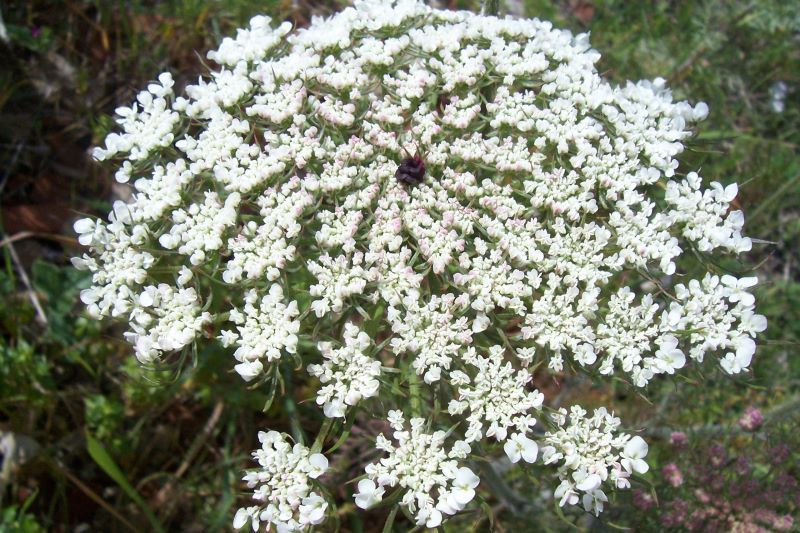
Flowers of Daucus carota (photo credit: www.eol.org)

Flowers of Daucus carota (photo credit: www.eol.org)

Fragaria: A Genus with Deep Historical Roots and Ripe for Evolutionary and Ecological Insights by Aaron Liston, Richard Cronn, and Tia-Lynn Ashman

  •  Fresh strawberries are fifth on the list of fresh fruit consumption in the United States.
  • “Resistance to a Fragaria-specific powdery mildew has been demonstrated in F. x ananassa [domesticated strawberry] transformed with a peach locus, and the cultivation of such transgenic plants could reduce pesticide usage in strawberry.” Commercial production awaits, though, “due to public resistance, a lack of industry support, and concerns over gene flow to the wild species of Fragaria.”
  • “The modern cultivated strawberry, Fragaria x ananassa, originated in the 18th century in Europe from hybridization between two species imported from North and South America. The parental species, F. virginiana and F. chiloensis, also hybridize naturally in northwestern North America, but there is no evidence that they were ever cultivated by the native Americans in this area.”
  • The stolons of strawberry plants can be used as dental floss!? So said Antoine Nicolas Duchesne in his 1766 book about strawberries. I guess I’ll have to read his account to get more insight into this interesting detail.
  • F. x ananassa has flowers that are self-compatible, but it is “derived from the hybridization of two wild species that show gender dimorphism,” which is common in the genus. For this reason, Fragaria, is “proving to be an exceptional model system for understanding the sexual system and sex chromosome evolution.”
  • Fragaria species occur across a broad range of temperate habitats and elevations from sea level sand dunes to moist, productive meadows to high, dry, mountain summits.” They are adapted to a wide variety of environmental conditions. “This variation represents a potential source of genetic variation for climatic tolerance, disease/pest resistance, and yield-associated traits.”
  • The Fragaria genus, like virtually all genera of flowering plants, includes polyploid species. Researchers conclude that Fragaria is an “ideal system for exploring relationships between ploidy formation, ploidy level, and the coordination of transcriptomic control.” They also believe that continued studies of “ecological and evolutionary genomics in Fragaria has the potential to provide further insights into hybridization.”
  • Finally, the researchers advise that the “familiarity of strawberries provides an opportunity to engage and educate the public about botanical research.”
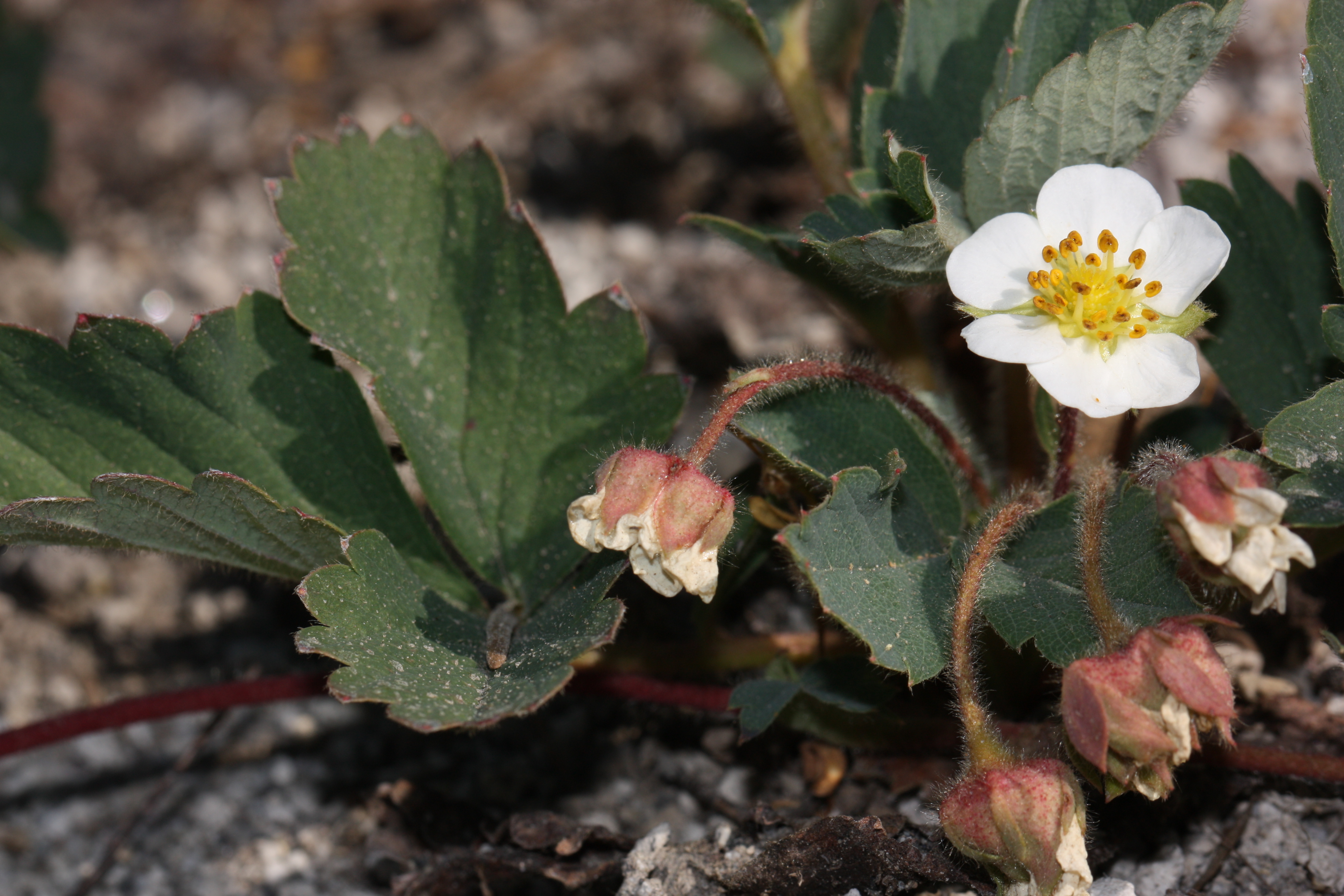
Broadpetal Strawberry, Fragaria virginiana supsp. platypetala (photo credit: wikimedia commons)

Broadpetal Strawberry, Fragaria virginiana supsp. platypetala (photo credit: wikimedia commons)

An Underutilized Crop and the Cousins of a Popular One

This is the fourth in a series of posts reviewing the 17 articles found in the October 2014 Special Issue of American Journal of Botany, Speaking of Food: Connecting Basic and Applied Science.

Genetic Diversity in Carthamus tinctorius (Asteraceae; Safflower), An Underutilized Oilseed Crop by Stephanie A. Pearl and John M. Burke

Safflower (Carthamus tinctorius) was first domesticated in the Fertile Crescent about 4,500 years ago. It was originally desired for its flowers which were used in dye making. Commercial production of safflower began in North America in the 1950’s, where it is now mainly grown for its seeds which are used to produce oil for human consumption and are a main ingredient in bird seed mixes. Despite this, it is categorized as an “underutilized crop,” one “whose genetic potential has not been fully realized.” With increased interest in food security and feeding a growing population, researchers are turning to new and underutilized crops in order to increase the “availability of a diverse assemblage of crop species.”

A major step in improving a crop plant is understanding the genetic diversity that is available within its gene pool. With this aim in mind, researchers observed a “broad cross section of the safflower gene pool” by examining the DNA of a “worldwide sampling of diversity from the USDA germplasm collection [134 accessions consisting of 96 from the Old World and 38 from the New World]”, 48 lines from two major commercial safflower breeding programs in North America, and 8 wild collected safflower individuals.

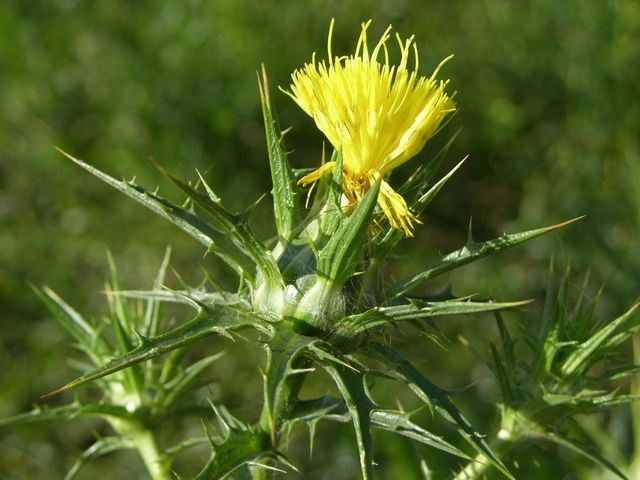
Safflower, Carthamus tinctorius (photo credit: www.eol.org)

Safflower, Carthamus tinctorius (photo credit: www.eol.org)

Researchers found that the cultivated safflower varieties had a significant reduction in genetic diversity compared to the wild safflower plants. They also noted that the 96 Old World accessions could be grouped into “four clusters that corresponded to four different geographic regions that presumably represent somewhat distinct breeding pools.” They found that the wild safflowers “shared the greatest similarity with the Iran-Afghanistan-Turkey cluster” from the Old World group of accessions, a finding that “is consistent with safflower’s presumed Near Eastern center of origin.”

The researchers determined that there may be “agronomically favorable alleles present in wild safflowers,” and that “expanded efforts to access wild genetic diversity would facilitate the continued improvement of safflower.” Safflower is an important but underused oilseed crop that is adapted to dry climates; studies like this one that can lead to further crop improvements may help bring it out of niche production and into more widespread use.

The Wild Side of a Major Crop: Soybean’s Perennial Cousins from Down Under by Sue Sherman-Broyles, Aureliano Bombarely, Adrian F. Powell, Jane L. Doyle, Ashley N. Egan, Jeremy E. Coate, and Jeff J. Doyle

Soybean production is a major money maker in the United States ($43 billion total revenue in 2012); corn is the only crop that tops it. Soybean oil has myriad uses from food to feedstock and from pharmaceuticals to biofuel. As much as 57% of the world’s seed oil comes from soybeans produced in the United States. Hence, soybean (Glycine max and its wild progenitor, G. soja) is a well researched crop. Most research has been focused on the two annual species in the subgenus Soja; “less well known are the perennial wild relatives of soybean native to Australia, a diverse and interesting group that has been the focus of research in several laboratories.”

Given the agricultural importance of soybean and the increasing demands that will be placed on this crop as population rises, it is imperative that improvements continue to be made. Exploring soybean’s “extended gene pool,” including both its annual “brother” and its perennial “cousins,” will aid in making these improvements.

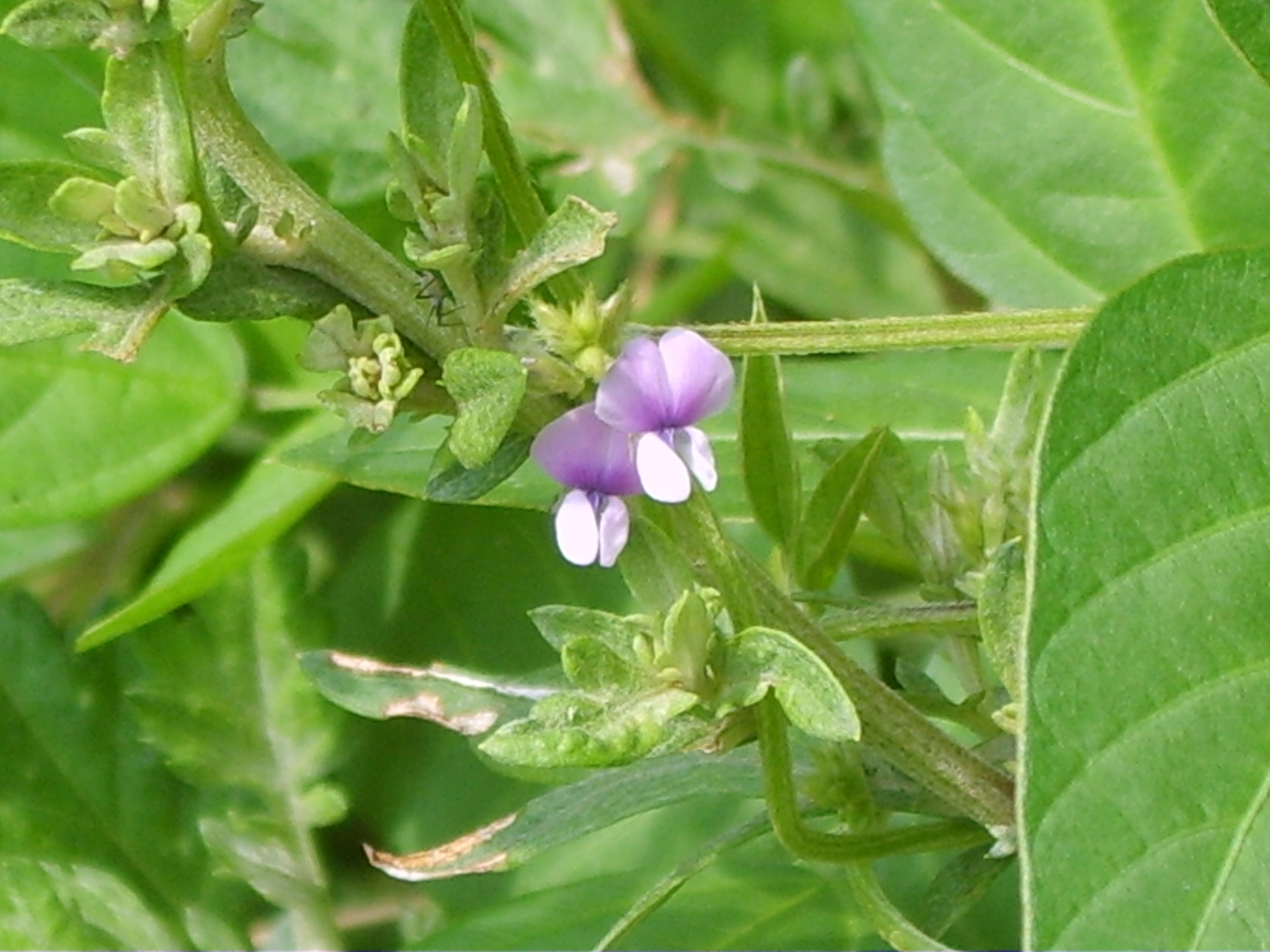
Soybean's wild annual relative, Glycine soja (photo credit: www.eol.org)

Soybean’s wild annual relative, Glycine soja (photo credit: www.eol.org)

Perennial soybeans in the subgenus Glycine include around 30 species. They are adapted to a wide variety of habitats “including desert, sandy beaches, rocky outcrops, and monsoonal, temperate, and subtropical forests.” They are of particular interest to researchers because several of them are allopolyploids, meaning that they have more than the usual two sets of chromosomes and that the additional sets of chromosomes were derived from different species. The authors state that “the distributional differences between diploids and independently formed polyploids [in the subgenus Glycine] suggests underlying ecological, physiological, and molecular differences related to genome doubling and has led to the development of the group as a model for studying allopolyploidy.” The group is also worth studying because they demonstrate resistance to various soybean pathogens and are adapted to a variety of environmental conditions.

By continuing to work with soybean’s perennial cousins to gain a better understanding of “polyploidy and legume evolution,” the authors hope to apply their research to achieve increases in soybean yields. Past research suggests that the study of polyploidy in the perennial soybeans could lead to crop improvements in areas such as photosynthesis, nitrogen fixation, flowering time, and disease resistance.

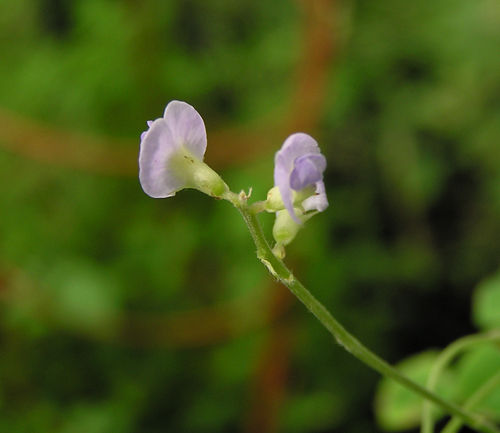
Glycine tomentella - one of soybean's perennial cousins (photo credit: www.eol.org)

Glycine tomentella – one of soybean’s perennial cousins (photo credit: www.eol.org)


The Legacy of a Leaky Dioecy

This is the second in a series of posts reviewing the 17 articles found in the October 2014 Special Issue of American Journal of Botany, Speaking of Food: Connecting Basic and Applied Science.

The Ecological Side of an Ethnobotanical Coin: Legacies in Historically Managed Trees by Nanci J. Ross, M. Henry H. Stevens, Andrew W. Rupiper, Ian Harkreader, and Laura A. Leben

As much as we like to think otherwise, pre-Colombian Native Americans altered the natural landscape in drastic and measurable ways. What we often consider an unaltered, pristine natural area before European colonization, actually has human fingerprints all throughout it. Determining just how deep these fingerprints go, however, is a challenge that requires careful and thorough anthropological and ecological studies.

Many such studies have been done, mostly at the community and ecosystem level. For example, Native Americans used fire extensively as a land management tool. This is how prairies were maintained as prairies. Today, forests in eastern North America that were once dominated by oaks have shifted over to maple dominated forests. This is largely (although not solely) because anthropogenic fires have ceased and wildfires are now suppressed. If fires had never been used as a management tool, would oaks (an important Native American food source) have ever maintained such dominance?

Native Americans participated in the domestication of numerous plant species. Much of this was done by way of – as Charles Darwin termed it – unconscious selection. Rather than selecting specific individuals and breeding them to achieve a desired type, they would simply discard undesirable plants and maintain desirable ones. Much of this selection, especially for woody, perennial species was done through land management techniques – such as fire – as opposed to typical cultivation. The authors of this article, interested in whether or not the “legacy” of this method of selection through land management could be observed today in an individual species, developed a preliminary study to begin to answer this question.

Diospyros – a genus in the ebony family (Ebenaceae) consisting of around 500 species – is mainly pantropical with a few species occurring in temperate regions. One temperate species is Diospyros virginiana – common persimmon – which “has a broad distribution throughout the United States from Connecticut south to Florida and west to the eastern edge of Nebraska.” Persimmons were used and managed extensively by Native Americans; however, they are “now viewed as a rare, weedy, wild fruit tree that is known primarily by hobbyists and wild harvesters.”

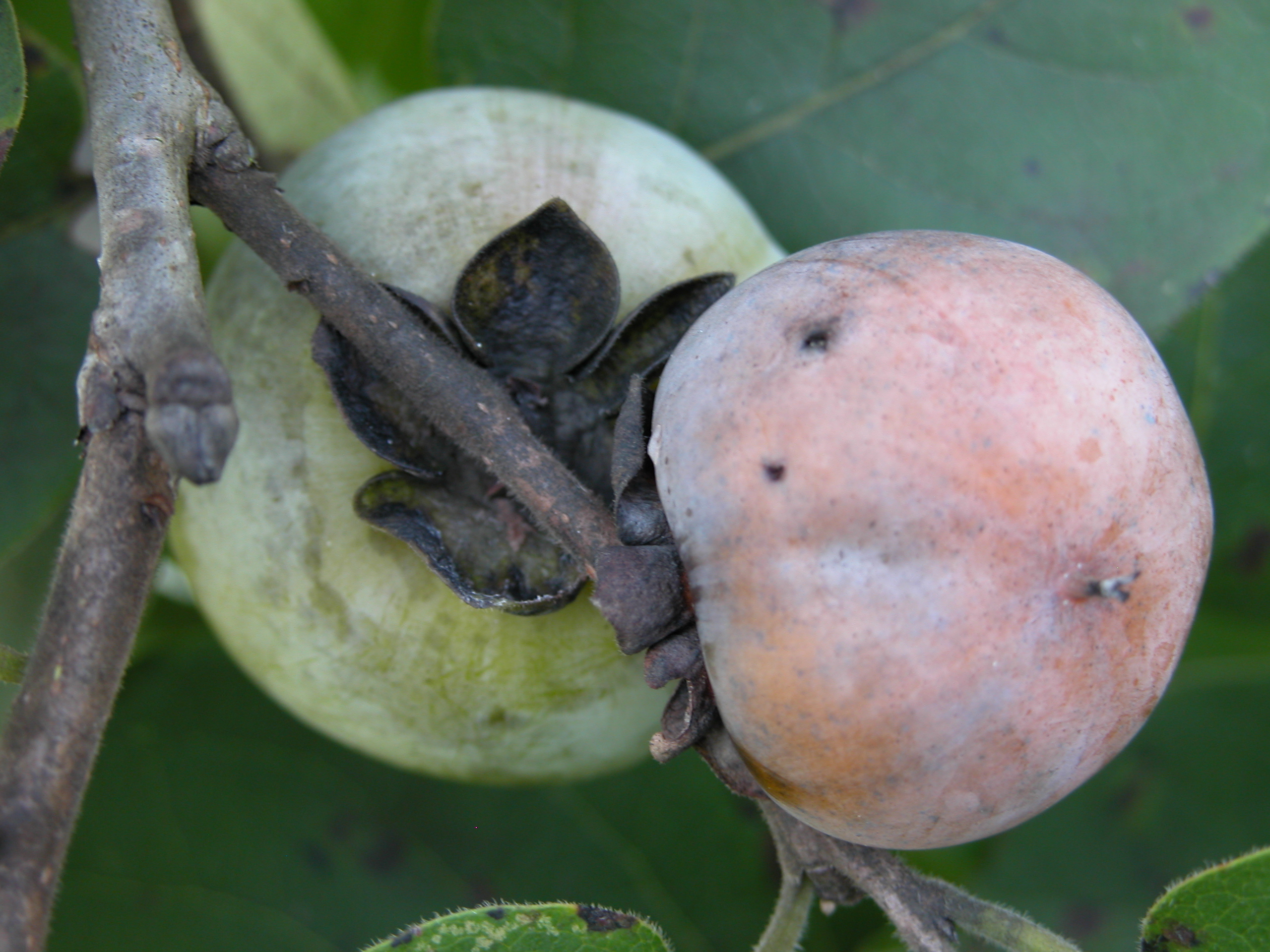
Fruits of common persimmon, Diospyros virginiana )photo credit: Wikimedia commons)

Fruits of common persimmon, Diospyros virginiana (photo credit: wikimedia commons)

D. virginiana is a dioecious species, meaning that it produces male flowers and female flower on separate individuals. Despite this, some individuals have been reported bearing both male and female flowers while others have been seen having perfect flowers along with either male or female flowers. Some trees have even been reported to be dioecious one year and then having perfect flowers and/or some combination of male, female, and perfect flowers the next year. This variation from the norm – what the authors call “leaky dioecy” – can either be a result of artificial selection or environmental pressures. The authors hypothesized that “leaky dioecy in D. virginiana is a result of historical selection by Native Americans for trees with copious fruit production.” This preliminary study was designed to see if climate and soil conditions might be the reason for the observed “sex expression.”

Skipping ahead, the authors found “no compelling evidence…to suggest segregation due to environmental factors,” signaling them to “move forward in [their] investigation of potential long-term impacts of historical management on the evolution of reproductive traits in American persimmon without the noise of a strong environmental driver.” The authors go on to discuss challenges in their study, including the length of time since “extensive management” making it hard to “uncover a signal of precontact management” and the limitations of having to rely on herbarium specimens. Either way, it is a worthy study to pursue. Even if it does not reveal the full story of how Native Americans managed persimmons in pre-colonial times, further insight into “adaptive flexibility in reproductive systems of long-lived perennial species” and other interesting things that persimmons might teach us will be well worth the effort.

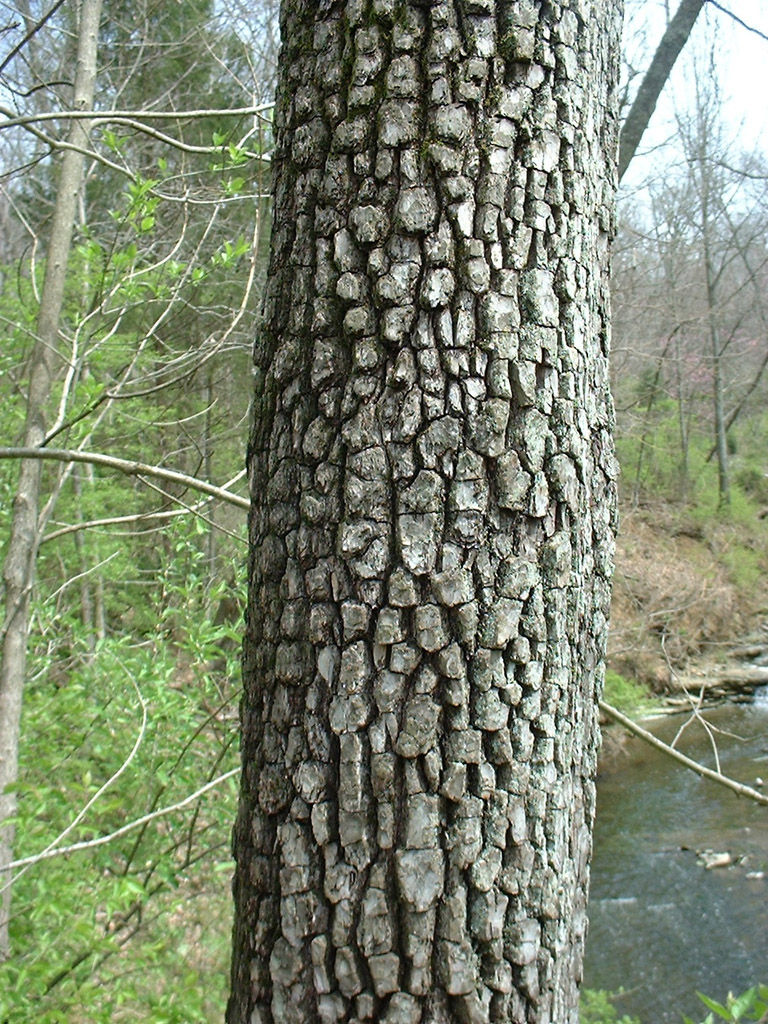
Characteristic bark of common persimmon, Diospyros virginiana (photo credit: www.eol.org)

Characteristic bark of common persimmon, Diospyros virginiana (photo credit: www.eol.org)


On the Origins of Agriculture

This is the first in a series of posts reviewing the 17 articles found in the October 2014 Special Issue of American Journal of Botany, Speaking of Food: Connecting Basic and Applied Science.

Agricultural Origins from the Ground Up: Archaeological Approaches to Plant Domestication by BrieAnna S. Langlie, Natalie G. Mueller, Robert N. Spengler, and Gayle J. Fritz

Concern about food and the environment has been on the rise for a while now. Interest in healthy food grown and produced in a responsible manner has prompted people to investigate where their food is coming from. Archaeologists studying plant domestication and the rise of agriculture are also concerned with where our food came from; however, their research efforts are more focused on prehistoric events rather than on what is being stocked on today’s grocery store shelves.

The authors of this paper, all archaeologists specializing in paleoethnobotany or archaeobotany, offer a broad overview of the study of plant domestication and the emergence of agricultural economies. In their studies the authors “treat domestication as a process that originally preceded the formation of agricultural economies” and they define domestication as “genetic and morphological changes [in] a plant population in response to selective pressures imposed by cultivation.”

The first section of the paper explains why certain theoretical approaches to thinking about early plant domestication should be revised. These approaches include a centric view of plant domestication, single domestication trajectories, rapid pace plant domestication, and domestication being coupled with the development of agricultural economies.

The concept of centers of origin refers to specific regions in the world where the majority of crop domestication is thought to have occurred. Often these are regions where a high number of wild relatives of crops are found and where large civilizations emerged. But research has revealed numerous locations in various parts of the world where crop domestication occurred independently from traditional centers of origin leading archaeologists to further explore a noncentric view of domestication.

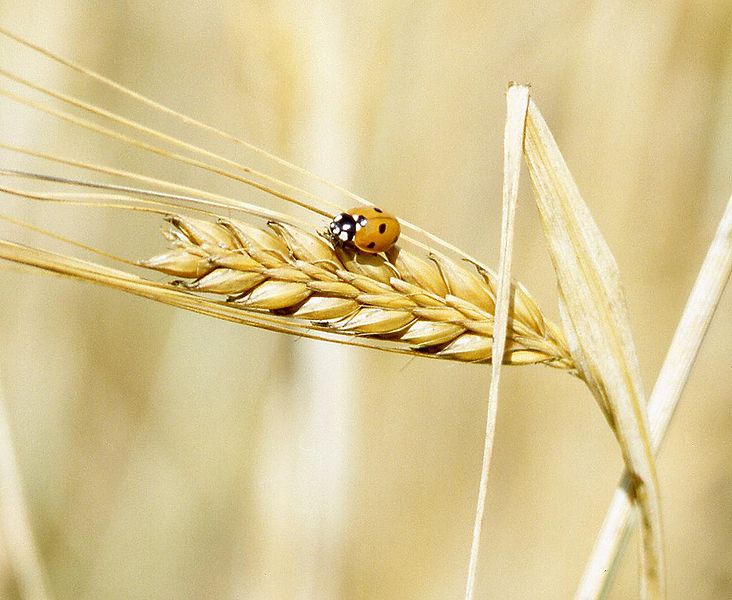
Related to the centers of origin debate is the single vs. multiple domestications debate. Single site domestication refers to a plant being domesticated in one location and then spread to other locations. Multiple site domestication refers to the same plant being domesticated in multiple sites independently. With the aid of genetic research, crops that were once thought to have been domesticated in a single region and then disseminated to other regions are now being shown to have multiple domestication sites. For example, it has been suggested that barley was domesticated independently in various locations, including the western Mediterranean region, Ethiopia, Morocco, and Tibet, as well as various parts of Southwest Asia.

Barley - Hordeum vulgare (photo credit: Wikimedia commons)

Barley – Hordeum vulgare (photo credit: wikimedia commons)

Concerning the pace of crop domestication, “many scholars have presented evidence that domestication was slower and more gradual than previously envisioned” probably because the first domesticated crop plants were not “developed by plant breeders with clear end products in mind.” On this point, the authors conclude that debates over timelines are “likely to continue for some time,” and that “close communication between geneticists and archaeologists, including those with archaeobotanical expertise” will be necessary to tell the full story.

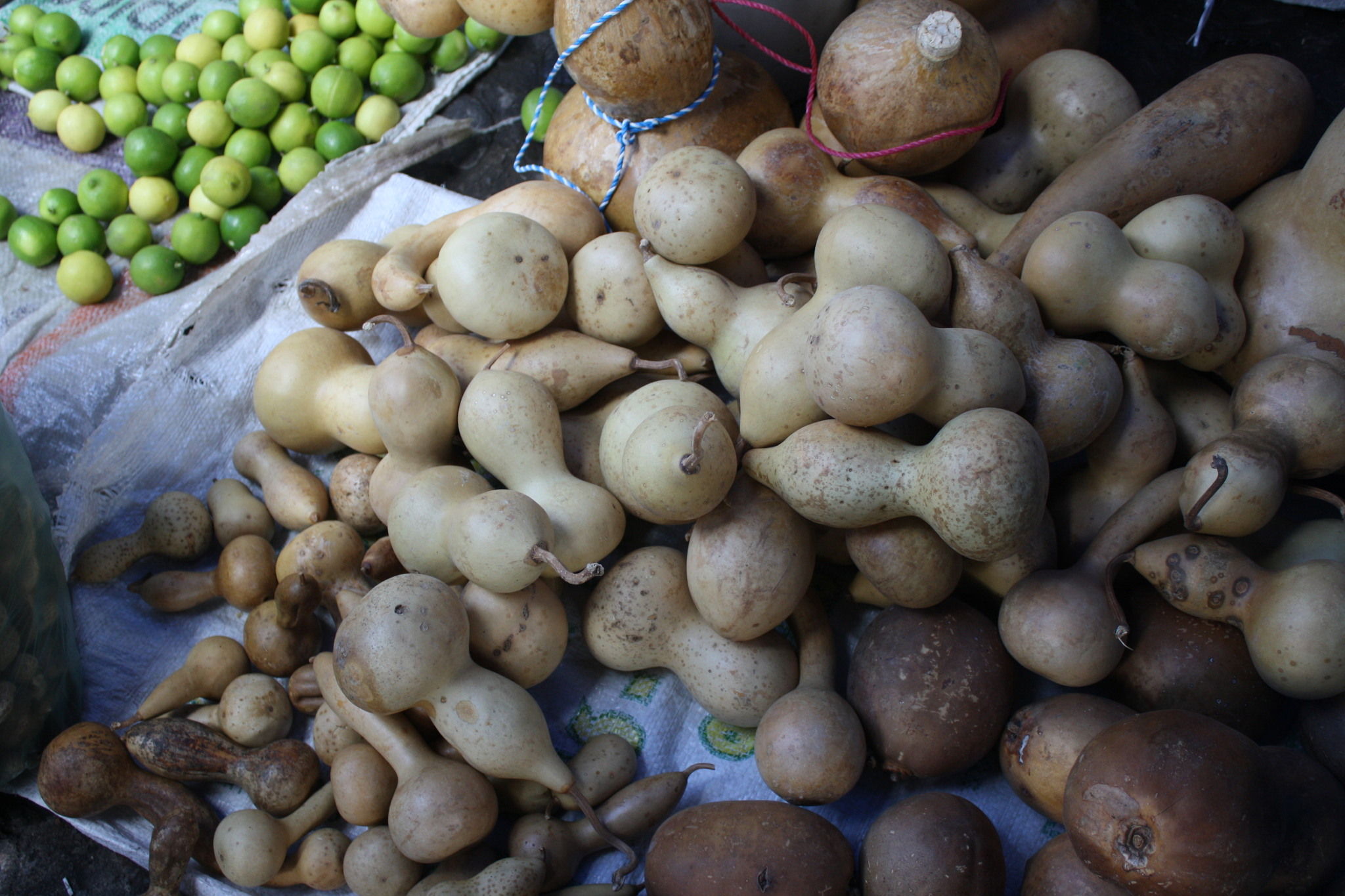
Domestication is typically viewed as a precursor to agriculture. But the authors point out that domestication occurred first and that agriculture did not immediately follow. To illustrate this point, they tell the story of the bottle gourd (Lagenaria siceraria), possibly the oldest domesticated plant. Native to Africa, the gourds likely floated across the Atlantic Ocean to the Americas (they also made their way to East Asia and other places) where they were domesticated multiple times by various groups of people at least 10,000 years ago. The gourds had numerous potential uses including containers, rattles, net floats, and even food (the young, immature fruits are edible). Large gourds with thick rinds were preferred by early humans, and the seeds of these were planted. The plants needed little attention, so caring for them did not mean having to adopt a sedentary lifestyle. The authors conclude that “although this example might seem peripheral to the development of serious food-producing economies or social complexity, it highlights early, intimate plant-people relationships and the abilities of people to modify their environments to enhance availability of desirable resources.”

Bottle gourds (Lagenaria sicericia) were possibly the earliest domesticated plant species (photo credit: eol.org)

Bottle gourds (Lagenaria siceraria) were possibly the earliest domesticated plant species (photo credit: www.eol.org)

In the next section of the paper, the authors discuss new and improved methods being used today to “address questions about the timing, scale, and causes of domestication.” Narrowing down the dates that plants were first domesticated is a major interest of archaeologists, and advances in radiocarbon dating have assisted in this quest. When DNA is being extracted, it is important to know the age of the material being analyzed in order to better reveal its history. Combining several methods for analyzing the data – especially as these methods are improved and new methods are developed – is  crucial.

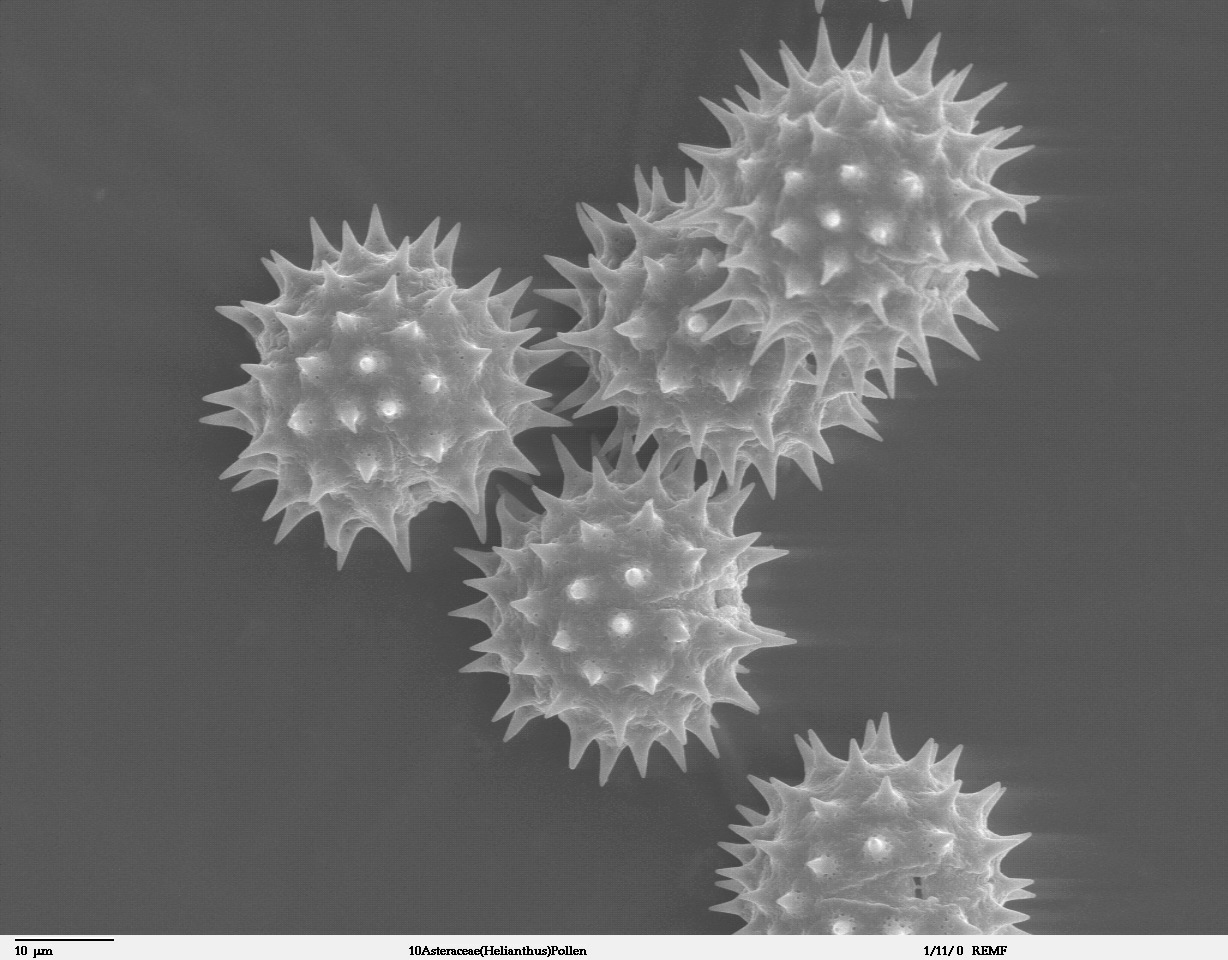
Advances in microscopy have helped to better analyze morphological changes in plants over time as well as to examine microfossils, like starch granules, pollen, and phytoliths (silica particles left behind after a plant decays). Observing phenotypic changes in fruits, seeds, and other plant parts and determining the presence of things like starch granules and pollen helps us to understand the pace and scope of domestication as well as to determine when certain domesticated plants were introduced to areas outside of their perceived center of origin. Advances in the science of taphonomy – “the study of decay processes following the death of an organism until it is fossilized or exhumed” – also aid researchers in better understanding the stories behind plant domestication.

Scanning electron microscope (SEM) image of pollen grains from common sunflower - Helianthus annuus (photo credit: Wikimedia commons)

Scanning electron microscope (SEM) image of pollen grains from common sunflower – Helianthus annuus (photo credit: wikimedia commons)

Working with experts in other areas of archaeology will also lead to greater understanding of plant domestication and the emergence of agricultural economies. The authors give examples of how studying human and animal bones can provide information about plant domestication and state that “other classes of archaeological data, such as household structure and storage features, agricultural and culinary tools, and soil morphology” will aid in better understanding “how and why domestication occurred as an historical and evolutionary process.”

Next the authors discuss anthropological views on the causes of plant domestication. One of the main debates among anthropologists when discussing agriculture is whether or not early humans were “pushed” or “pulled” into agricultural economies. Did increasing populations and/or decreasing availability of resources compel people to produce more of their own food or did human populations cultivate and domesticate plants in areas where resources were readily available, allowing them to live sedentary and stable existences? The authors conclude that “it is not necessary for one of these scenarios to explain all transitions to agriculture” as agriculture emerged independently in multiple locations around the globe, each time under its own specific set of circumstances.

The final section of the paper is a short discussion on the relatively under-researched topic of the diet and cuisine of ancient humans. Surely, a desire for particular foods and beverages lead to cultivation and domestication. The authors assert that “cuisines provide people with social identities, nationalism, spirituality, and a package of cognitive tools for coping with their environment. Without a doubt, culturally constructed food preferences played a role in the origins and spread of agriculture.”

This is a brief summary of a well-researched and detailed article concerning the fascinating topic of early plant domestication. Honestly, my synopsis hardly does it justice, so I urge you to read it for yourself if this topic interests you. I particularly appreciated the emphasis that the authors placed on using multiple methods and tools to collect and interpret data and how our perspectives should be revised as new and updated data emerge. The call for multiple disciplines to come together in collaboration to better understand the history of domestication and agriculture is also encouraging. In summation the authors state that “archaeological evidence indicates that every case of transition form hunter-gatherers to agricultural economies was unique … Identifying the specific nature of when, where, and how domestication occurred will undoubtedly elucidate how agriculture transformed the trajectory of human societies.”

Speaking of Food: A Special Issue of American Journal of Botany

“At the center of discussions about agriculture and the future of food in a changing climate are the plants that we grow for food, fiber, and fuels and the science that is required to understand, improve, and conserve them.”

That is a line from the opening paragraph of the introduction to the October 2014 issue of American Journal of Botany, Speaking of Food: Connecting Basic and Applied Plant Science. In this Special Issue, the American Journal of Botany – inspired by Elizabeth Kellogg’s 2012 presidential address to the Botanical Society of America – endeavors to demonstrate ways in which basic plant biology research can benefit the applied science of agriculture, and how this “use-inspired” research can help address the challenges of feeding a growing population in a changing climate.

speaking of food_ajb

In its 100 year history, the American Journal of Botany, has published hundreds of papers that serve to advance agricultural and horticultural sciences. However, this connection has not always been made explicit. With this special issue, they are hoping to change that by “illustrat[ing] that ‘basic’ and ‘applied’ are not two discrete categories, nor are they even extremes of a linear continuum.” “Basic” research can be used to answer questions and solve “human-centered problems,” and “applied” research can “illuminate general biological principles.” When both approaches to scientific inquiry come together, everyone benefits.

I originally chose to study horticulture because I was interested in growing food in a sustainable and responsible manner. During my studies, I gained a greater interest in the broader field of horticulture as well as an interest in botany. After receiving a degree in horticultural and crop sciences, I decided to pursue a Master’s Degree. I wanted to study green roof technology, an applied science that incorporated my interests in both horticulture and sustainability. The school that I ended up going to did not have a horticulture program, so I enrolled in a biological sciences program. It was there, while doing applied science research on green roofs and taking mostly botany related science courses, that I deepened my love for science and began to see how basic science had applications, not just in horticulture and agriculture, but in all aspects of life.

That explains my great interest in this recent issue of American Journal of Botany, and why I was so excited when I heard about it. Using science to understand and address the challenges that we face today (challenges that, many of which, are a result of human activity) is intriguing to me. Based on my interest in horticulture, food production, and sustainability, establishing and advancing science-based sustainable agriculture is incredibly important to me. And so I have decided that, over the next several posts, I will provide reviews of each of the 17 articles in AJB’s Special Issue. Each post will offer a brief overview of one or more articles, outlining the basic premises and findings of each study. If your interest is peaked, and I hope it will be, you can go on to read more about each of the studies. The Introduction to this issue gives an excellent overview of the articles, so I won’t include that here. I’ll just dive right in. If you feel inclined, read ahead, otherwise stay tuned and I will preview you it all for you over the next several weeks.

22 + Botanical Terms for Fruits

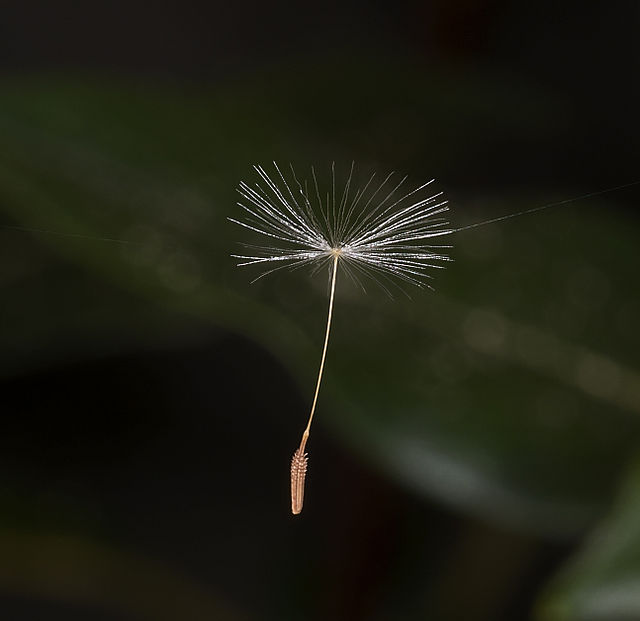
First off, let’s get one thing straight – tomatoes are fruits. Now that that is settled, guess what is also a fruit? This:

(photo credit: wikimedia commons)

(photo credit: wikimedia commons)

Yep. It’s a dandelion fluff. More accurately, it is a dandelion fruit with a pappus attached to it. Botanically speaking, a fruit is the seed-bearing, ripened ovary of a flowering plant. Other parts of the plant may be incorporated into the fruit, but the important distinction between fruits and other parts of a plant is that a seed or seeds are present. In fact, the purpose of fruits is to protect and distribute seeds. Which explains why tomatoes are fruits, right? (And, for that matter, the dandelion fluff as well.) So why the tired argument over whether or not a tomato is a fruit or a vegetable? This article may help explain that.

Before going into types of fruits, it may be important to understand some basic fruit anatomy. Pericarp is a term used to describe the tissues of a fruit surrounding the seed(s). It mainly refers to the wall of a ripened ovary, but it has also been used in reference to fruit tissues that are derived from other parts of the flower. Pericarps consist of three layers (although not all fruits have all layers): endocarp, mesocarp, and exocarp (also known as epicarp). The pericarps of true fruits consist of only ovarian tissue, while the pericarps of accessory fruits consist of other flower parts such as sepals, petals, receptacles, etc.

Fruits can be either fleshy or dry. Tomatoes are fleshy fruits, and dandelion fluffs are dry fruits. Dry fruits can be further broken down into dehiscent fruits and indehiscent fruits. Dehiscent fruits – like milkweeds and poppies – break open as they reach maturity, releasing the seeds. Indehiscent fruits – like sunflowers and maples – remain closed at maturity, and seeds remain contained until the outer tissues rot or are removed by some other agent.

Most fruits are simple fruits, fruits formed from a single ovary or fused ovaries. Compound fruits are formed in one of two ways. Separate carpels in a single flower can fuse to form a fruit, which is called an aggregate fruit; or all fruits in an inflorescence can fuse to form a single fruit, which is called a multiple fruit. A raspberry is an example of an aggregate fruit, and a pineapple is an example of a multiple fruit.

Additional terms used to describe fruit types:

Berry – A familiar term, berries are fleshy fruits with soft pericarp layers. Grapes, tomatoes, blueberries, and cranberries are examples of berries.

Pome – Pomes are similar to berries but have a leathery endocarp. Apples, pears, and quinces are examples of pomes. When you are eating an apple and you reach the “core,” you have reached the endocarp. Most – if not all – pomes are accessory fruits because they consist of parts of flowers in addition to the ovarian wall, such as – in the case of apples and pears – the receptacle.

Drupe – Drupes are also similar to berries but have hardened endocarps. Peaches, plums, cherries, and apricots are examples of drupes. A “pit” consists of a hardened endocarp and its enclosed seed.

Pepo – Pepos are also berry-like but have tough exocarps referred to as rinds. Pumpkins, melons, and cucumbers are examples of pepos.

Pumpkins are pepos.

Pumpkins are pepos.

Hesperidium – Another berry-like fruit but with a leathery exocarp. Oranges, lemons, and tangerines are examples of this type of fruit.

Caryopsis – An indehiscent fruit in which the seed coat fuses with the fruit wall and becomes nearly indistinguishable. Corn, oats, and wheat are examples of this type of fruit.

Achene – An indehiscent fruit in which the seed and the fruit wall do not fuse and remain distinguishable. Sunflowers and dandelions are examples of achenes.

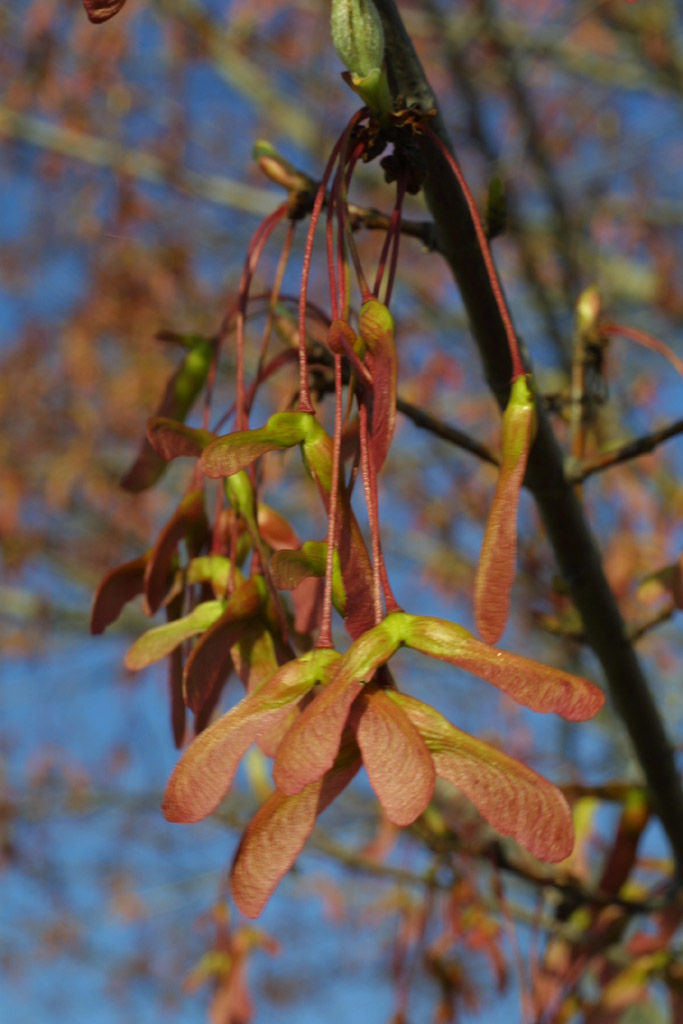
Samara – An achene with wings attached. Maples, elms, and ashes all produce samaras. Remember as a kid finding maple fruits on the ground, throwing them into the air, and calling them “helicopters.” Those were samaras.

The fruits of red maple, Acer rubrum (photo credit: eol.org)

The fruits of red maple, Acer rubrum (photo credit: eol.org)

Nut – An indehiscent fruit in which the pericarp becomes hard at maturity. Hazelnuts, chestnuts, and acorns are examples of nuts.

Follicle – Dehiscent fruits that break apart on a single side. Milkweeds, peonies, and columbines are examples of follicles.

Legume – Dehiscent fruits that break apart on multiple sides. Beans and peas are examples of legumes.

Capsule – This term describes a number of dehiscent fruits. It differs from follicle and legume in that it is derived from multiple carpels. Capsules open in several ways, including along lines of fusion, between lines of fusion, into top and bottom halves, etc. The fruits of iris, poppy, and primrose are examples of capsules.

Poppy flower and fruit. Poppy fruits are called capsules.

Poppy flower and fruit. Poppy fruits are called capsules.

Flowers and fruits are key to identifying plants. Learning to recognize these structures will help you immensely when you want to know what you are looking at. And now that it is harvest season, you can impress your friends by calling fruits by their proper names. Pepo pie, anyone?

Ethnobotany: Cinchona, Quinine, and Malaria

Most folks these days who enjoy a gin and tonic on a warm summer day probably aren’t stricken or threatened with malaria, but the first partakers of this popular cocktail were. Their drinks, however, had a much larger helping of one particular ingredient, quinine. SAMSUNG In the early 1600’s while exploring Peru, Jesuit missionaries from Spain were introduced to a tree, the bark of which could treat malaria. That tree was the cinchona tree. At that time malaria was a major issue in Europe, and so the Jesuits brought some cinchona bark back to Spain in hopes of saving some lives. The cinnamon-colored bark was administered by grinding it into a powder and serving it in sweetened water. This treatment became a big success and eventually spread throughout the continent. Exports of cinchona bark increased, much of which were coming from forests in the border region of Ecuador and Peru. Over time the cinchona bark (also called Jesuit’s bark and Peruvian bark) became less available, either due to overharvesting or because the Peruvians began to highly regulate its exportation. In order to fill the demand and ensure a steady supply, Dutch and British explorers established cinchona plantations in Southeast Asia.

Bark of Cinchona officinalis (photo credit: wikimedia commons)

Bark of Cinchona officinalis (photo credit: wikimedia commons)

Malaria is caused by protozoan parasites in the genus Plasmodium. Humans become infected with the parasites when they are bitten by infected mosquitos (Anopheles spp.). The parasites enter the bloodstream and liver and begin to reproduce. People with malaria experience flu-like symptoms and, if not treated quickly and properly, risk death. While early Europeans did not know it at the time, the cinchona bark treatment worked because it contained quinine, an antimalarial compound, which suppresses and destroys malarial parasites.

Quinine is an alkaloid (a class of nitrogen-containing organic compounds) that cinchona trees produce as a defense against insect herbivory. Many plants produce alkaloids for this reason, and these alkaloids, when discovered and isolated by humans, have proven to be quite useful. Caffeine, nicotine, morphine, and strychnine are all examples of alkaloids. Quinine was isolated from cinchona bark in the 1820’s and eventually produced synthetically in the 1940’s. It is still used today to treat malaria, although other antimalarial drugs are now favored due to greater effectiveness and fewer side effects. Today, products containing quinine are available for the treatment of leg cramps; however, the United States Food and Drug Administration has stated that they have not approved quinine for this use and advise consumers to avoid such products.

Cinchona is a genus of evergreen trees and shrubs in the family Rubiaceae (the coffee family) that includes around 23 species. It is native to the Andes of South America and mountains in the southern portion of Central America and often occurs in cloud forests, forests that are characterized by regular, canopy-level cloud cover. Cinchona flowers are tubular, pollinated largely by butterflies and hummingbirds, and come in white, pink, and purple. The fruits of Cinchona are dry, woody capsules containing small, flat, papery seeds that are wind dispersed. C. pubescens, C. calisaya, and C. officinalis are the main species that have been cultivated for quinine production.

The flowers of Cinchona pubescens (photo credit: wikimedia commons)

The flowers of Cinchona pubescens (photo credit: wikimedia commons)

In the 19th century when Europeans were busy colonizing places like India and Africa, having a readily available source of cinchona bark was vital to their success. They may have had the guns and ammunition necessary for conquest, but even so, they would not have been able to withstand the plague of malaria parasites without regular doses of quinine. But quinine is bitter stuff. Served in sweetened soda water helped it go down. Add a ration of gin, even better. Imperialism was secured. Just something to think about the next time you’re mixing yourself a gin and tonic on a mid-September day.

Resources:

Encyclopedia of Life: Cinchona

University of Minnesota James Ford Bell Library: Cinchona Bark

McGraw-Hill Education: Using Bark to Cure the Bite

Wikipedia: Cinchona, Quinine, Jesuit’s Bark

Slate: The Imperial Cocktail

One Species at a Time Podcast: Quinine Tree