An Underutilized Crop and the Cousins of a Popular One

This is the fourth in a series of posts reviewing the 17 articles found in the October 2014 Special Issue of American Journal of Botany, Speaking of Food: Connecting Basic and Applied Science.

Genetic Diversity in Carthamus tinctorius (Asteraceae; Safflower), An Underutilized Oilseed Crop by Stephanie A. Pearl and John M. Burke

Safflower (Carthamus tinctorius) was first domesticated in the Fertile Crescent about 4,500 years ago. It was originally desired for its flowers which were used in dye making. Commercial production of safflower began in North America in the 1950’s, where it is now mainly grown for its seeds which are used to produce oil for human consumption and are a main ingredient in bird seed mixes. Despite this, it is categorized as an “underutilized crop,” one “whose genetic potential has not been fully realized.” With increased interest in food security and feeding a growing population, researchers are turning to new and underutilized crops in order to increase the “availability of a diverse assemblage of crop species.”

A major step in improving a crop plant is understanding the genetic diversity that is available within its gene pool. With this aim in mind, researchers observed a “broad cross section of the safflower gene pool” by examining the DNA of a “worldwide sampling of diversity from the USDA germplasm collection [134 accessions consisting of 96 from the Old World and 38 from the New World]”, 48 lines from two major commercial safflower breeding programs in North America, and 8 wild collected safflower individuals.

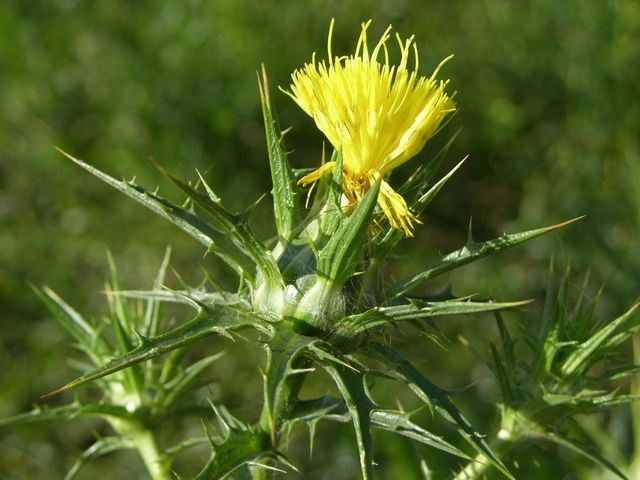
Safflower, Carthamus tinctorius (photo credit: www.eol.org)

Safflower, Carthamus tinctorius (photo credit: www.eol.org)

Researchers found that the cultivated safflower varieties had a significant reduction in genetic diversity compared to the wild safflower plants. They also noted that the 96 Old World accessions could be grouped into “four clusters that corresponded to four different geographic regions that presumably represent somewhat distinct breeding pools.” They found that the wild safflowers “shared the greatest similarity with the Iran-Afghanistan-Turkey cluster” from the Old World group of accessions, a finding that “is consistent with safflower’s presumed Near Eastern center of origin.”

The researchers determined that there may be “agronomically favorable alleles present in wild safflowers,” and that “expanded efforts to access wild genetic diversity would facilitate the continued improvement of safflower.” Safflower is an important but underused oilseed crop that is adapted to dry climates; studies like this one that can lead to further crop improvements may help bring it out of niche production and into more widespread use.

The Wild Side of a Major Crop: Soybean’s Perennial Cousins from Down Under by Sue Sherman-Broyles, Aureliano Bombarely, Adrian F. Powell, Jane L. Doyle, Ashley N. Egan, Jeremy E. Coate, and Jeff J. Doyle

Soybean production is a major money maker in the United States ($43 billion total revenue in 2012); corn is the only crop that tops it. Soybean oil has myriad uses from food to feedstock and from pharmaceuticals to biofuel. As much as 57% of the world’s seed oil comes from soybeans produced in the United States. Hence, soybean (Glycine max and its wild progenitor, G. soja) is a well researched crop. Most research has been focused on the two annual species in the subgenus Soja; “less well known are the perennial wild relatives of soybean native to Australia, a diverse and interesting group that has been the focus of research in several laboratories.”

Given the agricultural importance of soybean and the increasing demands that will be placed on this crop as population rises, it is imperative that improvements continue to be made. Exploring soybean’s “extended gene pool,” including both its annual “brother” and its perennial “cousins,” will aid in making these improvements.

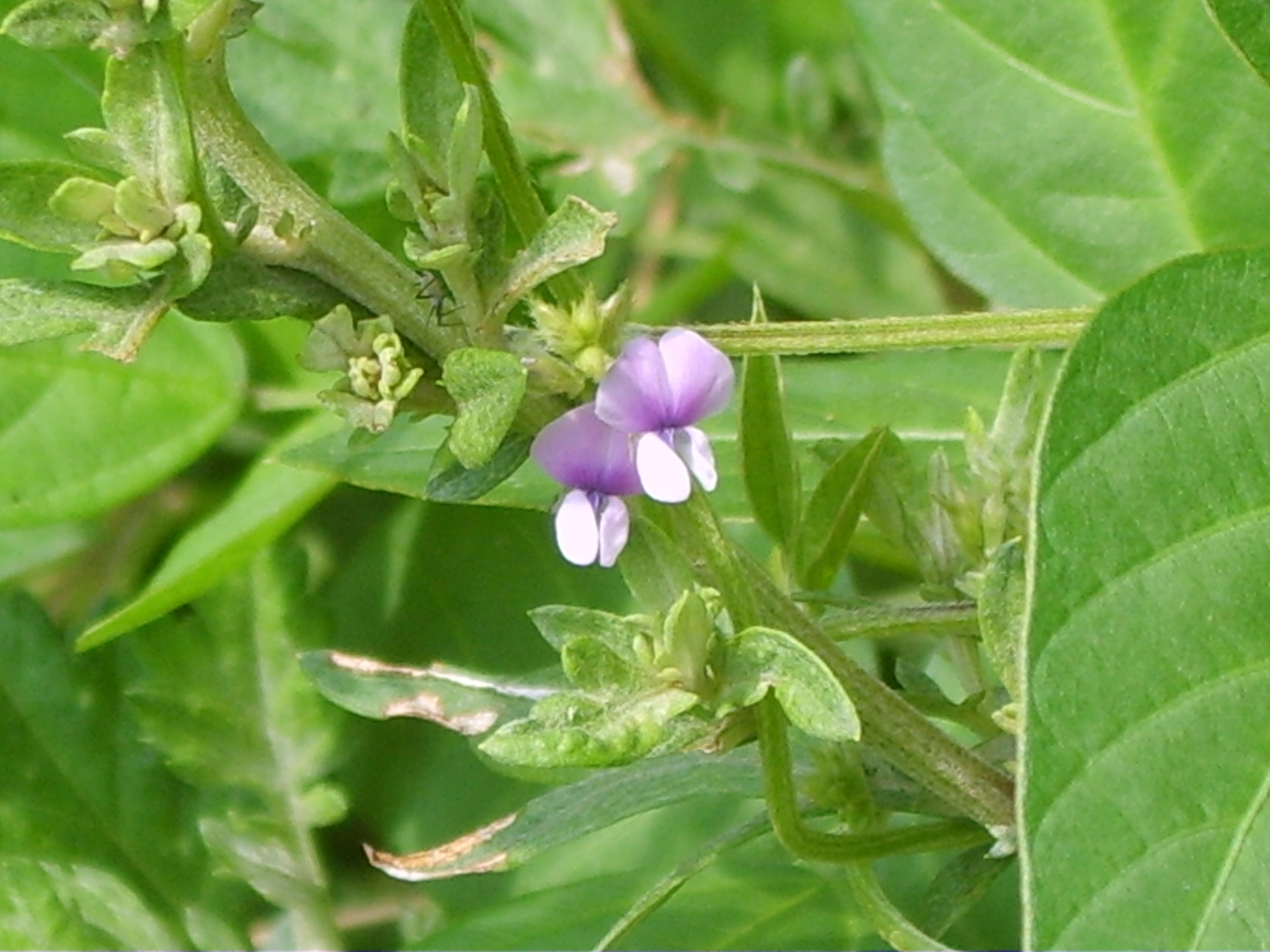
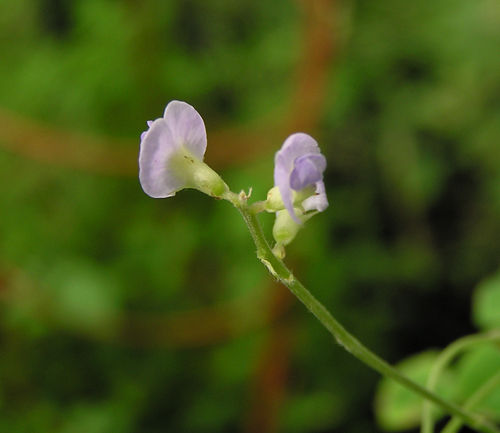
Soybean's wild annual relative, Glycine soja (photo credit: www.eol.org)

Soybean’s wild annual relative, Glycine soja (photo credit: www.eol.org)

Perennial soybeans in the subgenus Glycine include around 30 species. They are adapted to a wide variety of habitats “including desert, sandy beaches, rocky outcrops, and monsoonal, temperate, and subtropical forests.” They are of particular interest to researchers because several of them are allopolyploids, meaning that they have more than the usual two sets of chromosomes and that the additional sets of chromosomes were derived from different species. The authors state that “the distributional differences between diploids and independently formed polyploids [in the subgenus Glycine] suggests underlying ecological, physiological, and molecular differences related to genome doubling and has led to the development of the group as a model for studying allopolyploidy.” The group is also worth studying because they demonstrate resistance to various soybean pathogens and are adapted to a variety of environmental conditions.

By continuing to work with soybean’s perennial cousins to gain a better understanding of “polyploidy and legume evolution,” the authors hope to apply their research to achieve increases in soybean yields. Past research suggests that the study of polyploidy in the perennial soybeans could lead to crop improvements in areas such as photosynthesis, nitrogen fixation, flowering time, and disease resistance.

Glycine tomentella - one of soybean's perennial cousins (photo credit: www.eol.org)

Glycine tomentella – one of soybean’s perennial cousins (photo credit: www.eol.org)


Dethroning Industrial Argiculture: The Rise of Agroecology

This is the third in a series of posts reviewing the 17 articles found in the October 2014 Special Issue of American Journal of Botany, Speaking of Food: Connecting Basic and Applied Science.

Think Globally, Research Locally: Paradigms and Place in Agroecological Research by Heather L. Reynolds, Alex A. Smith, and James R. Farmer

Before I get into the review, I have to say that it is too bad this article was not selected as one of the open access articles. For me, it really sums up the reasons why this special issue exists at all, and it reads like a clarion call for more research, promotion, and implementation of science-based sustainable agriculture. If I could reprint the whole thing here I would, because my poor excuse for a review will not suffice. Unfortunately, in order to read this article (and most of the other articles I am reviewing here), you will have to pay, unless you otherwise have access through a personal or institutional subscription.  The open access debate is a can of worms that I won’t open here…just saying I wish more people could read this.

In their introduction, the authors discuss the “basic to applied science continuum.” Scientists who choose to do research that is more on the applied side of the spectrum may find it easier to secure funding (due to “convincing social benefits”), but will also find themselves directly confronted with social issues and values. There can be some discomfort involved in this, and so scientists must carefully determine their level of engagement. However, “neither social nor ecological systems can be understood in isolation,” and instead “must be studied as an integrated social ecological system.” Applied science must be carried out in order to address pressing socio-ecological issues, and so scientists interested in this type of research should know what they’re getting into and must “consider what societal values and paradigms they are supporting with their research.”

Applied science research involving agriculture finds itself intertwined with an economic paradigm that is focused on growth – “increased production and consumption of goods and services as indicated by increasing gross domestic product.” The authors argue that this is not sustainable and that agricultural research should be guided in directions that are more place-based and that keep the finite nature of the planet in mind.

“Since the 1940’s, agriculture has evolved toward an increasingly industrial, corporate, and globalized model, involving large-scale, centralized monoculture production requiring inputs of highly concentrated (fossil) fuel, machinery, water, and synthetic pesticides and fertilizers.” The Green Revolution brought new crop varieties and inputs that helped increase yields significantly, but also had the result of increasing irrigated land by 97%, “the use of nitrogen by 638%, phosphorous fertilizer by 203%, and pesticides by 845% during the latter half of the 20th century.” Industrial agriculture, while highly productive, is a juggernaut that requires incredible amounts of energy, petrochemicals, and water, and despite it’s best efforts, still doesn’t feed the world. Social and political issues are to blame for the food distribution problem; however, in the meantime, industrial agriculture is having profound effects on the environment, “including soil erosion and degradation, biodiversity loss, and water and air pollution on local and global scales.” Coupled with all of the environmnental costs of industrial agriculture are the social costs: “local agroecological knowledge has…been displaced by the  knowledge embodied in industrial inputs and sophisticated farming equipment and techniques,” and widespread industrial agriculture has been linked to increases in cancer, obesity and other human health issues.

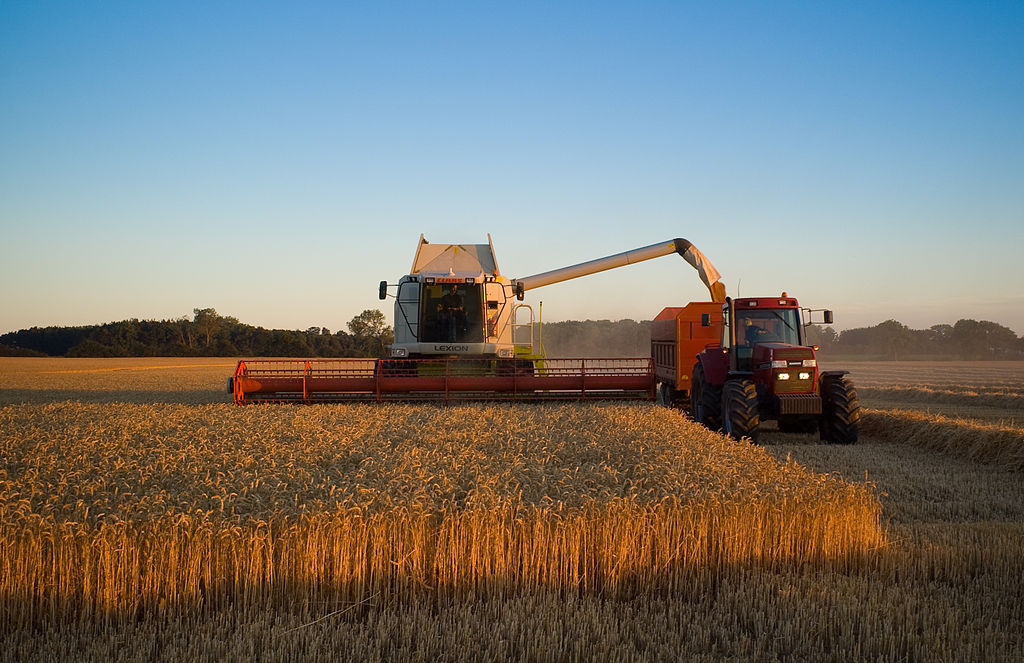
photo credit: wikimedia commons

photo credit: wikimedia commons

The expansion of industrial agriculture has largely been driven by the economic paradigm of the United States and other industrialized nations that is focused on growth above all else. This paradigm neglects to acknowledge the “biophysical limits” of planet Earth – “an inescapably finite place, with a constant rate of net solar income and zero inputs of matter beyond the occasional asteroid.” Growth has its limits, and unless those limits are respected, we will find ourselves in dire straits. A warming climate and an increasing level of extinctions are major signs that we have approached the limit. It is time to rethink things.

The question of how to address this dilemma is incredibly complex. The authors of this study offer two broad solutions: reform our economic system and rethink our scientific research efforts. First, the economic problem. A finite planet cannot abide a growth above all else economic approach. The authors propose evolving towards a steady-state economy, in which “the product of population and per capita consumption mildly fluctuates at a scale for which energy and material throughput at current technological capabilities does not strain or exceed the regenerative and assimilative capacity of Earth’s natural capital.” In this economic system, “overdeveloped” countries like the United States will need to find ways to “strategically degrow.”

Strategic degrowth will require dismantling the behemoth that is industrial agriculture. Rethinking applied scientific research will assist in this. Rather than a “one-size-fits-all” approach (an approach that has fueled industrial agriculture for decades), research must evolve towards a “custom-fit” approach in order to address the environmental and social conditions of each individual area. Scientists will have to “go local,” collaborating with farmers, land-owners, and other local experts in order to do “place-based” research that will result in “location-specific expertise.”

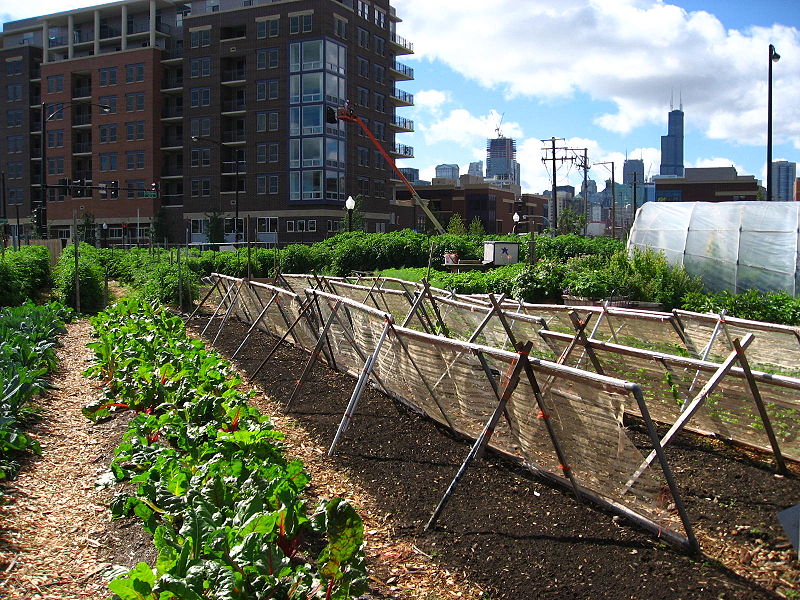
Urban Farm in Chicago, Illinois (photo credit: wikimedia commons)

 An urban farm in Chicago, Illinois (photo credit: wikimedia commons)

The authors argue for “community-based participatory research,” which relies on scientists and other professionals collaborating to develop research projects, collect data, and arrive at solutions that will address problems particular to local areas. They offer an example of working with farmers in Indiana to research the use of wild bees for agricultural pollination. The data they collected, while helpful for farmers in other areas, was specific to their area of study and “lent credibility to [their] conclusions” when presented to local audiences.

This is a short but dense article that should be read in its entirety if you have access to it. I will end by offering the authors’ description of sustainable agriculture: “the application of ecological and cultural knowledge to local, decentralized, biodiversity-promoting, closed loop food production for a steady-state economy…the farm system is viewed as an agroecological system….wherein traditional and scientific knowledge of ecological interactions are employed to build system fertility, productivity, and resilience from within, thus promoting food sovereignty and autonomy.”

The Legacy of a Leaky Dioecy

This is the second in a series of posts reviewing the 17 articles found in the October 2014 Special Issue of American Journal of Botany, Speaking of Food: Connecting Basic and Applied Science.

The Ecological Side of an Ethnobotanical Coin: Legacies in Historically Managed Trees by Nanci J. Ross, M. Henry H. Stevens, Andrew W. Rupiper, Ian Harkreader, and Laura A. Leben

As much as we like to think otherwise, pre-Colombian Native Americans altered the natural landscape in drastic and measurable ways. What we often consider an unaltered, pristine natural area before European colonization, actually has human fingerprints all throughout it. Determining just how deep these fingerprints go, however, is a challenge that requires careful and thorough anthropological and ecological studies.

Many such studies have been done, mostly at the community and ecosystem level. For example, Native Americans used fire extensively as a land management tool. This is how prairies were maintained as prairies. Today, forests in eastern North America that were once dominated by oaks have shifted over to maple dominated forests. This is largely (although not solely) because anthropogenic fires have ceased and wildfires are now suppressed. If fires had never been used as a management tool, would oaks (an important Native American food source) have ever maintained such dominance?

Native Americans participated in the domestication of numerous plant species. Much of this was done by way of – as Charles Darwin termed it – unconscious selection. Rather than selecting specific individuals and breeding them to achieve a desired type, they would simply discard undesirable plants and maintain desirable ones. Much of this selection, especially for woody, perennial species was done through land management techniques – such as fire – as opposed to typical cultivation. The authors of this article, interested in whether or not the “legacy” of this method of selection through land management could be observed today in an individual species, developed a preliminary study to begin to answer this question.

Diospyros – a genus in the ebony family (Ebenaceae) consisting of around 500 species – is mainly pantropical with a few species occurring in temperate regions. One temperate species is Diospyros virginiana – common persimmon – which “has a broad distribution throughout the United States from Connecticut south to Florida and west to the eastern edge of Nebraska.” Persimmons were used and managed extensively by Native Americans; however, they are “now viewed as a rare, weedy, wild fruit tree that is known primarily by hobbyists and wild harvesters.”

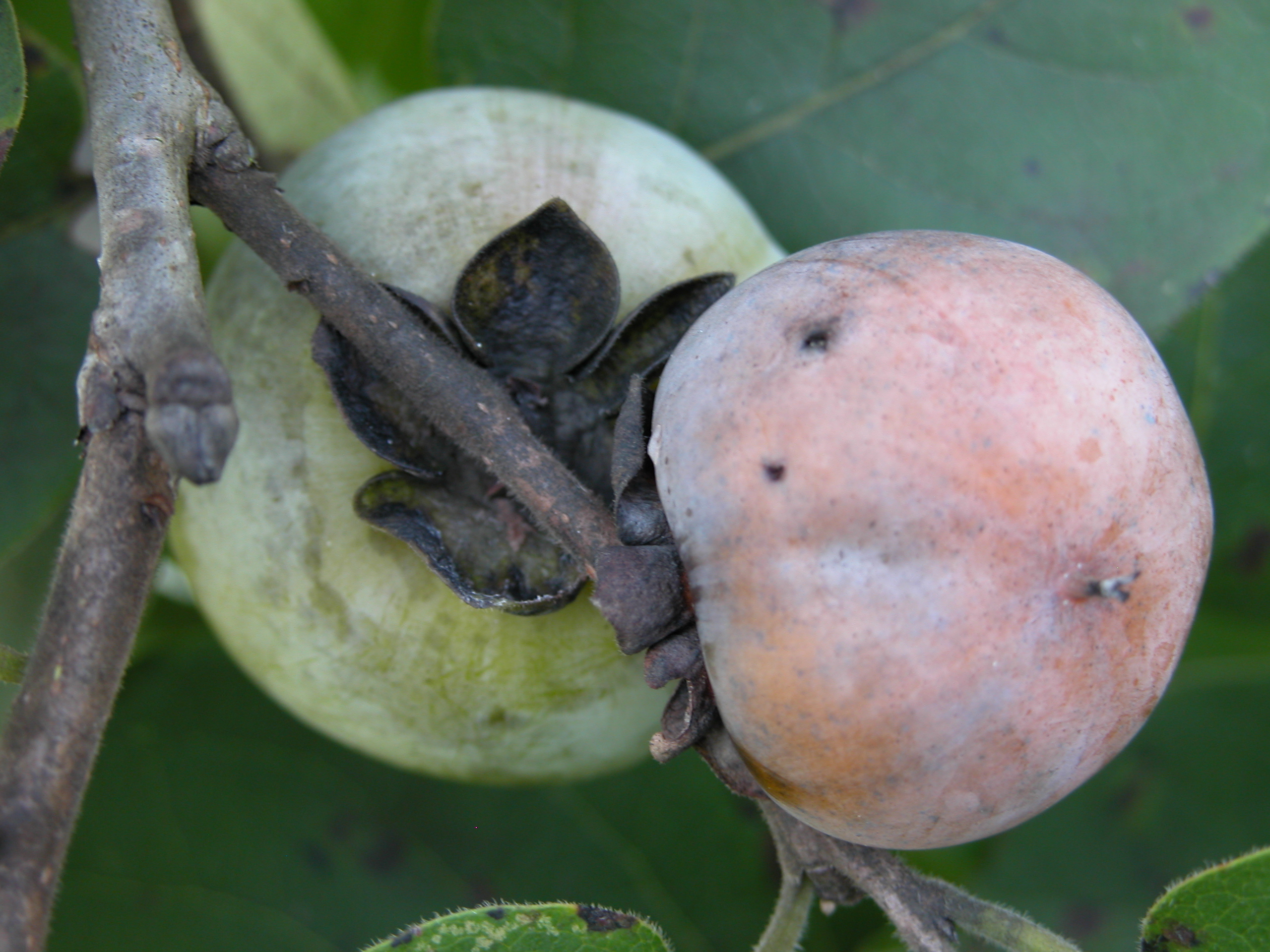
Fruits of common persimmon, Diospyros virginiana )photo credit: Wikimedia commons)

Fruits of common persimmon, Diospyros virginiana (photo credit: wikimedia commons)
D. virginiana is a dioecious species, meaning that it produces male flowers and female flower on separate individuals. Despite this, some individuals have been reported bearing both male and female flowers while others have been seen having perfect flowers along with either male or female flowers. Some trees have even been reported to be dioecious one year and then having perfect flowers and/or some combination of male, female, and perfect flowers the next year. This variation from the norm – what the authors call “leaky dioecy” – can either be a result of artificial selection or environmental pressures. The authors hypothesized that “leaky dioecy in D. virginiana is a result of historical selection by Native Americans for trees with copious fruit production.” This preliminary study was designed to see if climate and soil conditions might be the reason for the observed “sex expression.”

Skipping ahead, the authors found “no compelling evidence…to suggest segregation due to environmental factors,” signaling them to “move forward in [their] investigation of potential long-term impacts of historical management on the evolution of reproductive traits in American persimmon without the noise of a strong environmental driver.” The authors go on to discuss challenges in their study, including the length of time since “extensive management” making it hard to “uncover a signal of precontact management” and the limitations of having to rely on herbarium specimens. Either way, it is a worthy study to pursue. Even if it does not reveal the full story of how Native Americans managed persimmons in pre-colonial times, further insight into “adaptive flexibility in reproductive systems of long-lived perennial species” and other interesting things that persimmons might teach us will be well worth the effort.

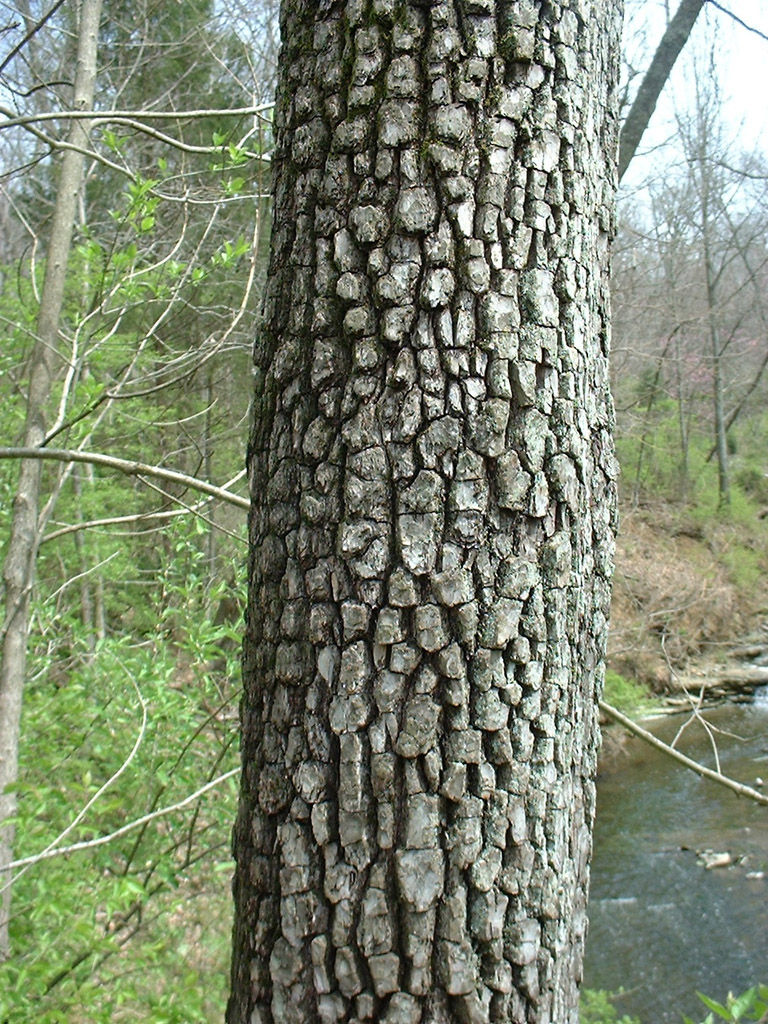
Characteristic bark of common persimmon, Diospyros virginiana (photo credit: www.eol.org)

Characteristic bark of common persimmon, Diospyros virginiana (photo credit: www.eol.org)


On the Origins of Agriculture

This is the first in a series of posts reviewing the 17 articles found in the October 2014 Special Issue of American Journal of Botany, Speaking of Food: Connecting Basic and Applied Science.

Agricultural Origins from the Ground Up: Archaeological Approaches to Plant Domestication by BrieAnna S. Langlie, Natalie G. Mueller, Robert N. Spengler, and Gayle J. Fritz

Concern about food and the environment has been on the rise for a while now. Interest in healthy food grown and produced in a responsible manner has prompted people to investigate where their food is coming from. Archaeologists studying plant domestication and the rise of agriculture are also concerned with where our food came from; however, their research efforts are more focused on prehistoric events rather than on what is being stocked on today’s grocery store shelves.

The authors of this paper, all archaeologists specializing in paleoethnobotany or archaeobotany, offer a broad overview of the study of plant domestication and the emergence of agricultural economies. In their studies the authors “treat domestication as a process that originally preceded the formation of agricultural economies” and they define domestication as “genetic and morphological changes [in] a plant population in response to selective pressures imposed by cultivation.”

The first section of the paper explains why certain theoretical approaches to thinking about early plant domestication should be revised. These approaches include a centric view of plant domestication, single domestication trajectories, rapid pace plant domestication, and domestication being coupled with the development of agricultural economies.

The concept of centers of origin refers to specific regions in the world where the majority of crop domestication is thought to have occurred. Often these are regions where a high number of wild relatives of crops are found and where large civilizations emerged. But research has revealed numerous locations in various parts of the world where crop domestication occurred independently from traditional centers of origin leading archaeologists to further explore a noncentric view of domestication.

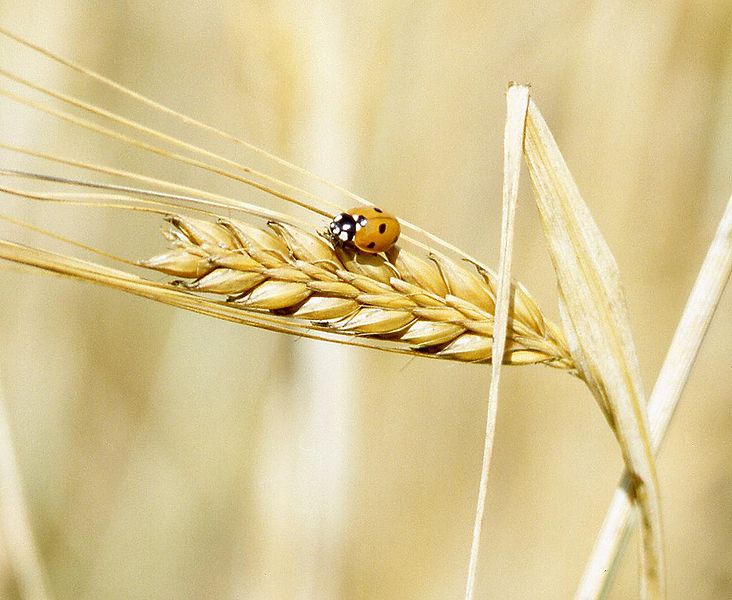
Related to the centers of origin debate is the single vs. multiple domestications debate. Single site domestication refers to a plant being domesticated in one location and then spread to other locations. Multiple site domestication refers to the same plant being domesticated in multiple sites independently. With the aid of genetic research, crops that were once thought to have been domesticated in a single region and then disseminated to other regions are now being shown to have multiple domestication sites. For example, it has been suggested that barley was domesticated independently in various locations, including the western Mediterranean region, Ethiopia, Morocco, and Tibet, as well as various parts of Southwest Asia.

Barley - Hordeum vulgare (photo credit: Wikimedia commons)

Barley – Hordeum vulgare (photo credit: wikimedia commons)
Concerning the pace of crop domestication, “many scholars have presented evidence that domestication was slower and more gradual than previously envisioned” probably because the first domesticated crop plants were not “developed by plant breeders with clear end products in mind.” On this point, the authors conclude that debates over timelines are “likely to continue for some time,” and that “close communication between geneticists and archaeologists, including those with archaeobotanical expertise” will be necessary to tell the full story.

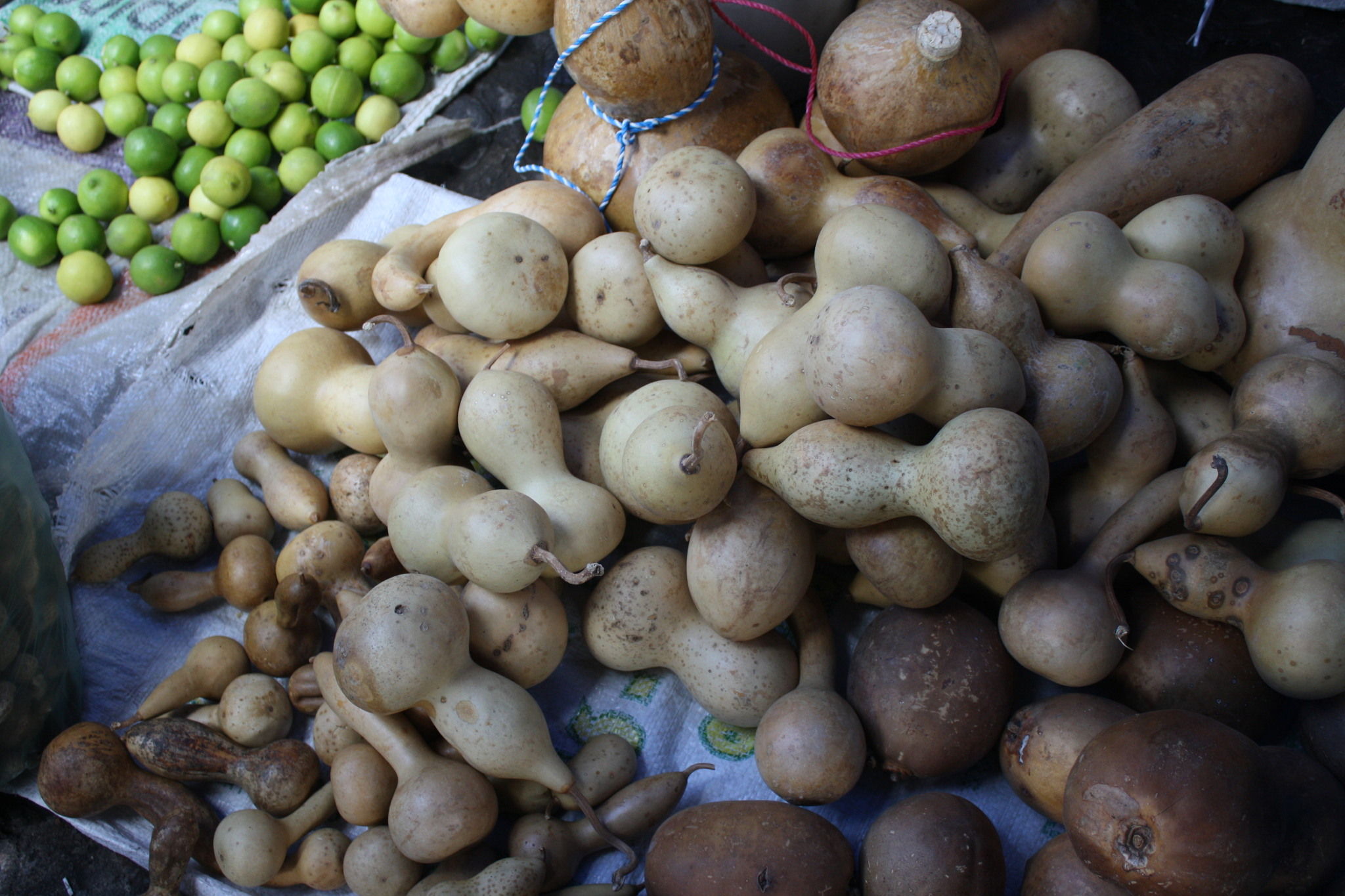
Domestication is typically viewed as a precursor to agriculture. But the authors point out that domestication occurred first and that agriculture did not immediately follow. To illustrate this point, they tell the story of the bottle gourd (Lagenaria siceraria), possibly the oldest domesticated plant. Native to Africa, the gourds likely floated across the Atlantic Ocean to the Americas (they also made their way to East Asia and other places) where they were domesticated multiple times by various groups of people at least 10,000 years ago. The gourds had numerous potential uses including containers, rattles, net floats, and even food (the young, immature fruits are edible). Large gourds with thick rinds were preferred by early humans, and the seeds of these were planted. The plants needed little attention, so caring for them did not mean having to adopt a sedentary lifestyle. The authors conclude that “although this example might seem peripheral to the development of serious food-producing economies or social complexity, it highlights early, intimate plant-people relationships and the abilities of people to modify their environments to enhance availability of desirable resources.”

Bottle gourds (Lagenaria sicericia) were possibly the earliest domesticated plant species (photo credit: eol.org)

Bottle gourds (Lagenaria siceraria) were possibly the earliest domesticated plant species (photo credit: www.eol.org)

In the next section of the paper, the authors discuss new and improved methods being used today to “address questions about the timing, scale, and causes of domestication.” Narrowing down the dates that plants were first domesticated is a major interest of archaeologists, and advances in radiocarbon dating have assisted in this quest. When DNA is being extracted, it is important to know the age of the material being analyzed in order to better reveal its history. Combining several methods for analyzing the data – especially as these methods are improved and new methods are developed – is  crucial.

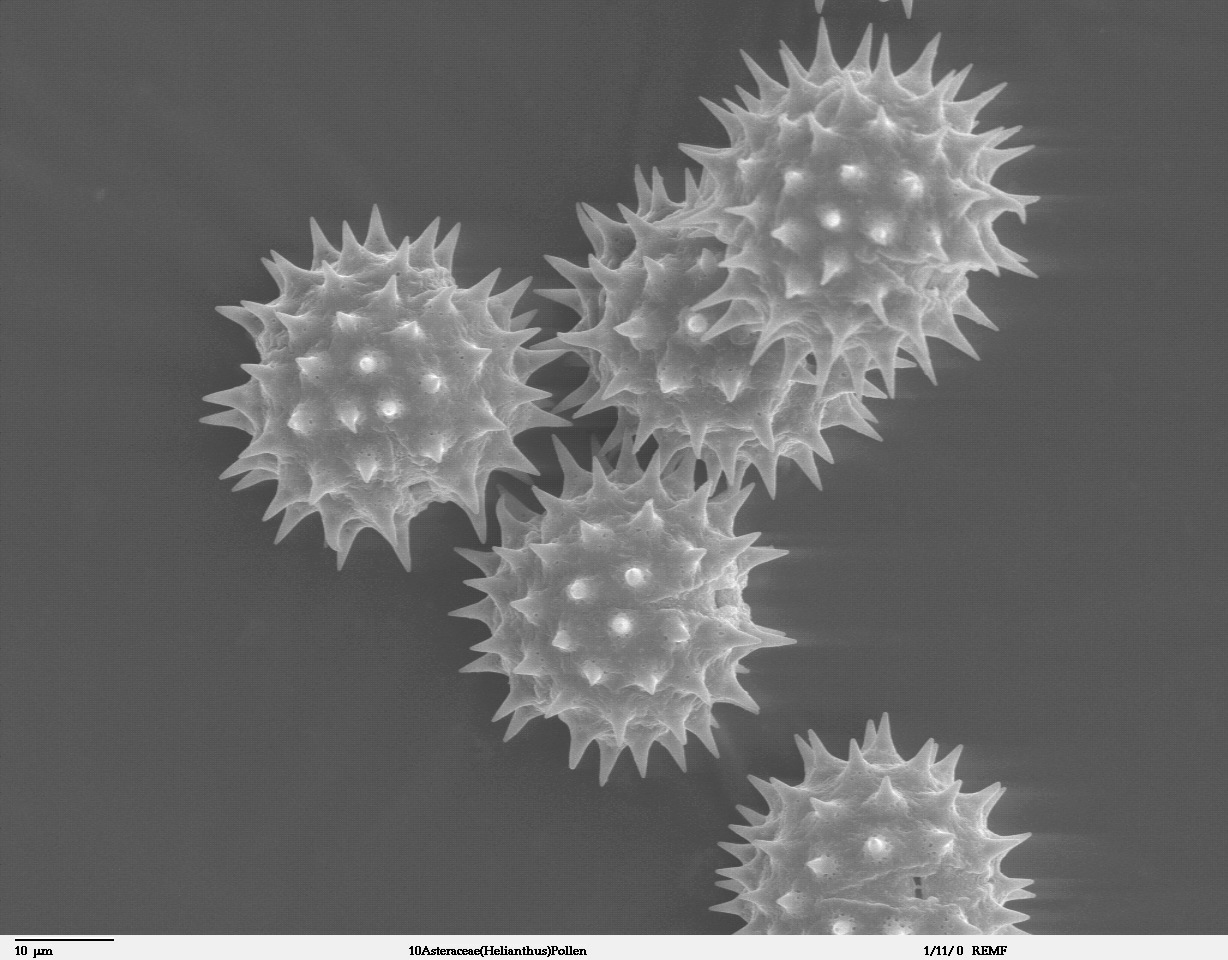
Advances in microscopy have helped to better analyze morphological changes in plants over time as well as to examine microfossils, like starch granules, pollen, and phytoliths (silica particles left behind after a plant decays). Observing phenotypic changes in fruits, seeds, and other plant parts and determining the presence of things like starch granules and pollen helps us to understand the pace and scope of domestication as well as to determine when certain domesticated plants were introduced to areas outside of their perceived center of origin. Advances in the science of taphonomy – “the study of decay processes following the death of an organism until it is fossilized or exhumed” – also aid researchers in better understanding the stories behind plant domestication.

Scanning electron microscope (SEM) image of pollen grains from common sunflower - Helianthus annuus (photo credit: Wikimedia commons)

Scanning electron microscope (SEM) image of pollen grains from common sunflower – Helianthus annuus (photo credit: wikimedia commons)
Working with experts in other areas of archaeology will also lead to greater understanding of plant domestication and the emergence of agricultural economies. The authors give examples of how studying human and animal bones can provide information about plant domestication and state that “other classes of archaeological data, such as household structure and storage features, agricultural and culinary tools, and soil morphology” will aid in better understanding “how and why domestication occurred as an historical and evolutionary process.”

Next the authors discuss anthropological views on the causes of plant domestication. One of the main debates among anthropologists when discussing agriculture is whether or not early humans were “pushed” or “pulled” into agricultural economies. Did increasing populations and/or decreasing availability of resources compel people to produce more of their own food or did human populations cultivate and domesticate plants in areas where resources were readily available, allowing them to live sedentary and stable existences? The authors conclude that “it is not necessary for one of these scenarios to explain all transitions to agriculture” as agriculture emerged independently in multiple locations around the globe, each time under its own specific set of circumstances.

The final section of the paper is a short discussion on the relatively under-researched topic of the diet and cuisine of ancient humans. Surely, a desire for particular foods and beverages lead to cultivation and domestication. The authors assert that “cuisines provide people with social identities, nationalism, spirituality, and a package of cognitive tools for coping with their environment. Without a doubt, culturally constructed food preferences played a role in the origins and spread of agriculture.”

This is a brief summary of a well-researched and detailed article concerning the fascinating topic of early plant domestication. Honestly, my synopsis hardly does it justice, so I urge you to read it for yourself if this topic interests you. I particularly appreciated the emphasis that the authors placed on using multiple methods and tools to collect and interpret data and how our perspectives should be revised as new and updated data emerge. The call for multiple disciplines to come together in collaboration to better understand the history of domestication and agriculture is also encouraging. In summation the authors state that “archaeological evidence indicates that every case of transition form hunter-gatherers to agricultural economies was unique … Identifying the specific nature of when, where, and how domestication occurred will undoubtedly elucidate how agriculture transformed the trajectory of human societies.”

Speaking of Food: A Special Issue of American Journal of Botany

“At the center of discussions about agriculture and the future of food in a changing climate are the plants that we grow for food, fiber, and fuels and the science that is required to understand, improve, and conserve them.”

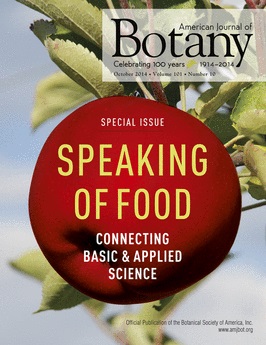
That is a line from the opening paragraph of the introduction to the October 2014 issue of American Journal of Botany, Speaking of Food: Connecting Basic and Applied Plant Science. In this Special Issue, the American Journal of Botany – inspired by Elizabeth Kellogg’s 2012 presidential address to the Botanical Society of America – endeavors to demonstrate ways in which basic plant biology research can benefit the applied science of agriculture, and how this “use-inspired” research can help address the challenges of feeding a growing population in a changing climate.

speaking of food_ajb

In its 100 year history, the American Journal of Botany, has published hundreds of papers that serve to advance agricultural and horticultural sciences. However, this connection has not always been made explicit. With this special issue, they are hoping to change that by “illustrat[ing] that ‘basic’ and ‘applied’ are not two discrete categories, nor are they even extremes of a linear continuum.” “Basic” research can be used to answer questions and solve “human-centered problems,” and “applied” research can “illuminate general biological principles.” When both approaches to scientific inquiry come together, everyone benefits.

I originally chose to study horticulture because I was interested in growing food in a sustainable and responsible manner. During my studies, I gained a greater interest in the broader field of horticulture as well as an interest in botany. After receiving a degree in horticultural and crop sciences, I decided to pursue a Master’s Degree. I wanted to study green roof technology, an applied science that incorporated my interests in both horticulture and sustainability. The school that I ended up going to did not have a horticulture program, so I enrolled in a biological sciences program. It was there, while doing applied science research on green roofs and taking mostly botany related science courses, that I deepened my love for science and began to see how basic science had applications, not just in horticulture and agriculture, but in all aspects of life.

That explains my great interest in this recent issue of American Journal of Botany, and why I was so excited when I heard about it. Using science to understand and address the challenges that we face today (challenges that, many of which, are a result of human activity) is intriguing to me. Based on my interest in horticulture, food production, and sustainability, establishing and advancing science-based sustainable agriculture is incredibly important to me. And so I have decided that, over the next several posts, I will provide reviews of each of the 17 articles in AJB’s Special Issue. Each post will offer a brief overview of one or more articles, outlining the basic premises and findings of each study. If your interest is peaked, and I hope it will be, you can go on to read more about each of the studies. The Introduction to this issue gives an excellent overview of the articles, so I won’t include that here. I’ll just dive right in. If you feel inclined, read ahead, otherwise stay tuned and I will preview you it all for you over the next several weeks.

Palm Oil Production and Its Threat to Biodiversity

Improvements in cultivated varieties of oil palms could have devastating ecological effects. This is according to an article published in a recent issue of Science. Doom doesn’t have to be the story though, if – as the authors suggest – governments and conservation organizations take proper action to safeguard vulnerable land.

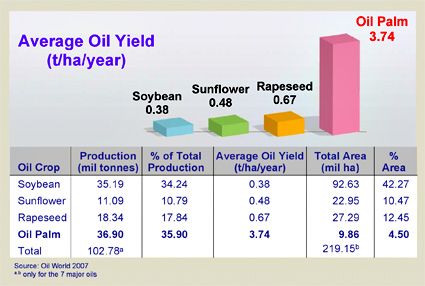
Palm oil is a versatile vegetable oil derived from the fruits of oil palms. It has myriad culinary uses and is also used in the manufacturing of cosmetics and the production of biofuel. Oil palms have high yields, easily outyielding other major oil crops like soybean, rapeseed, and sunflower. Oil palms are grown in the tropics in developing countries where land and labor are inexpensive. As human population grows, demand for palm oil increases. To meet the demand, tropical forests are converted into agricultural land. The majority of palm oil production occurs in Southeast Asian countries like Indonesia and Malaysia. However, palm oil production is expected to increase in African and Latin American countries as new varieties better suited for these particular environments become available.

oil world graph

Genome sequencing of oil palm may allow plant breeders to develop varieties that are disease resistant, drought tolerant, and able to grow in salinized soils. Already making its debut, though, is a new variety of oil palm that is boasting yields from 4 tons to as much as 10 tons per hectare. Higher yielding varieties could be the solution to preventing more tropical forests from being converted into oil palm plantations. Or could they lead to more growth? Intrigued by the development of improved varieties of oil palms and other tropical crops, the authors of this study developed computer models in order to determine what this might mean for the future.

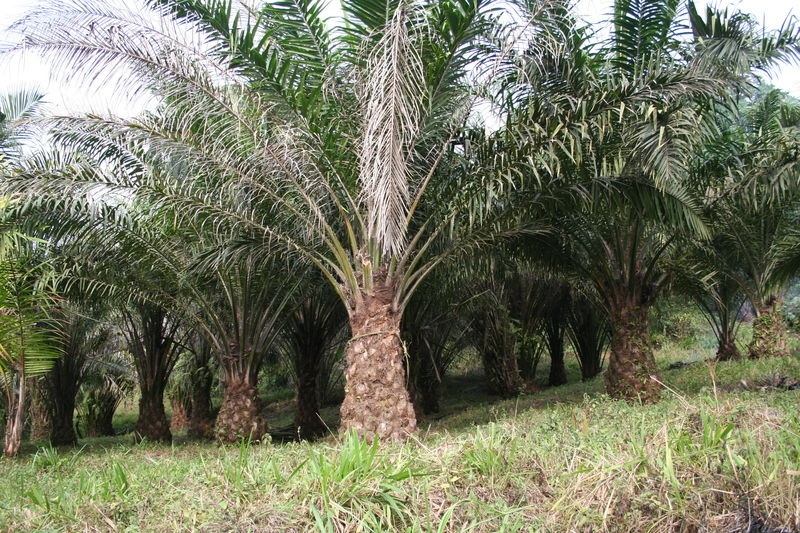
African Oil Palm (Elaeis guineensis) is the species of oil palm most commonly grown for palm oil production.

African Oil Palm (Elaeis guineensis) is the species of oil palm most commonly grown in palm oil production (photo credit: www.eol.org)

The results of simulations suggested two possible outcomes: one potentially positive and the other largely negative. On the positive side, “an assumed 56% increase in oil palm yield per tree in Malaysia and Indonesia” could result in ” around 400,000 hectares of agricultural land…taken out of production in Brazil, India, and Canada.” This is because less land will be needed to meet the demand, and the increased availability and resulting lower price of palm oil will outcompete other oil crops (like rapeseed, which is one of Canada’s main agricultural crops). However, the author’s seem to assume that agricultural land taken out of production will be restored back into natural lands. I find this argument hard to accept. Anecdotal evidence suggests that if farmers are no longer making a profit from a particular crop, they will choose to either grow something more profitable or sell their land to developers. A concerted effort would have to be made to capture this land and ensure that it remain uncultivated and undeveloped. Also, as the author’s point out, restoring land in Canada is very different from restoring or protecting tropical land. Loss of biodiversity is a much greater risk in areas where the level of biodiversity per hectare is high.

On the negative side, higher yields can encourage increased production. Tropical forest conversion may accelerate if farmers see an opportunity for growth. Additionally, improved varieties may increase palm oil production in African and Latin American countries, resulting again in more land conversion and deforestation. This effect may also become the story, not just for oil palms, but for cacao, eucalyptus, coffee, and other tropical crops as varietal improvements are achieved.

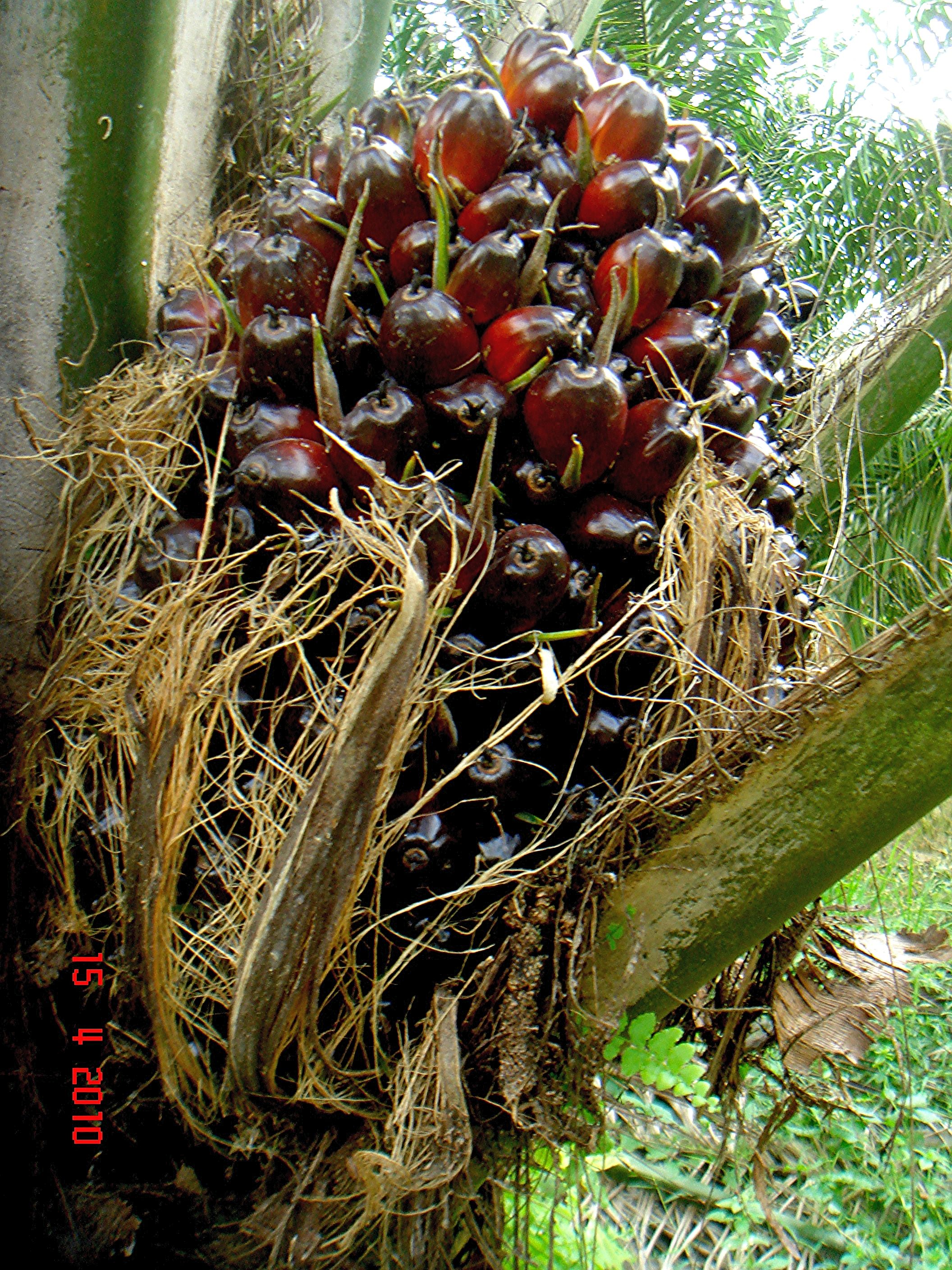
Oil Palm Friuits (photo credit: www.eol.org)

Oil Palm Friuits (photo credit: www.eol.org)

In light of this predicted consequence, the authors of this study recommend that governments, working together with conservation organizations and industry associations, regulate the conversion of agricultural lands and ensure that certain areas are specifically set aside for conservation. This means that “models of the drivers of environmental change” must be developed that “incorporate feedbacks at a range of scales” so that measures can be put into place to address “the unintended negative consequences of technical advances.”

More information on sustainable palm oil production can be found here.

Our Backyard Farm and Garden Show: Fall 2014

I had every intention of documenting this year’s garden more thoroughly, but as things tend to go, the days got busy and the year got away from me. Now here we are in mid-October, still waiting for the first frost but accepting its imminence, watching reluctantly as another growing season comes to a close. We took several pictures but few notes, so what follows is a series of photos and a few reflections on what transpired this past year in, what Flora likes to call, Our Backyard Farm and Garden Show.

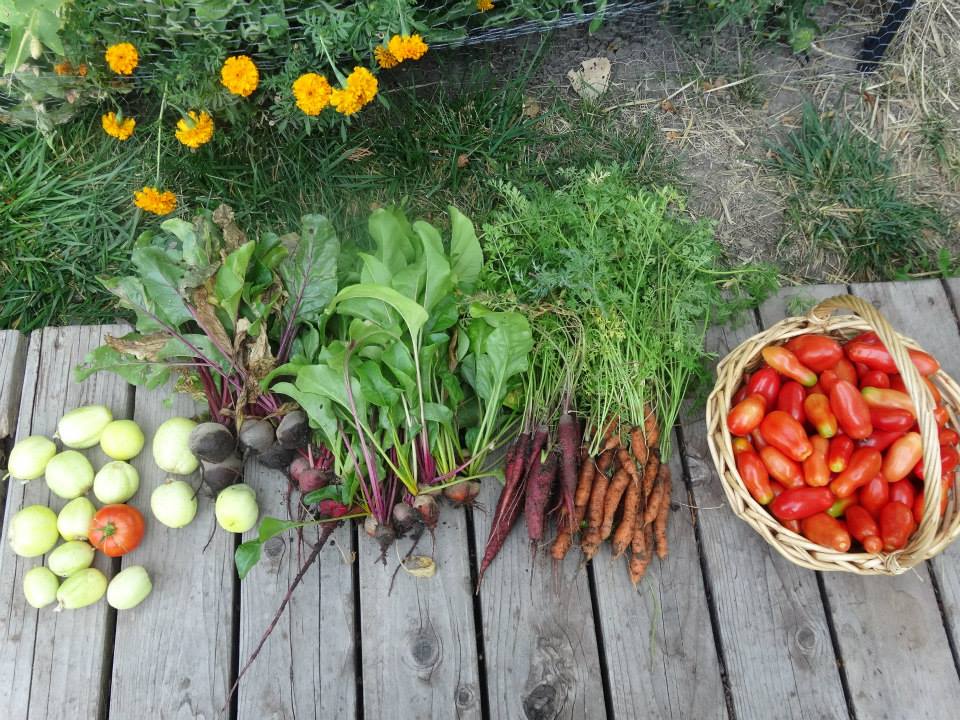
Abundance

Abundance

I guess I should start at the beginning. Last year I was living in an apartment. I was growing things in two small flower beds and a few containers on my patio. That had been my story for about a decade – growing what I could on porches and patios and in flower beds of various apartments in a few different parts of the country. At one point I was living in an apartment with no space at all to grow anything, and so I attempted to start a garden in the backyard of an abandoned, neighboring house – geurilla gardening style – but that didn’t go so well. At another location I had a plot at a community garden. The three years I spent there were fun, but definitely not as nice as stepping outside my door and into my garden.

Earlier this year, I moved in with Flora. She was renting a house with a yard, so when I joined her, I also joined her yard. Flora is a gardener, too; she had spent her first year here growing things in the existing garden spaces but wanted to expand. So we did. We enlarged three beds considerably and built four raised beds and two compost bins. We also got permission to grow things in the neighbor’s raised beds. And that’s how our growing season started – coalescence and expansion.

Then summer happened. It came and went, actually. Most days were spent just trying to keep everything alive – moving sprinklers around, warding off slugs and other bugs, and staking things up. Abundance was apparent pretty much immediately. We started harvesting greens (lettuce, kale, collards, mustards) en masse. Shortly after that, cucumbers appeared in concert with beets, turnips, basil, ground cherries, eggplants, tomatoes, carrots, peppers, etc. Even now – anticipating that first frost – the harvest continues. We are uncertain whether or not we will remain here for another growing season; regardless, we are considering the ways in which we might expand in case we do. Despite the amount of work that has gone into our garden so far, we still want to do more. Apparently, our love of gardening knows no bounds.

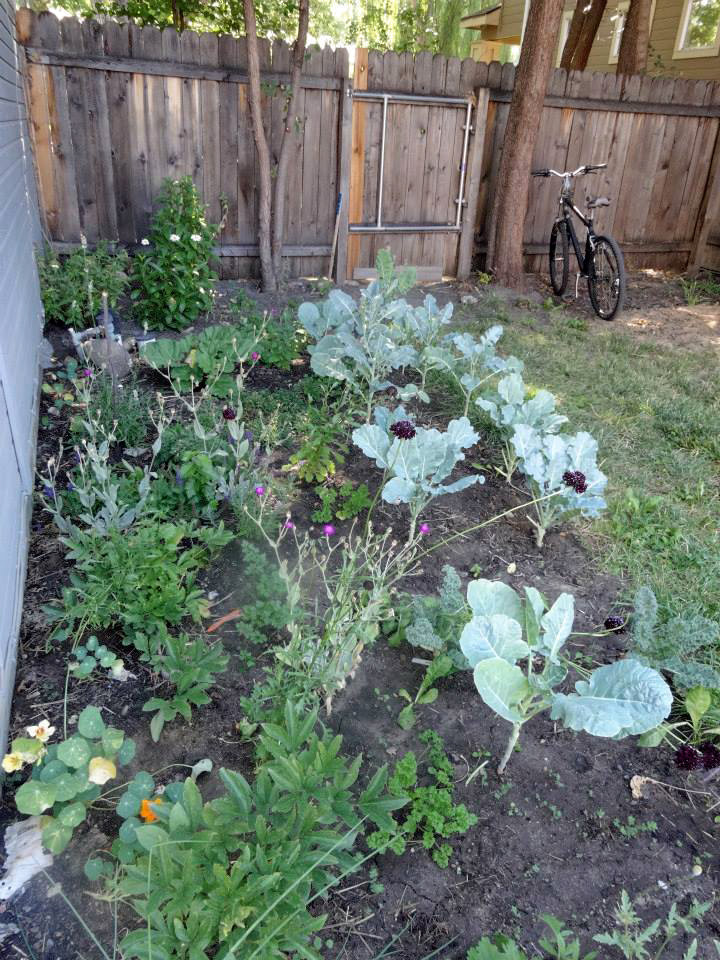
A view of our side yard. It is pretty shady in this section of the yard but we were still able to grow kale and collards along with several different flowers and herbs.

A view of our side yard. It is pretty shady in this bed but we were still able to grow kale and collards along with several different flowers and herbs.


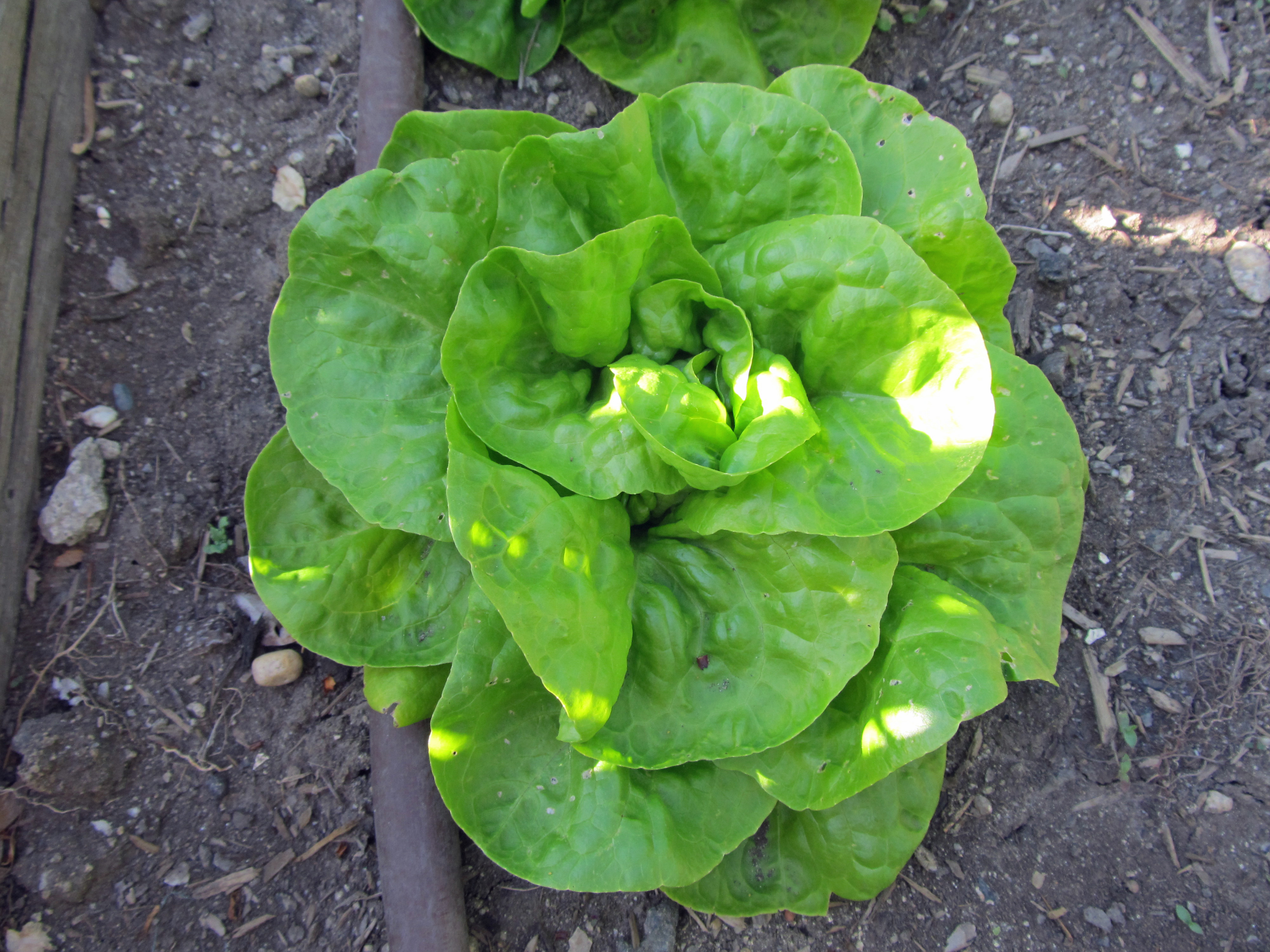
We grew several varieties of lettuce. This is one that I was most excited about. It's called 'Tennis Ball.' It is a miniature butterhead type that Thomas Jefferson loved and used to grow in his garden at Monticello.

We grew many varieties of lettuce. This is one that I was most excited about. It’s called ‘Tennis Ball.’ It is a miniature butterhead type that Thomas Jefferson loved and grew in his garden at Monticello.


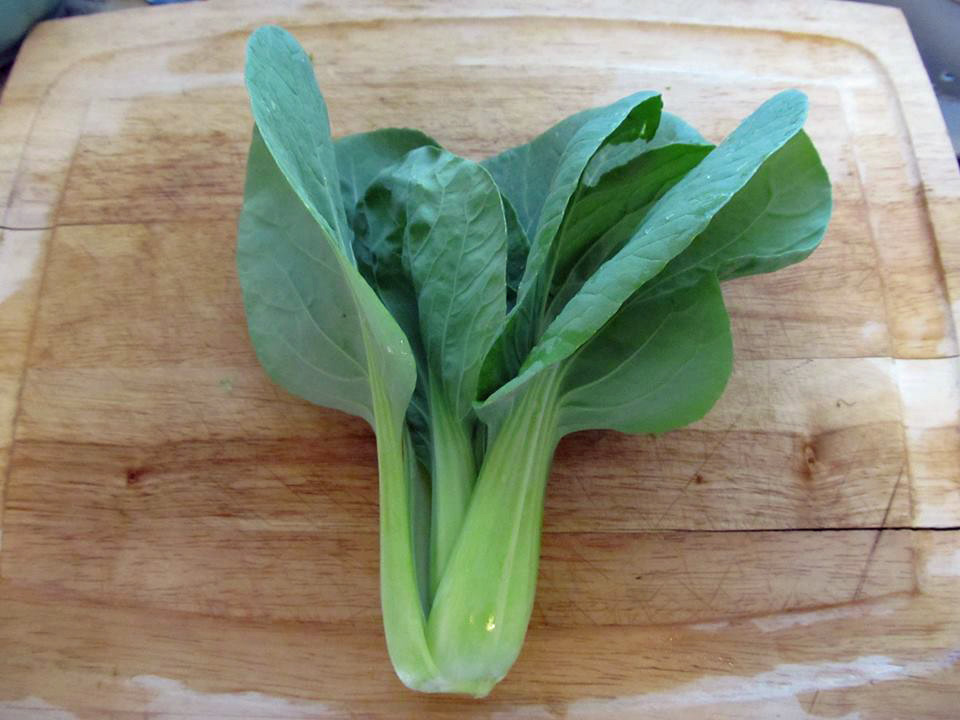
'Shanghai Green' Pak Choy

‘Shanghai Green’ Pak Choy


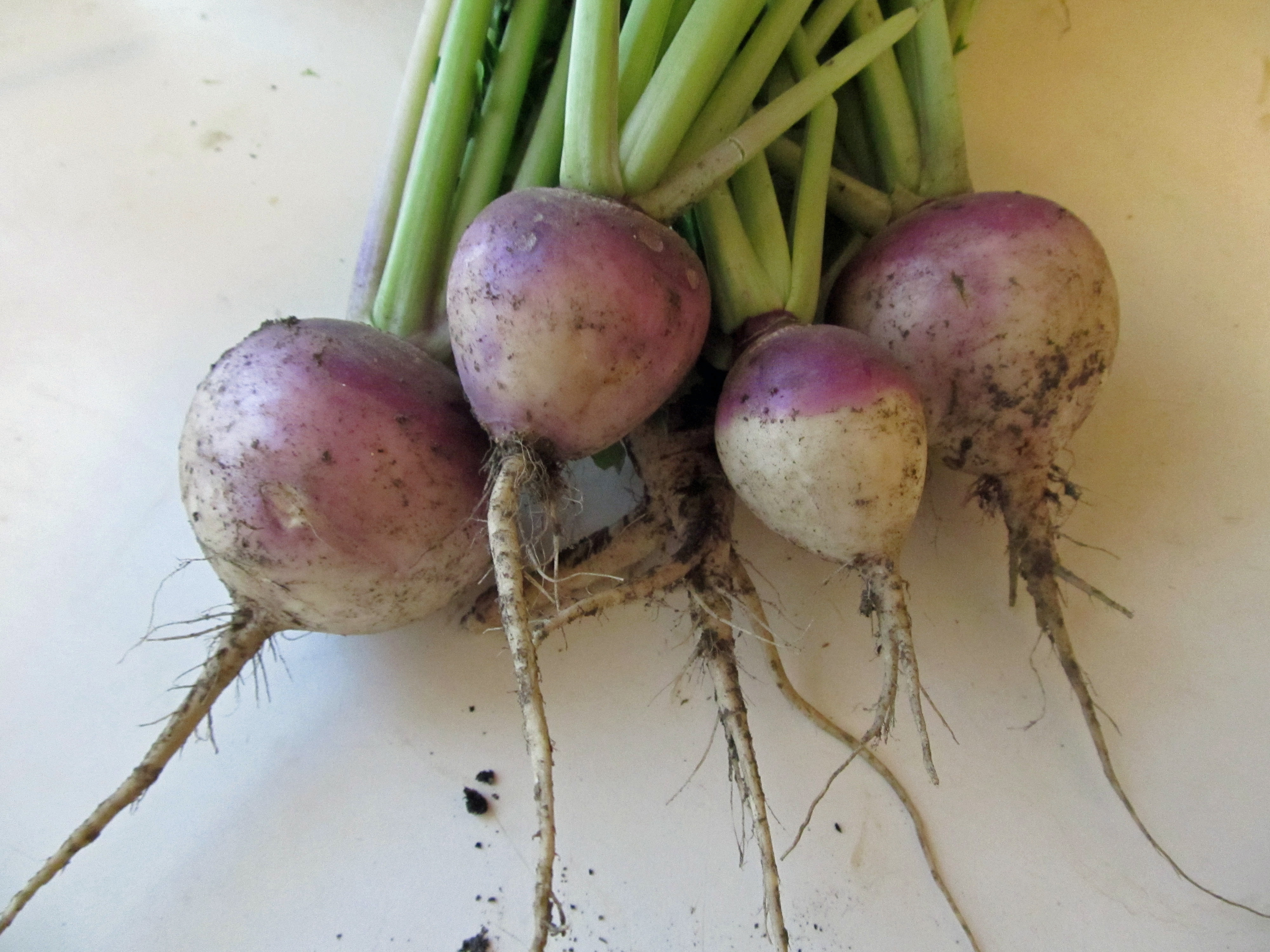
'Purple Top White Globe' Turnips

‘Purple Top White Globe’ Turnips


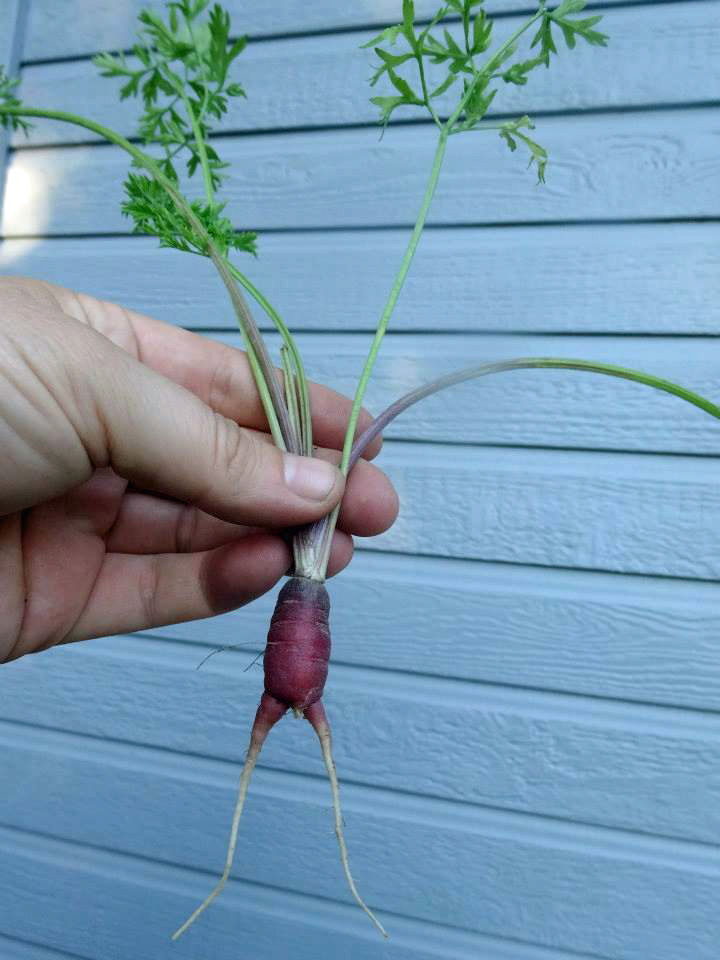
A miniature purple carrot with legs.

A miniature purple carrot with legs.


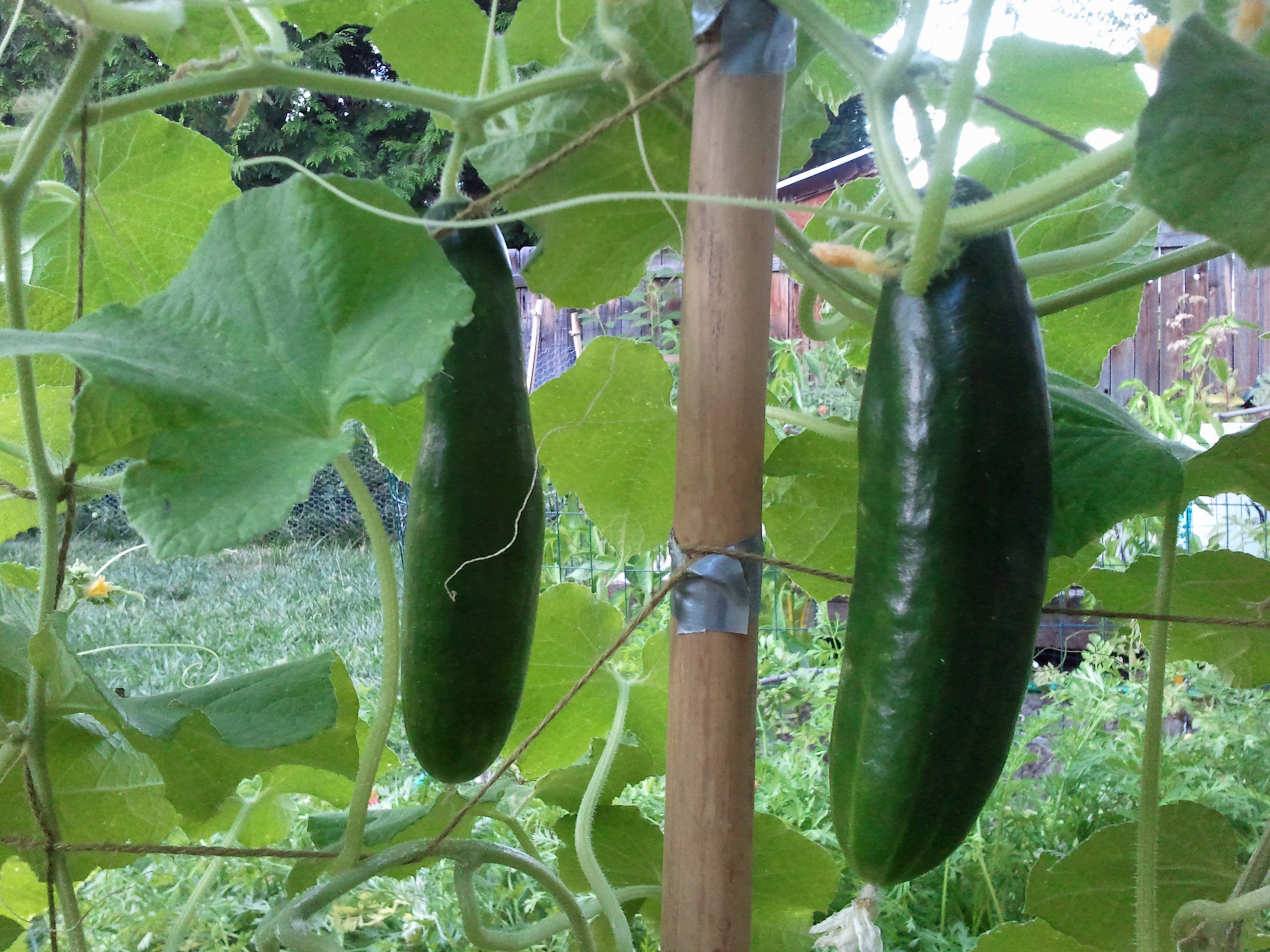
Two cucumbers hanging on a makeshift  trellis. I can't remember what variety they are. This why I need to remember to take better notes.

Two cucumbers hanging on a makeshift trellis. I can’t remember what variety they are. This why I need to remember to take better notes.


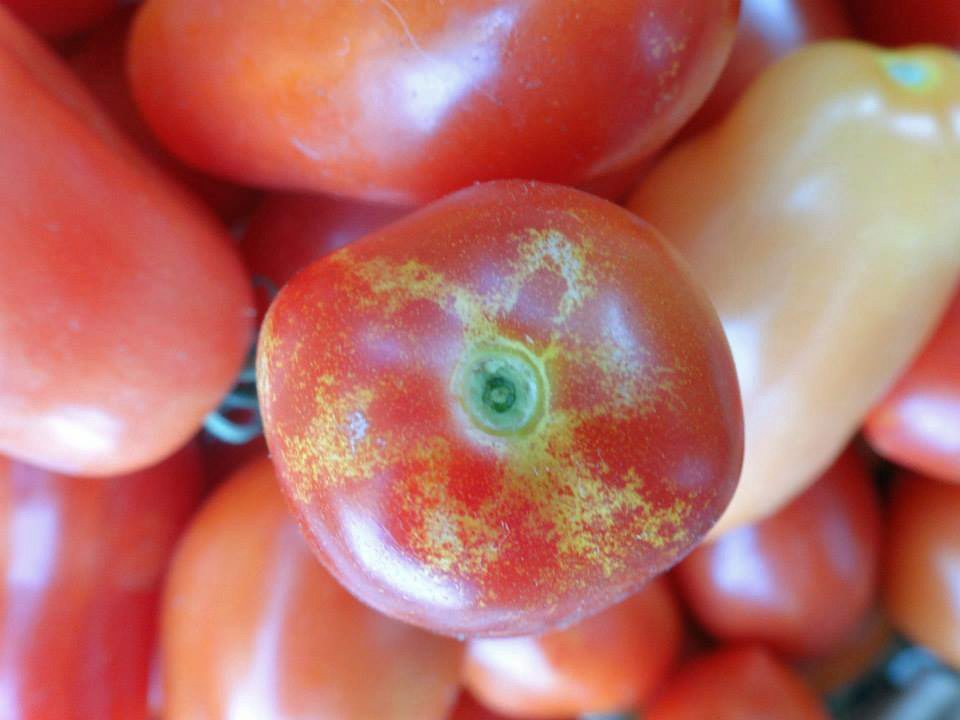
'San Marzano' Roma Tomato. We grew three other varieties of tomatoes along with this one.

‘San Marzano’ Roma Tomatoes. We grew three other varieties of tomatoes along with this one.


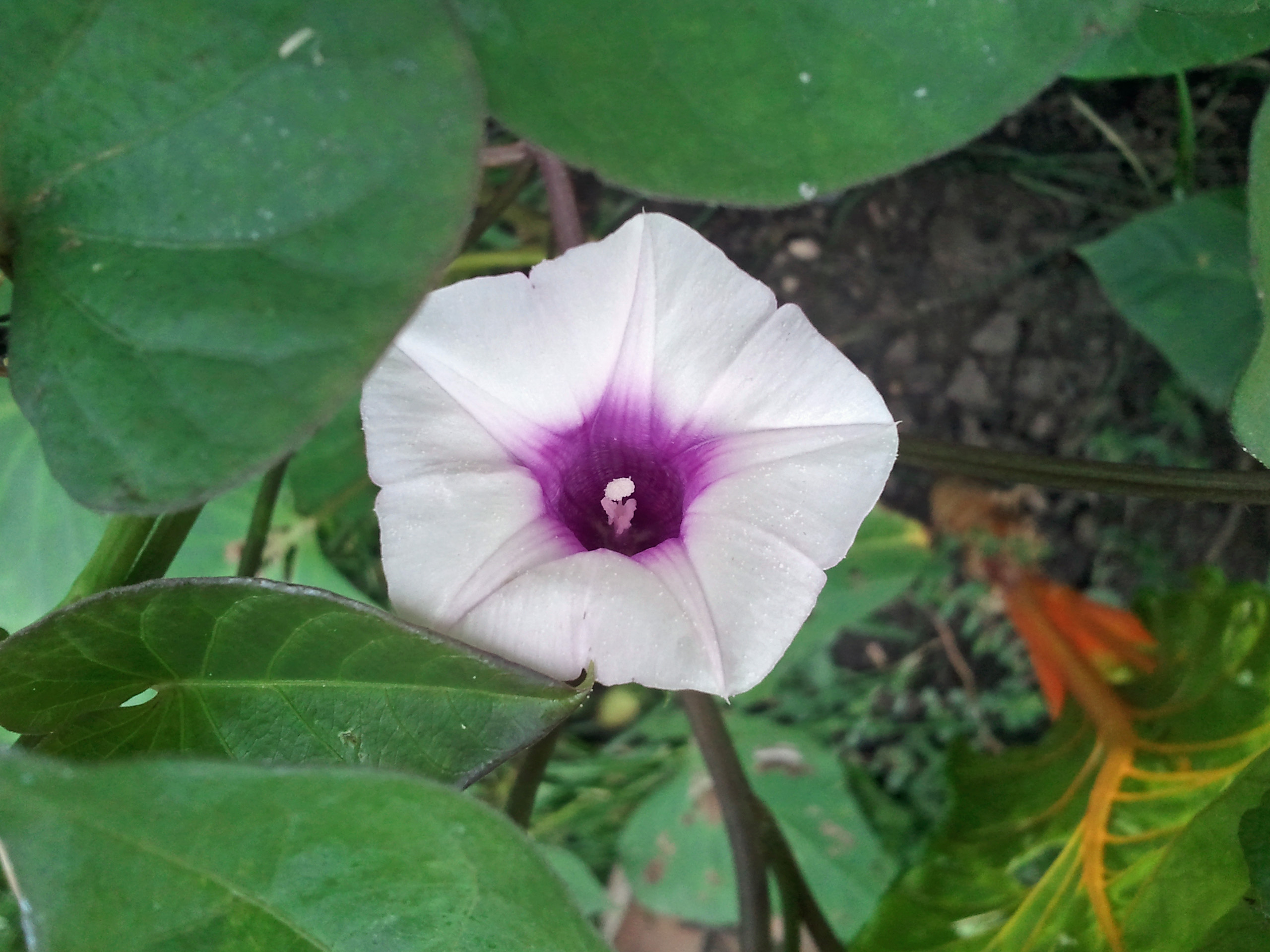
The flower of a 'Hong Hong' sweet potato. We haven't harvested these yet, so we're not sure what we're going to get. Sweet potatoes are not commonly grown in southern Idaho, so we're anxious to see how they do.

The flower of a ‘Hong Hong’ sweet potato. We have not harvested these yet, so we are not sure what we are going to get. Sweet potatoes are not commonly grown in southern Idaho, so we are anxious to see how they do.


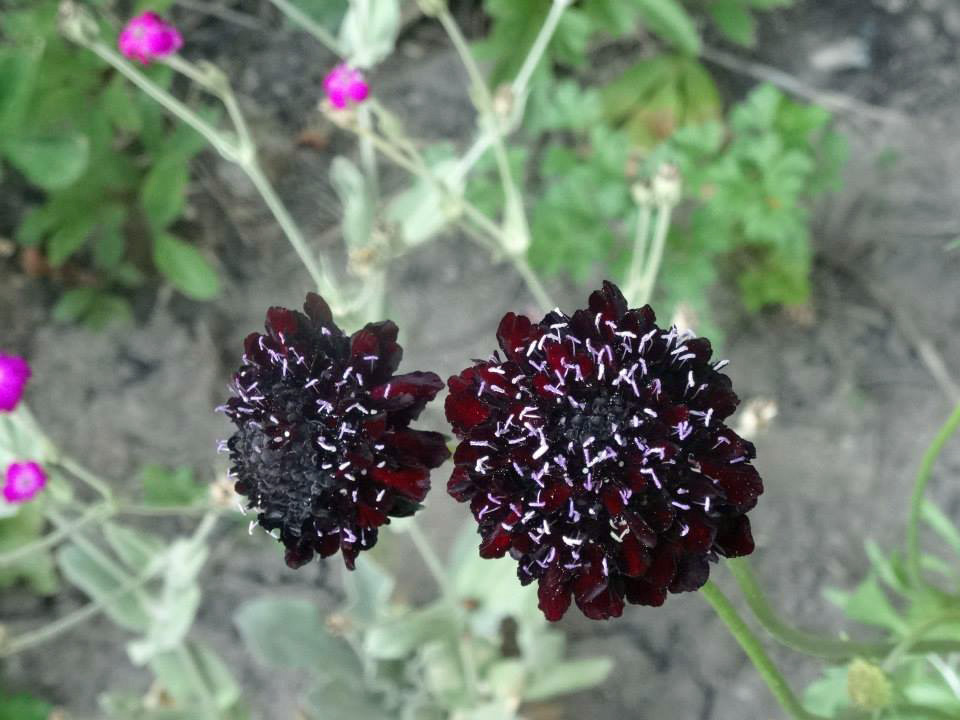
We grew lots of flowers, too. 'Black Knight' scabiosa (aka pincushion flower)was one of our favorites.

We grew lots of flowers, too. ‘Black Knight’ scabiosa (aka pincushion flower) was one of our favorites.


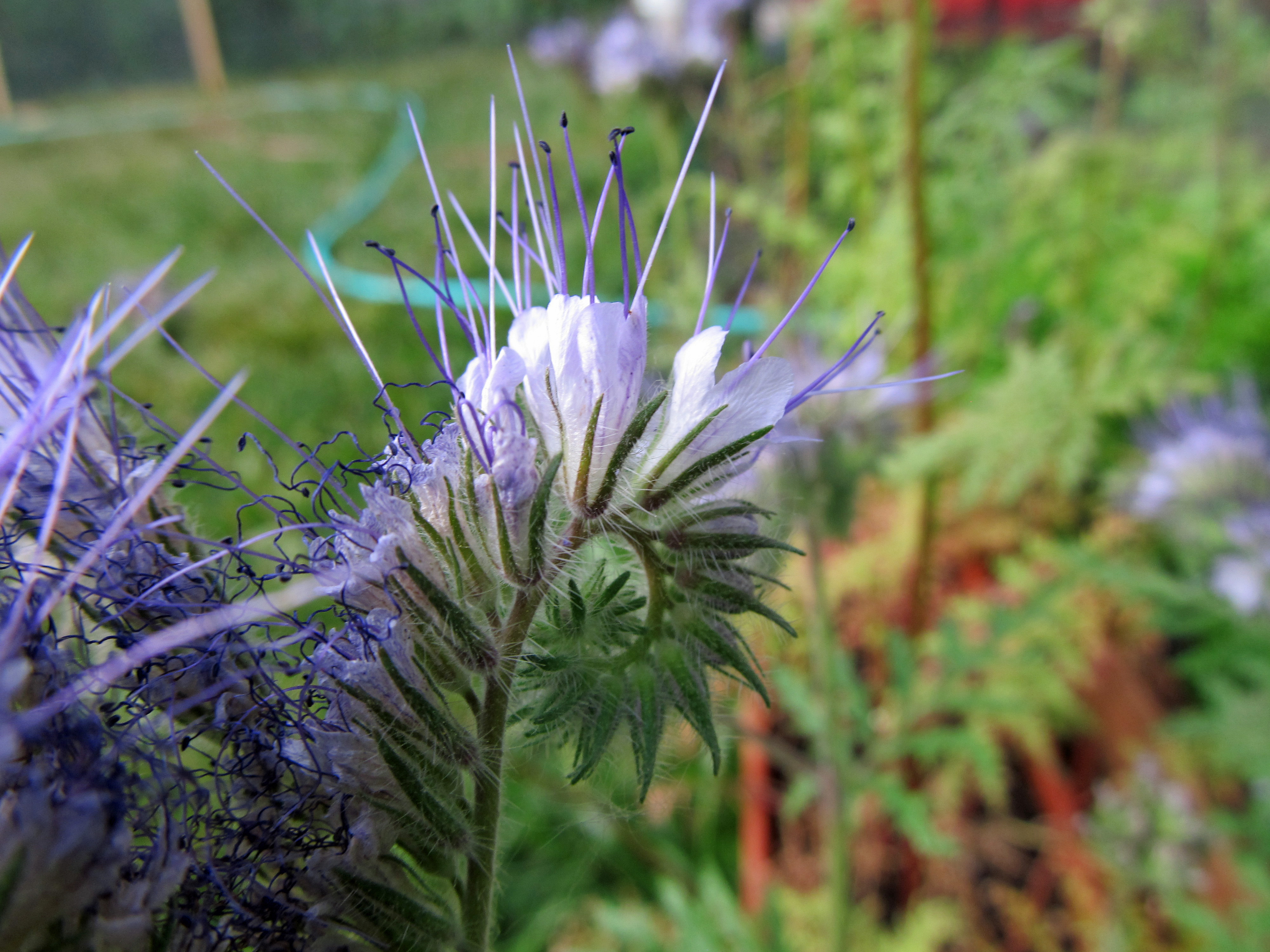
Some flower's we grew specifically for the bees, like this bee's friend (Phacelia hastate).

We grew some flowers specifically for the bees, like this bee’s friend (Phacelia tanacetifolia).


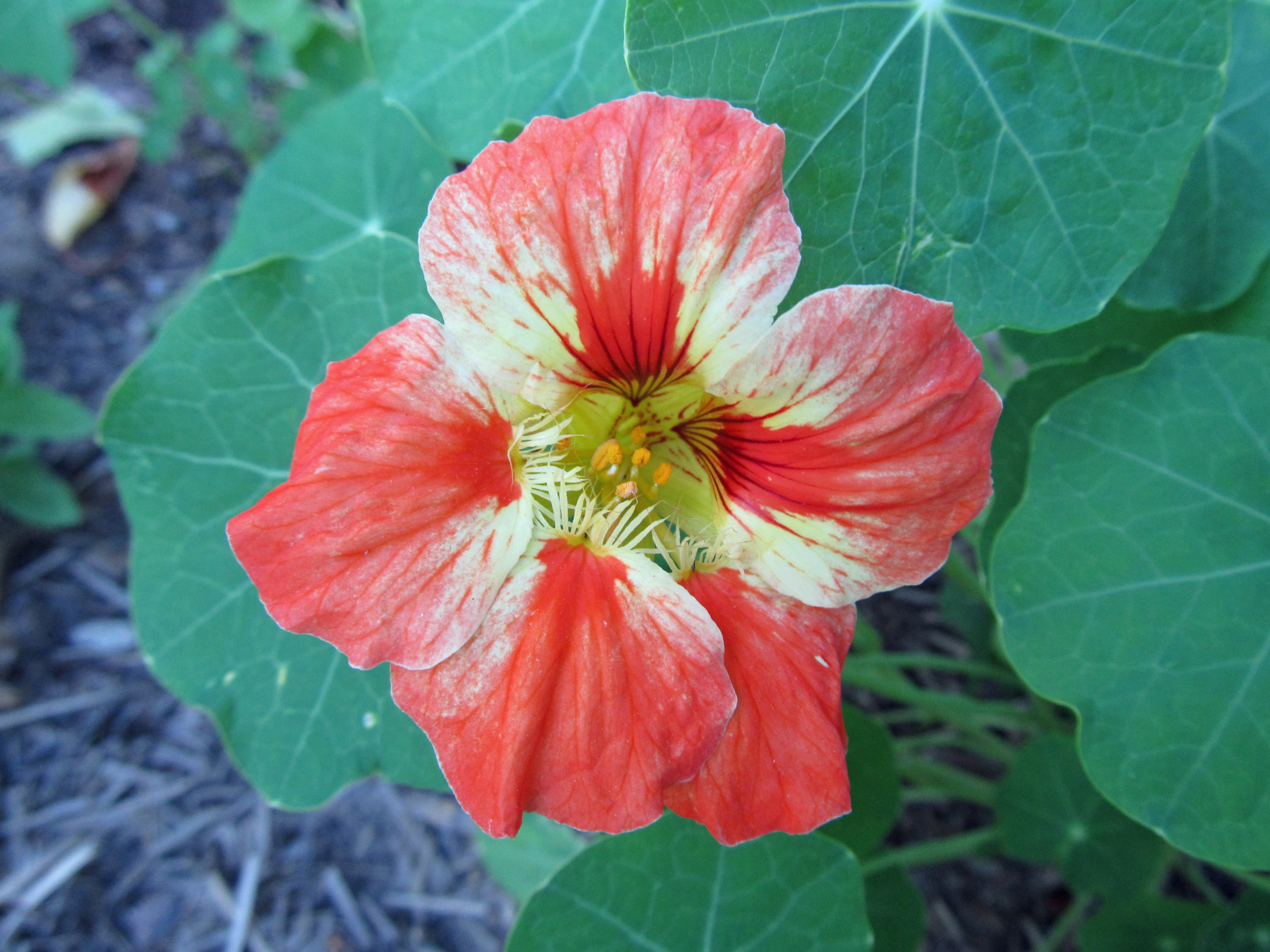
We grew other flowers for eating, like this nasturtium.

We grew other flowers for eating, like this nasturtium.


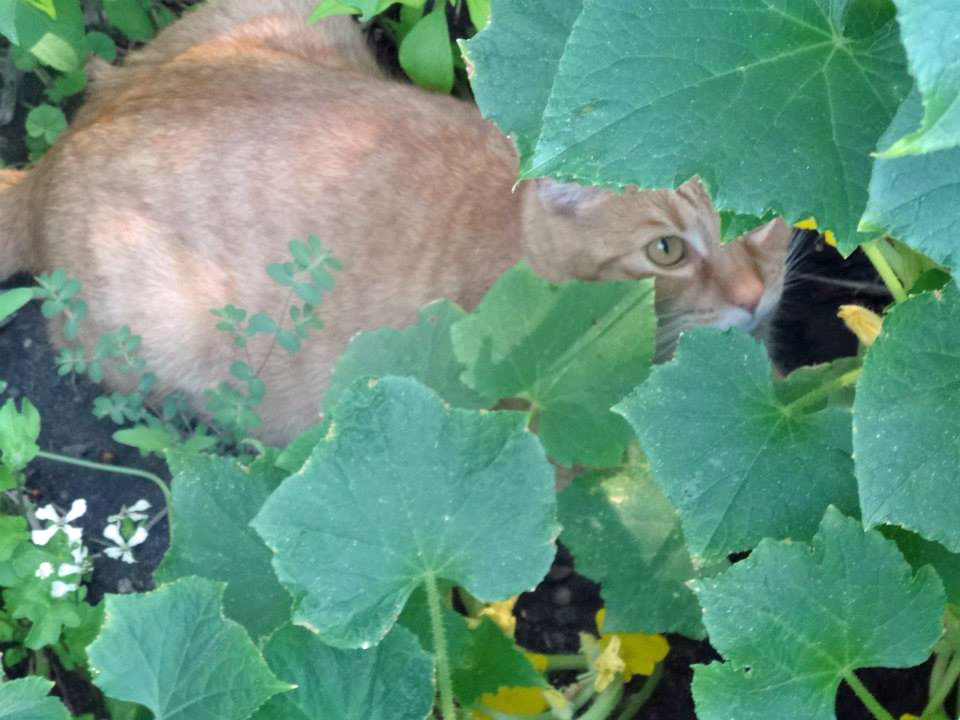
Even the cat loves being in the garden...

Even the cat loves being in the garden…

It has been an incredible year. “Abundant” is the best word that I can think of to describe it. We have learned a lot through successes and failures alike, and we are anxious to do it all again (and more) next year. Until then we are getting ready to settle in for the winter – to give ourselves and our garden a much needed rest. For more pictures and semi-regular updates on how our garden is growing, follow Awkward Botany on tumblr and twitter, and feel free to share your gardening adventures in the comments section below.

22 + Botanical Terms for Fruits

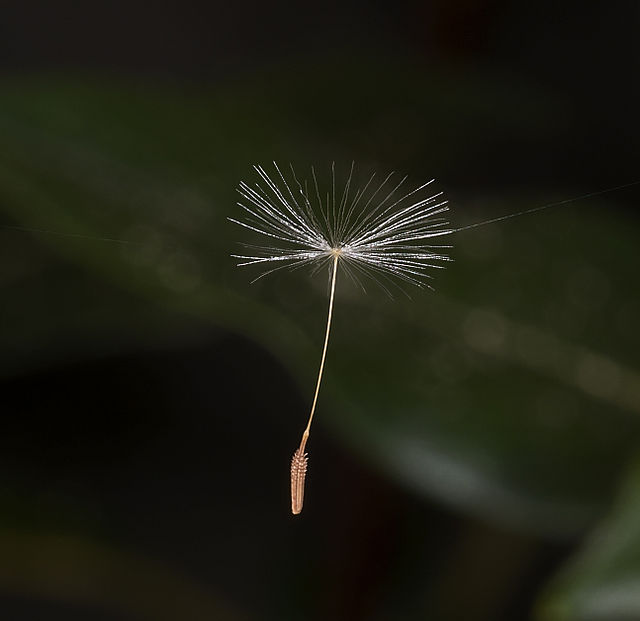
First off, let’s get one thing straight – tomatoes are fruits. Now that that is settled, guess what is also a fruit? This:

(photo credit: wikimedia commons)
(photo credit: wikimedia commons)
Yep. It’s a dandelion fluff. More accurately, it is a dandelion fruit with a pappus attached to it. Botanically speaking, a fruit is the seed-bearing, ripened ovary of a flowering plant. Other parts of the plant may be incorporated into the fruit, but the important distinction between fruits and other parts of a plant is that a seed or seeds are present. In fact, the purpose of fruits is to protect and distribute seeds. Which explains why tomatoes are fruits, right? (And, for that matter, the dandelion fluff as well.) So why the tired argument over whether or not a tomato is a fruit or a vegetable? This article may help explain that.

Before going into types of fruits, it may be important to understand some basic fruit anatomy. Pericarp is a term used to describe the tissues of a fruit surrounding the seed(s). It mainly refers to the wall of a ripened ovary, but it has also been used in reference to fruit tissues that are derived from other parts of the flower. Pericarps consist of three layers (although not all fruits have all layers): endocarp, mesocarp, and exocarp (also known as epicarp). The pericarps of true fruits consist of only ovarian tissue, while the pericarps of accessory fruits consist of other flower parts such as sepals, petals, receptacles, etc.

Fruits can be either fleshy or dry. Tomatoes are fleshy fruits, and dandelion fluffs are dry fruits. Dry fruits can be further broken down into dehiscent fruits and indehiscent fruits. Dehiscent fruits – like milkweeds and poppies – break open as they reach maturity, releasing the seeds. Indehiscent fruits – like sunflowers and maples – remain closed at maturity, and seeds remain contained until the outer tissues rot or are removed by some other agent.

Most fruits are simple fruits, fruits formed from a single ovary or fused ovaries. Compound fruits are formed in one of two ways. Separate carpels in a single flower can fuse to form a fruit, which is called an aggregate fruit; or all fruits in an inflorescence can fuse to form a single fruit, which is called a multiple fruit. A raspberry is an example of an aggregate fruit, and a pineapple is an example of a multiple fruit.

Additional terms used to describe fruit types:

Berry – A familiar term, berries are fleshy fruits with soft pericarp layers. Grapes, tomatoes, blueberries, and cranberries are examples of berries.

Pome – Pomes are similar to berries but have a leathery endocarp. Apples, pears, and quinces are examples of pomes. When you are eating an apple and you reach the “core,” you have reached the endocarp. Most – if not all – pomes are accessory fruits because they consist of parts of flowers in addition to the ovarian wall, such as – in the case of apples and pears – the receptacle.

Drupe – Drupes are also similar to berries but have hardened endocarps. Peaches, plums, cherries, and apricots are examples of drupes. A “pit” consists of a hardened endocarp and its enclosed seed.

Pepo – Pepos are also berry-like but have tough exocarps referred to as rinds. Pumpkins, melons, and cucumbers are examples of pepos.

Pumpkins are pepos.

Pumpkins are pepos.

Hesperidium – Another berry-like fruit but with a leathery exocarp. Oranges, lemons, and tangerines are examples of this type of fruit.

Caryopsis – An indehiscent fruit in which the seed coat fuses with the fruit wall and becomes nearly indistinguishable. Corn, oats, and wheat are examples of this type of fruit.

Achene – An indehiscent fruit in which the seed and the fruit wall do not fuse and remain distinguishable. Sunflowers and dandelions are examples of achenes.

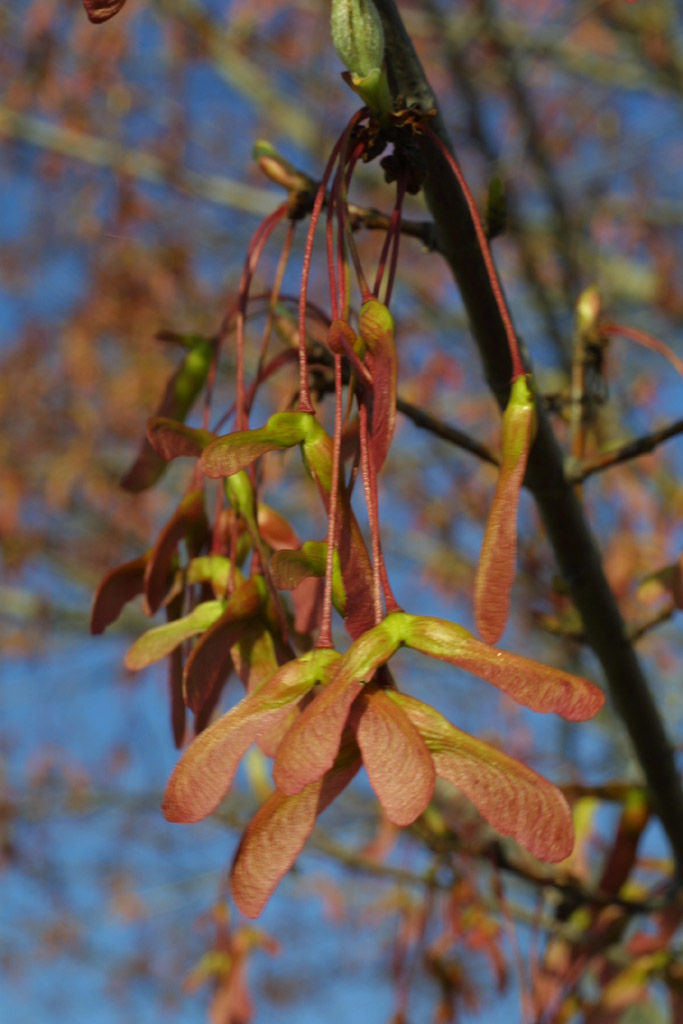
Samara – An achene with wings attached. Maples, elms, and ashes all produce samaras. Remember as a kid finding maple fruits on the ground, throwing them into the air, and calling them “helicopters.” Those were samaras.

The fruits of red maple, Acer rubrum (photo credit: eol.org)

The fruits of red maple, Acer rubrum (photo credit: eol.org)

Nut – An indehiscent fruit in which the pericarp becomes hard at maturity. Hazelnuts, chestnuts, and acorns are examples of nuts.

Follicle – Dehiscent fruits that break apart on a single side. Milkweeds, peonies, and columbines are examples of follicles.

Legume – Dehiscent fruits that break apart on multiple sides. Beans and peas are examples of legumes.

Capsule – This term describes a number of dehiscent fruits. It differs from follicle and legume in that it is derived from multiple carpels. Capsules open in several ways, including along lines of fusion, between lines of fusion, into top and bottom halves, etc. The fruits of iris, poppy, and primrose are examples of capsules.

Poppy flower and fruit. Poppy fruits are called capsules.

Poppy flower and fruit. Poppy fruits are called capsules.

Flowers and fruits are key to identifying plants. Learning to recognize these structures will help you immensely when you want to know what you are looking at. And now that it is harvest season, you can impress your friends by calling fruits by their proper names. Pepo pie, anyone?

Article: The Wildest Idea on Earth

Imagine living in close proximity to numerous national parks and being “enveloped by connected [wildlife] corridors” that lead to these national parks – or as Edward O. Wilson envisions them, “national biodiversity parks, a new kind of park that won’t let species vanish.” Wilson – a renowned biologist, entomologist, conservationist and Pulitzer Prize winning author – has this vision and believes that it can be accomplished within the next 50 years. Not only can it be accomplished, but it must be in order to thwart the ongoing sixth mass extinction event. To be precise, half the planet must be set aside, restored to its natural state, and protected in perpetuity. A series of large parks connected by continuous corridors – or “Long Landscapes” – is the way Wilson and other conservationists insist this must be done. Tony Hiss explores the “Half Earth” concept in a feature article in the current issue of Smithsonian entitled, The Wildest Idea on Earth (the online version is entitled, Can the World Really Set Aside Half of the Planet for Wildlife?).

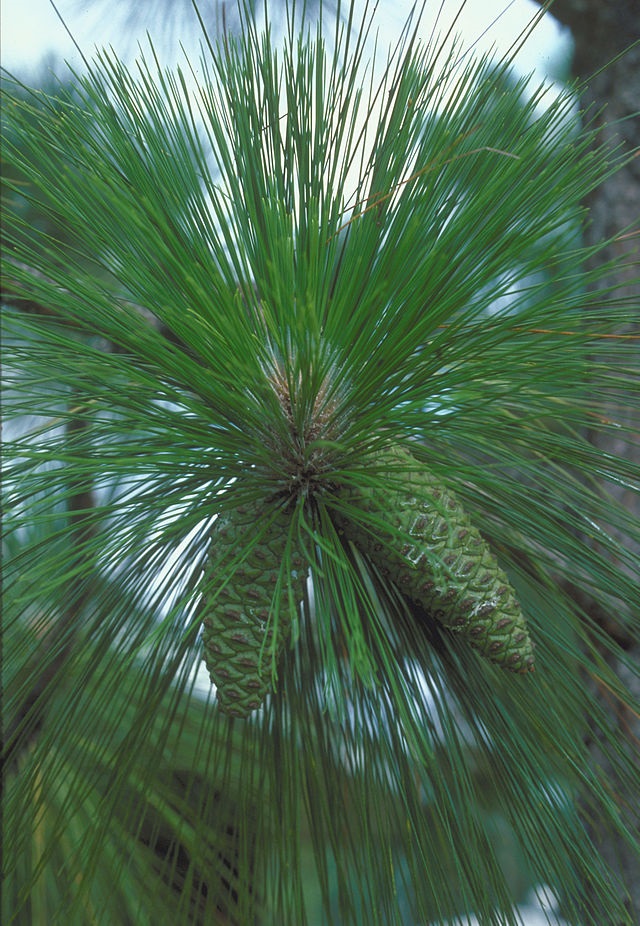
Hiss, accompanied by Wilson, visits three locations in North America where this vision is playing out. Their first stop is Nokuse Plantation in the Florida panhandle, where businessman, M.C. Davis, has purchased tens of thousands of acres with the intention of restoring them to native longleaf pine forests, a plant community that has been reduced by 97% due to human activity. Intact longleaf pine forests are incredibly diverse – as many as 60 different species of living things can be found in one square yard – so protecting and restoring them is an ecological imperative.

Longleaf Pine, Pinus palustris (photo credit: wikimedia commons)
Longleaf Pine – Pinus palustris (photo credit: wikimedia commons)
Later, Davis flies Hiss and Wilson to New England in his private jet. There Hiss discovers a seemingly accidental series of connected natural and restored landscapes nearly 200 miles in length. This corridor, and the land that surrounds it, highlights the need for private land owners to be on board with the Half Earth vision, setting aside their land for conservation in exchange for tax breaks and other incentives.

The importance of private land owners cooperating with this vision comes into play again when Hiss visits the Flying D Ranch near Bozeman, Montana. This 113,613 acre ranch (just a small fraction of the land owned by Ted Turner) is a private ranch that “promote[s] ecological integrity” – it is a wildlife refuge that also turns a profit. Fortunately, the “D” sits within larger wildlife corridor projects – Yellowstone to Yukon and Western Wildway Network highlighting Wilson’s vision of current sanctuaries being incorporated into larger networks of protected lands.

Hiss notes that as these three projects grow and connect to “the great, unbroken forests across all of northern Canada,” North America will become enclosed in “Long Landscapes” with “additional and more inland routes to be added later.” The sooner these corridors and parks are developed the better, because as global climate changes, species will need to move north, south, east, or west as their ecological and biological needs dictate.

It seems a lofty goal. Humans, after all, have spread themselves across the entire planet, modifying every environment as they go – oftentimes to an irreparable extreme. But knowing this, and recognizing that we are only just beginning to feel the effects of climate change, drastic measures to preserve what is left of this planet’s biological diversity become imperative. Hiss’s article is encouraging in this regard. Yes, the places he visited were confined to North America. A more accurate picture could be constructed by incorporating greater international diversity. However, most promising is that the people he talked to were not political figures. Most of them weren’t even professional scientists. They were businessmen, working people, land owners, citizen conservationists. Wealthy, yes. But people who, at some point in their life journeys, saw a need and wanted to help. The story of M.C. Davis illustrates this best of all. If the information is put out there in a manner that people can relate to, they will latch on to it and offer assistance. For all whose goal is to protect half of the earth (or even just some small portion of it) for the sake of non-human life, this article should give some hope.

Tree growing along a creek bed at The Nature Institute, a privately owned nature preserve in Godfrey, Illinois

Tree growing along a creek bed at The Nature Institute, a privately owned nature preserve in Godfrey, Illinois

Succulent Blogs on Tumblr

About four months ago, Awkward Botany branched out into the world of Tumblr, a short-form blogging platform with a heavy social media bent. I haven’t put as much time into it as I would like (and I still have lots to learn about it), but so far the time I have spent there has been entertaining and informative.

One discovery I have made is that there are lots of tumblogs dedicated to botany and horticulture. This shouldn’t come as a surprise though; there are tumblogs concerning pretty much any topic you can think of. Plus, people love plants, so why shouldn’t there be tumblogs aplenty devoted to them?

One subsection of plant-related tumblogs that I have particularly enjoyed following are the cactus and succulent themed ones. In the botanical world, which is replete with diversity, there is no shortage in the variety of colors, textures, and forms to be found. Cacti and succulents are especially fascinating in this regard. Now thanks to Tumblr, hours can be spent admiring them while sitting comfortably in front of a computer screen. I say that with a hint of sarcasm, of course. Seeing these plants in person (either in their natural habitat or in cultivation) would obviously be better, but when that option is not available, the internet is the next best thing.

Over the past few months I have collected a list of cactus and succulent related tumblogs. Below are my favorites. Some of them consist exclusively of photos grabbed from other sites, while others are composed of personal photos along with a mix of other photos. A few of them also offer advice and take questions concerning cactus and succulent cultivation.

what a nice little succulent

What A Nice Little Succulent a blog about growing succulents in a Brooklyn apartment…from seed! What’s not to like? Great blog name, too.

jacculents

Jack + Succulents – Jack grows succulents in Malaysia and shares advice on how to cultivate and care for them. He also likes coming up with clever names, like Jacculents and Jacktus.

cactguy

Cactguy – Speaking of clever names, Cactguy is a blog produced by a self-proclaimed “cactus fiend.” His pictures are labeled so that you can not only admire the plants but learn the names of them as well.

cactiheart

Not Cact-I, Cact-Us – Yes, the clever names abound in the cactus and succulent loving community.

succulent lover

Succulent Lover – A love for succulents pure and simple.

These five blogs barely scratch the surface. There are lots more great ones out there, including Succulents Forever!, Sweet Succulents, and Succulent Love. An excellent one if you are looking for more information about succulents is Cactus Man Dan, which is written by an obsessed cactus and succulent collector in England. He can help you answer any questions you may have about growing and identification.

Do you know of any other cactus and succulent (or plants in general) tumblogs that you would like to recommend? If so, leave your recommendations in the comment section below. And if you feel so inclined, please follow Awkward Botany on Tumblr and/or Twitter. Lastly, with this post I am introducing the new Reviews and Recommendations tab. Go there to read my past review and recommendation posts, and stay tuned for many more to come.