Weeds of Boise: Neglected Parking Lot Islands at Post Office on 13th Street

Boise’s summers are decidedly hot and dry. Months can pass without any measurable precipitation, meanwhile temperatures regularly peak in the 90’s. In the heat of the summer, multiple days in a row above 100 degrees Fahrenheit is not unheard of. Under these conditions, irrigation is a must if you intend to keep plants alive, particularly plants not adapted to our climate. Skipping out on watering or having something go awry with the irrigation system quickly becomes noticeable as the soil goes bone dry and plants begin to wither away. If this goes on for too long, many plants will not recover, including established trees and shrubs. However, the toughest plants among us, particularly the weeds, will move in to take their place.

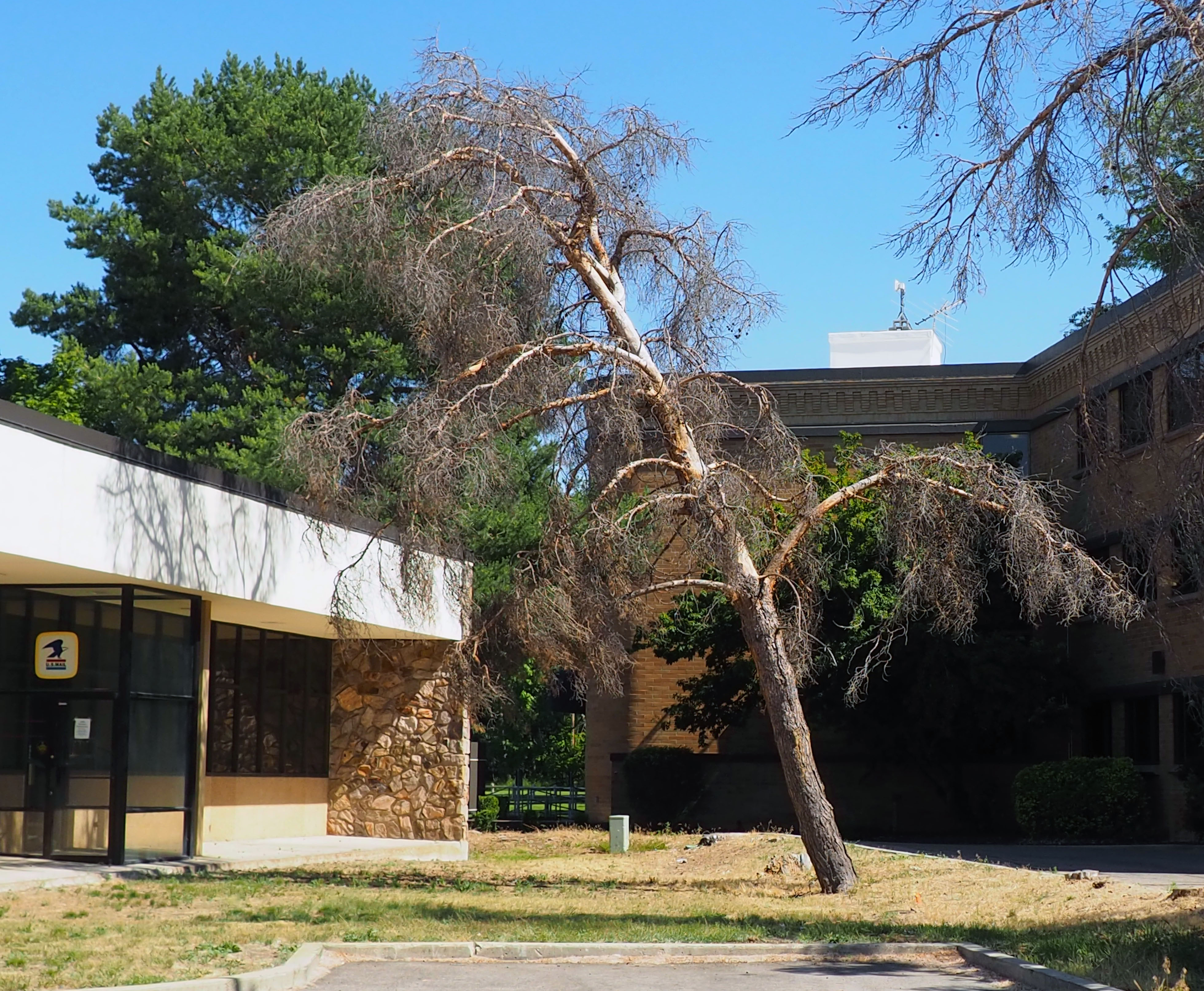
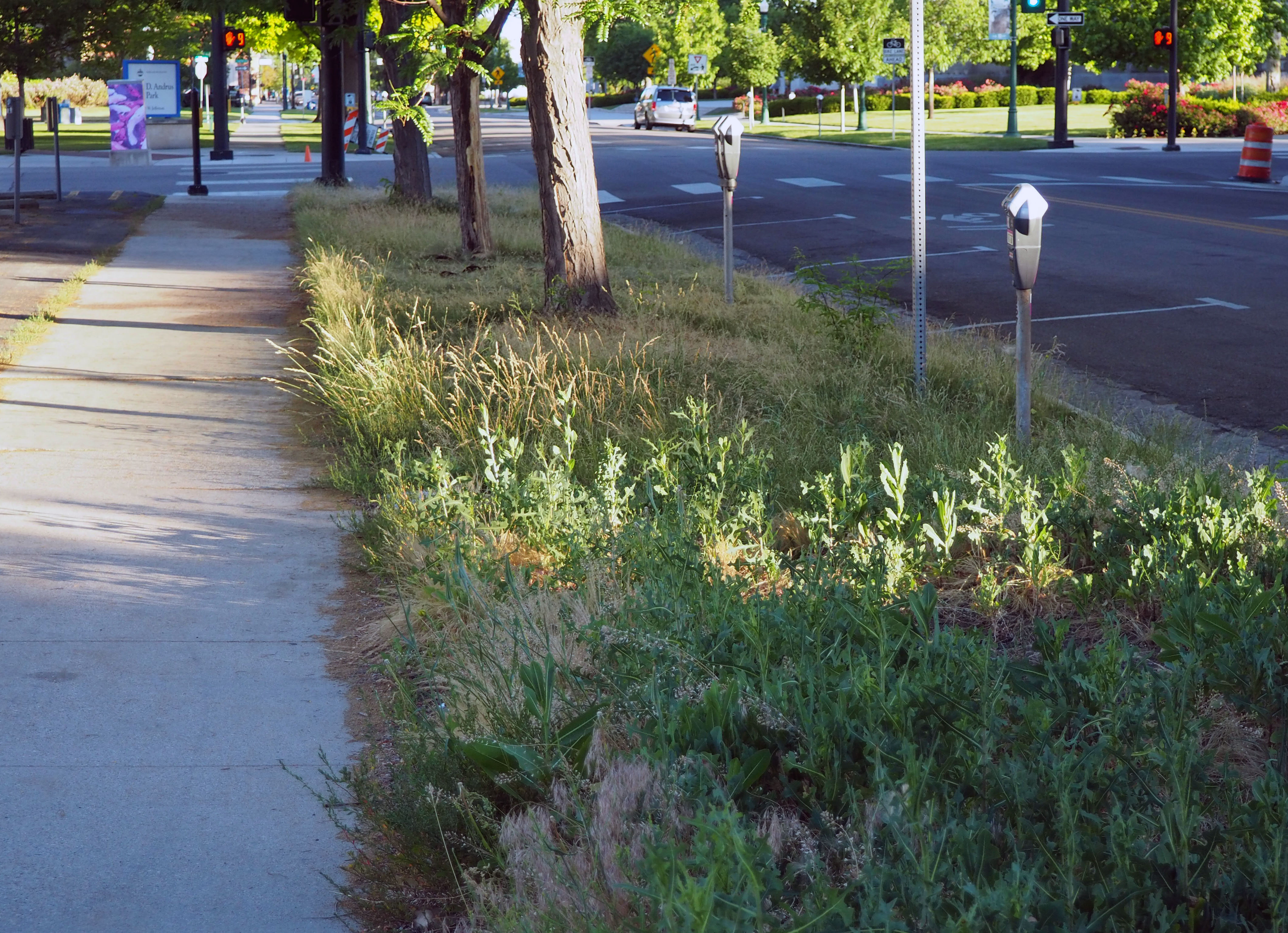
You can see an example of this at the United States Postal Service building at 13th Street and Shoreline Lane in Boise, Idaho. The islands in the parking lot are not being watered, which has clearly been the case for quite some time because even the trees and shrubs are dying off. Apart from occasional mowing, very little maintenance is occurring, and our wild urban flora is about all that remains.
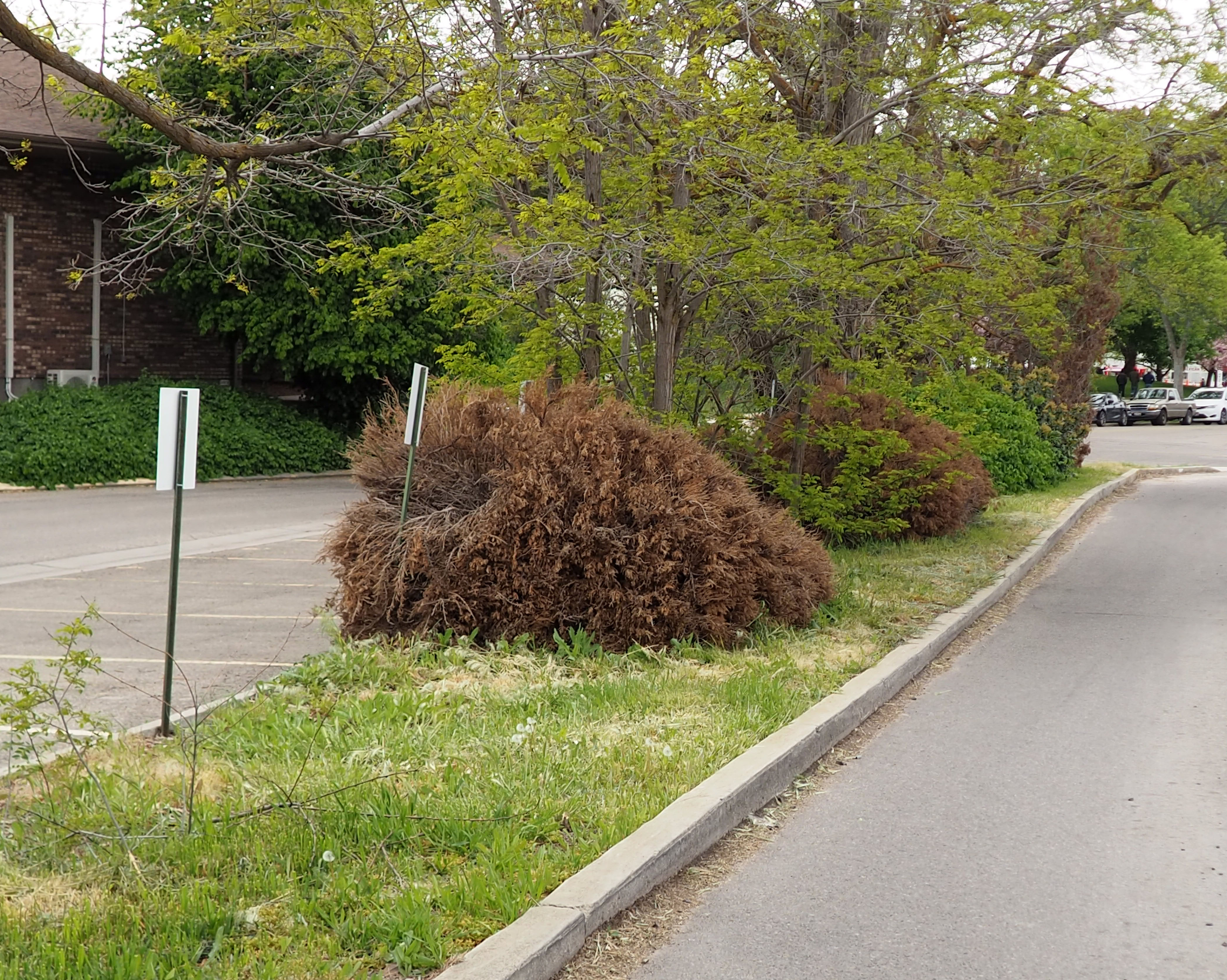
parking lot island at the corner of 13 Street and Shoreline Lane

Parking lots are not ideal locations for growing plants. Asphalt and cement dominate – two major contributors to the urban heat island effect – and automobile pollution is concentrated on account of all the cars coming and going on a regular basis. Many parking lots include islands where plants (often poorly maintained), along with other features like signs and lights, are placed. In general, these islands are far too small for trees, but trees are planted nonetheless in a desperate attempt to shade these formidable environments. In locations where snow is common, the snow from parking lots is often piled up on these islands to clear room for cars, while road salts and other ice melts are heavily applied in order to keep people and cars from sliding around. Parking lot plants have to endure all this and more, so it’s no surprise that they usually look pretty rough.

The stresses of added heat, pollution, trampling, and poor care are enough for plants to put up with. Cut off their irrigation supply, and parking lot plants are sure to give up the ghost. A situation like this is an excellent place to familiarize yourself with your wild urban flora. Many weeds seemingly have no problem tolerating these conditions. To demonstrate this, I inventoried the weeds found in neglected parking lot islands at the post office on 13th Street and Shoreline Lane. What follows are a few photos and a list of the weeds I’ve identified so far. Like all posts in the Weeds of Boise series, this list may be updated as I continue to check back in on this location.

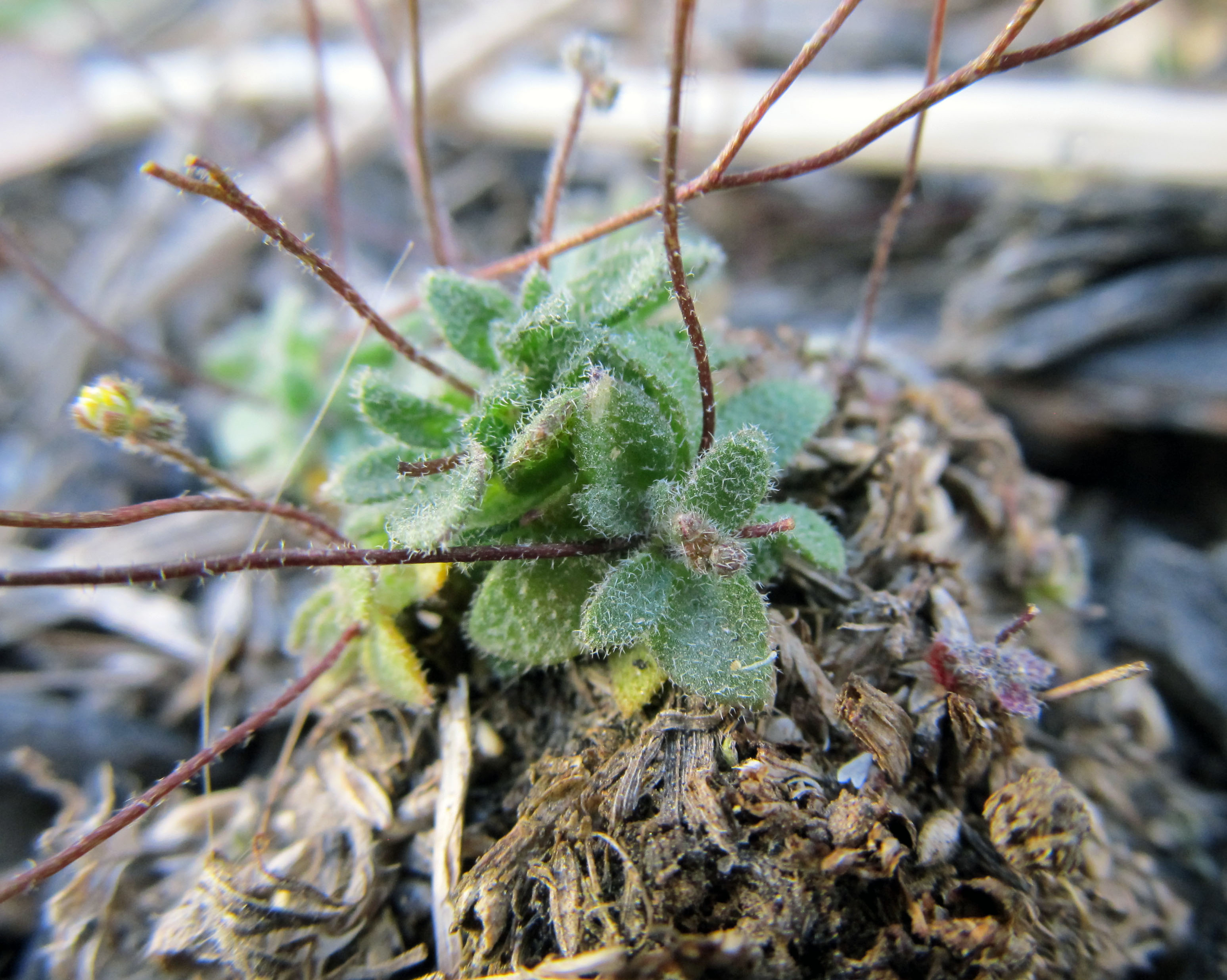
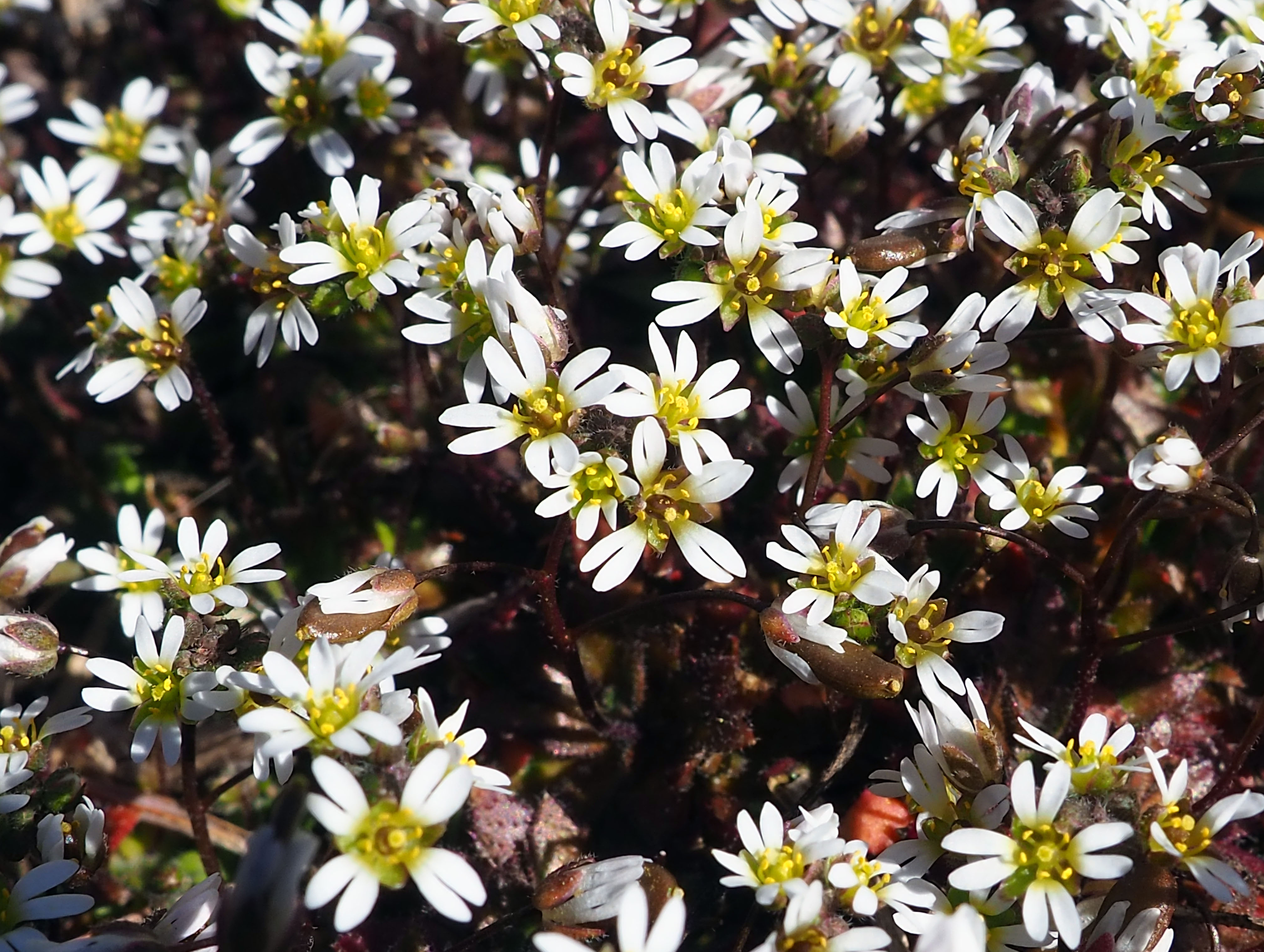
spring draba (Draba verna)
shepherd’s purse (Capsella bursa-pastoris)
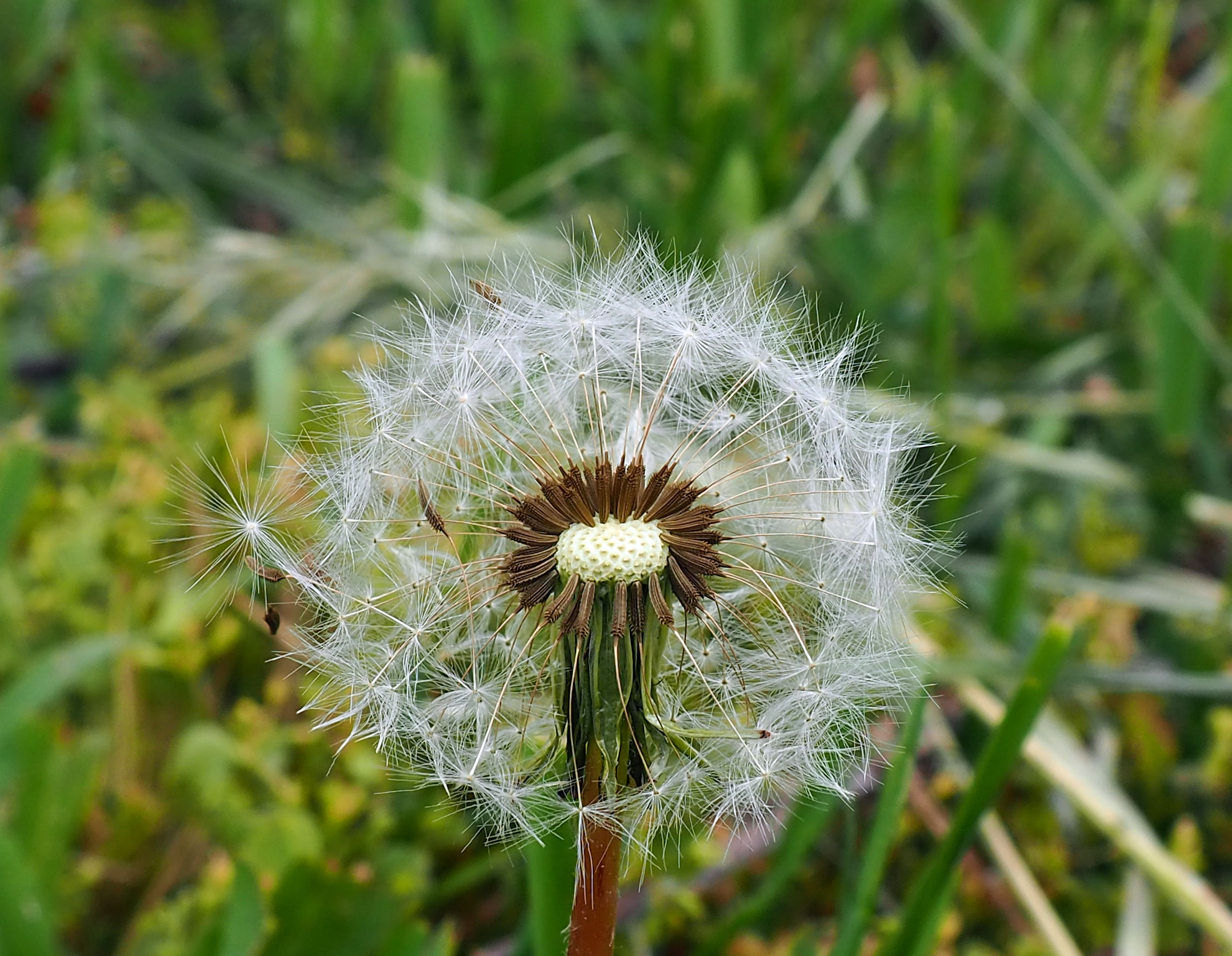
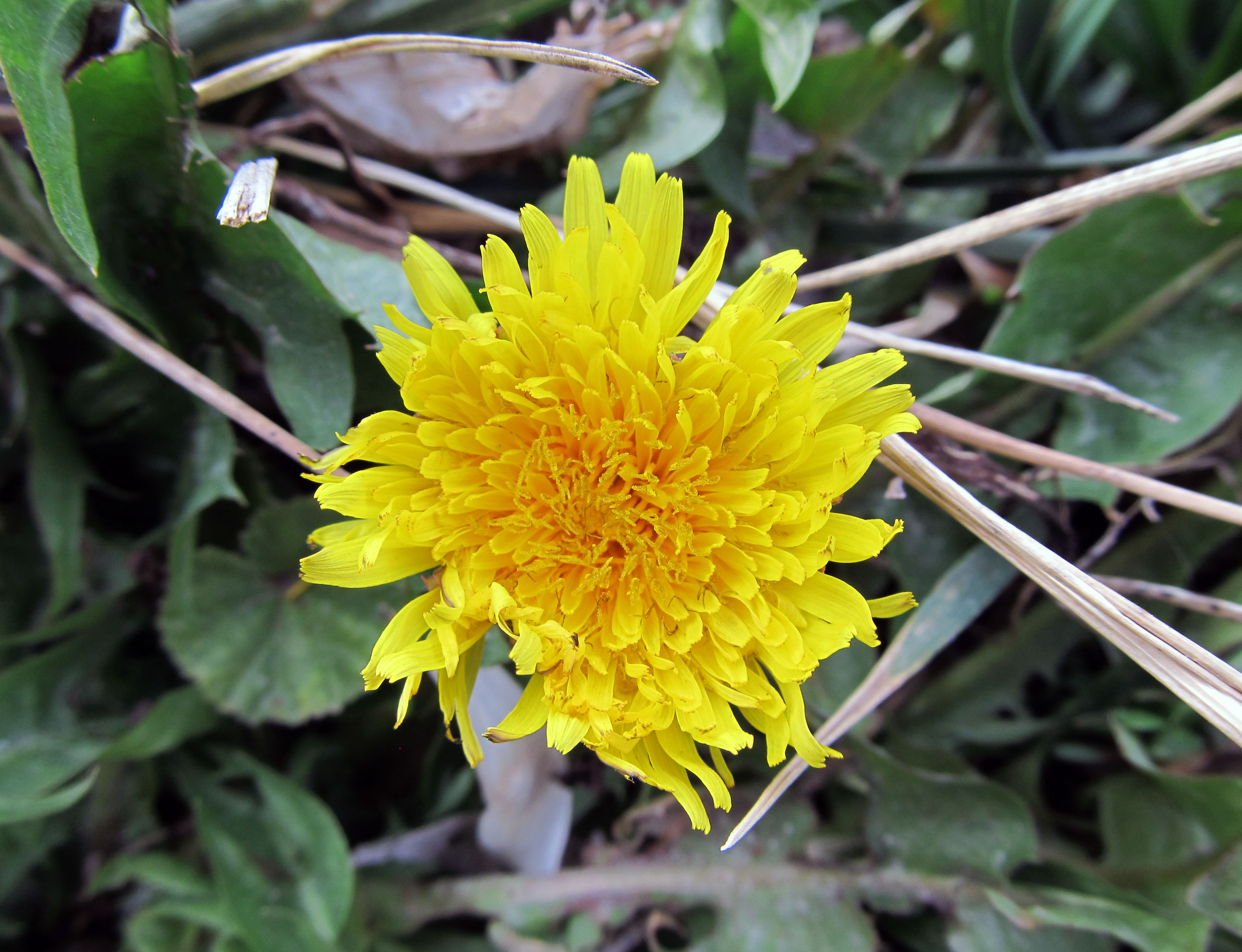
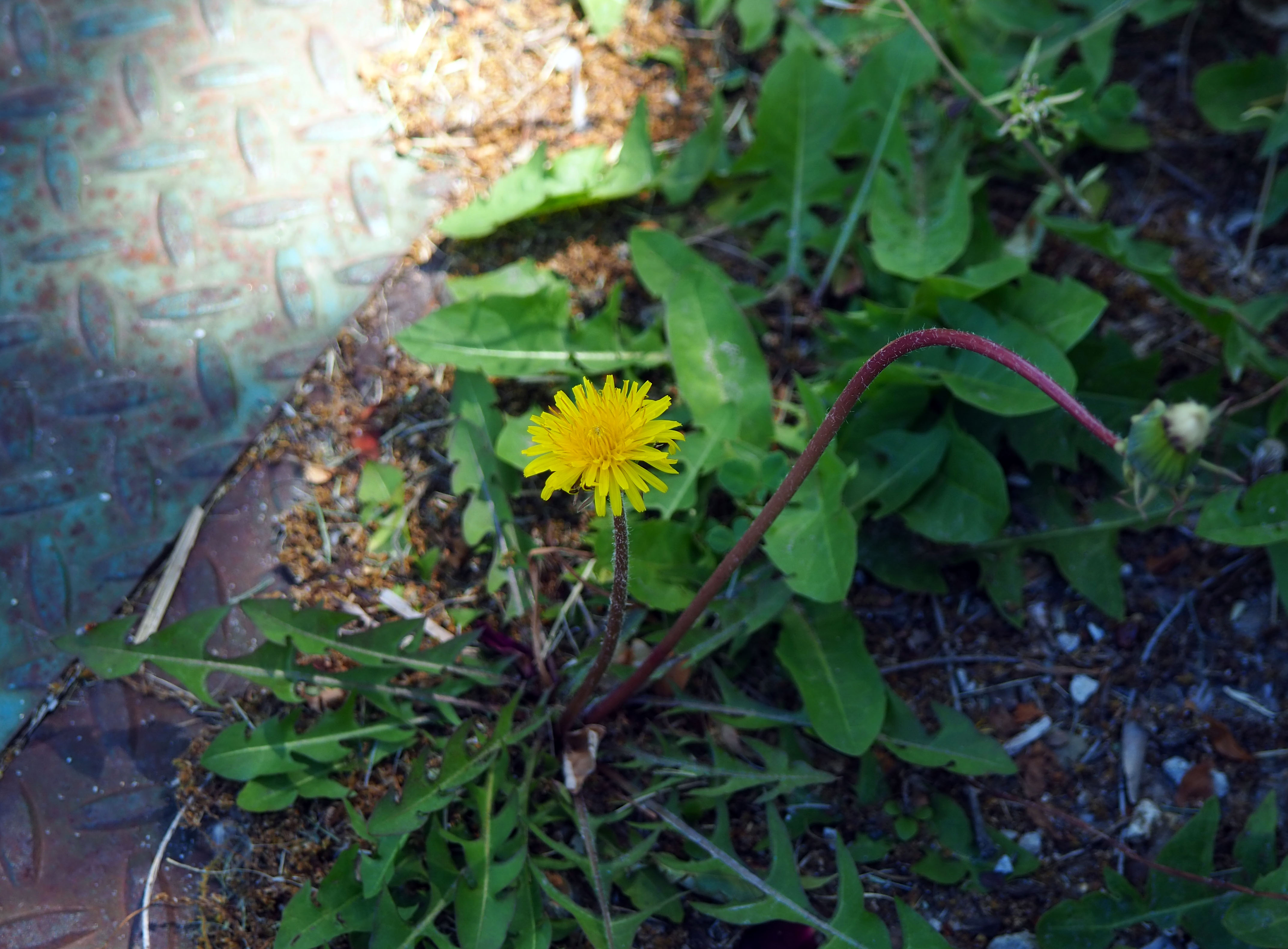
dandelion (Taraxacum officinale)
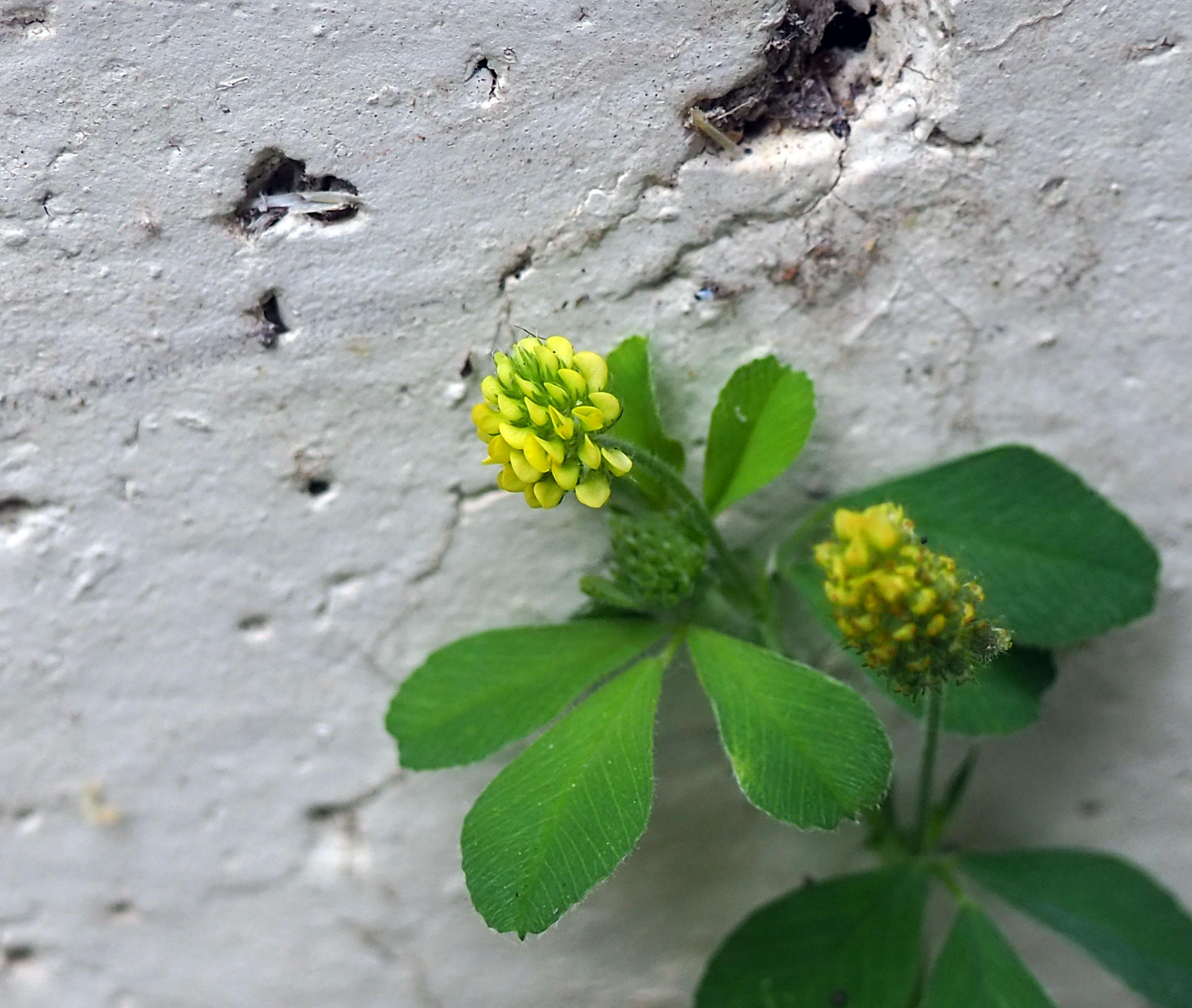
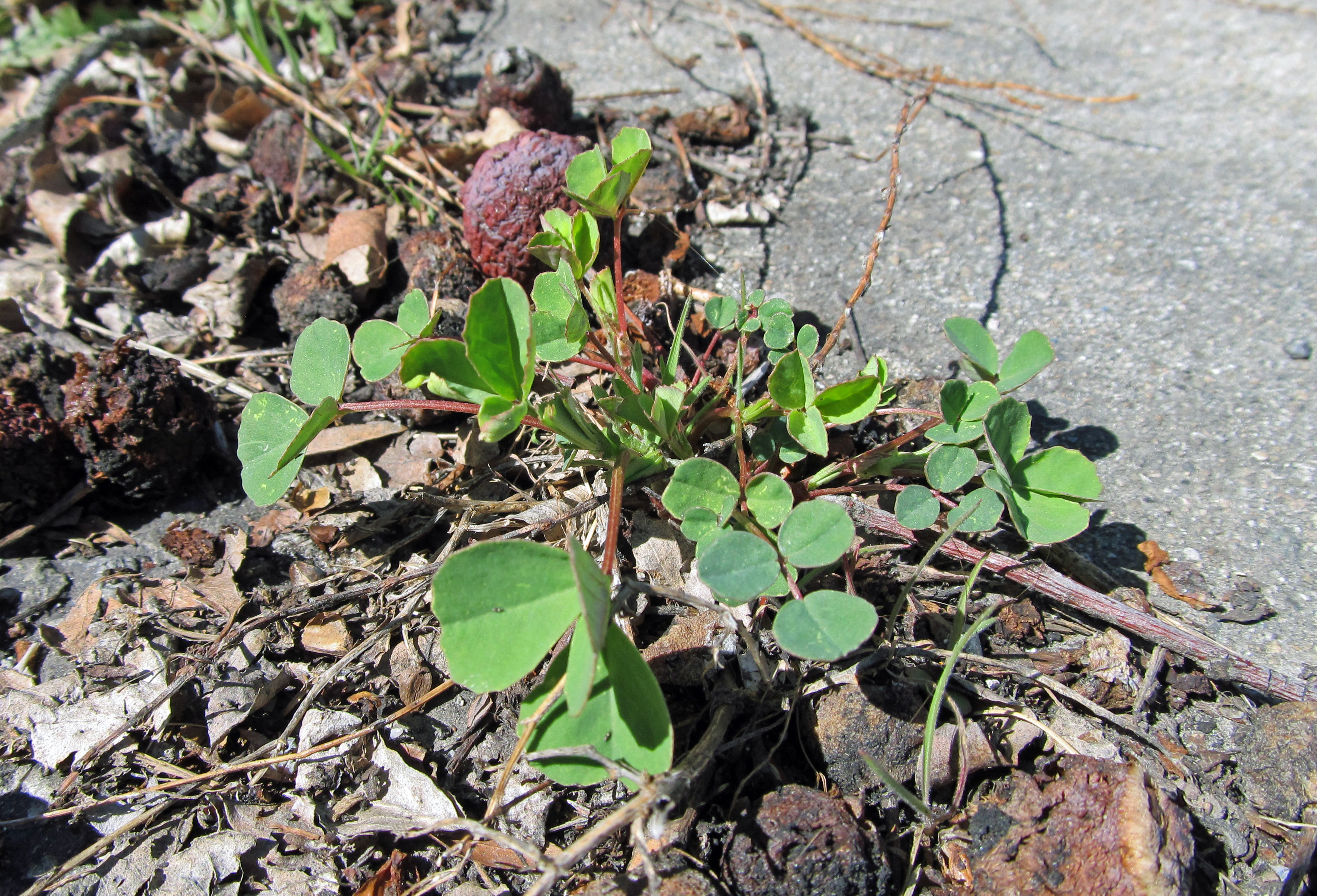
black medic (Medicago lupulina)
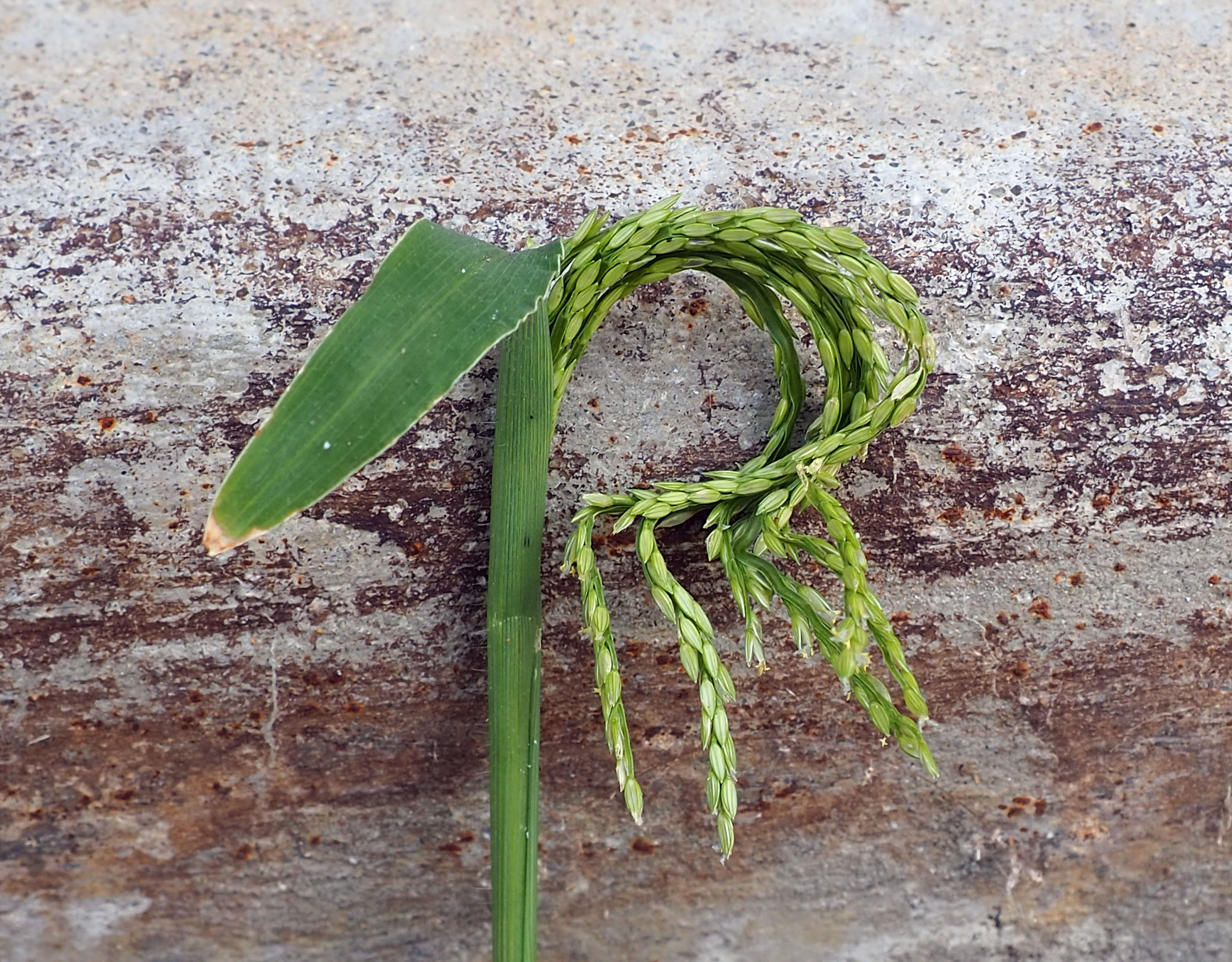
crabgrass (Digitaria sanguinalis)
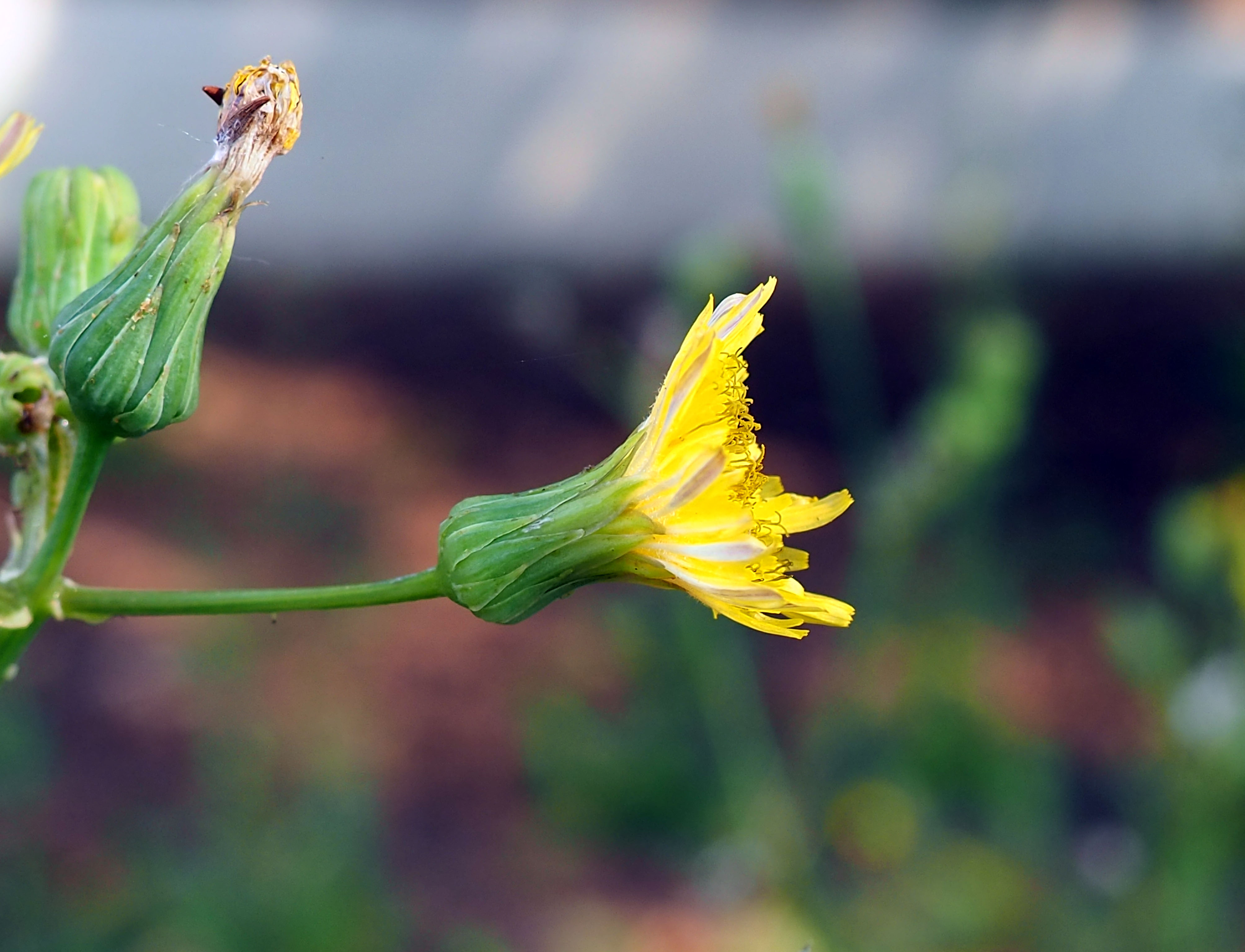
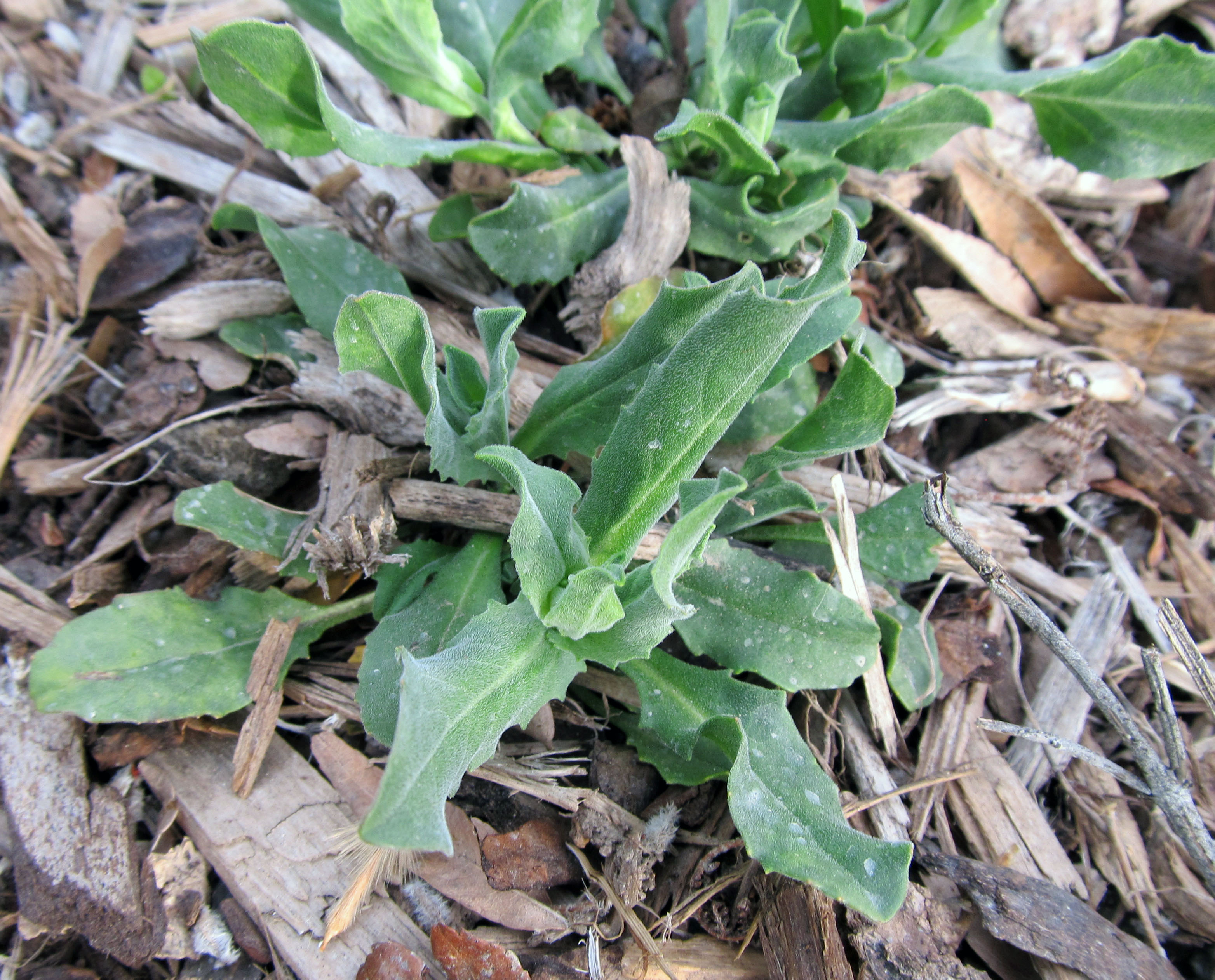
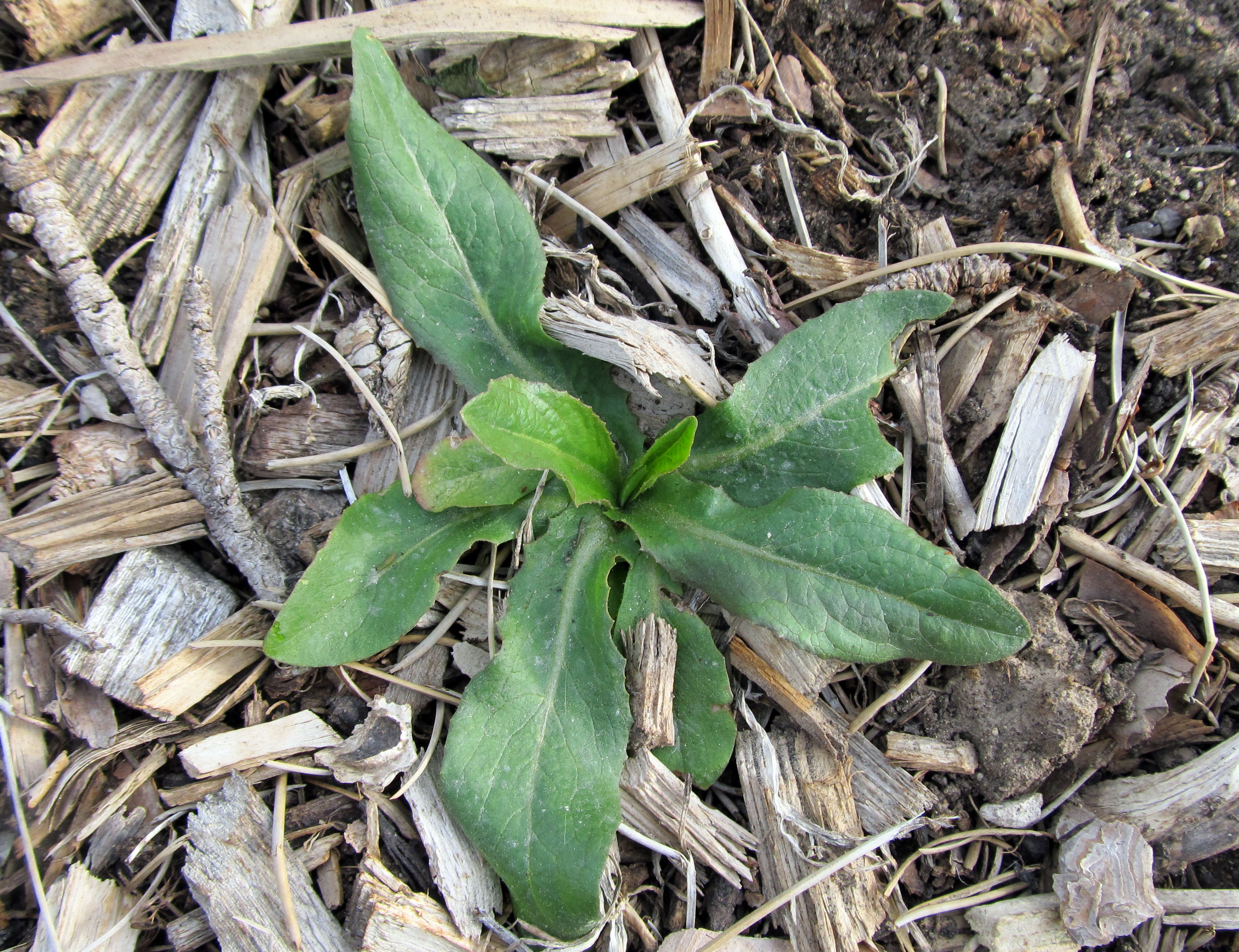
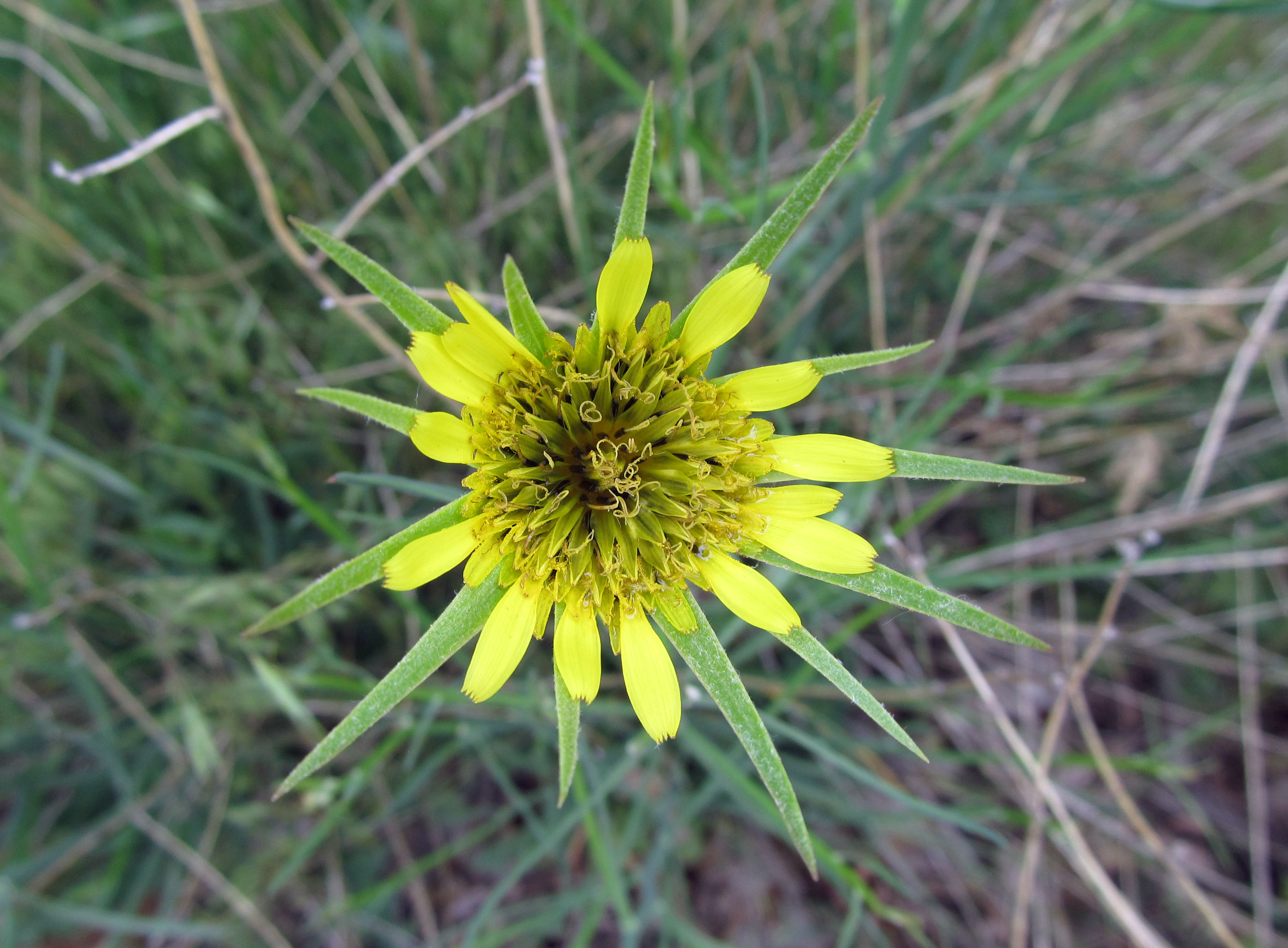
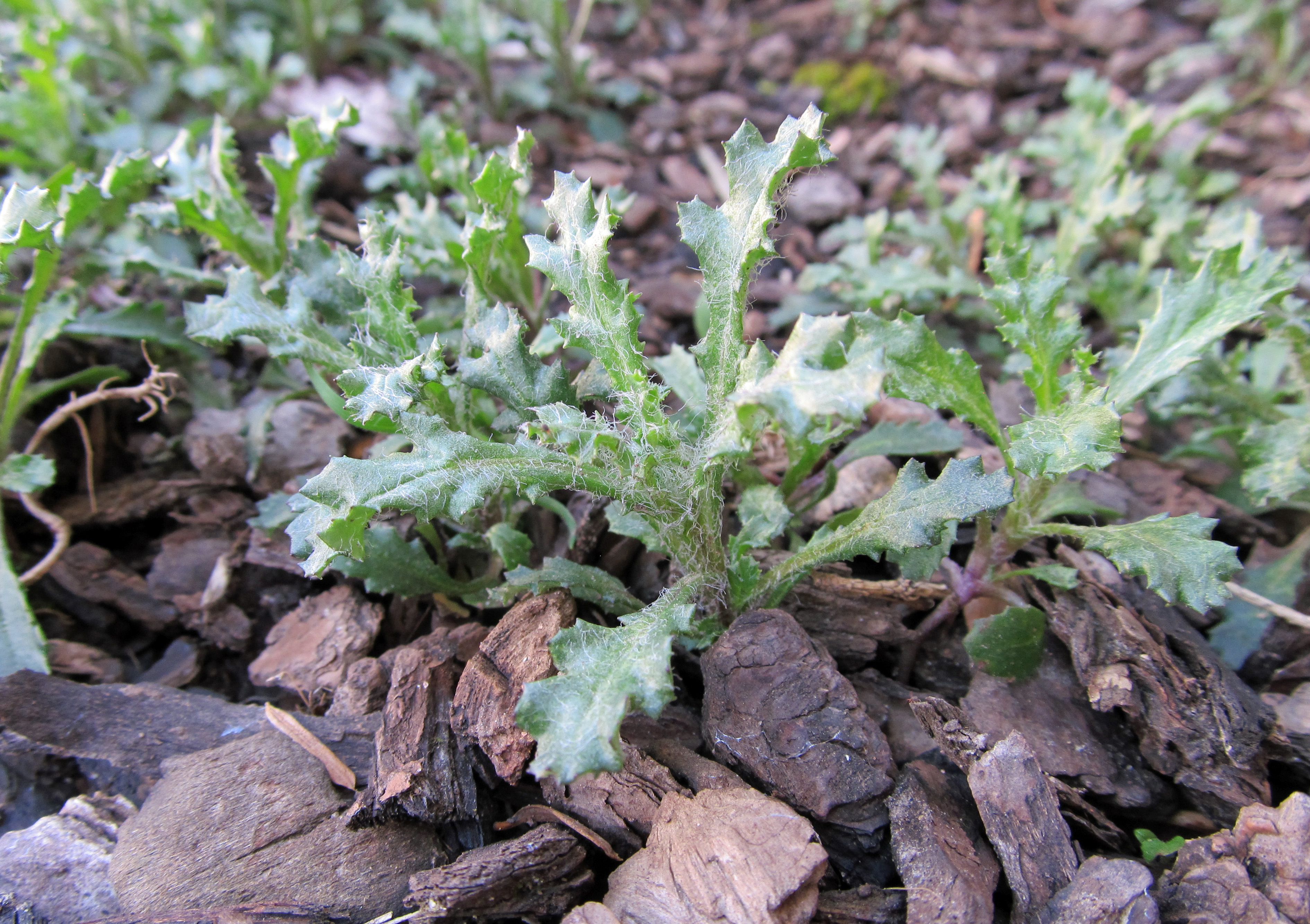
annual sow thistle (Sonchus oleraceus)
snag (aka standing dead tree) at post office on 13th Street
  • Anthriscus caucalis (bur chervil)
  • Bromus tectorum (cheatgrass)
  • Capsella bursa-pastoris (shepherd’s purse)
  • Ceratocephala testiculata (bur buttercup)
  • Chondrilla juncea (rush skeletonweed)
  • Claytonia perfoliata (miner’s lettuce)
  • Convolvulus arvensis (field bindweed)
  • Conyza canadensis (horseweed)
  • Digitaria sanguinalis (crabgrass)
  • Draba verna (spring draba)
  • Elymus repens (quackgrass)
  • Epilobium ciliatum (willowherb)
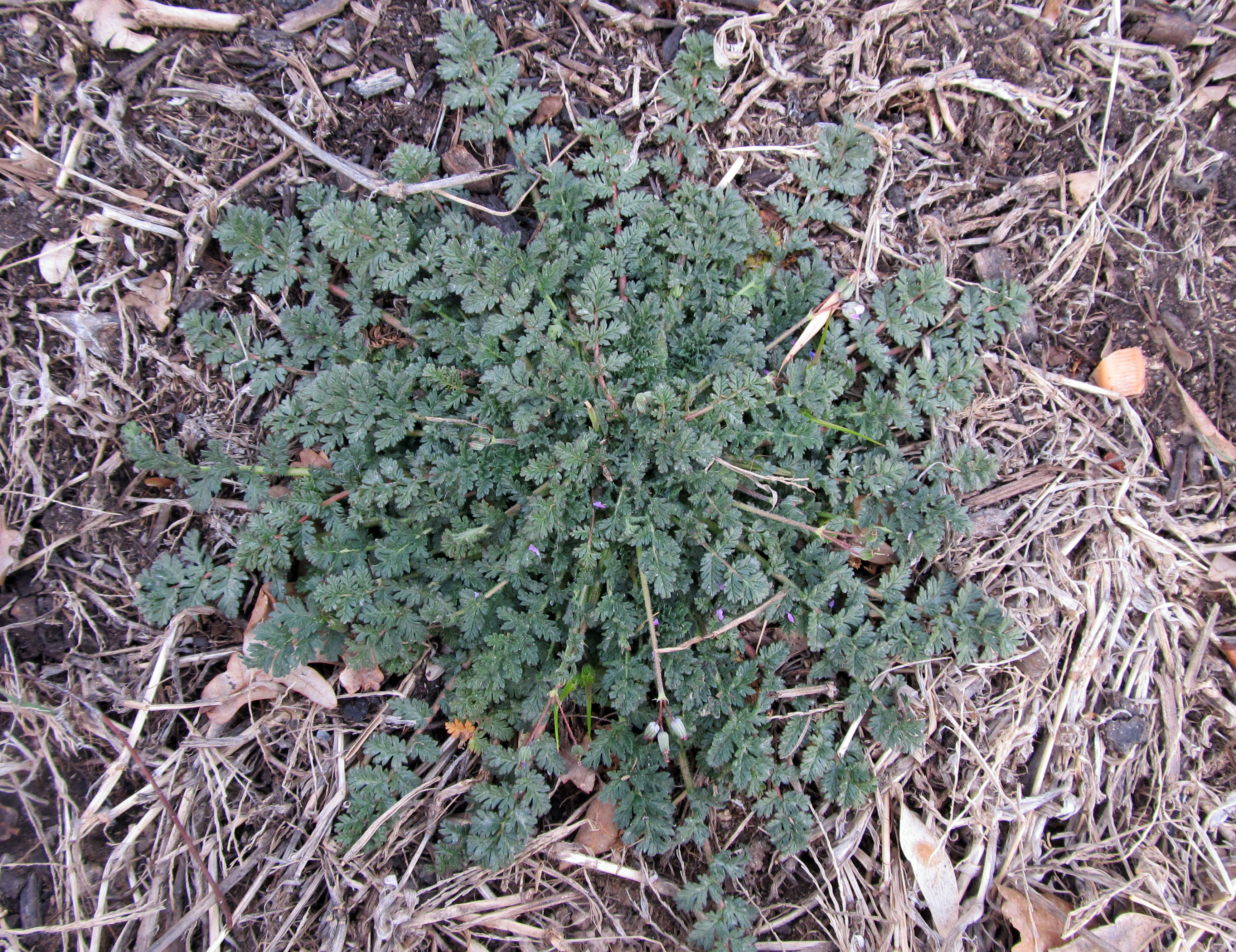
  • Erodium cicutarium (redstem filare)
  • Euphorbia maculata (spotted spurge)
  • Holosteum umbellatum (jagged chickweed)
  • Hordeum jubatum (foxtail barley)
  • Lactuca serriola (prickly lettuce)
  • Lamium amplexicaule (henbit)
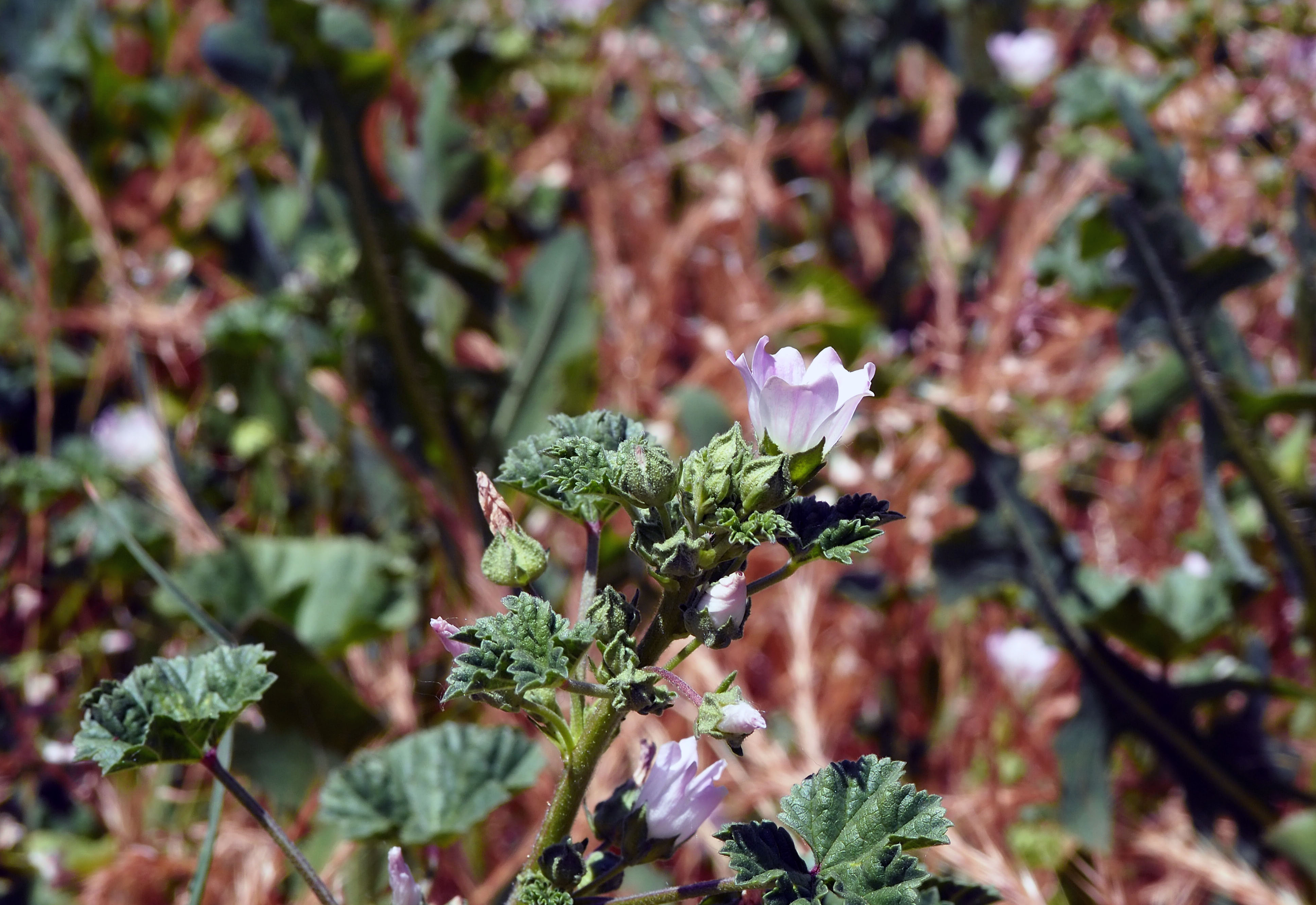
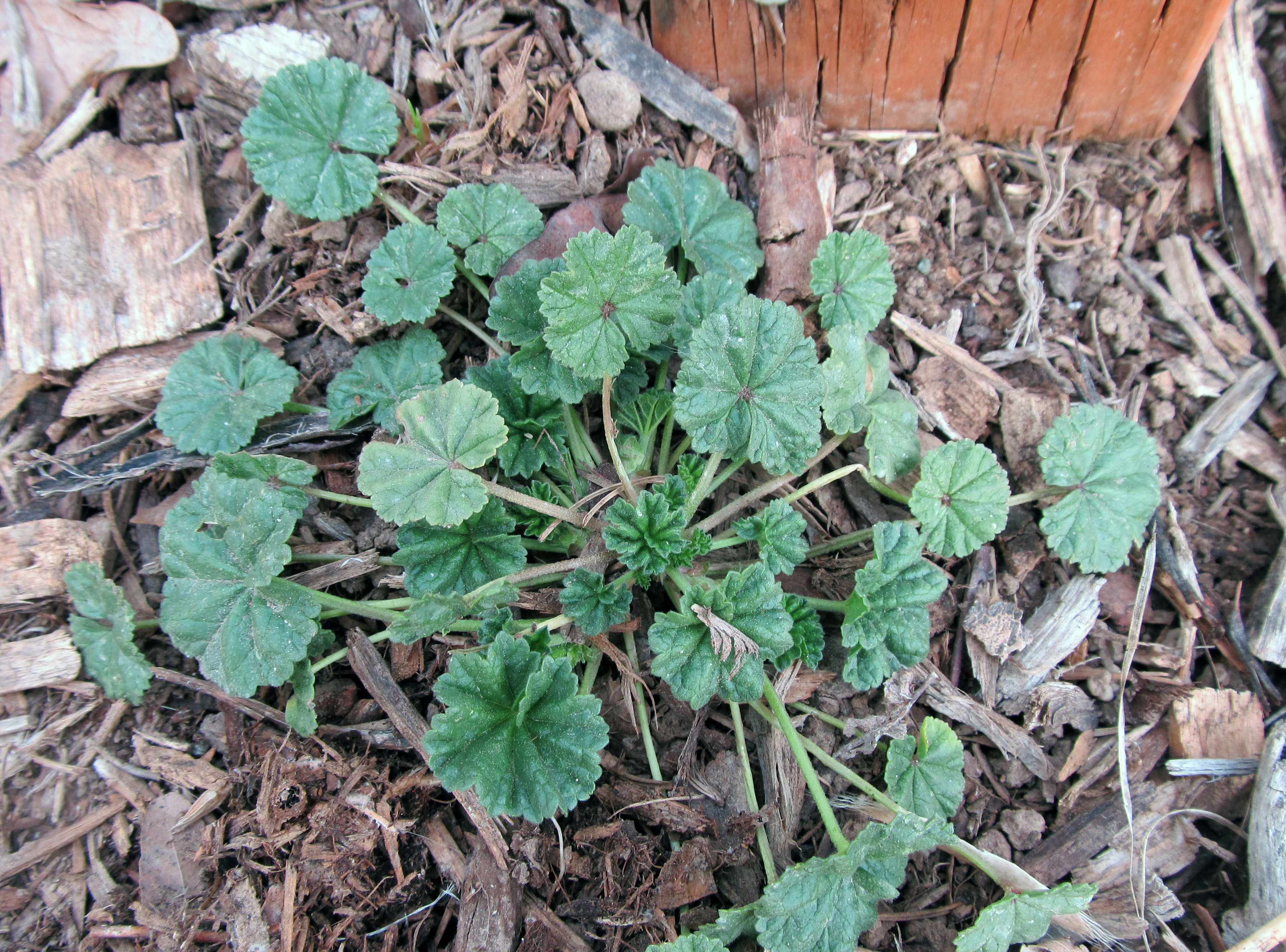
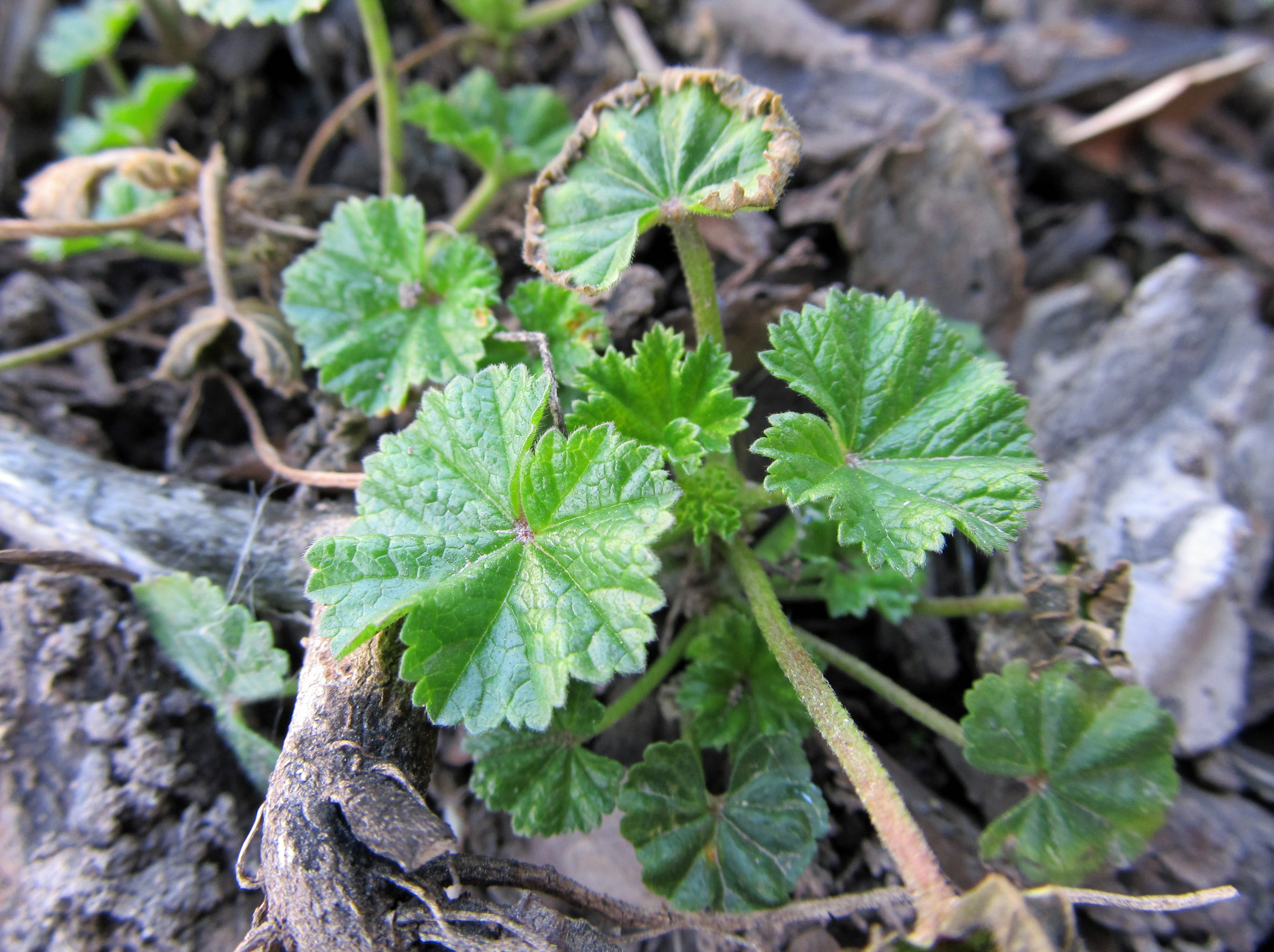
  • Malva neglecta (common mallow)
  • Medicago lupulina (black medic)
  • Parthenocissus quinquefolia (Virginia creeper)
  • Poa annua (annual bluegrass)
  • Polygonum aviculare (prostrate knotweed)
  • Portulaca oleracea (purslane)
  • Senecio vulgaris (common groundsel)
  • Sonchus oleraceus (annual sow thistle)
  • Taraxacum officinale (dandelion)
  • Tragopogon dubius (salsify)
  • Tribulus terrestris (puncturevine)
  • Trifolium sp. (clover)

Where there are parking lot islands, there are bound to be weeds whether the islands are being maintained or not. What have you found growing in the parking lot islands in your city? Feel free to share in the comment section below.

Randomly Selected Botanical Terms: Phyllaries

Flowers in the aster family have one of the most recognizable shapes in botany – a circle with a series of petals surrounding it. If you were asked to draw a flower, there is a good chance your drawing would look something like a sunflower, a daisy, a cosmos, or an aster. It’s one of the most basic flower shapes, and yet it isn’t a single flower; it’s a pseudanthium – a false flower. This is because what might appear as a single flower is actually a collection of tens, hundreds, or even thousands of tiny flowers. This aggregation of flowers into a single compact unit is the reason the family was once given the name Compositae, and even now is often informally referred to as the composites.

Another reason why a flower in the aster family – or Asteraceae – might be the first thing you would draw is because it is the largest family of flowering plants, numbering up to 33,000 species worldwide. Chances are you’ve seen a few of them around. In the contiguous U.S. alone, there are more than 2400 species, and that doesn’t include the plethora of species brought in from regions across the world either intentionally (to be grown in our gardens) or unintentionally (as weeds). Of course, not all of the species in this family are going to have a typical sunflower-like flower head, but they do all have a specific type of inflorescence called a capitulum. Capitula are made up of densely packed, miniature flowers called florets, which are stalkless (or sessile) and arranged on a flattened central stem (or axis). There are at least four different types of florets in the aster family, but we’ll leave that discussion for another time.

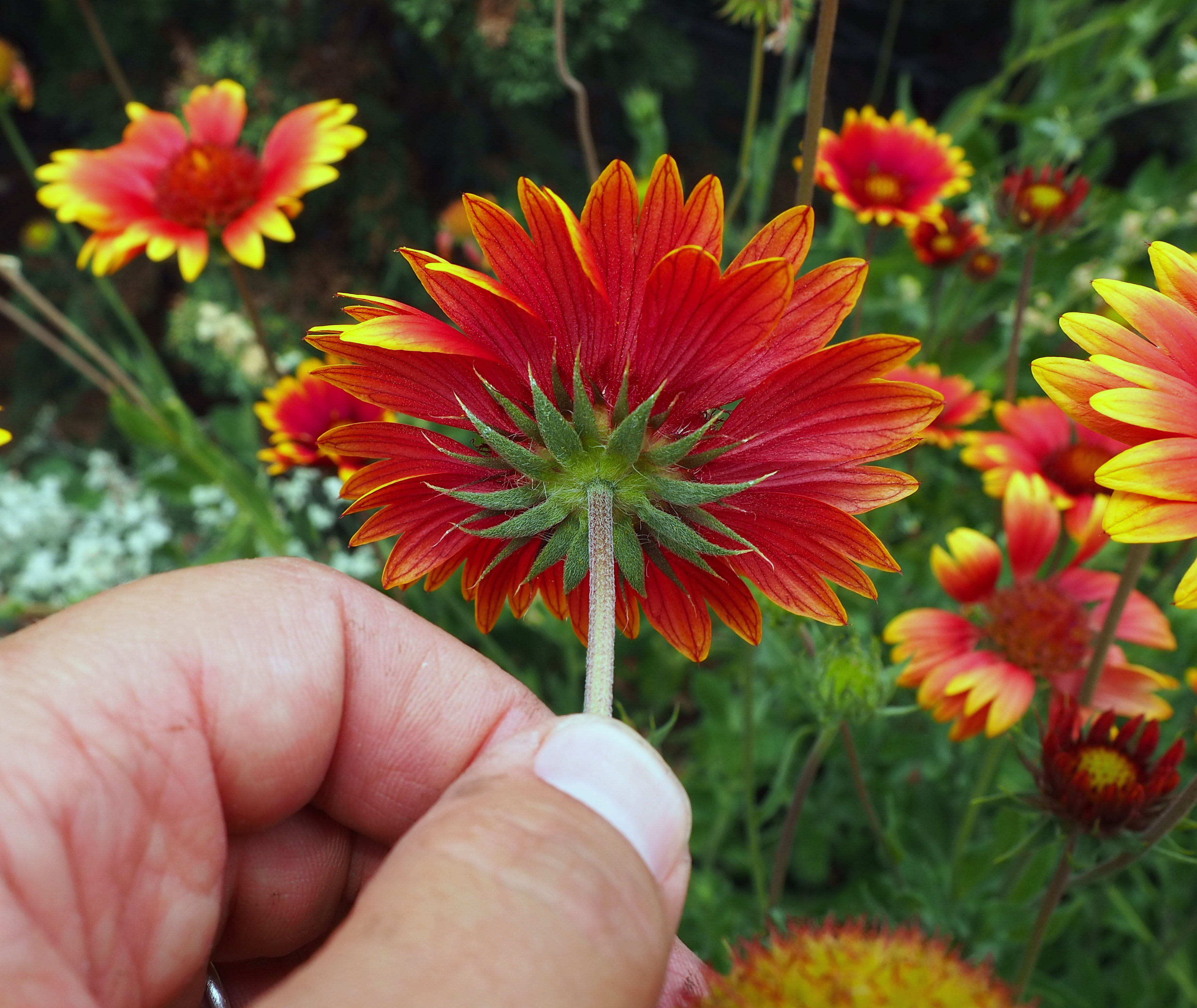
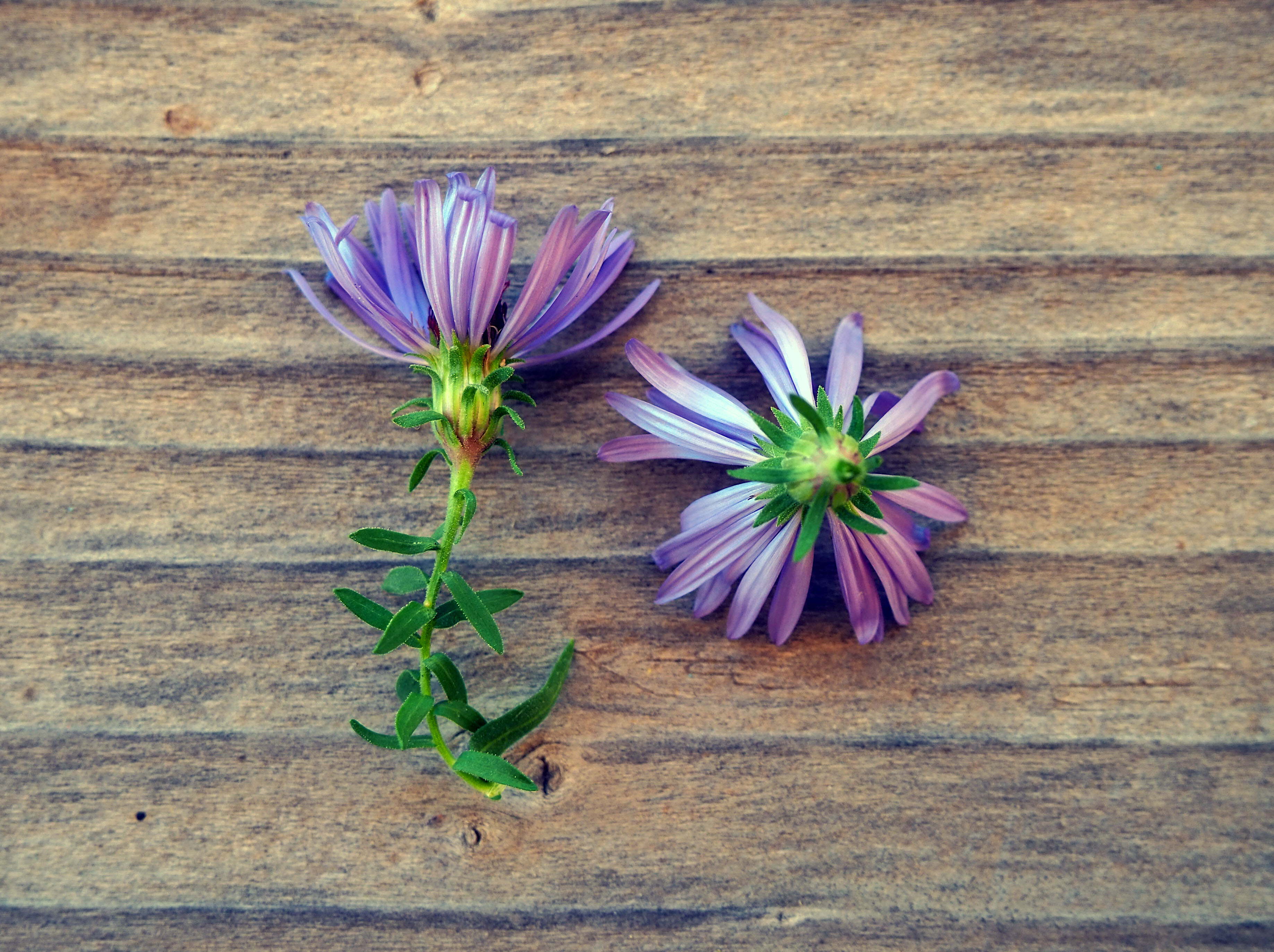
In this post, we’re specifically interested in what is happening at the base or underside of the capitulum. All of the florets in a capitulum are held within a cup or bowl-shaped series of bracts called an involucre. Bracts are modified leaves, and this whorl of tightly held or loosely arranged bracts are initially found surrounding a developing flower bud. As the inflorescence opens, the involucre opens as well and its bracts persist at the base of the flower head. The bracts that make up the involucre are called phyllaries, and they vary in shape, number, and size depending on plant species. In fact, the features of phyllaries are so unique they are often relied on to help identify a plant in the aster family to genus, species, and infraspecies (variety, subspecies, etc.).

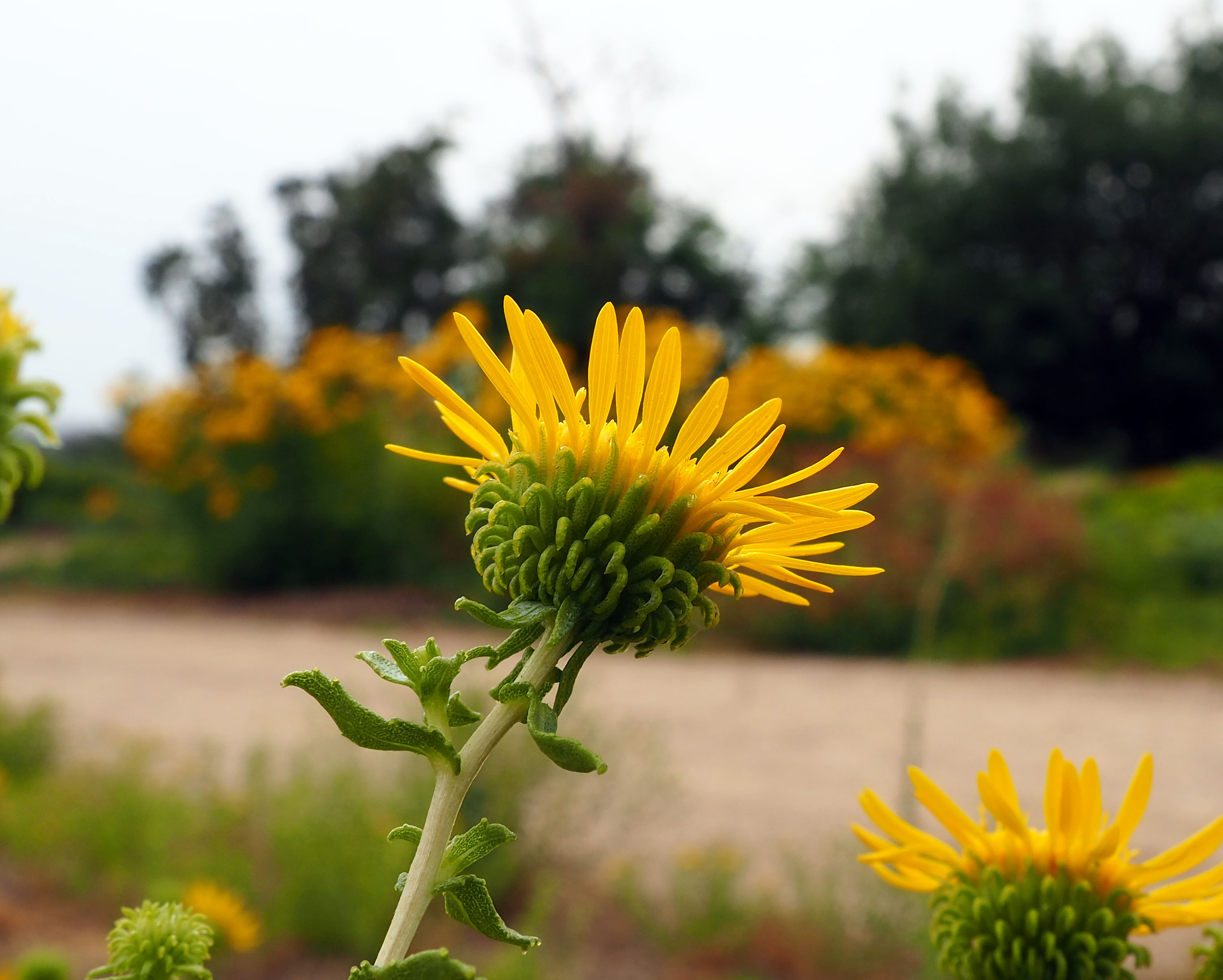
phyllaries of blanketflower (Gaillardia aristata)

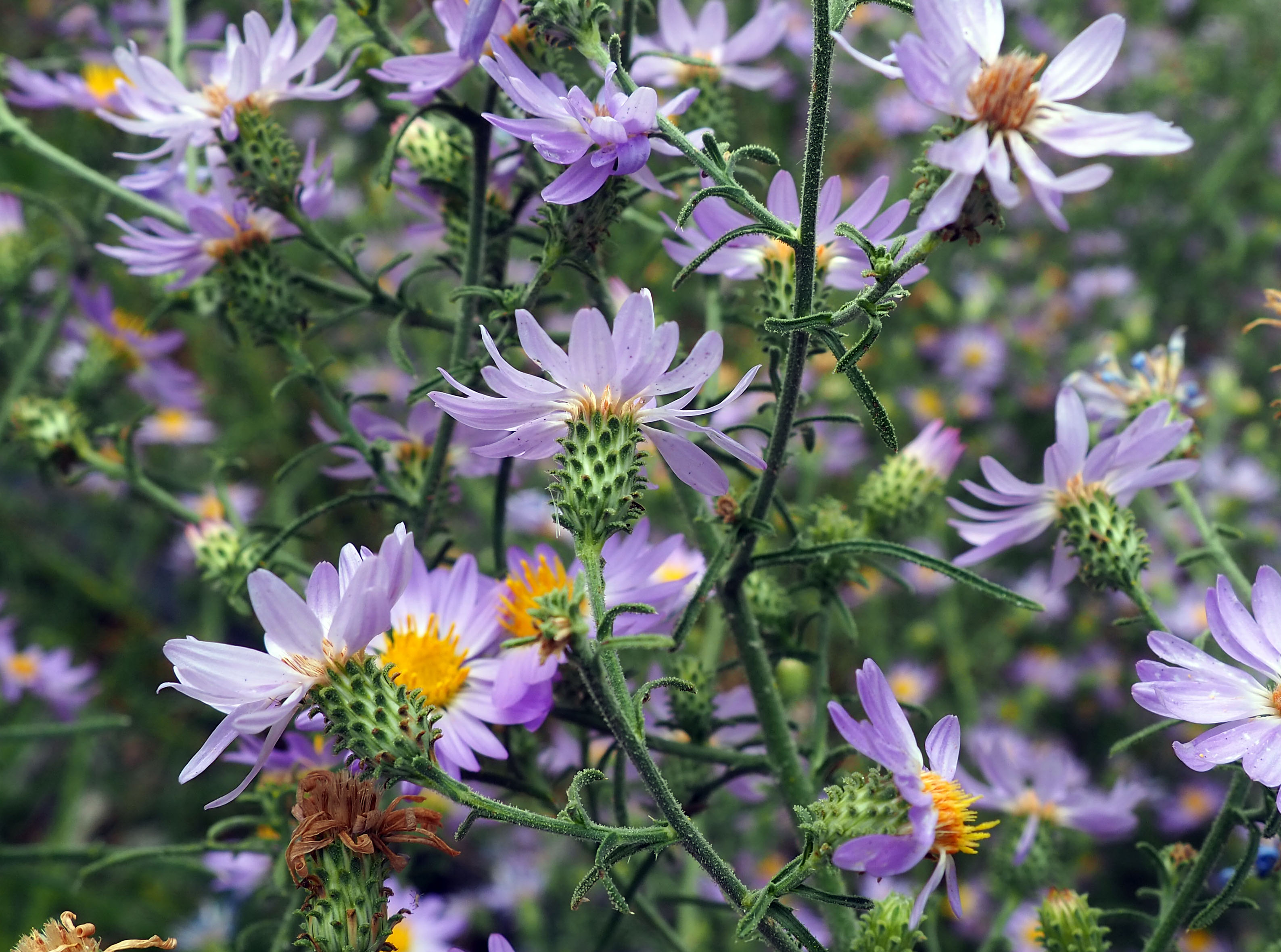
When it comes to flowers in the aster family, there is more than meets the eye. After you take some time to appreciate the intricate beauty of its collection of florets, turn the flower head over and take in its phyllaries. They come in various colors, they can be hairy or smooth, their margins can be entire or adorned with hairs, teeth, etc., they can be flat and straight or they can curve outwards in interesting ways, their tips can be pointed, spine-tipped, rounded, or keel shaped. Phyllaries can be laid out very evenly, tightly overlapping each other like shingles on a roof (i.e. imbricate) or their arrangement can be slightly uneven and irregular (i.e. subimbricate). Use a hand lens to get a closer look at all of these features. As you get in the habit of observing the details of the involucre and its phyllaries, chances are each time you come across a flower in the aster family, you’ll find yourself flipping it over to get a look at its undercarriage. What will you find?

phyllaries of dandelion (Taraxacum officinale)
phyllaries of Mexican sunflower (Tithonia rotundifolia)
phyllaries of stemless four-nerve daisy (Tetraneuris acaulis)
phyllaries of hoary tansyaster (Dieteria canescens)
phyllaries of aromatic aster (Symphyotrichum oblongifolium ‘October Skies’)
phyllaries of curlycup gumweed (Grindelia squarrosa)

If phyllaries have piqued your interest and you’d like to learn more about plants in the family Asteraceae, I highly recommend getting your hands on the book, The Sunflower Family by Richard Spellenberg and Naida Zucker. It has a North American focus, but it’s a great place to start learning more about this massive plant family.

More Randomly Selected Botanical Terms:

Weeds of Boise: Hellstrip on Jefferson Street

Growing plants in urban areas comes with a variety of challenges. Soil conditions aren’t always ideal; shade thrown by buildings and other structures can be difficult to work around; paved surfaces lead to compaction and, among other things, can increase temperatures in the immediate area; and in locations where water is limited, keeping plants hydrated is a constant concern. One location that tends to be especially difficult for gardeners is the hellstrip – the section of ground between a roadway and a sidewalk. Much can be said about gardening in hellstrips, so much that there is even a book about it called Hellstrip Gardening by Evelyn Hadden, which I spent several posts reviewing a few years back.

The difficulty of maintaining a hellstrip (and perhaps questions about who is responsible for maintaining it in the first place) can result in it being a piece of property frequently subject to neglect. In urban areas, neglected land is the perfect place for weeds to take up residence. The conditions in a hellstrip being what they are – hot, dry, frequently trampled, and often polluted – also gives weeds a chance to show what they can do. It’s a wonder that any plant can survive in such conditions, but the wild flora of our cities consists of some pretty tough plants, and a hellstrip is an excellent location to familiarize yourself with some of these plants.

On a walk with Kōura, I came across a weedy hellstrip on Jefferson Street in downtown Boise. Many of the classic hellstrip challenges are present there – it’s surrounded by paved surfaces, there is lots of foot traffic in the area, parking is permitted on the roadside, urban infrastructure (street signs, parking meters, stoplights) is present within the strip. It’s clear that at one point the area was being maintained as irrigation is installed and there are remnants of turfgrass. Three honey locusts were also planted in the strip, one of which has clearly died. Now that maintenance seems to have ceased, weeds have become the dominant flora in this hellstrip. What follows are a few photos and a list of the weeds I’ve identified so far. Like all posts in the Weeds of Boise series, this list may be updated as I continue to check back in on this location.
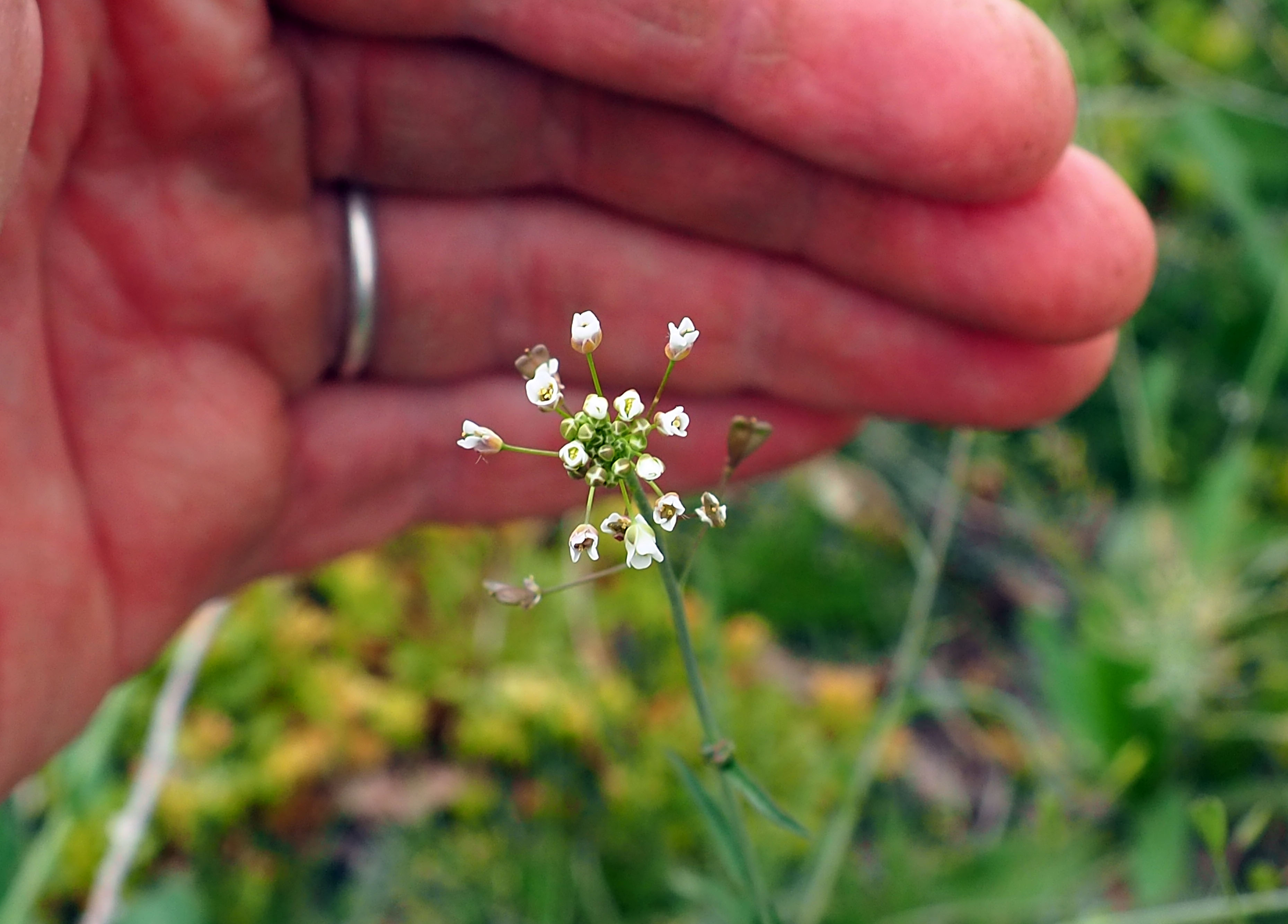
shepherd’s purse (Capsella bursa-pastoris) and prickly lettuce (Lactuca serriola)
dandelion (Taraxacum officinale)
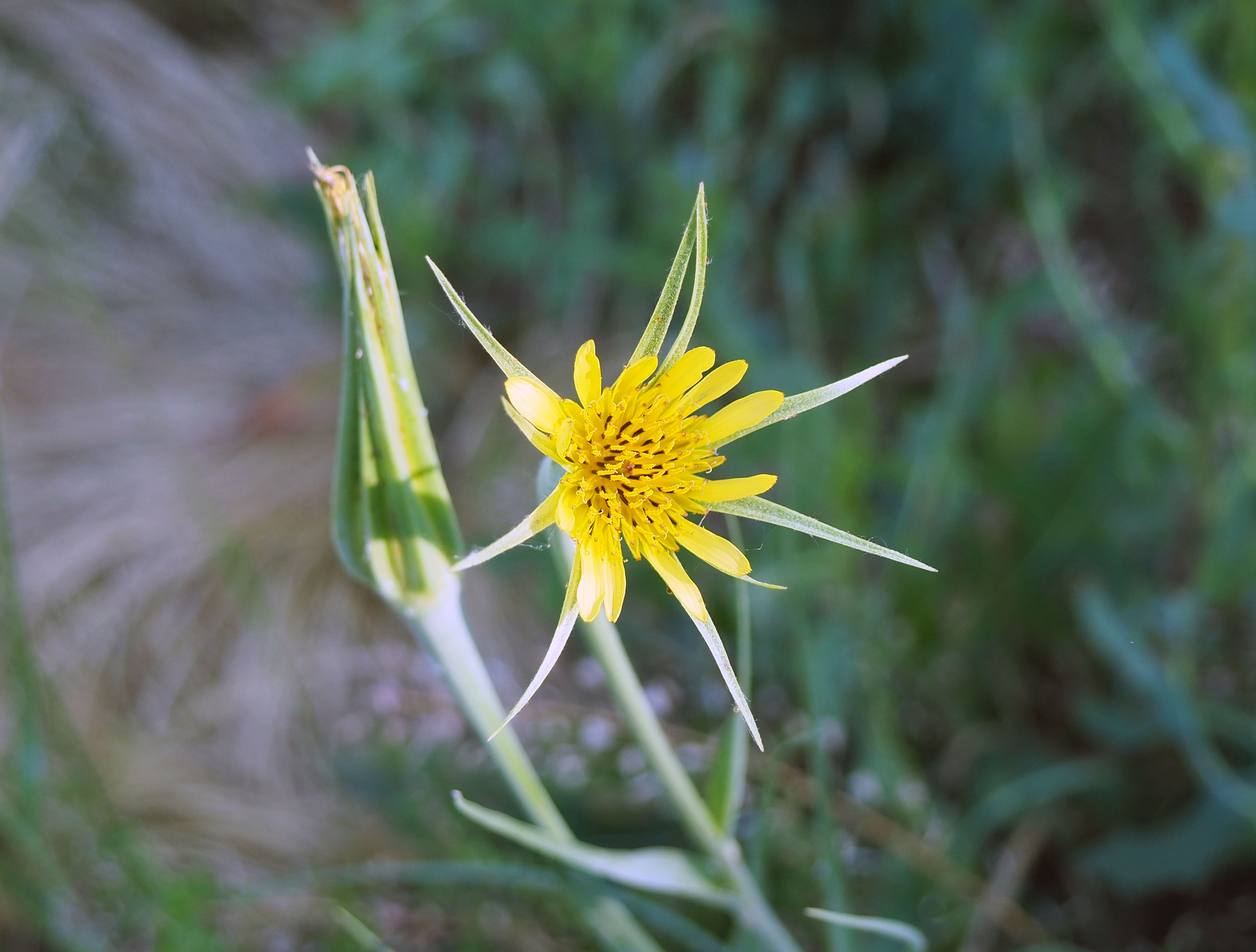
salsify (Tragopogon dubius)
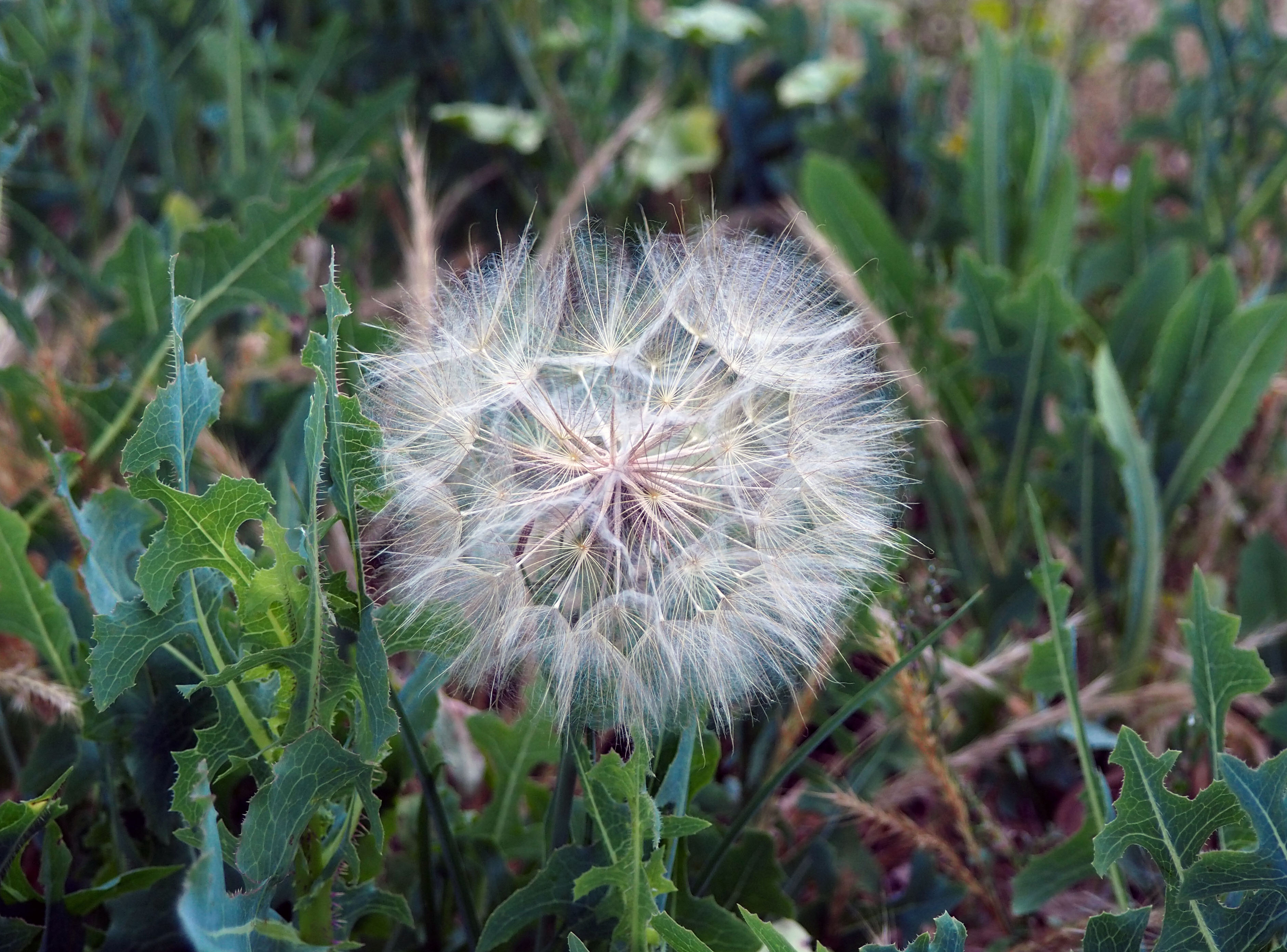
seed head of salsify
knotweed (Poylgonum sp.)
prickly lettuce (Lactuca serriola)
mallow (Malva neglecta)
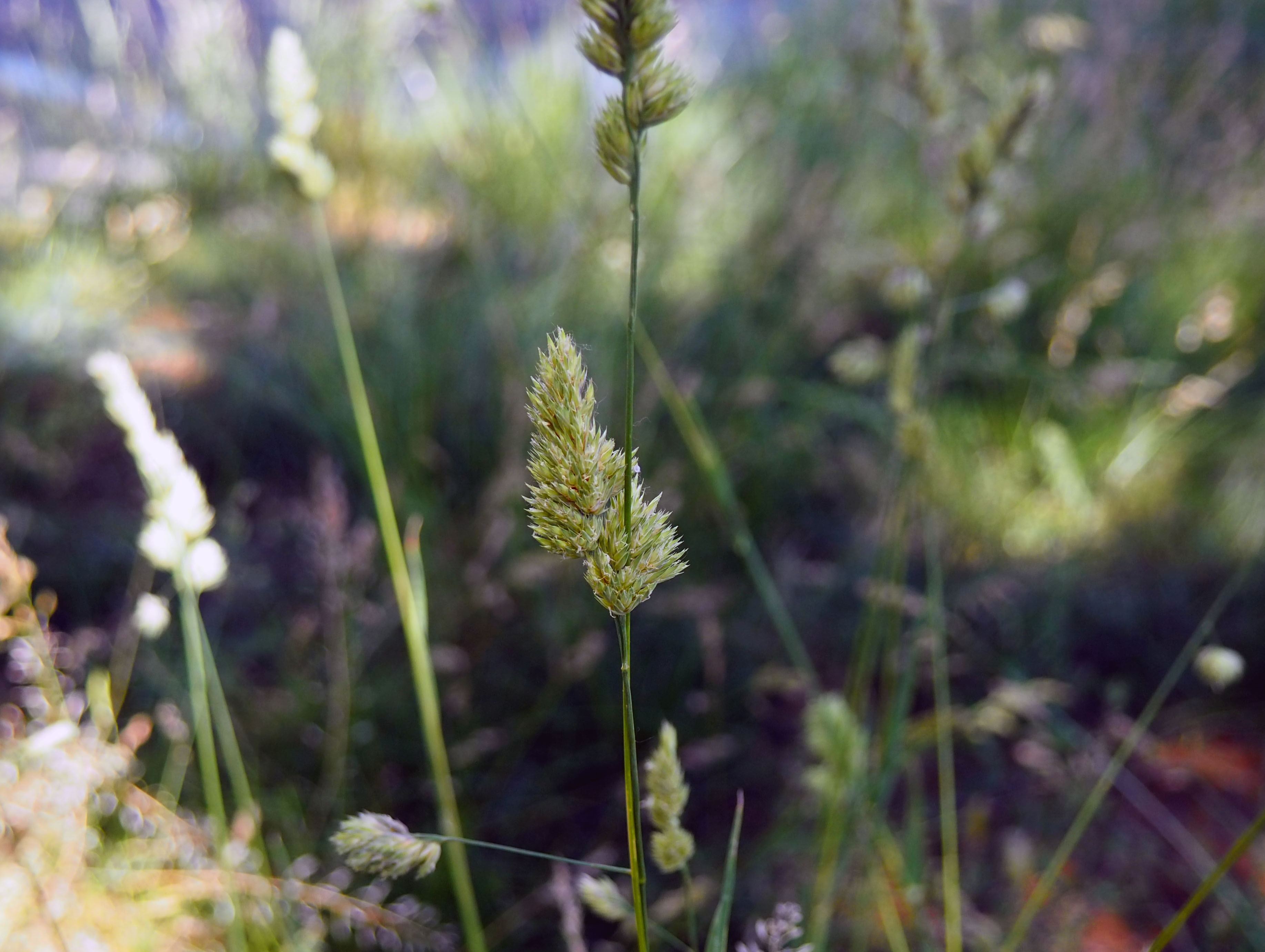
orchard grass (Dactylis glomerata)
  • Bromus tectorum (cheatgrass)
  • Capsella bursa-pastoris (shepherd’s purse)
  • Dactylis glomerata (orchard grass)
  • Epilobium brachycarpum (tall willowherb)
  • Lactuca serriola (prickly lettuce)
  • Malva neglecta (dwarf mallow)
  • Polygonum sp. (knotweed)
  • Salsola sp. (Russian thistle)
  • Taraxacum officinale (dandelion)
  • Tragopogon dubius (salsify)
  • Trifolium repens (white clover)
  • Vulpia myuros (rattail fescue)

Are there unkept hellstrips in your neighborhood? If so, what weeds have you seen taking up residence there?

Awkward Botany on Outdoor Idaho (plus Send Us Your Questions)

I spend a lot time on this blog putting weeds in the spotlight, celebrating them for their successes and the unique and interesting plants they are. It’s rare that I get to share these sentiments outside of this particular venue, but I was given such an opportunity recently when asked to talk about weeds for an episode of Outdoor Idaho, a long running show on Idaho Public Television that covers Idaho’s natural history. The theme of this particular episode is wildflowers, so I was intrigued by the idea of coming on to discuss urban weeds. For many, the term “wildflowers” may invoke native plants blooming in natural areas in places far removed from the hustle and bustle of the city. But a wildflower doesn’t have to be a native plant, nor does it have to be growing in the wild. Any plant occurring naturally on its own without the assistance of humans can be a wildflower, and that includes our wild urban flora. I appreciated the chance to share this particular thought with the viewers of Outdoor Idaho.

photo credit: Jay Krajic

Along with me waxing on about weeds, the Wildflowers episode features a host of other Idahoans sharing their thoughts, expertise, and experiences with wildflowers. The episode is brief – coming in at under 30 minutes – but the producers packed in a ton of great wildflower content, and overall I found it to be an excellent representation of the flora of Idaho and a convincing argument for why we should appreciate and elevate these plants. The flora of any region is special and important in its own right, and Idaho’s flora is no different, including its weeds.

Check out Outdoor Idaho’s Wildfowers episode here.

In other news…

If you want to see more of me on the screen (and I’m not sure why you would), Sierra (a.k.a. Idaho Plant Doctor) and I are doing monthly Q&A videos in which we answer your questions about plants, gardening, pests and diseases, insects, or any other topic you might be curious about. You can tune in to those discussions on Sierra’s instagram. If you have questions of your own that you would like us to address, please leave them in the comments section below, or send them to me via the contact page or my instagram.

Weeds of Boise: Awkward Botany Headquarters

Weeds of Boise: Awkward Botany Headquarters

Last December, Sierra and I left apartment living behind and embarked on a new journey as homeowners, which you can read about in this January’s Year in Review post. This means that Awkward Botany Headquarters now has a yard, and having a yard means we also have weeds.

For many people living in urban areas, the weeds of most concern to them are the ones found in their yards, especially for those that garden or like to keep a tidy yard. Removing weeds is a constant chore. They are always popping up and getting in the way of our plans. In fact, that’s the very definition of a weed – an uninvited plant growing in a location where it isn’t wanted. Despite our best efforts, our yards are always going to have some amount of weeds in them, so what better place to familiarize yourself with your wild urban flora than in your own yard? Or, in this case, our yard.

Our house is located in an area of Boise called the Bench. The Boise Bench, which is actually a series of benches or terraces, is located south of the Boise River and overlooks downtown Boise. The formation of the benches began 2 million years ago as the Boise River cut through the valley. Over time, sediments were deposited at the south bank of the river as it cut further and further northward, leaving behind the series of large terraces. Early in Boise’s history, the Bench was largely agricultural land thanks to the construction of canals. As the city grew, housing and commercial developments expanded across the Bench and have now displaced most of the farmland. Urbanization of the Boise Bench continues today at a steady clip.

While I haven’t had a chance to explore every square inch of the yard, and the growing season is just getting started, what follows are a few photos and a short list of some of the weeds I’ve encountered so far.

  • Arctium minus (burdock)
  • Bromus hordeaceus (soft brome)
  • Bromus tectorum (cheatgrass)
  • Capsella bursa-pastoris (shepherd’s purse)
  • Cichorium intybus (chicory)
  • Cirsium arvense (creeping thistle)
  • Chondrilla juncea (rush skeletonweed)
  • Dactylis glomerata (orchardgrass)
  • Digitaria sanguinalis (crabgrass)
  • Draba verna (spring draba)
  • Echinochloa crus-galli (barnyard grass)
  • Elymus repens (quackgras)
  • Epilobium sp. (willowherb)
  • Erodium cicutarium (redstem filaree)
  • Euphorbia maculata (spotted spurge)
  • Galium aparine (cleavers)
  • Hordeum murinum (wild barley)
  • Lactuca serriola (prickly lettuce)
  • Lepidium sp. (white top)
  • Malva neglecta (common mallow)
  • Matricaria discoidea (pineappleweed)
  • Poa bulbosa (bulbous bluegrass)
  • Polygonum sp. (knotweed)
  • Portulaca oleracea (purslane)
  • Prunella vulgaris (self-heal)
  • Sonchus sp. (sowthistle)
  • Taraxacum officinale (dandelion)
  • Tragopogon dubius (salsify)
  • Ulmus pumila (Siberian elm)
  • Verbena bracteata (bigbract verbena)
  • Veronica sp. (speedwell)

Like all posts in the Weeds of Boise series, this will be updated as I identify and photograph more of the weeds found in this location. Do you have a yard in an urban area? What weeds are you seeing in your yard this year? Let us know in the comment section below.
Weeds of Boise: Northwest Corner of Ann Morrison Park

The Boise River, which winds its way through the City of Boise, is flanked by a series of parks known collectively as the Ribbon of Jewels, named in honor of prominent women in the community. Most of these parks are vast expanses of turfgrass scattered with large trees and are meticulously maintained, except near the river where the vegetation is allowed to run a little wild. It is within these narrow strips of land, bordered on one side by the river and the other by regularly mowed turfgrass, that a veritable nature walk can be had right in the heart of the city.

While a few native plant species can be found in these strips, much of the vegetation is introduced. Some of the non-native trees and shrubs may have been intentionally planted, while others came in on their own. Most of the grasses and forbs in the understory are weedy plants commonly seen on all manner of disturbed lands. There are also, of course, a few weeds specific to riparian areas. Due to the wild nature of these strips and the abundance of introduced plants, the river’s edge makes for a great place to become acquainted with our wild urban flora.

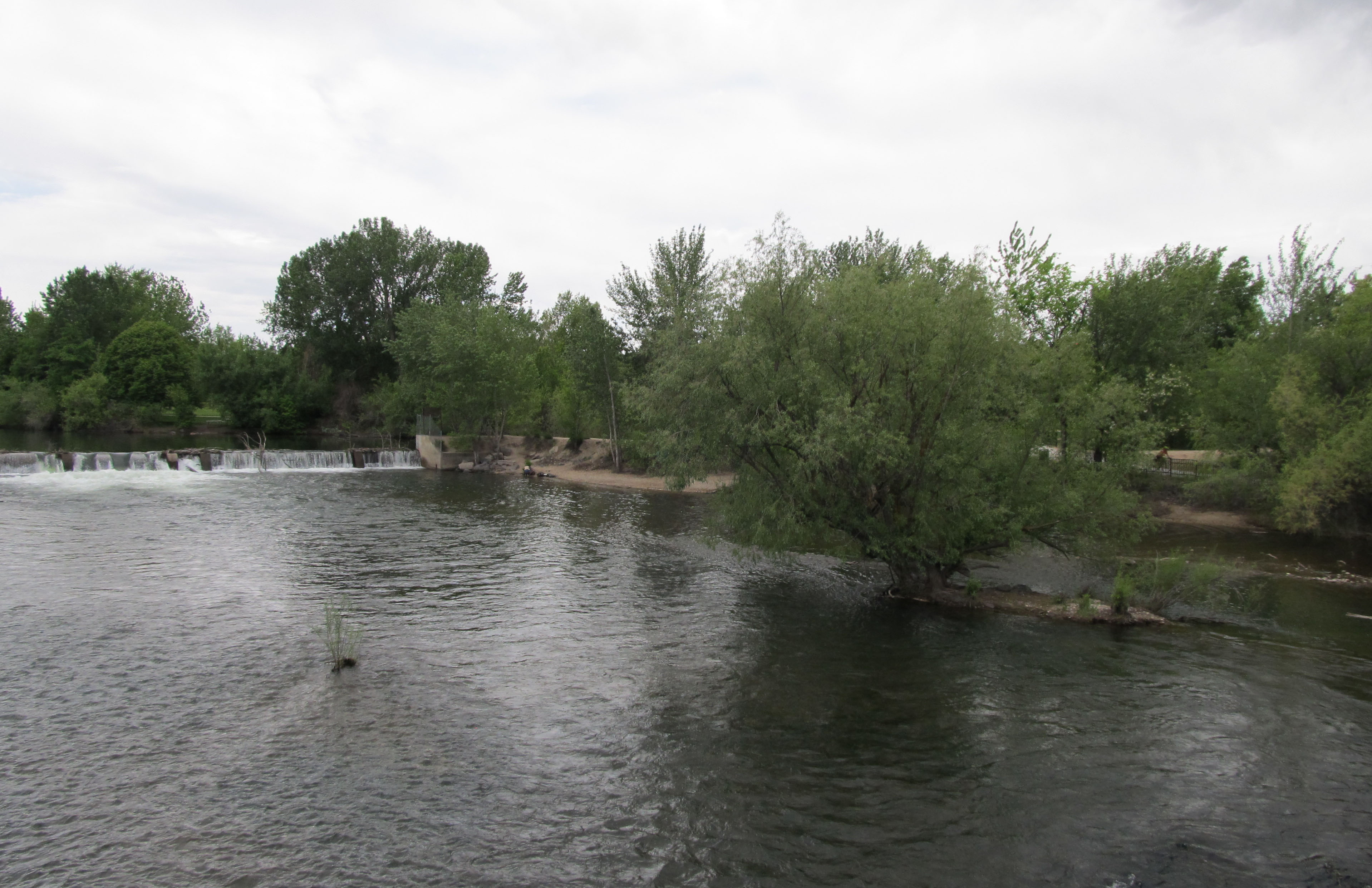
Looking at the northwest corner of Ann Morrison Park from the Americana Boulevard Bridge

Because these parks (which include the Boise River Greenbelt) stretch for miles through the city, practically any spot along the way could be a good place to look for weeds. I chose to narrow my search to the northwest corner of Ann Morrison Park. What follows are a few images of some of the plants I found there, along with a list of what I was able to identify during my brief visits this spring. The list will surely grow as I check back from time to time. If you’re interested in learning more about the Boise River and its importance – not just to the humans who call Boise home, but also to myriad other living organisms – check out Boise River Enhancement Network and the work that they are doing to help protect and preserve this invaluable ecosystem.

yellow flag iris (Iris pseudacorus)

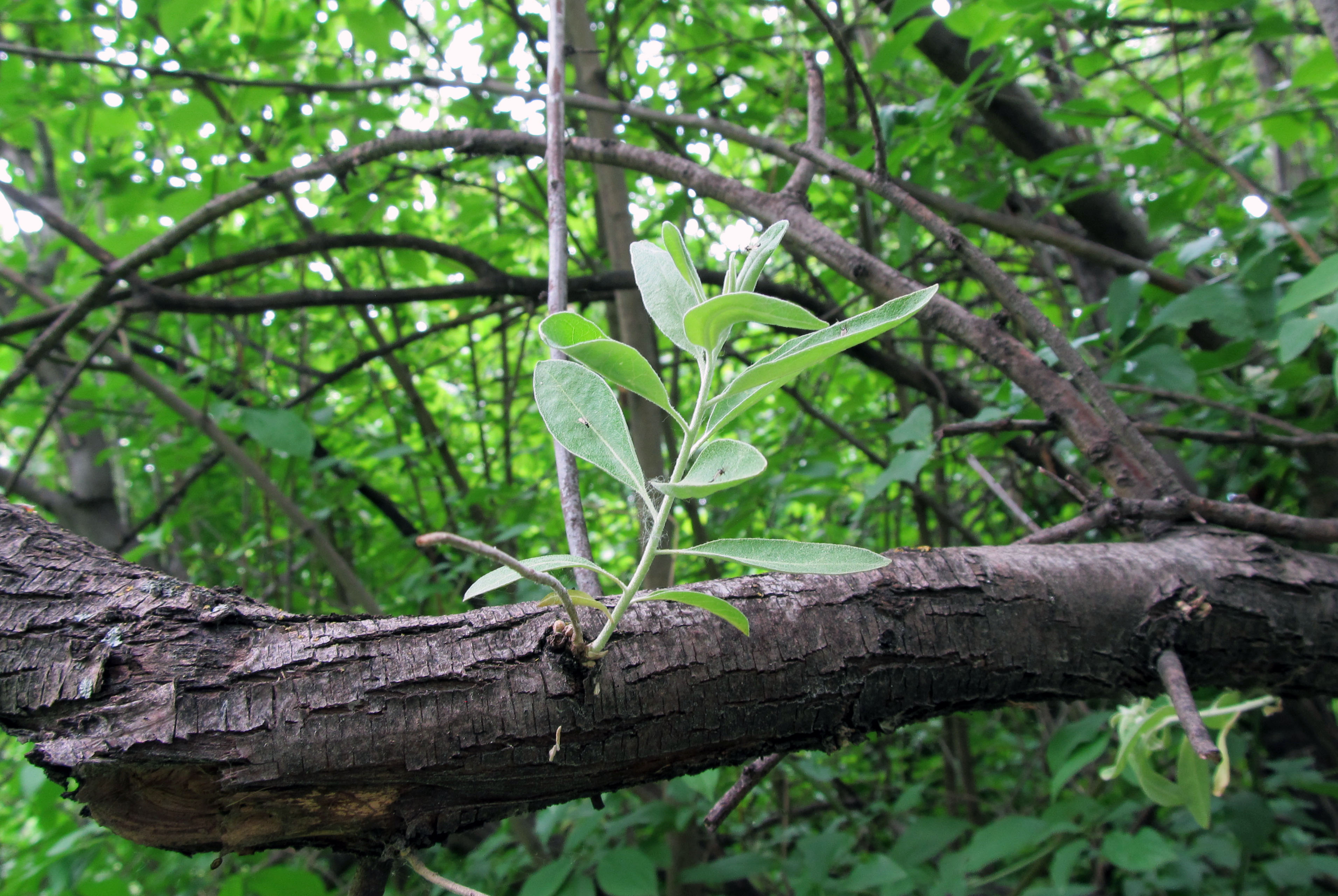
Russian olive (Elaeagnus angustifolia)

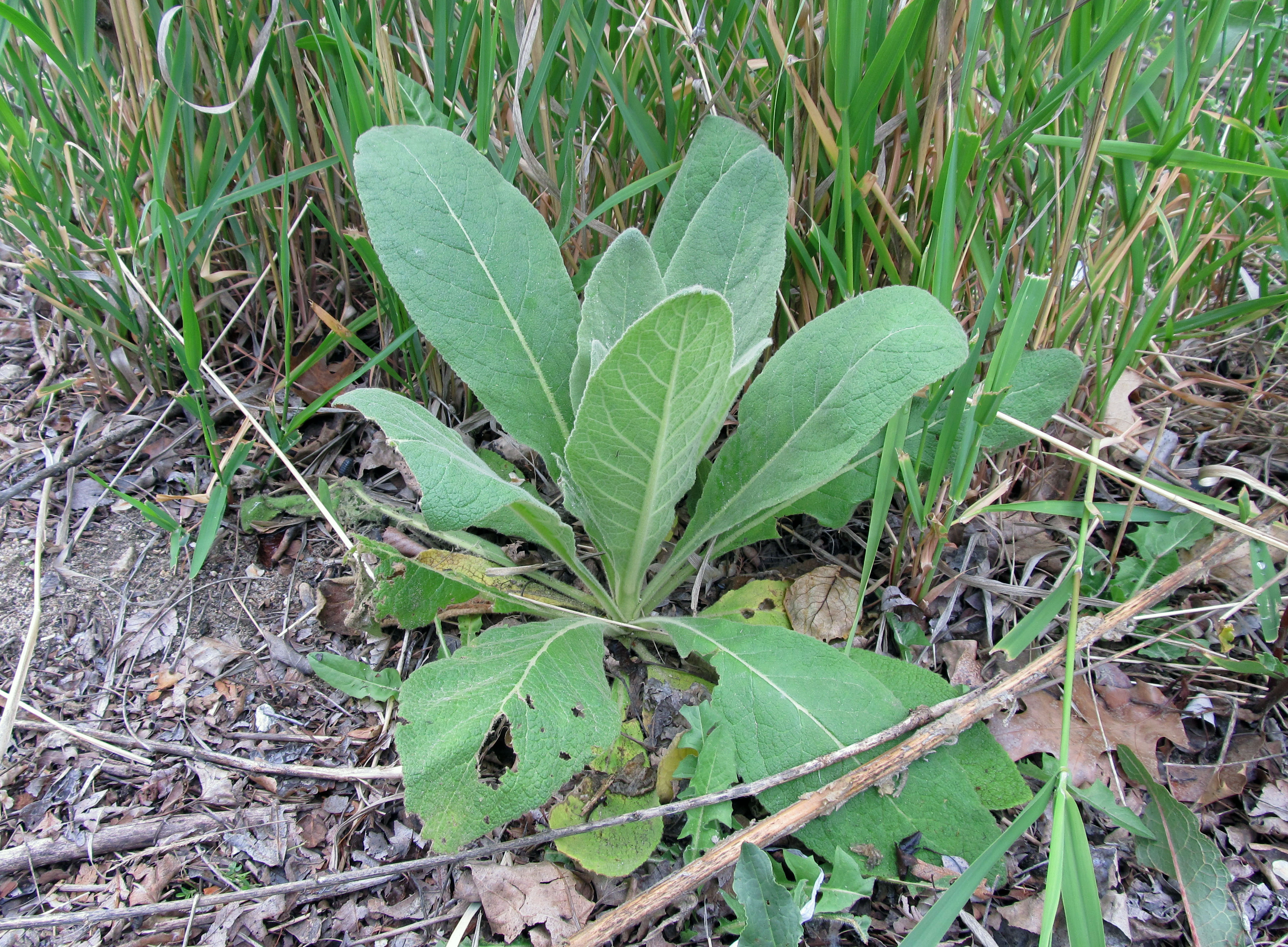
common mullein (Verbascum thapsus)

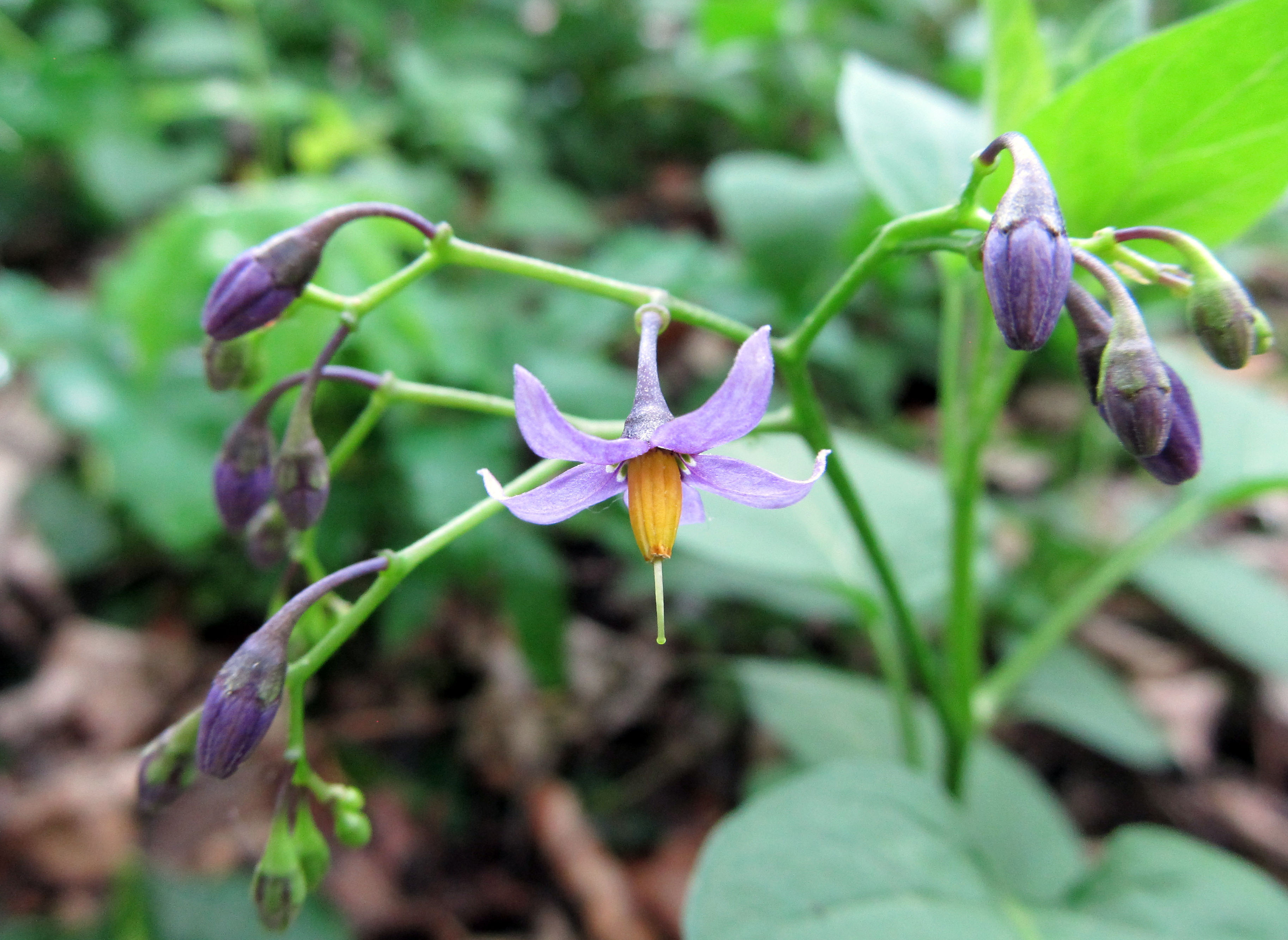
climbing nightshade (Solanum dulcamara)

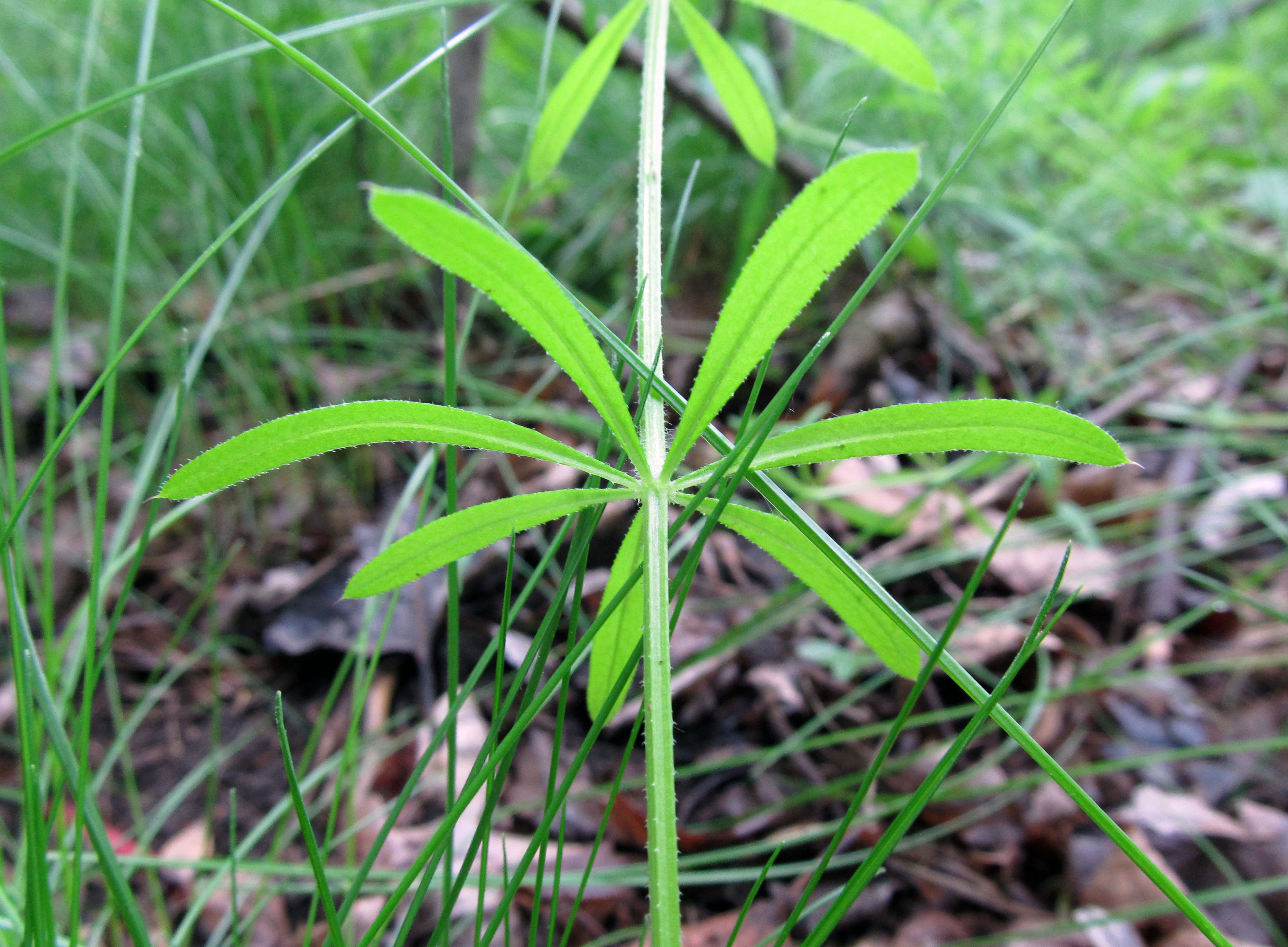
cleavers (Galium aparine)

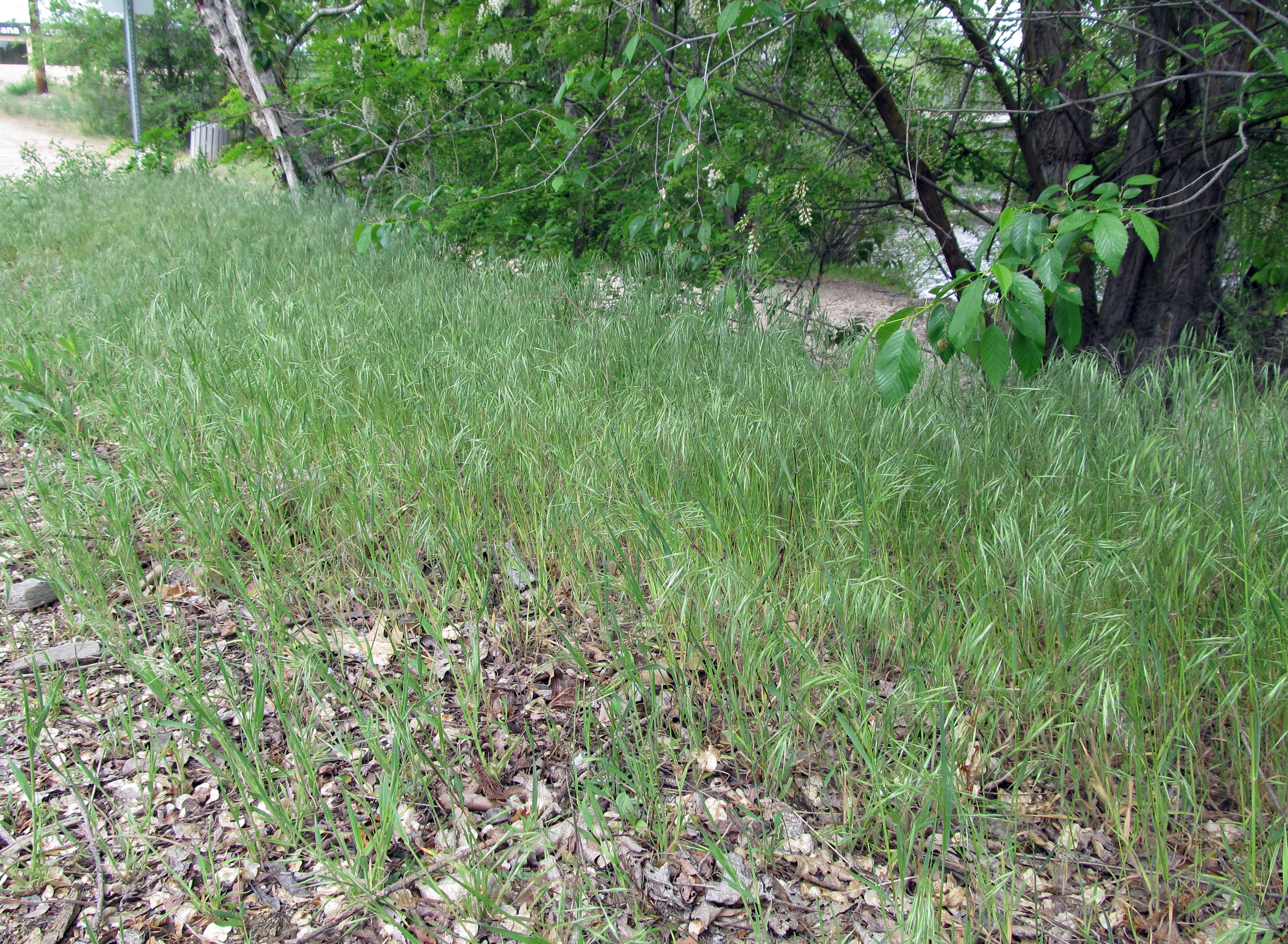
a strip of cheatgrass (Bromus tectorum)

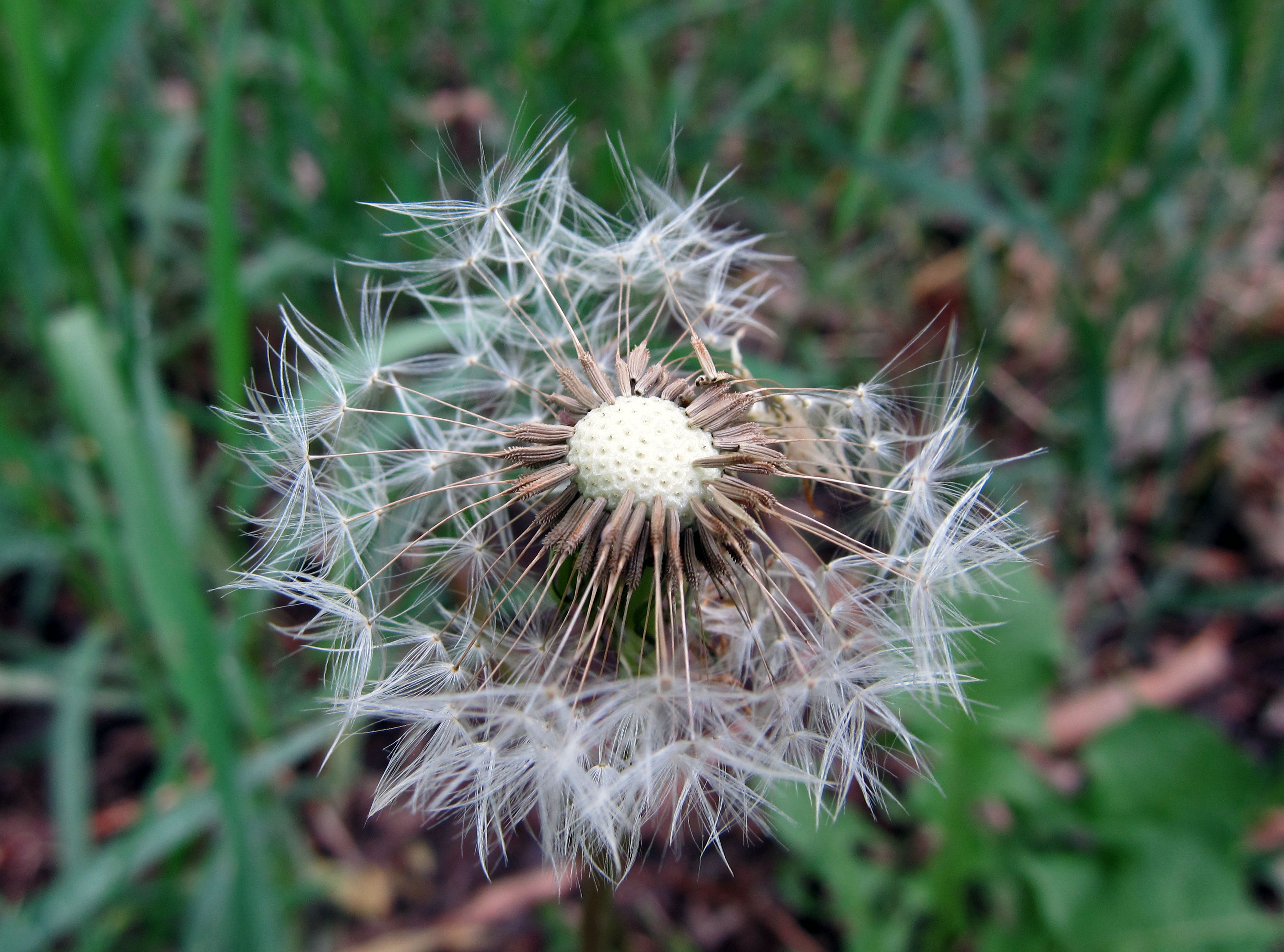
seed head of dandelion (Taraxacum officinale)

western salsify (Tragopogon dubius)

bull thistle (Cirsium vulgare)

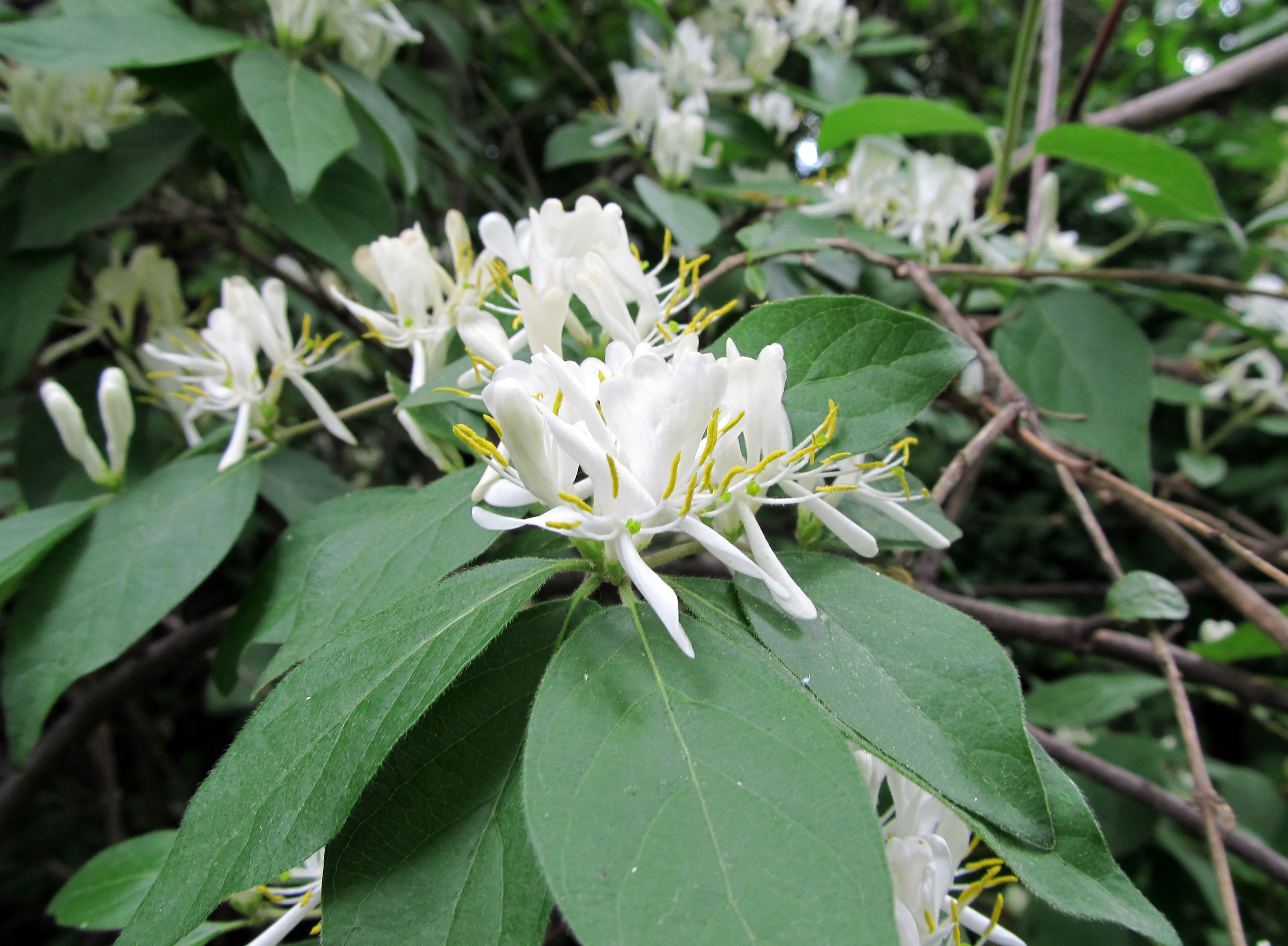
Amur honeysuckle (Lonicera maackii)

creeping buttercup (Ranunculus repens)

Weeds found at the northwest corner of Ann Morrison Park (while several of the trees and shrubs at this location are introduced, I only included those species that are generally considered to be weedy or invasive):

  • Amorpha fruticosa (false indigo bush)
  • Anthriscus caucalis (bur chervil)
  • Arctium minus (common burdock)
  • Bromus tectorum (cheatgrass)
  • Capsella bursa-pastoris (shepherd’s purse)
  • Cerastium vulgatum (mouse-ear chickweed)
  • Cirsium arvense (creeping thistle)
  • Cirsium vulgare (bull thistle)
  • Chondrilla juncea (rush skeletonweed)
  • Convolvulus arvensis (field bindweed)
  • Conyza canadensis (horseweed)
  • Cynoglossum officinale (houndstongue)
  • Descurainia sophia (flixweed)
  • Elaeagnus angustifolia (Russian olive)
  • Erodium cicutarium (redstem filaree)
  • Euonymus fortunei (winter creeper)
  • Galium aparine (cleavers)
  • Hordeum murinum ssp. glaucum (smooth barley)
  • Iris pseudacorus (yellow flag iris)
  • Lactuca serriola (prickly lettuce)
  • Lamium amplexicaule (henbit)
  • Lonicera maackii (Amur honeysuckle)
  • Malva neglecta (common mallow)
  • Medicago lupulina (black medic)
  • Parthenocissus quinquefolia (Virginia creeper)
  • Plantago lanceolata (narrowleaf plantain)
  • Poa bulbosa (bulbous bluegrass)
  • Polygonum aviculare (prostrate knotweed)
  • Ranunculus repens (creeping buttercup)
  • Rumex crispus (curly dock)
  • Sisymbrium altissimum (tumble mustard)
  • Solanum dulcamara (climbing nightshade)
  • Sonchus sp. (annual sow thistle)
  • Taraxacum officinale (dandelion)
  • Tragopogon dubius (salsify)
  • Trifolium repens (white clover)
  • Ulmus pumila (Siberian elm)
  • Verbascum thapsus (common mullein)

Like all posts in the Weeds of Boise series, this will be updated as I identify and photograph more of the weeds found in this location.

Weeds of Boise: Abandoned Pizza Hut on Ann Morrison Park Drive

There is an old Pizza Hut on the corner of Ann Morrison Park Drive and Lusk Street. I’m not sure how long it’s been closed (if someone knows for sure, please let me know), but it has to be well over a year – probably several years. It’s clear that the landscaping has not been maintained for a while. The turf grass in the hellstrips is now mostly weeds, the Callery pears and crabapples are in need of some serious pruning, and the mugo pines and horizontal junipers are slowly dying off. On the other hand, the Oregon grapes and barberries look just fine. They never really needed our help anyway.

I like checking out lots with recently abandoned buildings because you can see in real time just how quickly weeds take over once humans stop their meddling. As the months and years pass, and as the plants that humans intentionally placed there decline, it becomes increasingly obvious that weeds truly are the wild flora of our cities.

My first few visits to this site were on March 21st, 25th and 28th of 2020. During those visits, I made a list of all the weeds that I could easily identify and noted a few individuals that I will need to come back to. What follows are photos of a few of the weeds I came across, along with a list of the weeds I was able to identify.

Every lot needs a dandelion (Taraxacum officinale).

Common mallow (Malva neglecta) in mulch.

The turf grass in the hellstrips has been replaced by several different weeds including tiny, early spring favorites like bur buttercup (Ceratocephala testiculata) pictured here and spring draba (Draba verna).

Common groundsel (Senecio vulgaris) is prolific in a bed on the north side of the building. On the east side, this plant had already flowered and gone to seed by mid-March.

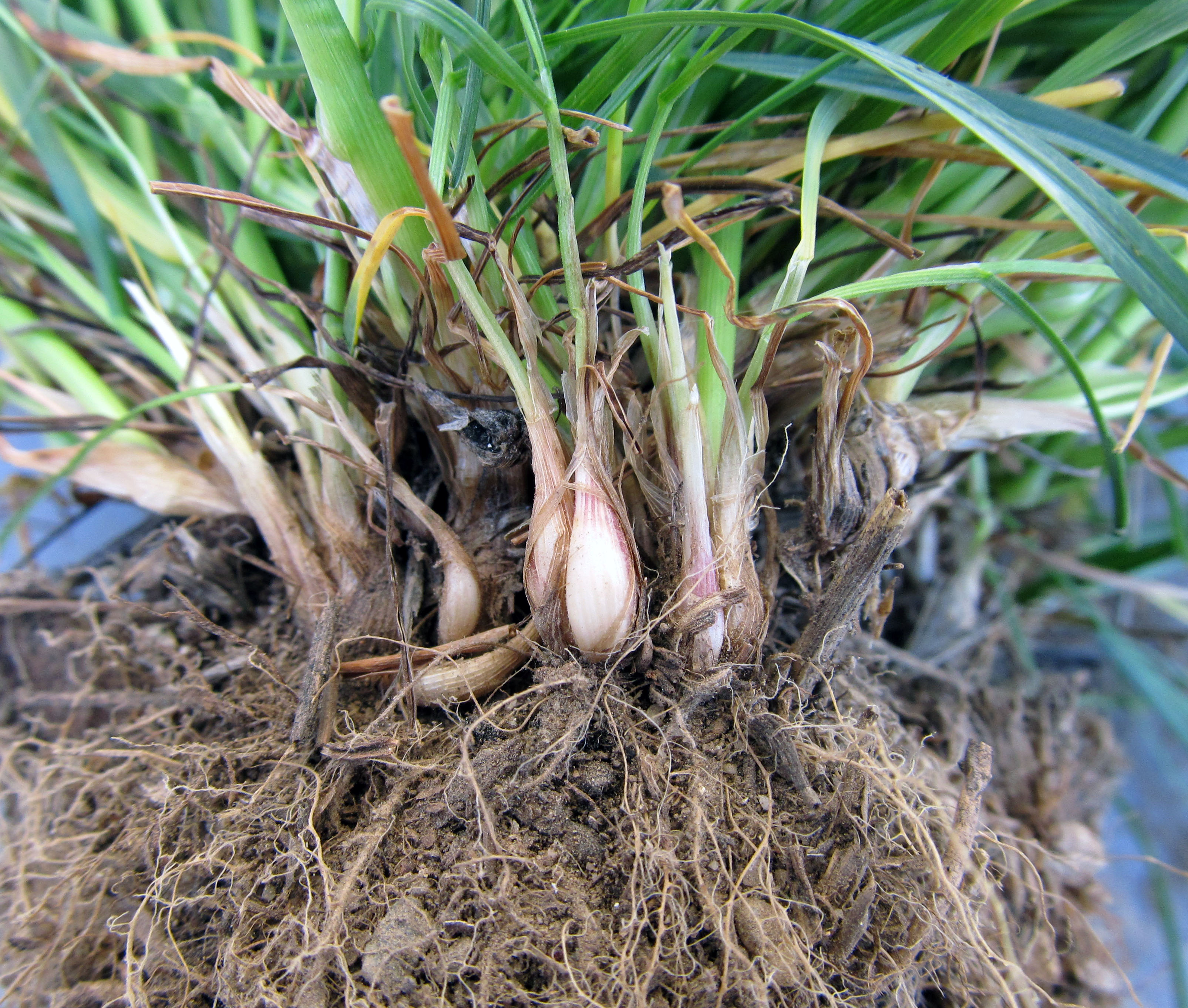
The tough taproot of alfalfa (Medicago sativa) easily works its way into cracks in pavement and concrete.

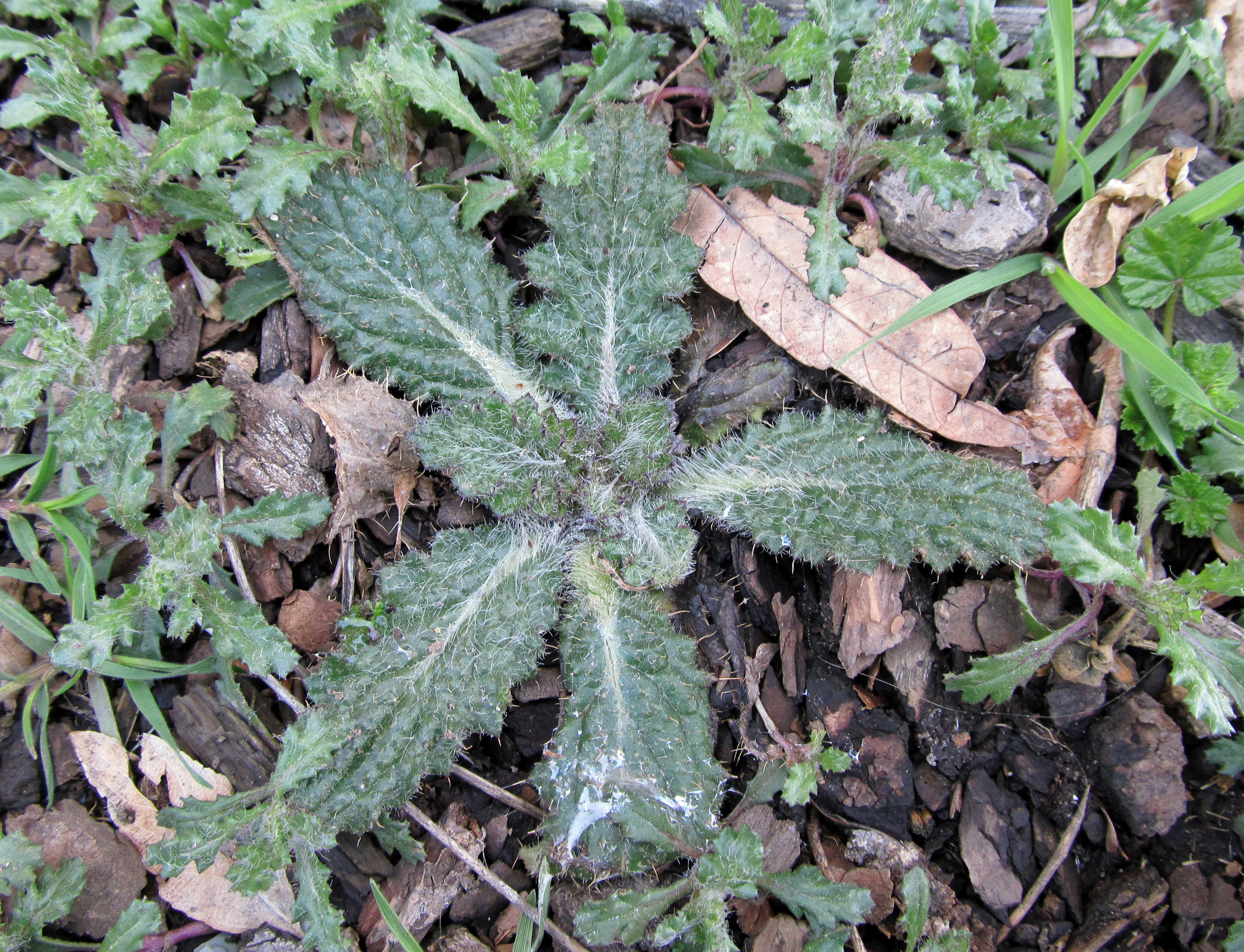
A bull thistle rosette (Cirsium vulgaris) perhaps?

Cheatgrass (Bromus tectorum) was common on the site, including (perhaps not surprisingly) in this parking block.

horseweed seedling (Conyza canadensis)

Weeds found at the abandoned Pizza Hut on Ann Morrison Park Drive:

  • Bromus tectorum (cheatgrass)
  • Ceratocephala testiculata (bur buttercup)
  • Cirsium vulgare (bull thistle)
  • Conyza canadensis (horseweed)
  • Draba verna (spring draba)
  • Hordeum murinum ssp. glaucum (smooth barley)
  • Lactuca serriola (prickly lettuce)
  • Malva neglecta (common mallow)
  • Medicago sativa (alfalfa)
  • Poa bulbosa (bulbous bluegrass)
  • Rumex crispus (curly dock)
  • Senecio vulgaris (common groundsel)
  • Taraxacum officinale (dandelion)
  • Ulmus pumila (Siberian elm)

This post will be updated as I identify more of the weeds and capture more photos. I also anticipate that this lot will not be abandoned for that much longer. It’s located near Boise State University in an area that has seen a lot of development in the past few years. I can’t imagine prime real estate like this will stay feral indefinitely. Until something is done with it, I’ll keep checking in.

Botany in Popular Culture: Close It Quietly by Frankie Cosmos

Frankie Cosmos – the stage name for Greta Kline and also the name of her band – is not a new thing but was new to me in 2019. Their music is classified broadly as indie rock or indie pop, and could easily be placed in a number of subgenres. I, however, consider it punk. The songs are short, emotionally raw, unconventionally structured, simply arranged, and independently produced. That’s punk enough for me. Their most recent album, Close It Quietly, is easily my top pick for best album of 2019. The reason I’m saying this here on a blog about plants is because plants are featured in some of the lyrics. But it’s more than that really.

Quite often plants find their way into the lyrics of songs. They are, after all, great subject matter for all kinds of art. The special thing to me about the lyrics of Close It Quietly isn’t so much that plants get mentioned, but the sentiments that surround the references and the lessons learned from them. It may just be personal bias, but to me the plant references are more than just cursory. They come from a place of connection and personal relationship. Plants have things to teach us, and when we are open to it – which is often during challenging times in our lives – we can hear their lessons.

Trees receive the bulk of the plant references on this album. Like the song “Trunk of a Tree,” for example, in which Greta sings, “You’re the trunk of a tree / silent, filled with clarity.” That’s no surprise though. As David George Haskell writes in his book, The Songs of Trees, “To listen to trees, nature’s great connectors, is therefore to learn how to inhabit the relationships that give life its source, substance, and beauty.” There is great wisdom in trees. Confiding in or consulting with them can help bring clarity to a moment or feeling. This doesn’t have to mean anything weird – just being among trees and observing them in a reflective way will do the trick.

What follows is a list of some of the songs on Close It Quietly along with their plant references and some thoughts about them.

“41st”

This song is pretty fitting for the start of a new year, with the first line asking, “Does anyone wanna hear the 40 songs I wrote this year?” Looking back, maybe it was a crummy year. Perhaps you weren’t treated well, or maybe someone in your life didn’t turn out to be who you thought they were. There may be some comfort in knowing that you’re not the only one going through such things. Glancing up at the trees, Greta sings, “I look at the branches and hold a mirror up / They’re looking at me and say, ‘You don’t have a comb, do ya?'” The tangled branches of trees speak of past difficulties. As it turns out, we all have challenges that we’re trying to move past.

“A Joke”

We often find ourselves under pressures to be or act a certain way – to conform to some standard that was decided by someone else. Timelines created by other people direct our lives and tell us how or where we should be at a certain age or point in life. But, as Greta notes, “Flowers don’t grow in an organized way. Why should I?” It’s okay to be yourself, and there is no rush to become someone or something else.

“Rings (on a Tree)”

Sometimes we have to walk away from relationships, particularly when those relationships are not good for us. It’s never easy, but perhaps you’ll come to the realization that “it was wrong, so wrong / to try to hold on to a fallen tree / one that wouldn’t even look at me” or one that wasn’t “holding arms out lovingly.” It doesn’t mean that person wasn’t or still isn’t meaningful to you in some way. It’s just that it’s time to move on.

“This Swirling”

In our worst moments we are “like a dandelion,” and “just a little bit of breath blows [us] apart.” Our lives feel as chaotic as the swirling of a dandelion fluff tumbling through the air. However, a closer look reveals that a dandelion seed in flight is actually more stable than we originally thought. Perhaps we can take some comfort in that.

More Botany in Popular Culture

The Flight of the Dandelion

The common dandelion (Taraxacum officinale) comes with a collection of traits that make it a very successful weed. Nearly everything about it screams success, from its asexually produced seeds to its ability to resprout from a root fragment. Evolution has been kind to this plant, and up until the recent chemical warfare we’ve subjected it to, humans have treated it pretty well too (both intentionally and unintentionally).

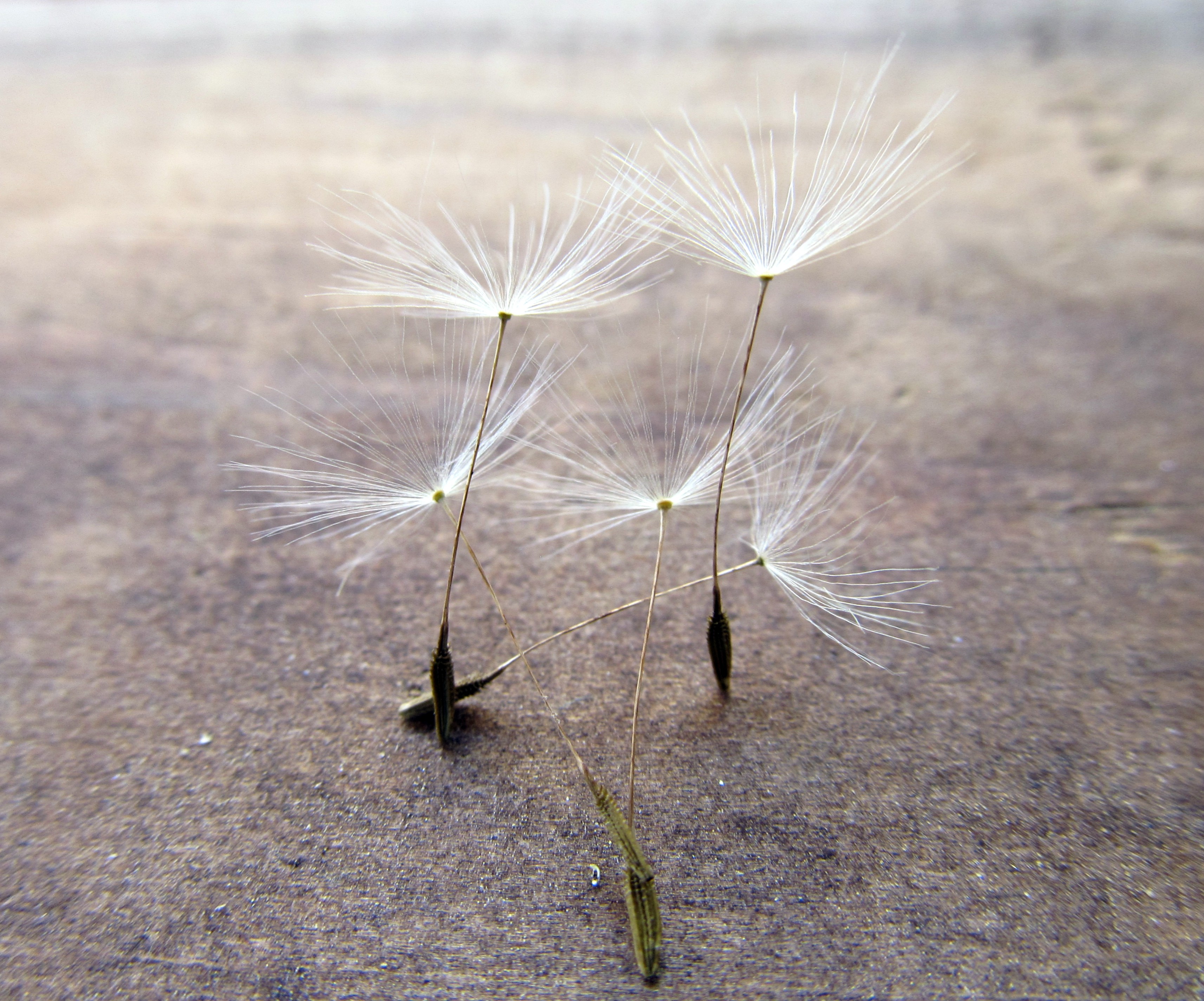
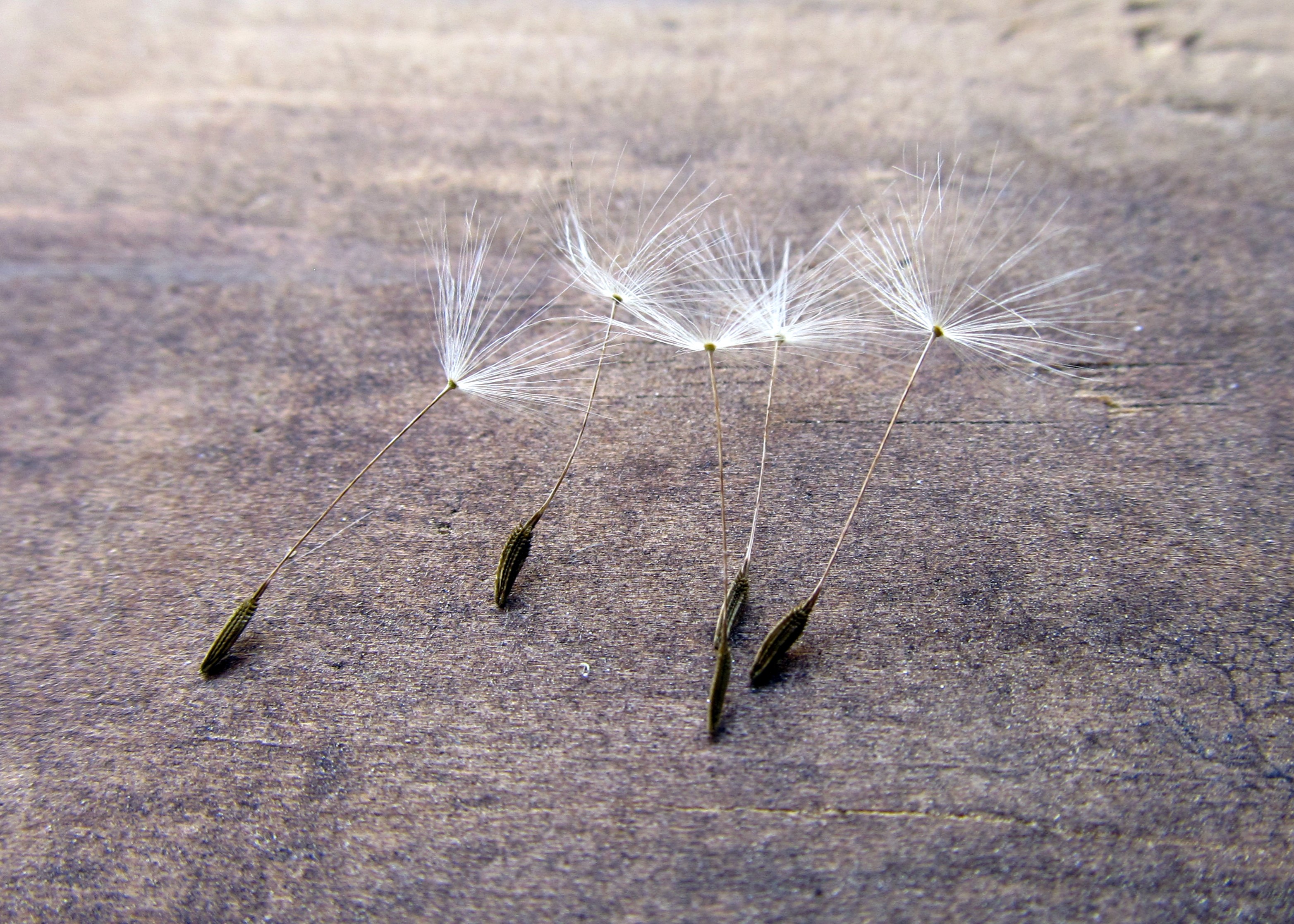
One feature that has served the dandelion particularly well is its wind-dispersed seeds. Dandelions have a highly-evolved pappus – a parachute-like bristle of hairs attached to its fruit by a thin stalk. The slightest breath or puff of wind will send this apparatus flying. Once airborne, a dandelion’s seed can travel up to a kilometer or more away from its mother plant, thereby expanding its territory with ease.

Such a low-growing plant achieving this kind of distance is impressive. Even more impressive is that it manages to do this with a pappus that is 90% empty space. Would you leap from a plane with only 10% of a parachute?

Dandelion flight was investigated by researchers at the University of Edinburgh, who used a wind tunnel along with long-exposure photography and high-speed imaging to observe the floating pappus. Their research was presented in a letter published in an issue of Nature in October 2018. Upon close examination, they observed a stable air bubble floating above the pappus as it flew. This ring-shaped air bubble – or vortex – which is unattached to the pappus is known as a separated vortex ring. While this type of vortex ring had been considered theoretically, this marked the first time one had been observed in nature.
Seeing this type of air bubble associated with the dandelion’s pappus intrigued the researchers. About a 100 filaments make up the parachute portion of the pappus. They are arranged around the stalk, leaving heaps of blank space in between. The air bubble observed was not what was expected for such a porous object. However, the researchers found that the filaments were interacting with each other in flight, reducing the porosity of the pappus. In their words, “Neighboring filaments interact strongly with one another because of the thick boundary layer around each filament, which causes a considerable reduction in air flow through the pappus.”

The pappus acts as a circular disk even though it is not one, and its limited porosity allows just enough air movement through the filaments that it maintains this unique vortex. “This suggests,” the researchers write, “that evolution has tuned the pappus porosity to eliminate vortex shedding as the seed flies.” Fine-tuned porosity and the resultant unattached air bubble stabilizes the floating fruit “into an equilibrium orientation that minimizes [its] terminal velocity, allowing [it] to make maximal use of updrafts.” The result is stable, long distance flight.

Wind-dispersed seeds come in two main forms: winged and plumed. Winged seeds are common in trees and large shrubs. They benefit from the height of the tree which allows them to attain stable flight. While such seeds have the ability to travel long distances, their success is limited on shorter plants. In this case, plumed seeds, like those of the dandelion, are the way to go. As the researchers demonstrated, successful flight can be achieved by bristles in place of wings. The tiny seeds of dandelions seen floating by on a summer breeze are not tumbling through the air haphazardly; rather, they are flying steadily, on their way to spoil the dreams of a perfect lawn.

Further Reading (and Watching):

Seed Oddities: Apomixis and Polyembryony

Plants have uncanny ways of reproducing themselves that are unparalleled by most other living things. Offshoots of themselves can be made by sending out modified stems above or beneath the ground which develop roots and shoots (new plants) at various points along the way. Various other underground stem and root structures can also give rise to new plants. Small sections of root, stem, or leaf can, under the right conditions, push out new plantlets in a fashion that seems otherworldly. (Picture chopping off a bit of your finger and growing a whole new you from it.)

These are some of the ways in which plants reproduce asexually, and it’s kind of freaky if you think about it. Plants can clone themselves. But one major disadvantage of reproducing this way is that clonal offspring are genetically identical to the parent plant, which truncates any advantage that might be gained by genetic mixing between two separate plants. For one, it means that a plant population composed of all clones is at risk of being wiped out if something in the environment comes along (such as a disease or change in climate) and none of the plants in the population have adapted any sort of resistance to it.

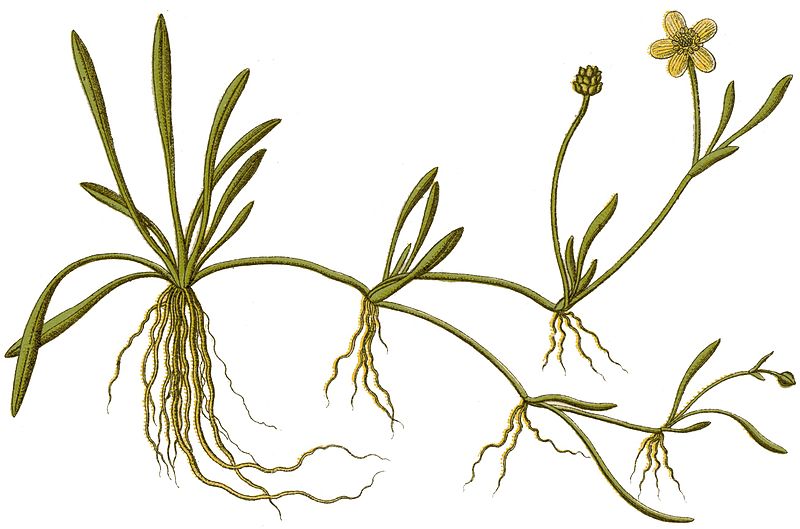
New plants forming along the lateral stems of Ranunculus flammula – via wikimedia commons

That’s where seeds come in. Seeds are produced sexually, when the gametes of one plant fuse with the gametes of another. Genetic recombination occurs, and a genetically unique individual is born, housed within a seed. Unless, of course, that seed is produced asexually. Then the seed is a clone, and we’re back to where we started.

Apomixis is the process by which seeds are produced asexually. In flowering plants, this means that viable seeds are formed even when flowers haven’t been pollinated. In some cases, pollination stimulates apomixis or is required to produce endosperm; but either way, the result is the same: an embryo containing an exact copy of the genes of its single parent plant.

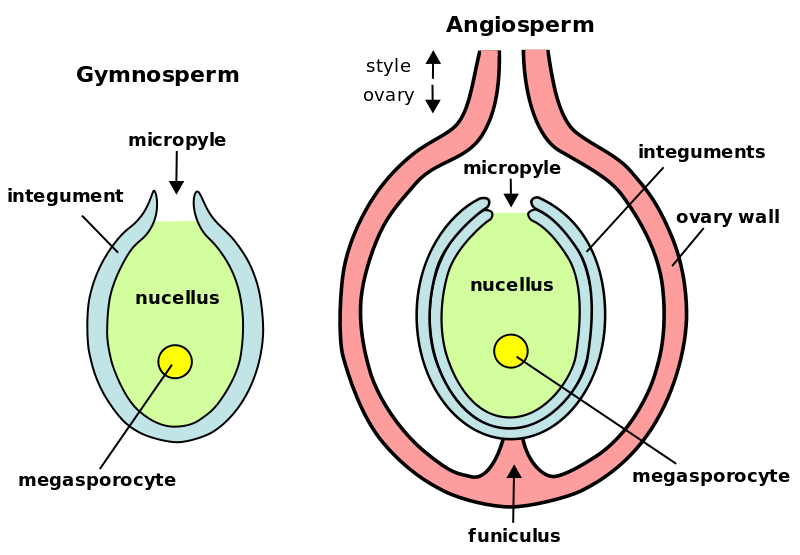
To understand this process, it’s important to familiarize yourself with the basic anatomy of an ovule, the part of a plant where embryos are formed and which ultimately becomes a seed. In gymnosperms, ovules sit inside cones; in angiosperms, they are surrounded by an ovary. The wall of the ovule is called an integument. A small opening at the top of the ovule, known as a micropyle, is where the pollen tube enters. Diploid cells of the nucellus compose the interior of the ovule, and within the nucellus resides the megasporocyte, which is where meiosis occurs and egg cells are produced. In sexual reproduction, a germ cell introduced through the pollen tube fuses with the egg cell to form a zygote and eventually an embryo. In the case of apomixis, the fusion of germ cells isn’t necessary for an embryo to form.

ovule anatomy via wikimedia commons

There are three main types of apomixis: diplospory, apospory, and adventitious embryony. In diplospory, the megasporocyte skips meiosis and produces diploid cells instead of haploid cells (germ cells). These unreduced cells go on to form an embryo inside of the embryo sac, just like an egg cell would if it had been fertilized with a pollen cell. Additional unreduced cells go on to form endosperm, and the ovule then matures into a seed. This type of apomixis is common in dandelions (Taraxacum officinale). As much as bees love visiting dandelion flowers, their pollination services are not required for the production of viable seeds. Yet another reason you are stuck with dandelions in your yard whether you like it or not.

In apospory, an embryo develops inside of an embryo sac that has been formed from cells in the nucellus. Embryo development within the megasporocyte is bypassed; however, pollination is usually necessary for endosperm to form. Plant species in the grass family commonly produce seeds using this type of apomixis.

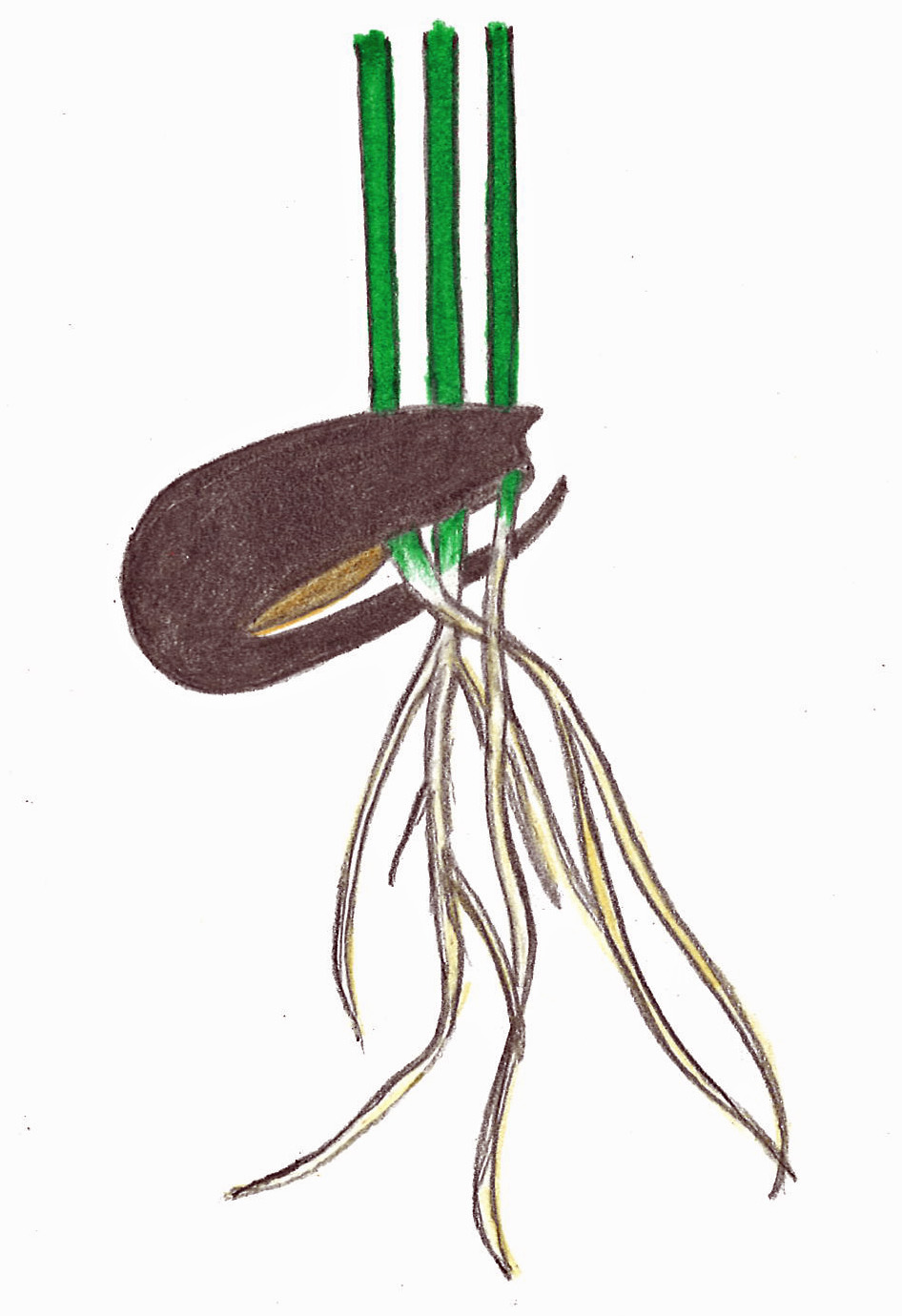
Adventitous embryony is also known as sporophytic apomixis because an embryo is formed outside of an embryo sac. Cells from either the integument or the nucellus produce an embryo vegetatively. In this case, a sexually produced embryo can form along with several vegetatively produced embryos. Extra embryos die off and a single, surviving embryo is left inside the mature seed. But not always. Two or more embryos occasionally survive, including the sexually produced one. The mature seed then consists of multiple embryos. This phenomenon is called polyembryony and is common in citrus and mangoes. When it comes to plant breeding, polyembryony is incredibly useful because the asexually derived seedlings are exact copies of their parent, which means the desirable traits of a specific cultivar are retained.

Depiction of seed with three viable embryos after germination.

Polyembryony can occur in a number of ways, and not always as a result of apomixis. In some species, additional embryos “bud off” from the sexually produced embryo. This is called cleavage polyembryony and is known to happen frequently in the pine family (Pinaceae), as well as other plant families. Another common form of polyembryony in gymnosperms is simple polyembryony, in which several egg cells in a single ovule are fertilized resulting in the development of multiple embryos. This doesn’t always mean there will be multiple seedlings sprouting from a single seed. Most embryos usually fail to mature, and only one prevails. However, sometimes more than one survives, and if you’re lucky, you’ll find a seed with multiple plant babies pushing out from the seed coat.

Up Next: Vivipary!