Using Plant Root and Mycorrhizal Fungal Traits to Predict Soil Structure

The March 2015 issue of New Phytologist is a Special Issue exploring the “ecology and evolution of mycorrhizas.” A mycorrhiza is a symbiotic association between a fungus and the roots of a plant. The introductory editorial of this special issue asserts that “almost all land plant species form a symbiosis with mycorrhizal fungi.” Generally, the association benefits both plant and fungus. The plant gains greater access to water and mineral nutrients by the way of fungal hyphae, and the fungus recieves carbohydrates (glucose and sucrose) that have been synthesized in the leaves of the plant and transported down into its roots. We have been aware of this relationship since at least the middle of the 19th century, but recent advances in technology have given us new insight into just how extensive and important it is . “Plants cannot be considered as isolated individuals anymore, but as metaorganisms or holobionts encompassing an active microbial community re-programming host physiology.”

However, there are still “critical gaps” in our understanding of mycorrhizas, hence the special issue of New Phytologist. In this issue they endeavor to address the following questions: “How is the balance of mutualism maintained between plants and fungi? What is the role of mycorrhizal fungi in the soil ecosystem? What controls fungal community composition, and how is diversity maintained?” There is so much more to learn, but the research presented in this issue has us moving in the right direction. If you are interested in this sort of thing, I encourage you to check out the entire issue. I have picked out just 2 of the 32 articles to present here – one this week and the other next week.

photo credit: wikimedia commons

photo credit: wikimedia commons

Plant root and mycorrhizal fungal traits for understanding soil aggregation by Matthias C. Rillig, Carlos A. Aguilar-Trigueros, Joana Bergmann, Erik Verbruggen, Stavros D. Veresoglou, and Anika Lehmann

Soil structure is determined by the size, shape, and extent of soil aggregates and the resulting pore spaces found between them. The arrangement of soil aggregates and pore spaces helps determine the availability and movement of water and air and also has an influence on the growth and movement of micro- and macroorganisims, including fungi, plant roots, bacteria, and arthropods. The authors state that “soil aggregation is important for root growth and for a wide range of soil features and ecosystem process rates, such as carbon storage and resistance to erosion.”

Soil aggregates are composed mainly of clay particles, organic matter (including plant roots), organic compounds (produced by bacteria and fungi), and fungal hyphae. There has been plenty of research on soil aggregation, but much of it is focused on management practices and physical chemical factors. Less is known about the contribution of plant roots and mycorrhizal fungi to the formation and stabilization of soil aggregates. We know they play a role, but we lack understanding about the extent to which soil aggregation can be predicted not just by abiotic factors but also by the presence of plants and mycorrhizal fungi. The authors of this paper propose a widespread, trait-based approach to researching this topic, recognizing that “summarizing ecological characteristics of species by means of traits has become an essential tool in plant ecology.”

Possible traits to be considered were grouped into two categories: formation-related traits and stabilization-related traits. Formation refers to “the initial binding together of particles” to form an aggregate. Stabilization is a process in which aggregates are “increasingly resistant to the application of disintegrating forces, such as water penetrating into pores.” These two processes (along with disintegration) are occurring simultaneously in virtually all soils, but they “may be executed by different organisms expressing different traits.” Some of the formation traits include length, extension ability, and relative growth of roots and hyphae; root and hyphae exudate quality and quantity; and the “ability of roots or hyphae to bring soil particles together by moving them, leading to potential aggregation.” Stabilization traits include tensile strength, density, and “entangling ability” of roots and hyphae; water repellency of the aggregates and cementation capability of the exudates; and the life span, palatability, and repair capacity of roots and hyphae.

photo credit: wikimedia commons

photo credit: wikimedia commons

The amount of time and effort it will take to measure the traits of each and every plant and mycorrhizal fungi species and to determine the extent to which those traits contribute to soil aggregation will be considerable. The authors acknowledge that “some of these traits will be relatively easy to measure,” while “others will be quite challenging.” However, as technologies advance, the mysterious world under our feet should become easier to explore. As the traits of each species of plant and fungi are measured, a database can be constructed and eventually used to determine the plant/fungi combinations that are the best fits for restoring and conserving the soils of specific regions.

Ultimately, this research may help us answer various questions, including whether or not we can use a survey of plant and mycorrhizal fungi (along with soil type, climate, and management) to predict soil aggregation. Ecosytem restoration efforts may also benefit if we are able to produce “tailor-made mycorrhizal fungi inocula and seed mixes” in order to “enhance soil aggregation.” Better understanding of these traits could also be applied to sustainable agriculture in areas such as crop breeding and cover crop selection. This research is in the hypothesis phase right now, and “only controlled experiments employing a range of plant and fungal species” can reveal the role that certain plant root and mycorrhizal fungal traits play in soil aggregation as well as the full range of applications that this information might have.

Speaking of soil, did you know that the 68th United Nations General Assembly declared 2015 the International Year of Soils? The purpose of this declaration is to “increase awareness and understanding of the importance of soil for food security and essential ecosystem functions.” You can read a list of “specific objectives” on their About page.

Using Wild Relatives to Improve Crop Plants

This is the thirteenth in a series of posts reviewing the 17 articles found in the October 2014 Special Issue of American Journal of Botany, Speaking of Food: Connecting Basic and Applied Science.

Back to the Wilds: Tapping Evolutionary Adaptations for Resilient Crops through Systematic Hybridization with Crop Wild Relatives by Emily Warschefsky, Varma Penmetsa, Douglas R. Cook, and Eric J. B. von Wettberg

The nature of domestication involves the narrowing of genetic diversity through a series of crosses and selections that results in organisms well suited for particular environments and/or purposes. In the short term, this arrangement seems to suit our needs, that is until the climate shifts, novel pests and diseases invade, agricultural soils become degraded, or some other calamity ensues. Then we must select a new form to take the place of the old one that is no longer suitable. Additionally, the varieties currently in use may be doing well within their current parameters, but their performance may be found lacking if placed in different environments or grown in alternate systems, such as one that relies on fewer petrochemical inputs.

The wild relatives of crop plants have a long history of being used in breeding programs to provide specific traits for improving domesticated varieties. Interest in this has increased thanks to technological advancements (such as marker-assisted selection and genomic selection) and the greater availability of germplasm. Introgression (the transfer of genes from one species to another through hybridization and repeated backcrossing) using crop wild relatives has mainly been aimed at introducing traits like resistance to specific pests and diseases, tolerance of certain abiotic stresses, and greater yields. In other words, crop wild relatives are typically screened for a few main traits that might be useful in breeding programs, neglecting the possibility that the introgression of a larger suite of traits may be beneficial long-term.

This article discusses the possibility of using “crop wild relative collections that [have been] systematically built to represent the range of adaptations found in natural populations” to improve crop plants. By using these “purpose-built populations that are hybrids between crops and their wild relatives,” crop plants introgressed with “full sets of wild diversity” will be better adapted to a wide variety of environments, soils, climates, and agricultural systems. In order to “illustrate the gains that are possible,” the authors review published studies of hybridization (both naturally occurring and human mediated). They then “propose a multi-step framework for utilizing naturally occurring variation in wild relatives of crops.”

Grapefruit (Citrus x paradisi) - A hybrid between sweet orange (Citrus sinensis) and shaddock (Citrus maxima) that "occurred far beyond the region of domestication and rather recently [the 18th centruy]." (photo credit: wikimedia commons)

Grapefruit (Citrus x paradisi) – A hybrid between sweet orange (C. sinensis) and shaddock (C. maxima) that “occurred far beyond the region of domestication and rather recently [the 18th century].” (photo credit: wikimedia commons)

Hybridization can occur between two individuals of different cultivars, varieties, subspecies, species, genera, etc. The genetics of the resulting offspring is a combination of the two parents, and depending on the circumstances, a hybridization event “can have drastically different consequences.” For this reason, “hybridization is thought of as both a creative and a restrictive force in evolution.” It is, however, “the potential for the production of novelty that makes hybridization such an intriguing – and potentially useful – phenomenon.”

In their discussion of hybridization between crops and their wild relatives, the authors reveal some “obstacles that limit the use of wild relatives in breeding programs.”

  • Poor Agronomic Performance – “Crop wild relatives often lack important domestication traits.” They may have shattering pods, irregular germination timing, or phenologies that inhibit their use in certain regions.
  • Poor Representation in Germplasm Collections – “Only 2-6% of international germplasm collections are of crop wild relatives.” There are some crop wild relatives that are well-represented, but others have been “poorly collected” or “almost ignored,” and some crops still “lack well-identified wild relatives.” One reason for this disparity is that a large number of these plants “occur in geopolitically unstable areas where collection has long been complicated.”
  • Unpredictability of Phenotypes – “Phenotypes of wild individuals are often assessed in agricultural settings, a largely uninformative practice when the overall wild phenotype is specifically adapted for fitness in the wild but not cultivated settings.” This makes for an inaccurate comparison with domesticated varieties, so when “crop-wild hybrids” are formed, phenotypes are hard to predict. Backcrossing is necessary in order to recover the “essential crop phenotype” while capturing the desired traits of the wild relative.

The authors also highlight the need for conservation of crop wild relatives, as “these species are nearly universally threatened.” The catalog of threats to their survival is similar to so many other threatened species: the loss, fragmentation, and degradation of habitats, climate change, invasive species, and over-harvesting (“in the case of medicinally and pharmaceutically useful species”). One threat, perhaps ironically, is agricultural crops crossing with nearby wild relatives, especially where transgenic genes in crops are being transferred to wild populations. In order to better realize the potential that crop wild relatives have in improving domesticated varieties, they must first be protected in their natural habitats.

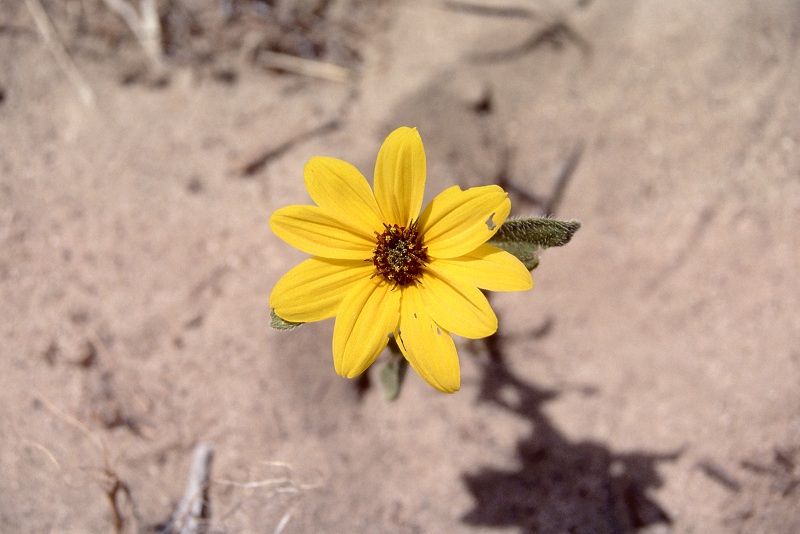
Desert sunflower (Helianthus deserticola) - One of three hybrid species born of H. annuus and H. petiolaris, "highlighting the expanded potential of hybrid species...through colonization of extreme habitats where neither parental species can survive." (photo credit: www.eol.org)

Desert sunflower (Helianthus deserticola) – One of three hybrid species born of H. annuus and H. petiolaris, “highlighting the expanded potential of hybrid species…through colonization of extreme habitats where neither parental species can survive.” (photo credit: www.eol.org)

The authors propose a 5 step plan for systematic utilization of crop wild relatives in agricultural breeding programs. The steps include building a comprehensive collection of crop wild relatives, sequencing their genomes, creating purpose-driven hybrid populations between wild relatives and crop plants, developing a predictive network of genotype-phenotype associations, and deploying identified phenotypes into crop breeding efforts. This article is one of the open access articles in this issue. If you are interested in this topic, including this 5 step plan, I encourage you to read the article to learn more. 

Palm Oil Production and Its Threat to Biodiversity

Improvements in cultivated varieties of oil palms could have devastating ecological effects. This is according to an article published in a recent issue of Science. Doom doesn’t have to be the story though, if – as the authors suggest – governments and conservation organizations take proper action to safeguard vulnerable land.

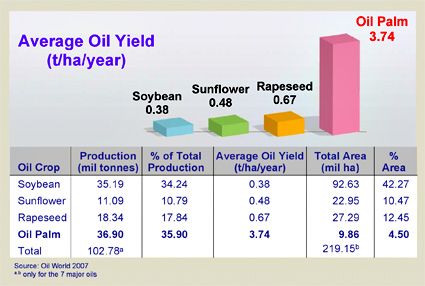
Palm oil is a versatile vegetable oil derived from the fruits of oil palms. It has myriad culinary uses and is also used in the manufacturing of cosmetics and the production of biofuel. Oil palms have high yields, easily outyielding other major oil crops like soybean, rapeseed, and sunflower. Oil palms are grown in the tropics in developing countries where land and labor are inexpensive. As human population grows, demand for palm oil increases. To meet the demand, tropical forests are converted into agricultural land. The majority of palm oil production occurs in Southeast Asian countries like Indonesia and Malaysia. However, palm oil production is expected to increase in African and Latin American countries as new varieties better suited for these particular environments become available.

oil world graph

Genome sequencing of oil palm may allow plant breeders to develop varieties that are disease resistant, drought tolerant, and able to grow in salinized soils. Already making its debut, though, is a new variety of oil palm that is boasting yields from 4 tons to as much as 10 tons per hectare. Higher yielding varieties could be the solution to preventing more tropical forests from being converted into oil palm plantations. Or could they lead to more growth? Intrigued by the development of improved varieties of oil palms and other tropical crops, the authors of this study developed computer models in order to determine what this might mean for the future.

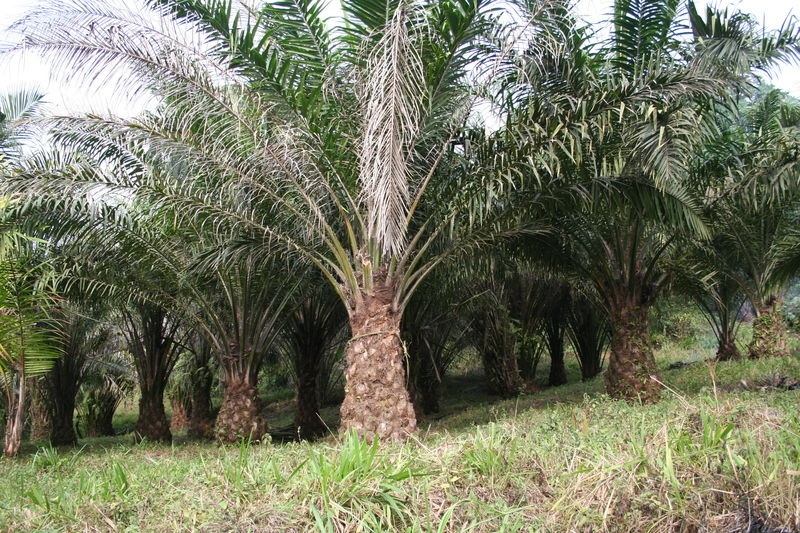
African Oil Palm (Elaeis guineensis) is the species of oil palm most commonly grown for palm oil production.

African Oil Palm (Elaeis guineensis) is the species of oil palm most commonly grown in palm oil production (photo credit: www.eol.org)

The results of simulations suggested two possible outcomes: one potentially positive and the other largely negative. On the positive side, “an assumed 56% increase in oil palm yield per tree in Malaysia and Indonesia” could result in ” around 400,000 hectares of agricultural land…taken out of production in Brazil, India, and Canada.” This is because less land will be needed to meet the demand, and the increased availability and resulting lower price of palm oil will outcompete other oil crops (like rapeseed, which is one of Canada’s main agricultural crops). However, the author’s seem to assume that agricultural land taken out of production will be restored back into natural lands. I find this argument hard to accept. Anecdotal evidence suggests that if farmers are no longer making a profit from a particular crop, they will choose to either grow something more profitable or sell their land to developers. A concerted effort would have to be made to capture this land and ensure that it remain uncultivated and undeveloped. Also, as the author’s point out, restoring land in Canada is very different from restoring or protecting tropical land. Loss of biodiversity is a much greater risk in areas where the level of biodiversity per hectare is high.

On the negative side, higher yields can encourage increased production. Tropical forest conversion may accelerate if farmers see an opportunity for growth. Additionally, improved varieties may increase palm oil production in African and Latin American countries, resulting again in more land conversion and deforestation. This effect may also become the story, not just for oil palms, but for cacao, eucalyptus, coffee, and other tropical crops as varietal improvements are achieved.

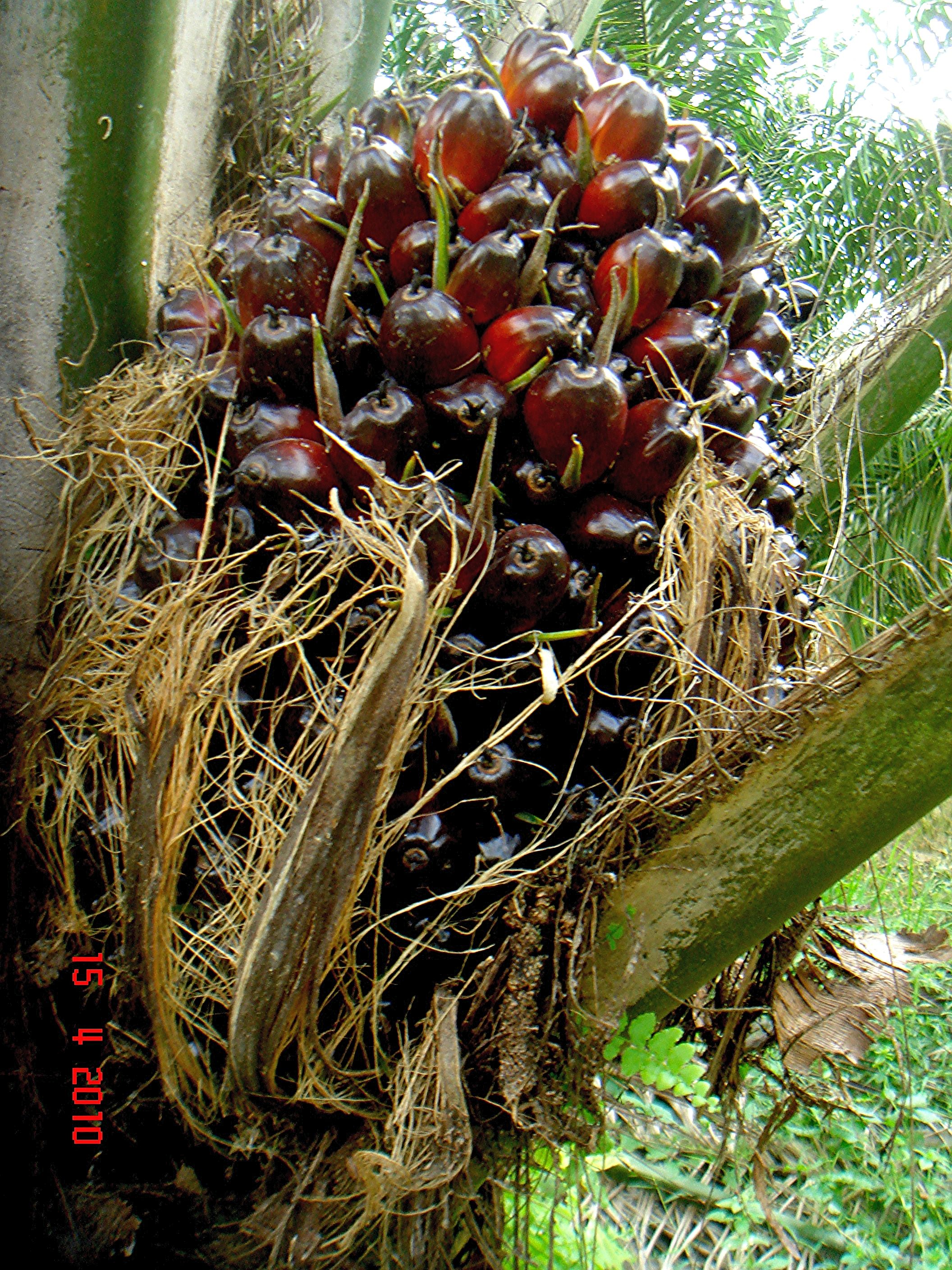
Oil Palm Friuits (photo credit: www.eol.org)

Oil Palm Friuits (photo credit: www.eol.org)

In light of this predicted consequence, the authors of this study recommend that governments, working together with conservation organizations and industry associations, regulate the conversion of agricultural lands and ensure that certain areas are specifically set aside for conservation. This means that “models of the drivers of environmental change” must be developed that “incorporate feedbacks at a range of scales” so that measures can be put into place to address “the unintended negative consequences of technical advances.”

More information on sustainable palm oil production can be found here.

Article: The Wildest Idea on Earth

Imagine living in close proximity to numerous national parks and being “enveloped by connected [wildlife] corridors” that lead to these national parks – or as Edward O. Wilson envisions them, “national biodiversity parks, a new kind of park that won’t let species vanish.” Wilson – a renowned biologist, entomologist, conservationist and Pulitzer Prize winning author – has this vision and believes that it can be accomplished within the next 50 years. Not only can it be accomplished, but it must be in order to thwart the ongoing sixth mass extinction event. To be precise, half the planet must be set aside, restored to its natural state, and protected in perpetuity. A series of large parks connected by continuous corridors – or “Long Landscapes” – is the way Wilson and other conservationists insist this must be done. Tony Hiss explores the “Half Earth” concept in a feature article in the current issue of Smithsonian entitled, The Wildest Idea on Earth (the online version is entitled, Can the World Really Set Aside Half of the Planet for Wildlife?).

Hiss, accompanied by Wilson, visits three locations in North America where this vision is playing out. Their first stop is Nokuse Plantation in the Florida panhandle, where businessman, M.C. Davis, has purchased tens of thousands of acres with the intention of restoring them to native longleaf pine forests, a plant community that has been reduced by 97% due to human activity. Intact longleaf pine forests are incredibly diverse – as many as 60 different species of living things can be found in one square yard – so protecting and restoring them is an ecological imperative.

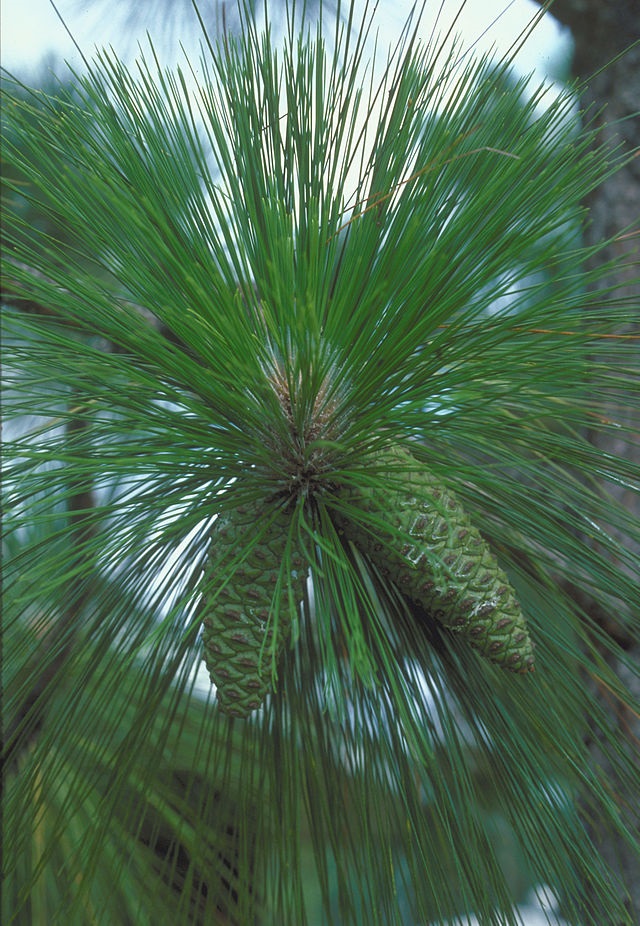
Longleaf Pine, Pinus palustris (photo credit: wikimedia commons)

Longleaf Pine – Pinus palustris (photo credit: wikimedia commons)

Later, Davis flies Hiss and Wilson to New England in his private jet. There Hiss discovers a seemingly accidental series of connected natural and restored landscapes nearly 200 miles in length. This corridor, and the land that surrounds it, highlights the need for private land owners to be on board with the Half Earth vision, setting aside their land for conservation in exchange for tax breaks and other incentives.

The importance of private land owners cooperating with this vision comes into play again when Hiss visits the Flying D Ranch near Bozeman, Montana. This 113,613 acre ranch (just a small fraction of the land owned by Ted Turner) is a private ranch that “promote[s] ecological integrity” – it is a wildlife refuge that also turns a profit. Fortunately, the “D” sits within larger wildlife corridor projects – Yellowstone to Yukon and Western Wildway Network highlighting Wilson’s vision of current sanctuaries being incorporated into larger networks of protected lands.

Hiss notes that as these three projects grow and connect to “the great, unbroken forests across all of northern Canada,” North America will become enclosed in “Long Landscapes” with “additional and more inland routes to be added later.” The sooner these corridors and parks are developed the better, because as global climate changes, species will need to move north, south, east, or west as their ecological and biological needs dictate.

It seems a lofty goal. Humans, after all, have spread themselves across the entire planet, modifying every environment as they go – oftentimes to an irreparable extreme. But knowing this, and recognizing that we are only just beginning to feel the effects of climate change, drastic measures to preserve what is left of this planet’s biological diversity become imperative. Hiss’s article is encouraging in this regard. Yes, the places he visited were confined to North America. A more accurate picture could be constructed by incorporating greater international diversity. However, most promising is that the people he talked to were not political figures. Most of them weren’t even professional scientists. They were businessmen, working people, land owners, citizen conservationists. Wealthy, yes. But people who, at some point in their life journeys, saw a need and wanted to help. The story of M.C. Davis illustrates this best of all. If the information is put out there in a manner that people can relate to, they will latch on to it and offer assistance. For all whose goal is to protect half of the earth (or even just some small portion of it) for the sake of non-human life, this article should give some hope.

Tree growing along a creek bed at The Nature Institute, a privately owned nature preserve in Godfrey, Illinois

Tree growing along a creek bed at The Nature Institute, a privately owned nature preserve in Godfrey, Illinois

Kudzu Ate the South…Now Looks North

In 1876, an Asian vine was introduced to the people of the United States at a centennial celebration in Philadelphia, Pennsylvania. It was a fairly benign looking vine, with its leaves of three and its cluster of sweet pea like flowers, but its exotic appeal must have been quite enticing, because it took off…and not just in popularity.

The plant that caught the eye of these early Americans was called kudzu (or kuzu in Japanese). It is a plant in the genus Pueraria in the family Fabaceae (the pea family). The plants first introduced to the U.S. were likely to have consisted of more than a single species such as P. montana, P. lobata, P. edulis, and others, or were hybrids of these species. They were initially lauded for their ornamental value but soon after were recognized for their potential as animal feed. By the 1930’s, when soil erosion had become a major issue, kudzu was deployed by the U.S. government to combat it. At least 85 million government-funded kudzu seedlings later, and the southeastern portion of the United States had secured a future dominated by this relentless and unforgiving vine.

Innocent and harmless is how kudzu must have first appeared, especially to those looking for a fast growing, large-leaved, vining plant to provide quick shade for porches, offering relief from the sun during those sweltering southern summers. Little did they know, however, if left unchecked, that prized vine could engulf homes and outbuildings, cover and pull down trees and utility poles, and choke out crops and pastures in the matter of a single growing season.

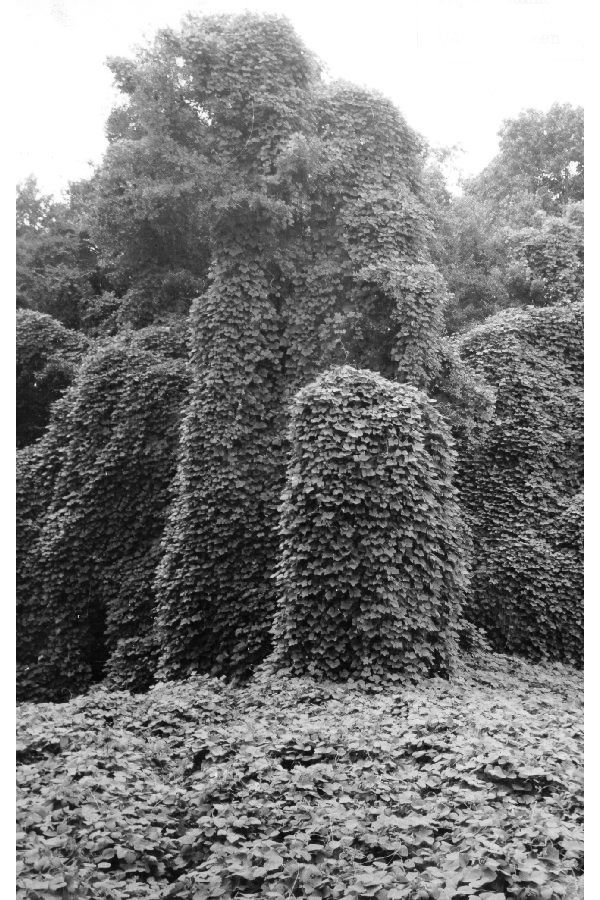
(photo credit: eol.org)

(photo credit: eol.org)

Kudzu was added to the Federal Noxious Weed List in 1997, long after it had established itself throughout the southeastern U.S. It now covers more than 3 million hectares, spreading at a pace of about 50,000 hectares (120,000 acres) per year. It is said that a kudzu vine can grow up to a foot in a single day or about 60 feet in a growing season. It is a twining vine, wrapping itself around any upright structure it can access and relying on that support in order to advance upwards. This gives it the advantage of using more resources for growth and expansion of both roots and shoots rather than on the resource demanding task of producing woody stems. Like other members of the pea family, it gets much of its nitrogen from the atmosphere through a process called nitrogen fixation. Because of this, kudzu can thrive in nutrient poor soils. Kudzu is also drought-tolerant, has leaves that follow the sun throughout the day in order to maximize photosynthesis, reproduces clonally by layering (stems in contact with the ground grow roots and detach from the parent plant), and (in North America) is free from the pests and diseases commonly associated with it in its native habitat. For these reasons and others, kudzu has become one of the most notorious, pervasive, and ecologically harmful weeds in the U.S., costing hundreds of millions of dollars in damages every year.

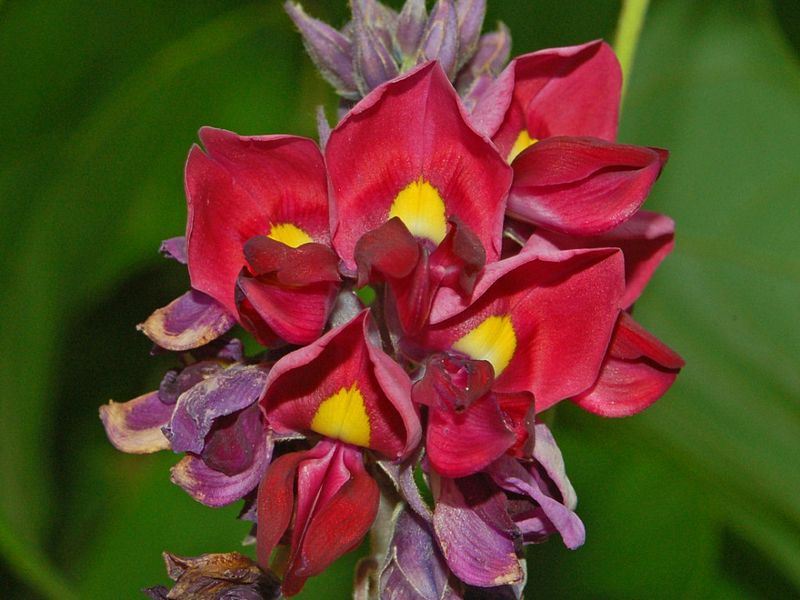
A close-up of kudzu flowers (photo credit: wikimedia commons)

A close-up of kudzu flowers (photo credit: wikimedia commons)

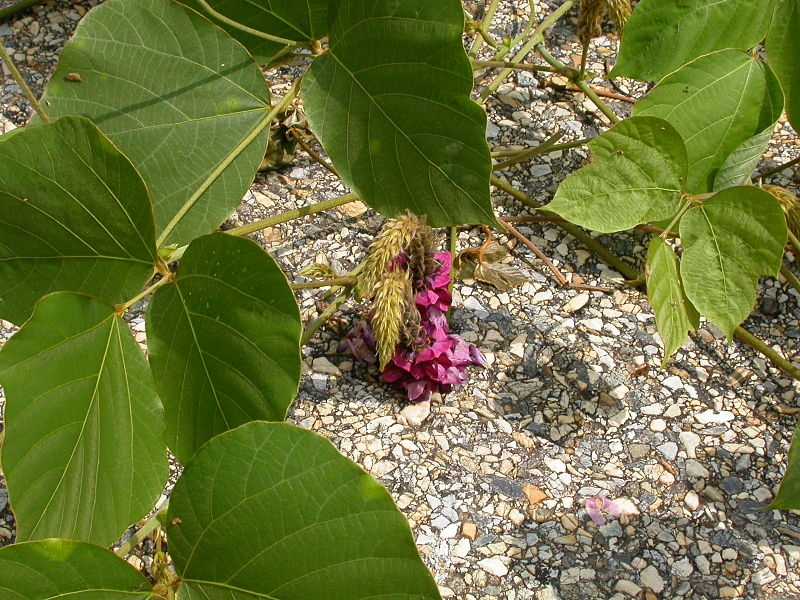
kudzu foliage and flowers

Foliage and flowers of kudzu (photo credit: wikimedia commons)

One glance at what kudzu has done in the southeastern states, and it is obvious that it is some kind of superweed. I saw firsthand just how overwhelming it can be as I drove through Mississippi several years ago. I didn’t even have to stop the car to investigate. It was easily apparent that it was the dominant species, enveloping every tree for miles alongside the highway. Currently, kudzu can be found in every county in Georgia, Alabama, and Mississippi. But kudzu has a limitation; it doesn’t care much for freezing temperatures. Even though it has been present in parts of northern states – like Ohio, New Jersey, and Delaware – for a while now, it has generally been limited to milder locations, and it certainly doesn’t thrive in the same way that it does in the subtropical climates of the southern states. But that is changing, because the climate is changing.

Average global temperatures increased by about 1.53° F between 1880 and 2012, and this gradual increase is expected to continue for the foreseeable future. Biologists and ecologists are monitoring changes in climate closely in order to observe and predict changes in the biology and ecology of our planet. Invasive species are high on the list of concerns, as climate is often a major limitation to their spread. Now that kudzu has been found in Marblehead, Massachusetts and Ontario, Canada, the fear of kudzu climbing north is becoming a reality.

Kudzu is incredibly difficult to control. It does not respond to many herbicides, and the herbicides that do affect it must be applied repeatedly over a long time period. It is an excellent forage plant, so utilizing grazing animals to keep it in check can be effective. Those who have succumbed to kudzu, acknowledging that it is here to stay, have found uses for it, including making baskets, paper, biofuel, and various food items. A compound extracted from the kudzu root is also being studied as a possible treatment for alcoholism. Kudzu has long been valued for its culinary and medicinal uses in Asia, so it is no surprise that uses would be found for it in North America. However, North Americans who embrace kudzu are taking a defeatist approach. That is, “if we can’t get rid of it, we may as well find a use for it.” This, however, should not negate nor distract from the damage it has caused and continues to cause local ecosystems and the ecological threat that it poses to areas where it is just now being introduced or may soon be introduced due to our warming climate.

Millions of dollars are spent every year to address the effects kudzu has on utility poles (phot credi: eol.org)

Millions of dollars are spent every year to remove kudzu from utility poles and replace poles pulled down by kudzu (photo credit: eol.org)

References:

Encyclopedia of Life: Pueraria Montana

Wikipedia: Kudzu in the United States

Max Shores: The Amazing Story of Kudzu

U.S. Fish and Wildlife Service: Conservation in a Changing Climate

NASA Earth Observatory: How Much More Will the Earth Warm?

Bloomberg: Kudzu That Ate U.S. South Heads North as Climate Changes

Hundreds of Japanese Plants Threatened with Extinction

Life has existed on earth for at least 3.5 billion years, and during that time there have been five mass extinctions. Currently, we are in the middle of a sixth one. The major difference between the current extinction event and others is that this one is largely human caused, which is pretty upsetting. However, knowing that detail has its upside: if humans are the drivers of this phenomenon, we can also be the ones to put on the brakes.

Biologists have spent the last several decades tracking the current mass extinction, endeavoring to come up with a list of species that have the greatest risks of extinction, as well as lists of species that are at less of a risk, etc. The problem is that factors leading up to extinctions are diverse, and available data for making predictions is lacking, especially temporal data. Recognizing this information gap, researchers in Japan set out to better determine the extinction risk of Japanese flora. Using data from surveys done by lay botanists in 1994-95 and 2003-04, they were able to calculate a trend which indicated that, under current circumstances, between 370 and 561 plant species in Japan will go extinct within the next 100 years.

photo credit: wikimedia commons

photo credit: wikimedia commons

The methods for this study, as described in the findings which appeared last month in PLOS ONE, involved dividing Japan into 3574 sections measuring around 100 square kilometers each and covering about 80% of the country. More than 500 lay botanists tallied the numbers of species that were found in each section during the two time periods. 1735 taxa were recorded, and out of those, 1618 were considered quantifiable and used in the analysis.

Japan is home to a recorded 7087 vascular plant taxa. Historically, the extinction rate of plant taxa in Japan has been around 0.01% per year. According to this study, over the next 100 years the extinction rate will rise to between 0.05 and 0.08% per year. Researchers are organizing a third census in the near future in order to monitor the actual extinction rate and better determine the accuracy of this prediction.

Data collected in these censuses was also used to evaluate the effectiveness of protected areas and determine the need for improvements and expansions. Natural parks cover 14.3% of Japan, but only about half of that area is regulated for biodiversity conservation. The researchers found that protected areas do help to reduce the risk of extinctions, but that their effectiveness is far from optimum and that even expanding protected areas to cover at least 17% of the nation (a target set at the recent Convention on Biological Diversity) would not effectively gaurd threatened plant species from extinction.

In their conclusion, the researchers advise not only to expand protected areas but to improve the “conservation effectiveness” of them, and “to improve the effectiveness of them, we need to know the types of pressures causing population decline in the areas.” They go on to list a few of these pressures, including land development and recreational overuse, and suggest that management schemes should be developed to focus on specific pressures.

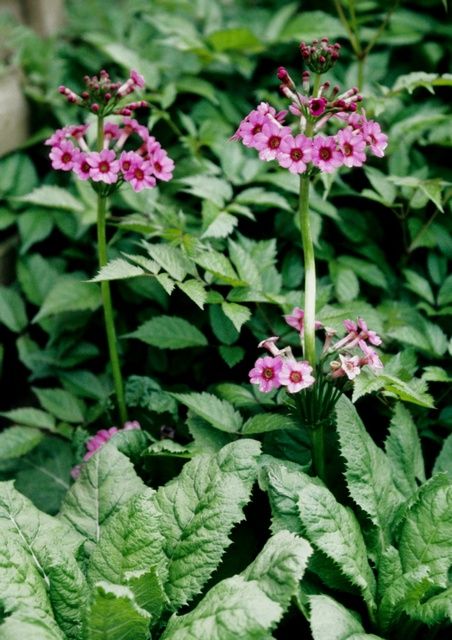
Japanese Primrose, Primula japonica (photo credit: eol.org)

Japanese Primrose, Primula japonica (photo credit: eol.org)

One thing I found very interesting and encouraging about this study was the recruitment of lay botanists in collecting data. As stated in the findings, “Monitoring data collected by the public can play an essential role in assessing biodiversity.” I am excited by the growing citizen science movement and hope to see it continue to expand as more and more people become interested in science and eager to add to this body of knowledge. In fact, I consider the term “awkward botany” to be synonymous with citizen, lay, and amateur botany. That is precisely why I chose it as the title for my blog. So, in short, expect more posts involving citizen science in the future.

You can read more about this study on John Platt’s blog Extinction Countdown at Scientific American.


Corpse Flower Blooms Again

It is not often that a plant in bloom makes headlines, but that is precisely what happened last week when another corpse flower bloomed at Missouri Botanical Garden. Amorphophallus titanum, commonly known as titan arum or corpse flower, is a rare species, both in cultivation and in the wild. It also rarely flowers, and when it does, the bloom only lasts for a few short days. It has the largest known unbranched inflorescence, and its flowers give off the scent of rotting flesh. For all these reasons, it is understandable why a blooming corpse flower might make the news.

Titan arums naturally occur in the western portion of an Indonesian island called Sumatra. Their future is threatened because they occur in rainforests that are currently being deforested for timber and palm oil production. Deforestation is also threatening the survival of the rhinoceros hornbill, a bird that is an important seed distributor of titan arums. Today there are a few hundred titan arums in cultivation in botanical gardens throughout the world. They are a difficult species to cultivate, but their presence in botanical gardens is important in order to learn more about them and to help educate the public about conservation efforts.

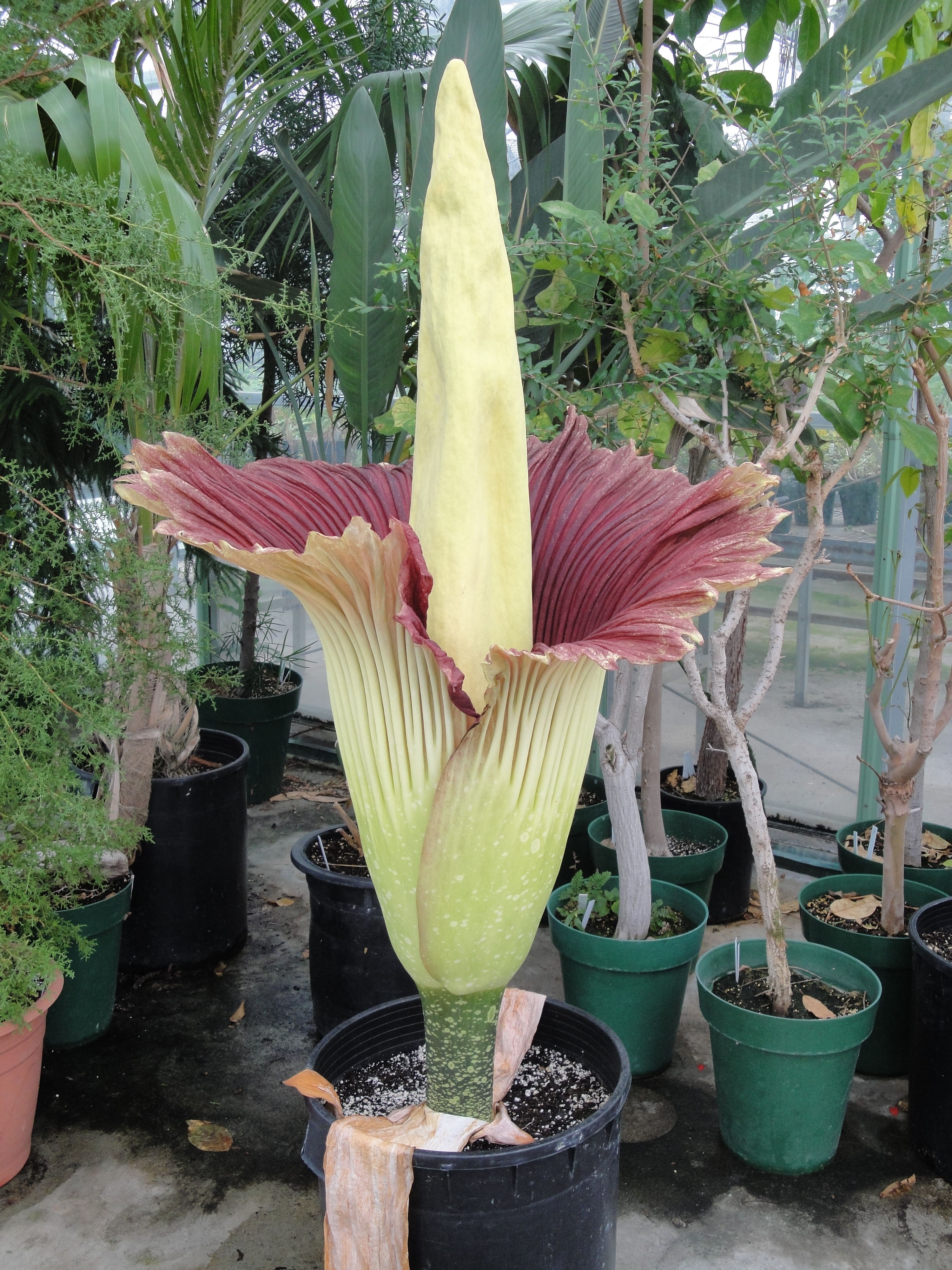
Amorphophaulls titanium, titan arum (photo credit: eol.org)

(photo credit: eol.org)

Titan arums are in the arum family (Araceae), a family that consists of around 107 genera including Caladium (elephant ears), Arisaema (jack-in-the-pulpits), and Wolffia (duckweeds), a genus that wins the records for smallest flowering plant and smallest fruit. Titan arums are famous for their giant inflorescence, which can reach more than 10 feet tall. The flowering stalk is known botanically as a spadix, a fleshy stem in the shape of a spike that is covered with small flowers. The spadix of titan arums are wrapped with a leaf-like sheath called a spathe. Upon blooming, the temperature inside the spathe rises and the flowers begin to release a very foul odor, similar to the smell of rotting flesh. This attracts pollinating insects such as carrion beetles, sweat bees, and flesh flies, which get trapped inside the sheath and covered with pollen. After a few hours the top of the spadix begins to wither, allowing the insects to escape, off to pollinate a neighboring corpse flower [the spadix includes male and female flowers, which mature at different times in order to prevent self-pollination]. Once pollinated, the flowers begin to form small red fruits which are eaten by birds. The seeds are then dispersed in their droppings.

The large, stinky inflorescence is not the only structure that gives titan arums their fame. They are also known for their massive single leaf, which can reach up to 20 feet tall and 15 feet wide, the size of a large shrub or small tree. All of this growth is produced from an enormous underground storage organ called a corm. The corms of mature titan arums typically weigh more than 100 pounds, with some known to weigh more than 200 pounds. Titan arums bloom only after the corms have reached a mature size, which takes from seven to ten years. After that they bloom about once a year or once every other year, depending on when the corm has accumulated enough nutrients to support the giant flowering structure.

Below are two time lapse videos of titan arums in bloom. The first is from Missouri Botanical Garden, and the second is from United States Botanic Garden.


Do you like what you see here? If so, please share Awkward Botany with your friends. Use any form of social media you favor. Or just tell someone in person…the old fashioned way. However you do it, please help me spread the word. Awkward Botany: for the phyto-curiosity in all of us.

Urban Trees: Unlikely Polluters

Trees are central features in urban environments, and their benefits are numerous and well documented. They give off oxygen and sequester carbon, provide food for urban wildlife, help slow storm water runoff, and provide shade which not only keeps us cool in the hot sun but can help increase the energy efficiency of surrounding buildings. And even if they weren’t doing all these things and more, the aesthetic value they add to our concrete jungles alone is worth having them around. So it is a little disconcerting to learn that the trees we benefit so much from may actually be doing us harm by way of increasing levels of air pollution.

It sounds unlikely, but according to researchers at the Institute for Advanced Sustainability Studies in Postdam, Germany, urban trees can contribute to increased levels of tropospheric ozone, a key component of smog. This occurs when trees emit volatile organic compounds (VOCs), special gasses that are meant to attract pollinators, repel insects, and warn nearby trees of ensuing insect herbivory. These biogenic VOCs react with sunlight and nitrogen oxides (another key component of smog and a result of burning fossil fuels) and form ozone. Ozone in high concentrations is particularly harmful to the lungs, aggravating asthma, increasing susceptibility to lung infections, and damaging the lining of the lungs.

Fortunately, according to the study, certain trees contribute significantly less to ozone production than other trees.  Poplars, oaks, and willows, for example, tend to be high emitters of VOCs, whereas birches and lindens emit much less. Planting low VOC emitters in dense urban areas and keeping high VOC emitters scattered throughout the city instead of planted in large groups will help reduce this phenomenon. A recent article at Scientific American points out that cities that are sunnier and warmer have more to worry about than cloudy and cool cities since sunlight and high temperatures speed up the ozone producing reaction.

Despite this unfortunate discovery, trees still have an important role in cities. Apart from placing and planting the proper trees, our focus should be on finding ways to reduce our fossil fuel emissions which remain the major culprit of our polluted air.

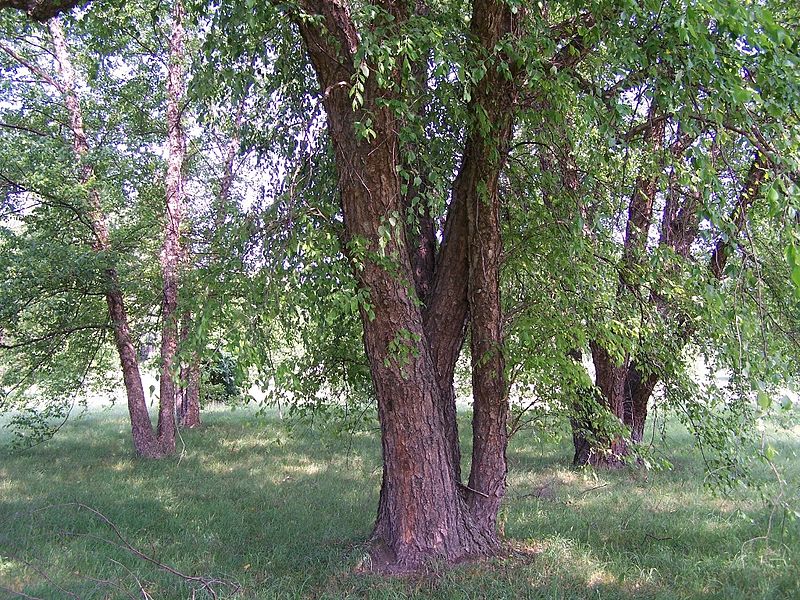
River birch (Betula nigra) - Birches were found to low emitters of volatile organic compounds compared to other common urban trees

River birch (Betula nigra) – Birches were found to be low emitters of volatile organic compounds compared to other common urban trees (photo credit: wikimedia commons)


Flood Irrigation and Migrating Waterfowl

It’s American Wetlands Month. Last year around this time, I wrote a brief post describing the importance of wetlands and why they are a conservation concern. This year I thought I would write a little about an issue surrounding wetlands that has recently come to my attention: flood irrigated agricultural land and its benefit to migrating waterfowl.

The term “waterfowl” refers to birds that live on or around freshwater, such as ducks, geese, and swans. Like many other birds, they are migratory, typically flying north in the spring to breed and spend the summer raising their young, and then flying back south in the fall to overwinter. There are four major flyways (or migratory flight paths) in the United States: Pacific, Mississippi, Central, and Atlantic. Along these flyways, migrating birds need places to rest and feed in order to maintain the strength to make it to their seasonal homes. As wetlands have disappeared across the country (and the world), essential areas of respite have become few and far between, threatening the survival of this important group of birds.

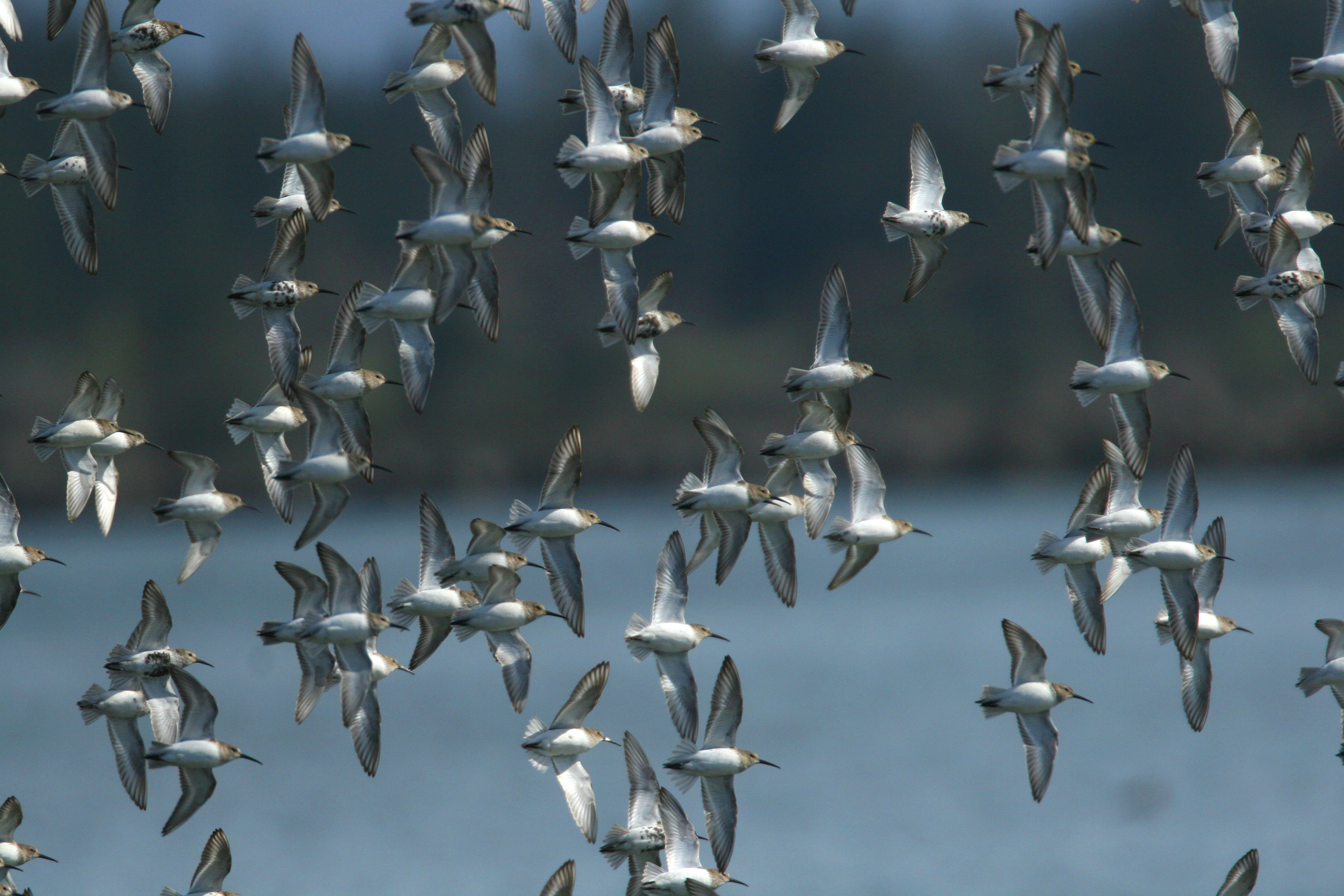
Dunlins - Calidris alpina (photo credit: www.eol.org)

Dunlins – Calidris alpina (photo credit: www.eol.org)

Historically, wetlands have largely been diminished and degraded due to human settlement on the floodplains of major rivers. Floodplains are examples of temporary or seasonal wetlands, flooded in the spring when snow in the mountains is melting and during periods of heavy rains but otherwise dry throughout most of the year. These areas appealed to early settlers because they were flat, had great soil for agriculture, and were near a water source. The only downside was the flooding, so levees and dams were built, diversions were made, and eventually these great rivers were tamed, virtually eliminating their status as seasonal wetlands and the important ecological functions that go along with that.

This has spelled disaster for migrating waterfowl who rely on floodplains to be flooded in the spring, providing them with staging habitat on their journey north. Biologists have recognized this issue and have made efforts to protect and restore wetlands in order to provide this essential habitat. But restoring wetlands is a major feat. Rivers that supply both temporary and permanent wetlands aren’t what they used to be. There are myriad diversions and modifications, and with a continually growing human population, too many uses for the water. So that’s where farmers and ranchers come in.

In the spring, many farmers and ranchers flood their fields in order to irrigate crops. Migrating waterfowl take advantage of these flooded fields, stopping to rest and feed. Recognizing the role that flood irrigation has on the survival of these birds, biologists are working with farmers and ranchers along flyways to ensure that their land will remain in agriculture and that land owners will continue to flood irrigate (rather than switching to overhead irrigation). In California for example, rice farmers are being paid by the Nature Conservancy to flood their fields in conjunction with spring and fall migrations in order to ensure that birds will have staging habitat along the way. So, despite humans playing a major role in reducing habitat that migrating waterfowl require for survival, we are finding ways to make up for it. This is just one example of how we can help protect and improve biodiversity in our human-dominated landscapes.

Read more about protecting migrating waterfowl in the Pacific Flyway here.

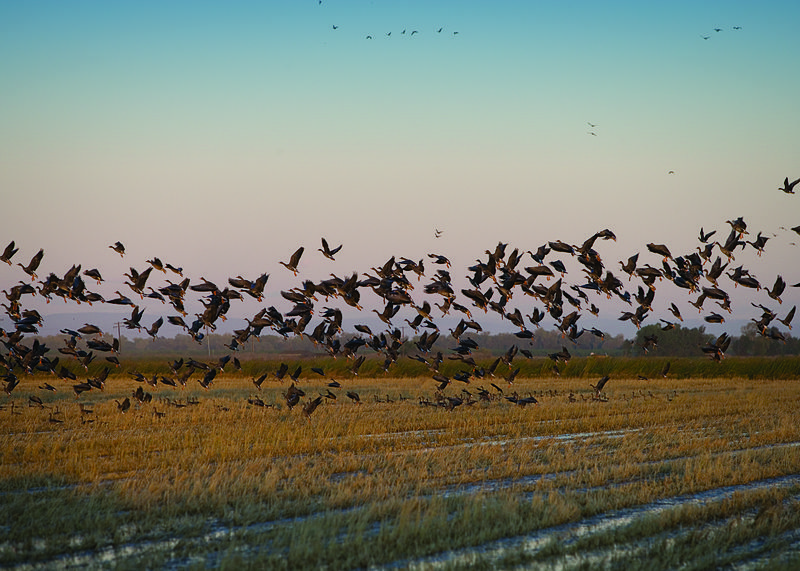
Geese in a Flooded Rice Field in California (photo credit: NRCS)

Geese in a Flooded Rice Field in California (photo credit: NRCS)

Celebrate American Wetlands Month by learning more about them. Here are some links to get you started:

U.S. Environmental Protection Agency

Association of State Wetland Managers

Defenders of Wildlife


Ground Nesting Bees in the Garden

Earlier this year I wrote about planting for pollinators. In that post I briefly introduced various things that people can do to encourage pollinator activity in their yards and gardens. One thing that I mentioned was the importance of providing nesting sites. Most pollinators are insects and insects are small, so the distance that they are able to travel in search of food is relatively limited. According to the Xerces Society, the smallest bees can only fly a few hundred feet from their nests. Providing nesting sites in close proximity to foraging sites is incredibly important.

Roughly 70% of native bee species in North America are ground nesting bees, so chances are pretty good that if you are providing forage for bees in your yard, a good number of the bees that visit will be ground nesting bees. In order to ensure the survival of these bees, consider providing nesting habitat for them on your property.

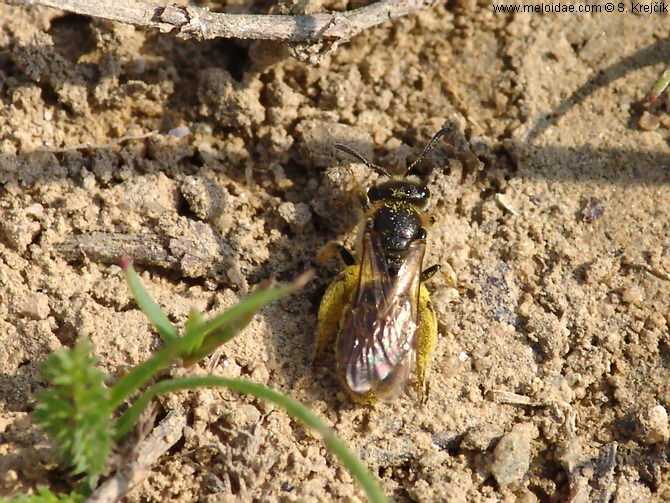
ground nesting bee_lasioglossum

Lasioglossum leucozonium – a North American ground nesting bee (also known as a sweat bee) – photo credit: www.eol.org

Here are a few things to keep in mind when developing nesting habitat for ground nesting bees:

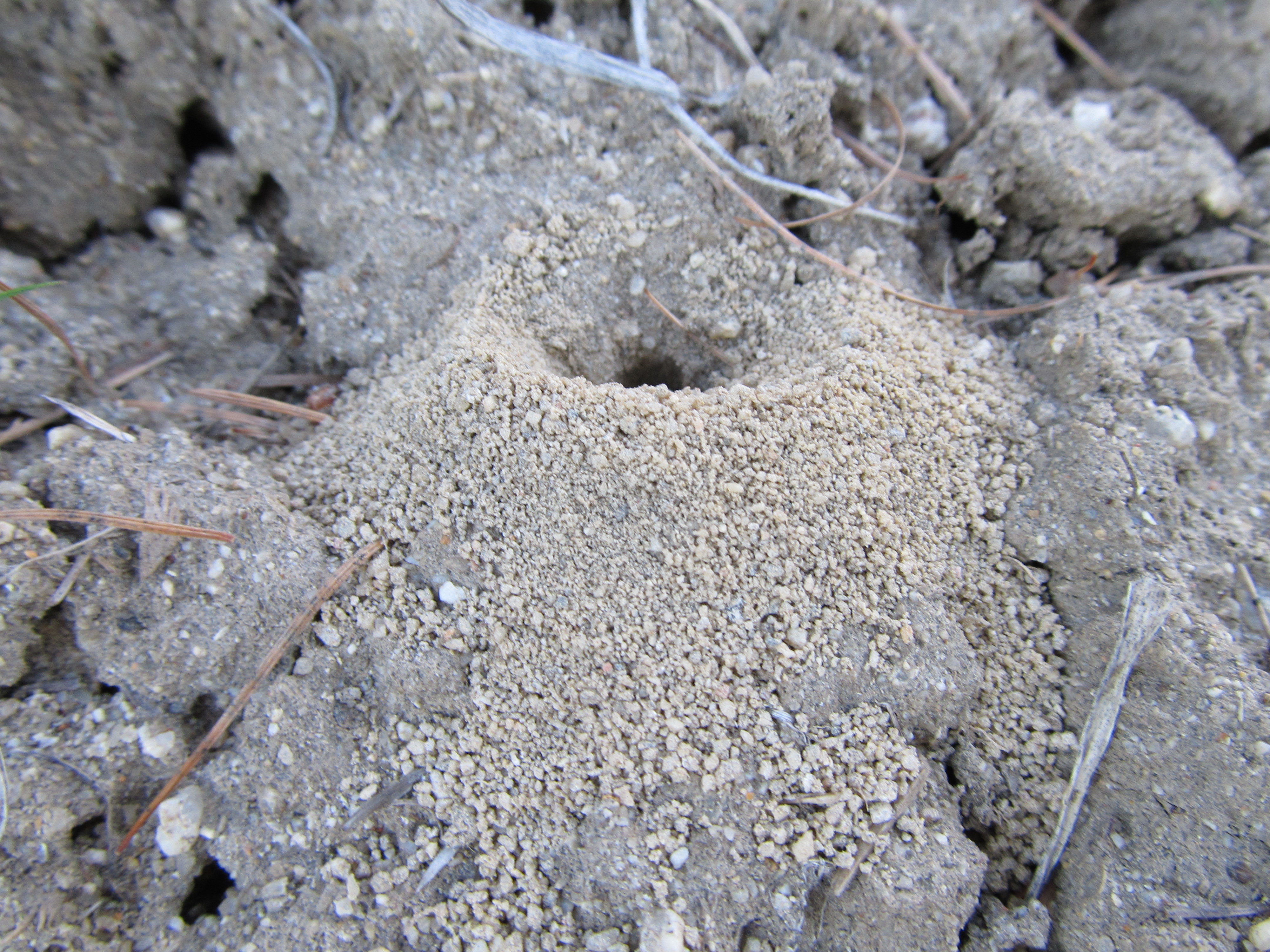
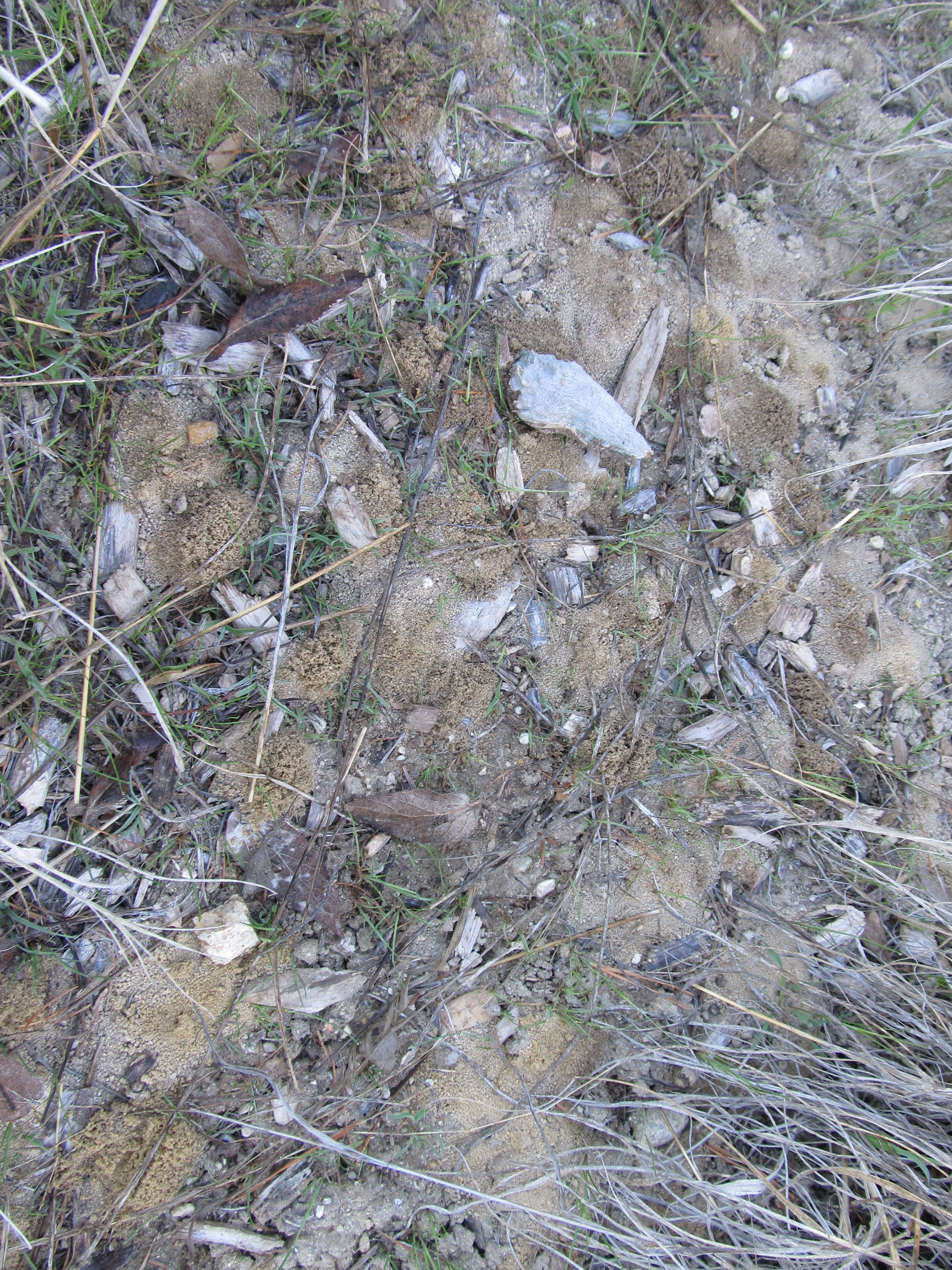
Create and Maintain Undisturbed Bare Ground: You may already have ground nesting bees living in your yard and you don’t even know it. Obvious evidence of nests is difficult to spot. If you can find tunnel entrances, they will look like small ant mounds. If you find a series of small “ant mounds”, watch for bee activity during sunny times of the day. Activity can be quite ephemeral though, so it is difficult to know if bees have just moved in or if they have moved on. Avoid tilling up soil and walking through areas where you suspect or intend for bee activity. Leave patches of bare ground unplanted and unmulched in order to encourage bees to nest there.

Sunny and South Facing: Bees are most active when the sun is shining and temperatures are warm. For this reason they tend to build their nests in warm, sunny spots. However, warm, sunny spots are also the best locations for many plants. Consider sharing these sites with ground nesting bees. Avoid putting down mulch in these areas and keep vegetation sparse and minimal.

Avoid Pesticides: When encouraging pollinator activity in your yard and garden, it is best to avoid using pesticides as much as possible. Herbicides kill potential food sources. Insecticides can kill pollinating insects along with pest insects. And soil fumigants can harm ground nesting bees.

Provide Some Accommodations: Due to the diversity of ground nesting bees, it is difficult to provide nesting habitat for all potential species. Some prefer loose, sandy soil while others prefer smooth, packed ground. Some bees will nest on level ground, while others prefer sloped ground. The habitat you are able to provide will depend on the conditions present on your property. Some modifications can be made, but this all depends on the resources available to you and how particular you want to get. Apart from maintaining a patch of undisturbed, unmulched, south facing ground, there are three additional things that you can offer ground nesting bees to make them feel more at home on your property: food (in the form of diverse flowers blooming throughout the growing season), a water source (in the form of a birdbath or something similar), and a few rocks for the bees to perch on and warm their tiny bodies.

IMG_0777

The tunnel entrance of a ground nesting bee.

IMG_0779

Tunnel entrances are often found in groups in areas of bare ground mixed with patchy vegetation.