Moving Your Ecosystem Forward – An Arborist’s Application of Ecological Principles in the Urban Landscape

This is a guest post by Jeremiah Sandler.

———————

Ecosystems are everywhere – interconnected and interdependent systems of biology, climate, ecology, and geography. The inside of your house is an ecosystem with its own micro-climate, life (including but not limited to you), and topography. Everywhere you go, you’re in some kind of ecosystem.

The same is more obviously true about your landscape. In my area of the U.S. (southeast Michigan), forests and wetlands are often removed to build suburbs. Both the appropriate soil and ecologically relevant plants are removed from the site. After construction, these areas are re-planted with genetically inadequate plants in poor soil. The ecosystem is modified at a rate faster than most organisms can adapt. Landscape designs common in the suburbs are inadequate in maintaining biodiversity and healthy, natural ecosystems.

In some lucky areas, there are communities doing their best to maintain a strong and natural forest canopy. Leaving secondary forests relatively untouched during construction should be the standard when developing areas for humans.

Ecosystems evolve and change, and one can argue that human-caused mass deforestation is simply another driver of ecosystem evolution. While this may be true, it is a driver that influences the ecosystem at a much greater magnitude than other factors. It just so happens to be mitigable or avoidable altogether.

What can cause an ecosystem to change?

Let’s use the trees in a natural forest ecosystem as an example. Disturbances in any ecosystem drive biological adaptation and behavioral changes in the organisms within it. Disturbances such as fire, wind events, floods, drought, and pathogens alter the forest canopy. Fire may kill smaller trees and wind events can blow trees over. Such disturbances open the canopy and allow dormant seeds to germinate in the new sunlight, which gives additional genetic material a shot in the world.

Ecological disturbance is vital to plants, animals, and microbes because it keeps their genetic material up-to-date with evolving pathogens and changing environments. Up-to-date trees need less work. They are more prepared for their environment and its diseases, as evidenced by their parents successfully reproducing.

We can’t control all ecological disturbances, but in the urban environment we do our best to avoid major ones. Understandably, right? We aren’t fond of wildfire, nor do we want flooding anywhere near our homes.

Applied ecosystem principles on the job

Oftentimes in large, human constructed landscapes, only upper and middle canopies exist; sub-canopy layers are missing. This is surprisingly common in forest ecosystems, especially in suburban areas. Forests like this are considered to have a closed canopy.
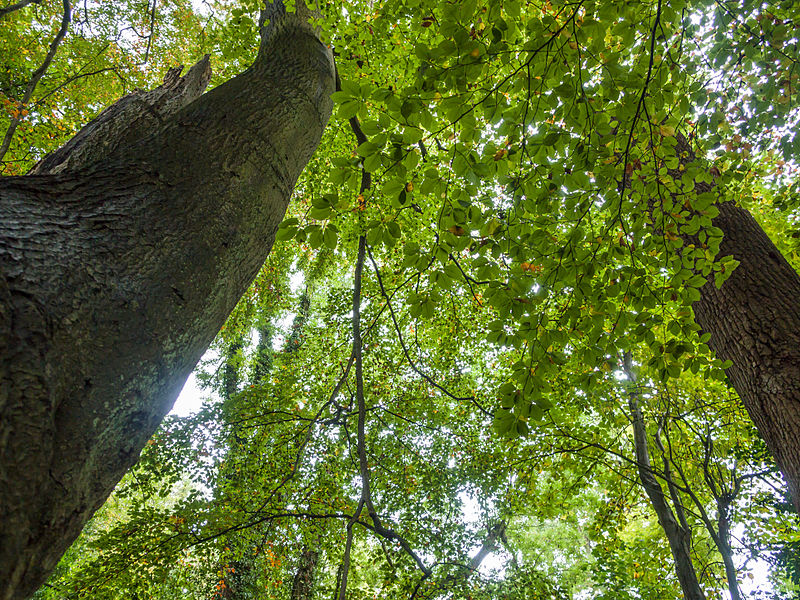
Closed-canopy forests are naturally occurring and are not necessarily bad. The thick shade cast by the upper canopy is very dense and prevents most understory growth. Over time closed-canopy forests will evolve and change – large trees or limbs come down in the wind, flooding occurs, lightning strikes, or diseases are introduced. Whatever the disturbance, the newly opened canopy once again helps move the ecosystem forward.

Disturbance by pruning

A client of ours lives on a beautiful property in a dry-mesic southern forest (a closed-canopy forest). Due to all the trees on the property, this client sought advice from arborists. The client’s smart choice lead us to an important solution.

Various large species of both white and red oaks dominate the overstory and upper emergent layers of the canopy. The trunks of these towering trees are far apart. Below these titan trees are some slightly shorter oaks, an american beech, and a few hickory species residing in the midstory. About 40 feet below are various types of moss, some stunted sedges, violets, forest grasses – a sparse herbaceous understory. Beyond that there were several patient serviceberries here and there, and a single red maple, about 1.5 inches in diameter and 15 feet tall at most.
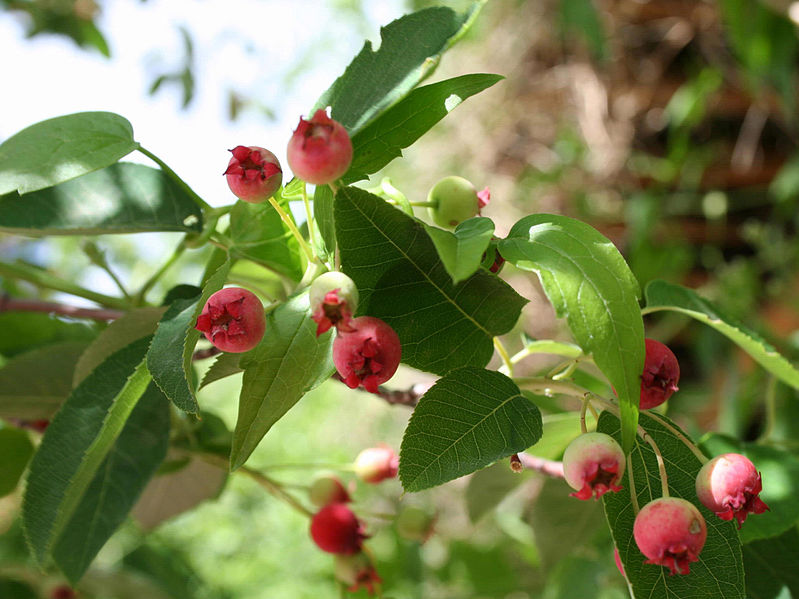
Allegheny serviceberry (Amelanchier laevis) – via wikimedia commons

The area has been undisturbed for a long time (it doesn’t even get mowed), and with the presence of oak wilt in southeast Michigan, we steered away from planting anywhere in the root zone, as it poses a risk for oak wilt infection. Sure, we could plant an over-designed landscape to be manicured, but we had other ideas in mind.

Direct application with two solutions

We asked the client how long ago the red maple and serviceberries volunteered themselves into their landscape. Together we traced the germination back to a wind event that knocked a large limb down years ago. The red maple and serviceberries popped up as a result of new sunlight, yet according to the client, these plants hadn’t grown much in height during the last decade or so. Why might this be? A mature plant can close holes in the canopy faster than lower story plants can, so they no longer receive as much light as they once had.

The next time a limb falls, the maple and serviceberries will have another explosive growth spurt. There are also other dormant seeds to germinate every time a disturbance like that occurs. This is an example of another natural phenomenon called forest succession. It is another way forest ecosystems change.

Planting foreign species in place of the native ones takes away important food sources and habitat for surrounding wildlife. So rather than planting cultivar clones and ecologically useless plants – plants that don’t support other lifeforms – into the existing ecosystem, we proposed we could either do strategic crown thinning or just wait for mother nature to do it for them.

Course of action

My associates and I operate on a “less is more” approach. Not touching this ecosystem is our alternative to modifying the canopy. Like a human patient undergoing surgery, cutting open any organism exposes it to infection. In time, either a natural disturbance will come through to modify the canopy, or the trees will naturally shed lower limbs on their own – a process called cladoptosis.
Strategic branch removal will open up the canopy, allowing more sunlight to the ground below, while keeping the trees looking true to their natural form. The climbing team would be using a type of pruning called refracturing. The openings will simulate a wind event disturbance. As a result, the plants that germinate will be the most competitive, hardy, resistant, and genetically up-to-date plants. This truly is “right plant, right place,” provided no invasive buckthorns pop up.

If the customer does want to go forward with disturbance-by-pruning, the proposal is to open the canopy during winter, as most of the canopy are oak trees. The risk of infecting these trees is reduced significantly by pruning in the winter when the vectors for oak wilt are dormant.

The canopy holes would be placed where the homeowner wants more trees. One benefit of pruning the trees is that disturbance is controlled, rather than a wind disturbance causing a chaotic breakage into the house, for example.

Observation would begin early the following spring. We will watch for germination; it’s expected that the plants that do germinate won’t survive the competition.

What’s important about any of this?

The arborist-homeowner relationship highlighted above is an exemplar of proper arboriculture. We offered expertise along with our services. The exchange saved the homeowner hundreds of upfront costs from the installation of a landscape, as well as future maintenance costs.

Assuming it isn’t under human-induced stress, no forest needs human intervention. In this project, we would want to see natural phenomena form the landscape in this client’s yard. It is our preference to leave the current closed-canopy forest alone.

The benefits of using naturally occurring trees are plentiful. In general, up-to-date trees are more prepared for your ecosystem and support the wildlife that co-evolved with them. An ever-increasingly displaced wildlife population will happily occupy new habitat; they’re here too, after all.

———————

Jeremiah Sandler lives in southeast Michigan, has a degree in horticultural sciences, and is an ISA certified arborist. Follow him on Instagram: @jeremiahsandler
A Few Fun Facts About Pollen

Sexual reproduction in vascular plants requires producing and transporting pollen grains – the male gametophytes or sperm cells of a plant. These reproductive cells must make their way to the egg cells in or order to form seeds – plants in embryo. The movement of pollen is something we can all observe. It’s happening all around us on a regular basis. Any time a seed-bearing plant (also known as a spermatophyte) develops mature cones or flowers, pollen is on the move. Pollen is a ubiquitous and enduring substance and a fascinating subject of study. In case you don’t believe me, here are a few fun facts.

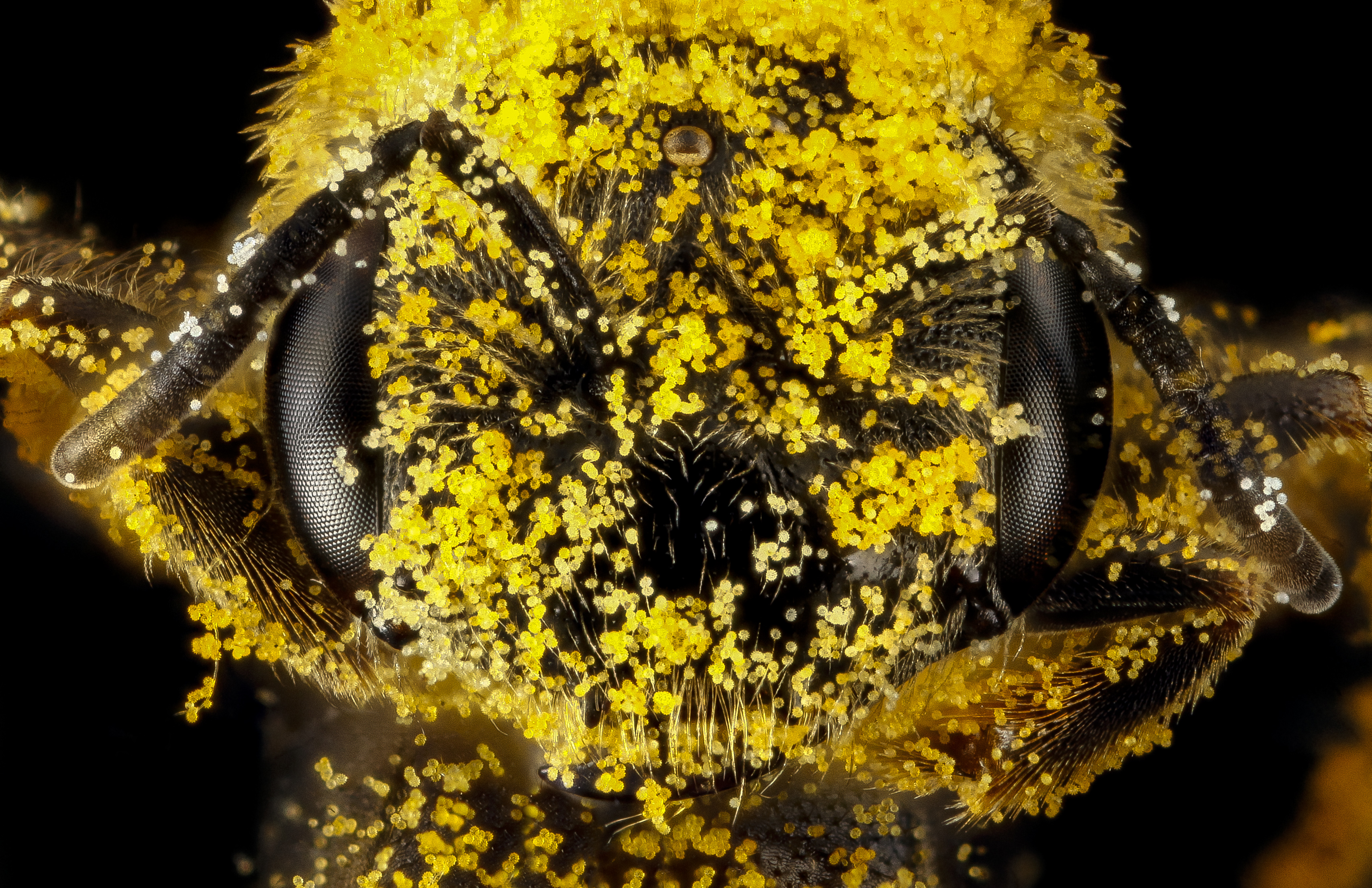
Bee covered in pollen – photo credit: wikimedia commons

Pollen is as diverse as the species that produce it. Pollen grains are measured in micrometers and are so tiny that the only reason we can see them with the naked eye is because they are often found en masse. Yet they are incredibly diverse in size, shape, and texture, and each plant species produces its own unique looking pollen. With the help of a good microscope, plants can even be identified simply by looking at their pollen. See images of the pollen grains of dozens of plant species here and here.

Pollen helps us answer questions about the past. Because pollen grains are so characteristic and because their outer coating (known as exine) is so durable and long-lasting, studying pollen found in sediments and sedimentary rocks helps us discover all sorts of things about deep time. The study of pollen and other particulates is called palynology. Numerous disciplines look to palynology to help them answer questions and solve mysteries. Its even used in forensics to help solve crimes. Criminals should be aware that brushing up against a plant in bloom may provide damning evidence.

Pollen oddities. While all pollen is different, some plants produce particularly unique pollen. The pollen grains of plants in the orchid and milkweed families, for example, are formed into united masses called pollinia. Each pollinium is picked up by pollinators and transferred to the stigmas of flowers as a single unit. A number of other species produce other types of compound pollen grains. The pollen grains of pines and other conifers are winged, and the pollen grains of seagrass species, like Zostera spp., are filamentous and said to hold the record for longest pollen grains.

The pollinia of milkweed (Asclepias spp.) look like the helicopter-esque fruits of maple trees. photo credit: wikimedia commons

Pollen tube oddities. In flowering plants, when pollen grains reach the stigma of a compatible flower, a vegetative cell within the grain forms a tube in order to transport the regenerative cells into the ovule. This tube varies in length depending on the length of the flower’s style. Because corn flowers produce such long styles (also know as corn silk), corn pollen grains hold the record for longest pollen tube, which can measure 12 inches or more. Species found in the mallow, gourd, and bellflower families produce multiple pollen tubes per pollen grain. Hence, their pollen is said to be polysiphonous.

Pollen is transported in myriad ways. Plants have diverse ways of getting their pollen grains where they need to be. Anemophilous plants rely on wind and gravity. They produce large quantities of light-weight pollen grains that are easily dislodged. Most of this pollen won’t make it, but enough of it will to make this strategy worth it. Hydrophilous plants use water and, like wind pollinated plants, may produce lots of pollen due to the unpredictably of this method. Some hydrophilous plants transport their pollen on the surface of the water, while others are completely submerged during pollination.

Employing animals to move pollen is a familiar strategy. Entomophily (insect pollination) is the most common, but there is also ornithophily (bird pollination) and chiropterophily (bat pollination), among others. Plants that rely on animals for pollination generally produce pollen grains that are sticky and nutritious. They attract animals using showy flowers, fragrance, and nectar. The bodies of pollinating insects have modifications that allow them to collect and transport pollen. Certain bees, like honey bees and bumblebees, have pollen baskets on their hind legs, while other bees have modified hairs called scopae on certain parts of their bodies.

Pollen is edible. Some animals – both pollinating and non-pollinating – use pollen as a food source. Animals that eat pollen are palynivores. Bees, of course, eat pollen, but lots of other insects do, too. Even some spiders, which are generally thought of as carnivores, have been observed eating pollen that gets trapped in their webs.

Pollen is thought to be highly nutritious for humans as well, and so, along with being taken as a supplement, it is used in all sorts of food products. To collect pollen, beekeepers install pollen traps on their beehives that strip incoming worker bees of their booty. Pollen from various wind pollinated plants, like cattails and pine trees, are also collected for human consumption. For example, a Korean dessert called dasik is made using pine pollen.

pine pollen – photo credit: wikimedia commons

Pollen makes many people sick. Hay fever is a pretty common condition and is caused by an allergy to wind-borne pollen. This condition is also known as pollinosis or allergic rhinitis. Not all flowering plants are to blame though, so here is a list of some of the main culprits. Because so many people suffer from hay fever, pollen counts are often included in weather reports. Learn more about what those counts mean here.

Related Posts: 

Dischidia and Its Self-contained Watering System

This is a guest post by Jeremiah Sandler.

———————

I was doing some sunday reading in a plant biology textbook, a section about leaves. It was highlighting leaf-specific adaptations and other cool leaf specializations. I came across a paragraph about a “flower-pot” leaf, and my mind was so blown after reading it I had to literally stand up.

It reads:

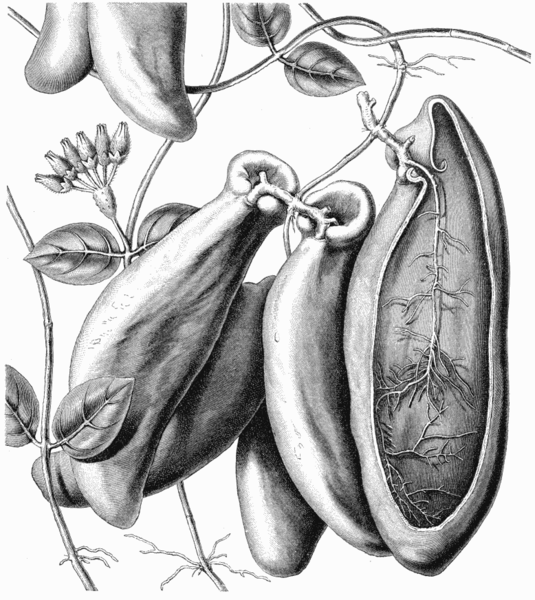
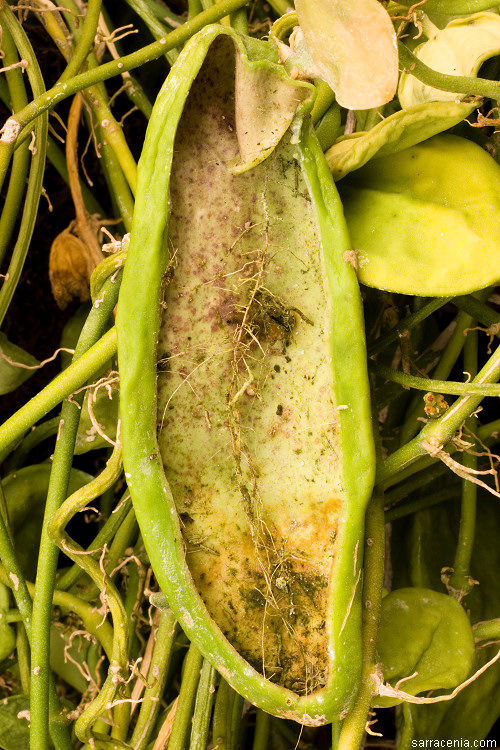
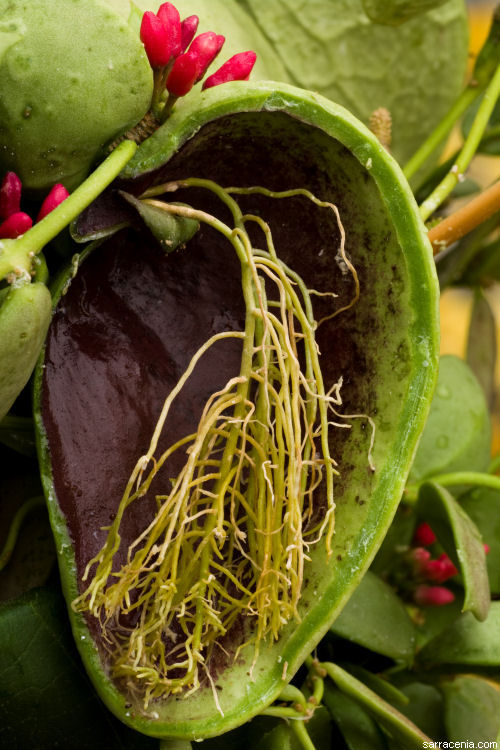
Some leaves of the Dischidia [genus], an epiphyte from Australasia, develop into urnlike pouches that become the home of ant colonies. The ants carry in soil and add nitrogeneous wastes, while moisture collects in the leaves through condensation of the water vapor coming from the mesophyll through stomata. This creates a good growing medium for roots, which develop adventitiously from the same node as the leaf and grow down into the soil contained in the urnlike pouch. In other words, this extraordinary plant not only reproduces itself by conventional means but also, with the aid of ants, provides its own fertilized growing medium and flower pots and then produces special roots, which “exploit” the situation.

Naturally I had to look up images of this plant because that’s amazing.

Illustration of Dischidia major (image credit: wikimedia commons)

Dischidia major – cross section of “flower-pot” leaf (photo credit: eol.org)

Dischidia vidalii– cross section of “flower-pot” leaf (photo credit: eol.org)

In shorter words, the plant grows modified leaves that form a little cavity, within which ants live. The ants incidentally carry soil into the cavity, while fertilizing that soil with their waste. The stomata are located on the insides of these cavities, which expel water from the leaves, where it then waters the soil that is located inside the leaves. Not to mention, the outside of those cavities are photosynthesizing all the while.

So, with the help of ants, an epiphytic Dischidia has evolved leaves to bring the soil to itself up in the trees, where it fertilizes and waters itself? SAY WHAT?! That is so damn cool.


Resources:

Botany in Popular Culture: Laura Veirs

I love music for its ability to conjure up emotions, create a mood, and inspire action. The music of Laura Veirs has always inspired me to get out into nature and be more observant of the wild things around me. Her music is rich with emotions, and I feel those, too. However, when I think of her music, I can’t escape images of the natural world and the creatures that inhabit it.

Found within her nature-centric lyrics are, of course, numerous botanical references. After all, plants and their actions make excellent subject matter for all types of art. And with that in mind, Veirs asks rhetorically in the song Rapture, “Doesn’t the tree write great poetry?”

When it comes to botanical references, the song that jumps first to mind is Lonely Angel Dust, starting off right away with these lyrics: “The rose is not afraid to blossom / though it knows its petals must fall / and with its petals fall seeds into soil / Why toil to contain it all? / Why toil at all?” Plants produce seeds in abundance, as mentioned in Shadow Blues: “Thousand seeds from a flower blowing through the night.” And, as in Where Are You Driving?, they’re seeking a suitable spot to plant themselves: “Through clouds of dandelions / seeds sailing out on the wind / hoping you’ll be the one to plant yourself on in.”


Flowers come up often in the songs of Laura Veirs. In White Cherry, “cherry trees take to bloom.” In Nightingale, “her heart a field in bloom.” In Make Something Good, “an organ pipe in a cathedral / that stays in tune through a thousand blooms.” In Sun is King, “innocent as a summer flower.” In Cast a Hook, “with watery cheeks down flowered lanes.” In Life Is Good Blues, “Messages you sent to Mars came from a crown of flowers.” Grass and weeds get a few mentions, too. In Summer Is the Champion, “let’s get dizzy in the grass.” In Life Is Good Blues, “tender green like the shoots of spring / unfurling on the lawn.”

Trees are the real stars, though. Veirs makes frequent references to trees and their various parts. This makes sense, as trees are real forces of nature. So much happens in, on, and around them, and images of the natural world can feel barren without them. First there is their enormousness, as in Black Butterfly, “evergreen boughs above me tower / were singing quiet stories about forgiveness, ” and Don’t Lose Yourself, “we slept in the shadow of a cedar tree.” Then there is their old age, as in Where Are You Driving?, “tangled up in the gnarled tree,” and When You Give Your Heart, “falling through the old oak tree.” There is also their utility, mentioned in Make Something Good, “I wanted to make something sweet / the blood inside a maple tree / the sunlight trapped inside the wood / make something good.” And then, of course, there is the fruit they bear, as in July Flame, “sweet summer peach / high up in the branch / just out of my reach,” and then in Wandering Kind, “a strange July / a storm came down / from the North and pulled out the salt / and it tore out the leaves from the pear tree / my canopy.”

Many of Veirs songs create scenes and tell stories of being in the wilderness among rivers, lakes, mountains, and caves. Chimney Sweeping Man, for example, is a “forest resident” who “walks[s] quiet through the forest like a tiny, quiet forest mouse.” In Snow Camping, Veirs tells a story about sleeping in a snow cave in the forest, where “a thousand snowflakes hovered,” “a distant songbird [was] singing,” and “the weighted trees” were her “only home.” But sometimes those forests burn, which is captured in Drink Deep: “Now the raging of the forest fires end / and all the mammals fled / I smell in the charred darkness / a little green / a little red.” Later in the song: “the fire closed his eyes / tipped his flame hat and slipped through the dire rye / we wandered romantic / we scattered dark branches / with singing green stars as our guide.”

Nature can also be empowering, and Veirs often refers to things in the natural world as metaphors or similes for the human experience. In Cast a Hook, Veirs adamantly asserts, “I’m not dead, not numb, not withering / like a fallen leaf who keeps her green.” This line comes up again in Saltbreakers: “You cannot burn me up / I’m a fallen leaf who keeps her green.” In Lake Swimming, Veirs addresses change and how some of life’s changes may wound us but we can still shine – “shucking free our deadened selves / like snakes and corn do / … / Old butterfly / I’ll dance with you / though our wings may crumble / we can float like ash / broken but the edges still shine.”


The botanical references Veirs makes in her songs are not the only things that excite me. Birds, insects, mammals, fish, and worms all find a place in Veirs’ lyrics. This is why, after more than a decade of listening to her songs, I find myself coming back to them again and again. There is a sort of kinship we feel for each other when we share in common a love of the natural world. I find that in the music of Laura Veirs.

More Botany in Popular Culture Posts:

When Urban Pollinator Gardens Meet Native Plant Communities

Public concern about the state of bees and other pollinating insects has led to increased interest in pollinator gardens. Planting a pollinator garden is often promoted as an excellent way for the average person to help protect pollinators. And it is! However, as with anything in life, there can be downsides.

In many urban areas, populations of native plants remain on undeveloped or abandoned land, in parks or reserves, or simply as part of the developed landscape. Urban areas may also share borders with natural areas, the edges of which are particularly prone to invasions by non-native plants. Due to human activity and habitat fragmentation, many native plant populations are now threatened. Urban areas are home to the last remaining populations of some of these plants.

Concern for native plant populations in and around urban areas prompted researchers at University of Pittsburgh to review some of the impacts that urban pollinator gardens may have and to develop a “roadmap for research” going forward. Their report was published earlier this year in New Phytologist.

Planting a wildflower seed mix is a simple way to establish a pollinator garden, and such mixes are sold commercially for this purpose. Governmental and non-governmental organizations also issue recommendations for wildflower, pollinator, or meadow seed mixes. With this in mind, the researchers selected 30 seed mixes “targeted for urban settings in the northeastern or mid-Atlantic USA” to determine what species are being recommended for or commonly planted in pollinator gardens in this region. They also developed a “species impact index” to assess “the likelihood a species would impact remnant wild urban plant populations.”

A total of 230 species were represented in the 30 seed mixes. The researchers selected the 45 most common species for evaluation. Most of these species (75%) have generalized pollination systems, suggesting that there is potential for sharing pollinators with remnant native plants. Two-thirds of the species had native ranges that overlapped with the targeted region; however, the remaining one-third originated from Europe or western North America. The native species all had “generalized pollination systems, strong dispersal and colonization ability, and broad environmental tolerances,” all traits that could have “high impacts” either directly or indirectly on remnant native plants. Other species were found to have either high dispersal ability but low chance of survival or low dispersal ability but high chance of survival.

This led the researchers to conclude that “the majority of planted wildflower species have a high potential to interact with native species via pollinators but also have the ability to disperse and survive outside of the garden.” Sharing pollinators is especially likely due to super-generalists like the honeybee, which “utilizes flowers from many habitat types.” Considering this, the researchers outlined “four pollinator-mediated interactions that can affect remnant native plants and their communities,” including how these interactions can be exacerbated when wildflower species escape gardens and invade remnant plant communities.

photo credit: wikimedia commons

The first interaction involves the quantity of pollinator visits. The concern is that native plants may be “outcompeted for pollinators” due to the “dense, high-resource displays” of pollinator gardens. Whether pollinator visits will increase or decrease depends on many things, including the location of the gardens and their proximity to native plant communities. Pollinator sharing between the two has been observed; however, “the consequences of this for effective pollination of natives are not yet understood.”

The second interaction involves the quality of pollinator visits. Because pollinators are shared between native plant communities and pollinator gardens, there is a risk that the pollen from one species will be transferred to another species. High quantities of this “heterospecific pollen” can result in reduced seed production. “Low-quality pollination in terms of heterospecific pollen from wildflower plantings may be especially detrimental for wild remnant species.”

The third interaction involves gene flow between pollinator gardens and native plant communities. Pollen that is transferred from closely related species (or even individuals of the same species but from a different location) can have undesired consequences. In some cases, it can increase genetic variation and help address problems associated with inbreeding depression. In other cases, it can introduce traits that are detrimental to native plant populations, particularly traits that disrupt adaptations that are beneficial to surviving in urban environments, like seed dispersal and flowering time. Whether gene flow between the two groups will be positive or negative is difficult to predict, and “the likelihood of genetic extinction versus genetic rescue will depend on remnant population size, genetic diversity, and degree of urban adaptation relative to the planted wildflowers.”

The fourth interaction involves pathogen transmission via shared pollinators. “Both bacterial and viral pathogens can be transmitted via pollen, and bacterial pathogens can be passed from one pollinator to another.” In this way, pollinators can act as “hubs for pathogen exchange,” which is especially concerning when the diseases being transmitted are ones for which the native plants have not adapted defenses.

photo credit: wikimedia commons

All of these interactions become more direct once wildflowers escape gardens and establish themselves among the native plants. And because the species in wildflower seed mixes are selected for their tolerance of urban conditions, “they may be particularly strong competitors with wild remnant populations,” outcompeting them for space and resources. On the other hand, the authors note that, depending on the species, they may also “provide biotic resistance to more noxious invaders.”

All of these interactions require further investigation. In their conclusion, the authors affirm, “While there is a clear potential for positive effects of urban wildflower plantings on remnant plant biodiversity, there is also a strong likelihood for unintended consequences.” They then suggest future research topics that will help us answer many of these questions. In the meantime, pollinator gardens should not be discouraged, but the plants (and their origins) should be carefully considered. One place to start is with wildflower seed mixes, which can be ‘fine-tuned’ so that they benefit our urban pollinators as well as our remnant native plants. Read more about plant selection for pollinators here.

The Agents That Shape the Floral Traits of Sunflowers

Flowers come in a wide array of shapes, sizes, colors, and scents. Their diversity is downright astounding. Each individual species of flowering plant has its own lengthy story to tell detailing how it came to look and act the way it does. This is its evolutionary history. Unraveling this history is a nearly insurmountable task, but one that scientists continue to chip away at piece by piece.

In the case of floral traits – particularly for flowers that rely on pollinators to produce seeds – it is safe to say that millennia of interactions with floral visitors have helped shape not only the way the flower looks, but also the nature of its nectar and pollen. However, flowers are “expensive” to make and maintain, so even though they are necessary for reproduction, plants must find a balance between that and allocating resources for defense – against both herbivory and disease – and growth. This balance can differ depending on a plant’s life history – whether it is annual or perennial. An annual plant has one shot at reproduction, so it can afford to funnel much of its energy there. If a perennial is unsuccessful at reproduction one year, there is always next year, as long as it has allocated sufficient resources towards staying alive.

Where a plant exists in the world also influences how it looks. Abiotic factors like temperature, soil type, nutrient availability, sun exposure, and precipitation patterns help shape, through natural selection, many aspects of a plant’s anatomy and physiology, including the structure and composition of its flowers. Additional biotic agents like nectar robbersflorivores, and pathogens can also influence certain floral traits.

This is the background that researchers from the University of Central Florida and University of Georgia drew from when they set out to investigate the reasons for the diverse floral morphologies in the genus Helianthus. Commonly known as sunflowers, Helianthus is a familiar genus consisting of more than 50 species, most of which are found across North America. The genus includes both annuals and perennials, and all but one species rely on cross-pollination to produce viable seeds. Pollination is mainly carried out by generalist bees.

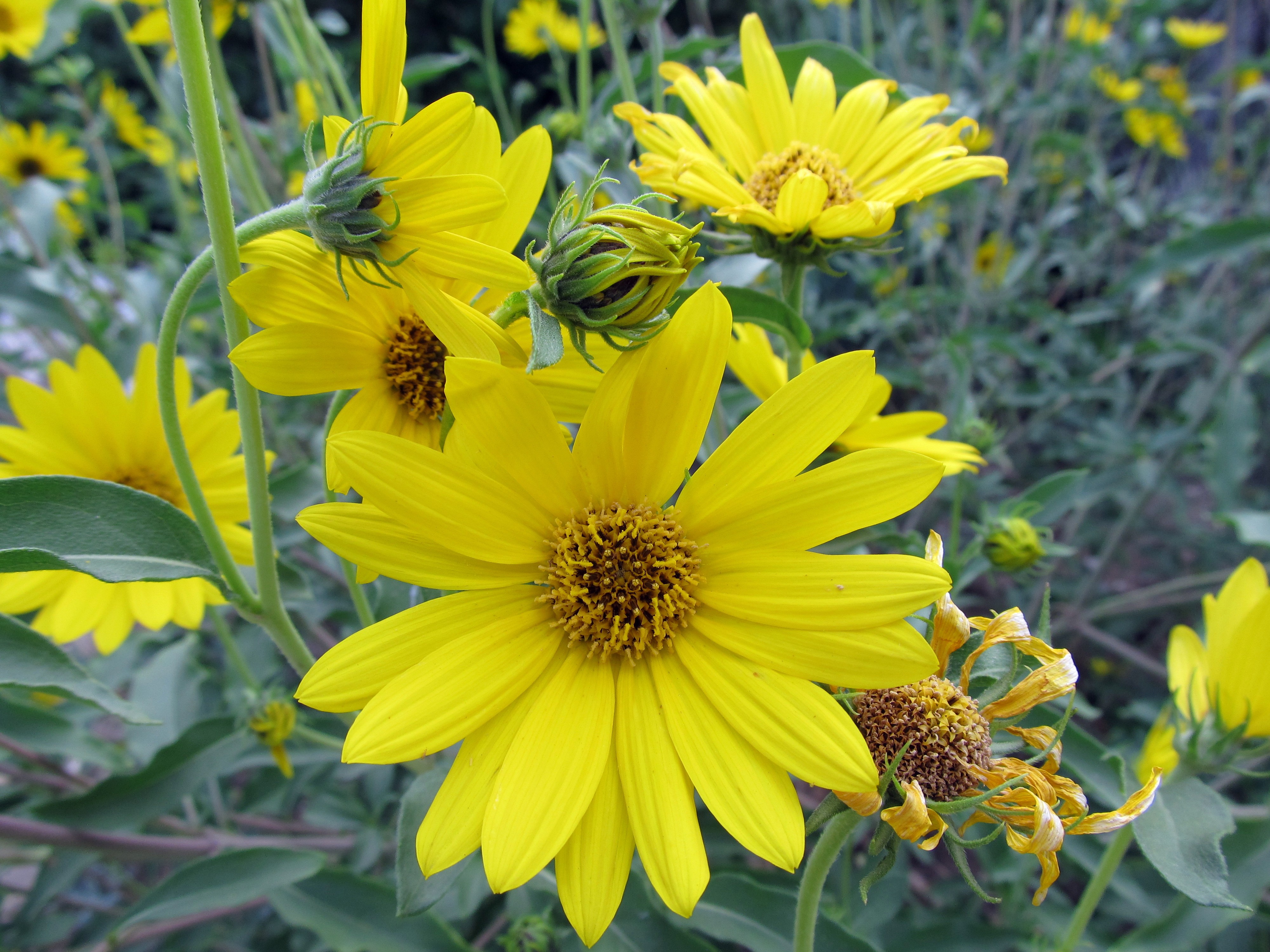
Maximilian sunflower (Helianthus maximiliani)

Helianthus species are found in diverse habitats, including deserts, wetlands, prairies, rock outcrops, and sand dunes. Their inflorescences – characteristic of plants in the family Asteraceae – consist of a collection of small disc florets surrounded by a series of ray florets, which as a unit are casually referred to as a single flower. In Helianthus, ray florets are completely sterile and serve only to attract pollinators. Producing large and numerous ray florets takes resources away from the production of fertile disc florets, and sunflower species vary in the amount of resources they allocate for each floret form.

In a paper published in the July 2017 issue of Plant Ecology and Evolution, researchers selected 27 Helianthus species and one Phoebanthus species (a closely related genus) to investigate “the evolution of floral trait variation” by examining “the role of environmental variation, plant life history, and flowering phenology.” Seeds from multiple populations of each species were obtained, with populations being carefully selected so that there would be representations of each species from across their geographic ranges. The seeds were then grown out in a controlled environment, and a series of morphological and physiological data were recorded for the flowers of each plant. Climate data and soil characteristics were obtained for each of the population sites, and flowering period for each species was collected from various sources.

The researchers found “all floral traits” of the sunflower species to be “highly evolutionarily labile.” Flower size was found to be larger in regions with greater soil fertility, consistent with the resource-cost hypothesis which “predicts that larger and more conspicuous flowers should be selected against in resource-poor environments.” However, larger flower size had also repeatedly evolved in drier environments, which goes against this prediction. Apart from producing smaller flowers in dry habitats, flowering plants have other strategies to conserve water such as opening their flowers at night or flowering for a short period of time. Sunflowers do neither of these things. As the researchers state, “this inconsistency warrants consideration.”

The researchers speculate that “the evolution of larger flowers in drier environments” may be a result of fewer pollinators in these habitats “strongly favoring larger display sizes in self-incompatible species.” The flowers are big because they have to attract a limited number of pollinating insects. Conversely, flowers may be smaller in wetter environments because there is greater risk of pests and diseases. This is supported by the enemy-escape hypothesis – smaller flowers are predicted in places where there is increased potential for florivory and pathogens. Researchers found that lower disc water content had also evolved in wetter environments, which supports the idea that the plants may be defending themselves against flower-eating pests.

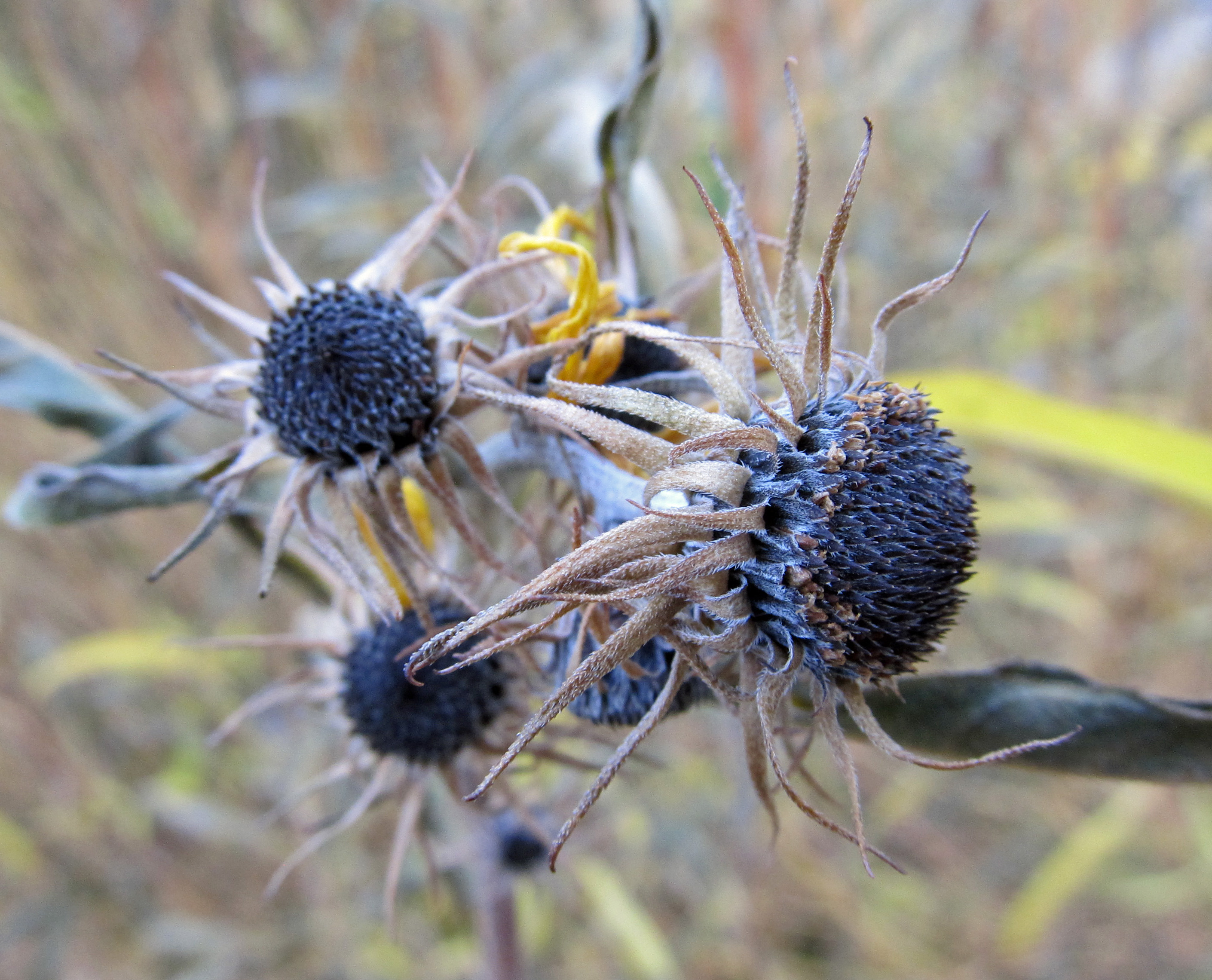
Seed heads of Maximilian sunflower (Helianthus maximiliani)

Another interesting finding is that, unlike other genera, annual and perennial sunflower species allocate a similar amount of resources towards reproduction. On average, flower size was not found to be different between annual and perennial species. Perhaps annuals instead produce more flowers compared to perennials, or maybe they flower for longer periods. This is something the researchers did not investigate.

Finally, abiotic factors were not found to have any influence on the relative investment of ray to disc florets or the color of disc florets. Variations in these traits may be influenced instead by pollinators, the “biotic factor” that is considered “the classic driver of floral evolution.” This is something that will require further investigation. As the researchers conclude, “determining the exact drivers of floral trait evolution is a complex endeavor;” however, their study found “reasonable support for the role of aridity and soil fertility in the evolution of floral size and water content.” Yet another important piece to the puzzle as we learn to tell the evolutionary history of sunflowers.

Highlights from the Alaska Invasive Species Workshop

This October 24-26th I was in Anchorage, Alaska for the 18th annual Alaska Invasive Species Workshop. The workshop is organized by the Committee for Noxious and Invasive Pests Management and University of Alaska Fairbanks Cooperative Extension. It is a chance for people involved in invasive species management in Alaska – or just interested in the topic – to learn about the latest science, policies, and management efforts within the state and beyond. I am not an Alaska resident – nor had I ever been there until this trip – but my sister lives there, and I was planning a trip to visit her and her family, so why not stop in to see what’s happening with invasive species while I’m at it?

What follows are a few highlights from each of the three days.

Day One

The theme of the workshop was “The Legacy of Biological Invasions.” Ecosystems are shaped by biotic and abiotic events that occurred in the past, both recent and distant. This is their legacy. Events that take place in the present can alter ecosystem legacies. Invasive species, as one speaker said in the introduction, can “break the legacy locks of an ecosystem,” changing population dynamics of native species and altering ecosystem functions for the foreseeable future. Alaska is one of the few places on earth that is relatively pristine, with comparably little human disturbance and few introduced species. Since they are at an early stage in the invasion curve for most things, Alaska is in a unique position to eradicate or contain many invasive species and prevent future introductions. Coming together to address invasive species issues and protect ecosystem legacies will be part of the human legacy in Alaska.

The keynote address was delivered by Jamie Reaser, Executive Director of the National Invasive Species Council and author of several books. She spoke about the Arctic and its vulnerability to invasive species due to increased human activity, climate change, and scant research. To address this and other issues in the Arctic, the Arctic Council put together the Arctic Biodiversity Assessment, and out of that came the Arctic Invasive Alien Species Strategy and Action Plan. Reaser shared some thoughts about how government agencies and conservation groups can come together to share information and how they can work with commercial industries to address the threat of invasive species. She stressed that Alaska can and should play a leadership role in these efforts.

Later, Reaser gave a presentation about the National Invasive Species Council, including its formation and some of the work that it is currently doing. She emphasized that invasive species are a “people issue” – in that the actions and decisions we make both create the problem and address the problem – and by working together “we can do this.”

Day Two

Most of the morning was spent discussing Elodea, Alaska’s first invasive, submerged, freshwater, aquatic plant. While it has likely been in the state for a while, it was only recognized as a problem within the last decade. It is a popular aquarium plant that has been carelessly dumped into lakes and streams. It grows quickly and tolerates very cold temperatures, photosynthesizing under ice and snow. It propagates vegetatively and is spread to new sites by attaching itself to boats and float planes. Its dense growth can crowd out native vegetation and threaten fish habitat, as well as make navigating by boat difficult and landing float planes dangerous. Detailed reports were given about how organizations across the state have been monitoring and managing Elodea populations, including updates on how treatments have worked so far and what is being planned for the future. A bioeconomic risk analysis conducted by Tobias Schwörer was a featured topic of discussion.

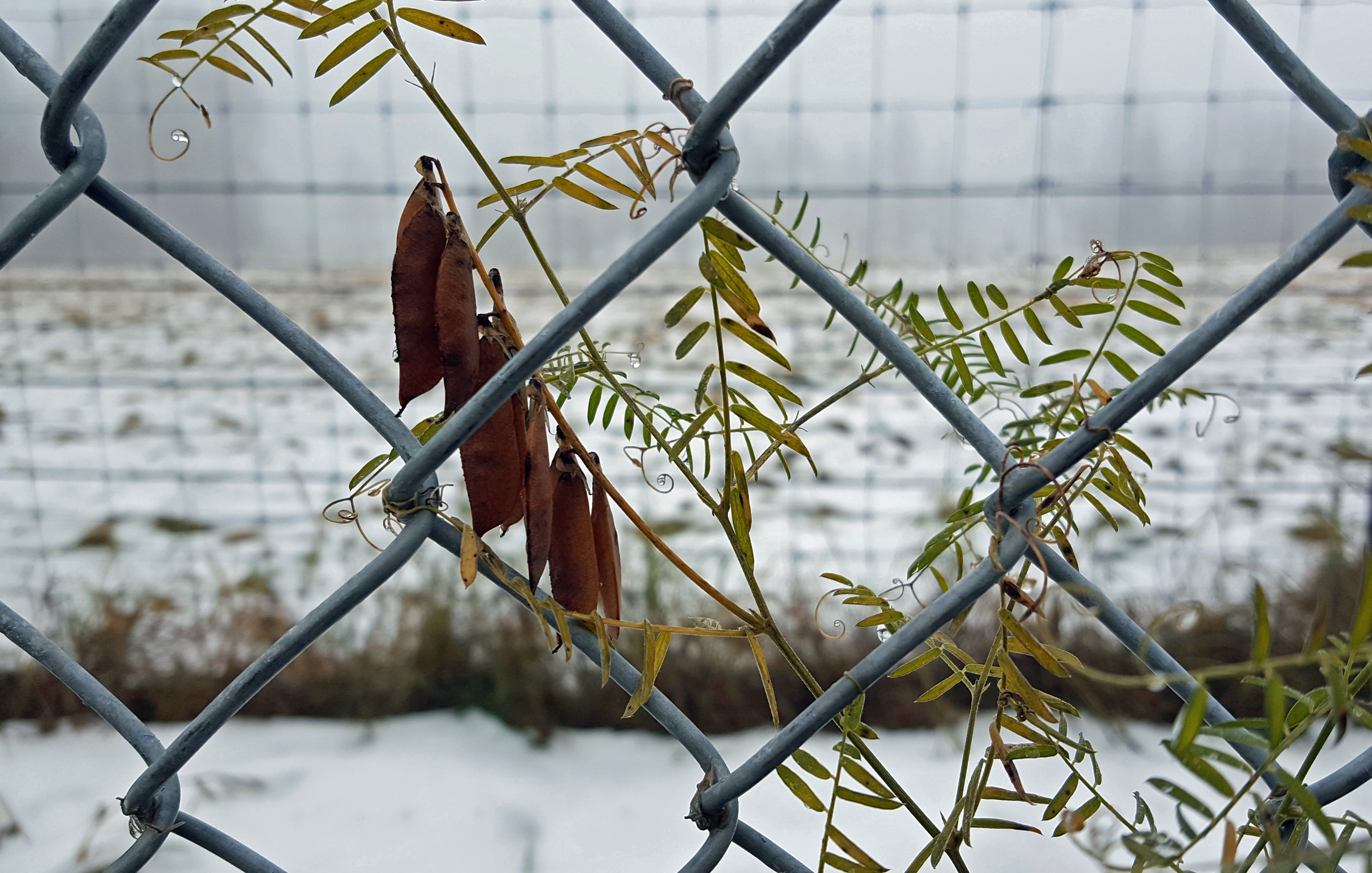
After lunch I took a short break from the conference to walk around downtown Anchorage, so I missed a series of talks about environmental DNA. I returned in time to hear an interesting talk about bird vetch (Vicia cracca). Introduced to Alaska as a forage crop, bird vetch has become a problematic weed on farms, orchards, and gardens as well as in natural areas. It is a perennial vine that grows quickly, produces copious seeds, and spreads rhizomatously. Researchers at University of Alaska Fairbanks found that compared to five native legume species, bird vetch produced twice the amount of biomass in the presence of both native and non-native soil microbes, suggesting that bird vetch is superior when it comes to nitrogen fixation. Further investigation found that, using only native nitrogen-fixing bacteria, bird vetch produced significantly more root nodules than a native legume species, indicating that it is highly effective at forming relationships with native soil microbes. Additional studies found that the ability of bird vetch to climb up other plants, thereby gaining access to more sunlight and smothering host plants, contributed to its success as an invasive plant.

 Seed pods of bird vetch (Vicia cracca) in Fairbanks, Alaska

Day Three

The final day of the workshop was a veritable cornucopia of topics, including risk assessments for invasive species, profiles of new invasive species, updates on invasive species control projects, discussions about early detection and rapid response (EDRR), and talks about citizen science and community involvement. My head was swimming with impressions and questions. Clearly there are no easy answers when it comes to invasive species, and like other complex, global issues (made more challenging as more players are involved), the increasingly deep well of issues and concerns to resolve is not likely to ever run dry.

Future posts will dig further into some of the discussions that were had on day three. For now, here are a few resources that I gathered throughout the workshop:

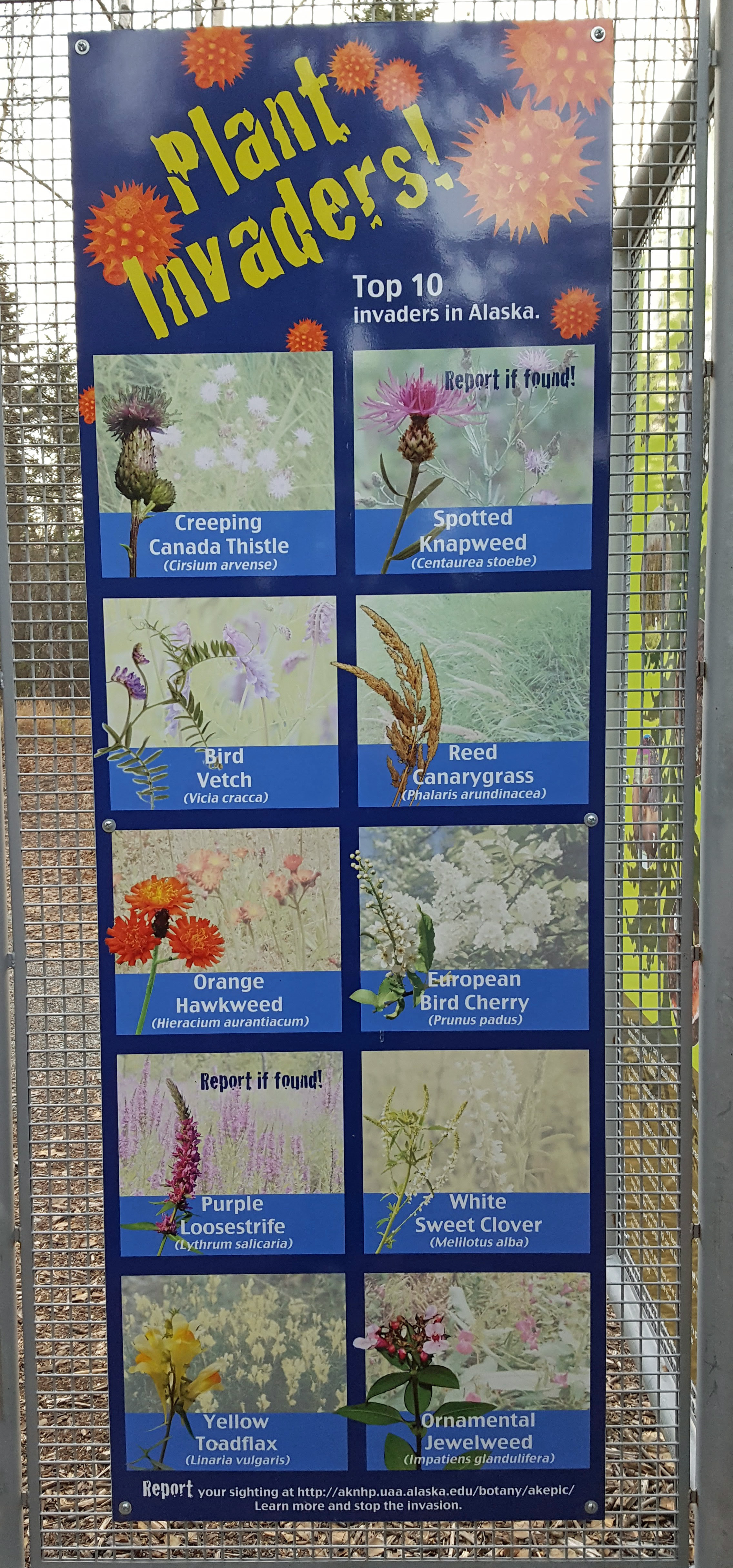
Interpretive sign at Alaska Botanical Garden in Anchorage, Alaska

Is There a Place for Weeds in Urban Ecosystems?

Highly urbanized areas have a long history of disturbance. They are a far cry from the natural areas they once displaced, bearing little resemblance to what was there before. In this sense, they are a brand new thing. During the urbanization process, virtually everything is altered – temperatures, soils, soil life, wind patterns, hydrology, carbon dioxide levels, humidity, light availability, nutrients. Add to that a changing climate and increased levels of a variety of  pollutants, and the hope of ever seeing such a site return to its original state – whatever that might mean – is crushed.

What then should we consider the natural flora of an ecosystem like this? Certainly it is not simply the native flora that once stood on the site before it was developed; virtually none of the conditions are the same anymore. If we define “natural” as existing with minimal human intervention, then the natural urban flora would be whatever grows wild outside of our manicured landscapes and managed, remnant natural areas. It would be a cosmopolitan mixture of plants that have joined us in our migrations with and without our permission, along with a collection of species that are either extant to the site or have been brought in by wildlife. In many ways it would mirror the human populations of our modern cities – an assortment of residents from around the globe with diverse backgrounds and cultural histories.

In Wild Urban Plants of the Northeast, Peter Del Tredici classifies urban land into three general categories based on their ecological functions: native, remnant landscapes; managed, constructed landscapes; and ruderal, adaptive landscapes. Native, remnant landscapes are generally small areas within city limits that have never been developed. They contain a portion of the native plants that once populated the area, and they require vigilant and regular maintenance to keep non-native plants from invading and to control those that already have. Managed, constructed landscapes include all of the parks and gardens that have been designed and intentionally planted. They require regular maintenance of varying intensity in order to keep them looking the way they are intended to look. Ruderal, adaptive landscapes are abandoned or neglected sites that are populated by plants that have arrived on their own and that maintain themselves with virtually no human intervention. This is where the true, wild urban flora resides.

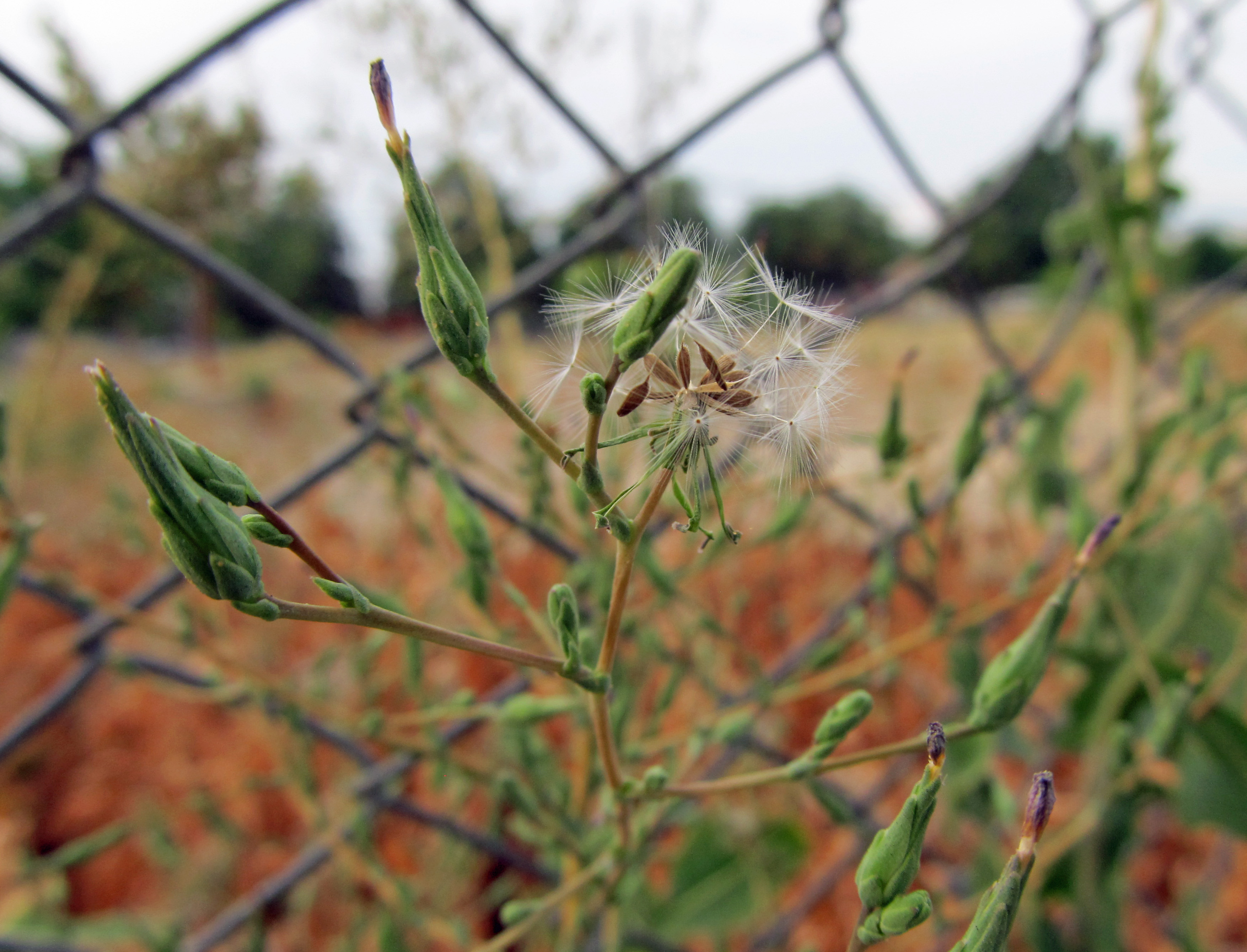
Prickly lettuce (Lactuca serriola) growing in an abandoned lot.

Many of the plants that make up our wild urban flora are what we commonly refer to as weeds. These weedy plants appear in landscapes throughout our cities, but efforts are generally made to remove or control them in all landscapes except the abandoned ones. It is in these neglected sites that weeds have the greatest potential to provide vital ecosystem services, performing ecological functions that are beneficial to urban life.

Not all plants are suited for this role. Spontaneous urban vegetation is particularly suited due to its ability to thrive in highly modified, urban environments without external management. Regardless of provenance, this suite of plants, as Del Tredici writes, seem to be “preadapted” to urban conditions and “are among the toughest on the planet.” A long list of traits has been identified for plants in this category, ranging from seed dispersal and viability to speed of growth and reproduction to tolerance of harsh conditions. In Del Tredici’s words, “a successful urban plant needs to be flexible in all aspects of its life history from seed germination through flowering and fruiting, opportunistic in its ability to take advantage of locally abundant resources that may be available for only a short time, and tolerant of the stressful growing conditions caused by an abundance of pavement and a paucity of soil.”

Abandoned lots flush with weeds, overgrown roadsides and railways, and neglected alleyways colonized by enterprising plants are generally seen as ugly, unsightly eyesores – products of neglect and decline. Some of the plants found in such locations are valued in a garden setting or prized as part of the native landscape in a natural area, but growing wildly among trash and decaying urban infrastructure they, too, are refuse. As Richard Mabey has written: “If plants sprout through garbage they become a kind of litter themselves. Vegetable trash.”

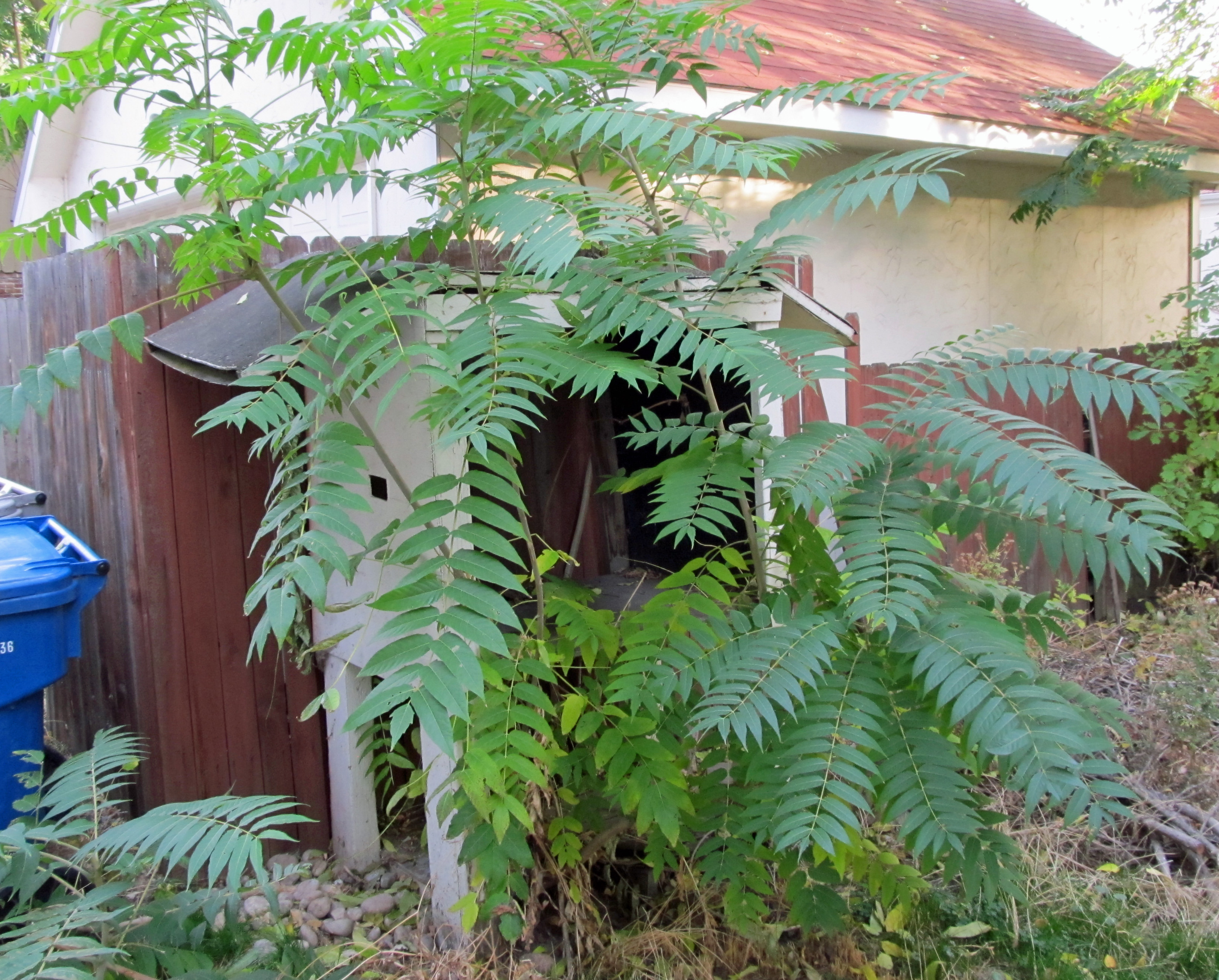
Abandoned chicken coop overtaken by tree of heaven saplings (Ailanthus altissima).

Despite how we feel about these plants or the aesthetics of the locations they find themselves in, they are performing valuable services. Along with increasing biodiversity, producing oxygen, and sequestering carbon – services that virtually all plants offer – they may be preventing soil erosion, stabilizing waterways, absorbing excess nutrients, reducing the urban heat island effect, mitigating pollution, building soil, and/or providing food and habitat for urban wildlife. While cultivated and managed landscapes can achieve similar things, these neglected sites are doing so without resource or labor inputs. They are sustainable in the sense that their ability to provide these services is ongoing without reliance on outside maintenance.

Sites like these should be further investigated to determine the full extent of the services that they may or may not be offering, and in the event that they are doing more good than harm, they should be conserved and encouraged. One service that is receiving more attention, as Del Tredici writes, is phytoremediation – “the ability of some plants to clean up contaminated sites by selectively absorbing and storing high concentrations of heavy metals such as cadmium, lead, copper, zinc, chromium, and nickel in their tissues.” Weed species with this ability include prickly lettuce (Lactuca serriola), lambsquarters (Chenopodium album), and mugwort (Artemisia vulgaris). In an article in Places Journal, Del Tredici gives the example of the often despised, introduced plant, common reed (Phragmites australis) cleaning up the New Jersey Meadowlands by “absorbing abundant excess nitrogen and phosphorous throughout this highly contaminated site.”

In the book, Weeds: In Defense of Nature’s Most Unloved Plants, Richard Mabey writes: “As we survey our long love-hate relationship with [weeds], it may be revealing to ponder where weeds belong in the ecological scheme of things. They seem, even from the most cursory of looks, to have evolved to grow in unsettled earth and damaged landscapes, and that may be a less malign role than we give them credit for.” Perhaps seeing them in this worthy role will temper our knee-jerk inclination to demonize them at every turn.

———————

See Also: Our Urban Planet and Wild Urban Plants of Boise.

Seagrass Meadows and Their Role in Healthy Marine Ecosystems

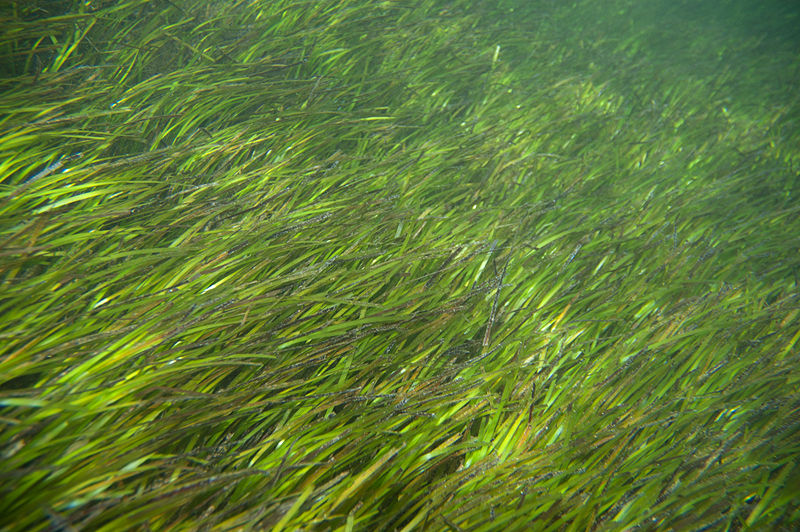
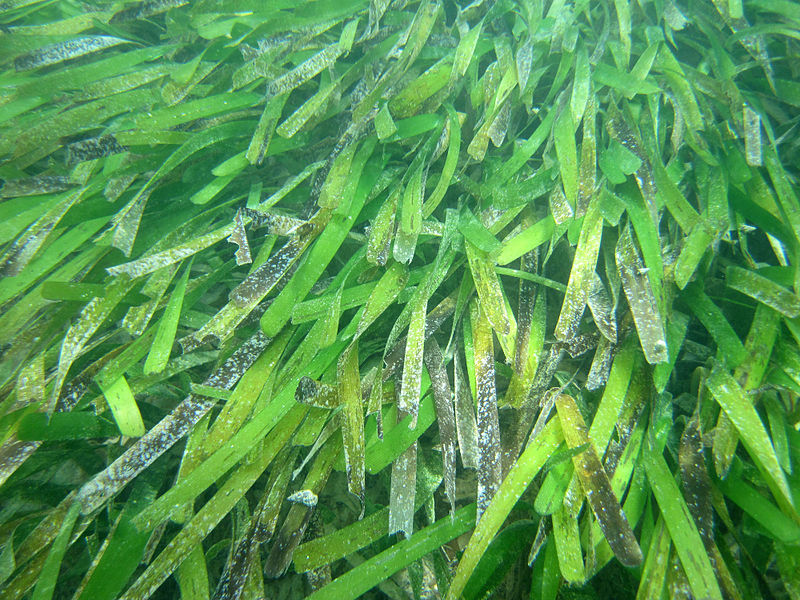
Seagrass meadows are found along soft-bottomed, shallow, marine coastlines of every continent except Antartica. Their abundance and the important roles they play earn them the title of third most valuable ecosystem on the planet after estuaries and wetlands. These extensive meadows are made up of a group of flowering plants that are unique in their ability to thrive submerged in salty seawater. Tossed about by the tides, they feed and harbor an incredibly diverse world of marine life and help protect neighboring ecosystems by stabilizing sediments and mitigating pollution.

Seagrasses are often confused with seaweed, but they are very different organisms. Seaweed is algae. Seagrasses are plants that at one point in their evolutionary history lived on land but then retreated back into the waters of their ancient ancestors. They are rooted in the sediment of the sea floor and, depending on the species, can reproduce both sexually (submerged flowers are pollinated with the help of moving water) and/or asexually (via rhizomes). Although many of them have a grass-like appearance, none of them are in the grass family (Poaceae); instead, the approximately 72 different species belong to one of four families (Posidoniaceae, Zosteraceae, Hydrocharitaceae, or Cymodoceaceae).

Seagrass meadow in Wakaya, Fiji (photo credit: wikimedia commons)

Seagrass meadows can be composed of a single seagrass species or multiple species, with some meadows consisting of a dozen species or more. Seagrasses depend on light for photosynthesis, so they generally occur in shallow areas. How far seagrass meadows extend out into the ocean depends on light availability and the shade tolerance of the seagrass species. Their presence at the shoreline is limited naturally by how exposed they become at low tide, the frequency and strength of waves and associated turbidity, and low salinity from incoming fresh water.

Seagrass meadows benefit life on earth in many ways. As ecosystem engineers they create habitat and produce food for countless species, sequester a remarkable amount of carbon, and help maintain the health of neighboring estuaries, mangroves, coral reefs, and other ecosystems. They are home to commercial fisheries, which provide food for billions of people. Like many ecosystems on the planet, they are threatened by human activity. Pollution, development, recreation, and climate change jeopardize the health and existence of seagrass meadows. Thus, it is imperative that we learn as much as we can about them so that we are better equipped to protect them.

Turtle grass (Thalassia testudinum) growing in an estuary on the coast of San Salvador Island, Bahamas (photo credit: wikimedia commons)

In a report published in a February 2017 issue of Science, researchers examined the ability of seagrass meadows in Indonesia to remove microbial pathogens deposited into the sea via wastewater. When levels of the bacterial pathogen Enterococcus were compared between seagrass meadows and control sites, a three-fold difference was detected, with the seagrass meadows harboring the lowest levels. When other potential disease-causing bacteria were considered, the researchers found that “the relative abundance of bacterial pathogens in seawater” was 50% lower in both the intertidal flat and the coral reefs found within and adjacent to the seagrass meadows compared to control sites.

This has implications for the health of both humans and coral reefs, the latter of which face many threats including bacterial diseases. Two important coral reef diseases, white syndrome and black band disease, as well as signs of mortality associated with bleaching and sediment deposition “were significantly less on reefs adjacent to seagrass meadows compared to paired reefs,” according to the report.

Cushion sea star in seagrass meadow (photo credit: wikimedia commons)

The researchers note that “seagrasses are valued for nutrient cycling, sediment stabilization, reducing the effects of carbon dioxide elevation, and providing nursery habitat for fisheries.” The results of this study demonstrate the potential for seagrass meadows to “significantly reduce bacterial loads,” benefiting “both humans and other organisms in the environment.” Yet another reason to care about and conserve this vital ecosystem.

Additional Resources on Seagrass and Seagrass Conservation:

And if that’s not enough, check out this fun YouTube video:

When Sunflowers Follow the Sun

Tropisms are widely studied biological phenomena that involve the growth of an organism in response to environmental stimuli. Phototropism is the growth and development of plants in response to light. Heliotropism, a specific form of phototropism, describes growth in response to the sun. Discussions of heliotropism frequently include sunflowers and their ability to “track the sun.” This conjures up images of a field of sunflowers in full bloom following the sun across the sky. However cool this might sound, it simply doesn’t happen. Young sunflowers, before they bloom, track the sun. At maturity and in bloom, the plants hold still.

What is happening in these plants is still pretty cool though, and a report published in an August 2016 issue of Science sheds some light on the heliotropic movements of young sunflowers. They begin the morning facing east. As the sun progresses across the sky, the plants follow, ending the evening facing west. Over night, they reorient themselves to face east again. As they reach maturity, this movement slows, and most of the flowers bloom facing east. Over a series of experiments, researchers were able to determine the cellular and genetic mechanisms involved in this spectacular instance of solar tracking.

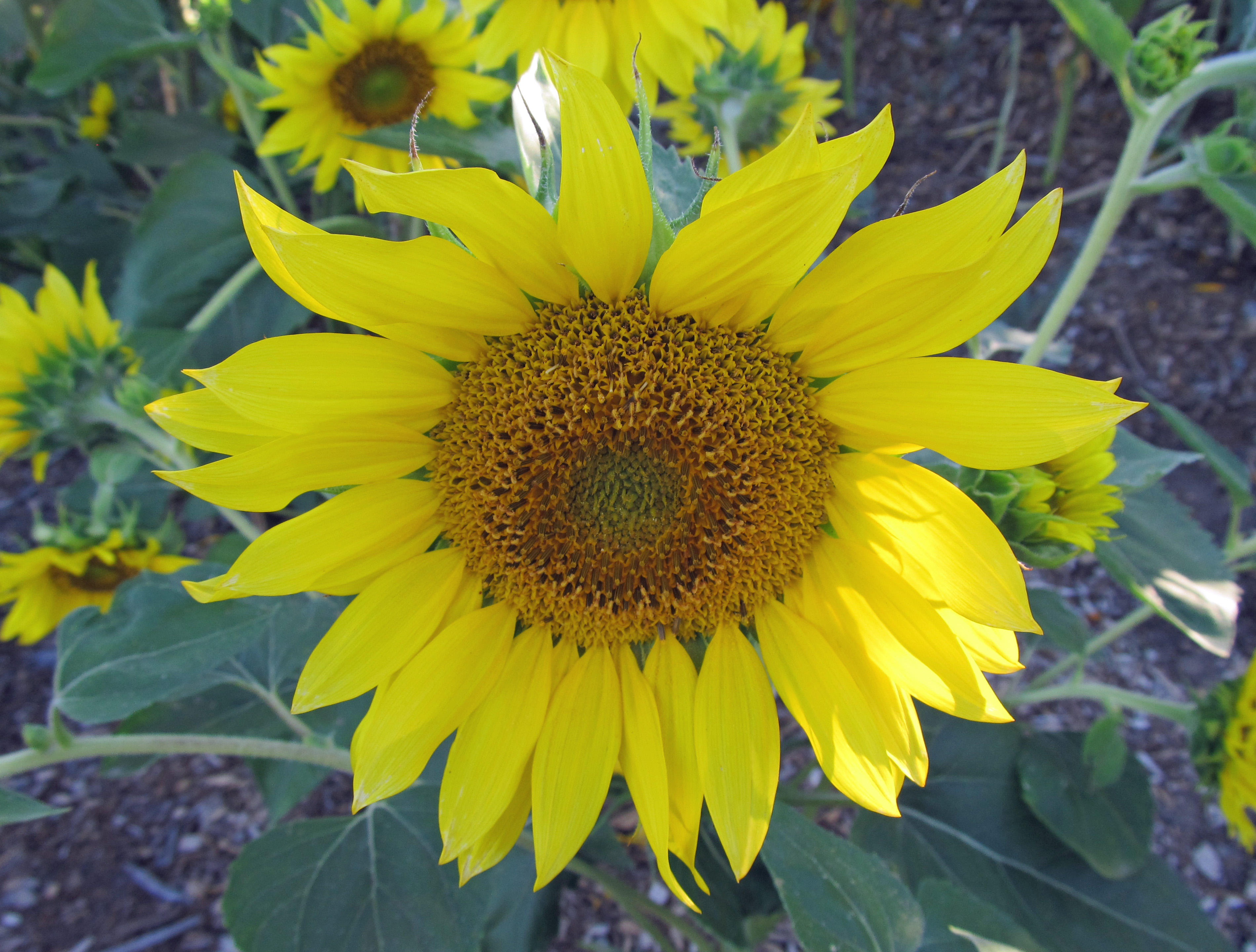
Helianthus annuus (common sunflower) is a native of North America, sharing this distinction with dozens of other members of this recognizable genus. It is commonly cultivated for its edible seeds (and the oil produced from them) as well as for its ornamental value. It is a highly variable species and hybridizes readily. Wild populations often cross with cultivated ones, and in many instances the common sunflower is considered a pesky weed. Whether crop, wildflower, or weed, its phototropic movements are easy to detect, making it an excellent subject of study.

Researchers began by tying plants to stakes so that they couldn’t move. Other plants were grown in pots and turned to face west in the morning. The growth of these plants was significantly stunted compared to plants that were not manipulated in these ways, suggesting that solar tracking promotes growth.

The researchers wondered if a circadian system was involved in the movements, and so they took sunflowers that had been growing in pots in a field and placed them indoors beneath a fixed overhead light source. For several days, the plants continued their east to west and back again movements. Over time, the movements became less detectable. This and other experiments led the researchers to conclude that a “circadian clock guides solar tracking in sunflowers.”

Another series of experiments helped the researchers determine what was happening at a cellular level that was causing the eastern side of the stem to grow during the day and the western side to grow during the night. Gene expression and growth hormone levels differed on either side of the stem depending on what time of day it was. In an online article published by University of California Berkeley, Andy Fell summarizes the findings: “[T]here appear to be two growth mechanisms at work in the sunflower stem. The first sets a basic rate of growth for the plant, based on available light. The second, controlled by the circadian clock and influenced by the direction of light, causes the stem to grow more on one side than another, and therefore sway east to west during the day.”

The researchers observed that as the plants reach maturity, they move towards the west less and less. This results in most of the flowers opening in an eastward facing direction. This led them to ask if this behavior offers any sort of ecological advantage. Because flowers are warmer when they are facing the sun, they wondered if they might see an increase in pollinator visits during morning hours on flowers facing east versus those facing west. Indeed, they did: “pollinators visited east-facing heads fivefold more often than west-facing heads.” When west-facing flowers where warmed with a heater in the morning, they received more pollinator visits than west-facing flowers that were not artificially warmed, “albeit [still] fewer than east-facing flowers.” However, increased pollinator visits may be only part of the story, so further investigations are necessary.

———————

I’m writing a book about weeds, and you can help. For more information, check out my Weeds Poll.