What Is a Plant, and Why Should I Care? part three

“If it wasn’t for the plants, and if it wasn’t for the invertebrates, our ancestors’ invasion of land could never have happened. There would have been no food on land. There would have been no ecosystems for them to populate. So really the whole ecosystem that Tiktaalik and its cousins were moving into back in the Devonian was a new ecosystem. … This didn’t exist a hundred million years before – shallow fresh water streams with soils that are stabilized by roots. Why? Because it took plants to do that – to make the [habitats] in the first place. So really plants, and the invertebrates that followed them, made the habitats that allowed our distant relatives to make the transition from life on water to life on land.” – Neil Shubin, author of Your Inner Fish, in an interview with Cara Santa Maria on episode 107 of her podcast, Talk Nerdy To Me

Plants were not the first living beings to colonize land – microorganisms have been terrestrial for what could be as long as 3.5 billion years, and lichens first formed on rocks somewhere between 550 and 635 million years ago – however, following in the footsteps of these other organisms, land plants paved the way for all other forms of terrestrial life as they migrated out of the waters and onto dry land.

The botanical invasion of land was a few billion years in the making and is worth a post of its own. What’s important to note at this point, is that the world was a much different place back then. For one, there was very little free oxygen. Today’s atmosphere is 21% oxygen; the first land plants emerged around 470 million years ago to an atmosphere that was composed of a mere 4% oxygen. Comparatively, the atmosphere back then was very carbon rich. Early plants radiated into numerous forms and spread across the land and, through processes like photosynthesis and carbon sequestration, helped to dramatically increase oxygen levels. A recent study found that early bryophytes played a major role in this process. The authors of this study state, “the progressive oxygenation of the Earth’s atmosphere was pivotal to the evolution of life.”
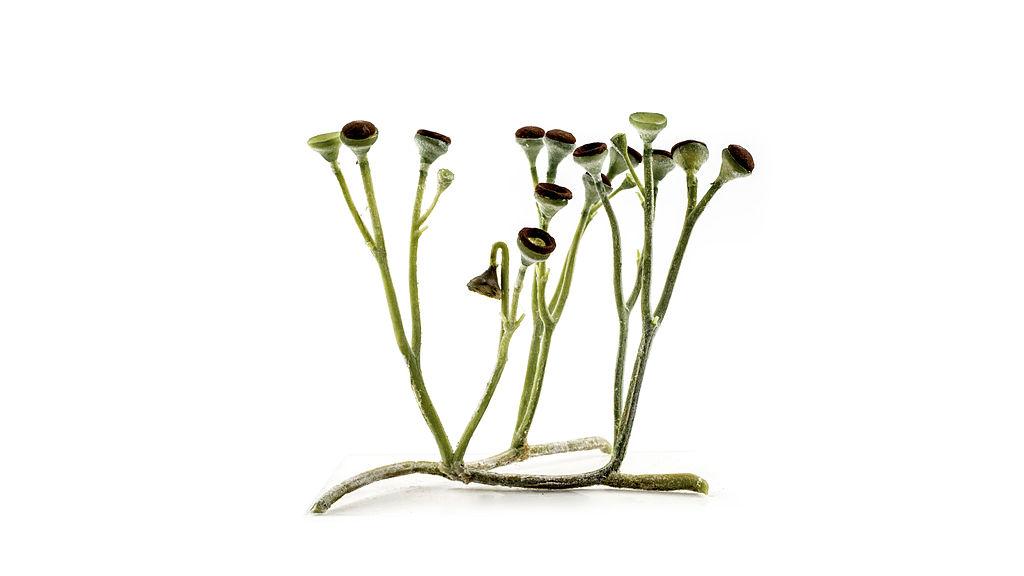
A recreation of a Cooksonia species - one of many early land plants. (photo credit: wikimedia commons)

A recreation of a Cooksonia species – one of many early land plants (photo credit: wikimedia commons)

The first land plants looked very different compared to the plants we are used to seeing today. Over the next few hundred million years plants developed new features as they adapted to life on land and to ever-changing conditions. Roots provided stability and access to water and nutrients. Vascular tissues helped transport water and nutrients to various plant parts. Woody stems helped plants reach new heights. Seeds offered an alternative means of preserving and disseminating progeny. Flowers – by partnering with animal life – provided a means of producing seeds without having to rely on wind, water, or gravity. And that’s just scratching the surface. Rooted in place and barely moving, if at all, plants appear inanimate and inactive, but it turns out they have a lot going on.

But what is a plant again? In part one and two, we listed three major features all plants have in common – multicellularity, cell walls composed of cellulose, and the ability to photosynthesize – and we discussed how being an autotroph (self-feeder/producer) sets plants apart from heterotrophs (consumers). Joseph Armstrong writes in his book, How the Earth Turned Green, “photosynthetic producers occupy the bottom rung of communities.” In other words, “all modern ecosystems rely upon autotrophic producers to capture energy and form the first step of a food chain because heterotrophs require pre-made organic molecules for energy and raw materials.”

So, why should we care about plants? Because if it wasn’t for them, there wouldn’t be much life on this planet to speak of, including ourselves.

Plants don’t just provide food though. They provide habitat as well. Plus they play major roles in the cycling of many different “nutrients,” including nitrogen, phosphorous, carbon, sulfur, etc. They are also a major feature in the water cycle. It is nearly impossible to list the countless, specific ways in which plants help support life on this planet, and so I offer two examples: moss and dead trees.

The diminutive stature of mosses may give one the impression that they are inconsequential and of little use. Not so. In her book, Gathering Moss, Robin Wall Kimmerer describes how mosses support diverse life forms:

There is a positive feedback loop created between mosses and humidity. The more mosses there are, the greater the humidity. More humidity leads inexorably to more mosses. The continual exhalation of mosses gives the temperate rain forest much of its essential character, from bird song to banana slugs. … Without mosses, there would be fewer insects and stepwise up the food chain, a deficit of thrushes.

Mosses are home to numerous invertebrate species. For many insects, mosses are a place to deposit their eggs and, consequentially, a place for their larvae to mature into adults. Banana slugs traverse the moss feeding on “the many inhabitants of a moss turf, and on the moss itself.” In the process they help to disperse the moss.

Moss is used as a nesting material by various species of birds, as well as squirrels, chipmunks, voles, bears, and other animals. Patches of moss can also function as “nurseries for infant trees.” In some instances, mosses inhibit seed germination, but they can also help protect seeds from drying out or being eaten. Kimmerer writes, “a seed falling on a bed of moss finds itself safely nestled among leafy shoots which can hold water longer than the bare soil and give it a head start on life.”
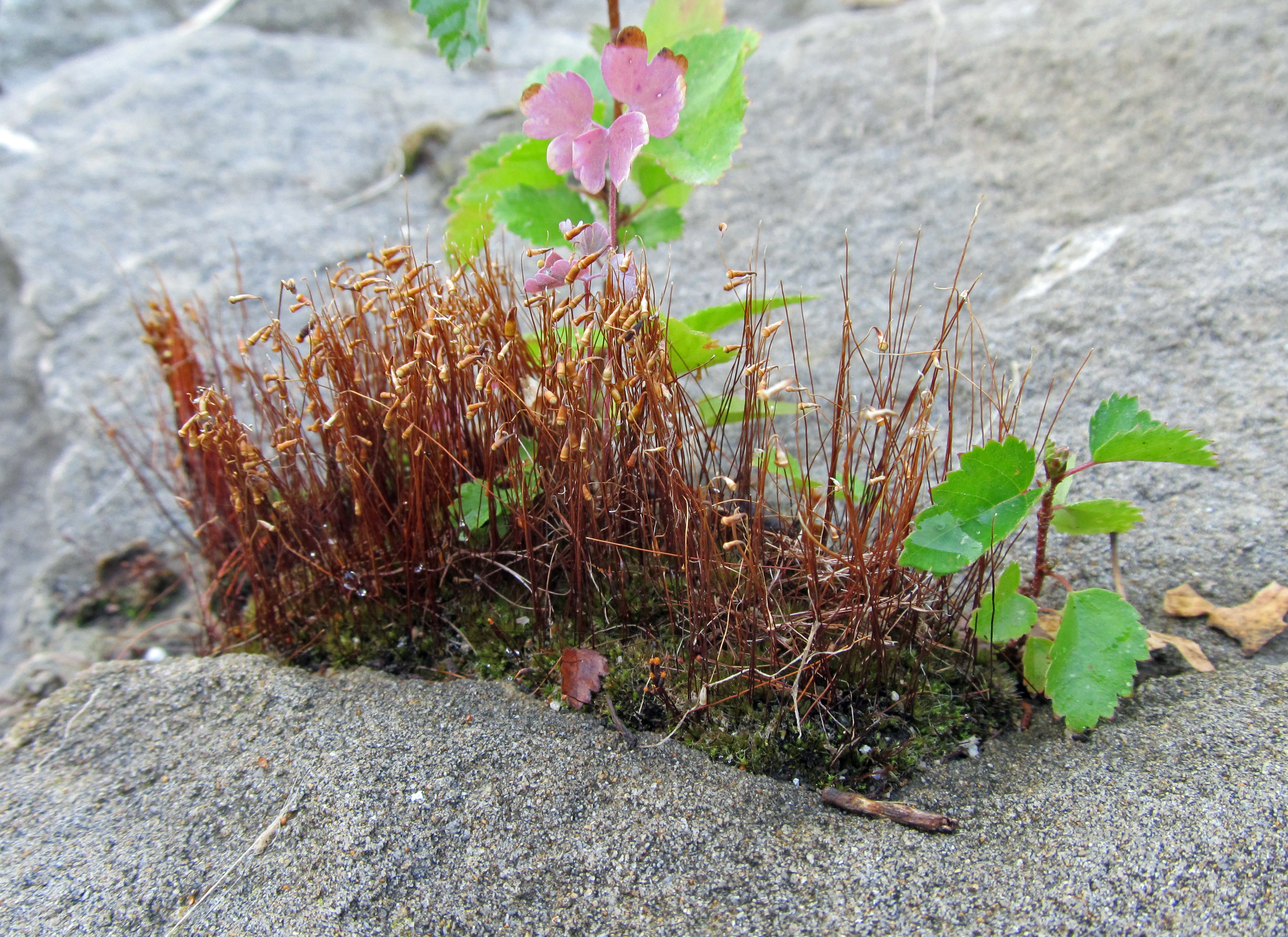
moss as nurse plant

Virtually all plants, from the tiniest tufts of grass to the tallest, towering trees have similar stories to tell about their interactions with other living things. Some have many more interactions than others, but all are “used” in some way. And even after they die, plants continue to interact with other organisms, as is the case with standing dead trees (a.k.a. snags).

In his book, Welcome to Subirdia, John Marzluff explains that when “hole creators” use dead and dying trees, they benefit a host of “hole users:”

Woodpeckers are natural engineers whose abandoned nest and roost cavities facilitate a great diversity of life, including birds, mammals, invertebrates, and many fungi, moss, and lichens. Without woodpeckers, birds such as chickadees and tits, swallows and martins, bluebirds, some flycatchers, nuthatches, wood ducks, hooded mergansers, and small owls would be homeless.

As plants die, they continue to provide food and habitat to a variety of other organisms. Eventually they are broken down to their most rudimentary components, and their nutrients are taken up and used by “new life.” Marzluff elaborates on this process:

Much of the ecological web exists out of sight – underground and in rotting wood. There, molds, bacteria, fungi, and a world of invertebrates convert the last molecules of sun-derived plant sugar to new life. These organisms are technically ‘decomposers,’ but functionally they are among the greatest of creators. Their bodies and chemical waste products provide us with an essential ecological service: soil, the foundation of terrestrial life.

Around 470 million years ago, plants found their way to land. Since then life of all kinds have made land their home. Plants helped lead the way. Today, plants continue their long tradition of supporting the living, both in life and in death.

Dung Moss (Revisited)

This is a revised version of a post that was originally published on January 14th, 2015. It includes excerpts from a chapter entitled, “Portrait of Splachnum,” in the book, Gathering Moss, by Robin Wall Kimmerer.

Certain plants, like corpse flowers and carrion flowers, emit foul odors when they bloom. The scent is akin to the smell of rotting flesh, hence their common names. The purpose of this repugnant act is to attract a specific group of pollinators: flies, carrion beetles, and other insects that are attracted to gross things. Though this particular strategy is rare, these aren’t the only plants that employ stinky smells to recruit such insects to aid in reproduction and dissemination. Consider dung mosses.

No moss is more fastidious in its choice of habitats than Splachnum. Absent from the usual mossy haunts, Splachnum is found only in bogs. Not among the commoners like Sphagnum that build the peaty hummocks, not along the margins of the blackwater pools. Splachnum ampullaceum occurs in one, and only one, place in the bog. On deer droppings. On white-tailed deer droppings. On white-tailed deer droppings which have lain on the peat for four weeks. In July.

At least three genera (SplachnumTetraplodon, and Tayloria) in the family Splachnaceae include species that go by the common name, dung moss. All Splachnum and Tetraplodon species and many species in the genus Tayloria are entomophilous. Entomophily is a pollination strategy in which pollen or spores are distributed by insects. Compare this to anemophily, or wind pollination, which is the common way that moss spores are distributed. In fact, dung mosses are the only mosses known to exhibit entomophily.

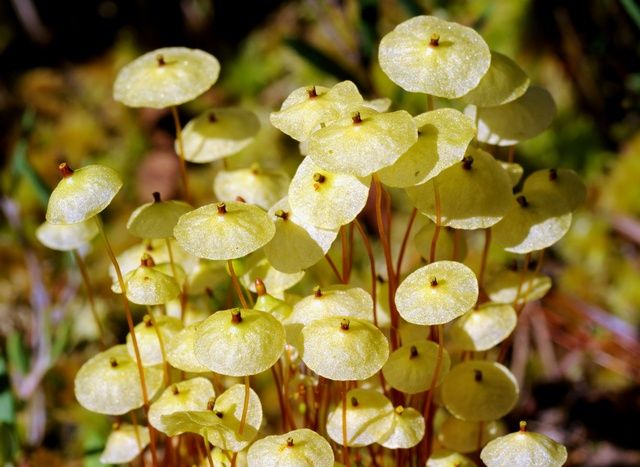
Dung Moss (photo credit: wikimedia commons)

Dung Moss (photo credit: wikimedia commons)

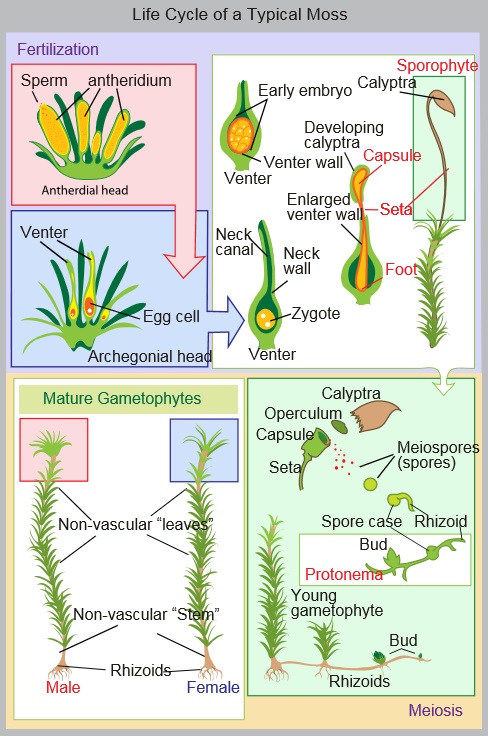
Before we go too much further, it’s important to understand how mosses differ from other plants. Mosses are in a group of non-vascular and non-flowering plants called bryophytes. Vascular tissues are the means by which water and nutrients are transported to and from plant parts. Lacking vascular tissues, water and nutrients are simply absorbed through the leaves and stems of mosses, which is why mosses are typically petite and prefer moist environments. Mosses also lack true roots and instead have rhizoids – threadlike structures that anchor the plants to their substrate of choice (such as dung).

Another major distinction between bryophytes and other plants is that bryophytes spend most of their life cycle as a haploid gametophyte rather than a diploid sporophyte. In most plants, the haploid gametophytes are the sperm (pollen) and egg cells; the sporophyte is everything else. In mosses, the familiar green, leafy structure is actually the gametophyte. The gametophyte houses sperm and egg cells, and when the egg is fertilized by sperm it forms a zygote that develops into the sporophyte structure which extends above the leafy gametophyte. A capsule at the top of the sporophyte contains spores which are eventually released and, upon finding themselves on a suitable substrate in a hospitable environment, germinate to produce new plants. The spore then is comparable to a seed in vascular, seed-bearing plants.

photo credit: wikimedia commons

photo credit: wikimedia commons

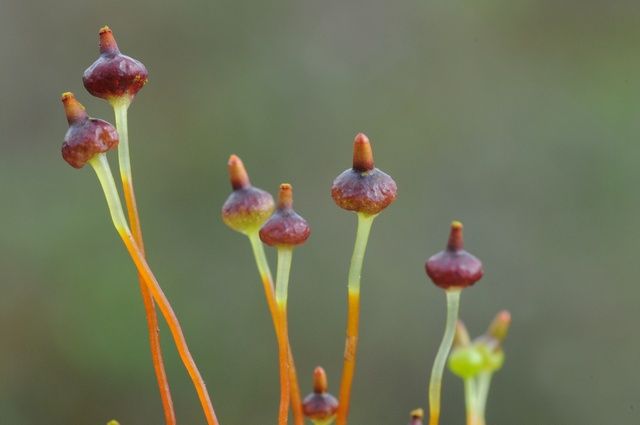
As stated earlier, the spores of most mosses are distributed by wind. Dung mosses, on the other hand, employ flies in the distribution of their spores. They attract the flies by emitting scents that only flies can love from an area on the capsule of the sporophyte called the apophysis. This area is often enlarged and brightly colored in yellow, magenta, or red, giving it a flower-like appearance which acts as a visual attractant. The smells emitted vary depending on the type of substrate a particular species of dung moss inhabits. Some dung mosses grow on the dung of herbivores and others on the dung of carnivores. Some even prefer the dung of a particular group of animals; for example, a population of Tetraplodon fuegiensis was found to be restricted to the feces and remains of foxes. However, dung is not the only material that dung mosses call home. Certain species grow on rotting flesh, skeletal remains, or antlers.

Splachnum ampullaceum inhabits the droppings of white-tailed deer. Had a wolf or coyote followed the scent of the deer into the bog, its droppings would been colonized by S. luteum. The chemistry of carnivore dung is sufficiently distinct from that of herbivores to support a different species. … Moose droppings have their own loyal follower. The family to which Splachnum belongs includes several other mosses with an affinity for animal nitrogen. Tetraplodon and Tayloria can be found on humus, but primarily inhabit animal remains such as bones and owl pellets. I once found an elk skull lying beneath a stand of pines, with the jawbone tufted with Tetraplodon.

Yellow Moosedung Moss (Splachnum luteum) has one of the largest and showiest sporophytes. (photo credit: www.eol.org)

Yellow moosedung moss (Splachnum luteum) has one of the largest and showiest sporophytes. (photo credit: www.eol.org)

The set of circumstances that converge to bring Splachnum into the world is highly improbable. Ripening cranberries draw the doe to the bog. She stands and grazes with ears alert, flirting with the risk of coyotes. Minutes after she has paused, the droppings continue to steam. … The droppings send out an invitation written in wafting molecules of ammonia and butyric acid. Beetles and bees are oblivious to this signal, and go on about their work. But all over the bog, flies give up their meandering flights and antennae quiver in recognition. Flies cluster on the fresh droppings and lap up the salty fluids that are beginning to crystallize on the surface of the pellets. Gravid females probe the dung and insert glistening white eggs down into the warmth. Their bristles leave behind traces from their earlier foraging trips among the day’s dung, delivering spores of Splachnum on their footprints.

The spores of dung mosses are small and sticky. When a fly visits these plants, the spores adhere to its body in clumps. The fly then moves on to its substrate of choice to lay its eggs, and the spores are deposited where they can germinate and grow into new moss plants. Flies that visit dung mosses receive nothing in return for doing so, but instead are simply “tricked” into disseminating the propagules. The story is similar with corpse flowers and carrion flowers; flies are drawn in by the smells and recruited to transmit pollen while receiving no nectar reward for their work.

There are 73 species in the Splachnaceae family, and nearly half of these species are dung mosses. Most are found in temperate habitats in both the northern and southern hemispheres, with a few species occurring in the mountains of subtropical regions. They can be found in both wet and relatively dry habitats. Dung mosses are generally fast growing but short lived, with some lasting only about 2 years. It isn’t entirely clear how and why mosses in this family evolved to become entomophilous, but one major benefit of being this way is that their spores are reliably deposited on suitable habitat.

Since Splachnum can grow only on droppings, and nowhere else, the wind cannot be trusted with dispersal. Escape of the spores is successful only if they have both a means of travel and a reserved ticket for a particular destination. In the monotonous green of the bog, flies are attracted to the cotton candy colors of Splachnum, mistaking them for flowers. Rooting about in the moss for non-existent nectar the flies become coated with the sticky spores. When the scent of fresh deer droppings arrives on the breeze, the flies seek it out and leave Splachnum-coated footprints in the steaming dung.

Sporophytes of Splachnum vasculosum (photo credit: www.eol.org)

Sporophytes of Splachnum vasculosum (photo credit: www.eol.org)

References

Koponen, A. 2009. Entomophily in the Splachnaceae. Botanical Journal of the Linnean Society 104: 115-127.

Marino, P., R. Raguso, and B. Goffinet. 2009. The ecology and evolution of fly dispersed dung mosses (Family Splachnaceae): Manipulating insect behavior through odour and visual cues. Symbiosis 47: 61-76.

Grasshoppers – More Friend Than Foe?

Major outbreaks of grasshoppers can be devastating. A plague of locusts of biblical proportions can decimate crop fields and rangelands in short order. Clouds of grasshoppers moving in and devouring every plant in sight makes it easy to see why these insects are often seen as pests. Even small groups of them can do significant damage to a garden or farm. Yet, grasshoppers and their relatives have great ecological value and are important parts of healthy ecosystems. Love them or hate them, they are an essential piece of a bigger picture.

Grasshoppers are in the order Orthoptera, an order that includes katydids, crickets, wetas, and a few other familiar and not so familiar insects. Worldwide, there are more than 27,000 species of orthopterans. These insects mostly feed on plants; many are omnivorous while others are exclusively herbivorous. They are most commonly found in open, sunny, dry habitats like pastures, meadows, disturbed sites, open woods, prairies, and crop fields. Most insects in this order are fairly large, making them easy to identify; yet they don’t seem to receive the same level of human attention that charismatic insects like bees and butterflies do. In Field Guide to Grasshoppers, Katydids, and Crickets of the United States, the authors defend this diverse group of arthropods: “Grasshoppers often are thought of as modest-looking brown or green insects, but many species in this family are brightly colored, and some of the most dull-colored species rival butterflies in beauty when they spread their wings in flight.”

photo credit: wikimedia commons

photo credit: wikimedia commons

The voracious appetite of grasshoppers and their preference for plants can influence ecosystems in many ways. Certain plants may be favored over others, which affects the diversity and distribution of plant communities. Grasses are a particular favorite, despite being high in hard to digest compounds like lignin, cellulose, and silica. As grasshoppers consume vegetation – up to their body weight per day – digested materials return to the soil where soil dwelling organisms continue to break them down. In this way, grasshoppers and their relatives are major contributors to nutrient cycling. Returning nutrients to the soil results in increased nutrient availability for future plant growth. In fact, one grassland study found that despite short-term losses via grasshopper herbivory, plant growth was enhanced in the long-term due in part to accelerated nutrient cycling.

Because grasshoppers are such prolific consumers, their robust bodies are loaded with nutritious proteins and fats, making them a preferred food source for higher animals. Reptiles, raccoons, skunks, foxes, mice, and numerous species of birds regularly consume grasshoppers and related species. While many adult birds feed mostly on seeds and fruits, they seek out insects and worms to feed their young. Nutrient-packed grasshoppers are an excellent food source for developing birds. Humans in many parts of the world also find grasshoppers and crickets to be a tasty part of their diet.

Grasshoppers provide food for other invertebrates as well. The aforementioned field guide refers to the fate of grasshoppers and certain species of blister beetles as being “intimately linked,” because the larvae of these blister beetles feed exclusively on grasshopper eggs. Several species of flies and other insects, as well as spiders, also feed on grasshoppers and other orthopterans.

grasshopper on blade of grass

In short, grasshoppers play prominent roles in plant community composition, soil nutrient cycling, and the food chain. When grasshopper populations reach plague proportions, their impact is felt in other ways. From a human perspective, the damage is largely economic. However, their ability to thoroughly remove vegetation across large areas can be environmentally devastating as well, particularly when it comes to soil erosion and storm water runoff. The USDA’s Agricultural Research Service considers grasshoppers “among the most economically important pests” and cites research estimating that they are responsible for destroying as much as 23% of available range forage in the western United States annually. A paper published in the journal, Psyche, references a period between 2003-2005 in Africa where locusts were responsible for farmers losing as much as 80 to 100% of their crops.

This level of devastation is relatively rare. In Garden Insects of North America, Whitney Cranshaw states that of the more than 550 species of grasshoppers that occur in North America, “only a small number regularly damage gardens…almost all of these are in the genus Melanoplus.” Like most large, diverse groups of organisms, many grasshopper species are abundant and thriving while others are rare and threatened. Human activity has benefited certain species of grasshoppers while jeopardizing others. In general, grasshopper populations vary wildly from year to year depending on a slew of environmental factors.

Differential grasshopper (Melanoplus differentialis) - one of the four grasshoppers that Whitney Cranshaw lists as "particularly injurious" in his book Garden Insects of North America. (photo credit: www.eol.org)

Differential grasshopper (Melanoplus differentialis) – one of the four grasshoppers that Whitney Cranshaw lists as “particularly injurious” in his book Garden Insects of North America. (photo credit: www.eol.org)

A plague or outbreak of grasshoppers is a poorly understood phenomenon. It seems there are too many factors at play to pin such an occasion on any one thing. Warm, sunny, dry weather seems to favor grasshopper growth and reproduction, so drought conditions over a period of years can result in a dramatic increase in grasshopper populations. But drought can also limit plant growth, reducing the grasshoppers’ food supply. Natural enemies – which grasshoppers have many – also come into play. It seems that just the right conditions have to be met for an outbreak to occur – a seemingly unlikely scenario, but one that occurs frequently enough to cause concern.

Grasshoppers and fellow orthopterans are fascinating insects, and their place in the world is worth further consideration. For an example of just how compelling such insects can be, here is a story about crickets from Doug Tallamy’s book, Bringing Nature Home:

“Male tree crickets in the genus Oecanthus attempt to lure females to them by making chirping songs with their wings. The loudest male attracts the most females, so males often cheat a bit by positioning themselves within a cup-shaped leaf that amplifies the song beyond what the male can make without acoustical help. Each male chews a hole in the center of his cupped leaf that is just large enough to accommodate his raised wings during chirping. This ensures that the sound projects directly from the center of the parabolic leaf for maximum amplification.

Related Awkward Botany Posts:

What’s in a Packet of Wildflower Seeds? – An Introduction

Occasionally I receive packets of wildflower seeds from companies that are not in the business of growing plants. They are promotional items – encouraging people to plant flowers while simultaneously marketing their wares. Often the seed packet lacks a list of the seeds included in the mix, and so it remains unclear what “wildflowers” are actually in there. My guess is that most seed packets like this go unplanted, and those that do get planted, may go uncared for. After all, the company that supplied them isn’t all that concerned about what gets done with them anyway.

As it is, generic packets of wildflower seeds like this may not actually contain any wildflower seeds. The term wildflower generally refers to a flowering plant that grows in the wild and was not intentionally planted by humans. It is synonymous with native plant, but it can also refer to non-native plants that have become naturalized. By this definition, a packet of wildflower seeds should only include seeds of native or naturalized plants and should not include horticultural selections, hybrids, or cultivated varieties. Ideally, the seed mix would be specific to a particular region, as each region throughout the world has its own suite of native wildflowers.

With that in my mind, I was immediately curious about an unlabeled packet of wildflower seeds I recently received as a promotional item from a company that has nothing to do with plants. This is a company that ships items nationwide and around the world, which leads me to believe that hundreds of people received similar packets of seeds around the same time I did. The seed packet is not labeled for a particular region, so all of us likely received a similar mix of seeds. “Wildflowers” then, at least in this case, means a random assortment of flowering plants with questionable provenance and no sense of geographic location.

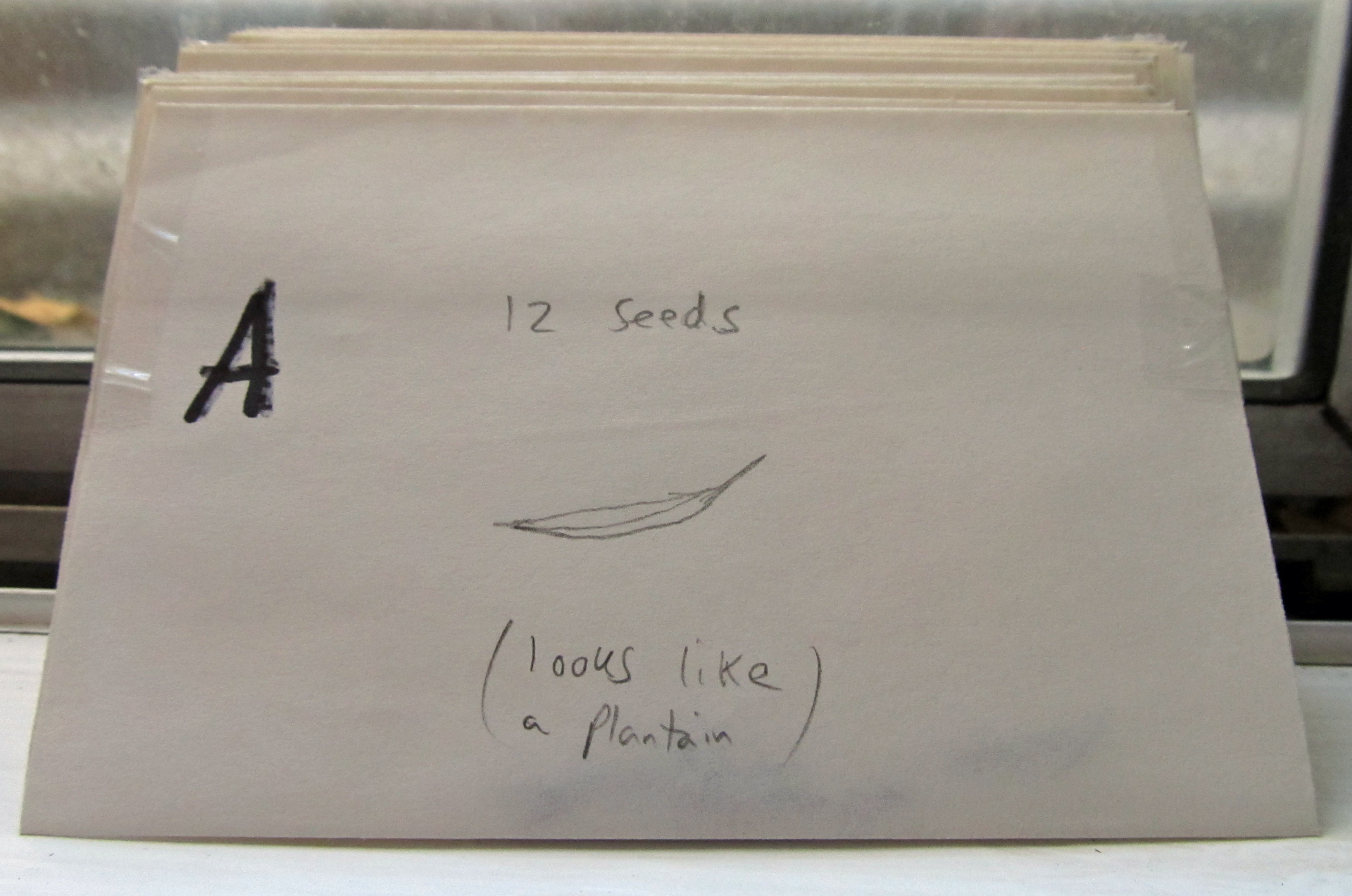
The seed packet in question.

The seed packet in question.

Curiousity is killing me; so I am determined to find out what is in this mysterious packet of seeds. Using a pair of magnifying glasses, I seperated the seeds into 26 groups. Each group, from as best as I can tell, should be a unique species (or at least from the same genus). The next step will be to grow the seeds out and see what they actually are. I have limited space and time, so this is going to take a while. Since “wildflower” is not an exact term, I have decided that in order to be considered a wildflower the plant will have to be native to North America. (I should probably say western North America or Intermountain West, since that is where I am located, but that’s pushing it.)

The amount of seeds that each of the 26 groups consists of varies greatly, from a single seed to 52 seeds. Some of the seeds may not be viable, and some of the seedlings are sure to perish along the way. Despite losses, it should be clear in the end what this packet of seeds mainly consists of and whether or not it is indeed a wildflower seed mix. If I were skilled at identifying species simply by observing their seeds, I might be able to avoid growing them out, but I am not confident enough to do that. However, one group of seeds is almost certainly calendula. Calendula is a genus native to parts of Asia, Europe, and North Africa that has been introduced to North America. So, we’re already off to a bad start.

seed packets_experiment

To be clear, I have no intention of disclosing or calling out the company that sent the seeds. This is all in good fun. No hard feelings. I’m satisfying my own curiosity, and perhaps yours, too. Until the next update (which could be a while), go run through a field of wildflowers. Enjoy yourself.

Rare and Endangered Plants: Texas Wild Rice

Some plants have native ranges that are so condensed that a single major disturbance has the potential to wipe them out of existence completely. They are significantly more vulnerable to change than neighboring plant species, and for this reason they often find themselves on endangered species lists. Zizania texana is one of those plants. Its range was never large to begin with, and due to increased human activity it now finds itself on the brink of extinction.

Zizania texana is one of three species of wild rice found in North America. The other two, Z. palustris and Z. aquatica, enjoy much broader ranges. Both of these species were once commonly harvested and eaten by humans. Today, Z. palustris is the most commercially available of the two. Commonly known as Texas wild rice, Z. texana, was not recognized as distinct from the other two Zizania species until 1932.

Herbarium voucher of Texas wild rice (Zizania texana) - photo credit: University of Texas Herbarium

Herbarium voucher of Texas wild rice (Zizania texana) – photo credit: University of Texas Herbarium

Texas wild rice is restricted to the headwaters of the San Marcos River in Central Texas. The river originates from a spring that rises from the Edwards Aquifer. It is a mere 75 miles long, but is home to copious amounts of wildlife, including several rare and endangered species. Before the 1960’s, Texas wild rice was an abundant species found along several miles of the San Marcos River. Its population and range has since been greatly reduced, and the native population is now limited to about 1200 square meters within the first two miles of the river.

Texas wild rice is an aquatic grass with long, broad leaves that remains submerged in the clear, flowing, spring-fed water of the river until it is ready to flower. Flower heads rise above the water, and each flower spike consists of either male or female flowers. The flowers are wind pollinated, but research has revealed that the pollen does not travel far and does not remain viable for very long. If a male flower is further than about 30 inches away from a female flower, the pollen generally fails to reach the stigma. The plants also reproduce asexually by tillering, but plants produced this way are genetically identical to the parent plant.

As people settled in the area around San Marcos Springs and began altering the river for their own use, Texas wild rice had to put up with a series of assaults and dramatic changes, including increased sediment and nutrient loads, variations in water depth and speed, trampling, and mechanical and chemical removal of the plant itself. Sexual reproduction became more difficult. In his book, Enduring Seeds, Gary Paul Nabhan describes one scenario: “streamflow had been increased to the extent that the seedheads, which were formerly raised a yard above the water, [were] now constantly being pummeled by the current so that they [remained] submerged, incapable of sexual reproduction.”

San Marcos, Texas – where the headwaters of the San Marcos River is located and where Texas wild rice has long called its home – is the location of Texas State University and is part of the Greater Austin metropolitan area. Thus, Zizania texana now finds itself confined to a highly urbanized location. The San Marcos Springs and River are regularly used for recreation, which leads to increased sediments, pollution, and trampling. Introduced plant species compete with Texas wild rice, and introduced waterfowl and aquatic rodents consume it. In this new reality, sexual reproduction will remain a major challenge, and a return to its original population size seems veritably impossible.

Texas wild rice (Zizania texana) and its urbanized habitat - photo credit: The Edwards Aquifer

Texas wild rice (Zizania texana) and its urbanized habitat – photo credit: The Edwards Aquifer

Attempts have and are being made to maintain the species in cultivation and to reintroduce it to its original locations, but its habitat has been so drastically altered that it will need constant management and attention for such efforts to be successful. As Nabham puts it, it is a species that has “little left of [its] former self in the wild – it is a surviving species in name more than in behavior…The wildness has been squeezed out of Texas rice.”

What if humans had stayed out of it? Would a plant with such a limited range and such difficulty reproducing sexually persist for any great length of time? It’s hard to say. If it disappears completely, what consequences will there be? It is known to provide habitat for the fountain darter, an endangered species of fish, as well as several other organisms; however, the full extent of its ecological role remains unclear. It will be nursed along by humans for the foreseeable future, but it may never regain its full glory. It is a species teetering on the edge of extinction, simultaneously threatened and cared for by humans – a story shared by so many other species around the world.

Additional Resources:

Lichen-eating Reindeer vs. Chernobyl Nuclear Disaster

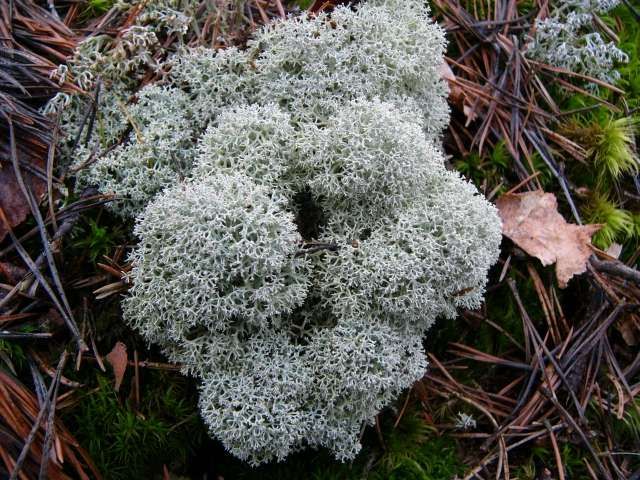
Earlier this year I wrote about a lichen that was named after President Barack Obama in which I included a brief introduction to lichens. They are fascinating organisms that are actually two organisms in one – a fungus and an algae or cyanobacteria. They are not plants, but are often appreciated by plant enthusiasts, probably due to their plant-like appearances and behaviors and because they commonly associate with plants. Lichens have great ecological importance and are regularly used by a variety of animals for food and shelter. Their sensitivity to air pollution and acid rain is well documented, which brings me to a more tragic story about lichens.

As Heloise Rheault puts it in the book, Nature All Around Us, “Lichens live essentially from the light and water they obtain directly from their environment. Because they have no way to regulate or filter these resources, they directly absorb all particles suspended in the air and in rain, including all pollutants.” Absorbing enough pollutants over time can lead to the death of lichens, which is why researchers can use the presence or absence of lichens to map polluted areas. Lichens that have absorbed high levels of pollutants might also be eaten by animals, which moves these toxic substances up the food chain.

On April 26, 1986, the world’s worst nuclear disaster occurred at the Chernobyl Nuclear Power Plant in what at the time was the Ukrainian Soviet Socialist Republic. An explosion and fire completely destroyed one of the reactors and sent massive amounts of radioactive particles into the atmosphere. The radioactive fallout quickly spread across western USSR and Europe. Areas in close proximity obviously suffered the most dramatic effects of the explosion, but effects were also felt hundreds of miles away.

One distant area where effects were felt was Lapland, a region in northern Finland where the Sami people have lived for thousands of years. Lapland is about 2300 kilometers (1430 miles) north of Chernobyl, yet the fallout was detected shortly after the blast. Due to atmospheric nuclear weapons testing, regular monitoring of radiation levels in Lapland and the surrounding areas had been taking place long before the Chernobyl disaster. In Lapland, studies were focused on radiocesium concentrations in lichens and reindeer. Lichens are the main food source for reindeer during the winter when little else is available, and reindeer are regularly consumed by the Sami people. Threatened by fallout from Chernobyl, monitoring intensified in the area.

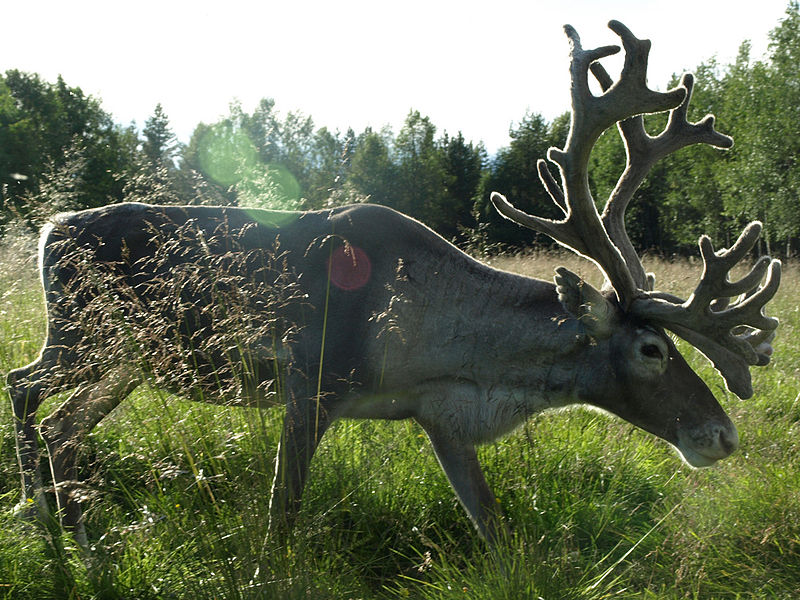
Reindeer in Lapland, Finland (photo credit: wikimedia commons)

Reindeer in Lapland, Finland (photo credit: wikimedia commons)

A report published in Rangifer in 1990 summarized results of sampling that was carried out in Lapland in 1986 – 1987. Hundreds of samples were taken from three species of lichens in the genus Cladonia (C. stellaris, C. mitis, and C. rangiferina). These species were selected because they are “the most important ground lichen species used as winter fodder by the reindeer.” Thousands of samples were also taken from the meat of slaughtered reindeer during this period. Researchers found that higher radiocesium concentrations in lichens within the sampling area correlated with higher radiocesium concentrations in reindeer within the same area. The test results were used to determine “whether the meat could be delivered for consumption or not.”

The researchers also found that contamination of the reindeer meat varied depending on when the reindeer were slaughtered. They determined that “lichens contain higher amounts of [radiation] activity than other forage,” so in the fall after the reindeer had spent the summer eating tree leaves and other plant material, “the activity concentration in the meat decreases rapidly.” Harvesting the reindeer from December through March, after they had spent the winter eating mostly lichens, resulted in meat with higher radiocesium concentrations.

Star reindeer lichen (Cladonia stallaris) - researchers found that the concentrations of radioactivity in this species of lichen was unevenly distributed in that "the top layer of the lichen was twice the concentration of the middle layer." (photo credit: www.eol.org)

Star reindeer lichen (Cladonia stellaris) – Researchers found that the concentration of radioactivity in this species of lichen was unevenly distributed, in that “the top layer of the lichen was twice the concentration of the middle layer.” (photo credit: www.eol.org)

An article published in the New York Times in September 1986 told a similar story. Laplanders in Sweden lamented that 97% of the first 1000 reindeer slaughtered so far that fall “measured in excess of permissible radiation levels and [were] declared unfit for human consumption.” The reindeer had spent the summer browsing “vegetation watered by the nuclear rains,” including “rain-sopped renlav lichen savored by the deer.” This was the first year of many in which contaminated meat would have to be disposed off. The article reports on the concerns of the Sami people that “their way of life is slipping into an irradiated limbo,” especially considering that the worst of the contamination has a half-life of 30 years and “the affected lichen will linger for a decade.” A paper published in the Journal of Environmental Radioactivity in 2005 reported that high levels of radioactivity were still being detected in this region’s “soil – plant/lichen – reindeer food chain” in the late 1990’s.

This is, of course, only one of many tragic and horrendous results of the Chernobyl disaster. Even now, 30 years after the event, effects are still being felt and clean up is ongoing.

Additional Resources:

Thoughts on Equisetum Phylogenesis

This a guest post. Words and photos by Jeremiah Sandler.

These notes do not discuss either anatomy or medicinal uses of Equisetum. Both topics are worthy of their own discourse.

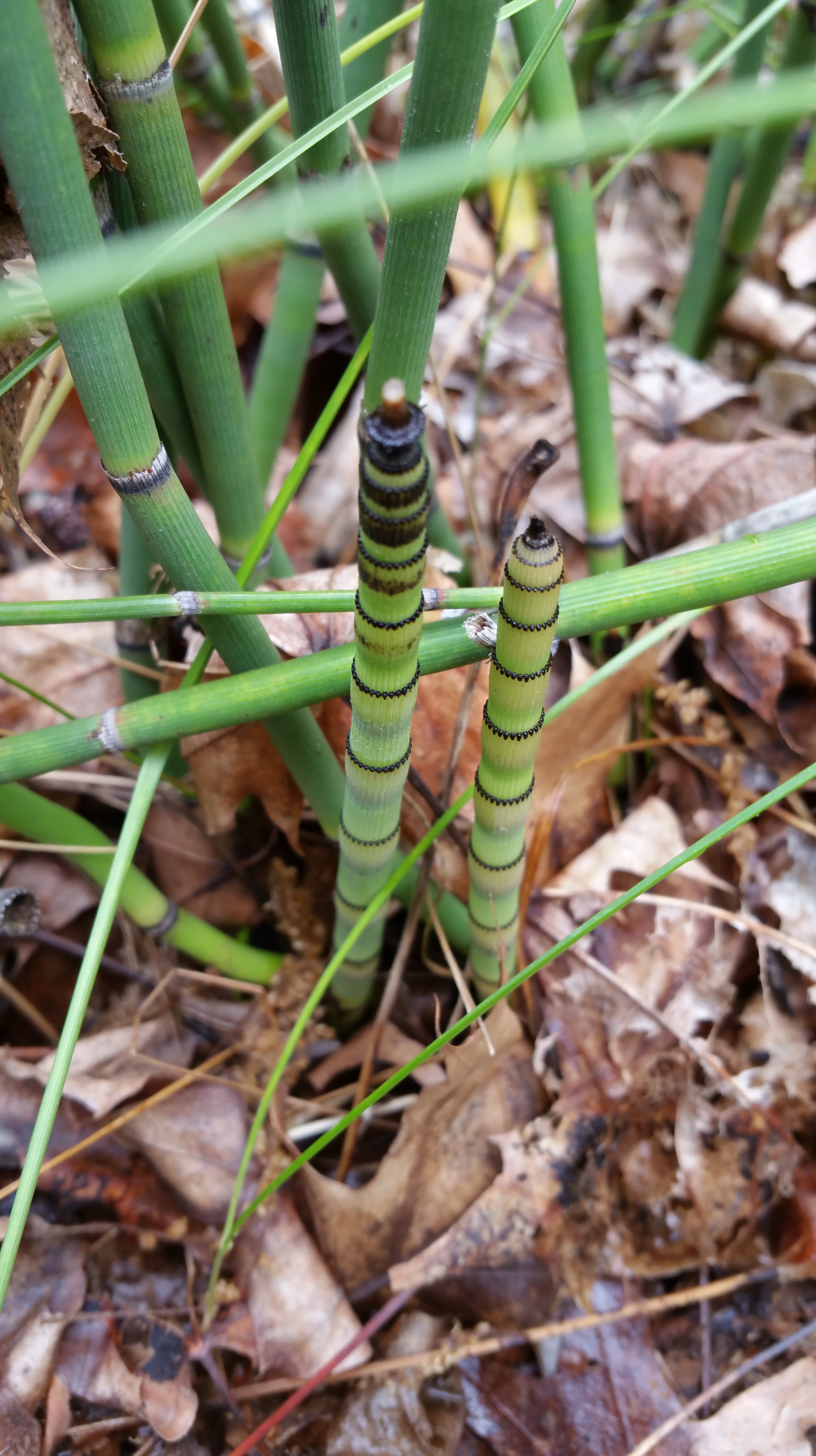
Plants in the genus Equisetum can be found on each continent of our planet, except for Antarctica. The plants are collectively referred to as scouring rush or horsetail.  Equisetum is in the division of plants called Pteridophytes, which contains all of the ferns and fern-allies (lycopods, whisk ferns, etc.) Pteridophytes are characterized by having a vascular system and by reproducing with spores, rather than seeds. Equisetum is the only living genus within the entire class Equisetopsida.  Within this single genus, there are a mere 20 species.

Picture 1

Equisetums can live pretty much anywhere. They can tolerate lots of shade, lots of sun, and virtually any soil condition (including submerged soil). Rhizomatous stems make it difficult for either disease or insects to kill an entire population. They do not require pollinators because they reproduce with spores.  Sounds like a recipe for reproductive and evolutionary success. Yet with all of these traits working in their favor, there is only a single genus left.  

Where’d they all go?

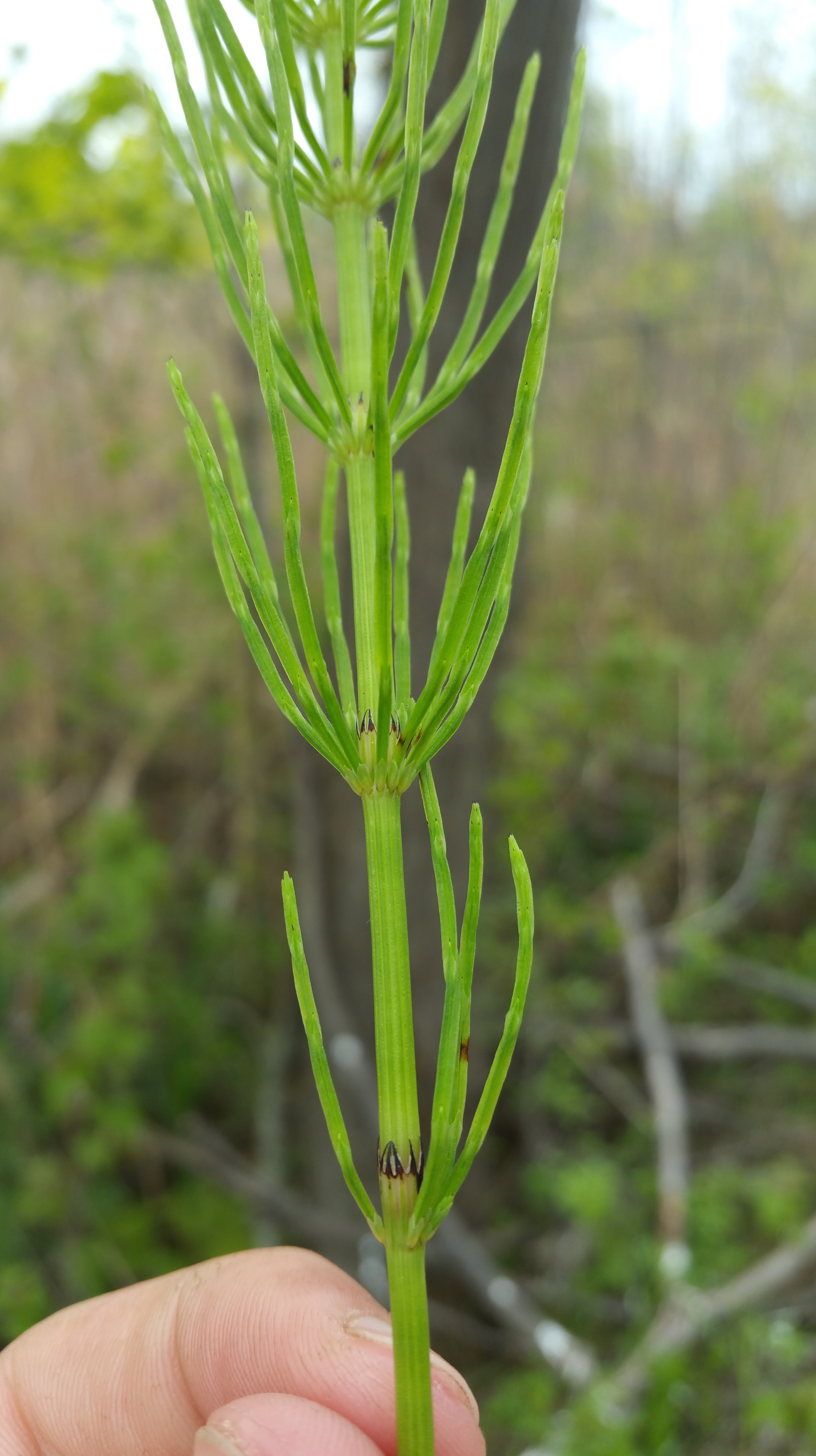
Picture 2

Let’s briefly consider the origin of these plants first. In the late Paleozoic Era, during the end of the Cambrian Period, these plants began their takeover. Shortly thereafter (about 70 million years later), in the Devonian Period, land plants began to develop a tree-like habit, also called “arborescence.” Tree-sized ferns and fern-allies ruled the planet. They formed the ancient forests.

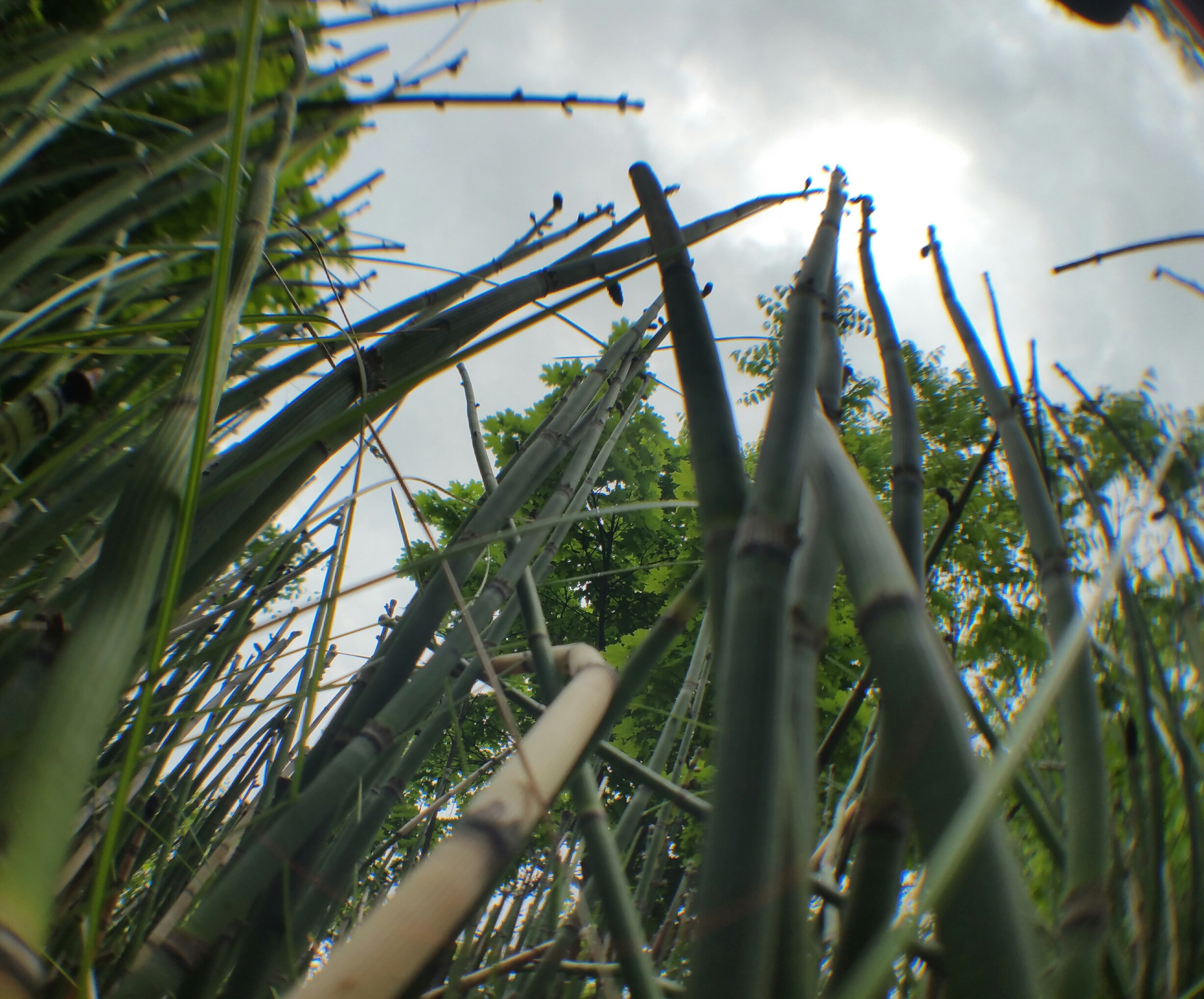
The elements required for photosynthesis were plentiful. The planet was warm. Competition from the Cambrian Explosion of flora and fauna drove plants upwards towards the sky. Larger plants can both shade their competition and remain out of reach of herbivores. None of the Equisetum species alive today are near their ancestors’ height.  

picture 3

It is rather obvious why we don’t see as many Equisetum species, and why they are not as large: The planet now is not the same planet it once was. Oxygen levels back in those times were about 15% higher than today’s levels. Seed plants can diversify much faster than non-seed-bearing plants; Equisetum cannot compete with the rate of diversification of seed-bearing plants.

The most interesting predicament comes when Equisetum is compared with other Pteridophytes. Some ancient Pteridophytes still do have diversity of genera. True Ferns, as they’re called, are broad-leaved ferns. In the class Filicopsida, there are 4 orders of True Ferns containing about 100 genera combined. Equisetum has 1 order and 1 genera.

What’s the primary difference between these two classes of Pteridophytes?  Broad leaves.

Most pteridophytes tolerate some shade; most other plants can’t tolerate as deep of shade as ferns. More specifically, the amount of shade the plants create could be a deciding factor in this question. True ferns have all of the traits equisetums have, with one additional physical trait that has pulled them ahead: Broad leaves allow true ferns to actively shade out local competition while creating more habitat for themselves. Equisetums don’t have this aggressive capacity.

Of course there are other biological and evolutionary pressures affecting equisetums beside their lack of broad leaves. The structure they do possess has benefited them at a time when it was advantageous to have it.  Otherwise why would it exist? Equisetums remind me of the dynamic nature of a planet. I don’t anticipate equisetums coming back. 

Although, I find it entertaining to humor the idea that they might return to their former glory. The planet’s climate could change toward any direction (I’m not a climatologist, though). Maybe equisetums are adequately prepared to adapt to whatever changes come – or maybe we are observing the gradual decline of an old branch on the tree of life.  

Resources:

The Nippleworts of Camassia Natural Area

This is a guest post. Words and illustration by Mesquite Cervino.

At the end of a residential neighborhood that is barely off the 205 in the hills of West Linn, Oregon is a small, 26 acre preserve called the Camassia Natural Area. The defining features of the landscape were caused by the Missoula Floods (aka the Spokane or Bretz floods) at the end of the last ice age (12 to 19 thousand years ago) which swept away the already established soil and in their place deposited glacial erratics from other far-away places, some even coming all the way from Canada. The flood reached eastern Oregon and the Willamette via the Columbia River Gorge and created the green and rocky plateau that is now Camassia.

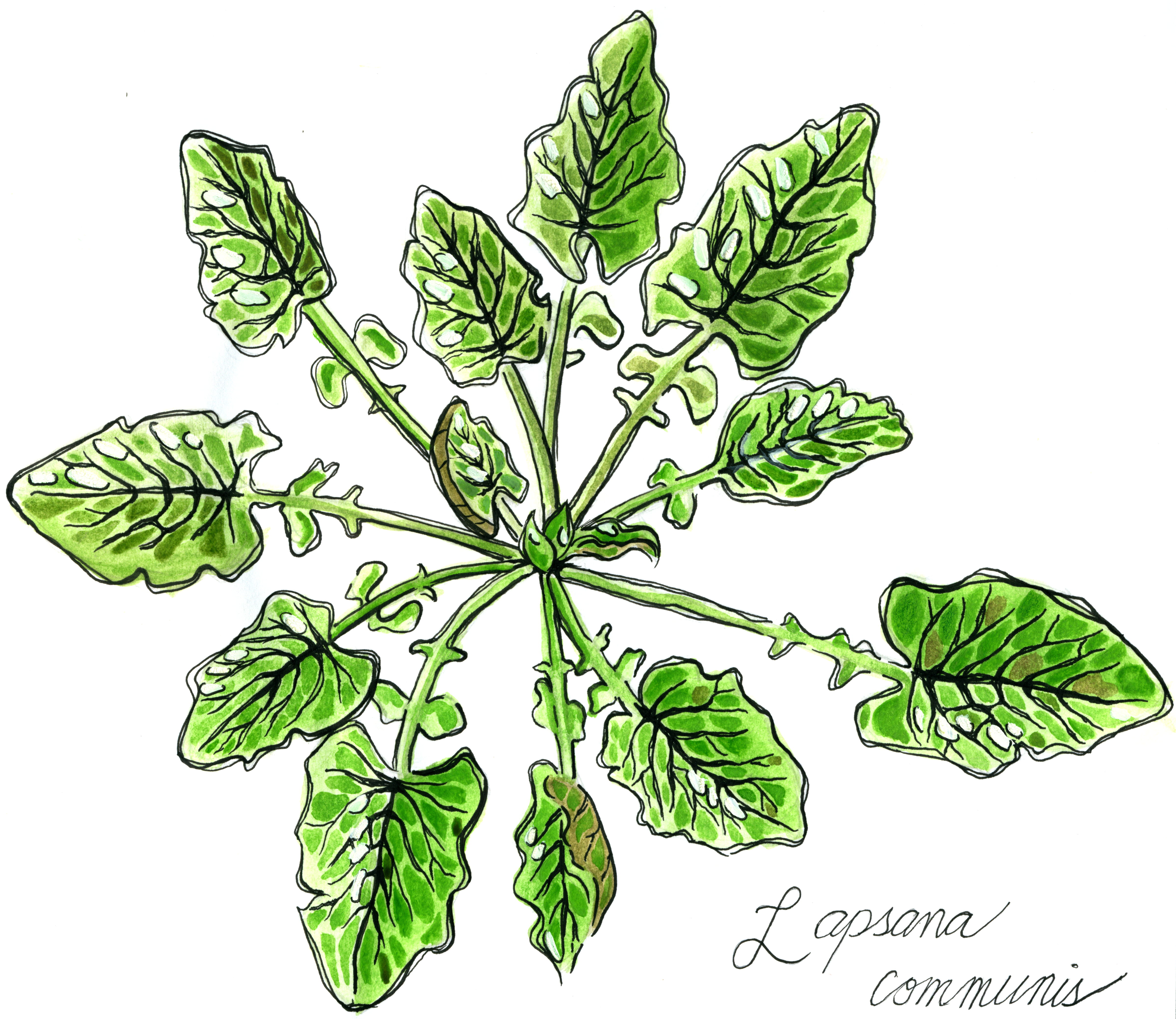
While the reserve is named after a widespread plant in the park, which is a common camas (Camassia quamash) that blooms in April and early May, the park has over 300 different species overall. However, one species in particular has kicked in the door and far overstayed its welcome in the park, becoming a highly invasive weed in the area. This plant is known as Lapsana communis or nipplewort. It is an annual dicot that is native to Europe and Asia, but is considered invasive in Canada and the United States. In the U.S., the weed is most common west of the Cascades in the Pacific Northwest. It is in the Asteraceae family (aka the aster, daisy, or sunflower family), and like dandelions or common groundsel, nipplewort is part of the weedy side of the family.

nicole illustration_cropped

The name itself has an interesting history that originated around 350 years ago when an Englishman by the name of John Parkinson named the plant after he heard that it was useful for topical treatment of ulcers for women on certain areas of their bodies. It was also an herbal treatment for nursing mothers, and was used to aid cows and goats that were having trouble being milked. Another source of the name is said to have come from the shape of the basal lobes and their resembling features. Because nipplewort is edible, its leaves can be cooked like spinach or served raw in only the most hipster of salads.

In terms of its anatomy, nipplewort is about one to three and a half inches in height, has alternate, ovular, lobed, rich green leaves, and composite yellow flowers with about 13 petals similar in resemblance to a dandelion. They flower from June to September and are pollinated by various insects. Seed set occurs in July to October. The plant then spreads through reseeding, and one plant can produce 400 to 1,000 seeds that put out shoots in fall and spring.

Consult a fellow botanist to find out more about Lapsana communis, especially if you are curious to know if it has invaded your territory. If it has, consider entertaining dinner guests with this unusual plant.

Additional Resources:

Tiny Plants: Duckweeds

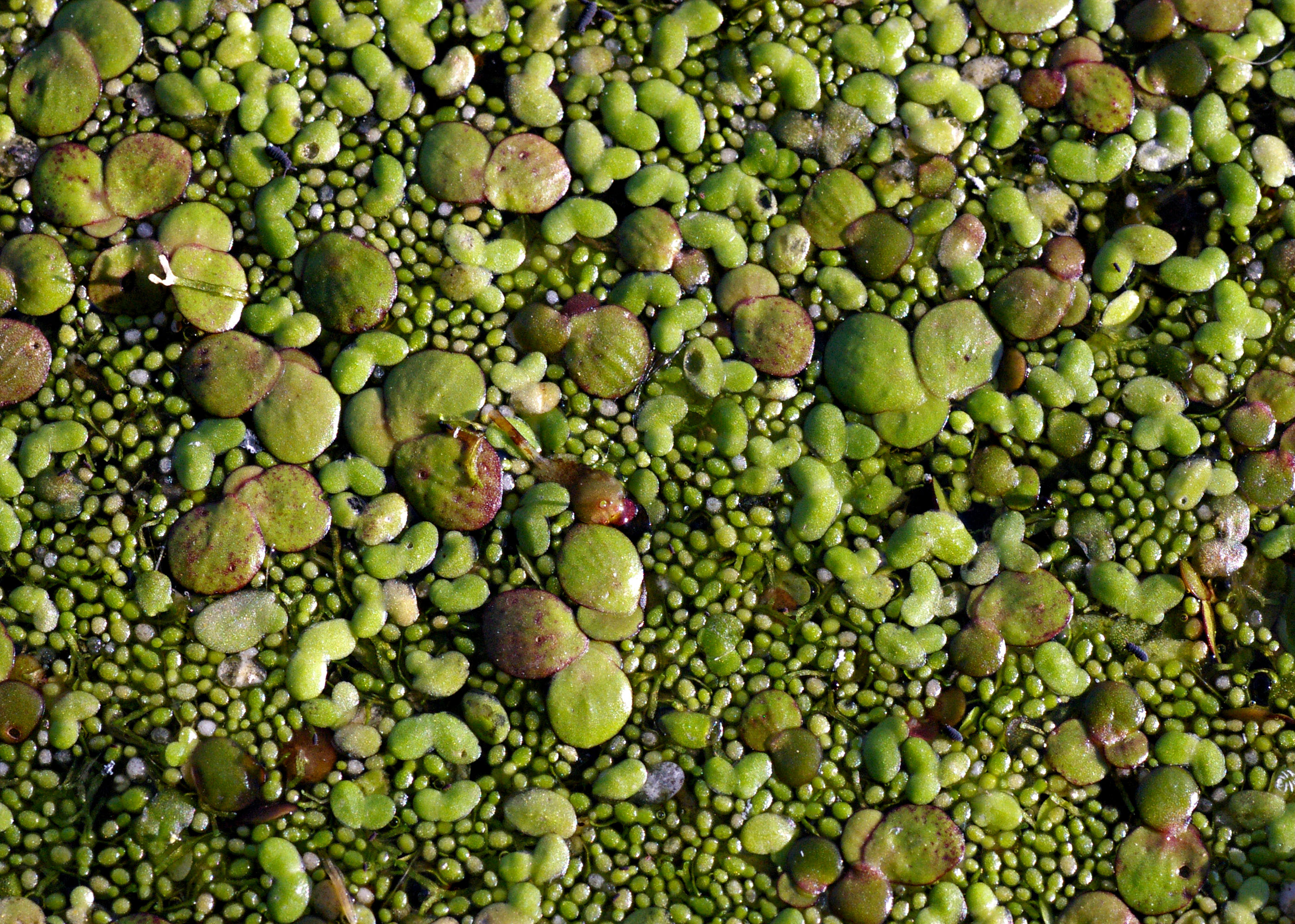
Obviously, a series about tiny plants must begin with duckweeds – a group of aquatic plants that holds records in a number of categories including smallest flowering plants, smallest vascular plants, and smallest fruits. They are so small, in fact, that they don’t even have true stems or leaves, but rather are composed of undifferentiated vegetative tissue known as a thallus. Some species have one or a few tiny rootlets; others form no roots at all. However, what they lack in their hyper-diminutive size, they make up for in their ability to form massive colonies, creating dense mats that can take up serious square footage in a pond or lake. Depending on the species present, a single square yard of a duckweed colony can contain hundreds of thousands of individual plants.

Five genera make up the duckweed subfamily (Lemnoideae): Spirodela, Lemna, Landoltia, Wolffia, and Wolffiella. This group used to be considered the family Lemnaceae, but has since been placed in Araceae – the arum family. While they are considered flowering plants, not all species of duckweeds produce flowers, and those that do, do so only rarely. They mainly reproduce asexually through a process called budding, in which growth occurs at the base of the thallus (or frond) and eventually splits off from the parent plant. This process happens fairly quickly, which is why duckweeds are able to create substantial colonies.


Duckweed mats form atop the still waters of lakes and ponds, but can also form in very slow moving rivers and streams. Their presence is an indicator of high levels of minerals and nutrients, which is why they are commonly seen in agricultural and industrial wastewater ponds. Nutrients are absorbed through the underside of the thallus, so the rootlets of duckweeds likely function more for stabilization than for nutrient uptake. As duckweed mats expand and grow dense, they shade the environments below them. John Eastman writes about this phenomenon in The Book of Swamp and Bog: “Thick blankets of duckweed can shade pond bottoms, preventing adequate photosynthesis and making life difficult or impossible for submersed plants and animals…however, this is often a problem of only intermittent duration.” One potential benefit of such dense mats is that they can kill off mosquito larvae. Eastman points out that for this to be the case, the duckweed may need to be accompanied by other surface dwelling plants in order to create dense enough shade.

duckweed 1

Duckweeds overwinter by forming turions, small buds that act as storage organs. Eastman explains the process:

These tiny, kidney-shaped buds detach and immediately sink to the bottom, where they remain all winter. In the spring, each turion expels a gas bubble, which causes it to rise to the surface, where it rapidly develops into a new duckweed thallus. Turion formation requires a combination of bright sunlight and high water temperature.

Duckweeds colonize new areas either by moving downstream (if they have that option) or by finding themselves attached to the fur, feathers, or feet of animals that unwittingly transport them. The common name, duckweed, is likely derived from the fact that it is a major source of food for waterfowl. It is high in protein and rich in nutrients, especially when you factor in all the tiny critters growing on and among it. Muskrats and beavers occasionally eat duckweeds as well. Despite losses from herbivory by these creatures, being made mobile by their moving bodies is a major boon.

A collection of various duckweed species - photo credit: wikimedia commons

A collection of various duckweed species – photo credit: wikimedia commons

Duckweeds are also consumed by various species of fish, which is why they are commonly used as a food source in aquaculture. Frogs and other amphibians as well as various aquatic insects and microinvertebrates also consume duckweeds. The diversity of small animals and protists that use duckweeds and the environments they help create is incredible. Eastman writes:

Duckweed mats host a large variety of small fauna that feed, lay eggs, or shelter amid the plants. Many of them secure themselves to the thallus rootlets or undersides, where they snare and capture passing food organisms or particles. Protozoans, rotifers, insect larvae, and crustaceans are often abundant.

Humans have also been known to eat duckweeds. Duckweed farming is not a simple procedure, but a highly nutritious food source is the result when it can be done. A simpler alternative is to use the harvest as animal feed. Duckweeds are also used in bioremediation and are being considered as a source of biofuel.

Depending on the species, an individual duckweed can vary in width from 10 millimeters to less than 1 millimeter. They truly are tiny wonders of the plant world, and it is worth getting down to their level for a closer look (hand lens recommended).

Additional Resources

Field Trip: Bruneau Dunes State Park

One of the aims of American Wetlands Month is to encourage people to get out and visit nearby wetlands. I accepted this challenge by visiting the small lakes and marshes of Bruneau Dunes State Park which is located about 20 miles south of Mountain Home, Idaho (or, 70 miles from my house).

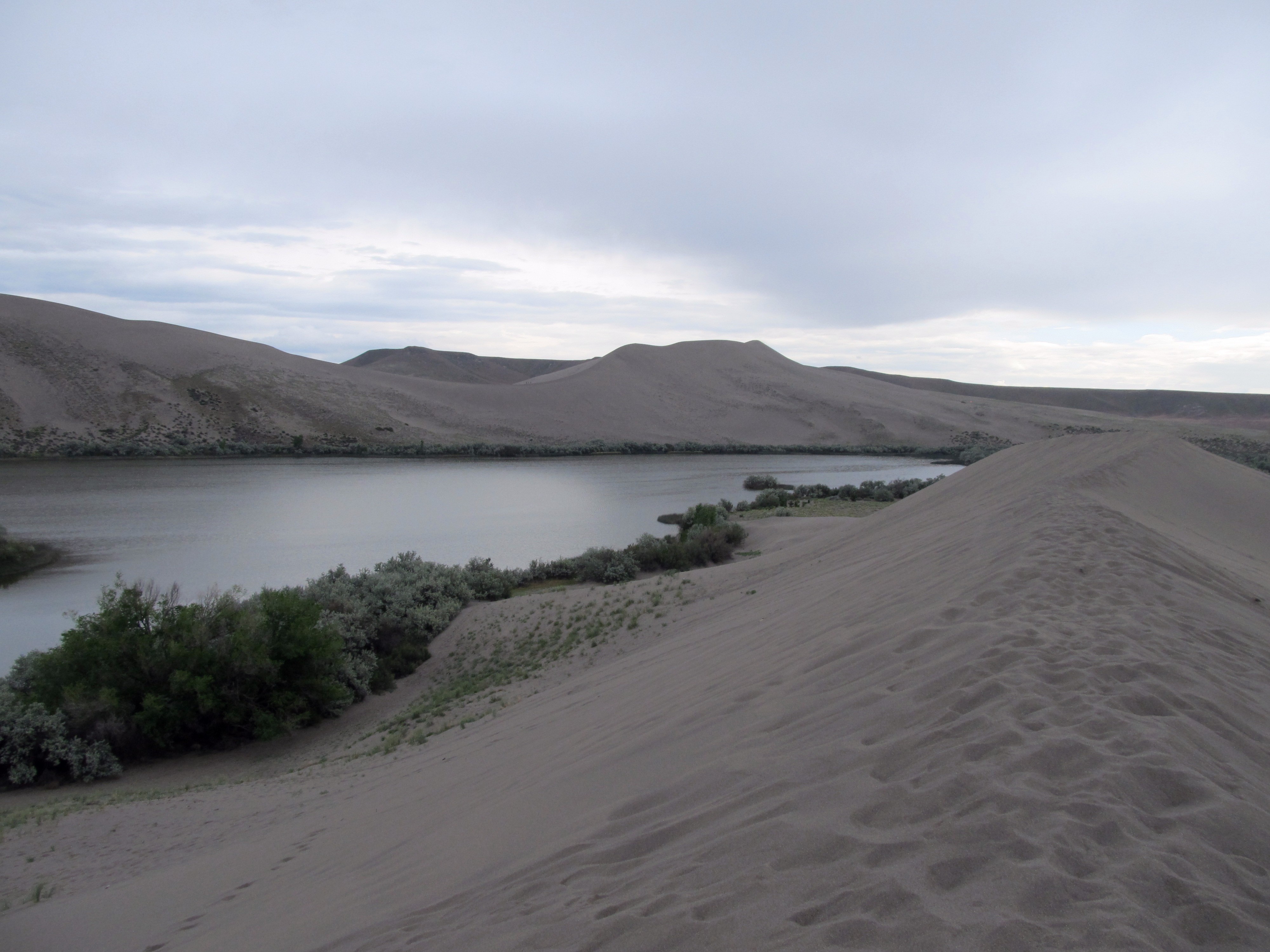
The park is known for its enormous sand dunes, claiming the tallest single-structured sand dune in North America which measures about 470 feet. The dunes began forming about 15,000 years ago during the Bonneville Flood. After the flood receded, the dunes continued to grow due to their unique location – a basin in which strong winds approach from both the northwest and the southeast, carrying sand from the surrounding steppes and keeping the dunes in place.

Two small lakes and a marsh are found nestled among the dunes, and the Snake River flows just north of the park. Apart from the dunes and the wetlands, the park also includes desert and prairie habitats and is situated in an extensive conservation area called Morley Nelson Snake River Birds of Prey. If that’s not enough, Bruneau Dunes State Park is home to a public observatory, where visitors can view the night sky and learn more about the stars and our place in the universe.

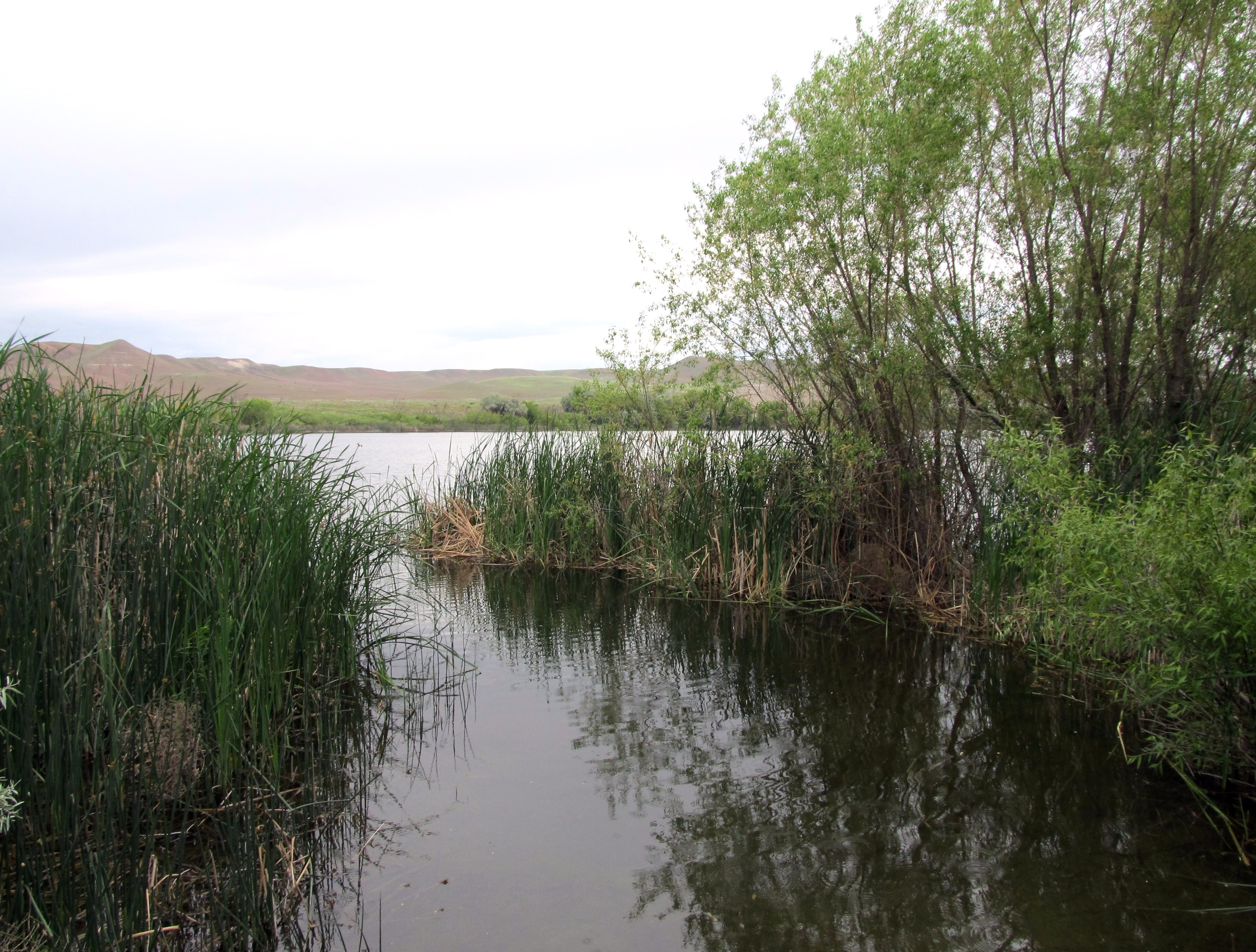
A marshy entrance to Dunes Lake

A marshy entrance to Dunes Lake

Climbing the sand dunes (and, if you’re up for it, sledding down them) is understandably a popular activity at the park. I spent a decent amount of time on top of the dunes, partly because the view was great and because the mosquitoes seemed to be absent up there. Yes, when visiting a wetland, you are advised to carry mosquito repellent, otherwise the cloud of mosquitoes that will undoubtedly surround you will make for an unpleasant experience. They will also make it difficult to stand still long enough to take a decent picture.

On top of a small dune looking across lake to large dune.

On top of small dune looking across lake to large dune

On top of large dune looking across lake to small dune.

On top of large dune looking across lake to small dune

Traversing the spine of a brontosauras (aka sand dune).

Traversing the spine of a brontosaurus (a.k.a. sand dune)

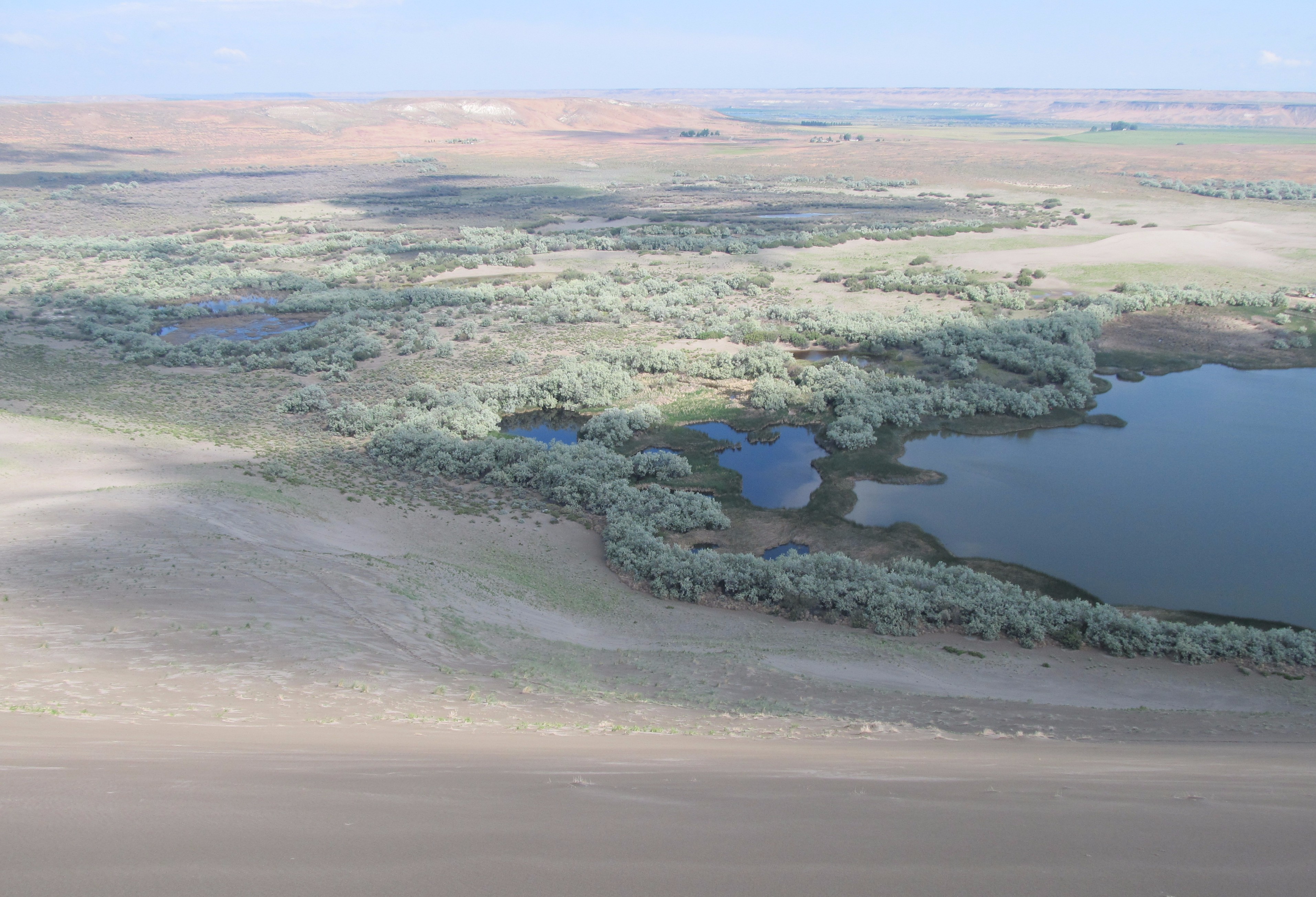
On top of the sand dune looking down at the lake and marsh.

On top of sand dune looking down at the lake and marsh

The marshes and shores around the lakes were populated with numerous wetland plants, including swamp milkweed (Aesclepias incarnata), duckweed (Lemna minuta), cattails (Typha sp.), and various rushes, sedges, and grasses. Native shrubs were also present, however the dominant woody plants were (unfortunately) introduced species: Russian olive (Elaeagnus angustifolia) and saltcedar (Tamarix chinenesis).

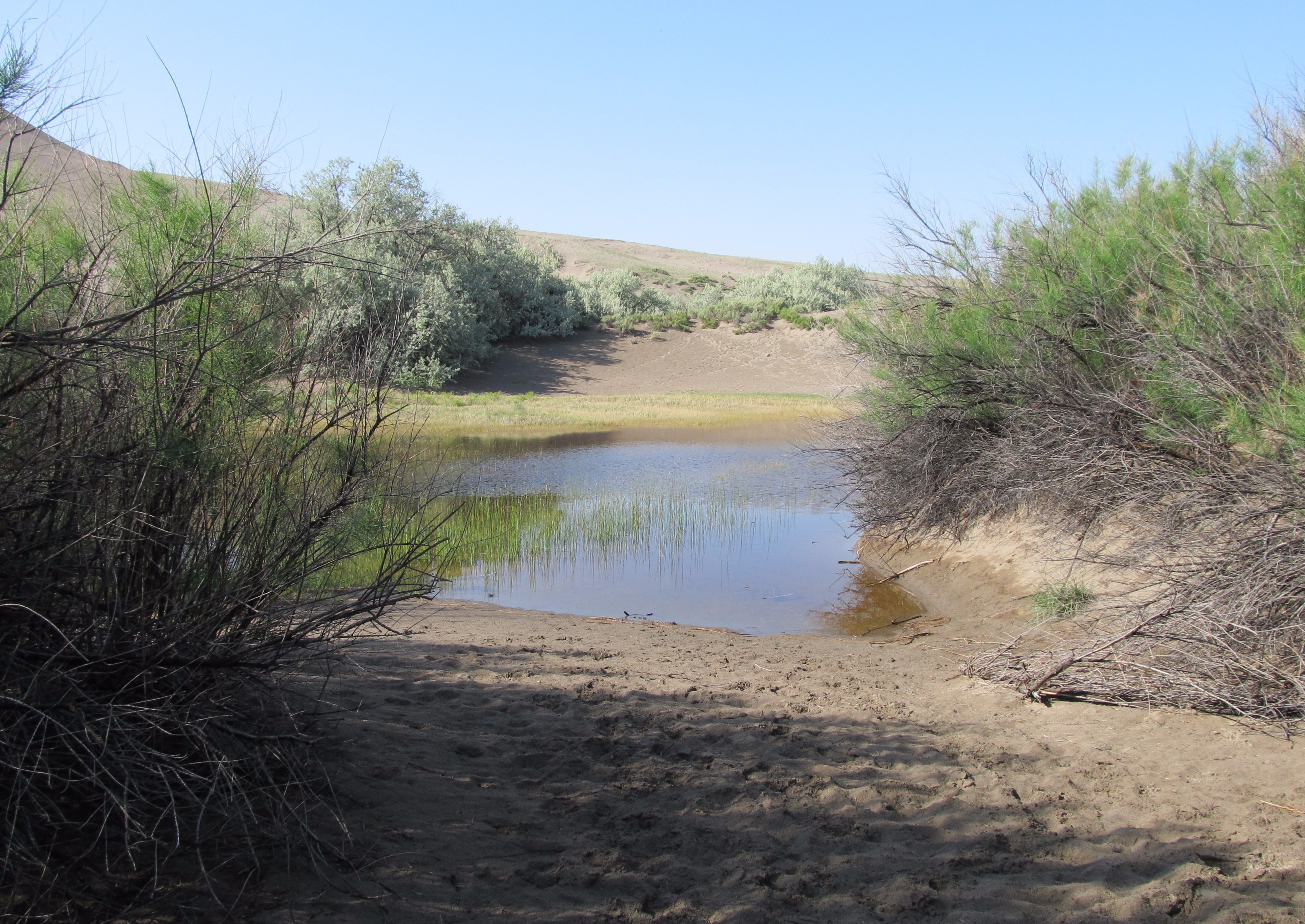
An entrance to the marsh

An entrance to the marsh

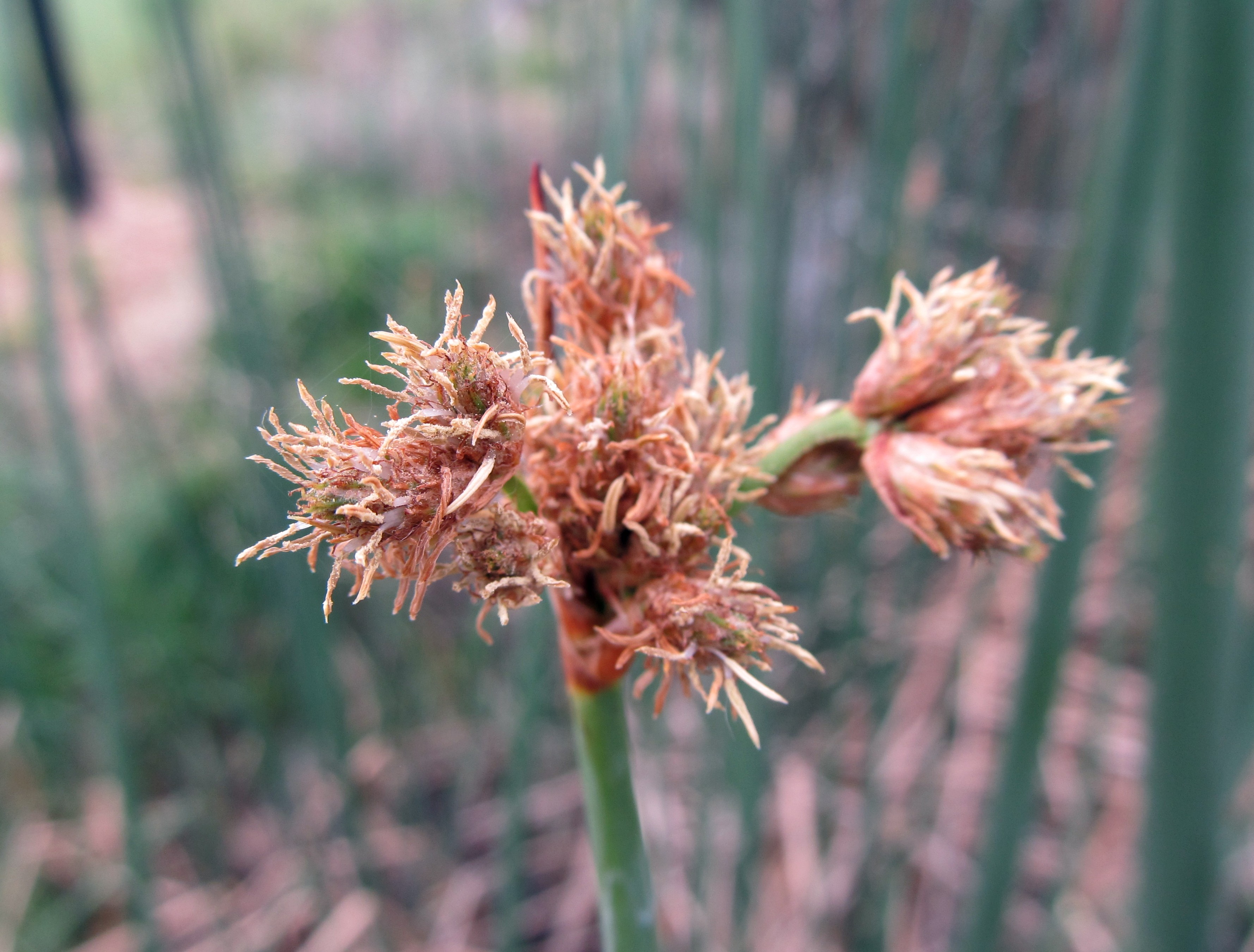
Flowers of bullrush (Schoenoplectus sp.)

Flowers of bulrush (Schoenoplectus sp.)

Russian olive (Eleagnus angustifolia)

Russian olive (Elaeagnus angustifolia)

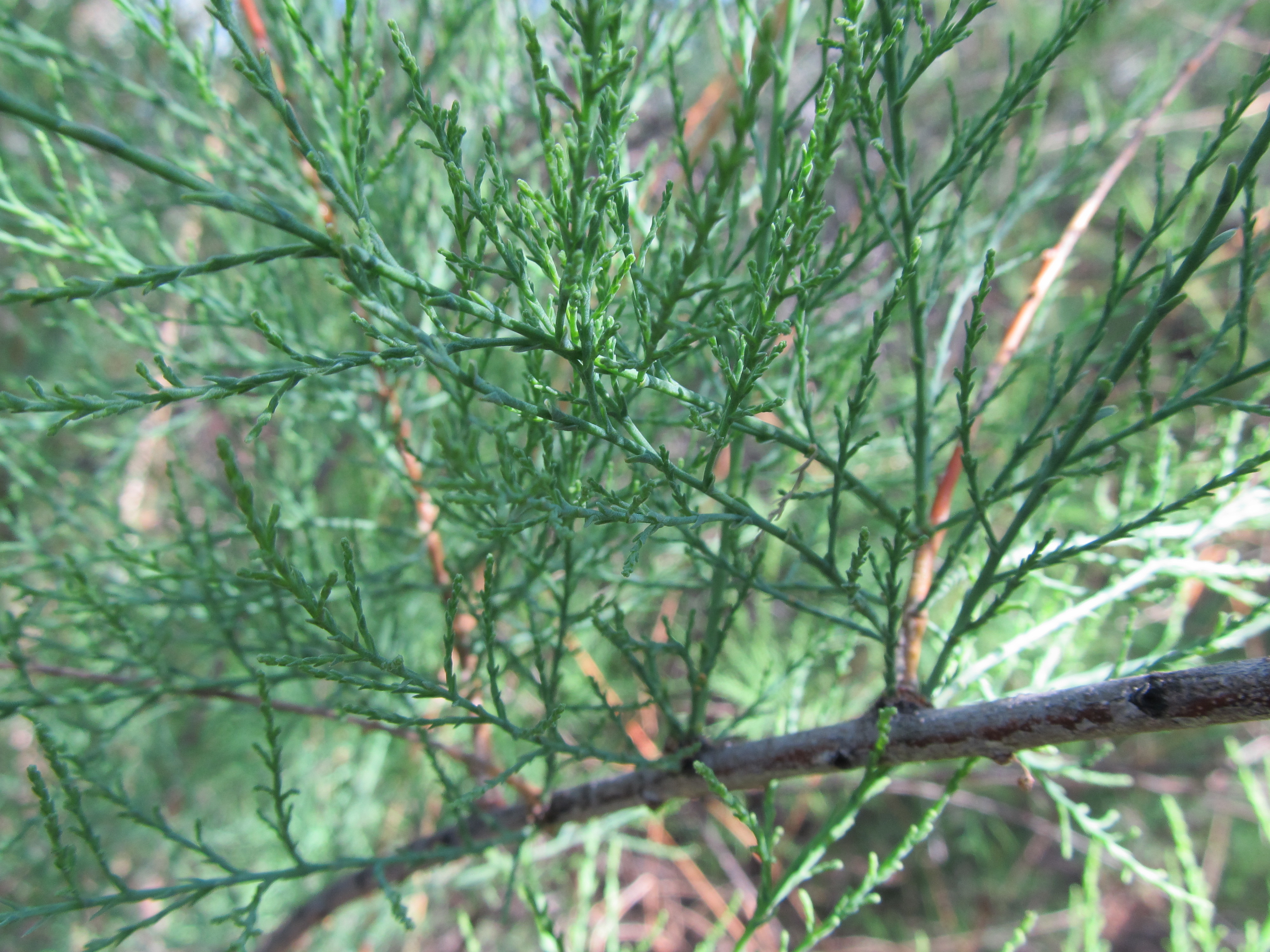
Saltcedar (Tamarix chinensis)

Saltcedar (Tamarix chinensis)

Despite being there to explore and celebrate the wetland, the plants in the adjacent area (which appeared to be growing in almost 100% sand) continued to draw me away. Some I recognized easily, while others I could only identify to genus or couldn’t identify at all. Some notable observations included low lupine (Lupinus pusillus), sand-dune penstemon (Penstemon acuminatus), pale evening primrose (Oenothera pallida), and species in the genera Astragalus, Erigeron, and Eriogonum. Two bunchgrasses were particularly common throughout the area: Indian ricegrass (Achnatherum hymenoides) and needle and thread grass (Hesperostipa comata).

All of these plants are worthy of being photographed; however, the wind makes that difficult to do. Idaho is a windy state, and an area composed of wind-formed sand dunes is particularly windy. Between swarms of mosquitoes and consistent wind, capturing decent photos was a challenge. Aside from those minor nuissances, I had a very enjoyable time and hope to visit again soon.

Phacelia (Phacelia hastata)

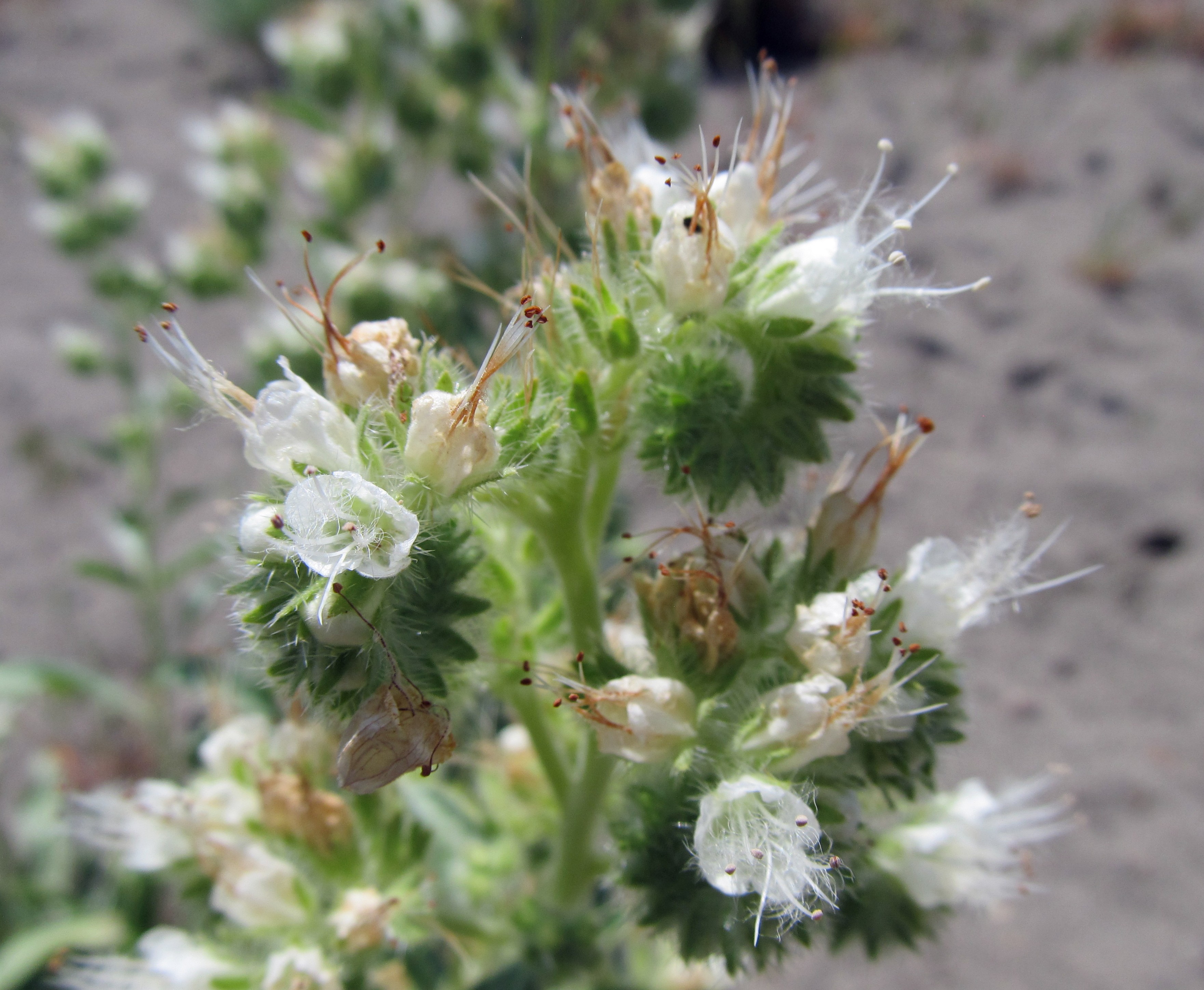
Silverleaf phacelia (Phacelia hastata)

Nakedstem sunray (Enceliopsis nudicaulis)

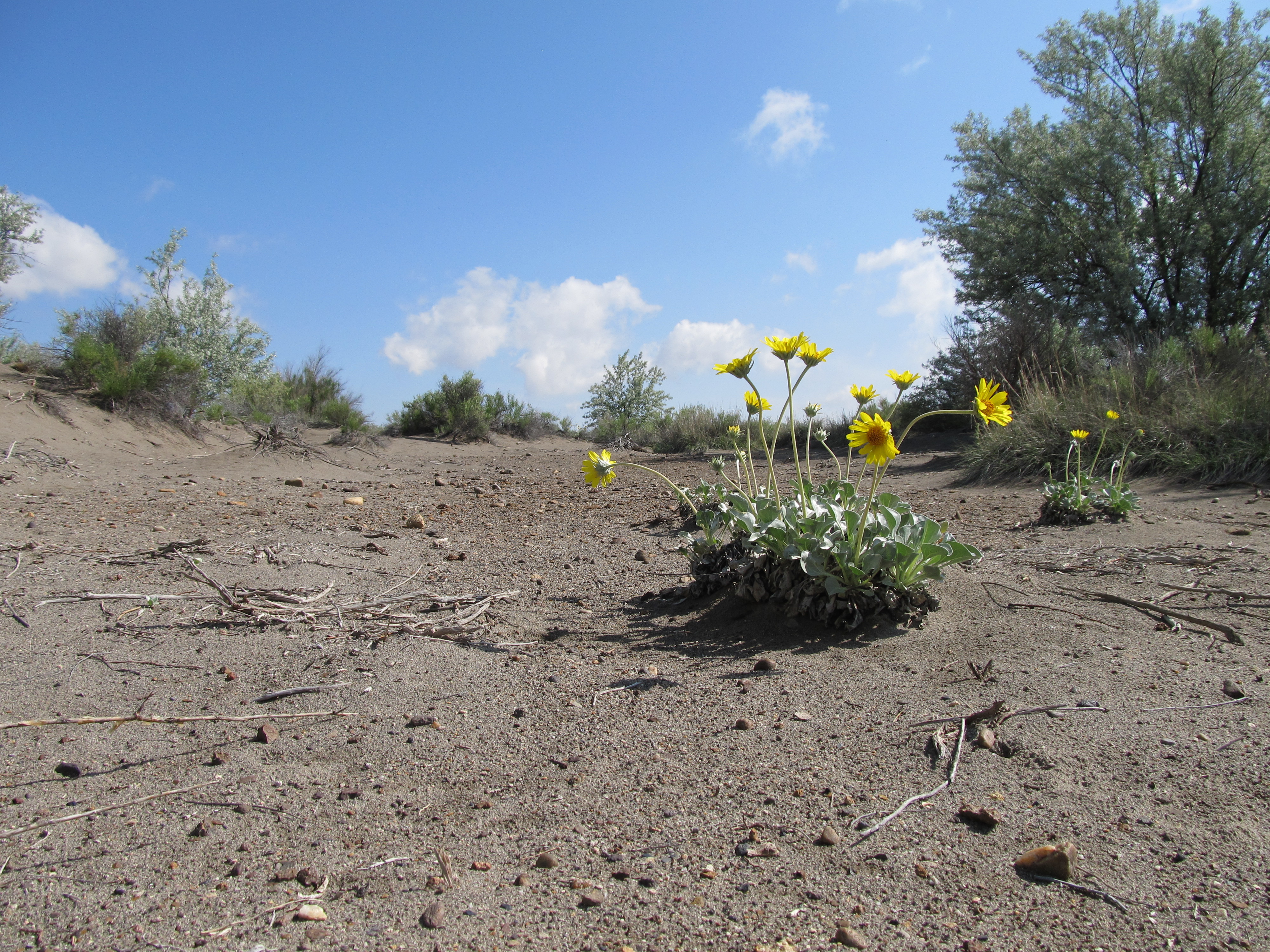
Nakedstem sunray (Enceliopsis nudicaulis)

Have you visited a wetland this month? Or do you plan to? Share your adventures in the comments section below.