2024: Year in Review

Happy 2025! Apparently it’s time for another year in review. As I said in last year’s review, 2024 was going to be another year of pollination, in which I would write monthly posts on the topic of pollination. Well, clearly that didn’t happen. After two posts, I dropped the ball. That’s okay though. Another Year of Pollination will continue indefinitely. As it is, I essentially stole the name, Year of Pollination, from a podcast called Year of Polygamy, which after starting in January 2014, continues to put out episodes a decade later. A “year,” as it turns out, can also be a period of indefinite length.

2024 wasn’t the most fun year I’ve ever had. I’m actually happy to see it go. Hoping for bigger and better things in the year to come. However, one very exciting piece of news came near the end of the year, which I hinted about in this post. The past couple of months have been a bit of a blur as I have been writing furiously about weeds for a book project that should come out sometime in 2026. Something to look forward to. It is focused specifically on the Pacific Northwest, so if there are any weeds-interested people in the area that would like to help out in some way with this project, please reach out.

The book will keep me busy for a good part of the year, so I don’t anticipate being able to post a whole lot more here than I have in the past couple of years. But I’ll see what I can do. Be in touch either way. All the social media links and ways to support Awkward Botany can be found on this link tree. Thank you, as always, for reading and nerding out about plants with me. See you in 2025!

Most of the posts this year were part of ongoing series. So, here they are:

Winter Trees and Shrubs

Another Year of Pollination

Randomly Selected Botanical Terms

Book Review

Weeds of Boise

Things really took a turn in 2024. Let’s see what 2025 brings…

Another Year of Pollination: Viscin Threads

While we’re on the subject of pollen-gluing mechanisms, there is another material apart from pollenkitt that a limited number of flowering plant families use to link their pollen grains together. It functions, much like pollenkitt, by aiding in the attachment of pollen to visiting animals. However, unlike pollenkitt, it isn’t sticky, oily, or viscous, and is instead more like a series of threads. Viscin threads to be exact.

One of the major differences between pollenkitt and viscin threads is their composition. The lipid-rich coating that surrounds pollen grains, which we call pollenkitt, is derived from breakdown materials of an inner layer of the anther. It is added to pollen grains after they are formed and before the anther dehisces. Viscin threads are made up of sporopollenin, the same biopolymer that exine (the outer wall of a pollen grain) is composed of. Viscin threads have points of attachment on an outer layer of the exine called the ektexine. Unlike pollenkitt, viscin threads don’t add new color to pollen grains, nor do they contain scent compounds. Their thickness, length, abundance, and texture are dependent on the species of plant they are found on, much like pollenkitt varies in form and composition depending on species.

pollen strands of tufted evening primrose (Oenothera caespitosa)

Viscin threads evolved independently in three distantly related plant families. These include Onagraceae (the evening primrose family), Ericaceae (the heath family), and a subfamily in the pea family known as Caesalpinioideae (the peacock flower subfamily). Viscin threads are found in many, but not all, of the species in these three families. Some species in other plant families have what appear to be viscin threads but are actually ropy strands of pollenkitt, as they are composed of pollenkitt and not sporopollenin. Because they are made up of the same durable material as exine, viscin threads can be preserved in the fossil record. A paper published in Grana (1996) looked at the morphology of pollen grains with viscin threads from the Tertiary Period and concluded that “this advanced pollination syndrome using viscin threads as a pollen connecting agent” dates back to at least the Eocene and perhaps much earlier.

While pollenkitt’s stickiness adheres pollen grains together, viscin threads are more of a tangling device. Single pollen grains or pollen grain groupings called tetrads become tangled up together and then become entangled with a visiting insect, bird, or bat and carried away to a nearby flower. Disentanglement from the pollinator ideally happens when the threads are brushed against the sticky surface of a stigma. The viscin threads themselves vary by species and family. Micheal Hesse, in a paper published in Grana (1981), describes the threads in Onagraceae as “long, numerous, thin, and sculptured” with “knobs, furrows, etc.,” while those in Ericaceae are thin and smooth and those in Caesalpinioideae are thick and smooth.

smooth azalea, pink form (Rhododendron arborescens)

The length and size of tangled pollen masses also differ by species and can offer clues as to which pollinators visit which flowers. Research published in New Phytologist (2019) looked at the size of pollen thread tangles (PTT) in 13 different species of Rhododendron. They also noted which pollinators visited each species and how often they visited. The researchers found that species presenting pollen in small but abundant PTT were visited by bees, and those with large but few PTT were visited by birds and Lepidoptera (butterflies and moths). Bees also visited the flowers more frequently than birds and Lepidoptera. Bees collect and consume pollen. Between visits to anthers, they spend time grooming themselves, removing pollen clusters from their bodies and packing them into corbiculae (i.e. pollen baskets) for later*. Birds and Lepidoptera don’t groom pollen from their bodies and don’t collect it. In the authors terms, this “suggests pollinator-mediated selection on pollen packaging strategies.” Since flowers pollinated by bees lose much of their pollen in the process, they present it in smaller packages, and since flowers pollinated by birds and Lepidoptera are visited less frequently, their pollen packages are larger.

This is an example of the pollen presentation theory, and is something we will revisit as the Year of Pollination continues.

*This applies specifically to bee species that have corbiculae, and many bee species do not.

Another Year of Pollination: Pollenkitt

Pollination in flowering plants is the process of moving pollen grains, which carry sperm cells, from the anthers to the stigmas of either the same flower or a separate flower. If things go well from there, sperm cells will be transported via pollen tubes into the ovaries where fertilization with egg cells can take place and seeds can form. Pollen grain development occurs within the anthers, and by the time the anthers dehisce – or split open – they are ready for transport.

In order to protect the enclosed sperm cells and aid in their movement, pollen grains consist of a series of layers that, among other things, help ensure safe travel. Two major layers are an internal layer called intine, composed largely of cellulose, and an external layer called exine, composed mainly of sporopollenin (a highly durable and complex biopolymer). In many flowering plants, especially those that rely on animals to help carry their pollen, an additional outer layer called pollenkitt is added to the pollen grains before anthers dehisce.

three different pollen grains (image credit: wikimedia commons/Asja Radja)

Pollenkitt is an oily, viscous, hydrophobic layer composed of lipids, carotenoids, flavonoids, proteins, and carbohydrates derived from the breakdown of an internal layer of the anther called the tapetum. Pollenkitt forms a sticky layer around the pollen grains and can add color to the pollen other than the typical yellow. The thickness of the pollenkitt and its composition is species specific. In fact, the look, size, and shape of pollen grains themselves are unique to each species and can even be used to help identify plants. Pollenkitt is found in almost all families of flowering plants and is particularly prevalent in species that are animal-pollinated. One exception is the mustard family (Brassicaceae), whose pollen grains are coated in a substance known as tryphine, which functions similar to pollenkitt but whose formation and composition differ enough to be considered separately.

dandelion pollen (image credit: wikimedia commons/Captainpixel)

The sticky nature of pollenkitt has numerous functions. For one, it helps pollen grains remain on anthers until an animal comes along to remove them. It also holds pollen grains together in clumps, helps pollen grains stick to insect (and other animal) pollinators during transport, and helps adhere them to stigmas when deposited. A paper published in Flora (2005) lists twenty possible functions for pollenkitt, many of which have been confirmed in certain species and some of which are hypothetical. In addition to functions having to do with pollen movement and placement, pollenkitt may also provide protection from water loss, UV radiation, and fungal and bacterial invasions. In species where pollen is offered as food to pollinating insects, pollenkitt is a more easily digestible food source than the pollen grain itself. Thanks to carotenoids, pollenkitt can make pollen more colorful, which may help attract pollinating insects, or, depending on the color, can also hide pollen from insect visitors.

Another important function of pollenkitt is to give pollen a scent. Odors can help encourage insect visitors or deter them, so depending on the situation, scented pollenkitt may be attracting pollinators or discouraging pollen consumers. In a study published in American Journal of Botany (1988), Heidi Dobson analyzed the chemical composition of 69 different species of flowering plants. She isolated numerous scent compounds in pollenkitt and suggested that “some of the chemicals in pollenkitt may … serve as identification cues to pollen-foraging bees.” Most of the species she analyzed were pollinated by bees (which consume pollen), but the few that were mainly pollinated by hummingbirds and butterflies tended to have fewer scent compounds. Since birds and butterflies are there for the nectar and not the pollen, it would make sense that the pollen of these plant species wouldn’t need to carry a scent.

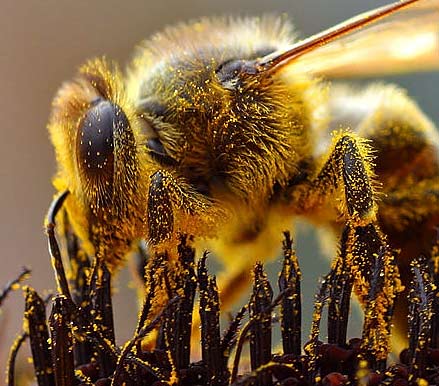
bee collecting pollen (image credit: wikimedia commons)

In flowers that are wind-pollinated, the pollenkitt layer is either very thin or absent altogether. In this case, pollen grains need to be easily released from the anther and are better off when they aren’t sticking to other pollen grains. That way, they are free to be carried off in the breeze to nearby flowers. Some plant species are amphiphilous, meaning they can be both animal-pollinated and wind-pollinated, and according to the authors of the paper published in Flora (2005), pollenkitt layers in these species exhibit intermediate characteristics of both types of pollen grains, generally with thinner, less-sticky pollenkitt and more pollenkitt found within the cavities of the exine.

It’s clear that this unique pollen-glueing substance plays a critical role in the pollination process for many plant species. Considering that each species of plant has its own story to tell, there is still more to learn about the forms and functions that pollenkitt takes.

———–

This is the first in a series of posts in 2024 in which, once again, I am exploring the world of pollinators and pollination. You can read more about this effort in last month’s Year in Review post.

2023: Year in Review

Things were pretty quiet on the blog in 2023, and I apologize for that. I have no excuses really. It’s just life. Fewer posts doesn’t mean I’m any less committed to writing and sharing about plants since the day I started this project, it’s more about quality over quantity. I would never want this to become a half-hearted affair, so even if months go by without hearing from me, just know that there are great things in the works, which I hope will be worth the wait.

Recently, while writing an article for Wildflower magazine, I came across this giant tome, Pollination and Floral Ecology by Pat Willmer. The previous year I had read Jeff Ollerton’s book, Pollinators and Pollination, and really got a lot out of it. These incredible resources on the science of pollination reminded me of a time early in Awkward Botany’s history in which I spent a year posting about pollination. I called it Year of Pollination, and by the time the year came to a close, I was struck by how much I still wanted to share about this topic. So now, armed with these new resources, I think it’s time for Another Year of Pollination.

In 2024, I plan on posting another series of pollinator and pollination themed posts. I may not be able to match what I accomplished in 2015, but I will aim for at least one a month. Just something to look forward to in the coming year.

If this entices you enough to continue to follow Awkward Botany (or to start), please do. Relevant links are here on my linktree. Awkward Botany can be found on a number of different social media platforms, but there are a few that I am more active on than others. With the fall of Twitter, I have moved on to other things. This is where you can find me most often at this point in time:

And now here are links to posts from 2023’s paltry selection that are part of ongoing series. Happy 2024! Fill it with plants!

Winter Trees and Shrubs

Tea Time

Weeds of Boise

2015: Year in Review

Raise your glass. 2015 has come to a close, and Awkward Botany is turning three. Two great reasons to celebrate.

I started the year with the goal of posting at least once per week. Consider that goal accomplished, with a couple of bonus posts thrown in for good measure. I had also deemed 2015 the “Year of Pollination.” The underlying purpose was to teach myself more about pollinators and pollination while also sharing my interest in pollination biology with the wider world. That endeavor yielded 17 posts. There is still so much to learn, but we are making some headway. I started two new series of posts (Poisonous Plants and Botany in Popular Culture) and I continued with two others (Ethnobotany and Drought Tolerant Plants). I also went on a couple of field trips and wrote a few book reviews. All of that is reflected below in “Table of Contents” fashion.

Year of Pollination:

Botany in Popular Culture

Poisonous Plants

Ethnobotany

Drought Tolerant Plants

Book Reviews

Field Trips

Three posts that perhaps didn’t get the attention they deserve:

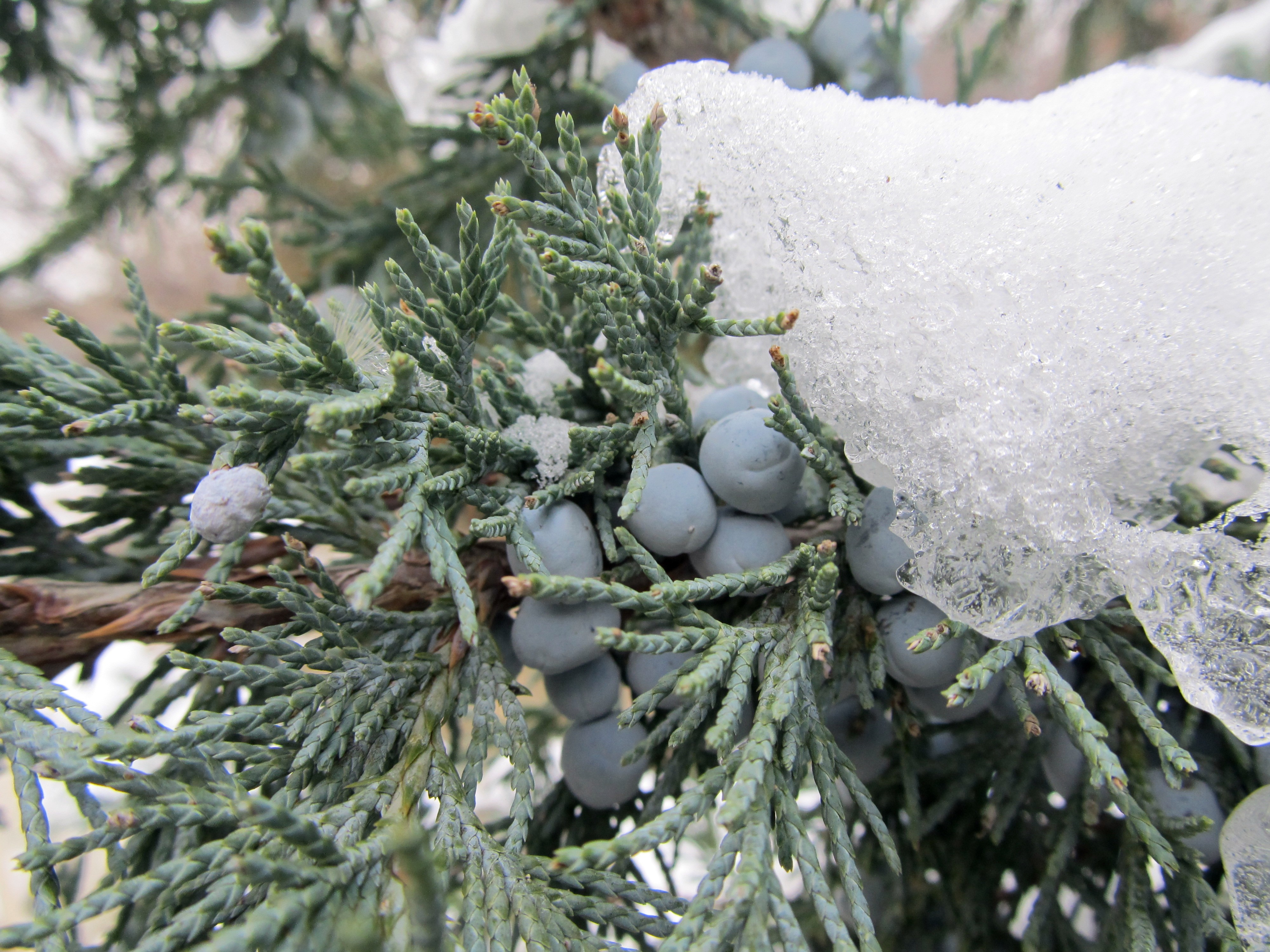
juniper in the snow

Going forward, I will continue to post regularly – as there is no shortage of plant-related things to write about – but I will likely take a week off here and there. I have other projects in mind – some related to Awkward Botany, some not – that will certainly demand much of my attention and time. I have some big ideas for Awkward Botany and beyond, and I will share those with the wide world in due time. For now, I would just like to say thanks all for reading, for commenting, and for sharing Awkward Botany with your friends. Overall, it has been a great year here at Awkward Botany headquarters, and I have you to thank for that. I feel privileged to be part of a community that is infatuated with plants and is fascinated by the natural world.

Good riddance to 2015. It was good, but it gets better. Now we look ahead to 2016. May it be filled with peace, love, and botany.

Year of Pollination: Botanical Terms for Pollination, part two

“The stage is set for reproduction when, by one means or another, compatible pollen comes to rest on a flower’s stigma. Of the two cells within a pollen grain, one is destined to grow into a long tube, a pollen tube, that penetrates the pistil’s tissues in search of a microscopic opening in one of the ovules, located in the ovary. … The second of a pollen grain’s cells divides to become two sperm that move through the pollen tube and enter the ovule.” – Brian Capon, Botany for Gardeners

“Once pollination occurs, the next step is fertilization. Pollen deposited on the sticky stigma generates a fine pollen tube that conveys the sperm through the style to the ovary, where the ovules, or eggs, have developed. After fertilization, the rest of the flower parts wither and are shed as the ovary swells with seed development.” – Rick Imes, The Practical Botanist

Pollination tells the story of a pollen grain leaving an anther by some means – be it wind, water, or animal – and finding itself deposited atop a stigma. As long as the pollen and stigma are compatible, the sex act proceeds. In other words, the pollen grain germinates. One of the pollen grain’s cells – the tube nucleus – grows down the length of the style, forming a tube through which two sperm nuclei can travel. The sperm nuclei enter the ovary and then, by way of a micropyle, enter an ovule. Inside the ovule is the female gametophyte (also referred to as the embryo sac). One sperm nucleus unites with the egg nucleus to form a zygote. The remaining sperm nucleus unites with two polar nuclei to form a triploid cell which becomes the endosperm. The sex act is complete.

The illustration on the left includes the cross-section of a pistil showing the inside the ovary where pollen tubes have made their way to the ovules. The illustration on the right shows pollen grains germinating on a stigma and their pollen tubes begining to work their way down the style. (photo credit: wikimedia commons)

The illustration on the left includes the cross section of a pistil showing the inside of the ovary where pollen tubes have made their way to the ovules. The illustration on the right shows pollen grains germinating on a stigma and pollen tubes as they work their way down the style. (image credit: wikimedia commons)

The zygote divides by mitosis to become an embryo. The endosperm nourishes the development of the embryo. The ovule matures into a seed, and the ovary develops into a fruit. During this process, the remaining parts of the flower wither and fall away. In some cases, certain flower parts remain attached to the fruit or become part of the fruit. The flesh of an apple, for example, is formed from the carpels and the receptacle (the thickened end of a flower stem – peduncle – to which the parts of a flower are attached).

As the seed matures, the endosperm is either used up or persists to help nourish the embryonic plant after germination. Mature seeds that are abundant in endosperm are called albuminous. Examples include wheat, corn, and other grasses and grains. Mature seeds with endosperm that is either highly reduced or absent are called exalbuminous – beans and peas, for example. Certain species – like orchids – do not produce endosperm at all.

The cross section of a corn kernel showing the endosperm and the embryo (image credit: Encyclopedia Britannica Kids)

The cross section of a corn kernel showing the endosperm and the embryo (image credit: Encyclopedia Britannica Kids)

It is fascinating to consider that virtually every seed we encounter is the result of a single pollen grain making its way from an anther to a stigma, growing a narrow tube down a style, and fertilizing a single ovule. [Of course there are always exceptions. Some plants can produce seeds asexually. See apomixis.] Think of this the next time you are eating corn on the cob or popcorn – each kernel is a single seed – or slicing open a pomegranate to reveal the hundreds of juicy seeds inside. Or better yet, when you are eating the flesh or drinking the milk of a coconut. You are enjoying the solid and liquid endosperm of one very large seed.

Much more can be said about pollination and the events surrounding it, but we’ll save that for future posts. The “Year of Pollination” may be coming to an end, but there remains much to discover and report concerning the subject. For now, here is a fun video to help us review what we’ve learned so far:


Also, take a look at this TED talk: The Hidden Beauty of Pollination by Louie Schwartzberg

And finally, just as the “Year of Pollination” was coming to an end I was introduced to a superb blog called The Amateur Anthecologist. Not only did it teach me that “anthecology” is a term synonymous with pollination biology, it has a great series of posts called “A Year of Pollinators” that showcases photographs and information that the author has collected for various groups of pollinators over the past year. The series includes posts about Bees, Wasps, Moths and ButterfliesFlies, and Beetles, Bugs, and Spiders.

Year of Pollination: Botanical Terms for Pollination, part one

When I began this series of posts, I didn’t have a clear vision of what it would be. I had a budding interest in pollination biology and was anxious to learn all that I could. I figured that calling 2015 the “Year of Pollination” and writing a bunch of pollination-themed posts would help me do that. And it has. However, now that the year is coming to a close, I realize that I neglected to start at the beginning. Typical me.

What is pollination? Why does it matter? The answers to these questions seemed pretty obvious; so obvious, in fact, that I didn’t even think to ask them. That being said, for these last two “Year of Pollination” posts (and the final posts of the year), I am going back to the basics by defining pollination and exploring some of the terms associated with it. One thing is certain, there is still much to be discovered in the field of pollination biology. Making those discoveries starts with a solid understanding of the basics.

Pollination simply defined is the transfer of pollen from an anther to a stigma or – in gymnosperms – from a male cone to a female cone. Essentially, it is one aspect of plant sex, albeit a very important one. Sexual reproduction is one way that plants multiply. Many plants can also reproduce asexually. Asexual reproduction typically requires less energy and resources – no need for flowers, pollen, nectar, seeds, fruit, etc. – and can be accomplished by a single individual without any outside help; however, there is no gene mixing (asexually reproduced offspring are clones) and dispersal is limited (consider the “runners” on a strawberry plant producing plantlets adjacent to the mother plant).

To simplify things, we will consider only pollination that occurs among angiosperms (flowering plants); pollination/plant sex in gymnosperms will be discussed at another time. Despite angiosperms being the youngest group of plants evolutionarily speaking, it is the largest group and thus the type we encounter most.

A flower is a modified shoot and the reproductive structure of a flowering plant. Flowers are made up of a number of parts, the two most important being the reproductive organs. The androecium is a collective term for the stamens (what we consider the male sex organs). A stamen is composed of a filament (or stalk) topped with an anther – where pollen (plant sperm) is produced. The gynoecium is the collective term for the pistil (what we consider the female sex organ). This organ is also referred to as a carpel or carpels; this quick guide helps sort that out. A pistil consists of the ovary (which contains the ovules), and a style (or stalk) topped with a stigma – where pollen is deposited. In some cases, flowers have both male and female reproductive organs. In other cases, they have one or the other.

photo credit: wikimedia commons

photo credit: wikimedia commons

When pollen is moved from an anther of one plant to a stigma of another plant, cross-pollination has occurred. When pollen is moved from an anther of one plant to a stigma of the same plant, self-pollination has occurred. Cross-pollination allows for gene transfer, and thus novel genotypes. Self-pollination is akin to asexual production in that offspring are practically identical to the parent. However, where pollinators are limited or where plant populations are small and there is little chance for cross-pollination, self-pollination enables reproduction.

Many species of plants are unable to self-pollinate. In fact, plants have evolved strategies to ensure cross-pollination. In some cases, the stamens and pistils mature at different times so that when pollen is released the stigmas are not ready to receive it or, conversely, the stigmas are receptive before the pollen has been released. In other cases, stigmas are able to recognize their own pollen and will reject it or inhibit it from germinating. Other strategies include producing flowers with stamens and pistils that differ dramatically in size so as to discourage pollen transfer, producing separate male and female flowers on the same plant (monoecy), and producing separate male and female flowers on different plants (dioecy).

As stated earlier, the essence of pollination is getting the pollen from the anthers to the stigmas. Reproduction is an expensive process, so ensuring that this sex act takes place is vital. This is the reason why flowers are often showy, colorful, and fragrant. However, many plants rely on the wind to aid them in pollination (anemophily), and so their flowers are small, inconspicuous, and lack certain parts. They produce massive amounts of tiny, light-weight pollen grains, many of which never reach their intended destination. Grasses, rushes, sedges, and reeds are pollinated this way, as well as many trees (elms, oaks, birches, etc.) Some aquatic plants transport their pollen from anther to stigma via water (hydrophily), and their flowers are also simple, diminutive, and produce loads of pollen.
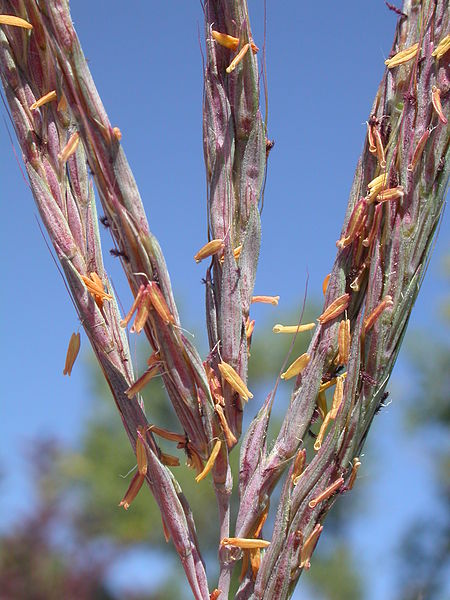
Inforescence of big bluestem (Andropogon gerardii), a wind pollinated plant - pohto credit: wikimedia commons

Inflorescence of big bluestem (Andropogon gerardii), a wind pollinated plant – photo credit: wikimedia commons

Plants that employ animals as pollinators tend to have flowers that we find the most attractive and interesting. They come in all shapes, sizes, and colors and are anywhere from odorless to highly fragrant. Odors vary from sweet to bitter to foul. Many flowers offer nectar as a reward for a pollinator’s service. The nectar is produced in special glands called nectaries deep within the flowers, inviting pollinators to enter the flower where they can be dusted with pollen. The reward is often advertised using nectar guides – patterns of darker colors inside the corolla that direct pollinators towards the nectar. Some of these nectar guides are composed of pigments that reflect the sun’s ultraviolet light – they are invisible to humans but are a sight to behold for many insects.

In part two, we will learn what happens once the pollen has reached the stigma – post-pollination, in other words. But first, a little more about pollen. The term pollen actually refers to a collection of pollen grains. Here is how Michael Allaby defines “pollen grain” in his book The Dictionary of Science for Gardeners: “In seed plants, a structure produced in a microsporangium that contains one tube nucleus and two sperm nuclei, all of them haploid, enclosed by an inner wall rich in cellulose and a very tough outer wall made mainly from sporopollenin. A pollen grain is a gametophyte.”

A pollen grain’s tough outer wall is called exine, and this is what Allaby has to say about that: “It resists decay, and the overall shape of the grain and its surface markings are characteristic for a plant family, sometimes for a genus or even a species. Study of pollen grains preserved in sedimentary deposits, called palynology or pollen analysis, makes it possible to reconstruct past plant communities and, therefore, environments.”
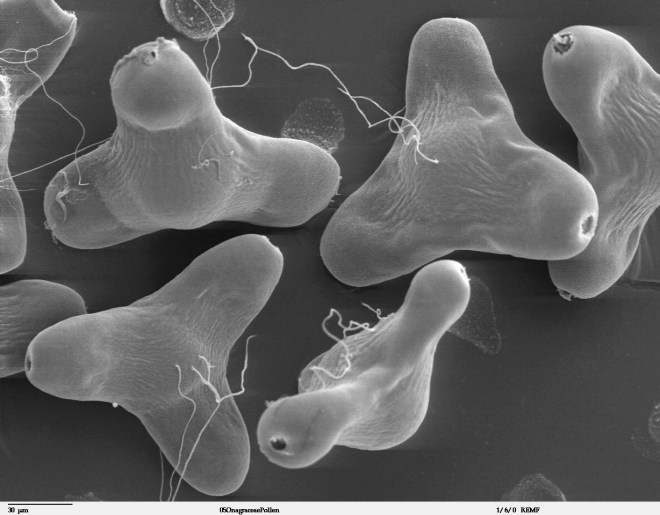
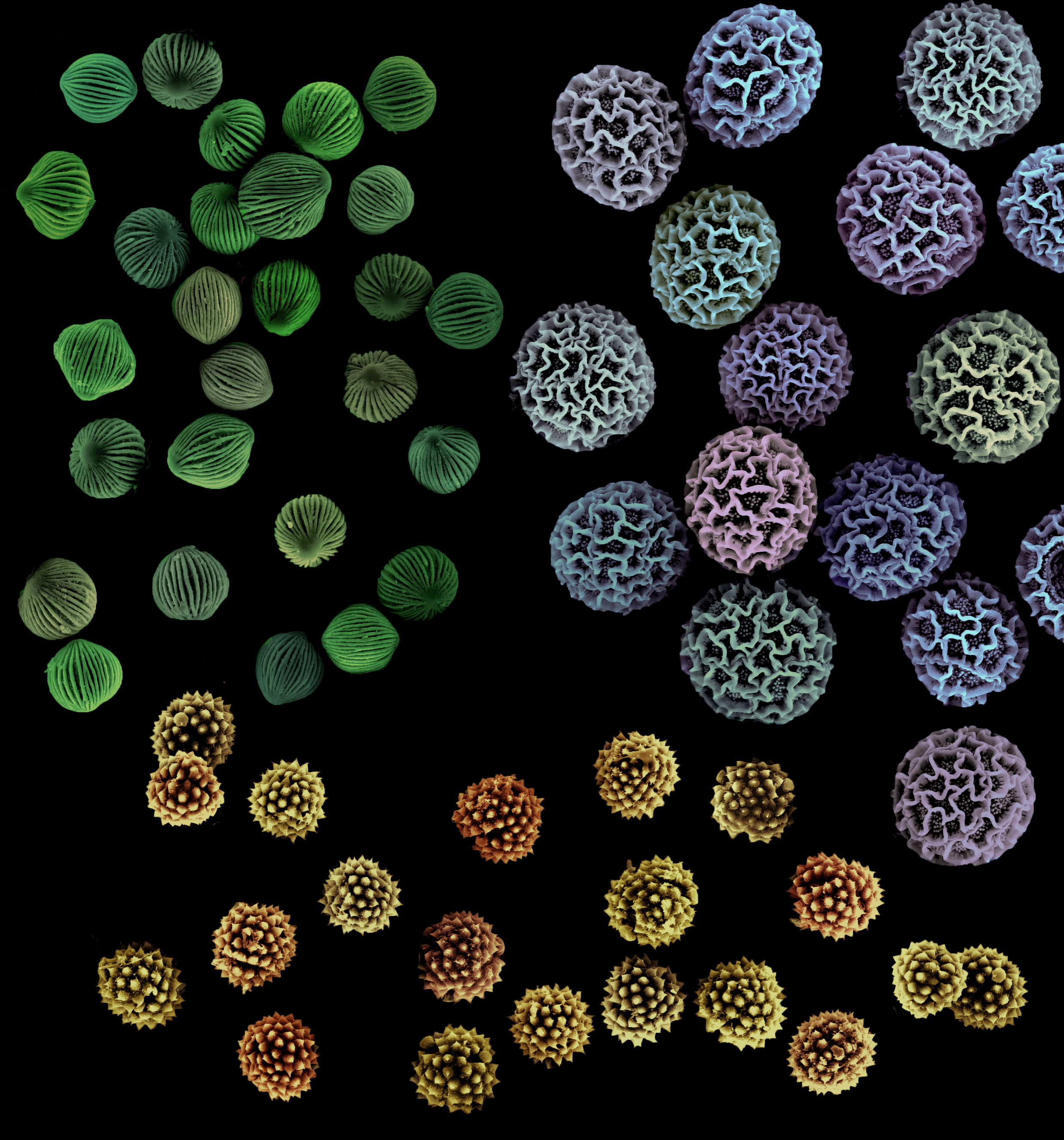
Scanning electron microscope image of pollen grains from narrowleaf evening primrose (Oenothera fruticosa) - photo credit: wikimedia commons

Scanning electron microscope image of pollen grains from narrowleaf evening primrose (Oenothera fruticosa) – photo credit: wikimedia commons

Year of Pollination: Scarlet Gilia and Its Pollinators

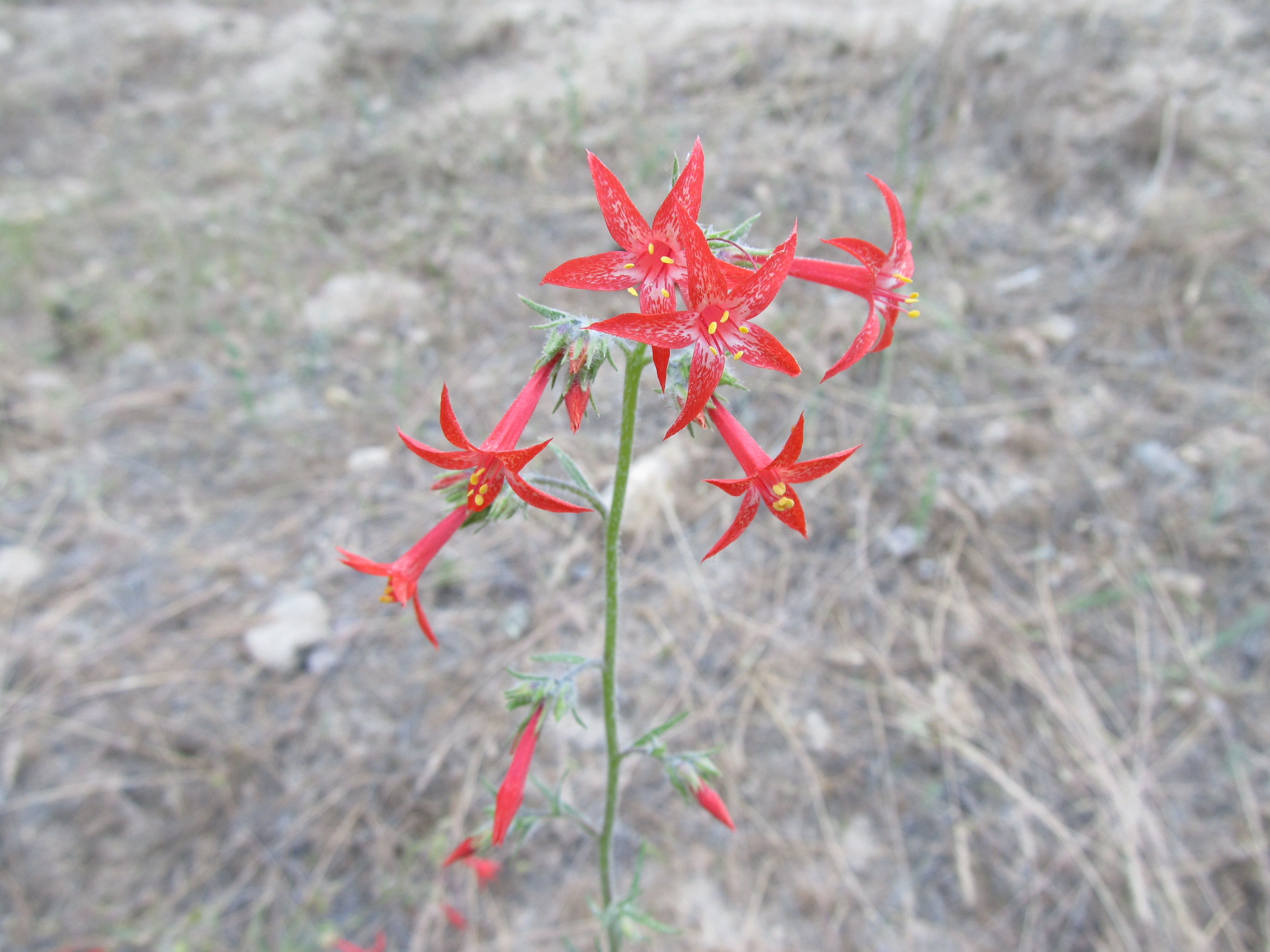
Flowers that are visited and/or pollinated by hummingbirds typically fit the following description: petals are brightly colored, often red; petals are fused to form a long, narrow tube; a “landing pad” is absent; abundant nectar is produced deep within the flower; and fragrance is weak or nonexistent. Scarlet gilia (Ipomopsis aggregata) is a typical example of such a flower, and hummingbirds are indeed among its most common visitors. But there is so much more to the story.

Scarlet gilia (also commonly known as skyrocket) is a wildflower in the phlox family (Polemoniaceae) that occurs in many parts of western North America. It is considered a biennial or short-lived perennial. It spends the first year or so of its life as a compact rosette of fern-like leaves. Later it sends up a branched, flowering stem that can reach 5 feet tall or more. The flowers are slender, trumpet-shaped, and composed of five fused petals that flare outward creating five prominent, pointed lobes. They are self-incompatible and require a pollinator in order to set seed. The stamens of an individual flower produce mature pollen before the stigma of that flower is ready to receive it – this is called protandry and is one mechanism of self-incompatibility.

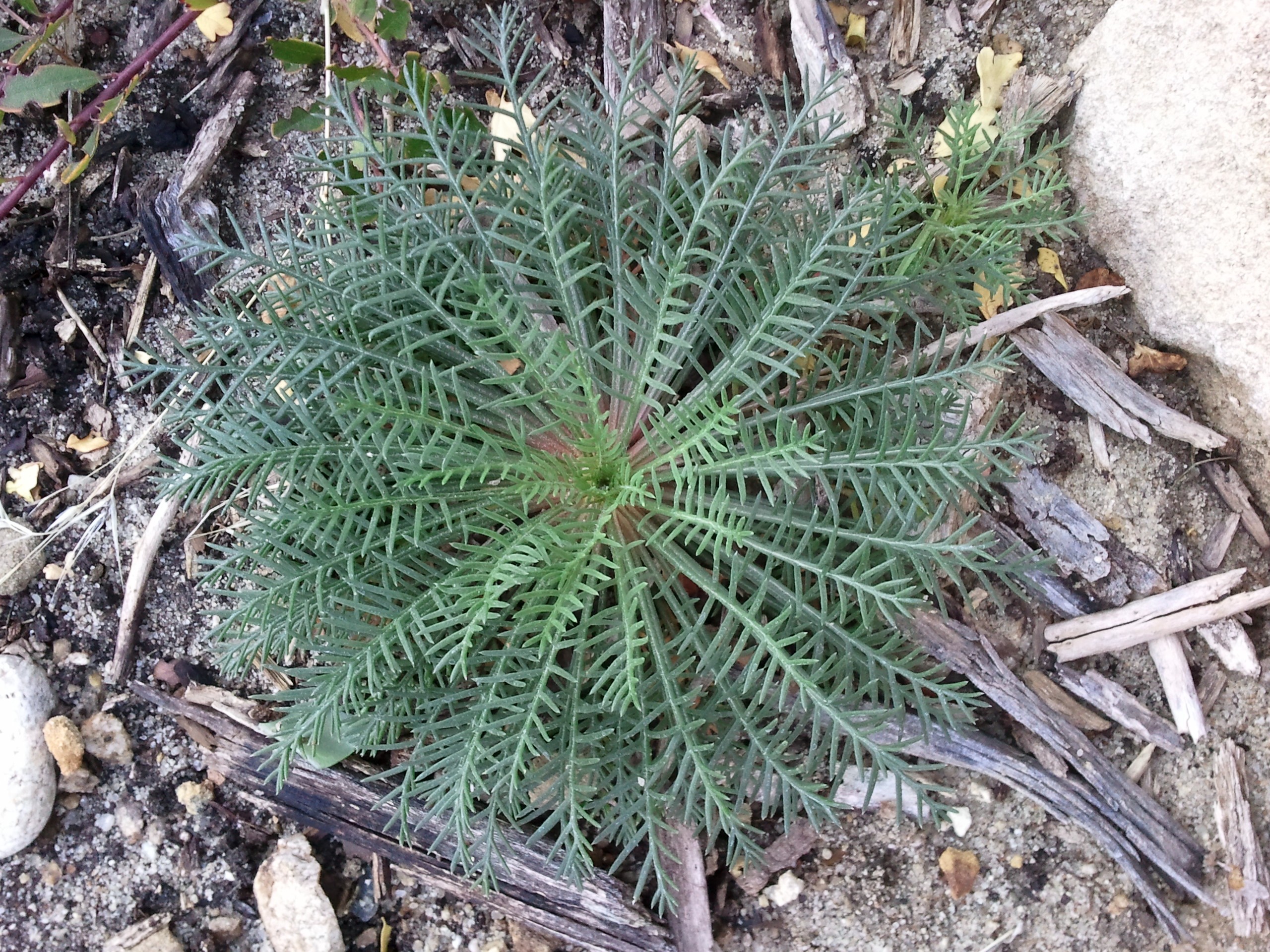
The rosette of scarlet gilia (Ipomopsis aggregata)

The rosette of scarlet gilia (Ipomopsis aggregata)

The flowering period of scarlet gilia can last several months. Depending on the location, it can begin in mid-summer and continue through the fall. During this period, it produces dozens of flowers. It is also at this time that it runs the risk of being browsed by elk, mule deer, and other animals. This doesn’t necessarily set it back though, as it has the potential to respond by producing additional flowering stalks and more flowers. Its flowers are visited by a variety of pollinators including bumblebees, hawkmoths, butterflies, syrphid flies, solitary bees, and of course, hummingbirds. But hummingbirds, in many parts of scarlet gilia’s range are migratory, and that’s where things get interesting.

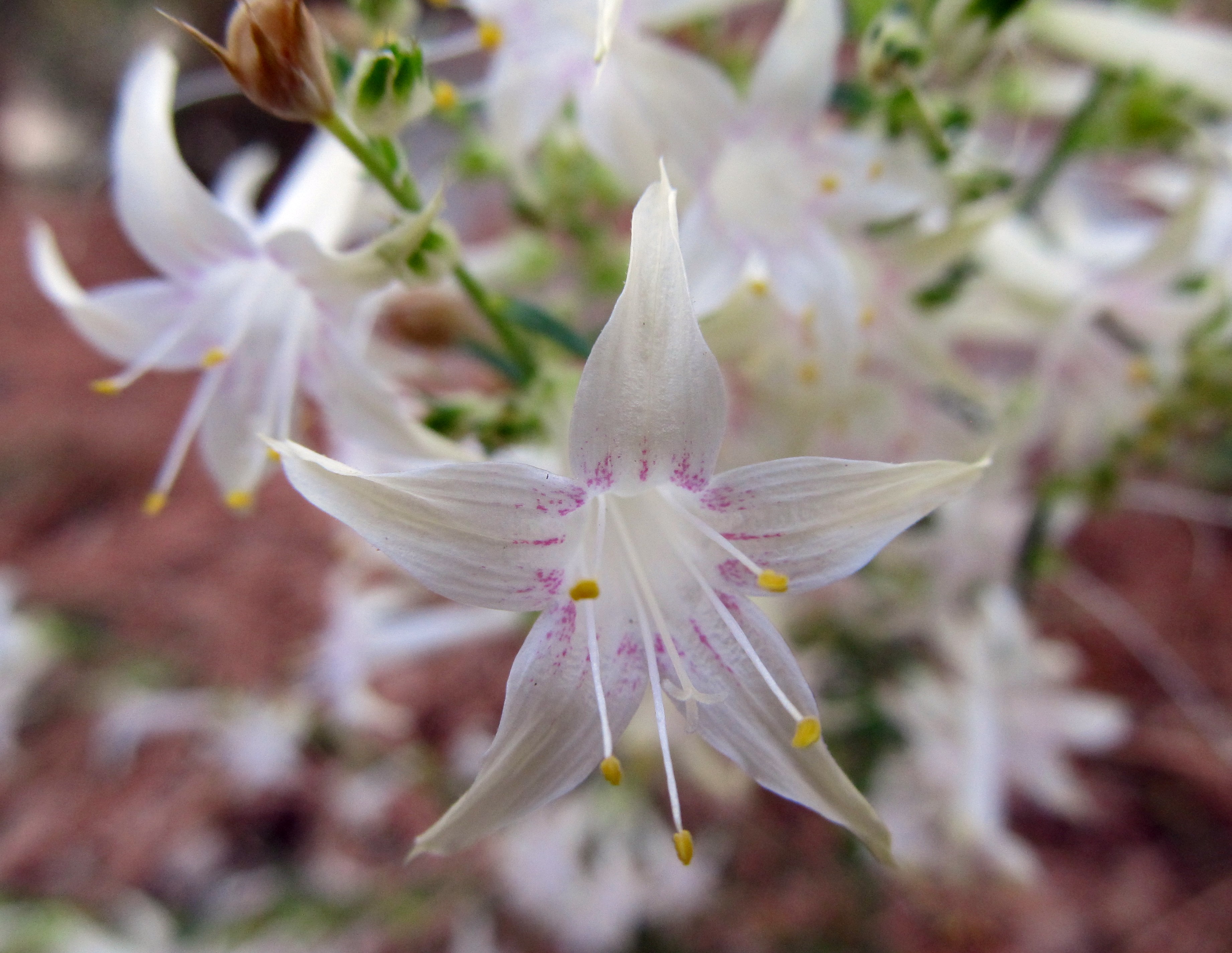
Early flowers of scarlet gilia are usually red. As the season progresses, flowers slowly shift from red to pink. In some cases, they lose all pigmentation and become white. In the early 1980’s, pollination biologists Ken Paige and Thomas Whitman set out to determine the reason for this shift in flower color. They spent three years observing a population of scarlet gilia on Fern Mountain near Flagstaff, Arizona. They noted that the change in flower color corresponded with the migration of hummingbirds and that the now lighter colored flowers continued to be pollinated by hawkmoths until the end of the flowering season.

ipomopsis aggregata

A series of experiments and observations led them to conclude that hummingbirds prefer darker colored flowers and hawkmoths prefer lighter colored flowers. By shifting to a lighter flower color, scarlet gilia appeared to be taking advantage of remaining pollinators after hummingbirds had migrated. They also concluded that the color change was not the cause of hummingbird migration since other flowers with nectar-rich, red, tubular flowers (specifically Penstemon barbatus) remained available in the area throughout their migration. It was also noted that the flowers of scarlet gilia shifted the timing of nectar production, presumably to better match the behavior of hawkmoths which are more active in the evenings.

No plants were observed shifting from light colored flowers to dark colored flowers, which further supported their conclusion. They also compared the population they studied to populations that do not lose their hummingbird pollinator and noted that when hummingbirds remain, the flowers of scarlet gilia don’t change color.

Scarlet gilia (Ipomopsis aggregata) with white flowers

Scarlet gilia (Ipomopsis aggregata) with white flowers

But just how effective are hummingbirds as pollinators of scarlet gilia? A seperate study carried out by a different group of researchers determined that, while hummingbirds were “the most common floral visitor,” long-tongued bumblebees were the more effective pollinator when it came to pollen deposition and seed set. The study involved observations of a scarlet gilia population in Colorado over a 5 year period. Considering how well the floral traits of scarlet gilia match up with the hummingbird pollination syndrome, it is surprising to learn that long-tongued bumblebees are comparatively more effective at pollinating them.

This study provides further evidence against strict adherence to pollination syndromes and the most effective pollinator principle, both of which imply specialized plant-pollinator interactions. (I wrote about these topics here, here, and here in earlier Year of Pollination posts.) In their discussion, the authors propose two possible explanations as to why scarlet gilia, despite its phenotypic floral traits, does not appear to be specialized. One explanation is that “natural selection favors a specialized [floral] morphology that excludes all but a single type of visitor, but there are constraints on achieving this outcome.” Perhaps the pollinators aren’t cooperating; their opportunism is leading them to “exploit flowers on which they can realize an energetic profit, even if they do not mechanically ‘fit’ very well.” The “sensory abilities” of the pollinators may be “broadly tuned,” making it difficult for plants to develop flowers with “private signals detectable only by specific types of pollinators.”

The second explanation proposed by the authors is that “selection favors some degree of floral generalization, but that flowers can retain features that adapt them to a particular type of pollinator in spite of generalization.” In the case of scarlet gilia, specialization could be detrimental because after they send up their flower stalks, they are doomed to die. This gives them only one season to set seed, and if hummingbirds are either not available that year or only available in limited numbers, a scarlet gilia population can lose the opportunity to reproduce. As the authors put it, “the fact that individual plants enjoy only a single season of reproduction, suggests the value of ‘backup’ pollinators.” This may also explain why flower color shifts in order to take full advantage of hawkmoth pollination after hummingbirds are gone.

Scarlet gilia is not only a beautiful and widespread wildflower, but also a plant with a very interesting story. Follow the links below to learn more about this fascinating plant:

Year of Pollination: Hand Pollinating Cucurbits

Because of their large, open, unisexual flowers, plants in the gourd family are perfect for practicing hand pollination. There are several species in this family that are commonly grown in gardens, and all can be hand pollinated. Hand pollination of cucurbits is most often done when there are problems with pollination (lack of pollinators, etc.) or for seed saving purposes (i.e. to ensure that a variety breeds true). It can also be done just for fun, and that’s mostly what this post is about.

But first, if your goal is to save seeds and maintain the integrity of the varieties you are growing, there are a few things to keep in mind. Cucumbers, melons, and watermelons are all different species (Cucumis sativus, Cucumis melo, and Citrullus lanatus respectively), so you won’t have to worry about crosses between these crops. You will, however, have to worry about crosses between different varieties within individual species. So, for example, if you are growing multiple varieties of cucumbers – or if your close neighbors are also growing cucumbers – you should hand pollinate. Summer squash, winter squash, pumpkins, and some gourds are members of at least four species in the genus Cucurbita (C. pepo, C. maxima, C. mixta, and C. moschata). There is a possibility of hybridization between some of these species as well as between varieties within the same species, so precautions should definitely be taken when saving seeds for these crops. This can mean, along with hand pollination, placing bags over flowers so that bees are unable to bring in pollen from “the wrong” plants.

There are plenty of great resources about saving seeds that offer much more detail than I have gone into here, one of which is a book by Marc Rogers called Saving Seeds. Consult such resources if you would like to try your hand at seed saving. It’s easier than you might think, and it’s very rewarding.

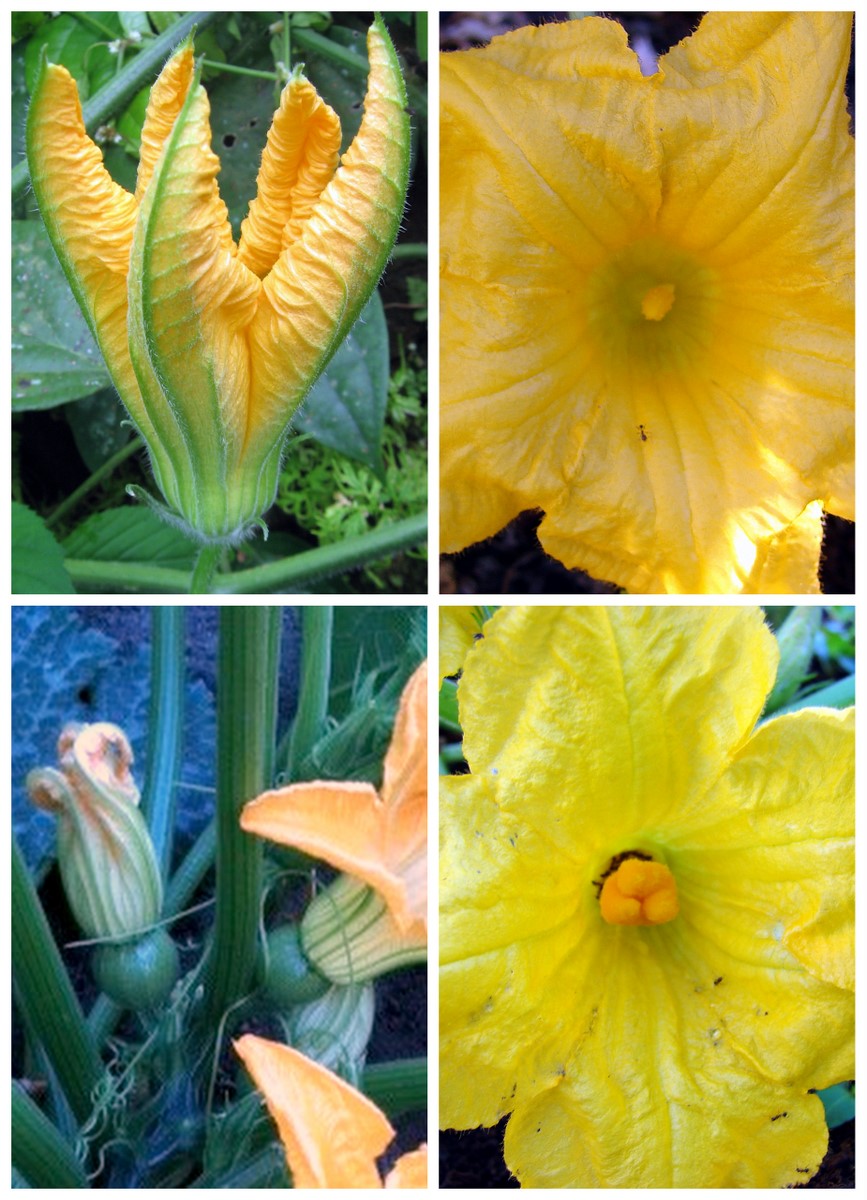
Regardless why you are hand pollinating your cucurbits, the first step in the process is differentiating a male flower from a female flower. This is simple. Female flowers in the family Cucurbitaceae have inferior ovaries, meaning that the ovary sits below the area where the petals and other flower parts are attached. The ovaries are quite pronounced and resemble a miniature fruit. The male flowers lack ovaries, so instead are simply attached to a slender stem. You can also observe the sex organs themselves – male flowers have stamens, female flowers have carpels. Male and female flowers may also be located on different areas of the plant and may open at different times of the day. All that being said, the most obvious indication is the “mini-fruit” at the base of the flower or lack thereof.

Cucurbit flowers: male (top) and female (bottom) - photo credit: wikimedia commons

Cucurbit flowers: male (top two photos) and female (bottom two photos) – image credit: wikimedia commons

Once you have identified your flowers, you have a limited amount of time to hand pollinate them. It’s best to find flowers that are just starting to open, as the female flowers may only be receptive for as little as 24 hours. You can use a cotton swab to gather pollen from the male flower, or you can simply pluck the flower from the plant, remove the petals, and touch the pollen-loaded anthers to the stigmas of a female flower. Either way, you must get the pollen from the male parts of a flower to the female parts of a flower as that is the essence of pollination. Simply put, it’s plant sex. Play some soft jazz while you do it if you want to.

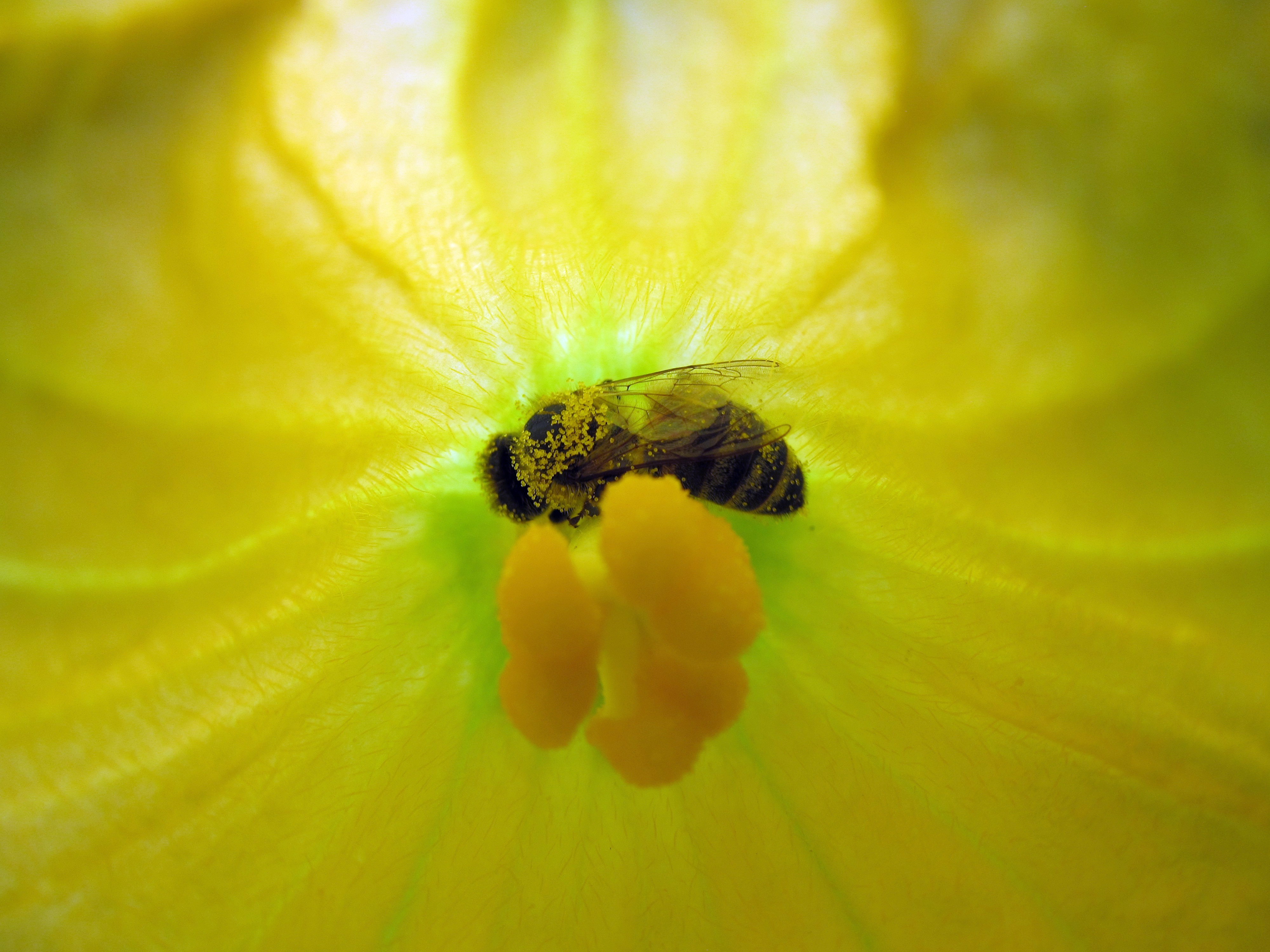
A honeybee in a squash flower

A female squash flower with honeybee inside

A honeybee covered in pollen drinking the nectar of a female squash flower

Honeybee covered in pollen drinking the nectar of a female squash flower

As with saving seeds, there are a lot of resources out there explaining the details of hand pollinating cucurbit flowers, including this guide from Missouri Botanical Garden and the following You Tube Video.


While we are on the subject of cucurbit flowers, it should be noted that squash flowers are edible and can be prepared in a variety of ways, as described in this post at The Kitchn. Just another reason to be impressed by this amazing group of plants.

Year of Pollination: Bumblebees and Climate Change

Bumblebees, generally speaking, are having a rough time. In a world increasingly dominated by humans, some bumblebee species continue to thrive while many others are seriously struggling. Several are nearing extinction. A recent study involving 67 species of European and North American bumblebees concluded that climate change is having a major impact. Bumblebees do not appear to be migrating north in response to warming climates – a hesitation that could spell disaster.

There are over 250 species of bumblebees worldwide (46 are found in North America north of Mexico). Unlike other bees, whose diversity is greatest in Mediterranean climates, bumblebee diversity is highest in cool, temperate climates and montane regions. The majority of bumblebee species are native to the Northern Hemisphere; a few species are native to South America, and a handful of species from Europe have been introduced to New Zealand and Tasmania. Some species of bumblebees, such as the polar bumble bee (Bombus polaris) and the forest bumble bee (Bombus sylvicola), can be found in extreme cold climates and are among a select group of pollinators found in such areas.

The field guide, Bumble Bees of North America, by Paul Williams, et al. provides this description:

“Bumble bees are very hairy bees with combinations of contrasting bright colors, mostly black and yellow, sometimes with various combinations of red or white. They have two pairs of wings that are usually folded back over the abdomen while they are foraging on flowers, or hooked together as a single unit when in flight. Bumble bees also have slender elbowed antennae, and females of the pollen-collecting species have the hind tibia expanded, slightly concave, and fringed with long hairs to form a pollen basket or corbicula.”

Most bee species are solitary insects; bumblebees, like honeybees, are social insects. Unlike honeybees, bumblebee colonies begin with a new queen each year. New queens, after mating in late summer, overwinter in a protected area and emerge in the spring. They then search for food and a nesting site. Suitable nests include abandoned rodent dens,  the bases of bunchgrasses, hollow logs, and human-made structures. They build up a colony of workers which maintain the nest and forage for food and other resources. As the season comes to a close, the queen produces males and new queens. The new queens mate, go into hibernation, and the rest of the bumblebee colony dies off.

Brown-belted Bumblebee (Bombus griseocollis) - photo credit: wikimedia commons

Brown-belted Bumblebee (Bombus griseocollis) – photo credit: wikimedia commons
Bumblebees face numerous threats, both natural and human-caused. Despite their defensive sting, they are regularly eaten or attacked by various mammals, birds, and invertebrates. They are also host to a variety of pests, parasites, and pathogens, some of which have been introduced or exacerbated by human activities. The commercial bee industry is particularly at fault for the spread of certain maladies. Other major threats include loss of habitat and excessive and/or poorly timed use of insecticides. One looming threat that new research suggests is especially concerning is climate change.

A group of researchers from various institutions looked at the historical ranges of 67 species of bumblebees in Europe and North America over a 110 year period. They “measured differences in species’ northern and southern range limits, the warmest or coolest temperatures occupied, and their mean elevations in three periods relative to a baseline period.” They found that on both continents bumblebees are not tracking climate change by expanding their northern range limits and that their southern range limits are shrinking. They also observed that within the southern range limits, some bumblebee species have retreated to higher elevations. They investigated land use changes and pesticide applications (in the US only) to determine the effect they had on the results. While these things certainly affect populations on an individual level, climate change was determined to be the most important factor that lead to nearly universal range contractions of the bumblebees in this study.

The question then is why are they not tracking changing climates the same way that many other species of plants and animals have already been observed doing? Bumblebees evolved in cooler climates, so shrinking southern range limits is not as surprising as the bumblebees’ delay in moving north. Many factors may be contributing to this phenomenon including lack of specialized habitats beyond their historical ranges, daylength differences, and population dynamics. The researchers call for further investigation in order to better evaluate this observed “range compression.” They also suggest experimenting with assisted migration of certain bumblebee colonies, which in general is a controversial topic among conservation biologists. (Read more about this study here.)

Buff-tailed Bumblebee (Bombus terrestris) - photo credit: wikimedia commons

Buff-tailed Bumblebee (Bombus terrestris) – photo credit: wikimedia commons

The loss of bumblebees is concerning because they play a prominent role in the various ecosystems in which they live. They are prolific and highly effective pollinators of both agricultural crops and native plants, and they are also a major component in the food web. Some species of plants “prefer” the pollination services of bumblebees, such as those in the family Solanaceae. Many plants in this family benefit greatly from buzz pollination – a process in which a bumblebee (or occasionally bees of other species) grabs hold of the flower and vibrates its body, dislodging the pollen.

Participating in bumblebee conservation is simple. It’s similar to any other kind of pollinator conservation. Just learning about the pollinators in your region and being mindful of them can make a big difference. If you own or rent property and have space for a garden (even if its just a few containters on a patio), choose plants that provide food for bumblebees, including spring and summer bloomers. If you live in North America, this Xerces Society publication and the field guide mentioned above are great resources that can help you determine which plants are best for your region. Additionally, if you are working in your yard and happen upon a hibernating queen or a bumblebee nest, do your best not to disturb it. It may disrupt your gardening plans for a season, but the bumblebee sightings and the pollination service they provide will be worth it.

One family of plants in particular that you should consider representing in your yard is the legume family (Fabaceae). Bumblebees are commonly seen pollinating plants in this family, and because these plants have the ability to convert nitrogen in the air into fertilizer, their pollen is especially rich in protein. In his book, A Sting in the Tale, Dave Goulson describes the relationship between bumblebees and legumes:

“From a bumblebee’s perspective, legumes are among the most vital components of a wildflower meadow. Plants of this family include clovers, trefoils and vetches, as well as garden vegetables such as peas and beans, and they have an unusual trick that allows them to thrive in low-fertility soils. Their roots have nodules, small lumps inside which live Rhizobium, bacteria that can trap nitrogen from the air and turn it into a form usable by plants. … This relationship gave legumes a huge advantage in the days before artificial fertilizers were widely deployed. Ancient hay meadows are full of clovers, trefoils, vetches, meddicks and melilots, able to outcompete grasses because they alone have access to plentiful nutrients. Most of these plants are pollinated by bumblebees.”

More information about bumblebees and bumblebee conservation:

Bumblebee Conservation Trust

Bumble Bee Watch

BugGuide (Bombus)

The Xerces Society – Project Bumble Bee