Diospyrobezoars, or Persimmons Are Trying to Kill You

Plants that are otherwise perfectly edible can still find a way to kill you. That seems to be the lesson behind phytobezoars. A bezoar is a mass of organic or inorganic material found trapped in the gastrointestinal tract of animals. Bezoars are categorized according to the material they are composed of, so one composed of indigestible plant material is known as a phytobezoar. After learning about bezoars of all kinds on a recent episode of Sawbones, I decided a post about them was in order.

I was particularly intrigued by a very specific type of bezoar known as a diospyrobezoar, a subtype of phytobezoars that can result from eating large quantities of persimmons. The skins of persimmons (Diospyros spp.) are high in tannins. When the tannins mix with stomach acids, a glue-like substance forms and can lead to the creation of a diospyrobezoar.

Fruits of Japanese persimmon (Diospyros kaki) - photo credit: wikimedia commons

Fruits of Japanese persimmon (Diospyros kaki) – photo credit: wikimedia commons

Phytobezoars are the most common type of bezoar and are generally composed of indigestible fibers, such as cellulose, hemicellulose, lignin, and tannins that are found in the skins of fruits and other plant parts. In general, phytobezoars are a rare phenomenon. The risk of obtaining them is higher in people who engage in certain activities (like consuming excessive amounts of high fiber foods or not chewing food properly) or who have certain medical conditions/have undergone certain medical treatments.

A study published in 2012 in Case Reports in Gastroenterology describes a specific incident involving the diagnosis and treatment of a diospyrobezoar. [It also includes a great overview of bezoars and phytobezoars if you feel like navigating through the sea of medical jargon]. The patient was a diabetic man in his 60’s that reported 5 days of abdominal pain after “massive ingestion of persimmons,” although it is not made clear what is meant by “massive” or “excessive” persimmon ingestion. Fourteen years prior, the patient had “undergone hemigastrectomy and associated truncal vagotomy to treat a chronic duodenal ulcer.” After a series of tests and observations, doctors determined that a large bezoar was lodged in the man’s intestines. Surgery was required to remove it. The recovered diospyrobezoar measured 12 cm x 5 cm and weighed 40 grams. Photos are included in the report if you must see them.

The authors of this study cite previous gastric surgery as being commonly associated with diospyrobezoar formation. They also cite previous abdominal surgery and absence of teeth as “predisposing factors.” They list major symptoms of bezoars, which include abdominal pain, bloating, vomiting and nausea, and small bowel obstruction. Phytobezoars most commonly form in the stomach where they can “generate gastric ulcers.” As you might imagine, the situation worsens if the phytobezoar enters the small intestine. Read the study for a more colorful description regarding that.

Surgery was necessary in this case, but not in all cases. The authors describe various medical and endoscopic treatments as alternatives to surgery. One approach is to try dissolving the bezoar using certain enzymes or Coca-Cola. The authors state that “there are several publications describing the successful use of Coca-Cola in treating bezoars.” [Here is a link to one such study.] The phosphoric acid and the carbon dioxide bubbles are suspected to be the active agents in breaking down the intruding masses. The authors warn, though, that “partial dissolution of bezoars located in the stomach can cause them to migrate to the small bowel, resulting in intestinal obstruction.”

Diospyrobezoars aside, persimmons are beautiful trees with lovely fruit. They are not out to get you any more than any other living organism out there, but their fruit should be consumed with caution. As with anything, the dose makes the poison. In the Sawbones episode, Sydnee McElroy specifically advises listeners to avoid unripe persimmons. That being said, the moral of the story is: if you like persimmons, eat them sparingly and make sure they’re ripe.

Want to learn more about persimmons and bezoars? Visit persimmonpudding.com for an excellent summary and lots of additional resources.

Common Persimmon (Diospyros virginiana), native to North America - photo credit: eol.org

Common Persimmon (Diospyros virginiana)  is native to North America. According to the U.S. Forest Service it is “distributed from southern Connecticut and Long Island, New York to southern Florida. Inland it occurs in central Pennsylvania, southern Ohio, southern Indiana, and central Illinois to southeastern Iowa; and southeastern Kansas and Oklahoma to the Valley of the Colorado River in Texas.”   – photo credit: eol.org
 

Year of Pollination: Botanical Terms for Pollination, part two

“The stage is set for reproduction when, by one means or another, compatible pollen comes to rest on a flower’s stigma. Of the two cells within a pollen grain, one is destined to grow into a long tube, a pollen tube, that penetrates the pistil’s tissues in search of a microscopic opening in one of the ovules, located in the ovary. … The second of a pollen grain’s cells divides to become two sperm that move through the pollen tube and enter the ovule.” – Brian Capon, Botany for Gardeners

“Once pollination occurs, the next step is fertilization. Pollen deposited on the sticky stigma generates a fine pollen tube that conveys the sperm through the style to the ovary, where the ovules, or eggs, have developed. After fertilization, the rest of the flower parts wither and are shed as the ovary swells with seed development.” – Rick Imes, The Practical Botanist

Pollination tells the story of a pollen grain leaving an anther by some means – be it wind, water, or animal – and finding itself deposited atop a stigma. As long as the pollen and stigma are compatible, the sex act proceeds. In other words, the pollen grain germinates. One of the pollen grain’s cells – the tube nucleus – grows down the length of the style, forming a tube through which two sperm nuclei can travel. The sperm nuclei enter the ovary and then, by way of a micropyle, enter an ovule. Inside the ovule is the female gametophyte (also referred to as the embryo sac). One sperm nucleus unites with the egg nucleus to form a zygote. The remaining sperm nucleus unites with two polar nuclei to form a triploid cell which becomes the endosperm. The sex act is complete.

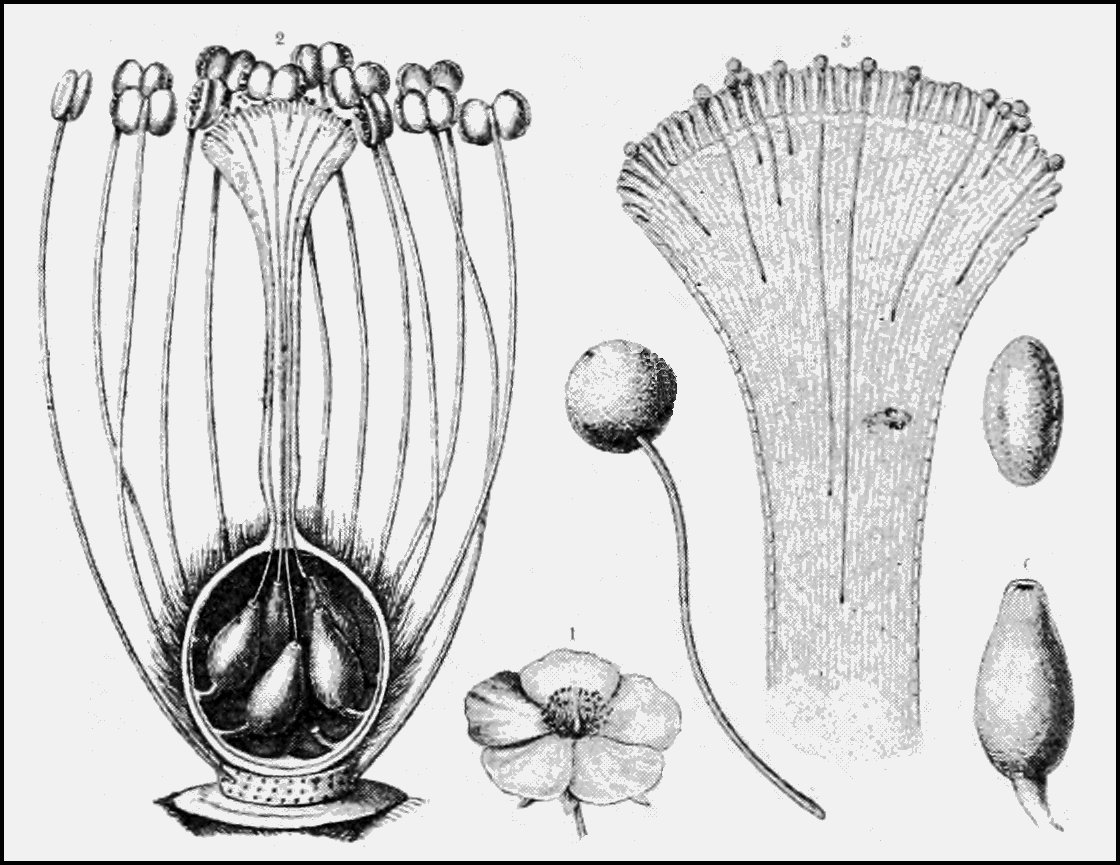
The illustration on the left includes the cross-section of a pistil showing the inside the ovary where pollen tubes have made their way to the ovules. The illustration on the right shows pollen grains germinating on a stigma and their pollen tubes begining to work their way down the style. (photo credit: wikimedia commons)

The illustration on the left includes the cross section of a pistil showing the inside of the ovary where pollen tubes have made their way to the ovules. The illustration on the right shows pollen grains germinating on a stigma and pollen tubes as they work their way down the style. (image credit: wikimedia commons)

The zygote divides by mitosis to become an embryo. The endosperm nourishes the development of the embryo. The ovule matures into a seed, and the ovary develops into a fruit. During this process, the remaining parts of the flower wither and fall away. In some cases, certain flower parts remain attached to the fruit or become part of the fruit. The flesh of an apple, for example, is formed from the carpels and the receptacle (the thickened end of a flower stem – peduncle – to which the parts of a flower are attached).

As the seed matures, the endosperm is either used up or persists to help nourish the embryonic plant after germination. Mature seeds that are abundant in endosperm are called albuminous. Examples include wheat, corn, and other grasses and grains. Mature seeds with endosperm that is either highly reduced or absent are called exalbuminous – beans and peas, for example. Certain species – like orchids – do not produce endosperm at all.

The cross section of a corn kernel showing the endosperm and the embryo (image credit: Encyclopedia Britannica Kids)

The cross section of a corn kernel showing the endosperm and the embryo (image credit: Encyclopedia Britannica Kids)

It is fascinating to consider that virtually every seed we encounter is the result of a single pollen grain making its way from an anther to a stigma, growing a narrow tube down a style, and fertilizing a single ovule. [Of course there are always exceptions. Some plants can produce seeds asexually. See apomixis.] Think of this the next time you are eating corn on the cob or popcorn – each kernel is a single seed – or slicing open a pomegranate to reveal the hundreds of juicy seeds inside. Or better yet, when you are eating the flesh or drinking the milk of a coconut. You are enjoying the solid and liquid endosperm of one very large seed.

Much more can be said about pollination and the events surrounding it, but we’ll save that for future posts. The “Year of Pollination” may be coming to an end, but there remains much to discover and report concerning the subject. For now, here is a fun video to help us review what we’ve learned so far:


Also, take a look at this TED talk: The Hidden Beauty of Pollination by Louie Schwartzberg

And finally, just as the “Year of Pollination” was coming to an end I was introduced to a superb blog called The Amateur Anthecologist. Not only did it teach me that “anthecology” is a term synonymous with pollination biology, it has a great series of posts called “A Year of Pollinators” that showcases photographs and information that the author has collected for various groups of pollinators over the past year. The series includes posts about Bees, Wasps, Moths and ButterfliesFlies, and Beetles, Bugs, and Spiders.

Drought Tolerant Plants: Rabbitbrush

Gardener seeking shrub. Must be drought tolerant. Must have year-round interest. Must be easy to grow and maintain. Preferably flowers in late summer or early fall. Must be attractive – not just to humans, but to wildlife as well. Serious inquiries only.

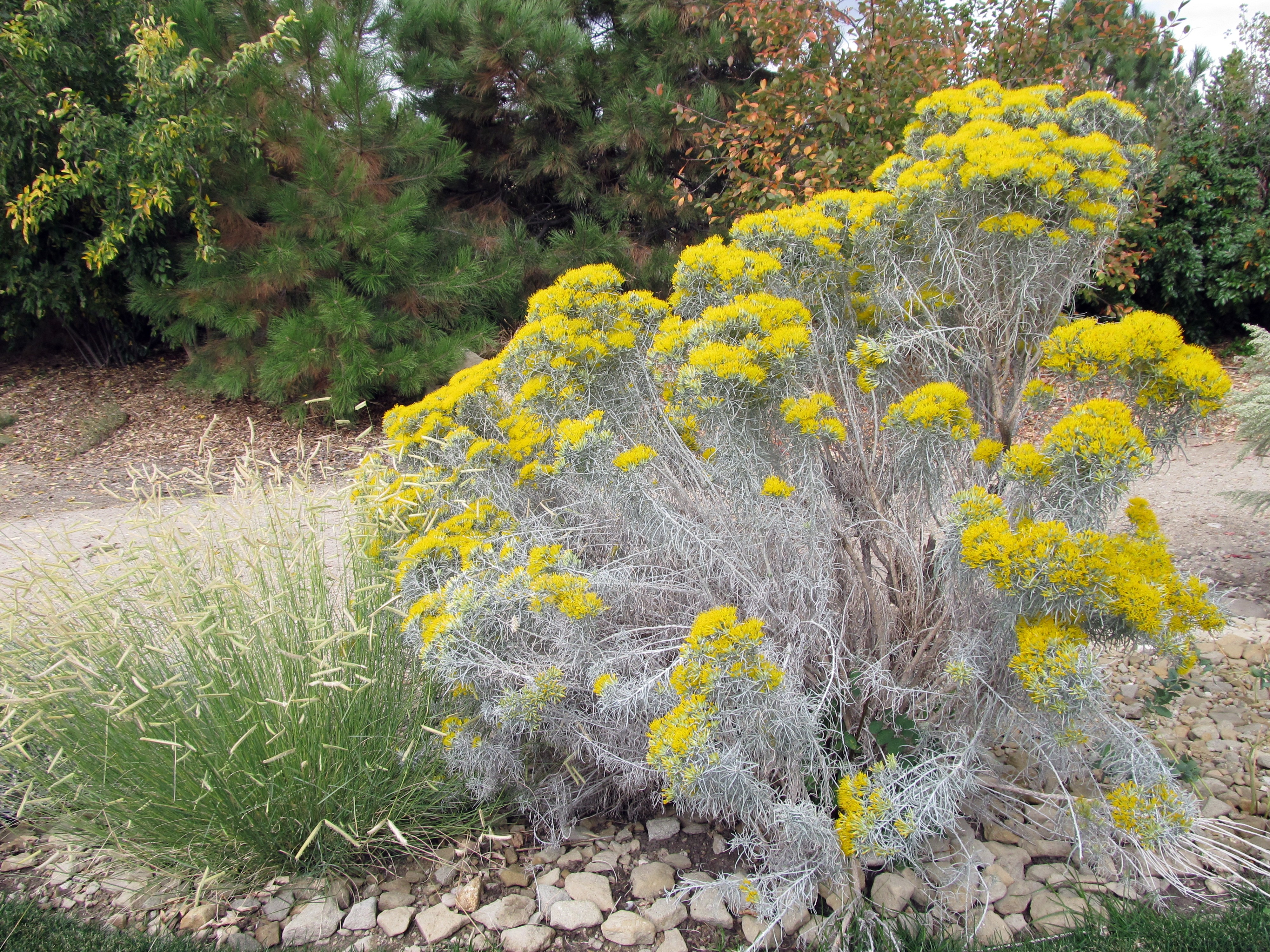
My answer to a solicitation such as this would be rabbitbrush. While there may be other perfectly acceptable plants that fit this description, I think rabbitbrush deserves major consideration. It’s easy to grow and can be kept looking attractive throughout the year. When it is flush with vibrant, golden-yellow flowers at the close of summer, it not only becomes the star of the garden visually, but also a savior to pollinators readying themselves for winter. Plus, it requires little to no supplemental water, making it a true dry garden plant.

There are many species that go by the common name rabbitbrush. The two that I am most familiar with are Ericameria nauseosa (rubber or gray rabbitbrush) and Chrysothamnus viscidiflorus (green or yellow rabbitbrush). Both of these species are native to western North America, and both have a number of naturally occurring varieties and subspecies.

Rubber rabbitbrush - Ericameria nauseosa

Rubber rabbitbrush – Ericameria nauseosa

Rubber rabbitbrush is a densely branched shrub that reaches an average height of 3 feet. Its leaves are slender and numerous, and its stems and leaves are covered in short, white, felt-like hairs giving the plant a light gray appearance. Native Americans used the flexible branches of this plant to weave baskets. They also made a tea from the stems to treat coughs, colds, chest pains, and toothaches. Bundles of branches were burned to smoke animal hides. The stems and roots contain a latex sap, and certain Native American tribes are said to have used this sap as chewing gum, possibly to relieve hunger or thirst. A rubber shortage during World War II led to investigations into extracting the latex from rabbitbrush. This idea was soon abandoned once it was determined that even if every rabbitbrush in the West were to be harvested, the resulting increase in rubber would be modest compared to other sources.

Green rabbitbrush is typically smaller than rubber rabbitbrush, reaching a maximum height of about 3 feet. Its stems and leaves appear similar to rubber rabbitbrush except they lack the dense, white hairs and are brown and green respectively. Also, the stems and leaves of green rabbitbrush have a stickiness to them, and the leaves are often twisted or curled.

Rabbitbrush is a member of the sunflower family (Asteraceae). Plants in this family generally have inflorescences that are a combination of ray and disk flowers (or florets) clustered tightly together and arranged in such a way that the inflorescence appears as a single flower. Consider sunflowers, for example. What appear to be petals around the outside of a large flower are actually a series of individual ray flowers, and in the center are dozens of disk flowers. Both rubber and green rabbitbrush lack ray flowers, and instead their inflorescences are clusters of 5 or so disk flowers that are borne at the tips of each branch creating a sheet of yellow-gold flowers that covers the shrub. Native Americans used these flowers to make dyes.

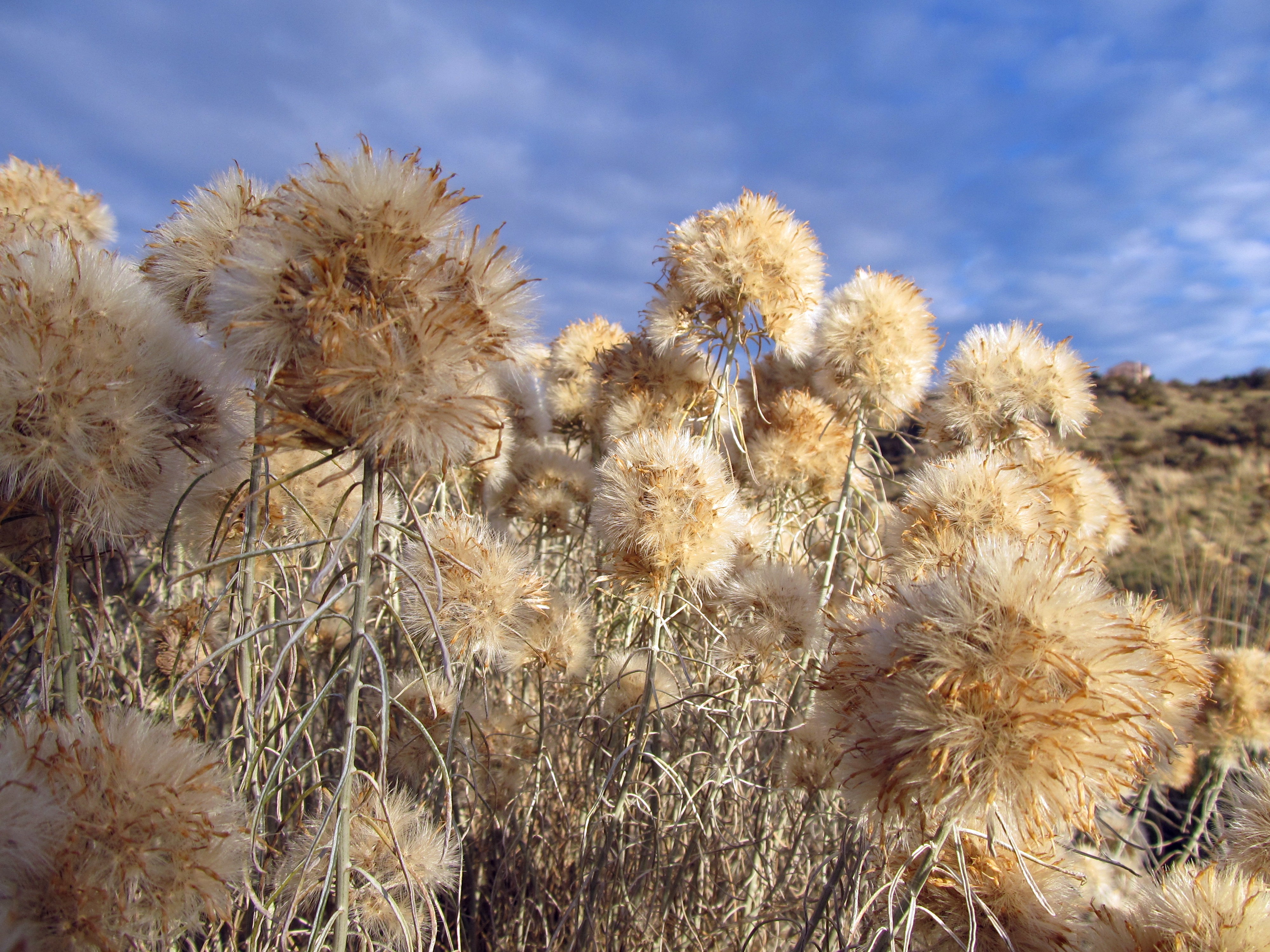
The fruits of rabbitbrush are achenes with small tufts of hairs attached. Each achene contains one seed. The tuft of hair (or pappus) helps disseminate the seed by way of the wind. Many of the fruits remain attached to the plant throughout the winter, providing winter interest and food for birds.

As rabbitbrush ages it can become gangly, floppy, or simply too large for the site. This can be avoided easily by cutting the plant back by a third or more each fall or spring, which will result in a more manageable form. It can also be cut back nearly to the ground if it is getting too big.

Seed heads of rubber rabbit brush (Ericameria nauseosa)

Seed heads of rubber rabbit brush (Ericameria nauseosa)

The leaves, flowers, stems, and seeds provide food for a variety of animals including birds, deer, and small mammals. The plant itself can also provide cover for small mammals and birds. Oh, and did I mention that it’s a pollinator magnet. It has wildlife value, it’s drought tolerant, it’s easy to maintain, and overall, it’s a beautiful plant. What more could you ask for in a shrub?

More Drought Tolerant Plant posts at Awkward Botany:

Fernbush

Blue Sage

Prickly Pears

Water Efficient Landscape at Idaho State Capitol Building

Desert Willow

The photos in this post were taken at Idaho Botanical Garden in Boise, Idaho.

The Gourd Family

Pumpkins are practically synonymous with fall. Outside of every supermarket, bins overflow with pumpkins and other winter squash; inside, shelves are stocked with pumpkin flavored, pumpkin spiced, and pumpkin shaped everything. It’s the season of the almighty gourd – a family of plants that not only shares a long history with humans but also features some of the most diverse and unique-looking fruits on the planet. They are a symbol of the harvest season, a staple of the Halloween holiday, and a family of plants that is certainly worth celebrating.

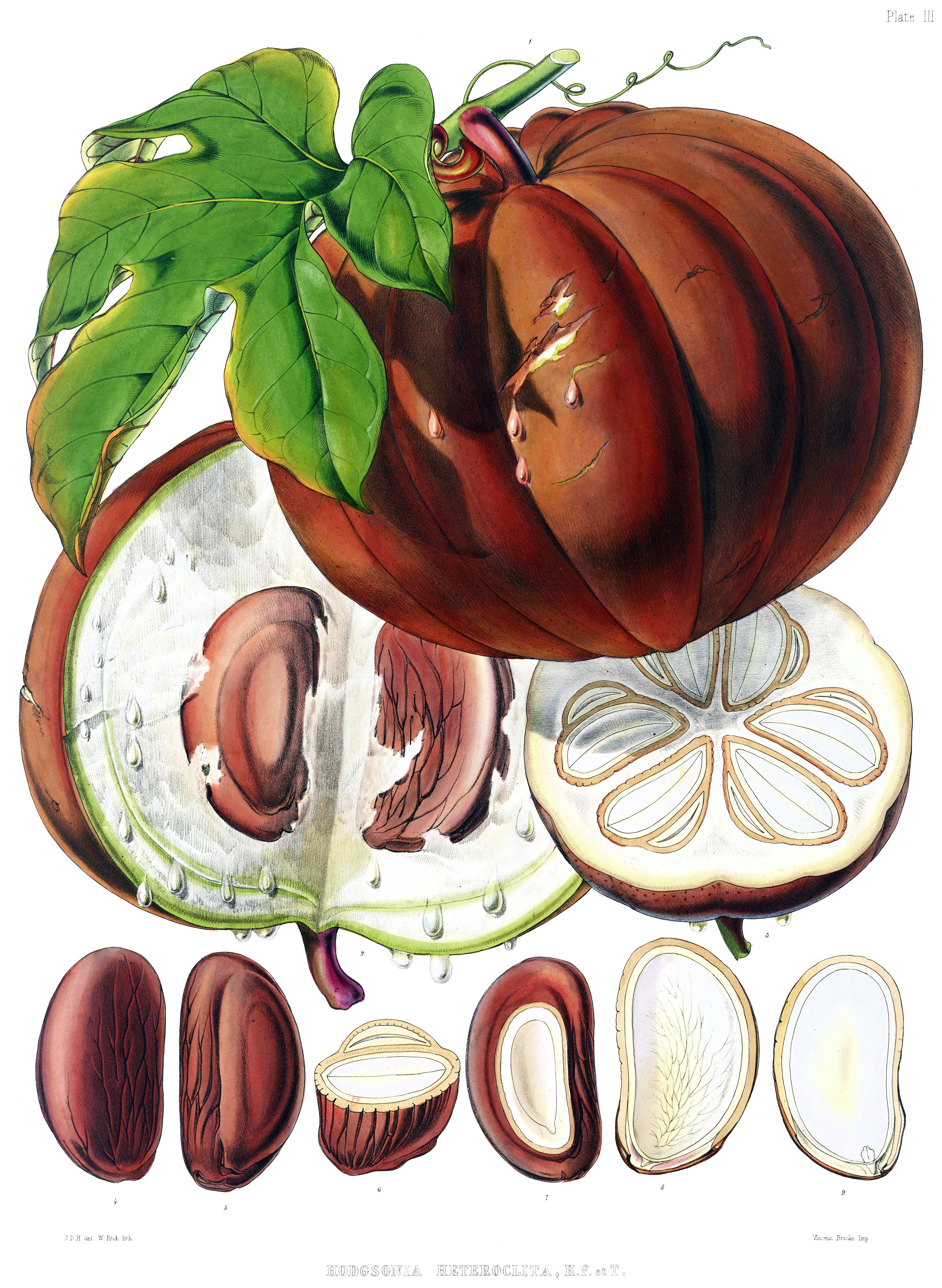
Chinese lardplant (Hodgsonia heteroclita) - photo credit: wikimedia commons

Chinese lardplant (Hodgsonia heteroclita) – photo credit: wikimedia commons

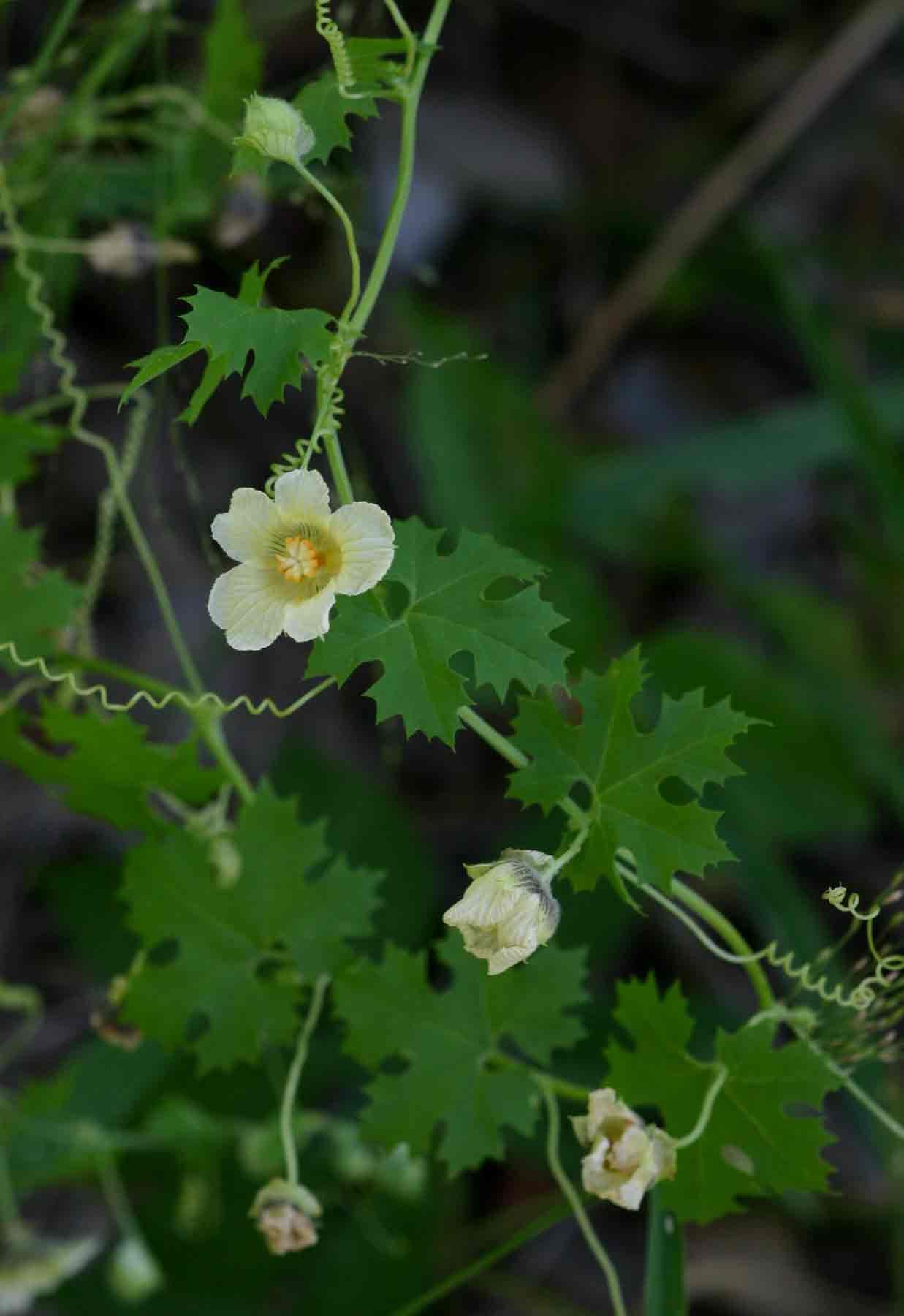
The gourd family – Cucurbitaceae – includes at least 125 genera and around 975 species. It is a plant family confined mainly to tropical/subtropical regions, with a few species occurring in mild temperate areas. Most species are vining annuals. A few are shrubs or woody lianas. One species, Dendrosicyos socotranus, is a small tree commonly known as cucumber tree. Plants in this family have leaves that are alternately arranged and often palmately lobed. Climbing species are equipped with tendrils. Flowers are unisexual and are typically yellow, orange, or white and funnel shaped. They are generally composed of 5 petals that are fused together. Male flowers have 5 (sometimes 3) stamens; female flowers have 3 (sometimes 4) fused carpels. Depending on the species, male and female flowers can be found on the same plant (monoecious) or on different plants (dioecious). Pollination is most often carried out by bees or beetles.

The flowers of balsam apple (Momordica balsamina) - photo credit: eol.org

Balsam apple (Momordica balsamina) – photo credit: eol.org

Vining habits and diverse shapes and sizes of leaves and flowers make plants in this family interesting; however, it is the fruits born by this group of plants that truly make it stand out. Known botanically as pepos – berries with hard or thick rinds –  their variability is impressive. Imagine just about any color, shape, size, or texture, and there is probably a cucurbit fruit that fits that description. Even the flesh of these fruits can be incredibly diverse. Some fruits are small and perfectly round; others are long, twisting, and snake-like or have curving neck-like structures. Some are striped, variegated, or mottled; others are warty, ribbed, or spiky. What’s more, the cultivated pumpkin holds the record for the biggest fruit in the world.

The spiky fruits of wild cucumber (Echinocystus lobata) - photo credit: wikimedia commons

The spiky fruits of wild cucumber (Echinocystus lobata) – photo credit: wikimedia commons

Having such unique fruits is probably what drew early humans to these plants. Bottle gourds (Lagenaria siceraria) were one of the first species of any plant family to be domesticated (more than 10,000 years ago). This occurred in several regions across the Old World and the New World even before agriculture was developed (more about that here). Today, numerous species in this family are cultivated either for their edible fruits and seeds or for seed oil and fiber production. Others are grown as ornamentals.

The genus Cucurbita is probably the most cultivated of any of the genera in the family Cucurbitaceae. Summer squash, winter squash, pumpkins  – all are members of various species in this genus. Cucumbers and melons are members of the genus Cucumis. Watermelon is Citrullus lanatus. Gourds are members of Cucurbita and Lagenaria. Luffa aegyptiaca and Luffa acutangula are grown as vegetable crops (the young fruit) and for making scrubbing sponges (the mature fruit). Chayote (Sechium edule) and bitter melon (Momordica charantia) are commonly cultivated in latin and asian countries respectively. And the list goes on…

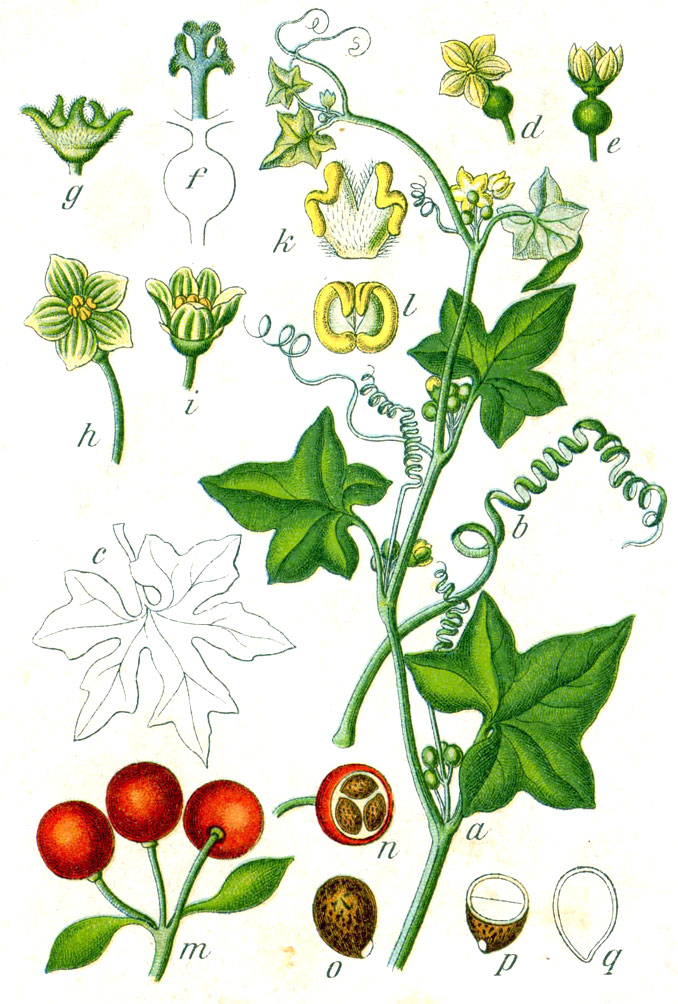
Considering that there are so many edible species in this family, it is important to note that some are quite poisonous. The genus Bryonia is particularly toxic. Consumption can result in dizziness, vomiting, diarrhea, and ultimately, death. As Thomas Elpel states in his book Botany in a Day, “this plant is not for amateurs.”

White bryony (Bryonia dioica) - photo credit: wikimedia commons

white bryony (Bryonia dioica) – photo credit: wikimedia commons

Researching this family has been fun, and this post barely scratches the surface of this remarkable group of plants. One species in particular that stands out to me is Alsomitra macrocarpa, a liana from the tropical forests of Asia. Commonly known as Javan cucumber, this plant produces football-sized fruits packed with numerous seeds that are equipped with expansive, paper-thin “wings” that assist the seed in traveling many yards away from its parent plant in hopes of finding room to grow free from competition. Here is a video demonstrating this resourceful seed:

Year of Pollination: Figs and Fig Wasps

This post originally appeared on Awkward Botany in November 2013. I’m reposting an updated version for the Year of Pollination series because it describes a very unique and incredibly interesting interaction between plant and pollinator. 

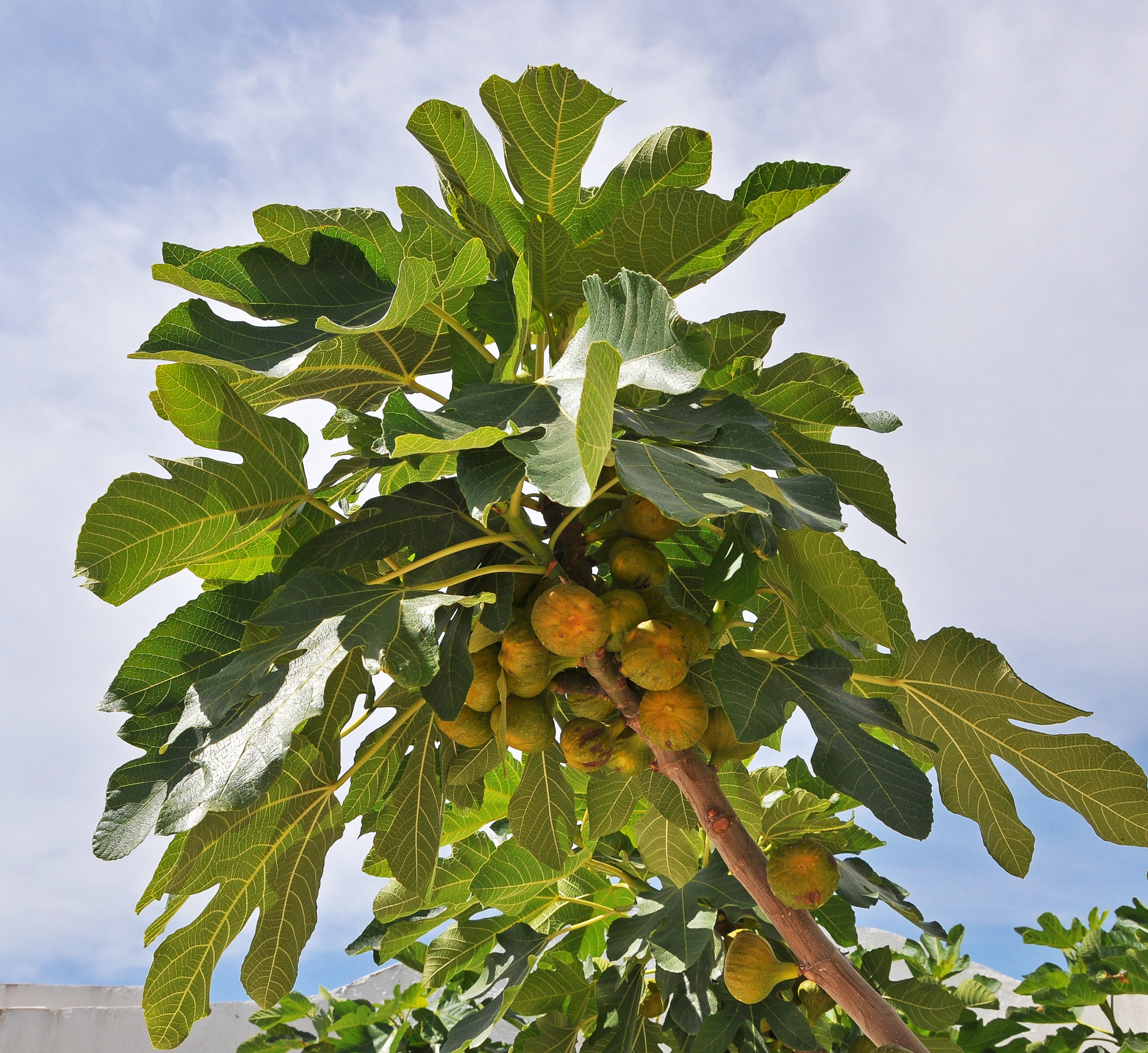
Ficus is a genus of plants in the family Moraceae that consists of trees, shrubs, and vines. Plants in this genus are commonly referred to as figs, and there are nearly 850 described species of them. The majority of fig species are found in tropical regions, however several occur in temperate regions as well. The domesticated fig (Ficus carica), also known as common fig, is widely cultivated throughout the world for its fruit.

common fig

Common Fig (Ficus carica) – photo credit: wikimedia commons

The fruit of figs, also called a fig, is considered a multiple fruit because it is formed from a cluster of flowers. A small fruit develops from each flower in the cluster, but they all grow together to form what appears to be a single fruit. The story becomes bizarre when you consider the location of the fig flowers. They are contained inside a structure called a syconium, which is essentially a modified fleshy stem. The syconium looks like an immature fig. Because they are completely enclosed inside syconia, the flowers are not visible from the outside, yet they must be pollinated in order to produce seeds and mature fruits.

This is where the fig wasps come in. “Fig wasp” is a term that refers to all species of chalcid wasps that breed exclusively inside of figs. Fig wasps are in the order Hymenoptera (superfamily Chalcidoidea) and represent at least five families of insects. Figs and fig wasps have coevolved over tens of millions of years, meaning that each species of fig could potentially have a specific species of fig wasp with which it has developed a mutualistic relationship. However, pollinator host sharing and host switching occurs frequently.

Fig wasps are tiny, mere millimeters in length, so they are not the same sort of wasps that you’ll find buzzing around you during your summer picnic. Fig wasps have to be small though, because in order to pollinate fig flowers they must find their way into a fig. Fortunately, there is a small opening at the base of the fig called an ostiole that has been adapted just for them.

What follows is a very basic description of the interaction between fig and fig wasp; due to the incredible diversity of figs and fig wasps, the specifics of the interactions are equally diverse.

First, a female wasp carrying the pollen of a fig from which she has recently emerged discovers a syconium that is ready to be pollinated. She finds the ostiole and begins to enter. She is tiny, but so is the opening, and so her wings, antennae, and/or legs can be ripped off in the process. No worries though, since she won’t be needing them anymore. Inside the syconium, she begins to lay her eggs inside the flowers. In doing so, the pollen she is carrying is rubbed off onto the stigmas of the flowers. After all her eggs are laid, the female wasp dies. The fig wasp larvae develop inside galls in the ovaries of the fig flowers, and they emerge from the galls once they have matured into adults. The adult males mate with the females and then begin the arduous task of chewing through the wall of the fig in order to let the females out. After completing this task, they die. The females then leave the figs, bringing pollen with them, and search for a fig of their own to enter and lay eggs. And the cycle continues.

But there is so much more to the story. For example, there are non-pollinating fig wasps that breed inside of figs but do not assist in pollination – freeloaders essentially. The story also differs if the species is monoecious (male and female flowers on the same plant) compared to dioecious (male and female flowers on different plants). It’s too much to cover here, but figweb.org is a great resource for fig and fig wasp information. Also check out the PBS documentary, The Queen of Trees.


Field Trip: Sawtooth Botanical Garden

columbine

It may only be a two and a half hour drive from my house, but until last week I had never visited Sawtooth Botanical Garden in Ketchum, Idaho. The garden is probably not in its prime in the middle of August, but I happened to be in the area so I had to check it out. It’s a small garden – about 5 acres – but I found the space to be well used and full of interesting plants and features. Walking through meandering pathways and around a series of berms, it is easy to get the impression that the garden is larger than it actually is. There were a few areas in obvious need of attention, but as an employee of a non-profit public garden myself, I understand the challenges of maintaining a garden with limited resources. So putting minor issues aside, I thought the garden looked beautiful and I greatly enjoyed my wander through it.

Sawtooth Botanical Garden is in its 11th year. Its mission is to “showcase native and cultivated plants that flourish at high altitude” and to “foster environmental stewardship” of the “region’s unique beauty” by offering “education, events, displays, and plant collections.” Read more about its mission and history here. Brief descriptions of the areas within the garden can also be found on the garden’s website. The interpretive signage describing each area in the garden was well done and one of the highlights of my visit. I didn’t stay long, but I definitely plan on visiting again in the near future. If you ever find yourself in the Wood River Valley, I highly recommend stopping by.

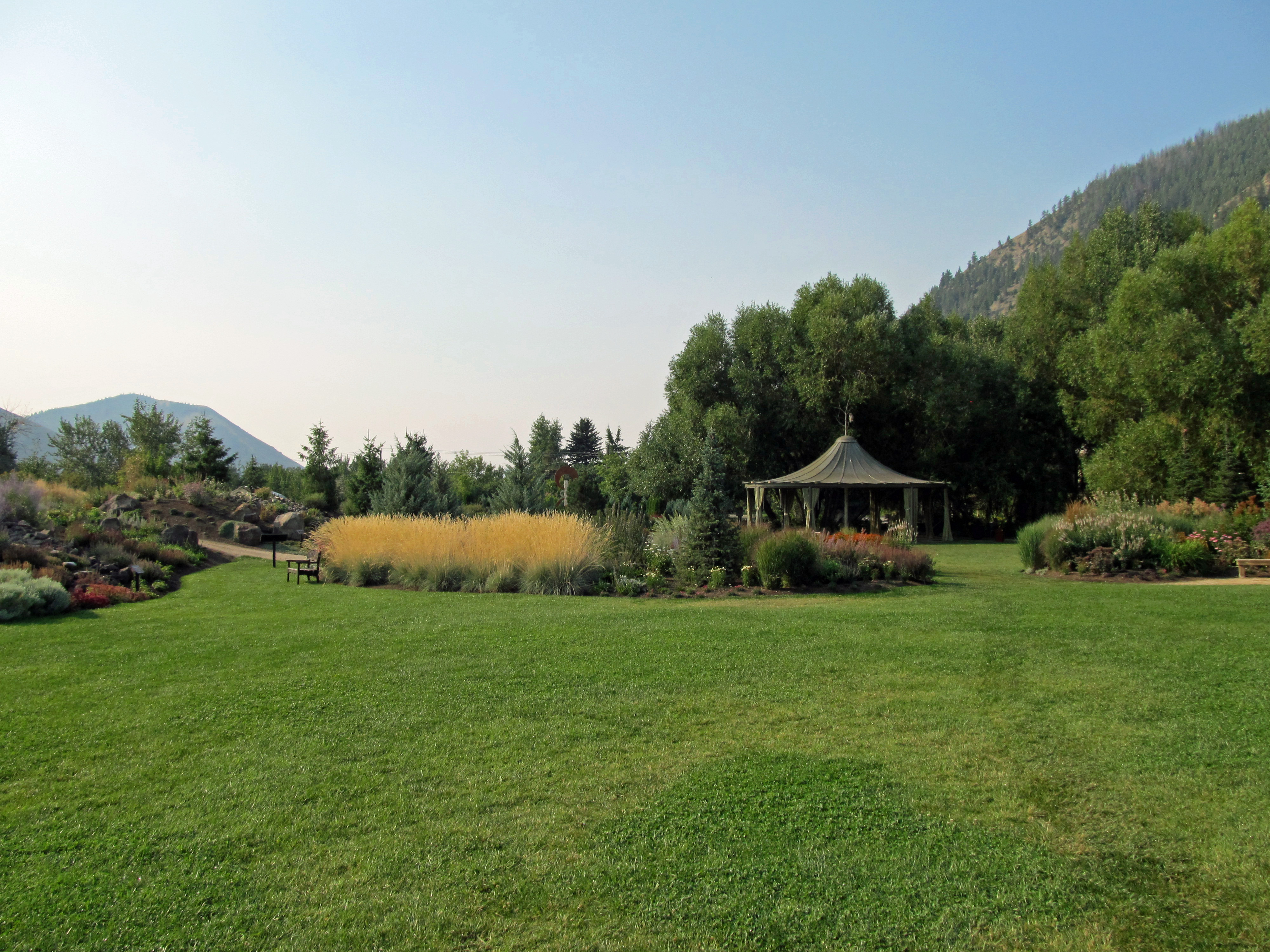
Central area of the garden featuring perennial beds and the Ellen Long Garden Pavillion

Central area of the garden featuring the perennial beds and the Ellen Long Garden Pavillion

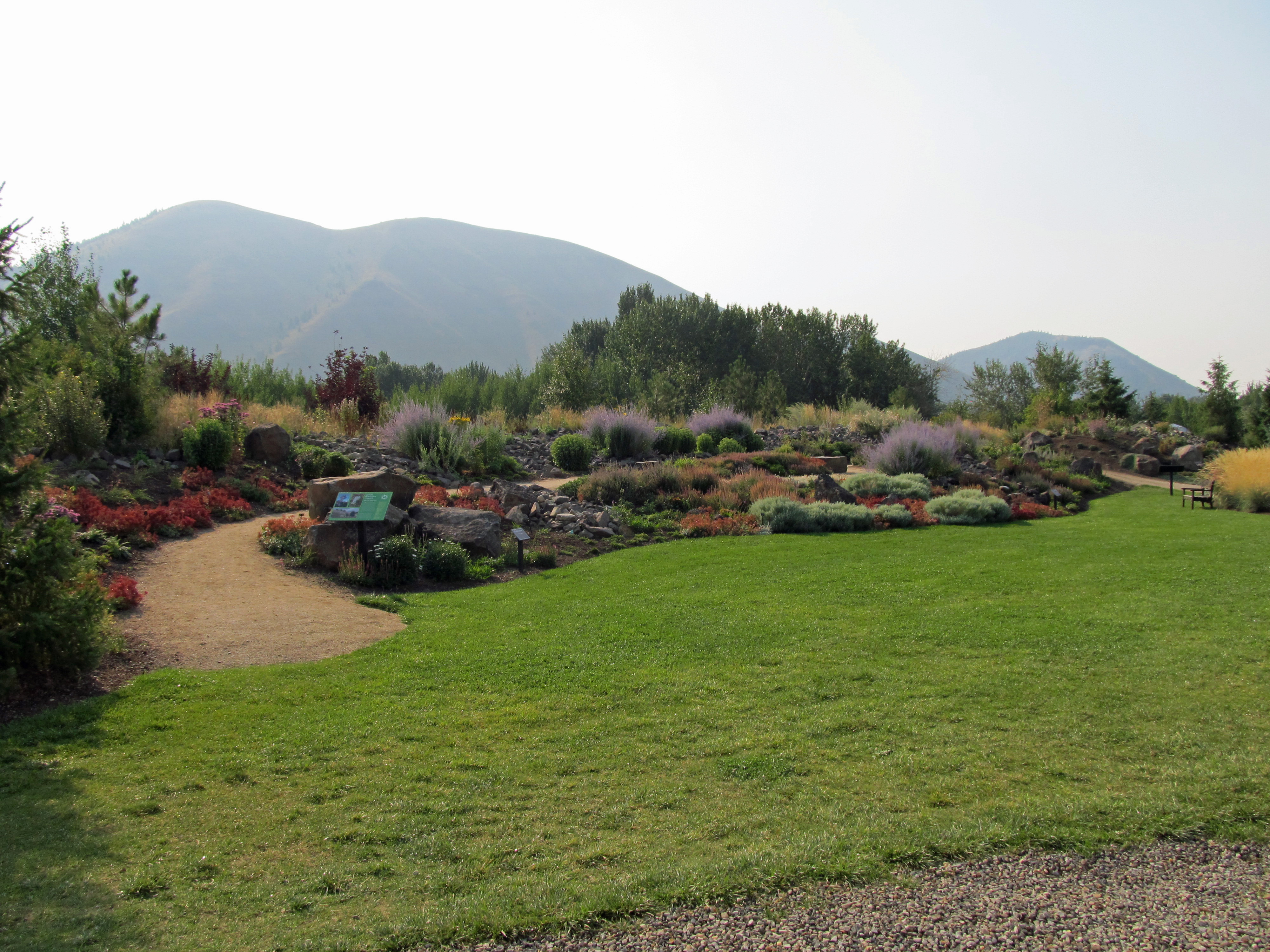
Berms in the Alpine Garden with pathway passing through

Berms in the Alpine Garden with pathway passing through

Water feature in the Garden of Infinite Compassion, built in honor of the Dali Lama's visit to the Wood River Valley

Water feature in the Garden of Infinite Compassion, built in honor of the Dalai Lama’s visit to the Wood River Valley several years ago

Alpine strawberry (Fragaria sp.)

Alpine strawberry (Fragaria sp.)

Redtwig dogwood (Cornus stolonifera 'Baileyi')

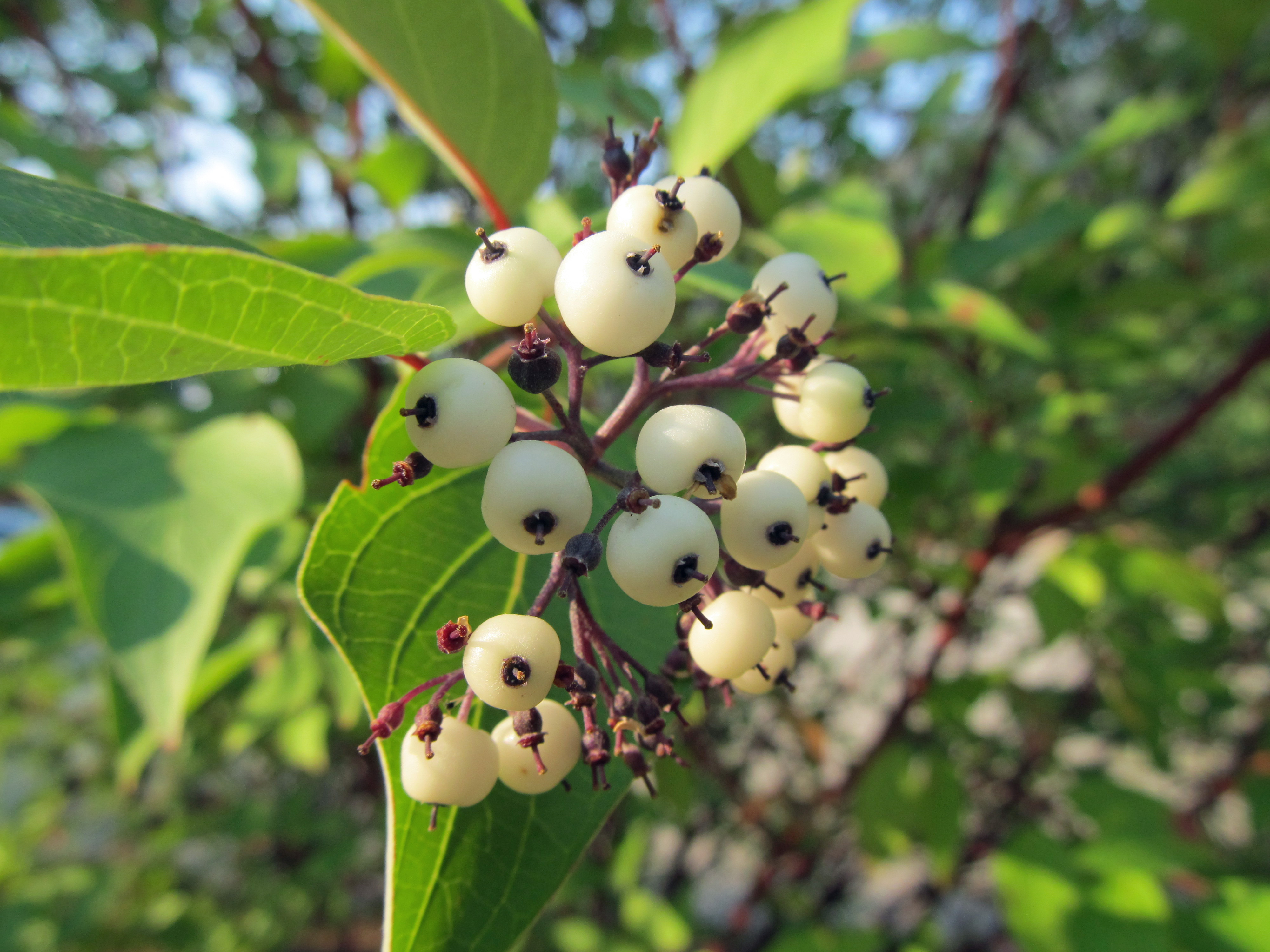
The fruits of red twig dogwood (Cornus sericea ‘Baileyi’)

cinquefoil

Spring cinquefoil (Potentilla neumanniana)

Spiked speedwell (Veronica spicata 'Red Fox')

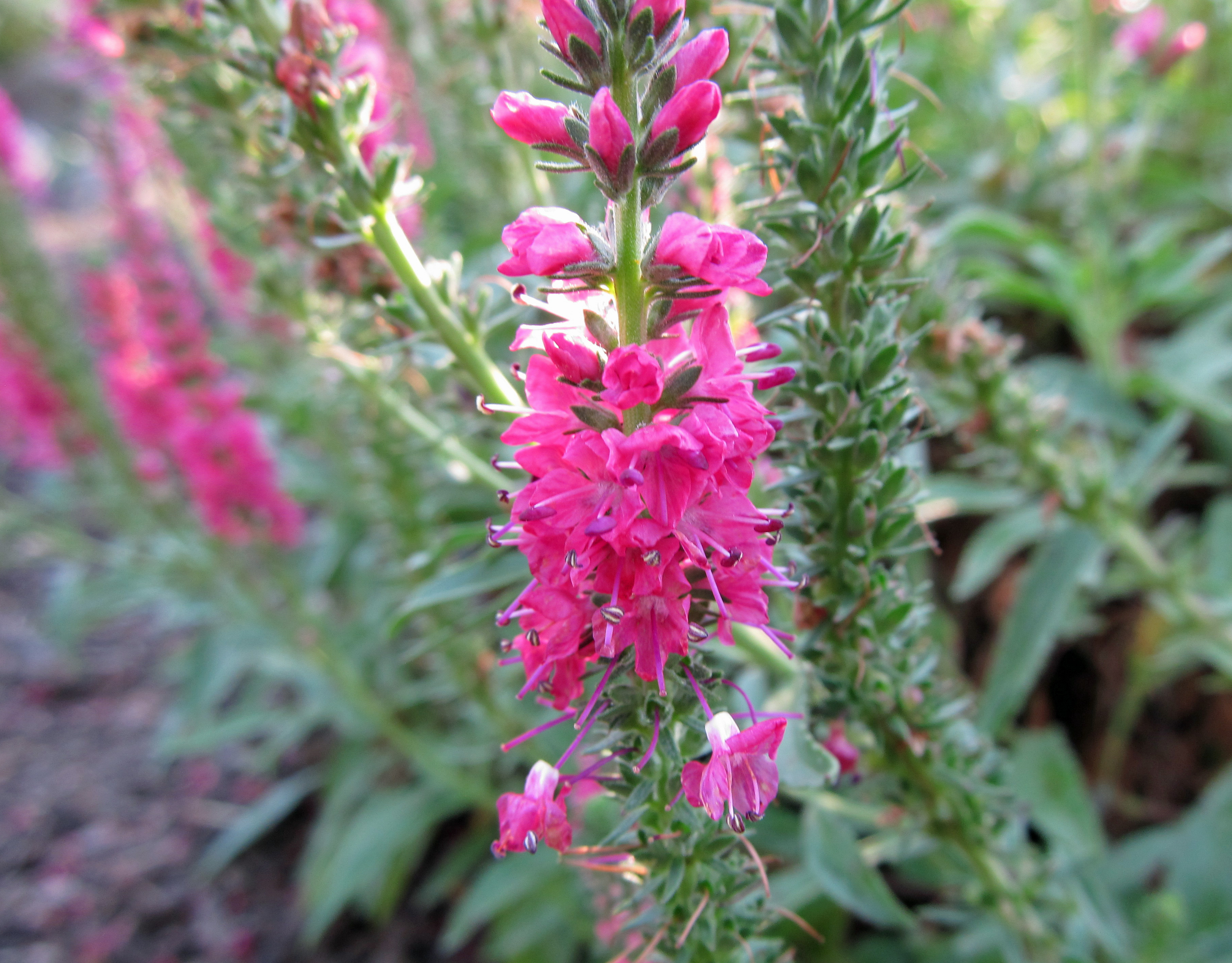
Spiked speedwell (Veronica spicata ‘Red Fox’)

Evening primrose (Oenothera sp.)

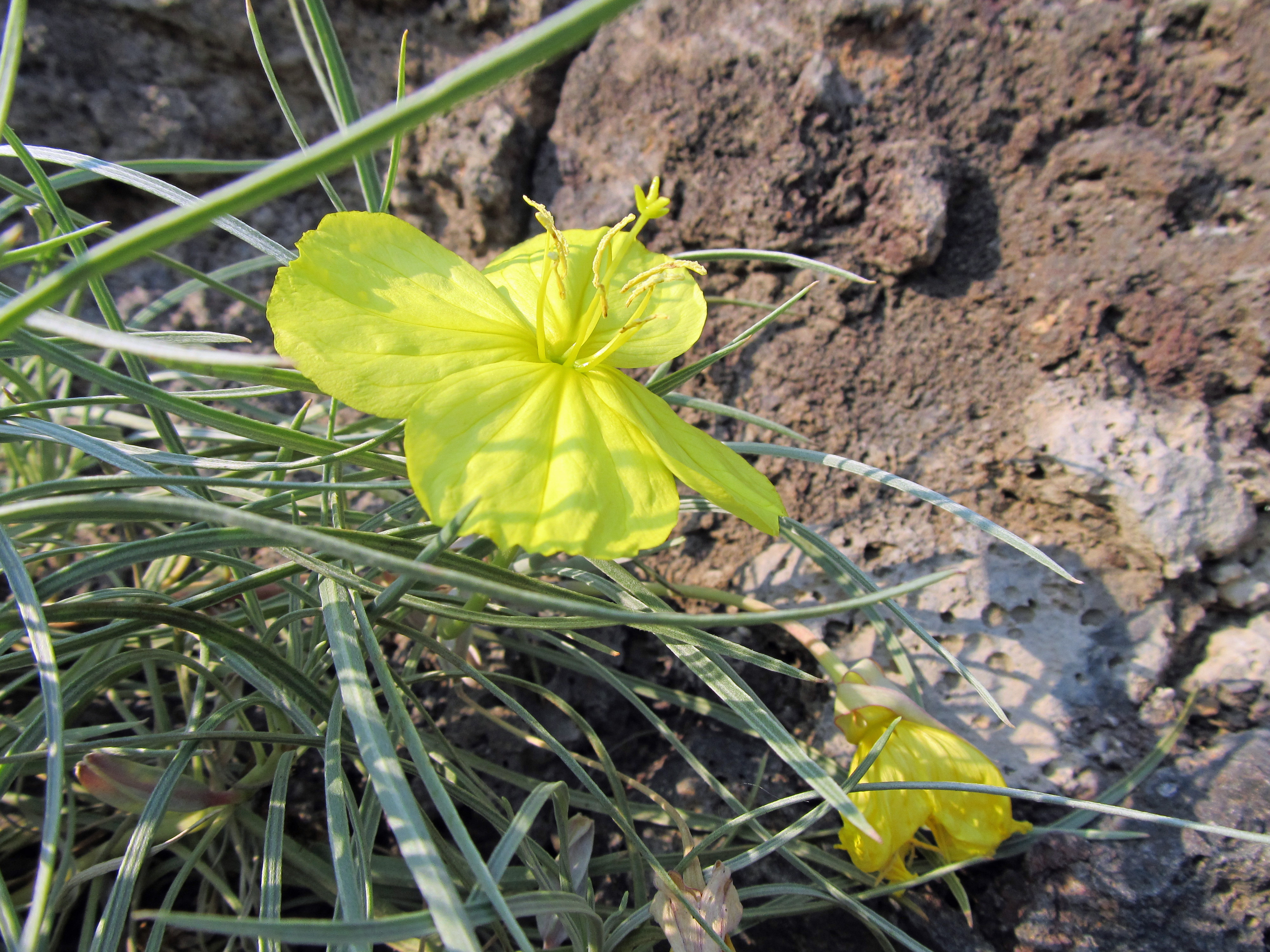
Evening primrose (Oenothera sp.)


Weeds and Wildflowers of the Boise Foothills: June 2015

Boise, Idaho is a beautiful city for many reasons. One feature that makes it particularly attractive are the foothills that flank the city from the southeast to the northwest. The foothills are a transition zone to the mountains that lie to the northeast. Large sections of the foothills have been converted to housing, but much of the area remains as wide open space. There are around 150 miles of trails winding through the foothills that can be accessed from the Boise area. These trails are used frequently by hikers, mountain bikers, dog walkers, bird watchers, trail runners, and horseback riders. The foothills, along with so many other nearby attractions, explains why Boise is such an excellent city for those who love outdoor recreation.

boise foothills trail

I feel embarrassed to say that I had not yet made it into the foothills this year until about a couple weeks ago. I had intended to go for more frequent hikes this year, but life has been in the way. What I was especially curious to see was how the plant life in the foothills changes throughout the year. Because Boise is located in a high desert and receives very little precipitation (especially during the summer months), many of the local wildflowers show themselves in the spring when there is moisture in the soil, after which they wither up and go dormant for the rest of the year.

But there is still lots to see in June. However, it should be noted that when you are hiking in the foothills you must develop an appreciation for weeds, as many of the plants you will see are not native to this area and, in many cases, are in much greater abundance than the plants that are. Species brought in from Europe and Asia have become well established in the Boise Foothills, significantly altering the area’s ecology. One of the major changes has been wildfire frequency. Before weeds like cheatgrass – an annual, shallow-rooted grass imported from Europe – became so prolific in the area, fires were rare, slow moving, and isolated. The continuous, quick burning fuel source provided by dead cheatgrass heightens the risk of more frequent, faster moving, widespread fires, especially in the hot, dry summer months. This threatens plant species that are not adapted to frequent fires.

But this post isn’t about the ecology of the foothills. We can save that for another time. For now, I just wanted to share some of the plants I saw – both native and non-native – on my short walk through a very tiny corner of the Boise Foothills earlier this month.

The trail that I hiked is one of several trails in an area of the Boise Foothills called Hulls Gulch Reserve.

The trail that I hiked is one of several trails in an area of the Boise Foothills called Hulls Gulch Reserve.


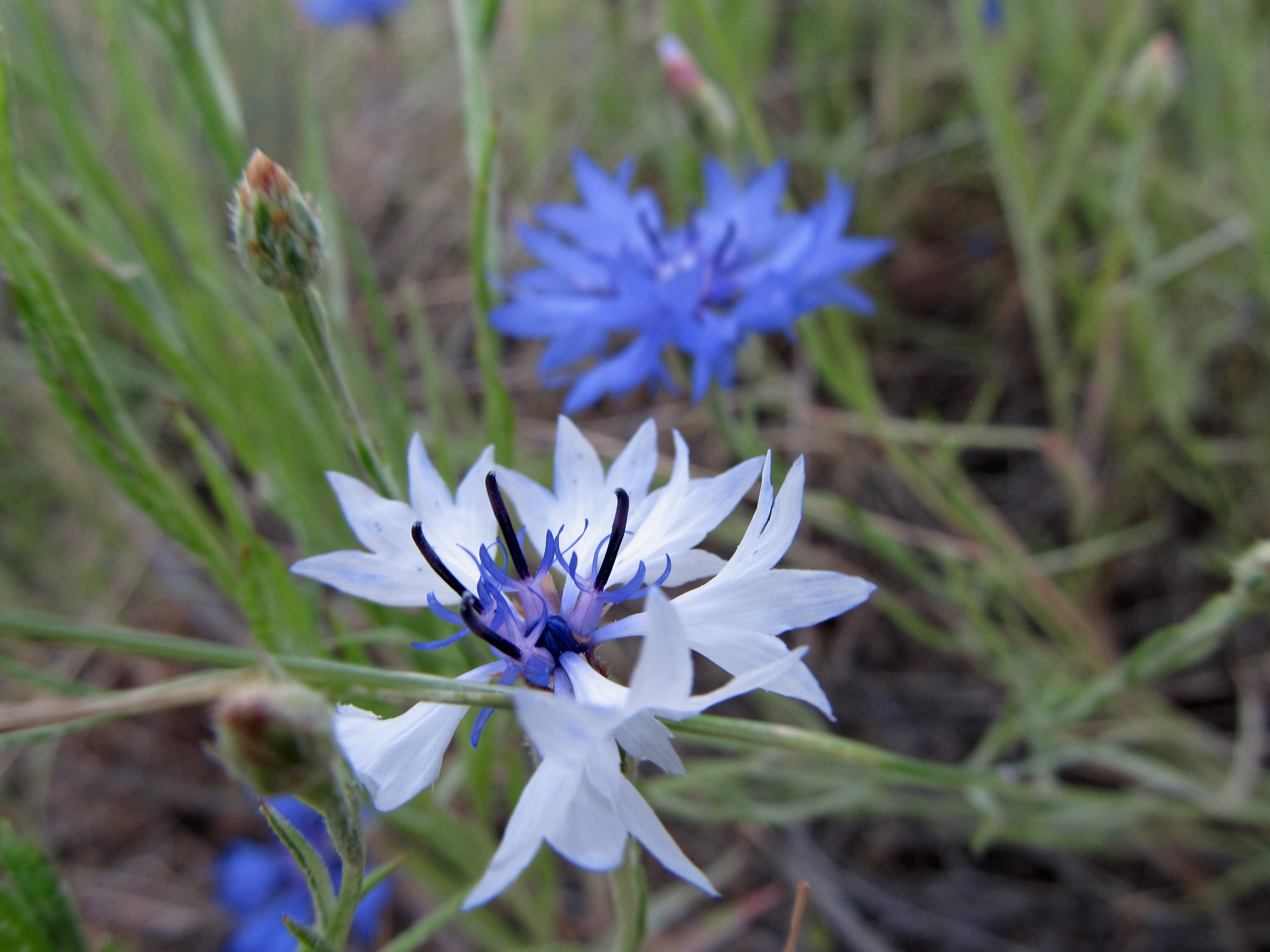
Bachelor's Buttons (Centaurea cyanus) are native to Europe. They are a common cultivated flower and have escaped from yards into the foothills. They are quite attractive and popular among pollinators. Their flowers and stems are edible so perhaps we should all take to eating them.

Bachelor’s buttons (Centaurea cyanus) are native to Europe. They are a common cultivated flower and have escaped from yards into the foothills. They are quite attractive and popular among pollinators. Their flowers and stems are edible, so perhaps we should all take to eating them.


Silverleaf phacelia (Phacelia hastate) - a foothills native that is also a pollinator favorite.

Silverleaf phacelia (Phacelia hastata) – a foothills native and a pollinator favorite.


Pale evening primrose (Oenothera pallida) - a foothills native pollinated by nocturnal moths.

Pale evening primrose (Oenothera pallida) – a foothills native pollinated by nocturnal moths.


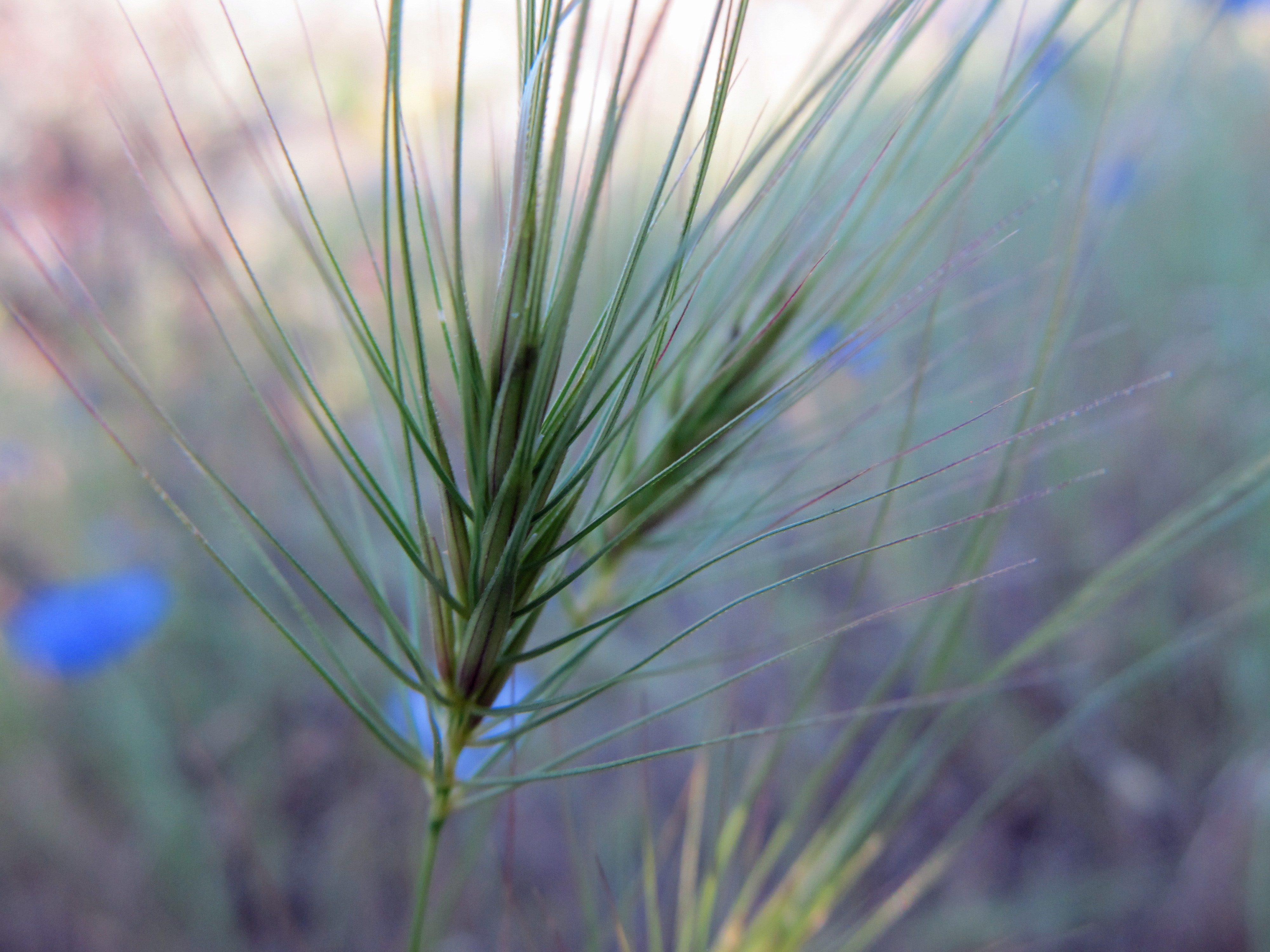
Medusahead (Taeniatherum caput-medusa) is an invasive annual grass from Eurasia. It has an ecological impact similar to cheatgrass (Bromus tectorum).

Medusahead (Taeniatherum caput-medusae) is an invasive annual grass from Eurasia. It has an ecological impact similar to cheatgrass (Bromus tectorum).


The fruits of nineleaf biscuitroot (Lomatium triternatum), a spring flowering plant in the carrot family (Apiaceae).

The fruits of nineleaf biscuitroot (Lomatium triternatum), a native spring wildflower in the carrot family (Apiaceae).


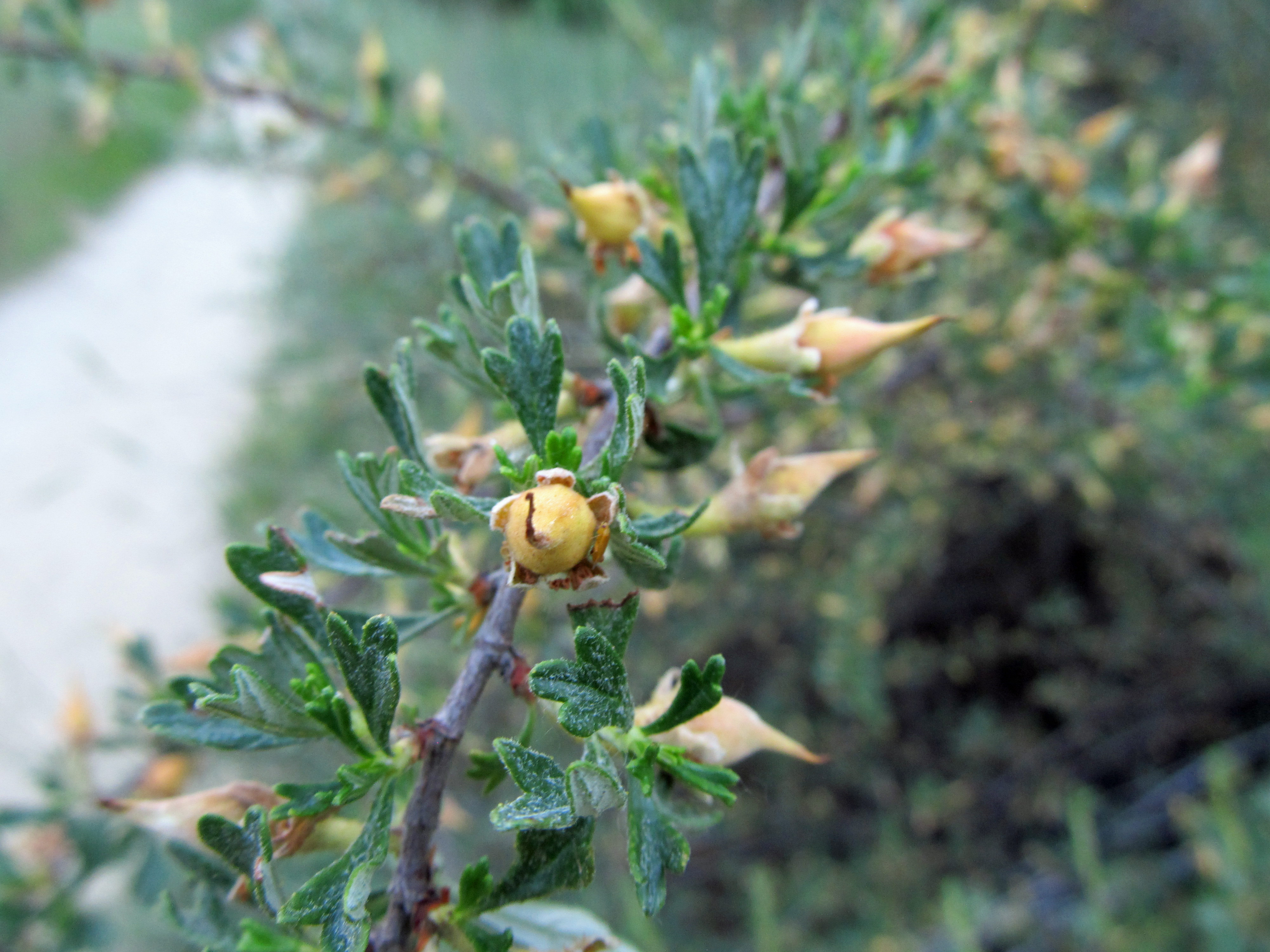
Fruits forming on antelope bitterbrush (Purshia tridentata), one of several shrubs native to the Boise Foothills.

Fruits forming on antelope bitterbrush (Purshia tridentata), one of several shrubs native to the Boise Foothills.


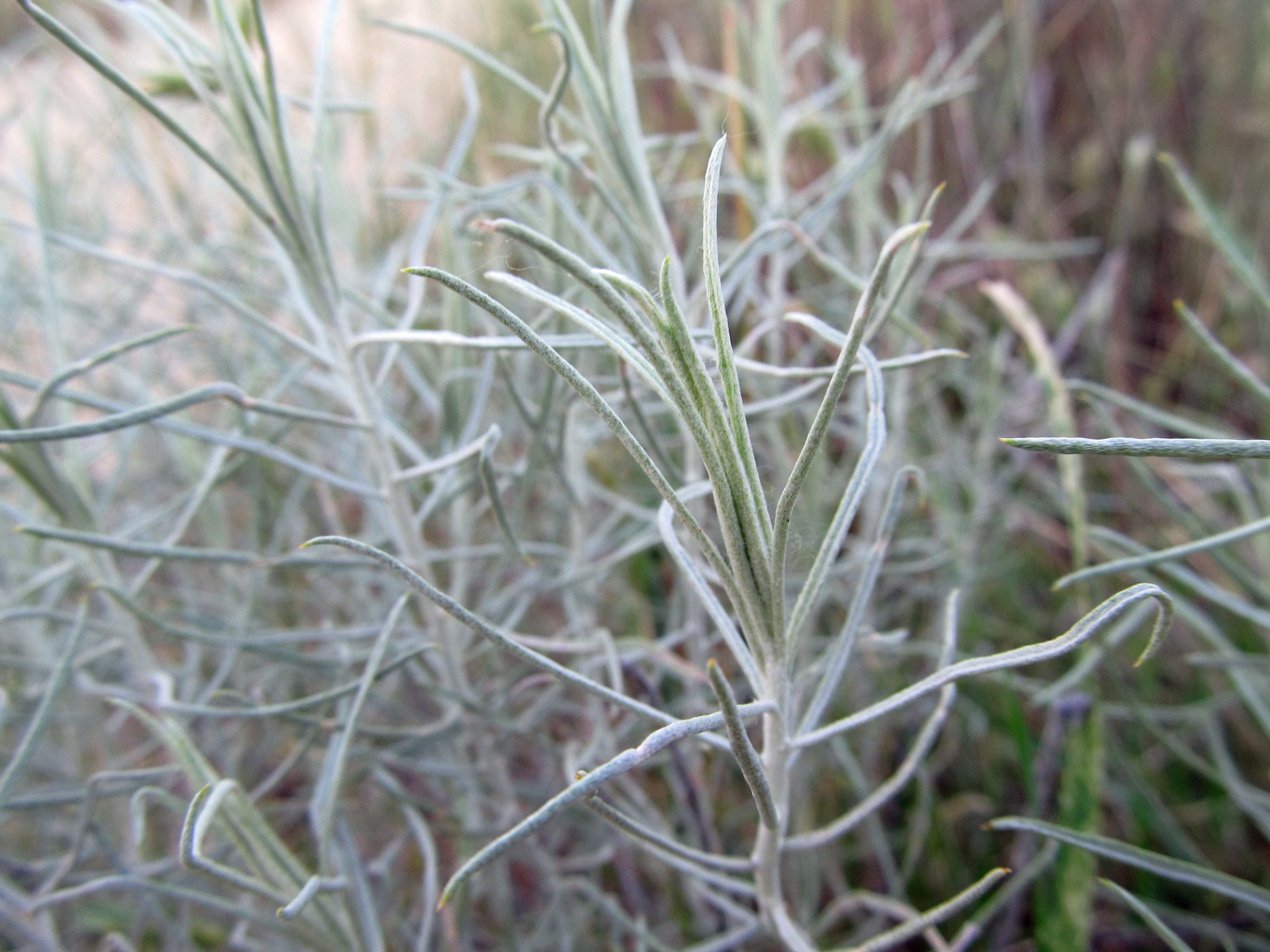
Rubber rabbitbrush (Ericameria nauseosa), a native shrub that flowers in late summer.

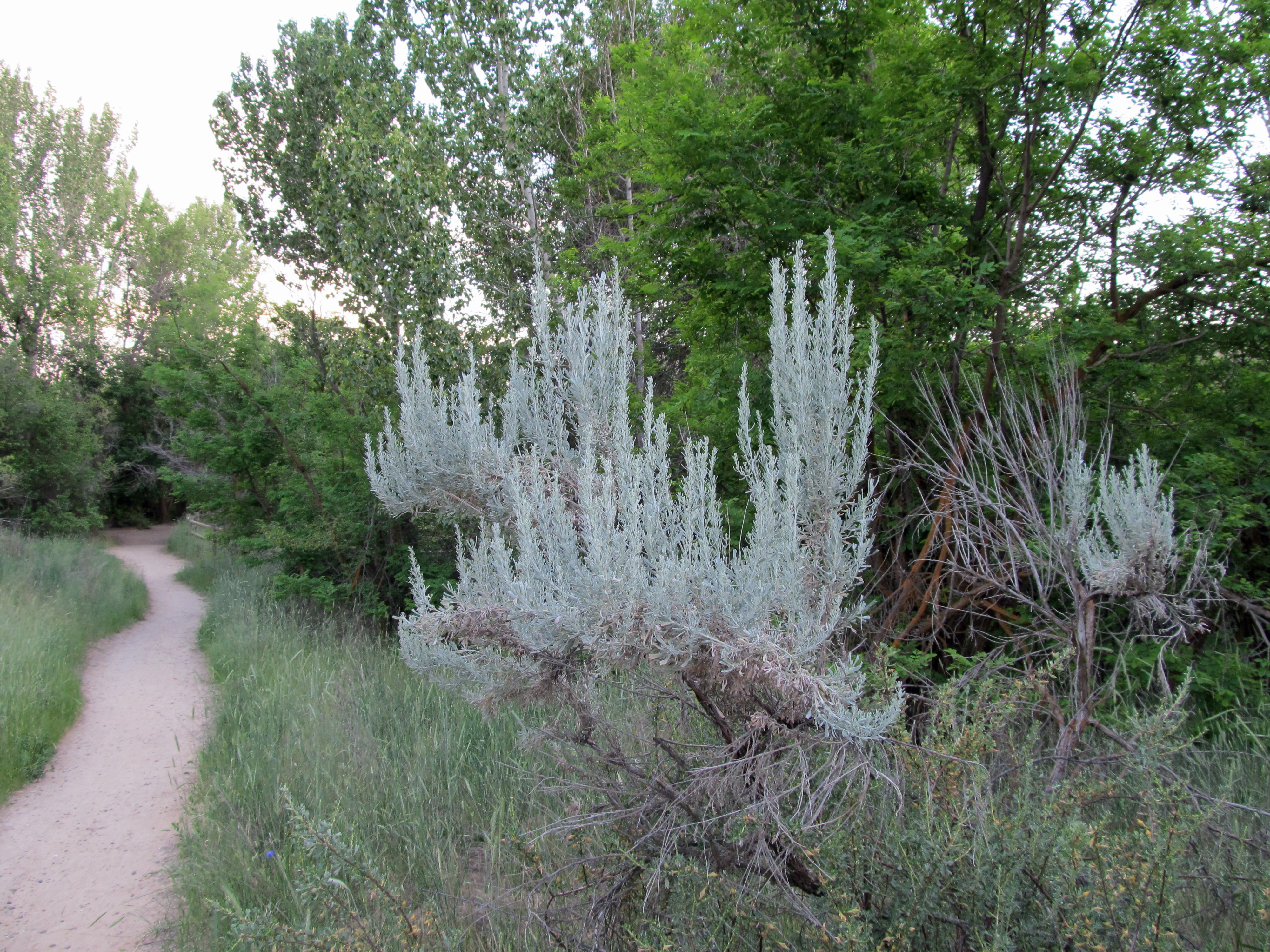
Rubber rabbitbrush (Ericameria nauseosa), a native shrub that flowers in late summer.


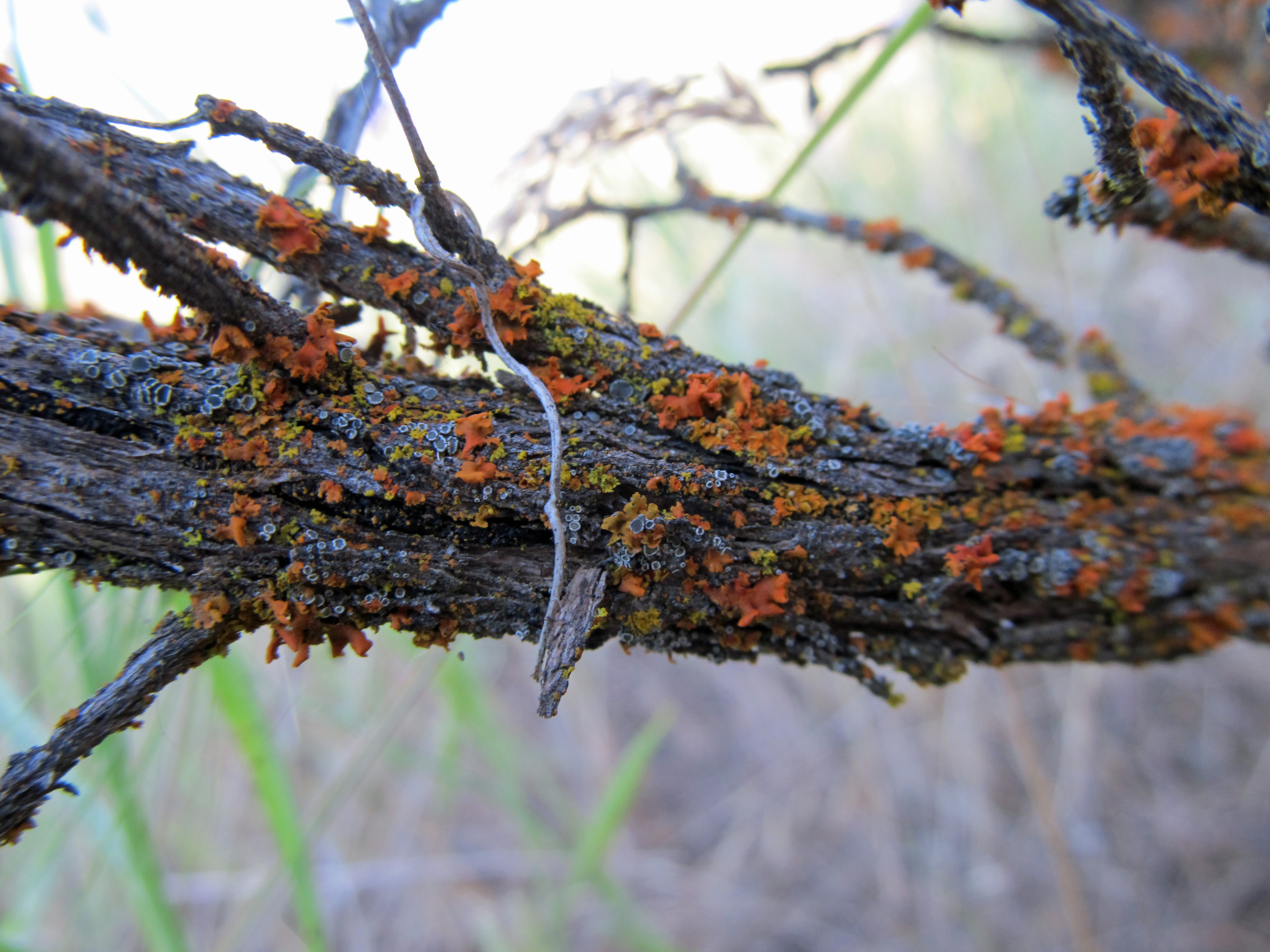
Lichens on the branch of basin big sagebrush (Artemisia tirdentata sbsp. tridentata) another common native shrub.

Lichens on the branches of basin big sagebrush (Artemisia tridentata subsp. tridentata), another common native shrub.


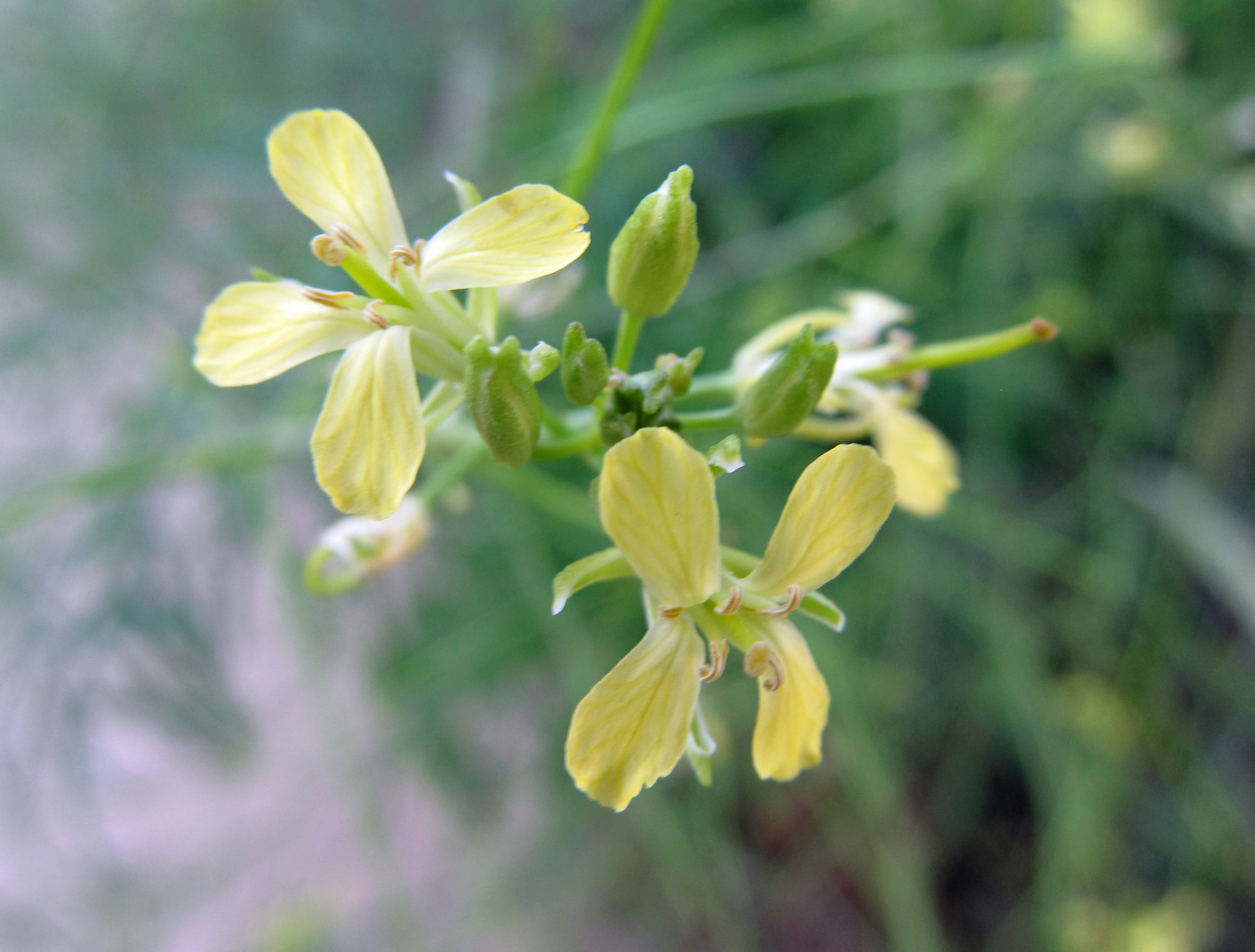
Tall tumblemustard (Sisymbrium altissimum) an introduced species and one of many tumbleweed species in the western states.

Tall tumblemustard (Sisymbrium altissimum) – an introduced species and one of many tumbleweed species in the western states.


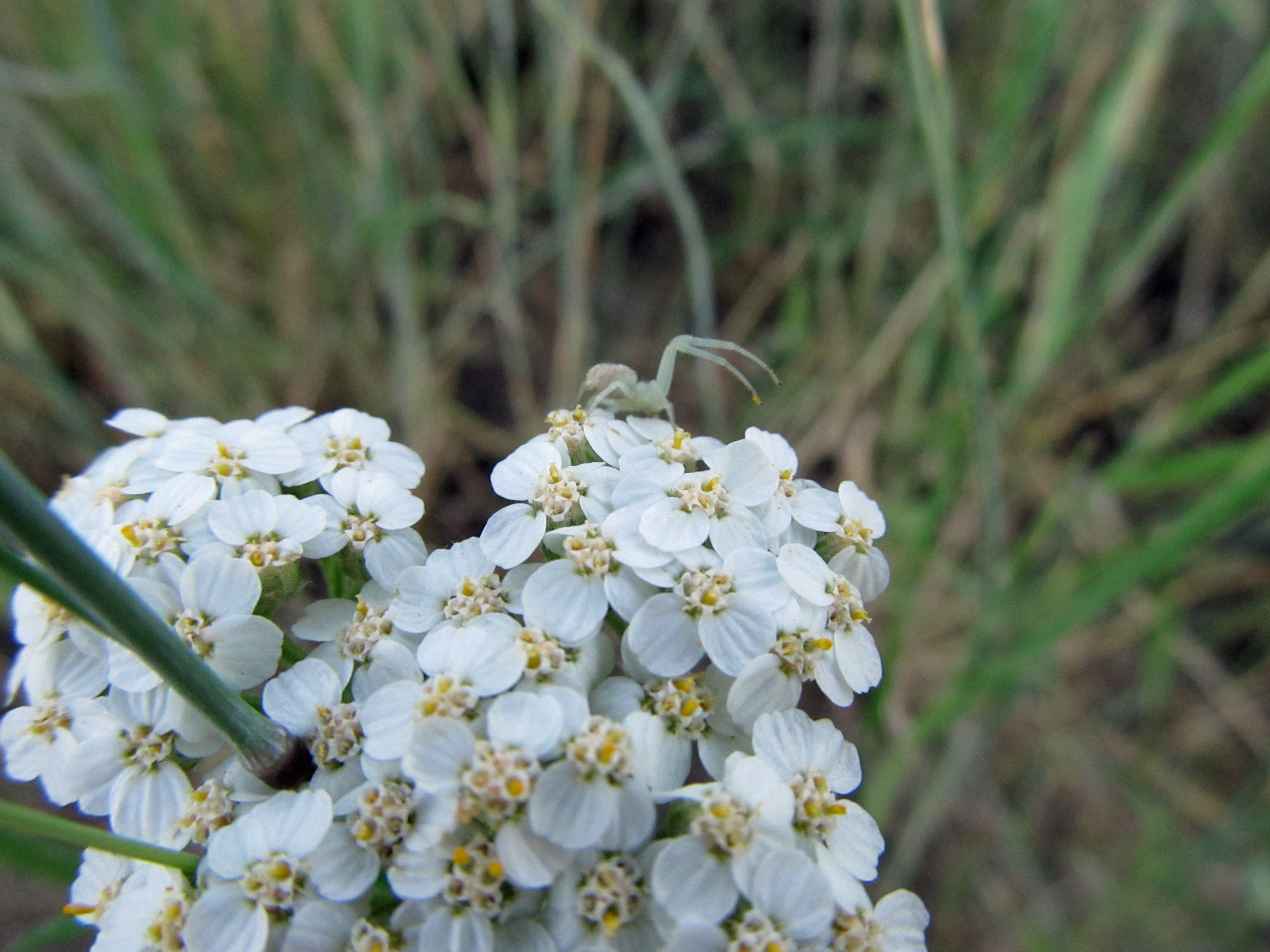
Little spider atop the flowers of western yarrow (Achilea millefolium), a foothills native.

A little spider atop flowers of western yarrow (Achilea millefolium var. occidentalis), a foothills native.

Learn more about the Boise Foothills here and here.

Where have you been hiking lately?

Year of Pollination: An Argentinian Cactus and Its Unlikely Pollinator

A few weeks ago I wrote about pollination syndromes – sets of floral triats that are said to attract specific groups of pollinators. In that post I discussed how pollination syndromes have largely fallen out of favor as a reliable method of predicting the pollinators that will visit particular flowers. In this post I review a recent study involving a species of cactus in Argentina that, as the authors state in their abstract, “adds another example to the growing body of mismatches between floral syndrome and observed pollinator.”

Denmoza rhodacantha is one of many species of cacti found in Argentina. It is the only species in its genus, and it is widely distributed across the east slopes and foothills of the Andes. It is a slow growing cactus, maintaining a globulous (globe-shaped) form through its juvenile phase and developing a columnar form as it reaches maturity. D. rhodacantha can reach up to 4 meters tall and can live beyond 100 years of age. Individual plants can begin flowering in their juvenile stage. Flowers are red, nectar rich, scentless, and tubular. The stigma is lobed and is surrounded by a dense grouping of stamens. Both male and female reproductive organs are extended above the corolla. The flowers have been described by multiple sources as being hummingbird pollinated, not based on direct observation of hummingbirds visiting the flowers, but rather due to the floral traits of the species.

Denmoza rhodacantha illustration - image credit: www.eol.org
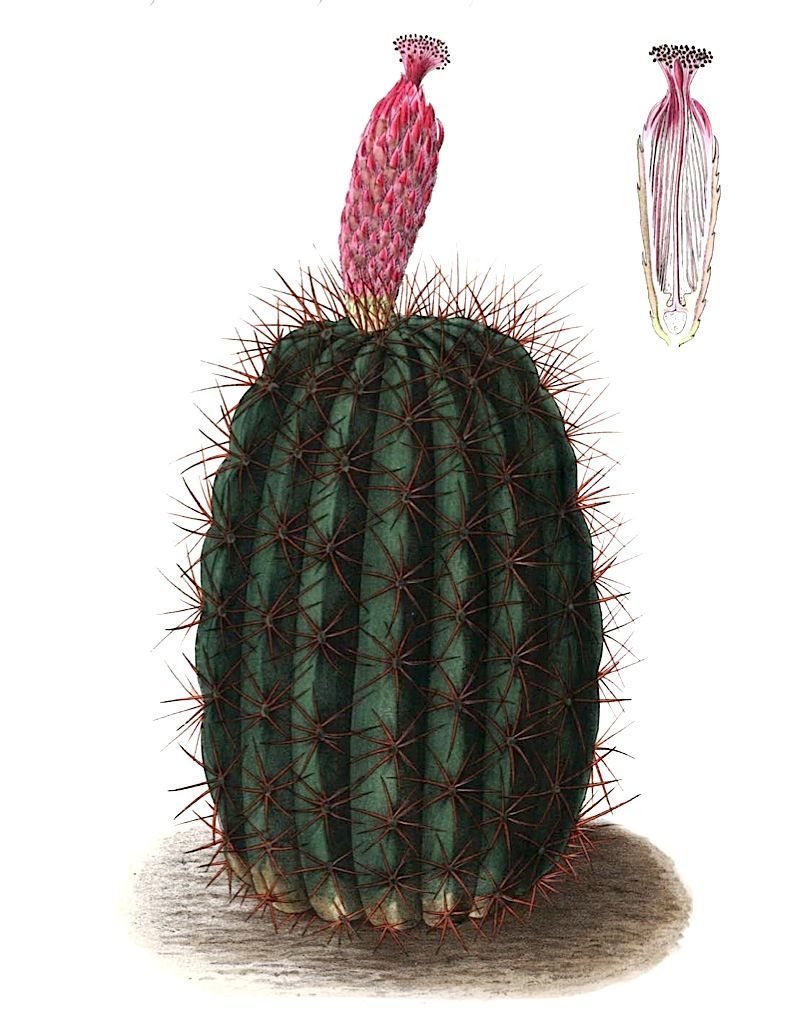
Denmoza rhodacantha illustration  (image credit: www.eol.org)

In a paper entitled, Flowering phenology and observations on the pollination biology of South American cacti – Denmoza rhodacantha, which was published in volume 20 of Haseltonia (the yearbook of the Cactus and Succulent Society of America), Urs Eggli and Mario Giorgetta discuss their findings after making detailed observations of a population of D. rhodacantha in early 2013 and late 2013 – early 2014. The population consisted of about 30 individuals (both juveniles and adults) located in the Calchaqui Valley near the village of Angastaco, Argentina. At least three other species with “hummingbird-syndrome flowers” were noted in the area, and three species of hummingbirds were observed during the study periods. Over 100 observation hours were logged, and during that time “the studied plants, their flowering phenology, and flower and fruit visitors were documented by means of photographs and video.”
The flowers of D. rhodacantha only persist for a few short days, and in that time their sexual organs are only receptive for about 24 hours. The flowers are self-sterile and so require a pollinator to cross pollinate them. Despite their red, tubular shape and abundant nectar, no hummingbirds were observed visiting the flowers. One individual hummingbird approached but quickly turned away. Hummingbirds were, however, observed visiting the flowers of an associated species, Tecoma fulva ssp. garrocha. Instead, a species of halictid bee (possibly in the genus Dialictus) was regularly observed visiting the flowers of D. rhodacantha. The bees collected pollen on their hind legs and abdomen and were seen crawling across the lobes of the stigma. None of them were found feeding on the nectar. In one observation, a flower was visited by a bee that was “already heavily loaded with the typical violet-coloured pollen of Denmoza,” suggesting that this particular bee species was seeking out these flowers for their pollen. Small, unidentified beetles and ants were seen entering the flowers to consume nectar, however they didn’t appear to be capable of offering a pollination service.

D. rhodacantha populations have been observed in many cases to produce few fruits, suggesting that pollination success is minimal. The authors witnessed “very low fruit set” in the population that they were studying, which was “in marked contrast to the almost 100% fruit set rates of the sympatric cactus species at the study site.” This observation wasn’t of great concern to the authors though, because juvenile plants are present in observed populations, so recruitment appears to be occurring. In this study, dehisced fruits were “rapidly visited by several unidentified species of ants of different sizes.” The “scant pulp” was harvested by smaller ants, and larger ants carried away the seeds after “cleaning them from adhering pulp.”

The authors propose at least two reasons why hummingbirds avoid the flowers of D. rhodacantha. The first being that the native hummingbirds have bills that are too short to reach the nectar inside the long tubular flowers, and often the flowers barely extend beyond the spines of the cactus which may deter the hummingbirds from approaching. The second reason is that other plants in the area flower during the same period and have nectar that is easier to gather. The authors acknowledge that this is just speculation, but it could help explain why the flowers are pollinated instead by an insect (the opportunist, generalist halictid bee species) for whom the flowers “could be considered to be ill adapted.” The authors go on to say, “it should be kept in mind, however, that adaptions do not have to be perfect, as long as they work sufficiently well.”

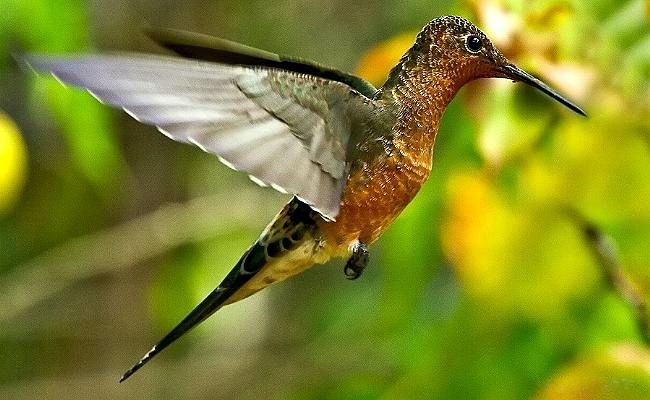
Patagona gigas (giant hummingbird) was observed approaching the flower of a Denmoza rhodacantha but quickly turned away (photo credit: www.eol.org)

Patagona gigas (giant hummingbird) was observed approaching the flower of a Denmoza rhodacantha but quickly turned away (photo credit: www.eol.org)

More Year of Pollination posts on Awkward Botany:

The Legacy of a Leaky Dioecy

This is the second in a series of posts reviewing the 17 articles found in the October 2014 Special Issue of American Journal of Botany, Speaking of Food: Connecting Basic and Applied Science.

The Ecological Side of an Ethnobotanical Coin: Legacies in Historically Managed Trees by Nanci J. Ross, M. Henry H. Stevens, Andrew W. Rupiper, Ian Harkreader, and Laura A. Leben

As much as we like to think otherwise, pre-Colombian Native Americans altered the natural landscape in drastic and measurable ways. What we often consider an unaltered, pristine natural area before European colonization, actually has human fingerprints all throughout it. Determining just how deep these fingerprints go, however, is a challenge that requires careful and thorough anthropological and ecological studies.

Many such studies have been done, mostly at the community and ecosystem level. For example, Native Americans used fire extensively as a land management tool. This is how prairies were maintained as prairies. Today, forests in eastern North America that were once dominated by oaks have shifted over to maple dominated forests. This is largely (although not solely) because anthropogenic fires have ceased and wildfires are now suppressed. If fires had never been used as a management tool, would oaks (an important Native American food source) have ever maintained such dominance?

Native Americans participated in the domestication of numerous plant species. Much of this was done by way of – as Charles Darwin termed it – unconscious selection. Rather than selecting specific individuals and breeding them to achieve a desired type, they would simply discard undesirable plants and maintain desirable ones. Much of this selection, especially for woody, perennial species was done through land management techniques – such as fire – as opposed to typical cultivation. The authors of this article, interested in whether or not the “legacy” of this method of selection through land management could be observed today in an individual species, developed a preliminary study to begin to answer this question.

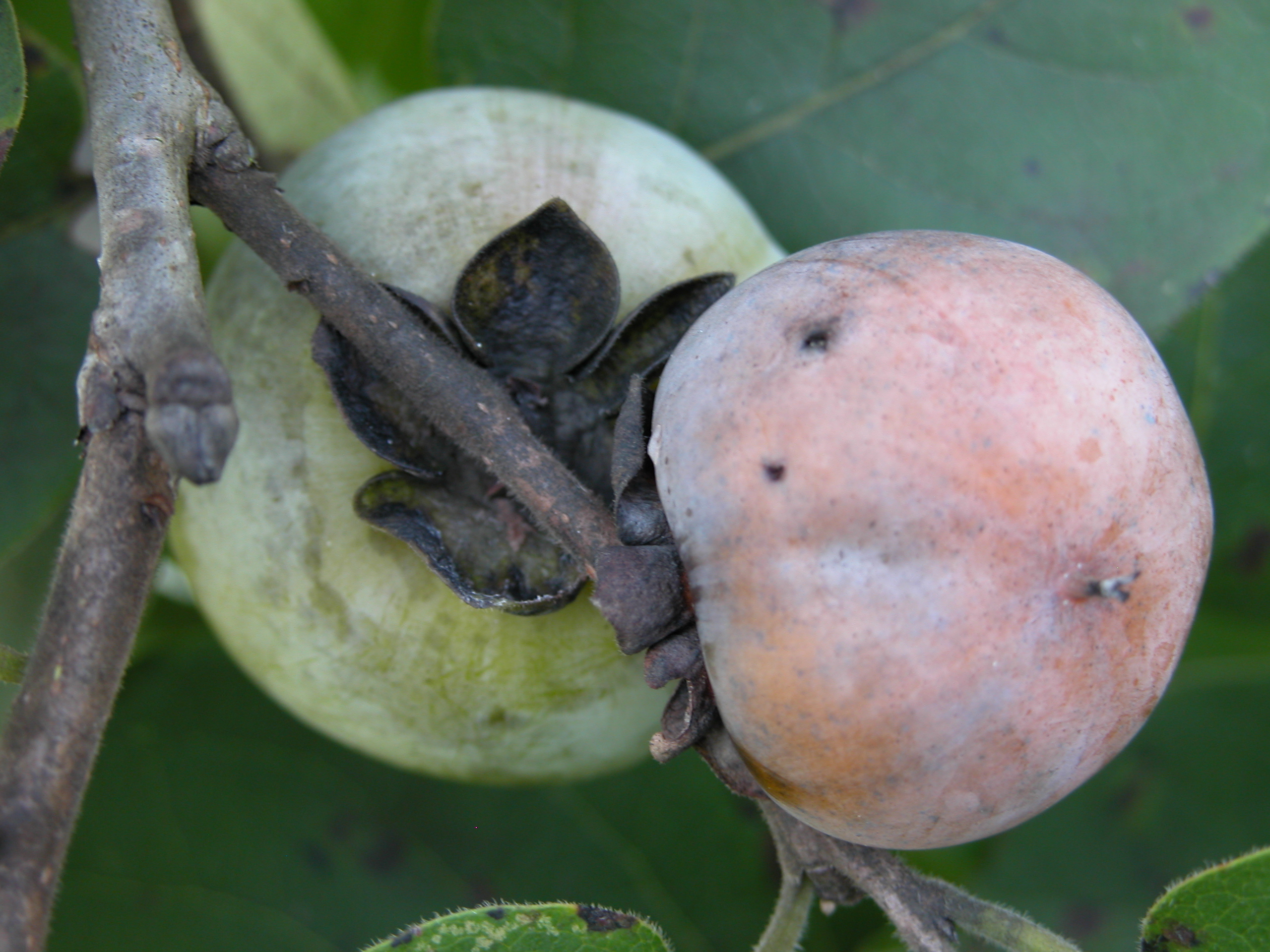
Diospyros – a genus in the ebony family (Ebenaceae) consisting of around 500 species – is mainly pantropical with a few species occurring in temperate regions. One temperate species is Diospyros virginiana – common persimmon – which “has a broad distribution throughout the United States from Connecticut south to Florida and west to the eastern edge of Nebraska.” Persimmons were used and managed extensively by Native Americans; however, they are “now viewed as a rare, weedy, wild fruit tree that is known primarily by hobbyists and wild harvesters.”

Fruits of common persimmon, Diospyros virginiana )photo credit: Wikimedia commons)

Fruits of common persimmon, Diospyros virginiana (photo credit: wikimedia commons)

D. virginiana is a dioecious species, meaning that it produces male flowers and female flower on separate individuals. Despite this, some individuals have been reported bearing both male and female flowers while others have been seen having perfect flowers along with either male or female flowers. Some trees have even been reported to be dioecious one year and then having perfect flowers and/or some combination of male, female, and perfect flowers the next year. This variation from the norm – what the authors call “leaky dioecy” – can either be a result of artificial selection or environmental pressures. The authors hypothesized that “leaky dioecy in D. virginiana is a result of historical selection by Native Americans for trees with copious fruit production.” This preliminary study was designed to see if climate and soil conditions might be the reason for the observed “sex expression.”

Skipping ahead, the authors found “no compelling evidence…to suggest segregation due to environmental factors,” signaling them to “move forward in [their] investigation of potential long-term impacts of historical management on the evolution of reproductive traits in American persimmon without the noise of a strong environmental driver.” The authors go on to discuss challenges in their study, including the length of time since “extensive management” making it hard to “uncover a signal of precontact management” and the limitations of having to rely on herbarium specimens. Either way, it is a worthy study to pursue. Even if it does not reveal the full story of how Native Americans managed persimmons in pre-colonial times, further insight into “adaptive flexibility in reproductive systems of long-lived perennial species” and other interesting things that persimmons might teach us will be well worth the effort.

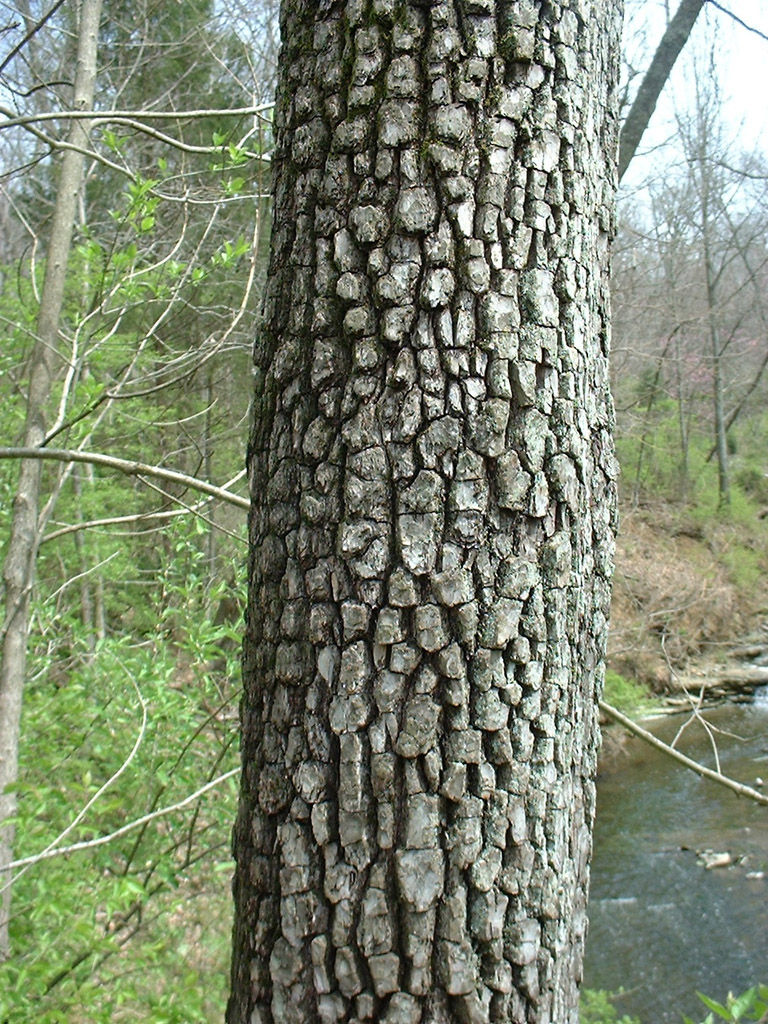
Characteristic bark of common persimmon, Diospyros virginiana (photo credit: www.eol.org)

Characteristic bark of common persimmon, Diospyros virginiana (photo credit: www.eol.org)


Our Backyard Farm and Garden Show: Fall 2014

I had every intention of documenting this year’s garden more thoroughly, but as things tend to go, the days got busy and the year got away from me. Now here we are in mid-October, still waiting for the first frost but accepting its imminence, watching reluctantly as another growing season comes to a close. We took several pictures but few notes, so what follows is a series of photos and a few reflections on what transpired this past year in, what Flora likes to call, Our Backyard Farm and Garden Show.

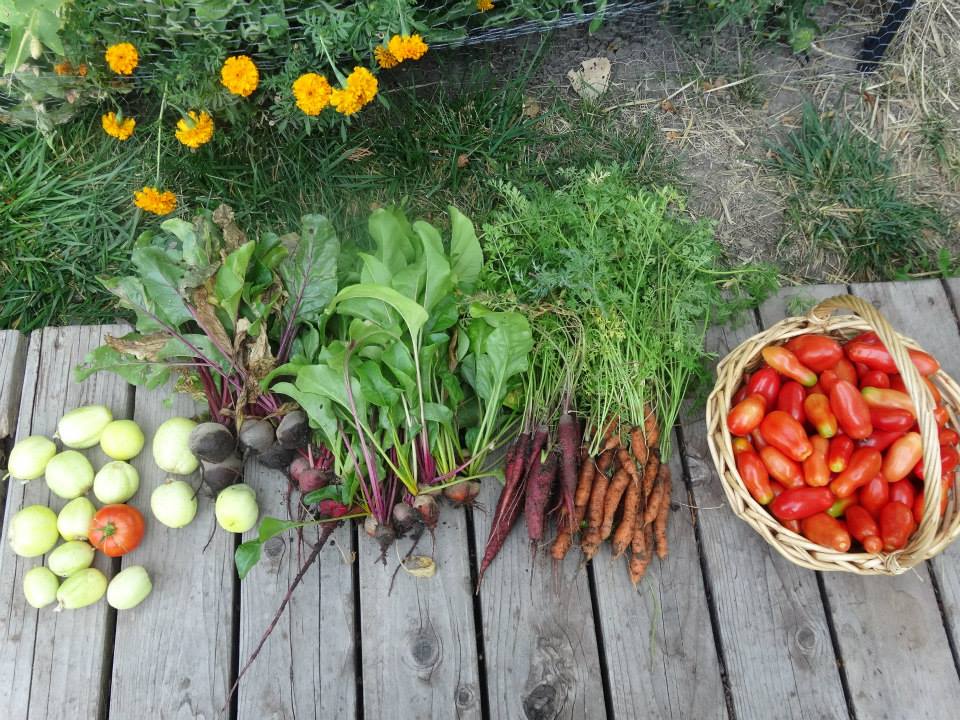
Abundance

Abundance

I guess I should start at the beginning. Last year I was living in an apartment. I was growing things in two small flower beds and a few containers on my patio. That had been my story for about a decade – growing what I could on porches and patios and in flower beds of various apartments in a few different parts of the country. At one point I was living in an apartment with no space at all to grow anything, and so I attempted to start a garden in the backyard of an abandoned, neighboring house – geurilla gardening style – but that didn’t go so well. At another location I had a plot at a community garden. The three years I spent there were fun, but definitely not as nice as stepping outside my door and into my garden.

Earlier this year, I moved in with Flora. She was renting a house with a yard, so when I joined her, I also joined her yard. Flora is a gardener, too; she had spent her first year here growing things in the existing garden spaces but wanted to expand. So we did. We enlarged three beds considerably and built four raised beds and two compost bins. We also got permission to grow things in the neighbor’s raised beds. And that’s how our growing season started – coalescence and expansion.

Then summer happened. It came and went, actually. Most days were spent just trying to keep everything alive – moving sprinklers around, warding off slugs and other bugs, and staking things up. Abundance was apparent pretty much immediately. We started harvesting greens (lettuce, kale, collards, mustards) en masse. Shortly after that, cucumbers appeared in concert with beets, turnips, basil, ground cherries, eggplants, tomatoes, carrots, peppers, etc. Even now – anticipating that first frost – the harvest continues. We are uncertain whether or not we will remain here for another growing season; regardless, we are considering the ways in which we might expand in case we do. Despite the amount of work that has gone into our garden so far, we still want to do more. Apparently, our love of gardening knows no bounds.

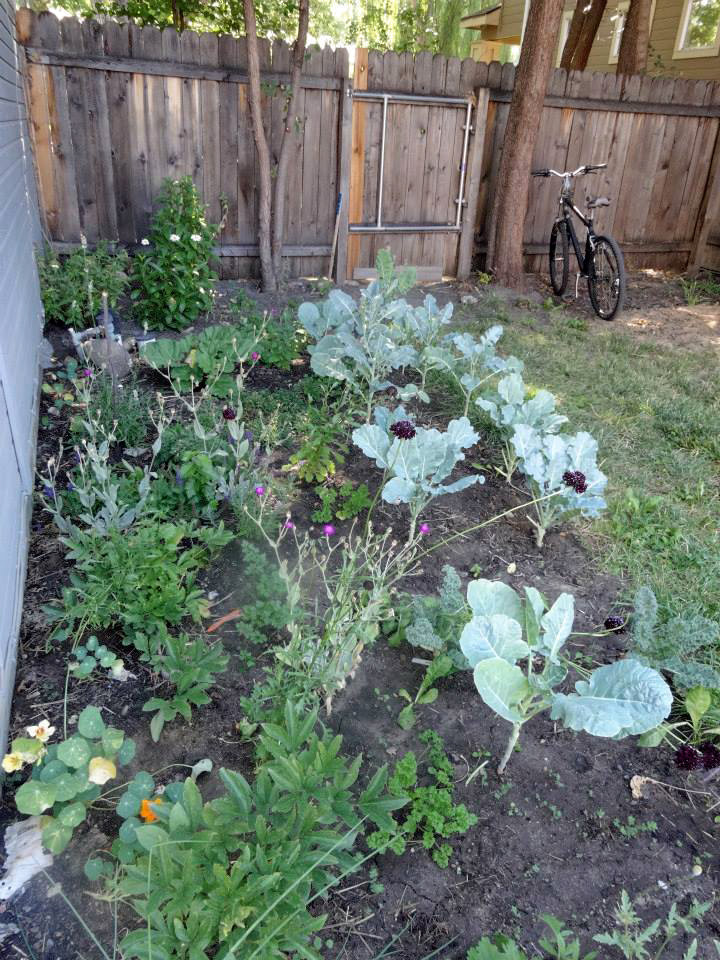
A view of our side yard. It is pretty shady in this section of the yard but we were still able to grow kale and collards along with several different flowers and herbs.

A view of our side yard. It is pretty shady in this bed but we were still able to grow kale and collards along with several different flowers and herbs.


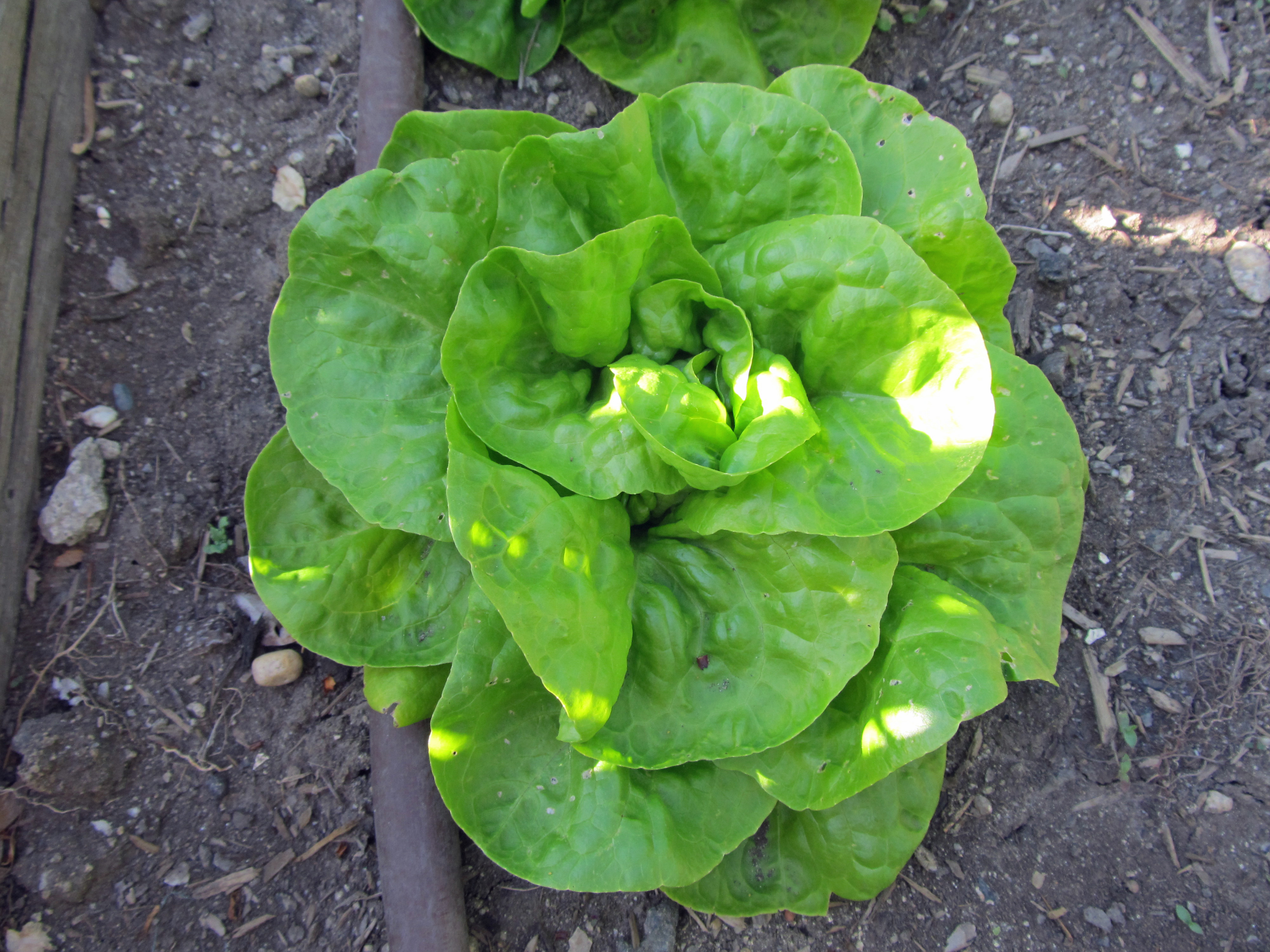
We grew several varieties of lettuce. This is one that I was most excited about. It's called 'Tennis Ball.' It is a miniature butterhead type that Thomas Jefferson loved and used to grow in his garden at Monticello.

We grew many varieties of lettuce. This is one that I was most excited about. It’s called ‘Tennis Ball.’ It is a miniature butterhead type that Thomas Jefferson loved and grew in his garden at Monticello.


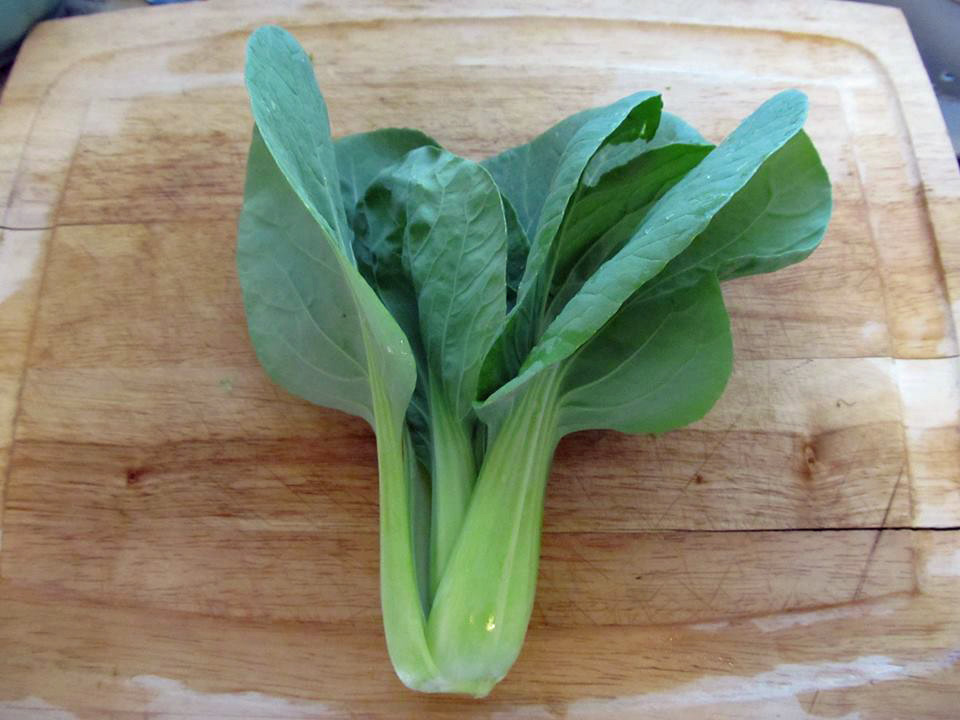
'Shanghai Green' Pak Choy

‘Shanghai Green’ Pak Choy


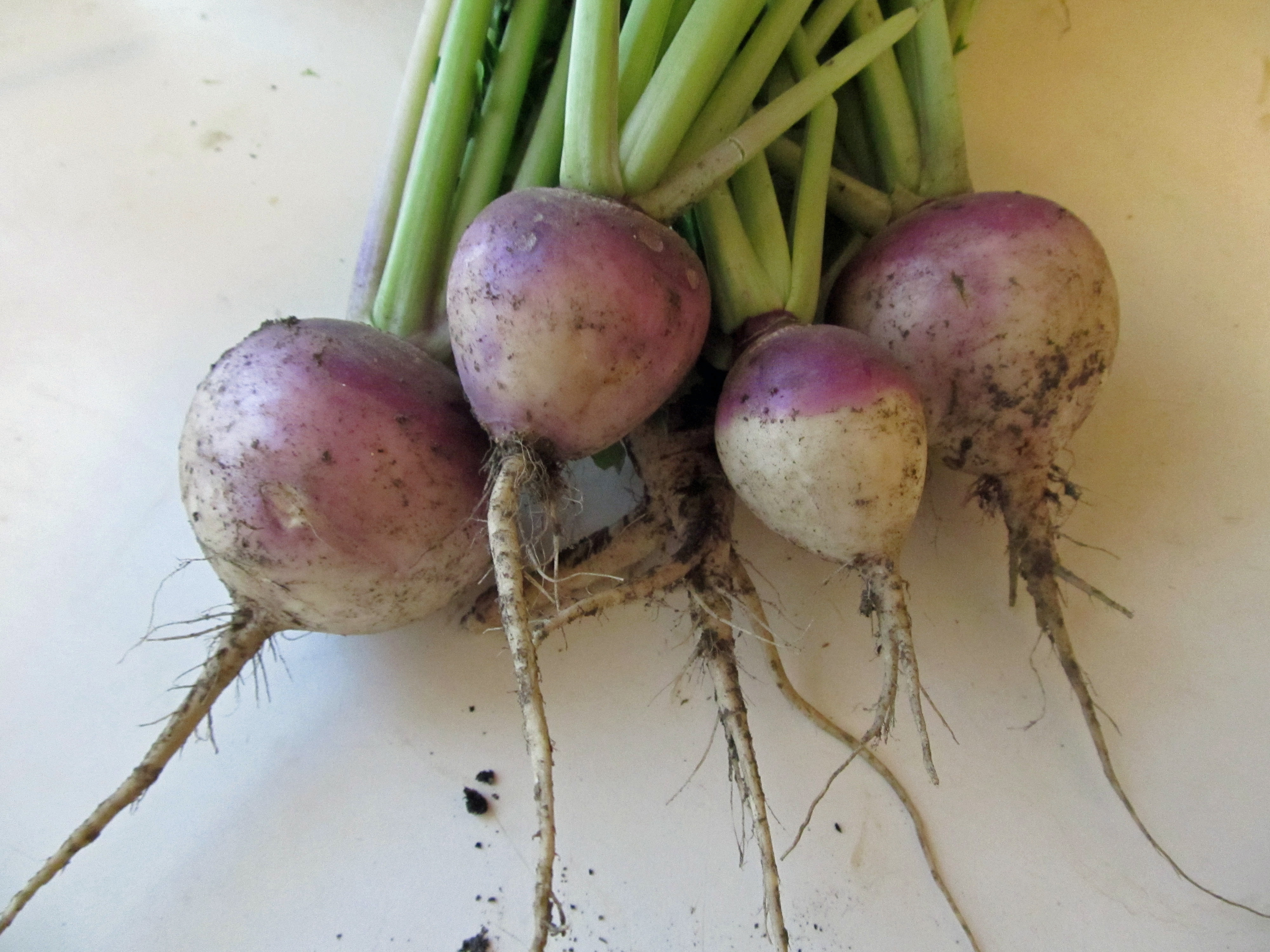
'Purple Top White Globe' Turnips

‘Purple Top White Globe’ Turnips


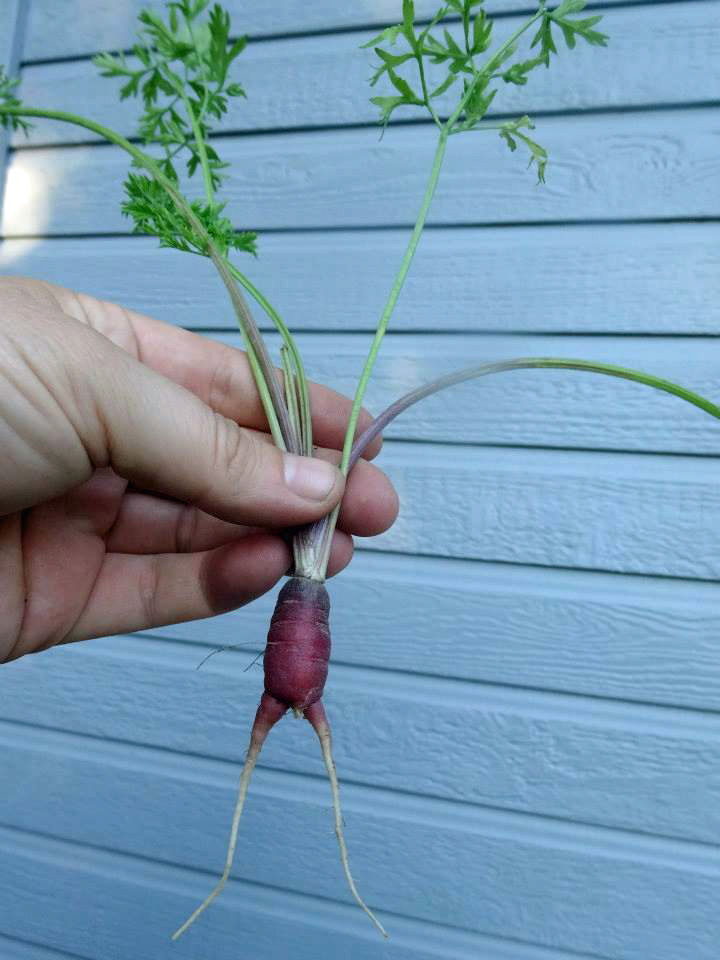
A miniature purple carrot with legs.

A miniature purple carrot with legs.


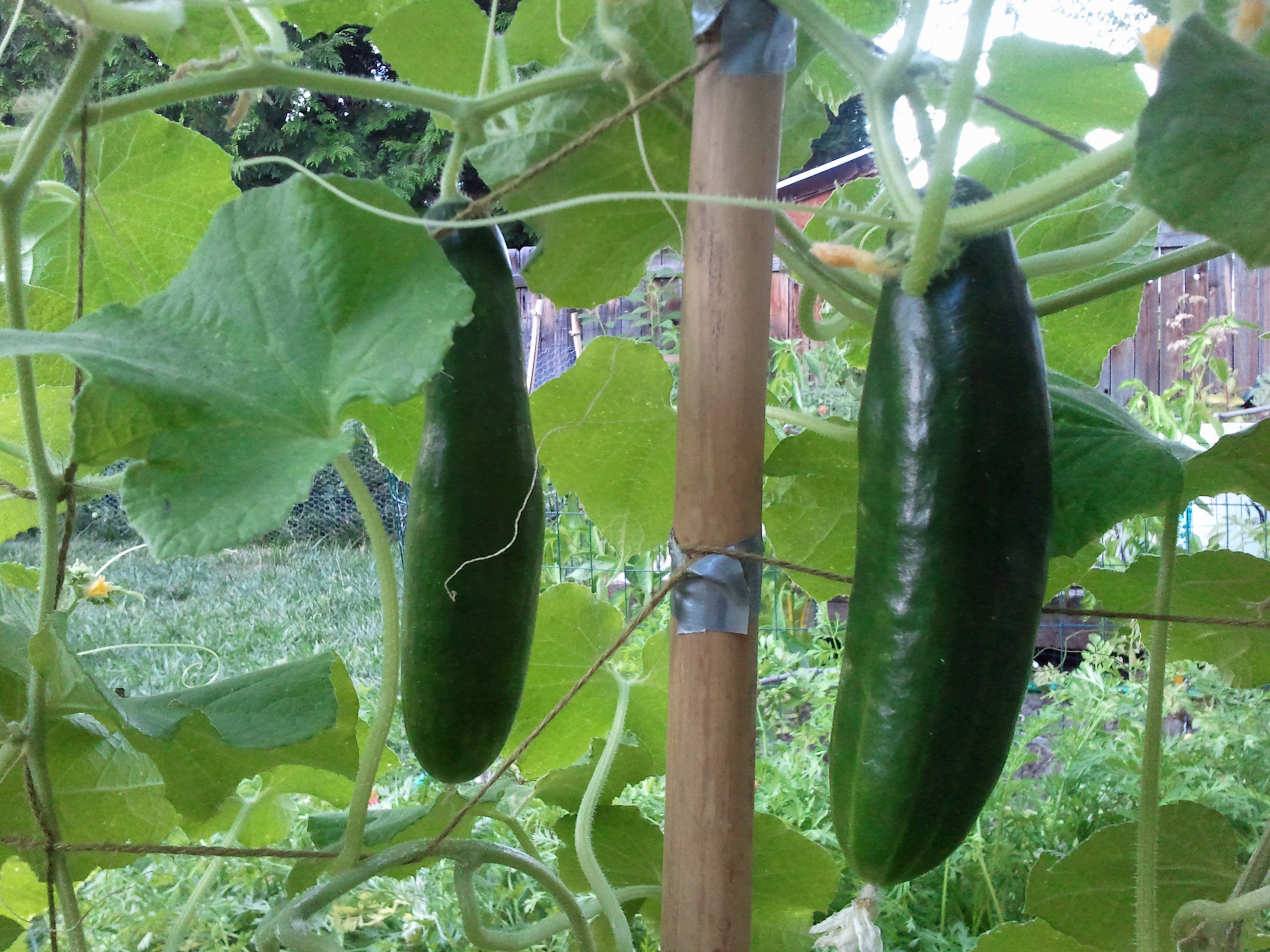
Two cucumbers hanging on a makeshift  trellis. I can't remember what variety they are. This why I need to remember to take better notes.

Two cucumbers hanging on a makeshift trellis. I can’t remember what variety they are. This why I need to remember to take better notes.


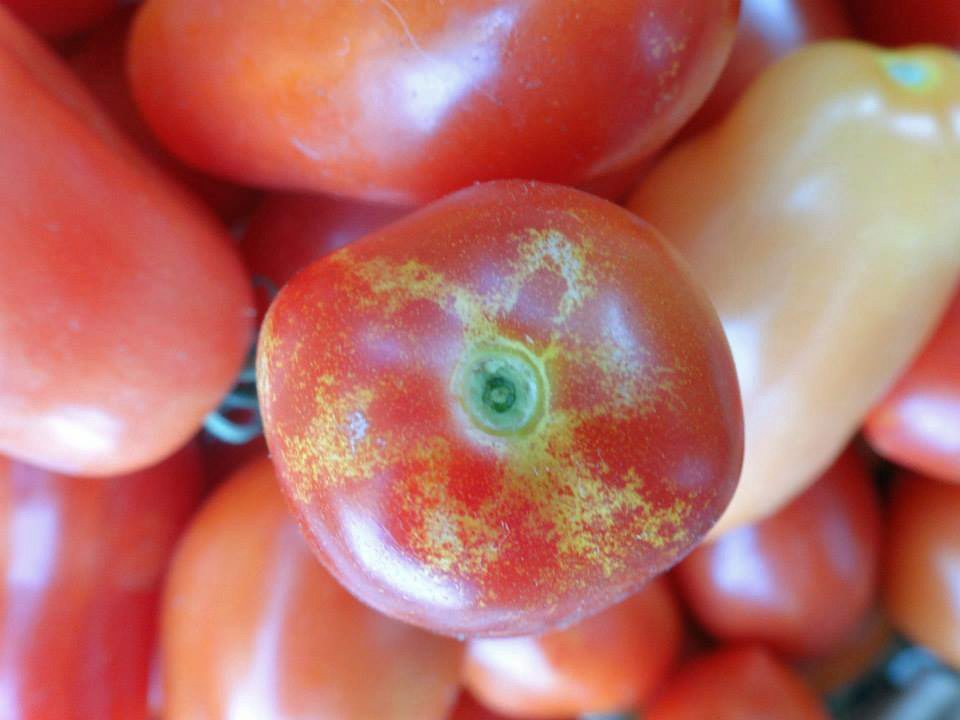
'San Marzano' Roma Tomato. We grew three other varieties of tomatoes along with this one.

‘San Marzano’ Roma Tomatoes. We grew three other varieties of tomatoes along with this one.


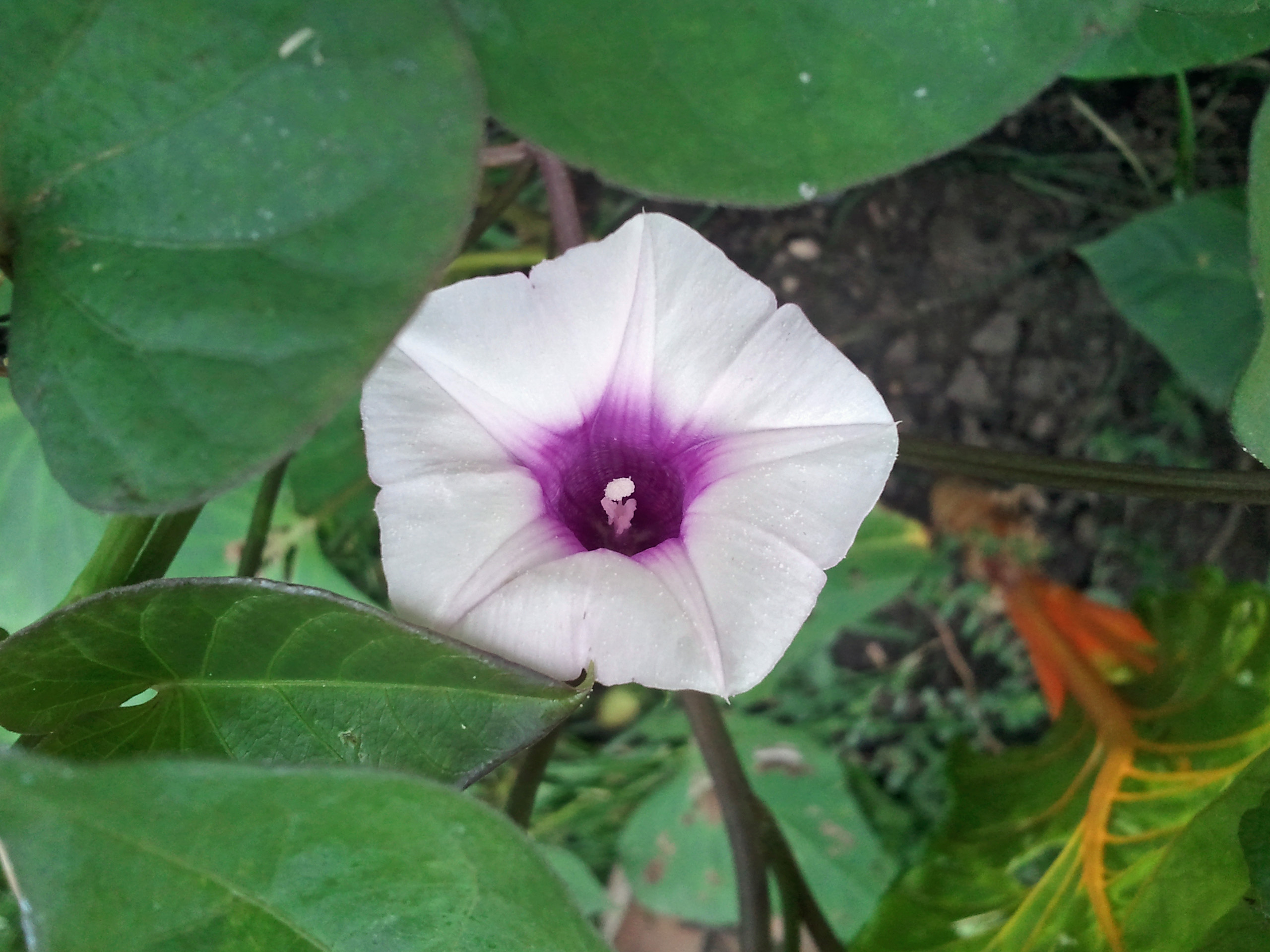
The flower of a 'Hong Hong' sweet potato. We haven't harvested these yet, so we're not sure what we're going to get. Sweet potatoes are not commonly grown in southern Idaho, so we're anxious to see how they do.

The flower of a ‘Hong Hong’ sweet potato. We have not harvested these yet, so we are not sure what we are going to get. Sweet potatoes are not commonly grown in southern Idaho, so we are anxious to see how they do.


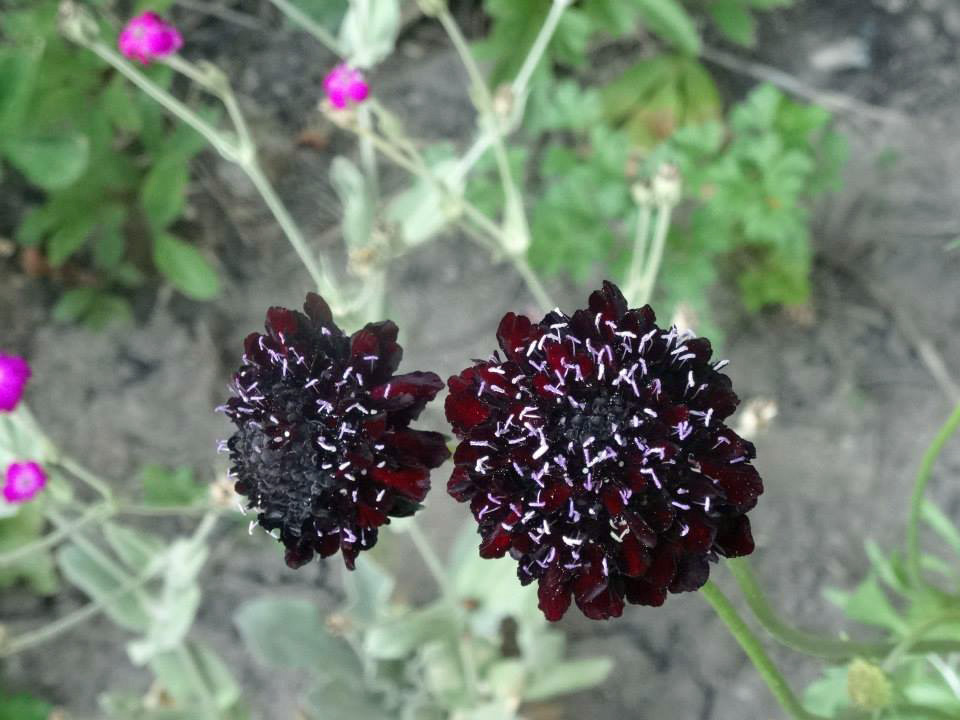
We grew lots of flowers, too. 'Black Knight' scabiosa (aka pincushion flower)was one of our favorites.

We grew lots of flowers, too. ‘Black Knight’ scabiosa (aka pincushion flower) was one of our favorites.


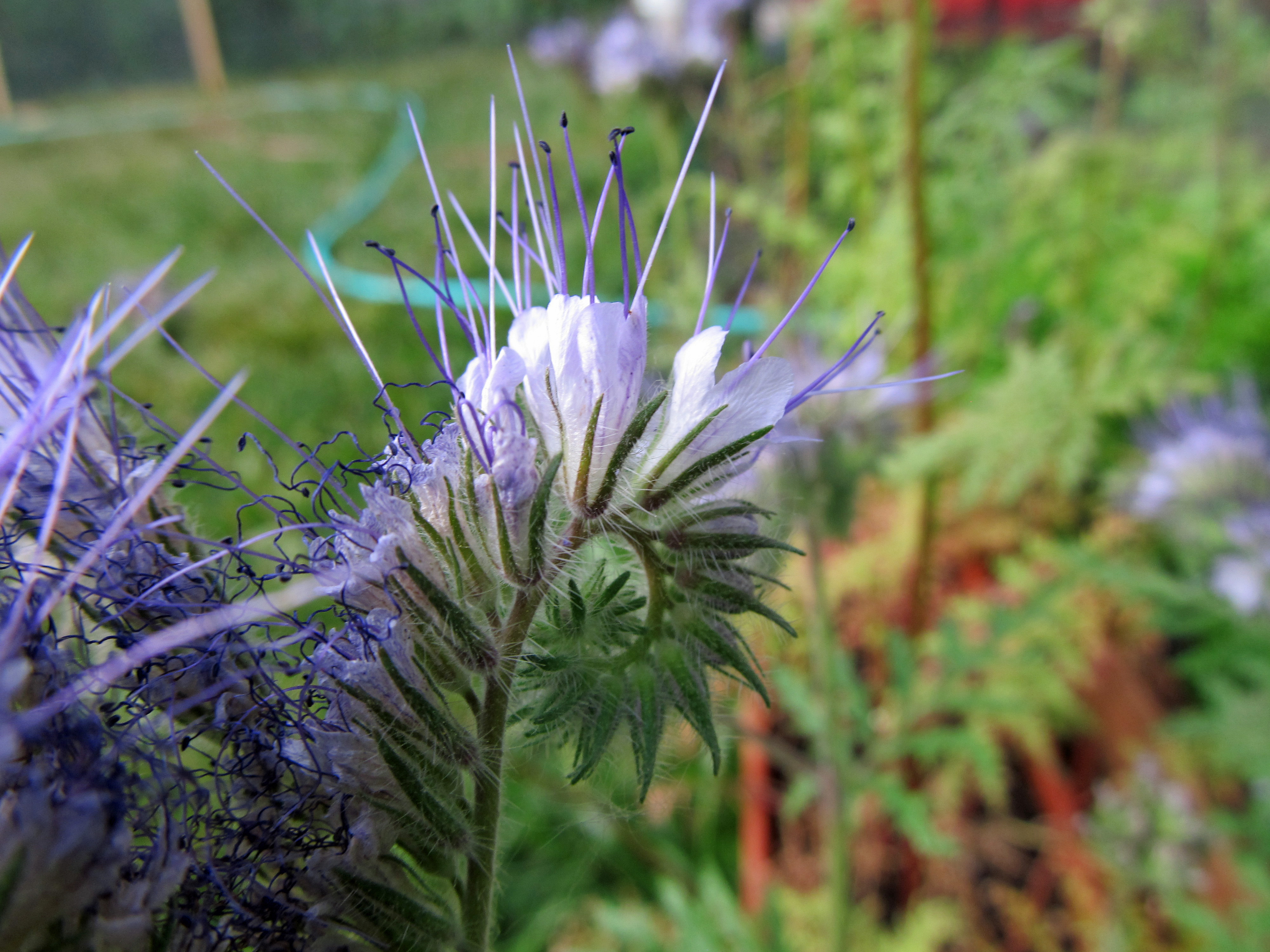
Some flower's we grew specifically for the bees, like this bee's friend (Phacelia hastate).

We grew some flowers specifically for the bees, like this bee’s friend (Phacelia tanacetifolia).


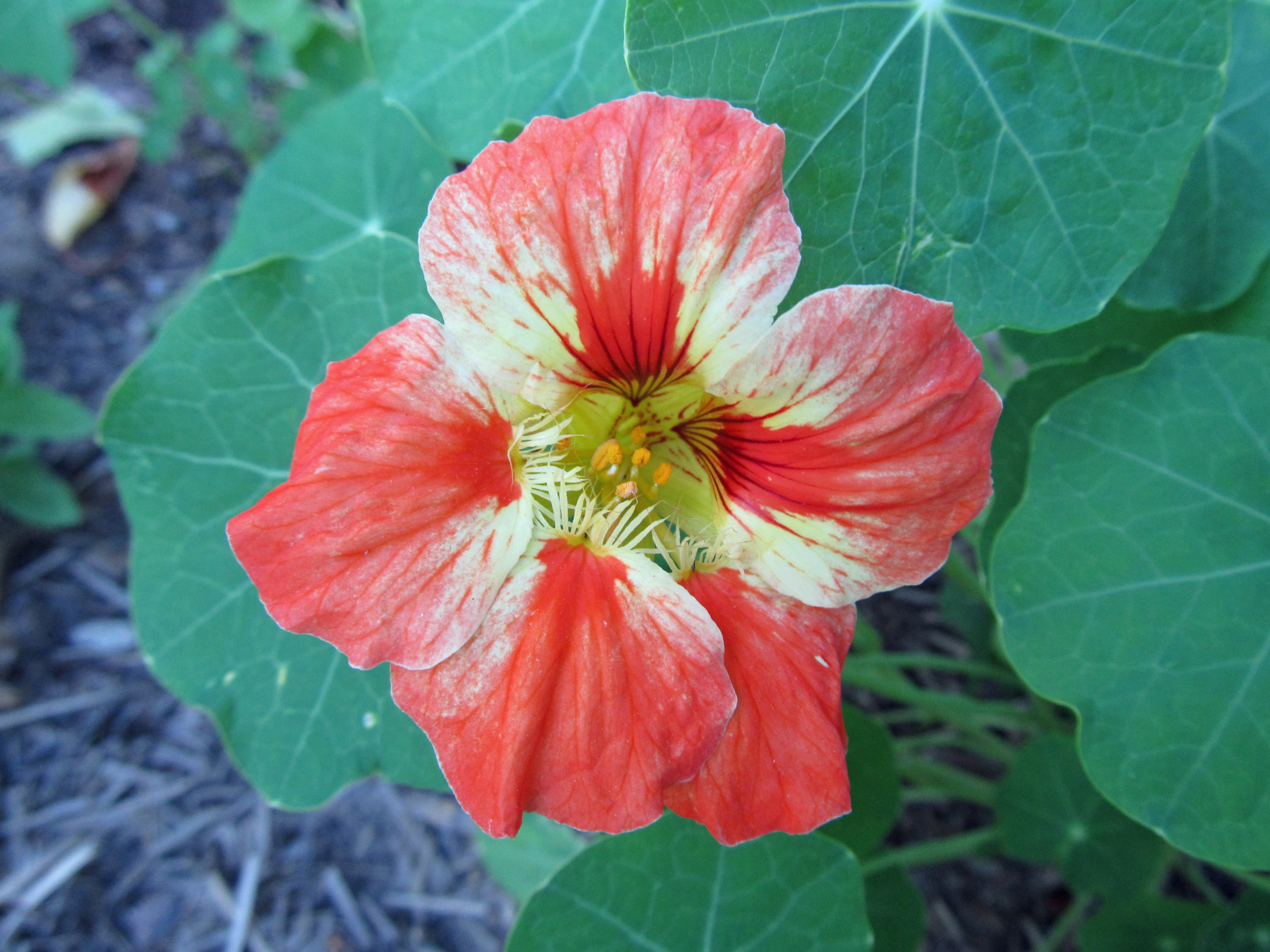
We grew other flowers for eating, like this nasturtium.

We grew other flowers for eating, like this nasturtium.


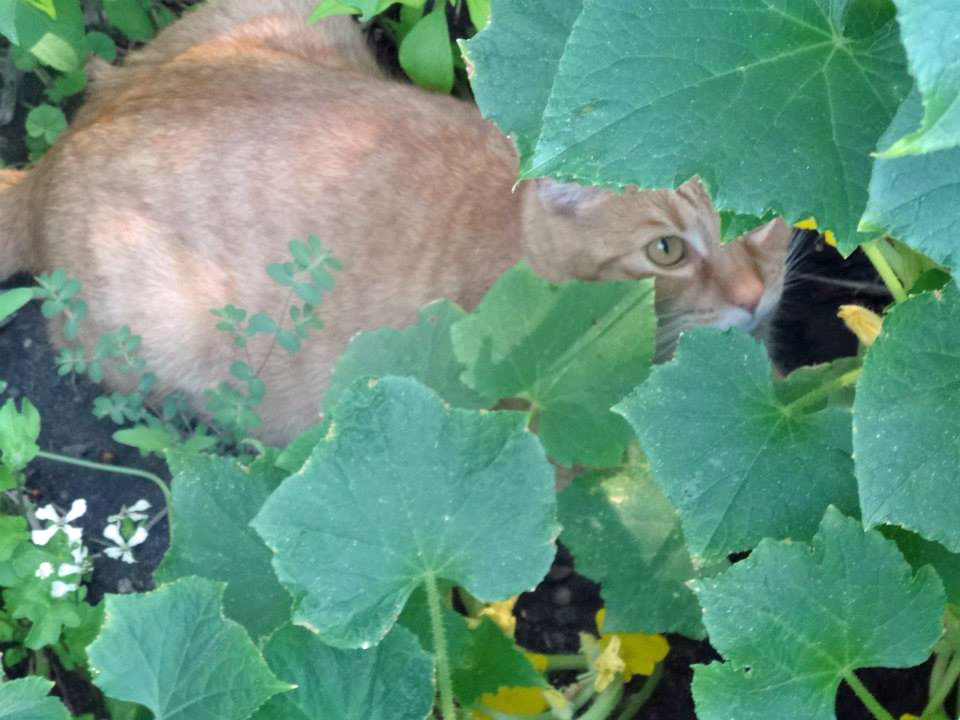
Even the cat loves being in the garden...

Even the cat loves being in the garden…

It has been an incredible year. “Abundant” is the best word that I can think of to describe it. We have learned a lot through successes and failures alike, and we are anxious to do it all again (and more) next year. Until then we are getting ready to settle in for the winter – to give ourselves and our garden a much needed rest. For more pictures and semi-regular updates on how our garden is growing, follow Awkward Botany on tumblr and twitter, and feel free to share your gardening adventures in the comments section below.