Year of Pollination: Botanical Terms for Pollination, part two

“The stage is set for reproduction when, by one means or another, compatible pollen comes to rest on a flower’s stigma. Of the two cells within a pollen grain, one is destined to grow into a long tube, a pollen tube, that penetrates the pistil’s tissues in search of a microscopic opening in one of the ovules, located in the ovary. … The second of a pollen grain’s cells divides to become two sperm that move through the pollen tube and enter the ovule.” – Brian Capon, Botany for Gardeners

“Once pollination occurs, the next step is fertilization. Pollen deposited on the sticky stigma generates a fine pollen tube that conveys the sperm through the style to the ovary, where the ovules, or eggs, have developed. After fertilization, the rest of the flower parts wither and are shed as the ovary swells with seed development.” – Rick Imes, The Practical Botanist

Pollination tells the story of a pollen grain leaving an anther by some means – be it wind, water, or animal – and finding itself deposited atop a stigma. As long as the pollen and stigma are compatible, the sex act proceeds. In other words, the pollen grain germinates. One of the pollen grain’s cells – the tube nucleus – grows down the length of the style, forming a tube through which two sperm nuclei can travel. The sperm nuclei enter the ovary and then, by way of a micropyle, enter an ovule. Inside the ovule is the female gametophyte (also referred to as the embryo sac). One sperm nucleus unites with the egg nucleus to form a zygote. The remaining sperm nucleus unites with two polar nuclei to form a triploid cell which becomes the endosperm. The sex act is complete.

The illustration on the left includes the cross-section of a pistil showing the inside the ovary where pollen tubes have made their way to the ovules. The illustration on the right shows pollen grains germinating on a stigma and their pollen tubes begining to work their way down the style. (photo credit: wikimedia commons)

The illustration on the left includes the cross section of a pistil showing the inside of the ovary where pollen tubes have made their way to the ovules. The illustration on the right shows pollen grains germinating on a stigma and pollen tubes as they work their way down the style. (image credit: wikimedia commons)

The zygote divides by mitosis to become an embryo. The endosperm nourishes the development of the embryo. The ovule matures into a seed, and the ovary develops into a fruit. During this process, the remaining parts of the flower wither and fall away. In some cases, certain flower parts remain attached to the fruit or become part of the fruit. The flesh of an apple, for example, is formed from the carpels and the receptacle (the thickened end of a flower stem – peduncle – to which the parts of a flower are attached).

As the seed matures, the endosperm is either used up or persists to help nourish the embryonic plant after germination. Mature seeds that are abundant in endosperm are called albuminous. Examples include wheat, corn, and other grasses and grains. Mature seeds with endosperm that is either highly reduced or absent are called exalbuminous – beans and peas, for example. Certain species – like orchids – do not produce endosperm at all.

The cross section of a corn kernel showing the endosperm and the embryo (image credit: Encyclopedia Britannica Kids)

The cross section of a corn kernel showing the endosperm and the embryo (image credit: Encyclopedia Britannica Kids)

It is fascinating to consider that virtually every seed we encounter is the result of a single pollen grain making its way from an anther to a stigma, growing a narrow tube down a style, and fertilizing a single ovule. [Of course there are always exceptions. Some plants can produce seeds asexually. See apomixis.] Think of this the next time you are eating corn on the cob or popcorn – each kernel is a single seed – or slicing open a pomegranate to reveal the hundreds of juicy seeds inside. Or better yet, when you are eating the flesh or drinking the milk of a coconut. You are enjoying the solid and liquid endosperm of one very large seed.

Much more can be said about pollination and the events surrounding it, but we’ll save that for future posts. The “Year of Pollination” may be coming to an end, but there remains much to discover and report concerning the subject. For now, here is a fun video to help us review what we’ve learned so far:


Also, take a look at this TED talk: The Hidden Beauty of Pollination by Louie Schwartzberg

And finally, just as the “Year of Pollination” was coming to an end I was introduced to a superb blog called The Amateur Anthecologist. Not only did it teach me that “anthecology” is a term synonymous with pollination biology, it has a great series of posts called “A Year of Pollinators” that showcases photographs and information that the author has collected for various groups of pollinators over the past year. The series includes posts about Bees, Wasps, Moths and ButterfliesFlies, and Beetles, Bugs, and Spiders.

Year of Pollination: Botanical Terms for Pollination, part one

When I began this series of posts, I didn’t have a clear vision of what it would be. I had a budding interest in pollination biology and was anxious to learn all that I could. I figured that calling 2015 the “Year of Pollination” and writing a bunch of pollination-themed posts would help me do that. And it has. However, now that the year is coming to a close, I realize that I neglected to start at the beginning. Typical me.

What is pollination? Why does it matter? The answers to these questions seemed pretty obvious; so obvious, in fact, that I didn’t even think to ask them. That being said, for these last two “Year of Pollination” posts (and the final posts of the year), I am going back to the basics by defining pollination and exploring some of the terms associated with it. One thing is certain, there is still much to be discovered in the field of pollination biology. Making those discoveries starts with a solid understanding of the basics.

Pollination simply defined is the transfer of pollen from an anther to a stigma or – in gymnosperms – from a male cone to a female cone. Essentially, it is one aspect of plant sex, albeit a very important one. Sexual reproduction is one way that plants multiply. Many plants can also reproduce asexually. Asexual reproduction typically requires less energy and resources – no need for flowers, pollen, nectar, seeds, fruit, etc. – and can be accomplished by a single individual without any outside help; however, there is no gene mixing (asexually reproduced offspring are clones) and dispersal is limited (consider the “runners” on a strawberry plant producing plantlets adjacent to the mother plant).

To simplify things, we will consider only pollination that occurs among angiosperms (flowering plants); pollination/plant sex in gymnosperms will be discussed at another time. Despite angiosperms being the youngest group of plants evolutionarily speaking, it is the largest group and thus the type we encounter most.

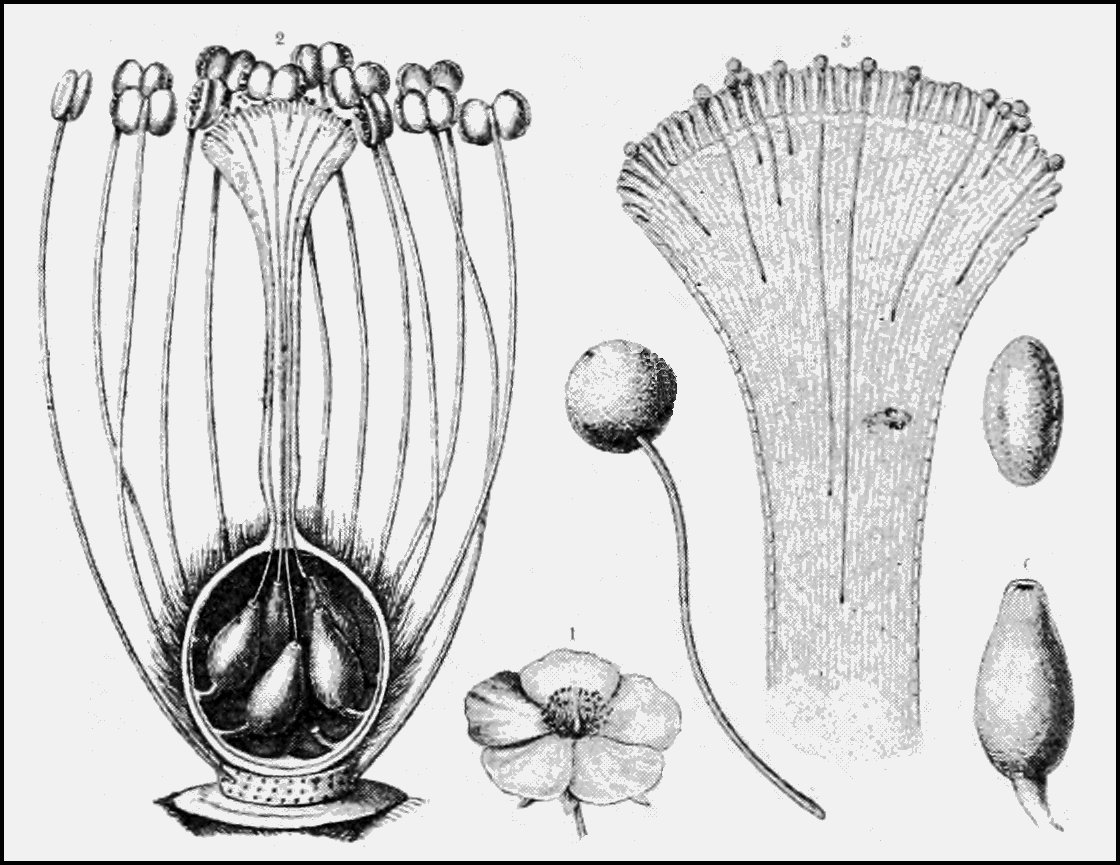
A flower is a modified shoot and the reproductive structure of a flowering plant. Flowers are made up of a number of parts, the two most important being the reproductive organs. The androecium is a collective term for the stamens (what we consider the male sex organs). A stamen is composed of a filament (or stalk) topped with an anther – where pollen (plant sperm) is produced. The gynoecium is the collective term for the pistil (what we consider the female sex organ). This organ is also referred to as a carpel or carpels; this quick guide helps sort that out. A pistil consists of the ovary (which contains the ovules), and a style (or stalk) topped with a stigma – where pollen is deposited. In some cases, flowers have both male and female reproductive organs. In other cases, they have one or the other.

photo credit: wikimedia commons

photo credit: wikimedia commons

When pollen is moved from an anther of one plant to a stigma of another plant, cross-pollination has occurred. When pollen is moved from an anther of one plant to a stigma of the same plant, self-pollination has occurred. Cross-pollination allows for gene transfer, and thus novel genotypes. Self-pollination is akin to asexual production in that offspring are practically identical to the parent. However, where pollinators are limited or where plant populations are small and there is little chance for cross-pollination, self-pollination enables reproduction.

Many species of plants are unable to self-pollinate. In fact, plants have evolved strategies to ensure cross-pollination. In some cases, the stamens and pistils mature at different times so that when pollen is released the stigmas are not ready to receive it or, conversely, the stigmas are receptive before the pollen has been released. In other cases, stigmas are able to recognize their own pollen and will reject it or inhibit it from germinating. Other strategies include producing flowers with stamens and pistils that differ dramatically in size so as to discourage pollen transfer, producing separate male and female flowers on the same plant (monoecy), and producing separate male and female flowers on different plants (dioecy).

As stated earlier, the essence of pollination is getting the pollen from the anthers to the stigmas. Reproduction is an expensive process, so ensuring that this sex act takes place is vital. This is the reason why flowers are often showy, colorful, and fragrant. However, many plants rely on the wind to aid them in pollination (anemophily), and so their flowers are small, inconspicuous, and lack certain parts. They produce massive amounts of tiny, light-weight pollen grains, many of which never reach their intended destination. Grasses, rushes, sedges, and reeds are pollinated this way, as well as many trees (elms, oaks, birches, etc.) Some aquatic plants transport their pollen from anther to stigma via water (hydrophily), and their flowers are also simple, diminutive, and produce loads of pollen.

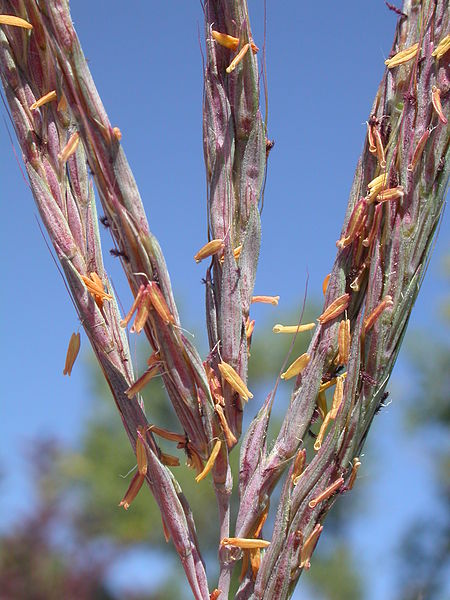
Inforescence of big bluestem (Andropogon gerardii), a wind pollinated plant - pohto credit: wikimedia commons

Inflorescence of big bluestem (Andropogon gerardii), a wind pollinated plant – photo credit: wikimedia commons

Plants that employ animals as pollinators tend to have flowers that we find the most attractive and interesting. They come in all shapes, sizes, and colors and are anywhere from odorless to highly fragrant. Odors vary from sweet to bitter to foul. Many flowers offer nectar as a reward for a pollinator’s service. The nectar is produced in special glands called nectaries deep within the flowers, inviting pollinators to enter the flower where they can be dusted with pollen. The reward is often advertised using nectar guides – patterns of darker colors inside the corolla that direct pollinators towards the nectar. Some of these nectar guides are composed of pigments that reflect the sun’s ultraviolet light – they are invisible to humans but are a sight to behold for many insects.

In part two, we will learn what happens once the pollen has reached the stigma – post-pollination, in other words. But first, a little more about pollen. The term pollen actually refers to a collection of pollen grains. Here is how Michael Allaby defines “pollen grain” in his book The Dictionary of Science for Gardeners: “In seed plants, a structure produced in a microsporangium that contains one tube nucleus and two sperm nuclei, all of them haploid, enclosed by an inner wall rich in cellulose and a very tough outer wall made mainly from sporopollenin. A pollen grain is a gametophyte.”

A pollen grain’s tough outer wall is called exine, and this is what Allaby has to say about that: “It resists decay, and the overall shape of the grain and its surface markings are characteristic for a plant family, sometimes for a genus or even a species. Study of pollen grains preserved in sedimentary deposits, called palynology or pollen analysis, makes it possible to reconstruct past plant communities and, therefore, environments.”

Scanning electron microscope image of pollen grains from narrowleaf evening primrose (Oenothera fruticosa) - photo credit: wikimedia commons

Scanning electron microscope image of pollen grains from narrowleaf evening primrose (Oenothera fruticosa) – photo credit: wikimedia commons

Year of Pollination: Scarlet Gilia and Its Pollinators

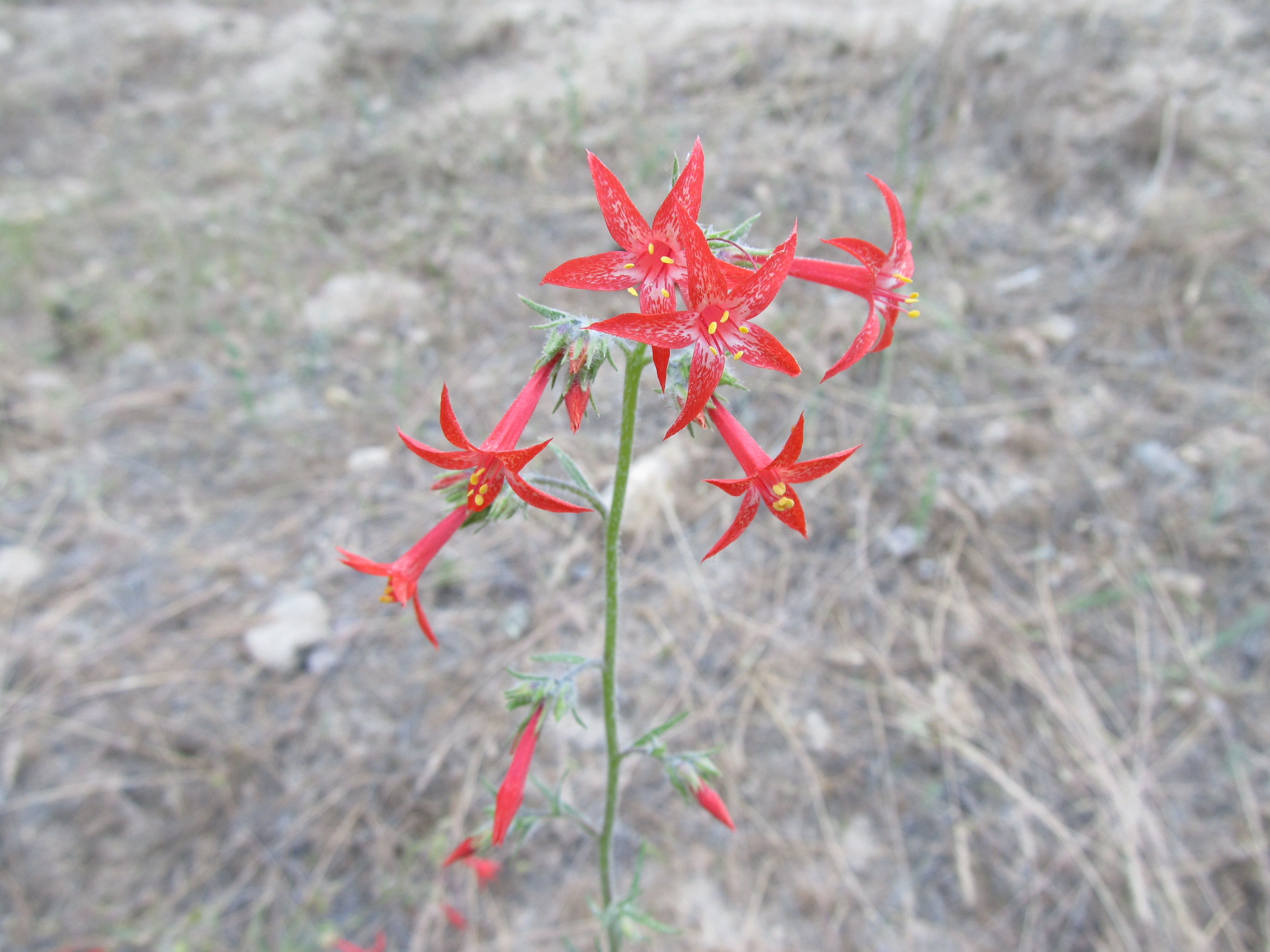
Flowers that are visited and/or pollinated by hummingbirds typically fit the following description: petals are brightly colored, often red; petals are fused to form a long, narrow tube; a “landing pad” is absent; abundant nectar is produced deep within the flower; and fragrance is weak or nonexistent. Scarlet gilia (Ipomopsis aggregata) is a typical example of such a flower, and hummingbirds are indeed among its most common visitors. But there is so much more to the story.

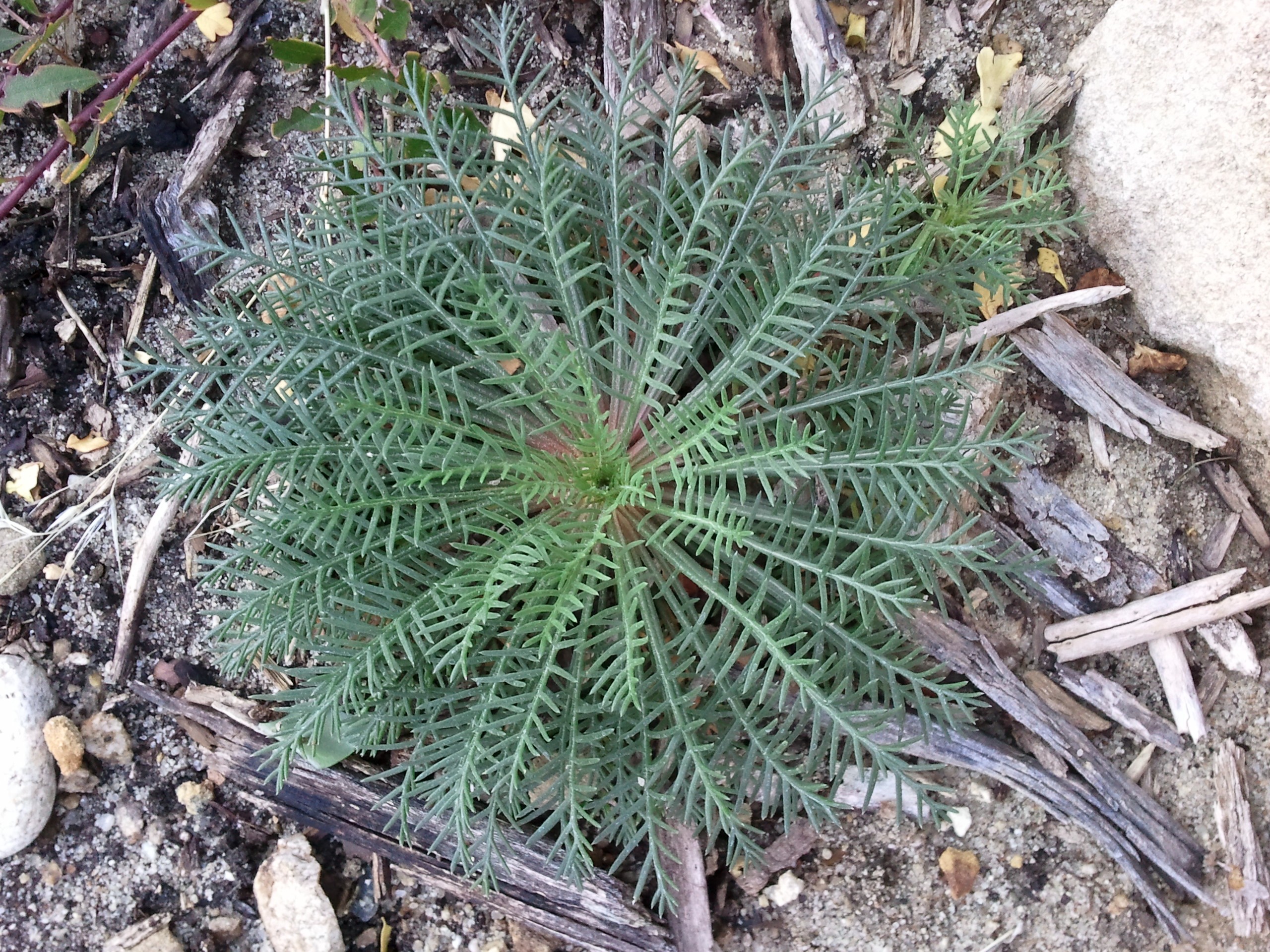
Scarlet gilia (also commonly known as skyrocket) is a wildflower in the phlox family (Polemoniaceae) that occurs in many parts of western North America. It is considered a biennial or short-lived perennial. It spends the first year or so of its life as a compact rosette of fern-like leaves. Later it sends up a branched, flowering stem that can reach 5 feet tall or more. The flowers are slender, trumpet-shaped, and composed of five fused petals that flare outward creating five prominent, pointed lobes. They are self-incompatible and require a pollinator in order to set seed. The stamens of an individual flower produce mature pollen before the stigma of that flower is ready to receive it – this is called protandry and is one mechanism of self-incompatibility.

The rosette of scarlet gilia (Ipomopsis aggregata)

The rosette of scarlet gilia (Ipomopsis aggregata)

The flowering period of scarlet gilia can last several months. Depending on the location, it can begin in mid-summer and continue through the fall. During this period, it produces dozens of flowers. It is also at this time that it runs the risk of being browsed by elk, mule deer, and other animals. This doesn’t necessarily set it back though, as it has the potential to respond by producing additional flowering stalks and more flowers. Its flowers are visited by a variety of pollinators including bumblebees, hawkmoths, butterflies, syrphid flies, solitary bees, and of course, hummingbirds. But hummingbirds, in many parts of scarlet gilia’s range are migratory, and that’s where things get interesting.

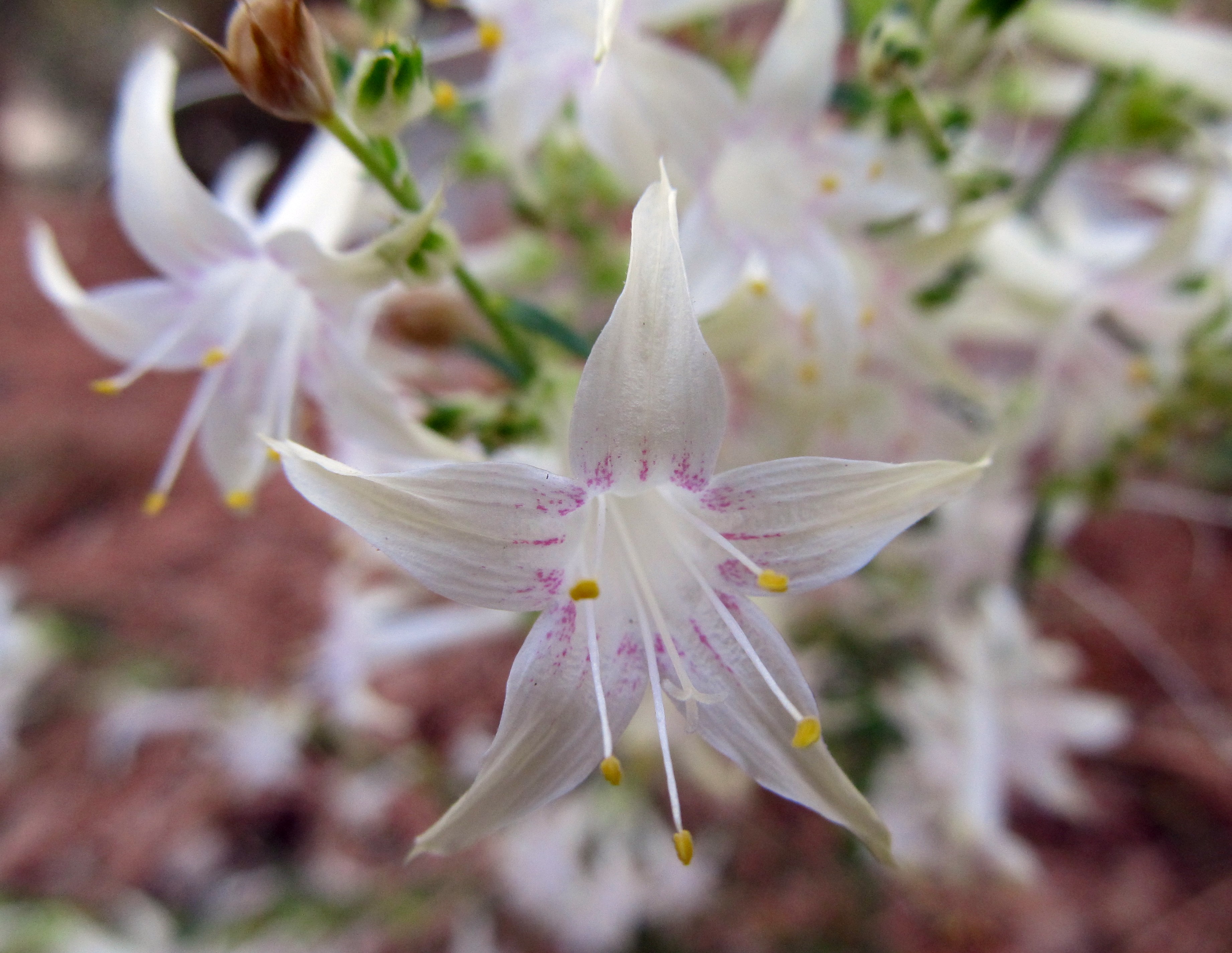
Early flowers of scarlet gilia are usually red. As the season progresses, flowers slowly shift from red to pink. In some cases, they lose all pigmentation and become white. In the early 1980’s, pollination biologists Ken Paige and Thomas Whitman set out to determine the reason for this shift in flower color. They spent three years observing a population of scarlet gilia on Fern Mountain near Flagstaff, Arizona. They noted that the change in flower color corresponded with the migration of hummingbirds and that the now lighter colored flowers continued to be pollinated by hawkmoths until the end of the flowering season.

ipomopsis aggregata

A series of experiments and observations led them to conclude that hummingbirds prefer darker colored flowers and hawkmoths prefer lighter colored flowers. By shifting to a lighter flower color, scarlet gilia appeared to be taking advantage of remaining pollinators after hummingbirds had migrated. They also concluded that the color change was not the cause of hummingbird migration since other flowers with nectar-rich, red, tubular flowers (specifically Penstemon barbatus) remained available in the area throughout their migration. It was also noted that the flowers of scarlet gilia shifted the timing of nectar production, presumably to better match the behavior of hawkmoths which are more active in the evenings.

No plants were observed shifting from light colored flowers to dark colored flowers, which further supported their conclusion. They also compared the population they studied to populations that do not lose their hummingbird pollinator and noted that when hummingbirds remain, the flowers of scarlet gilia don’t change color.

Scarlet gilia (Ipomopsis aggregata) with white flowers

Scarlet gilia (Ipomopsis aggregata) with white flowers

But just how effective are hummingbirds as pollinators of scarlet gilia? A seperate study carried out by a different group of researchers determined that, while hummingbirds were “the most common floral visitor,” long-tongued bumblebees were the more effective pollinator when it came to pollen deposition and seed set. The study involved observations of a scarlet gilia population in Colorado over a 5 year period. Considering how well the floral traits of scarlet gilia match up with the hummingbird pollination syndrome, it is surprising to learn that long-tongued bumblebees are comparatively more effective at pollinating them.

This study provides further evidence against strict adherence to pollination syndromes and the most effective pollinator principle, both of which imply specialized plant-pollinator interactions. (I wrote about these topics here, here, and here in earlier Year of Pollination posts.) In their discussion, the authors propose two possible explanations as to why scarlet gilia, despite its phenotypic floral traits, does not appear to be specialized. One explanation is that “natural selection favors a specialized [floral] morphology that excludes all but a single type of visitor, but there are constraints on achieving this outcome.” Perhaps the pollinators aren’t cooperating; their opportunism is leading them to “exploit flowers on which they can realize an energetic profit, even if they do not mechanically ‘fit’ very well.” The “sensory abilities” of the pollinators may be “broadly tuned,” making it difficult for plants to develop flowers with “private signals detectable only by specific types of pollinators.”

The second explanation proposed by the authors is that “selection favors some degree of floral generalization, but that flowers can retain features that adapt them to a particular type of pollinator in spite of generalization.” In the case of scarlet gilia, specialization could be detrimental because after they send up their flower stalks, they are doomed to die. This gives them only one season to set seed, and if hummingbirds are either not available that year or only available in limited numbers, a scarlet gilia population can lose the opportunity to reproduce. As the authors put it, “the fact that individual plants enjoy only a single season of reproduction, suggests the value of ‘backup’ pollinators.” This may also explain why flower color shifts in order to take full advantage of hawkmoth pollination after hummingbirds are gone.

Scarlet gilia is not only a beautiful and widespread wildflower, but also a plant with a very interesting story. Follow the links below to learn more about this fascinating plant:

Drought Tolerant Plants: Rabbitbrush

Gardener seeking shrub. Must be drought tolerant. Must have year-round interest. Must be easy to grow and maintain. Preferably flowers in late summer or early fall. Must be attractive – not just to humans, but to wildlife as well. Serious inquiries only.

My answer to a solicitation such as this would be rabbitbrush. While there may be other perfectly acceptable plants that fit this description, I think rabbitbrush deserves major consideration. It’s easy to grow and can be kept looking attractive throughout the year. When it is flush with vibrant, golden-yellow flowers at the close of summer, it not only becomes the star of the garden visually, but also a savior to pollinators readying themselves for winter. Plus, it requires little to no supplemental water, making it a true dry garden plant.

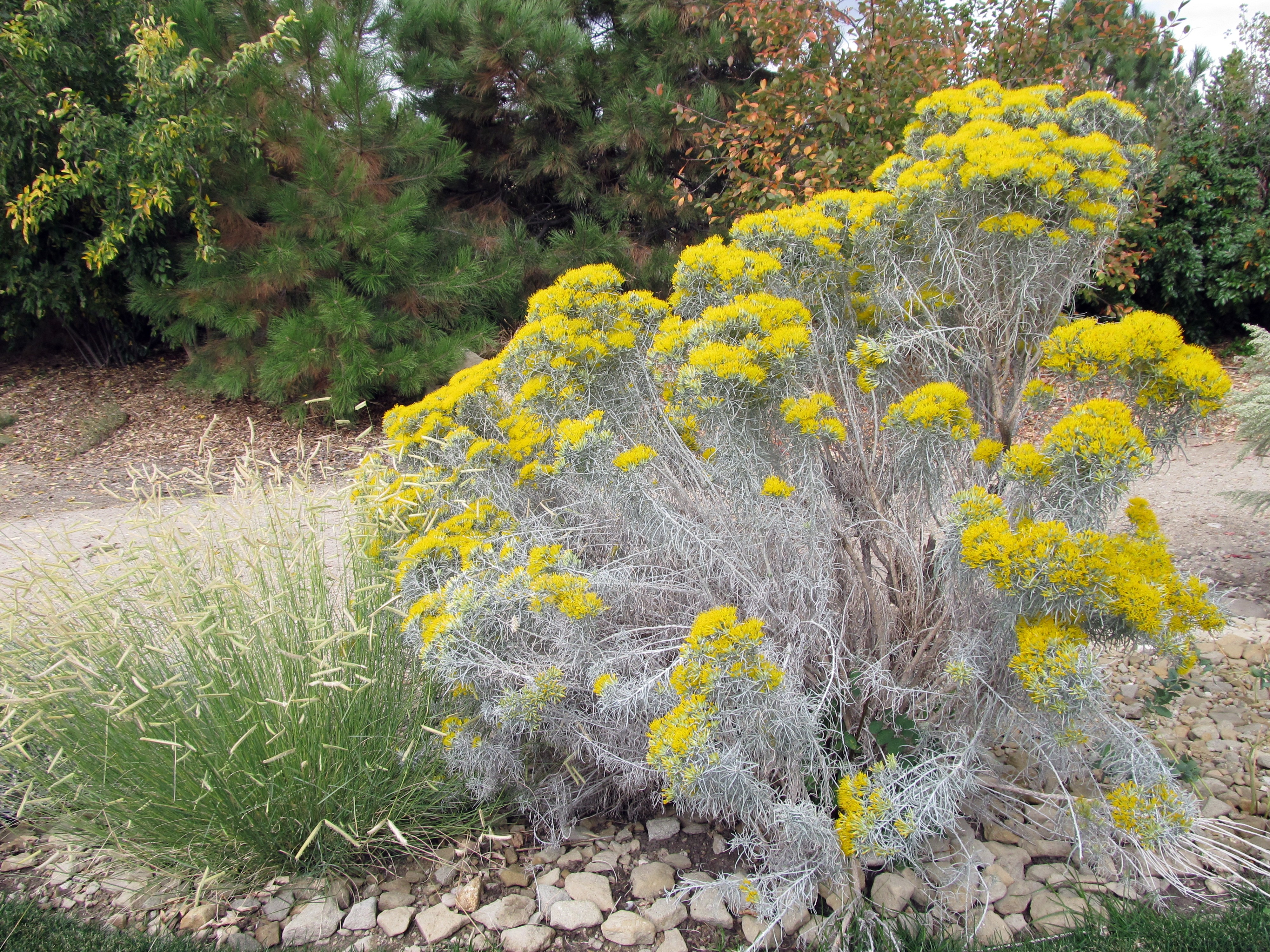
There are many species that go by the common name rabbitbrush. The two that I am most familiar with are Ericameria nauseosa (rubber or gray rabbitbrush) and Chrysothamnus viscidiflorus (green or yellow rabbitbrush). Both of these species are native to western North America, and both have a number of naturally occurring varieties and subspecies.

Rubber rabbitbrush - Ericameria nauseosa

Rubber rabbitbrush – Ericameria nauseosa

Rubber rabbitbrush is a densely branched shrub that reaches an average height of 3 feet. Its leaves are slender and numerous, and its stems and leaves are covered in short, white, felt-like hairs giving the plant a light gray appearance. Native Americans used the flexible branches of this plant to weave baskets. They also made a tea from the stems to treat coughs, colds, chest pains, and toothaches. Bundles of branches were burned to smoke animal hides. The stems and roots contain a latex sap, and certain Native American tribes are said to have used this sap as chewing gum, possibly to relieve hunger or thirst. A rubber shortage during World War II led to investigations into extracting the latex from rabbitbrush. This idea was soon abandoned once it was determined that even if every rabbitbrush in the West were to be harvested, the resulting increase in rubber would be modest compared to other sources.

Green rabbitbrush is typically smaller than rubber rabbitbrush, reaching a maximum height of about 3 feet. Its stems and leaves appear similar to rubber rabbitbrush except they lack the dense, white hairs and are brown and green respectively. Also, the stems and leaves of green rabbitbrush have a stickiness to them, and the leaves are often twisted or curled.

Rabbitbrush is a member of the sunflower family (Asteraceae). Plants in this family generally have inflorescences that are a combination of ray and disk flowers (or florets) clustered tightly together and arranged in such a way that the inflorescence appears as a single flower. Consider sunflowers, for example. What appear to be petals around the outside of a large flower are actually a series of individual ray flowers, and in the center are dozens of disk flowers. Both rubber and green rabbitbrush lack ray flowers, and instead their inflorescences are clusters of 5 or so disk flowers that are borne at the tips of each branch creating a sheet of yellow-gold flowers that covers the shrub. Native Americans used these flowers to make dyes.

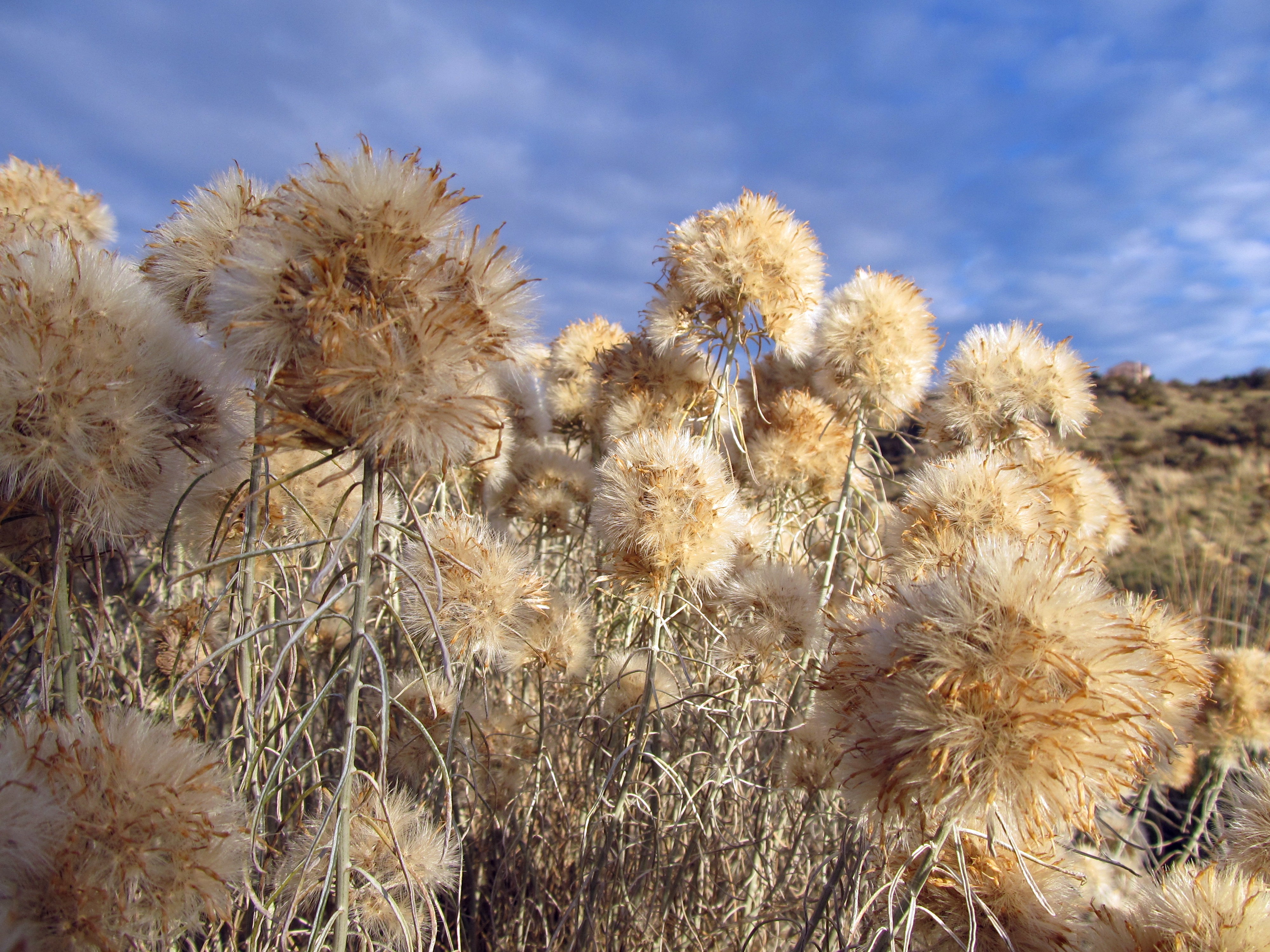
The fruits of rabbitbrush are achenes with small tufts of hairs attached. Each achene contains one seed. The tuft of hair (or pappus) helps disseminate the seed by way of the wind. Many of the fruits remain attached to the plant throughout the winter, providing winter interest and food for birds.

As rabbitbrush ages it can become gangly, floppy, or simply too large for the site. This can be avoided easily by cutting the plant back by a third or more each fall or spring, which will result in a more manageable form. It can also be cut back nearly to the ground if it is getting too big.

Seed heads of rubber rabbit brush (Ericameria nauseosa)

Seed heads of rubber rabbit brush (Ericameria nauseosa)

The leaves, flowers, stems, and seeds provide food for a variety of animals including birds, deer, and small mammals. The plant itself can also provide cover for small mammals and birds. Oh, and did I mention that it’s a pollinator magnet. It has wildlife value, it’s drought tolerant, it’s easy to maintain, and overall, it’s a beautiful plant. What more could you ask for in a shrub?

More Drought Tolerant Plant posts at Awkward Botany:

Fernbush

Blue Sage

Prickly Pears

Water Efficient Landscape at Idaho State Capitol Building

Desert Willow

The photos in this post were taken at Idaho Botanical Garden in Boise, Idaho.

Drought Tolerant Plants: Desert Willow

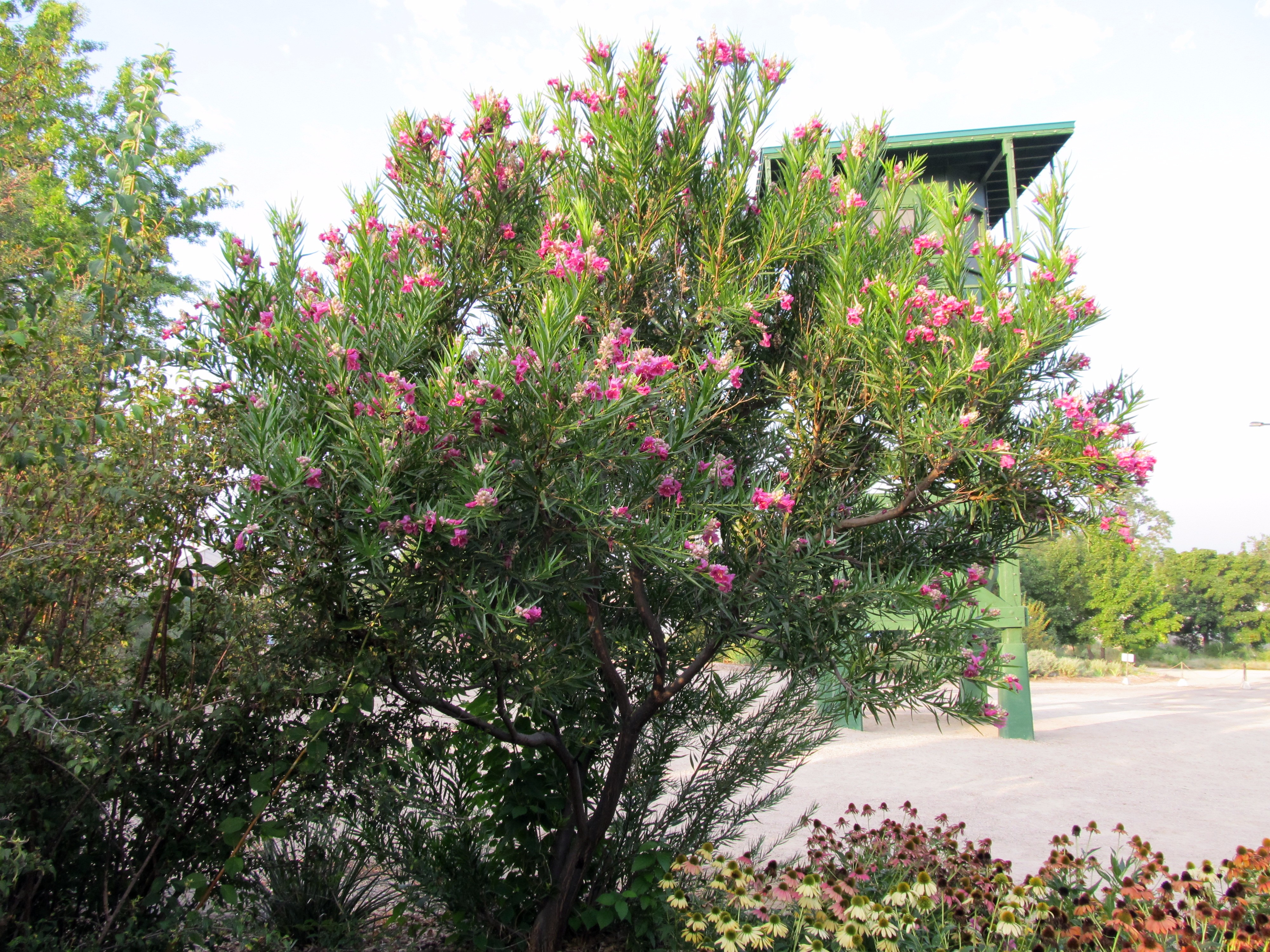
Hailing from dry washes and riverbanks of the desert southwestern United States and northern Mexico, desert willow is a tough tree or large shrub with delicate, showy flowers and wispy foliage. Its beauty and its ruggedness has made it a popular plant for dry gardens. It requires little attention maintenance-wise, yet attracts all kinds of attention otherwise. If you live in a desert climate that generally stays above 0 degrees Fahrenheit during the winter, this plant belongs in your garden.

Desert Willow - Chilopsis linearis

Desert Willow – Chilopsis linearis

A member of the family Bignoniaceae – a family that consists of at least 8o genera including catalpa (Catalpa spp.) and trumpet vine (Campsis spp.) – Chilopsis linearis is the sole member of its genus. The common name, desert willow, refers to its habitat and its long, slender, oppositely and alternately arranged leaves that resemble those of many willows (Salix spp.). Other common names include flowering willow, willowleaf catalpa, desert catalpa, and false-willow. There are two recognized subspecies – linearis and arcuata.

Desert willow is found most commonly in areas where seasonal flooding occurs. Known as desert dry washes – or simply dry washes or desert washes –  these are areas in the desert where runoff from heavy rains accumulates resulting in saturated soils followed by a prolonged dry period. Groundwater often remains accessible year-round to the deep roots of plants in this type of habitat. Desert willow shares this habitat with several other large shrubs and small trees including mesquite (Prosopis spp.), palo verde (Parkinsoinia spp.), and smoketree (Psorothamnus spinosus). Desert willow occurs along stream banks and river banks as well, where seasonal flooding also occurs.

Desert willow generally reaches a width of 10 to 15 feet and a height of at least 15 feet, although it has the potential to grow taller than 30 feet. It often has an open and sprawling or leaning habit, but it can be pruned to look more tree-like. Pruning can also result in more flowering, since flowers appear on new growth and pruning encourages growth. Watering this plant during the dry season can also lead to a flush of growth and more flowering. This is something to keep in mind, as it is the flowers that are the star of the show.

Persisting from late spring through midsummer (and sometimes longer), the 1 to 2 inch, trumpet-shaped, pink to rose to purple blossoms are hard to miss. They occur singularly or in clusters at the tips of branches. The ruffled-edges of the petals and the prominent streaks of color within the corolla tube add to the attraction. Hummingbirds, butterflies, and bumblebees are common visitors to these fragrant flowers. Summer rains or occasional watering can encourage flowering throughout the summer. Overwatering, on the other hand, can be detrimental.

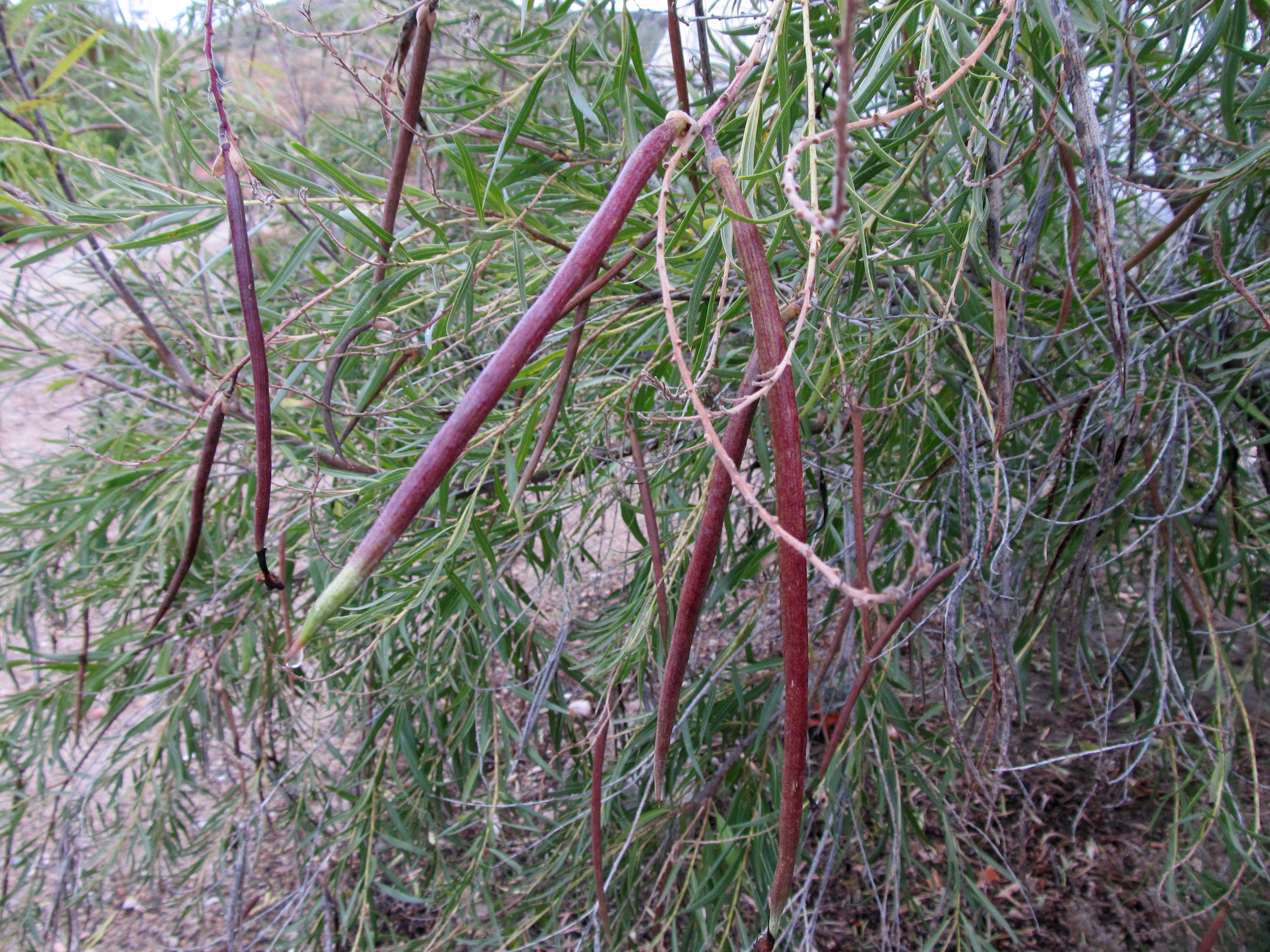
The flowers eventually form long slender seed pods called capsules that reach up to 10 inches long. Inside the capsules are a series of hairy seeds. The hairs form small wings on the sides of the seeds. The seeds are eaten by a variety of bird species. Various species of birds can also be seen nesting in desert willow, and a variety of other animals use desert willow for browsing and/or for cover.

The fruits of Chilopsis linearis.

The fruits of Chilopsis linearis

The hairy, winged seeds of Chilopsis linearis

The hairy, winged seeds of Chilopsis linearis

Desert willow prefers sunny, southwest facing sites and tolerates most soil types. It performs best in soils that are well drained, low in organic content, and have a pH that is neutral to alkaline. The soil can be saturated at times, but should be given a chance to dry out – just like in its natural habitat. Avoid the impulse to add fertilizer.

Desert willow is said to be easy to propagate from cuttings or from seeds. It is commercially available, and several cultivars have been developed offering diverse flower colors and other special traits. It’s easy to grow, requires little attention, and provides an eye-catching floral show – all excellent reason to add this plant to your water-efficient landscape.

One tip from my experience seeing it survive the winters of southwestern Idaho: the deciduous leaves of Chilopsis linearis don’t reappear until very late in the spring – so late, in fact, that one might start to worry that the plant has perished. Don’t fret though; some winter kill is possible if sub-zero temperatures were experienced, but most likely it is still alive.

More information about desert willow:

Encyclopedia of Life

USDA Plant Guide

Native Plant Information Network 

The photos in this post were taken at Idaho Botanical Garden in Boise, Idaho.

Year of Pollination: Hand Pollinating Cucurbits

Because of their large, open, unisexual flowers, plants in the gourd family are perfect for practicing hand pollination. There are several species in this family that are commonly grown in gardens, and all can be hand pollinated. Hand pollination of cucurbits is most often done when there are problems with pollination (lack of pollinators, etc.) or for seed saving purposes (i.e. to ensure that a variety breeds true). It can also be done just for fun, and that’s mostly what this post is about.

But first, if your goal is to save seeds and maintain the integrity of the varieties you are growing, there are a few things to keep in mind. Cucumbers, melons, and watermelons are all different species (Cucumis sativus, Cucumis melo, and Citrullus lanatus respectively), so you won’t have to worry about crosses between these crops. You will, however, have to worry about crosses between different varieties within individual species. So, for example, if you are growing multiple varieties of cucumbers – or if your close neighbors are also growing cucumbers – you should hand pollinate. Summer squash, winter squash, pumpkins, and some gourds are members of at least four species in the genus Cucurbita (C. pepo, C. maxima, C. mixta, and C. moschata). There is a possibility of hybridization between some of these species as well as between varieties within the same species, so precautions should definitely be taken when saving seeds for these crops. This can mean, along with hand pollination, placing bags over flowers so that bees are unable to bring in pollen from “the wrong” plants.

There are plenty of great resources about saving seeds that offer much more detail than I have gone into here, one of which is a book by Marc Rogers called Saving Seeds. Consult such resources if you would like to try your hand at seed saving. It’s easier than you might think, and it’s very rewarding.

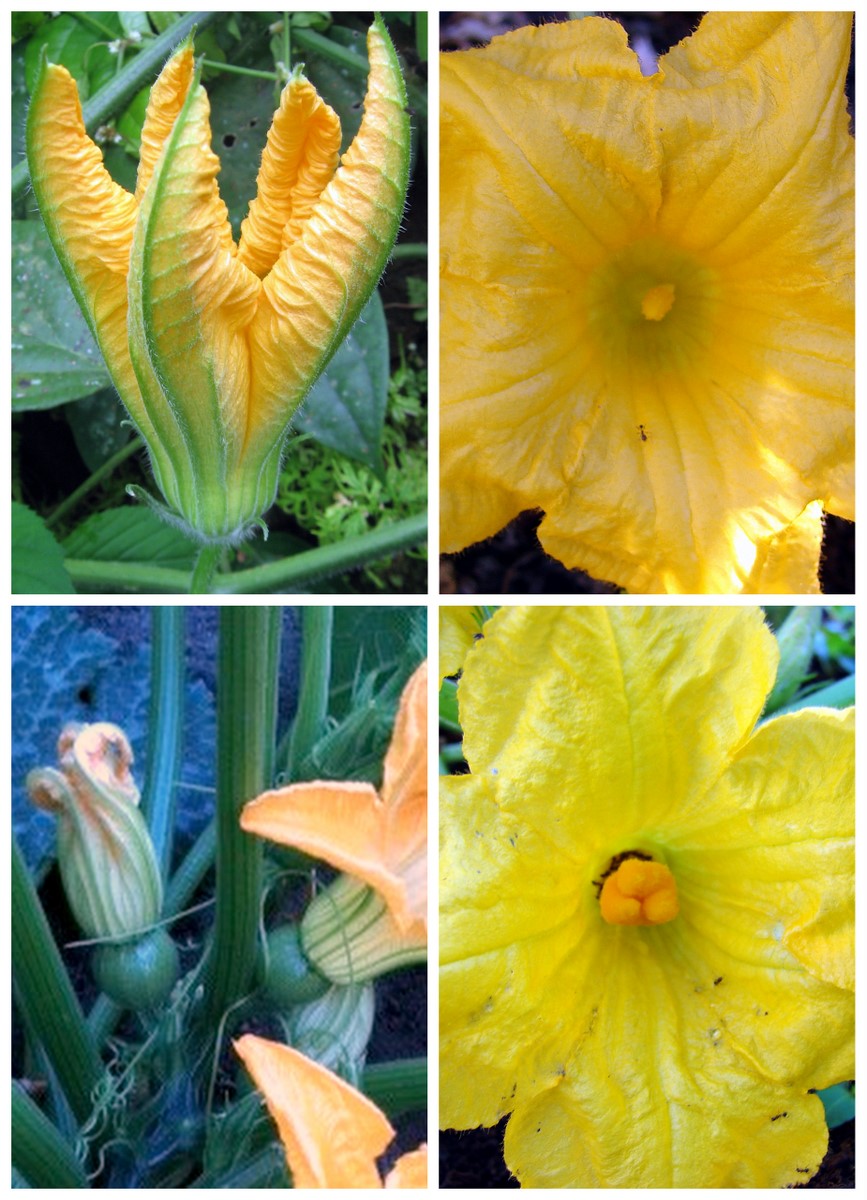
Regardless why you are hand pollinating your cucurbits, the first step in the process is differentiating a male flower from a female flower. This is simple. Female flowers in the family Cucurbitaceae have inferior ovaries, meaning that the ovary sits below the area where the petals and other flower parts are attached. The ovaries are quite pronounced and resemble a miniature fruit. The male flowers lack ovaries, so instead are simply attached to a slender stem. You can also observe the sex organs themselves – male flowers have stamens, female flowers have carpels. Male and female flowers may also be located on different areas of the plant and may open at different times of the day. All that being said, the most obvious indication is the “mini-fruit” at the base of the flower or lack thereof.

Cucurbit flowers: male (top) and female (bottom) - photo credit: wikimedia commons

Cucurbit flowers: male (top two photos) and female (bottom two photos) – image credit: wikimedia commons

Once you have identified your flowers, you have a limited amount of time to hand pollinate them. It’s best to find flowers that are just starting to open, as the female flowers may only be receptive for as little as 24 hours. You can use a cotton swab to gather pollen from the male flower, or you can simply pluck the flower from the plant, remove the petals, and touch the pollen-loaded anthers to the stigmas of a female flower. Either way, you must get the pollen from the male parts of a flower to the female parts of a flower as that is the essence of pollination. Simply put, it’s plant sex. Play some soft jazz while you do it if you want to.

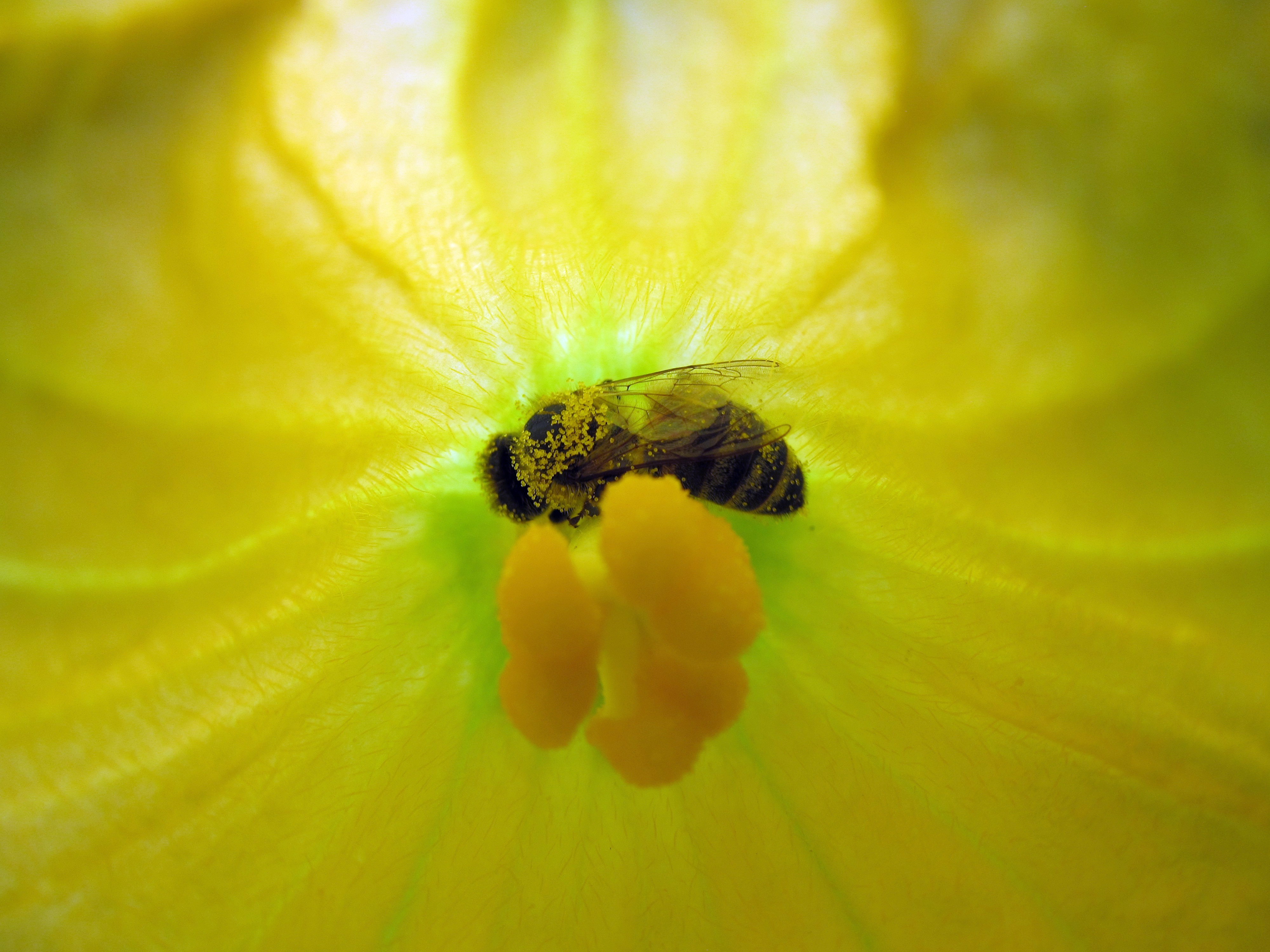
A honeybee in a squash flower

A female squash flower with honeybee inside

A honeybee covered in pollen drinking the nectar of a female squash flower

Honeybee covered in pollen drinking the nectar of a female squash flower

As with saving seeds, there are a lot of resources out there explaining the details of hand pollinating cucurbit flowers, including this guide from Missouri Botanical Garden and the following You Tube Video.


While we are on the subject of cucurbit flowers, it should be noted that squash flowers are edible and can be prepared in a variety of ways, as described in this post at The Kitchn. Just another reason to be impressed by this amazing group of plants.
The Gourd Family

Pumpkins are practically synonymous with fall. Outside of every supermarket, bins overflow with pumpkins and other winter squash; inside, shelves are stocked with pumpkin flavored, pumpkin spiced, and pumpkin shaped everything. It’s the season of the almighty gourd – a family of plants that not only shares a long history with humans but also features some of the most diverse and unique-looking fruits on the planet. They are a symbol of the harvest season, a staple of the Halloween holiday, and a family of plants that is certainly worth celebrating.

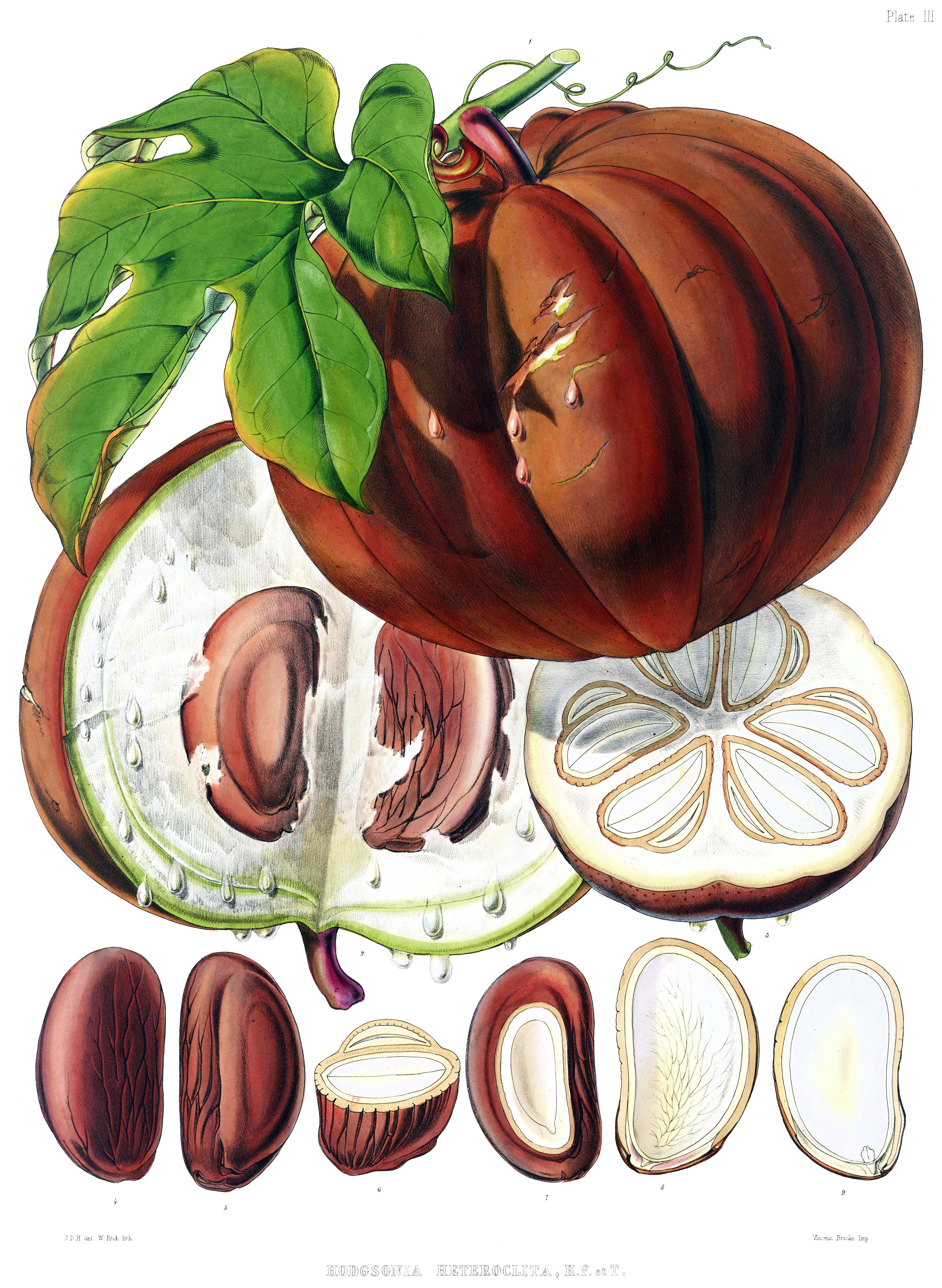
Chinese lardplant (Hodgsonia heteroclita) - photo credit: wikimedia commons

Chinese lardplant (Hodgsonia heteroclita) – photo credit: wikimedia commons

The gourd family – Cucurbitaceae – includes at least 125 genera and around 975 species. It is a plant family confined mainly to tropical/subtropical regions, with a few species occurring in mild temperate areas. Most species are vining annuals. A few are shrubs or woody lianas. One species, Dendrosicyos socotranus, is a small tree commonly known as cucumber tree. Plants in this family have leaves that are alternately arranged and often palmately lobed. Climbing species are equipped with tendrils. Flowers are unisexual and are typically yellow, orange, or white and funnel shaped. They are generally composed of 5 petals that are fused together. Male flowers have 5 (sometimes 3) stamens; female flowers have 3 (sometimes 4) fused carpels. Depending on the species, male and female flowers can be found on the same plant (monoecious) or on different plants (dioecious). Pollination is most often carried out by bees or beetles.

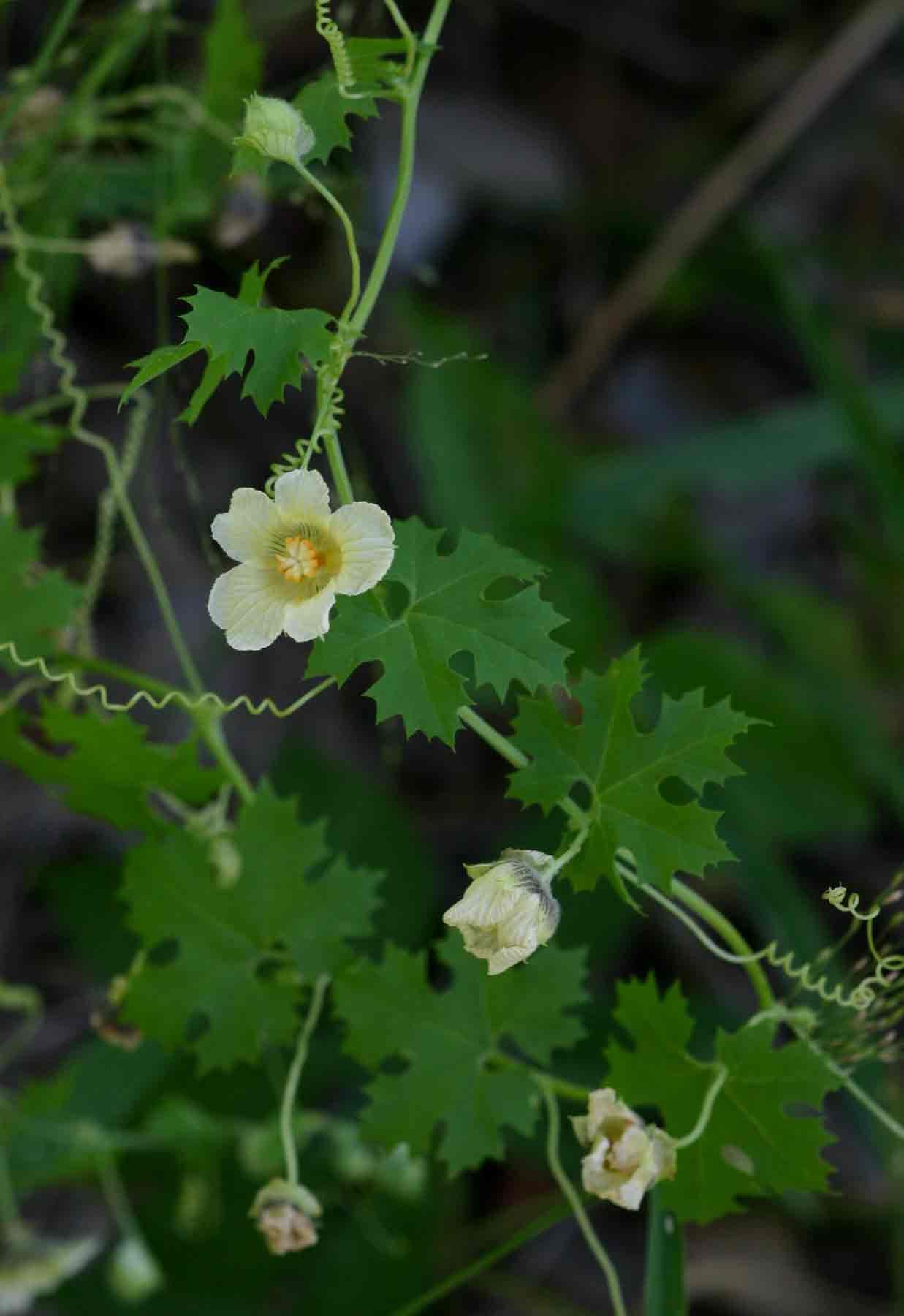
The flowers of balsam apple (Momordica balsamina) - photo credit: eol.org

Balsam apple (Momordica balsamina) – photo credit: eol.org

Vining habits and diverse shapes and sizes of leaves and flowers make plants in this family interesting; however, it is the fruits born by this group of plants that truly make it stand out. Known botanically as pepos – berries with hard or thick rinds –  their variability is impressive. Imagine just about any color, shape, size, or texture, and there is probably a cucurbit fruit that fits that description. Even the flesh of these fruits can be incredibly diverse. Some fruits are small and perfectly round; others are long, twisting, and snake-like or have curving neck-like structures. Some are striped, variegated, or mottled; others are warty, ribbed, or spiky. What’s more, the cultivated pumpkin holds the record for the biggest fruit in the world.

The spiky fruits of wild cucumber (Echinocystus lobata) - photo credit: wikimedia commons

The spiky fruits of wild cucumber (Echinocystus lobata) – photo credit: wikimedia commons

Having such unique fruits is probably what drew early humans to these plants. Bottle gourds (Lagenaria siceraria) were one of the first species of any plant family to be domesticated (more than 10,000 years ago). This occurred in several regions across the Old World and the New World even before agriculture was developed (more about that here). Today, numerous species in this family are cultivated either for their edible fruits and seeds or for seed oil and fiber production. Others are grown as ornamentals.

The genus Cucurbita is probably the most cultivated of any of the genera in the family Cucurbitaceae. Summer squash, winter squash, pumpkins  – all are members of various species in this genus. Cucumbers and melons are members of the genus Cucumis. Watermelon is Citrullus lanatus. Gourds are members of Cucurbita and Lagenaria. Luffa aegyptiaca and Luffa acutangula are grown as vegetable crops (the young fruit) and for making scrubbing sponges (the mature fruit). Chayote (Sechium edule) and bitter melon (Momordica charantia) are commonly cultivated in latin and asian countries respectively. And the list goes on…

Considering that there are so many edible species in this family, it is important to note that some are quite poisonous. The genus Bryonia is particularly toxic. Consumption can result in dizziness, vomiting, diarrhea, and ultimately, death. As Thomas Elpel states in his book Botany in a Day, “this plant is not for amateurs.”

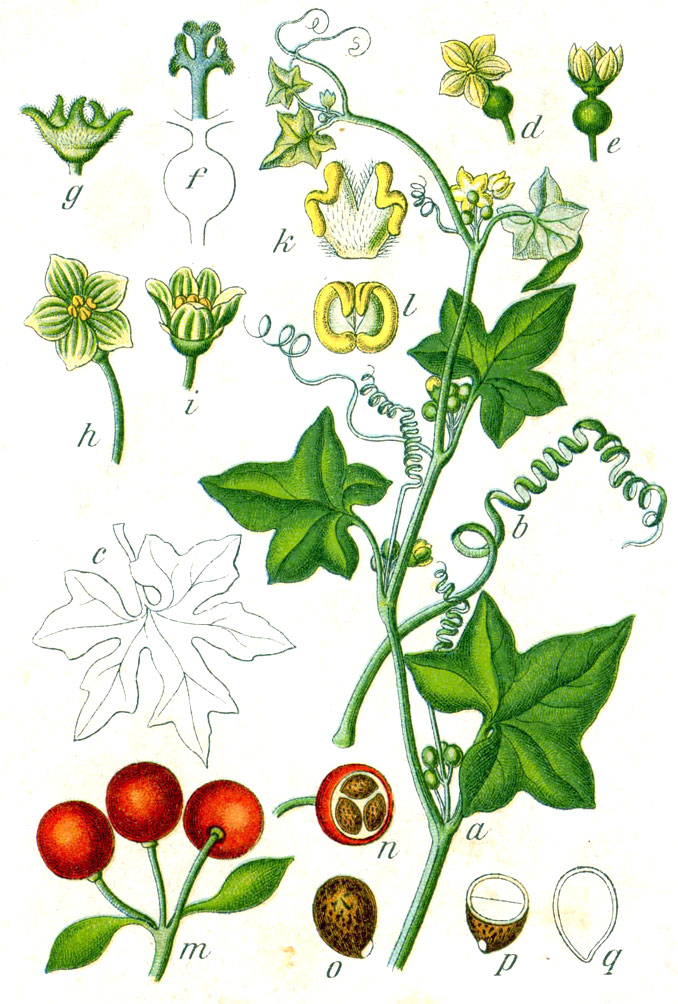
White bryony (Bryonia dioica) - photo credit: wikimedia commons

white bryony (Bryonia dioica) – photo credit: wikimedia commons

Researching this family has been fun, and this post barely scratches the surface of this remarkable group of plants. One species in particular that stands out to me is Alsomitra macrocarpa, a liana from the tropical forests of Asia. Commonly known as Javan cucumber, this plant produces football-sized fruits packed with numerous seeds that are equipped with expansive, paper-thin “wings” that assist the seed in traveling many yards away from its parent plant in hopes of finding room to grow free from competition. Here is a video demonstrating this resourceful seed:

Drought Tolerant Plants: Water Efficient Garden at Idaho State Capitol Building

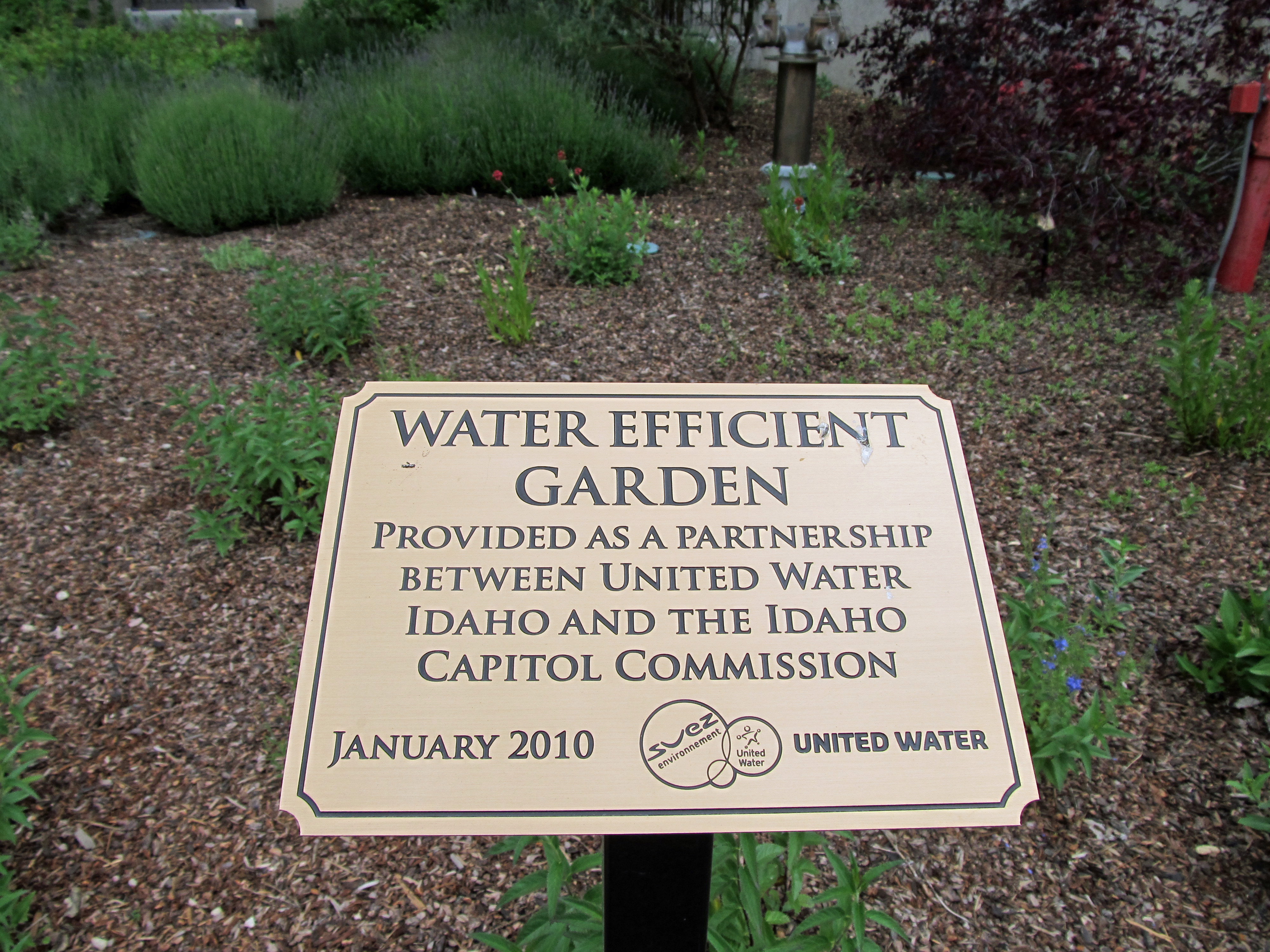
water efficient garden sign

As drought and threats of drought continue in the western half of the United States, as well as in many other parts of the world, people are increasingly looking for ways to use less water in their landscapes. For many it is a change they are reluctant to make, worried that they will have to sacrifice lush and colorful yards and gardens for drab, dry, gray, and seemingly lifeless ones. Not so, though. The palette of plants that can survive in low water environments is actually quite diverse and contains numerous plants that are just as lush and colorful as some water hogging ones. If planned, planted, and maintained well, a water efficient garden can be incredibly attractive and can even consist of some plants that are comparatively more heavy water users. So, for those who are apprehensive about getting down with brown, don’t fret – there is a better way.

How does one go about creating such a garden? The answer to that is a book on its own – much too long for a single blog post. It also depends who is asking the question, or more specifically, where they are asking it from. Luckily, demonstrations of water-wise gardens are becoming more common. These gardens, planted with regionally appropriate plants and showcasing various water-saving techniques, are great places to start when looking for ideas and motivation. Such gardens can be found at public parks, city and state government buildings, botanical gardens, nurseries and nursery centers, and water company offices. If you are looking to transform your landscape into a more water efficient one, seek out a demonstration garden in your area. It’s a great place to start.

There are several such gardens where I live, one of which is the Water Efficient Garden at the Idaho State Capitol Building in Boise, Idaho. This garden began in 2010 as a partnership between United Water Idaho and the Idaho Capitol Commission. Its mission is to introduce visitors to “low-water native and adaptive plants that thrive in Idaho’s climate.” The plants that were selected for the garden are commonly found at local garden centers and nurseries – an important objective when introducing people to water-wise gardening. The ultimate goal of this garden is to “show homeowners that they can maintain attractive landscaping while conserving water.”

I have my criticisms of this garden regarding plant selection, design, etc., but I’ll spare you those details. I also don’t know the specifics about how this garden is maintained or how often it is watered. All that aside, I am just happy that it exists, and I encourage you to seek out similar gardens in your area. There are numerous approaches to designing and constructing water efficient gardens – again, a book on its own – but demonstration gardens like this are an excellent place to get ideas and learn what other people in your area are doing to conserve water and create landscapes that better reflect the ecology of your region.

United Water Idaho offers a brief introduction to low water gardening here, as well as a list of plants that are in the capitol building garden here.

Blanket Flower (Gaillardia x grandiflora 'Goblin') Plants in the garden are accompanied by a sign with a number on it. The sign corresponds to the plant list that is provided at the entrances to the garden.

Blanket flower (Gaillardia x grandiflora ‘Goblin’). Plants in the garden are accompanied by a sign with a number on it. The sign corresponds to a plant list that is provided at the entrances to the garden.

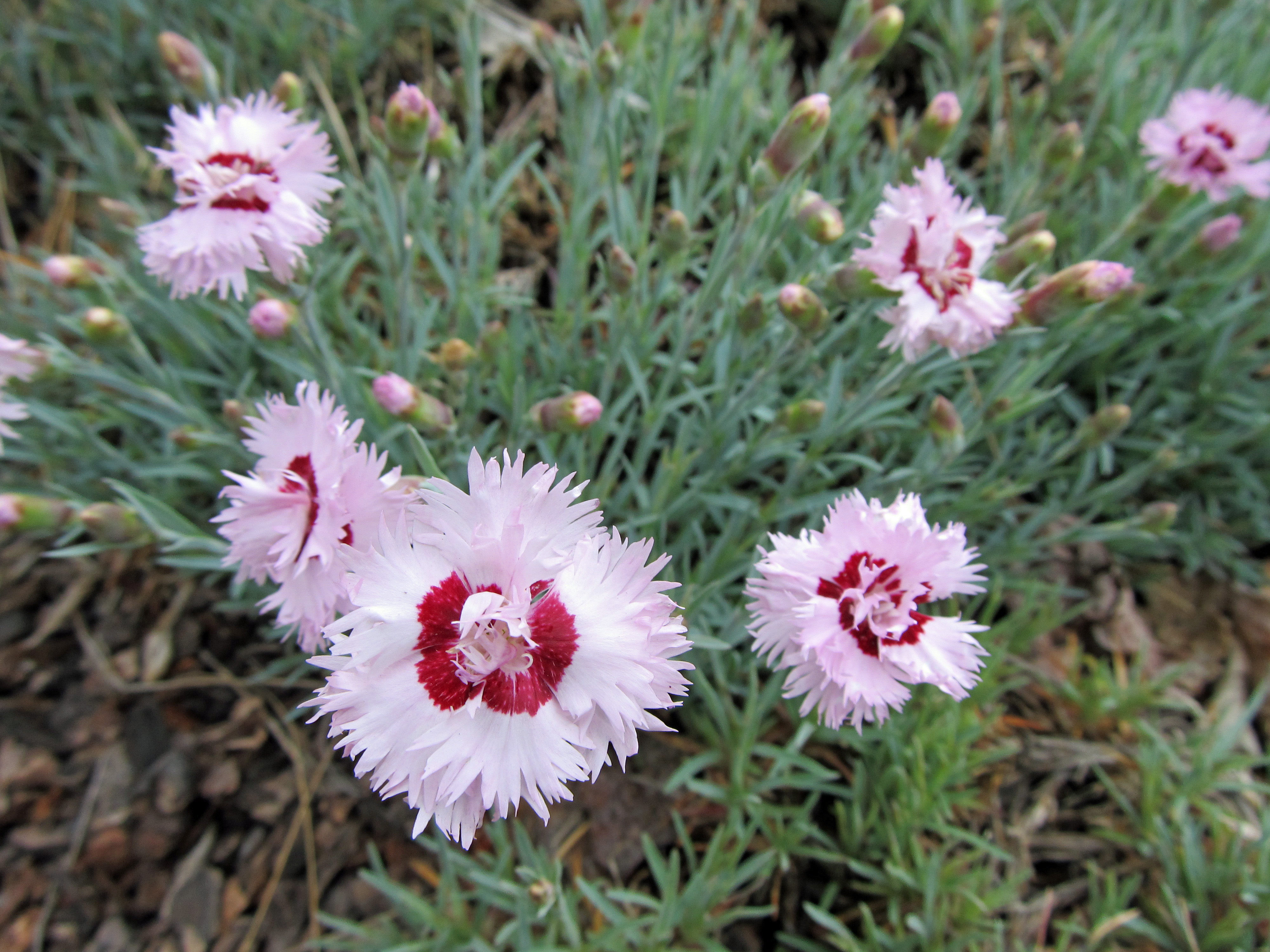
Dianthus sp.

Dianthus sp.

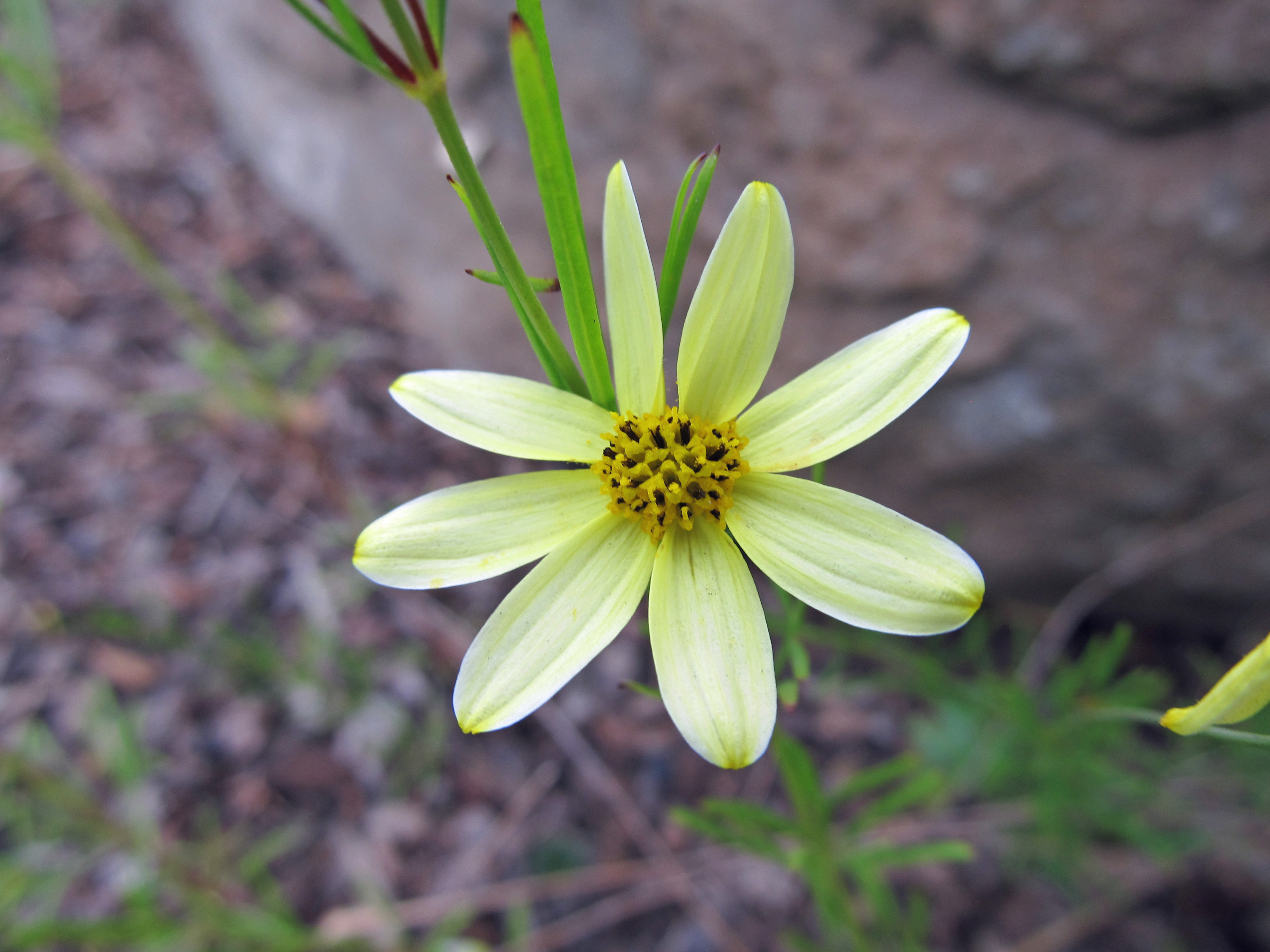
Coreopsis sp.

Coreopsis sp.

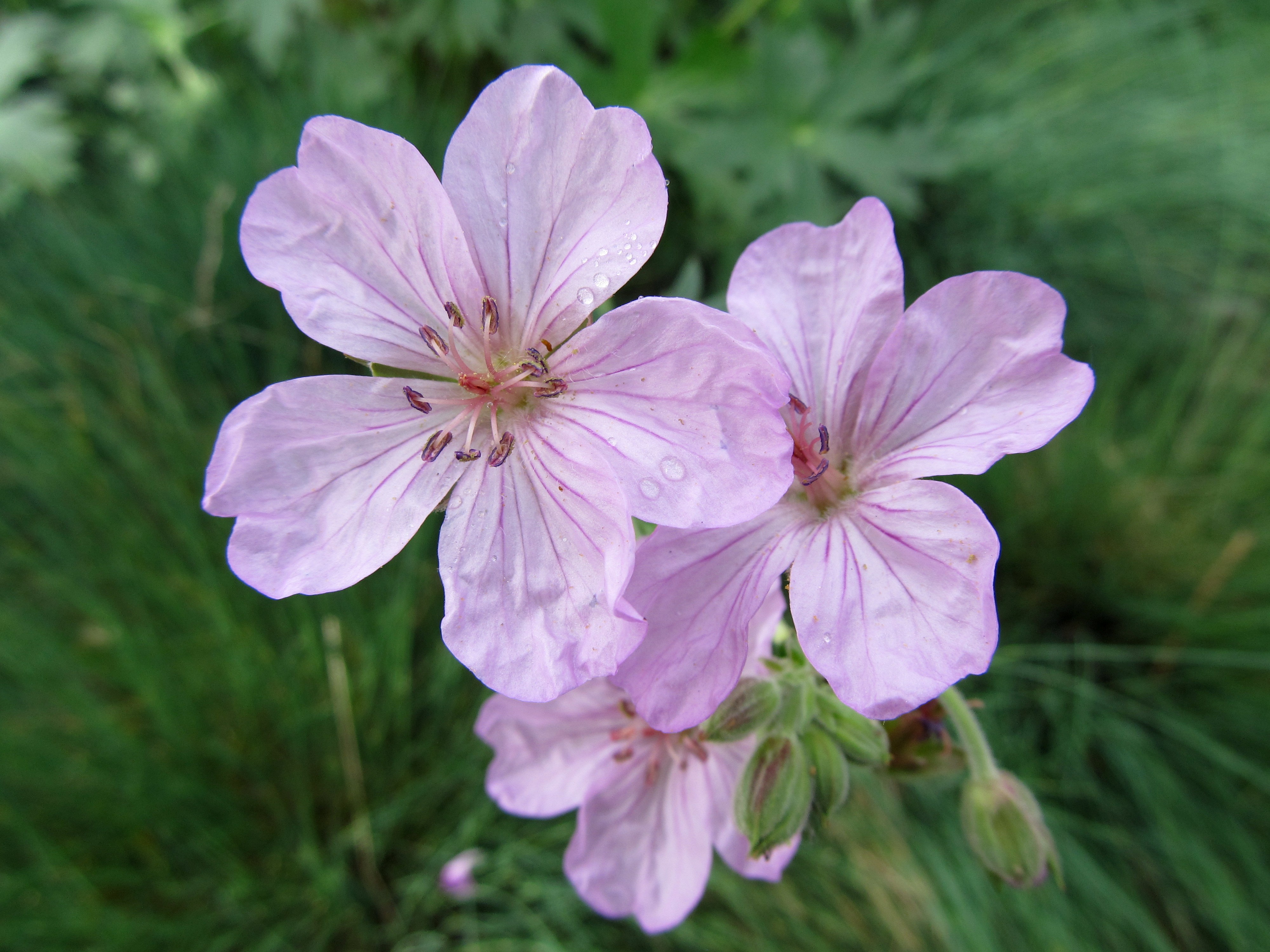
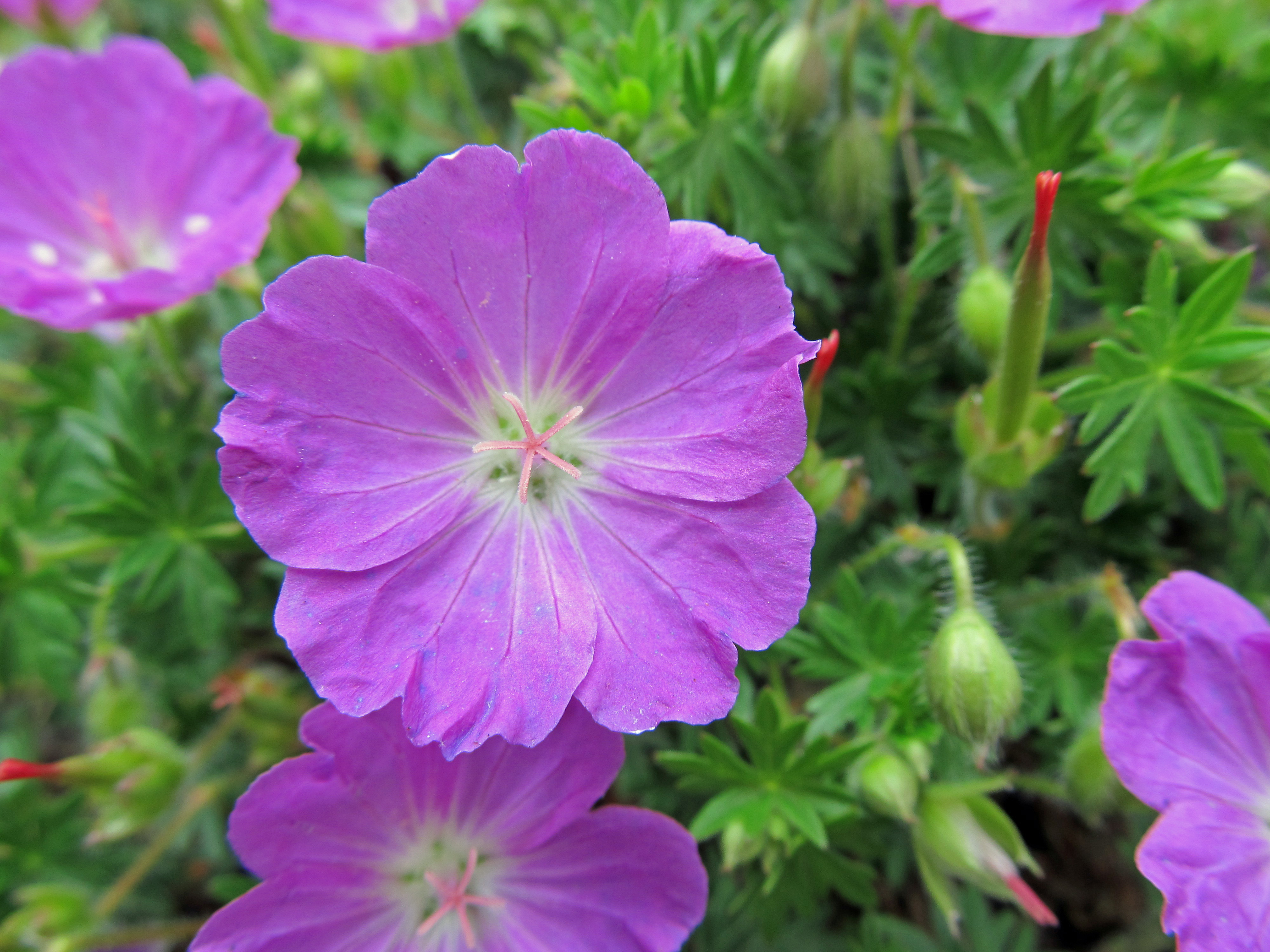
Geranium sp.

Geranium sp.

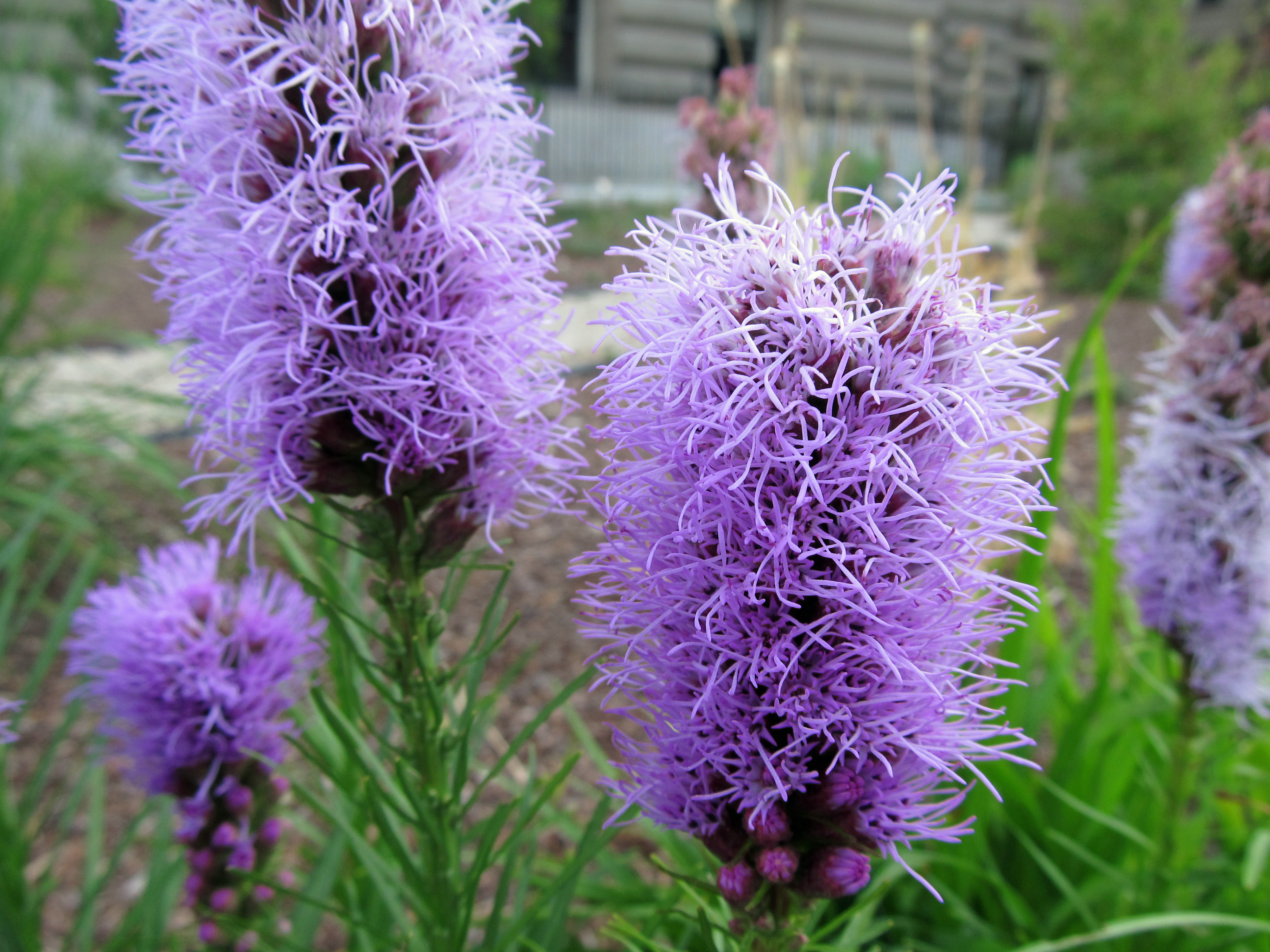
Liatris sp.

Liatris sp.

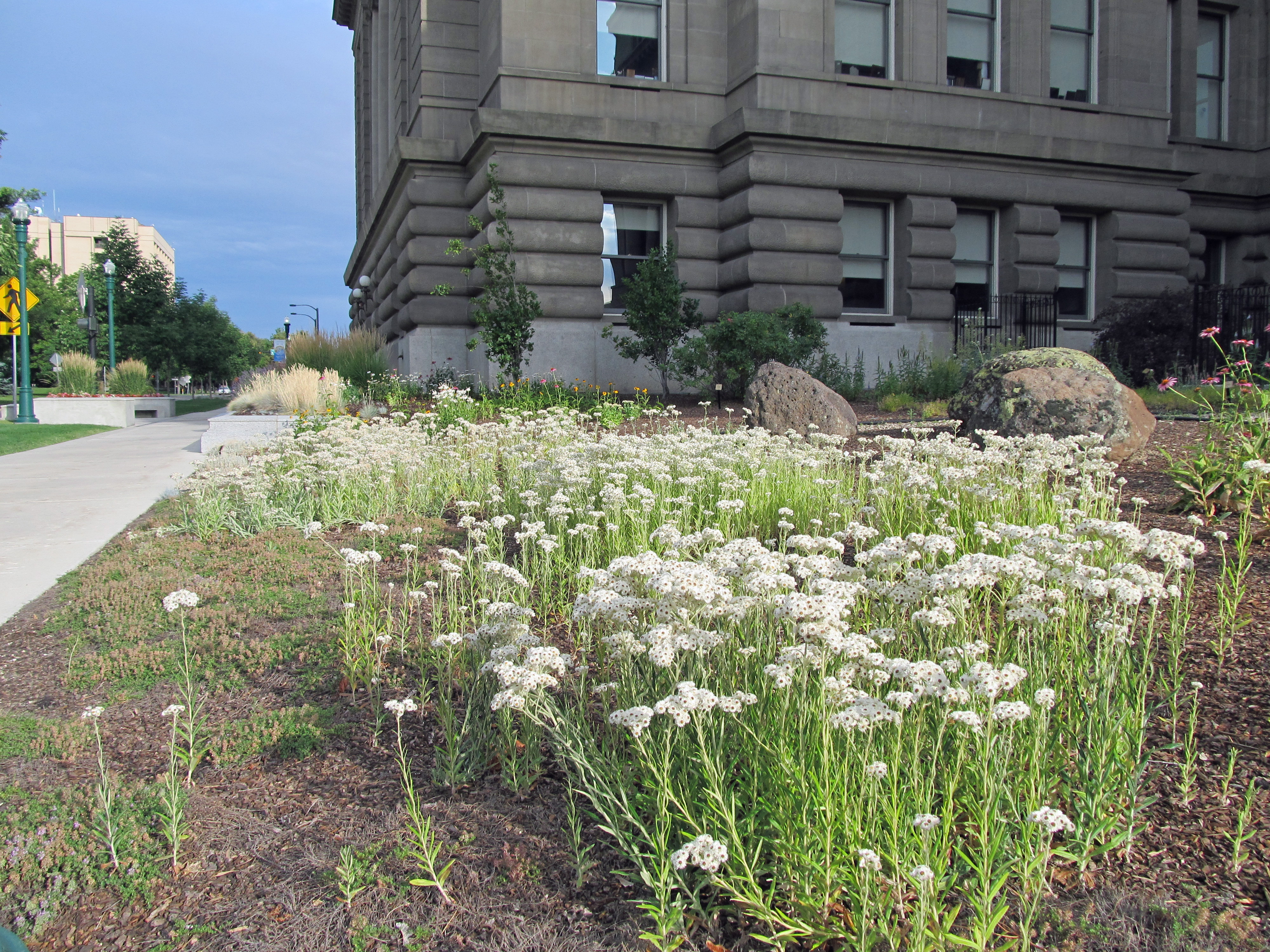
A drift of pearly everlasting (Anaphalis margaritacea)

A drift of pearly everlasting (Anaphalis margaritacea)

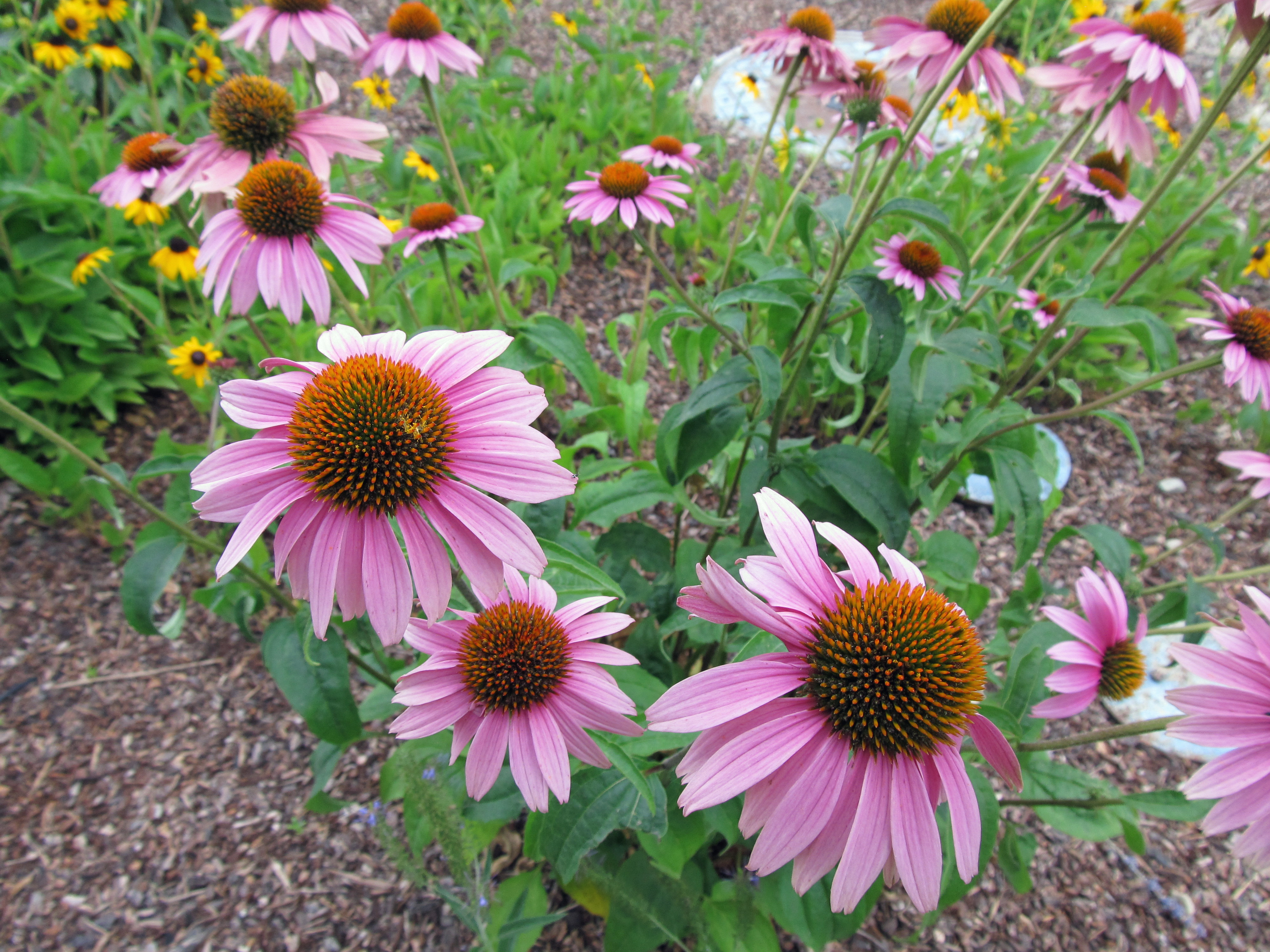
Purple coneflower (Echinacea purpurea)

Purple coneflower (Echinacea purpurea)

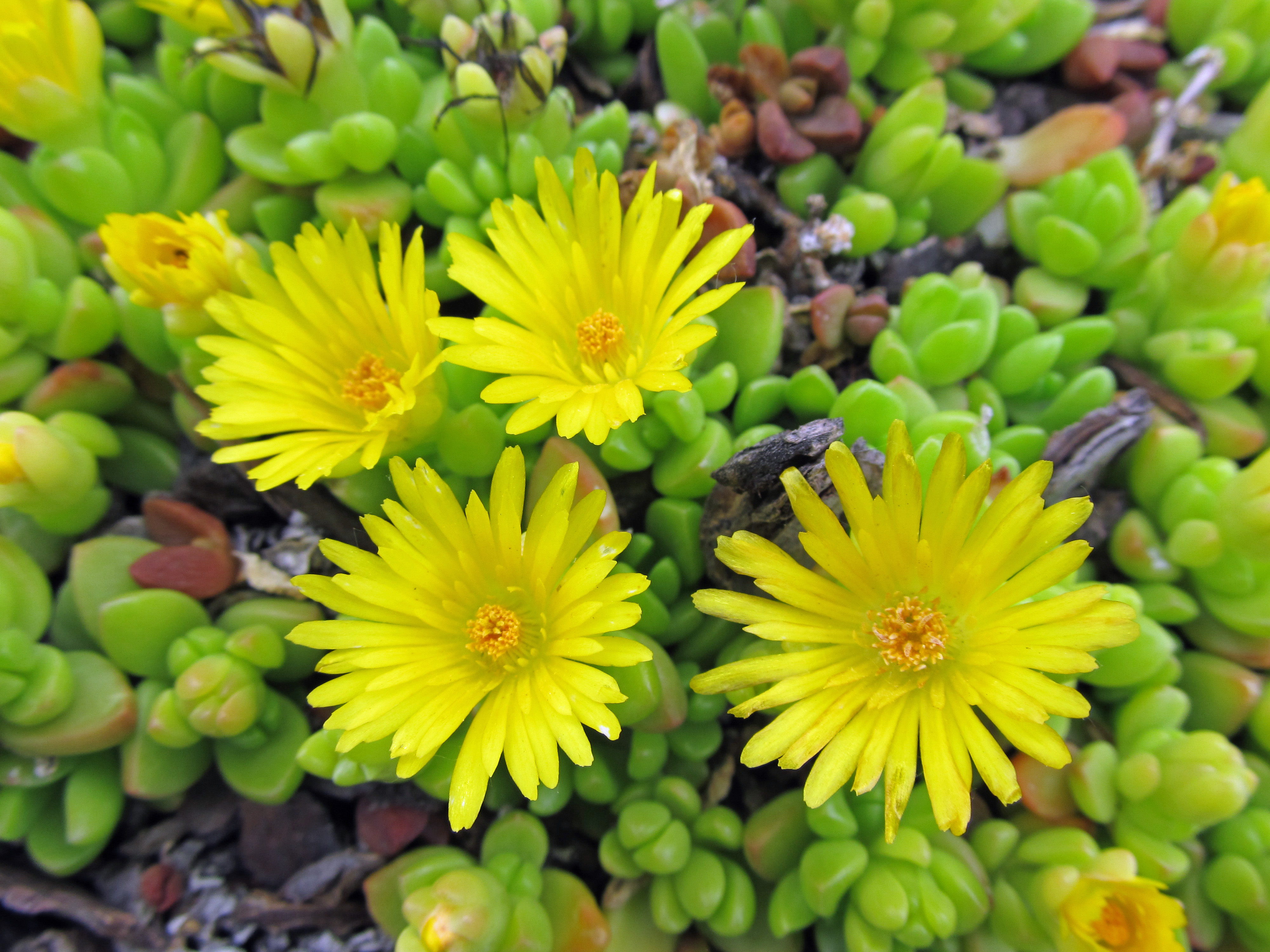
Yellow ice plant (Delosperma nubiginum)

Yellow ice plant (Delosperma nubiginum)

Other “Drought Tolerant Plants” Posts on Awkward Botany:

Year of Pollination: Most Effective Pollinator Principle and Beyond, part two

“The most effective pollinator principle implies that floral characteristics often reflect adaptation to the pollinator that transfers the most pollen, through a combination of high rate of visitation to flowers and effective deposition of pollen during each visit.” – Mayfield, et al., Annals of Botany (2001) 88 (4): 591-596

In part one, I reviewed a chapter by Jose M. Gomez and Regino Zamora in the book Plant-Pollinator Interactions: From Specialization to Generalization that argues that the most effective pollinator principle (MEPP) “represents just one of multiple evolutionary solutions.” In part two, I summarize a chapter by Paul A. Aigner in the same book that further explains how floral characteristics can evolve without strictly adhering to the MEPP.

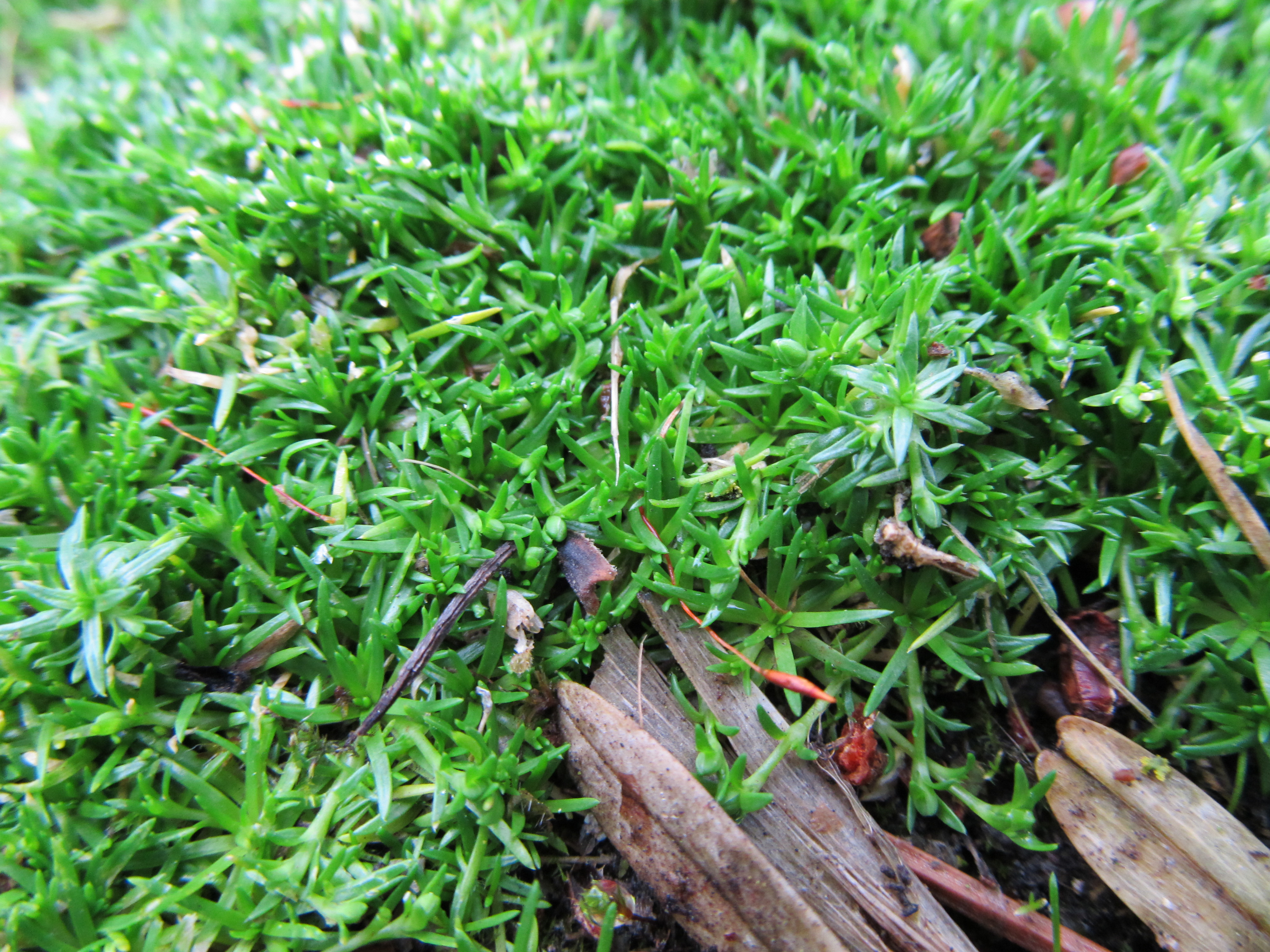
maximilian sunflower
Aigner is interested in how specialization develops in different environments and whether or not flowering plants, having adapted to interact with a limited number of pollinators, experience trade-offs. A trade-off occurs when a species or population adapts to a specific environmental state and, in the process, loses adaptation to another state. Or in other words, a beneficial change in one trait results in the deterioration of another. Trade-offs and specialization are often seen as going hand in hand, but Aigner argues that trade-offs are not always necessary for an organism to evolve towards specialization. Plant-pollinator interactions provide an excellent opportunity to test this.

“Flowers demand study of specialization and diversification,” Aigner writes, not only due to their ubiquity, “but because much of the remarkable diversity seen in these organisms is thought to have evolved in response to a single and conspicuous element of the environment – pollination by animals.” If pollinators have such a strong influence on shaping the appearance of flowers, pollination studies should be rife with evidence for trade-offs, but they are not. Apart from not being well-studied, Aigner has other ideas about why trade-offs are not often observed in this scenario.

Aigner is particularly interested in specialization occuring in fine-grained environments. A course-grained environment is “one in which an organism experiences a single environmental state for all of its life.” Specialization is well understood in this type of environment. A fine-grained environment is “one in which an organism experiences all environmental states within its lifetime,” such as “a flowering plant [being] visited by a succession of animal pollinators.” For specialization to develop in a fine-grained environment, a flowering plant must “evolve adaptations to a particular type of pollinator while other types of pollinators are also present.”
It’s important to note that the specialization that Aigner mainly refers to is phenotypic specialization. That is, a flower’s phenotype [observable features derived from genes + environment] appears to be adapted for pollination by a specific type of pollinator, but in fact may be pollinated by various types of pollinators. In other words, it is phenotypically specialized but ecologically generalized. Aigner uses a theoretical model to show that specialization can develop in a fine-grained environment with and without trade-offs. He also uses his model to demonstrates that a flower’s phenotype does not necessarily result from its most effective pollinator acting as the most important selection agent. Instead, specialization can evolve in response to a less-effective pollinator “when performance gains from adapting to the less-effective pollinator can be had with little loss in the performance contribution of the more effective pollinator.”

Essentially, Aigner’s argument is that the agents that are the most influential in shaping a particular organism are not necessarily the same agents that offer the greatest contribution to that organism’s overall fitness. This statement flies in the face of the MEPP, and Aigner backs up his argument with (among other examples) his studies involving the genus Dudleya.

Dudleya saxosa (panamint liveforever) - photo credit: wikimedia commons

Dudleya saxosa (panamint liveforever) – photo credit: wikimedia commons

Dudleya is ecologically generalized. Pollinators include hummingbirds, bumblebees, solitary bees, bee flies, hover flies, and butterflies. “Some Dudleya species and populations are visited by all of these taxa, whereas others seem to be visited by only a subset.” Aigner was curious to see if certain species or populations were experiencing trade-offs by adapting to a particular category of pollinators. Aigner found variations in flower characteristics among species and populations as well as differences in pollinator assemblages that visited the various groups of flowers over time but could not conclude that there were trade-offs “in pollination performance.”

In one study, he looked at pollination services provided by hummingbirds vs. bumblebees as corolla flare changed in size. In male flowers, bumblebees were efficient at removing pollen regardless of corolla flare size, while hummingbirds removed pollen more effectively as corolla flare decreased. Both groups deposited pollen more effectively as corolla flare decreased, but hummingbirds more strongly so. Ultimately, Aigner concluded that “the interactions did not take the form of trade-offs,” or, as stated in the abstract of the study, ” phenotypic specialization [for pollination by hummingbirds] might evolve without trading-off the effectiveness of bumblebees.”

Aigner goes on to explain why floral adaptations may occur without obvious trade-offs. One reason is that different groups of pollinators are acting as selective agents for different floral traits, “so that few functional trade-offs exist with respect to individual traits.” Pollinators have different reasons for visiting flowers and flowers use the pollination services of visitors differently. Another reason involves the “genetic architecture” of the traits being selected for. Results can differ depending on whether or not the genes being influenced are linked to other genes, and genetically based fitness trade-offs may not be observable phenotypically. Further studies involving the genetic architecure of specialized phenotypes are necessary.

And finally, as indicated in part one, pollinators are not the only floral visitors. In the words of Aigner, “if floral larcenists and herbivores select for floral traits in different directions than do pollinators, plants may face direct trade-offs in improving pollination service versus defending against enemies.” These “floral enemies” can have an effect on the visitation rates and per-visit effectiveness of pollinators, which can drastically alter their influence as selective agents.
Like pollination syndromes, the most effective pollinator principle seems to have encouraged and directed a huge amount of research in the field of pollination biology, despite not holding entirely true in the real world. As research continues, a more complete picture will develop. It doesn’t appear that it will conform to an easily digestible principle, but there is no question that, even in its complexity, it will be fascinating.

I will end as I began, with an excerpt from Thor Hanson’s book, The Triumph of Seeds: “The notion of coevolution implies that change in one organism can lead to change in another – if antelope run faster, then cheetahs must run faster still to catch them. Traditional definitions describe the process as a tango between familiar partners, where each step is met by an equal and elegant counter-step. In reality, the dance floor of evolution is usually a lot more crowded. Relationships like those between rodents and seeds [or pollinators and flowers] develop in the midst of something more like a square dance, with couples constantly switching partners in a whir of spins, promenades, and do-si-dos. The end result may appear like quid pro quo, but chances are a lot of other dancers influenced the outcome – leading, following, and stepping on toes along the way.”

Year of Pollination: Most Effective Pollinator Principle and Beyond, part one

Have you ever considered the diversity of flowers? Why do they come in so many different shapes, sizes, and colors? And why do they produce so many different odors – or none at all? Flowering plants evolved around 140 million years ago, a fairly recent emergence evolutionarily speaking. Along with them evolved numerous species of insects, birds, and mammals. In his book, The Triumph of Seeds, Thor Hanson describes the event this way: “In nature, the flowering plants put sex, seeds, and dispersal on full display, spurring not only their own evolution but also that of the animals and insects with which they became so entwined. In most cases, the diversity of dispersers, consumers, parasites – and, most especially, pollinators – rose right alongside that of the plants they depended upon.”

Speaking of dependence, most flowering plants depend upon pollinators for successful reproduction – it is, for the most part, a mutually beneficial relationship. Even the casual observer of flowers will note that a large portion of the creatures that visit them appear to be pollinators. Thus, it is no wonder that pollination biologists have given pollinators so much credit in shaping the flowers that we see today.

Consider G. Ledyard Stebbins and his Most Effective Pollinator Principle which he defined in a paper published in 1970: “the characteristics of the flower will be molded by those pollinators that visit it most frequently and effectively in the region where it is evolving.” He then goes on to reference pollination syndromes, a phenomenon that describes how the traits of flowers are best suited for their “predominant and most effective vector[s].” In my post about pollination syndromes a few months ago, I discussed how a strict adherence to this concept has waned. In the next two posts, I discuss how the Most Effective Pollinator Principle (MEPP) may not be the best way to explain why flowers look the way they do.


To make this argument I am drawing mainly from two chapters in the book Plant-Pollinator Interactions: From Specialization to Generalization. The first is “Ecological Factors That Promote the Evolution of Generalization in Pollination Systems” by Jose M. Gomez and Regino Zamora, and the second is “The Evolution of Specialized Floral Phenotypes in a Fine-grained Pollination Environment” by Paul A. Aigner.

According to Aigner the MEPP “states that a plant should evolve specializations to its most effective pollinators at the expense of less effective ones.” And according to Gomez and Zamora it “states that natural selection should modify plant phenotypes [observable characteristics derived from interactions between a plant’s genes and its surrounding environment] to increase the frequency of interaction [between] plants and the pollinators that confer the best services,” and so “we would expect the flowers of most plants to be visited predominantly by a reduced group of highly effective pollinators.” This is otherwise known as adaptive specialization.

Specialization is something that, in theory, plants are generally expected to evolve towards, particularly in regards to plant-pollinator relationships. Observations, on the other hand, demonstrate the opposite – that specialization is rare and most flowering plants are generalists. However, the authors of both chapters advise that specialization and generalization are extreme ends to a continuum, and that they are comparative terms. One species may be more specialized than another simply because it is visited by a smaller “assemblage” of pollinators. The diversity of pollinators in that assemblage and the pollinator availability in the environment should also be taken into consideration when deciding whether a relationship is specialized or generalized.

That pollinators can be agents in shaping floral forms and that flowering plant species can become specialized in their interactions with pollinators is not the question. There is evidence enough to say that it occurs. However, that the most abundant and/or effective pollinators are the main agents of selection and that specialization is a sort of climax state in the evolutionary process (as the MEPP seems to suggest) is up for debate. Generalization is more common than specialization, despite observations demonstrating that pollinators are drawn to certain floral phenotypes. So, could generalization be seen as an adaptive strategy?

In exploring this question, Gomez and Zamora first consider what it takes for pollinators to act as selective agents. They determine that “pollinators must first benefit plant fitness,” and that when calculating this benefit, the entire life cycle of the plant should be considered, including seed germination rate, seedling survival, fecundity, etc. The ability of a pollinator species to benefit plant fitness depends on its visitation rate and its per-visit effectiveness (how efficiently pollen is transferred) – put simply, a pollinator’s quantity and quality during pollination. There should also be “among-pollinator differences in the evolutionary effect on the plant,” meaning that one species or group of pollinators – through being more abundant, effective, or both – contributes more to plant fitness compared to others. “Natural selection will favor those plant traits that attract the most efficient or abundant pollinators and will also favor the evolution of the phenotypes that cause the most abundant pollinators to also be the most effective.” This process implies possible “trade-offs,” which will be discussed in part two.

When pollinators act as selective agents in this way, the MEPP is supported; however, Gomez and Zamora argue that this scenario “only takes place when some restrictive ecological conditions are met” and that while specialization can be seen as the “outcome of strong pollinator-mediated selection,” generalization can also be “mediated by selection exerted by pollinators…in some ecological scenarios.” This is termed adaptive generalization. In situations where ecological forces constrain the development of specialization and pollinators are not seen as active selection agents, nonadaptive generalization may be occurring.

Gomez and Zamora spend much of their chapter exploring “several causes that would fuel the evolution of generalization” both adaptive and nonadaptive, which are outlined briefly below.

  • Spatiotemporal Variability: Temporal variability describes differences in pollinator assemblages over time, both throughout a single year and over several years. Spatial variability describes differences in pollinator assemblages both among populations where gene flow occurs and within populations. Taken together, such variability can have a measurable effect on the ability of a particular pollinator or group of pollinators to act as a selective agent.
  • Similarity among Pollinators: Different pollinator species can have “equivalent abundance and above all comparable effectiveness” making them “functional equivalents from the plant perspective.” This may be the case with both closely and distantly related species. Additionally, a highly effective pollinator can select for floral traits that attract less effective pollinators.
  • The Real Effects on Plant Fitness: An abundant and efficient pollinator may select for one “fitness component” of a plant, but may “lead to a low overall effect on total fitness.” An example being that “a pollinator may benefit seed production by fertilizing many ovules but reduce seedling survival because it causes the ripening of many low-quality seeds.” This is why “as much of the life cycle as possible” should be considered “in assessing pollinator effectiveness.”
  • Other Flower Visitors: Pollinators are not the only visitors of flowers. Herbivores, nectar robbers, seed predators, etc. may be drawn in by the same floral traits as pollinators, and pollinators may be less attracted to flowers that have been visited by such creatures. “Several plant traits are currently thought to be the evolutionary result of conflicting selection exerted by these two kinds of organisms,” and “adaptations to avoid herbivory can constrain the evolution of plant-pollinator interactions.”

This, of course, only scratches the surface of the argument laid out by Gomez and Zamora. If this sort of thing interests you, I highly encourage you to read their chapter. Next week I will summarize Aigner’s chapter. If you have thoughts on this subject or arguments to make please don’t hesitate to comment or contact me directly. This is a dialogue, dudes.