14 Botanical Terms for Flower Anatomy

I like to know the names of things. Certainly I don’t have to know what everything is called in order to appreciate it for what it is, but that appreciation deepens when I understand it better. Scientific exploration helps us discover the workings of the world around us, and through that exploration comes the naming and describing of things. The names are largely arbitrary apart from the fact that they help us keep track of the descriptions associated with the discoveries. Calling things by name and knowing how to describe them not only increases our awareness of the natural world but can also give us greater appreciation for the larger picture and our place in it all. With that I introduce a new series of posts concerning botanical terms.

It’s mid-summer now (at least in the northern hemisphere) and flowers abound, so this first Botanical Terms post will help us become better familiar with flower anatomy. [I’m also releasing this post while the Botanical Society of America convenes for its annual conference in my current hometown – Boise, Idaho – so it seems fitting]. Of course, as soon as I began looking into the subject of flower anatomy, I realized very quickly that, like so many other things, it is incredibly complex. First of all, in the larger world of plants, not all produce flowers. Non-vascular plants don’t. And within the category of vascular plants, non-seed producing plants don’t make flowers either. Within the category of seed producing plants, there are two groups: gymnosperms and angiosperms. Angiosperms produce flowers; gymnosperms don’t. Even though that narrows it down quite a bit, we are still dealing with a very large group of plants.

The complexity doesn’t stop there, of course. Memorizing the names of flower structures and recognizing them on each flowering plant would be easy if every flowering plant had all of the same structures and if all structures existed on each flower. However, this is not the case. Depending on the flower you are looking at, some structures may be absent and some may have additional structures that are not common ones. Also, some plants have inflorescences that appear as a single flower but are actually a collection of many smaller flowers (or florets), like plants in the sunflower family (Asteraceae) for example. Regardless, we are going to start with basic terms, as there are a large number of flowering plants that do exhibit  all or most of the following basic structures in their flowers.

flower anatomy

Pedicel and Peduncle: These terms refer to the stem or stalk of the flower. Each individual flower has a pedicel. When flowers appear in groups (also known as an inflorescence), the stalk leading up to the group of flowers is called a peduncle.

Sepal and Calyx: Sepals are the first of the four floral appendages. They are modified leaves at the base of the flower that protect the flower bud. They are typically green but can be other colors as well. In some cases they may be very small or absent altogether. The sepals are known collectively as the calyx.

Petal and Corolla: Petals are colorful leaf-like appendages and the most familiar part of a flower. They come in myriad sizes, shapes, and colors and are often multi-colored. Their purpose is to attract pollinators. Many plants are pollinated by specific pollinators, and so their petals are designed to attract those pollinators. The petals are known collectively as the corolla.  

Stamen, Anther, and Filament: Pollen is produced in a structure called an anther which sits atop a filament. Collectively this is known as a stamen. Stamens are considered the male portion of the flower because they produce the pollen grains that fertilize the egg to form a seed. Flowers often have several stamens, and on flowers that have both male and female structures, the stamens are found surrounding the female portion.

Pistil, Carpel, Stigma, Style, and Ovary: The female portion of a flower consists of a stigma (where pollen grains are collected), a style (which raises the stigma up to catch the pollen), and an ovary (where pollen is introduced to the ovules for fertilization). Together this is known as a carpel. A collection of carpels fused together is called a pistil. Just like with stamens, flowers can have multiple pistils.

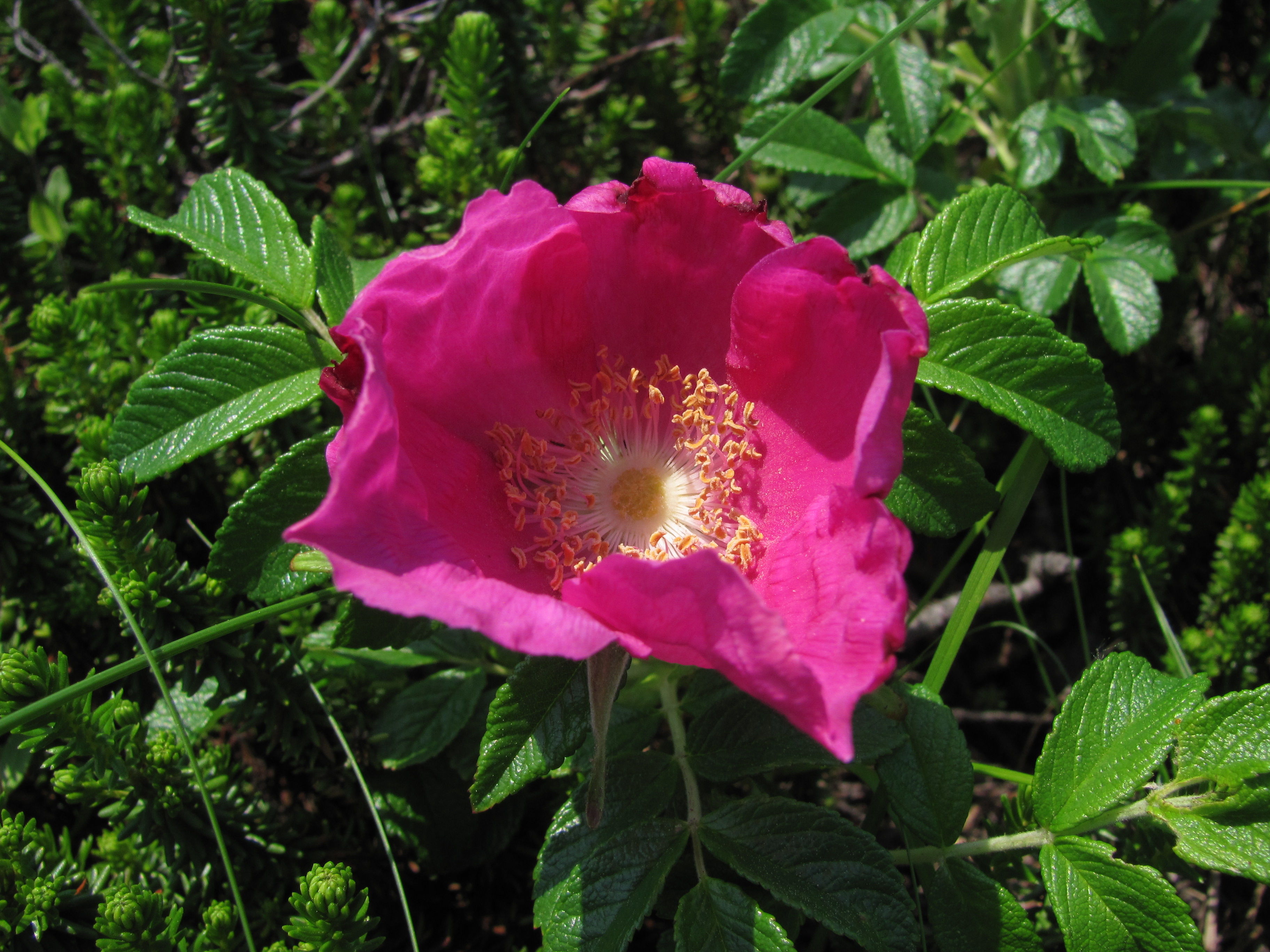
Start learning to identify floral structures on flowers like rugosa rose (Rosa rugosa). (photo credit: eol.org)

Start learning floral anatomy on flowers with easily recognizable structures like the flowers of rugosa rose (Rosa rugosa). (photo credit: eol.org)

Flowers are small art pieces worthy of admiration in their own right. However, recognizing and exploring the different floral structures can be just as enthralling. The structures vary considerably from species to species, each its own piece of nature’s artwork. So, I encourage you to find a hand lens (or better yet a dissecting microscope) and explore the intimate parts of the flowers around you.

Hundreds of Japanese Plants Threatened with Extinction

Life has existed on earth for at least 3.5 billion years, and during that time there have been five mass extinctions. Currently, we are in the middle of a sixth one. The major difference between the current extinction event and others is that this one is largely human caused, which is pretty upsetting. However, knowing that detail has its upside: if humans are the drivers of this phenomenon, we can also be the ones to put on the brakes.

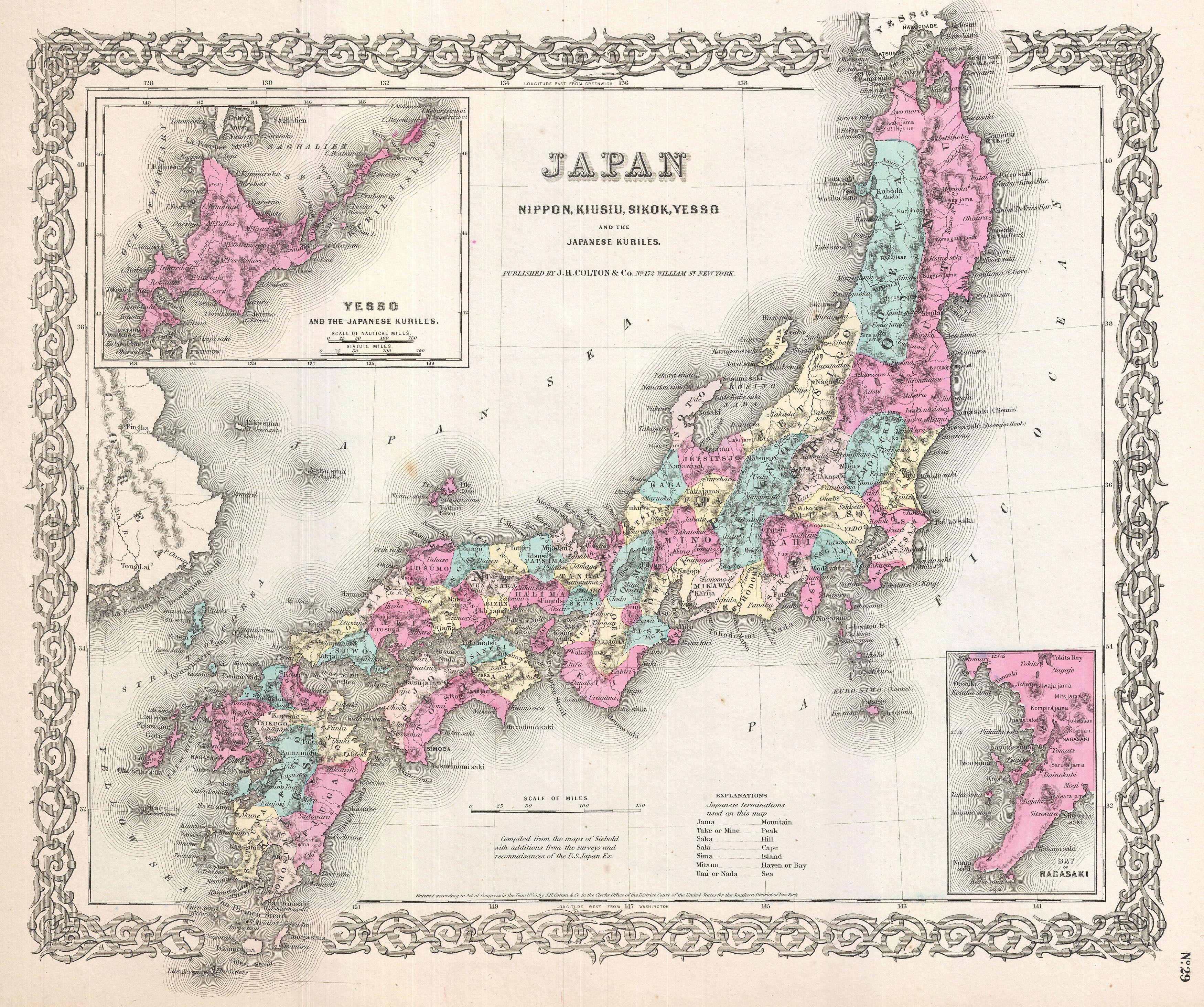
Biologists have spent the last several decades tracking the current mass extinction, endeavoring to come up with a list of species that have the greatest risks of extinction, as well as lists of species that are at less of a risk, etc. The problem is that factors leading up to extinctions are diverse, and available data for making predictions is lacking, especially temporal data. Recognizing this information gap, researchers in Japan set out to better determine the extinction risk of Japanese flora. Using data from surveys done by lay botanists in 1994-95 and 2003-04, they were able to calculate a trend which indicated that, under current circumstances, between 370 and 561 plant species in Japan will go extinct within the next 100 years.

photo credit: wikimedia commons

photo credit: wikimedia commons

The methods for this study, as described in the findings which appeared last month in PLOS ONE, involved dividing Japan into 3574 sections measuring around 100 square kilometers each and covering about 80% of the country. More than 500 lay botanists tallied the numbers of species that were found in each section during the two time periods. 1735 taxa were recorded, and out of those, 1618 were considered quantifiable and used in the analysis.

Japan is home to a recorded 7087 vascular plant taxa. Historically, the extinction rate of plant taxa in Japan has been around 0.01% per year. According to this study, over the next 100 years the extinction rate will rise to between 0.05 and 0.08% per year. Researchers are organizing a third census in the near future in order to monitor the actual extinction rate and better determine the accuracy of this prediction.

Data collected in these censuses was also used to evaluate the effectiveness of protected areas and determine the need for improvements and expansions. Natural parks cover 14.3% of Japan, but only about half of that area is regulated for biodiversity conservation. The researchers found that protected areas do help to reduce the risk of extinctions, but that their effectiveness is far from optimum and that even expanding protected areas to cover at least 17% of the nation (a target set at the recent Convention on Biological Diversity) would not effectively gaurd threatened plant species from extinction.

In their conclusion, the researchers advise not only to expand protected areas but to improve the “conservation effectiveness” of them, and “to improve the effectiveness of them, we need to know the types of pressures causing population decline in the areas.” They go on to list a few of these pressures, including land development and recreational overuse, and suggest that management schemes should be developed to focus on specific pressures.

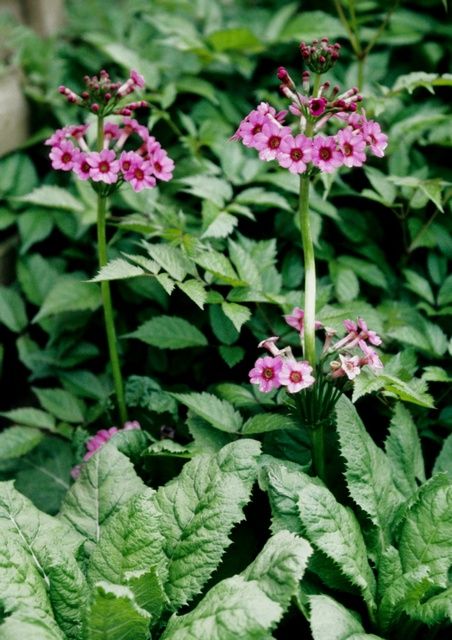
Japanese Primrose, Primula japonica (photo credit: eol.org)

Japanese Primrose, Primula japonica (photo credit: eol.org)

One thing I found very interesting and encouraging about this study was the recruitment of lay botanists in collecting data. As stated in the findings, “Monitoring data collected by the public can play an essential role in assessing biodiversity.” I am excited by the growing citizen science movement and hope to see it continue to expand as more and more people become interested in science and eager to add to this body of knowledge. In fact, I consider the term “awkward botany” to be synonymous with citizen, lay, and amateur botany. That is precisely why I chose it as the title for my blog. So, in short, expect more posts involving citizen science in the future.

You can read more about this study on John Platt’s blog Extinction Countdown at Scientific American.


Wildflower Walk: June 2014

I spent last weekend in a cabin outside of Garden Valley, Idaho. I was there for a wedding and so most of my time was occupied with that. However, anxious to explore, I found a brief moment to step out and observe the surrounding plant life. The cabin and an adjacent campground were located in an area that, before the economic downturn in 2008, was to become a major housing development. Because of this (and possibly other things), the area showed lots of signs of human disturbance, particularly the large number of introduced plant species. Fortunately, despite feeling like I was walking through a weedy field, I did come across a few patches of native plants. I may have to return sometime to get a better look at things because I wasn’t able to identify everything that I saw and I’m still not exactly sure what species of lupine and buckwheat I was looking at. Either way, the plants in the following pictures are a few of the things I found.

Aristida purpurea (purple threeawn)

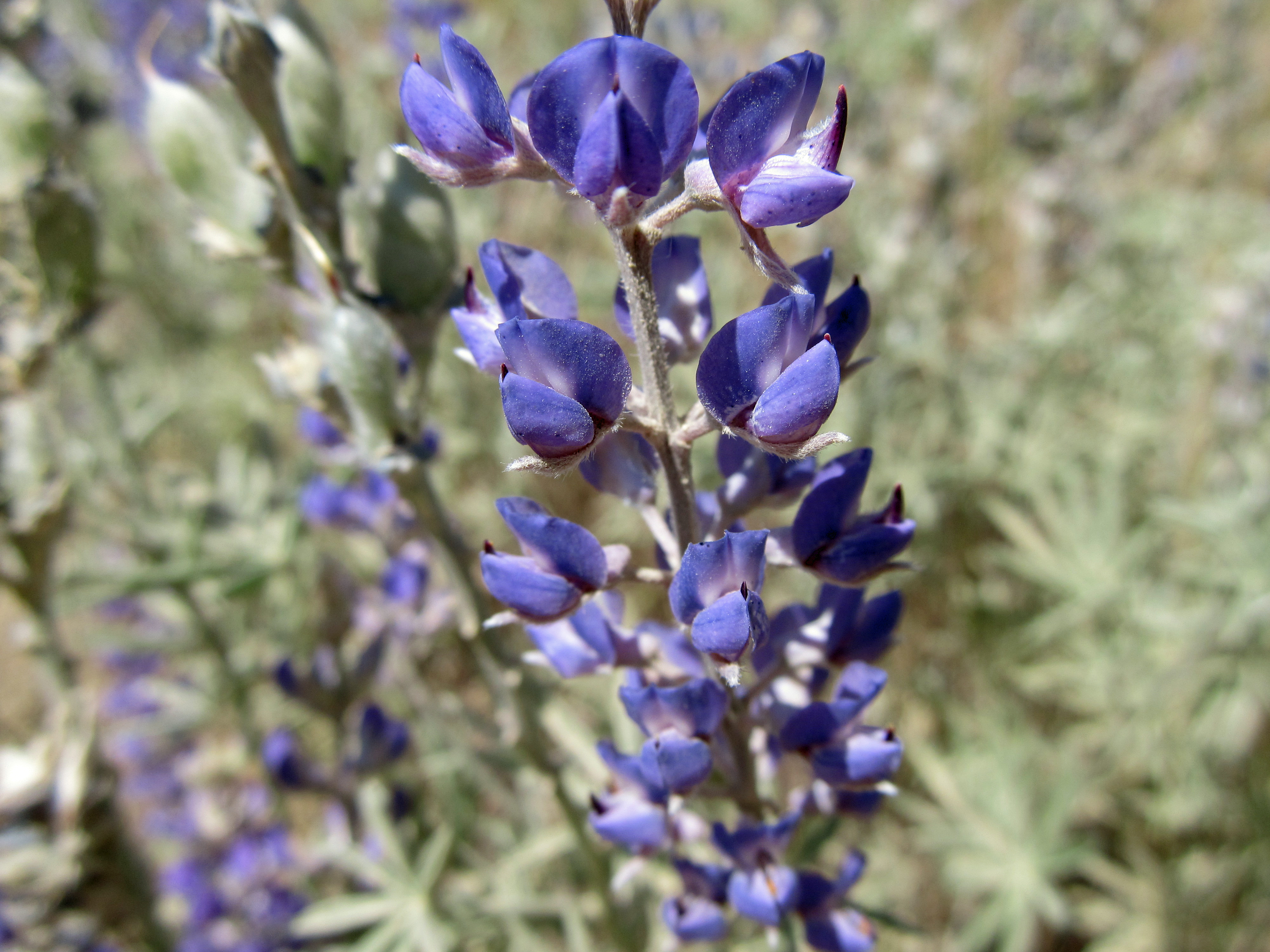
lupinus

Lupinus sp. (lupine)

eriogonum

Eriogonum sp. (wild buckwheat)

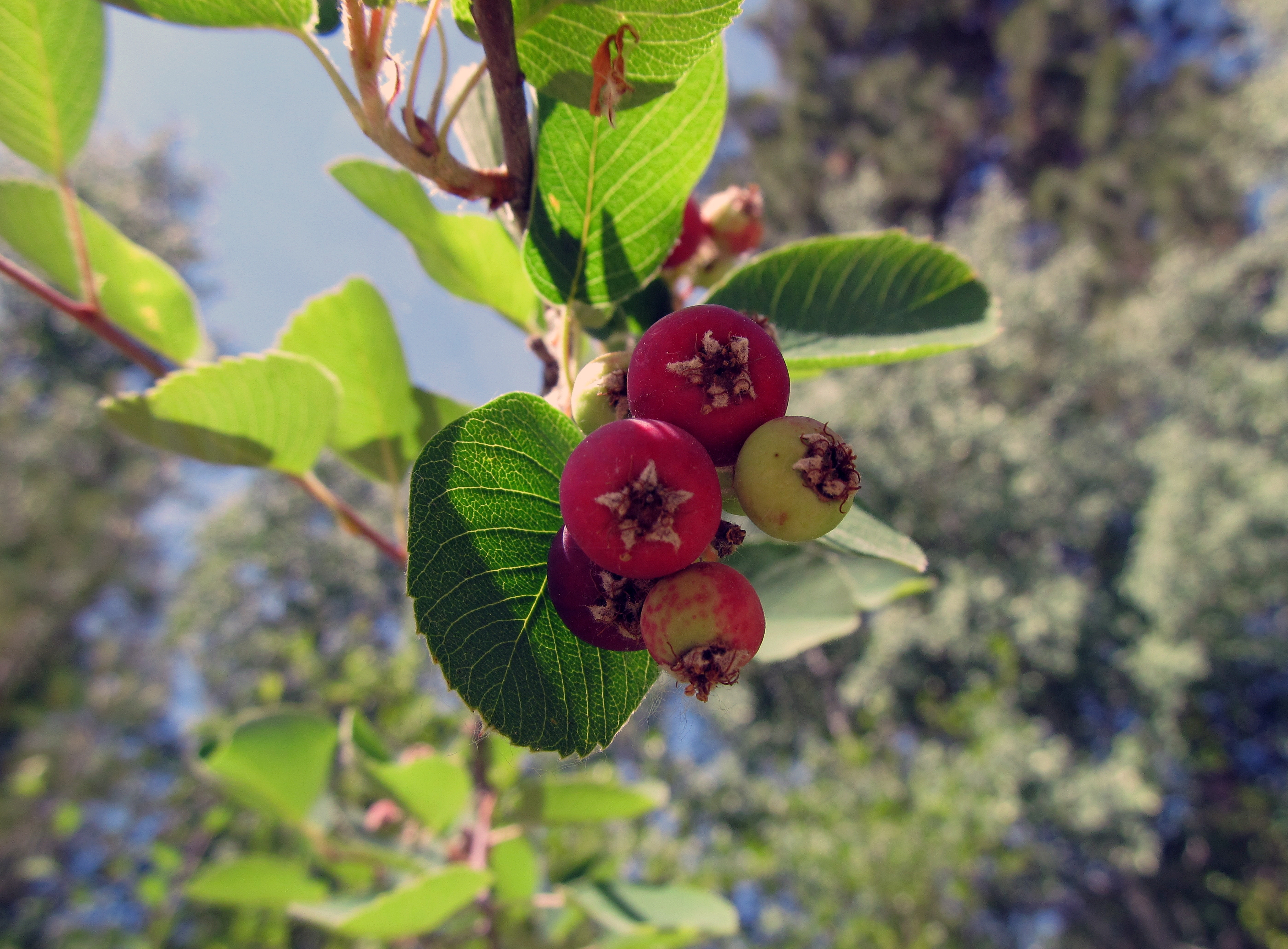
amelancier alnifolia

Amelanchier alnifolia (Saskatoon serviceberry)

Don’t let my walk through a weedy field dissuade you. Garden Valley is an incredibly beautiful location. It sits adjacent to the South Fork of the Payette River and near the western edge of the Boise National Forest. It is an area worthy of exploring, which is why I plan on visiting again soon. I recommend you do too.

Previous Wildflower Walks:

Spring 2013

June 2013

American Penstemon Society Field Trip

September 2013

Ethnobotany: Marigolds

Marigolds are easily one of the most commonly grown annual flowers. They are so common and pervasive, in fact, that they are often overlooked and underappreciated. I, for one, had discounted marigolds long ago, seeking instead for plants considered to be more rare, unconventional, and unusual to place in my garden. But then I started looking into this commonplace plant and, to my surprise, discovered that marigolds have great cultural significance in countries all around the world, both currently and historically. Suddenly, marigolds don’t seem quite so ordinary.

Marigold is a common name for plants found in several genera, but in this case I am referring to plants in the genus, Tagetes, which is in the family, Asteraceae (also known as the sunflower family). Tagetes is a genus composed of at least 42 species, all of which are native to North and South America. Plants in this genus range in height from a few inches to as tall as 6 feet or more. Like most other species in the sunflower family, their flowers appear to be single blooms but are actually clusters of two different types of smaller flowers: ray florets and disc florets. The flowers can be orange, yellow, golden, white, and, in some cases, maroon or with maroon accents. The leaves are usually finely divided and either oppositely or alternately arranged, and the leaves, stems, and flowers are highly aromatic. Marigolds grow in a variety of soil types, even those with minimal fertility. In gardens, they will perform best if they are grown in well-drained soil in full sun and are watered and deadheaded regularly.

Aztec Marigold (Tagetes erecta)

Aztec Marigold (Tagetes erecta)

Even before marigolds gained worldwide popularity, they were commonly used among the people in their native range. They were of particular interest to the Aztecs, who considered marigolds a sacred plant and used them in religious ceremonies. Marigolds became known as the flower of the dead and are still used today during the Day of the Dead to adorn altars and graves. Marigolds were also an important medicinal plant for the Aztecs, especiallly T. lucida, which they used to treat fevers, stiffness, blisters, and various other ailments.

Spanish and Portugeuse explorers were introduced to marigolds by the Aztec people. The explorers brought marigolds back to their homelands and quickly spread them throughout Europe and into Africa and Asia. It was in Europe that they were given their common name, Mary’s gold, referring to the Virgin Mary and the color of the flowers.  At the beginning of the 16th century, Portuguese explorers established a colony in India. The marigolds they brought with them have become a huge part of Indian culture and other cultures in that region. Today there are many large marigold farms in various parts of India, and marigolds are used widely to make garlands and other decorations for weddings, festivals, and religious ceremonies, as well as in foods and dyes.

Marigold Garlands (photo credit: wikimedia commons)

Marigold Garlands (photo credit: wikimedia commons)

The flowers and leaves of marigolds are edible and have culinary and medicinal uses in many countries, especially those in South America. T. lucida and T. minuta are particularly popular for these uses. Marigold flowers have a citrus-like flavor, and T. tenufolia ‘Lemon Gem’ is said to be the best tasting marigold (although, having never eaten marigold flowers myself, I have no personal experience to back that up). The essential oil of T. minuta is frequently used in the fragrance industry and as a medicinal oil. However, T. minuta has also become naturalized in many parts of the world, including Africa, Asia, and North America, and is considered an invasive weed species in these areas.

Marigolds are often planted in vegetable gardens because they are assumed to repel pest insects and/or attract beneficial insects. Little research has been done to back up these claims. The one thing that I was able to confirm is that they have been found to reduce populations of nematodes in the soil. However, just interplanting marigolds among vegetable plants is not enough; instead, a large number of marigolds would need to be planted and then tilled into the soil in order to have the desired effect. Surely marigolds attract pollinating insects, but do they repel pests (apart from nematodes) or attract other beneficial insects?  If you have an answer to this, comment below.

Tagetes minuta (photo credit: eol.org)

Tagetes minuta (photo credit: eol.org)

I have marigolds in my garden this year, partly due to my newfound appreciation of them. If you’d like to see pictures of my marigolds, along with pictures of other things I’m growing, seeing, and doing, subscribe to my tumblr and/or follow me on twitter.

Drought Tolerant Plants: Fernbush

The first of many plants to be profiled in this series on drought tolerant plants is Chamaebatiaria millefolium, known commonly as fernbush or desert sweet. Fernbush is a shrub that is found in most western U.S. states, generally in locations that are dry and rocky with sandy or gravelly soils.  However, it also occurs in sights with loam or clay loam soils, making it a plant that is not too finicky about soil types. It is found at a wide range of elevations (from 3,000 feet up to 11,000 feet) and in a wide variety of plant communities, including lodgepole pine subalpine forests, juniper-pinyon pine woodlands, mountain mahogany-oak scrublands, and sagebrush steppes. It is occasionally browsed by certain animals, but not enough to be considered an important food source. Instead, its major wildlife value is providing cover for birds, small mammals, and antelope.

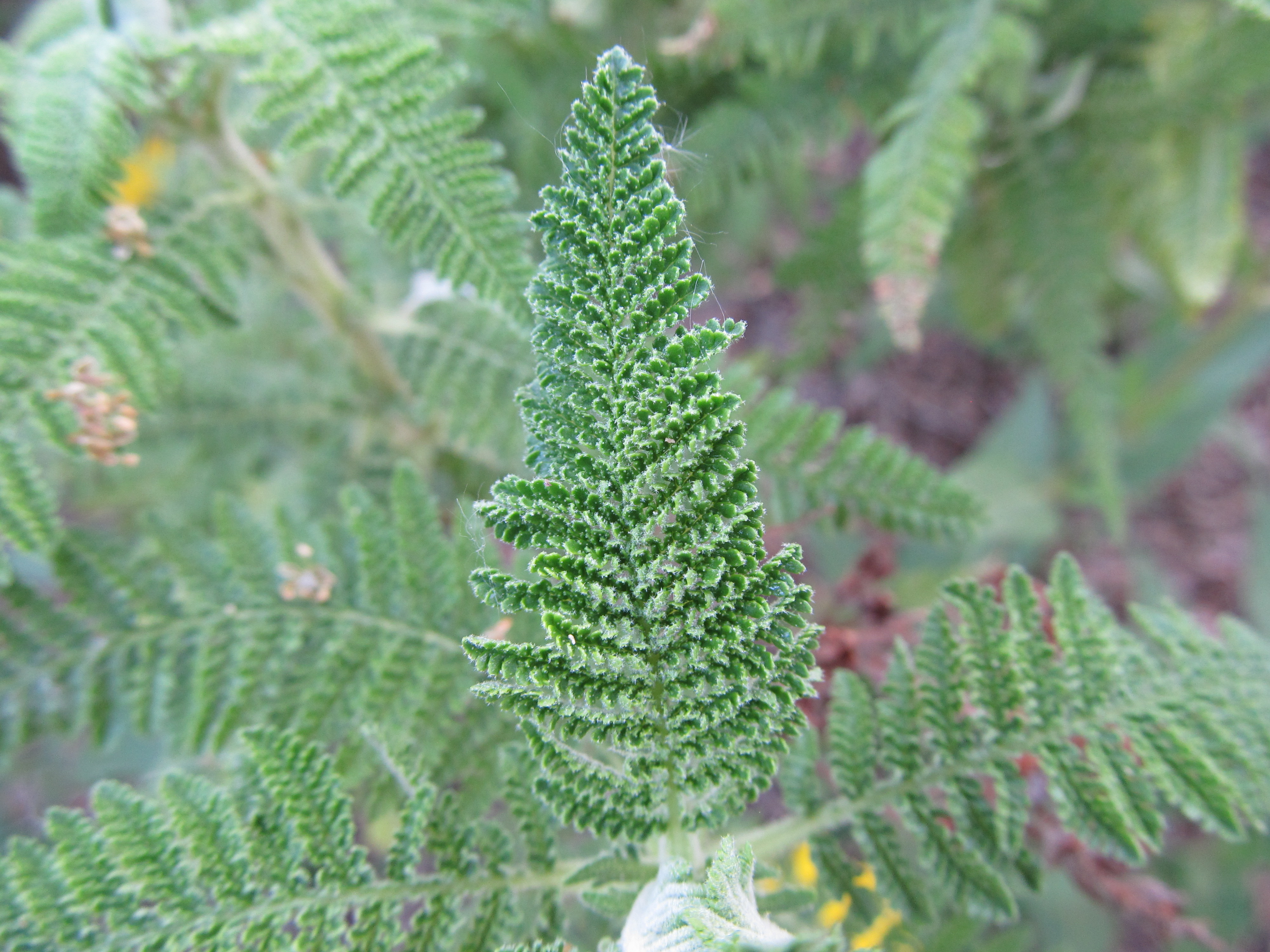
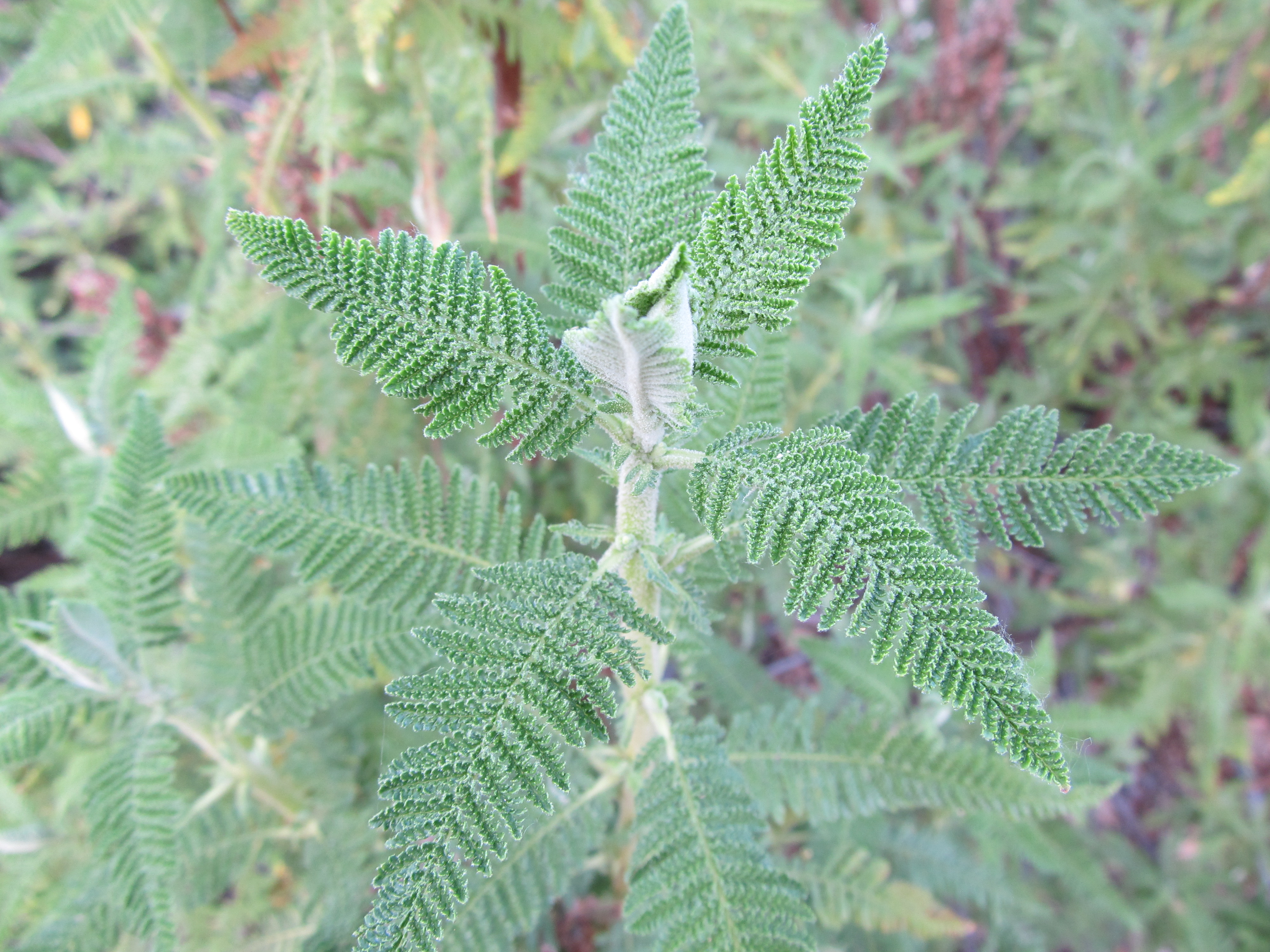
Fernbush is by far one of my favorite shrubs. Its the leaves that make it so interesting. As the common name suggests, the leaves look just like little fern fronds, and considering that ferns tend to be associated with shady, moist environments, it seems strange to see a fern-like bush growing in full sun in a dry, rocky site. Alas, fernbush is not a fern, but instead a shrub with very cool leaves.

IMG_0838

IMG_0837

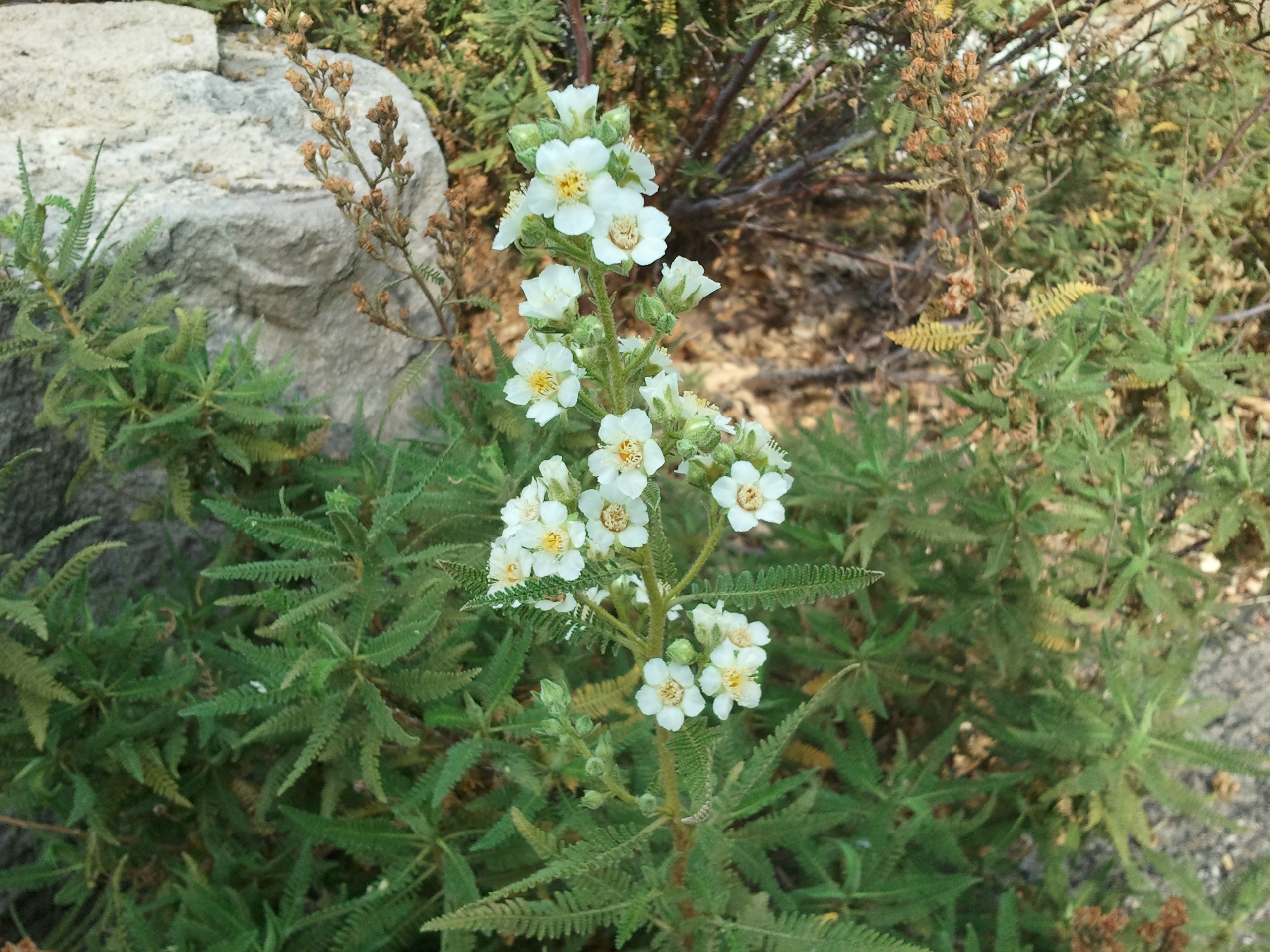
Fernbush grows to about as wide as it does high (between 1-3 meters), and depending on where it is growing it is evergreen or semi-evergreen, dropping the older leaves from the lower portions of its branches during the winter. Its bark is smooth and russet or cinnamon-colored. Flowers appear in clusters at the tips of branches in mid to late summer and are small, white or cream colored, and rose-like with five petals.

SAMSUNG

The fruit of fernbush is called a follicle and contains very small seeds, mere millimeters in size. The spent flower stalks are attractive in their own right and provide great winter interest. They can be pruned off in the spring in preparation for new flower stalks and to keep the plants looking good.

IMG_0834

Fernbush is very drought tolerant. Once its established, it needs very little (if any) supplemental water. It is likely that the leaves of fernbush give it this trait. They are small and finely divided, as well as being hairy and resinous. Physical adaptations such as these reduce water loss through transpiration, which helps the plant use available water more efficiently. Though not very commercially available, fernbush, with its unique appearance and late summer blooms, is a great addition to waterwise gardens and landscapes.

Fun Fact: Chamaebatiaria is a monotypic genus, meaning that it is a genus consisting of only one species. In this regard, Chamaebatiaria millefolium is a true rarity.

Field Trip: University of California Botanical Garden at Berkeley

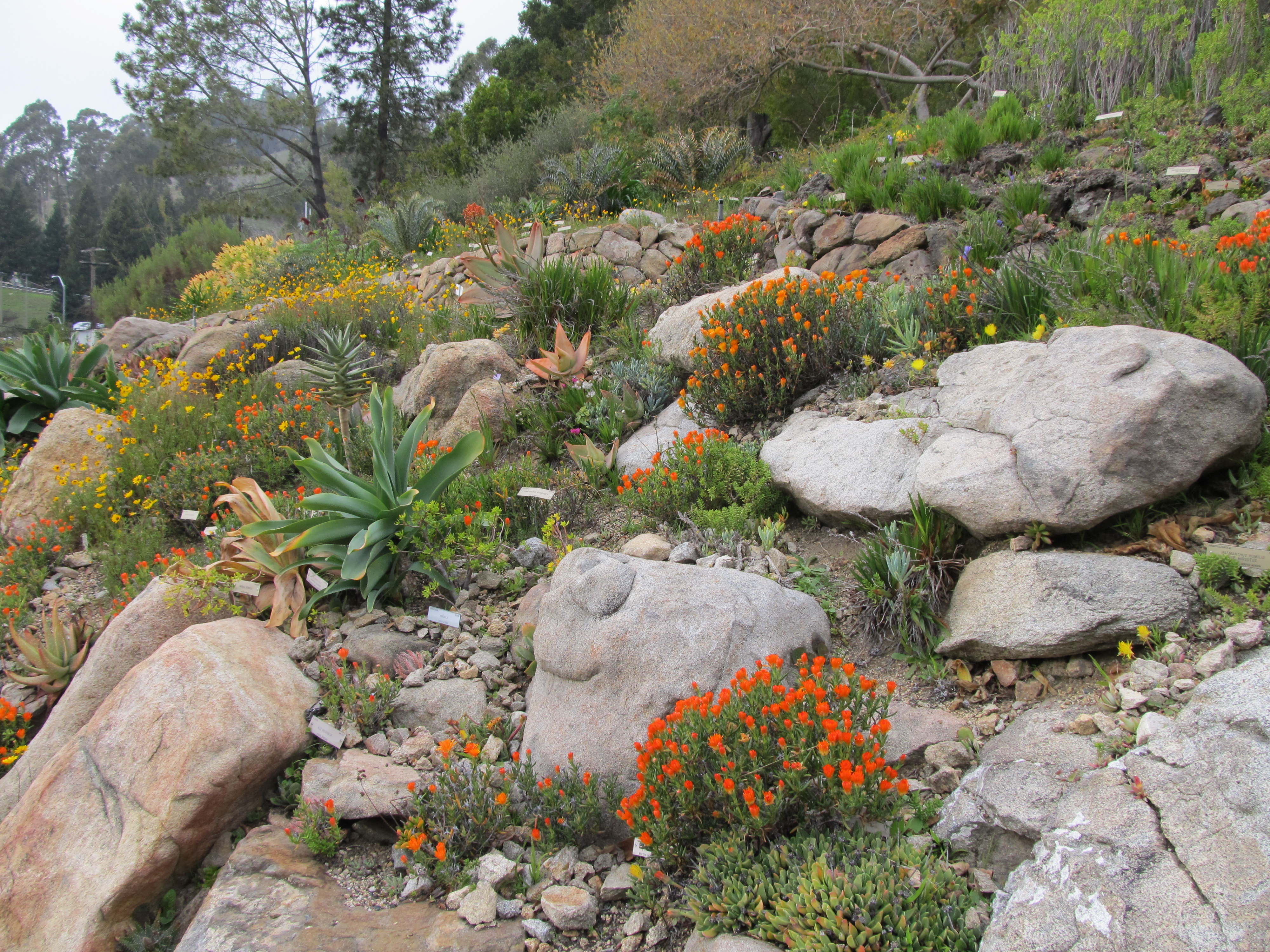
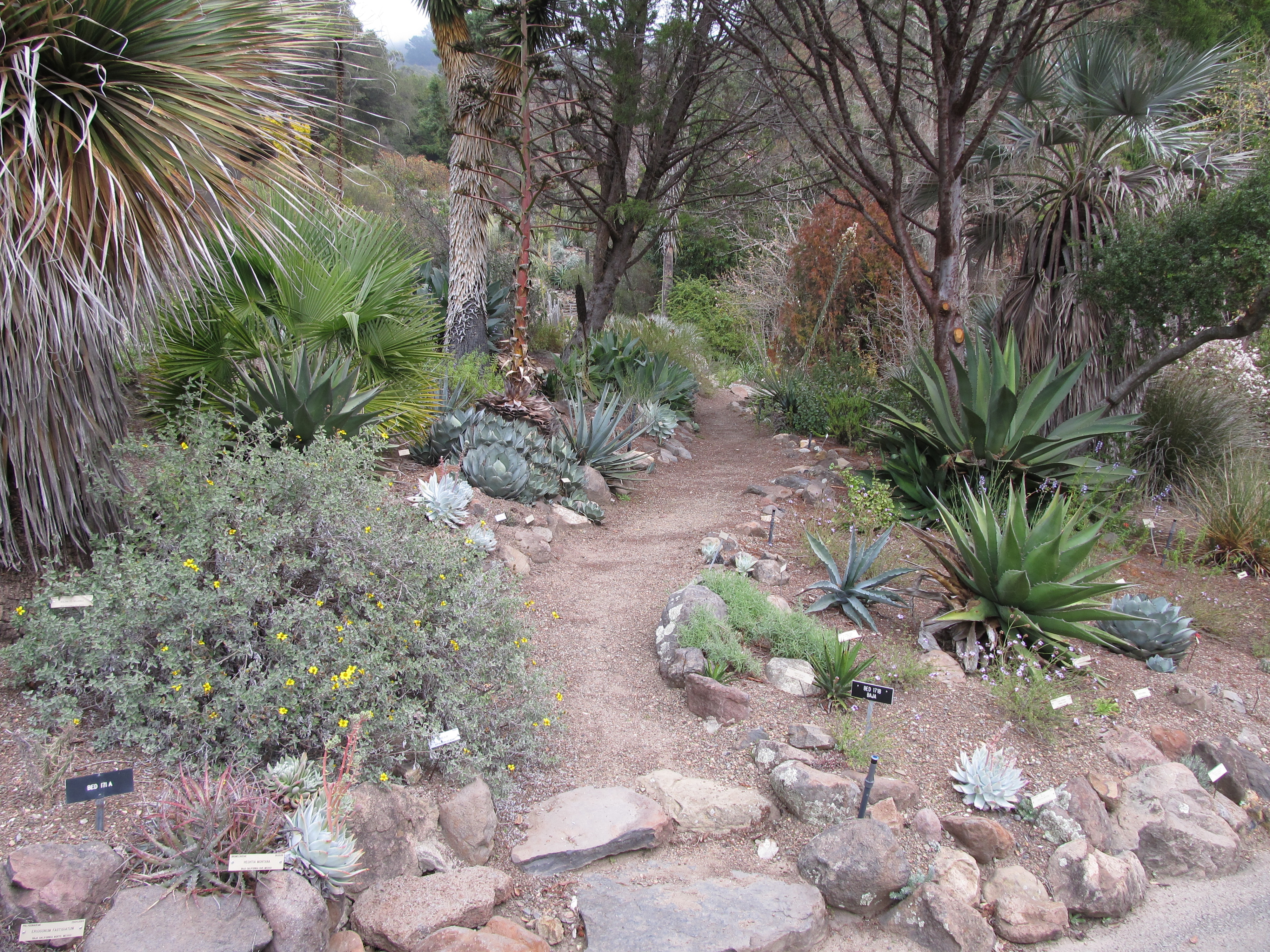
Last week I attended a workshop at the University of California Botanical Garden at Berkeley. Apart from receiving valuable training on how to monitor for and report plant pests and diseases in a public garden setting, I also had a chance to explore the garden. UC Berkeley’s botanical garden is located in Strawberry Canyon in the Berkeley Hills. It covers 34 acres and features plant collections from around the world, including South Africa, Asia, Australia, New Zealand, the Mediterranean, and the Americas. Most of the plants were collected from the wild or cultivated from wild collected plants, and a large number of them are rare or endangered species. I was very impressed with how beautifully designed the various gardens are, each display loaded with hundreds of different plant species all meticulously labeled. Because the garden is located in a canyon, the majority of the beds are on slopes, so there has been lots of great rock work and terracing done to create them, and there are numerous side paths that take you off the main path and up into the gardens, giving you the feeling that you are exploring a natural area. Also impressive is the garden’s focus on plant conservation. If you ever find yourself in the San Francisco Bay area, I highly recommend spending some time at this garden. With any luck, I’ll make it back there again someday. The limited time I had to spend there certainly wasn’t enough to explore it fully.

southern africa

Southern African Collection

new world desert

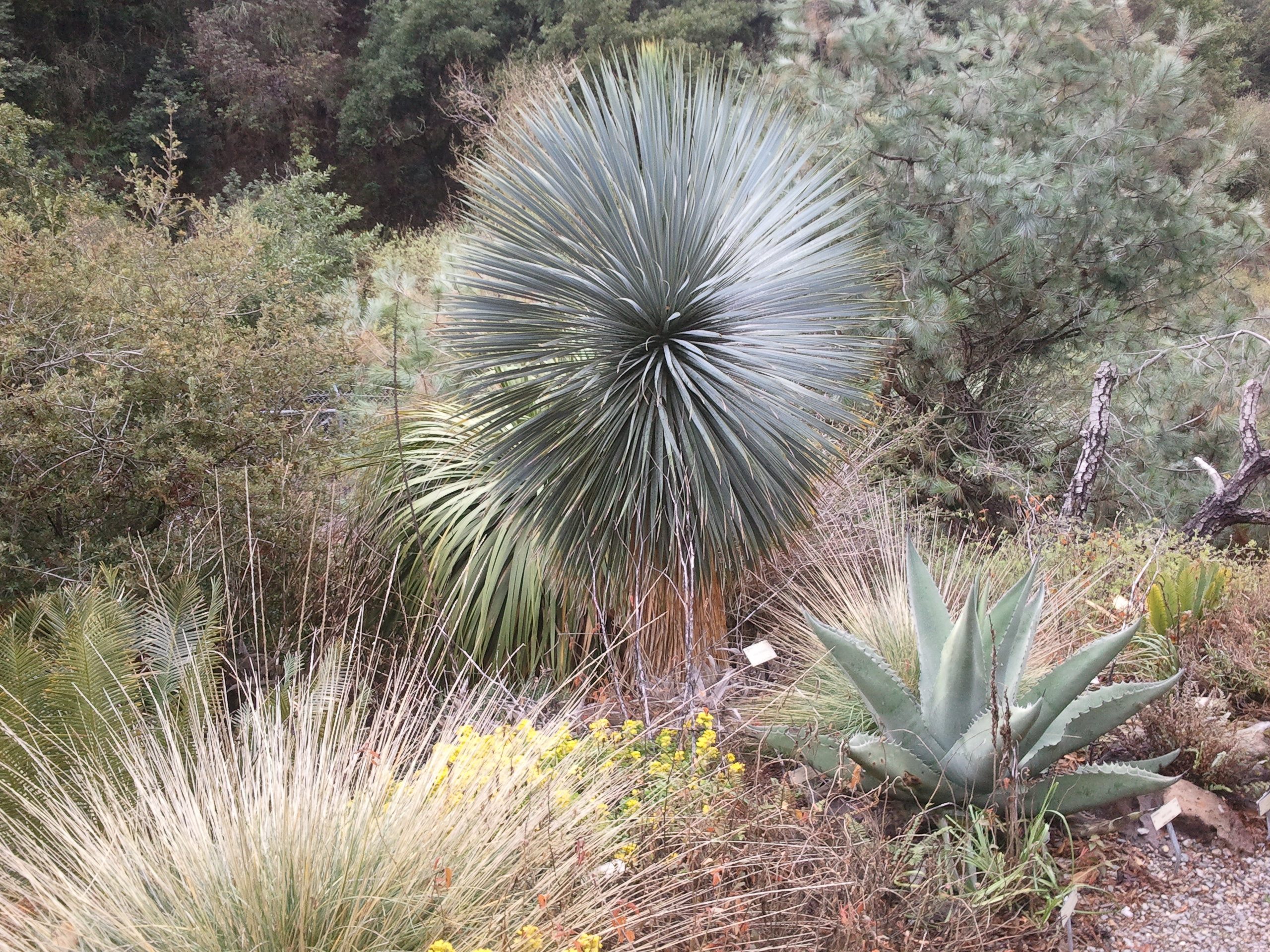
New World Desert Collection

SAMSUNG

Mexico/Central America Collection

alabama snow wreath

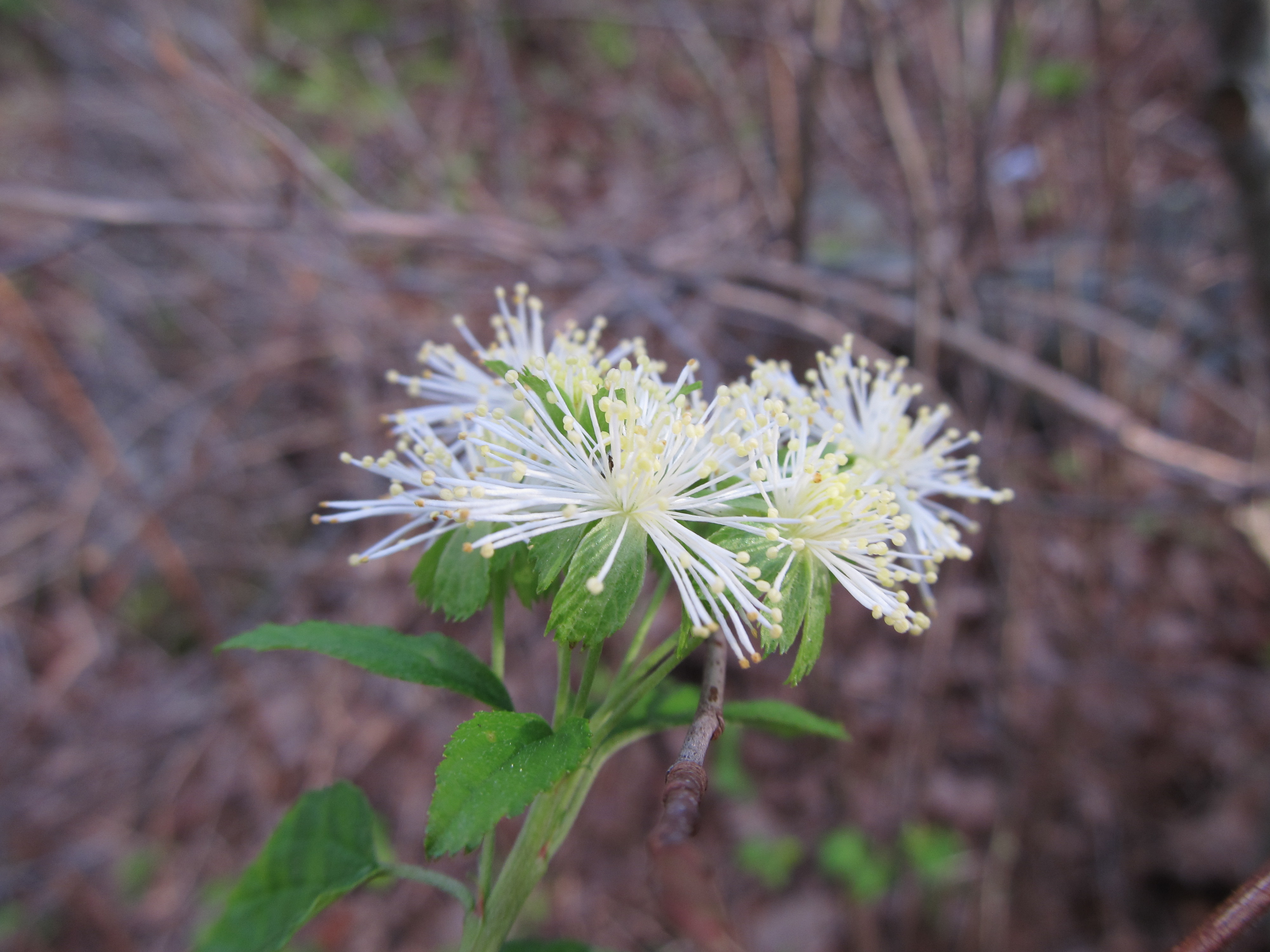
Alabama Snow-Wreath (Neviusia alabamensis) from Alabama, USA

lilac verbena_verbena lilacina

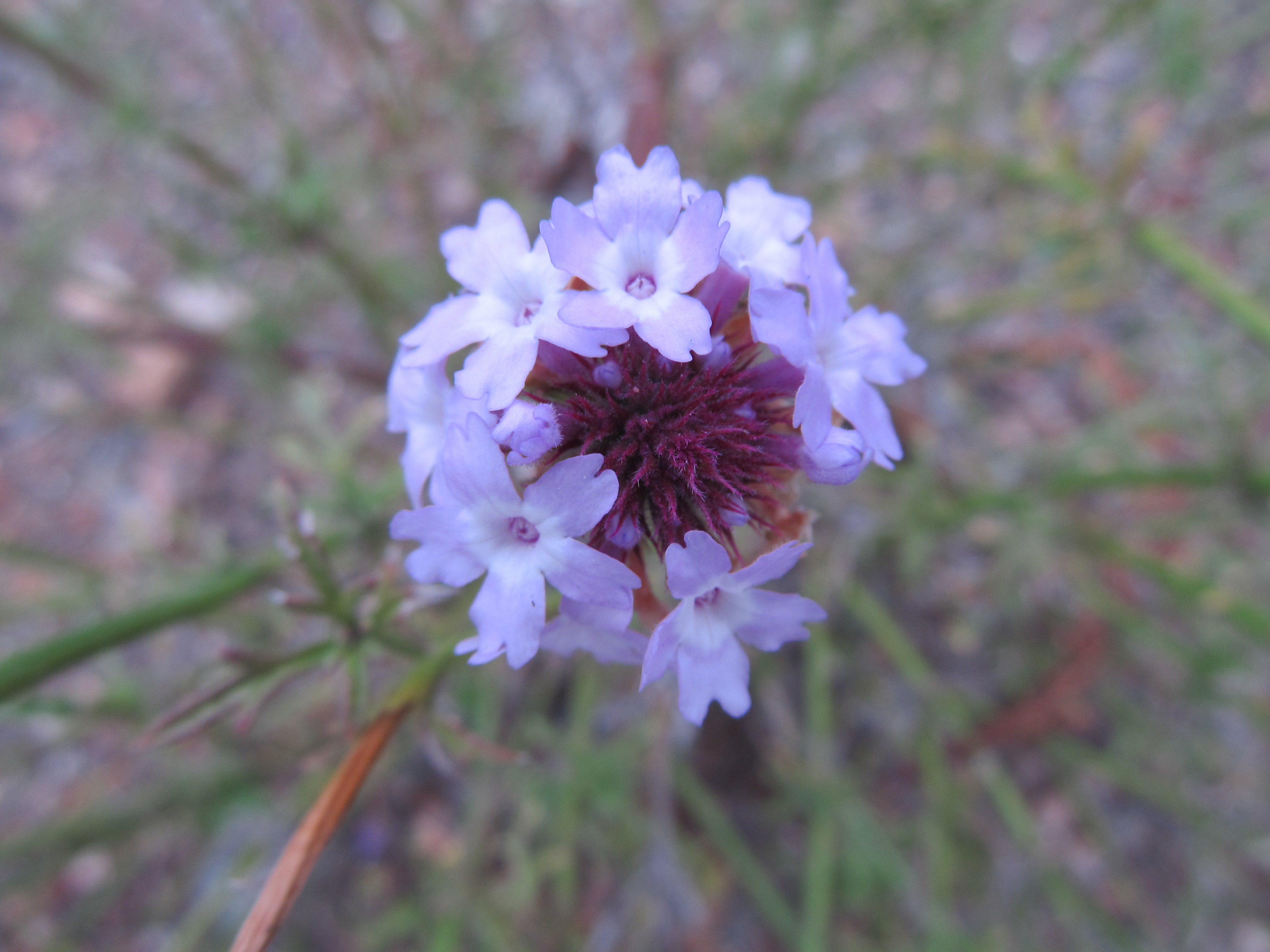
Lilac Verbena (Verbena lilacina) from Mexico

spiral aloe

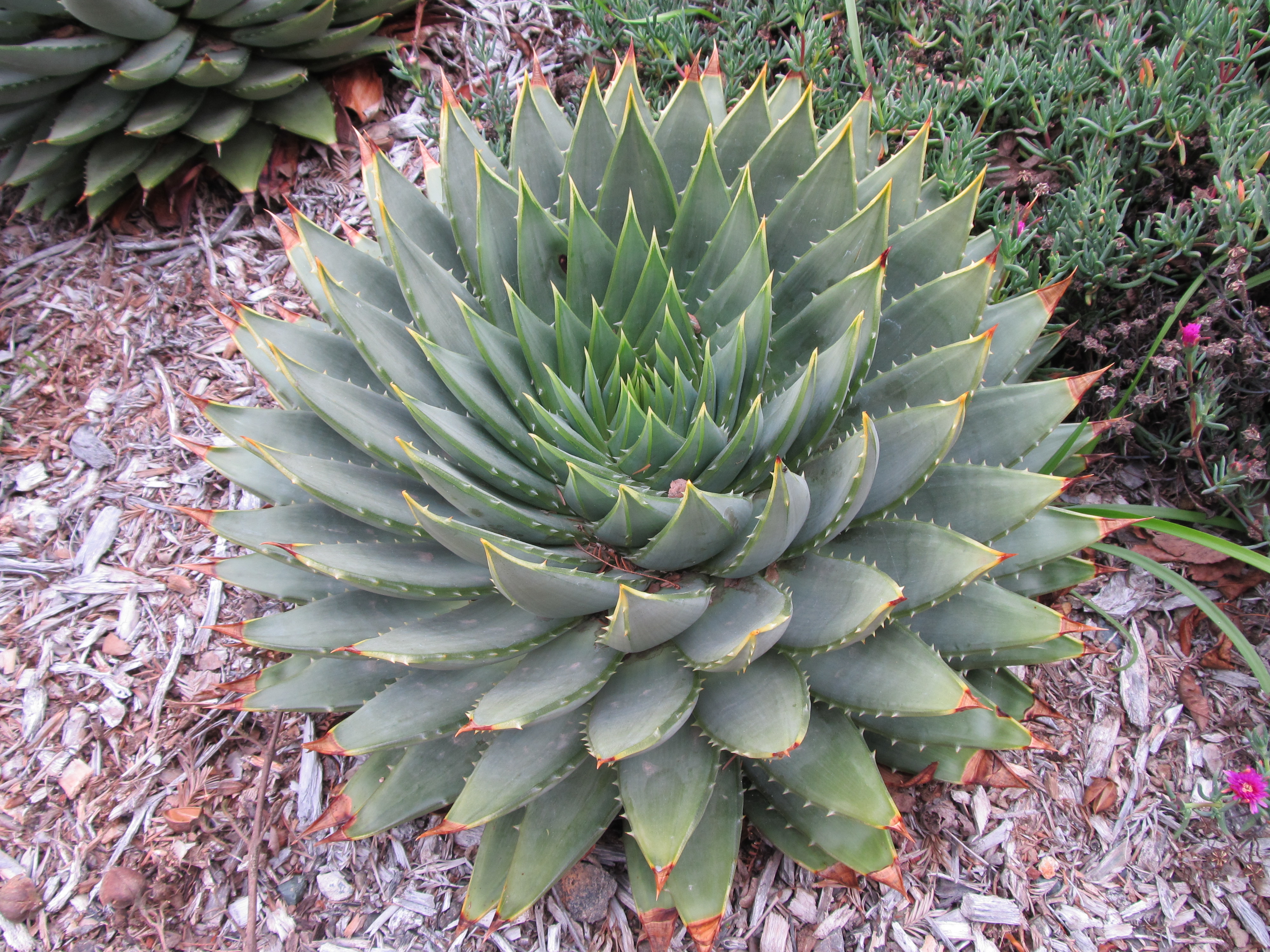
Spiral Aloe (Aloe polyphylla) from South Africa

SAMSUNG

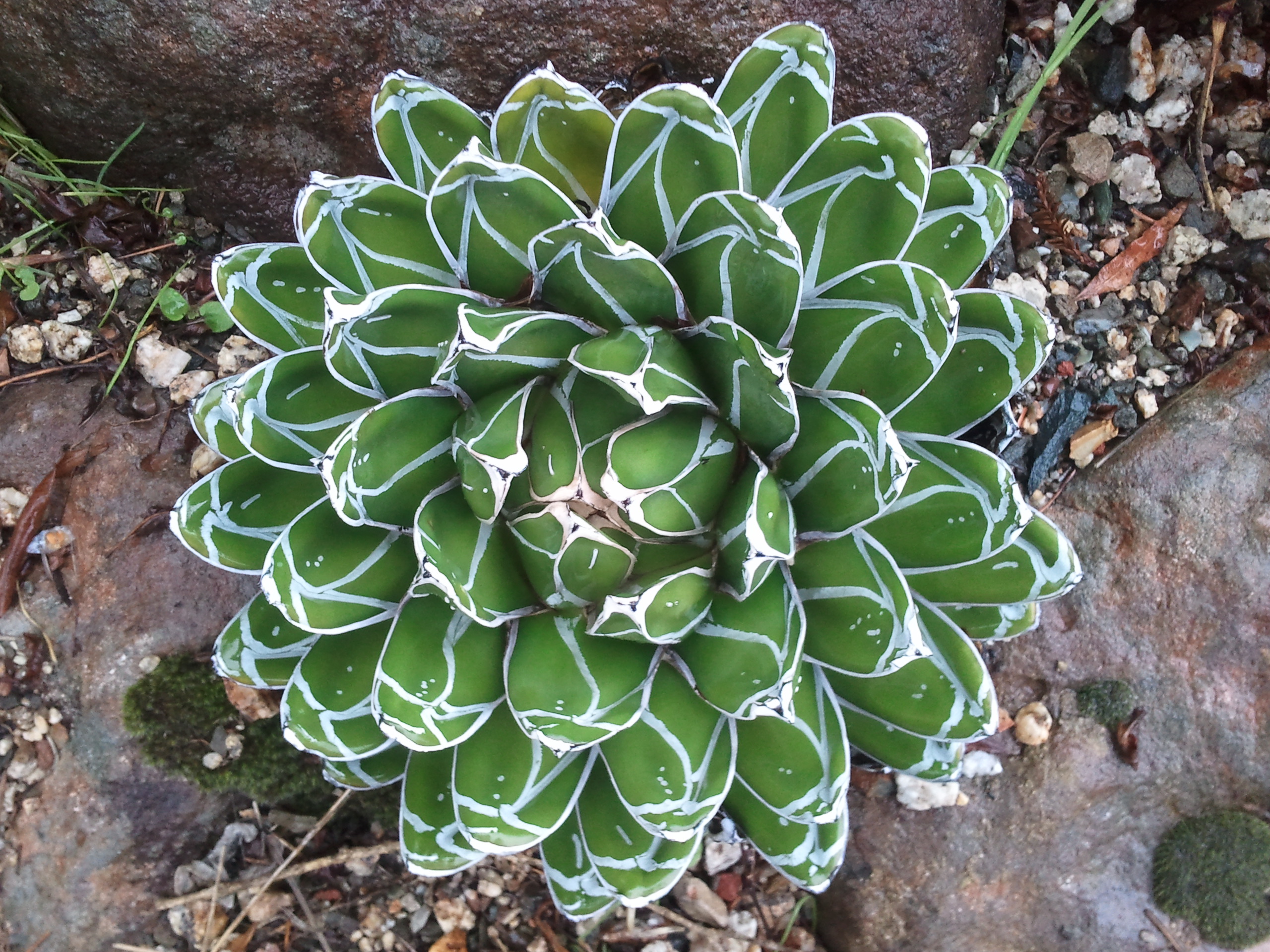
Agave victoriae-reginae from Mexico

Planting for Pollinators

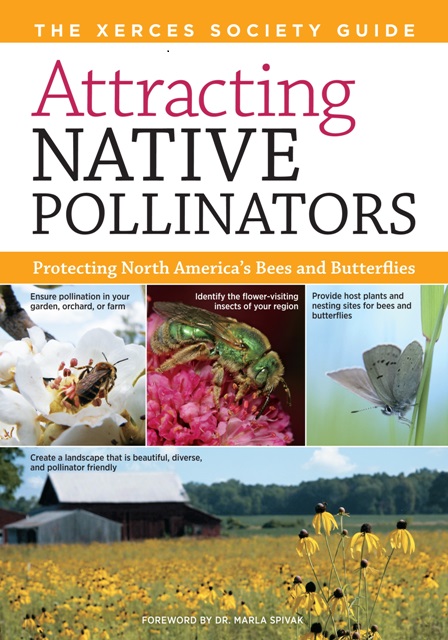
“All urban greenspaces offer potential for pollinators, and all can become important links in a chain of wildlife habitat winding through developed land. At the most basic level, healthy greenspaces mean healthy people and healthy communities. And at the core of a healthy environment are the pollinators.” –excerpt from the book, Attracting Native Pollinators by The Xerces Society

Concern for pollinators, particularly bees, is widespread. Whether you pay attention to the news or not, you are most likely aware that something is up. The bees are disappearing and no one seems to know why. Of course, most of the news concerning dying bees is in reference to honey bees, largely because they are major agricultural pollinators and producers of honey. But there are two things that many people may not be aware of: 1. Honey bees are not native to North America – they were brought over from Europe by early settlers – and 2. North America is replete with native pollinators (including numerous species of bees, butterflies, beetles, and wasps) and they, too, are threatened (partly due to non-native honey bees, but we won’t get into that here). Oh, and there is a third thing, we do know why bees and other pollinators are disappearing, and it’s not because of cell phone towers or other wacky ideas that have been proposed.

Actually, pollinator decline is due to a whole suite of things. As much as we like to seek out the silver bullet – the single cause with a single solution that will solve the problem – this issue (like so many others) does not have one. Habitat degradation and loss, the spread of pests and diseases, extensive pesticide use, and climate change all play a role in pollinator decline. Consider a modern day farm: acres and acres of a single crop planted from one edge of the field to the other, often planted with an herbicide resistant variety of crop so that all plants (both weedy and non-weedy) can be sprayed and killed leaving only the crop in question to grow competitor free. Or consider an urban landscape: patchy green space amidst miles and miles of pavement, concrete, and rooftops, and when that green space occurs, it is often a chemical green lawn free of weeds or a flower bed loaded with non-native ornamentals, bred for aesthetic appeal and often lacking in wildlife value. Our modern landscapes just aren’t fit for pollinators.

But things can change. The problem is complex, but there are small things each of us can do that when added up can make a colossal difference. Creating pollinator friendly habitats in our communities – spaces that are free from pesticides and include diverse food sources and nesting sites – can help ensure that pollinators will survive and thrive. Here are a few guidelines and resources to help you create pollinator habitat in your yard or neighborhood:

– Find a sunny location: Pollinators are most active when it is warm, so find areas that get at least 6-8 hours of full sun (just like you would if you were planning a vegetable garden).

Plant a wide variety of plants: Something should always be in bloom during the growing season, so select at least 3 plants that flower in each of the 3 blooming periods (spring, summer, and fall). Early spring bloomers and fall bloomers are especially important. Also, in order to attract a wide range of pollinators, select plants with varying heights and growth habits and that have flowers of various colors, shapes, and sizes.

– Plant in clusters: On each foraging trip, bees visit the flowers of a single plant species, so plant each species in small clumps.

-Provide nesting sites and a water source: Bumble bees nest at the bases of bunchgrasses, so include a warm season bunchgrass like little bluestem in your yard. Ground nesting bees require a section of bare ground, so lay off on the mulch. Construct and install bundles of hollow stems (like bamboo or elderberry) in order to provide nesting sites for mason bees. Also, include a birdbath or something with a ledge for pollinators to perch and drink.

There are many resources that can instruct you on providing habitat for pollinators. One standout is The Xerces Society. They are “a nonprofit organization that protects wildlife through the conservation of invertebrates and their habitat.” Their website is loaded with information: specific plant recommendations by region, instructions on how to provide habitat for certain pollinators, alternatives to pesticides, etc. You can even help them by becoming a citizen scientist. Other excellent resources include Monarch Watch and The Great Sunflower Project.

attracting-native-pollinators1

“Simple decisions about selecting plants, providing nest sites, minimizing disturbance, and reducing pesticides can make a dramatic difference between a green, manicured, but lifeless landscape, and one that teems with the color, energy, and life of buzz-pollinating bumble bees, rapidly dashing hummingbird moths, and busy nest-building leafcutter bees.” –excerpt from Attracting Native Pollinators by The Xerces Society

Stay tuned for future posts about pollinators, including pollinator conservation and specific pollinator and plant interactions. Also, comment below to share what you are doing to help pollinators in your community. 

Related Posts:

In the News: Declining Insect Populations

Figs and Fig Wasps

2013: Year in Review

The start of a new year is traditionally a time to be reflective and resolute. Awkward Botany is now a year old, so it is in the spirit of a new year that I look back at a year of blogging and look forward to the years to come. I did not initially set any concrete goals for this blog nor do I plan to. I am passionate about plants, and I enjoy writing – hence the blog. Any attention this blog receives is not only welcome, but celebrated. It is one of life’s great joys to be able to share your passions with others.

In 2013 – surprisingly enough – I managed to publish 42 posts. These posts covered a wide range of topics, including plant profiles (mountain kittentails, Lewis’ mock orange, sundews), wildflower walks (Spring, June, September), the latest in plant science research (cushion plants, northern pitcher plants, plant communities of the Catalinas), a book and movie review (What a Plant Knows & What Plants Talk About), gardening tips (starting seeds indoors, assessing your soil, pruning rosemary), and so much more. The years to come will bring more of the same, plus whatever else comes to mind or is requested (leave a comment below).  More importantly, my plan is for past and future posts to be organized into pages according to major categories – such as botany, horticulture, and ecology – which will make it easier to find posts on the topics you are most interested in. Also, a new year brings a new tagline – “for the phyto-curious” – because it is a deep, abiding curiosity about plant life that really drives this blog.

021

If you feel so inclined, please leave comments below and let me know what you like/dislike about the blog and/or tell me if you have any ideas for future posts. You can also leave comments and ask questions by visiting my Contact Page. Also, check out my twitter feed. Please be in touch, and let’s make 2014 our year!

For the plants, etc…

Figs and Fig Wasps

Recently I was listening to a past episode of Caustic Soda Podcast in which the hosts briefly discussed fig wasps. I was intrigued by this discussion, having previously never heard of fig wasps, and so I did a little research. As it turns out, what I am about to share with you here is just the tip of the iceberg. The relationship between figs and fig wasps is a complex topic, to the extent where you could easily spend a lifetime studying this relationship and there would still be more to discover.

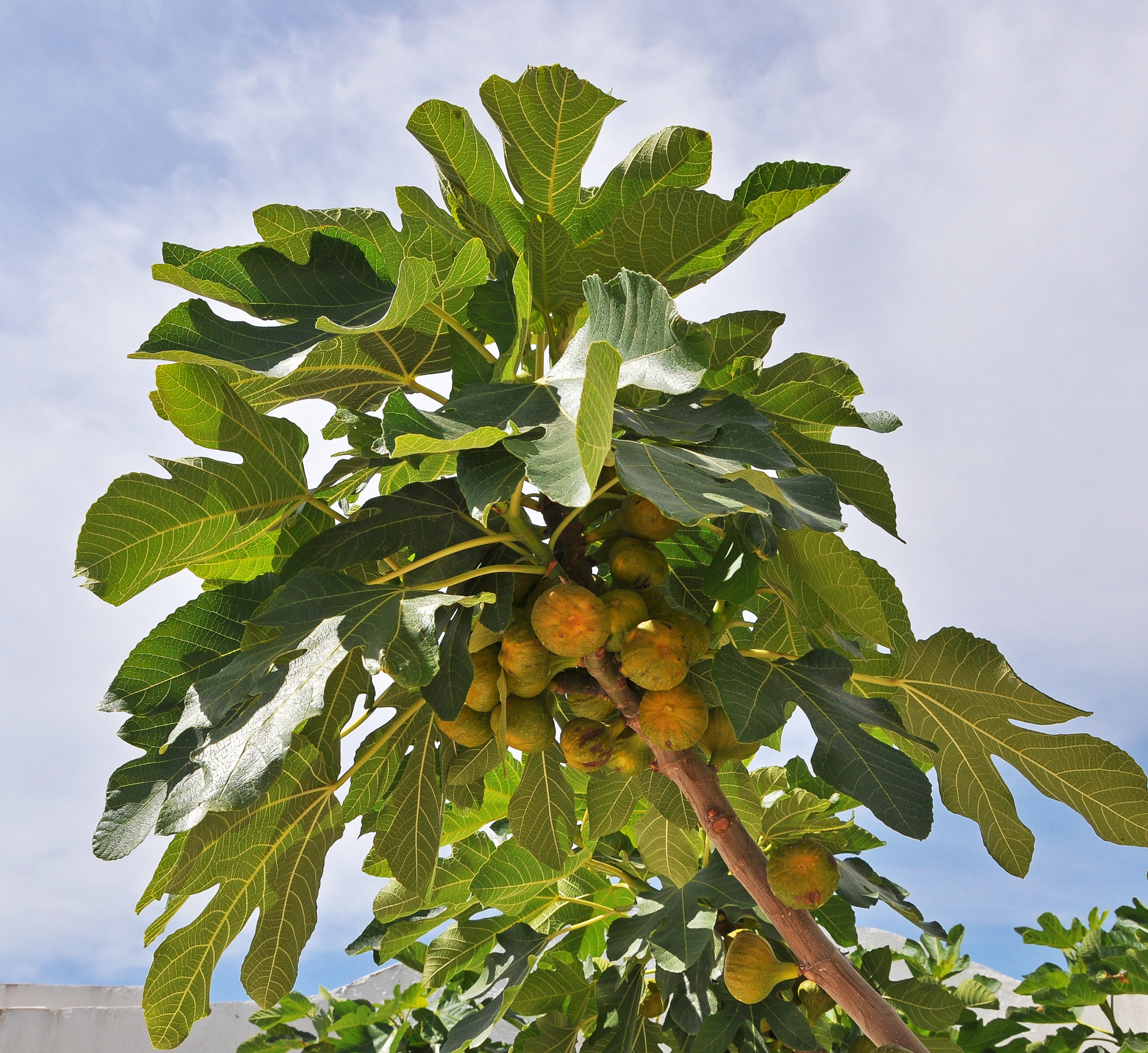
Ficus is a genus of plants in the  family Moraceae that consists of trees, shrubs, and vines. They are commonly referred to as figs, and there are between 755 and 850 described species of them (depending on the source). The majority of fig species are found in tropical regions, however many of them are found in temperate regions as well. The domesticated fig (Ficus carica), also known as common fig, is widely cultivated throughout the world for its fruit.

common fig

Ficus carica – common fig

photo credit: wikimedia commons

The fruit of figs, also called a fig, is a multiple fruit because it is formed from a cluster of flowers. A fruit is formed by each flower in the cluster, but they all grow together to form what appears to be a single fruit. Now here is where it starts to get bizarre. The flowers of figs are contained inside a structure called a syconium, which is essentially a modified fleshy stem. The syconium looks like an immature fig. Because they are contained inside syconia, the flowers are not visible from the outside, yet they must be pollinated in order to produce seeds and mature fruits.

This is where the fig wasps come in. “Fig wasp” is a term that refers to all species of chalcid wasps that breed exclusively inside of figs. Fig wasps are in the order Hymenoptera (superfamily Chalcidoidea) and represent at least five families of insects. Figs and fig wasps have coevolved over tens of millions of years, meaning that each species of fig could potentially have a specific species of fig wasp with which it has developed a mutualistic relationship. However, pollinator host sharing and host switching occurs frequently.

Fig wasps are tiny, mere millimeters in length, so they are not the same sort of wasps that you’ll find buzzing around you, disrupting your summer picnic. Fig wasps have to be small though, because in order to pollinate fig flowers they must find their way into a fig. Fortunately, there is a small opening at the base of the fig called an ostiole that has been adapted just for them. What follows is a very basic description of the interaction between fig and fig wasp – remember with the incredible diversity of figs and fig wasps, the specifics are sure to be equally diverse.

First a female wasp carrying the pollen of a fig from which she has recently emerged discovers a fig that is ready to be pollinated. She finds the ostiole and begins to enter the fig. She is tiny, but so is the opening, and so her wings and antennae are ripped off in the process. No worries though, she won’t be needing them anymore. Inside the fig there are two types of flowers – ones with long styles and others with short styles. The female wasp begins to lay her eggs inside the flowers, however she is not able to lay eggs inside the flowers with the long styles. Instead, these flowers get pollinated by the wasp. After all her eggs are laid, the female wasp dies. The fig wasp larvae develop inside galls in the ovaries of the fig flowers, and they emerge from the galls once they have matured into adults. The adult males mate with the females and then begin the arduous task of chewing through the wall of the fig in order to let the females out. After completing this task, they die. The females then leave the figs, bringing pollen with them, and search for a fig of their own to enter and lay eggs. And the cycle continues.

But there is so much more to the story. For example, there are non-pollinating fig wasps that breed inside of figs but do not assist in pollination – freeloaders essentially. And how is the cycle different if the species is monoecious (male and female flowers on the same plant) compared to dioecious (male and female flowers on different plants)? It’s too much to cover here, but visit figweb.org for more information. FigWeb is an excellent resource for learning all about the bizarre and fascinating world of the fig and fig wasp relationship. Also check out the PBS documentary, The Queen of Trees.

This is the first of hopefully many posts on plant and insect interactions. Leave a comment and let me know what plant and insect interactions interest you.

Wildflower Walk: September 2013

Recently I was on a seed collecting trip at Bannister Basin in Payette County, Idaho. From a distance, the area looks like a barren wasteland – especially this time of year. It is hot, dry, and brown. The rolling hills are mostly bare except for dried up weedy grasses and occasional shrubs, and there isn’t a single tree in sight. However, a short hike through the area reveals some interesting plants and bits of color scattered among the drab landscape. It was obviously not the best time or place for a wildflower walk, but the following pictures show a few of the flowers that I was able to find. These are tough species, flourishing in a harsh environment.

chrysothamnus viscidiflorus

Chrysothamnus viscidiflorus – green rabbitbrush

machaeranthera canescens

Machaeranthera canescens – hoary tansyaster

SAMSUNG

Eriogonum strictum – strict buckwheat

SAMSUNG

Eriogonum sp. – buckwheat