Planting for Pollinators

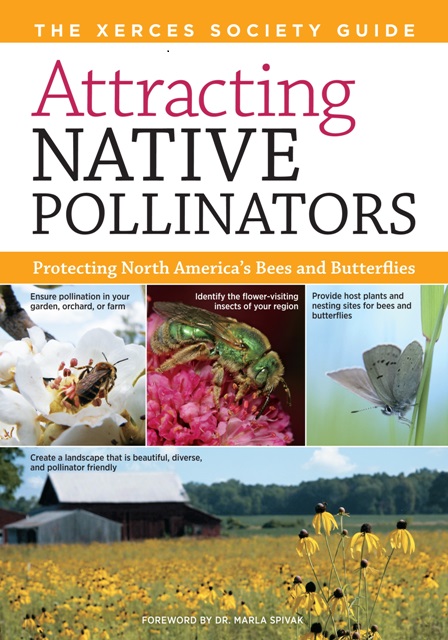
“All urban greenspaces offer potential for pollinators, and all can become important links in a chain of wildlife habitat winding through developed land. At the most basic level, healthy greenspaces mean healthy people and healthy communities. And at the core of a healthy environment are the pollinators.” –excerpt from the book, Attracting Native Pollinators by The Xerces Society

Concern for pollinators, particularly bees, is widespread. Whether you pay attention to the news or not, you are most likely aware that something is up. The bees are disappearing and no one seems to know why. Of course, most of the news concerning dying bees is in reference to honey bees, largely because they are major agricultural pollinators and producers of honey. But there are two things that many people may not be aware of: 1. Honey bees are not native to North America – they were brought over from Europe by early settlers – and 2. North America is replete with native pollinators (including numerous species of bees, butterflies, beetles, and wasps) and they, too, are threatened (partly due to non-native honey bees, but we won’t get into that here). Oh, and there is a third thing, we do know why bees and other pollinators are disappearing, and it’s not because of cell phone towers or other wacky ideas that have been proposed.

Actually, pollinator decline is due to a whole suite of things. As much as we like to seek out the silver bullet – the single cause with a single solution that will solve the problem – this issue (like so many others) does not have one. Habitat degradation and loss, the spread of pests and diseases, extensive pesticide use, and climate change all play a role in pollinator decline. Consider a modern day farm: acres and acres of a single crop planted from one edge of the field to the other, often planted with an herbicide resistant variety of crop so that all plants (both weedy and non-weedy) can be sprayed and killed leaving only the crop in question to grow competitor free. Or consider an urban landscape: patchy green space amidst miles and miles of pavement, concrete, and rooftops, and when that green space occurs, it is often a chemical green lawn free of weeds or a flower bed loaded with non-native ornamentals, bred for aesthetic appeal and often lacking in wildlife value. Our modern landscapes just aren’t fit for pollinators.

But things can change. The problem is complex, but there are small things each of us can do that when added up can make a colossal difference. Creating pollinator friendly habitats in our communities – spaces that are free from pesticides and include diverse food sources and nesting sites – can help ensure that pollinators will survive and thrive. Here are a few guidelines and resources to help you create pollinator habitat in your yard or neighborhood:

– Find a sunny location: Pollinators are most active when it is warm, so find areas that get at least 6-8 hours of full sun (just like you would if you were planning a vegetable garden).

– Plant a wide variety of plants: Something should always be in bloom during the growing season, so select at least 3 plants that flower in each of the 3 blooming periods (spring, summer, and fall). Early spring bloomers and fall bloomers are especially important. Also, in order to attract a wide range of pollinators, select plants with varying heights and growth habits and that have flowers of various colors, shapes, and sizes.

– Plant in clusters: On each foraging trip, bees visit the flowers of a single plant species, so plant each species in small clumps.

-Provide nesting sites and a water source: Bumble bees nest at the bases of bunchgrasses, so include a warm season bunchgrass like little bluestem in your yard. Ground nesting bees require a section of bare ground, so lay off on the mulch. Construct and install bundles of hollow stems (like bamboo or elderberry) in order to provide nesting sites for mason bees. Also, include a birdbath or something with a ledge for pollinators to perch and drink.

There are many resources that can instruct you on providing habitat for pollinators. One standout is The Xerces Society. They are “a nonprofit organization that protects wildlife through the conservation of invertebrates and their habitat.” Their website is loaded with information: specific plant recommendations by region, instructions on how to provide habitat for certain pollinators, alternatives to pesticides, etc. You can even help them by becoming a citizen scientist. Other excellent resources include Monarch Watch and The Great Sunflower Project.
attracting-native-pollinators1

“Simple decisions about selecting plants, providing nest sites, minimizing disturbance, and reducing pesticides can make a dramatic difference between a green, manicured, but lifeless landscape, and one that teems with the color, energy, and life of buzz-pollinating bumble bees, rapidly dashing hummingbird moths, and busy nest-building leafcutter bees.” –excerpt from Attracting Native Pollinators by The Xerces Society

Stay tuned for future posts about pollinators, including pollinator conservation and specific pollinator and plant interactions. Also, comment below to share what you are doing to help pollinators in your community. 
Related Posts:

–In the News: Declining Insect Populations

–Figs and Fig Wasps

2013: Year in Review

The start of a new year is traditionally a time to be reflective and resolute. Awkward Botany is now a year old, so it is in the spirit of a new year that I look back at a year of blogging and look forward to the years to come. I did not initially set any concrete goals for this blog nor do I plan to. I am passionate about plants, and I enjoy writing – hence the blog. Any attention this blog receives is not only welcome, but celebrated. It is one of life’s great joys to be able to share your passions with others.

In 2013 – surprisingly enough – I managed to publish 42 posts. These posts covered a wide range of topics, including plant profiles (mountain kittentails, Lewis’ mock orange, sundews), wildflower walks (Spring, June, September), the latest in plant science research (cushion plants, northern pitcher plants, plant communities of the Catalinas), a book and movie review (What a Plant Knows & What Plants Talk About), gardening tips (starting seeds indoors, assessing your soil, pruning rosemary), and so much more. The years to come will bring more of the same, plus whatever else comes to mind or is requested (leave a comment below).  More importantly, my plan is for past and future posts to be organized into pages according to major categories – such as botany, horticulture, and ecology – which will make it easier to find posts on the topics you are most interested in. Also, a new year brings a new tagline – “for the phyto-curious” – because it is a deep, abiding curiosity about plant life that really drives this blog.

021

If you feel so inclined, please leave comments below and let me know what you like/dislike about the blog and/or tell me if you have any ideas for future posts. You can also leave comments and ask questions by visiting my Contact Page. Also, check out my twitter feed. Please be in touch, and let’s make 2014 our year!

For the plants, etc…

Figs and Fig Wasps

Recently I was listening to a past episode of Caustic Soda Podcast in which the hosts briefly discussed fig wasps. I was intrigued by this discussion, having previously never heard of fig wasps, and so I did a little research. As it turns out, what I am about to share with you here is just the tip of the iceberg. The relationship between figs and fig wasps is a complex topic, to the extent where you could easily spend a lifetime studying this relationship and there would still be more to discover.

Ficus is a genus of plants in the  family Moraceae that consists of trees, shrubs, and vines. They are commonly referred to as figs, and there are between 755 and 850 described species of them (depending on the source). The majority of fig species are found in tropical regions, however many of them are found in temperate regions as well. The domesticated fig (Ficus carica), also known as common fig, is widely cultivated throughout the world for its fruit.

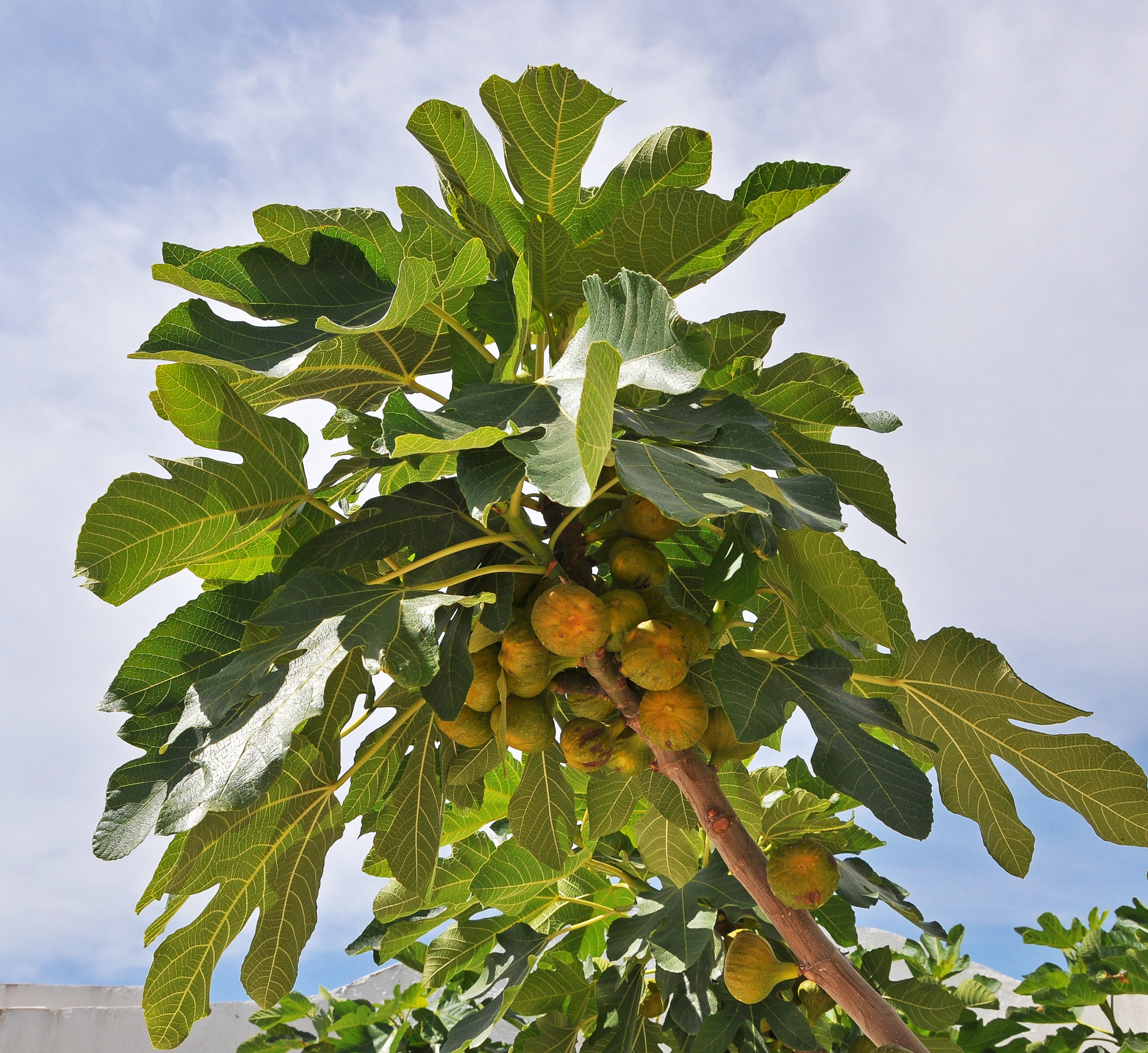
common fig

Ficus carica – common fig

photo credit: wikimedia commons

The fruit of figs, also called a fig, is a multiple fruit because it is formed from a cluster of flowers. A fruit is formed by each flower in the cluster, but they all grow together to form what appears to be a single fruit. Now here is where it starts to get bizarre. The flowers of figs are contained inside a structure called a syconium, which is essentially a modified fleshy stem. The syconium looks like an immature fig. Because they are contained inside syconia, the flowers are not visible from the outside, yet they must be pollinated in order to produce seeds and mature fruits.

This is where the fig wasps come in. “Fig wasp” is a term that refers to all species of chalcid wasps that breed exclusively inside of figs. Fig wasps are in the order Hymenoptera (superfamily Chalcidoidea) and represent at least five families of insects. Figs and fig wasps have coevolved over tens of millions of years, meaning that each species of fig could potentially have a specific species of fig wasp with which it has developed a mutualistic relationship. However, pollinator host sharing and host switching occurs frequently.

Fig wasps are tiny, mere millimeters in length, so they are not the same sort of wasps that you’ll find buzzing around you, disrupting your summer picnic. Fig wasps have to be small though, because in order to pollinate fig flowers they must find their way into a fig. Fortunately, there is a small opening at the base of the fig called an ostiole that has been adapted just for them. What follows is a very basic description of the interaction between fig and fig wasp – remember with the incredible diversity of figs and fig wasps, the specifics are sure to be equally diverse.

First a female wasp carrying the pollen of a fig from which she has recently emerged discovers a fig that is ready to be pollinated. She finds the ostiole and begins to enter the fig. She is tiny, but so is the opening, and so her wings and antennae are ripped off in the process. No worries though, she won’t be needing them anymore. Inside the fig there are two types of flowers – ones with long styles and others with short styles. The female wasp begins to lay her eggs inside the flowers, however she is not able to lay eggs inside the flowers with the long styles. Instead, these flowers get pollinated by the wasp. After all her eggs are laid, the female wasp dies. The fig wasp larvae develop inside galls in the ovaries of the fig flowers, and they emerge from the galls once they have matured into adults. The adult males mate with the females and then begin the arduous task of chewing through the wall of the fig in order to let the females out. After completing this task, they die. The females then leave the figs, bringing pollen with them, and search for a fig of their own to enter and lay eggs. And the cycle continues.

But there is so much more to the story. For example, there are non-pollinating fig wasps that breed inside of figs but do not assist in pollination – freeloaders essentially. And how is the cycle different if the species is monoecious (male and female flowers on the same plant) compared to dioecious (male and female flowers on different plants)? It’s too much to cover here, but visit figweb.org for more information. FigWeb is an excellent resource for learning all about the bizarre and fascinating world of the fig and fig wasp relationship. Also check out the PBS documentary, The Queen of Trees.

This is the first of hopefully many posts on plant and insect interactions. Leave a comment and let me know what plant and insect interactions interest you.

Wildflower Walk: September 2013

Recently I was on a seed collecting trip at Bannister Basin in Payette County, Idaho. From a distance, the area looks like a barren wasteland – especially this time of year. It is hot, dry, and brown. The rolling hills are mostly bare except for dried up weedy grasses and occasional shrubs, and there isn’t a single tree in sight. However, a short hike through the area reveals some interesting plants and bits of color scattered among the drab landscape. It was obviously not the best time or place for a wildflower walk, but the following pictures show a few of the flowers that I was able to find. These are tough species, flourishing in a harsh environment.

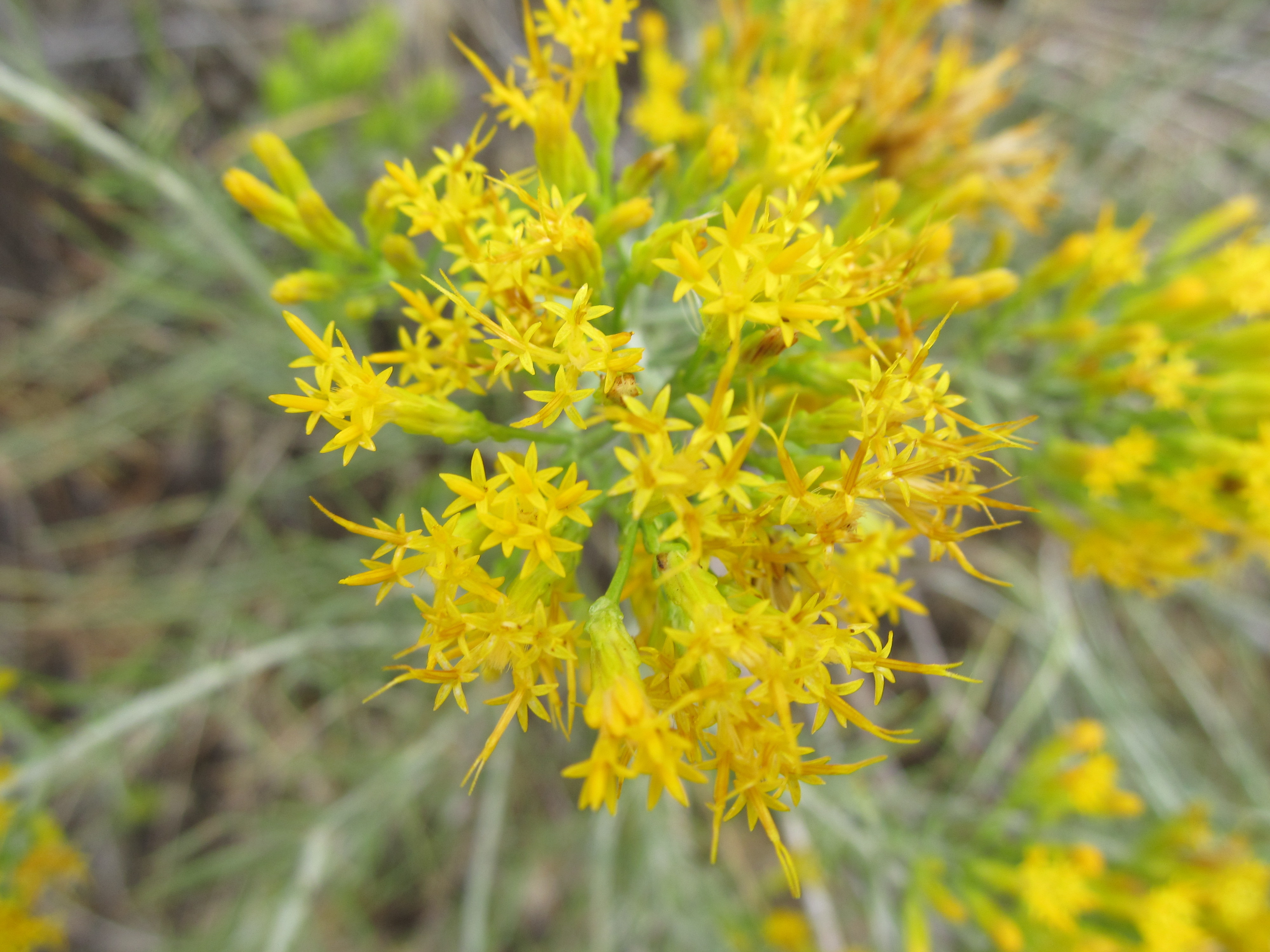
chrysothamnus viscidiflorus

Chrysothamnus viscidiflorus – green rabbitbrush

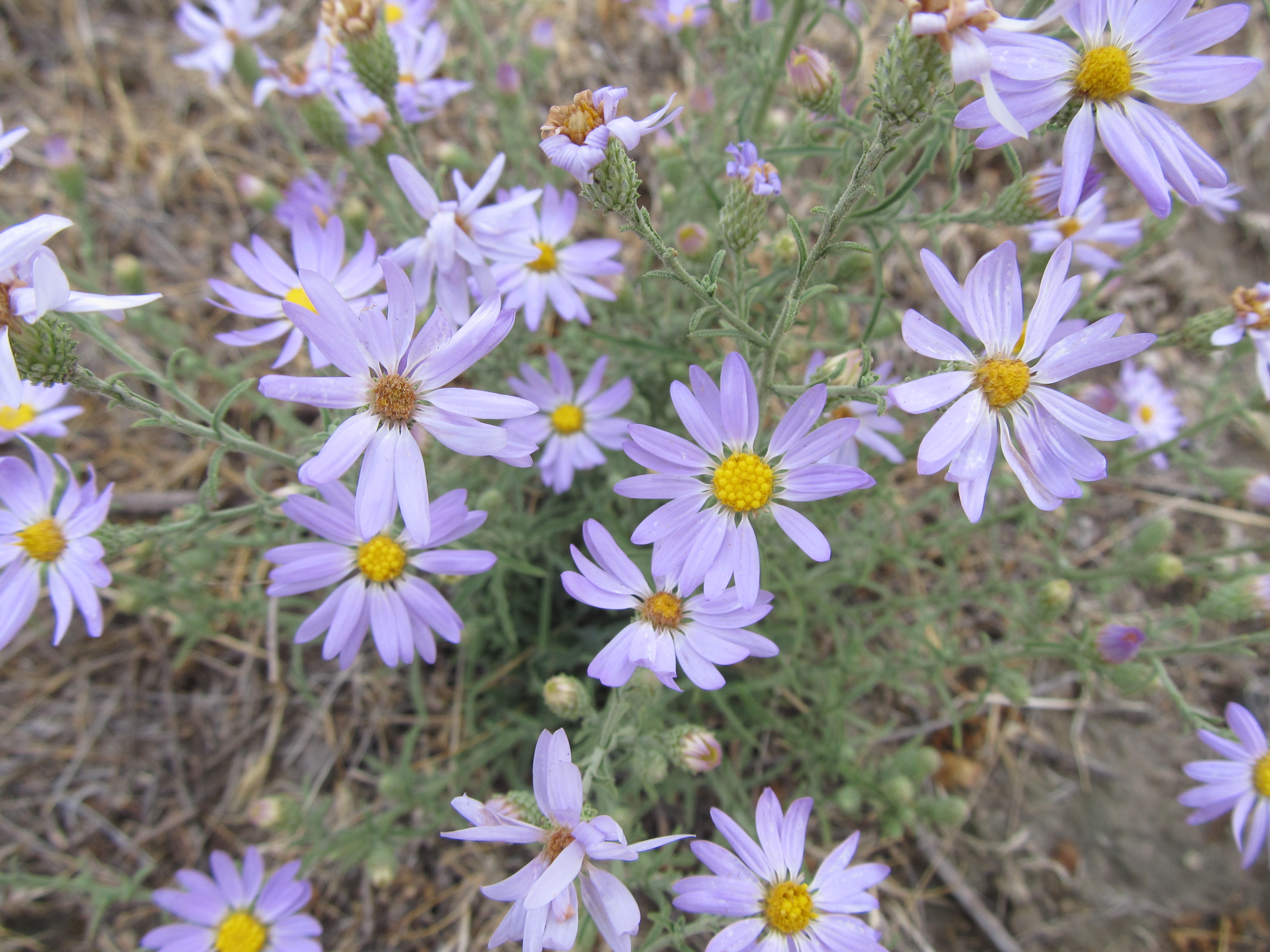
machaeranthera canescens

Machaeranthera canescens – hoary tansyaster

SAMSUNG

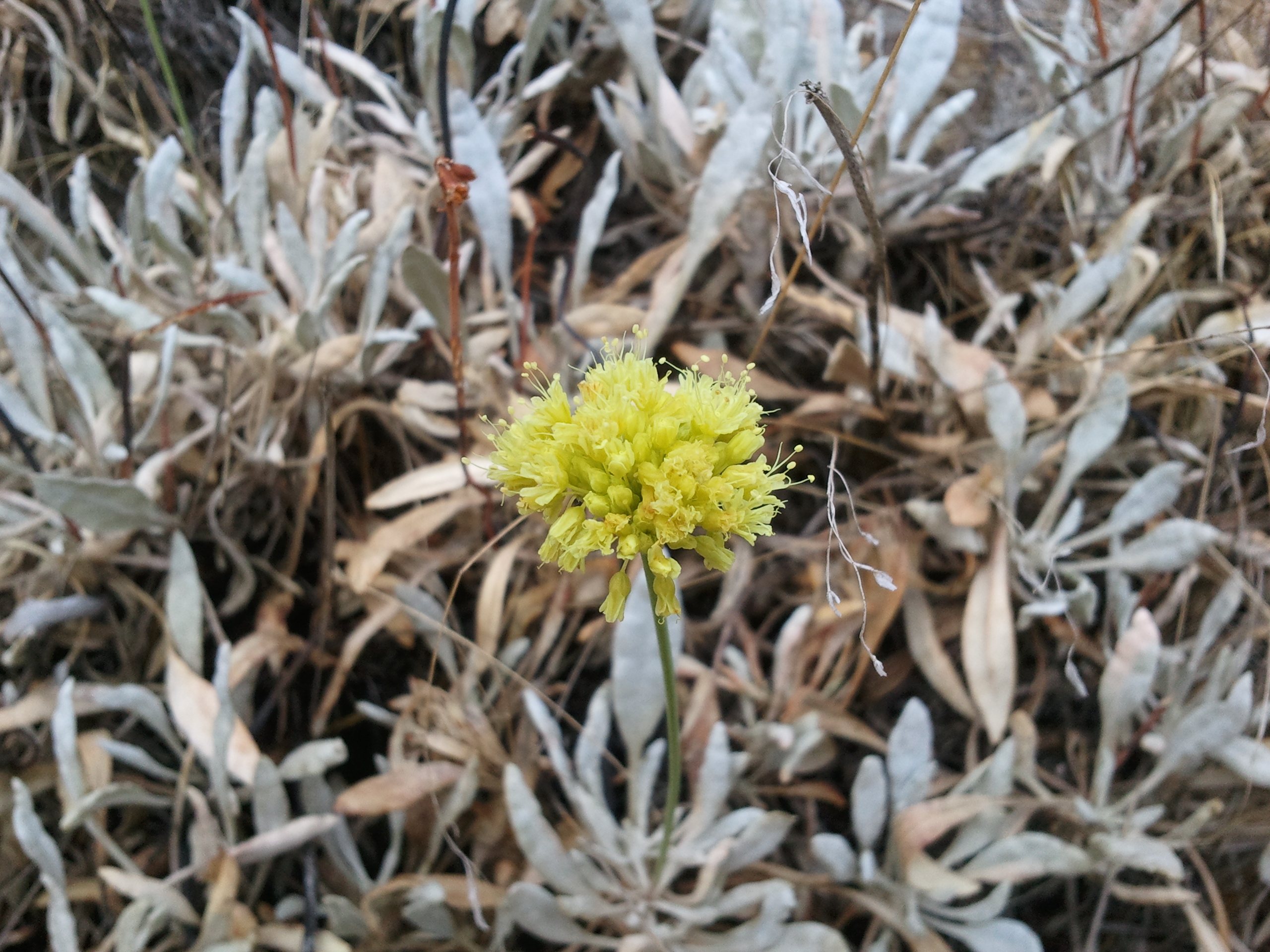
Eriogonum strictum – strict buckwheat

SAMSUNG

Eriogonum sp. – buckwheat

The Sundews

Earlier this year, I wrote about northern pitcher plants and how they are helping us to better understand food webs. At that time I promised future posts about carnivorous plants, so I have decided to write about sundews, the only carnivorous plant that I currently have in my collection.

Sundews are members of the genus Drosera and are in the family Droseraceae (the same family as the Venus flytrap). With as many as 194 species, Drosera is one of the largest and most diverse genera of carnivorous plants. Sundews can be found in a wide variety of climates and on nearly every continent, from subarctic Alaska to tropical Brazil. They can be as small as a penny or as big as a small shrub. Their leaves form rosettes and come in numerous shapes and sizes, including circular, wedge-shaped, oval,  forked, fern-like, and grass-like. Drosera flowers are also quite diverse, but typically they are flat, five-petaled, white or pink, and appear in clusters at the top of a tall stalk.

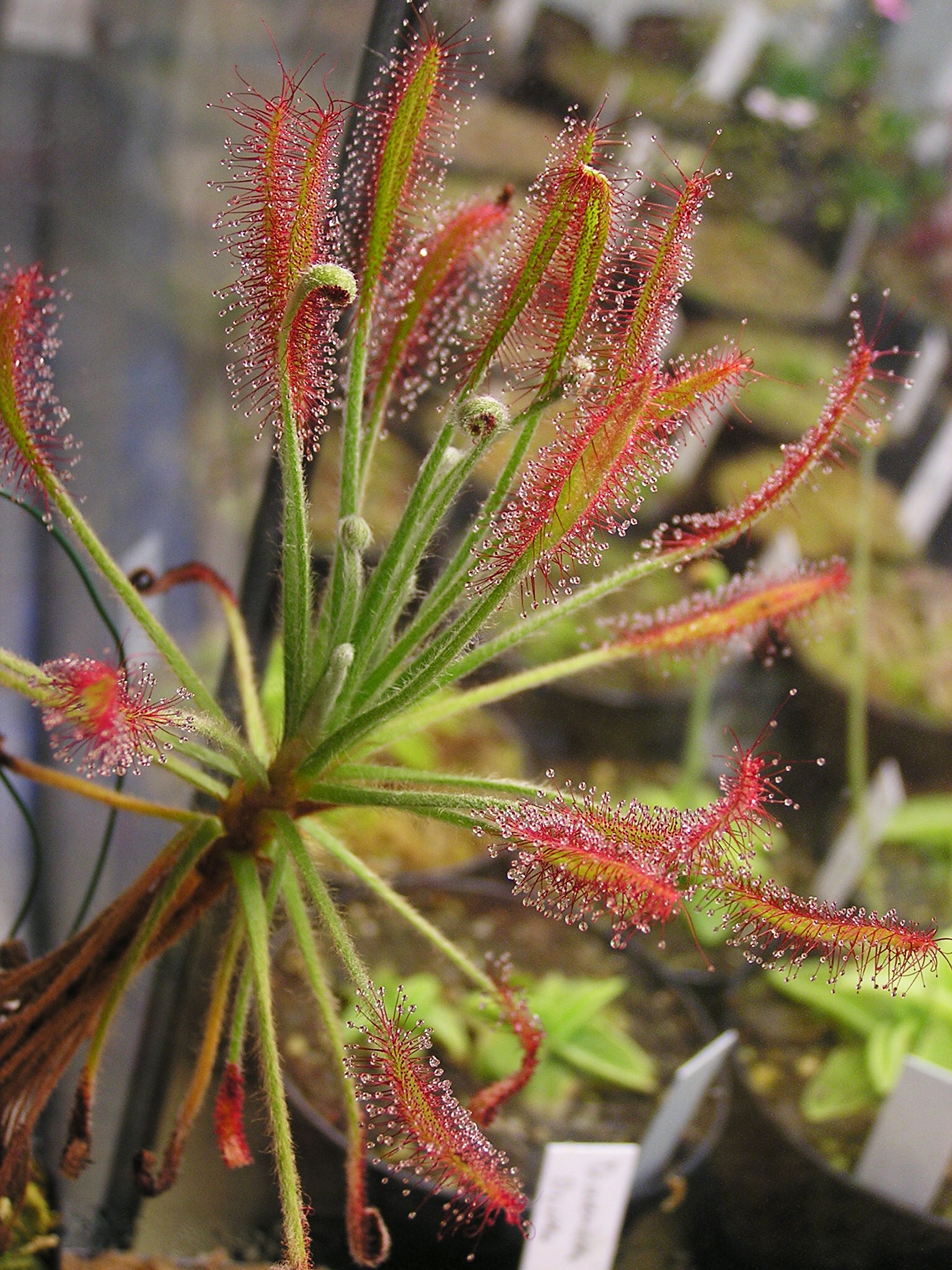
As described so far, you may be thinking that sundews sound quite simple and innocent, but this is certainly not the case. Covering the surfaces of Drosera leaves are dozens of hair-like filaments. At the end of each filament (or tentacle) is a gland, which produces a small drop of clear and very sticky dew. Attracted to the glistening dew and mistaking it for plant nectar, insects fly into it and find themselves instantly stuck. Struggling to get away, an insect may tear off body parts as it flails about, only to fall into other nearby dew droplets, worsening its ensnarement and ensuring its fate.

In his book, The Savage Garden, Peter D’Amato describes it this way:

“Sundews are innocent-looking and pretty, their delicate leaves sparkling with the promise of sweet nectar, but the foolish insect curious enough to give a sundew the slightest touch will suddenly find itself caught in a living nightmare. Doomed to a horrible death, the insect may struggle for a blessed few minutes or suffer for untold hours as it tries to break free of ensnaring, suffocating glue, grasping tentacles, and burning acids and enzymes; meanwhile, its precious bodily fluids are being slowly sucked dry.”

As the sticky dew attracts and then traps the insects, and the tentacles that support the dew help to further ensnare them, imminent death comes in a variety of ways. The most common for small insects is suffocation, as the glue almost immediately covers up the breathing holes on their abdomens. Larger insects that manage to avoid bodily contact with the glue will instead dangle from the plant and die of starvation or exhaustion. Those that break free, losing an appendage or appendages in the process, usually don’t last long after that and are often trapped and killed by spiders who build their webs around sundews in order to take advantage of such occasions. The leaves of some sundews curl up around their prey, not necessarily to further ensnare them, but to surround them with the largest possible number of glands which will help quicken the consumption and digestion process. By now you can see that as innocent and delicate as they may appear, sundews are in fact about as brutal and unforgiving as they come.

If you’d like to learn more about sundews and other carnivorous plants, including information on how to grow them, I highly recommend D’Amato’s book (The Savage Garden). It’s a fascinating and informative read, and the reality of the natural world described therein will astound you.

Drosera chrysolepis

Drosera chrysolepis, photo credit: wikimedia commons

Wildflower Walk: June 2013

Camping recently with family and friends affored me the opportunity to explore some early summer wildflowers near Grimes Creek in the Boise National Forest. Despite the noise and dust presented by regular ATV and dirt bike traffic, I had a very enjoyable weekend in the woods. What follows are some of the wildflowers I saw while exploring the area.

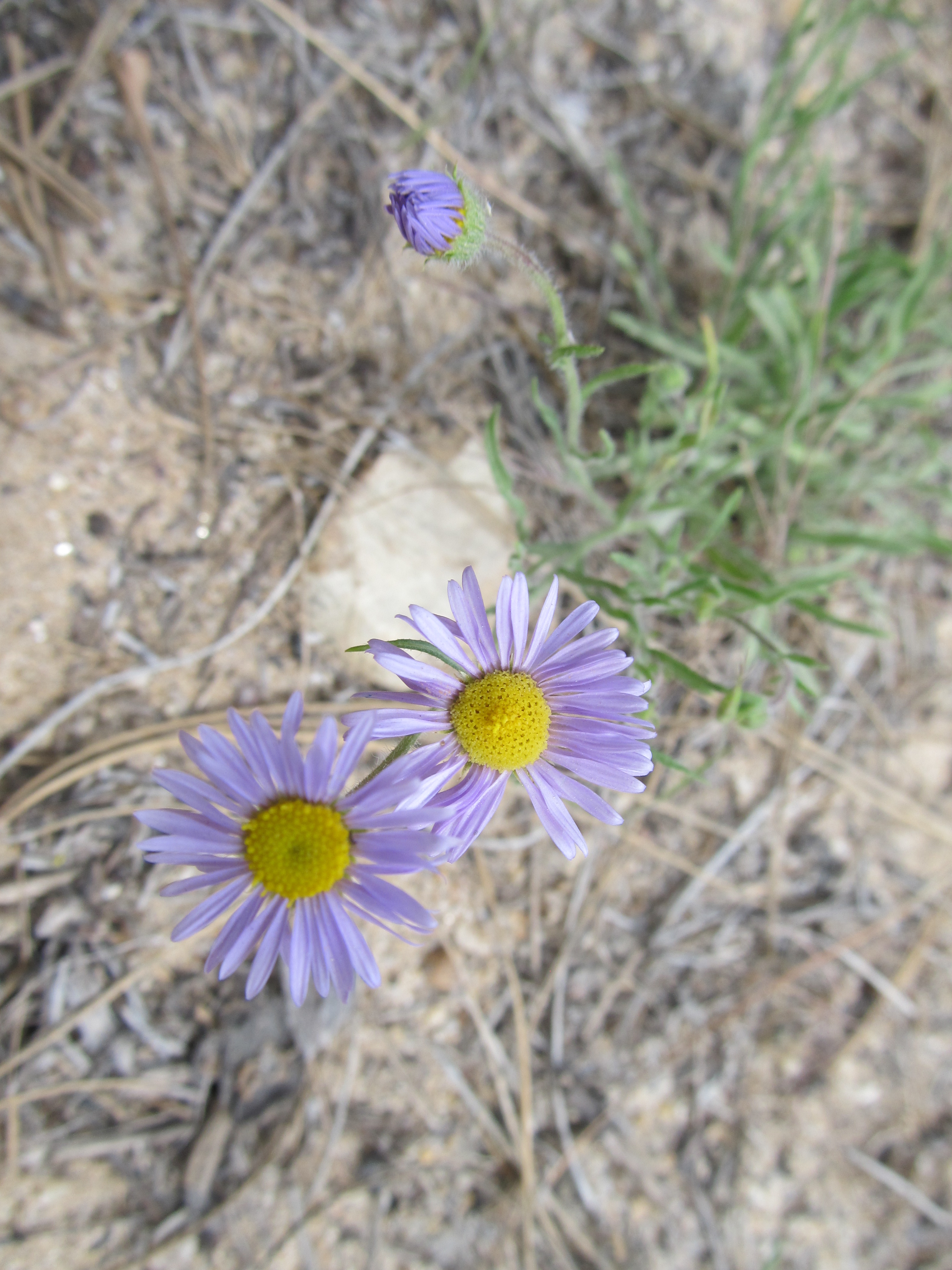
erigeron pumilus

Erigeron pumilus, shaggy fleabane

geranium viscosissimum

Geranium viscosissimum, sticky purple geranium

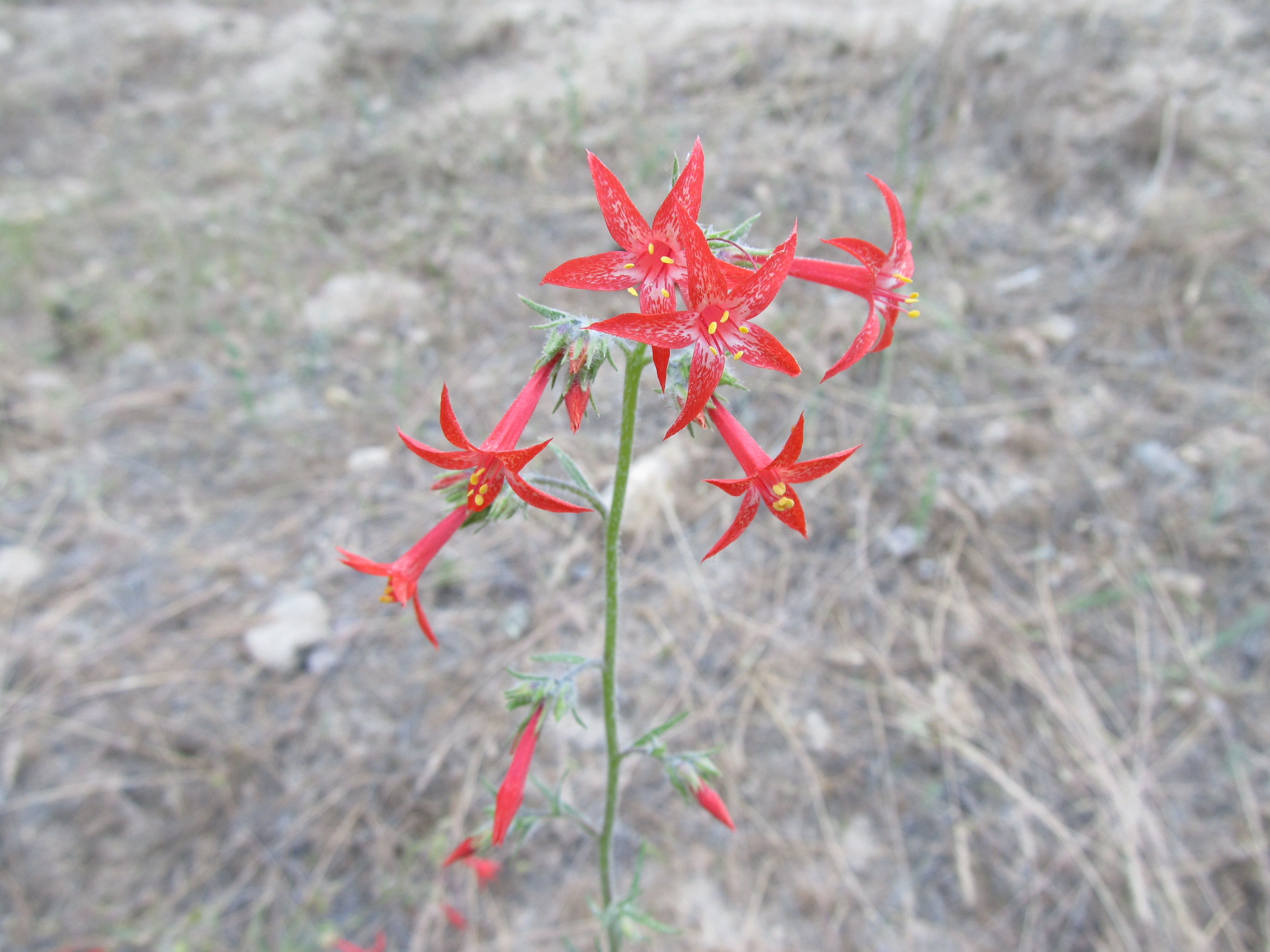
ipomopsis aggregata

Ipomopsis aggregata, scarlet gilia

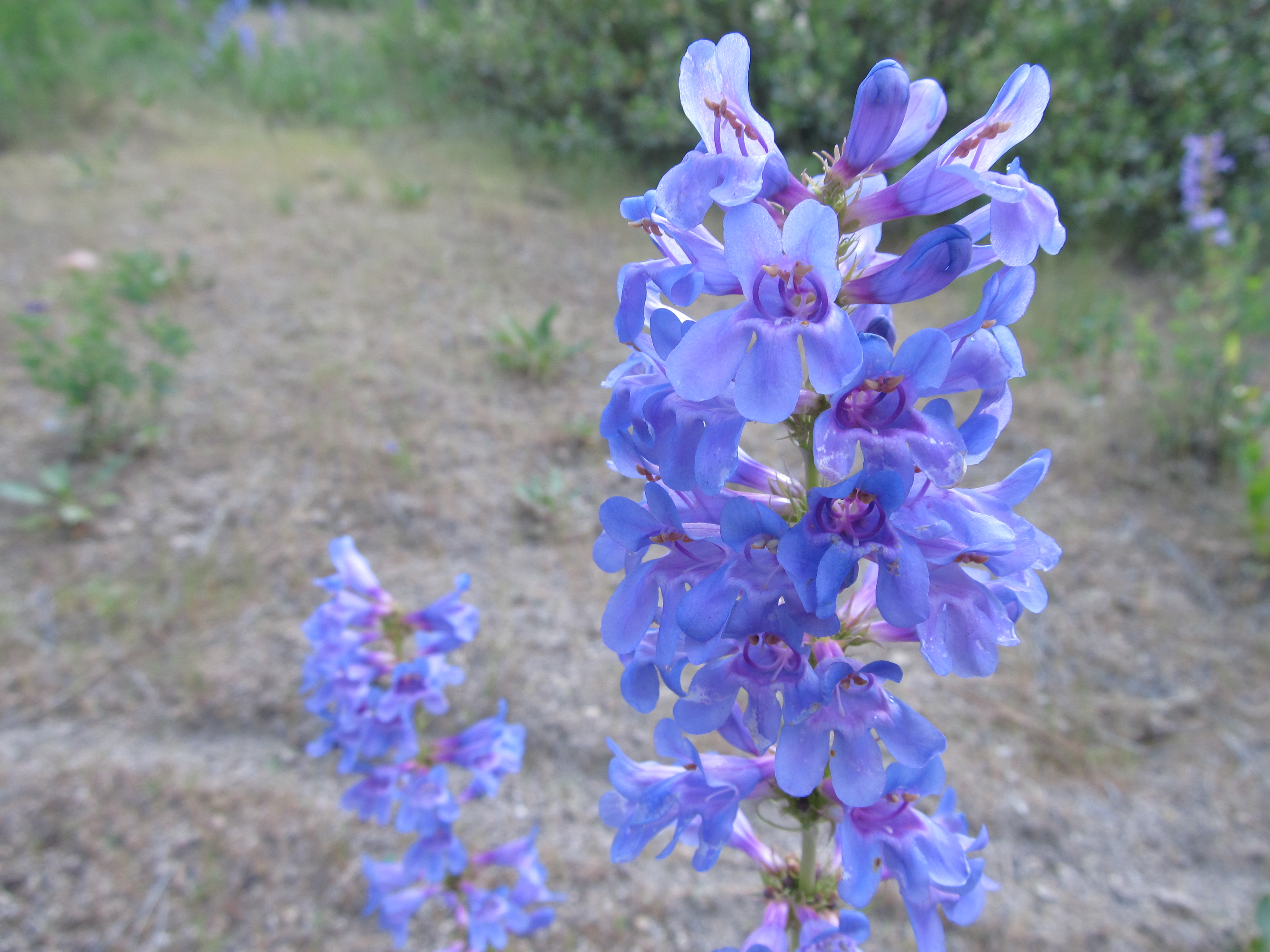
penstemon deustus

Penstemon deustus, hotrock or scabland penstemon

penstemon payettensis

Penstemon payettensis, Payette penstemon

Pac Choy in Bloom

Earlier this year I planted some Shanghai Green Pac Choy (Brassica rapa var. chinensis) seeds in a container outside. I harvested and ate them as they became ready, and they were delicious. However, I was a little slow at harvesting one of them and it began to bolt. I decided to go ahead and let it bloom so that I could admire its flowers and possibly collect its seeds. Unfortunately, seed collecting may be out of the question because, even though the flowers on this species are perfect (having both male and female parts), the plants may be self-sterile, meaning I would need a second plant for cross-pollination in order to get viable seed. We’ll see.

Pac Choy is in the Mustard Family (Brassicaceae), which is a relatively easy family to identify. The flowers have four petals and six stamens, and the four petals form a cross, which explains the old family name, Cruciferae. The inflorescence is a raceme, and the fruits are capsules called siliques or silicles. The walls of the capsules dry and break away to reveal the seeds of the fruit housed in a translucent sheet. There are several species in the mustard family that are common vegetable crops, including radish (Raphnus), turnip (Brassica spp.), horseradish (Armoracia), and cabbage, cauliflower, kohlrabi, Brussels sprouts, broccoli, and kale, which are all cultivars of the same species, Brassica oleracea. There are also several annual and biennial weeds in the mustard family, as well as a very common ornamental flower, sweet alyssum (Lobularia maritima).

Idaho State Flower

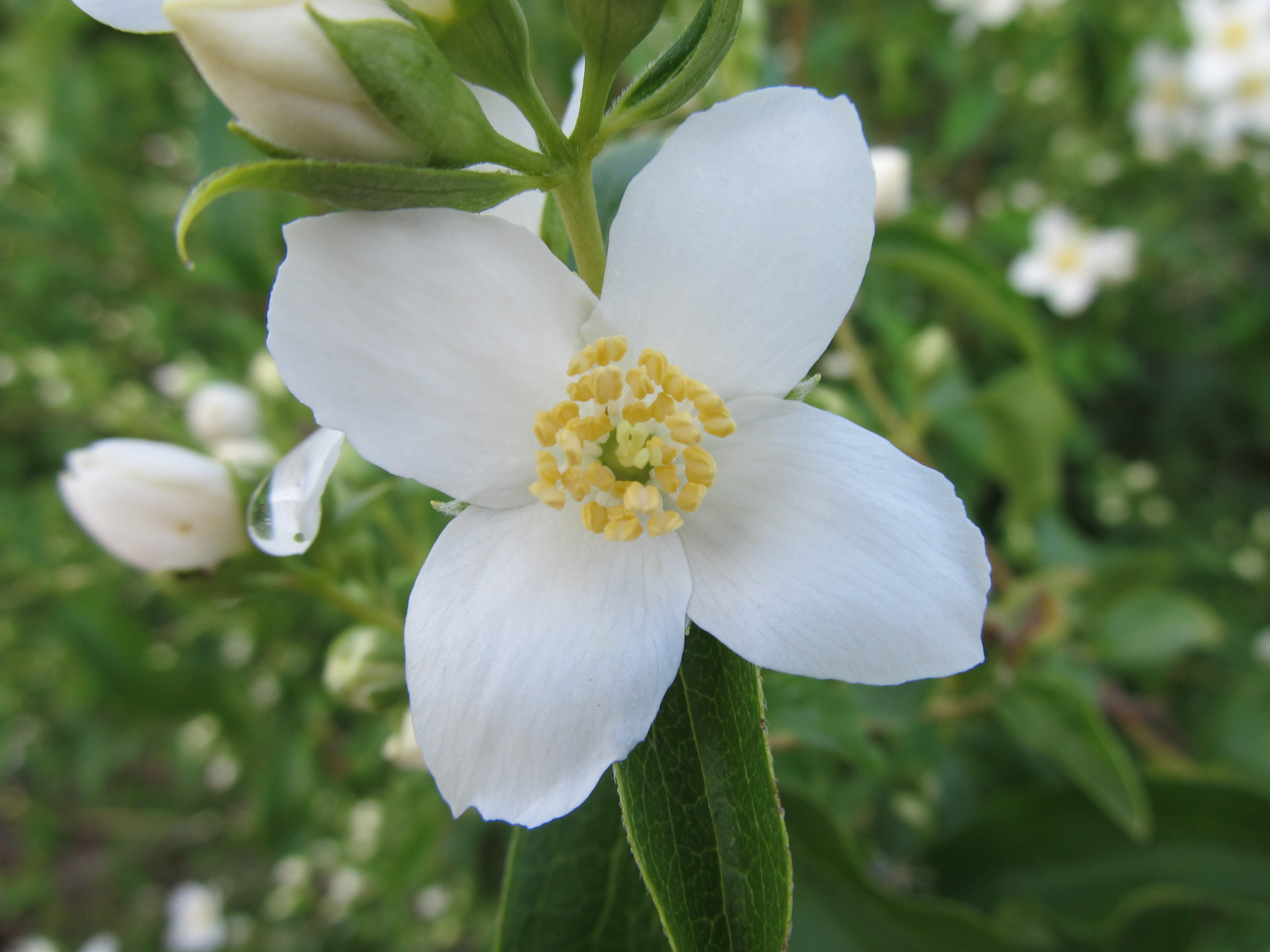
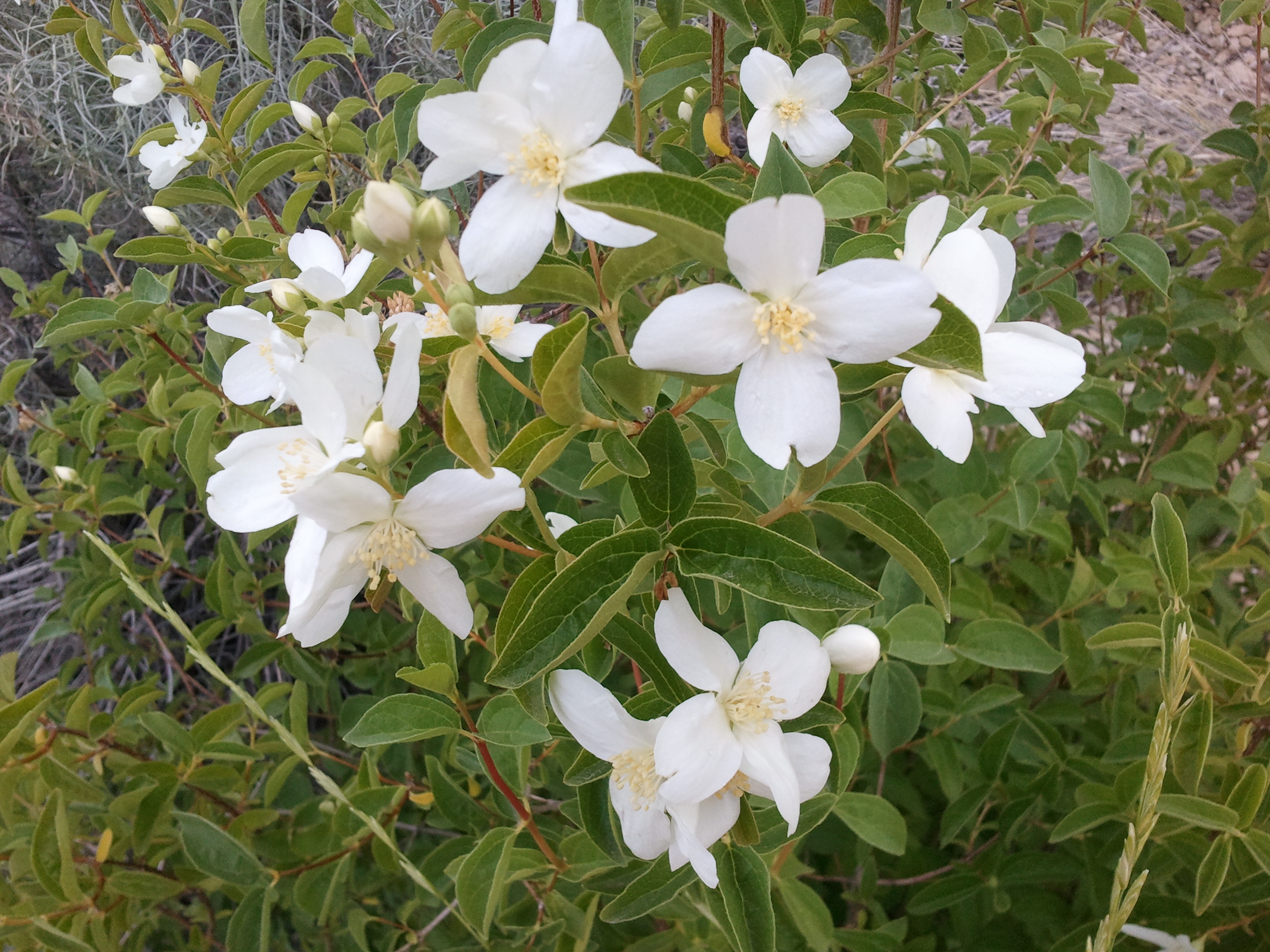
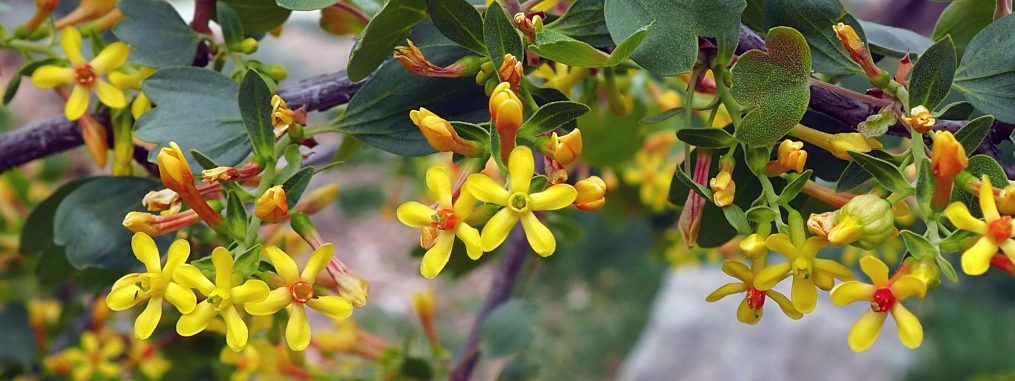
In 1931, the Idaho state legislature officially designated Philadelphus lewisii as the state flower of Idaho, several decades after it was originally selected by a committee of Boise women. Affectionately referred to as “syringa” by Idahoans, P. lewisii occurs from British Columbia down into northern California and across into Idaho and Montana. Its native habitats are the bases of rocky slopes, rocky crevices, and stream banks. It was among many plants collected during the Lewis and Clark Expedition (1804-1806) by Meriwether Lewis. Lewis collected two specimens while in north Idaho and eastern Montana – the first near the Clearwater River and the second near the Bitterroot River. The species was later described by Frederick Pursh and named after Meriwether Lewis. Another widely accepted common name for this species is Lewis’ mock orange.

P. lewisii is a deciduous shrub that reaches 6 to 10 feet tall. It has opposite leaves and white, four-petaled flowers that appear in clusters of 3 to 11 on lateral branches. Young branches have reddish-brown bark that eventually peels off to reveal gray bark as the branches age. Many flowers in the genus Philadelphus emit a scent similar to the blossoms of citrus plants and have a general appearance akin to orange blossoms, giving them their common name “mock orange.” The attractive flowers and their sweet aroma are reasons why many people look forward to these shrubs blooming each year. Additionally, Idahoans can be certain that when their beloved state flower is in bloom, summer is imminent.

Philadelphus lewisii

The leaves and bark of P. lewsii contain saponins and can be used to make soap when they are crushed and mixed with water. This quality also makes the plant fire-resistant. The branches and hollow stems of P. lewisii were used by Native Americans to make a variety of useful items including snowshoes, bows, arrows, and pipes. The common name “syringa” was derived from the greek word “syrinx” meaning “tube.” This helps explain why lilacs, an unrelated group of plants that also has hollow stems, was given the latin name Syringa.

Philadelphus is a genus in the Hydrangea family (Hydrangeaceae) that consists of at least 60 species found throughout North America into Central America and in various parts of Eurasia. All are shrubs – some growing to 20 feet tall while others only reach 3 feet at maturity. Most have deciduous leaves, but a few are evergreens. Many cultivars of Philadelphus have been developed by the horticulture industry and are commercially available. Cultivars are often selected for their compact growth habit, abundant and sometimes double flowers, and their strong, sweet aroma.

SAMSUNG

Check out this article in Pacific Horticulture to learn more about the genus Philadelphus.

Wildflower Walk: Spring 2013

This past weekend I ventured into the Boise National Forest. I was on the hunt for morels (or at least a good morel hunting spot). I chose a specific section of the Boise National Forest because a forest fire had occurred there the previous summer. Morel hunting is typically quite good in forests that have burned the previous year, and morel hunters, being well aware of this phenomenon, are found chomping at the bit, anxious to enter a recently burned site and collect their bounty.

Unfortunately, I was unable to  find any morels on this trip. I was a little too early, which I was assuming might be the case as I was heading out there, but I was just excited to go and check things out. Hopefully I will get a chance to go again within the next few weeks, and perhaps I’ll have better luck.

The trip was not a complete disappointment though. What started out as a mushroom hunt quickly turned into a wildflower walk as I was overwhelmed by the abundance and diversity of wildflowers that blanketed the mountainsides. Below is a small sampling of the plants that I saw on my trip into the woods.

SAMSUNG

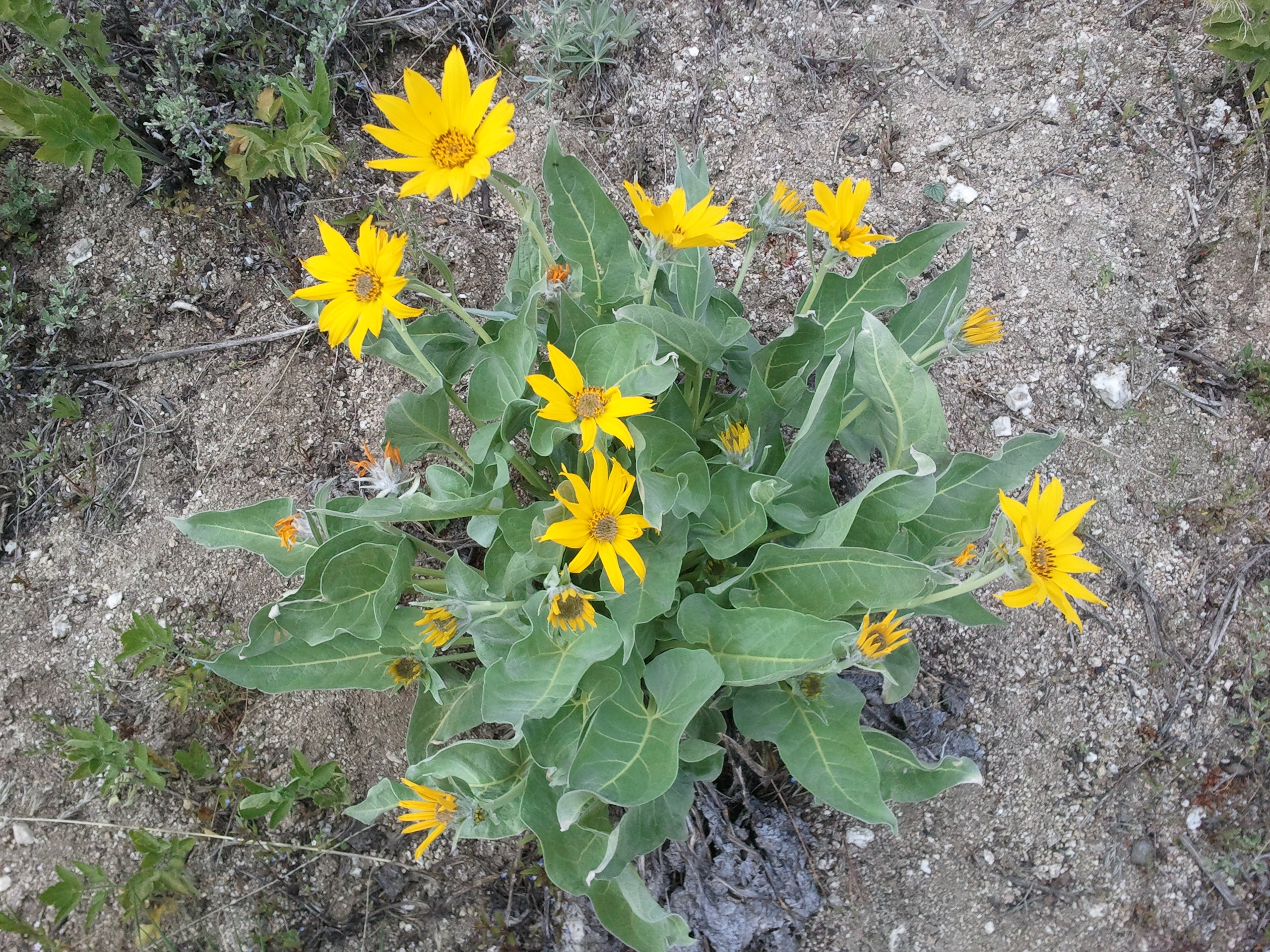
Balsamorhiza sagittata – arrowleaf balsamroot

castilleja covilleana

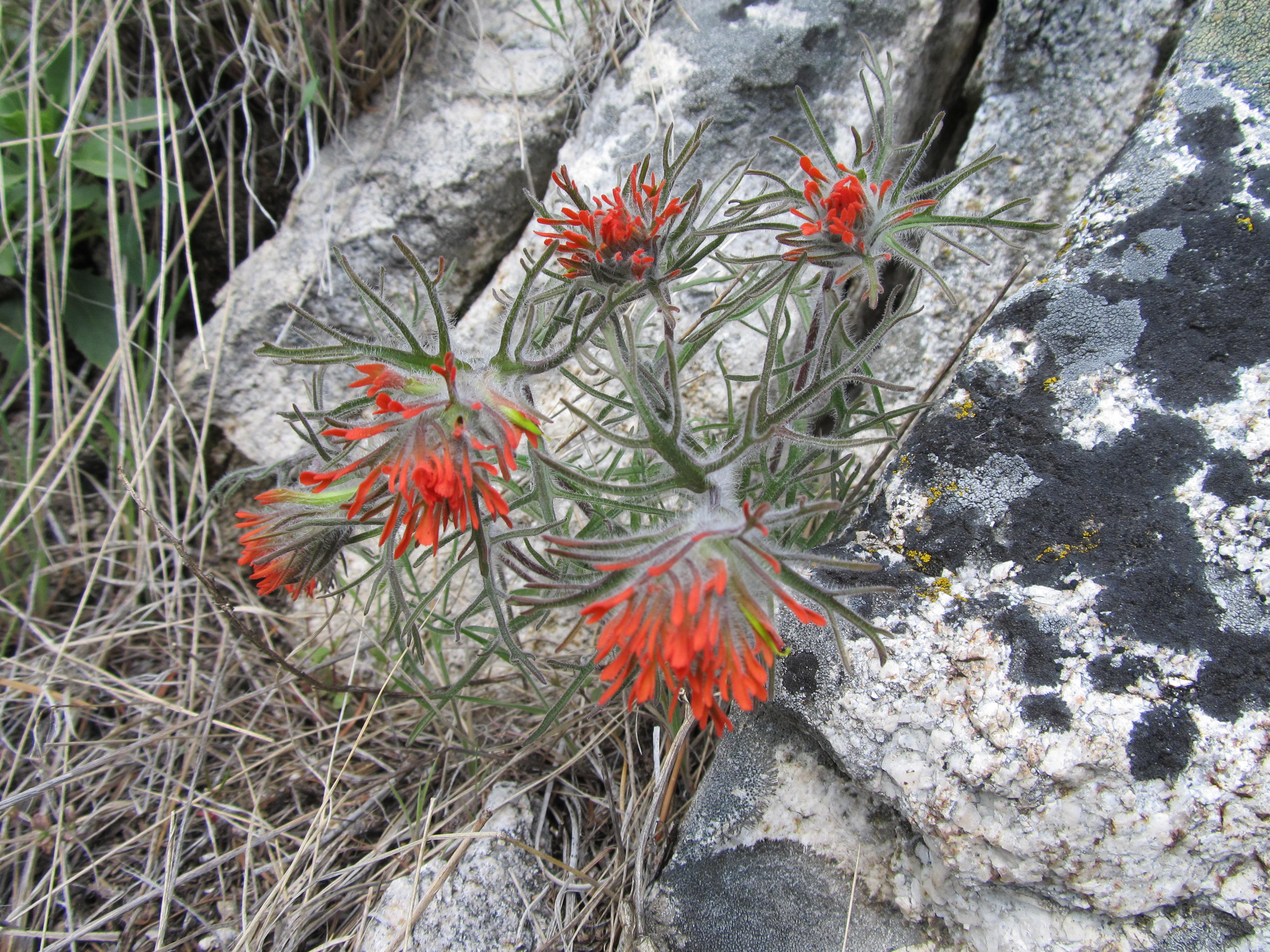
Castilleja covilleana – rocky mountain paintbrush

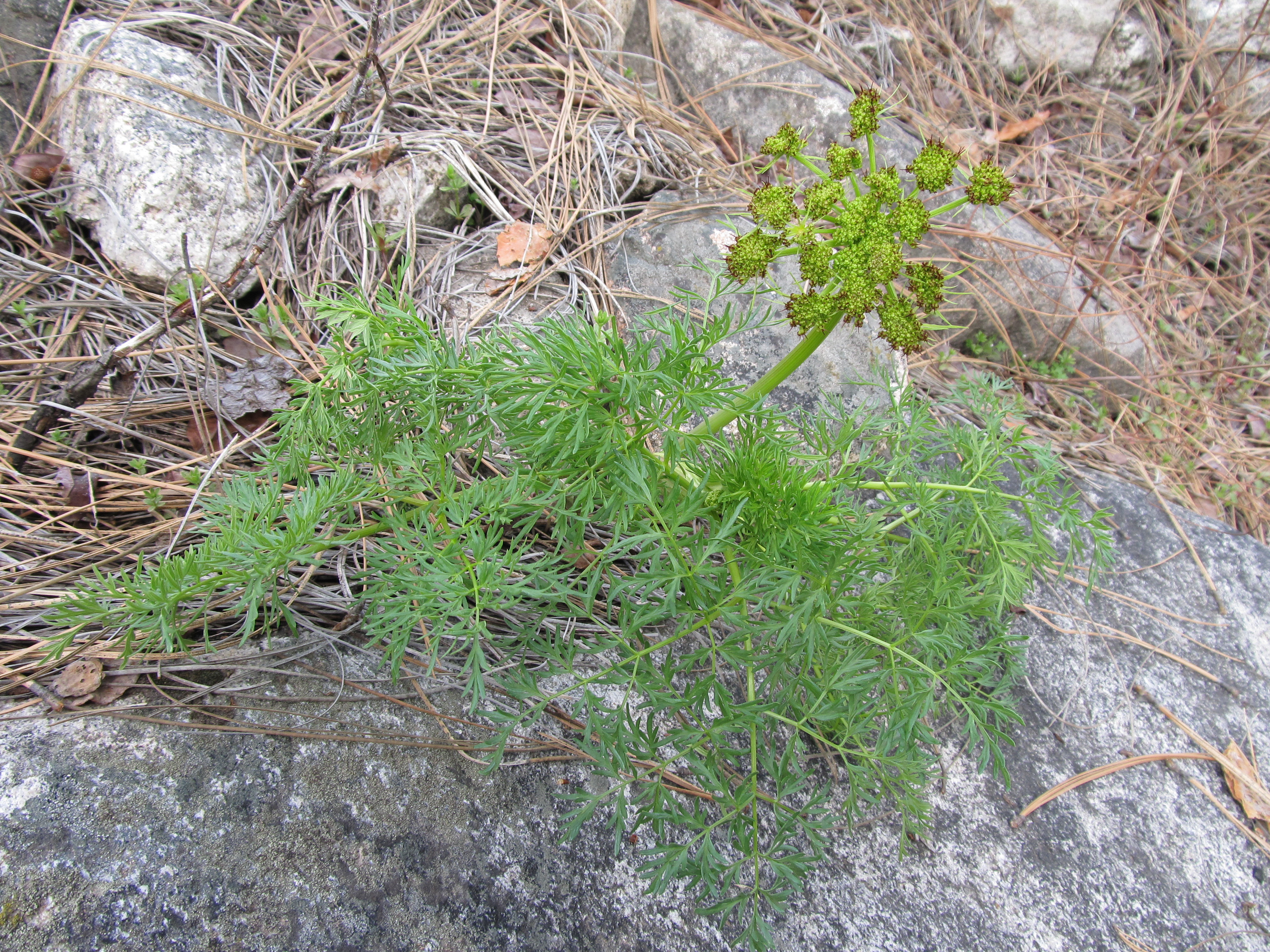
lomatium dissectum

Lomatium dissectum – fernleaf biscuitroot

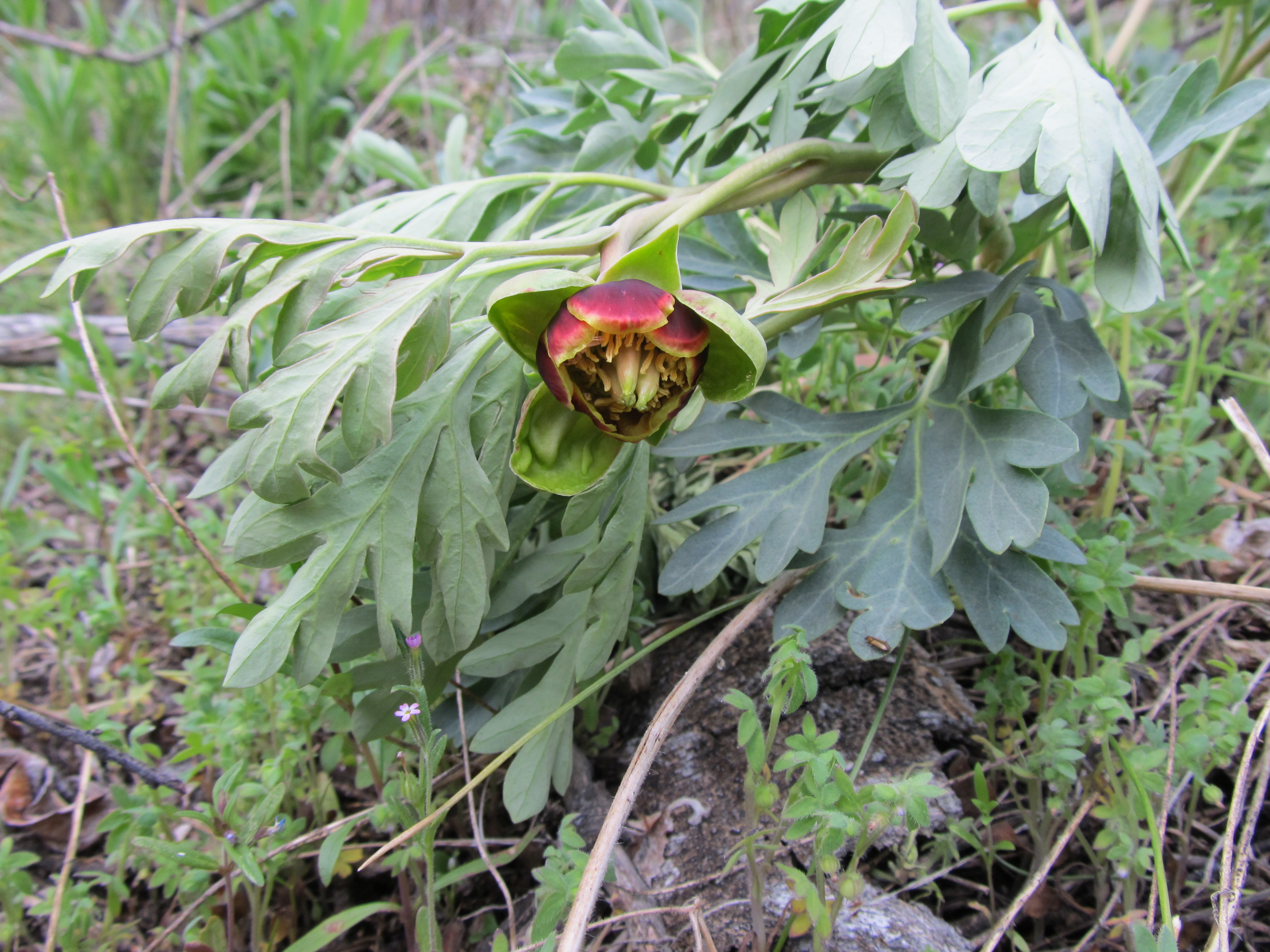
paeonia brownii

Paeonia brownii – brown’s peony

viola purpurea 1

Viola purpurea – yellow mountain violet

Mountain Kittentails

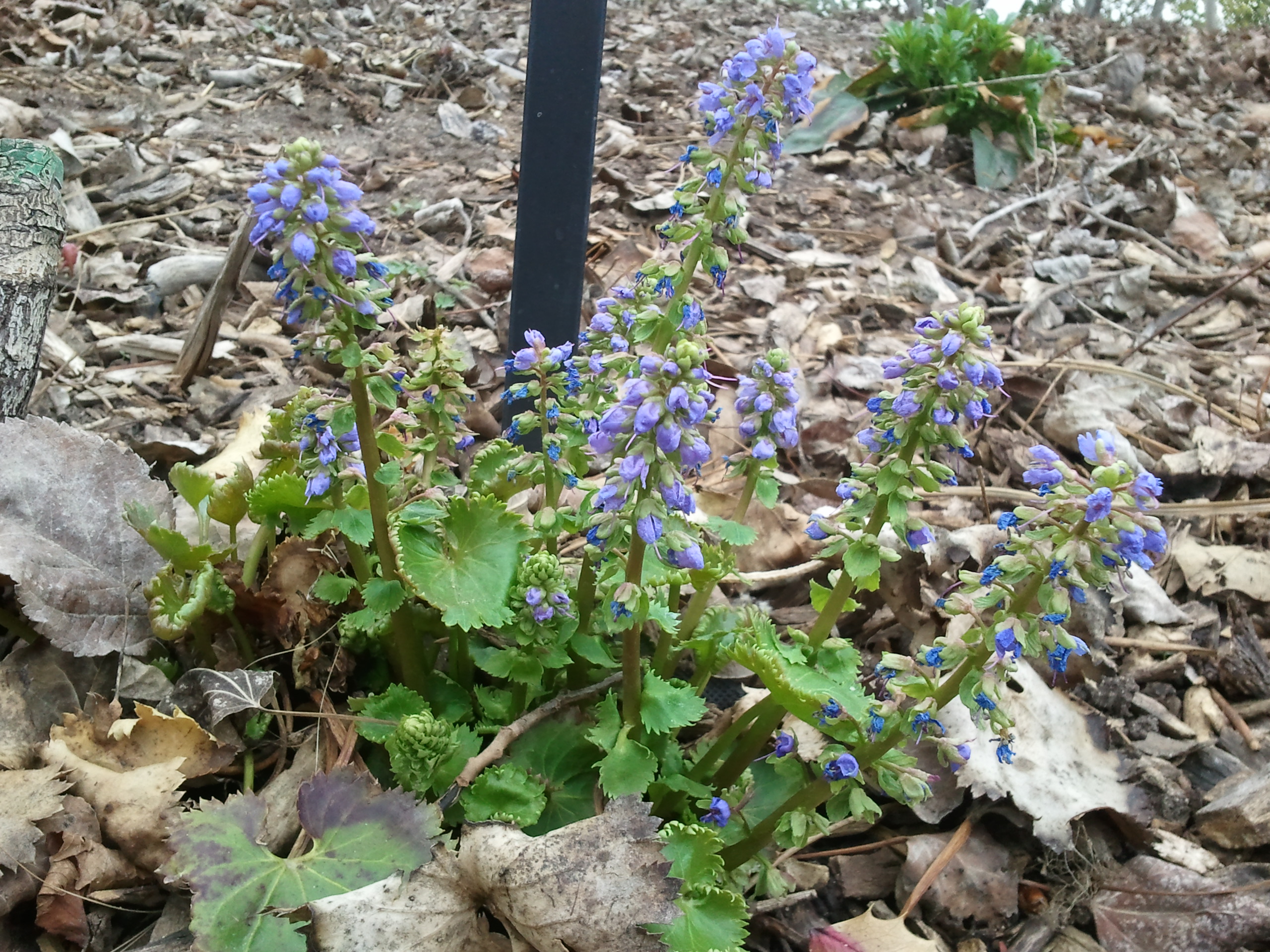
Spring has sprung, which is evidenced by warming temperatures, lengthening daylight, and plants turning green and producing flowers. For those of us living at low elevations, signs of spring have been around for a while. Our landscapes are green again and gardens are coming to life. However, up in the mountains (and at higher latitudes), spring takes a bit longer to manifest itself. Snow is still the dominant groundcover, and freezing temperatures remain the norm. Yet even in these harsh conditions there are signs of spring. The flowers of the perennial forb, mountain kittentails (Synthyris missurica), are one of those signs.

Mountain kittentails are one of the earliest plants to flower in the mountains, often flowering while there is still snow on the ground. For this reason, their flowers are not commonly seen in the wild. Their range extends from Washington and Oregon down into northern California and across into Idaho and Montana. They occur in rocky, shady areas at mid to high elevations. Mountain kittentails are low growing with rounded, toothed leaves. Their flowers appear in tight clusters on upright stalks and are blue to purple in color. They are a member of the figwort family (Scrophulariaceae), sharing that distinction with a popular group of flowering plants that is common in the west, the penstemons. Mountain kittentails were first collected during the Lewis and Clark expedition in 1806. The expedition discovered this plant as they passed through the mountains of northern Idaho.

Mountain kittentails are not a commonly cultivated plant, but the Idaho Botanical Garden in Boise, Idaho happens to have a few growing in one of their native plant collections, giving more people an opportunity to see them in bloom. Because the garden is located in a valley, their mountain kittentails flower a few weeks earlier than their native counterparts, which means you’ve probably already missed them – but there’s always next year!

SAMSUNG