This is a guest post by Jeremiah Sandler. Words by Jeremiah. Photos by Daniel Murphy (except where noted).
———————
What makes a cedar a cedar?
I recently asked this question to a professor of mine because I kept hearing individuals in the field refer to many different species as “cedars”. It was puzzling to me because, being the taxonomy-nerd that I am, most of these plants are in entirely different plant families but still called the same thing. Yes, sometimes common names overlap with one another regionally; avoiding that mix up is the purpose of binomial nomenclature in the first place! So, what gives?! Why are 50+ different species all called cedars?
This professor is a forester, not a botanist. He told me the word “cedar” describes the wood. Turns out, after some research and conversation, that’s all there was to it. As defined by Google, a cedar is:
Any of a number of conifers that typically yield fragrant, durable timber, in particular.
Cedar wood is a natural repellent of moths, is resistant to termites, and is rot resistant. A good choice of outdoor lumber.
I was hoping to find either a phylogenetic or taxonomic answer to what makes a cedar a cedar. I didn’t. Taxonomic relationships between organisms are one of the most exciting parts of biology. Thankfully, some solace was found in the research:
There are true cedars and false cedars.
True cedars are in the family Pinaceae and in the genus Cedrus. Their leaves are short, evergreen needles in clusters. The female cones are upright and fat, between 3 – 4 inches long. Their wood possesses cedar quality, and they are native to the Mediterranean region and the Himalayas.
False cedars are in the family Cupressaceae, mostly in the following genera: Calocedrus, Chamaecyparis, Juniperus, and Thuja. Their leaves are scale-y, fan-like sprays. Female cones are very small, about half an inch long, and remain on the tree long after seed dispersal. The bark is often both reddish and stringy or peely. Their wood possesses cedar quality. It is easy to separate them from true cedars, but less obvious to tell them from one another. These false cedars are native to East Asia and northern North America.
I couldn’t do away with the umbrella term “cedar.” Every naturalist can agree that one of the most pleasurable things while outdoors looking at plants is identifying them. I have set a new objective to correctly identify and differentiate between all of the cedars and false cedars, rather than simply calling them cedars. I guess I’m just fussy like that.
Weeping Blue Atlas Cedar (Cedrus atlantica ‘Glauca Pendula’)
One of the most fascinating parts of plant interest is learning about those who have contributed to it as a whole. It has inspired great men and women who made it what it is today – from the GreekTheophrastrus, regarded as the father of botany through to Margaret Rebecca Dickinson who would bring these plants to life through illustrations. To learn about their lives is an absolute joy, knowing your passion has birthed these amazing people.
Take Carl Linnaeus, for example, a manwho invented a method to name plants according to their genus, species, and so forth. We use this commonly today as it has become his legacy that impacts every botanist, gardener, and horticulturist as well as many others in the world. As the Roman naturalist Pliny the Elder would say “fortune favours the brave.” This quotewould certainly apply to many. The dream to travel to new far away lands and discover new plant species would indeed inspire those willing to be brave and be rewarded in return. Even now in this day and age people are still imagining and travelling to see what else is out there. And who knows, a plant could be discovered soon that pushes the boundaries of what we think and know.
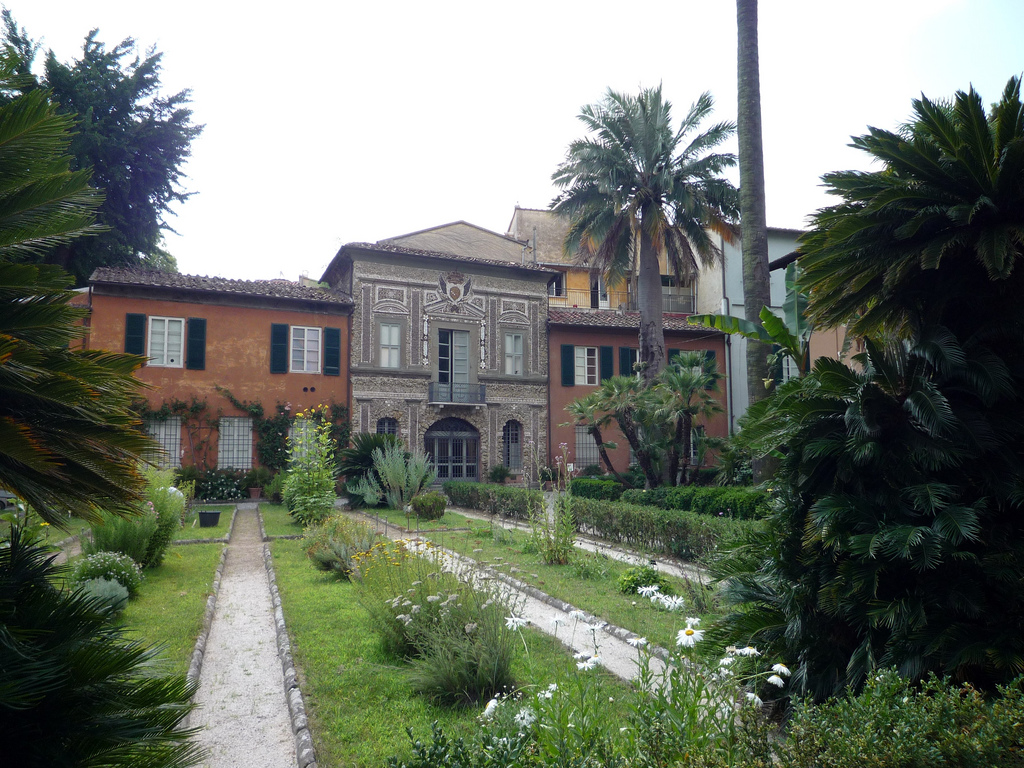
One of the first botanists I came across just as my obsession was starting was Luca Ghini. Born in 1490, he created the first botanical garden in Pisa, Italy. Ghinialso created a technique of drying and pressing plants, eventually being recorded with having the first herbarium. This supposedly contained around three hundred specimens.
To me Luca is one of my personal heroes – someone who’s genius shaped the modern plant world. What a privilege it must have been to be the first to have stepped into the Pisa Gardenor to be in the company of Luca as he added a new leaf to his collection. He passed away in 1556, and like every great botanist he left a legacy. Ghini is still here, alive through his garden and his drying technique. To the man himself, if I could go back in time, the two words that I would say to him would be, “Thank you.”
The future ahead in plant interest is a very bright one, awaiting more great people to add to the rich, fascinating history it has to offer full of eye opening men and women.
———————
Samuel Malley is a horticulture student in the United Kingdom. He is an aspiring botanist and is also interested in creating unique garden sculptures.
Plants have killed plenty of people. When plants are implicated in the death of a human, we typically think of plant poisonings. Rightly so since their are a slew of poisonous plants with the potential to kill. However, oftentimes plants kill (or seriously injure) people without employing toxic substances. One of the best examples of this is falling plant parts. Gravity couples with sheer coincidence and/or human error, and tragedy ensues. In an episode entitled Killer Plants of the now defunct podcast, Caustic Soda, the hosts present some of these distressing scenarios. What follows is a summary of the plants that made their list.
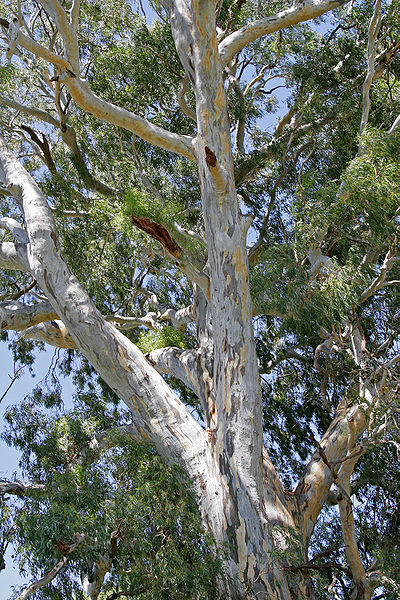
Branches falling from trees, whether dead or alive, can cause some serious damage. Trees in the genus Eucalyptus, commonly known as gum trees, are one group to be particularly wary of. There are more than 700 species of Eucalyptus, most of which occur in Australia. Not all are large trees, but those that are can be massive, reaching from 100 to 200 feet and taller. Eucalyptus trees regularly shed branches, often unexpectedly, leading to serious injury or death to anyone who may find themselves on the ground below. Shedding branches is likely a strategy for conserving water during hot, dry summers, and it is common enough that Australian parks departments issue safety advisories to avoid parking or camping below the trees. Even arborists don’t take their chances with these unpredictable trees.
River red gum (Eucalyptus camaldulensis) – photo credit: wikimedia commons
Of course, eucalyptus trees are not the only trees that drop their branches without warning. A falling branch in Yosemite National Park claimed two victims last summer, for example; and falling branches have claimed the lives of a great deal of forest workers, wildland firefighters, and other forest visitors. This happens frequently enough that the branches in question have been given the ominous name widowmakers, and the U.S. Department of Labor lists them as one of many “potential hazards” in the logging industry. What are the chances of being killed by a falling tree? The Ranger’s Blog set out to answer that question and, to set your mind at ease, determined that the chances are pretty slim.
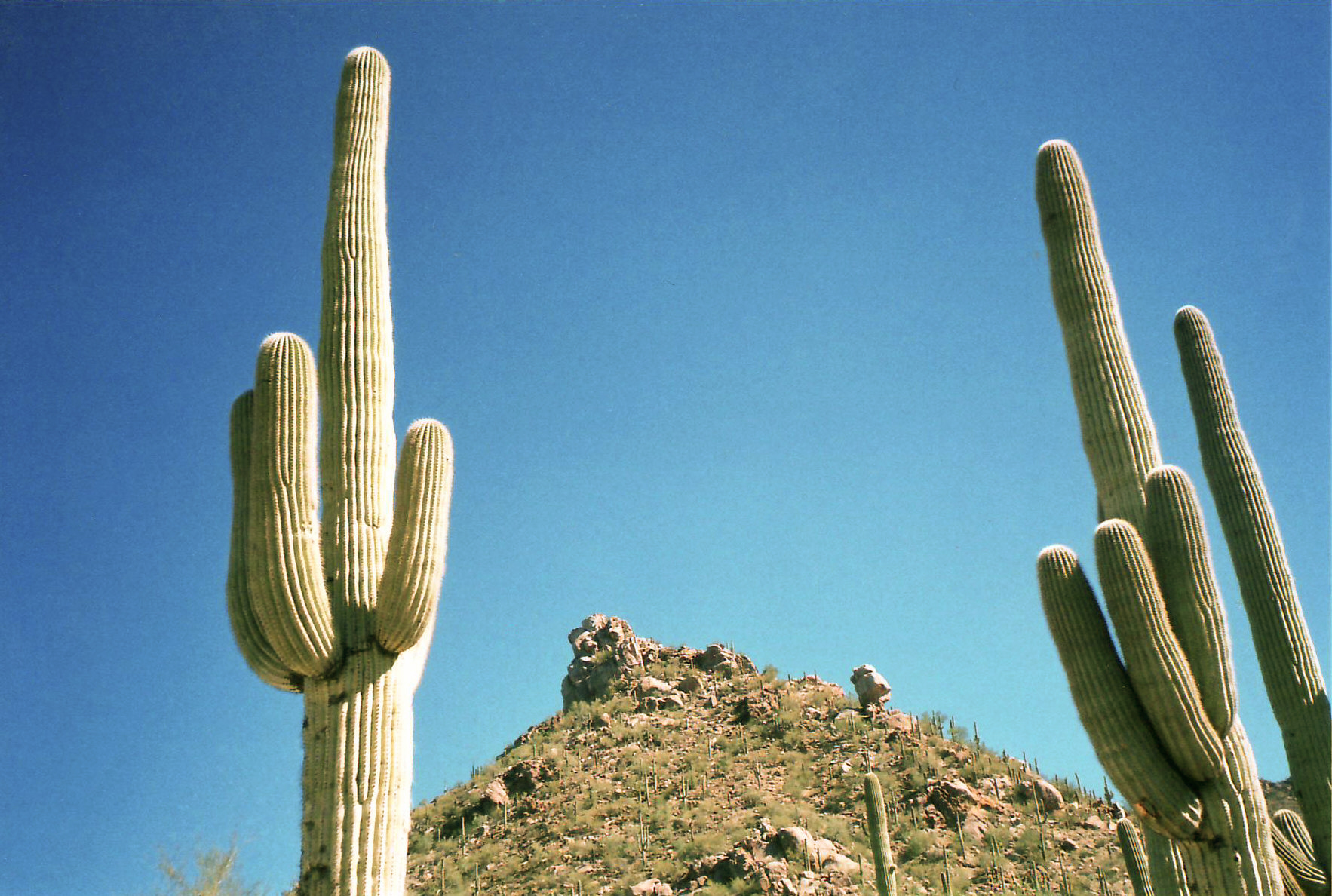
What about other falling plants? Saguaro cactus, for example. Carnegiea giganteais a tree-like, columnar cactus native to the Sonoran Desert. It is a very slow growing and long-lived species that generally reaches around 40 feet tall but can potentially grow much taller. Saguaros are considered tree-like for their tall stature and branching habit, although not all saguaros develop branches. Some saguaro branches (or “arms”) can be quite large and considerably heavy. In 1982, an Arizona man discovered this when he and a friend were out shooting saguaros. Stupidly, the man repeatedly shot at the arm of an enormous cactus. Ultimately the arm split off and landed on the man, crushing him to death. Of course, saguaros don’t have to be shot at to fall on you. Another Arizona man was fixing a water leak in a Yuma subdivision when a sixteen foot tall saguaro toppled over on him. The man was crushed but lived to tell about it.
Palm trees drop things on people, too. One tragic example involves a man in Los Angeles standing below a Canary Island date palm (Phoenix canariensis) waiting for a ride to a funeral. The 2000 pound crown of the palm tree split and fell, pinning the man to the ground. Bystanders were unable to remove the crown, and the man died.
The coconut palm (Cocos nucifera) has an additional deadly weapon – its fruit. While the number of deaths by coconut are often exaggerated, they do occasionally occur. Injuries by coconut are more frequent, so precaution around the trees should be taken. After all, coconut palms can reach heights of 80 feet or more, and mature coconuts can weigh more than three pounds (considerably more when they are wet). A falling coconut is something to be mindful of, an observation that led Dr. Peter Barss to study coconut related injuries in Papa New Guinea over a period of 4 years. His research was published in 1984 in the Journal of Trauma and was later taken out of context and used to make the claim that coconuts kill significantly more people per year than sharks. Publicity spawned by this urban myth helped Barss earn an Ig Noble Prize in 2001. Concerns about coconut related injuries also led officials in India to order the removal of coconut palms around the Gandhi Museum in preparations for President Barack Obama’s 2010 visit.
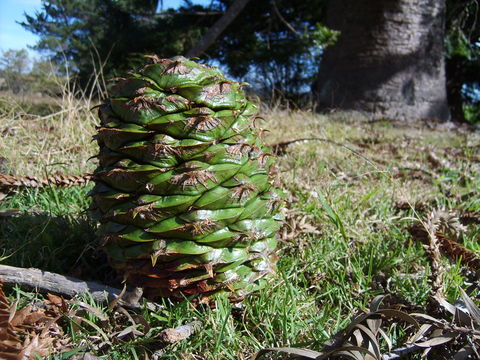
Back in Australia, the towering bunya pine (Araucaria bidwillii) has its equivalent to the coconut in its massive cone. Measuring around a foot long and weighing in at 20+ pounds, these cones make living near bunya pines an act that is “not for the faint hearted.” When the cones are falling, they warrant warnings from the Australian government to keep away from these 90 foot tall trees. This harrowing feature puts bunya pines on a list of infamousplants in Australia with the potential to kill.
Seed cone of bunya pine (Araucaria bidwillii) – photo credit: www.eol.org
At all points in their lives, plants are faced with a variety of potential attackers. Pathogenic organisms like fungi, bacteria, and viruses threaten to infect them with diseases. Herbivores from all walks of life swoop in to devour them. For this reason, plants have developed numerous mechanisms to defend themselves against threats both organismal and environmental. But what if the attacker is a fellow plant? Plants parasitizing other plants? It sounds egregious, but it’s a real thing. And since it’s been going on for thousands of years, certain plants have developed defenses against even this particular threat.
Species of parasitic plants number in the thousands, spanning more than 20 different plant families. One well known group of parasitic plants is in the genus Cuscuta, commonly known as dodder. There are about 200 species of dodder located throughout the world, with the largest concentrations found in tropical and subtropical areas. Dodders generally have thread-like, yellow to orange, leafless stems. They are almost entirely non-photosynthetic and rely on their host plants for water and nutrients. Their tiny seeds can lie dormant in the soil for a decade or more. After germination, dodders have only a few days to find host plants to wrap themselves around, after which their rudimentary roots wither up. Once they find suitable plants, dodders form adventitious roots with haustoria that grow into the stems of their host plants and facilitate uptake of water and nutrients from their vascular tissues.
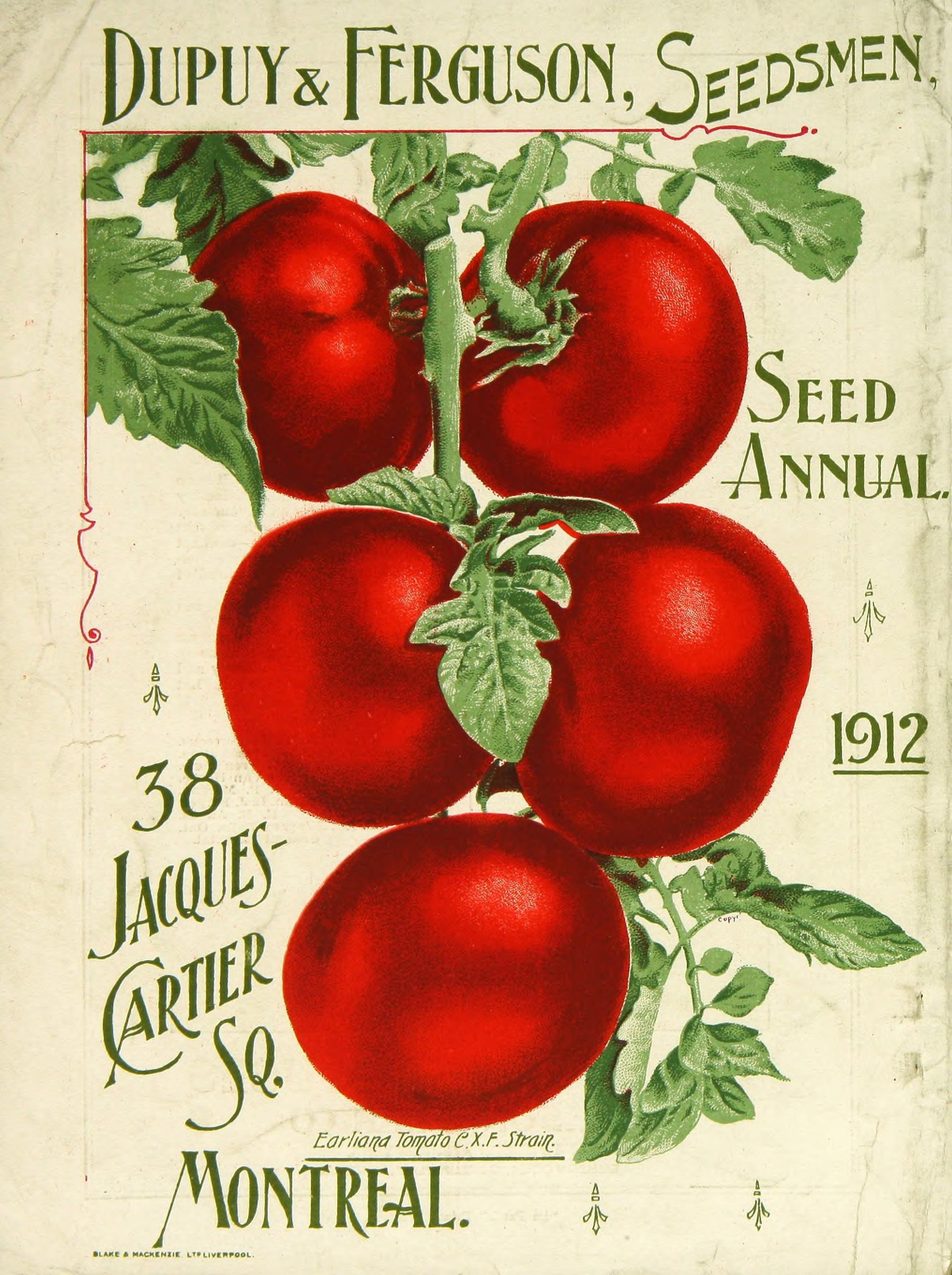
Some plants are able to fend off dodder. One such instance is the cultivated tomato (Solanum lycopersicum) and its resistance to the dodder species, Cuscuta reflexa. Researchers in Germany were able to determine one of the mechanisms tomato plants use to deter dodder; their findings were published in a July 2016 issue of Science. The researchers hypothesized that S. lycopersicum was employing a similar tactic to that of a microbial invasion. That is, an immune response is triggered when a specialized protein known as a pattern recognition receptor (PRP) reacts with a molecule produced by the invader known as a microbe-associated molecular pattern (MAMP). A series of experiments led the researchers to determine that this was, in fact, the case.
The MAMP was given the name Cuscuta factor and was found “present in all parts of C. reflexa, including shoot tips, stems, haustoria, and, at lower levels, in flowers.” The PRP in the tomato plant, which was given the name Cuscuta receptor 1 (or CuRe 1), reacts with the Cuscuta factor, triggering a response that prohibits C. reflexa access to its vascular tissues. Starved for nutrients, the dodder perishes. When the gene that codes for CuRe 1 was inserted into the DNA of Solanum pennellii (a wild relative of the cultivated tomato) and Nicotiana benthamiana (a relative of tobacco and a species in the same family as tomato), these plants “exhibited increased resistance to C. reflexa infestation.” Because these transgenic lines did not exhibit full resitance to the dodder attack, the researchers concluded that “immunity against C. reflexa in tomato may be a process with layers additional to CuRe 1.”
A slew of crop plants are vulnerable to dodder and other parasitic plants, so determining the mechanisms behind resistance to parasitic plant attacks is important, especially since such infestations are so difficult to control, have the potential to cause great economic damage, and are also a means by which pathogens are spread. It is possible that equivalents to CuRe 1 exist in other plants that exhibit resistance to parasitic plants, along with other yet to be discovered mechanisms involved in such resistance, so further studies are necessary. Discoveries like this not only help us make improvements to the plants we depend on for food, but also give us a greater understanding about plant physiology, evolutionary ecology, and the remarkable ways that plants associate with one another.
Commonly known as corn throughout much of North America, maize is a distinctive emblem of the harvest season. It is one of the most economically important crops in the world (the third most important cereal after rice and wheat) and has scads of uses from food to feed to fuel. The story of its domestication serves as a symbol of human ingenuity, and its plasticity in both form and utility is a remarkable example of why plants are so incredible.
The genus Zea is in the grass family (Poaceae) and consists of five species: Z. diploperennis, Z. perennis, Z. luxurians, Z. nicaraguensis, and Z. mays. Maize is the common name of Zea mays subsp. mays, which is one of four Z. mays subspecies and the only domesticated taxon in the genus. All other taxa are commonly and collectively referred to as teosintes.
The domestication of maize, apart from being an impressive feat, has long been a topic of research and a challenging story to tease apart. The current understanding is that maize was first domesticated around 9000 years ago in the Balsas River valley in southern Mexico, the main progenitor being Zea mays subsp. parviglumis. It is astonishing how drastically different in appearance teosintes are from modern day maize, but it also explains why determining the crop wild relativeof maize was so difficult.
Teosinte, teosinte-maize hybrid, and maize – photo credit: wikimedia commons
Teosintes and maize both have tall central stalks; however, teosintes generally have multiple lateral branches which give them a more shrubby appearance. In teosinte, each of the lateral branches and the central stalk terminate in a cluster of male flowers; female flowers are produced at the nodes along the lateral branches. In maize, male flowers are borne at the top of the central stalk, and lateral branches are replaced by short stems that terminate in female flowers. This is where the ears develop.
Ears – or clusters of fruits – are blatantly different between teosintes and maize. To start with, teosinte produces a mere 5 to 12 fruits along a short, narrow cob (flower stalk). The fruits are angular and surrounded in a hard casing. Maize cobs are considerably larger both in length and girth and are covered in as many as 500 or more fruits (or kernels), which are generally more rounded and have a softer casing. They also remain on the cob when they are ripe, compared to teosinte ears, which shatter.
Evolutionary biologist, Sean B. Carroll, writes in a New York Times article about the amazing task of “transform[ing] a grass with many inconvenient, unwanted features into a high-yielding, easily harvested food crop.” These “early cultivators had to notice among their stands of plants variants in which the nutritious kernels were at least partially exposed, or whose ears held together better, or that had more rows of kernels, and they had to selectively breed them.” Carroll explains that this “initial domestication process which produced the basic maize form” would have taken several hundred to a few thousand years. The maize that we know and love today is a much different plant than its ancestors, and it is still undergoing regular selection for traits that we find desirable.
To better understand and appreciate this process, it helps to have a basic grasp of maize anatomy. Maize is an impressive grass in that it regularly reaches from 6 to 10 feet tall and sometimes much taller. It is shallow rooted, but is held up by prop or brace roots – adventitious roots that emerge near the base of the main stalk. The stalk is divided into sections called internodes, and at each node a leaf forms. Leaf sheaths wrap around the entirety of the stalk, and leaf blades are long, broad, and alternately arranged. Each leaf has a prominent midrib. The stalk terminates in a many-branched inflorescence called a tassel.
Maize is monoecious, which means that it has separate male and female flowers that occur on the same plant. The tassel is where the male flowers are located. A series of spikelets occur along both the central branch and the lateral branches of the tassel. A spikelet consists of a pair of bracts called glumes, upper and lower lemmas and paleas (which are also bracts), and two simple florets composed of prominent stamens. The tassel produces and sheds tens of thousands of pollen grains which are dispersed by wind and gravity to the female inflorescences below and to neighboring plants.
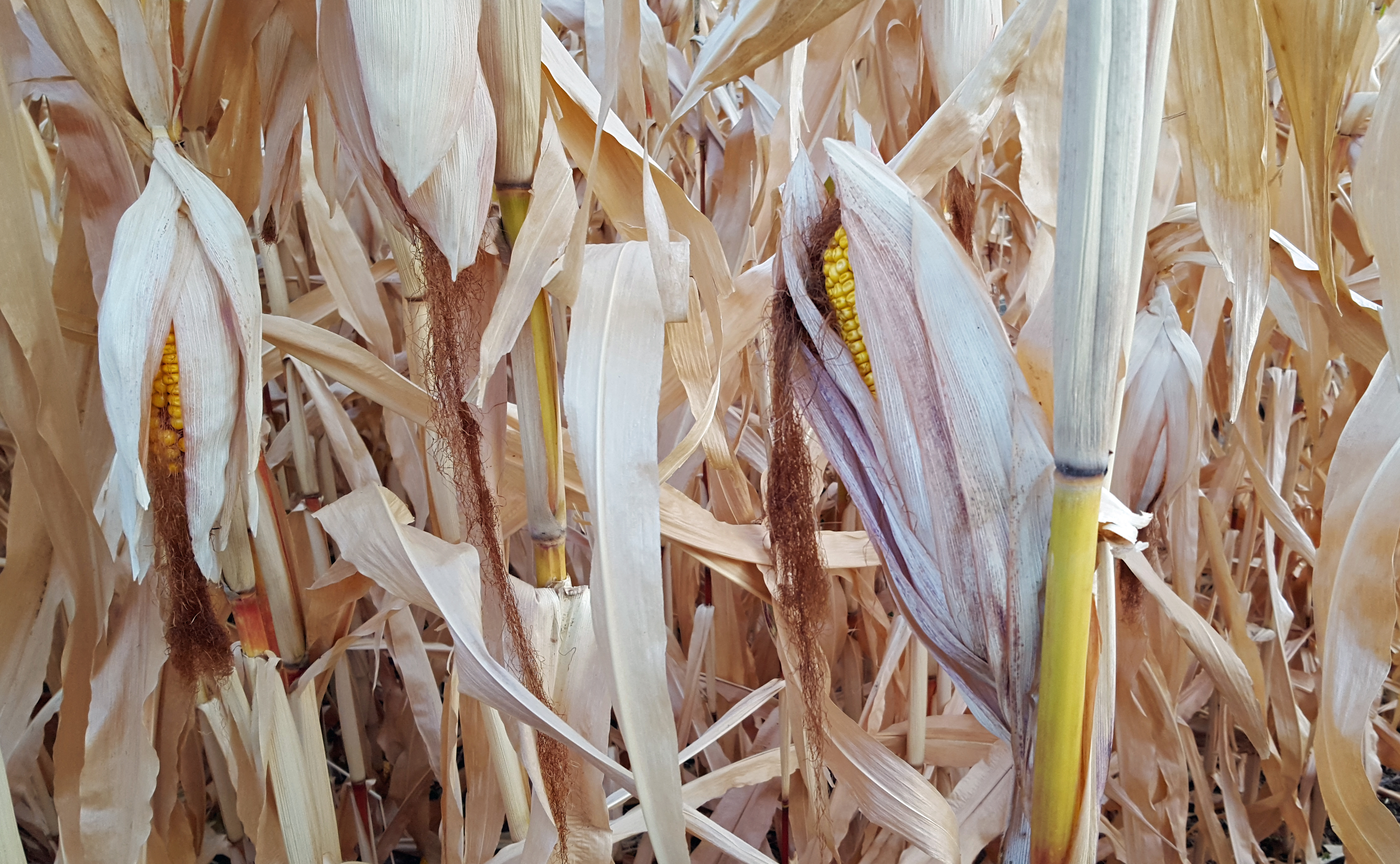
Female inflorescences (ears) occur at the top of short stems that originate from leaf axils in the midsection of the stalk. Leaves that develop along this reduced stem wrap around the ears forming the husk. Spikelets form in rows along the flower stalk (cob) within the husk. The florets of these spikelets produce long styles that extend beyond the top of the husk. This cluster of styles is known as the silk. When pollen grains land on silk stigmas, pollen tubes grow down the entire length of the silks to reach the embryo sac. Successful fertilization produces a kernel.
The kernel – or fruit – is known botanically as a caryopsis, which is the standard fruit type of the grass family. Because the fruit wall and seed are fused together so tightly, maize kernels are commonly referred to as seeds. The entire plant can be used to produce feed for animals, but it is the kernel that is generally consumed (in innumerable ways) by humans.
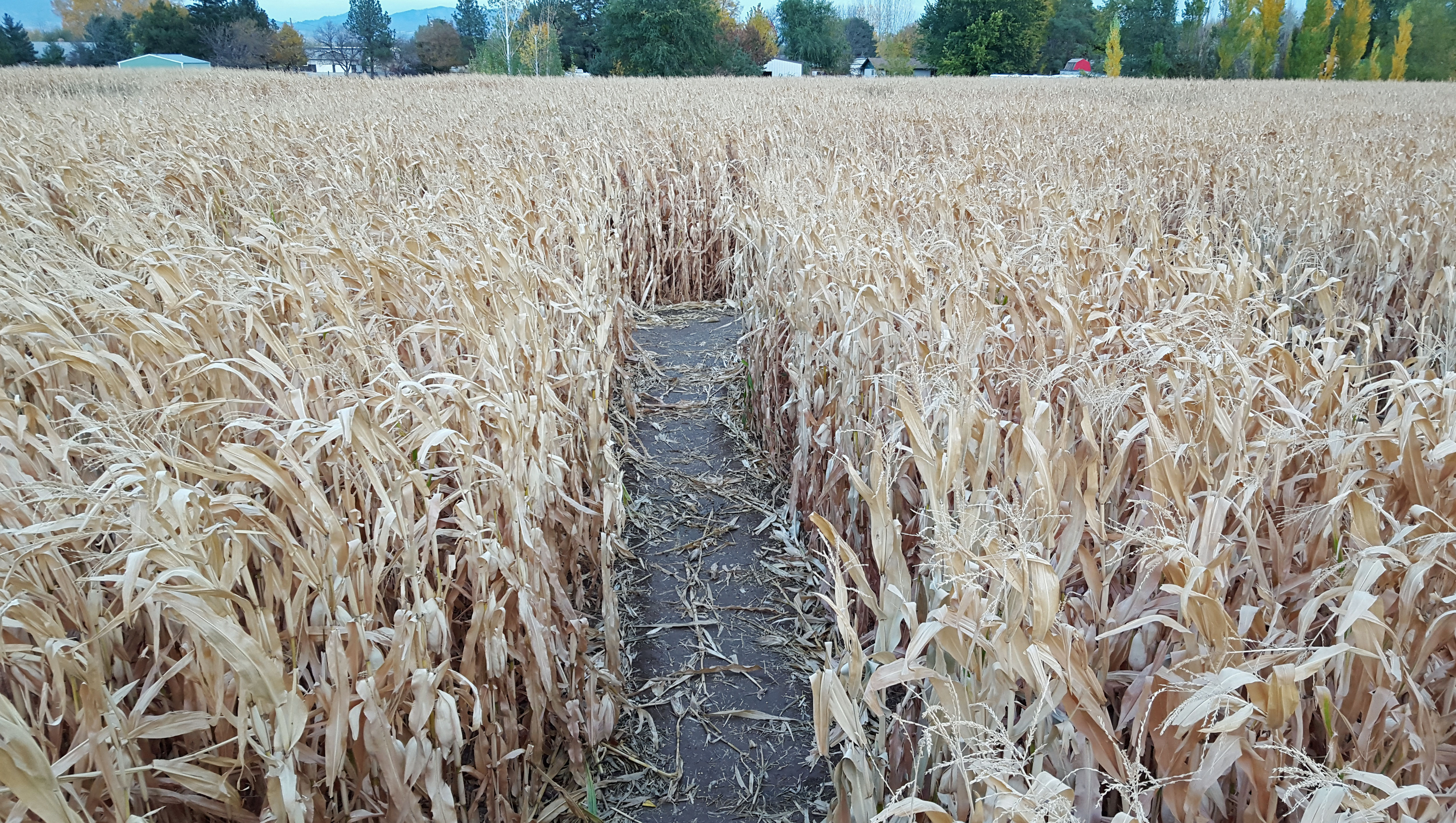
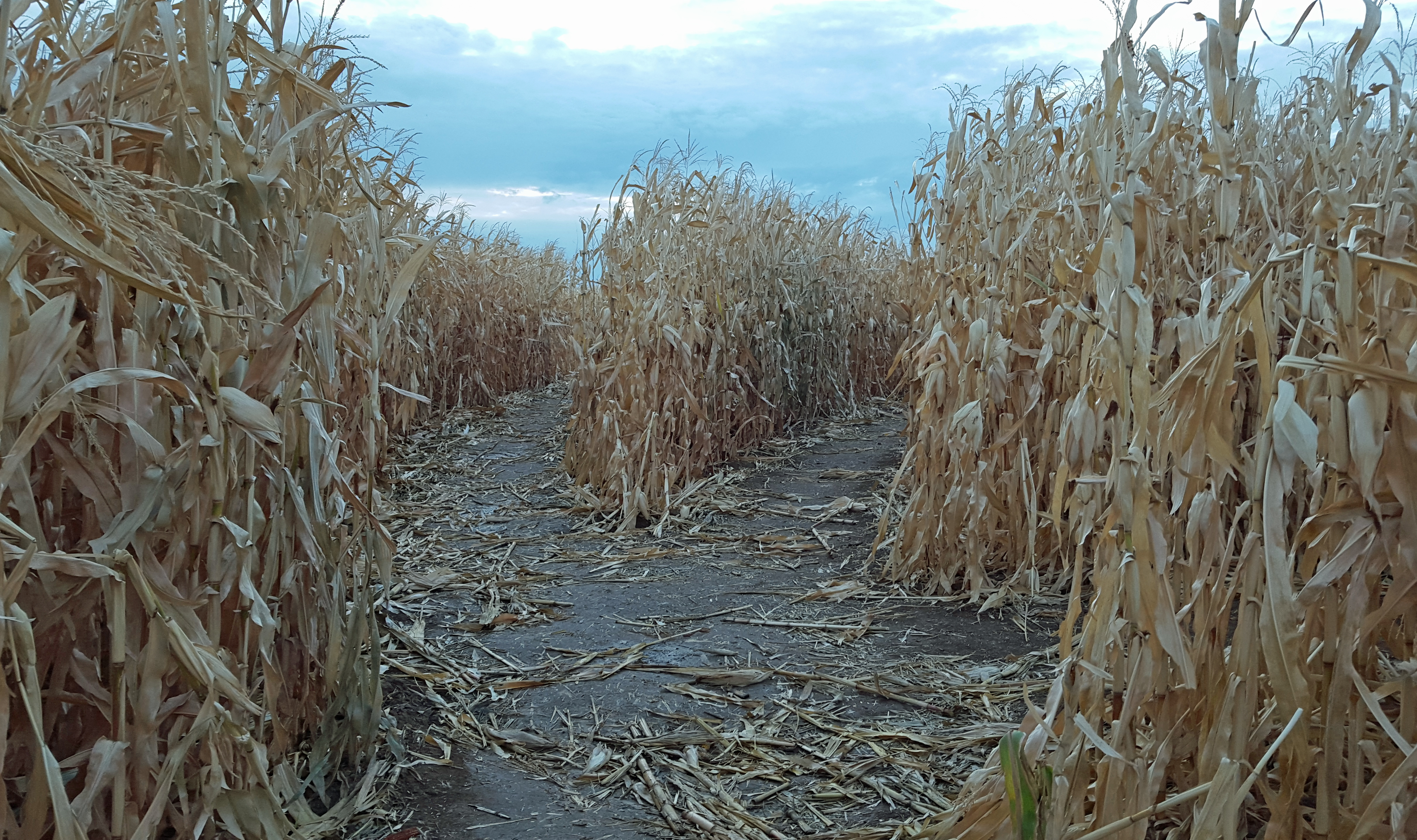
There is so much more to be said about maize. It’s a lot to take in. Rather than delve too much further at this point, let’s explore one of the other ways that maize is used by humans to create something that has become another feature of the fall season – the corn maze.
Exploring the corn maze at The Farmstead in Meridian, Idaho
Most plants that rely on animals to assist in pollination look to insects. In general, insects are abundant, easy to please, and efficient at transferring pollen. Because insect pollination is such a common scenario, it is easy to overlook pollination that is carried out by vertebrates. Birds are the most prominent pollinator among vertebrates, but mammals participate, too. The most common mammal pollinator is the bat.
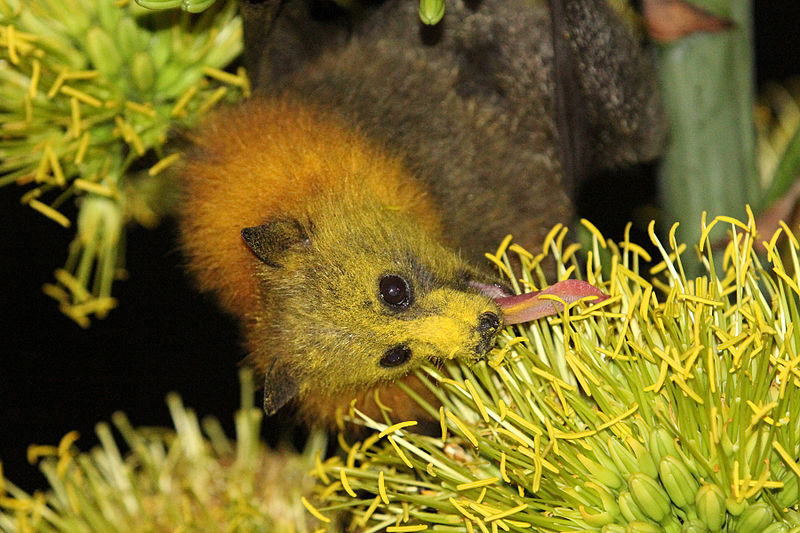
About a fifth of all mammal species on the planet are bats, with species estimates numbering in the 1200-1300 range. Bats are the only mammals that can truly fly. They are not blind, nor are they flying rodents, and they are not going to suck your blood (except in very rare cases!). Most bats eat insects, but a small, significant group of them are nectarivorous. Their main food source is the nectar produced within flowers. In the process of feeding, these bats pollinate plants.
Out of 18 families in the order Chiroptera, only two include species with morphologies that set them apart as nectar-feeders. The family Pteropodidae, known commonly as Old World fruit bats or flying foxes, occurs in tropical and subtropical regions of Africa, Asia, Australia, Papa New Guinea, and the Pacific Islands. The family Phyllostomidae, known commonly as American leaf-nosed bats, occurs in tropical and subtropical regions of the Americas. For simplicity’s sake, the former are referred to as Old World bats, and the latter as New World bats. While both groups are similar in that they consist of species that feed on nectar, they are only distantly related, and thus the nectar feeding species in these families have distinct behavioral and morphological differences.
Grey headed flying fox (Pteropus poliocephalus), a floral visiting bat from Australia (photo credit: wikimedia commons)
More than 500 species of plants, spanning 67 plant families, are pollinated by bats. This pollination syndromeis known as chiropterophily. In general, flowers that use this approach tend to be white or dull in color, open at night, rich with nectar, and musty or rotten smelling. They are generally tubular, cup shaped, or otherwise radially symmetrical and are often suspended atop tall stalks or prominently located on branches or trunks. In a review published in Annals of Botany, Theodore Fleming, et al. state “flower placement away from foliage and nocturnal anthesis [blooming] are the unifying features of the bat pollination syndrome,” while all other characteristics are highly variable among species. The family Fabaceae contains the highest number of bat-pollinated genera. Cactaceae, Malvaceae, and Bignoniaceae follow closely behind.
The characteristics of bat pollinated flowers vary widely partly because the bats that visit them are so diverse. Between the two bat families there are similarities in their nectar-feeding species, including an elongated rostrum, teeth that are smaller in number and size, and a long tongue with hair-like projections on the tip. Apart from that, New World bats are much smaller than Old World bats, and their rostrums and tongues are much longer relative to the size of their bodies. New World bats have the ability to hover in front of flowers, while Old World bats land on flowers to feed. Old World bats do not have the ability to use echolocation to spot flowers, while New World bats do. Fleming, et al. conclude, “because of these differences, we might expect plants visited by specialized nectar-feeding [New World bats] to produce smaller flowers with smaller nectar volumes per flower than those visited by their [Old World bat] counterparts.”
Pollination by bats is a relatively new phenomenon, evolutionarily speaking. Flowers that are currently pollinated by bats most likely evolved from flowers that were once pollinated by insects. Some may have evolved from flowers that were previously bird pollinated. The question is, why adopt this strategy? Flowers that are bat pollinated are “expensive” to make. They are typically much bigger than insect pollinated flowers, and they contain large amounts of pollen and abundant, nutrient-rich nectar. Due to resource constraints, many plants are restricted from developing such flowers, but those that do may find themselves at an advantage with bats as their pollinator. For one, hairy bat bodies collect profuse numbers of pollen grains, which are widely distributed as they visit numerous flowers throughout the night. In this way, bats can be excellent outcrossers. They also travel long distances, which means they can move pollen from one population of plants to an otherwise isolated neighboring population. This serves to maintain healthy genetic diversity among populations, something that is increasingly important as plant populations become fragmented due to human activity.
Pollinating bats are also economically important to humans, as several plants that are harvested for their fruits, fibers, or timber rely on bats for pollination. For example, bat pollinated Eucalyptus species are felled for timber in Australia, and the fruits of Durio zibethinus in Southeast Asia form after flowers are first pollinated by bats. Also, the wild relatives of bananas (Musa spp.) are bat pollinated, as is the plant used for making tequila (Agave tequilana).
The flowers of durian (Durio sp.), trees native to Southeast Asia, are pollinated by bats (photo credit: wikimedia commons)
There is still much to learn about nectarivorous bats and the flowers they visit. It is clear that hundreds of species are using bats to move their pollen, but the process of adopting this strategy and the advantages of doing so remain ripe for discovery. Each bat-plant relationship has its own story to tell. For now, here is a fun video about the bat that pollinates Agave tequilana:
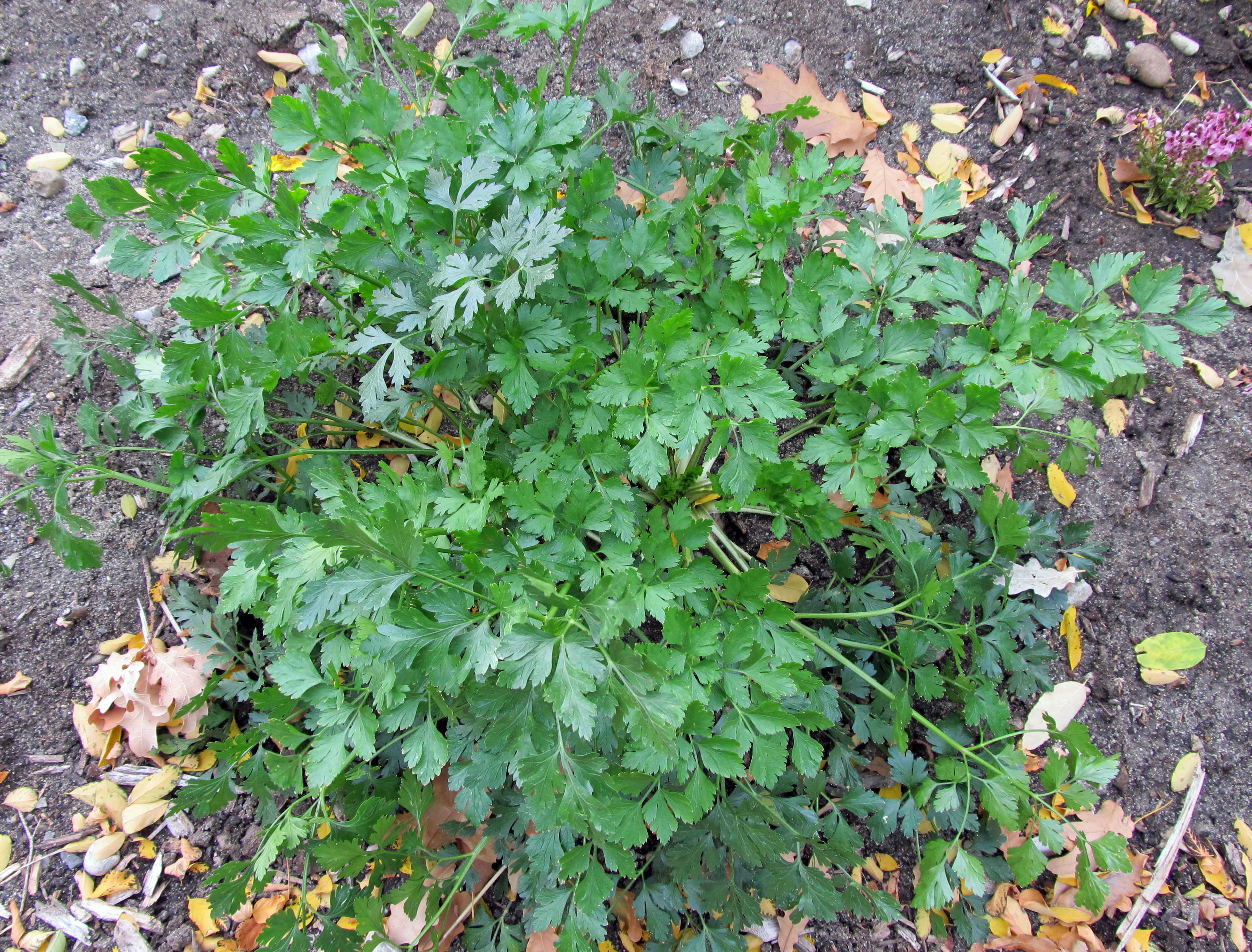
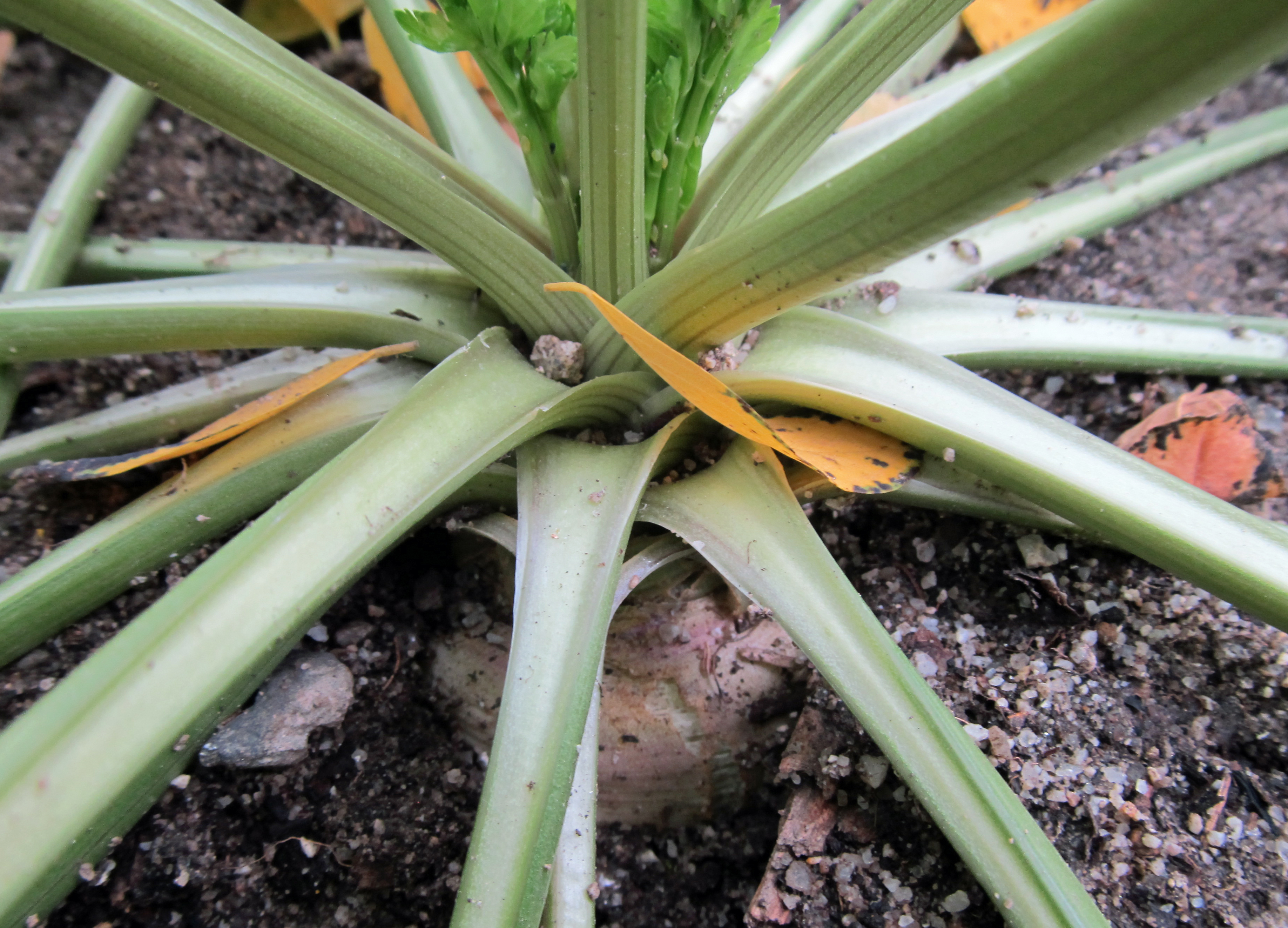
Earlier this year I reviewed Emma Cooper’s book, Jade Pearls and Alien Eyeballs, a book describing a slew of unusual, edible plants to try in the garden. Many of the plants profiled in the book sounded fun to grow, so I decided to try at least two this year: oca and Hamburg parsley. I didn’t get around to growing oca, but I did manage to produce a miniscule crop of Hamburg parsley.
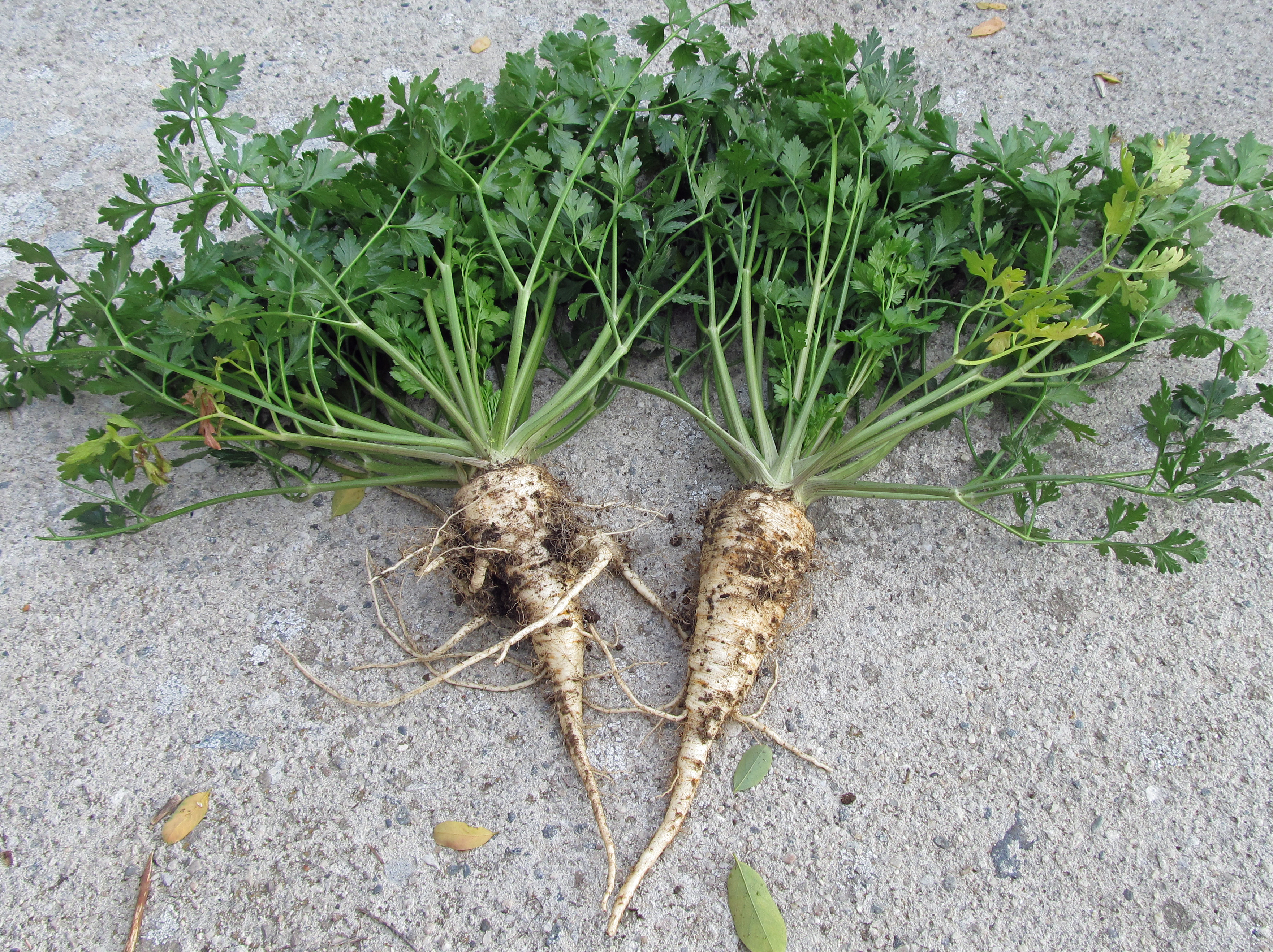
Hamburg parsley (also known as root parsley) is the tuberous root forming variety (var. tuberosum) of garden parsley, Petroselinum crispum. Native to the Mediterranean region, P. crispum has long been cultivated as a culinary herb. It is a biennial in the family Apiaceae and a relative of several other commonly grown herbs and vegetable crops including dill, fennel, parsnip, and carrot. In its first year, the plant forms a rosette of leaves with long petioles. The leaves are pinnately compound with three, toothed leaflets. Flowers are produced in the second year and are borne in a flat-topped umbel on a stalk that reaches up to 80 centimeters tall. The individual flowers are tiny, star-shaped, and yellow to yellow-green.
The leaves of Hamburg parsley can be harvested and used like common parsley, but the large, white taproots are the real treat. They can be eaten raw or cooked. Eaten raw, they are similar to carrots but have a mild to strong parsley flavor. The bitter, parsley flavor mellows and sweetens when the roots are roasted or used as an ingredient in soups or stews.
Despite sowing seeds in a 13 foot long row, only two of my plants survived and reached a harvestable size. Germination was fairly successful, and at one point there were several tiny plants dispersed along the row. Most perished pretty early on though; probably the result of browsing by rabbits. Generally, parsley seeds can be slow to germinate, so when they are direct seeded, Cooper and others recommend sowing seeds of quick growing crops like radish and lettuce along with them to help mark the rows – something I didn’t do.
My harvest may have been pathetic, but at least I ended up with some decent roots to sample. Raw, the roots were not as crisp as a carrot, and the parsley flavor was a little strong. I roasted the remainder in the oven with potatoes, carrots, and garlic, and that was a delicious way to have them. If I manage to grow more in the future, I will have to try them in a soup.
Did you try something new in your garden this year? Share your experience in the comment section below.
Beavers are classic examples of ecosystem engineers. It is difficult to think of an animal – apart from humans – whose day-to-day activities have more impact on the landscape than beavers. Their dam building activities create wetlands that are used by numerous other species, and their selective harvesting of preferred trees affects species composition in riparian areas. And that’s just the start. Their extensive evolutionary history and once widespread distribution has made them major players in the landscape for millions of years.
Today, the beaver family (Castoridae) consists of just two extant species: Castor fiber (native to Eurasia) and Castor canadensis (native to North America). Both species were hunted by humans to the brink of extinction but, thanks to conservation efforts, enjoy stable populations despite having been eliminated from much of their historical ranges. Before the arrival of Europeans, North American beavers are estimated to have been anywhere from 60 million to 400 million strong. Extensive trapping reduced the population to less than half a million. Today, 10 million or more make their homes in rivers, streams, and wetlands across the continent.
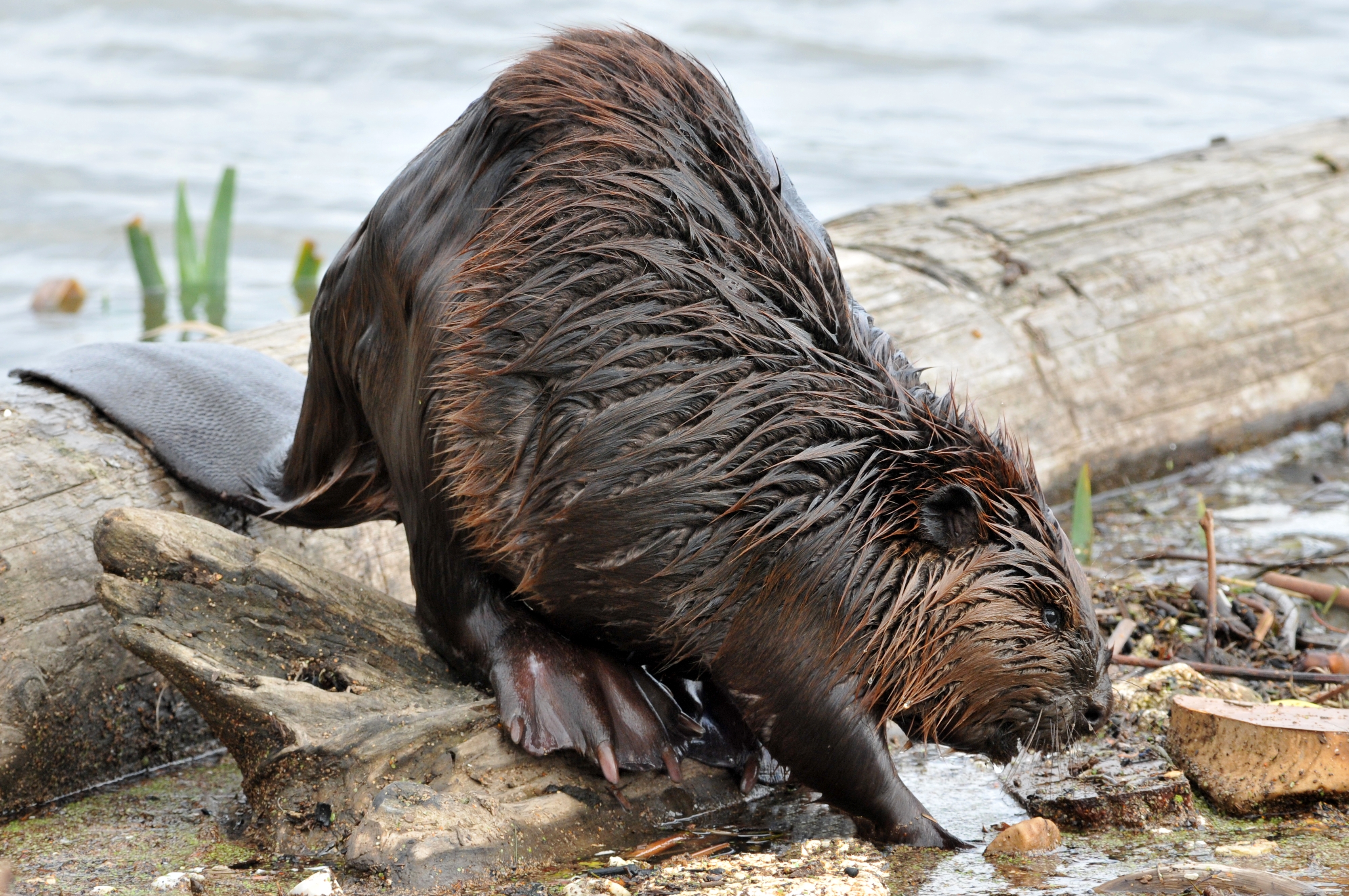
North American beaver (Castor canadensis) – photo credit: wikimedia commons
Beavers are herbivores, and they harvest trees and shrubs to build dams and lodges. Their interactions with plants are legion, and so what better way to introduce the concept of animal-mediated seed dispersal than beavers. Plants have several strategies for moving their seeds around. Wind and gravity are popular approaches, and water is commonly used by plants both aquatic and terrestrial. Partnering with animals, however, is by far the most compelling method. This strategy is called zoochory.
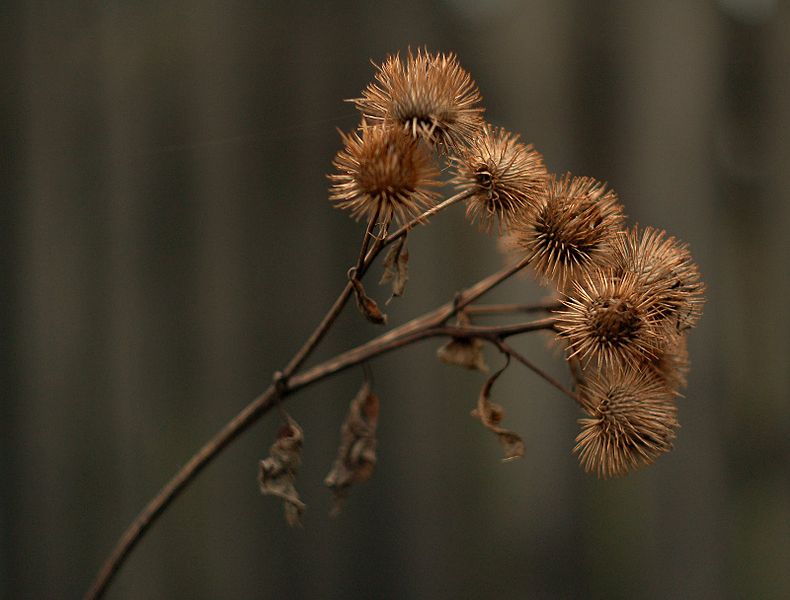
Zoochory has many facets. Two major distinctions are epizoochory and endozoochory. In epizoochory, seeds become attached in some form or fashion to the outside of an animal. The animal unwittingly picks up, transports, and deposits the seeds. The fruits of such seeds are equipped with hooks, spines, barbs, or stiff hairs that help facilitate attachment to an animal’s fur, feathers, or skin. A well known example of this is the genus Arctium. Commonly known as burdock, the fruits in this genus are called burs– essentially small, round balls covered in a series of hooks. Anyone who has walked through – or has had a pet walk through – a patch of burdocks with mature seed heads knows what a nuisance these plants can be. But their strategy is effective.
Endozoochory is less passive. Seeds that are dispersed this way are usually surrounded by fleshy, nutritious fruits desired by animals. The fruits are consumed, and the undigested seeds exit out the other end of the animal with a bit of fertilizer. Certain seeds require passage through an animal’s gut in order to germinate, relying on chemicals produced during the digestion process to help break dormancy. Other seeds contain mild laxatives in their seed coats, resulting in an unscathed passage through the animal and a quick deposit. Some plants have developed mutualistic relationships with specific groups of animals regarding seed dispersal by frugivory. When these animal species disappear, the plants are left without the means to disperse their seeds, which threatens their future survival.
Beavers rely on woody vegetation to get them through the winter, but in warmer months, when herbaceous aquatic vegetation is abundant, such plants become their preferred food source. Water lilies are one of their favorite foods, and through both consumption of the water lilies and construction of wetland habitats, beavers help support water lily populations. This is how John Eastman puts it in The Book of Swamp and Bog: “Beavers relish [water lilies], sometimes storing the rhizomes. Their damming activities create water lily habitat, and they widely disperse the plants by dropping rhizome fragments hither and yon.”
Fragrant water lily (Nymphaea odorata) – photo credit: wikimedia commons
The seeds of water lilies (plants in the family Nymphaceae) are generally dispersed by water. Most species (except those in the genera Nuphar and Barclaya) have a fleshy growth around their seeds called an aril that helps them float. Over time the aril becomes waterlogged and begins to disintegrate. At that point, the seed sinks to the bottom of the lake or pond where it germinates in the sediment. The seeds are also eaten by birds and aquatic animals, including beavers. The aril is digestible, but the seed is not.
In her book, Once They Were Hats, Frances Backhouse writes about the relationship between beavers and water lilies. She visits a lake where beavers had long been absent, but were later reintroduced. She noted changes in the vegetation due to beaver activity – water lilies being only one of many plant species impacted.
Every year in late summer, the beavers devoured the seed capsules [of water lilies], digested their soft outer rinds and excreted the ripe undamaged seeds into the lake. Meanwhile, as they dredged mud from the botom of the lake for their construction projects, they were unintentionally preparing the seed bed. Seeing the lilies reminded me that beavers also inadvertantly propagate willows and certain other woody plants. When beavers imbed uneaten sticks into dams or lodges or leave them lying on moist soil, the cuttings sometimes sprout roots and grow.
Other facets of zoochory include animals hoarding fruits and seeds to be eaten later and then not getting back to them, or seeds producing fleshy growths that ants love called elaiosomes, resulting in seed dispersal by ants. Animals and plants are constantly interacting in so many ways. Zoochory is just one way plants use animals and animals use plants, passively or otherwise. These relationships have a long history, and each one of them is worth exploring and celebrating.
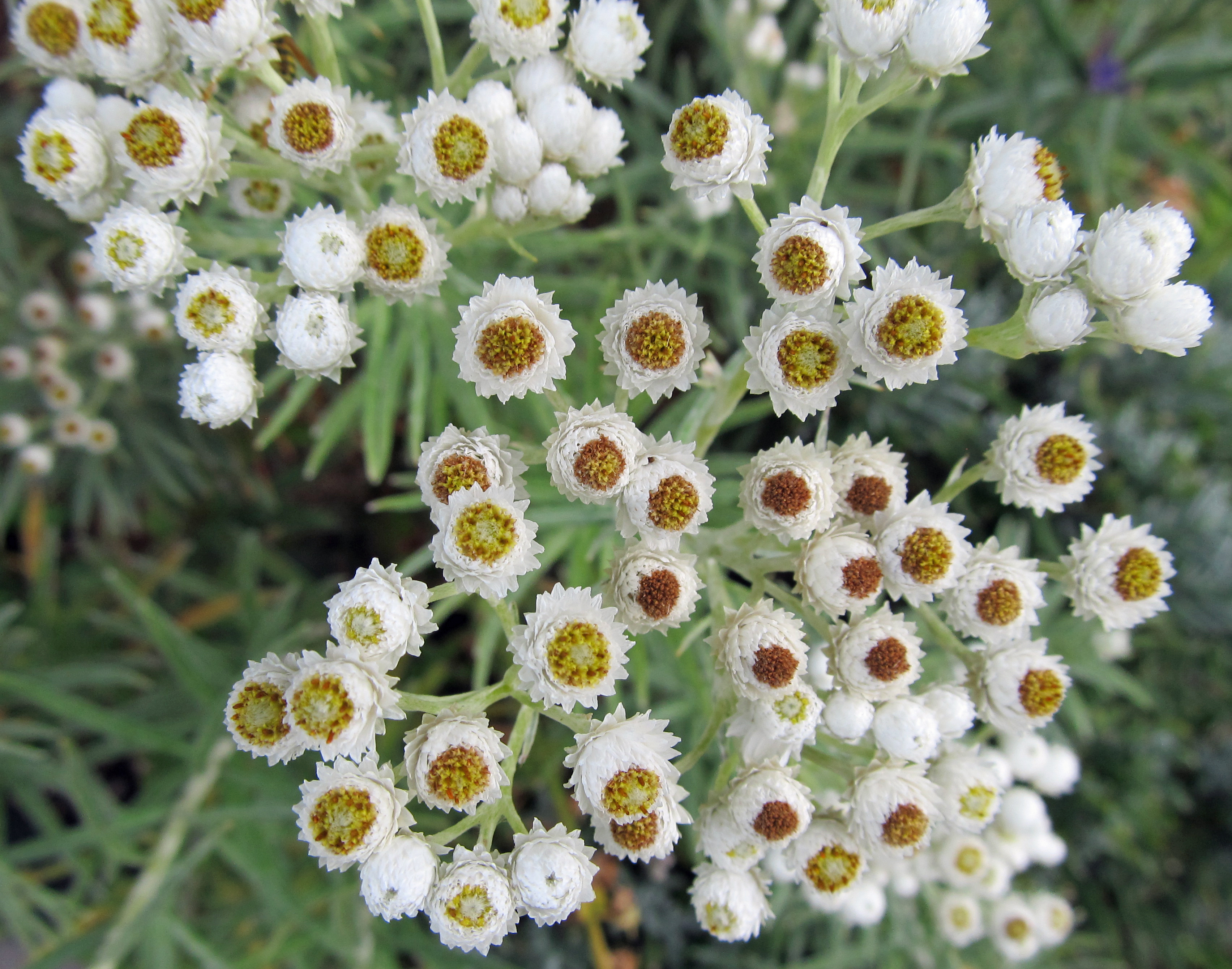
Despite being such a widely distributed and commonly occurring plant, Anaphalis margaritacea is, in many other ways, an uncommon species. Its native range spans North America from coast to coast, reaching up into Canada and down into parts of Mexico. It is found in nearly every state in the United States, and it even occurs throughout northeast Asia. Apart from that, it is cultivated in many other parts of the world and is “weedy” in Europe. Its cosmopolitan nature is due in part to its preference for sunny, dry, well-drained sites, making it a common inhabitant of open fields, roadsides, sandy dunes, rocky slopes, disturbed sites, and waste places.
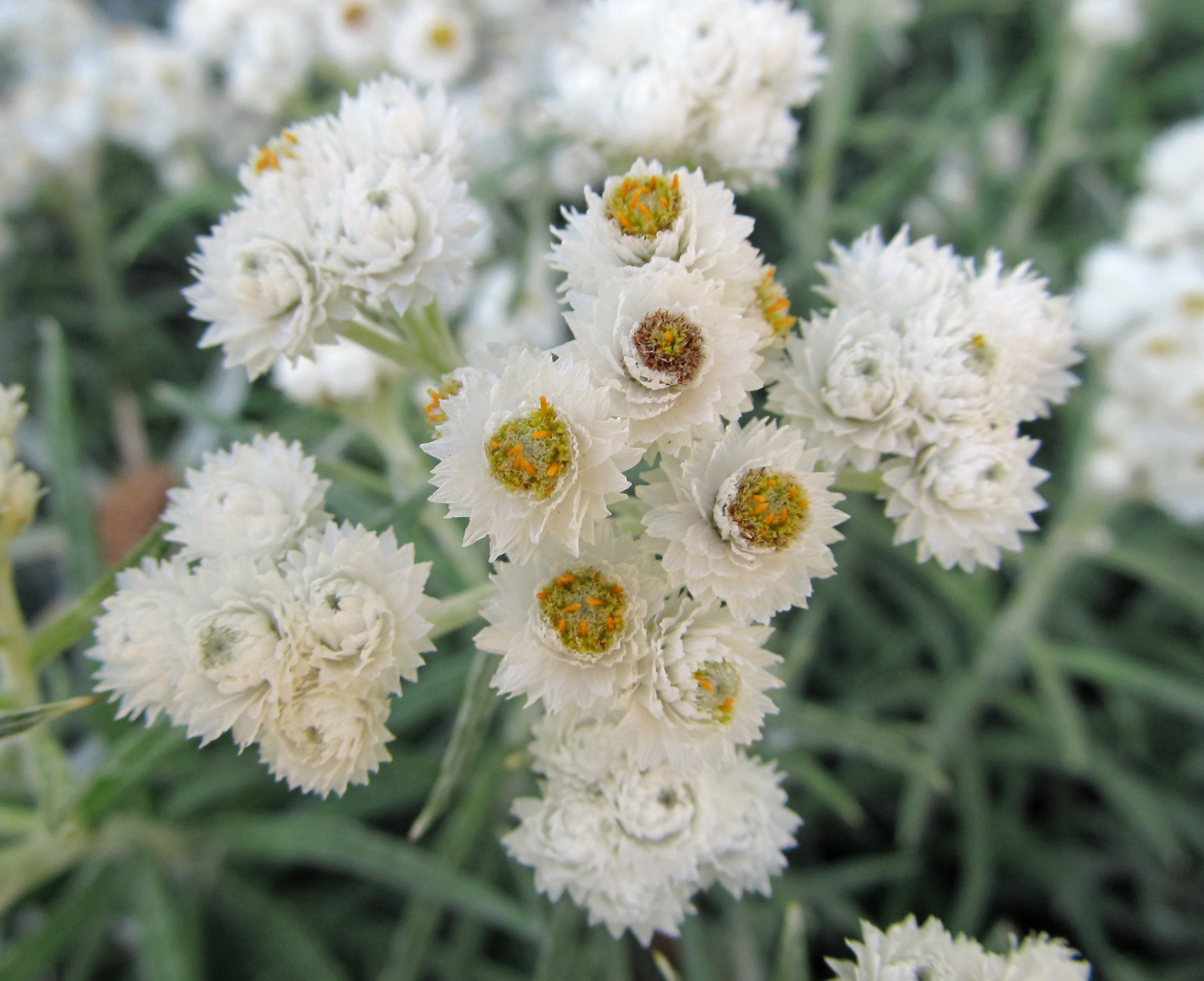
Its common name, pearly everlasting, refers to its unique inflorescence. Clusters of small, rounded flower heads occur in a corymb. “Pearly” refers to the collection of white bracts, or involucre, that surround each flower head. Inside the bracts are groupings of yellow to brown disc florets. The florets are unisexual, which is unusual for plants in the aster family. Plants either produce all male flowers or all female flowers (although some female plants occasionally produce florets with male parts). Due to the persistent bracts, the inflorescences remain intact even after the plant has produced seed. This quality has made them a popular feature in floral arrangements and explains the other half of the common name, “everlasting.” In fact, even in full bloom, the inflorescences can have a dried look to them.
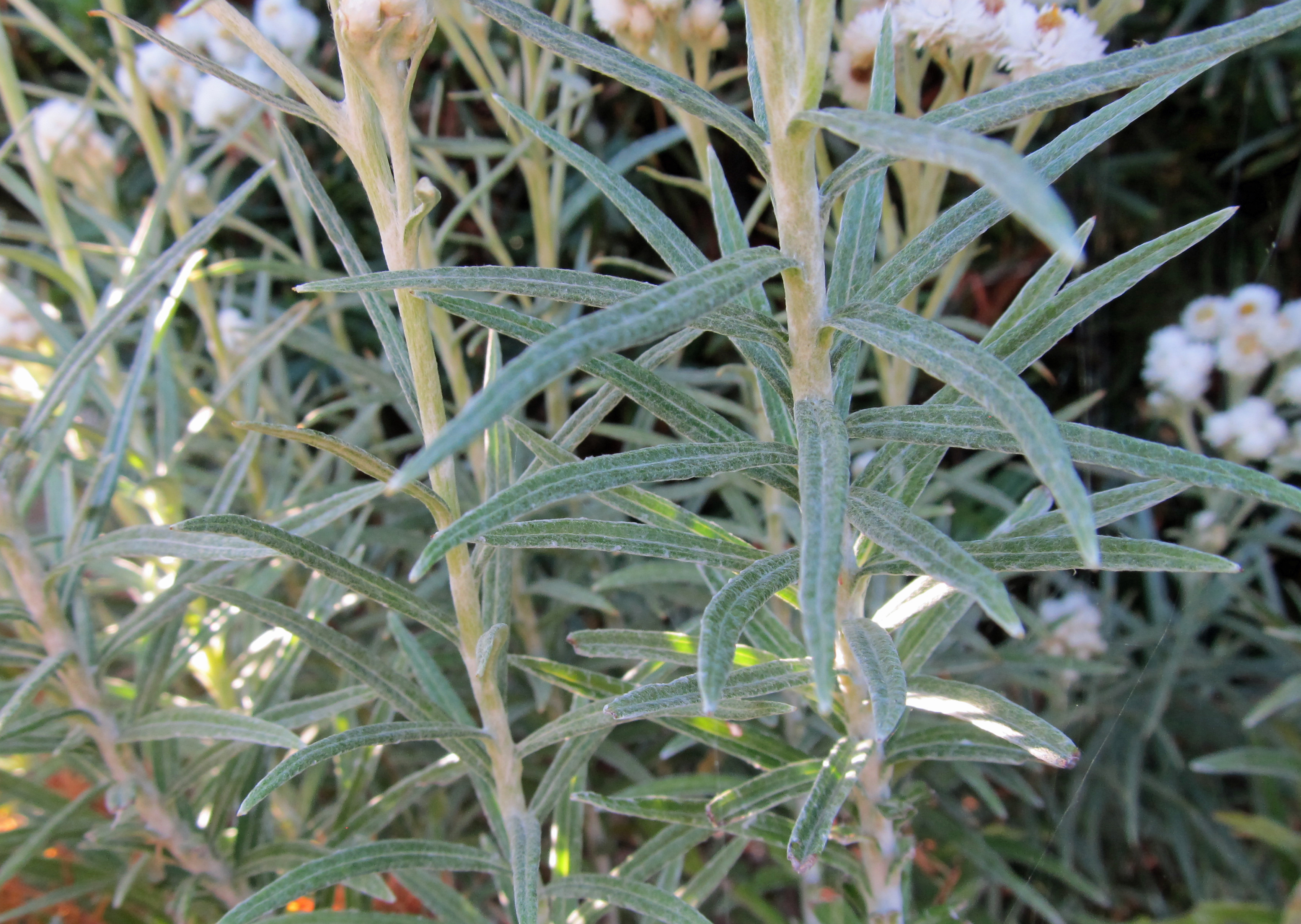
Pearly everlasting grows from 1 to 3 feet tall. Flowers are borne on top of straight stems that are adorned with narrow, alternately arranged, lance-shaped leaves. Stems and leaves are gray-green to white. Stems and undersides of leaves are thickly covered in very small hairs. Apart from contributing to its drought tolerance, this woolly covering deters insects and other animals from consuming its foliage. In The Book of Field and Roadside, John Eastman writes, “Insect foliage feeders are not numerous on this plant, owing to its protective downy ‘gloss.’ … The plant’s defensive coat seems to prevent spittlebug feeding on stem and underleaves. The tomentum also discourages ant climbers and nectar robbers.”
Not all insects are thwarted however, as Anaphalis is a host to the caterpillars of at least two species of painted lady butterflies (Vanessa virginiensis and V. cardui). Its flowers, which occur throughout the summer and into the fall. are visited by a spectrum of butterflies, moths, bees, and flies.
Because the plants produce either male or female flowers, cross-pollination between plants is necessary for seed development. However, plants also reproduce asexually via rhizomes. Extensive patches of pearly everlasting can be formed this way. Over time, sections of the clonal patch can become isolated from the mother plant, allowing the plant to expand its range even in times when pollinators are lacking.
The attractive foliage and unique flowers are reason enough to include this plant in your dry garden. The flowers have been said to look like eye balls, fried eggs, or even, as Eastman writes, “white nests with a central yellow clutch of eggs spilling out.” However you decide to describe it, this is a tough and beautiful plant deserving of a place in the landscape.
An Asian vine known to be deadly poisonous has been in the news lately. Alexander Perepilichny, a Russian banker turned whistleblower who provided information on tax fraud committed by the Russian state and the Russian Mafia, mysteriously died while jogging back in November 2012. Last year, a botanist at Royal Botanic Gardens, Kew was called in to help with the ongoing investigation. Analyses revealed traces of a compound found in Gelsemium elegans, suggesting that Perepilichny had been poisoned and calling into question the orignal claim that there was no foul play in his death.
Gelsemium is a genus in the family Gelsemiaceae. It is composed of three species, two of which are native to North America (G. rankinii and G. sempervirens). Gelsemium elegans is native to China and Southeast Asia. All species are poisonous due to a number of alkaloids found in virtually all parts of the plant and particularly concentrated in the roots and leaves. The most toxic and abundant compound is gelsemine, an alkaloid related to strychnine.
Gelsemium elegans, commonly known as heartbreak grass, is a twining vine with oppositely arranged, narrowly ovate leaves and yellow to orange flowers with five petals that are fused near the base. It occurs in thickets and scrubby forests. According to news reports (NPR and ABC News), it has a history of being used in assassinations by Chinese and Russian contract killers. Finding traces of it in Perepilichny’s body understandably raises questions about his death. The investigation continues, and the Kew botanist is now a “star witness.”
Poisoning by heartbreak grass is not a pleasant experience. Its affects can be felt soon after ingestion and, depending on the amount ingested and the time that lapses between ingestion and treatment, death – usually by asphyxiation – can be imminent. The Hong Kong Journal of Emergency Medicine reported on two cases of Gelsemium elegans poisoning, in which a husband and wife consumed the plant after mistaking it for the medicinal herb, Mussaenda pubescens. The 65 year old woman became dizzy, weak, and nauseous thirty minutes after consuming the plant. Then she went unconscious. Quick medical attention saved her life. She was released from the hospital eight days later, after spending time in intensive care and undergoing various treatments. Her 69 year old husband experienced similar dizziness and weakness, but promptly vomited and called for an ambulance.
The report states that “ingestion of G. elegans is highly poisonous regarding its neurological and respiratory depressive effects,” and that “early and active respiratory support is the key to successful resuscitation.” The report also wisely warns: “People should best avoid eating any wild plants because of the similar external appearance of certain poisonous and non-poisonous species.” Proper and skilled identification is paramount, especially where plants are growing so closely together that they intertwine, “leading to inadvertent ingestion.”
All Gelsemium species have been used medicinally to treat a variety of ailments. If used properly, they may provide effective treatments; however, in their book, The North American Guide to Common Poisonous Plants and Mushrooms, Nancy Turner and Patrick von Aderkas state – regarding the medicinal use of G. sempervirens – that the “plant [is] considered very dangerous for herbal use.” They also list the plant as a skin and eye irritant and claim that the flower’s nectar produces poisonous honey.
Gelsemium sempervirens
Commonly known as Carolina jasmine and yellow jessamine, G. sempervirens is a woodland plant found in west Texas and throughout the southeastern United States. It is an attractive, evergreen, perennial vine with yellow, fragrant, funnel-shaped flowers and is grown as an ornamental in its native region and beyond. Most poisonings occur when the stems and leaves are consumed, usually as some kind of “herbal preparation;” however, the Handbook of Poisonous and Injurious Plantsclaims that “there are cases of children who were poisoned after sucking on the flowers.” Headaches, dizziness, blurred visions, dry mouth, and difficulty speaking and talking are a few of the initial symptoms experienced after ingesting this plant. When cases are severe, muscles in the body experience weakness, spasms, and contractions. Symptoms, in other words, are akin to strychnine poisoning, and barring prompt and proper medical care, results can be similarly deadly.