At the beginning of the year I unveiled my planto share some of my sketches with you as I learn how to draw. This is to make up for not writing quite as many posts so that I can spend time working on some other projects. It also serves as a great motivator to actually draw, which isn’t something I do very often. Turns out that if you want to get better at something, you actually have to do it.
To help me in my quest, I collected a few books. Some are instructional and others simply feature inspirational artwork. I’ve included links to a few of these books with my drawings below. If you have any books you would like to recommend, particularly a book that has helped you learn to draw, please let me know in the comment section below.
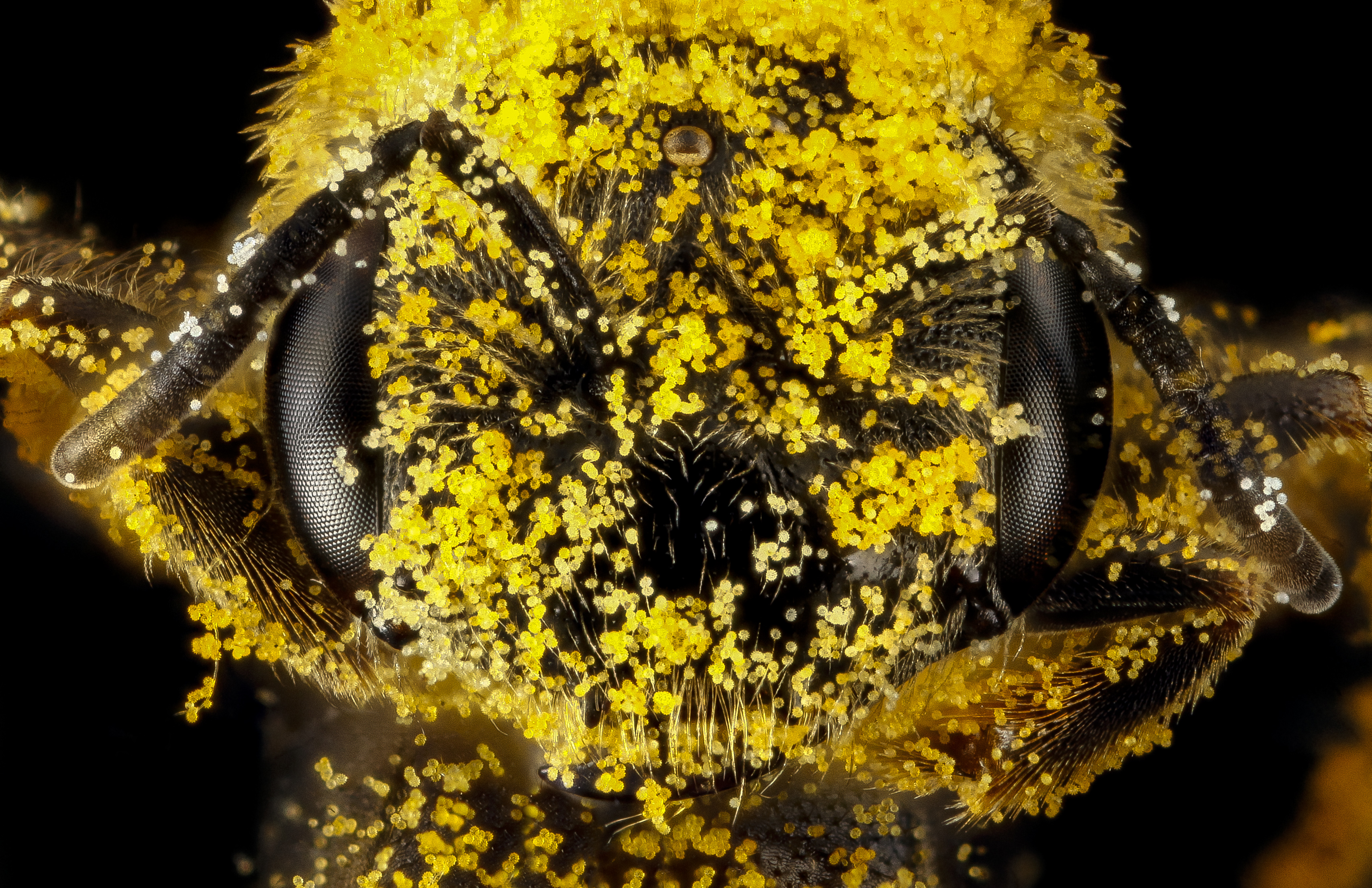
Sexual reproduction in vascular plants requires producing and transporting pollen grains – the male gametophytes or sperm cells of a plant. These reproductive cells must make their way to the egg cells in or order to form seeds – plants in embryo. The movement of pollen is something we can all observe. It’s happening all around us on a regular basis. Any time a seed-bearing plant (also known as a spermatophyte) develops mature cones or flowers, pollen is on the move. Pollen is a ubiquitous and enduring substance and a fascinating subject of study. In case you don’t believe me, here are a few fun facts.
Pollen is as diverse as the species that produce it. Pollen grains are measured in micrometers and are so tiny that the only reason we can see them with the naked eye is because they are often found en masse. Yet they are incredibly diverse in size, shape, and texture, and each plant species produces its own unique looking pollen. With the help of a good microscope, plants can even be identified simply by looking at their pollen. See images of the pollen grains of dozens of plant species hereand here.
Pollen helps us answer questions about the past. Because pollen grains are so characteristic and because their outer coating (known as exine) is so durable and long-lasting, studying pollen found in sediments and sedimentary rocks helps us discover all sorts of things about deep time. The study of pollen and other particulates is called palynology. Numerous disciplines look to palynology to help them answer questions and solve mysteries. Its even used in forensics to help solve crimes. Criminals should be aware that brushing up against a plant in bloom may provide damning evidence.
Pollen oddities. While all pollen is different, some plants produce particularly unique pollen. The pollen grains of plants in the orchid and milkweed families, for example, are formed into united masses called pollinia. Each pollinium is picked up by pollinators and transferred to the stigmas of flowers as a single unit. A number of other species produce other types of compound pollen grains. The pollen grains of pines and other conifers are winged, and the pollen grains of seagrass species, like Zostera spp., are filamentous and said to hold the record for longest pollen grains.
The pollinia of milkweed (Asclepias spp.) look like the helicopter-esque fruits of maple trees. photo credit: wikimedia commons
Pollen tube oddities. In flowering plants, when pollen grains reach the stigma of a compatible flower, a vegetative cell within the grain forms a tube in order to transport the regenerative cells into the ovule. This tube varies in length depending on the length of the flower’s style. Because corn flowers produce such long styles (also know as corn silk), corn pollen grains hold the record for longest pollen tube, which can measure 12 inches or more. Species found in the mallow, gourd, and bellflower families produce multiple pollen tubes per pollen grain. Hence, their pollen is said to be polysiphonous.
Pollen is transported in myriad ways. Plants have diverse ways of getting their pollen grains where they need to be. Anemophilous plants rely on wind and gravity. They produce large quantities of light-weight pollen grains that are easily dislodged. Most of this pollen won’t make it, but enough of it will to make this strategy worth it. Hydrophilous plants use water and, like wind pollinated plants, may produce lots of pollen due to the unpredictably of this method. Some hydrophilous plants transport their pollen on the surface of the water, while others are completely submerged during pollination.
Employing animals to move pollen is a familiar strategy. Entomophily (insect pollination) is the most common, but there is also ornithophily (bird pollination) and chiropterophily (bat pollination), among others. Plants that rely on animals for pollination generally produce pollen grains that are sticky and nutritious. They attract animals using showy flowers, fragrance, and nectar. The bodies of pollinating insects have modifications that allow them to collect and transport pollen. Certain bees, like honey bees and bumblebees, have pollen basketson their hind legs, while other bees have modified hairs called scopae on certain parts of their bodies.
Pollen is edible. Some animals – both pollinating and non-pollinating – use pollen as a food source. Animals that eat pollen are palynivores. Bees, of course, eat pollen, but lots of other insects do, too. Even some spiders, which are generally thought of as carnivores, have been observed eating pollen that gets trapped in their webs.
Pollen is thought to be highly nutritious for humans as well, and so, along with being taken as a supplement, it is used in all sorts of food products. To collect pollen, beekeepers install pollen traps on their beehives that strip incoming worker bees of their booty. Pollen from various wind pollinated plants, like cattailsand pine trees, are also collected for human consumption. For example, a Korean dessert called dasik is made using pine pollen.
Pollen makes many people sick. Hay fever is a pretty common condition and is caused by an allergy to wind-borne pollen. This condition is also known as pollinosis or allergic rhinitis. Not all flowering plants are to blame though, so here is a listof some of the main culprits. Because so many people suffer from hay fever, pollen counts are often included in weather reports. Learn more about what those counts mean here.
The lettuce we eat is a close relative to the lettuce we weed out of our gardens. Last week we discussed the potential that wild relatives may have for improving cultivated lettuce. But if wild lettuce can be crossed with cultivated lettuce to create new cultivars, can cultivated lettuce cross with wild lettuce to make it more weedy?
Because so many of our crops are closely related to some of the weeds found along with them or the plants growing in nearby natural areas, the creation of crop-wild hybrids has long been a concern. This concern is heightened in the age of transgenic crops (also known as GMOs), for fear that hybrids between weeds and such crops could create super weeds – fast spreading or highly adapted weeds resistant to traditional control methods such as certain herbicides. To reduce this risk, extensive research is necessary before such crops are released for commercial use.
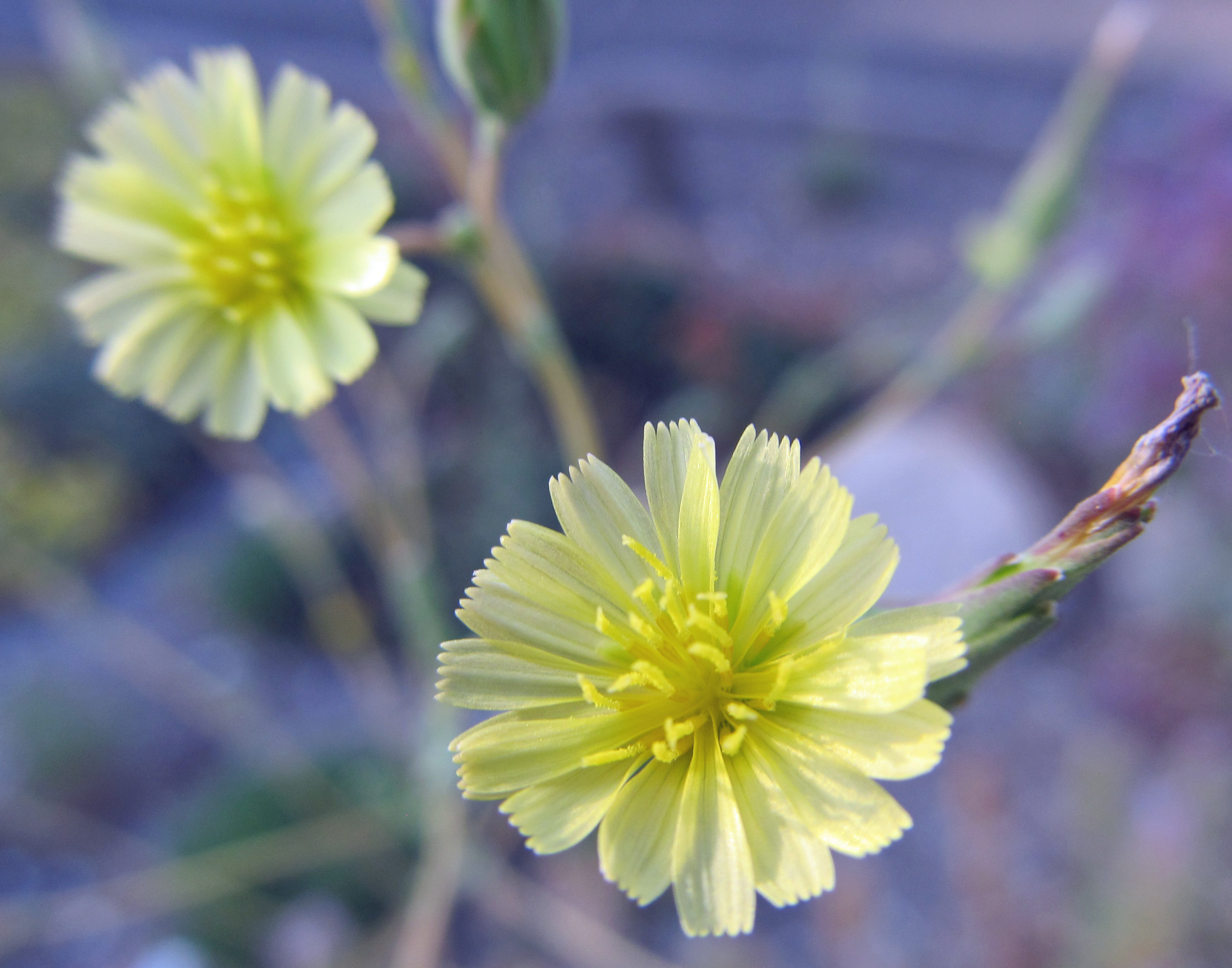
flowers of prickly lettuce (Lactuca serriola)
There are no commercially available, genetically modified varieties of cultivated lettuce, so this is not a concern when it comes to crop-wild hybrids; however, due to how prevalent weedy species like prickly lettuce (Lactuca serriola) are, hybridization with cultivated lettuce is still a concern. So, it is important to understand what the consequences might be when hybridization occurs.
In a paper published in Journal of Applied Ecology in 2005, Hooftman et al. examined a group of second-generation hybrids (L. sativa x L. serriola), and found that the hybrids behaved and appeared very similarly to non-hybrid prickly lettuce. They also found that the seeds produced by the hybrids had a significantly higher germination rate than non-hybrid plants. This is an example of hybrid vigor. Thus, “if hybridization does occur, this could lead to better performing and thus potentially more invasive (hybrid) genotypes.” However, the authors cautioned that “better performing genotypes do not automatically result in higher invasiveness,” and that much depends on the conditions they are found in, the level of human disturbance, etc.
Another thing to consider is that hybrids are not stable. In an article published in Nature Reviews Geneticsin 2003, Stewart et al. adress the “misunderstanding that can arise through the confusion of hybridization and … introgression.” It is wrong to assume that hybrids between crops and wild relatives will automatically lead to super weeds. For this to occur, repeated crosses with parental lines (also known as backcrossing) must occur, and “backcross generations to the wild relative must progress to the point at which the transgene [or other gene(s) in question] is incorporated into the genome of the wild relative.” That is what is meant by “introgression.” This may happen quickly or over many generations or it may never happen at all. Each case is different.
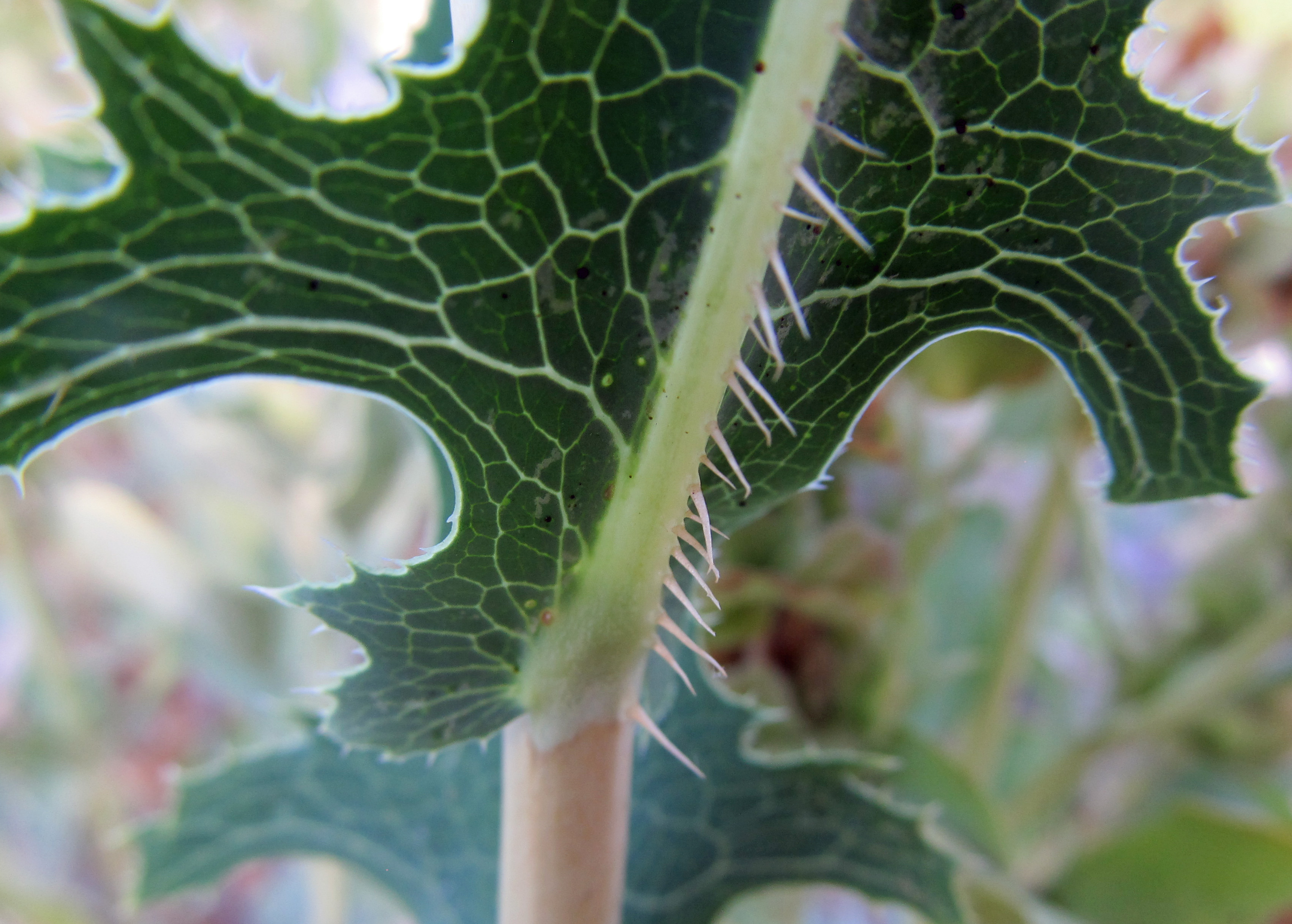
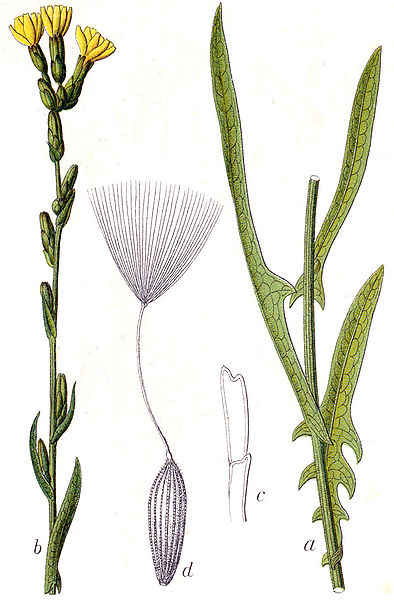
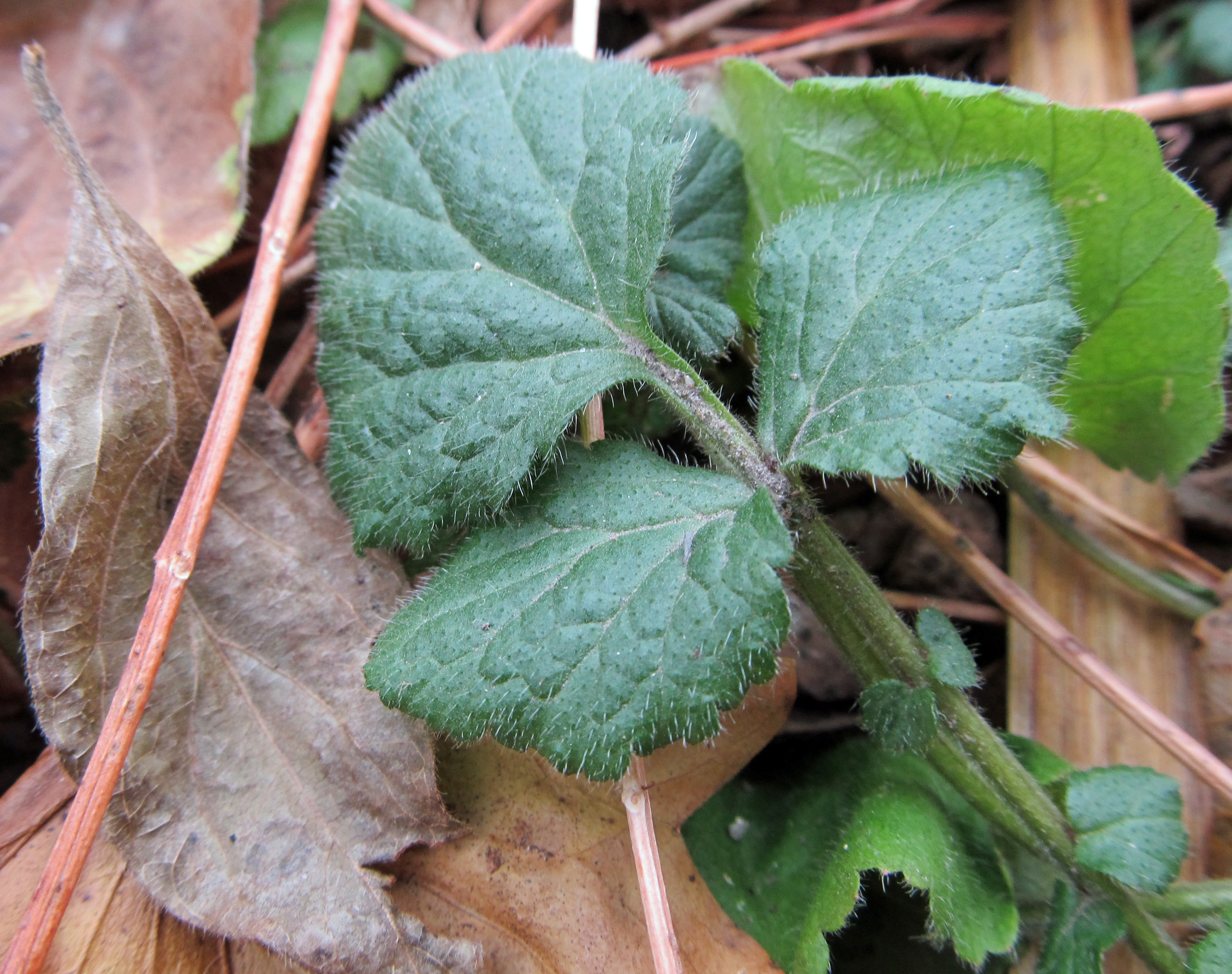
prickly leaf of prickly lettuce (Lactuca serriola)
In a paper published in Journal of Applied Ecology in 2007, Hooftman et al. observe the breakdown of crop-wild lettuce hybrids. They note that “fitness surplus through [hybrid vigor] will often be reduced over few generations,” which is what was seen in the hybrids they observed. One possible reason why this occurs is that lettuce is predominantly a self-crossing species; outcrossing is rare, occurring 1 – 5% of the time thanks to pollinating insects. But that doesn’t mean that a stable, aggressive genotype could never develop. Again, much depends on environmental conditions, as well as rates of outcrossing and other factors relating to population dynamics.
A significant expansion of prickly lettuce across parts of Europe led some to hypothesize that crop-wild hybrids were partly to blame. In a paper published in Molecular Ecologyin 2012 Uwimana et al. ran population genetic analyses on extensive data sets to determine the role that hybridization had in the expansion. They concluded that, at a level of only 7% in wild habitats, crop-wild hybrids were not having a significant impact. They observed greater fitness in the hybrids, as has been observed in other studies (including the one above), but they acknowledged the instability of hybrids, especially in self-pollinating annuals like lettuce.
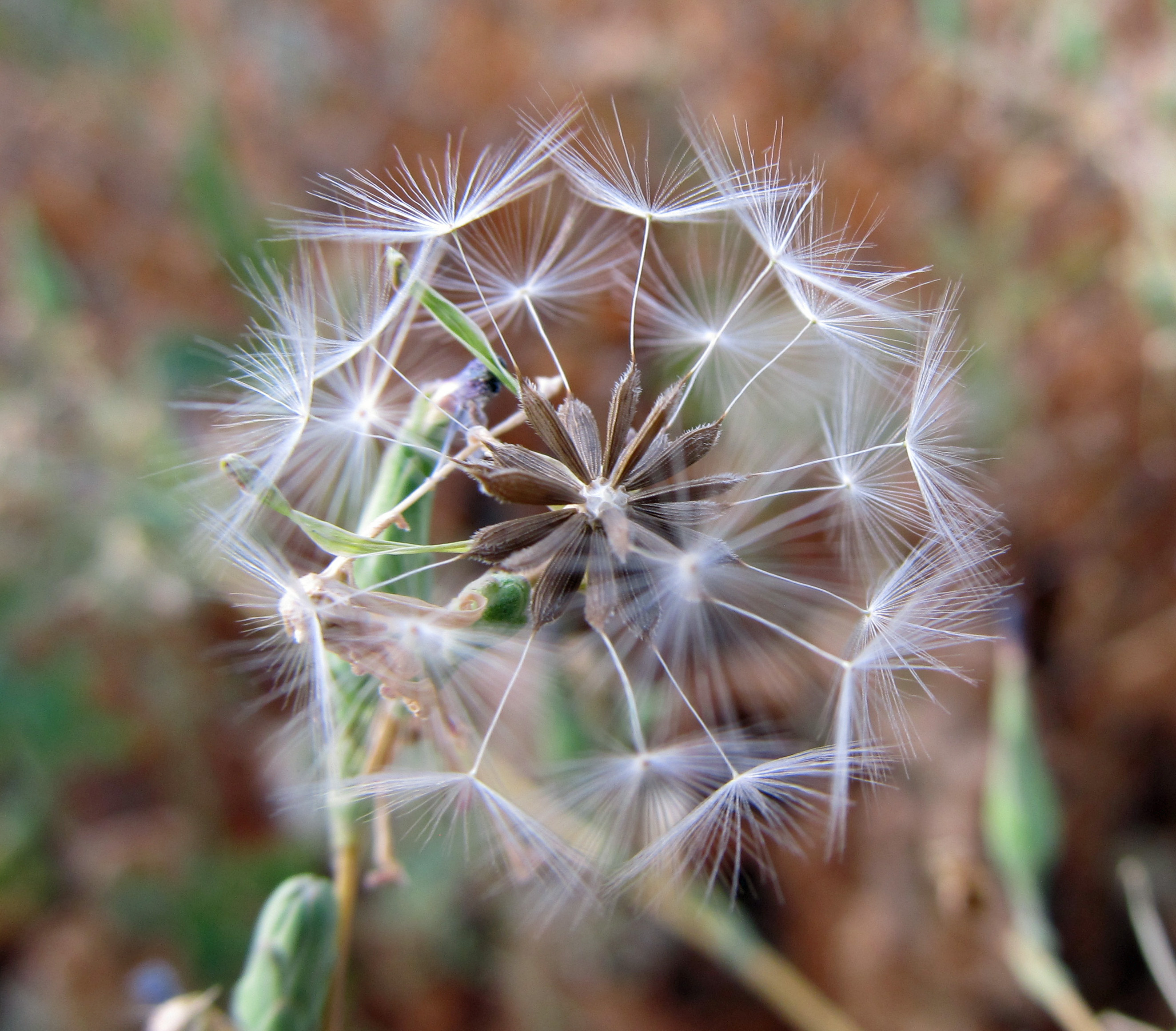
seed head of prickly lettuce (Lactuca serriola)
It is more likely that the expansion of prickly lettuce in Europe is due to “the expansion of favorable habitat as a result of climate warming and anthropogenic habitat disturbance and to seed dispersal because of transportation of goods.” Uwimana et al. did warn, however, that “the occurrence of 7% crop-wild hybrids among natural L. serriola populations is relatively high [for a predominantly self-pollinating species] and reveals a potential [for] transgene movement from crop to wild relatives [in] self-pollinating crops.”
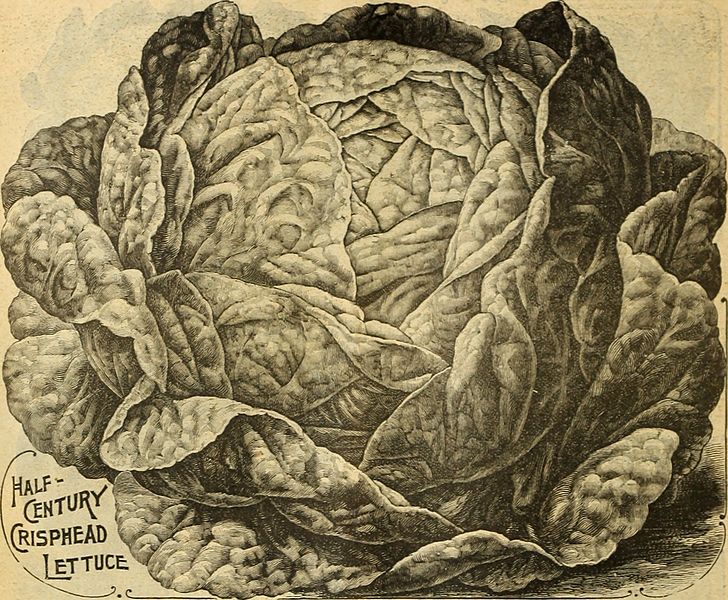
Lettuce, domesticated about six thousand years ago in a region referred to as the Fertile Crescent, bears little resemblance to its wild ancestors. Hundreds of years of cultivation and artificial selection eliminated spines from the leaves, reduced the latex content and bitter flavor, shortened stem internodes for a more compact, leafy plant, and increased seed size, among several other things. The resulting plant even has a different name, Lactuca sativa (in Latin, sativa means cultivated). However, cultivated lettuce remains closely related to its progenitors, with whom it can cross to produce wild-domestic hybrids. For this reason, there is great interest in the wild relatives of lettuce and the beneficial traits they offer.
Crop wild relatives are a hot topic these days. That’s because feeding a growing population in an increasingly globalized world with the threat of climate change looming requires creative strategies. Utilizing wild relatives of crops in breeding programs is a potential way to improve yields and address issues like pests and diseases, drought, and climate change. While this isn’t necessarily a new strategy, it is increasingly important as the loss of biodiversity around the globe threatens many crop wild relatives. Securing them now is imperative.
There are about 100 species in the genus Lactuca. Most of them are found in Asia and Africa, with the greatest diversity distributed across Southwest Asia and the Mediterranean Basin. The genus consists of annual, biennial, and perennial species, a few of which are shrubs or vines. Prickly lettuce (L. serriola), willowleaf lettuce (L. saligna), and bitter lettuce (L. virosa) are weedy species with a wide distribution outside of their native range. Prickly lettuce is particularly common in North America, occurring in the diverse habitats of urban areas, natural areas, and agricultural fields. It is also the species considered to be the main ancestor of today’s cultivated lettuce.
In a paper published in European Journal of Plant Pathology in 2014. Lebeda et al. discuss using wild relatives in lettuce breeding and list some of the known cultivars derived from crosses with wild species. They write that in the last thirty years, “significant progress has been made in germplasm enhancement and the introduction of novel traits in cultivated lettuce.” Traditionally, Lactuca serriola has been the primary source for novel traits, but breeders are increasingly looking to other species of wild lettuce.
Resistance to disease is one of the main aims of lettuce breeders. Resistance genes can be found among populations of cultivated lettuce, but as “extensive screening” for such genes leads to “diminishing returns in terms of new resistance,” breeders look to wild lettuce species as “sources of new beneficial alleles.” The problem is that there are large gaps in our knowledge when it comes to wild lettuce species and their interactions with pests and pathogens. Finding the genes we are looking for will require “screening large collections of well defined wild Lactuca germplasm.” But first we must develop such collections.
In a separate paper (published in Euphytica in 2009), Lebeda et al. discuss just how large the gaps in our understanding of the genus Lactuca are. Beginning with our present collections they found “serious taxonomic discrepancies” as well as significant redundancy and unnecessary duplicates in and among gene banks. They also pointed out that “over 90% of wild collections are represented by only three species” [the three weedy species named above], and they urged gene banks to “rapidly [acquire] lettuce progenitors and wild relatives from the probable center of origin of lettuce and from those areas with the highest genetic diversity of Lactuca species” as their potential for improving cultivated lettuce is too important to neglect.
Lactuca is a highly variable genus; species can differ substantially in their growth and phenology from individual to individual. Lebeda et al. write, “developmental stages of plants, as influenced through selective processes under the eco-geographic conditions where they evolved, can persist when plants are cultivated under common environmental conditions and may be fixed genetically.” For this reason it is important to collect numerous individuals of each species from across their entire range in order to obtain the broadest possible suite of traits to select from.
One such trait is root development and the related ability to access water and nutrients and tolerate drought. Through selection, cultivated lettuce has become a very shallow-rooted plant, reliant on regular irrigation and fertilizer applications. In an issue of Theoretical and Applied Genetics published in 2000, Johnson et al. demonstrate the potential that Lactuca serriola, with its deep taproot and ability to tolerate drought, has for developing lettuce cultivars that are more drought tolerant and more efficient at using soil nutrients.
Clearly we have long way to go in developing improved lettuce cultivars using wild relatives, but the potential is there. As Lebeda et al. write in the European Journal of Plant Pathology, “Lettuce is one of the main horticultural crops where a strategy of wild related germplasm exploitation and utilization in breeding programs is most commonly used with very high practical impact.”
Coming Up in Part Two: Can cultivated lettuce cross with wild lettuce to create super weeds?
I was doing some sunday reading in a plant biology textbook, a section about leaves. It was highlighting leaf-specific adaptations and other cool leaf specializations. I came across a paragraph about a “flower-pot” leaf, and my mind was so blown after reading it I had to literally stand up.
It reads:
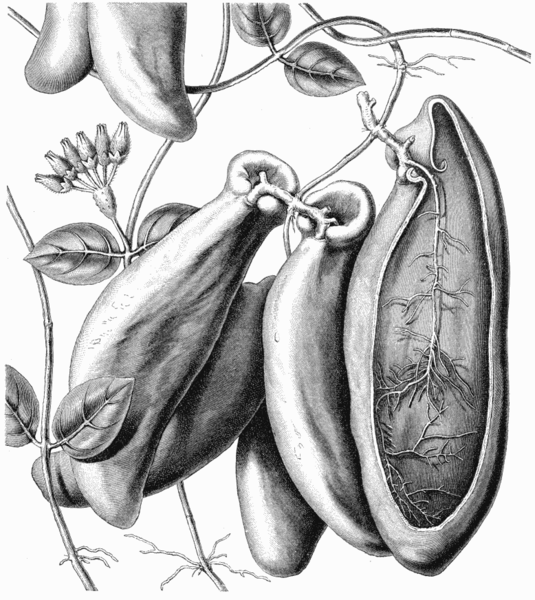
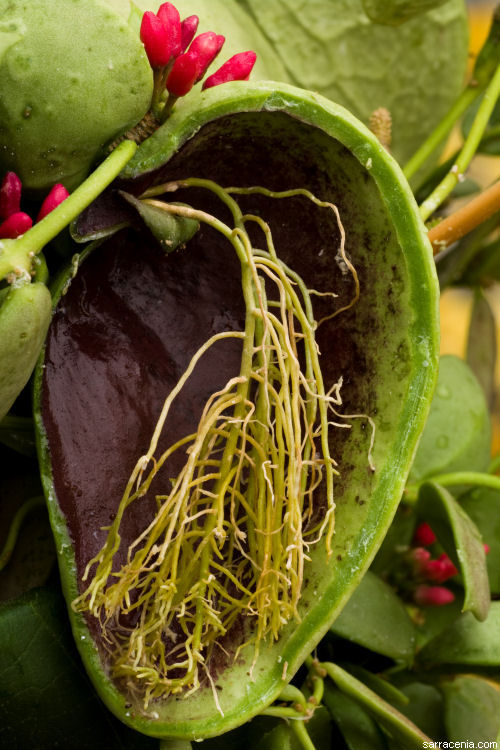
Some leaves of the Dischidia [genus], an epiphyte from Australasia, develop into urnlike pouches that become the home of ant colonies. The ants carry in soil and add nitrogeneous wastes, while moisture collects in the leaves through condensation of the water vapor coming from the mesophyll through stomata. This creates a good growing medium for roots, which develop adventitiously from the same node as the leaf and grow down into the soil contained in the urnlike pouch. In other words, this extraordinary plant not only reproduces itself by conventional means but also, with the aid of ants, provides its own fertilized growing medium and flower pots and then produces special roots, which “exploit” the situation.
Naturally I had to look up images of this plant because that’s amazing.
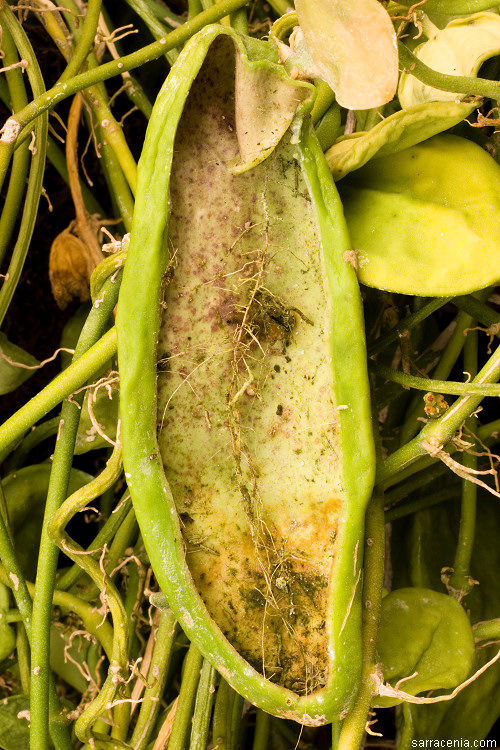
Dischidia major – cross section of “flower-pot” leaf (photo credit: eol.org)
Dischidia vidalii– cross section of “flower-pot” leaf (photo credit: eol.org)
In shorter words, the plant grows modified leaves that form a little cavity, within which ants live. The ants incidentally carry soil into the cavity, while fertilizing that soil with their waste. The stomata are located on the insides of these cavities, which expel water from the leaves, where it then waters the soil that is located inside the leaves. Not to mention, the outside of those cavities are photosynthesizing all the while.
So, with the help of ants, an epiphytic Dischidia has evolved leaves to bring the soil to itself up in the trees, where it fertilizes and waters itself? SAY WHAT?! That is so damn cool.
I love music for its ability to conjure up emotions, create a mood, and inspire action. The music of Laura Veirs has always inspired me to get out into nature and be more observant of the wild things around me. Her music is rich with emotions, and I feel those, too. However, when I think of her music, I can’t escape images of the natural world and the creatures that inhabit it.
Found within her nature-centric lyrics are, of course, numerous botanical references. After all, plants and their actions make excellent subject matter for all types of art. And with that in mind, Veirs asks rhetorically in the song Rapture, “Doesn’t the tree write great poetry?”
When it comes to botanical references, the song that jumps first to mind is Lonely Angel Dust, starting off right away with these lyrics: “The rose is not afraid to blossom / though it knows its petals must fall / and with its petals fall seeds into soil / Why toil to contain it all? / Why toil at all?” Plants produce seeds in abundance, as mentioned in Shadow Blues: “Thousand seeds from a flower blowing through the night.” And, as in Where Are You Driving?, they’re seeking a suitable spot to plant themselves: “Through clouds of dandelions / seeds sailing out on the wind / hoping you’ll be the one to plant yourself on in.”
Flowers come up often in the songs of Laura Veirs. In White Cherry, “cherry trees take to bloom.” In Nightingale, “her heart a field in bloom.” In Make Something Good, “an organ pipe in a cathedral / that stays in tune through a thousand blooms.” In Sun is King, “innocent as a summer flower.” In Cast a Hook, “with watery cheeks down flowered lanes.” In Life Is Good Blues, “Messages you sent to Mars came from a crown of flowers.” Grass and weeds get a few mentions, too. In Summer Is the Champion, “let’s get dizzy in the grass.” In Life Is Good Blues, “tender green like the shoots of spring / unfurling on the lawn.”
Trees are the real stars, though. Veirs makes frequent references to trees and their various parts. This makes sense, as trees are real forces of nature. So much happens in, on, and around them, and images of the natural world can feel barren without them. First there is their enormousness, as in Black Butterfly, “evergreen boughs above me tower / were singing quiet stories about forgiveness, ” and Don’t Lose Yourself, “we slept in the shadow of a cedar tree.” Then there is their old age, as in Where Are You Driving?, “tangled up in the gnarled tree,” and When You Give Your Heart, “falling through the old oak tree.” There is also their utility, mentioned in Make Something Good, “I wanted to make something sweet / the blood inside a maple tree / the sunlight trapped inside the wood / make something good.” And then, of course, there is the fruit they bear, as in July Flame, “sweet summer peach / high up in the branch / just out of my reach,” and then in Wandering Kind, “a strange July / a storm came down / from the North and pulled out the salt / and it tore out the leaves from the pear tree / my canopy.”
Many of Veirs songs create scenes and tell stories of being in the wilderness among rivers, lakes, mountains, and caves. Chimney Sweeping Man, for example, is a “forest resident” who “walks[s] quiet through the forest like a tiny, quiet forest mouse.” In Snow Camping, Veirs tells a story about sleeping in a snow cave in the forest, where “a thousand snowflakes hovered,” “a distant songbird [was] singing,” and “the weighted trees” were her “only home.” But sometimes those forests burn, which is captured in Drink Deep: “Now the raging of the forest fires end / and all the mammals fled / I smell in the charred darkness / a little green / a little red.” Later in the song: “the fire closed his eyes / tipped his flame hat and slipped through the dire rye / we wandered romantic / we scattered dark branches / with singing green stars as our guide.”
Nature can also be empowering, and Veirs often refers to things in the natural world as metaphors or similes for the human experience. In Cast a Hook, Veirs adamantly asserts, “I’m not dead, not numb, not withering / like a fallen leaf who keeps her green.” This line comes up again in Saltbreakers: “You cannot burn me up / I’m a fallen leaf who keeps her green.” In Lake Swimming, Veirs addresses change and how some of life’s changes may wound us but we can still shine – “shucking free our deadened selves / like snakes and corn do / … / Old butterfly / I’ll dance with you / though our wings may crumble / we can float like ash / broken but the edges still shine.”
The botanical references Veirs makes in her songs are not the only things that excite me. Birds, insects, mammals, fish, and worms all find a place in Veirs’ lyrics. This is why, after more than a decade of listening to her songs, I find myself coming back to them again and again. There is a sort of kinship we feel for each other when we share in common a love of the natural world. I find that in the music of Laura Veirs.
In the five years since I first introduced myself I have had the pleasure of sharing my writing and photos with thousands of people. Together we have formed a tiny community of nature lovers, botany nerds, and phytocurious folks. It has been fun seeing the audience grow and our interactions increase. The World Wide Web is a crowded and chaotic place, and you can never be sure what will come of the pieces of you that you throw at it. Luckily, my little project has not gone completely unnoticed. The crowd that enjoys it may be small, but it is composed of a solid group of people. Thank you for being one of those people.
If you were following along in 2017, you are well aware that weeds and invasive species have been regular themes. Both of these topics are still obsessions of mine, so while I don’t have plans to continue to saturate the blog with such posts, I will still be writing about them. I’m actually working on a larger project involving weeds, which you can read more about here.
Speaking of which, I have threatened a couple of times now to interrupt my weekly posting schedule in order to make time for other projects. So far that hasn’t really happened, but this year I am fairly certain that it will. It’s the only way that I am going to be able get around to working on things I have been meaning to work on for years. There are also some new things in the works. I think these things will interest you, and I am excited to share them with you as they develop. Once you see them for yourself, I’m sure you’ll forgive the reduced posting schedule.
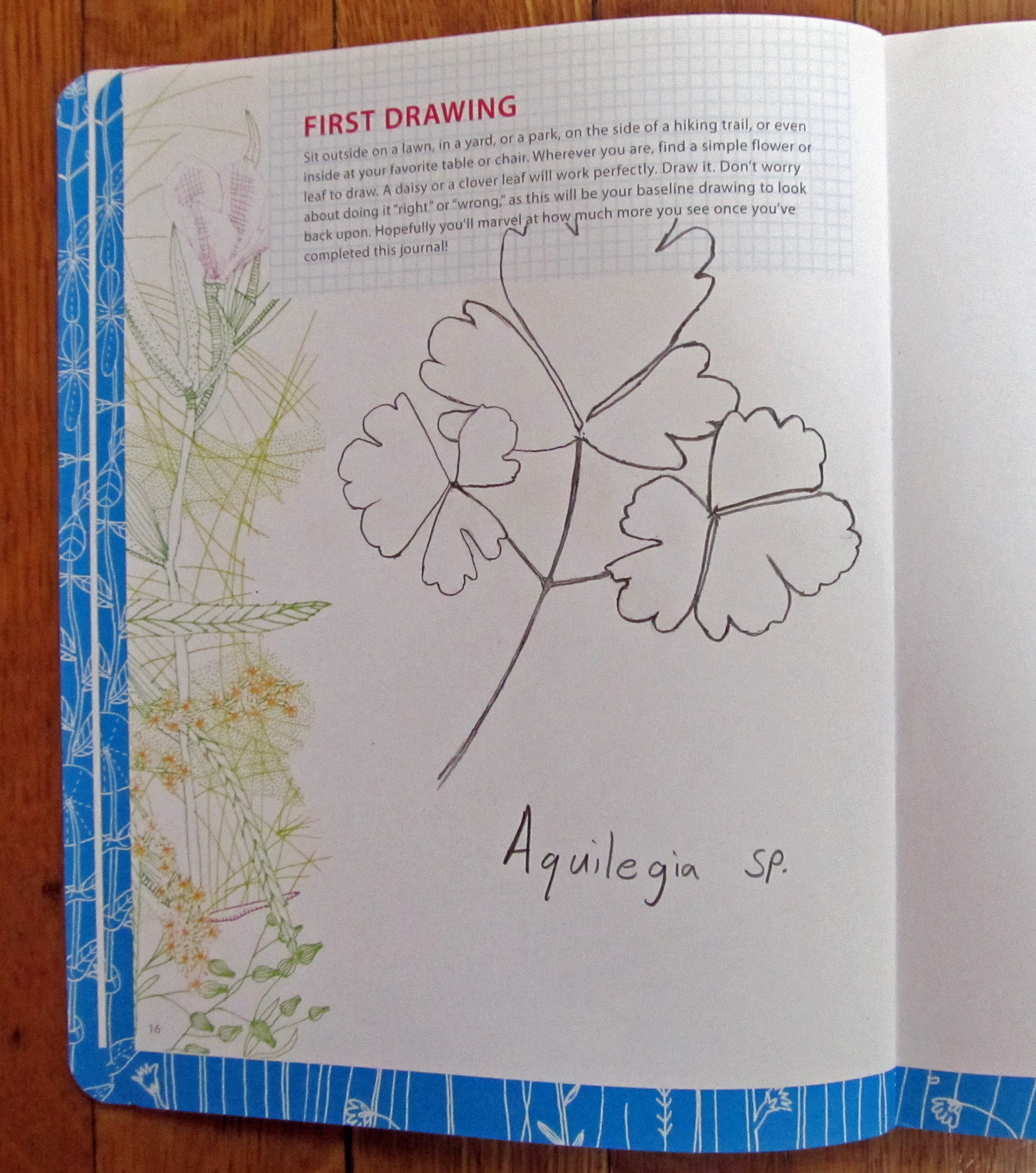
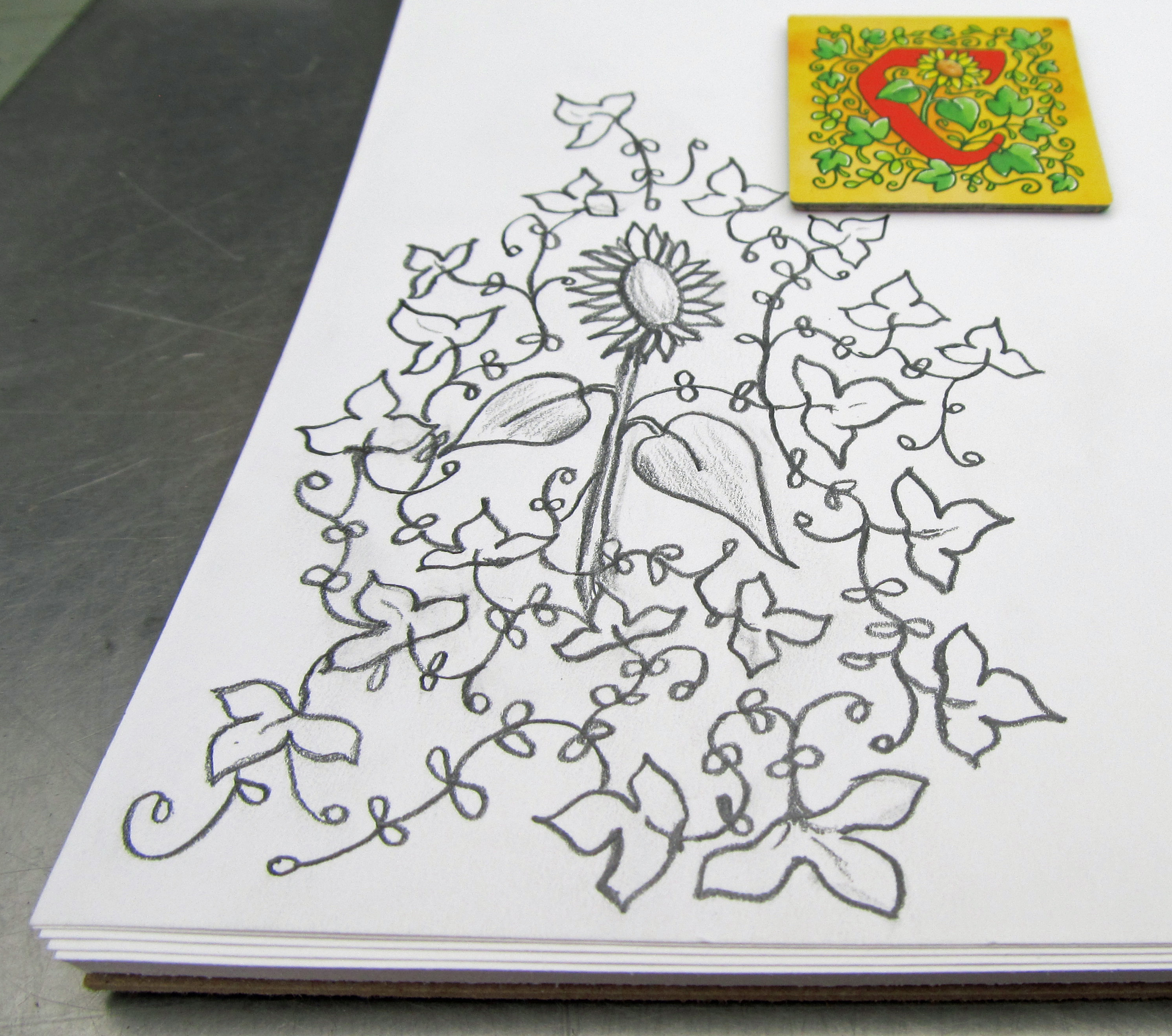
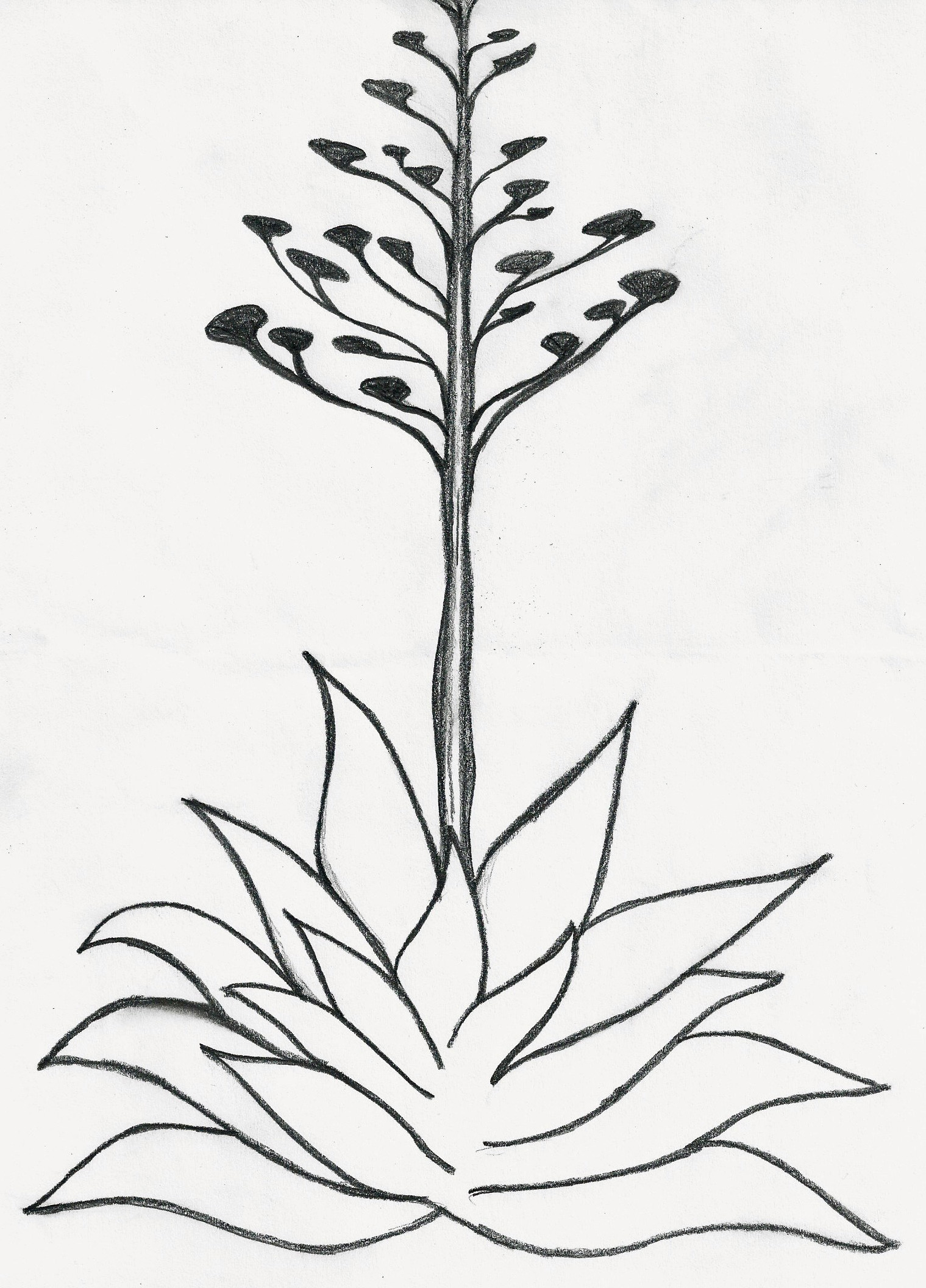
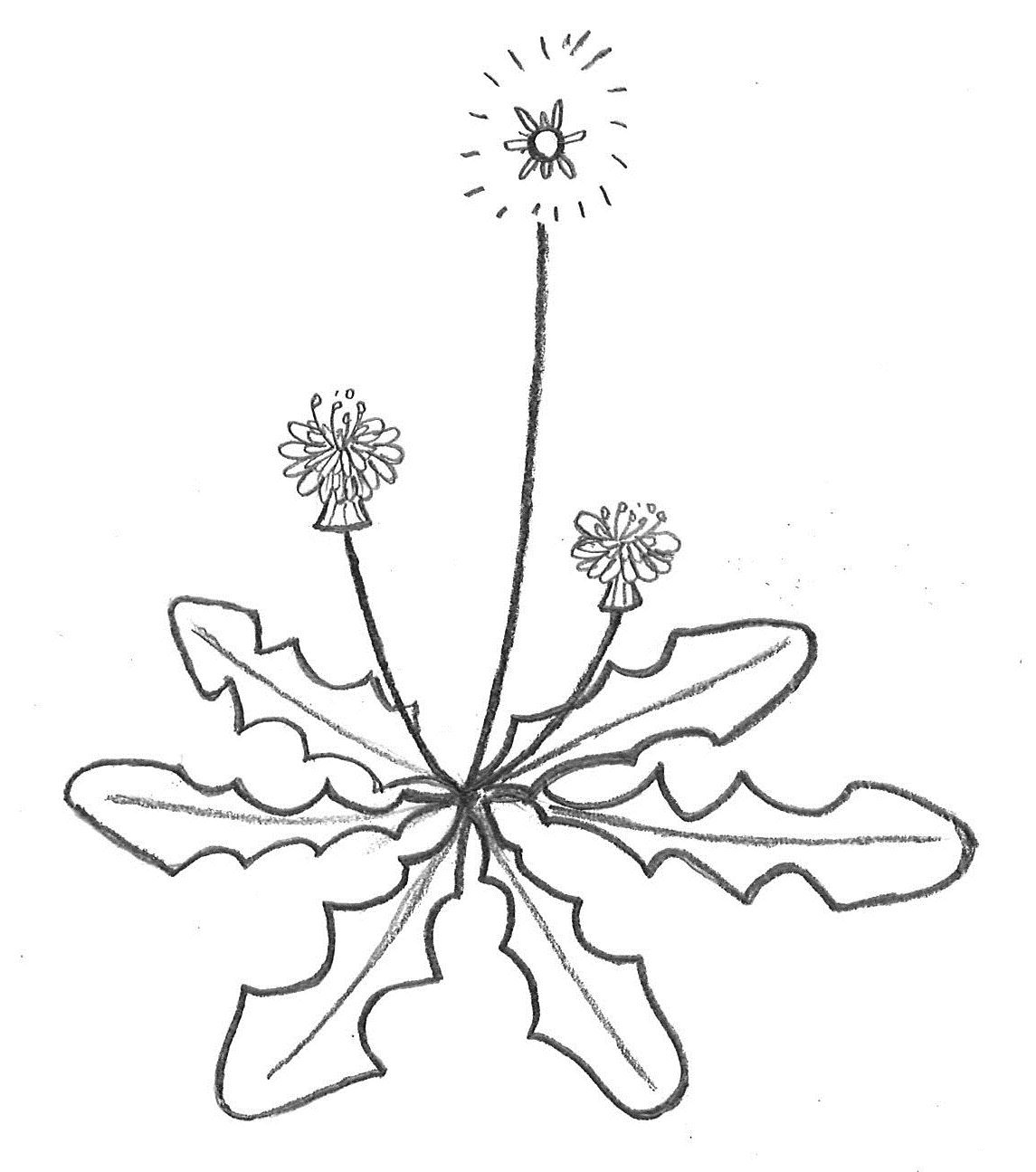
One thing I have resolved to do this year is learn to draw. I love botanical illustrations, and I have always been envious of the artistic abilities of others. My drawing skills are seriously lacking, but a little practice might help improve that. While it is bound to be a source of embarrassment for me, I have decided to post my progress along the way. So even if you have less to read here, you will at least get to check out some of my dumb drawings. Like this one:
One of my favorite things this year has been Awkward Botany’s new Facebook page. With Sierra’s help, we have finally joined that world. Sierra has been managing the page and is the author of most of the posts, and she is doing an incredible job. So if you haven’t visited, liked, and followed, please do. And of course, the invitation still stands for the twitter and tumblrpages, as well.
Lastly, as I have done in the past I am including links to posts from 2017 that were part of ongoing series. These and all other posts can be found in the Archives widget on the right side of the screen. During the summer I did a long series about weeds called Summer of Weeds, the conclusion of which has a list of all the posts that were part of that series. Thank you again for reading and following along. Happy botanizing and nature walking in 2018. I hope you all have a plant filled year.
In climates where winter sucks the garden inside itself and into quiet dormancy, it is often dead stalks and seed heads that provide the most visual interest. They also become, in some respects, a reminder of a garden that once was and what will be again.” — Gayla Trail, Grow Curious
If, like me, it is during the growing season that you really thrive, winters can be brutal. Color has practically been stripped from the landscape. Death and slumber abound. Nights are long and days are cold. It’s a lengthy wait until spring returns. Yet, my love of plants does not rest. And so, I look for beauty in a frozen landscape.
In evergreens, it is obvious. They maintain their color year-round. Large bunchgrasses, shrubs and trees with interesting bark or branching habits, dried fruits and unique seed heads – all of these things are easy to spot and visually interesting.
Beyond that, there are things that we are not accustomed to finding beauty in. Such things require a keen eye, close observation, and the cultivation of greater understanding and appreciation. For most people, weeds fall into this category. What is there to love or find beautiful?
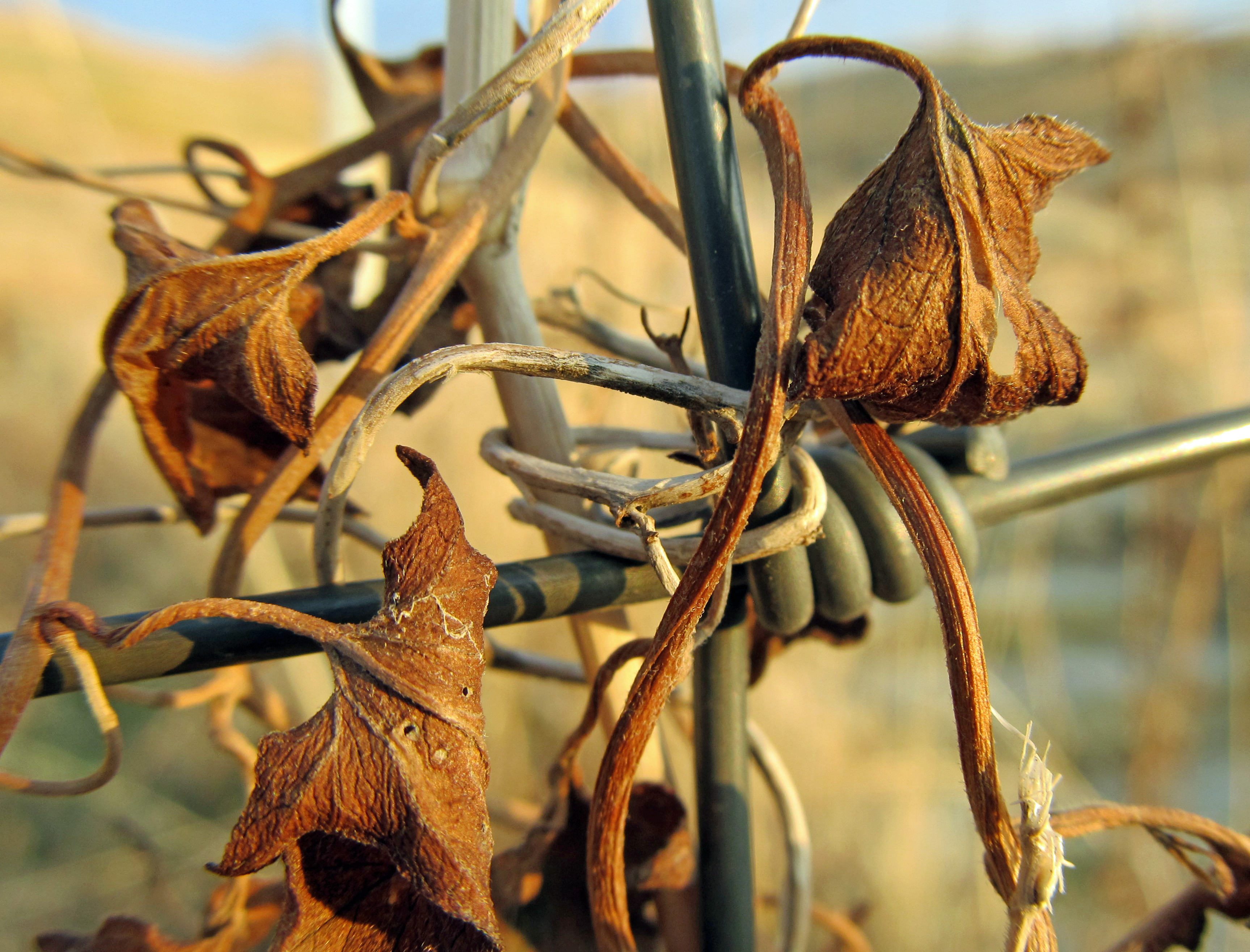
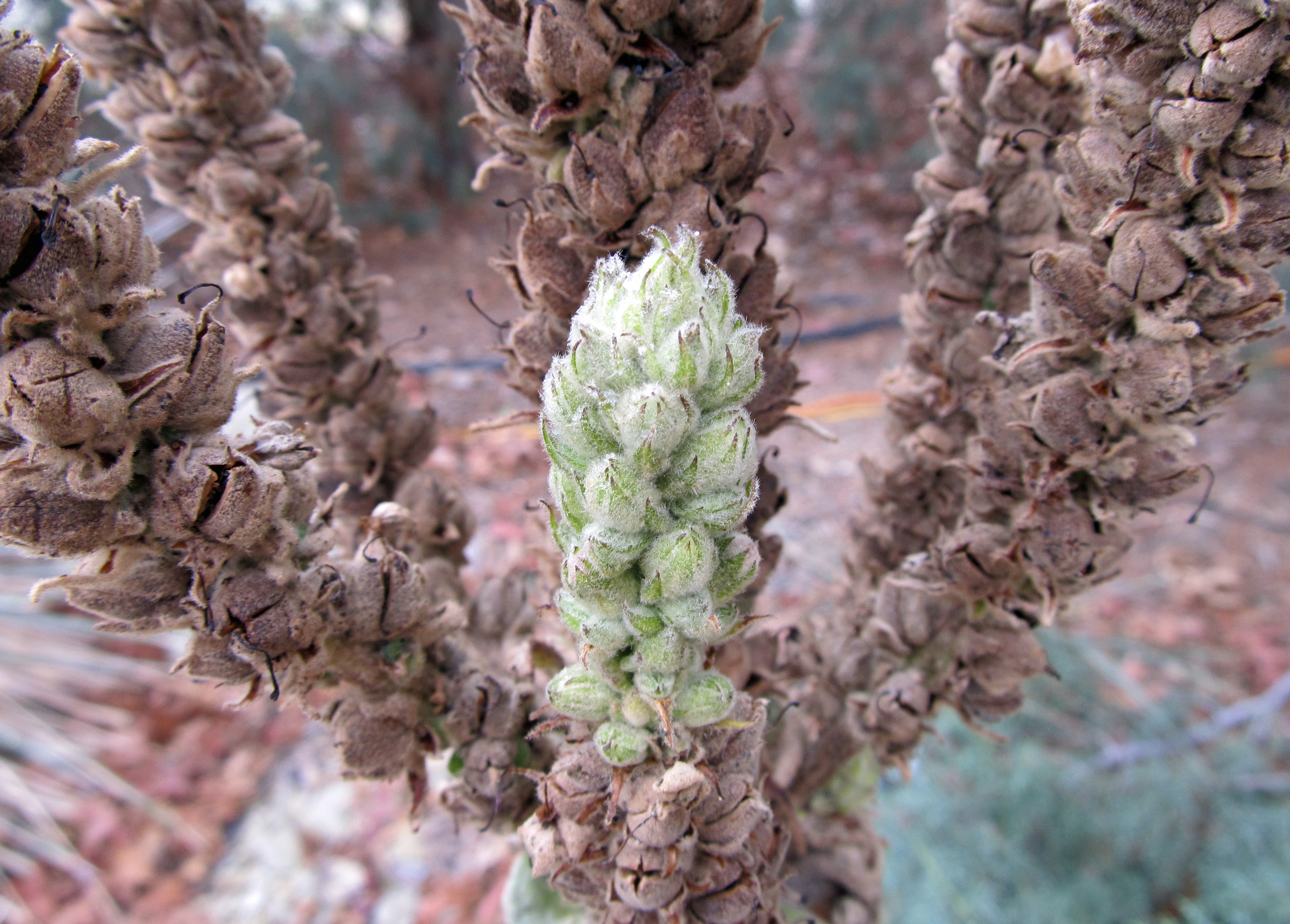
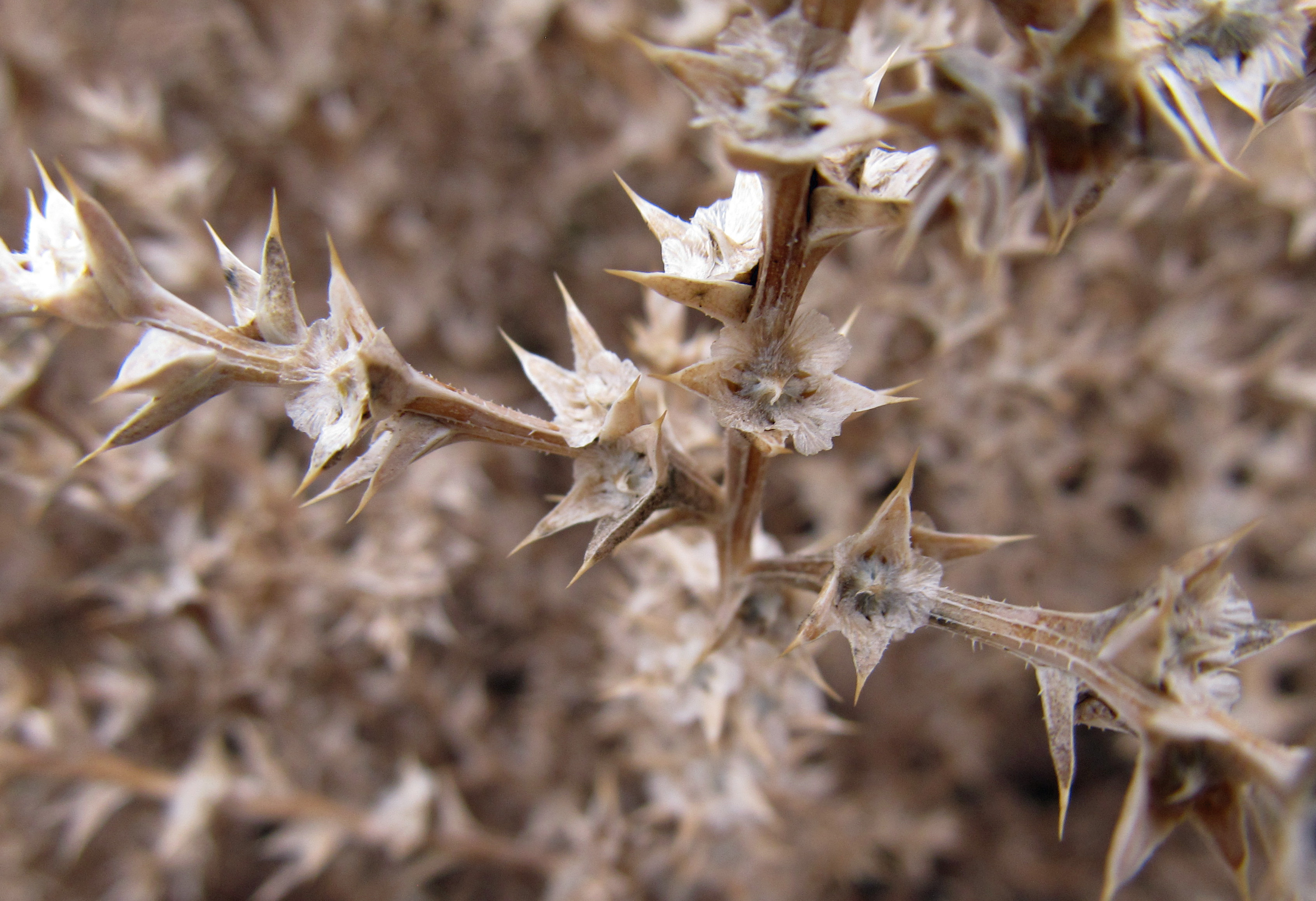
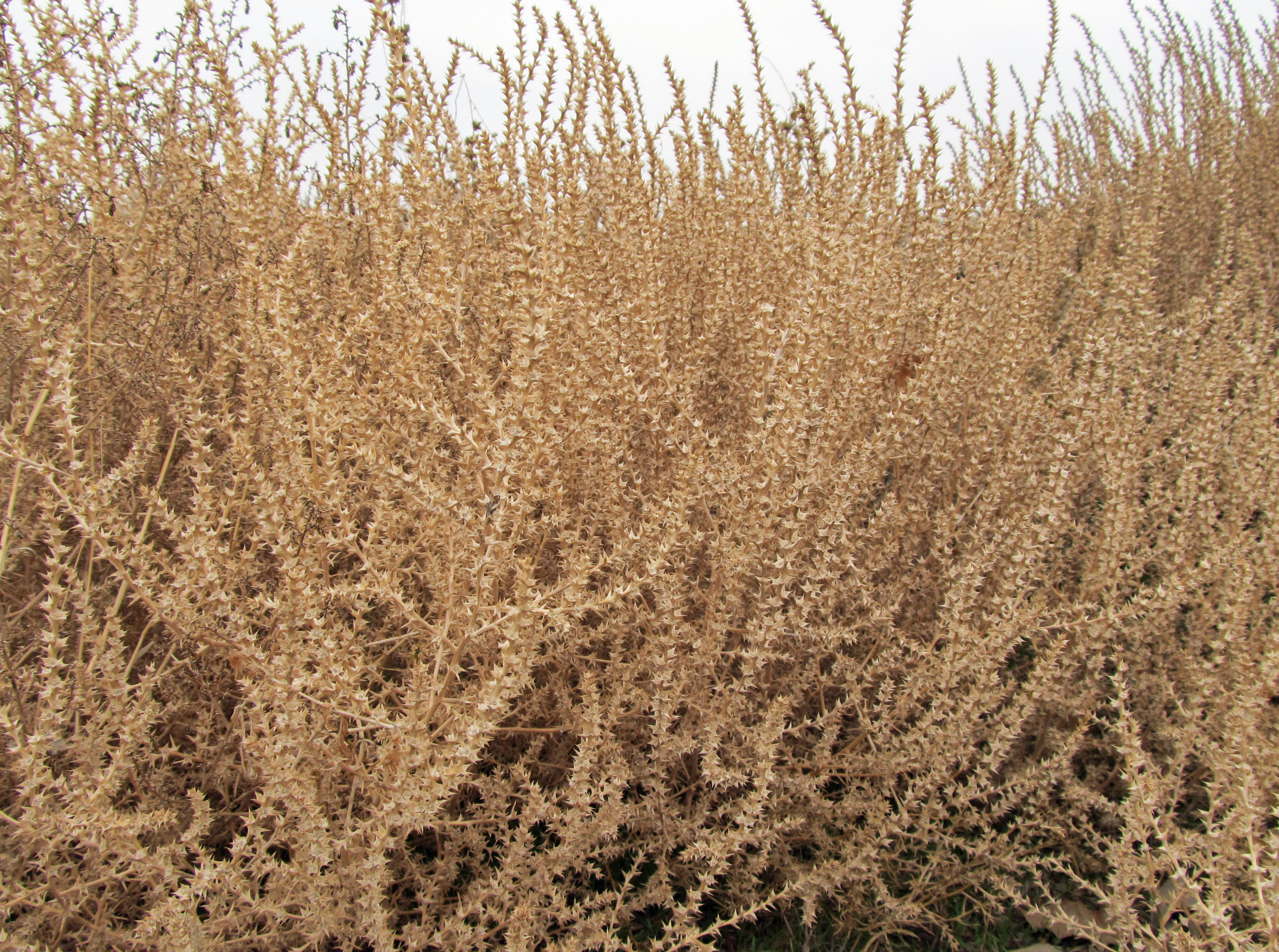
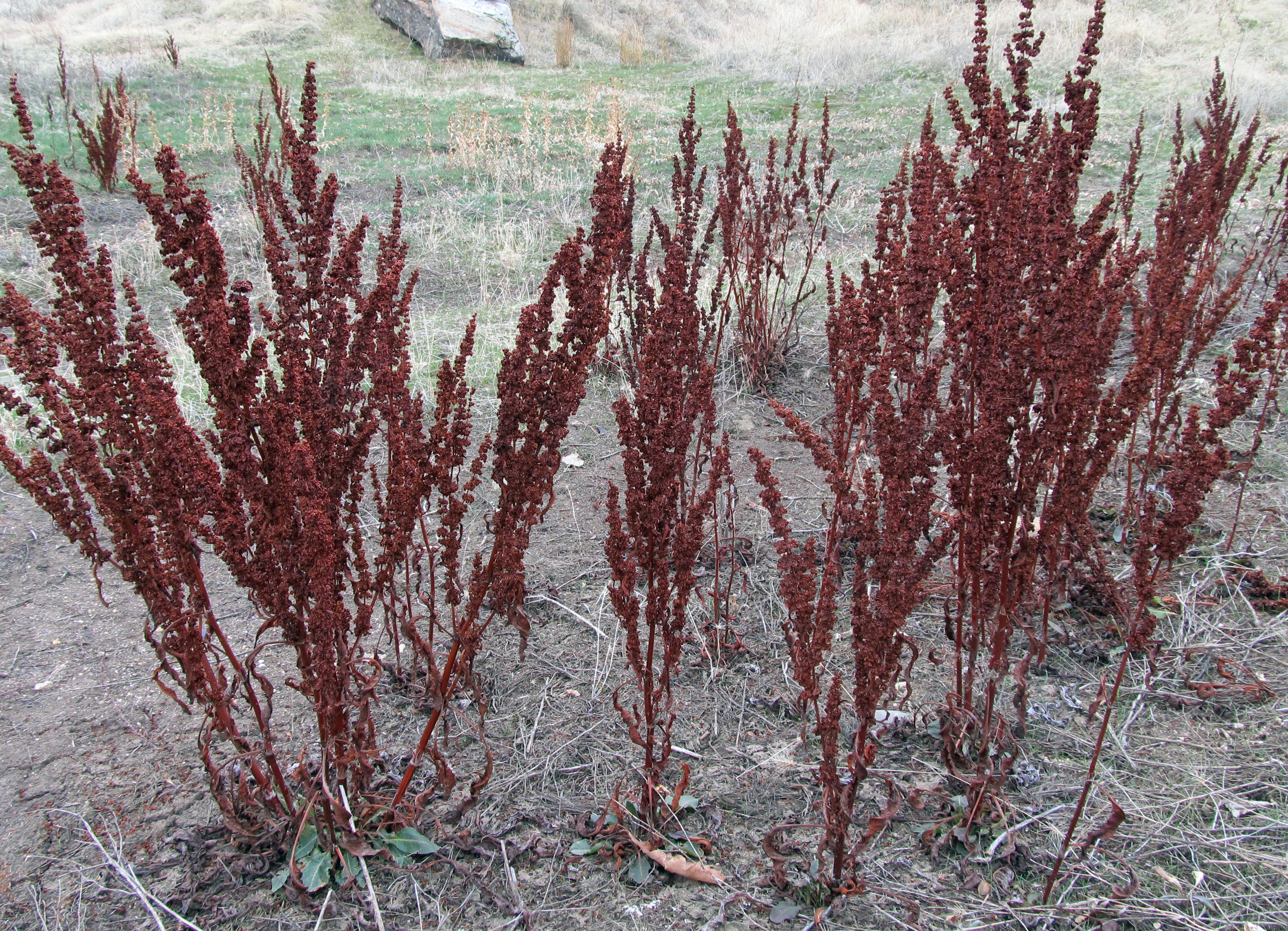
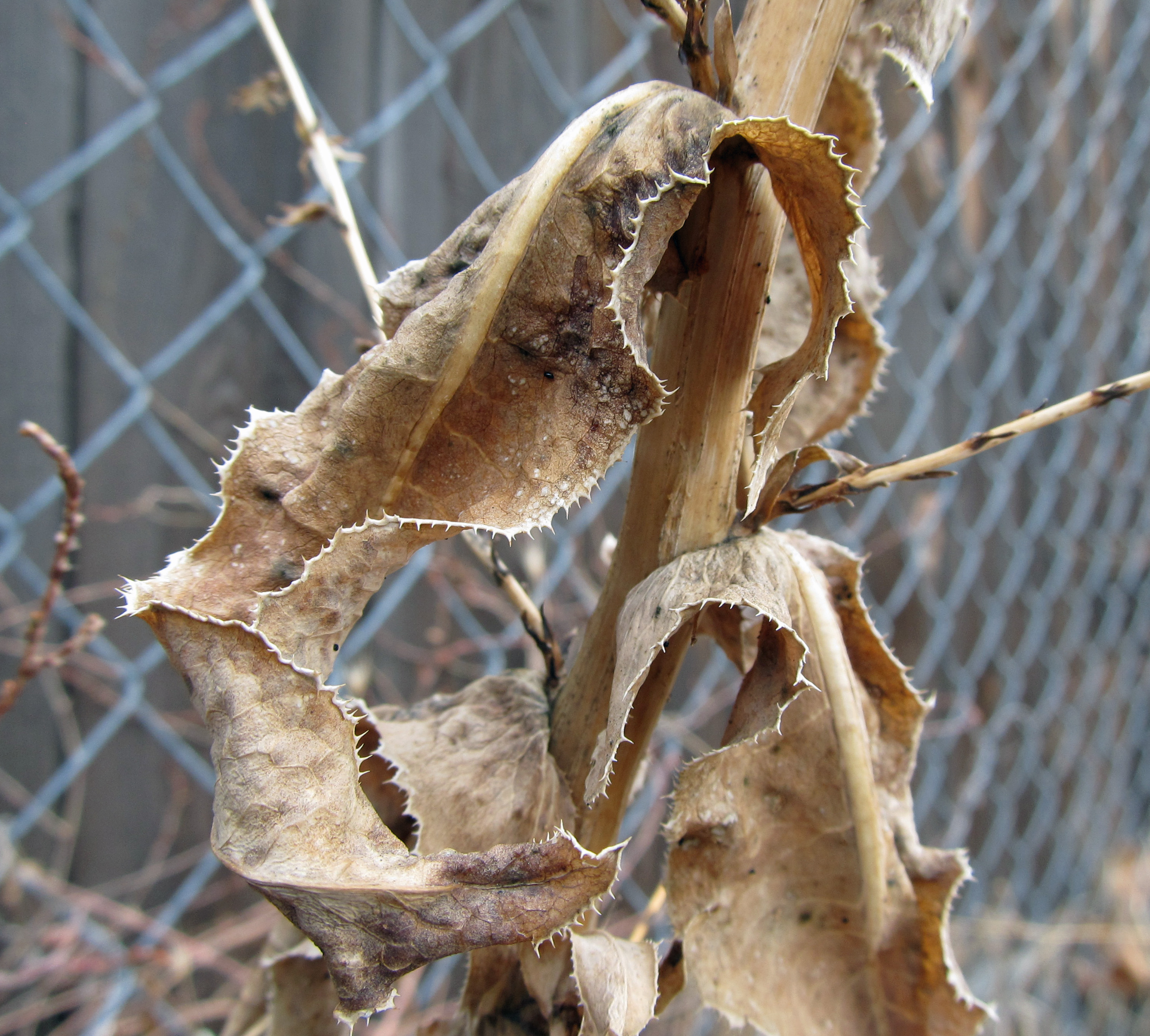
I am of the opinion that there is plenty there to intrigue us. From their spent flowers to their seed heads and dried-up leaves, they can be just as interesting as the plants we deem more desirable. The winter-long green of winter annuals alone is evidence enough. So, here is my attempt to redeem some of these plants by nominating them as candidates for winter interest.
A friendly reminder: Refrain from being overly ambitious with your fall cleanup and, instead, leave certain plants in place. This not only provides winter interest but can also be beneficial to the wild creatures we share space with.
Flowers come in a wide array of shapes, sizes, colors, and scents. Their diversity is downright astounding. Each individual species of flowering plant has its own lengthy story to tell detailing how it came to look and act the way it does. This is its evolutionary history. Unraveling this history is a nearly insurmountable task, but one that scientists continue to chip away at piece by piece.
In the case of floral traits – particularly for flowers that rely on pollinators to produce seeds – it is safe to say that millennia of interactions with floral visitors have helped shape not only the way the flower looks, but also the nature of its nectar and pollen. However, flowers are “expensive” to make and maintain, so even though they are necessary for reproduction, plants must find a balance between that and allocating resources for defense – against both herbivory and disease – and growth. This balance can differ depending on a plant’s life history – whether it is annual or perennial. An annual plant has one shot at reproduction, so it can afford to funnel much of its energy there. If a perennial is unsuccessful at reproduction one year, there is always next year, as long as it has allocated sufficient resources towards staying alive.
Where a plant exists in the world also influences how it looks. Abiotic factors like temperature, soil type, nutrient availability, sun exposure, and precipitation patterns help shape, through natural selection, many aspects of a plant’s anatomy and physiology, including the structure and composition of its flowers. Additional biotic agents like nectar robbers, florivores, and pathogens can also influence certain floral traits.
This is the background that researchers from the University of Central Florida and University of Georgia drew from when they set out to investigate the reasons for the diverse floral morphologies in the genus Helianthus. Commonly known as sunflowers, Helianthus is a familiar genus consisting of more than 50 species, most of which are found across North America. The genus includes both annuals and perennials, and all but one species rely on cross-pollination to produce viable seeds. Pollination is mainly carried out by generalist bees.
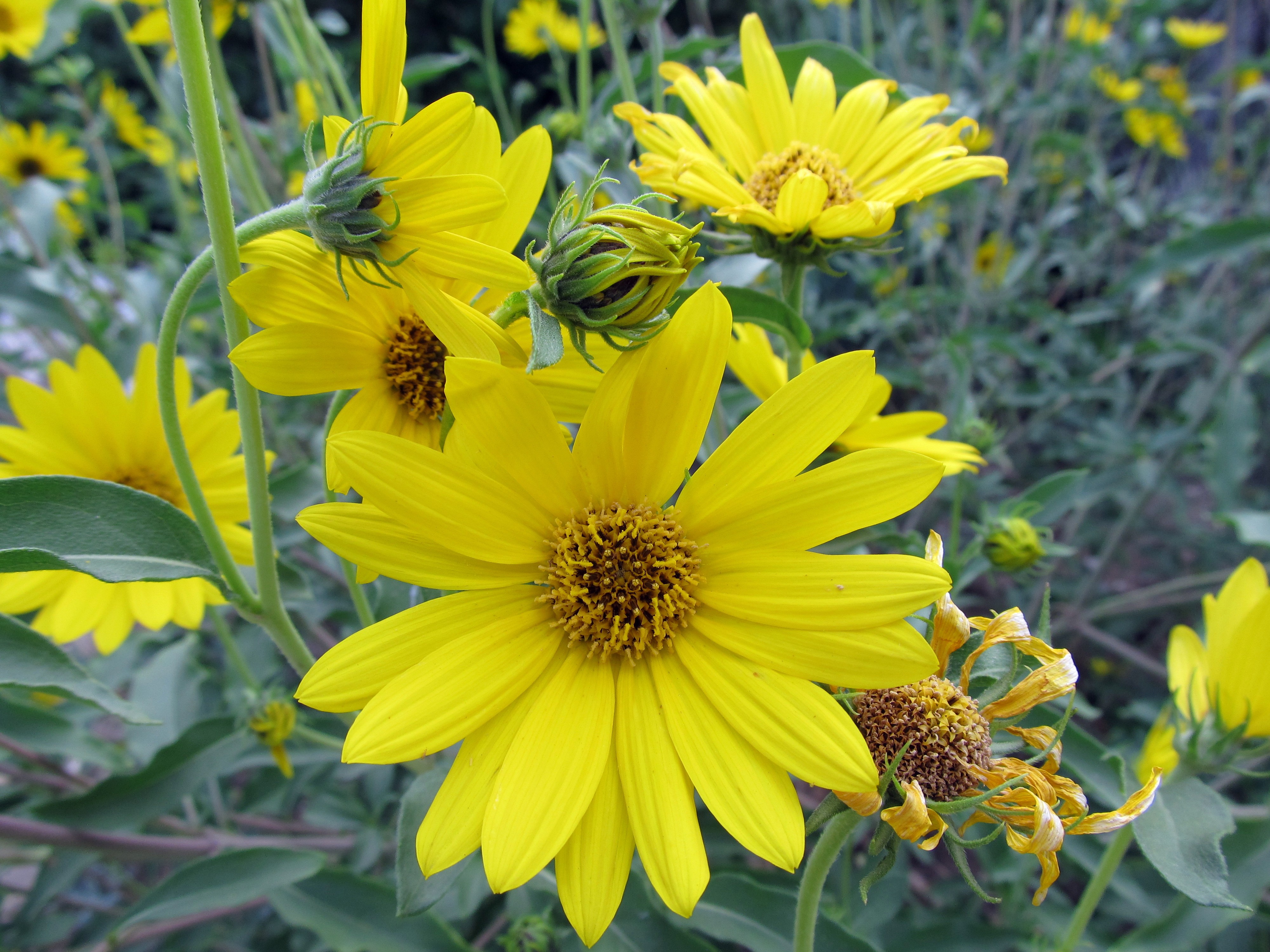
Maximilian sunflower (Helianthus maximiliani)
Helianthus species are found in diverse habitats, including deserts, wetlands, prairies, rock outcrops, and sand dunes. Their inflorescences – characteristic of plants in the family Asteraceae – consist of a collection of small disc florets surrounded by a series of ray florets, which as a unit are casually referred to as a single flower. In Helianthus, ray florets are completely sterile and serve only to attract pollinators. Producing large and numerous ray florets takes resources away from the production of fertile disc florets, and sunflower species vary in the amount of resources they allocate for each floret form.
In a paper published in the July 2017 issue of Plant Ecology and Evolution, researchers selected 27 Helianthus species and one Phoebanthus species (a closely related genus) to investigate “the evolution of floral trait variation” by examining “the role of environmental variation, plant life history, and flowering phenology.” Seeds from multiple populations of each species were obtained, with populations being carefully selected so that there would be representations of each species from across their geographic ranges. The seeds were then grown out in a controlled environment, and a series of morphological and physiological data were recorded for the flowers of each plant. Climate data and soil characteristics were obtained for each of the population sites, and flowering period for each species was collected from various sources.
The researchers found “all floral traits” of the sunflower species to be “highly evolutionarily labile.” Flower size was found to be larger in regions with greater soil fertility, consistent with the resource-cost hypothesis which “predicts that larger and more conspicuous flowers should be selected against in resource-poor environments.” However, larger flower size had also repeatedly evolved in drier environments, which goes against this prediction. Apart from producing smaller flowers in dry habitats, flowering plants have other strategies to conserve water such as opening their flowers at night or flowering for a short period of time. Sunflowers do neither of these things. As the researchers state, “this inconsistency warrants consideration.”
The researchers speculate that “the evolution of larger flowers in drier environments” may be a result of fewer pollinators in these habitats “strongly favoring larger display sizes in self-incompatible species.” The flowers are big because they have to attract a limited number of pollinating insects. Conversely, flowers may be smaller in wetter environments because there is greater risk of pests and diseases. This is supported by the enemy-escape hypothesis – smaller flowers are predicted in places where there is increased potential for florivory and pathogens. Researchers found that lower disc water content had also evolved in wetter environments, which supports the idea that the plants may be defending themselves against flower-eating pests.
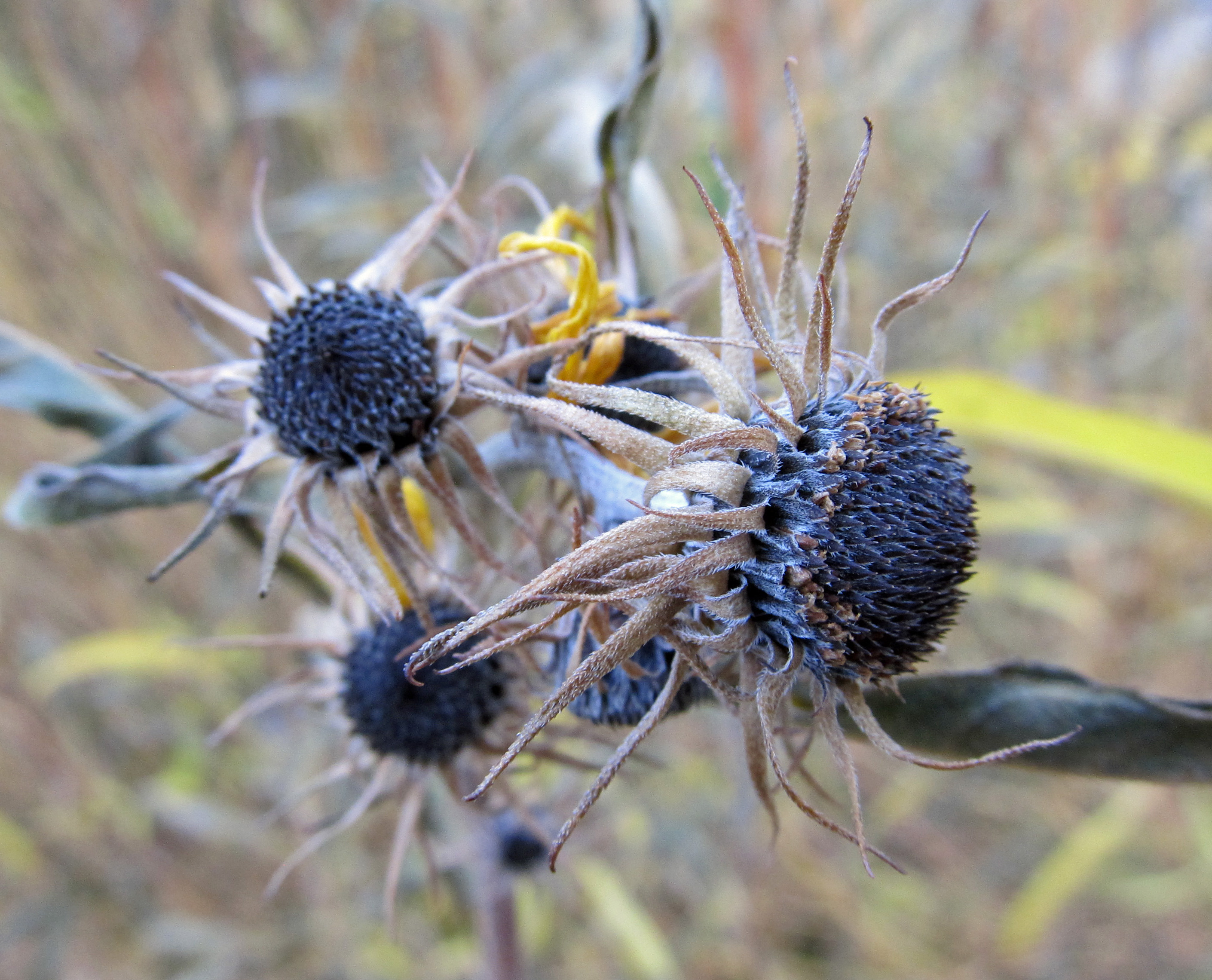
Seed heads of Maximilian sunflower (Helianthus maximiliani)
Another interesting finding is that, unlike other genera, annual and perennial sunflowerspecies allocate a similar amount of resources towards reproduction. On average, flower size was not found to be different between annual and perennial species. Perhaps annuals instead produce more flowers compared to perennials, or maybe they flower for longer periods. This is something the researchers did not investigate.
Finally, abiotic factors were not found to have any influence on the relative investment of ray to disc florets or the color of disc florets. Variations in these traits may be influenced instead by pollinators, the “biotic factor” that is considered “the classic driver of floral evolution.” This is something that will require further investigation. As the researchers conclude, “determining the exact drivers of floral trait evolution is a complex endeavor;” however, their study found “reasonable support for the role of aridity and soil fertility in the evolution of floral size and water content.” Yet another important piece to the puzzle as we learn to tell the evolutionary history of sunflowers.
I collect cacti and succulents. The more I collect plants, the more and more I become interested in taxonomic and phylogenetic relationships between them. Not just my own plants – all of them. Most recently, the genus Euphorbia has been on my mind. My favorite species are E. meloformis var. valida and E. horrida.
I’m mostly familiar with the succulent and cacti-looking euphorbia (they are not true cacti) and a few ornamental annuals. Sometimes I would come across a species that I could determine was a euphorbia; but in trying to identify exactly which species, I found countless possibilities within the genus. It seemed odd to me that a single genus could contain so many different forms.
Turns out, Euphorbia consists of over 1800 separate species. What?! That is an insanely high number! Only about 20 genera of plants contain over 1000 separate species. Euphorbia is the fourth most populated genus among all genera of plants.
That staggering number got me thinking: how can a single genus have so many different species? How has the classification worked that out? Has the genus been phylogenetically examined? There’s no way a genus can be so huge. You know what breeders and collectors can do with that much genetic material in a single genus? The man-made hybrids seem endless.
Euphorbia globosa in bloom
Taxonomy
In older taxonomic practices, morphological similarities were the primary method of grouping individuals together. While that is still a common practice today, phylogenetic testing is now an accessible tool for organizing species into related groups.
Organizations such as the Angiosperm Phylogeny Group (APG) have been doing this advanced scientific research – analyzing DNA, doing detailed dissection, etc. Ultimately, they organize plant taxonomy and systematics with greater detail, and examine plant relationships genetically – phylogenetics.
Analyzing genomes is much more expensive and time consuming than observing morphologies. Now, a mix of methods is used, but DNA sequencing has definitely changed the systematics game in a big way. As a result of the APG’s incorporation of widespread phylogenetic DNA analyses, their taxonomical classifications are quickly becoming the generally accepted classifications among plant taxonomists.
Since the inclusion of genetic testing, many plant orders, families, and genera have been reorganized, renamed, expanded, or shrunk.
Euphorbia
One of the identifying features of euphorbias are their very unique flowers. All species in the genus have a cyathium, an inflorescence exclusively produced by euphorbias. Lacking in true petals, sepals, or nectaries, monoecious euphorbia flowers possess only the most essential parts of reproduction. However, bracts, extra-floral nectaries, and other structures surrounding the reproductive parts of the flowers make them appear superficially different.
It would be very time consuming to sequence the DNA of every member of this genus to see where they all fit. Approximately 10% of the euphorbias have been phylogenetically examined, and they confirm the traditional morphological placement. How about that?
Interestingly, of the species genetically analyzed, some were subsequently placed into the genus Euphorbia after historically being considered members of other genera.
Euphorbia horrida and Euphorbia obesa
So? What’s that mean?
Species within the same genus when crossed can (but not always) produce viable offspring. Sometimes they don’t because of differences in pollinators, flowering times, or geographic location, which prevents hybridization. Clades within plant genera also can affect intra-genus reproduction. For example, hard maples won’t naturally hybridize with soft maples, despite both being in the genus Acer. Perhaps the case is similar between the groups within Euphorbia.
As a plant collector and cacti and succulent enthusiast, imagining the endless amounts of hybrids within a massive genus is a fancy idea to me. The APG’s confirming of the initial classifications of Euphorbia into a massive genus makes the idea of endless hybrids all the more real.
Jeremiah Sandler lives in southeast Michigan, has a degree in horticultural sciences, and is an ISA certified arborist. Follow him on Instagram: @j.deepsea