Field Trip: Bruneau Dunes State Park

One of the aims of American Wetlands Month is to encourage people to get out and visit nearby wetlands. I accepted this challenge by visiting the small lakes and marshes of Bruneau Dunes State Park which is located about 20 miles south of Mountain Home, Idaho (or, 70 miles from my house).

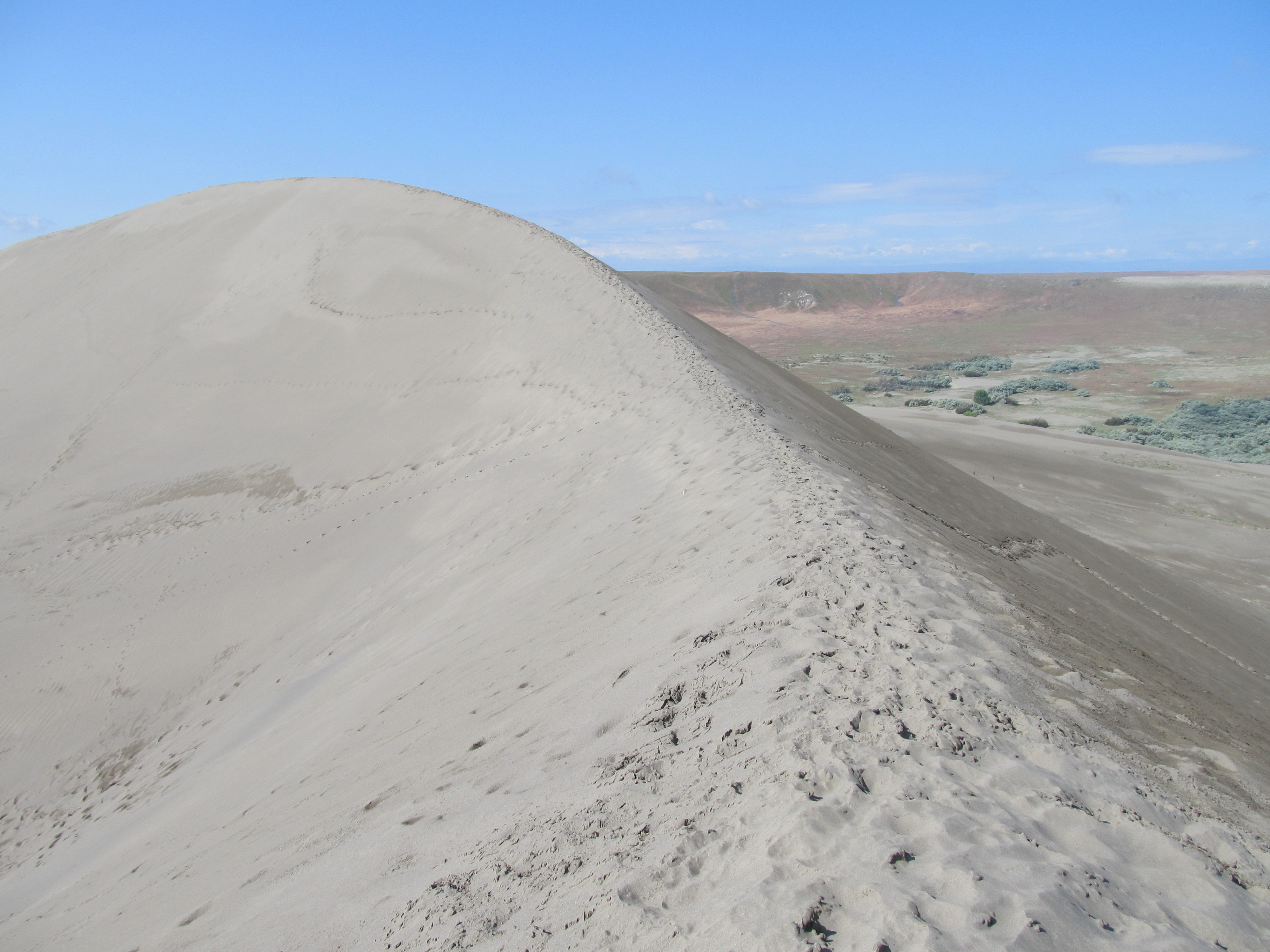
The park is known for its enormous sand dunes, claiming the tallest single-structured sand dune in North America which measures about 470 feet. The dunes began forming about 15,000 years ago during the Bonneville Flood. After the flood receded, the dunes continued to grow due to their unique location – a basin in which strong winds approach from both the northwest and the southeast, carrying sand from the surrounding steppes and keeping the dunes in place.

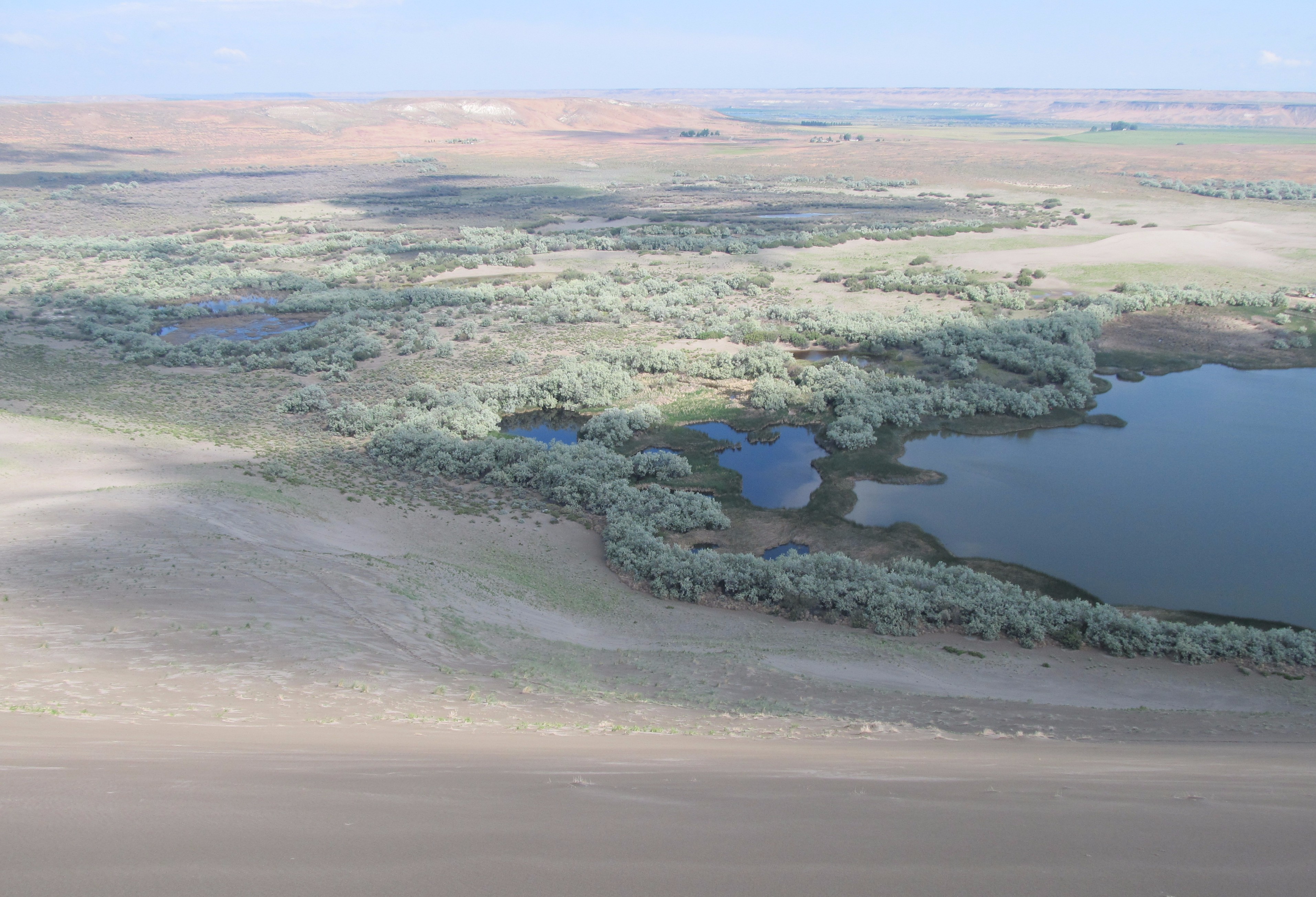
Two small lakes and a marsh are found nestled among the dunes, and the Snake River flows just north of the park. Apart from the dunes and the wetlands, the park also includes desert and prairie habitats and is situated in an extensive conservation area called Morley Nelson Snake River Birds of Prey. If that’s not enough, Bruneau Dunes State Park is home to a public observatory, where visitors can view the night sky and learn more about the stars and our place in the universe.

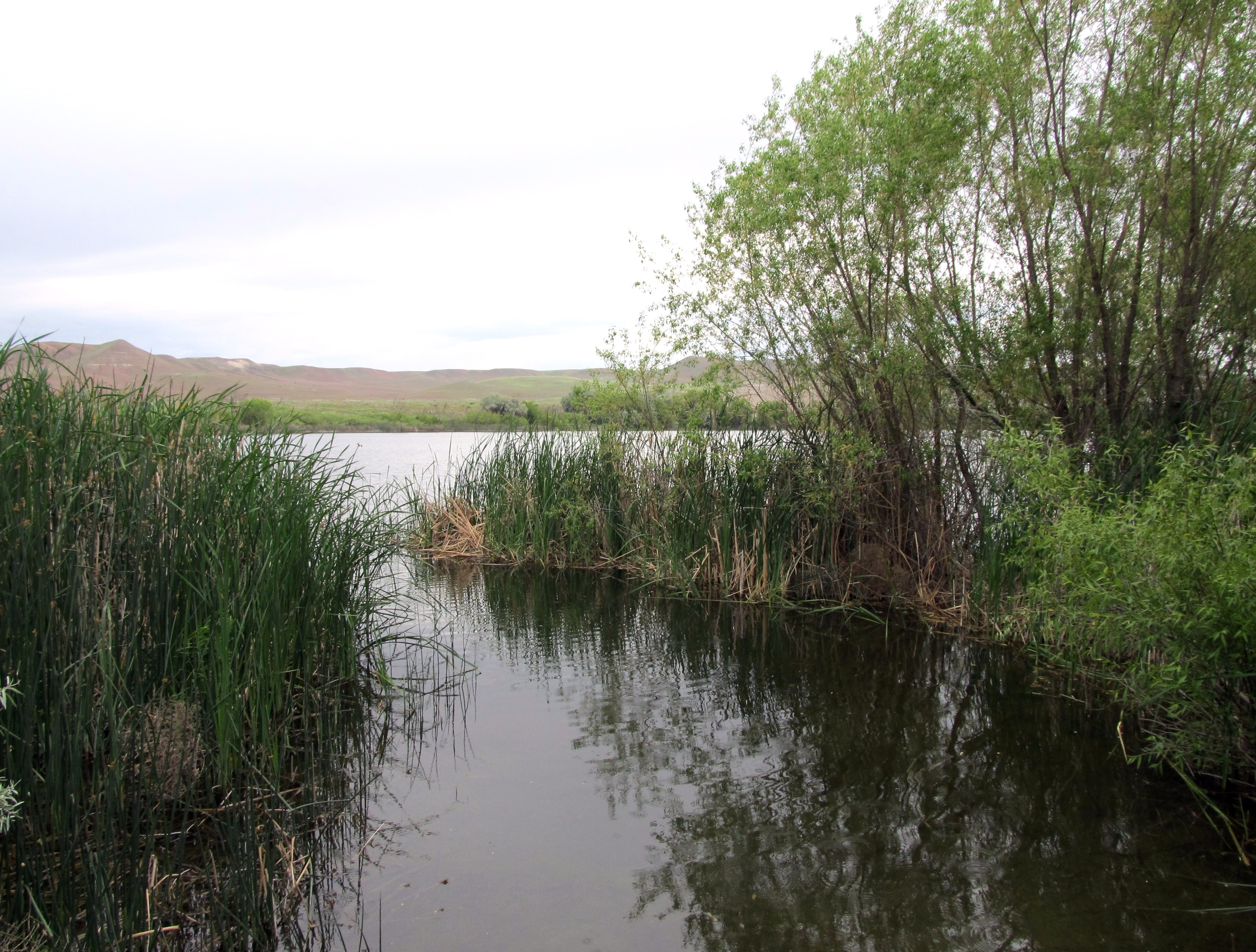
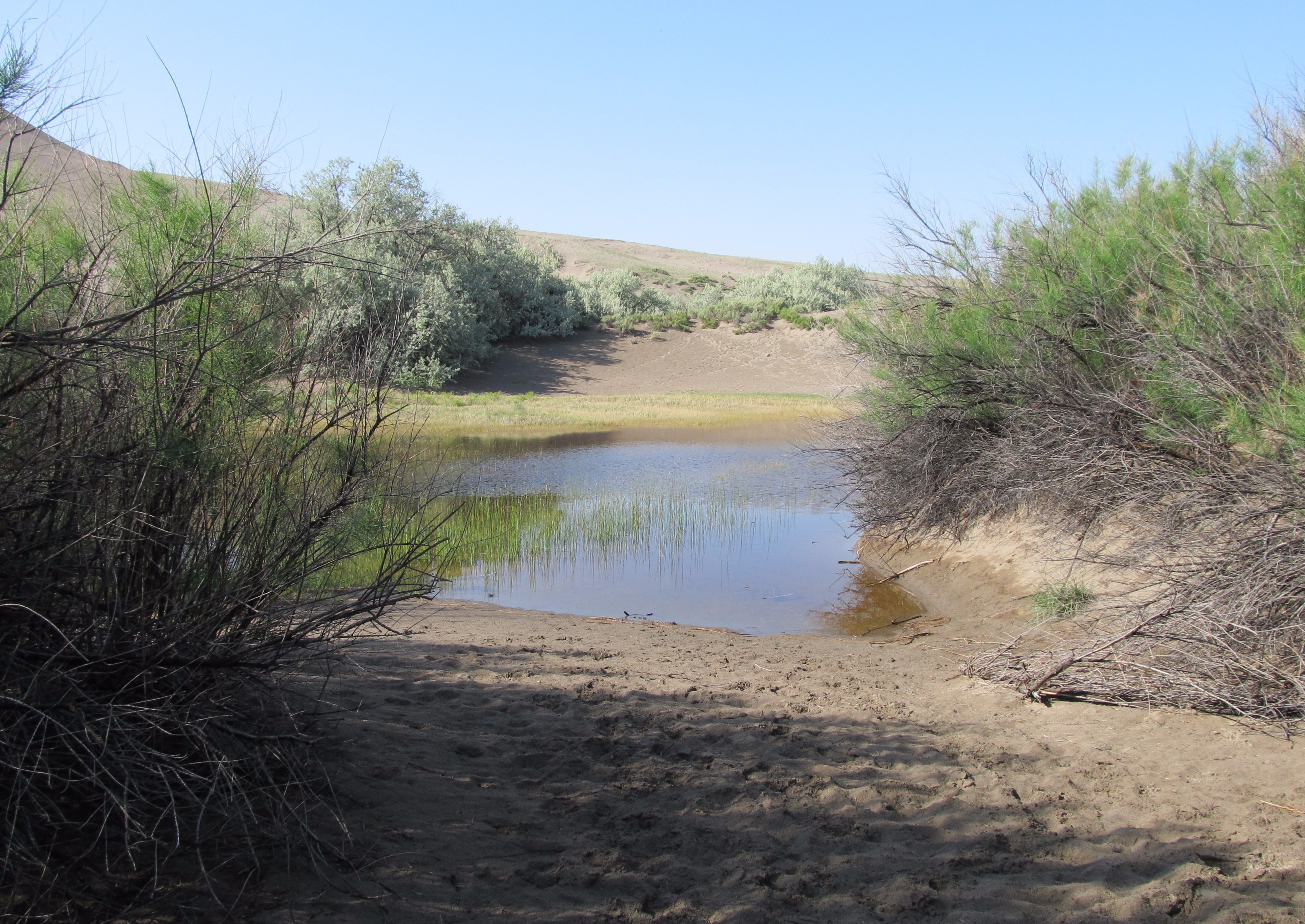
A marshy entrance to Dunes Lake

A marshy entrance to Dunes Lake

Climbing the sand dunes (and, if you’re up for it, sledding down them) is understandably a popular activity at the park. I spent a decent amount of time on top of the dunes, partly because the view was great and because the mosquitoes seemed to be absent up there. Yes, when visiting a wetland, you are advised to carry mosquito repellent, otherwise the cloud of mosquitoes that will undoubtedly surround you will make for an unpleasant experience. They will also make it difficult to stand still long enough to take a decent picture.

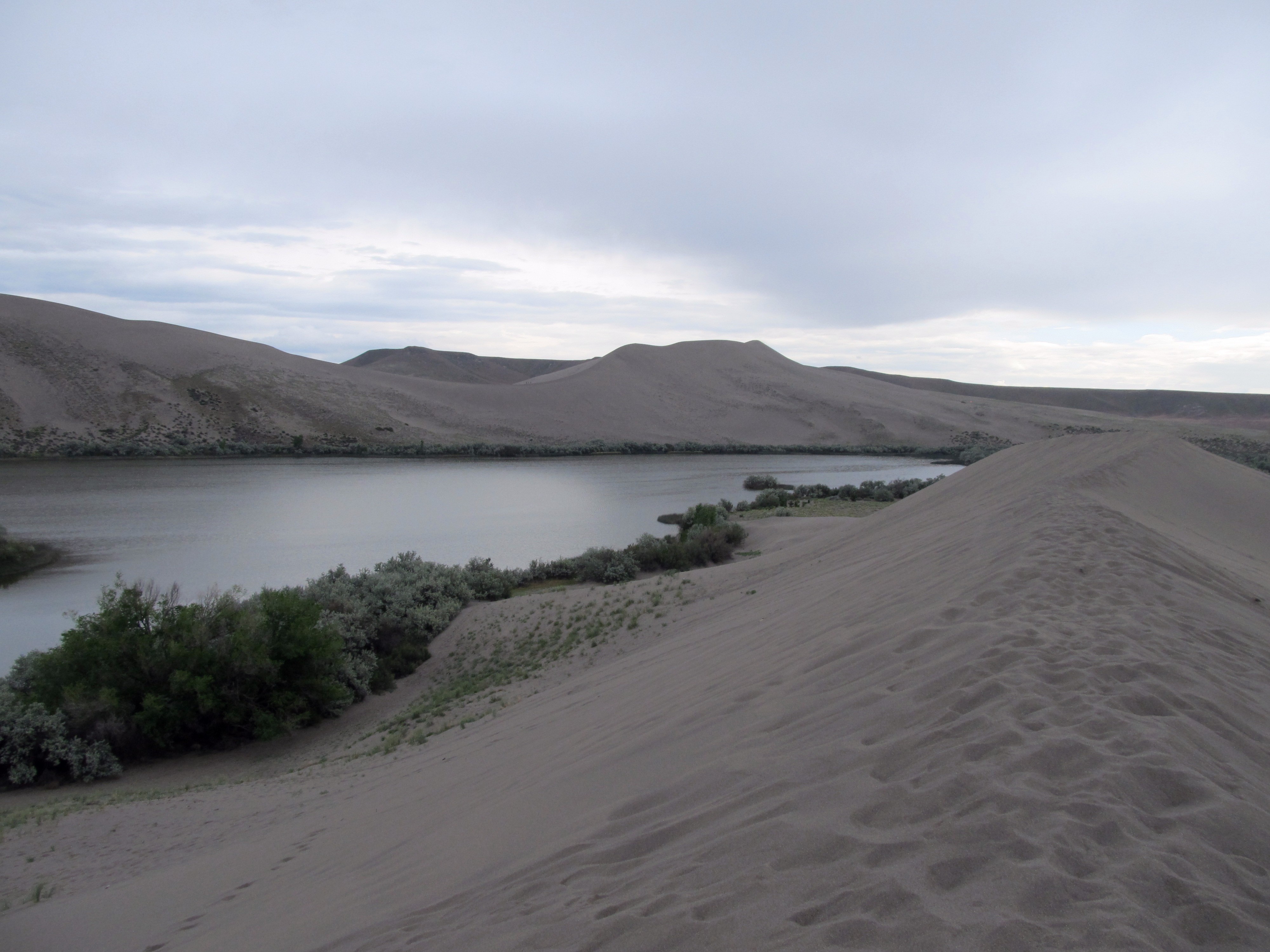
On top of a small dune looking across lake to large dune.

On top of small dune looking across lake to large dune

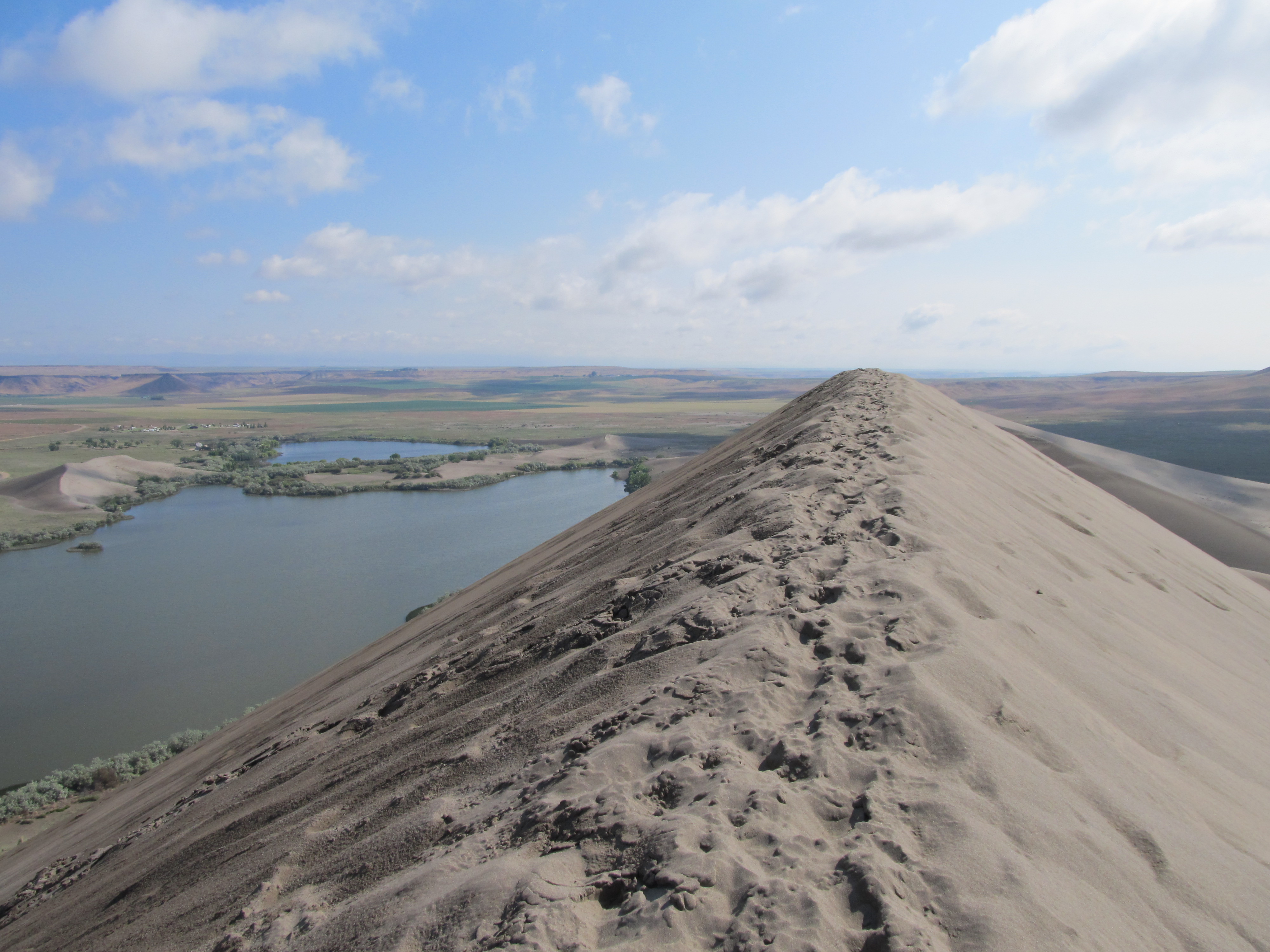
On top of large dune looking across lake to small dune.

On top of large dune looking across lake to small dune

Traversing the spine of a brontosauras (aka sand dune).

Traversing the spine of a brontosaurus (a.k.a. sand dune)

On top of the sand dune looking down at the lake and marsh.

On top of sand dune looking down at the lake and marsh

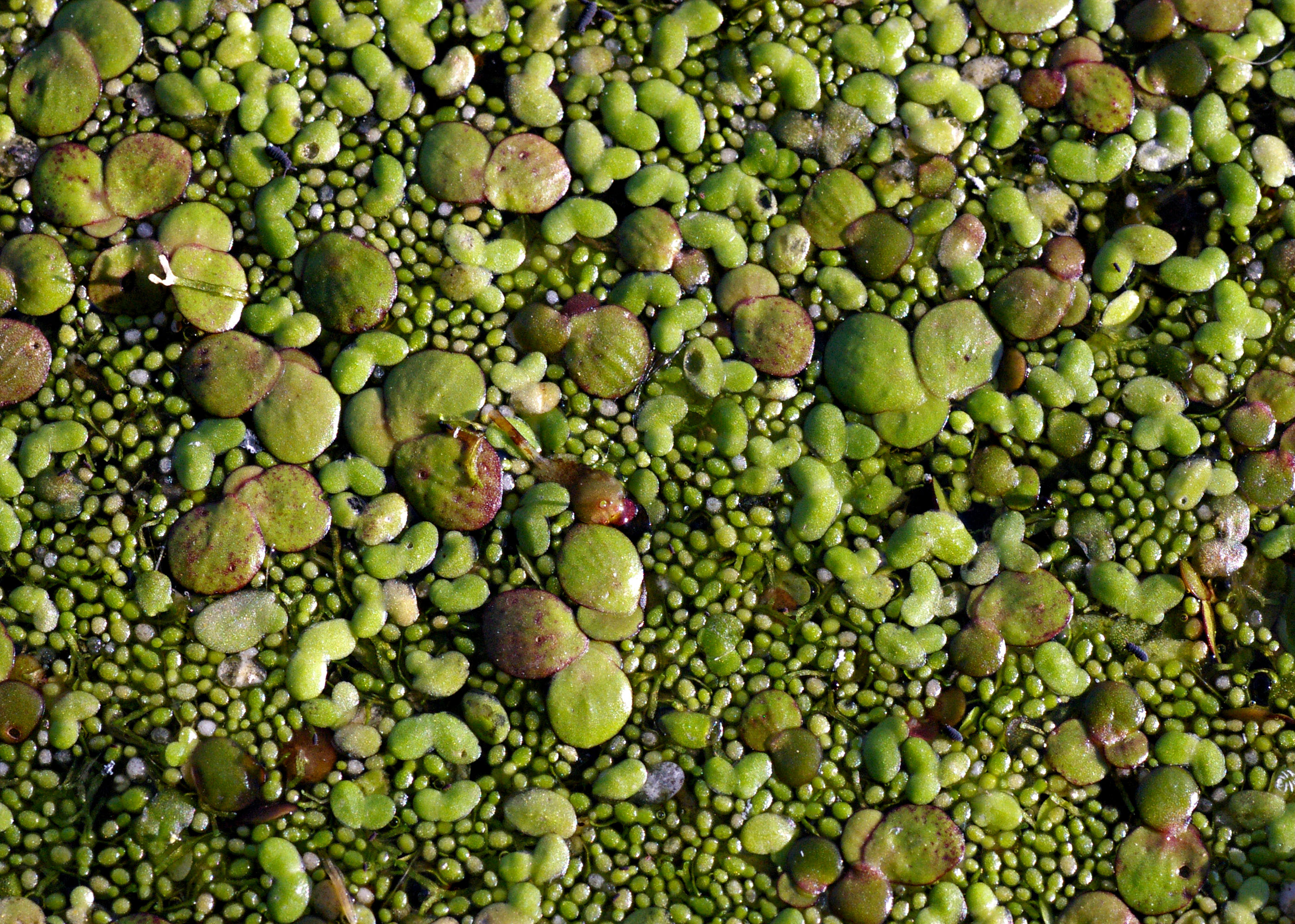
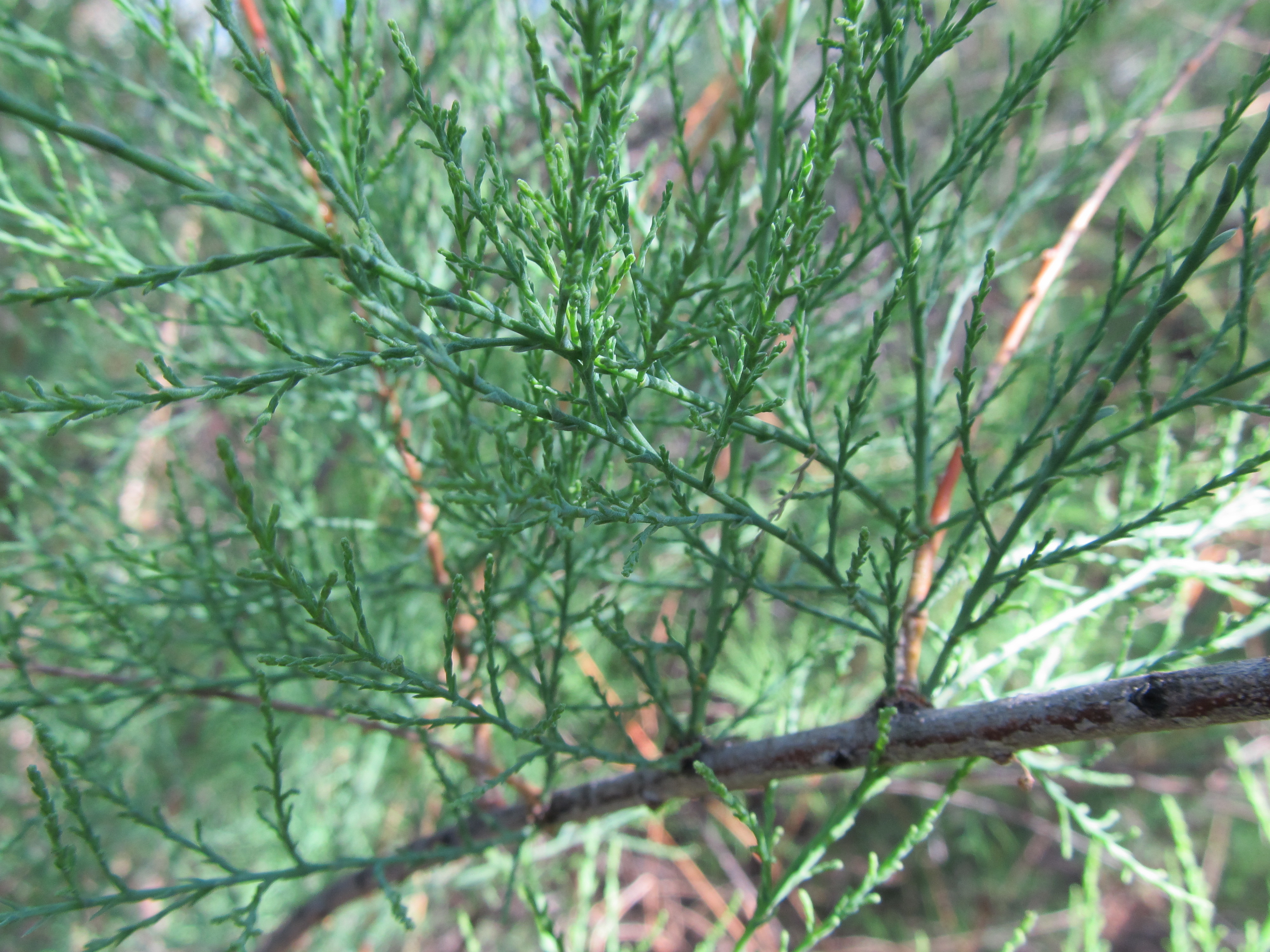
The marshes and shores around the lakes were populated with numerous wetland plants, including swamp milkweed (Aesclepias incarnata), duckweed (Lemna minuta), cattails (Typha sp.), and various rushes, sedges, and grasses. Native shrubs were also present, however the dominant woody plants were (unfortunately) introduced species: Russian olive (Elaeagnus angustifolia) and saltcedar (Tamarix chinenesis).

An entrance to the marsh

An entrance to the marsh

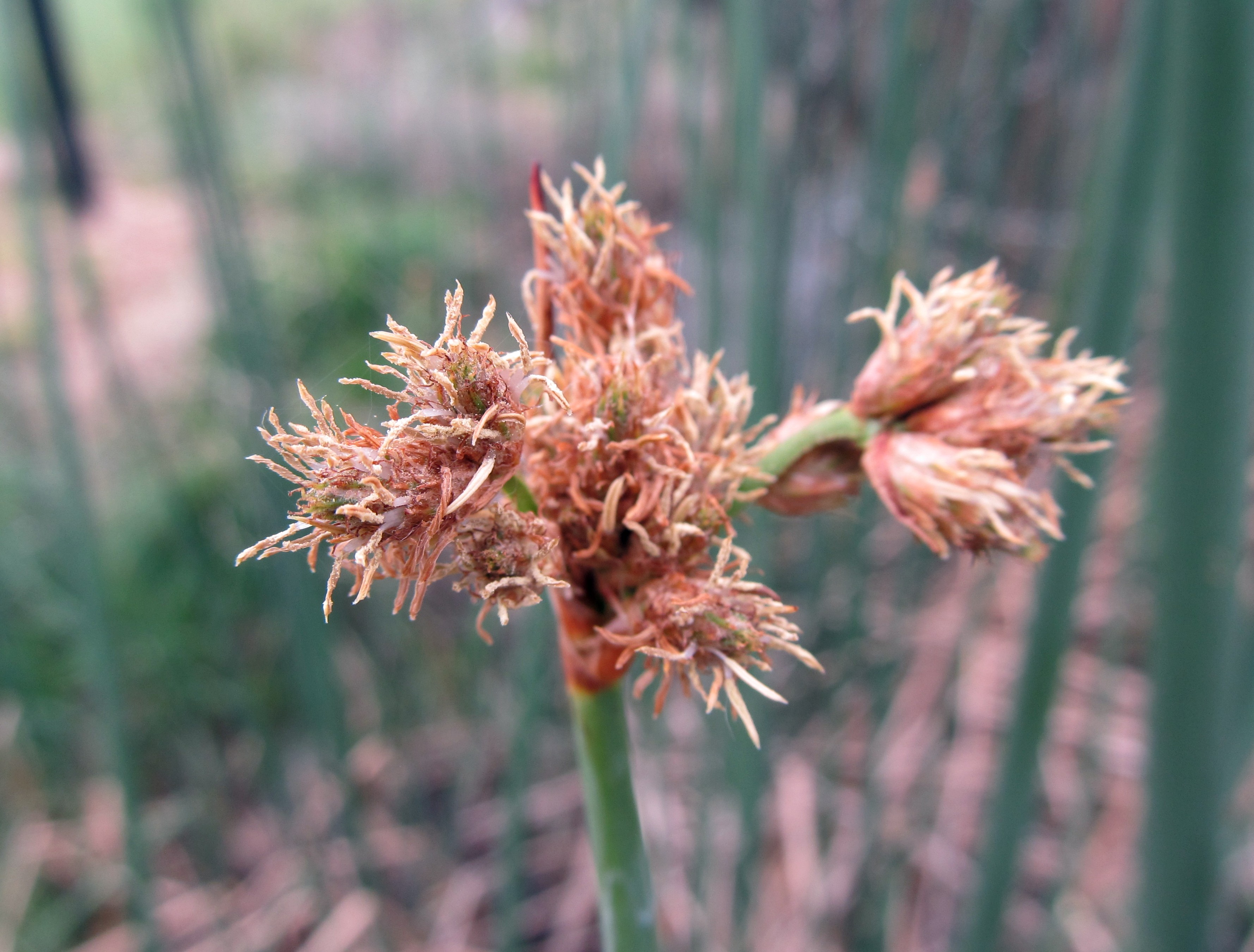
Flowers of bullrush (Schoenoplectus sp.)

Flowers of bulrush (Schoenoplectus sp.)

Russian olive (Eleagnus angustifolia)

Russian olive (Elaeagnus angustifolia)

Saltcedar (Tamarix chinensis)

Saltcedar (Tamarix chinensis)

Despite being there to explore and celebrate the wetland, the plants in the adjacent area (which appeared to be growing in almost 100% sand) continued to draw me away. Some I recognized easily, while others I could only identify to genus or couldn’t identify at all. Some notable observations included low lupine (Lupinus pusillus), sand-dune penstemon (Penstemon acuminatus), pale evening primrose (Oenothera pallida), and species in the genera Astragalus, Erigeron, and Eriogonum. Two bunchgrasses were particularly common throughout the area: Indian ricegrass (Achnatherum hymenoides) and needle and thread grass (Hesperostipa comata).
All of these plants are worthy of being photographed; however, the wind makes that difficult to do. Idaho is a windy state, and an area composed of wind-formed sand dunes is particularly windy. Between swarms of mosquitoes and consistent wind, capturing decent photos was a challenge. Aside from those minor nuissances, I had a very enjoyable time and hope to visit again soon.

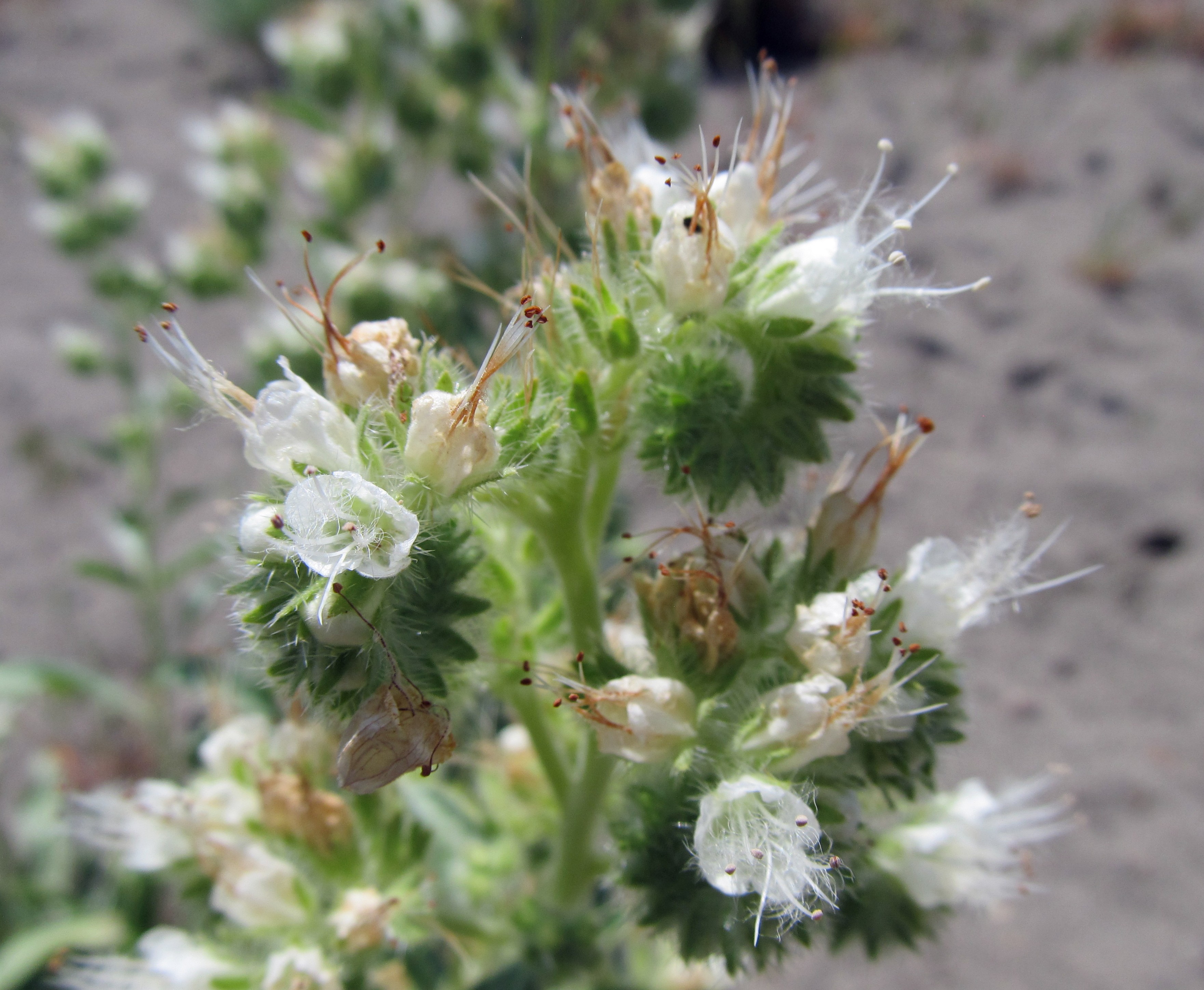
Phacelia (Phacelia hastata)

Silverleaf phacelia (Phacelia hastata)

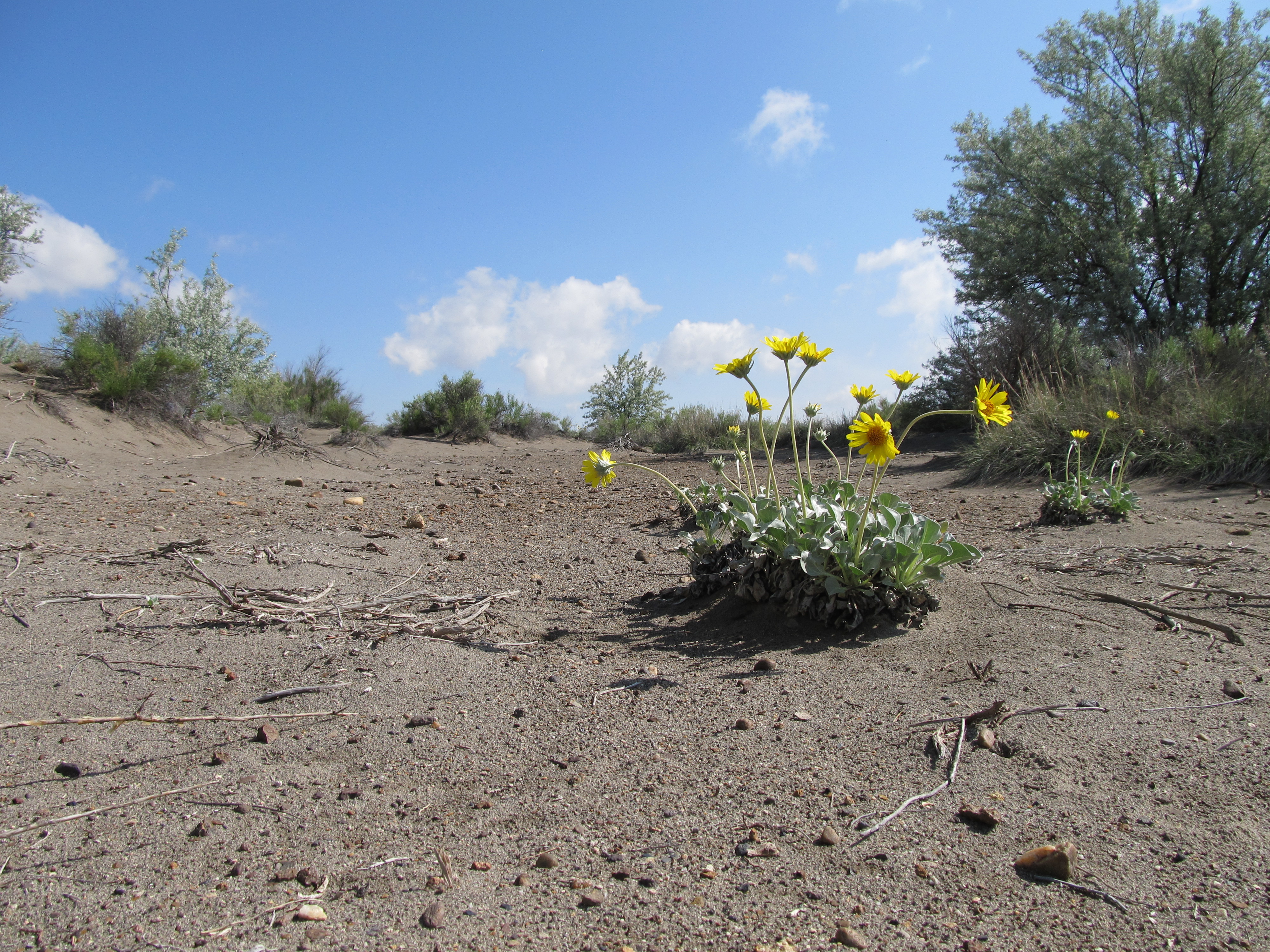
Nakedstem sunray (Enceliopsis nudicaulis)

Nakedstem sunray (Enceliopsis nudicaulis)

Have you visited a wetland this month? Or do you plan to? Share your adventures in the comments section below.

Botany in Popular Culture: Saga of the Swamp Thing

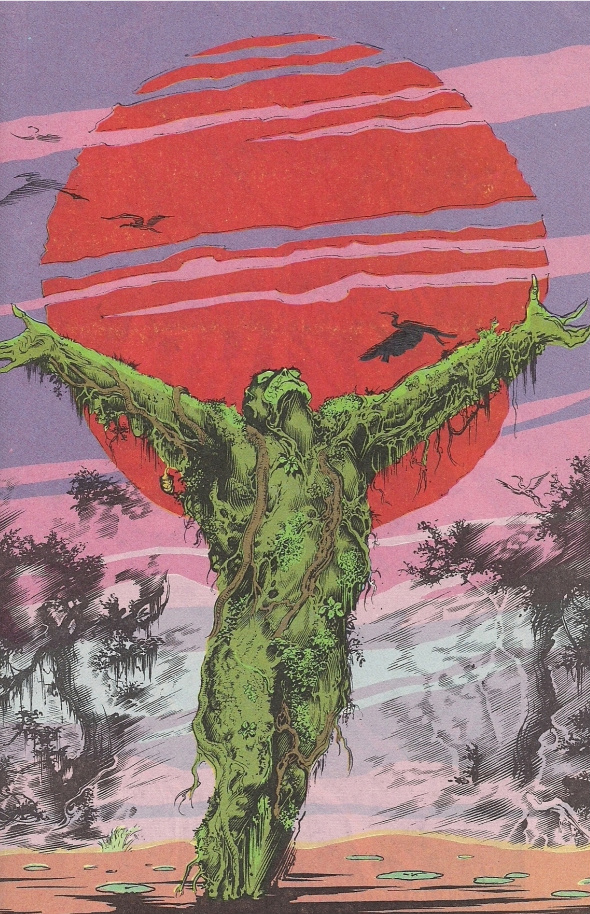
From the swamps of Louisiana comes a fictional character that is entirely composed of vegetation, has the appearance of a monster, and the consciousness of a human. He is called the Swamp Thing. Created by Len Wien and Bernie Wrightson, the Swamp Thing made his first appearance in the ninety-second issue of House of Secrets in 1971. He was then given his own series, which after 19 issues was handed off to up and coming author, Alan Moore.

Moore was an established comic book writer in the United Kingdom, but this was his first time writing for an American imprint. The work Moore did on Swamp Thing left a lasting impact on the comic book industry and helped establish Moore as one of the greatest comic book writers of all time. While Moore wrote more than fifty issues of The Saga of the Swamp Thing, I am narrowing this post down to the first volume, which compiles issues 20 – 27.

SwampFix

When Moore inherited the character, the Swamp Thing was thought to be (and also thought himself to be) the vegetable form of Alec Holland, a scientist who blew himself up while experimenting with a bio-restorative formula he was developing. Because Moore had some plot lines to dispense of before he began his own telling of the story, it only made sense to have the Swamp Thing killed off in the first issue so that he could reveal who or what he really was.
The beginning of issue #21 finds Dr. Jason Woodrue examining the Swamp Thing’s corpse. Woodrue is a villian that goes by the name Floronic Man and is himself a plant-human hybrid. The men who killed the Swamp Thing got Woodrue out of jail so that he could help them do an autopsy. During the autopsy, Woodrue makes a startling discovery: “We thought that the Swamp Thing was Alec Holland, somehow transformed into a plant. It wasn’t. It was a plant that thought it was Alec Holland! A plant that was trying its level best to be Alec Holland.” In the explosion, Holland’s body was completely incinerated, but due to the help of the bio-restorative formula that followed Holland into the swamp, the swamp plants fashioned themselves into a new creature with the form of a man and the consciousness of Holland.
swamp thing 1

The bio-restorative formula is key because it allows the Swamp Thing to regenerate. Woodrue knows this and takes advantage of it. He moves the Swamp Thing’s resting body back to the swamp. Conveniently he finds Abby Cable there, one of the Swamp Thing’s good friends. Woodrue informs her that the Swamp Thing is not Alec Holland, news that is difficult for her to take. As the Swamp Thing awakens, he must also come to terms with the fact that he is not who he thought he was. Meanwhile, Woodrue/Floronic Man harvests and eats a tuberous growth protruding from the Swamp Thing, which enhances his powers to control plant life.

swamp thing 2

Floronic Man is upset with animal life, particularly humans for the collective destruction that they have caused plant life. He is determined to take revenge for the harm that has been done to “The Green.” He causes plants to grow up rapidly and consume buildings and cars and wrap around humans to kill them. Amidst his mayhem he explains his vision of “another green world, as there was at the beginning, before the beasts crawled up out of the oceans. Those long, green centuries where no bird sang, where no dog barked. Where there was no noise! Where there was no screaming meat!!”

The Justice League is called in, but there isn’t much they can do. This is a job for the Swamp Thing who, while wandering through the swamp coming to grips with his new identity, senses trouble in The Green. He then realizes that Floronic Man must be involved, at which point he arrives on the scene and gives Floronic Man a good beating and a stern talking to.

Floronic Man is obsessed with the idea of plants taking over and destroying all other life. He has clearly gone mad, threatening to make the plants “pour out oxygen” so that “all the animals will die.” He is convinced that only plants will remain and that “it’s the only way to save the planet from those creatures.” The Swamp Thing rhetorically asks, “And what will change the oxygen back into the gasses that we need to survive when the men and animals are dead?” That seems to shut Floronic Man up. Schooled by logic, he slowly loses control of the plant life he had recruited to do his dirty work, at which point the Justice League swoops in and picks him up. The Swamp Thing retreats back to the swamp, embracing his new identity – elated to be alive and feeling at home in the swamp.

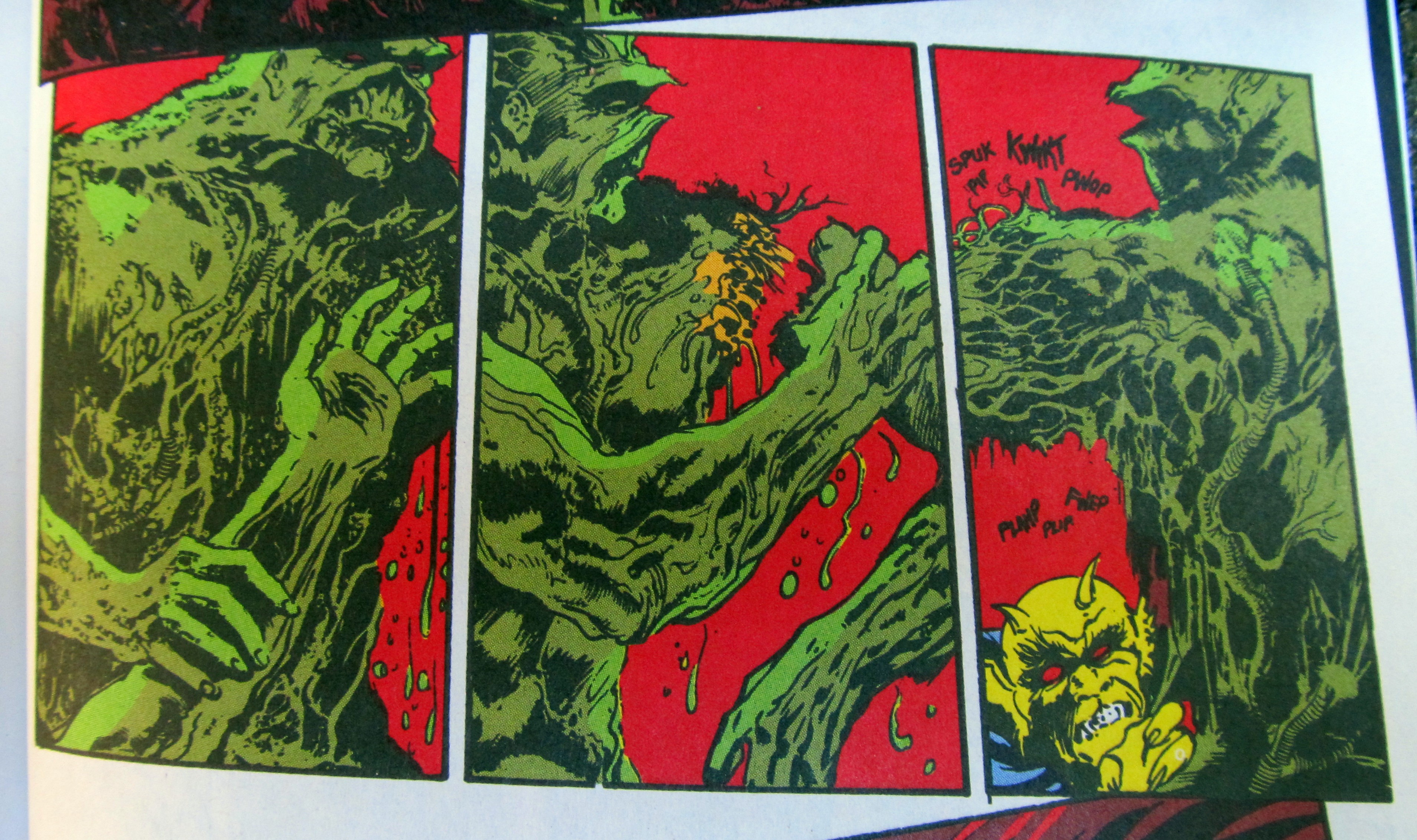
The final three “chapters” of the book are focused more on Abby. The Swamp Thing is around, and he definitely shows up for some fight scenes, but Moore seems to be working on developing Abby’s character. After all, she and the Swamp Thing have a future together. In one fight scene, a demon rips the Swamp Thing’s arm off. At which point, the Swamp Thing nonchalantly picks up his arm, reattaches it, and resumes fighting the demon.

swamp thing 3

Throughout the book, Moore’s writing and storytelling is exceptional. A brief recap such as this cannot do the book justice. Moore’s prose must be read to be truly appreciated. The Swamp Thing is a fairly minor character in the comic book world, and one of the very few that brings botany to the forefront. Thanks to Moore and the artists that worked with him, Saga of the Swamp Thing gives this great character the exposure and legacy it deserves.

For more authoritative reviews, check out the following links:

Ethnobotany: Cattails

“If you ever eat cattails, be sure to cook them well, otherwise the fibers are tough and they take more chewing to get the starchy food from them than they are worth. However, they taste like potatoes after you have been eating them for a couple weeks, and to my way of thinking are extremely good.”  – Sam Gribley in My Side of the Mountain by Jean Craighead George

franz

Illustration by Franz Anthony (www.franzanth.com)

Ask anyone to list plants commonly found in American wetlands, and you can guarantee that cattails will make the list nearly every time. Cattails are widespread throughout the Northern Hemisphere. They are so successful, that it is hard to picture a wetland without them. In her book, Braiding Sweetgrass, Robin Wall Kimmerer discusses this well known association:

Cattails grow in nearly all types of wetlands, wherever there is adequate sun, plentiful nutrients, and soggy ground. Midway between land and water, freshwater marshes are among the most highly productive ecosystems on earth, rivaling the tropical rainforest. People valued the supermarket of the swamp for the cattails, but also as a rich source of fish and game. Fish spawn in the shallows; frogs and salamanders abound. Waterfowl nest here in the safety of the dense sward, and migratory birds seek out cattail marshes for sanctuary on their journeys.

The two most abundant species of cattails in North America are Typha latifolia (common cattail) and Typha angustifolia (narrow leaf cattail). T. angustifolia may have been introduced from Europe. The two species also hybridize to form Typha x glauca. There are about 30 species in the genus Typha, and they share the family Typhaceae with just one other genus. The common names for cattail are nearly as abundant as the plant itself: candlewick, water sausage, corn dog plant, cossack asparagus, reedmace, nailrod, cumbungi, etc., etc.

Cattails have long, upright, blade-like leaves. As they approach the base of the plant, the leaves wrap around each other to form a tight bundle with no apparent stem. As Kimmerer puts it, this arrangement enables the plants to “withstand wind and wave action” because “the collective is strong.” Flowers appear on a tall stalk that reaches up towards the tops of the leaves. The inflorescence is composed of hundreds of separate male and female flowers. Male flowers are produced at the top of the stalk and female flowers are found directly below them. In the spring, the male flowers dump pollen down onto the female flowers, and wind carries excess pollen to nearby plants, producing what looks like yellow smoke.

After pollination, the male flowers fade away, leaving the female flowers to mature into a seed head. Just like the flowers, the seeds are small and held tightly together, maintaining the familiar sausage shape. Each seed has a tuft of “hair” attached to it to aid in wind dispersal. In The Book of Swamp and Bog, John Eastman writes about the abundant seeds (“an estimated average of 220,000 seeds per spike”) of cattail: “A quick experiment, one that Thoreau delighted to perform, demonstrates how tightly the dry seeds are packed in the spike – pull out a small tuft and watch it immediately expand to fill your hand with a downy mass.”

cattails bunch

cattail fluff

Because cattails spread so readily via rhizomes, prolific airborne seeds mostly serve to colonize new sites, away from the thick mass of already established cattails. The ability to dominate vast expanses of shoreline gives cattails an invasive quality that often results in attempts at removal. Various human activities may be aiding their success. Regardless, they provide food and habitat to numerous species of insects, spiders, birds, and mammals. A cattail marsh may not be diverse plant-wise, but it is teeming with all sorts of other life.

Ethnobotanically speaking, it is hard to find many other species that have as many human uses as cattails. For starters, nearly every part of the plant is edible at some point during the year. The rhizomes can be consumed year-round but are best from fall to early spring. They can be roasted, boiled, grated, ground, or dried and milled into flour. Starch collected from pounding and boiling the rhizomes can be used as a thickener. In the spring, young shoots emerging from the rhizomes and the tender core of the leaf bundles can be eaten raw or cooked and taste similar to cucumber. Young flower stalks can be boiled and eaten like corn on the cob and taste similar to artichoke. Pollen, which is high in protein, can be mixed with flour and used to make pancakes and baked goods, among other things. The seeds can be ground into flour or pressed to produce cooking oil.

Cattail leaves can be used to make cords, mats, baskets, thatch, and many other things. Kimmerer writes about the excellent wigwam walls and sleeping mats that weaved cattail leaves make:

The cattails have made a suburb material for shelter in leaves that are long, water-repellent, and packed with closed-cell foam for insulation. … In dry weather, the leaves shrink apart from one another and let the breeze waft between them for ventilation. When the rains come, they swell and close the gap, making the [wall] waterproof. Cattails also make fine sleeping mats. The wax keeps away moisture from the ground and the aerenchyma provide cushioning and insulation.

The fluffy seeds make great tinder for starting fires, as well as excellent insulation and pillow and mattress stuffing. The dry flower stalks can be dipped in fat, lit on fire, and used as a torch. Native Americans used crushed rhizomes as a poultice to treat burns, cuts, sores, etc. A clear gel is found between the tightly bound leaves of cattail. Kimmerer writes, “The cattails make the gel as a defense against microbes and to keep the leaf bases moist when water levels drop.” The gel can be used like aloe vera gel to soothe sunburned skin.

Eastman rattles off a number of commercial uses for cattail: “Flour and cornstarch from rhizomes, ethyl alcohol from the fermented flour, burlap and caulking from rhizome fibers, adhesive from the stems, insulation from the downy spikes, oil from the seeds, rayon from cattail pulp, …” To conclude his section on cattails he writes, “With cattails present, one need not starve, freeze, remain untreated for injury, or want for playthings.”

Additional Resources:

Happy American Wetlands Month!

To kick off this year’s American Wetlands Month, I am reposting something I posted three years ago. I have updated the links and added a few more resources. In celebration, all Awkward Botany posts in May will have something to do with wetlands. An underlying goal of American Wetlands Month is to encourage people to get out and visit wetlands in their area and find out what they can do to help conserve them. Hopefully this series of posts helps to further that aim.

———————

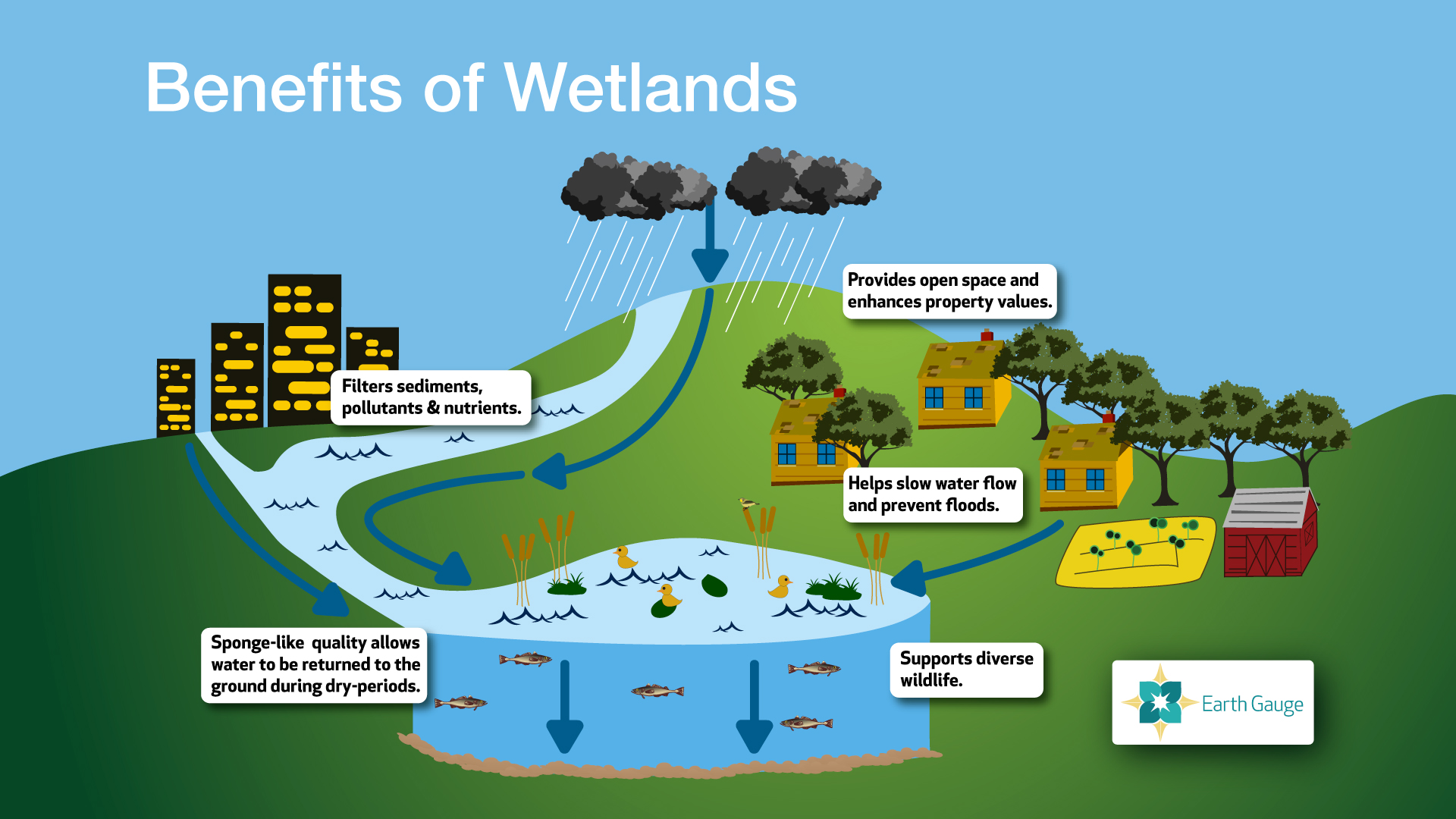
“May is American Wetlands Month! No matter where you live, chances are there’s a wetland nearby that provides important environmental benefits to your community. Wetlands support diverse fish and wildlife species, filter pollutants from rain water runoff, help recharge groundwater supplies, prevent flooding and enhance property values.” – Earth Gauge (A program of the National Environmental Education Foundation)

Wetlands are ecosystems that are characterized by their vegetation (aquatic plants), their soils (formed during anaerobic conditions caused by being flooded or saturated with standing water), and, of course, their state of being largely saturated with water either seasonally or permanently. Examples of natural wetlands include bogs, fens, marshes, and swamps. Wetlands can also be constructed by humans for the purpose of collecting storm water runoff from urban areas in efforts to reduce the risk of flooding and avoid overwhelming municipal sewer systems during large rainstorms.

Wetlands are the most threatened type of ecosystem on earth, and we are losing them at a steady clip. Major threats to wetlands include land development, pollution (agricultural, commercial, residential, etc.), and the introduction of invasive species. Considering the benefits we receive from having wetlands around, it is imperative that we protect them. Earth Gauge offers some suggestions on how to do so.

wetland benefits

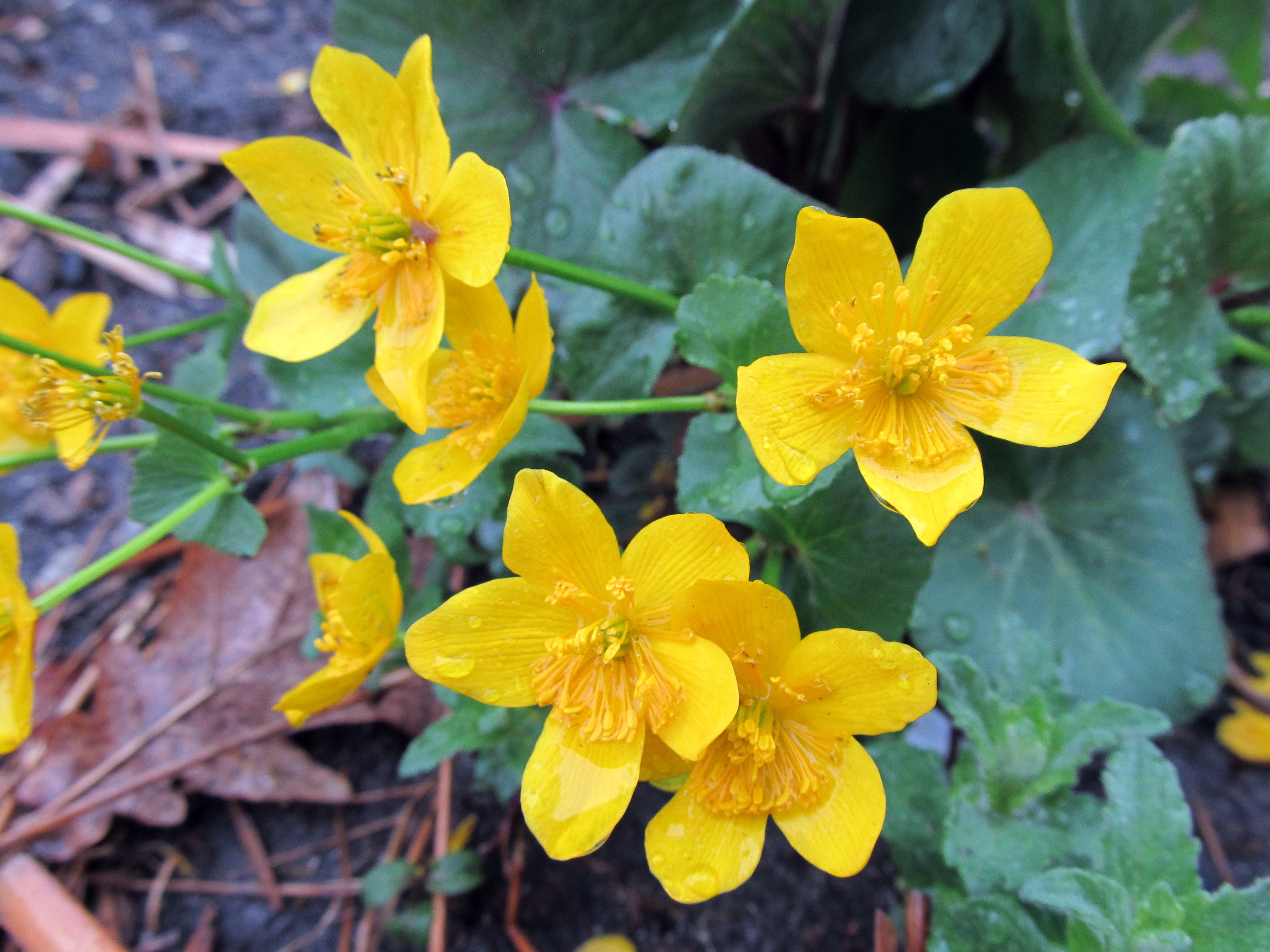
Speaking of wetlands, one of my favorite wetland plant species is marsh marigold (Caltha palustris). It is in the buttercup family (Ranunculaceae) and is common throughout the Northern Hemisphere. I became familiar with this plant when I was volunteering at a wetland in Edwardsville, IL. Perhaps you’ve seen it growing near you.

Marsh Marigold (Caltha palustris) - Photo taken at Idaho Botanical Garden.

Marsh Marigold (Caltha palustris) – Photo taken at Idaho Botanical Garden.

Additional Resources

What Is a Plant, and Why Should I Care? part two

“Organisms green with chlorophyll appeared pretty early in Earth history, diversified, and adapted to oceanic, coastal, and finally terrestrial environments. As this took place, the Earth turned green.” – Joseph E. Armstrong, How the Earth Turned Green

world turned green

The Earth not only turned green, but the composition of its atmosphere dramatically shifted. Thanks in part to photosynthesis, Earth’s atmosphere went from having virtually no free oxygen to being composed of about 21% oxygen. The increasing availability of oxygen helped facilitate the evolution of more and more diverse forms of life. Had photosynthesis (specifically oxygen-producing photosynthesis) never come about, the Earth would not be anything like it is today.

There are organisms in at least three taxonomic kingdoms that have the ability to photosynthesize: Bacteria, Protista, and Plantae. A book itself could be written about how photosynthesis developed and how it differs among organisms. The important thing to note in a discussion about plants is that the type of photosynthesis that occurs in cyanobacteria is the same type that occurs in the chloroplasts of plants and green algae. Additionally, pigments called chlorophyll are only found in cyanobacteria and the chloroplasts of plants and green algae. As Joseph Armstrong puts it in How the Earth Turned Green, “evidence strongly supports the hypothesis that chloroplasts were free-living photosynthetic bacteria that became cellular slaves within a host cell.”

In Part One, we established that green algae are closely related to plants, and that a subset of green algae colonized the land and evolved into modern day plants. Plants are green because of cyanobacteria via green algae; however, cyanobacteria are not plants, and green algae may or may not be plants depending on your preference. Classification is not nearly as important as determining evolutionary relationships.

So, again, what is a plant? K. J. Willis and J. C. McElwain offer this summary in their book, The Evolution of Plants: “Plants are relatively simple organisms with a common list of basic needs (water, carbon dioxide, nitrogen, magnesium, phosphorous, potassium, some trace elements, plus various biochemical pathways necessary for photosynthesis). This list has remained almost unchanged from the first land plants to the present.” In Part One, we also listed three major features that all plants have in common: multicellularity, cell walls that contain cellulose, and the ability to photosynthesize.

Photosynthesis is a big one, because it means that plants make their own food. They are autotrophs/self-feeders/ producers. This sets them apart from heterotrophs, organisms that consume other organisms in order to obtain energy and other essential nutrients. Plants are at the bottom of the food chain, providing energy and nutrients to all other organisms that either directly or indirectly consume them. In Armstrong’s words:

“Eating and being eaten is a fact of life, a process by which the light energy captured by green organisms is passed through a series of consumers, a food chain, before eventually being lost as heat, which dissipates. Everything else is recycled with the able assistance of decomposers, primarily fungi and microorganisms, heterotrophs who obtain their food from dead organisms or their metabolic wastes. A large part of ecology concerns such trophic or feeding interactions, the energy transfers that result, and the cycling of biogeochemicals, the elements of life.”

Their ability to photosynthesize, among other things, gives plants a prominent role in the world’s ecosystems. Much more will be said about that as we continue, but first there are a few other things about plants worth mentioning.

Plants exhibit modular growth. While animals generally produce all of their body parts early on in life and rarely reproduce new body parts in replacement of lost ones, plants can continue to reproduce and replace body parts. Even at maturity, plants maintain embryonic tissues, which allows them to regenerate body parts as needed. This is one reason why so many plants can be propagated asexually via stem, root, and/or leaf cuttings. Roots can be encouraged to grow from unlikely places, and a whole new plant can be produced as a result.

Plants are generally stationary. Rooted in place, they must obtain everything necessary for life, growth, and reproduction by accessing whatever resources are in their immediate vicinity. Roots search the soil for water and other nutrients, and leaves harvest sunlight and carbon dioxide to make sugars. Relationships are maintained with soil fungi to aid in the search for water and nutrients, but otherwise, plants are largely on their own. Since they cannot run or hide, they must stand and fend for themselves when insects and other herbivores come to devour them. They have adapted a variety of chemical and physical defenses to address this.

Despite being largely immobile during their juvenile and adult phases, plants can actually be incredibly mobile during their embryonic stage (or in other words, as seeds/spores/progules). Employing biotic and abiotic resources, seeds and spores can potentially move miles away from their parent plants, enjoying a freedom of movement they will never know again once they put their roots down.

It is estimated that the total number of plant species on the earth today is around 400,000. (For reference, see this BGCI page and this Kew Gardens page. See The Plant List for up to date plant species names.) The first land plants evolved around 450 million years ago. It wasn’t until around 160 million years ago that the first flowering plants appeared, yet about 90% of the plants in existence today fall within this group. How many tens of thousands of species of plants have existed on Earth throughout history? I don’t think we can say. So many have come and gone, while others have radiated into new species. Exploring life that currently exists on this planet is an enormous pursuit on its own; add to that the exploration of life that once existed, and your pursuits become endless.

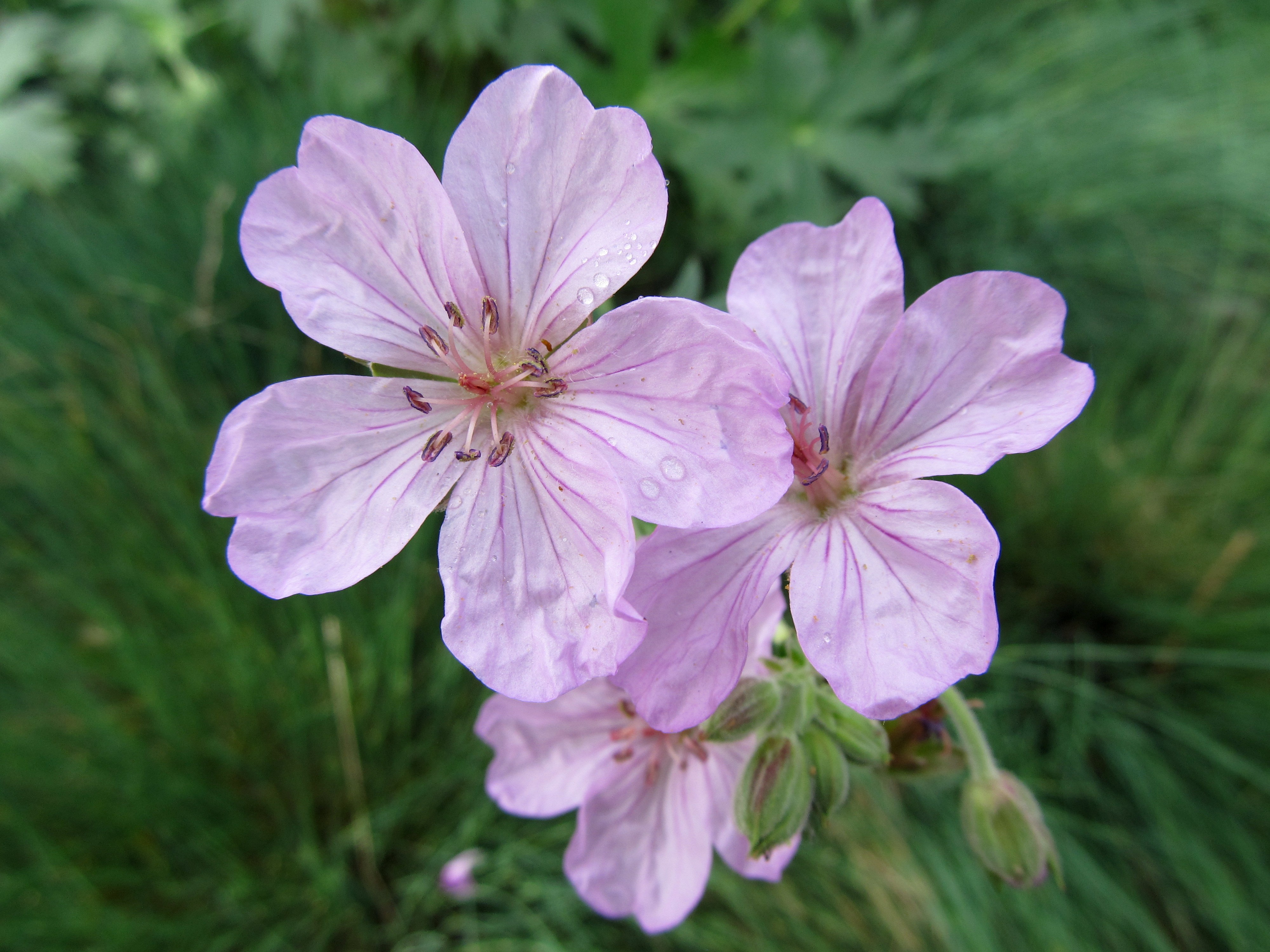
Sticky purple geranium (Geranium viscosissimum) one species of around species of extant flowering plants.

Sticky purple geranium (Geranium viscosissimum) is just one of more than 350,000 species of extant flowering plants.

At the close of the first chapter of his book, Armstrong highlights eight major historical events that have brought us plants as we know them today: “the origin of life itself, the development of chlorophyll and photosynthesis, the advent of the eukaryotic (nucleated) cell, the development of multicellular organisms, the invasion of land, the development of vascular tissues, the development of seeds, and the development of flowers.”  Consider that a brief synopsis of all we have to cover as we continue to tell the story of plants.

What Is a Plant, and Why Should I Care? part one

I want to tell the story of plants. In order to do that, I suppose I will need to research the 4 billion year history of life on earth. And so I am. Apart from satiating my own curiosity, studying and telling the story of plants advances me towards my goal of creating a series of botany lesson themed posts. Botany 101 and beyond, if you will. An ambitious project, perhaps, but what else am I going to do with my time?

So what is a plant anyway? We all know plants when we see them, but have you ever tried to define them? They are living beings, but they are not animals. They are stationary – rooted in the ground, usually. Most of them are green, but not all of them. They photosynthesize, which means they use water, carbon dioxide collected from the atmosphere, and energy harvested from the sun to make food for themselves. No animal can do that (okay…a few sort of can). They reproduce sexually, but many can also reproduce asexually. They are incredibly diverse. Some grow hundreds of feet into the air. Some barely reach more than a few centimeters off the ground at maturity. They have discernible parts and pieces, but they can also lose parts and pieces and then grow them back. There aren’t many animals that can do that. They have been on this planet for hundreds of millions of years, colonizing land millions of years before animals. Plants helped pave the way, and if it weren’t for plants, animals may not have stood a chance.

I don’t mean to pick on animals, it’s just that for a long time, humans grouped living things into just two kingdoms: Plantae and Animalia. Stationary things that appeared to be rooted to the ground or some other surface were classified as plants. Green things that lived in the water were also considered plants. Thus, lichens, fungi, algae, and everything we consider to be a plant today were placed in kingdom Plantae. Everything else was placed in kingdom Animalia. This, of course, was before much was known about microorganisms.

Dichotomous classification was reconsidered as we learned more about the diversity of organisms in each kingdom, particularly as the theory of evolution came into play and microscopes allowed us to observe single celled organisms and chromosomes. Eventually, fungi was awarded its own kingdom, which includes lichens – organisms composed of both fungi and photosynthetic species but classified according to their fungal components. Most of the algae was placed in a kingdom called Protista, a hodgepodge group of unicellular and unicellular-colonial organisms, some of which are animal-like and some of which are plant-like. Two kingdoms were also formed for prokaryotic organisms (organisms with cells that lack membrane bound organelles): Bacteria and Archaea.

Illustration of one current itteration of kingdom classification system (illustration credit: wikimedia commons)

Taxonomic kingdoms as we currently consider them (illustration credit: wikimedia commons)

In short, the answer to what is a plant seems to be whatever organisms humans decide to put in kingdom Plantae. One problem with this answer is that some chose to include certain species of algae and others don’t. But why is that? It has to do with how plants evolved and became photosynthetic in the first place.

Microorganisms developed the ability to photosynthesize around 3.5 billion years ago; however, the photosynthetic process that plants use today appeared much later – around 2.7 billion years ago. It evolved in an organism called cyanobacteria – a prokaryote. Eukaryotic organisms were formed when one single cell organism was taken inside another single cell organism, a process known as symbiogenesis. In this case, cyanobacteria was taken up and the eukaryotic organisms known today as algae were formed. The incorporated cyanobacteria became known as chloroplasts.

Not all algae species went on to evolve into plants. A group known as green algae appears to be the most closely related to plants, and a certain subset of green algae colonized the land and evolved into modern day plants (also known as land plants). That is why some taxonomists choose to include green algae in the plant kingdom, excluding all other types of algae.

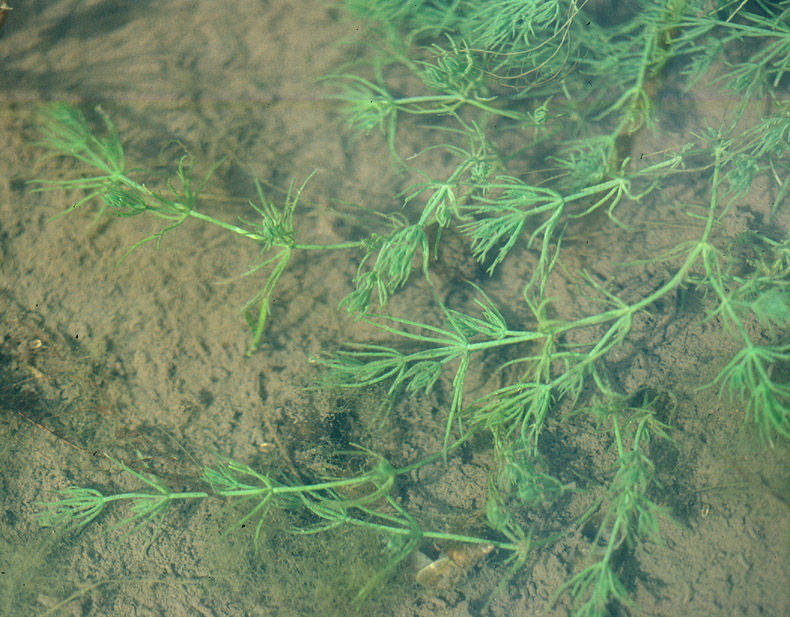
Common stonewort (Chara vulgaris, a species of green algae (photo credit: www.eol.org)

Common stonewort, Chara vulgaris, a species of green algae (photo credit: www.eol.org)

The term land plants refers to liverworts, hornworts, mosses, ferns, fern allies, gymnosperms, and flowering plants – or in other words, all vascular and non-vascular plants. Another all encompassing term for this large group of organisms is embryophytes (embryo-producing plants).

Still confused about what a plant is? Three main features can be attributed to all plants: 1. They are multicellular organisms. 2. Their cell structure includes a cell wall composed of cellulose 3. They are capable of photosynthesis. Many species of green algae are unicellular, which is an argument for leaving them out of kingdom Plantae. Certain parasitic plants like toothwort, dodder, and beech drops have lost all or most of their chlorophyll and no longer photosynthesize, but they are still plants.

Deciding what is and isn’t a plant ultimately comes down to evolutionary history and common ancestry. As Joseph Armstrong writes in his book, How the Earth Turned Green, “Our classifications of human artifacts are totally arbitrary, but to be useful scientifically our classification of life must accurately reflect groupings that resulted from real historical events, common ancestries.”

Obviously this is going to be a multi-part series, so I will have much more to tell you about plants in part two, etc. For now, this You Tube video offers a decent summary.

The Making of a Kill Jar

I often hear stories from plant lovers about their initial nonchalance concerning plants. The common refrain seems to be that they were fascinated by wildlife and largely ignored plant life until they came to the realization that plants were integral in the lives of animals and play a major role in shaping the environments that support all life. Such an epiphany spawns an insatiable obsession with botany, at least for some people.

I seem to be on the opposite trajectory. It’s not like I have ever really been disinterested in animals; I’ve just been significantly more interested in plants and haven’t bothered to learn much about the animal kingdom (with the exception of entomology). My growing fascination with pollination biology (see last year’s Year of Pollination series) isn’t much of a stretch because insects have always appealed to me, and their intimate interactions with plants are hard to ignore. Ultimately, it is my interest in urban ecology and wildlife friendly gardening that is driving me to learn more about animals.

I started this year off by finally reading Doug Tallamy’s popular book, Bringing Nature Home. Tallamy wrote a lot about birds in his book, which got me thinking more about them. I then discovered Welcome to Subirdia, a book by John Marzluff that explores the diversity of birds that live among us in our urban environments. I then found myself paying more attention to birds. Many bird species rely on insects for food at some point in their lives. Plants regularly interact with insects both in defending themselves against herbivory and in attracting insects to assist in pollination. It’s all connected, and it seems I wouldn’t be much of a botanist then if I didn’t also learn about all of the players involved in these complex interactions.

So, now I’m a birdwatcher and an insect collector. Or at least I’m learning to be. Insects are hard to learn much about without capturing them. They often move quickly, making them hard to identify, or they go completely unnoticed because they are tiny and so well hidden or camouflaged. With the help of a net and a kill jar, you can get a closer look. This not only allows you to determine the species of insects that surround you, but it can also help give you an idea of their relative abundances, their life cycles, where they live and what they feed on, etc.

insect net 2_bw

As the name implies, if you’re using a kill jar, your actions will result in the death of insects. Some people will be more pleased about this than others. If killing insects bothers you, don’t worry, insect populations are typically abundant enough that a few individuals sacrificed for science will not hurt the population in a serious way.

Kill jars can be purchased or they can be made very simply with a few easy to find materials. Start with a glass jar with a metal lid. Mix up a small amount of plaster of paris. Pour the wet plaster in the jar, filling it to about one inch. Allow the plaster to dry completely. This process can be sped up by placing the jar in an oven set on warm. When the plaster is dry, “charge” the jar by soaking the plaster with either ethyl acetate, nail polish remover, or rubbing alcohol. I use nail polish remover because it is cheap and easily accessible. It doesn’t work as quickly as pure ethyl acetate, but it is less toxic. Place a paper towel or something soft and dry in the jar. This keeps the insects from getting beaten up too much as they thrash about. Once the insect is dead, it can be easily observed with a hand lens or a dissecting microscope. It can also be pinned, labeled, and added to a collection.

There are several resources online that describe the process of collecting and preserving insects, including instructions for making an inexpensive kill jar, which is why I am keeping this brief and will instead refer you to a couple of such sites. Like this one from Purdue University’s extension program. It’s directed toward youth, but it includes great information for beginners of any age. This post by Dragonfly Woman is a great tutorial for making a kill jar, and there are several other posts on her blog that are very informative for insect collectors of all experience levels.

I guess you could consider this part of my journey of becoming a naturalist. Perhaps you are on a similar journey. If so, share your thoughts and experiences in the comment section below.

Field Trip: Utah State University Botanical Center

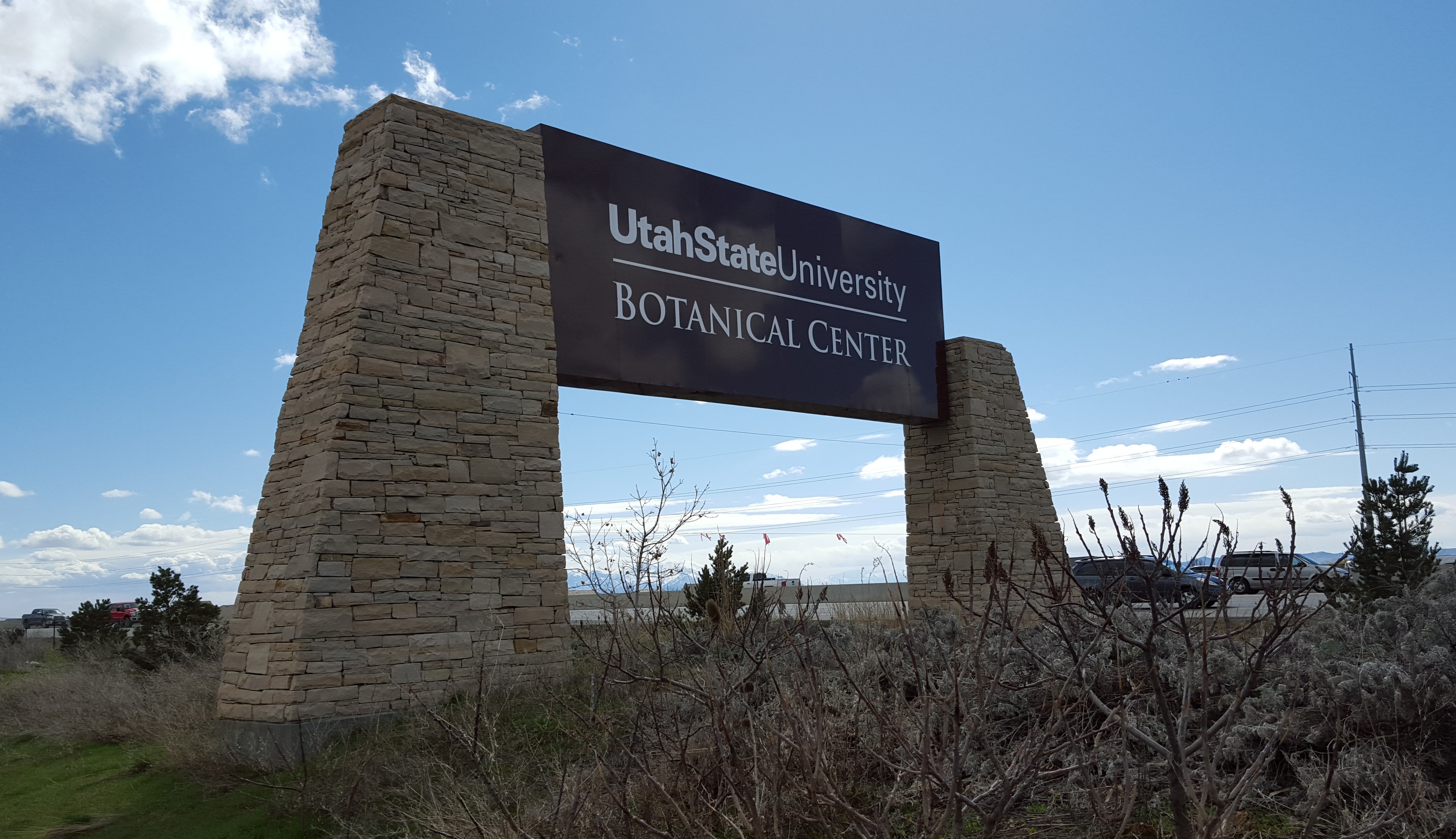
usu bc sign

Last month I was in Utah visiting family, so I took the opportunity to check out the Utah State University Botanical Center in Kaysville. Located along Interstate 15, it’s hard to miss, and yet I had never visited despite having driven past it numerous times. Of course, March is not the ideal time to visit a botanical garden in Utah. Spring was in the air, but the garden still had a lot of waking up to do. Regardless it was fun to check the place out and imagine what it might have to offer in its prime.

The vision of the USU Botanical Center is “to guide the conservation and wise use of plant, water, and energy resources through research-based educational experiences, demonstrations, and technologies.” Some of the demonstration gardens are located alongside a series of ponds that are stocked with fish and are home to wetland bird species and other wildlife.  Next door to the ponds is the Utah House, a demonstration house modeling energy efficient design and construction along with other sustainable practices. The landscaping surrounding the Utah House, apart from the vegetable garden, consists mainly of drought-tolerant plants.

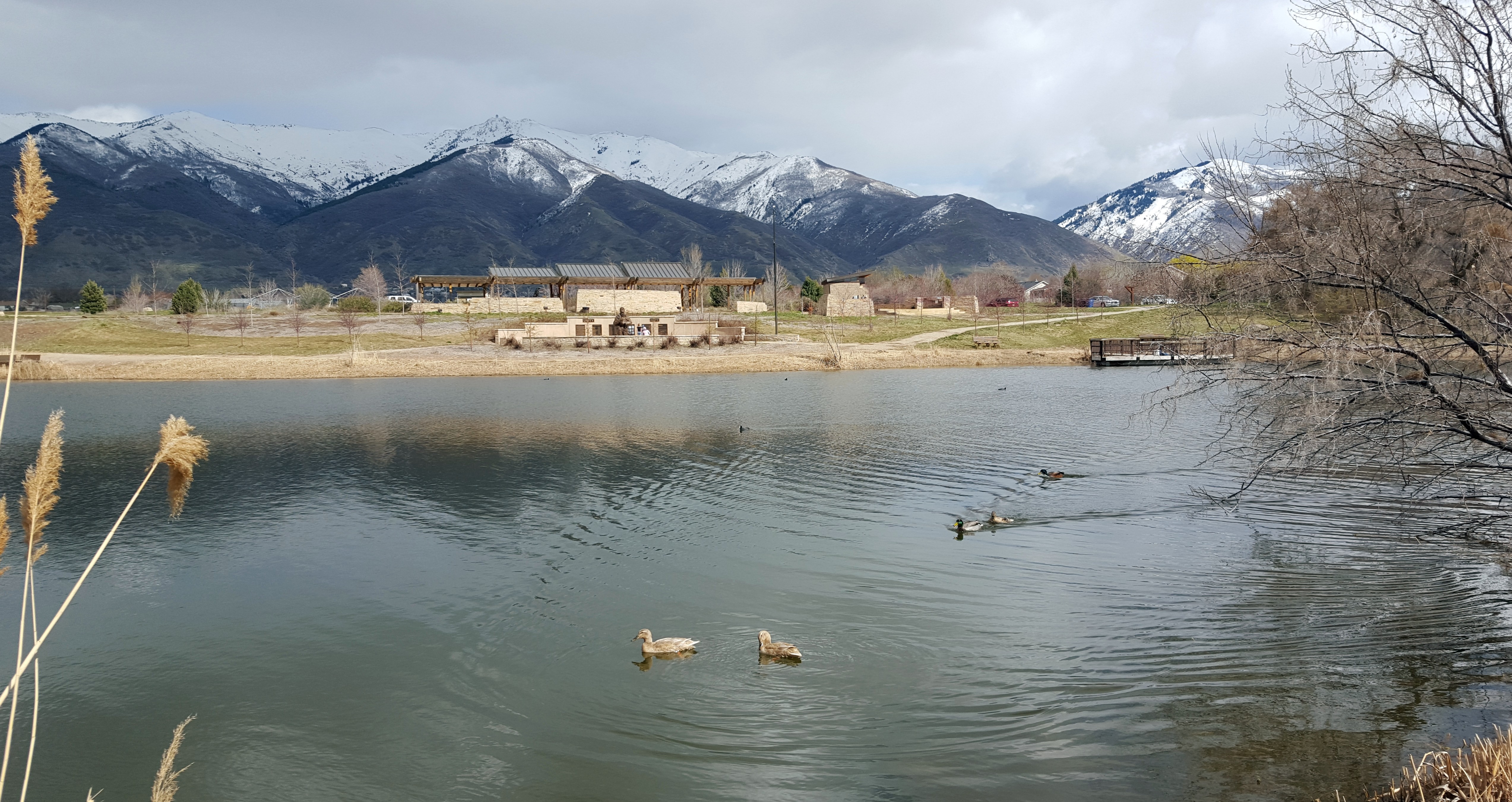
Utah State University has recently acquired some neighboring land and is in the process of expanding their demonstration gardens and arboretum. I enjoyed my brief visit (particularly the time I spent watching the ducks) and will make it a point to stop again, both during a warmer time of year and as the gardens continue to expand.

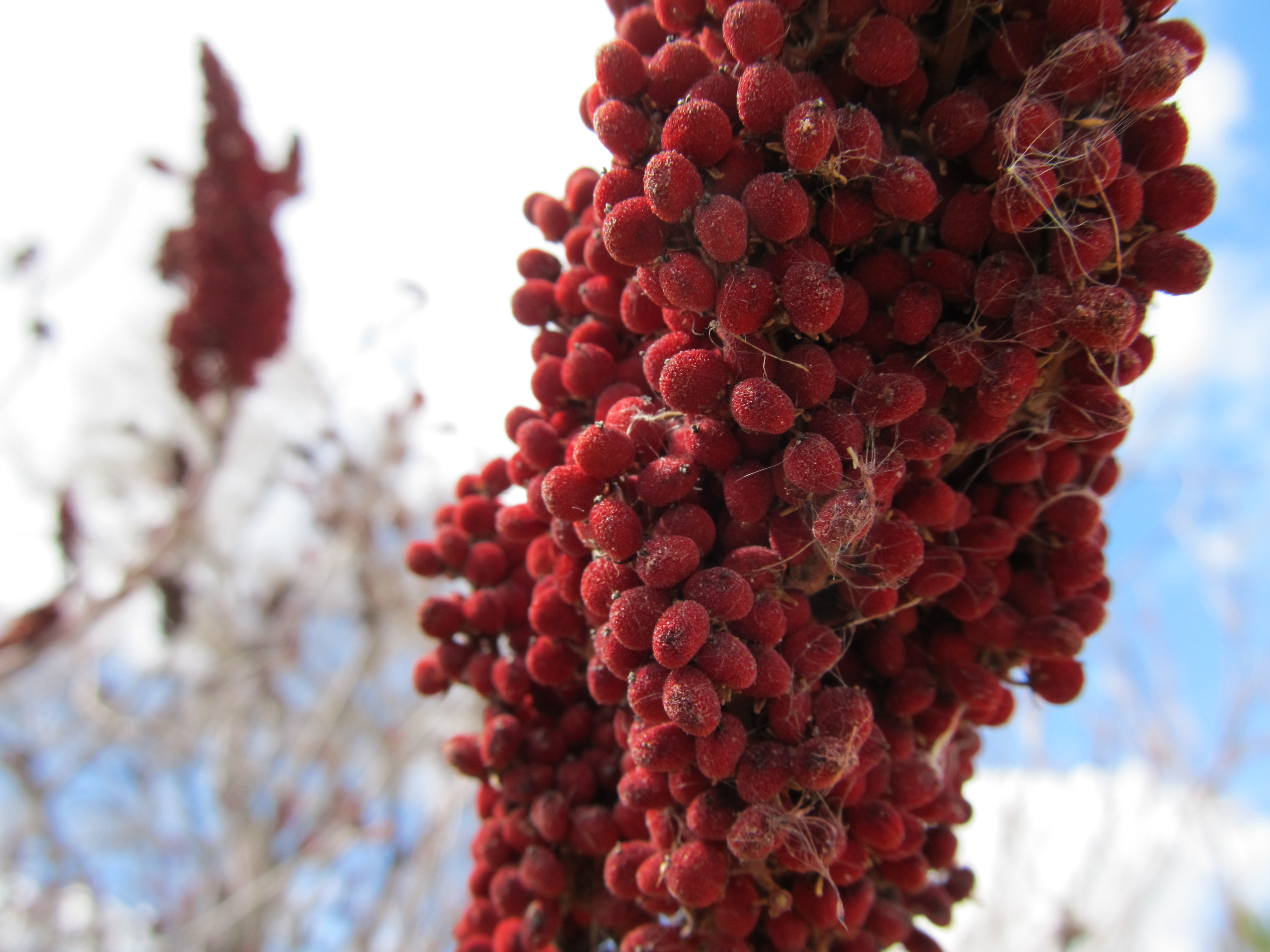
Sumac

The fruits of smooth sumac (Rhus glabra)

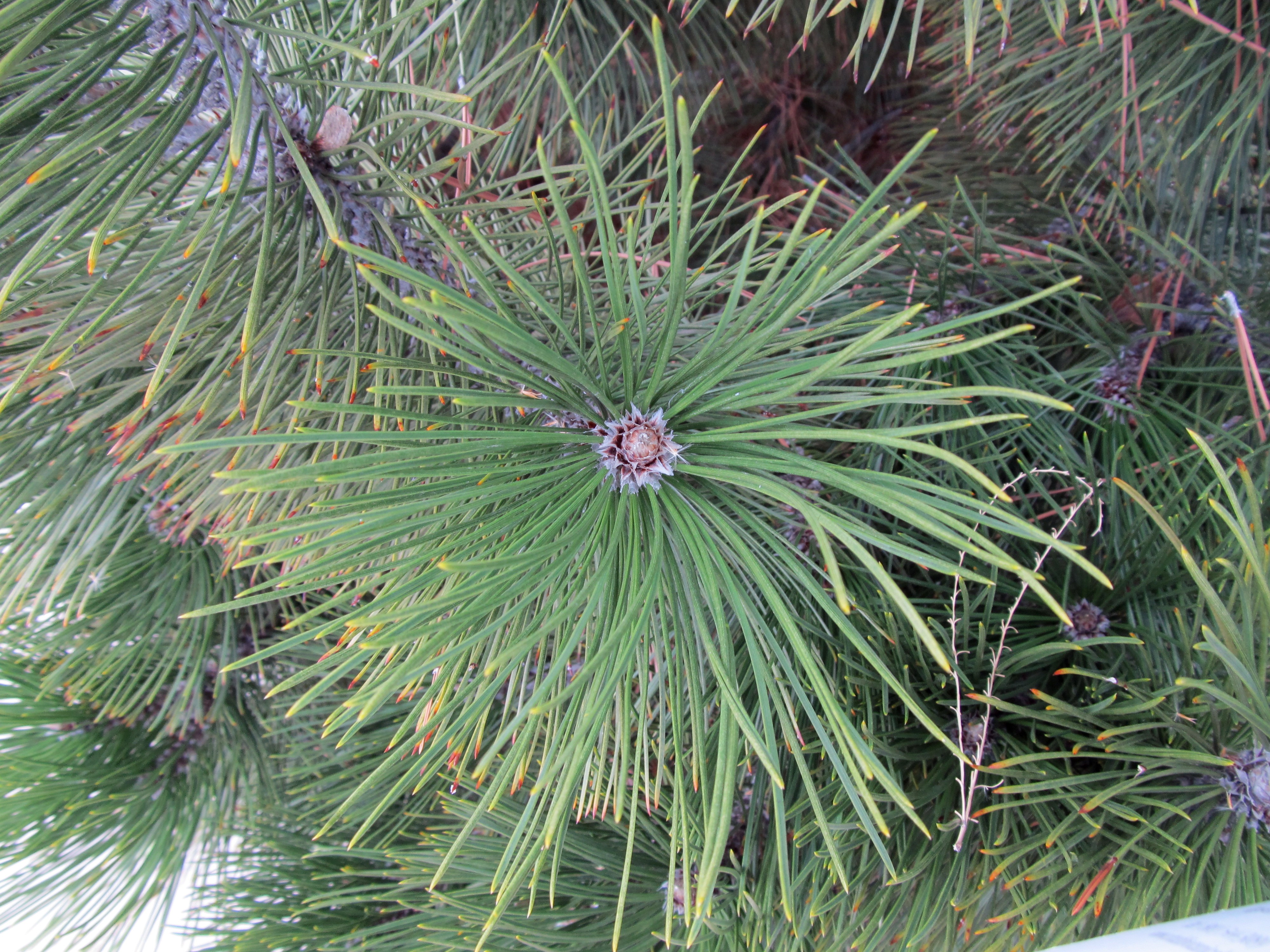
Pinus heldreichii 'green bun'

Dwarf Bosnian Pine (Pinus heldreichii ‘Green Bun’)

Daphne x burkwoodii 'carol mackie'

Carol Mackie Daphne (Daphne x burkwoodii ‘Carol Mackie’)

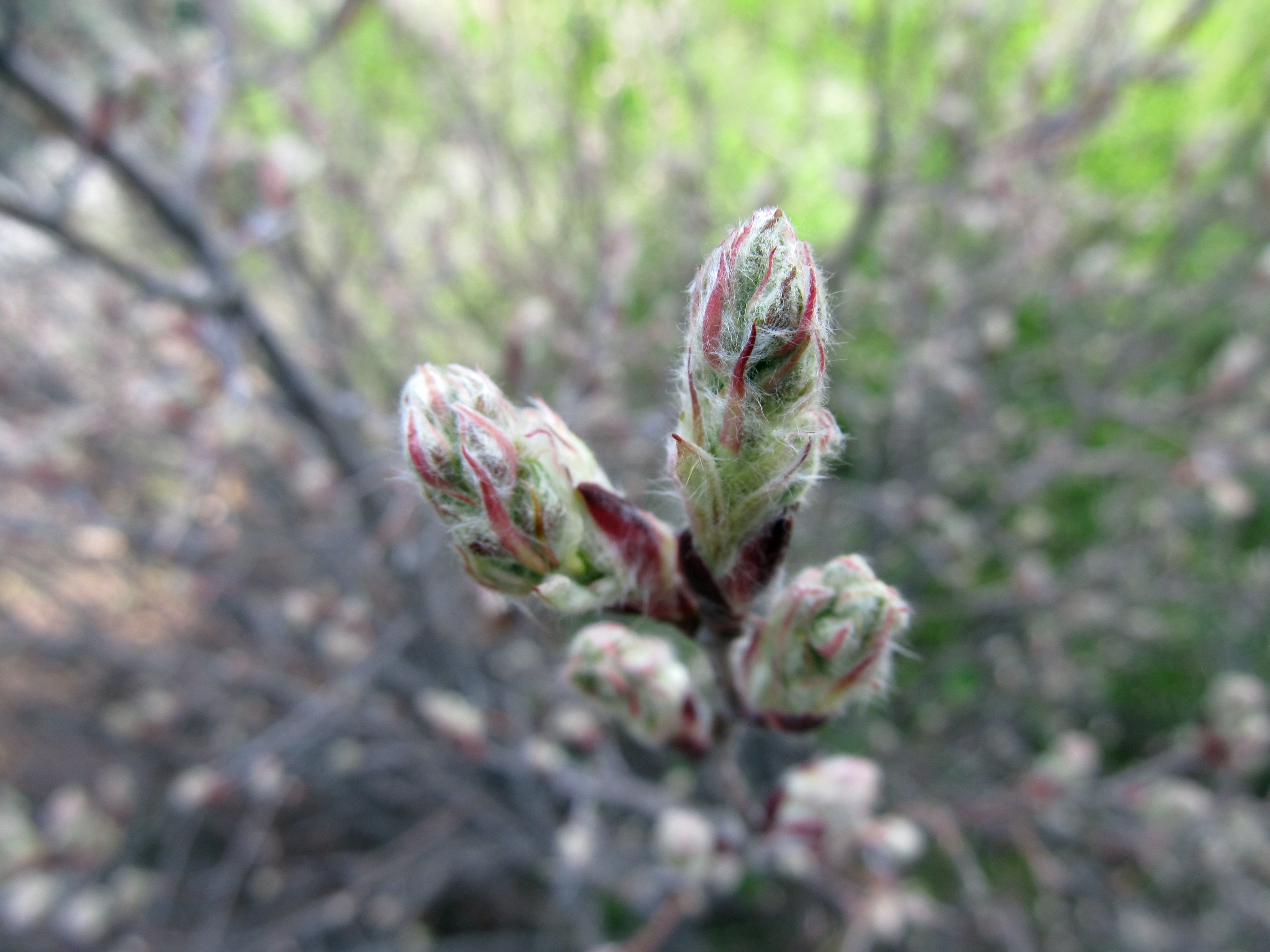
Amelanchier alnifolia leafing out

Saskatoon serviceberry leafing out (Amelanchier alnifolia)

Physocarpus opulifolius 'Dart's Gold'

Dart’s Gold Ninebark (Physocarpus opulifolius ‘Dart’s Gold’)

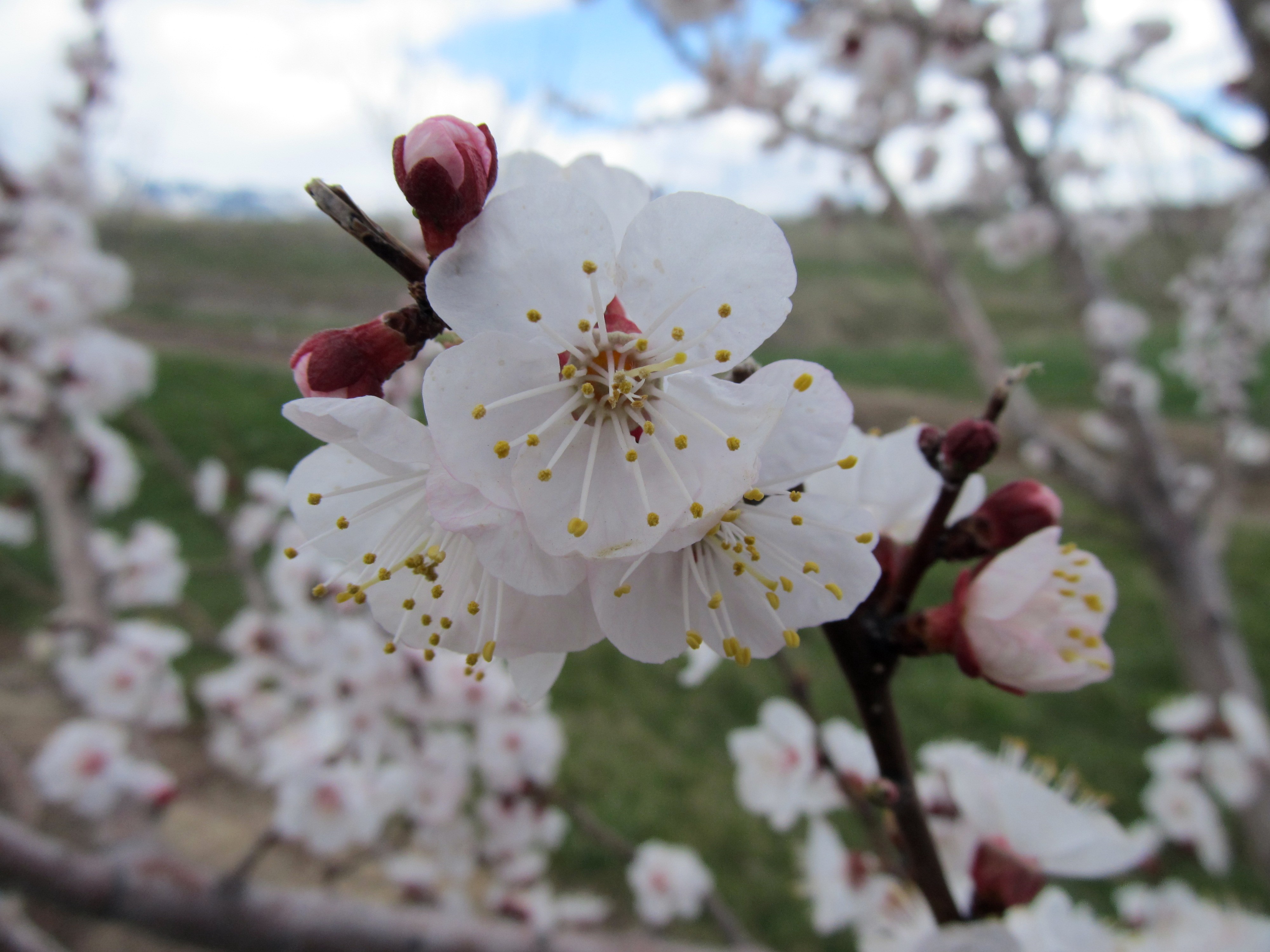
Aprium blossoms

Aprium blossoms – 75% apricot, 25% plum

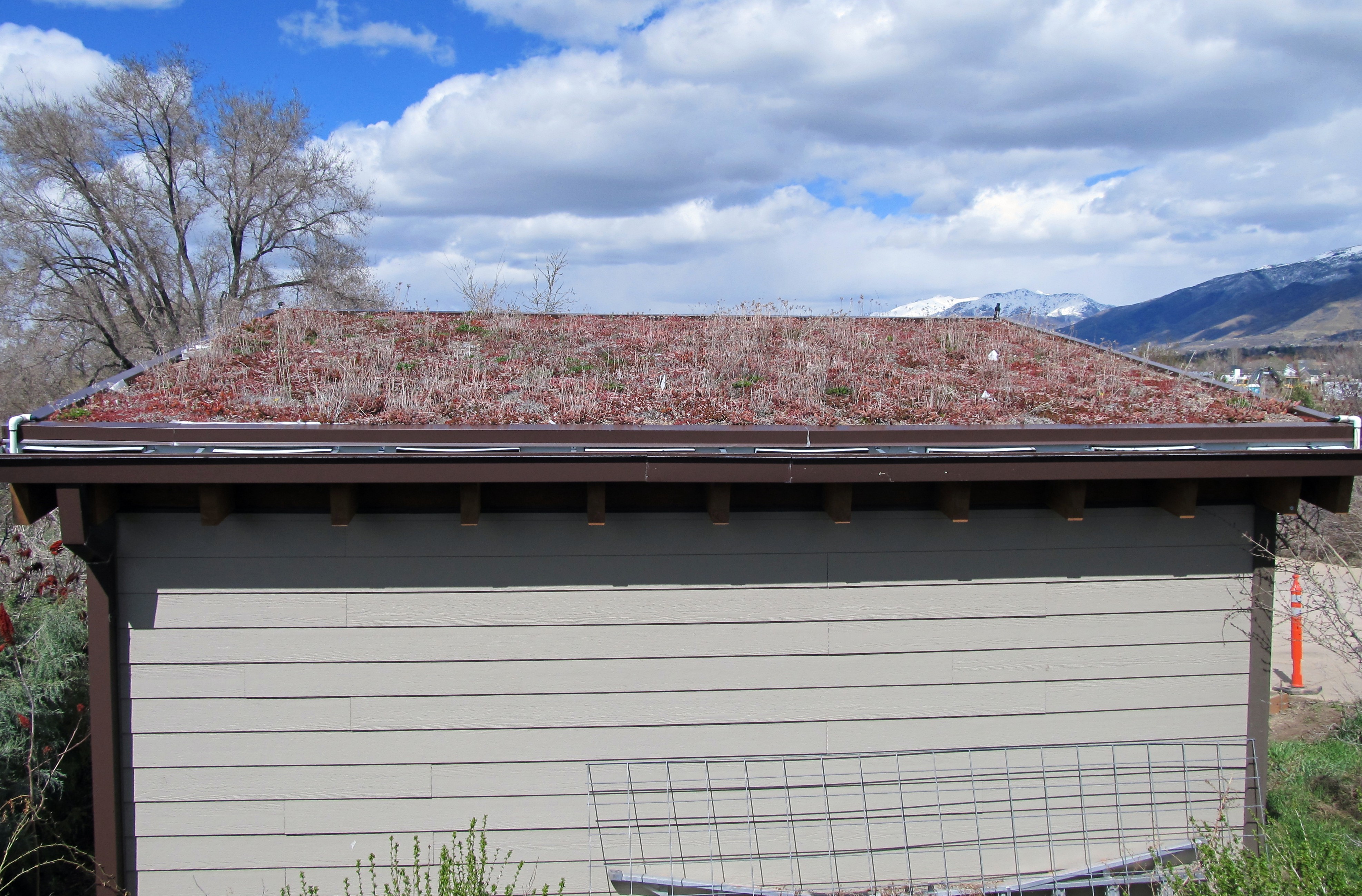
green roof

Green roof on a shed near the Utah House

ducks!

The wetlands at USU Botanical Center offer a great opportunity to teach the public about the importance of wetland habitat and wetland conservation. Signage informs visitors that despite the fact that wetlands and riparian areas only make up 1% of Utah, 80% of Utah’s wildlife use such areas at some point during their life. Learn more here.

What botanical gardens are you visiting this spring? Leave your travelogues and recommendations in the comments section below.

Biodiversity Dips When Japanese Rice Paddies Go Fallow

Large-scale farms that generally grow a single crop at a time and are managed conventionally are, by design, lacking in biodiversity. Abandoning such farms and allowing nature to take its course should, not surprisingly, result in a dramatic uptick in biodiversity. Plant colonization of abandoned farmland (also referred to as old field succession) is well studied and is regularly used as an example of secondary succession in ecology textbooks. The scenario seems obvious: cease agriculture operations, relinquish the land back to nature, and given enough time it will be transformed into a thriving natural community replete with diverse forms of plants and animals. This is an oversimplification, of course, and results will vary with each abandoned piece of land depending on the circumstances, but it generally seems to be the story. So what about when it isn’t?

Rice farming in Japan began at least 2400 years ago. Rice had been domesticated in China long before that, and when it eventually arrived in Japan it shaped the culture dramatically. For hundreds of years rice was farmed in small, terraced paddies in the mountains of Japan. Dennis Normile writes about these traditional, rice paddies in a recent issue of Science. He describes how they were found in villages “nestled in a forested valley” accompanied by vegetable plots, orchards, and pasture. Today, farms like these are “endangered,” and as they have become increasingly abandoned, plants, insects, and other wildlife that have historically thrived there are suffering.

Since the 1960’s, a combination of factors has resulted in the decline of traditional rice farming in Japan. For one, large scale farming has led to the consolidation of paddies, which are farmed more intensively. Diets in Japan have also shifted, resulting in a preference for bread and pasta over rice. Additionally, Japan’s population is shrinking, and residents of rural areas are migrating to cities. Traditional rice farmers are aging, and younger generations are showing little interest in pursuing this career.

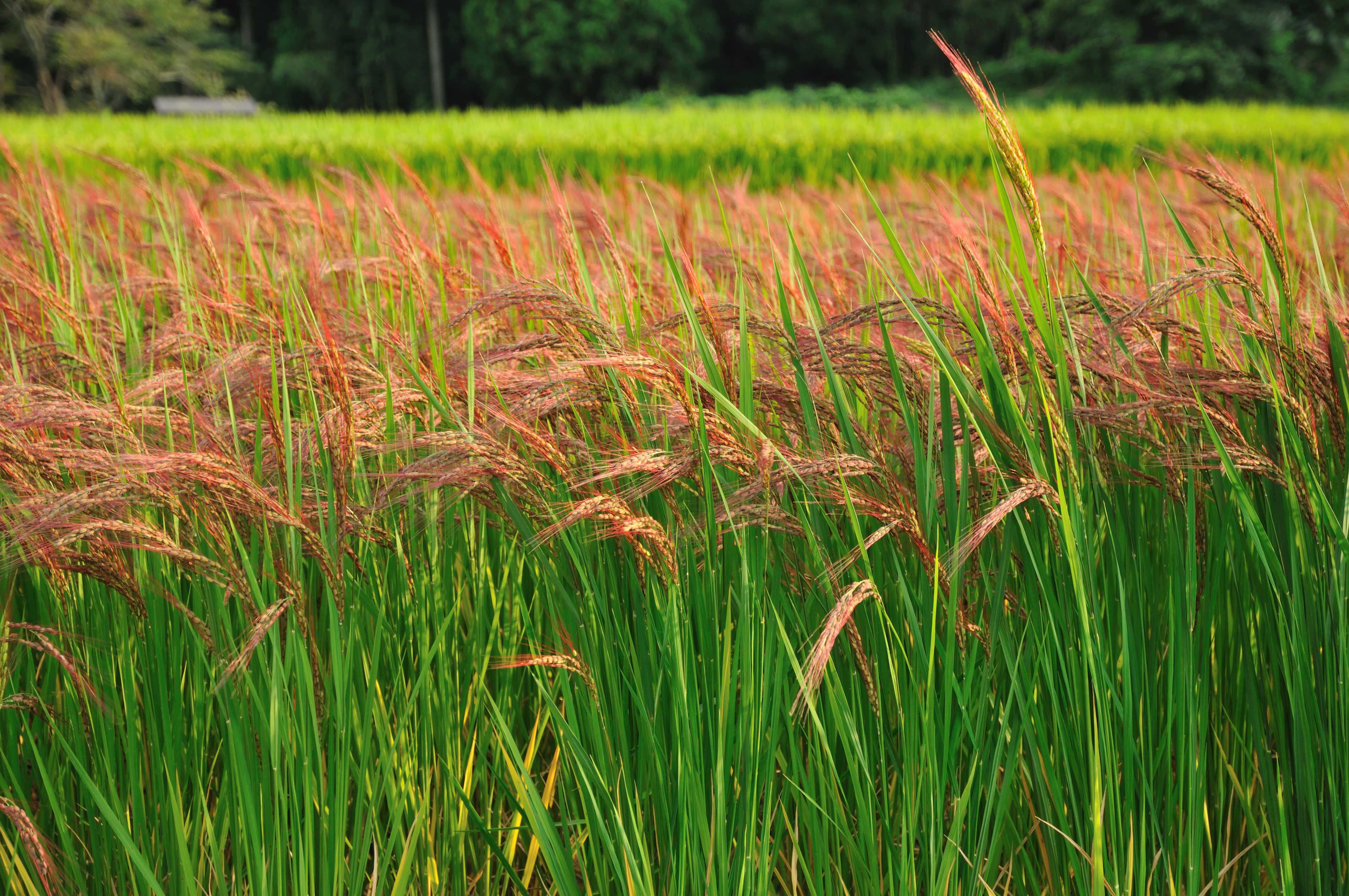
Red rice paddy in Japan - photo credit: wikimedia commons

Red rice paddy in Japan – photo credit: wikimedia commons

Demographic and dietary concerns aside, why in this case is the abandonment of agriculture imperiling species? The answer appears to be in both the way that the rice paddies have been historically managed and the length of time that they have been managed that way. Agriculture, by its very nature, creates novel ecosystems, and if the practice continues long enough, surrounding flora and fauna could theoretically coevolve along with the practice. When the practice is discontinued, species that have come to rely on it become threatened.

Traditional rice paddies are, as Normile describes, “rimmed by banks so that they can be flooded and drained.” Farmers “encouraged wild grassland plants to grow on the banks because the roots stabilize the soil.” The banks are mowed at least twice a year, which helps keep woody shrubs and trees from establishing on the banks. In some areas, rice farming began where primitive people of Japan were burning frequently to encourage grassland habitat. Maintaining grassland species around rice paddies perpetuated the grassland habitat engineered by primitive cultures.

As rice paddies are abandoned and the surrounding grasslands are no longer maintained, invasive species like kudzu and a North American species of goldenrod have been moving in and dominating the landscape resulting in the decline of native plants and insects. Normile reports that the abandoned grasslands are not expected to return to native forests either since “surrounding forests…are a shadow of their old selves.”

Additionally, like most other parts of the world, Japan has lost much of its natural wetland habitat to development. Rice paddies provide habitat for wetland bird species. On paddies that have been abandoned or consolidated, researchers are finding fewer wetland bird species compared to paddies that are managed traditionally.

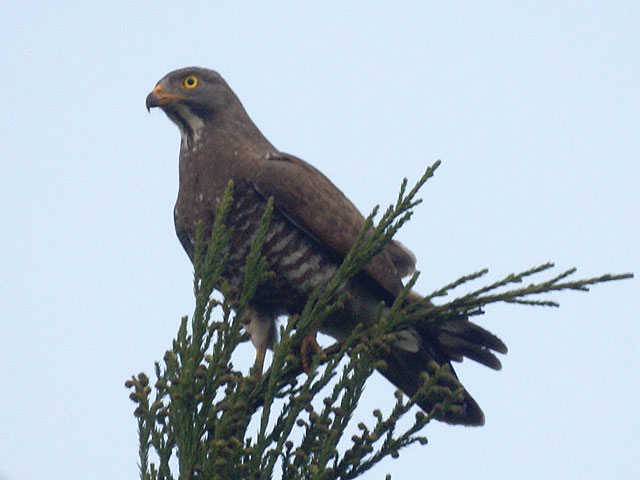
The gray-faced buzzard (Butastur indicus) is listed as vulnerable in Japan. It nests in forests and preys on insects, frogs, and other animals found in grasslands and rice paddies. It's decline has been linked to the abandonment and development of traditionally farmed rice paddies. (photo credit: wikimedia commons)

The gray-faced buzzard (Butastur indicus) is listed as vulnerable in Japan. It nests in forests and preys on insects, frogs, and other animals found in grasslands and rice paddies. Its decline has been linked to the abandonment and development of traditionally farmed rice paddies. (photo credit: wikimedia commons)

All of this adds fodder to an ongoing debate: “whether allowing farmland to revert to nature is a boon to biodiversity or actually harms it.” Where agriculture is a relatively new practice or where conventional practices dominate, abandoning agriculture would be expected to preserve and promote biodiversity. However, where certain agricultural practices have persisted for millenia, abandoning agriculture or converting  to modern day practices could result in endangerment and even extinction of some species. In the latter case, “rewilding” would require thoughtful consideration.

The thing that fascinates me the most about this report is just how intertwined humans are in the ecology of this planet. In many ways humans have done great harm to our environment and to the myriad other species that share it. We are a force to be reckoned with. Yet, the popular view that we are separate, above, apart, or even dominant over nature is an absurd one. For someone who cares deeply about the environment, this view has too often been accompanied by a sort of self-flagellation, cursing myself and my species for what we have done and continue to do to our home planet. Stories like this, however, offer an alternative perspective.

Humans are components of the natural world. We evolved just like every other living thing here, and so our actions as well as the actions of other species have helped shape the way the world looks. If our species had met its demise early in its evolutionary trajectory, the world would look very different. But we persisted, and as it turns out, despite the destruction we have caused and the species we have eliminated, we have simultaneously played a role in the evolution and persistence of many other species as well. We must learn to tread lightly – for the sake of our own species as well as others – but we should also quit considering ourselves “other than” nature, and we should stop beating ourselves up for our collective “mistakes.” It seems that when we come to recognize how connected we are to nature we will have greater motivation to protect it.

Additional Resources:

Vines for Spring

I’m taking a break from writing a regular post this time around. It’s the first week of spring, and there is a lot going on. I hope you are getting outside and enjoying the warmer weather (at least those of you in the northern hemisphere anyway). It was a pretty mild winter in my neck of the woods, but that doesn’t diminish my excitement when I see plants start to flower and leaf out. The gray days of winter are largely behind us, and holing up in my cave of an apartment is suddenly less appealing.

What I have for you this week are some short video clips. I recently joined Vine, a short-form, video-sharing social media site where each post is a six second, looped video. I’m late to the scene as usual, but I’ve been having fun messing around with it. The following videos are some of my first attempts (and lousy ones at that); if I decide to stick with it you can expect better content. If you’re interested in this sort of thing, please join, follow, favorite, share, like, comment, etc. Regardless, I hope you will find time to pry yourself away from a screen and experience nature during this beautiful and singular time of year.


Awkward Botany is also on Twitter and Tumblr, so feel free to follow me there too if you would like. Happy Spring!