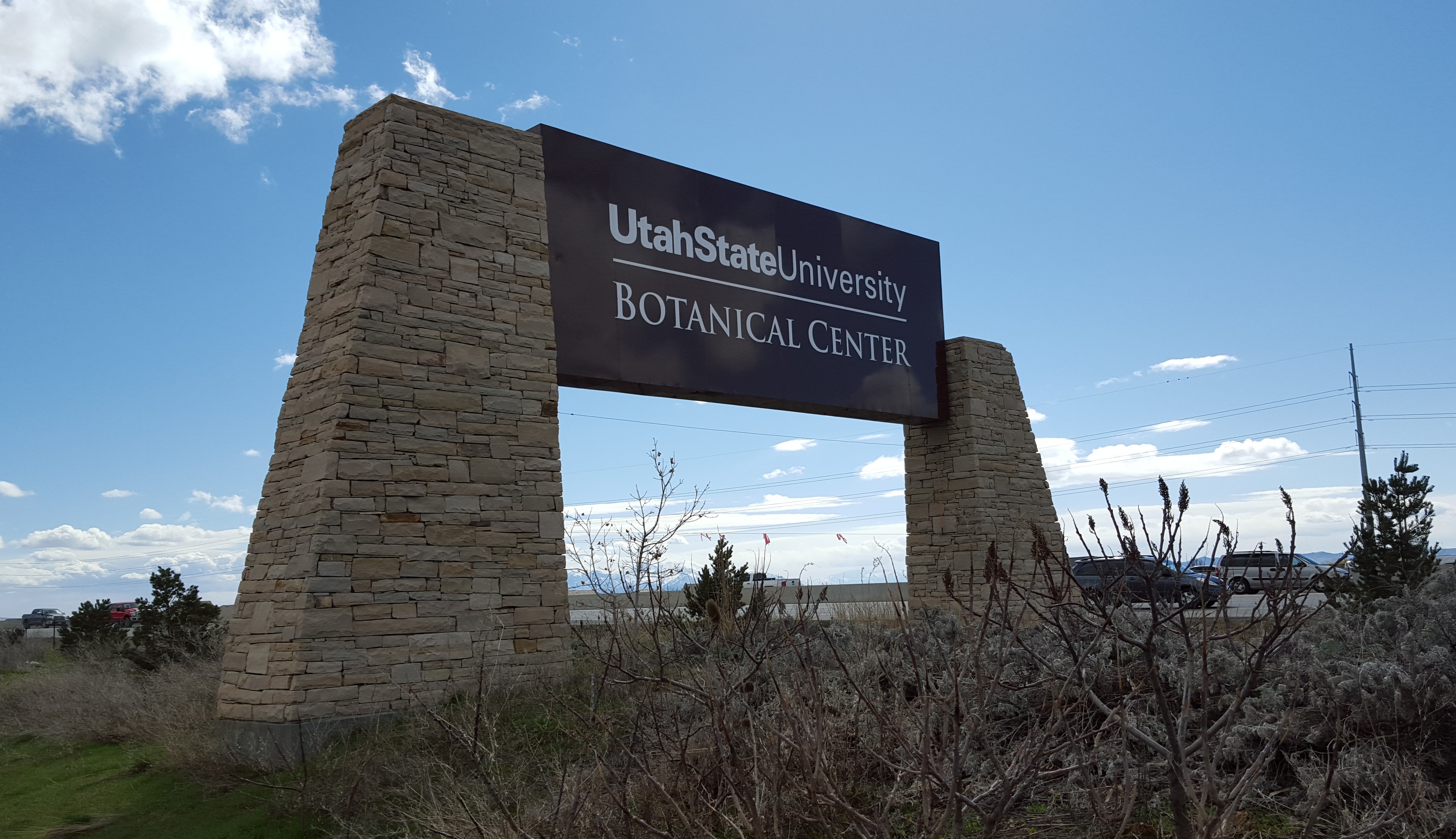
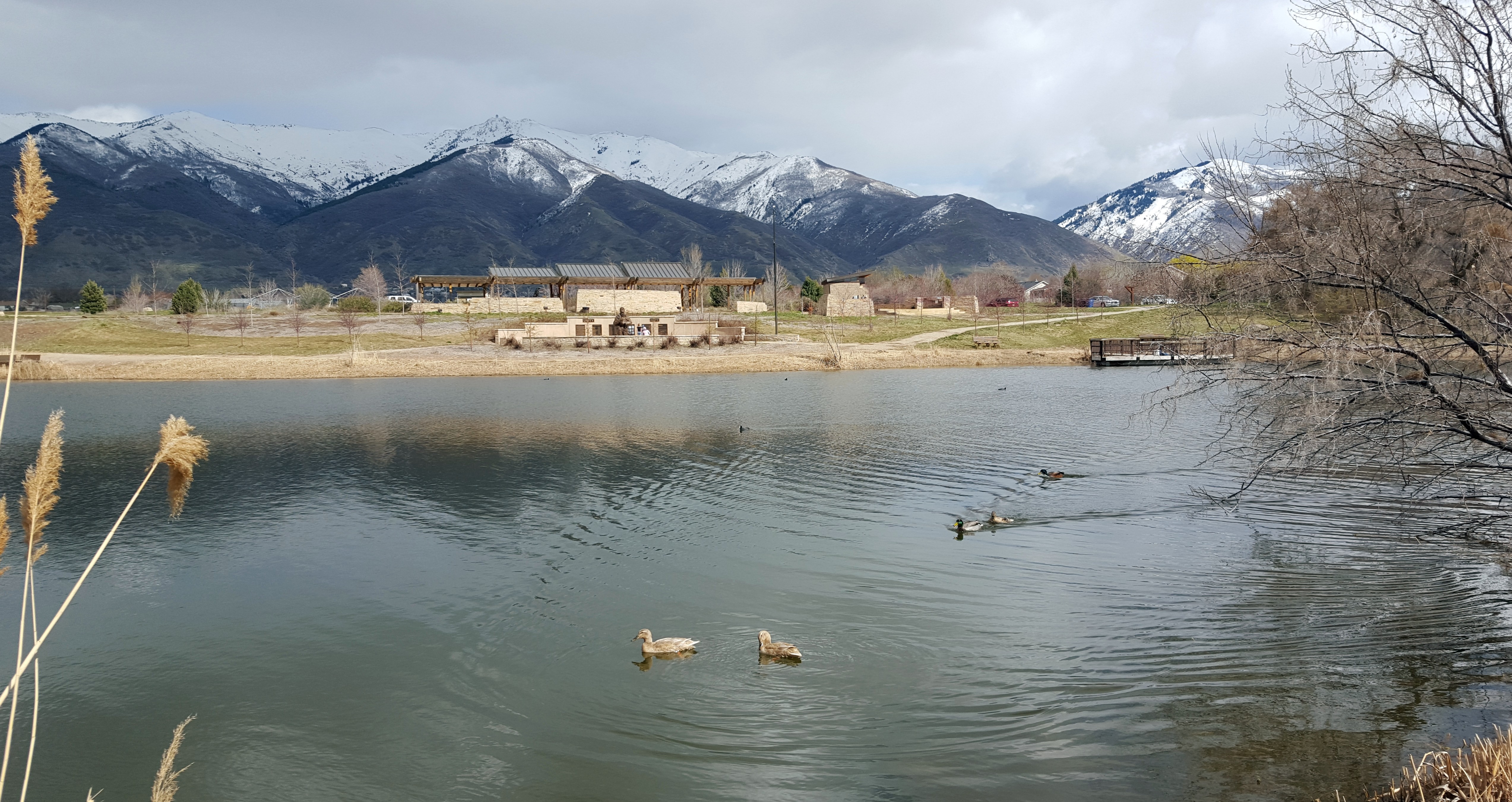
Last month I was in Utah visiting family, so I took the opportunity to check out the Utah State University Botanical Center in Kaysville. Located along Interstate 15, it’s hard to miss, and yet I had never visited despite having driven past it numerous times. Of course, March is not the ideal time to visit a botanical garden in Utah. Spring was in the air, but the garden still had a lot of waking up to do. Regardless it was fun to check the place out and imagine what it might have to offer in its prime.
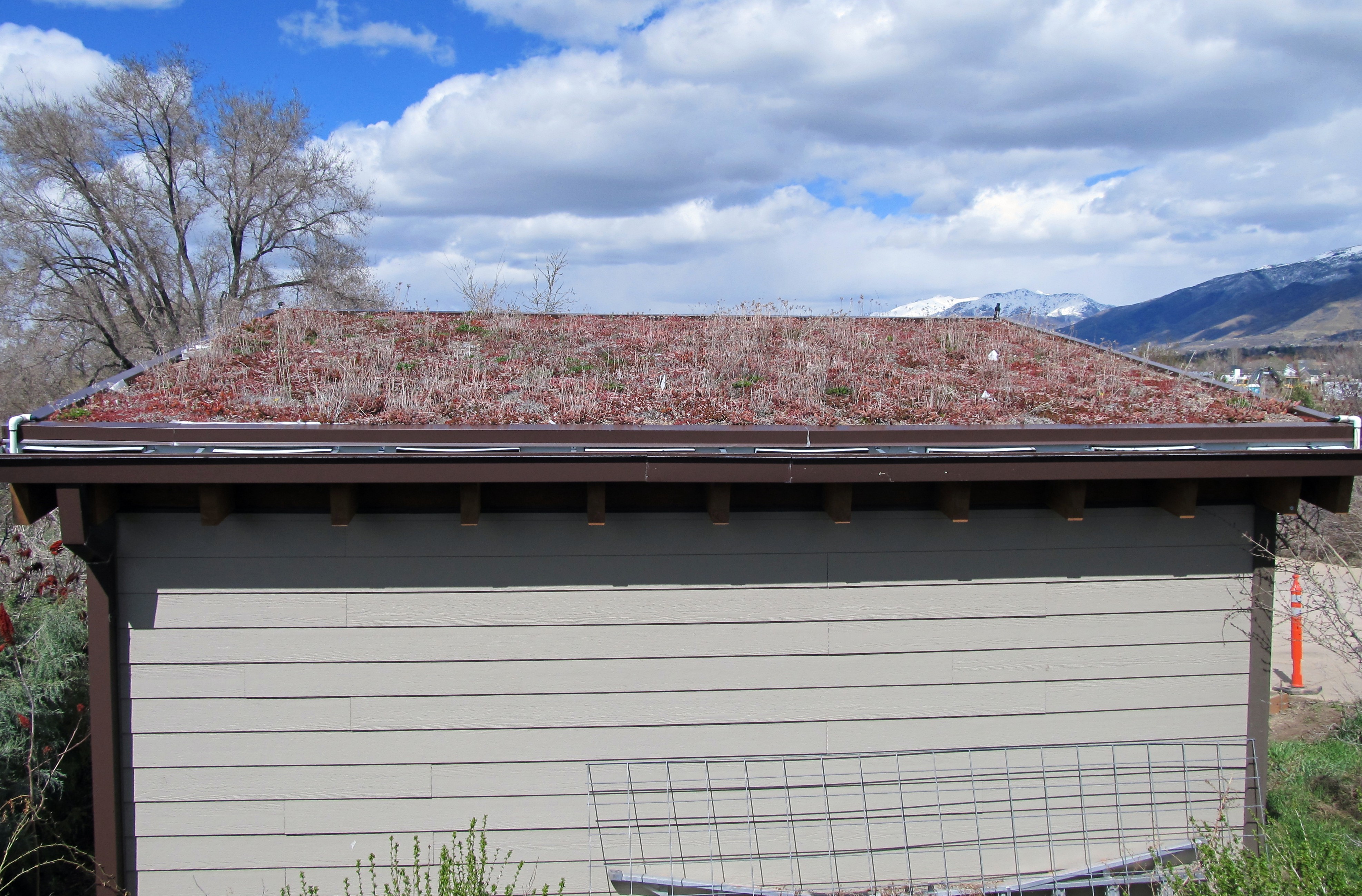
The vision of the USU Botanical Center is “to guide the conservation and wise use of plant, water, and energy resources through research-based educational experiences, demonstrations, and technologies.” Some of the demonstration gardens are located alongside a series of ponds that are stocked with fish and are home to wetland bird species and other wildlife. Next door to the ponds is the Utah House, a demonstration house modeling energy efficient design and construction along with other sustainable practices. The landscaping surrounding the Utah House, apart from the vegetable garden, consists mainly of drought-tolerant plants.
Utah State University has recently acquired some neighboring land and is in the process of expanding their demonstration gardens and arboretum. I enjoyed my brief visit (particularly the time I spent watching the ducks) and will make it a point to stop again, both during a warmer time of year and as the gardens continue to expand.
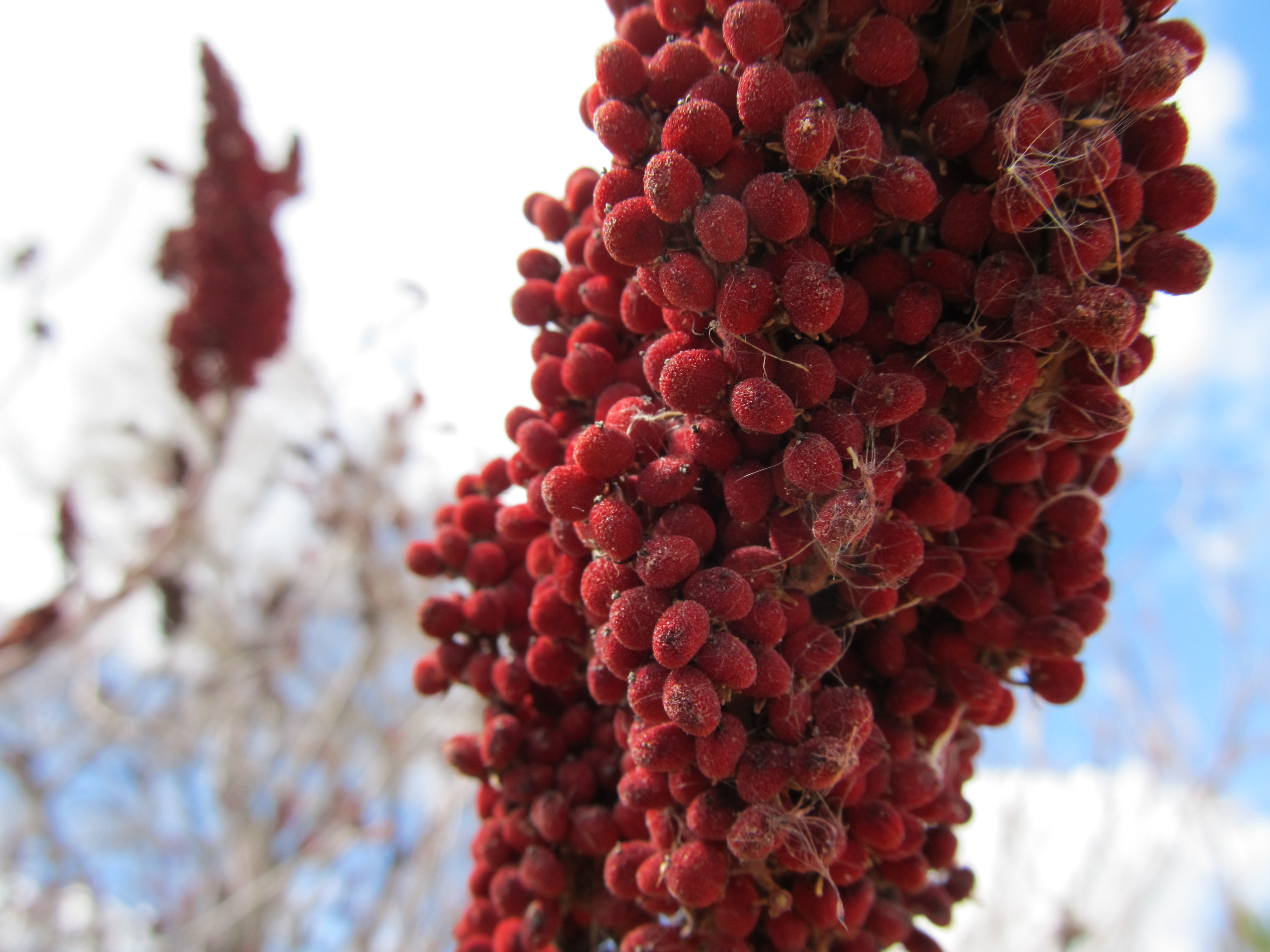
The fruits of smooth sumac (Rhus glabra)
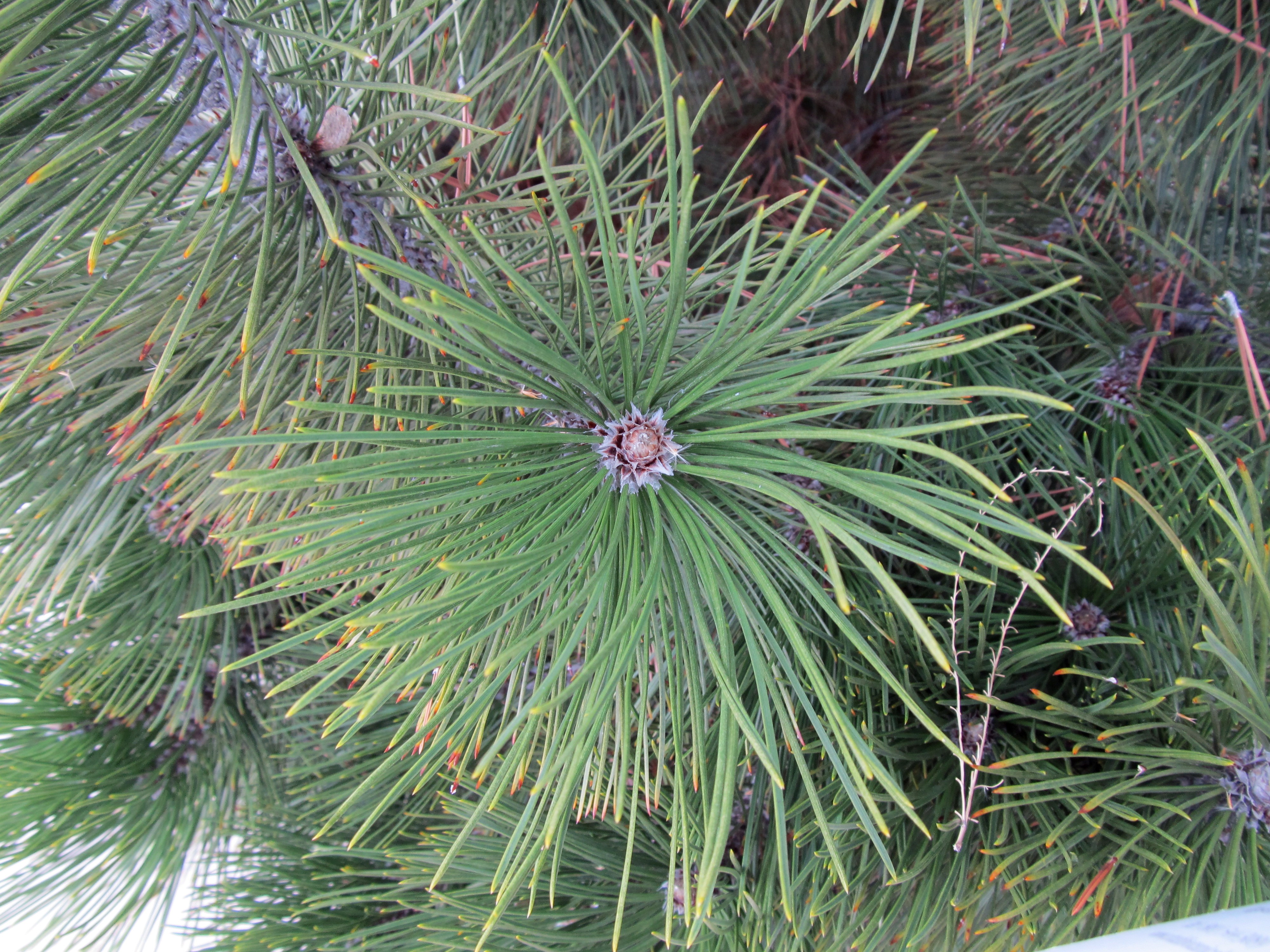
Dwarf Bosnian Pine (Pinus heldreichii ‘Green Bun’)
Carol Mackie Daphne (Daphne x burkwoodii ‘Carol Mackie’)
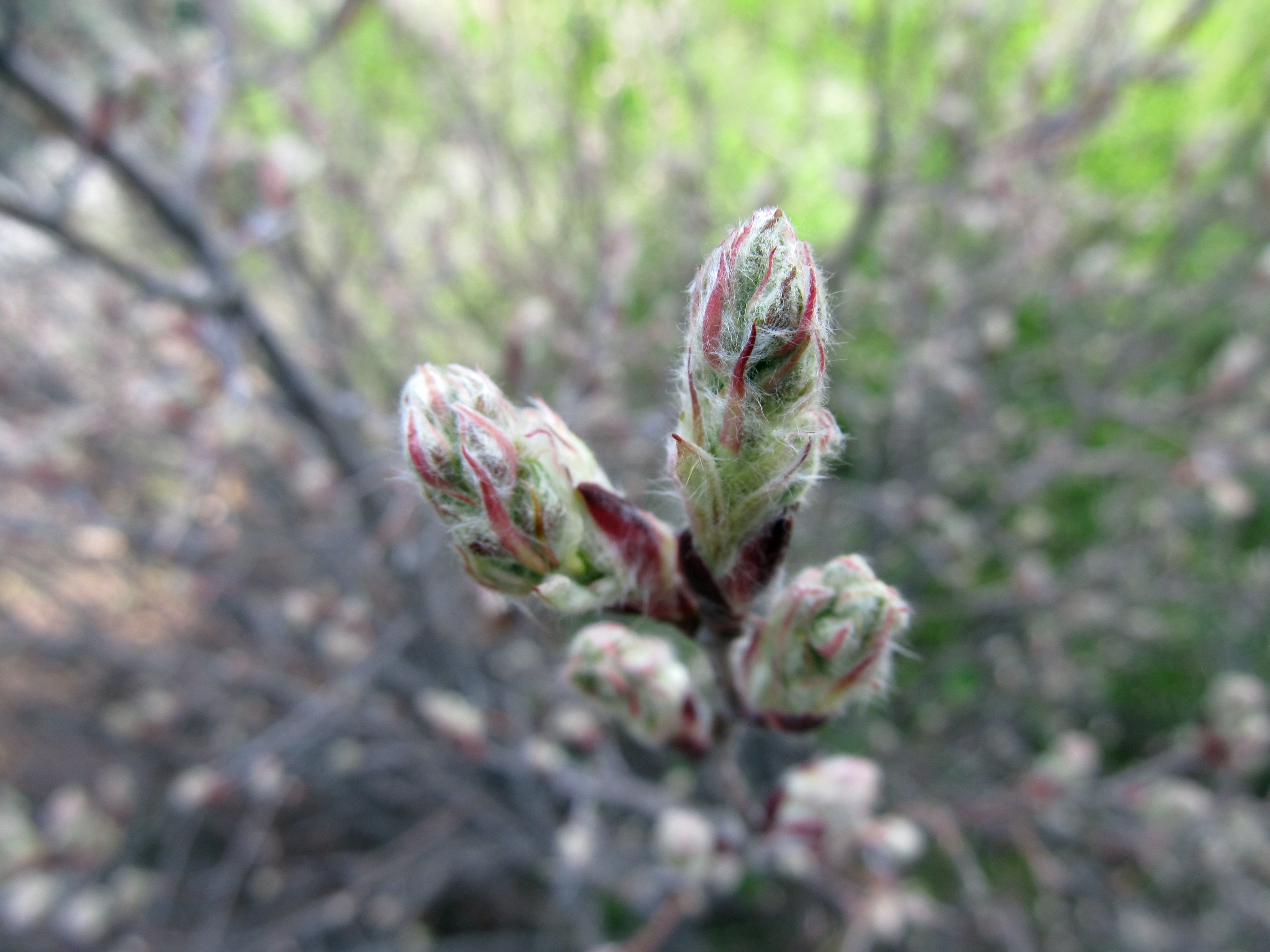
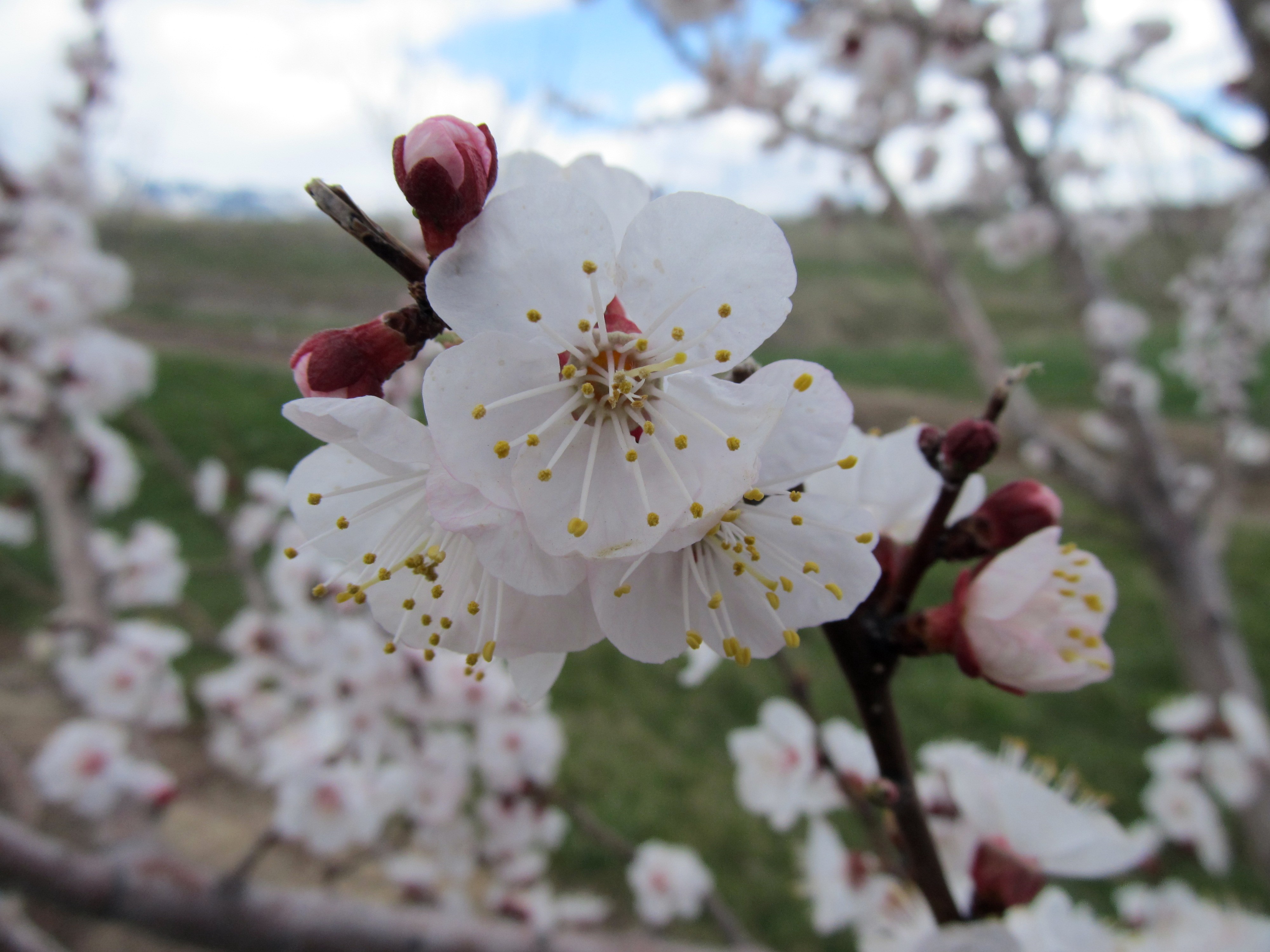
Saskatoon serviceberry leafing out (Amelanchier alnifolia)
The wetlands at USU Botanical Center offer a great opportunity to teach the public about the importance of wetland habitat and wetland conservation. Signage informs visitors that despite the fact that wetlands and riparian areas only make up 1% of Utah, 80% of Utah’s wildlife use such areas at some point during their life. Learn more here.
What botanical gardens are you visiting this spring? Leave your travelogues and recommendations in the comments section below.
Large-scale farms that generally grow a single crop at a time and are managed conventionally are, by design, lacking in biodiversity. Abandoning such farms and allowing nature to take its course should, not surprisingly, result in a dramatic uptick in biodiversity. Plant colonization of abandoned farmland (also referred to as old field succession) is well studied and is regularly used as an example of secondary succession in ecology textbooks. The scenario seems obvious: cease agriculture operations, relinquish the land back to nature, and given enough time it will be transformed into a thriving natural community replete with diverse forms of plants and animals. This is an oversimplification, of course, and results will vary with each abandoned piece of land depending on the circumstances, but it generally seems to be the story. So what about when it isn’t?
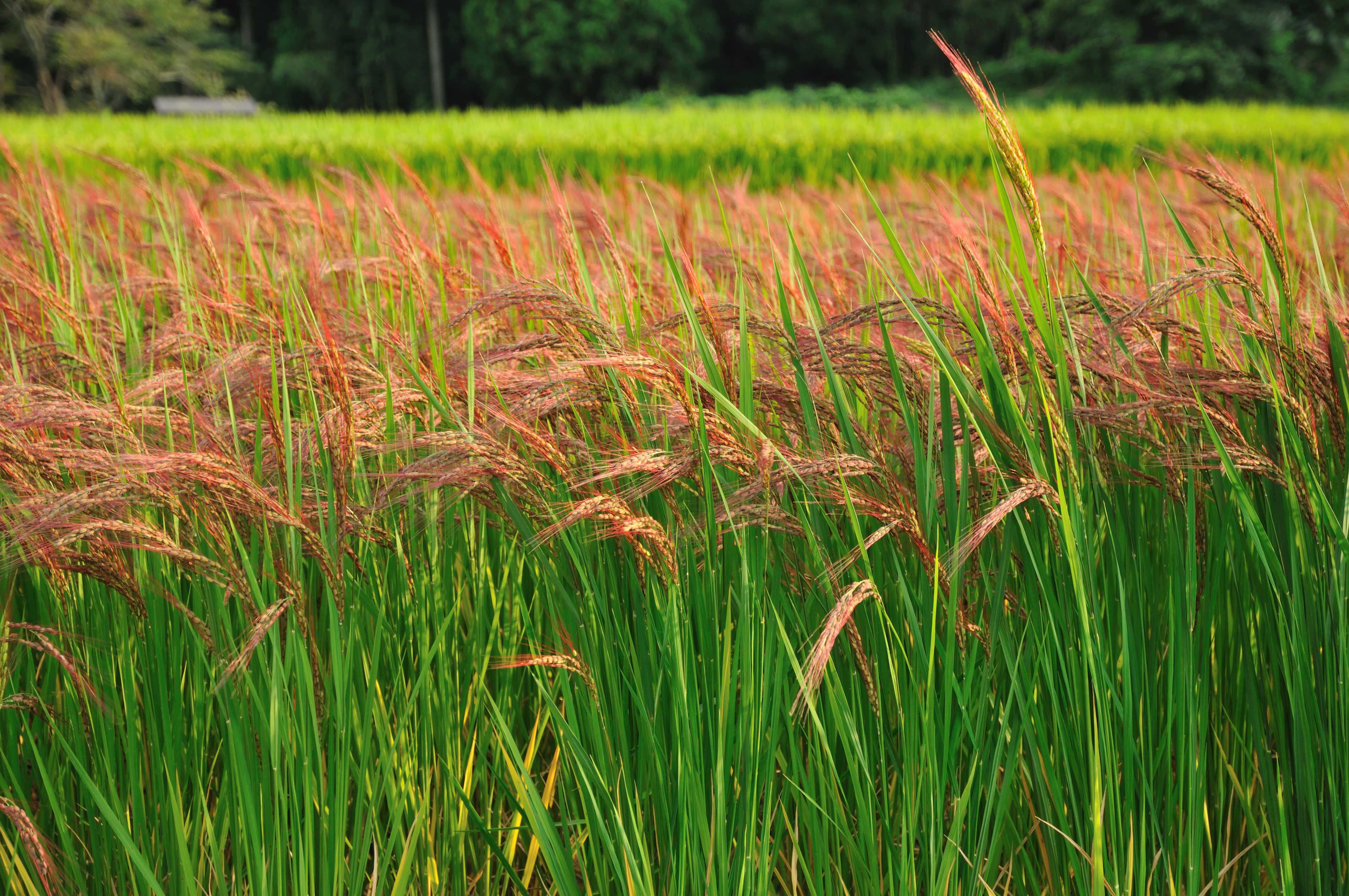
Rice farming in Japan began at least 2400 years ago. Rice had been domesticated in China long before that, and when it eventually arrived in Japan it shaped the culture dramatically. For hundreds of years rice was farmed in small, terraced paddies in the mountains of Japan. Dennis Normile writes about these traditional, rice paddies in a recent issue of Science. He describes how they were found in villages “nestled in a forested valley” accompanied by vegetable plots, orchards, and pasture. Today, farms like these are “endangered,” and as they have become increasingly abandoned, plants, insects, and other wildlife that have historically thrived there are suffering.
Since the 1960’s, a combination of factors has resulted in the decline of traditional rice farming in Japan. For one, large scale farming has led to the consolidation of paddies, which are farmed more intensively. Diets in Japan have also shifted, resulting in a preference for bread and pasta over rice. Additionally, Japan’s population is shrinking, and residents of rural areas are migrating to cities. Traditional rice farmers are aging, and younger generations are showing little interest in pursuing this career.
Demographic and dietary concerns aside, why in this case is the abandonment of agriculture imperiling species? The answer appears to be in both the way that the rice paddies have been historically managed and the length of time that they have been managed that way. Agriculture, by its very nature, creates novel ecosystems, and if the practice continues long enough, surrounding flora and fauna could theoretically coevolve along with the practice. When the practice is discontinued, species that have come to rely on it become threatened.
Traditional rice paddies are, as Normile describes, “rimmed by banks so that they can be flooded and drained.” Farmers “encouraged wild grassland plants to grow on the banks because the roots stabilize the soil.” The banks are mowed at least twice a year, which helps keep woody shrubs and trees from establishing on the banks. In some areas, rice farming began where primitive people of Japan were burning frequently to encourage grassland habitat. Maintaining grassland species around rice paddies perpetuated the grassland habitat engineered by primitive cultures.
As rice paddies are abandoned and the surrounding grasslands are no longer maintained, invasive species like kudzu and a North American species of goldenrod have been moving in and dominating the landscape resulting in the decline of native plants and insects. Normile reports that the abandoned grasslands are not expected to return to native forests either since “surrounding forests…are a shadow of their old selves.”
Additionally, like most other parts of the world, Japan has lost much of its natural wetland habitat to development. Rice paddies provide habitat for wetland bird species. On paddies that have been abandoned or consolidated, researchers are finding fewer wetland bird species compared to paddies that are managed traditionally.
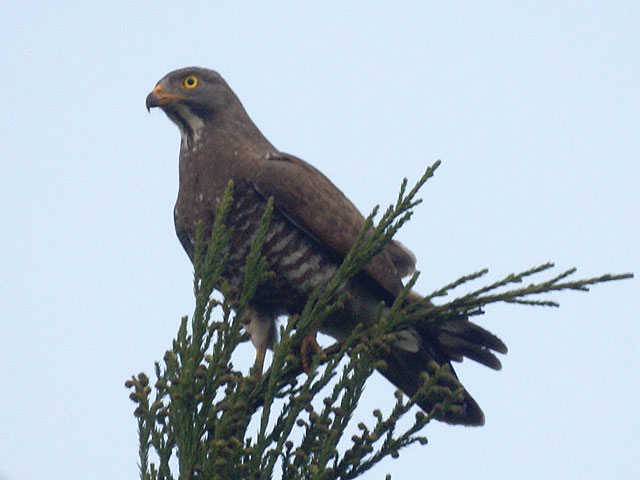
The gray-faced buzzard (Butastur indicus) is listed as vulnerable in Japan. It nests in forests and preys on insects, frogs, and other animals found in grasslands and rice paddies. Its decline has been linked to the abandonment and development of traditionally farmed rice paddies. (photo credit: wikimedia commons)
All of this adds fodder to an ongoing debate: “whether allowing farmland to revert to nature is a boon to biodiversity or actually harms it.” Where agriculture is a relatively new practice or where conventional practices dominate, abandoning agriculture would be expected to preserve and promote biodiversity. However, where certain agricultural practices have persisted for millenia, abandoning agriculture or converting to modern day practices could result in endangerment and even extinction of some species. In the latter case, “rewilding” would require thoughtful consideration.
The thing that fascinates me the most about this report is just how intertwined humans are in the ecology of this planet. In many ways humans have done great harm to our environment and to the myriad other species that share it. We are a force to be reckoned with. Yet, the popular view that we are separate, above, apart, or even dominant over nature is an absurd one. For someone who cares deeply about the environment, this view has too often been accompanied by a sort of self-flagellation, cursing myself and my species for what we have done and continue to do to our home planet. Stories like this, however, offer an alternative perspective.
Humans are components of the natural world. We evolved just like every other living thing here, and so our actions as well as the actions of other species have helped shape the way the world looks. If our species had met its demise early in its evolutionary trajectory, the world would look very different. But we persisted, and as it turns out, despite the destruction we have caused and the species we have eliminated, we have simultaneously played a role in the evolution and persistence of many other species as well. We must learn to tread lightly – for the sake of our own species as well as others – but we should also quit considering ourselves “other than” nature, and we should stop beating ourselves up for our collective “mistakes.” It seems that when we come to recognize how connected we are to nature we will have greater motivation to protect it.
I’m taking a break from writing a regular post this time around. It’s the first week of spring, and there is a lot going on. I hope you are getting outside and enjoying the warmer weather (at least those of you in the northern hemisphere anyway). It was a pretty mild winter in my neck of the woods, but that doesn’t diminish my excitement when I see plants start to flower and leaf out. The gray days of winter are largely behind us, and holing up in my cave of an apartment is suddenly less appealing.
What I have for you this week are some short video clips. I recently joined Vine, a short-form, video-sharing social media site where each post is a six second, looped video. I’m late to the scene as usual, but I’ve been having fun messing around with it. The following videos are some of my first attempts (and lousy ones at that); if I decide to stick with it you can expect better content. If you’re interested in this sort of thing, please join, follow, favorite, share, like, comment, etc. Regardless, I hope you will find time to pry yourself away from a screen and experience nature during this beautiful and singular time of year.
Awkward Botany is also on Twitter and Tumblr, so feel free to follow me there too if you would like. Happy Spring!
It is a presidential election year in the United States of America and, as per usual, it’s a circus. Prolific coverage of the surrounding events is hard to avoid. President Barack Obama is in the final year of his second term, which means that 8 years ago he was in the same position as today’s presidential hopefuls. Ultimately Obama was elected President, but during that lively process something else was afoot.
Kerry Knudsen is the lichen curator at the University of California Riverside Herbarium. In the final weeks of the 2008 campaign season, Knudsen was making collections of a species of lichen that he had discovered a year earlier. As Obama was being elected President, and (as Knudsen terms it) “the international jubilation” surrounding the event proceeded, Knudsen was drafting a paper describing and naming the newly discovered species. The final draft was completed during President Obama’s inauguration, and so it seemed fitting to Knudsen that he name the lichen after Obama. Caloplaca obamae it was – named after the 44th President of the United States, in honor of “his support of science and scientific education.”
President Obama’s lichen – Caloplaca obamae – discovered and described by Kerry Knudsen (photo credit: UCR Herbarium/J.C. Lendemer)
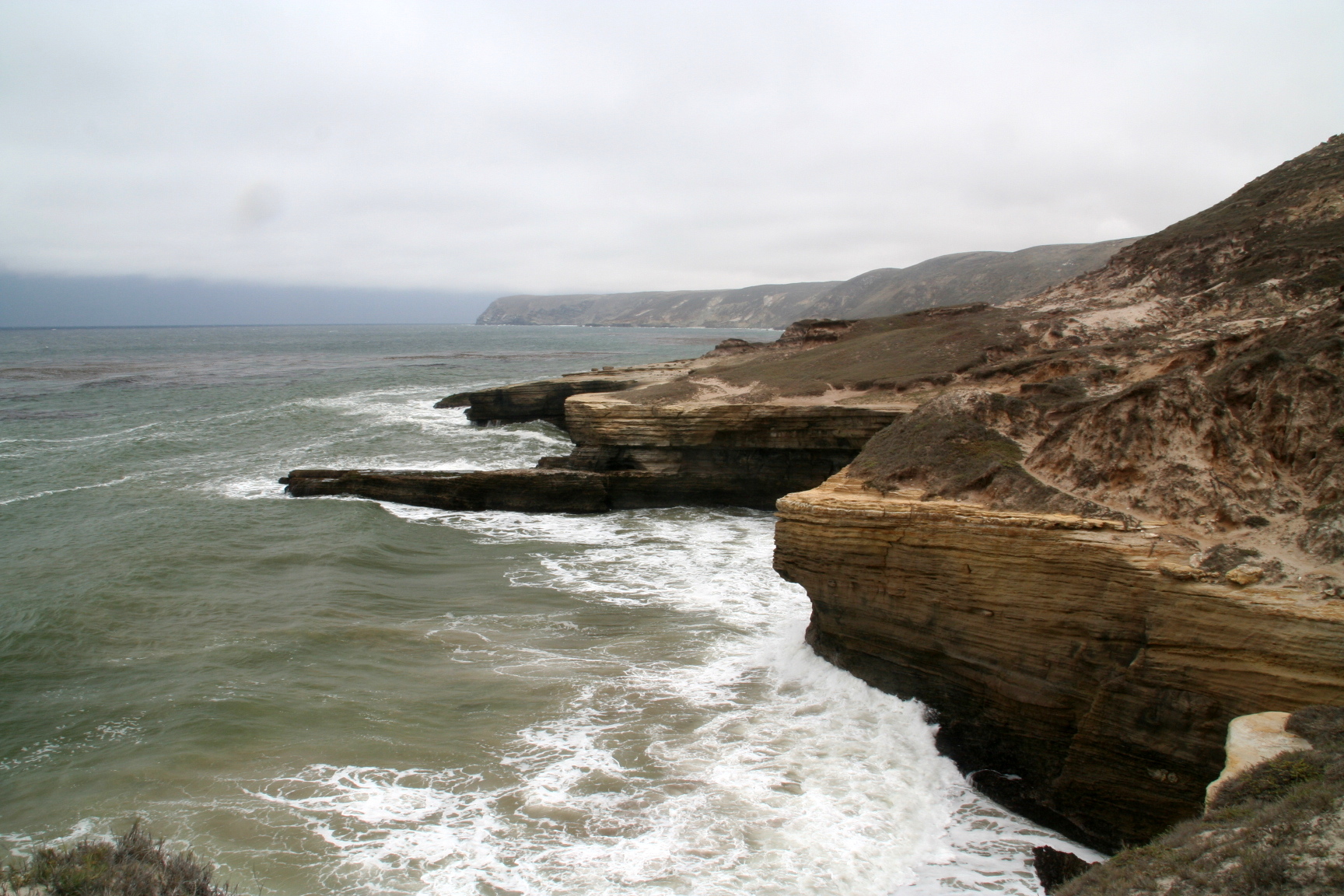
Caloplaca obamae is a rare find. It is endemic to Santa Rosa Island, a member of the Channel Islands off the coast of Southern California near Santa Barbara. Cattle ranching and the introduction of elk and deer nearly removed it from existence. Now that cattle ranching has ceased and elk and deer are being removed, the lichen has a chance of survival.
Lichens are unique organisms. They are the result of a symbiosis between fungi and algae and/or cyanobatcteria. In this symbiosis, a mycobiont (the fungus) is essentially farming a photobiont (the algae/cyanobacteria) in order to feed off the sugars produced when the photobiont photosynthesizes. Photobionts in turn receive protection as well as water and other nutrients collected by the mycobiont.
There are at least 17,000 species of lichens known to science. They occur throughout the world in all manner of habitats from low to high elevation, and they adhere to virtually any stable surface including glass, plastic, and rubber. Lichens are ancient organisms, having existed for as long as 300 million years, with early lichens – or protolichens – dating back at least 400 million years. They are also very slow growing and can be incredibly long-lived.
Lichens are named after the fungal component, which can cause confusion since a particular species of fungus may form lichens with more than one species of algae or cyanobacteria. One way lichens are classified is according to their growth form, which is determined by their thallus – their non-reproductive, vegetative tissues. Three common thallus forms are fruticose (shrub-like), foliose (leaf-like), and crustose (crust-like).
While unassuming and benign in appearance, lichens have great ecological importance. They are involved in soil formation, the water cycle, and nitrogen fixation. They are homes to insects and microorganisms and are used as food by some animals and nesting materials by others. Some species of lichens are even consumed by humans. Lichens have also been used to develop medicines and dyes. Lichens are sensitive to air pollution, and are used to help determine the environmental health of urban areas. If your neighborhood has a healthy lichen population, chances are your air is pretty clean.
Santa Rosa Island – home to Caloplaca obamae (photo credit: wikimedia commons)
Caloplaca obamae is an orange, crustose lichen. It is terricolous, which means that it grows on soil. It is part of a community of soil dwelling lichens and bryophytes that form a biological soil cruston the Pleistocene soils of Santa Rosa Island. This sensitive community is easily disturbed by activities like grazing, which is why removing cattle, deer, and elk (all of which were introduced by humans to the island) is important for its survival.
Lichens are great, and they deserve much more attention than they get. A lichen named after President Obama is also pretty cool. However, as I researched this story the thing that impressed me the most was Kerry Knudsen himself. Knudsen is a retired construction worker with no academic degrees. He started studying lichens on his own after a medical condition forced him into early retirement. His initial interest grew into an obsession, and he is now among the few lichen experts in the world. He has added thousands of lichens toThe Lichen Herbarium at UCRand has helped describe and name dozens of new species. He currently studies and collects lichens in California and the Czech Republic. You can read more about Knudsen in this 2004 article in the Los Angeles Times.
The spring season for plant-obsessed gardeners is a time to prepare to grow something new and different – something you’ve never tried growing before. Sure, standards and favorites will make an appearance, but when you love plants for plant’s sake you’ve got to try them all, especially the rare and unusual ones – the ones no one else is growing. Even if it ultimately turns out to be a disaster or a dud, at least you tried and can say you did.
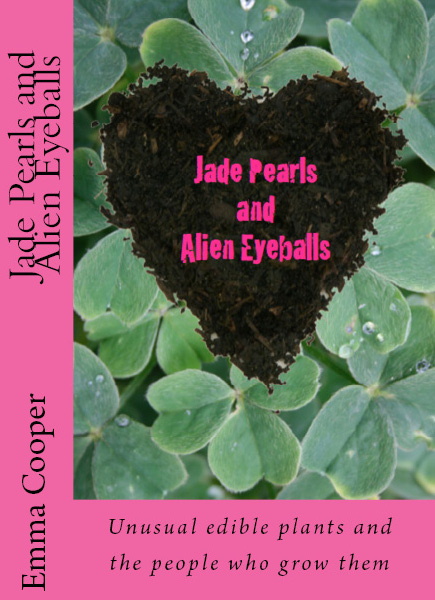
That seems to be the spirit behind Jade Pearls and Alien Eyeballs by Emma Cooper. Subtitled, “Unusual Edible Plants and the People Who Grow Them,” Cooper’s book is all about trying new plants, both in the garden and on your plate. While its focus is on the rare and unusual, it is not a comprehensive guide to such plants – a book like that would require several volumes – rather it is a treatise about trying something different along with a few recommendations to get you started.
Cooper starts out by explaining what she means by “unusual edible” – “exotic, old-fashioned, wild, or just plain weird.” Her definition includes plants that may be commonly grown agriculturally but may not make regular appearances in home gardens. She goes on to give a brief overview of plant exploration throughout history, highlighting the interest that humans have had for centuries – millennia even – in seeking out new plants to grow. She acknowledges that, in modern times, plant explorations have shifted from simply finding exotic species to bring home and exploit to cataloging species and advocating for their conservation in the wild. Of course, many of these explorations are still interested in finding species that are useful to humans or finding crop wild relatives that have something to offer genetically.
Cooper then includes more than 2o short interviews of people who are growers and promoters of lesser known edible plants. The people interviewed have much to offer in the way of plant suggestions and resource recommendations; however, this part of the book was a bit dull. Cooper includes several pages of resources at the end of the book, and many of the interviewees suggest the same plants and resources, so this section seemed redundant. That being said, there are some great responses to Cooper’s questions, including Owen Smith’s argument for “citizen-led research and breeding projects” and James Wong’s advise to seek out edible houseplants.
The remainder of the book is essentially a list of the plants that Cooper suggests trying. Again, it is not a comprehensive list of the unusual plants one could try, nor it is a full list of the plants that Cooper would recommend, but it is a good starting point. Cooper offers a description of each plant and an explanation for why it is included. The list is separated into seven categories: Heritage and Heirloom Plant Varieties, Forgotten Vegetables, The Lost Crops of the Incas, Oriental Vegetables, Perennial Pleasures, Unusual Herbs, and Weeds and Wildings.
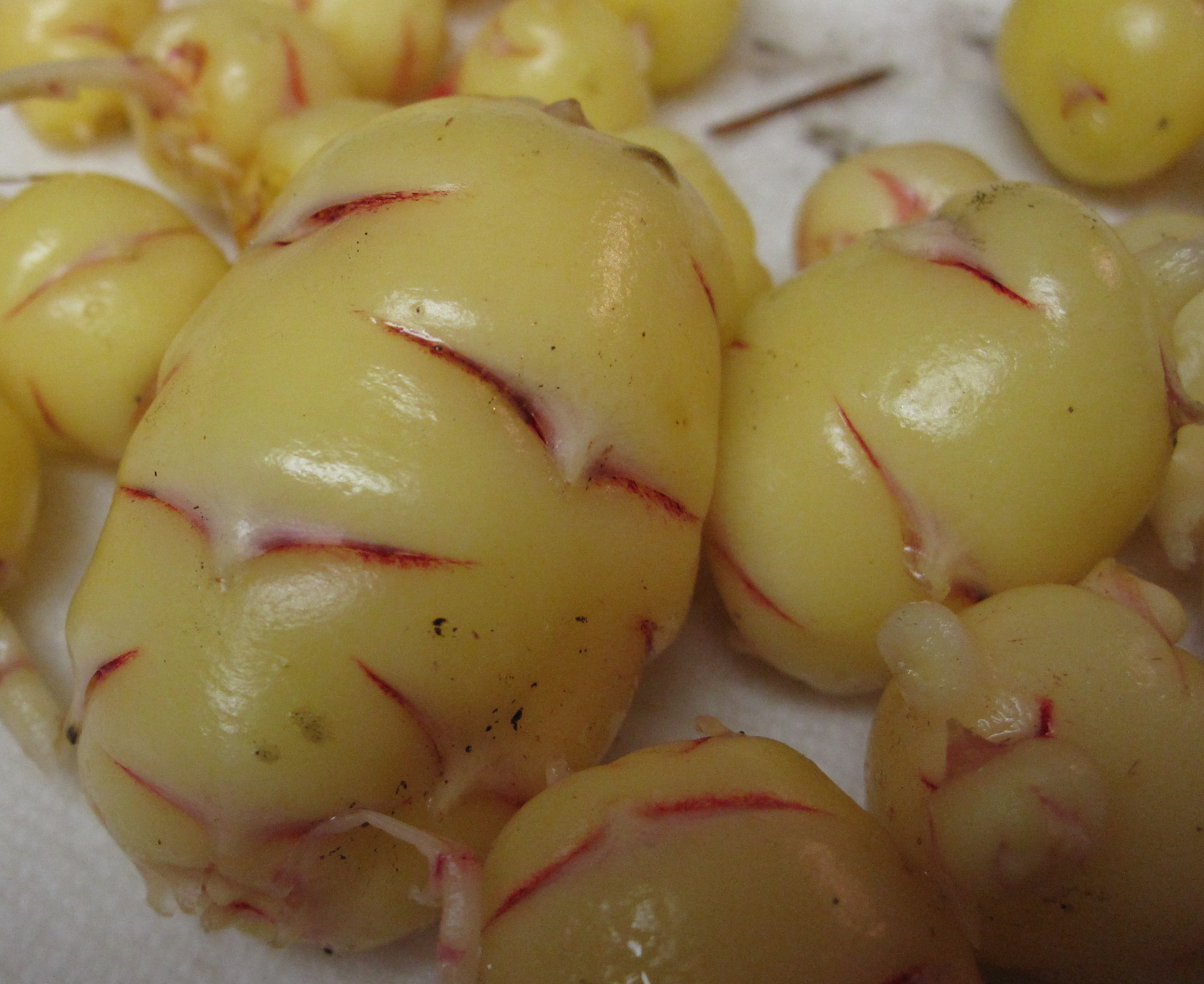
This is the portion of the book that plant geeks are likely to find the most compelling. It is also where the reader learns where the title of the book comes from – “jade pearls” is another common name for Chinese artichoke (Stachysaffinis), and “alien eyeballs” is Cooper’s name for toothache plant (Acmella oleracea). I have tried a few of the plants that Cooper includes, and I was intrigued by many others, but for whatever reason the two that stood out to me as the ones I should try this year were Hamburg parsley (Petroselinum crispum var. tuberosum) and oca (Oxalis tuberosa).
In the final chapter, Cooper offers – among other things – warnings about invasive species (“our responsibility is to ensure that the plants we encourage in our gardens stay in our gardens and are not allowed to escape into our local environment”), import restrictions (“be a good citizen and know what is allowed in your country [and I would add state/province], what isn’t, and why”), and wild harvesting (“act sustainably when foraging”). She then includes several pages of books and websites regarding unusual edibles and a long list of suppliers where seeds and plants can be acquired. Cooper is based in the U.K., so her list of suppliers is centered in that region, but a little bit of searching on the internet and asking around in various social media, etc. should help you develop a decent list for your region. International trades or purchases are an option, but as Cooper advises, follow the rules that are in place for moving plant material around.
Bottom line: find some interesting things to grow this year, experiment with things you’ve never tried – even things that aren’t said to grow well in your area – and if you’re having trouble deciding what to try or you just want to learn more about some interesting plants, check out Emma Cooper’s book.
Also, check out Emma Cooper’s blog and now defunct podcast (the last few episodes of which explore the content of this book).
Are you interested in writing a book review for Awkward Botany or helping out in some other way? If so, go here.
It seems obvious to say that on farms that rely on insect pollinators for crops to set fruit, having more pollinators around can lead to higher yields. Beyond that, there are questions to consider. How many pollinators and which ones? To what extent can yields be increased? How does the size and location of the farm come into play? Etc. Thanks to a recent study, one that Science News appropriately referred to as “massive,” some of these questions are being addressed, offering compelling evidence that yields grow dramatically simply by increasing and diversifying pollinator populations.
It is also stating the obvious to say that some farms are more productive than others. The difference between a high yield farm and a low yield farm in a given crop system is referred to as a yield gap. Yield gaps are the result of a combination of factors, including soil health, climate, water availability, and management. For crops that depend on insects for pollination, reduced numbers of pollinators can contribute to yield gaps. This five year study by Lucas A. Garibaldi, et al., pubished in a January 2016 issue of Science, involving 344 fields and 33 different crops on farms located in Africa, Asia, and Latin America demonstrates the importance of managing for pollinator abundance and diversity.
The study locations, which ranged from 0.1 hectare to 327.2 hecatares, were separated into large and small farms. Small farms were considered 2 ha and under. In the developing world, more than 2 billion people rely on farms of this size, and many of these farms have low yields. In this study, low yielding farms on average had yields that were a mere 47% of high yielding farms. Researchers wanted to know to what degree enhancing pollinator density and diversity could help increase yields and close this yield gap.
By performing coordinated experiments for five years on farms all over the world and by using a standardized sampling protocol, the researchers were able to determine that higher pollinator densities could close the yield gap on small farms by 24%. For larger farms, such yield increases were seen only when there was both higher pollinator density and diversity. Honeybees were found to be the dominant pollinator in larger fields, and having additional pollinator species present helped to enhance yields.
These results suggest that, as the authors state, “there are large opportunities to increase flower-visitor densities and yields” on low yielding farms to better match the levels of “the best farms.” Poor performing farms can be improved simply by managing for increased pollinator populations. The authors advise that such farms employ “a combination of practices,” such as “sowing flower strips and planting hedgerows, providing nesting resources, [practicing] more targeted use of pesticides, and/or [restoring] semi-natural and natural areas adjacent to crops.” The authors conclude that this case study offers evidence that “ecological intensification [improving agriculture by enhancing ecological functions and biodiversity] can create mutually beneficial scenarios between biodiversity and crop yields worldwide.”
A study like this, while aimed at improving crop yields in developing nations, should be viewed as evidence for the importance of protecting and strengthening pollinator populations throughout the world. Modern, industrial farms that plant monocultures from one edge of the field to the other and that include little or no natural area – or weedy, overgrown area for that matter – are helping to place pollinator populations in peril. In this study, after considering numerous covariables, the authors concluded that, “among all the variables we tested, flower-visitor density was the most important predictor of crop yield.”
Back to stating the obvious, if pollinators aren’t present yields decline, and as far as I’m aware, we don’t have a suitable replacement for what nature does best.
“My best bet for making calories is potatoes. They grow prolifically and have a reasonable calorie count. … I can’t just live off the land forever. But I can extend my life. The potatoes will last me 76 days.” – The Martian by Andy Weir
The Atacama Desert is a strip of land in northern Chile that reaches into portions of Bolivia, Peru, and Argentina. Within it lies a region 10,000 feet in elevation that, thanks to a double rain shadow, is so intensely dry that nothing, not even microbial life, can survive. Rain falls in this region perhaps once every 10 years, and even then precipitation is paltry. This area is so desolate and devoid of life that NASA scientists consider it Mars-like and have used the area to test equipment that is bound for Mars. Studies have found that the soil in this region is similar to Martian soil – so similar, in fact, that it is now being used to test the feasibility of growing potatoes on Mars.
The study is being carried out by NASA in collaboration with Centro Internacional de la Papa (CIP), an agriculture research institution based in Lima, Peru. The efforts consist of an initial series of three experiments. Apart from investigating methods for growing potatoes in a Martian environment, researchers hope to develop ways to improve potato production on marginal land here on Earth in order to increase yields and provide a sustainable source of food in parts of the world that so desperately need it.
The wild crop relative of the cultivated potato (Solanum tuberosum) is native to the Andes. It was originally domesticated by the indigenous people of Peru at least 8,000 years ago. Spanish explorers brought potatoes back to Europe around 1570, and over the next several hundred years cultivation of potatoes spread throughout the world. It is now one of the world’s top 5 food crops and is a staple food source in many regions. So why not Mars?
The first phase of experiments is currently under way. A selection of potato cultivars that have attributes such as quick maturity, virus resistance, tolerance to high temperatures, and resistance to drought are being grown in soil taken from the Mars-like region of the Atacama Desert. The second phase will consider the transportation of the potatoes from Earth to Mars, a nine month journey. The harvest from the first experiment will be frozen, thawed, and then planted to determine if the propagules remain viable after making the journey through space. The final phase of the experiments will entail growing the potatoes inside of CubeSatmodules in which a Mars-like environment can be simulated. The specifics of these studies vary across multiple reports, so this may be a slight misrepresentation of the actual research program. As official reports emerge, the exact methods will be more clear.
According to this post on the CIP website, this collaboration is “a major step towards building a controlled dome on Mars capable of farming the invaluable crop in order to demonstrate that potatoes can be grown in the most inhospitable environments.” The post goes on to laud the nutrient benefits of the potato and its potential to address issues of food security, poverty, and malnutrition. As NASA seeks for ways to sustain an eventual human mission to Mars, CIP looks to address global hunger. Together they see potential in the potato.
Space programs, even those that seem overly ambitious, offer benefits that can extend into all aspects of our lives. That is why I remain intrigued by experiments such as these that involve growing plants in space or on other planets. We may never find ourselves mass producing food for human populations outside of Earth (or maybe we will), but what we can learn in the process of simply seeing what is possible has great potential to increase our botanical knowledge and improve agricultural efforts here on our home planet.
Thanks to Franz Anthony, Awkward Botany now has an official logo. Franz is a graphic designer, artist, and illustrator based in Sydney, Australia. Check out his website and his Tumblr, and follow him on Twitterand Instagram. Also, stay tuned for more of Franz’s graphic design and illustration work here on Awkward Botany.
When I first developed a real interest in plants, I was in the heyday of my zine writing career. As my interest in gardening grew, writing a zine about it became inevitable. Initially I envisioned the zine as a journal of sorts – the journal of a budding horticulturist (pun intentional). Since I was new to gardening – and plants in general – the zine was meant to follow my journey as I explored this new world.
A zine needs a name though, so what would I call it? It didn’t take long for me to land on, The Juniper. I was familiar with a common disdain for the unsightly, overgrown, neglected, evergreen shrub full of spiders and cobwebs that for whatever reason was at one point planted right outside just about every house in America (a fire hazard, by the way). I was aware that many people were resorting to tearing them out, cursing as they battled the pokey, dirty, half dead things.
That was basically all I knew about junipers – they were common landscape plants that were just as commonly despised. My affection for freaks, geeks, outsiders, and rejects led me to name my zine after a shrub that everyone hated. I guess I just felt like we had something in common, and that despite being the bane of people’s existence, it deserved some recognition.
And it does. Junipers are an important species in their natural habitats. In some areas they are dominant features to the point where entire plant communities are named after them. Consider the piñon-juniper woodlands of western North America – prominent steppe habitats that occur throughout high desert regions and support diverse forms of wildlife unique to this part of the world. Dan Johnson writes in the book, Steppes, “the piñon-juniper zone dominates huge expanses of the West in varying stages of health, providing a wealth of habitats and resources to the wildlife and the people who call it home.”
Johnson goes on to describe some of these habitats:
In the Colorado Plateau this zone is dominated by Pinus edulis and Juniperus osteosperma, with J. scopulorum occupying drainages with more moisture. In the Great Basin, P. edulis is replaced by P. monophylla as the dominant piñon pine, still mixing with J. osteosperma, yet as one moves west, this juniper is increasingly replaced by J. occidentalis. Move farther north, and J. occidentalis dominates completely, with neither piñon pine making an appearance.
The genus Juniperus is in the cypress family (Cupressaceae) and includes up to 67 species, at least 13 of which are native to North America. They are long-lived plants that range from prostrate, sprawling groundcovers to expansive, bushy shrubs to tall, narrow trees. Their foliage is evergreen and can be either needle-like or scale-like. Most juniper species have needle-like foliage in their seedling and juvenile stages and then scale-like foliage at maturity. Some species, like J. communis, never develop scale-like foliage. Junipers are gymnosperms, so their reproductive structures are housed in cones. However, their cones are fleshy and so are commonly (and mistakenly) referred to as berries or fruits. Juniper cones are most often blue or gray-blue, but in some species they have a red, brown, or orange hue.
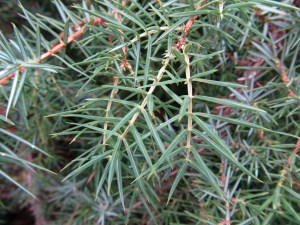
Juniperus communis (Common Juniper)
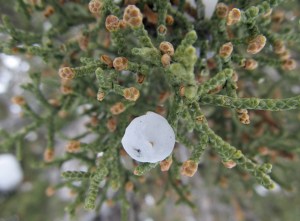
Juniperus osteosperma (Utah Juniper)
Juniperus scopulorum (Rocky Mountain Juniper)
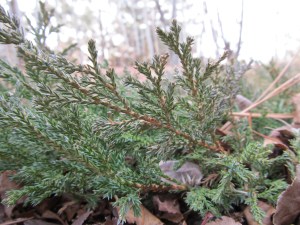
Juniperus horizontalis (Horizontal Juniper)
In general, junipers are quite drought tolerant, particularly those species that are adapted to hot, dry climates. Again referring to piñon-juniper steppes, Johnson writes, “in prolonged periods of drought, the piñon pines seem to suffer long before the junipers; whole hillsides of pine may go brown, leaving islands of olive-green juniper relatively unscathed.” In the book, Shrubs of the Great Basin, Hugh Mozingo attributes this drought toughness to the scale-like leaves: “Because they are smaller and so closely appressed to the twigs, these scale-like leaves are a superior adaptation to the frequently very dry conditions in piñon-juniper communities.” This herculean ability to survive on little water makes them a great addition to a dry garden.
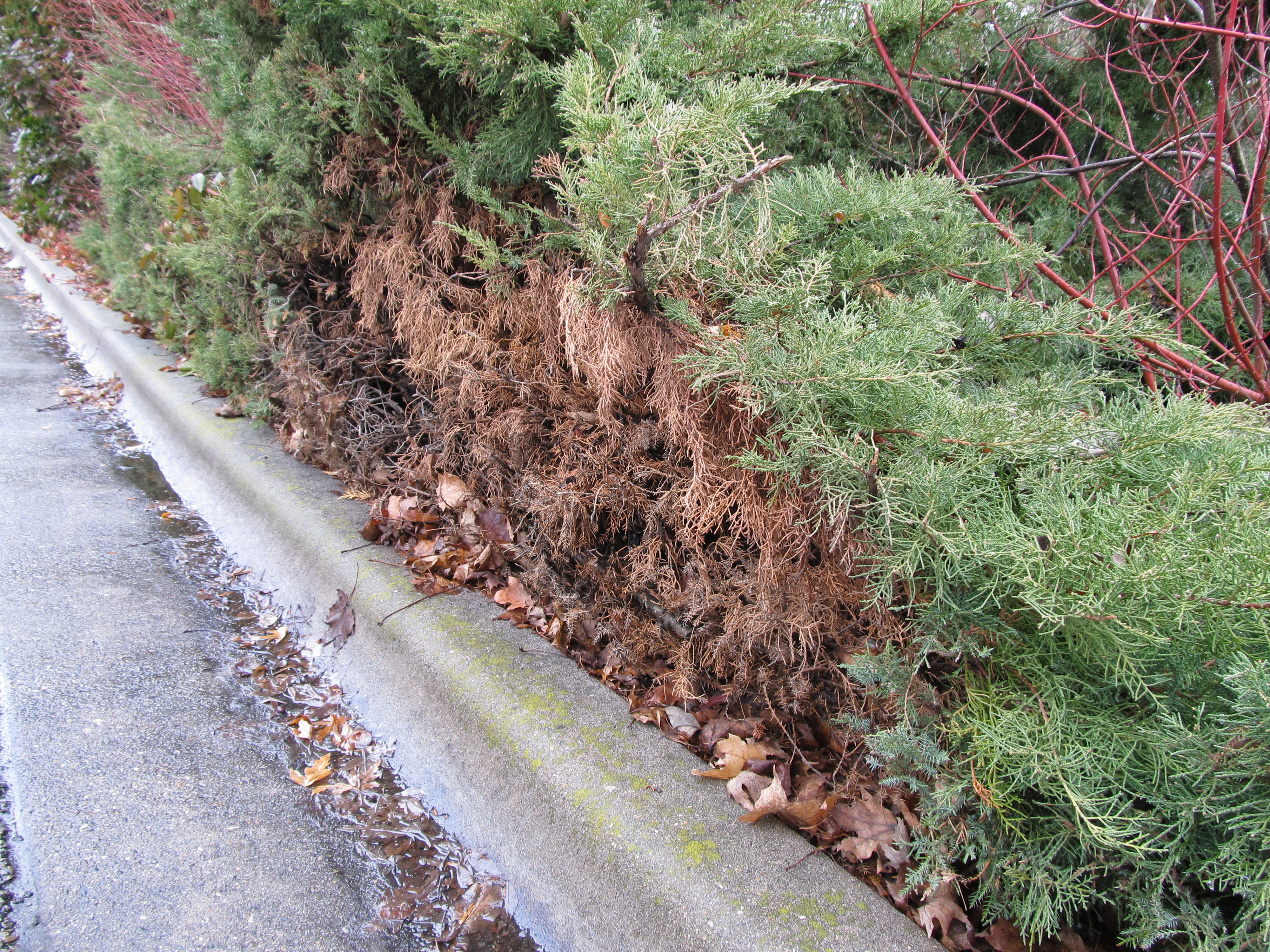
But we may first have to get over our disdain for them. As this post on Chicago Botanic Garden’s website puts it: “Junipers have suffered from overuse and underimagination.” (This article also examines our hatred of juniper bushes). Probably a bigger problem is that, like so many other plants used in a landscape, mature height and width often isn’t taken into consideration, and rather than removing a plant when it gets too big for the site, sheers or a hedge trimmer are regularly deployed. I’m not a huge fan of the sheered look. I much prefer a more natural form to the boxes and globes that are so common in commercial and residential plantings. I’m even less of a fan of the misguided inclination to force a plant to fit in a space that it isn’t meant to be (unless you’re a bonsai artist, I guess). This treatment is what leads to exposing the ugly, brown insides of a juniper shrub – an unsightly look that only makes people hate them more.
Brown insides of juniper shrub exposed after years of forcing the plant to fit in an improper site.
There are numerous commercially available cultivars of juniper species, offering a plethora of sizes, shapes, and forms as well as various colors of foliage. For small or narrow areas, select dwarf varieties or columnar forms that won’t need to be kept in check, and in all cases let the plant express its authentic self, controlling the urge to sheer and shape it against its will.
As if their natural beauty and low water requirement wasn’t enough, junipers are also great for supporting wildlife. Birds and other animals use them for cover and for nesting sites. The fleshy cones are edible, the shredding bark is used for nesting material, and the evergreen foliage provides much needed protection during winter months. Oh and, among many other benefits that junipers offer humans, their aromatic, fleshy cones have culinary value and are used to flavor gin.
I don’t want to leave the impression that I am opposed to pruning and shaping shrubs. For aesthetic reasons, I think it should be done. However, my opinion is that unnatural shapes should be avoided. Sure, boxed hedge rows have their place in certain types of gardens, but my preference is towards more natural shapes. The following video by University of Illinois Extension provides a brief tutorial on how to achieve that.
Researching last week’s post reminded me of a series of posts that I have been wanting to start for quite a while: Famous Botanists in History. With Metasequoia on my mind, who better to inaugurate this new series than Zhan Wang – the botanist who made the first scientific collection of the living fossil.
From what I can tell, most of what is known about Zhan Wang (at least outside of China) comes from his contribution to the discovery and description of Metasequoia glyptostroboides, and even that information seems to be available largely due to the efforts of some of his colleagues and former students who endeavored to see that Wang be acknowledged for his role in the event. After Wang’s death, a group of his former students wrote a short biography which appeared in the August 2000 issue of the journal Taxon. The biography is written from the perspective of a group of people who greatly admired and respected their teacher and mentor. Unable to find much else written about Wang and his life, the details in this post are mostly taken from that biography. If there are other resources, I would be grateful to have them brought to my attention.
Zhan Wang was born in a remote village in Liaotung Province (now Liaoning Province) in northeast China on May 4, 1911. His birth name was Yishi, but he changed it to Zhan (or Chan) after running away from home in 1932. He developed plant identification skills early in his youth and used those skills to learn about Chinese medicine. He studied forestry in high school. When he graduated in 1931, the Japanese army was in the process of invading northeast China, so he fled to Beijing. There he continued his forestry studies at Beijing University (known today as Peking University). He graduated in 1936, and around that time, Beijing University along with other educational institutions and government agencies in Beijing and Nanjing were evacuating to escape aerial attacks. As Kyna Rubin puts it in The Metasequoia Mystery, “much of Wang’s early career was spent dodging war.”
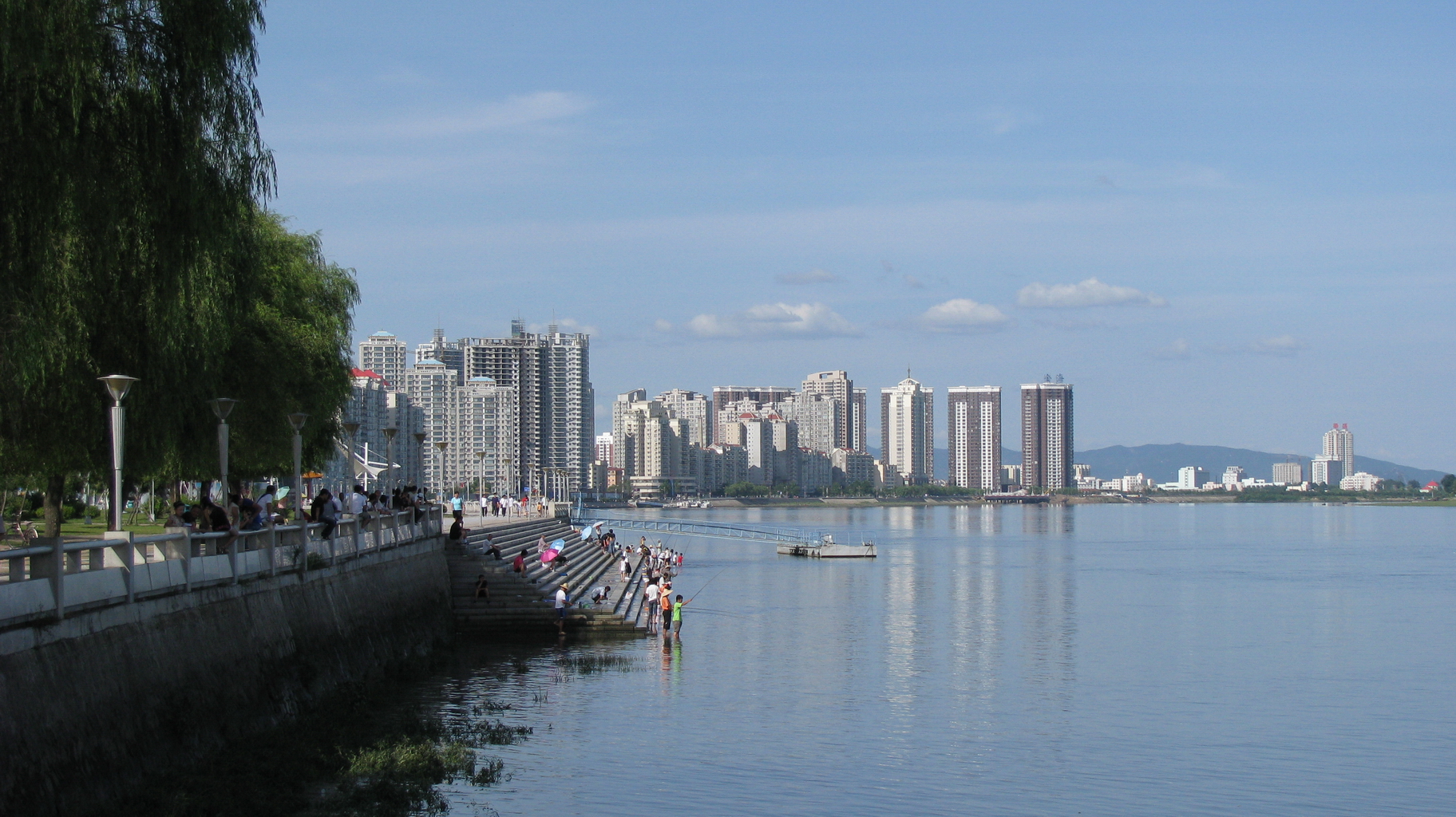
Zhan Wang went to middle school and high school in Dandong City, Liaoning Province, China (photo credit: wikimedia commons)
Zhan moved with Beijing University’s Agricultural College to the Shaanxi province where he took a position as professor of dendrology and forestry. Wang’s students say that he preferred to teach his classes outside where the students could have “hands-on experiences” directly observing the morphology and ecology of plants. He “told stories about the species,” encouraged “looking, touching, tasting, and chewing,” and found many other ways to integrate botany and ecology in his courses. One way he helped students understand plant ecology was by grouping plants into categories with clever nicknames such as “mountain climbers” (plants found in cool climates), “greedy boys” (plants with high nutrient demands), “thirsty guys” (plants with high water demands), and “desert fighters” (drought tolerant plants).
In 1943, Wang became a Forest Administrator for the Ministry of Agriculture and Forestry, a position which included doing forest surveys in remote areas. On an expedition to Shennongjia in the Hubei province, Wang was stricken with malaria and had to stop in Wanxian County. There he met an old classmate of his, Longxing Yang, who told him of an unusual tree, which was later described as Metasequoia glyptostroboides by Wanjun Zheng and Xiansu Hu thanks to the initial collections that Wang made in July 1943. Despite being left out of some of the accounts of the discovery, Wang’s students claim that he didn’t complain and was more concerned about the tree’s continued survival, believing that “discussing the past discovery of a new species is not as important as investigating how a living fossil species will survive in the future.” His students were admonished to “focus on the species’ protection and its habitat.”
Wang’s position as Forest Administrator was short-lived; however, over the next several decades he continued to teach dendrology and forestry at several Chinese universities. Much of his research efforts were focused on sorting out the taxonomy of the willow family (Salicaceae), a highly complex plant family. He collected willow species throughout China and, with the help of his colleagues, described more than 90 new species. He also became very concerned about deforestation and “focused his attention on devising scientifically sound harvesting methods and successful regeneration processes.” Despite his work being largely restricted to China and (as his students claim) “receiving little credit elsewhere,” similar approaches to the sustainable forestry methods that Wang preached are “widely recommended and accepted today in western forestry practices for ecosystem management.”
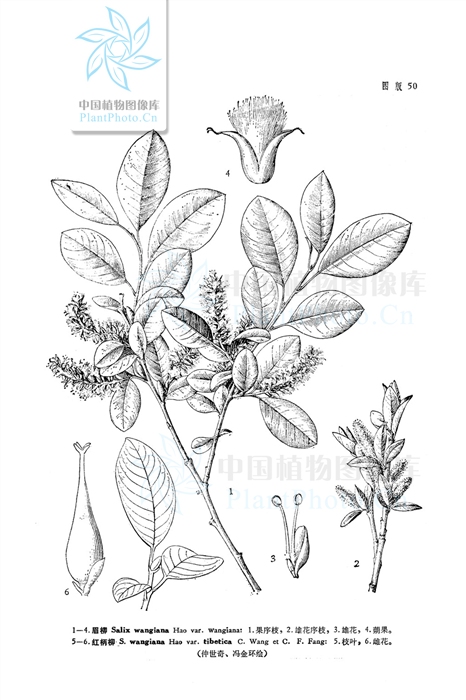
Zhan Wang helped describe dozens of species of Salix that were new to science. Salix wangiana var. tibetica is a species that was described by and also appears to be named after Wang (photo credit: Flora Republicae Popularis Sinacea)
In the 1950’s, Wang began carrying out research at Changbai Mountain Nature Reserve high on the Changbai Mountain located in northeastern China on the border with North Korea. His efforts were interupted by theCultural Revolution, a period that lasted from 1966-1976. As soon as that had passed, Wang and colleagues began working to establish the Changbai Mountain Forest Ecosystem Research Station. Wang became the first director of the station when it was approved and funded in 1979. Wang and his research team worked to establish “baseline information on the area’s flora, fauna, vegetation, and soils,” and in three years time had amassed enough research to warrant over 100 published papers. Due to the efforts of Wang and his team, the Changbai Mountain Nature Reservegained inclusion in UNESCO’s Man and the Biosphere Program.
Wang’s students write that Wang viewed “Changbai Mountain as his home” and “believed that his life belonged to this mountain region.” His wish was to one day have his ashes “spread throughout the wilderness” of this mountain. After his death on January 30, 2000, his wish was carried out. “He will forever be with his beloved plants and forests in this important site of plant diversity, and now, place of rest.” Wang was survived by his three daughters; his son committed suicide during the Cultural Revolution, and his wife died in 1992.
In the adoring words of his students, Wang had a “kind, gentle character and contagious enthusiasm for science and nature” and “his contribution to botany went far beyond what is available in print. His footprints from exploring plants in China can be found in almost every province.”
In the early 1940’s, the genus Metasequoia was only known scientifically in fossil form. It had, in its day, been a widespread genus, found commonly in many areas across the Northern Hemisphere. It thrived among the dinosaurs. However, sometime during the Pliocene, the genus was thought to have died out. Thousands of fossils were left behind, and that would have been the end of the story had a member of its genus not been discovered still alive in a Chinese province later that decade. Its discovery is easily one of the greatest botanical stories of the 20th century, fascinating in its own right. The circumstances surrounding its scientific description, as it turns out, are equally interesting.
In the January 2016 issue of Landscape Architecture Magazine, Kyna Rubin details the event in an article entitled The Metasequoia Mystery. It’s the type of story that you almost need a crazy wall to sort out. A broad cast of characters interacted at various levels in order to make this profound discovery during a tumultuous time when the world was at war and China was being invaded by Japan.
Speaking of Japan, let’s start there. In 1941, Japanese paleobotanist, Shigeru Miki, published research describing fossils that for decades were thought to be either Sequoia or Taxodium as a new genus, Metasequoia. As Rubin points out, due to the war, “not every Chinese botanist would have had access to recent international research, let alone articles by botanists of an enemy country.” This could explain why in 1943 when Zhan Wang – a professer of forestry at Beijing University and the forest administrator for the Ministry of Agriculture and Forestry – was introduced to a living Metasequoia by an old classmate and local villagers in the Hubei Province, he wasn’t sure what he was looking at.
The tree was obviously important to the local people. They called it shuisa (water fir) and had built a shrine around it. Wang collected several branches and some cones that had fallen on a rooftop. At the time he identified it as Glyptostrobus pensilis (water pine), a tree common to the area; but he may have wondered if this was correct.
Eventually Wang’s samples and the details of his collection were brought to the attention of Wanjun Zheng, a dendrologist at the National Central University. Intrigued, Zheng sent his graduate student, Jiru Xue, to collect more samples from the same tree that Wang had encountered. These samples were more complete, and when they were presented to Xiansu Hu – the director of Fan Memorial Institute of Biology in Beijing – the mystery was solved. Hu had access to Miki’s research and concluded that what they had was a living fossil.
In 1948, Hu and Zheng published a paper describing the species and giving it the official name, Metasequoia glyptostroboides. The discovery ignited the botanical community as well as the general public, and soon seeds of what became commonly known as dawn redwood were being disseminated across the globe. Unfortunately, Wang’s contribution was not mentioned in the original paper, and the exact account of the discovery became convoluted.
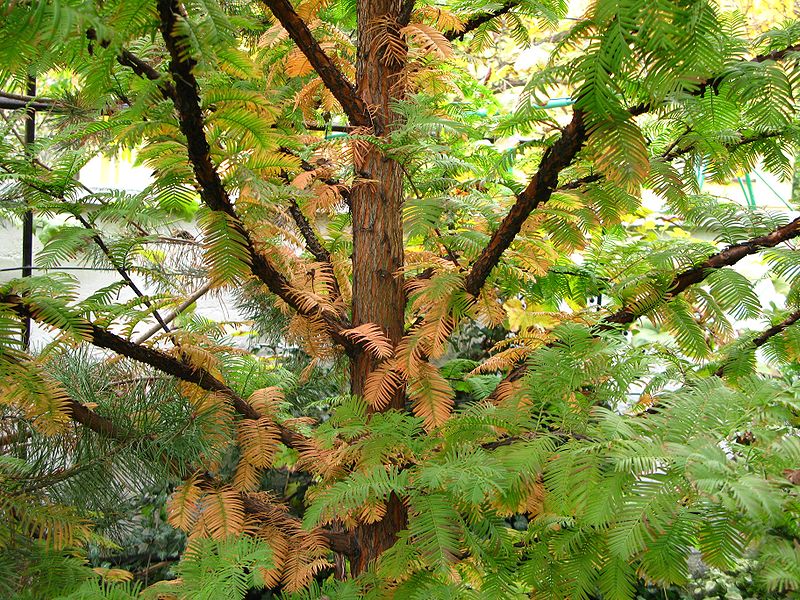
Dawn redwood (Metasequoia glytostroboides) is a deciduous, medium to large tree. Its cones are round and about 1 inch long. Its leaves are oppositely arranged and have a feather-like appearance. Its bark is fibrous, stringy, and red-brown to gray in color. (photo credit: wikimedia commons)
At some point, a discussion between Zheng and a forester named Duo Gan (also known as Toh Kan) revealed that Gan had come across the tree in 1941, but he did not make any collections. Despite Zheng learning of Gan’s encounter after Zheng and Hu’s original paper had been published, Gan’s story became prominent, further obscuring the role that Wang played.
It’s important to note that none of Wang’s original collections were used as the type specimen – the particular specimen of an organism to which the scientific name is formally attached and is referred to in the scientific literature. The type specimen was collected by Xue. This is not uncommon, as initial collections may not always be in the best condition and may not include all the parts and pieces necessary to identify and describe a new species. But, as Rubin notes, “it was Wang’s specimens [that Zheng and others] had first examined and those specimens brought the tree to their attention to begin with.” So Wang’s contribution is an important part of the story.
Thanks to Wang’s former students, his role in the discovery has received greater exposure. Jinshuang Ma in particular has made it his mission to highlight the part that Wang played in the event. Apart from maintaining a website all about Metasequoia, Ma also spent several years searching for a lost herbarium specimen collected by Wang, which he found in an abandoned herbarium in Nanjing. You can read about his find in this article from the August 2003 issue of the journal Taxon. (Ma’s well researched summaryof the events surrounding the Metasequoia discovery is also worth reading.)
Failure to acknowledge Wang’s contribution (at least initially) perhaps didn’t make waves outside of China, but in Rubin’s words, “the omission of Wang’s contribution sparked immediate hullabaloo inside China’s botanical circles in the late 1940’s.” Power and class differences likely played a big role. Hu and Zheng were established scholars that had received their educations in the United States and France respectively. Wang was young, from a remote village, and had not studied abroad. While Wang “went on to become one of China’s most distinguished forestry experts and botanists,” he was early in his career at the time of the Metasequoia discovery.
A deep respect for the elders in his field may be the reason that Wang’s students claim that he “never complained” about his treatment. His students go on to say that Wang “was not interested in personal gain,” and instead was simply satisfied to see that Metasequoia “was now growing successfully all over the world and was better protected.” It is listed as endangered on the IUCN Red List and would likely be extinct in its shrunken native range had awareness of its existence not come about when it did.
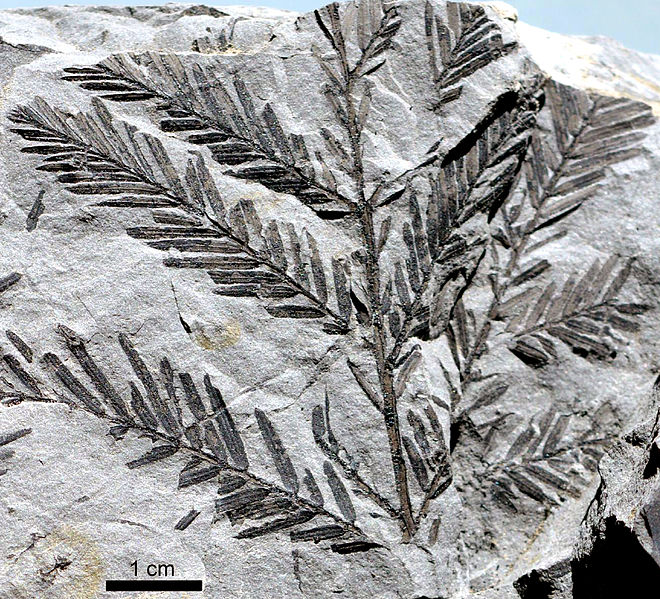
Fossil of Metasequoia occidentalis – photo credit: wikimedia commons
There are plenty of other interesting details to this story. Read the full article and check out the links on metasequoia.org to learn more. The account of Jiru Xue (also known as Hsueh Chi-Ju), the graduate student who collected the type specimens, is particularly interesting. Suprisingly, the tree Wang and Xue took their collections from is still alive today and is estimated to be over 400 years old.






 awkward botany