Managing Spontaneous Urban Plants for Improved Aesthetics

As discussed last week, our wild, urban flora is a cosmopolitan mixture of plants that were either native to the area before it was developed, introduced from all corners of the world on purpose or by accident, or brought in by migrating wildlife. These are plants capable of establishing and sustaining themselves outside of human cultivation and management, and are found in abundance beyond the borders of our tidy gardens and manicured landscapes. They vegetate sectors of our city that have been abandoned, overlooked, or routinely neglected. Given enough time – and prolonged lack of intervention – such vegetation will proceed along the process of ecological succession in the same way that plant communities in natural areas do. And just like other plant communities within their respective ecosystems, these wild, urban plant communities provide a suite of ecological services vital to the health of our urban ecosystems.

Peter Del Tredici writes in Wild Urban Plants of the Northeast, “landscapes that include spontaneous vegetation fit the technical definition of sustainable in the sense that they are adapted to the site, require minimal maintenance, and are ecologically functional.” In an interview with Scenario Journal, Del Tredici goes on to define sustainability as “the value of the services provided by the ecosystem divided by the cost required to maintain that ecosystem.” Spontaneous urban landscapes offer “substantial ecological services at relatively low cost, or in some cases no cost,” and thus, by Del Tredici’s definition, they are “highly sustainable.”

There is one unfortunate downside – “weedy” landscapes like this are, by popular opinion, thoroughly unattractive and a sign of urban decay. This belief is held in spite of the fact that many of the plants found therein would be cherished or admired in other settings. Among deteriorating infrastructure, litter, and less attractive plants, some of our favorite plants are rendered guilty by association.

Despite their ecological benefits, abandoned areas vegetated with wild, urban plants are not favored by the public. So, to appease our aesthetic standards, sites like this can be enhanced through minimal intervention to be more attractive while retaining their ecological functions. In a paper published in a 2006 issue of Journal of Landscape Architecture, Norbert Kühn asserts that “to use spontaneous vegetation for ornamental purposes, a kind of enhancement or design work is necessary.” Species can be added and removed, and simple, infrequent maintenance measures can be implemented. Examples include extending the flowering season with spring flowering bulbs and mowing the area once or twice annually to maintain and improve the composition of the stand.
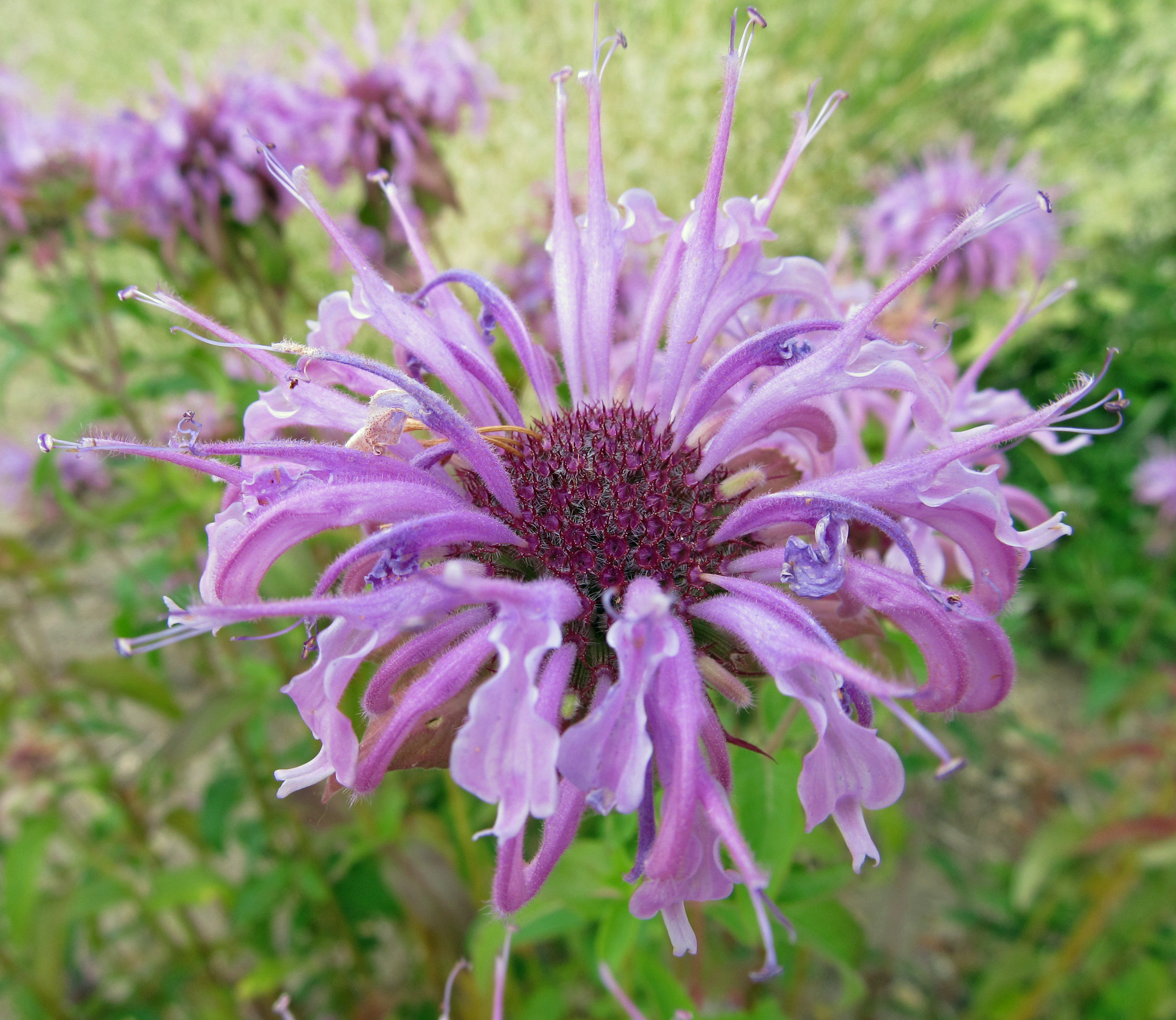
Wild bergamot (Monarda fistulosa) – one of the plants that Norbert Kühn included in his study as a candidate for improving the aesthetics of spontaneous, urban plant communities.

Favoring attractive weeds over less attractive ones and using minimal maintenance to improve aesthetics and function are the principles behind Del Tredici’s “cosmopolitan urban meadow.” In his book, he lists some criteria for plants that would be suitable for “this novel landscape form,” including: erosion control (long-lived; vegetatively spreading), stress tolerance (full sun; drought; compacted and polluted soil), aesthetic value (ornamental characteristics; not “weedy” looking), wildlife friendly (attractive to pollinators; edible seeds), and commercially available.

In an article in Harvard Design Magazine, Del Tredici and Michael Luegering describe the cosmopolitan urban meadow as “a stable assemblage of stress-tolerant, low-maintenance herbaceous perennial plants that are preadapted to harsh urban conditions and that will provide an attractive vegetation cover on vacant land.” Whether it is a “long-term landscape feature” or a placeholder until future development, it will have “the capacity to increase the aesthetic and ecological value of vacant land without the investment of large sums of money typically required for the installation and maintenance of traditional managed landscapes.”
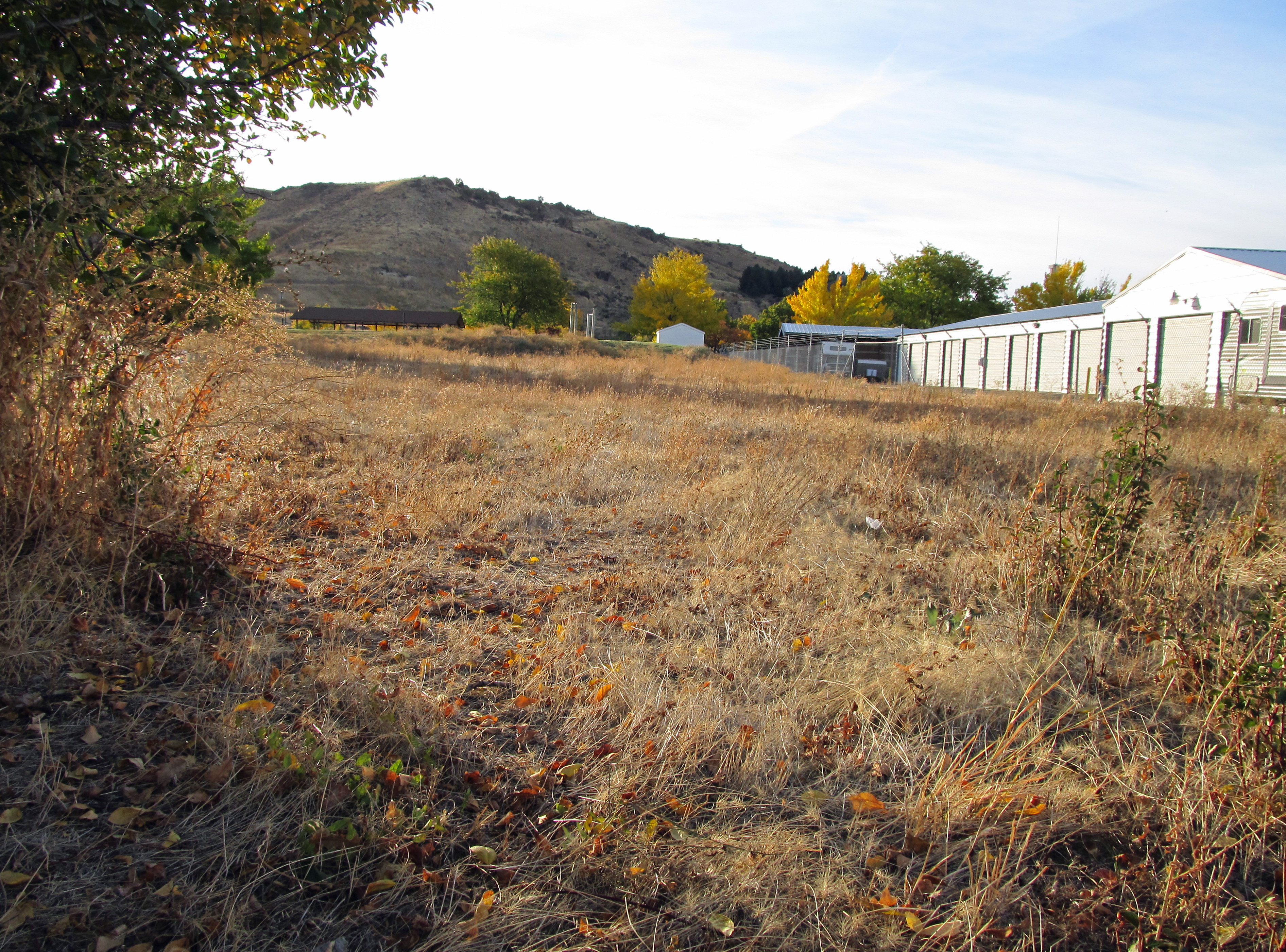
Abandoned or undeveloped, urban lots like this one are ideal sites for “cosmopolitan urban meadows.”

In an urban context, some plant species are particularly noxious and may need to be removed from urban meadows, such as ragweed (Ambrosia spp.) for its allergens and poison ivy (Toxicodendron radicans) for its Urushiol-induced contact dermatitis. Species with a history of being invasive should also be avoided and contained, particularly in sites that are adjacent to or within a short distance from natural areas. Despite this and other minor concerns, spontaneous vegetation has great potential. In Kühn’s words it is “authentic” and a “reminder of the history of the site,” it is part of “the natural dynamic” with potential to bring us “closer to nature,” and finally, “it can be maintained for a long time [with] less care and low costs.”

Finding beauty in these urban, wild landscapes might even cause a shift in what we find appropriate for cultivated landscapes. In her book, Grow Curious, Gayla Trail reminds us that, despite all of our efforts, wildness persists even in our most earnest attempts to subdue it. Perhaps we should embrace it:

‘Wild’ and ‘cultivated’ are social constructs that we place in opposition to each other, when in reality there is a knotty labyrinth between them. We subjugate our cities and our gardens with chemicals and artifice because we are unable to see that wild and cultivated can be entwined, can be all at once tended, lyrical, surprising, domesticated, irrational, functional, and free.

———————
See Also: Arnold Arboretum’s Cosmopolitan Meadow at Weld Hill

Is There a Place for Weeds in Urban Ecosystems?

Highly urbanized areas have a long history of disturbance. They are a far cry from the natural areas they once displaced, bearing little resemblance to what was there before. In this sense, they are a brand new thing. During the urbanization process, virtually everything is altered – temperatures, soils, soil life, wind patterns, hydrology, carbon dioxide levels, humidity, light availability, nutrients. Add to that a changing climate and increased levels of a variety of  pollutants, and the hope of ever seeing such a site return to its original state – whatever that might mean – is crushed.

What then should we consider the natural flora of an ecosystem like this? Certainly it is not simply the native flora that once stood on the site before it was developed; virtually none of the conditions are the same anymore. If we define “natural” as existing with minimal human intervention, then the natural urban flora would be whatever grows wild outside of our manicured landscapes and managed, remnant natural areas. It would be a cosmopolitan mixture of plants that have joined us in our migrations with and without our permission, along with a collection of species that are either extant to the site or have been brought in by wildlife. In many ways it would mirror the human populations of our modern cities – an assortment of residents from around the globe with diverse backgrounds and cultural histories.

In Wild Urban Plants of the Northeast, Peter Del Tredici classifies urban land into three general categories based on their ecological functions: native, remnant landscapes; managed, constructed landscapes; and ruderal, adaptive landscapes. Native, remnant landscapes are generally small areas within city limits that have never been developed. They contain a portion of the native plants that once populated the area, and they require vigilant and regular maintenance to keep non-native plants from invading and to control those that already have. Managed, constructed landscapes include all of the parks and gardens that have been designed and intentionally planted. They require regular maintenance of varying intensity in order to keep them looking the way they are intended to look. Ruderal, adaptive landscapes are abandoned or neglected sites that are populated by plants that have arrived on their own and that maintain themselves with virtually no human intervention. This is where the true, wild urban flora resides.

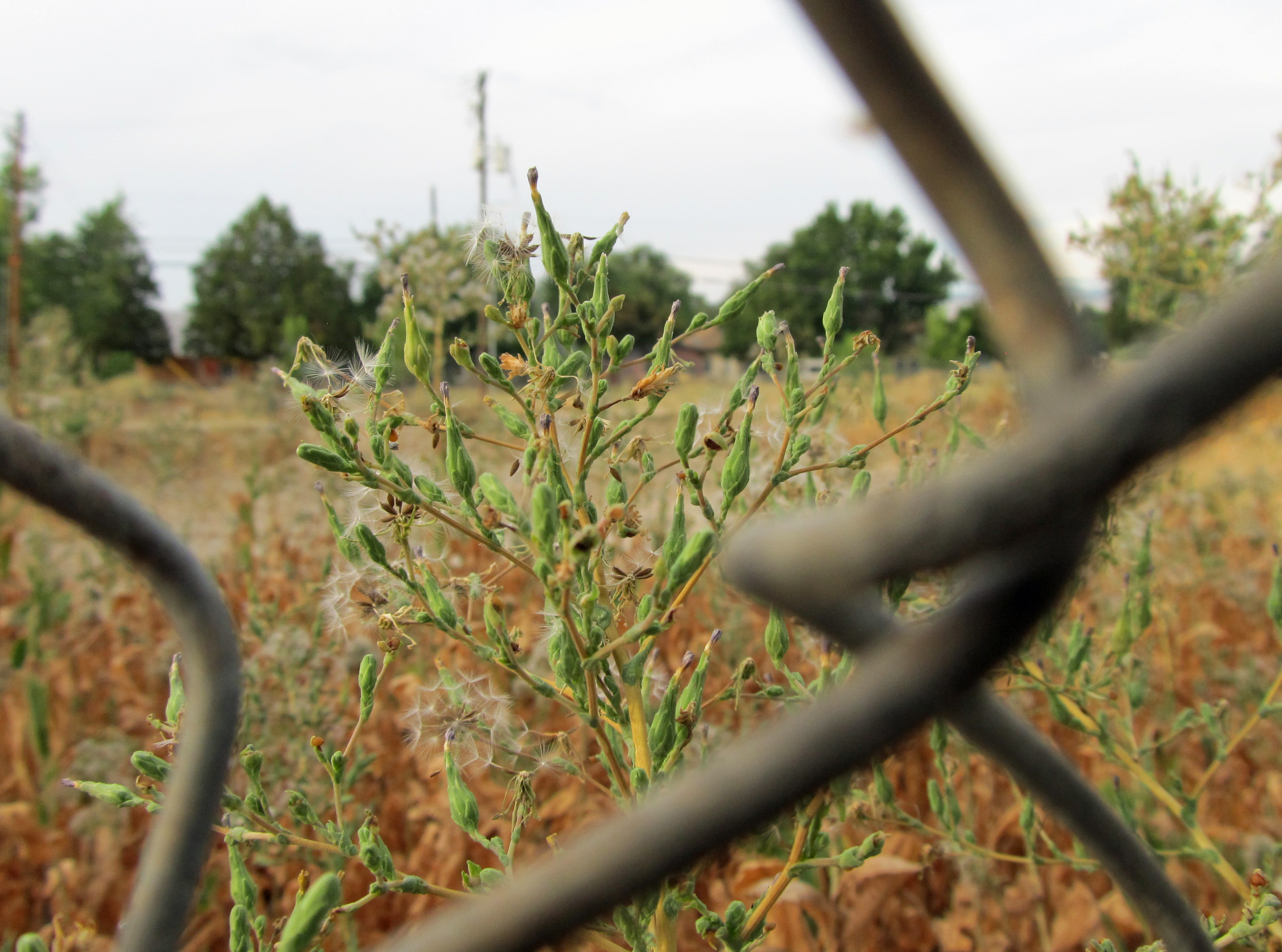
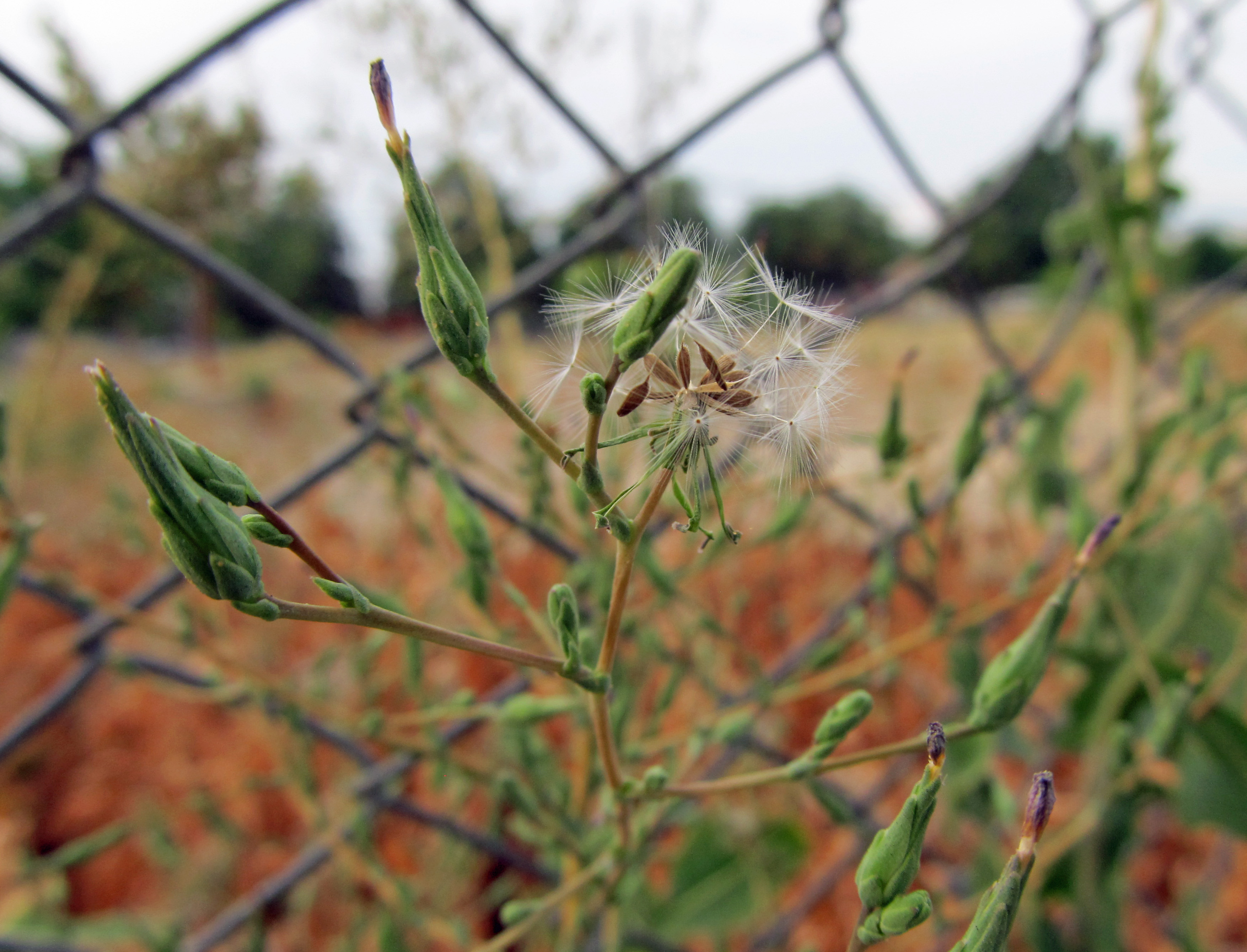
Prickly lettuce (Lactuca serriola) growing in an abandoned lot.

Many of the plants that make up our wild urban flora are what we commonly refer to as weeds. These weedy plants appear in landscapes throughout our cities, but efforts are generally made to remove or control them in all landscapes except the abandoned ones. It is in these neglected sites that weeds have the greatest potential to provide vital ecosystem services, performing ecological functions that are beneficial to urban life.

Not all plants are suited for this role. Spontaneous urban vegetation is particularly suited due to its ability to thrive in highly modified, urban environments without external management. Regardless of provenance, this suite of plants, as Del Tredici writes, seem to be “preadapted” to urban conditions and “are among the toughest on the planet.” A long list of traits has been identified for plants in this category, ranging from seed dispersal and viability to speed of growth and reproduction to tolerance of harsh conditions. In Del Tredici’s words, “a successful urban plant needs to be flexible in all aspects of its life history from seed germination through flowering and fruiting, opportunistic in its ability to take advantage of locally abundant resources that may be available for only a short time, and tolerant of the stressful growing conditions caused by an abundance of pavement and a paucity of soil.”

Abandoned lots flush with weeds, overgrown roadsides and railways, and neglected alleyways colonized by enterprising plants are generally seen as ugly, unsightly eyesores – products of neglect and decline. Some of the plants found in such locations are valued in a garden setting or prized as part of the native landscape in a natural area, but growing wildly among trash and decaying urban infrastructure they, too, are refuse. As Richard Mabey has written: “If plants sprout through garbage they become a kind of litter themselves. Vegetable trash.”

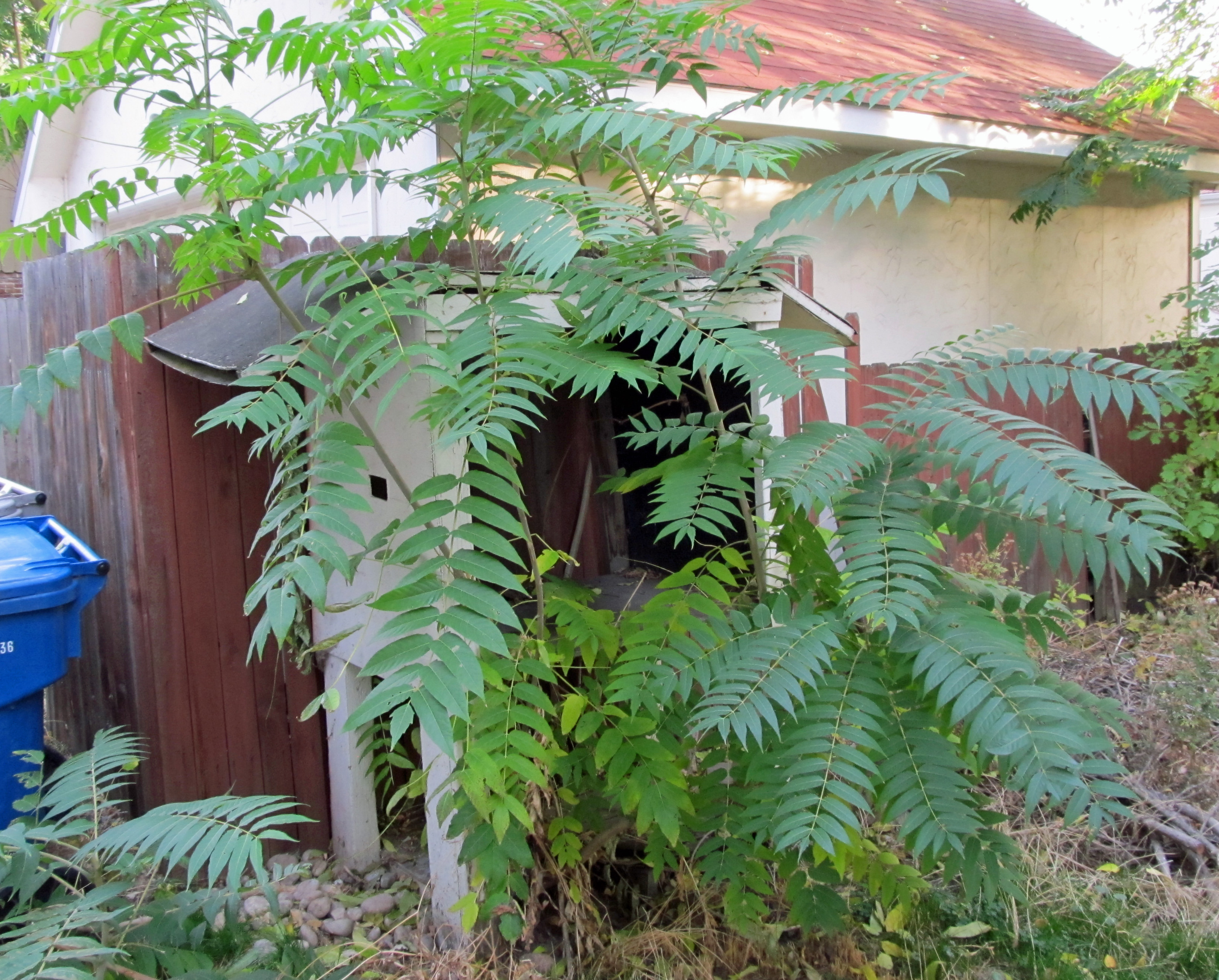
Abandoned chicken coop overtaken by tree of heaven saplings (Ailanthus altissima).

Despite how we feel about these plants or the aesthetics of the locations they find themselves in, they are performing valuable services. Along with increasing biodiversity, producing oxygen, and sequestering carbon – services that virtually all plants offer – they may be preventing soil erosion, stabilizing waterways, absorbing excess nutrients, reducing the urban heat island effect, mitigating pollution, building soil, and/or providing food and habitat for urban wildlife. While cultivated and managed landscapes can achieve similar things, these neglected sites are doing so without resource or labor inputs. They are sustainable in the sense that their ability to provide these services is ongoing without reliance on outside maintenance.

Sites like these should be further investigated to determine the full extent of the services that they may or may not be offering, and in the event that they are doing more good than harm, they should be conserved and encouraged. One service that is receiving more attention, as Del Tredici writes, is phytoremediation – “the ability of some plants to clean up contaminated sites by selectively absorbing and storing high concentrations of heavy metals such as cadmium, lead, copper, zinc, chromium, and nickel in their tissues.” Weed species with this ability include prickly lettuce (Lactuca serriola), lambsquarters (Chenopodium album), and mugwort (Artemisia vulgaris). In an article in Places Journal, Del Tredici gives the example of the often despised, introduced plant, common reed (Phragmites australis) cleaning up the New Jersey Meadowlands by “absorbing abundant excess nitrogen and phosphorous throughout this highly contaminated site.”

In the book, Weeds: In Defense of Nature’s Most Unloved Plants, Richard Mabey writes: “As we survey our long love-hate relationship with [weeds], it may be revealing to ponder where weeds belong in the ecological scheme of things. They seem, even from the most cursory of looks, to have evolved to grow in unsettled earth and damaged landscapes, and that may be a less malign role than we give them credit for.” Perhaps seeing them in this worthy role will temper our knee-jerk inclination to demonize them at every turn.

———————
See Also: Our Urban Planet and Wild Urban Plants of Boise.

Concluding the Summer of Weeds

“Most weeds suffer from a bad rap. Quite a few of the weeds in your garden are probably edible or even medicinal. Some invasive plants, including horsetail and nettle, are rich in minerals and can be harvested and used as fertilizer teas. Weeds with deep taproots, such as dandelions, cultivate the soil and pull minerals up to the surface. … Weeds are nature’s way to cover bare soil. After all, weeds prevent erosion by holding soil and minerals in place. Get to know the weeds in your area so you can put them to use for rather than against you.” — Gayla Trail, You Grow Girl

Great Piece of Turf by Albrecht Dürer (photo credit: wikimedia commons)

With summer drawing to a close, it is time to conclude the Summer of Weeds. That does not mean that my interest in weeds has waned, or that posts about weeds will cease. Quite the opposite, actually. I am just as fascinated, if not more so, with the topic of weeds as I was when this whole thing started. So, for better or worse, I will much have more to say on the subject.

In fact, I am writing a book. It is something I have been considering doing for a long time now. With so many of my thoughts focused on weeds lately, it is becoming easier to envision just what a book about weeds might look like. I want to tell the story of weeds from many different angles, highlighting both their positive and negative aspects. There is much we can learn from weeds, and not just how best to eliminate them. Regardless of how you feel about weeds, I hope that by learning their story we can all become better connected with the natural world, and perhaps more appreciative of things we casually dismiss as useless, less quick to jump to conclusions or render harsh judgments about things we don’t fully understand, and more inclined to investigate more deeply the stories about nature near and far.

Of course, I can’t do this all by myself. I will need your help. If you or someone you know works for or against weeds in any capacity, please put us in touch. I am interested in talking to weed scientists, invasive species biologists, agriculturists and horticulturists, edible weed enthusiasts, plant taxonomists, natural historians, urban ecologists, gardeners of all skill levels, and anyone else who has a strong opinion about or history of working with weeds. Please get in touch with me in one of several ways: contact page, Facebook, Twitter, Tumblr, or by commenting below.

Another way you can help is by answering the following poll. If there is more than one topic you feel particularly passionate about, feel free to answer the poll as many times as you would like; just wait 24 hours between each response. Thank you for your help! And I hope you have enjoyed the Summer of Weeds.

Quick Guide to the Summer of Weeds:

Summer of Weeds: Wild Urban Plants of Boise

The Summer of Weeds is a result of the curiosity and fascination I feel towards weeds. It is also inspired by Peter Del Tredici’s book, Wild Urban Plants of the Northeast, which encouraged me to take a closer look at the weeds that grow in my urban hometown of Boise, Idaho. Del Tredici’s book serves mainly as a field guide for identifying common weeds found in urban areas in the northeast region of the United States. Many of these weeds are found in cities across North America, so the guide is still useful regardless of where you live. Additionally, the book’s 25 page introduction is an excellent overview of how weeds fit in to the ecology of urban areas and an incentive to not only stop and get to know our urban flora but to respect it for its tenacity and durability and its important ecological role.

Excerpts from Wild Urban Plants of the Northeast by Peter Del Tredici:

From the Foreword by Steward T. A. Pickett –

If it is to fulfill its potential, the urban wild flora must be better understood and better used. In other words, its functions, not just its categories – native, exotic, invasive, naturalized – must be appreciated by professionals and citizens alike. Understanding should come before judgement when urban wild plants are concerned.

Defining urban wild plants –

The [plants] that fill the vacant spaces between our roads, our homes, and our businesses; take over neglected landscapes; and line the shores of streams, rivers, lakes, and oceans. Some of the plants are native to the region and were present before humans drastically altered the land; some were brought intentionally or unintentionally by people; and some arrived on their own, dispersed by wind, water, or wild animals. They grow and reproduce in the city without being planted or cared for. They are everywhere and yet they are invisible to most people. Given that cities are human creations and that the original vegetation that once grew there has long since disappeared, one could argue that spontaneous plants have become the de facto native vegetation of the city.

Why weeds are problematic in agricultural and horticultural settings, as well as in natural areas, is fairly intuitive. But why are they seen as a problem in urban areas, outside of our parks, yards, and gardens? –

When it comes to spontaneous urban plants, people’s complaints are usually aesthetic (the plants are perceived as ugly signs of blight and neglect) or security related (they shield illicit human activity or provide habitat for vermin). Indeed, the context in which a plant is growing not only determines the label that we put on it but also the positive or negative value that we assign to it.

Regarding urban ecology – 

[Cities] have their own distinctive ecology, dominated by the needs of people and driven by socioeconomic rather than biological factors. People welcome other organisms into cities to the extent that they contribute to making the environment a more attractive, more livable, or more profitable place to be; and they vilify as weeds those organisms that flourish without their approval or assistance. Regardless of humans’ preferences, an enormous variety of nonhuman life has managed to crowd into cities to form a cosmopolitan collection of organisms that is every bit as diverse as the human population itself.

To illustrate the point that urban weeds are playing a role in the ecology of our cities, Del Tredici lists the ecological functions of each species featured in the field guide portion of the book. These functions include:

  • temperature reduction
  • food and/or habitat for wildlife
  • erosion control on slopes and disturbed ground
  • stream and river bank stabilization
  • nutrient absorption (nitrogen, phosphorous, etc.) in wetlands
  • soil building on degraded land
  • tolerance of pollution or contaminated soil
  • disturbance-adapted colonizer of bare ground

Carbon storage and oxygen production are functions of these plants as well, as they are of all plants; however, as Del Tredici points out, “because [spontaneous urban plants] grow on marginal sites and require no maintenance, [they] are probably providing a greater return in terms of carbon sequestration than many intentionally cultivated species.”

There is much more to say about this “brave new ecology” and the role that urban wild plants play in it. Future posts are in the works. For now, consider this sentiment from Del Tredici’s book: Urban wild plants “are well adapted to the world we have created and, as such, are neither good nor bad – they are us.”

What follows are a few photos of some of the urban wild plants I have encountered in Boise over the last few weeks. These, along with the plants featured in previous Summer of Weeds posts, are a mere fraction of the species that grow wild in my urban hometown. The diversity of weeds alone in urban areas is astounding and should be given more consideration, along with the broader diversity of organisms that exist within our cities.

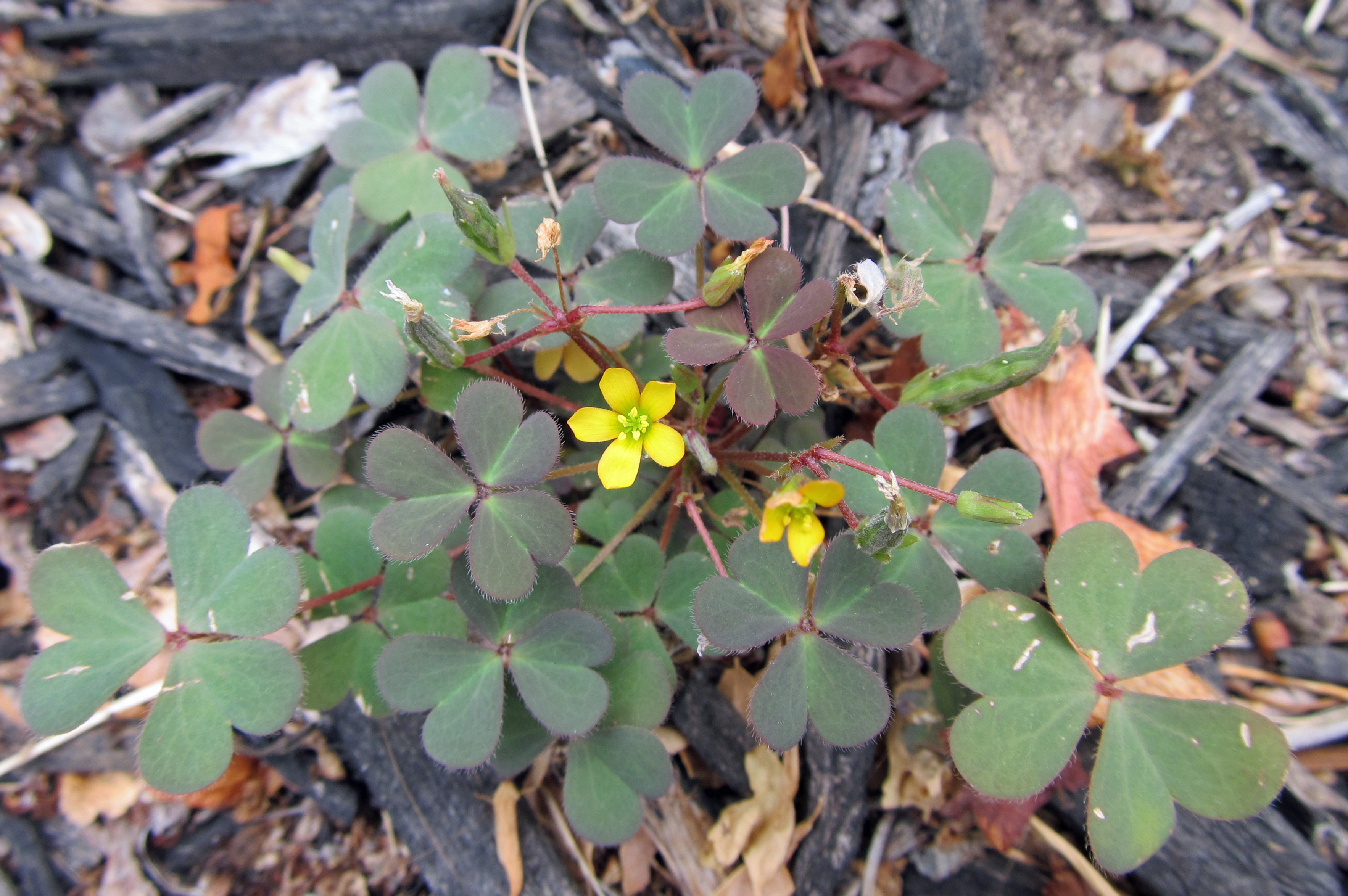
Creeping wood sorrel (Oxalis corniculata) along the driveway in front of my apartment

Prickly lettuce (Lactuca serriola) in an abandoned lot on Bannock Street

Yet to be identified thistle along 23rd Street

Field horsetail (Equisetum arvense) in front of post office on 13th Street

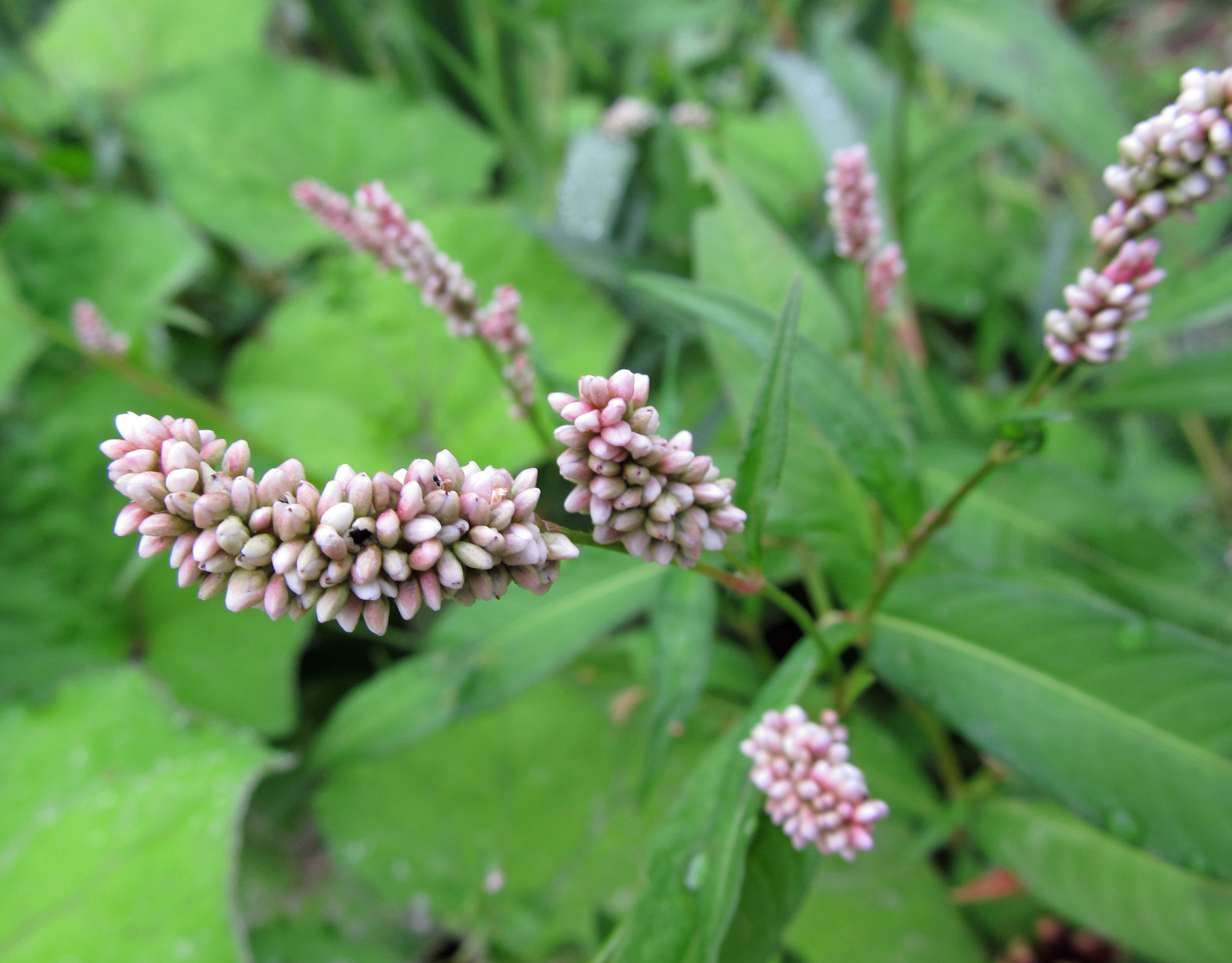
Pale smartweed (Polygonum lapathifolium) in a ditch at Idaho Botanical Garden

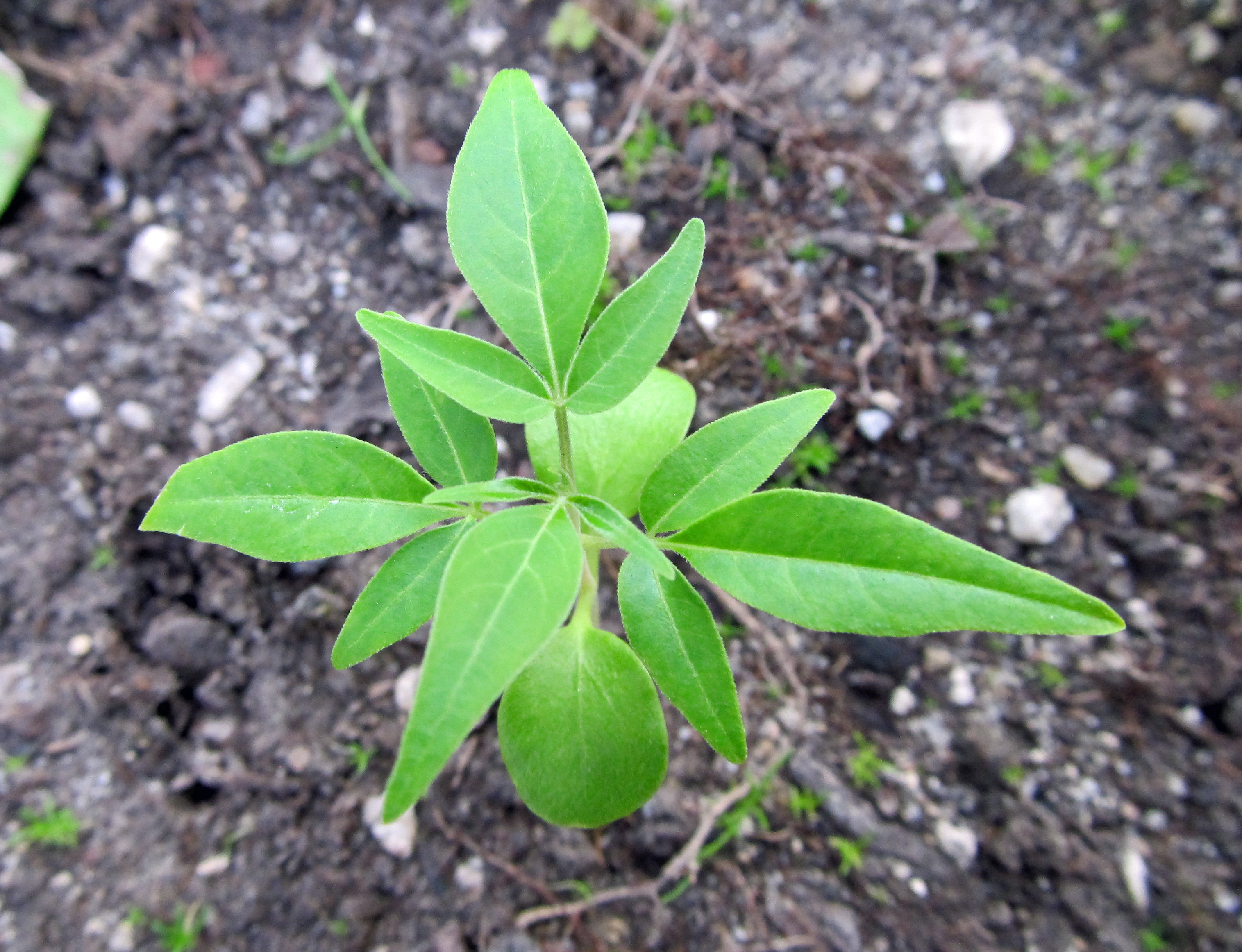
Tree of heaven seedling (Ailanthus altissima) in the backyard of my apartment

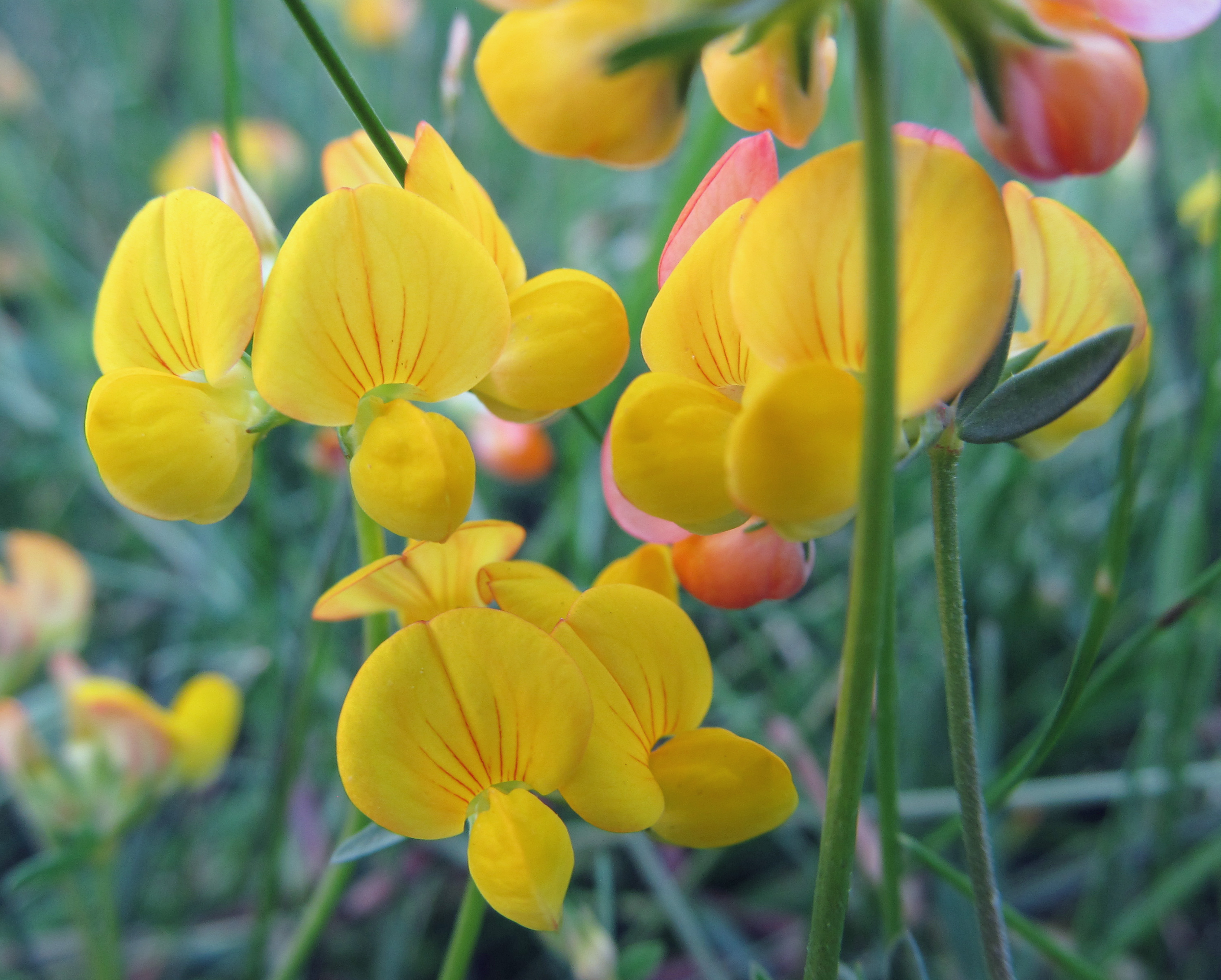
Birdsfoot trefoil (Lotus corniculatus) in the lawn at Esther Simplot Park

Weeds taking over a recently abandoned business on 27th Street

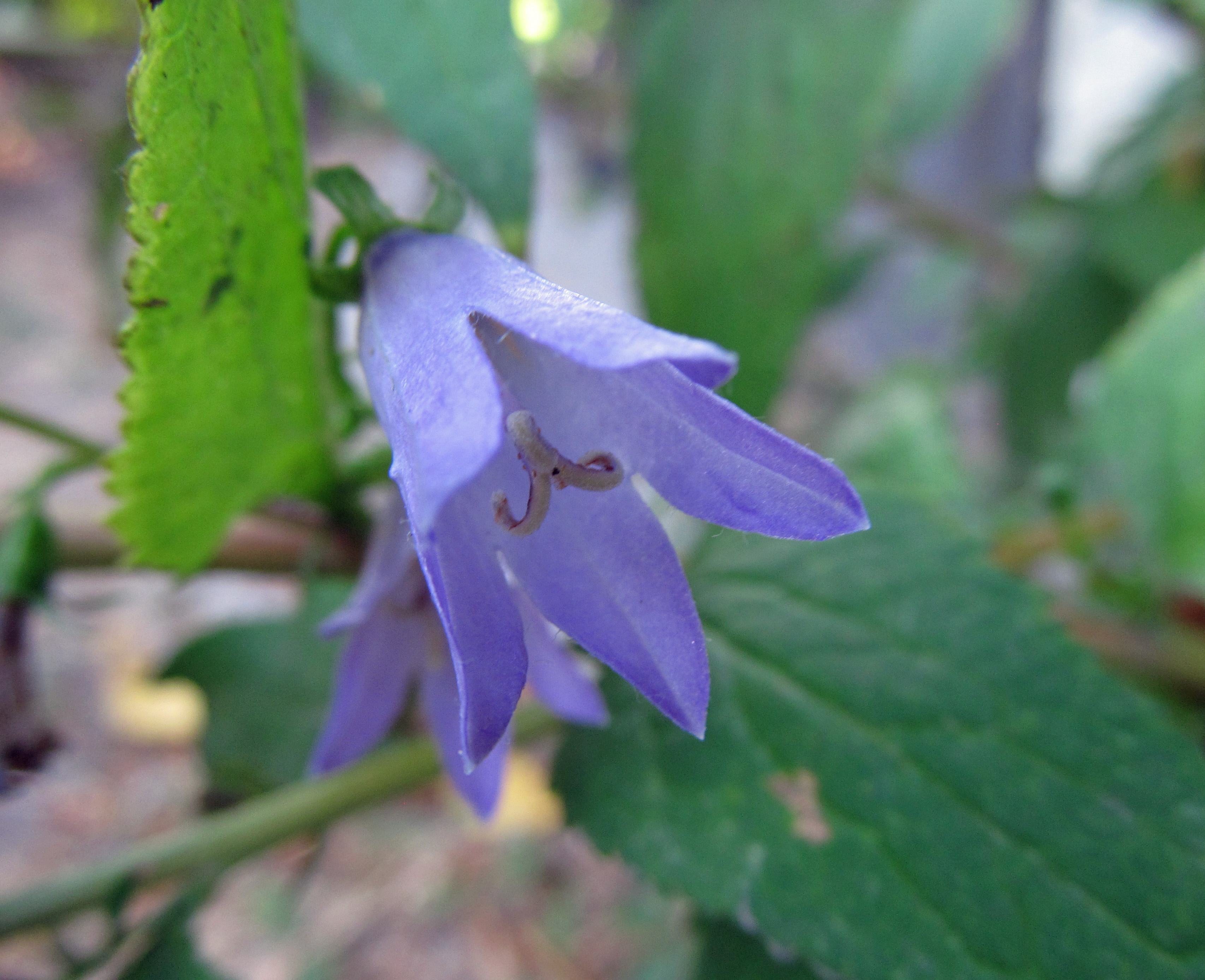
Creeping bellflower (Campanula rapunculoides) in the alleyway behind my apartment

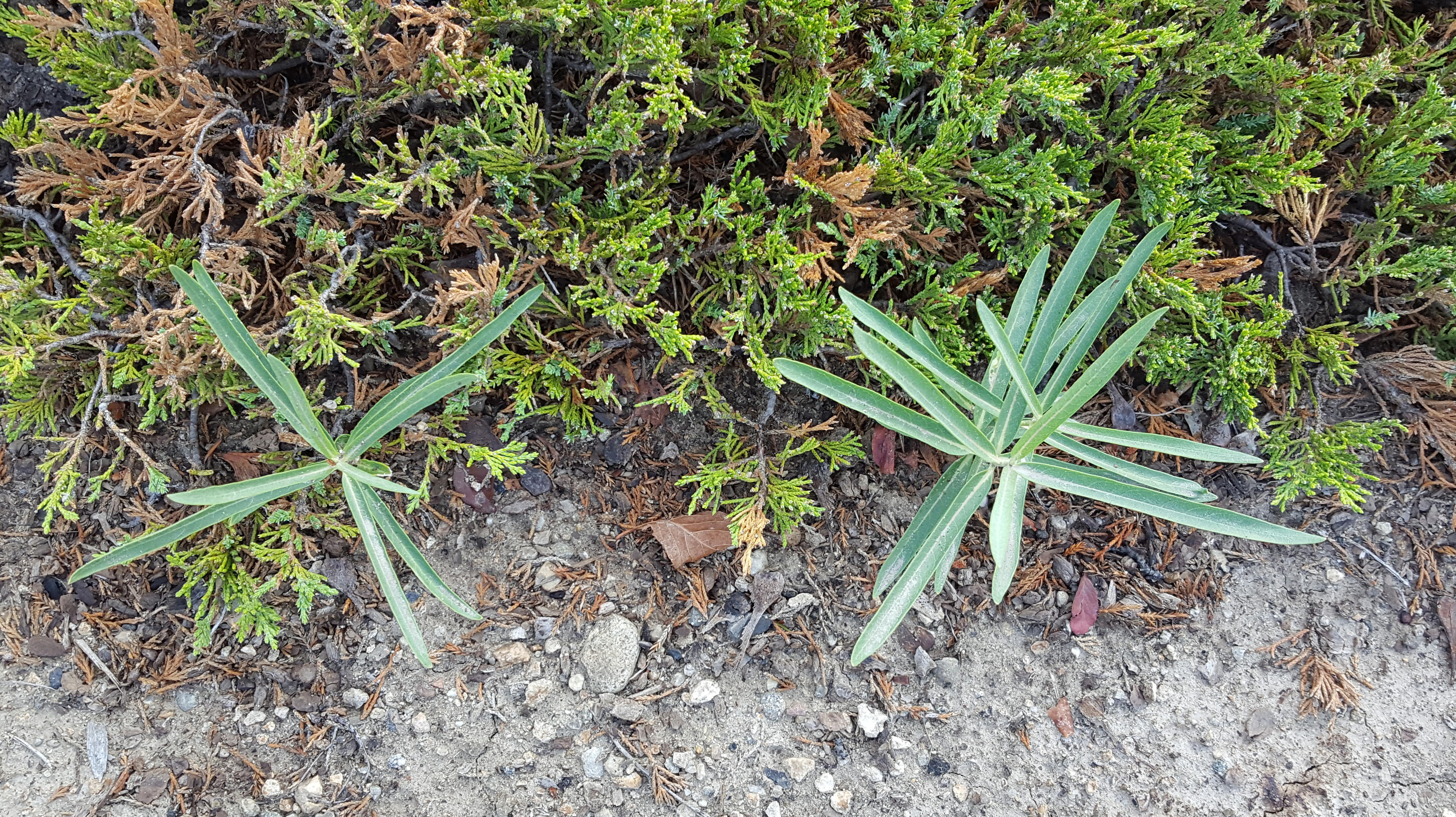
Showy milkweed seedlings (Asclepias speciosa) next to horizontal juniper in a median on Parkcenter Boulevard

Purple loosestrife (Lythrum salicaria) on the bank of the Boise River near the Broadway Avenue bridge

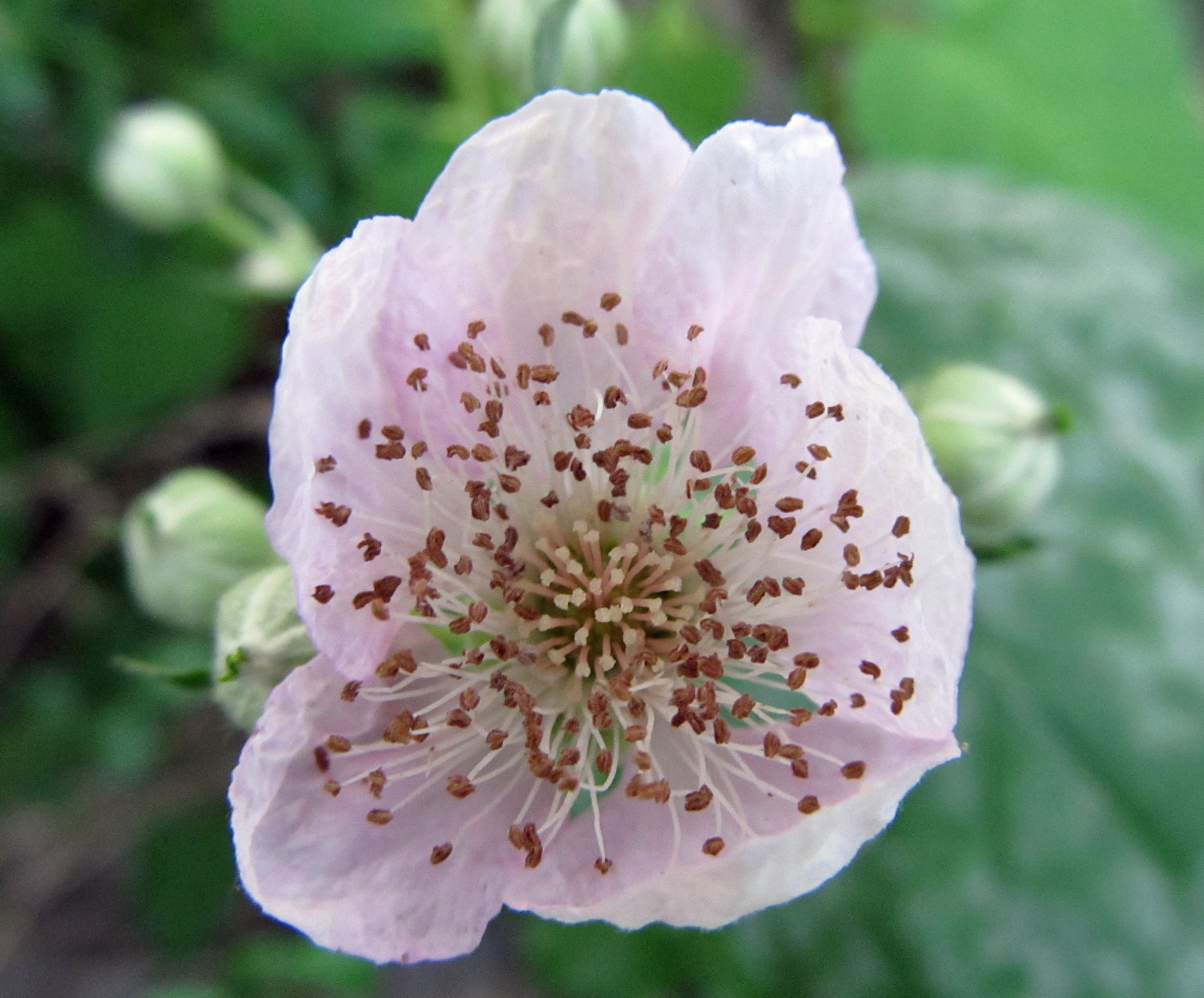
Himalayan blackberry (Rubus armeniacus) along the Boise River Greenbelt near MK Nature Center

Summer of Weeds: Eating Purslane

If it wasn’t so prolific and persistent, purslane would probably be a welcome guest in our vegetable gardens and edible landscapes. Easily among the most nutritious and versatile of the edible weeds, Portulaca oleracea is an annoyingly abundant annual that has inserted itself into garden beds and croplands in temperate climates across the globe. Thought to have originated in India or somewhere in Eurasia, purslane invaded North America long before Europeans did and has been naturalized across much of the continent for hundreds of years.

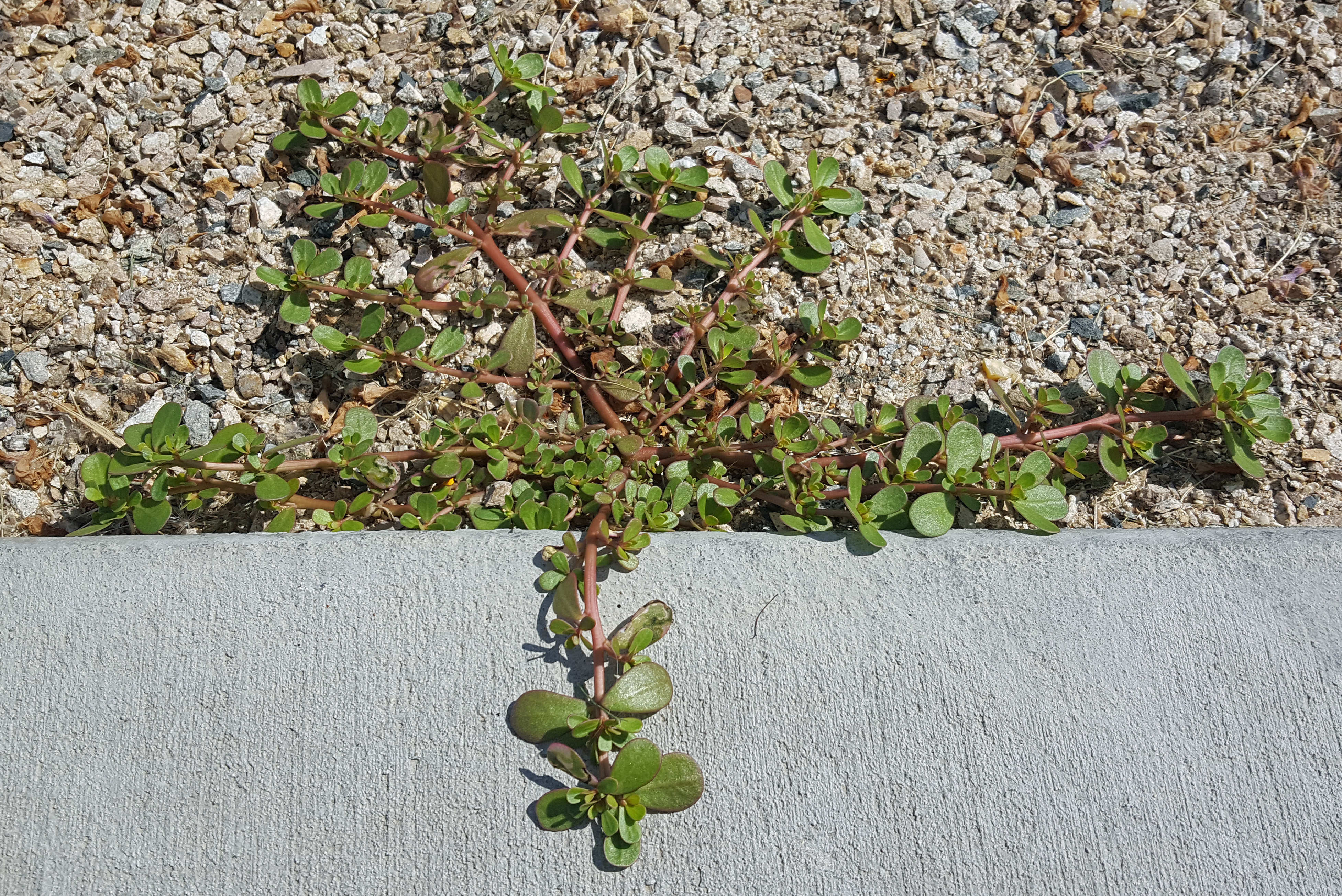
common purslane (Portulaca oleracea)

There are over 100 known species in the genus Portulaca, the only genus in the family Portulacaceae (otherwise known as the purslane family). Common purslane is a succulent plant with paddle- or teardrop-shaped leaves that generally grows low to the ground, forming a thick mat. It reaches for the sky when grown in shade or when competing with other plants for space. It produces little, yellow flowers that only open in bright sun and are typically self-pollinated. A small capsule containing dozens of tiny, black seeds quickly follows each flower. Each plant can produce tens of thousands of seeds, which remain viable for around 40 years.

Attempts to remove purslane by cultivation may only aid its survival. Broken pieces of the plant can take root in the soil, and uprooted plants can re-root if they are in contact with soil. Stirring up the ground brings to the surface seeds from purslane’s extensive seed bank. These freshly exposed seeds can then germinate, taking advantage of disturbance and open space. For all these reasons and more, John Eastman writes in The Book of Field and Roadside: “Purslane knows how to live and linger.”

The ever-urban and ever-common purslane.

The seeds of purslane germinate in late spring and throughout the summer when the soil has reached at least 75 – 80° Fahrenheit. It is adapted to high heat and dry soils. In order to conserve water, it switches to CAM photosynthesis when conditions are particularly hot and dry. In this photosynthetic pathway, carbon dioxide is stored as malic acid during the night and then converted back during the day. This means that, when it comes to eating purslane, the flavor changes depending on when the plant is harvested. In The Wild Wisdom of Weeds, Katrina Blair discusses this phenomenon: “In the morning purslane leaves contain as much as ten times more malic acid, making them very sour tasting. If you prefer a milder tasting purslane, harvest your greens in late afternoon and if you want more zing to your recipes, gather the leaves at dawn.”

Speaking of eating purslane, if all the claims are to be trusted, there may not be a more nutritious weed. In A Feast of Weeds, Luigi Ballerina calls it “a health bomb” because “it contains more omega-3 fatty acids than almost any other green, not to mention vitamins A, B, and C and beta carotene.” Blair calls it “one of the most nutritious plants on Earth,” and goes on to sing praises about its richness in dietary fiber, vitamins, minerals, protein, etc. Funnily enough, in describing the health benefits of purslane, Ballerina also quotes ancient sources claiming that “purslane calms sexual excitement.” Apparently it not only “eliminate[s] sensual dreams, but if used too much, it often extinguishes all ardor and even the capacity to procreate.”

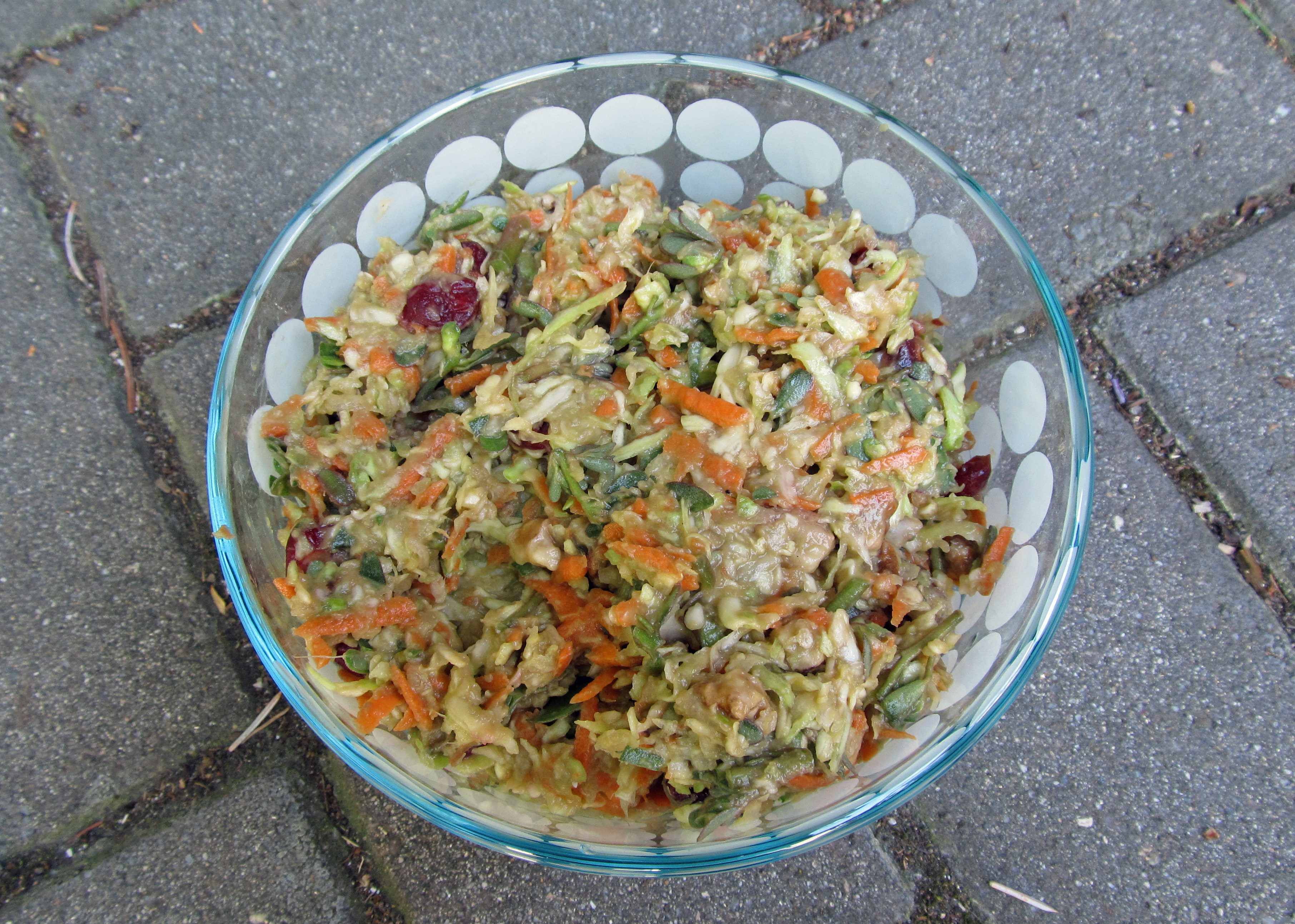
With that caveat in mind, I tried it anyway. I had eaten it before, but nothing more than a leaf here and there and once in a green salad. I picked two recipes to try: Walnut Purslane Coleslaw from The Wild Wisdom of Weeds and Potatoes and Purslane from A Feast of Weeds. I’m generally a big fan of coleslaw, but for whatever reason I found this recipe to be a little bland. It was missing something, but I couldn’t put my finger on it. The purslane seemed to add a vague slimy-ness to it, which it will do on account of its mucilaginous nature.

Walnut Purslane Coleslaw

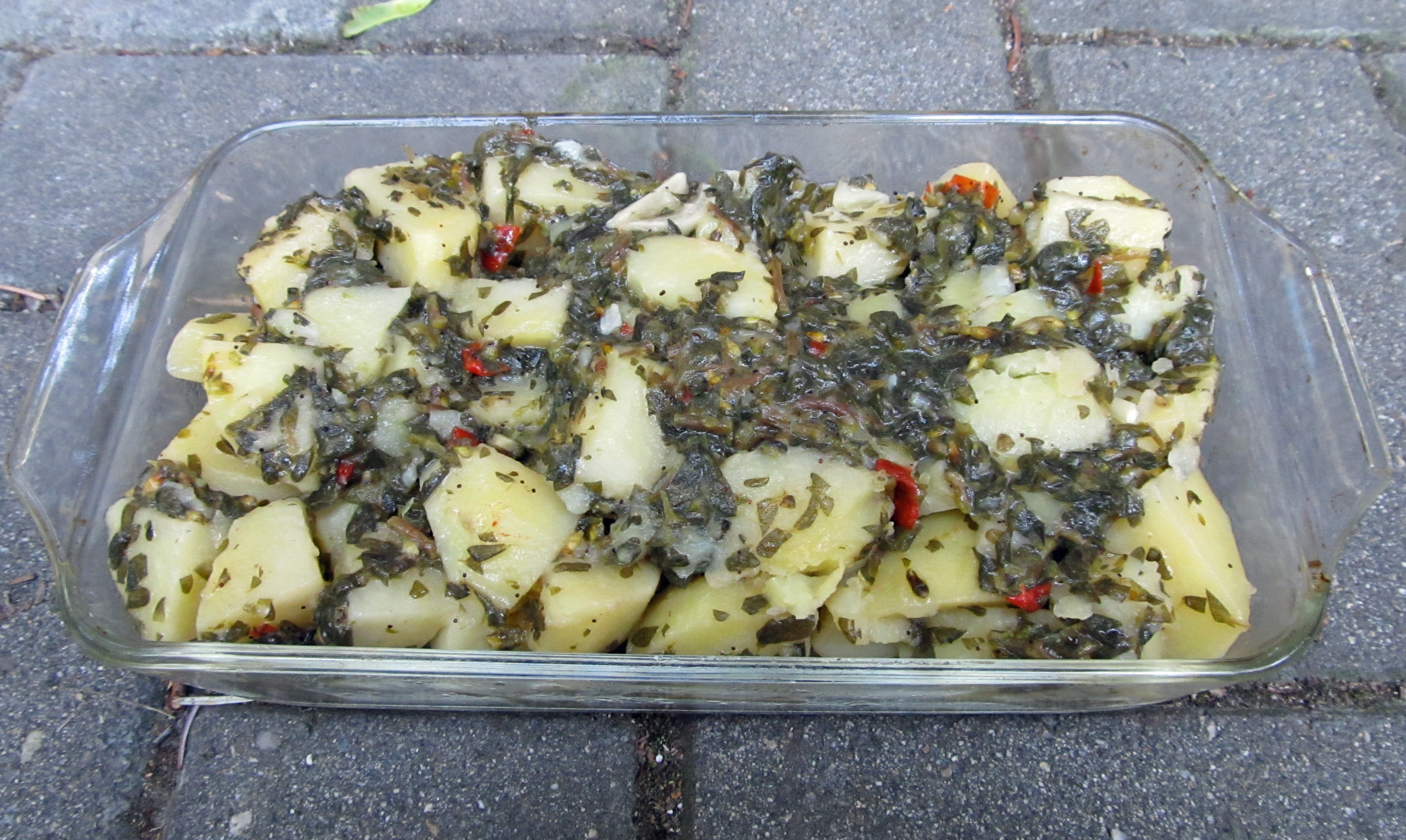
The Potatoes and Purslane recipe involved cooking the purslane. I enjoyed the finished product both hot and cold. The purslane added a sort of lemon-y spinach flavor. Those who tried it with me also liked it. The potato recipe was made with purslane that had been harvested in the morning, which may explain the strong lemon-y flavor. The coleslaw was made with purslane harvested in late afternoon, which may explain its blandness. I will have to try it the other way around for comparison. Purslane recipes abound in books and on the internet; browsing through them, I am intrigued enough to consider trying others. I think I’ll start with pickled purslane, purslane pesto, and perhaps, purslane sauerkraut.

Potatoes and Purslane

More Resources:

———————
Do you have a favorite purslane recipe? Share it in the comment section below.

Book Review: Weeds Find a Way

At what age do we become aware that there are profound differences among the plants we see around us? That some are considered good and others evil. Or that one plant belongs here and another doesn’t. Most young children (unless an adult has taught them) are unaware that there is a difference between a weed and a desirable plant. If it has attractive features or something fun to interact with – like the seed heads of dandelions or the sticky leaves of bedstraw – they are all the same. At some point in our trajectory we learn that some plants must be rooted out, while others can stay. Some plants are uninvited guests – despite how pretty they might be – while others are welcome and encouraged.

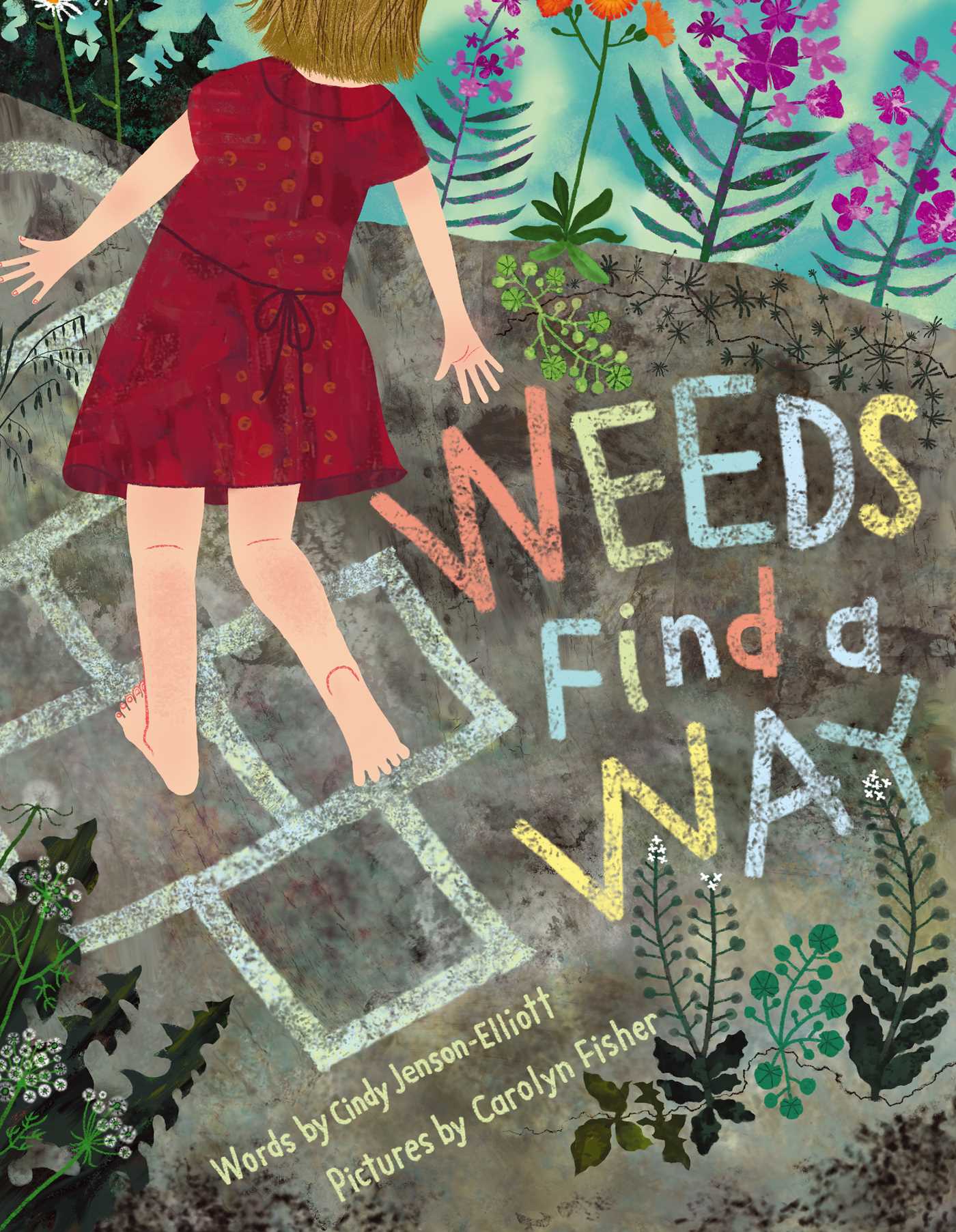
But weeds are resilient, and so they remain. Weeds Find a Way, written by Cindy Jenson-Elliot and illustrated by Carolyn Fisher, is a celebration of weeds for their resiliency as well as for their beauty and usefulness. This book introduces the idea of weeds to children, focusing mainly on their tenacity, resourcefulness, and positive attributes rather than their darker side. “Weeds are here to stay,” so perhaps there is a place for them.

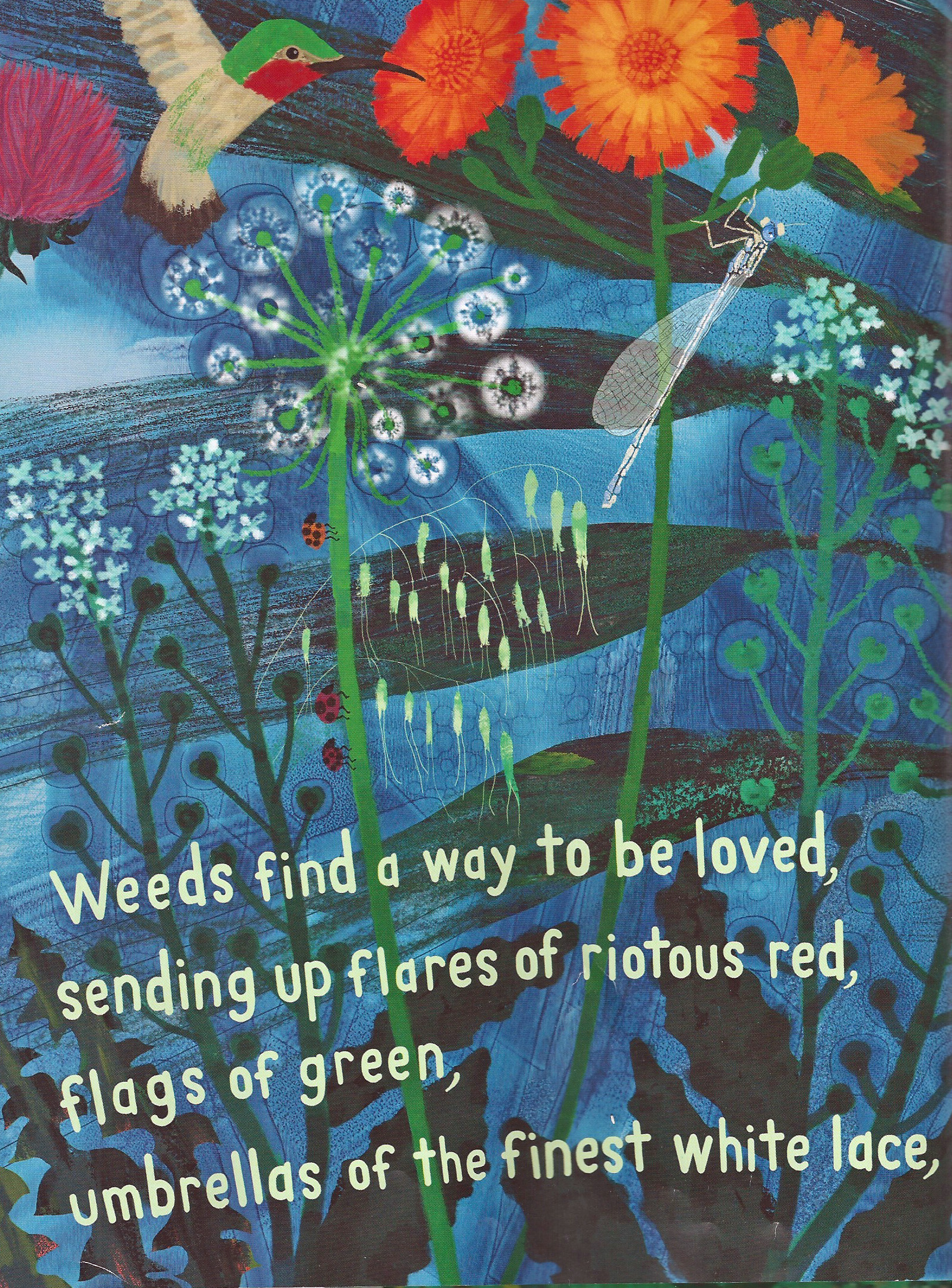
The book begins by listing some of the “wondrous ways” that weed seeds disperse themselves: “floating away on the wind,” attaching themselves to “socks and fur,” shot “like confetti from a popped balloon.” And then they wait – under snow and ice or on top of hot sidewalks – until they find themselves in a time and place where they can sprout. Eventually, “weeds find a way to grow.”

Weeds also “find a way to stay.” We can pull them up, but their roots are often left behind to “sprout again.” Pieces and parts break off and take root in the soil. Animals may swoop in to devour them, but weeds drive them away with their thorns, prickles, and toxic chemicals. In these ways they are a nuisance, but they can be beautiful and beneficial, too.

This illustrated story of weeds is followed by some additional information, as well as a list of common weeds with brief descriptions. Weeds are defined as plants “thought to be of no value that grow in places where people do not want them to grow,” adding that even “misunderstood and underappreciated plants that are native to a region and have multiple uses” can be labeled weeds.

The concept of weeds as invasive species is also addressed; some introduced plants move into natural areas and can “crowd out native vegetation, block streams, and drive away wild animals.” That being said, weeds also provide us with “endless opportunities to study one of nature’s most wonderful tools: adaptation.” Weeds are problematic as much as they are useful, it’s simply a matter of perspective.

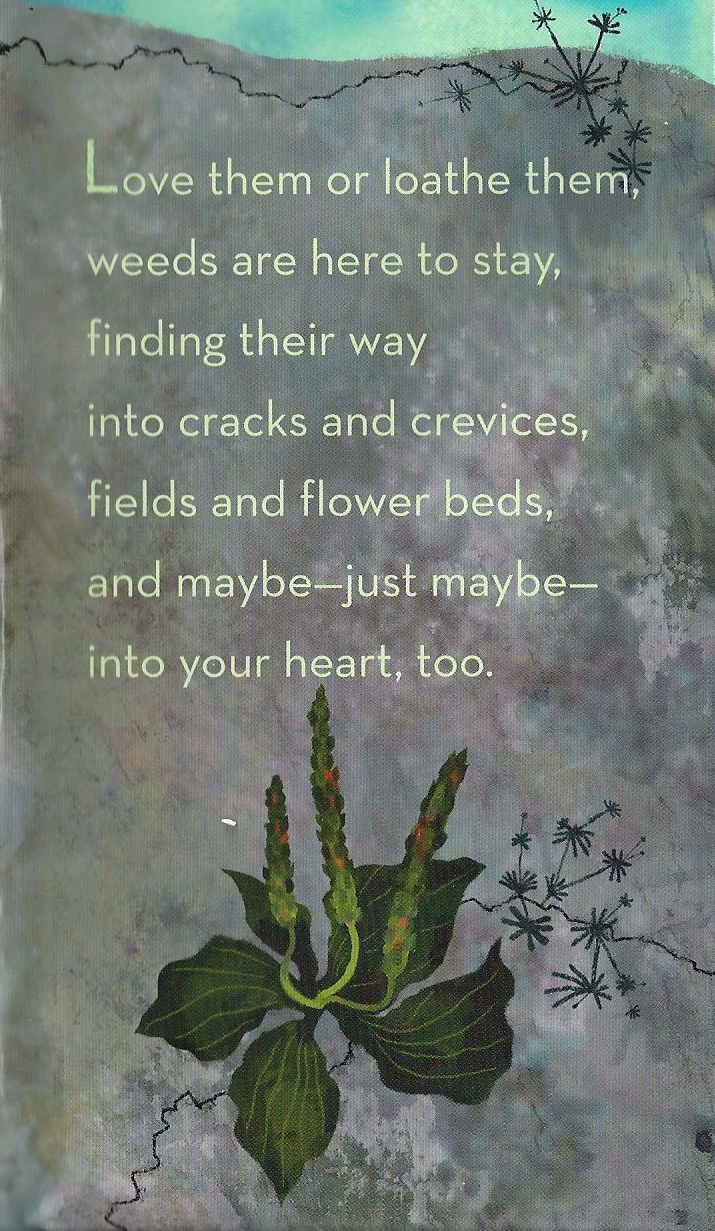
A criticism of this book might be that it doesn’t focus enough on the negative aspects of weeds. There is plenty of that elsewhere. The aim of this book is to connect us with nature, and as Jensen-Elliot writes, “you don’t need a garden to know that nature is at work.” When there is a weed nearby, nature is nearby. Weeds “adapt and grow in tough times and desolate places,” and they make the world beautiful “one blossom at a time.”

Summer of Weeds: Pineapple Weed

“The spread of the fruitily perfumed pineapple weed, which arrived in Britain from Oregon in 1871, exactly tracked the adoption of the treaded motor tyre, to which its ribbed seeds clung as if they were the soles of small climbing boots.” – Richard Mabey, Weeds: In Defense of Nature’s Most Unloved Plants

Can a plant that is native to North America be considered a weed in North America? Sure. If it is acting “weedy” according to whatever definition we decide to assign to the word, then why not? Can “weeds” from North America invade Europe the same way that so many “weeds” from there have invaded here? Of course! Pineapple weed is just one such example.

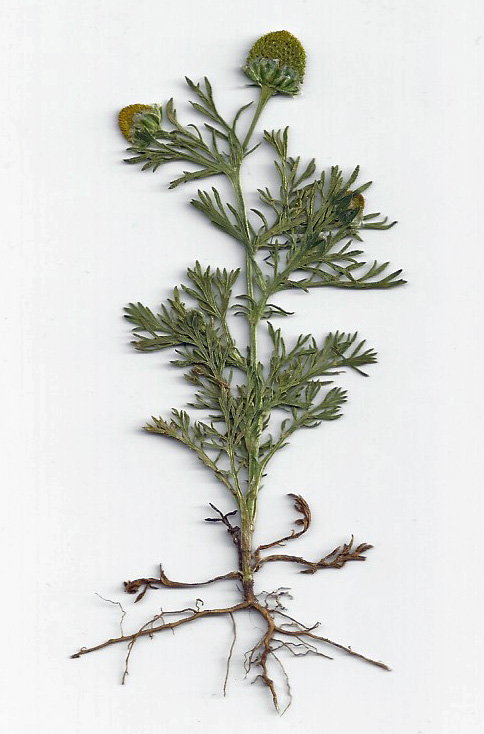
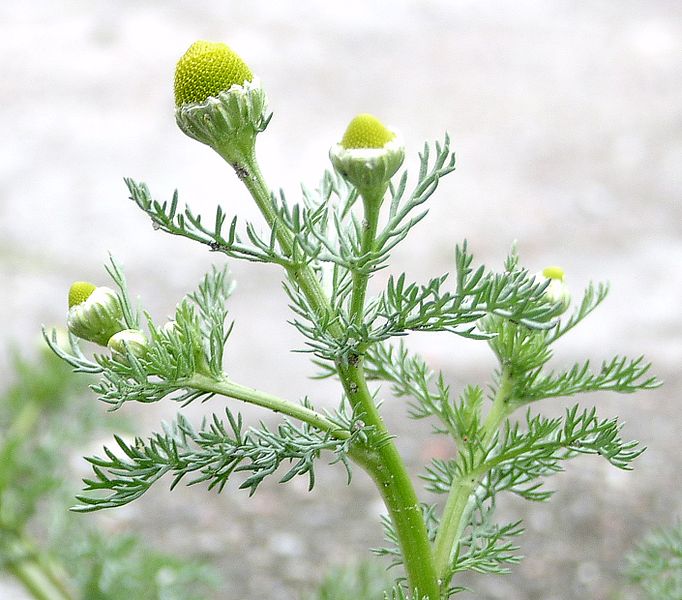
Native to western North America and northeastern Asia, this diminutive but tough annual plant in the aster family can now be found around the globe. Matricaria discoidea gets its common name from the distinctive fruity scent it gives off when its leaves and flowers are crushed. Its scent is not deceptive, as it is yet another edible weed (see Eat the Weeds). Teas made from its leaves have historically been used to treat upset stomachs, colds, fevers, and other ailments.

pineapple weed (Matricaria discoidea)

Pineapple weed reaches as few as a couple centimeters to a little over a foot tall. Its leaves are finely divided and fern-like in appearance. Its flower heads are cone or egg-shaped, yellow-green, and cupped in light-colored, papery bracts. The flower heads lack ray florets and are composed purely of tightly packed disc florets. The fruits (i.e. seeds) are tiny, ribbed achenes that lack a pappus.

Compacted soils are no match for pineapple weed. It is often seen growing in hard-packed roadways and through small cracks in pavement, and it is undeterred by regular trampling. It is a master of disturbed sites and is commonly found in home gardens and agriculture fields. It flowers throughout the summer and is often confused with mayweed (Anthemis cotula); the telltale difference is that mayweed gives off a foul odor when crushed.

Meriwether Lewis collected pineapple weed along the Clearwater River during the Lewis and Clark Expedition. In their book, Lewis and Clark’s Green World, Scott Earle and James Reveal write, “There is nothing in the expedition’s journals about the plant, but it would seem that there was little reason for Lewis to collect the two specimens that he brought back other than for its ‘agreeable sweet scent.’ It is otherwise an unremarkable, rayless member of the aster family.” The authors continue their mild ribbing with this statement: “The pineapple weed deserves its appellation, for it is a common weed – although a relatively innocuous one – that grows in disturbed places, along roadsides, and as an unwanted garden guest.”

pineapple weed (Matricaria discoidea) – photo credit: wikimedia commons

More Resources:

Quote of the Week:

From Weeds and What They Tell (ed. 1970) by Ehrenfried Pfeiffer

“Weeds are WEEDS only from our human egotistical point of view, because they grow where we do not want them. In Nature, however, they play an important and interesting role. They resist conditions which cultivated plants cannot resist, such as drought, acidity of soil, lack of humus, mineral deficiencies, as well as a one-sidedness of minerals, etc. They are witness of [humanity’s] failure to master the soil, and they grow abundantly wherever [humans] have ‘missed the train’ – they only indicate our errors and Nature’s corrections. Weeds want to tell a story – they are natures way of teaching [us] – and their story is interesting. If we would only listen to it we could apprehend a great deal of the finer forces through which Nature helps and heals and balances and, sometimes, also has fun with us.”

Introducing the Summer of Weeds

I spent the first five months of this year posting almost exclusively about invasive species. There is still plenty more to say on the topic, and I’m sure I will get back to that. However, it is time now to dive into the topic that I really want to explore. Weeds.

There is definitely crossover between the two topics – many weeds are invasive species – but there are clear distinctions, too. Oftentimes, weeds as a category of plants are unfairly and unjustly lumped under the title “invasive,” but any plant can be a weed at any moment in time if a human says so. That’s the difference. A plant does not have to prove that it is causing any sort of ecological or economic damage to be called a “weed;” it just has to be growing where a human doesn’t want it to. Yet, too quickly a plant “out of place” is cursed at using words like “invasive” or “noxious” regardless of its origin or behavior. I know I’m being overly semantic about this, but it seems unfair (and incorrect) to lump any and all plants that are bothering us for whatever reason into categories that have legal definitions.

If you can’t already tell, I am obsessed with weeds. It’s a topic I have been thinking about fairly consistently for much of my adult life. For one thing, as part of my career I spend a huge portion of my time killing and controlling weeds. I comprehend fully the visceral reaction of seeing a garden overcome by weeds – the vile thoughts one can have towards a group of plants that are soiling what could otherwise be a beautiful landscape – and I know very well the backbreaking work and countless hours that go into removing uninvited plants (cursing the intruders along the way). I get why weeds are a problem, and I understand why they are a subject of so much vitriol. Yet, over the years I have developed a respect – even a love – for weeds (despite the fact that I still must remove them and that removing them continues to be an overwhelming task).

Unwanted plants have been following us around and getting in our way for millenia. Essentially, we are partners in crime. We intentionally and unintentionally bring plants from various parts of the world on our travels, and through disturbance we create conditions where introduced plants can settle in and thrive. Over time, some once beloved plants grow out of favor and transition from desirable to weedy. As our cycles of disturbance continue, we give early successional, opportunistic plant species a chance to perpetuate themselves, guaranteeing that we will keep such “weeds” with us forever. We reap what we sow; even though we generally don’t plant weeds on purpose, other actions ensure that they will be our constant companions.

The importance of weed control goes beyond the aesthetic. In horticulture and agriculture, weeds compete with crops for light, space, water, and nutrients. They also harbor pests and diseases, and their seeds can contaminate crops. In pastures and rangelands, some weeds poison livestock. Certain weeds are harmful to people, too. Other weeds are simply disruptive – getting tangled up in machinery, damaging infrastructure, blocking our vision along roadways, and even giving cyclists flat tires. Apart from all that, even if all weeds did was make our gardens look unsightly, I imagine we would still be pretty angry with them.

I am interested in weeds wherever they are, but the weeds that fascinate me the most are those that thrive in urban environments. Not necessarily the weeds in our yards, but the weeds that have escaped our fences and property lines; the ones in the margins. We see them in abandoned lots, along roadways, near irrigation channels, and in other neglected spaces. They pop up in the cracks of sidewalks, on rooftops, in the middle of decaying buildings, and anywhere else that people haven’t paid attention to in a while. Urban areas have, for the most part, been scraped of their native flora. Introduced species move in to fill that void. As Richard Mabey writes in his book about weeds, these plants “insinuate the idea of wild nature into places otherwise quite shorn of it;” they are “the very essence of wildness.” Novel ecosystems, like those created by urbanization and human development, are with us whether we like it or not. There is a “wildness” to them that is unlike other cultivated and manicured areas maintained by humans. These urban wild places are worth a closer look.

So, what is the Summer of Weeds?

Put simply, it’s an exploration of weeds. Throughout the summer I will be profiling some of the weeds I come across in my daily life. I will include photos, a brief description, and some interesting facts about each species. I will also include quotes about weeds from various sources, as well as videos, links, resources, and whatever else I come across that seems worth sharing. I hope you enjoy it. If you have anything to add along the way – specifically any personal thoughts or stories to share about weeds – please do. You can contact me via the usual ways: in the comment section below, through the Contact page, or on Twitter, Tumblr, Facebook, or Instagram. Happy Summer!

What Is a Plant, and Why Should I Care? part four

What Is a Plant?

Part one and two of this series have hopefully answered that.

Why should you care?

Part three offered a pretty convincing answer: “if it wasn’t for [plants], there wouldn’t be much life on this planet to speak of.”

Plants are at the bottom of the food chain and are a principle component of most habitats. They play major roles in nutrient cycling, soil formation, the water cycle, air and water quality, and climate and weather patterns. The examples used in part three of this series to explain the diverse ways that plants provide habitat and food for other organisms apply to humans as well. However, humans have found numerous other uses for plants that are mostly unique to our species – some of which will be discussed here.

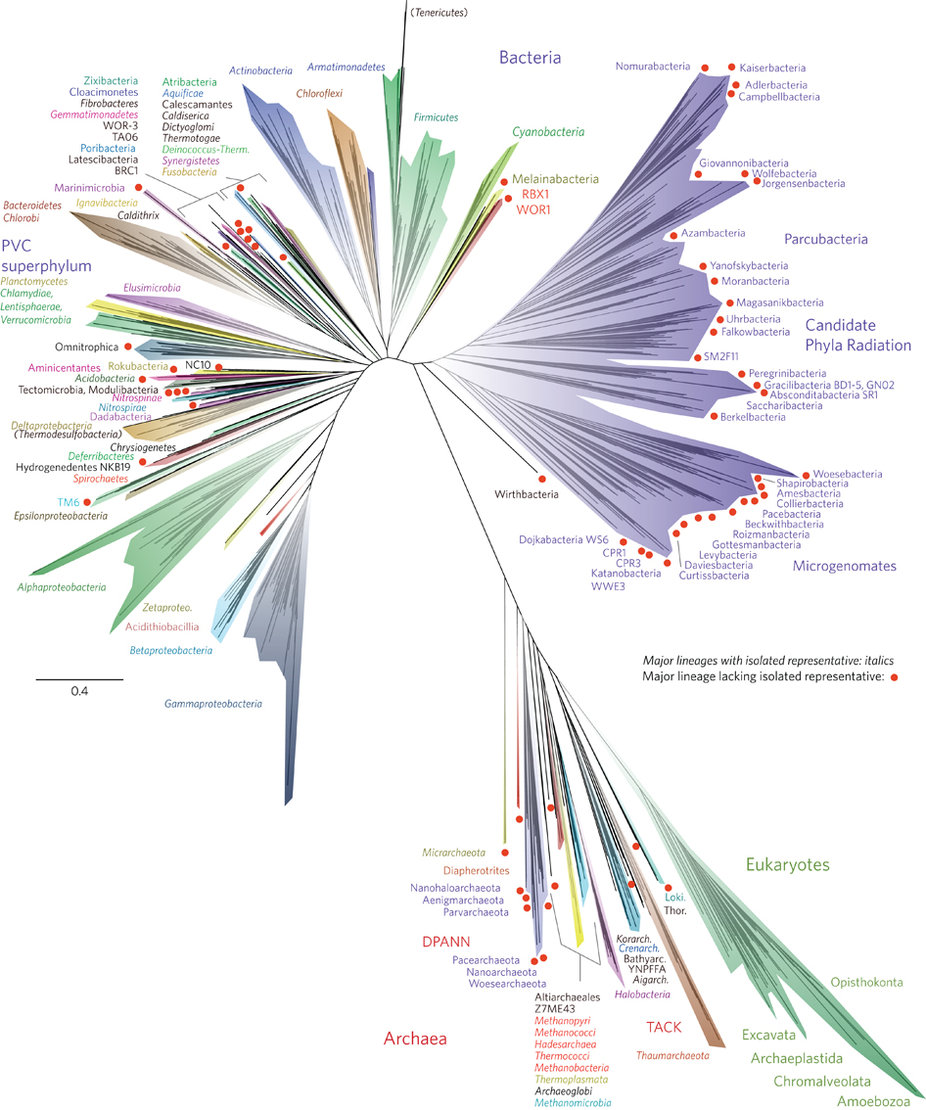
But first, some additional thoughts on photosynthesis. Plants photosynthesize thanks to the work accomplished by very early photoautotrophic bacteria that were confined to aquatic environments. These bacteria developed the metabolic processes and cellular components that were later co-opted (via symbiogensis) by early plants. Plants later colonized land, bringing with them the phenomena of photosynthesis and transforming life on earth as we know it. Single-celled organisms started this whole thing, and they continue to rule. That’s just something to keep in mind, since our focus tends to be on large, multi-cellular beings, overlooking all the tiny, less visible beings at work all around us making life possible.

Current representation of the tree of life. Microorganisms clearly dominate. (image credit: nature microbiology)

Current representation of the tree of life. Microorganisms clearly dominate. (image credit: nature microbiology)

Food is likely the first thing that comes to mind when considering what use plants are to humans. The domestication of plants and the development of agriculture are easily among the most important events in human history. Agricultural innovations continue today and are necessary in order to both feed a growing population and reduce our environmental impact. This is why efforts to discover and conserve crop wild relatives are so essential.

Plants don’t just feed us though. They house us, clothe us, medicate us, transport us, supply us, teach us, inspire us, and entertain us. Enumerating the untold ways that plants factor in to our daily lives is a monumental task. Rather than tackling that task here, I’ll suggest a few starting points: this Wikipedia page, this BGCI article, this Encylopedia of Life article, and this book by Anna Lewington. Learning about the countless uses humans have found for plants over millennia should inspire admiration for these green organisms. If that admiration leads to conservation, all the better. After all, if the plants go, so do we.

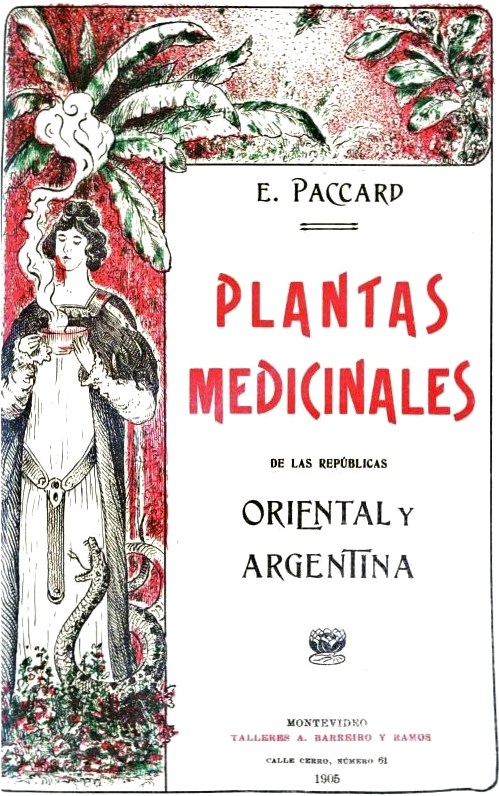
Humans have a long tradition of using plants as medicine. Despite all that we have discovered regarding the medicinal properties of plants, there remains much to be discovered. This one of the many reasons why plant conservation is so important. (photo credit: wikimedia commons)

Humans have a long tradition of using plants as medicine. Despite all that we have discovered regarding the medicinal properties of plants, there remains much to be discovered. This is one of the many reasons why plant conservation is imperative. (photo credit: wikimedia commons)

Gaining an appreciation for the things that plants do for us is increasingly important as our species becomes more urban. Our dense populations tend to push plants and other organisms out, yet we still rely on their “services” for survival. Many of the functions that plants serve out in the wild can be beneficial when incorporated into urban environments. Plants improve air quality, reduce noise pollution, mitigate urban heat islands, help manage storm water runoff, create habitat for urban wildlife, act as a windbreak, reduce soil erosion, and help save energy spent on cooling and heating. Taking advantage of these “ecosystem services” can help our cities become more liveable and sustainable. As the environmental, social, and economic benefits of “urban greening” are better understood, groups like San Francisco’s Friends of the Urban Forest are convening to help cities across the world go green.

The importance of plants as food, medicine, fuel, fiber, housing, habitat, and other resources is clear. Less obvious is the importance of plants in our psychological well being. Numerous studies have demonstrated that simply having plants nearby can offer benefits to one’s mental and physical health. Yet, urbanization and advancements in technology have resulted in humans spending more and more time indoors and living largely sedentary lives. Because of this shift, author Richard Louv and others warn about nature deficit disorder, a term not recognized as an actual condition by the medical community but meant to describe our disconnect with the natural world. A recent article in BBC News adds “nature knowledge deficit” to these warnings – collectively our knowledge about nature is slipping away because we don’t spend enough time in it.

The mounting evidence for the benefits of having nature nearby should be enough for us to want to protect it. However, recognizing that we are a part of that nature rather than apart from it should also be emphasized. The process that plants went through over hundreds of millions of years to move from water to land and then to become what they are today is parallel with the process that we went through. At no point in time did we become separate from this process. We are as natural as the plants. We may need them a bit more than they need us, but we are all part of a bigger picture. Perhaps coming to grips with this reality can help us develop greater compassion for ourselves as well as for the living world around us.

Our Urban Planet

As the human population balloons and cities sprawl, ecological studies in urban areas are following suit. Nature has always been a component of cities – we can’t escape it after all, as hard as we may try – but urban nature (and the enhancement of it) has become increasingly important as the human species continues to urbanize. More and more we are seeing the importance of melding the built environment with the natural one. Our motivations are diverse – albeit largely anthropocentric. But that’s fine. As we make improvements to the live-ability of cities for human’s sake, other living beings benefit. We are finding ways to get along with our neighbors, and we are learning to appreciate and value them as well.

Since 2008, the world’s urban population has outnumbered its rural population, and it is predicted that by 2050, more than two-thirds of humans will be urbanites. Immense resources are required to support such large, concentrated populations, and most of these resources are produced outside of urban areas. This results in an ecological footprint that is significantly larger than the city itself. Additionally, waste and pollution produced within cities negatively effects surrounding areas and beyond in abundant ways.

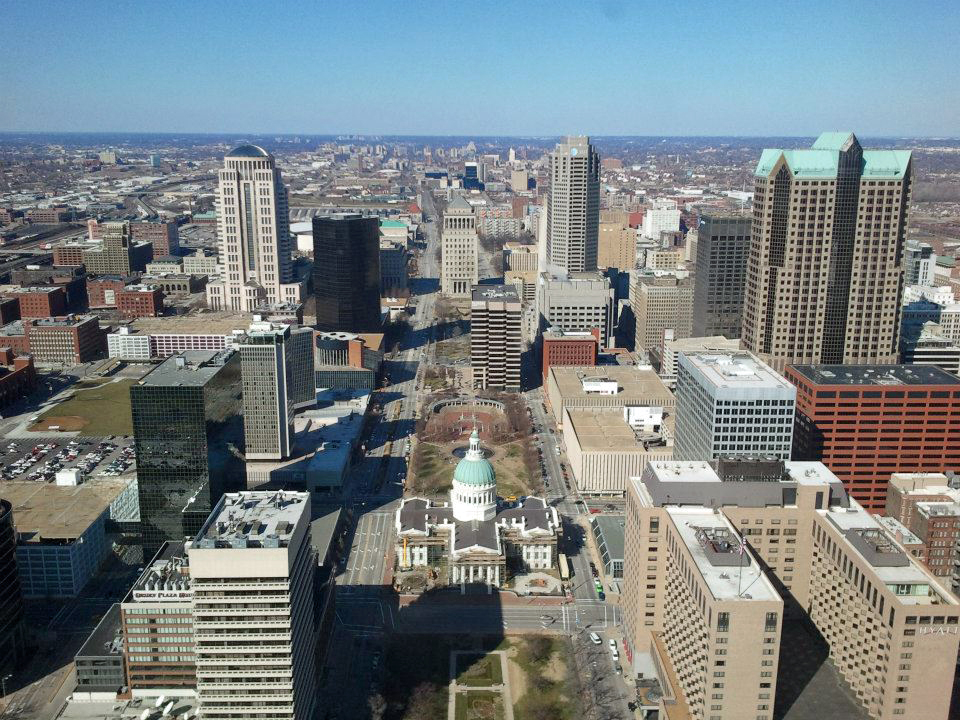
st louis

In May of this year, Science put out a special issue entitled, “Urban Planet,” which features a series of articles that address some of the latest research in urban ecology and discuss current developments and future research needs – a sort of state of the union address for urban ecology in 2016. A series of 13 articles covered diverse topics including city-integrated renewable energy, innovative solutions to water challenges, transportation and air pollution, and food security in an urban world. Rodent-borne diseases in urban slums, creating sustainable cities in China, and Vancouver’s push to become the “greenest city” were also features of this special issue.

The issue serves to highlight the importance of this field of study and the urgency there is in finding solutions to major environmental challenges. But it also offers hope. Bright minds are working towards solutions to this century’s biggest problems as we look towards a more sustainable future. The introduction emphasizes that “the rise of cities is not…all doom and gloom.” Urbanization has upsides: “consolidating human populations helps shrink our individual environmental footprints, and cities are serving as living laboratories for further improvements.”

Urban ecology is a relatively recent subfield of ecology. In The Ecological Future of Cities, Mark McDonnell and Ian MacGregor-Fors describe how it “arose in the 1990’s out of a need to increase our…understanding of the ecological and human dimensions of urban ecosystems.” Initially the field was mainly concerned with biodiversity and the ecosystem processes and services found within cities. Findings from these studies are now influencing urban planning, design, and management. Such decisions are also informed by more recent studies in the field of urban ecology, which has grown to include “issues of sustainability, environmental quality, and human well-being in urban ecosystems.”

The authors note that our ecological understanding of cities was waylaid because “nature within cites was long considered unworthy of study, except when it involved solving environmental problems that threatened human well-being.” Cities were perceived as unnatural because humans had “disrupt[ed] the natural ecological conditions and processes that scientists [were] attempting to understand.” Today, ecologists recognize that studies in the field of urban ecology help us better understand basic ecological principles, while also providing “valuable information for creating liveable, healthy, and resilient urban environments.”

Studies in urban ecology have also increased our understanding of the mechanisms involved in evolution and adaptation. To illustrate this, the authors offer examples of birds that modified their songs “to communicate at noisy locations” and plants that shifted their seed dispersal strategies to survive in “highly fragmented urban habitats.” The authors also highlight the importance of maintaining or restoring natural vegetation in urban areas in order to help preserve struggling species of plants and animals, citing a study that found that “fewer local plant extinctions occurred in cities that maintained at least 30% native vegetation cover.” Additionally, the authors note that “the scope of urban ecology research extends well beyond city limits,” since urbanization is partly to blame for numerous environmental issues including habitat loss and fragmentation, biodiversity loss, climate change, and invasive species.

In Living in Cities, Naturally, Terry Hartig and Peter Kahn, Jr. address the topic of mental health and urban living. While there is still much to learn about the relationship between the two, it is generally believed that viewing or spending time in nature can help improve one’s mental well-being. As the authors put it, “parks and green spaces” can be viewed as “health resources for urban populations,” and including natural areas and natural processes in the design and creation of cities is necessary “for psychological as well as ecological purposes.”

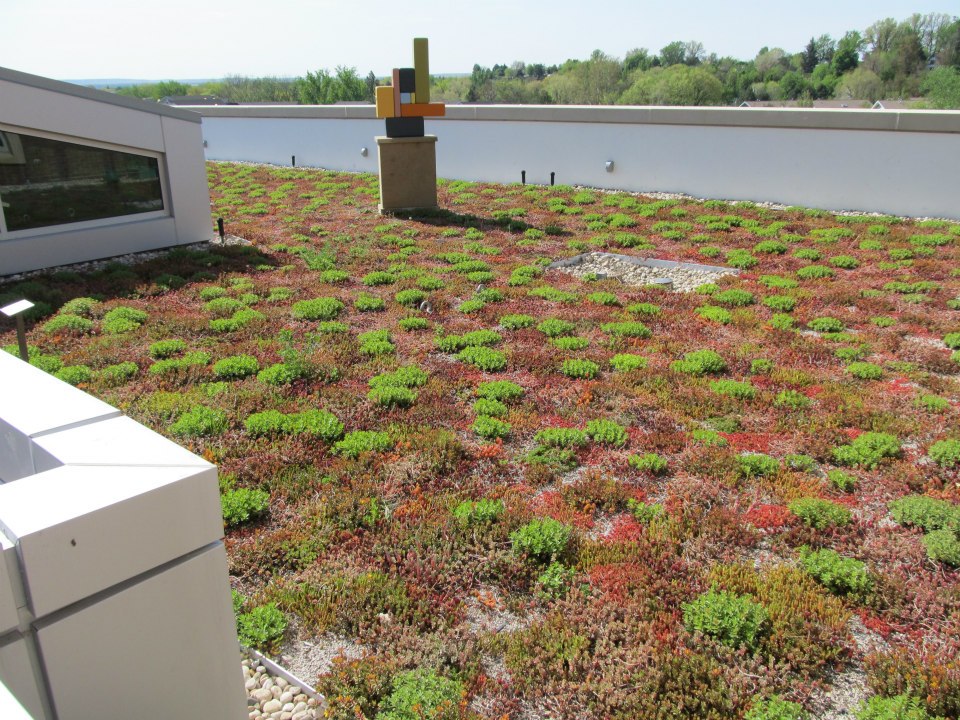
Green roofs

Green roofs are one way to add green space to urban areas. They help replace vegetation that was removed when buildings were constructed, and they offer numerous environmental benefits.

Interacting with nature in an urban setting can help people develop positive feelings about the natural world and may encourage support for environmental protection. The authors worry that if future generations grow up without an intimate connection to the natural world, elevated amounts of environmental degradation will be seen as normal and a feeling of urgency to protect the environment from continued degradation will fade. This is why including plentiful amounts of green space within cities is essential: “Providing opportunities for people to experience more robust, healthy, and even wilder forms of nature in cities offers an important solution to this collective loss of memory and can counter the shifting baseline.”

This special issue of Science highlights some of the current ecological and environmental research regarding urbanization. For a great introductory look at urban ecology and basic ecological principles, check out the book, Nature All Around Us. Also, expect to see many more urban ecology themed posts on Awkward Botany. Tell your friends.