Thoughts on Equisetum Phylogenesis

This a guest post. Words and photos by Jeremiah Sandler.

These notes do not discuss either anatomy or medicinal uses of Equisetum. Both topics are worthy of their own discourse.

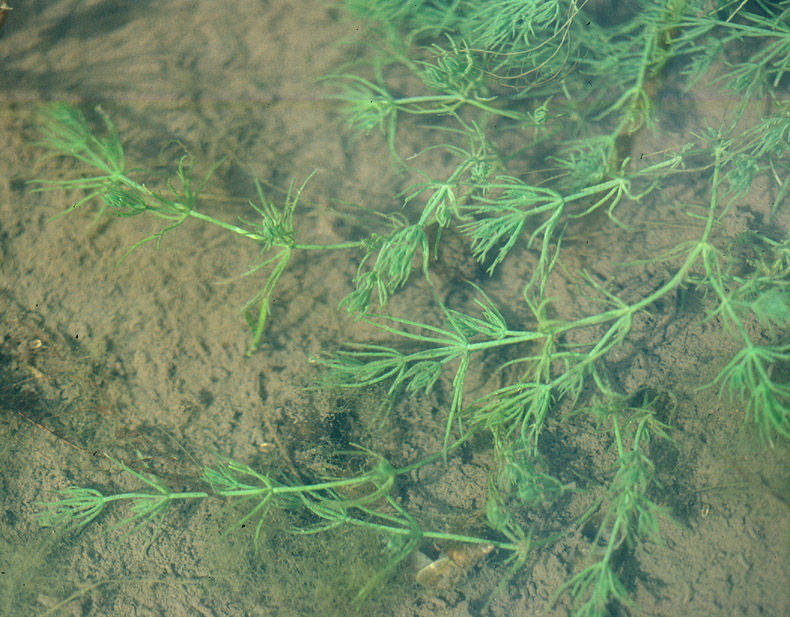
Plants in the genus Equisetum can be found on each continent of our planet, except for Antarctica. The plants are collectively referred to as scouring rush or horsetail.  Equisetum is in the division of plants called Pteridophytes, which contains all of the ferns and fern-allies (lycopods, whisk ferns, etc.) Pteridophytes are characterized by having a vascular system and by reproducing with spores, rather than seeds. Equisetum is the only living genus within the entire class Equisetopsida.  Within this single genus, there are a mere 20 species.
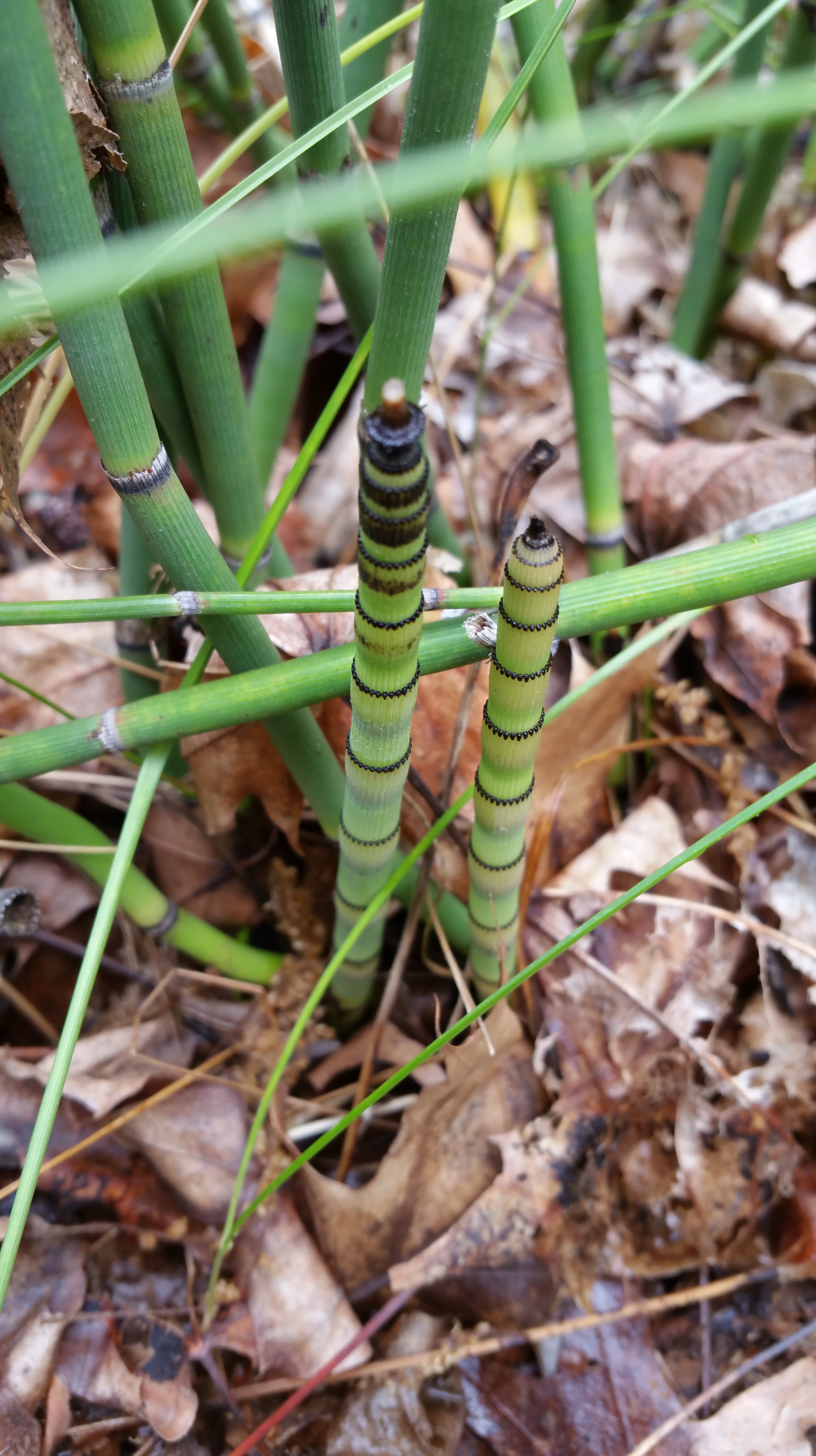
Picture 1

Equisetums can live pretty much anywhere. They can tolerate lots of shade, lots of sun, and virtually any soil condition (including submerged soil). Rhizomatous stems make it difficult for either disease or insects to kill an entire population. They do not require pollinators because they reproduce with spores.  Sounds like a recipe for reproductive and evolutionary success. Yet with all of these traits working in their favor, there is only a single genus left.  

Where’d they all go?
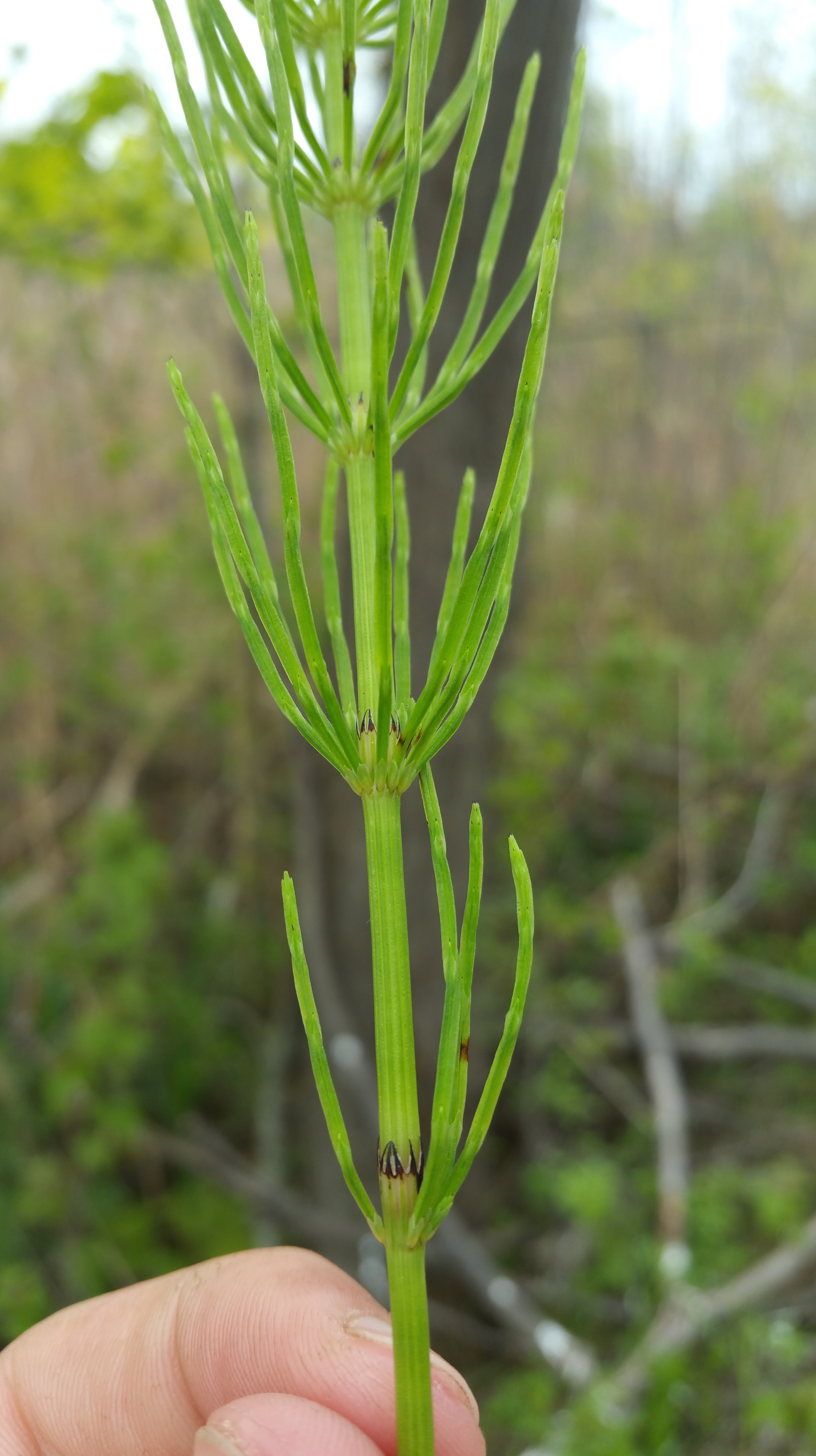
Picture 2

Let’s briefly consider the origin of these plants first. In the late Paleozoic Era, during the end of the Cambrian Period, these plants began their takeover. Shortly thereafter (about 70 million years later), in the Devonian Period, land plants began to develop a tree-like habit, also called “arborescence.” Tree-sized ferns and fern-allies ruled the planet. They formed the ancient forests.

The elements required for photosynthesis were plentiful. The planet was warm. Competition from the Cambrian Explosion of flora and fauna drove plants upwards towards the sky. Larger plants can both shade their competition and remain out of reach of herbivores. None of the Equisetum species alive today are near their ancestors’ height.  
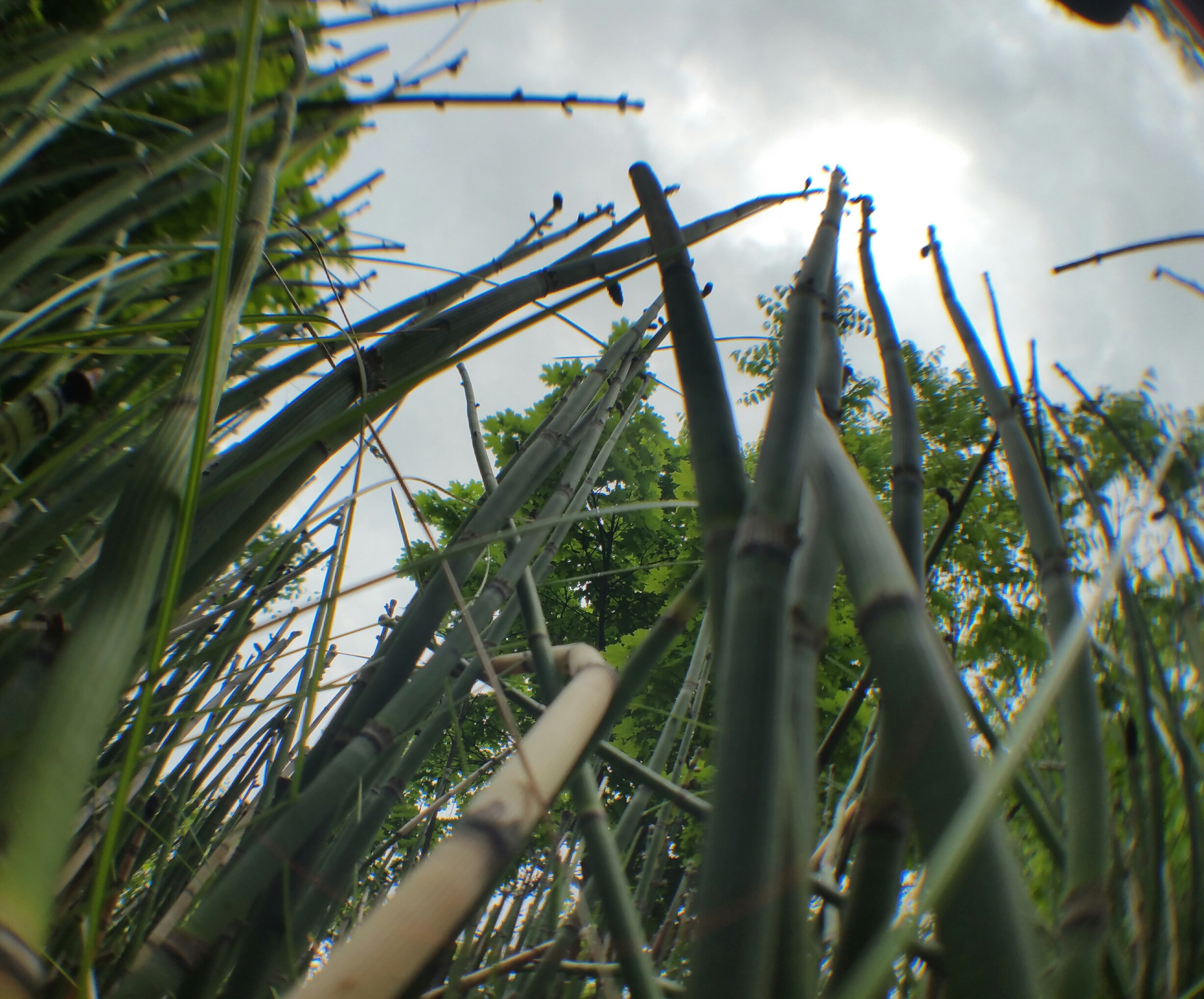
picture 3

It is rather obvious why we don’t see as many Equisetum species, and why they are not as large: The planet now is not the same planet it once was. Oxygen levels back in those times were about 15% higher than today’s levels. Seed plants can diversify much faster than non-seed-bearing plants; Equisetum cannot compete with the rate of diversification of seed-bearing plants.

The most interesting predicament comes when Equisetum is compared with other Pteridophytes. Some ancient Pteridophytes still do have diversity of genera. True Ferns, as they’re called, are broad-leaved ferns. In the class Filicopsida, there are 4 orders of True Ferns containing about 100 genera combined. Equisetum has 1 order and 1 genera.

What’s the primary difference between these two classes of Pteridophytes?  Broad leaves.

Most pteridophytes tolerate some shade; most other plants can’t tolerate as deep of shade as ferns. More specifically, the amount of shade the plants create could be a deciding factor in this question. True ferns have all of the traits equisetums have, with one additional physical trait that has pulled them ahead: Broad leaves allow true ferns to actively shade out local competition while creating more habitat for themselves. Equisetums don’t have this aggressive capacity.

Of course there are other biological and evolutionary pressures affecting equisetums beside their lack of broad leaves. The structure they do possess has benefited them at a time when it was advantageous to have it.  Otherwise why would it exist? Equisetums remind me of the dynamic nature of a planet. I don’t anticipate equisetums coming back. 

Although, I find it entertaining to humor the idea that they might return to their former glory. The planet’s climate could change toward any direction (I’m not a climatologist, though). Maybe equisetums are adequately prepared to adapt to whatever changes come – or maybe we are observing the gradual decline of an old branch on the tree of life.  
Resources:

Botany in Popular Culture: Saga of the Swamp Thing

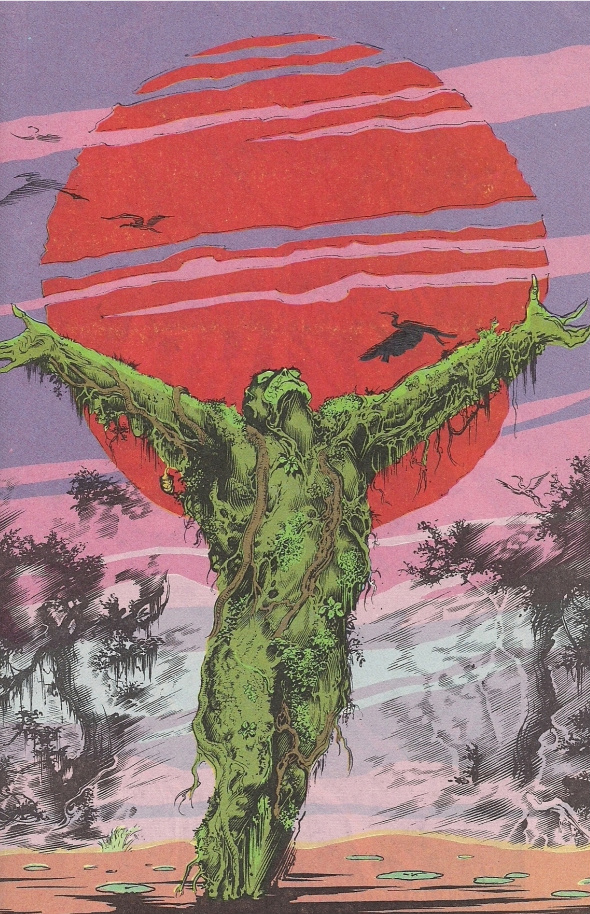
From the swamps of Louisiana comes a fictional character that is entirely composed of vegetation, has the appearance of a monster, and the consciousness of a human. He is called the Swamp Thing. Created by Len Wien and Bernie Wrightson, the Swamp Thing made his first appearance in the ninety-second issue of House of Secrets in 1971. He was then given his own series, which after 19 issues was handed off to up and coming author, Alan Moore.

Moore was an established comic book writer in the United Kingdom, but this was his first time writing for an American imprint. The work Moore did on Swamp Thing left a lasting impact on the comic book industry and helped establish Moore as one of the greatest comic book writers of all time. While Moore wrote more than fifty issues of The Saga of the Swamp Thing, I am narrowing this post down to the first volume, which compiles issues 20 – 27.

SwampFix

When Moore inherited the character, the Swamp Thing was thought to be (and also thought himself to be) the vegetable form of Alec Holland, a scientist who blew himself up while experimenting with a bio-restorative formula he was developing. Because Moore had some plot lines to dispense of before he began his own telling of the story, it only made sense to have the Swamp Thing killed off in the first issue so that he could reveal who or what he really was.

The beginning of issue #21 finds Dr. Jason Woodrue examining the Swamp Thing’s corpse. Woodrue is a villian that goes by the name Floronic Man and is himself a plant-human hybrid. The men who killed the Swamp Thing got Woodrue out of jail so that he could help them do an autopsy. During the autopsy, Woodrue makes a startling discovery: “We thought that the Swamp Thing was Alec Holland, somehow transformed into a plant. It wasn’t. It was a plant that thought it was Alec Holland! A plant that was trying its level best to be Alec Holland.” In the explosion, Holland’s body was completely incinerated, but due to the help of the bio-restorative formula that followed Holland into the swamp, the swamp plants fashioned themselves into a new creature with the form of a man and the consciousness of Holland.

swamp thing 1

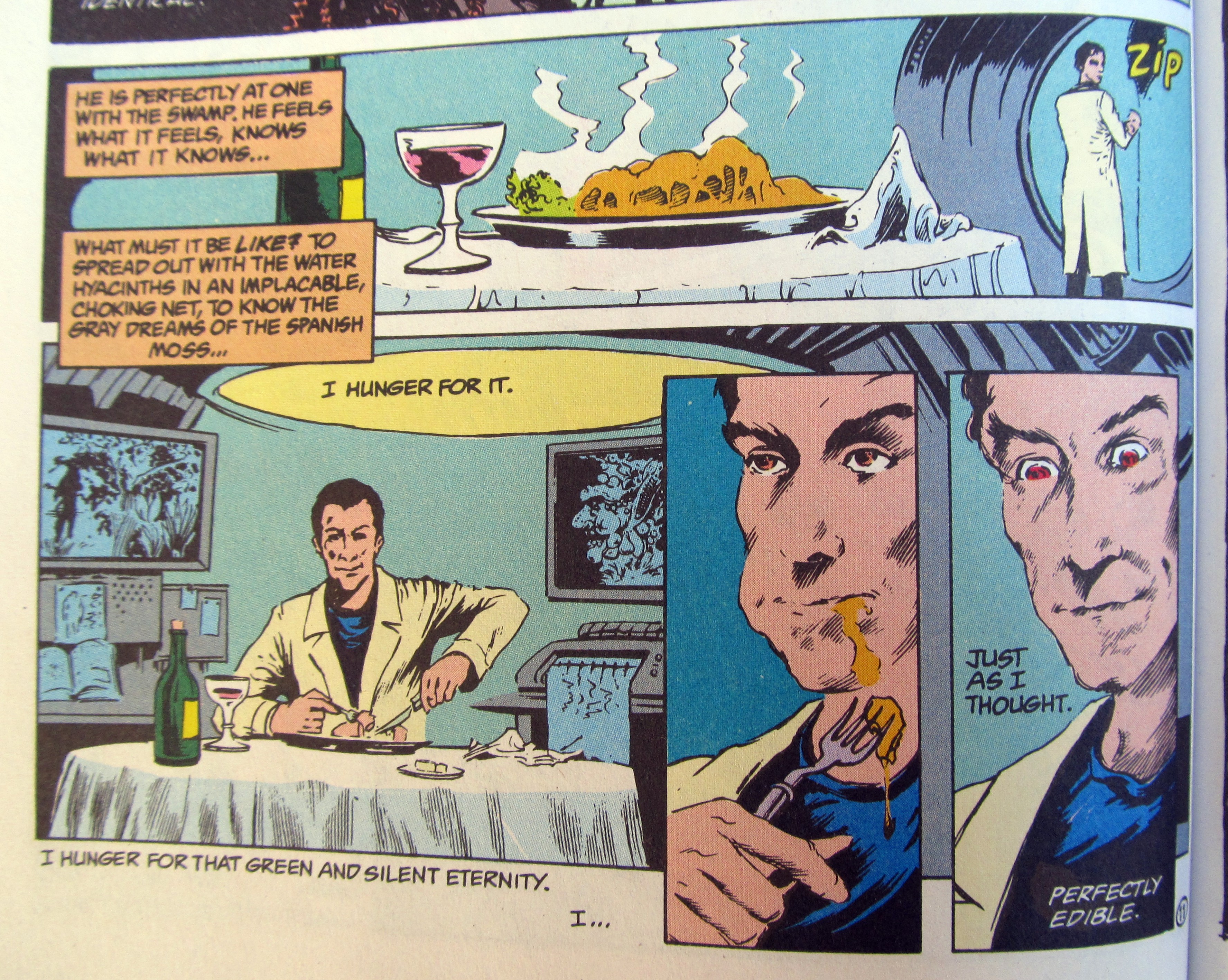
The bio-restorative formula is key because it allows the Swamp Thing to regenerate. Woodrue knows this and takes advantage of it. He moves the Swamp Thing’s resting body back to the swamp. Conveniently he finds Abby Cable there, one of the Swamp Thing’s good friends. Woodrue informs her that the Swamp Thing is not Alec Holland, news that is difficult for her to take. As the Swamp Thing awakens, he must also come to terms with the fact that he is not who he thought he was. Meanwhile, Woodrue/Floronic Man harvests and eats a tuberous growth protruding from the Swamp Thing, which enhances his powers to control plant life.

swamp thing 2

Floronic Man is upset with animal life, particularly humans for the collective destruction that they have caused plant life. He is determined to take revenge for the harm that has been done to “The Green.” He causes plants to grow up rapidly and consume buildings and cars and wrap around humans to kill them. Amidst his mayhem he explains his vision of “another green world, as there was at the beginning, before the beasts crawled up out of the oceans. Those long, green centuries where no bird sang, where no dog barked. Where there was no noise! Where there was no screaming meat!!”

The Justice League is called in, but there isn’t much they can do. This is a job for the Swamp Thing who, while wandering through the swamp coming to grips with his new identity, senses trouble in The Green. He then realizes that Floronic Man must be involved, at which point he arrives on the scene and gives Floronic Man a good beating and a stern talking to.

Floronic Man is obsessed with the idea of plants taking over and destroying all other life. He has clearly gone mad, threatening to make the plants “pour out oxygen” so that “all the animals will die.” He is convinced that only plants will remain and that “it’s the only way to save the planet from those creatures.” The Swamp Thing rhetorically asks, “And what will change the oxygen back into the gasses that we need to survive when the men and animals are dead?” That seems to shut Floronic Man up. Schooled by logic, he slowly loses control of the plant life he had recruited to do his dirty work, at which point the Justice League swoops in and picks him up. The Swamp Thing retreats back to the swamp, embracing his new identity – elated to be alive and feeling at home in the swamp.

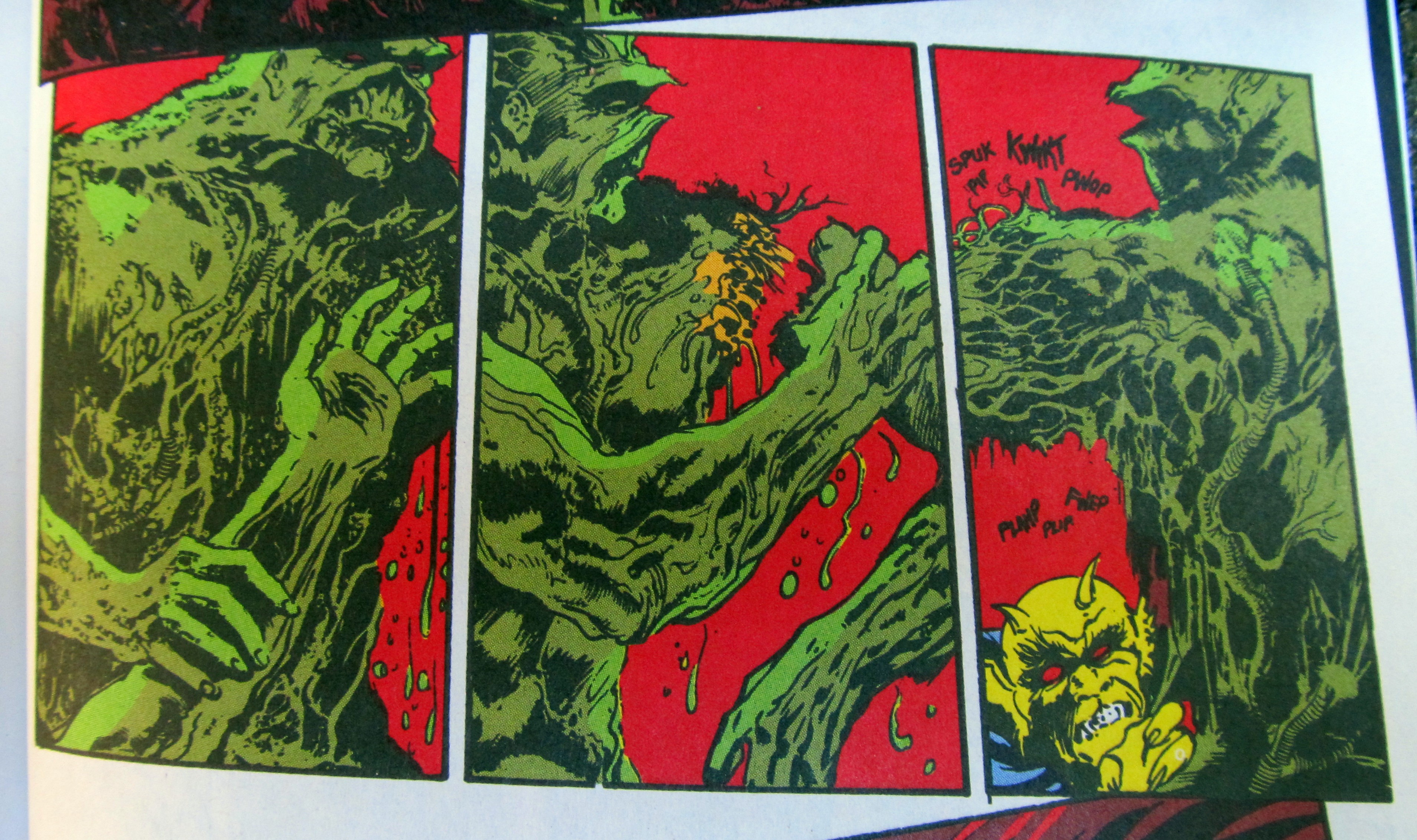
The final three “chapters” of the book are focused more on Abby. The Swamp Thing is around, and he definitely shows up for some fight scenes, but Moore seems to be working on developing Abby’s character. After all, she and the Swamp Thing have a future together. In one fight scene, a demon rips the Swamp Thing’s arm off. At which point, the Swamp Thing nonchalantly picks up his arm, reattaches it, and resumes fighting the demon.

swamp thing 3

Throughout the book, Moore’s writing and storytelling is exceptional. A brief recap such as this cannot do the book justice. Moore’s prose must be read to be truly appreciated. The Swamp Thing is a fairly minor character in the comic book world, and one of the very few that brings botany to the forefront. Thanks to Moore and the artists that worked with him, Saga of the Swamp Thing gives this great character the exposure and legacy it deserves.

For more authoritative reviews, check out the following links:

What Is a Plant, and Why Should I Care? part two

“Organisms green with chlorophyll appeared pretty early in Earth history, diversified, and adapted to oceanic, coastal, and finally terrestrial environments. As this took place, the Earth turned green.” – Joseph E. Armstrong, How the Earth Turned Green

world turned green

The Earth not only turned green, but the composition of its atmosphere dramatically shifted. Thanks in part to photosynthesis, Earth’s atmosphere went from having virtually no free oxygen to being composed of about 21% oxygen. The increasing availability of oxygen helped facilitate the evolution of more and more diverse forms of life. Had photosynthesis (specifically oxygen-producing photosynthesis) never come about, the Earth would not be anything like it is today.

There are organisms in at least three taxonomic kingdoms that have the ability to photosynthesize: Bacteria, Protista, and Plantae. A book itself could be written about how photosynthesis developed and how it differs among organisms. The important thing to note in a discussion about plants is that the type of photosynthesis that occurs in cyanobacteria is the same type that occurs in the chloroplasts of plants and green algae. Additionally, pigments called chlorophyll are only found in cyanobacteria and the chloroplasts of plants and green algae. As Joseph Armstrong puts it in How the Earth Turned Green, “evidence strongly supports the hypothesis that chloroplasts were free-living photosynthetic bacteria that became cellular slaves within a host cell.”

In Part One, we established that green algae are closely related to plants, and that a subset of green algae colonized the land and evolved into modern day plants. Plants are green because of cyanobacteria via green algae; however, cyanobacteria are not plants, and green algae may or may not be plants depending on your preference. Classification is not nearly as important as determining evolutionary relationships.

So, again, what is a plant? K. J. Willis and J. C. McElwain offer this summary in their book, The Evolution of Plants: “Plants are relatively simple organisms with a common list of basic needs (water, carbon dioxide, nitrogen, magnesium, phosphorous, potassium, some trace elements, plus various biochemical pathways necessary for photosynthesis). This list has remained almost unchanged from the first land plants to the present.” In Part One, we also listed three major features that all plants have in common: multicellularity, cell walls that contain cellulose, and the ability to photosynthesize.

Photosynthesis is a big one, because it means that plants make their own food. They are autotrophs/self-feeders/ producers. This sets them apart from heterotrophs, organisms that consume other organisms in order to obtain energy and other essential nutrients. Plants are at the bottom of the food chain, providing energy and nutrients to all other organisms that either directly or indirectly consume them. In Armstrong’s words:

“Eating and being eaten is a fact of life, a process by which the light energy captured by green organisms is passed through a series of consumers, a food chain, before eventually being lost as heat, which dissipates. Everything else is recycled with the able assistance of decomposers, primarily fungi and microorganisms, heterotrophs who obtain their food from dead organisms or their metabolic wastes. A large part of ecology concerns such trophic or feeding interactions, the energy transfers that result, and the cycling of biogeochemicals, the elements of life.”

Their ability to photosynthesize, among other things, gives plants a prominent role in the world’s ecosystems. Much more will be said about that as we continue, but first there are a few other things about plants worth mentioning.

Plants exhibit modular growth. While animals generally produce all of their body parts early on in life and rarely reproduce new body parts in replacement of lost ones, plants can continue to reproduce and replace body parts. Even at maturity, plants maintain embryonic tissues, which allows them to regenerate body parts as needed. This is one reason why so many plants can be propagated asexually via stem, root, and/or leaf cuttings. Roots can be encouraged to grow from unlikely places, and a whole new plant can be produced as a result.

Plants are generally stationary. Rooted in place, they must obtain everything necessary for life, growth, and reproduction by accessing whatever resources are in their immediate vicinity. Roots search the soil for water and other nutrients, and leaves harvest sunlight and carbon dioxide to make sugars. Relationships are maintained with soil fungi to aid in the search for water and nutrients, but otherwise, plants are largely on their own. Since they cannot run or hide, they must stand and fend for themselves when insects and other herbivores come to devour them. They have adapted a variety of chemical and physical defenses to address this.

Despite being largely immobile during their juvenile and adult phases, plants can actually be incredibly mobile during their embryonic stage (or in other words, as seeds/spores/progules). Employing biotic and abiotic resources, seeds and spores can potentially move miles away from their parent plants, enjoying a freedom of movement they will never know again once they put their roots down.

It is estimated that the total number of plant species on the earth today is around 400,000. (For reference, see this BGCI page and this Kew Gardens page. See The Plant List for up to date plant species names.) The first land plants evolved around 450 million years ago. It wasn’t until around 160 million years ago that the first flowering plants appeared, yet about 90% of the plants in existence today fall within this group. How many tens of thousands of species of plants have existed on Earth throughout history? I don’t think we can say. So many have come and gone, while others have radiated into new species. Exploring life that currently exists on this planet is an enormous pursuit on its own; add to that the exploration of life that once existed, and your pursuits become endless.

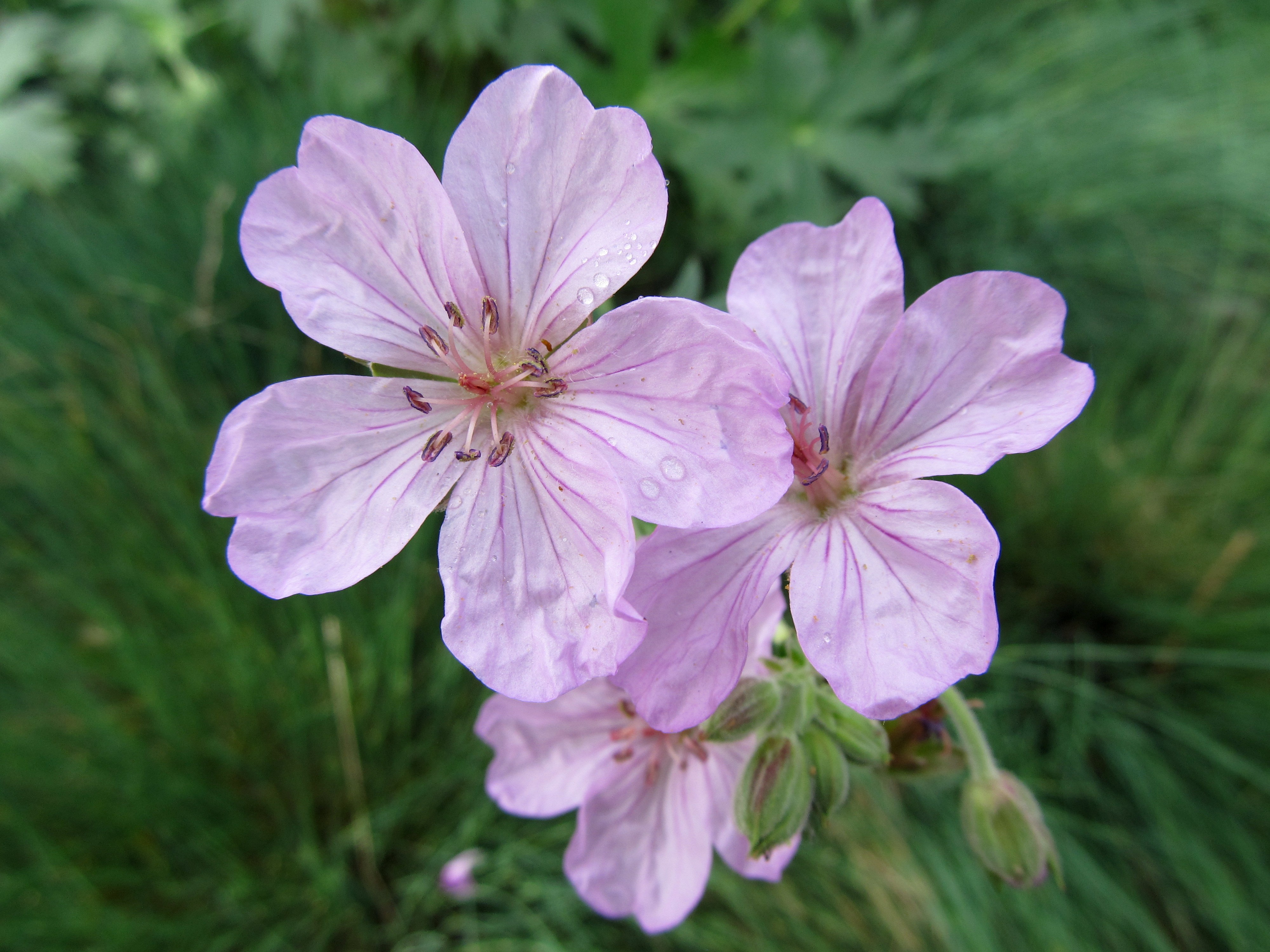
Sticky purple geranium (Geranium viscosissimum) one species of around species of extant flowering plants.

Sticky purple geranium (Geranium viscosissimum) is just one of more than 350,000 species of extant flowering plants.

At the close of the first chapter of his book, Armstrong highlights eight major historical events that have brought us plants as we know them today: “the origin of life itself, the development of chlorophyll and photosynthesis, the advent of the eukaryotic (nucleated) cell, the development of multicellular organisms, the invasion of land, the development of vascular tissues, the development of seeds, and the development of flowers.”  Consider that a brief synopsis of all we have to cover as we continue to tell the story of plants.

What Is a Plant, and Why Should I Care? part one

I want to tell the story of plants. In order to do that, I suppose I will need to research the 4 billion year history of life on earth. And so I am. Apart from satiating my own curiosity, studying and telling the story of plants advances me towards my goal of creating a series of botany lesson themed posts. Botany 101 and beyond, if you will. An ambitious project, perhaps, but what else am I going to do with my time?

So what is a plant anyway? We all know plants when we see them, but have you ever tried to define them? They are living beings, but they are not animals. They are stationary – rooted in the ground, usually. Most of them are green, but not all of them. They photosynthesize, which means they use water, carbon dioxide collected from the atmosphere, and energy harvested from the sun to make food for themselves. No animal can do that (okay…a few sort of can). They reproduce sexually, but many can also reproduce asexually. They are incredibly diverse. Some grow hundreds of feet into the air. Some barely reach more than a few centimeters off the ground at maturity. They have discernible parts and pieces, but they can also lose parts and pieces and then grow them back. There aren’t many animals that can do that. They have been on this planet for hundreds of millions of years, colonizing land millions of years before animals. Plants helped pave the way, and if it weren’t for plants, animals may not have stood a chance.

I don’t mean to pick on animals, it’s just that for a long time, humans grouped living things into just two kingdoms: Plantae and Animalia. Stationary things that appeared to be rooted to the ground or some other surface were classified as plants. Green things that lived in the water were also considered plants. Thus, lichens, fungi, algae, and everything we consider to be a plant today were placed in kingdom Plantae. Everything else was placed in kingdom Animalia. This, of course, was before much was known about microorganisms.

Dichotomous classification was reconsidered as we learned more about the diversity of organisms in each kingdom, particularly as the theory of evolution came into play and microscopes allowed us to observe single celled organisms and chromosomes. Eventually, fungi was awarded its own kingdom, which includes lichens – organisms composed of both fungi and photosynthetic species but classified according to their fungal components. Most of the algae was placed in a kingdom called Protista, a hodgepodge group of unicellular and unicellular-colonial organisms, some of which are animal-like and some of which are plant-like. Two kingdoms were also formed for prokaryotic organisms (organisms with cells that lack membrane bound organelles): Bacteria and Archaea.

Illustration of one current itteration of kingdom classification system (illustration credit: wikimedia commons)

Taxonomic kingdoms as we currently consider them (illustration credit: wikimedia commons)

In short, the answer to what is a plant seems to be whatever organisms humans decide to put in kingdom Plantae. One problem with this answer is that some chose to include certain species of algae and others don’t. But why is that? It has to do with how plants evolved and became photosynthetic in the first place.

Microorganisms developed the ability to photosynthesize around 3.5 billion years ago; however, the photosynthetic process that plants use today appeared much later – around 2.7 billion years ago. It evolved in an organism called cyanobacteria – a prokaryote. Eukaryotic organisms were formed when one single cell organism was taken inside another single cell organism, a process known as symbiogenesis. In this case, cyanobacteria was taken up and the eukaryotic organisms known today as algae were formed. The incorporated cyanobacteria became known as chloroplasts.

Not all algae species went on to evolve into plants. A group known as green algae appears to be the most closely related to plants, and a certain subset of green algae colonized the land and evolved into modern day plants (also known as land plants). That is why some taxonomists choose to include green algae in the plant kingdom, excluding all other types of algae.

Common stonewort (Chara vulgaris, a species of green algae (photo credit: www.eol.org)

Common stonewort, Chara vulgaris, a species of green algae (photo credit: www.eol.org)

The term land plants refers to liverworts, hornworts, mosses, ferns, fern allies, gymnosperms, and flowering plants – or in other words, all vascular and non-vascular plants. Another all encompassing term for this large group of organisms is embryophytes (embryo-producing plants).

Still confused about what a plant is? Three main features can be attributed to all plants: 1. They are multicellular organisms. 2. Their cell structure includes a cell wall composed of cellulose 3. They are capable of photosynthesis. Many species of green algae are unicellular, which is an argument for leaving them out of kingdom Plantae. Certain parasitic plants like toothwort, dodder, and beech drops have lost all or most of their chlorophyll and no longer photosynthesize, but they are still plants.

Deciding what is and isn’t a plant ultimately comes down to evolutionary history and common ancestry. As Joseph Armstrong writes in his book, How the Earth Turned Green, “Our classifications of human artifacts are totally arbitrary, but to be useful scientifically our classification of life must accurately reflect groupings that resulted from real historical events, common ancestries.”

Obviously this is going to be a multi-part series, so I will have much more to tell you about plants in part two, etc. For now, this You Tube video offers a decent summary.

The Making of a Kill Jar

I often hear stories from plant lovers about their initial nonchalance concerning plants. The common refrain seems to be that they were fascinated by wildlife and largely ignored plant life until they came to the realization that plants were integral in the lives of animals and play a major role in shaping the environments that support all life. Such an epiphany spawns an insatiable obsession with botany, at least for some people.

I seem to be on the opposite trajectory. It’s not like I have ever really been disinterested in animals; I’ve just been significantly more interested in plants and haven’t bothered to learn much about the animal kingdom (with the exception of entomology). My growing fascination with pollination biology (see last year’s Year of Pollination series) isn’t much of a stretch because insects have always appealed to me, and their intimate interactions with plants are hard to ignore. Ultimately, it is my interest in urban ecology and wildlife friendly gardening that is driving me to learn more about animals.

I started this year off by finally reading Doug Tallamy’s popular book, Bringing Nature Home. Tallamy wrote a lot about birds in his book, which got me thinking more about them. I then discovered Welcome to Subirdia, a book by John Marzluff that explores the diversity of birds that live among us in our urban environments. I then found myself paying more attention to birds. Many bird species rely on insects for food at some point in their lives. Plants regularly interact with insects both in defending themselves against herbivory and in attracting insects to assist in pollination. It’s all connected, and it seems I wouldn’t be much of a botanist then if I didn’t also learn about all of the players involved in these complex interactions.

So, now I’m a birdwatcher and an insect collector. Or at least I’m learning to be. Insects are hard to learn much about without capturing them. They often move quickly, making them hard to identify, or they go completely unnoticed because they are tiny and so well hidden or camouflaged. With the help of a net and a kill jar, you can get a closer look. This not only allows you to determine the species of insects that surround you, but it can also help give you an idea of their relative abundances, their life cycles, where they live and what they feed on, etc.

insect net 2_bw

As the name implies, if you’re using a kill jar, your actions will result in the death of insects. Some people will be more pleased about this than others. If killing insects bothers you, don’t worry, insect populations are typically abundant enough that a few individuals sacrificed for science will not hurt the population in a serious way.

Kill jars can be purchased or they can be made very simply with a few easy to find materials. Start with a glass jar with a metal lid. Mix up a small amount of plaster of paris. Pour the wet plaster in the jar, filling it to about one inch. Allow the plaster to dry completely. This process can be sped up by placing the jar in an oven set on warm. When the plaster is dry, “charge” the jar by soaking the plaster with either ethyl acetate, nail polish remover, or rubbing alcohol. I use nail polish remover because it is cheap and easily accessible. It doesn’t work as quickly as pure ethyl acetate, but it is less toxic. Place a paper towel or something soft and dry in the jar. This keeps the insects from getting beaten up too much as they thrash about. Once the insect is dead, it can be easily observed with a hand lens or a dissecting microscope. It can also be pinned, labeled, and added to a collection.

There are several resources online that describe the process of collecting and preserving insects, including instructions for making an inexpensive kill jar, which is why I am keeping this brief and will instead refer you to a couple of such sites. Like this one from Purdue University’s extension program. It’s directed toward youth, but it includes great information for beginners of any age. This post by Dragonfly Woman is a great tutorial for making a kill jar, and there are several other posts on her blog that are very informative for insect collectors of all experience levels.

I guess you could consider this part of my journey of becoming a naturalist. Perhaps you are on a similar journey. If so, share your thoughts and experiences in the comment section below.

Book Review: Bringing Nature Home

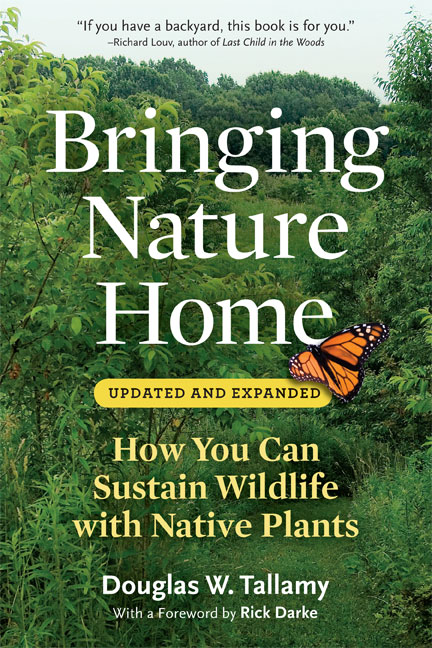
Since Bringing Nature Home by Douglas Tallamy was first published in 2007, it has quickly become somewhat of a “classic” to proponents of native plant gardening. As such a proponent, I figured I ought to put in my two cents. Full disclosure: this is less of a review and more of an outright endorsement. I’m fawning, really, and I’m not ashamed to admit it.

9780881929928l

The subtitle pretty much sums it up: “How You Can Sustain Wildlife with Native Plants.” Ninety three pages into the book, Tallamy elaborates further: “By favoring native plants over aliens in the suburban landscape, gardeners can do much to sustain the biodiversity that has been one of this country’s richest assets.” And one of every country’s richest assets, as far as I’m concerned. “But isn’t that why we have nature preserves?” one might ask. “We can no longer rely on natural areas alone to provide food and shelter for biodiversity,” Tallamy asserts in the Q & A portion of his book. Humans have altered every landscape – urban, suburban, rural, and beyond – leaving species of all kinds threatened everywhere. This means that efforts to protect biodiversity must occur everywhere. This is where the You comes in. Each one of us can play a part, no matter how small. In closing, Tallamy claims, “We can each make a difference almost immediately by planting a native nearby.”

A plant is considered native to an area if it shares a historical evolutionary relationship with the other organisms in that area. This evolutionary relationship is important because the interactions among organisms that developed over thousands, even millions, of years are what define a natural community. Thus, as Tallamy argues, “a plant can only function as a true ‘native’ while it is interacting with the community that historically helped shape it.” A garden designed to benefit wildlife and preserve biodiversity is most effective when it includes a high percentage of native plants because other species native to the area are already adapted to using them.

Plants (and algae) are at the base of every food chain – the first trophic level – because they produce their own food using the sun’s energy. Organisms that are primarily herbivores are at the second trophic level, organisms that primarily consume herbivores are at the third trophic level, and so on. As plants have evolved they have developed numerous defenses to keep from being eaten. Herbivores that evolved along with those plants have evolved the ability to overcome those defenses. This is important because if herbivores can’t eat the plants then they can’t survive, and if they don’t survive then there will be little food for organisms at higher trophic levels.

The most important herbivores are insects simply because they are so abundant and diverse and, thus, are a major food source for species at higher trophic levels. The problem is that, as Tallamy learned, “most insect herbivores can only eat plants with which they share an evolutionary history.” Insects are specialized as to which plants they can eat because they have adapted ways to overcome the defenses that said plants have developed to keep things from eating them. Healthy, abundant, and diverse insect populations support biodiversity at higher trophic levels, but such insect populations won’t exist without a diverse community of native plants with which the insects share an evolutionary history.

That is essentially the thesis of Tallamy’s book. In a chapter entitled “Why Can’t Insects Eat Alien Plants?” Tallamy expounds on the specialized relationships between plants and insects that have developed over millennia. Plants introduced from other areas have not formed such relationships and are thus used to a much lesser degree than their native counterparts. Research concerning this topic was scarce at the time this book was published, but among other studies, Tallamy cites preliminary data from a study he carried out on his property. The study compared the insect herbivore biomass and diversity found on four common native plants vs. five common invasive plants. The native plants produced 4 times more herbivore biomass and supported 3.2 times as many herbivore species compared to the invasive plants. He also determined that the insects using the alien plants were generalists, and when he eliminated specialists from the study he still found that natives supported twice as much generalist biomass.

Apart from native plants and insects, Tallamy frames much of his argument around birds. Birds have been greatly impacted by humans. Their populations are shrinking at an alarming rate, and many species are threatened with extinction. Tallamy asserts, “We know most about the effects of habitat loss from studies of birds.” We have destroyed their homes and taken away their food and “filled their world with dangerous obstacles.” Efforts to improve habitat for birds will simultaneously improve habitat for other organisms. Most bird species rely on insects during reproduction in order to feed themselves and their young. Reducing insect populations by filling our landscapes largely with alien plant species threatens the survival of many bird species.

In the chapters “What Should I Plant?” and “What Does Bird Food Look Like?,” Tallamy first profiles 20 groups of native trees and shrubs that excel at supporting populations of native arthropods and then describes a whole host of arthropods and arthropod predators that birds love to eat. Tallamy’s fascinating descriptions of the insects, their life cycles, and their behaviors alone make this book worth reading. Other chapters that are well worth a look are “Who Cares about Biodiversity?” in which Tallamy explains why biodiversity is so essential for life on Earth, and “The Cost of Using Alien Ornamentals” in which Tallamy outlines a number of ways that our obsession with exotic plants has caused problems for us and for natural areas.

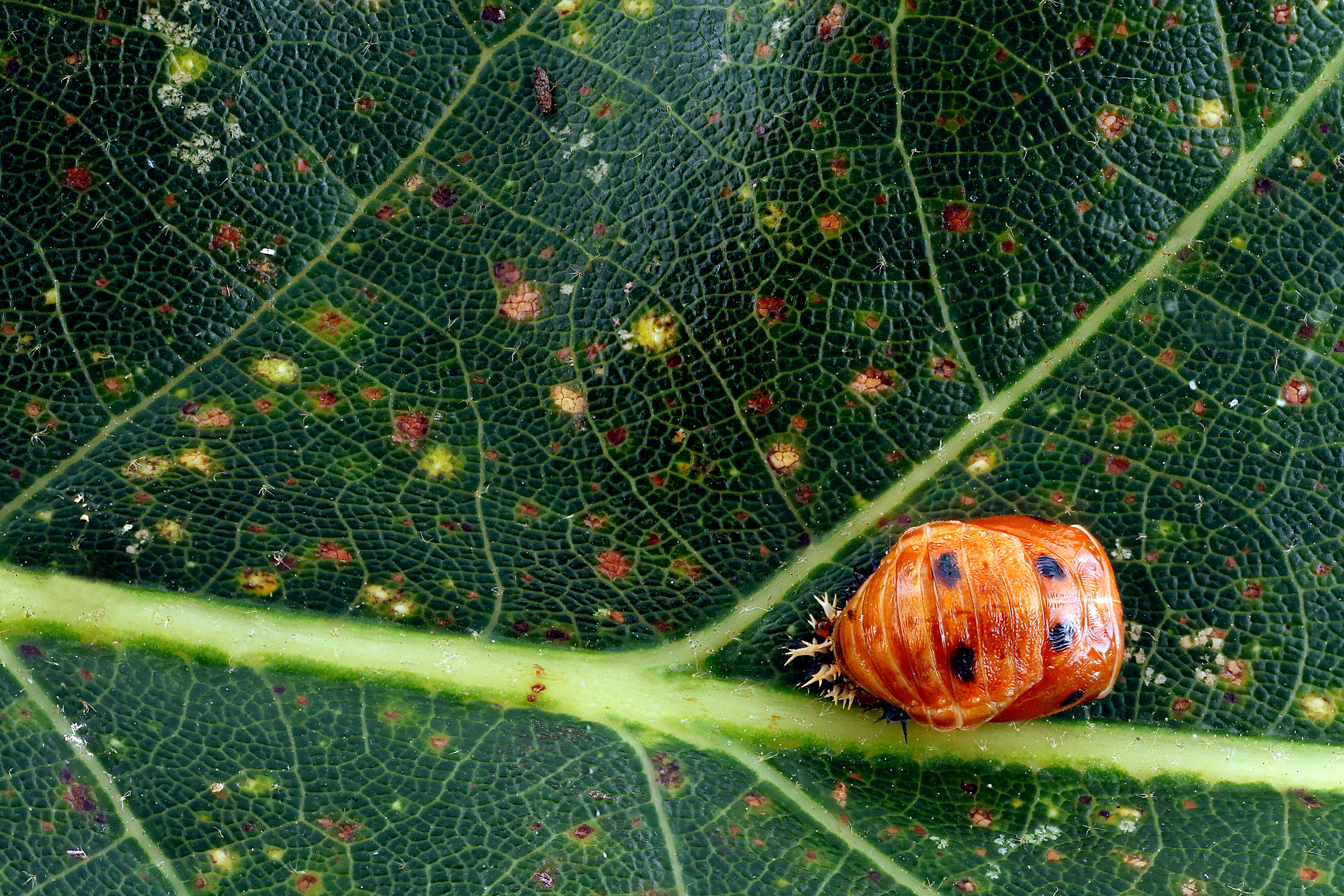
Pupa of ladybird beetle on white oak leaf (photo credit: wikimedia commons)

Pupa of a ladybird beetle on a white oak leaf. “The value of oaks for supporting both vertebrate and invertebrate wildlife cannot be overstated.” – Doug Tallamy (photo credit: wikimedia commons)

Convincing people to switch to using native plants isn’t always easy, especially if your argument involves providing habitat for larger and more diverse populations of insects. For those who are not fans of insects, Tallamy explains that “a mere 1%” of the 4 million insect species on Earth “interact with humans in negative ways.” The majority are not pests. It is also important to understand that even humans “need healthy insect populations to ensure our own survival.” Tallamy also offers some suggestions on how to design and manage an appealing garden using native plants. A more recent book Tallamy co-authored with fellow native plant gardening advocate Rick Darke called The Living Landscape expands on this theme, although neither book claims to be a how to guide.

———————

Interested in writing a book review for Awkward Botany? Or helping out in another way? Find out how.

2015: Year in Review

Raise your glass. 2015 has come to a close, and Awkward Botany is turning three. Two great reasons to celebrate.

I started the year with the goal of posting at least once per week. Consider that goal accomplished, with a couple of bonus posts thrown in for good measure. I had also deemed 2015 the “Year of Pollination.” The underlying purpose was to teach myself more about pollinators and pollination while also sharing my interest in pollination biology with the wider world. That endeavor yielded 17 posts. There is still so much to learn, but we are making some headway. I started two new series of posts (Poisonous Plants and Botany in Popular Culture) and I continued with two others (Ethnobotany and Drought Tolerant Plants). I also went on a couple of field trips and wrote a few book reviews. All of that is reflected below in “Table of Contents” fashion.

Year of Pollination:

Botany in Popular Culture

Poisonous Plants

Ethnobotany

Drought Tolerant Plants

Book Reviews

Field Trips

Three posts that perhaps didn’t get the attention they deserve:

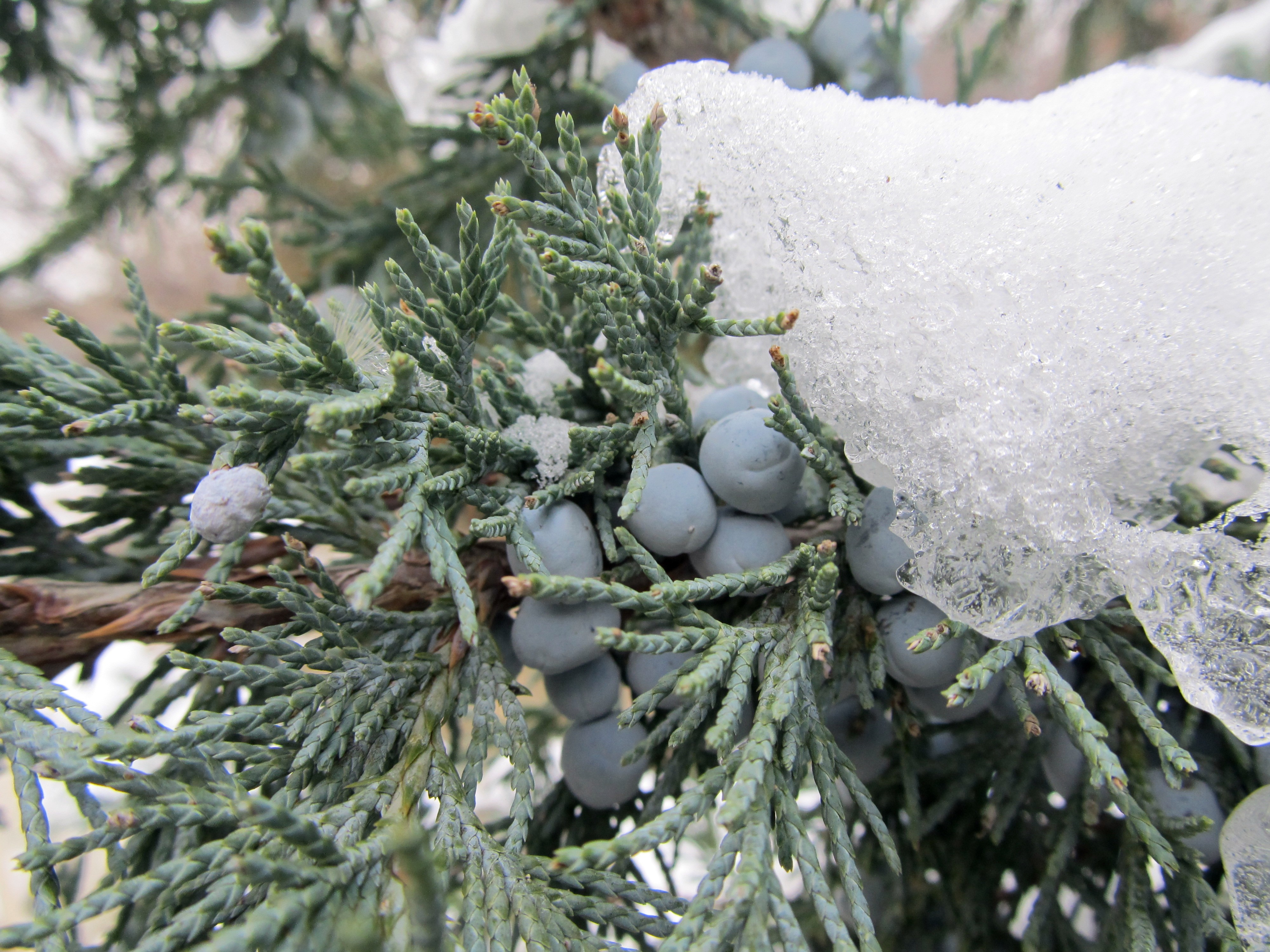
juniper in the snow

Going forward, I will continue to post regularly – as there is no shortage of plant-related things to write about – but I will likely take a week off here and there. I have other projects in mind – some related to Awkward Botany, some not – that will certainly demand much of my attention and time. I have some big ideas for Awkward Botany and beyond, and I will share those with the wide world in due time. For now, I would just like to say thanks all for reading, for commenting, and for sharing Awkward Botany with your friends. Overall, it has been a great year here at Awkward Botany headquarters, and I have you to thank for that. I feel privileged to be part of a community that is infatuated with plants and is fascinated by the natural world.

Good riddance to 2015. It was good, but it gets better. Now we look ahead to 2016. May it be filled with peace, love, and botany.

Artificial Photosynthesis – A Case of Biomimicry

Humans have long sought solutions to their problems by observing nature and trying to mimic it. These endeavors have lead to improvements in the designs and production processes of countless things. In recent decades there has been a growing movement composed of scientists, engineers, and innovators of all types to expressly seek for answers to today’s most pressing problems by deeply observing and analyzing the natural world. These efforts are coupled with a desire to learn how to work with nature rather than against it in an attempt to secure a more sustainable future for life on Earth. This is the essence of biomimicry.

To this end, plants have much to teach us. Everything from their basic forms and functions to the way they fight off pests and diseases to the way they communicate with each other is worth exploring for biomimicry purposes. A plant-based phenomenon that has probably received the most attention – and for good reason – is photosynthesis, the process that enables plants to use the sun to make food.

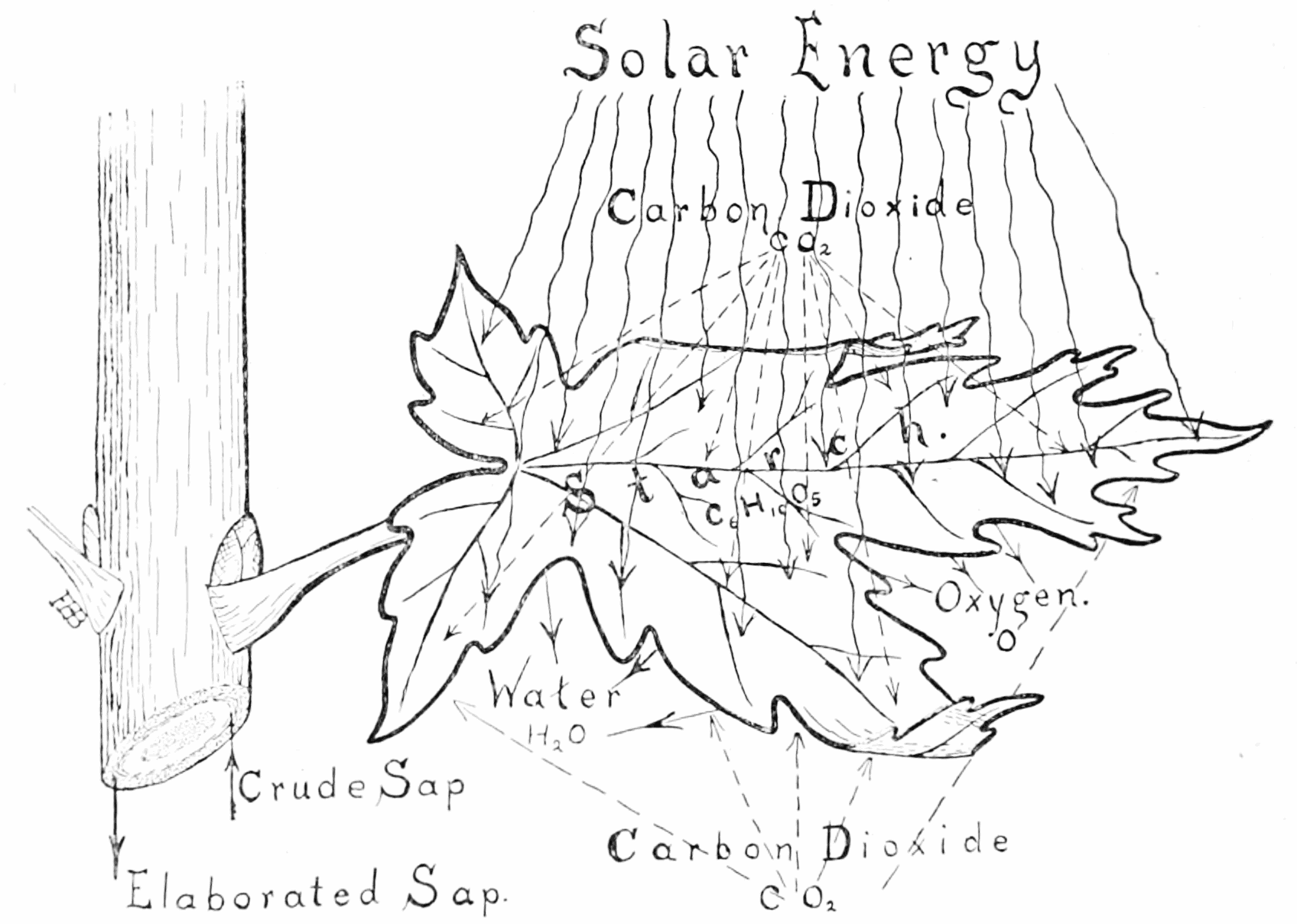
Put another way, photosynthesis is the process of converting light energy into chemical energy. Specialized proteins in plant cells absorb particles of light which initiates the passing of electrons across a series of molecules. Subsequently, water is split by a protein complex into oxygen and hydrogen protons. The oxygen is released from the plant, while the electrons and hydrogen protons go on to help generate two compounds – NADPH and ATP – which are later used to power the reaction that transforms atmospheric carbon dioxide into sugars. The concept of photosynthesis, while fairly simple to grasp from a high level (i.e. light + water + carbon dioxide = sugars + oxygen), is actually quite complex, and there is still much too discover concerning it.

photo credit: wikimedia commons

photo credit: wikimedia commons

One thing is certain, photosynthesis is ubiquitous. As long as the sun is overhead, most plants, algae, and cyanobacteria are photosynthesizing at a steady clip and are thereby helping to power just about every other living organism on the planet. Without plants, most of the rest of us could not survive. Janine M. Benyus offers this human-centric view in her book Biomimicry:

Consider that everything we consume, from a carrot stick to a peppercorn filet, is the product of plants turning sunlight into chemical energy. Our cars, our computers, our Christmas tree lights all feed on photosynthesis as well, because the fossil fuels they use are merely the compressed remains of 600 million years worth of plants and animals that grew their bodies with sunlight. All of our petroleum-born plastics, pharmaceuticals and chemicals also spring from the loins of ancient photosynthesis. … Plants gather our solar energy for us and store it as fuel. To release that energy, we burn the plants or plant products, either internally, inside our cells, or externally, with fire.

Since plants are so well-versed in using sunlight to create food and energy, it only makes sense that we would look to them to learn how we might improve and expand upon our quest for renewable energy production. We already use the sun to produce electricity by way of photovoltaic systems; however, these systems are limited in that they can only produce electricity when the sun is shining, and electricity is difficult to store. Artificial photosynthesis involves using that electricity to power catalysts that can split water into hydrogen and oxygen. The hydrogen can be used as a fuel or can be fed into reactions involving carbon dioxide, ultimately resulting in a carbon-based fuel source. Fuels produced this way – referred to as solar fuels – could be stored and used regardless of whether or not the sun is out.

Artificial photosynthesis has largely moved beyond the theoretical stage. Multiple efforts have demonstrated ways in which water can be split using the light of the sun and solar fuels can thereby be produced. Mass production is the next step, and that is where the real limitations lie. The production of solar fuels has to be done cheaply enough to compete with other available fuels, and the infrastructure to use such fuels has to be available. These hurdles may very well be overcome, but it will take time. Meanwhile, research continues, adding to the mountains of studies already published.

photo credit: wikimedia commons

photo credit: wikimedia commons

On such study published in 2011 describes an “artificial leaf” that was developed at the Massachusetts Institute of Technology by Daniel Nocera and a team of researchers. Listen to an interview with Nocera on Science Friday and watch this BBC Worldwide video to learn more about this discovery. This Nature article explains why the artificial leaf is not yet commercially available, and why we are not likely to see it any time soon.

Another development in artificial photosynthesis was published earlier this year in Nano Letters. It is the product of Peidong Yang and the Kavli Energy NanoSciences Institute. While Nocera and his team stopped at the production of hydrogen gas, Yang’s lab added bacteria to the mix and were able to use the sun’s energy to transform carbon dioxide into acetate. If passed along to another species of bacteria, the acetate could be used to produce various synthetic fuels. Learn more about this by reading this livescience article and watching this FW: Thinking video. As with other artificial photosynthesis developments, limitations abound, but the research is promising.

Artificial photosynthesis is a compelling subject and one worth keeping an eye on. Follow the links below to learn more:

Biomimicry is an equally compelling subject and one I hope to explore further in future Awkward Botany posts. Meanwhile, check out these links:

In Defense of Plants – A Podcast Review

I’m an avid podcast listener; however, the majority of the podcasts I listen to, while satisfying many of my varied interests, don’t speak to my interests in plants and plant science. Recently, when I went searching for such a podcast, I happened upon In Defense of Plants. Alas, my podcast queue felt complete.

indefenseofplants

In Defense of Plants began as a blog authored by a guy named Matt. The podcast emerged about 3 years later, and in the first episode (which was posted in January 2015), Matt explains why he started the blog. While searching the internet in an effort to learn more about plants, he discovered that people weren’t writing the stories that he really wanted to read – stories that went beyond mainly talking about the anthropogenic uses of plants. Rather, Matt was interested in the stories of the plants themselves, their biological and evolutionary histories and how they fit in with the ecological world around them. Unable to find such a blog, he decided to start one himself.

His passion for plants for plant’s sake continues in his podcast. It’s evidenced both in the topics he covers as well as in the way he speaks enthusiastically and affectionately about the plants involved in the stories he tells and their habitats. He finds people to interview that are as excited about plants as he is – some are friends, some are research scientists, and some are people otherwise involved in botany or horticulture. All have interesting things to say about the world of plants and plant ecology.

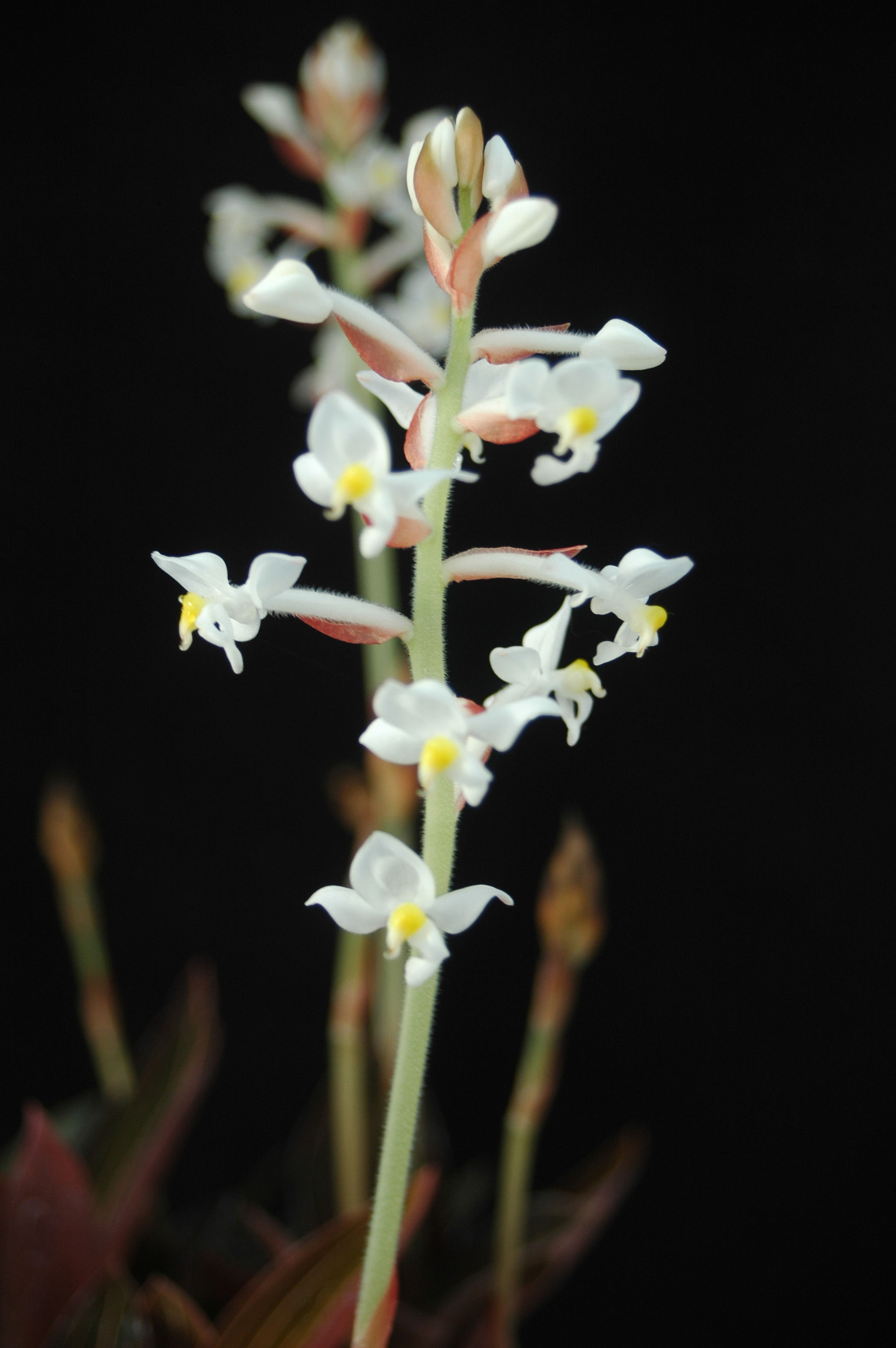
Ludisia discolor - the plant that inspired Matt to start the blog

Ludisia discolor – the plant that inspired Matt to start the blog (photo credit: www.eol.org)

Over the mere nine months that the podcast has been in existence, Matt has shared some of his personal botanical explorations. When he started the podcast he was living in Buffalo, NY. He completed a Master’s degree program there and has since moved to Illinois to pursue a PhD. His most recent episodes find him exploring the tallgrass prairie of the Midwest. He’s got my attention, since this is one of my favorite ecosystems in North America.

Standout episodes to me so far have been the two part episode with Russel Funderburk as they walk through the grounds of the Highlands Biological Station, the discussion with Dave Spiering about urban ecology, and the interview with Dr. Robert Warren about invasive species (“a refreshing take”). The episode about pack rat middens and the candid discussion with Matt’s friend Steve about why they botanize are also great. Matt and Steve also do an episode about plant poaching, a topic that deserves much more attention than it gets.

The love Matt has for plants is infectious, and it is hard not to feel his excitement as he helps tell their stories. So, if you find that your podcast queue is lacking something purely plant related, In Defense of Plants is a podcast you should definitely be following.

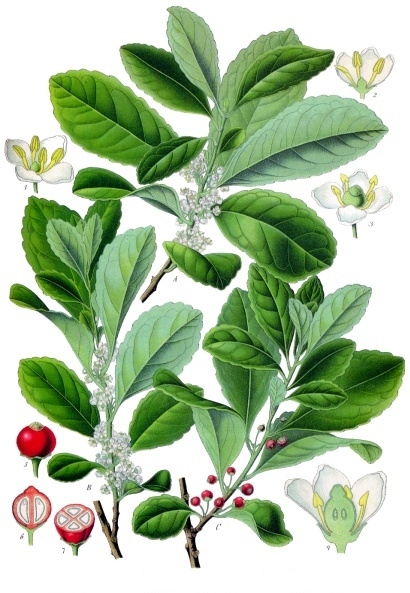
Yerba Mate (Ilex paraguariensis)

Yerba Mate (Ilex paraguariensis) is featured in two episodes of In Defense of Plants. Listen to part one and part two. (photo credit: wikimedia commons)


In Defense of Weeds – A Book Review

Weeds have been with us since the beginning of human civilization. We created them, really. We settled down, started growing food, urbanized, and in doing so we invited opportunistic plant species to join us – we created spaces for them to flourish and provided room for them to spread out and settle in. During our history together, our attitudes about weeds have swung dramatically from simply living with and accepting them, recognizing their usefulness, incorporating them into our religious myths and cultural traditions, to developing feelings of disgust and disdain and ultimately declaring outright war against them. In a sense, weeds are simultaneously as wild and as domestic as a thing can be. They remind us of ourselves perhaps, and so our feelings are mixed.

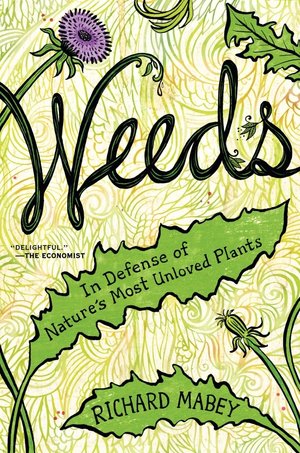
Considering our combined history and the fact that weeds have stuck with us all along, perhaps it’s time we give them a little respect. This seems to be the objective of Richard Mabey’s book, Weeds: In Defense of Nature’s Most Unloved Plants. In Mabey’s own words, “this book is a case for the defense, an argued suggestion that we look more dispassionately at these outlaw plants, at what they are, how they grow, and the reasons we regard them as trouble.” Additionally, we should recognize that we wrote the definition for weeds: “plants become weeds because people label them as such.” We introduce them, create conditions in which they can thrive, and then turn around and despise them for doing what they do best. “In a radical shift of perspective we now blame the weeds, rather than ourselves;” however, as Mabey ultimately concludes, “we get the weeds we deserve.”

weeds book

But before he arrives at that conclusion – and certainly Mabey has more to say than that pithy remark – Mabey takes readers on a remarkable journey. Starting with the origins of agriculture – and the origins of weeds – he recounts the story of how weeds followed civilization as it spread across the globe. He describes our diverse reactions to weeds, how we have dealt with them, and how they have infiltrated our myths, art, cultures, food, medicine, rituals, philosophies, and stories. Along the way, certain weeds are profiled using Mabey’s unique prose. Each weed has a story to tell – some more sordid than others.

Mabey is a British author, and so the book has a strong Anglocentric slant. But this seems fitting considering that the explorations and migrations of early Europeans are probably responsible for moving more plant species around than any other group in history – at least up until the modern era. Mabey describes the myriad ways these plants were introduced: “Some simply rode piggy-back on crop and garden plants…others were welcomed as food plants or glamorous ornaments, but escaped or were thrown out and became weeds as a consequence of unforeseen bad behavior.” The seeds of many species hitched rides with numerous agricultural and industrial products, while others attached themselves to clothing, shoes, and animal fur. Everywhere humans traveled, weeds followed.

Weeds are one of the great legacies Europeans brought with them as they settled the American continent. A veritable wave of new plant species entered the Americas as the Europeans trickled in, some were purposeful introductions and some accidental. Ever the opportunists, Europe’s weeds traversed across the continent as settlers tilled and altered the land. Mabey details the introduction of “invasive European weeds” to the western United States, claiming that “by the twentieth century two-thirds of the vegetation of the western grasslands was composed of introduced species, mostly European.

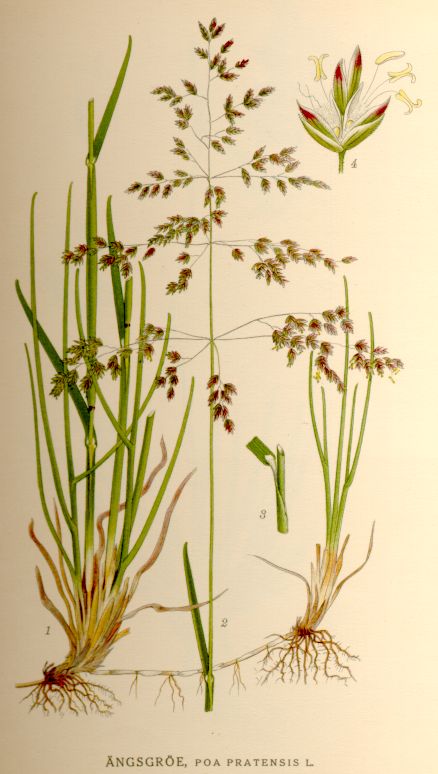
One of these European species in particular has been wholeheartedly embraced by American culture; it was even given an American name. Kentucky bluegrass, Poa pratensis, “is a common, widespread but unexceptional species of grassy places in Europe…but in uncontested new grazing lands of North America it could color whole sweeps of grassland.” It has since become a preferred turfgrass species, and it’s innate ability to thrive here makes it partly responsible for Americans’ obsession with the perfect lawn. Oddly, other European invaders infiltrating a pristine, green lawn are unwelcome and derided as “weeds.” In actuality, considering its relentless, expansive, and spreading nature and its reliance on humans to perpetuate its behavior, turfgrass is much more fit for the label “weed” than any other species that invades it. As Mabey asserts, “a lawn dictates its own standards…the demands made by its singular, unblemished identity, its mute insistence that if you do not help it to continue along the velvet path you have established for it, you are guilty of a kind of betrayal.”

Kentucky bluegrass (Poa pratensis) also known as smooth meadow-grass - photo credit: wikimedia commons

Kentucky bluegrass (Poa pratensis), also known as smooth meadow-grass – photo credit: wikimedia commons

Reading along it becomes clear that Mabey is infatuated with weeds. You can see it in sentences like, “the outlandish enterprise of weeds – such sharp and fast indices of change – can truly lift your heart.” This doesn’t mean that in his own garden he doesn’t “hoick them up when they get in [his] way.” It just means that his “capricious assault” is “tinged with respect and often deflected by a romantic mood.” Does Mabey wish his readers to swoon the way he does over these enterprising and opportunistic aliens? Perhaps. More than that he seems to want to instill an awe and admiration for what they can do. In many cases they serve important ecological functions, including being a sort of “first responder” after a disturbance due to their fast acting and ephemeral nature. In this way, weeds “give something back” by “holding the bruised parts of the planet from falling apart.” They also “insinuate the idea of wild nature into places otherwise quite shorn of it,” and so despite their dependence on human activities, they could be considered “the very essence of wildness.”

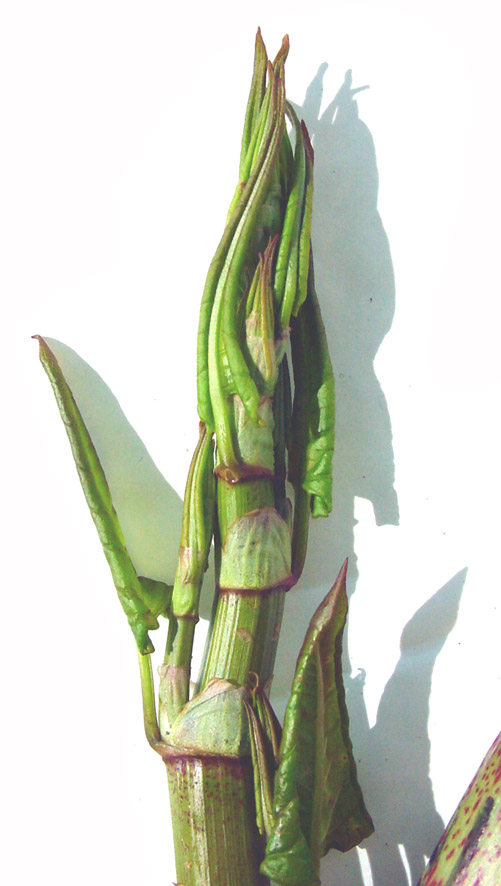
For all the love Mabey has for weeds, he remains convinced that some absolutely need to be kept in check. He calls out Japanese knotweed specifically – an “invader with which a truly serious reckoning has to be made.” In speaking of naturalized plant species – introduced species that propagate themselves and “spread without deliberate human assistance” – he makes the comparison to humans becoming naturalized citizens in countries where they were not born. In this sense he argues for more acceptance of such species, while simultaneously warning that “there are invasive species that ought never to get their naturalization papers.”

Japanese knotweed (Fallopia japonica) is listed as one the 100 Worst Invasive Species - photo credit: wikimedia commons

Japanese knotweed (Fallopia japonica) is listed as one the 100 Worst Invasive Species – photo credit: wikimedia commons

This is an engrossing read, and regardless of how you feel about weeds going in, Mabey will – if nothing else – instill in you a sort of reverence for them. You may still want to reach for the hoe or the herbicide at the sight of them – and you may be justified in doing that – but perhaps you’ll do so with a little more understanding. After all, humans and weeds are kindred species.

As a type they are mobile, prolific, genetically diverse. They are unfussy about where they live, adapt quickly to environmental stress, use multiple strategies for getting their own way. It’s curious that it took so long to realize that the species they most resemble is us.

Listen to Mabey talk about his book and his interest in weeds on these past episodes of Science Friday and All Things Considered.