Ethnobotany: White Man’s Foot, part one

“Plantains – Plantago major – seem to have arrived with the very first white settlers and were such a reliable sign of their presence that the Native Americans referred to them as ‘white men’s footsteps.'” – Elizabeth Kolbert (The Sixth Extinction)

“Our people have a name for this round-leafed plant: White Man’s Footstep. Just a low circle of leaves, pressed close to the ground with no stem to speak of, it arrived with the first settlers and followed them everywhere they went. It trotted along paths through the woods, along wagon roads and railroads, like a faithful dog so as to be near them.” – Robin Wall Kimmerer (Braiding Sweetgrass)
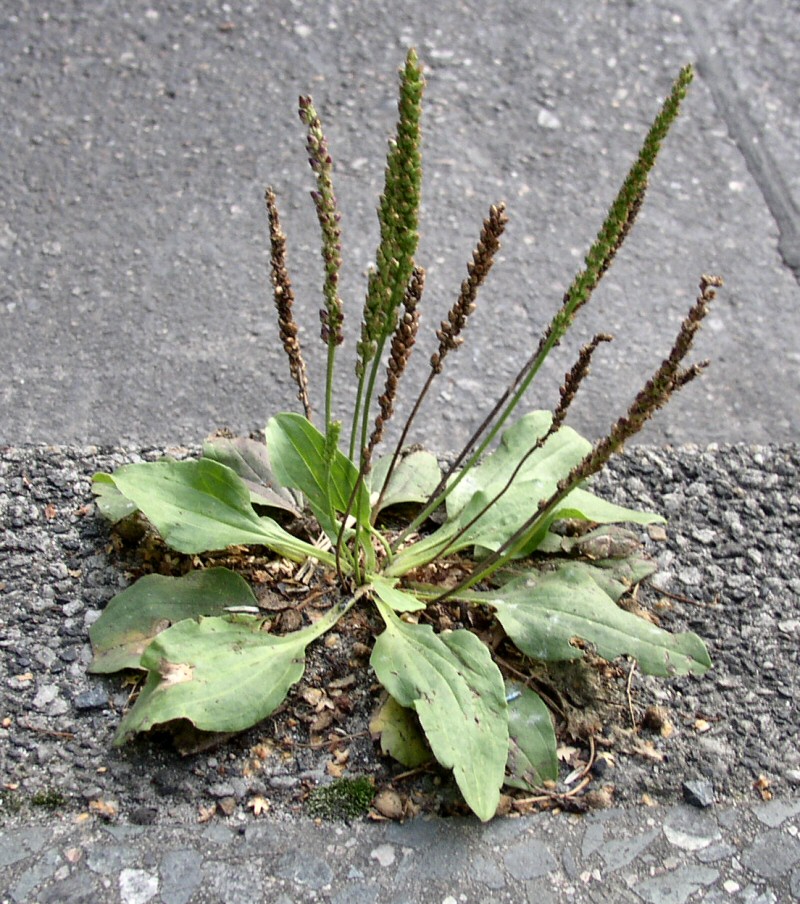
photo credits: wikimedia commons

photo credit: wikimedia commons

Plantago major is in the family Plantaginaceae – the plantain family – a family that consists of at least 90 genera, several of which include common species of ornamental plants such as Veronica (speedwells), Digitalis (foxgloves), and Antirrhinum (snapdragons). The genus Plantago consists of around 200 species commonly known as plantains. They are distributed throughout the world in diverse habitats. Most of them are herbaceous perennials with similar growth habits, and many have ethnobotanical uses comparable to P. major.

Originating in Eurasia, P. major now has a cosmopolitan distribution. It has joined humans as they have traveled and migrated from continent to continent and is now considered naturalized throughout most temperate and some tropical regions. In North America, P. major and P. lanceolata are the two most common introduced species in the Plantago genus. P. major has a plethora of common names – common plantain being the one that the USDA prefers. Other names include broadleaf plantain, greater plantain, thickleaf plantain, ribgrass, ribwort, ripplegrass, and waybread. Depending on the source, there are various versions of the name white man’s foot, and along the same line, a common name for P. major in South Africa is cart-track plant.

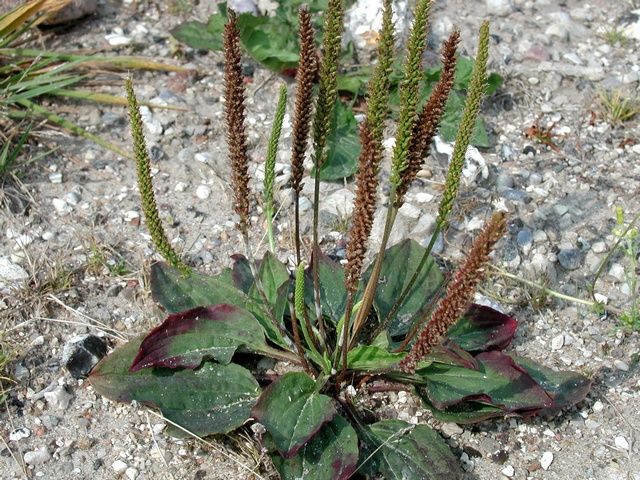
P. major is a perennial – albeit sometimes annual or biennial – herbaceous plant. Its leaves form a rosette that is usually oriented flat against the ground and reaches up to 30 cm wide. Each leaf is egg-shaped with parallel veins and leaf margins that are sometimes faintly toothed. The inflorescence is a leafless spike up to 20 cm tall (sometimes taller) with several tiny flowers that are a dull yellow-green-brown color. The flowers are wind pollinated, and the plants are highly prone to self-pollination. The fruits are capsules that can contain as many as 30 seeds – an entire plant can produce as many as 14,000 – 15,000 seeds at once. The seeds are small, brown, sticky, and easily transported by wind or by adhering to shoes, clothing, animals, and machinery. They require light to germinate and can remain viable for up to 60 years.

An illustration of three Plantago species found in Selected Weeds of the United States - Agriculture Handbook No. 366 circa 1970

An illustration of three Plantago species found in Selected Weeds of the United States – Agriculture Handbook No. 366 circa 1970

P. major prefers sunny sites but can also thrive in part shade. It adapts to a variety of soil types but performs best in moist, clay-loam soils. It is often found in compacted soils and is very tolerant of trampling. This trait, along with its low-growing leaves that easily evade mower blades, explains why it is so commonly seen in turf grass. It is highly adaptable to a variety of habitats and is particularly common on recently disturbed sites (natural or human caused) and is an abundant urban and agricultural weed.

Even though it is wind pollinated, its flowers are visited by syrphid flies and various bee species which feed on its pollen. Several other insects feed on its foliage, along with a number of mammalian herbivores. Cardinals and other bird species feed on its seeds.

Humans also eat plantain leaves, which contain vitamins A, C, and K. Young, tender leaves can be eaten raw, while older leaves need to be cooked as they become tough and stringy with age. The medicinal properties of  P. major have been known and appreciated at least as far back as the Anglo-Saxons, who likely used a poultice made from the leaves externally to treat wounds, burns, sores, bites, stings, and other irritations. Native Americans, after seeing the plant arrive with European settlers, quickly learned to use the plant as food and medicine. It could be used to stop cuts from bleeding and to treat rattlesnake bites. Apart from external uses, the plant was used internally as a pain killer and to treat ulcers, diarrhea, and other gastrointestinal issues.

P. major has been shown to have antibacterial, anti-inflammatory, antioxidant, and other biological properties; several chemical compounds have been isolated from the plant and deemed responsible for these properties. For this reason, P. major and other species of Plantago have been used to treat a number of ailments. The claims are so numerous and diverse that it is worth exploring if you are interested. You can start by visiting the following sites:

"White man's footstep, generous and healing, grows with its leaves so close to the ground that each step is a greeting to Mother Earth." - Robin Wall Kimmerer, Braiding Sweetgrass (photo credit: www.eol.org)

“White man’s footstep, generous and healing, grows with its leaves so close to the ground that each step is a greeting to Mother Earth.” – Robin Wall Kimmerer, Braiding Sweetgrass (photo credit: www.eol.org)
Other Ethnobotany Posts on Awkward Botany:

Tales of Weedy Waterhemp and Weedy Rice

This is the eighth in a series of posts reviewing the 17 articles found in the October 2014 Special Issue of American Journal of Botany, Speaking of Food: Connecting Basic and Applied Science.

Population Genetics and Origin of the Native North American Agricultural Weed Waterhemp (Amaranthus tuberculatus; Amarantheaceae) by Katherine E. Waselkov and Kenneth M. Olsen

Weeds are “the single greatest threat to agricultural productivity worldwide, costing an estimated $33 billion per year in the United States alone.” Understanding the origins, population structures, and genetic compositions of agricultural weeds will not only help us better mitigate current weed problems but may also help prevent the development of future weed species.

In the introduction, the authors present three modes of weed origination: 1. De-domestication (“domesticated species becoming feral”) 2. Hybridization of domesticated species with related wild species 3. Expansion of wild plants into agricultural ecosystems “through plasticity, adaptation, or exaptation [a shift in function of a particular trait].” In this study, the authors focused on the third mode – the wild-to-weed pathway – claiming that it receives “less attention by evolutionary biologists, even though all weeds without close crop relatives must have followed this pathway to agricultural invasion, and even though this type of weed species is the most common.”  Due to the dearth of research, there are several questions yet to be fully addressed: Does invasion require evolutionary changes in the plant and/or changes in agricultural practices? What is more common, single or multiple wild sources? What are the morphological, physiological, and ecological traits that might “predispose a wild species to expand into agricultural habitats?”

To help answer these questions, the authors turned to waterhemp (Amaranthus tuberculatus), a weed that, since first invading agricultural land in the 1950’s, has “become a major problem for corn and soybean farmers in Missouri, Iowa, and Illinois.” Waterhemp is native to the midwestern United States, where it can be found growing along riverbanks and in floodplains. It is a small seeded, dioecious (“obligately outcrossing”), wind-pollinated, annual plant with fruits that can be either dehiscent or indehiscent. Herbicide resistance has been detected in A. tuberculatus for at least six classes of herbicides, making it a difficult weed to control.

There is evidence that A. tuberculatus was previously in the process of diverging into two species, an eastern one and a western one, geographically separated by the Mississippi River. However, “human disturbance brought the taxa back into contact, and possibly gave rise to the agriculturally invasive strain through admixture.” Using population genetic data, the authors set out to determine if the present-day species would show evidence of a past divergence in progress prior to the 20th century. They also hypothesized that “the agricultural weed originated through hybridization between the two diverged lineages.”

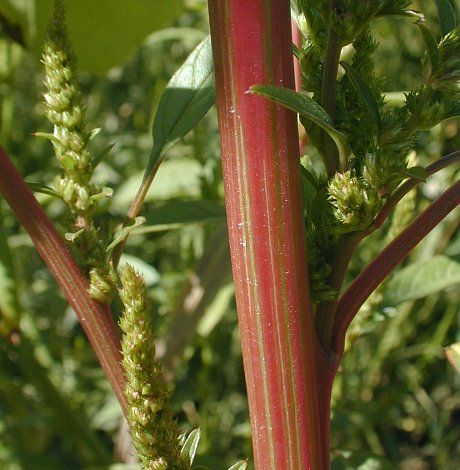
Waterhemp, Amaranthus tuberculatus (photo credit: www.eol.org)
Waterhemp, Amaranthus tuberculatus (photo credit: www.eol.org)
After genotyping 38 populations from across the species range, the authors confirmed that A. tuberculatus was indeed diverging into two species. Today, the western variety (var. rudis) has expanded eastward into the territory of the eastern variety (var. tuberculatus), extending as far as Indiana. Its expansion appears to be facilitated by becoming an agricultural weed. Data did not confirm the hypothesis that the weedy strain was a hybridized version of the two varieties, but instead mainly consists of the western variety, suggesting that “admixture is not a pre-requisite for weediness in A. tuberculatus.”

Further investigation revealed that the western variety may have already been “genetically and phenotypically suited to agricultural environments,” and thus did not require “genetic changes to be successful” as an agricultural weed. “Finer-scale geographic sampling” and deeper genetic analyses may help determine whatever genetic basis there might be for this unfortunate situation.

The Evolution of Flowering Strategies in US Weedy Rice by Carrie S. Thurber, Michael Reagon, Kenneth M. Olsen, Yulin Jia, and Ana L. Caicedo

This paper looks at an agricultural weed that originated from the de-domestication of a crop plant (one of the three modes of weed origination stated above). A weed that belongs to the same species as the crop it invades is referred to as a conspecific weed, and weedy rice is “one of the most devastating conspecific weeds in the United States.”  Oryza sativa is the main species of rice cultivated in the US, and most varieties are from the group tropical japonica. The two main varieties of weedy rice are straw hull (SH) and black-hull awned (BHA), which originated from cultivated varieties in the groups indica and aus respectively. Because weedy rice is so closely related to cultivated rice, it is incredibly difficult to manage, and there is concern that cross-pollination will result in the movement of traits between groups. For this reason, the authors of this study investigated flowering times of each group in order to assess the “extent to which flowering time differed between these groups” and to determine “whether genes affecting flowering time variation in rice could play a role in the evolution of weedy rice in the US.”

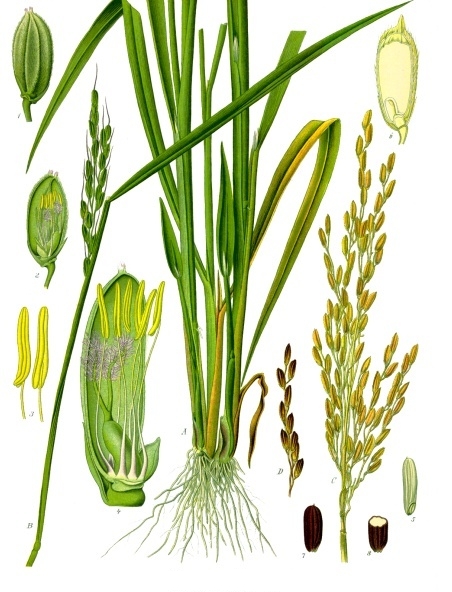
Rice, Oryza sativa (illustration credit: wikimedia commons)

Rice, Oryza sativa (illustration credit: wikimedia commons)

Crop plants have typically been selected for “uniformity in flowering time to facilitate harvesting.” The flowering time of weed species helps determine their effectiveness in competing with crop plants. Flowering earlier than crop plants results in weed seeds dispersing before harvest, “thereby escaping into the seed bank.” Flowering simultaneously with crop plants can “decrease conspicuousness, and seed may be unwittingly collected and replanted” along with crop seeds. Simultaneous flowering of weeds and crops is of special concern when the two are closely related since there is potential for gene transfer, especially when the crop varieties are herbicide resistant as can be the case with rice (“60-65% of cultivated rice in [the southern US] is reported to be herbicide resistant”).

For this study, researchers observed phenotypes and gene regions of a broad collection of Oryza, including cultivated varieties, weed species, and ancestors of weed and cultivated species. They found that “SH weeds tend to flower significantly earlier than the local tropical japonica crop, while BHA weeds tend to flower concurrently or later than the crop.” When the weeds were compared with their cultivated progenitors, it was apparent that both weed varieties had “undergone rapid evolution,” with SH weeds flowering earlier and BHA weeds flowering later than their respective relatives. These findings were consistent with analyses of gene regions which found functional Hd1 alleles in SH weeds (resulting in day length sensitivity and early flowering under short-day conditions) and non-functional Hd1 alleles in BHA weeds (“consistent with loss of day-length sensitivity and later flowering under short-day conditions”). However, the authors determined that there is more to investigate concerning the genetic basis of the evolution of flowering time in weedy rice.

In light of these results, hybridization is of little concern between cultivated rice and SH weeds. BHA weeds, on the other hand, “have a greater probability of hybridization with the crop based on flowering time and Hd1 haplotype.” The authors “predict that hybrids between weedy and cultivated rice are likely to be increasingly seen in US rice fields,” which, considering the current level of herbicide resistant rice in cultivation, is quite disconcerting.

Kudzu Ate the South…Now Looks North

In 1876, an Asian vine was introduced to the people of the United States at a centennial celebration in Philadelphia, Pennsylvania. It was a fairly benign looking vine, with its leaves of three and its cluster of sweet pea like flowers, but its exotic appeal must have been quite enticing, because it took off…and not just in popularity.

The plant that caught the eye of these early Americans was called kudzu (or kuzu in Japanese). It is a plant in the genus Pueraria in the family Fabaceae (the pea family). The plants first introduced to the U.S. were likely to have consisted of more than a single species such as P. montana, P. lobata, P. edulis, and others, or were hybrids of these species. They were initially lauded for their ornamental value but soon after were recognized for their potential as animal feed. By the 1930’s, when soil erosion had become a major issue, kudzu was deployed by the U.S. government to combat it. At least 85 million government-funded kudzu seedlings later, and the southeastern portion of the United States had secured a future dominated by this relentless and unforgiving vine.

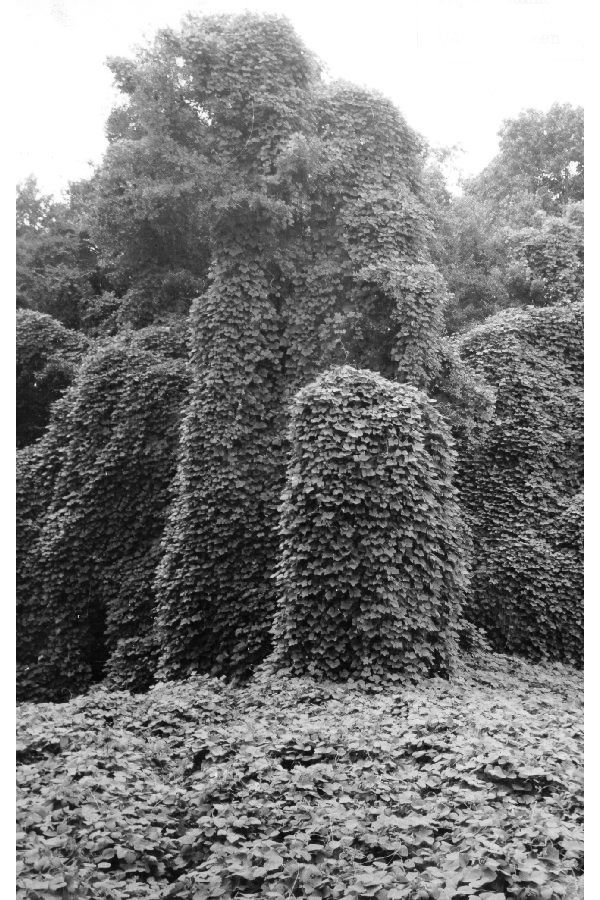
Innocent and harmless is how kudzu must have first appeared, especially to those looking for a fast growing, large-leaved, vining plant to provide quick shade for porches, offering relief from the sun during those sweltering southern summers. Little did they know, however, if left unchecked, that prized vine could engulf homes and outbuildings, cover and pull down trees and utility poles, and choke out crops and pastures in the matter of a single growing season.

(photo credit: eol.org)

(photo credit: eol.org)

Kudzu was added to the Federal Noxious Weed List in 1997, long after it had established itself throughout the southeastern U.S. It now covers more than 3 million hectares, spreading at a pace of about 50,000 hectares (120,000 acres) per year. It is said that a kudzu vine can grow up to a foot in a single day or about 60 feet in a growing season. It is a twining vine, wrapping itself around any upright structure it can access and relying on that support in order to advance upwards. This gives it the advantage of using more resources for growth and expansion of both roots and shoots rather than on the resource demanding task of producing woody stems. Like other members of the pea family, it gets much of its nitrogen from the atmosphere through a process called nitrogen fixation. Because of this, kudzu can thrive in nutrient poor soils. Kudzu is also drought-tolerant, has leaves that follow the sun throughout the day in order to maximize photosynthesis, reproduces clonally by layering (stems in contact with the ground grow roots and detach from the parent plant), and (in North America) is free from the pests and diseases commonly associated with it in its native habitat. For these reasons and others, kudzu has become one of the most notorious, pervasive, and ecologically harmful weeds in the U.S., costing hundreds of millions of dollars in damages every year.

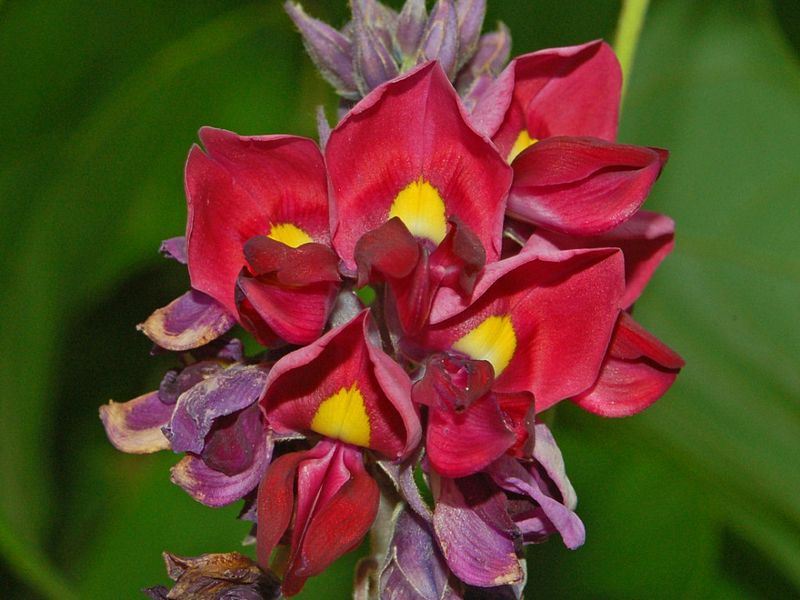
A close-up of kudzu flowers (photo credit: wikimedia commons)

A close-up of kudzu flowers (photo credit: wikimedia commons)

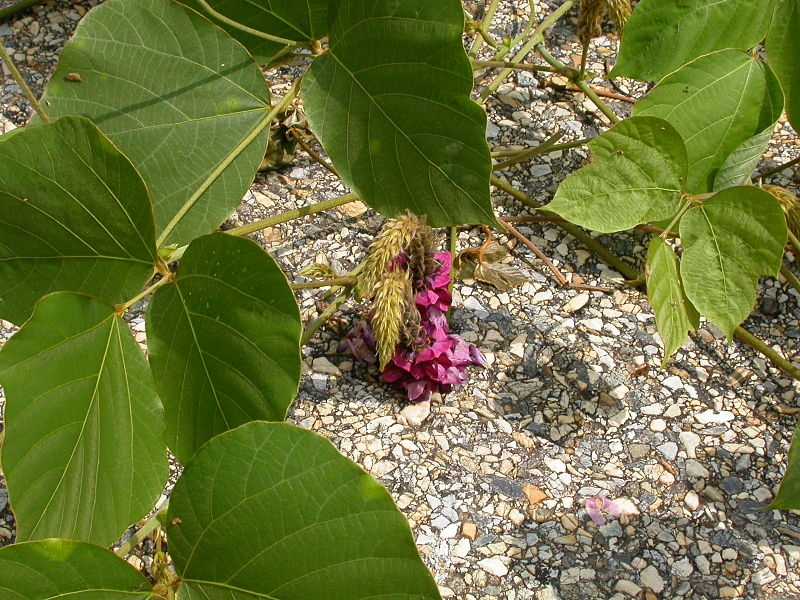
kudzu foliage and flowers

Foliage and flowers of kudzu (photo credit: wikimedia commons)

One glance at what kudzu has done in the southeastern states, and it is obvious that it is some kind of superweed. I saw firsthand just how overwhelming it can be as I drove through Mississippi several years ago. I didn’t even have to stop the car to investigate. It was easily apparent that it was the dominant species, enveloping every tree for miles alongside the highway. Currently, kudzu can be found in every county in Georgia, Alabama, and Mississippi. But kudzu has a limitation; it doesn’t care much for freezing temperatures. Even though it has been present in parts of northern states – like Ohio, New Jersey, and Delaware – for a while now, it has generally been limited to milder locations, and it certainly doesn’t thrive in the same way that it does in the subtropical climates of the southern states. But that is changing, because the climate is changing.

Average global temperatures increased by about 1.53° F between 1880 and 2012, and this gradual increase is expected to continue for the foreseeable future. Biologists and ecologists are monitoring changes in climate closely in order to observe and predict changes in the biology and ecology of our planet. Invasive species are high on the list of concerns, as climate is often a major limitation to their spread. Now that kudzu has been found in Marblehead, Massachusetts and Ontario, Canada, the fear of kudzu climbing north is becoming a reality.

Kudzu is incredibly difficult to control. It does not respond to many herbicides, and the herbicides that do affect it must be applied repeatedly over a long time period. It is an excellent forage plant, so utilizing grazing animals to keep it in check can be effective. Those who have succumbed to kudzu, acknowledging that it is here to stay, have found uses for it, including making baskets, paper, biofuel, and various food items. A compound extracted from the kudzu root is also being studied as a possible treatment for alcoholism. Kudzu has long been valued for its culinary and medicinal uses in Asia, so it is no surprise that uses would be found for it in North America. However, North Americans who embrace kudzu are taking a defeatist approach. That is, “if we can’t get rid of it, we may as well find a use for it.” This, however, should not negate nor distract from the damage it has caused and continues to cause local ecosystems and the ecological threat that it poses to areas where it is just now being introduced or may soon be introduced due to our warming climate.

Millions of dollars are spent every year to address the effects kudzu has on utility poles (phot credi: eol.org)

Millions of dollars are spent every year to remove kudzu from utility poles and replace poles pulled down by kudzu (photo credit: eol.org)

References:

Encyclopedia of Life: Pueraria Montana

Wikipedia: Kudzu in the United States

Max Shores: The Amazing Story of Kudzu

U.S. Fish and Wildlife Service: Conservation in a Changing Climate

NASA Earth Observatory: How Much More Will the Earth Warm?

Bloomberg: Kudzu That Ate U.S. South Heads North as Climate Changes

Wise Management of Invaded Plant Communities

Late last year the journal Nature published an article by Katherine Suding called “A Leak in the Loop,” which discussed the findings from long-term observations of an invaded plant community in Hawai’i. (A report authored by the researchers can be found in the same issue of Nature.) Once introduced, exotic species can become invasive by modifying their surroundings in such a way that ensures their survival and spread. Examples include modifications to fire and disturbance regimes, nutrient cycles, hydrology, and soil microbe communities. This self-reinforcement strategy is called a positive feedback loop. However, positive feedback loops are not eternally stable and can at some point be interrupted by negative feedback. In the case of invasive species, these “leaks in the loop” can result in population declines  and opportunities for restoration.

Back in the 1960’s, woodlands in Hawai’i Volcanoes National Park that were traditionally dominated by Metrosideros polymorpha, a flowering evergreen tree in the myrtle family (Myrtaceae), were invaded by a perennial grass from Africa commonly known as molasses grass (Melinis minutiflora). Molasses grass was successful because its presence increased the frequency and size of fires which reduced populations of native plant species without negatively affecting itself. Additionally, accelerated nitrogen cycling rates resulted due to the presence of the exotic grass, which benefited the invader. But now things have changed.

Returning to these sites 50 years later, researches have discovered that nitrogen cycling rates have returned to pre-invasion levels. Since molasses grass requires high levels of nitrogen, it is now on the decline. What exactly caused this reduction in nitrogen availability is unclear. It could be because winter rains flush nitrogen from the soil, making it unavailable when the grass begins to actively grow again in the spring. Several years of reduced growth resulting from reduced nitrogen availability diminishes the grass’s initial contribution to accelerated nitrogen cycling, hence a breakdown in the positive feedback loop.

With the invader on the decline, the woodlands should be able to restore themselves. Ideally, anyway. Instead what the researchers observed is that another invader, Morella faya – a nitrogen fixing evergreen shrub from Europe, is moving in. Acacia koa, a native nitrogen fixing tree, is the ideal candidate for restoring these woodlands, however its seeds are heavy and don’t spread easily. Seeds of M. faya are bird-dispersed, and so they find their way into these sites first. In order to restore these sites and avoid further invasions, land managers must recognize when and where molasses grass is declining and start planting Acacia koa trees in large numbers, getting them established before M. faya arrives.

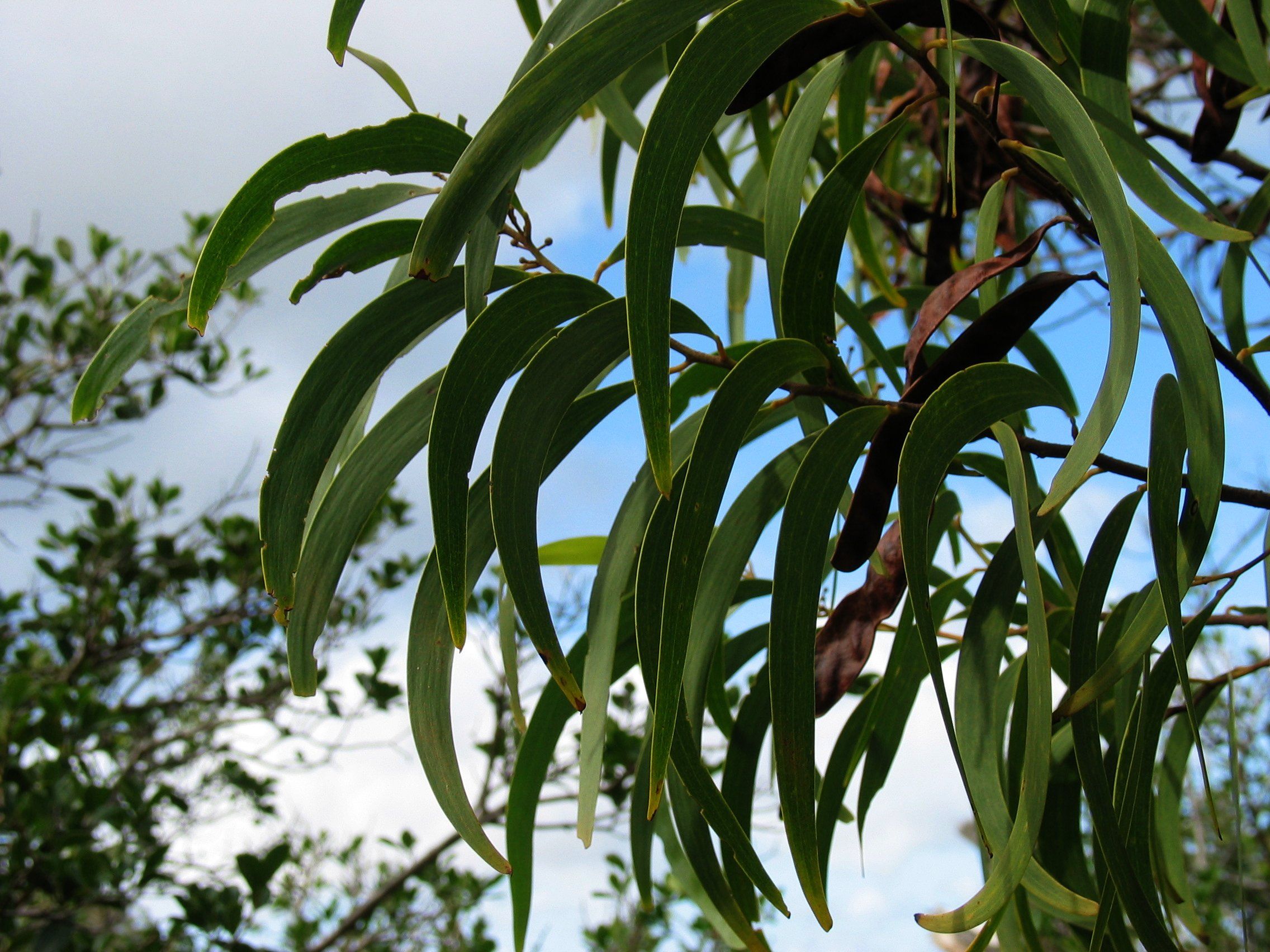
acacia koa

Acacia koa (photo credit: eol.org)

This research is important for anyone in the business of managing invaded plant communities. As Suding concludes in her article, “this new perspective will inform where and when we might best intervene in systems to capitalize on their changing dynamics.” Millions of dollars are spent each year in an attempt to reduce and ultimately eradicate invasive plant species. Long-term studies of invaded plant communities can help us recognize when the best times to employ restoration strategies might be. When we find a leak in the loop, we should take advantage of it, otherwise we may just be wasting resources.

Related Post:

Invasivore: One Who Consumes Invasive Species

Invasivore: One Who Consumes Invasive Species

Invasive species are a major ecological concern, and so considerable effort is spent controlling them, with the ultimate goal (albeit a lofty one in most cases) of  eradicating them. The term “invasive species” describes plants, animals, and microorganisms that have been either intentionally or unintentionally introduced into an environment outside of their native range. They are “invasive” because they have established themselves and are causing adverse effects in their non-native habitats. Some introduced species cause no discernible adverse effects and so are not considered invasive. Species that are native to a specific habitat and exhibit adverse effects following a disturbance can also be considered invasive. (White-tailed deer are an example of this in areas where human activity and development have reduced or eliminated their natural predators resulting in considerably larger deer populations than would otherwise be expected.) Defining and describing invasive species is a challenging task, and so it will continue to be a topic of debate among ecologists and conservation biologists for the foreseeable future.

The adverse effects of invasive species are also not so straightforward. Typical examples include outcompeting native flora and fauna, disrupting nutrient cycles, shifting the functions of ecosystems, altering fire regimens, and causing genetic pollution. Countless hours of research and observation are required in order to determine the real effects of invaders. The cases are too numerous and the details are too extensive to explore in this post; however, I’m sure that I will cover more aspects of this topic in the future.

For now I would just like you to consider a novel approach to eradicating invasive species that has recently come to my attention. That is to simply eat them. Why not, right? The voracious appetite of humans has helped drive certain species to extinction in the past, so why can’t our stomachs assist in removing introduced species from their non-native habitats? The folks at Invasivore.org are suggesting just that, and by encouraging people to consume invasive species, they are also promoting awareness about invasive species, an awareness that they hope “will lead to decreasing the impacts of invasive species by preventing introductions, reducing spread, and encouraging informed management policies.”

“If you can’t beat ’em, eat ’em!” And so they provide recipes in order to encourage people to harvest, prepare, and consume the invasive species in their areas. Some of the invasive plant species they recommend people eat are Autumn Olive (Autumn Olive Jam), garlic mustard (Garlic Mustard Ice Cream), Japanese honeysuckle (Honeysuckly Simple Syrup), purslane (Purslane Relish), and Canada goldenrod (Strawberry-Goldenrod Pesto). And that’s just a sampling. One might ask if we are encouraged to eat invasive species and ultimately find them palatable, won’t our demand result in the increased production of these species? The Invasivores have considered this, and that is why their ultimate goal is raising awareness about the deleterious effects of invasive species. In the end, we should expect to see our native habitats restored. Our craving for Burdock Chips on the other hand will have to be satisfied by some other means.

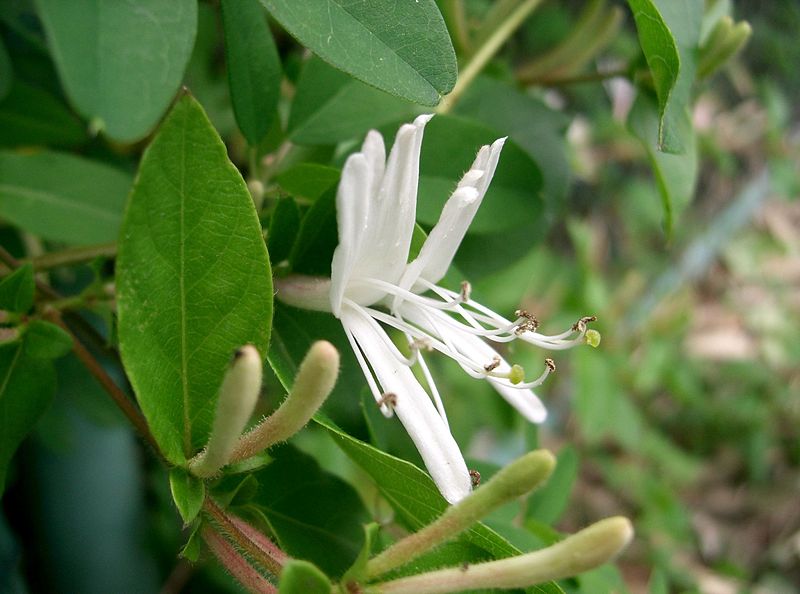
lonicera japonica

Japanese honeysuckle (Lonicera japonica)

photo credit: wikimedia commons

Other websites that encourage the consumption of invasive species:

www.eattheinvaders.org

www.eattheweeds.com

Plant vs. Bike

Summer is drawing to a close in the northern hemisphere. Days are getting shorter. Nights are getting cooler. Fall flowers are beginning to bloom. And bicycles are getting more flat tires.

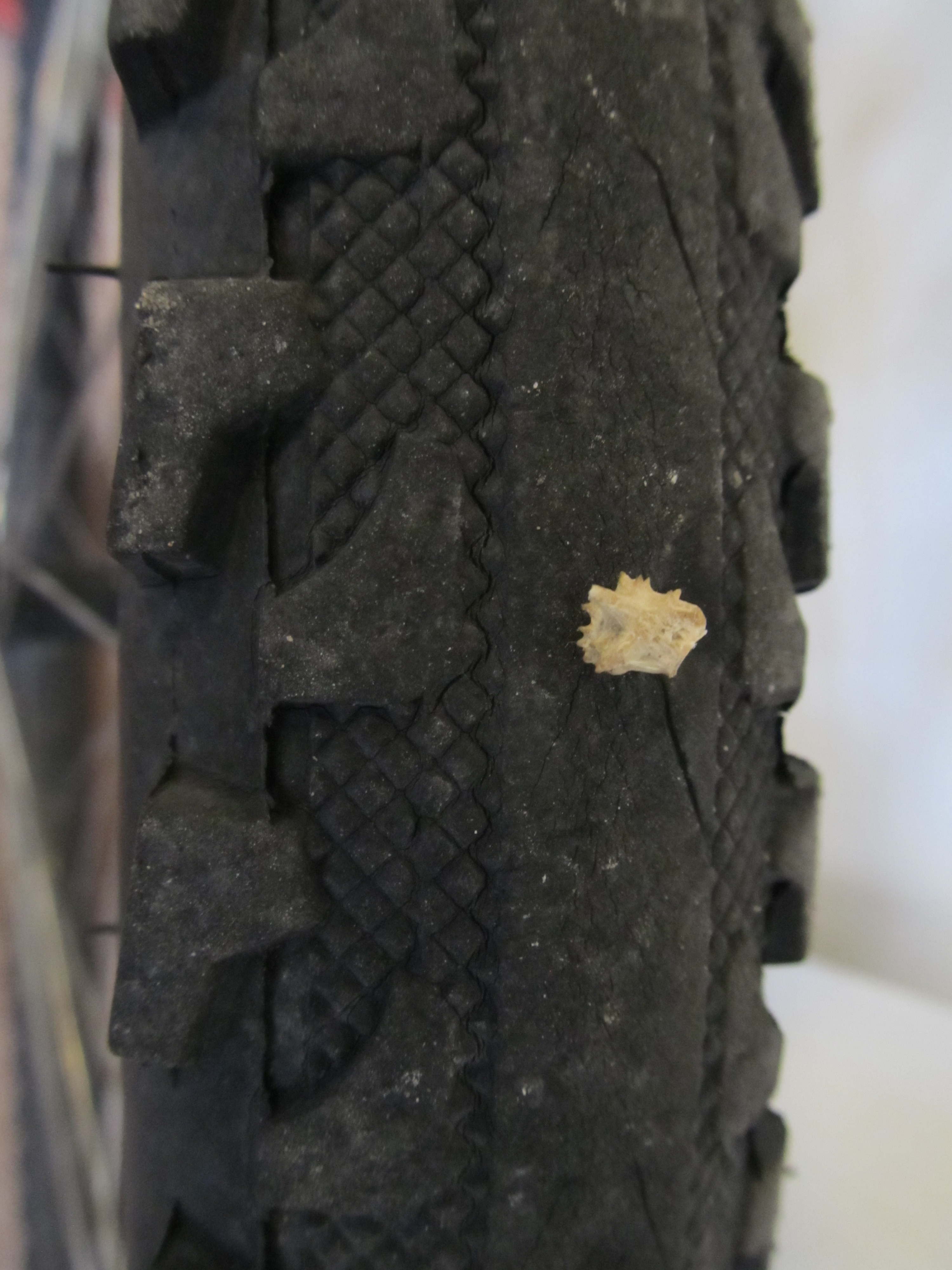
As an avid bicyclist, I am particularly aware of the waning summer season, especially since I live in a region where Tribulus terrestris is a prevalent weed. Commonly known as puncturevine or goathead, this nuisance plant is the bane of many cyclists’ existence. While the plant itself appears innocent, its fruit is quite the opposite. Rough around the edges and bearing large, rigid spines, puncturevine fruits easily penetrate bike tires, causing flats. They can also result in an uncomfortable experience for the bare-footed.

Native to the Mediterranean region, puncturevine made its way to North America sometime during the European immigration and has since spread across the continent. The fruit of puncturevine is called a bur. Plants with this type of fruit are benefited in two main ways: herbivory deterrent and seed dispersal. The spinyness of the burs deters insects and animals from eating their seeds, and the spines of the burs attach to the feet and fur of animals, etc., aiding in the dispersal of their seeds.

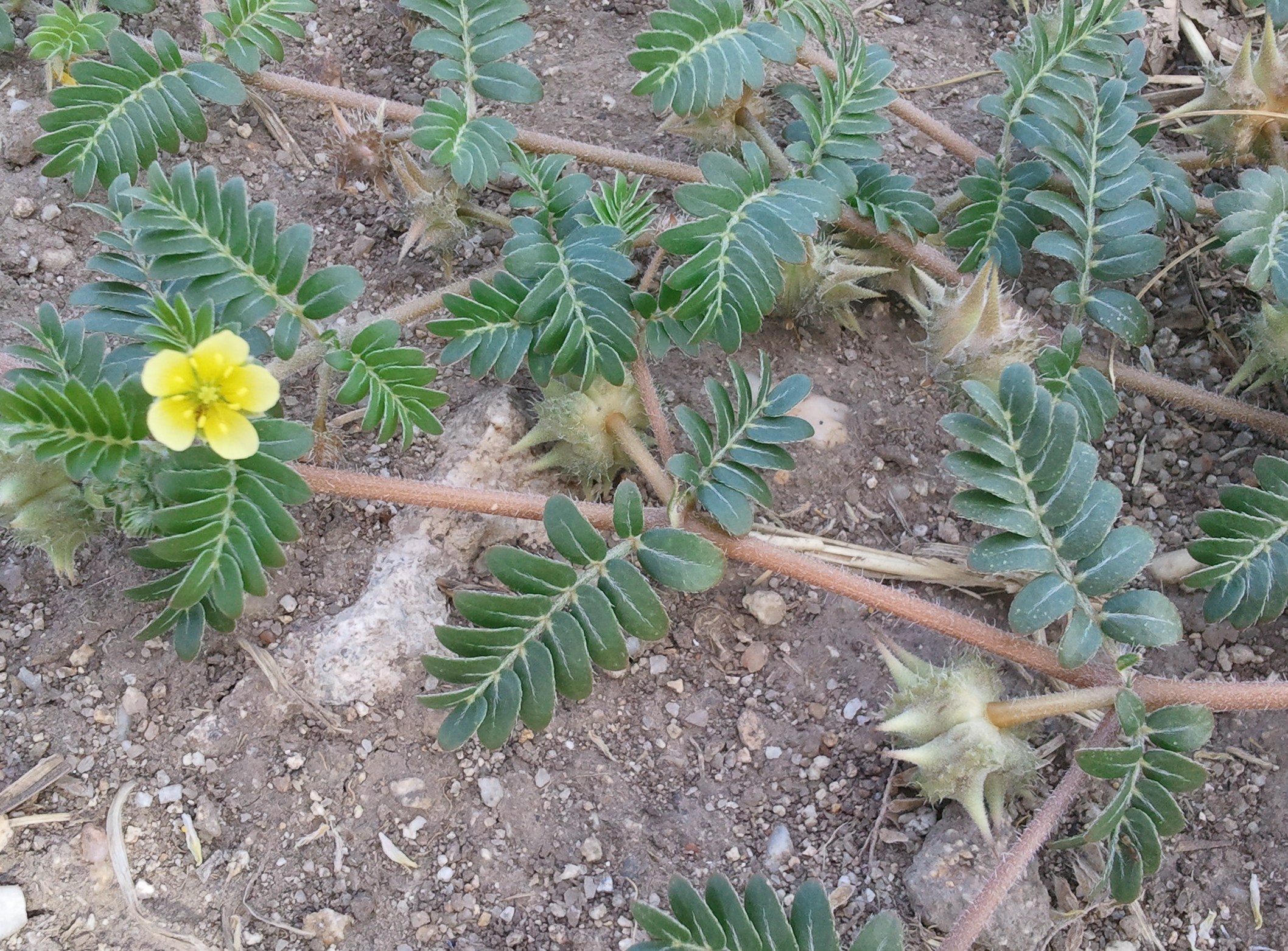
In cool climates, puncturevine is a summer annual. It appears in the heat of the summer, and by late summer the plants have mostly died off, leaving behind hordes of burs, awaiting the arrival of unsuspecting animals, bike tires, and otherwise. The spines of the burs attach themselves to these unsuspecting vicitims and are spread far and wide. The plants typically grow prostrate but can grow upright when they are in shade or being crowded out. They produce large mats that can spread as wide as 6 feet. Their leaves are oppositely oriented and are pinnately compound. Their flowers are small with five bright yellow petals that appear singularly in the axils of leaves. Their fruits are burs that split into 4-5 sections, each containing 1-2 large spines. Their seeds can remain viable for up to 20 years. Puncturevine is a fast growing, drought-tolerant plant with a long, slender taproot. It is commonly found in disturbed sites, along roadways and walkways, and in pastures and fields.

While I am fascinated by this plant, I also abhor it, and so I make an effort to remove and kill it whenever possible. If it weren’t for the countless flat tires it has caused me, I’d probably be more willing to let it be. Bike enthusiasts who have experienced this nuisance nod in agreement.

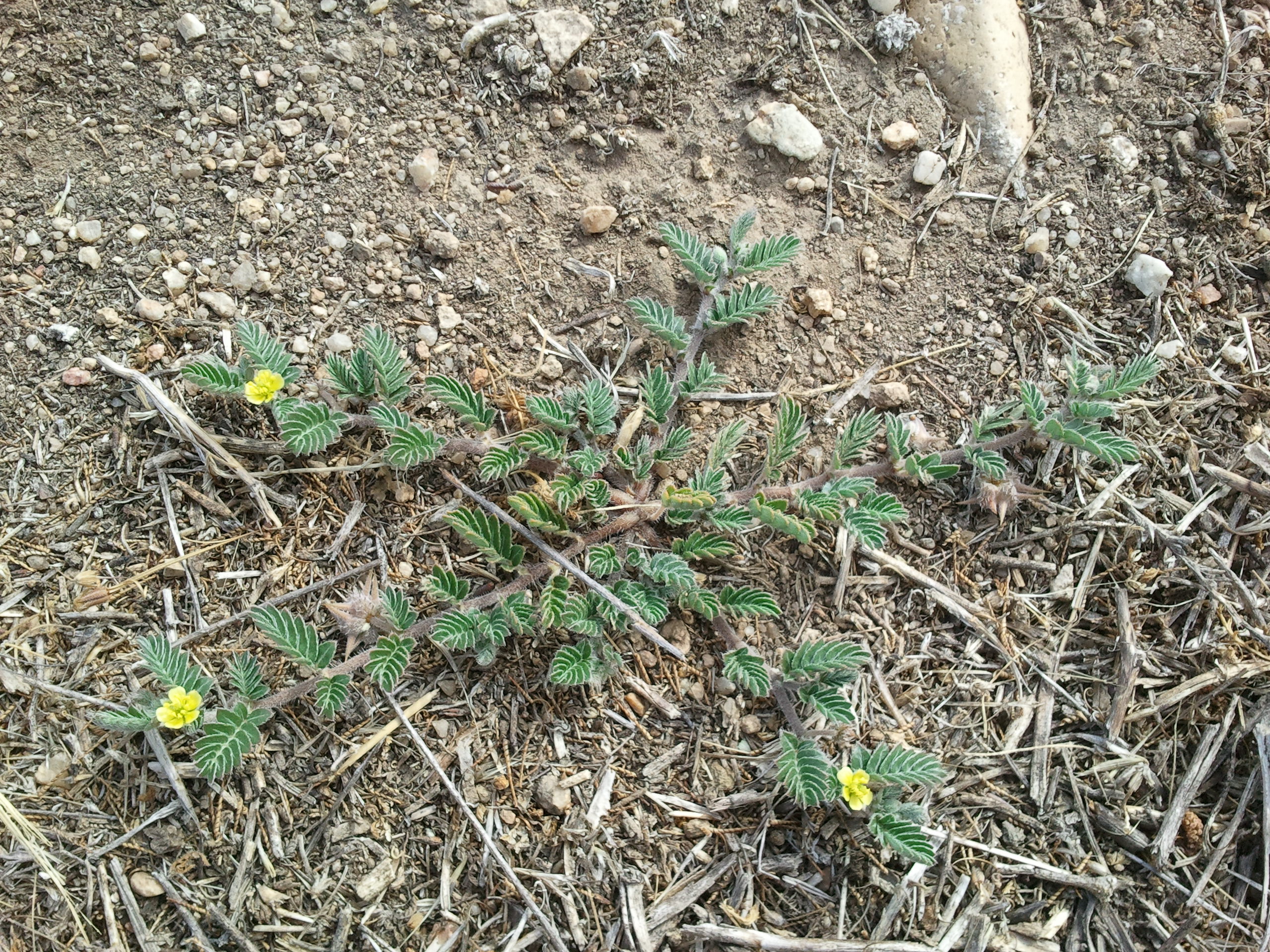
SAMSUNG

Tribulus terrestris looking sweet and innocent

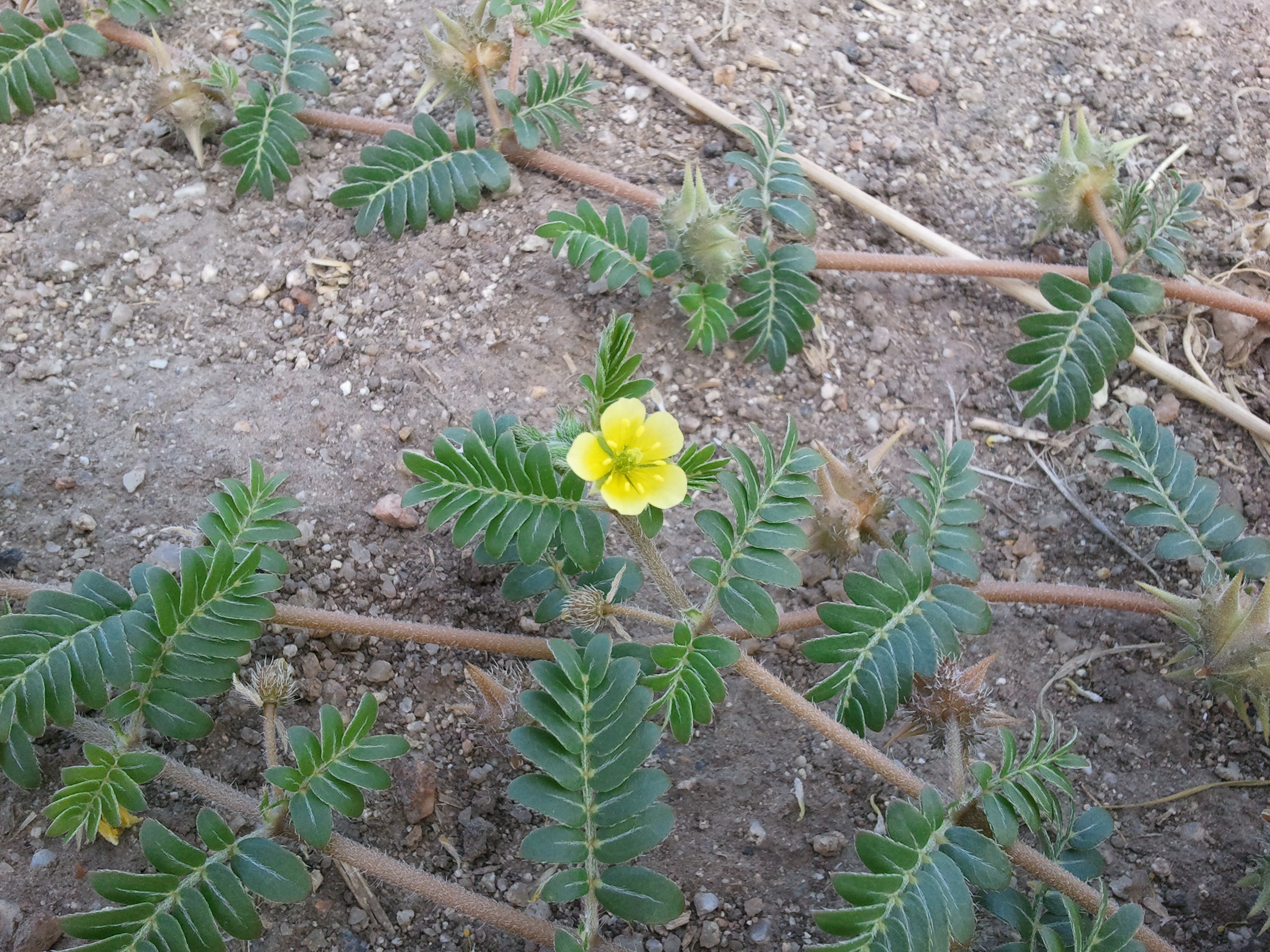
SAMSUNG

???????????????????

Close-ups of pretty flowers, interesting leaves, and evil burs

puncture vine_1

Bur of puncturevine puncturing bike tire