Year of Pollination: Pollination Syndromes and Beyond

A discussion of pollination syndromes should begin with the caveat that they are a largely outdated way to categorize plant-pollinator interactions. Still, they are important to be aware of because they have informed so much of our understanding about pollination biology, and they continue to be an impetus for ongoing research. The concept of pollination syndromes exists in part because we are a pattern seeking species, endeavoring to place things in neat little boxes in order to make sense of them. This is relatively easy to do in a hypothetical or controlled environment where the parameters are selected and closely monitored and efforts are made to eliminate noise. However, the real world is considerably more dynamic than a controlled experiment and does not conform to black and white ways of thinking. Patterns are harder to unveil, and it takes great effort to ensure that observed patterns are genuine and not simply imposed by our pattern seeking brains.

That being said, what are pollination syndromes?  Pollination syndromes are sets of floral traits that are thought to attract specific types of pollinators. The floral traits are considered to have evolved in order to appeal to a particular group of pollinators – or in other words, selective pressures led to adaptations resulting in mutualistic relationships between plants and pollinators. Pollination syndromes are examples of convergent evolution because distantly related plant species have developed similar floral traits, presumably due to similar selection pressures. Pollination syndromes were first described by Italian botanist, Federico Delpino, in the last half of the 19th century. Over several decades his rudimentary ideas were fleshed out by other botanists, resulting in the method of categorization described (albeit briefly) below.

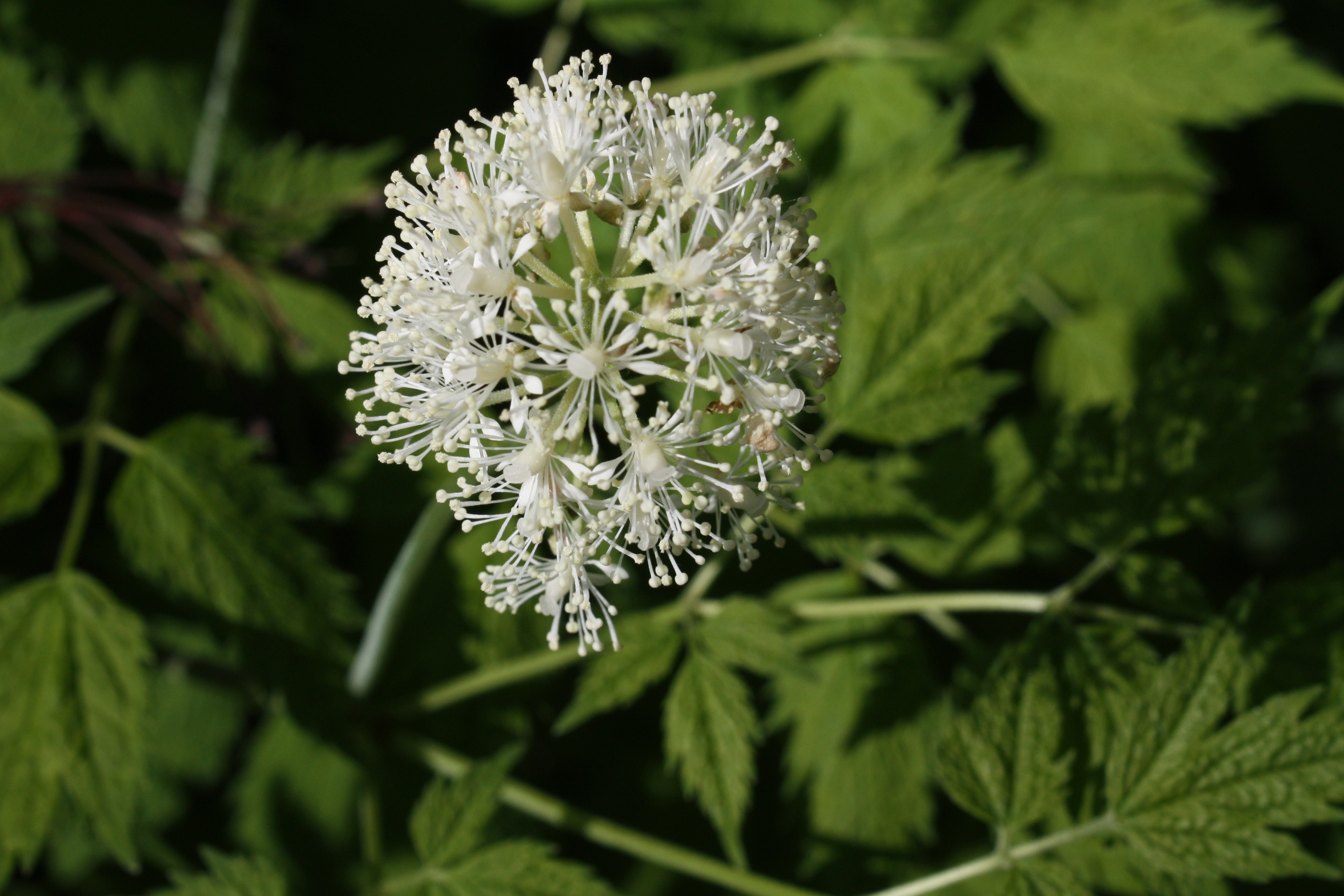
Honey bee on bee's friend (Phacelia tanacetifolia)

A honey bee getting friendly with bee’s friend (Phacelia tanacetifolia)

Pollination by bees (melittophily) – Flowers are blue, purple, yellow, or white and usually have nectar guides. Flowers are open and shallow with a landing platform. Some are non-symmetrical and tubular like pea flowers. Nectar is present, and flowers give off a mild (sometimes strong) sweet scent.

Pollination by butterflies (psychophily) – Flowers are pink, purple, red, blue, yellow, or white and often have nectar guides. They are typically large with a wide landing pad. Nectar is inside a long, narrow tube (or spur), and flowers have a sweet scent.

Pollination by hawkmoths and moths (sphingophily and phalaenophily) – Moth pollinated flowers open at night, have no nectar guides, and emit a strong, sweet scent. Flowers pollinated by hawkmoths are often white, cream, or dull violet and are large and tubular with lots of nectar. Those pollinated by other moths are smaller, not as nectar rich, and are white or pale shades of green, yellow, red, purple, or pink.

Pollination by flies (myophily or sapromyophily) – Flowers are shaped like a basin, saucer, or kettle and are brown, brown-red, purple, green, yellow, white, or blue.  Some have patterns of dots and stripes. If nectar is available, it is easily accessible. Their scent is usually putrid. A sapromyophile is an organism that is attracted to carcasses and dung. Flies that fall into this category visit flowers that are very foul smelling, offer no nectar reward, and essentially trick the fly into performing a pollination service.

Pollination by birds (ornithophily) –  Flowers are usually large, tubular, and red, orange, white, blue, or yellow. They are typically without nectar guides and are odorless since birds don’t respond to scent. Nectar is abundant and found at various depths within the flower.

Pollination by bats (chiropterophily) – Flowers are large, tubular or bell shaped, and white or cream colored with no nectar guides. They open at night, have abundant nectar and pollen, and have scents that vary from musty to fruity to foul.

Pollination by beetles (cantharophily) – Flowers are large and bowl shaped and green or white. There are no nectar guides and usually no nectar. The scent is strong and can be fruity, spicy, or putrid. Like flies, some beetles are sapromyophiles.

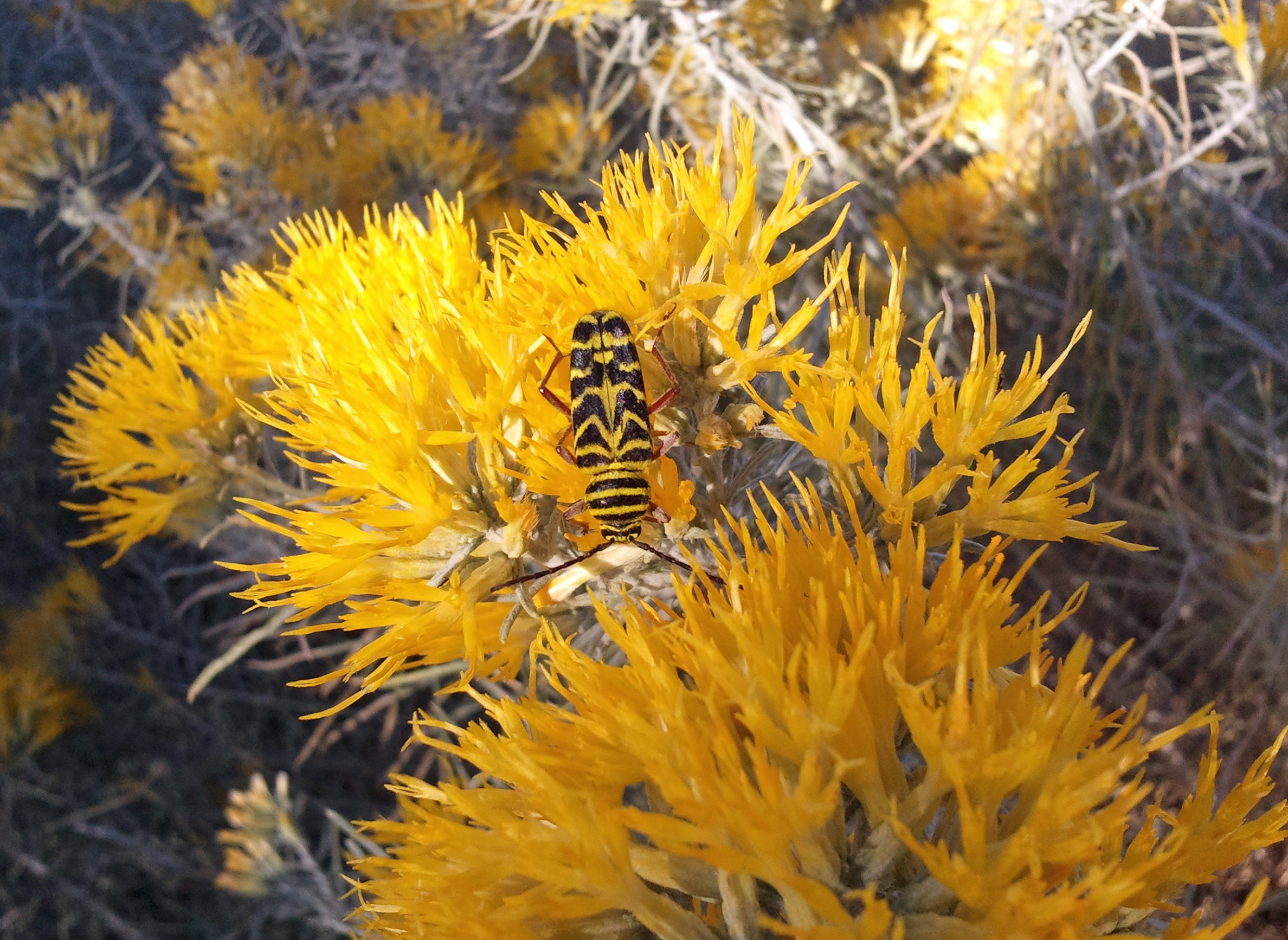
Locust borer meets rubber rabbitbrush (Ericameria nauseosa)

A locust borer meets rubber rabbitbrush (Ericameria nauseosa)

In addition to biotic pollination syndromes, there are two abiotic pollination syndromes:

Pollination by wind (anemophily) – Flowers are miniscule and brown or green. They produce abundant pollen but no nectar or odor. The pollen grains are very small, and the stigmas protrude from the flower in order to capture the windborne pollen.

Pollination by water (hydrophily) –  Most aquatic plants are insect-pollinated, but some have tiny flowers that release their pollen into the water, which is picked up by the stigmas of flowers in a similar manner to plants with windborne pollen.

This is, of course, a quick look at the major pollination syndromes. More complete descriptions can be found elsewhere, and they will differ slightly depending on the source. It’s probably obvious just by reading a brief overview that there is some overlap in the floral traits and that, for example, a flower being visited by a bee could also be visited by a butterfly or a bird. Such an observation explains, in part, why this method of categorizing plant-pollinator interactions has fallen out of favor. Studies have been demonstrating that this is not a reliable method of predicting which species of pollinators will pollinate certain flowers. A close observation of floral visitors also reveals insects that visit flowers to obtain nectar, pollen, and other items, but do not assist in pollination. These are called robbers. On the other hand, a plant species may receive some floral visitors that are considerably more effective and reliable pollinators than others. What is a plant to do?

Pollination syndromes imply specialization, however field observations reveal that specialization is quite rare, and that most flowering plants are generalists, employing all available pollinators in assisting them in their reproduction efforts. This is smart, considering that populations of pollinators fluctuate from year to year, so if a plant species is relying on a particular pollinator (or taxonomic group of pollinators) to aid in its reproduction, it may find itself out of luck. Considering that a flower may receive many types of visitors on even a semi-regular basis suggests that the selective pressures on floral traits may not solely include the most efficient pollinators, but could also include all other pollinating visitors and, yes, even robbers. This is an area where much more research is needed, and questions like this are a reason why pollination biology is a vibrant and robust field of research.

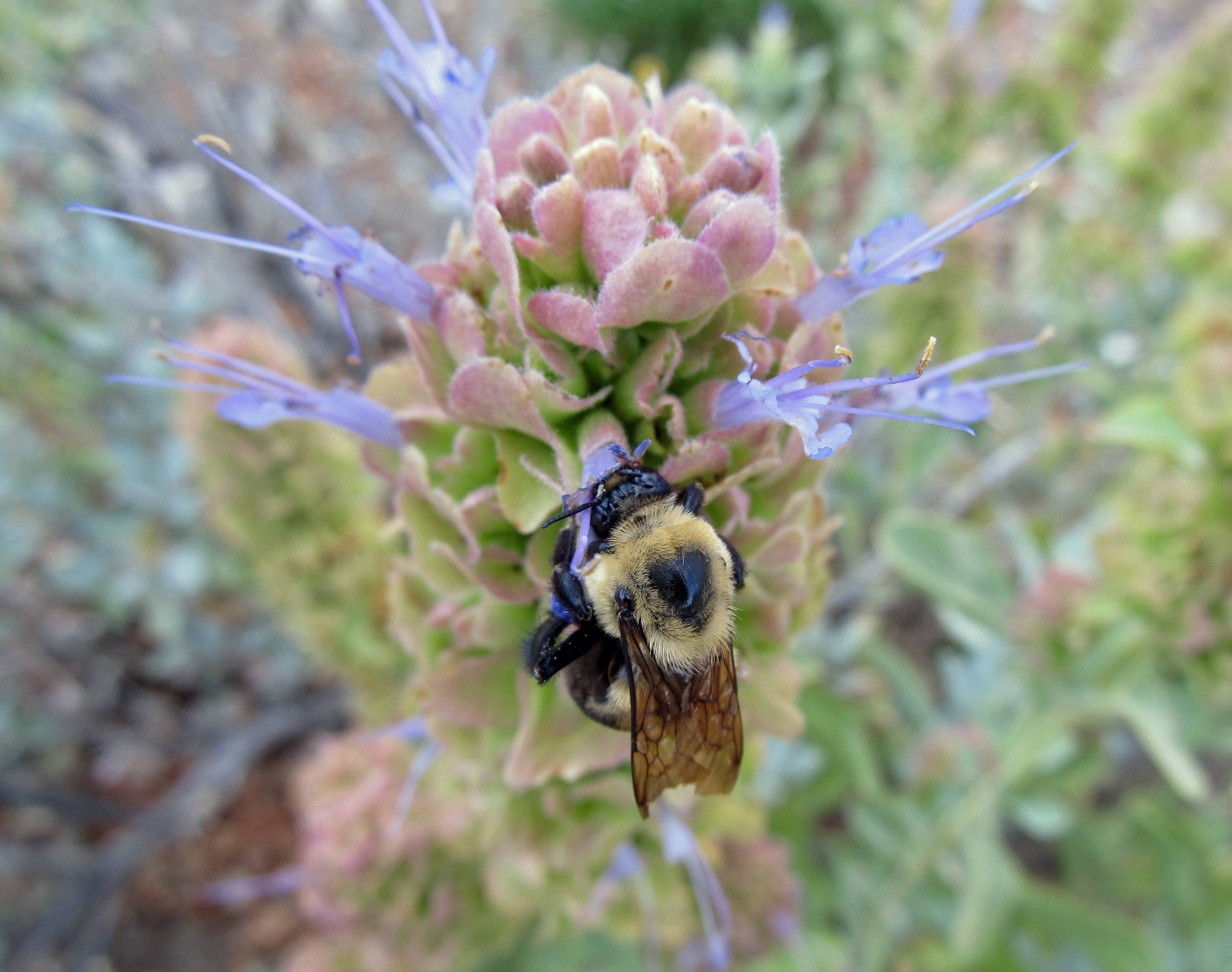
A bumble bee hugs Mojave sage (Salvia pachyphylla)

A bumble bee hugs the flower of a blue sage (Salvia pachyphylla)

Interactions between plants and pollinators is something that interests me greatly. Questions regarding specialization and generalization are an important part of these interactions. To help satiate my curiosity, I will be reading through a book put out a few years ago by the University of Chicago Press entitled, Plant-Pollinator Interactions: From Specialization to Generalization, edited by Nickolas M. Waser and Jeff Ollerton. You can expect future posts on this subject as I read through the book. To pique your interest, here is a short excerpt from Waser’s introductory chapter:

Much of pollination biology over the past few centuries logically focused on a single plant or pollinator species and its mutualistic partners, whereas a focus at the level of entire communities was uncommon. Recently we see a revival of community studies, encouraged largely by new tools borrowed from the theory of food webs that allow us to characterize and analyze the resulting patterns. For example, pollination networks show asymmetry – most specialist insects visit generalist plants, and most specialist plants are visited by generalist insects. This is a striking departure from the traditional implication of coevolved specialists!

References:

Texas State Flower

The state flower of Texas blooms in early spring. At least most of them do anyway. Some don’t bloom until late spring and others bloom in the summer. The reason for the staggered bloom times is that the state flower of Texas is not one species but six. All are affectionately referred to as bluebonnets and all are revered by Texans.

As the story goes, at the beginning of the 20th century the Texas legislature set out to determine which flower should represent their state. One suggestion was the cotton boll, since cotton was a major agricultural crop at the time. Another suggestion was a cactus flower, because cacti are common in Texas, are long-lived, and have very attractive flowers. A group of Texas women who were part of the National Society of Colonial Dames of America made their pitch for Lupinus subcarnosus, commonly known as buffalo clover or bluebonnet. Ultimately, the nomination from the women’s group won out, and bluebonnets became an official state symbol.

The debate didn’t end there though. Many people thought that the legislature had selected the wrong bluebonnet, and that the state flower should be Lupinus texensis instead. Commonly known as Texas bluebonnet, L. texensis is bigger, bolder, and more abundant than the comparatively diminutive L. subcarnosus. This debate continued for 70 years until finally the legislature decided to solve the issue by including L. texensis “and any other variety of bluebonnet not heretofore recorded” as the state flower of Texas.

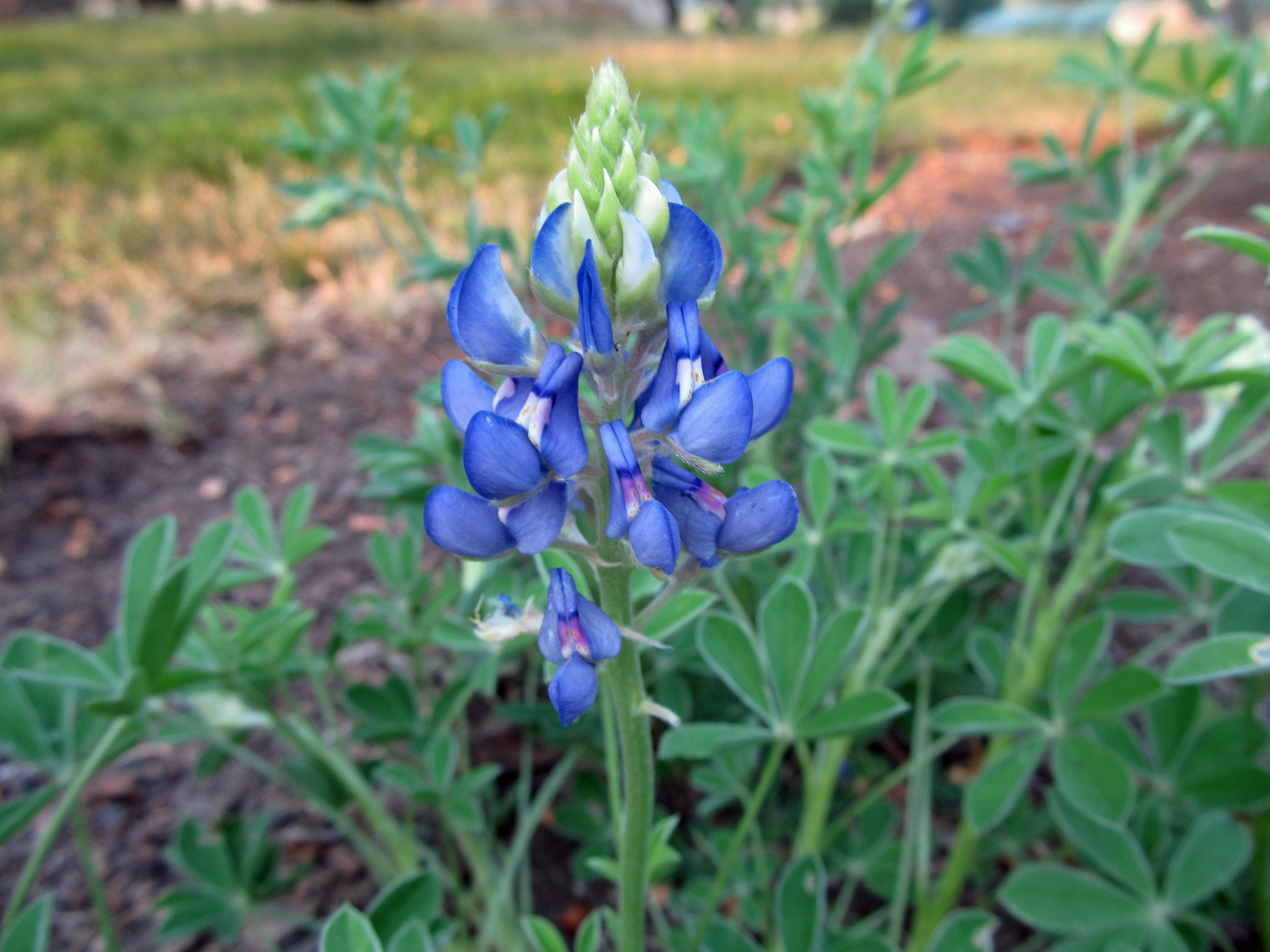
Lupinus texensis - Texas bluebonnet

Lupinus texensis (Texas bluebonnet) bravely growing in Idaho

According to Mr. Smarty Plants, the list of Texas state flowers includes (in addition to the two already mentioned)  L. perennis, L. havardii, L. plattensis, and L. concinnus. Most on this list are annuals, and all are in the family Fabaceae – the pea family. Plants in this family are known for their ability to convert atmospheric nitrogen into plant available nitrogen with the help of a soil dwelling bacteria called rhizobia. The genus Lupinus includes over 200 species, most of which are found in North and South America. Others occur in North Africa and the Mediterranean. Plants in this genus are popular in flower gardens, and there are dozens of commercially available hybrids and cultivars.

L. subcarnosus is sometimes referred to as sandy land bluebonnet and occurs mainly in sandy fields and along roadsides. L. texensis is a Texas endemic; its native range includes the prairies and open fields of north and south central Texas. It is now found throughout Texas and bordering states due to heavy roadside plantings. L. perennis is the most widespread Texas bluebonnet, occurring throughout the eastern portion of the U.S. growing in sand hills, woodland clearings, and along roadsides. L. havardii is the largest of the Texas bluebonnets. It has a narrow range, and is found in a variety of soil types.  L. plattensis is a perennial species and occurs in the sandy dunes of the Texas panhandle. L. concinnus is the smallest of the Texas bluebonnets and is found mainly in sandy, desert areas as well as some grasslands.

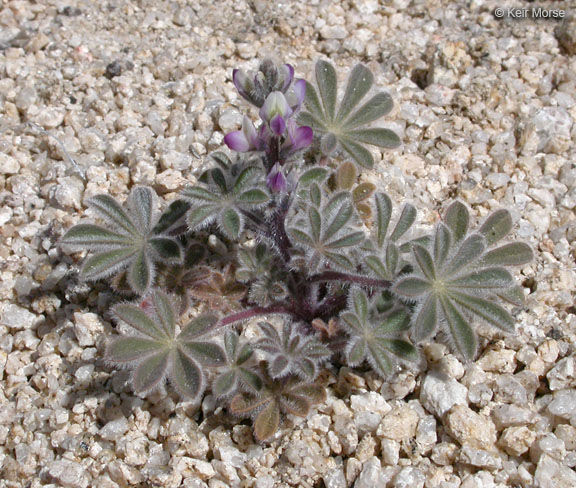
Lupinus concinnus (...) - photo credit: www.eol.org

Lupinus concinnus (Nipomo Mesa lupine) – photo credit: www.eol.org

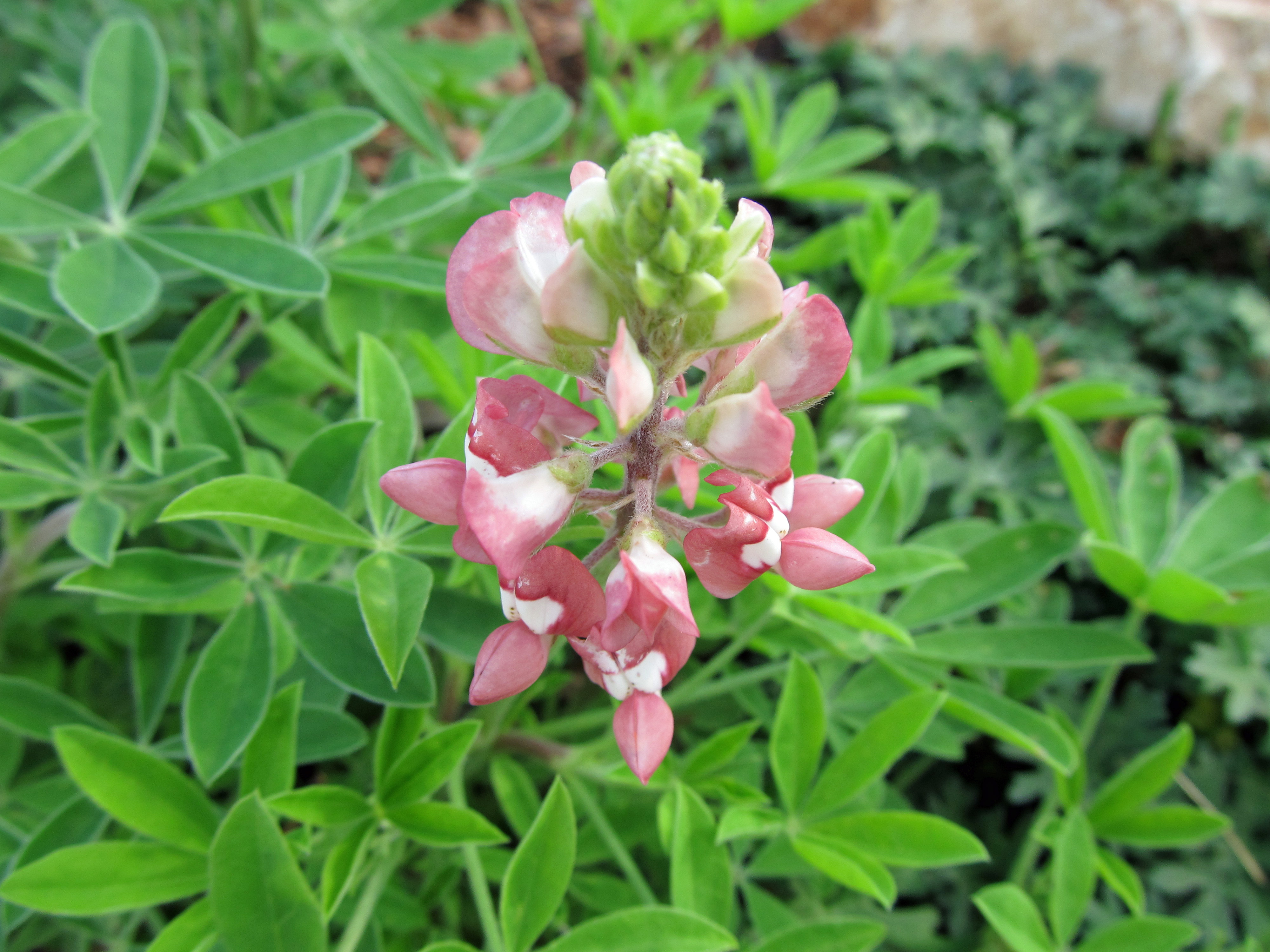
A legend surrounds the rare pink bluebonnet.

A legend surrounds the rare pink bluebonnet

Read more about Texas bluebonnets here and here.

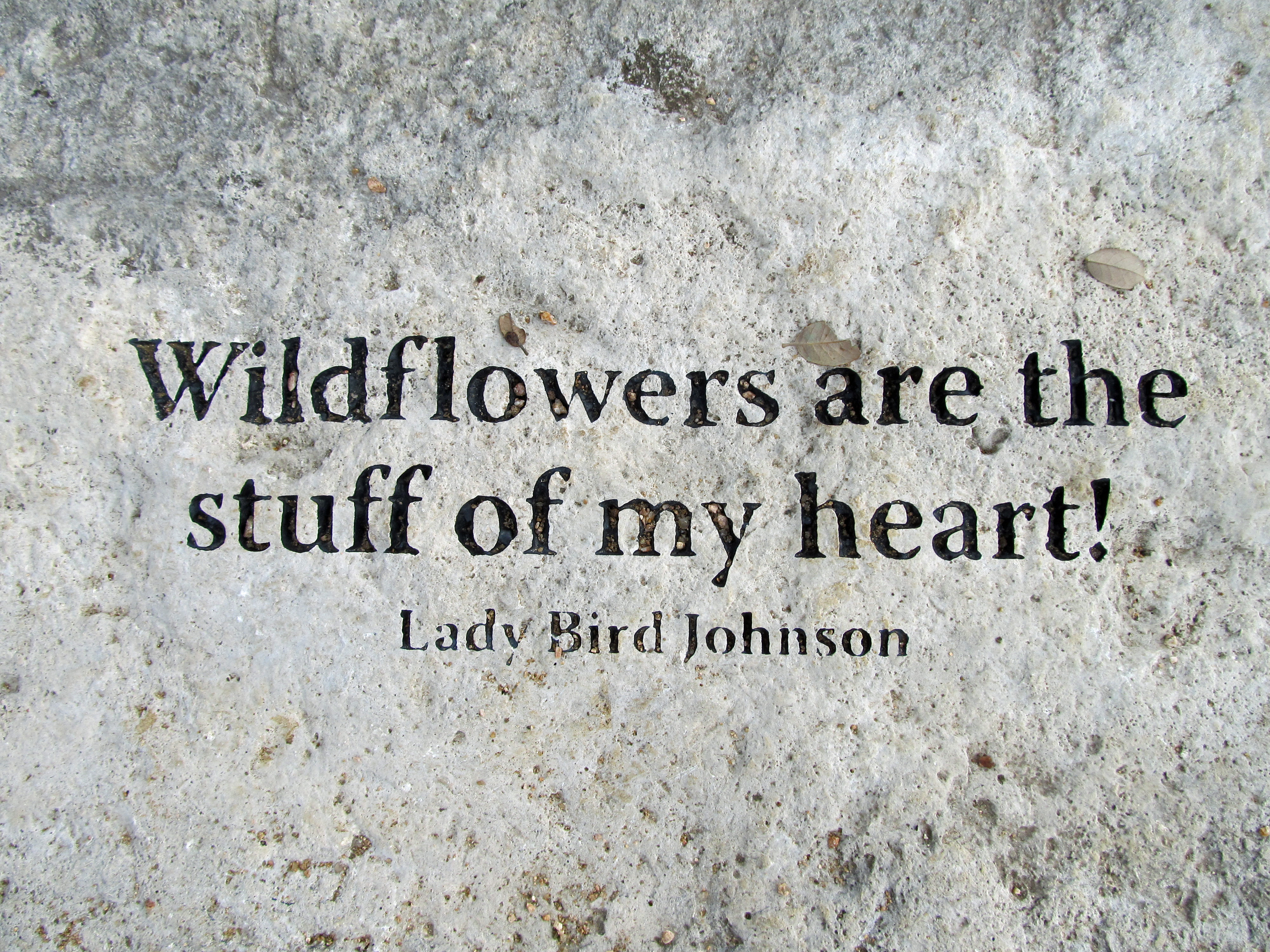
“I want us to know our world. If I lived in north Georgia on up through the Appalachians, I would be just as crazy about the mountain laurel as I am about bluebonnets.” – Lady Bird Johnson

Field Trip: Lady Bird Johnson Wildflower Center, part two

This is the second in a series of two posts about my recent trip to Lady Bird Johnson Wildflower Center in Austin, Texas. You can read the first post here. Both posts are comprised of mostly pictures, as they tell a much better story about the place then my words can. However, even pictures don’t do the place justice; it’s definitely a site that you are going to have to see for yourself. I highly recommend it.

One name that kept coming up during the native plant conference was Doug Tallamy – and for good reason. Tallamy has long promoted and encouraged the use of native plants in landscapes, largely for the creation of wildlife habitat in urban and suburban areas. In 2007 he put out a book entitled, Bringing Nature Home: How You Can Sustain Wildlife with Native Plants, in which he made a strong argument for native plant gardens. His book and lectures have inspired many to seek out native plants to include in their yards. What was lacking in his book, however, was detailed information on the horticulture and design aspects of using native plants. So in 2014, together with Rick Darke, Tallamy put out The Living Landscape, an impressive tome outlining how to create beautiful and functional gardens using native plants. Both books are well worth your time.

The plant name following each photo or series of photos links to a corresponding entry in the Native Plant Database which is managed by the Wildflower Center’s Native Plant Information Network. The quotes that accompany the plant names are taken from the Native Plant Database entries.

Ilex vomitoria (yaupon). “The leaves and twigs contain caffeine, and American Indians used them to prepare a tea which they drank in large quantities ceremonially and then vomited back up, lending the plant its species name, vomitoria. The vomiting was self-induced or because of other ingredients added; it doesn’t actually cause vomiting.”

aesculus pava var pava 3

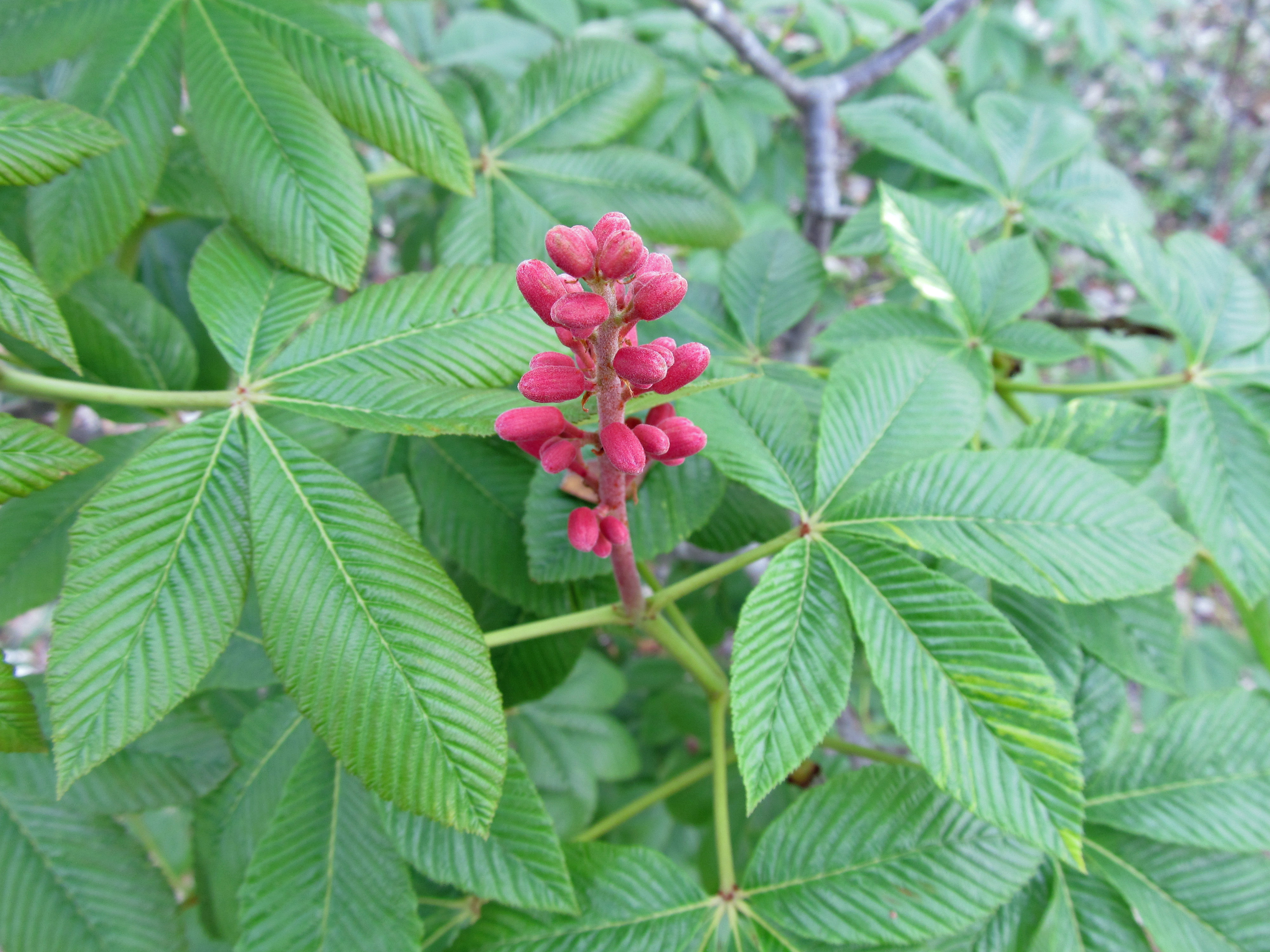
Aesculus pavia var. pavia (red buckeye). “Long popular for its brilliant, hummingbird-attracting spring flowers and rich green foliage, it is found in nature most often as a plant of woodland edges, where it can get morning sun and afternoon shade.”

tillandsia recurvata 5

Tillandsia recurvata (ball moss). An epiphyte commonly found on trees within its range, including Quercus fusiformis (escarpment live oak) a dominant tree at the Wildflower Center. “Some have been introduced into other warm regions and cultivated for use as ornamentals or for their edible fruit.”

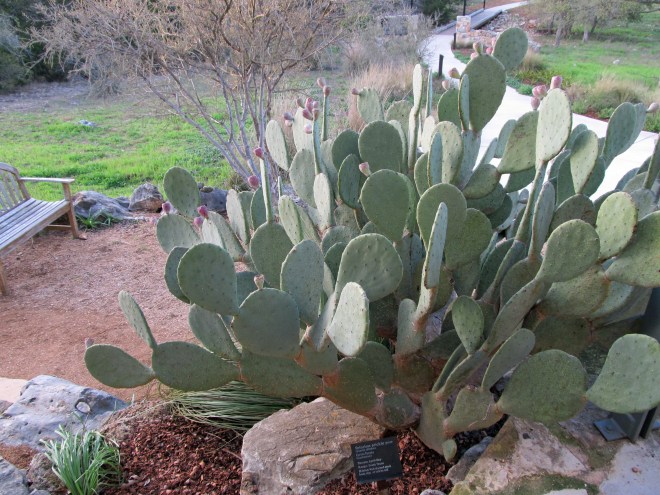
Opuntia ellisiana (spineless prickly pear). A spineless form of Opuntia cacanapa derived from cultivation. “The spineless prickly pear is a great addition to the landscape for those seeking a cactus form, showy blooms, and bright red cactus fruits (tunas). Beware, although it doesn’t have long sharp spines, the tiny glochids (slivers) are very irritating to the skin if the plant is not handled correctly.”

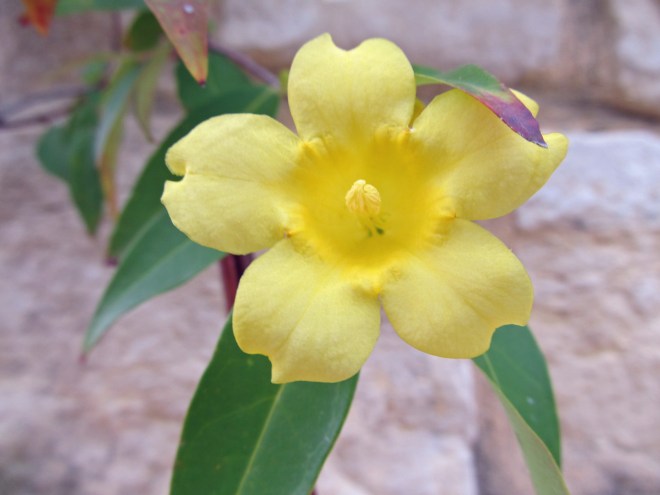
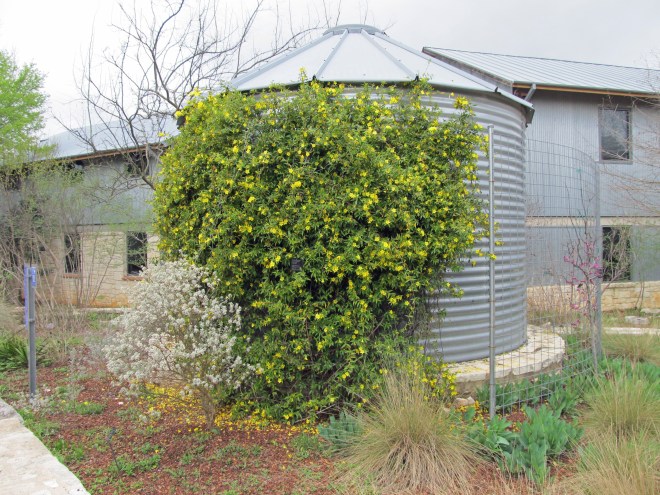
Gelsemium sempervirens (Carolina jessamine). “The flowers, leaves, and roots are poisonous and may be lethal to humans and livestock. The species nectar may also be toxic to honeybees if too much is consumed, and honey made from Carolina jessamine nectar may be toxic to humans.”

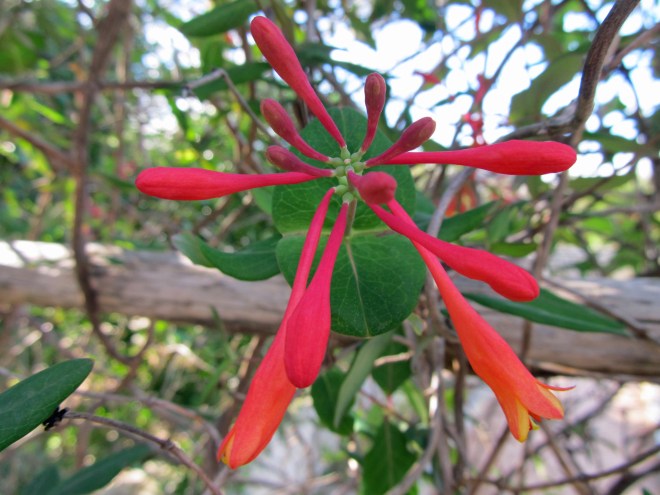
Lonicera sempervirens (coral honeysuckle). “Flowers attract hummingbirds, bees, and butterflies. Fruits attract quail, purple finch, goldfinch, hermit thrush, and American robin.”

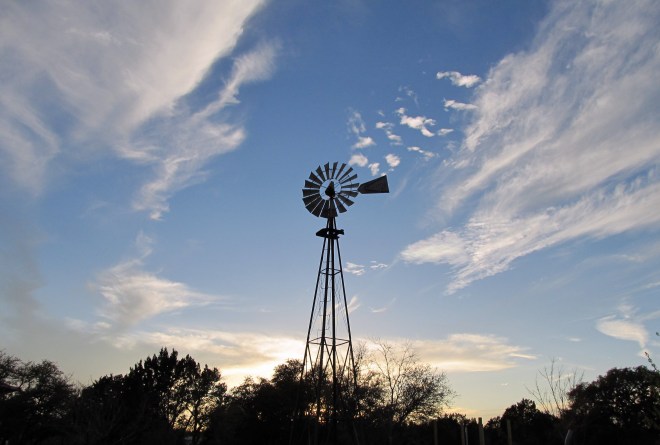
windmill

Field Trip: Lady Bird Johnson Wildflower Center, part one

Last week my place of employment sent me to Austin, Texas to spend some time at the Lady Bird Johnson Wildflower Center. I was there for a native plant conference put on by the American Public Garden Association. I had been wanting to visit the Wildflower Center for a long time, so it was great to finally get the chance. Their gardens are truly amazing. I spent three days there, but could have easily stayed much longer. The native plant conference was great, too. I learned a lot about native plant horticulture, and I left feeling inspired to put those things into practice. If you are wondering “why native plants?,” the Wildflower Center has a good answer to that on their website.

While I was there I took dozens of photos, so I am sharing some of those with you in a two part post. The plant name following each photo or series of photos links to a corresponding entry in the Native Plant Database which is managed by the Wildflower Center’s Native Plant Information Network. The quotes that accompany the plant names are taken from the Native Plant Database entries.

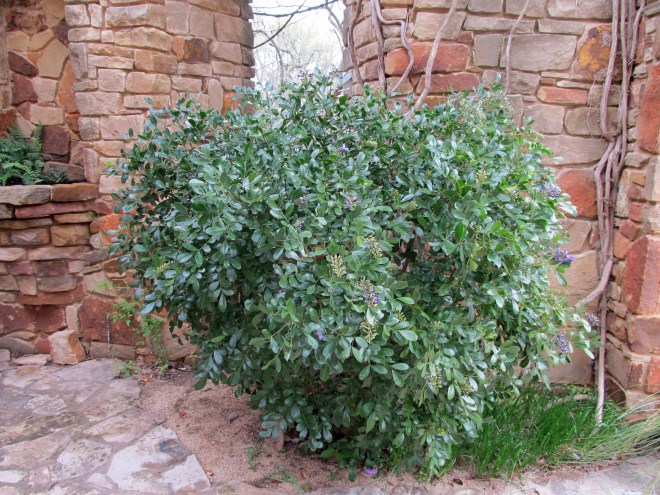
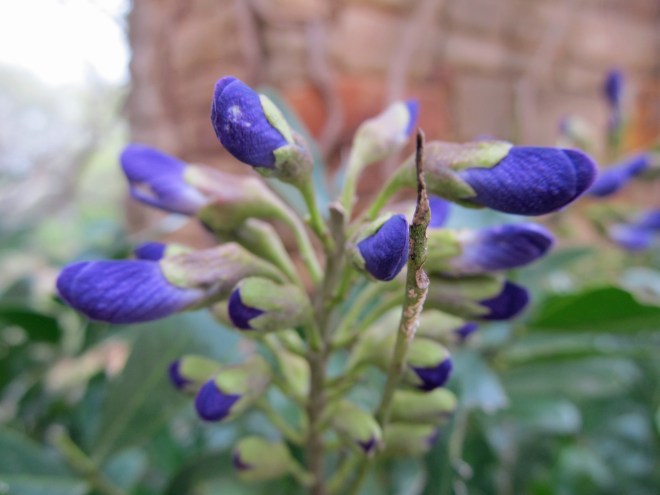
Sophora secundiflora (Texas mountain laurel). “The fragrance of Texas mountain laurel flowers is reminiscent of artificial grape products.”

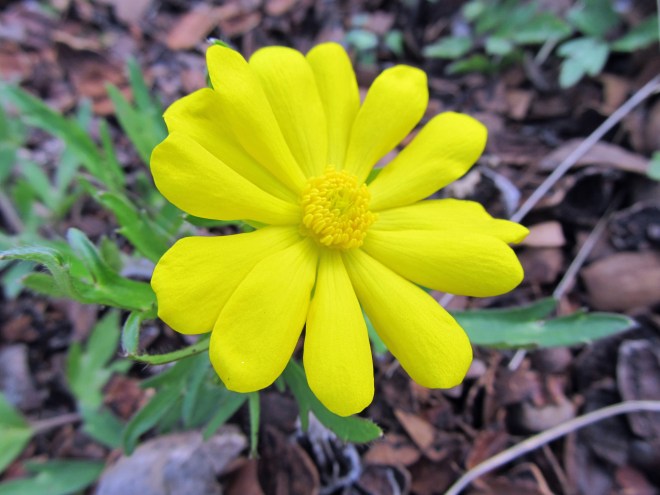
Ranunculus macranthus (large buttercup). “This is one of the largest flowered native buttercups. The large butter-yellow flowers and attractive foliage of this plant immediately attract the eye.”

echinocereus reichenbachii 3

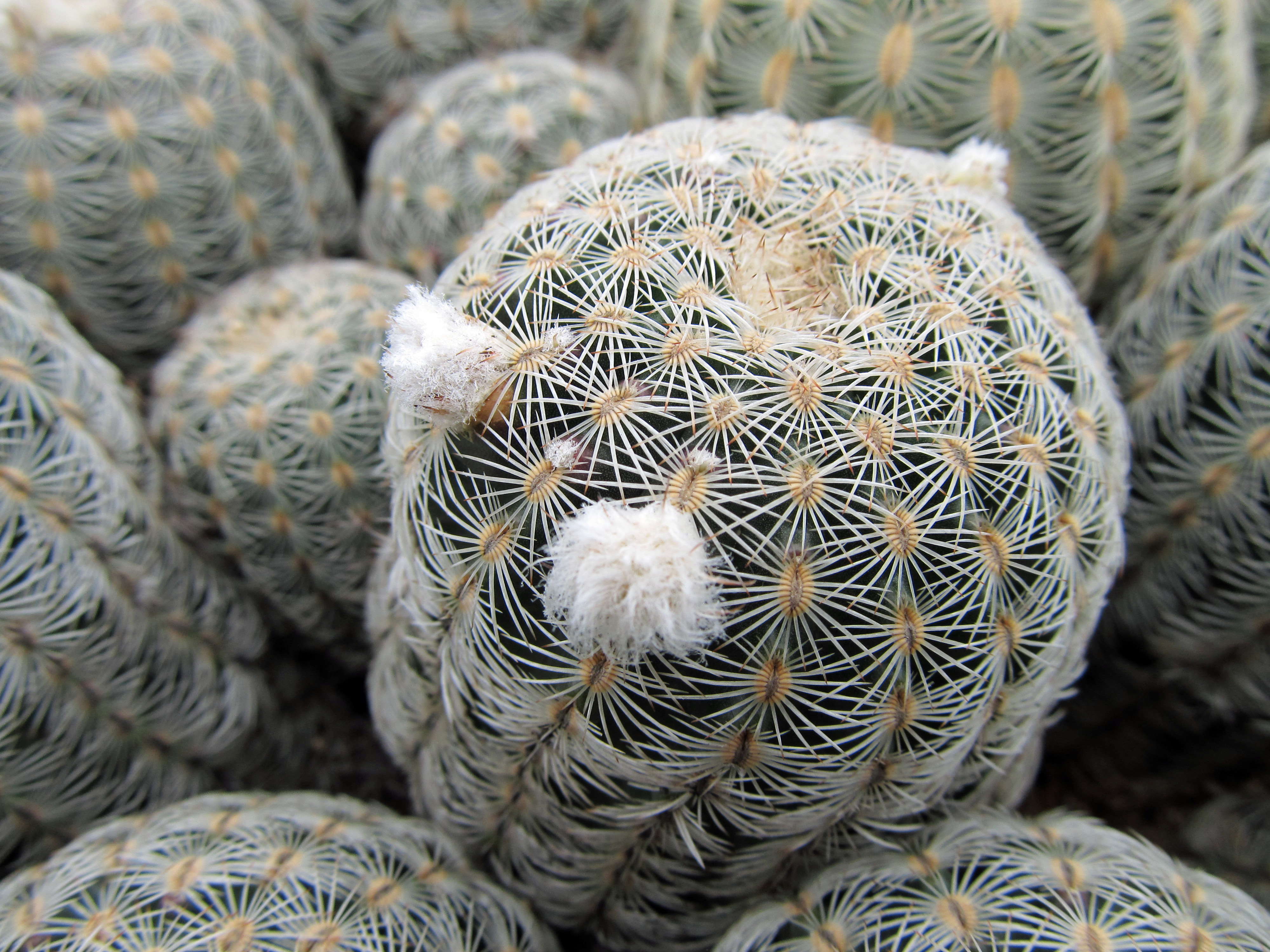
Echinocereus reichenbachii (lace cactus). “Lace cactus is unpredictable in its development, one plant forming a single stem, while its neighbor may branch out and form a dozen or more.”

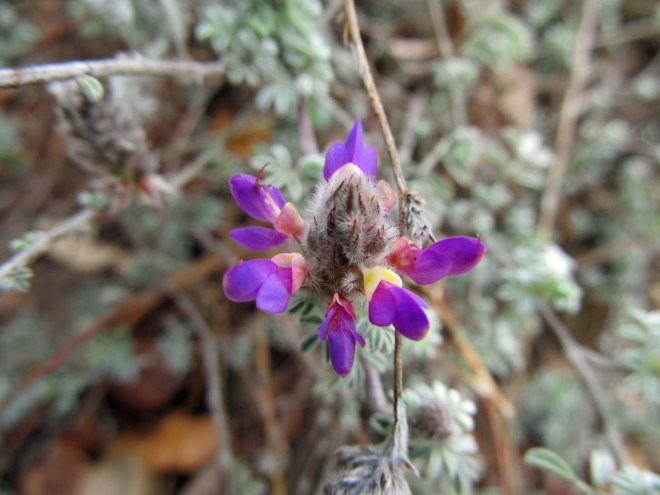
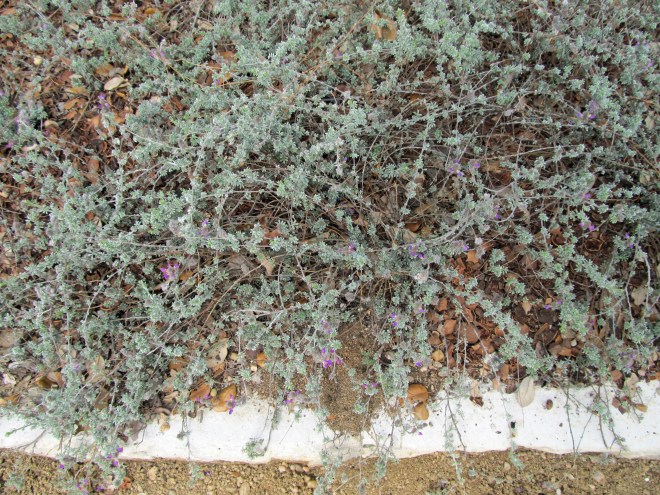
Dalea greggii (Gregg’s prairie clover). “Grown mostly for its silvery, blue-green, delicately compound leaves, the shrub is awash with clusters of tiny, pea-shaped, purple flowers in spring and early summer.” 

viburnum rufidulum 5

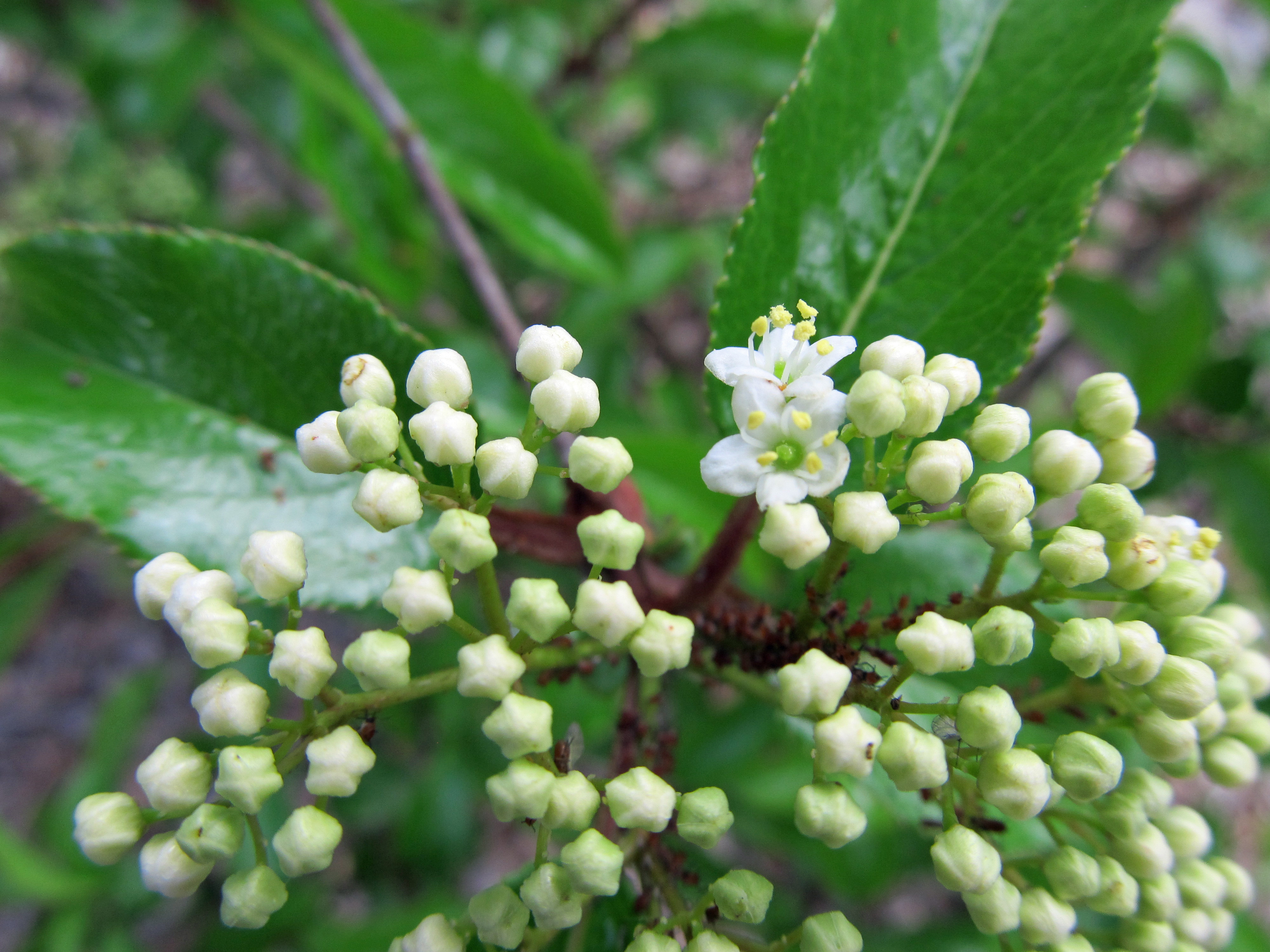
Viburnum rufidulum (southern blackhaw). “In Manual of the Vascular Plants of Texas, Correll and Johnston noted that the fruit tastes similar to raisins.”

mahonia trifoliata 5

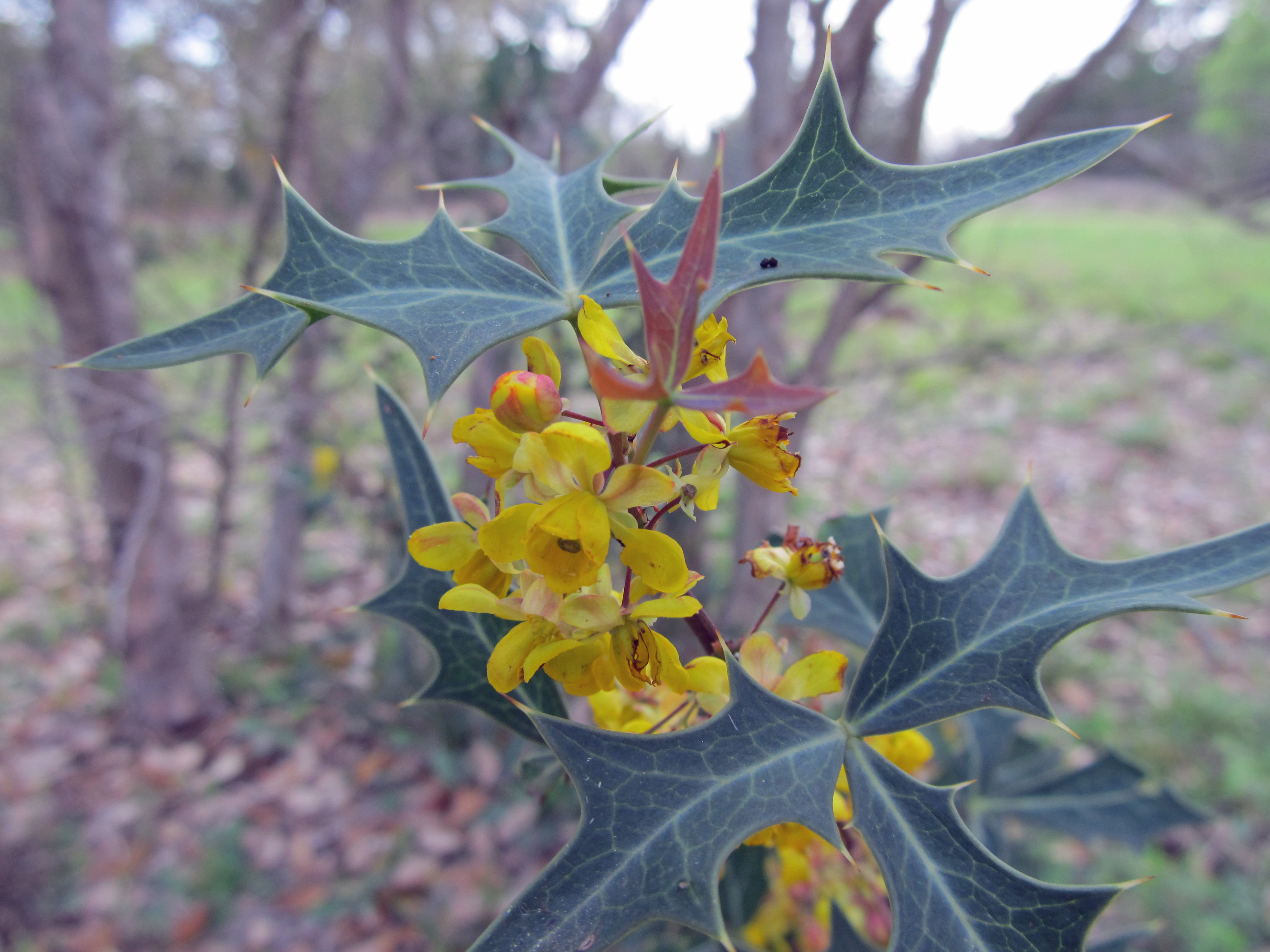
Mahonia trifoliolata (agarita). “Songbirds eat the fruits, and quail and small mammals use the plant for cover. It is considered a good honey source.”

lady bird johnson quote

How Pitcher Plants Eat Bugs (Frog Optional)

SAMSUNG

A few months ago at work I captured this photo of a frog inside of a pitcher plant. Do you see it? It is pretty well camouflaged and poking its head out just enough to intercept curious insects lured in by the promise of nectar, eating them before they can make their way into the tube. Either way, approaching insects are about to meet their fate. Whether by plant or by frog, they are destined to be consumed lest they turn away in time.

This frog was hiding inside the modified leaf of a species of Sarracenia, a carnivorous plant commonly known as a North American pitcher plant. There are at least eight species of Sarracenia, all of which naturally occur in the southeastern region of the United States. One species, Sarracenia purpurea, also occurs in the northeast, the upper Midwest, and throughout much of Canada. Sarracenia is in the family Sarraceniaceae along with two other genera of pitcher plants, Darlingtonia (the cobra plant, native to northern California and southern Oregon) and Heliamphora (the sun pitchers, native to South America). Plants in this family are not to be confused with the distantly related tropical pitcher plants which are in the genus Nepenthes (family Nepentheaceae).

The natural habitats of Sarracenia are sunny, open areas that remain permanently wet, including meadows, savannahs, fens, and swamps. The soils are acidic, nutrient poor, and typically composed of sandy peat commonly derived from sphagnum moss. In the southeast, less than 5% of the original (pre-European settlement) Sarracenia habitat remains, threatening its survival in the wild. Sarracenia oreophila (green pitcher plant) is currently listed as critically endangered on the IUCN Red List.

Flowering occurs in the spring, usually before pitchers form. Individual flowers are formed on tall stalks that rise straight up and then bend at the very top, hanging the flower upside down. Early flowering and tall flower stalks help prevent pollinating insects from being consumed by the plant. In his book The Savage Garden, Peter D’Amato describes the flowers as “showy, brilliant, and very unusual – a wonderful bonus to an already handsome class of foliage plants.” The flowers are either yellow or a shade of red and last about two weeks, after which the petals drop and a seed pod forms. Seeds are released from the fruits in the fall.

Flower of Sarracenia rubra (sweet pitcherplant) - photo credit: www.eol.org

Flower of Sarracenia rubra (sweet pitcher plant) – photo credit: www.eol.org

D’Amato writes that Sarracenia are among the “most ravenous” plants, with each leaf having the potential of trapping “thousands of nasty insects.” In some cases pitchers even flop over, heavy with the weight of bugs inside them. The specifics of capturing and killing insects varies between species of Sarracenia, but in general prey is lured to the opening of the pitcher with a combination of nectar, scent, and color. Upon entering the tube, gravity, waxy surfaces, drugs, and hairs force the captives downward where they are eventually consumed by enzymes and microbes. Digested insects provide the plant with nutrients necessary for growth – nutrients that otherwise are taken up by the roots of plants that occur in more nutrient rich soils.

Sarracenia purpurea (purple pitcher plant) is unique in that its pitchers lack a “hood” or “lid” – a standard feature of other species of Sarracenia that helps keep rain from entering the pitchers. Instead, the pitchers fill with water and insects are killed by drowning. The most brutal killer is probably Sarracenia psittacina (parrot pitcher plant) which has an additional opening inside of its pitcher. The opening is small and difficult to find again once an insect is on the wrong side of it. The inside walls of the pitcher are covered in long, sharp, downward pointing hairs, and the struggling insect is pierced repeatedly by the hairs as it makes its way to the bottom of the tube to be digested.

Hoodless pitchers of Sarracenia purpurea (photo credit: www.eol.org)

Hoodless pitchers of Sarracenia purpurea (photo credit: www.eol.org)

Hooded pitchers of Sarracenia leucophylla (photo credit: www.eol.org)

Hooded pitchers of Sarracenia leucophylla (photo credit: www.eol.org)

According to D’Amato, “the Sarracenia are one of the simplest carnivorous plants to grow, and certainly among the most fun and rewarding.” Learn more about growing North American pitcher plants by consulting D’Amato’s book and/or by visiting the website of the International Carnivorous Plant Society.

Want to learn more about Sarracenia? The Plants are Cool, Too! web series has a great video about them:

Other carnivorous plant posts:

Year of Pollination: Hellstrip Pollinator Garden

This month I have been reading and reviewing Evelyn Hadden’s book, Hellstrip Gardening, and I have arrived at the fourth and final section, “Curbside-Worthy Plants.” As the title suggests, this section is a list of plants that Hadden has deemed worthy of appearing in a curbside garden. It’s not exhaustive, of course, but with over 100 plants, it’s a great start. Photos and short descriptions accompany each plant name, and the plants are organized into four groups: showy flowers, showy foliage, culinary and medicinal use, and four-season structure.

This list is useful and fun to read through, but there isn’t much more to say about it beyond that. So I have decided to write this month’s Year of Pollination post about creating a hellstrip pollinator garden using some of the plants on Hadden’s list. Last year around this time I wrote about planting for pollinators where I listed some basic tips for creating a pollinator garden in your yard. It’s a fairly simple endeavor – choose a sunny location, plant a variety of flowering plants that bloom throughout the season, and provide nesting sites and a water source. If this sounds like something you would like to do with your hellstrip, consider planting some of the following plants.

Spring Flowers

Spring flowering plants are an important food source for pollinators as they emerge from hibernation and prepare to reproduce. There are several spring flowering trees and shrubs on Hadden’s list. Here are three of them:

  • Amelanchier laevis (Allegheny serviceberry) – A multi-trunked tree or large shrub that flowers early in the spring. Other small trees or shrubs in the genus Amelanchier may also be suitable.
  • Cercis canadensis (eastern redbud) – A small tree that is covered in tiny, vibrant, purple-pink flowers in early spring.
  • Ribes odoratum (clove currant) – A medium sized shrub that flowers in late spring. Try other species of Ribes as well, including one of my favorites, Ribes cereum (wax currant).

There aren’t many spring flowering herbaceous plants on Hadden’s list, but two that stood out to me are Amsonia hubrichtii (bluestar) and Polemonium reptans (creeping Jacob’s ladder).

Creeping Jacob's ladder (Polemonium reptens) is native to eastern North America and attracts native bees with its mid-spring flowers. (photo credit: www.eol.org)

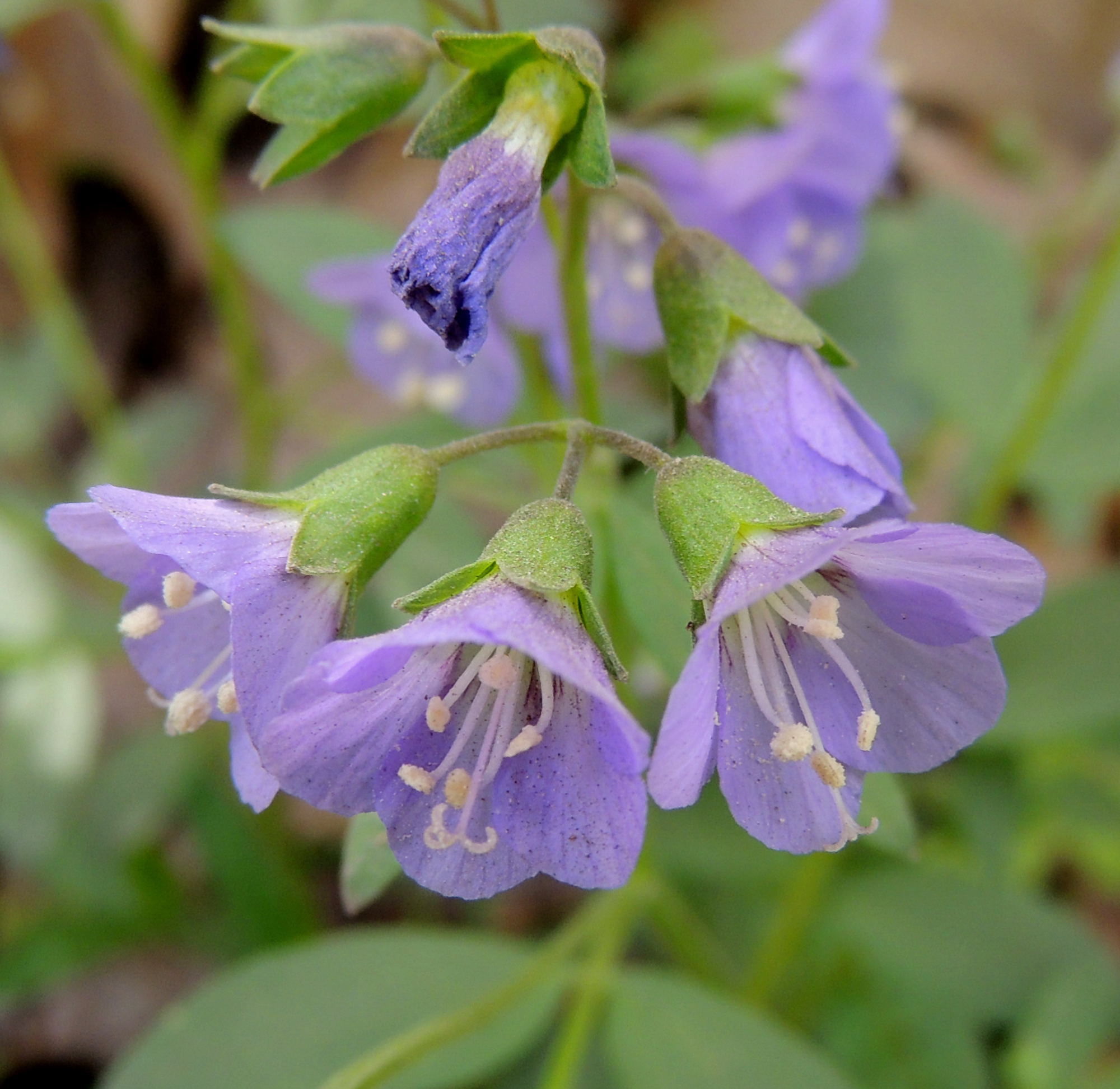
Creeping Jacob’s ladder (Polemonium reptens) is native to eastern North America and attracts native bees with its mid-spring flowers. (photo credit: www.eol.org)

Summer Flowers

There is no shortage of summer flowering plants, and Hadden’s list reflects that. When planting a pollinator garden, be sure to include flowers of different shapes, sizes, and colors in order to attract the greatest diversity of pollinators. Here are a few of my favorite summer flowering plants from Hadden’s list:

  • Amorpha canescens (leadplant) – A “good bee plant” and also a nitrogen fixer.
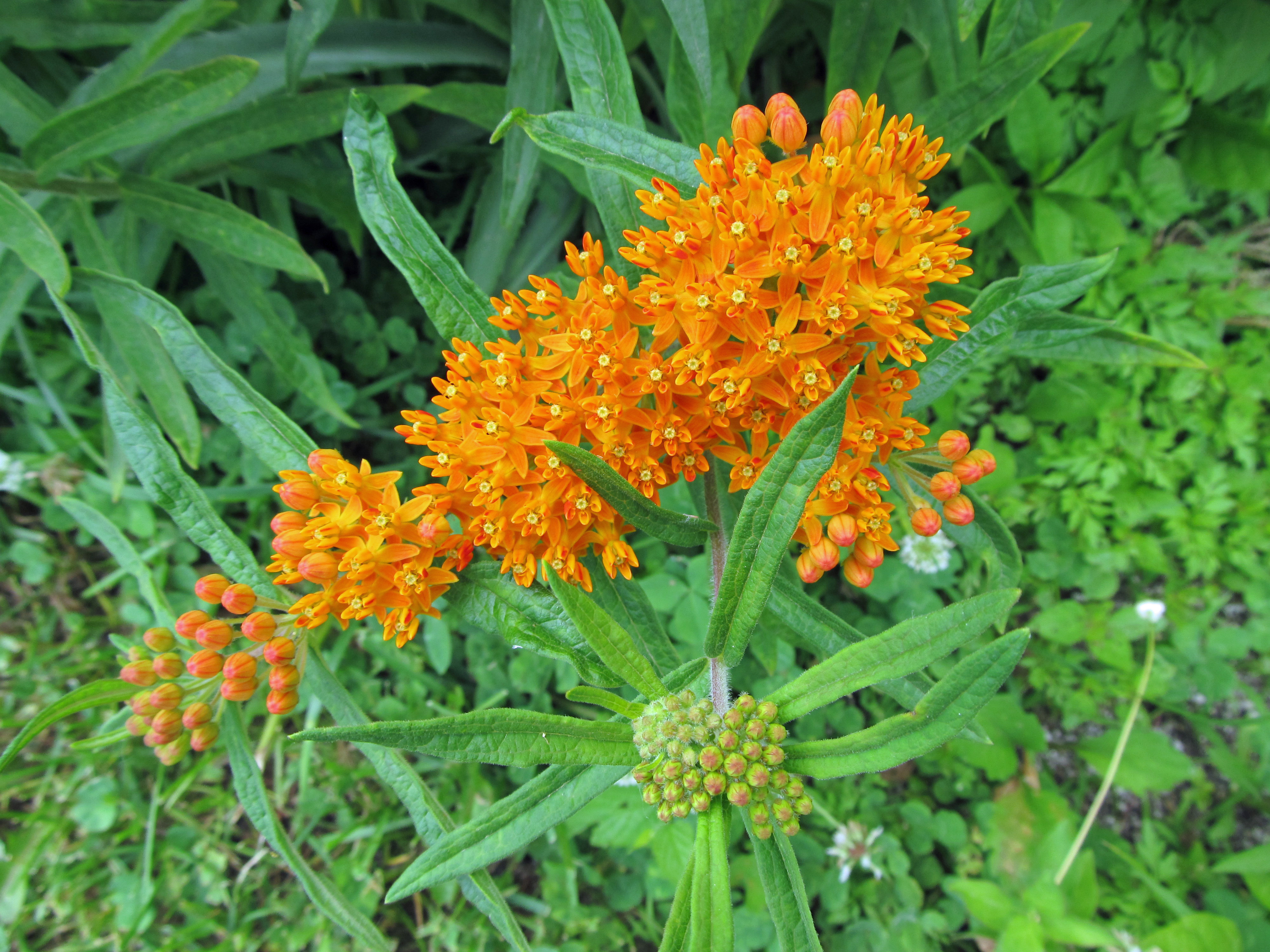
  • Asclepias tuberosa (butterfly weed) – “Valuable pollinator plant and larval host for monarch, gray hairstreak, and queen butterflies.” I love the tight clusters of deep orange flowers on this plant.
  • Coreopsis verticillata (threadleaf coreopsis) – I really like coreopsis (also known as tickseed). Try other species in the genus as well.
  • Penstemon pinifolius (pineleaf penstemon) – North America is bursting with penstemon species, especially the western states. All are great pollinator plants. Pineleaf penstemon is widely available and great for attracting hummingbirds.
  • Salvia pachyphylla (Mojave sage) – A very drought-tolerant plant with beautiful pink to purple to blue inflorescences. Salvia is another genus with lots of species to choose from.
  • Scutellaria suffratescens  (cherry skullcap) – A good ground cover plant with red-pink flowers that occur from late spring into the fall.
The flowers of butterfly weed (Asclepias tuberosa). Milkweed species (Asclepias spp.) are essential to monarch butterflies as they are the sole host plant of their larvae.

The flowers of butterfly weed (Asclepias tuberosa). Milkweed species (Asclepias spp.) are essential to the survival of monarch butterflies as they are the sole host plant of their larvae.

Fall Flowers

Fall flowering plants are essential to pollinators as they prepare to migrate and/or hibernate. Many of the plants on Hadden’s list start flowering in the summer and continue into the fall. A few are late summer/fall bloomers. Here are some of my favorites:

  • Epilobium canum (California fuchsia) – “Profuse orange-red tubular flowers late summer into fall furnish late-season nectar, fueling hummingbird migration.”
  • Liatris punctata (dotted blazing star) – Drought-tolerant plant with tall spikes of purple-pink flowers. “Nectar fuels migrating monarchs.”
  • Symphyotrichum oblongifolium (aromatic aster) – Loaded with lavender-blue flowers in the fall. It’s a spreading plant, so prune it back to keep it in check. Hadden recommends it for sloped beds.
  • Agastache rupestris (sunset hyssop) – Spikes of “small tubular flowers in sunset hues attract hummingbirds, butterflies, and bees midsummer to fall.” Try other species in the Agastache genus as well.
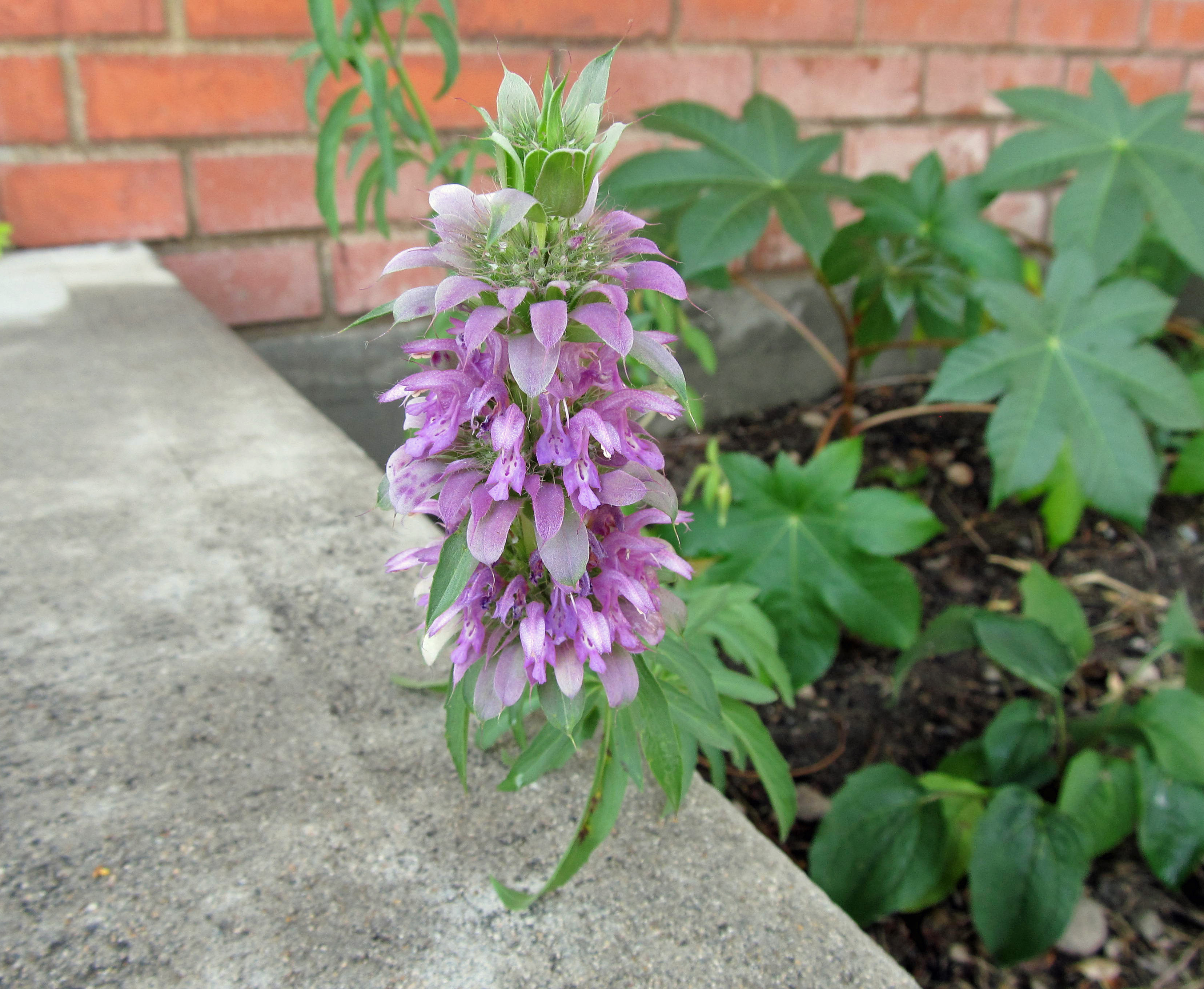
  • Monarda fistulosa (wild bergamot) – The unique flower heads are like magnets to a wide variety of pollinators. Also consider other Monarda species.
Lemon beebalm (Monarda citriodora), an annual plant that attracts an array of pollinators.

Lemon beebalm (Monarda citriodora), an annual plant that attracts an array of pollinators.

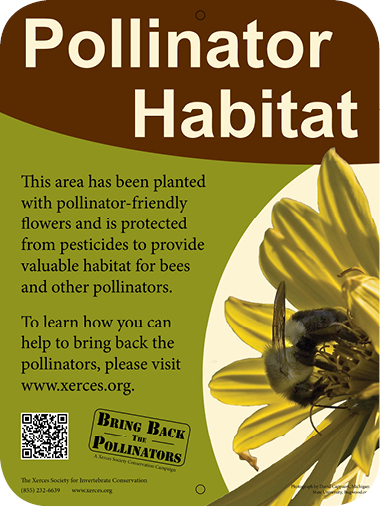
As with any other garden, your hardiness zone, soil conditions, water availability, and other environmental factors must be considered when selecting plants for your hellstrip pollinator garden. Groups like Pollinator Partnership and The Xerces Society have guides that will help you select pollinator friendly plants that are suitable for your region. Additionally, two plans for “boulevard pollinator gardens” complete with plant lists are included in the book Pollinators of Native Plants by Heather Holm – one plan is for sunny and dry spots and the other is for shady and wet spots (pgs. 268-269). Once your pollinator garden is complete, consider getting it certified as a pollinator friendly habitat. There are various organizations that do this, such as the Environmental Education Alliance of Georgia. If you are interested in such a thing, the public nature of your hellstrip garden makes it an ideal place to install a sign (like the one sold in The Xerces Society store) announcing your pollinator garden and educating passersby about the importance of pollinator conservation.

habsign

Other “Year of Pollination” Posts

Our Backyard Farm and Garden Show: Fall 2014

I had every intention of documenting this year’s garden more thoroughly, but as things tend to go, the days got busy and the year got away from me. Now here we are in mid-October, still waiting for the first frost but accepting its imminence, watching reluctantly as another growing season comes to a close. We took several pictures but few notes, so what follows is a series of photos and a few reflections on what transpired this past year in, what Flora likes to call, Our Backyard Farm and Garden Show.

Abundance

Abundance

I guess I should start at the beginning. Last year I was living in an apartment. I was growing things in two small flower beds and a few containers on my patio. That had been my story for about a decade – growing what I could on porches and patios and in flower beds of various apartments in a few different parts of the country. At one point I was living in an apartment with no space at all to grow anything, and so I attempted to start a garden in the backyard of an abandoned, neighboring house – geurilla gardening style – but that didn’t go so well. At another location I had a plot at a community garden. The three years I spent there were fun, but definitely not as nice as stepping outside my door and into my garden.

Earlier this year, I moved in with Flora. She was renting a house with a yard, so when I joined her, I also joined her yard. Flora is a gardener, too; she had spent her first year here growing things in the existing garden spaces but wanted to expand. So we did. We enlarged three beds considerably and built four raised beds and two compost bins. We also got permission to grow things in the neighbor’s raised beds. And that’s how our growing season started – coalescence and expansion.

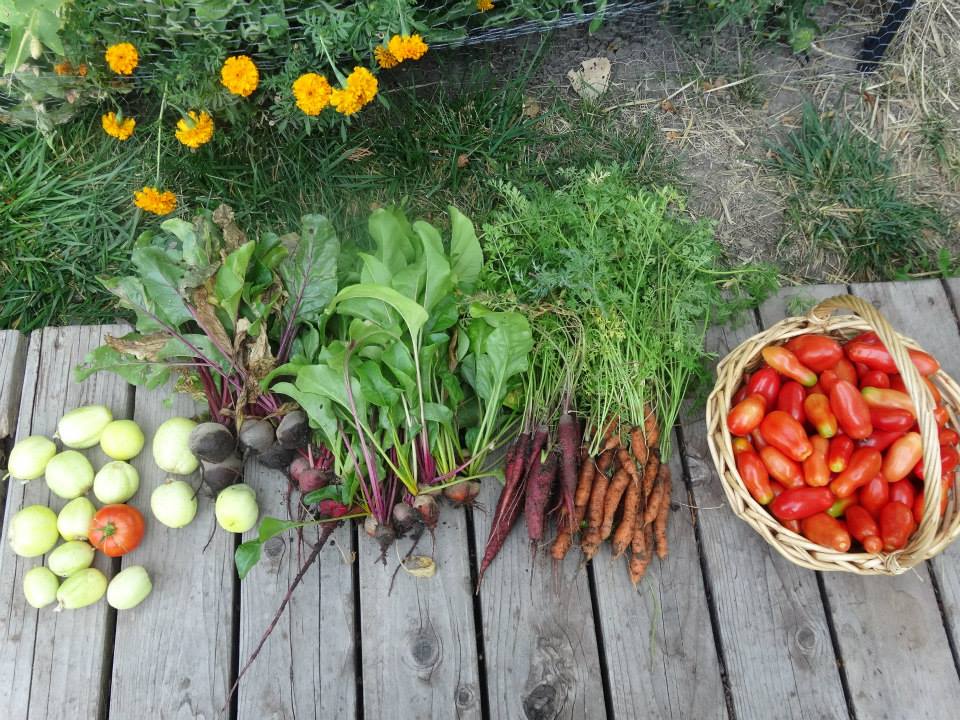
Then summer happened. It came and went, actually. Most days were spent just trying to keep everything alive – moving sprinklers around, warding off slugs and other bugs, and staking things up. Abundance was apparent pretty much immediately. We started harvesting greens (lettuce, kale, collards, mustards) en masse. Shortly after that, cucumbers appeared in concert with beets, turnips, basil, ground cherries, eggplants, tomatoes, carrots, peppers, etc. Even now – anticipating that first frost – the harvest continues. We are uncertain whether or not we will remain here for another growing season; regardless, we are considering the ways in which we might expand in case we do. Despite the amount of work that has gone into our garden so far, we still want to do more. Apparently, our love of gardening knows no bounds.

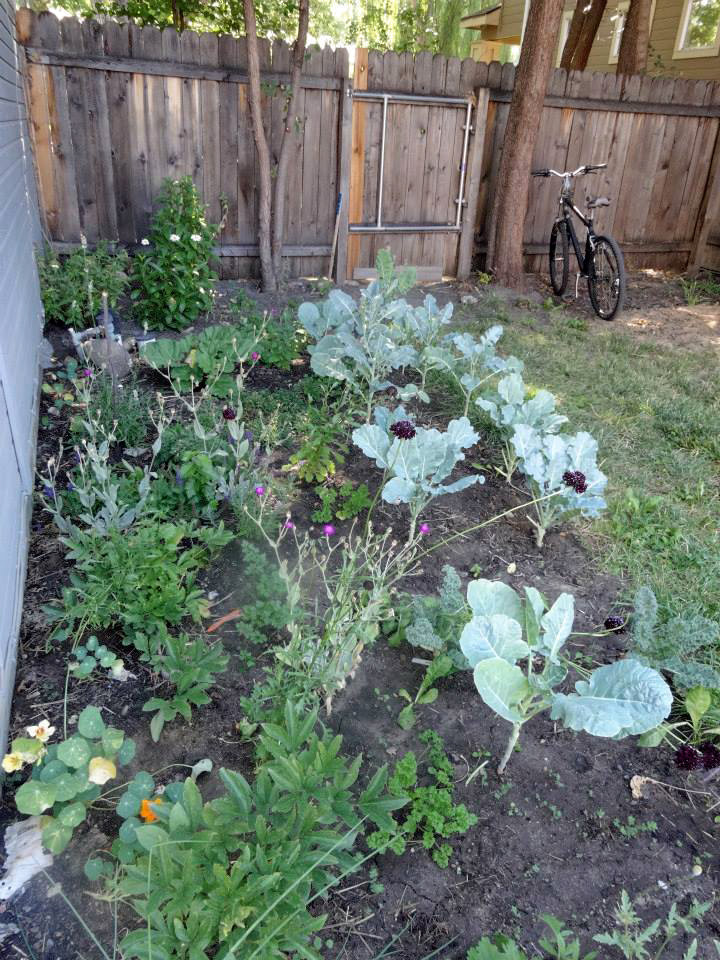
A view of our side yard. It is pretty shady in this section of the yard but we were still able to grow kale and collards along with several different flowers and herbs.

A view of our side yard. It is pretty shady in this bed but we were still able to grow kale and collards along with several different flowers and herbs.


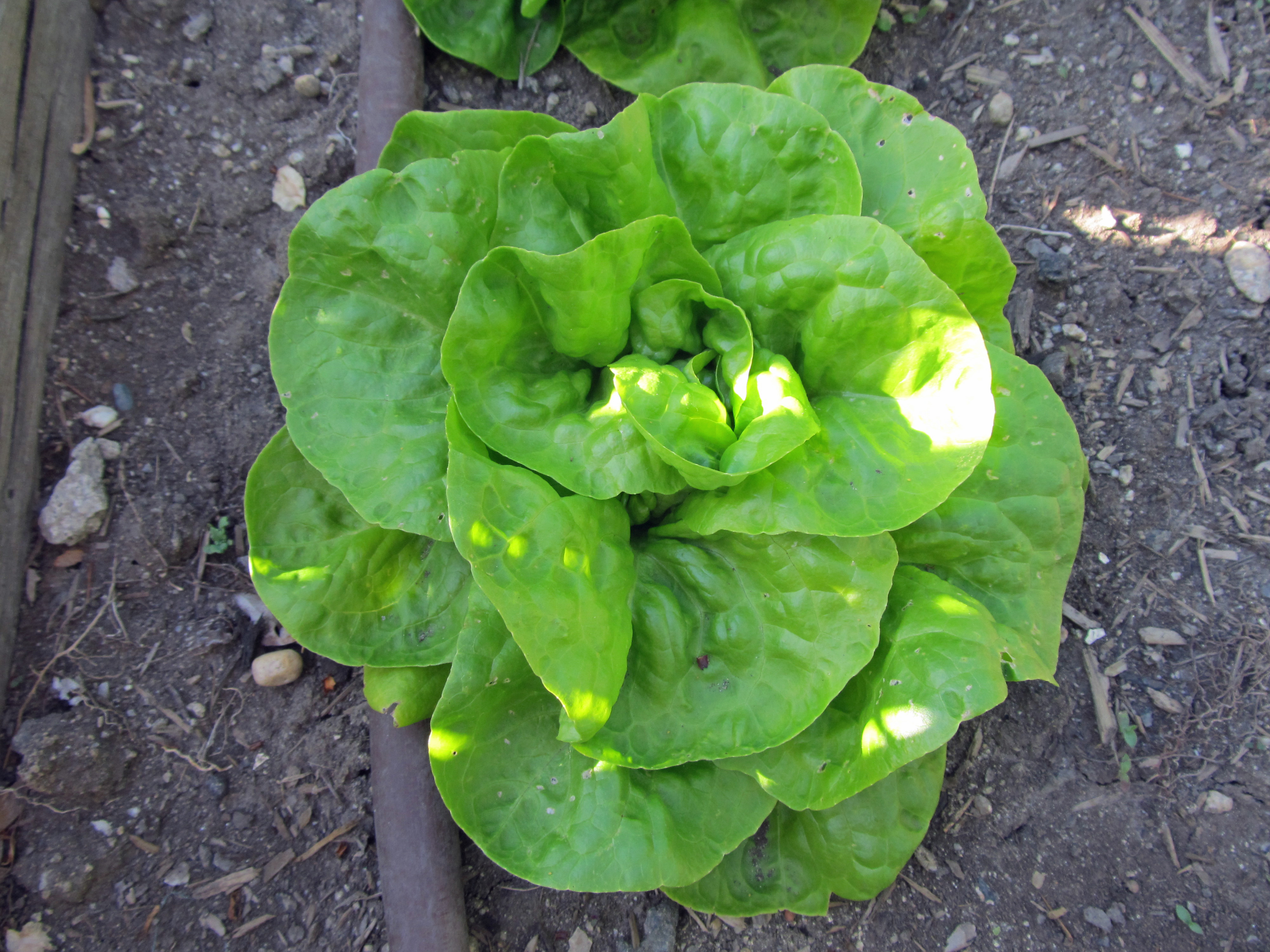
We grew several varieties of lettuce. This is one that I was most excited about. It's called 'Tennis Ball.' It is a miniature butterhead type that Thomas Jefferson loved and used to grow in his garden at Monticello.

We grew many varieties of lettuce. This is one that I was most excited about. It’s called ‘Tennis Ball.’ It is a miniature butterhead type that Thomas Jefferson loved and grew in his garden at Monticello.


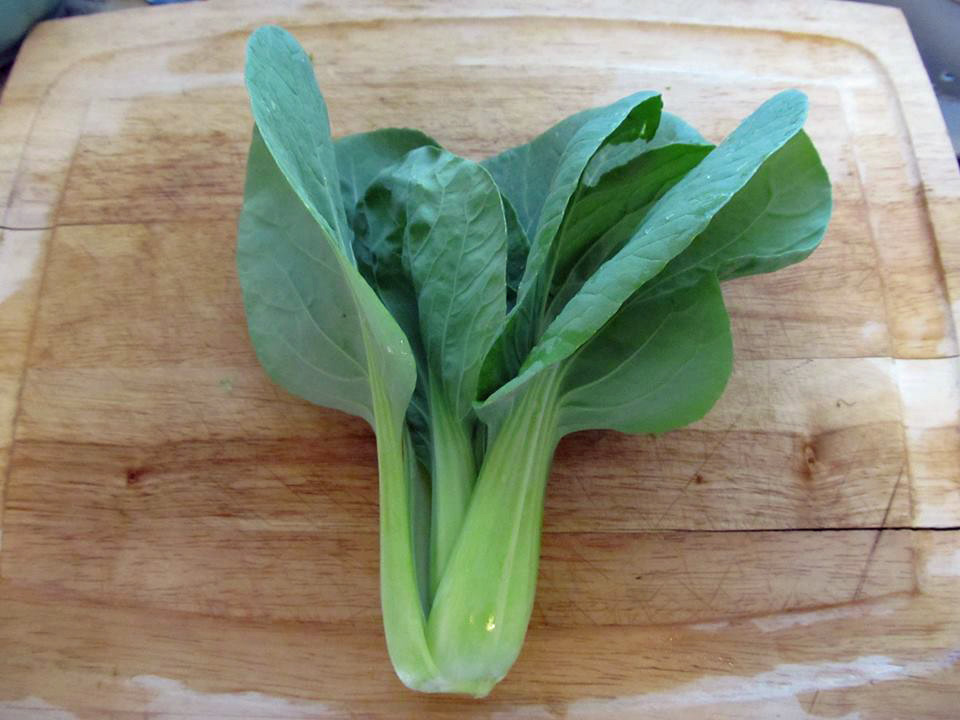
'Shanghai Green' Pak Choy

‘Shanghai Green’ Pak Choy


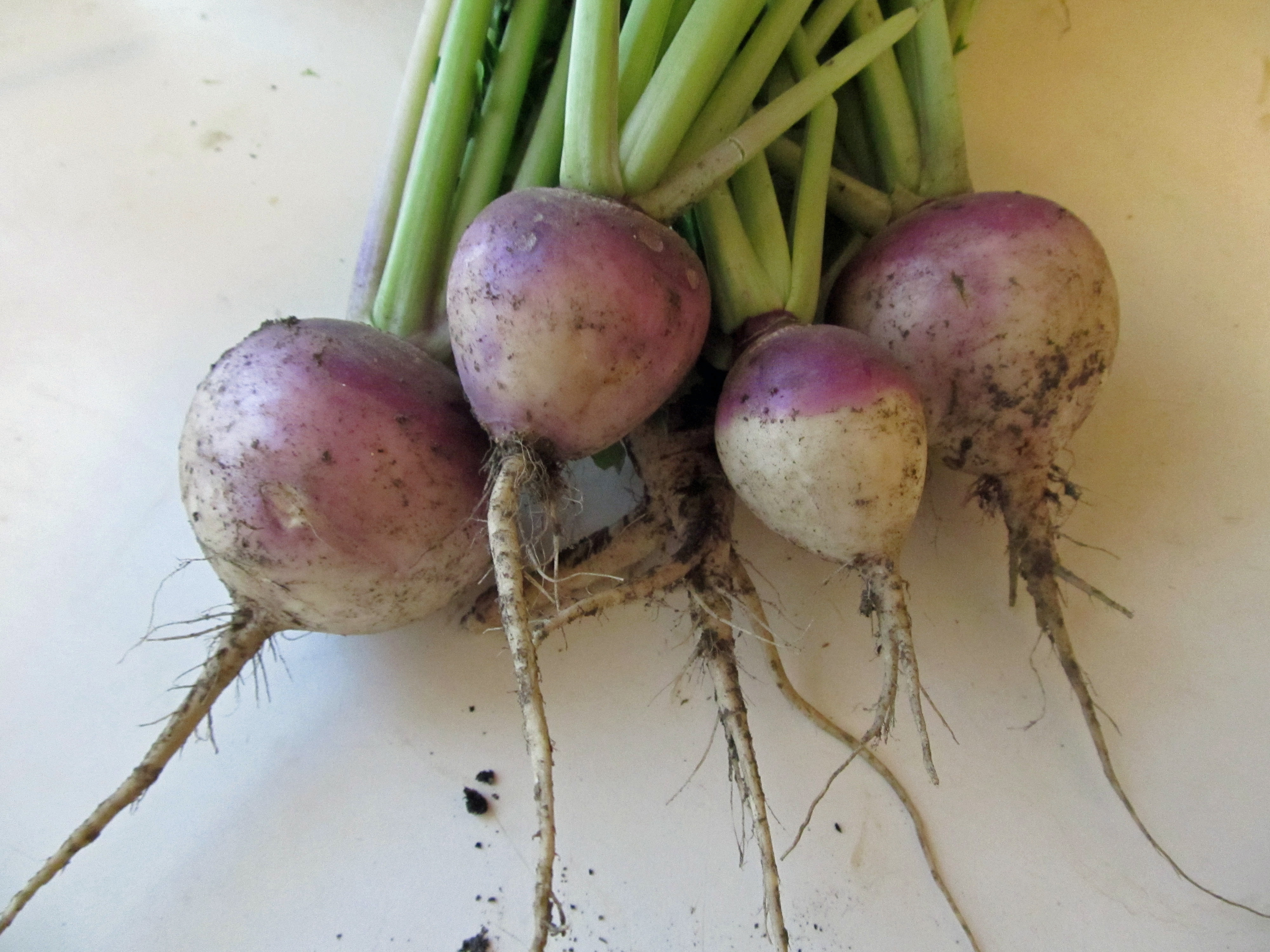
'Purple Top White Globe' Turnips

‘Purple Top White Globe’ Turnips


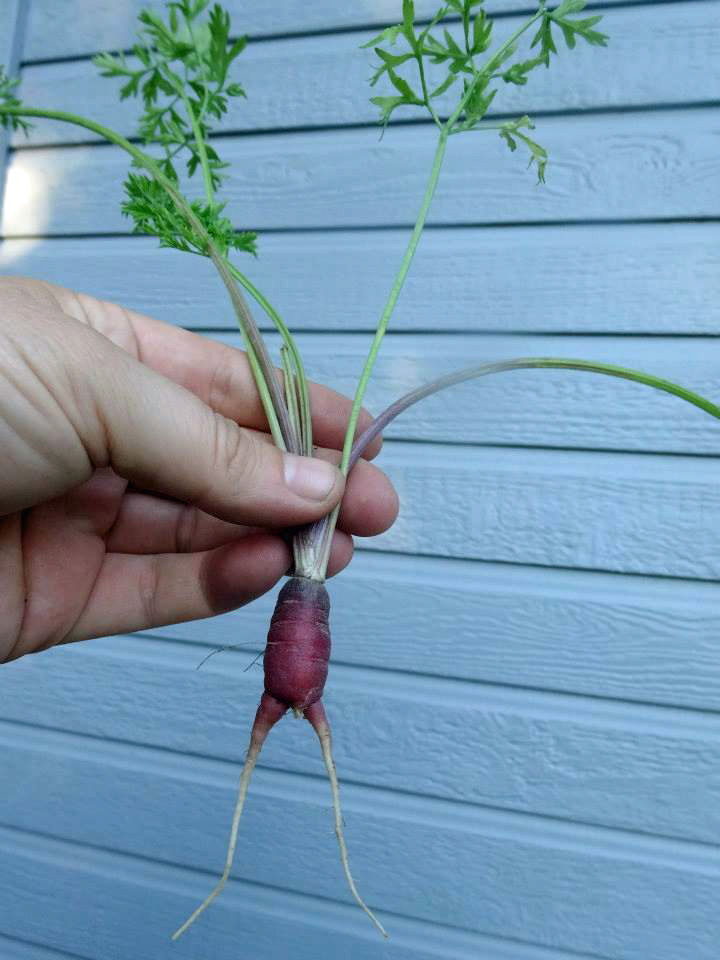
A miniature purple carrot with legs.

A miniature purple carrot with legs.


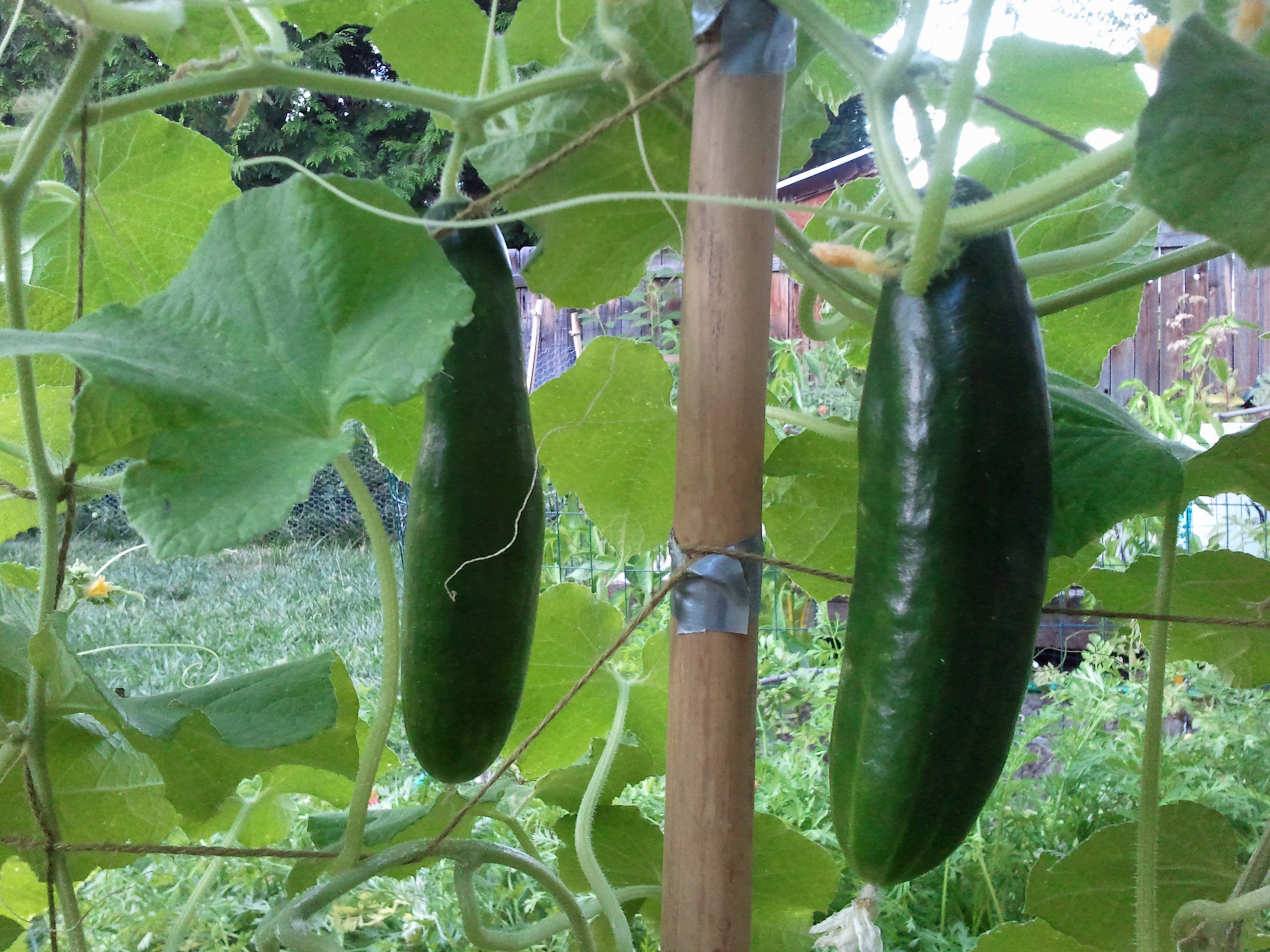
Two cucumbers hanging on a makeshift  trellis. I can't remember what variety they are. This why I need to remember to take better notes.

Two cucumbers hanging on a makeshift trellis. I can’t remember what variety they are. This why I need to remember to take better notes.


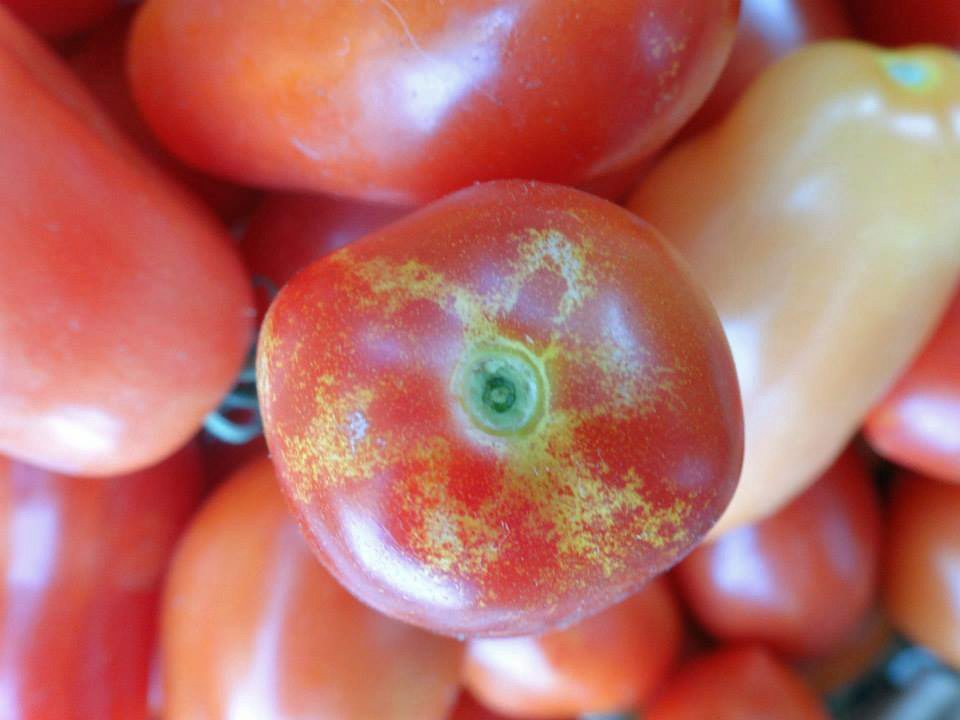
'San Marzano' Roma Tomato. We grew three other varieties of tomatoes along with this one.

‘San Marzano’ Roma Tomatoes. We grew three other varieties of tomatoes along with this one.


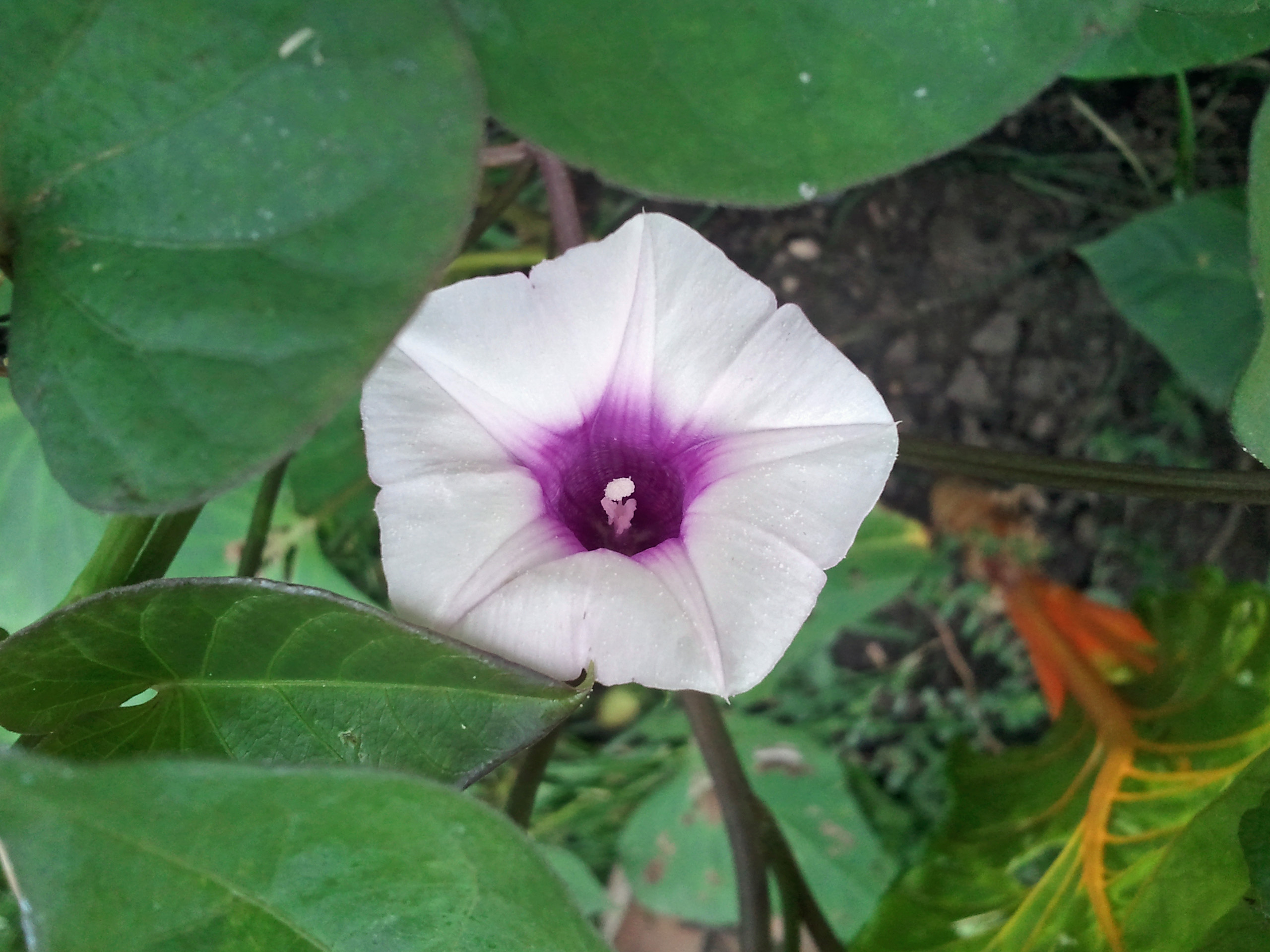
The flower of a 'Hong Hong' sweet potato. We haven't harvested these yet, so we're not sure what we're going to get. Sweet potatoes are not commonly grown in southern Idaho, so we're anxious to see how they do.

The flower of a ‘Hong Hong’ sweet potato. We have not harvested these yet, so we are not sure what we are going to get. Sweet potatoes are not commonly grown in southern Idaho, so we are anxious to see how they do.


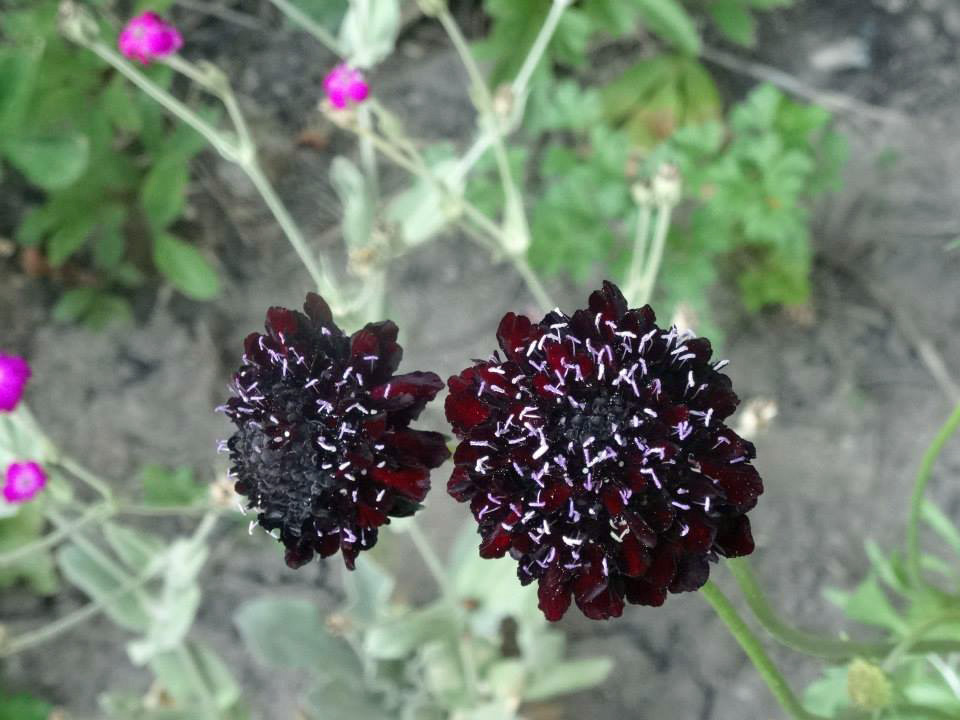
We grew lots of flowers, too. 'Black Knight' scabiosa (aka pincushion flower)was one of our favorites.

We grew lots of flowers, too. ‘Black Knight’ scabiosa (aka pincushion flower) was one of our favorites.


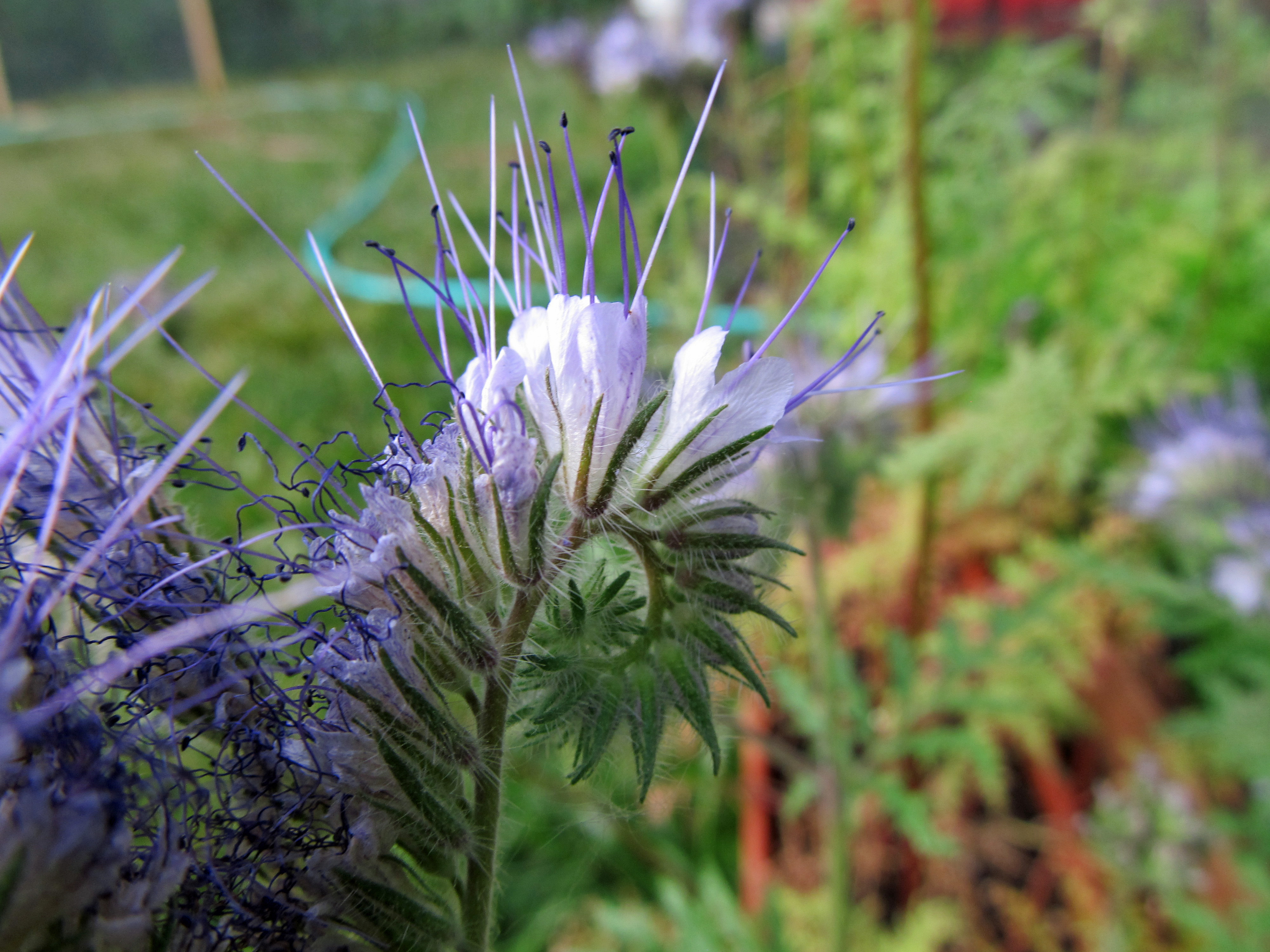
Some flower's we grew specifically for the bees, like this bee's friend (Phacelia hastate).

We grew some flowers specifically for the bees, like this bee’s friend (Phacelia tanacetifolia).


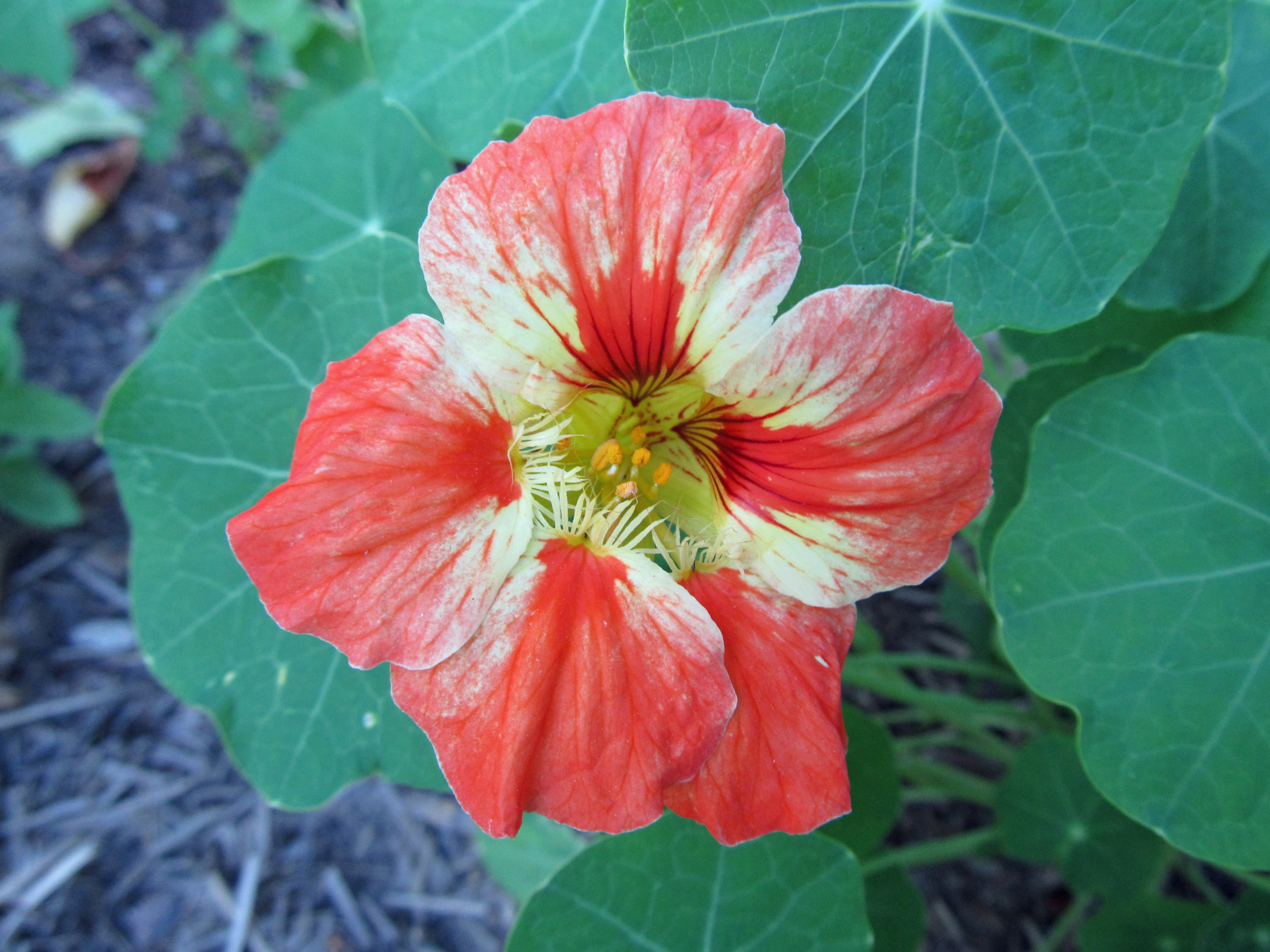
We grew other flowers for eating, like this nasturtium.

We grew other flowers for eating, like this nasturtium.


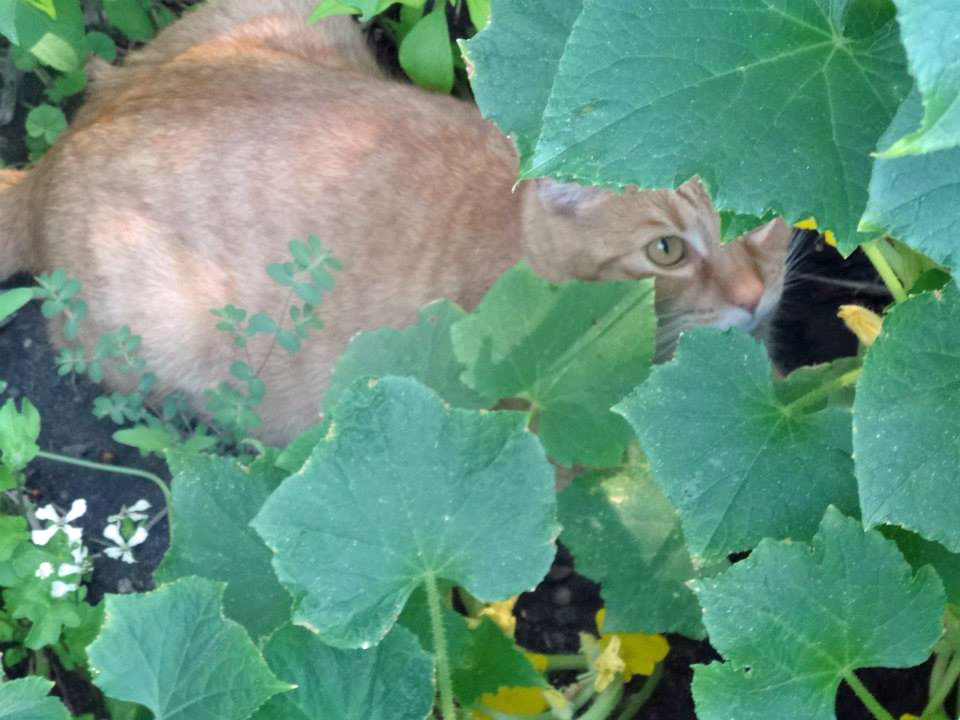
Even the cat loves being in the garden...

Even the cat loves being in the garden…

It has been an incredible year. “Abundant” is the best word that I can think of to describe it. We have learned a lot through successes and failures alike, and we are anxious to do it all again (and more) next year. Until then we are getting ready to settle in for the winter – to give ourselves and our garden a much needed rest. For more pictures and semi-regular updates on how our garden is growing, follow Awkward Botany on tumblr and twitter, and feel free to share your gardening adventures in the comments section below.

Kudzu Ate the South…Now Looks North

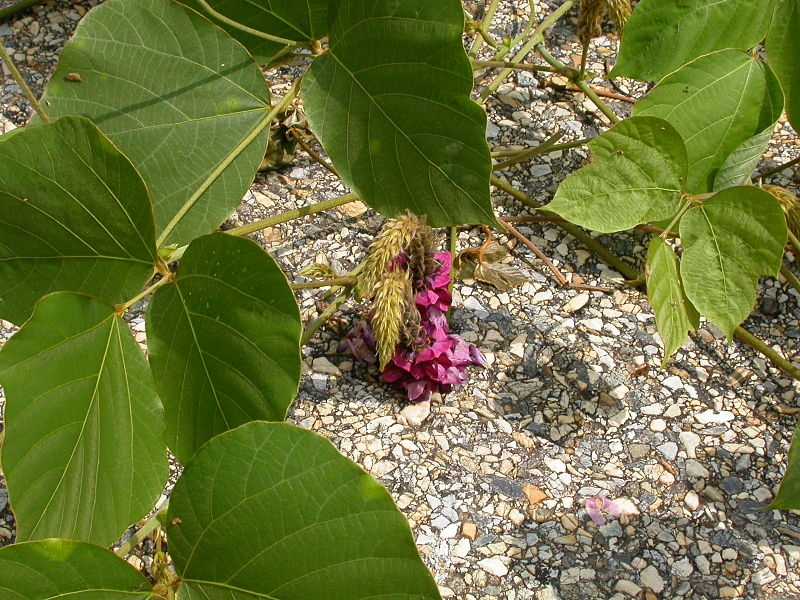
In 1876, an Asian vine was introduced to the people of the United States at a centennial celebration in Philadelphia, Pennsylvania. It was a fairly benign looking vine, with its leaves of three and its cluster of sweet pea like flowers, but its exotic appeal must have been quite enticing, because it took off…and not just in popularity.

The plant that caught the eye of these early Americans was called kudzu (or kuzu in Japanese). It is a plant in the genus Pueraria in the family Fabaceae (the pea family). The plants first introduced to the U.S. were likely to have consisted of more than a single species such as P. montana, P. lobata, P. edulis, and others, or were hybrids of these species. They were initially lauded for their ornamental value but soon after were recognized for their potential as animal feed. By the 1930’s, when soil erosion had become a major issue, kudzu was deployed by the U.S. government to combat it. At least 85 million government-funded kudzu seedlings later, and the southeastern portion of the United States had secured a future dominated by this relentless and unforgiving vine.

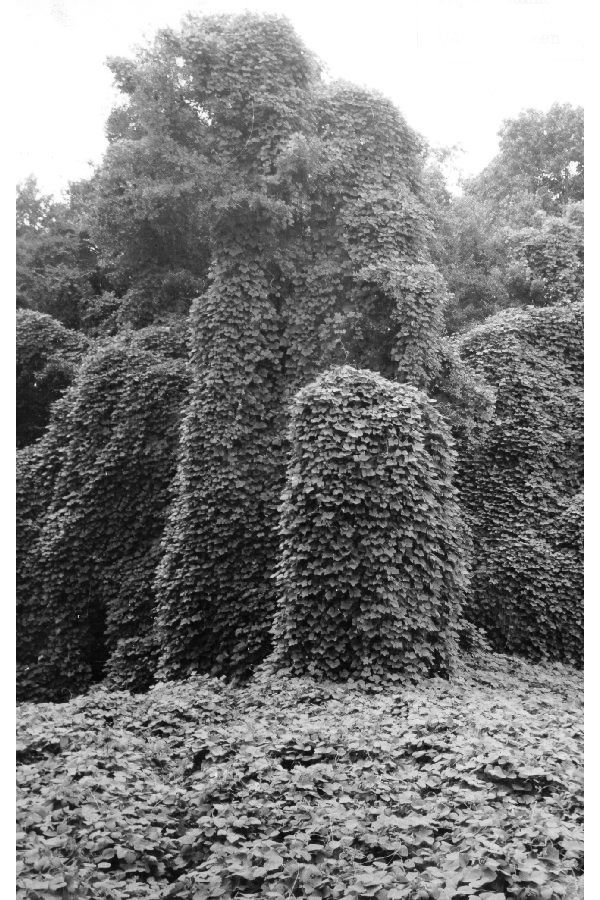
Innocent and harmless is how kudzu must have first appeared, especially to those looking for a fast growing, large-leaved, vining plant to provide quick shade for porches, offering relief from the sun during those sweltering southern summers. Little did they know, however, if left unchecked, that prized vine could engulf homes and outbuildings, cover and pull down trees and utility poles, and choke out crops and pastures in the matter of a single growing season.

(photo credit: eol.org)

(photo credit: eol.org)

Kudzu was added to the Federal Noxious Weed List in 1997, long after it had established itself throughout the southeastern U.S. It now covers more than 3 million hectares, spreading at a pace of about 50,000 hectares (120,000 acres) per year. It is said that a kudzu vine can grow up to a foot in a single day or about 60 feet in a growing season. It is a twining vine, wrapping itself around any upright structure it can access and relying on that support in order to advance upwards. This gives it the advantage of using more resources for growth and expansion of both roots and shoots rather than on the resource demanding task of producing woody stems. Like other members of the pea family, it gets much of its nitrogen from the atmosphere through a process called nitrogen fixation. Because of this, kudzu can thrive in nutrient poor soils. Kudzu is also drought-tolerant, has leaves that follow the sun throughout the day in order to maximize photosynthesis, reproduces clonally by layering (stems in contact with the ground grow roots and detach from the parent plant), and (in North America) is free from the pests and diseases commonly associated with it in its native habitat. For these reasons and others, kudzu has become one of the most notorious, pervasive, and ecologically harmful weeds in the U.S., costing hundreds of millions of dollars in damages every year.

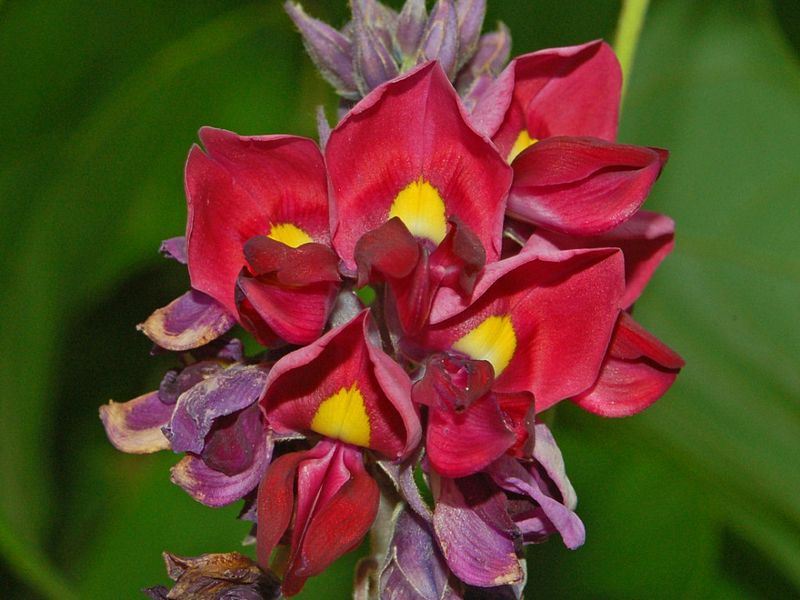
A close-up of kudzu flowers (photo credit: wikimedia commons)

A close-up of kudzu flowers (photo credit: wikimedia commons)

kudzu foliage and flowers

Foliage and flowers of kudzu (photo credit: wikimedia commons)

One glance at what kudzu has done in the southeastern states, and it is obvious that it is some kind of superweed. I saw firsthand just how overwhelming it can be as I drove through Mississippi several years ago. I didn’t even have to stop the car to investigate. It was easily apparent that it was the dominant species, enveloping every tree for miles alongside the highway. Currently, kudzu can be found in every county in Georgia, Alabama, and Mississippi. But kudzu has a limitation; it doesn’t care much for freezing temperatures. Even though it has been present in parts of northern states – like Ohio, New Jersey, and Delaware – for a while now, it has generally been limited to milder locations, and it certainly doesn’t thrive in the same way that it does in the subtropical climates of the southern states. But that is changing, because the climate is changing.

Average global temperatures increased by about 1.53° F between 1880 and 2012, and this gradual increase is expected to continue for the foreseeable future. Biologists and ecologists are monitoring changes in climate closely in order to observe and predict changes in the biology and ecology of our planet. Invasive species are high on the list of concerns, as climate is often a major limitation to their spread. Now that kudzu has been found in Marblehead, Massachusetts and Ontario, Canada, the fear of kudzu climbing north is becoming a reality.

Kudzu is incredibly difficult to control. It does not respond to many herbicides, and the herbicides that do affect it must be applied repeatedly over a long time period. It is an excellent forage plant, so utilizing grazing animals to keep it in check can be effective. Those who have succumbed to kudzu, acknowledging that it is here to stay, have found uses for it, including making baskets, paper, biofuel, and various food items. A compound extracted from the kudzu root is also being studied as a possible treatment for alcoholism. Kudzu has long been valued for its culinary and medicinal uses in Asia, so it is no surprise that uses would be found for it in North America. However, North Americans who embrace kudzu are taking a defeatist approach. That is, “if we can’t get rid of it, we may as well find a use for it.” This, however, should not negate nor distract from the damage it has caused and continues to cause local ecosystems and the ecological threat that it poses to areas where it is just now being introduced or may soon be introduced due to our warming climate.

Millions of dollars are spent every year to address the effects kudzu has on utility poles (phot credi: eol.org)

Millions of dollars are spent every year to remove kudzu from utility poles and replace poles pulled down by kudzu (photo credit: eol.org)

References:

Encyclopedia of Life: Pueraria Montana

Wikipedia: Kudzu in the United States

Max Shores: The Amazing Story of Kudzu

U.S. Fish and Wildlife Service: Conservation in a Changing Climate

NASA Earth Observatory: How Much More Will the Earth Warm?

Bloomberg: Kudzu That Ate U.S. South Heads North as Climate Changes

My Carrion Flowers

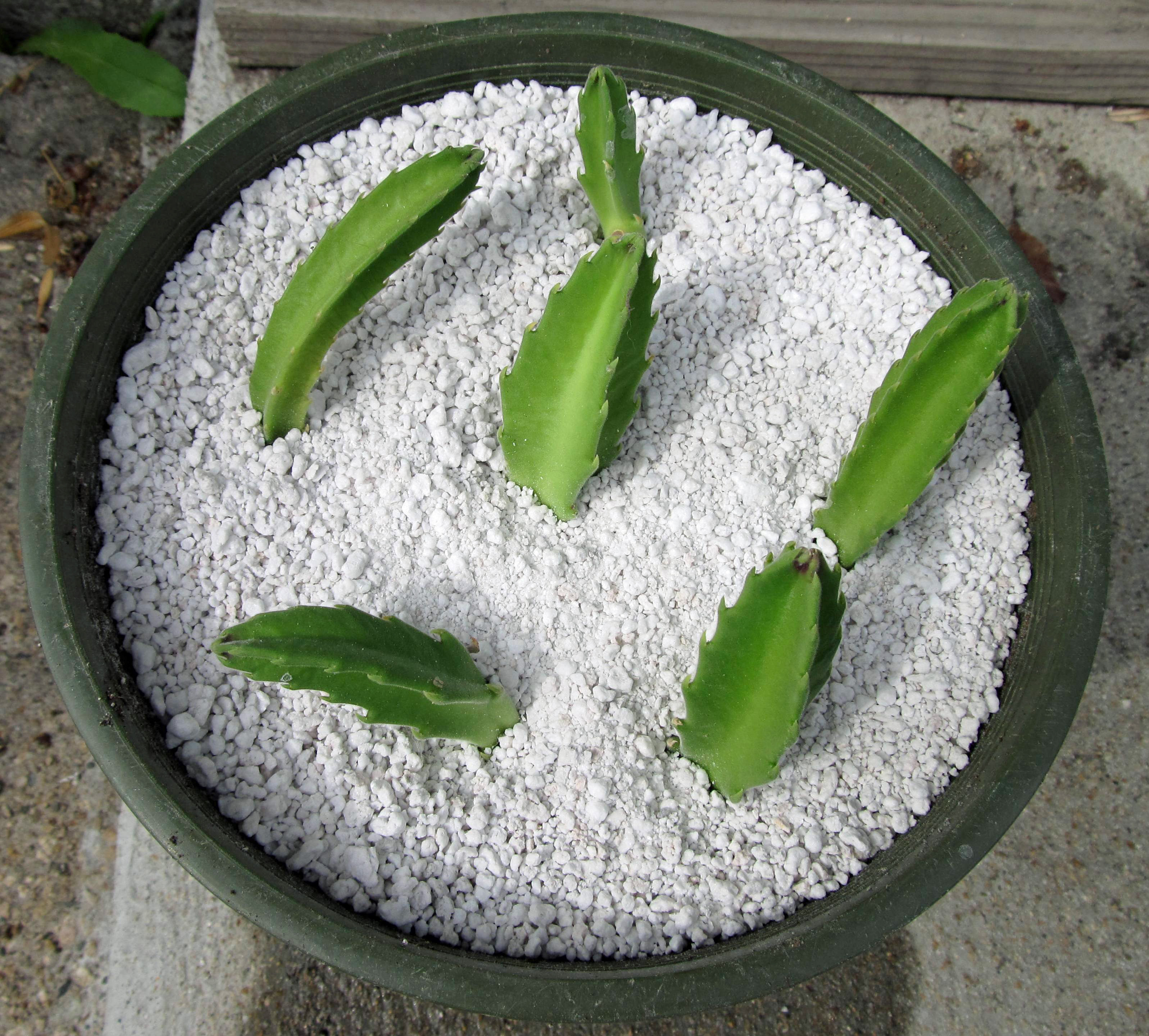
In April of last year, a box of stem cuttings arrived in my mailbox. They were sent to me by a friend in Colorado called Sandra (you may know her from one of her many ventures: Greenwoman Magazine, Greenwoman Publishing, Flora’s Forum, etc.). Sandra’s carrion flower had bloomed that spring, a stinky but delightful occasion. In her excitement, she asked if I would be interested in growing some carrion flowers of my own. Not one to turn down the chance to try my hand at cultivating something unusual, I gladly accepted her offer of a few cuttings sent via Priority Mail. Six cuttings arrived shortly thereafter, and upon reading through some instructions on the internet, I nestled them into their new home and hoped they would put down roots and stay a while.

carrion flower cuttings

There are several species of plants that are referred to commonly as carrion flower. The plant parts I received from Sandra are in the genus Stapelia (family: Apocynaceae or dogbane family), also known commonly as African starfish flower. There are around 100 species in the genus Stapelia, and they all originate from tropical and southern Africa, mostly in arid regions.

Stapelias are short-lived, low-growing, perennial succulents. Their stems typically stand erect and are produced along stolons (above ground runners), creating a tight clump of stems that appear cactus-like. Each stem has 4-6 flattened vertical flanks, giving it a cross or star shape when looking down from the top. On the outside edges of the flanks are a series of rudimentary leaves protruding from tubercles (wart-like growths), giving the stems a spiny appearance. The stems are usually green but can also be red or mottled with red or purple.

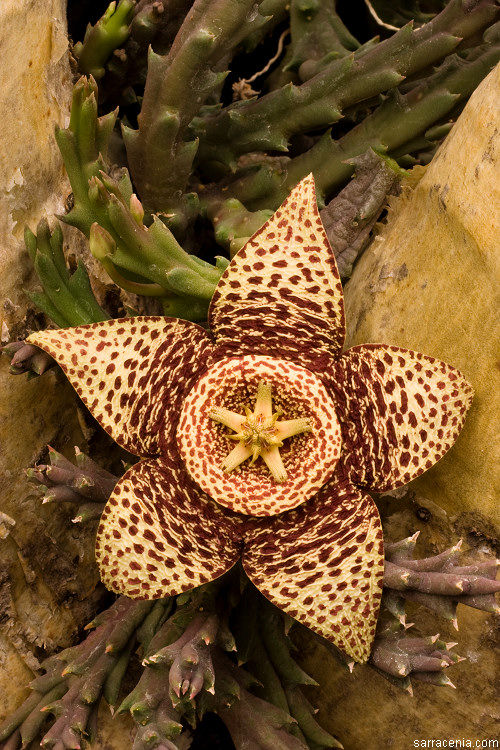
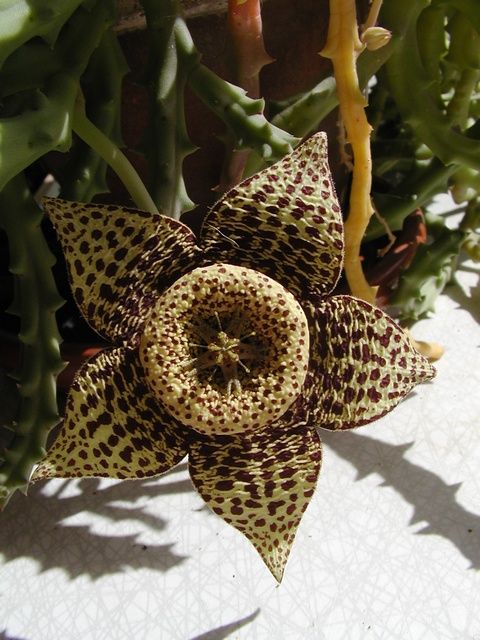
The flowers of Stapelia are the real show. They are produced at or near the base of the stem and have a star-shaped corolla with five fused petals that come to sharp points. The corolla has a wrinkly look and is often hairy, especially along the margins. Flowers can be variations of red, brown, yellow, and purple. In some species they can reach up to 18 inches wide. It is a unique looking flower, but even more unique is its scent. Because Stapelia flowers are pollinated by flies, they emit the scent of rotting animal flesh, an odor that flies can truly appreciate. In fact, flies can be so deceived by the appearance and scent of the flowers that they occasionally lay their eggs on or near them, expecting them to be a food source for their emerging larva.

Stapelia variegate (photo credit: eol.org)

Stapelia variegata (photo credit: eol.org)

Stapelia is easily propagated, especially by stem cuttings. Allow cuttings to dry in a cool, shady location for 48 hours and then stick them in a well-drained potting soil mix. Water moderately (preferably from below by placing the container in a tray and then filling the tray with water). Cuttings should root easily. All six of mine did.

Keep Stapelia in a sunny or mostly sunny location. If you live in USDA hardiness zone 9 or above, you can grow Stapelia outdoors. Otherwise, keep it indoors near a window that gets lots of sun. The main thing you will have to worry about is stem rot due to over watering. Grow Stapelia in a well-drained soil mix, water from below, and allow soil to dry out between waterings in order to avoid this.

Stapelia variegata (photo credit: eol.org)

Stapelia variegata (photo credit: eol.org)

As for me and my carrion flowers, like I said earlier, all six cuttings rooted. I transplanted one of them. Of the five left in the original pot, one rotted a couple weeks ago and another rotted during the writing of this post. The remaining ones still look healthy, but none of them have grown much since they rooted. The main problem I am having is that my house does not let in much sunlight. What appears relatively bright to me is probably cave-like to my carrion flowers. Until I remedy that situation, they may not grow much, they could continue to rot, and they probably won’t flower any time soon. However, if anything changes and I do get a flower out of them, I will make it a point to let you know. And Sandra will be proud.

stapelia today_edit


Drought Tolerant Plants: Blue Sage

If you are considering installing a drought tolerant garden on your property or including more drought tolerant plants in your landscape, one plant that should come standard is blue sage. Its silvery-green foliage, large, abundant, purple-blue flower stalks, and attractive mounded shape, make it an excellent feature in any water-efficient garden bed.

salvia pachyphylla_edit 1

Salvia pachyphylla is in the mint family (Lamiaceae). It has several common names which it shares with several other plants: blue sage, Mojave sage, rose sage, mountain desert sage, giant-flower sage. For this post we will refer to it as blue sage; however, if you’re looking to purchase it, make sure to verify the botanical name. Blue sage is a subshrub that can grow up to 3 feet tall and 3 feet wide. It tends to remain smaller – around 1-2 feet tall – in its native habitat. It is found in the southwestern states of the United Sates on dry, rocky slopes and flats at elevations between 5,000 – 10,000 feet. The leaves are oppositely arranged and covered with fine hairs that lay tightly against the leaf surface giving the foliage its silvery appearance. Like all other sages, the leaves of blue sage are highly aromatic.

salvia pachyphylla foliage_edit

The flowers appear in compact clusters on spikes that extend upward from the branches. The inflorescences can be several inches long. They have numerous large, purple bracts that appear in a whorled pattern along the spike. The violet-blue flowers are small but prolific and appear between the bracts surrounding the stalk. Flowering occurs throughout the summer (July-September in its native range). The flowers attract droves of pollinators including bees, butterflies, and hummingbirds. Blue sage is especially beneficial to native pollinators. In fact, while taking photos for this post, I noted that the flowers were being visited by several bumblebees. Its benefit to pollinators is another great reason to include this plant in your landscape.

salvia pachyphylla_edit 2

Blue sage is a very drought tolerant plant. Once it is established it requires only occasional watering throughout the summer in order to keep it looking good. It performs well in a variety of soil types, but like most drought tolerant plants it is best placed in well drained soil. Heavy soils can be amended by mixing in things like sand, lava rock fines, and compost at planting time. It prefers full sun and is winter hardy to USDA hardiness zone 5, especially if planted in an area where the soil is relatively dry throughout the winter. Blue sage is a long lived plant and can be kept in shape by cutting back the spent flowers in the fall. The folks at Plant Select recommend planting blue sage with, among other things, penstemon, coreopsis, and creeping veronica.

Photos were taken at Idaho Botanical Garden in Boise, Idaho.