Year of Pollination: Botanical Terms for Pollination, part two

“The stage is set for reproduction when, by one means or another, compatible pollen comes to rest on a flower’s stigma. Of the two cells within a pollen grain, one is destined to grow into a long tube, a pollen tube, that penetrates the pistil’s tissues in search of a microscopic opening in one of the ovules, located in the ovary. … The second of a pollen grain’s cells divides to become two sperm that move through the pollen tube and enter the ovule.” – Brian Capon, Botany for Gardeners

“Once pollination occurs, the next step is fertilization. Pollen deposited on the sticky stigma generates a fine pollen tube that conveys the sperm through the style to the ovary, where the ovules, or eggs, have developed. After fertilization, the rest of the flower parts wither and are shed as the ovary swells with seed development.” – Rick Imes, The Practical Botanist

Pollination tells the story of a pollen grain leaving an anther by some means – be it wind, water, or animal – and finding itself deposited atop a stigma. As long as the pollen and stigma are compatible, the sex act proceeds. In other words, the pollen grain germinates. One of the pollen grain’s cells – the tube nucleus – grows down the length of the style, forming a tube through which two sperm nuclei can travel. The sperm nuclei enter the ovary and then, by way of a micropyle, enter an ovule. Inside the ovule is the female gametophyte (also referred to as the embryo sac). One sperm nucleus unites with the egg nucleus to form a zygote. The remaining sperm nucleus unites with two polar nuclei to form a triploid cell which becomes the endosperm. The sex act is complete.
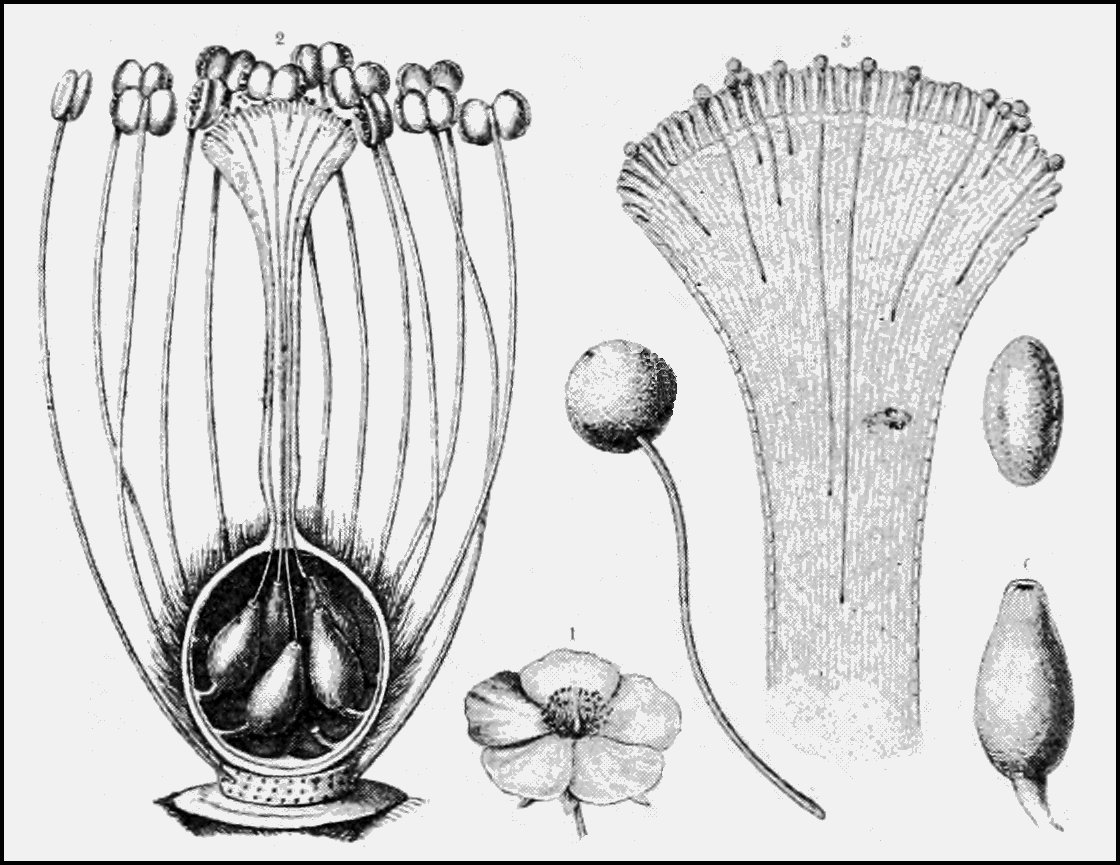
The illustration on the left includes the cross-section of a pistil showing the inside the ovary where pollen tubes have made their way to the ovules. The illustration on the right shows pollen grains germinating on a stigma and their pollen tubes begining to work their way down the style. (photo credit: wikimedia commons)

The illustration on the left includes the cross section of a pistil showing the inside of the ovary where pollen tubes have made their way to the ovules. The illustration on the right shows pollen grains germinating on a stigma and pollen tubes as they work their way down the style. (image credit: wikimedia commons)

The zygote divides by mitosis to become an embryo. The endosperm nourishes the development of the embryo. The ovule matures into a seed, and the ovary develops into a fruit. During this process, the remaining parts of the flower wither and fall away. In some cases, certain flower parts remain attached to the fruit or become part of the fruit. The flesh of an apple, for example, is formed from the carpels and the receptacle (the thickened end of a flower stem – peduncle – to which the parts of a flower are attached).

As the seed matures, the endosperm is either used up or persists to help nourish the embryonic plant after germination. Mature seeds that are abundant in endosperm are called albuminous. Examples include wheat, corn, and other grasses and grains. Mature seeds with endosperm that is either highly reduced or absent are called exalbuminous – beans and peas, for example. Certain species – like orchids – do not produce endosperm at all.

The cross section of a corn kernel showing the endosperm and the embryo (image credit: Encyclopedia Britannica Kids)

The cross section of a corn kernel showing the endosperm and the embryo (image credit: Encyclopedia Britannica Kids)

It is fascinating to consider that virtually every seed we encounter is the result of a single pollen grain making its way from an anther to a stigma, growing a narrow tube down a style, and fertilizing a single ovule. [Of course there are always exceptions. Some plants can produce seeds asexually. See apomixis.] Think of this the next time you are eating corn on the cob or popcorn – each kernel is a single seed – or slicing open a pomegranate to reveal the hundreds of juicy seeds inside. Or better yet, when you are eating the flesh or drinking the milk of a coconut. You are enjoying the solid and liquid endosperm of one very large seed.

Much more can be said about pollination and the events surrounding it, but we’ll save that for future posts. The “Year of Pollination” may be coming to an end, but there remains much to discover and report concerning the subject. For now, here is a fun video to help us review what we’ve learned so far:


Also, take a look at this TED talk: The Hidden Beauty of Pollination by Louie Schwartzberg

And finally, just as the “Year of Pollination” was coming to an end I was introduced to a superb blog called The Amateur Anthecologist. Not only did it teach me that “anthecology” is a term synonymous with pollination biology, it has a great series of posts called “A Year of Pollinators” that showcases photographs and information that the author has collected for various groups of pollinators over the past year. The series includes posts about Bees, Wasps, Moths and ButterfliesFlies, and Beetles, Bugs, and Spiders.
Year of Pollination: Botanical Terms for Pollination, part one

When I began this series of posts, I didn’t have a clear vision of what it would be. I had a budding interest in pollination biology and was anxious to learn all that I could. I figured that calling 2015 the “Year of Pollination” and writing a bunch of pollination-themed posts would help me do that. And it has. However, now that the year is coming to a close, I realize that I neglected to start at the beginning. Typical me.

What is pollination? Why does it matter? The answers to these questions seemed pretty obvious; so obvious, in fact, that I didn’t even think to ask them. That being said, for these last two “Year of Pollination” posts (and the final posts of the year), I am going back to the basics by defining pollination and exploring some of the terms associated with it. One thing is certain, there is still much to be discovered in the field of pollination biology. Making those discoveries starts with a solid understanding of the basics.

Pollination simply defined is the transfer of pollen from an anther to a stigma or – in gymnosperms – from a male cone to a female cone. Essentially, it is one aspect of plant sex, albeit a very important one. Sexual reproduction is one way that plants multiply. Many plants can also reproduce asexually. Asexual reproduction typically requires less energy and resources – no need for flowers, pollen, nectar, seeds, fruit, etc. – and can be accomplished by a single individual without any outside help; however, there is no gene mixing (asexually reproduced offspring are clones) and dispersal is limited (consider the “runners” on a strawberry plant producing plantlets adjacent to the mother plant).

To simplify things, we will consider only pollination that occurs among angiosperms (flowering plants); pollination/plant sex in gymnosperms will be discussed at another time. Despite angiosperms being the youngest group of plants evolutionarily speaking, it is the largest group and thus the type we encounter most.

A flower is a modified shoot and the reproductive structure of a flowering plant. Flowers are made up of a number of parts, the two most important being the reproductive organs. The androecium is a collective term for the stamens (what we consider the male sex organs). A stamen is composed of a filament (or stalk) topped with an anther – where pollen (plant sperm) is produced. The gynoecium is the collective term for the pistil (what we consider the female sex organ). This organ is also referred to as a carpel or carpels; this quick guide helps sort that out. A pistil consists of the ovary (which contains the ovules), and a style (or stalk) topped with a stigma – where pollen is deposited. In some cases, flowers have both male and female reproductive organs. In other cases, they have one or the other.

photo credit: wikimedia commons

photo credit: wikimedia commons

When pollen is moved from an anther of one plant to a stigma of another plant, cross-pollination has occurred. When pollen is moved from an anther of one plant to a stigma of the same plant, self-pollination has occurred. Cross-pollination allows for gene transfer, and thus novel genotypes. Self-pollination is akin to asexual production in that offspring are practically identical to the parent. However, where pollinators are limited or where plant populations are small and there is little chance for cross-pollination, self-pollination enables reproduction.

Many species of plants are unable to self-pollinate. In fact, plants have evolved strategies to ensure cross-pollination. In some cases, the stamens and pistils mature at different times so that when pollen is released the stigmas are not ready to receive it or, conversely, the stigmas are receptive before the pollen has been released. In other cases, stigmas are able to recognize their own pollen and will reject it or inhibit it from germinating. Other strategies include producing flowers with stamens and pistils that differ dramatically in size so as to discourage pollen transfer, producing separate male and female flowers on the same plant (monoecy), and producing separate male and female flowers on different plants (dioecy).

As stated earlier, the essence of pollination is getting the pollen from the anthers to the stigmas. Reproduction is an expensive process, so ensuring that this sex act takes place is vital. This is the reason why flowers are often showy, colorful, and fragrant. However, many plants rely on the wind to aid them in pollination (anemophily), and so their flowers are small, inconspicuous, and lack certain parts. They produce massive amounts of tiny, light-weight pollen grains, many of which never reach their intended destination. Grasses, rushes, sedges, and reeds are pollinated this way, as well as many trees (elms, oaks, birches, etc.) Some aquatic plants transport their pollen from anther to stigma via water (hydrophily), and their flowers are also simple, diminutive, and produce loads of pollen.

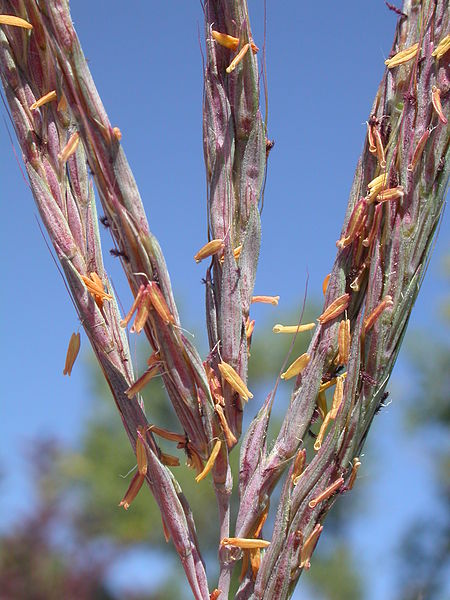
Inforescence of big bluestem (Andropogon gerardii), a wind pollinated plant - pohto credit: wikimedia commons

Inflorescence of big bluestem (Andropogon gerardii), a wind pollinated plant – photo credit: wikimedia commons

Plants that employ animals as pollinators tend to have flowers that we find the most attractive and interesting. They come in all shapes, sizes, and colors and are anywhere from odorless to highly fragrant. Odors vary from sweet to bitter to foul. Many flowers offer nectar as a reward for a pollinator’s service. The nectar is produced in special glands called nectaries deep within the flowers, inviting pollinators to enter the flower where they can be dusted with pollen. The reward is often advertised using nectar guides – patterns of darker colors inside the corolla that direct pollinators towards the nectar. Some of these nectar guides are composed of pigments that reflect the sun’s ultraviolet light – they are invisible to humans but are a sight to behold for many insects.

In part two, we will learn what happens once the pollen has reached the stigma – post-pollination, in other words. But first, a little more about pollen. The term pollen actually refers to a collection of pollen grains. Here is how Michael Allaby defines “pollen grain” in his book The Dictionary of Science for Gardeners: “In seed plants, a structure produced in a microsporangium that contains one tube nucleus and two sperm nuclei, all of them haploid, enclosed by an inner wall rich in cellulose and a very tough outer wall made mainly from sporopollenin. A pollen grain is a gametophyte.”

A pollen grain’s tough outer wall is called exine, and this is what Allaby has to say about that: “It resists decay, and the overall shape of the grain and its surface markings are characteristic for a plant family, sometimes for a genus or even a species. Study of pollen grains preserved in sedimentary deposits, called palynology or pollen analysis, makes it possible to reconstruct past plant communities and, therefore, environments.”

Scanning electron microscope image of pollen grains from narrowleaf evening primrose (Oenothera fruticosa) - photo credit: wikimedia commons

Scanning electron microscope image of pollen grains from narrowleaf evening primrose (Oenothera fruticosa) – photo credit: wikimedia commons

Artificial Photosynthesis – A Case of Biomimicry

Humans have long sought solutions to their problems by observing nature and trying to mimic it. These endeavors have lead to improvements in the designs and production processes of countless things. In recent decades there has been a growing movement composed of scientists, engineers, and innovators of all types to expressly seek for answers to today’s most pressing problems by deeply observing and analyzing the natural world. These efforts are coupled with a desire to learn how to work with nature rather than against it in an attempt to secure a more sustainable future for life on Earth. This is the essence of biomimicry.

To this end, plants have much to teach us. Everything from their basic forms and functions to the way they fight off pests and diseases to the way they communicate with each other is worth exploring for biomimicry purposes. A plant-based phenomenon that has probably received the most attention – and for good reason – is photosynthesis, the process that enables plants to use the sun to make food.

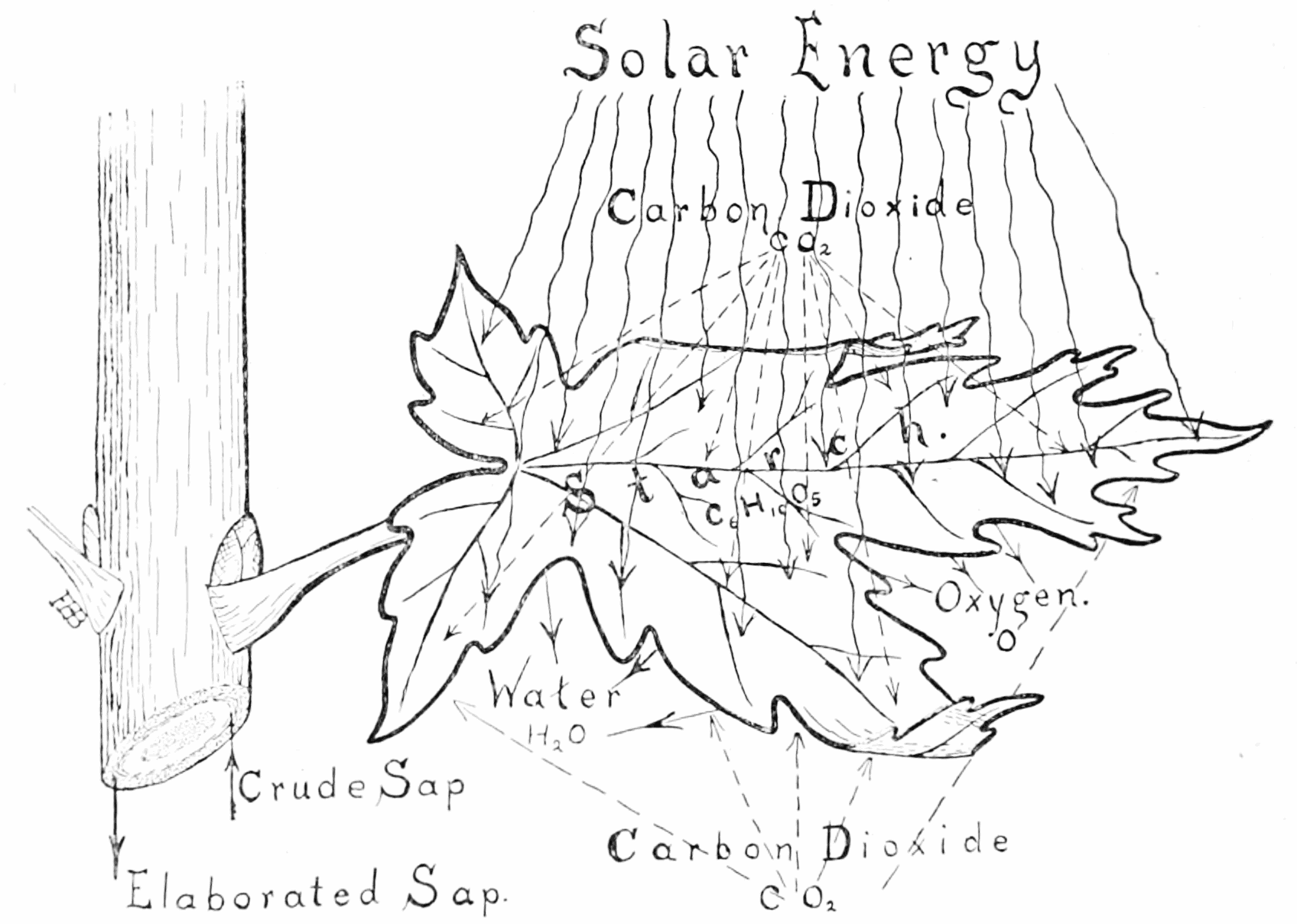
Put another way, photosynthesis is the process of converting light energy into chemical energy. Specialized proteins in plant cells absorb particles of light which initiates the passing of electrons across a series of molecules. Subsequently, water is split by a protein complex into oxygen and hydrogen protons. The oxygen is released from the plant, while the electrons and hydrogen protons go on to help generate two compounds – NADPH and ATP – which are later used to power the reaction that transforms atmospheric carbon dioxide into sugars. The concept of photosynthesis, while fairly simple to grasp from a high level (i.e. light + water + carbon dioxide = sugars + oxygen), is actually quite complex, and there is still much too discover concerning it.

photo credit: wikimedia commons

photo credit: wikimedia commons

One thing is certain, photosynthesis is ubiquitous. As long as the sun is overhead, most plants, algae, and cyanobacteria are photosynthesizing at a steady clip and are thereby helping to power just about every other living organism on the planet. Without plants, most of the rest of us could not survive. Janine M. Benyus offers this human-centric view in her book Biomimicry:

Consider that everything we consume, from a carrot stick to a peppercorn filet, is the product of plants turning sunlight into chemical energy. Our cars, our computers, our Christmas tree lights all feed on photosynthesis as well, because the fossil fuels they use are merely the compressed remains of 600 million years worth of plants and animals that grew their bodies with sunlight. All of our petroleum-born plastics, pharmaceuticals and chemicals also spring from the loins of ancient photosynthesis. … Plants gather our solar energy for us and store it as fuel. To release that energy, we burn the plants or plant products, either internally, inside our cells, or externally, with fire.

Since plants are so well-versed in using sunlight to create food and energy, it only makes sense that we would look to them to learn how we might improve and expand upon our quest for renewable energy production. We already use the sun to produce electricity by way of photovoltaic systems; however, these systems are limited in that they can only produce electricity when the sun is shining, and electricity is difficult to store. Artificial photosynthesis involves using that electricity to power catalysts that can split water into hydrogen and oxygen. The hydrogen can be used as a fuel or can be fed into reactions involving carbon dioxide, ultimately resulting in a carbon-based fuel source. Fuels produced this way – referred to as solar fuels – could be stored and used regardless of whether or not the sun is out.

Artificial photosynthesis has largely moved beyond the theoretical stage. Multiple efforts have demonstrated ways in which water can be split using the light of the sun and solar fuels can thereby be produced. Mass production is the next step, and that is where the real limitations lie. The production of solar fuels has to be done cheaply enough to compete with other available fuels, and the infrastructure to use such fuels has to be available. These hurdles may very well be overcome, but it will take time. Meanwhile, research continues, adding to the mountains of studies already published.

photo credit: wikimedia commons

photo credit: wikimedia commons

On such study published in 2011 describes an “artificial leaf” that was developed at the Massachusetts Institute of Technology by Daniel Nocera and a team of researchers. Listen to an interview with Nocera on Science Friday and watch this BBC Worldwide video to learn more about this discovery. This Nature article explains why the artificial leaf is not yet commercially available, and why we are not likely to see it any time soon.

Another development in artificial photosynthesis was published earlier this year in Nano Letters. It is the product of Peidong Yang and the Kavli Energy NanoSciences Institute. While Nocera and his team stopped at the production of hydrogen gas, Yang’s lab added bacteria to the mix and were able to use the sun’s energy to transform carbon dioxide into acetate. If passed along to another species of bacteria, the acetate could be used to produce various synthetic fuels. Learn more about this by reading this livescience article and watching this FW: Thinking video. As with other artificial photosynthesis developments, limitations abound, but the research is promising.

Artificial photosynthesis is a compelling subject and one worth keeping an eye on. Follow the links below to learn more:

Biomimicry is an equally compelling subject and one I hope to explore further in future Awkward Botany posts. Meanwhile, check out these links:

The Moon Trees

On January 31, 1971, Apollo 14 left Earth and headed for the Moon. It was the eighth manned Apollo mission and the third to land on the Moon. On board were three astronauts – Alan Shepard, Edgar Mitchell, and Stuart Roosa. Joining the astronauts were about 500 tree seeds that were given to Roosa by Ed Cliff, the Chief of the Forest Service at the time. While Shepard and Mitchell explored the surface of the Moon, Roosa and the seeds hovered above it in the spacecraft. After Shepard had hit a couple of golf balls and Roosa had circled the Moon 34 times, the crew rejoined and headed back to Earth.

Roosa’s collection of tree seeds consisted of 5 species – Douglas fir, redwood, loblolly pine, sycamore, and sweetgum. Upon returning to Earth, Roosa handed the seeds back over to the Forest Service. They were then planted at Forest Service stations in Mississippi and California. Some of the seedlings were planted adjacent to trees grown from seeds that had remained on Earth in order to conduct a comparison study. The other seedlings were available for dissemination.

Official Moon Tree Emblem

Official Moon Tree Emblem

Around this time (1976-77), America was celebrating its bicentennial, so many of the trees were planted in commemoration of this event. A loblolly pine was planted at the White House. A sycamore was planted in Washington Square in Philadelphia. Valley Forge got a Moon Tree, and so did Brazil, Japan, and Switzerland. Moon Trees were planted at various parks and institutions in many states throughout the country. In fact, there were so many requests for Moon Trees that several rooted cuttings of the original seedlings had to be produced.

Unfortunately, in the frenzy of shipping out Moon Trees, a complete record of where and when the trees were planted was not maintained, and so it remains unclear where all the trees are today and how many of them are surviving. When NASA employee, Dave Williams, became aware of Moon Trees, he embarked on a quest to compile a list of them. His webpage contains the short list of trees he has been able to confirm and document so far.

According to Williams’ list, Idaho received two Moon Trees. A sycamore was planted at University of Idaho in Moscow, and a loblolly pine was planted at Lowell Elementary in Boise. The sycamore perished sometime within the last decade. The loblolly pine remains…but perhaps not for long.

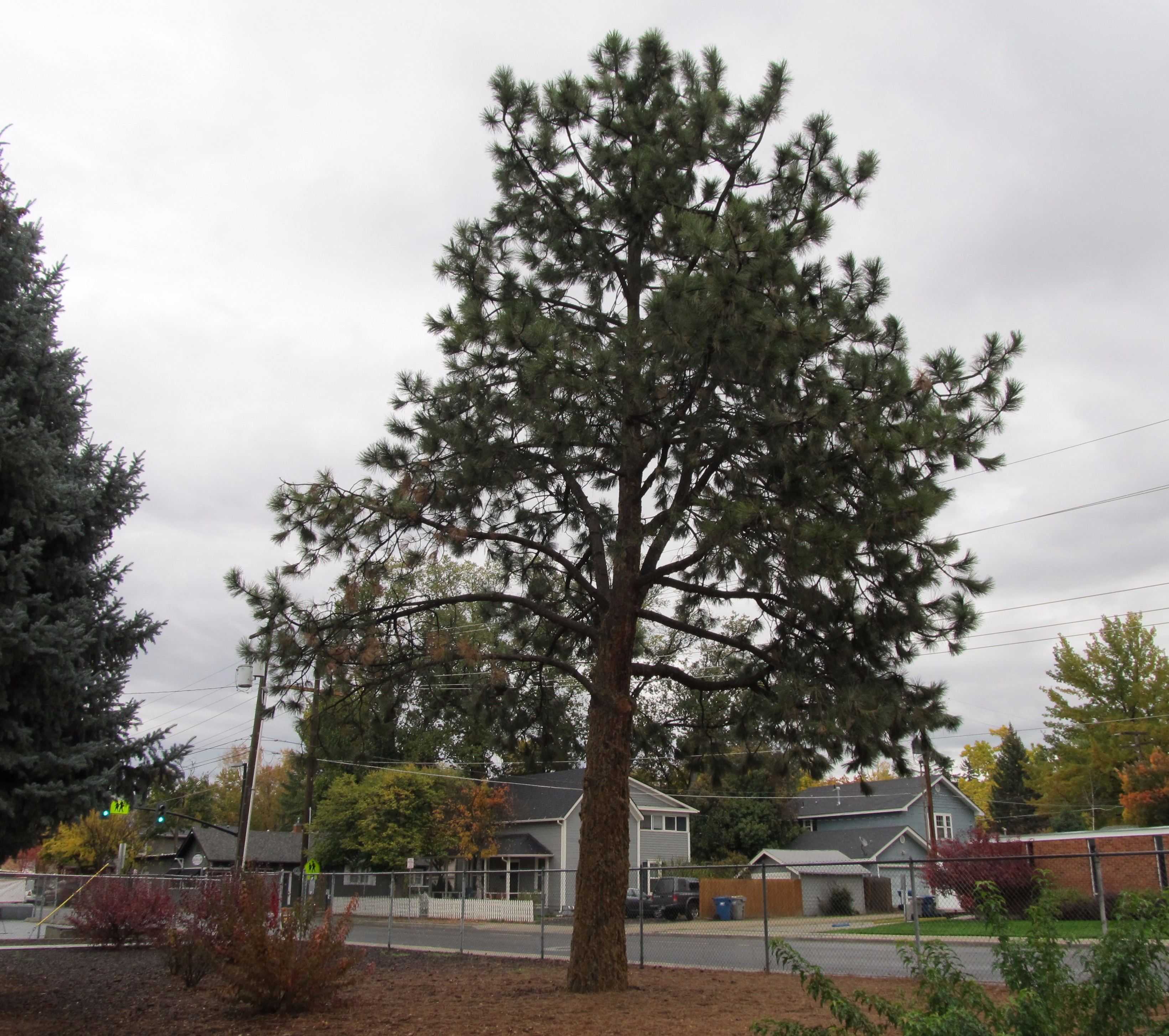
Loblolly pine (Pinus taeda) at Lowell Elementary in Boise, Idaho - one of many Moon Trees planted in the late 1970's.

Loblolly pine (Pinus taeda) at Lowell Elementary in Boise, Idaho – one of many Moon Trees planted in the 1970’s.

And this is how I came to learn about Moon Trees. This fall, local news reported on efforts being made to save Boise’s Moon Tree. The soil around it is compacted, it’s not getting enough water, and it has become infested with a pest insect. When community members learned of its potential demise, they resolved to save it. Money was raised to pay for the water it requires, and a local tree company volunteered to assist with necessary treatments. Its future remains uncertain; however, this renewed awareness and attention may be just what it needs to survive.

Upon learning about Boise’s Moon Tree, I decided to pay it a visit. After all, not only is it in my hometown, but it is also in my neighborhood, just a short walk from my house. It was pretty obvious right away which tree was the Moon Tree as its trunk is completely covered in oozing sap – a sure sign of infection. It is also located in a spot that doesn’t appear to be receiving any supplemental irrigation. The stresses caused by compacted soil and dehydration left it vulnerable to attack.

But maybe it wasn’t the best tree for the site to begin with. Loblolly pine (Pinus taeda) is native to the southeastern United States where it is commonly found growing in acidic, wet soils – a stark contrast to the dry, alkaline soils of the Treasure Valley. Still, it is Idaho’s only known remaining Moon Tree – a tree whose seed went to space, circled the moon, and was brought back to Earth where it was planted in celebration of the 200th anniversary of this nation. It is worth saving, with the hope being that it will inspire not only a connection to the natural world but also to the broader universe which all living beings call home.

Read more about Moon Trees:

Houston, We Have Moon Trees

A Race Against Time to Find Apollo 14’s Lost Voyagers

In Search of Moon Trees

Drought Tolerant Plants: Rabbitbrush

Gardener seeking shrub. Must be drought tolerant. Must have year-round interest. Must be easy to grow and maintain. Preferably flowers in late summer or early fall. Must be attractive – not just to humans, but to wildlife as well. Serious inquiries only.

My answer to a solicitation such as this would be rabbitbrush. While there may be other perfectly acceptable plants that fit this description, I think rabbitbrush deserves major consideration. It’s easy to grow and can be kept looking attractive throughout the year. When it is flush with vibrant, golden-yellow flowers at the close of summer, it not only becomes the star of the garden visually, but also a savior to pollinators readying themselves for winter. Plus, it requires little to no supplemental water, making it a true dry garden plant.

There are many species that go by the common name rabbitbrush. The two that I am most familiar with are Ericameria nauseosa (rubber or gray rabbitbrush) and Chrysothamnus viscidiflorus (green or yellow rabbitbrush). Both of these species are native to western North America, and both have a number of naturally occurring varieties and subspecies.

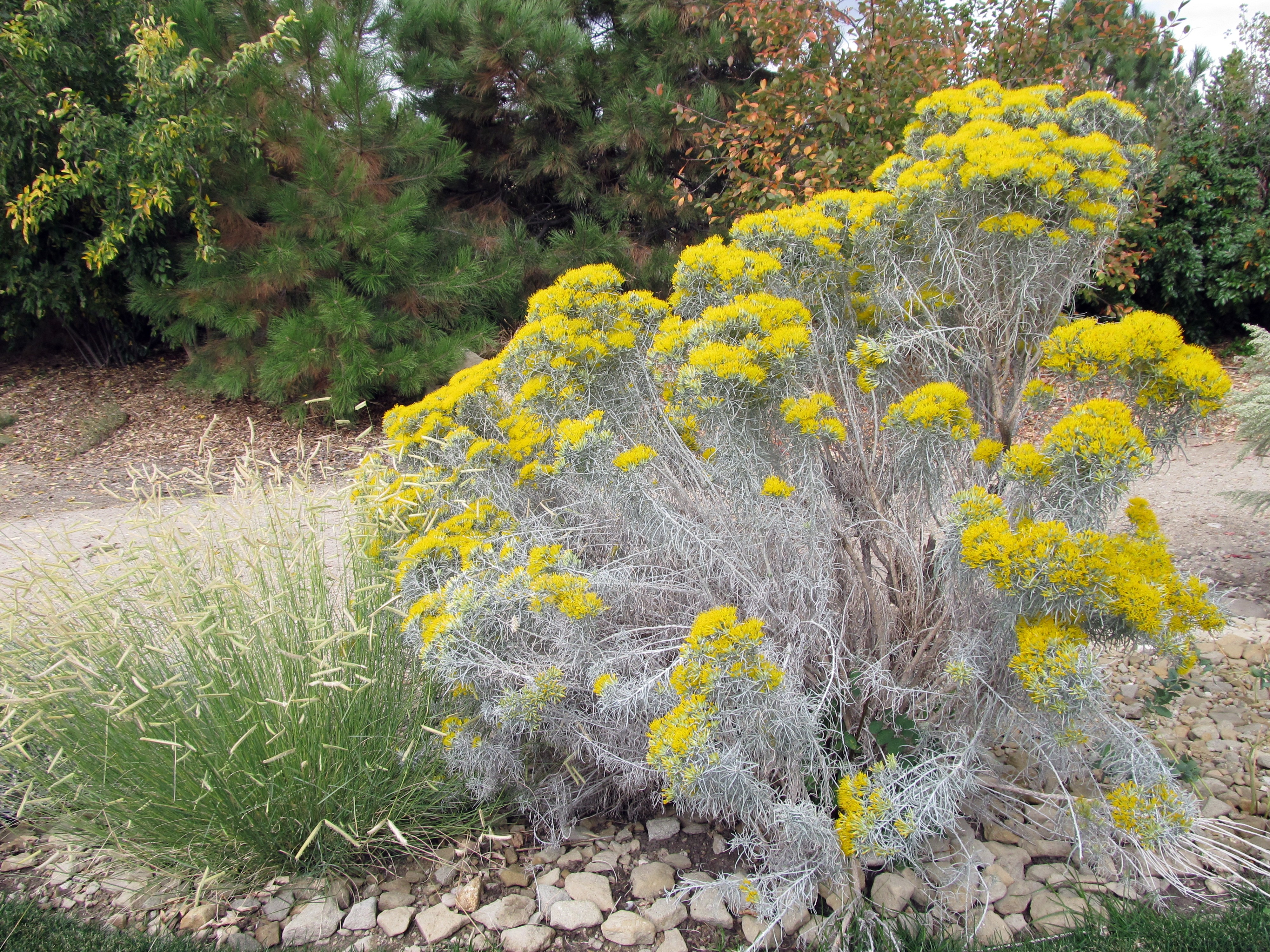
Rubber rabbitbrush - Ericameria nauseosa

Rubber rabbitbrush – Ericameria nauseosa

Rubber rabbitbrush is a densely branched shrub that reaches an average height of 3 feet. Its leaves are slender and numerous, and its stems and leaves are covered in short, white, felt-like hairs giving the plant a light gray appearance. Native Americans used the flexible branches of this plant to weave baskets. They also made a tea from the stems to treat coughs, colds, chest pains, and toothaches. Bundles of branches were burned to smoke animal hides. The stems and roots contain a latex sap, and certain Native American tribes are said to have used this sap as chewing gum, possibly to relieve hunger or thirst. A rubber shortage during World War II led to investigations into extracting the latex from rabbitbrush. This idea was soon abandoned once it was determined that even if every rabbitbrush in the West were to be harvested, the resulting increase in rubber would be modest compared to other sources.

Green rabbitbrush is typically smaller than rubber rabbitbrush, reaching a maximum height of about 3 feet. Its stems and leaves appear similar to rubber rabbitbrush except they lack the dense, white hairs and are brown and green respectively. Also, the stems and leaves of green rabbitbrush have a stickiness to them, and the leaves are often twisted or curled.

Rabbitbrush is a member of the sunflower family (Asteraceae). Plants in this family generally have inflorescences that are a combination of ray and disk flowers (or florets) clustered tightly together and arranged in such a way that the inflorescence appears as a single flower. Consider sunflowers, for example. What appear to be petals around the outside of a large flower are actually a series of individual ray flowers, and in the center are dozens of disk flowers. Both rubber and green rabbitbrush lack ray flowers, and instead their inflorescences are clusters of 5 or so disk flowers that are borne at the tips of each branch creating a sheet of yellow-gold flowers that covers the shrub. Native Americans used these flowers to make dyes.

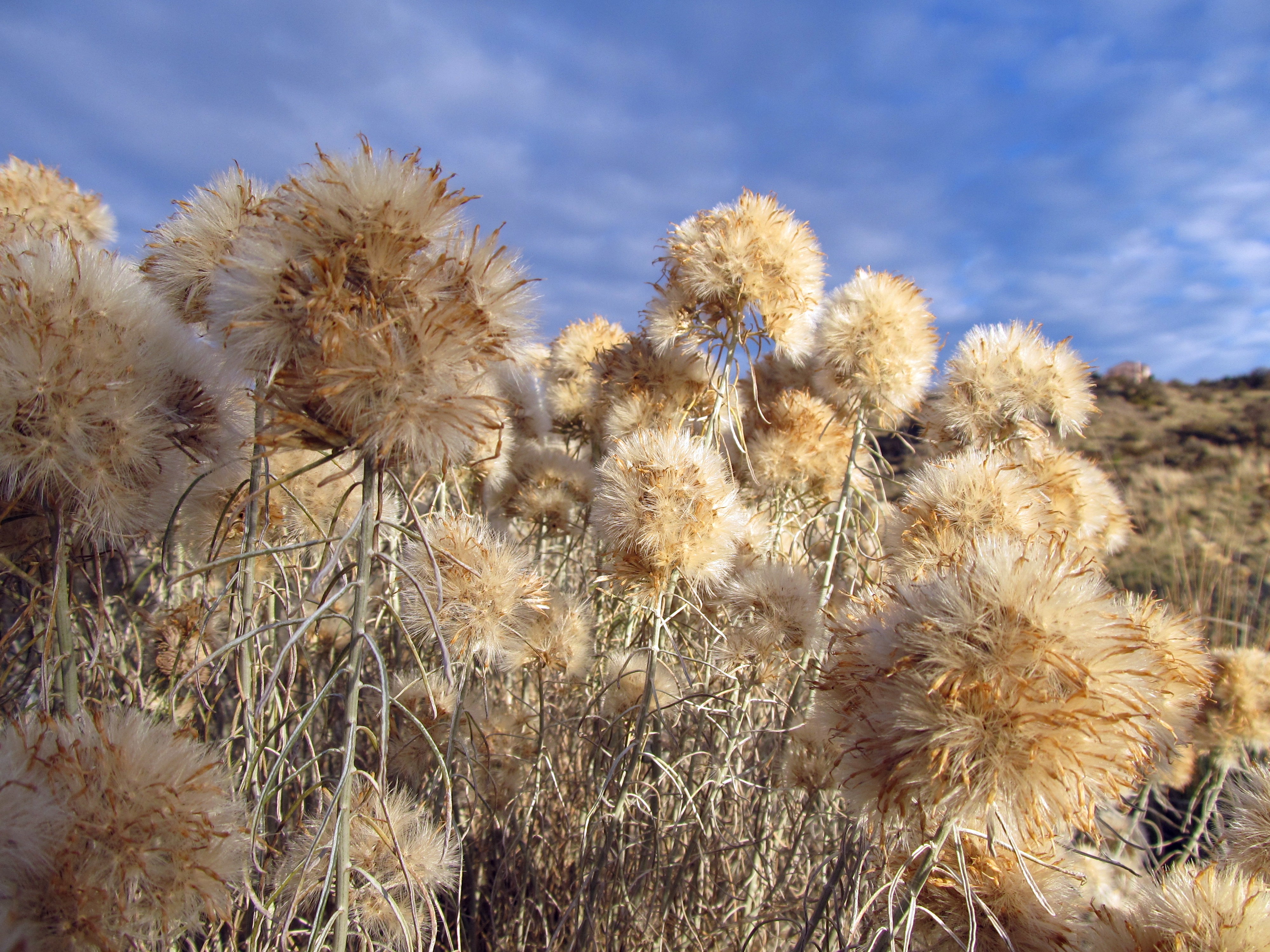
The fruits of rabbitbrush are achenes with small tufts of hairs attached. Each achene contains one seed. The tuft of hair (or pappus) helps disseminate the seed by way of the wind. Many of the fruits remain attached to the plant throughout the winter, providing winter interest and food for birds.

As rabbitbrush ages it can become gangly, floppy, or simply too large for the site. This can be avoided easily by cutting the plant back by a third or more each fall or spring, which will result in a more manageable form. It can also be cut back nearly to the ground if it is getting too big.

Seed heads of rubber rabbit brush (Ericameria nauseosa)

Seed heads of rubber rabbit brush (Ericameria nauseosa)

The leaves, flowers, stems, and seeds provide food for a variety of animals including birds, deer, and small mammals. The plant itself can also provide cover for small mammals and birds. Oh, and did I mention that it’s a pollinator magnet. It has wildlife value, it’s drought tolerant, it’s easy to maintain, and overall, it’s a beautiful plant. What more could you ask for in a shrub?

More Drought Tolerant Plant posts at Awkward Botany:

Fernbush

Blue Sage

Prickly Pears

Water Efficient Landscape at Idaho State Capitol Building

Desert Willow

The photos in this post were taken at Idaho Botanical Garden in Boise, Idaho.

Drought Tolerant Plants: Desert Willow

Hailing from dry washes and riverbanks of the desert southwestern United States and northern Mexico, desert willow is a tough tree or large shrub with delicate, showy flowers and wispy foliage. Its beauty and its ruggedness has made it a popular plant for dry gardens. It requires little attention maintenance-wise, yet attracts all kinds of attention otherwise. If you live in a desert climate that generally stays above 0 degrees Fahrenheit during the winter, this plant belongs in your garden.

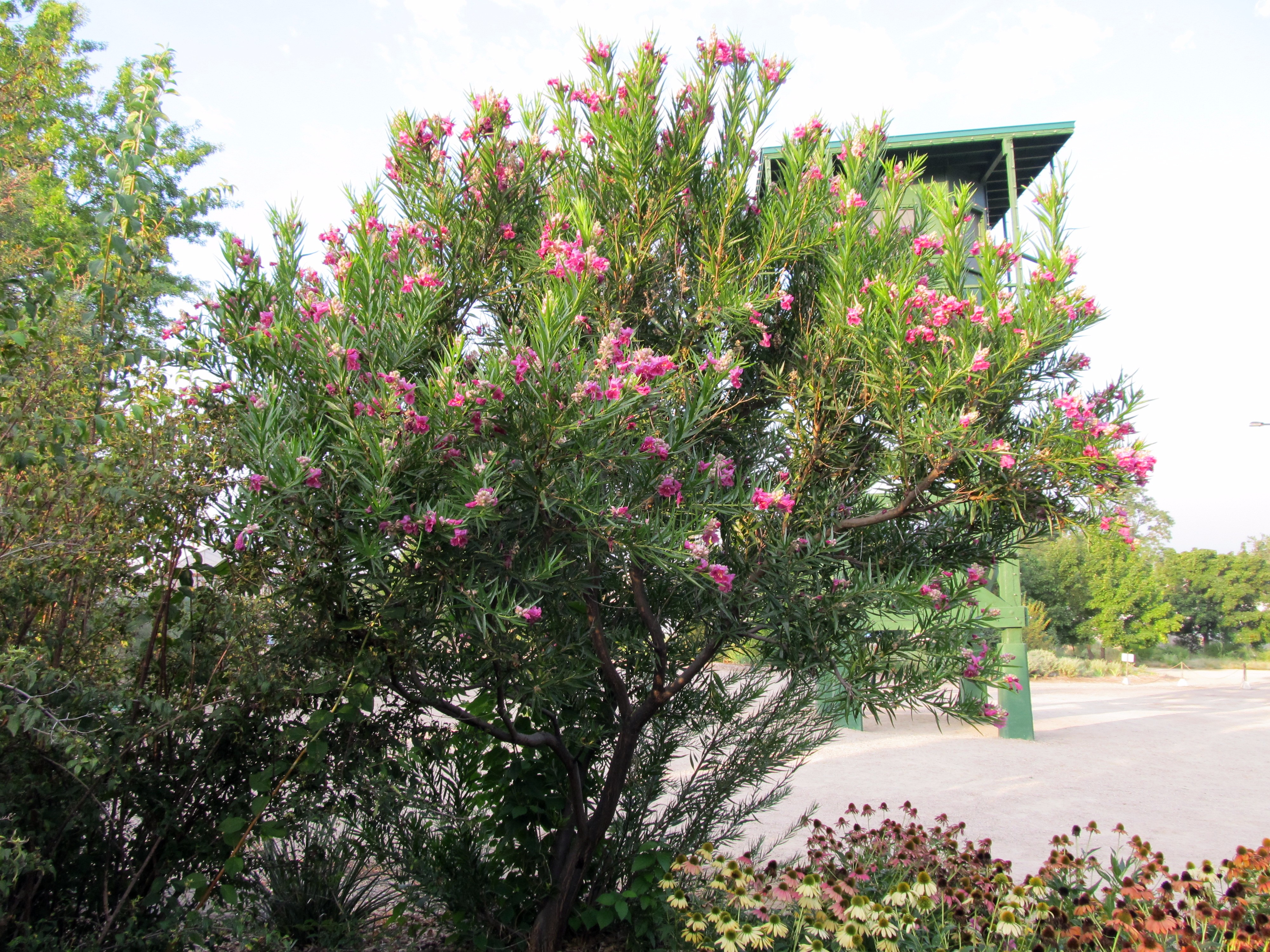
Desert Willow - Chilopsis linearis

Desert Willow – Chilopsis linearis

A member of the family Bignoniaceae – a family that consists of at least 8o genera including catalpa (Catalpa spp.) and trumpet vine (Campsis spp.) – Chilopsis linearis is the sole member of its genus. The common name, desert willow, refers to its habitat and its long, slender, oppositely and alternately arranged leaves that resemble those of many willows (Salix spp.). Other common names include flowering willow, willowleaf catalpa, desert catalpa, and false-willow. There are two recognized subspecies – linearis and arcuata.

Desert willow is found most commonly in areas where seasonal flooding occurs. Known as desert dry washes – or simply dry washes or desert washes –  these are areas in the desert where runoff from heavy rains accumulates resulting in saturated soils followed by a prolonged dry period. Groundwater often remains accessible year-round to the deep roots of plants in this type of habitat. Desert willow shares this habitat with several other large shrubs and small trees including mesquite (Prosopis spp.), palo verde (Parkinsoinia spp.), and smoketree (Psorothamnus spinosus). Desert willow occurs along stream banks and river banks as well, where seasonal flooding also occurs.

Desert willow generally reaches a width of 10 to 15 feet and a height of at least 15 feet, although it has the potential to grow taller than 30 feet. It often has an open and sprawling or leaning habit, but it can be pruned to look more tree-like. Pruning can also result in more flowering, since flowers appear on new growth and pruning encourages growth. Watering this plant during the dry season can also lead to a flush of growth and more flowering. This is something to keep in mind, as it is the flowers that are the star of the show.

Persisting from late spring through midsummer (and sometimes longer), the 1 to 2 inch, trumpet-shaped, pink to rose to purple blossoms are hard to miss. They occur singularly or in clusters at the tips of branches. The ruffled-edges of the petals and the prominent streaks of color within the corolla tube add to the attraction. Hummingbirds, butterflies, and bumblebees are common visitors to these fragrant flowers. Summer rains or occasional watering can encourage flowering throughout the summer. Overwatering, on the other hand, can be detrimental.

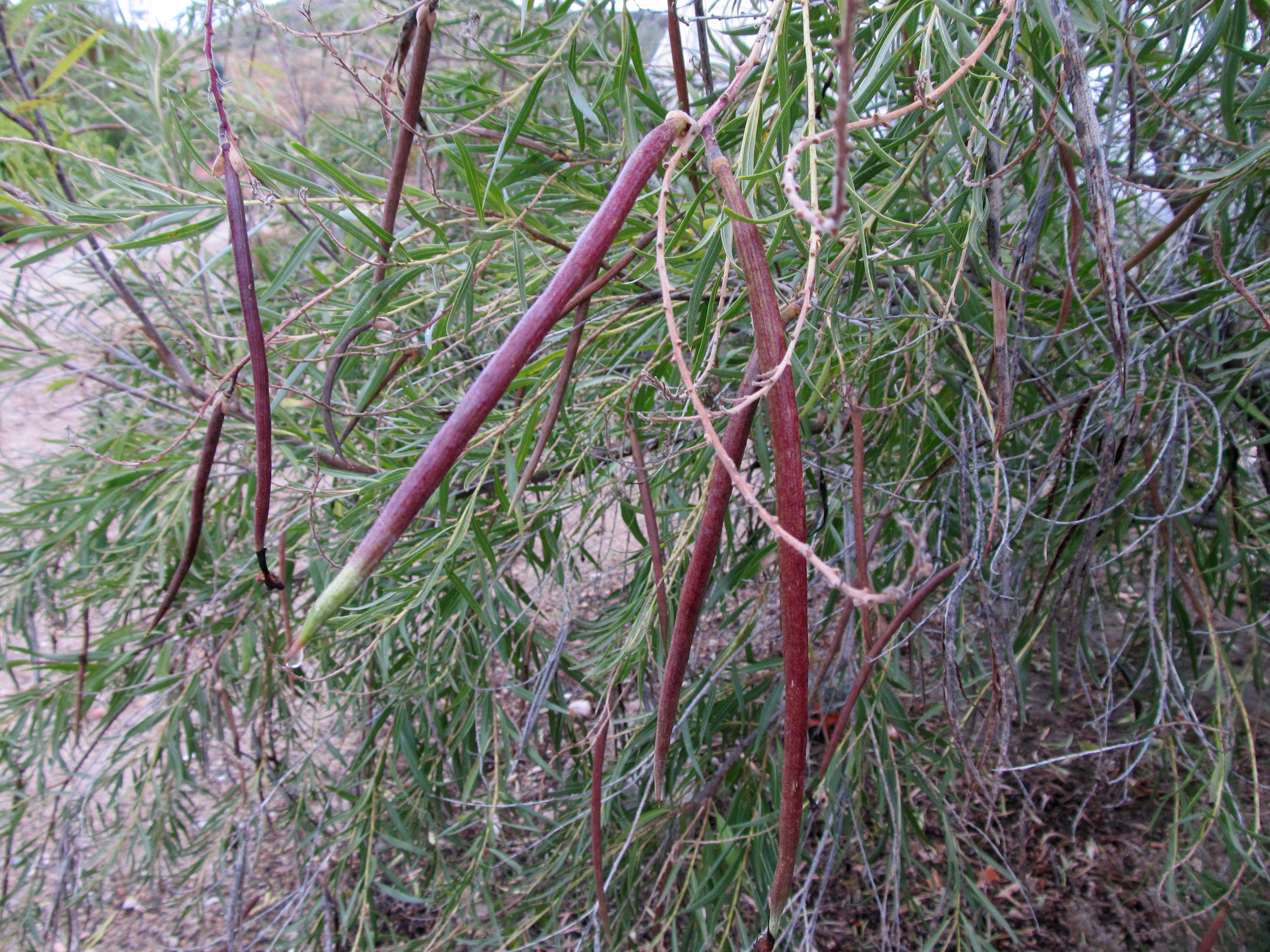
The flowers eventually form long slender seed pods called capsules that reach up to 10 inches long. Inside the capsules are a series of hairy seeds. The hairs form small wings on the sides of the seeds. The seeds are eaten by a variety of bird species. Various species of birds can also be seen nesting in desert willow, and a variety of other animals use desert willow for browsing and/or for cover.

The fruits of Chilopsis linearis.

The fruits of Chilopsis linearis

The hairy, winged seeds of Chilopsis linearis

The hairy, winged seeds of Chilopsis linearis

Desert willow prefers sunny, southwest facing sites and tolerates most soil types. It performs best in soils that are well drained, low in organic content, and have a pH that is neutral to alkaline. The soil can be saturated at times, but should be given a chance to dry out – just like in its natural habitat. Avoid the impulse to add fertilizer.

Desert willow is said to be easy to propagate from cuttings or from seeds. It is commercially available, and several cultivars have been developed offering diverse flower colors and other special traits. It’s easy to grow, requires little attention, and provides an eye-catching floral show – all excellent reason to add this plant to your water-efficient landscape.

One tip from my experience seeing it survive the winters of southwestern Idaho: the deciduous leaves of Chilopsis linearis don’t reappear until very late in the spring – so late, in fact, that one might start to worry that the plant has perished. Don’t fret though; some winter kill is possible if sub-zero temperatures were experienced, but most likely it is still alive.

More information about desert willow:

Encyclopedia of Life

USDA Plant Guide

Native Plant Information Network 

The photos in this post were taken at Idaho Botanical Garden in Boise, Idaho.

The Gourd Family

Pumpkins are practically synonymous with fall. Outside of every supermarket, bins overflow with pumpkins and other winter squash; inside, shelves are stocked with pumpkin flavored, pumpkin spiced, and pumpkin shaped everything. It’s the season of the almighty gourd – a family of plants that not only shares a long history with humans but also features some of the most diverse and unique-looking fruits on the planet. They are a symbol of the harvest season, a staple of the Halloween holiday, and a family of plants that is certainly worth celebrating.

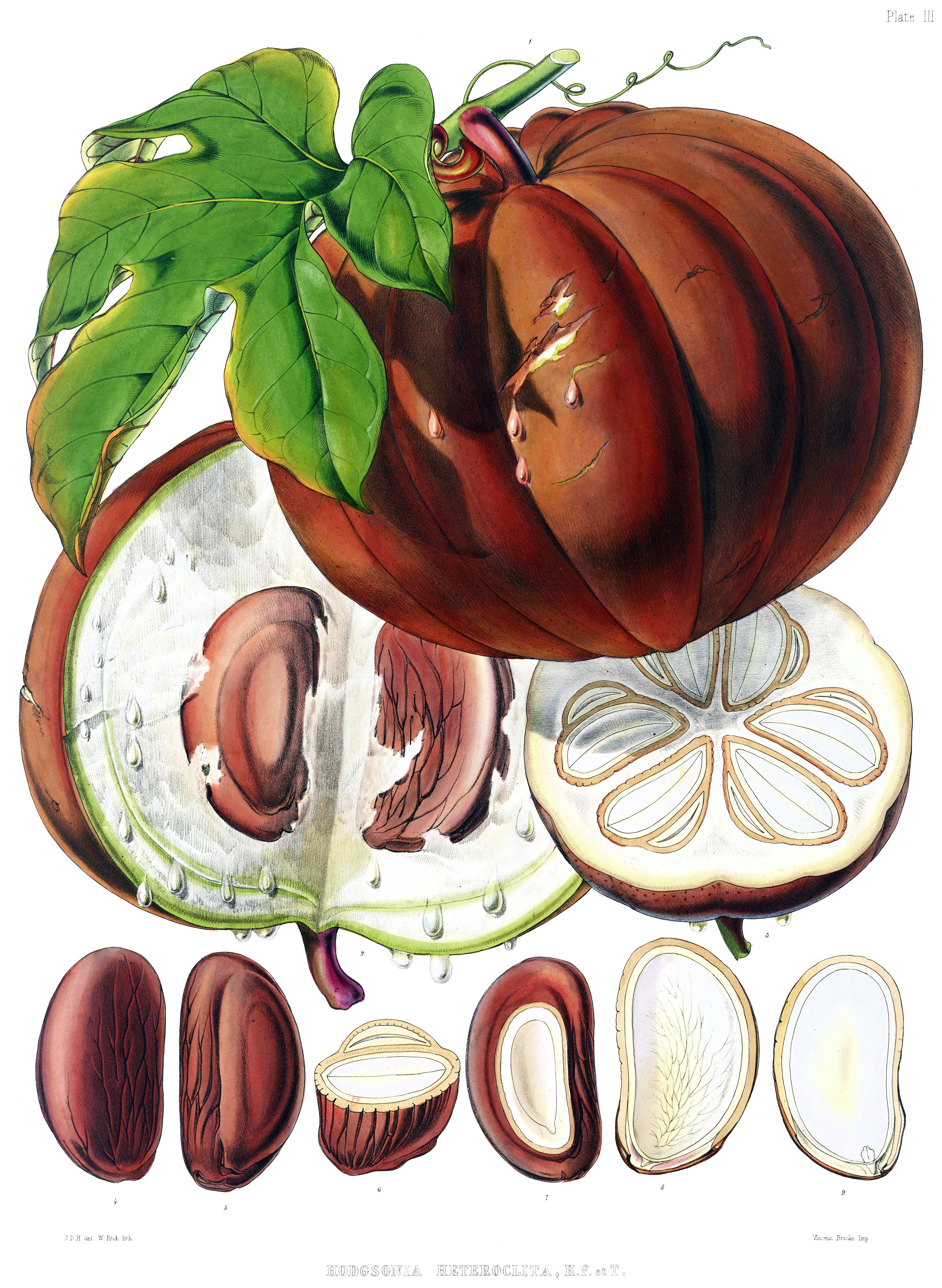
Chinese lardplant (Hodgsonia heteroclita) - photo credit: wikimedia commons

Chinese lardplant (Hodgsonia heteroclita) – photo credit: wikimedia commons

The gourd family – Cucurbitaceae – includes at least 125 genera and around 975 species. It is a plant family confined mainly to tropical/subtropical regions, with a few species occurring in mild temperate areas. Most species are vining annuals. A few are shrubs or woody lianas. One species, Dendrosicyos socotranus, is a small tree commonly known as cucumber tree. Plants in this family have leaves that are alternately arranged and often palmately lobed. Climbing species are equipped with tendrils. Flowers are unisexual and are typically yellow, orange, or white and funnel shaped. They are generally composed of 5 petals that are fused together. Male flowers have 5 (sometimes 3) stamens; female flowers have 3 (sometimes 4) fused carpels. Depending on the species, male and female flowers can be found on the same plant (monoecious) or on different plants (dioecious). Pollination is most often carried out by bees or beetles.

The flowers of balsam apple (Momordica balsamina) - photo credit: eol.org

Balsam apple (Momordica balsamina) – photo credit: eol.org

Vining habits and diverse shapes and sizes of leaves and flowers make plants in this family interesting; however, it is the fruits born by this group of plants that truly make it stand out. Known botanically as pepos – berries with hard or thick rinds –  their variability is impressive. Imagine just about any color, shape, size, or texture, and there is probably a cucurbit fruit that fits that description. Even the flesh of these fruits can be incredibly diverse. Some fruits are small and perfectly round; others are long, twisting, and snake-like or have curving neck-like structures. Some are striped, variegated, or mottled; others are warty, ribbed, or spiky. What’s more, the cultivated pumpkin holds the record for the biggest fruit in the world.

The spiky fruits of wild cucumber (Echinocystus lobata) - photo credit: wikimedia commons

The spiky fruits of wild cucumber (Echinocystus lobata) – photo credit: wikimedia commons

Having such unique fruits is probably what drew early humans to these plants. Bottle gourds (Lagenaria siceraria) were one of the first species of any plant family to be domesticated (more than 10,000 years ago). This occurred in several regions across the Old World and the New World even before agriculture was developed (more about that here). Today, numerous species in this family are cultivated either for their edible fruits and seeds or for seed oil and fiber production. Others are grown as ornamentals.

The genus Cucurbita is probably the most cultivated of any of the genera in the family Cucurbitaceae. Summer squash, winter squash, pumpkins  – all are members of various species in this genus. Cucumbers and melons are members of the genus Cucumis. Watermelon is Citrullus lanatus. Gourds are members of Cucurbita and Lagenaria. Luffa aegyptiaca and Luffa acutangula are grown as vegetable crops (the young fruit) and for making scrubbing sponges (the mature fruit). Chayote (Sechium edule) and bitter melon (Momordica charantia) are commonly cultivated in latin and asian countries respectively. And the list goes on…

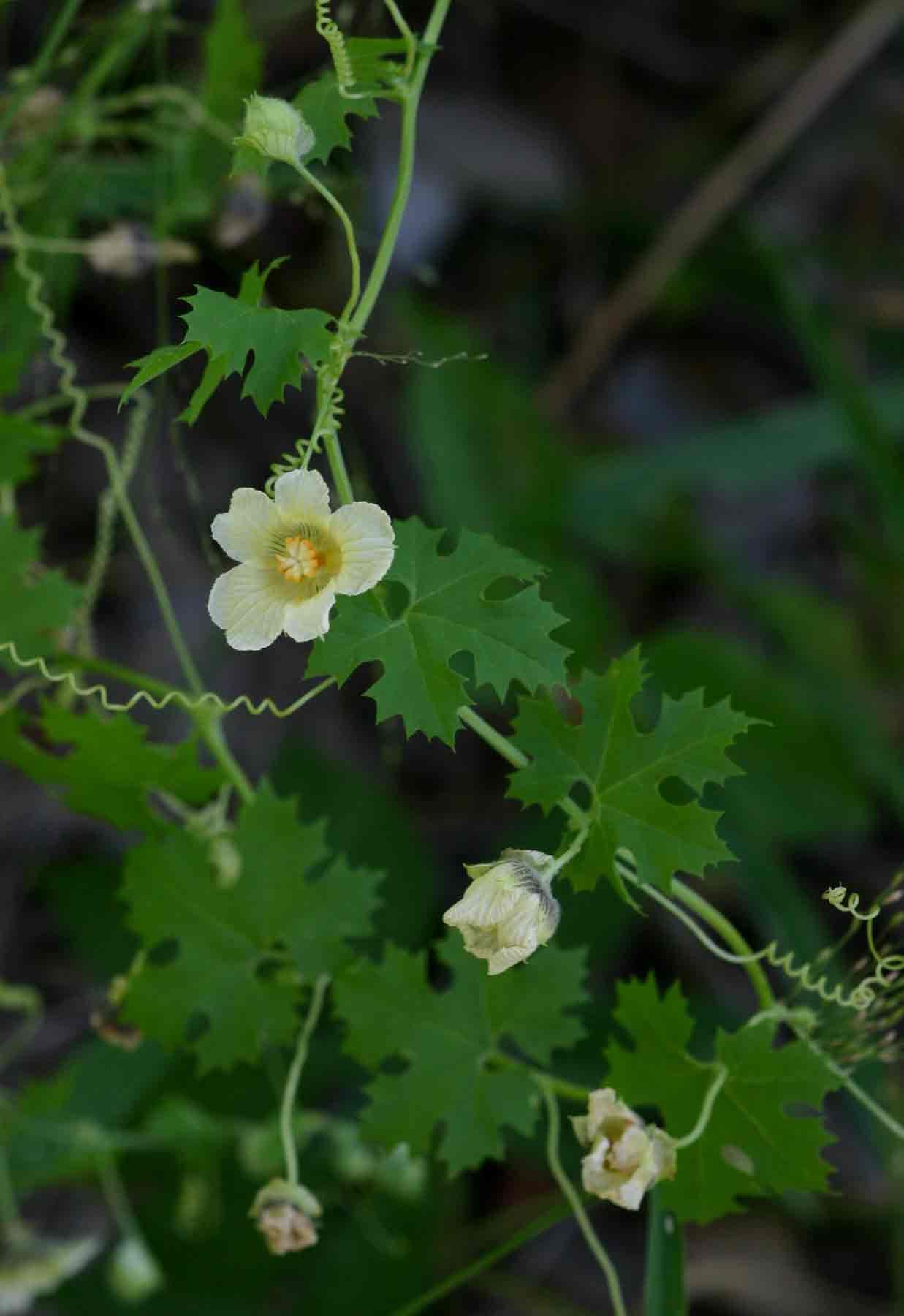
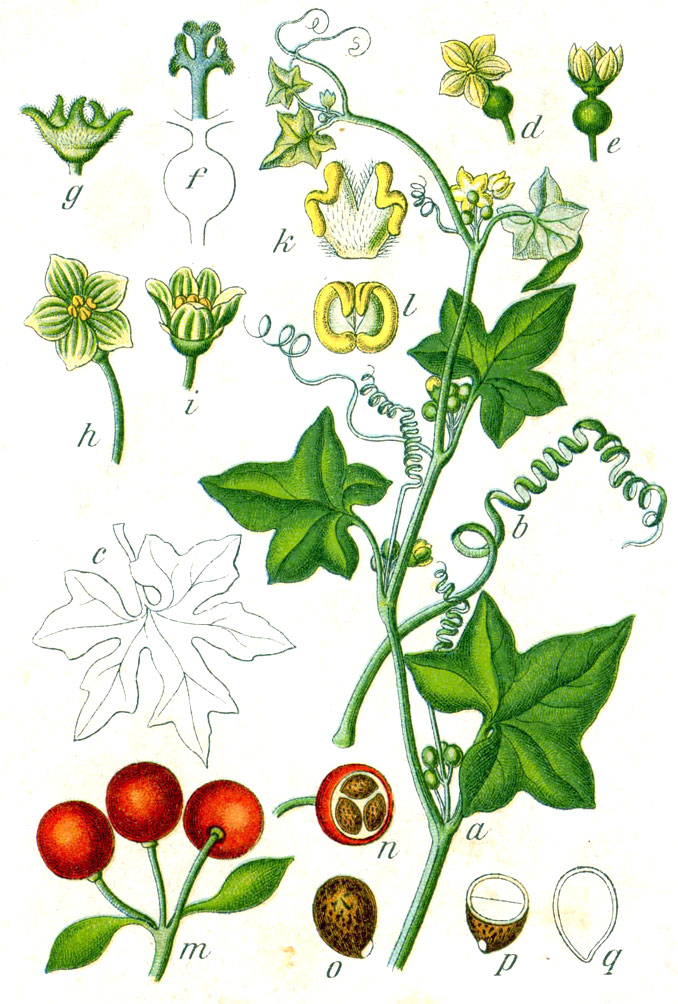
Considering that there are so many edible species in this family, it is important to note that some are quite poisonous. The genus Bryonia is particularly toxic. Consumption can result in dizziness, vomiting, diarrhea, and ultimately, death. As Thomas Elpel states in his book Botany in a Day, “this plant is not for amateurs.”

White bryony (Bryonia dioica) - photo credit: wikimedia commons

white bryony (Bryonia dioica) – photo credit: wikimedia commons

Researching this family has been fun, and this post barely scratches the surface of this remarkable group of plants. One species in particular that stands out to me is Alsomitra macrocarpa, a liana from the tropical forests of Asia. Commonly known as Javan cucumber, this plant produces football-sized fruits packed with numerous seeds that are equipped with expansive, paper-thin “wings” that assist the seed in traveling many yards away from its parent plant in hopes of finding room to grow free from competition. Here is a video demonstrating this resourceful seed:

In Defense of Plants – A Podcast Review

I’m an avid podcast listener; however, the majority of the podcasts I listen to, while satisfying many of my varied interests, don’t speak to my interests in plants and plant science. Recently, when I went searching for such a podcast, I happened upon In Defense of Plants. Alas, my podcast queue felt complete.

indefenseofplants

In Defense of Plants began as a blog authored by a guy named Matt. The podcast emerged about 3 years later, and in the first episode (which was posted in January 2015), Matt explains why he started the blog. While searching the internet in an effort to learn more about plants, he discovered that people weren’t writing the stories that he really wanted to read – stories that went beyond mainly talking about the anthropogenic uses of plants. Rather, Matt was interested in the stories of the plants themselves, their biological and evolutionary histories and how they fit in with the ecological world around them. Unable to find such a blog, he decided to start one himself.

His passion for plants for plant’s sake continues in his podcast. It’s evidenced both in the topics he covers as well as in the way he speaks enthusiastically and affectionately about the plants involved in the stories he tells and their habitats. He finds people to interview that are as excited about plants as he is – some are friends, some are research scientists, and some are people otherwise involved in botany or horticulture. All have interesting things to say about the world of plants and plant ecology.

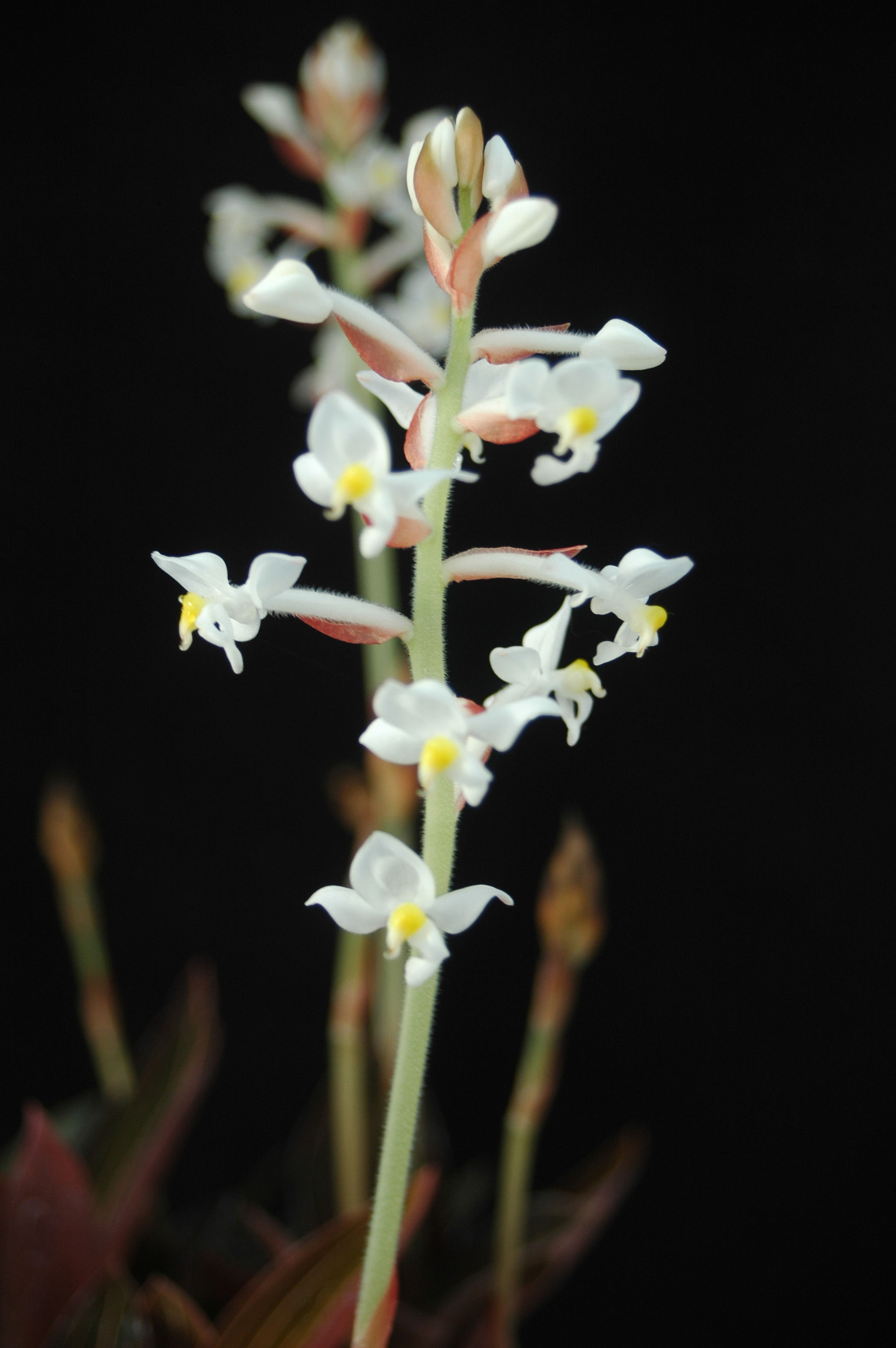
Ludisia discolor - the plant that inspired Matt to start the blog

Ludisia discolor – the plant that inspired Matt to start the blog (photo credit: www.eol.org)

Over the mere nine months that the podcast has been in existence, Matt has shared some of his personal botanical explorations. When he started the podcast he was living in Buffalo, NY. He completed a Master’s degree program there and has since moved to Illinois to pursue a PhD. His most recent episodes find him exploring the tallgrass prairie of the Midwest. He’s got my attention, since this is one of my favorite ecosystems in North America.

Standout episodes to me so far have been the two part episode with Russel Funderburk as they walk through the grounds of the Highlands Biological Station, the discussion with Dave Spiering about urban ecology, and the interview with Dr. Robert Warren about invasive species (“a refreshing take”). The episode about pack rat middens and the candid discussion with Matt’s friend Steve about why they botanize are also great. Matt and Steve also do an episode about plant poaching, a topic that deserves much more attention than it gets.

The love Matt has for plants is infectious, and it is hard not to feel his excitement as he helps tell their stories. So, if you find that your podcast queue is lacking something purely plant related, In Defense of Plants is a podcast you should definitely be following.

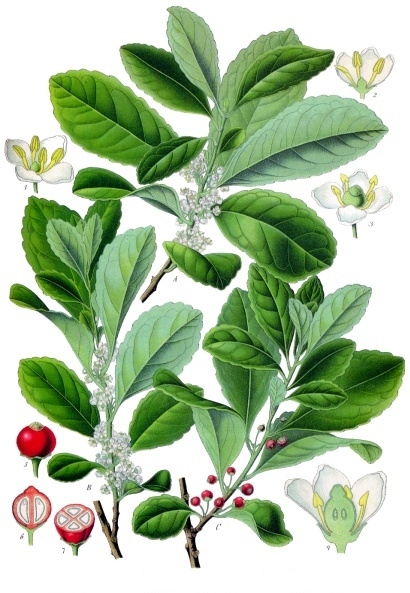
Yerba Mate (Ilex paraguariensis)

Yerba Mate (Ilex paraguariensis) is featured in two episodes of In Defense of Plants. Listen to part one and part two. (photo credit: wikimedia commons)


In Defense of Weeds – A Book Review

Weeds have been with us since the beginning of human civilization. We created them, really. We settled down, started growing food, urbanized, and in doing so we invited opportunistic plant species to join us – we created spaces for them to flourish and provided room for them to spread out and settle in. During our history together, our attitudes about weeds have swung dramatically from simply living with and accepting them, recognizing their usefulness, incorporating them into our religious myths and cultural traditions, to developing feelings of disgust and disdain and ultimately declaring outright war against them. In a sense, weeds are simultaneously as wild and as domestic as a thing can be. They remind us of ourselves perhaps, and so our feelings are mixed.

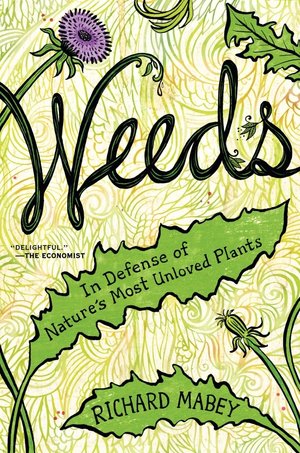
Considering our combined history and the fact that weeds have stuck with us all along, perhaps it’s time we give them a little respect. This seems to be the objective of Richard Mabey’s book, Weeds: In Defense of Nature’s Most Unloved Plants. In Mabey’s own words, “this book is a case for the defense, an argued suggestion that we look more dispassionately at these outlaw plants, at what they are, how they grow, and the reasons we regard them as trouble.” Additionally, we should recognize that we wrote the definition for weeds: “plants become weeds because people label them as such.” We introduce them, create conditions in which they can thrive, and then turn around and despise them for doing what they do best. “In a radical shift of perspective we now blame the weeds, rather than ourselves;” however, as Mabey ultimately concludes, “we get the weeds we deserve.”

weeds book

But before he arrives at that conclusion – and certainly Mabey has more to say than that pithy remark – Mabey takes readers on a remarkable journey. Starting with the origins of agriculture – and the origins of weeds – he recounts the story of how weeds followed civilization as it spread across the globe. He describes our diverse reactions to weeds, how we have dealt with them, and how they have infiltrated our myths, art, cultures, food, medicine, rituals, philosophies, and stories. Along the way, certain weeds are profiled using Mabey’s unique prose. Each weed has a story to tell – some more sordid than others.

Mabey is a British author, and so the book has a strong Anglocentric slant. But this seems fitting considering that the explorations and migrations of early Europeans are probably responsible for moving more plant species around than any other group in history – at least up until the modern era. Mabey describes the myriad ways these plants were introduced: “Some simply rode piggy-back on crop and garden plants…others were welcomed as food plants or glamorous ornaments, but escaped or were thrown out and became weeds as a consequence of unforeseen bad behavior.” The seeds of many species hitched rides with numerous agricultural and industrial products, while others attached themselves to clothing, shoes, and animal fur. Everywhere humans traveled, weeds followed.

Weeds are one of the great legacies Europeans brought with them as they settled the American continent. A veritable wave of new plant species entered the Americas as the Europeans trickled in, some were purposeful introductions and some accidental. Ever the opportunists, Europe’s weeds traversed across the continent as settlers tilled and altered the land. Mabey details the introduction of “invasive European weeds” to the western United States, claiming that “by the twentieth century two-thirds of the vegetation of the western grasslands was composed of introduced species, mostly European.

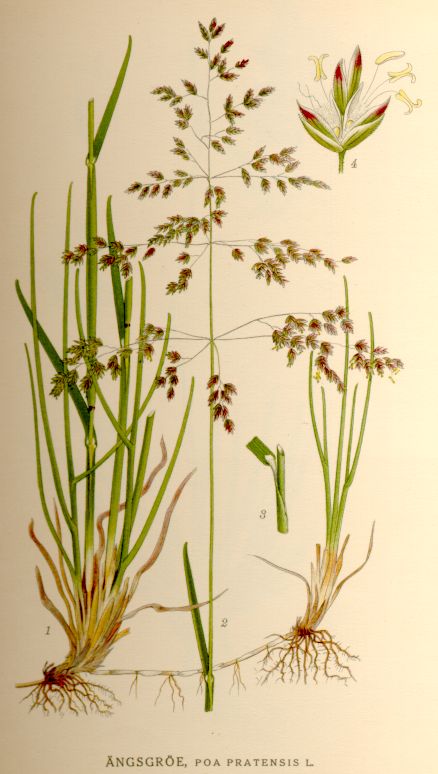
One of these European species in particular has been wholeheartedly embraced by American culture; it was even given an American name. Kentucky bluegrass, Poa pratensis, “is a common, widespread but unexceptional species of grassy places in Europe…but in uncontested new grazing lands of North America it could color whole sweeps of grassland.” It has since become a preferred turfgrass species, and it’s innate ability to thrive here makes it partly responsible for Americans’ obsession with the perfect lawn. Oddly, other European invaders infiltrating a pristine, green lawn are unwelcome and derided as “weeds.” In actuality, considering its relentless, expansive, and spreading nature and its reliance on humans to perpetuate its behavior, turfgrass is much more fit for the label “weed” than any other species that invades it. As Mabey asserts, “a lawn dictates its own standards…the demands made by its singular, unblemished identity, its mute insistence that if you do not help it to continue along the velvet path you have established for it, you are guilty of a kind of betrayal.”

Kentucky bluegrass (Poa pratensis) also known as smooth meadow-grass - photo credit: wikimedia commons

Kentucky bluegrass (Poa pratensis), also known as smooth meadow-grass – photo credit: wikimedia commons

Reading along it becomes clear that Mabey is infatuated with weeds. You can see it in sentences like, “the outlandish enterprise of weeds – such sharp and fast indices of change – can truly lift your heart.” This doesn’t mean that in his own garden he doesn’t “hoick them up when they get in [his] way.” It just means that his “capricious assault” is “tinged with respect and often deflected by a romantic mood.” Does Mabey wish his readers to swoon the way he does over these enterprising and opportunistic aliens? Perhaps. More than that he seems to want to instill an awe and admiration for what they can do. In many cases they serve important ecological functions, including being a sort of “first responder” after a disturbance due to their fast acting and ephemeral nature. In this way, weeds “give something back” by “holding the bruised parts of the planet from falling apart.” They also “insinuate the idea of wild nature into places otherwise quite shorn of it,” and so despite their dependence on human activities, they could be considered “the very essence of wildness.”

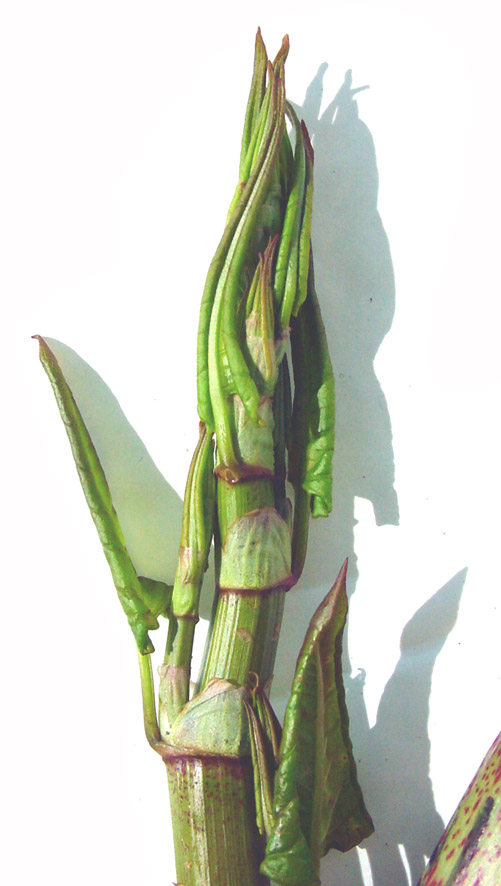
For all the love Mabey has for weeds, he remains convinced that some absolutely need to be kept in check. He calls out Japanese knotweed specifically – an “invader with which a truly serious reckoning has to be made.” In speaking of naturalized plant species – introduced species that propagate themselves and “spread without deliberate human assistance” – he makes the comparison to humans becoming naturalized citizens in countries where they were not born. In this sense he argues for more acceptance of such species, while simultaneously warning that “there are invasive species that ought never to get their naturalization papers.”

Japanese knotweed (Fallopia japonica) is listed as one the 100 Worst Invasive Species - photo credit: wikimedia commons

Japanese knotweed (Fallopia japonica) is listed as one the 100 Worst Invasive Species – photo credit: wikimedia commons

This is an engrossing read, and regardless of how you feel about weeds going in, Mabey will – if nothing else – instill in you a sort of reverence for them. You may still want to reach for the hoe or the herbicide at the sight of them – and you may be justified in doing that – but perhaps you’ll do so with a little more understanding. After all, humans and weeds are kindred species.

As a type they are mobile, prolific, genetically diverse. They are unfussy about where they live, adapt quickly to environmental stress, use multiple strategies for getting their own way. It’s curious that it took so long to realize that the species they most resemble is us.

Listen to Mabey talk about his book and his interest in weeds on these past episodes of Science Friday and All Things Considered.

Year of Pollination: Figs and Fig Wasps

This post originally appeared on Awkward Botany in November 2013. I’m reposting an updated version for the Year of Pollination series because it describes a very unique and incredibly interesting interaction between plant and pollinator. 

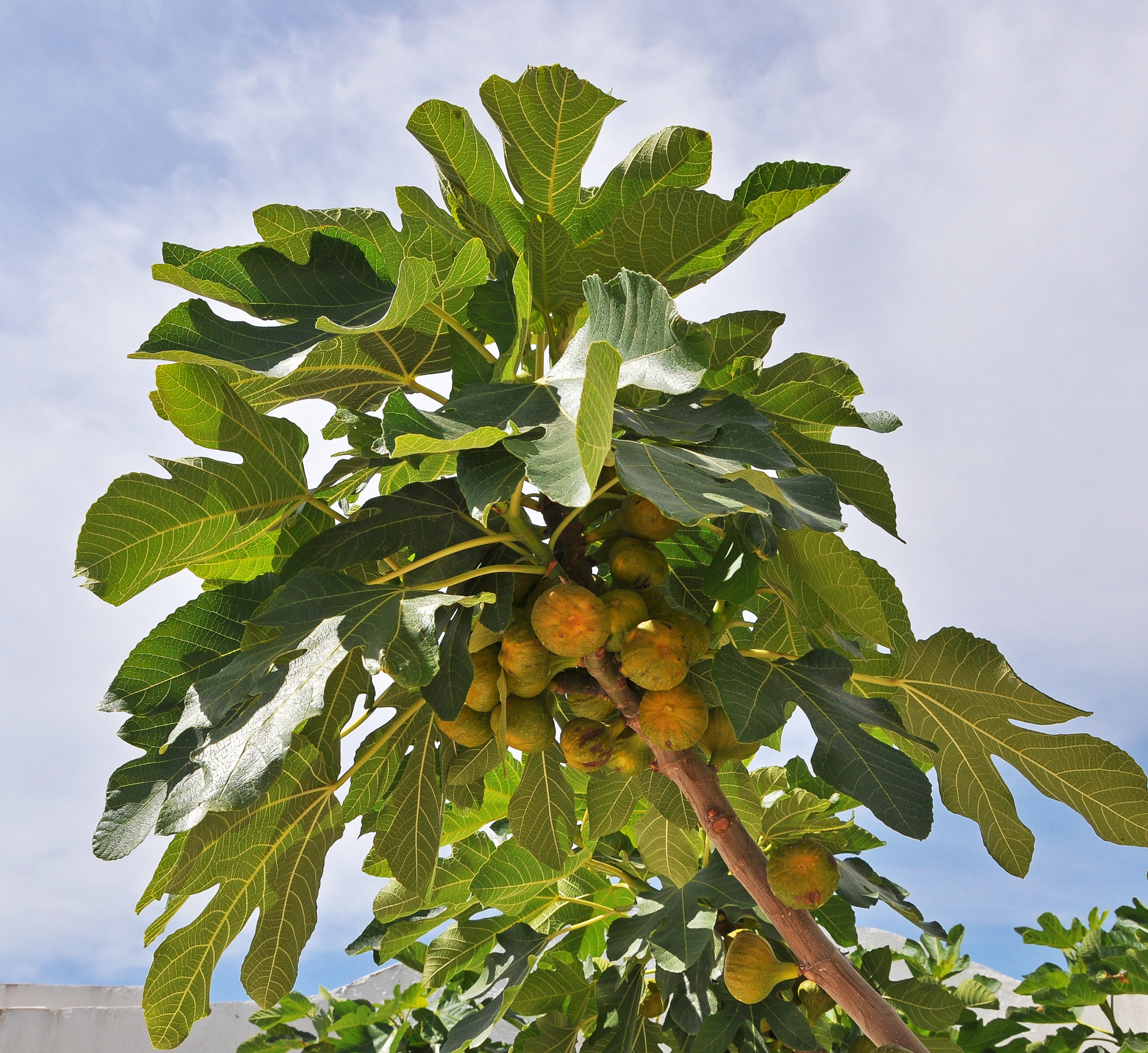
Ficus is a genus of plants in the family Moraceae that consists of trees, shrubs, and vines. Plants in this genus are commonly referred to as figs, and there are nearly 850 described species of them. The majority of fig species are found in tropical regions, however several occur in temperate regions as well. The domesticated fig (Ficus carica), also known as common fig, is widely cultivated throughout the world for its fruit.

common fig

Common Fig (Ficus carica) – photo credit: wikimedia commons

The fruit of figs, also called a fig, is considered a multiple fruit because it is formed from a cluster of flowers. A small fruit develops from each flower in the cluster, but they all grow together to form what appears to be a single fruit. The story becomes bizarre when you consider the location of the fig flowers. They are contained inside a structure called a syconium, which is essentially a modified fleshy stem. The syconium looks like an immature fig. Because they are completely enclosed inside syconia, the flowers are not visible from the outside, yet they must be pollinated in order to produce seeds and mature fruits.

This is where the fig wasps come in. “Fig wasp” is a term that refers to all species of chalcid wasps that breed exclusively inside of figs. Fig wasps are in the order Hymenoptera (superfamily Chalcidoidea) and represent at least five families of insects. Figs and fig wasps have coevolved over tens of millions of years, meaning that each species of fig could potentially have a specific species of fig wasp with which it has developed a mutualistic relationship. However, pollinator host sharing and host switching occurs frequently.

Fig wasps are tiny, mere millimeters in length, so they are not the same sort of wasps that you’ll find buzzing around you during your summer picnic. Fig wasps have to be small though, because in order to pollinate fig flowers they must find their way into a fig. Fortunately, there is a small opening at the base of the fig called an ostiole that has been adapted just for them.

What follows is a very basic description of the interaction between fig and fig wasp; due to the incredible diversity of figs and fig wasps, the specifics of the interactions are equally diverse.

First, a female wasp carrying the pollen of a fig from which she has recently emerged discovers a syconium that is ready to be pollinated. She finds the ostiole and begins to enter. She is tiny, but so is the opening, and so her wings, antennae, and/or legs can be ripped off in the process. No worries though, since she won’t be needing them anymore. Inside the syconium, she begins to lay her eggs inside the flowers. In doing so, the pollen she is carrying is rubbed off onto the stigmas of the flowers. After all her eggs are laid, the female wasp dies. The fig wasp larvae develop inside galls in the ovaries of the fig flowers, and they emerge from the galls once they have matured into adults. The adult males mate with the females and then begin the arduous task of chewing through the wall of the fig in order to let the females out. After completing this task, they die. The females then leave the figs, bringing pollen with them, and search for a fig of their own to enter and lay eggs. And the cycle continues.

But there is so much more to the story. For example, there are non-pollinating fig wasps that breed inside of figs but do not assist in pollination – freeloaders essentially. The story also differs if the species is monoecious (male and female flowers on the same plant) compared to dioecious (male and female flowers on different plants). It’s too much to cover here, but figweb.org is a great resource for fig and fig wasp information. Also check out the PBS documentary, The Queen of Trees.