Ethnobotany: The Henna Tree

A hair dye used in pre-dynastic Egypt is still used today. This enduring plant-based dye has found its way into a great number of cultures going back as long as 6000 years. Its popularity is thanks in part to the broad distribution of the plant itself, but is largely a result of the diverse religious traditions that have incorporated the dye into their rituals. The plant’s use in such traditions continues, while its current popularity extends well beyond that.

Lawsonia inermis is the only species in its genus. It is a member of the plant family, Lythraceae, a family that includes crepe myrtles (Lagerstroemia), cigar plants (Cuphea), and pomegranates (Punica). L. inermis has many common names, including mignonette tree and Egyptian privet. It is most commonly known as, henna, a term that refers to the plant itself, the dye derived from the plant, and the body art made using the dye.

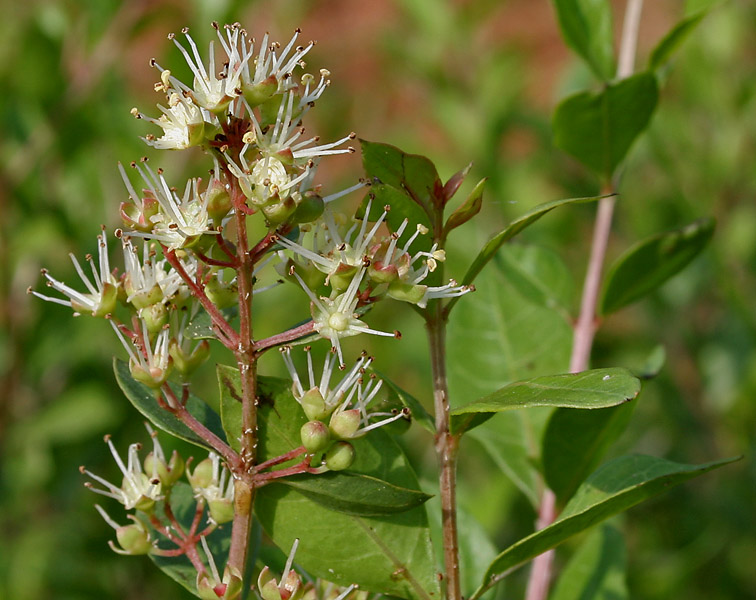
Henna is a shrub or small tree that reaches a height of about 6 meters. The leaves are smooth, elliptically-shaped, and oppositely-arranged on branches that are spine-tipped. Inflorescences are many-branched with numerous small, fragrant flowers. The most prominent features of the flowers are four sepals forming a bowl shape and several white to red stamens reaching towards the sky. The fruits are small, round, brown capsules full of tiny seeds. Henna thrives in dry environments with poor soil; however, it does not tolerate frost. It occurs in tropical and subtropical regions of Africa, western and southern Asia, and northern Australasia. Cultivation by humans has broadened its distribution well beyond its original boundaries.

Lawsonia inermis - photo credit: wikimedia commons

Lawsonia inermis – photo credit: wikimedia commons

Henna has been used to dye the skin, nails, and hair of women and men in many cultures and religions across its area of natural distribution and beyond. Its use has been especially common among women as part of fertility and marriage celebrations. The plant’s dye may have been first discovered around the mouths of browsing livestock – the persistent red-orange color having the appearance of blood. Henna plants are drought-deciduous, but they burst back to life when rain returns, producing abundant new branches, leaves, and flowers. This period of growth coincides with celebrations of marriage and fertility and may explain why it found common use in such traditions.

Dyes are made by crushing dried leaves into a fine powder and then mixing it into a paste using water, lemon juice, tea, or other liquids. A soap or shampoo is produced when henna is mixed with plant extracts containing saponin, and the addition of certain essential oils can enhance the performance of the dye. The compound in the leaves that produces the red-orange dye is called lawsone and is found in varying concentrations depending on the conditions in which the plant was grown. High heat and low soil moisture is said to produce the highest levels of lawsone. More than just a dye, lawsone also has antifungal properties and strongly absorbs UV light, thus its application is beyond cosmetic as it has proven useful against fungal diseases like athlete’s foot and as a sunscreen. And that’s just the beginning.

Henna applied to hair - photo credit: wikimedia commons

Henna applied to hair – photo credit: wikimedia commons

A study published in the Journal of Ethnopharmacology by Semwal, et al. reveals that nearly a hundred phytoconstituents (or “biologically active compounds”) have been isolated from all parts of the henna plant. Henna has long been used medicinally to treat a wide range of ailments, and while it may not be an effective treatment for all that it has been historically used for, it has been found effective for certain things and has great potential for further use.

In the paper, the authors review dozens of studies exploring the many “biological activities” that henna is claimed to have, which include “antifungal, antibacterial, virucidal, antiparasitic, anti-inflammatory, analgesic, and anticancer properties,” etc. Research into these properties is limited and has been “complicated and hampered” by the widespread practice of adding other ingredients (some of them harmful) to henna products. In order for henna’s “therapeutic potential” to be properly explored, the authors advise identifying and standardizing the plant’s active components.

Henna continues to be used in cultures across the world and is particularly prominent in Hinduism and Muslim practices. It is most commonly used to dye hair and create temporary body art (also known as mehndi). Henna art is often applied to the hands and feet, where the skin is thick and absorbs more of the lawsone. It is applied as a paste and either squeezed through a plastic cone or syringe or painted on with a stick or brush. The longer the paste is left on, the darker the stain will be. After a week or so the henna begins to fade as old skin cells slough off.

photo credit: wikimedia commons

photo credit: wikimedia commons

In ancient cultures, henna was thought to ward off the Evil Eye as well as bring good luck and blessings, a trait known as baraka. This belief is part of the reason why henna was incorporated into marriage ceremonies and other religious rituals. Because of henna’s antifungal, analgesic, and anti-inflammatory properties, etc., real benefits are seen when henna is applied to various parts of the body. Semwal, et al. argue that a scientific understanding was not necessary for “recognition of benefit.” Today however, “scientific investigation and quantification of henna’s ‘baraka’ should expand and optimize these traditional qualitative understandings.”

Because of henna’s widespread use and long history, it is not feasible to fit henna’s entire story into a single blog post. Henna is worth exploring on your own. Here are a few more interesting tidbits for now. In Semwal, et al.’s summary there is a mention of henna twigs being “rubbed over the teeth for effective dental self-care” – something to keep in mind in case you find yourself without a toothbrush, and a henna plant happens to be nearby. A paper published in a 1993 issue of Thaiszia – Journal of Botany discusses the historical use of henna in the Balkans. Slavs in the area reportedly treated typhoid fever using a mixture of henna and “the juice of twenty heads of garlic” heated in water. Finally, henna has been used to dye many things, including leather, cloth, and animal fur. Persians have long used henna to dye the manes, tales, and hooves of their horses and other animals. A practice that continues today.

More Ethnobotany Posts:

What Is a Plant, and Why Should I Care? part four

What Is a Plant?

Part one and two of this series have hopefully answered that.

Why should you care?

Part three offered a pretty convincing answer: “if it wasn’t for [plants], there wouldn’t be much life on this planet to speak of.”

Plants are at the bottom of the food chain and are a principle component of most habitats. They play major roles in nutrient cycling, soil formation, the water cycle, air and water quality, and climate and weather patterns. The examples used in part three of this series to explain the diverse ways that plants provide habitat and food for other organisms apply to humans as well. However, humans have found numerous other uses for plants that are mostly unique to our species – some of which will be discussed here.

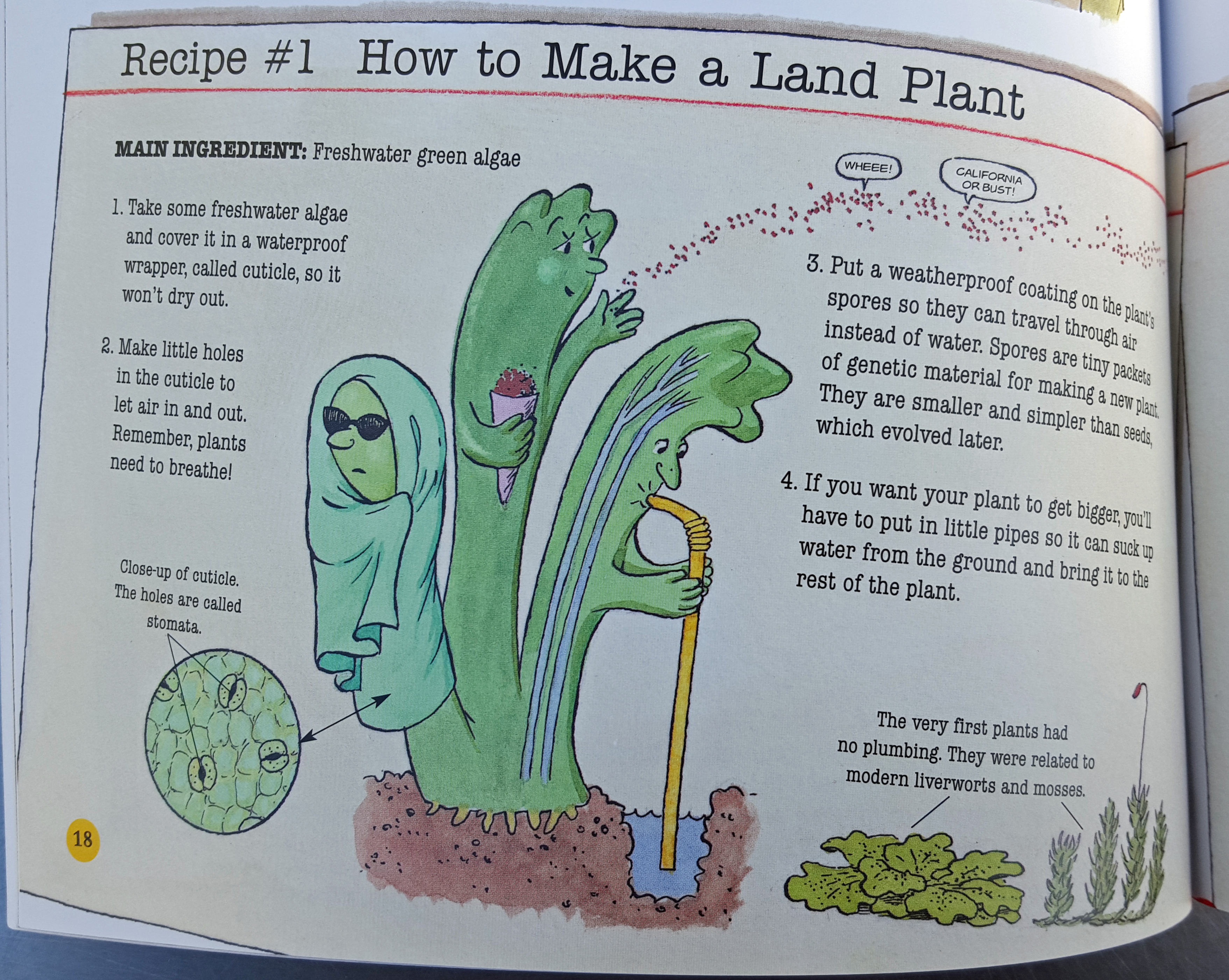
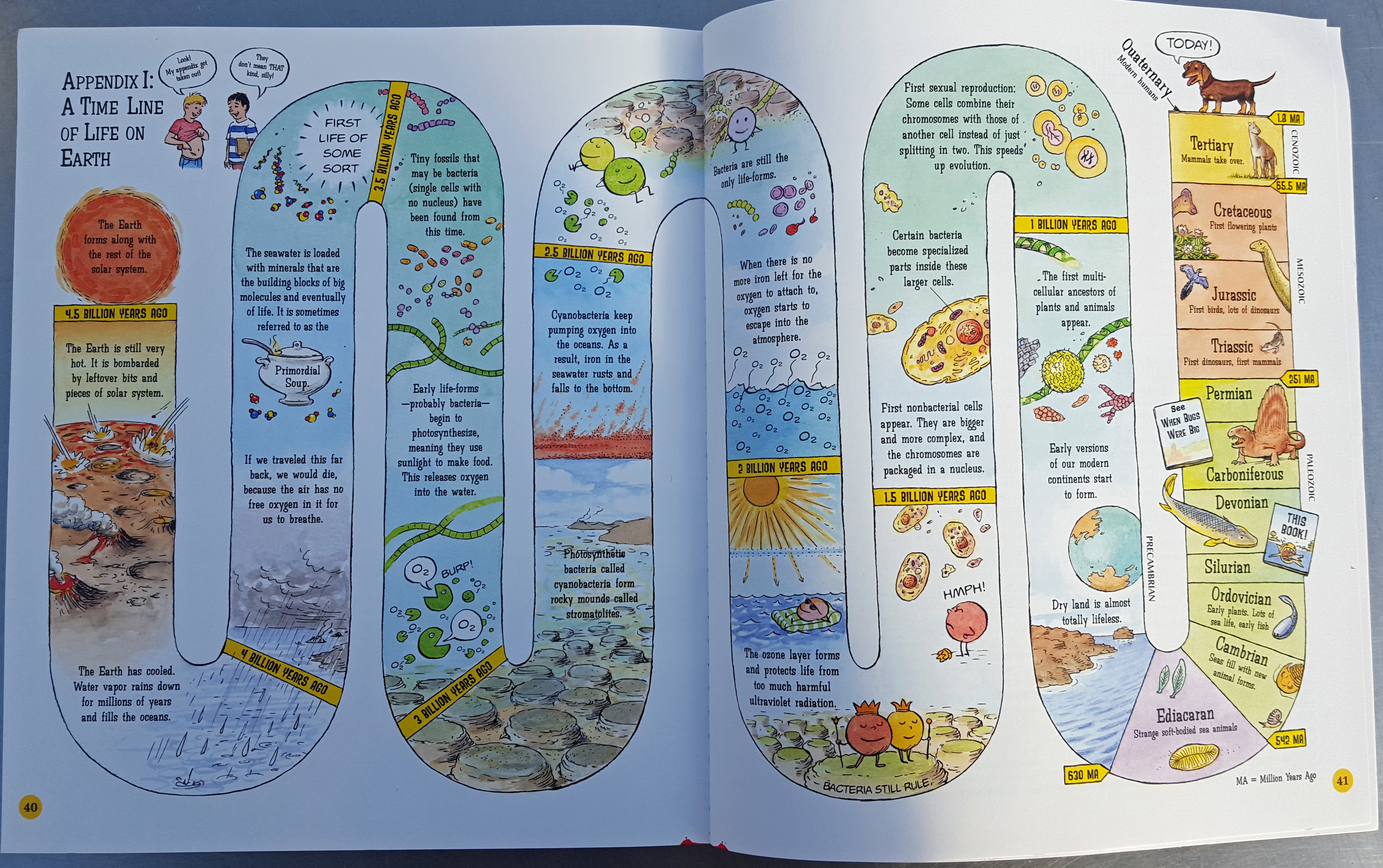
But first, some additional thoughts on photosynthesis. Plants photosynthesize thanks to the work accomplished by very early photoautotrophic bacteria that were confined to aquatic environments. These bacteria developed the metabolic processes and cellular components that were later co-opted (via symbiogensis) by early plants. Plants later colonized land, bringing with them the phenomena of photosynthesis and transforming life on earth as we know it. Single-celled organisms started this whole thing, and they continue to rule. That’s just something to keep in mind, since our focus tends to be on large, multi-cellular beings, overlooking all the tiny, less visible beings at work all around us making life possible.

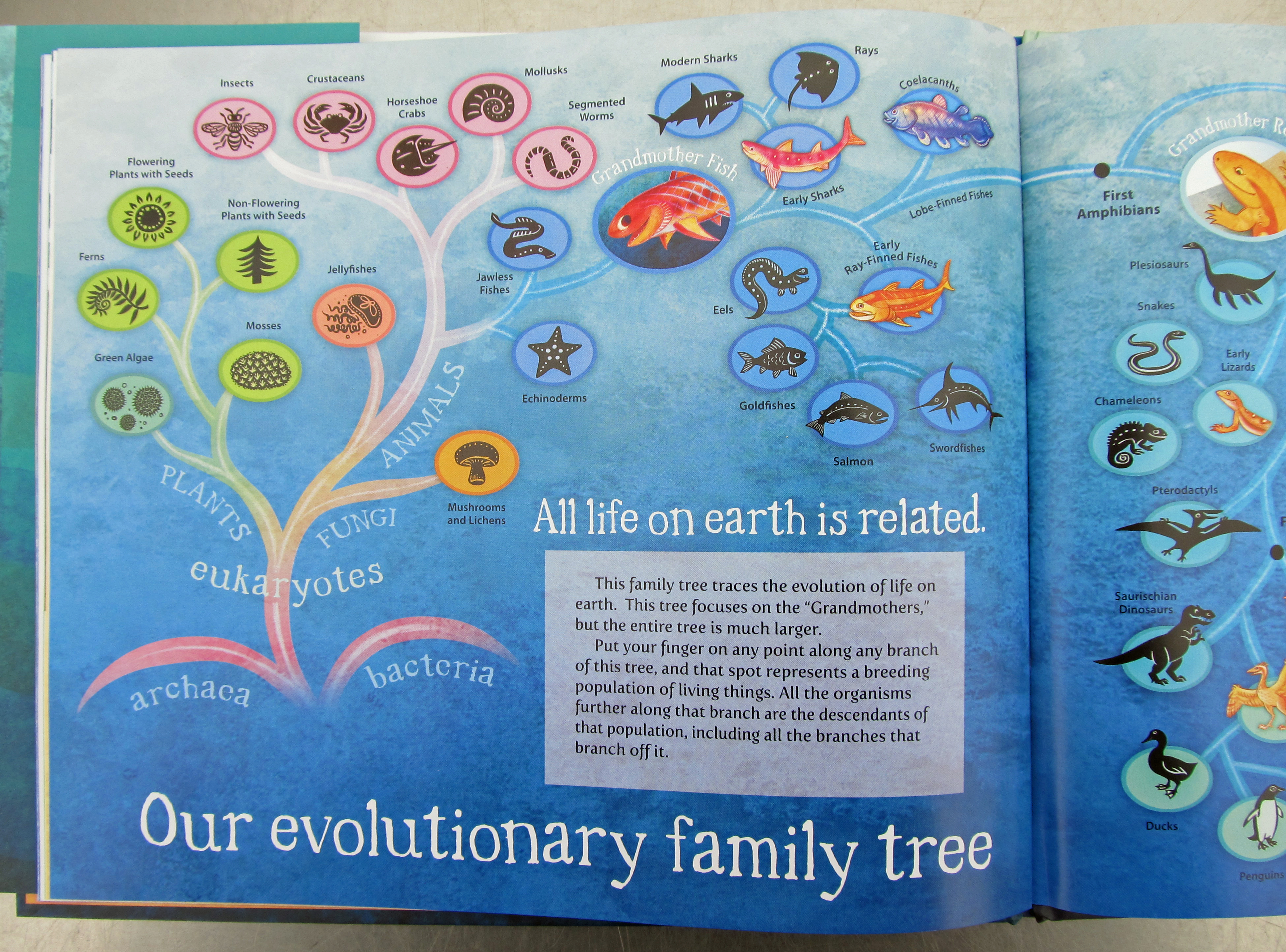
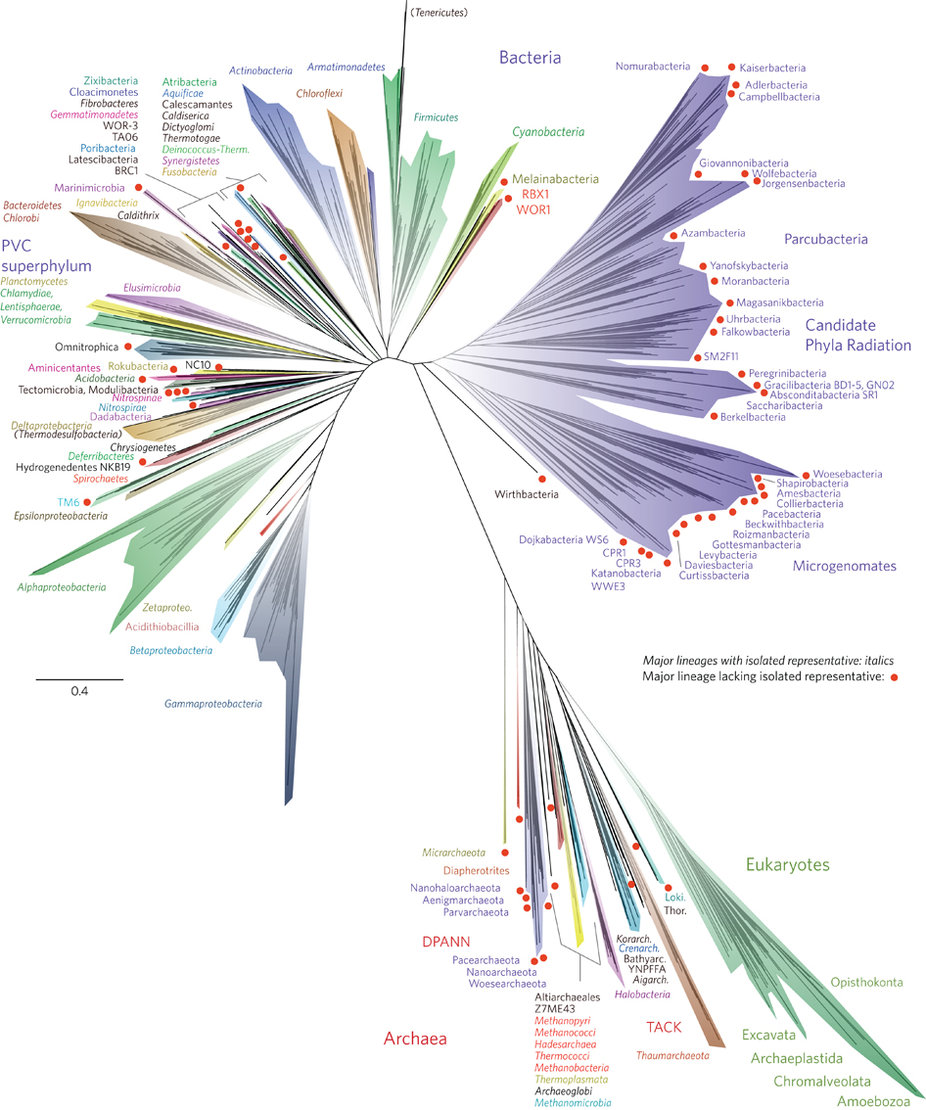
Current representation of the tree of life. Microorganisms clearly dominate. (image credit: nature microbiology)

Current representation of the tree of life. Microorganisms clearly dominate. (image credit: nature microbiology)

Food is likely the first thing that comes to mind when considering what use plants are to humans. The domestication of plants and the development of agriculture are easily among the most important events in human history. Agricultural innovations continue today and are necessary in order to both feed a growing population and reduce our environmental impact. This is why efforts to discover and conserve crop wild relatives are so essential.

Plants don’t just feed us though. They house us, clothe us, medicate us, transport us, supply us, teach us, inspire us, and entertain us. Enumerating the untold ways that plants factor in to our daily lives is a monumental task. Rather than tackling that task here, I’ll suggest a few starting points: this Wikipedia page, this BGCI article, this Encylopedia of Life article, and this book by Anna Lewington. Learning about the countless uses humans have found for plants over millennia should inspire admiration for these green organisms. If that admiration leads to conservation, all the better. After all, if the plants go, so do we.

Humans have a long tradition of using plants as medicine. Despite all that we have discovered regarding the medicinal properties of plants, there remains much to be discovered. This one of the many reasons why plant conservation is so important. (photo credit: wikimedia commons)

Humans have a long tradition of using plants as medicine. Despite all that we have discovered regarding the medicinal properties of plants, there remains much to be discovered. This is one of the many reasons why plant conservation is imperative. (photo credit: wikimedia commons)

Gaining an appreciation for the things that plants do for us is increasingly important as our species becomes more urban. Our dense populations tend to push plants and other organisms out, yet we still rely on their “services” for survival. Many of the functions that plants serve out in the wild can be beneficial when incorporated into urban environments. Plants improve air quality, reduce noise pollution, mitigate urban heat islands, help manage storm water runoff, create habitat for urban wildlife, act as a windbreak, reduce soil erosion, and help save energy spent on cooling and heating. Taking advantage of these “ecosystem services” can help our cities become more liveable and sustainable. As the environmental, social, and economic benefits of “urban greening” are better understood, groups like San Francisco’s Friends of the Urban Forest are convening to help cities across the world go green.

The importance of plants as food, medicine, fuel, fiber, housing, habitat, and other resources is clear. Less obvious is the importance of plants in our psychological well being. Numerous studies have demonstrated that simply having plants nearby can offer benefits to one’s mental and physical health. Yet, urbanization and advancements in technology have resulted in humans spending more and more time indoors and living largely sedentary lives. Because of this shift, author Richard Louv and others warn about nature deficit disorder, a term not recognized as an actual condition by the medical community but meant to describe our disconnect with the natural world. A recent article in BBC News adds “nature knowledge deficit” to these warnings – collectively our knowledge about nature is slipping away because we don’t spend enough time in it.

The mounting evidence for the benefits of having nature nearby should be enough for us to want to protect it. However, recognizing that we are a part of that nature rather than apart from it should also be emphasized. The process that plants went through over hundreds of millions of years to move from water to land and then to become what they are today is parallel with the process that we went through. At no point in time did we become separate from this process. We are as natural as the plants. We may need them a bit more than they need us, but we are all part of a bigger picture. Perhaps coming to grips with this reality can help us develop greater compassion for ourselves as well as for the living world around us.

Cedar Confusion

This is a guest post by Jeremiah Sandler. Words by Jeremiah. Photos by Daniel Murphy (except where noted).

———————

What makes a cedar a cedar?

I recently asked this question to a professor of mine because I kept hearing individuals in the field refer to many different species as “cedars”. It was puzzling to me because, being the taxonomy-nerd that I am, most of these plants are in entirely different plant families but still called the same thing. Yes, sometimes common names overlap with one another regionally; avoiding that mix up is the purpose of binomial nomenclature in the first place! So, what gives?! Why are 50+ different species all called cedars?

This professor is a forester, not a botanist. He told me the word “cedar” describes the wood. Turns out, after some research and conversation, that’s all there was to it. As defined by Google, a cedar is:

Any of a number of conifers that typically yield fragrant, durable timber, in particular.

Cedar wood is a natural repellent of moths, is resistant to termites, and is rot resistant. A good choice of outdoor lumber.

I was hoping to find either a phylogenetic or taxonomic answer to what makes a cedar a cedar. I didn’t. Taxonomic relationships between organisms are one of the most exciting parts of biology. Thankfully, some solace was found in the research:

There are true cedars and false cedars.

True cedars are in the family Pinaceae and in the genus Cedrus. Their leaves are short, evergreen needles in clusters. The female cones are upright and fat, between 3 – 4 inches long. Their wood possesses cedar quality, and they are native to the Mediterranean region and the Himalayas.

False cedars are in the family Cupressaceae, mostly in the following genera: Calocedrus, Chamaecyparis, Juniperus, and Thuja. Their leaves are scale-y, fan-like sprays. Female cones are very small, about half an inch long, and remain on the tree long after seed dispersal. The bark is often both reddish and stringy or peely. Their wood possesses cedar quality. It is easy to separate them from true cedars, but less obvious to tell them from one another. These false cedars are native to East Asia and northern North America.

I couldn’t do away with the umbrella term “cedar.” Every naturalist can agree that one of the most pleasurable things while outdoors looking at plants is identifying them. I have set a new objective to correctly identify and differentiate between all of the cedars and false cedars, rather than simply calling them cedars. I guess I’m just fussy like that.

What Do Desert Tortoises Eat?

Desert conditions are not intuitively conducive to life. In many regards they are extreme. Blistering, bleak, dry, and barren. The desert is a place unsuited for the faint of heart and the ill-equipped. Broadly speaking, life in the desert is reliant on one of two things: technology or evolutionary adaptation. Like many species native to desert environments, the desert tortoise employs the latter. It is at home in the desert because it evolved there. That is not to say that life is always easy for the desert tortoise and species like it, but it is possible, thanks to hundreds of thousands of years of making it work. As John Alcock puts it in, Sonoran Desert Spring, “the tortoise will deal with its environment through evolved design rather than seek to deny the desert its due.”

Perhaps it is because the desert is such a harsh environment, requiring finely tuned adaptations for survival, that sweeping changes can put resident species in peril – threatening their long-term existence. The desert tortoise is an example of this. Since 1990, Gopherus agassizii has found itself listed as threatened under the U.S. Endangered Species Act [it is categorized as vulnerable by the IUCN] due to significant population declines and loss of habitat. Getting there did not happen overnight, and it is impossible to pinpoint a sole cause of the tortoise’s decline. Instead, a suite of things have conspired against it, making it difficult to decide on the best route towards conservation.

In an October 2012 issue of BioScience, Averill-Murray, et al. enumerate some of the human-medaited threats that act both simultaneously and synergistically against desert tortoise populations:

Habitat conversion occurs as a result of urban development, mining, waste disposal, energy development, and road construction. Habitat modification is caused by military training, off-highway vehicle use, utility corridors, livestock grazing, and the proliferation of invasive plants. … Direct losses of tortoises also occur through predation, disease, collection from the wild, and recreational killing.

Apart from climate change, which is projected to substantially reduce the historical range of the desert tortoise in the coming years, the proliferation of introduced grasses is particularly disconcerting. Such grasses tend to increase wildfire frequency in areas where wildfire is historically rare and the native flora is ill-adapted to frequent fire. This can alter plant communities in a way that favors introduced plants over plants native to the region.

Desert Tortoise (Gopherus agassizii) - photo credit: wikimedia commons

Desert Tortoise (Gopherus agassizii) – photo credit: wikimedia commons

The desert tortoise is the largest terrestrial turtle in the United States, measuring up to 15 inches long and weighing up to 15 pounds. Their carapaces are generally dull brown or gray, although those of young tortoises may have orange markings. Their limbs are stocky and elephantine, and their front legs are shovel-like and equipped with claws for digging. They reach sexual maturity between ages 15-20, generally living for at least 35 years and as many as 50-100 years.

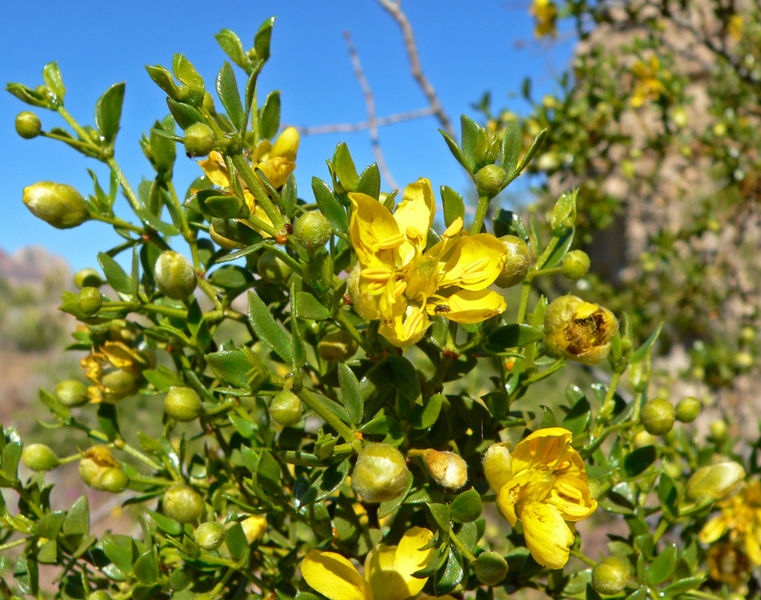
Desert tortoises are distributed throughout the Mohave and Sonoran Deserts of southeastern United States and into the Sonaron Desert and Sinaloan foothills of northwestern Mexico. Their habitat varies widely across their range. In general, tortoises prefer sites where the soil is loamy and easy to dig as they spend much of their time in underground dens; however, they also occur in rocky foothills where shelter can be found among the rocks. In the Mohave Desert, they are commonly found in plant communities that are dominated by creosote bush (Larrea tridentata), which they use for shade and an occasional food source.

Creasote Bush (Larrea tridentata) - photo credit: wikimedia commons

Creosote Bush (Larrea tridentata) – photo credit: wikimedia commons

Recently the species known as Gopherus agassizii was determined to consist of at least two (possibly four) distinct species. Desert tortoises that occur north and west of the Colorado River have retained the scientific name G. agassizii and are commonly referred to as Agassiz’s desert tortoise. Desert tortoises occurring east of the Colorado river have been given the name G. morafkai, commonly known as Morafka’s desert tortoise. In light of this, G. agassizii may find itself uplisted to endangered, as its range has been reduced to about 30% of its former self and its southern cousins can no longer be considered a genetic reservoir.

Seeing that desert tortoises have plenty of the right foods to eat ensures their immediate survival and holds them back from the precipice of extinction. The question, “What does a desert tortoise eat?,” was what peaked my curiosity in this subject to begin with. I knew they were herbivores (for the most part), so I assumed they must have a favorite food – something that composed the majority of their diet. Finding an answer to this question led me down a rabbit hole [or should I say a tortoise hole? Some tortoise dens can extend 30 feet or more into the banks of desert dry washes.] that led me to discover the complexity of these creatures. It turns out, there is no easy answer to my initial question. What a desert tortoise eats depends on where in its expansive range it resides, what time of year it is, what plants are available in a particular year, whether or not it’s a drought year, etc.

The desert tortoise is “one of the most studied reptiles in the world,” so hundreds of observations have been made, leading to dozens of reports and studies that examine the diet of the desert tortoise; however, the results are highly variable. Due to such variability, this fact sheet from the San Diego Zoo states matter-of-factly, “an ‘average’ tortoise diet [is] hard to characterize.” But let’s try.

The desert tortoise emerges from its winter den in early spring. At the same time, annual wildflowers are also emerging, taking advantage of warming temperatures and rare soil moisture accumulated during winter precipitation. This is the desert tortoise’s preferred banquet. Because there will be little water available the rest of the year, desert tortoises hydrate themselves mainly through the plants they eat. The lush stems, leaves, and flowers of annual wildflowers provide both nutrients and the water necessary to sustain themselves throughout much of the year and aid in their growth and reproduction.

As spring turns to summer, the tortoises switch to eating herbaceous perennials and grasses. By this point, both introduced annual grasses and native perennial bunchgrasses are drying up, but tortoises are still able to extract some nutrients and moisture by eating their dry stems and leaves. Cactus pads and fruits (particularly those in the genus Opuntia) as well as young leaves of shrubs also help tortoises subsist through the long, hot summers, which are mostly spent deep in their dens away from predators and the blistering heat.

A paper published in a March 1986 issue of Herpetologica follows a group of tortoises over the period of a year and makes a number of lifestyle observations, including their diet. The authors noted that much of their diet consisted of two annual wildflowers (Camissonia munzii and Langloisia setosissima), a perennial bunchgrass (Achnatherum hymenoides), and a non-native annual grass (Bromus rubens). A paper published in a 2010 issue of Journal of Herpetology compared the nutritional quality of four plant species commonly consumed by desert tortoises: a native and non-native grass (Achnatherum hymenoides and Schismus barbatus) and a native and non-native annual forb (Malacothrix glabrata and Erodium cicutarium). They found little difference between the native and non-native species in either catagory, but determined that the forbs were significantly more nutritious than the grasses, which lead them to recommend managament practices that would increase the availability of forbs (regardless of provenance) in tortoise habitat. Numerous studies have documented the frequent consumption of introduced plant species by desert tortoises.

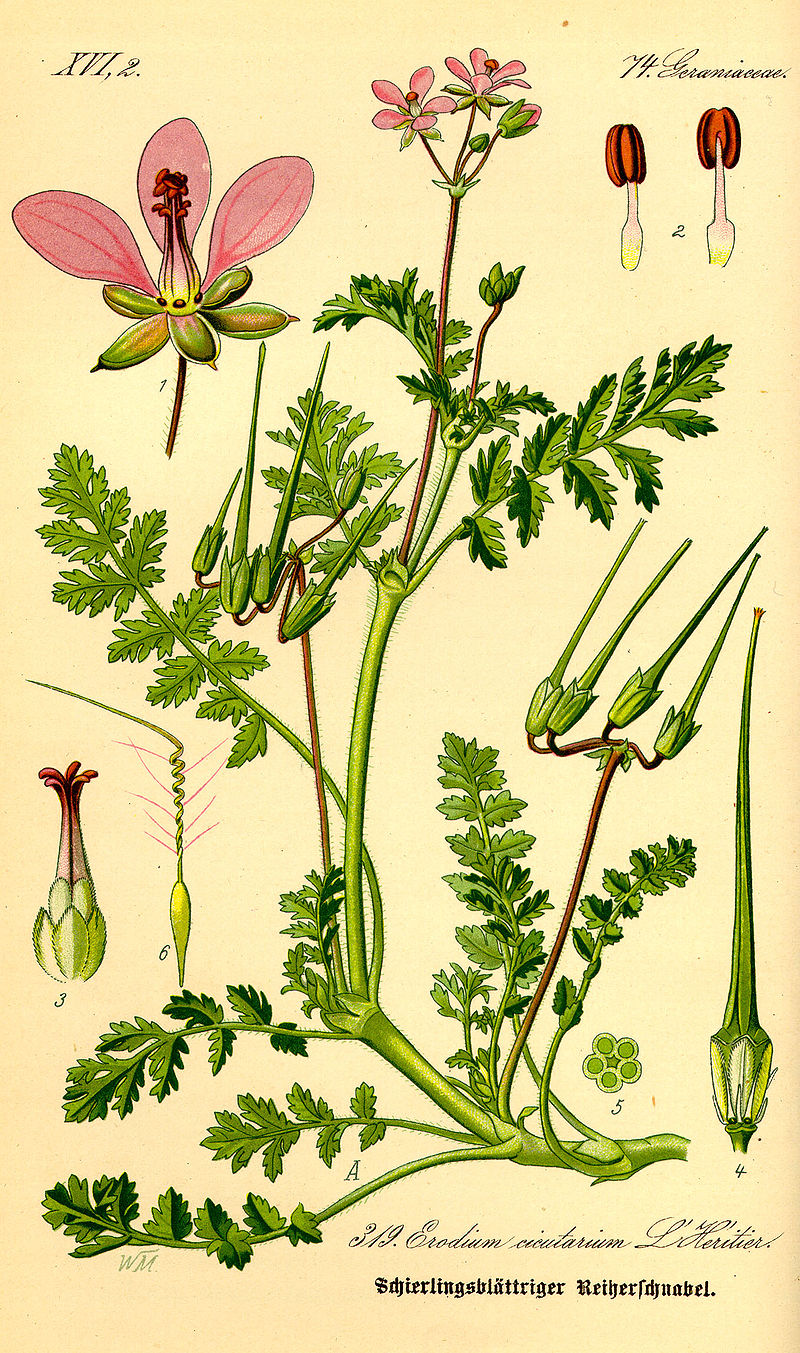
Redstem stork's bill (Erodium cicutarium) is an introduced species commonly consumed by desert tortoises - image credit: wikimedia commons

Redstem stork’s bill (Erodium cicutarium) is an introduced species commonly consumed by desert tortoises – image credit: wikimedia commons

For me, one of the most interesting things to learn was the variety of “non-food” items that tortoises may consume. Tortoises are often observed eating soil and rocks, and are also known to eat bones, arthropods, feces, feathers, hair, and egg shells. The rocks are thought to act as a gastrolith, aiding in digestion. The other items may help supplement minerals and nutrients the tortoises are lacking in their plant-based diet, particularly calcium which is greatly needed for growth and reproduction. Shockingly, a report that appeared in a 2007 issue of The Southern Naturalist details incidences of tortoises eating the skeletal remains of other tortoises.

Desert tortoises are an engrossing subject of study, and so much more could be said about them. For now, I leave you with this passage from Alcock’s book:

To see a tortoise with wrinkled neck and solemn eyes, moving like an animated rock, is an essential part of the experience of the desert. The removal of even a single adult extinguishes a presence that was meant to persist for years to come and snuffs out a prehistoric spark of life in a spartan environment where life, so hard-won, should be celebrated.

Additional Resources:

Urban Botanical Art

We live on a green planet, so it is no surprise that plants frequently find their way into our artwork. They make excellent subjects after all; and arguably, botanical art can be a close second (if not a tie) to seeing the real thing.

No place is plant-themed art needed more than in urban areas. Despite trying to cram plants in wherever we can find room, our cities remain dominated by concrete, asphalt, and steel. Plants help soften the hard edges we create, and they reintroduce nature to something that otherwise seems unnatural. But there isn’t always space for plants. Botanical art is the next best thing.

When I’m not looking out for plants, I’m looking out for plant art. What follows are a few of my discoveries this past year in my hometown of Boise, Idaho and beyond. In future travels, I hope to find more botanical art in other urban areas. Meanwhile, please feel free to share with me the botanical art in your neighborhood, either through twitter, tumblr, or some other means.

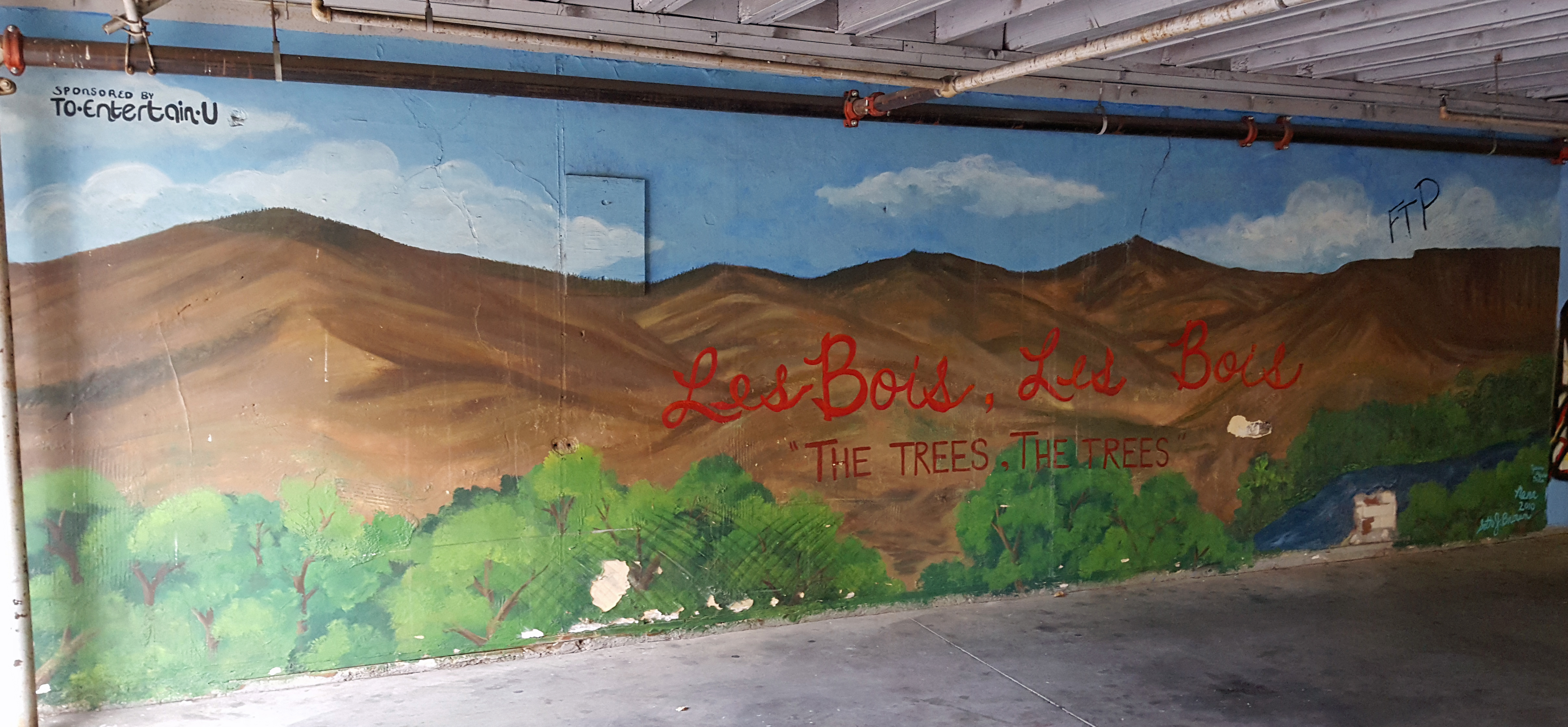
Parking garage in downtown Boise, Idaho

Parking garage in downtown Boise, Idaho

My dad's mural in downtown Mountain Home, Idaho

Mural by Stephen Murphy (my dad!) in downtown Mountain Home, Idaho

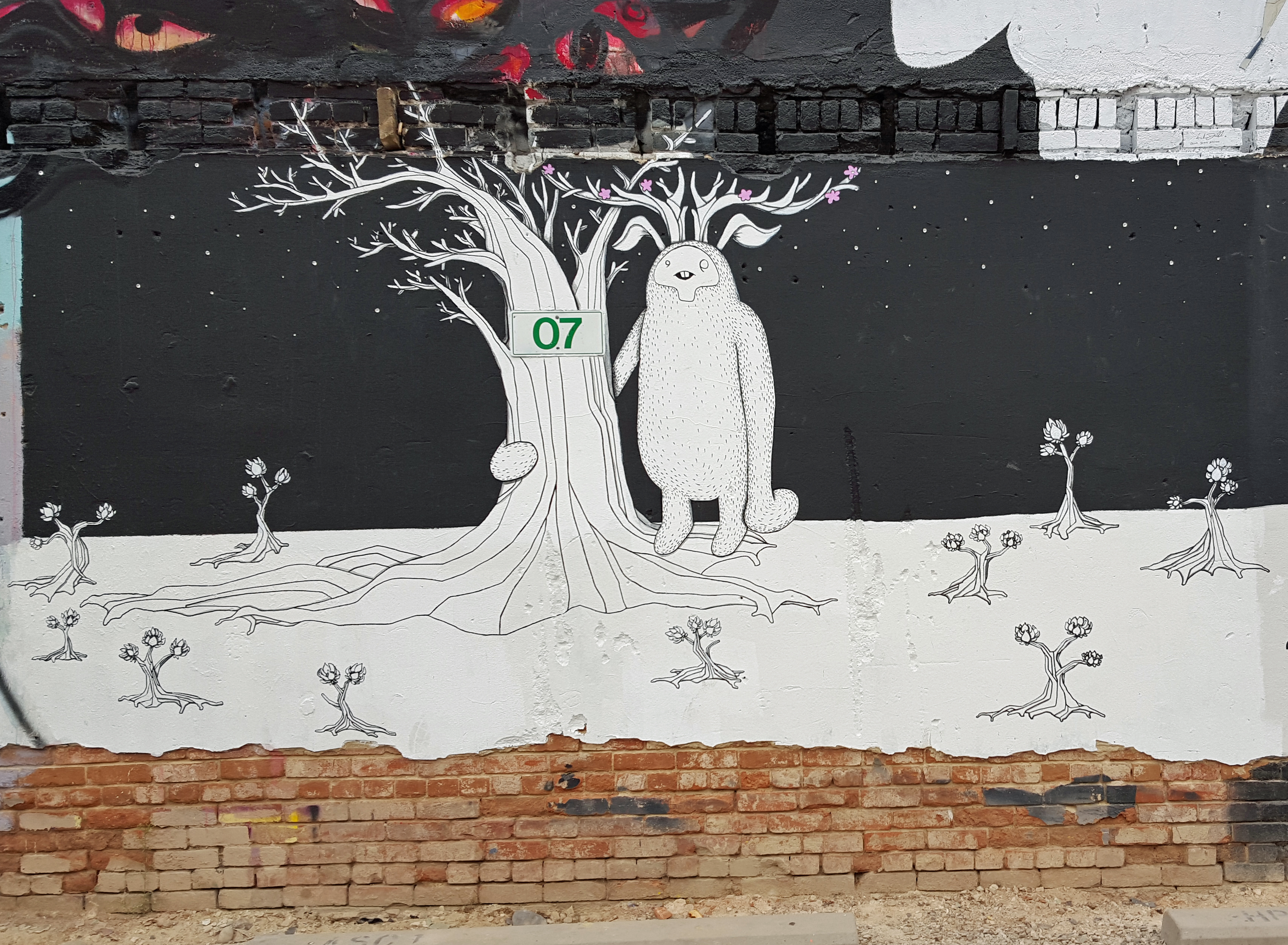
Mural in Freak Alley in downtown Boise, Idaho

Freak Alley Gallery in downtown Boise, Idaho

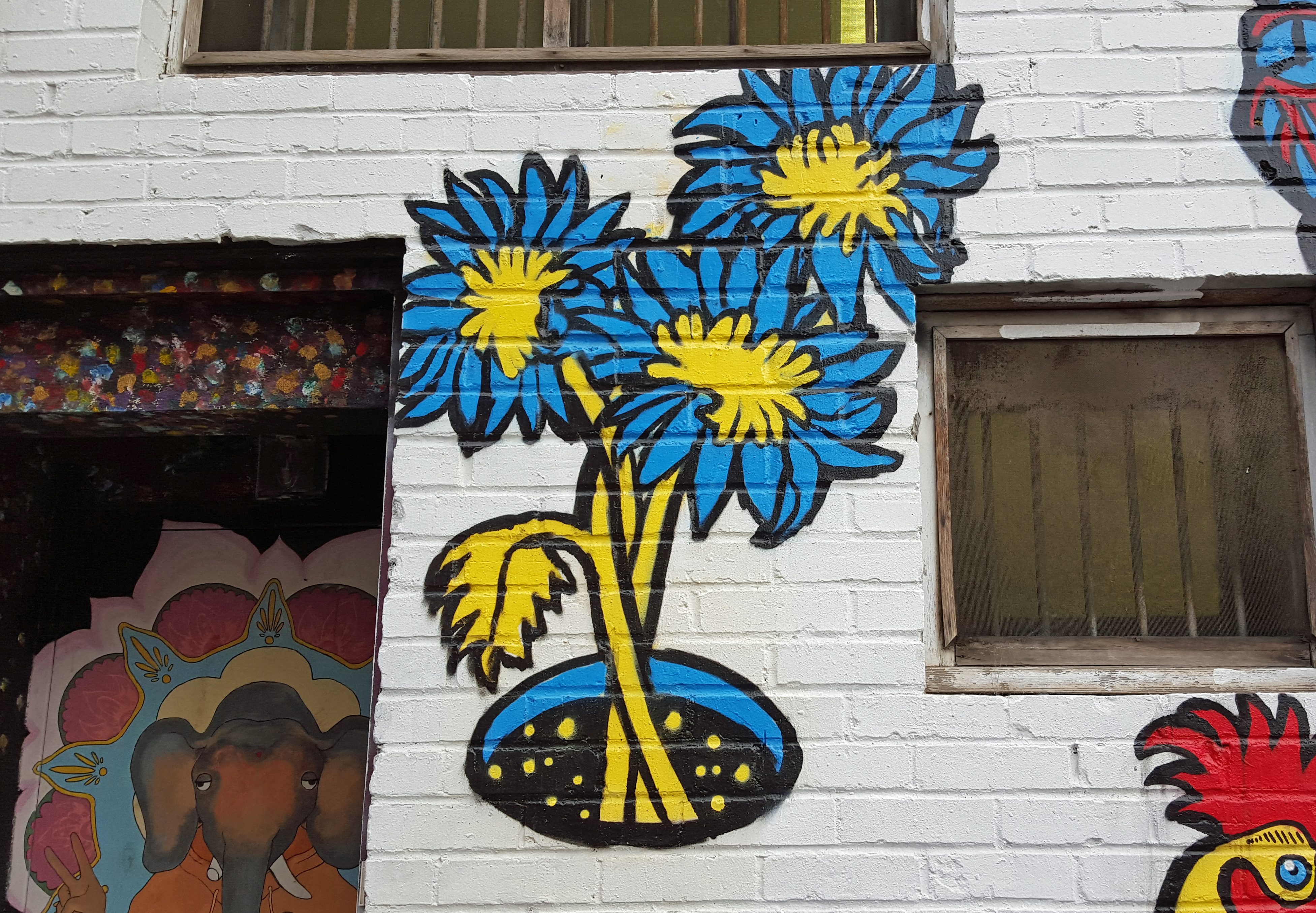
Mural in Freak Alley in downtown Boise, Idaho

Freak Alley Gallery in downtown Boise, Idaho

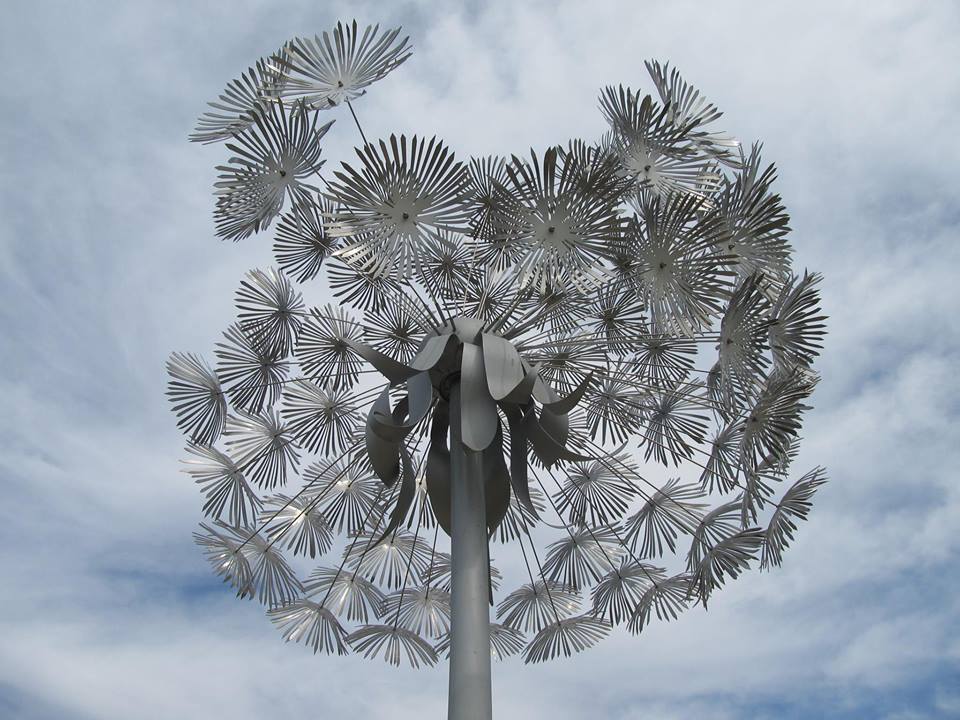
Agoseris sculpture at Foothills Learning Center in Boise, Idaho

Aero Agoseris sculpture (Agoseris glauca) at Foothills Learning Center in Boise, Idaho

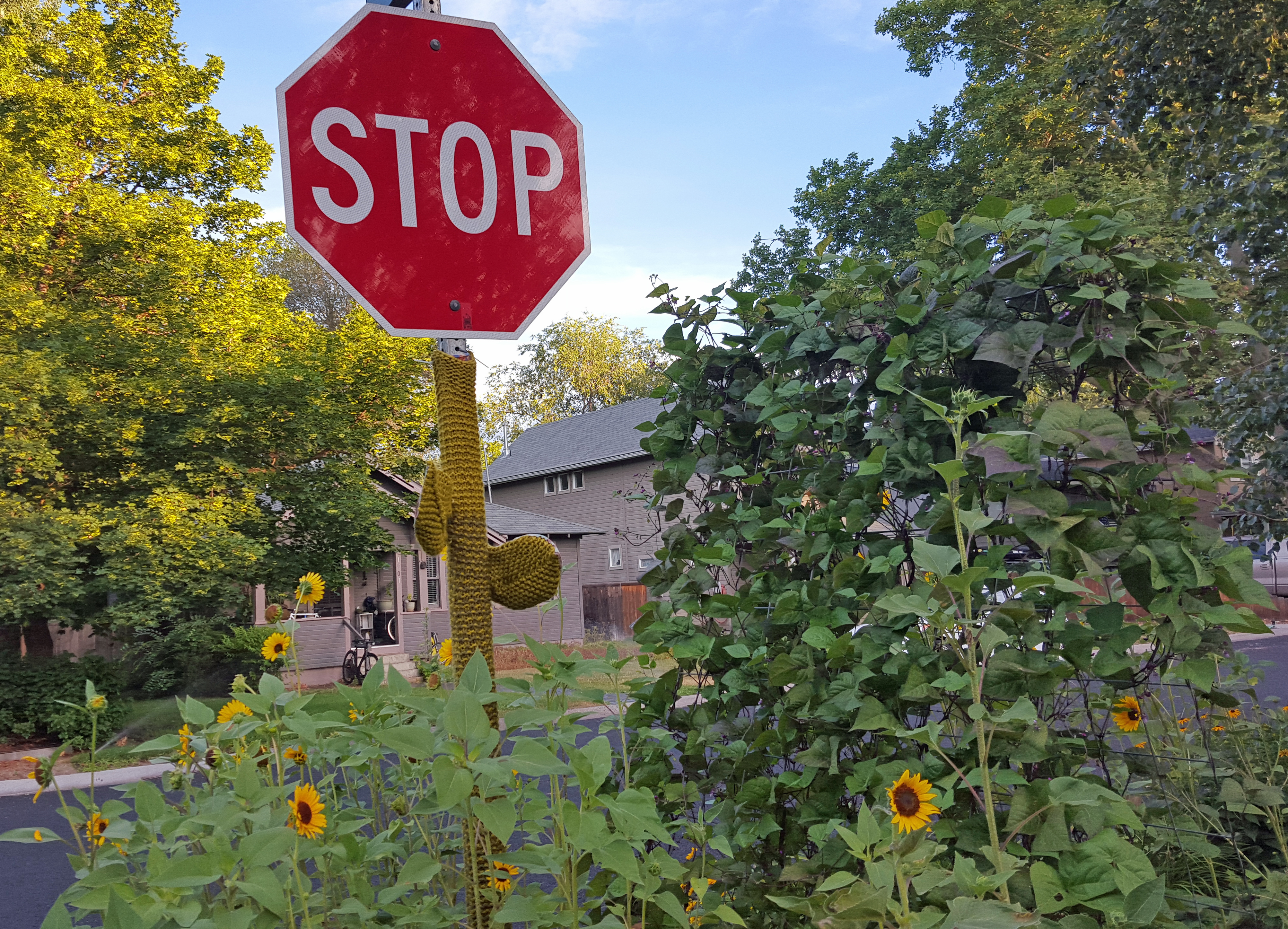
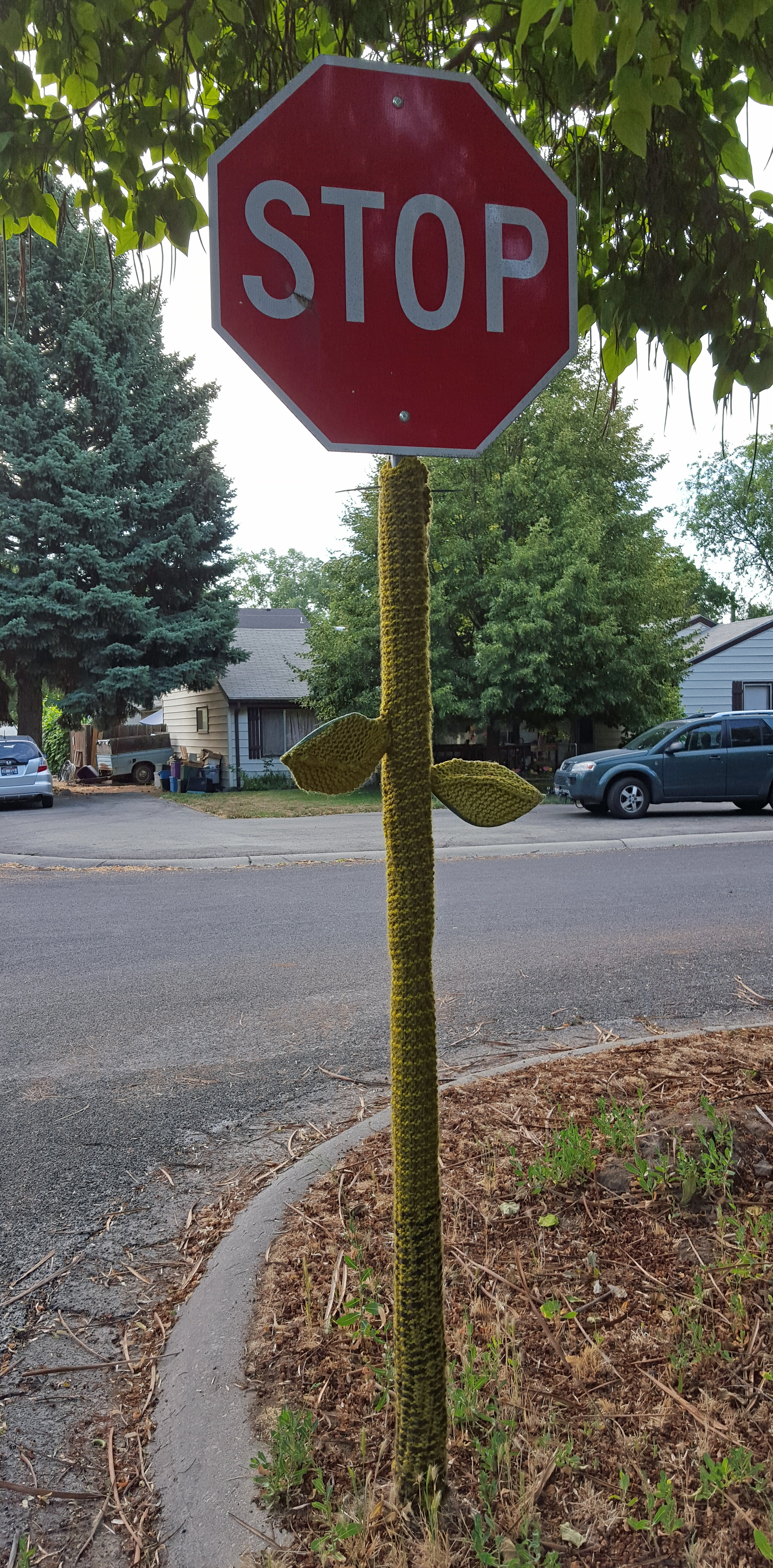
Stop sign in Sunset Neighborhood in Boise, Idaho

Stop sign in Boise’s Sunset Neighborhood

Stop sign in Sunset Neighborhood in Boise, Idaho

Stop sign in Boise’s Sunset Neighborhood

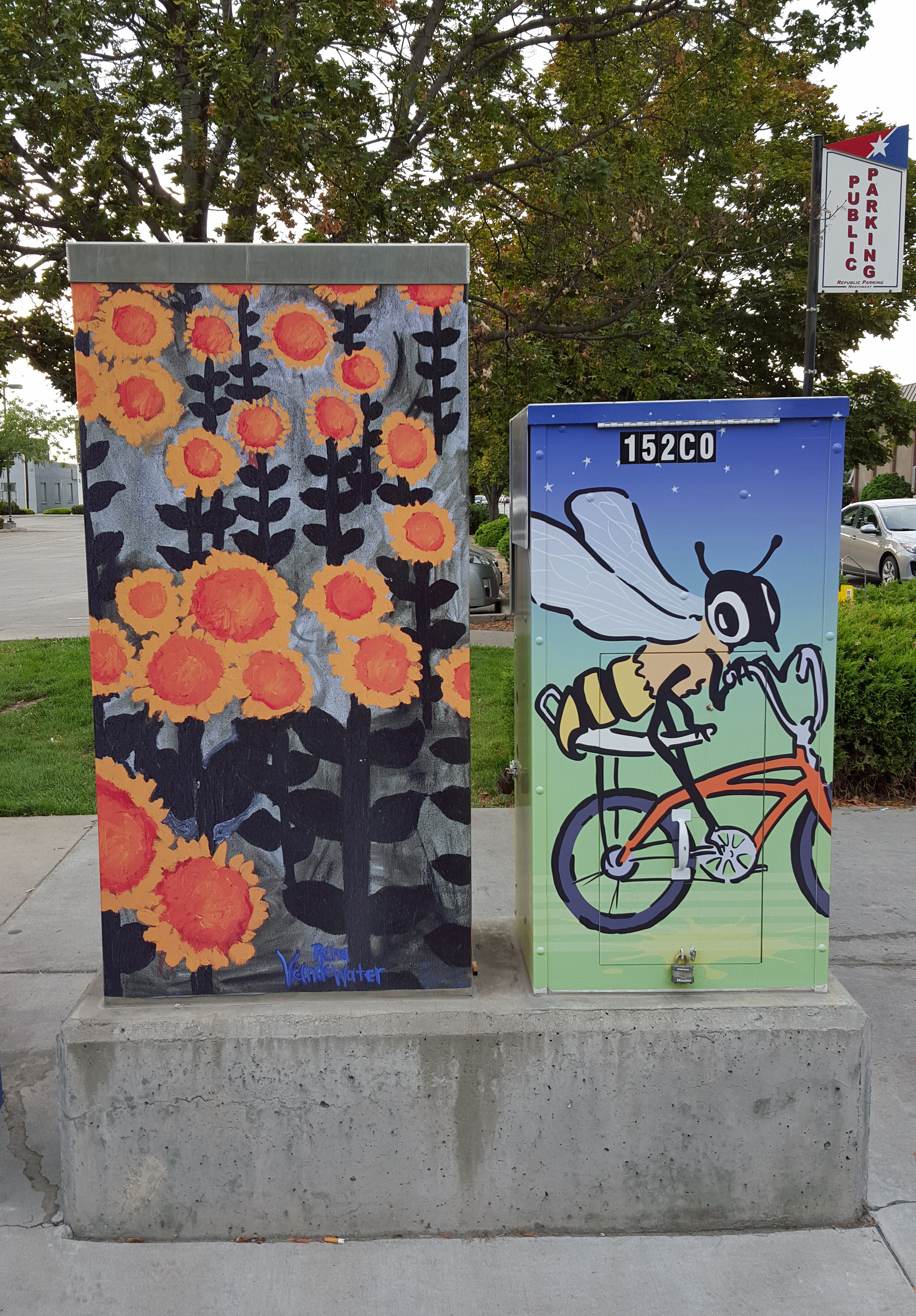
Utility boxes in downtown Boise, Idaho

Utility boxes in downtown Boise, Idaho

Utility box in Boise, Idaho

Utility box in downtown Boise, Idaho

Influence of a Passion

This is a guest post by Samuel Malley.

———————

One of the most fascinating parts of plant interest is learning about those who have contributed to it as a whole. It has inspired great men and women who made it what it is today – from the Greek Theophrastrus, regarded as the father of botany through to Margaret Rebecca Dickinson who would bring these plants to life through illustrations. To learn about their lives is an absolute joy, knowing your passion has birthed these amazing people.

Take Carl Linnaeus, for example, a man who invented a method to name plants according to their genus, species, and so forth. We use this commonly today as it has become his legacy that impacts every botanist, gardener, and horticulturist as well as many others in the world. As the Roman naturalist Pliny the Elder would say “fortune favours the brave.” This quote would certainly apply to many. The dream to travel to new far away lands and discover new plant species would indeed inspire those willing to be brave and be rewarded in return. Even now in this day and age people are still imagining and travelling to see what else is out there. And who knows, a plant could be discovered soon that pushes the boundaries of what we think and know.

One of the first botanists I came across just as my obsession was starting was Luca Ghini. Born in 1490, he created the first botanical garden in Pisa, Italy. Ghini also created a technique of drying and pressing plants, eventually being recorded with having the first herbarium. This supposedly contained around three hundred specimens.

To me Luca is one of my personal heroes – someone who’s genius shaped the modern plant world. What a privilege it must have been to be the first to have stepped into the Pisa Garden or to be in the company of Luca as he added a new leaf to his collection. He passed away in 1556, and like every great botanist he left a legacy. Ghini is still here, alive through his garden and his drying technique. To the man himself, if I could go back in time, the two words that I would say to him would be, “Thank you.”

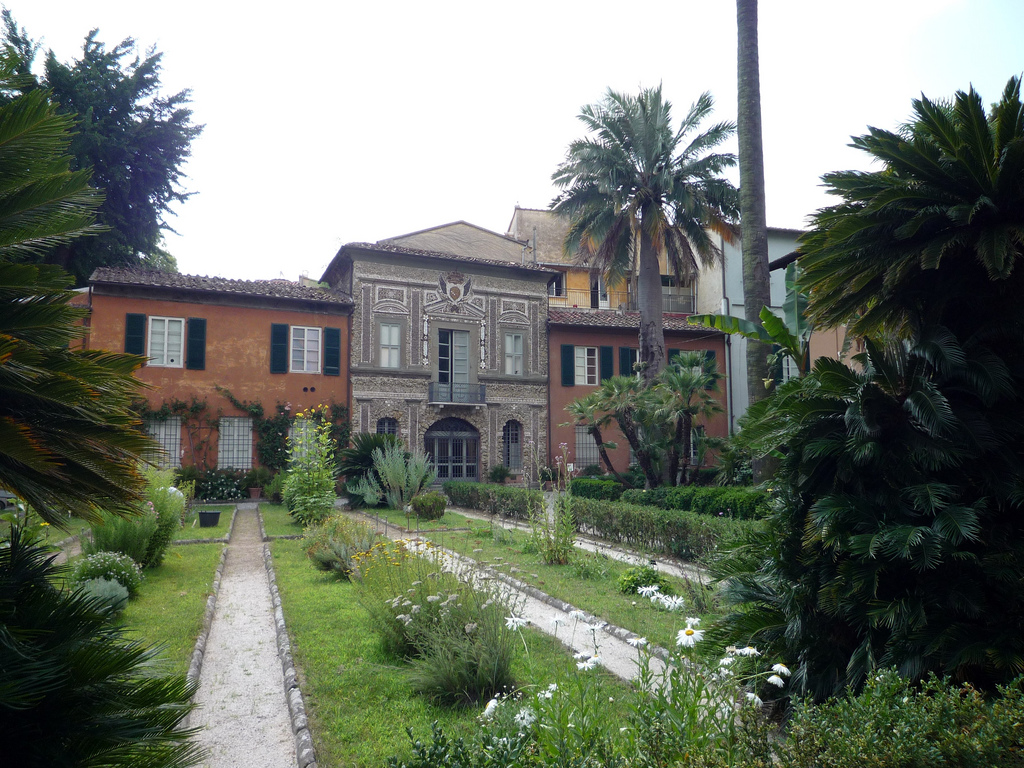
Pisa Botanical Garden - photo credit: Chris / flickr

Pisa Botanical Garden – photo credit: Chris/Flickr

The future ahead in plant interest is a very bright one, awaiting more great people to add to the rich, fascinating history it has to offer full of eye opening men and women.

———————

Samuel Malley is a horticulture student in the United Kingdom. He is an aspiring botanist and is also interested in creating unique garden sculptures. 

How a Plant Could Just Kill a Man, part two

Plants falling on people was a major theme in the Caustic Soda podcast Killer Plants episode, which is why part one of this two part series was devoted entirely to the subject. Yet, in the process of discussing death by falling branches and fruits, the hosts also mentioned at least three other highly dangerous and potentially deadly plants: ongaonga, gympie gympie, and the little apple of death. Those plants are featured here.

The nettle family, Urticaceae, includes a number of species that are best admired from a distance. Several genera (out of around 53 total) in this family are equipped with stinging hairs – sharp protrusions on leaves and stems that contain a variety of toxic compounds. Contact with these plants is ill-advised. Reactions vary from mild to extreme depending on the extent of the contact and the species in question. Two of the plant species mentioned by the hosts of Caustic Soda are members of this family – ongaonga (Urtica ferox) and gympie gympie (Dendrocnide moroides) – both of which are on the extreme side of the scale.

Urtica ferox is a New Zealand endemic that is commonly found in coastal and lowland areas as well as forest edges and shrublands. It is a shrub that reaches up to three meters tall and often occurs in dense thickets. The margins and midribs of its leaves are adorned with stiff hairs that are just a few millimeters long and poised to inject toxic compounds including histamine and acetylcholine upon contact. The “sting” is painful and can cause a variety of reactions including itching, inflammation, difficulty breathing, paralysis, blurred vision, and convulsions. Symptoms can last for several days, and neurological disorders occur in extreme cases.

Ongaonga has been blamed for killing several animals, including dogs and horses, but is charged with only one human death. In 1961, two hikers ventured into a patch of the stinging nettles. Shortly after contact they had trouble walking, breathing, and seeing. One of the men died a few hours later; the other recovered.

Ongaonga (Urtica ferox) - photo credit: www.eol.org

Ongaonga (Urtica ferox) – photo credit: www.eol.org

Several species in the nettle family can be found in Australia, one of which is particularly dangerous. Dendrocnide moroides, commonly known as stinging tree or suicide plant, is an early successional species, colonizing disturbed sites and sunlit gaps in the rainforest canopy. It grows to about three meters tall and has large heart-shaped leaves with sawtooth margins. All aboveground parts of the plant are covered in silicon hairs that are packed with a highly potent neurotoxin. The hairs detach easily from the plant and embed themselves in the skin of its victims. The “sting” is extremely painful and can last anywhere from days to months, possibly even returning from time to time years after contact. A rash, swelling, and itching sensation accompany the intense pain.

Following an encounter with the stinging tree, the “stingers” should be removed from the skin with a hair removal strip or some other sticky material, taking care not to break off the embedded tips. The affected area can be treated with diluted hydrochloric acid (1:10 by volume) to reduce the pain. Live plants are not the only ones to be wary of, as even old herbarium specimens have been said to sting those that handle them. Touching the plant isn’t even necessary, as the hairs easily dislodge from the plant in the wind and can be breathed in. One researcher reports developing a severe allergic reaction to the plant after working around it for several years and was advised by a doctor to abandon her research.

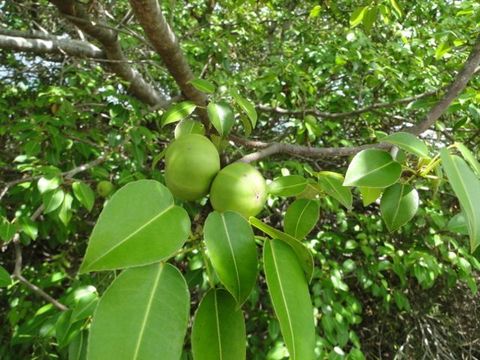
The spurge family, Euphorbiaceae, has many toxic plants among its ranks, including a species that Guiness World Records has awarded the world’s most dangerous tree. Commonly known as manchineel or beach apple, Hippomane mancinella demands respect, as a highly toxic latex sap is found throughout the entire plant. Just standing near it can result in painful blistering of the skin. Manchineel occurs along shorelines and in coastal woodlands and swamps in Central America and the West Indies, including southern Florida and the Florida Keys. It is a deciduous tree that grows to about fifteen meters tall, has thick grey bark, and glossy, elliptical leaves. Its fruits look like yellow-green crabapples and are sweet smelling and initially sweet tasting, that is until the burning and swelling starts followed by severe gastroenteritis.

Manchineel tree a.k.a. little apple of death (Hippomane mancinella) - photo credit: www.eol.org

Manchineel tree a.k.a. little apple of death (Hippomane mancinella) – photo credit: www.eol.org

Interaction with manchineel is inadvisable. The thick, milky sap seeps out of leaves, branches, bark, and fruits and causes intense blistering of the skin and temporary blindness if it gets near the eyes. During rainstorms, the sap becomes incorporated in raindrops and can drip or splash onto unwitting bystanders. Smoke from burning trees can also irritate the skin and eyes, and inhalation of the sawdust can result in bronchitis, laryngitis, and other respiratory issues. Modern history does not include reports of human fatalities resulting from eating the little apples of death, but descriptions offered by those who have consumed it confirm that it is an incredibly unpleasant experience.

Related Posts:

How a Plant Could Just Kill a Man, part one

Plants have killed plenty of people. When plants are implicated in the death of a human, we typically think of plant poisonings. Rightly so since their are a slew of poisonous plants with the potential to kill. However, oftentimes plants kill (or seriously injure) people without employing toxic substances. One of the best examples of this is falling plant parts. Gravity couples with sheer coincidence and/or human error, and tragedy ensues. In an episode entitled Killer Plants of the now defunct podcast, Caustic Soda, the hosts present some of these distressing scenarios. What follows is a summary of the plants that made their list.

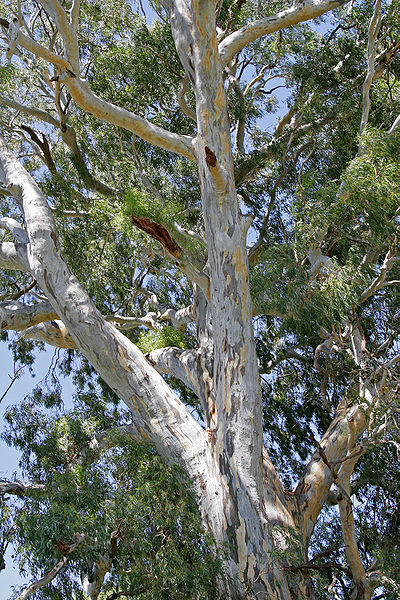
Branches falling from trees, whether dead or alive, can cause some serious damage. Trees in the genus Eucalyptus, commonly known as gum trees, are one group to be particularly wary of. There are more than 700 species of Eucalyptus, most of which occur in Australia. Not all are large trees, but those that are can be massive, reaching from 100 to 200 feet and taller. Eucalyptus trees regularly shed branches, often unexpectedly, leading to serious injury or death to anyone who may find themselves on the ground below. Shedding branches is likely a strategy for conserving water during hot, dry summers, and it is common enough that Australian parks departments issue safety advisories to avoid parking or camping below the trees. Even arborists don’t take their chances with these unpredictable trees.

Red River Gum Tree Eucalyptus camaldulensis - photo credit: wikimedia commons

River red gum (Eucalyptus camaldulensis) – photo credit: wikimedia commons

Of course, eucalyptus trees are not the only trees that drop their branches without warning. A falling branch in Yosemite National Park claimed two victims last summer, for example; and falling branches have claimed the lives of a great deal of forest workers, wildland firefighters, and other forest visitors. This happens frequently enough that the branches in question have been given the ominous name widowmakers, and the U.S. Department of Labor lists them as one of many “potential hazards” in the logging industry. What are the chances of being killed by a falling tree? The Ranger’s Blog set out to answer that question and, to set your mind at ease, determined that the chances are pretty slim.

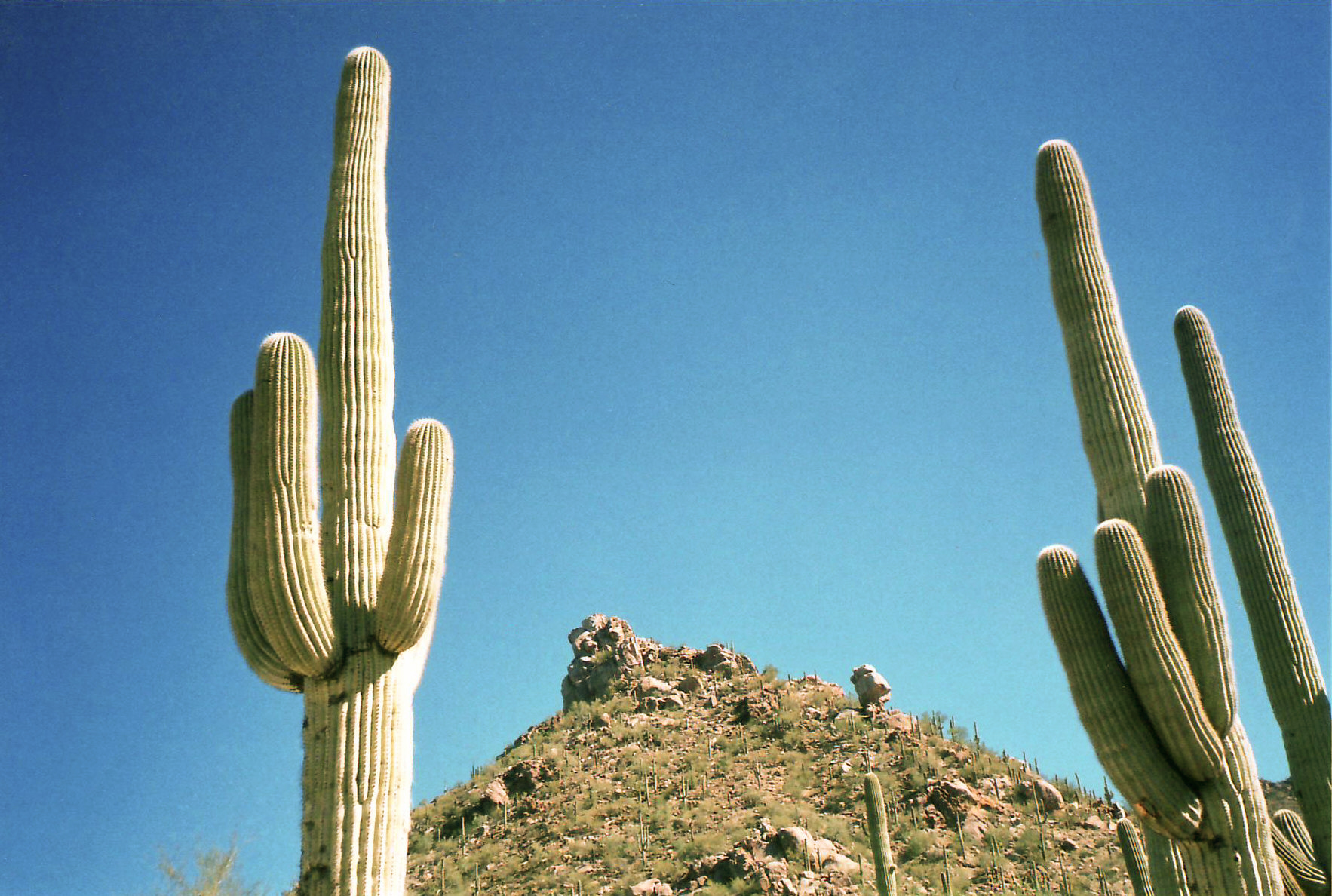
What about other falling plants? Saguaro cactus, for example. Carnegiea gigantea is a tree-like, columnar cactus native to the Sonoran Desert. It is a very slow growing and long-lived species that generally reaches around 40 feet tall but can potentially grow much taller. Saguaros are considered tree-like for their tall stature and branching habit, although not all saguaros develop branches. Some saguaro branches (or “arms”) can be quite large and considerably heavy. In 1982, an Arizona man discovered this when he and a friend were out shooting saguaros. Stupidly, the man repeatedly shot at the arm of an enormous cactus. Ultimately the arm split off and landed on the man, crushing him to death. Of course, saguaros don’t have to be shot at to fall on you. Another Arizona man was fixing a water leak in a Yuma subdivision when a sixteen foot tall saguaro toppled over on him. The man was crushed but lived to tell about it.

Saguaro cactus (Carnegiea gigantea) - photo credit: wikimedia commons

Saguaro cactus (Carnegiea gigantea) – photo credit: wikimedia commons

Palm trees drop things on people, too. One tragic example involves a man in Los Angeles standing below a Canary Island date palm (Phoenix canariensis) waiting for a ride to a funeral. The 2000 pound crown of the palm tree split and fell, pinning the man to the ground. Bystanders were unable to remove the crown, and the man died.

The coconut palm (Cocos nucifera) has an additional deadly weapon – its fruit. While the number of deaths by coconut are often exaggerated, they do occasionally occur. Injuries by coconut are more frequent, so precaution around the trees should be taken. After all, coconut palms can reach heights of 80 feet or more, and mature coconuts can weigh more than three pounds (considerably more when they are wet). A falling coconut is something to be mindful of, an observation that led Dr. Peter Barss to study coconut related injuries in Papa New Guinea over a period of 4 years. His research was published in 1984 in the Journal of Trauma and was later taken out of context and used to make the claim that coconuts kill significantly more people per year than sharks. Publicity spawned by this urban myth helped Barss earn an Ig Noble Prize in 2001. Concerns about coconut related injuries also led officials in India to order the removal of coconut palms around the Gandhi Museum in preparations for President Barack Obama’s 2010 visit.

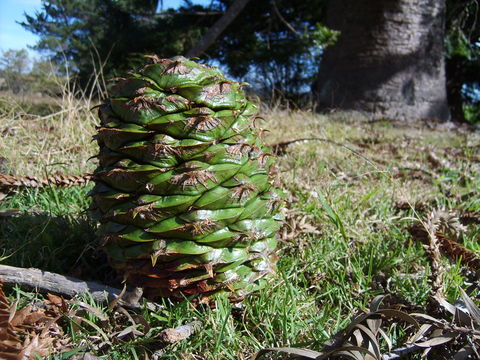
Back in Australia, the towering bunya pine (Araucaria bidwillii) has its equivalent to the coconut in its massive cone. Measuring around a foot long and weighing in at 20+ pounds, these cones make living near bunya pines an act that is “not for the faint hearted.” When the cones are falling, they warrant warnings from the Australian government to keep away from these 90 foot tall trees. This harrowing feature puts bunya pines on a list of infamous plants in Australia with the potential to kill.

Bunya pine cone (Araucaria bidwillii) - photo credit: www.eol.org

Seed cone of bunya pine (Araucaria bidwillii) – photo credit: www.eol.org

Tomato vs. Dodder, or When Parasitic Plants Attack

At all points in their lives, plants are faced with a variety of potential attackers. Pathogenic organisms like fungi, bacteria, and viruses threaten to infect them with diseases. Herbivores from all walks of life swoop in to devour them. For this reason, plants have developed numerous mechanisms to defend themselves against threats both organismal and environmental. But what if the attacker is a fellow plant? Plants parasitizing other plants? It sounds egregious, but it’s a real thing. And since it’s been going on for thousands of years, certain plants have developed defenses against even this particular threat.

Species of parasitic plants number in the thousands, spanning more than 20 different plant families. One well known group of parasitic plants is in the genus Cuscuta, commonly known as dodder. There are about 200 species of dodder located throughout the world, with the largest concentrations found in tropical and subtropical areas. Dodders generally have thread-like, yellow to orange, leafless stems. They are almost entirely non-photosynthetic and rely on their host plants for water and nutrients. Their tiny seeds can lie dormant in the soil for a decade or more. After germination, dodders have only a few days to find host plants to wrap themselves around, after which their rudimentary roots wither up. Once they find suitable plants, dodders form adventitious roots with haustoria that grow into the stems of their host plants and facilitate uptake of water and nutrients from their vascular tissues.

A mass of dodder (Cuscuta sp.) - photo credit: wikimedia commons

A mass of dodder (Cuscuta sp.) – photo credit: wikimedia commons

Some plants are able to fend off dodder. One such instance is the cultivated tomato (Solanum lycopersicum) and its resistance to the dodder species, Cuscuta reflexa. Researchers in Germany were able to determine one of the mechanisms tomato plants use to deter dodder; their findings were published in a July 2016 issue of Science. The researchers hypothesized that S. lycopersicum was employing a similar tactic to that of a microbial invasion. That is, an immune response is triggered when a specialized protein known as a pattern recognition receptor (PRP) reacts with a molecule produced by the invader known as a microbe-associated molecular pattern (MAMP). A series of experiments led the researchers to determine that this was, in fact, the case.

The MAMP was given the name Cuscuta factor and was found “present in all parts of C. reflexa, including shoot tips, stems, haustoria, and, at lower levels, in flowers.” The PRP in the tomato plant, which was given the name Cuscuta receptor 1 (or CuRe 1), reacts with the Cuscuta factor, triggering a response that prohibits C. reflexa access to its vascular tissues. Starved for nutrients, the dodder perishes. When the gene that codes for CuRe 1 was inserted into the DNA of Solanum pennellii (a wild relative of the cultivated tomato) and Nicotiana benthamiana (a relative of tobacco and a species in the same family as tomato), these plants “exhibited increased resistance to C. reflexa infestation.” Because these transgenic lines did not exhibit full resitance to the dodder attack, the researchers concluded that “immunity against C. reflexa in tomato may be a process with layers additional to CuRe 1.”

photo credit: wikimedia commons

photo credit: wikimedia commons

A slew of crop plants are vulnerable to dodder and other parasitic plants, so determining the mechanisms behind resistance to parasitic plant attacks is important, especially since such infestations are so difficult to control, have the potential to cause great economic damage, and are also a means by which pathogens are spread. It is possible that equivalents to CuRe 1 exist in other plants that exhibit resistance to parasitic plants, along with other yet to be discovered mechanisms involved in such resistance, so further studies are necessary. Discoveries like this not only help us make improvements to the plants we depend on for food, but also give us a greater understanding about plant physiology, evolutionary ecology, and the remarkable ways that plants associate with one another.

Additional Resources:

Maize Anatomy and the Anatomy of a Maze

Commonly known as corn throughout much of North America, maize is a distinctive emblem of the harvest season. It is one of the most economically important crops in the world (the third most important cereal after rice and wheat) and has scads of uses from food to feed to fuel. The story of its domestication serves as a symbol of human ingenuity, and its plasticity in both form and utility is a remarkable example of why plants are so incredible.

The genus Zea is in the grass family (Poaceae) and consists of five species: Z. diploperennis, Z. perennis, Z. luxurians, Z. nicaraguensis, and Z. mays. Maize is the common name of Zea mays subsp. mays, which is one of four Z. mays subspecies and the only domesticated taxon in the genus. All other taxa are commonly and collectively referred to as teosintes.

The domestication of maize, apart from being an impressive feat, has long been a topic of research and a challenging story to tease apart. The current understanding is that maize was first domesticated around 9000 years ago in the Balsas River valley in southern Mexico, the main progenitor being Zea mays subsp. parviglumis. It is astonishing how drastically different in appearance teosintes are from modern day maize, but it also explains why determining the crop wild relative of maize was so difficult.

Teosinte, teosinte-maize hybrid, and maize - photo credit: wikimedia commons

Teosinte, teosinte-maize hybrid, and maize – photo credit: wikimedia commons

Teosintes and maize both have tall central stalks; however, teosintes generally have multiple lateral branches which give them a more shrubby appearance. In teosinte, each of the lateral branches and the central stalk terminate in a cluster of male flowers; female flowers are produced at the nodes along the lateral branches. In maize, male flowers are borne at the top of the central stalk, and lateral branches are replaced by short stems that terminate in female flowers. This is where the ears develop.

Ears – or clusters of fruits – are blatantly different between teosintes and maize. To start with, teosinte produces a mere 5 to 12 fruits along a short, narrow cob (flower stalk). The fruits are angular and surrounded in a hard casing. Maize cobs are considerably larger both in length and girth and are covered in as many as 500 or more fruits (or kernels), which are generally more rounded and have a softer casing. They also remain on the cob when they are ripe, compared to teosinte ears, which shatter.

Evolutionary biologist, Sean B. Carroll, writes in a New York Times article about the amazing task of “transform[ing] a grass with many inconvenient, unwanted features into a high-yielding, easily harvested food crop.” These “early cultivators had to notice among their stands of plants variants in which the nutritious kernels were at least partially exposed, or whose ears held together better, or that had more rows of kernels, and they had to selectively breed them.” Carroll explains that this “initial domestication process which produced the basic maize form” would have taken several hundred to a few thousand years. The maize that we know and love today is a much different plant than its ancestors, and it is still undergoing regular selection for traits that we find desirable.

Female inflorescence (or "ear") of Zea mays subsp. mays - photo credit: wikimedia commons

Female inflorescence (or “ear”) of Zea mays subsp. mays – photo credit: wikimedia commons

To better understand and appreciate this process, it helps to have a basic grasp of maize anatomy. Maize is an impressive grass in that it regularly reaches from 6 to 10 feet tall and sometimes much taller. It is shallow rooted, but is held up by prop or brace roots – adventitious roots that emerge near the base of the main stalk. The stalk is divided into sections called internodes, and at each node a leaf forms. Leaf sheaths wrap around the entirety of the stalk, and leaf blades are long, broad, and alternately arranged. Each leaf has a prominent midrib. The stalk terminates in a many-branched inflorescence called a tassel.

Maize Anatomy 101 - image credit: Canadian Goverment

Maize Anatomy 101 – image credit: Canadian Government

Maize is monoecious, which means that it has separate male and female flowers that occur on the same plant. The tassel is where the male flowers are located. A series of spikelets occur along both the central branch and the lateral branches of the tassel. A spikelet consists of a pair of bracts called glumes, upper and lower lemmas and paleas (which are also bracts), and two simple florets composed of prominent stamens. The tassel produces and sheds tens of thousands of pollen grains which are dispersed by wind and gravity to the female inflorescences below and to neighboring plants.

Female inflorescences (ears) occur at the top of short stems that originate from leaf axils in the midsection of the stalk. Leaves that develop along this reduced stem wrap around the ears forming the husk. Spikelets form in rows along the flower stalk (cob) within the husk. The florets of these spikelets produce long styles that extend beyond the top of the husk. This cluster of styles is known as the silk. When pollen grains land on silk stigmas, pollen tubes grow down the entire length of the silks to reach the embryo sac. Successful fertilization produces a kernel.

The kernel – or fruit – is known botanically as a caryopsis, which is the standard fruit type of the grass family. Because the fruit wall and seed are fused together so tightly, maize kernels are commonly referred to as seeds. The entire plant can be used to produce feed for animals, but it is the kernel that is generally consumed (in innumerable ways) by humans.

There is so much more to be said about maize. It’s a lot to take in. Rather than delve too much further at this point, let’s explore one of the other ways that maize is used by humans to create something that has become another feature of the fall season – the corn maze.

Entering the corn maze at The Farmstead in Meridian, Idaho

Exploring the corn maze at The Farmstead in Meridian, Idaho

corn-maze-2

corn-maze-3

corn-maze-4

corn-maze-5

Related Posts: