Wildflower Walk: June 2014

I spent last weekend in a cabin outside of Garden Valley, Idaho. I was there for a wedding and so most of my time was occupied with that. However, anxious to explore, I found a brief moment to step out and observe the surrounding plant life. The cabin and an adjacent campground were located in an area that, before the economic downturn in 2008, was to become a major housing development. Because of this (and possibly other things), the area showed lots of signs of human disturbance, particularly the large number of introduced plant species. Fortunately, despite feeling like I was walking through a weedy field, I did come across a few patches of native plants. I may have to return sometime to get a better look at things because I wasn’t able to identify everything that I saw and I’m still not exactly sure what species of lupine and buckwheat I was looking at. Either way, the plants in the following pictures are a few of the things I found.

Aristida purpurea (purple threeawn)

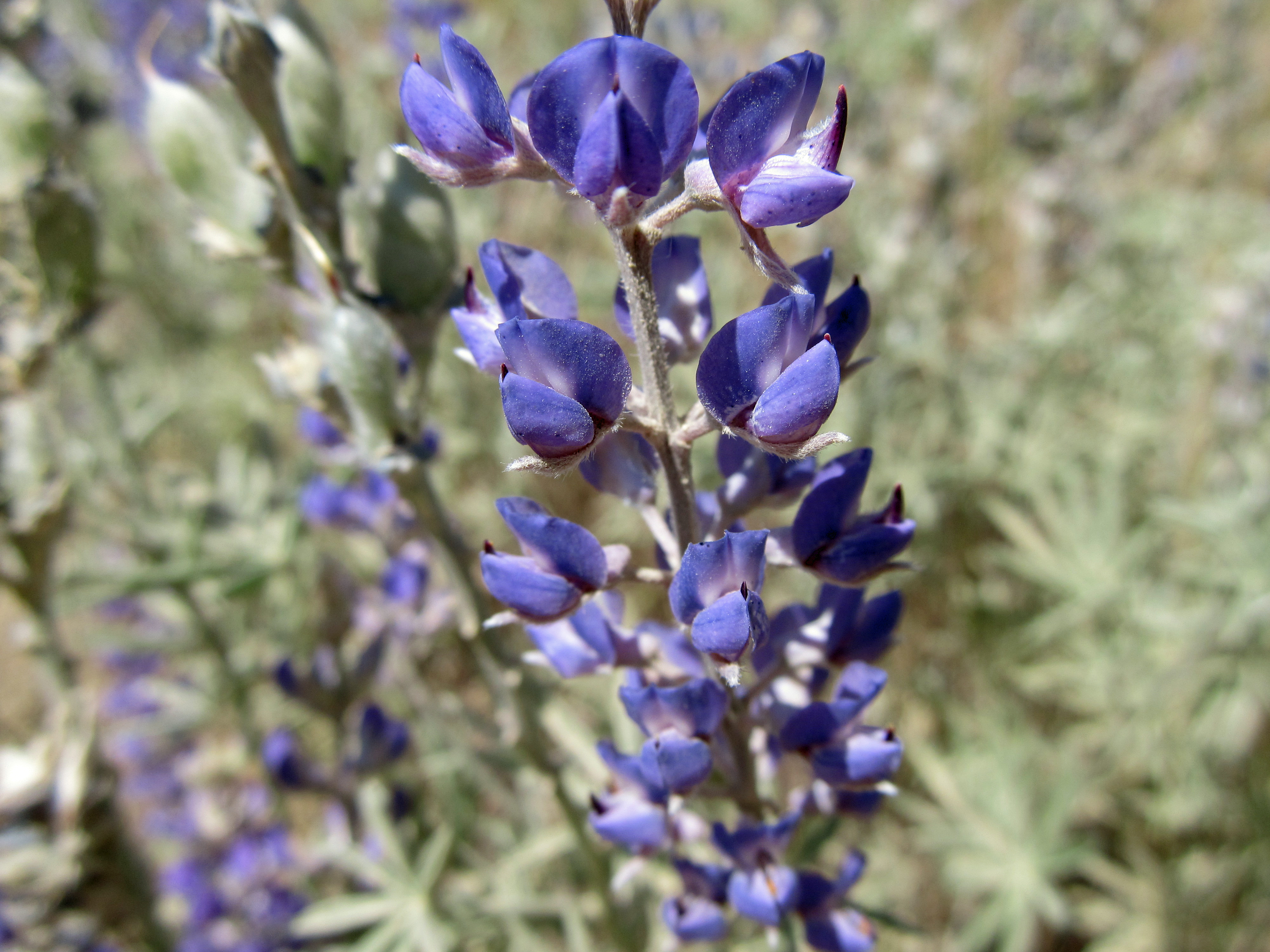
lupinus

Lupinus sp. (lupine)

eriogonum

Eriogonum sp. (wild buckwheat)

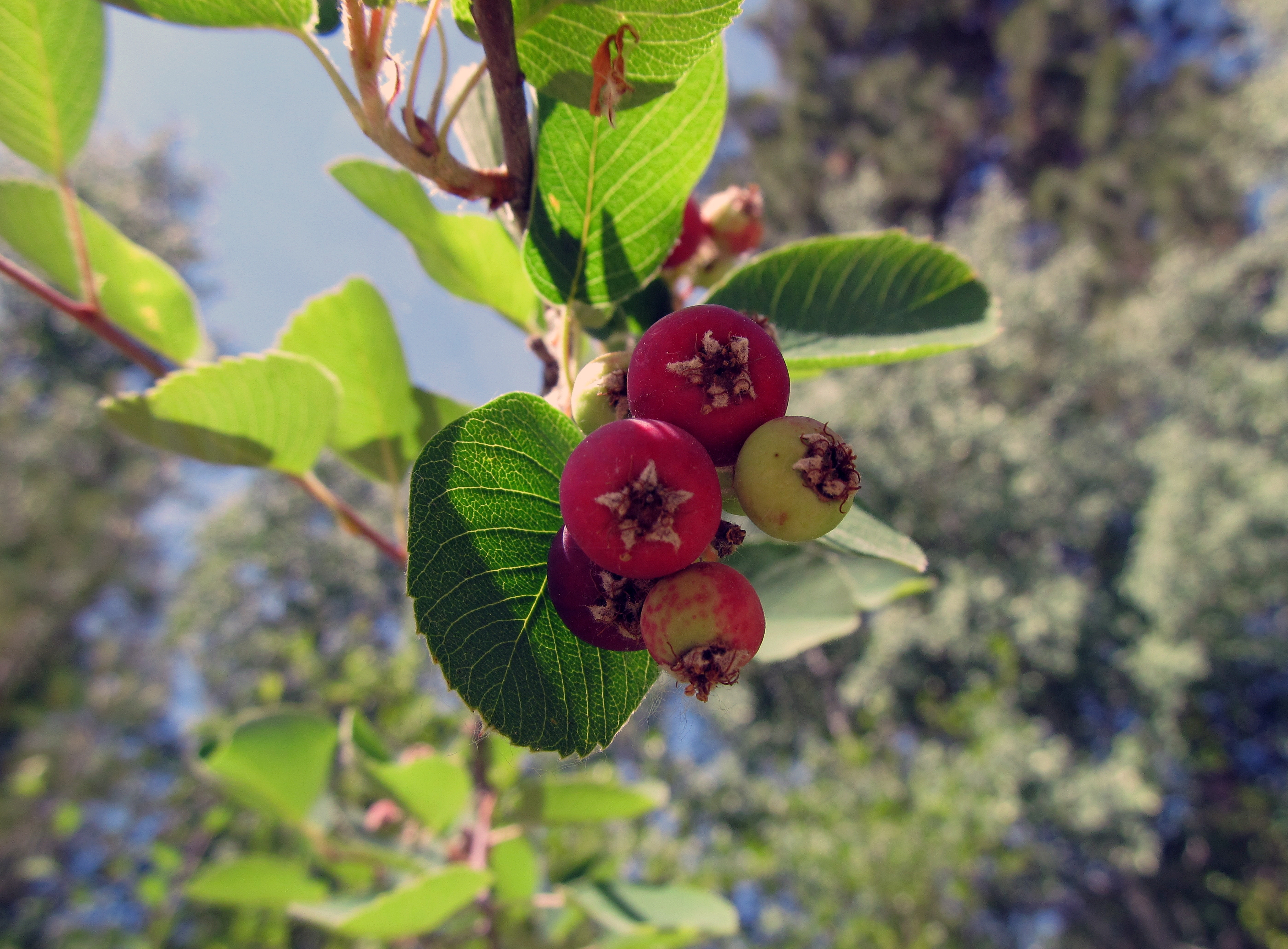
amelancier alnifolia

Amelanchier alnifolia (Saskatoon serviceberry)

Don’t let my walk through a weedy field dissuade you. Garden Valley is an incredibly beautiful location. It sits adjacent to the South Fork of the Payette River and near the western edge of the Boise National Forest. It is an area worthy of exploring, which is why I plan on visiting again soon. I recommend you do too.

Previous Wildflower Walks:

Spring 2013

June 2013

American Penstemon Society Field Trip

September 2013

Ethnobotany: Marigolds

Marigolds are easily one of the most commonly grown annual flowers. They are so common and pervasive, in fact, that they are often overlooked and underappreciated. I, for one, had discounted marigolds long ago, seeking instead for plants considered to be more rare, unconventional, and unusual to place in my garden. But then I started looking into this commonplace plant and, to my surprise, discovered that marigolds have great cultural significance in countries all around the world, both currently and historically. Suddenly, marigolds don’t seem quite so ordinary.

Marigold is a common name for plants found in several genera, but in this case I am referring to plants in the genus, Tagetes, which is in the family, Asteraceae (also known as the sunflower family). Tagetes is a genus composed of at least 42 species, all of which are native to North and South America. Plants in this genus range in height from a few inches to as tall as 6 feet or more. Like most other species in the sunflower family, their flowers appear to be single blooms but are actually clusters of two different types of smaller flowers: ray florets and disc florets. The flowers can be orange, yellow, golden, white, and, in some cases, maroon or with maroon accents. The leaves are usually finely divided and either oppositely or alternately arranged, and the leaves, stems, and flowers are highly aromatic. Marigolds grow in a variety of soil types, even those with minimal fertility. In gardens, they will perform best if they are grown in well-drained soil in full sun and are watered and deadheaded regularly.

Aztec Marigold (Tagetes erecta)

Aztec Marigold (Tagetes erecta)

Even before marigolds gained worldwide popularity, they were commonly used among the people in their native range. They were of particular interest to the Aztecs, who considered marigolds a sacred plant and used them in religious ceremonies. Marigolds became known as the flower of the dead and are still used today during the Day of the Dead to adorn altars and graves. Marigolds were also an important medicinal plant for the Aztecs, especiallly T. lucida, which they used to treat fevers, stiffness, blisters, and various other ailments.

Spanish and Portugeuse explorers were introduced to marigolds by the Aztec people. The explorers brought marigolds back to their homelands and quickly spread them throughout Europe and into Africa and Asia. It was in Europe that they were given their common name, Mary’s gold, referring to the Virgin Mary and the color of the flowers.  At the beginning of the 16th century, Portuguese explorers established a colony in India. The marigolds they brought with them have become a huge part of Indian culture and other cultures in that region. Today there are many large marigold farms in various parts of India, and marigolds are used widely to make garlands and other decorations for weddings, festivals, and religious ceremonies, as well as in foods and dyes.

Marigold Garlands (photo credit: wikimedia commons)

Marigold Garlands (photo credit: wikimedia commons)

The flowers and leaves of marigolds are edible and have culinary and medicinal uses in many countries, especially those in South America. T. lucida and T. minuta are particularly popular for these uses. Marigold flowers have a citrus-like flavor, and T. tenufolia ‘Lemon Gem’ is said to be the best tasting marigold (although, having never eaten marigold flowers myself, I have no personal experience to back that up). The essential oil of T. minuta is frequently used in the fragrance industry and as a medicinal oil. However, T. minuta has also become naturalized in many parts of the world, including Africa, Asia, and North America, and is considered an invasive weed species in these areas.

Marigolds are often planted in vegetable gardens because they are assumed to repel pest insects and/or attract beneficial insects. Little research has been done to back up these claims. The one thing that I was able to confirm is that they have been found to reduce populations of nematodes in the soil. However, just interplanting marigolds among vegetable plants is not enough; instead, a large number of marigolds would need to be planted and then tilled into the soil in order to have the desired effect. Surely marigolds attract pollinating insects, but do they repel pests (apart from nematodes) or attract other beneficial insects?  If you have an answer to this, comment below.

Tagetes minuta (photo credit: eol.org)

Tagetes minuta (photo credit: eol.org)

I have marigolds in my garden this year, partly due to my newfound appreciation of them. If you’d like to see pictures of my marigolds, along with pictures of other things I’m growing, seeing, and doing, subscribe to my tumblr and/or follow me on twitter.

Urban Trees: Unlikely Polluters

Trees are central features in urban environments, and their benefits are numerous and well documented. They give off oxygen and sequester carbon, provide food for urban wildlife, help slow storm water runoff, and provide shade which not only keeps us cool in the hot sun but can help increase the energy efficiency of surrounding buildings. And even if they weren’t doing all these things and more, the aesthetic value they add to our concrete jungles alone is worth having them around. So it is a little disconcerting to learn that the trees we benefit so much from may actually be doing us harm by way of increasing levels of air pollution.

It sounds unlikely, but according to researchers at the Institute for Advanced Sustainability Studies in Postdam, Germany, urban trees can contribute to increased levels of tropospheric ozone, a key component of smog. This occurs when trees emit volatile organic compounds (VOCs), special gasses that are meant to attract pollinators, repel insects, and warn nearby trees of ensuing insect herbivory. These biogenic VOCs react with sunlight and nitrogen oxides (another key component of smog and a result of burning fossil fuels) and form ozone. Ozone in high concentrations is particularly harmful to the lungs, aggravating asthma, increasing susceptibility to lung infections, and damaging the lining of the lungs.

Fortunately, according to the study, certain trees contribute significantly less to ozone production than other trees.  Poplars, oaks, and willows, for example, tend to be high emitters of VOCs, whereas birches and lindens emit much less. Planting low VOC emitters in dense urban areas and keeping high VOC emitters scattered throughout the city instead of planted in large groups will help reduce this phenomenon. A recent article at Scientific American points out that cities that are sunnier and warmer have more to worry about than cloudy and cool cities since sunlight and high temperatures speed up the ozone producing reaction.

Despite this unfortunate discovery, trees still have an important role in cities. Apart from placing and planting the proper trees, our focus should be on finding ways to reduce our fossil fuel emissions which remain the major culprit of our polluted air.

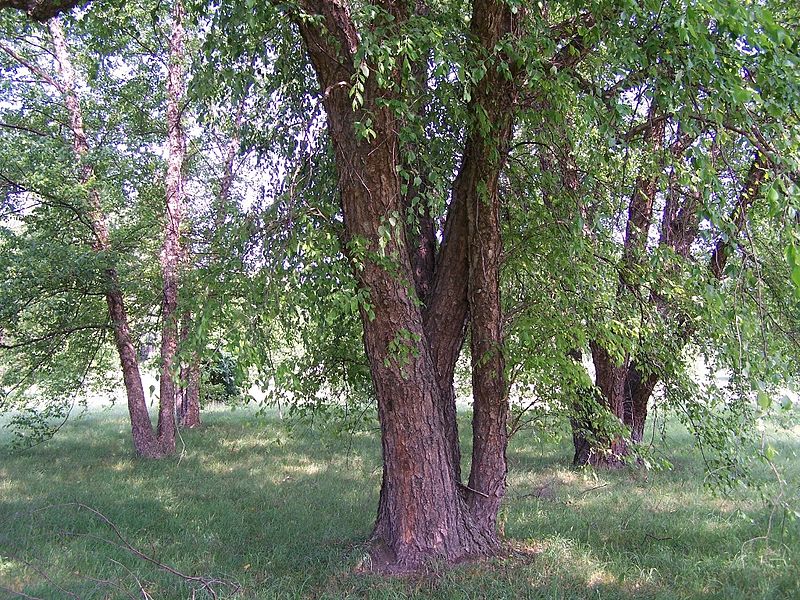
River birch (Betula nigra) - Birches were found to low emitters of volatile organic compounds compared to other common urban trees

River birch (Betula nigra) – Birches were found to be low emitters of volatile organic compounds compared to other common urban trees (photo credit: wikimedia commons)


Drought Tolerant Plants: Fernbush

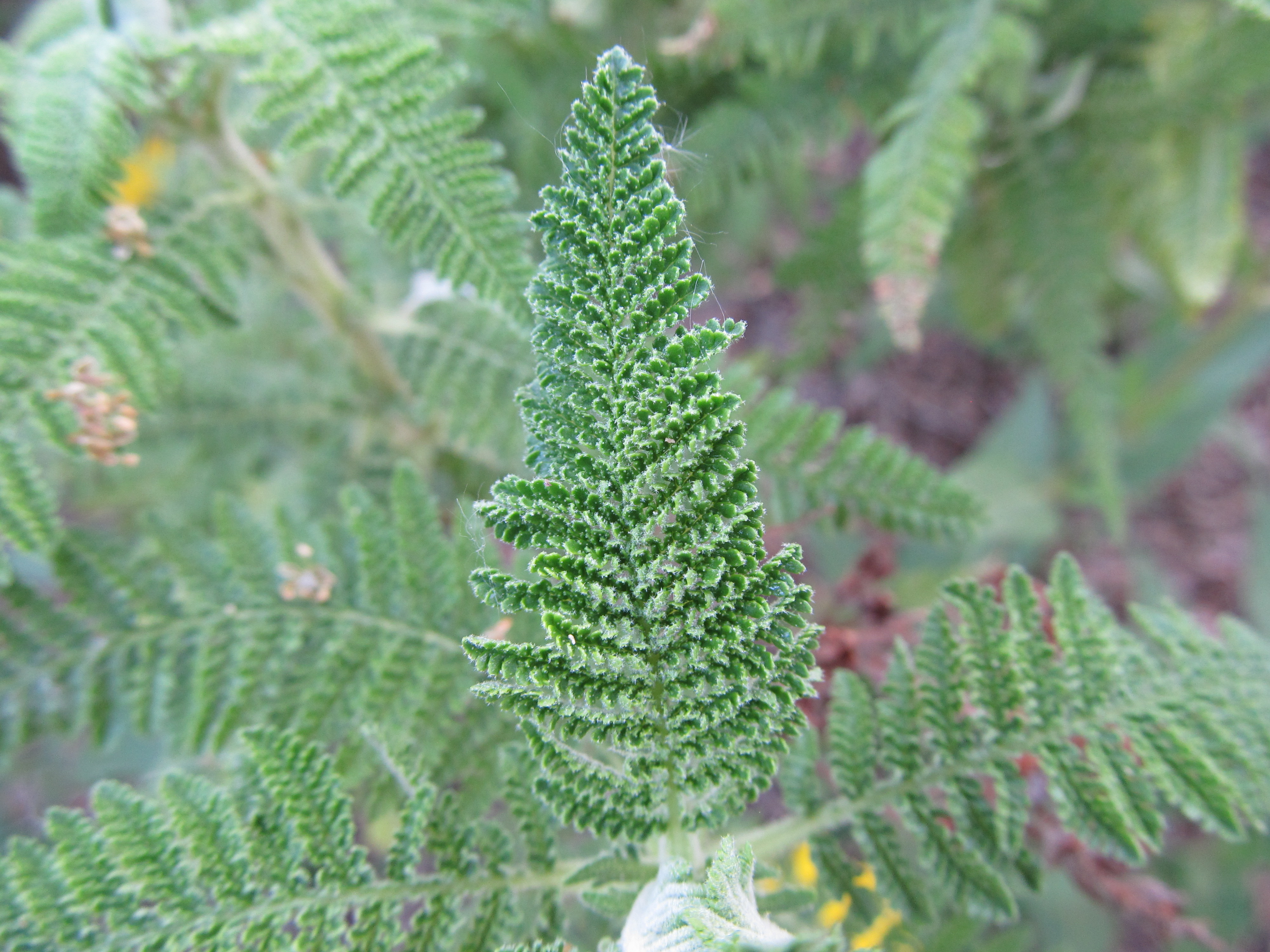
The first of many plants to be profiled in this series on drought tolerant plants is Chamaebatiaria millefolium, known commonly as fernbush or desert sweet. Fernbush is a shrub that is found in most western U.S. states, generally in locations that are dry and rocky with sandy or gravelly soils.  However, it also occurs in sights with loam or clay loam soils, making it a plant that is not too finicky about soil types. It is found at a wide range of elevations (from 3,000 feet up to 11,000 feet) and in a wide variety of plant communities, including lodgepole pine subalpine forests, juniper-pinyon pine woodlands, mountain mahogany-oak scrublands, and sagebrush steppes. It is occasionally browsed by certain animals, but not enough to be considered an important food source. Instead, its major wildlife value is providing cover for birds, small mammals, and antelope.

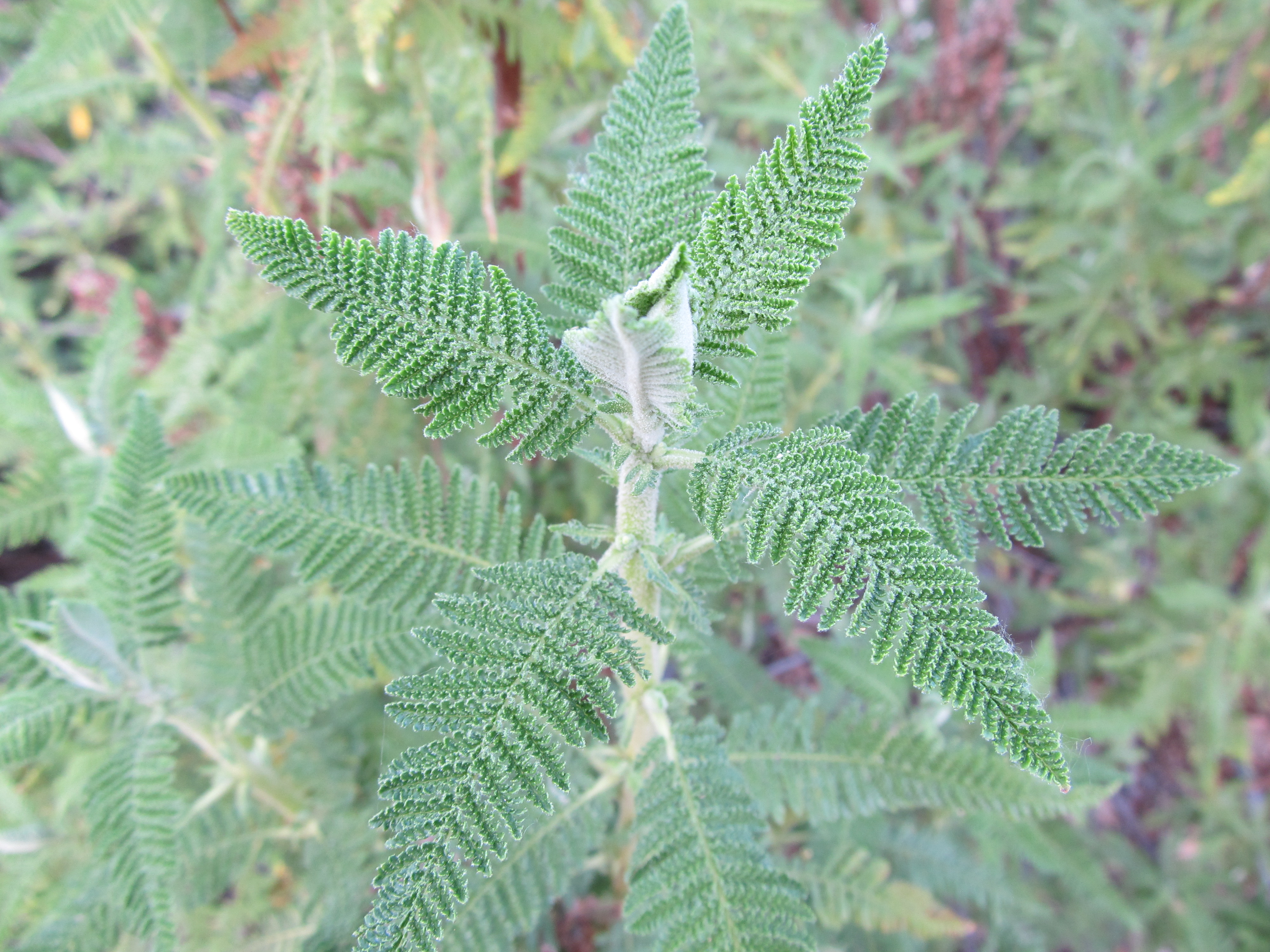
Fernbush is by far one of my favorite shrubs. Its the leaves that make it so interesting. As the common name suggests, the leaves look just like little fern fronds, and considering that ferns tend to be associated with shady, moist environments, it seems strange to see a fern-like bush growing in full sun in a dry, rocky site. Alas, fernbush is not a fern, but instead a shrub with very cool leaves.

IMG_0838

IMG_0837

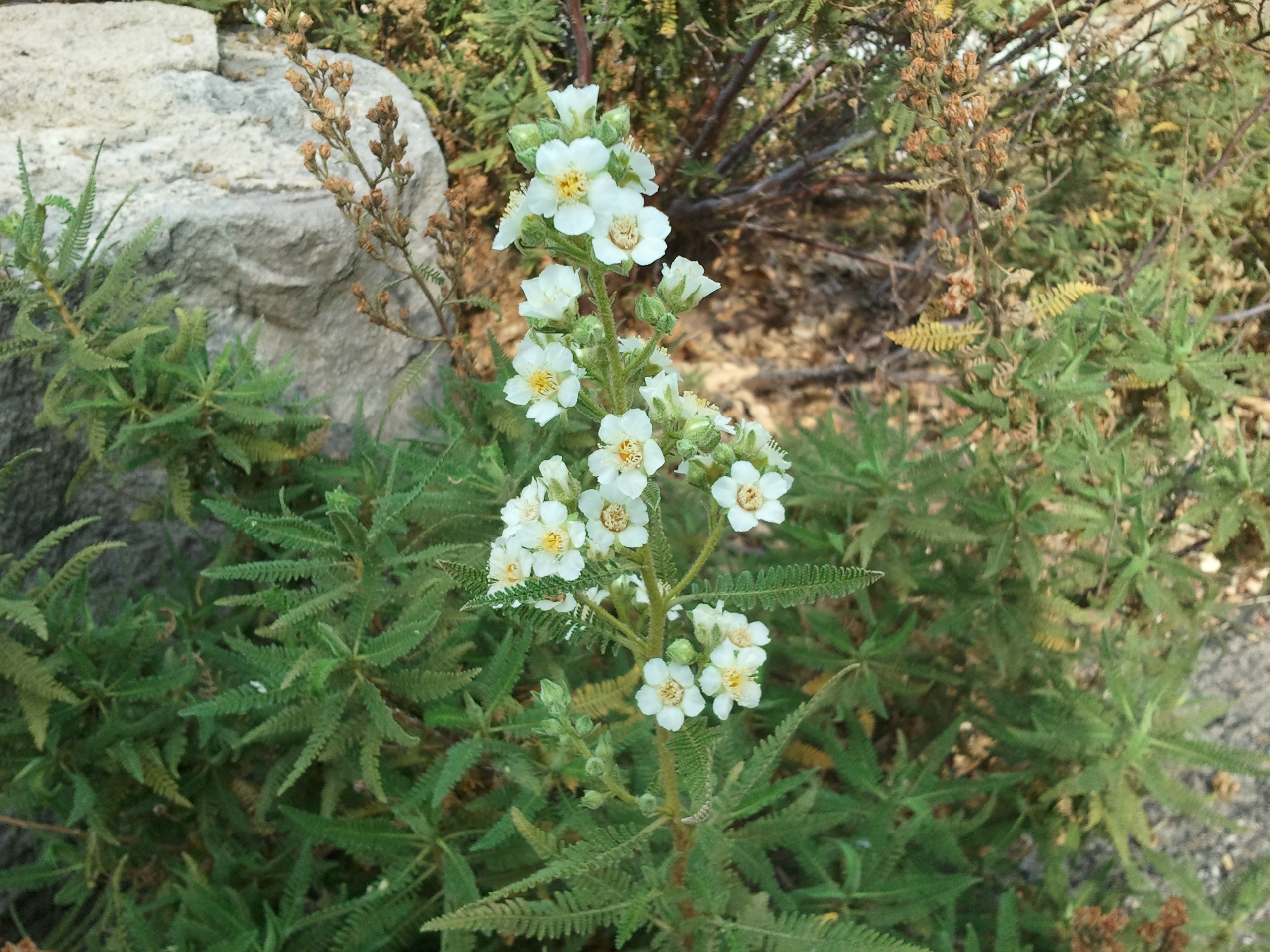
Fernbush grows to about as wide as it does high (between 1-3 meters), and depending on where it is growing it is evergreen or semi-evergreen, dropping the older leaves from the lower portions of its branches during the winter. Its bark is smooth and russet or cinnamon-colored. Flowers appear in clusters at the tips of branches in mid to late summer and are small, white or cream colored, and rose-like with five petals.

SAMSUNG

The fruit of fernbush is called a follicle and contains very small seeds, mere millimeters in size. The spent flower stalks are attractive in their own right and provide great winter interest. They can be pruned off in the spring in preparation for new flower stalks and to keep the plants looking good.

IMG_0834

Fernbush is very drought tolerant. Once its established, it needs very little (if any) supplemental water. It is likely that the leaves of fernbush give it this trait. They are small and finely divided, as well as being hairy and resinous. Physical adaptations such as these reduce water loss through transpiration, which helps the plant use available water more efficiently. Though not very commercially available, fernbush, with its unique appearance and late summer blooms, is a great addition to waterwise gardens and landscapes.

Fun Fact: Chamaebatiaria is a monotypic genus, meaning that it is a genus consisting of only one species. In this regard, Chamaebatiaria millefolium is a true rarity.

Various and Sundry Particulars from Awkward Botany Headquarters

Things are afoot at Awkward Botany Headquarters. Lots of new blog entries are in the works, and if all goes well, I will continue to post something every 7-10 days (or so).  Of course, I would like to post more regularly than that, but you know how it goes – there are only so many hours in a day/too much to do and too little time/etc.

Apart from blog posts that I want to write, I have many more ideas concerning Awkward Botany stirring around inside my addled brain. I hesitate to say too much about them now, but as the weeks and months proceed, I hope to share some of those ideas with you. One idea I will hint at for now is having guest blog posts – inviting other plant enthusiasts aboard to write a post or two for the blog. Something to think about…

The big news for right now though is that Awkward Botany has recently joined the tumblr universe. I am tumble logging, tumblogging, microblogging (or whatever you want to call it) in an Awkward Botany sort of way. Why have a microblog associated with a macroblog, you ask? Because I have lots to share, and some of those things don’t seem to fit well in a proper Awkward Botany post – things like pictures (of my garden and elsewhere), links to articles, recommendations, observations, etc. – things that are just easier to include in a micro-post rather than a macro-post. Plus I, like most bloggers, would like to see more people visiting my blog, so perhaps this will be a way to draw in a few more readers. And perhaps not. Either way, everyone should check it out: awkwardbotany.tumblr.com  If you are on Tumblr, follow my microblog. If you are on Twitter, follow me there as well: @awkwardbotany If you are not a tumblr-er or a tweeter and don’t intend to be, that’s cool; however, if you like this macroblog (and if you visit the microblog and decide you like that, too), please consider sharing Awkward Botany with your friends, family members, and associates. They might also enjoy it, and I would be forever grateful. A win-win!

Now here is a picture of a mushroom:

SAMSUNG

And here is an article about the importance of plant conservation: Why Plant Conservation Matters and How Gardeners Can Help

Thank you for reading!

Square Foot Rooftop Gardening

Square foot gardening is a method of gardening that was described and popularized by Mel Bartholomew. The basic concept is simple: measure out your garden beds into equal squares (4 feet by 4 feet) and then plant individual crops into each square following specific spacing recommendations for each crop. The square foot method is intended to eliminate the inefficiencies of standard row planting, making vegetable crops easier to plant, maintain, and harvest. Bartholomew’s book about square foot gardening was first published in 1981. From that book came a television series on PBS, various other books and updated versions of the original book, a square foot gardening product line, and the Square Foot Gardening Foundation.

As a long time gardener, I had been familiar with Bartholomew’s book and its basic premise for a while but had never read it until recently. I found the book to be basically what I expected: a description of how to garden in squares instead of rows. I can see how this system could be very simple, attractive, and efficient while simultaneously producing decent sized yields; however I felt like Bartholomew’s description of the process made gardening into a very methodical, calculated, and meticulous task bordering on joyless. I’m sure that’s not how he sees it (nor how it really is), but then again, he’s a retired engineer [insert smiley face here].

For a long time I’ve had an interest in green roofs. I even went to graduate school to study them. So when I got to the part in Bartholomew’s book where he talks about square foot gardening on rooftops, I was intrigued. Green roofs (along with rooftop vegetable gardening) have become fairly common in urban areas in the past decade or two. And for good reason. Green roofs offer myriad benefits including mitigating storm water runoff (and the numerous sub-benefits involved with that), reducing the urban heat island effect, increasing a building’s energy efficiency, and re-introducing green space and wildlife habitat that was lost when a building was built.

Vegetable gardening on rooftops is a practical solution for residents of urban areas where space for gardens on the ground is limited. Restaurants – like Noble Rot in Portland, Oregon and Café Osage in St. Louis, Missouri – have found that they can grow some of the produce and herbs they need on their rooftops while simultaneously setting themselves apart from other restaurants. There are also a few urban farming operations on rooftops (Brooklyn Grange and Eagle Street Rooftop Farm for example). Michigan State University (an institution with one of the most prominent green roof research labs in the U.S.) has a research program dedicated to improving rooftop vegetable crop production. So with this recent trend of growing food on rooftops, I was curious to read what Bartholomew was saying about the subject more than thirty years ago, back when green roof vegetable gardening was less than mainstream.

The reality is that square foot rooftop gardening gets only a brief mention in Bartholomew’s book (at least in the first edition – perhaps he has more to say about it in more recent editions), but what he does have to say is relevant.

Rooftops are windy:

“Stay away from plants that grow tall, have delicate stems, or that might be blown over when they are mature and filled with ripening fruit…The wind can be unmerciful to a plant; it whips the leaves about and can dry out the plant in short order.”

Rooftops are hot:

“The other big consideration for rooftop growing is heat buildup…These conditions will naturally affect both the frequency and amount of watering the garden will need.”

Rooftops have weight limits:

“The soil in your rooftop garden should be as light and porous (yet still be water retentive) as possible. Mix in lots of vermiculite and peat moss.”

Each of these three considerations (wind, heat, and weight) continue to be considerations for any vegetated roof whether it includes vegetable crops or not. Yet people are figuring out how to overcome these obstacles, constructing and maintaining incredible rooftop gardens that are both productive and beneficial.

Rooftop Garden - Manhattan, New York ( photo credit: wikimedia commons)

Rooftop Garden – Manhattan, New York ( photo credit: wikimedia commons)

In future posts, I intend to elaborate more on this topic, profiling individuals, groups, and organizations that are making this sort of thing happen. Comment below and share something about your favorite rooftop garden and/or recommend a rooftop garden that should be profiled in an upcoming post.

Flood Irrigation and Migrating Waterfowl

It’s American Wetlands Month. Last year around this time, I wrote a brief post describing the importance of wetlands and why they are a conservation concern. This year I thought I would write a little about an issue surrounding wetlands that has recently come to my attention: flood irrigated agricultural land and its benefit to migrating waterfowl.

The term “waterfowl” refers to birds that live on or around freshwater, such as ducks, geese, and swans. Like many other birds, they are migratory, typically flying north in the spring to breed and spend the summer raising their young, and then flying back south in the fall to overwinter. There are four major flyways (or migratory flight paths) in the United States: Pacific, Mississippi, Central, and Atlantic. Along these flyways, migrating birds need places to rest and feed in order to maintain the strength to make it to their seasonal homes. As wetlands have disappeared across the country (and the world), essential areas of respite have become few and far between, threatening the survival of this important group of birds.

Dunlins - Calidris alpina (photo credit: www.eol.org)

Dunlins – Calidris alpina (photo credit: www.eol.org)

Historically, wetlands have largely been diminished and degraded due to human settlement on the floodplains of major rivers. Floodplains are examples of temporary or seasonal wetlands, flooded in the spring when snow in the mountains is melting and during periods of heavy rains but otherwise dry throughout most of the year. These areas appealed to early settlers because they were flat, had great soil for agriculture, and were near a water source. The only downside was the flooding, so levees and dams were built, diversions were made, and eventually these great rivers were tamed, virtually eliminating their status as seasonal wetlands and the important ecological functions that go along with that.

This has spelled disaster for migrating waterfowl who rely on floodplains to be flooded in the spring, providing them with staging habitat on their journey north. Biologists have recognized this issue and have made efforts to protect and restore wetlands in order to provide this essential habitat. But restoring wetlands is a major feat. Rivers that supply both temporary and permanent wetlands aren’t what they used to be. There are myriad diversions and modifications, and with a continually growing human population, too many uses for the water. So that’s where farmers and ranchers come in.

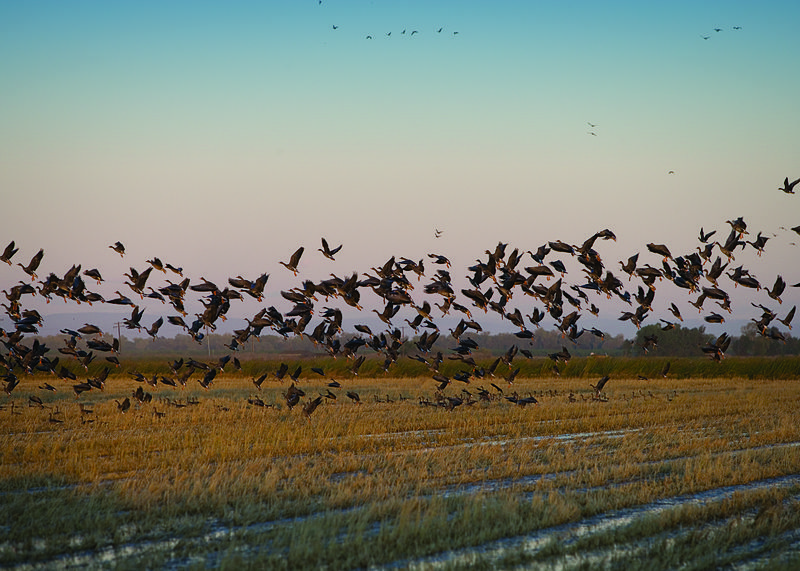
In the spring, many farmers and ranchers flood their fields in order to irrigate crops. Migrating waterfowl take advantage of these flooded fields, stopping to rest and feed. Recognizing the role that flood irrigation has on the survival of these birds, biologists are working with farmers and ranchers along flyways to ensure that their land will remain in agriculture and that land owners will continue to flood irrigate (rather than switching to overhead irrigation). In California for example, rice farmers are being paid by the Nature Conservancy to flood their fields in conjunction with spring and fall migrations in order to ensure that birds will have staging habitat along the way. So, despite humans playing a major role in reducing habitat that migrating waterfowl require for survival, we are finding ways to make up for it. This is just one example of how we can help protect and improve biodiversity in our human-dominated landscapes.

Read more about protecting migrating waterfowl in the Pacific Flyway here.

Geese in a Flooded Rice Field in California (photo credit: NRCS)

Geese in a Flooded Rice Field in California (photo credit: NRCS)

Celebrate American Wetlands Month by learning more about them. Here are some links to get you started:

U.S. Environmental Protection Agency

Association of State Wetland Managers

Defenders of Wildlife


Drought Tolerant Plants: An Introduction

Water is a precious natural resource and an essential element for life on earth. Demand for water increases dramatically as human population grows and fresh water sources become polluted. Awareness of our reliance on water is especially heightened during times of drought, like the one that California residents are currently experiencing. Some regions of the planet are inherently dry. The region where I live (Boise, Idaho) receives on average about 12 inches of precipitation annually. Compare that to a place like Pensacola, Florida which receives around 65 inches annually, or El Paso, Texas which is lucky to get around 8 inches of rain a year. So whether it is out of necessity (enduring a drought or living in a dry climate) or simply the desire to be a responsible citizen of planet earth, many people are choosing to incorporate more drought tolerant plants in their landscapes in an effort to conserve water.

In the early 1980’s, landscaping with drought tolerant plants was given the name xeriscaping by the Denver, Colorado water department. These days terms like water-wise gardening and water efficient landscaping seem to be more popular. The initial vision that many people may have of a landscape planted with water efficient plants is one filled with desert plants like cacti, yuccas, and other succulents along with drab shrubs like sagebrush. While landscapes like these can actually be quite attractive (see Plantasia Cactus Gardens), modern water-wise gardens do not have to be so cacti-centric. As interest in water efficient plants has grown in recent years, the horticulture industry has been busy introducing a wide variety of plants that are not only drought tolerant but are lush, green, and full of color.

Plantasia Cactus Gardens -Twin Falls, Idaho

Plantasia Cactus Gardens – Twin Falls, Idaho

Plants that live in regions with frequent or extended droughts are called xerophytes. They have developed a variety of mechanisms that allow them to survive and even thrive in these regions. Ecologists call these mechanisms strategies, or sets of coordinated adaptive traits. In future posts I intend to profile specific drought tolerant plants so that we can get to know them on a more individual basis. For now I will provide a brief overview of the strategies plants use to cope with low water environments.

-Alternate Photosynthetic Pathways: Conventional photosynthesis is inherently inefficient when temperatures are high and water availability is low. Plants that evolved in hot and/or dry environments have developed alternate photosynthetic pathways in order to overcome these inefficiencies. These alternate pathways involve utilizing a different protein to fix carbon, splitting the photosynthetic process into two separate cells, and collecting carbon dioxide at night then converting it to sugars during the day. Learn more about the different photosynthetic pathways here.

-Drought Avoidance: Many desert plants live most of their lives as seeds hanging out on the desert floor waiting for rain. These are seeds of short-lived annual plants that sprout and grow when the rainy season comes around. They flower and set seed and are gone by the time the dry season returns. Birdcage evening primrose (Oenothera deltoides) and desert sand verbena (Abronia villosa) are examples of these desert ephemerals.

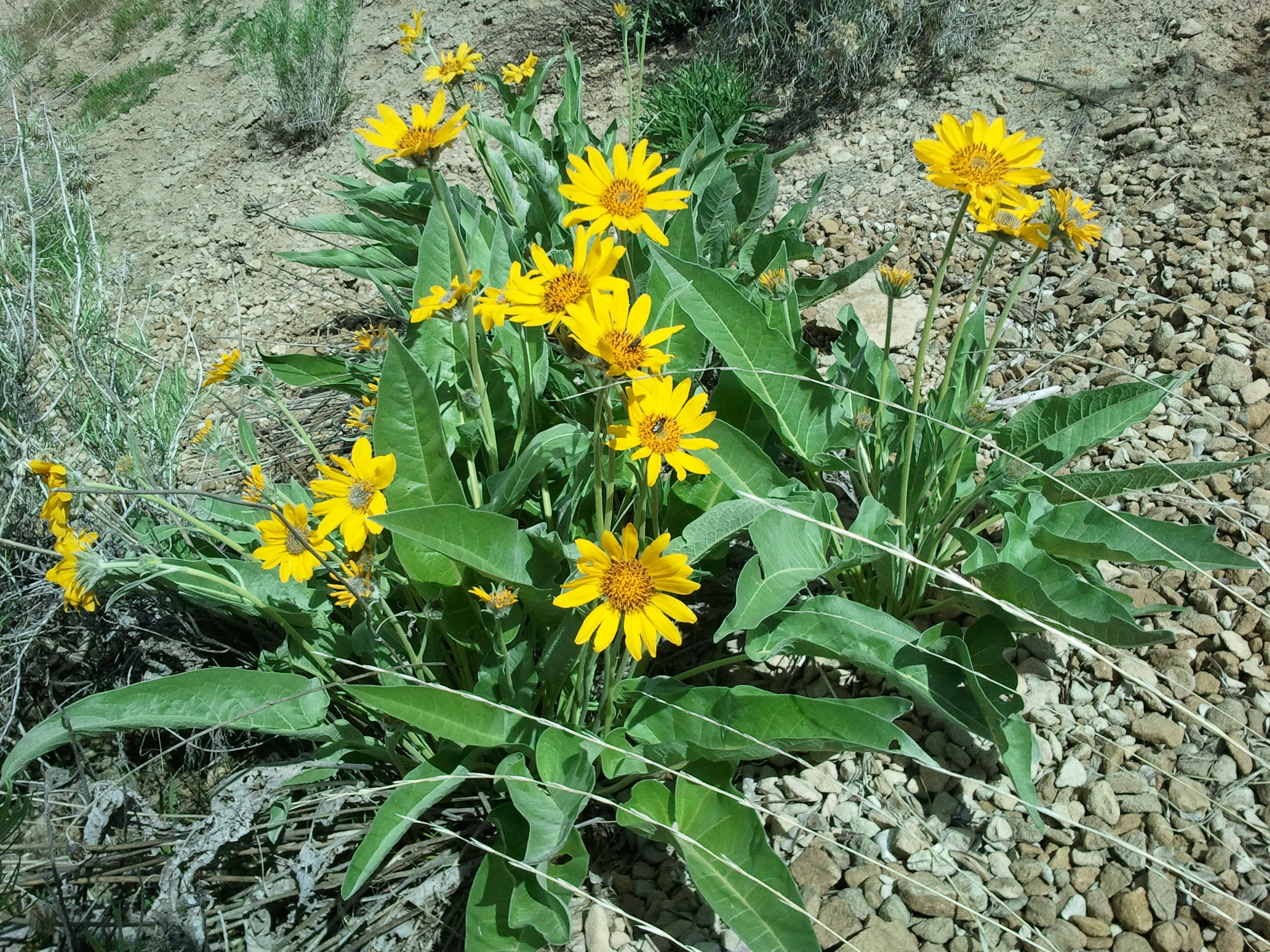
-Drought Dormancy: Some desert trees and shrubs shed their leaves during dry periods, and then put out new leaves when rains return. This is called drought deciduous. Other desert plants live out the dry season as fleshy roots or underground stems, putting out foliage only when conditions are favorable. Arrowleaf balsamroot (Balsamorhiza sagitatta) is a good example of this; it spends much of the year as a taproot with little or no sign of its existence above ground.

Arrowleaf Balsamroot - Balsamorhiza sagittata

Arrowleaf Balsamroot – Balsamorhiza sagittata

-Physical Adaptations: Desert plants have many physical adaptations that allow them to survive in hot, dry climates. The thick, fleshy leaves of cacti and other succulents store water for future use. The roots of some desert plants are shallow but horizontally extensive in order to capture water more effectively when rains come. The roots of other desert plants extend deep into the ground, some (like the roots of mesquite, Prosopis spp.) even reach as deep as the water table. Palo verdes (Parkinsonia spp.) are drought deciduous trees or shrubs that have photosynthetic bark that can keep photosynthesizing even when leaves are not present. Other adaptations include small leaves, hairy leaves, dull colored leaves, and waxy leaves all of which help to reduce water loss and improve the efficiency of photosynthesis.

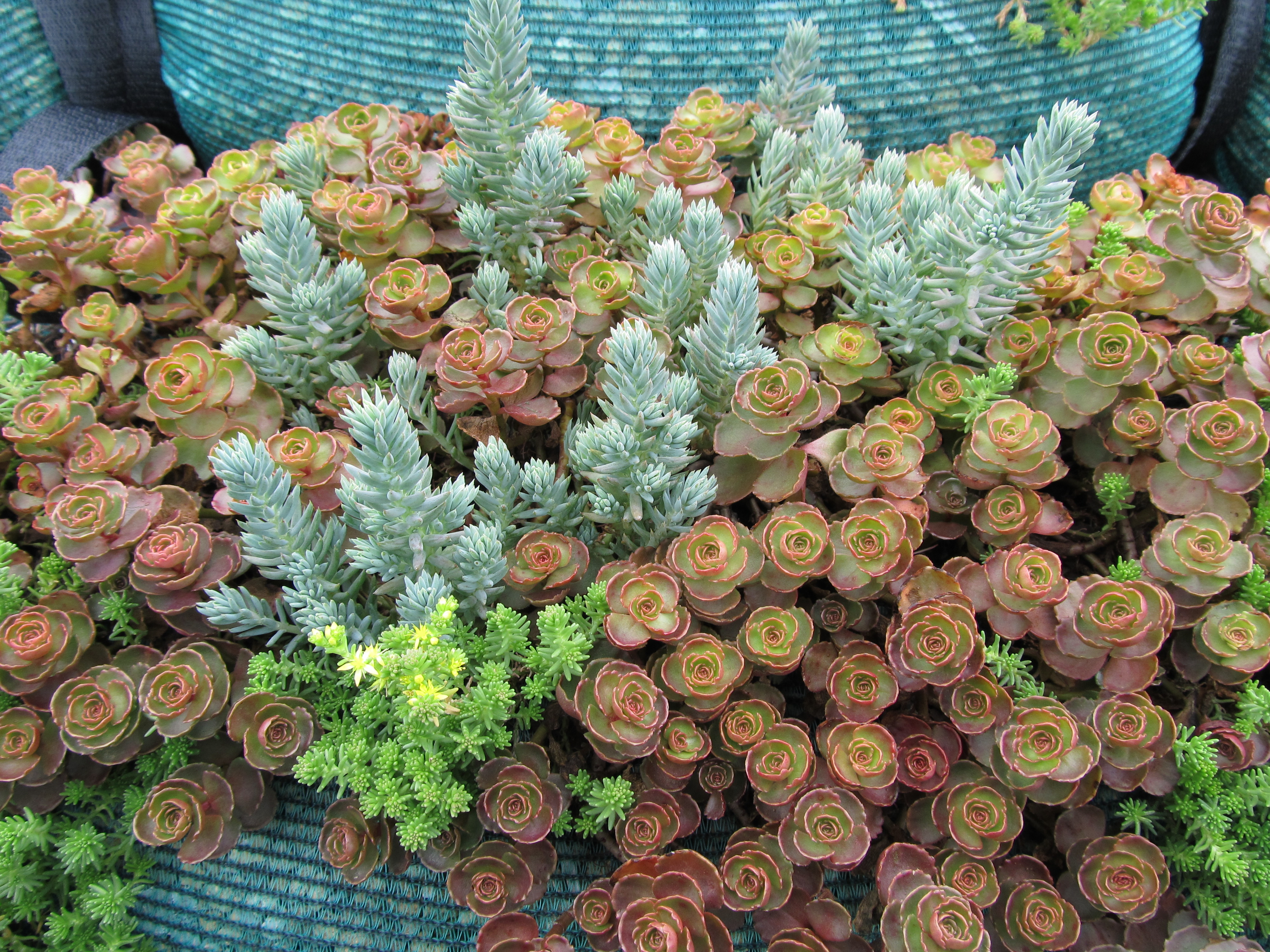
Drought tolerant sedums (Sedum spp.) with their shallow roots and succulent leaves are ideal for use on green roofs where temperatures are often high and water is limited.

Drought tolerant sedums (Sedum spp.) with their shallow roots and succulent leaves are ideal for use on green roofs where temperatures are often high and water is limited.

Learn more about how plants cope in low water environments from Arizona-Sonora Desert Museum.


Ground Nesting Bees in the Garden

Earlier this year I wrote about planting for pollinators. In that post I briefly introduced various things that people can do to encourage pollinator activity in their yards and gardens. One thing that I mentioned was the importance of providing nesting sites. Most pollinators are insects and insects are small, so the distance that they are able to travel in search of food is relatively limited. According to the Xerces Society, the smallest bees can only fly a few hundred feet from their nests. Providing nesting sites in close proximity to foraging sites is incredibly important.

Roughly 70% of native bee species in North America are ground nesting bees, so chances are pretty good that if you are providing forage for bees in your yard, a good number of the bees that visit will be ground nesting bees. In order to ensure the survival of these bees, consider providing nesting habitat for them on your property.

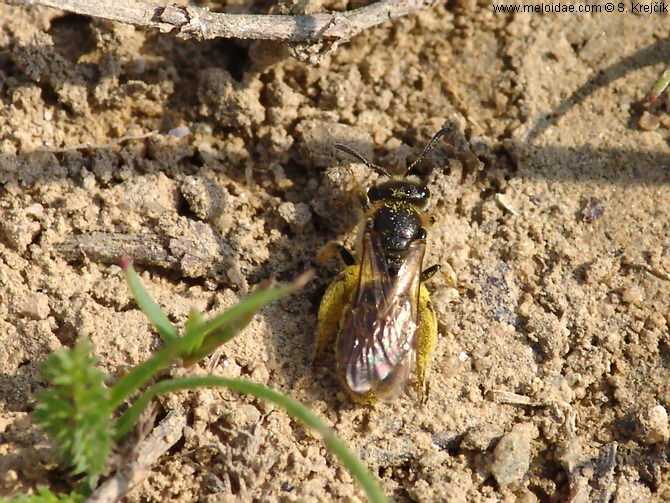
ground nesting bee_lasioglossum

Lasioglossum leucozonium – a North American ground nesting bee (also known as a sweat bee) – photo credit: www.eol.org

Here are a few things to keep in mind when developing nesting habitat for ground nesting bees:

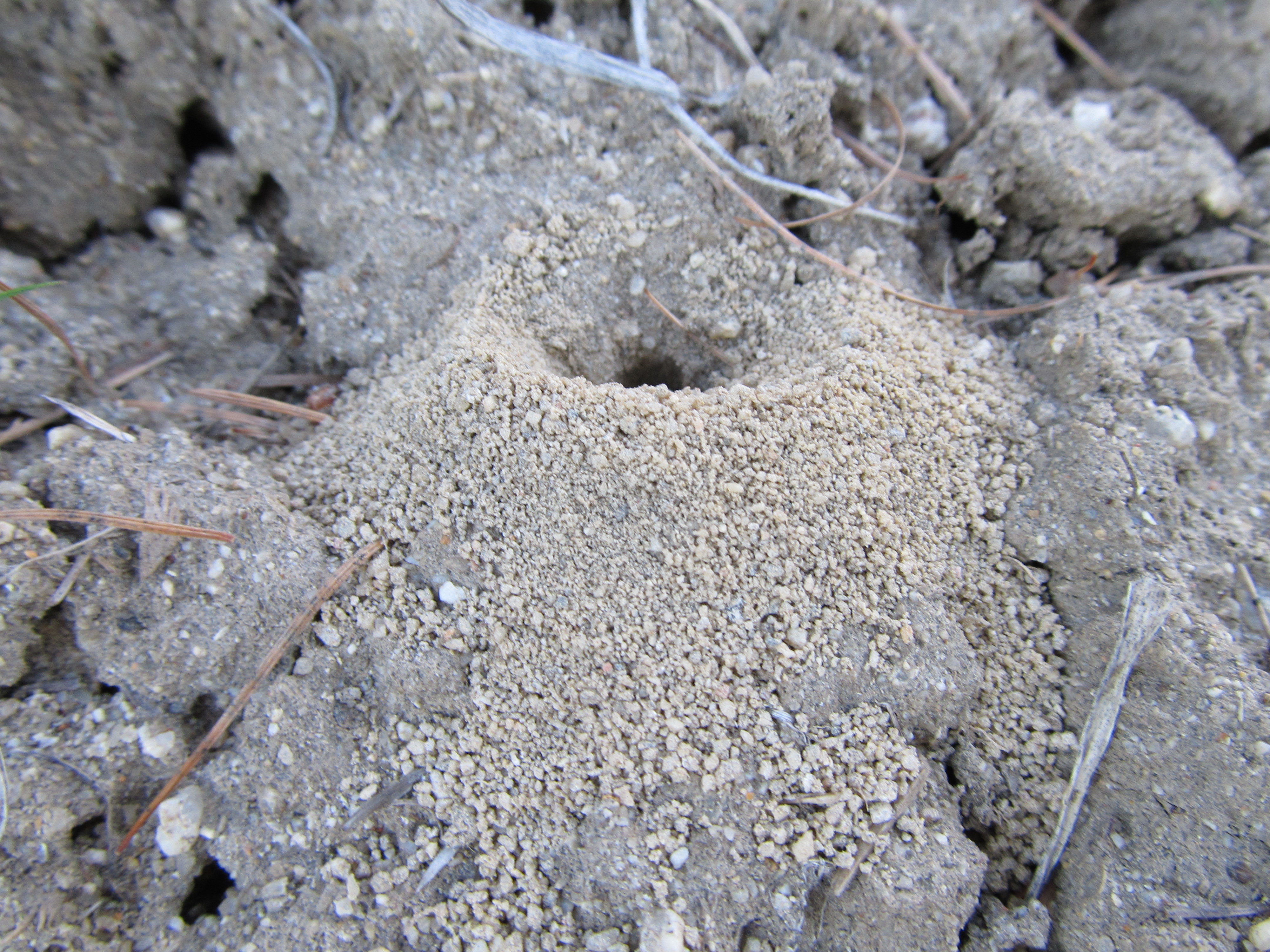
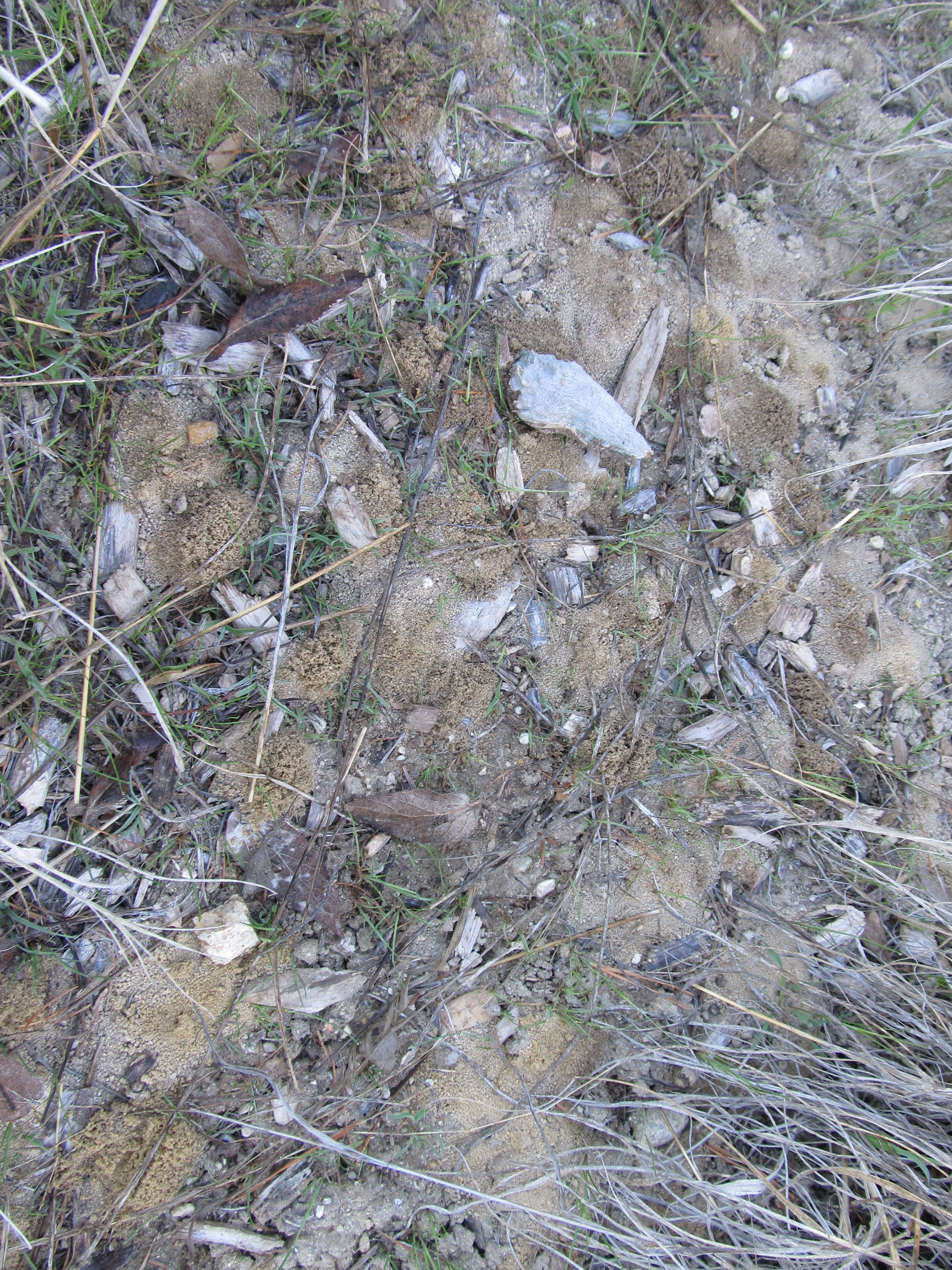
Create and Maintain Undisturbed Bare Ground: You may already have ground nesting bees living in your yard and you don’t even know it. Obvious evidence of nests is difficult to spot. If you can find tunnel entrances, they will look like small ant mounds. If you find a series of small “ant mounds”, watch for bee activity during sunny times of the day. Activity can be quite ephemeral though, so it is difficult to know if bees have just moved in or if they have moved on. Avoid tilling up soil and walking through areas where you suspect or intend for bee activity. Leave patches of bare ground unplanted and unmulched in order to encourage bees to nest there.

Sunny and South Facing: Bees are most active when the sun is shining and temperatures are warm. For this reason they tend to build their nests in warm, sunny spots. However, warm, sunny spots are also the best locations for many plants. Consider sharing these sites with ground nesting bees. Avoid putting down mulch in these areas and keep vegetation sparse and minimal.

Avoid Pesticides: When encouraging pollinator activity in your yard and garden, it is best to avoid using pesticides as much as possible. Herbicides kill potential food sources. Insecticides can kill pollinating insects along with pest insects. And soil fumigants can harm ground nesting bees.

Provide Some Accommodations: Due to the diversity of ground nesting bees, it is difficult to provide nesting habitat for all potential species. Some prefer loose, sandy soil while others prefer smooth, packed ground. Some bees will nest on level ground, while others prefer sloped ground. The habitat you are able to provide will depend on the conditions present on your property. Some modifications can be made, but this all depends on the resources available to you and how particular you want to get. Apart from maintaining a patch of undisturbed, unmulched, south facing ground, there are three additional things that you can offer ground nesting bees to make them feel more at home on your property: food (in the form of diverse flowers blooming throughout the growing season), a water source (in the form of a birdbath or something similar), and a few rocks for the bees to perch on and warm their tiny bodies.

IMG_0777

The tunnel entrance of a ground nesting bee.

IMG_0779

Tunnel entrances are often found in groups in areas of bare ground mixed with patchy vegetation.

Ethnobotany: Holy Basil

Every year I try to grow a few things in my garden that I have never grown before. This year one of those things is holy basil. Not to be confused with the common culinary basil (Ocimum basilicum) – of which there are numerous horticultural varieties – holy basil (Ocimum tenuiflorum) while closely related is a completely different species. Both species are native to South Asia. One of the main differences between the two is that O. basilicum is an annual and O. tenuiflorum is a short-lived perennial.

ocimum tenuiflorum

 Holy Basil, Ocimum tenuiflorum (photo credit: www.eol.org)

Holy basil is a member of the mint family (Lamiaceae), which means that it has square stems and oppositely arranged leaves and branches. It is a highly aromatic subshrub that reaches about 3 feet tall and has hairy stems and green and purple leaves. The flowers of holy basil are white/purple and tightly arranged in a long raceme. While it is a perennial in its native range, it is not hardy in more temperate climates. Holy basil is a common ingredient in Thai food and has many medicinal uses. In India, it is often prescribed by Ayurvedic practitioners as a treatment for many things, including stress, fever, influenza, headaches, insomnia, and upset stomach. The leaves of this plant are used as a mosquito repellent, and oil derived from the seeds is being researched for it’s potential use in treating cancer. However, probably the most interesting thing about holy basil is its place in Hindu culture.

Holy basil is considered by Hindus to be the earthly incarnation of the goddess Tulsi who is a companion of the god Vishnu. Thus, tulsi is a common name for this plant in Asia. Tulsi is the most sacred of all plants in Hinduism, which is why it is commonly seen growing in special pots in the courtyards of Hindu homes. During ritualistic worship, tulsi leaves are offered to Vishnu and his avatars. Vaishnavas (followers of Vaishnavism, a major branch of Hinduism) make prayer beads from the stems and roots of tulsi plants. Wearing these prayer beads (called Tulsi malas) is said to connect one with the gods and bring their protection. Because tulsi is considered to be a manifestation of deity on earth, it is seen as a connection point to heaven, and so tulsi leaves are placed in the mouths of people who are dying in order to ensure a safe journey into celestial realms.

Hindus not only regularly use holy basil in ritualistic worship, they also regularly worship the plant itself. Daily worship of the tulsi plant is traditionally done by women. Worship can involve praying to the plant, chanting mantras, watering the plant, cleaning around the plant with water and cow dung, and offering it things like food, flowers, and water from the Ganges river. Even when not worshiping tulsi, simply caring for it daily is said to bring blessings from Vishnu.

holy basil

My holy basil. It doesn’t look like much now, but it has potential.

Learn more about holy basil and its ethnobotanical uses by visiting Kew and HinduNet.