Year of Pollination: Bumblebees and Climate Change

Bumblebees, generally speaking, are having a rough time. In a world increasingly dominated by humans, some bumblebee species continue to thrive while many others are seriously struggling. Several are nearing extinction. A recent study involving 67 species of European and North American bumblebees concluded that climate change is having a major impact. Bumblebees do not appear to be migrating north in response to warming climates – a hesitation that could spell disaster.

There are over 250 species of bumblebees worldwide (46 are found in North America north of Mexico). Unlike other bees, whose diversity is greatest in Mediterranean climates, bumblebee diversity is highest in cool, temperate climates and montane regions. The majority of bumblebee species are native to the Northern Hemisphere; a few species are native to South America, and a handful of species from Europe have been introduced to New Zealand and Tasmania. Some species of bumblebees, such as the polar bumble bee (Bombus polaris) and the forest bumble bee (Bombus sylvicola), can be found in extreme cold climates and are among a select group of pollinators found in such areas.

The field guide, Bumble Bees of North America, by Paul Williams, et al. provides this description:

“Bumble bees are very hairy bees with combinations of contrasting bright colors, mostly black and yellow, sometimes with various combinations of red or white. They have two pairs of wings that are usually folded back over the abdomen while they are foraging on flowers, or hooked together as a single unit when in flight. Bumble bees also have slender elbowed antennae, and females of the pollen-collecting species have the hind tibia expanded, slightly concave, and fringed with long hairs to form a pollen basket or corbicula.”

Most bee species are solitary insects; bumblebees, like honeybees, are social insects. Unlike honeybees, bumblebee colonies begin with a new queen each year. New queens, after mating in late summer, overwinter in a protected area and emerge in the spring. They then search for food and a nesting site. Suitable nests include abandoned rodent dens,  the bases of bunchgrasses, hollow logs, and human-made structures. They build up a colony of workers which maintain the nest and forage for food and other resources. As the season comes to a close, the queen produces males and new queens. The new queens mate, go into hibernation, and the rest of the bumblebee colony dies off.
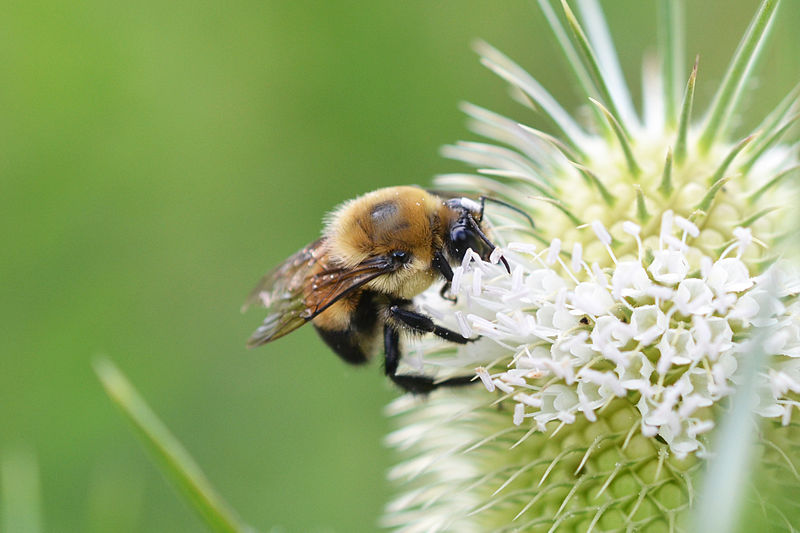
Brown-belted Bumblebee (Bombus griseocollis) - photo credit: wikimedia commons

Brown-belted Bumblebee (Bombus griseocollis) – photo credit: wikimedia commons

Bumblebees face numerous threats, both natural and human-caused. Despite their defensive sting, they are regularly eaten or attacked by various mammals, birds, and invertebrates. They are also host to a variety of pests, parasites, and pathogens, some of which have been introduced or exacerbated by human activities. The commercial bee industry is particularly at fault for the spread of certain maladies. Other major threats include loss of habitat and excessive and/or poorly timed use of insecticides. One looming threat that new research suggests is especially concerning is climate change.

A group of researchers from various institutions looked at the historical ranges of 67 species of bumblebees in Europe and North America over a 110 year period. They “measured differences in species’ northern and southern range limits, the warmest or coolest temperatures occupied, and their mean elevations in three periods relative to a baseline period.” They found that on both continents bumblebees are not tracking climate change by expanding their northern range limits and that their southern range limits are shrinking. They also observed that within the southern range limits, some bumblebee species have retreated to higher elevations. They investigated land use changes and pesticide applications (in the US only) to determine the effect they had on the results. While these things certainly affect populations on an individual level, climate change was determined to be the most important factor that lead to nearly universal range contractions of the bumblebees in this study.

The question then is why are they not tracking changing climates the same way that many other species of plants and animals have already been observed doing? Bumblebees evolved in cooler climates, so shrinking southern range limits is not as surprising as the bumblebees’ delay in moving north. Many factors may be contributing to this phenomenon including lack of specialized habitats beyond their historical ranges, daylength differences, and population dynamics. The researchers call for further investigation in order to better evaluate this observed “range compression.” They also suggest experimenting with assisted migration of certain bumblebee colonies, which in general is a controversial topic among conservation biologists. (Read more about this study here.)
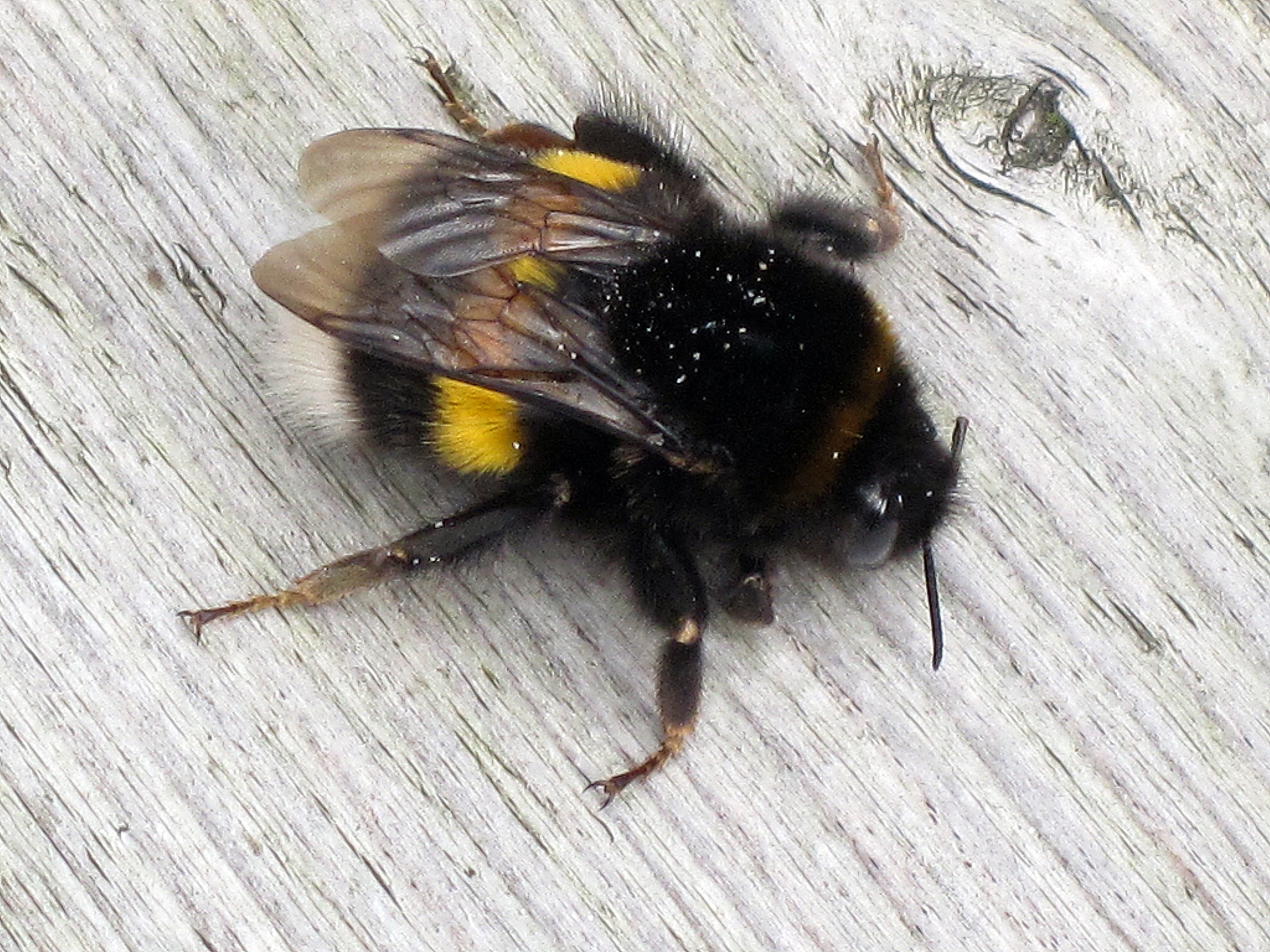
Buff-tailed Bumblebee (Bombus terrestris) - photo credit: wikimedia commons

Buff-tailed Bumblebee (Bombus terrestris) – photo credit: wikimedia commons

The loss of bumblebees is concerning because they play a prominent role in the various ecosystems in which they live. They are prolific and highly effective pollinators of both agricultural crops and native plants, and they are also a major component in the food web. Some species of plants “prefer” the pollination services of bumblebees, such as those in the family Solanaceae. Many plants in this family benefit greatly from buzz pollination – a process in which a bumblebee (or occasionally bees of other species) grabs hold of the flower and vibrates its body, dislodging the pollen.

Participating in bumblebee conservation is simple. It’s similar to any other kind of pollinator conservation. Just learning about the pollinators in your region and being mindful of them can make a big difference. If you own or rent property and have space for a garden (even if its just a few containters on a patio), choose plants that provide food for bumblebees, including spring and summer bloomers. If you live in North America, this Xerces Society publication and the field guide mentioned above are great resources that can help you determine which plants are best for your region. Additionally, if you are working in your yard and happen upon a hibernating queen or a bumblebee nest, do your best not to disturb it. It may disrupt your gardening plans for a season, but the bumblebee sightings and the pollination service they provide will be worth it.

One family of plants in particular that you should consider representing in your yard is the legume family (Fabaceae). Bumblebees are commonly seen pollinating plants in this family, and because these plants have the ability to convert nitrogen in the air into fertilizer, their pollen is especially rich in protein. In his book, A Sting in the Tale, Dave Goulson describes the relationship between bumblebees and legumes:

“From a bumblebee’s perspective, legumes are among the most vital components of a wildflower meadow. Plants of this family include clovers, trefoils and vetches, as well as garden vegetables such as peas and beans, and they have an unusual trick that allows them to thrive in low-fertility soils. Their roots have nodules, small lumps inside which live Rhizobium, bacteria that can trap nitrogen from the air and turn it into a form usable by plants. … This relationship gave legumes a huge advantage in the days before artificial fertilizers were widely deployed. Ancient hay meadows are full of clovers, trefoils, vetches, meddicks and melilots, able to outcompete grasses because they alone have access to plentiful nutrients. Most of these plants are pollinated by bumblebees.”
More information about bumblebees and bumblebee conservation:

Bumblebee Conservation Trust

Bumble Bee Watch

BugGuide (Bombus)

The Xerces Society – Project Bumble Bee

Year of Pollination: Figs and Fig Wasps

This post originally appeared on Awkward Botany in November 2013. I’m reposting an updated version for the Year of Pollination series because it describes a very unique and incredibly interesting interaction between plant and pollinator. 

Ficus is a genus of plants in the family Moraceae that consists of trees, shrubs, and vines. Plants in this genus are commonly referred to as figs, and there are nearly 850 described species of them. The majority of fig species are found in tropical regions, however several occur in temperate regions as well. The domesticated fig (Ficus carica), also known as common fig, is widely cultivated throughout the world for its fruit.

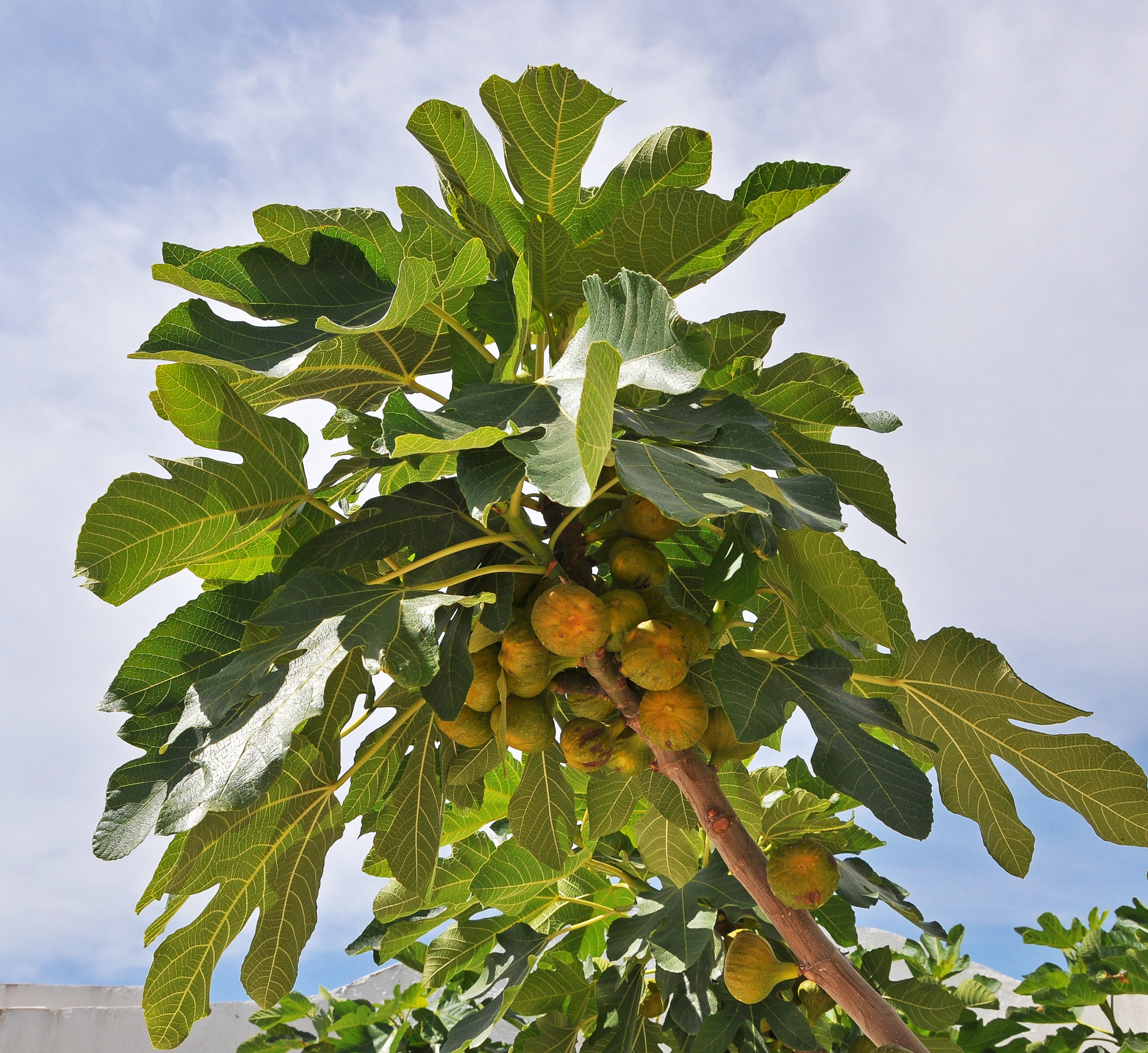
common fig

Common Fig (Ficus carica) – photo credit: wikimedia commons

The fruit of figs, also called a fig, is considered a multiple fruit because it is formed from a cluster of flowers. A small fruit develops from each flower in the cluster, but they all grow together to form what appears to be a single fruit. The story becomes bizarre when you consider the location of the fig flowers. They are contained inside a structure called a syconium, which is essentially a modified fleshy stem. The syconium looks like an immature fig. Because they are completely enclosed inside syconia, the flowers are not visible from the outside, yet they must be pollinated in order to produce seeds and mature fruits.

This is where the fig wasps come in. “Fig wasp” is a term that refers to all species of chalcid wasps that breed exclusively inside of figs. Fig wasps are in the order Hymenoptera (superfamily Chalcidoidea) and represent at least five families of insects. Figs and fig wasps have coevolved over tens of millions of years, meaning that each species of fig could potentially have a specific species of fig wasp with which it has developed a mutualistic relationship. However, pollinator host sharing and host switching occurs frequently.

Fig wasps are tiny, mere millimeters in length, so they are not the same sort of wasps that you’ll find buzzing around you during your summer picnic. Fig wasps have to be small though, because in order to pollinate fig flowers they must find their way into a fig. Fortunately, there is a small opening at the base of the fig called an ostiole that has been adapted just for them.

What follows is a very basic description of the interaction between fig and fig wasp; due to the incredible diversity of figs and fig wasps, the specifics of the interactions are equally diverse.

First, a female wasp carrying the pollen of a fig from which she has recently emerged discovers a syconium that is ready to be pollinated. She finds the ostiole and begins to enter. She is tiny, but so is the opening, and so her wings, antennae, and/or legs can be ripped off in the process. No worries though, since she won’t be needing them anymore. Inside the syconium, she begins to lay her eggs inside the flowers. In doing so, the pollen she is carrying is rubbed off onto the stigmas of the flowers. After all her eggs are laid, the female wasp dies. The fig wasp larvae develop inside galls in the ovaries of the fig flowers, and they emerge from the galls once they have matured into adults. The adult males mate with the females and then begin the arduous task of chewing through the wall of the fig in order to let the females out. After completing this task, they die. The females then leave the figs, bringing pollen with them, and search for a fig of their own to enter and lay eggs. And the cycle continues.

But there is so much more to the story. For example, there are non-pollinating fig wasps that breed inside of figs but do not assist in pollination – freeloaders essentially. The story also differs if the species is monoecious (male and female flowers on the same plant) compared to dioecious (male and female flowers on different plants). It’s too much to cover here, but figweb.org is a great resource for fig and fig wasp information. Also check out the PBS documentary, The Queen of Trees.


Year of Pollination: Most Effective Pollinator Principle and Beyond, part two

“The most effective pollinator principle implies that floral characteristics often reflect adaptation to the pollinator that transfers the most pollen, through a combination of high rate of visitation to flowers and effective deposition of pollen during each visit.” – Mayfield, et al., Annals of Botany (2001) 88 (4): 591-596

In part one, I reviewed a chapter by Jose M. Gomez and Regino Zamora in the book Plant-Pollinator Interactions: From Specialization to Generalization that argues that the most effective pollinator principle (MEPP) “represents just one of multiple evolutionary solutions.” In part two, I summarize a chapter by Paul A. Aigner in the same book that further explains how floral characteristics can evolve without strictly adhering to the MEPP.

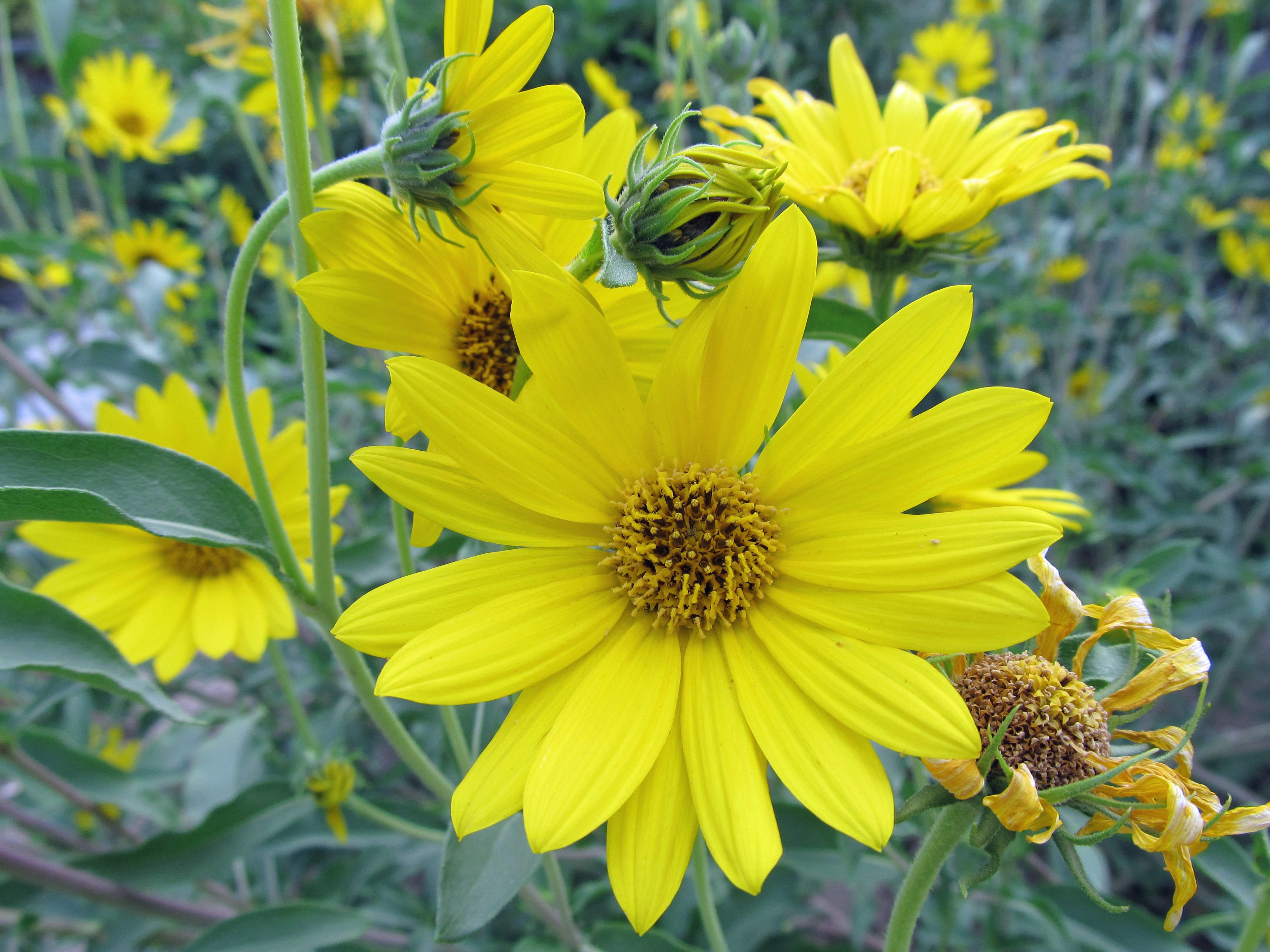
maximilian sunflower
Aigner is interested in how specialization develops in different environments and whether or not flowering plants, having adapted to interact with a limited number of pollinators, experience trade-offs. A trade-off occurs when a species or population adapts to a specific environmental state and, in the process, loses adaptation to another state. Or in other words, a beneficial change in one trait results in the deterioration of another. Trade-offs and specialization are often seen as going hand in hand, but Aigner argues that trade-offs are not always necessary for an organism to evolve towards specialization. Plant-pollinator interactions provide an excellent opportunity to test this.

“Flowers demand study of specialization and diversification,” Aigner writes, not only due to their ubiquity, “but because much of the remarkable diversity seen in these organisms is thought to have evolved in response to a single and conspicuous element of the environment – pollination by animals.” If pollinators have such a strong influence on shaping the appearance of flowers, pollination studies should be rife with evidence for trade-offs, but they are not. Apart from not being well-studied, Aigner has other ideas about why trade-offs are not often observed in this scenario.

Aigner is particularly interested in specialization occuring in fine-grained environments. A course-grained environment is “one in which an organism experiences a single environmental state for all of its life.” Specialization is well understood in this type of environment. A fine-grained environment is “one in which an organism experiences all environmental states within its lifetime,” such as “a flowering plant [being] visited by a succession of animal pollinators.” For specialization to develop in a fine-grained environment, a flowering plant must “evolve adaptations to a particular type of pollinator while other types of pollinators are also present.”

It’s important to note that the specialization that Aigner mainly refers to is phenotypic specialization. That is, a flower’s phenotype [observable features derived from genes + environment] appears to be adapted for pollination by a specific type of pollinator, but in fact may be pollinated by various types of pollinators. In other words, it is phenotypically specialized but ecologically generalized. Aigner uses a theoretical model to show that specialization can develop in a fine-grained environment with and without trade-offs. He also uses his model to demonstrates that a flower’s phenotype does not necessarily result from its most effective pollinator acting as the most important selection agent. Instead, specialization can evolve in response to a less-effective pollinator “when performance gains from adapting to the less-effective pollinator can be had with little loss in the performance contribution of the more effective pollinator.”

Essentially, Aigner’s argument is that the agents that are the most influential in shaping a particular organism are not necessarily the same agents that offer the greatest contribution to that organism’s overall fitness. This statement flies in the face of the MEPP, and Aigner backs up his argument with (among other examples) his studies involving the genus Dudleya.

Dudleya saxosa (panamint liveforever) - photo credit: wikimedia commons

Dudleya saxosa (panamint liveforever) – photo credit: wikimedia commons

Dudleya is ecologically generalized. Pollinators include hummingbirds, bumblebees, solitary bees, bee flies, hover flies, and butterflies. “Some Dudleya species and populations are visited by all of these taxa, whereas others seem to be visited by only a subset.” Aigner was curious to see if certain species or populations were experiencing trade-offs by adapting to a particular category of pollinators. Aigner found variations in flower characteristics among species and populations as well as differences in pollinator assemblages that visited the various groups of flowers over time but could not conclude that there were trade-offs “in pollination performance.”

In one study, he looked at pollination services provided by hummingbirds vs. bumblebees as corolla flare changed in size. In male flowers, bumblebees were efficient at removing pollen regardless of corolla flare size, while hummingbirds removed pollen more effectively as corolla flare decreased. Both groups deposited pollen more effectively as corolla flare decreased, but hummingbirds more strongly so. Ultimately, Aigner concluded that “the interactions did not take the form of trade-offs,” or, as stated in the abstract of the study, ” phenotypic specialization [for pollination by hummingbirds] might evolve without trading-off the effectiveness of bumblebees.”
Aigner goes on to explain why floral adaptations may occur without obvious trade-offs. One reason is that different groups of pollinators are acting as selective agents for different floral traits, “so that few functional trade-offs exist with respect to individual traits.” Pollinators have different reasons for visiting flowers and flowers use the pollination services of visitors differently. Another reason involves the “genetic architecture” of the traits being selected for. Results can differ depending on whether or not the genes being influenced are linked to other genes, and genetically based fitness trade-offs may not be observable phenotypically. Further studies involving the genetic architecure of specialized phenotypes are necessary.

And finally, as indicated in part one, pollinators are not the only floral visitors. In the words of Aigner, “if floral larcenists and herbivores select for floral traits in different directions than do pollinators, plants may face direct trade-offs in improving pollination service versus defending against enemies.” These “floral enemies” can have an effect on the visitation rates and per-visit effectiveness of pollinators, which can drastically alter their influence as selective agents.

Like pollination syndromes, the most effective pollinator principle seems to have encouraged and directed a huge amount of research in the field of pollination biology, despite not holding entirely true in the real world. As research continues, a more complete picture will develop. It doesn’t appear that it will conform to an easily digestible principle, but there is no question that, even in its complexity, it will be fascinating.

I will end as I began, with an excerpt from Thor Hanson’s book, The Triumph of Seeds: “The notion of coevolution implies that change in one organism can lead to change in another – if antelope run faster, then cheetahs must run faster still to catch them. Traditional definitions describe the process as a tango between familiar partners, where each step is met by an equal and elegant counter-step. In reality, the dance floor of evolution is usually a lot more crowded. Relationships like those between rodents and seeds [or pollinators and flowers] develop in the midst of something more like a square dance, with couples constantly switching partners in a whir of spins, promenades, and do-si-dos. The end result may appear like quid pro quo, but chances are a lot of other dancers influenced the outcome – leading, following, and stepping on toes along the way.”

Year of Pollination: Most Effective Pollinator Principle and Beyond, part one

Have you ever considered the diversity of flowers? Why do they come in so many different shapes, sizes, and colors? And why do they produce so many different odors – or none at all? Flowering plants evolved around 140 million years ago, a fairly recent emergence evolutionarily speaking. Along with them evolved numerous species of insects, birds, and mammals. In his book, The Triumph of Seeds, Thor Hanson describes the event this way: “In nature, the flowering plants put sex, seeds, and dispersal on full display, spurring not only their own evolution but also that of the animals and insects with which they became so entwined. In most cases, the diversity of dispersers, consumers, parasites – and, most especially, pollinators – rose right alongside that of the plants they depended upon.”

Speaking of dependence, most flowering plants depend upon pollinators for successful reproduction – it is, for the most part, a mutually beneficial relationship. Even the casual observer of flowers will note that a large portion of the creatures that visit them appear to be pollinators. Thus, it is no wonder that pollination biologists have given pollinators so much credit in shaping the flowers that we see today.

Consider G. Ledyard Stebbins and his Most Effective Pollinator Principle which he defined in a paper published in 1970: “the characteristics of the flower will be molded by those pollinators that visit it most frequently and effectively in the region where it is evolving.” He then goes on to reference pollination syndromes, a phenomenon that describes how the traits of flowers are best suited for their “predominant and most effective vector[s].” In my post about pollination syndromes a few months ago, I discussed how a strict adherence to this concept has waned. In the next two posts, I discuss how the Most Effective Pollinator Principle (MEPP) may not be the best way to explain why flowers look the way they do.


To make this argument I am drawing mainly from two chapters in the book Plant-Pollinator Interactions: From Specialization to Generalization. The first is “Ecological Factors That Promote the Evolution of Generalization in Pollination Systems” by Jose M. Gomez and Regino Zamora, and the second is “The Evolution of Specialized Floral Phenotypes in a Fine-grained Pollination Environment” by Paul A. Aigner.

According to Aigner the MEPP “states that a plant should evolve specializations to its most effective pollinators at the expense of less effective ones.” And according to Gomez and Zamora it “states that natural selection should modify plant phenotypes [observable characteristics derived from interactions between a plant’s genes and its surrounding environment] to increase the frequency of interaction [between] plants and the pollinators that confer the best services,” and so “we would expect the flowers of most plants to be visited predominantly by a reduced group of highly effective pollinators.” This is otherwise known as adaptive specialization.

Specialization is something that, in theory, plants are generally expected to evolve towards, particularly in regards to plant-pollinator relationships. Observations, on the other hand, demonstrate the opposite – that specialization is rare and most flowering plants are generalists. However, the authors of both chapters advise that specialization and generalization are extreme ends to a continuum, and that they are comparative terms. One species may be more specialized than another simply because it is visited by a smaller “assemblage” of pollinators. The diversity of pollinators in that assemblage and the pollinator availability in the environment should also be taken into consideration when deciding whether a relationship is specialized or generalized.

That pollinators can be agents in shaping floral forms and that flowering plant species can become specialized in their interactions with pollinators is not the question. There is evidence enough to say that it occurs. However, that the most abundant and/or effective pollinators are the main agents of selection and that specialization is a sort of climax state in the evolutionary process (as the MEPP seems to suggest) is up for debate. Generalization is more common than specialization, despite observations demonstrating that pollinators are drawn to certain floral phenotypes. So, could generalization be seen as an adaptive strategy?

In exploring this question, Gomez and Zamora first consider what it takes for pollinators to act as selective agents. They determine that “pollinators must first benefit plant fitness,” and that when calculating this benefit, the entire life cycle of the plant should be considered, including seed germination rate, seedling survival, fecundity, etc. The ability of a pollinator species to benefit plant fitness depends on its visitation rate and its per-visit effectiveness (how efficiently pollen is transferred) – put simply, a pollinator’s quantity and quality during pollination. There should also be “among-pollinator differences in the evolutionary effect on the plant,” meaning that one species or group of pollinators – through being more abundant, effective, or both – contributes more to plant fitness compared to others. “Natural selection will favor those plant traits that attract the most efficient or abundant pollinators and will also favor the evolution of the phenotypes that cause the most abundant pollinators to also be the most effective.” This process implies possible “trade-offs,” which will be discussed in part two.

When pollinators act as selective agents in this way, the MEPP is supported; however, Gomez and Zamora argue that this scenario “only takes place when some restrictive ecological conditions are met” and that while specialization can be seen as the “outcome of strong pollinator-mediated selection,” generalization can also be “mediated by selection exerted by pollinators…in some ecological scenarios.” This is termed adaptive generalization. In situations where ecological forces constrain the development of specialization and pollinators are not seen as active selection agents, nonadaptive generalization may be occurring.

Gomez and Zamora spend much of their chapter exploring “several causes that would fuel the evolution of generalization” both adaptive and nonadaptive, which are outlined briefly below.

  • Spatiotemporal Variability: Temporal variability describes differences in pollinator assemblages over time, both throughout a single year and over several years. Spatial variability describes differences in pollinator assemblages both among populations where gene flow occurs and within populations. Taken together, such variability can have a measurable effect on the ability of a particular pollinator or group of pollinators to act as a selective agent.
  • Similarity among Pollinators: Different pollinator species can have “equivalent abundance and above all comparable effectiveness” making them “functional equivalents from the plant perspective.” This may be the case with both closely and distantly related species. Additionally, a highly effective pollinator can select for floral traits that attract less effective pollinators.
  • The Real Effects on Plant Fitness: An abundant and efficient pollinator may select for one “fitness component” of a plant, but may “lead to a low overall effect on total fitness.” An example being that “a pollinator may benefit seed production by fertilizing many ovules but reduce seedling survival because it causes the ripening of many low-quality seeds.” This is why “as much of the life cycle as possible” should be considered “in assessing pollinator effectiveness.”
  • Other Flower Visitors: Pollinators are not the only visitors of flowers. Herbivores, nectar robbers, seed predators, etc. may be drawn in by the same floral traits as pollinators, and pollinators may be less attracted to flowers that have been visited by such creatures. “Several plant traits are currently thought to be the evolutionary result of conflicting selection exerted by these two kinds of organisms,” and “adaptations to avoid herbivory can constrain the evolution of plant-pollinator interactions.”

This, of course, only scratches the surface of the argument laid out by Gomez and Zamora. If this sort of thing interests you, I highly encourage you to read their chapter. Next week I will summarize Aigner’s chapter. If you have thoughts on this subject or arguments to make please don’t hesitate to comment or contact me directly. This is a dialogue, dudes.

Year of Pollination: Pollinator Walk at Earthly Delights Farm

Last week I had the privilege of attending a pollinator walk with a local entomologist at Earthly Delights Farm, a small, urban farm in Boise, Idaho. The entomologist was Dr. Karen Strickler, an adjunct instructor at College of Western Idaho and the owner of Pollinator Paradise. A small group of us spent a couple of hours wandering through the farm looking for pollinators and discussing whatever pollinator or non-pollinator related topic that arose. Earthly Delights Farm, along with growing and selling produce using a subscription-based model, is a seed producing farm (and part of a larger seed growing operation called Snake River Seed Cooperative), so there were several crops flowering on the farm that would typically be removed at other farms before reaching that stage, such as lettuce and carrots. The farm also shares property with Draggin’ Wing High Desert Nursery, a nursery specializing in water efficient plants for the Intermountain West, which has a large demonstration area full of flowering plants. Thus, pollinators were present in abundance.

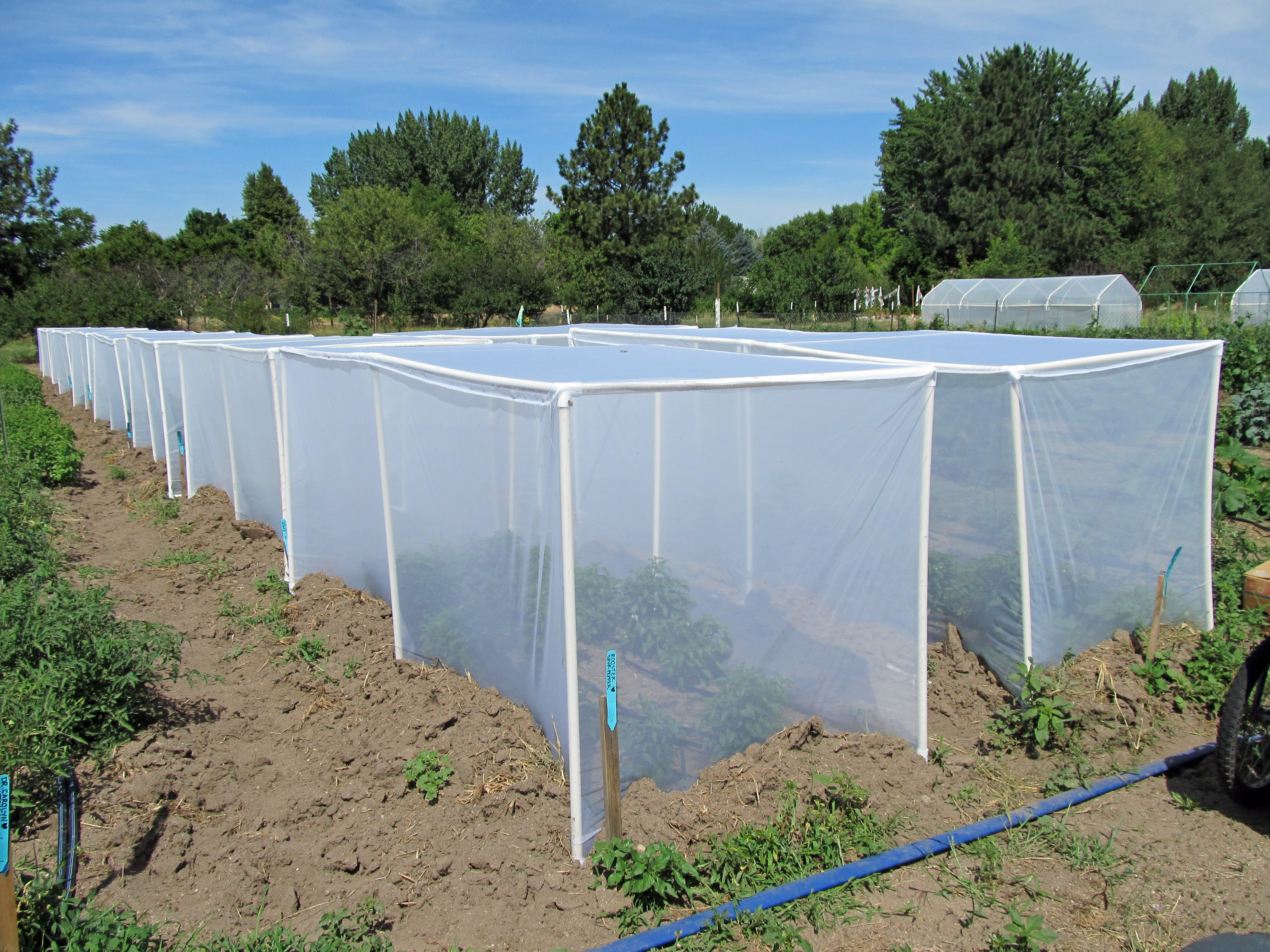
A series of isolation tents over various crops to help prevent cross pollination between varieties.

A series of isolation tents placed over various crops to help prevent cross pollination between varieties – an important component of seed saving.

While many groups of pollinators were discussed, including leafcutter bees, bumblebees, honeybees, sweat bees, hummingbirds, and beetles, much of our conversation and search was focused on syrphid flies. Flies are an often underappreciated and overlooked group of pollinators. While not all of the 120,000 species of flies in the world are pollinators, many of them are. The book Attracting Native Pollinators by the Xerces Society has this to say about flies: “With their reputation as generalist foragers, no nests to provision, and sometimes sparsely haired bodies, flies don’t get much credit as significant pollinators. Despite this reputation, they are often important pollinators in natural ecosystems for specific plants, and occasionally for human food plants.” They are especially important pollinators in the Arctic and in alpine regions, because unlike bees, they do not maintain nests, which means they use less energy and require less nectar, making them more fit for colder climates.

One food crop that flies are particularly efficient at pollinating is carrots. According the Xerces Society, carrot flowers are “not a favorite of managed honeybees.” Most flies do not have long tubular, sucking mouthparts, so they search for nectar in small, shallow flowers that appear in clusters, such as plants in the mint, carrot, and brassica families. Flower-visiting flies come in search of nectar and sometimes pollen for energy and reproduction. While acquiring these meals they can at times inadvertently collect pollen on their bodies and transfer it to adjacent flowers. They are generally not as efficient at moving pollen as other pollinators are, but they can get the job done.

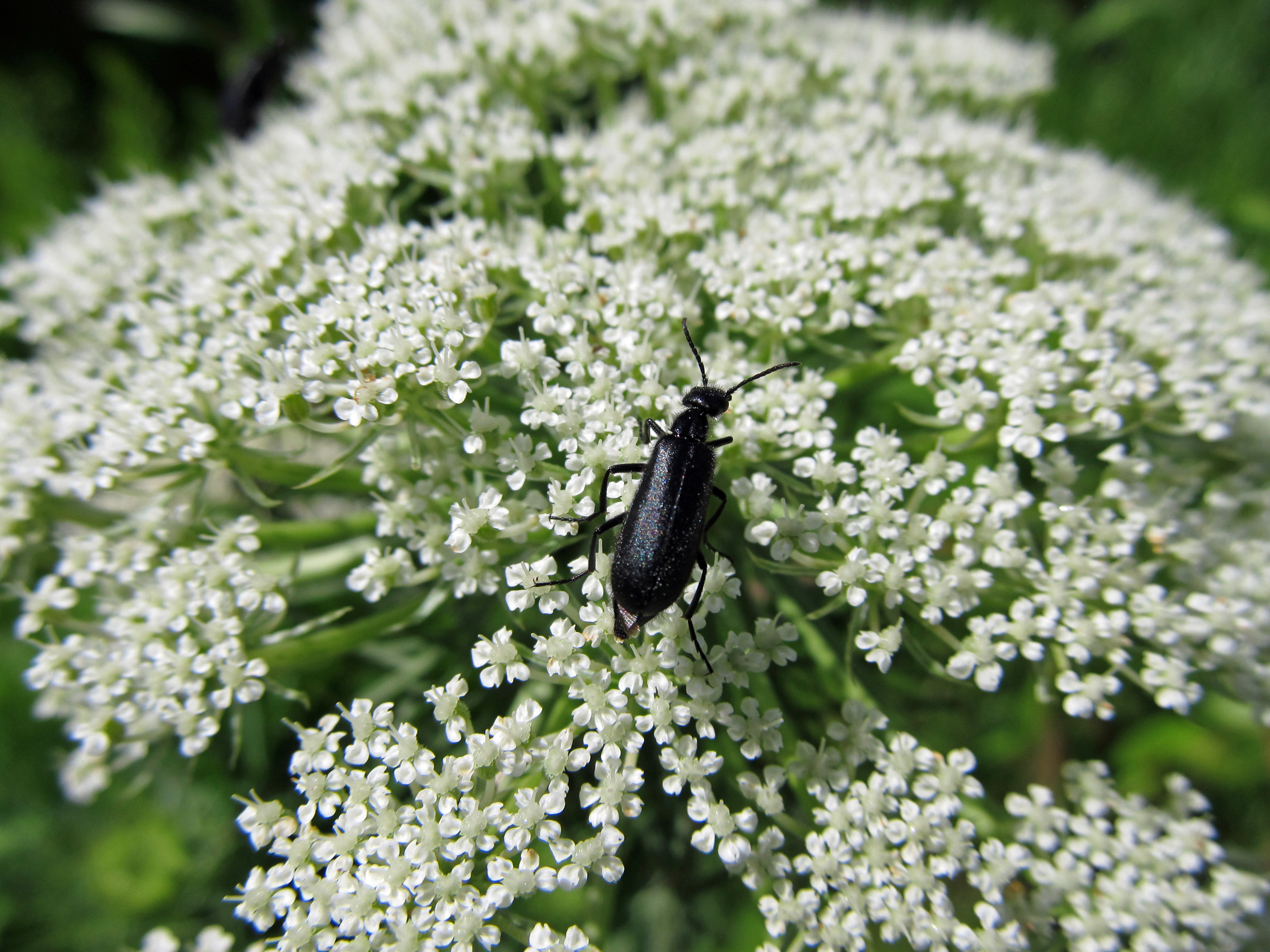
Blister beetle on carrot flowers (a preferred food source of flies). Beetles can be important pollinators, even despite chewing on the flowers as they proceed.

Blister beetle on carrot flowers (a preferred food source of flies). Beetles can be effective pollinators as well, even despite chewing on the flowers as they proceed.

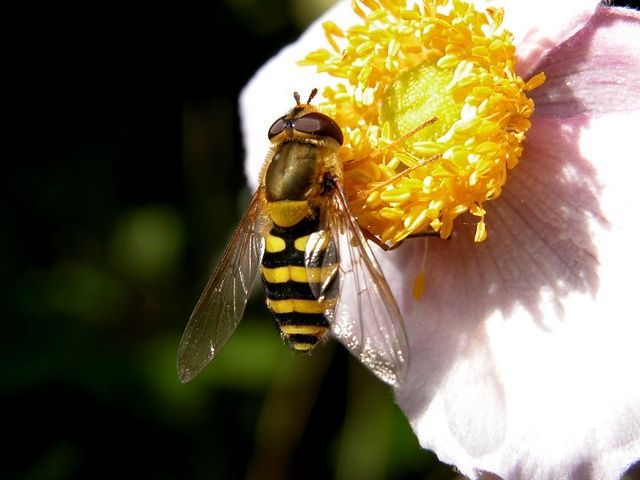
During the pollinator walk, we were specifically observing flies in the family Syrphidae, which are commonly known as flower flies, hoverflies, or syrphid flies. Many flies in this family mimic the coloring of bees and wasps, and thus are easily confused as such. Appearing as a bee or wasp is a form of protection from predators, who typically steer clear from these insects to avoid being stung. The larvae of syrphid flies often feed on insects, a trait that can be an added benefit for farmers and gardeners, particularly when their prey includes pest insects like aphids. Other families of flies that are important pollinators include Bombyliidae (bee flies), Acroceridae (small-headed flies), Muscidae (house flies), and Tachinidae (tachinid flies).

Common banded hoverfly (Syrphus ribesii) - one species of hundreds in the syrphid fly family, a common and diverse family of flower visiting flies (photo credit: www.eol.org)

Common banded hoverfly (Syrphus ribesii) – one species of thousands in the syrphid fly family, a common and diverse family of flower-visiting flies (photo credit: www.eol.org)

Because many species of flies visit flowers and because those flies commonly mimic the appearance of bees and wasps, it can be difficult to tell these insects apart. Observing the following features will help you determine what you are looking at.

  • Wings – flies have two; bees have four (look closely though because the forewings and hindwings of bees are attached with a series of hooks called hamuli making them appear as one)
  • Hairs – flies are generally less hairy than bees
  • Eyes – the eyes of flies are usually quite large and in the front of their heads; the eyes of bees are more towards the sides of their heads
  • Antennae – flies have shorter, stubbier antennae compared to bees; the antennae of flies also have bristles at the tips
  • Bees, unlike flies, have features on their legs and abdomens designed for collecting pollen; however, some flies have mimics of these features
Bumblebee on Echinacea sp.

Bumblebee visiting Echinacea sp.

Another interesting topic that Dr. Strickler addressed was the growing popularity of insect hotels – structures big and small that are fashioned out of a variety of natural materials and intended to house a variety of insects including pollinators. There is a concern that many insect hotels, while functioning nicely as a piece of garden artwork, often offer little in the way of habitat for beneficial insects and instead house pest insects such as earwigs. Also, insect hotels that are inhabited by bees and other pollinators may actually become breeding grounds for pests and diseases that harm these insects. It is advised that these houses be cleaned or replaced regularly to avoid the build up of such issues. Learn more about the proper construction and maintenance of insect hotels in this article from Pacific Horticulture.

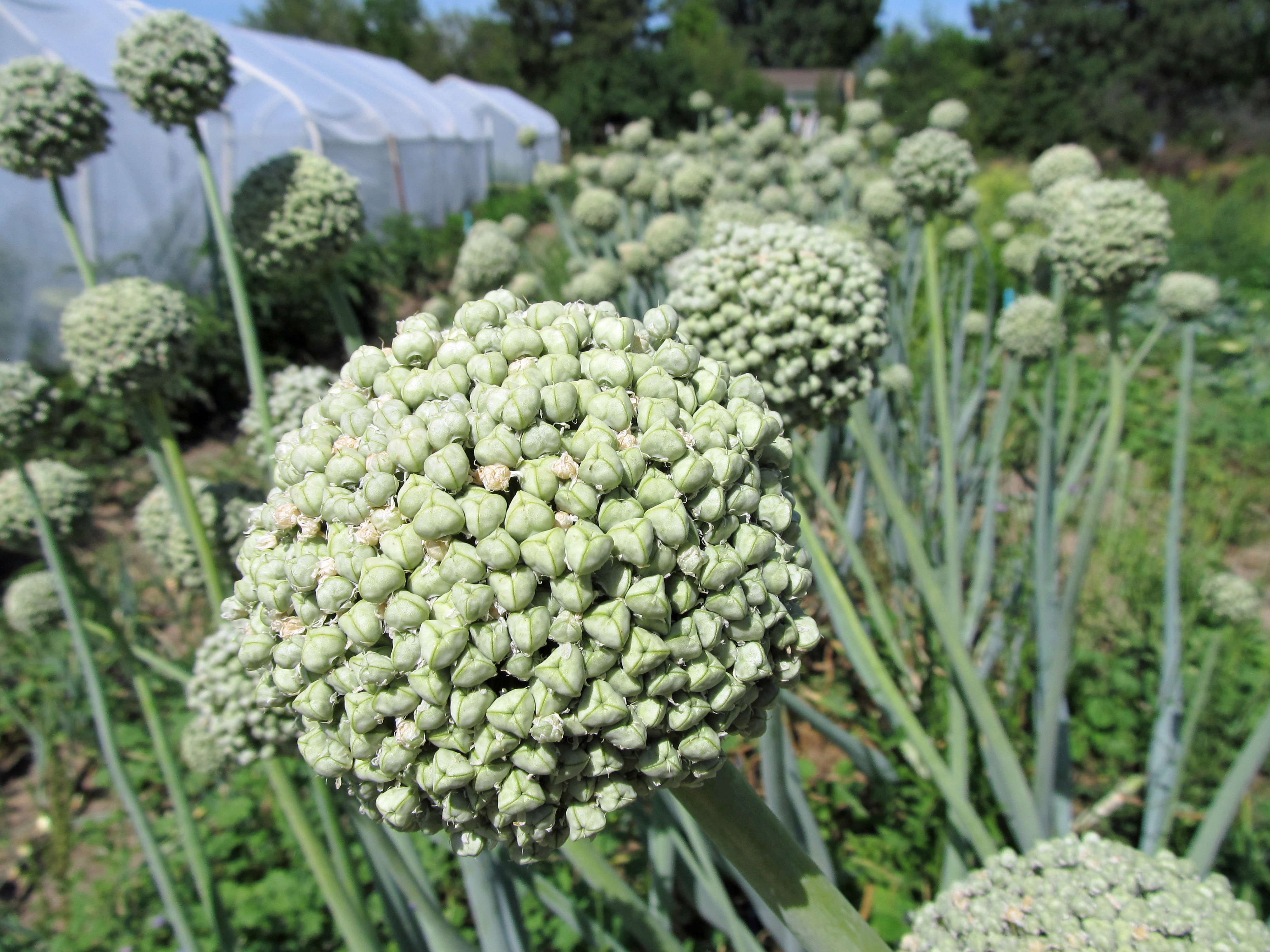
A row of onions setting seed at Earthly Delights Farm. Onions are another crop that is commonly pollinated by flies.

A row of onions setting seed at Earthly Delights Farm. Onions are another crop that is commonly pollinated by flies.

Year of Pollination: Mosquitoes as Pollinators

It is difficult to have positive feelings about mosquitoes, especially during summer months when they are out in droves and our exposed skin – soft, supple, and largely hair-free – is irresistible to them. We are viewed as walking blood meals by female mosquitoes who are simply trying to produce young – to perpetuate their species just like any other species endeavors to do. Unfortunately, we are left with small, annoying bumps in our skin – red, itchy, and painful – risking the possibility that the mosquitoes that just drew our blood may have passed along any number of mosquito-borne diseases, some (such as malaria) that potentially kill millions of people every year. For this, it is okay to hate mosquitoes and to long for the day of their complete eradication from the planet. However, their ecological roles (and yes, they do have some) are also worth considering.

There are more than 3,500 species of mosquito. Luckily, only 200 or so consume human blood. Mosquitoes go back at least 100 million years and have co-evolved with species of plants and animals found in diverse habitats around the world. Adult mosquitoes and their larvae (which live in standing water) provide food for a wide variety of creatures including birds, bats, insects, spiders, fish, frogs, lizards, and salamanders. Mosquito larvae also help break down organic matter in the bodies of water they inhabit. They even play an important role in the food webs found inside the pitchers of northern pitcher plants (Sarracenia spp.). Interestingly enough, Arctic mosquitoes influence the migration patterns of caribou. They emerge in swarms so big and so voracious that they have been said to kill caribou through either blood loss or asphyxiation.

However, blood is not the main food source of mosquitoes; flower nectar is. Males don’t consume blood at all, and females only consume it when they are producing eggs. Any insect that visits flowers for nectar has the potential to unwittingly collect pollen and transfer it to a nearby flower, thereby aiding in pollination. Mosquitoes are no exception. They have been observed acting as pollinators for a handful of species, and could be acting as pollinators for many more.

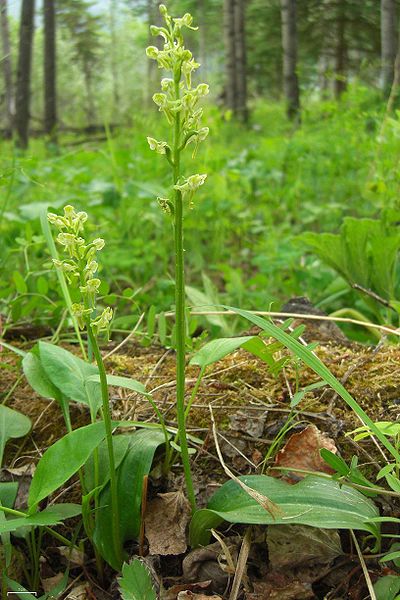
Bluntleaved orchid (Platanthera obtusata) is pollinated by mosquitoes. phot credit: wikimedia commons

Bluntleaved orchid (Platanthera obtusata) is pollinated by mosquitoes. photo credit: wikimedia commons

The scientific literature describes the pollination by mosquitoes of at least two plant species: Platanthera obtusata (syn. Habenaria obtusata) and Silene otites. P. obtusata – bluntleaved orchid – is found in cold, wet regions in North America and northern Eurasia. It is pollinated by mosquitoes from multiple genera including several species in the genus Aedes. Mosquitoes visit the flowers to feed on the nectar and, subsequently, pollinia (clusters of pollen) become attached to their eyes and are moved from flower to flower. This scenario likely plays out in other species of Arctic orchids as well*.

S. otites – Spanish catchfly – is a European species that is pollinated by mosquitoes and moths. Researches have been studying the floral odors of S. otites that attract mosquitoes, suggesting that determining the compounds involved in these odors “might lead to the development of new means of pest control and mosquito attractants and repellents.”

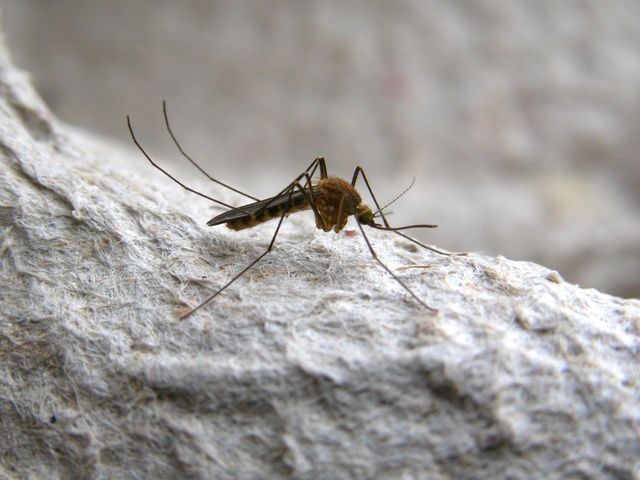
Northern House Mosquito (Culex pipiens) - one of the species of mosquitoes that has been observed pollinating Silene otitis. photo credit: www.eol.org

Northern House Mosquito (Culex pipiens) – one of the species of mosquitoes that has been observed pollinating Silene otites. photo credit: www.eol.org

Despite the list of functions that mosquitoes serve in their varied habitats, an article that appeared in Nature back in 2010 argues for wiping mosquitoes off the Earth, stating that “the ecological scar left by a missing mosquito would heal quickly as the niche was filled by other organisms.” And even though “thousands of plant species would lose a group of pollinators,” mosquitoes are not important pollinators of the “crops on which humans depend,” nor do they appear to be the sole pollinator of any single plant species [the species mentioned above are pollinated by other insects as well]. Eliminating mosquitoes, however, is more of a pipe dream than a realistic possibility as our “best efforts can’t seriously threaten an insect with few redeeming features.”

*Speaking of orchids and pollination, endless posts could be written about this incredibly fascinating and diverse group of plants and their equally fascinating and complex mechanisms surrounding pollination. There will be more to come on such topics. Meanwhile, it should be noted that orchids are also a notoriously threatened group of plants. To learn more about orchids and orchid conservation in North America, visit North American Orchid Conservation Center.

Read more about mosquito pollination here.

And now for your listening pleasure:

Year of Pollination: Stamen Movement in the Flowers of Prickly Pears

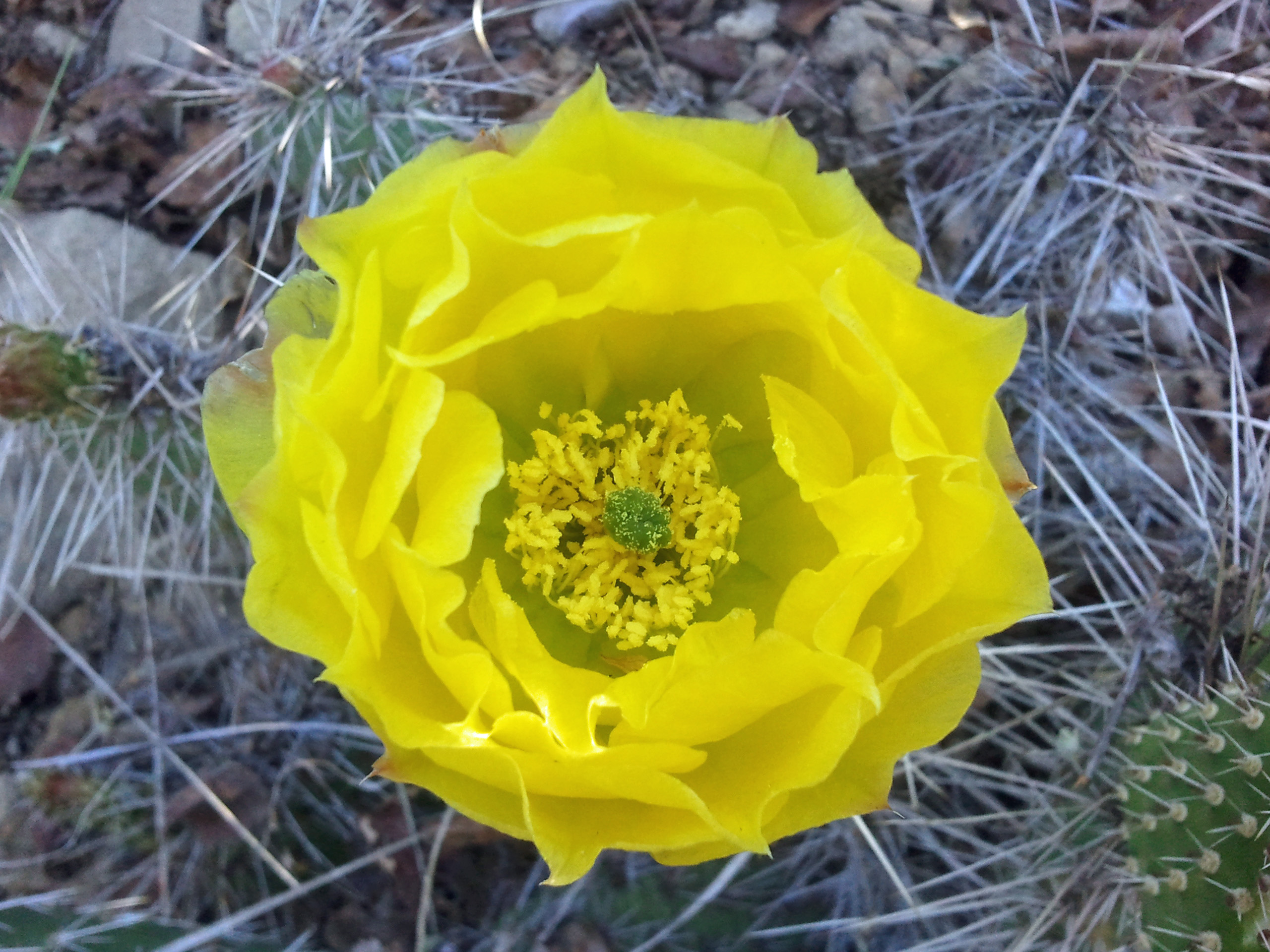
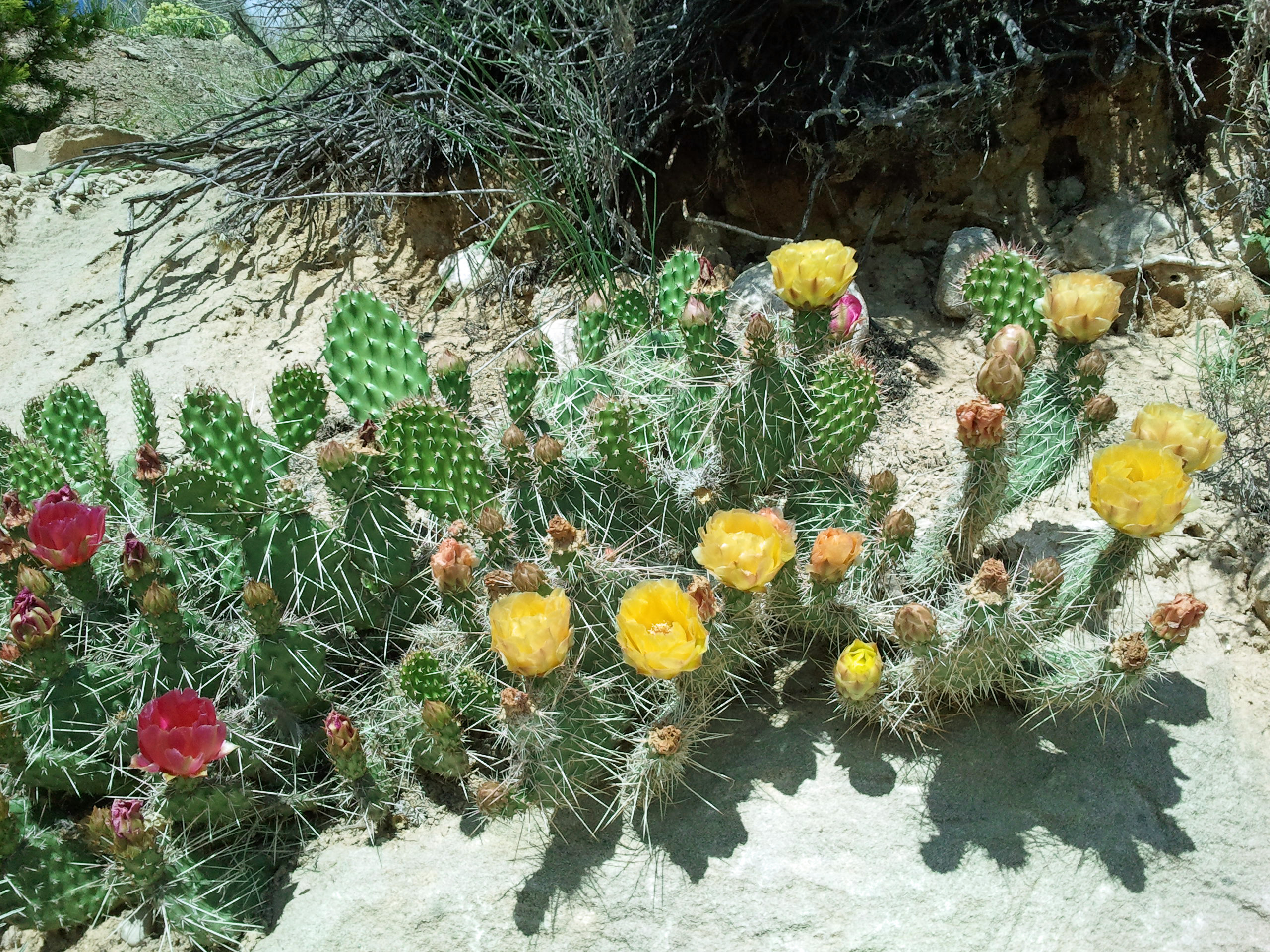
Last week I made an effort to convince you to add a prickly pear or two to your water-wise gardens. One standout reason to do this is their strikingly beautiful flowers. Apart from being lovely to look at, many prickly pear flowers have a distinct feature that makes them quite fascinating. A demonstration of this feature can be seen in the following video.


Stamen movement in response to touch is a characteristic of many species in the genus Opuntia. It isn’t exclusive to Opuntia, however, and can also be seen in Berberis vulgaris, Portulaca grandiflora, Talinum patens, among others. Knowing this makes me want to touch the stamens of any flower I can find just to see what will happen.

The response of stamens to touch has been known for at least a few centuries, but recent research is helping us gain a better understanding of how and why this phenomenon occurs. In general, this movement is thought to assist in the process of cross-pollination. In some cases it may also aid in self-pollination. Additionally, it can have the effect of protecting pollen and nectar from “robbers” (insects that visit flowers to consume these resources but that do not provide a pollination service). Quite a bit of research has been done on this topic, so to simplify things I will be focusing on a paper published in a 2013 issue of the journal, Flora.

In their paper entitled, Intriguing thigmonastic (sensitive) stamens in the plains prickly pear, Cota-Sanchez, et al. studied the flowers of numerous Opuntia polyacantha individuals found in three populations south of Saskatoon, Saskatchewan, Canada. Their objective was to “build basic knowledge about this rather unique staminal movement in plants and its putative role in pollination.” They did this by conducting two separate studies. The first involved observing flower phenology and flower visitors and determining whether the staminal movement is a nasty (movement in a set direction independent of the external stimulus) or a tropism (movement in the direction of the external stimulus). The second involved using high-powered microscopes to analyze the morphology of the stamens to determine any anatomical traits involved in this movement. While the results of the second study are interesting, for the purposes of this post I have chosen to focus only on the findings of the first study.

An important note about the flowers of O. polyacantha is that they are generally protandrous, meaning that the anthers of a single flower release pollen before the stigmas of that same flower are receptive. This encourages cross-pollination. An individual flower is only in bloom for about 12 hours (sometimes as long as 30 hours), however flowering doesn’t occur all at once. The plants in this study flowered for several weeks (from the second week of June to the middle of July).

To determine whether the staminal movement is a nasty or a tropism, the researchers observed insects visiting the flowers. They also manually stimulated the stamens with various objects including small twigs, pencils, and fingers, touching either the inner sides of the filaments (facing the style) or the outer sides (facing the petals). In every observation, the stamens moved in the same direction, “inwards and towards the central part of the flower.” This “consistent unidirectional movement, independent of the area stimulated” led the researchers to categorize the staminal movement of O. polyacantha as thigmonastic. They also observed that staminal movement slowed as the blooming period of an individual flower was coming to an end – “and finally when all the anthers had dehisced, the anthers rested in a clustered position, marking the end of anthesis.” Furthermore, it was observed that “filaments move relatively faster in sunny, warm conditions as opposed to cloudy, cold and rainy days.”

The researchers went on to discuss unique features of the stamens of O. polyacantha. Specifically, the lower anthers contain significantly more pollen than the upper anthers. When the stamens are stimulated, their movement towards the center of the flower results in the lower anthers becoming hidden below the upper anthers. They also noted that small insects less than 5 millimeters in size did not trigger stamen movement. Further observations of the insect vistors helped explain these phenomena.

SAMSUNG

A “broad diversity of insects” was observed visiting the flowers, from a variety of bees (bumblebees, honeybees, sweat bees, and mining bees) to bee flies, beetles, and ants. The large bees  were determined to be the effective pollinators of this species of prickly pear. Their large weight and size allows them to push down through the upper anthers to the more pollen-abundant anthers below. After feeding on pollen and nectar, they climb out from the stamens and up to the stigma where they take off, leaving the flower and depositing pollen as they go. Because the bees are visiting numerous flowers in a single flight and the flowers they visit are protandrous, pollen can be transferred from one flower to another and self-pollination can be avoided.

Beetles were observed to be the most common visitors to the flowers; however, they were not seen making contact with the stigma and instead simply fed on pollen and left. Ants also commonly visit the flowers but largely remain outside of the petals, feeding from “extranuptial nectaries.” In short, beetles and ants are not recognized as reliable pollinators of this plant.

Similar results involving two other Opuntia species were found by Clemens Schlindwein and Dieter Wittmann. You can read about their study here.

There are lots of flower anatomy terms in this post. Refresh your memory by visiting another Awkward Botany post: 14 Botanical Terms for Flower Anatomy.

Recently I received a note from a reader requesting that I include a link to subscribe to this blog’s RSS Feed. I have now made that available, and it can be found at the top of the sidebar.

Year of Pollination: An Argentinian Cactus and Its Unlikely Pollinator

A few weeks ago I wrote about pollination syndromes – sets of floral triats that are said to attract specific groups of pollinators. In that post I discussed how pollination syndromes have largely fallen out of favor as a reliable method of predicting the pollinators that will visit particular flowers. In this post I review a recent study involving a species of cactus in Argentina that, as the authors state in their abstract, “adds another example to the growing body of mismatches between floral syndrome and observed pollinator.”

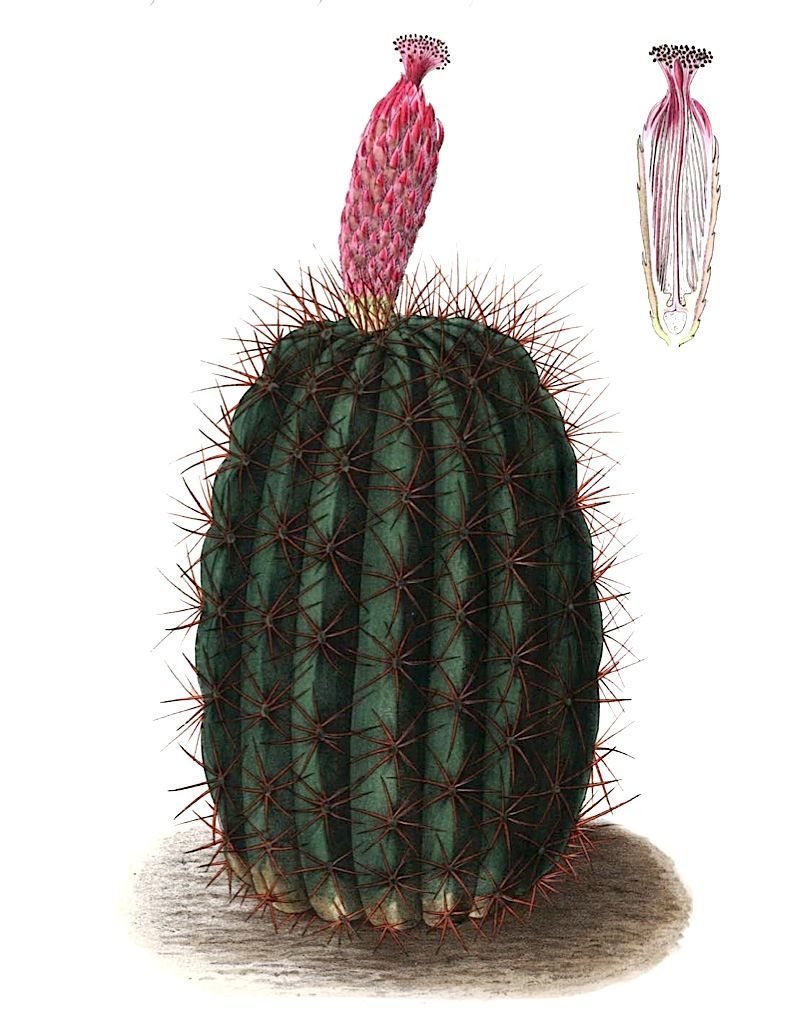
Denmoza rhodacantha is one of many species of cacti found in Argentina. It is the only species in its genus, and it is widely distributed across the east slopes and foothills of the Andes. It is a slow growing cactus, maintaining a globulous (globe-shaped) form through its juvenile phase and developing a columnar form as it reaches maturity. D. rhodacantha can reach up to 4 meters tall and can live beyond 100 years of age. Individual plants can begin flowering in their juvenile stage. Flowers are red, nectar rich, scentless, and tubular. The stigma is lobed and is surrounded by a dense grouping of stamens. Both male and female reproductive organs are extended above the corolla. The flowers have been described by multiple sources as being hummingbird pollinated, not based on direct observation of hummingbirds visiting the flowers, but rather due to the floral traits of the species.

Denmoza rhodacantha illustration - image credit: www.eol.org

Denmoza rhodacantha illustration  (image credit: www.eol.org)

In a paper entitled, Flowering phenology and observations on the pollination biology of South American cacti – Denmoza rhodacantha, which was published in volume 20 of Haseltonia (the yearbook of the Cactus and Succulent Society of America), Urs Eggli and Mario Giorgetta discuss their findings after making detailed observations of a population of D. rhodacantha in early 2013 and late 2013 – early 2014. The population consisted of about 30 individuals (both juveniles and adults) located in the Calchaqui Valley near the village of Angastaco, Argentina. At least three other species with “hummingbird-syndrome flowers” were noted in the area, and three species of hummingbirds were observed during the study periods. Over 100 observation hours were logged, and during that time “the studied plants, their flowering phenology, and flower and fruit visitors were documented by means of photographs and video.”

The flowers of D. rhodacantha only persist for a few short days, and in that time their sexual organs are only receptive for about 24 hours. The flowers are self-sterile and so require a pollinator to cross pollinate them. Despite their red, tubular shape and abundant nectar, no hummingbirds were observed visiting the flowers. One individual hummingbird approached but quickly turned away. Hummingbirds were, however, observed visiting the flowers of an associated species, Tecoma fulva ssp. garrocha. Instead, a species of halictid bee (possibly in the genus Dialictus) was regularly observed visiting the flowers of D. rhodacantha. The bees collected pollen on their hind legs and abdomen and were seen crawling across the lobes of the stigma. None of them were found feeding on the nectar. In one observation, a flower was visited by a bee that was “already heavily loaded with the typical violet-coloured pollen of Denmoza,” suggesting that this particular bee species was seeking out these flowers for their pollen. Small, unidentified beetles and ants were seen entering the flowers to consume nectar, however they didn’t appear to be capable of offering a pollination service.

D. rhodacantha populations have been observed in many cases to produce few fruits, suggesting that pollination success is minimal. The authors witnessed “very low fruit set” in the population that they were studying, which was “in marked contrast to the almost 100% fruit set rates of the sympatric cactus species at the study site.” This observation wasn’t of great concern to the authors though, because juvenile plants are present in observed populations, so recruitment appears to be occurring. In this study, dehisced fruits were “rapidly visited by several unidentified species of ants of different sizes.” The “scant pulp” was harvested by smaller ants, and larger ants carried away the seeds after “cleaning them from adhering pulp.”

The authors propose at least two reasons why hummingbirds avoid the flowers of D. rhodacantha. The first being that the native hummingbirds have bills that are too short to reach the nectar inside the long tubular flowers, and often the flowers barely extend beyond the spines of the cactus which may deter the hummingbirds from approaching. The second reason is that other plants in the area flower during the same period and have nectar that is easier to gather. The authors acknowledge that this is just speculation, but it could help explain why the flowers are pollinated instead by an insect (the opportunist, generalist halictid bee species) for whom the flowers “could be considered to be ill adapted.” The authors go on to say, “it should be kept in mind, however, that adaptions do not have to be perfect, as long as they work sufficiently well.”

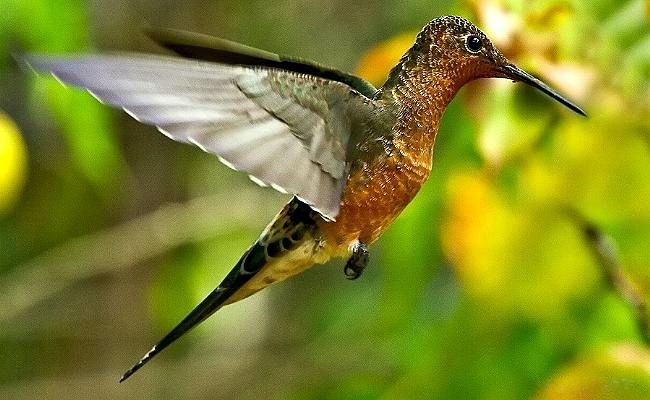
Patagona gigas (giant hummingbird) was observed approaching the flower of a Denmoza rhodacantha but quickly turned away (photo credit: www.eol.org)

Patagona gigas (giant hummingbird) was observed approaching the flower of a Denmoza rhodacantha but quickly turned away (photo credit: www.eol.org)

More Year of Pollination posts on Awkward Botany:

Year of Pollination: More than Honey, etc.

When I decided to spend a year writing about pollinators and pollination, I specifically wanted to focus on pollinators besides the honey bee. Honey bees already get lots of attention, and there are loads of other pollinating organisms that are equally fascinating. But that’s just the thing, honey bees are incredibly fascinating. They have a strict and complex social structure, and they make honey – two things that have led humans to develop a strong relationship with them. We have been managing honey bees and exploiting their services for thousands of years, and we have spread them across the planet, bringing them with us wherever we go. In North America, honey bees are used to pollinate a significant portion of our pollinator-dependent crops, despite the fact that they are not native to this continent. In that sense, they are just another domesticated animal, artificially selected for our benefit.

It’s common knowledge that honey bees (and pollinators in general) have been having a rough time lately. Loss of habitat, urbanization, industrial farming practices, abundant pesticide use, and a variety of pests and diseases have been making life difficult for pollinators. Generally, when the plight of pollinators comes up in the news, reference is made to honey bees (or another charismatic pollinator, the monarch butterfly). News like this encourages people to take action. On the positive side, efforts made to protect honey bees can have the side benefit of protecting native pollinators since many of their needs are the same. On the negative side, evidence suggests that honey bees can compete with native pollinators for limited resources and can pass along pests and diseases. Swords are often double-edged, and there is no silver bullet.

In a recent conversation with a budding beekeeper, I was recommended the documentary, More than Honey. I decided to watch it, write a post about it, and call that the honey bee portion of the Year of Pollination. Part way through the movie, another documentary, Vanishing of the Bees, was recommended to me, and so I decided to watch both. Below are some thoughts about each film.

more than honey movie

More than Honey

Written and directed by Swiss documentary filmmaker, Markus Imhoof, this beautifully shot, excellently narrated, meandering documentary thrusts viewers into incredibly intimate encounters with honey bees. Cameras follow bees on their flights and into their hives and get up close and personal footage of their daily lives, including mating flights, waggle dances, pupating larvae, flower pollination, and emerging queens. In some scenes, the high definition shots make already disturbing events even more disturbing, like bees dying after being exposed to chemicals and tiny varroa mites crawling around on the bodies of bees infecting them with diseases – wings wither away and bees become too weak to walk. This movie is worth watching for the impressive cinematography alone.

But bees aren’t the only actors. The human characters are almost as fun to watch. A Swiss beekeeper looks out over stunning views of the Alps where he keeps his bees. He follows a long tradition of beekeeping in his family and is very particular about maintaining a pure breed in his hives, going so far as flicking away the “wrong” bees from flowers on his property and crushing the head off of an unfaithful queen. A commercial beekeeper in the United States trucks thousands of beehives around the country, providing pollination services to a diverse group of farms – one of them being a massive almond grove in California. He has been witness to the loss of  hundreds of honey bee colonies and has had to become “comfortable with death on an epic scale” – the grueling corporate world grinds along, and there is no time for mourning losses.

Further into the documentary, a woman in Austria demonstrates how she manipulates a colony into raising not just one queen, but dozens. She has spent years breeding bees, and her queens are prized throughout the world. A man in Arizona captures and raises killer bees – hybrid bees resulting from crosses between African and European honey bees (also known as Africanized honey bees). Despite their highly aggressive nature, he prefers them because they are prolific honey producers and they remain healthy without the use of synthetic pesticides.

Probably the darkest moment in the film is watching workers in China hand pollinate trees in an orchard. Excessive pesticide use has decimated pollinator populations in some regions, leaving humans to do the pollinating and prompting the narrator to reflect on the question, “Who’s better at pollinating, man or bees? Science answers with a definite, ‘not man.'”

Also included in the film is an intriguing discussion about bees as a super-organism with a German neuroscientist who is studying bee brains. The narrator sums it up like this: “Without its colony the individual bee cannot survive. It must subordinate its personal freedom for the good of the colony… Could it be that individual bees are like the organs or cells of a body? Is the super-organism as a whole the actual animal?”

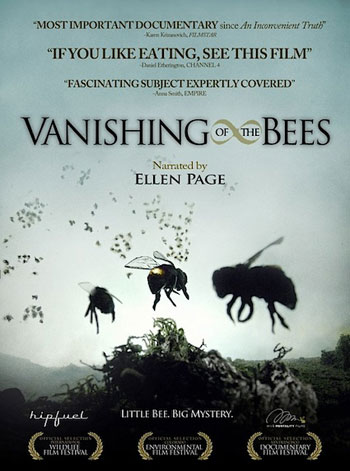
Vanishing-of-the-bees

Vanishing of the Bees

Colony collapse disorder is a sometimes veiled yet important theme throughout More than Honey, and it was certainly something that drove the creation of the film. In the case of Vanishing of the Bees, colony collapse disorder is the reason for its existence. Narrated by actor, Ellen Page, and produced in part by a film production company called Hive Mentality Films, this movie came out on the heels of the news that bee colonies were disappearing in record numbers throughout the world. It tells the story of colony collapse disorder from the time that it first appeared in the news – one of the film’s main characters is the beekeeper that purportedly first brought attention to the phenomenon – and into the years that followed as scientists began exploring potential causes.

This film contains lots of important information and much of it seems credible, but it is also the type of documentary that in general makes me wary of documentaries. Its purpose goes beyond just trying to inform and entertain; it’s also trying to get you on board with its cause. I may agree with much of what is being said, but I don’t particularly like having my emotions targeted in an effort to manipulate me to believe a certain way. It’s a good idea not to let documentaries or any other type of media form your opinions for you. Consider the claims, do some of your own research and investigation, and then come to your own conclusion. That’s my advice anyway…even though you didn’t ask for it.

That being said, colony collapse disorder is a serious concern, and so I’ll end by going back to More than Honey and leave you with this quote by its narrator:

The massive death of honey bees is no mystery. What’s killing them is not pesticides, mites, antibiotics, incest, or stress, but a combination of all these factors. They are dying as a result of our civilization’s success, as a result of man, who has turned feral bees into docile, domestic animals – wolves into delicate poodles.

Year of Pollination: Pollination Syndromes and Beyond

A discussion of pollination syndromes should begin with the caveat that they are a largely outdated way to categorize plant-pollinator interactions. Still, they are important to be aware of because they have informed so much of our understanding about pollination biology, and they continue to be an impetus for ongoing research. The concept of pollination syndromes exists in part because we are a pattern seeking species, endeavoring to place things in neat little boxes in order to make sense of them. This is relatively easy to do in a hypothetical or controlled environment where the parameters are selected and closely monitored and efforts are made to eliminate noise. However, the real world is considerably more dynamic than a controlled experiment and does not conform to black and white ways of thinking. Patterns are harder to unveil, and it takes great effort to ensure that observed patterns are genuine and not simply imposed by our pattern seeking brains.

That being said, what are pollination syndromes?  Pollination syndromes are sets of floral traits that are thought to attract specific types of pollinators. The floral traits are considered to have evolved in order to appeal to a particular group of pollinators – or in other words, selective pressures led to adaptations resulting in mutualistic relationships between plants and pollinators. Pollination syndromes are examples of convergent evolution because distantly related plant species have developed similar floral traits, presumably due to similar selection pressures. Pollination syndromes were first described by Italian botanist, Federico Delpino, in the last half of the 19th century. Over several decades his rudimentary ideas were fleshed out by other botanists, resulting in the method of categorization described (albeit briefly) below.

Honey bee on bee's friend (Phacelia tanacetifolia)

A honey bee getting friendly with bee’s friend (Phacelia tanacetifolia)

Pollination by bees (melittophily) – Flowers are blue, purple, yellow, or white and usually have nectar guides. Flowers are open and shallow with a landing platform. Some are non-symmetrical and tubular like pea flowers. Nectar is present, and flowers give off a mild (sometimes strong) sweet scent.

Pollination by butterflies (psychophily) – Flowers are pink, purple, red, blue, yellow, or white and often have nectar guides. They are typically large with a wide landing pad. Nectar is inside a long, narrow tube (or spur), and flowers have a sweet scent.

Pollination by hawkmoths and moths (sphingophily and phalaenophily) – Moth pollinated flowers open at night, have no nectar guides, and emit a strong, sweet scent. Flowers pollinated by hawkmoths are often white, cream, or dull violet and are large and tubular with lots of nectar. Those pollinated by other moths are smaller, not as nectar rich, and are white or pale shades of green, yellow, red, purple, or pink.

Pollination by flies (myophily or sapromyophily) – Flowers are shaped like a basin, saucer, or kettle and are brown, brown-red, purple, green, yellow, white, or blue.  Some have patterns of dots and stripes. If nectar is available, it is easily accessible. Their scent is usually putrid. A sapromyophile is an organism that is attracted to carcasses and dung. Flies that fall into this category visit flowers that are very foul smelling, offer no nectar reward, and essentially trick the fly into performing a pollination service.

Pollination by birds (ornithophily) –  Flowers are usually large, tubular, and red, orange, white, blue, or yellow. They are typically without nectar guides and are odorless since birds don’t respond to scent. Nectar is abundant and found at various depths within the flower.

Pollination by bats (chiropterophily) – Flowers are large, tubular or bell shaped, and white or cream colored with no nectar guides. They open at night, have abundant nectar and pollen, and have scents that vary from musty to fruity to foul.

Pollination by beetles (cantharophily) – Flowers are large and bowl shaped and green or white. There are no nectar guides and usually no nectar. The scent is strong and can be fruity, spicy, or putrid. Like flies, some beetles are sapromyophiles.

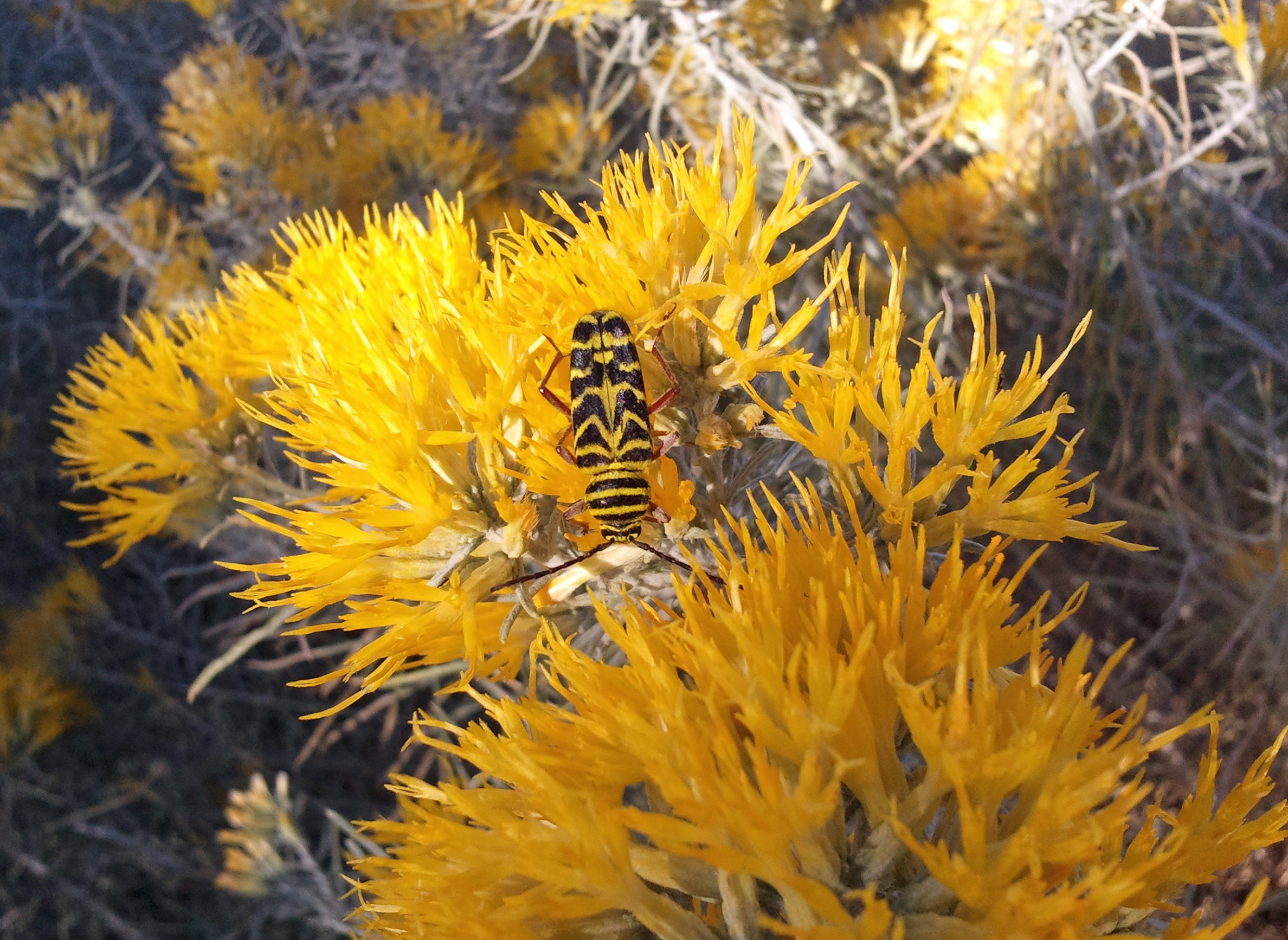
Locust borer meets rubber rabbitbrush (Ericameria nauseosa)

A locust borer meets rubber rabbitbrush (Ericameria nauseosa)

In addition to biotic pollination syndromes, there are two abiotic pollination syndromes:

Pollination by wind (anemophily) – Flowers are miniscule and brown or green. They produce abundant pollen but no nectar or odor. The pollen grains are very small, and the stigmas protrude from the flower in order to capture the windborne pollen.

Pollination by water (hydrophily) –  Most aquatic plants are insect-pollinated, but some have tiny flowers that release their pollen into the water, which is picked up by the stigmas of flowers in a similar manner to plants with windborne pollen.

This is, of course, a quick look at the major pollination syndromes. More complete descriptions can be found elsewhere, and they will differ slightly depending on the source. It’s probably obvious just by reading a brief overview that there is some overlap in the floral traits and that, for example, a flower being visited by a bee could also be visited by a butterfly or a bird. Such an observation explains, in part, why this method of categorizing plant-pollinator interactions has fallen out of favor. Studies have been demonstrating that this is not a reliable method of predicting which species of pollinators will pollinate certain flowers. A close observation of floral visitors also reveals insects that visit flowers to obtain nectar, pollen, and other items, but do not assist in pollination. These are called robbers. On the other hand, a plant species may receive some floral visitors that are considerably more effective and reliable pollinators than others. What is a plant to do?

Pollination syndromes imply specialization, however field observations reveal that specialization is quite rare, and that most flowering plants are generalists, employing all available pollinators in assisting them in their reproduction efforts. This is smart, considering that populations of pollinators fluctuate from year to year, so if a plant species is relying on a particular pollinator (or taxonomic group of pollinators) to aid in its reproduction, it may find itself out of luck. Considering that a flower may receive many types of visitors on even a semi-regular basis suggests that the selective pressures on floral traits may not solely include the most efficient pollinators, but could also include all other pollinating visitors and, yes, even robbers. This is an area where much more research is needed, and questions like this are a reason why pollination biology is a vibrant and robust field of research.

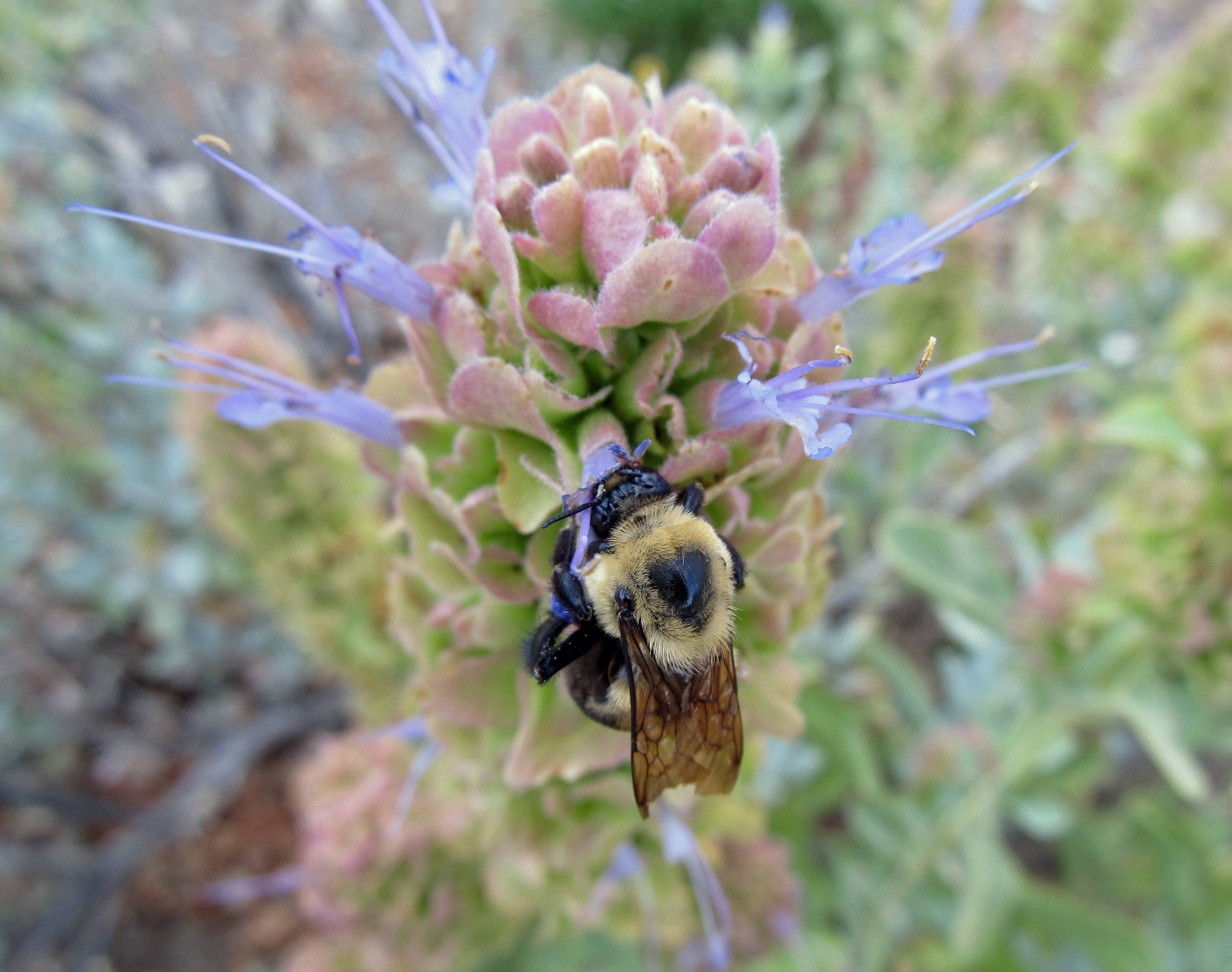
A bumble bee hugs Mojave sage (Salvia pachyphylla)

A bumble bee hugs the flower of a blue sage (Salvia pachyphylla)

Interactions between plants and pollinators is something that interests me greatly. Questions regarding specialization and generalization are an important part of these interactions. To help satiate my curiosity, I will be reading through a book put out a few years ago by the University of Chicago Press entitled, Plant-Pollinator Interactions: From Specialization to Generalization, edited by Nickolas M. Waser and Jeff Ollerton. You can expect future posts on this subject as I read through the book. To pique your interest, here is a short excerpt from Waser’s introductory chapter:

Much of pollination biology over the past few centuries logically focused on a single plant or pollinator species and its mutualistic partners, whereas a focus at the level of entire communities was uncommon. Recently we see a revival of community studies, encouraged largely by new tools borrowed from the theory of food webs that allow us to characterize and analyze the resulting patterns. For example, pollination networks show asymmetry – most specialist insects visit generalist plants, and most specialist plants are visited by generalist insects. This is a striking departure from the traditional implication of coevolved specialists!

References: