Year of Pollination: Most Effective Pollinator Principle and Beyond, part one

Have you ever considered the diversity of flowers? Why do they come in so many different shapes, sizes, and colors? And why do they produce so many different odors – or none at all? Flowering plants evolved around 140 million years ago, a fairly recent emergence evolutionarily speaking. Along with them evolved numerous species of insects, birds, and mammals. In his book, The Triumph of Seeds, Thor Hanson describes the event this way: “In nature, the flowering plants put sex, seeds, and dispersal on full display, spurring not only their own evolution but also that of the animals and insects with which they became so entwined. In most cases, the diversity of dispersers, consumers, parasites – and, most especially, pollinators – rose right alongside that of the plants they depended upon.”

Speaking of dependence, most flowering plants depend upon pollinators for successful reproduction – it is, for the most part, a mutually beneficial relationship. Even the casual observer of flowers will note that a large portion of the creatures that visit them appear to be pollinators. Thus, it is no wonder that pollination biologists have given pollinators so much credit in shaping the flowers that we see today.

Consider G. Ledyard Stebbins and his Most Effective Pollinator Principle which he defined in a paper published in 1970: “the characteristics of the flower will be molded by those pollinators that visit it most frequently and effectively in the region where it is evolving.” He then goes on to reference pollination syndromes, a phenomenon that describes how the traits of flowers are best suited for their “predominant and most effective vector[s].” In my post about pollination syndromes a few months ago, I discussed how a strict adherence to this concept has waned. In the next two posts, I discuss how the Most Effective Pollinator Principle (MEPP) may not be the best way to explain why flowers look the way they do.


To make this argument I am drawing mainly from two chapters in the book Plant-Pollinator Interactions: From Specialization to Generalization. The first is “Ecological Factors That Promote the Evolution of Generalization in Pollination Systems” by Jose M. Gomez and Regino Zamora, and the second is “The Evolution of Specialized Floral Phenotypes in a Fine-grained Pollination Environment” by Paul A. Aigner.

According to Aigner the MEPP “states that a plant should evolve specializations to its most effective pollinators at the expense of less effective ones.” And according to Gomez and Zamora it “states that natural selection should modify plant phenotypes [observable characteristics derived from interactions between a plant’s genes and its surrounding environment] to increase the frequency of interaction [between] plants and the pollinators that confer the best services,” and so “we would expect the flowers of most plants to be visited predominantly by a reduced group of highly effective pollinators.” This is otherwise known as adaptive specialization.

Specialization is something that, in theory, plants are generally expected to evolve towards, particularly in regards to plant-pollinator relationships. Observations, on the other hand, demonstrate the opposite – that specialization is rare and most flowering plants are generalists. However, the authors of both chapters advise that specialization and generalization are extreme ends to a continuum, and that they are comparative terms. One species may be more specialized than another simply because it is visited by a smaller “assemblage” of pollinators. The diversity of pollinators in that assemblage and the pollinator availability in the environment should also be taken into consideration when deciding whether a relationship is specialized or generalized.

That pollinators can be agents in shaping floral forms and that flowering plant species can become specialized in their interactions with pollinators is not the question. There is evidence enough to say that it occurs. However, that the most abundant and/or effective pollinators are the main agents of selection and that specialization is a sort of climax state in the evolutionary process (as the MEPP seems to suggest) is up for debate. Generalization is more common than specialization, despite observations demonstrating that pollinators are drawn to certain floral phenotypes. So, could generalization be seen as an adaptive strategy?

In exploring this question, Gomez and Zamora first consider what it takes for pollinators to act as selective agents. They determine that “pollinators must first benefit plant fitness,” and that when calculating this benefit, the entire life cycle of the plant should be considered, including seed germination rate, seedling survival, fecundity, etc. The ability of a pollinator species to benefit plant fitness depends on its visitation rate and its per-visit effectiveness (how efficiently pollen is transferred) – put simply, a pollinator’s quantity and quality during pollination. There should also be “among-pollinator differences in the evolutionary effect on the plant,” meaning that one species or group of pollinators – through being more abundant, effective, or both – contributes more to plant fitness compared to others. “Natural selection will favor those plant traits that attract the most efficient or abundant pollinators and will also favor the evolution of the phenotypes that cause the most abundant pollinators to also be the most effective.” This process implies possible “trade-offs,” which will be discussed in part two.

When pollinators act as selective agents in this way, the MEPP is supported; however, Gomez and Zamora argue that this scenario “only takes place when some restrictive ecological conditions are met” and that while specialization can be seen as the “outcome of strong pollinator-mediated selection,” generalization can also be “mediated by selection exerted by pollinators…in some ecological scenarios.” This is termed adaptive generalization. In situations where ecological forces constrain the development of specialization and pollinators are not seen as active selection agents, nonadaptive generalization may be occurring.

Gomez and Zamora spend much of their chapter exploring “several causes that would fuel the evolution of generalization” both adaptive and nonadaptive, which are outlined briefly below.

  • Spatiotemporal Variability: Temporal variability describes differences in pollinator assemblages over time, both throughout a single year and over several years. Spatial variability describes differences in pollinator assemblages both among populations where gene flow occurs and within populations. Taken together, such variability can have a measurable effect on the ability of a particular pollinator or group of pollinators to act as a selective agent.
  • Similarity among Pollinators: Different pollinator species can have “equivalent abundance and above all comparable effectiveness” making them “functional equivalents from the plant perspective.” This may be the case with both closely and distantly related species. Additionally, a highly effective pollinator can select for floral traits that attract less effective pollinators.
  • The Real Effects on Plant Fitness: An abundant and efficient pollinator may select for one “fitness component” of a plant, but may “lead to a low overall effect on total fitness.” An example being that “a pollinator may benefit seed production by fertilizing many ovules but reduce seedling survival because it causes the ripening of many low-quality seeds.” This is why “as much of the life cycle as possible” should be considered “in assessing pollinator effectiveness.”
  • Other Flower Visitors: Pollinators are not the only visitors of flowers. Herbivores, nectar robbers, seed predators, etc. may be drawn in by the same floral traits as pollinators, and pollinators may be less attracted to flowers that have been visited by such creatures. “Several plant traits are currently thought to be the evolutionary result of conflicting selection exerted by these two kinds of organisms,” and “adaptations to avoid herbivory can constrain the evolution of plant-pollinator interactions.”

This, of course, only scratches the surface of the argument laid out by Gomez and Zamora. If this sort of thing interests you, I highly encourage you to read their chapter. Next week I will summarize Aigner’s chapter. If you have thoughts on this subject or arguments to make please don’t hesitate to comment or contact me directly. This is a dialogue, dudes.
What Shall We Do About Invasive Species?

I think about invasive species a lot. This blog doesn’t really reflect that though. I have been avoiding a deep dive into the subject mainly because there is so much to say about it and I don’t really want this to become “the invasive species blog.” Admittedly, I’m also trying to avoid controversy. Some people have very strong opinions about invasive species, and I don’t always agree. But then an article entitled Taking the long view on the ecological effects of plant invasions appeared in the June 2015 issue of American Journal of Botany. Intrigued by the idea of “taking the long view,” I read the article and decided that now is as good a time as any to start exploring this topic in greater depth.

However, before getting into the article, we should define our terms. “Invasive species” is often used inappropriately to refer to any species that is found outside of its historic native range (i.e. the area in which it evolved to its present form). More appropriate terms for such species are “introduced,” “alien,” “exotic,” “non-native,” and “nonindigenous.” The legal definition of an invasive species (according to the US government) is “an alien species that does or is likely to cause economic or environmental harm or harm to human health.” Even though this definition specifically refers to “alien species,” it is possible for native species to behave invasively.

These terms refer not just to plants but to all living organisms. The term “noxious weed,” on the other hand, is specific to plants. A noxious weed is a plant species that has been designated by a Federal, State, or county government as “injurious to public health, agriculture, recreation, wildlife, or property.” A “weed” is simply a plant that, from a human perspective, is growing in the wrong place, and any plant at any point could be determined to be a weed if a human says so. (I’ll have more to say about human arrogance later in the post.)

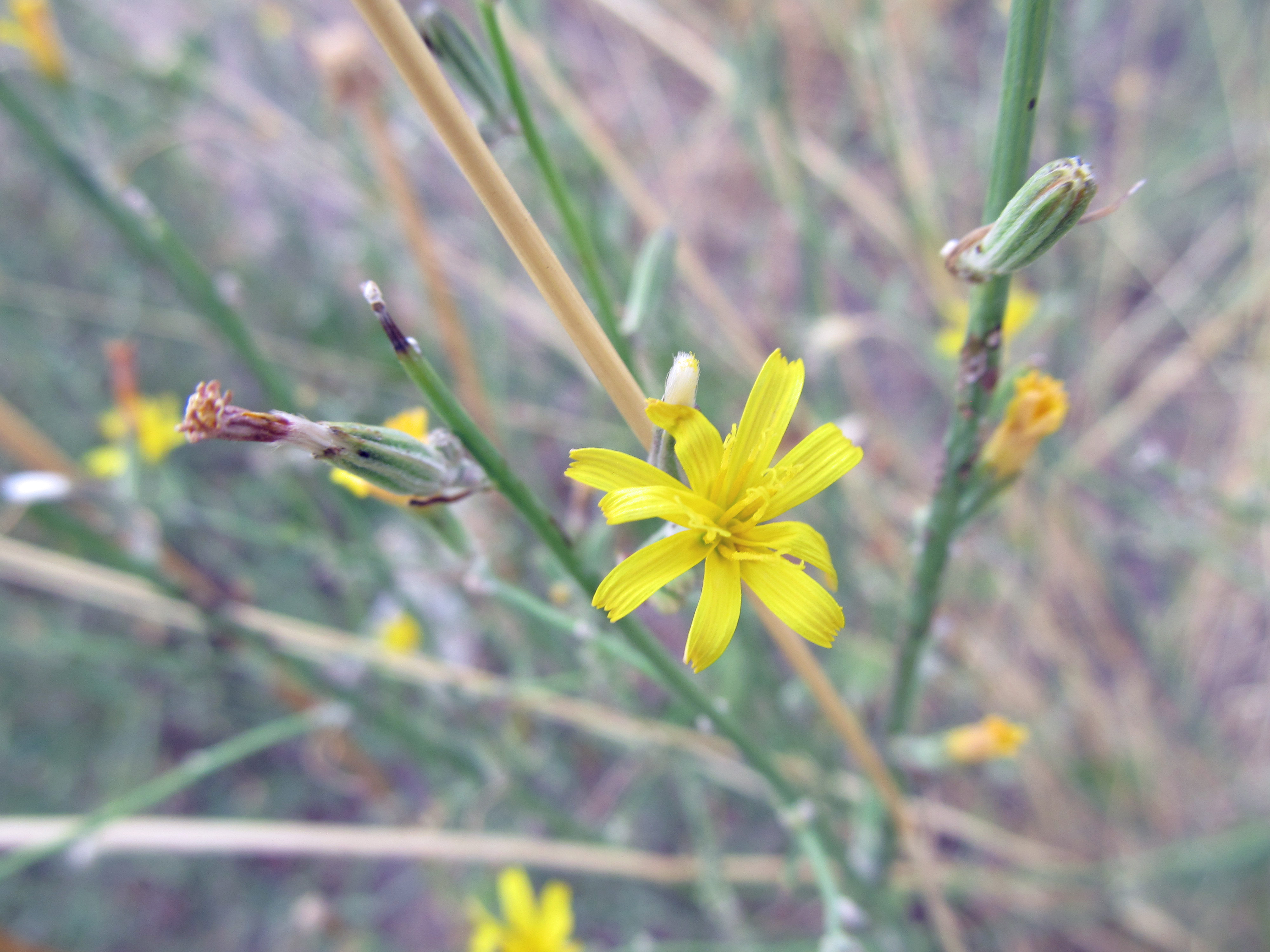
Rush skeletonweed (Chondrilla juncea) - labeled a noxious weed in Idaho

Rush skeletonweed (Chondrilla juncea) – labeled a noxious weed in Idaho

The authors of the AJB article (S. Luke Flory and Carla M. D’Antonio) begin by clarifying that “most introduced species are not problematic.” Those that are, however, can “cause significant ecological and economic damage.” This damage is well documented, and it is the reason why billions of dollars are spent every year in the battle against invasive species. But there is a dearth in our research: “less is known about how ecological effects of invasions change over time.” The effects of invasive species could “increase, decrease, or be maintained over decades,” and “multiple community and ecosystem factors” will determine this. For this reason, the authors are calling for “concentrated efforts to quantify the ecological effects of plant invasions over time and the mechanisms that underlie shifting dynamics and impacts.” Armed with this kind of information, managers can better direct their efforts towards invasive species determined to be “the most problematic.”

The authors go on to briefly explain with examples why an invasive species population may decline or be maintained over time, highlighting selected research that demonstrates these phenomena. Research must continue with the aim of improving our understanding of the long term effects of plant invasions. The authors acknowledge that this “will require carefully designed experiments,” “patient and persistent research efforts,” and significant amounts of money. However, they are convinced that through a widespread collaborative effort it can be done. They encourage researchers to deposit data obtained from their research in open source online repositories so that future meta-analyses can be conducted. The information available in these online repositories can be used to develop management plans and help predict “future problematic invasions.”

Considering the amount of time and resources currently spent on confronting invasive species, the approach proposed by the authors of this article is quite reasonable. It seems absurd to continue to battle a problematic species that will ultimately be brought down to more manageable levels by natural causes. It also seems absurd to battle against a species that is essentially here to stay.

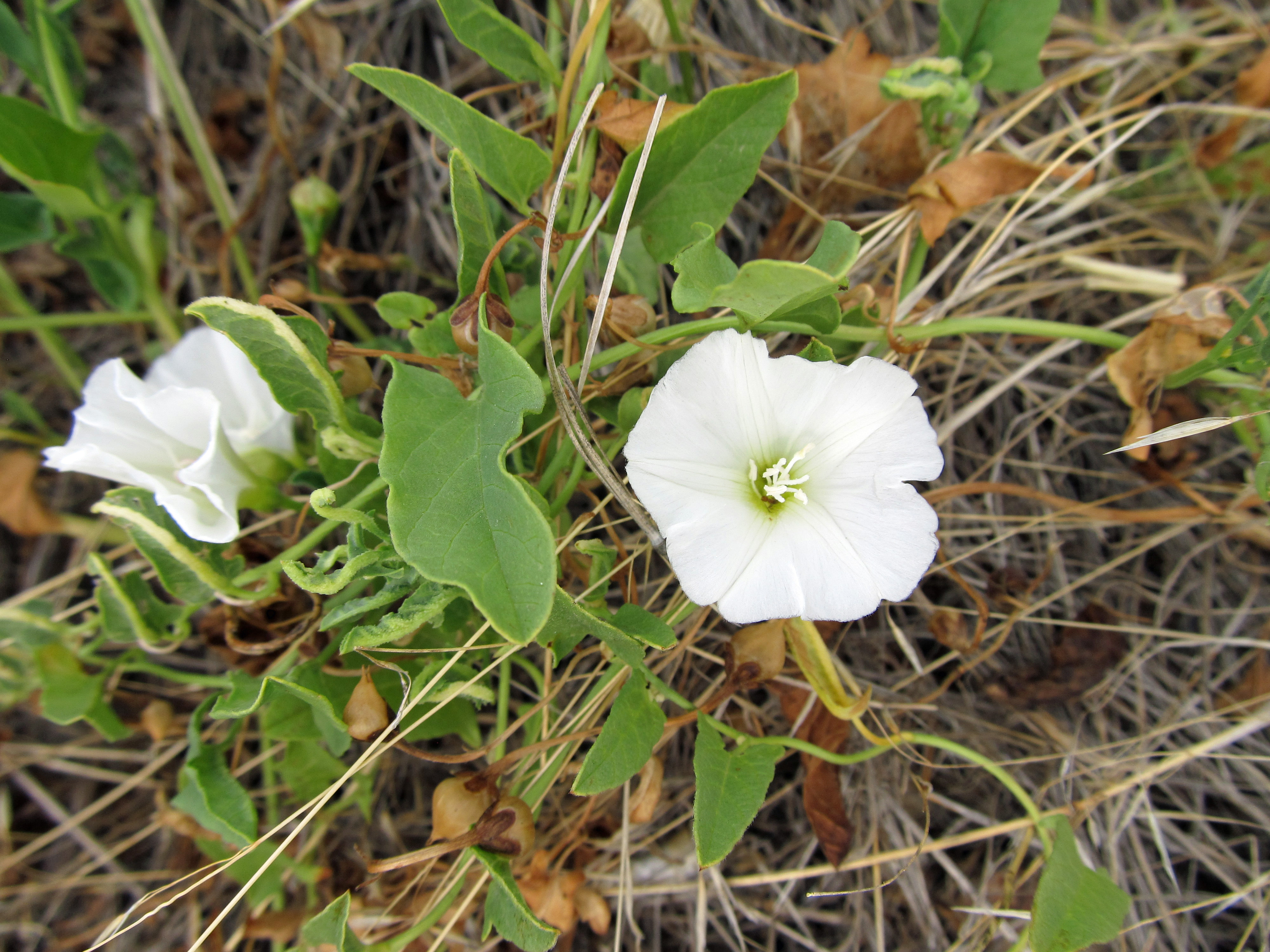
Field bindweed (Convulvulus arvensis) - labeled a noxious weed in Idaho

Field bindweed (Convulvulus arvensis) – labeled a noxious weed in Idaho

And that brings me to the point in which I make enemies. Take a look at the terms defined earlier. When we talk about introduced species, we are referring to introductions by humans, whether purposeful or accidental. An “alien” species introduced to a new location by wind, water, or animal (other than human) would be considered a natural introduction, right? If that species becomes established in its new location, it would simply be expanding its range. If a human brought it there, again whether purposefully or accidentally, it would be considered an exotic indefinitely.

Humans have been moving species around since long before we became the humans we are today in the same way that a migratory bird might move a species from one continent to another. At what point during our evolution did our act of moving species around become such a terrible thing?

I will concede that our species has become an incredibly widespread species, able to move about the planet in ways that no other species can. We also have technological advances that no other species comes close to matching. In the time that our species has become truly cosmopolitan, the amount of species introductions that we have participated in has increased exponentially. Leaving ecological destruction in our wake is kind of our modus operandi. I don’t want to make excuses for that, but I also don’t see it unfolding any other way. Give any other species the opportunities we had, and they probably would have proceeded in the same manner. Just consider any of the most notorious invasive species today – “opportunist” is their middle name.

More and more, as we are able to see what we have done, we are making efforts to “fix it.” But how de we rewind time? And if we could, when do we rewind back to? And how do we not “ruin it” again? The earth does not have a set baseline or a condition that it is supposed to be in at any given time. The earth just is. It is operating in a state of randomness, just like everything else in the universe. Any idea of how the earth must look at any given time is purely philosophical – conceived of by humans. I’m not saying that we shouldn’t try to repair the damage, but we should acknowledge that the repairs we’re trying to make are largely for the perpetuation of our own species. Yeah, we’ve developed a soft spot for other species along the way (thankfully), but ultimately we’re just trying to maintain. The earth, on the other hand, would be fine without us.

So, what shall we do about invasive species? I’m not entirely sure. The only thing I’m certain of is that I will continue to ruminate on them and potentially bore you with more blog posts in the future. Until next time…

Puncturevine (Tribulus terrestris) - labeled a noxious weed in Idaho

Puncturevine (Tribulus terrestris) – labeled a noxious weed in Idaho

Year of Pollination: An Argentinian Cactus and Its Unlikely Pollinator

A few weeks ago I wrote about pollination syndromes – sets of floral triats that are said to attract specific groups of pollinators. In that post I discussed how pollination syndromes have largely fallen out of favor as a reliable method of predicting the pollinators that will visit particular flowers. In this post I review a recent study involving a species of cactus in Argentina that, as the authors state in their abstract, “adds another example to the growing body of mismatches between floral syndrome and observed pollinator.”

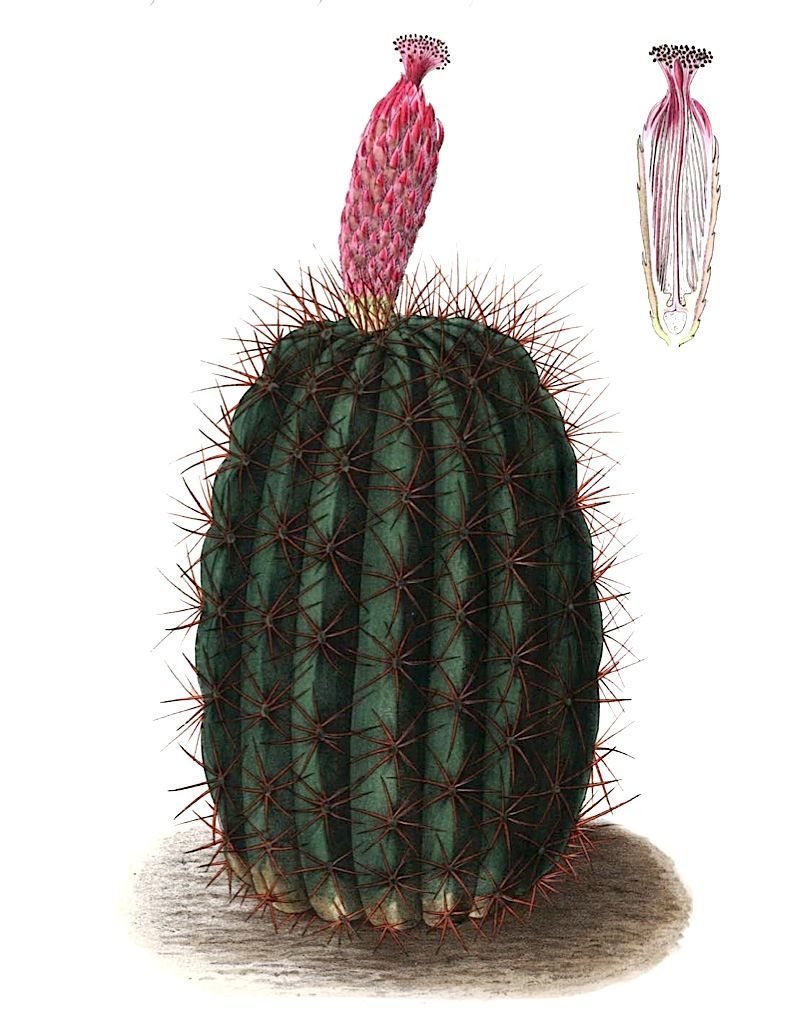
Denmoza rhodacantha is one of many species of cacti found in Argentina. It is the only species in its genus, and it is widely distributed across the east slopes and foothills of the Andes. It is a slow growing cactus, maintaining a globulous (globe-shaped) form through its juvenile phase and developing a columnar form as it reaches maturity. D. rhodacantha can reach up to 4 meters tall and can live beyond 100 years of age. Individual plants can begin flowering in their juvenile stage. Flowers are red, nectar rich, scentless, and tubular. The stigma is lobed and is surrounded by a dense grouping of stamens. Both male and female reproductive organs are extended above the corolla. The flowers have been described by multiple sources as being hummingbird pollinated, not based on direct observation of hummingbirds visiting the flowers, but rather due to the floral traits of the species.

Denmoza rhodacantha illustration - image credit: www.eol.org

Denmoza rhodacantha illustration  (image credit: www.eol.org)

In a paper entitled, Flowering phenology and observations on the pollination biology of South American cacti – Denmoza rhodacantha, which was published in volume 20 of Haseltonia (the yearbook of the Cactus and Succulent Society of America), Urs Eggli and Mario Giorgetta discuss their findings after making detailed observations of a population of D. rhodacantha in early 2013 and late 2013 – early 2014. The population consisted of about 30 individuals (both juveniles and adults) located in the Calchaqui Valley near the village of Angastaco, Argentina. At least three other species with “hummingbird-syndrome flowers” were noted in the area, and three species of hummingbirds were observed during the study periods. Over 100 observation hours were logged, and during that time “the studied plants, their flowering phenology, and flower and fruit visitors were documented by means of photographs and video.”

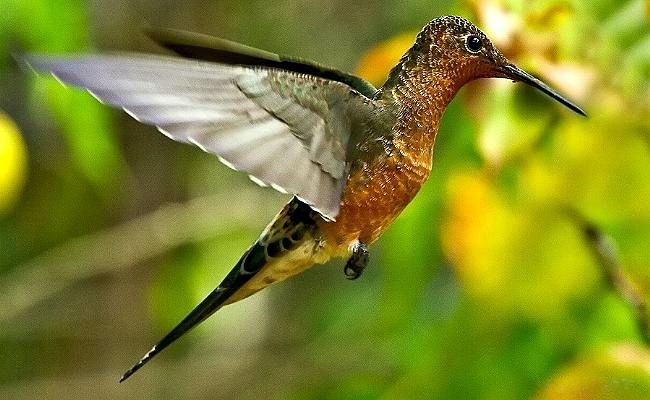
The flowers of D. rhodacantha only persist for a few short days, and in that time their sexual organs are only receptive for about 24 hours. The flowers are self-sterile and so require a pollinator to cross pollinate them. Despite their red, tubular shape and abundant nectar, no hummingbirds were observed visiting the flowers. One individual hummingbird approached but quickly turned away. Hummingbirds were, however, observed visiting the flowers of an associated species, Tecoma fulva ssp. garrocha. Instead, a species of halictid bee (possibly in the genus Dialictus) was regularly observed visiting the flowers of D. rhodacantha. The bees collected pollen on their hind legs and abdomen and were seen crawling across the lobes of the stigma. None of them were found feeding on the nectar. In one observation, a flower was visited by a bee that was “already heavily loaded with the typical violet-coloured pollen of Denmoza,” suggesting that this particular bee species was seeking out these flowers for their pollen. Small, unidentified beetles and ants were seen entering the flowers to consume nectar, however they didn’t appear to be capable of offering a pollination service.

D. rhodacantha populations have been observed in many cases to produce few fruits, suggesting that pollination success is minimal. The authors witnessed “very low fruit set” in the population that they were studying, which was “in marked contrast to the almost 100% fruit set rates of the sympatric cactus species at the study site.” This observation wasn’t of great concern to the authors though, because juvenile plants are present in observed populations, so recruitment appears to be occurring. In this study, dehisced fruits were “rapidly visited by several unidentified species of ants of different sizes.” The “scant pulp” was harvested by smaller ants, and larger ants carried away the seeds after “cleaning them from adhering pulp.”

The authors propose at least two reasons why hummingbirds avoid the flowers of D. rhodacantha. The first being that the native hummingbirds have bills that are too short to reach the nectar inside the long tubular flowers, and often the flowers barely extend beyond the spines of the cactus which may deter the hummingbirds from approaching. The second reason is that other plants in the area flower during the same period and have nectar that is easier to gather. The authors acknowledge that this is just speculation, but it could help explain why the flowers are pollinated instead by an insect (the opportunist, generalist halictid bee species) for whom the flowers “could be considered to be ill adapted.” The authors go on to say, “it should be kept in mind, however, that adaptions do not have to be perfect, as long as they work sufficiently well.”

Patagona gigas (giant hummingbird) was observed approaching the flower of a Denmoza rhodacantha but quickly turned away (photo credit: www.eol.org)

Patagona gigas (giant hummingbird) was observed approaching the flower of a Denmoza rhodacantha but quickly turned away (photo credit: www.eol.org)

More Year of Pollination posts on Awkward Botany:

A Rare Hawaiian Plant – Newly Discovered and Critically Endangered

Hawaii is home to scores of plant species that are found nowhere else in the world. But how did those plants get there? In geological time, Hawaii is a relatively young cluster of islands. Formed by volcanic activity occurring deep within the ocean, they only just began to emerge above water around 10 million years ago. At that point the islands would have been nearly devoid of life, and considering that they had never been connected to any other body of land and are about 2,500 miles away from the nearest continent, becoming populated with flora and fauna took patience and luck.

As far as plant life is concerned, seeds and spores had to either be brought in by the wind, carried across the ocean by its currents, or flown in attached to the feathers of birds. When humans colonized the islands, they brought seeds with them too; however, its estimated that humans didn’t begin arriving on the islands until about 1,700 years ago. The islands they encountered were no longer barren landscapes, but instead were filled with a great diversity of plant and animal life. A chance seed arriving on the islands once in a blue moon does not fully explain such diversity.

This is where an evolutionary process called adaptive radiation comes in. A single species has the potential to diverge rapidly into many new species. This typically happens in new habitats where little or no competition exists and there are few environmental stresses. Over time, as genetic diversity builds up in the population, individuals begin to adapt to specific physical factors in the environment, such as soil type, soil moisture, sun exposure, and climate. As individuals separate out into these ecological niches, they can become reproductively isolated from other individuals in their species and eventually become entirely new species.

This is the primary process that led to the great floral diversity we now see on the Hawaiian Islands. Adaptive radiations resulted in more than 1000 plant species diverging from around 300 seed introductions. Before western colonization, there were more than 1,700 documented native plant species. Much of this diversity is explained by the rich diversity of habitats present on the volcanic islands, which lead to many species becoming adapted to very specific sites and having very limited distributions.

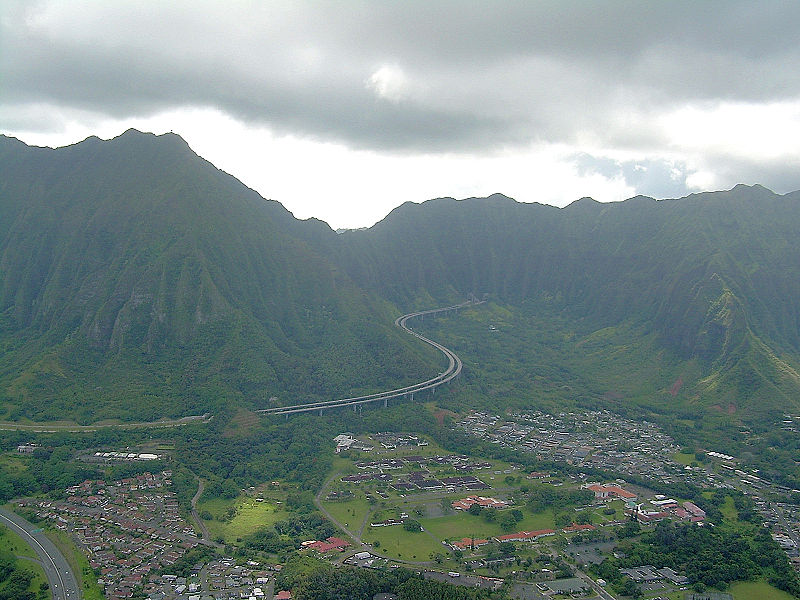
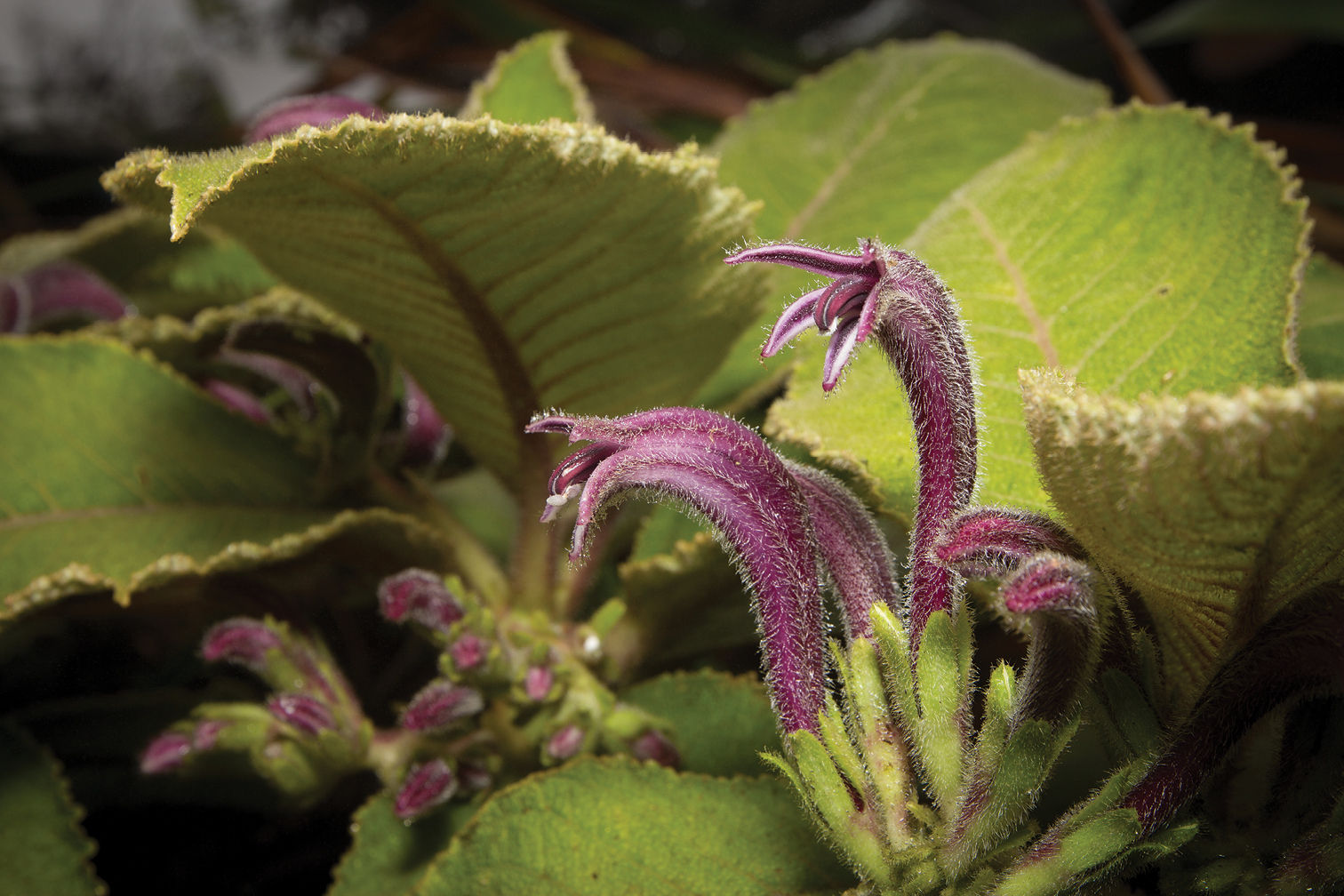
A small population size and a narrow endemic range is precisely the reason why Cyanea konahuanuiensis escaped detection until recently. In September 2012, researchers on the island Oahu arrived at a drainage below the summit of Konahua-nui (the tallest of the Ko’olau Mountains). They were surveying for Cyanea humboldtiana, a federally listed endangered species that is endemic to the Ko’olau Mountains. In the drainage they encountered several plants with traits that differed from C. humboldtiana, including hairy leaves, smooth stems, and long, hairy calyx lobes. They took pictures and collected a fallen leaf  for further investigation.

Ko'olau Mountains of O'ahu (photo credit: wikimedia commons)

Ko’olau Mountains of O’ahu (photo credit: wikimedia commons)

Initial research suggested that this was a species unknown to science. More information was required, so additional trips were made, a few more individuals were found, and in June 2013, a game camera was installed in the area. The camera sent back three photos a day via cellular phone service and allowed the team of researchers to plan their next trip when they were sure that the flowers would be fully mature. Collections were kept to a minimum due to the small population size; however, using the material they could collect, further analyses and comparisons with other species in the Cyanea genus and related genera demonstrated that it was in fact a unique species, and so they gave it the specific epithet konahuanuiensis after the mountain on which it was found. It was also given a common Hawaiian name, Haha mili’ohu, which means “the Cyanea that is caressed by the mist.”

The hairy flowers and leaves of Cyanea konahuanuiensis. Purple flowers appear June-August. (photo credit: www.eol.org)

The hairy flowers and leaves of Cyanea konahuanuiensis. Purple flowers appear June-August. (photo credit: www.eol.org)

The total population of Cyanea konahuanuiensis consists of around 20 mature plants and a couple dozen younger plants. It is considered “critically imperiled” and must overcome some steep conservation challenges in order to persist. To start with, the native birds that pollinate its flowers and disperse its seeds may no longer be present. Also, it is likely being eaten by rats, slugs, and feral pigs. Add to that, several invasive plant species are found in the area and are becoming increasingly more common. While the researchers did find some seedlings in the area, all of the fruits that they observed aborted before they had reached maturity. Lastly, the population size is so small that the researchers say a landslide, hurricane, or flash flood “could obliterate the majority or all of the currently known plants with a single event.”

Seeds collected from immature fruits from two plants were sown on an agar medium at the University of Hawaii Harold L. Lyon Arboretum. The seeds germinated, and so the researchers plan to continue to collect seeds “in order to secure genetic representations from all reproductively mature individuals in ex situ collections.”

Single stem of Cyanea konahuanuiensis (photo credit: www.eol.org)

Single stem of Cyanea konahuanuiensis (photo credit: www.eol.org)

C. konahuanuiensis is not only part of the largest botanical radiation event in Hawaii, but also the largest on any group of islands. At some point in the distant past, a single plant species arrived on a Hawaiian island and has since diverged into at least 128 taxa represented in six genera, Brighamia, Clermontia, Cyanea, Delissea, Lobelia, and Trematolobelia, all of which are in the family Campanulaceae – the bellflower family. Collectively these plants are referred to as the Hawaiian Lobelioids. Cyanea is by far the most abundant genus in this group consisting of at least 79 species. Many of the lobelioids have narrow distributions and most are restricted to a single island.

Sources

Year of Pollination: Pollination Syndromes and Beyond

A discussion of pollination syndromes should begin with the caveat that they are a largely outdated way to categorize plant-pollinator interactions. Still, they are important to be aware of because they have informed so much of our understanding about pollination biology, and they continue to be an impetus for ongoing research. The concept of pollination syndromes exists in part because we are a pattern seeking species, endeavoring to place things in neat little boxes in order to make sense of them. This is relatively easy to do in a hypothetical or controlled environment where the parameters are selected and closely monitored and efforts are made to eliminate noise. However, the real world is considerably more dynamic than a controlled experiment and does not conform to black and white ways of thinking. Patterns are harder to unveil, and it takes great effort to ensure that observed patterns are genuine and not simply imposed by our pattern seeking brains.

That being said, what are pollination syndromes?  Pollination syndromes are sets of floral traits that are thought to attract specific types of pollinators. The floral traits are considered to have evolved in order to appeal to a particular group of pollinators – or in other words, selective pressures led to adaptations resulting in mutualistic relationships between plants and pollinators. Pollination syndromes are examples of convergent evolution because distantly related plant species have developed similar floral traits, presumably due to similar selection pressures. Pollination syndromes were first described by Italian botanist, Federico Delpino, in the last half of the 19th century. Over several decades his rudimentary ideas were fleshed out by other botanists, resulting in the method of categorization described (albeit briefly) below.

Honey bee on bee's friend (Phacelia tanacetifolia)

A honey bee getting friendly with bee’s friend (Phacelia tanacetifolia)

Pollination by bees (melittophily) – Flowers are blue, purple, yellow, or white and usually have nectar guides. Flowers are open and shallow with a landing platform. Some are non-symmetrical and tubular like pea flowers. Nectar is present, and flowers give off a mild (sometimes strong) sweet scent.

Pollination by butterflies (psychophily) – Flowers are pink, purple, red, blue, yellow, or white and often have nectar guides. They are typically large with a wide landing pad. Nectar is inside a long, narrow tube (or spur), and flowers have a sweet scent.

Pollination by hawkmoths and moths (sphingophily and phalaenophily) – Moth pollinated flowers open at night, have no nectar guides, and emit a strong, sweet scent. Flowers pollinated by hawkmoths are often white, cream, or dull violet and are large and tubular with lots of nectar. Those pollinated by other moths are smaller, not as nectar rich, and are white or pale shades of green, yellow, red, purple, or pink.

Pollination by flies (myophily or sapromyophily) – Flowers are shaped like a basin, saucer, or kettle and are brown, brown-red, purple, green, yellow, white, or blue.  Some have patterns of dots and stripes. If nectar is available, it is easily accessible. Their scent is usually putrid. A sapromyophile is an organism that is attracted to carcasses and dung. Flies that fall into this category visit flowers that are very foul smelling, offer no nectar reward, and essentially trick the fly into performing a pollination service.

Pollination by birds (ornithophily) –  Flowers are usually large, tubular, and red, orange, white, blue, or yellow. They are typically without nectar guides and are odorless since birds don’t respond to scent. Nectar is abundant and found at various depths within the flower.

Pollination by bats (chiropterophily) – Flowers are large, tubular or bell shaped, and white or cream colored with no nectar guides. They open at night, have abundant nectar and pollen, and have scents that vary from musty to fruity to foul.

Pollination by beetles (cantharophily) – Flowers are large and bowl shaped and green or white. There are no nectar guides and usually no nectar. The scent is strong and can be fruity, spicy, or putrid. Like flies, some beetles are sapromyophiles.

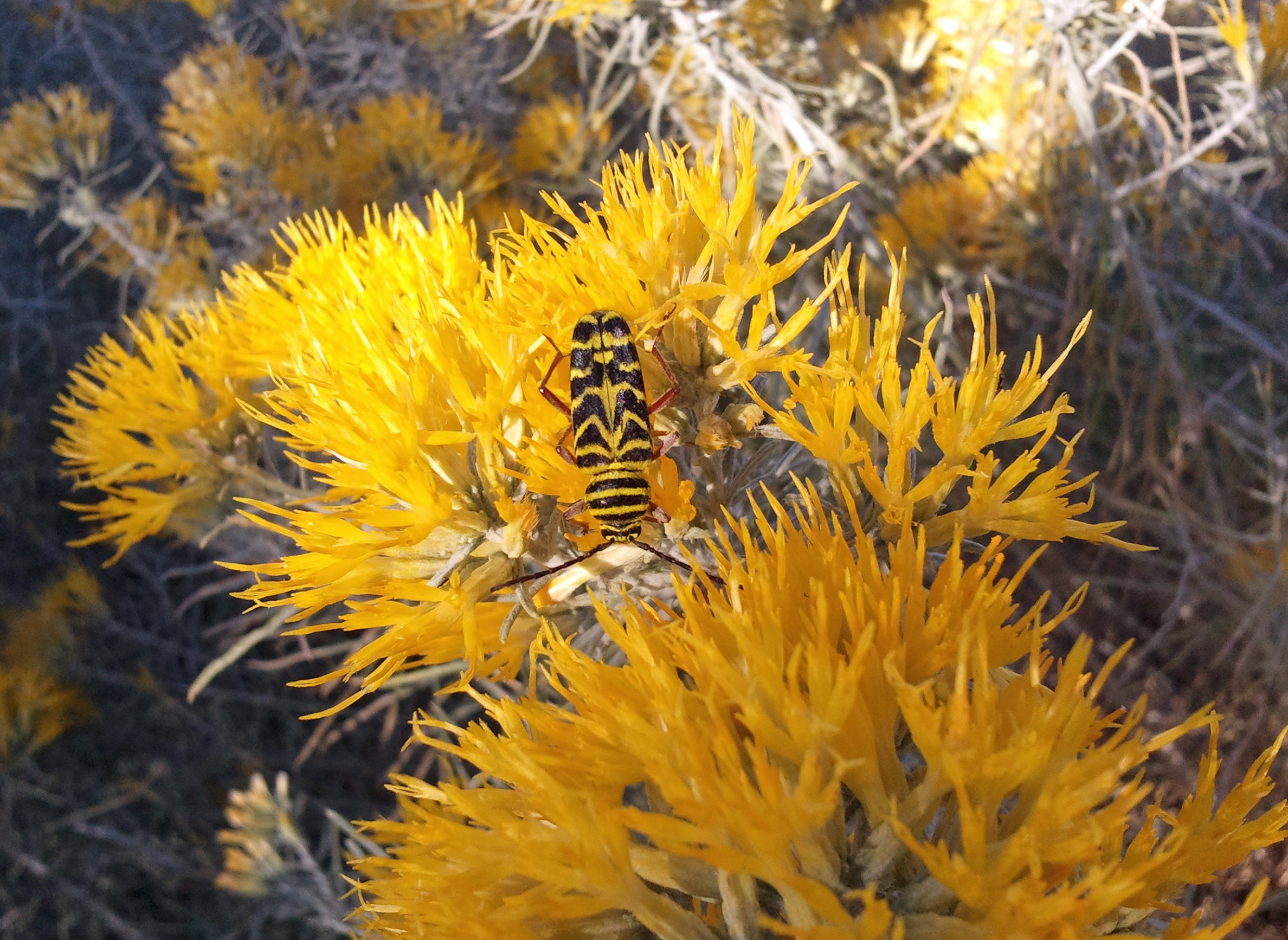
Locust borer meets rubber rabbitbrush (Ericameria nauseosa)

A locust borer meets rubber rabbitbrush (Ericameria nauseosa)

In addition to biotic pollination syndromes, there are two abiotic pollination syndromes:

Pollination by wind (anemophily) – Flowers are miniscule and brown or green. They produce abundant pollen but no nectar or odor. The pollen grains are very small, and the stigmas protrude from the flower in order to capture the windborne pollen.

Pollination by water (hydrophily) –  Most aquatic plants are insect-pollinated, but some have tiny flowers that release their pollen into the water, which is picked up by the stigmas of flowers in a similar manner to plants with windborne pollen.

This is, of course, a quick look at the major pollination syndromes. More complete descriptions can be found elsewhere, and they will differ slightly depending on the source. It’s probably obvious just by reading a brief overview that there is some overlap in the floral traits and that, for example, a flower being visited by a bee could also be visited by a butterfly or a bird. Such an observation explains, in part, why this method of categorizing plant-pollinator interactions has fallen out of favor. Studies have been demonstrating that this is not a reliable method of predicting which species of pollinators will pollinate certain flowers. A close observation of floral visitors also reveals insects that visit flowers to obtain nectar, pollen, and other items, but do not assist in pollination. These are called robbers. On the other hand, a plant species may receive some floral visitors that are considerably more effective and reliable pollinators than others. What is a plant to do?

Pollination syndromes imply specialization, however field observations reveal that specialization is quite rare, and that most flowering plants are generalists, employing all available pollinators in assisting them in their reproduction efforts. This is smart, considering that populations of pollinators fluctuate from year to year, so if a plant species is relying on a particular pollinator (or taxonomic group of pollinators) to aid in its reproduction, it may find itself out of luck. Considering that a flower may receive many types of visitors on even a semi-regular basis suggests that the selective pressures on floral traits may not solely include the most efficient pollinators, but could also include all other pollinating visitors and, yes, even robbers. This is an area where much more research is needed, and questions like this are a reason why pollination biology is a vibrant and robust field of research.

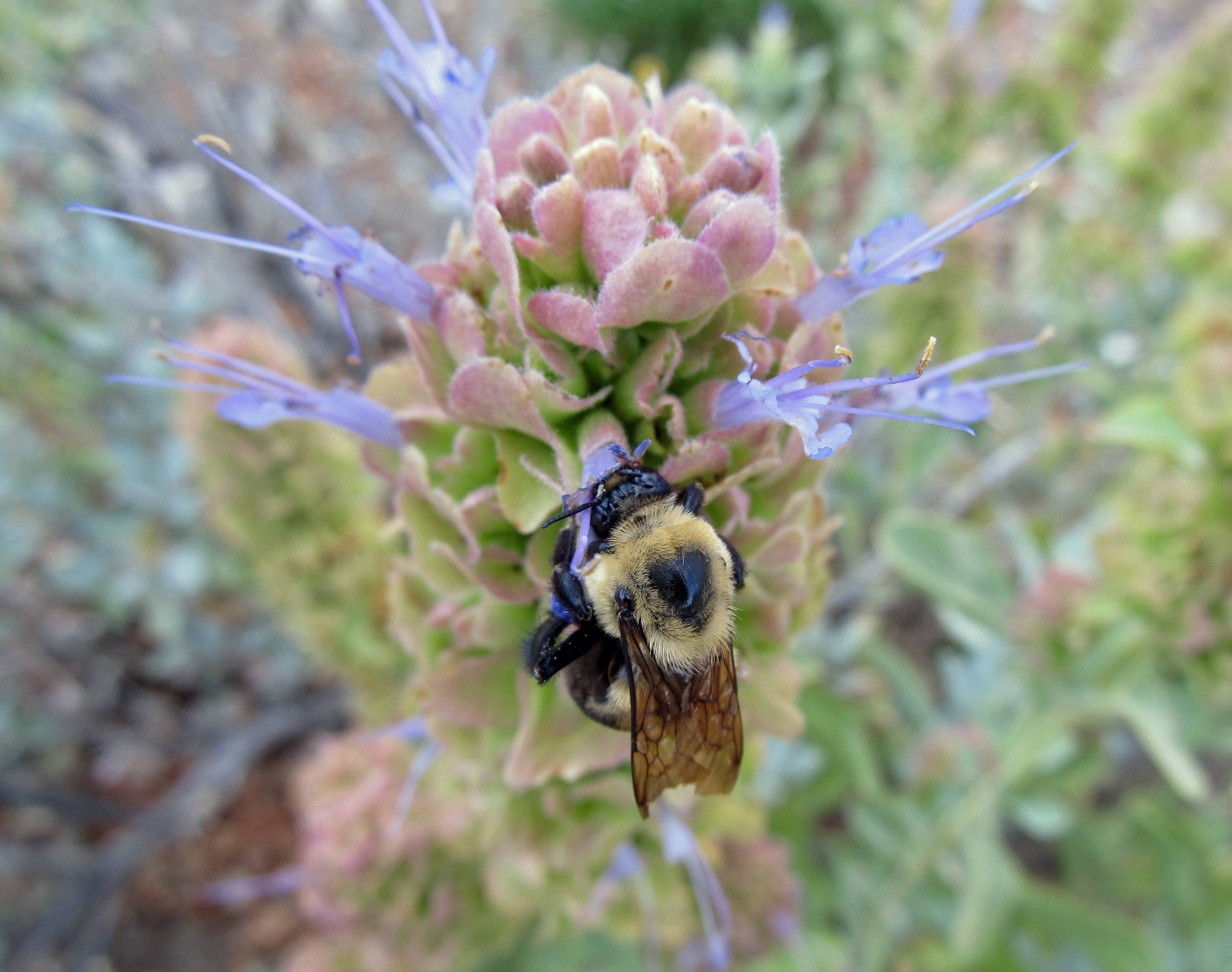
A bumble bee hugs Mojave sage (Salvia pachyphylla)

A bumble bee hugs the flower of a blue sage (Salvia pachyphylla)

Interactions between plants and pollinators is something that interests me greatly. Questions regarding specialization and generalization are an important part of these interactions. To help satiate my curiosity, I will be reading through a book put out a few years ago by the University of Chicago Press entitled, Plant-Pollinator Interactions: From Specialization to Generalization, edited by Nickolas M. Waser and Jeff Ollerton. You can expect future posts on this subject as I read through the book. To pique your interest, here is a short excerpt from Waser’s introductory chapter:

Much of pollination biology over the past few centuries logically focused on a single plant or pollinator species and its mutualistic partners, whereas a focus at the level of entire communities was uncommon. Recently we see a revival of community studies, encouraged largely by new tools borrowed from the theory of food webs that allow us to characterize and analyze the resulting patterns. For example, pollination networks show asymmetry – most specialist insects visit generalist plants, and most specialist plants are visited by generalist insects. This is a striking departure from the traditional implication of coevolved specialists!

References:

Plants Use Mycorrhizal Fungi to Warn Each Other of Incoming Threats

The March 2015 issue of New Phytologist is a Special Issue focusing on the “ecology and evolution of mycorrhizas.” This is the second of two articles from that issue that I am reviewing. Read the first review here.

Interplant signalling through hyphal networks by David Johnson and Lucy Gilbert

When an individual plant is attacked by an insect or fungal pest, it can warn neighboring plants – prompting them to produce compounds that either repel the pests or attract beneficial organisms that can fight off the pests. There are two main pathways for a plant to send these communications: through the air by way of volatile organic compounds (VOC’s) or through the soil by way of a vast collection of fungal hyphae called mycelium. Plant communication by aerial release of VOC’s has been well documented; communication via mycelium, however, is a fairly recent discovery, and there is much left to learn.

“The length of hyphae in the soil and the ability of mycorrhizal fungi to form multiple points of entry into roots can lead to the formation of a common mycelial network (CMN) that interconnects two or more plants.” These CMN’s are known to play “key roles in facilitating nutrient transport and redistribution.” We now understand that they can also “facilitate defense against insect herbivores and foliar necrotophic fungi by acting as conduits for interplant signaling.” The purpose of this research is to explore the “mechanisms, evolutionary consequences, and circumstances” surrounding the evolution of this process and to “highlight key gaps in our understanding.”

interplant signaling

An illustration of plant communication (aka interplant signaling) by air and by soil form the article in New Phytologist.

If plants are communicating via CMN’s, how are they doing it? The authors propose three potential mechanisms. The first is by signal molecules being transported “in liquid films on the external surface of hyphae via capillary action or microbes.” They determine that this form of communication would be easily disrupted by soil particles and isn’t likely to occur over long distances. The second mechanism is by molecules being transported within hyphae, passing from cell to cell until they reach their destination. The third mechanism involves an electrical signal induced by wounding.

If signal molecules are involved in the process, what molecules are they? There are some molecules already known to be transported by fungal hyphae (lipids, phosphate transporters, and amino acids) and there are also compounds known to be involved in signaling between plants and mycorrhizal fungi. Exploring these further would be a good place to start. We also need to determine if specific insect and fungal pests or certain types of plant damage result in unique signaling compounds.

It has been established that electrical signals can be produced in response to plant damage. These signals are a result of a process known as membrane depolarization. “A key advantage of electrical-induced defense over mobile chemical is the speed of delivery.” Movement of a molecule through cells occurs significantly slower than an electrical charge, which is important if the distance to transport the message is relatively far and the plant needs to respond quickly to an invasion. Various aspects of fungal physiology and activity have been shown to be driven in part by membrane depolarization, so involving it in interplant signaling isn’t too far-fetched.

photo credit: wikimedia commons

photo credit: wikimedia commons

How and why does a system of interplant communication involving mycorrhizal fungi evolve? And what are the costs and benefits to the plants and fungi involved? Determining costs and benefits will depend largely on further establishing the signaling mechanisms. Exploring real world systems will also help us answer these questions. For example, in a stable environment such as a managed grassland where CMNs are well developed, a significant loss of plants to a pest or disease could be devastating for the mycorrhizal community, so “transferring warning signals” would be highly beneficial. Conversely, in an unstable environment where a CMN is less established, assisting in interplant signaling may be less of an imperative. Regarding questions concerning the degree of specialization involved in herbivore-plant-fungal interactions: if a “generic herbivore signal” is sent to a neighboring plant that is not typically affected by the attacking herbivore, the cost to the plant in putting up its defenses and to the fungus in transporting the message is high and unnecessary. So, in an environment where there are many different plant species, species-specific signals may be selected for over time; in areas where there are few plant species, a generic signal would suffice.

As research continues, the mysteries of “defense-related” interplant communication via CMN’s will be revealed. Field studies are particularly important because they can paint a more accurate picture compared to “highly simplified laboratory conditions.” One exciting thing about this type of communication is that it may mean that some plants are communicating with each other across great distances, since “some species of fungi can be vast.” CMNs can also target specific plants, and compared to communication via aerial VOC’s, the signal will not be diluted by the wind.

Since I am in the process of reading Robin Wall Kimmerer’s book, Braiding Sweetgrass, I have decided to include her description of a tree-mycorrhizal fungi relationship:

The trees in a forest are often interconnected by subterranean networks of mycorrhizae, fungal strands that inhabit tree roots. The mycorrhizal symbiosis enables the fungi to forage for mineral nutrients in the soil and deliver them to the tree in exchange for carbohydrates. The mycorrhizae may form fungal bridges between individual trees, so that all the trees in a forest are connected. These fungal networks appear to redistribute the wealth of carbohydrates from tree to tree. A kind of Robin Hood, they take from the rich and give to the poor so that all the trees arrive at the same carbon surplus at the same time. They weave a web of reciprocity, of giving and taking. In this way, the trees all act as one because the fungi have connected them. Through unity, survival. All flourishing is mutual.

Using Plant Root and Mycorrhizal Fungal Traits to Predict Soil Structure

The March 2015 issue of New Phytologist is a Special Issue exploring the “ecology and evolution of mycorrhizas.” A mycorrhiza is a symbiotic association between a fungus and the roots of a plant. The introductory editorial of this special issue asserts that “almost all land plant species form a symbiosis with mycorrhizal fungi.” Generally, the association benefits both plant and fungus. The plant gains greater access to water and mineral nutrients by the way of fungal hyphae, and the fungus recieves carbohydrates (glucose and sucrose) that have been synthesized in the leaves of the plant and transported down into its roots. We have been aware of this relationship since at least the middle of the 19th century, but recent advances in technology have given us new insight into just how extensive and important it is . “Plants cannot be considered as isolated individuals anymore, but as metaorganisms or holobionts encompassing an active microbial community re-programming host physiology.”

However, there are still “critical gaps” in our understanding of mycorrhizas, hence the special issue of New Phytologist. In this issue they endeavor to address the following questions: “How is the balance of mutualism maintained between plants and fungi? What is the role of mycorrhizal fungi in the soil ecosystem? What controls fungal community composition, and how is diversity maintained?” There is so much more to learn, but the research presented in this issue has us moving in the right direction. If you are interested in this sort of thing, I encourage you to check out the entire issue. I have picked out just 2 of the 32 articles to present here – one this week and the other next week.

photo credit: wikimedia commons

photo credit: wikimedia commons

Plant root and mycorrhizal fungal traits for understanding soil aggregation by Matthias C. Rillig, Carlos A. Aguilar-Trigueros, Joana Bergmann, Erik Verbruggen, Stavros D. Veresoglou, and Anika Lehmann

Soil structure is determined by the size, shape, and extent of soil aggregates and the resulting pore spaces found between them. The arrangement of soil aggregates and pore spaces helps determine the availability and movement of water and air and also has an influence on the growth and movement of micro- and macroorganisims, including fungi, plant roots, bacteria, and arthropods. The authors state that “soil aggregation is important for root growth and for a wide range of soil features and ecosystem process rates, such as carbon storage and resistance to erosion.”

Soil aggregates are composed mainly of clay particles, organic matter (including plant roots), organic compounds (produced by bacteria and fungi), and fungal hyphae. There has been plenty of research on soil aggregation, but much of it is focused on management practices and physical chemical factors. Less is known about the contribution of plant roots and mycorrhizal fungi to the formation and stabilization of soil aggregates. We know they play a role, but we lack understanding about the extent to which soil aggregation can be predicted not just by abiotic factors but also by the presence of plants and mycorrhizal fungi. The authors of this paper propose a widespread, trait-based approach to researching this topic, recognizing that “summarizing ecological characteristics of species by means of traits has become an essential tool in plant ecology.”

Possible traits to be considered were grouped into two categories: formation-related traits and stabilization-related traits. Formation refers to “the initial binding together of particles” to form an aggregate. Stabilization is a process in which aggregates are “increasingly resistant to the application of disintegrating forces, such as water penetrating into pores.” These two processes (along with disintegration) are occurring simultaneously in virtually all soils, but they “may be executed by different organisms expressing different traits.” Some of the formation traits include length, extension ability, and relative growth of roots and hyphae; root and hyphae exudate quality and quantity; and the “ability of roots or hyphae to bring soil particles together by moving them, leading to potential aggregation.” Stabilization traits include tensile strength, density, and “entangling ability” of roots and hyphae; water repellency of the aggregates and cementation capability of the exudates; and the life span, palatability, and repair capacity of roots and hyphae.

photo credit: wikimedia commons

photo credit: wikimedia commons

The amount of time and effort it will take to measure the traits of each and every plant and mycorrhizal fungi species and to determine the extent to which those traits contribute to soil aggregation will be considerable. The authors acknowledge that “some of these traits will be relatively easy to measure,” while “others will be quite challenging.” However, as technologies advance, the mysterious world under our feet should become easier to explore. As the traits of each species of plant and fungi are measured, a database can be constructed and eventually used to determine the plant/fungi combinations that are the best fits for restoring and conserving the soils of specific regions.

Ultimately, this research may help us answer various questions, including whether or not we can use a survey of plant and mycorrhizal fungi (along with soil type, climate, and management) to predict soil aggregation. Ecosytem restoration efforts may also benefit if we are able to produce “tailor-made mycorrhizal fungi inocula and seed mixes” in order to “enhance soil aggregation.” Better understanding of these traits could also be applied to sustainable agriculture in areas such as crop breeding and cover crop selection. This research is in the hypothesis phase right now, and “only controlled experiments employing a range of plant and fungal species” can reveal the role that certain plant root and mycorrhizal fungal traits play in soil aggregation as well as the full range of applications that this information might have.

Speaking of soil, did you know that the 68th United Nations General Assembly declared 2015 the International Year of Soils? The purpose of this declaration is to “increase awareness and understanding of the importance of soil for food security and essential ecosystem functions.” You can read a list of “specific objectives” on their About page.

Growing Plants in Outer Space

Last December I wrote about a mission to the moon that will involve growing plants to determine how they will perform in a lunar environment. That mission is still at least a year away. In the meantime, research involving plant growth in space continues onboard the International Space Station (ISS). Numerous experiments have been carried out so far with the general aim of observing the effects of microgravity and other extraterrestrial environmental factors on plant growth. The larger aim, of course, is to develop methods for growing food in space in order to feed future space travelers as they colonize other celestial bodies, such as the Moon and Mars. Providing oxygen and contributing to psychological well-being are additional benefits of growing plants in space.

International Space Station (photo credit: wikimedia commons)

International Space Station (photo credit: wikimedia commons)

Several weeks ago a spacecraft returned to Earth from ISS carrying samples and data from a variety of studies, including a plant study being carried out by the University of Wisconsin-Madison’s Department of Botany. The study consisted of three groups of Arabidopsis thaliana – a wild type group, a group with a gene involved in gravity sensing always turned on, and a group with that same gene always turned off. The plants were grown from seed on petri dishes, and the seedlings (totaling 1000 plants) were returned to Earth after a few weeks of growth. The petri dishes were placed in deep freeze upon returning to Madison. Eventually, RNA will be extracted from each of the plants and analyzed.

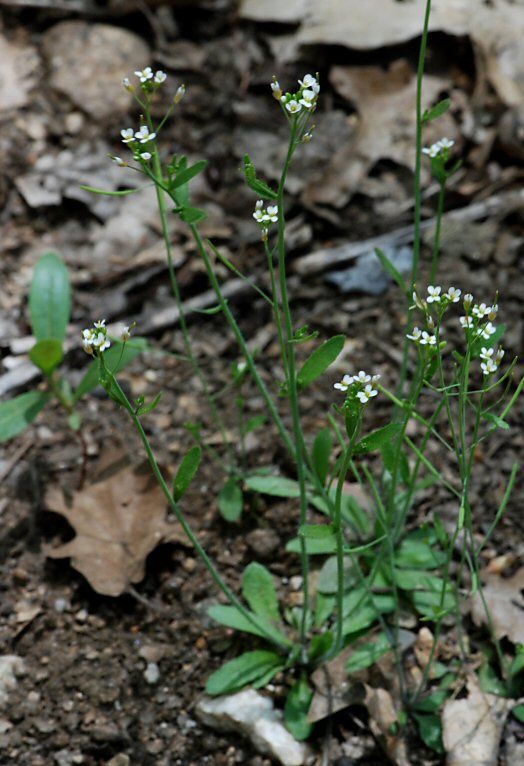
Arabidopsis thaliana is a plant in the mustard family (Brassicaceae) that is commonly used in biological studies because it is fast growing with a short life cycle – it germinates, flowers, and produces seed in about 6 weeks  – and it has a relatively small genome that has been completely mapped. This makes it ideal for studies like this one that aim to observe genes involved in responding to particular environmental factors – in this case microgravity.

Arabidopsis thaliana (photo credit: www.eol.org)

Arabidopsis thaliana (photo credit: www.eol.org)

Plants grown in the weightlessness of space get long, spindly, and weak. Plants grown on Earth in a protected environment without mechanical stresses like wind or rain are more susceptible to pests and diseases compared to those that are subject to such disturbances. It turns out that there is a gene that codes for a protein that senses gravity, and this same protein senses other mechanical stresses as well. This means that studies that help advance the science of growing plants in space could also help improve crop plants here on Earth.

The RNA extracted from the Arabidobsis plants recently returned from space will not only aid in the research being done at UW-Madison, but will also become part of a much larger body of research through NASA’s GeneLab. Access to space is limited, so GeneLab makes available the data recovered from studies like this one to anyone interested in doing studies of their own. The GeneLab will also make it possible to compare the Arabidopsis groups in this study to several other Arabidopsis ecotypes, which will aid in determining plants best suited for microgravity environments.

Read more about this study at NASA, Science Daily, and Plants in Microgravity (a blog produced by Simon Gilroy’s Lab, Department of Botany, UW-Madison). Also, “plants in space” has a Wikipedia page

Developing Perennial Grain Crops from the Ground Up

This is the fourteenth in a series of posts reviewing the 17 articles found in the October 2014 Special Issue of American Journal of Botany, Speaking of Food: Connecting Basic and Applied Science.

Useful Insights from Evolutionary Biology for Developing Perennial Grain Crops by Lee R. DeHaan and David L. Van Tassel

The environmental impacts of modern agriculture are diverse and extensive. Our growing population needs to be fed; however, practices that have long-term negative effects on soil, water, and air quality are unsustainable. It is imperative that we find better alternatives. Developing perennial grain crops is one way that plant breeders are working to address this issue.

Moving from annual to perennial grain crops could potentially “increase water quality, reduce soil erosion, increase soil carbon, and improve habitat for wildlife.” It may also help “address the looming challenges of land degradation, food security, energy supply, and climate change.” Sounds like a major win if we can do it, right? And maybe we will, but first we must domesticate perennial grain varieties that perform on a similar level with annual ones. Most plant breeding today involves “improvement of previously domesticated species;” however, new perennial grain crops must be developed “de novo” (i.e. from wild species) in a matter of “decades rather than centuries to millennia.”

The roots of perennial grasses are considerably more extensive than annual grasses. (photo taken from an article about perennial grain crops at nationalgeographic.com)

The roots of perennial grasses are considerably more extensive than annual grasses, which helps reduce erosion and limits the need for fertilizer applications. (photo taken from an article about perennial grain crops at nationalgeographic.com)

Little has been published concerning “strategies for the wholesale remodeling of plants,” and so the authors reviewed findings in other fields, such as evolutionary biology and population genetics, in order to devise strategies for developing perennial grain crops. In this article, the authors summarize the published research they reviewed and describe how it relates to breeding perennial grains. It is a dense and lengthy article, so rather than offering a thorough review, I will briefly describe some of the main areas explored by the authors and then summarize their conclusions.

  • Trade-offs – This occurs when “resources allocated to one trait are unavailable for other traits.” Can perennial grain crops achieve yields comparable to annual varieties when faced with “trade-offs between seed and perennial organs?” Are such yields only attainable by “sacrificing longevity?” Strategies must be devised to “create herbaceous perennial crops with abundant seed production.”
  • Genetic Loads – This is simply defined as “the presence of deleterious alleles in a population.” In perennials, compared to annuals, “highly recessive deleterious alleles can arise at a rate faster than they can be efficiently eliminated.” Low seed set, among other things, may be a result of genetic load, so breeders of perennial grains must “account for and actively reduce genetic load.”
  • Bottlenecks – This refers to the loss of genetic diversity that occurs when population size is reduced. During a bottleneck, “previously rare deleterious recessive genes” can accumulate; however, some models indicate that “inbreeding and the associated bottlenecks may be useful in accelerating domestication.” If the population is isolated and introduced to a new environment simultaneously, “the newly exposed variation could now be adaptive.” Also, “if additional genetic diversity is required,” crosses can be made with wild populations.
  • Pleiotropy – This means that “a single gene [is] affecting multiple traits.” When domesticating wild species, “it would be useful to predict the prevalence of pleiotropy and whether to expect positive or negative pleiotropy to dominate.”
  • Epistatsis – This occurs when the effect of one gene is dependent on the presence of another gene or genes. This is particularly important if “large-effect genes” (pleiotropy) are dependent on a “particular genetic background to function optimally,” because “removing one critical element will severely impact the whole structure.” Perennial grain crops will have to undergo “many generations of plant breeding” in order to ensure that desired genes are found “within a genetic background where their benefits can be used without negative side effects.”
  • Cryptic Variation – Genetic variation is cryptic when “the inheritance of a particular mutated allele has no effect on phenotype and thus is hidden from natural and artificial selection.” New environments or mutations can release cryptic variation. “Ranking candidate species for their likely domesticability” may be an effective approach to cryptic variation. “The best candidates for domestication” originate from areas where conditions are highly favorable for growth and reproduction as opposed to areas that are “resource-limited,” because they have experienced periods of “selective enrichment” that make them suitable for agriculture settings.
  • Past Domestication – Domestication involves a series of “evolutionary changes that may decrease the fitness of a species in the wild but increase it under human management.” Historically this was “likely driven by unconscious selection pressures,” but currently it is “driven by conscious selection.” Studies of past domestication events reveal “somewhat predictable stages” in the process. Even though “current domestication efforts might not follow historical precedent,…the order in which traits are subjected to strong selection may be important.” Investigation into domestication also suggests that “dramatic changes” in plant morphology can be accomplished by selection for a “small number of major-effect genes,” so breeding programs are advised to “first search for useful major genes and evaluate their effects before moving on to strategies designed to accumulate genes of small effect.”
  • Selection – The authors describe “four major limits to selection.” 1.) Desired traits “may only exist in our imagination.” 2.) “The necessary genetic variation may not exist in the population,” and so waiting for or inducing mutations may be required. 3.) There may be “negative genetic correlations between characters being selected,” which will slow response to selection. This can be addressed by subdividing the population, evaluating the population in a new environment, or crossing with other populations. 4.) Conversely, “insufficient genetic correlation between traits may reduce the response to selection.” This makes “finding superior genotypes challenging,” so the authors suggest breeding plants in a “uniform environment,” and then later the plants can “accumulate genes for tolerance to specific stresses in separate populations.”
Intermediate wheatgrass (Thinopyrum intermedium) "produces much larger seeds in the greenhouse during the winter than ever seen in the field during the summer," an example of phenotypic plasticity. (photo credit: www.eol.org)

Intermediate wheatgrass (Thinopyrum intermedium) “produces much larger seeds in the greenhouse during the winter than ever seen in the field during the summer,” an example of phenotypic plasticity. (photo credit: www.eol.org)

The authors determined that the best candidates for perennial grain breeding programs are plant populations that have high diversity between and within individual plants, plastic phenotypes (i.e. adaptable to changes in the environment), and “an evolutionary history that includes adaptation to high resource environments.” They also suggest that breeders “focus more on the required functions [like nonshattering fruits] than on morphological traits” because it will increase the feasibility of evaluating “very large experimental populations.” The ideal experimental set-up would consist of very large populations of widely spaced plants that are subdivided in order to perform evaluations from various angles. Lastly, the authors encourage breeders to embrace new plant forms and breeding strategies and be open to the possibility that perennial grain crops may not “look like modern annual grains.”

Improving Perennial Crops with Genomics

This is the twelfth in a series of posts reviewing the 17 articles found in the October 2014 Special Issue of American Journal of Botany, Speaking of Food: Connecting Basic and Applied Science.

Genomics: A Potential Panacea for the Perennial Problem by Kendra A. McClure, Jason Sawler, Kyle M. Gardner, Daniel Money, and Sean Myles

Compared to annuals, a small but significant portion of our food comes from perennial crop plants. “Approximately one eighth of the world’s total food-producing surface area is dedicated to perennials,” and while that may seem relatively small, there is a good chance that some of your favorite things to eat or drink are perennial crops (apples, bananas, coffee, citrus, sugar cane, coconut, avocados, olives, grapes, cherries, almonds…just to name a few). However, making improvements to and introducing new cultivars of perennial crops is considerably more challenging compared to annual crops simply due to the nature of perennials. This puts perennial crops at greater risk to threats like pests and diseases, climate change, soil degradation, and water and land shortages. Advances in genomics, “the collection and use of DNA sequence information,” could change this.

Because breeding efforts to improve perennial crops is so challenging, “only a small number of elite varieties become popular, and the amount of genetic diversity represented by commercially successful cultivars is therefore often low.” This suggests that there is incredible potential for improvement in these crops, as long as major hurdles can be overcome. Following is a list of some of those hurdles:

  • Time – Most perennial crops have “extended juvenile phases,” meaning they won’t produce fruit for as much as ten years, considerably delaying evaluation of the final product.
  • Space – Perennial crops, especially trees, are large compared to annual crops, so the area required for evaluation is extensive.
  • Infrastructure – “Many perennials require trellis systems, extensive land preparation, and substantial costs for specialized equipment and skilled horticultural labor.”
  • Complex Evaluations – Automated assessments are “either unavailable or poorly developed,” so evaluations that include “size, shape, color, firmness, texture, aroma, sugars, tannins, and acidity” require “tasting panels” to ensure that the final product “satisfies consumer demands.” This process is expensive, and it differs depending on whether the crop will be consumed fresh or processed.
  • Vegetative Propagation – “Many perennials suffer from severe inbreeding depression when selfed,” so cultivars are maintained through vegetative propagation. This is a plus, because it means that the fruits of perennial crops are reliably uniform, so growers and consumers know what to expect year after year. However, this also means that while pests and pathogens evolve, the crops do not, making them more susceptible to such threats. Additionally, the “long histories” of certain cultivars “discourages [growers] from undergoing the risk of trying recently developed cultivars.”
  • Consumer Preferences – “Consumers often exhibit an irrational reverence for ancient or heirloom varieties,” despite the fact that the development of new varieties can result in crops that are higher yielding, resistant to pests and diseases, tastier, more nutritious, more suitable for storage, and require fewer chemical inputs. This obsession with traditional varieties leaves a “tremendous amount of untapped genetic potential for the improvement of perennial crops.”
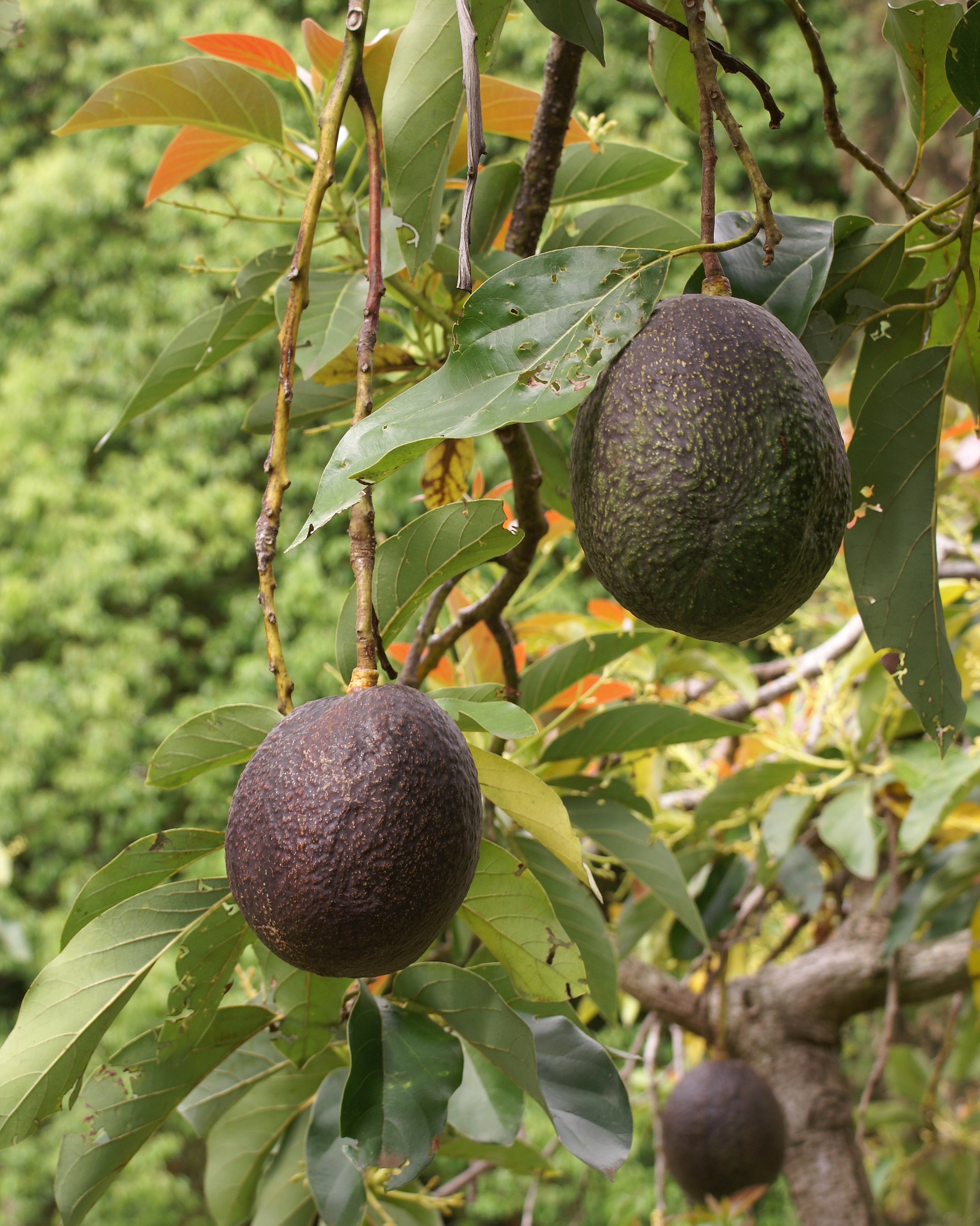
"Modern avocado breeding still depends heavily on open-pollination because of the difficulty associated with making controlled crosses." (photo credit: wikimedia commons)

“Modern avocado breeding still depends heavily on open-pollination because of the difficulty associated with making controlled crosses.” (photo credit: wikimedia commons)

Apart from issues of social and cultural preference, the challenge of breeding perennial crops comes down to time and money. Advances in genomics can help offset both of these things. Using DNA-based predictions, a plant’s phenotype can be determined at the seed or seedling stage. Genomics techniques can also be “used to reduce the generation time thereby enabling combinations of desirable traits to be combined on a timescale that is more similar to annual crops.” Below are summaries of specific areas discussed in the paper for using genomics in perennial crop breeding programs:

  • Reduction of Generation Time – This can be done using transgenic technology in ways that do not result in transgenic (GMO) cultivars. One method uses virus-induced gene silencing, in which a host plant is infected with “a virus that is genetically modified to carry a host gene;” the host plant then “attacks itself and uses its own endogenous system to silence the expression of one of its own genes.” Early flowering in apples has been induced after seedlings were inoculated with apple latent spherical virus that expresses a flowering gene derived from Arabidopsis thaliana.
  • Genetic Modification – Advances in genomics have brought us transgenic technology, and several commercial crops have been genetically modified using this technology. Most of them are annuals, but one perennial in particular, SunUp papaya, has been a major success. Its resistance to ringspot virus rescued the papaya industry from a devastating pathogen that “almost completely destroyed the industry in Hawaii.” Consumer disapproval, however, poses a major obstacle to commercial production of genetically modified organisms, and unless this changes, “their widespread use is unlikely.”
  • Marker-Assisted Selection – This is the “primary use of genomics in breeding.” The time between initial plant crosses and the introduction of a new cultivar can be dramatically shortened when genetic markers are used to determine the phenotypes of adult plants at the seedling stage. This technology is also useful when crossing domesticated plants with wild relatives, since genetic markers can be used to determine when desired traits are present in the offspring.
  • Ancestry Selection – After crosses with wild relatives, offspring may “perform poorly because wild germplasm often harbors numerous traits that negatively affect performance.” To overcome this, the offspring is crossed with cultivated plants until undesirable traits are eliminated. This is called backcrossing. Using marker-assisted selection, breeders can “select a small number of offspring in each generation that carry both the desired trait from the wild and the most cultivated ancestry.”
  • Genomic Selection – The success of marker-assisted selection is greatest when used for traits that are controlled by one or a few genes. However, many traits involve a complex set of genes. Genomic selection is a new technique that “uses dense, genome-wide marker data to predict phenotypes and screen offspring.” It is “especially useful for predicting complex traits controlled by many small-effect genes.” Genomic selection is in its infancy, so there are kinks to work out, but it is a promising technology for perennial crop breeding efforts.

The use of genomics will not replace every aspect of traditional perennial crop breeding and “should be viewed as a potential supplement…rather than a substitute.” Geneticists and plant breeders are encouraged to work together to develop and implement these technologies in a concerted effort to improve the crop plants that help feed the world.

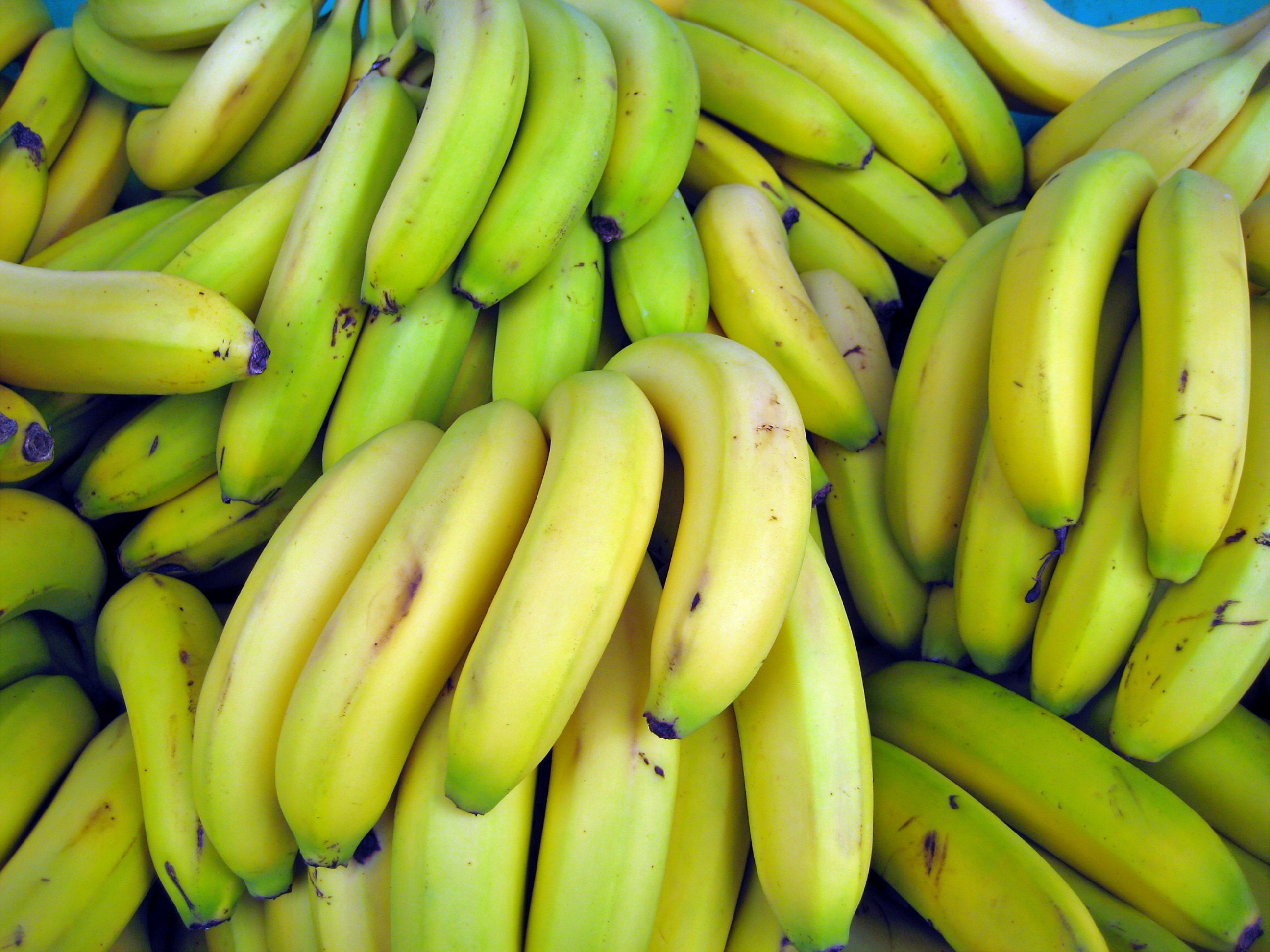
"Despite the remarkable phenotypic and genotypic diversity in bananas," the Cavendish banana is responsible for the "vast majority" of banana production. (photo credit: wikimedia commons)

“Despite the remarkable phenotypic and genotypic diversity in bananas,” the Cavendish banana is responsible for the “vast majority” of banana production. (photo credit: wikimedia commons)